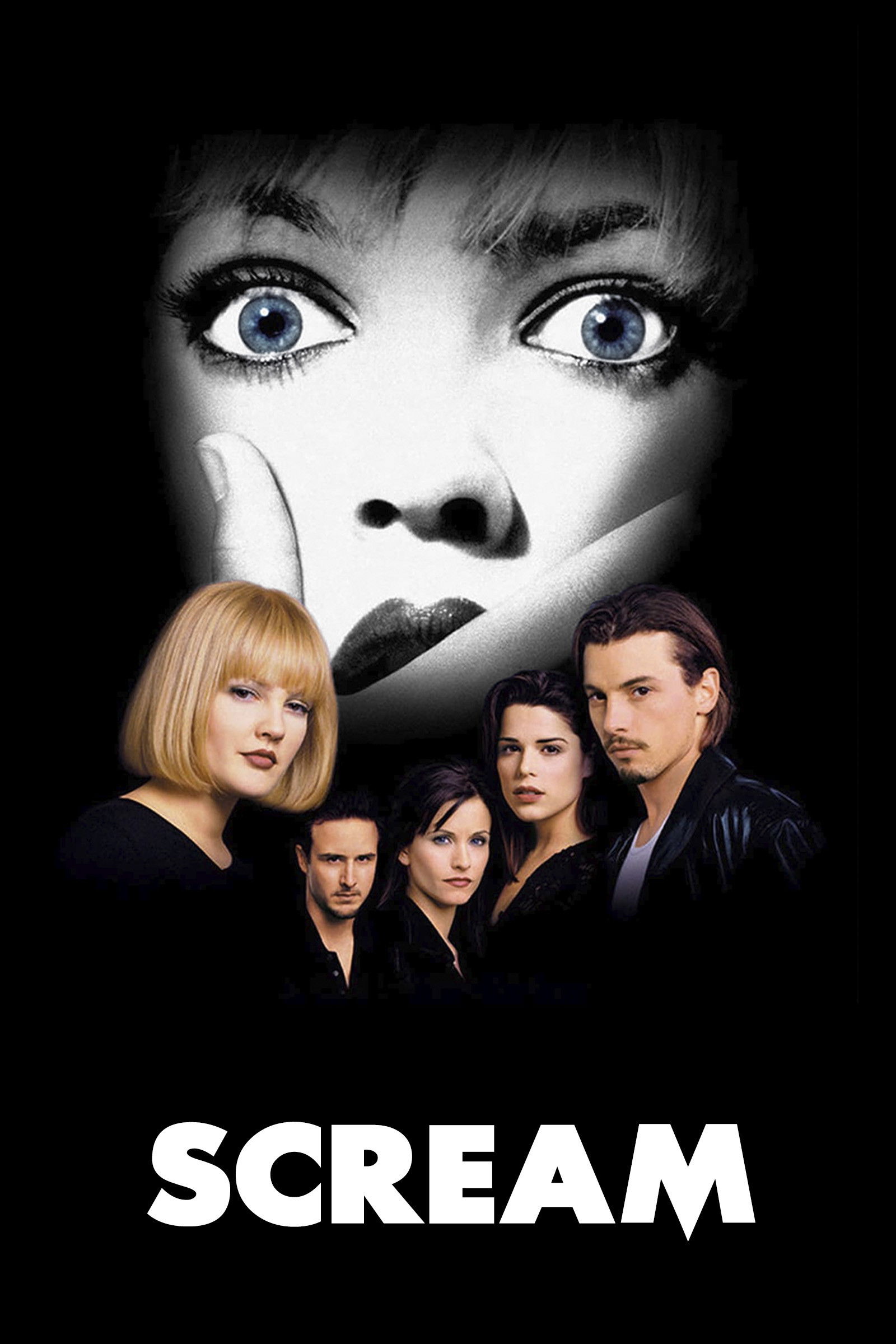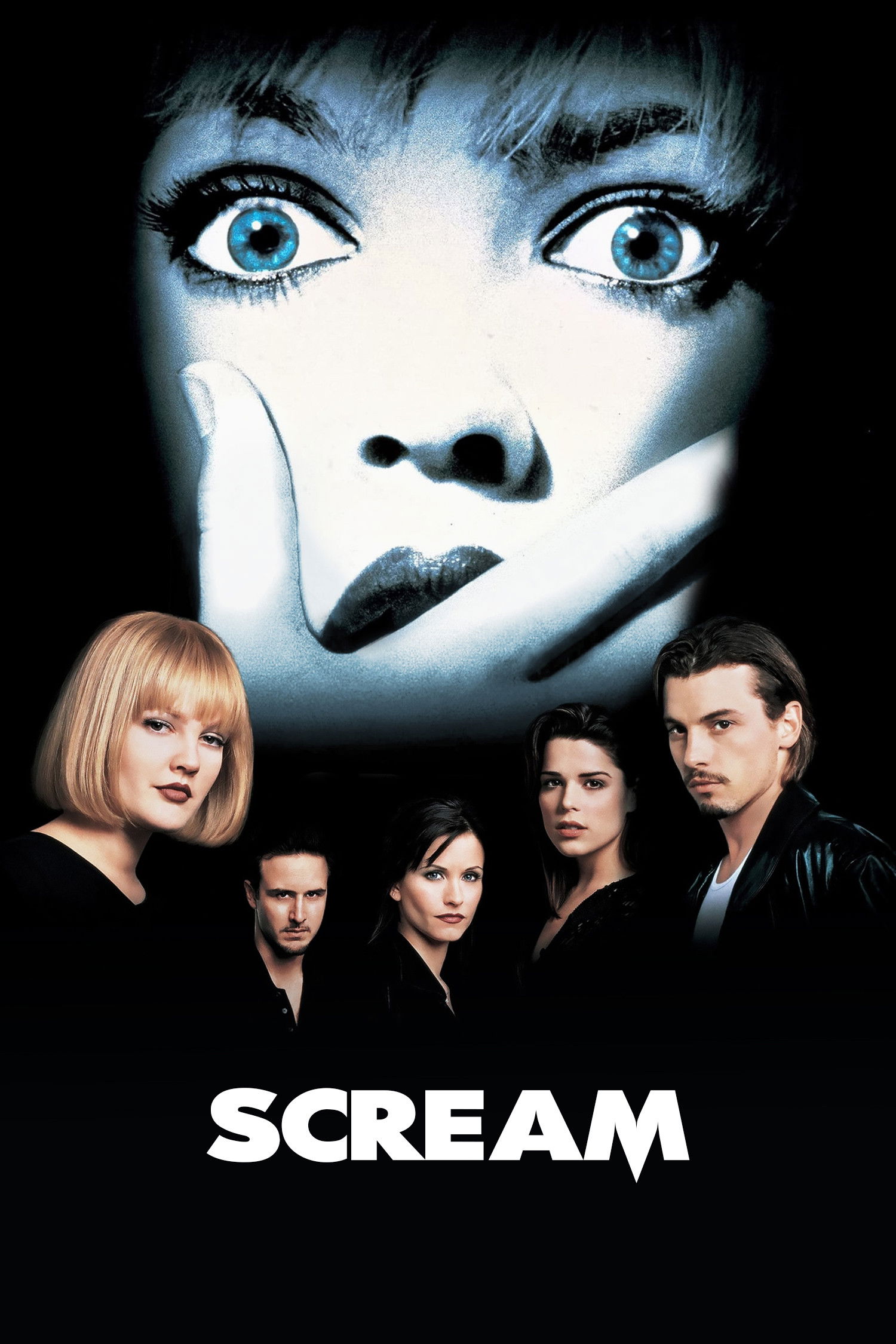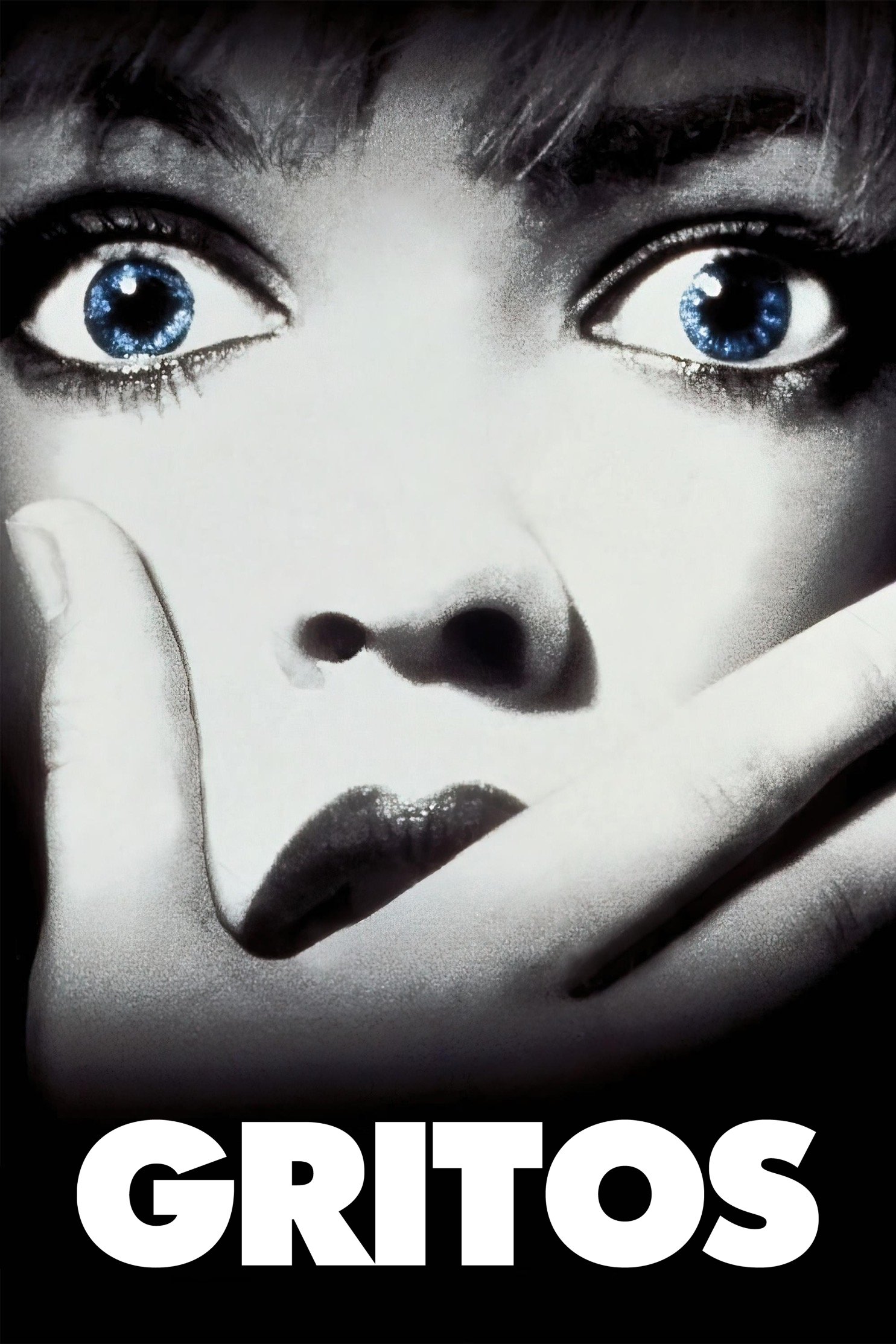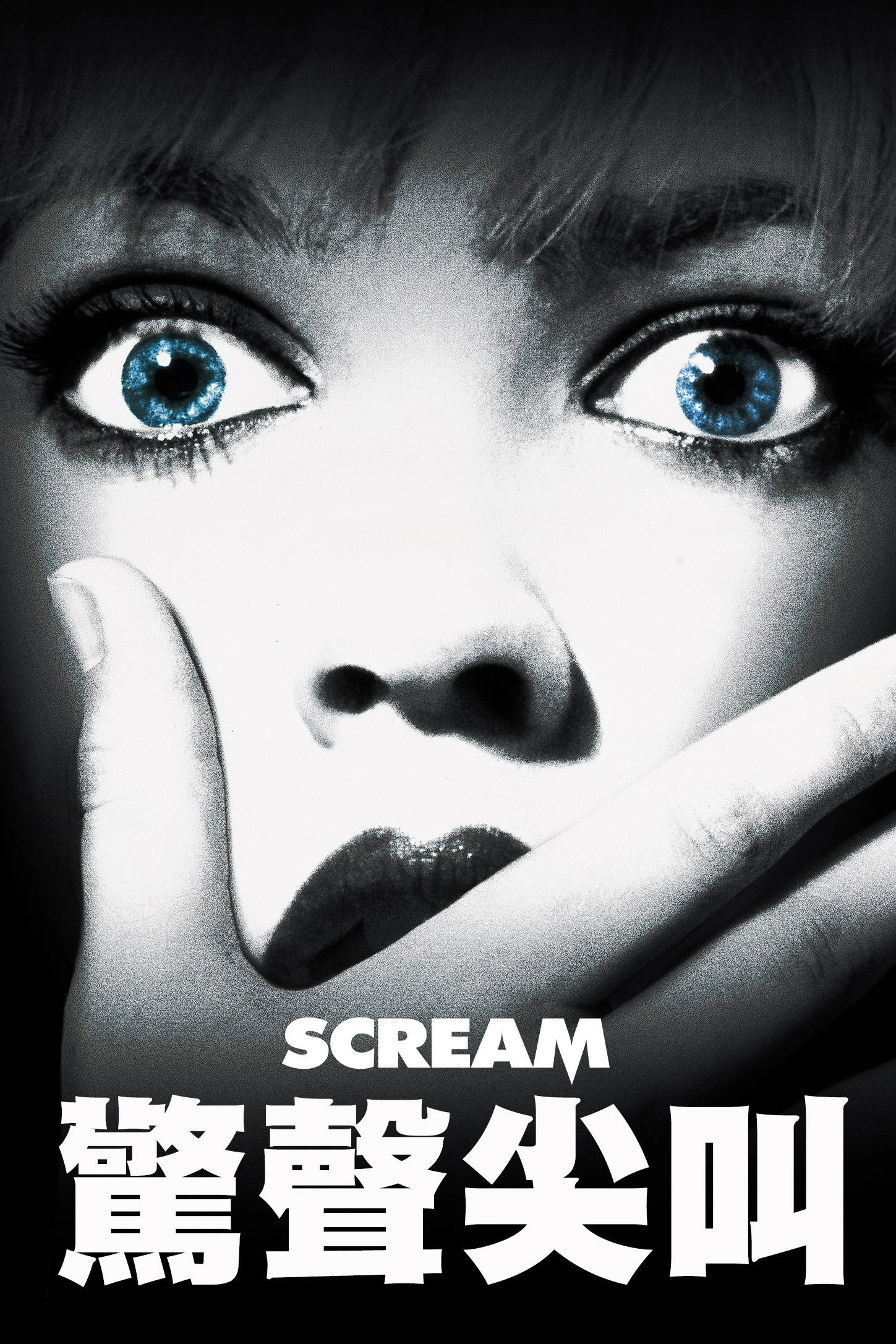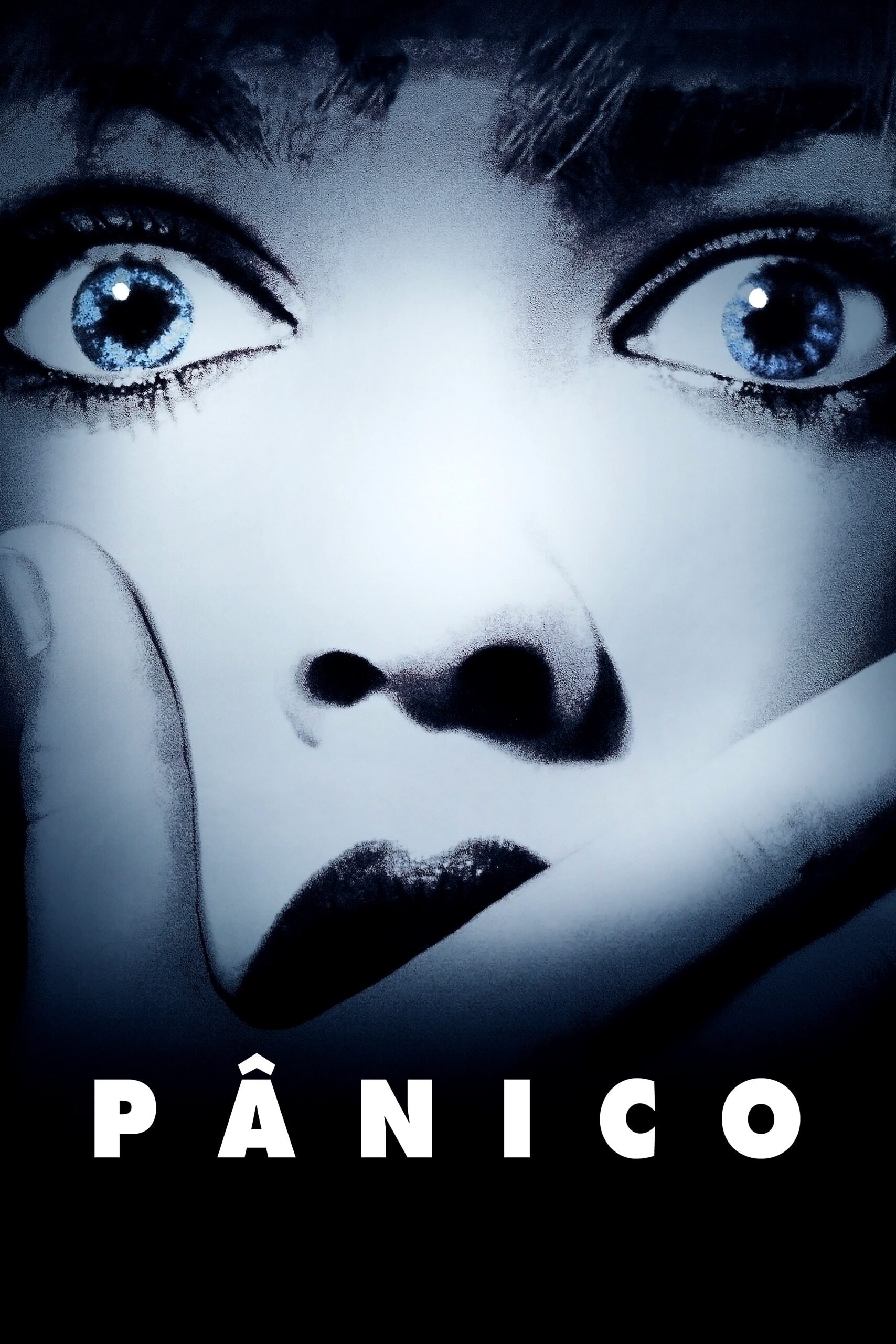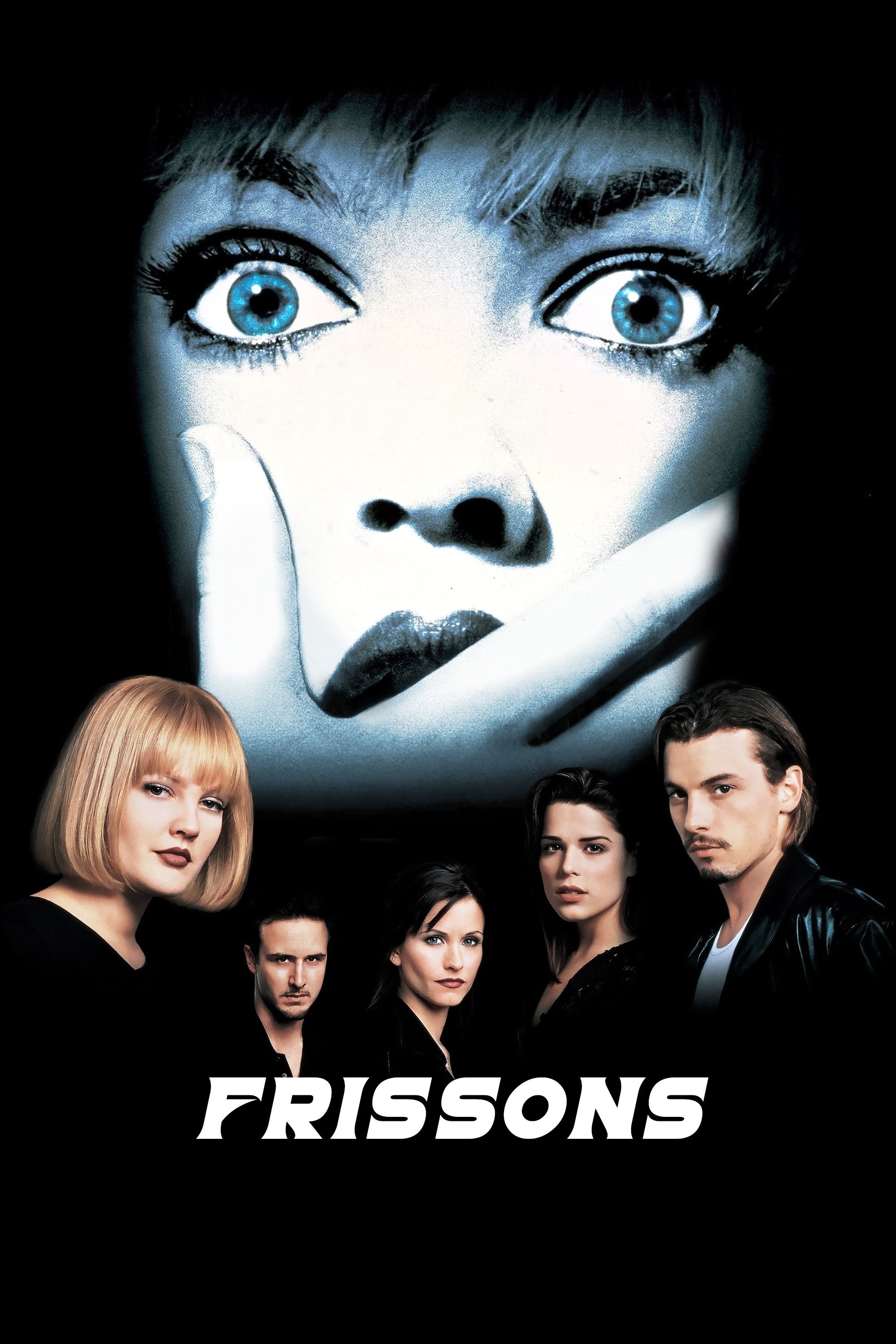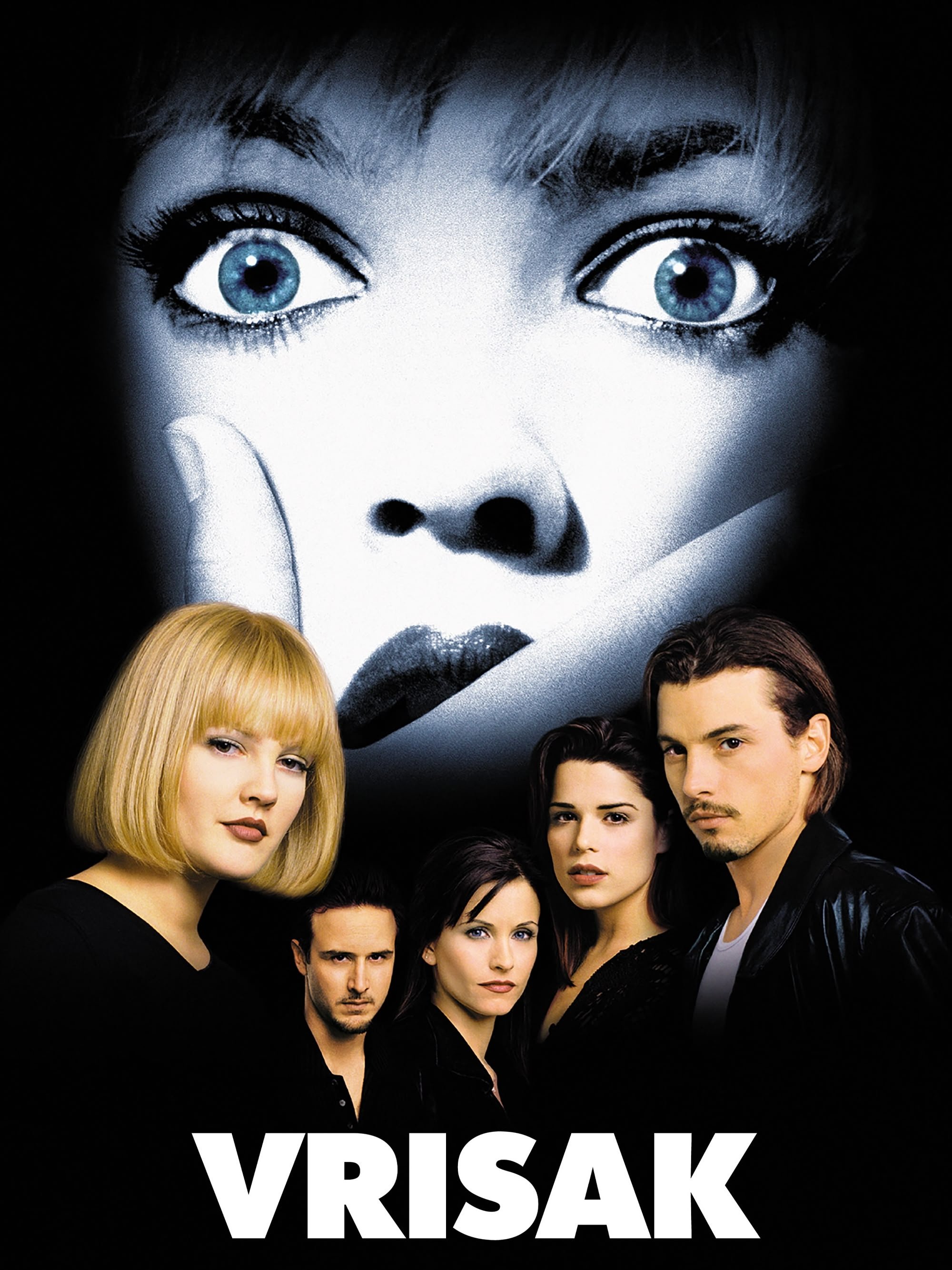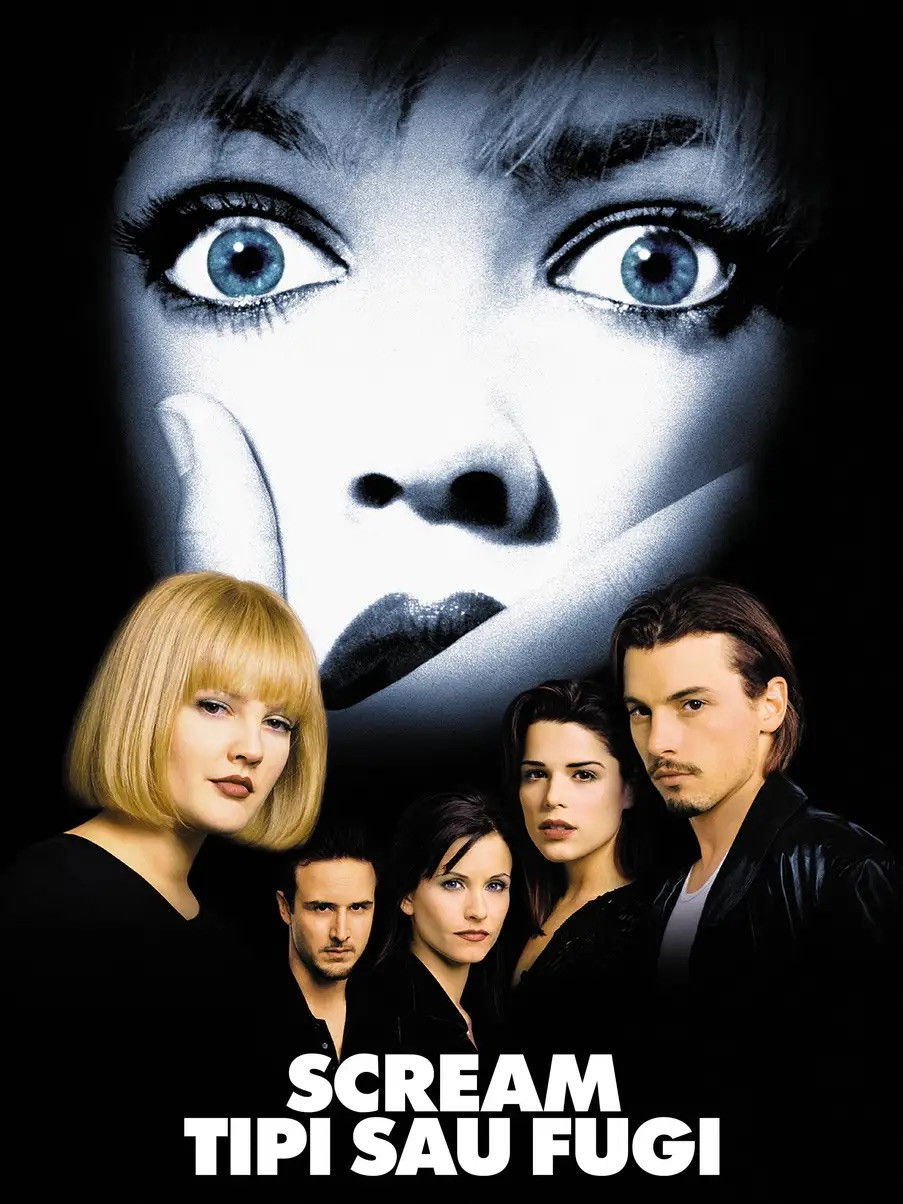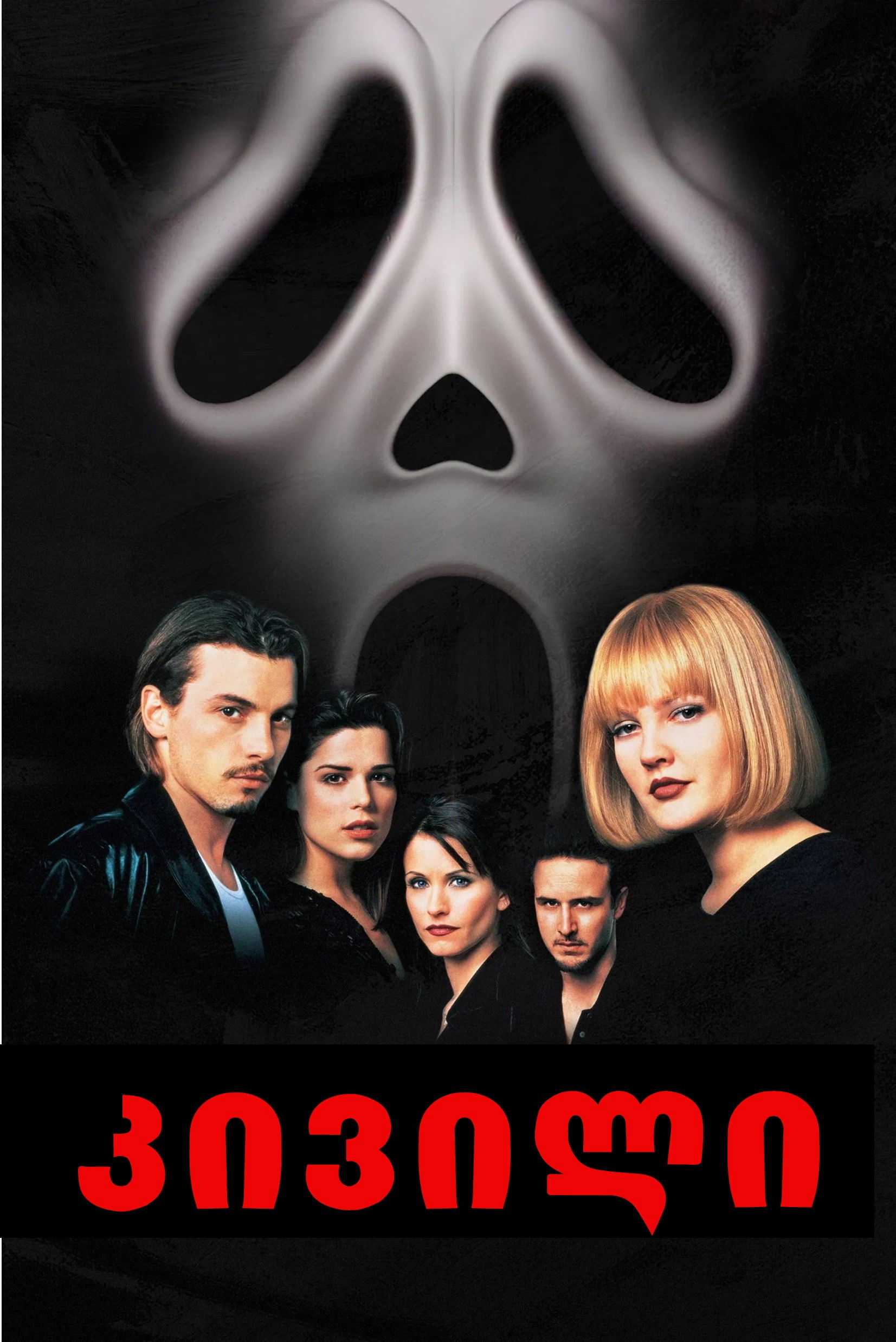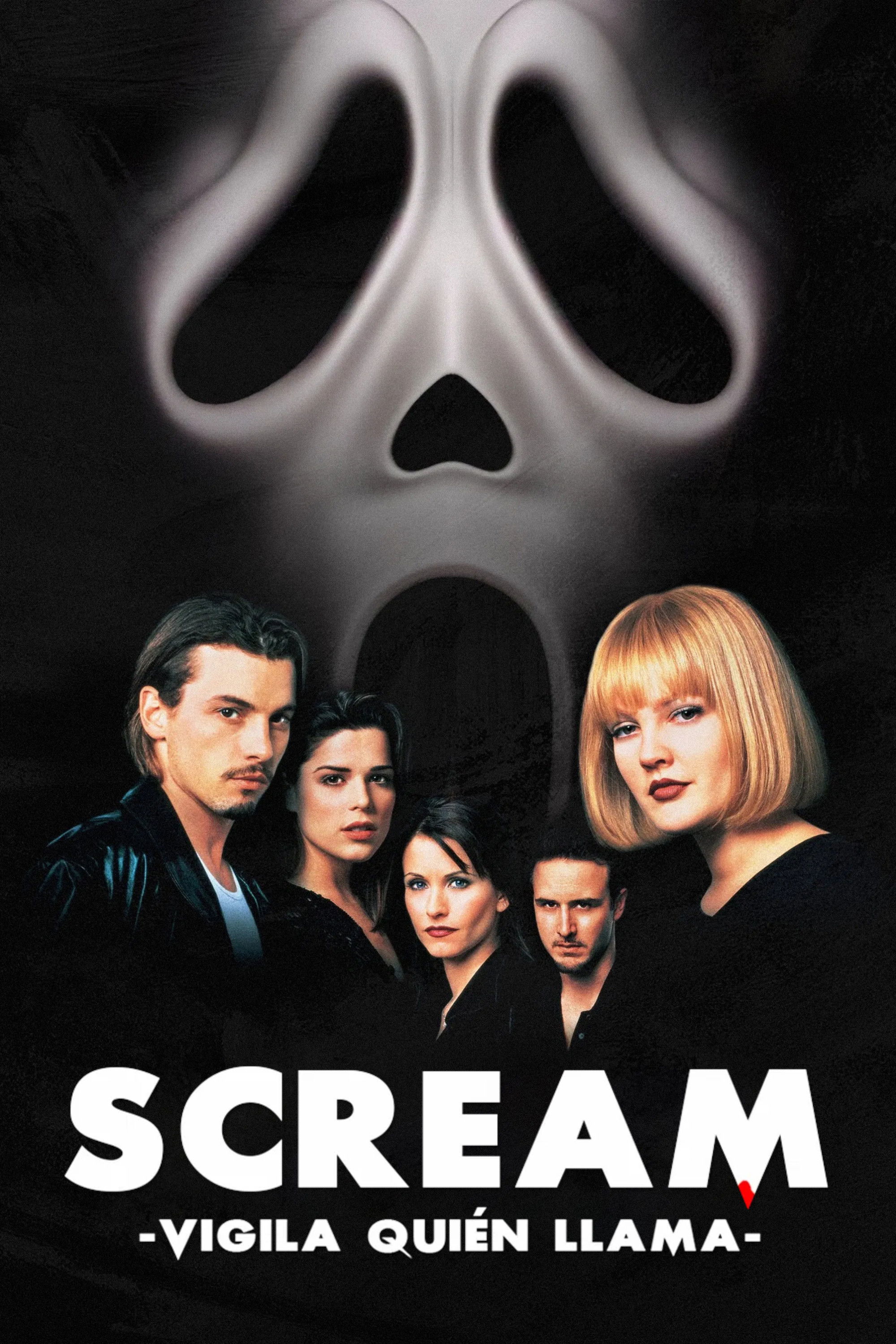
Scream (1996)

US
8.6/10 9 votes
Runtime
112 min
Release
December 20, 1996
Budget
$14,000,000
Revenue
$173,046,663
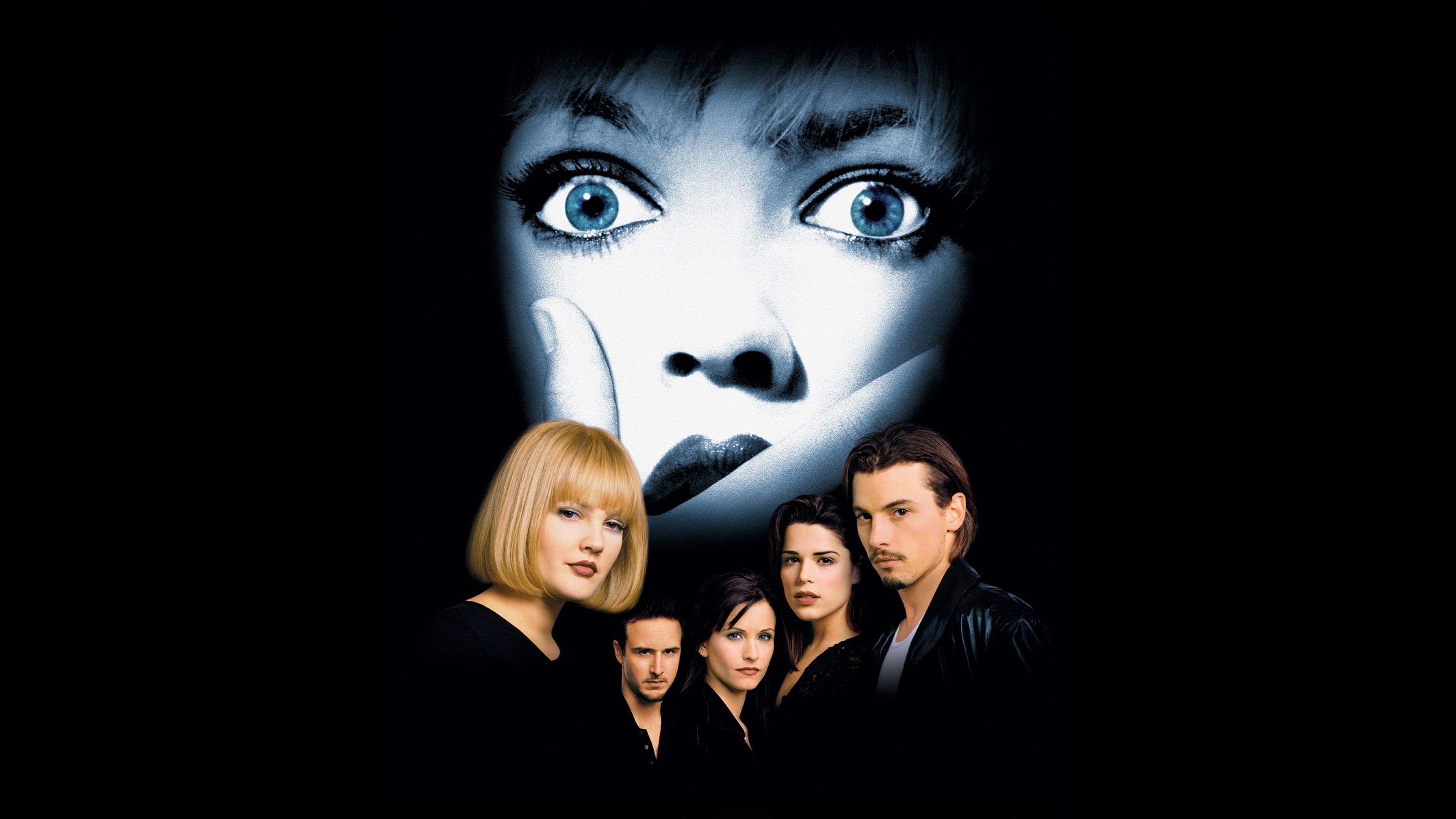
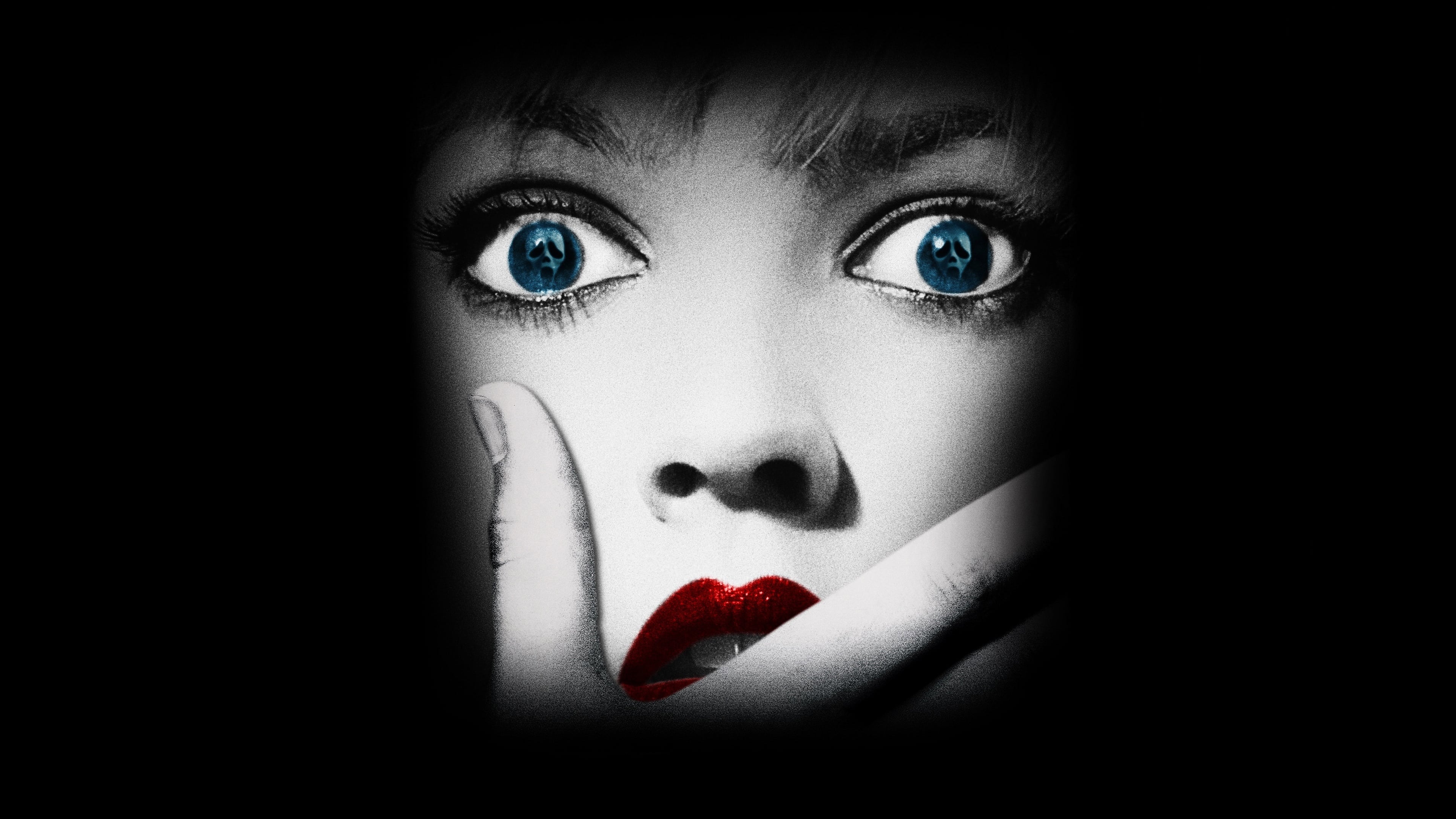
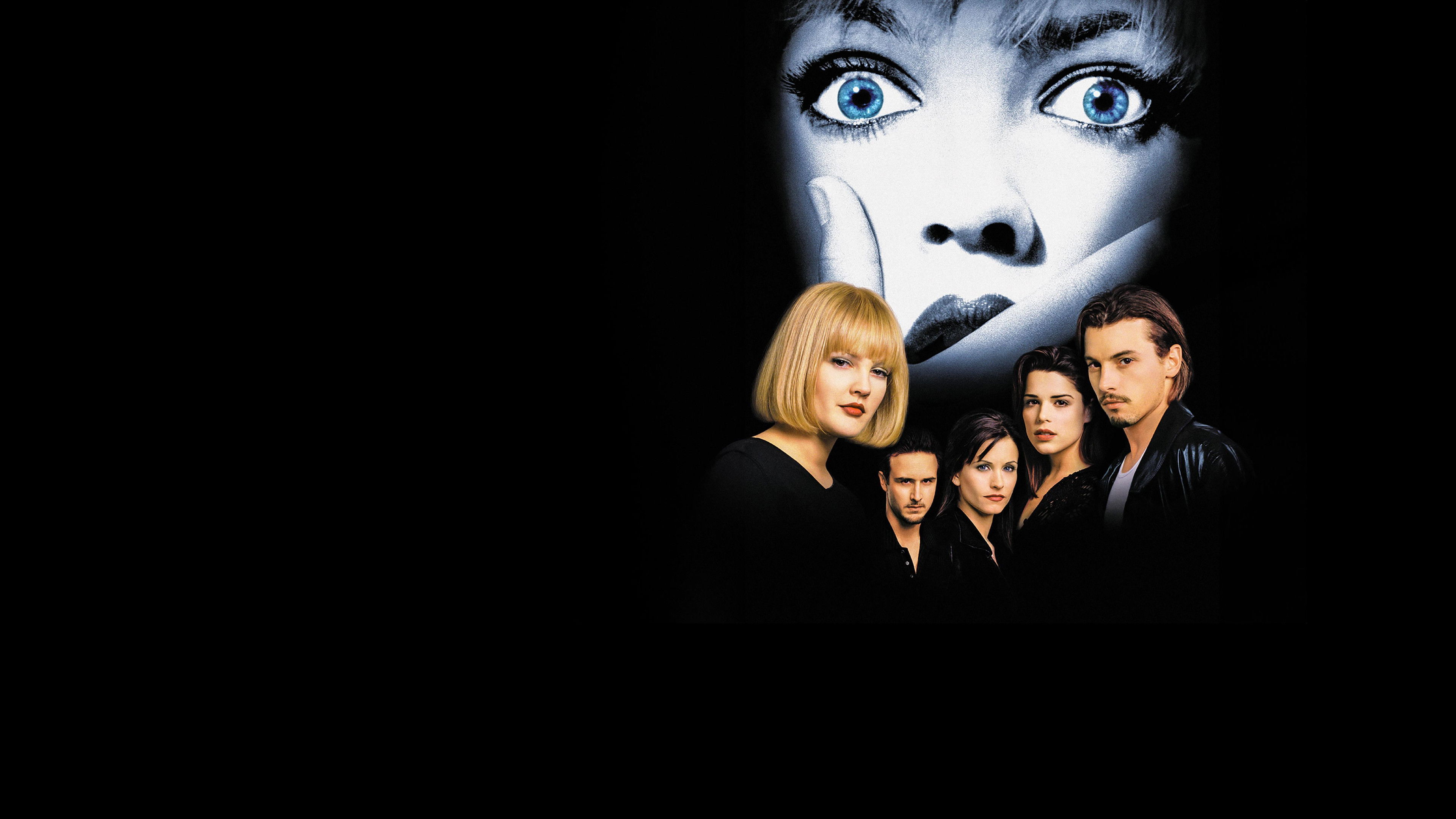
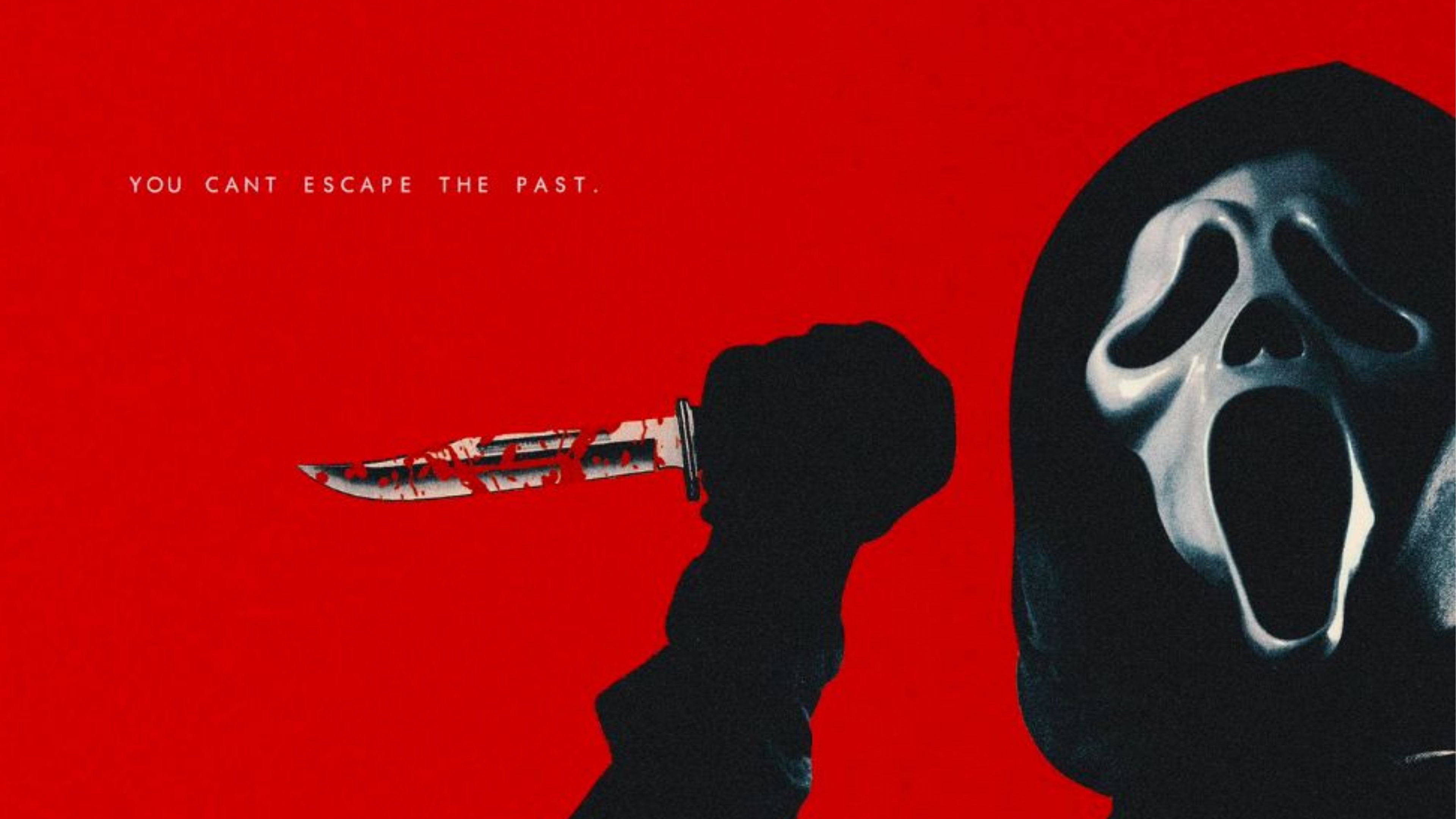
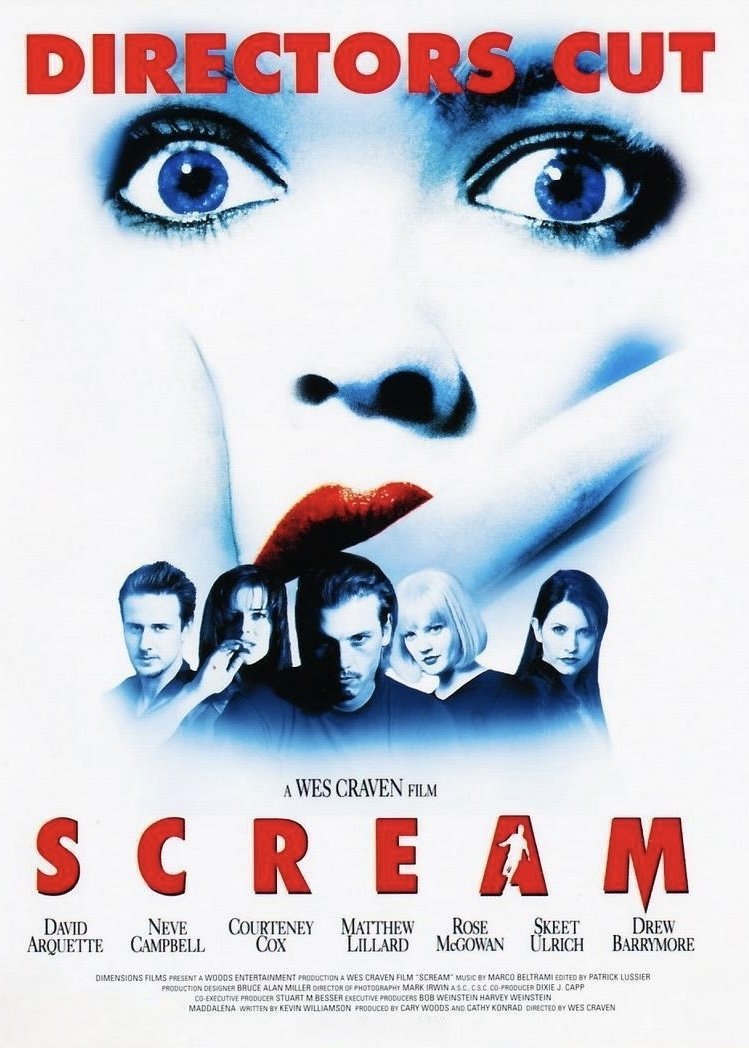
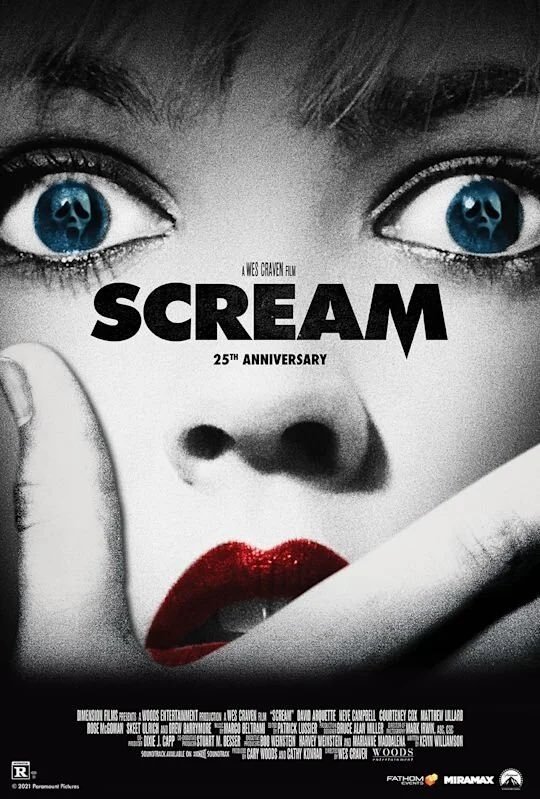
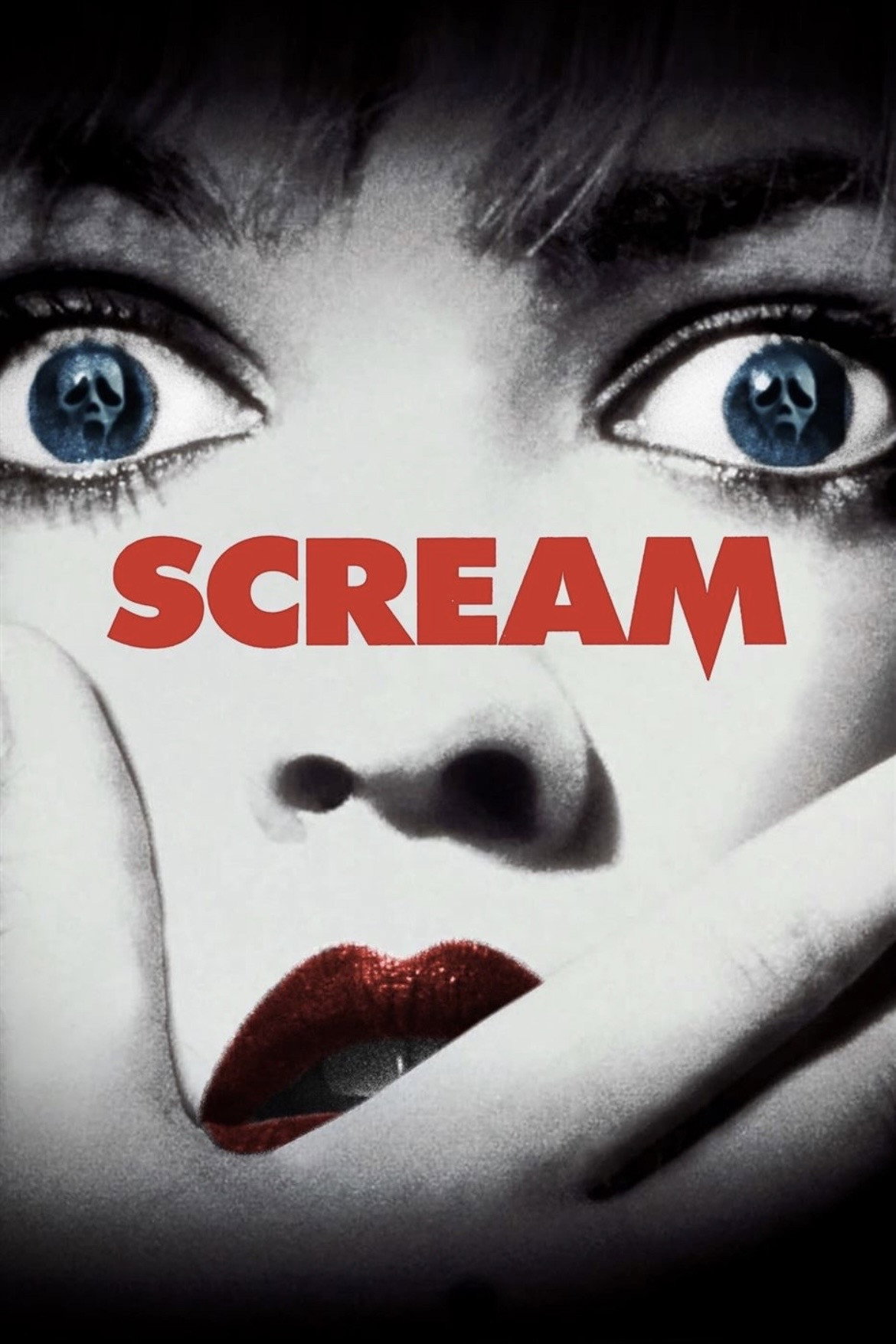
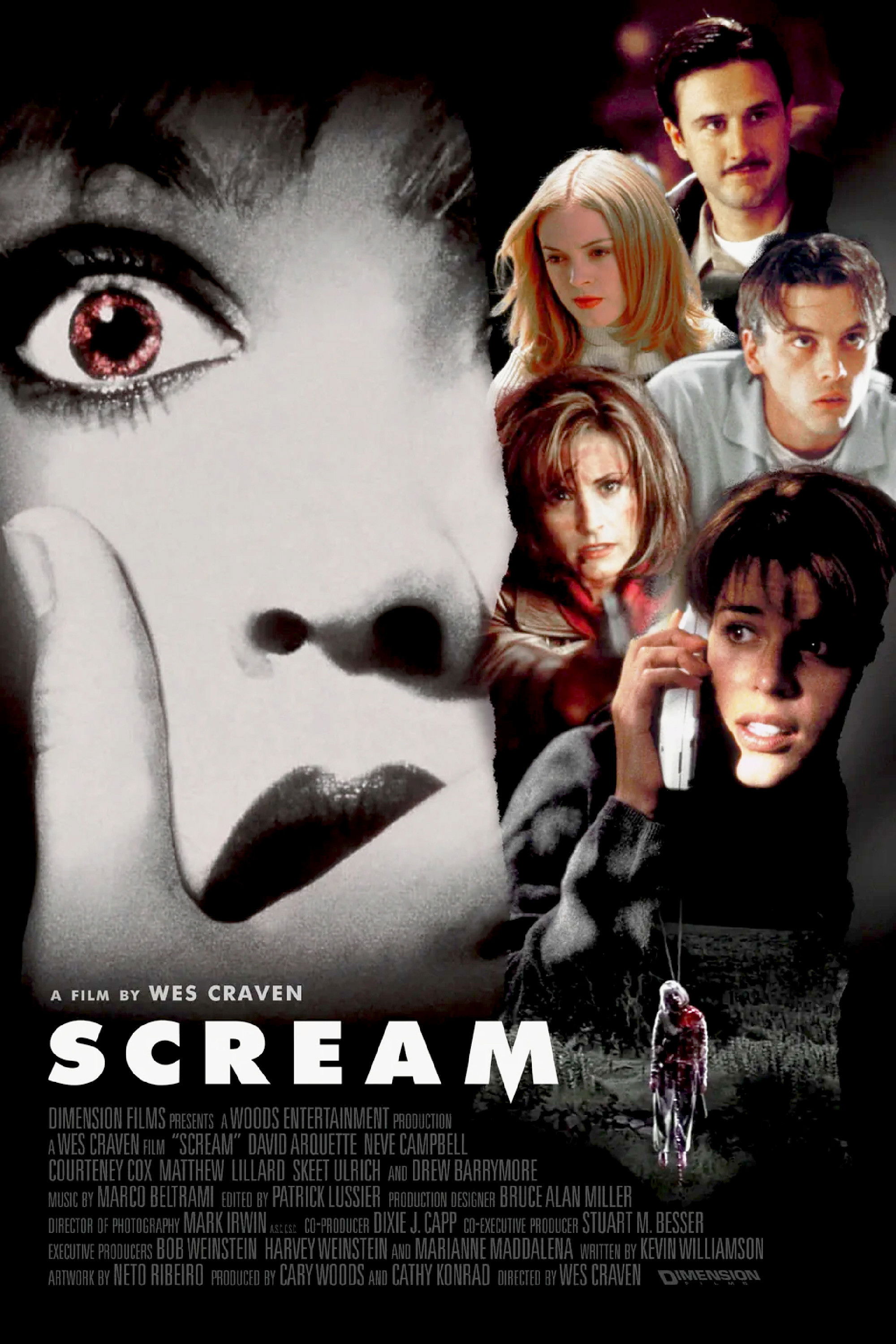
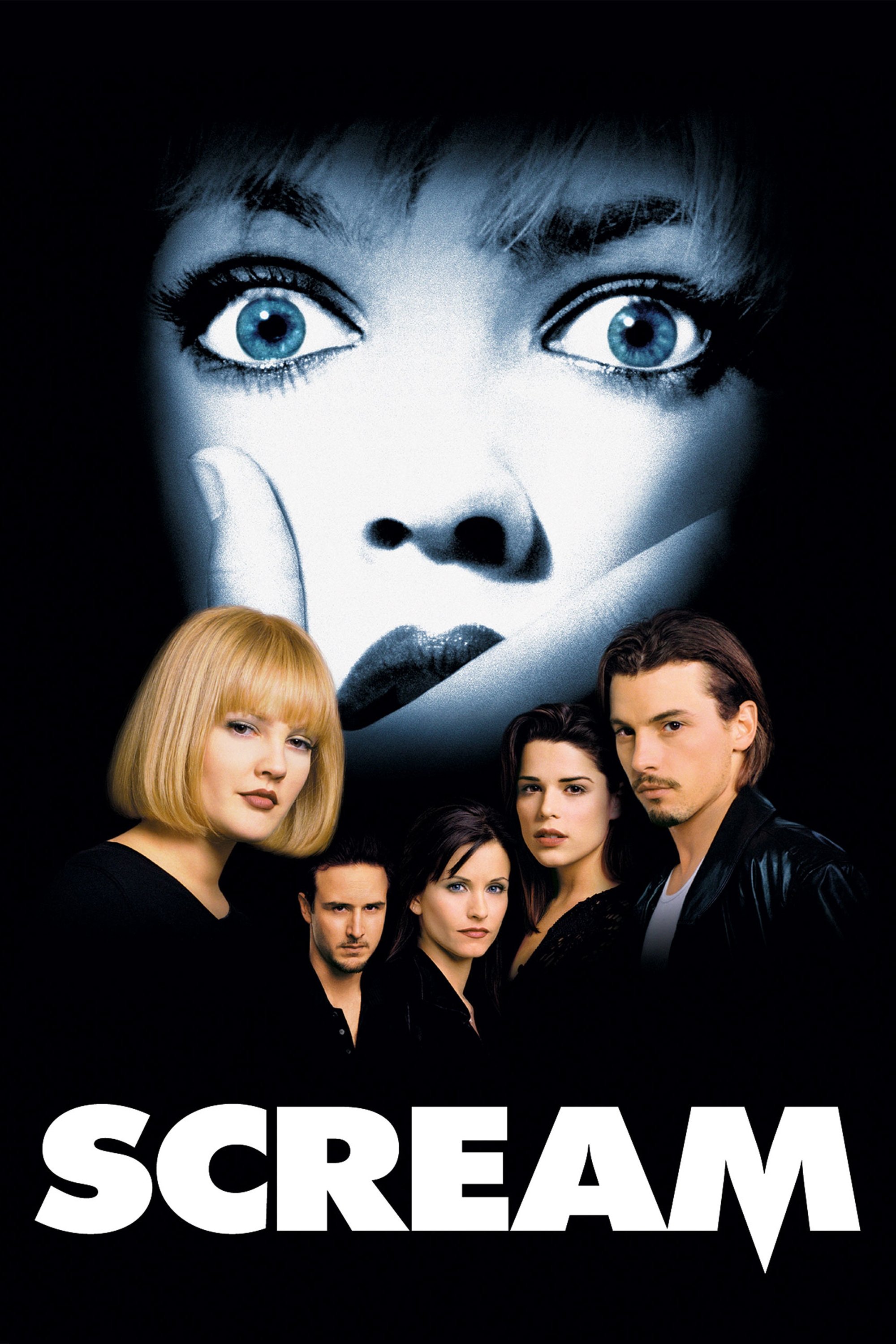
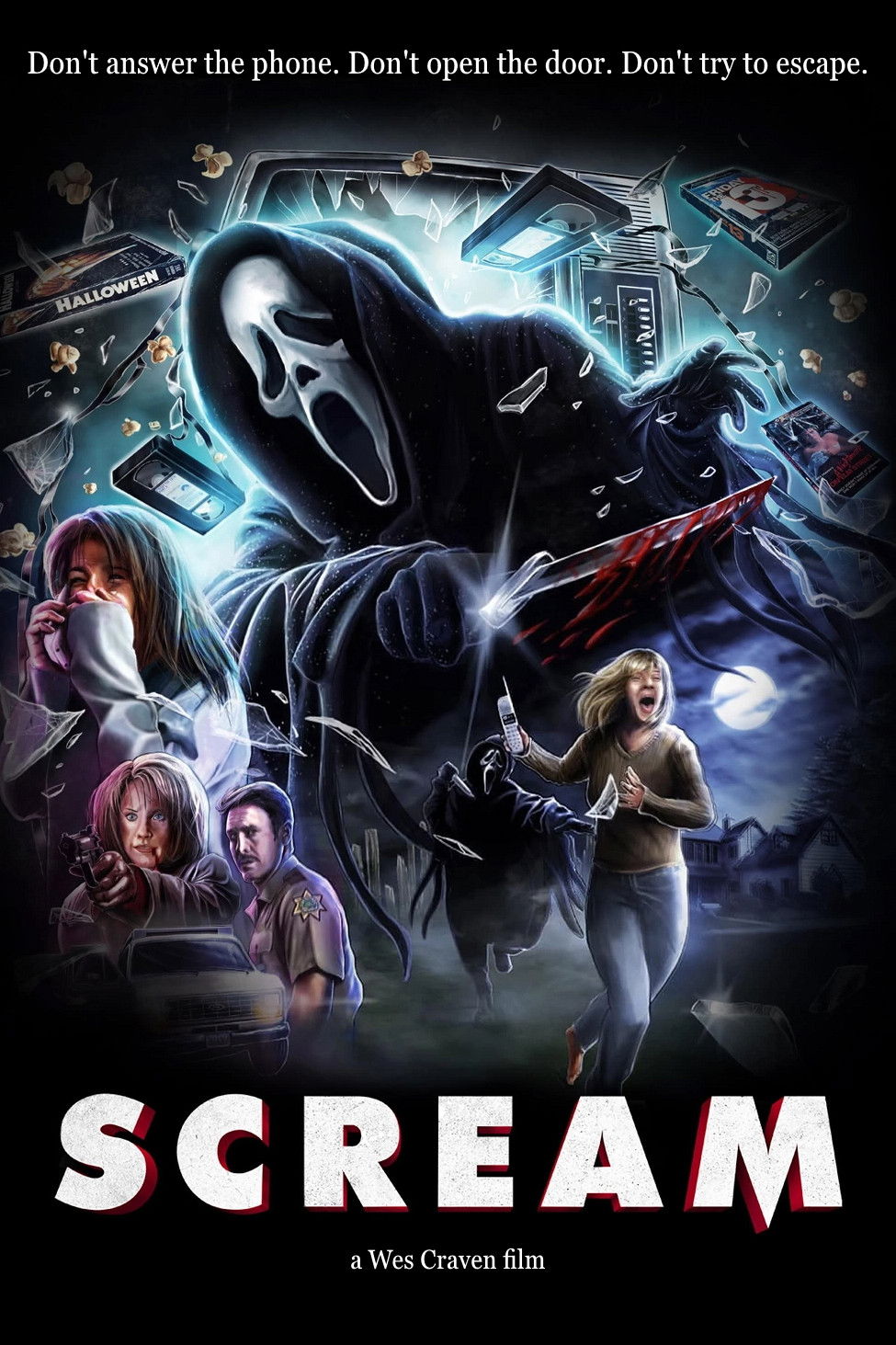
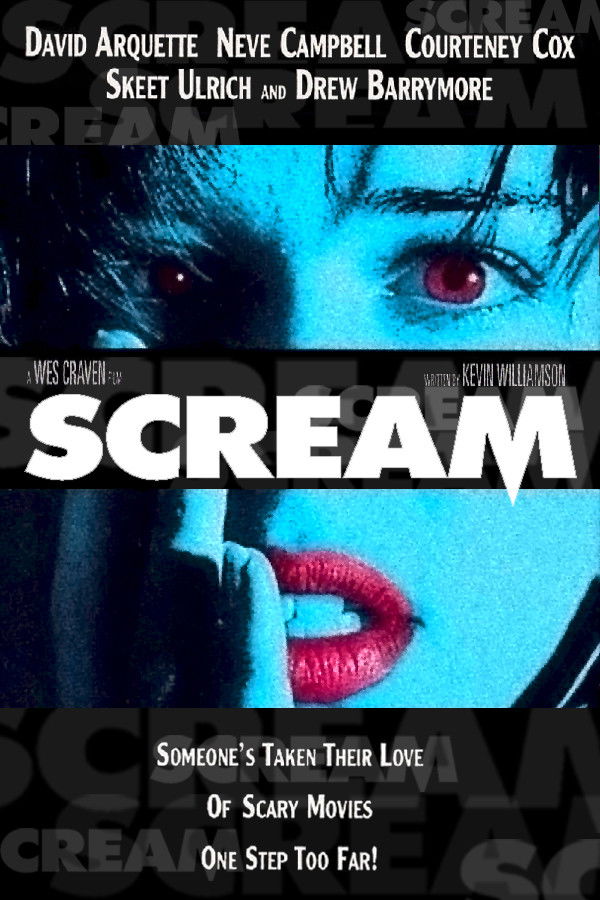
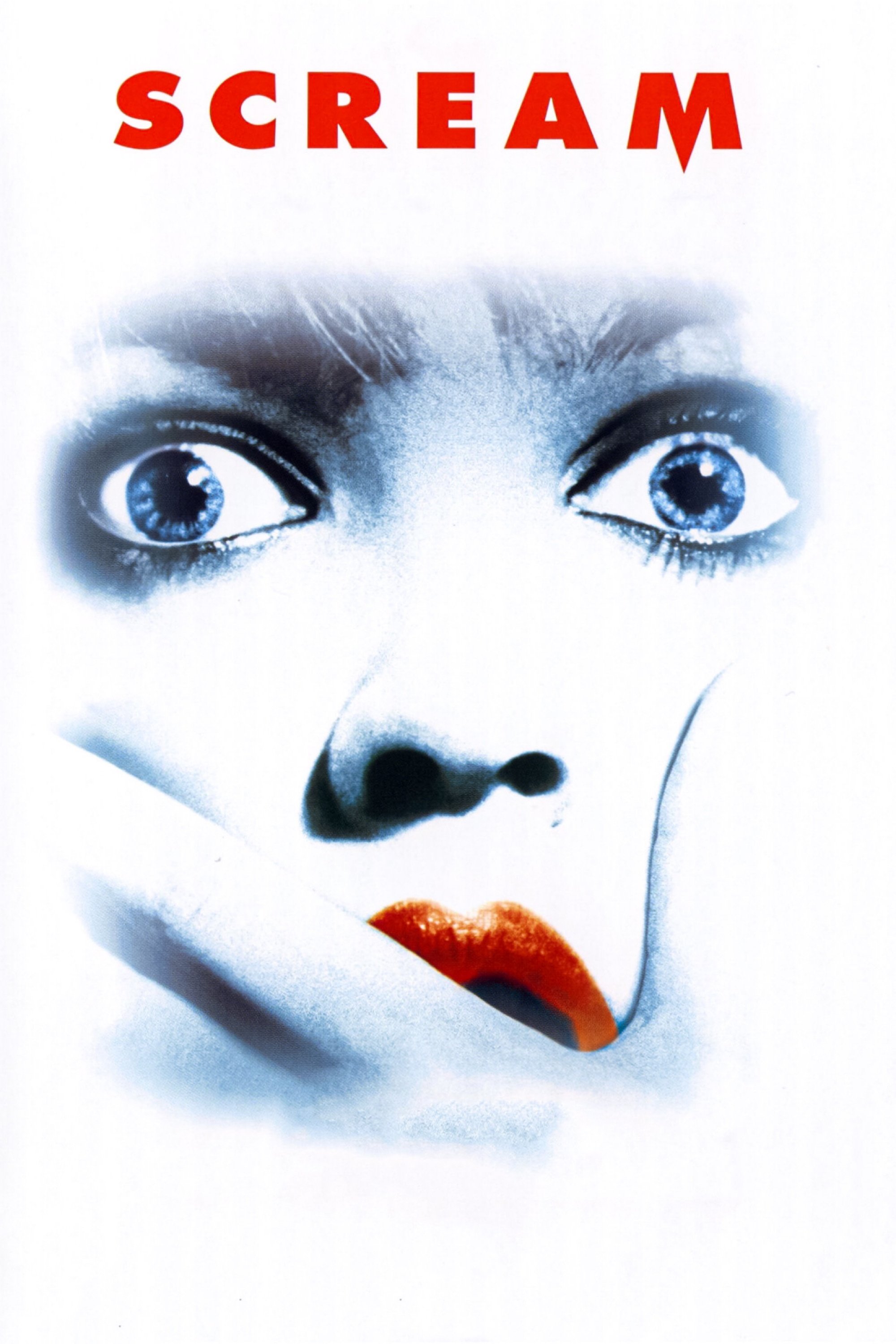
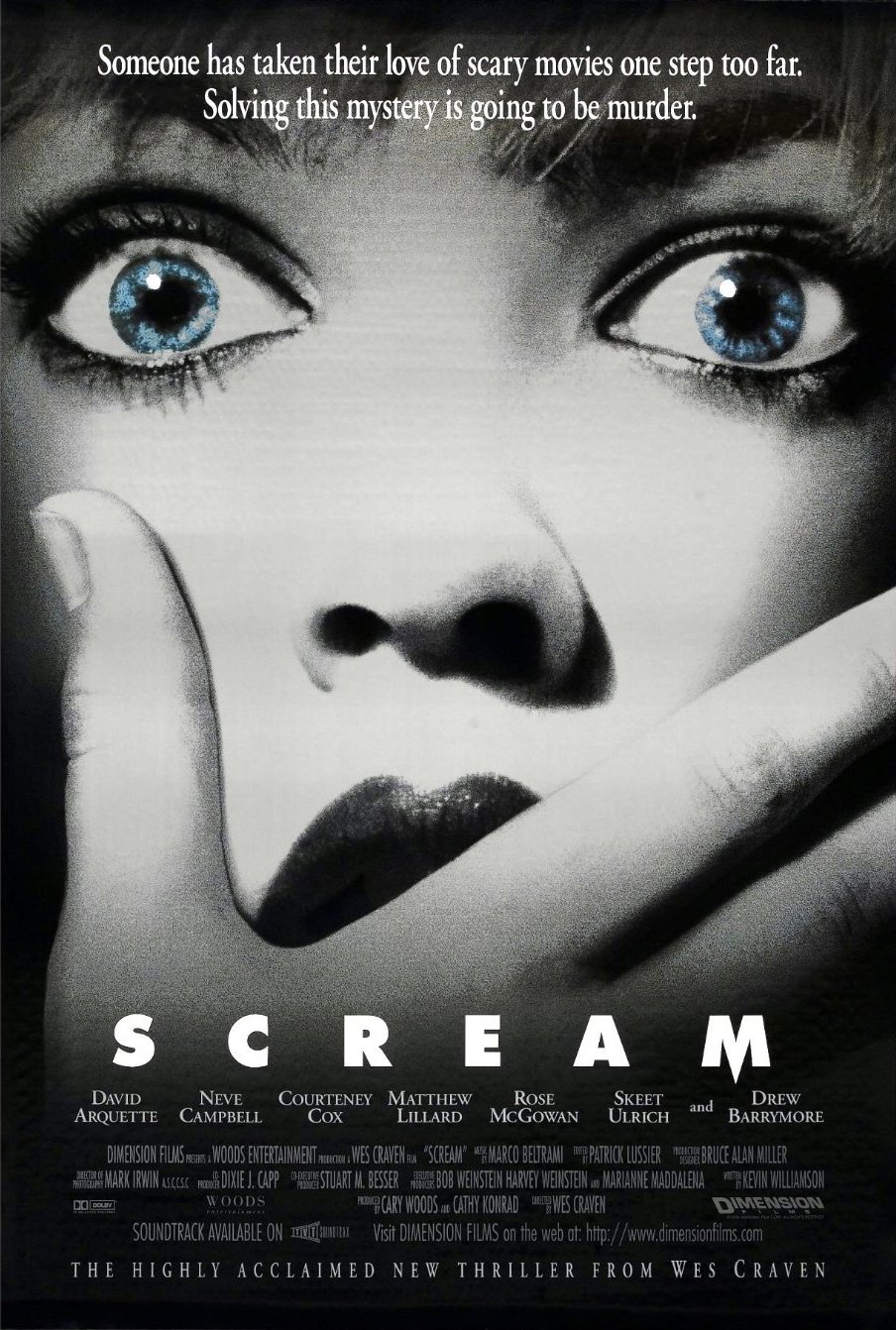
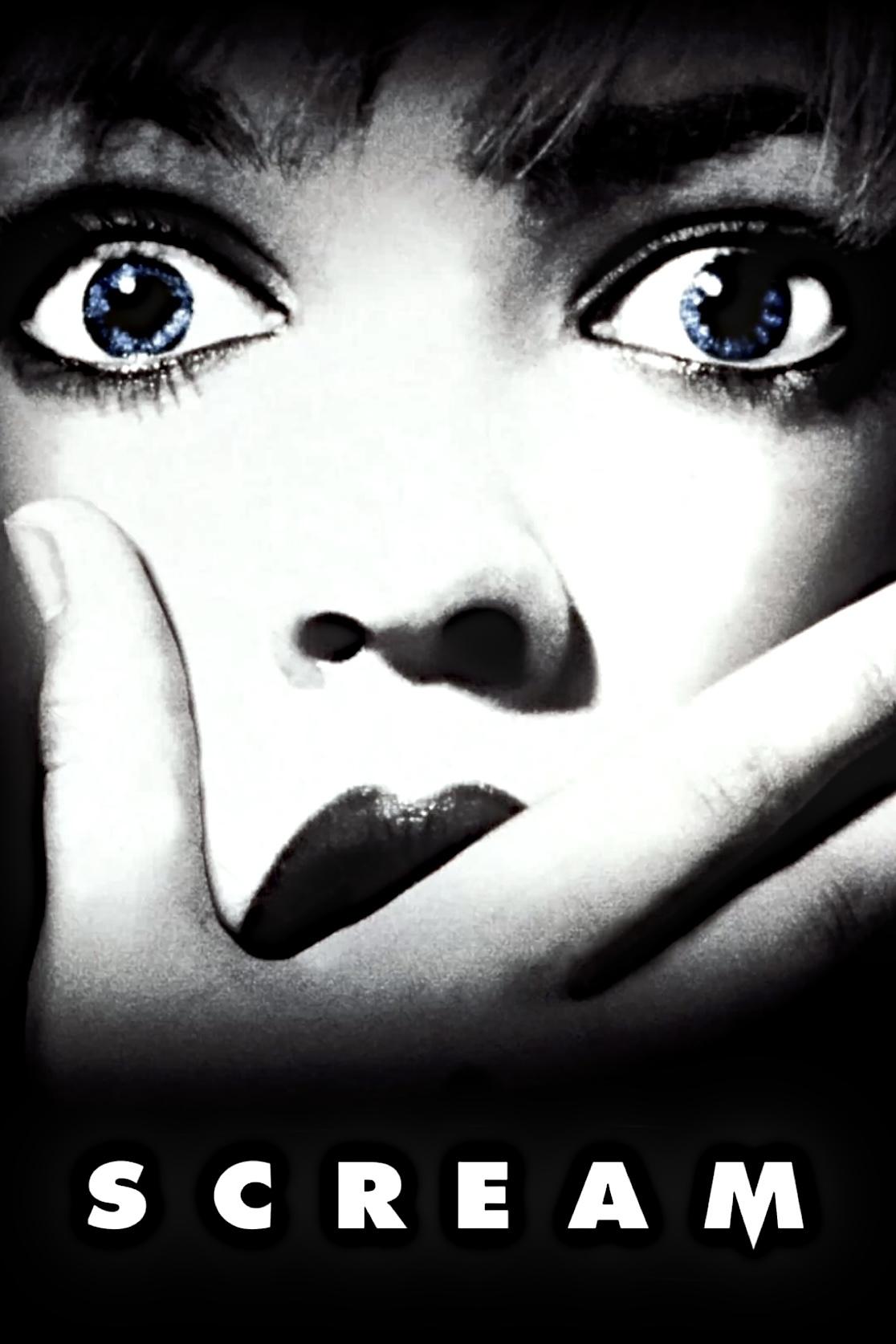
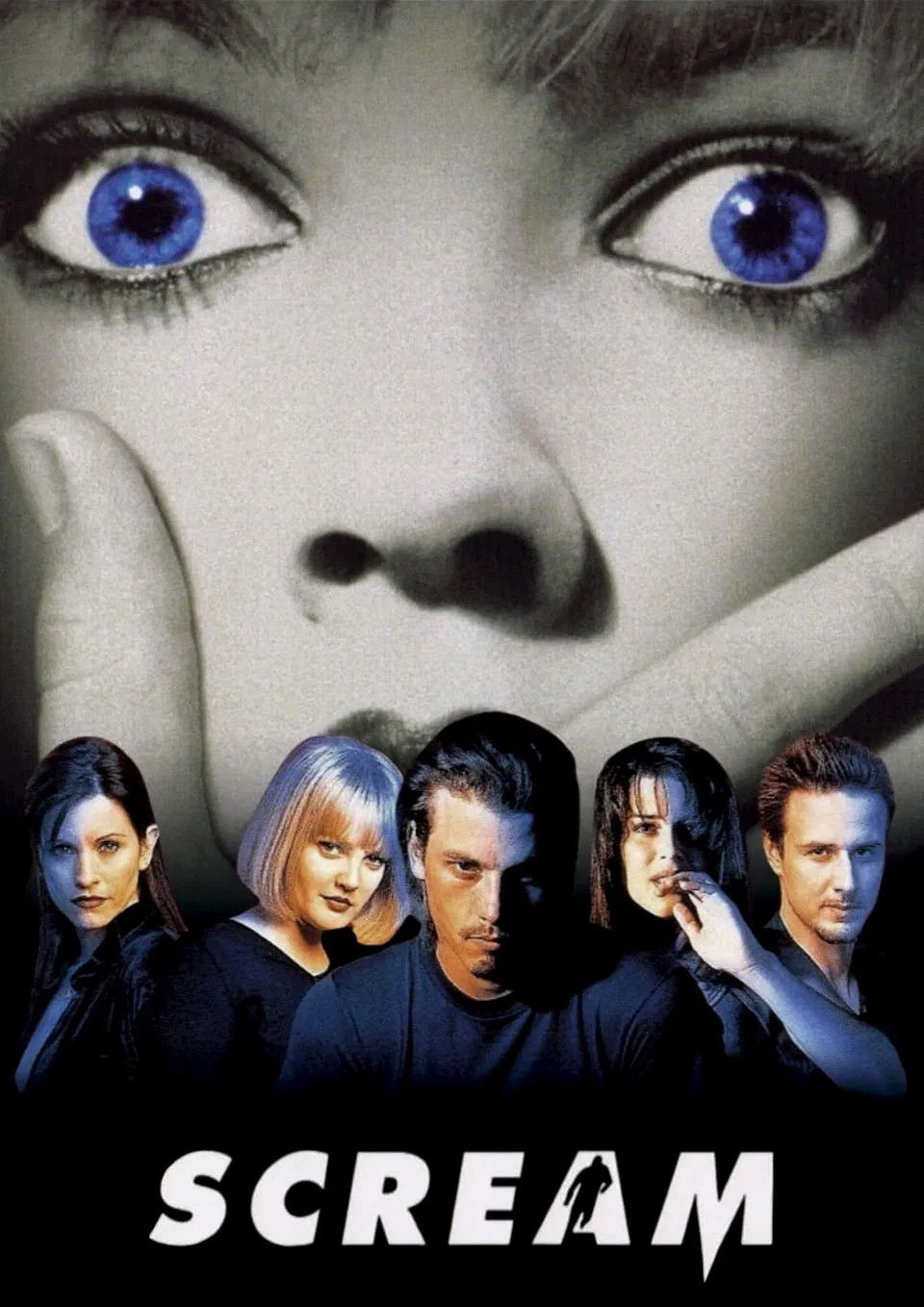
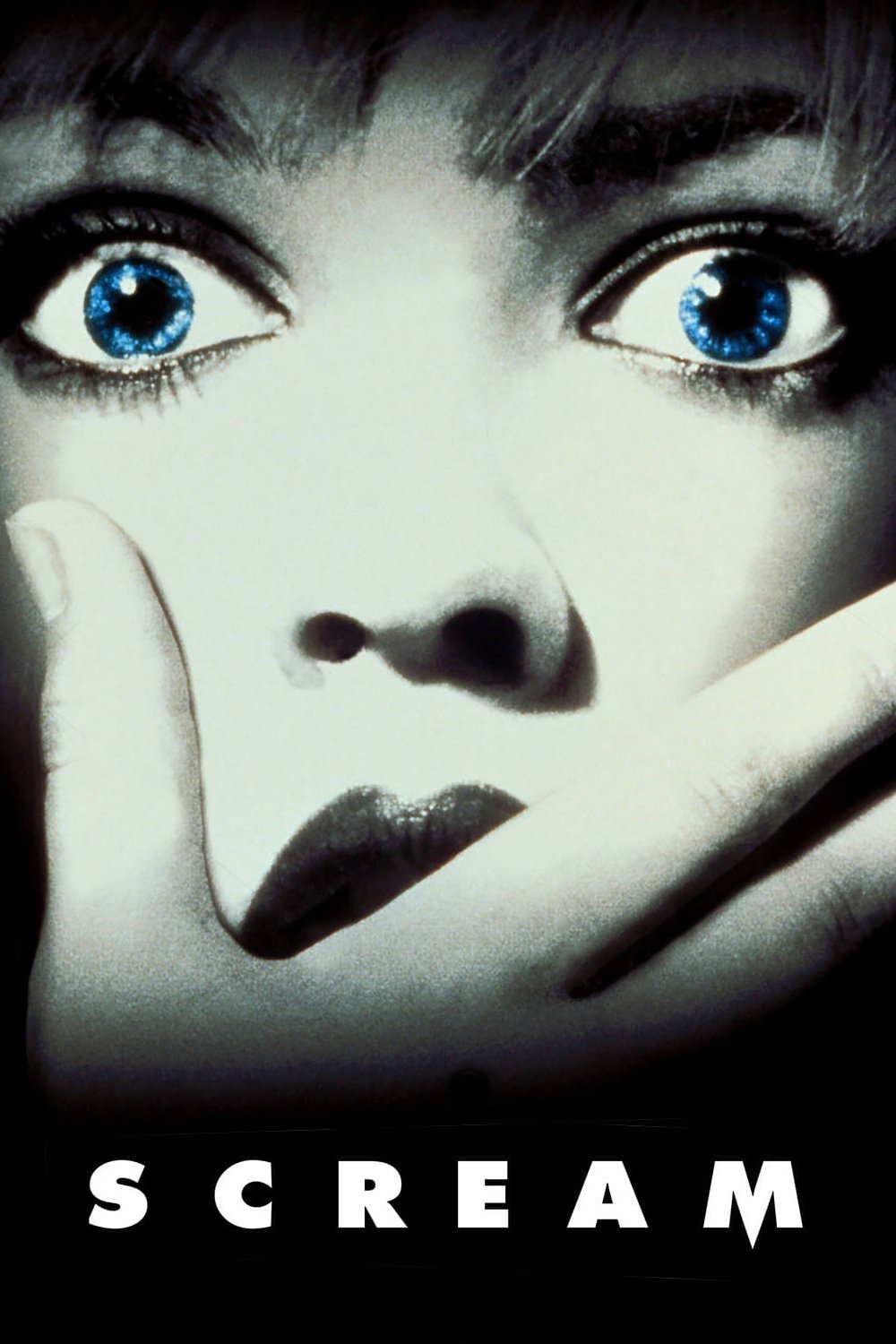
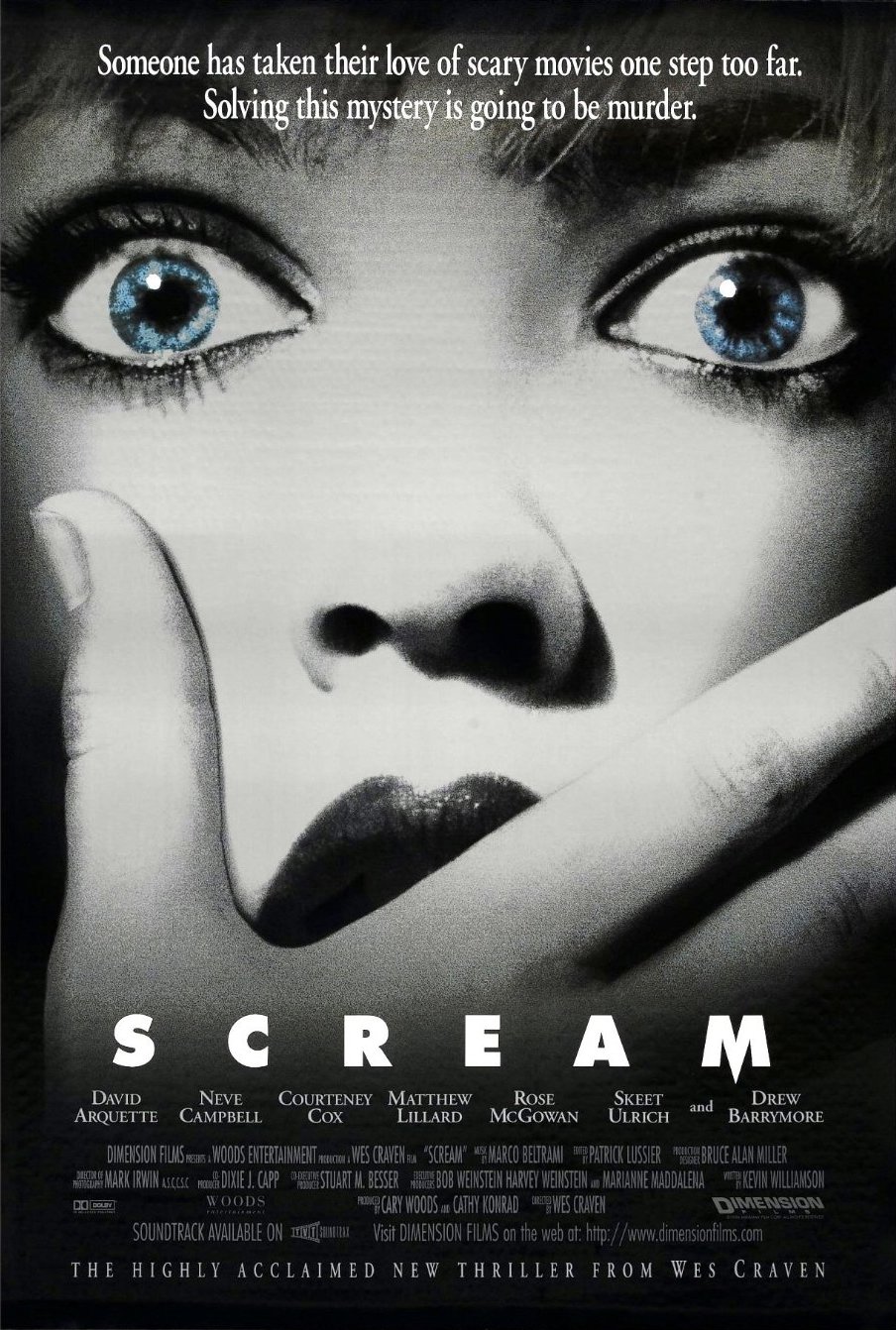
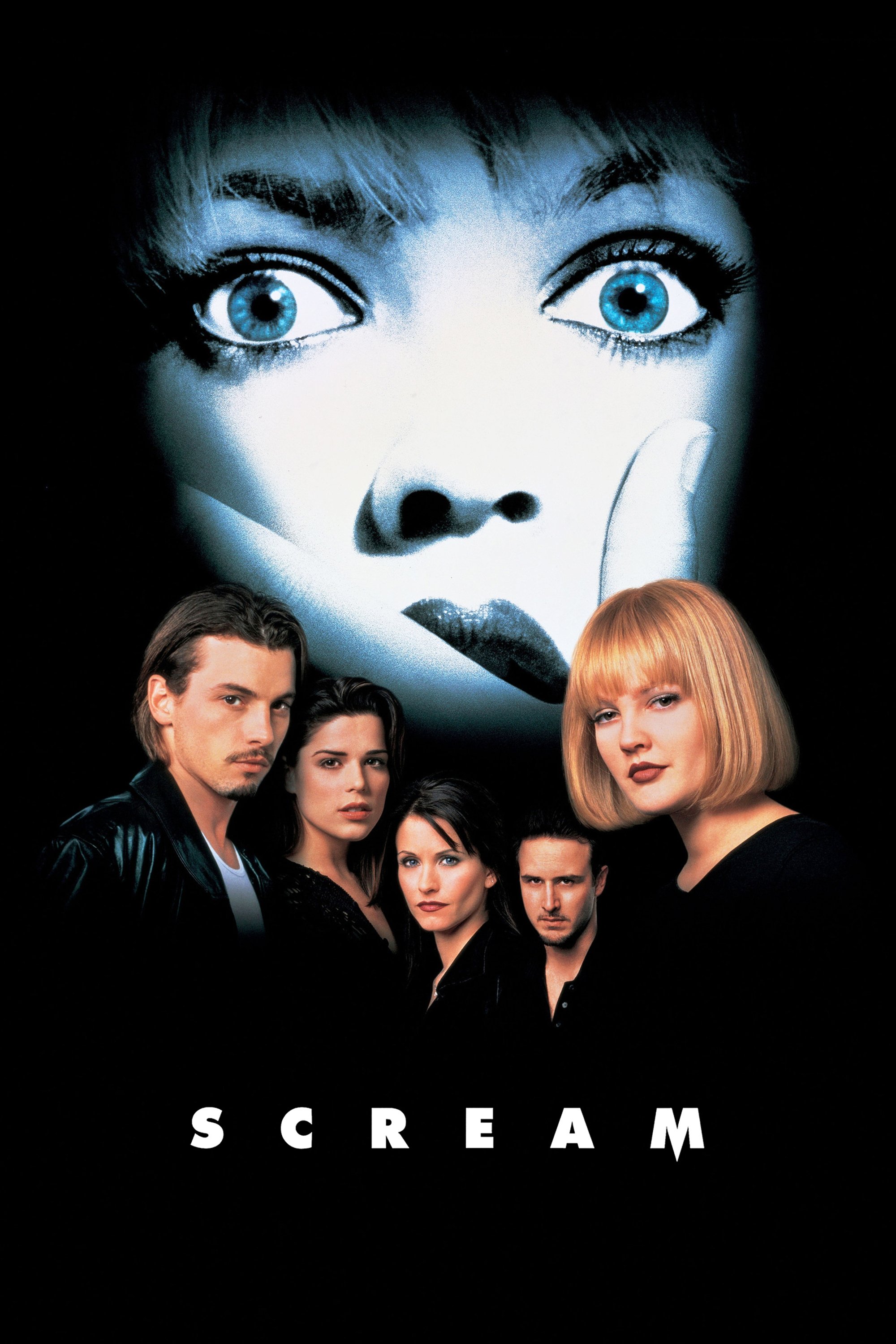
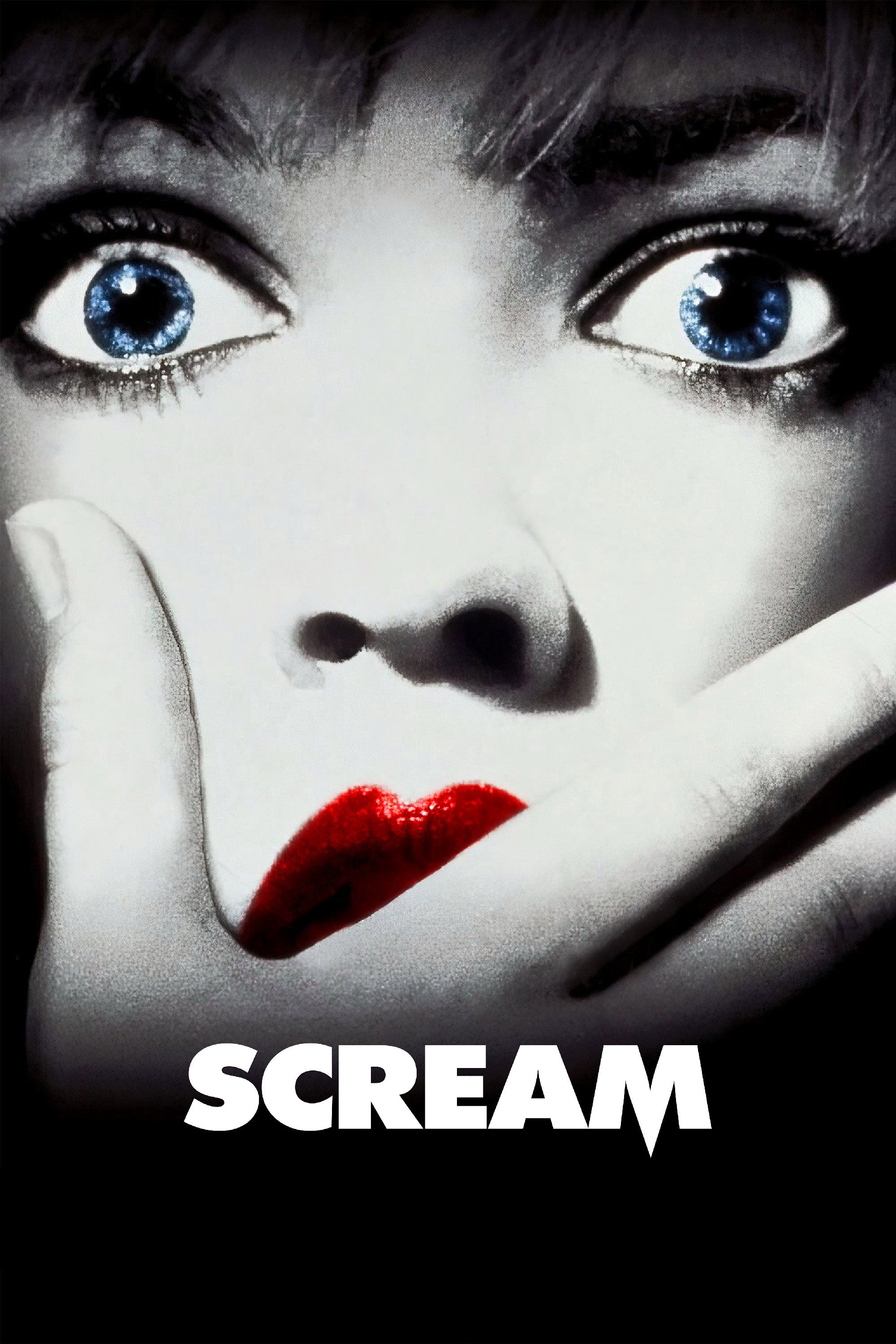
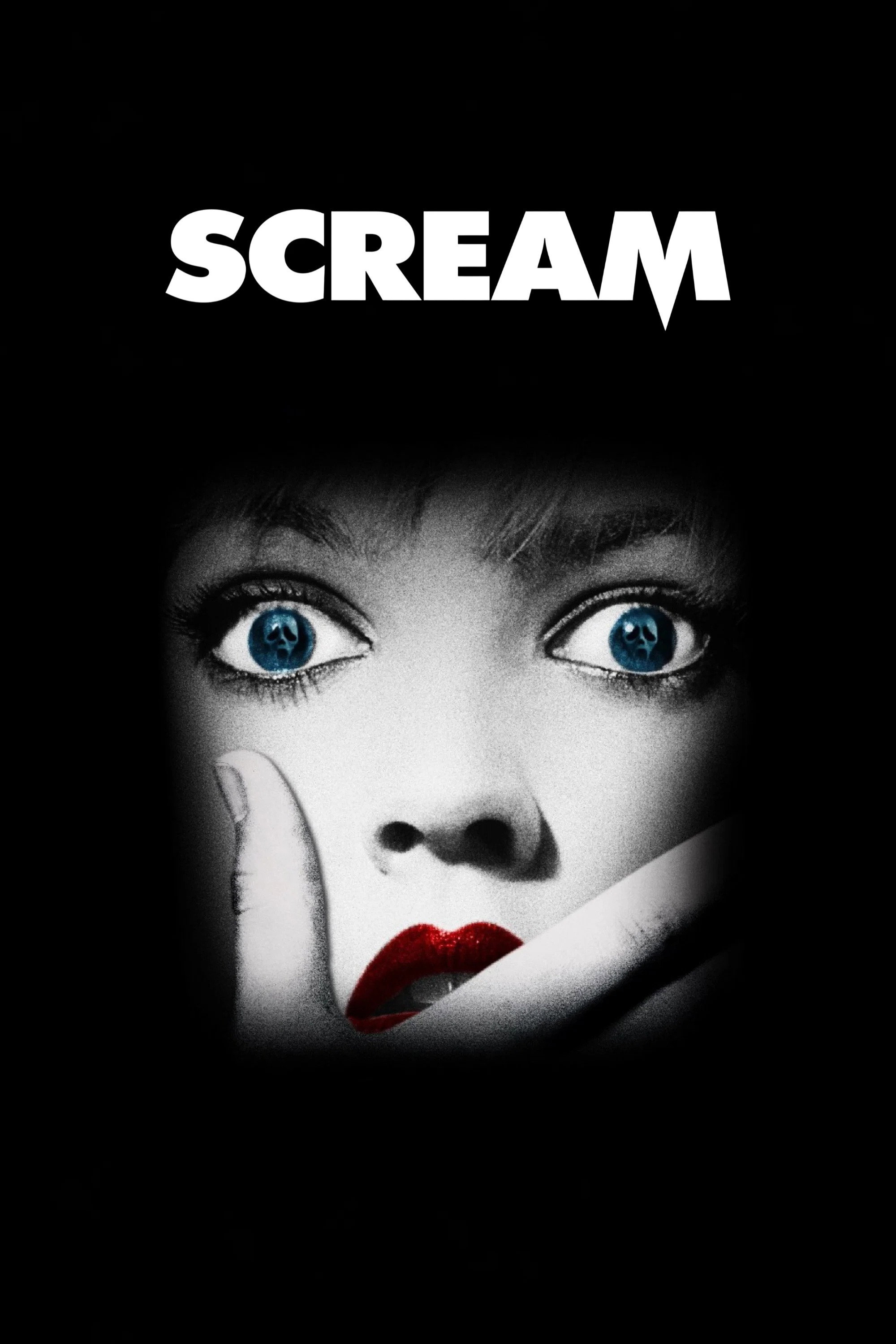
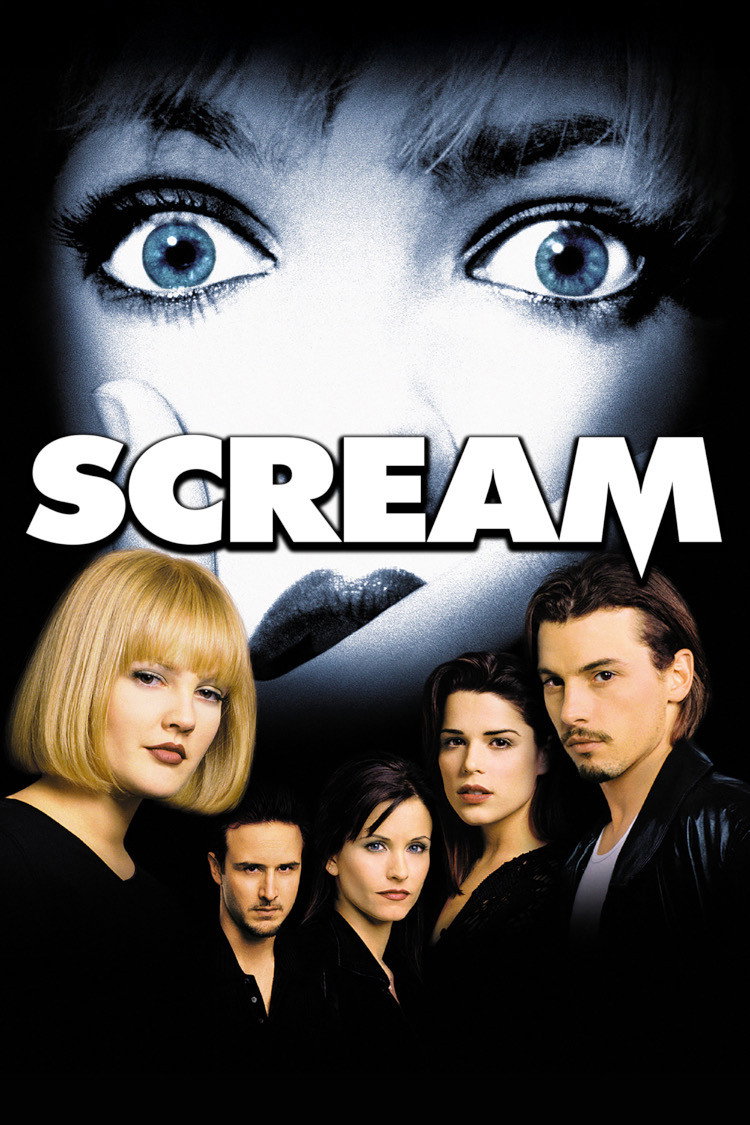
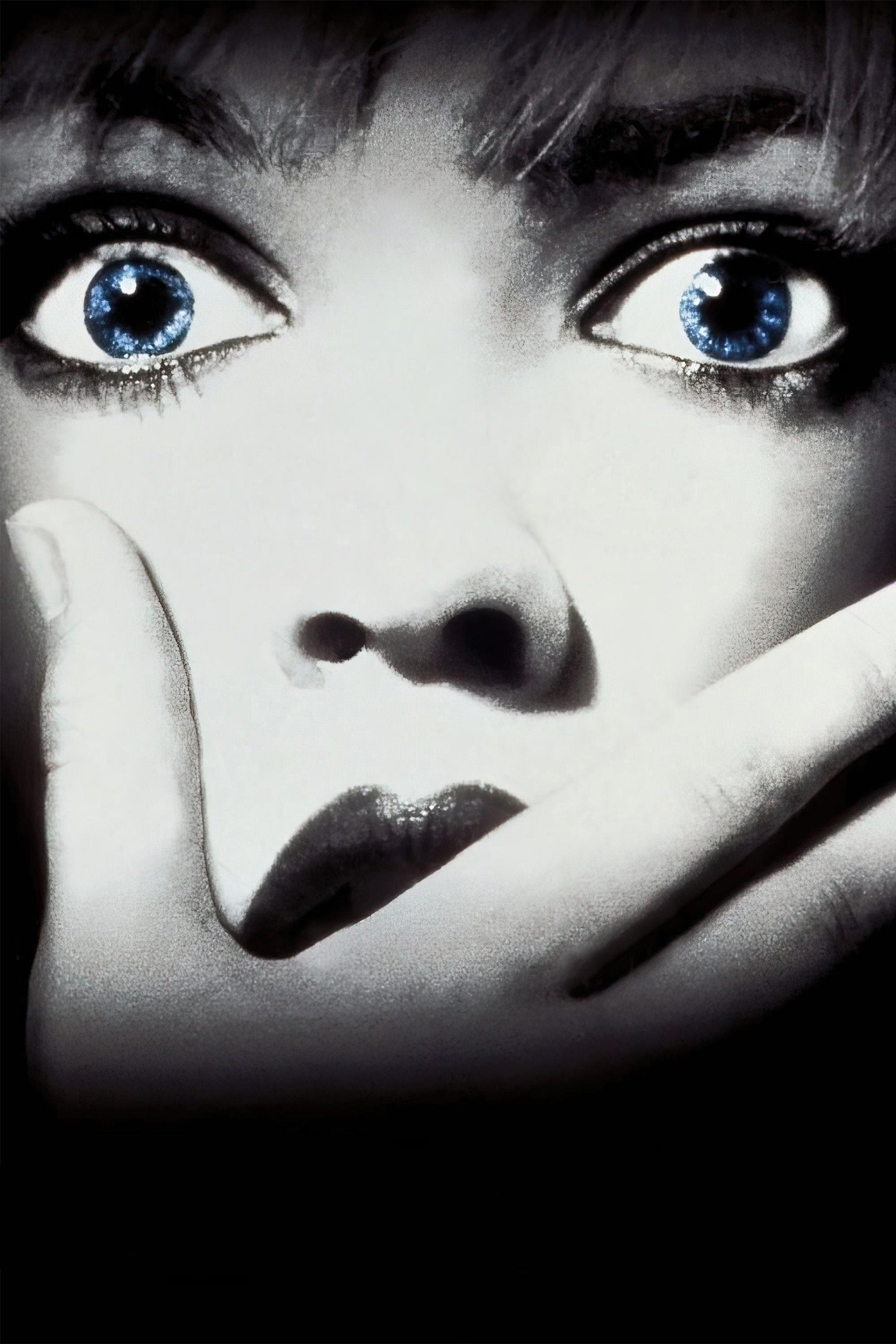
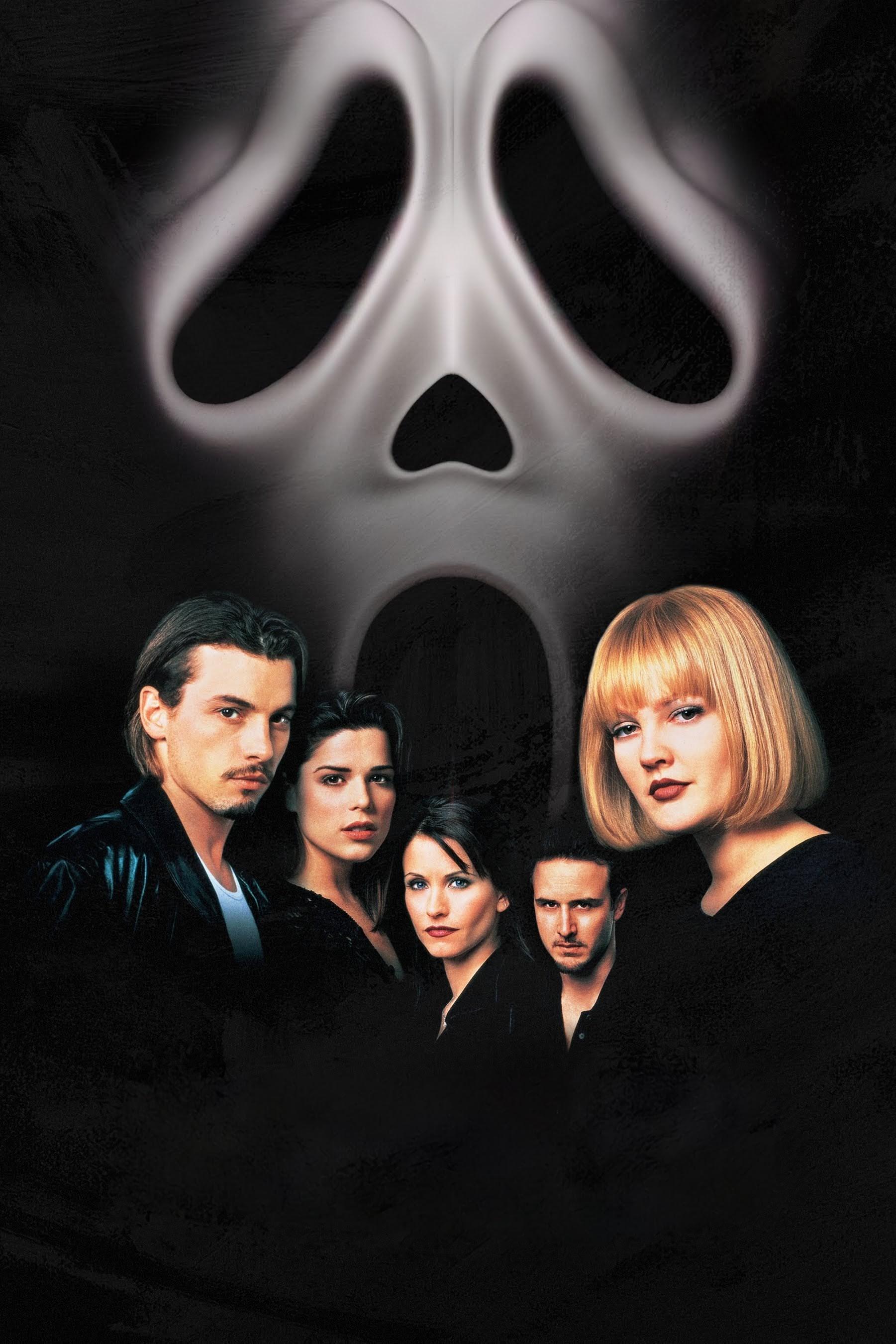
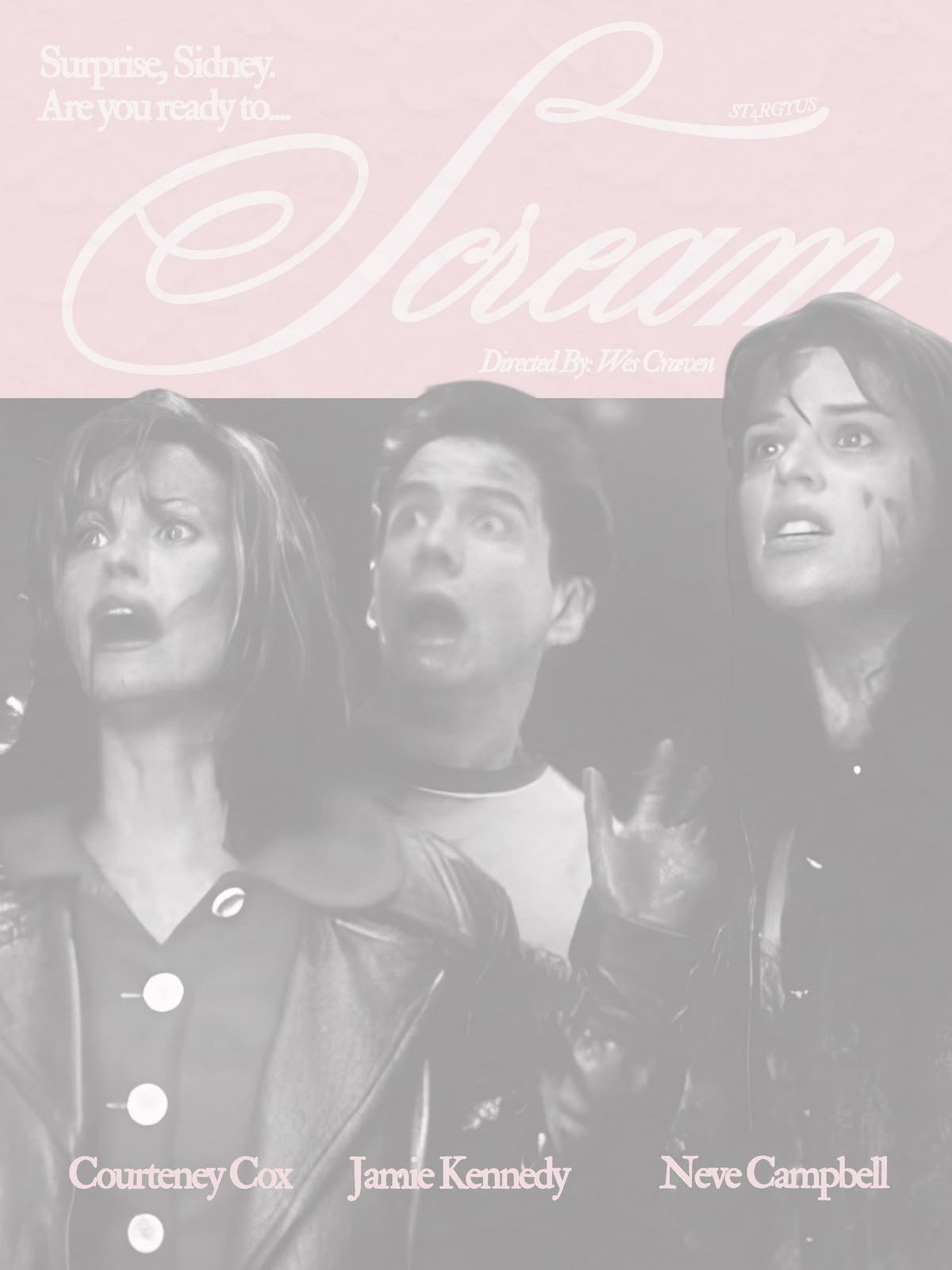
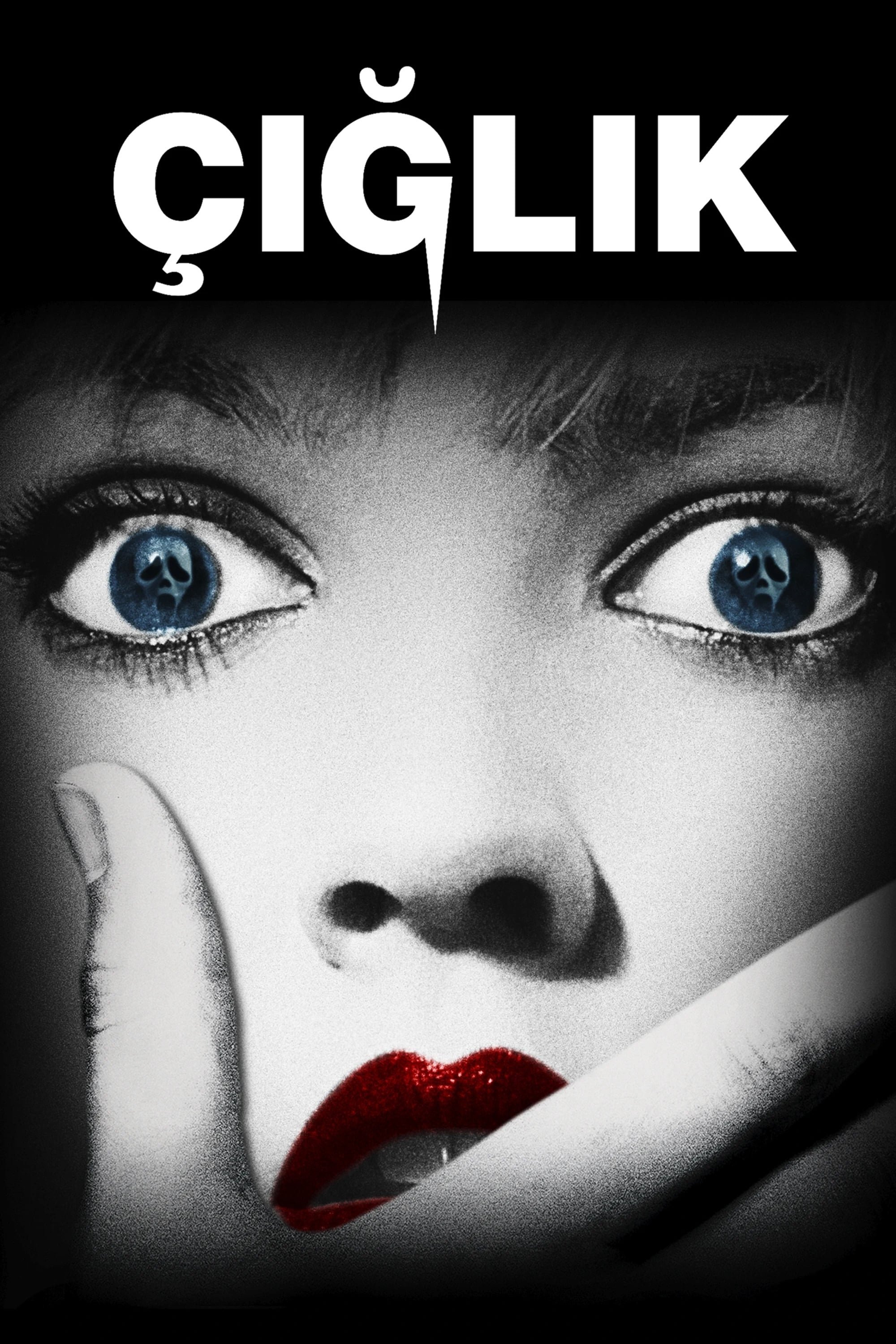
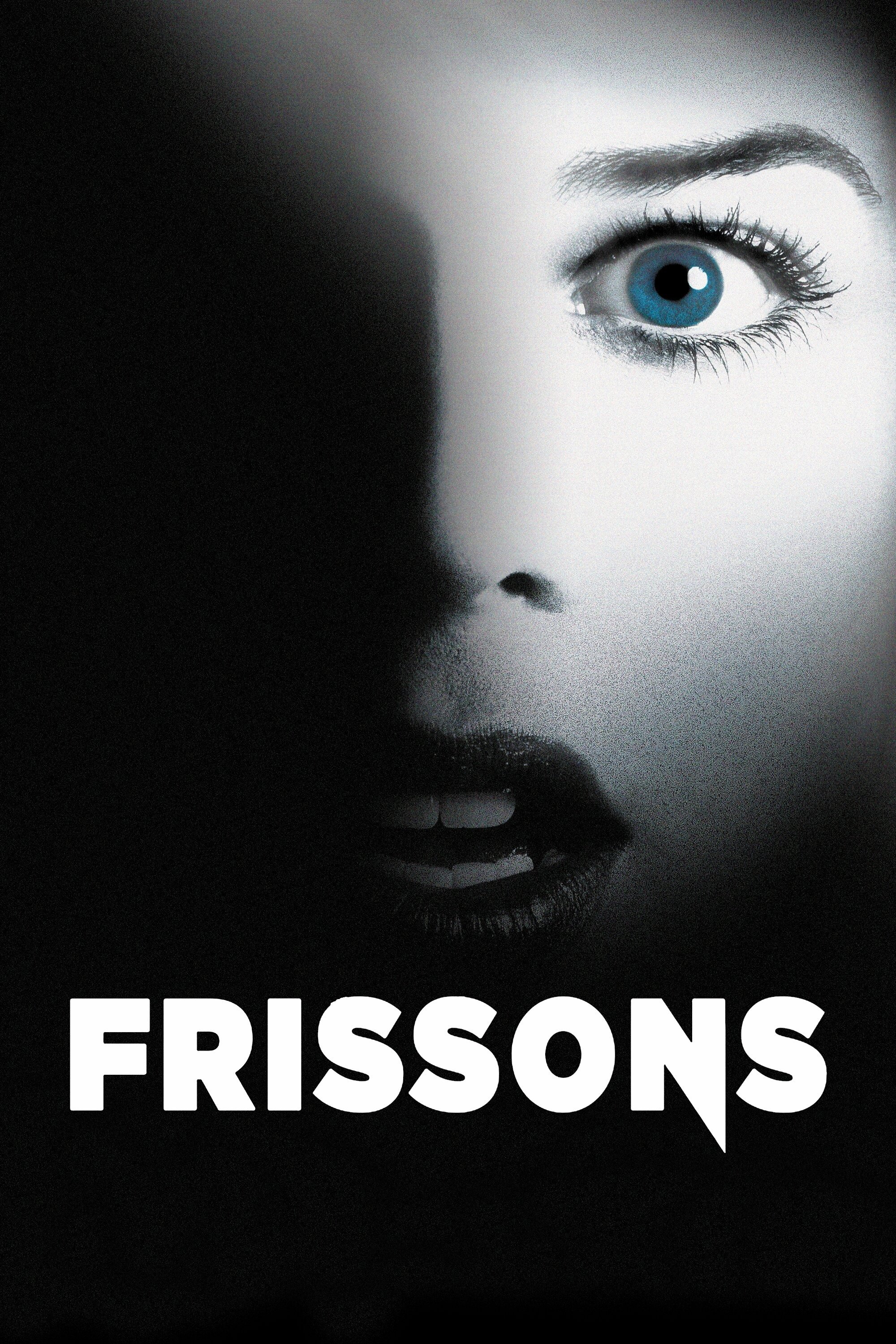
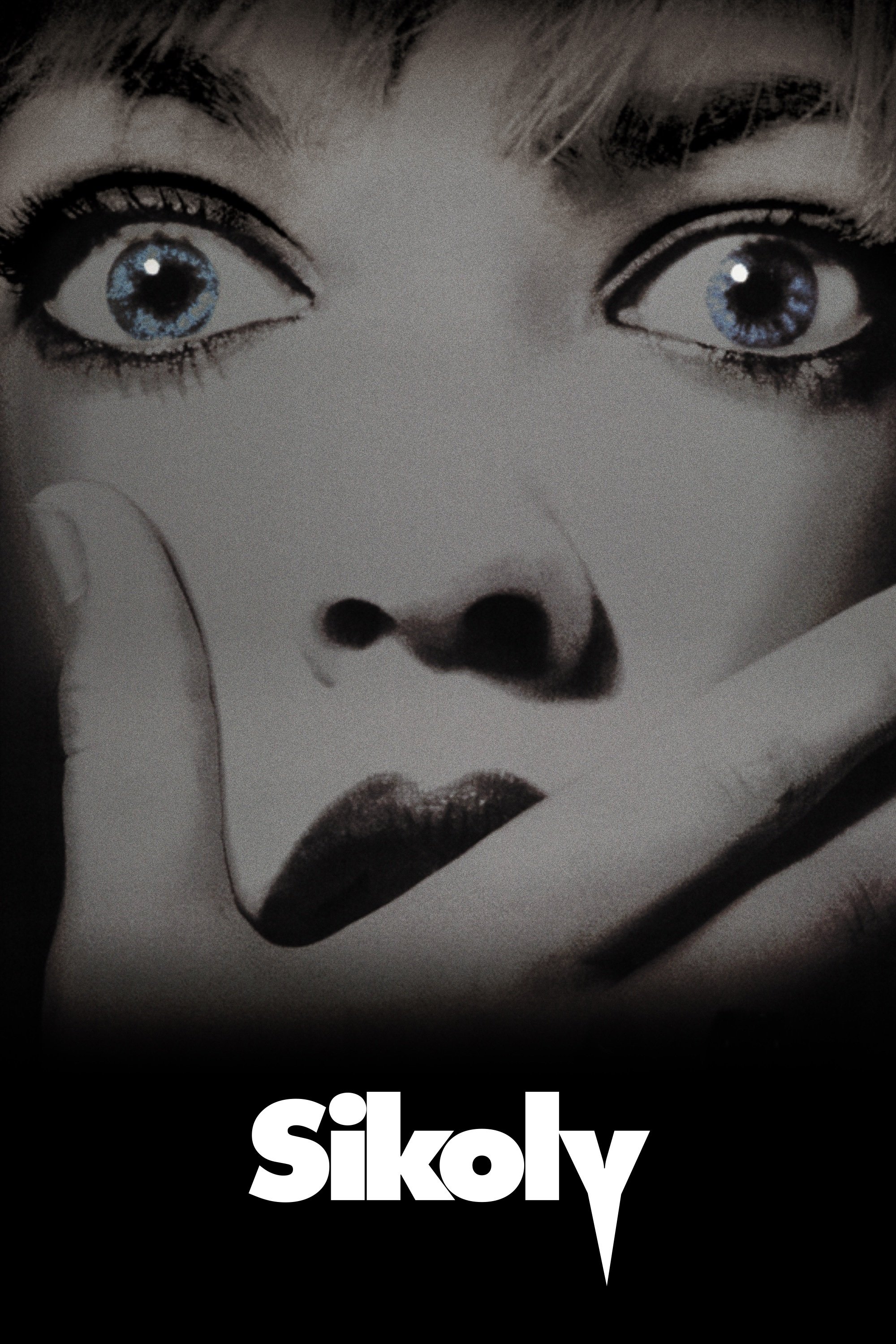
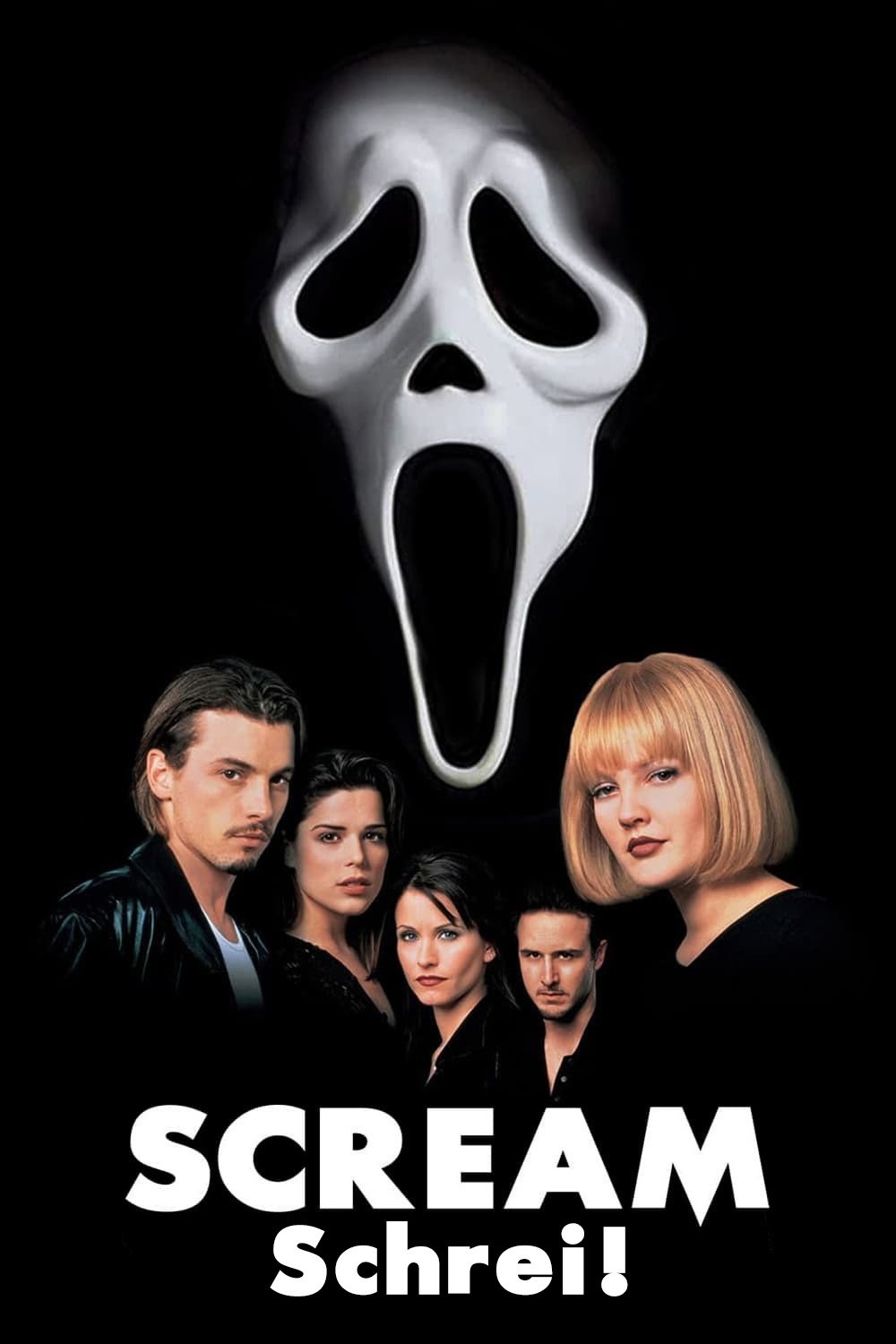
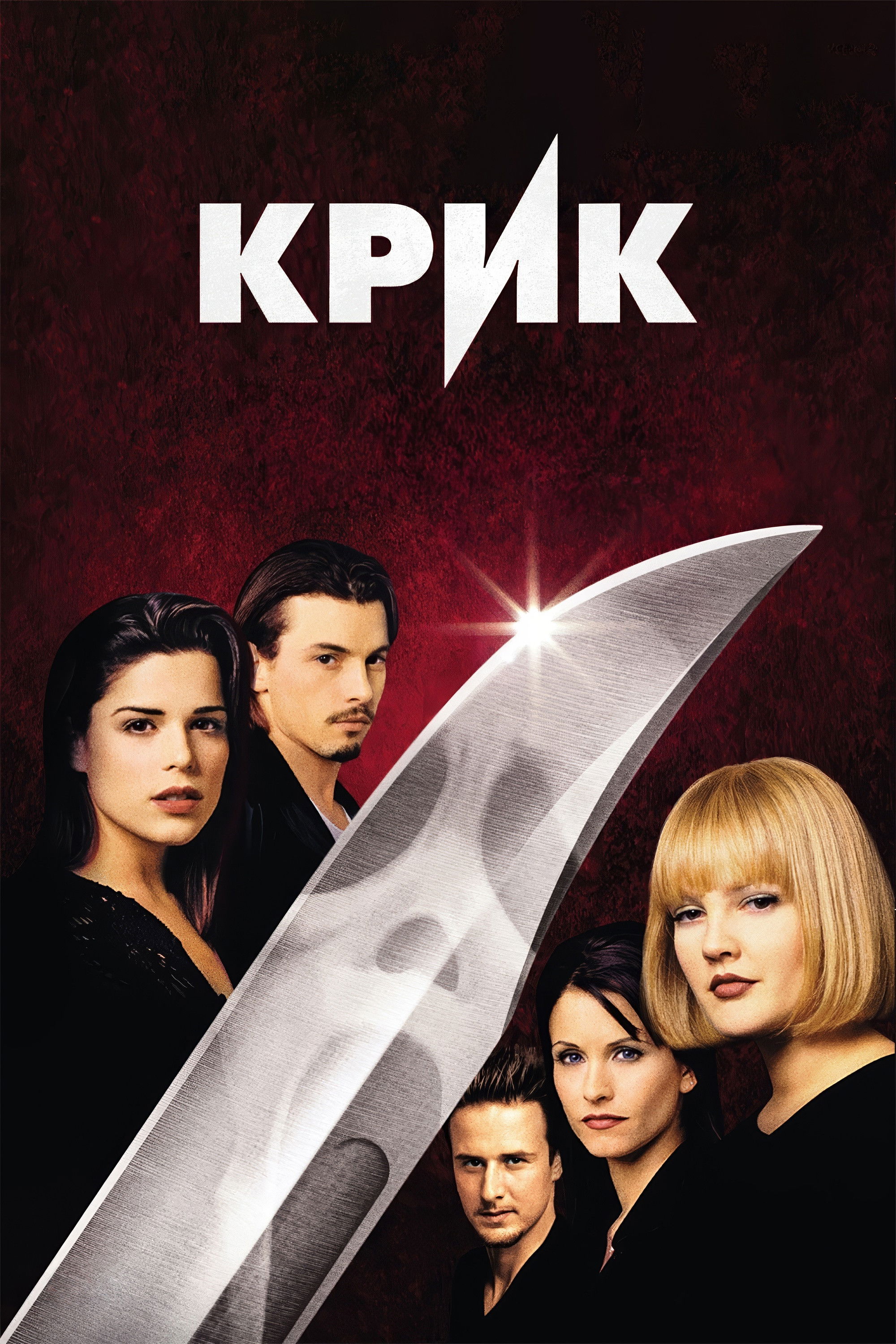
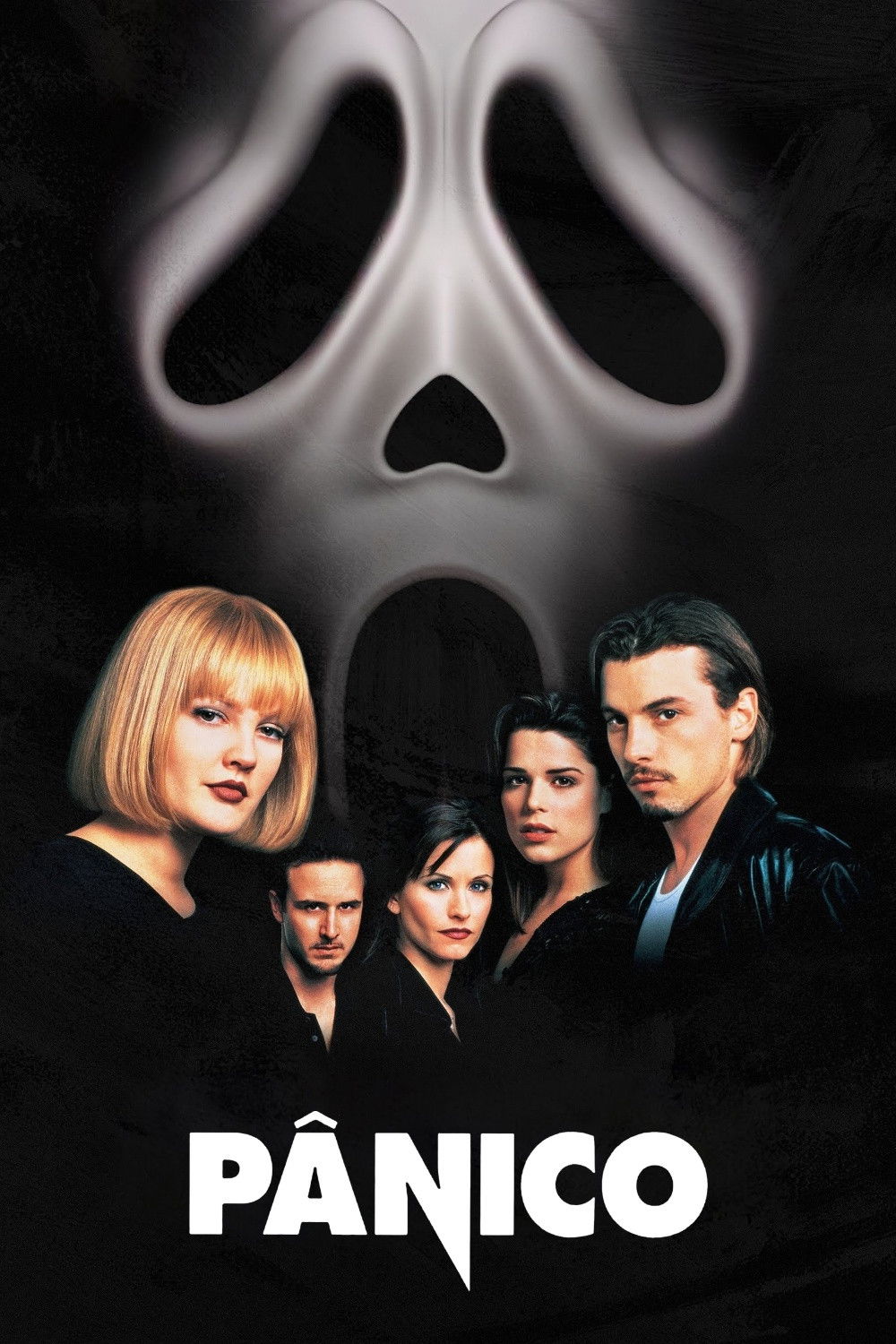
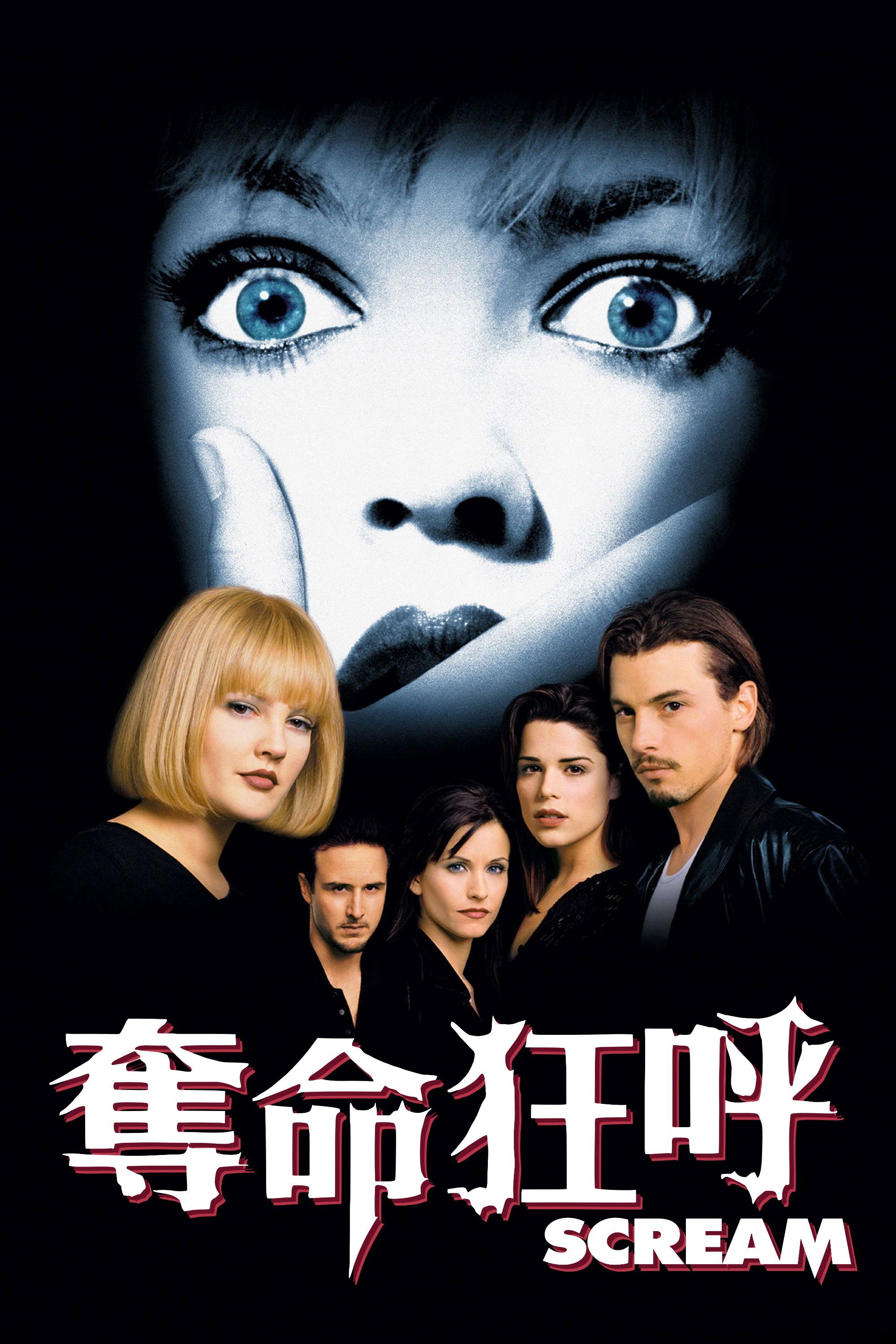
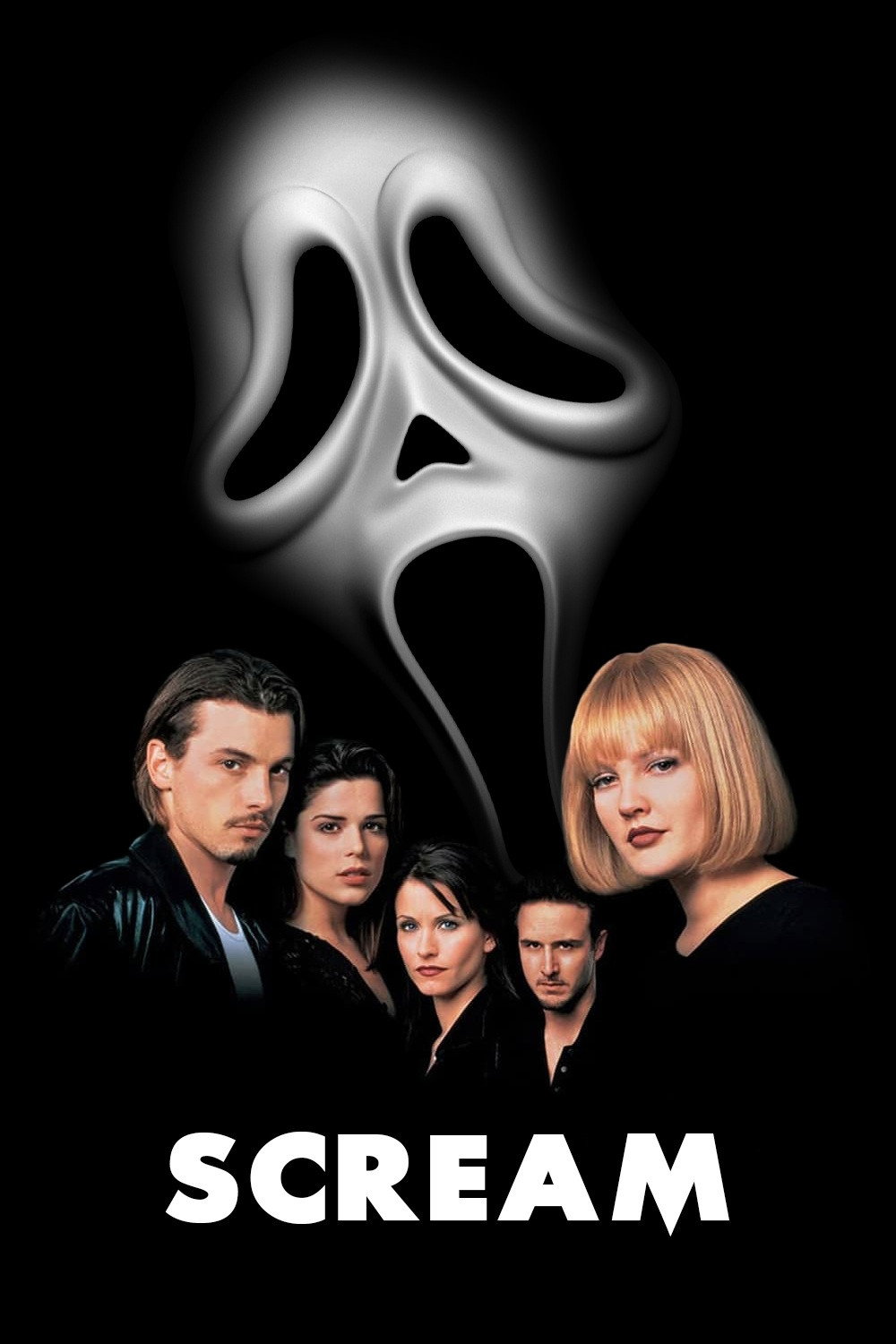
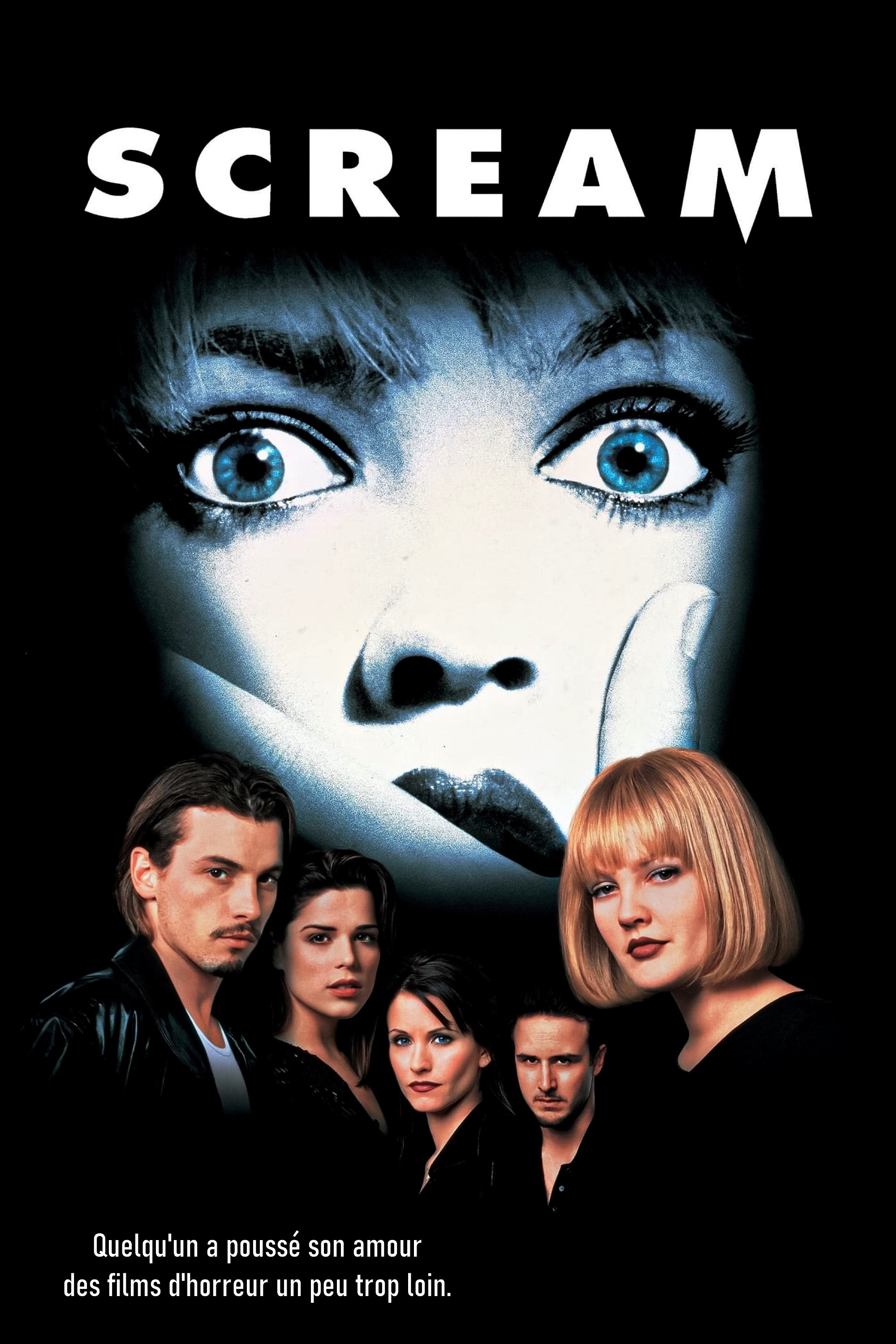
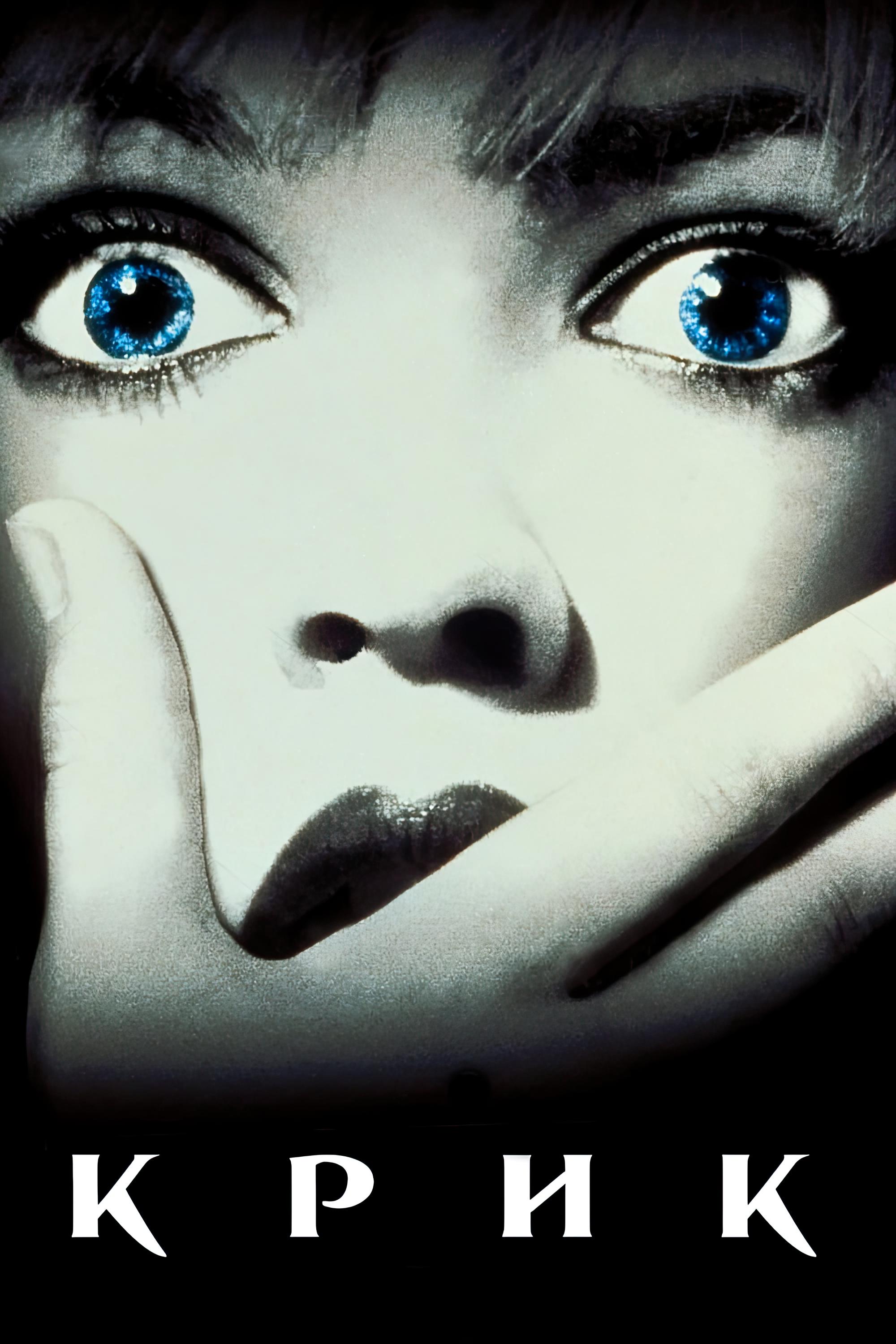
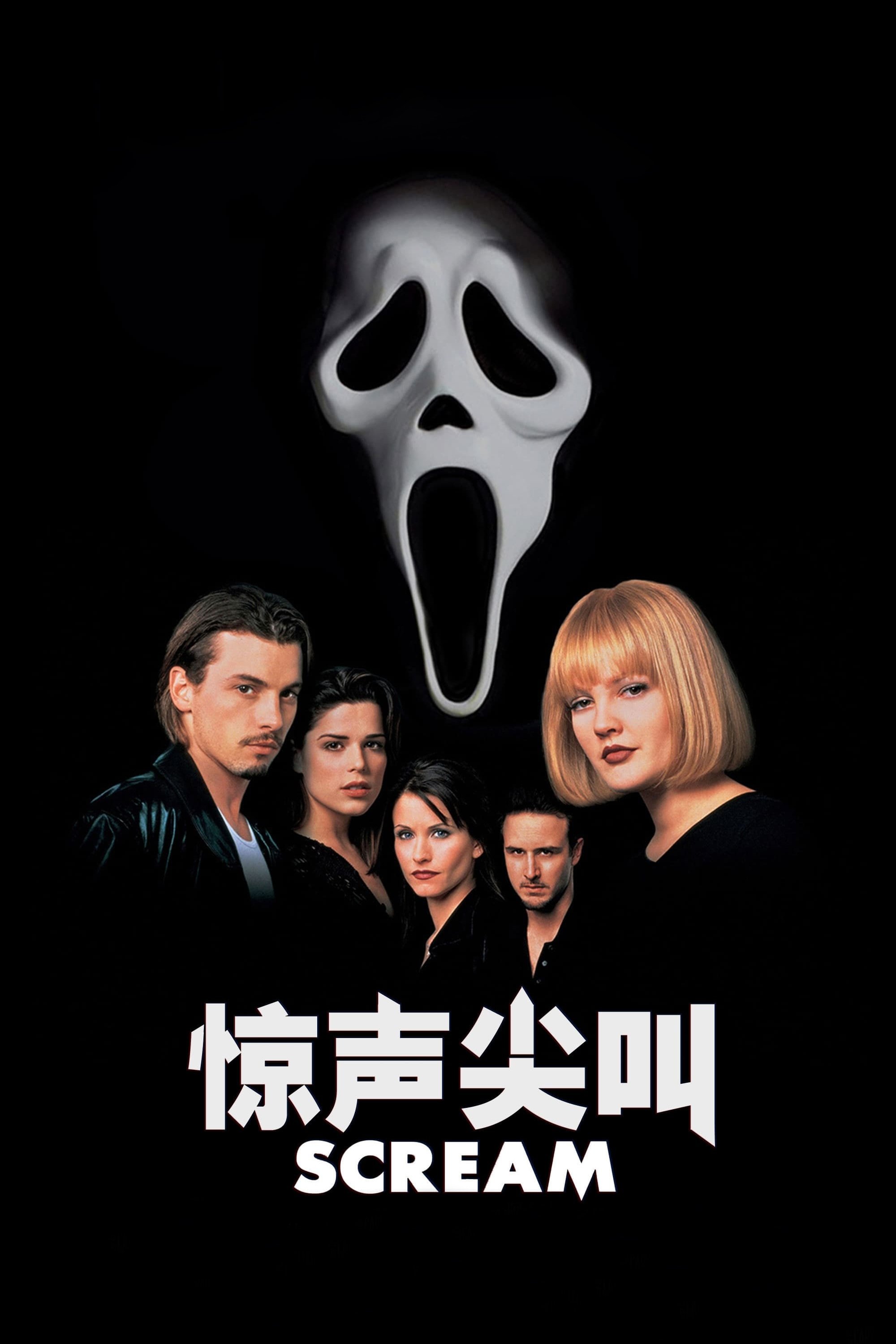
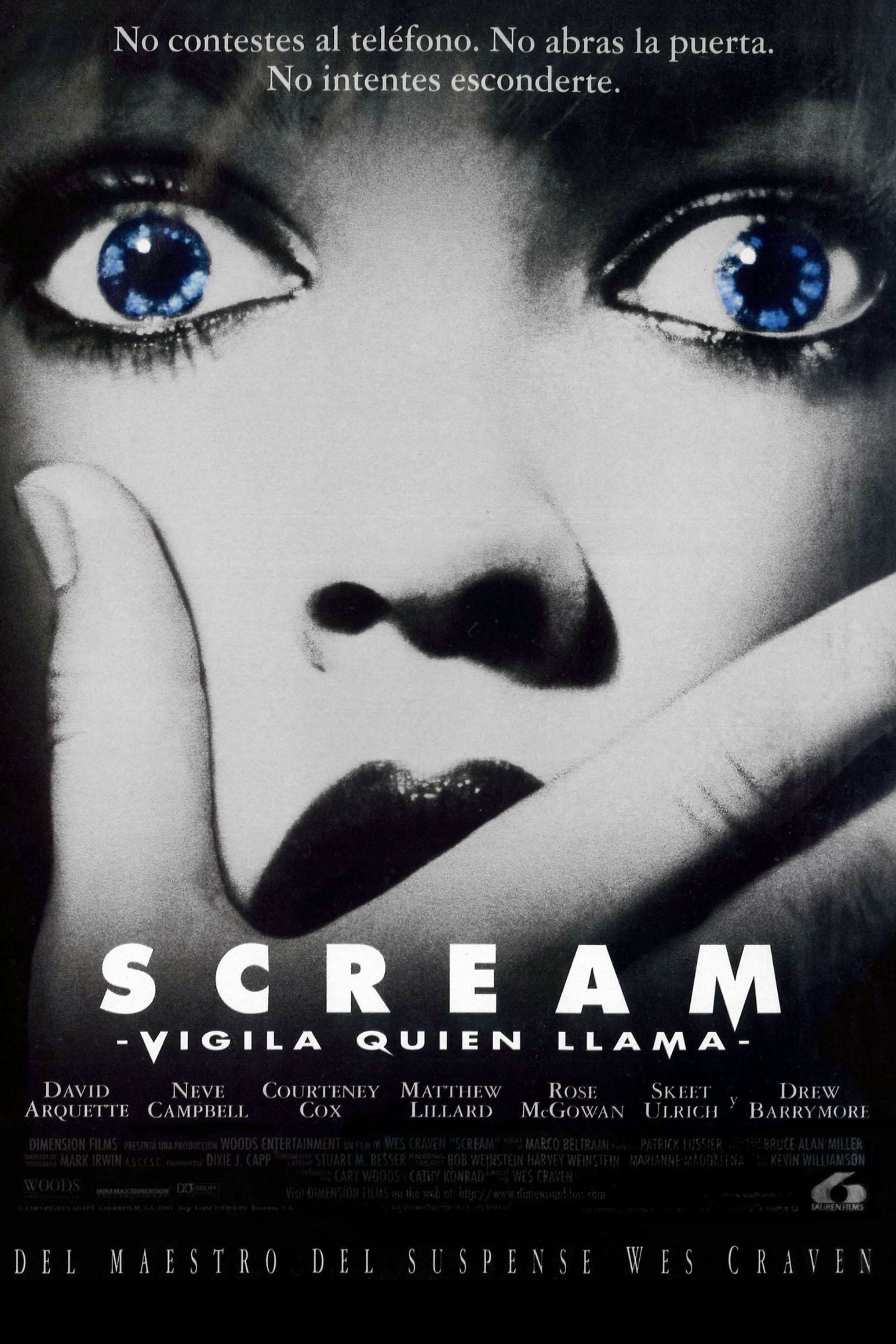
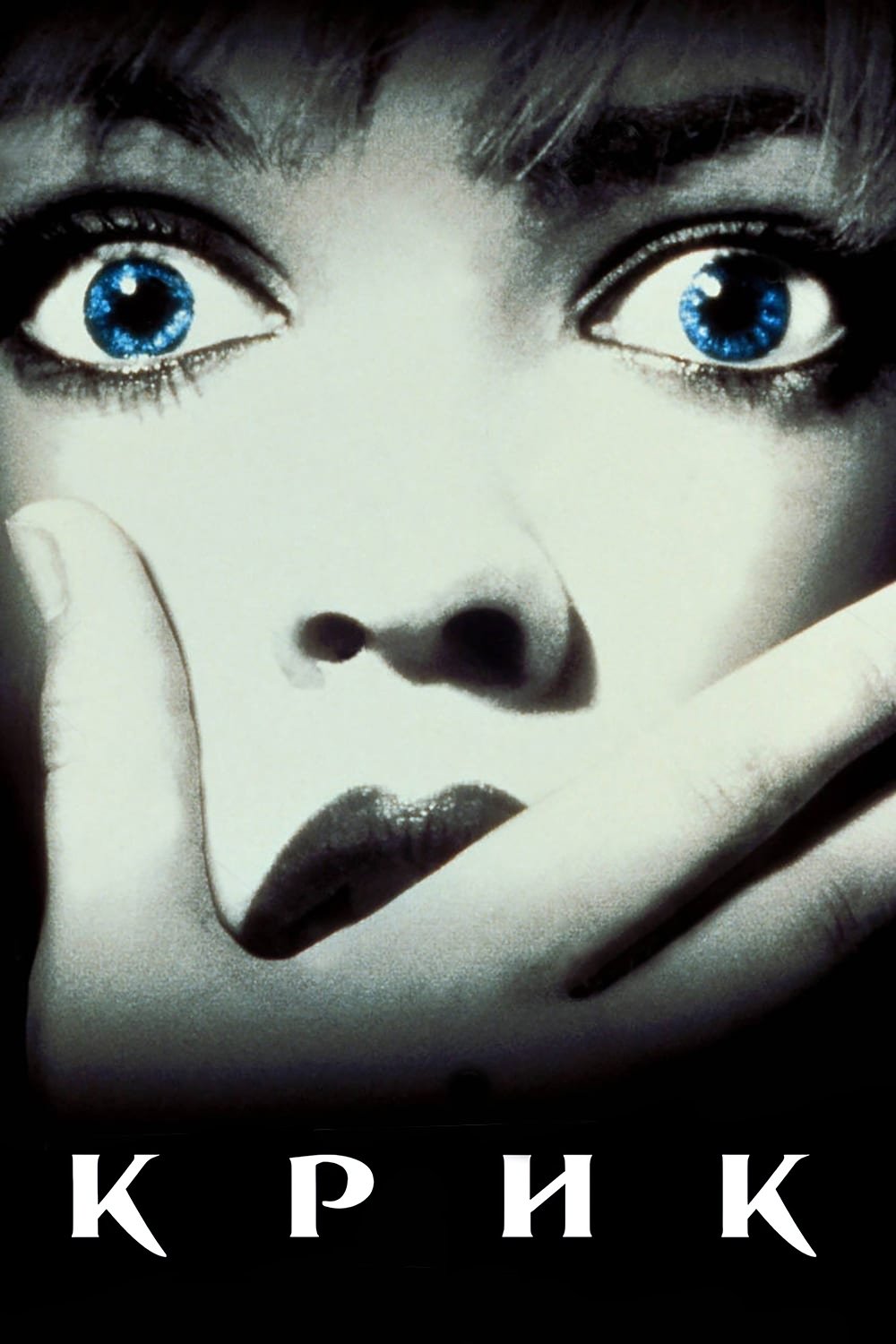
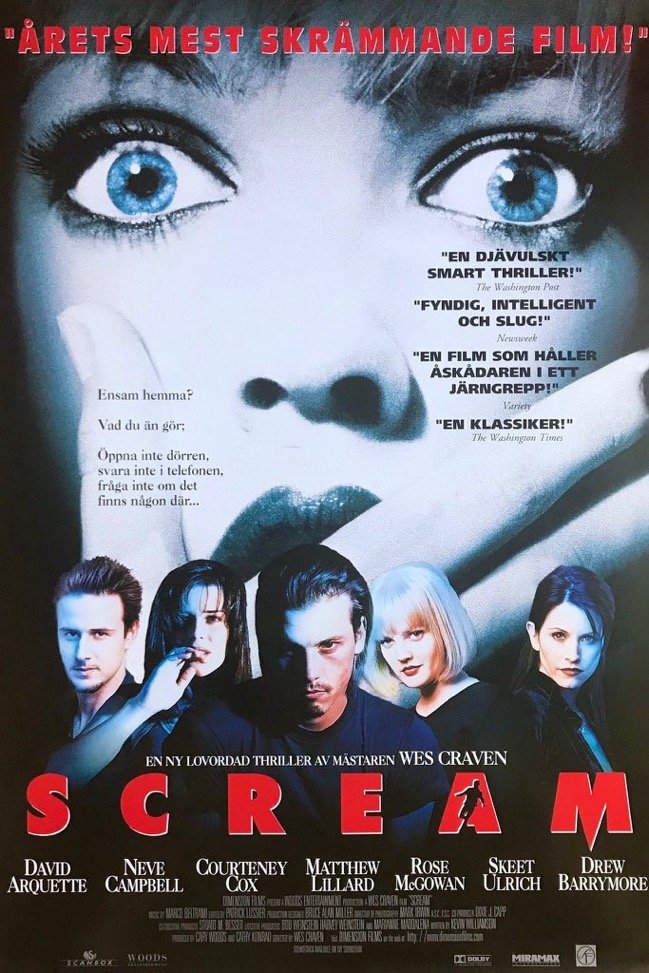
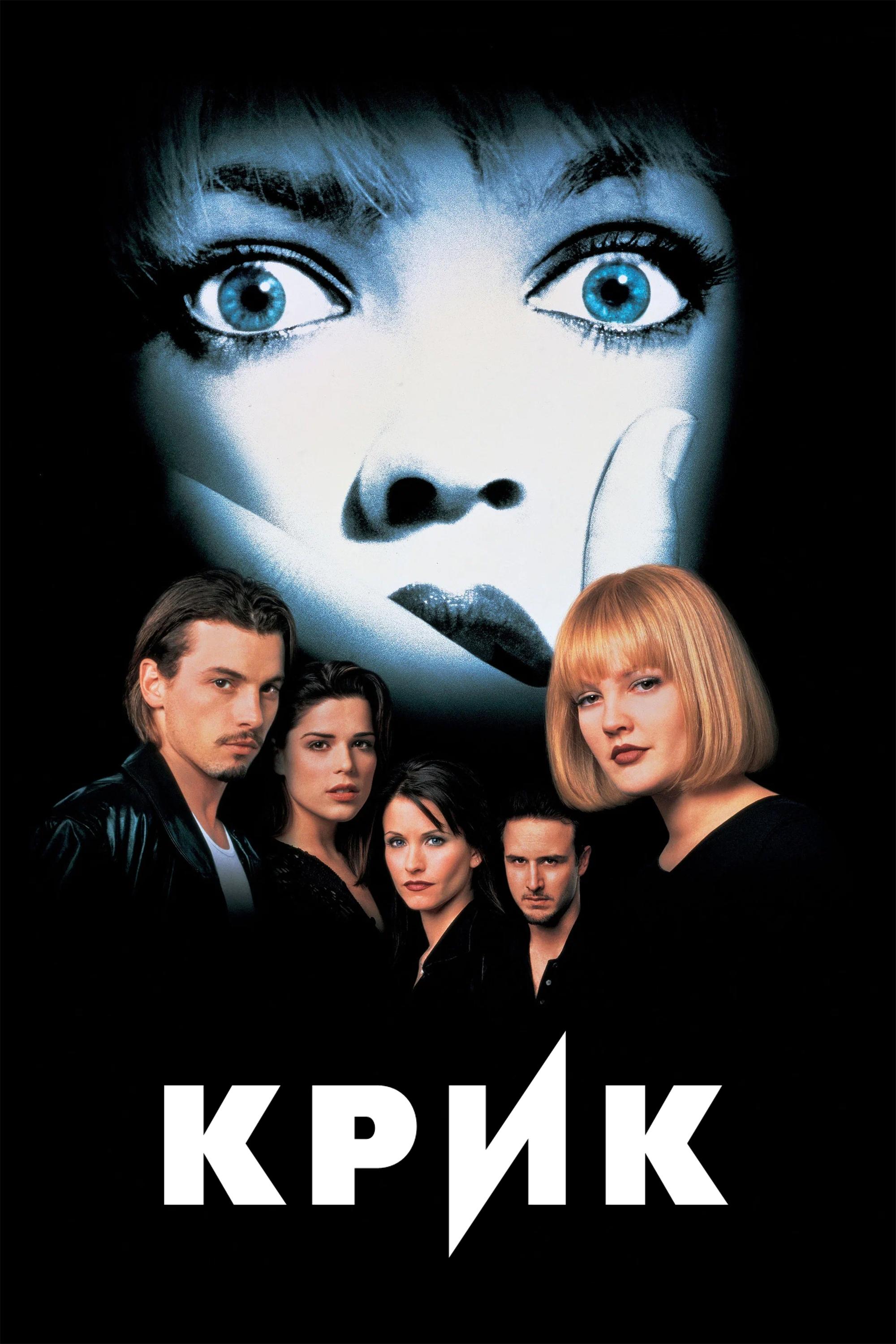
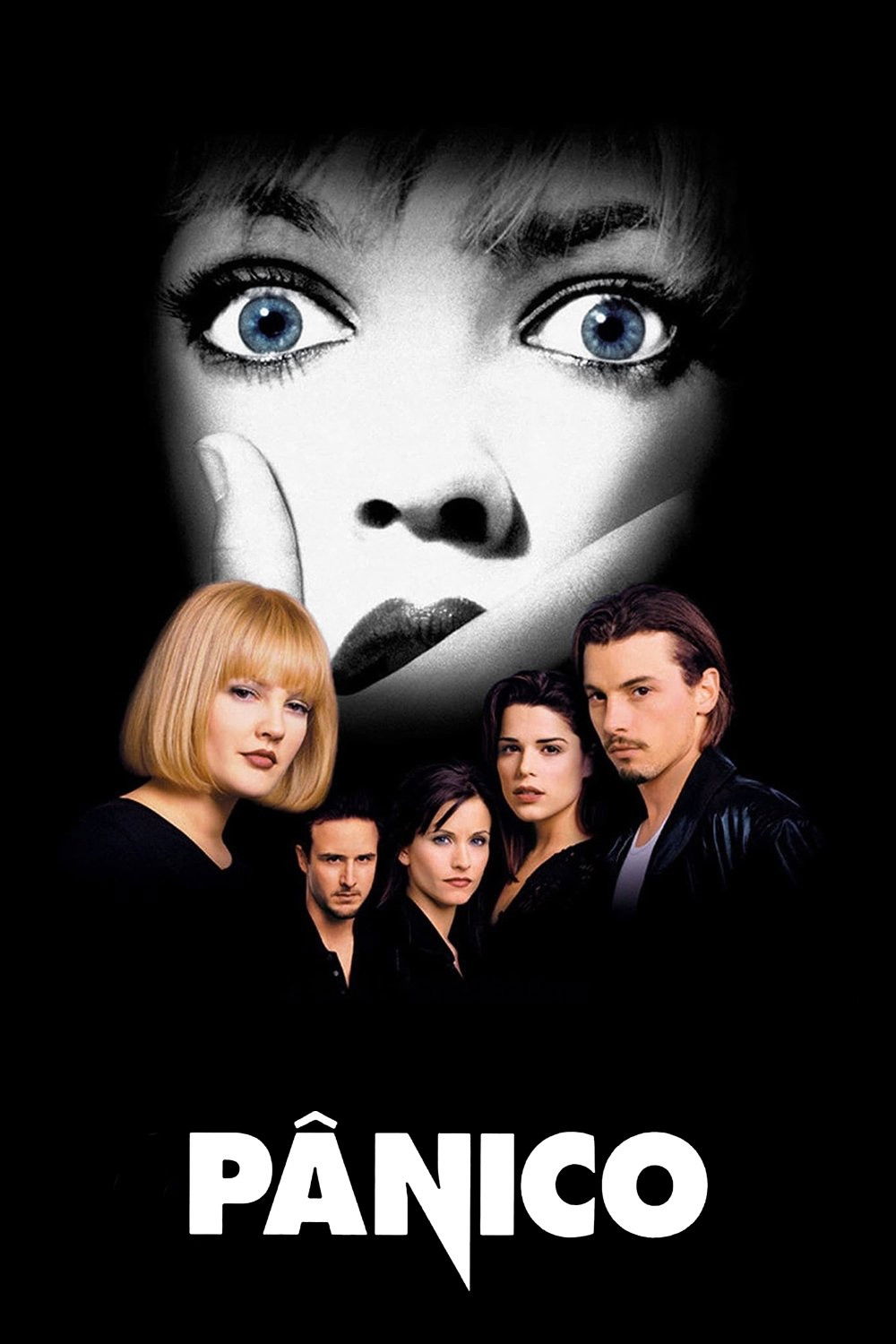
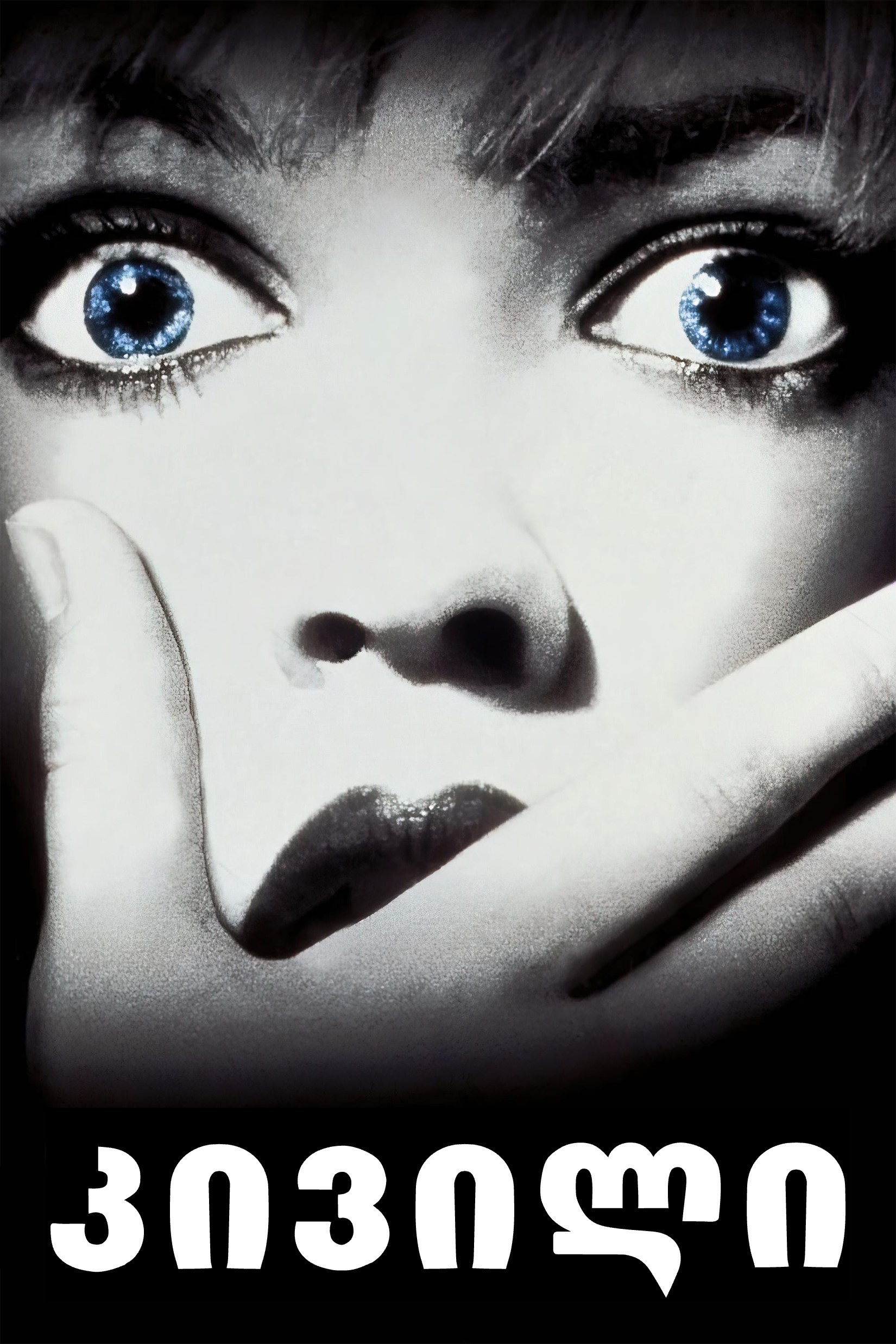
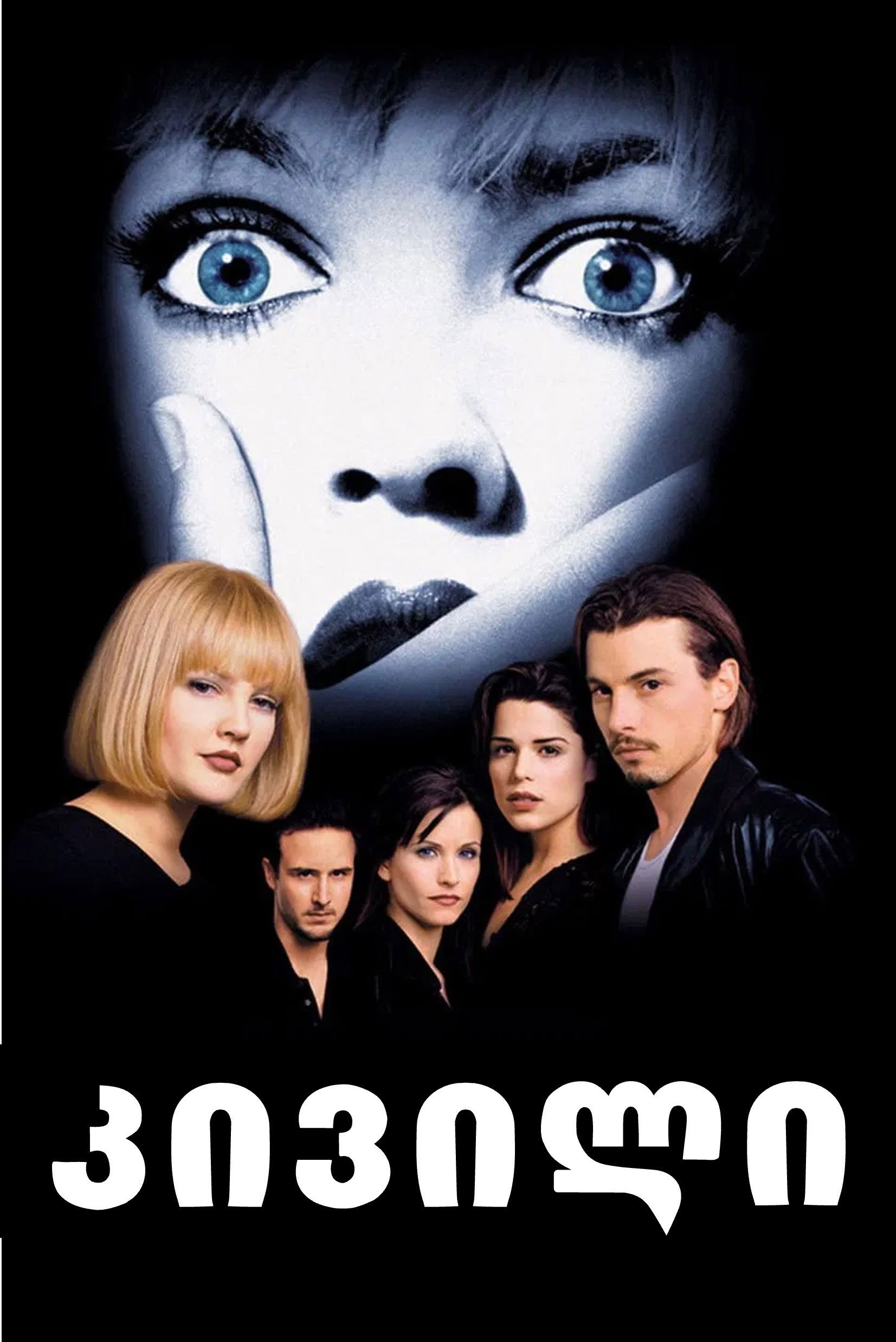
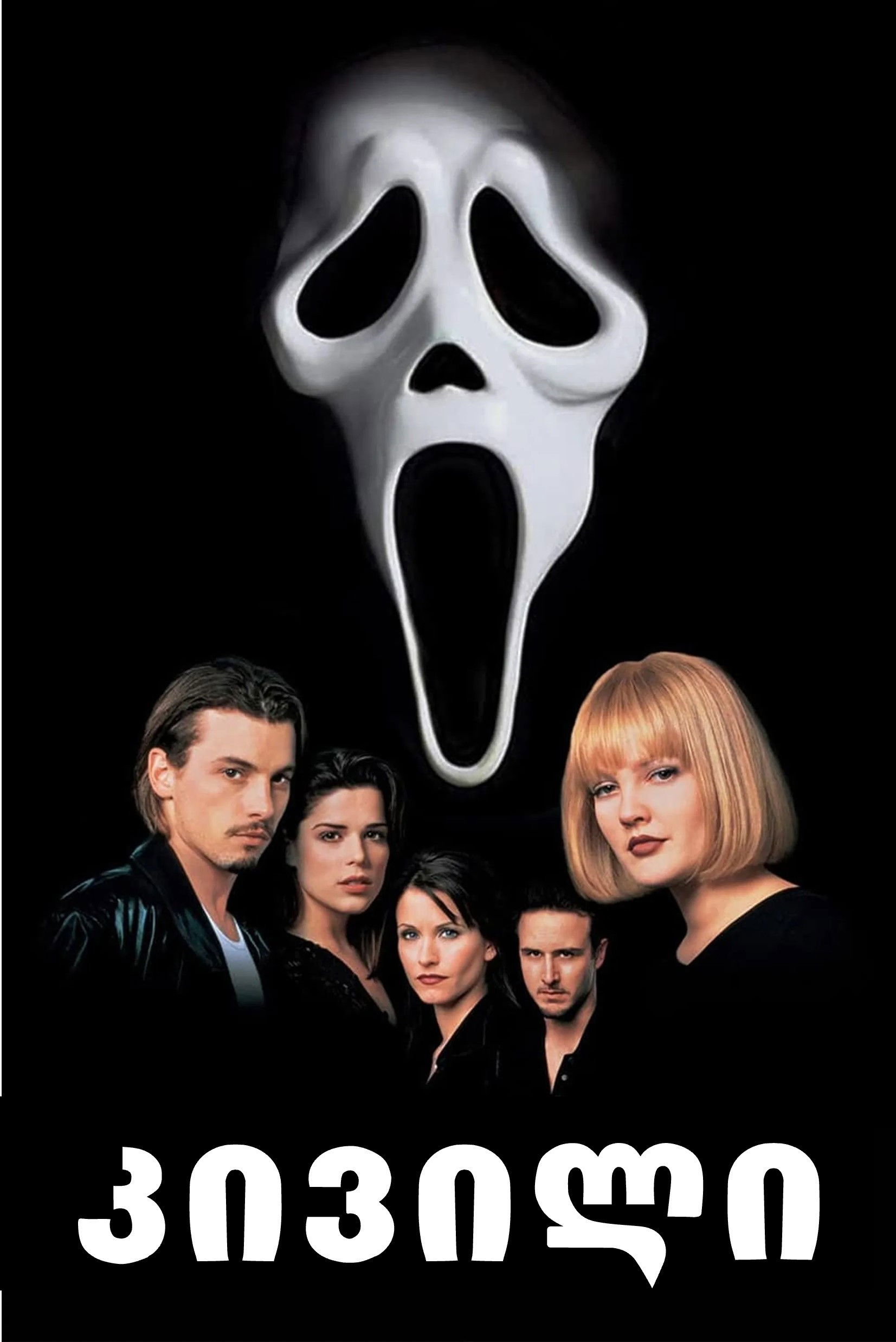
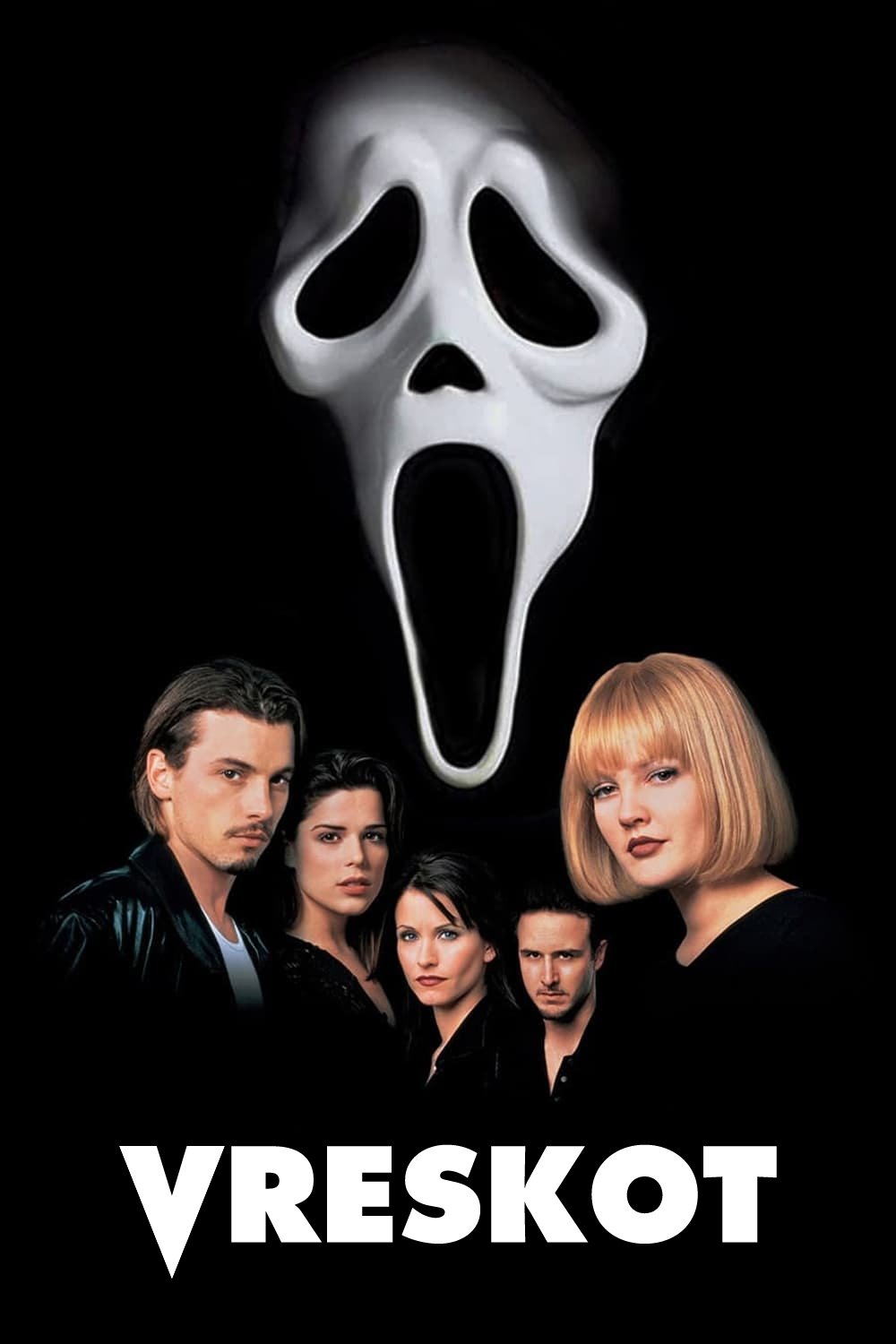
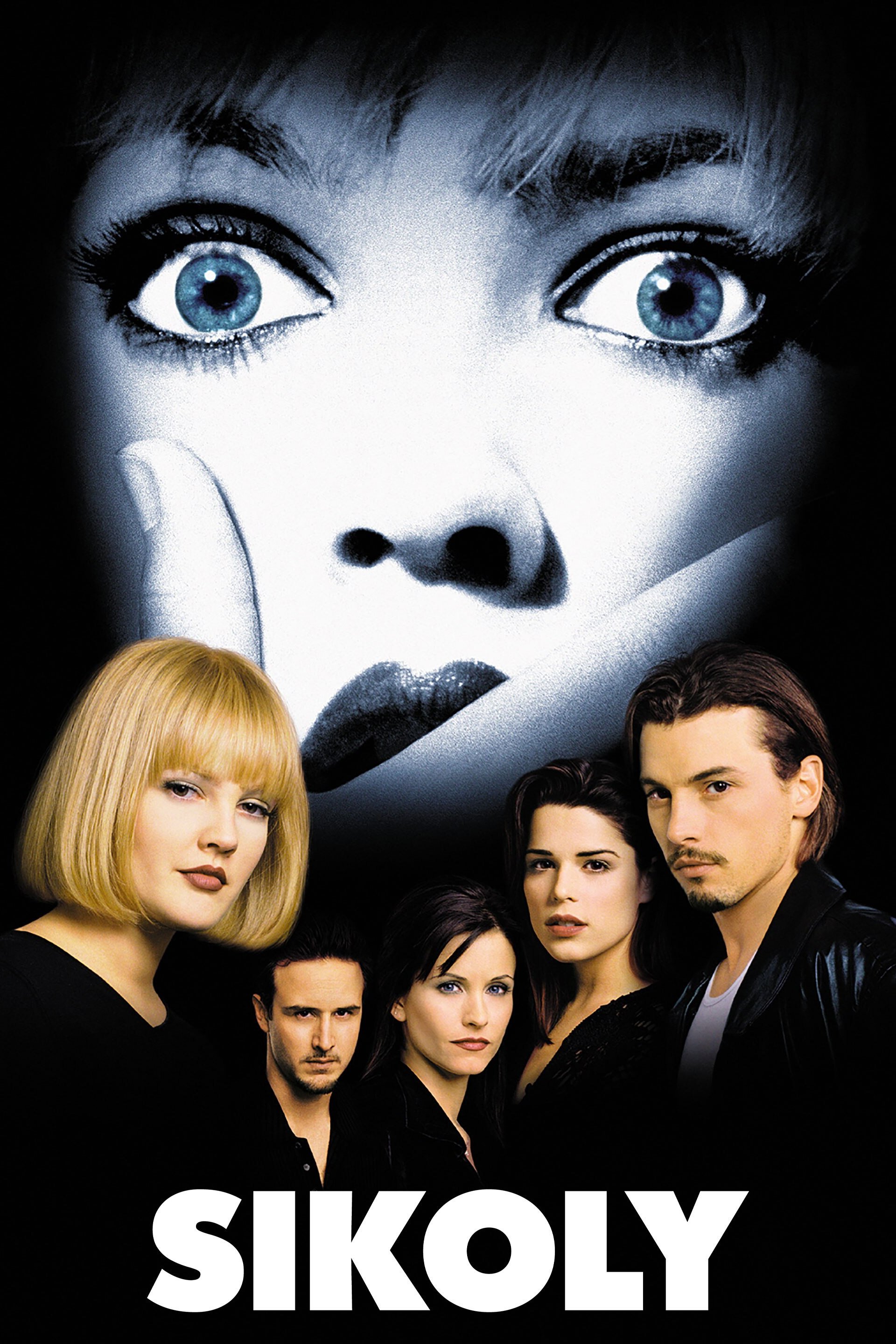
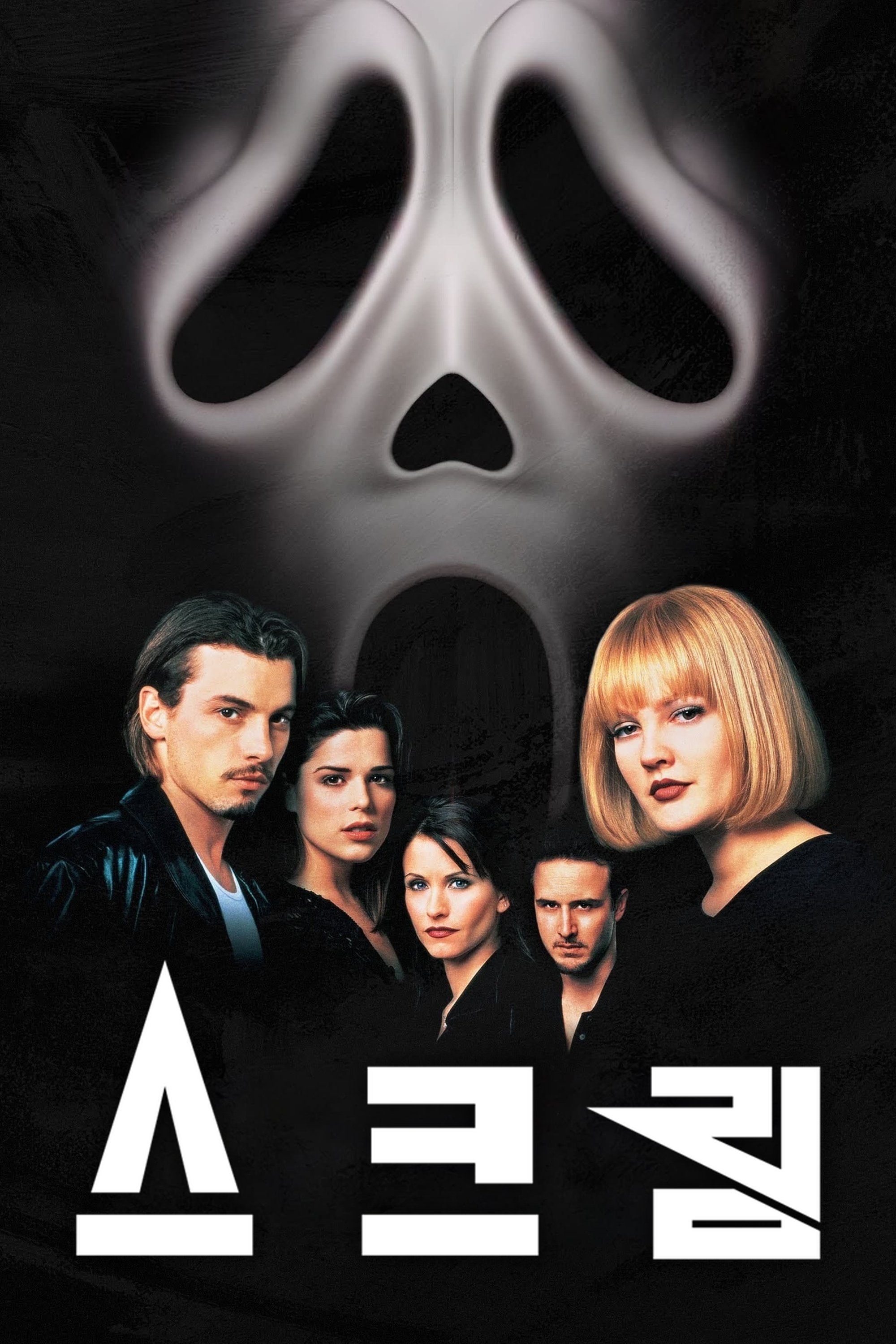
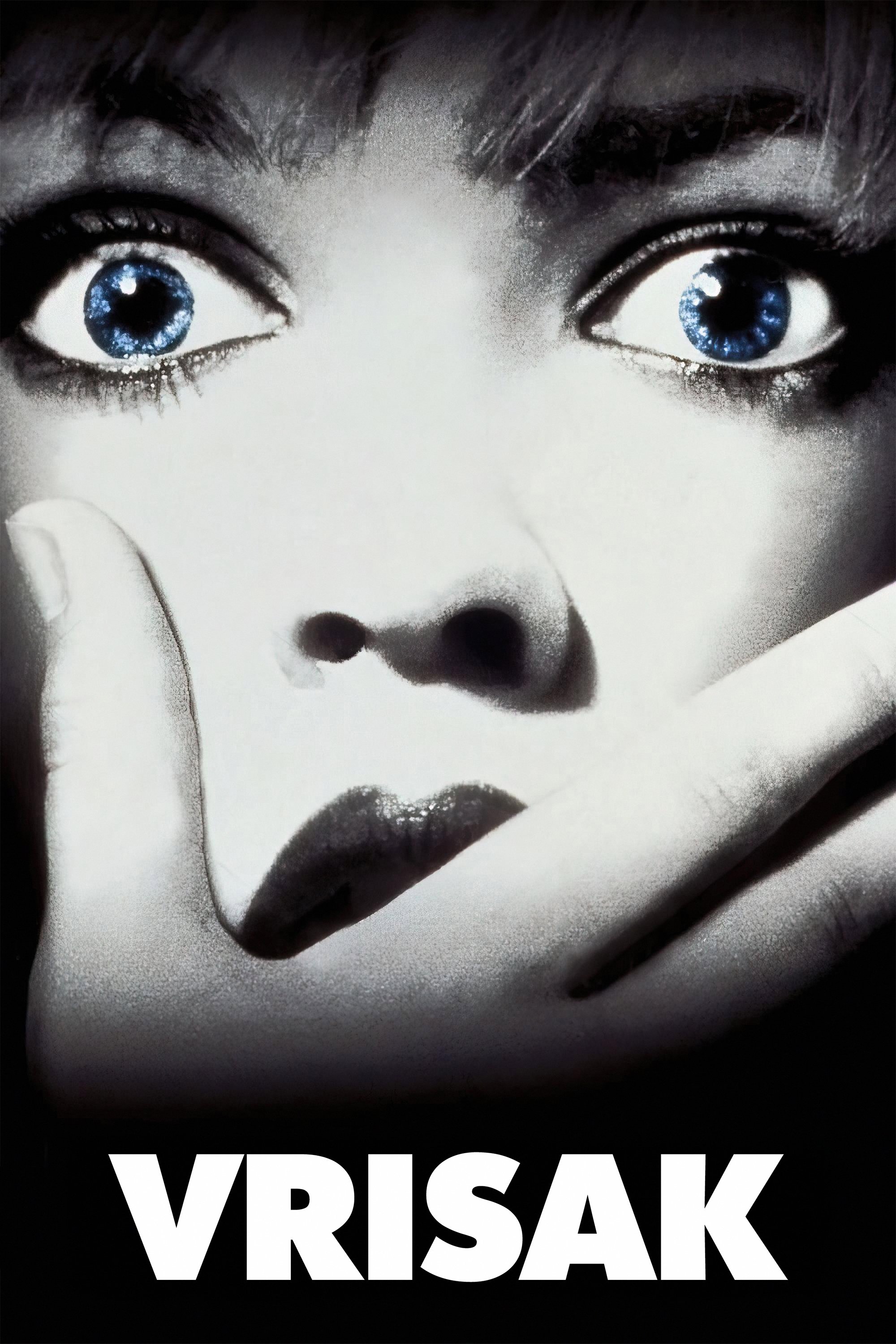
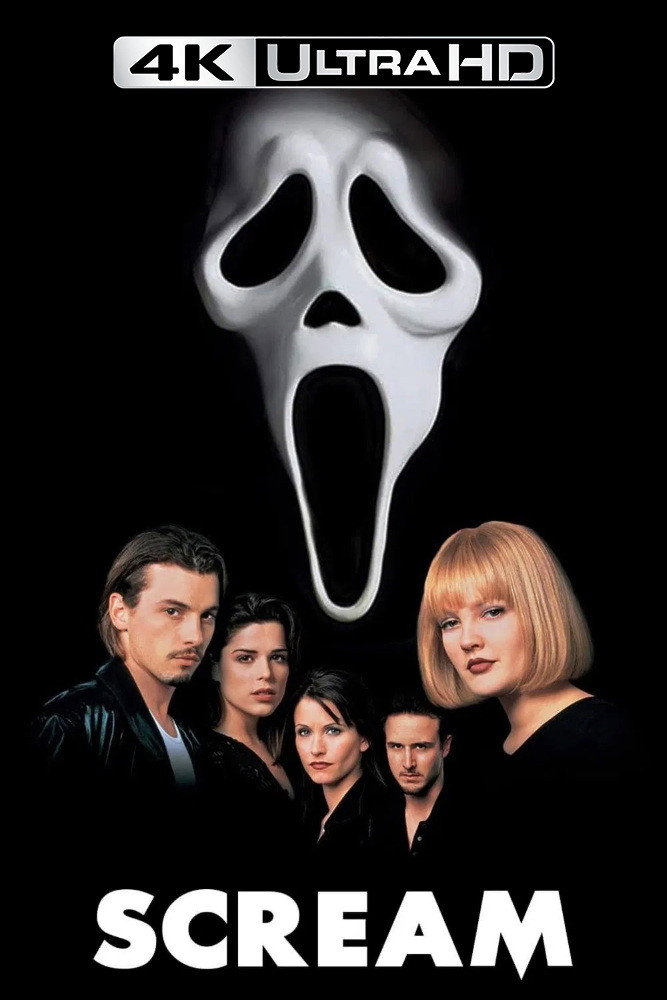
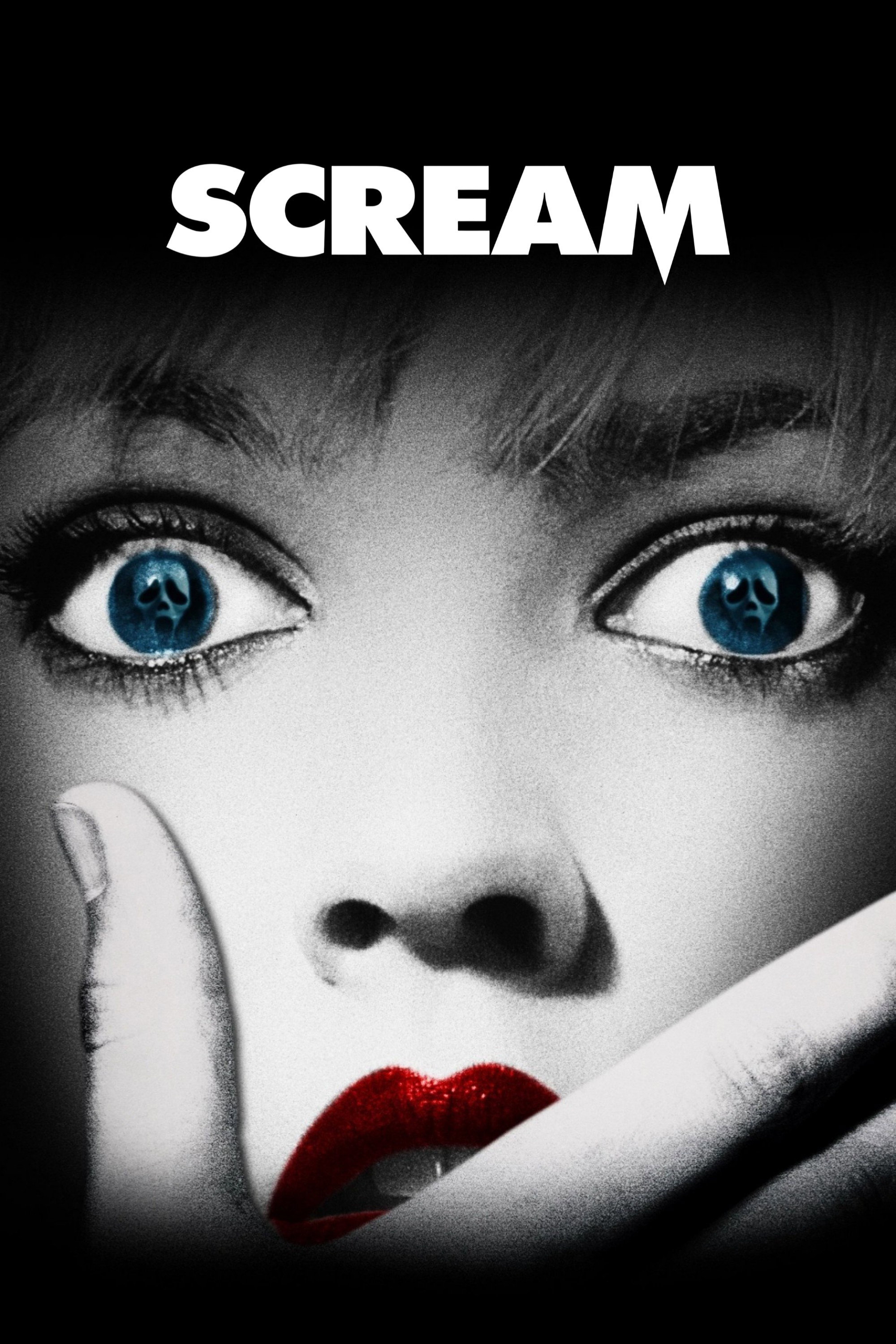
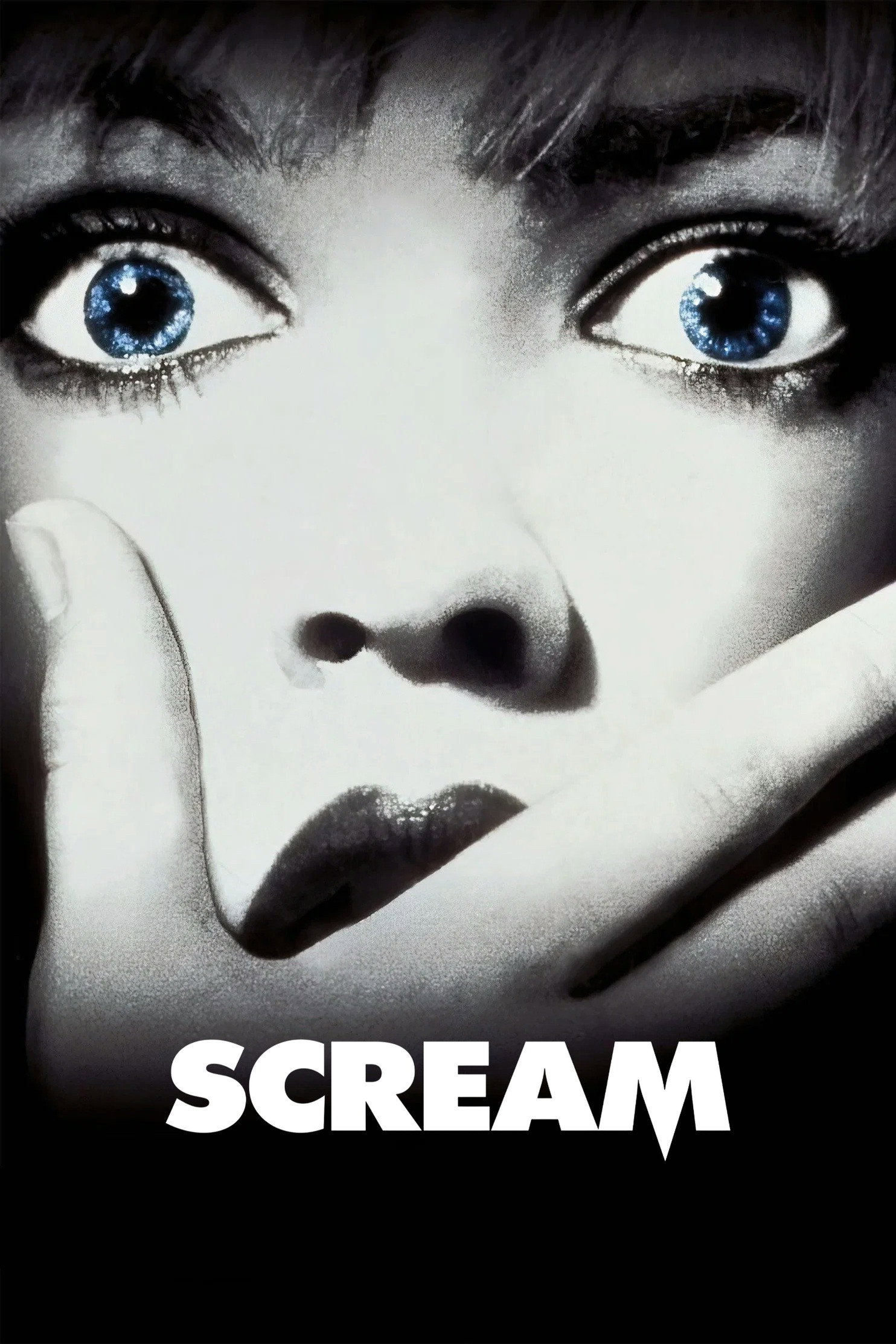
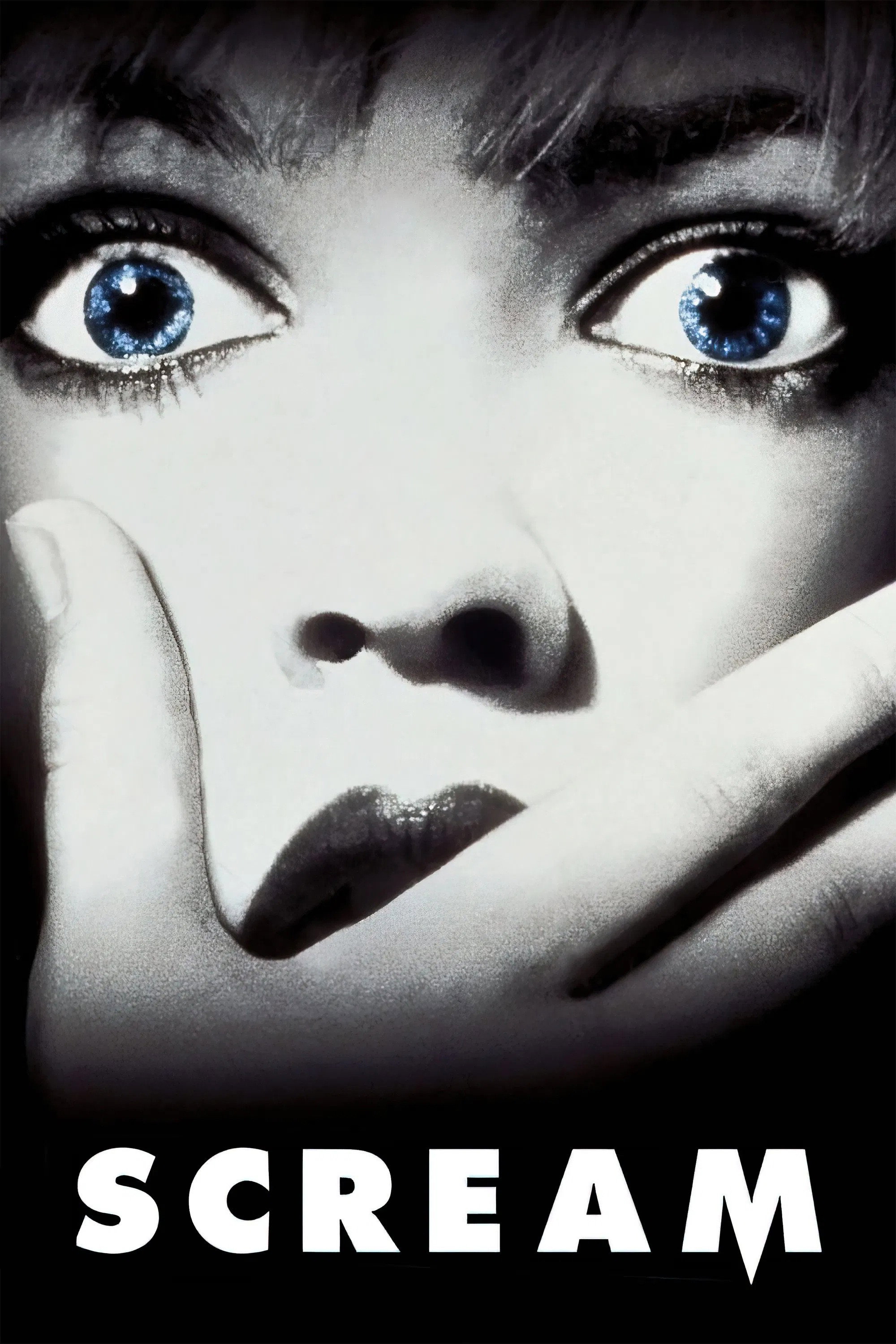
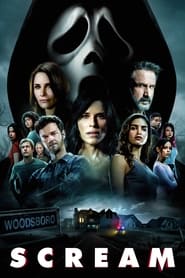
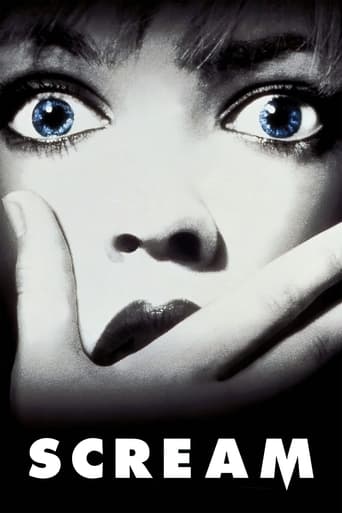
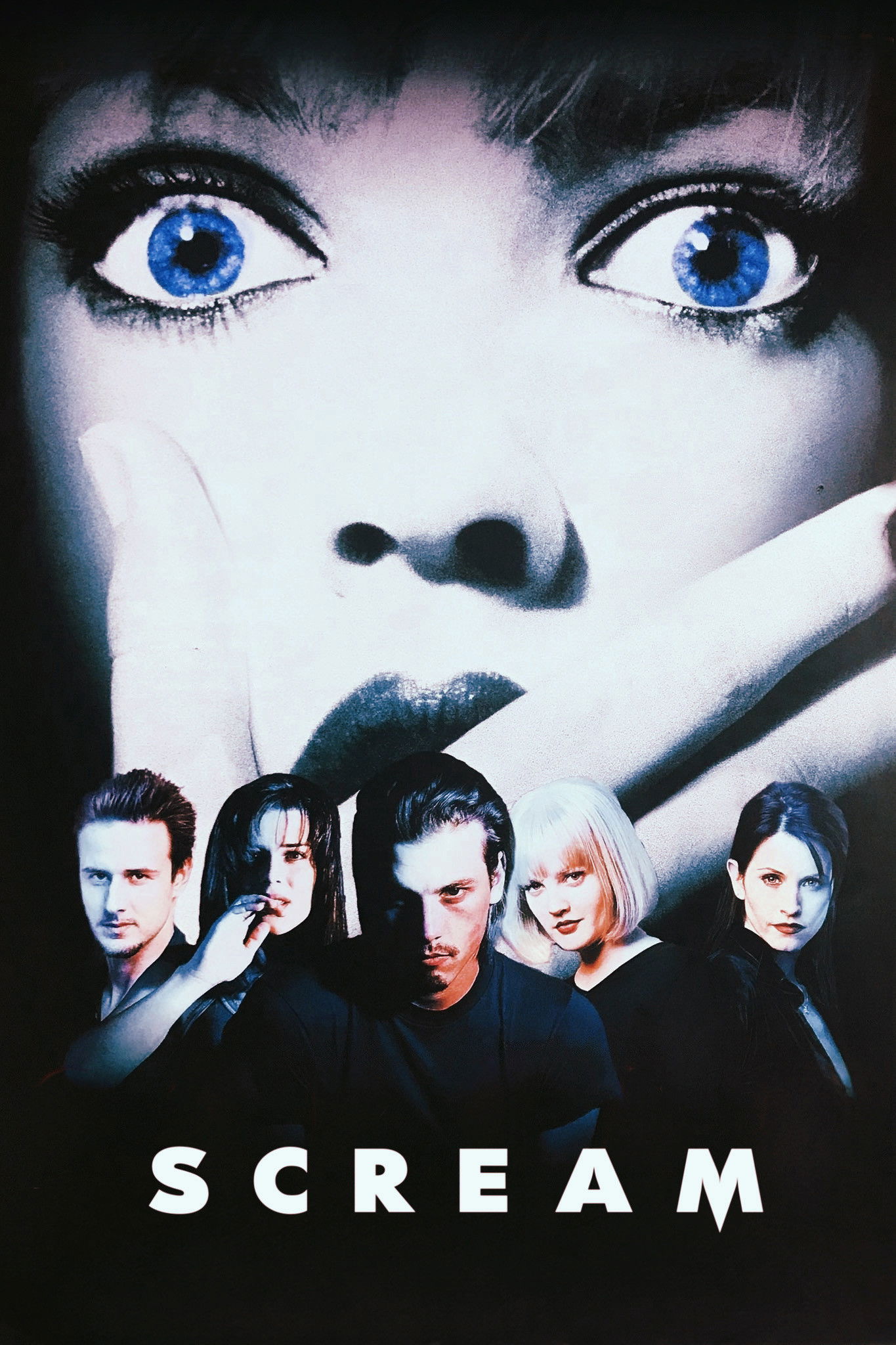
Scream (1996) poster
Director
Production Companies
Dimension Films , Woods Entertainment
Plot

Sidney Prescott is still dealing with her mother's murder when an anonymous caller begins terrorizing teenagers in the California town of Woodsboro. After two students are killed, Sidney and her friends become suspects as well as possible targets. Investigative journalist Gale Weathers arrives to report on the murders, while Deputy Dewey Riley helps the local police search for clues. The attacker wears a pale, distorted mask and challenges victims with questions about horror films, leaving Sidney uncertain whom she can trust.

Alternative Titles
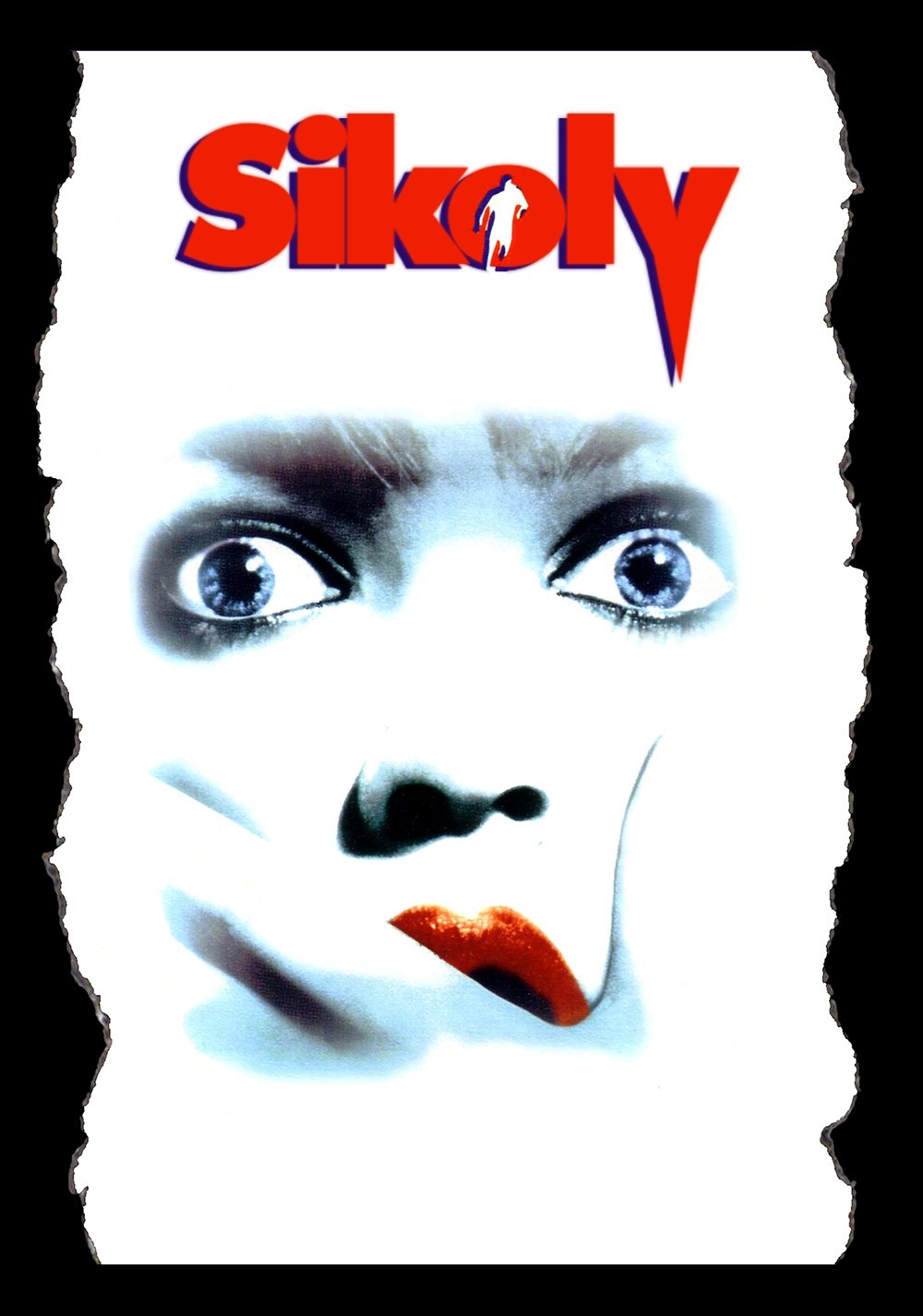
Qışqırıq (AZ) — translation:az Писък (BG) — translation:bg Pânico (BR) — translation:pt Frissons (CA) — translation:fr Scream 1 (CH) — short title 夺命狂呼 (CN) 惊声尖叫 (CN) — translation:zh Vřískot (CZ) — translation:cs
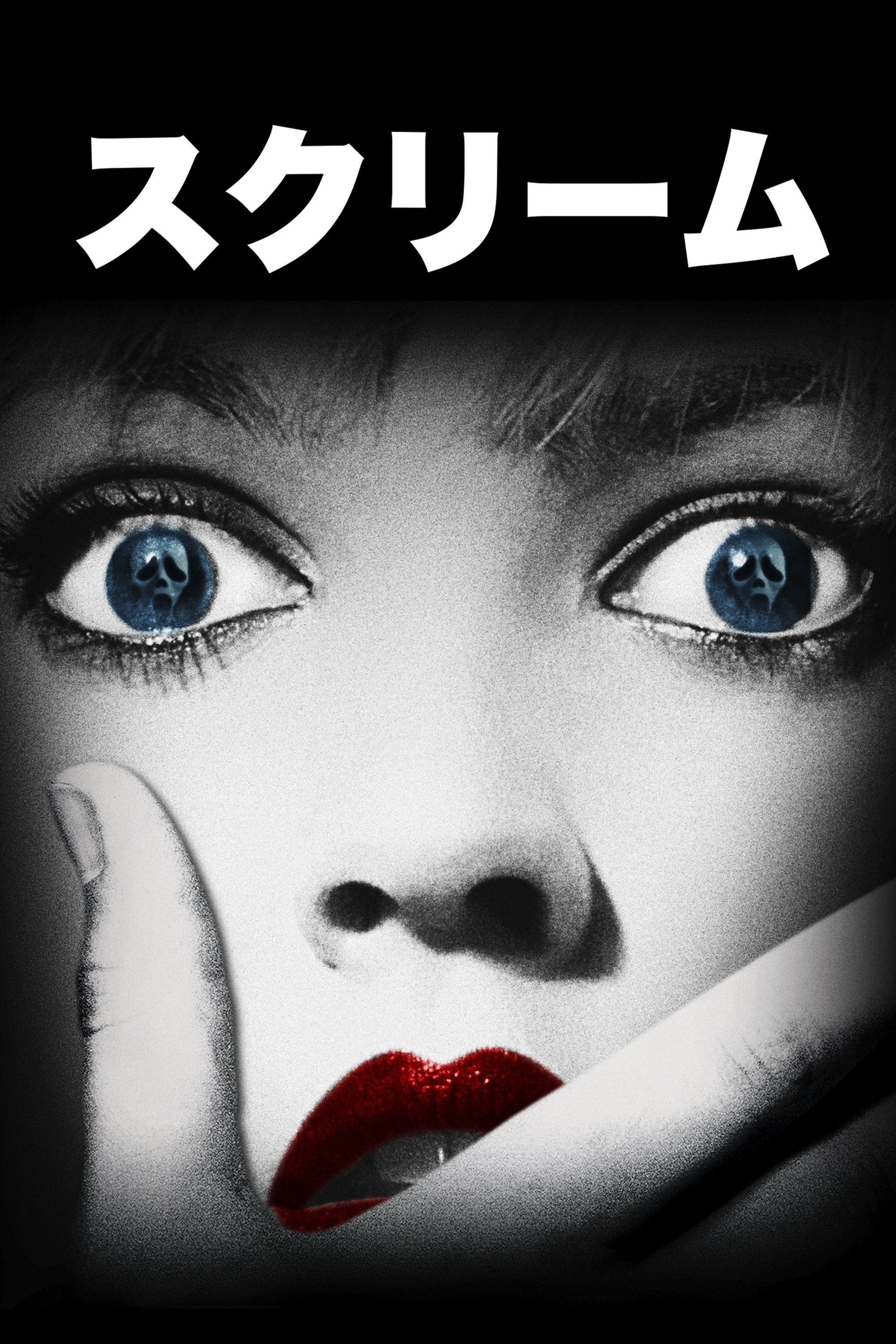
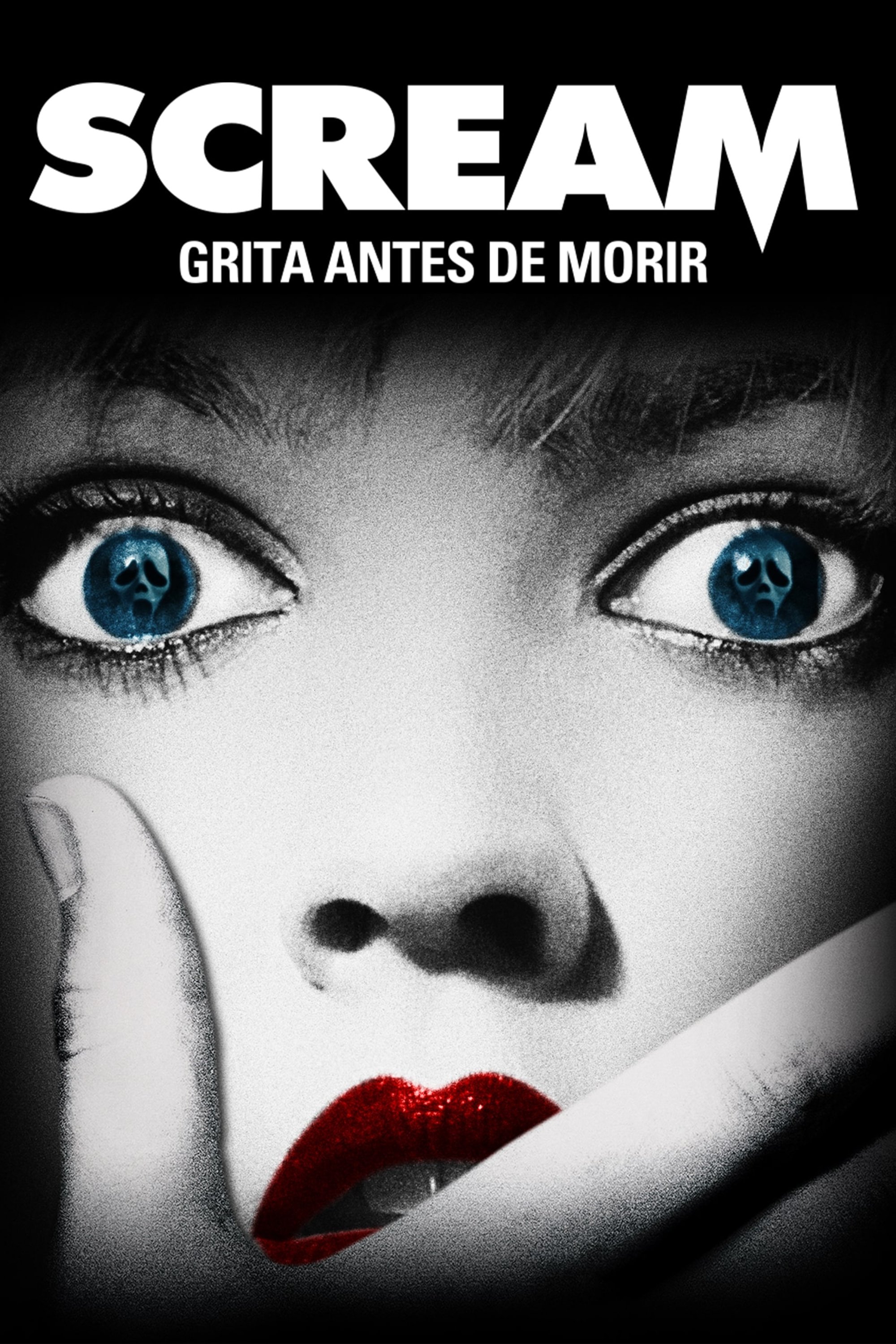
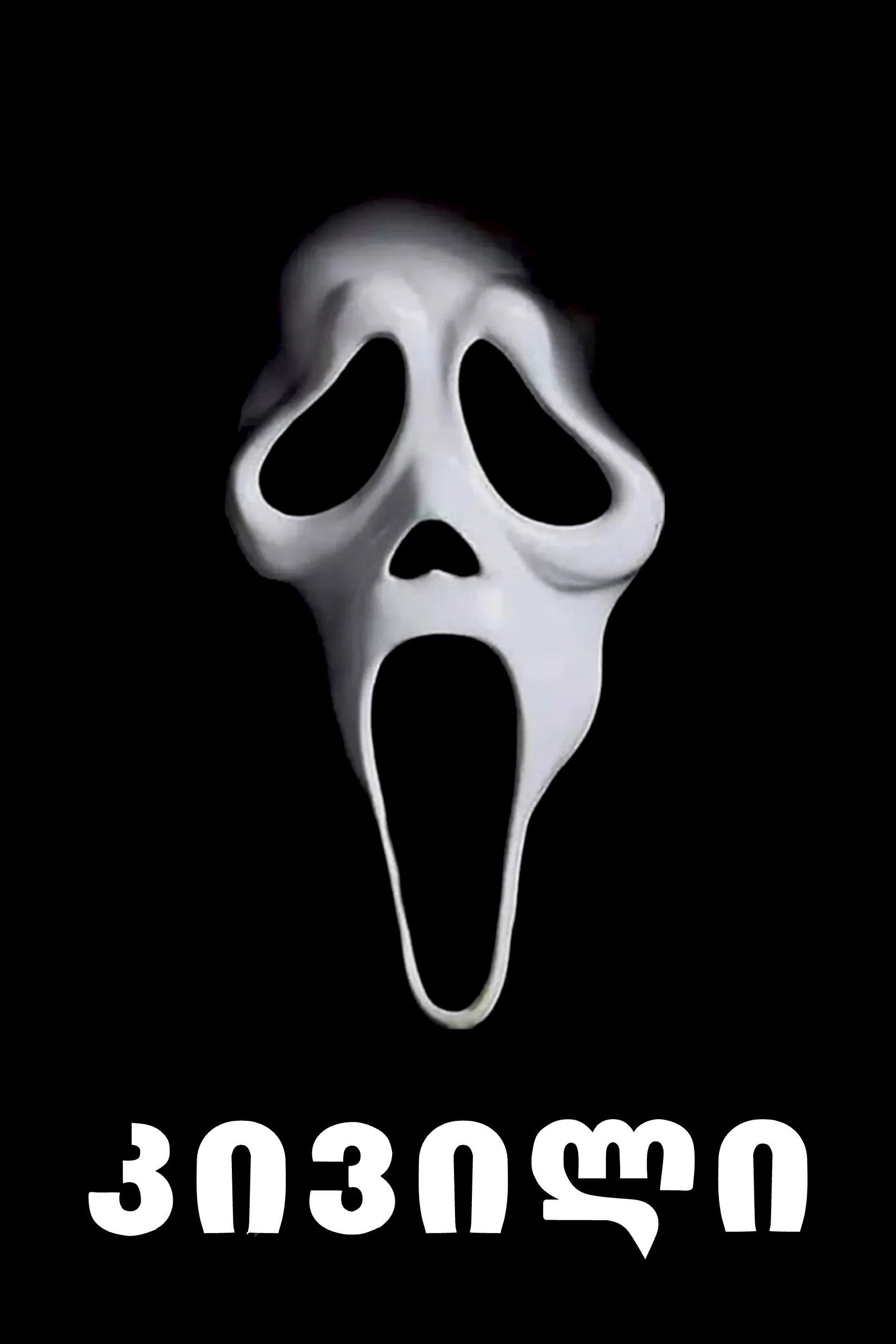
Show all 50 alternative titles Scream - Schrei des Todes (DE) Scream - Schrei! (DE) — translation:de Karje (EE) — translation:et Scream, vixía quen chama (ES) — translation:gl Scream: Vigila quién llama (ES) Scream. Vigila quién llama (ES) — translation:es Kivili (GE) კივილი (GE) — translation:ka Κραυγή αγωνίας (GR) — translation:el 奪命狂呼 (HK) — translation:zh Vrisak (HR) Sikoly (HU) — translation:hu הצעקה I (IL) צעקה (IL) — translation:he स्क्रीम (IN) — translation:hi جیغ (IR) Scream: Chi urla muore (IT) Sukurimu (JP) スクリーム (JP) — translation:ja 스크림 (KR) — translation:ko Klyksmas (LT) Kliedziens (LV) — translation:lv Grita antes de morir (MX) Scream: Grita antes de morir (MX) — translation:es Skrik (NO) — translation:no Krzyk (PL) — translation:pl Gritos (PT) — translation:pt Scream: Țipi sau fugi (RO) — translation:ro Врисак (RS) — translation:sr Крик (RU) — translation:ru الصرخة (SA) — translation:ar الصرخة ١ (SA) Krik (SI) Vreskot (SK) — translation:sk หวีดสุดขีด (TH) — translation:th Çığlık (TR) — translation:tr 驚聲尖叫 (TW) — translation:zh Крик (UA) — translation:uk Scary Movie (US) — working title Qichqiriq (UZ) — translation:uz La máscara de la muerte (VE) Tiếng Thét (VN)

Trailers & Videos

9 videos

Film Guide

Wes Craven and Kevin Williamson revived the American slasher by creating characters who knew the rules of horror movies, then demonstrating that knowing those rules offered no guarantee of survival.

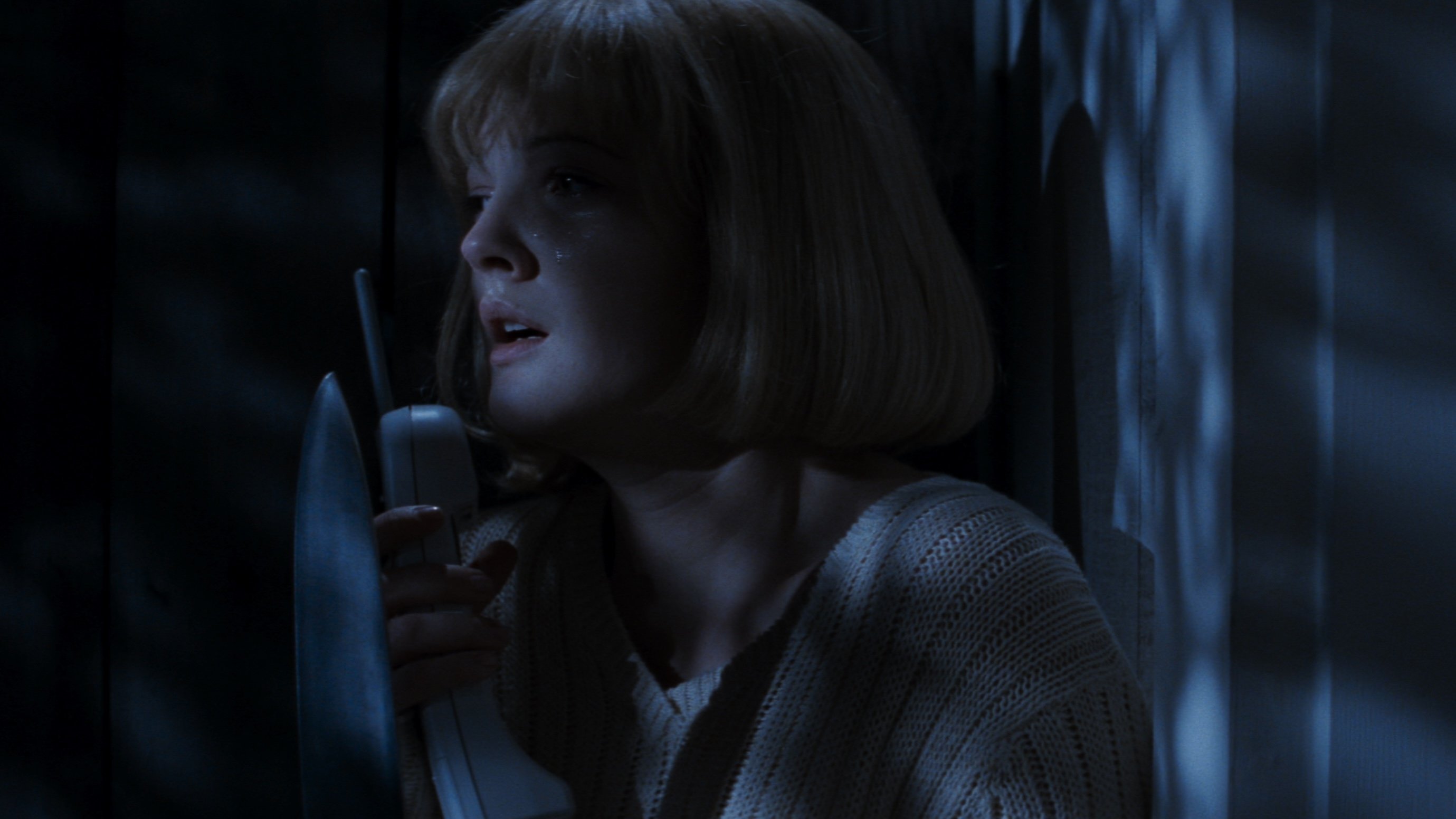
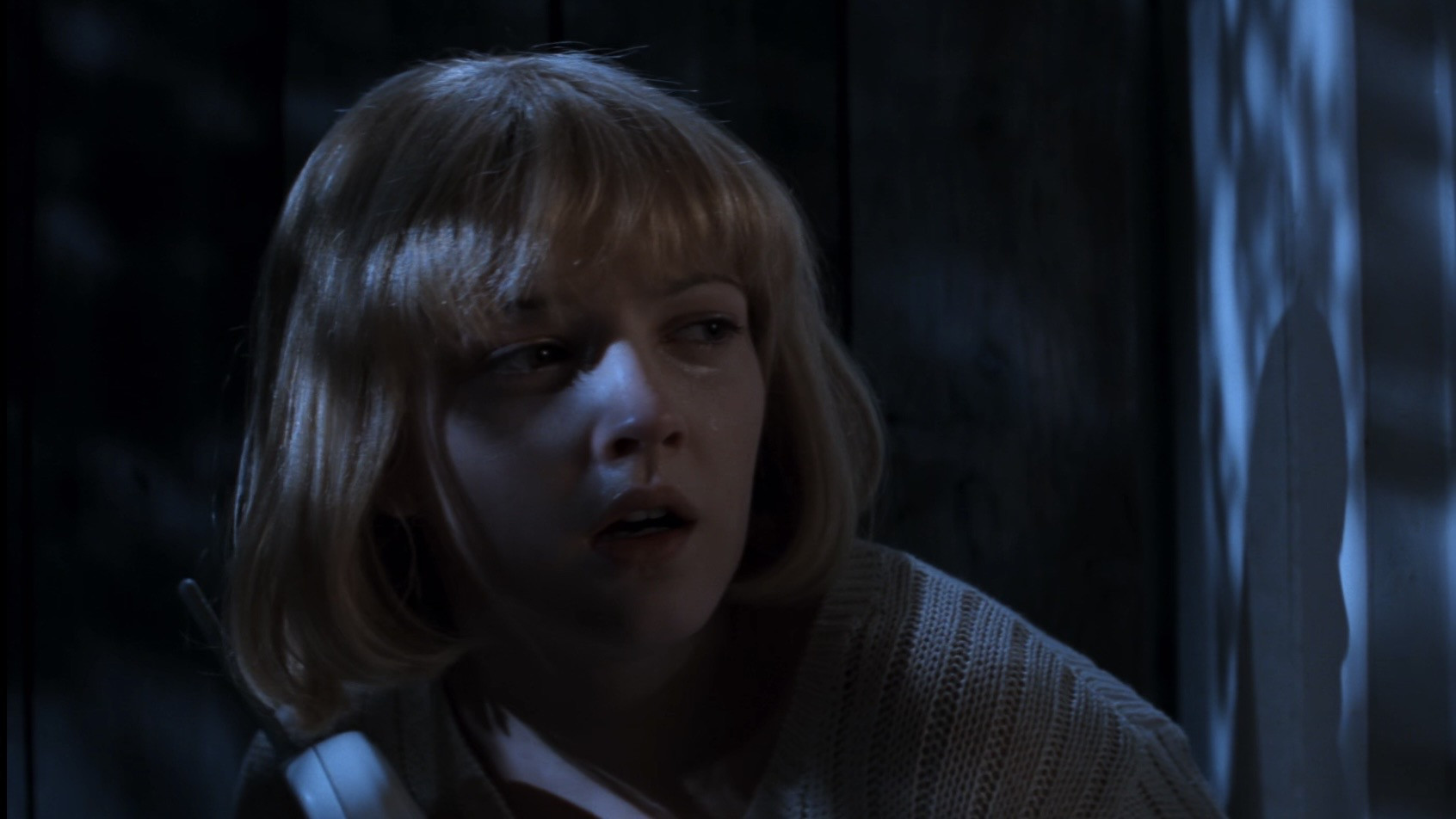
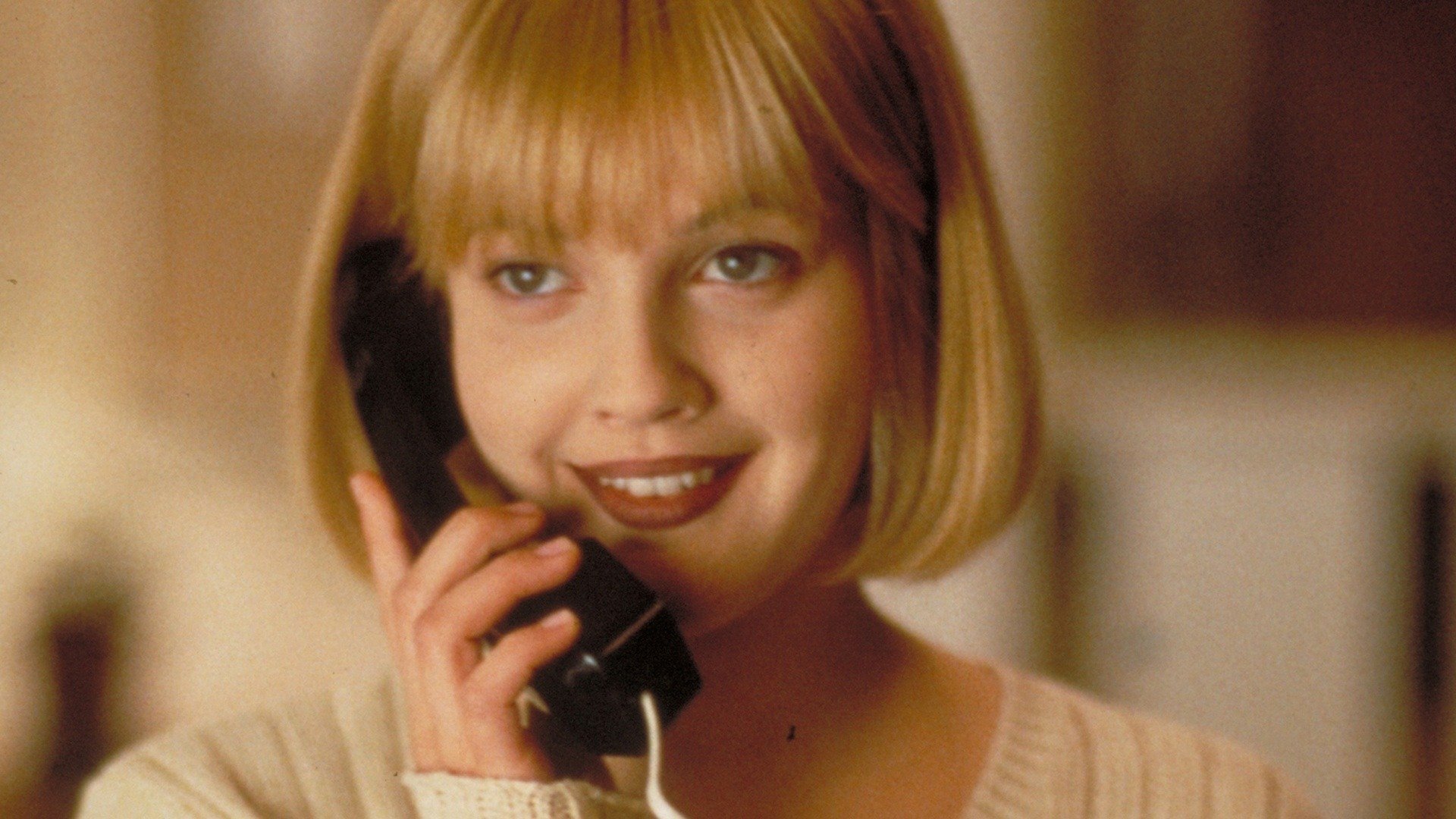
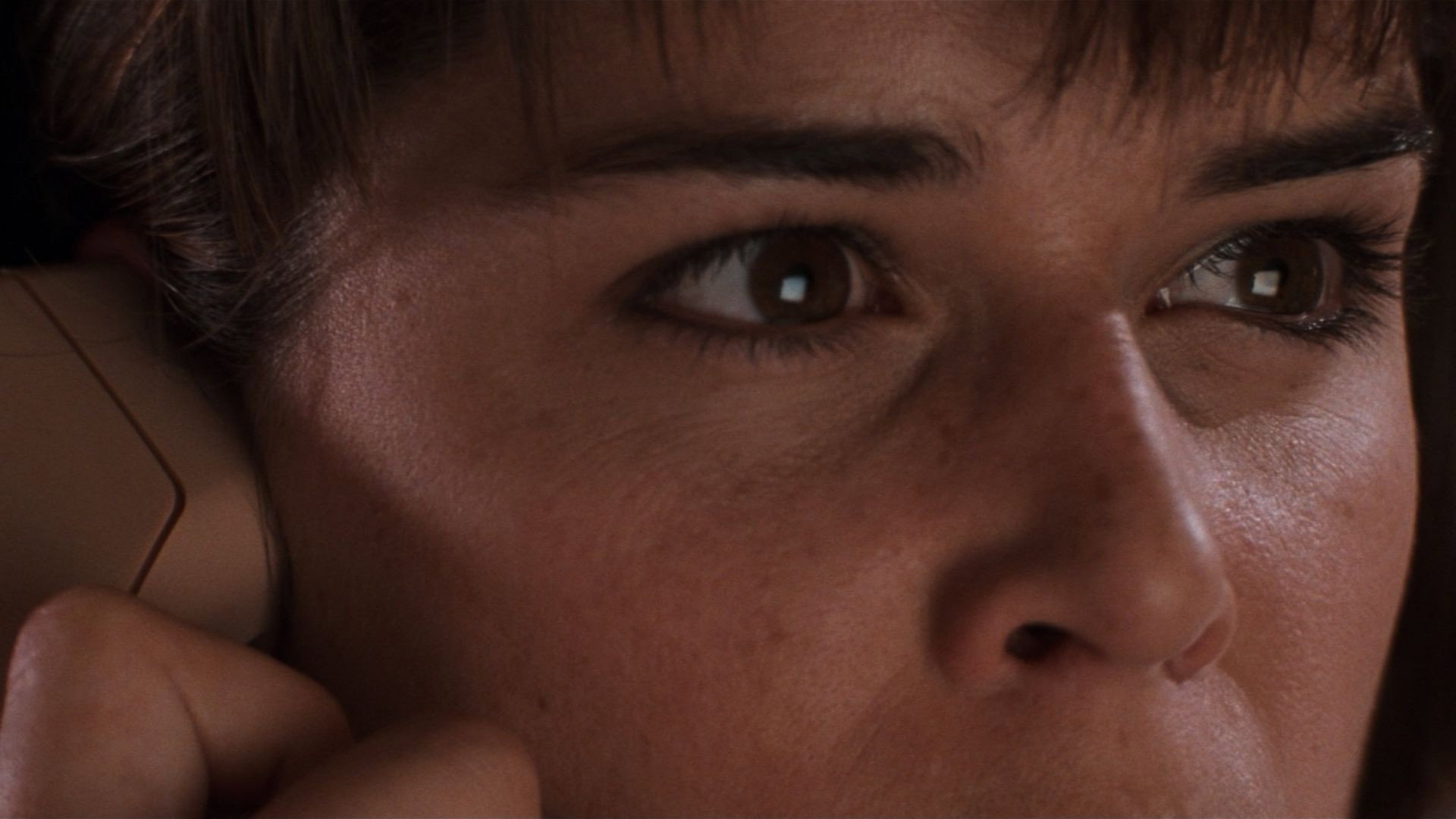
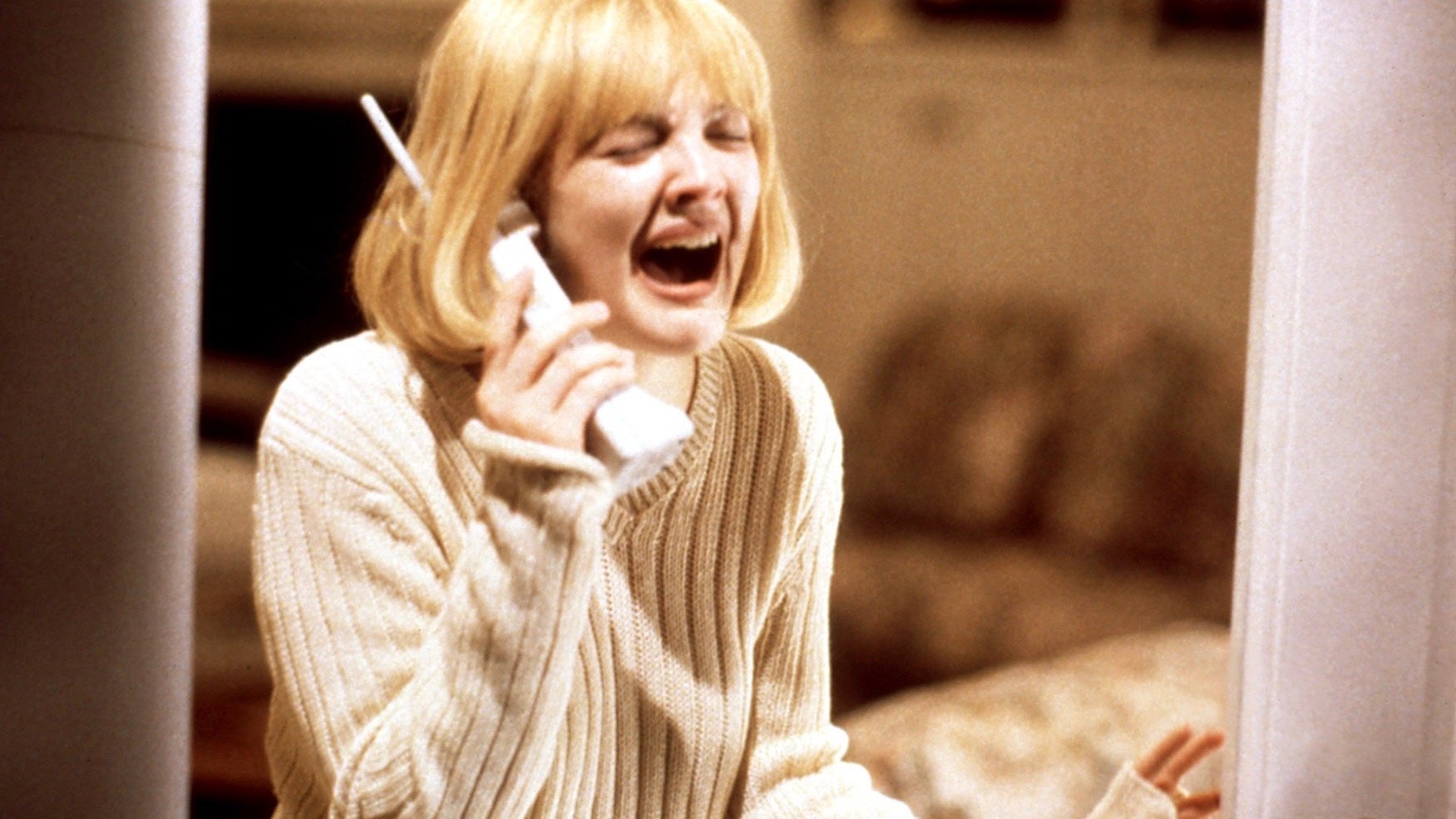
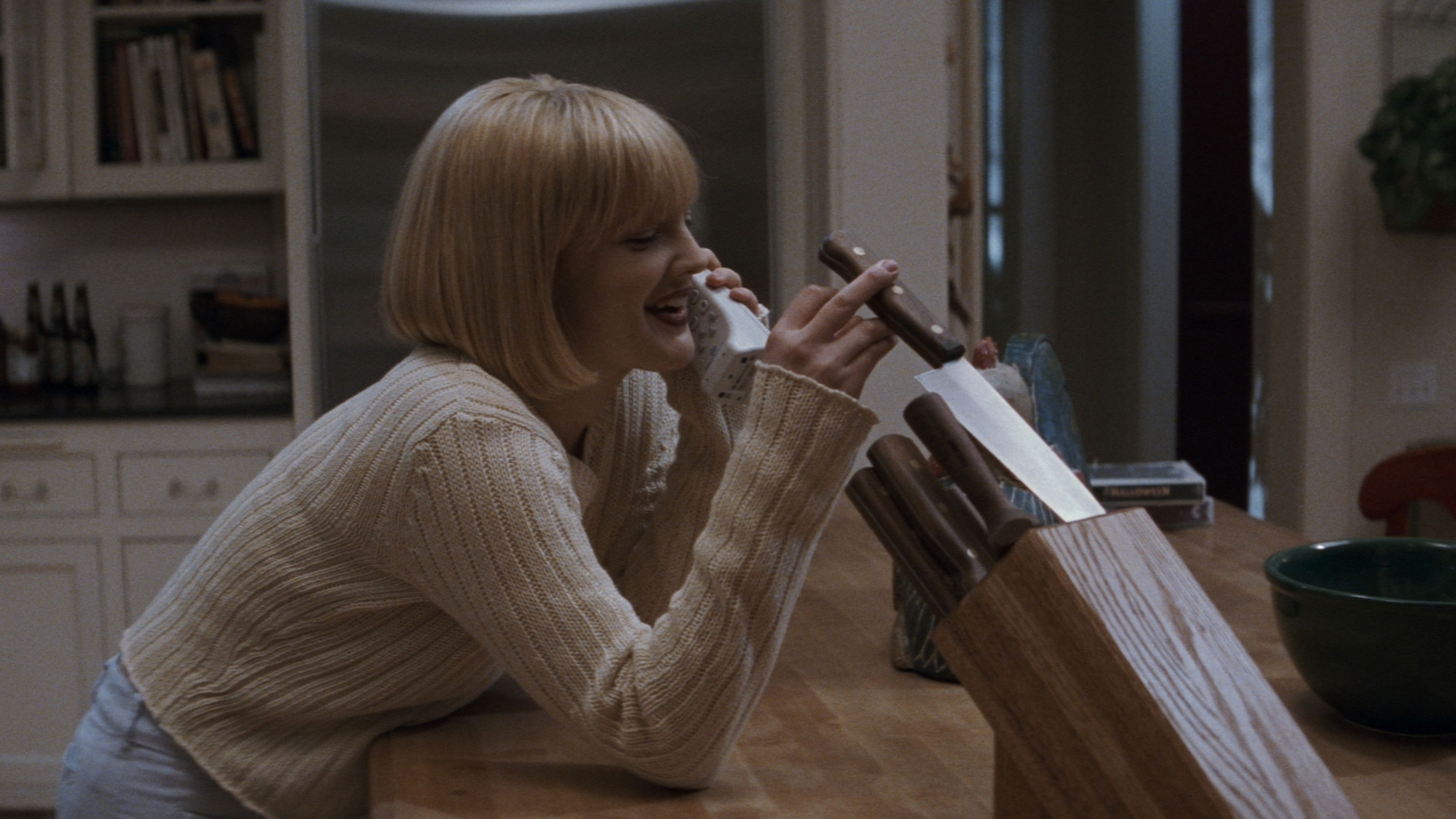
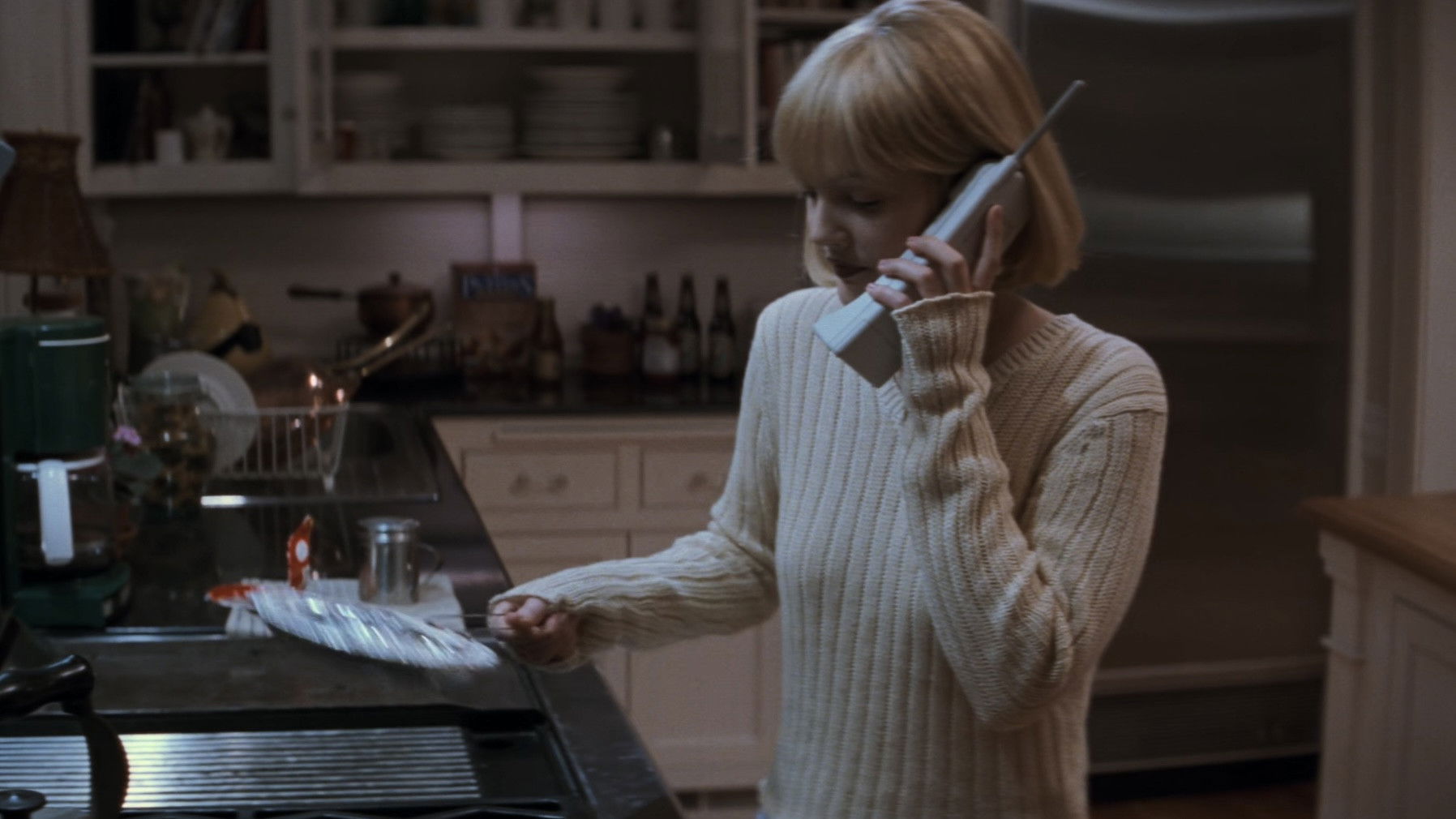
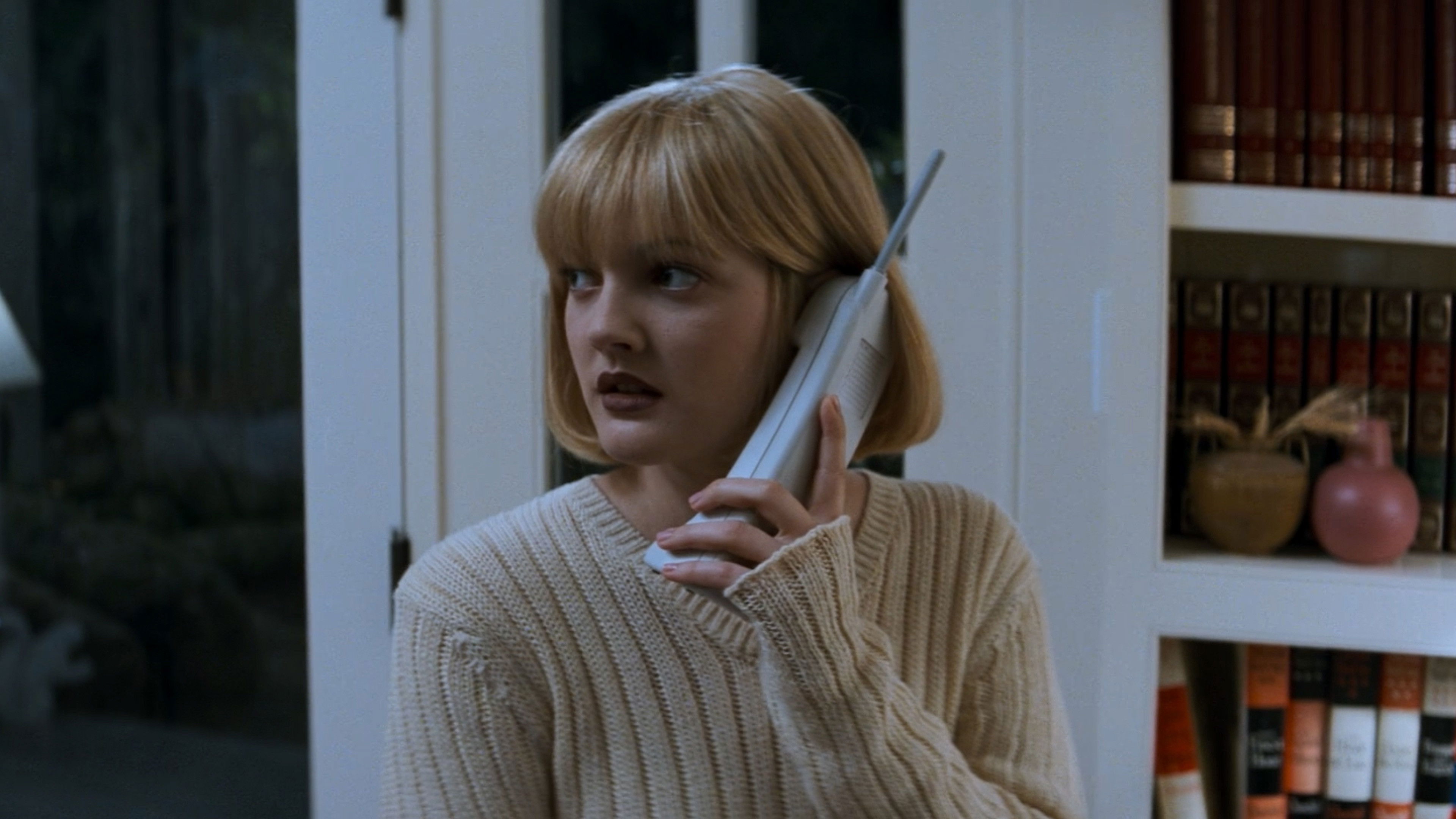
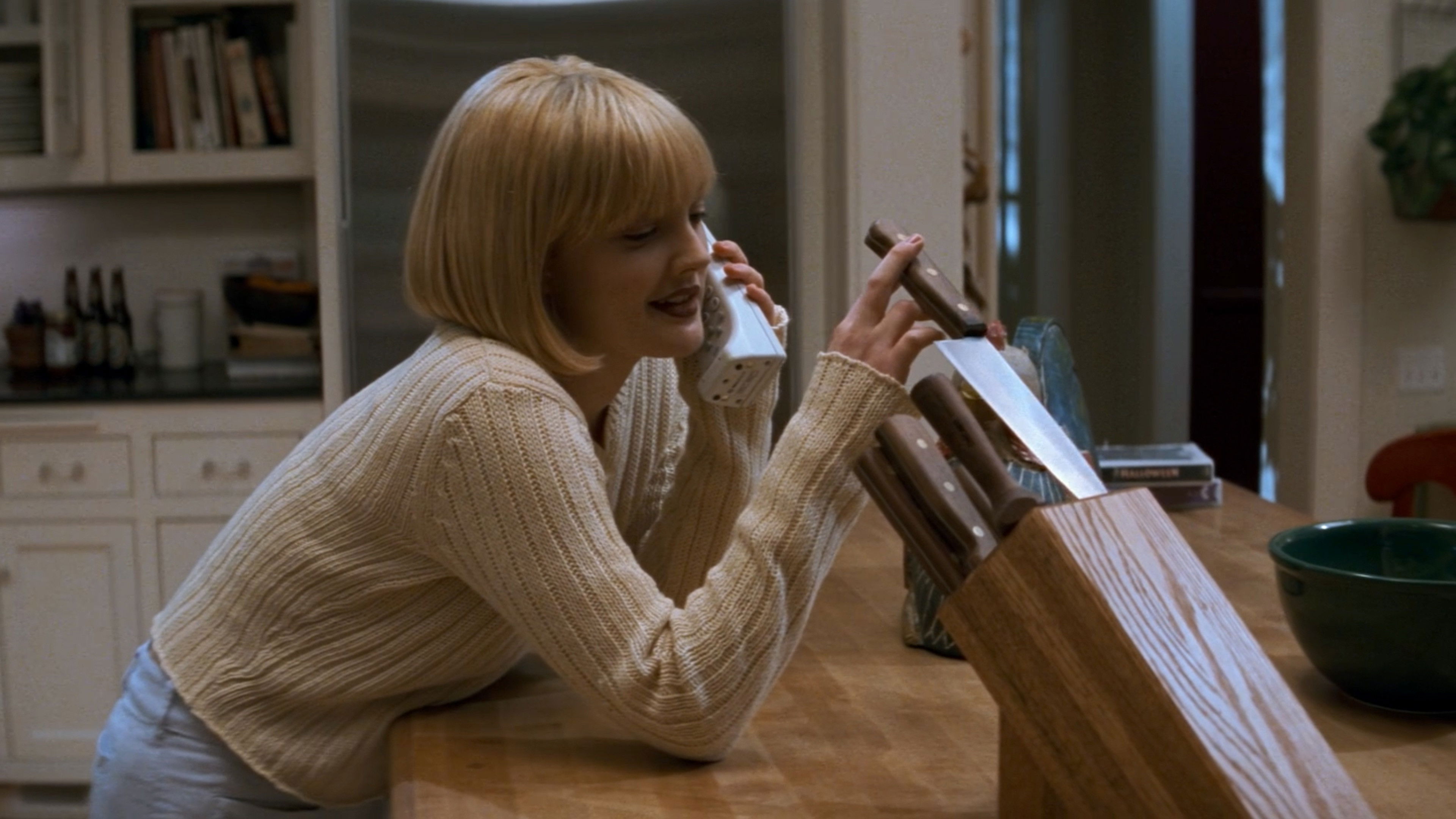
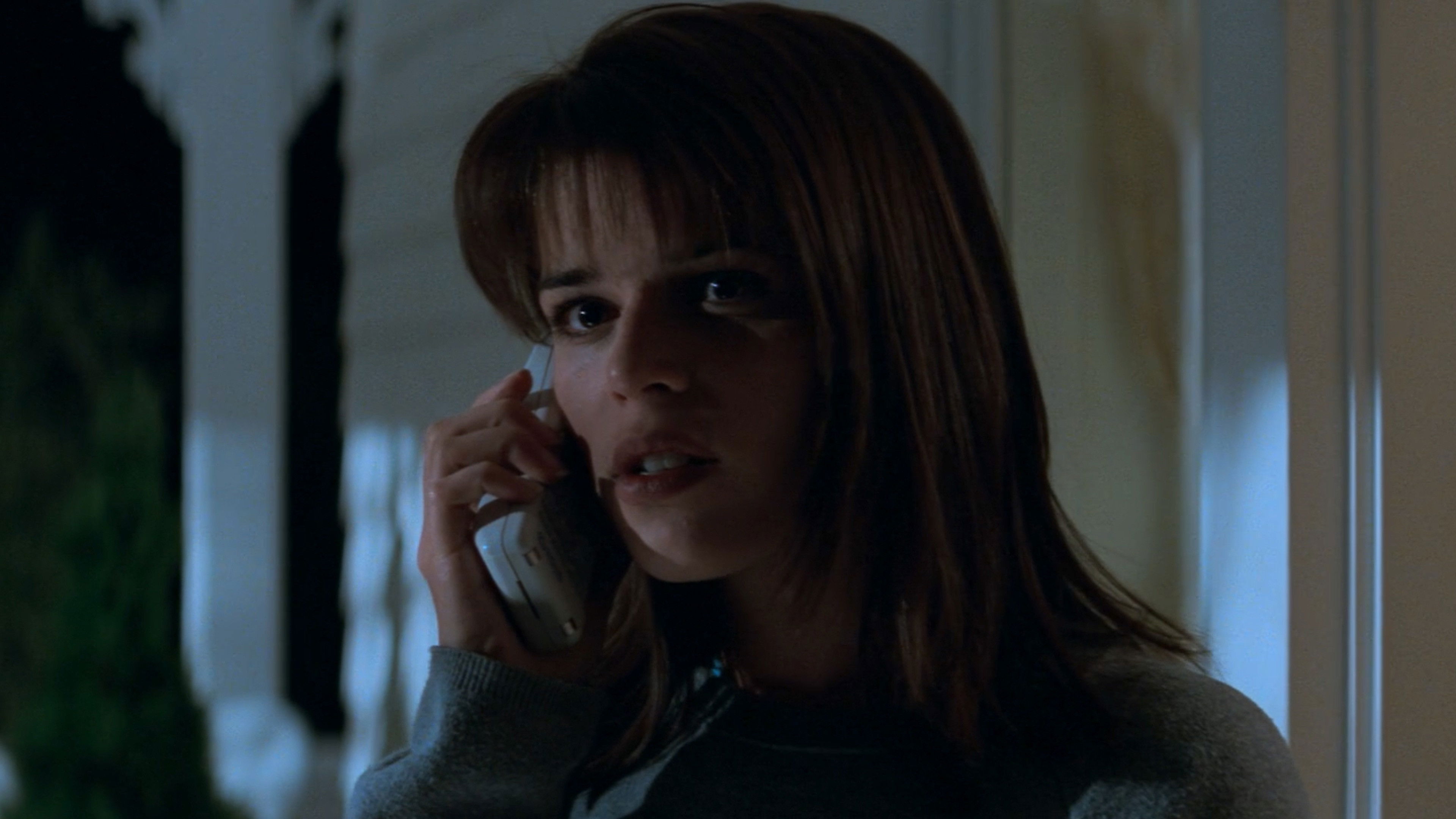
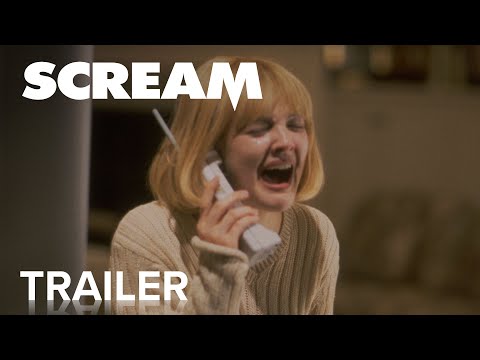
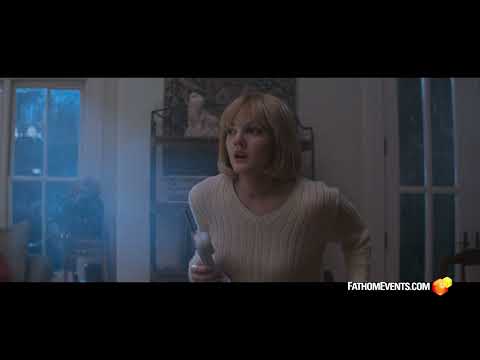
Scream (1996) opens with a telephone call that initially sounds harmless. High-school student Casey Becker is alone at home preparing to watch a movie when an unknown caller begins asking about horror films. The conversation becomes a quiz, then a threat, and finally a prolonged attack in which Casey discovers that knowledge of horror cinema cannot protect her from someone willing to turn those conventions into a real killing game. By the time her parents return, the film has announced both its intelligence and its brutality.

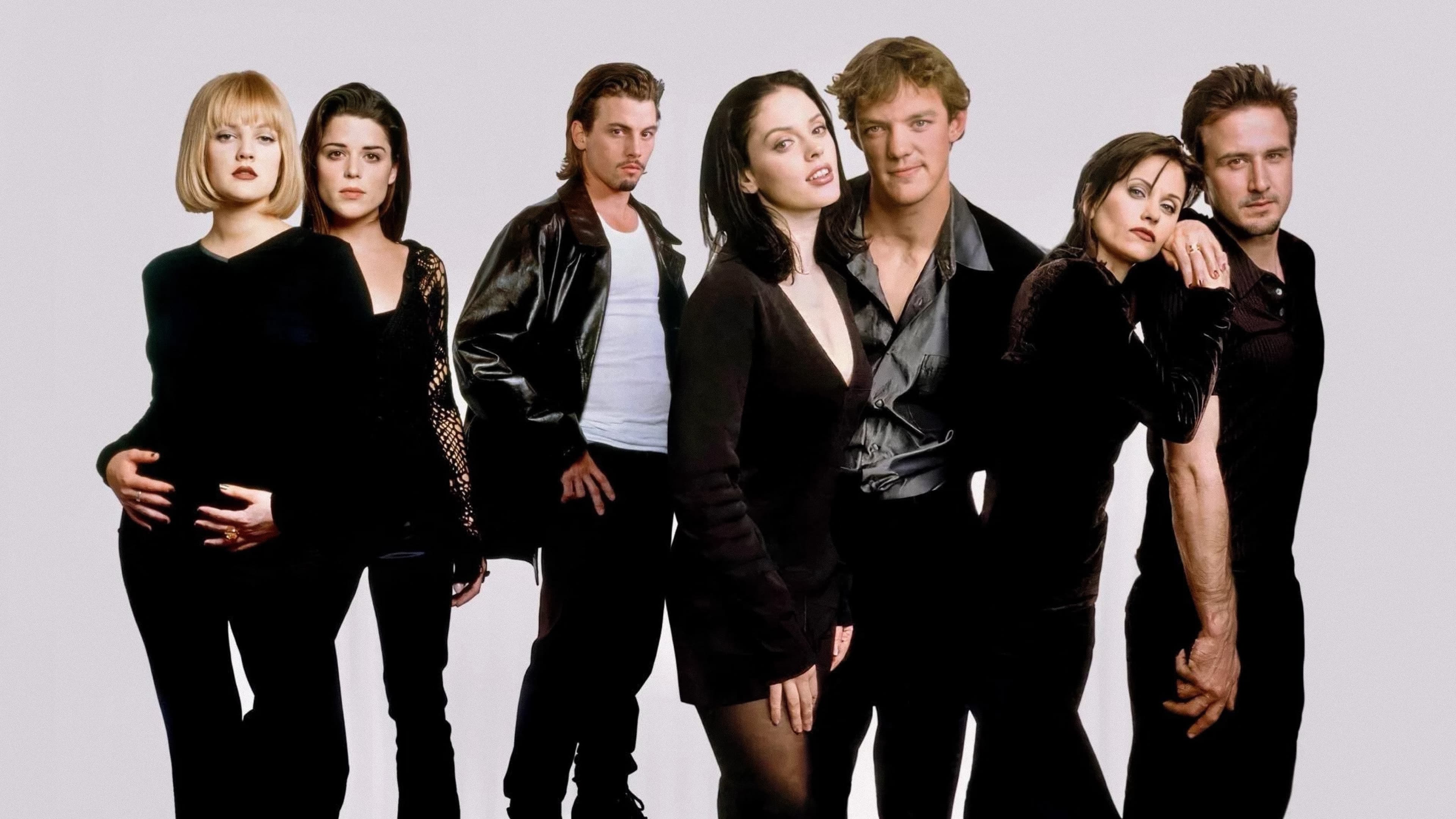
Written by Kevin Williamson and directed by Wes Craven, Scream arrived when the American slasher cycle appeared commercially exhausted. Williamson built a world populated by teenagers familiar with Halloween, Friday the 13th and A Nightmare on Elm Street. Randy Meeks can explain the rules of surviving a horror film while his friends live through situations that resemble the movies he discusses. Craven understood the more difficult half of the concept: the film could acknowledge genre clichés, joke about them and still require its murders to be frightening. That balance transformed Scream from a clever parody of slasher cinema into one of the films responsible for making the form commercially vital again.

From Scary Movie to Wes Craven

Williamson's original screenplay was titled Scary Movie. He developed it after an evening in which a television program about a Florida serial killer left him sufficiently unnerved that an open window in the house where he was staying suddenly seemed threatening. He called a friend while searching the building, and their conversation drifted toward the horror films they had grown up watching. That collision between a genuine moment of fear and casual movie knowledge became the central mechanism of the script.

Williamson wrote the screenplay with unusual speed, completing an initial version in only a few days. The opening was designed to establish immediately that this was not a routine slasher. He had Psycho specifically in mind. Alfred Hitchcock had destabilized audiences by killing Janet Leigh after presenting her as the apparent protagonist, and Williamson wanted a comparable shock for a contemporary horror audience. The script circulated under the title Scary Movie and generated a bidding war before Dimension Films acquired it.

Getting Wes Craven to direct was less immediate. Craven had already spent decades being identified with horror and was reluctant to return to another film about teenagers pursued by a killer. He had also just made Wes Craven's New Nightmare, itself a sophisticated examination of horror fiction escaping into reality. His collaborators, particularly assistant Julie Plec and producer Marianne Maddalena, continued encouraging him to reconsider Williamson's script. Craven eventually accepted.

The collaboration proved unusually respectful of Williamson's writing. The screenwriter later remembered arriving at Craven's home and seeing pages of notes, expecting the veteran director to dismantle his screenplay. Many of Craven's notes were instead minor corrections. He recognized that the script's unusual mixture of horror knowledge, comedy, murder mystery and adolescent emotion already possessed a clear voice. His task became translating that voice into images without allowing any one element to destroy the others.

Drew Barrymore & an Opening That Changes the Rules

Drew Barrymore initially entered discussions to play Sidney Prescott. She instead asked to play Casey Becker, the young woman murdered before the main story begins. The decision strengthened Williamson's original Psycho strategy considerably. Barrymore was the film's most immediately recognizable movie star, and the marketing could encourage audiences to assume that she would be the protagonist.

Her death therefore does more than provide the first body. It removes the audience's sense of protection. If the film is willing to kill Barrymore before introducing most of its principal characters, celebrity status cannot identify who will survive. Richard Potter, then a Dimension executive, later described the effect simply: once Casey dies, anyone could die.

The sequence occupied the first several days of production and required Craven to sustain tension almost entirely through Barrymore, a telephone and a killer who remains largely unseen until the attack begins. Roger L. Jackson provided the caller's voice. Barrymore chose not to meet him during filming, allowing the disembodied voice to remain genuinely unfamiliar to her. Jackson performed the conversations remotely while she acted inside the house, preserving some of the separation that exists between Casey and her tormentor.

Jackson's vocal performance is essential because Ghostface does not begin the conversation sounding like a monster. The voice is curious, playful and slightly flirtatious. Only gradually does it become controlling and openly sadistic. That progression allows the killer to manipulate Casey into remaining on the telephone long enough for the game to take shape.

Craven also pushes the violence beyond the witty concept. Casey is chased, stabbed, strangled and ultimately discovered by her parents after they arrive only moments too late to save her. The horror does not become less serious because the killer has been asking movie trivia. Instead, Scream establishes its governing contradiction in the first sequence: awareness of horror can be funny, but death inside the film remains painful.

Sidney Prescott & the Horror Behind the Movie References

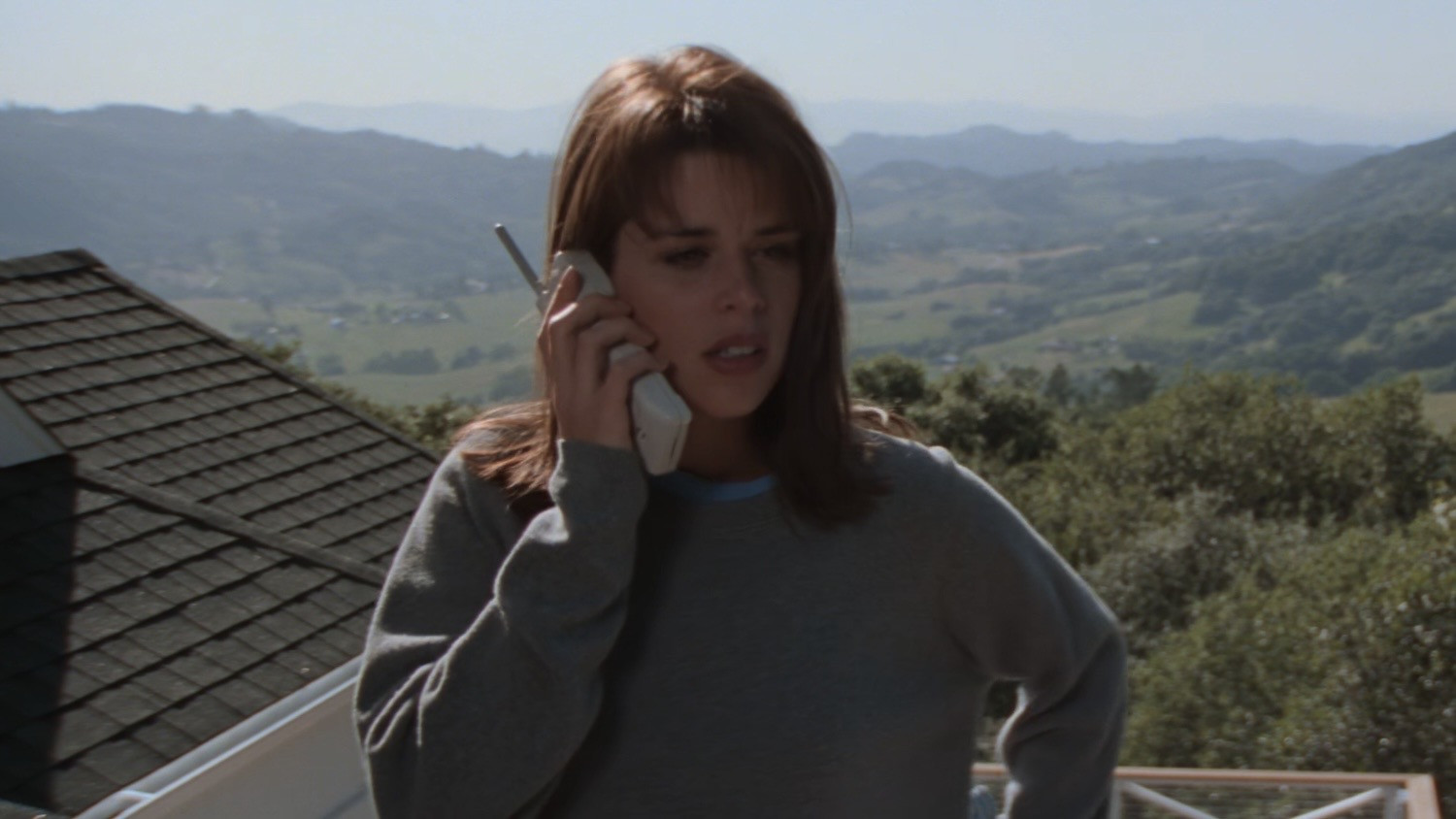
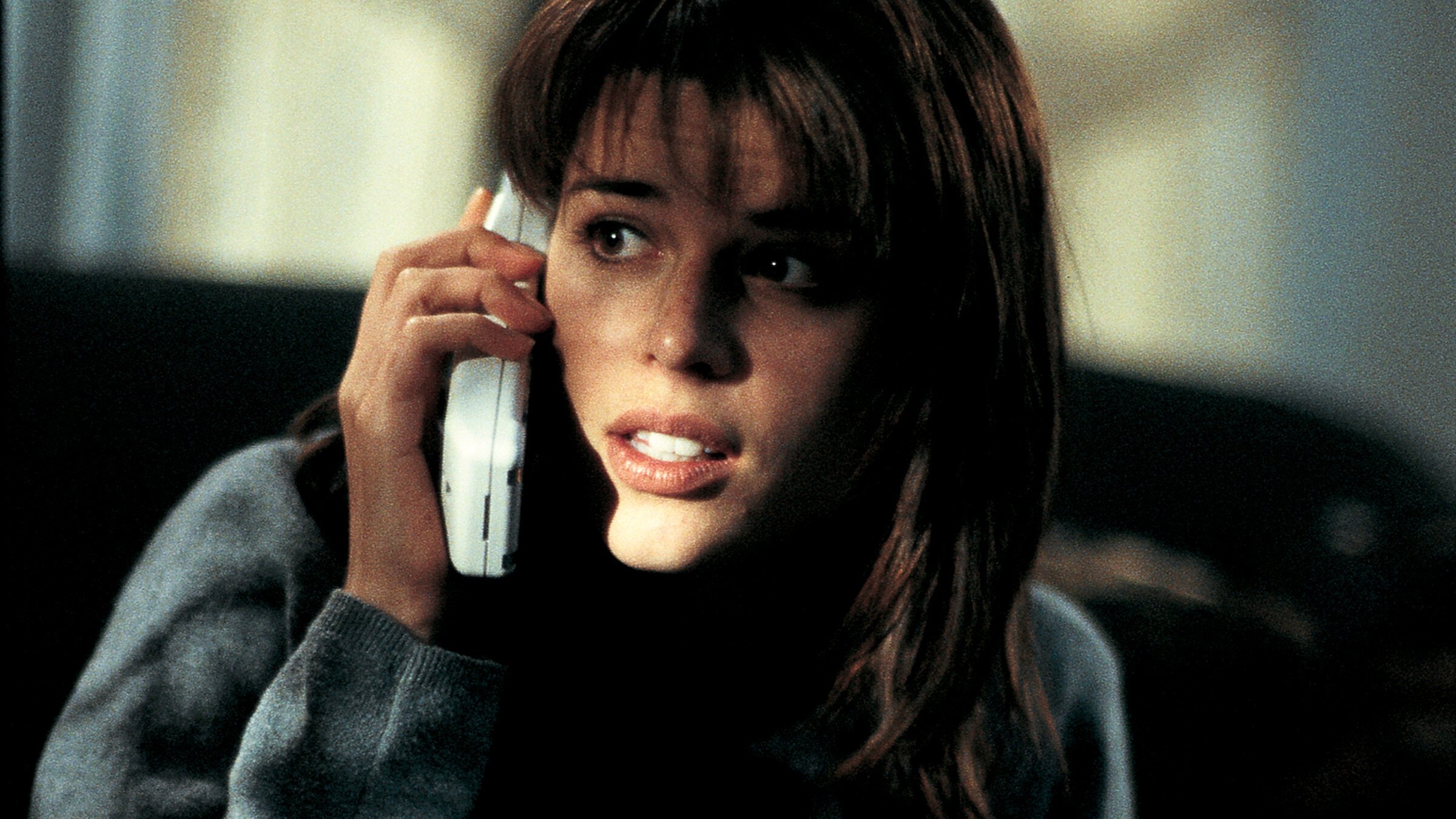
The opening could easily have made Scream a collection of clever set pieces, but Sidney Prescott gives the film emotional weight. Neve Campbell was selected after an extensive casting process because the filmmakers saw both strength and vulnerability in her. Sidney enters the story already carrying trauma. Her mother, Maureen Prescott, was murdered a year earlier, and Sidney's testimony helped place Cotton Weary in prison for the crime.

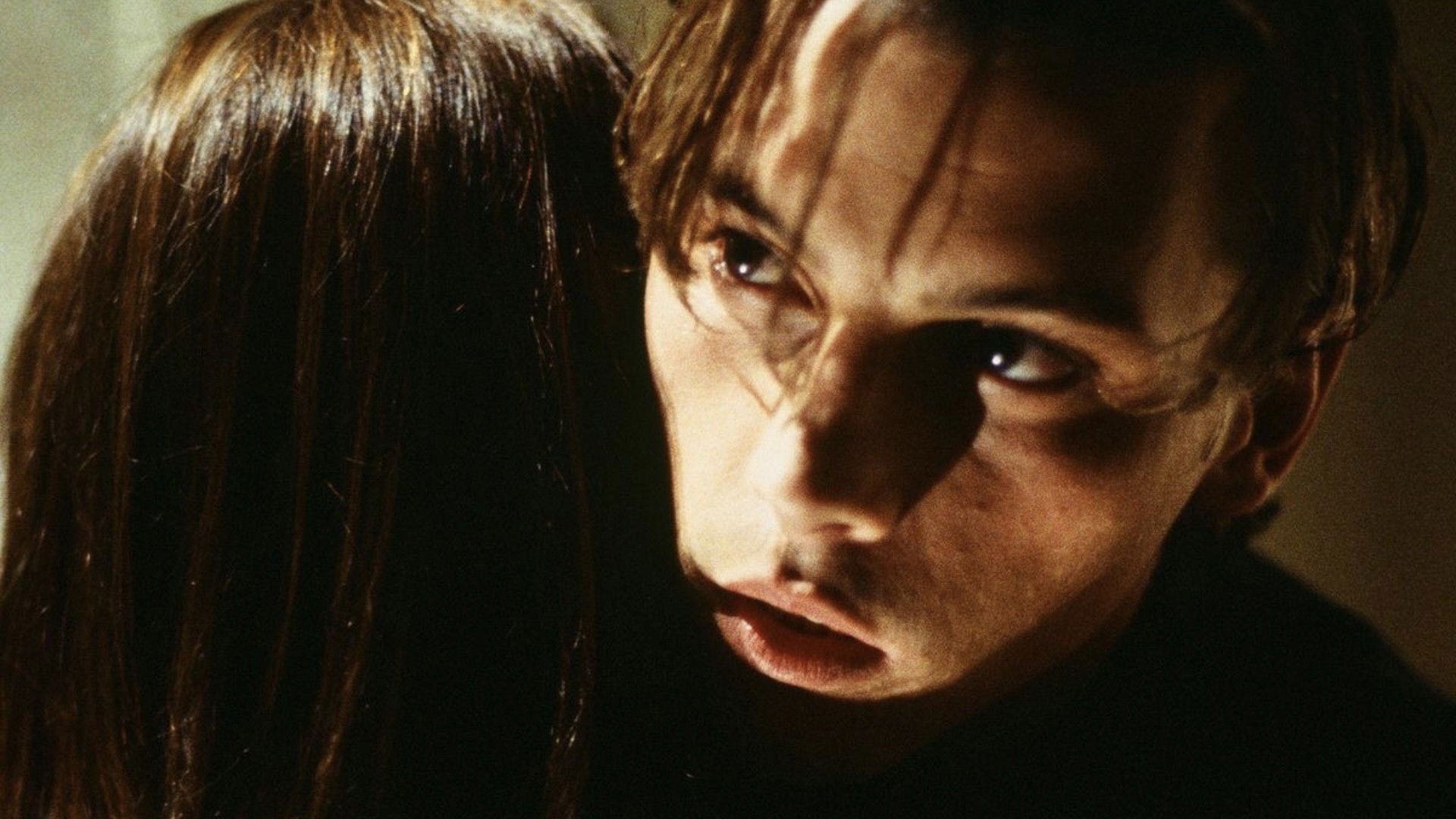
Ghostface therefore attacks a protagonist whose relationship with death predates the current murders. The mystery gradually forces Sidney to reconsider what she believes about her mother's death, her boyfriend Billy Loomis and the adults who have constructed competing stories around Maureen. Gale Weathers has even built a media career around arguing that Sidney identified the wrong man.

This gives Scream a second layer beneath its movie references. Sidney is not only learning how to survive a masked killer. She is learning that the story she has accepted about her own family may be false. Billy exploits that vulnerability while presenting himself as the patient boyfriend injured by her inability to resume a normal sexual relationship after her mother's murder.

Craven and Williamson also avoid making Sidney powerful by removing fear. She panics, makes mistakes and repeatedly finds herself physically overmatched. Her strength comes from adaptation. She locks doors, uses the killer's own communications against him, escapes when escape is possible and eventually turns Ghostface's theatricality back on Billy and Stu.

By the final act, Sidney has stopped being the passive subject of the killers' scenario. She disappears, calls them using the same voice changer they used to terrorize their victims and forces them to experience uncertainty themselves. The shift is one of the film's most satisfying reversals. Ghostface loses power when Sidney stops behaving like the victim Billy and Stu believe they have written for themselves.

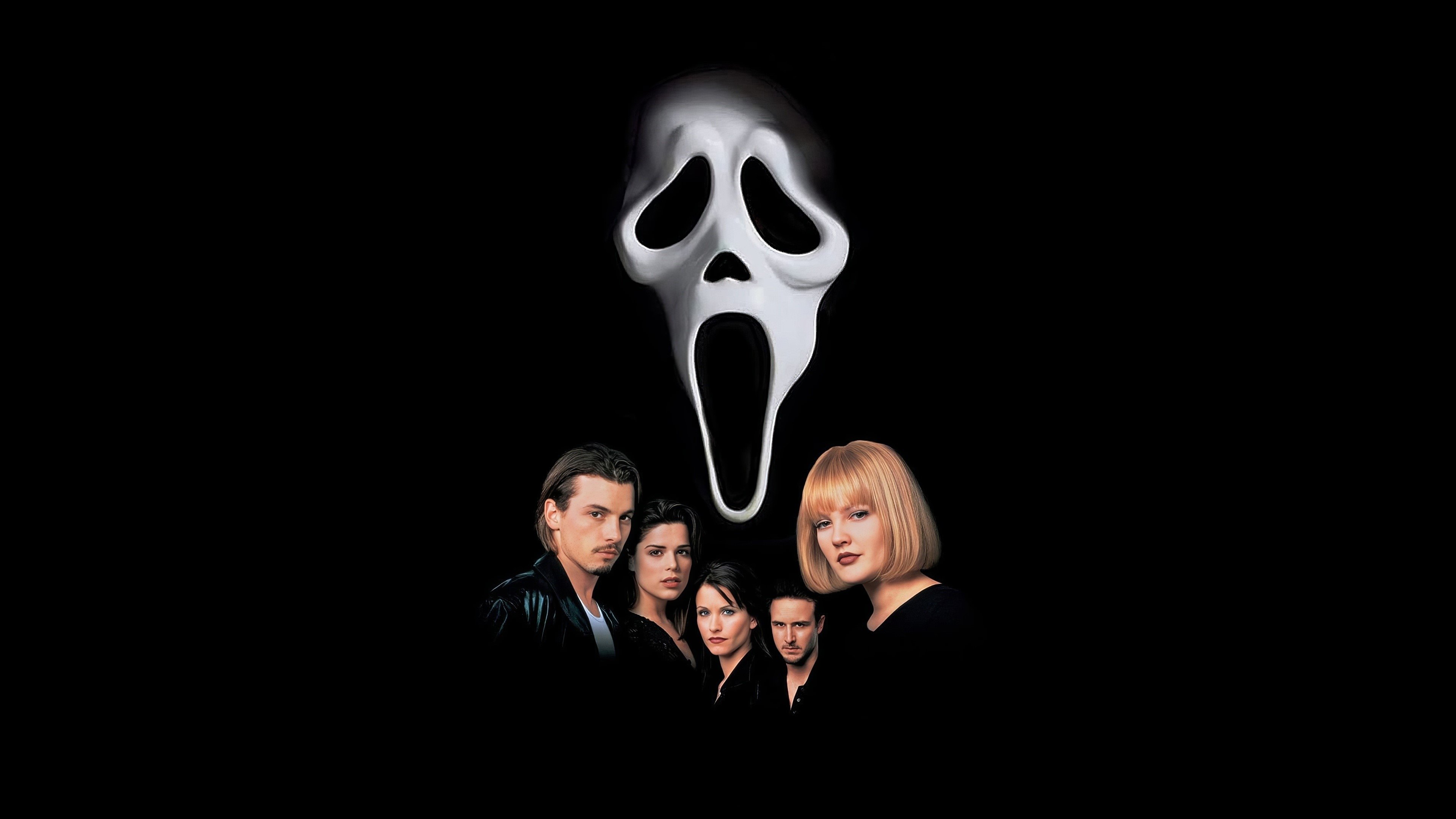
Ghostface: A Killer Built from an Ordinary Halloween Mask

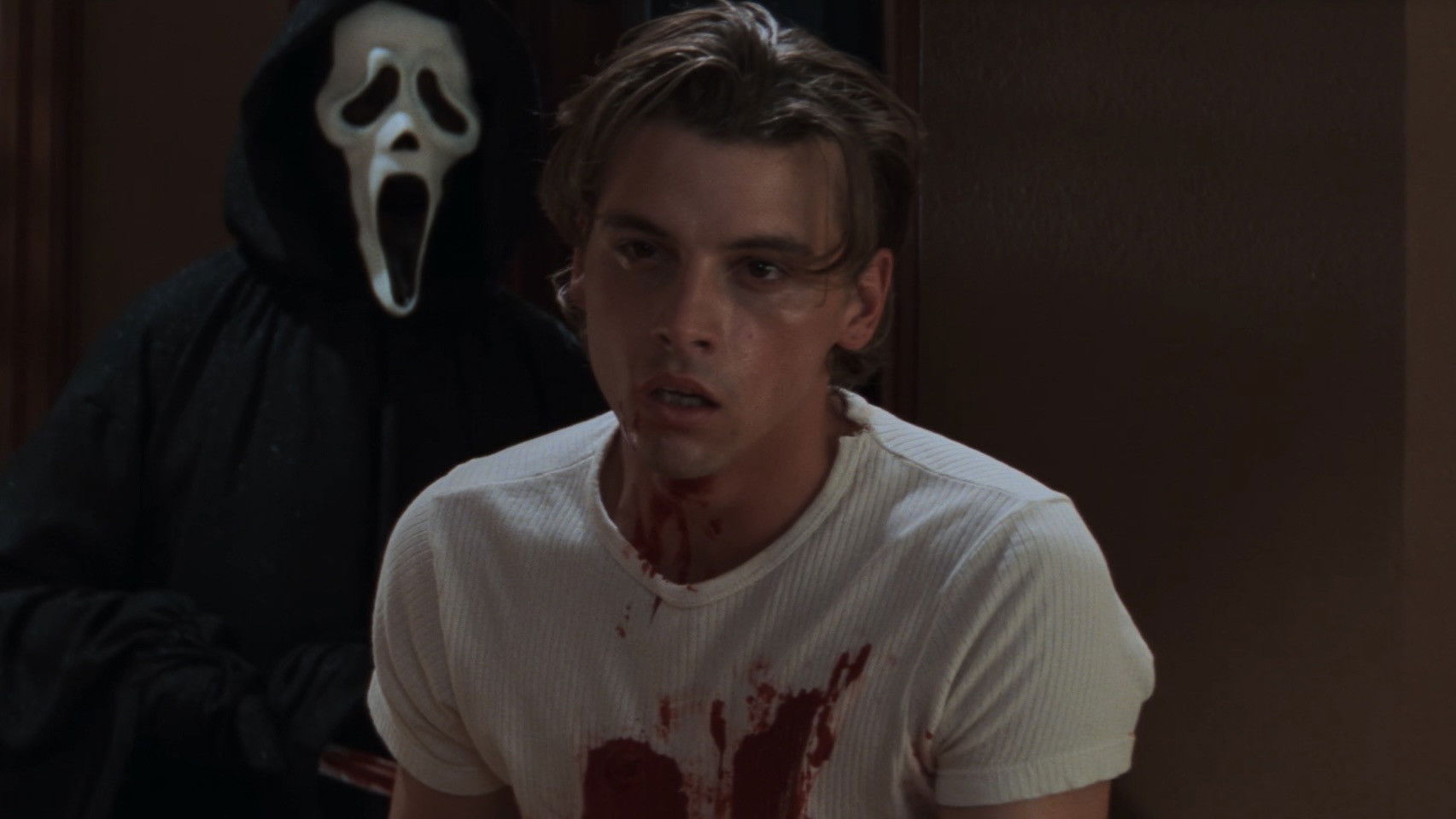
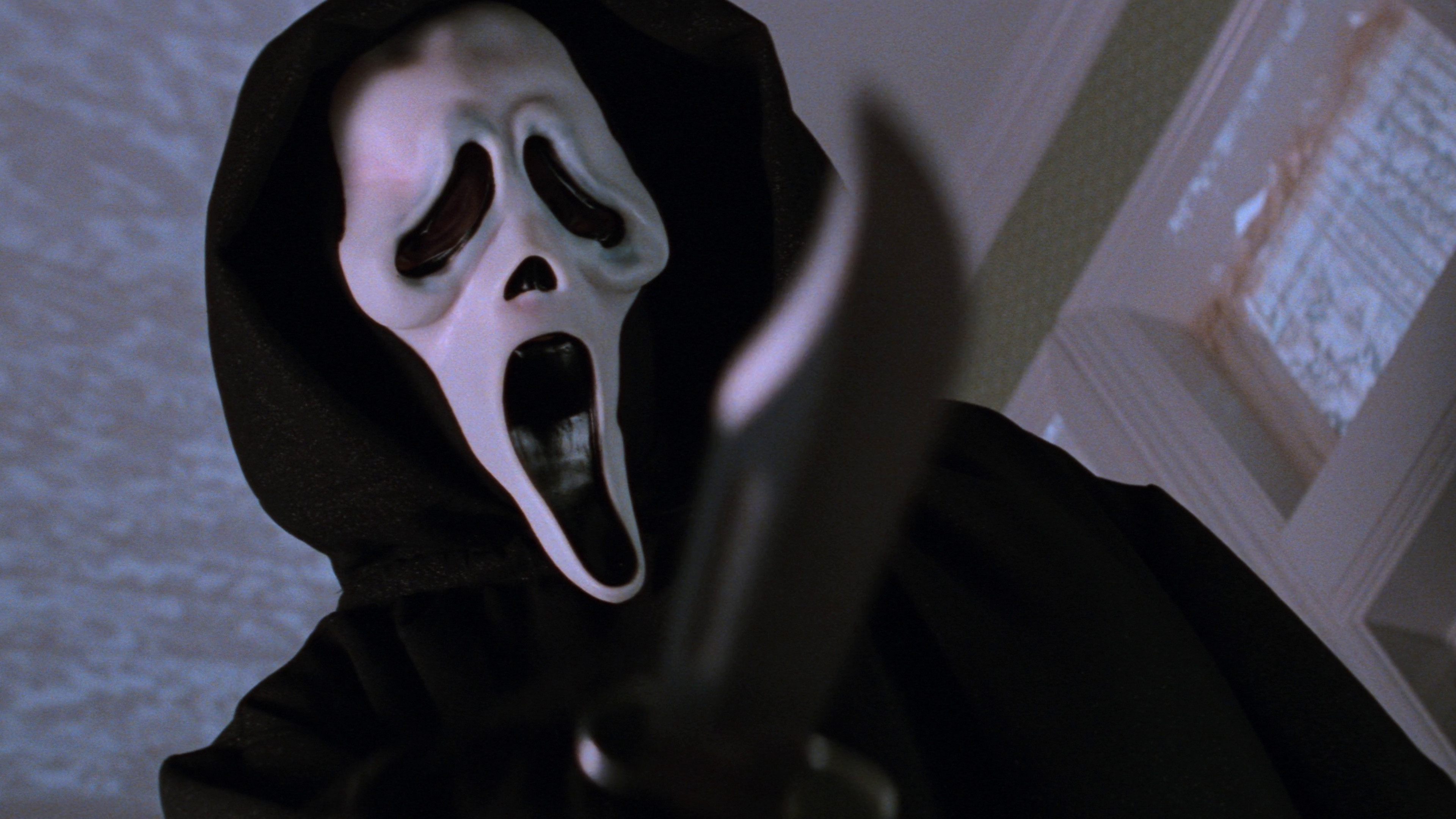
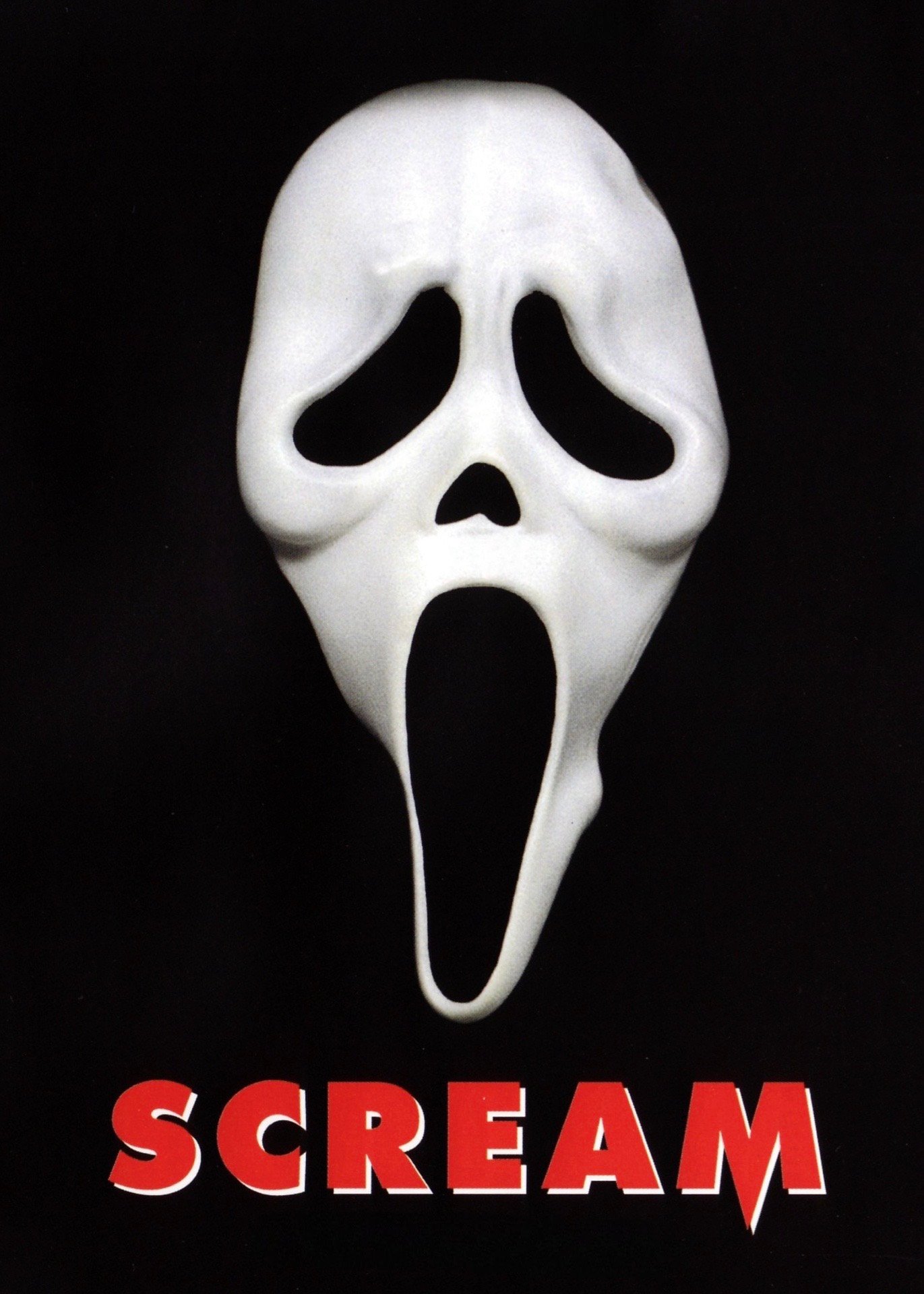
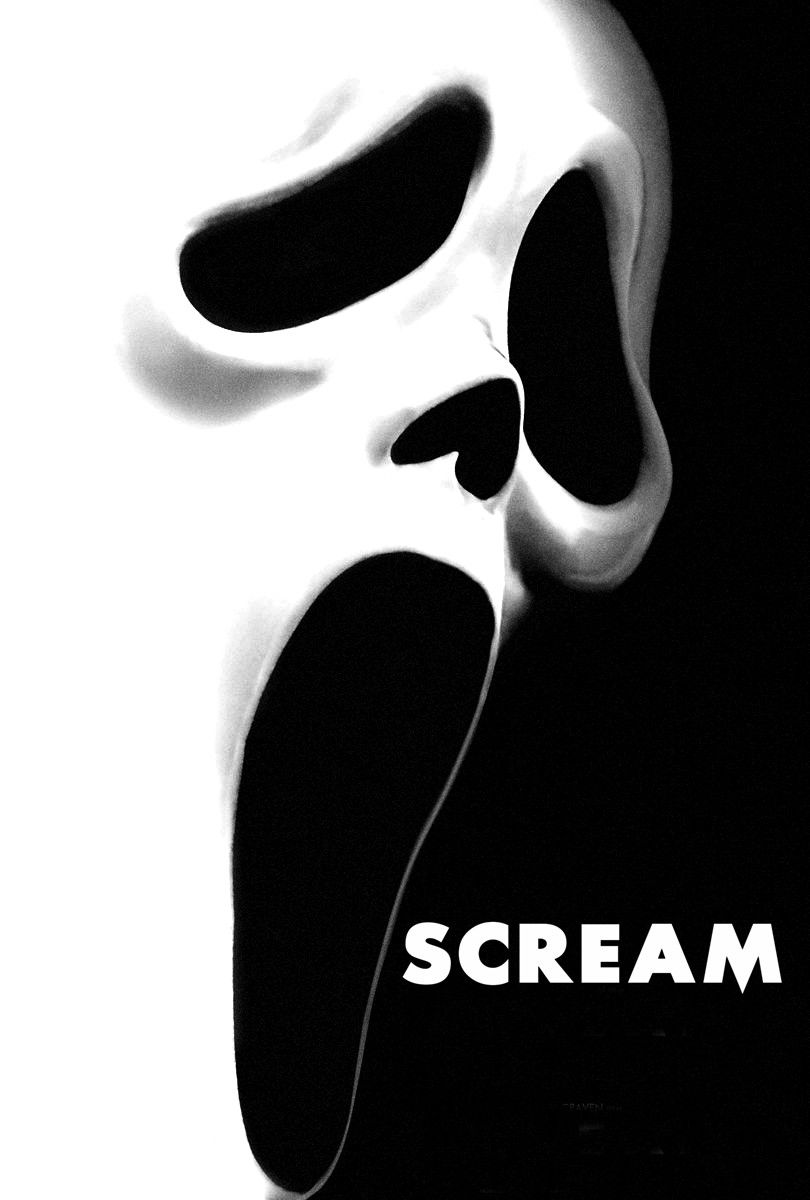
The costume that became Ghostface was not originally designed specifically for Scream. Williamson's screenplay described a ghostlike mask but did not provide the final visual design. KNB Effects Group developed numerous possibilities, but the production had difficulty finding an image that Craven and his collaborators considered right.

Producer Marianne Maddalena encountered the solution accidentally while location scouting. Inside a house, she found a commercially available Fun World mask with the elongated mouth and distorted expression that would eventually become inseparable from Scream. Craven initially remained interested in developing an original version that the production could own outright, and KNB created alternative sculptures inspired by the discovered mask.

The filmmakers eventually returned to the existing Fun World design after concluding that their variations did not improve it. Rights were negotiated for its use, and the simple mass-produced Halloween object became the face of the killer. That origin is unusually appropriate for Scream. Ghostface is not presented as a supernatural being with a unique artifact. The killers are ordinary people who can purchase or obtain a costume and disappear inside a familiar seasonal disguise.

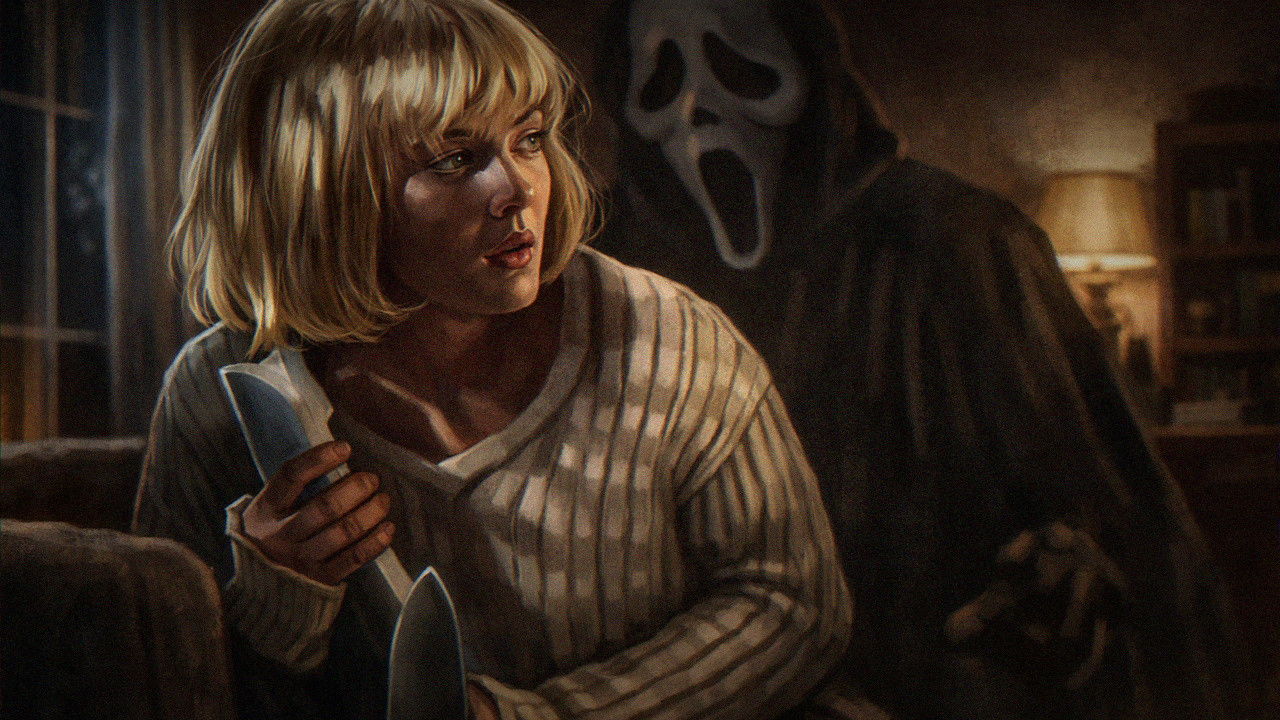
The robe completes that anonymity. Unlike Michael Myers or Freddy Krueger, Ghostface does not possess a single physical body. The costume can conceal different people, and the film deliberately exploits differences in behavior between the threatening image of Ghostface and the frequently clumsy human being underneath it. The killer runs into obstacles, falls and takes physical punishment. The mask creates an icon, but the person behind it remains vulnerable.

That separation became one of the franchise's most important structural ideas. Scream can preserve Ghostface while changing the murderer, motive and relationship to the victims. The first film establishes this principle with its central revelation that there is not one killer but two.

Horror Rules, Randy Meeks & the Meta-Slasher

Randy Meeks gives explicit language to something horror audiences had been doing for years. During the party at Stu's house, he explains a set of supposed survival rules for slasher films, including avoiding sex and intoxication and never confidently announcing that one will return. The comedy comes from hearing familiar genre conventions treated almost as scientific laws.
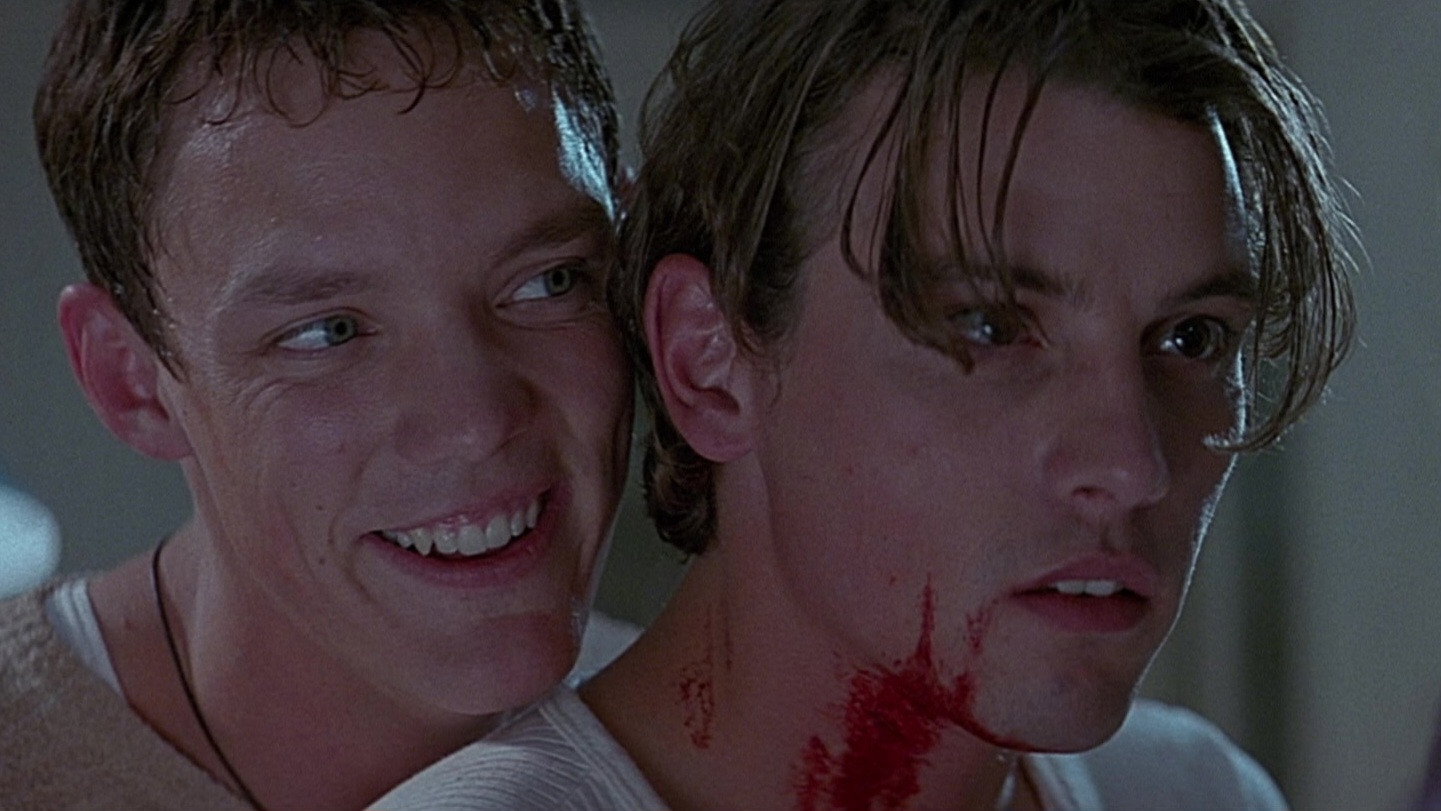
Williamson's larger idea is more complicated than simply mocking clichés. His characters know the rules because VHS, sequels and horror franchises have made them culturally literate. Halloween is literally playing on television while the murders continue around them. Randy watches Jamie Lee Curtis fail to notice Michael Myers approaching while Ghostface moves behind Randy in almost exactly the same manner. Audience knowledge and character knowledge temporarily overlap.
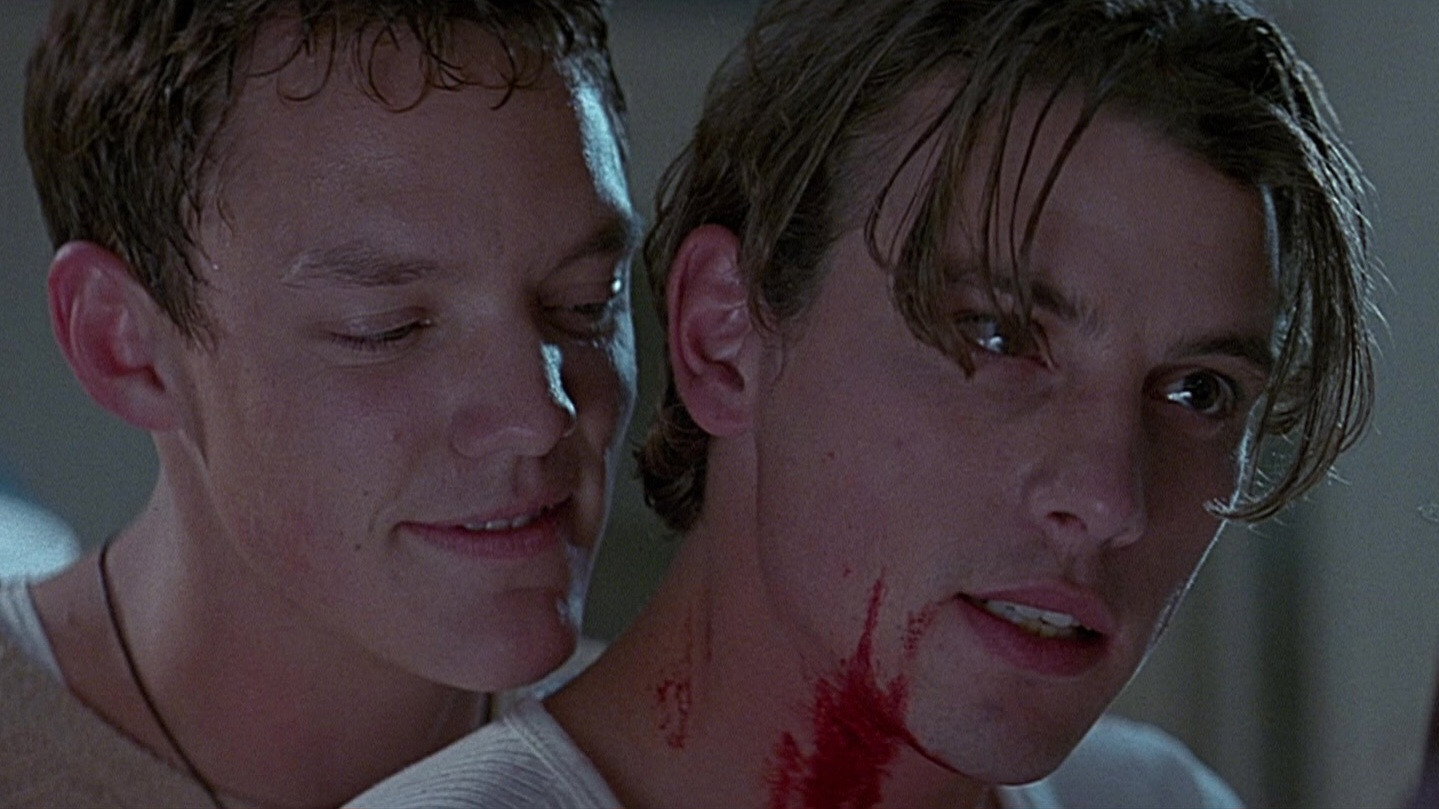
Yet movie literacy repeatedly fails as protection. Casey knows Friday the 13th but answers a question incorrectly when the killer exploits a distinction between Jason Voorhees and Pamela Voorhees. Randy understands slasher structure but cannot immediately identify the real killers. Billy understands horror conventions well enough to manipulate suspicion. Knowledge is morally neutral. Victims can use it, but so can murderers.
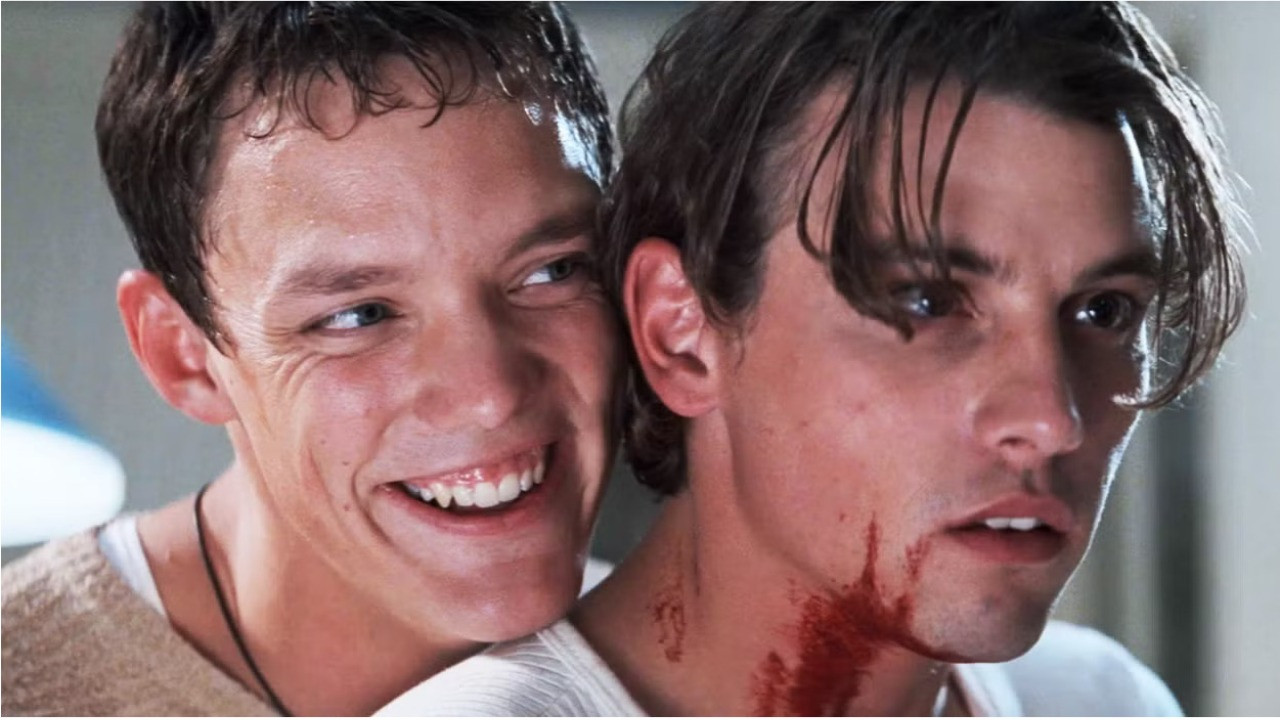
Billy and Stu take the idea furthest by treating murder as something that can be structured and performed. They create false clues, frame Cotton Weary, manipulate Sidney's understanding of her mother's death and construct an elaborate scenario in which they intend to injure themselves and appear to be survivors. Their fascination with horror films also shapes the way they plan and perform violence. They understand narrative and attempt to author the story other people will believe.
Williamson later explained that he originally wanted the absence of a satisfactory motive to be part of the horror. Studio pressure encouraged him to strengthen Billy's grievance involving Maureen Prescott and the destruction of his parents' marriage, but the film still refuses to reduce the killers entirely to psychology. Stu's explanation is almost meaningless, and Billy openly rejects the idea that violent movies create murderers. Scream uses media criticism as part of its plot without accepting the simplistic claim that watching horror produces violence.

Woodsboro, Santa Rosa & the American Small Town

Scream was filmed largely in Northern California, using Santa Rosa, Sonoma County and surrounding locations to create Woodsboro. The landscape is important because Craven avoids presenting the town as a visibly corrupt or Gothic environment. Woodsboro is attractive, affluent and ordinary. Violence erupts inside large suburban houses, a high school, a video store and quiet roads, turning familiar settings into sources of danger.

The production encountered a major problem when plans to film at Santa Rosa High School collapsed. Local opposition grew after details of the movie became known, and the school board ultimately refused permission, citing disruption to students and scheduling conflicts around final examinations. The filmmakers had already organized significant portions of the production around the location.

They eventually used the Sonoma Community Center, a former school building, and adjusted scenes around the new space. The dispute became famous because the closing credits include a deliberately hostile acknowledgment offering no thanks to the Santa Rosa City School District Governing Board. What could have been a production disaster instead helped create a Woodsboro assembled from multiple real Northern California communities.

The isolated houses are equally important. Casey's home is surrounded by open land, making help visually close enough to imagine but practically unreachable. Stu's house becomes the setting for most of the extended climax, allowing Craven to turn familiar rooms, doors, staircases and exterior spaces into a continuously changing battlefield.

The final party sequence was particularly demanding because many scenes occur during the same night and require precise continuity of blood, injuries and character movement. For Sidney, the evening progresses from an apparently ordinary teenage gathering to the revelation that two people within her own social circle have been constructing the murders. Woodsboro's normality makes that betrayal more effective. The killers did not arrive from outside the community. They were already inside it.

Marco Beltrami & the Sound of a New Slasher

Scream became Marco Beltrami's first major Hollywood scoring breakthrough. Beltrami had studied with Jerry Goldsmith but was not a horror specialist and had little familiarity with the genre references embedded throughout Williamson's screenplay. That unfamiliarity became useful. Craven was not looking for a composer who would simply imitate the established musical identities of Halloween, Friday the 13th or A Nightmare on Elm Street.

Beltrami was asked to prepare music for the opening sequence as an audition. The resulting cue demonstrated enough range to secure him the job, moving between quiet suspense, percussion, brass and sudden violent accents as Casey's situation deteriorates. Craven and Beltrami then developed a musical language capable of supporting both the film's traditional scares and its more emotional treatment of Sidney.

Sidney receives material built around mournful female vocals, giving her scenes a sense of trauma that separates them from the more aggressive killer music. Dewey also receives a distinctive identity that would be expanded in later installments. Electronic textures and contemporary rhythmic material coexist with orchestral horror writing, matching a film that simultaneously belongs to the slasher tradition and to mid-1990s youth culture.

Craven also uses music to manipulate audience expectations. A violent musical accent can announce a possible scare even when nothing is waiting behind the door. Scream understands the conditioning produced by decades of horror scoring and uses that conditioning as another convention it can exploit.

The soundtrack extends the film's cultural identity beyond Beltrami's score. Nick Cave and the Bad Seeds' "Red Right Hand" became particularly associated with the series, while other contemporary songs place Woodsboro firmly within its decade. As with the movie references, however, the music has a distinct dramatic function. Scream builds a world in which older horror history and current youth culture occupy the same space.

Violence, the MPAA & the R Rating

For all its comedy, Scream was sufficiently violent to create significant problems with the Motion Picture Association. The classification process initially threatened the film with an NC-17 rating. The opening murder, the bloody final confrontation and the spectacle of Billy and Stu deliberately stabbing one another all pushed against what could be released widely as an R-rated commercial horror film.

Craven submitted revised material while the filmmakers argued that the violence had to be understood within the movie's combination of horror and dark comedy. He later recalled that the kitchen sequence involving Billy and Stu caused particular concern. The scene is essential because it reveals how completely the killers have transformed murder into performance. They are willing to mutilate themselves in order to make their fictional version of events convincing.

The rating battle demonstrates why describing Scream simply as a parody is misleading. A parody could reproduce slasher conventions without needing the violence to possess genuine impact. Craven wanted the audience to laugh at genre knowledge and then recoil when those conventions produced physical consequences. Removing too much blood or pain would have made the killers' behavior safely abstract.

The final R-rated version preserves that uncomfortable mixture. Stu can be funny while bleeding heavily from wounds he voluntarily asked Billy to inflict. The audience can recognize a joke about horror movies while characters are being stabbed. Craven's achievement lies in refusing to let either tone completely cancel the other.

Release, Revival & Legacy

Dimension Films released Scream in the United States on December 20, 1996, an unusual Christmas-season date for a violent slasher film. The opening weekend was modest at approximately $6.35 million, and several people involved with the production initially feared that the film had failed. Instead, the audience expanded. Strong word of mouth helped Scream gain momentum after its opening and sustain a successful theatrical run.

Box Office Mojo records a domestic lifetime gross of approximately $103 million and roughly $173 million worldwide, compared with a reported production budget of about $14 million. The commercial result transformed a film initially regarded as risky counterprogramming into a franchise foundation. Scream 2 followed less than a year later.

The larger industrial effect was equally visible. Teenage horror became commercially attractive again, and studios pursued new slashers and youth-oriented thrillers throughout the late 1990s. Some imitated Scream's young casts, some copied its self-awareness and others simply benefited from the renewed belief that horror aimed at teenagers could once again generate substantial theatrical business.

Its influence is deeper than the wave of imitators. Scream normalized a form of horror in which characters can understand the conventions governing the genre without automatically escaping them. Later horror films could openly discuss sequels, remakes, final girls, franchise logic and audience expectations because Scream had demonstrated that self-awareness did not necessarily eliminate suspense.

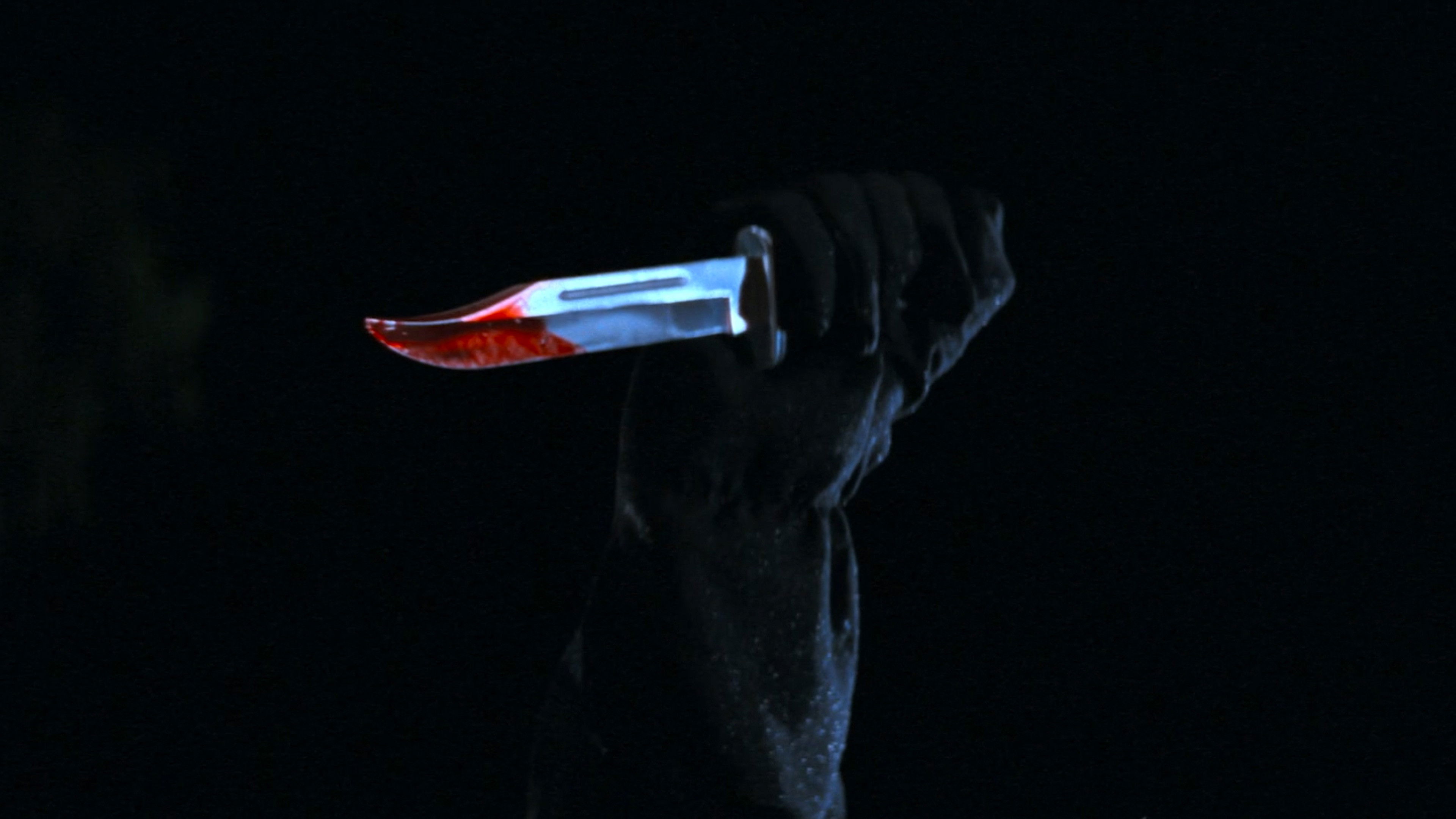
Ghostface also became unusual among major horror icons because the image survived independently of a single killer. Freddy Krueger, Michael Myers and Jason Voorhees are individual characters. Ghostface is a role that can be inherited. The mask, voice and knife remain stable while the identity and motive change, allowing each sequel to function simultaneously as slasher and murder mystery.

At the center of that machinery remains Sidney Prescott. The film works because the genre commentary never completely overwhelms her grief, distrust and fight for survival. Williamson provided characters capable of talking about horror, and Craven made sure that when Ghostface entered the room, those conversations stopped being theoretical. Scream revived the slasher not by escaping its conventions, but by understanding them better than almost any film that had come before it.

Connections

Cast

View Full Cast & Crew →

Release & Distribution

Production Companies (2)

  • Dimension Films US
  • Woods Entertainment

Distributors (1)

  • Dimension Films US

Release History (54)

Release DateTerritoryRelease TypeFormatDistributorCertificationNotes
1996-12-18 US premiere — — R Los Angeles, California
1996-12-20 CA theatrical — — 18A
1996-12-20 US theatrical — — R
1997-01-31 BR theatrical — — 14
1997-02-13 AU theatrical — — MA 15+
1997-04-10 ES theatrical — — 18
1997-05-02 GB theatrical — — 18
1997-05-08 HK theatrical — — III
1997-05-09 FI theatrical — — K-16
1997-05-16 IE theatrical — — 18
1997-05-16 ZA theatrical — — 16
1997-05-28 PH theatrical — — R-18
1997-06-13 NO theatrical — — 15
1997-06-24 US physical VHS — NR VHS
1997-06-26 NL theatrical — — 16
1997-06-27 DK theatrical — — 15
1997-06-27 PT theatrical — — M/16
1997-07-02 US physical LaserDisc — NR Laserdisc
1997-07-03 CZ theatrical — — 15+
1997-07-16 FR theatrical — — 12
1997-07-30 BE theatrical — — 16
1997-08-01 SE theatrical — — 15
1997-08-14 SG theatrical — — M18
1997-08-15 TR theatrical — — —
1997-08-22 PL theatrical — — 18
1997-08-23 JP theatrical — — R-15
1997-08-23 KW theatrical — — —
1997-09-11 AR theatrical — — +16
1997-09-11 IT theatrical — — VM14
1997-10-10 CH theatrical — — 16
1997-10-10 GR theatrical — — —
1997-10-30 DE theatrical — — 16
1997-10-31 AT theatrical — — —
1997-10-31 MX theatrical — — —
1997-12-03 US physical VHS — R VHS
1998-01-08 CL theatrical — — —
1998-03-18 VE theatrical — — —
1998-05-07 HU theatrical — — 18
1998-09-01 FR physical DVD — 12 DVD
1998-10-22 FR physical VHS — 12 VHS
1999-01-16 KR theatrical — — 19
2002-05-13 NL tv — — 16 Yorin
2011-09-14 NL physical Blu-ray — 16 Blu-ray
2011-11-02 NL physical DVD — 16 DVD
2012-08-23 FR digital — — —
2013-08-20 FR physical Blu-ray — 12 Blu-ray
2021-10-19 US physical 4K UHD — R 25th Anniversary Edition / 4K Ultra HD + Digital
2021-10-20 FR physical 4K UHD — 16 4K UHD
2024-10-31 SK digital — — 18 VOYO
2025-05-04 US theatrical_limited — — R
2025-10-30 AR theatrical — — —
2025-11-03 FR tv — — 12 RTL9
2026-02-13 DE physical — — — 4K
2026-02-23 FR tv — — 12 RTL9

Awards & Festivals

8 entries
YearFestival / AwardEntrySectionCategoryResultPremiere
—MTV Movie & TV AwardsawardMTV Movie Award for Best Performancenominated
—MTV Movie Award for Best Movieawardnominated
—Saturn AwardsawardSaturn Award for Best Actresswon
—Saturn AwardsawardSaturn Award for Best Horror Filmwon
—Saturn AwardsawardSaturn Award for Best Writingwon
—Saturn AwardsawardSaturn Award for Best Directornominated
—Saturn AwardsawardSaturn Award for Best Supporting Actornominated
—Saturn AwardsawardSaturn Award for Best Supporting Actressnominated
Someone has taken their love of scary movies one step too far. Solving this mystery is going to be murder.