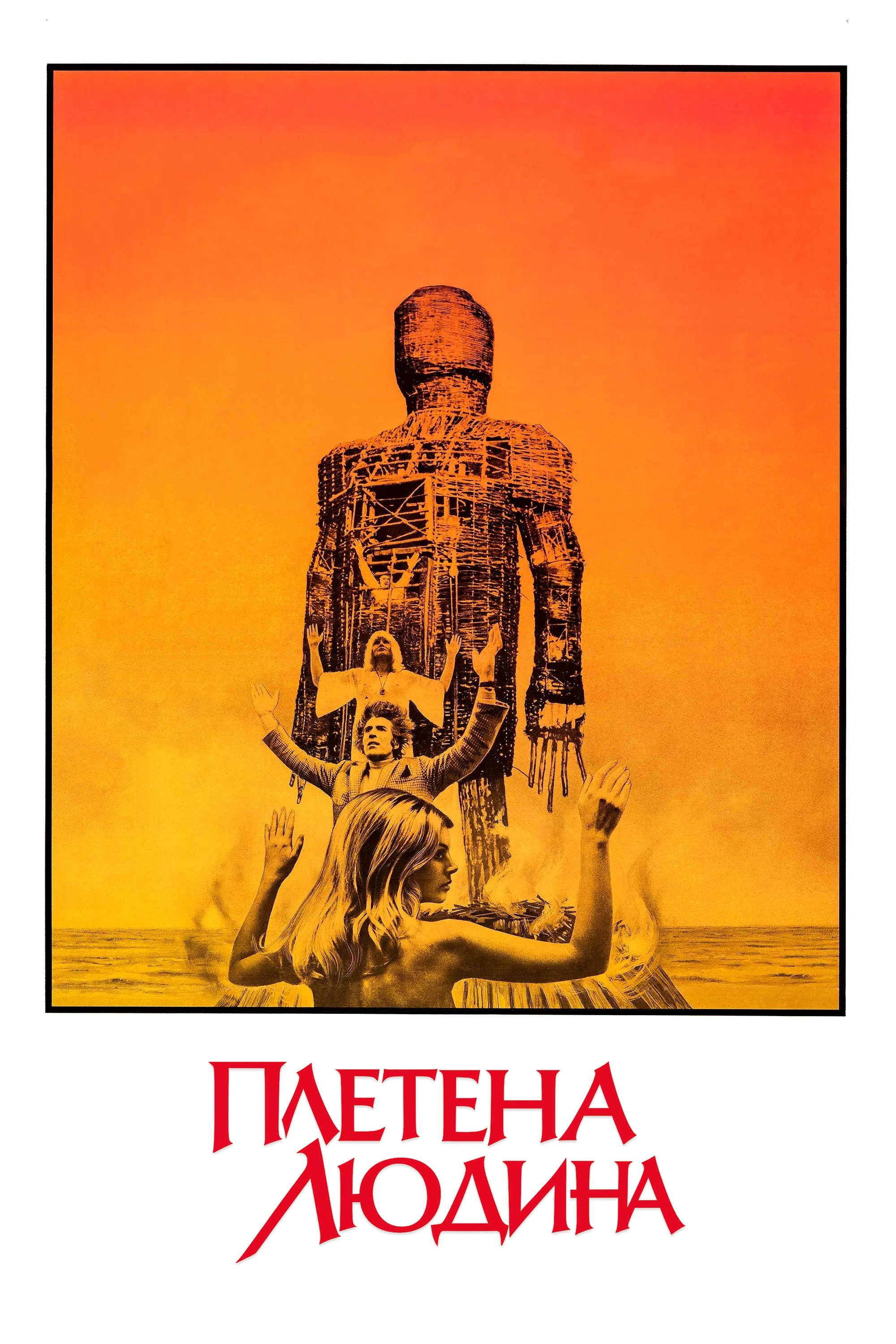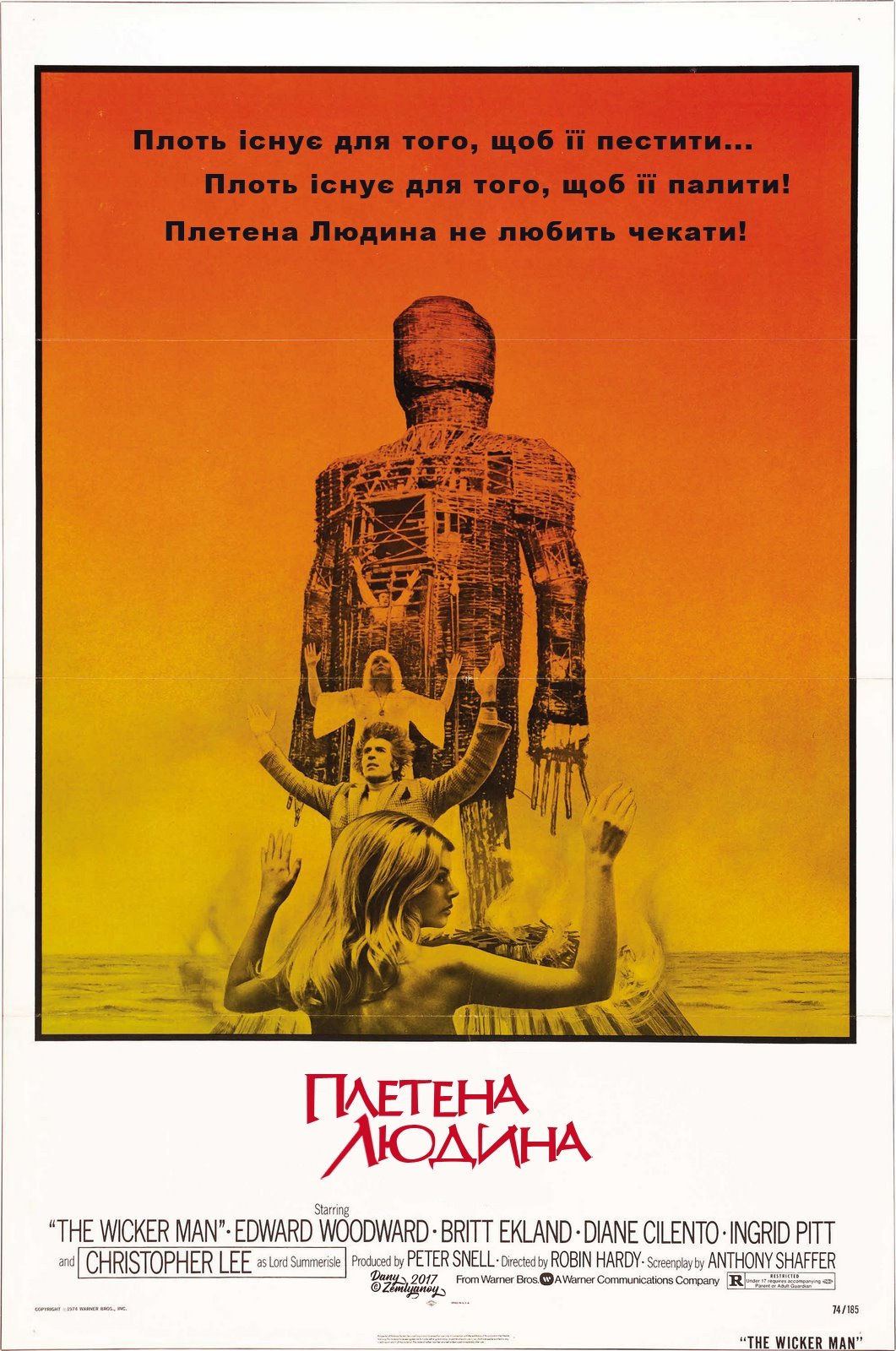
The Wicker Man (1973)

GB
HORROR FILM
SUBGENRES FOLK RURAL
7.6/10 5 votes
Runtime
94 min
Release
December 1, 1973
Budget
$810,000
Revenue
$885,371
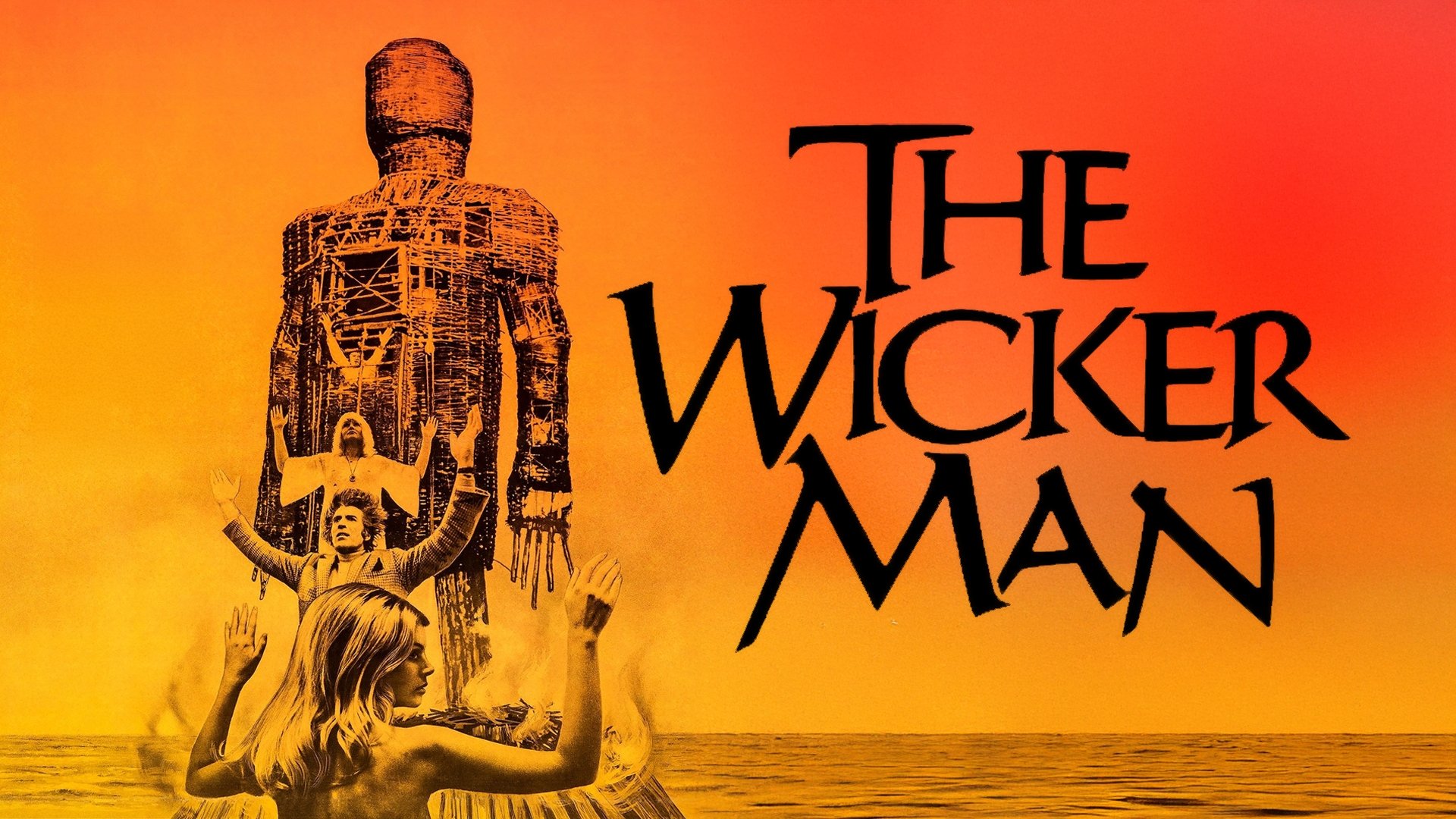
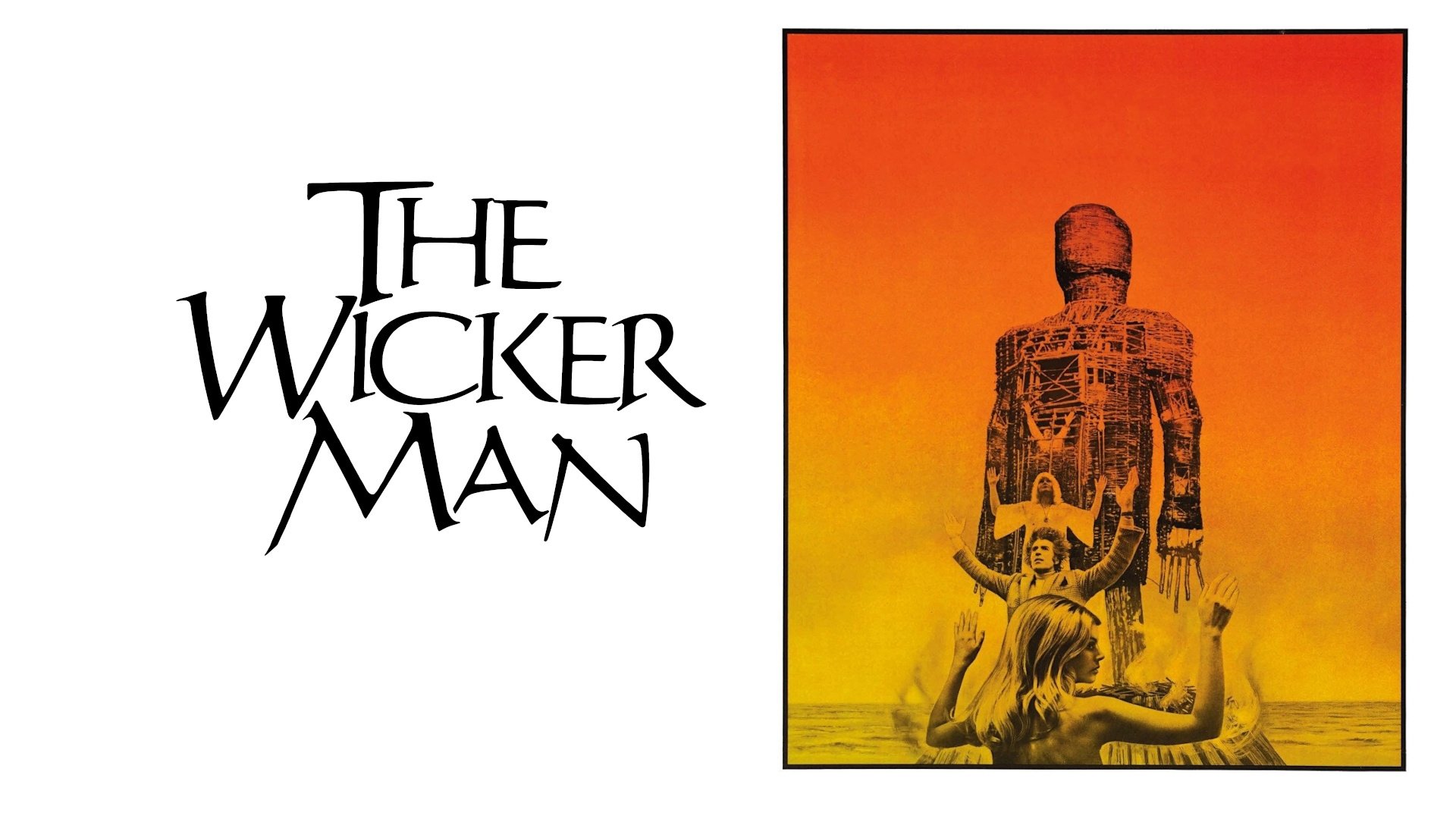
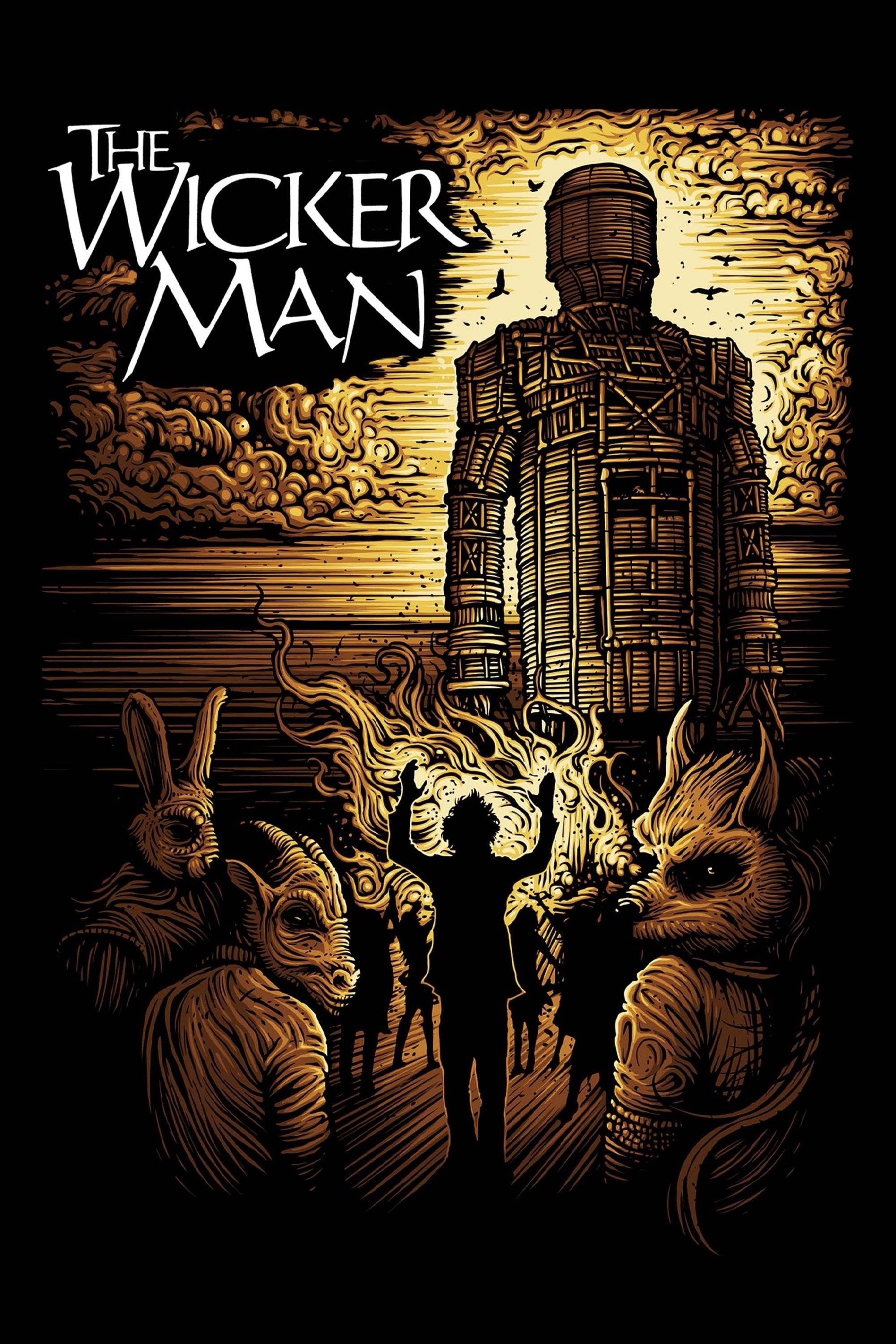
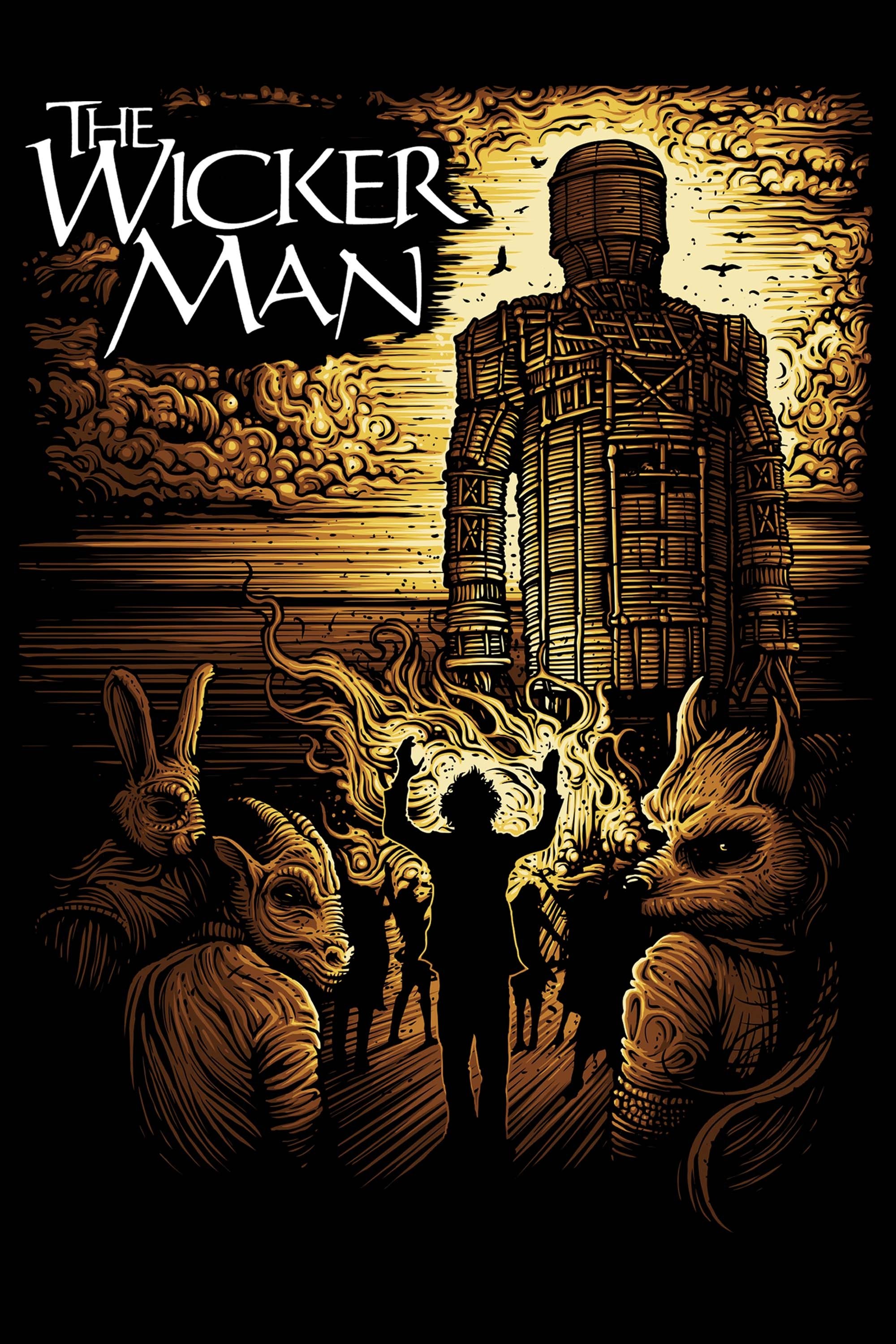
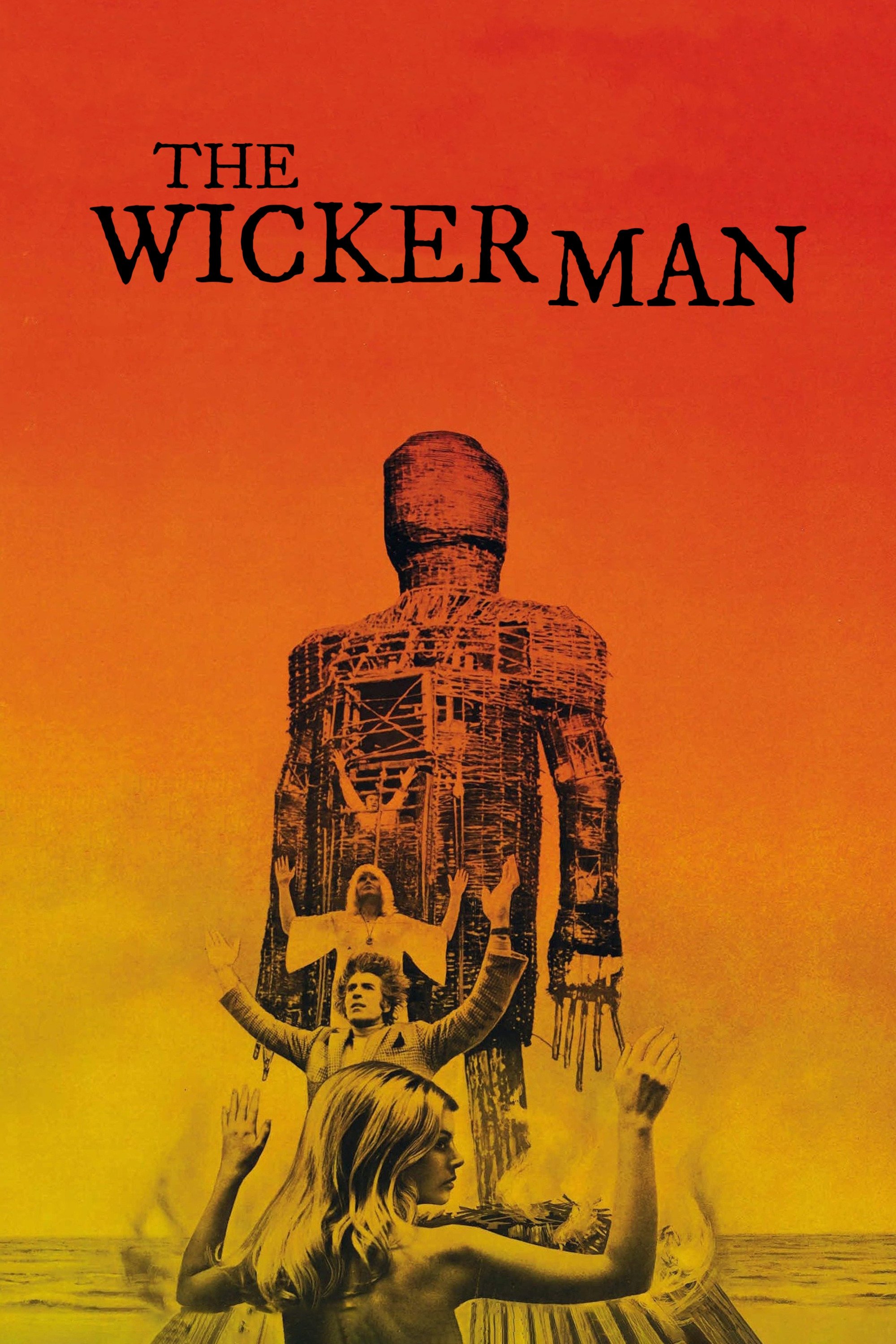
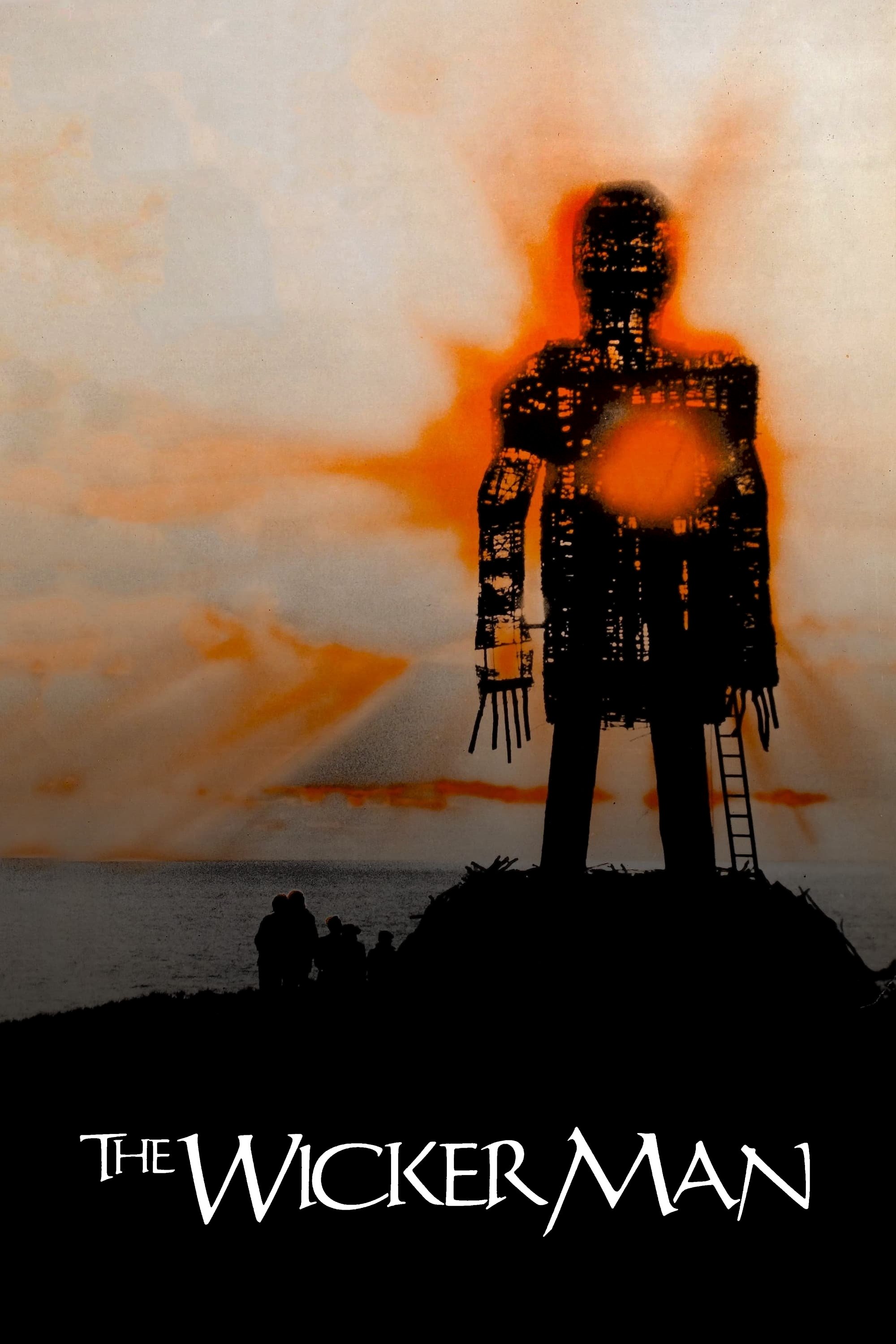
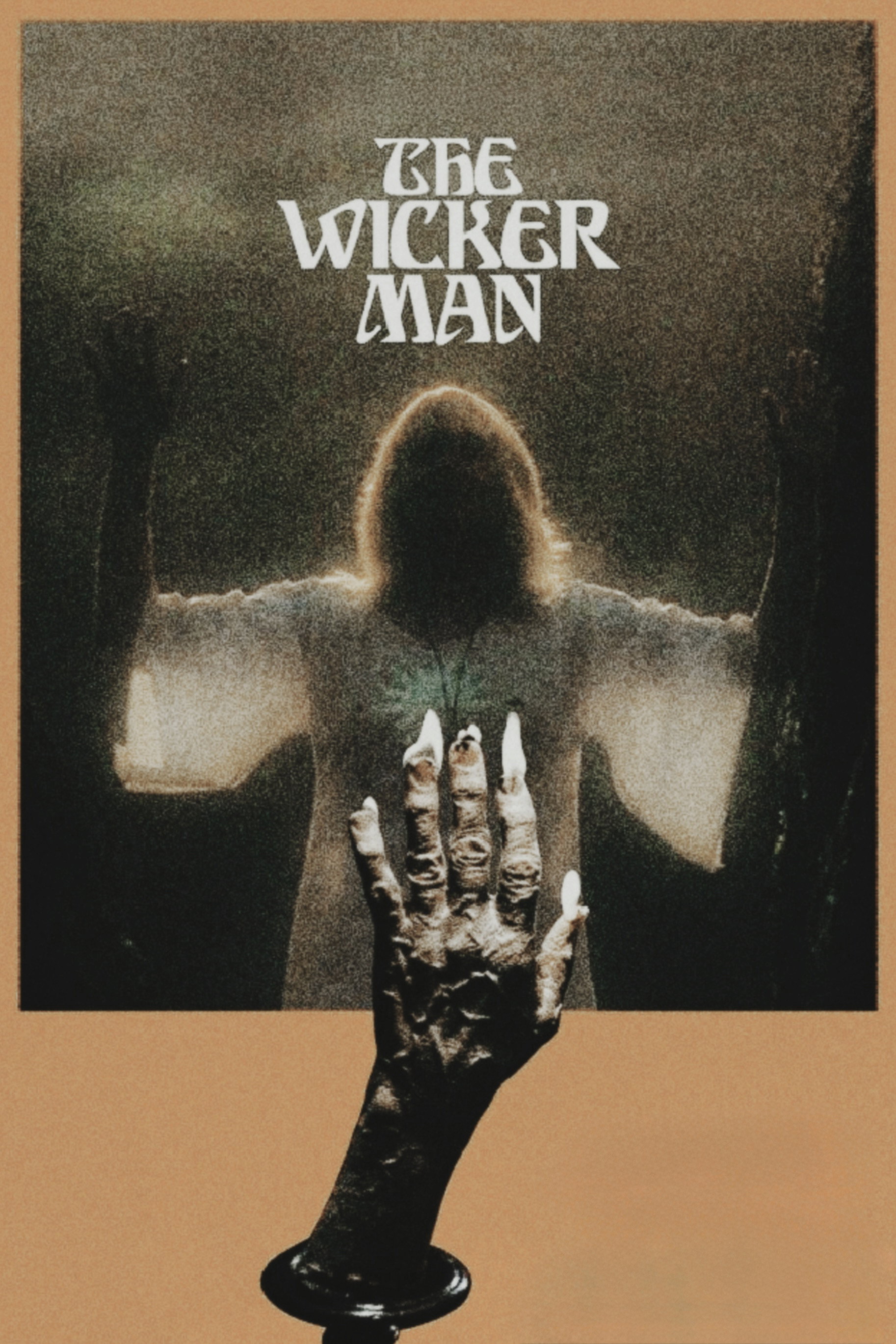
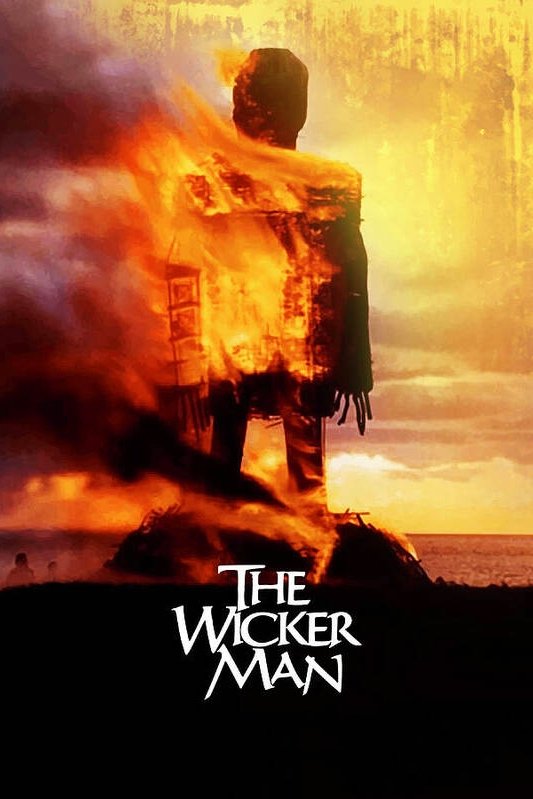
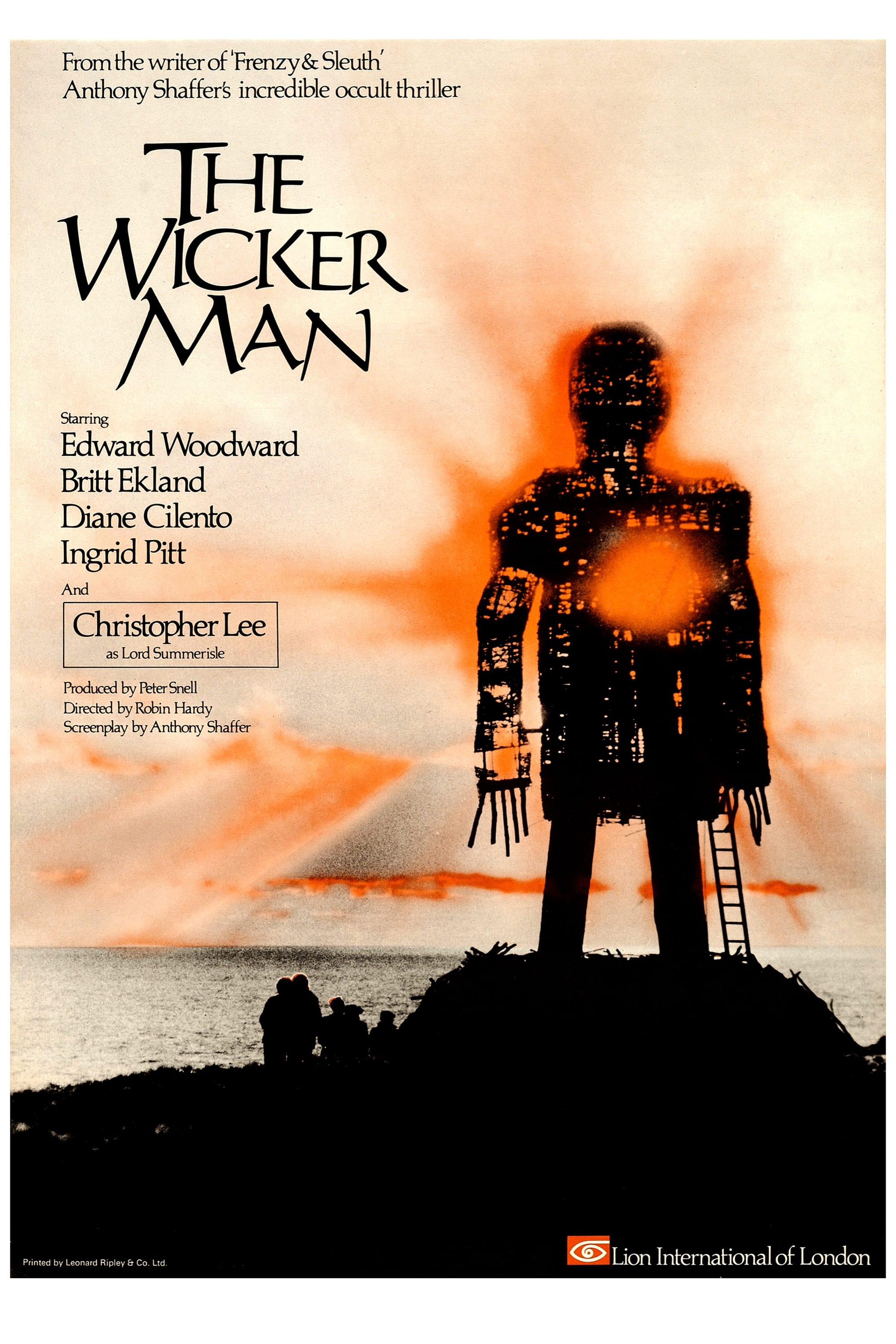
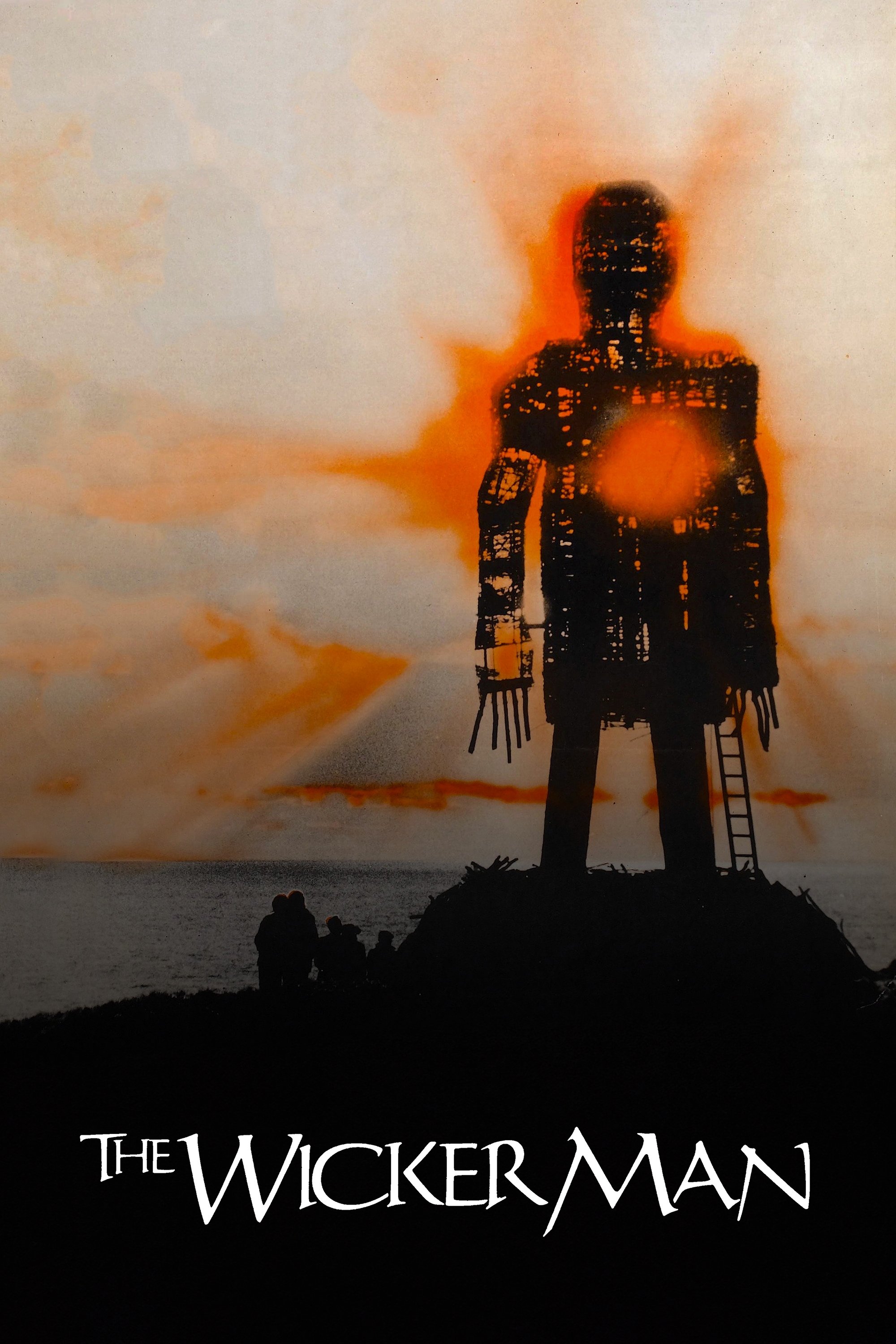
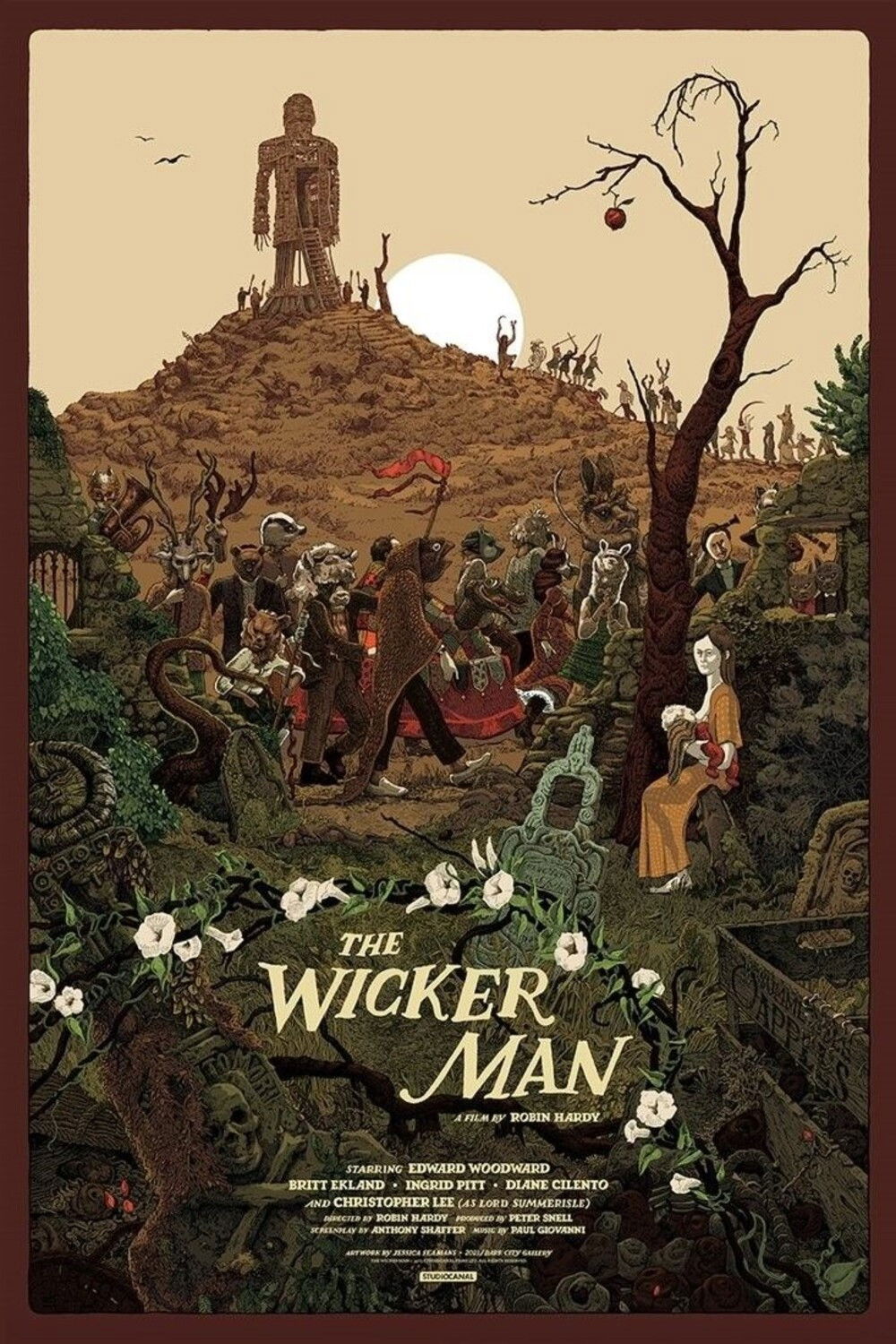
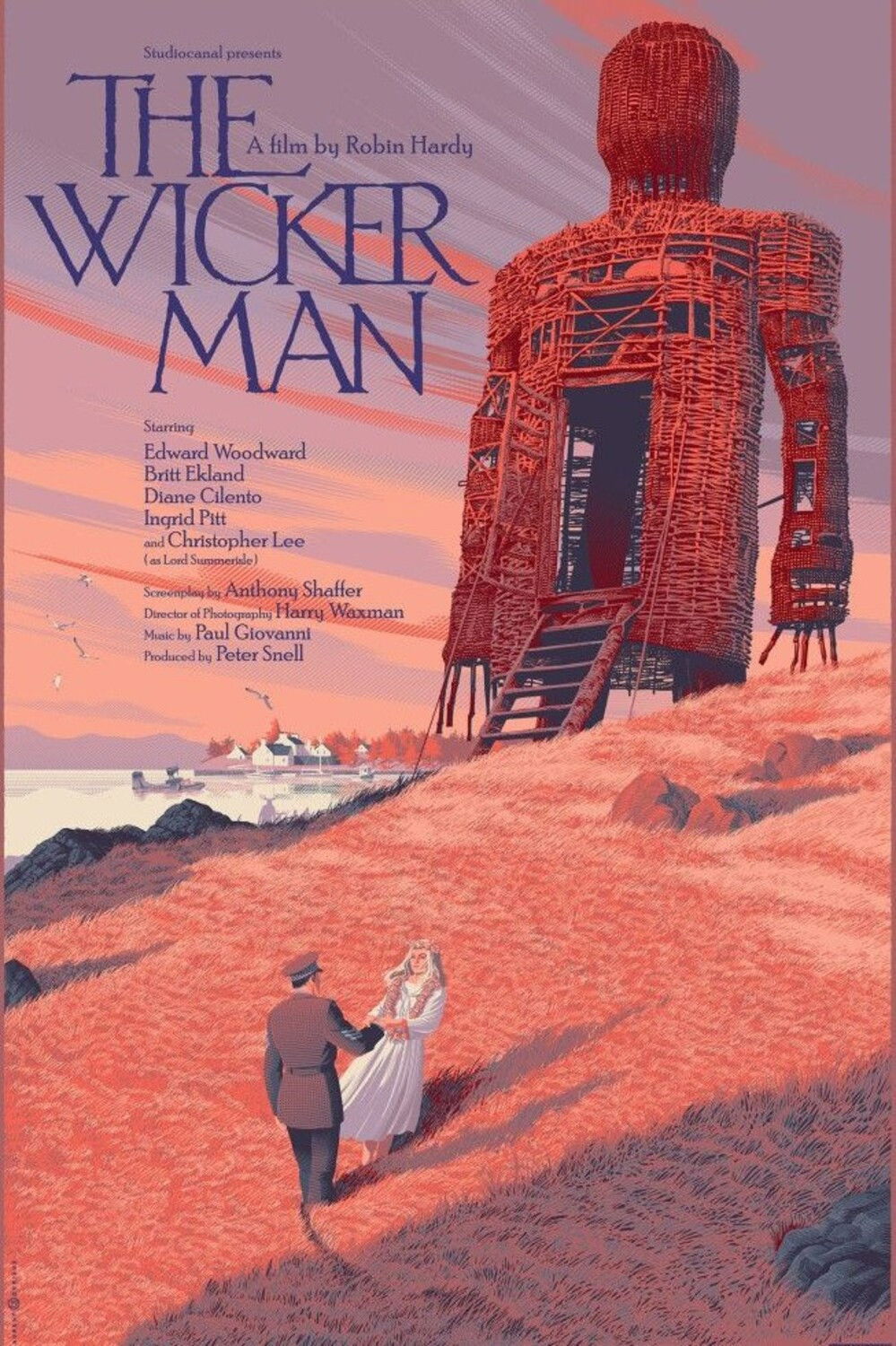
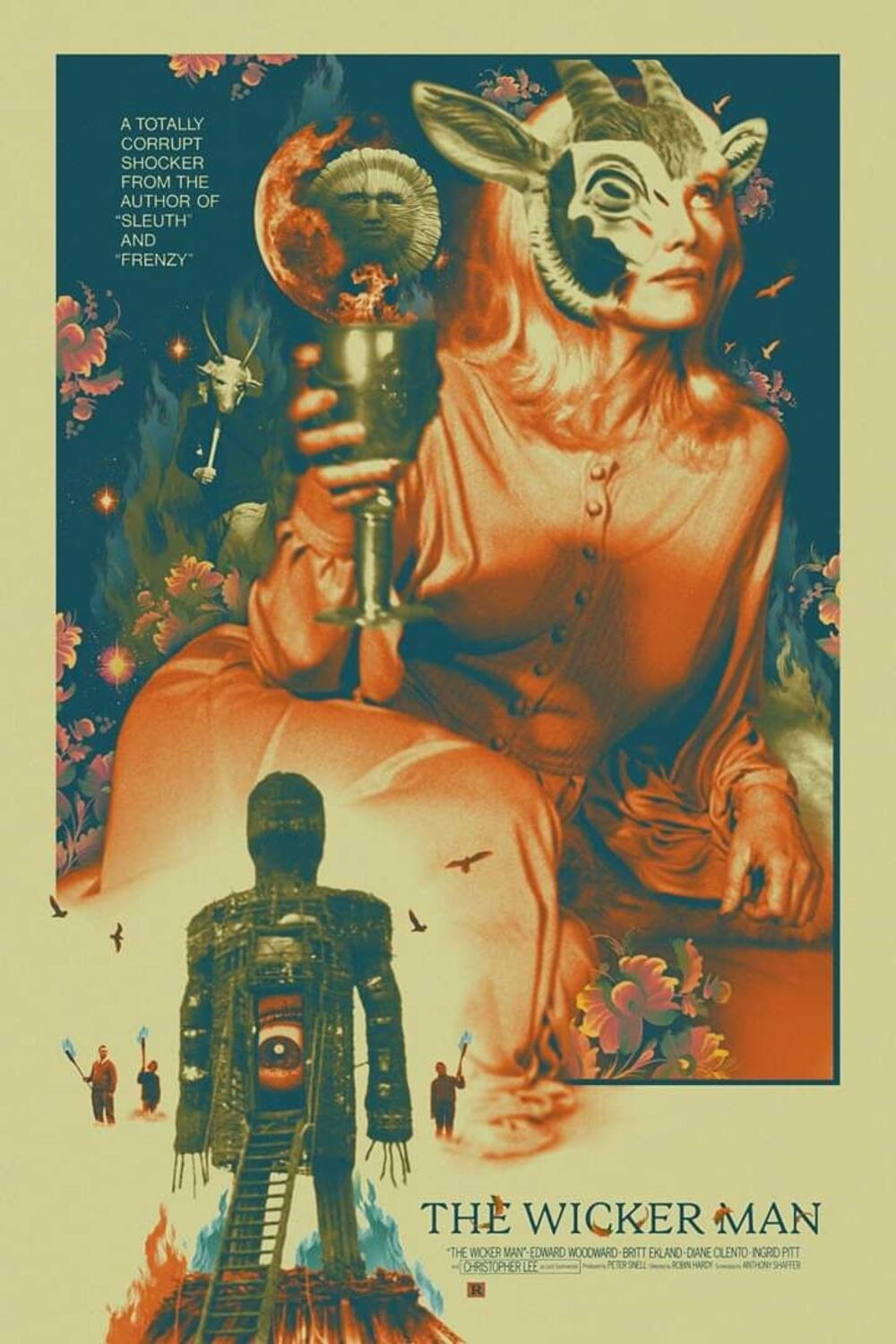
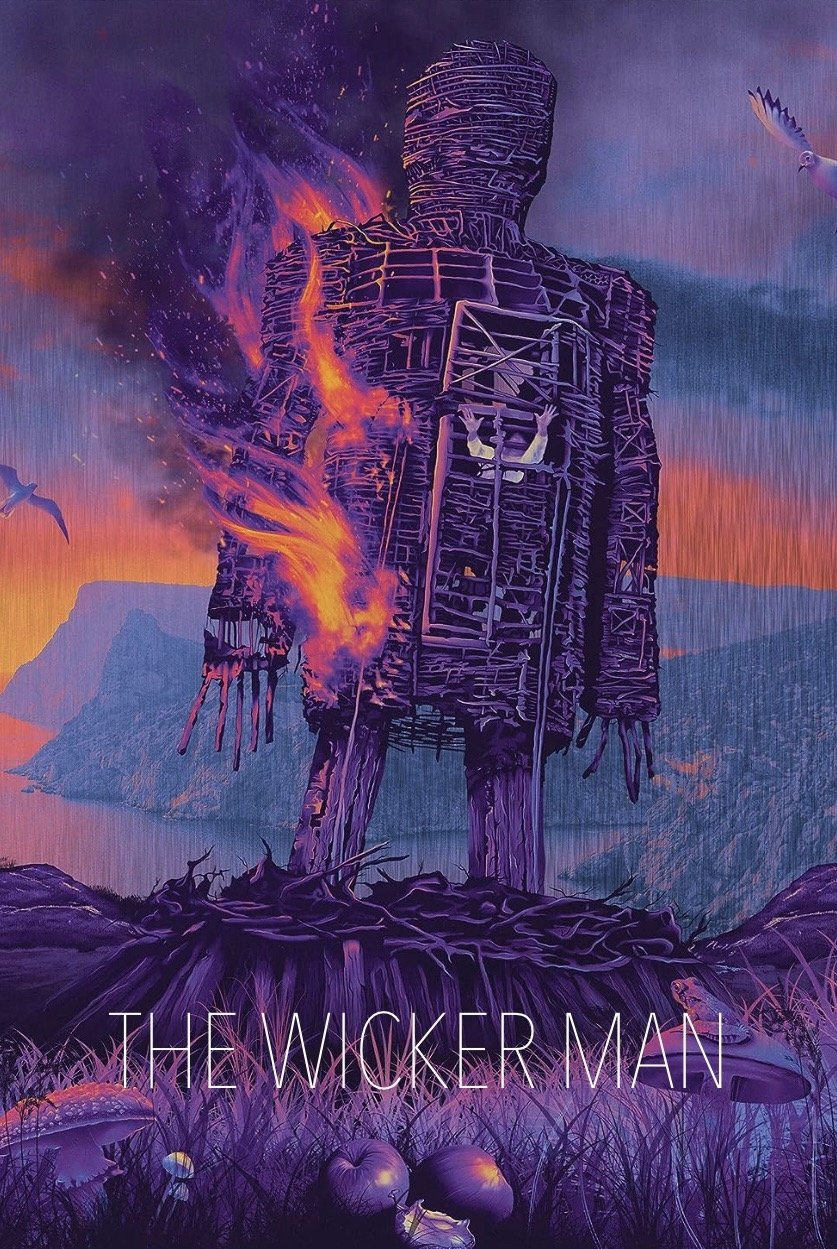
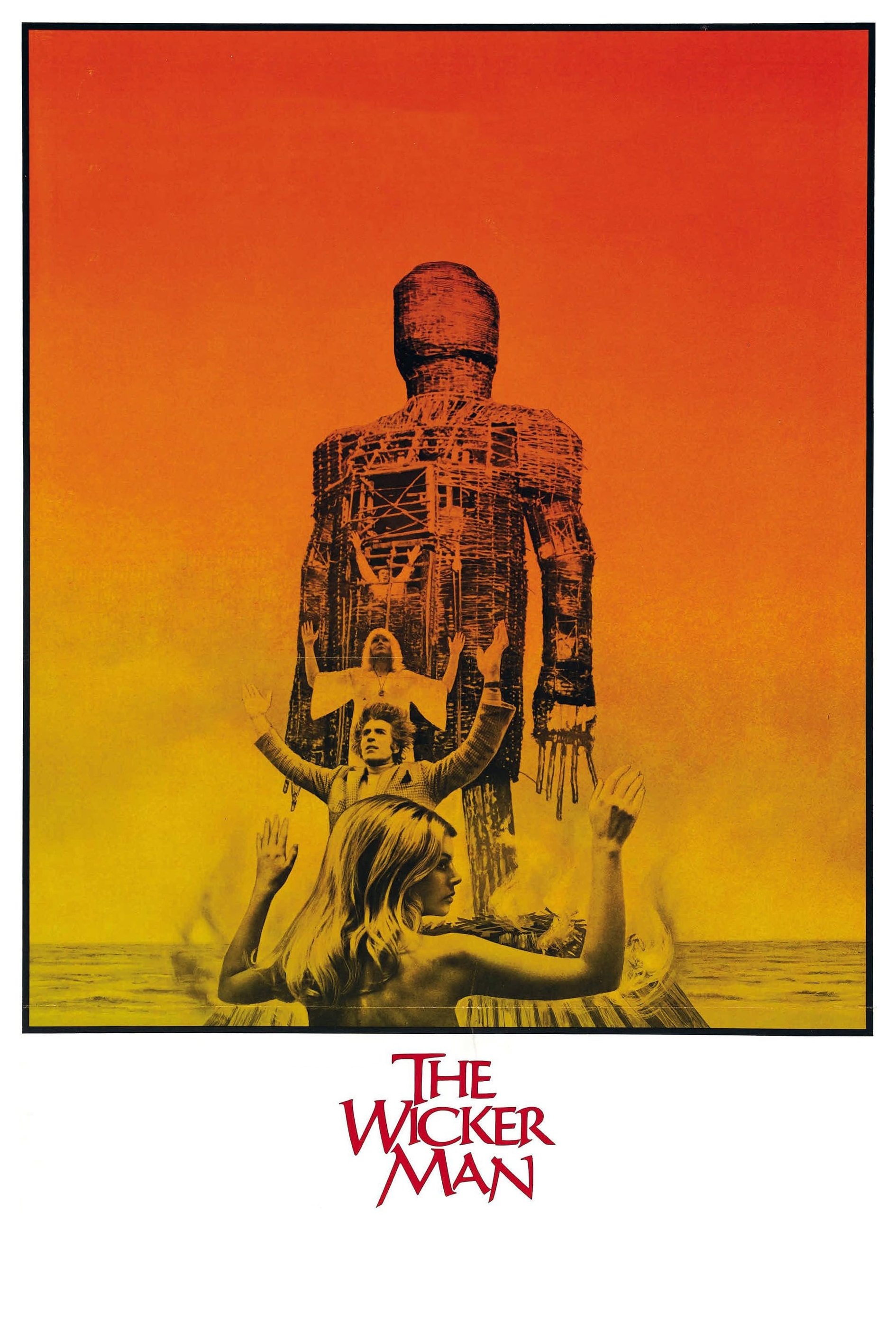
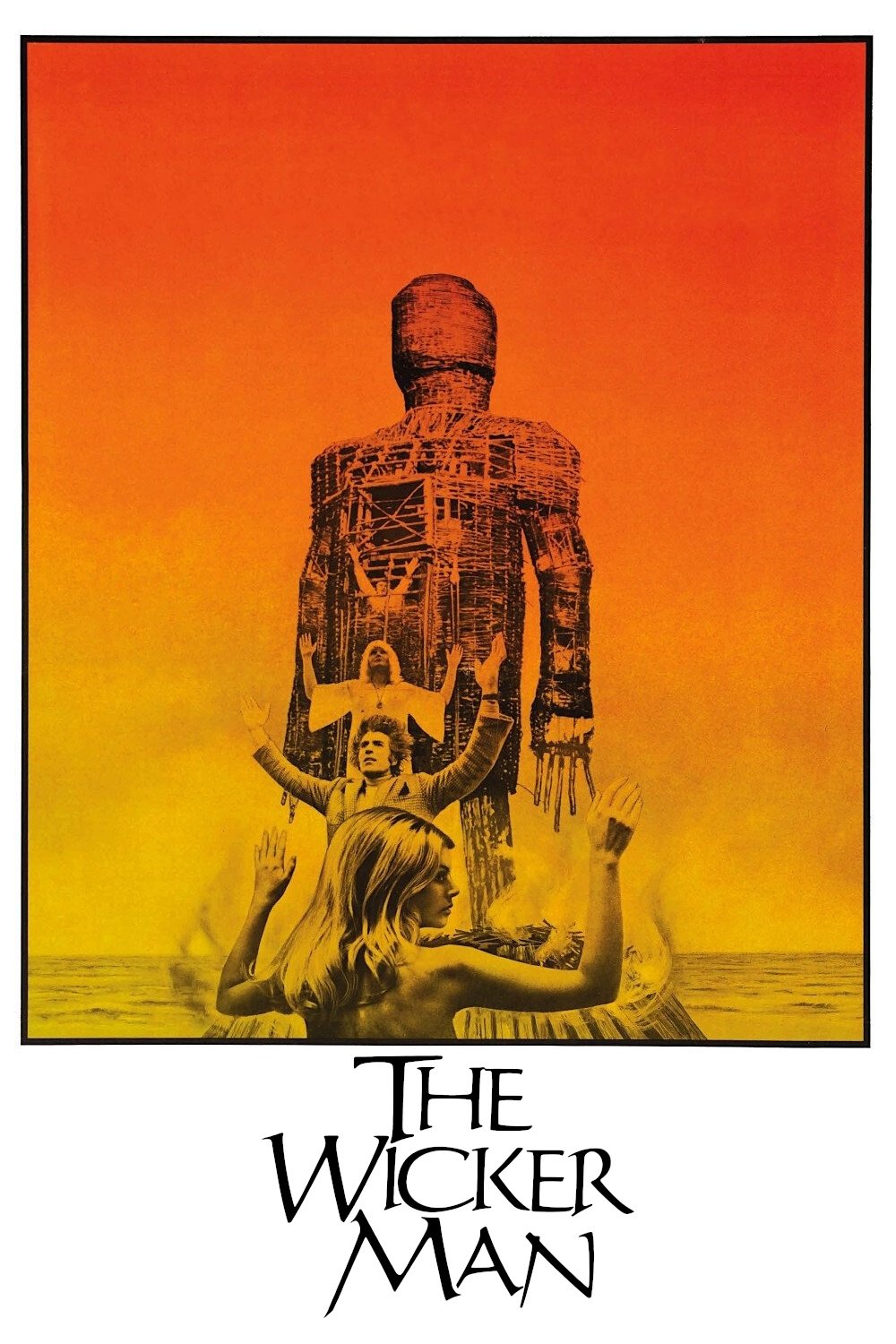
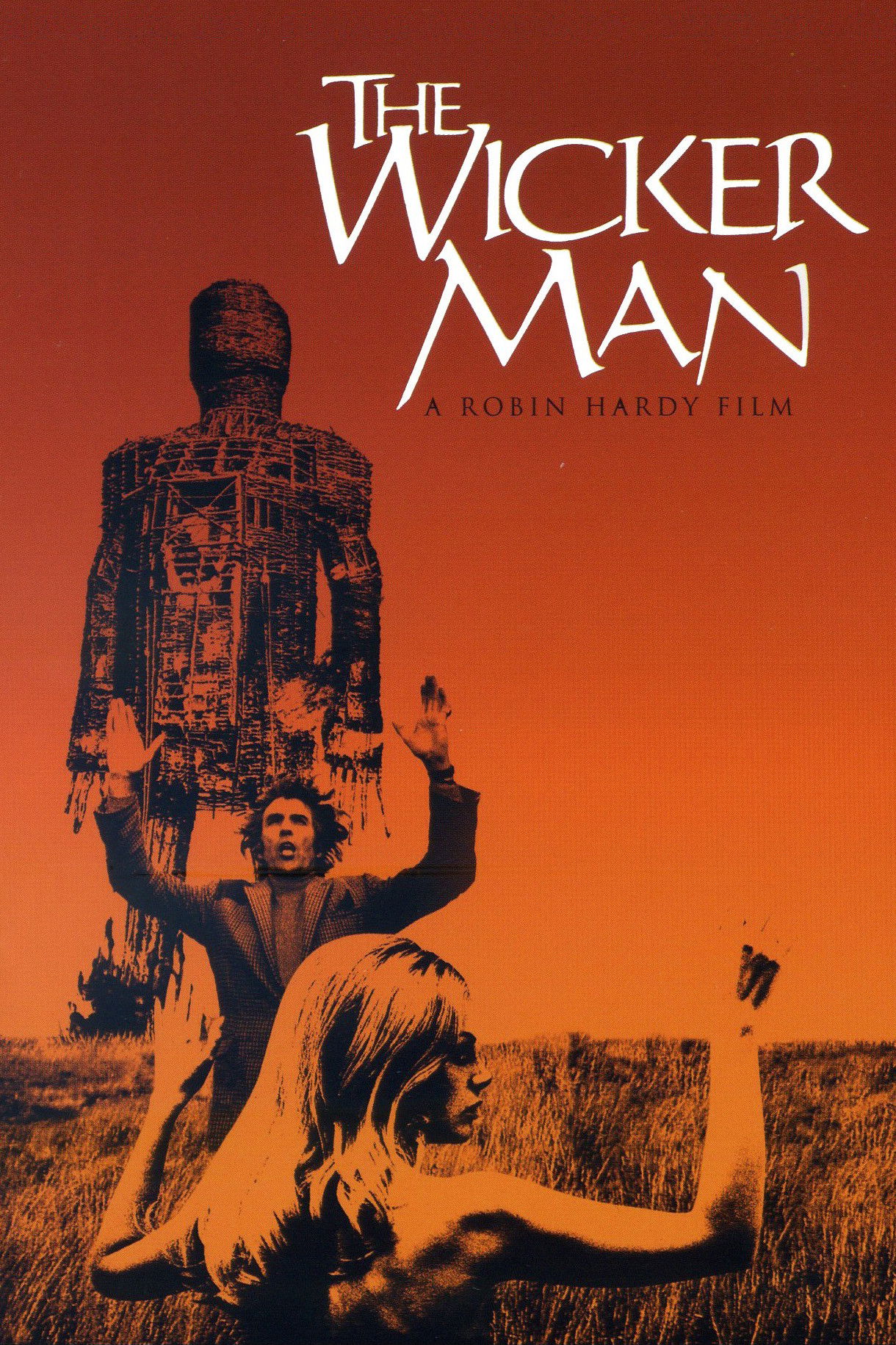
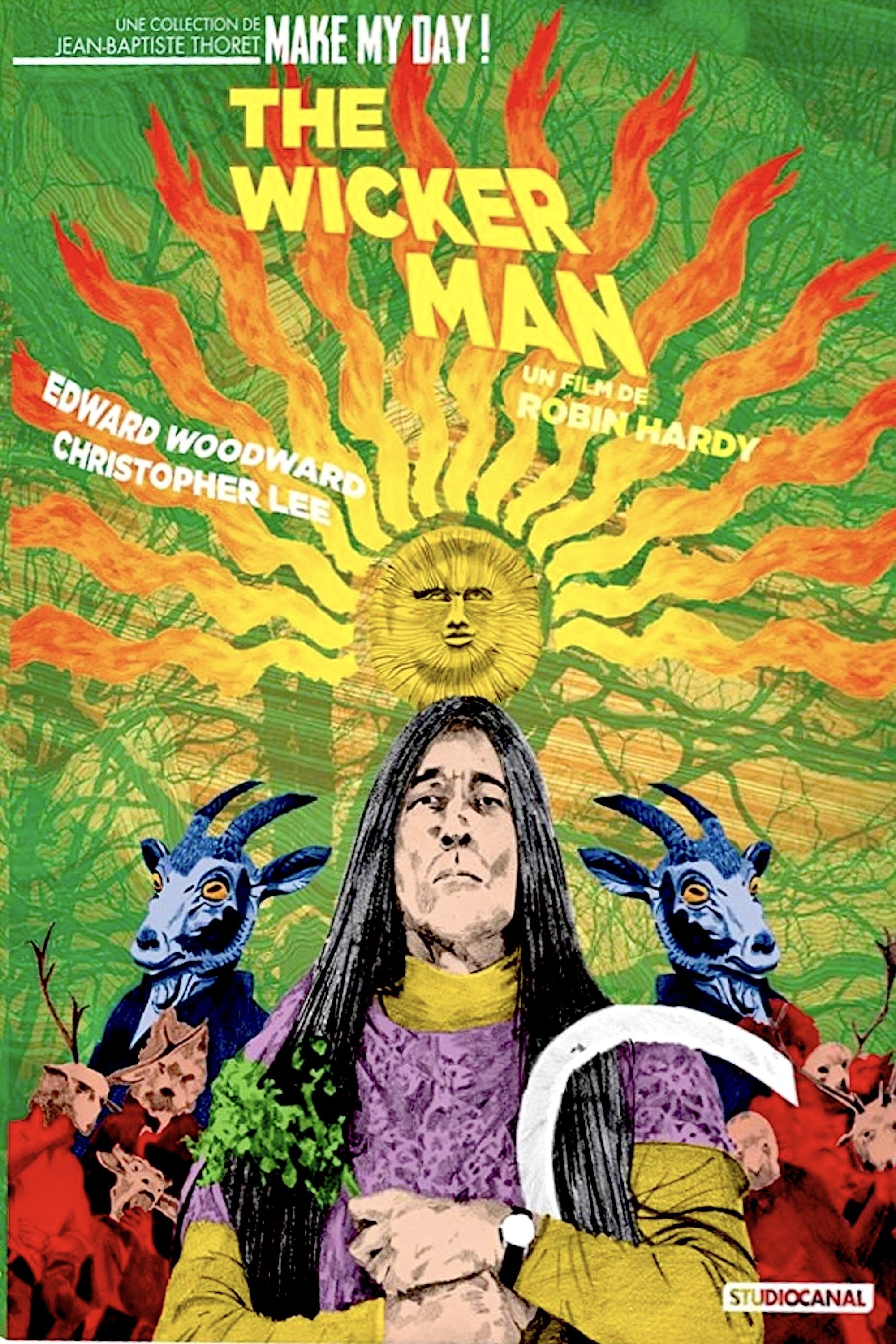
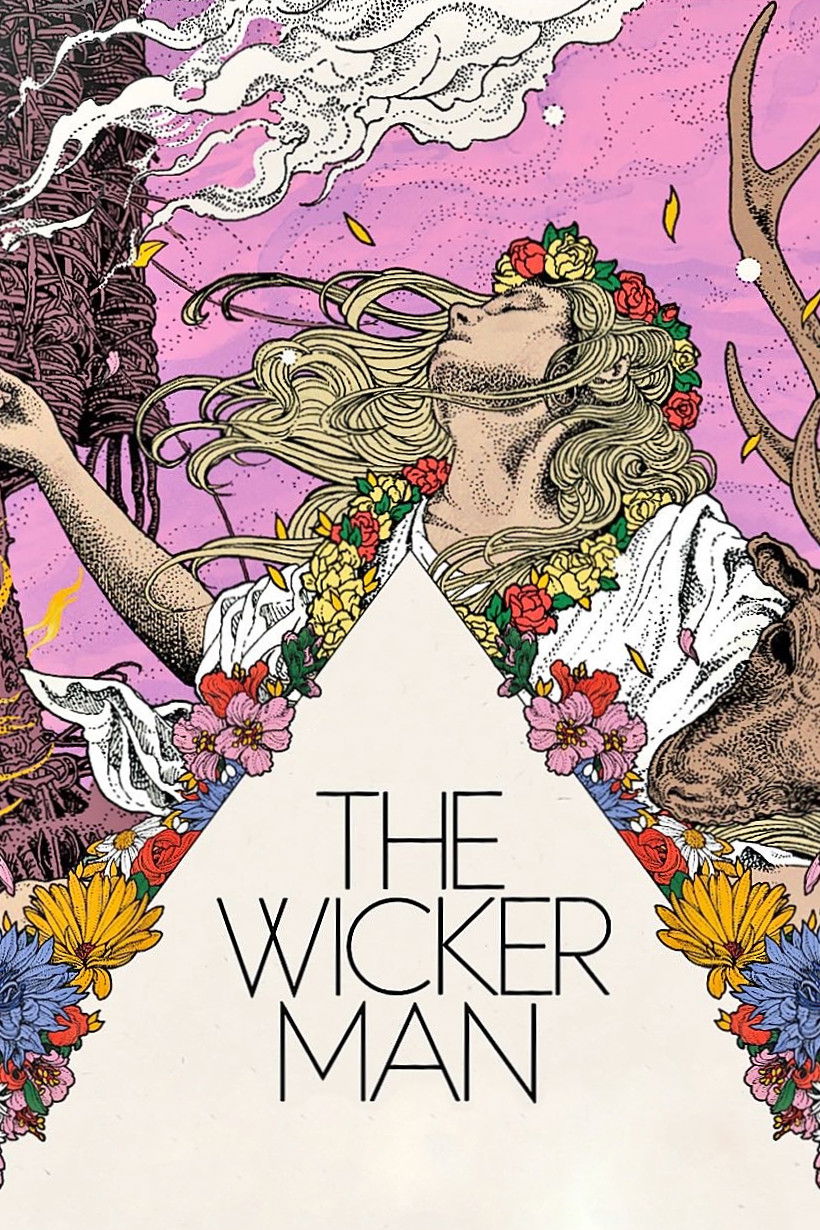
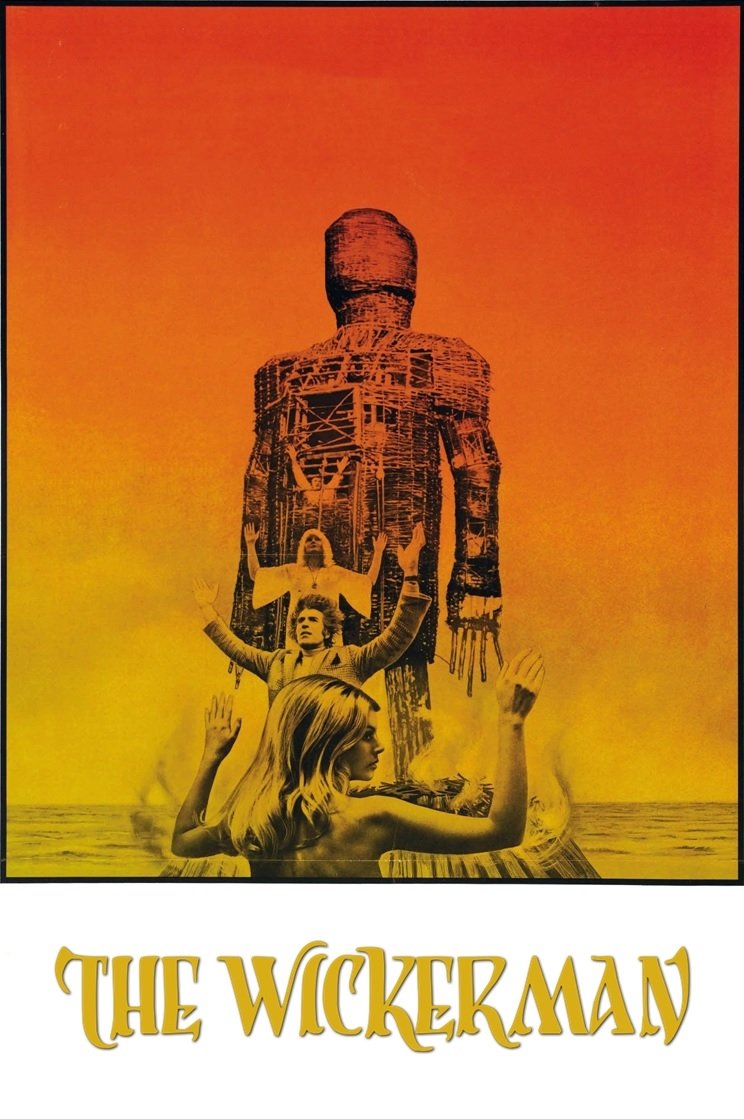
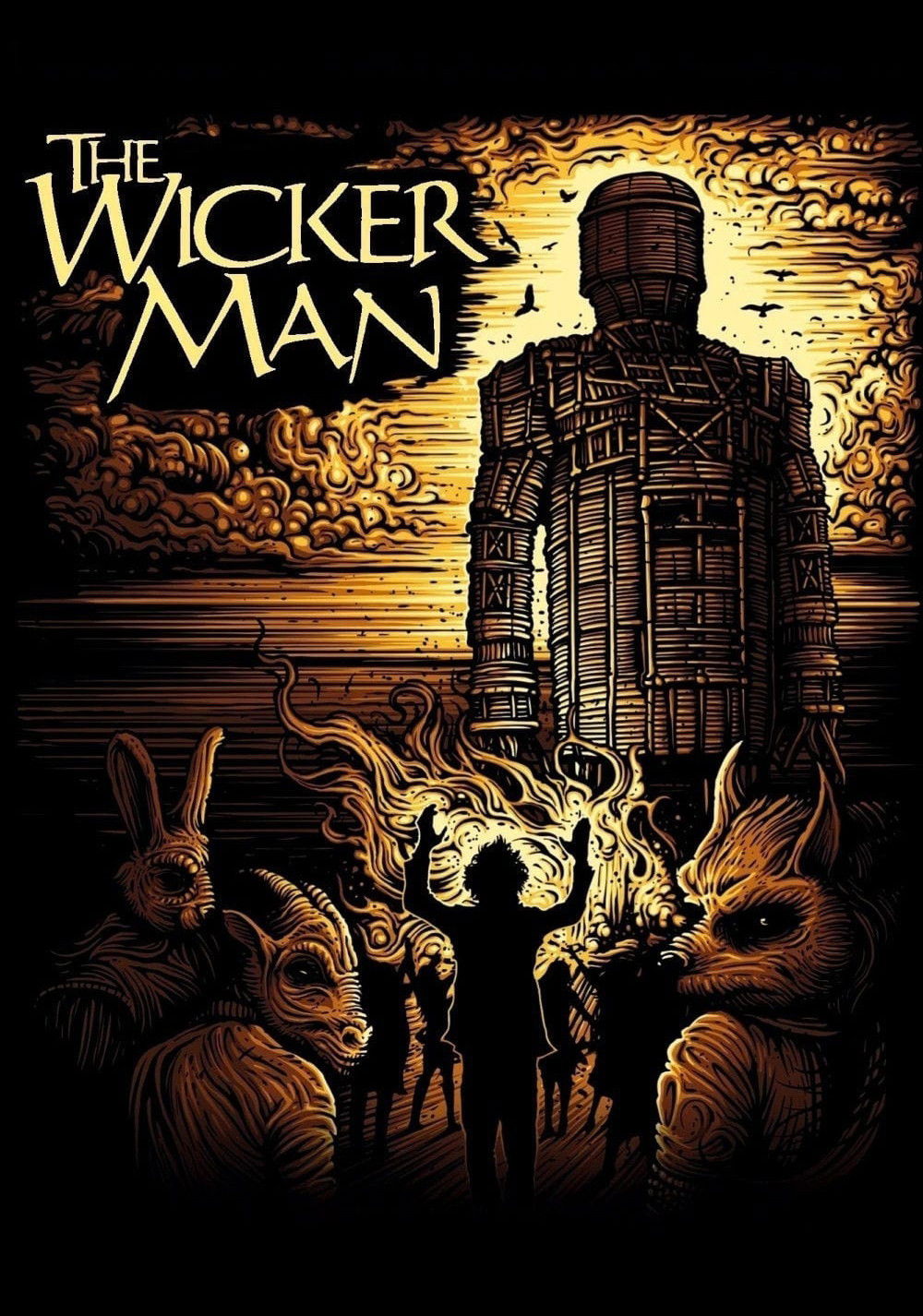
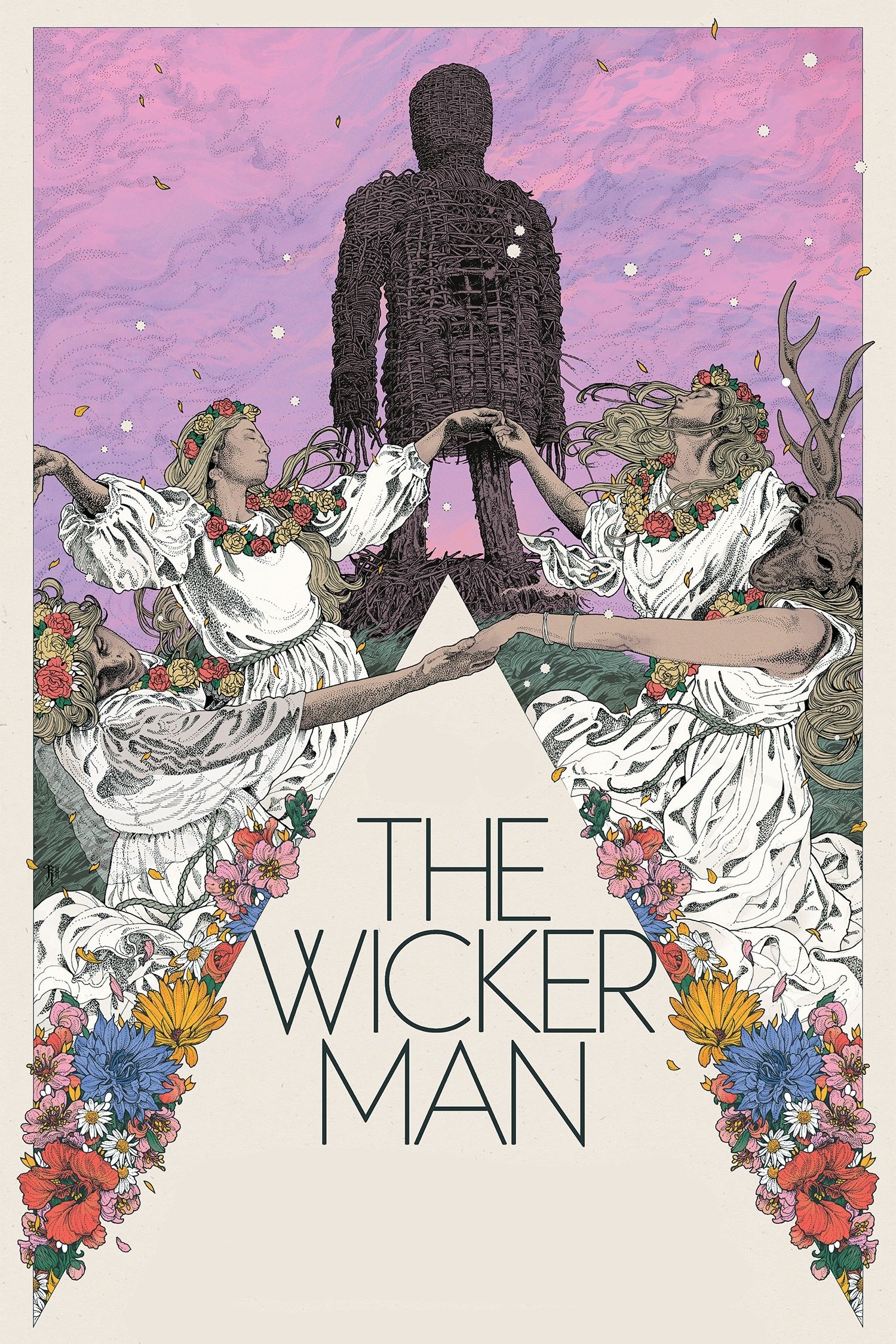
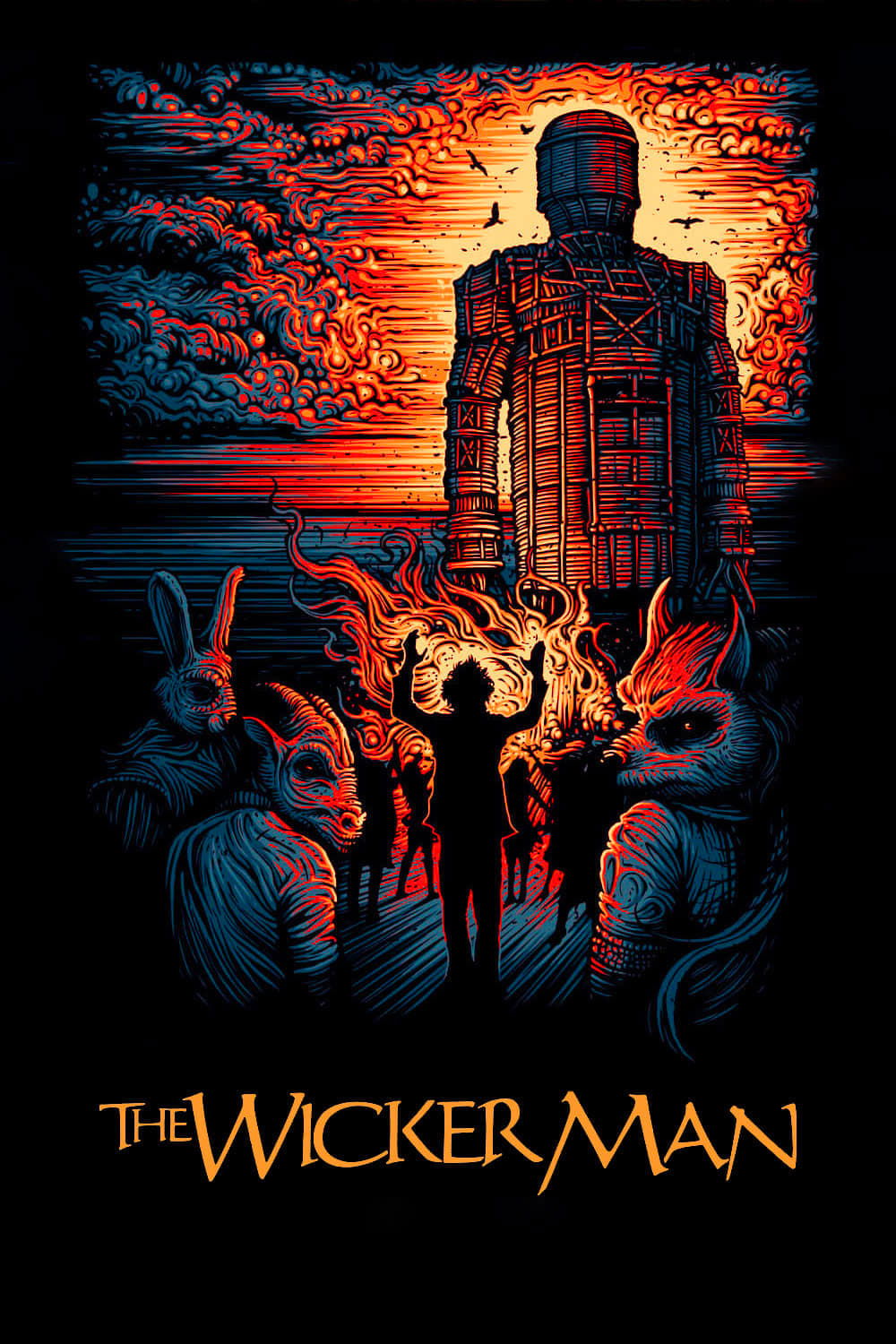
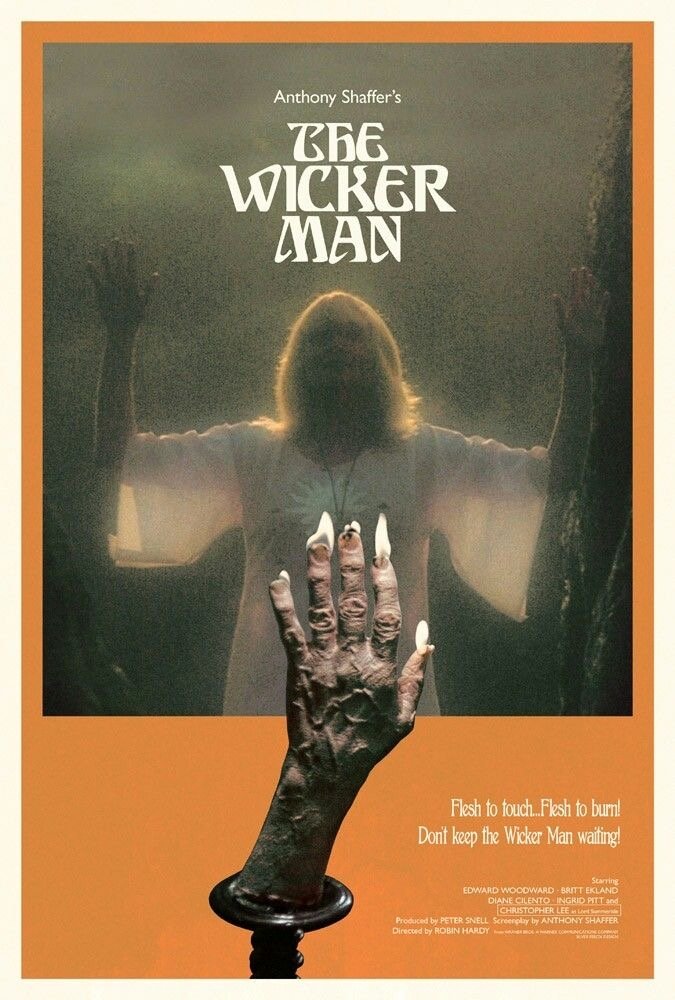
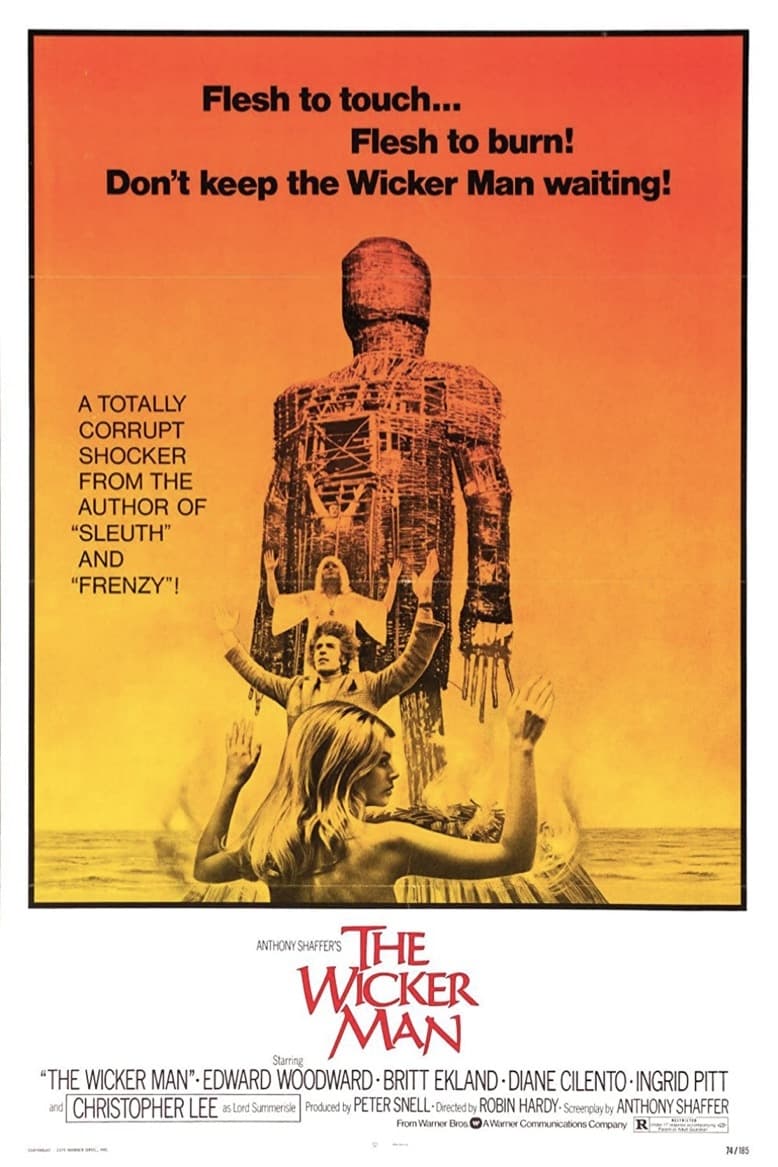
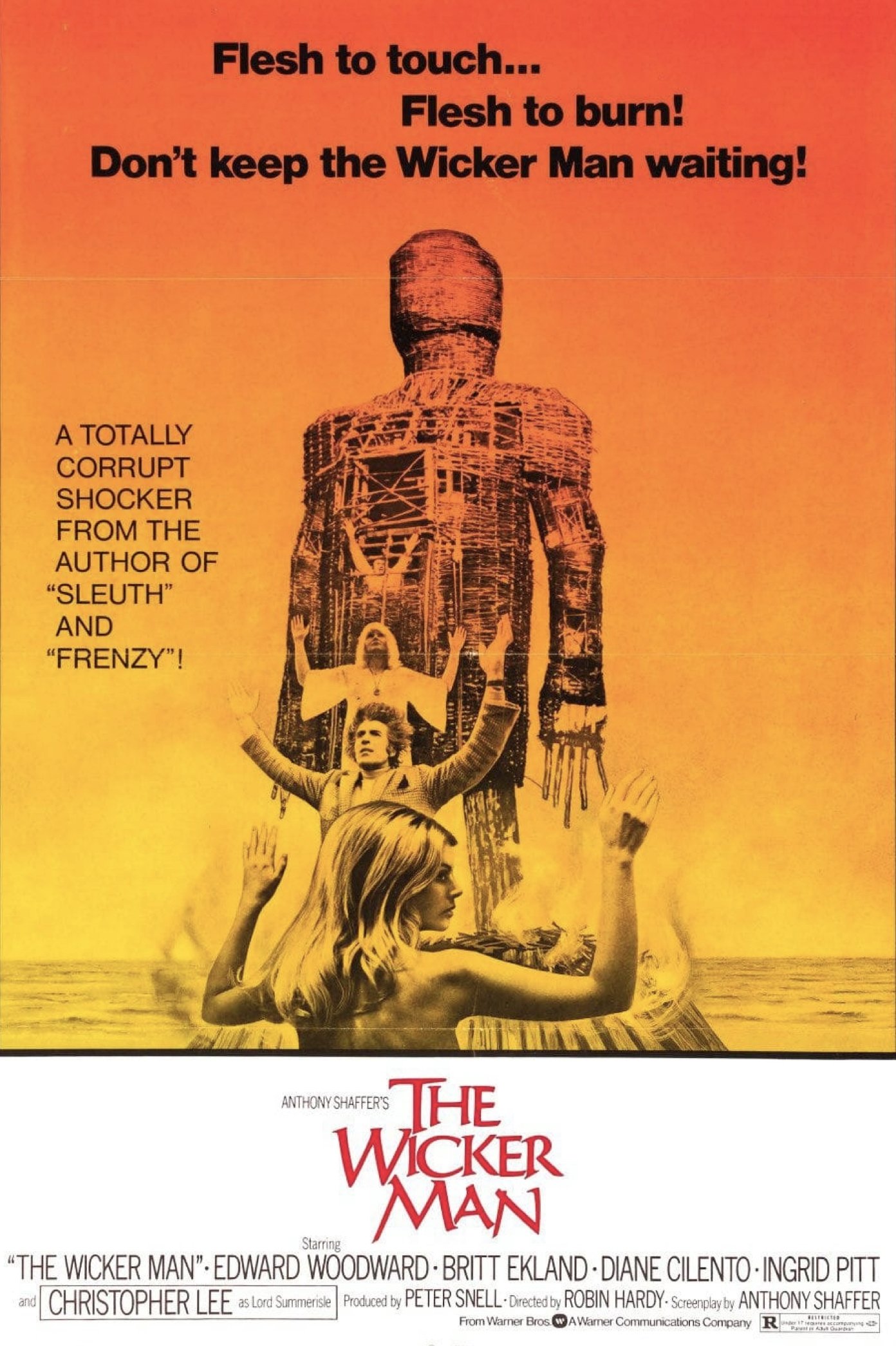
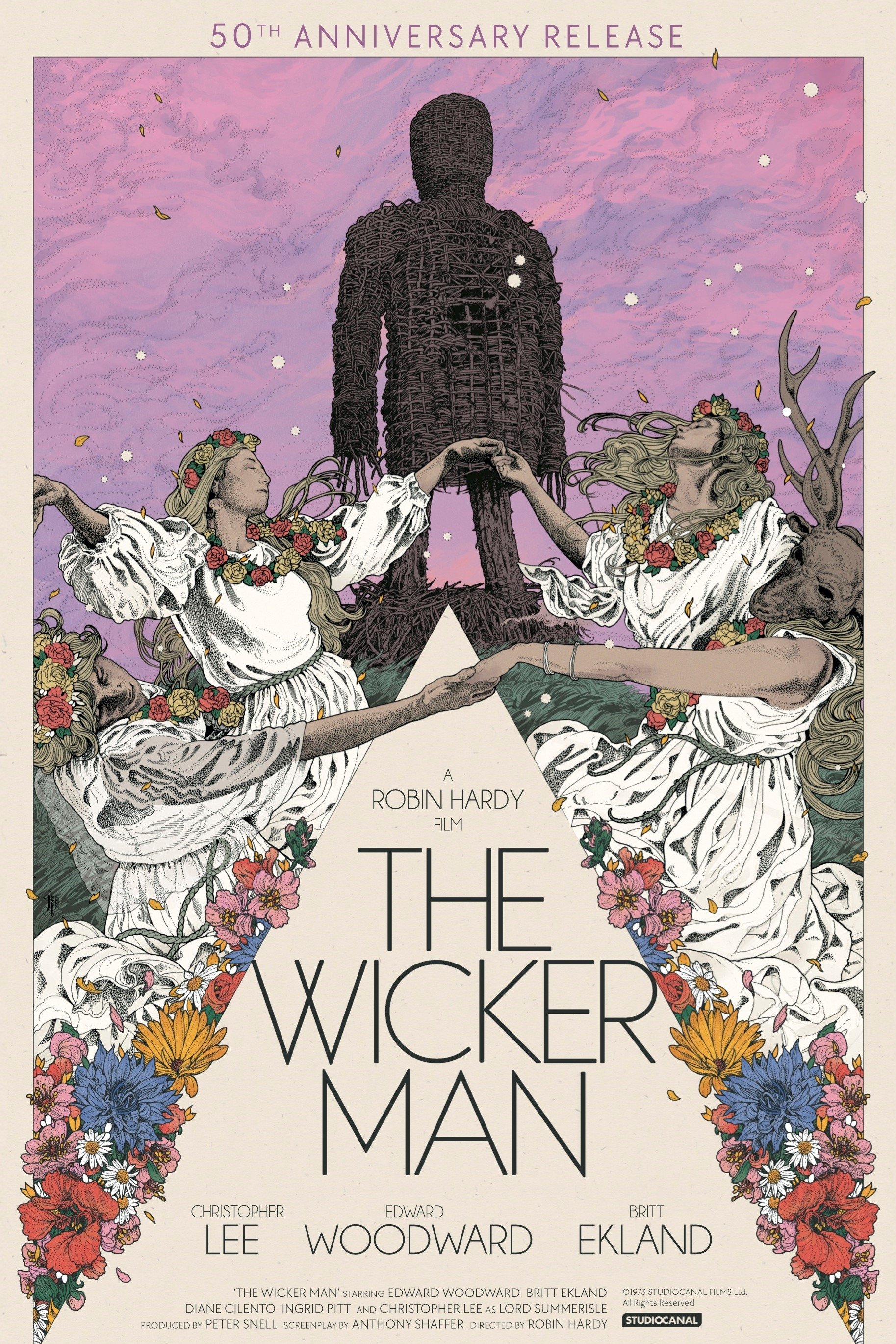
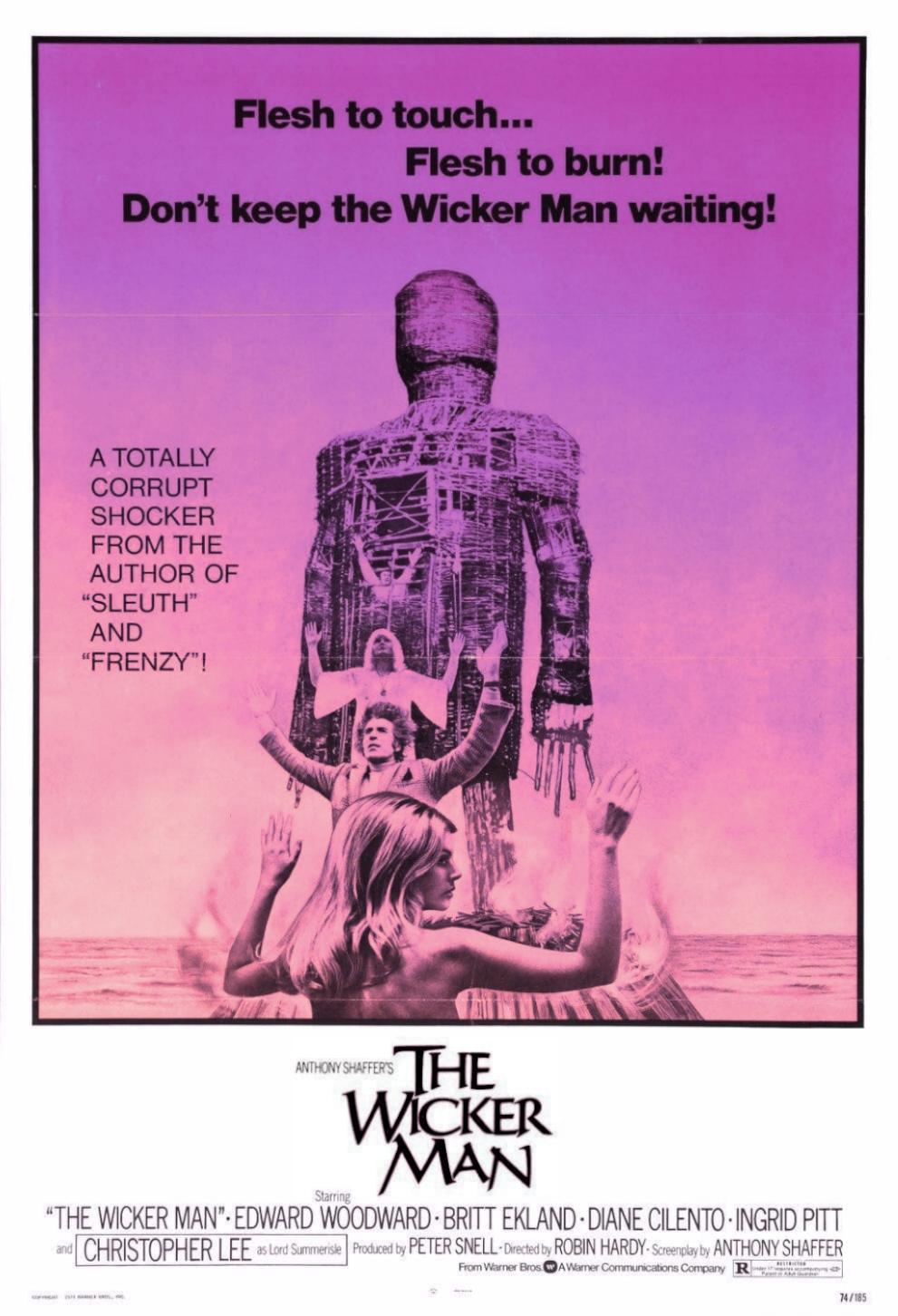
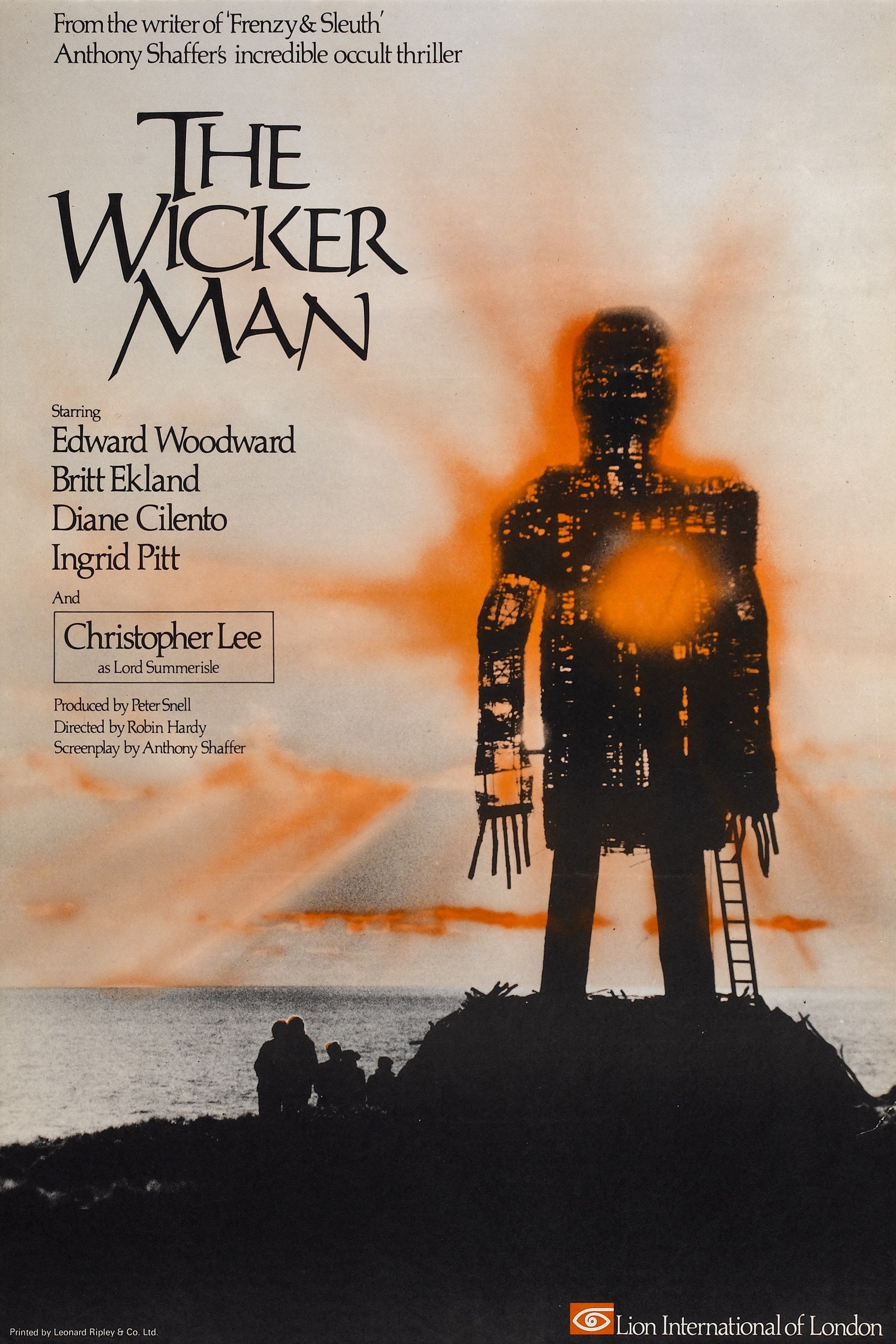
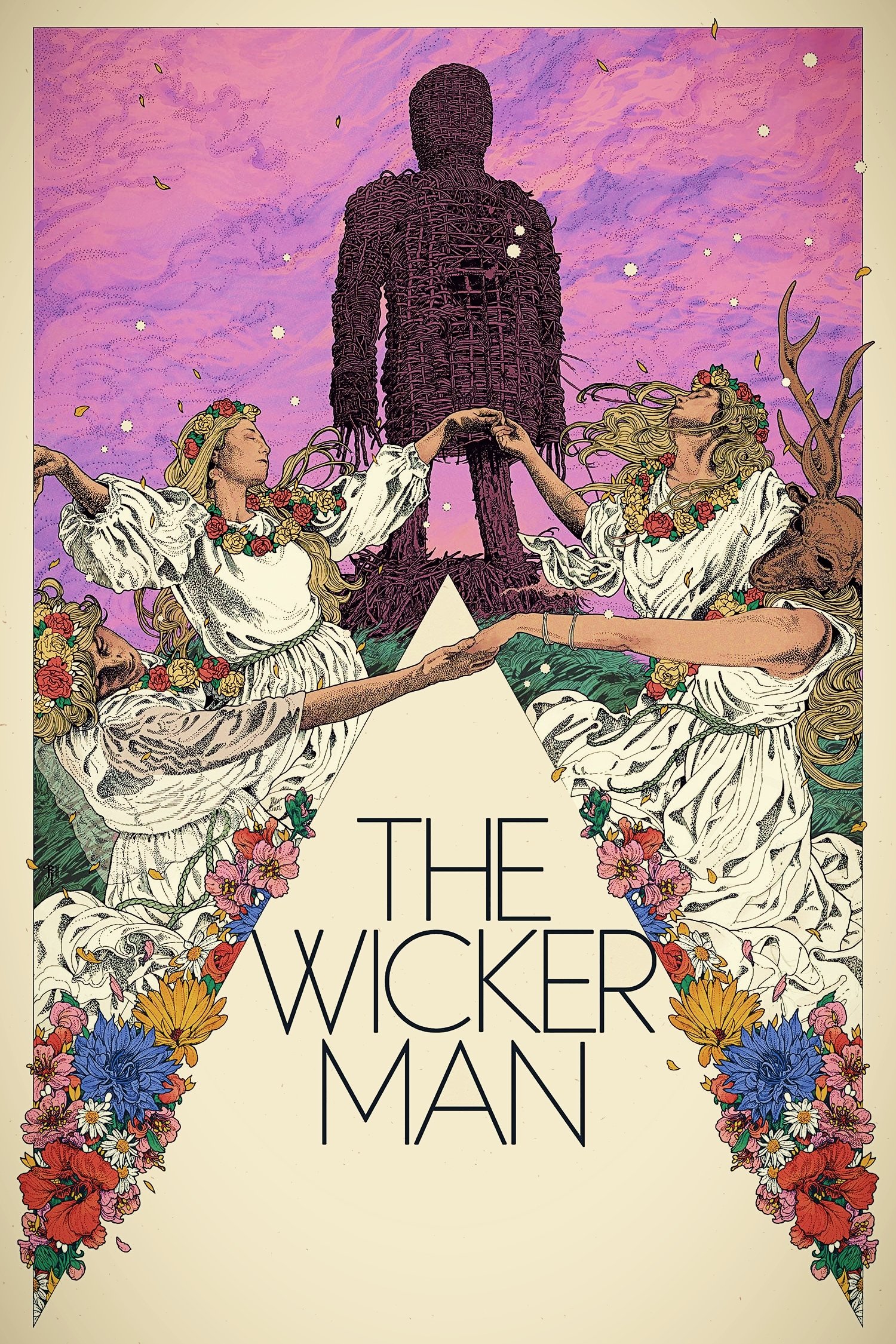
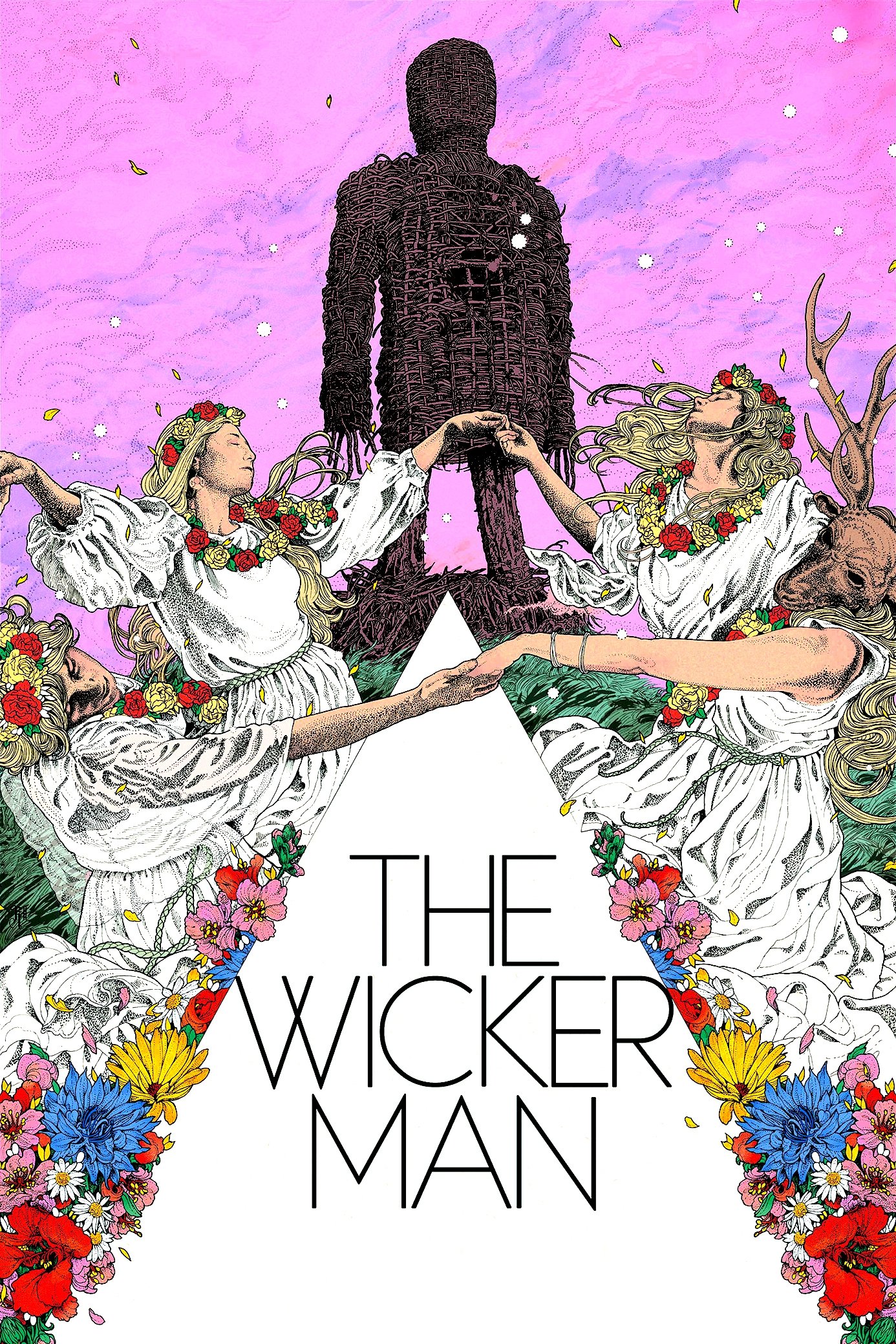
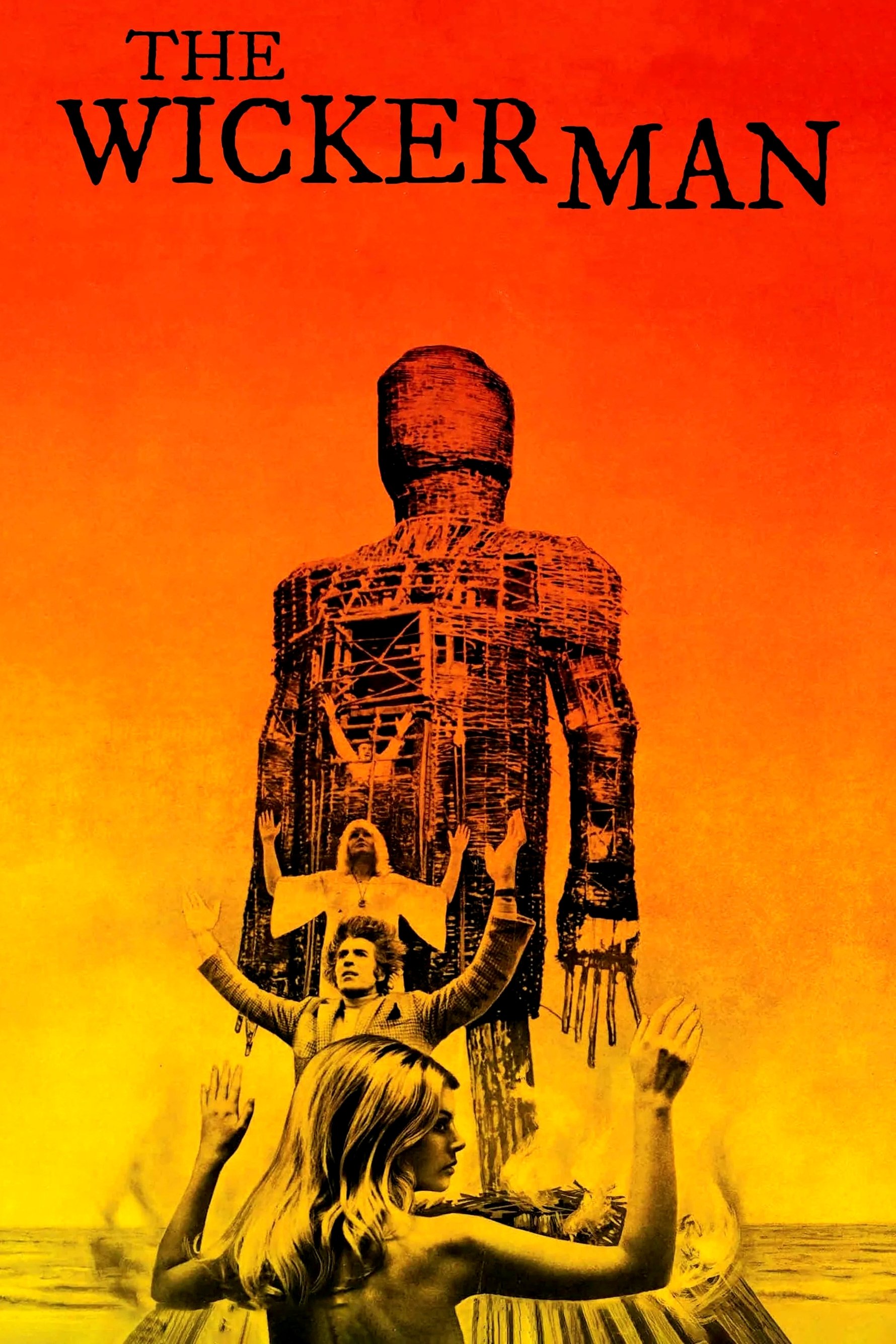
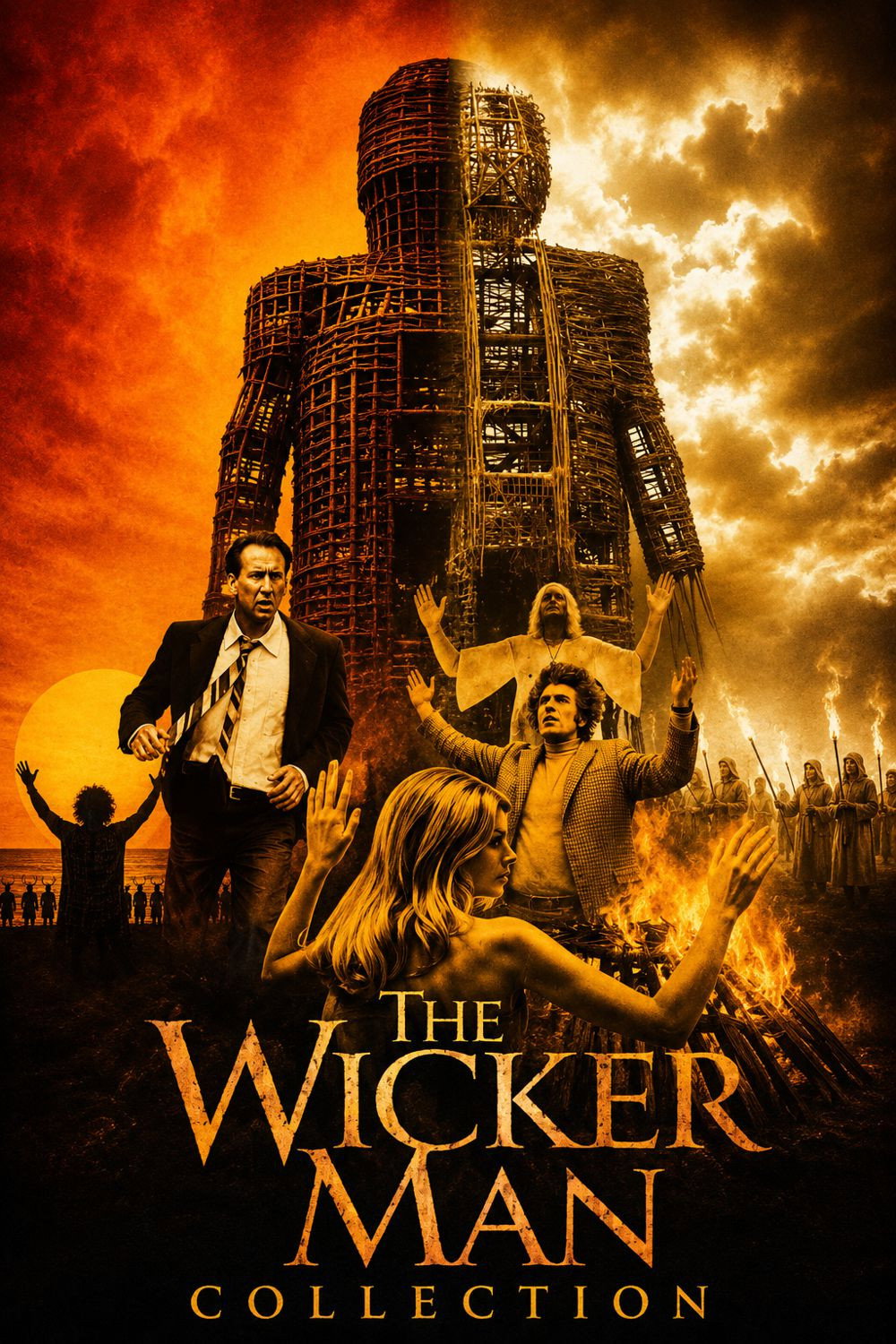
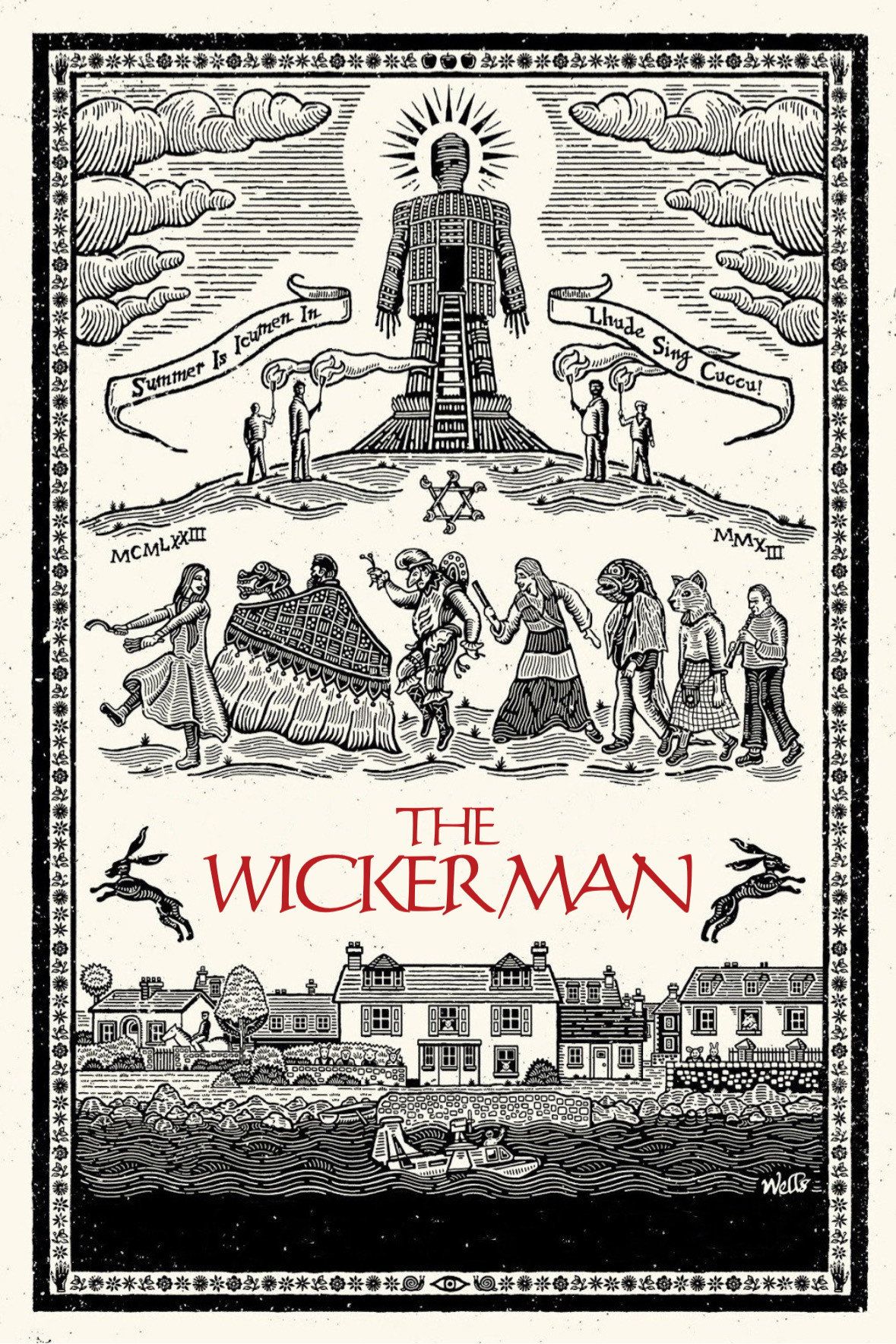
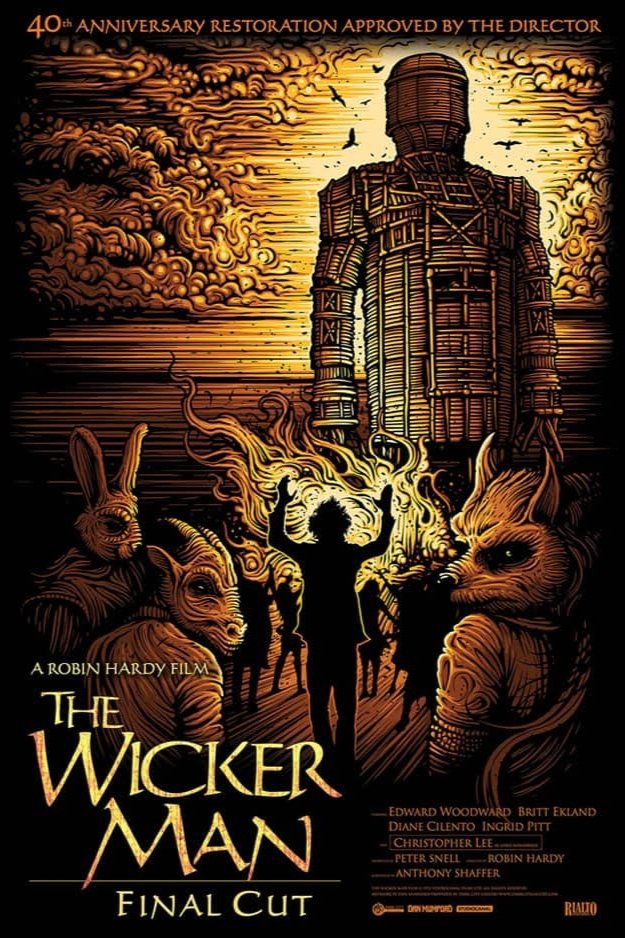
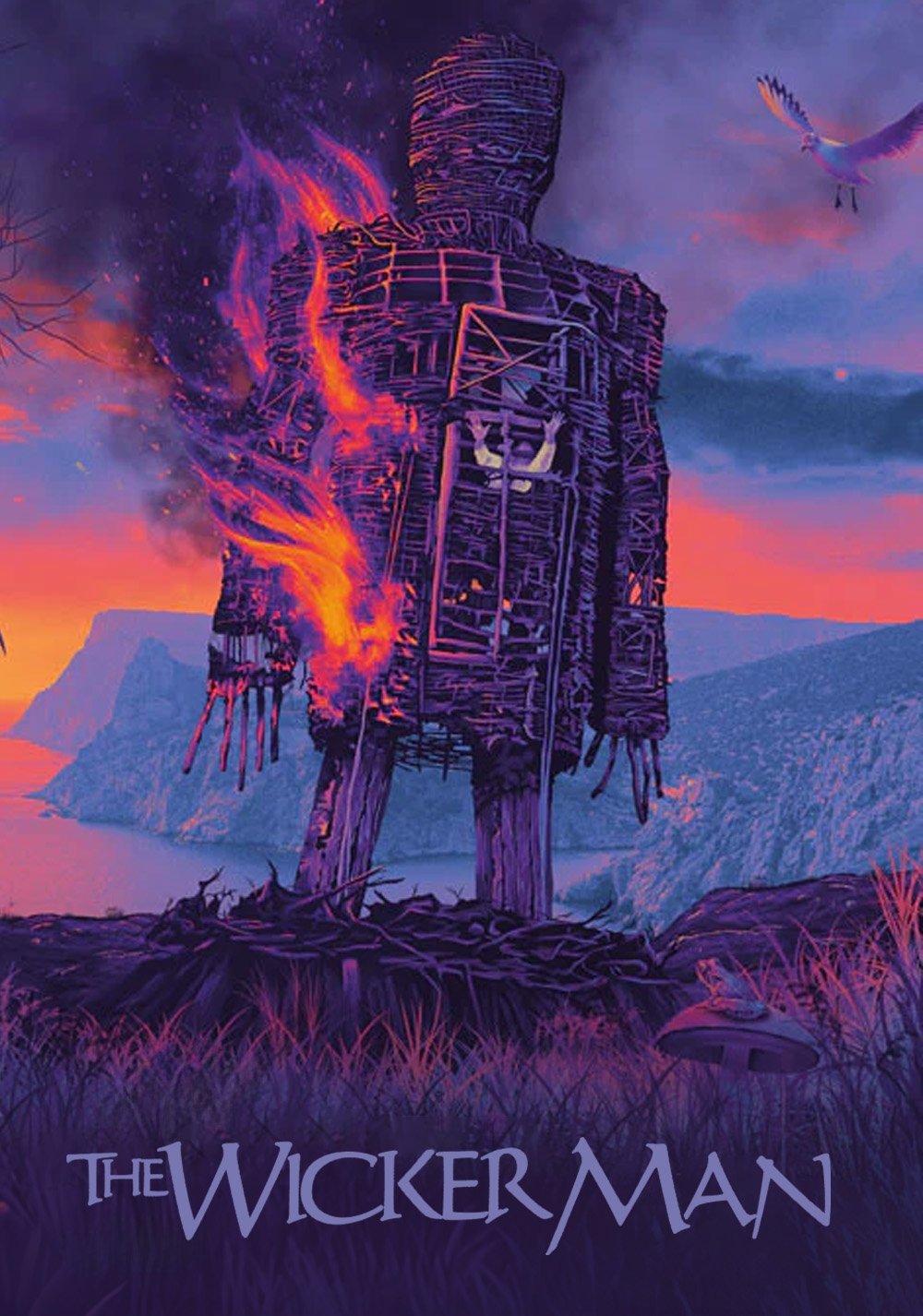
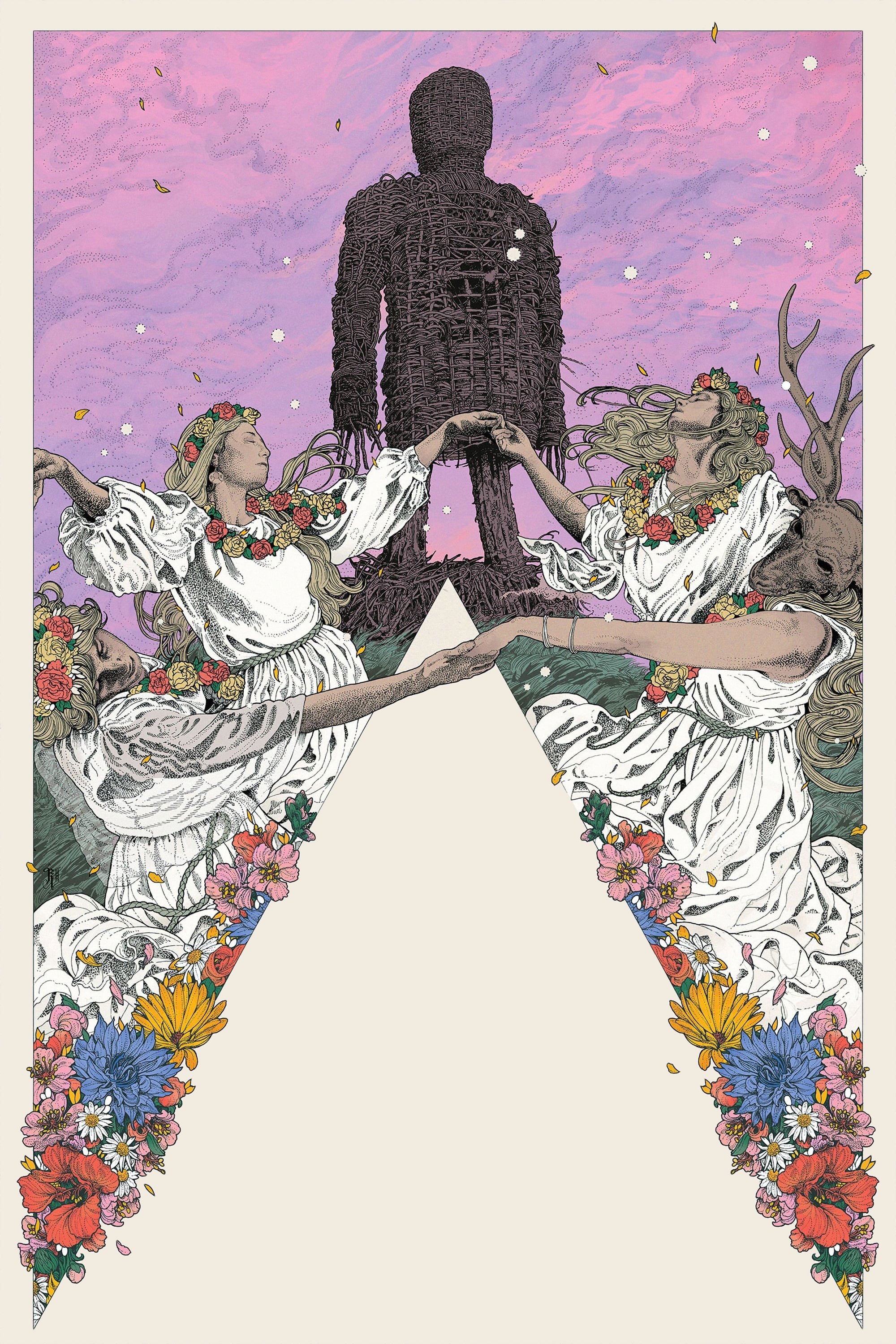
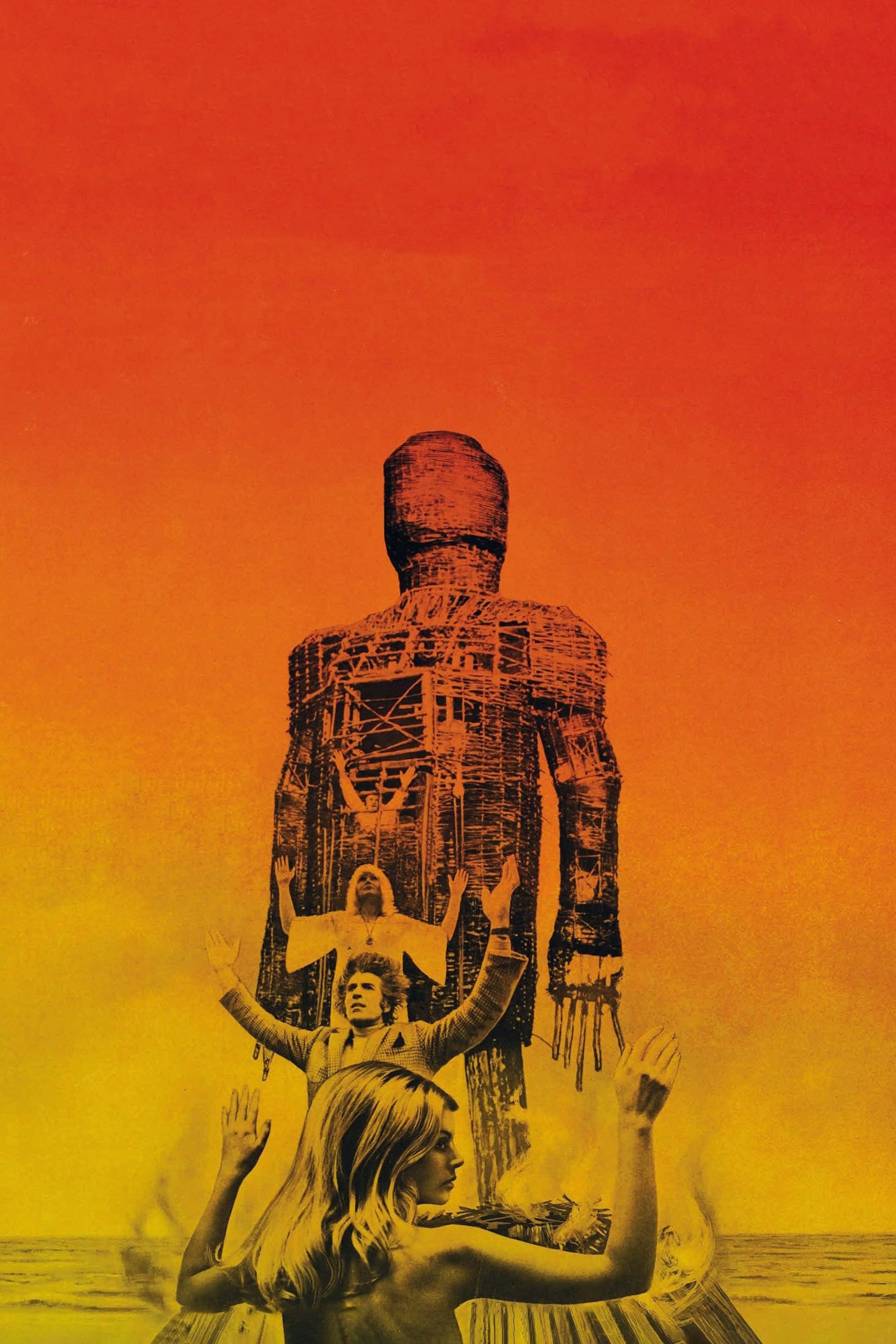
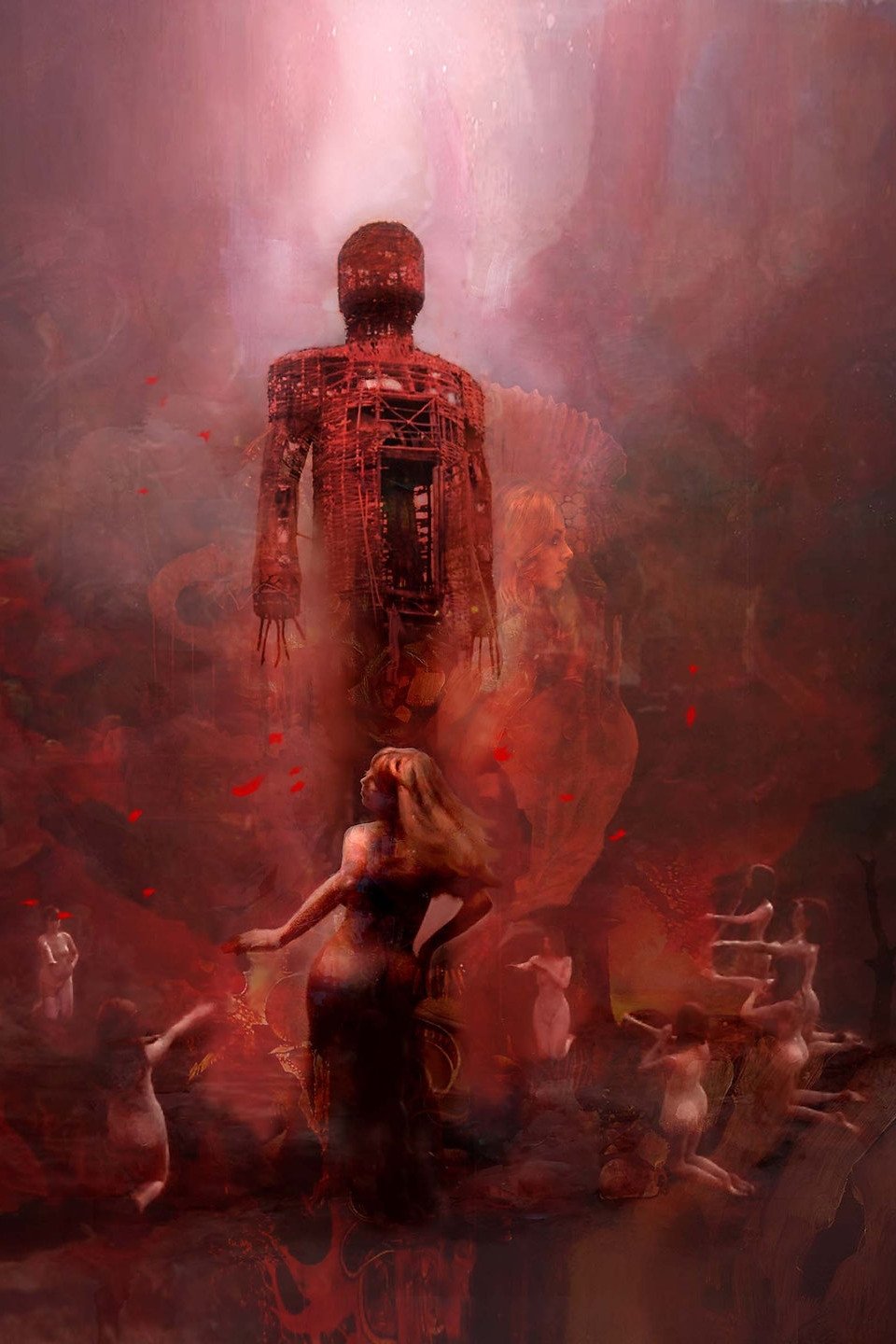
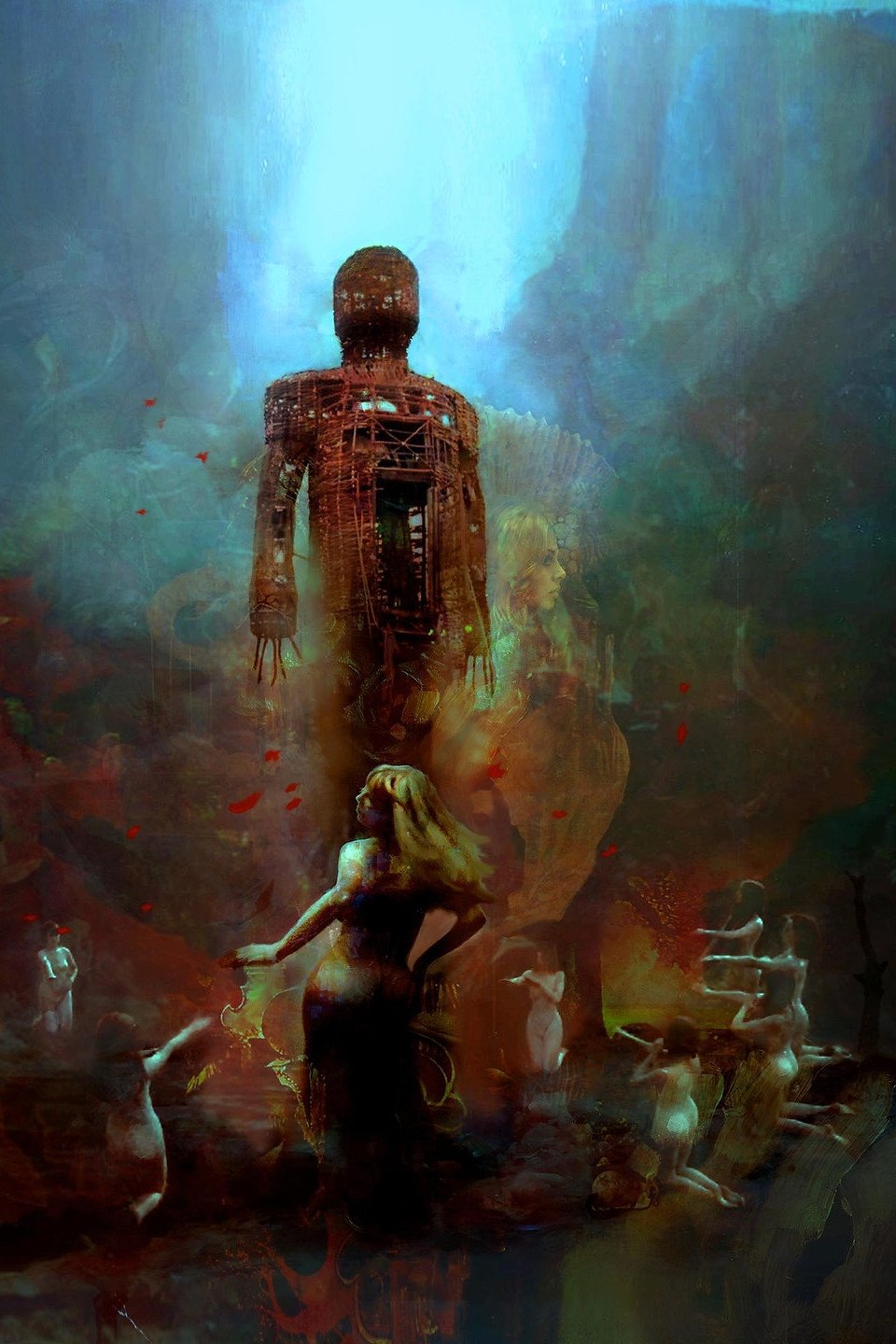
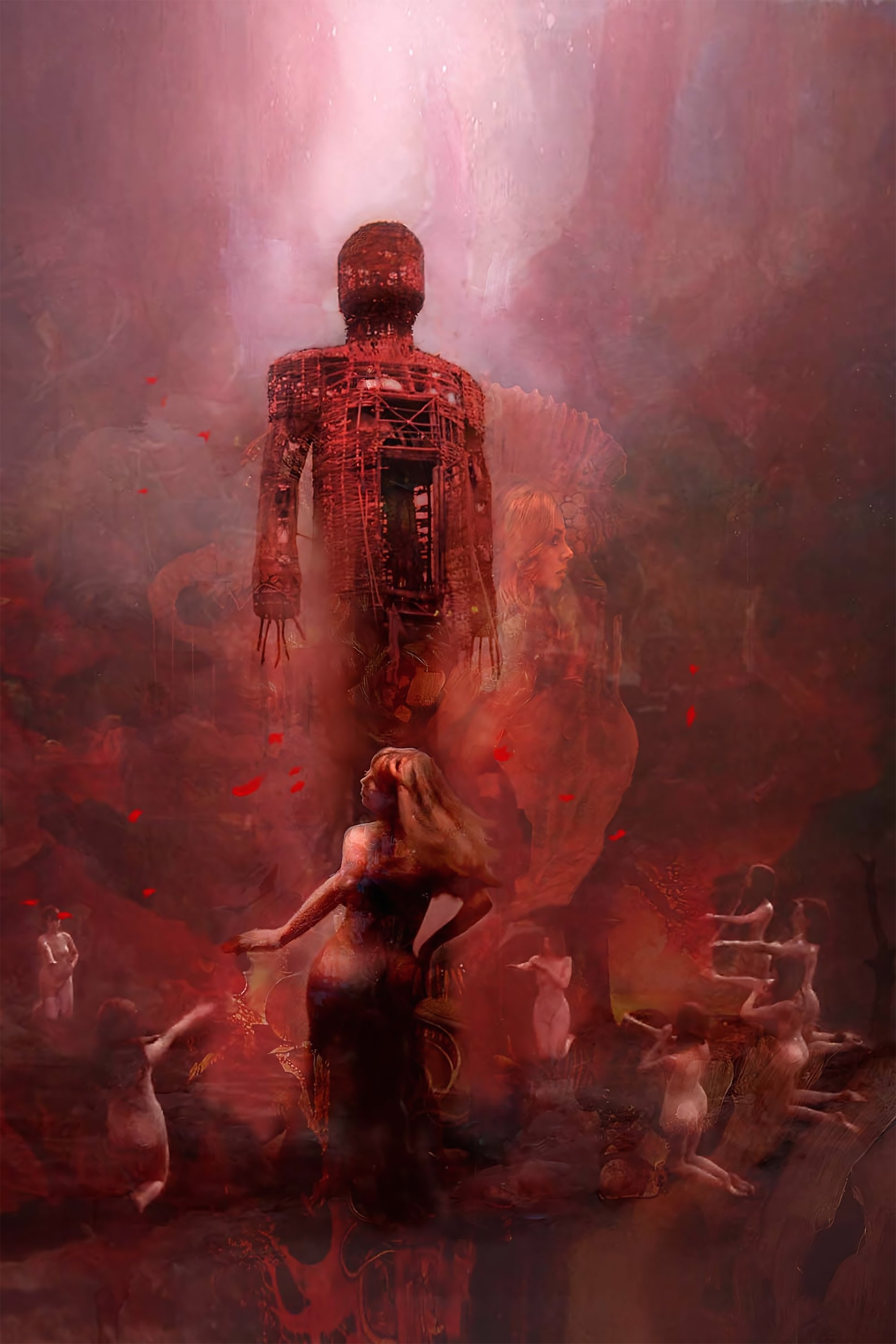
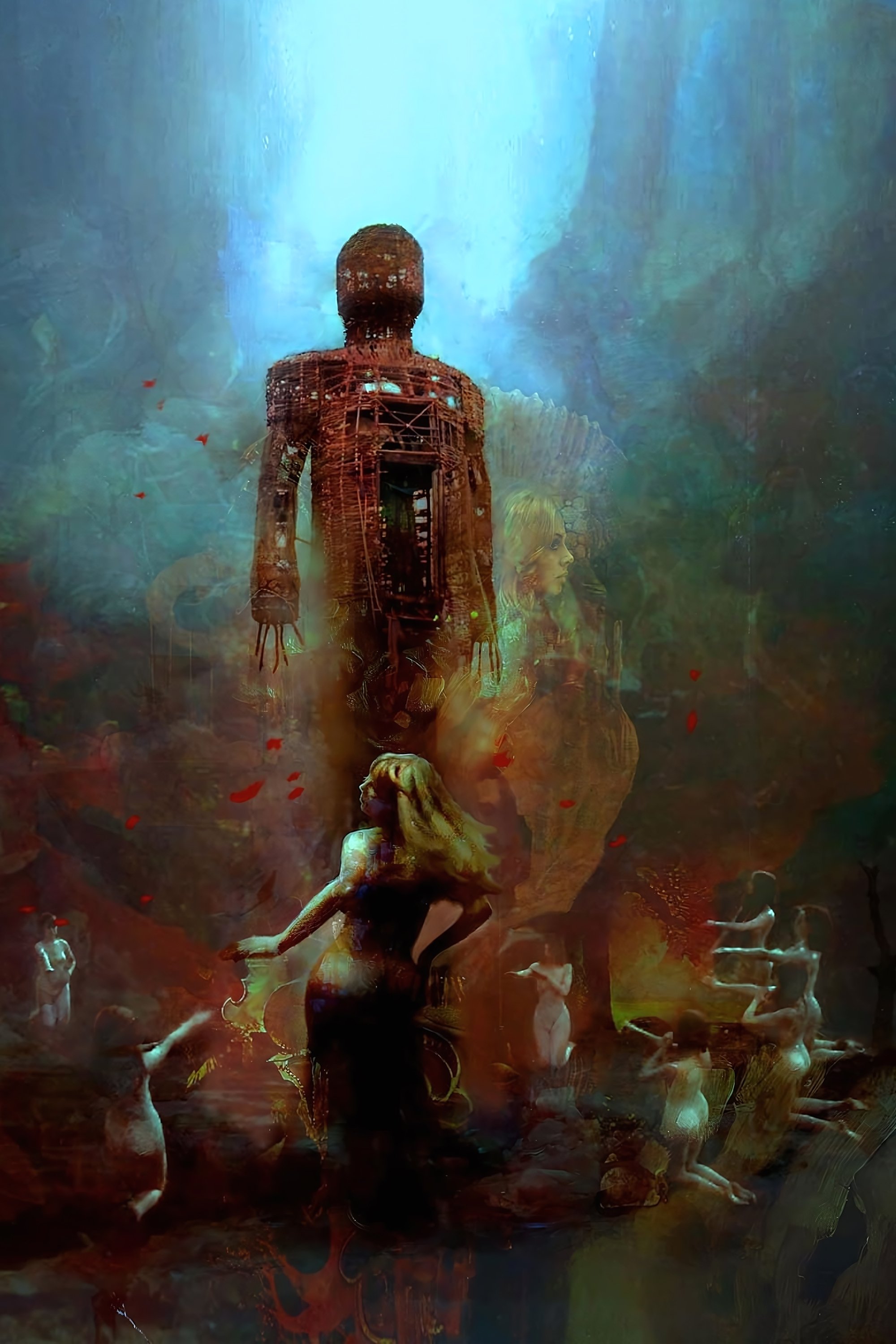
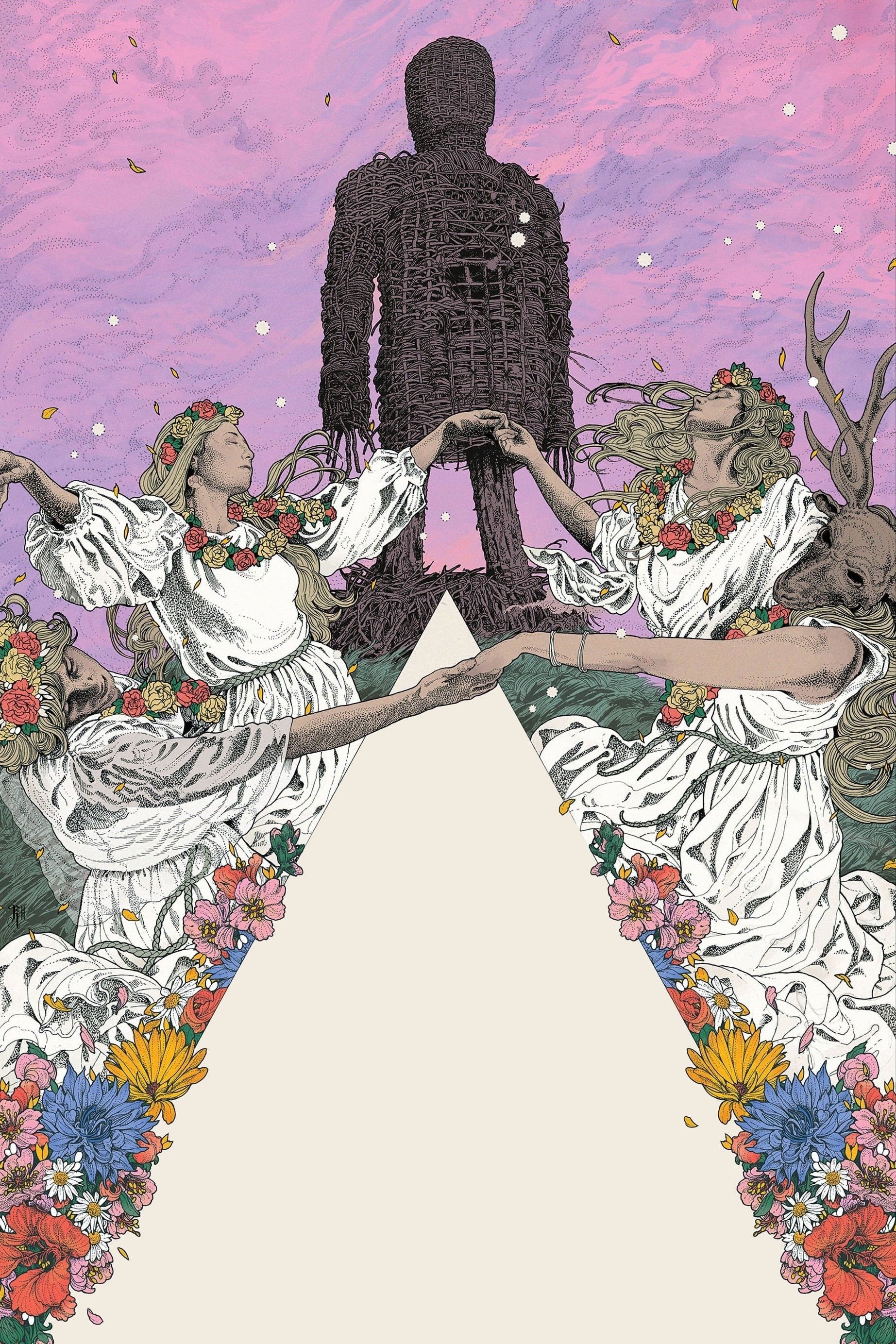
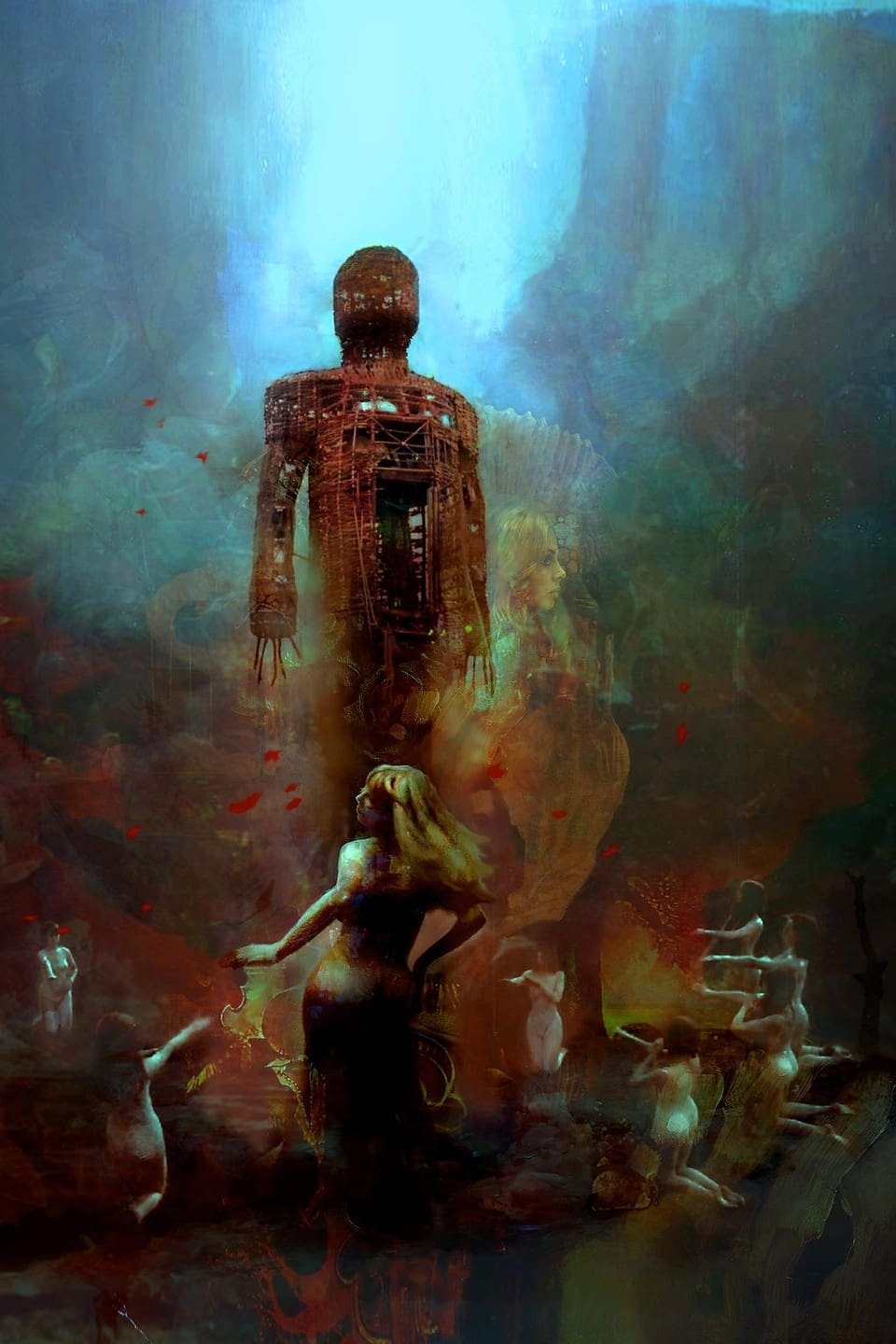
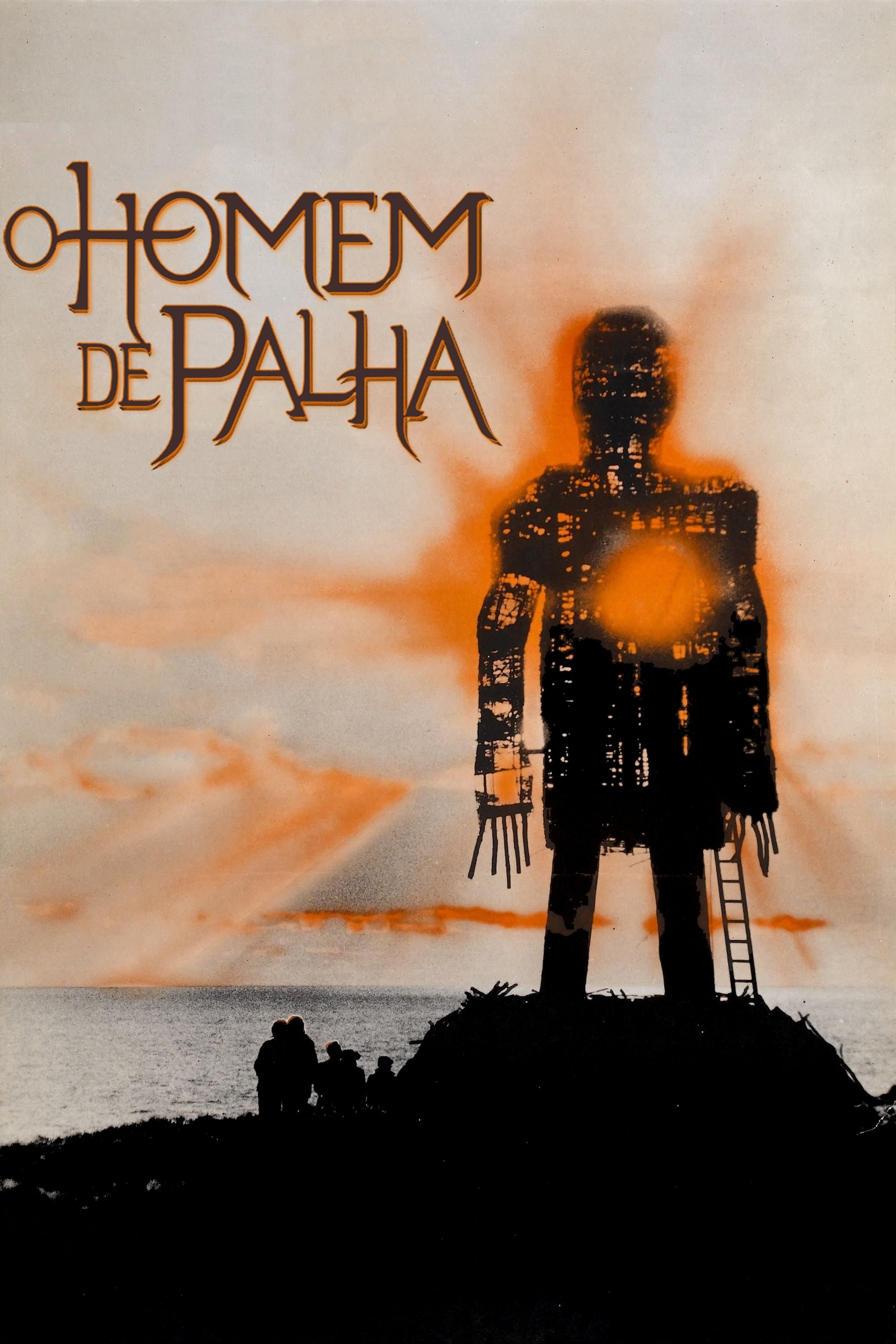
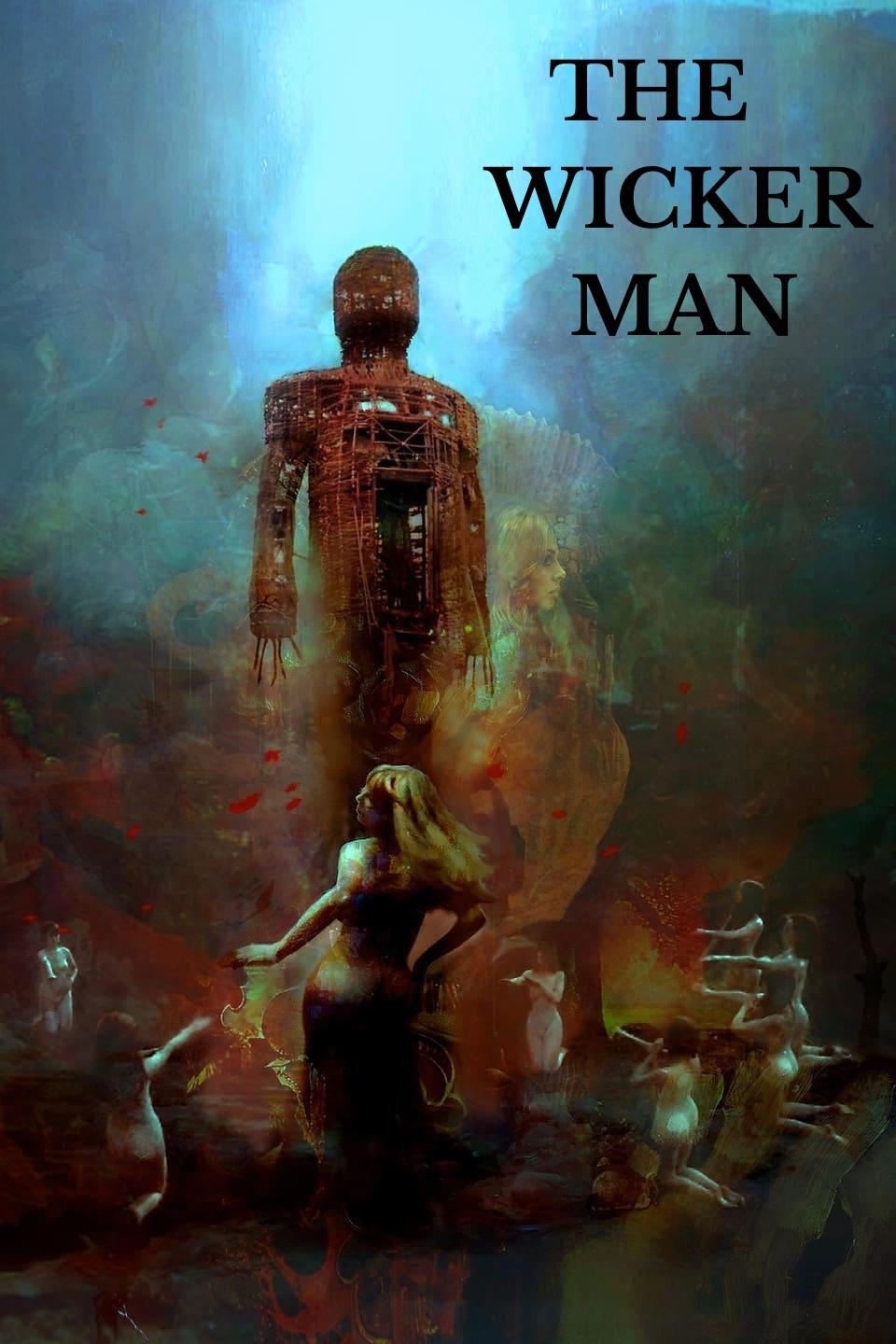
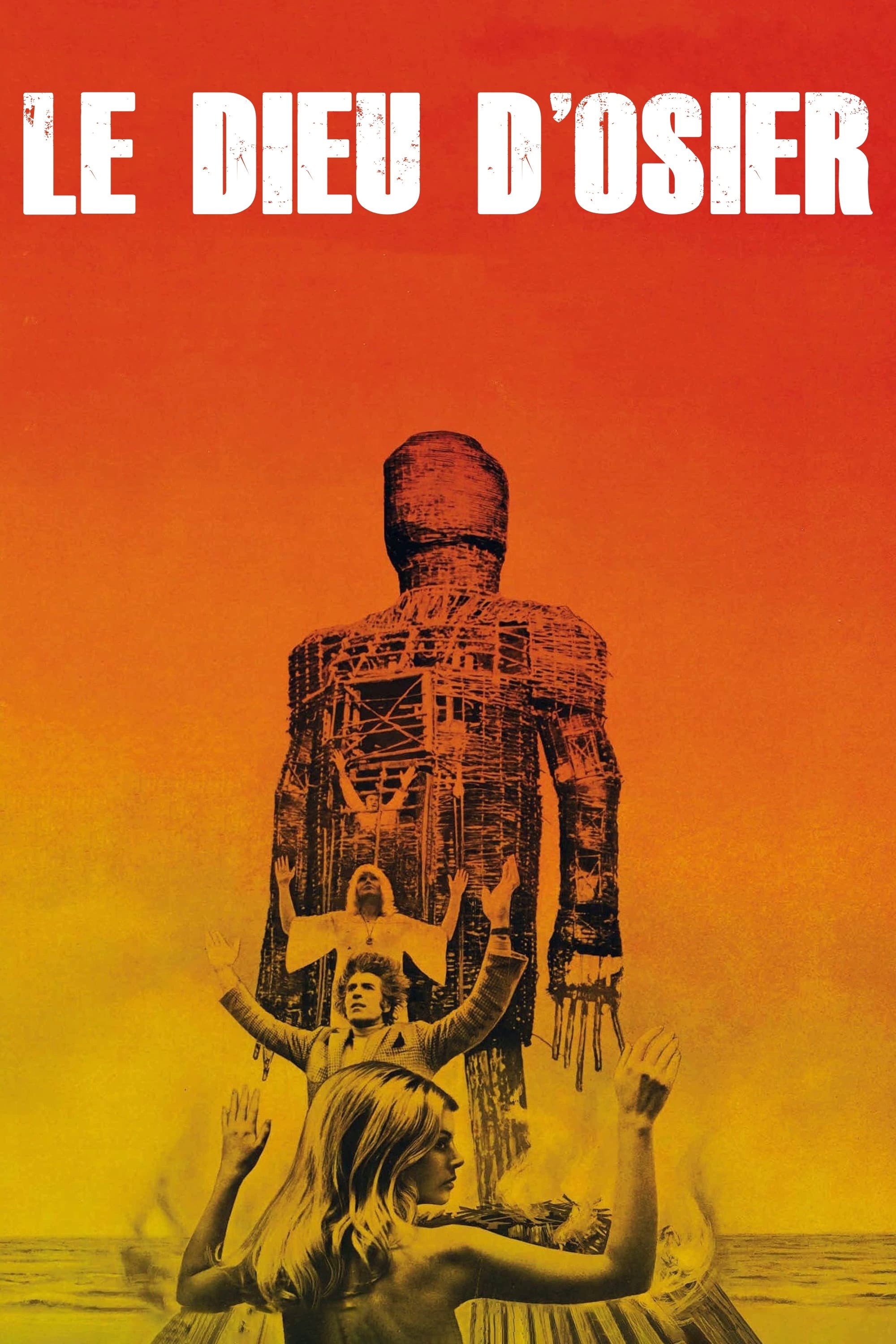
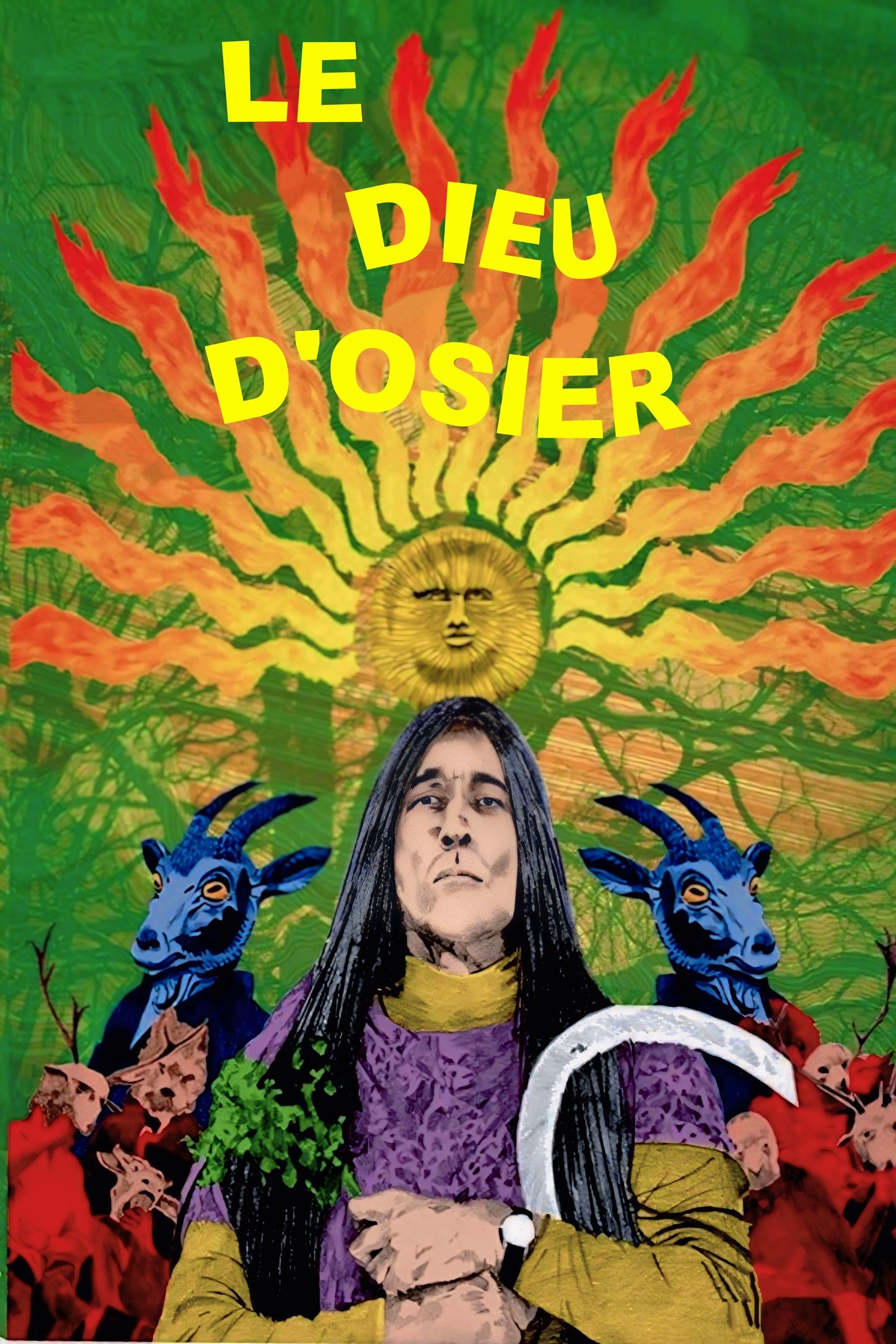
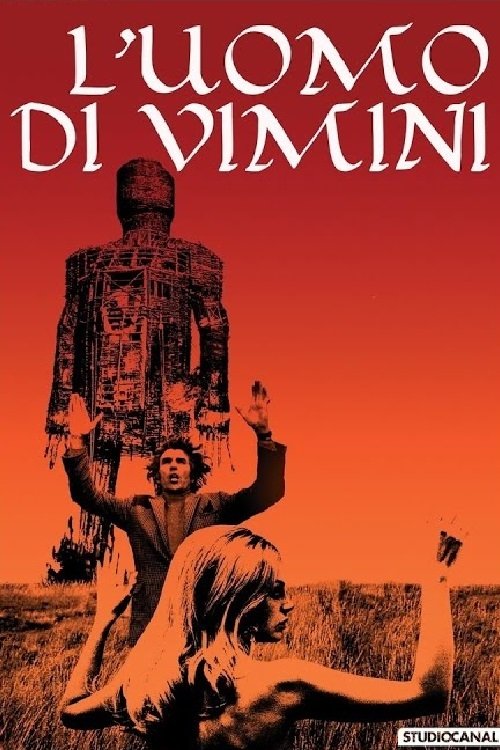
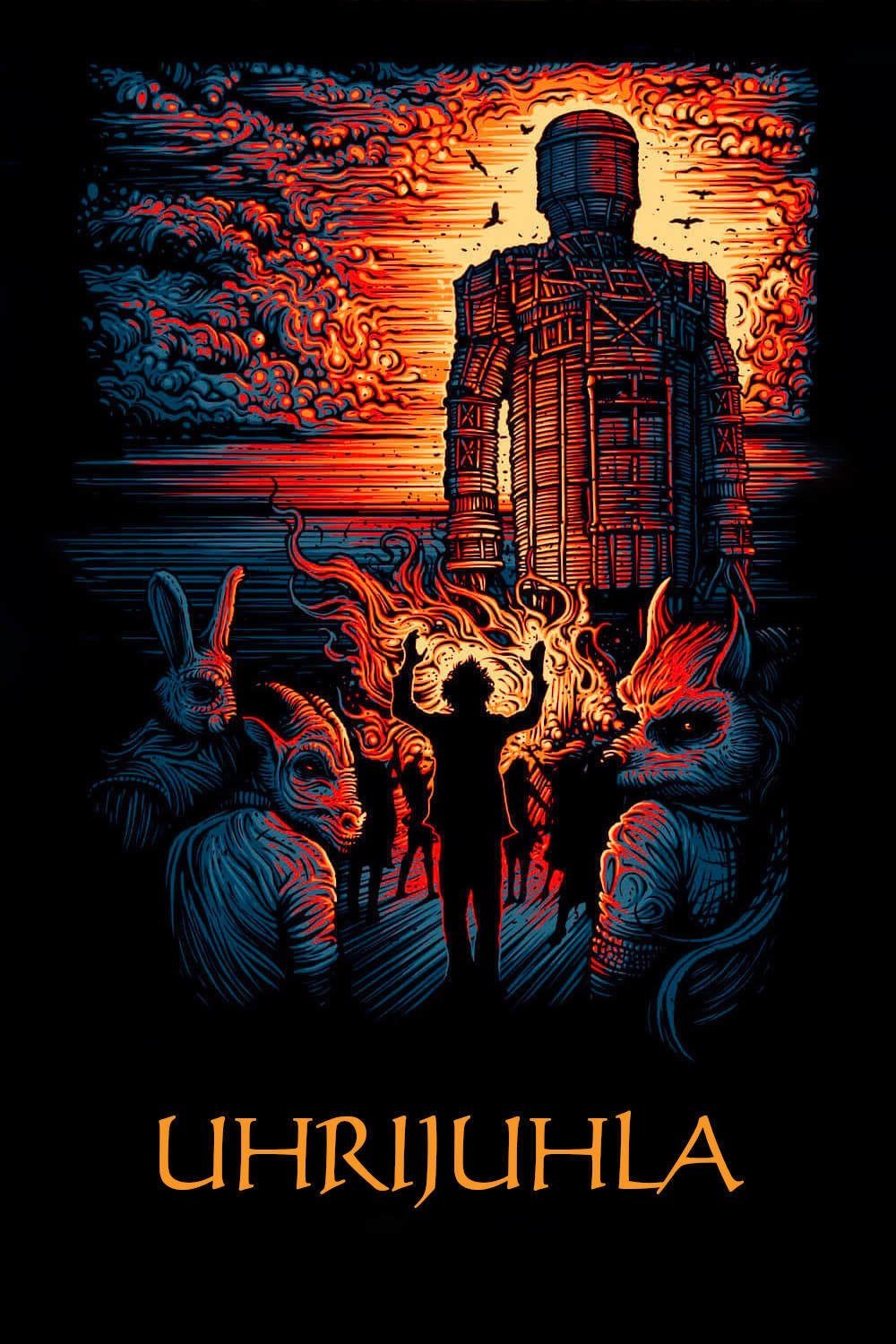
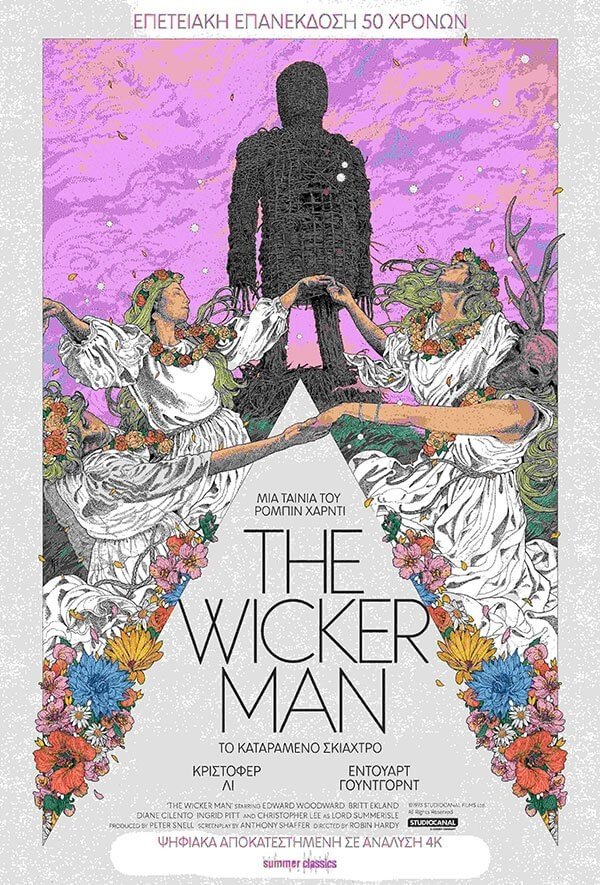
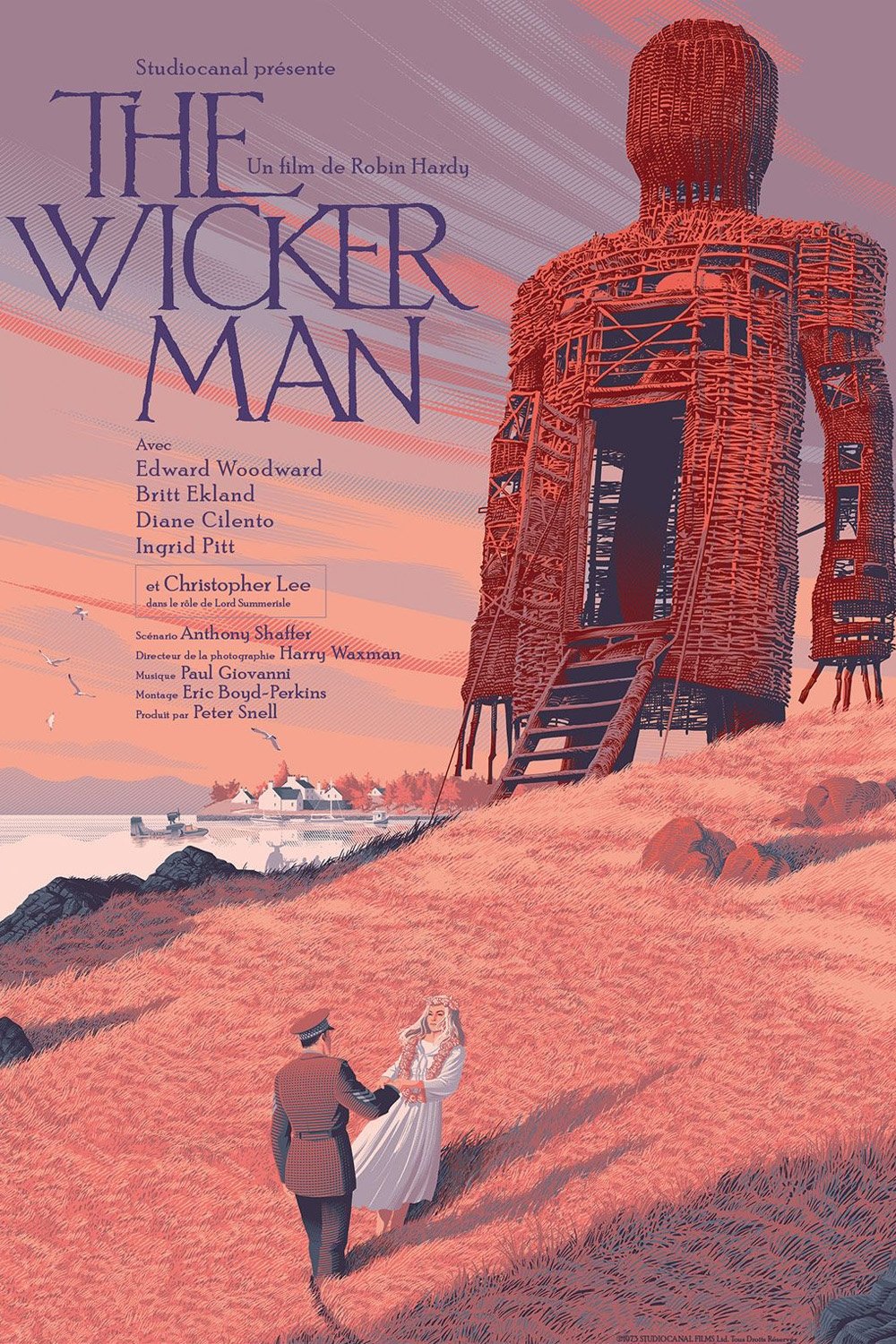
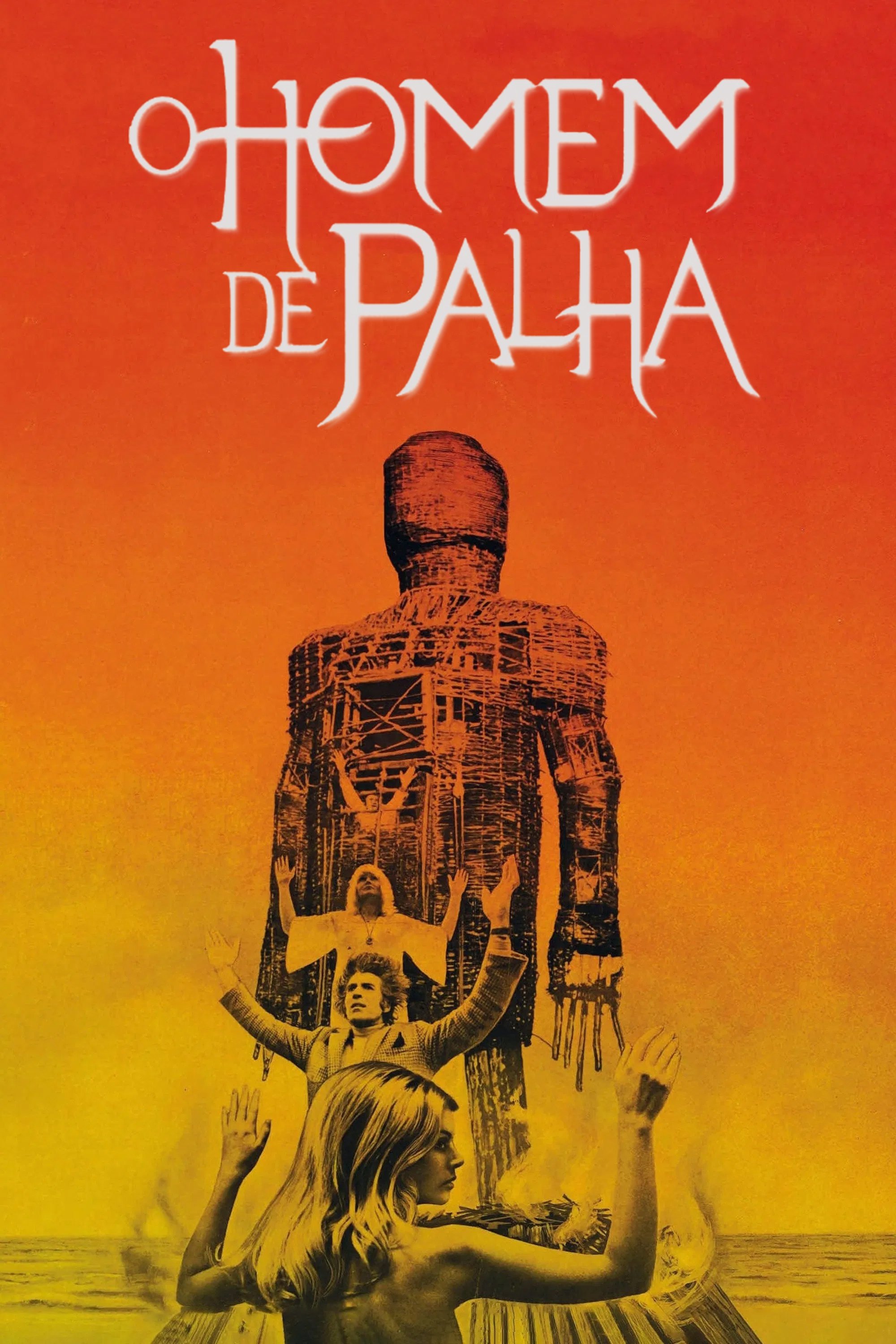
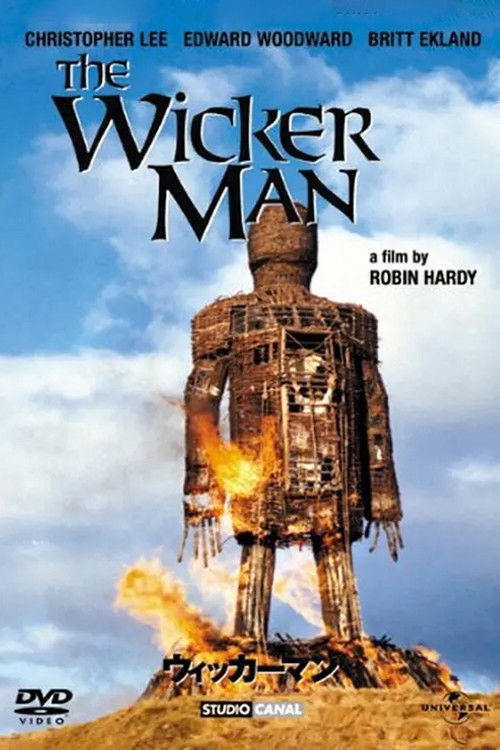
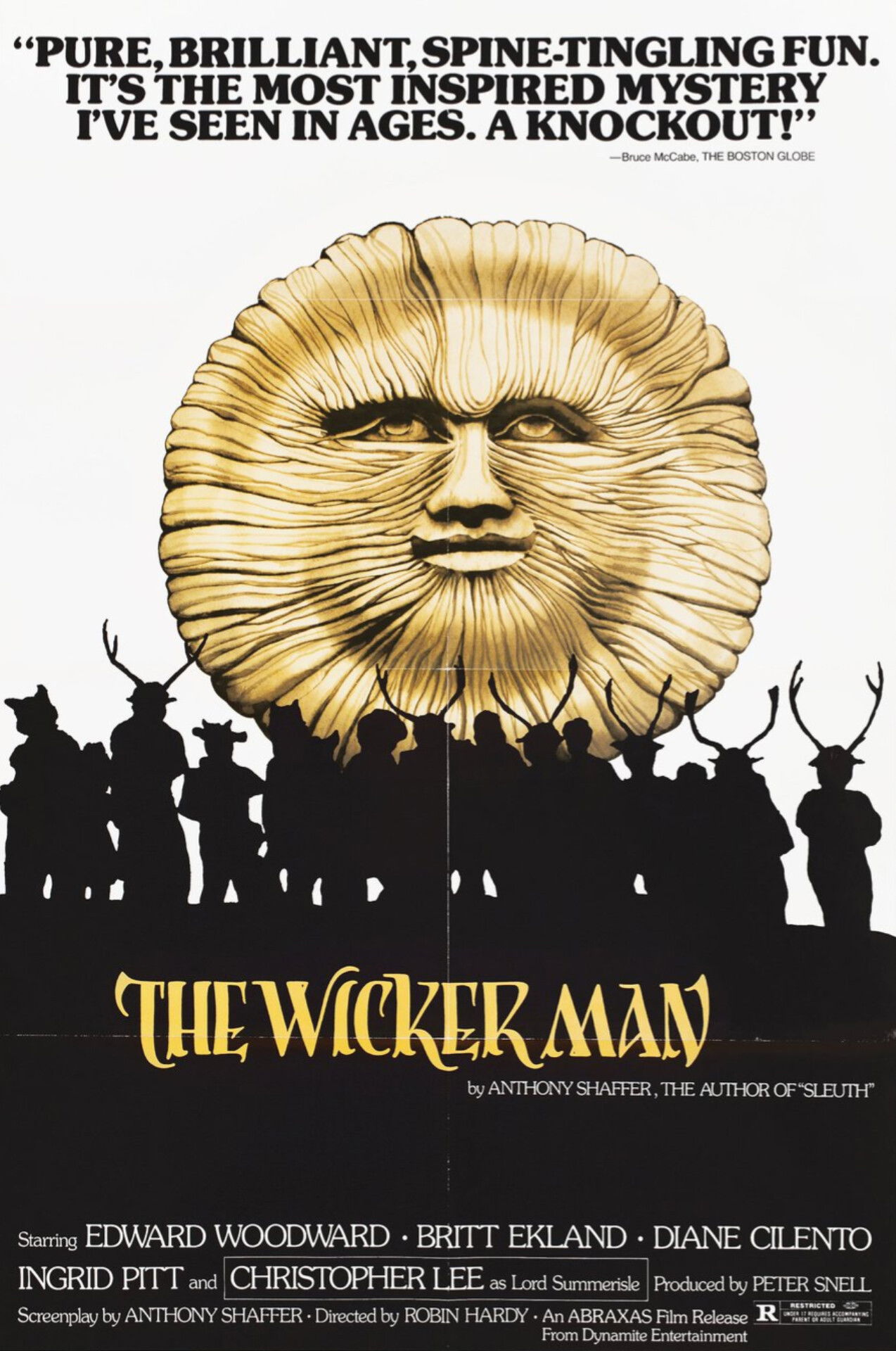
The Wicker Man (1973) poster
Director
Production Company
British Lion Films
Plot

Police sergeant Neil Howie is called to an island village in search of a missing girl whom the locals claim never existed. Stranger still, however, are the rituals that take place there.

Alternative Titles
El culto siniestro (Argentina) De gevlochten god (Belgium) — Flemish Title Le Dieu d'osier (Belgium) — French Title Грешникът (Bulgaria) — Bulgarian O Homem de Palha (Brazil) — Portuguese Le Dieu d'osier (Canada) — French Title 异教徒 (China) — Chinese 柳条人 (China)
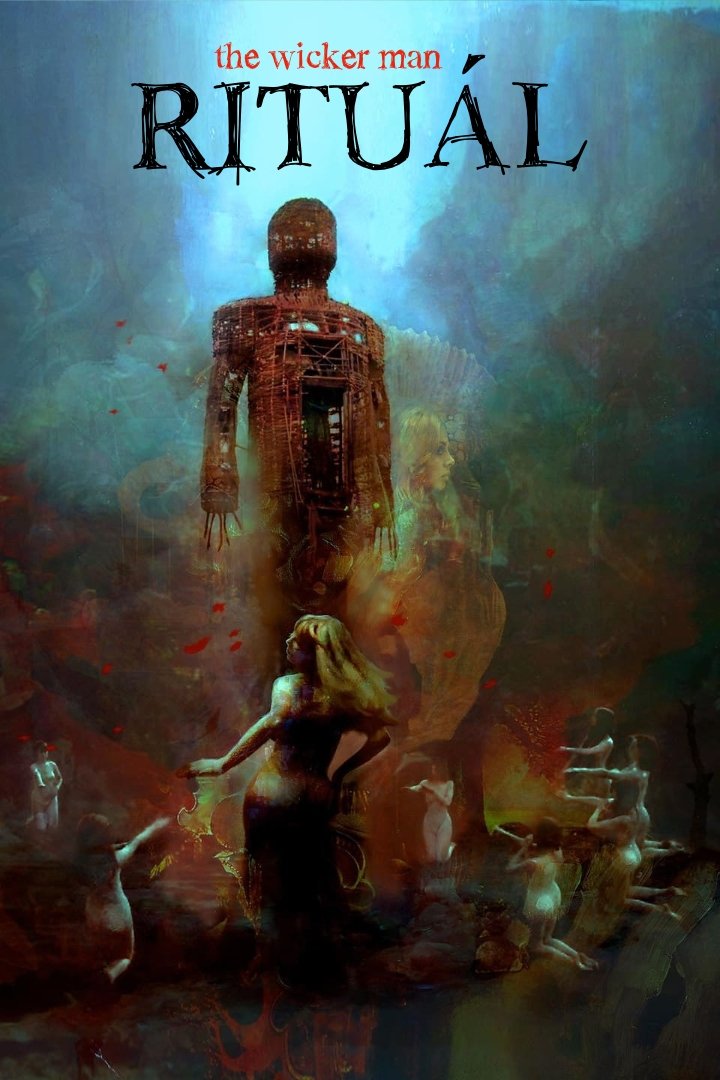
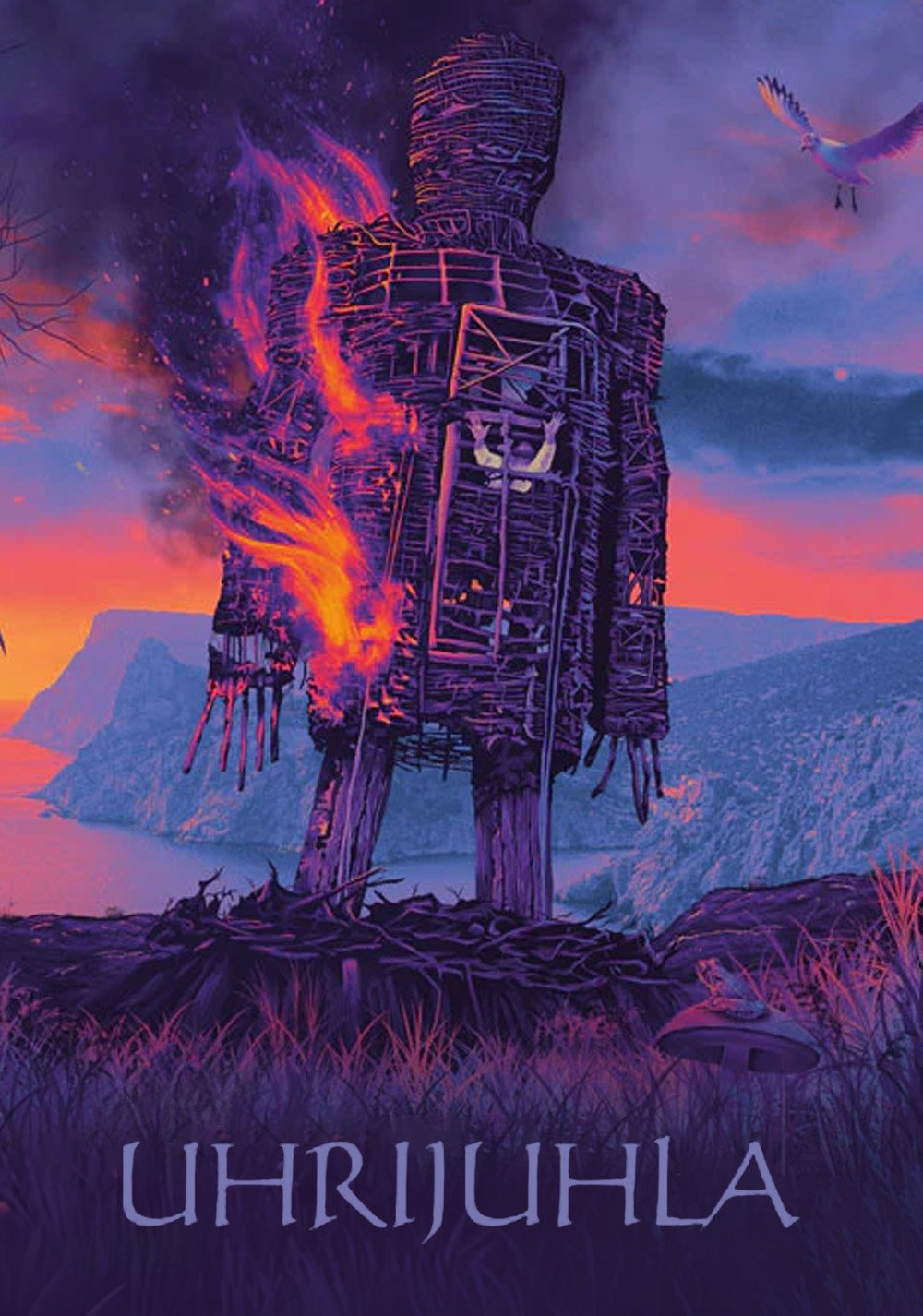
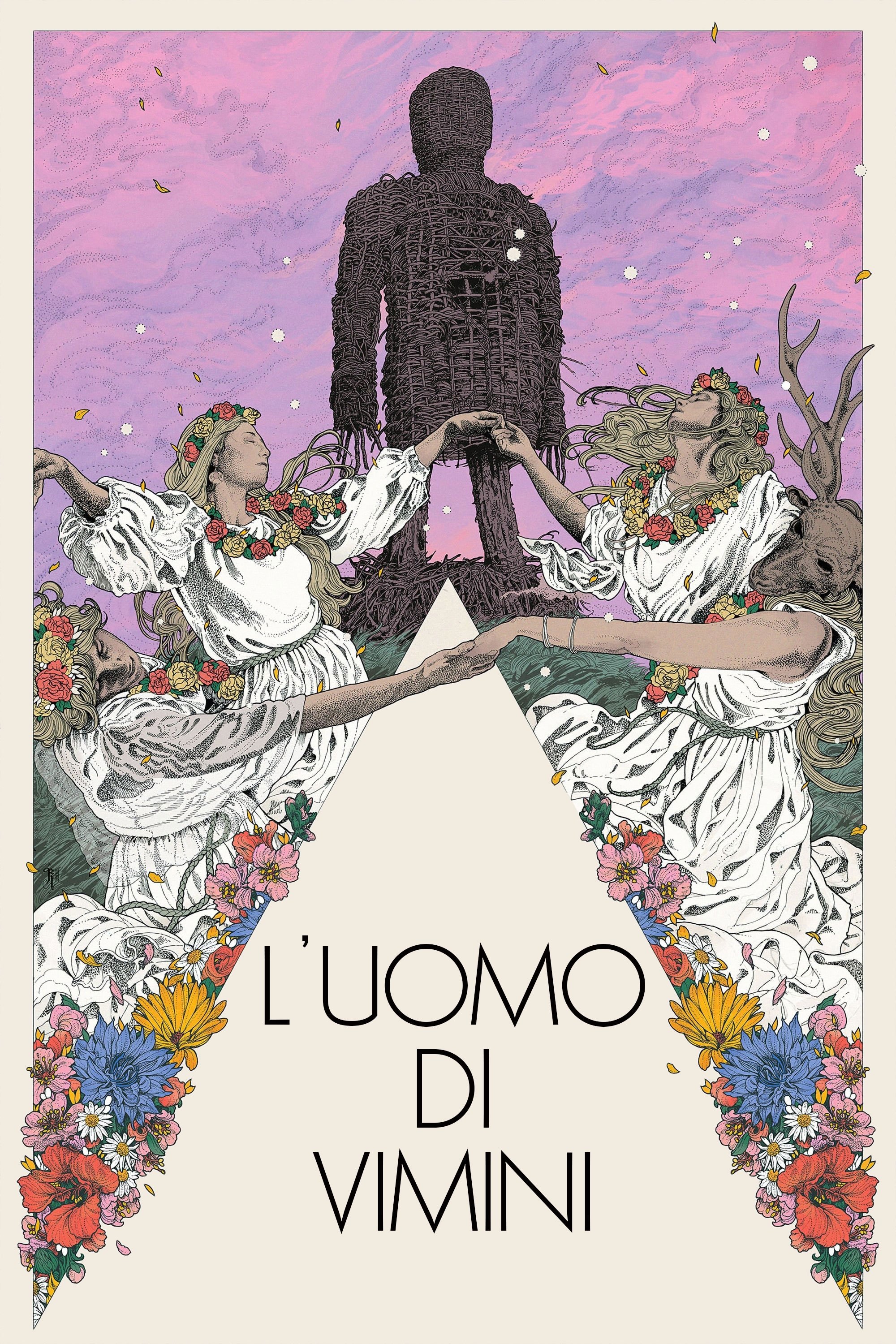
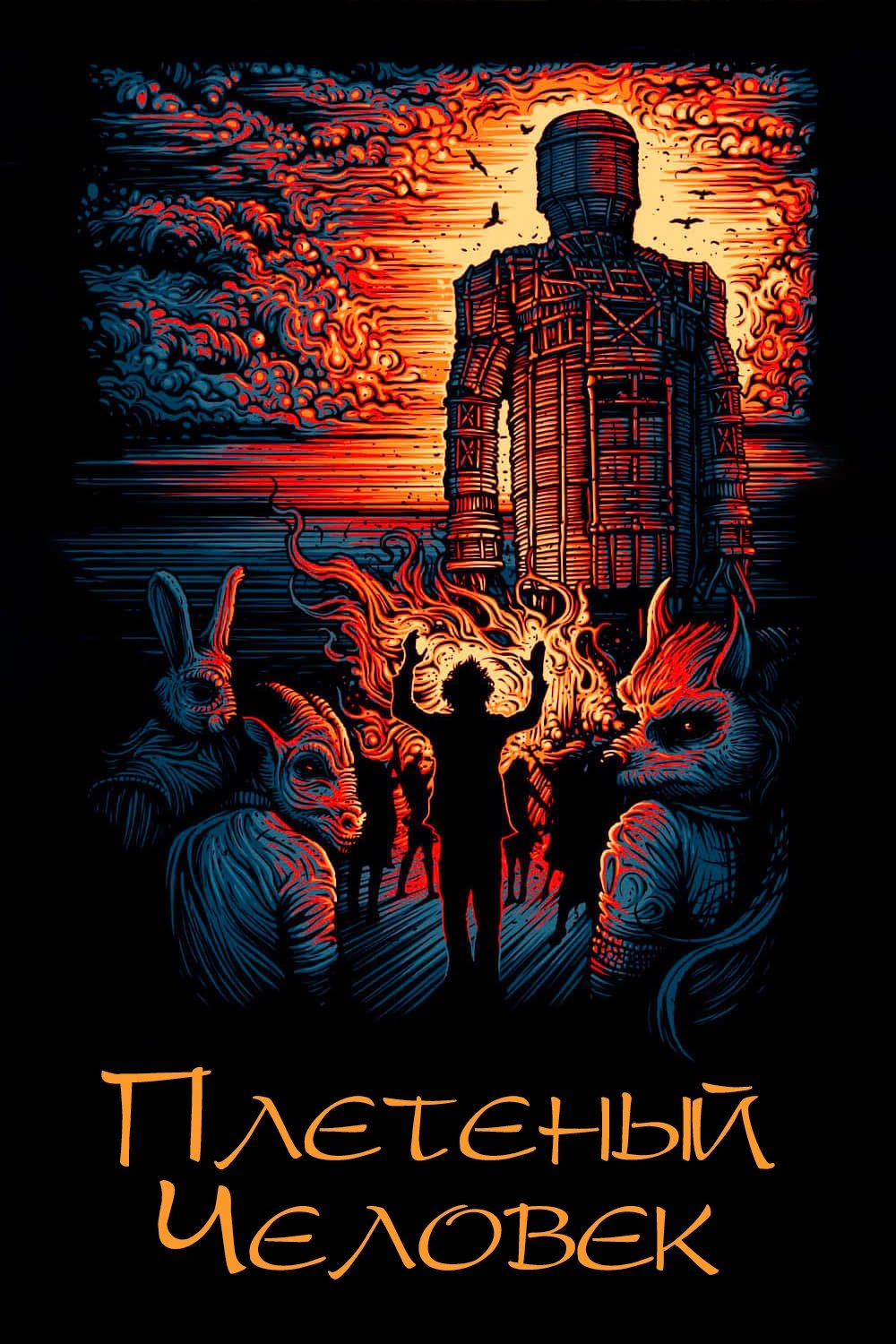
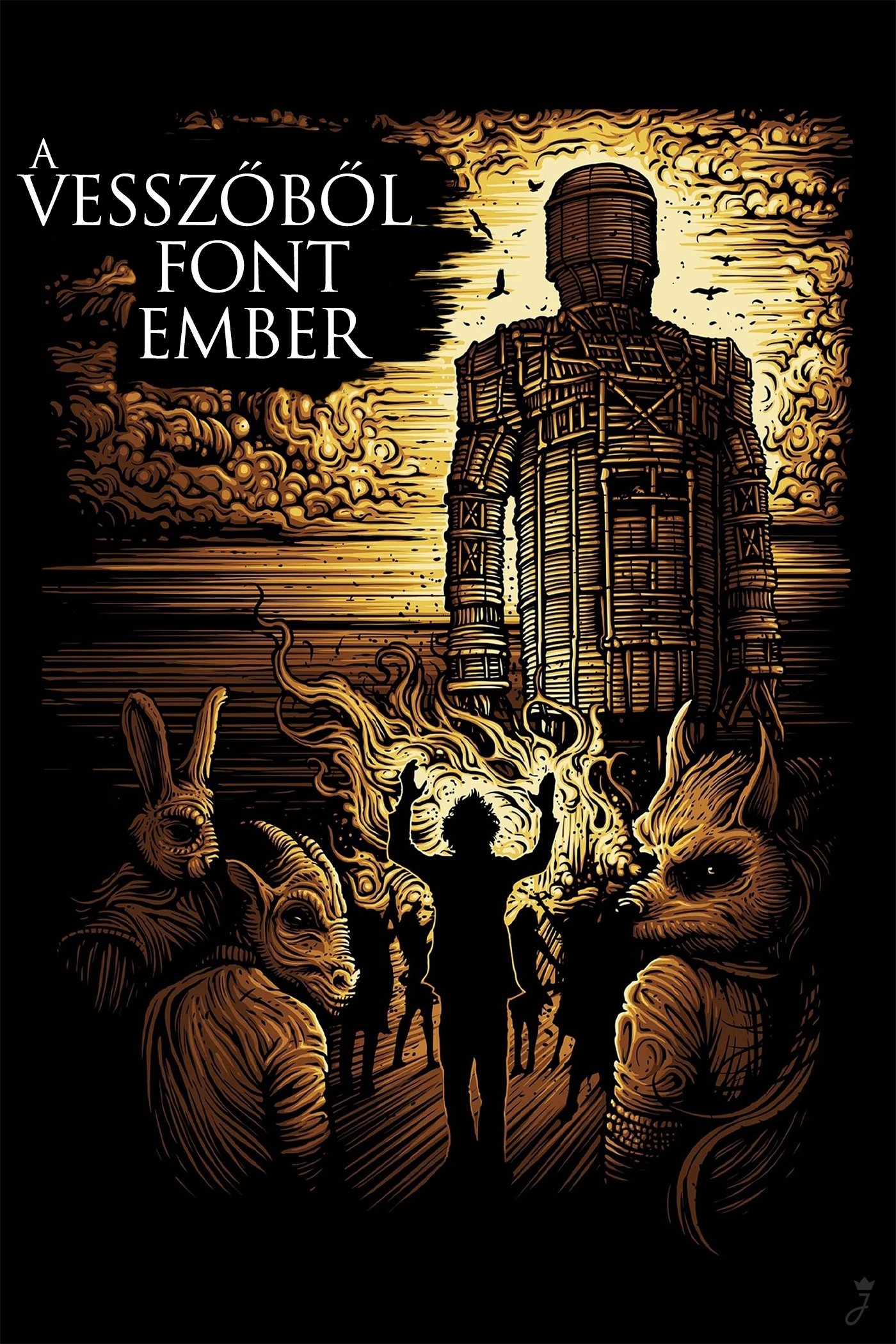
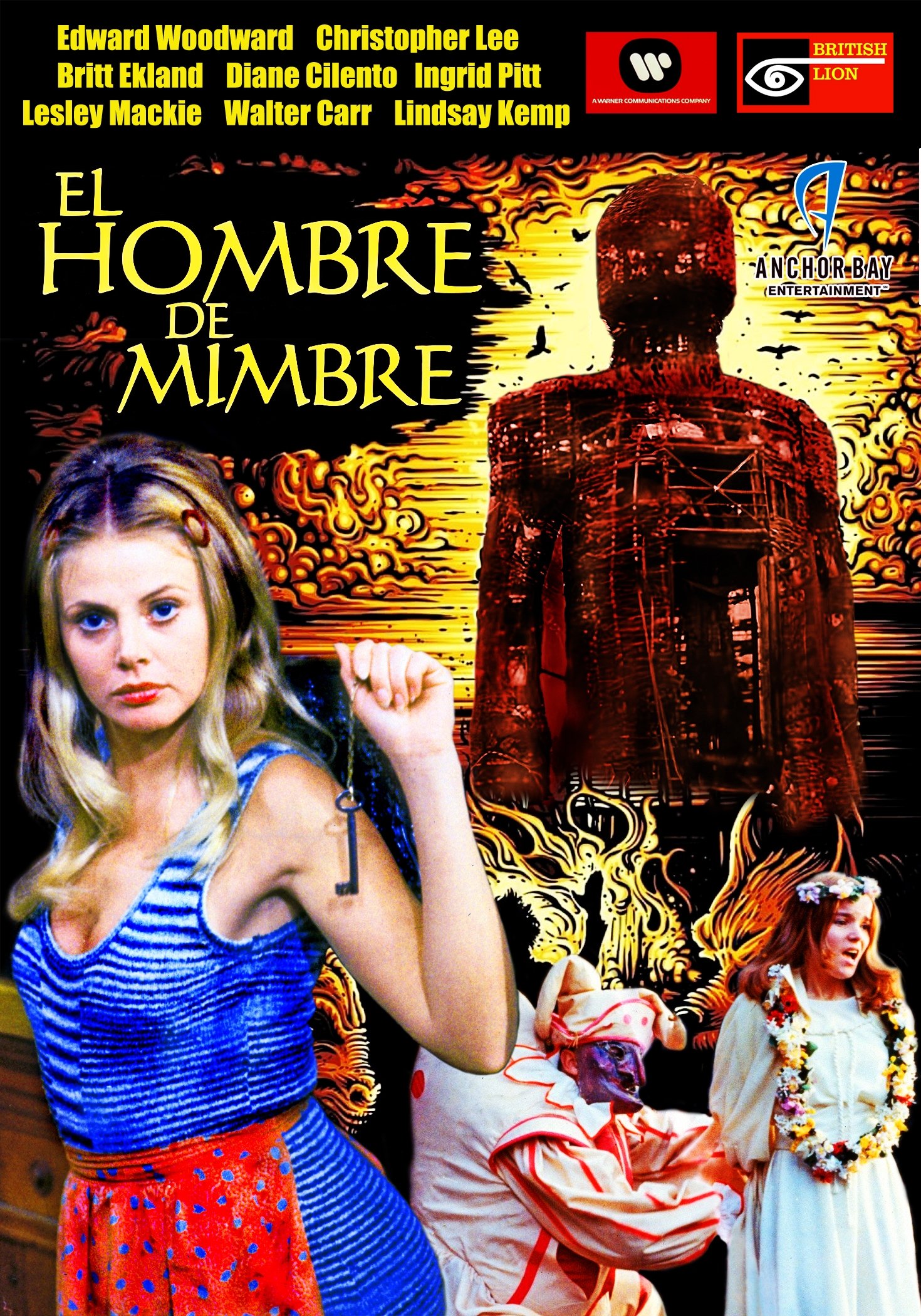
Show all 44 alternative titles Rituál (Czechia) — Czech Offerfesten (Denmark) — Danish El hombre de mimbre (Spain) L'home de vímet (Spain) — Catalan Uhrijuhla (Finland) — Finnish Le Dieu d'osier (France) — Alternative Title (from Canadian translation) Anthony Shaffer's The Wicker Man (United Kingdom) — Complete Title The Wickerman (United Kingdom) — alternative spelling To katarameno skiahtro (Greece) — transliteration Το Καταραμένο Σκιάχτρο (Greece) — Greek 異教徒 (Hong Kong SAR China) — Chinese Čovjek od pruća (Croatia) — Croatian A vesszőből font ember (Hungary) — Hungarian איש הקש (Israel) — Hebrew L'uomo di vimini (Italy) — festival title ウィッカーマン (Japan) — Japanese 위커 맨 (South Korea) 위커 맨: 파이널 컷 (South Korea) — Korean 위커맨 (South Korea) Karklų žmogus (Lithuania) — Lithuanian El hombre de mimbre (Mexico) — Spanish Narrenes konge (Norway) — alternative title Kult (Poland) — Polish Slomiane bóstwo (Poland) — Television Title O Sacrifício (Portugal) — Portuguese Човек од прућа (Serbia) — Serbian Плетеный человек (Russia) — Russian Dödlig skörd (Sweden) — Swedish Moz iz protja (Slovenia) — Slovenian Pleteznik (Slovenia) — alternative title Плетеный человек (Russia) — Russian Title Gizemli Ada (Türkiye) — Turkish 異教徒 (Taiwan) Плетена людина (Ukraine) — alternative title El culto siniestro (Venezuela) Hình Nhân Liễu Gai (Vietnam) — Vietnamese

Trailers & Videos

10 videos

Film Guide & Analysis

Robin Hardy transformed a detective mystery into a collision of Christianity, pagan ritual and folk tradition that became one of the defining works of British horror.

The Wicker Man (1973) begins like a mystery and ends as a ritual whose design has been visible almost from the beginning. Police Sergeant Neil Howie travels to the isolated Scottish island of Summerisle after receiving a report that a young girl, Rowan Morrison, has disappeared. The inhabitants deny or evade almost everything he asks, but their greater affront to Howie is ideological: the island has abandoned Christianity for a reconstructed pagan religion built around fertility, seasonal celebration, sexuality and the cycles of nature.

Robin Hardy's feature debut, written by Anthony Shaffer, achieves its horror without depending on conventional monsters or sustained violence. Summerisle is bright, musical and outwardly welcoming. Children sing, villagers drink and dance, crops and flowers define the landscape, and ritual is integrated into daily life. The threat grows from the realization that every apparently eccentric detail belongs to an organized system whose logic Howie cannot accept until he is already trapped inside it. What emerged from a troubled original release has since become one of the central works associated with folk horror, a film in which landscape, belief, music and community are as important to the horror as the final act of sacrifice.

Production & Development

The film grew from the friendship and earlier professional partnership between Robin Hardy and playwright Anthony Shaffer. Hardy later recalled that Shaffer visited him in New York and that the two spent a weekend devising the basic story: a policeman would be drawn to a Scottish island by the disappearance of a girl and gradually discover that the investigation itself was part of a larger design. The concept drew loosely on David Pinner's 1967 novel Ritual, whose rights had been acquired before Shaffer developed a substantially different screenplay.

Shaffer was less interested in adapting Pinner's plot directly than in constructing a confrontation between systems of belief. The investigation provided a structure through which Howie could encounter one ritual or custom after another without immediately understanding their combined purpose. His profession is also essential to the mechanism: he arrives expecting that evidence, questioning and legal authority will allow him to impose order on Summerisle. Instead, the islanders control virtually every piece of information available to him.

Producer Peter Snell brought the project to British Lion. Christopher Lee, who wanted roles capable of taking him beyond the Gothic typecasting associated with his Hammer work, became Lord Summerisle. Edward Woodward was cast as Howie after other possibilities had been considered. Hardy later emphasized the importance of Woodward playing against the more rebellious screen persona audiences knew from television. Howie's rigidity had to remain credible because the film takes both his faith and Summerisle's religion seriously.

The production itself became entangled in management changes at British Lion. By the time the film was completed, the company was entering a period of corporate upheaval. That instability would become decisive during post-production and release, eventually affecting the marketing of The Wicker Man and determining which version audiences could see.
Building Summerisle in Scotland

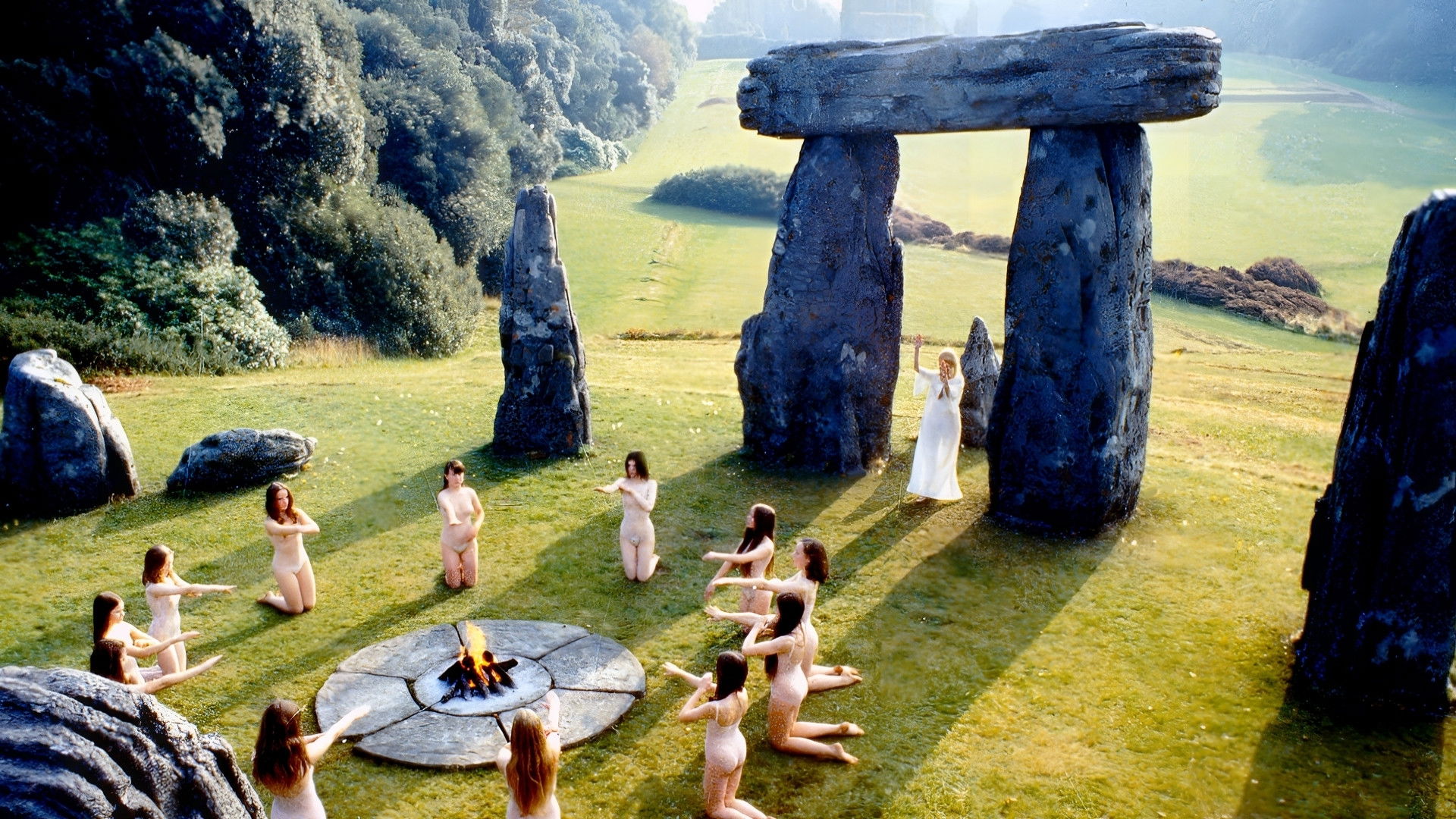
Summerisle does not exist. Hardy constructed the fictional island by combining locations across southwestern Scotland, especially Dumfries and Galloway. Kirkcudbright provided streets and buildings, Gatehouse of Fleet contributed exterior locations for the Green Man inn, and the bar interior was filmed at the Ellangowan Hotel in Creetown. Anwoth supplied the schoolhouse and ruined church, while St Ninian's Cave and the coastline around Burrow Head became crucial locations for the final stages of Howie's journey.

The geographical fragmentation never feels accidental because the film treats Summerisle less as a realistically mapped island than as an enclosed cultural environment. Each new location reveals another aspect of its belief system: the school teaches fertility symbolism openly, the ruined church demonstrates the displacement of Christianity, the pub transforms folk song into communal ritual, and the landscape itself is interpreted through ideas of death and rebirth.

The production faced an obvious seasonal problem. The story takes place during the approach to May Day, yet Hardy recalled that the Scottish material was photographed in November. Leaves and artificial blossom therefore had to be attached to trees to maintain the illusion of spring. For wider aerial material, where disguising an entire landscape would have been impractical, footage was shot in South Africa.

That artificial spring is paradoxically well suited to the story. Summerisle presents itself as an island where the natural world has been brought into harmony with human ritual, but even the film's apparently abundant landscape had to be manufactured. The result is visually pastoral without becoming reassuring. Green fields, coastlines, flowers and sunlight do not protect Howie from horror; they are the setting in which the island's sacrificial system makes sense.

Religion, Ritual & Folk Horror

The conflict examines competing systems of belief beyond the straightforward opposition of a Christian officer and a pagan community. Hardy described himself as a student of comparative religion and resisted treating either belief system as uncomplicated truth. Howie is courageous and ultimately sincere, but he is also judgmental, authoritarian and incapable of approaching Summerisle without moral disgust. Lord Summerisle is charming, educated and tolerant in ways Howie is not, yet he presides over a society willing to kill a human being to restore its harvest.

Shaffer's screenplay repeatedly places the two religions in parallel. Howie interprets the islanders' sexual customs, May Day rituals and fertility symbols as evidence of barbarism, but the islanders regard his own beliefs in virginity, resurrection and salvation as equally strange. The film's final movement intensifies the comparison and leaves its tensions unresolved. Faced with death, Howie does not abandon Christianity; he becomes more completely defined by it. The islanders similarly remain committed to the sacrificial logic of their own religion.

The horror therefore emerges from certainty. Both Howie and Summerisle believe that their systems explain the world. The difference is that Summerisle controls the island and has constructed the investigation around Howie's predictable behavior. His moral qualities are turned into requirements of the ritual: he must possess the characteristics the islanders consider appropriate for sacrifice, and he must arrive at the final location through actions he believes are freely chosen.

This integration of belief, rural landscape, folklore and ritual became fundamental to the film's later identification with folk horror. The Wicker Man was not alone in exploring Britain's violent or supernatural past, but its particular vision of ancient custom surviving inside a modern community became one of the defining models for the genre.

Cinematography & Pastoral Unease

Harry Waxman's cinematography rarely presents Summerisle in the visual language of conventional Gothic horror. There are no permanently dark castles or perpetually stormy landscapes. Much of the film occurs in daylight, and the Scottish locations are photographed with an openness that makes the island initially appear attractive. This brightness is essential because the danger does not exist outside the community's normal life. It is contained within it.

Hardy repeatedly allows disturbing information to occupy otherwise ordinary compositions. A woman nurses a child in the remains of a Christian church. Children perform a maypole song whose symbolism is openly sexual. A jar in a pharmacy contains something grotesque without the film changing its visual register to announce a scare. The accumulation creates unease because Howie's reactions are extreme while the inhabitants behave as though nothing unusual is happening.

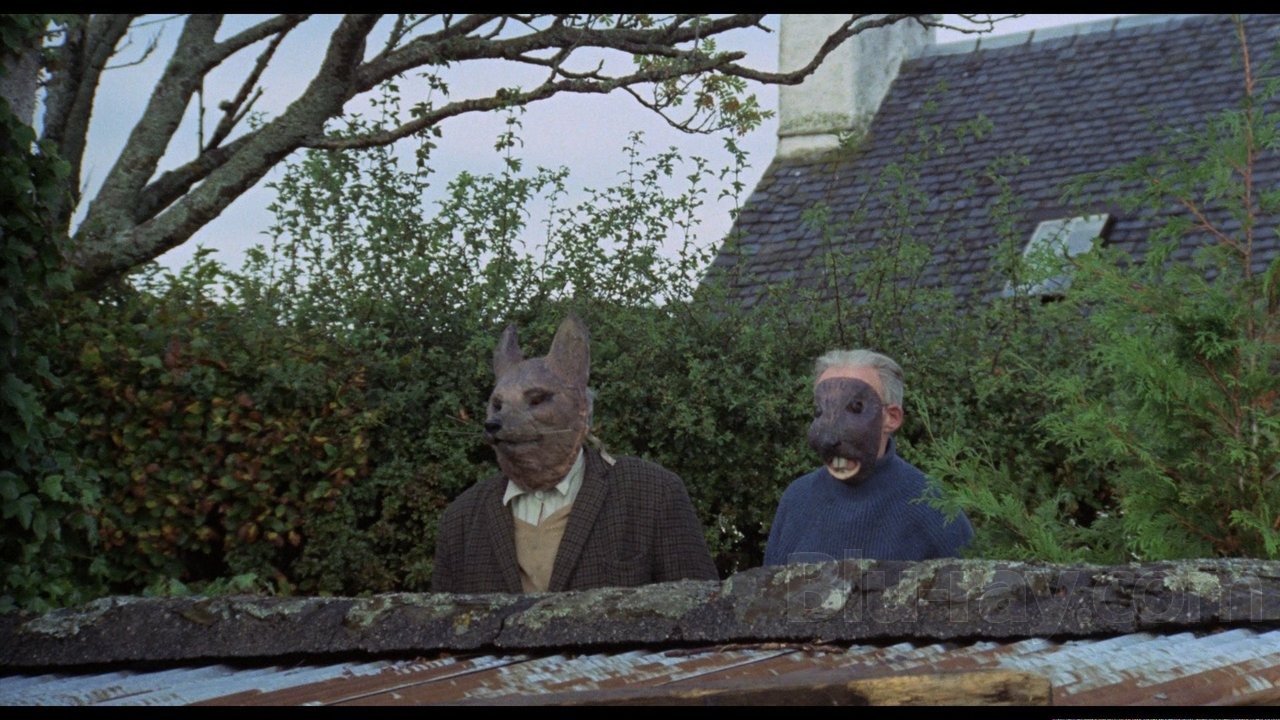
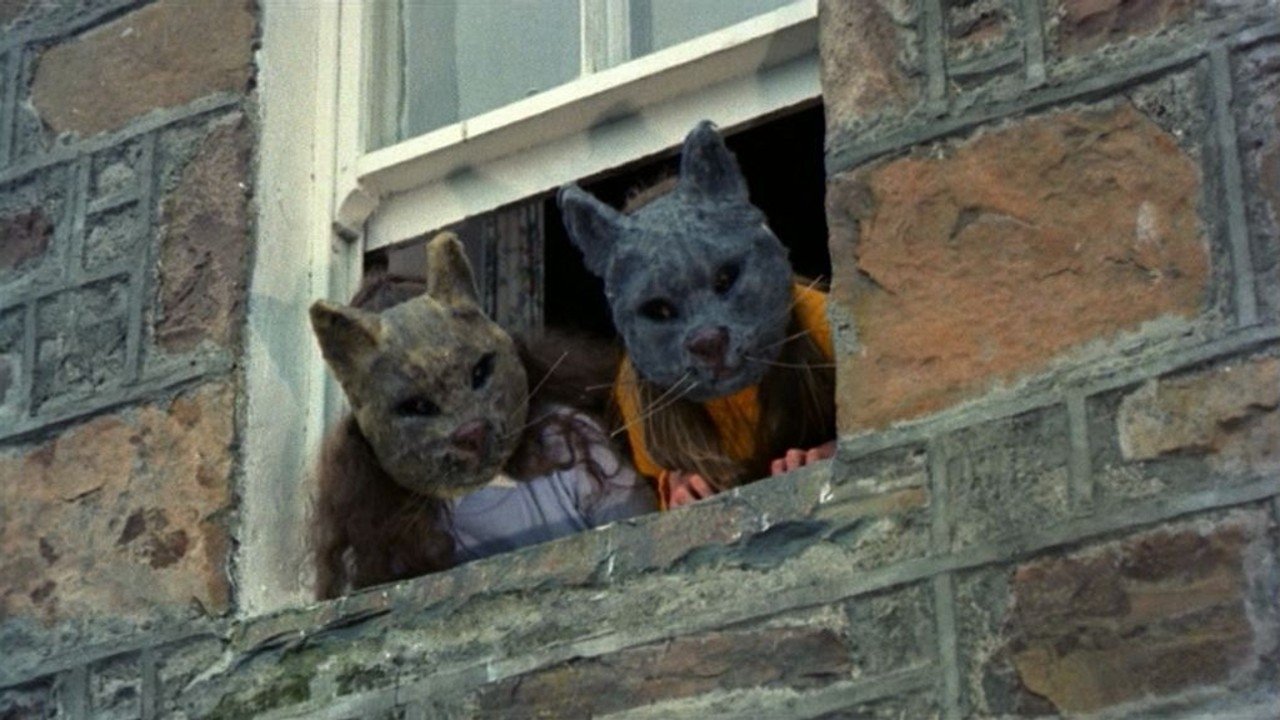
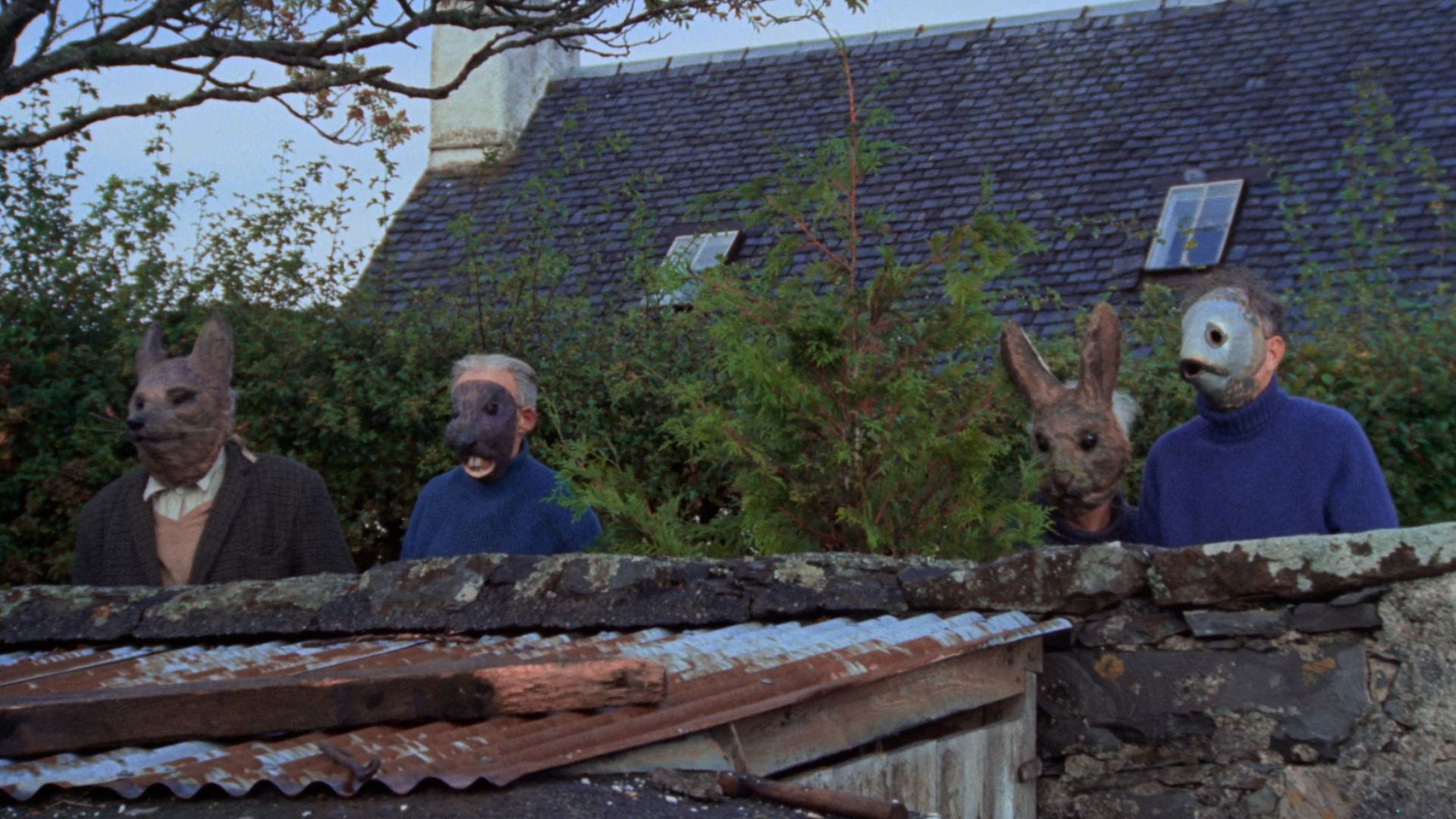
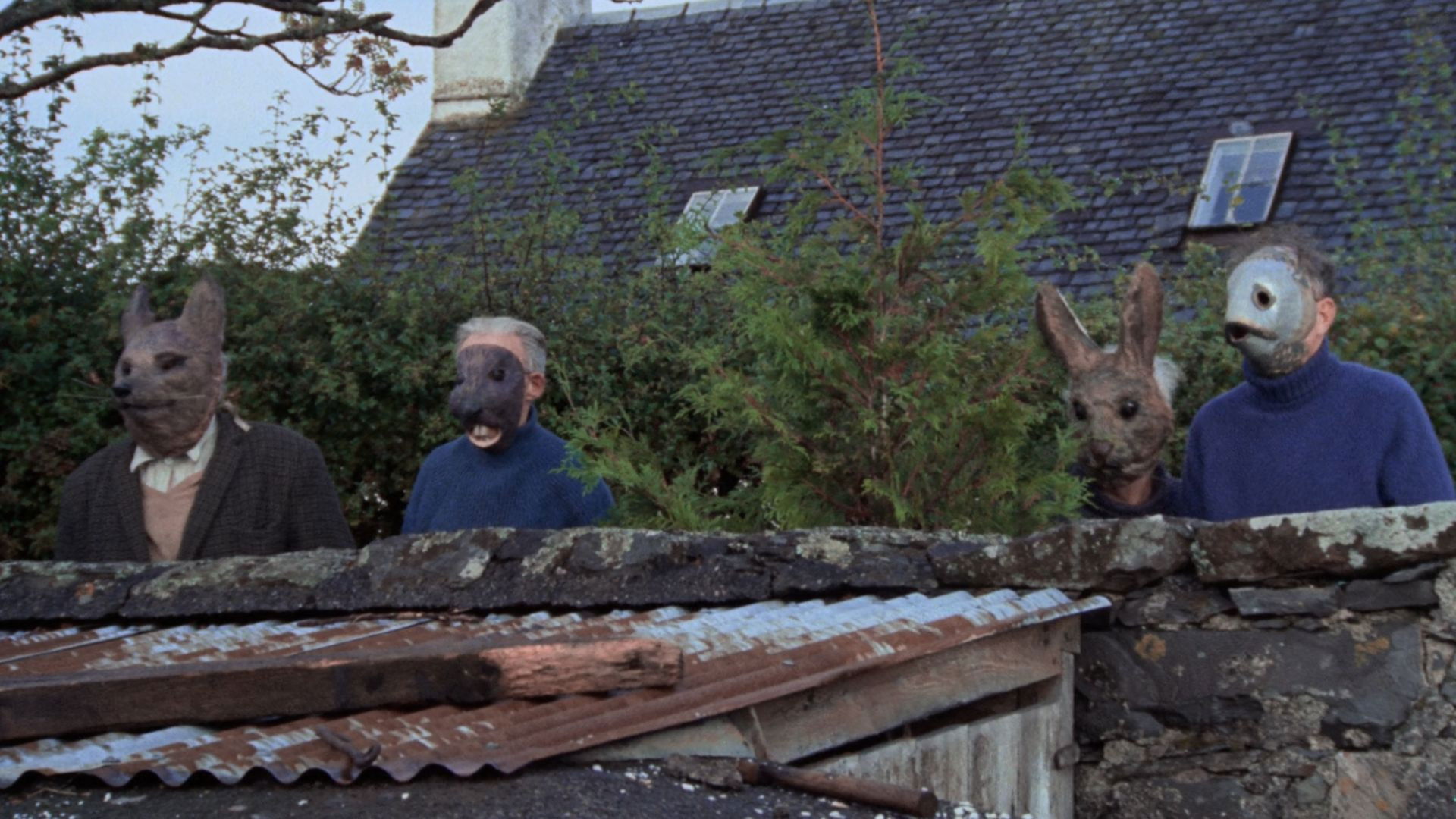
The visual contrast becomes increasingly important during the May Day procession. Costumes, animal masks and ceremonial objects could appear ridiculous if separated from the ritual surrounding them. Within Summerisle they are treated with complete seriousness. The film allows bright color and festive movement to coexist with the knowledge that the ceremony is leading toward death.

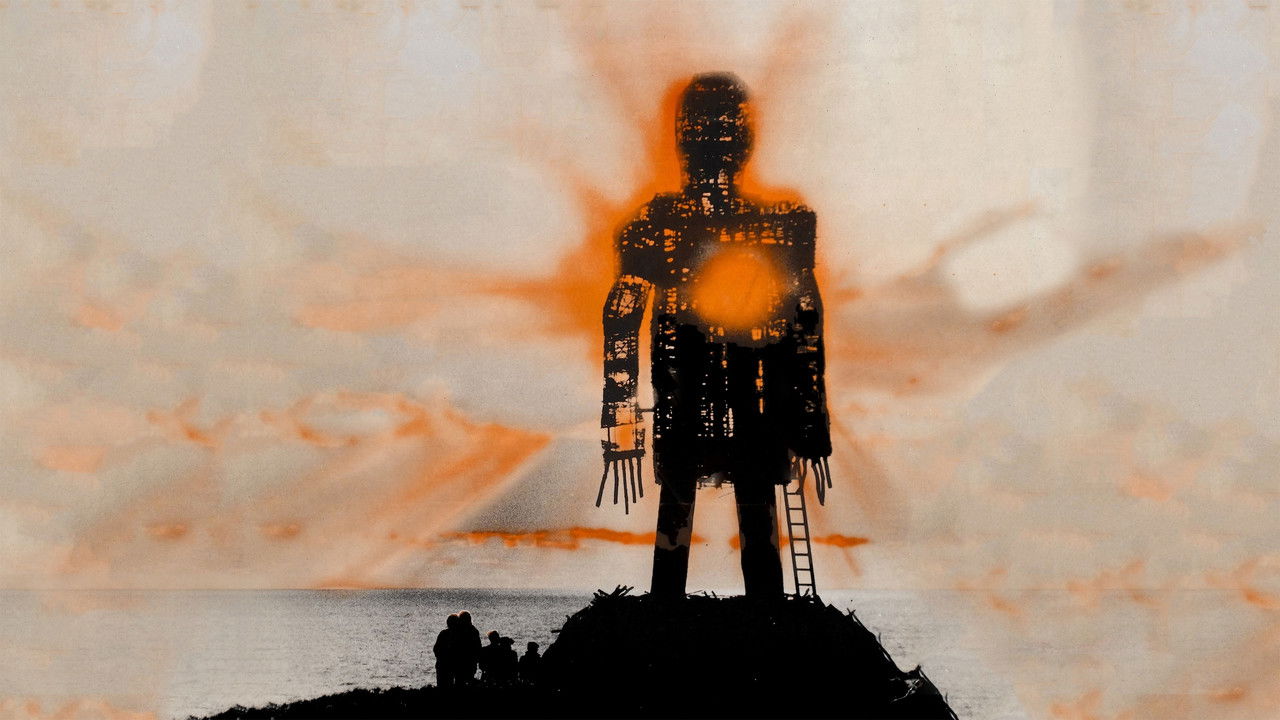
The final location at Burrow Head brings these strategies together. The giant wicker figure stands in an exposed coastal landscape, visible across the surrounding area. Hardy recalled that Edward Woodward had previously seen only drawings of the structure, helping preserve the shock of Howie's first encounter with it. Two large wicker constructions were used for different shots. The final sacrifice is spectacular, but its power comes partly from how naturally it occupies the same landscape the film has spent establishing as beautiful.

Music as Part of Summerisle

Music is not decoration in The Wicker Man; it is part of the island's social structure. Paul Giovanni wrote and adapted the songs, while Gary Carpenter assembled musicians who performed as Magnet. Carpenter later recalled that the musicians recorded the material before filming and were then brought to Scotland, where music could be integrated directly into scenes.

Hardy wanted folk songs because they could communicate information that would otherwise require explanatory dialogue. The maypole song teaches the children and the audience about fertility. Songs in the Green Man establish the inn as a communal space in which sexuality is celebrated openly. "Willow's Song" transforms an attempted seduction into something between private performance, ritual temptation and musical incantation.

The soundtrack does not belong neatly to a single historical period. Traditional material, adaptations and Giovanni's own compositions combine into music that sounds old without functioning as an archaeological reconstruction. This is appropriate for Summerisle, whose religion is itself a mixture of inherited custom, revived ritual and practices shaped by the island's rulers.

Music also organizes the ending. As the islanders complete the sacrifice, communal song becomes the audible expression of their certainty. Howie answers with Christian prayer. The two belief systems therefore confront one another not through argument but through competing acts of faith while the wicker figure burns.

The soundtrack developed an afterlife independent of the film. Later folk and alternative musicians have repeatedly cited or revisited its songs, while the BFI has identified the music as a significant part of the film's continuing cultural influence. Its importance is difficult to separate from the film itself because Summerisle would be fundamentally different without a population that sings its beliefs.

Christopher Lee, Edward Woodward & the Battle of Certainty

The Wicker Man depends heavily on the contrast between Edward Woodward and Christopher Lee. Woodward's Howie is tense almost from his arrival. His uniform, formal speech and religious certainty separate him visually and socially from the islanders, who appear relaxed even while obstructing his investigation. Woodward avoids making him merely ridiculous. However intolerant he can appear, his determination to find Rowan eventually becomes genuine bravery.

Lee works in the opposite direction. Lord Summerisle does not behave like a conventional horror villain. His authority is effortless, and he explains the island's beliefs with amusement and intelligence. Hardy considered Lee's commanding presence and voice ideal for the role. The performance also allowed Lee to move away from the silent or visibly monstrous figures with which horror audiences strongly associated him.

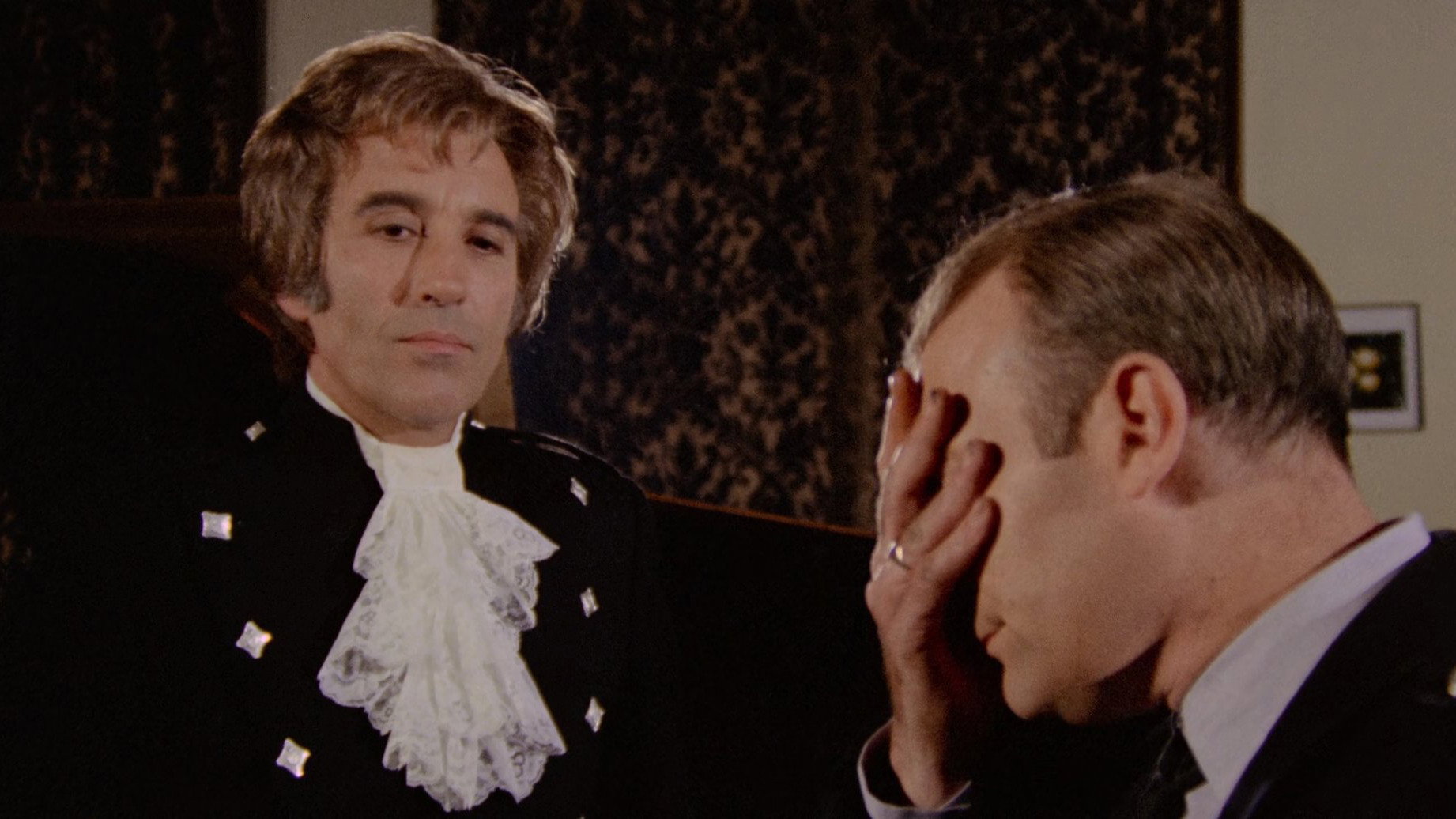
Their confrontation becomes more interesting because neither man doubts himself. Howie initially believes Summerisle is an educated man indulging primitive superstition; Summerisle regards Howie's Christianity as another mythology whose adherent has failed to recognize that he is already participating in a different ritual. The islander's politeness makes the imbalance of power more disturbing.

When Howie finally attempts to challenge Summerisle's reasoning by predicting that another failed harvest will make the islanders demand Summerisle himself as the next sacrifice, the film introduces doubt without confirming who is correct. The crop may recover or fail. The gods may exist or not. What is certain is only that belief has become powerful enough to determine who lives and who dies.

The Lost Cut, Theatrical Version & Final Cut

The version history of The Wicker Man is unusually important because the film shown to original British audiences was not the form Hardy had intended. The BBFC records that an approximately 99-minute version was reduced by British Lion to about 87 minutes so that the film could function conveniently as the supporting feature in a double bill with Nicolas Roeg's Don't Look Now.

The cuts altered more than duration. Material establishing Howie's journey, the rhythm of his stay and several musical or ritual elements disappeared. A different, longer version subsequently surfaced through material that had been sent to American producer and director Roger Corman. Hardy later used surviving prints to reconstruct a version closer to his preferred arrangement, but the original elements were incomplete and different releases continued to circulate.

In 2001, Canal+ assembled surviving material into a longer version marketed as the Director's Cut. The BBFC classified it at 15, a significant change from the X certificate given to the original theatrical release in 1973. The shorter cut was subsequently reclassified at the same level.
Another reconstruction followed in 2013. The Final Cut, prepared with Hardy's involvement, uses the best surviving materials to create a version of roughly 93 minutes. It does not represent the recovery of every frame of a pristine original 99-minute negative; rather, it is a reconstruction shaped by what survived and by Hardy's judgement about the preferred structure.

The existence of several cuts has become part of the film's mythology, but the history should not obscure the essential point: The Wicker Man was substantially shortened before its initial British release, and decades of restoration have been attempts to reverse decisions imposed during the film's troubled distribution history.

Release, Reappraisal & Legacy

British Lion initially treated The Wicker Man as commercially difficult. The shortened film reached British cinemas in December 1973 as the second feature to Don't Look Now. Hardy later recalled that executives had characterized it as effectively unreleasable, an extraordinary fate for a film that would eventually become one of the most celebrated works of British horror.

Contemporary response was not uniformly dismissive. In the January 1974 Monthly Film Bulletin, David McGillivray reviewed the shortened theatrical version positively, finding considerable enjoyment in its mixture of folklore, mystery and horror. International attention also helped the film escape the conditions of its British launch. It received a major award at a Paris fantasy festival, while later American screenings and critical advocacy broadened its reputation.

A particularly important moment came in 1977 when Cinefantastique devoted extensive attention to the film and famously presented it as an exceptional achievement in horror cinema. The phrase attached to that coverage, comparing it with Citizen Kane, became inseparable from its cult reputation even as the film moved beyond cult status.

Today the BFI describes The Wicker Man as a benchmark or pinnacle of British folk horror. Its influence can be seen in later films concerned with outsiders entering isolated communities, ritual landscapes and apparently idyllic societies whose belief systems conceal sacrificial violence. Ari Aster's Midsommar is among the modern works most frequently discussed in relation to it, although Hardy's film remains distinctive in the amount of ambiguity it preserves around both protagonist and community.

The film's achievement is ultimately larger than its famous ending. Summerisle feels convincing because religion, music, sexuality, education, agriculture and landscape all belong to the same invented culture. The sacrifice is horrifying not because it interrupts this world, but because everything seen beforehand has been preparing for it. The Wicker Man transformed the pastoral landscape into one of horror cinema's most dangerous spaces by suggesting that beneath the modern surface, an older system of belief may still be functioning perfectly.

Cast

View Full Cast & Crew →

Release & Distribution

Production Companies (1)

  • British Lion Films GB

Distributors (1)

  • British Lion Films GB

Release History (31)

Release DateTerritoryRelease TypeFormatDistributorCertificationNotes
1973-12-06 United Kingdom Theatrical — — 18
1974-01-18 Ireland Theatrical — — 18
1974-05-15 United States Theatrical — — R Atlanta, Georgia
1974-07-01 Italy Premiere — — — Trieste Sci-fi Film Festival
1974-08-07 United States Theatrical — — R
1974-09-19 Norway Theatrical — — —
1974-10-31 Brazil Theatrical — — 16
1984-05-30 Spain Physical VHS — — VHS
1998-03-21 Japan Theatrical — — R18+
2001-08-21 Canada Physical DVD — R DVD
2003-11-28 Spain Premiere — — — Sitges Film Festival
2004-10-28 Italy TV — — —
2007-01-10 France Theatrical — — —
2009-01-23 Germany Physical DVD — 16 DVD
2009-05-06 Australia Physical DVD — M DVD
2011-09-02 Spain Physical DVD — — DVD
2013-04-24 Netherlands Physical Blu-ray — 16 Bluray
2013-09-27 United Kingdom Theatrical — — 15 Re-release (Final Cut)
2013-09-27 Ireland Theatrical — — 16 Re-release (Final Cut)
2013-09-27 United States Theatrical — — R New York City, New York (Re-release)
2013-12-21 United States Limited Theatrical — — — Harvard Film Archive (Final Cut)
2017-02-27 Netherlands Physical DVD — 16 DVD
2019-05-10 Spain Physical Blu-ray — — Bluray (Final Cut)
2019-11-13 Spain Premiere — — — Molins Film Festival (Final Cut)
2019-12-06 Spain Theatrical — — 18 Barcelona - Phenomena (Subtitled Version, Technical Release)
2020-10-17 Japan Theatrical — — R18+ Re-release (Final Cut)
2023-06-21 United Kingdom Limited Theatrical — — 15
2023-07-13 Greece Limited Theatrical — — — Re-release
2023-10-19 Netherlands Theatrical — — — Re-release
2024-04-20 China Premiere — — — Beijing International Film Festival (4K)
2026-08-19 South Korea Theatrical — — 19
Flesh to touch...Flesh to burn! Don't keep the Wicker Man waiting!