

Development & Literary Adaptation
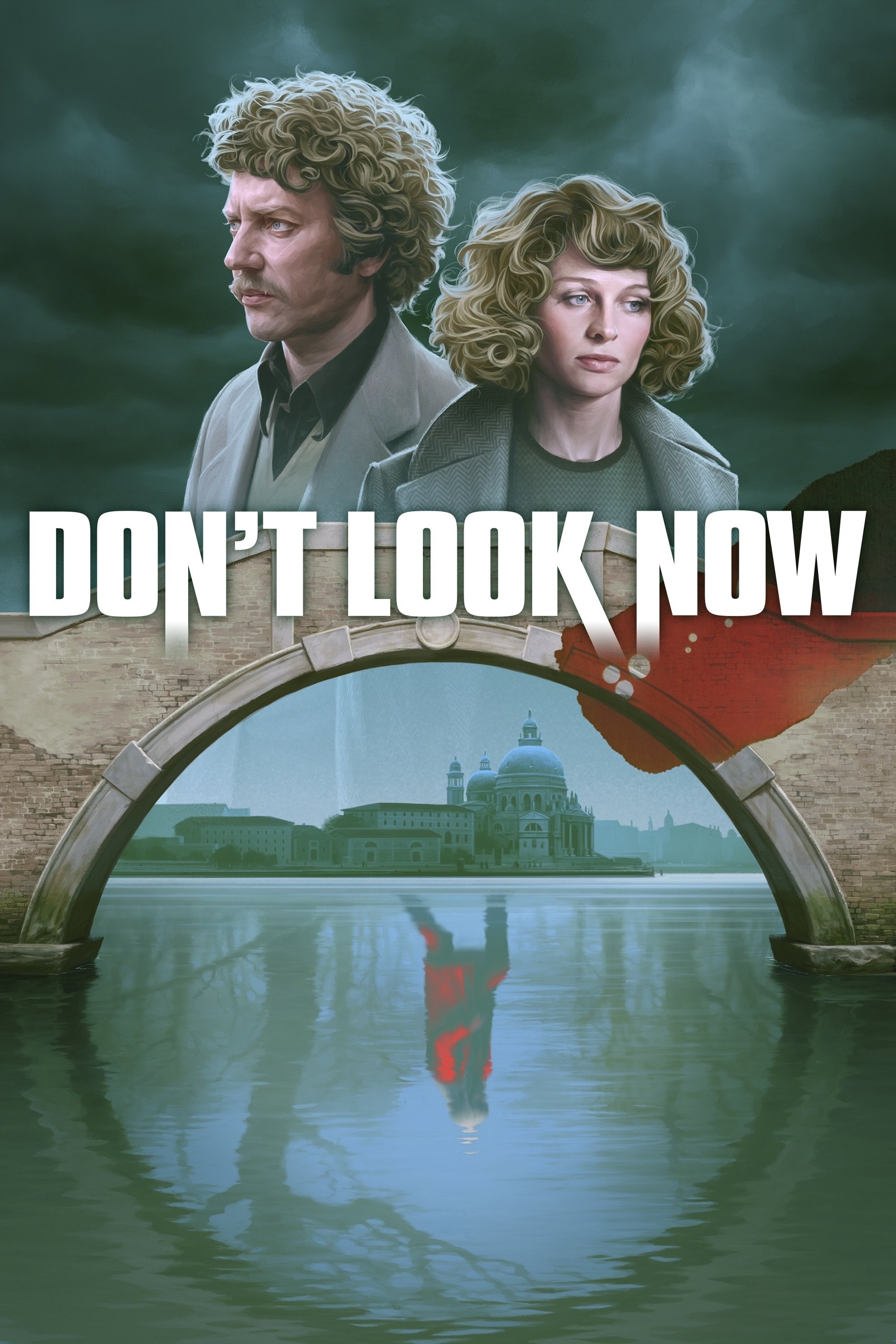
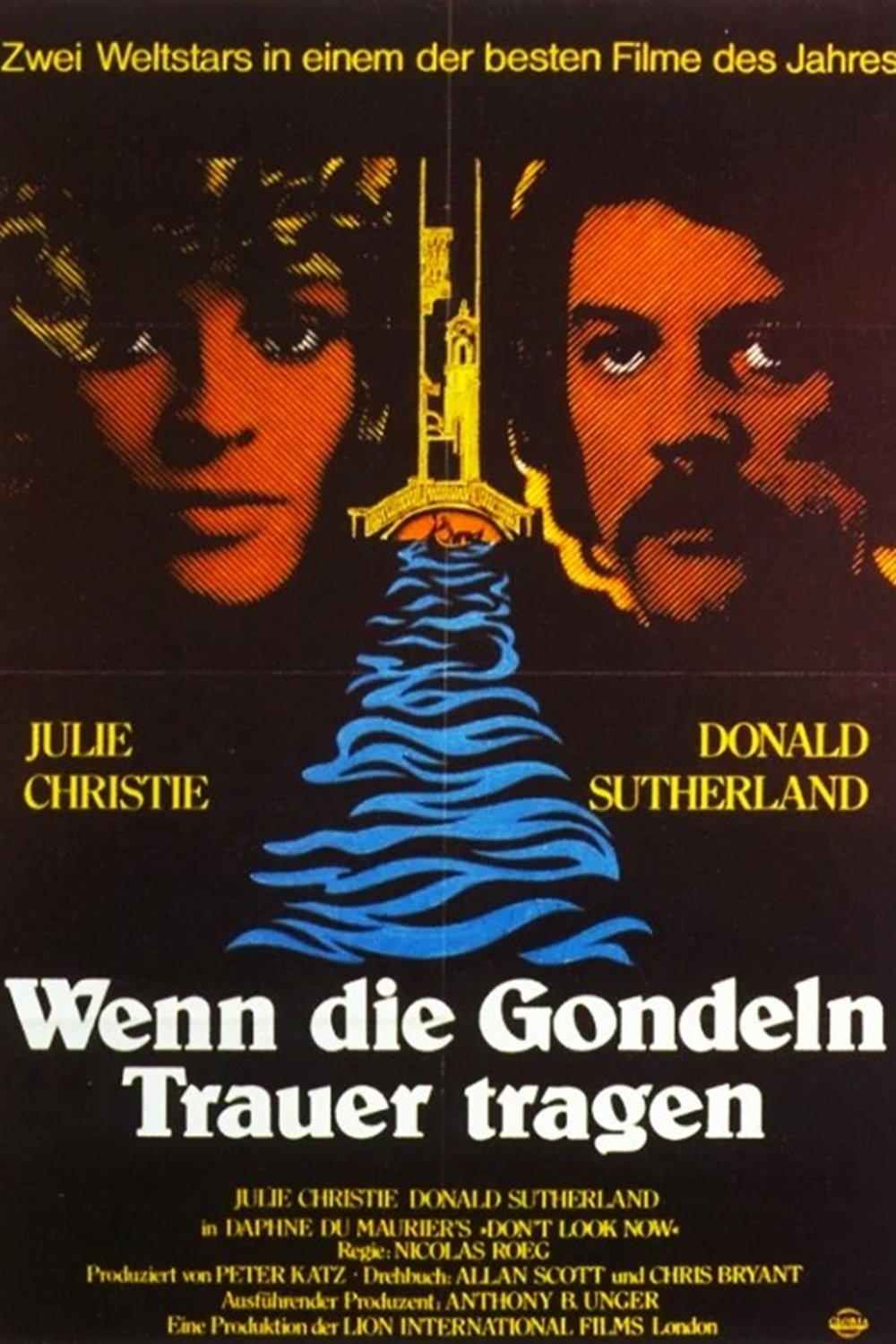
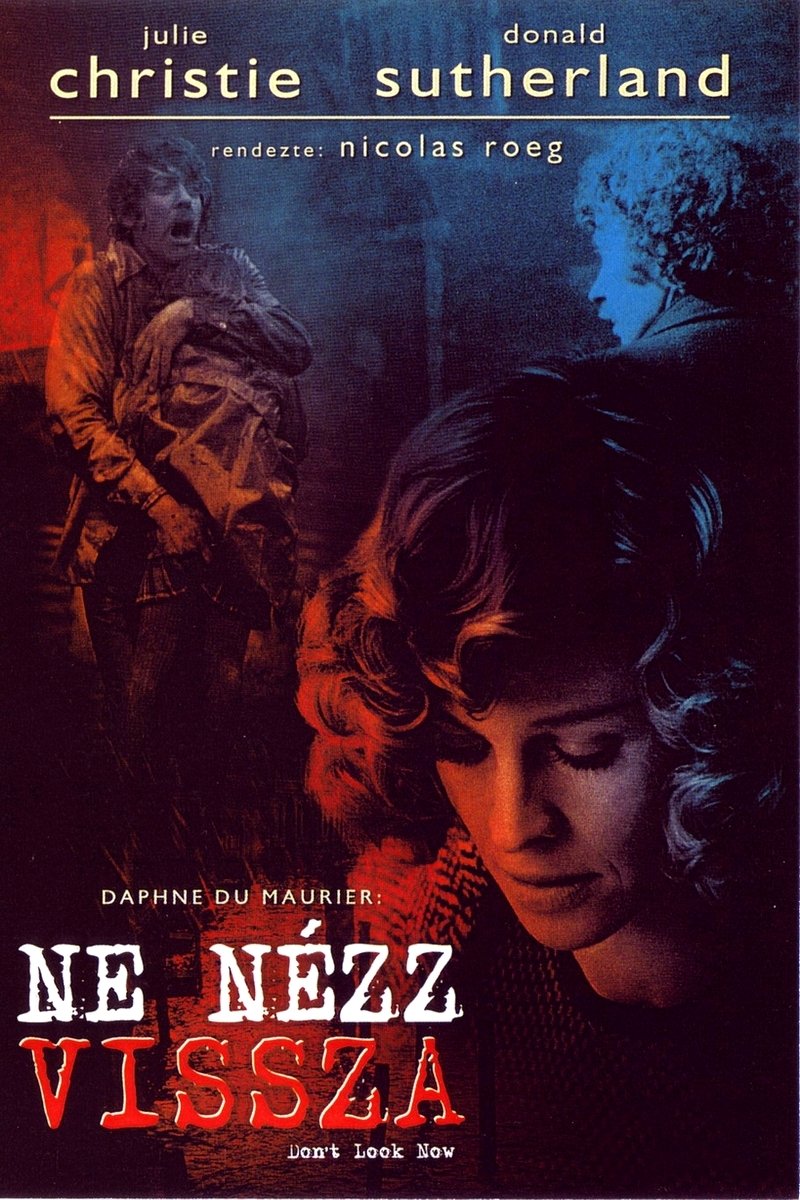
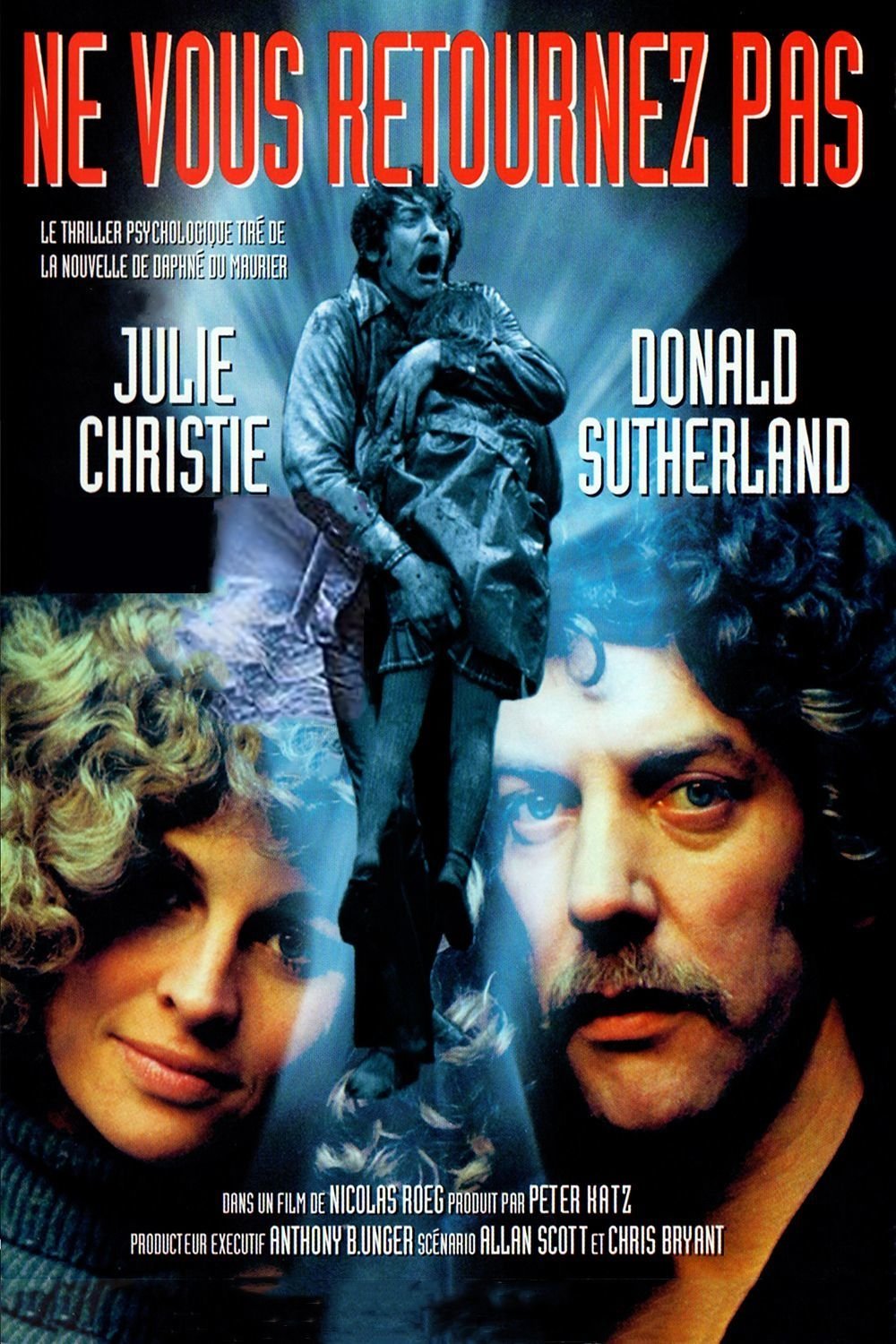
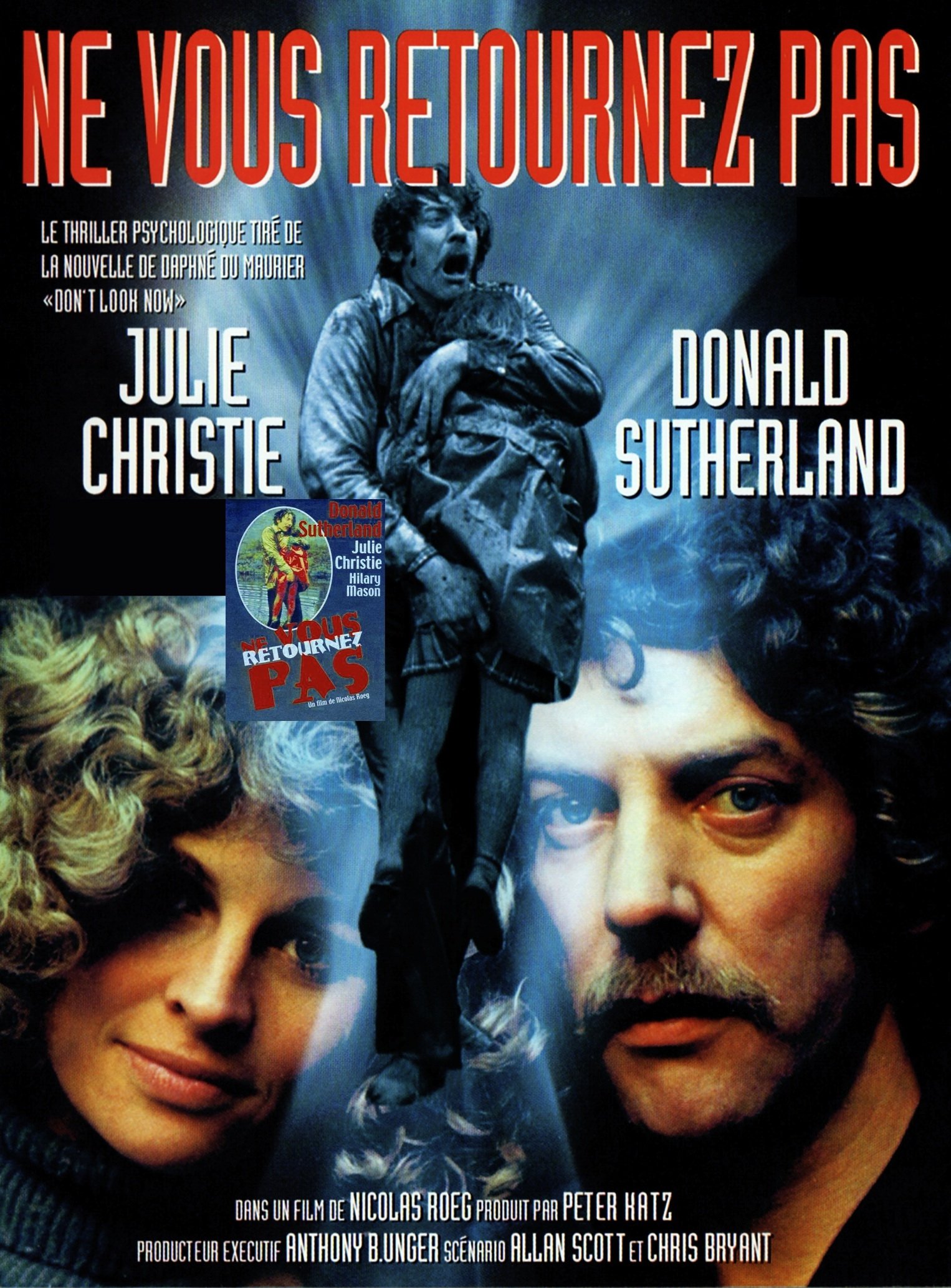
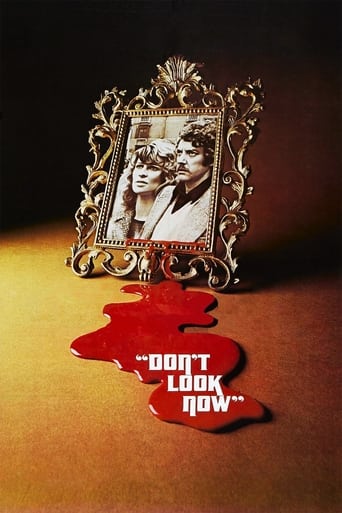
Don’t Look Now originated from a short story by Daphne du Maurier, included in her 1971 collection Not After Midnight and subsequently published under the title Don’t Look Now and Other Stories. Producer Peter Katz brought the adaptation to Nicolas Roeg, who had previously directed Performance (1970), with Donald Cammell, and Walkabout (1971). Screenwriters Allan Scott and Chris Bryant developed the material before Roeg became involved. In an interview conducted by Tom Milne and Penelope Houston for Sight and Sound in 1973, the director recalled receiving the screenplay unexpectedly and being attracted by its combination of supernatural mystery and a relatively concentrated dramatic narrative.
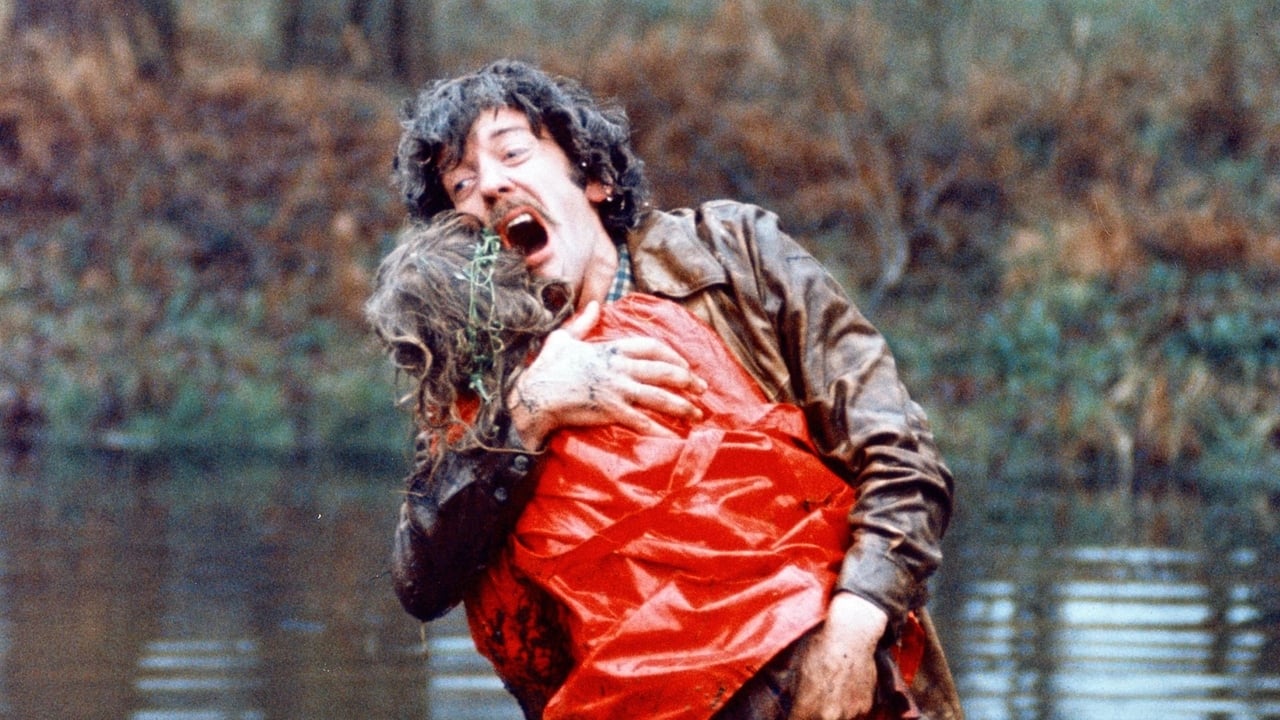
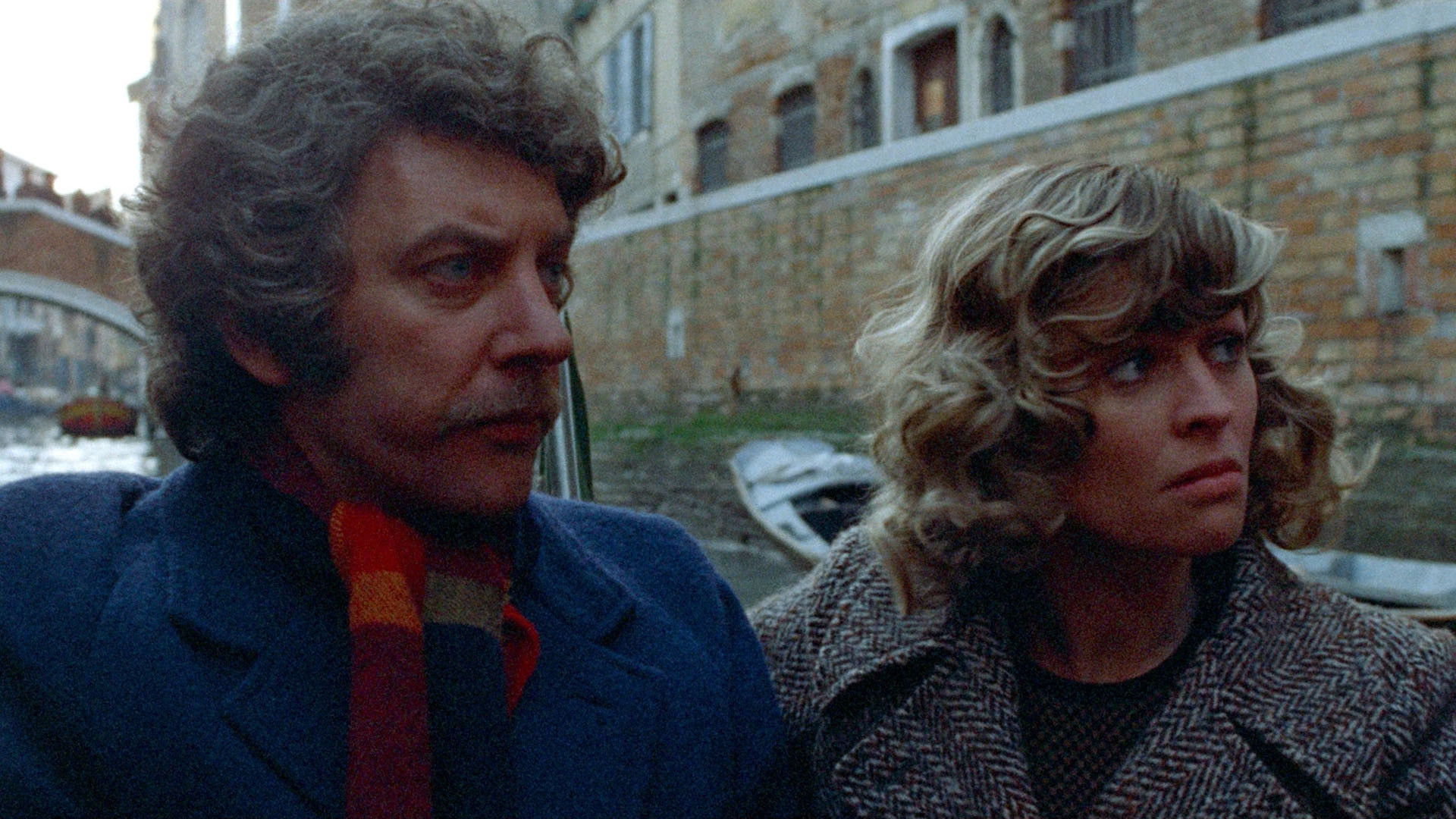
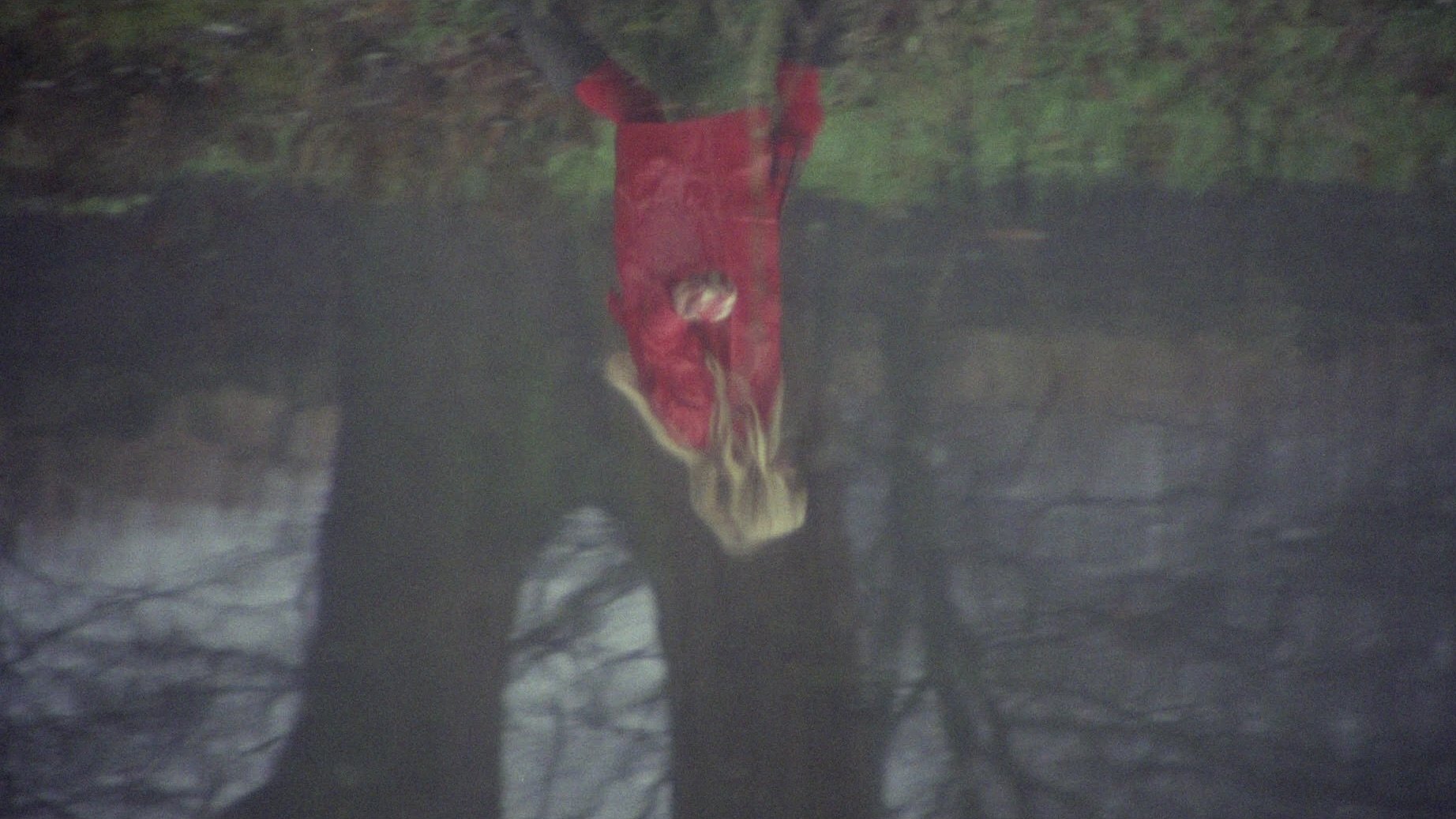
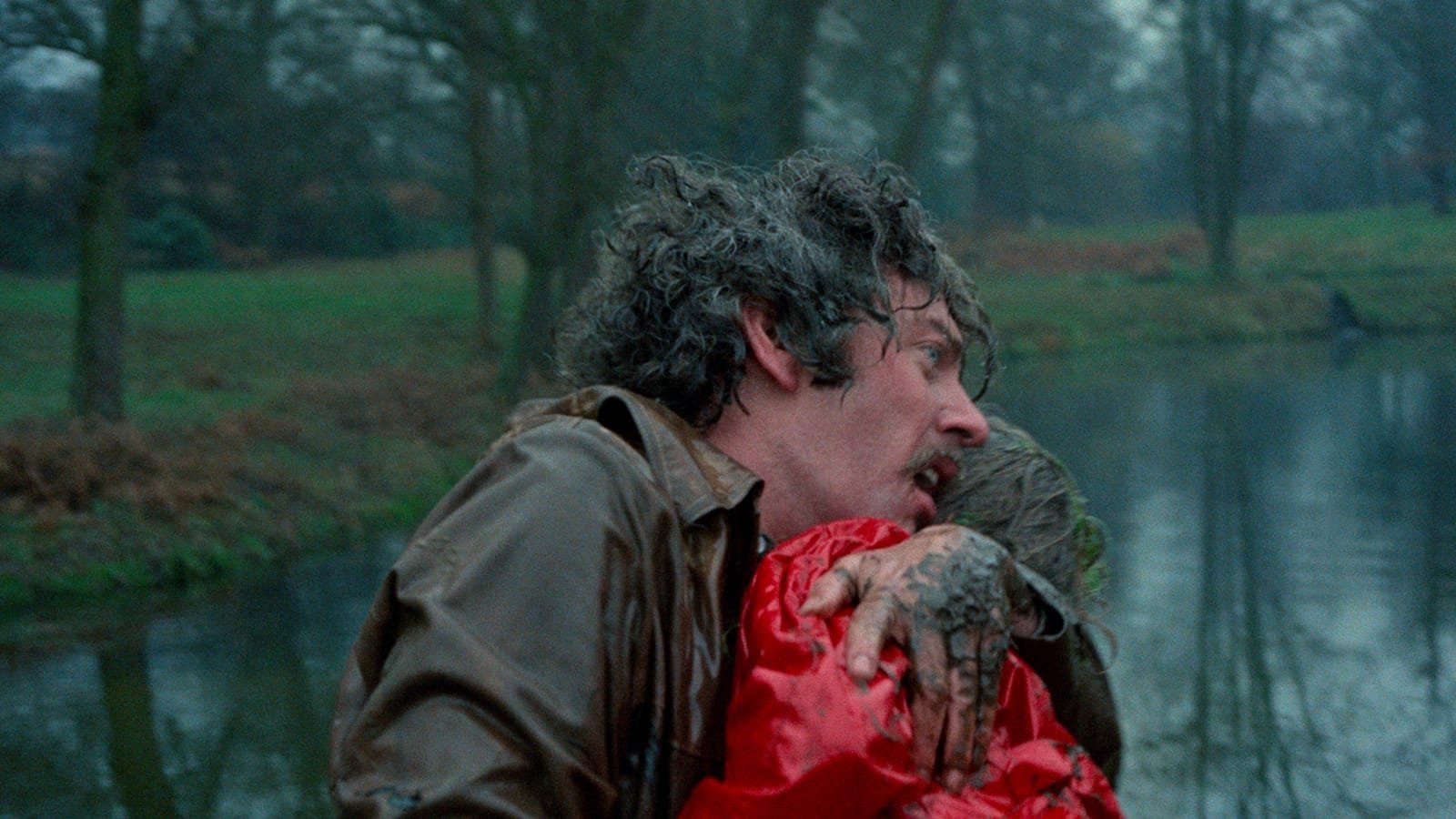
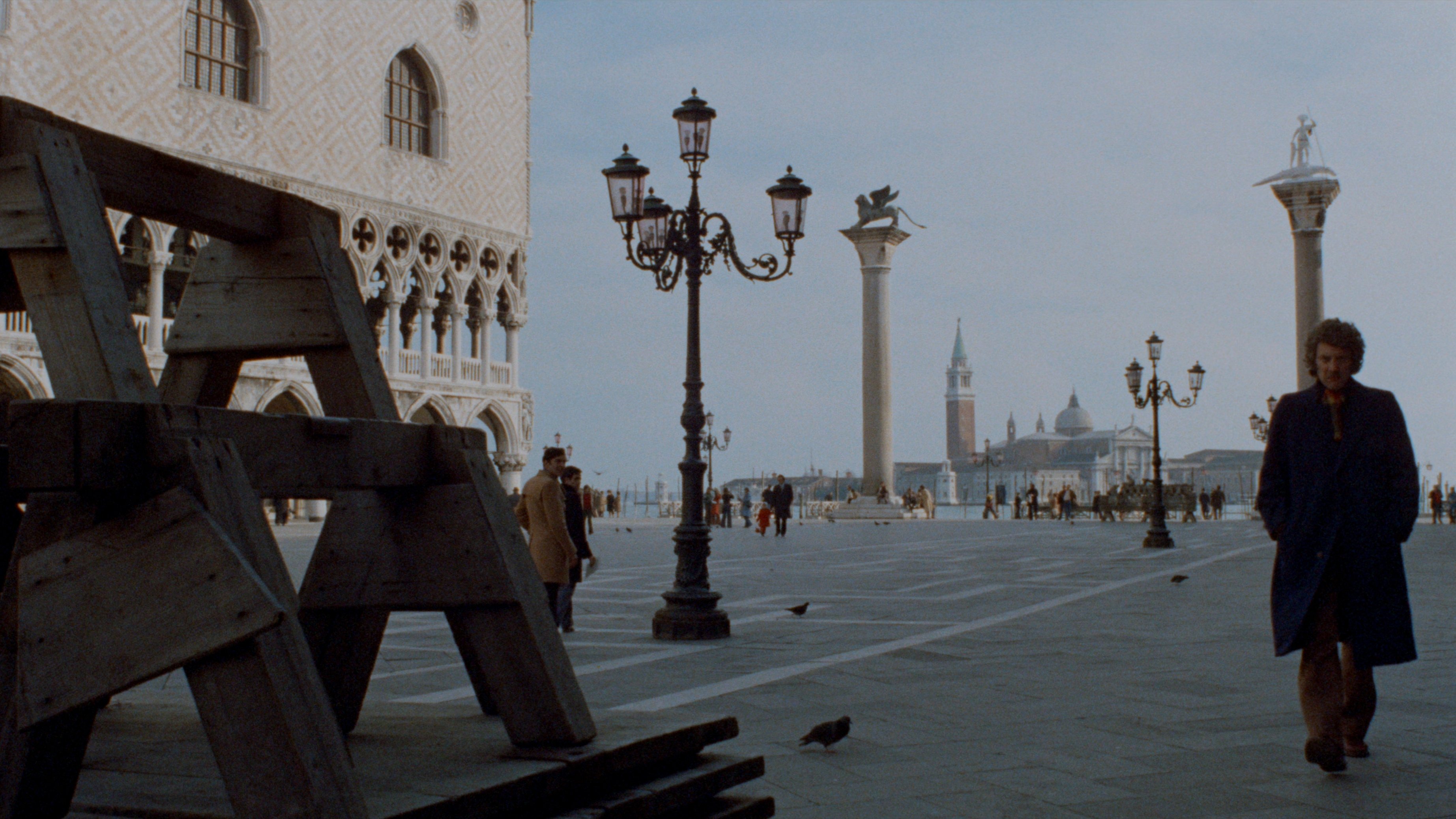
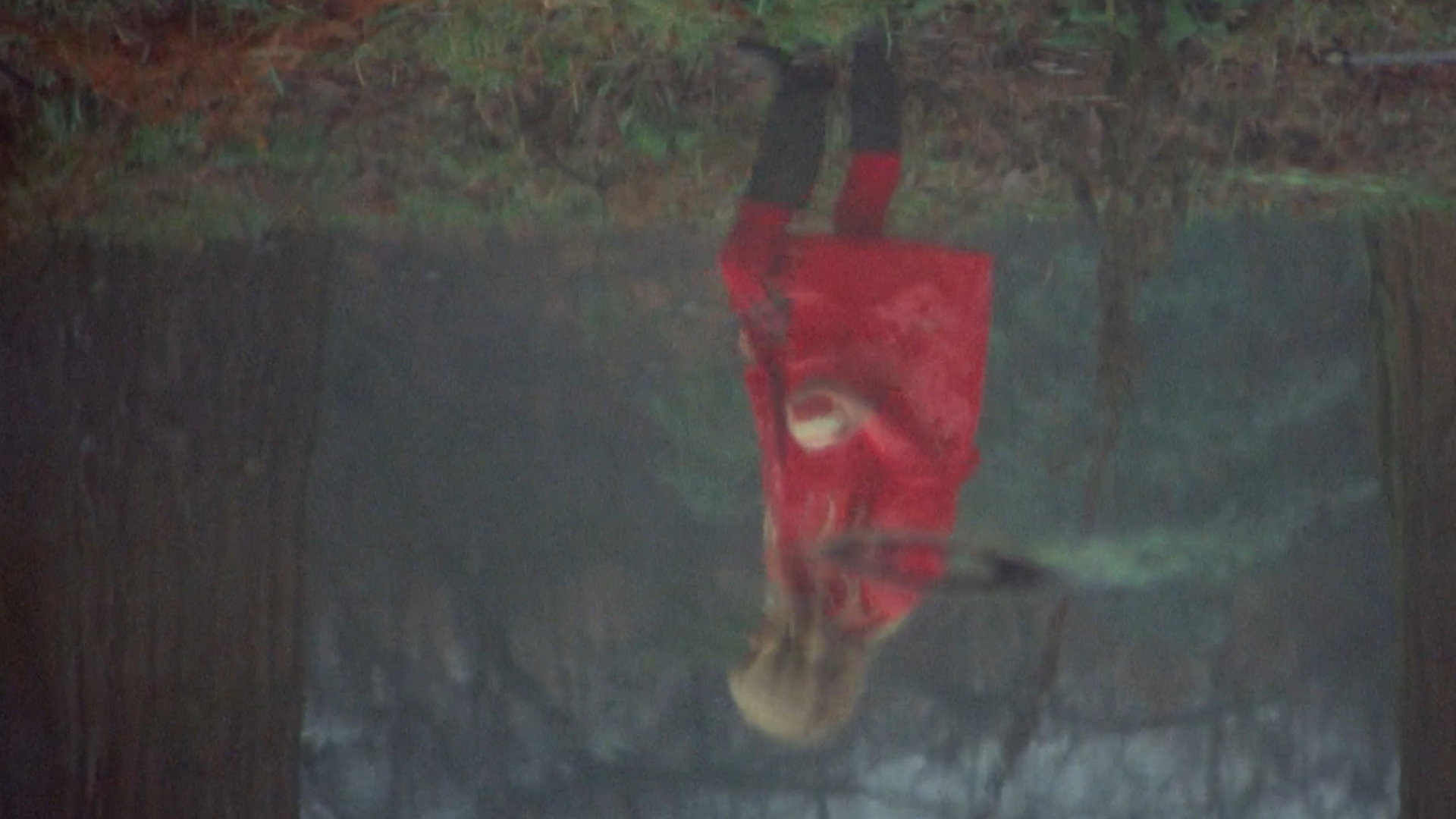
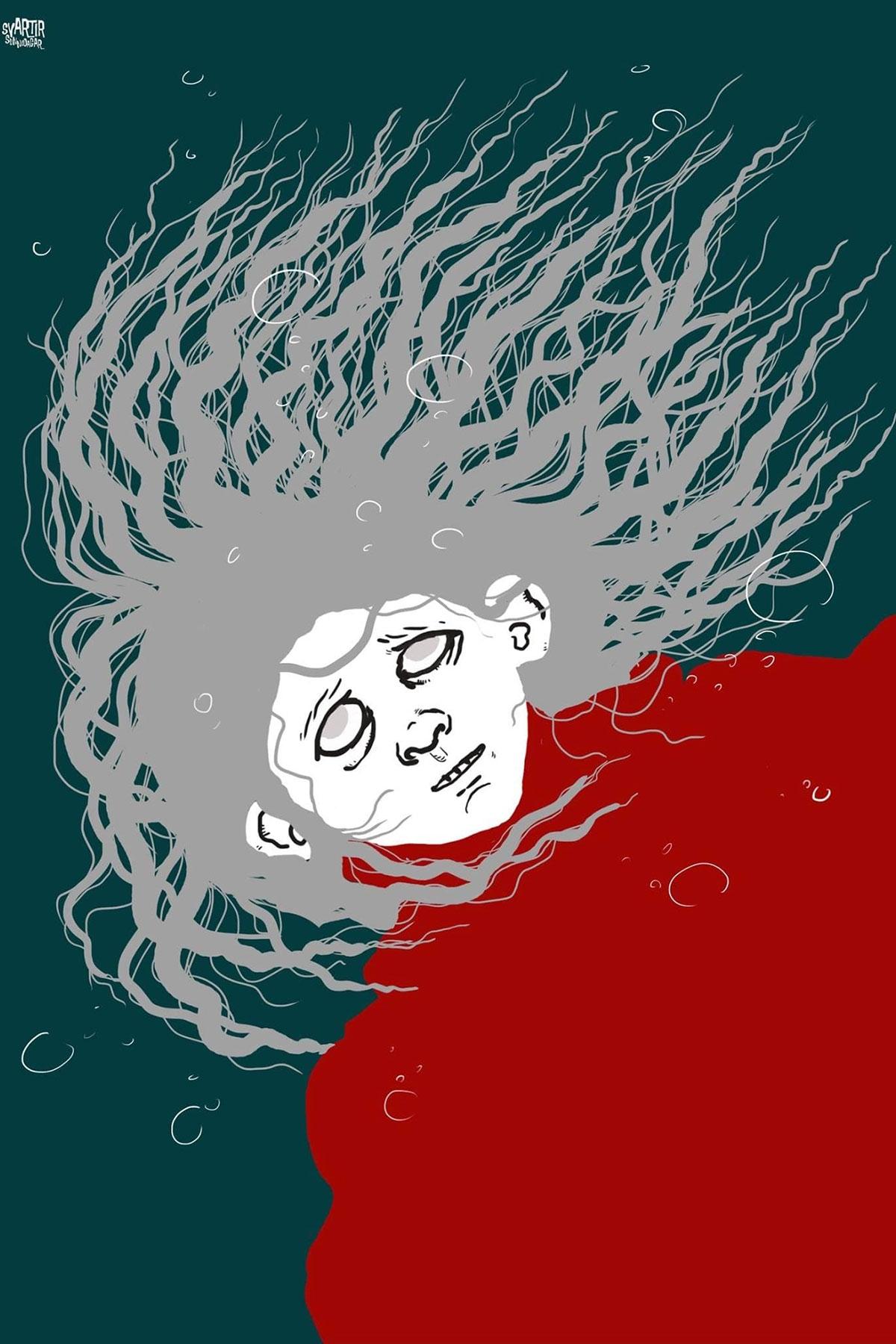
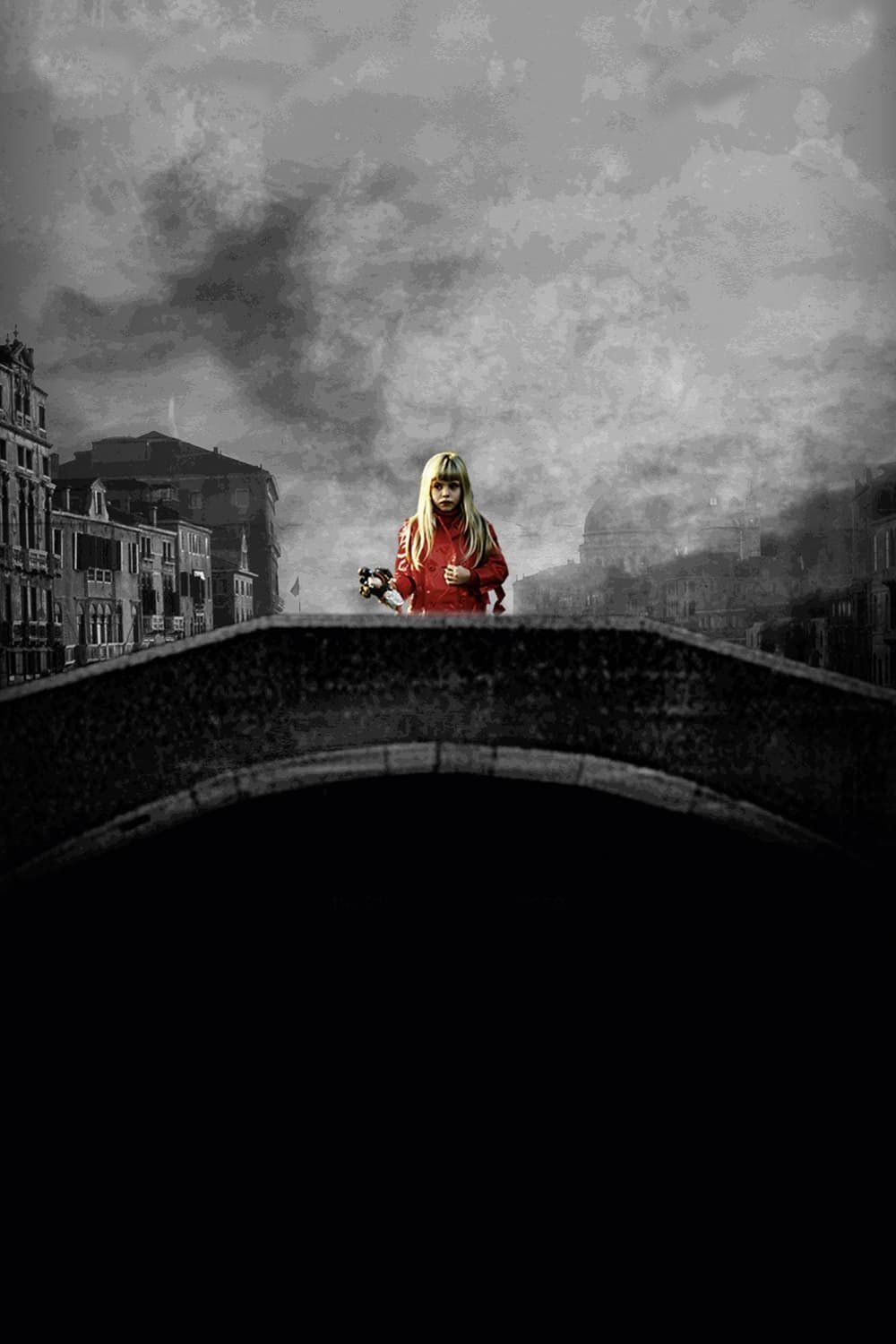
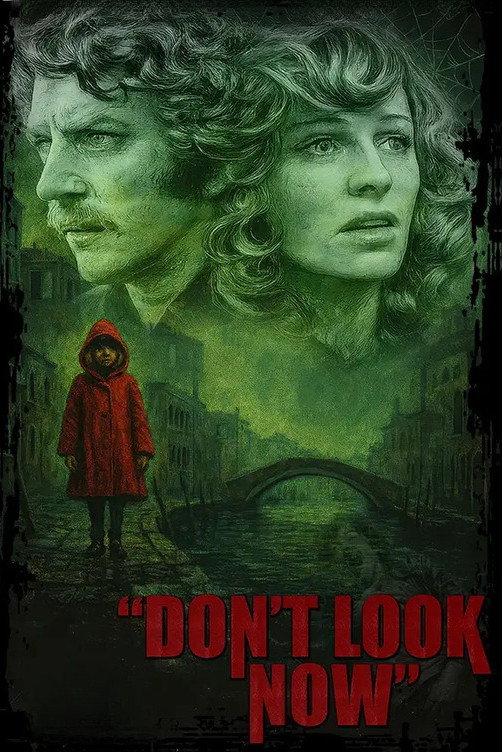
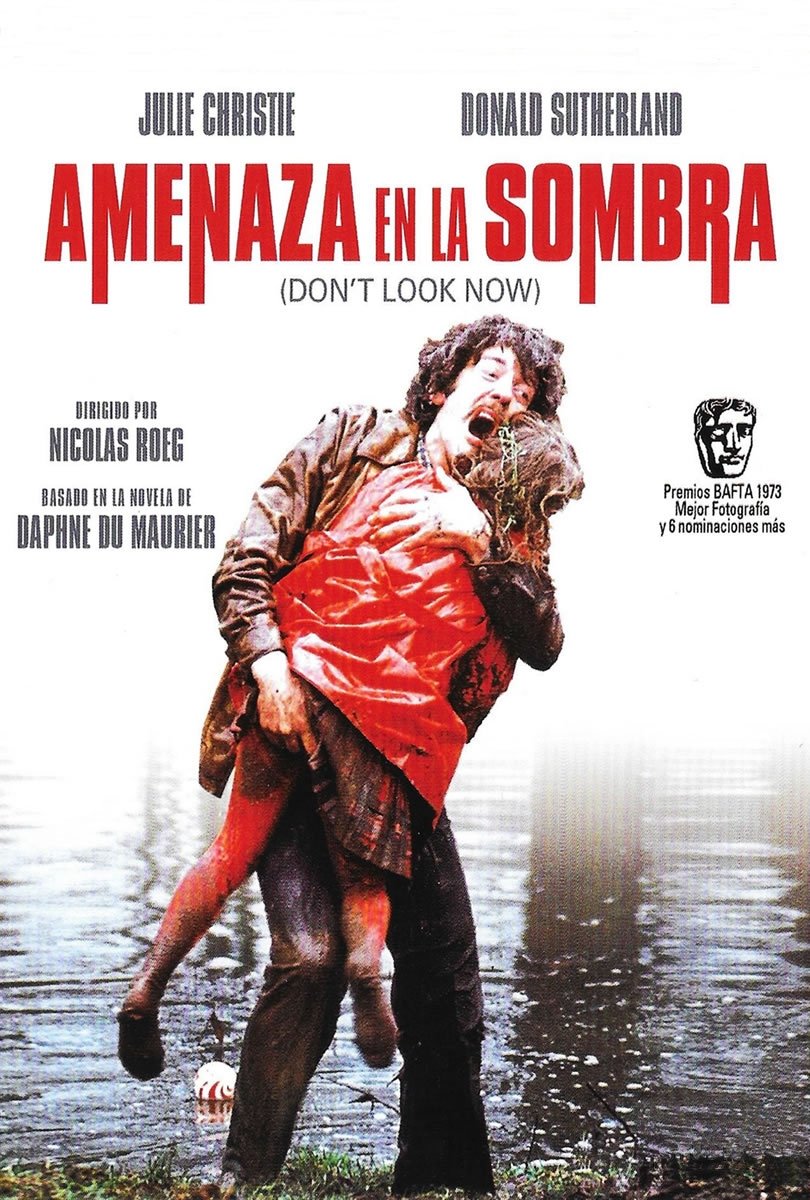
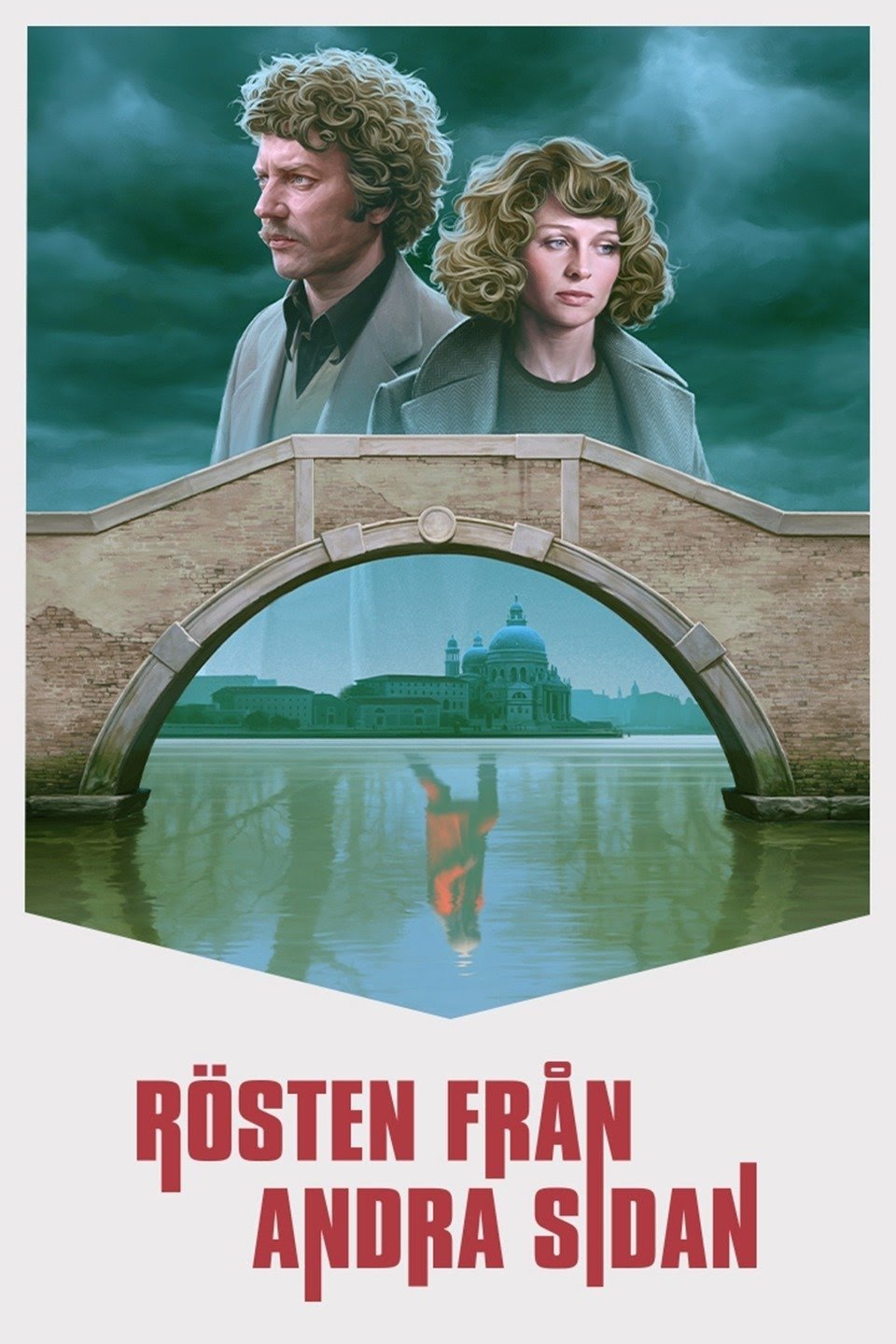
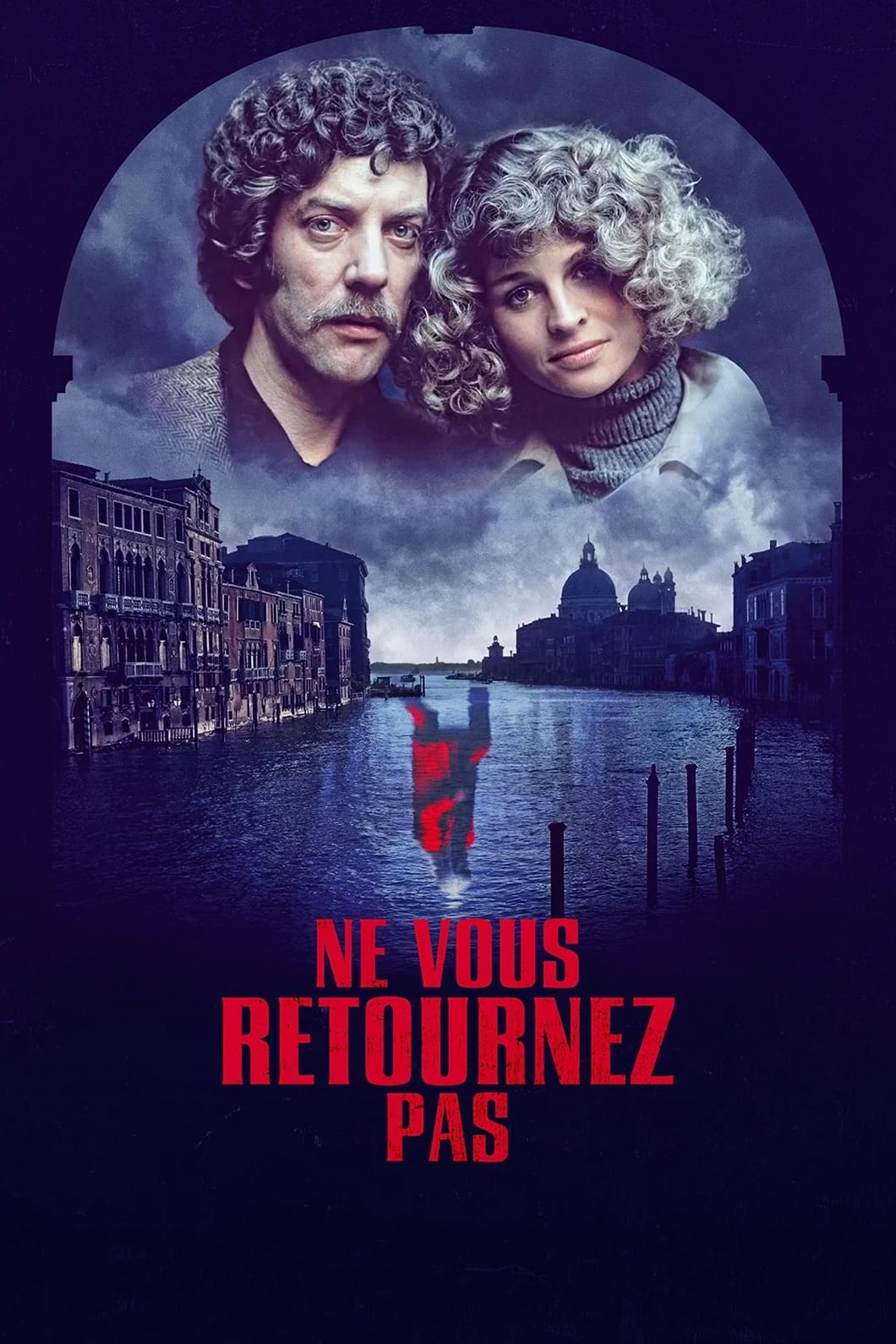
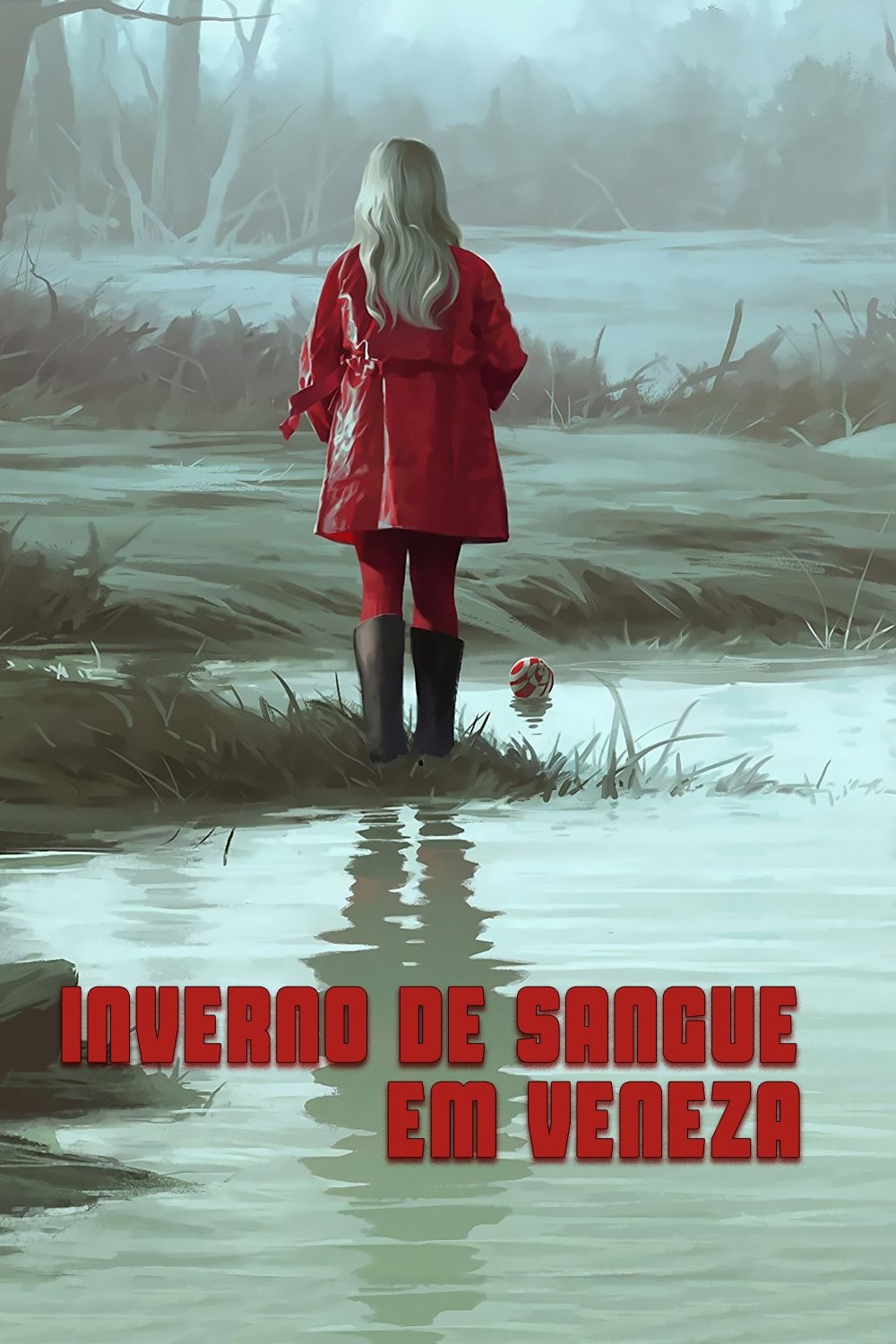
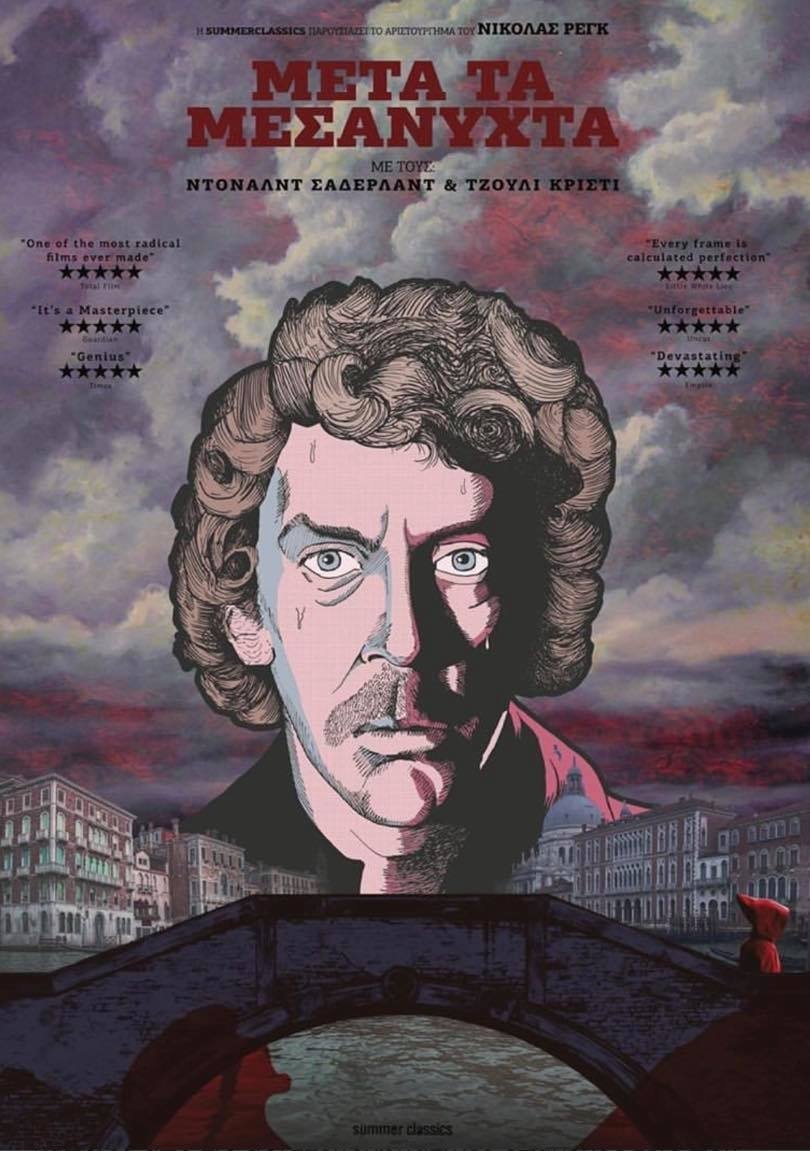
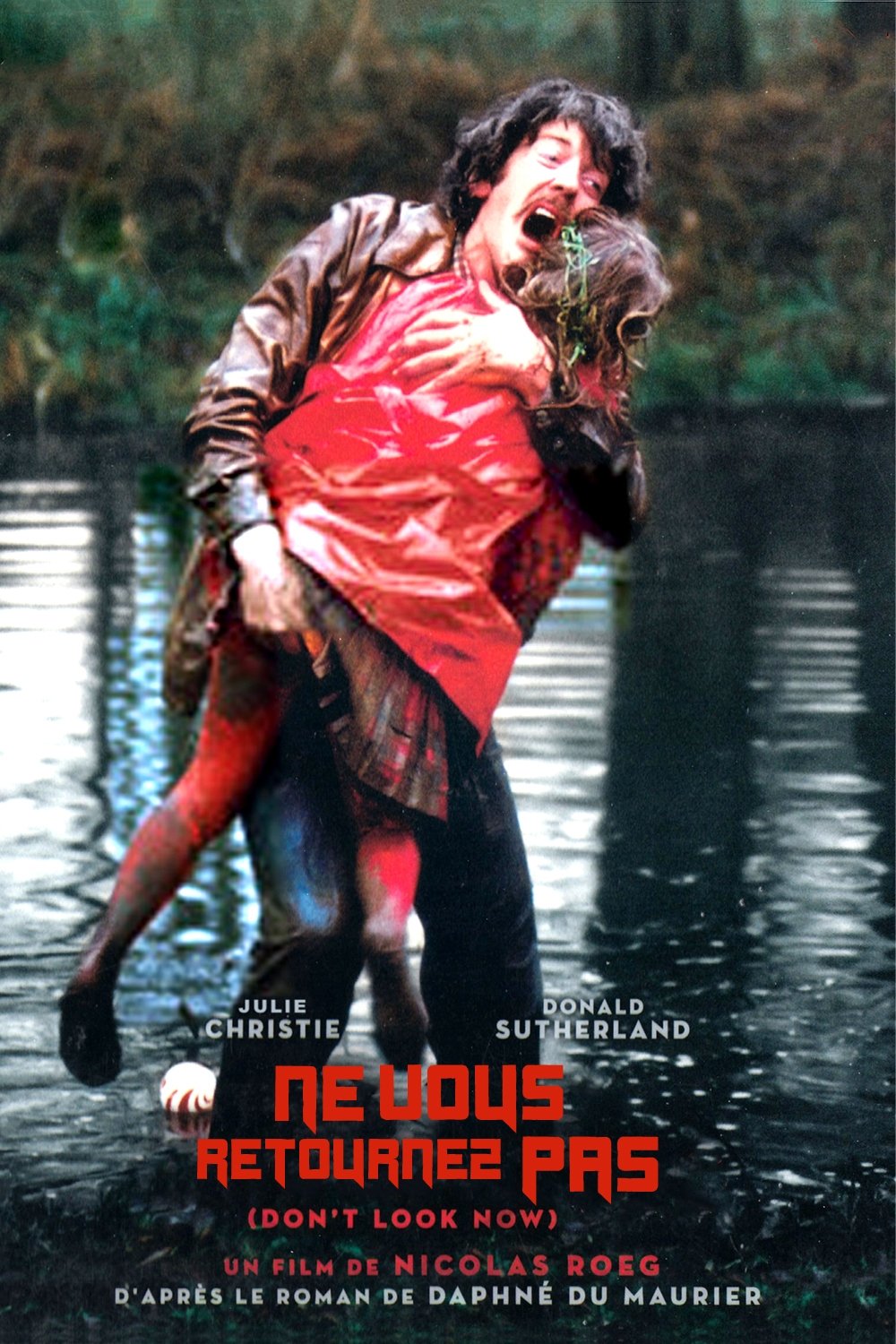
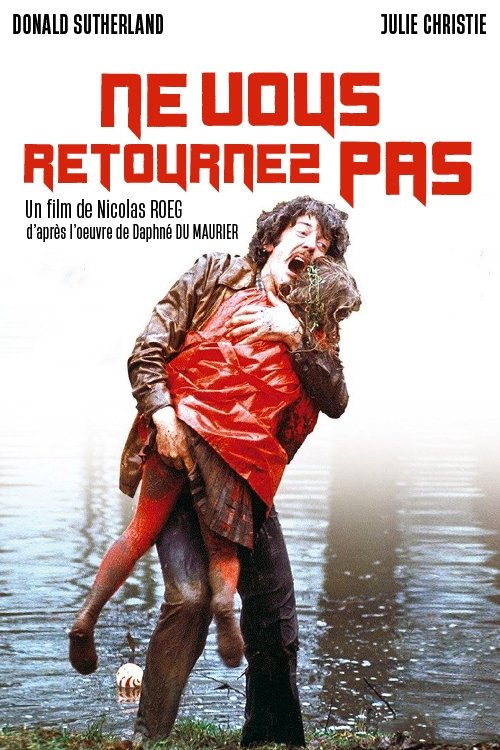
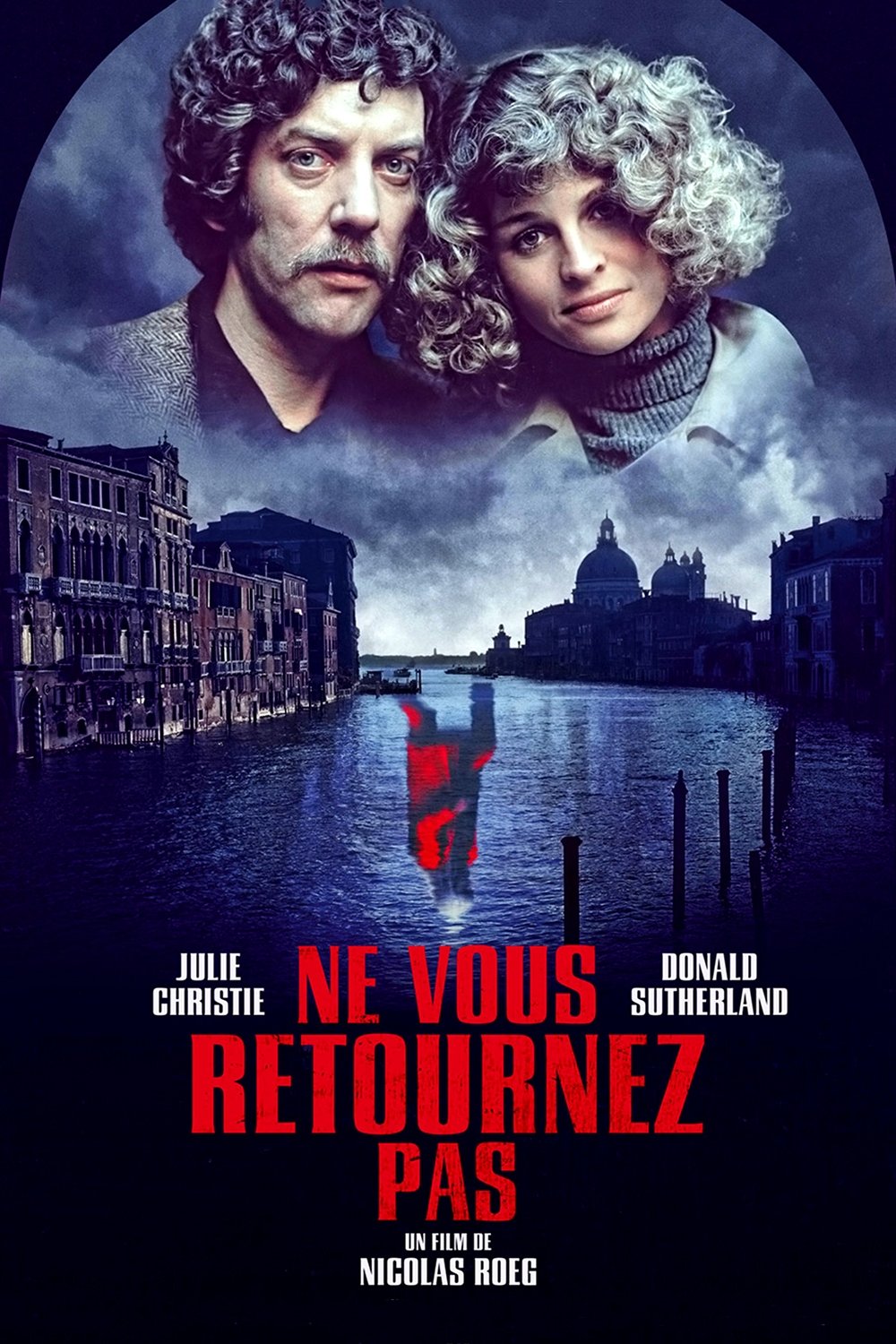
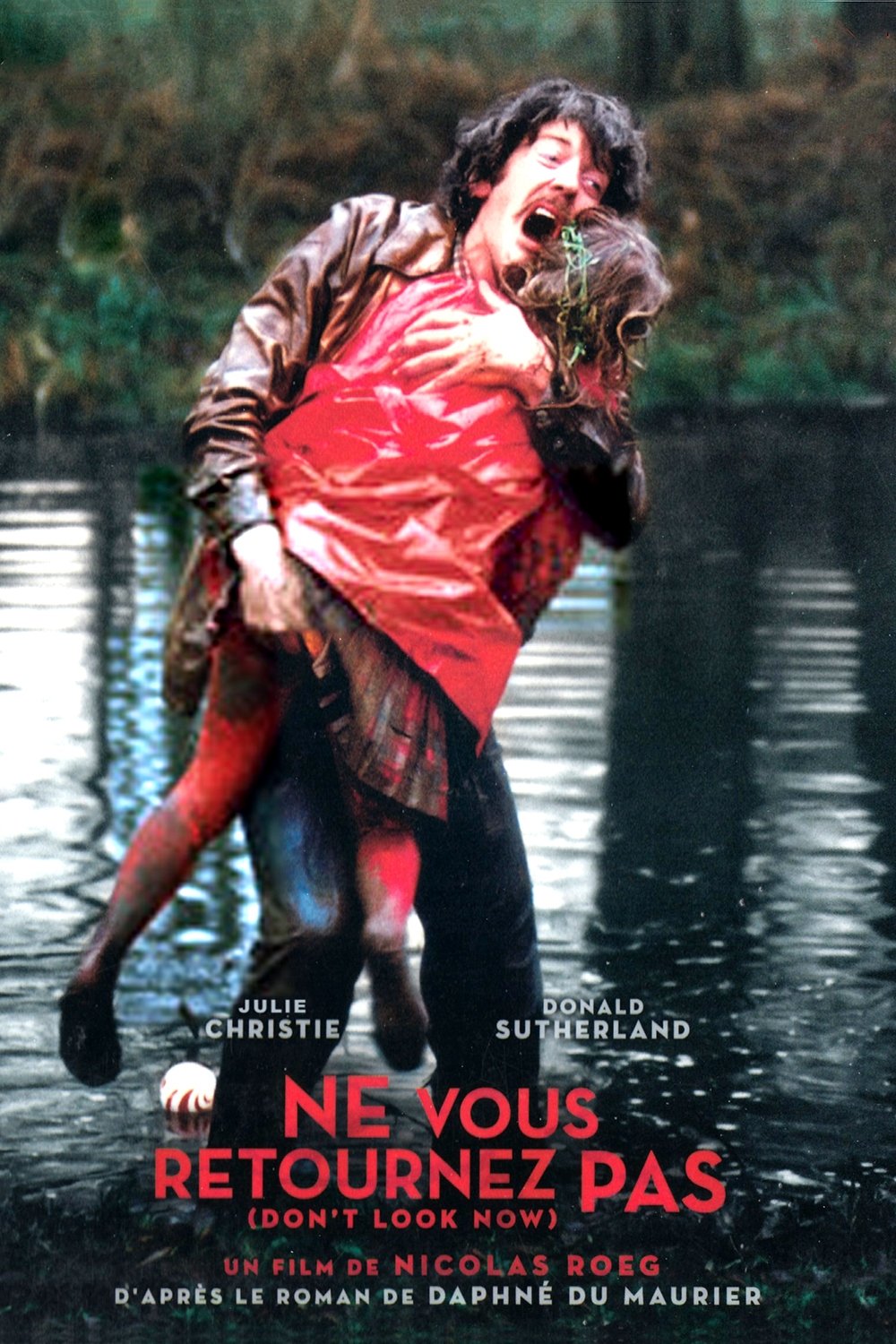
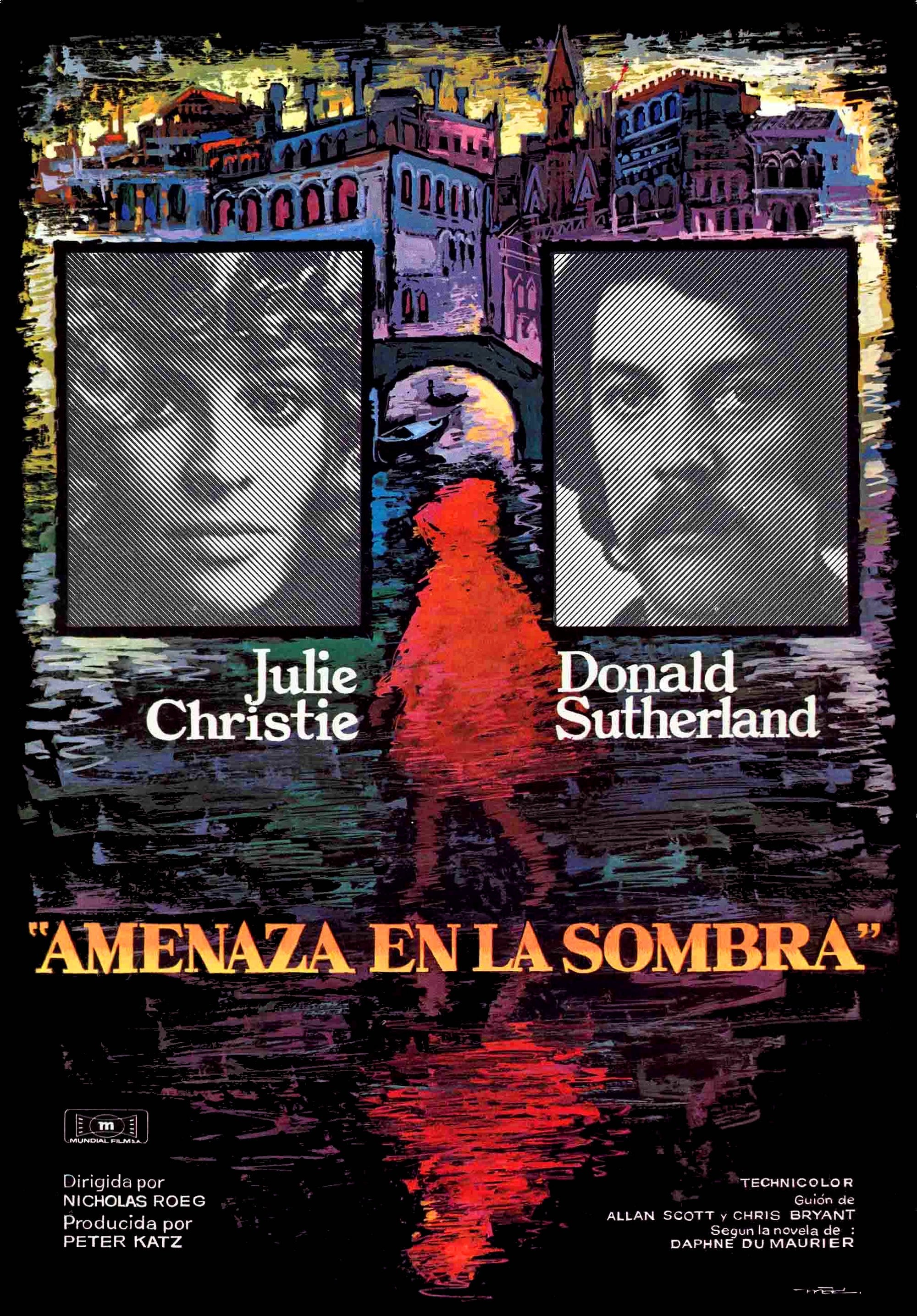
Roeg made substantial changes to the original story. In du Maurier’s version, the Baxters are visiting Venice after their daughter dies from an illness. The film instead opens with Christine drowning in a pond beside the family home, establishing water as a recurring source of danger. John also becomes a specialist restoring artwork in a Venetian church, giving the family a reason to remain in the city for an extended period. The occupation connects him to the preservation of damaged religious images while exposing him to an environment in which visible evidence repeatedly proves unreliable.
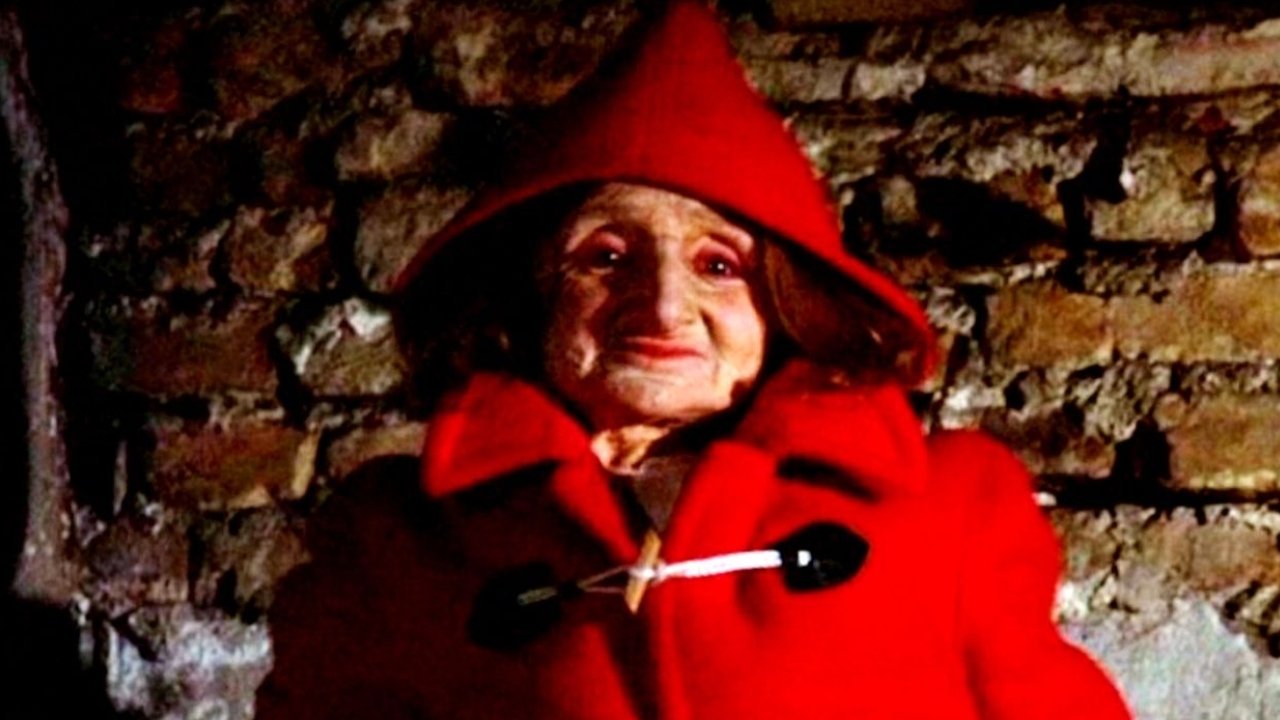
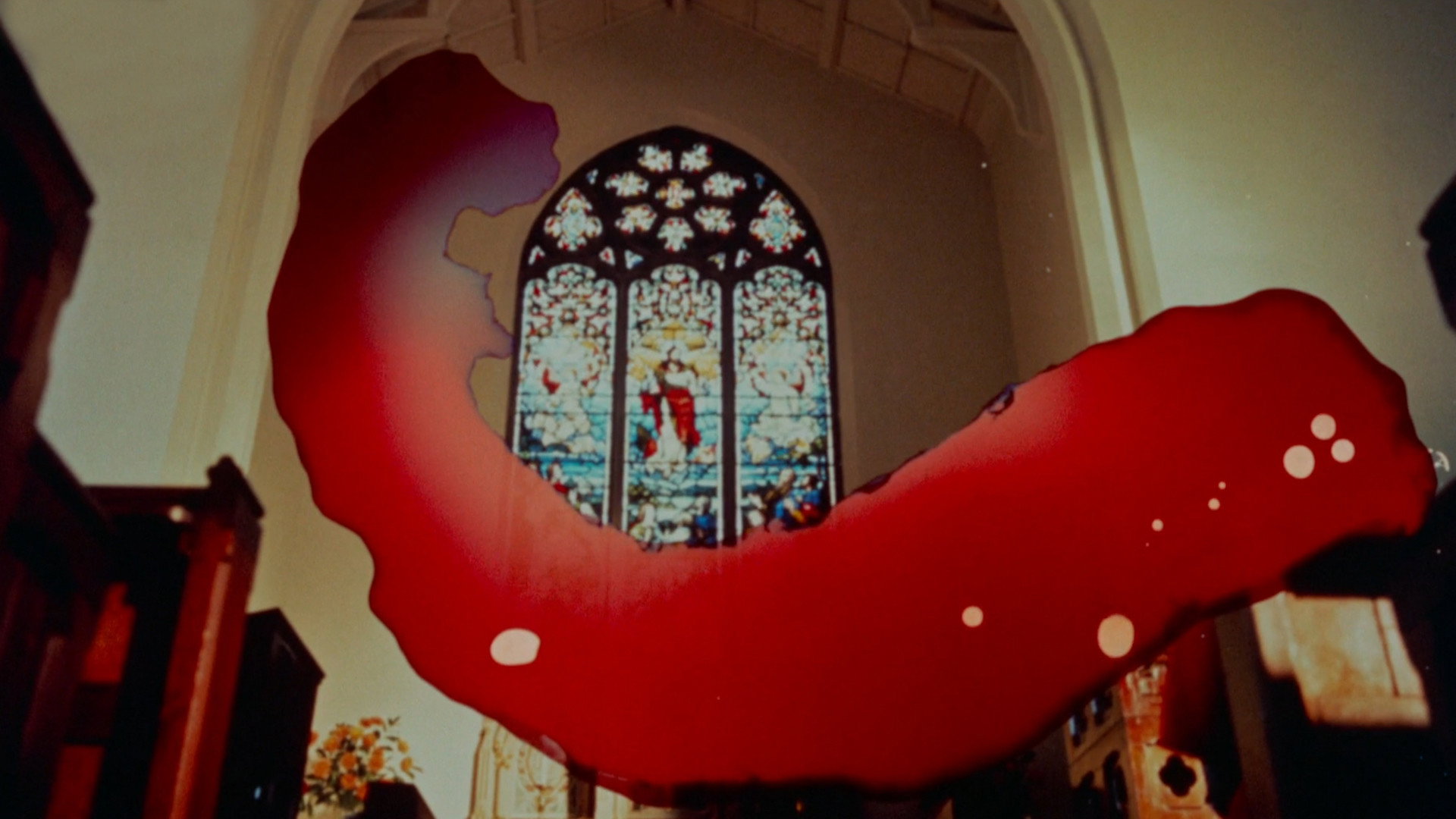
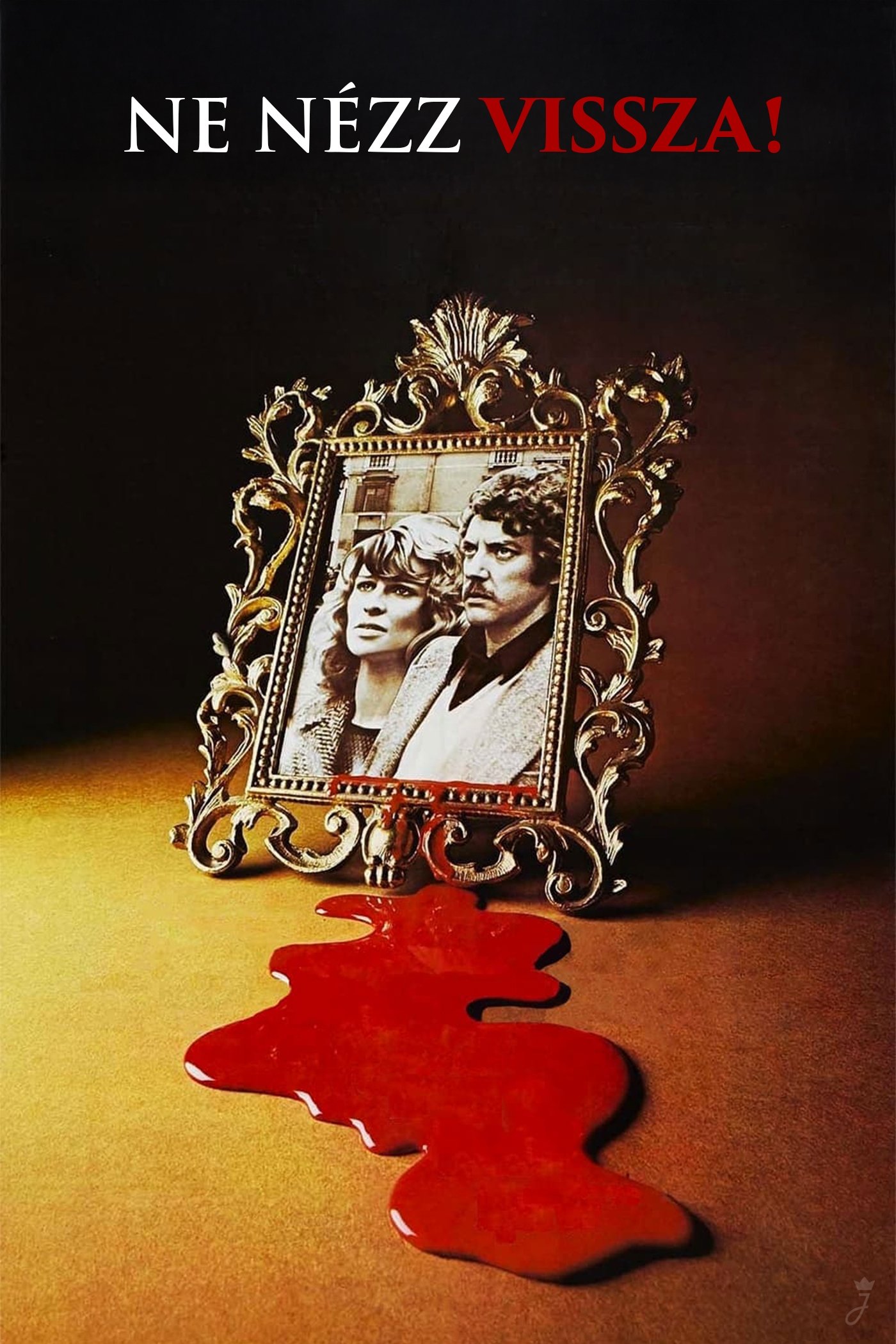
The director explained that he wanted the couple to possess the apparent security of an educated and comfortable family before being confronted by an event beyond their control. His collaboration with the screenwriters emphasized visual details that could recur throughout the film. Roeg identified the color red and breaking glass as elements deliberately planned during the writing process. The resulting adaptation expands the psychological importance of the opening tragedy and gives the narrative a complex relationship between past, present and future. The supernatural material remains integrated into the characters’ ordinary attempts to continue living after their loss.