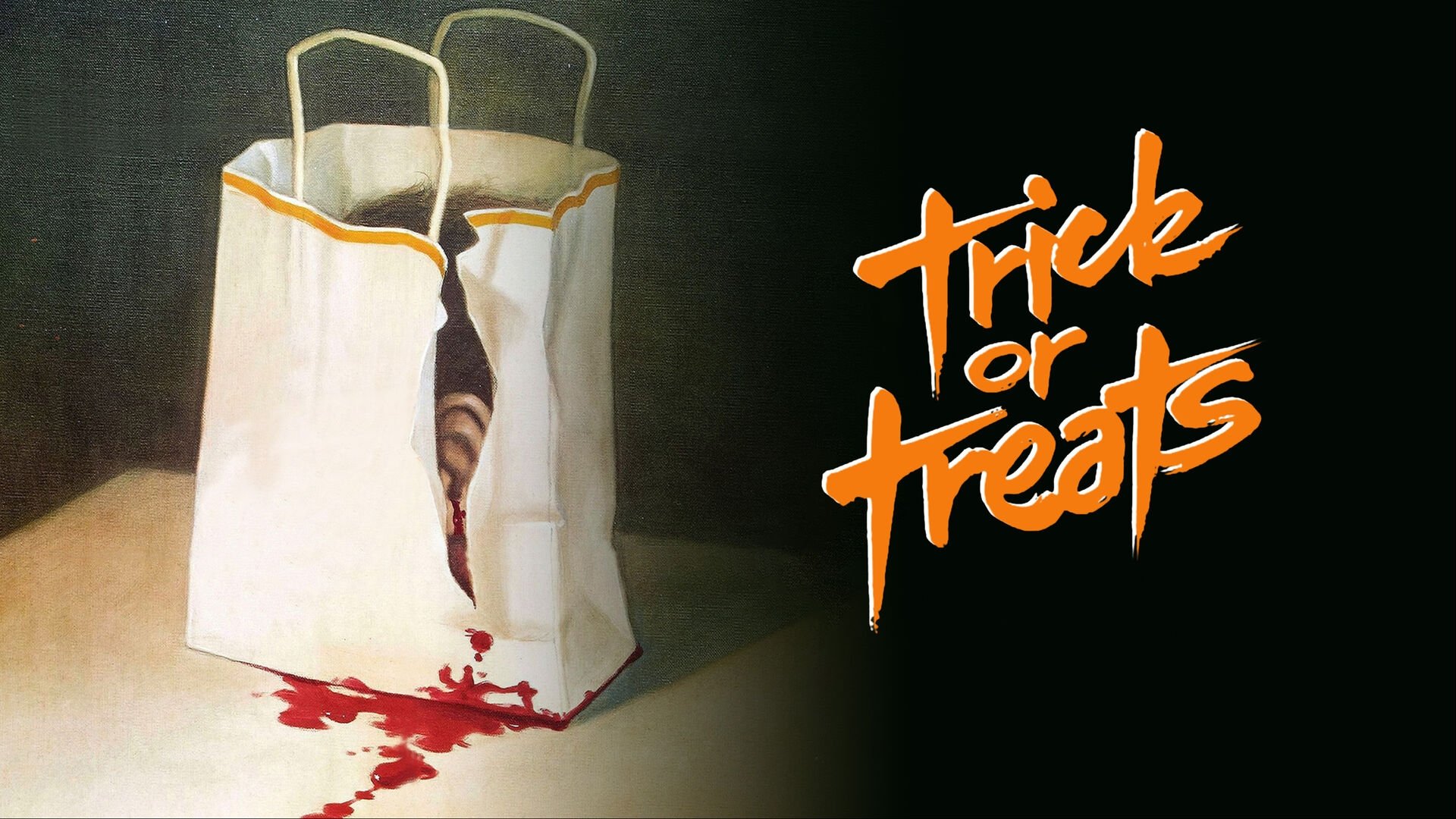
Trick or Treats (1982)

US
HORROR FILM
SUBGENRES HALLOWEEN SLASHER
Runtime
91 min
Release
October 29, 1982
Budget
$55,000
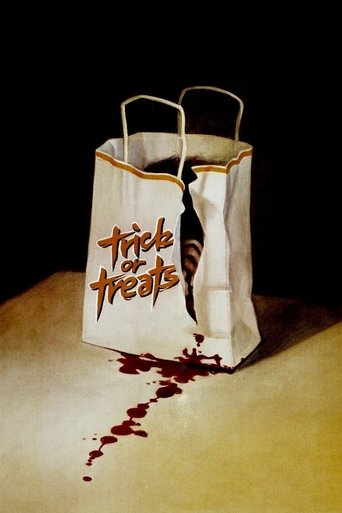
Trick or Treats (1982) poster
Director
Writer
Production Company
Lone Star Pictures International
Plot

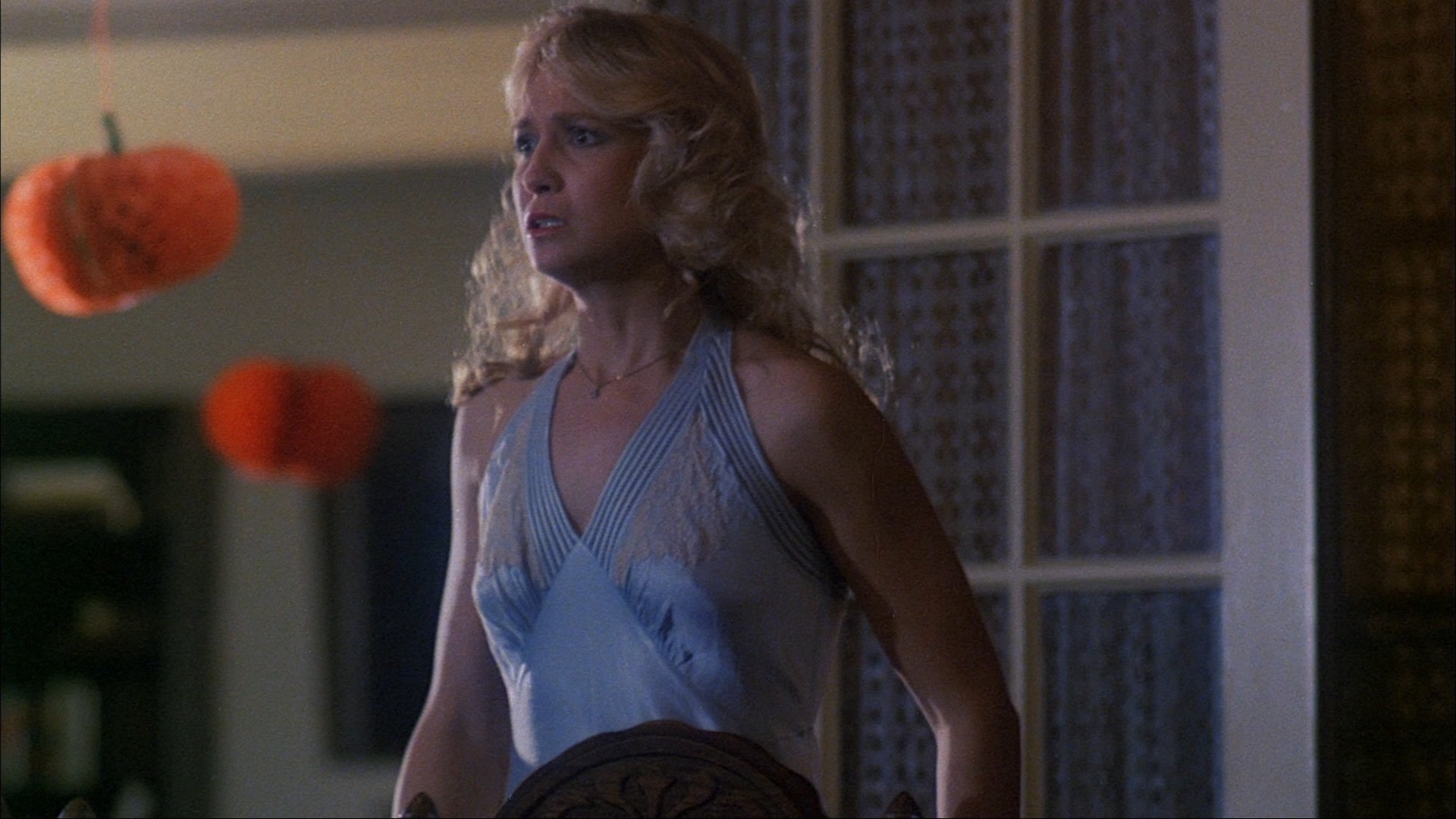
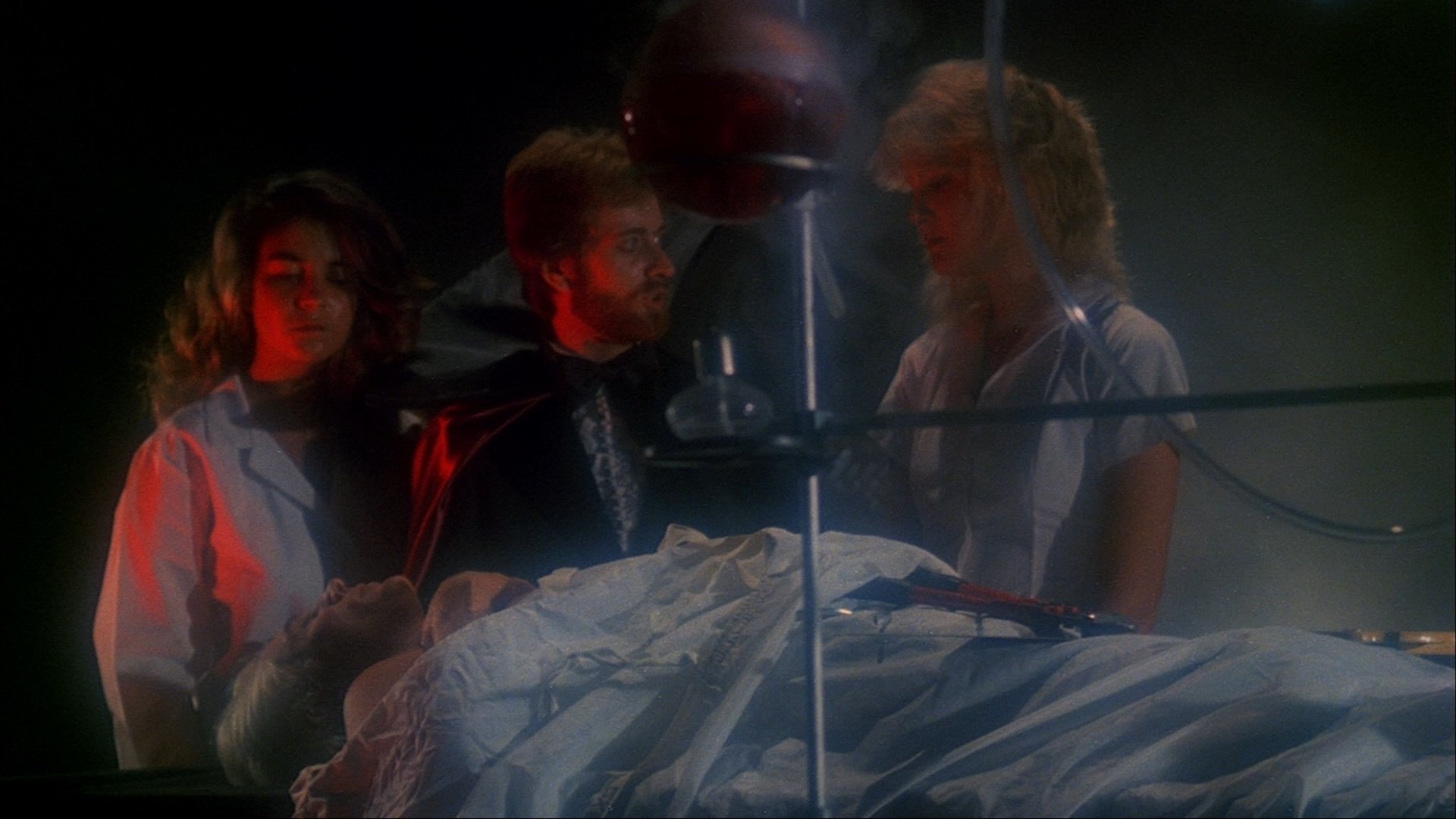
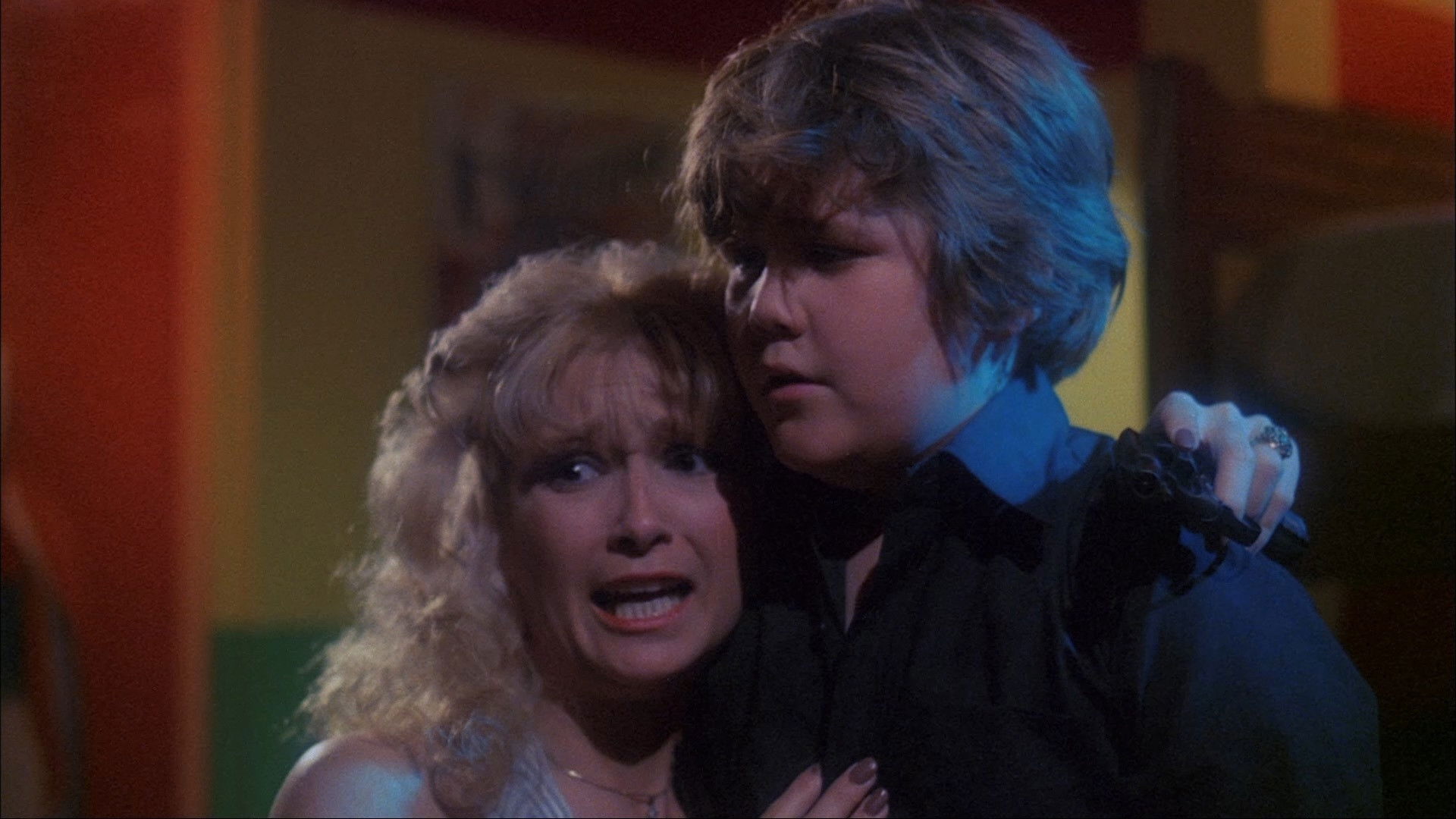
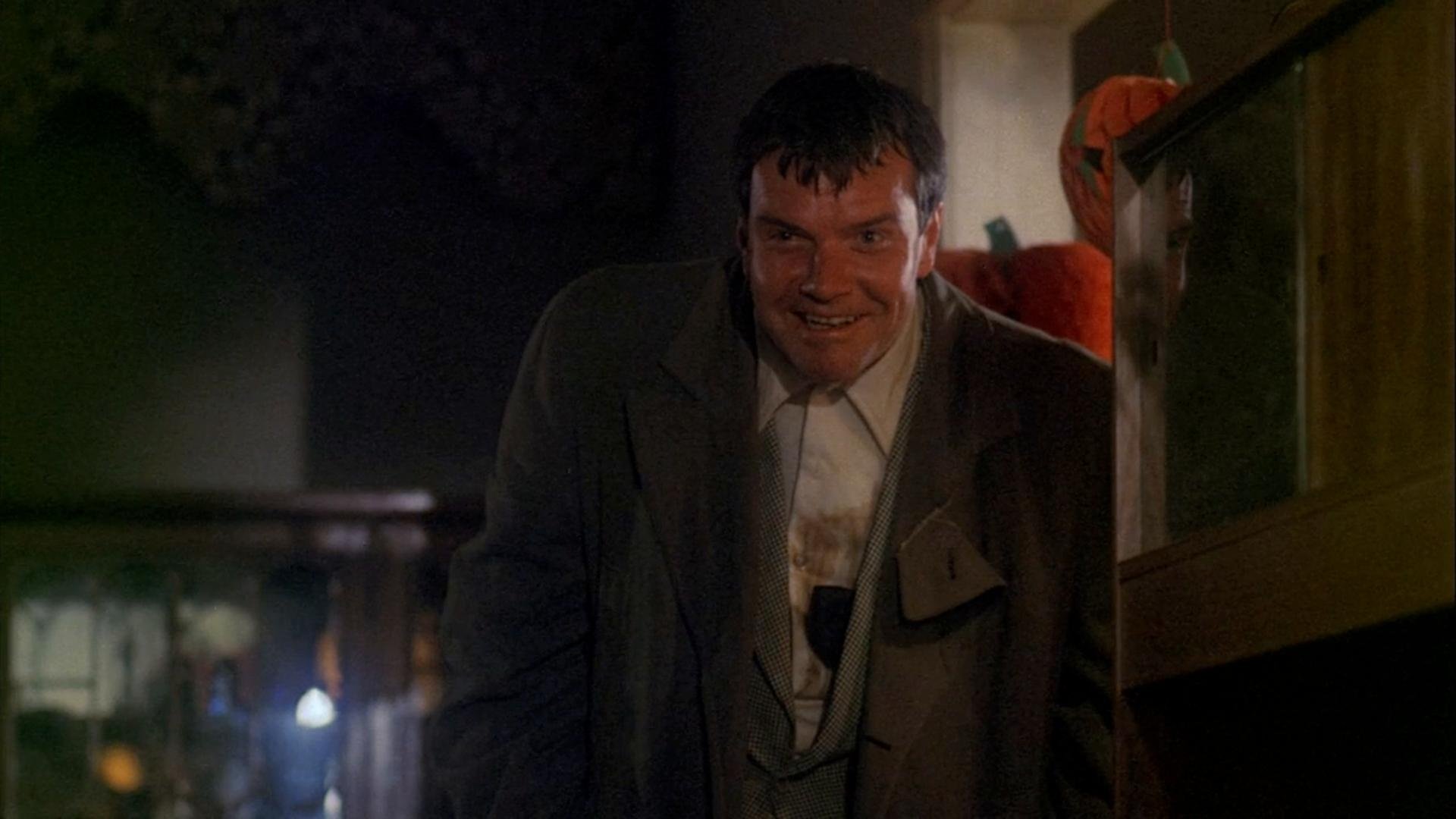
A baby sitter is stuck watching over a young brat on Halloween night who keeps playing vicious pranks on her. To add to her trouble the boy's deranged father has escaped from an asylum and is planning on making a visit.

Alternative Titles
Decapitor (Argentina) Fatal noche de brujas (Argentina) Terror na Noite (Brazil) 万圣节惊魂夜 (China) — Chinese Don't Prank the Babysitter! (Finland) — Television Title Blodig Halloween (Norway) Обман или удовольствия (Russia) — Russian

Trailers & Videos

1 video

Film Guide & Analysis

Gary Graver combines a babysitter-in-peril thriller with vicious childhood pranks and black comedy in a low-budget Halloween production featuring Peter Jason, Jacqueline Giroux, Carrie Snodgress, and an unusual behind-the-scenes contribution from Orson Welles.

Trick or Treats (1982) is an American Halloween horror comedy written, directed, photographed, and edited by Gary Graver. Jacqueline Giroux stars as Linda, a babysitter hired to look after Christopher O'Keefe, a mischievous young boy whose practical jokes become increasingly exhausting. Unknown to her, Christopher's father Malcolm, played by Peter Jason, has escaped from a psychiatric institution and is making his way toward the family home. Carrie Snodgress portrays Christopher's mother Joan, while David Carradine plays her current husband Richard Adams. Chris Graver, the director's son, appears as Christopher, with additional performances by Steve Railsback, Jillian Kesner, and Paul Bartel.

Produced independently for approximately $55,000, the film combines the familiar slasher premise of an escaped killer with a deliberately comic treatment of childhood misbehavior. Graver drew upon friendships established throughout his extensive career as a cinematographer to assemble the cast, while filming primarily inside Snodgress's residence. Orson Welles, with whom Graver collaborated extensively, contributed advice concerning the film's practical tricks and received an unusual screen credit as magical consultant. Released theatrically in the United States during October 1982, Trick or Treats received unfavorable critical attention but later attracted interest from collectors and historians of low-budget horror, particularly because of its production history and Graver's distinctive approach to the material.

Gary Graver and the Independent Production

Gary Graver developed Trick or Treats as a low-budget feature intended for commercial distribution. A prolific cinematographer whose career included extensive collaborations with Orson Welles, Graver also directed independent exploitation films and undertook numerous technical responsibilities on his own productions. In an interview conducted by Harvey Chartrand and subsequently published by Wellesnet, he explained that the completed film cost approximately $55,000 and was photographed in 35 mm. He regarded it primarily as a comedy, although its distributor emphasized the horror elements when presenting it to audiences.

Graver recalled completing principal photography in approximately three weeks, normally filming between six in the evening and midnight. During the day he visited the laboratory, organized meals, and prepared costumes and other production materials. The principal location was the home of Carrie Snodgress, who temporarily stayed at Graver's Venice Beach residence while filming took place. The arrangement substantially reduced location costs and gave the production access to a furnished house suitable for the central narrative. Graver assumed responsibility for cinematography and editing as well as writing and directing, reflecting the compressed resources available to the project.

The cast was assembled largely through personal connections. Snodgress, Peter Jason, David Carradine, Steve Railsback, and Paul Bartel were among the performers Graver approached. He also cast his young son Chris as Christopher O'Keefe. A later retrospective by Dave Wain for The Schlock Pit reproduced testimony from Peter Jason, who recalled that Graver described the project to him as a horror film intended partly for younger audiences. These accounts illustrate differences between how the participants understood the intended tone, although Graver's own explanation consistently emphasized comedy and the commercial expectations attached to the Halloween horror market.

Halloween Pranks and the Babysitter

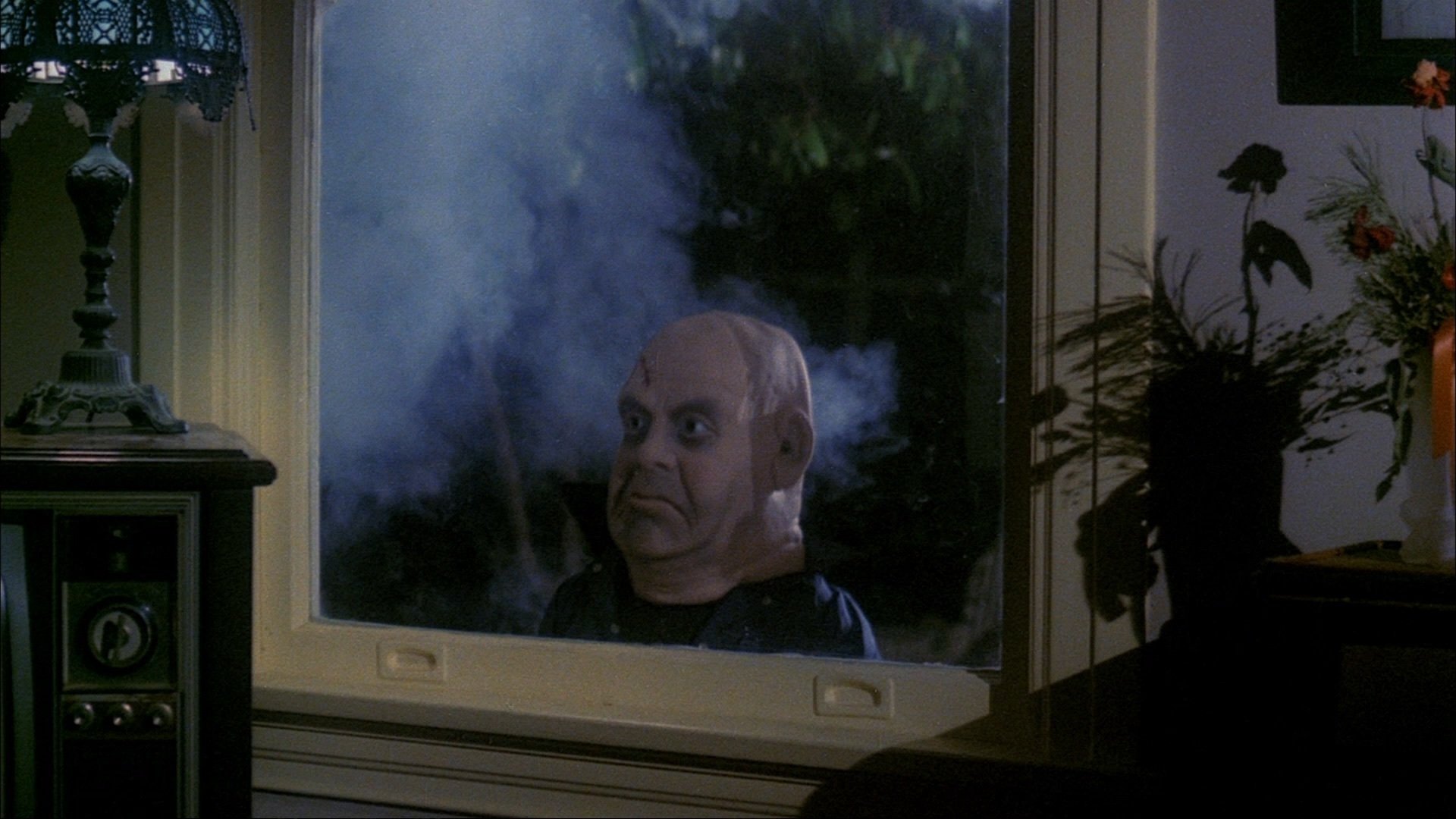
The story centers on Linda, a babysitter responsible for Christopher while his mother Joan and her husband Richard attend a Halloween celebration. Christopher repeatedly subjects Linda to practical jokes, using the holiday as an excuse for behavior that would ordinarily be considered unacceptable. His enthusiasm for deception establishes an atmosphere in which apparent threats can initially be dismissed as childish inventions. The situation changes when his father Malcolm escapes from institutional confinement and attempts to return to the home where his family once lived.

Malcolm's earlier commitment followed a conflict involving Joan and Richard. The film presents him as a dangerous man whose return threatens the family and anyone occupying the house. The fact that Linda is unaware of his escape creates a situation in which she must distinguish Christopher's deliberate mischief from evidence of actual danger. Halloween decorations, disguises, and the expectation of unusual behavior make that distinction increasingly difficult. The household becomes a setting for deception on two different levels: the boy enjoys frightening his babysitter, while the returning father poses a genuine physical threat.

The contrast between harmless-looking jokes and violent intentions supplies the film's central horror-comedy mechanism. Christopher's behavior often delays the development of the threat, making ordinary disciplinary encounters part of the narrative before Malcolm's return becomes decisive. Linda occupies the position of a conventional babysitter-in-peril protagonist, but much of her immediate difficulty comes from supervising a child who refuses to cooperate. The resulting structure places the film between a domestic comedy about an unruly boy and a slasher narrative involving an escaped attacker.

Orson Welles, Practical Tricks, and Comic Misdirection

Orson Welles received a screen credit as magical consultant, an unusual connection between an independently financed Halloween film and one of Graver's most important professional collaborators. The credit did not indicate an acting appearance or responsibility for directing the production. In a 1995 interview with the Brazilian newspaper Folha de S.Paulo, Graver explained that Welles had contributed ideas concerning the story's structure and its use of magic. Graver provided a similar account to Harvey Chartrand, describing Welles's advice on the arrangement of individual tricks and explaining that he acknowledged the filmmaker because those ideas had been incorporated.

The practical jokes serve a narrative purpose beyond the presence of comic incidents. Christopher understands frightening other people as entertainment, while Linda must continually assess whether the events surrounding her are genuine. The same uncertainty becomes dangerous once Malcolm enters the situation. This relationship between appearance and reality resembles the principles of theatrical misdirection: the audience and characters are encouraged to attend to one apparent explanation while another possibility develops. Welles's precise contribution to individual sequences cannot be reconstructed from the available interviews, and the film's surviving credits do not establish that he personally executed its effects.

The use of misdirection also contributes to the film's unusual tone. Some of its jokes depend upon extended preparation and the anticipation of a frightening outcome, while other scenes establish threats whose consequences are considerably more serious. Graver's interest in the comic possibilities of horror was therefore connected with the narrative's structure. The film does not consistently maintain the intensity associated with more conventional slashers of its period, reflecting the filmmaker's stated intention to make something more playful than its marketing suggested.

Cinematography, Ensemble Cast, and Halloween Atmosphere

Graver's extensive cinematography experience shaped the production's use of its limited resources. The film was shot on 35 mm despite its unusually small budget, with most of the narrative concentrated within a single residence. The domestic environment provides a recognizable location for the babysitting story, while evening and nighttime photography allows the Halloween setting to influence the atmosphere. Because Graver was also responsible for editing, the film reflects a production process in which the same filmmaker controlled the arrangement of images from photography through postproduction. The approach reduced the need for a large creative staff but placed considerable responsibility upon the director.

Peter Jason portrays Malcolm as a disruptive figure whose escape introduces genuine danger into an otherwise comic domestic situation. Jacqueline Giroux plays Linda, the character through whom the audience encounters Christopher's repeated deceptions. Chris Graver's performance gives the child a central role in the film's pacing and humor. Carrie Snodgress and David Carradine establish the family circumstances that motivate Malcolm's return. Steve Railsback, Jillian Kesner, and Paul Bartel contribute additional appearances, reflecting the large number of established performers who agreed to participate in the inexpensive production.

The supporting cast also includes John Blyth Barrymore, Catherine E. Coulson, former professional football players Dan Pastorini and Tim Rossovich, and other acquaintances associated with Graver's filmmaking career. Their participation provides an unusual concentration of familiar screen personalities in a modest independent feature. The film's Halloween atmosphere depends principally upon the timing of the story, costumes, and the expectation that people may behave strangely during the holiday. Unlike supernatural Halloween films, its central danger comes from human deception and violence. The setting allows an escaped killer to enter a domestic world already occupied by elaborate practical jokes.

Theatrical Distribution, Critical Reception, and Preservation

Trick or Treats reached American cinemas during October 1982 through Lone Star Pictures International. The release was associated with the Halloween theatrical market, although surviving newspaper references indicate regional openings rather than a single simultaneous nationwide debut. The film is documented as playing in Cincinnati at the beginning of October and in Detroit on October 29. Its standard theatrical duration is generally listed as approximately 90 or 91 minutes. The classification and marketing positioned it within the horror market despite Graver's later insistence that he had intended a comedy.

The production received hostile contemporary reviews. A retrospective published by The Schlock Pit in June 2024 cites Robert C. Trussell's negative October 1982 assessment for The Kansas City Star and discusses the disappointment surrounding the film's distribution. Graver also described financial difficulties with his distributor, claiming that he received no returns despite the extremely small production budget. The director's account establishes his dissatisfaction but does not independently verify the film's complete box-office performance. His later comments suggest that the project failed to deliver the commercial result he had anticipated.

Graver subsequently expressed dissatisfaction with the original running time. He told Chartrand that he had removed approximately ten minutes for a director's cut and had regained control of the original negative. The available documentation does not establish that every later edition uses this shortened version. The film continued circulating through home video, with later Blu-ray presentations introducing it to collectors of independent horror. Kino Lorber has also maintained a special-edition theatrical listing, preserving its visibility beyond the original distribution. Trick or Treats remains primarily notable for the contrast between its comic intentions and horror marketing, the extensive participation of Graver's professional acquaintances, and the documented contribution of Orson Welles to its practical tricks.

References

  1. Wellesnet An Interview with Orson Welles's Cinematographer Gary Graver by Harvey Chartrand

    Primary interview documenting the $55,000 budget, three-week 35 mm shoot, filming at Carrie Snodgress's home, casting through personal contacts, Orson Welles's advice, distribution difficulties, and the director's shortened cut.

  2. Folha de S.Paulo Fotógrafo traz tesouros do baú de Orson Welles

    1995 interview with Gary Graver directly documenting Orson Welles's contribution to the screenplay structure and magic-related effects, while clarifying that Welles did not appear onscreen.

  3. The Schlock Pit Trick or Treats (1982): Mischief Night

    Dave Wain's detailed 2024 retrospective incorporating firsthand testimony from Gary Graver and Peter Jason, production details, the Halloween release, contemporary reviews, and the film's distribution problems.

  4. Kino Lorber Trick or Treats (Special Edition)

    Distributor presentation confirming the cast, Halloween narrative, Gary Graver's creative credits, Orson Welles's magical-consultant credit, and the contemporary special-edition circulation of the film.

Cast

View Full Cast & Crew →

Release & Distribution

Production Companies (1)

  • Lone Star Pictures International

Release History (1)

Release DateTerritoryRelease TypeFormatDistributorCertificationNotes
1982-10-29 United States Theatrical — — R
Halloween's over. Now it's the kids' turn to get even!