Cemetery of Terror (1985)

MX
HORROR FILM
5.0/10 1 votes
Runtime
91 min
Release
December 12, 1985
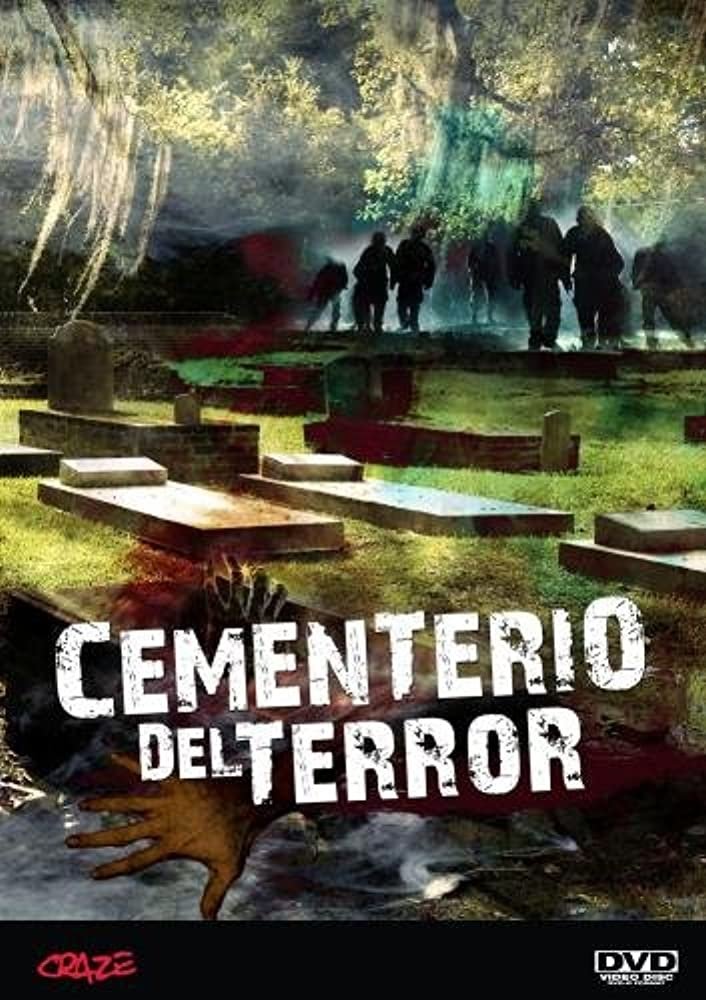
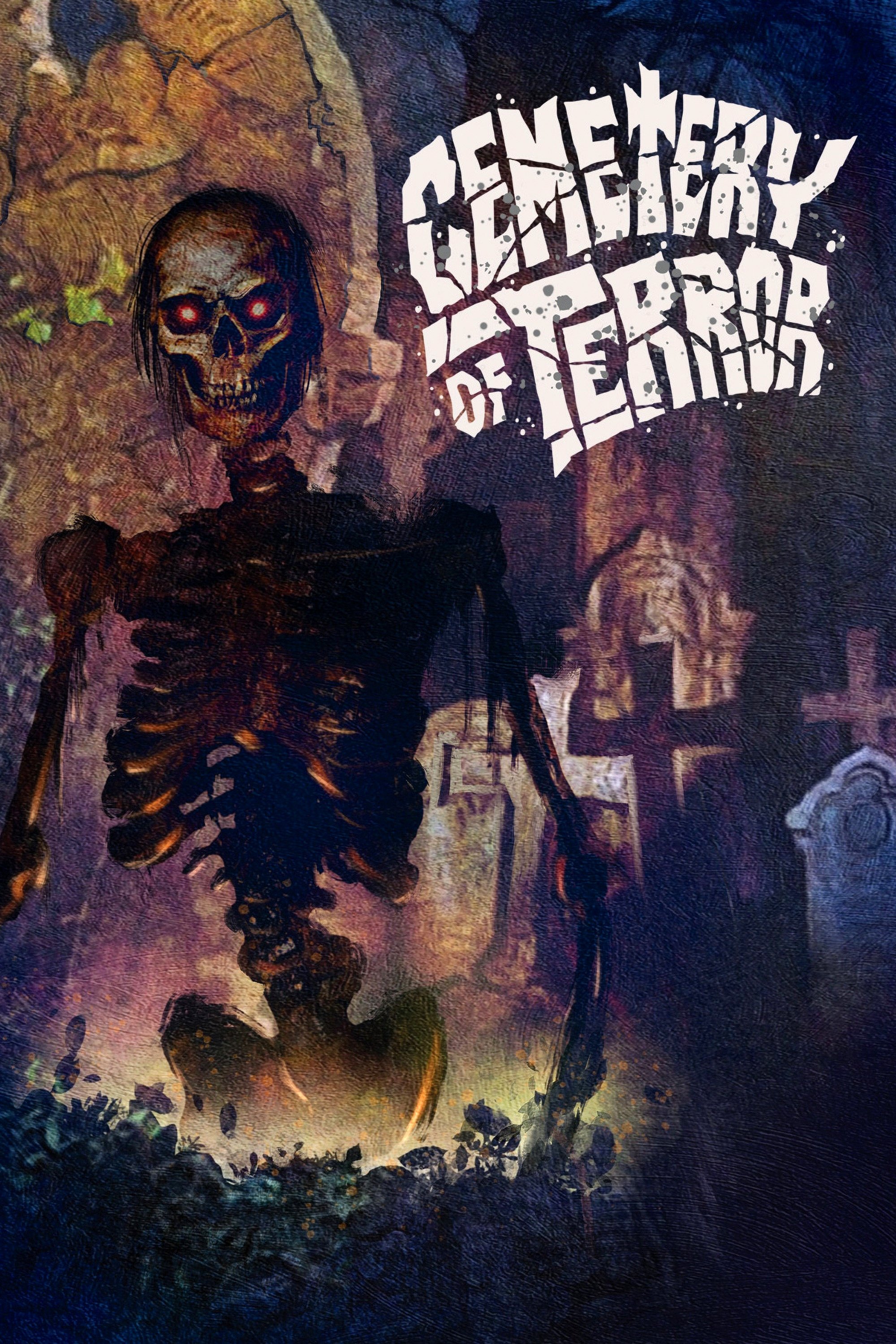
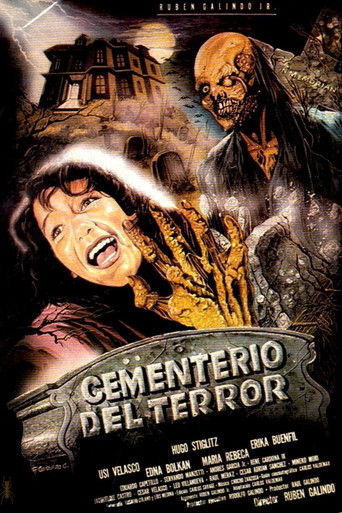
Cemetery of Terror (1985) poster
Production Companies
Producciones Torrente , Dynamic Films
Plot

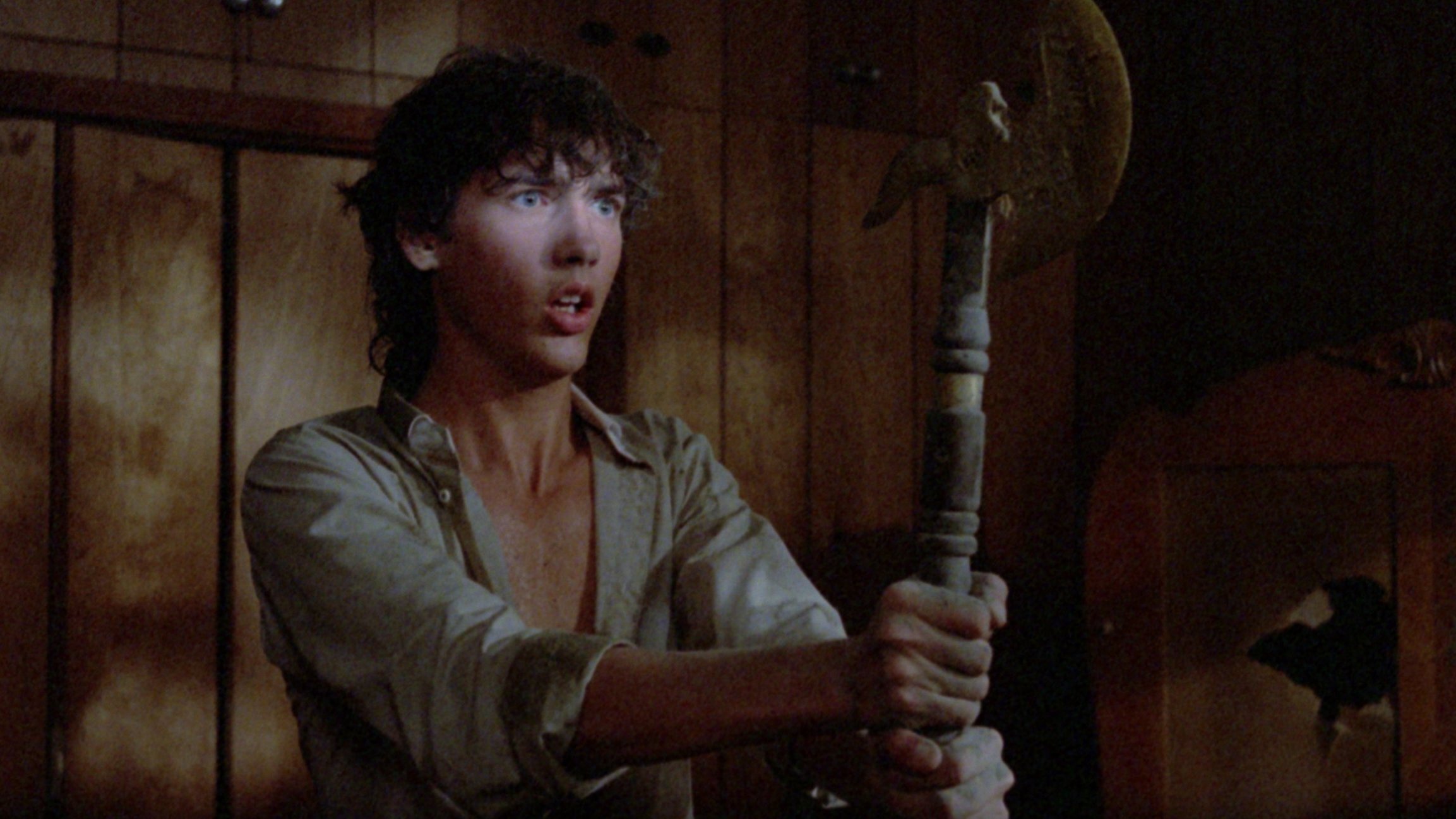
On Halloween night, a group of bored teens decide to steal a corpse from the local morgue and take it to a nearby cemetery where they perform a Satanic ritual, unwittingly reviving a bloodthirsty serial killer.

Alternative Titles
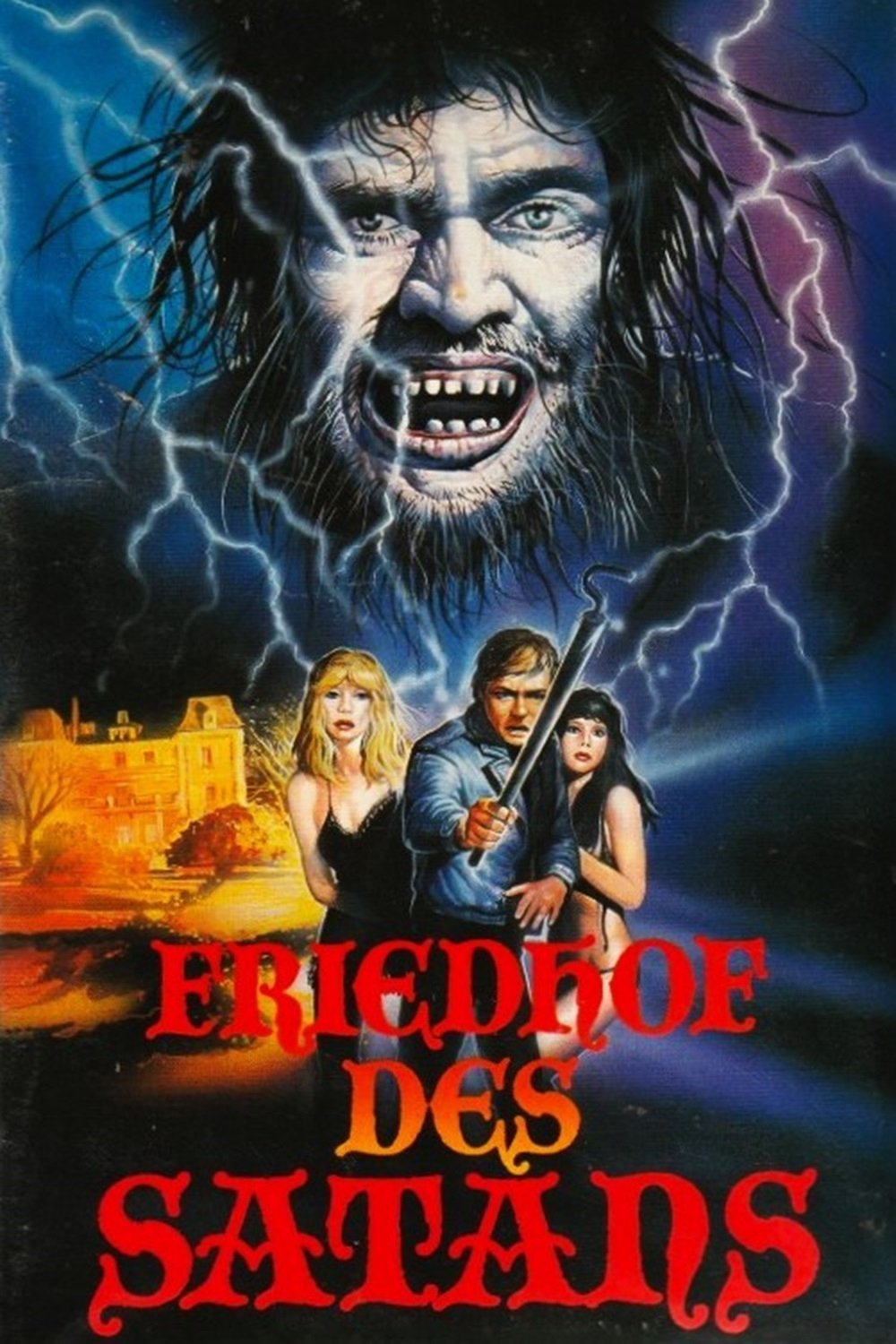
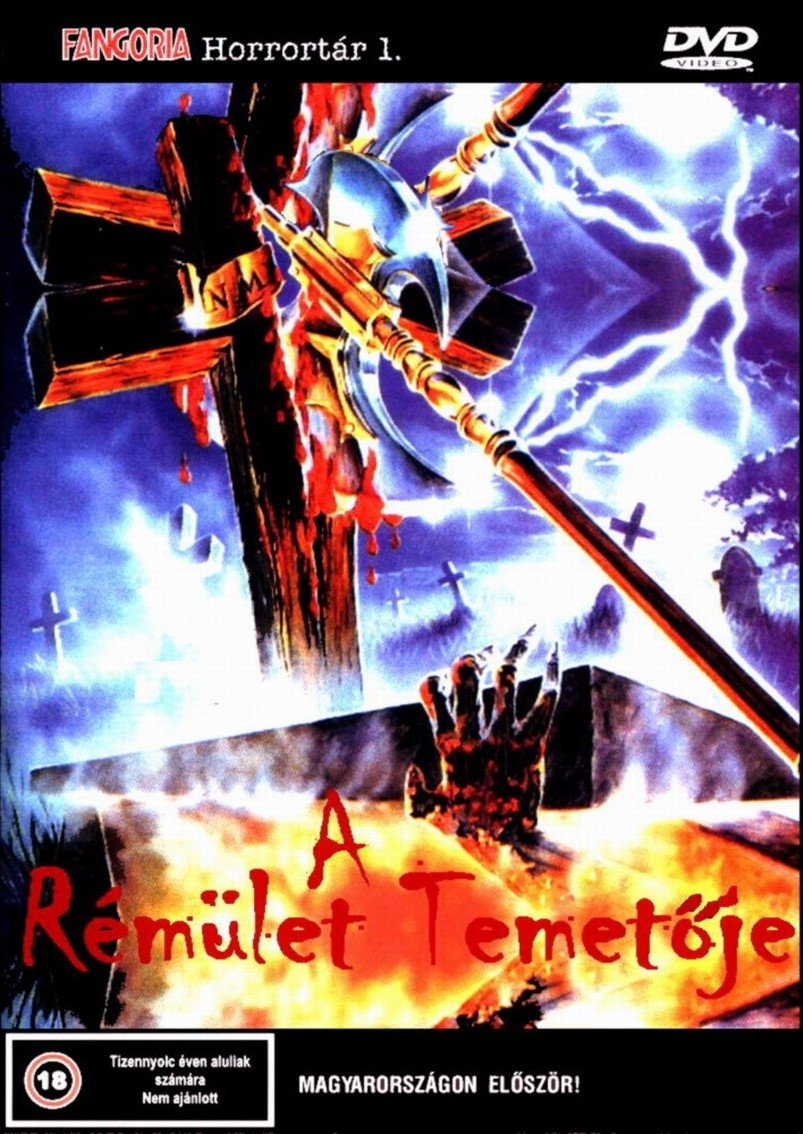
恐怖公墓 (China) — Chinese Friedhof der Zombies (Germany) — Video Friedhof des Satans (Germany) — German Le Cimetière de la terreur (France) — French A Rémület Temetője (Hungary) — Hungarian Кошмар на кладбище (Russia) — Russian

Film Guide & Analysis

Rubén Galindo Jr.'s Mexican horror debut: its Texas production, slasher and zombie influences, practical effects, contemporary reception and 4K restoration.

Cemetery of Terror (Cementerio del terror, 1985) is a Mexican horror film directed by Rubén Galindo Jr. in his feature debut. Produced during a period when American slasher cinema and increasingly graphic special effects were reshaping international horror, the film combines the pursuit of a serial murderer with occult resurrection and an outbreak of the living dead. Its progression from a Halloween slasher to a cemetery-based zombie spectacle makes it a revealing example of how Mexican commercial horror absorbed foreign genre conventions during the 1980s. The film also occupies an important place in the early career of Galindo, who would continue exploring supernatural violence in Don't Panic and Grave Robbers.

The production emerged from an established Mexican filmmaking family but was substantially photographed in Texas, where economic considerations provided an alternative to established Mexican studio facilities. Its effects work, cinematography and unusual combination of horror traditions distinguish it from the more restrained supernatural films associated with earlier Mexican genre cinema. Contemporary Mexican critics were often dismissive, yet the film attracted theatrical audiences and eventually became a recognizable title among collectors of Latin American exploitation cinema. Its production and initial reception are unusually well documented in José Luis Ortega Torres's 2004 UNAM research into gore cinema, which draws upon Mexican newspaper coverage from the original release period.

Origins and Development

Rubén Galindo Jr. belonged to a filmmaking family with a long involvement in Mexican commercial cinema. His father, Rubén Galindo, worked as a director and producer, while his grandfather Pedro Galindo Galarza had also been active in the industry. Galindo Jr. studied cinema and television in California and had already participated in a production directed by his father before preparing his first feature. According to José Luis Ortega Torres's historical study Mundo Gore: El cine descuartizador, the young filmmaker intended to pursue a horror production at a time when increasingly explicit American and European genre films were demonstrating the commercial possibilities of special makeup effects.

The project developed within practical limitations familiar to independent exploitation filmmaking. Ortega Torres documents that hiring technical facilities and equipment at Mexico's Estudios Churubusco was considered too expensive for the available resources. Production therefore moved to Texas, where the filmmakers could make use of facilities and technical equipment at a lower cost. The study quotes contemporary reporting in El Nacional, published in April 1984, concerning the economics of filming across the border. This decision shaped the circumstances of the shoot and gave the production access to an American setting while retaining its Mexican creative and industrial identity.

Filming began in July 1984, well before the film's Mexican theatrical release in December 1985. The historical account records approximately six weeks of principal photography and cites a production-budget range of 45 to 65 million Mexican pesos of the period. These figures are retrospective estimates, with no verified final production ledger available. The circumstances help explain why a director making his first feature relied on existing family connections while attempting an effects-heavy horror story. The film was completed within the practical framework of low-budget commercial production, although its ambitions extended beyond a conventional murderer-on-the-loose narrative.

The Texas Production and Performers

The Texas shoot forms an important part of the film's production identity. Locations around Brownsville supplied the setting for a Spanish-language Mexican horror feature whose action uses American Halloween customs, police imagery and suburban environments. Later accounts of Galindo's involvement indicate that the production benefited from access to property associated with his family. The cross-border arrangement also placed the film within a wider industrial practice in which Mexican producers used American locations while seeking audiences on both sides of the border. The relationship between its production nationality and its fictional setting is visible throughout the finished picture.

Hugo Stiglitz, already established in Mexican popular cinema and international exploitation productions, provided a recognizable lead as Dr. Camilo Cardán. The film also employed performers associated with Mexican television and popular entertainment, including Erika Buenfil, alongside younger actors such as María Rebeca, Eduardo Capetillo and Usi Velasco. Their presence reflects an approach intended to connect the horror premise with recognizable commercial performers. This combination of established screen personalities and young cast members became particularly important to the film's structure, which separates its victims and threatened characters into substantially different age groups.

The production's circumstances are relevant because the film attempts relatively elaborate effects sequences while operating outside the infrastructure of a major American horror studio. Galindo had experience with film studies and special-effects training, but directing a complete feature required coordinating an international location, a large ensemble and scenes involving makeup-intensive supernatural action. The historical record provides a useful outline of these conditions without establishing a complete scene-by-scene account of the filming. Later recollections associated with the film's home-video edition add information about the difficulties faced by the inexperienced director and the practical compromises made during production.

Slasher Cinema, Occult Horror and the Living Dead

Cemetery of Terror draws on several horror traditions that had become internationally recognizable by the middle of the 1980s. Its Halloween setting, murderous antagonist and determined doctor recall the dramatic framework of John Carpenter's Halloween (1978). The presence of an occult book capable of disturbing the boundary between life and death introduces a separate tradition of supernatural horror associated with films such as The Evil Dead (1981). These are identifiable formal and narrative comparisons; the available evidence does not establish that every resemblance was planned as a direct homage. The film develops its own combination of these conventions by making satanic resurrection responsible for the emergence of a larger supernatural threat.

The most important structural characteristic is the transition between forms of horror. The early portion emphasizes the danger posed by an individual killer and the vulnerability of young adults in an isolated location. The later cemetery sequences expand the scale of the threat by introducing multiple reanimated corpses and shifting attention toward children attempting to survive the disturbance. Ortega Torres discussed this progression in his study of Mexican gore cinema, observing that the film effectively moves from slasher material toward zombie horror. The shift is central to understanding its construction: the film changes both its principal victims and the type of menace confronting them.

The cemetery imagery also belongs to the wider popularization of zombies in the early 1980s. Michael Jackson's Thriller (1983), directed by John Landis, had already demonstrated how elaborate undead makeup and graveyard staging could reach an international popular audience. The relationship between that imagery and Cemetery of Terror has been discussed by later commentators, including documentary filmmaker David Weiner in connection with In Search of Darkness: Part III. The film additionally recalls the more violent Italian zombie cycle, particularly the emphasis on decomposing bodies and physical attacks. These overlapping reference points help explain its place within the international circulation of horror imagery.

Special Makeup Effects and Visual Style

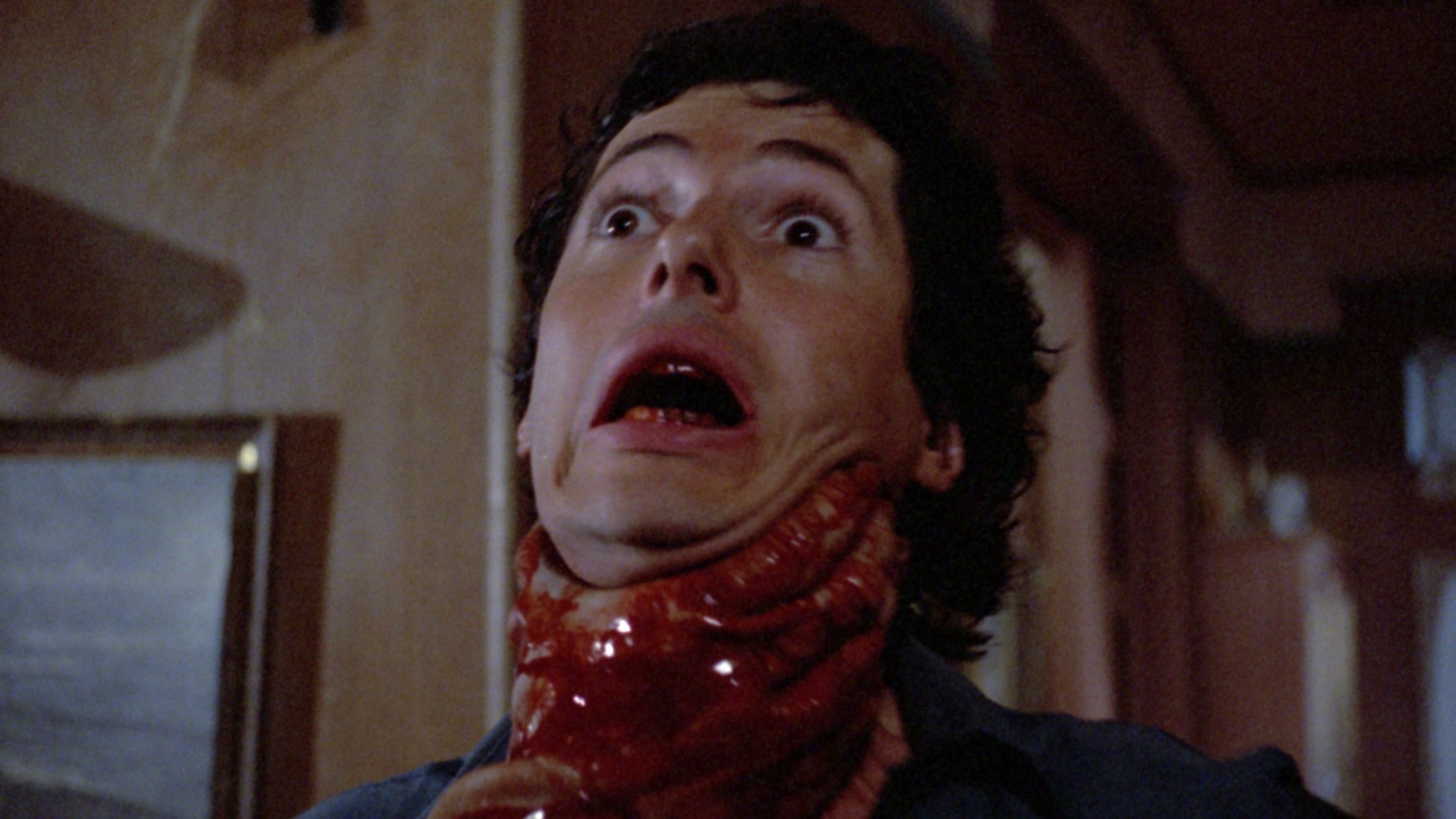
The practical effects are among the film's most distinctive production elements. Ken Diaz is credited for special makeup effects, contributing to a film that combines slasher violence with undead creatures requiring visibly different stages of bodily decay. The cemetery climax demands a larger number of physical monsters than the earlier scenes centered on Devlon. Makeup therefore becomes part of the film's changing genre identity, allowing the supernatural threat to develop from a single antagonist into a group of reanimated figures. The existing documentation confirms Diaz's participation, although it does not provide a complete technical breakdown of the materials, molds or individual prosthetic appliances used during filming.

The production also uses theatrical lighting, artificial fog and colored illumination to transform the cemetery into its principal horror environment. Light emerging from grave openings, illuminated Halloween decorations and contrasting areas of darkness give the undead sequences an appearance distinct from the earlier interior attacks. The staging emphasizes movement among gravestones and through enclosed spaces, providing a visual relationship between the children, the approaching creatures and the surrounding burial ground. These effects of composition and illumination are visible aspects of the film's design; they should be distinguished from unverified assumptions about the precise equipment or lighting techniques employed on set.

Both Rosalío Solano and Luis Medina are associated with the cinematography. Reporting based on Galindo's interview for the Vinegar Syndrome Blu-ray indicates that Solano was replaced by Medina during production, with the director later expressing reservations about the consequences of that change. This recollection provides a specific explanation for the involvement of two cinematographers without establishing an exact division of photographed scenes. The finished film retains a visually expressive approach, particularly during the nocturnal cemetery material. Its practical creature work and colored lighting contribute significantly to the film's reputation as an effects-oriented Mexican horror production of the period.

Release, Contemporary Reception and Restoration

Cemetery of Terror received its Mexican theatrical release in December 1985, following photography undertaken the previous year. Ortega Torres records an initial release across 25 cinemas and describes a comparatively favorable audience response, although his study does not supply comprehensive box-office receipts. The documentary evidence is especially valuable for the distinction it establishes between commercial reception and criticism. Newspaper reviews published in January 1986 demonstrate that the film was already being discussed as a conspicuous, controversial example of Mexican horror filmmaking. Its popularity therefore cannot be treated as evidence of broad critical approval.

The contemporary response included severe criticism. Ezequiel Barriga Chávez reviewed the film in Excélsior on January 14, 1986, while Andrés de Luna addressed it in Unomásuno on January 9. Their judgments, preserved and discussed in Ortega Torres's research, criticized the filmmaking and narrative inconsistencies, with De Luna particularly questioning the effectiveness of its staging. The October 1986 issue of Dicine likewise treated the film's graphic violence as a conspicuous part of its identity while criticizing the execution. These responses establish that the film's exploitation-oriented ambitions were recognized immediately, even by reviewers who considered the result artistically unsuccessful.

Historical accounts also attribute several recognitions to Galindo's debut, including an Águila Azteca distinction, an El Heraldo award for a first-time director and a Diosa de Plata for a debut feature. Such claims appear in the secondary historical record, but the surviving documentation consulted here does not establish every award category through independent institutional records. More securely, the film became an early reference point in Galindo's development as a horror filmmaker. His subsequent supernatural films continued working with young ensembles, occult threats and graphic violence, allowing Cemetery of Terror to be understood within a continuing body of Mexican genre production rather than as an isolated experiment.

Its later circulation included home-video releases and renewed international interest in Mexican exploitation cinema. In 2020, Vinegar Syndrome issued a Blu-ray derived from a new 4K scan and restoration of 35mm negative elements. The release presented the film in Spanish with English subtitles and included substantial supplementary material, notably director commentary, an extended interview with Galindo and an interview with actor René Cardona III. The restoration made the original photographic material available in a substantially improved presentation and supported a new period of critical reassessment. The documentary series In Search of Darkness: Part III subsequently included Galindo discussing the film, further integrating the production into historical accounts of 1980s horror.

References

  1. Universidad Nacional Autónoma de México Mundo Gore: El cine descuartizador — José Luis Ortega Torres (2004)

    University research on the history of gore cinema, with a substantial chapter on Rubén Galindo Jr., production circumstances, budget estimates, contemporary Mexican newspaper criticism and the original reception of Cemetery of Terror.

Cast

View Full Cast & Crew →

Release & Distribution

Production Companies (2)

  • Dynamic Films
  • Producciones Torrente MX

Release History (2)

Release DateTerritoryRelease TypeFormatDistributorCertificationNotes
1985-07-12 United States Premiere — — — New York City, New York
1985-12-12 Mexico Theatrical — — —
Digging Your Own Grave