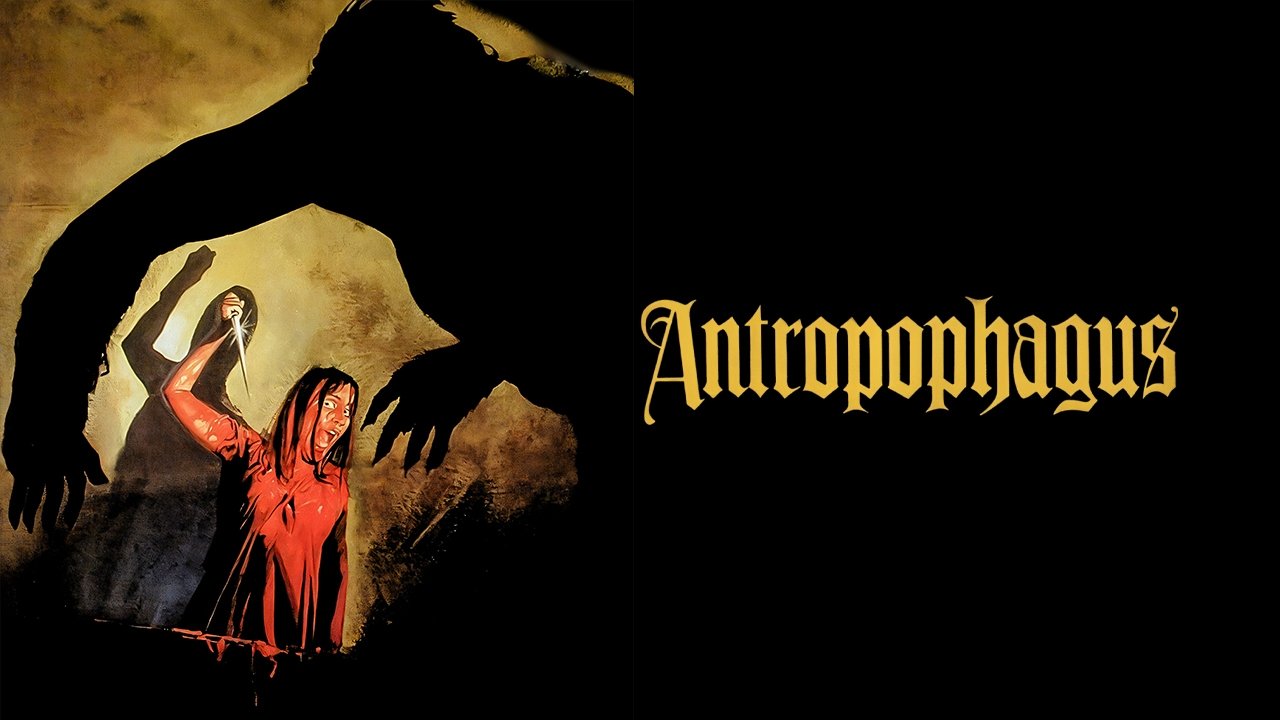
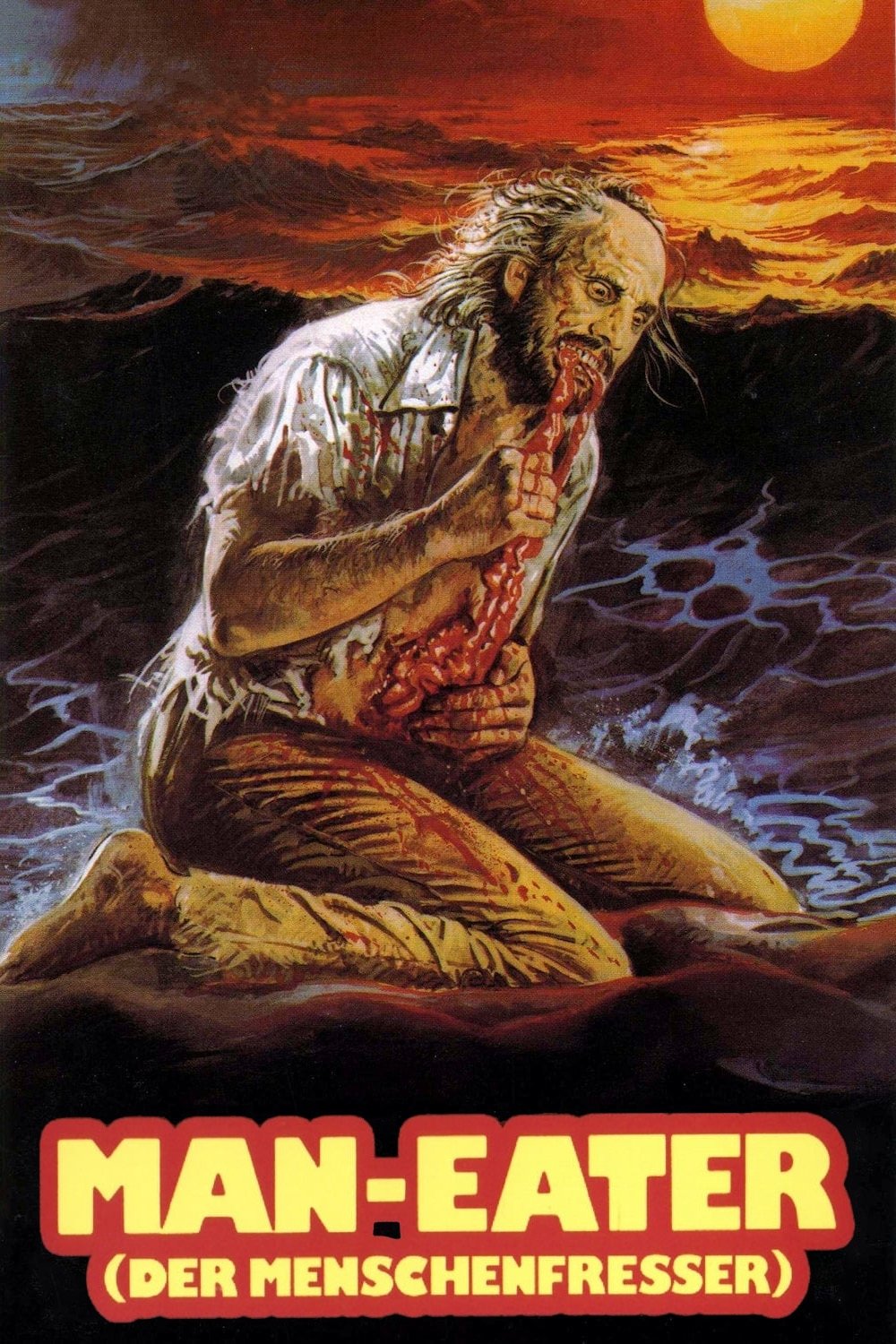
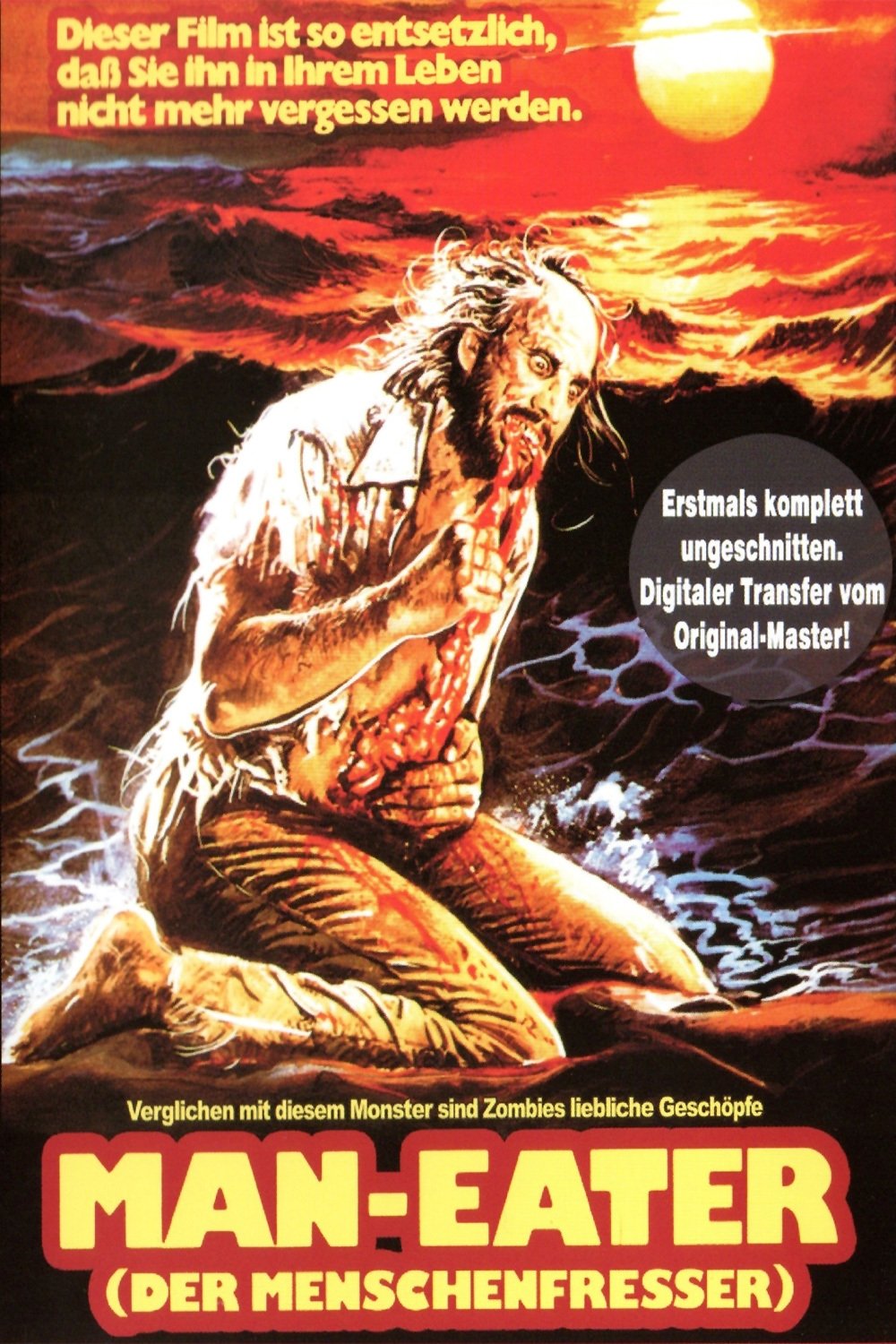
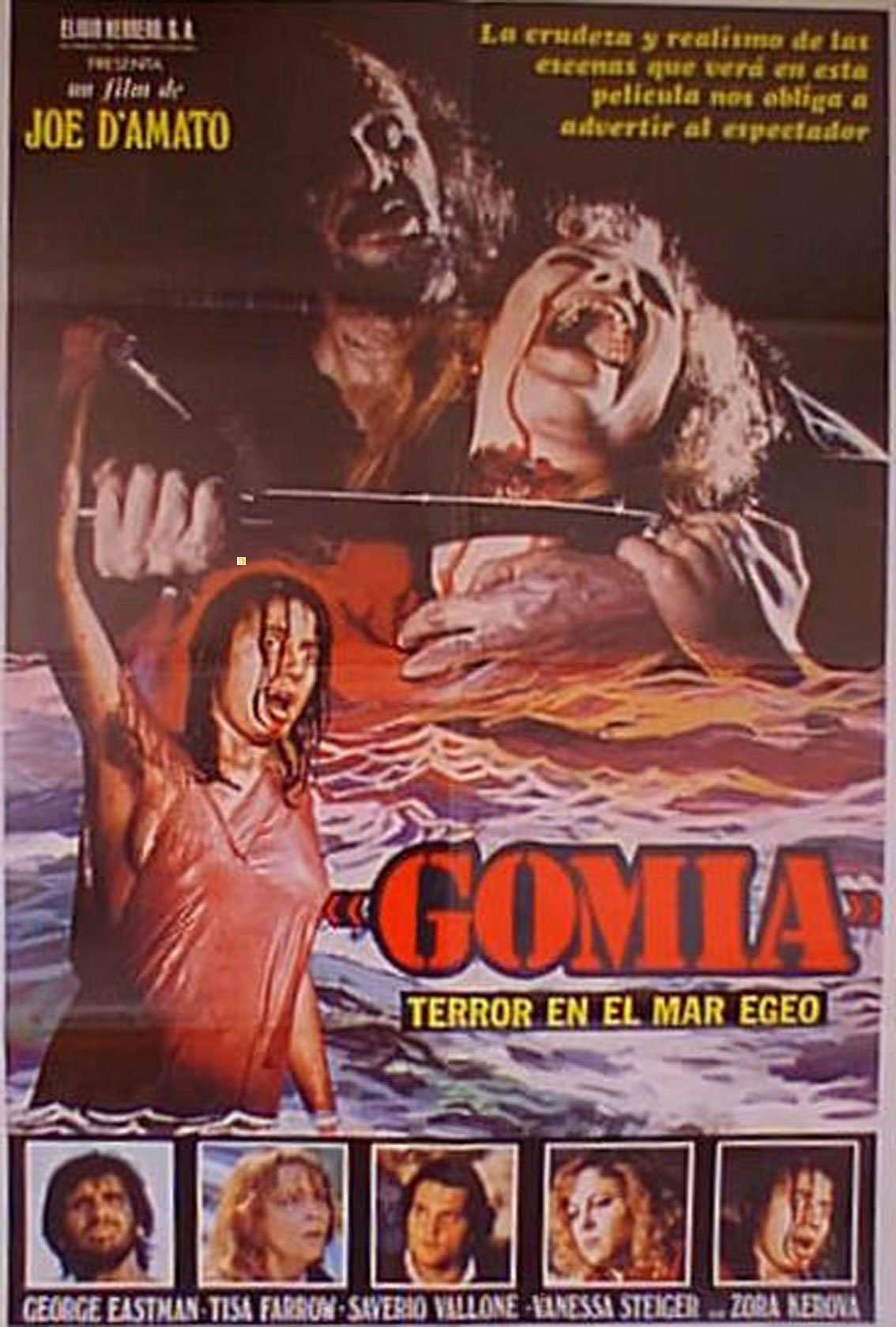
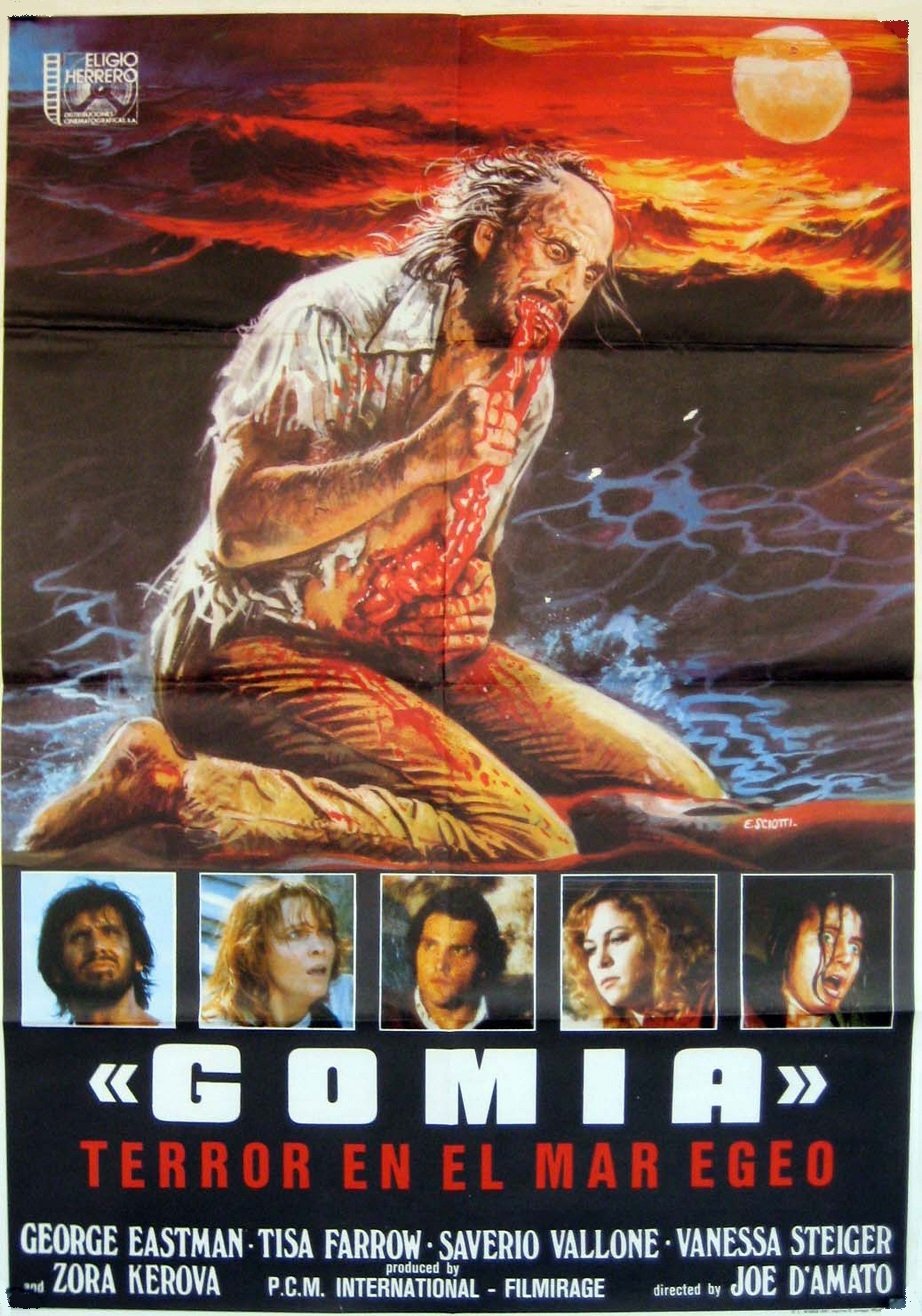
Anthropophagous (1980)

IT
HORROR FILM Thriller
SUBGENRES CANNIBAL SPLATTER
UK censorship history DPP · Successful prosecutions
4.5/10 4 votes
Runtime
92 min
Release
August 7, 1980
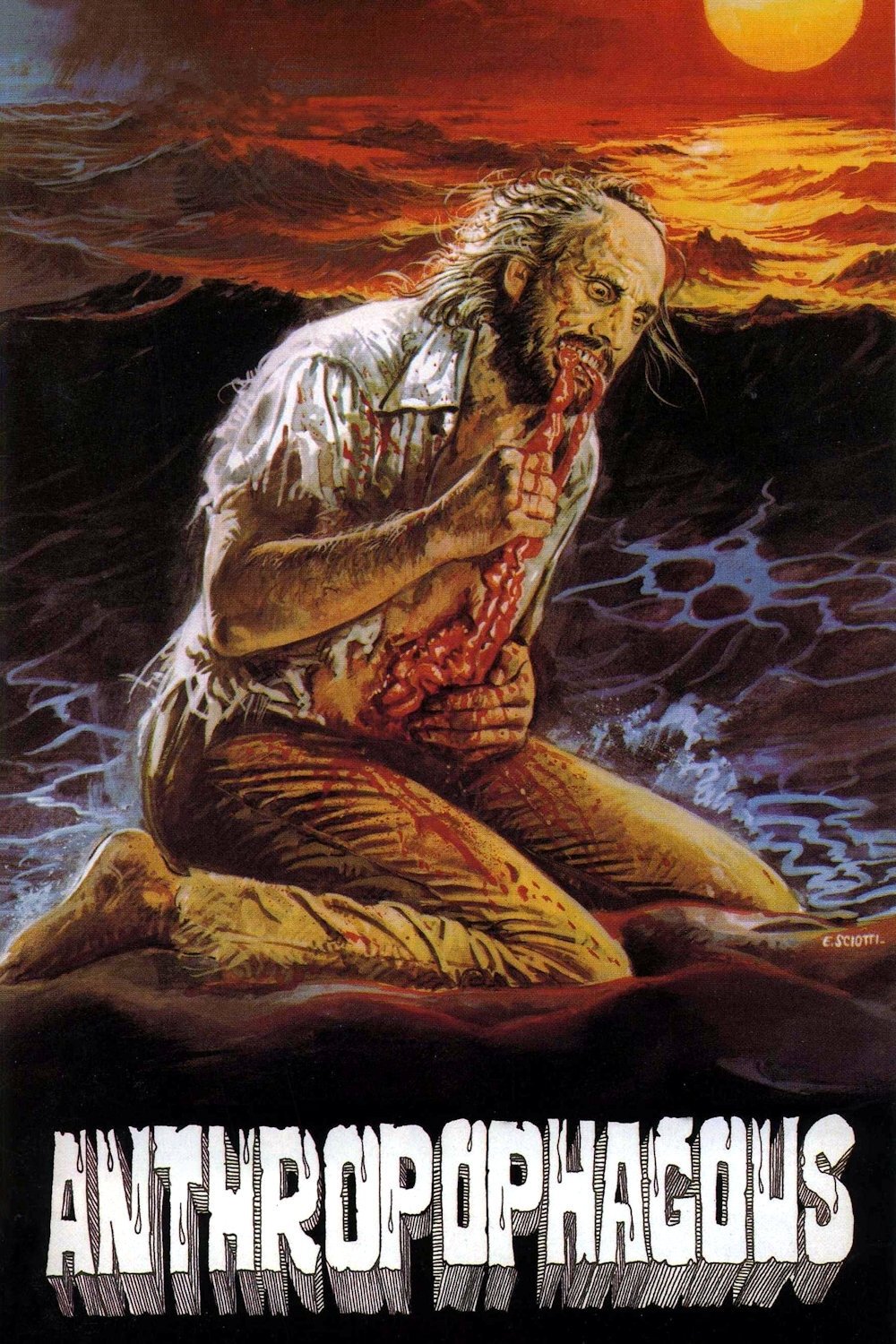
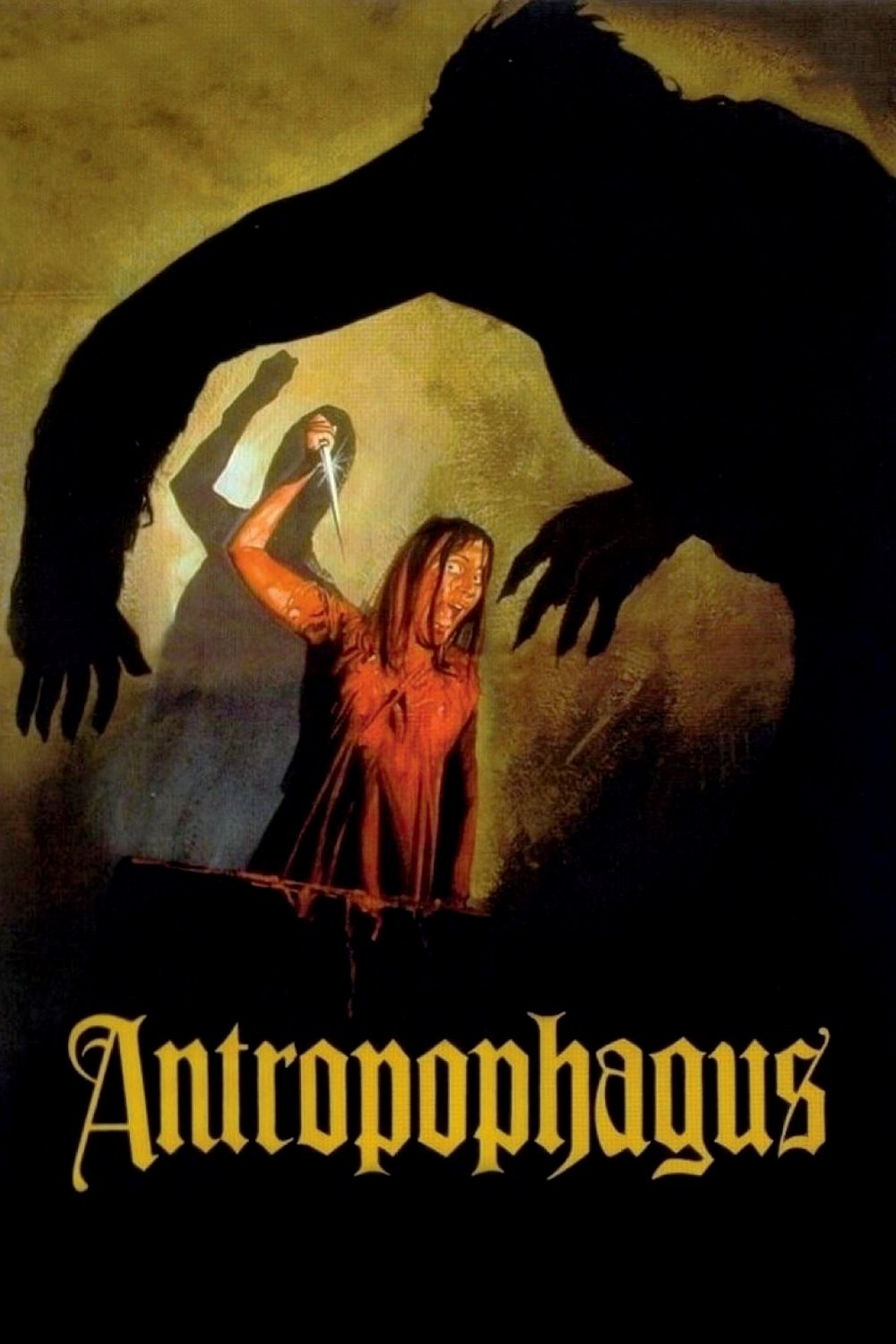
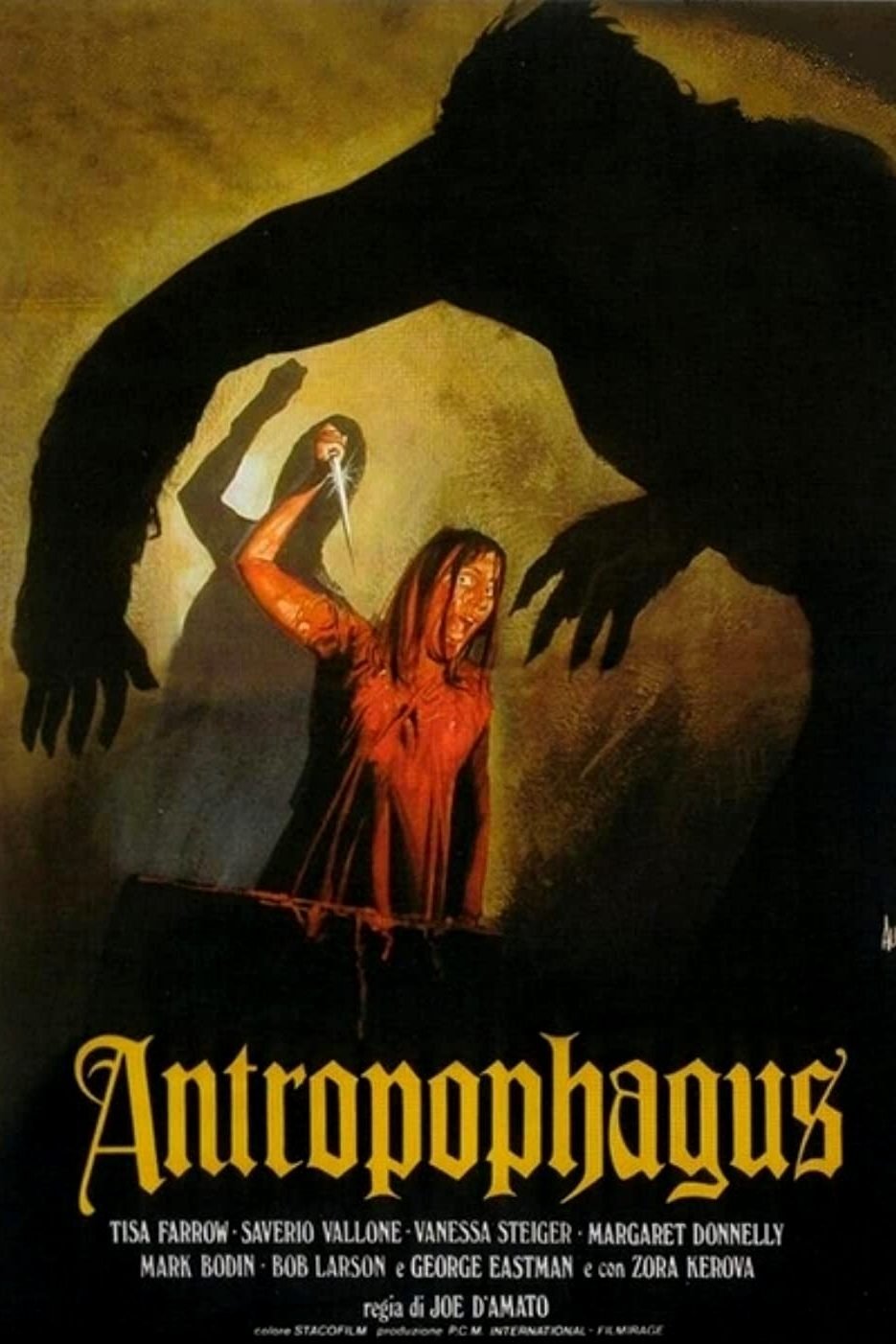
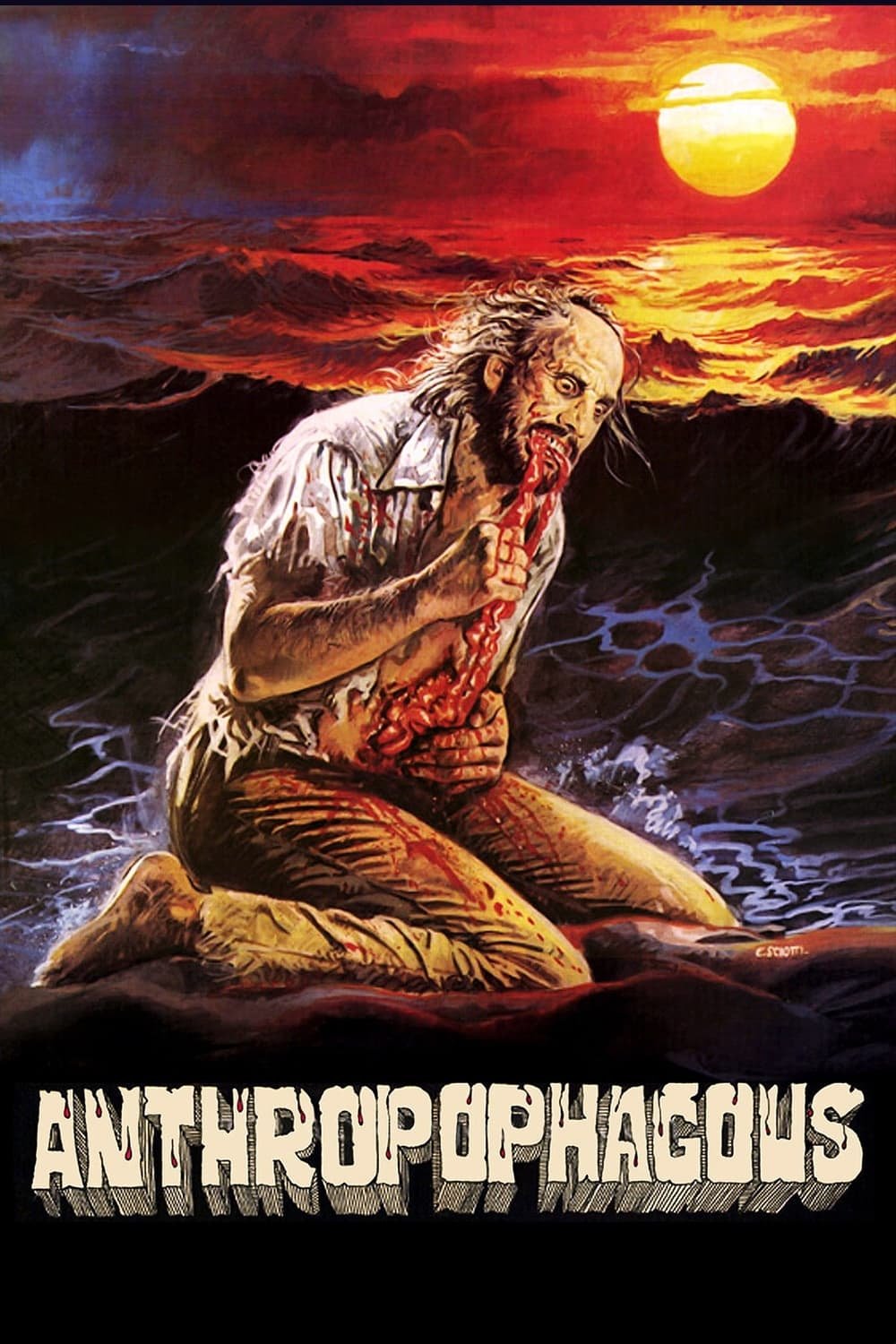
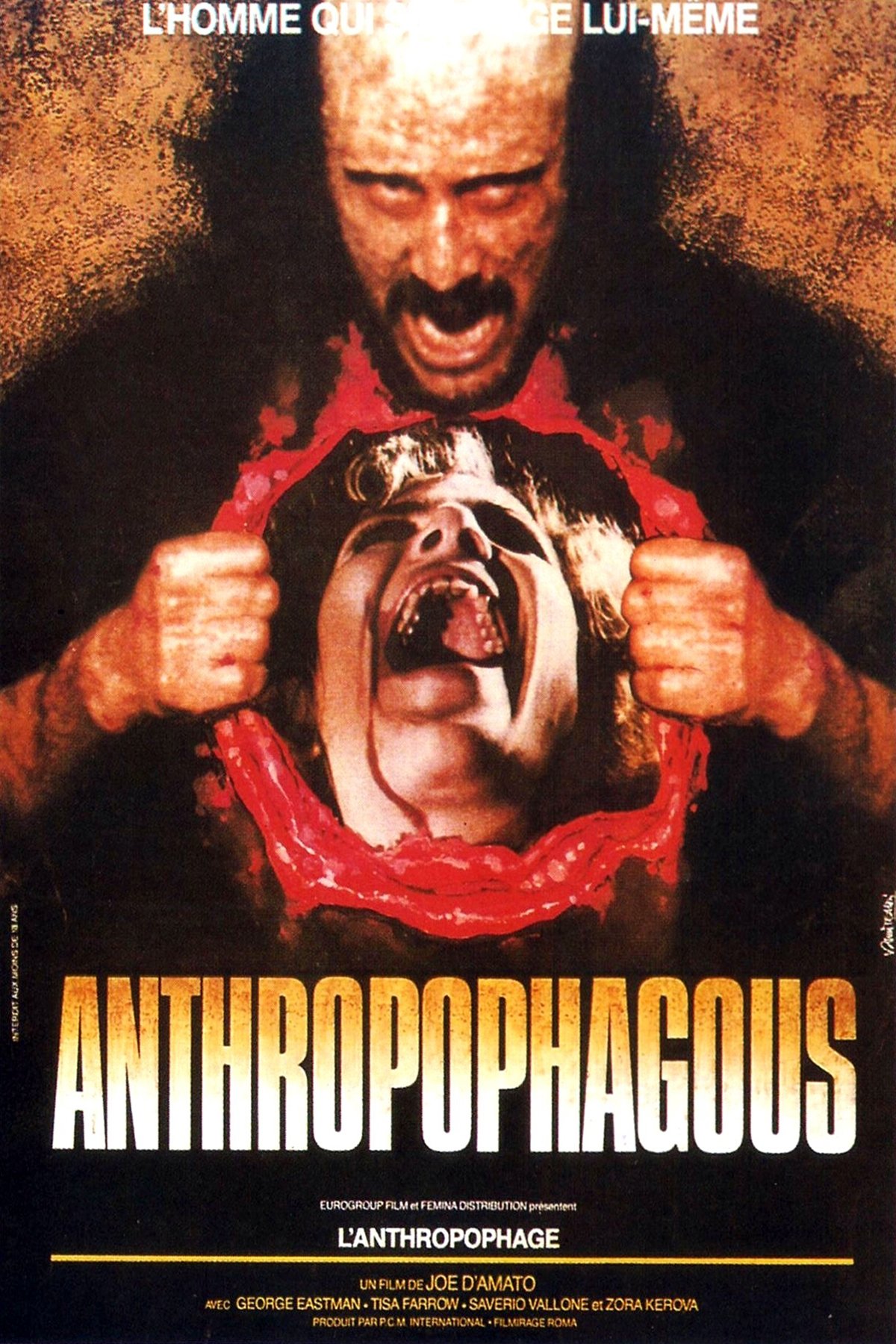
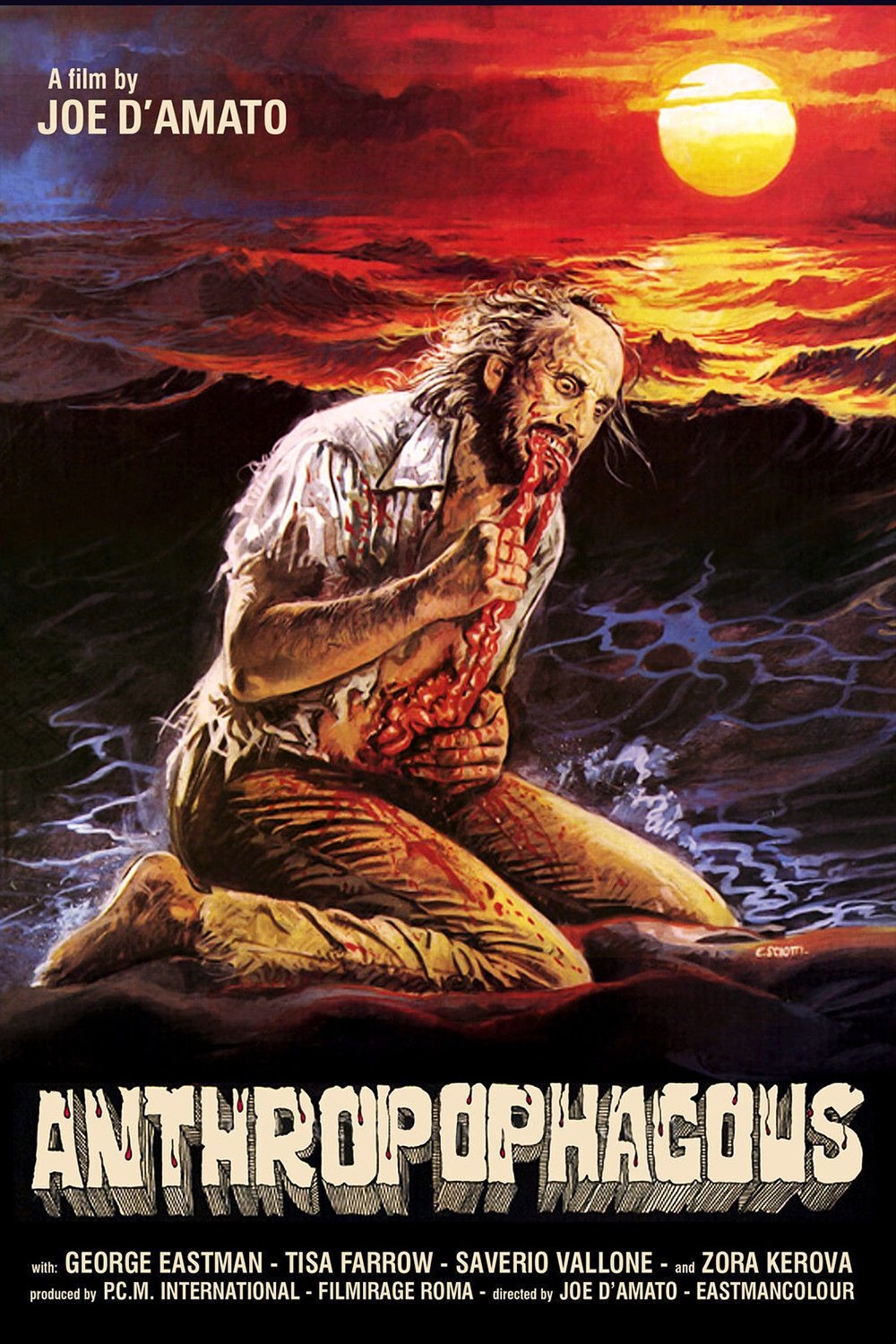
Anthropophagous (1980) poster
Director
Production Companies
Filmirage , Produzioni Cinematografiche Massaccesi (PCM) International
Plot

Tourists take a boat to a remote island, where they find that most of the people have disappeared, and something is stalking them. They find a hidden room in the big mansion on a hill, and an ancient diary, which gives them clues to the source of the terror.

Alternative Titles
The Grim Ripper (Austria) — bootleg title O Antropófago (Brazil) L'anthropophage (Canada) — French title 食尸人 (China) — Chinese Antropofagia (Colombia) Antropofág (Czechia) — Czech Lidožrout (Czechia) Der Menschenfresser (Germany)
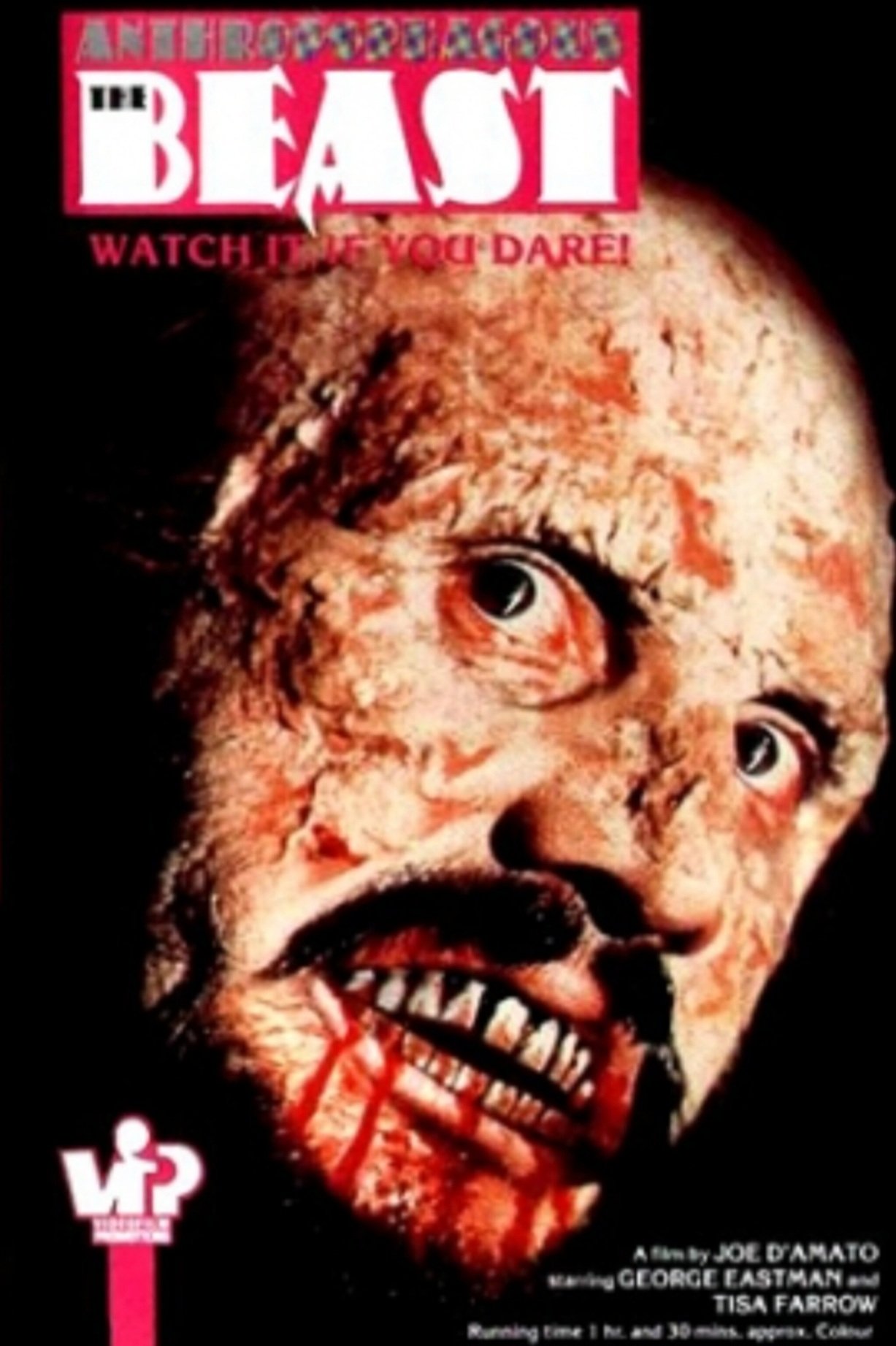
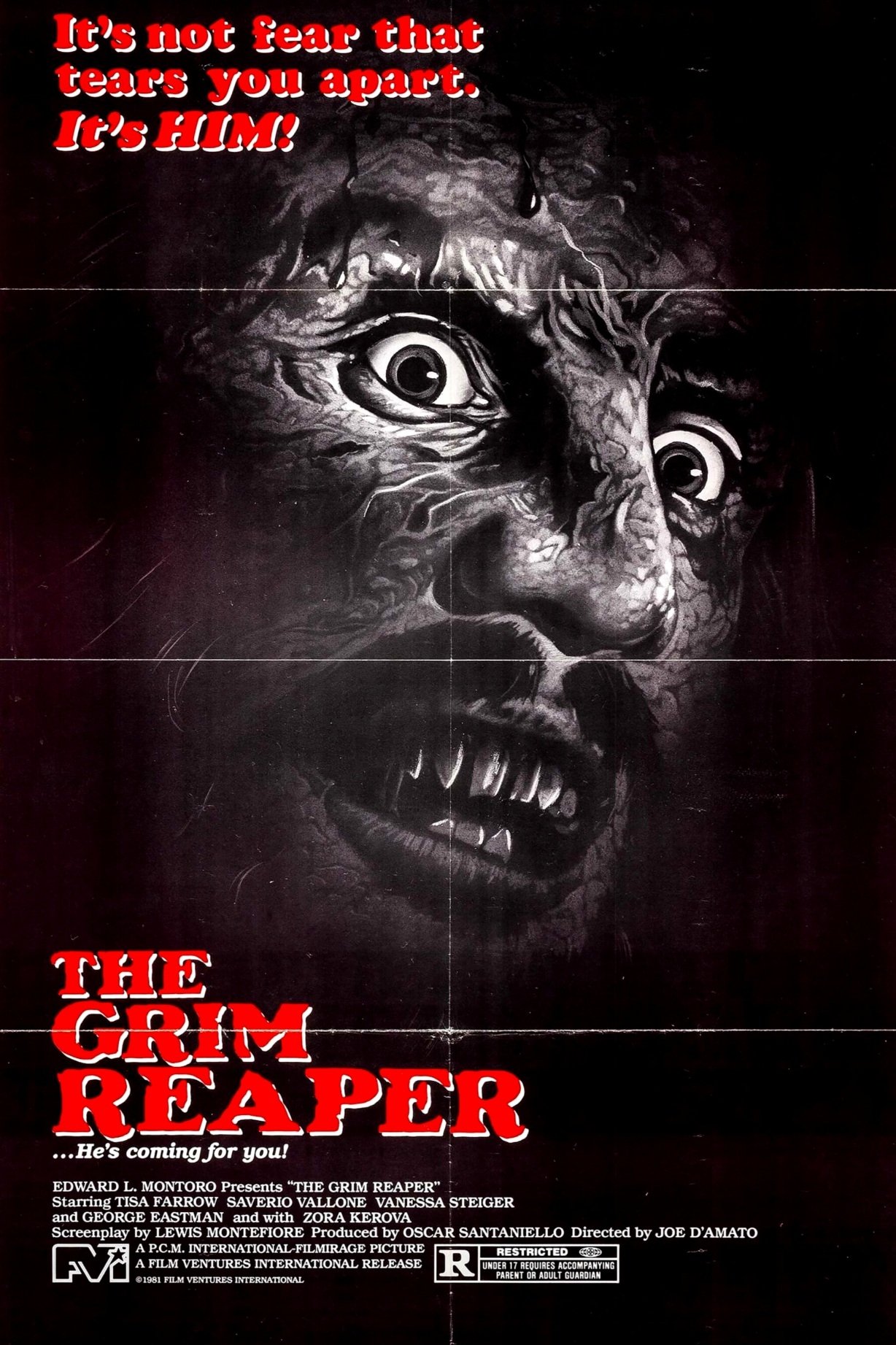
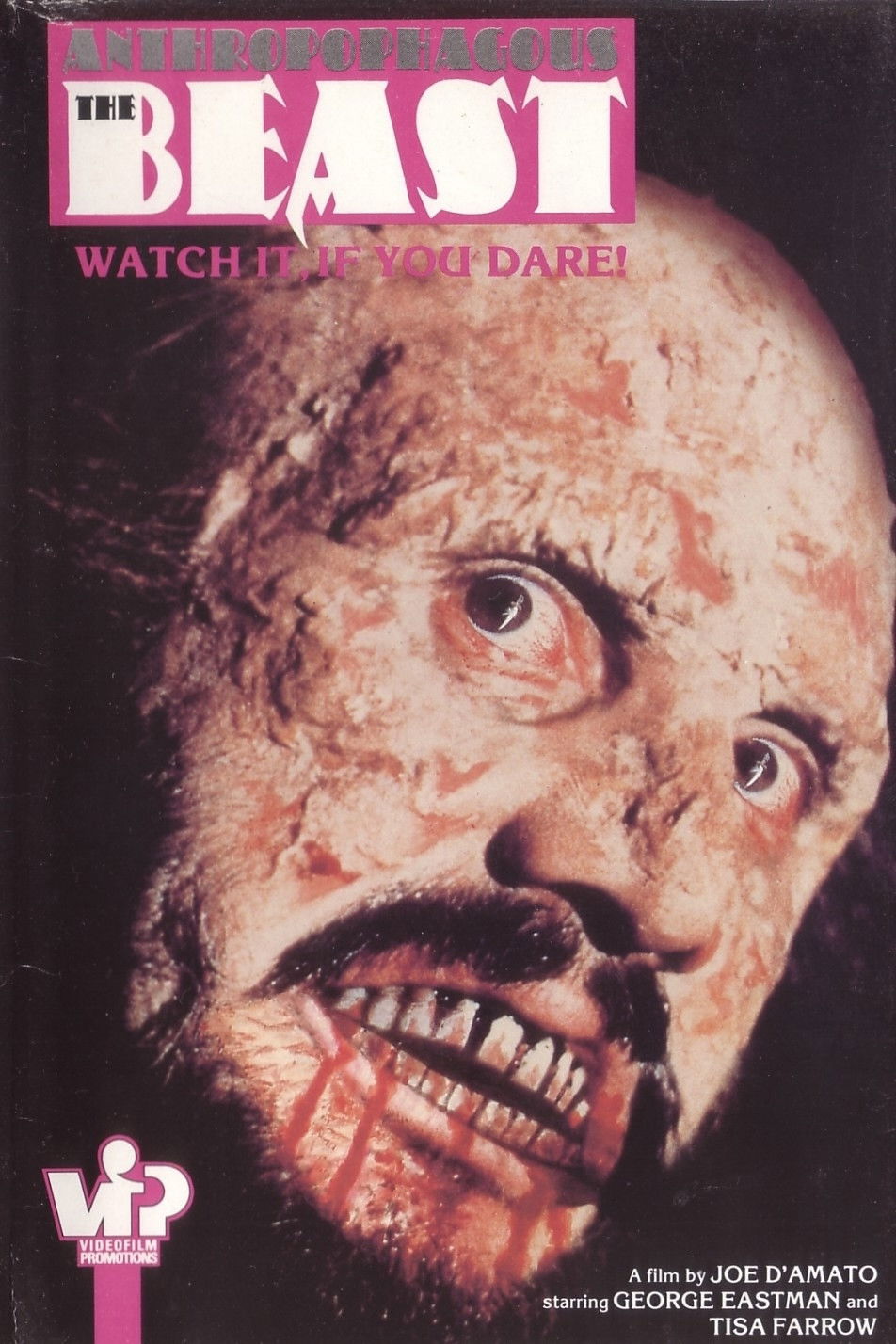
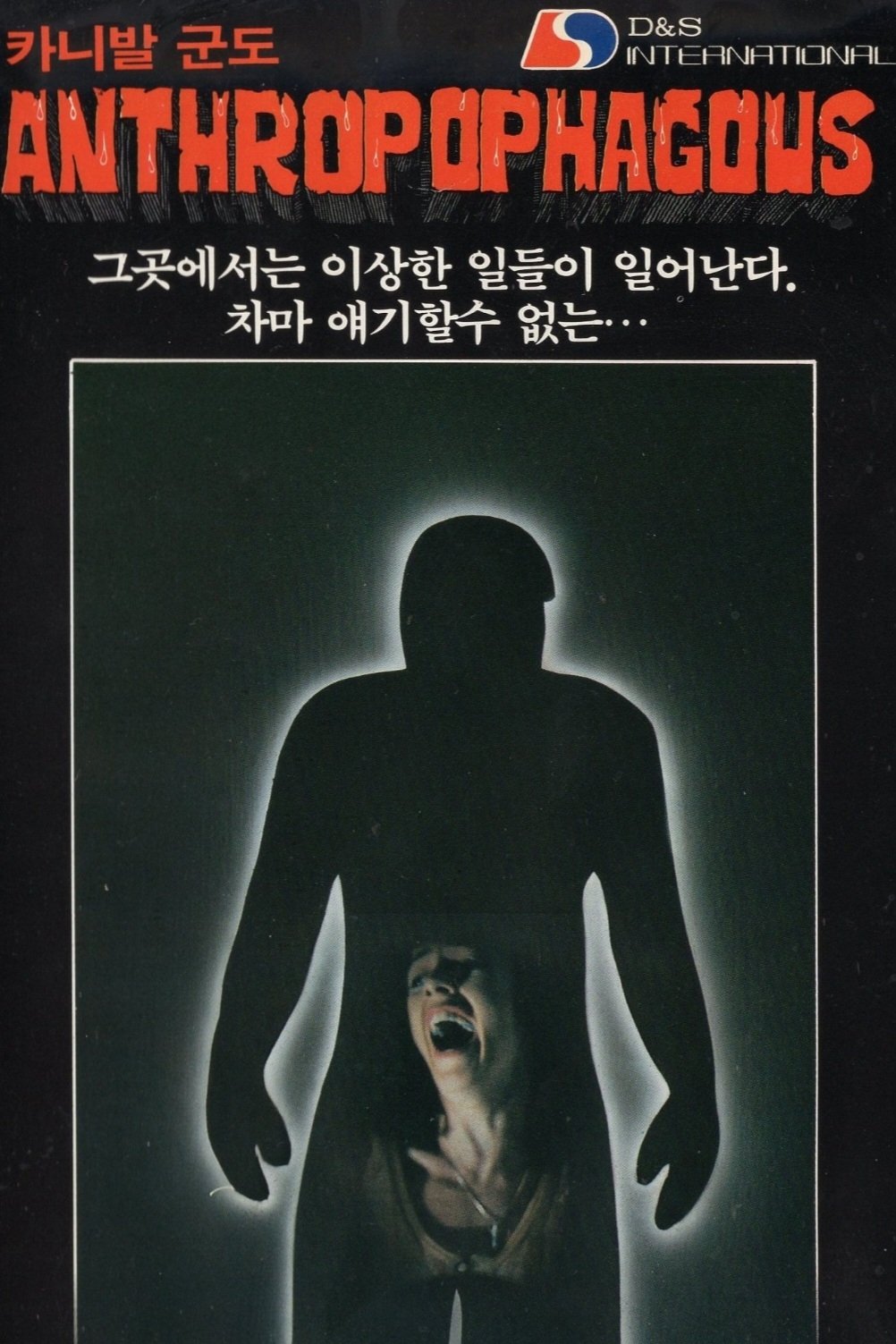
Show all 33 alternative titles Man Eater - Der Menschenfresser (Germany) — X-rated version Man-Eater (Germany) Man-Eater - Der Menschenfresser (Germany) — German Gomia, terror en el Mar Egeo (Spain) L'anthropophage (France) — Television Title Anthropophagous: The Beast (United Kingdom) — Home Video Title The Beast (United Kingdom) — Home Video Title The Grim Reaper (United Kingdom) — DVD title Ο ανθρωποφάγος (Greece) 食屍人 (Hong Kong SAR China) — Chinese 카니발 군도 (South Korea) — Korean Antropófagos (Mexico) Antropófago (Peru) Ludożerca (Poland) — Polish O Antropófago (Portugal) Антропофагус (Russia) — Russian Антропофагус (Russia) Антропофаг (Ukraine) — Ukrainian Anthropophagus (United States) Anthropophagus: The Grim Reaper (United States) — DVD box title Man Beast (United States) The Grim Reaper (United States) — censored version The Savage Island (United States) The Zombie's Rage (United States) — reissue title Zombie 7 (United States)

Trailers & Videos

3 videos

Film Guide & Analysis

Joe D'Amato turned 16 mm photography, Mediterranean locations, improvised organic gore and George Eastman's enormous physical presence into one of the defining cult objects of Italian extreme horror.

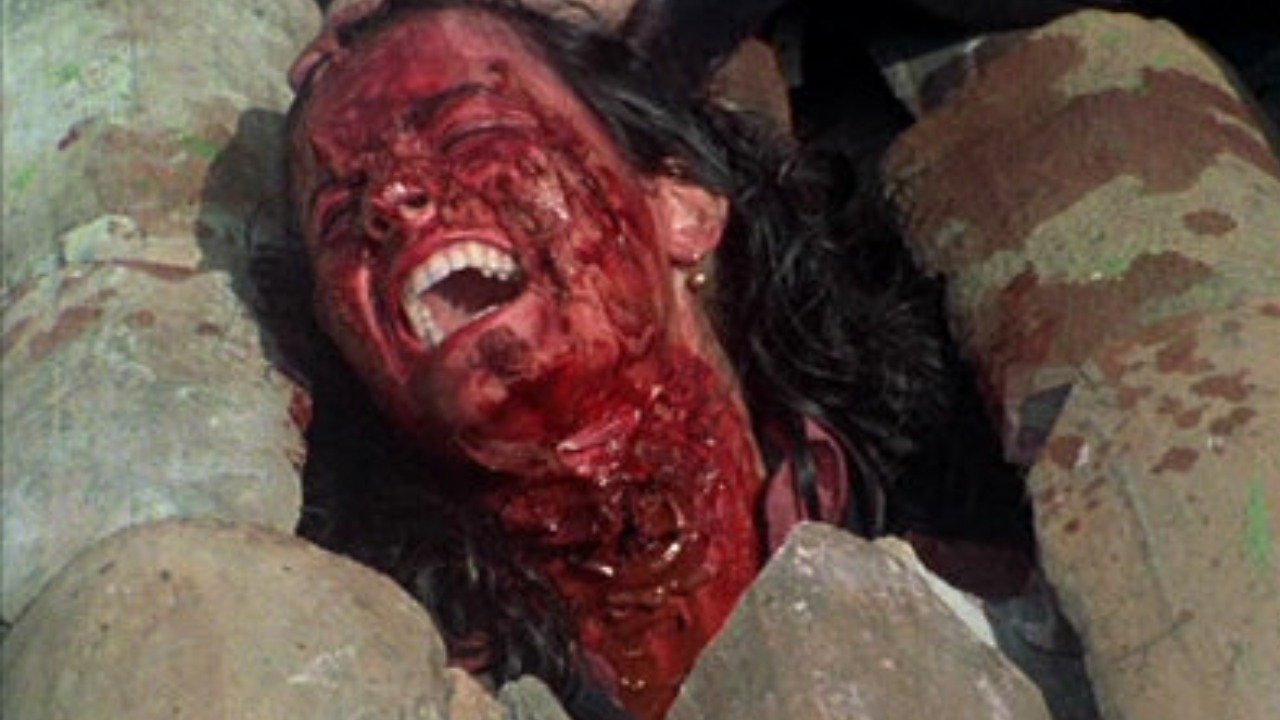
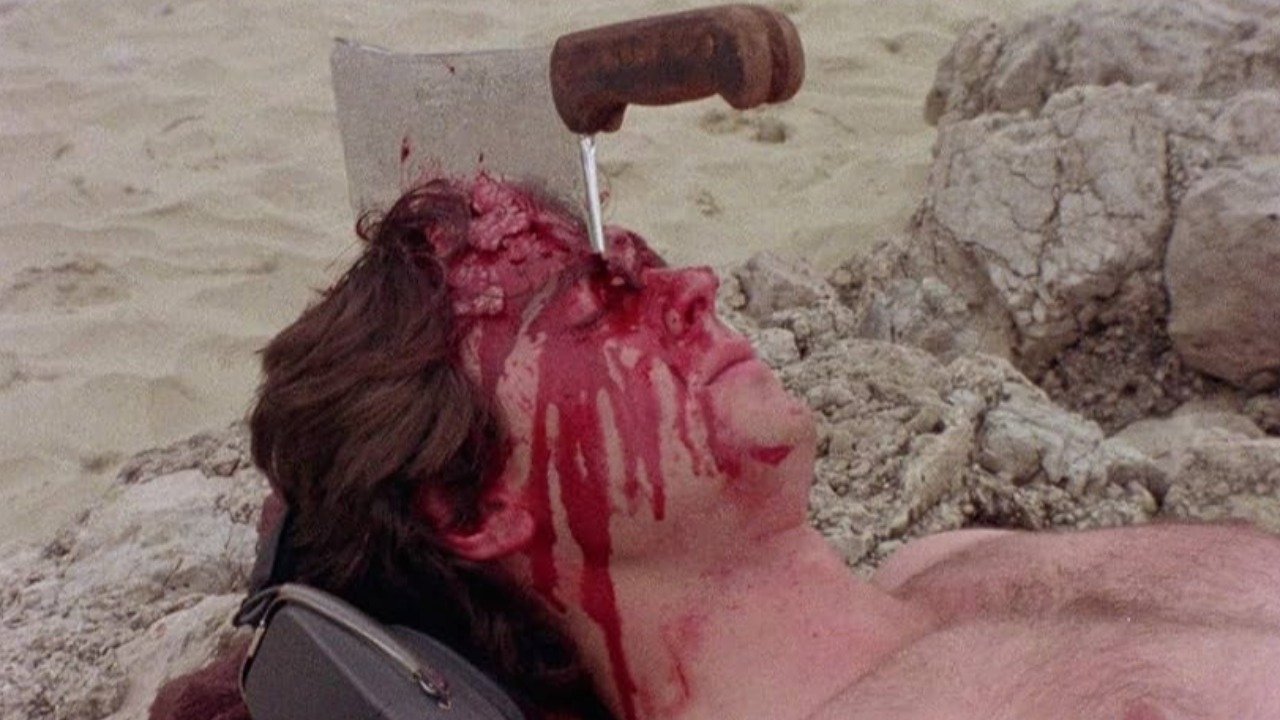
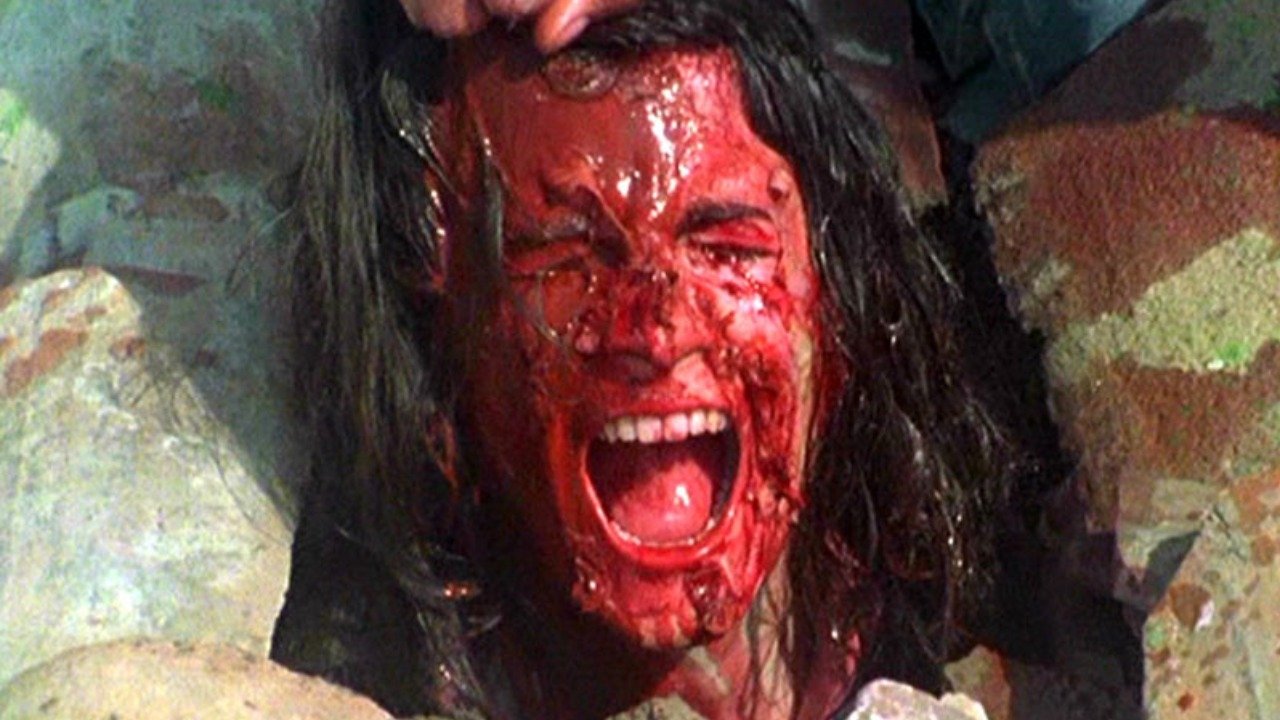
Anthropophagous is remembered primarily for two acts of graphic violence, yet most of Joe D'Amato's 1980 film is built through absence rather than gore. A group of travellers arrives on an apparently deserted Greek island and finds empty streets, abandoned houses and evidence that ordinary life stopped abruptly. D'Amato delays the full appearance of the killer, allowing real Mediterranean locations, dark interiors and underground spaces to establish a feeling of physical isolation before George Eastman's cannibal finally becomes the visible explanation for it. The extreme effects occupy only a small percentage of the running time, but their material directness transformed the film's international reputation.

The production itself was equally stripped down. D'Amato later described Anthropophagous as perhaps the cheapest feature of his career, photographed on 16 mm and enlarged to 35 mm for exhibition. The film was made during a period in which he increasingly combined directing, producing and technical responsibilities through his own production structures, while Luigi Montefiori, better known as George Eastman, contributed the story and screenplay as well as performing the central monster. Limited resources were converted into a specific aesthetic: existing villas and catacombs became production design, Mediterranean daylight supplied scale that could not be built, practical effects were assembled from inexpensive physical materials and Marcello Giombini's electronic score supplied an atmosphere far larger than the production itself.

Development, Filmirage and George Eastman

Anthropophagous emerged from the long working relationship between Aristide Massaccesi, working as Joe D'Amato, and Luigi Montefiori, who acted under the name George Eastman. Italian archival records credit both men with the story while Montefiori receives screenplay credit. Their division of labor was characteristic of a collaboration in which Eastman could supply narrative material specifically tailored to D'Amato's production methods and then become one of the principal performers inside it. The antagonist was therefore not written independently of the body that would eventually represent him.

The film was produced through P.C.M. International and Filmirage during the period when D'Amato was attempting to exercise greater practical control over production and international exploitation. His model depended on keeping crews compact, using exportable casts and settings, and designing films that could travel easily under multiple titles. An island supposedly located in Greece offered precisely that flexibility: dialogue and nationality mattered less than physical geography, while deserted streets and coastal scenery could be understood immediately by audiences in any territory.

Eastman's participation gave the production another economic advantage. He was writer, collaborator and central physical effect at the same time. The film could build its monster around Eastman's unusual height, body shape and ability to dominate confined spaces. Makeup, damaged clothing and controlled revelation transformed an existing performer into something visually extreme without requiring a complex mechanical creature.
16 mm Photography and the Cinematography Question

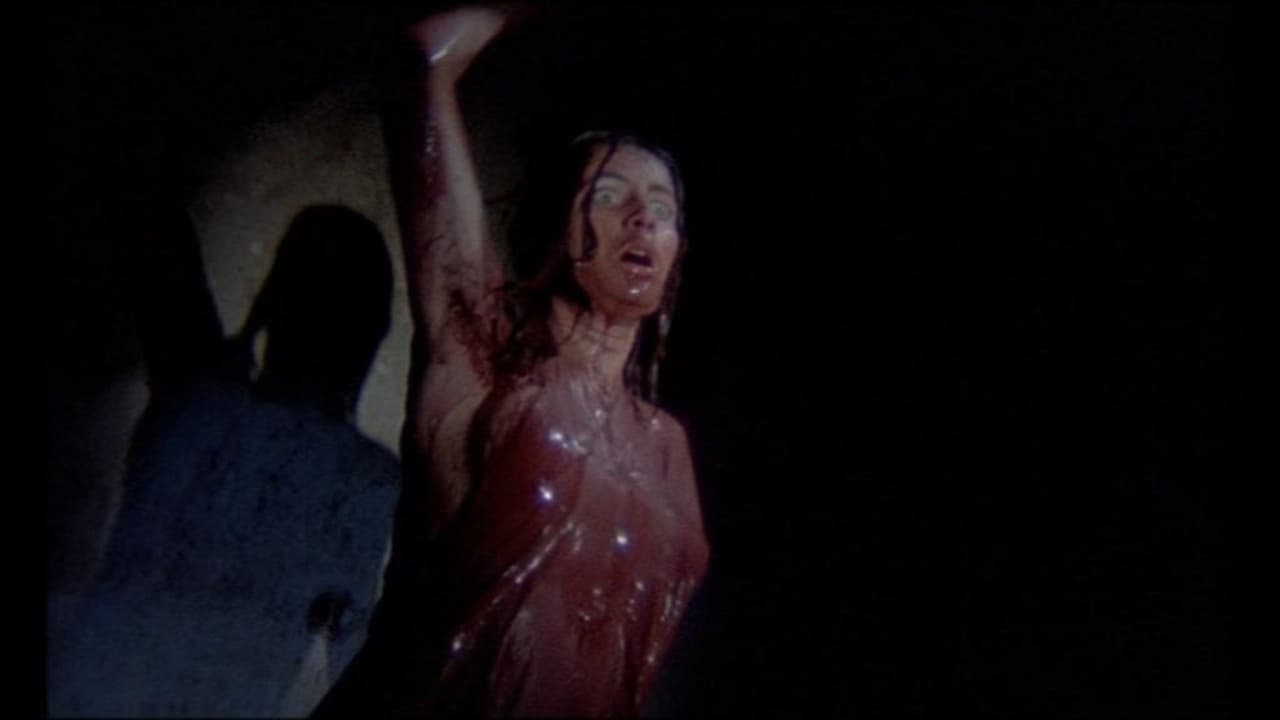
D'Amato later described Anthropophagous as a 16 mm production enlarged to 35 mm, a decision consistent with its extremely restricted budget. The smaller gauge reduced stock and camera costs while making location work easier for a mobile crew. The finished film subsequently circulated on 35 mm, and modern preservation has confirmed the existence of the original 16 mm camera material. Severin's earlier restoration was scanned in 2K from the original 16 mm negative, while its later UHD edition returned to the camera negative for a new 4K scan.

The cinematography credit itself is unusually revealing about D'Amato's production practice. Enrico Biribicchi appears in Italian records as director of photography, while D'Amato was also deeply involved with the camera. Later testimony became contradictory: Biribicchi recalled being promoted by D'Amato into the cinematographer position and remembered particular pride in the catacomb and boat material, while D'Amato claimed that he had effectively photographed the film himself and that union restrictions influenced the way credits were assigned. The disagreement should not be artificially resolved. What it demonstrates is how fluid technical responsibilities could become on his low-budget productions.

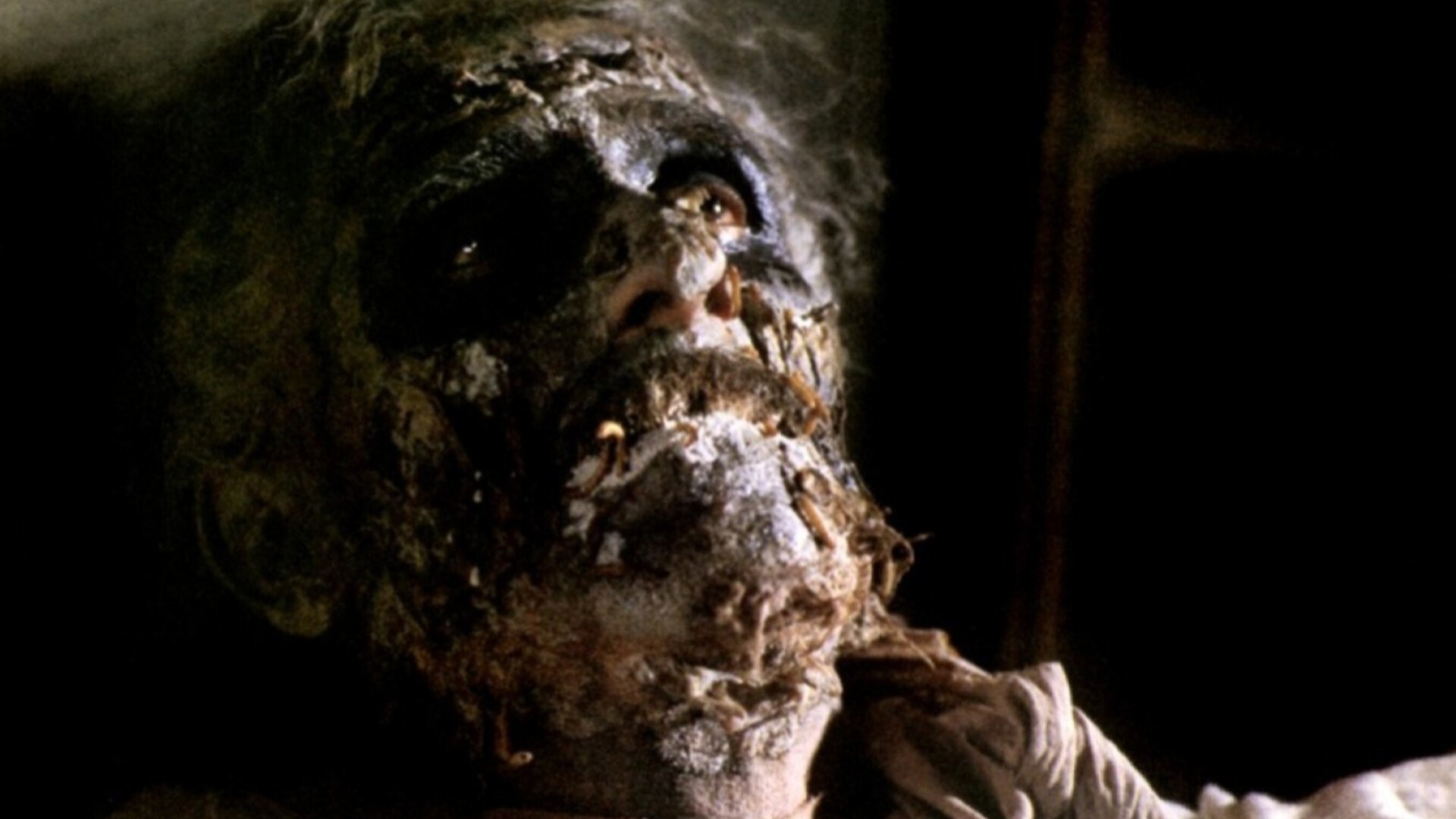
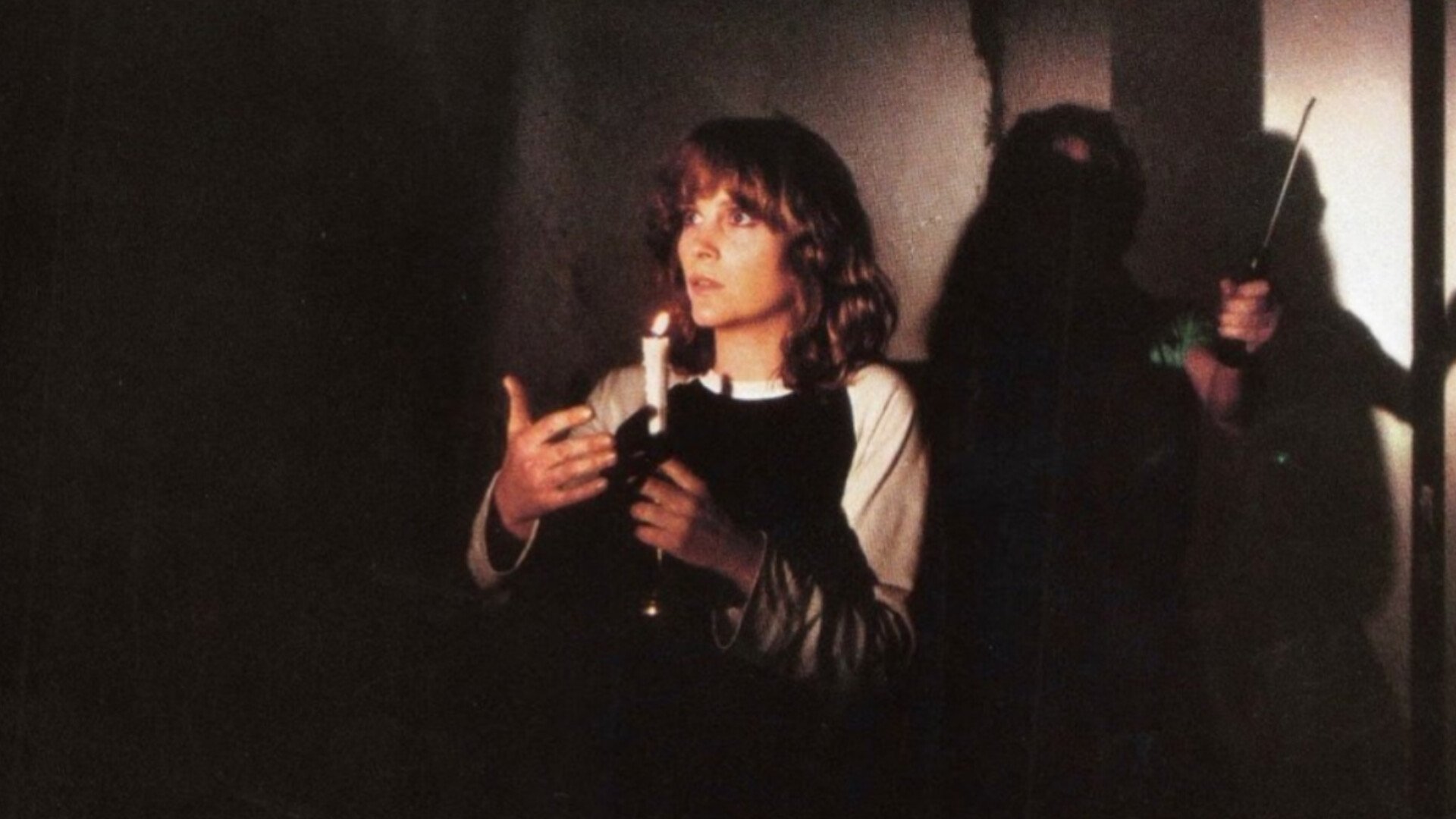
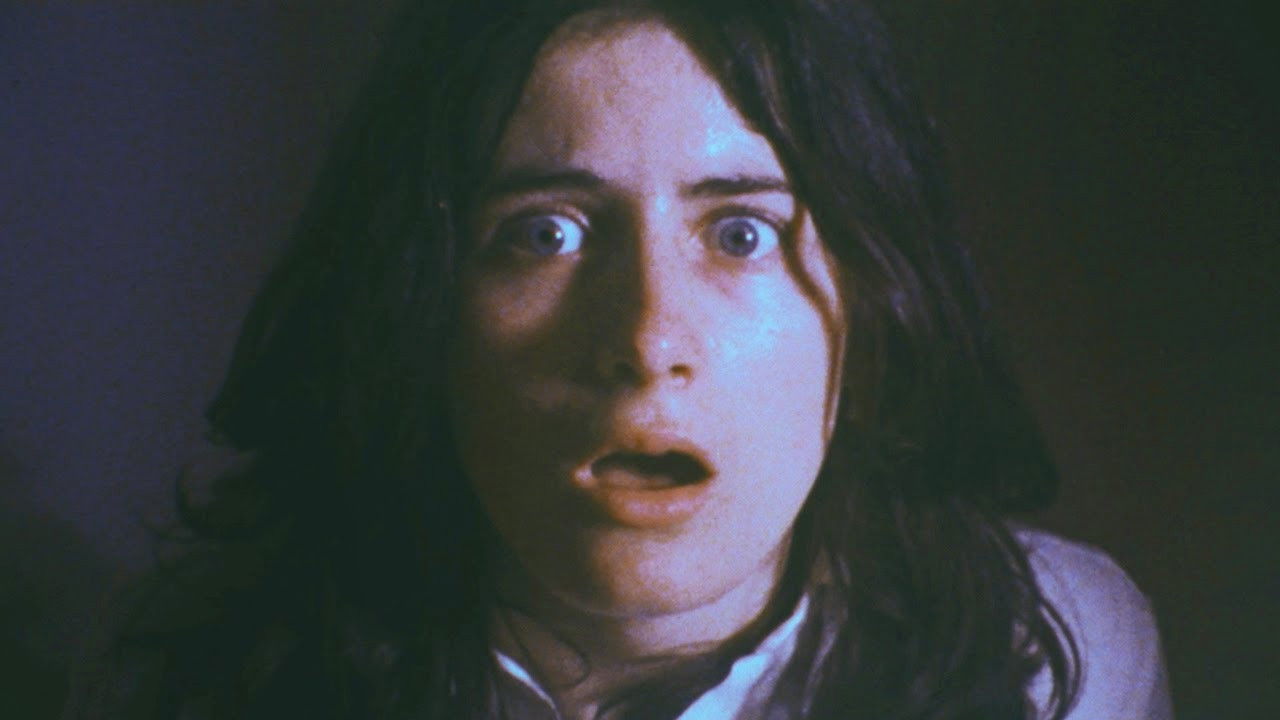
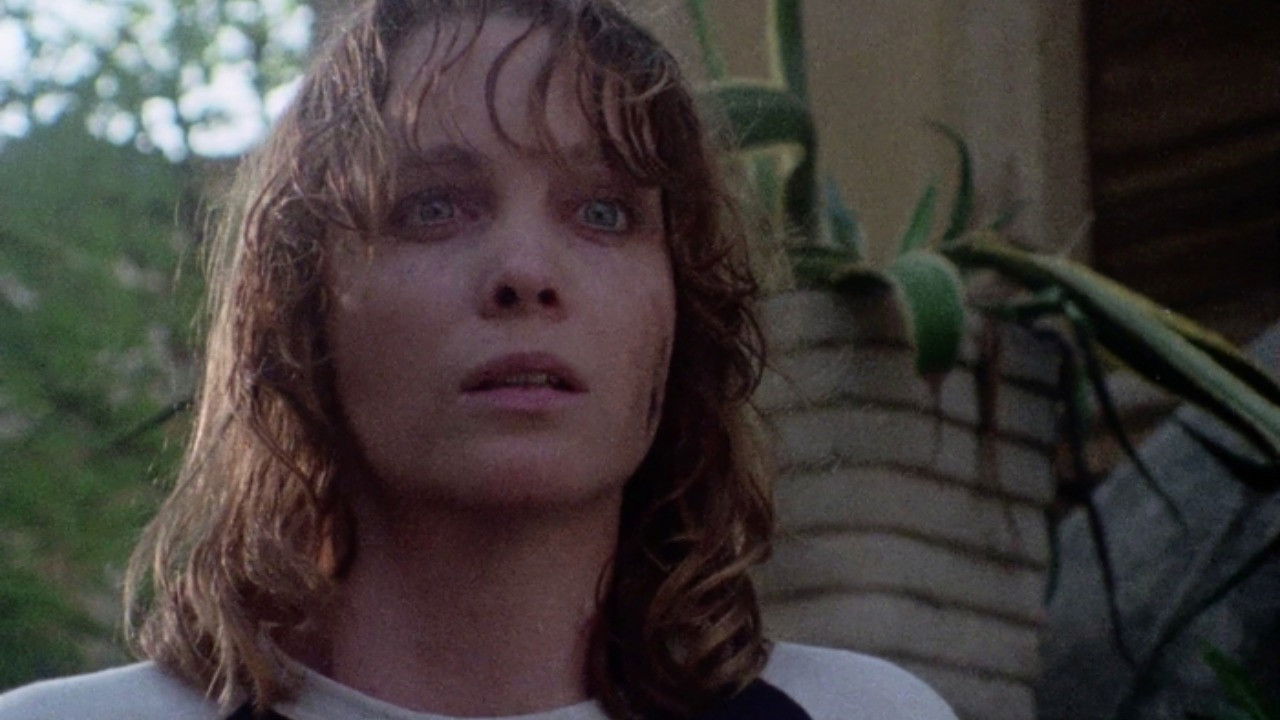
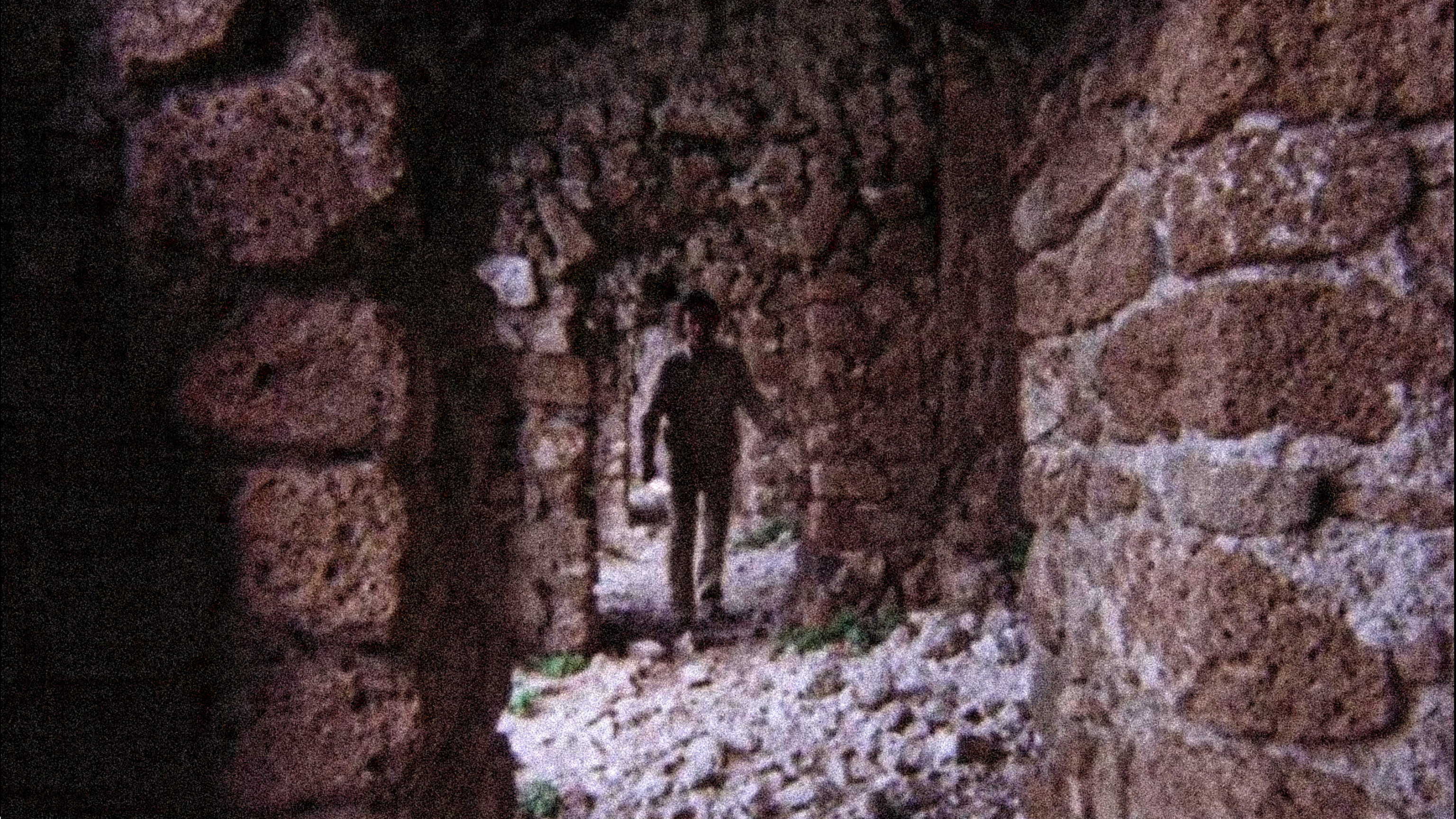
The resulting image makes economical use of the format. Bright exteriors give the Mediterranean landscape scale and clarity without requiring artificial lighting, while interiors can exploit the increased grain and limited shadow detail of 16 mm. Klaus is frequently withheld inside darkness or partial illumination, allowing photography to conceal makeup until the film is ready to reveal him fully. The later 35 mm enlargement inevitably increased grain, making the texture itself part of the theatrical image through which audiences originally encountered the film.

Locations as Production Design

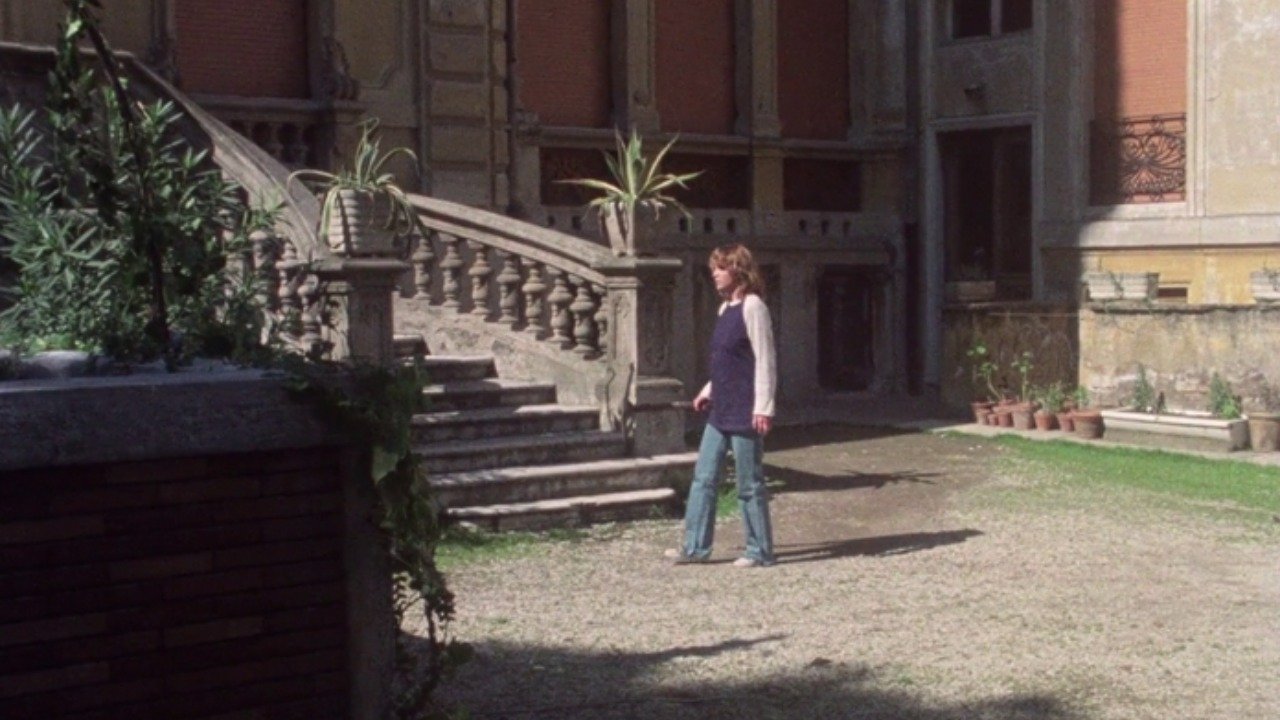
The Greek-island setting was assembled from a combination of actual Greek material and extensive Italian location work. Verified locations include Sperlonga for the opening beach, Cala Feola on Ponza for the small harbor, villas around Rome and Sacrofano, and underground material photographed around Nepi. Additional Greek footage establishes travel and departure before the film moves increasingly into Italian spaces capable of reproducing the architecture and coastline required by the story.

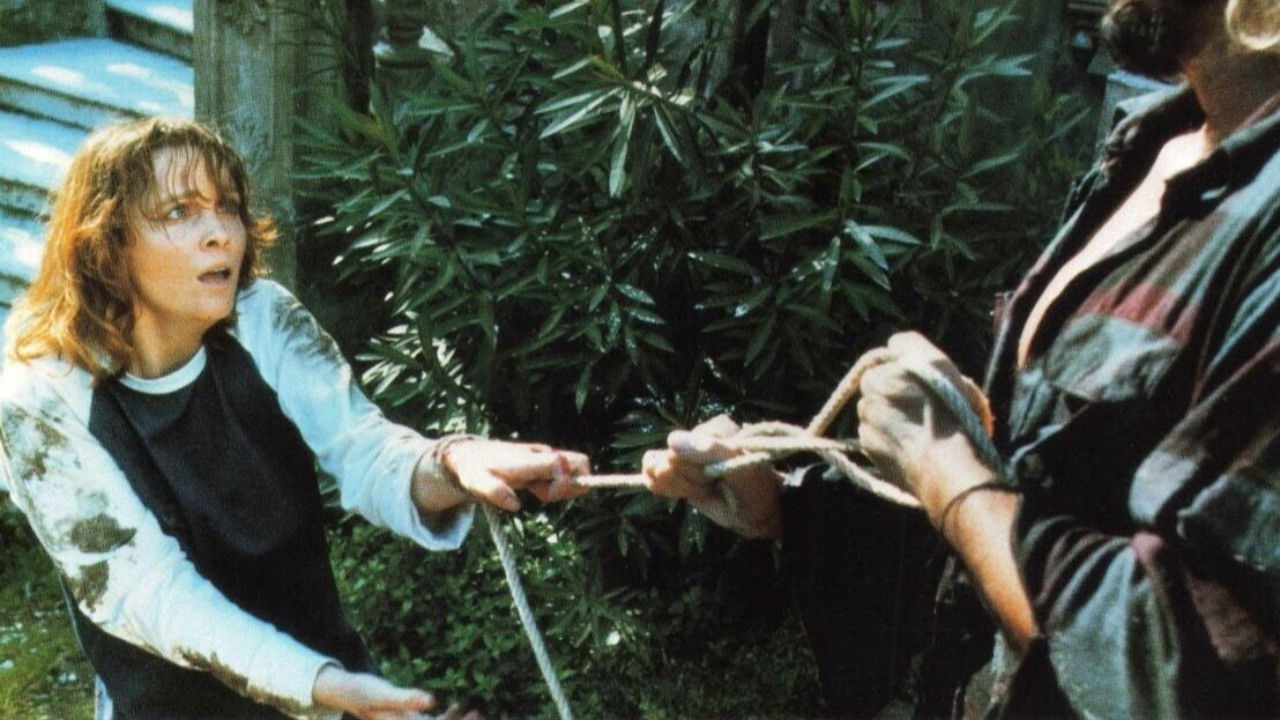
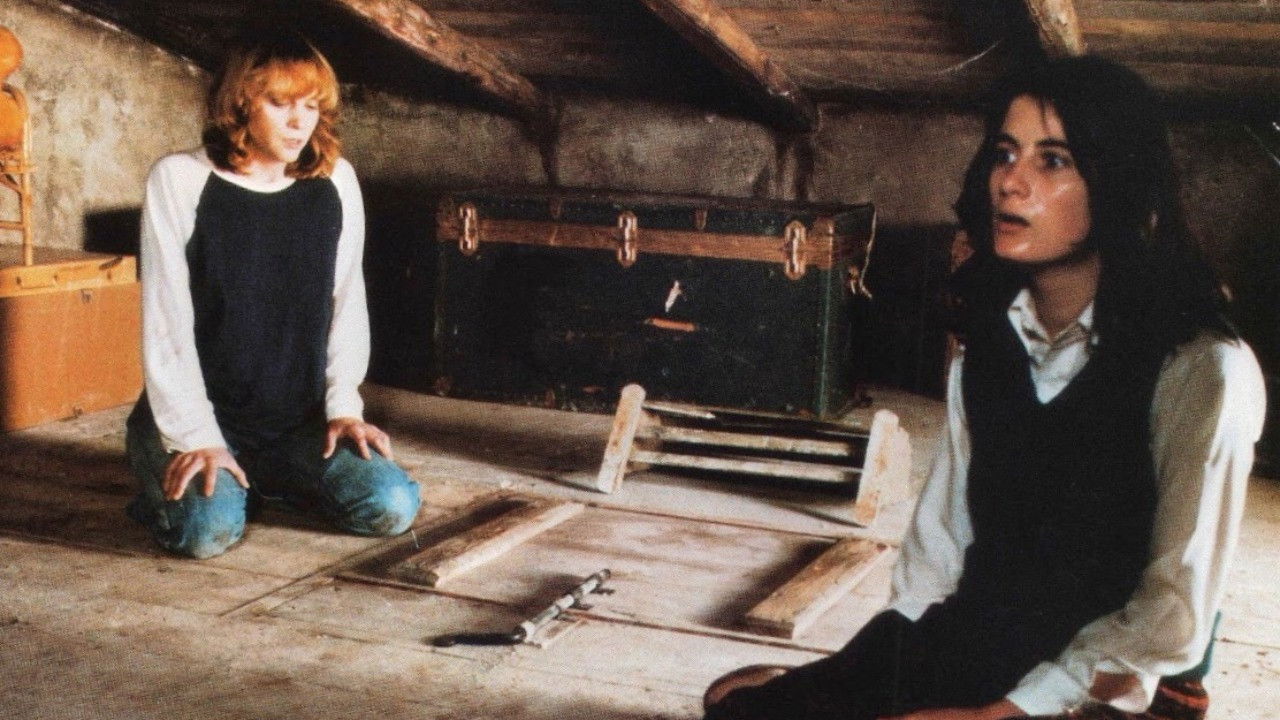
This approach allowed the production to obtain visual scale without constructing it. Empty Mediterranean streets, shorelines, old villas and ruins already contained textures that would have cost far more to reproduce on stages. D'Amato turns the lack of crowds into part of the story. The island feels wrong because ordinary social activity has vanished, meaning that one of the most obvious budget restrictions, the absence of background performers, becomes a deliberate source of suspense.

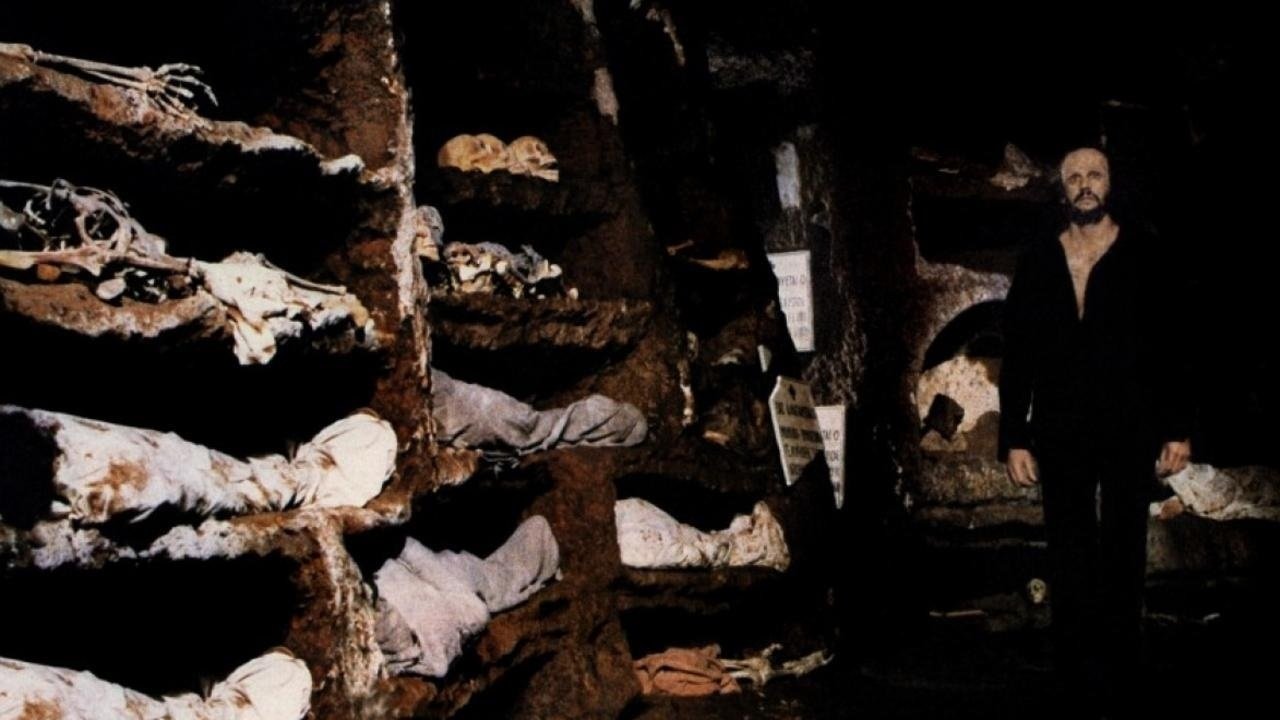
The underground passages and catacomb material push this method further. Instead of constructing artificial crypt walls, the production used existing historical spaces whose stone, narrow openings and irregular depth immediately provide physical atmosphere. Later accounts from D'Amato describe supplementing existing bones with plastic skeleton material for these scenes, to the point that real and artificial remains were allegedly mixed when the crew cleared the location. Whatever the anecdotal details, the location itself gives the sequences a material authenticity impossible to manufacture at comparable cost.

Klaus, Practical Gore and Organic Materials

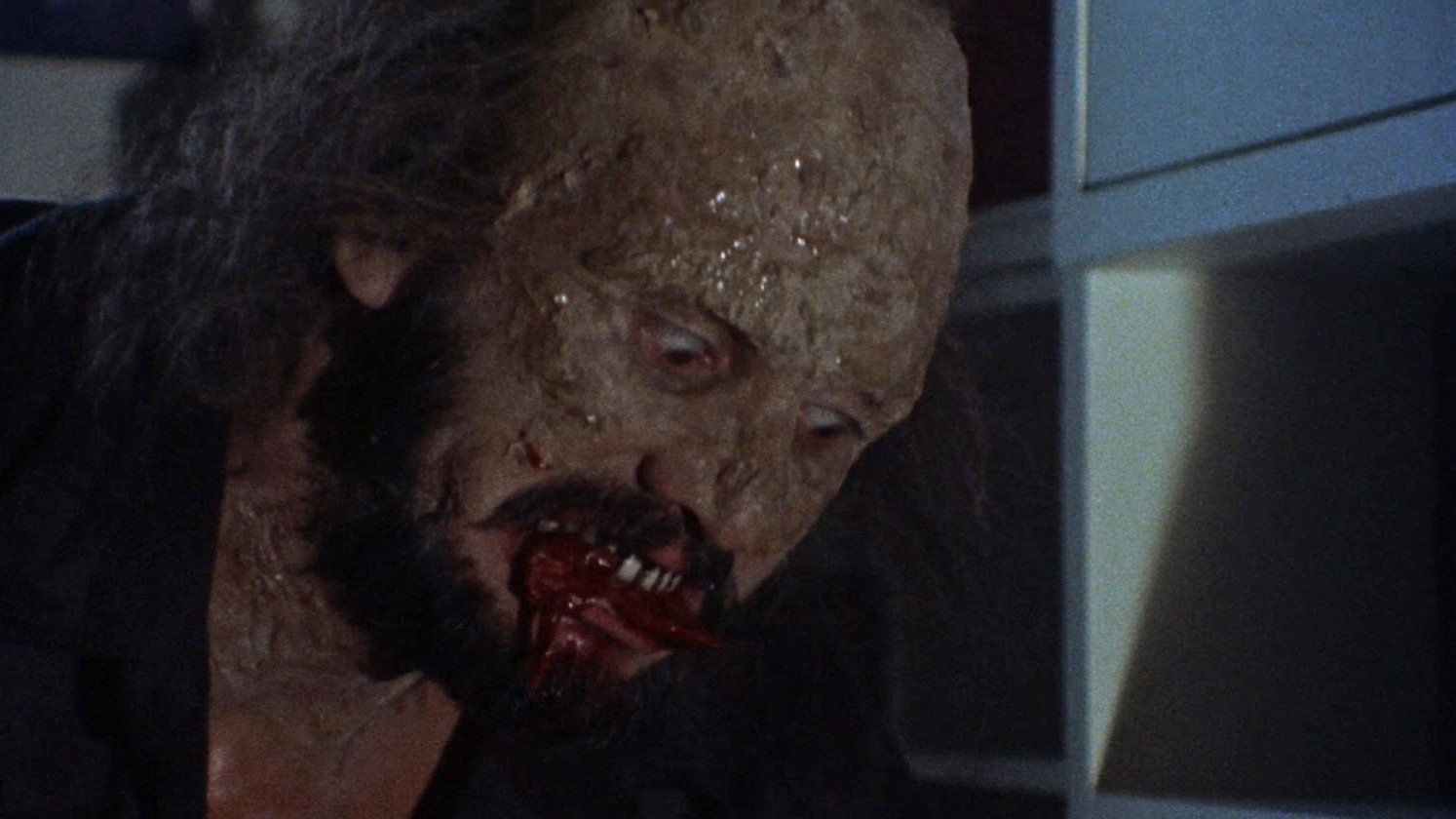
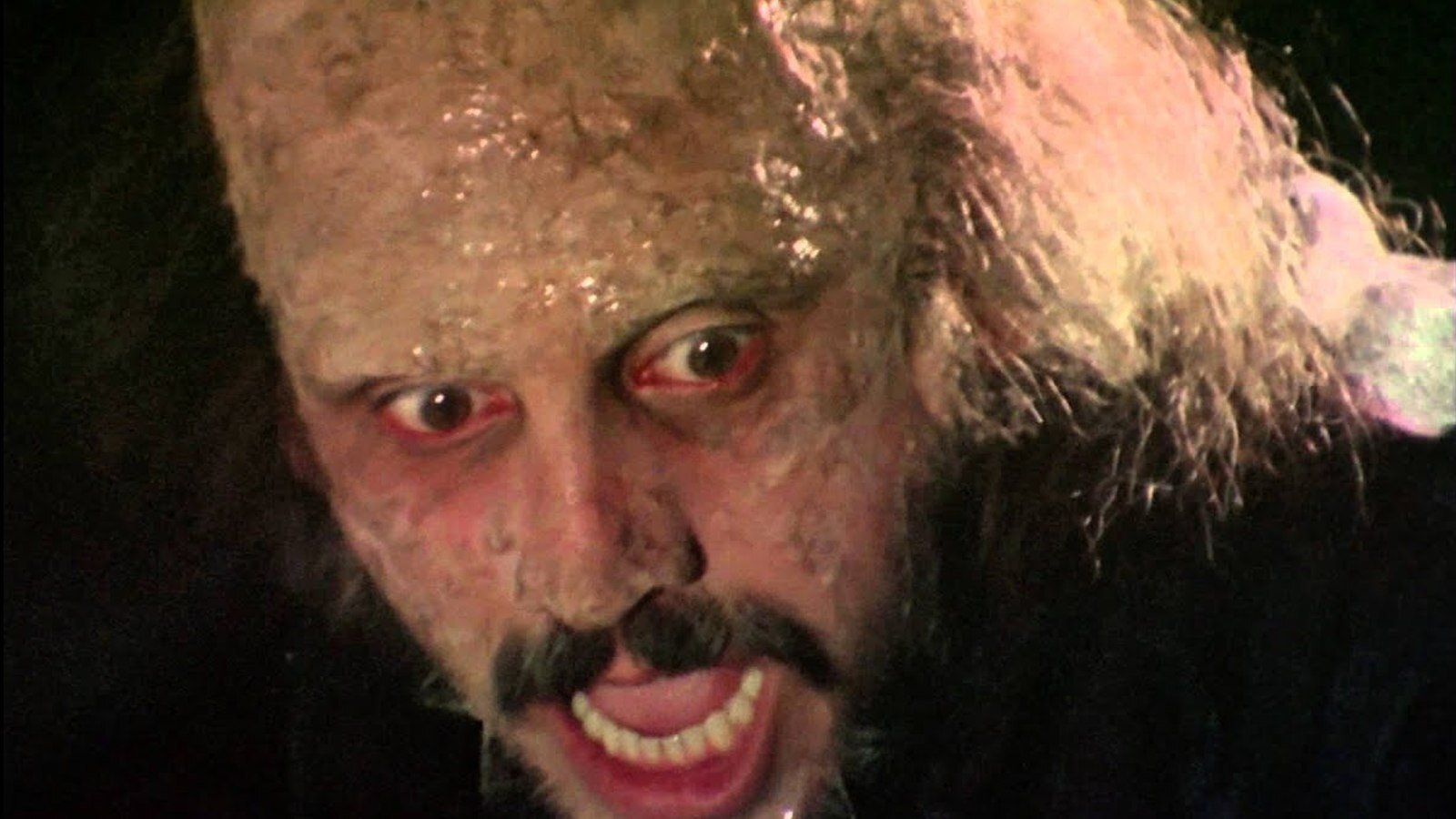
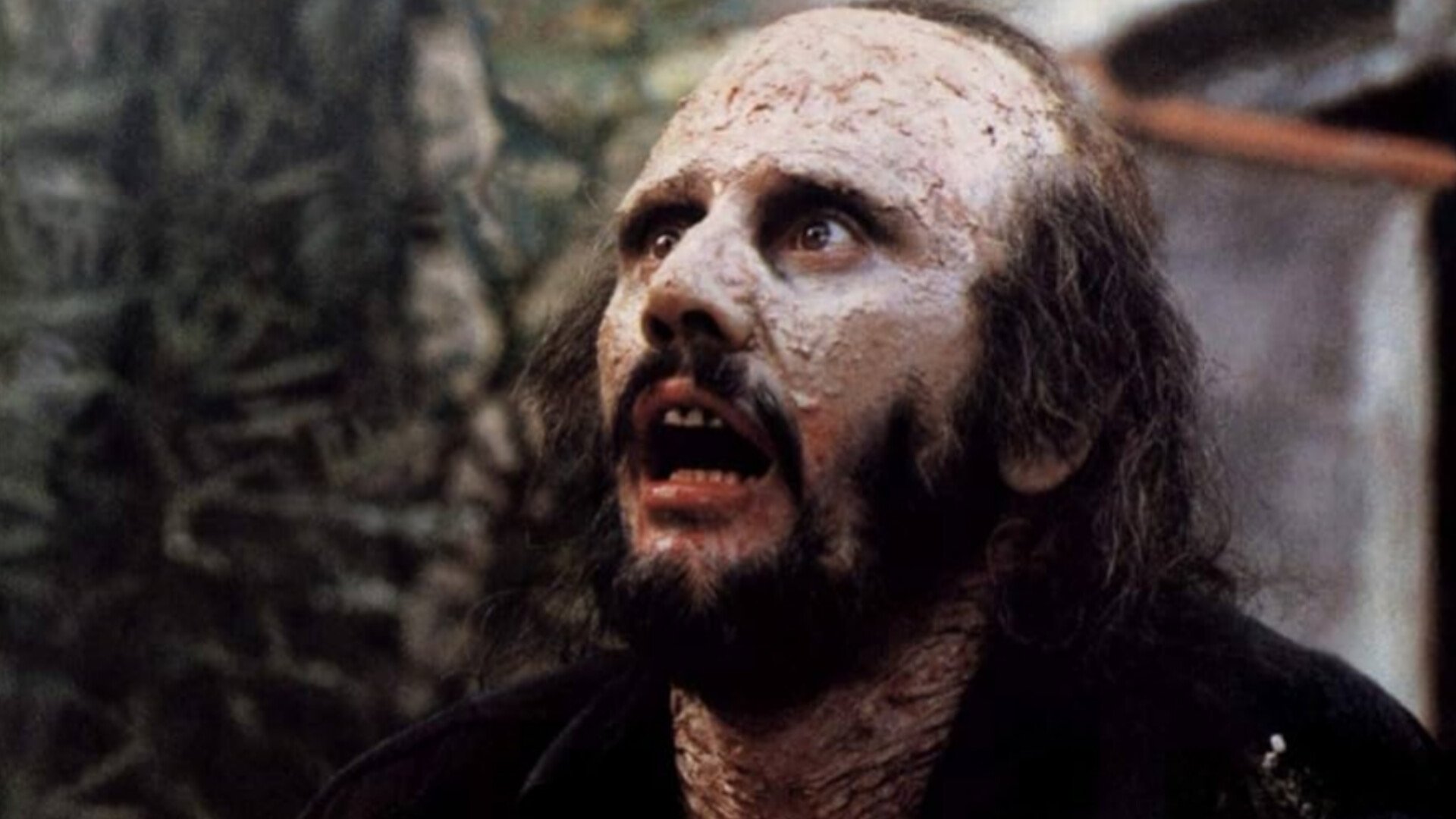
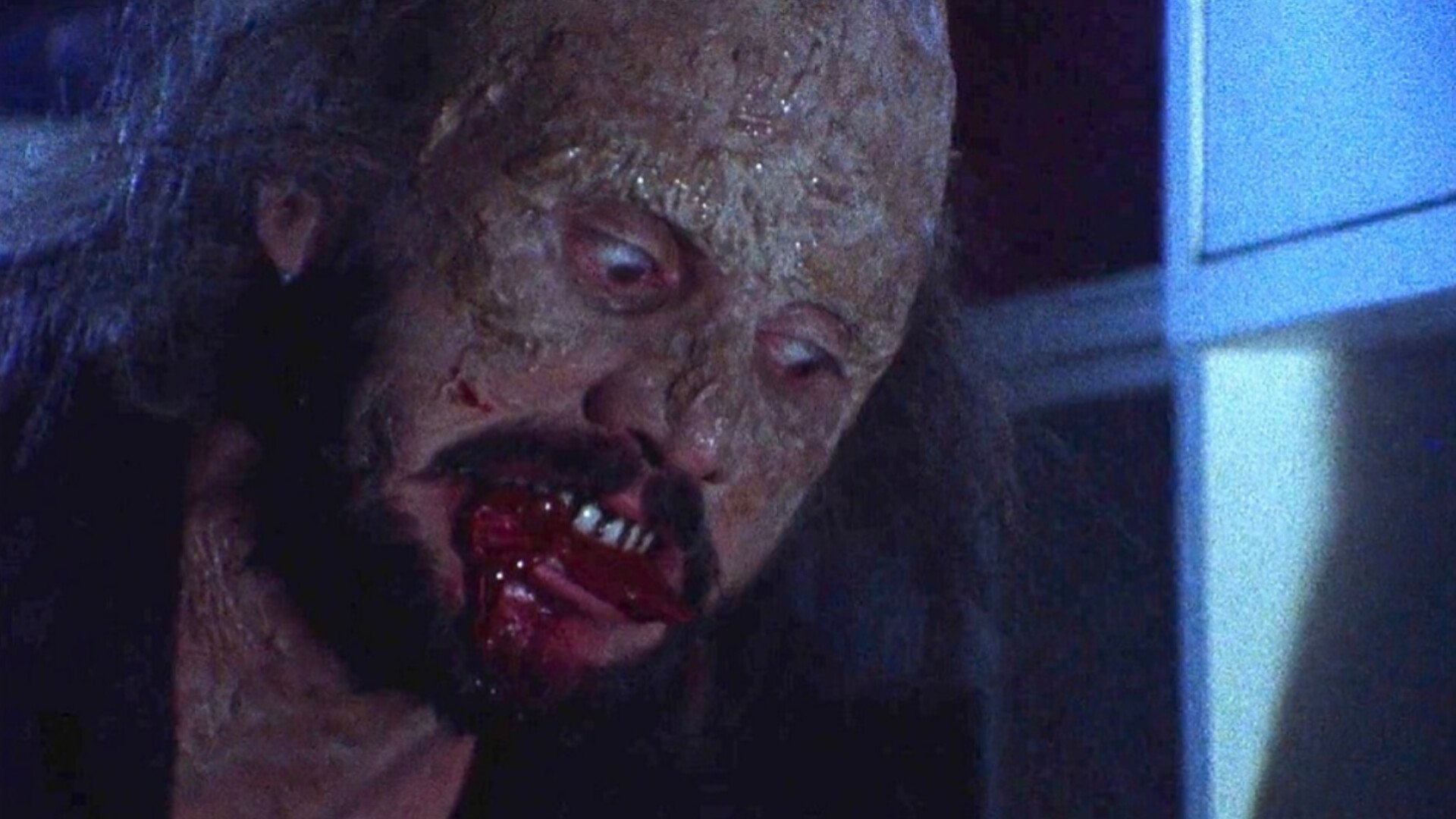
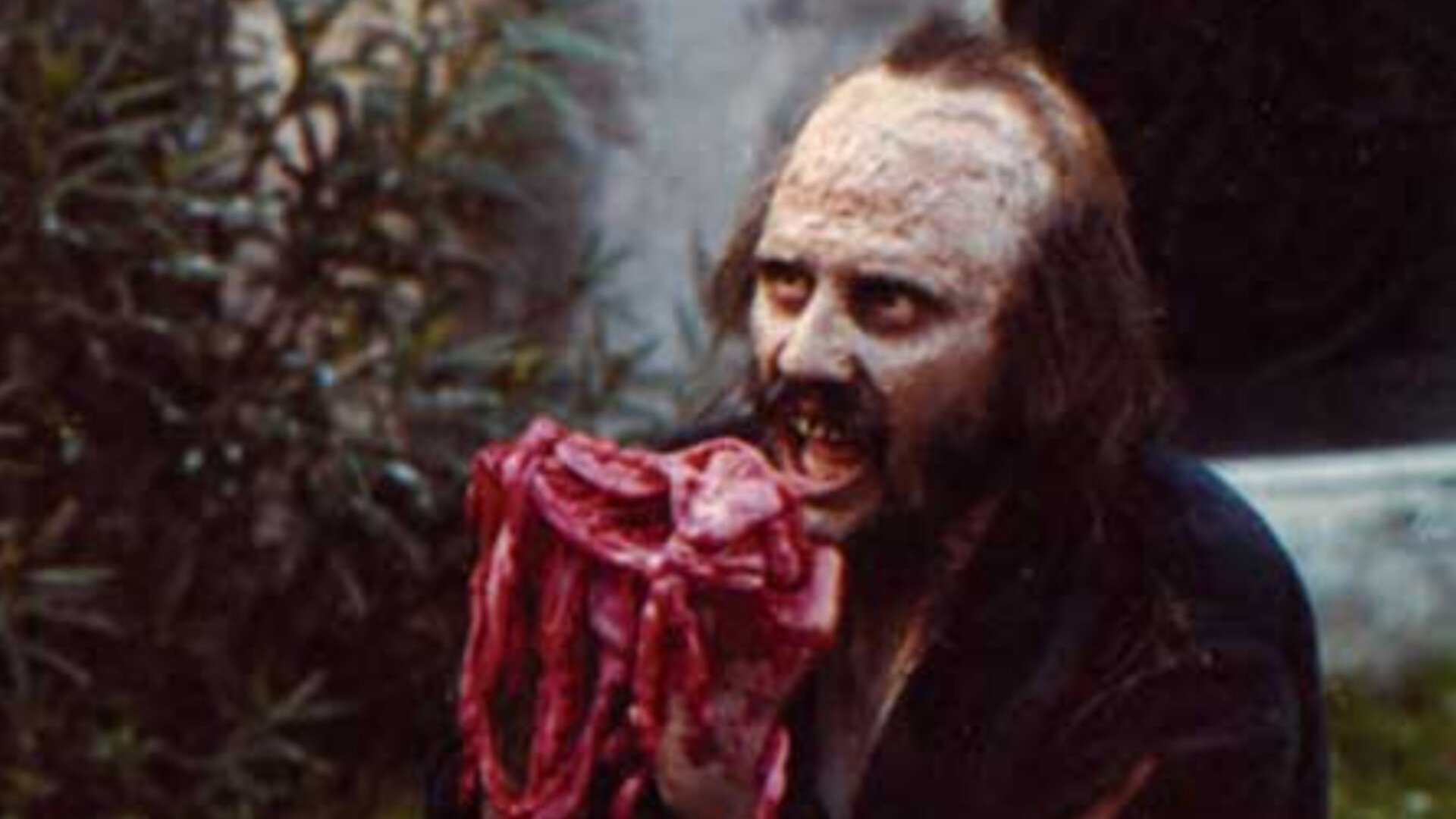
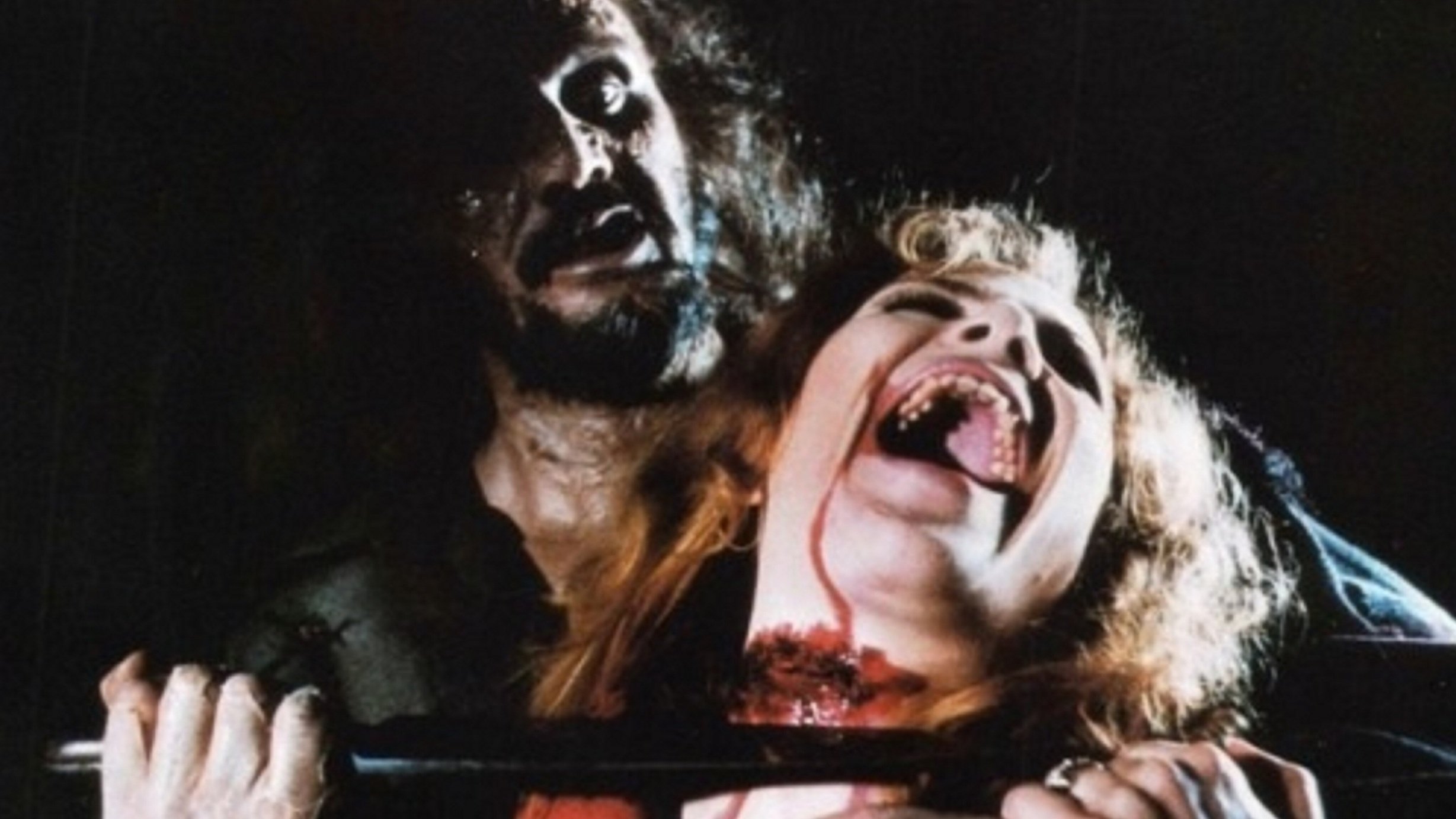
George Eastman's Klaus is designed less through elaborate prosthetic transformation than through physical presence. Eastman was exceptionally tall, and D'Amato places that body inside doorways, basements and narrow corridors where scale can be read directly against architecture. Ragged hair, damaged skin, exposed teeth and deteriorated clothing provide the remaining information required to turn him into a human monster. He is not undead and does not possess supernatural abilities. The horror depends on the idea that starvation, isolation and cannibalism have reduced an ordinary man to compulsive predation.
Pietro Tenoglio and the practical-effects crew worked within severe economic limitations, relying on inexpensive physical materials rather than sophisticated mechanical prosthetics. D'Amato was experienced at photographing animal organs, butcher-shop material, latex and fabricated body parts in ways that could become convincing for the short duration required by an edit. His method depended less on constructing perfect anatomy for prolonged examination than on choosing materials whose surface and movement already resembled flesh before artificial blood and camera framing completed the illusion.

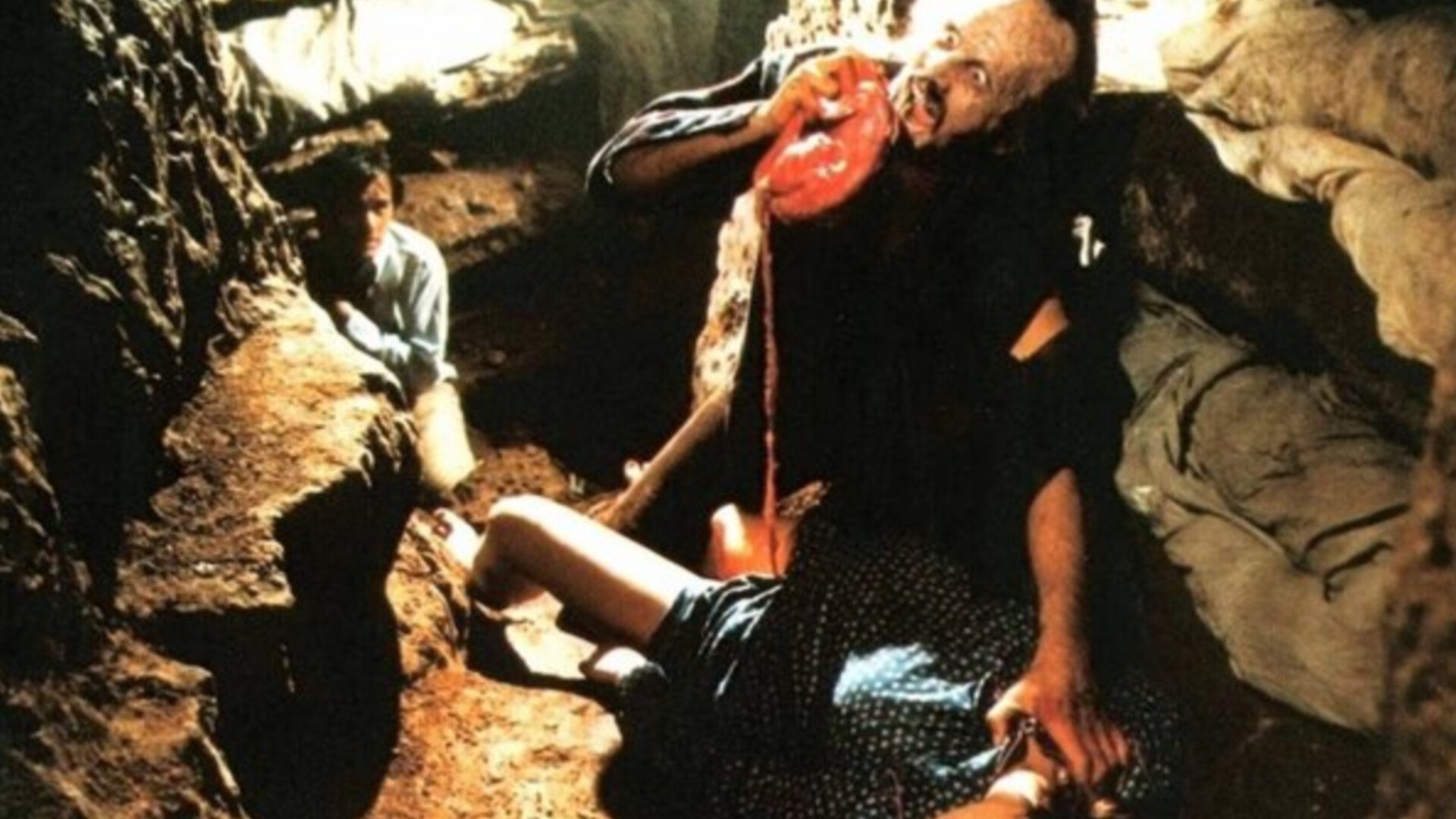
The most notorious example is the attack on the pregnant woman. D'Amato later explained directly that the supposed fetus was a skinned rabbit covered in stage blood, with a small piece of intestine attached to suggest an umbilical cord. There was therefore no elaborate fetal dummy. The effect works through substitution: a genuine organic object possesses enough irregular biological texture that the camera only needs to prevent the spectator from identifying its true origin. Eastman's handling of the prop and the brevity of the shot complete the transformation.

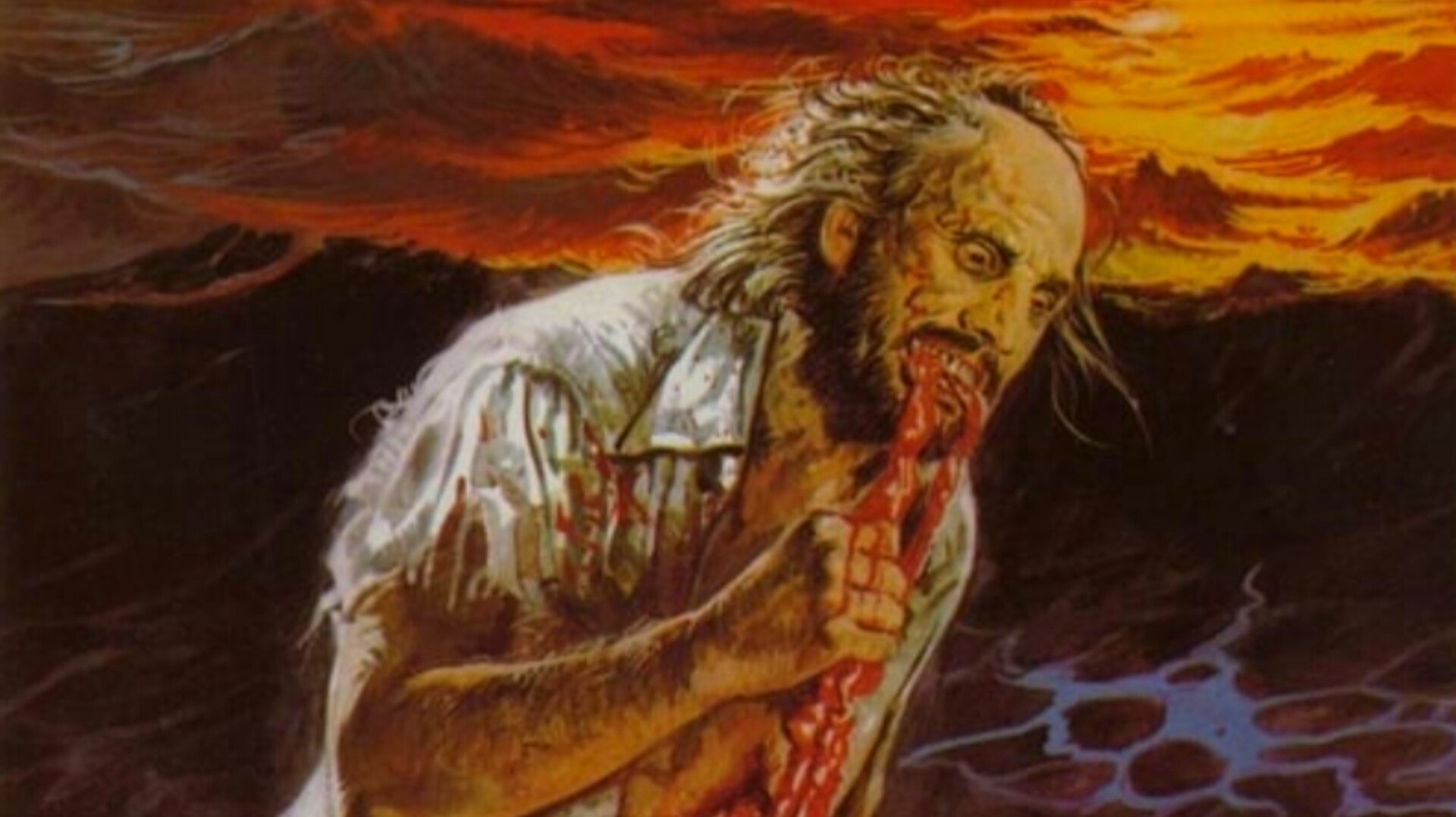
The final act uses a related strategy when the wounded Klaus reaches into his abdomen and begins eating his own intestines. The image does not require an anatomically complete internal-body mechanism because the film needs only the visible wound, removable viscera and Eastman's interaction with them. The effect converts the central theme into a physical endpoint: after consuming other people throughout the film, Klaus ultimately turns his appetite onto himself. The combination of cheap materials and conceptually precise staging is a useful example of how Italian exploitation effects could produce lasting notoriety without expensive technical infrastructure.

Giombini, Synthesizers, Editing and Different Versions

Marcello Giombini composed an electronic score that provides a striking contrast with the ancient-looking Mediterranean locations. Production accounts identify ARP 2600 synthesizers as the principal instruments, placing the soundtrack firmly inside the electronic experimentation common to Italian genre cinema around the turn of the 1980s. Sustained tones, repeating figures and synthetic timbres make bright exterior spaces feel unstable without requiring the visual design itself to become overtly supernatural.

Editing is credited to Ornella Micheli, with Bruno Micheli working within the editorial department. The film's rhythm depends heavily on delay. Long passages of searching, walking and examining abandoned rooms create an unusually slow build compared with the graphic reputation later attached to Anthropophagous. When gore finally appears, its duration is short relative to the surrounding suspense. This imbalance became central to the film's identity: a handful of images define public memory even though most of the running time is concerned with absence and pursuit.
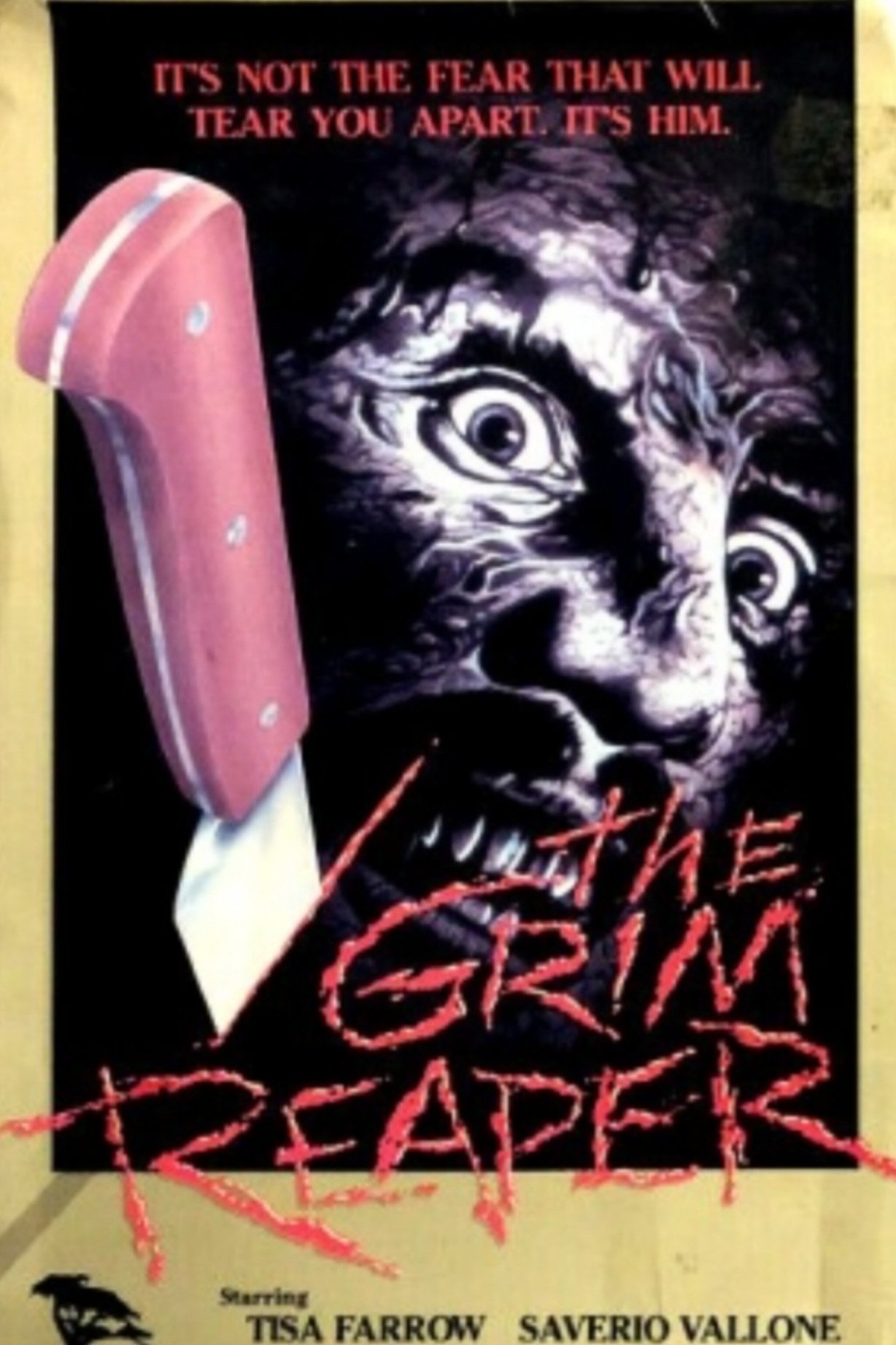
International distribution complicated that construction. Different territories circulated alternate edits, dialogue tracks, titles and music. The American version The Grim Reaper became especially distinct, reducing the running time substantially and replacing Giombini's original score with music reused from Kingdom of the Spiders. D'Amato later acknowledged encountering versions of his own films that had been restructured by distributors after leaving his control. Anthropophagous is therefore not one perfectly stable historical object but a film whose international identity was repeatedly altered according to local commercial and censorship requirements.

Censorship, Restoration and Extreme-Horror Legacy

Italian archival records preserve censorship certificate number 75467 dated August 7, 1980. The film subsequently developed a much more consequential censorship history abroad. In Britain it circulated as Anthropophagous: The Beast during the early home-video era and became one of the titles placed on the Director of Public Prosecutions' list during the video-nasty panic. It belonged to the group of thirty-nine titles successfully prosecuted under the Obscene Publications Act, giving a comparatively inexpensive Italian exploitation film a level of notoriety far beyond its original production scale.

British availability later changed dramatically. A heavily cut version reached physical media in 2002 as The Grim Reaper, while the BBFC classified a substantially complete version at 18 in June 2015. The classification information specifically identifies the pregnant-woman sequence and the final self-cannibalism as the strongest material. What had once contributed to legal prosecution could therefore eventually circulate as formally classified adult horror without the historical restrictions surrounding its original video release.

Preservation has developed in parallel with that reevaluation. Severin first issued a restoration scanned in 2K from the original 16 mm negative and later prepared a UHD edition using a new 4K scan of the original camera negative. The modern set also preserves the original Italian presentation, an extended variant incorporating newly recovered footage and the shorter American The Grim Reaper cut, alongside interviews with D'Amato, Eastman, Saverio Vallone, Zora Kerova, Bruno Micheli and effects artist Pietro Tenoglio. The restoration therefore documents not only the image but the unstable international history of the film itself.

Anthropophagous remains historically important within extreme horror because its reputation was produced by an unusual combination of scarcity and excess. Most of the film is slow, inexpensive and dependent on found locations, yet two or three physical images were extreme enough to dominate decades of discussion. Its technical achievement is not sophistication in the conventional sense. It is economy: 16 mm photography enlarged for theaters, real architecture replacing sets, one extraordinarily physical actor replacing an expensive monster and organic materials replacing elaborate prosthetics. D'Amato demonstrates how little machinery is required when framing, texture and performance are chosen precisely enough to make the audience believe that something far more elaborate has taken place.

Cast

View Full Cast & Crew →

Release & Distribution

Production Companies (2)

  • Filmirage IT
  • Produzioni Cinematografiche Massaccesi (PCM) International

Release History (3)

Release DateTerritoryRelease TypeFormatDistributorCertificationNotes
1980-08-07 United States Theatrical — — R
1980-08-09 Italy Theatrical — — 18+
1981-02-20 Germany Theatrical — — 18
It's not fear that tears you apart...it's him!