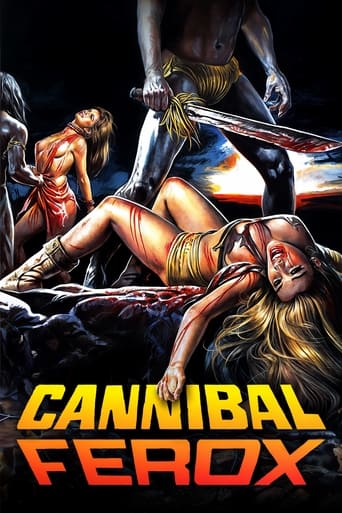

Development and the Italian Cannibal Cycle
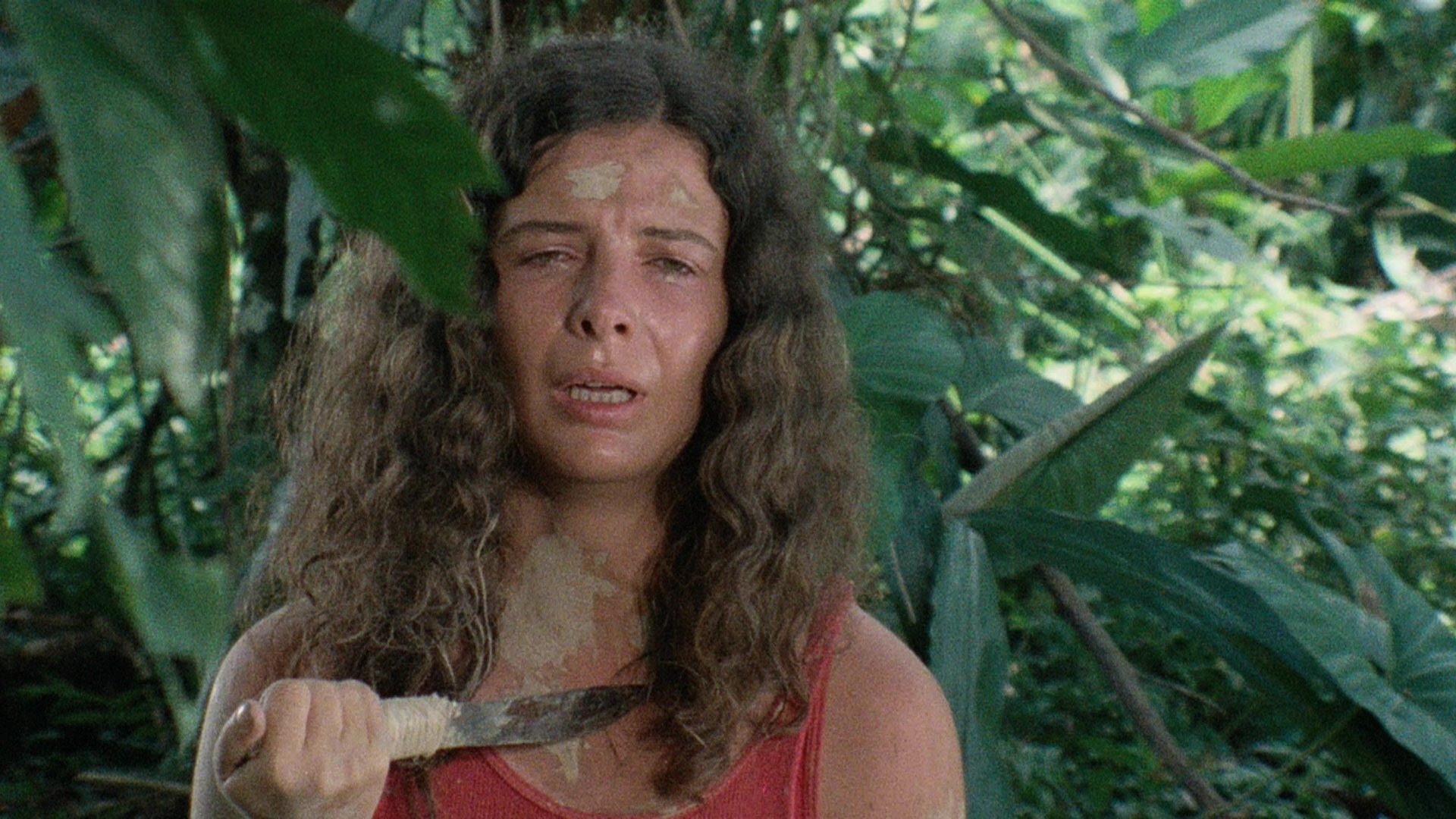
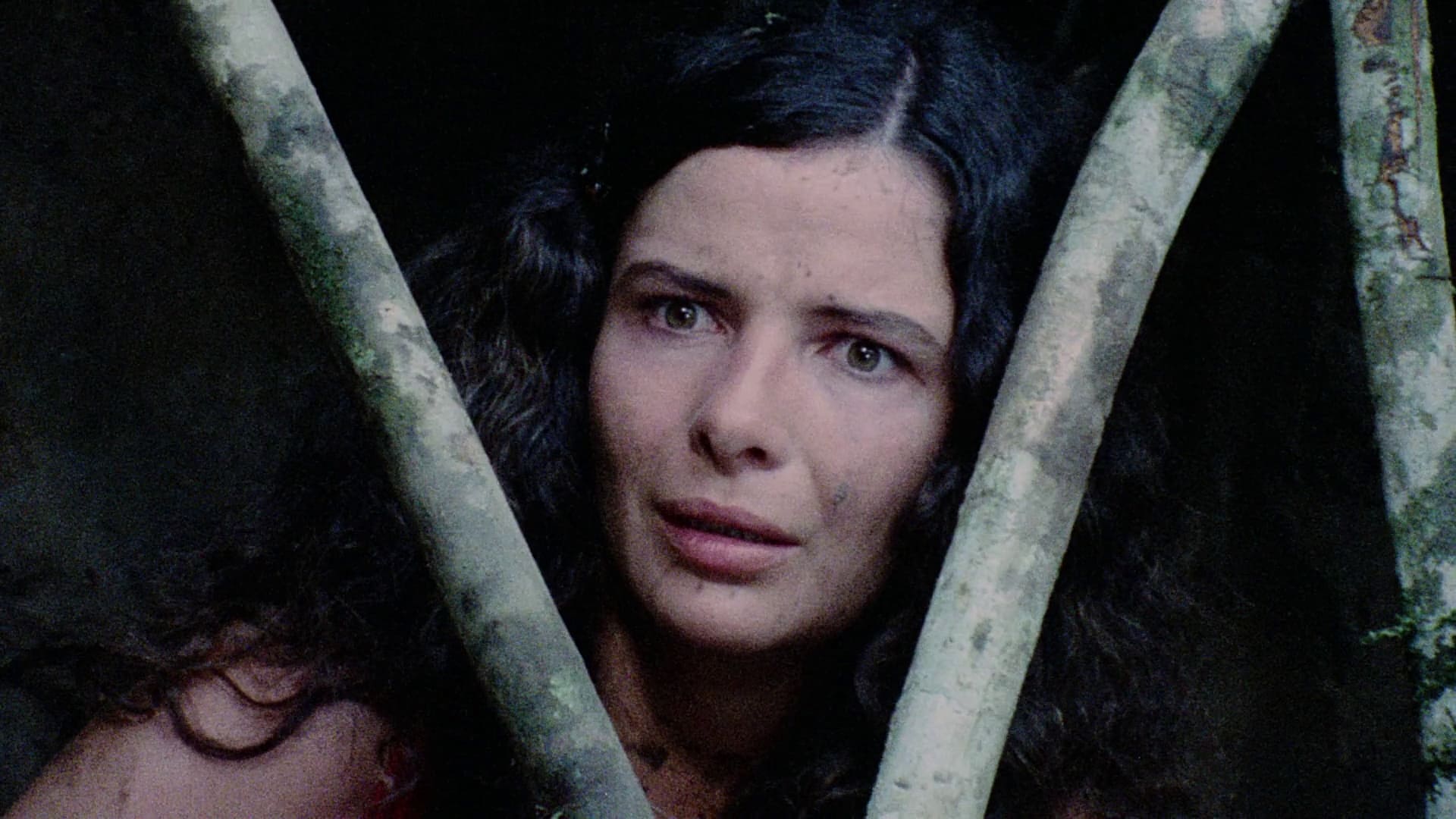
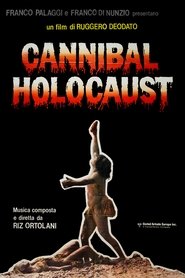
Umberto Lenzi had been associated with jungle adventure and exploitation cinema since Man from Deep River, a 1972 production that combined the conventions of captivity adventure with violence and sexual material. Ruggero Deodato subsequently developed a more explicitly horrific approach through Last Cannibal World (1977) and Cannibal Holocaust (1980). By the beginning of the 1980s, producers had recognized the international commercial possibilities of films combining remote locations with increasingly graphic scenes of mutilation. Lenzi returned to the subgenre with Eaten Alive! before making Cannibal Ferox, a production that further intensified the violent material and placed it within a revenge narrative.
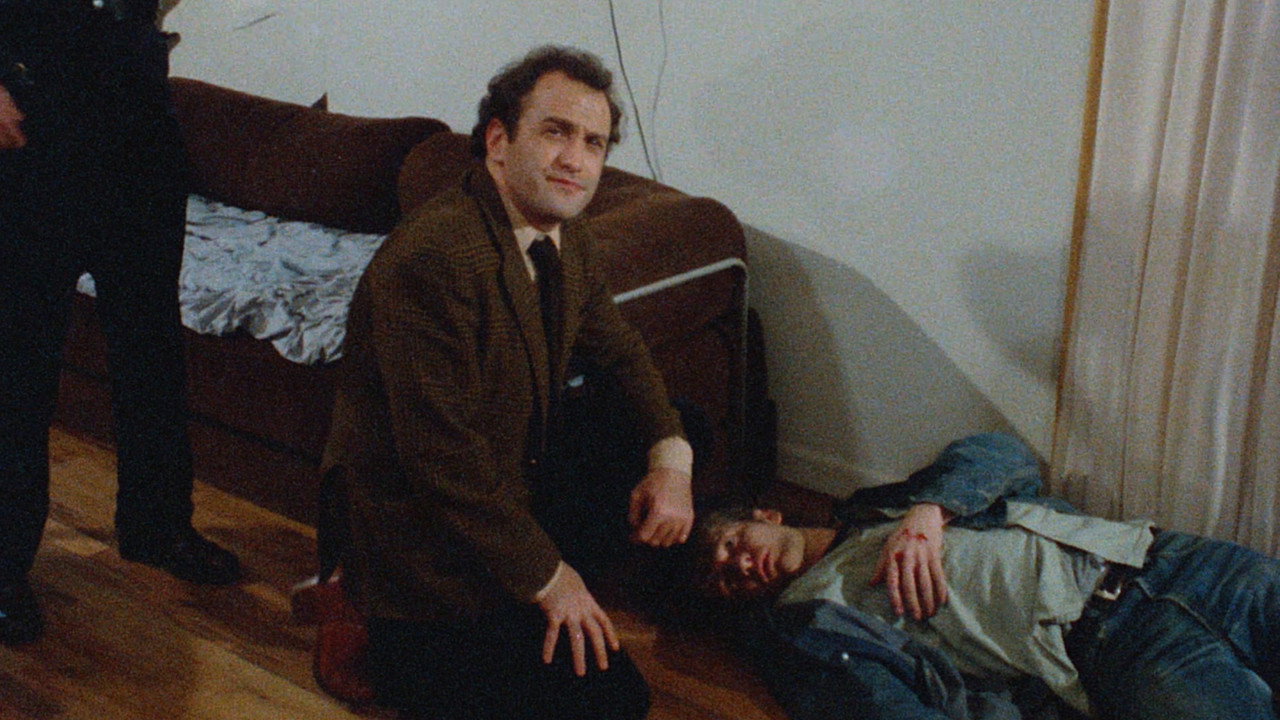
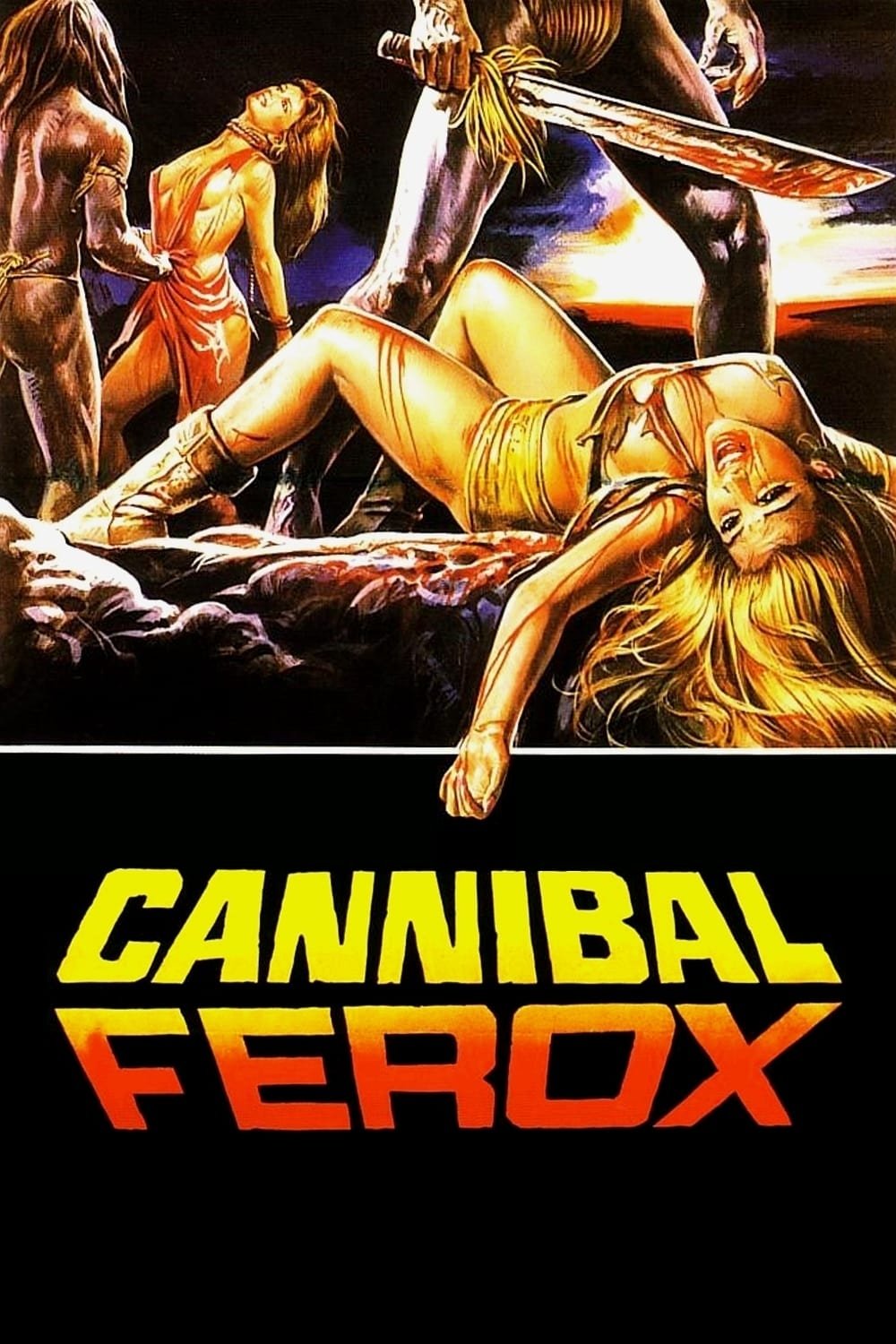
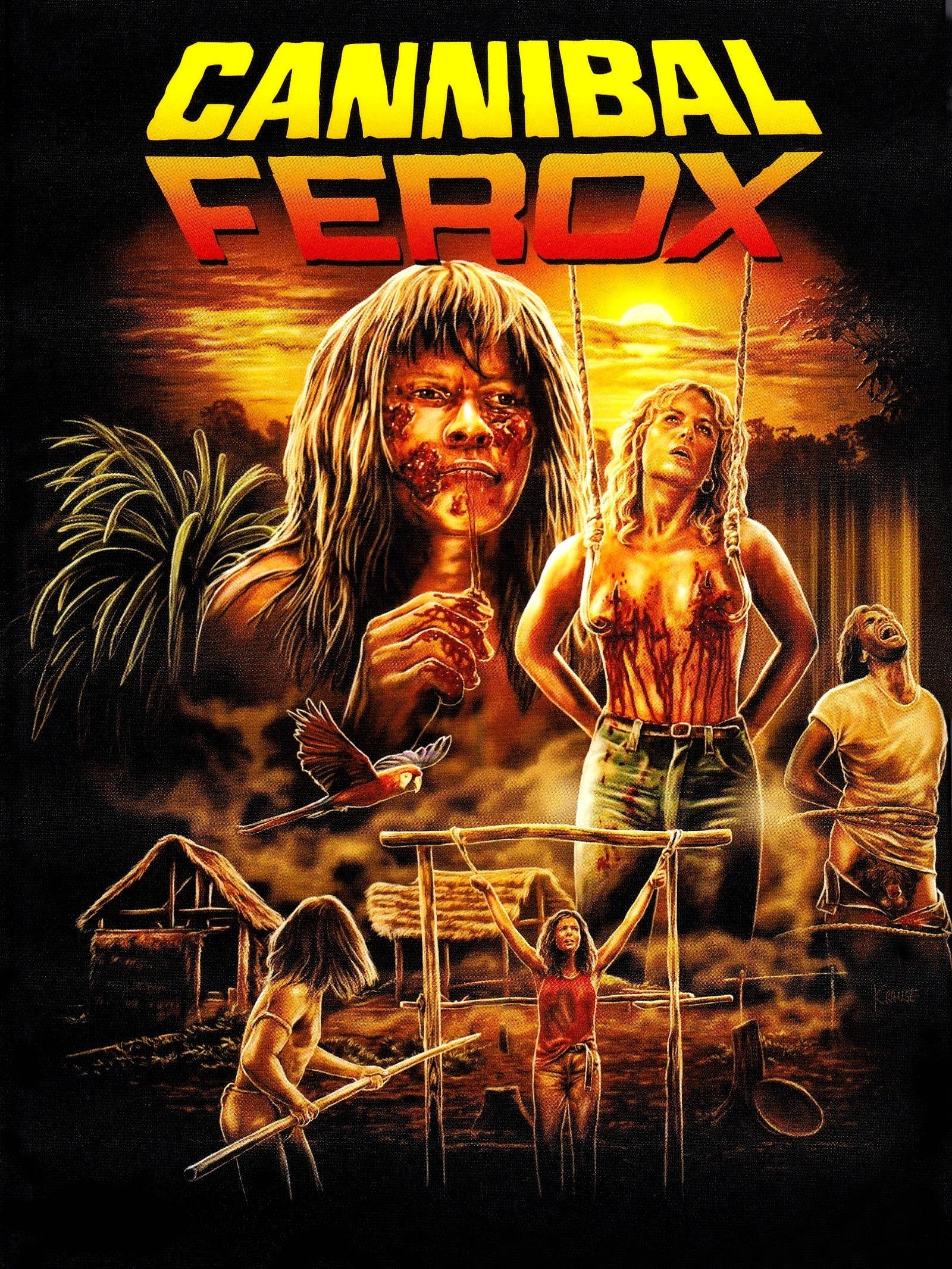
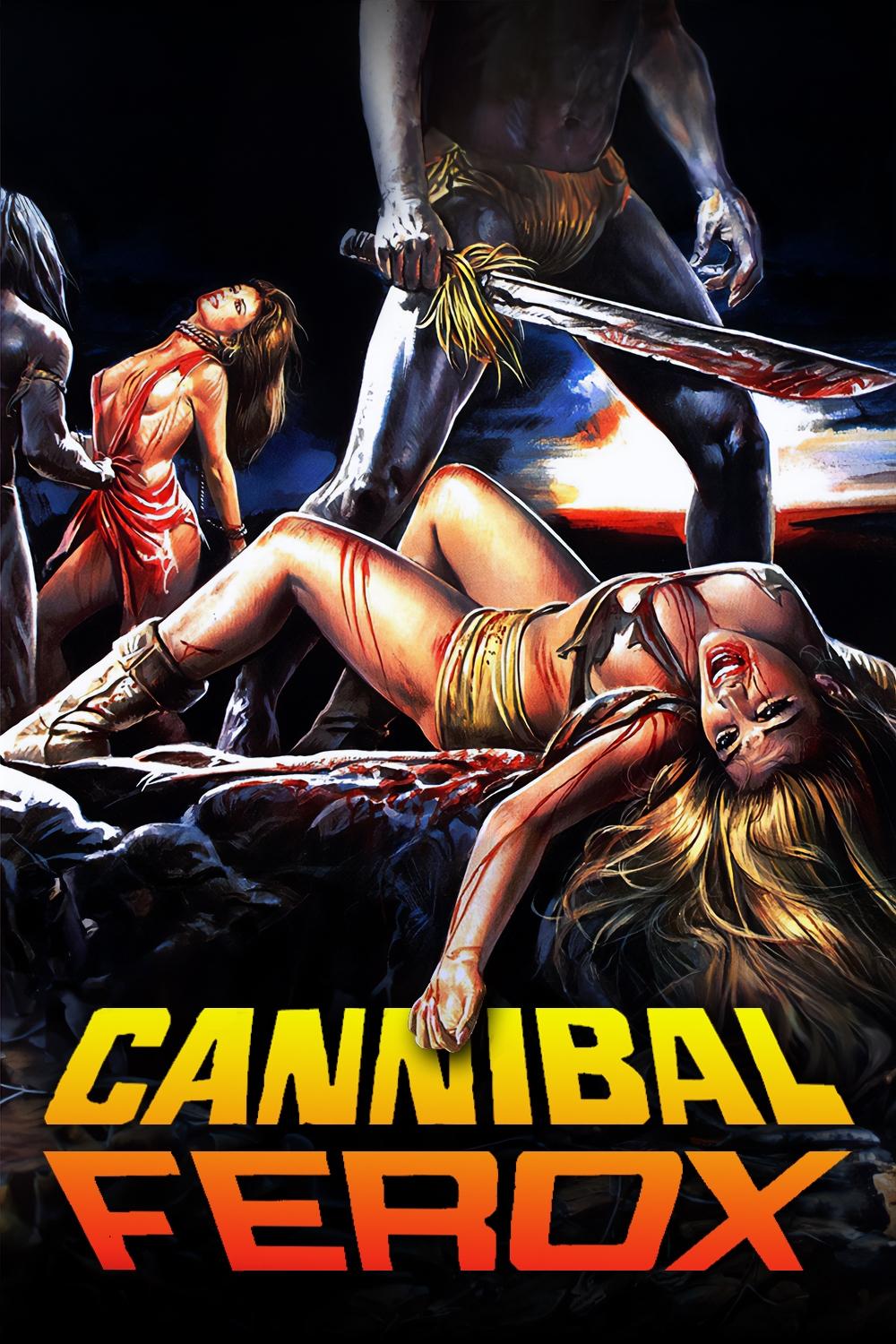
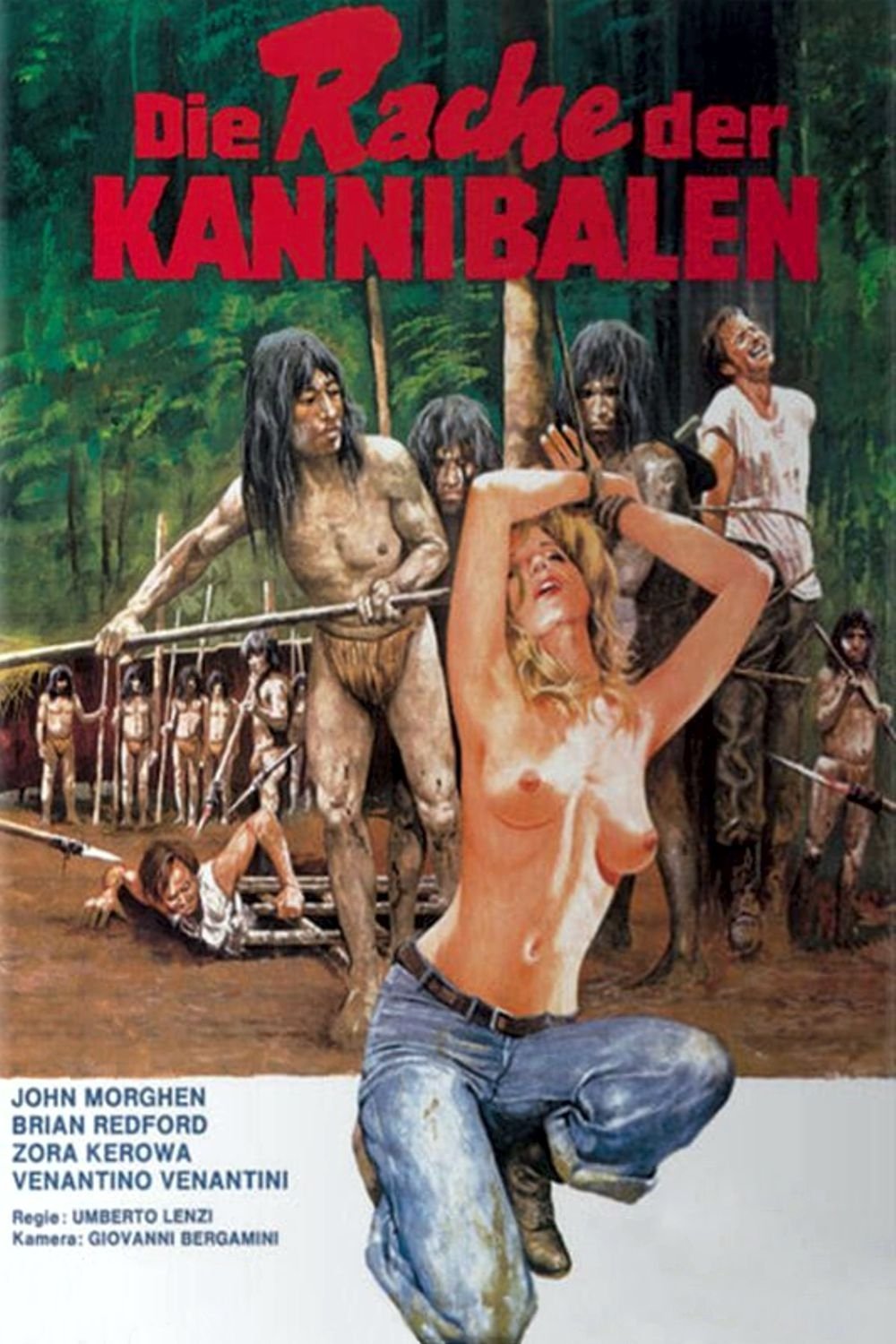
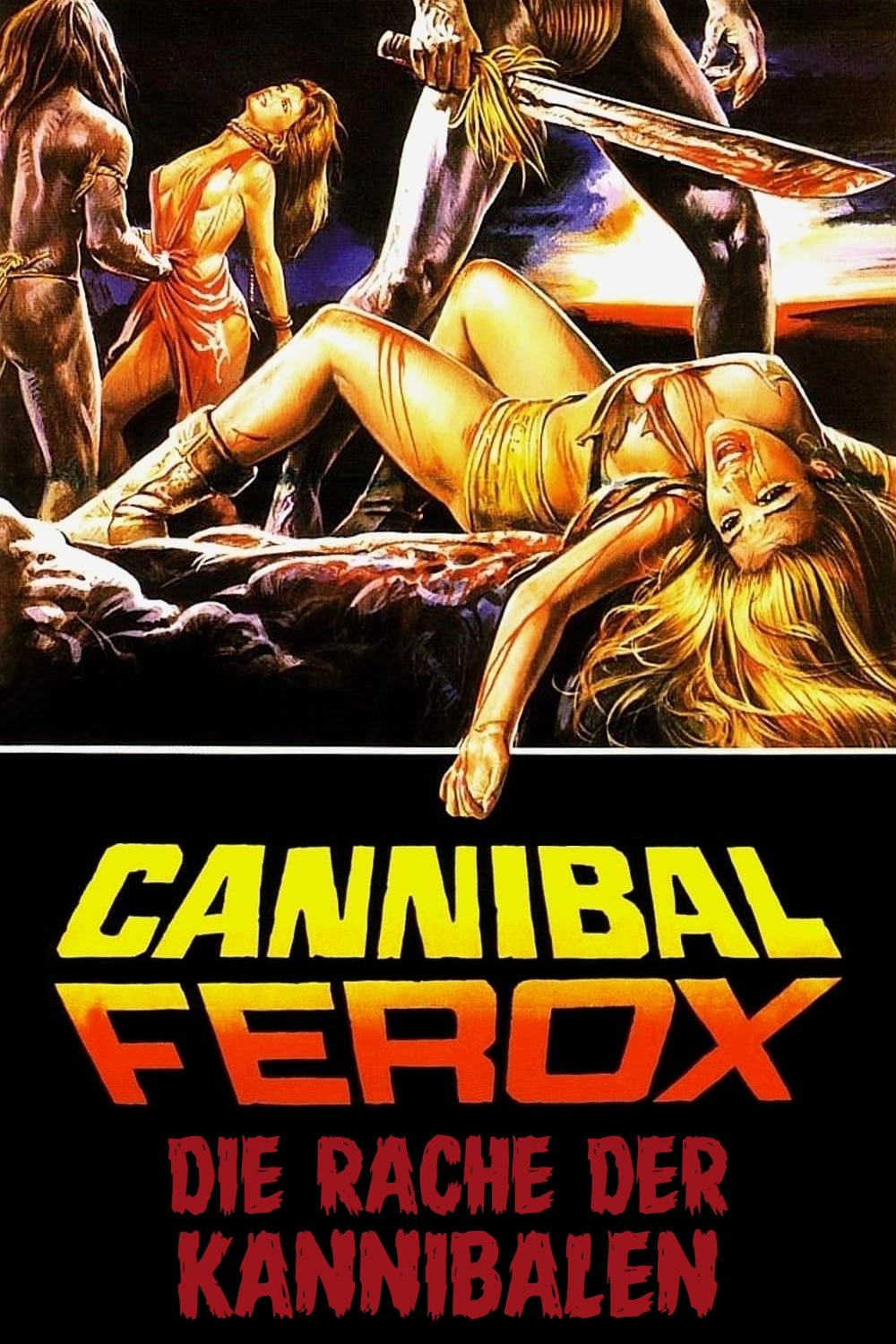
Cannibal Ferox was produced through Dania Film, National Cinematografica and Medusa Distribuzione. Lenzi received the original story and screenplay credits, while Luciano Martino and Mino Loy were associated with the production. Its development belongs to a period when Italian commercial filmmakers regularly worked across several genres, adapting their projects to the expectations of international distributors. Lenzi had already directed gialli, crime thrillers, war films and action pictures, experience that influenced the new production's mixture of jungle adventure and New York crime material. The film uses an investigation in the United States to connect its isolated Amazonian story with a wider network of criminal activity.
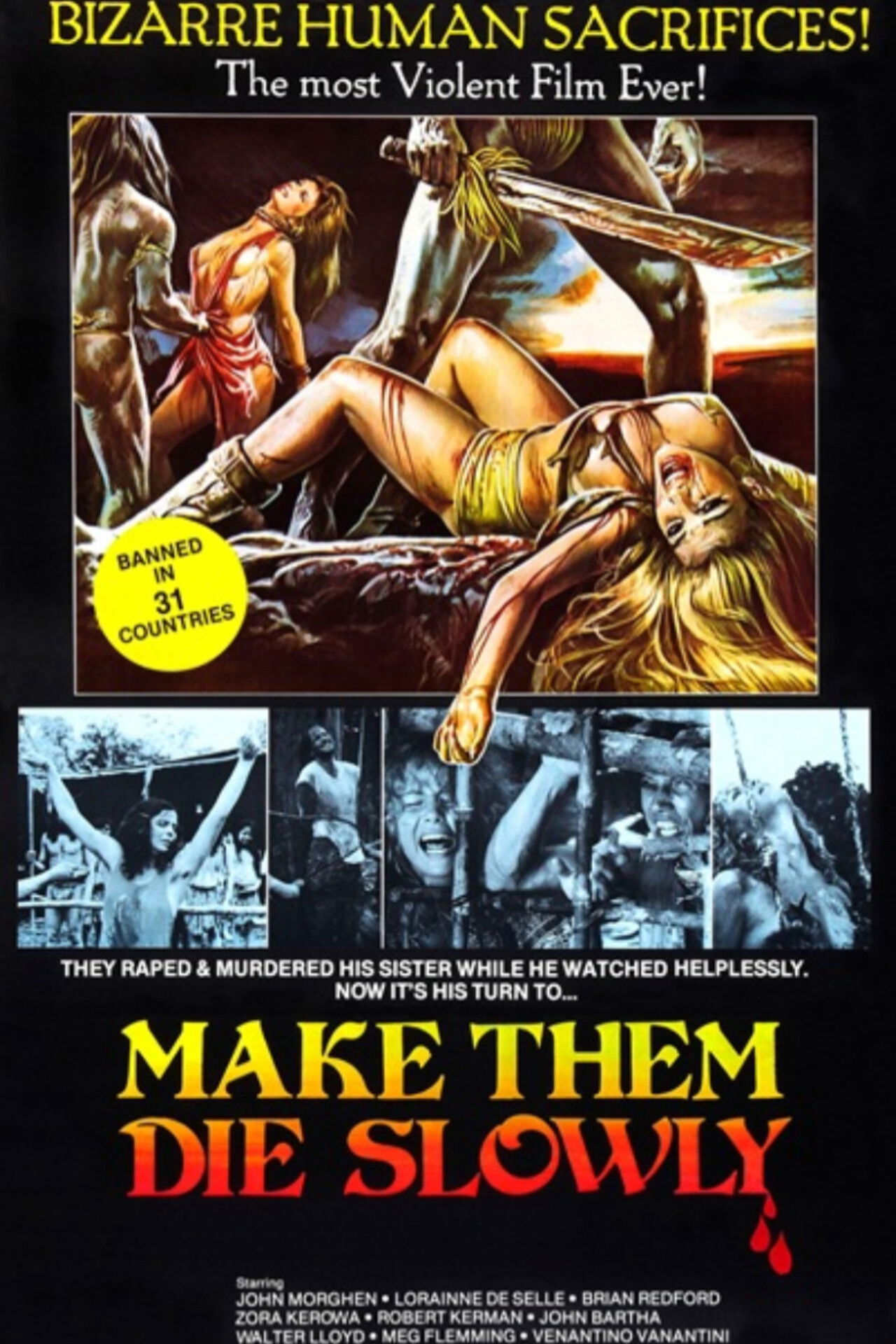
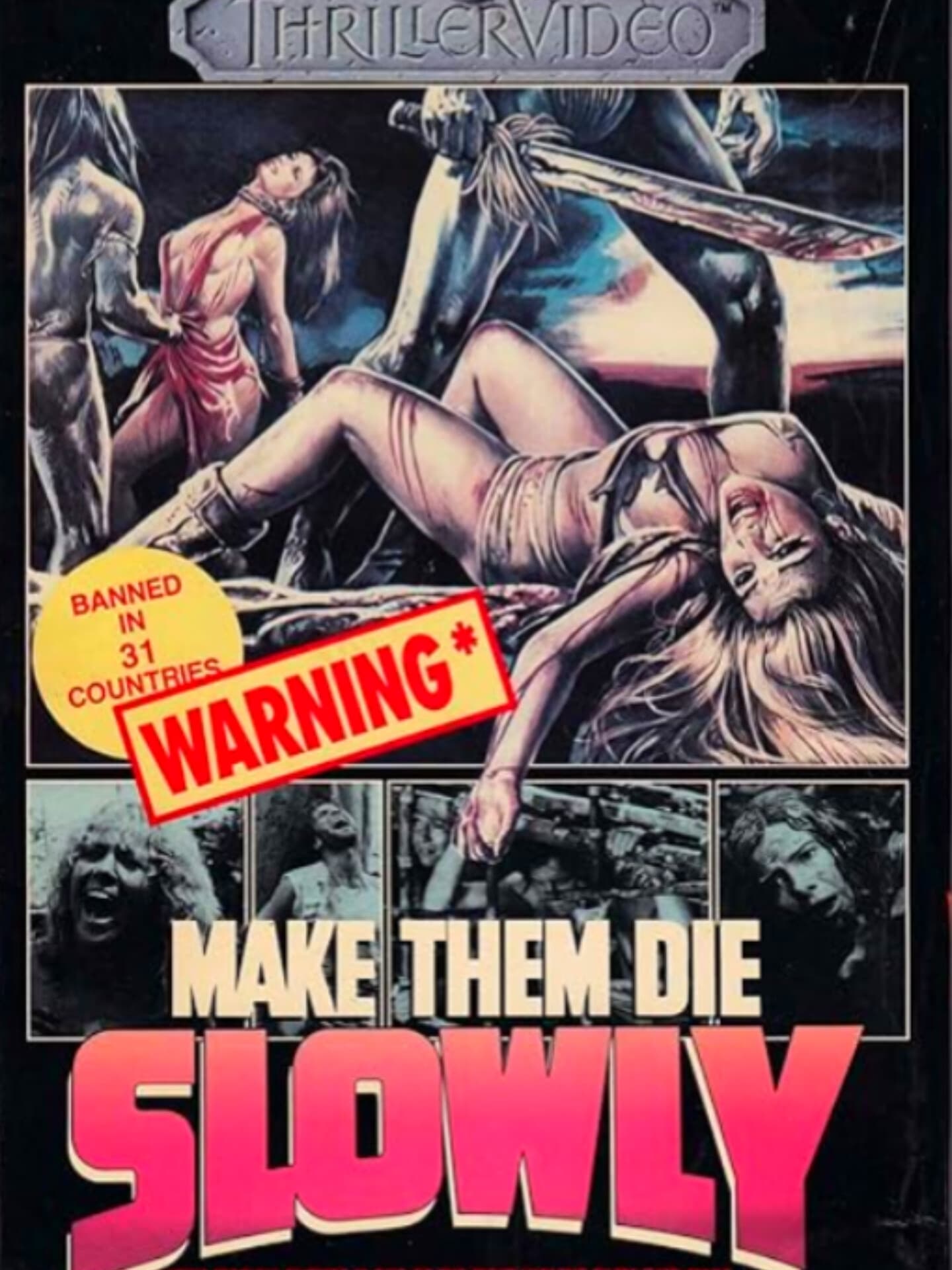
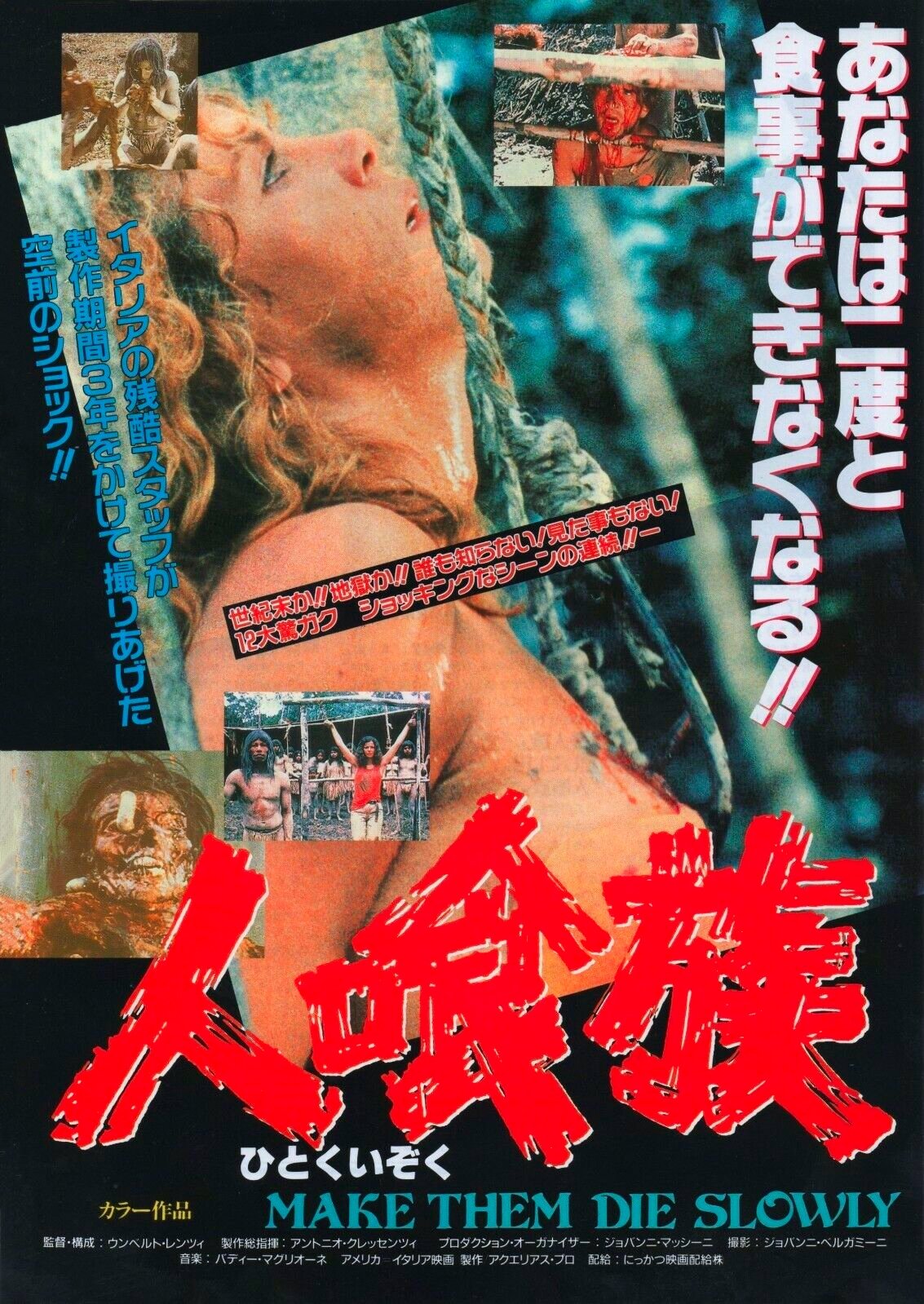
The relationship with Cannibal Holocaust became an important part of its subsequent reputation. Both films involve Westerners whose conduct provokes violent retaliation from the people they encounter, but their narrative methods differ significantly. Deodato incorporated fabricated documentary footage and a media-industry framework, while Lenzi organized Cannibal Ferox through a more conventional adventure and crime narrative. In a 2017 interview with La Repubblica, Lenzi recalled that the film performed poorly in Italy but attracted considerable attention abroad under the title Make Them Die Slowly. His description of its international success represents the director's retrospective assessment rather than a complete independently verified box-office record.