Re-Animator (1985)

US
HORROR FILM Science Fiction Comedy
7.2/10 6 votes
Runtime
86 min
Release
October 18, 1985
Budget
$900,000
Revenue
$2,023,414
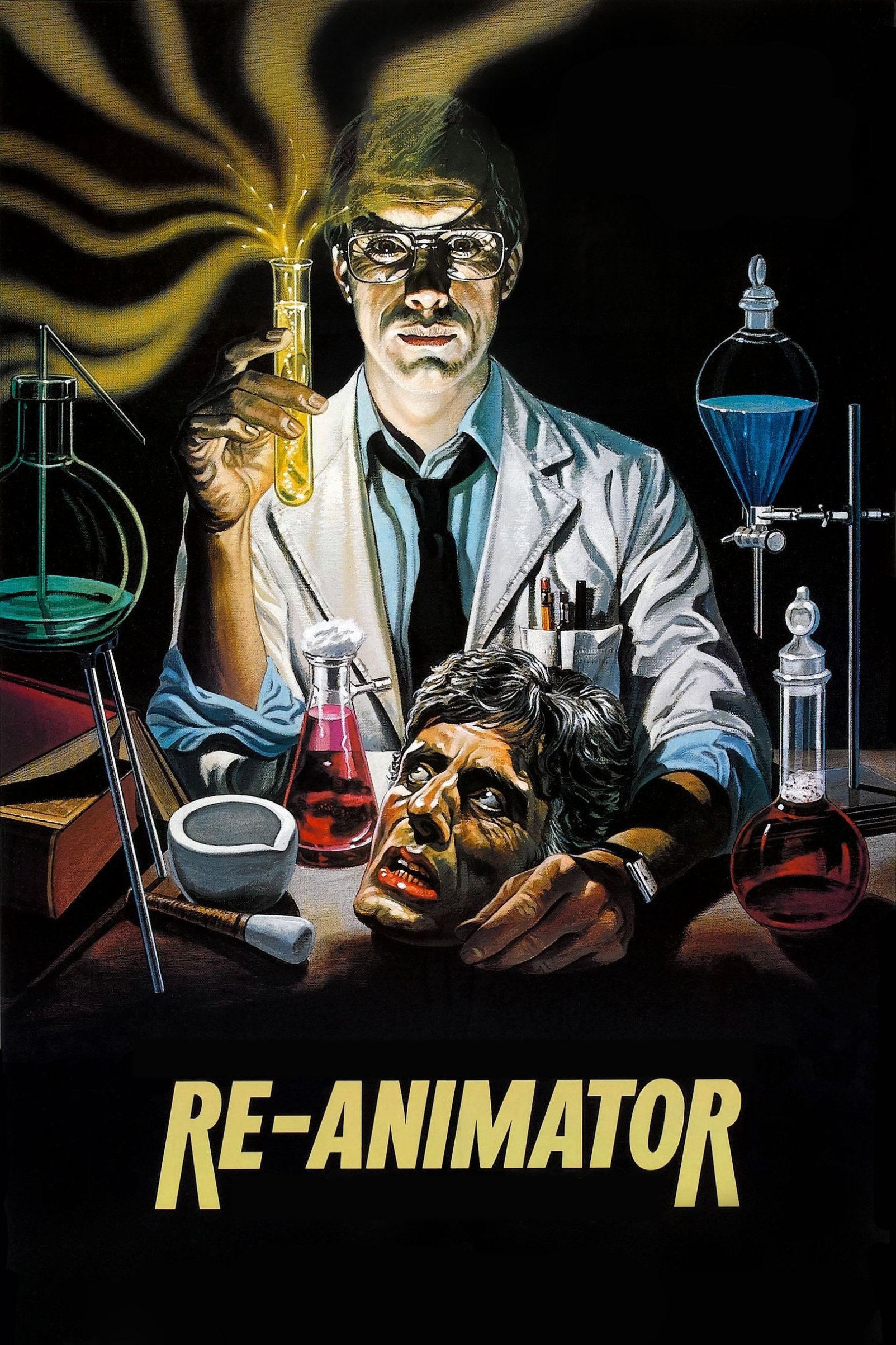
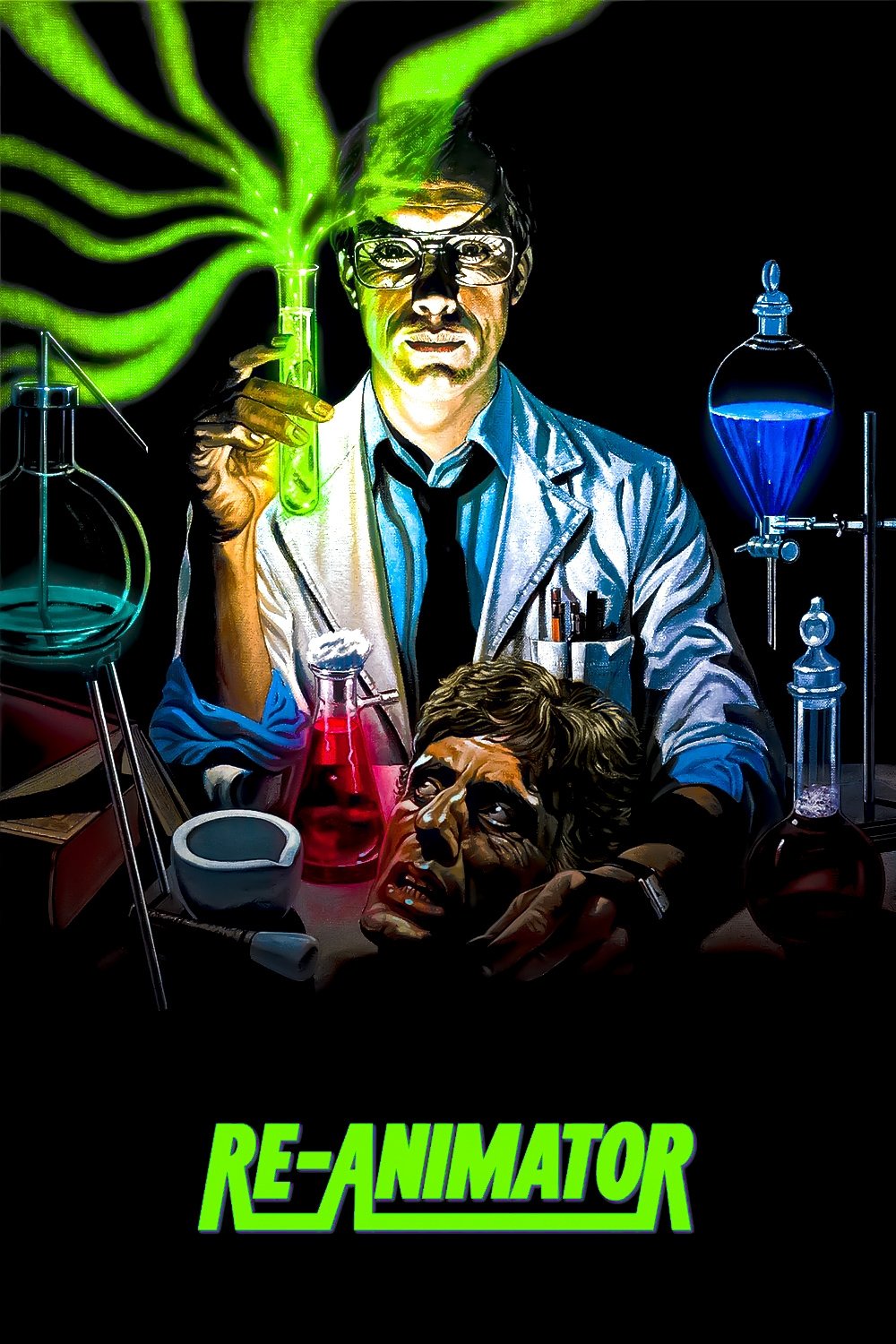
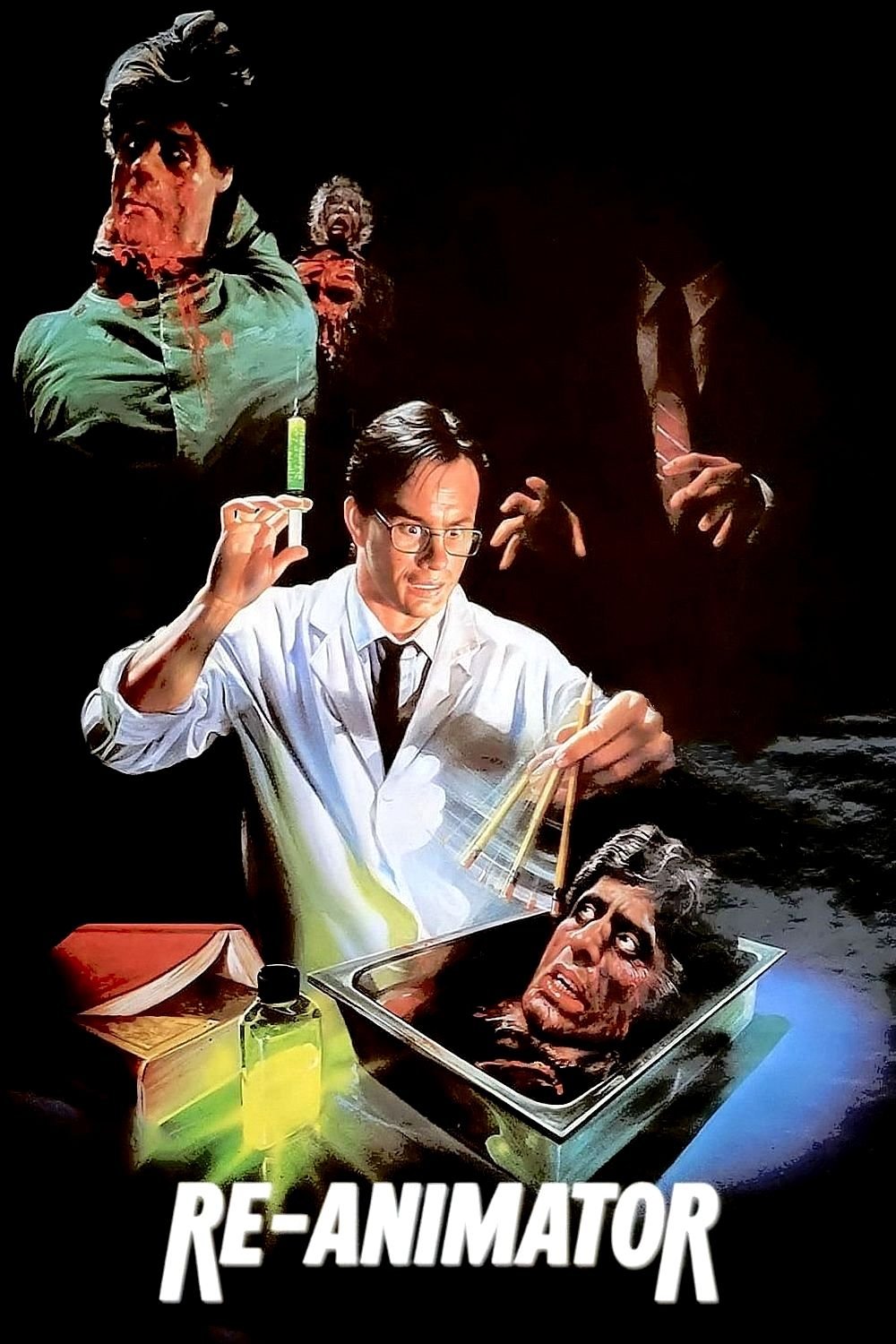
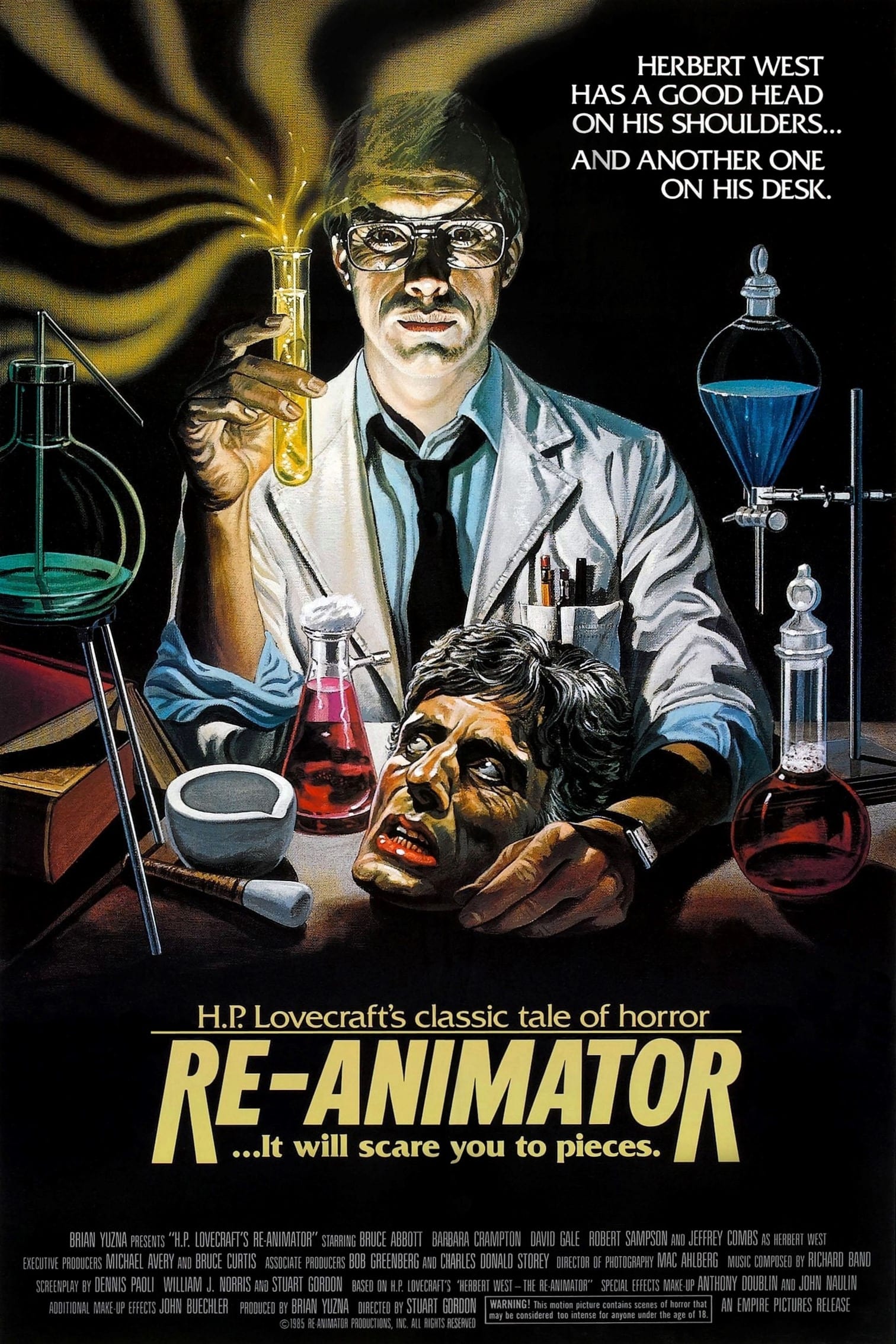
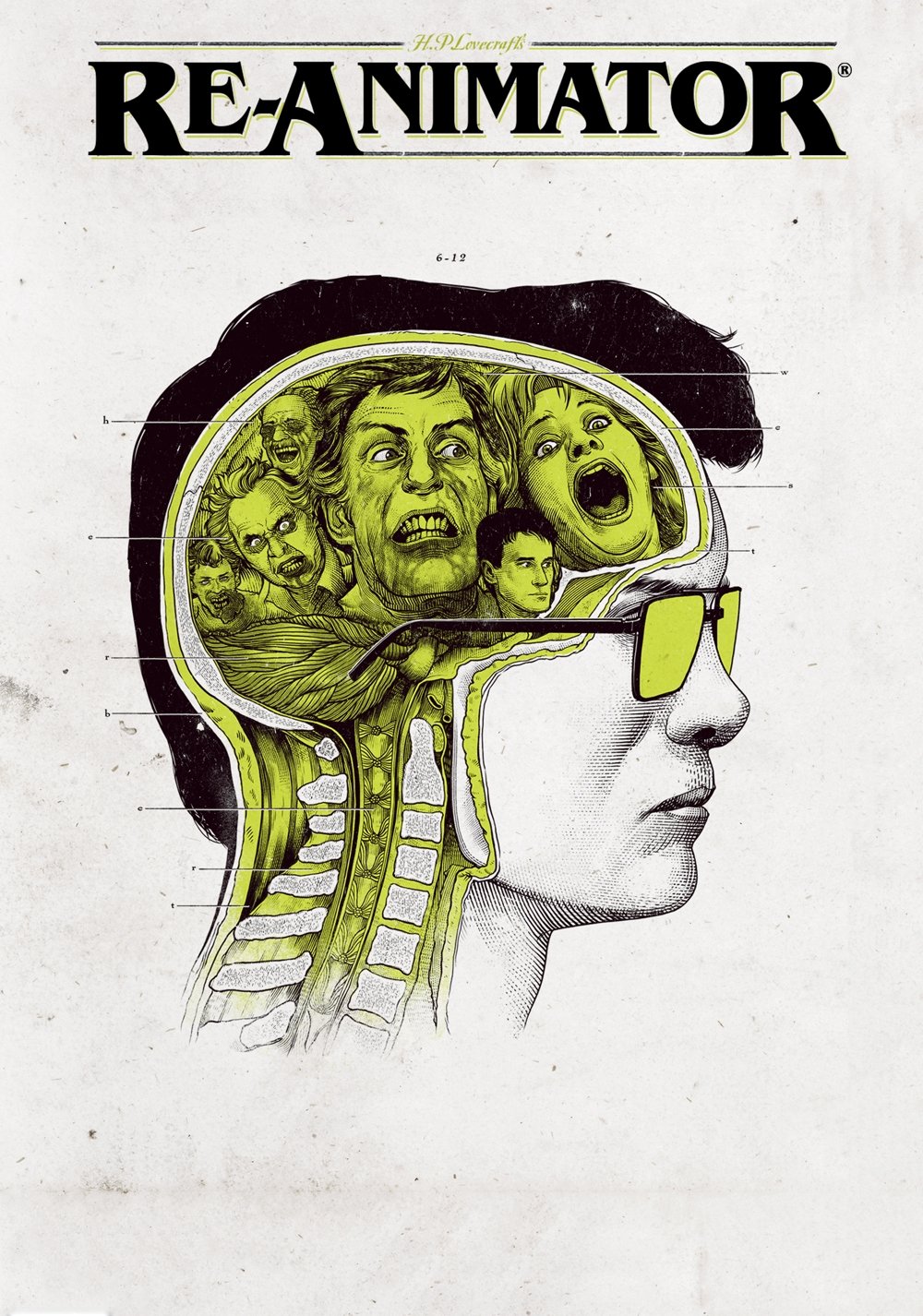
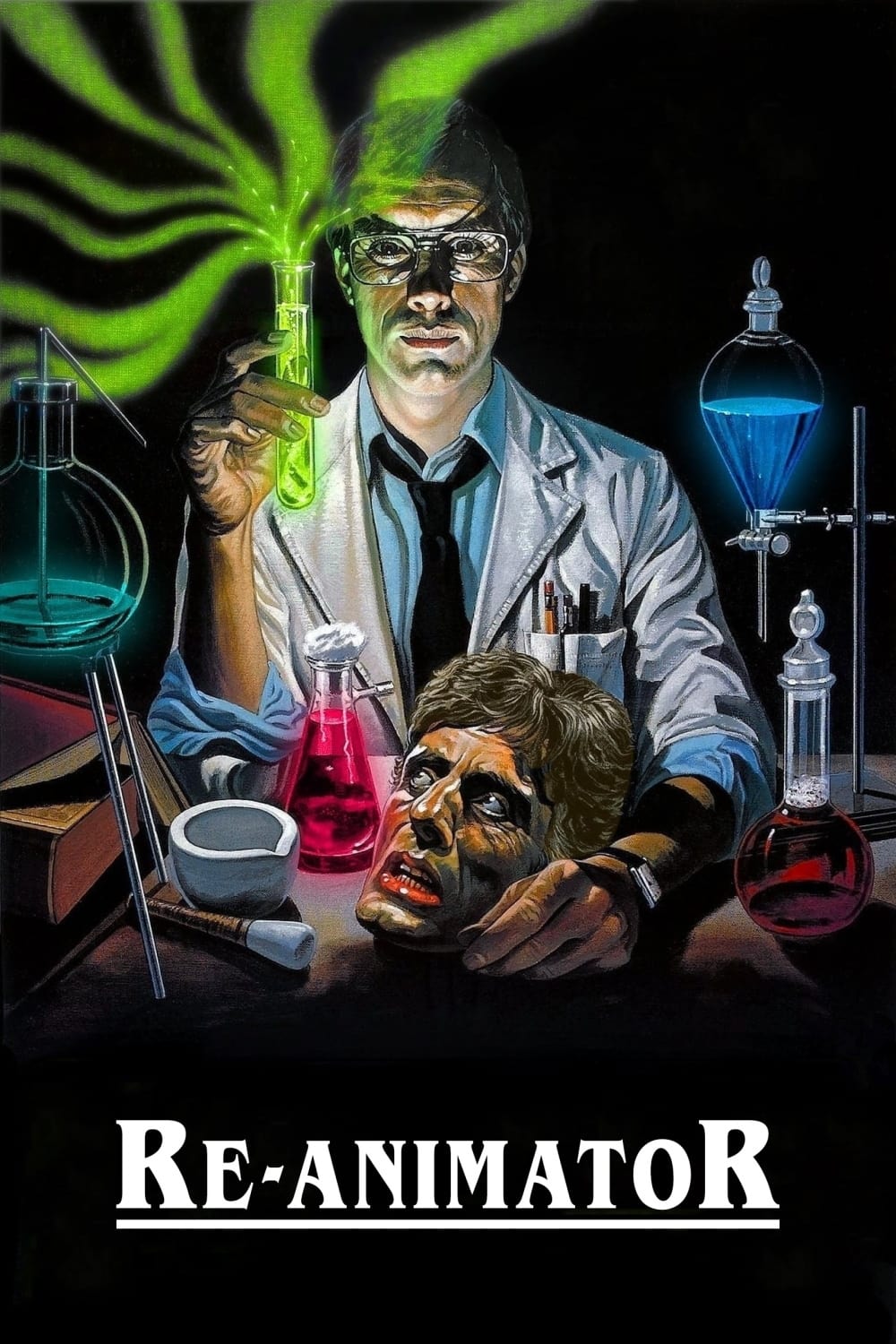
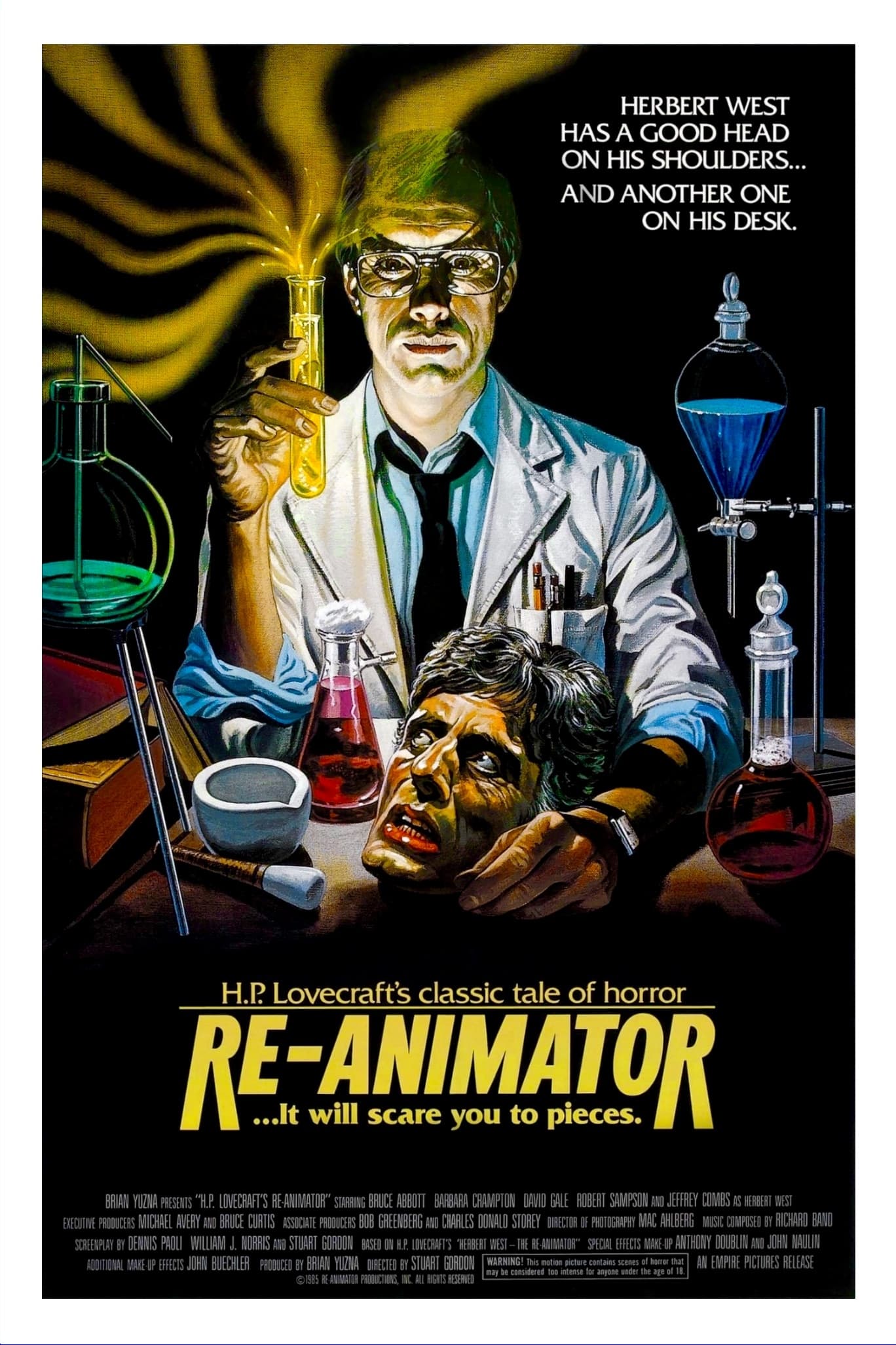
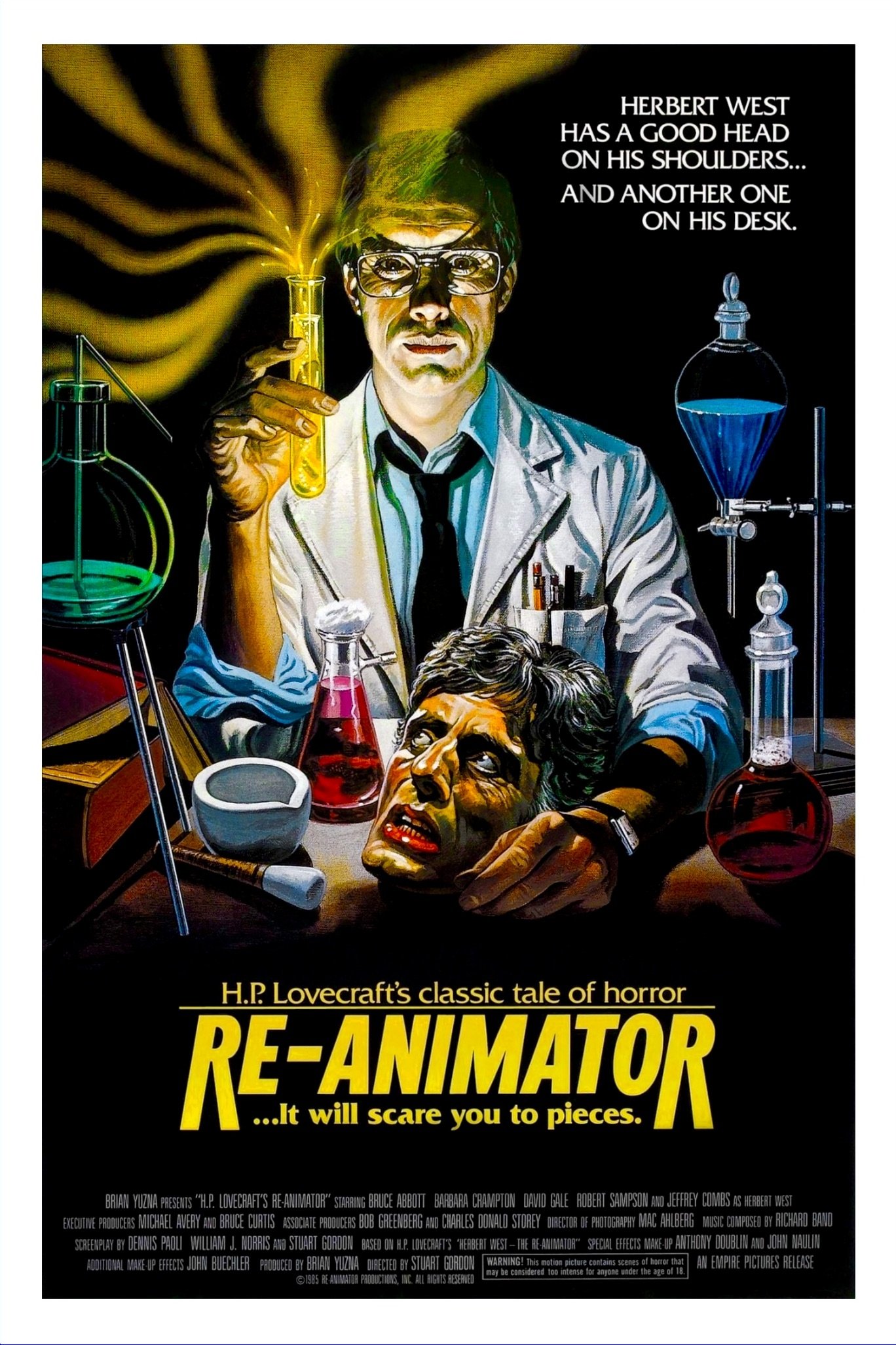
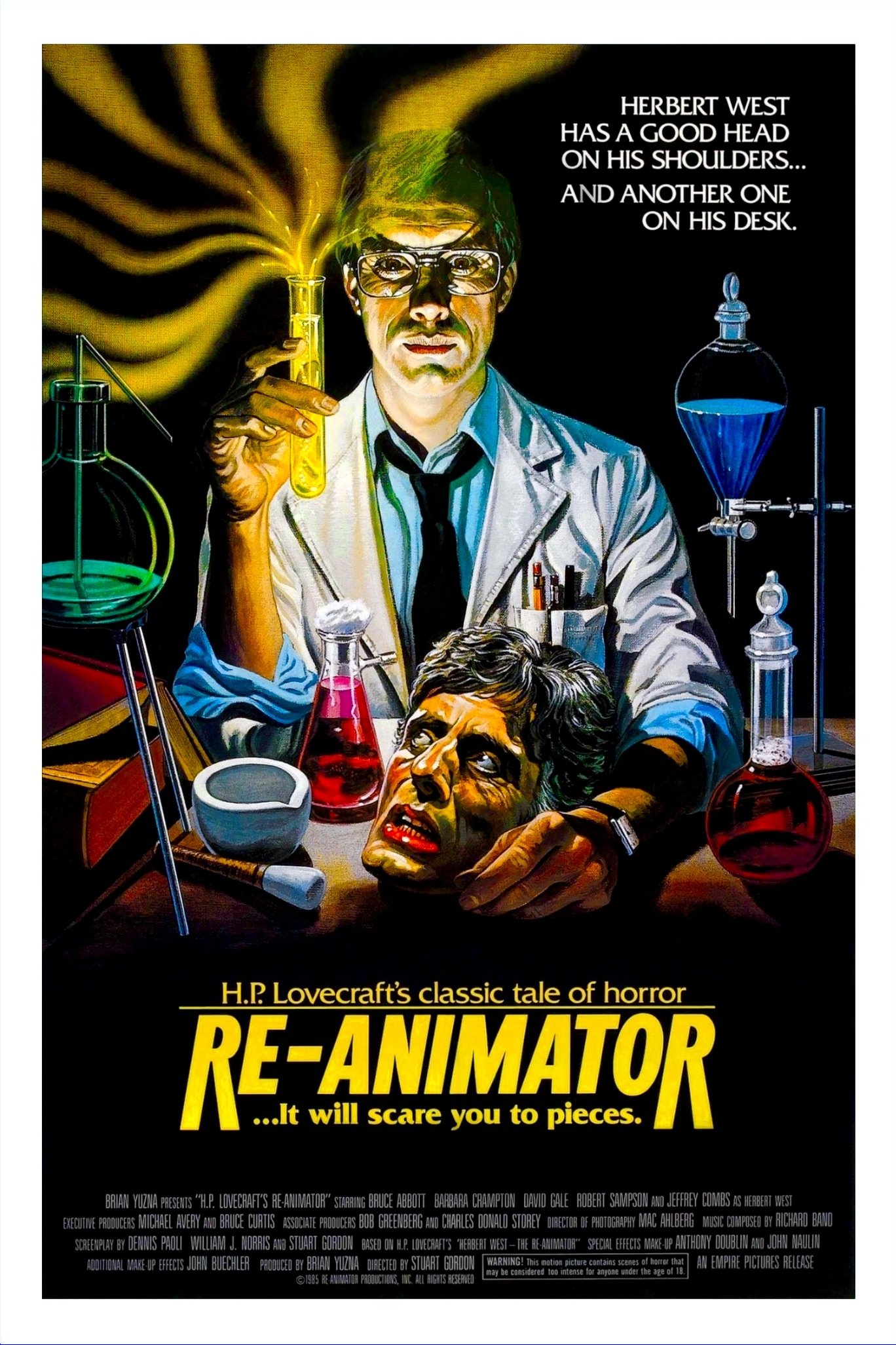
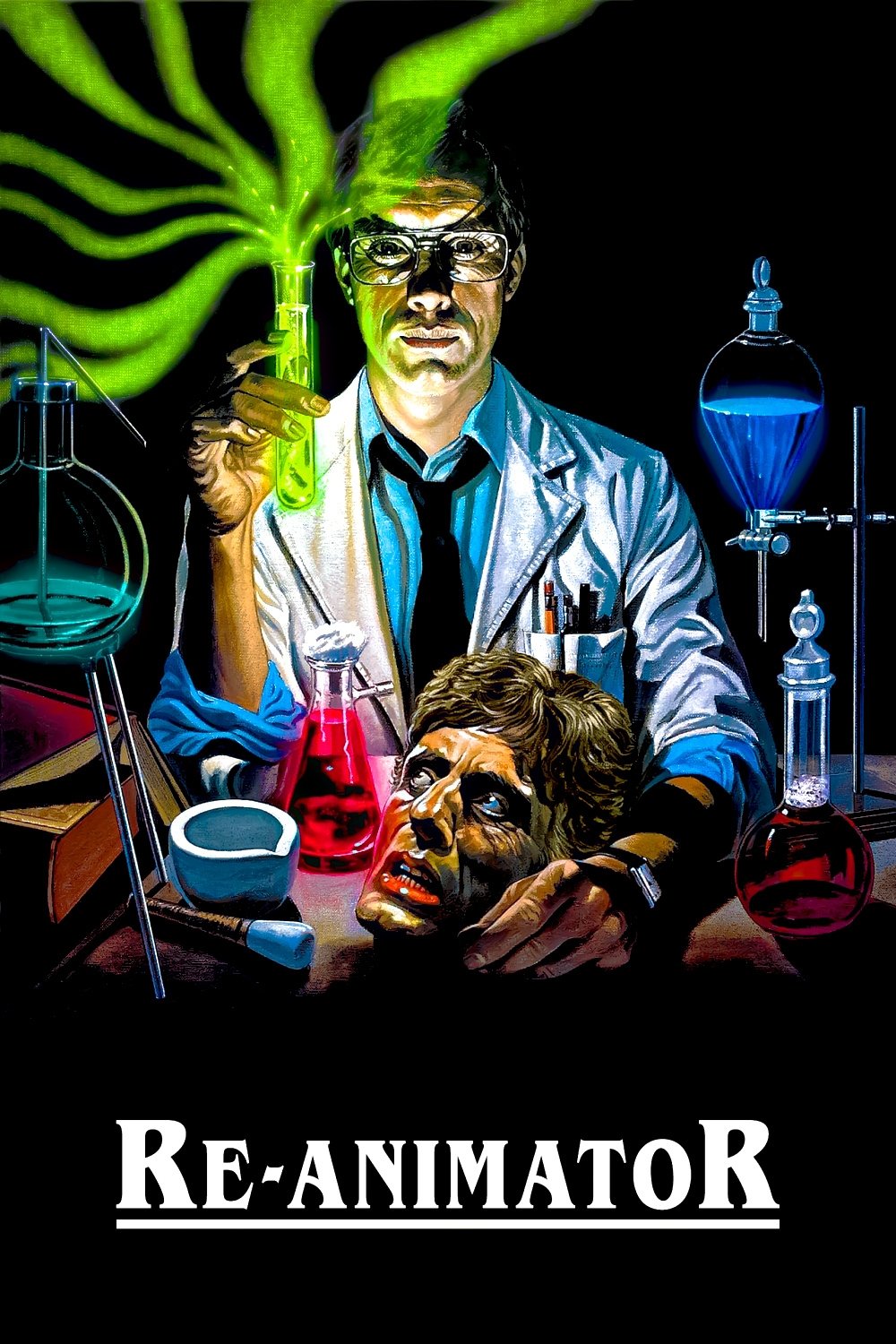
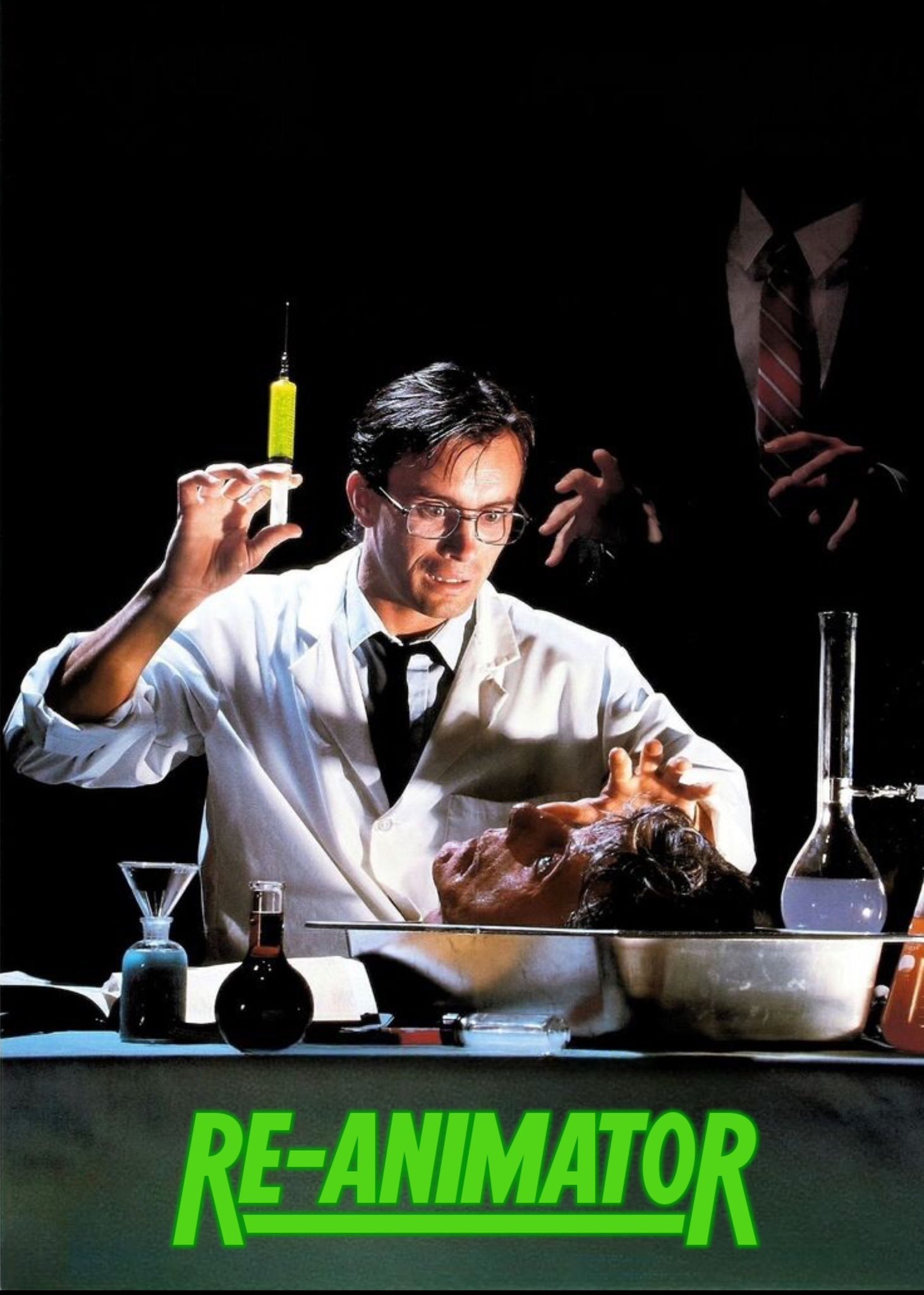
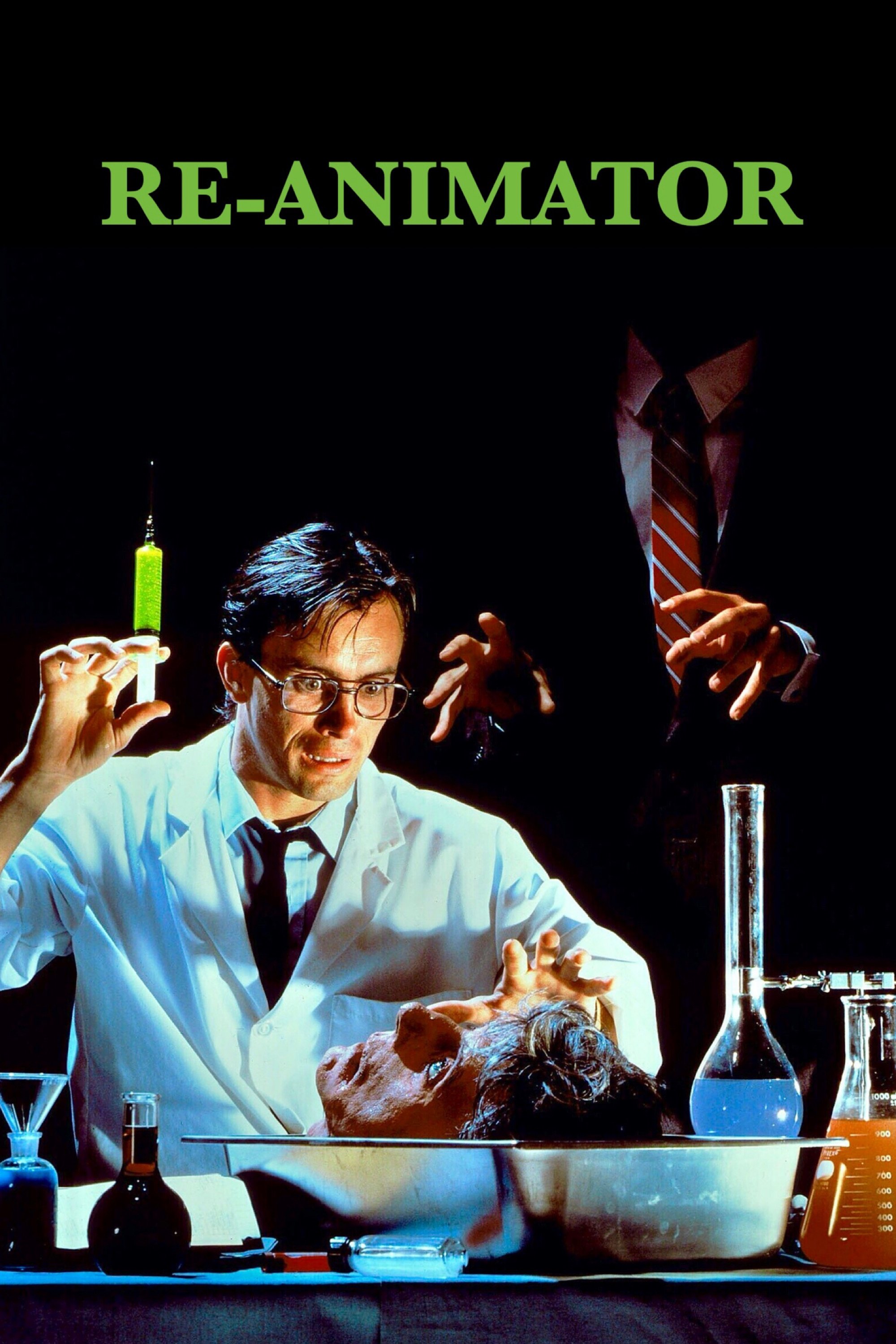
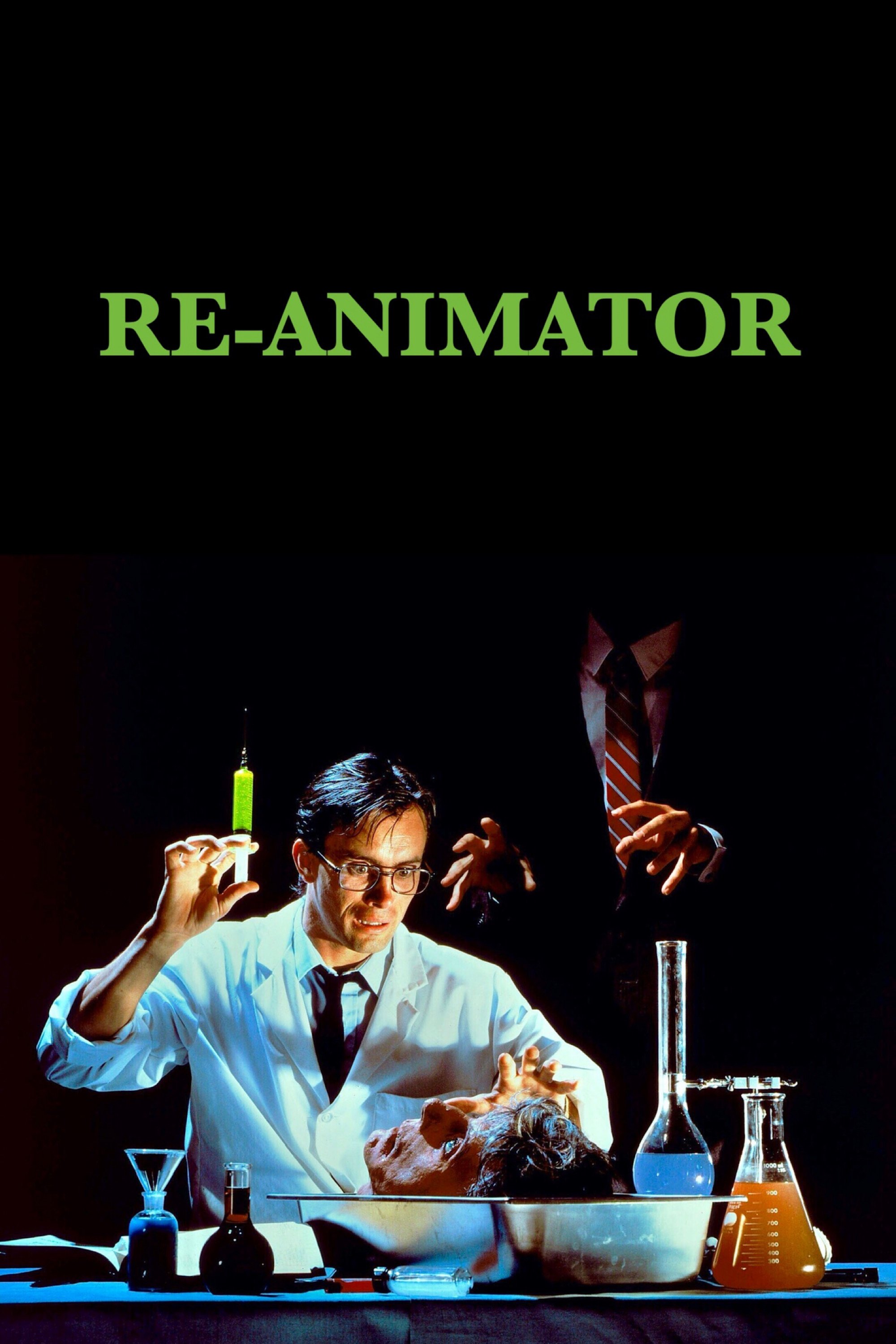
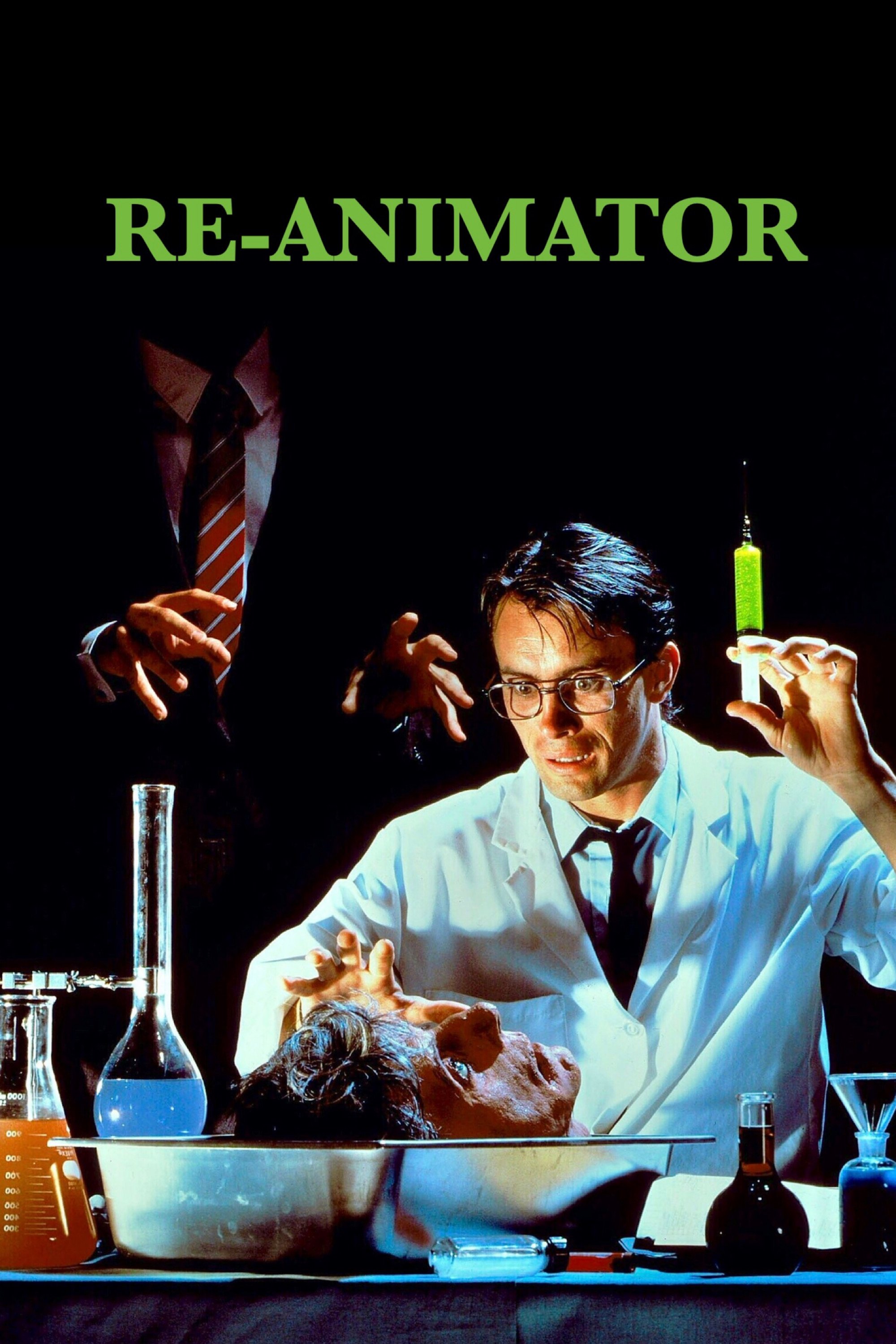
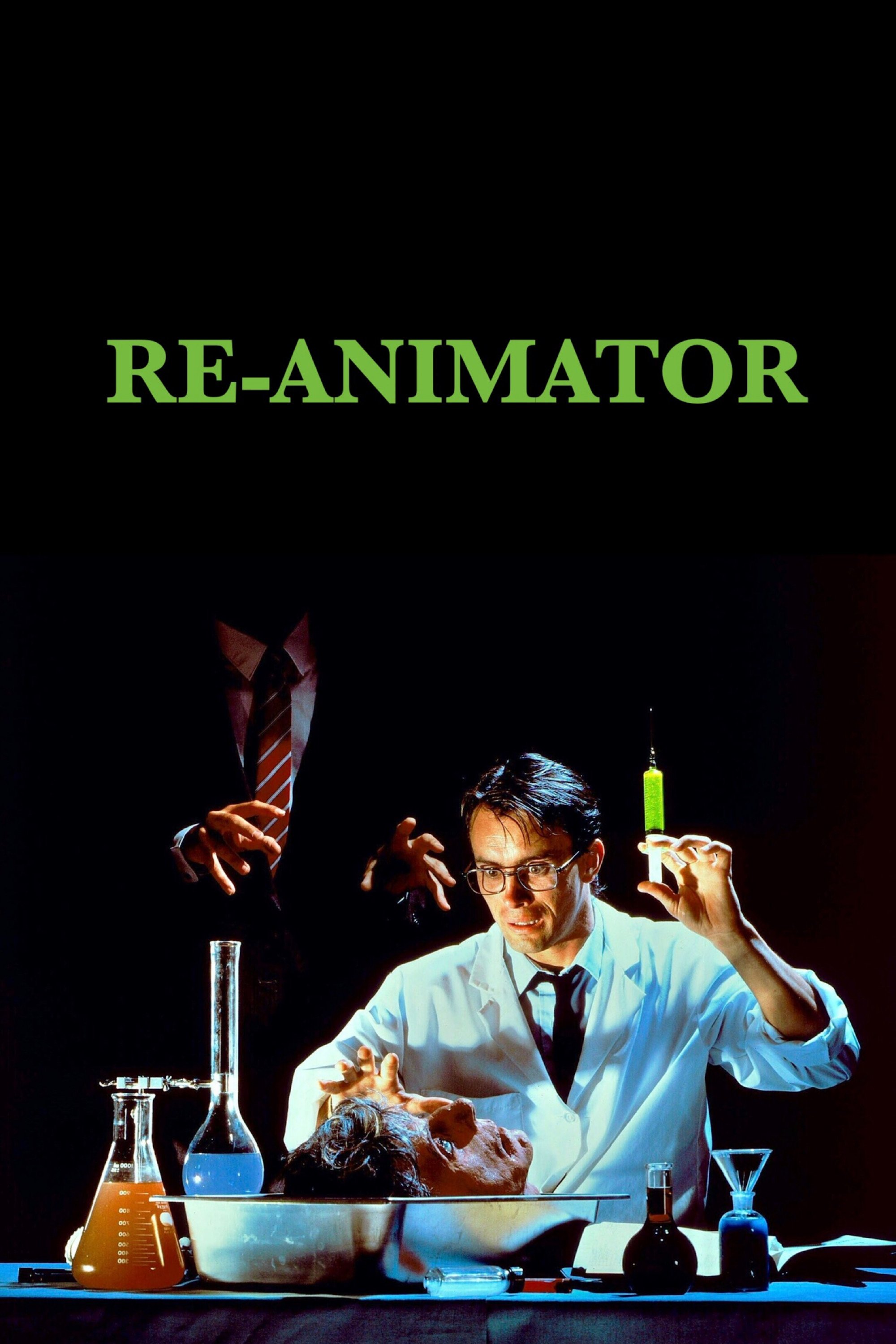
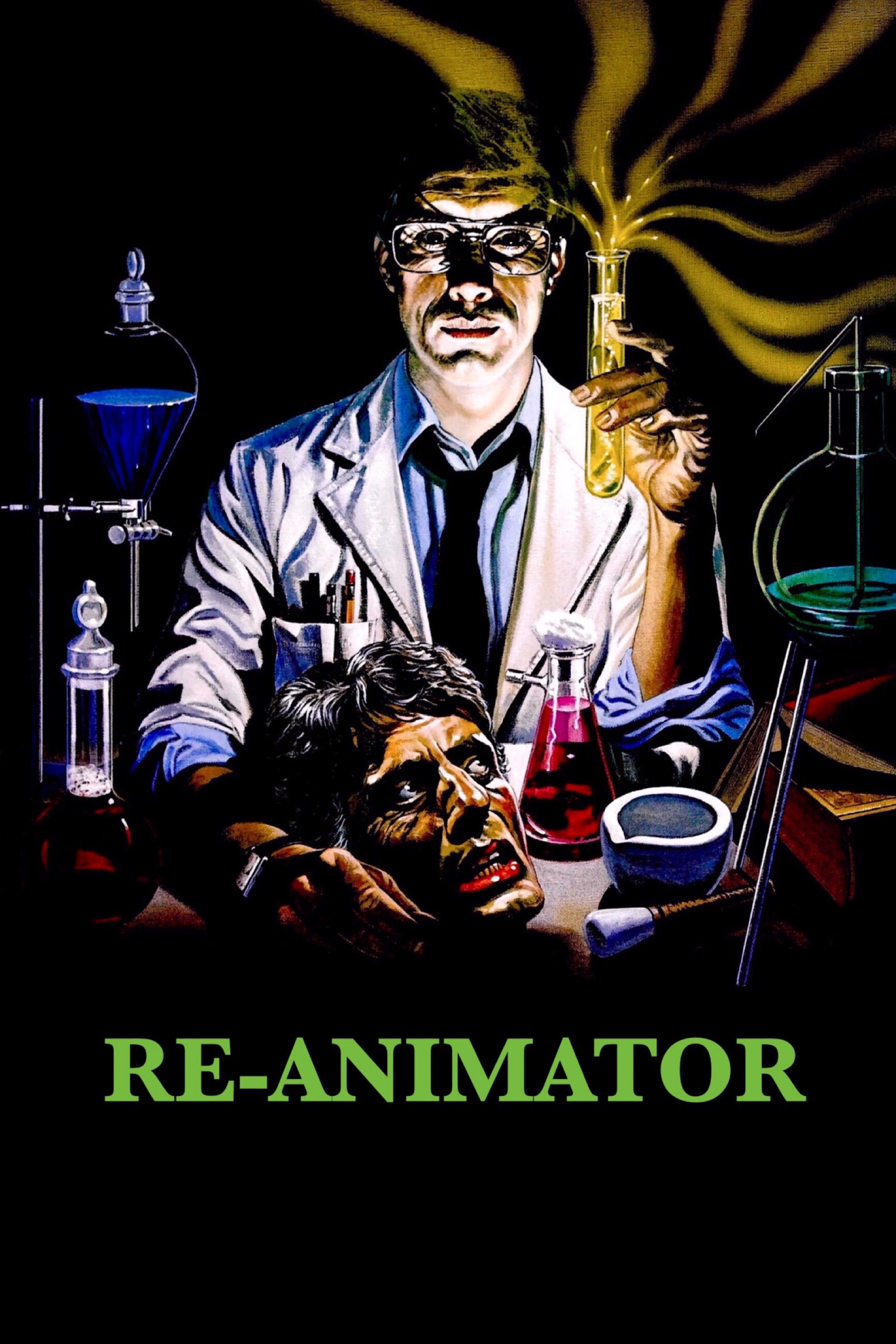
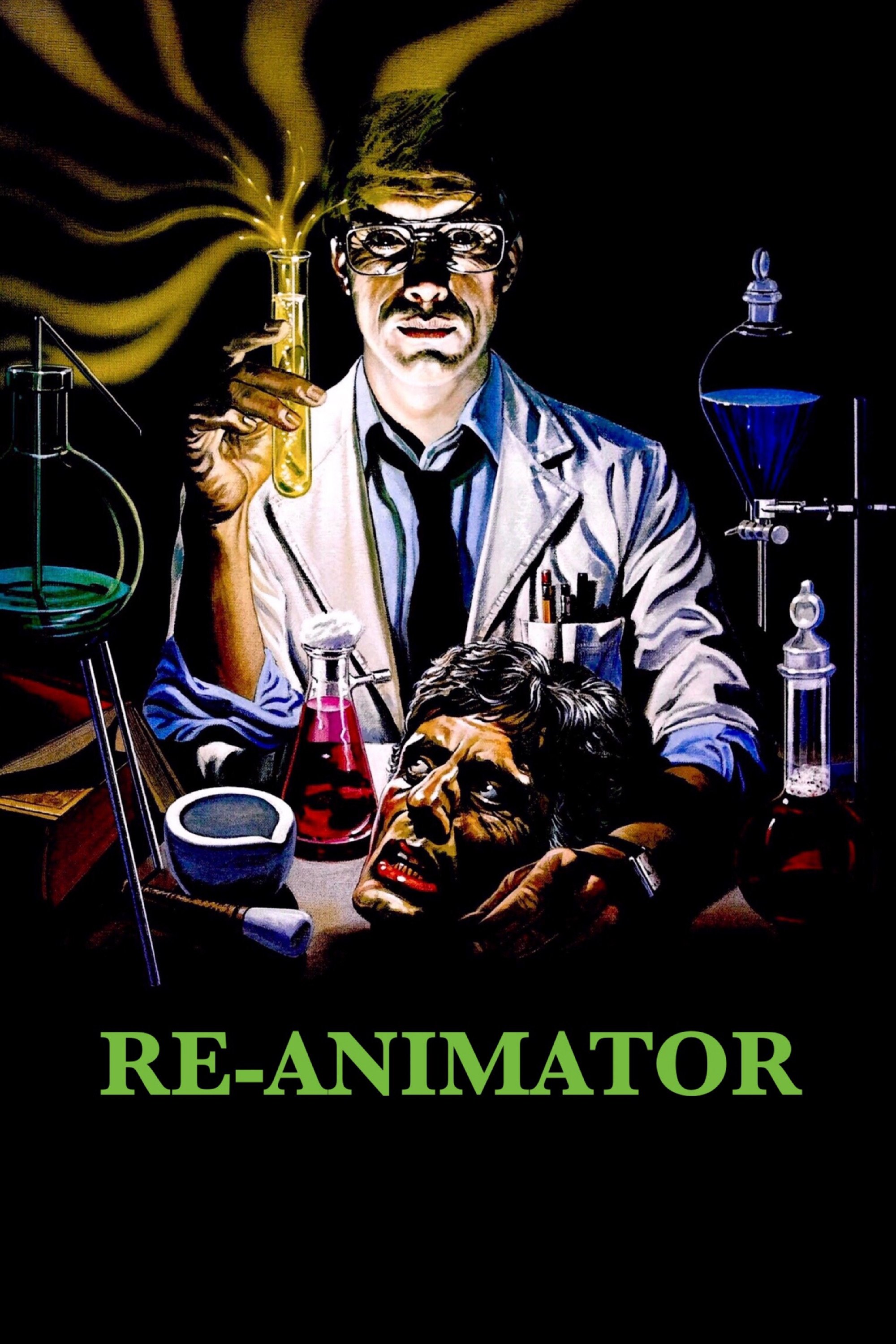
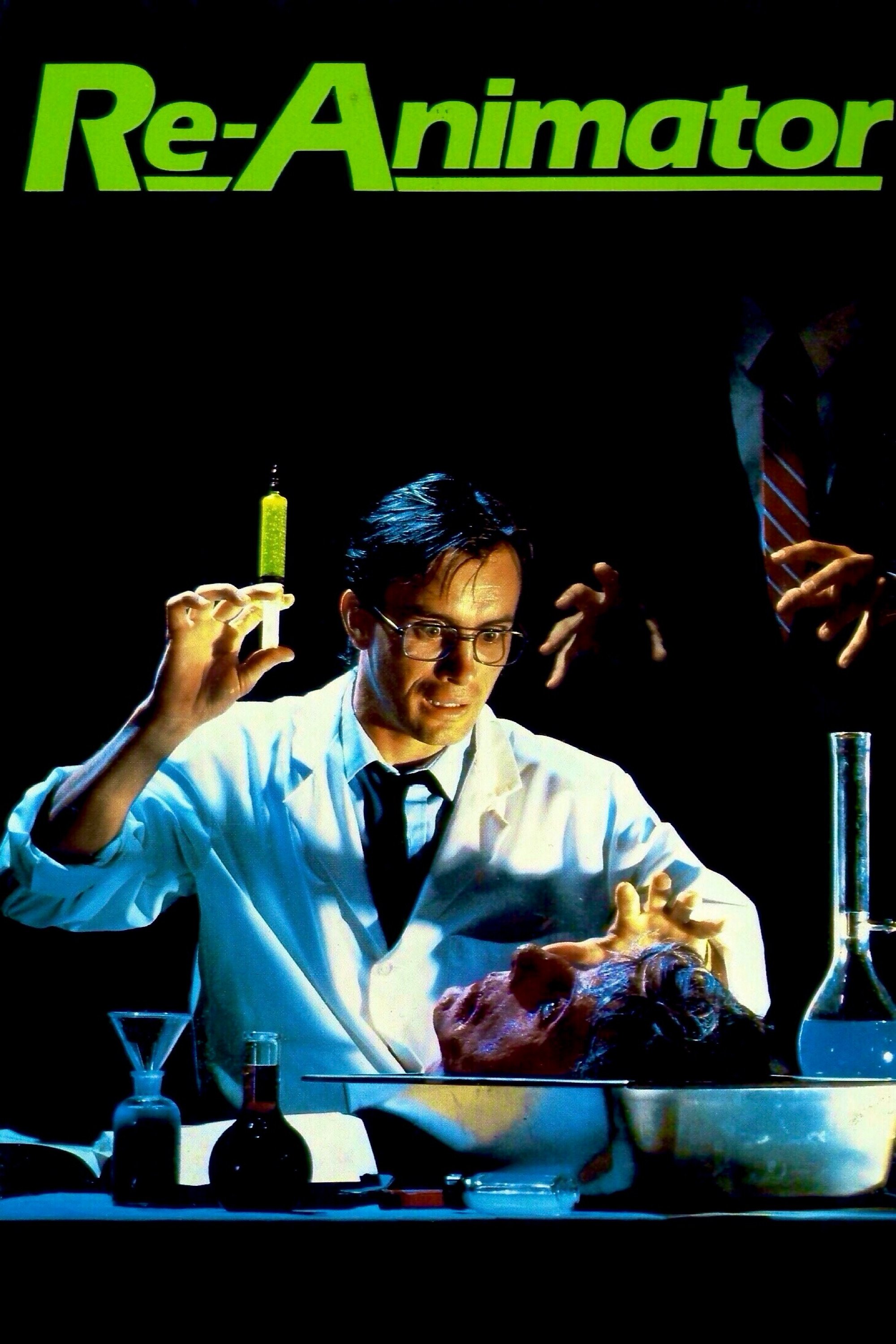
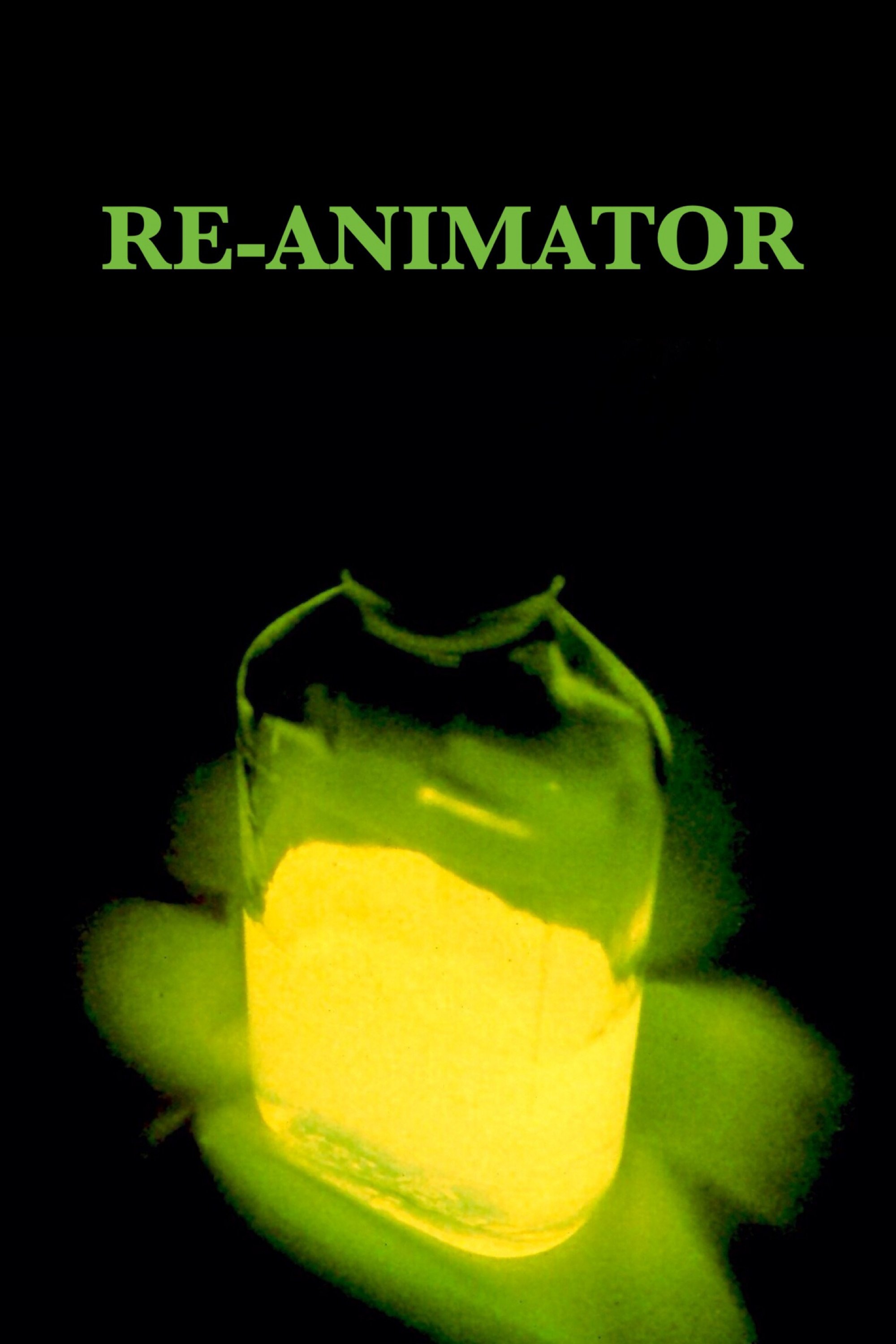
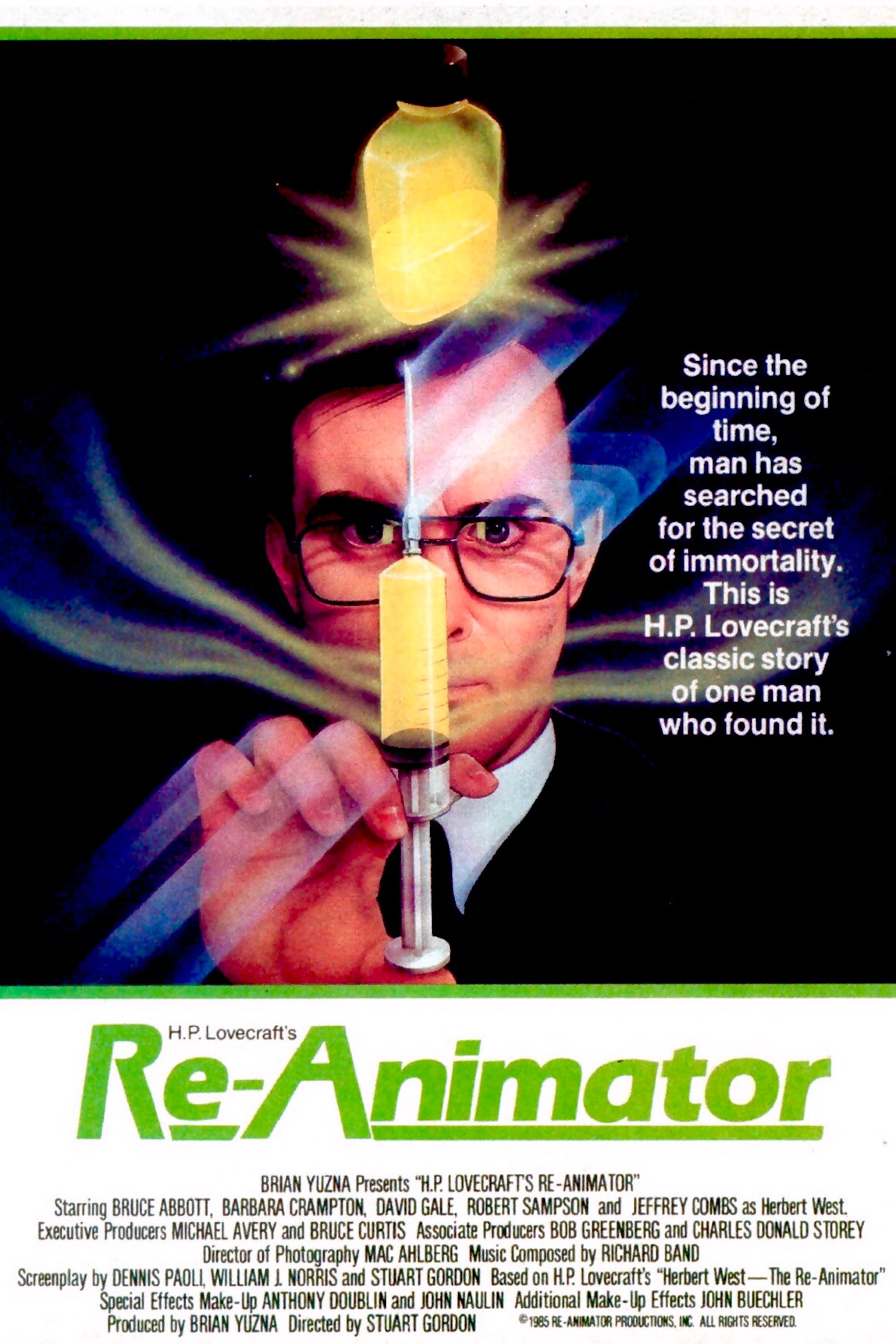
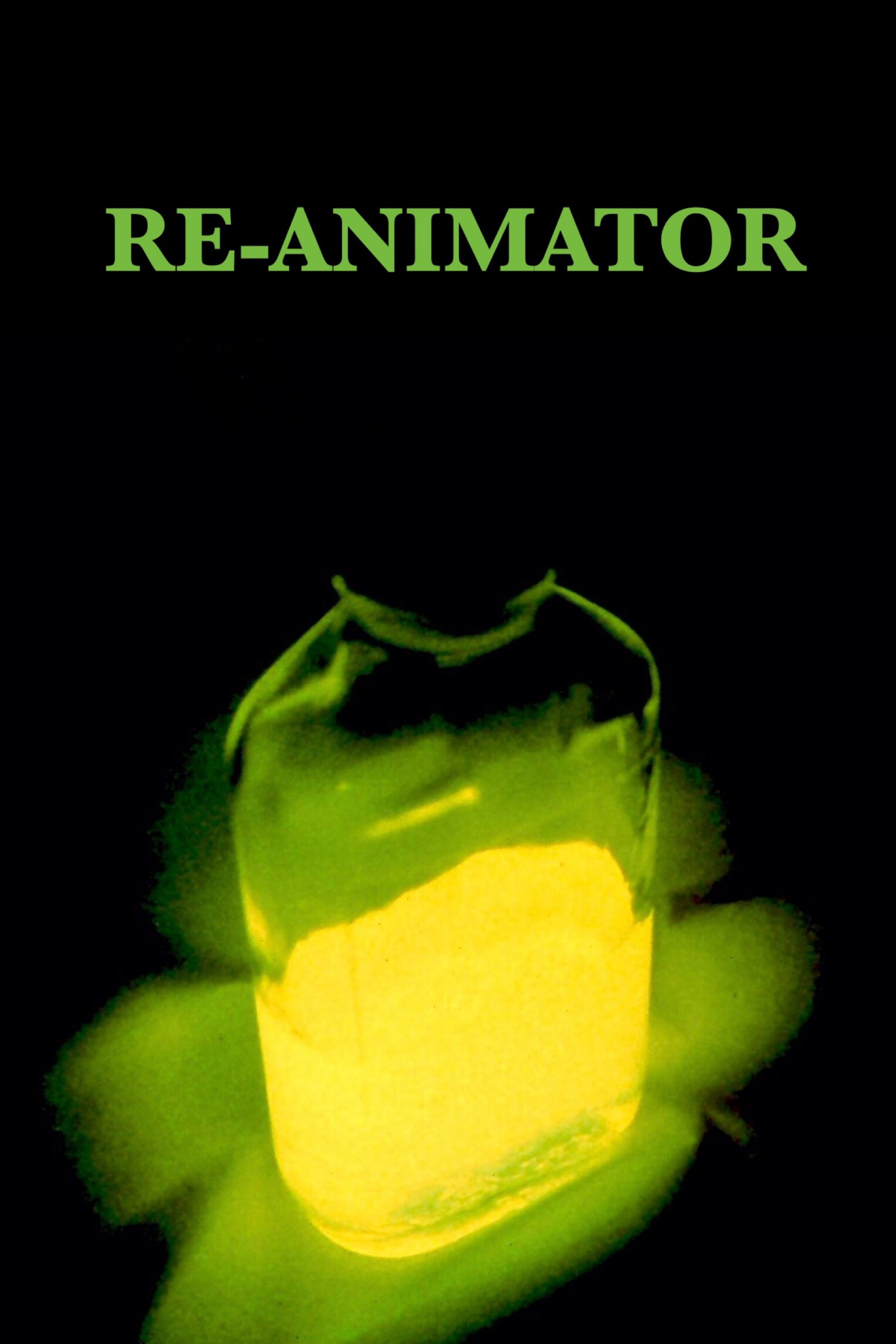
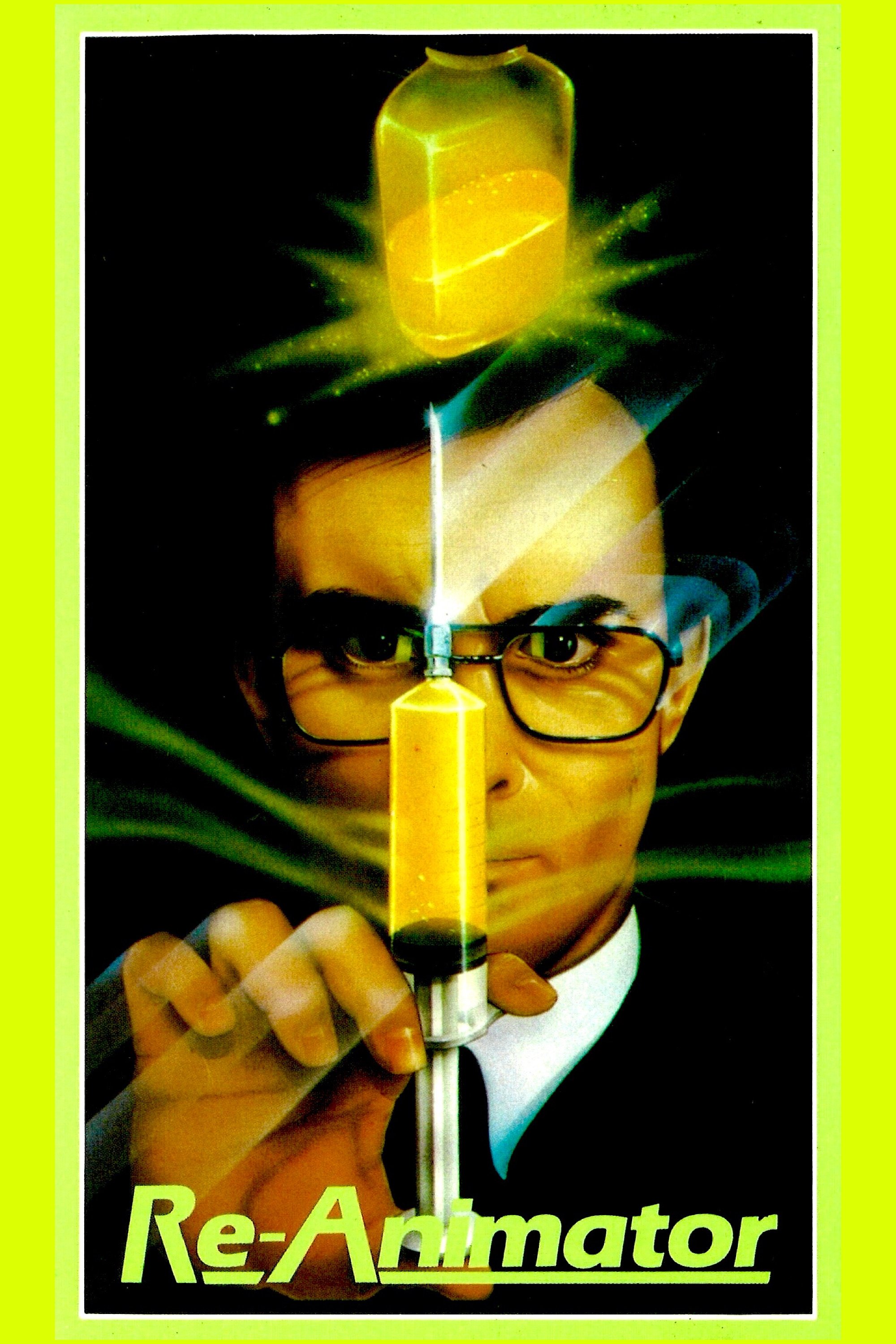
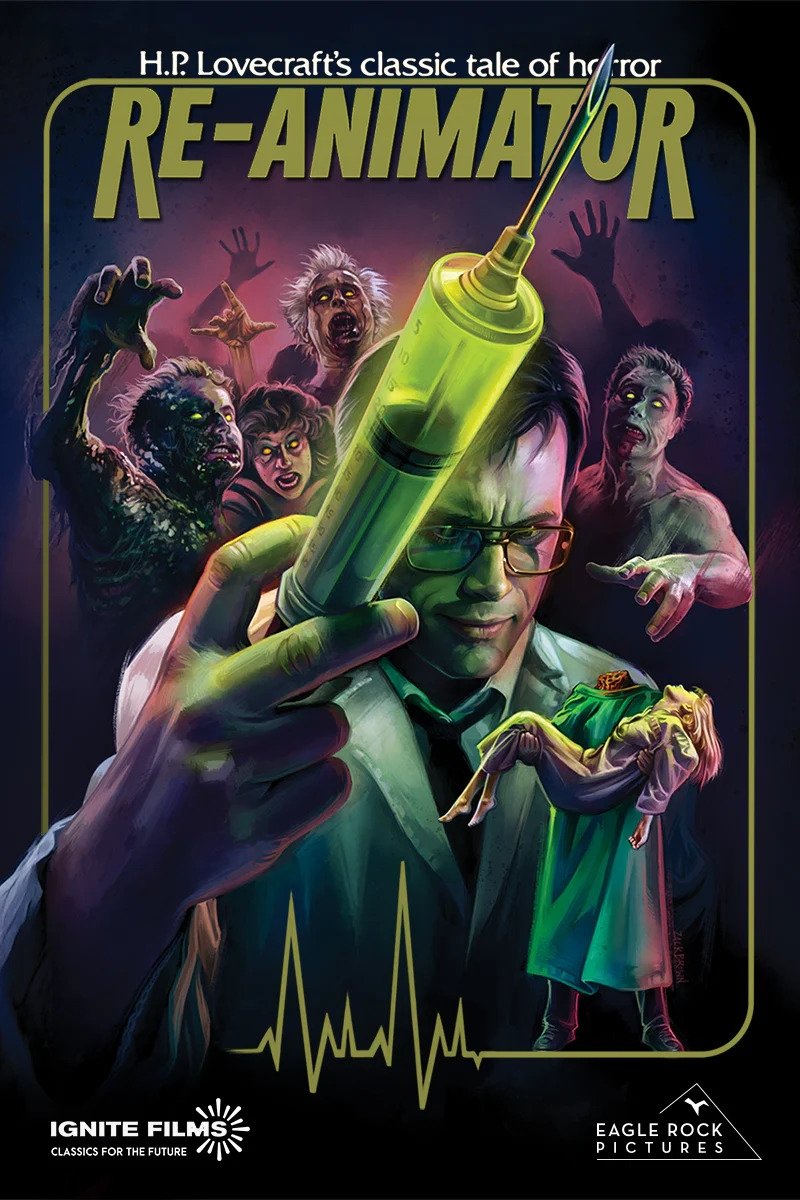
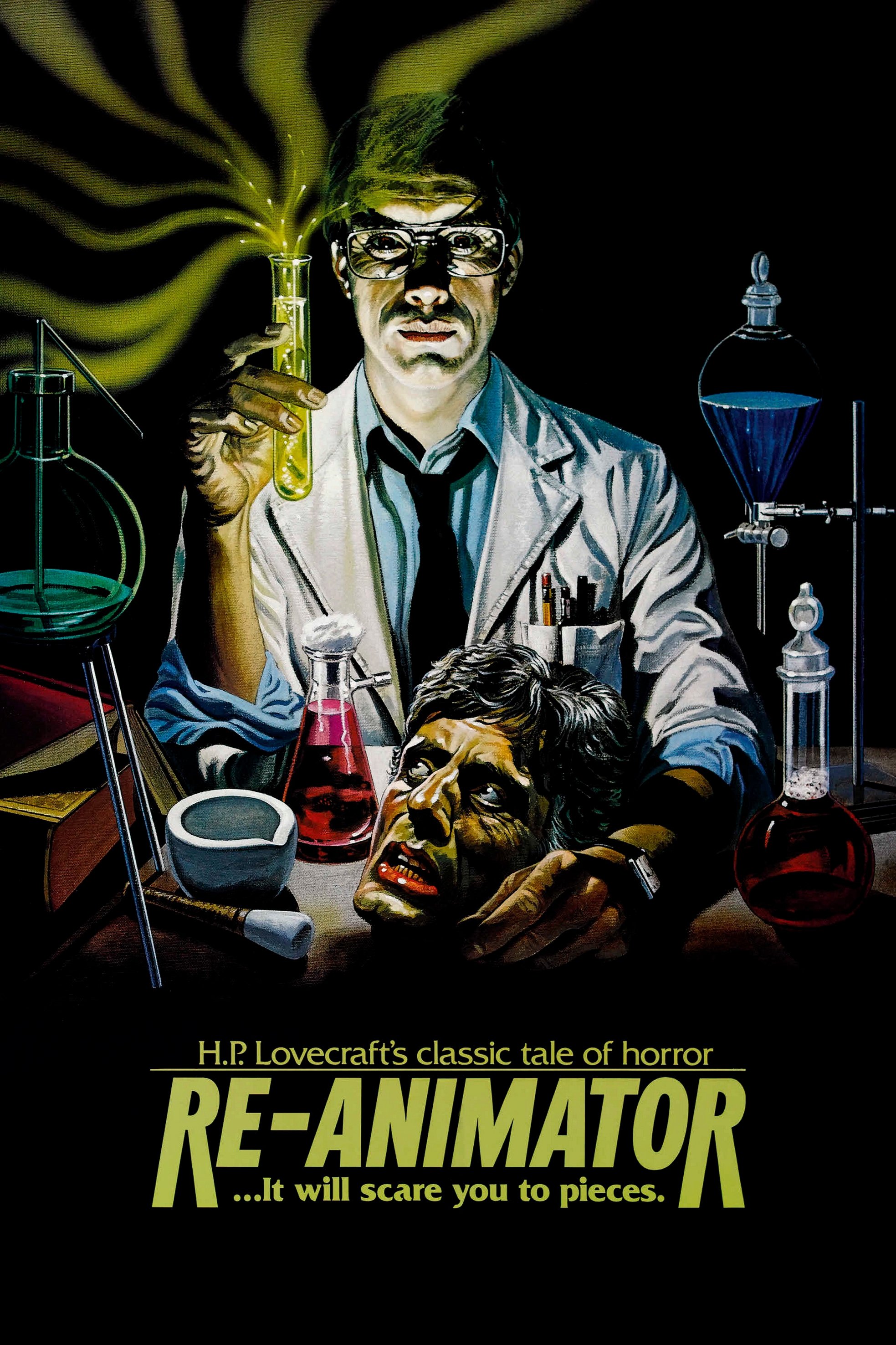
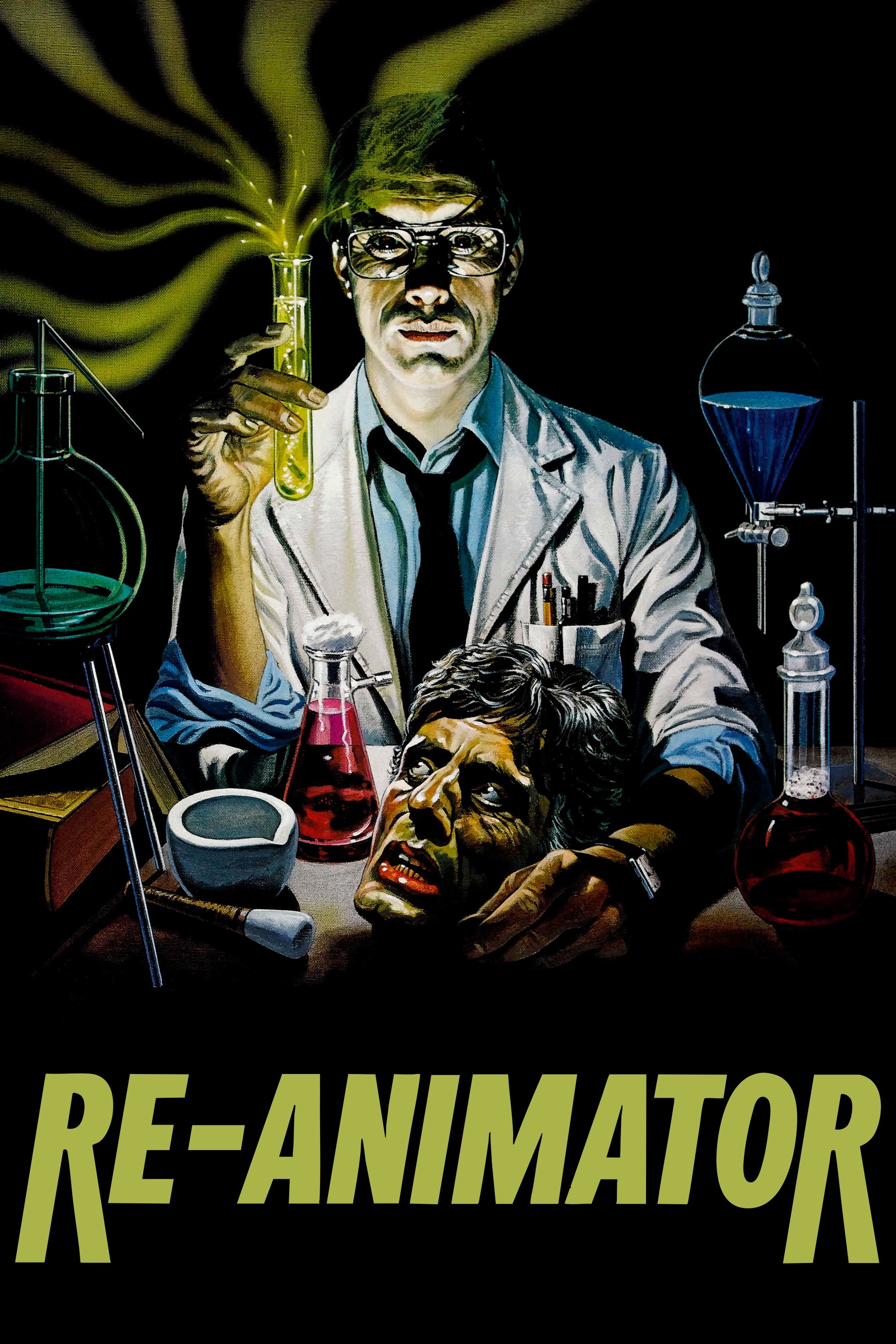
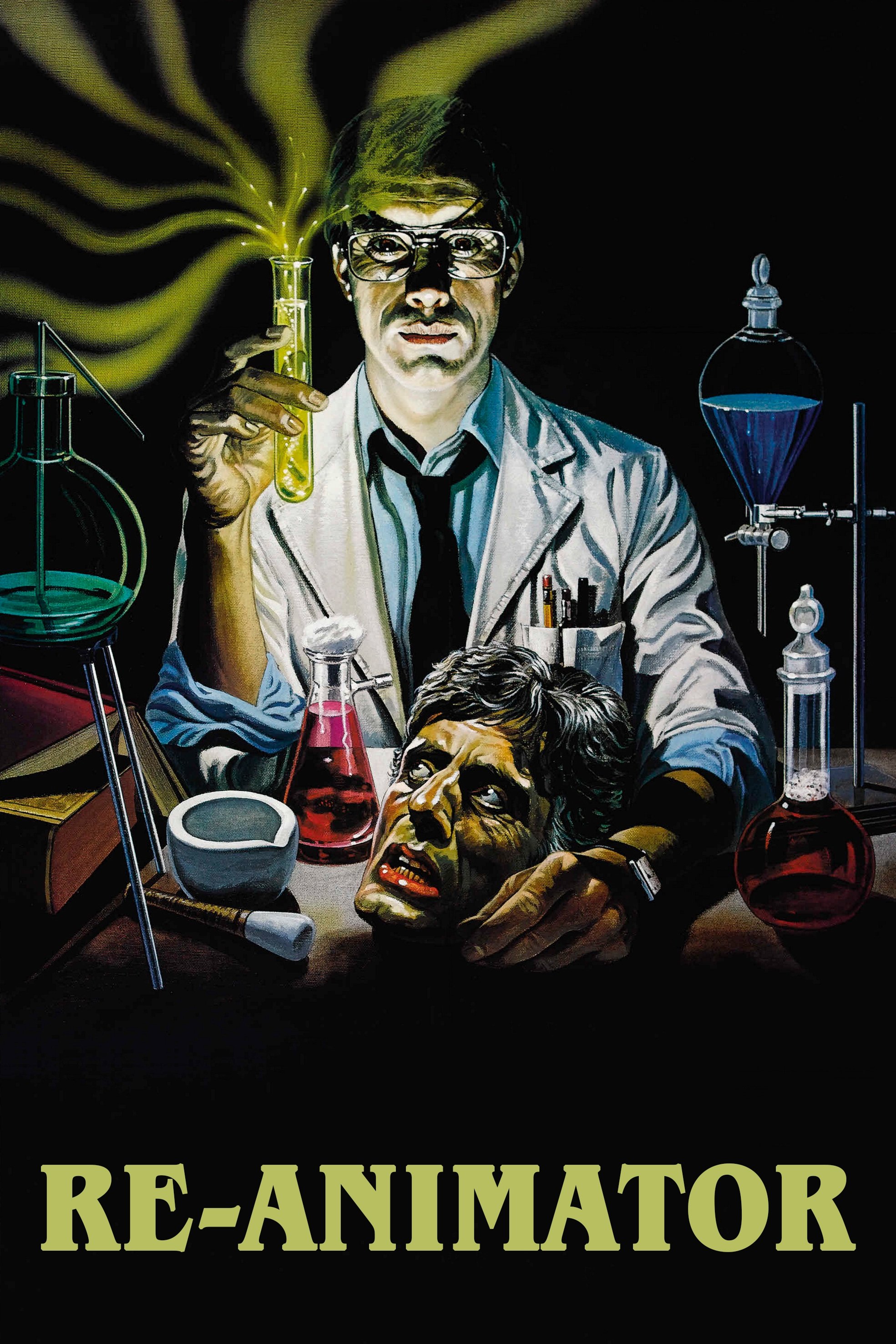
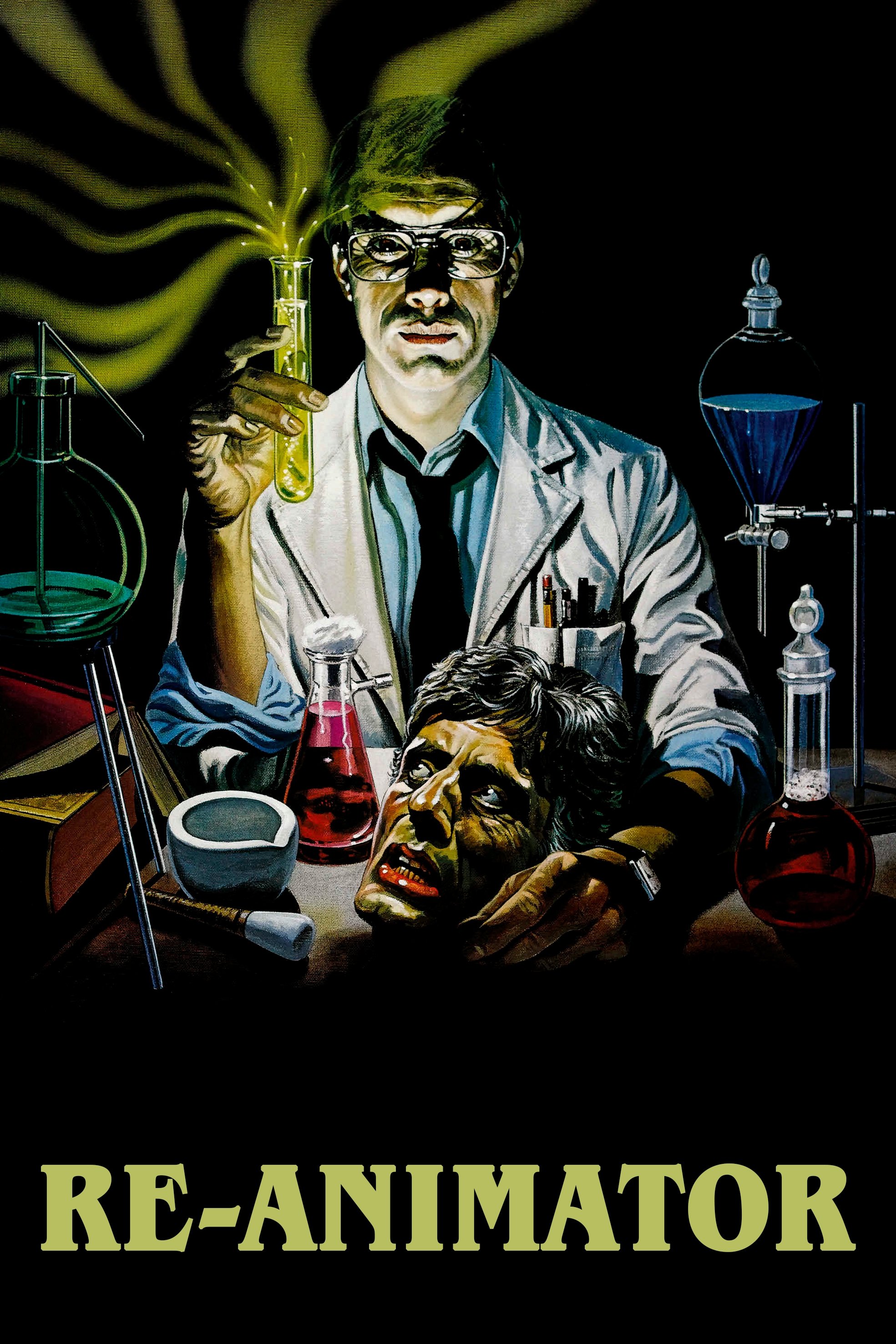
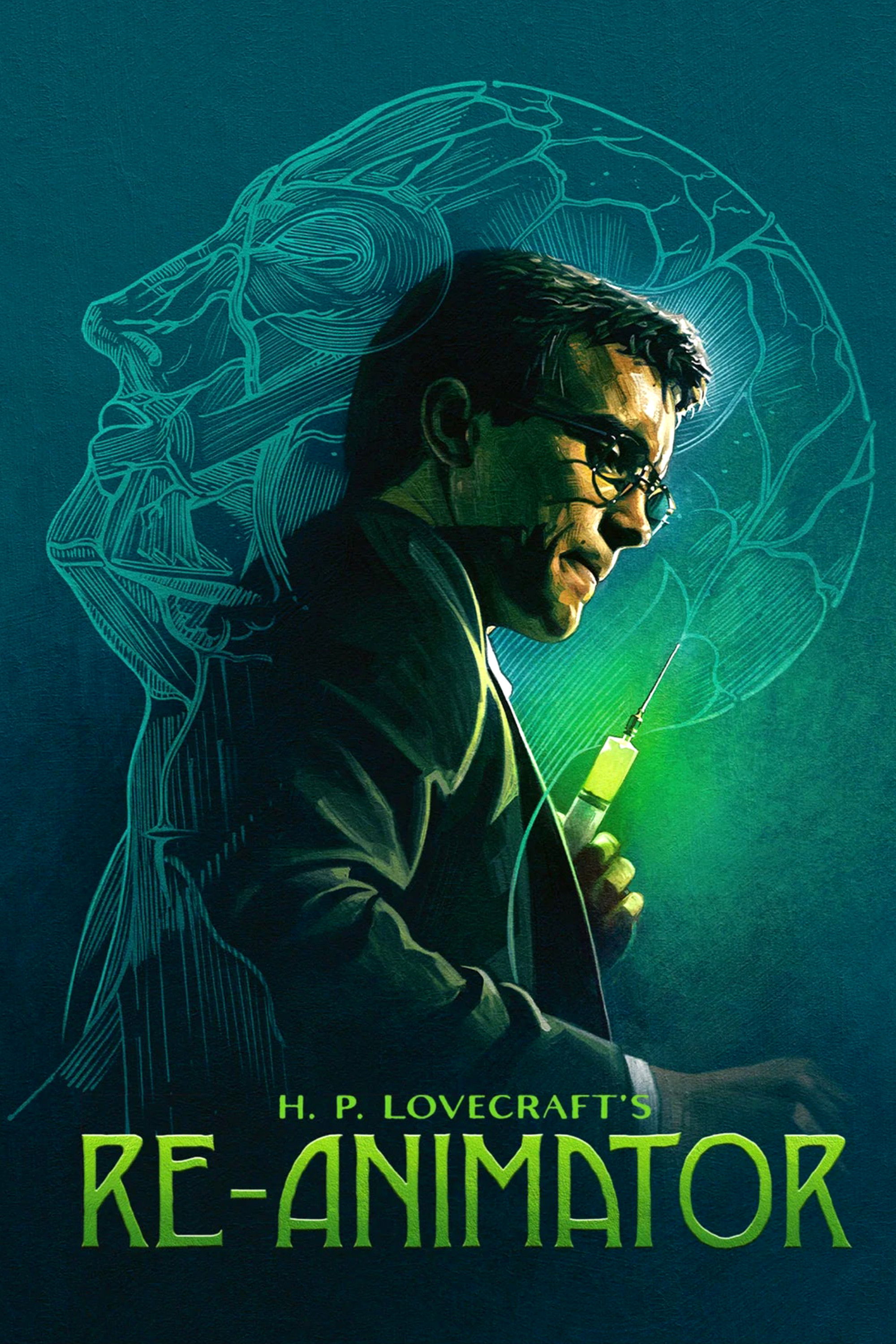
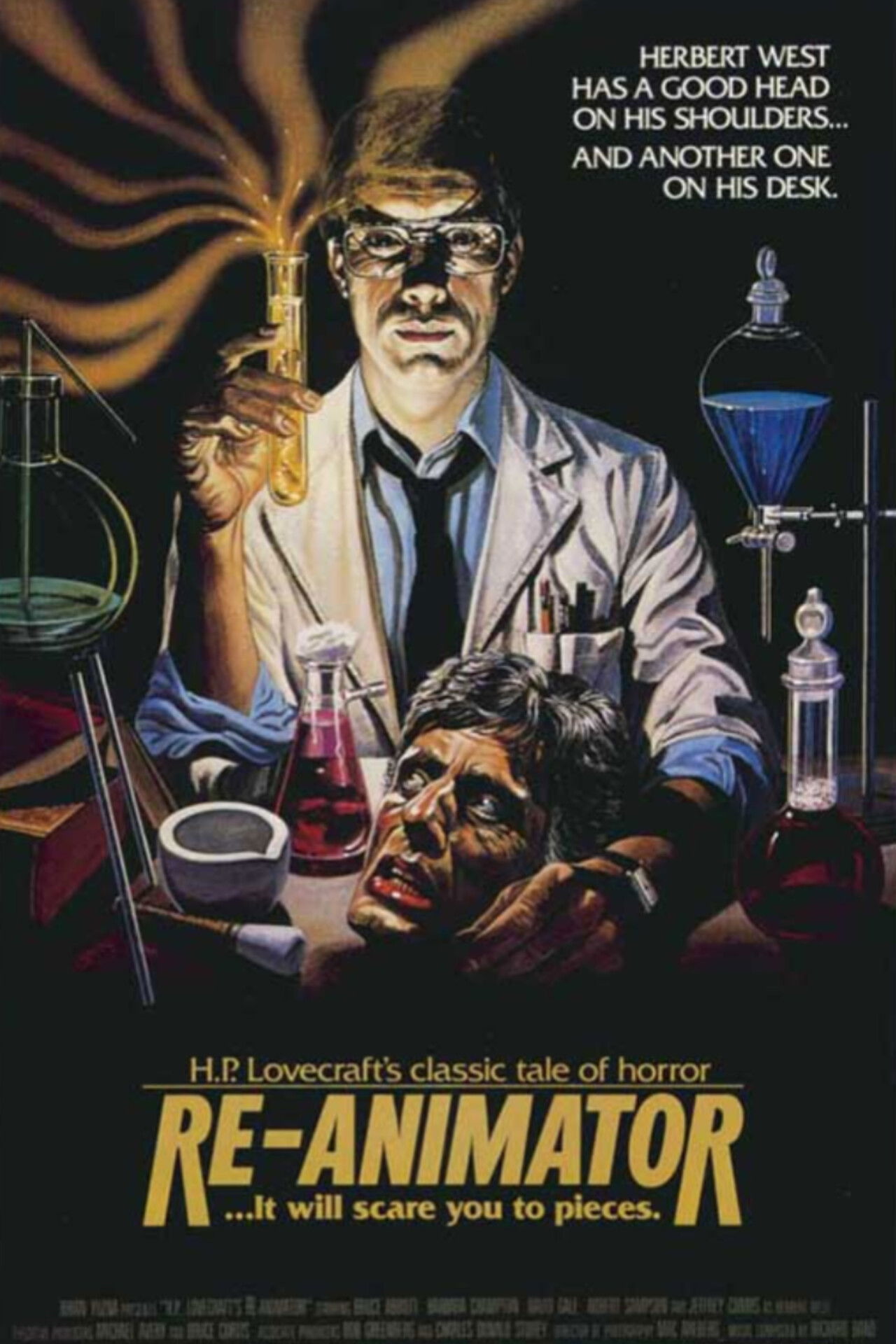
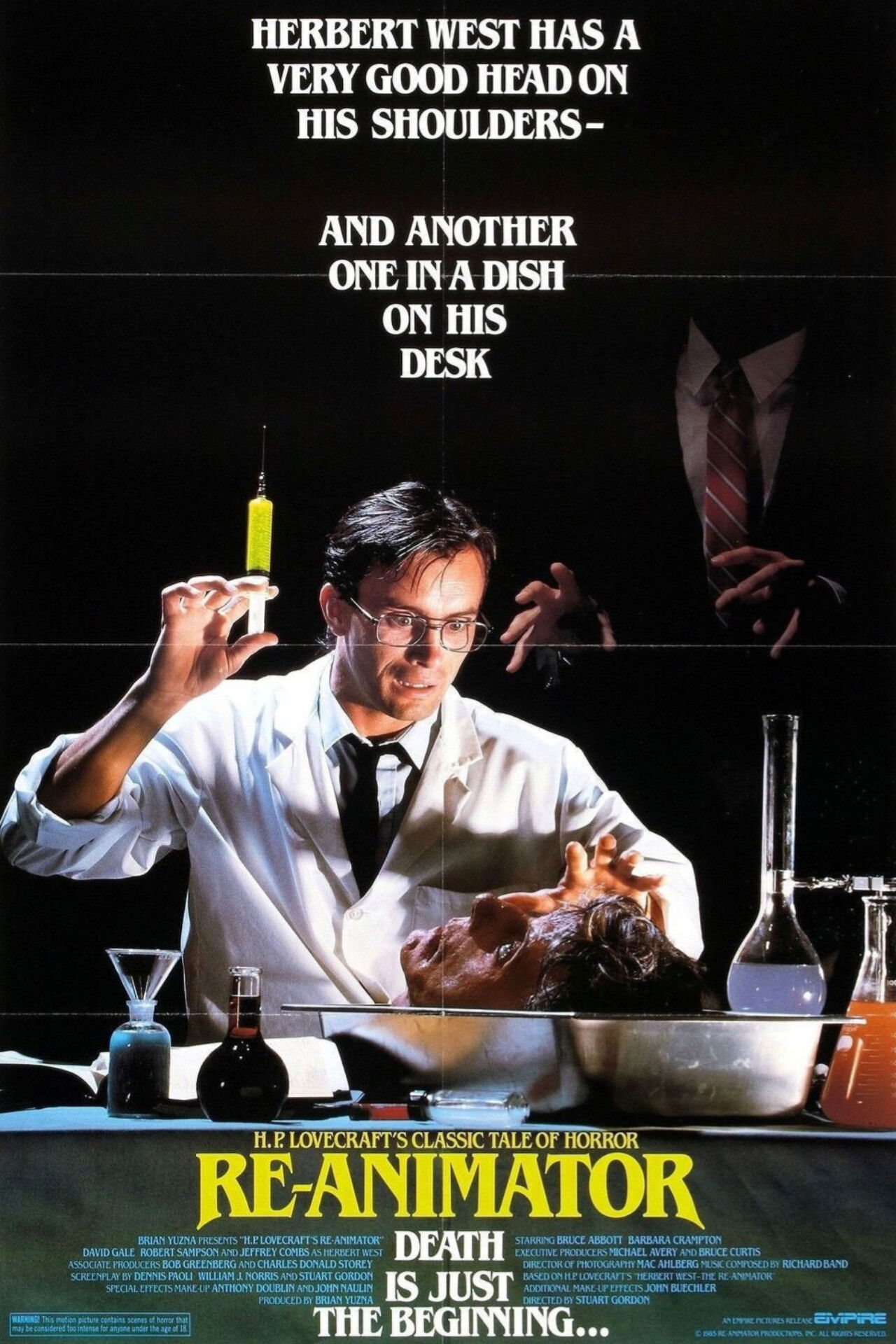
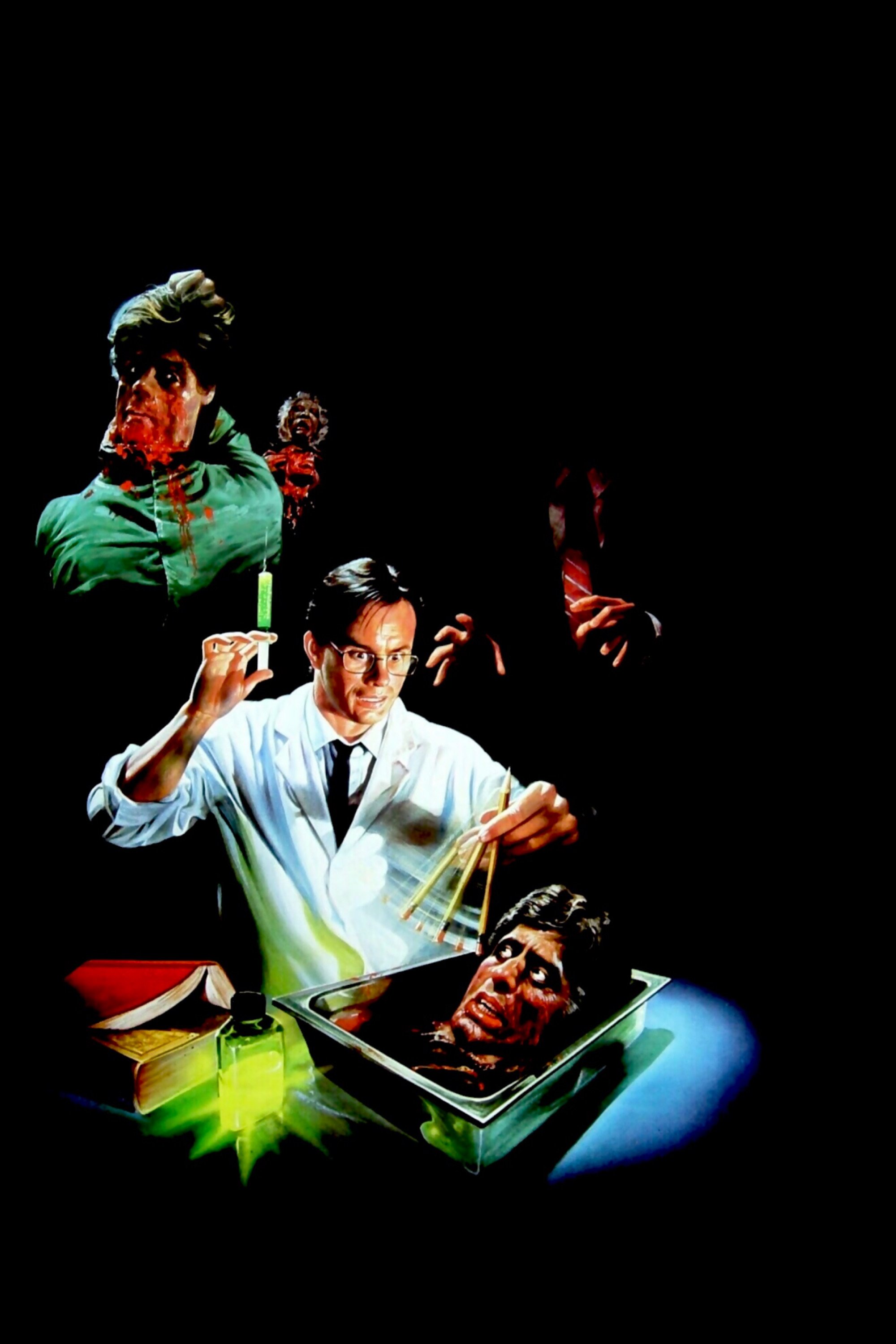
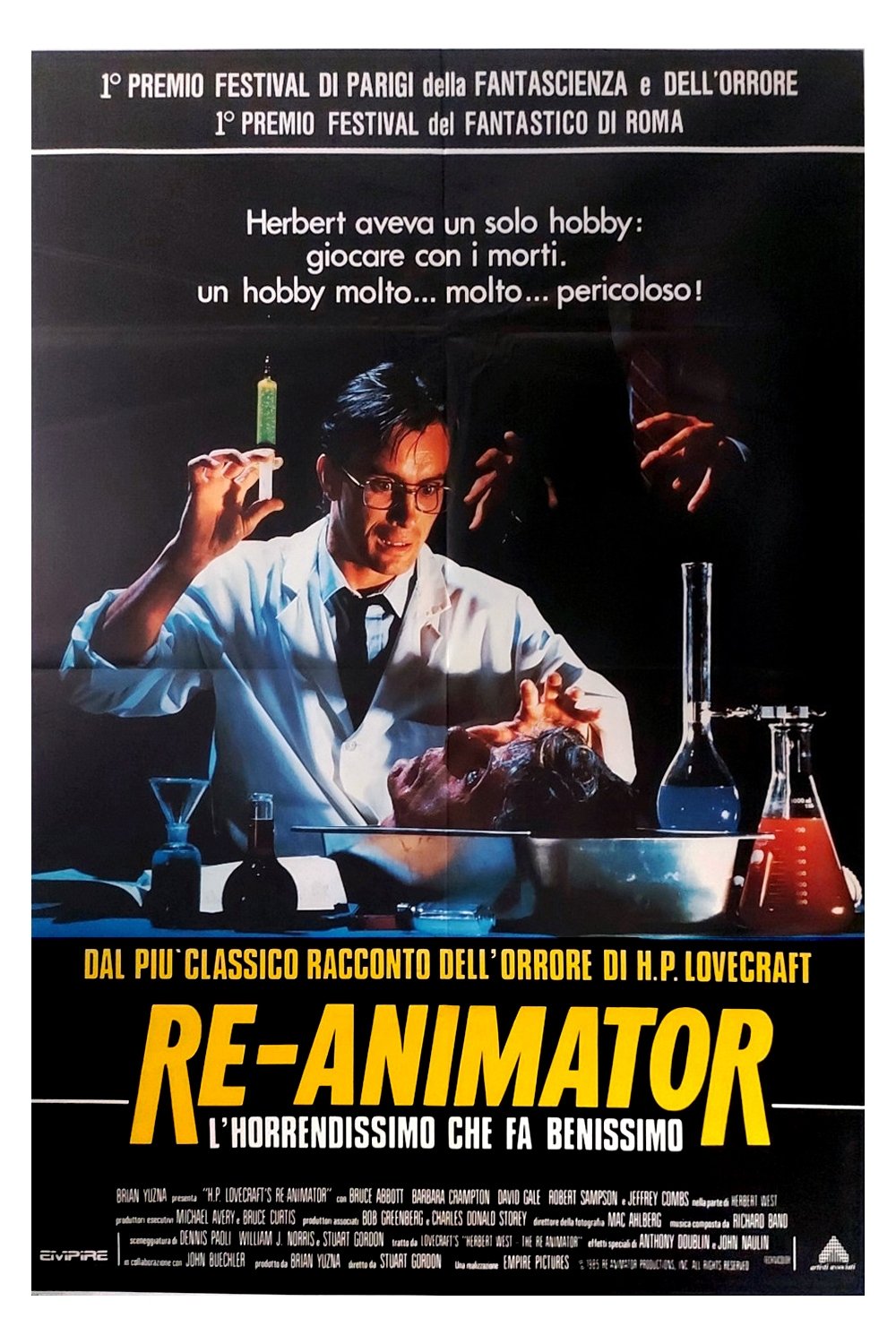
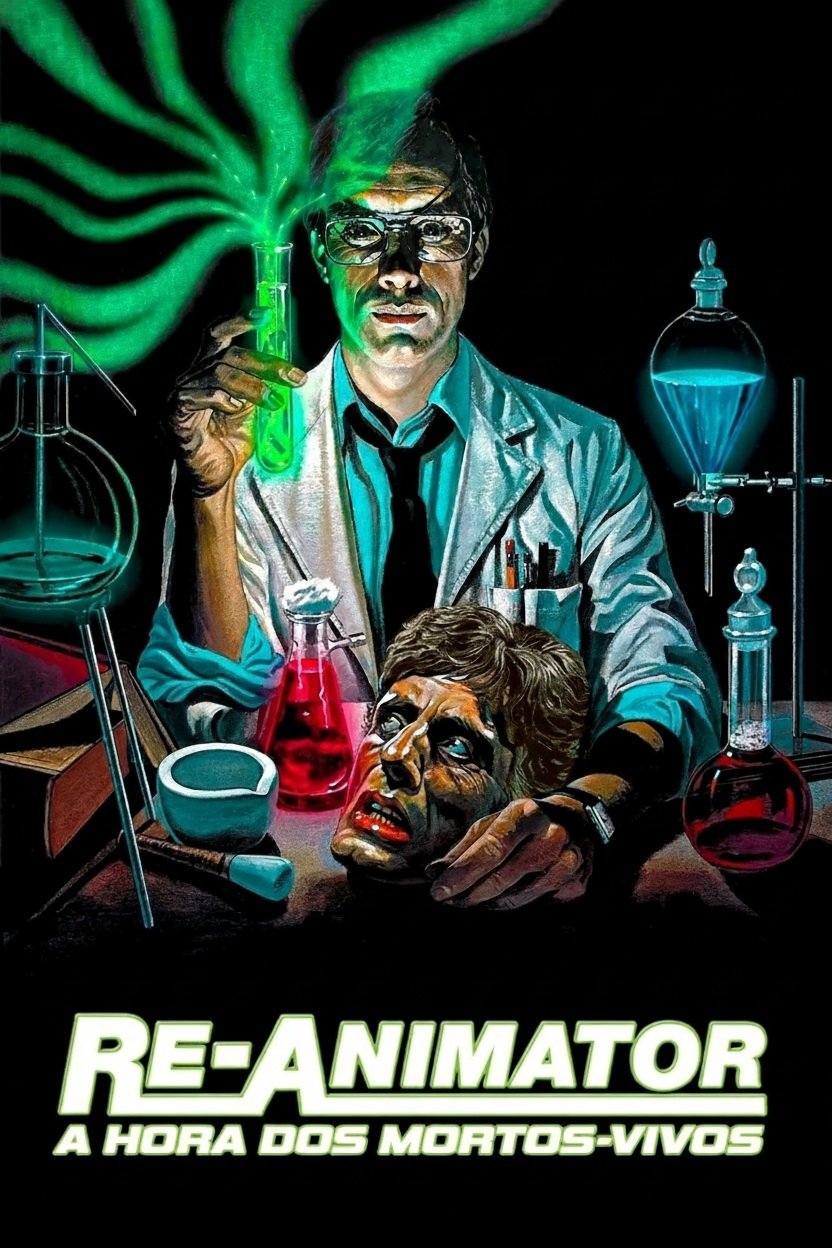
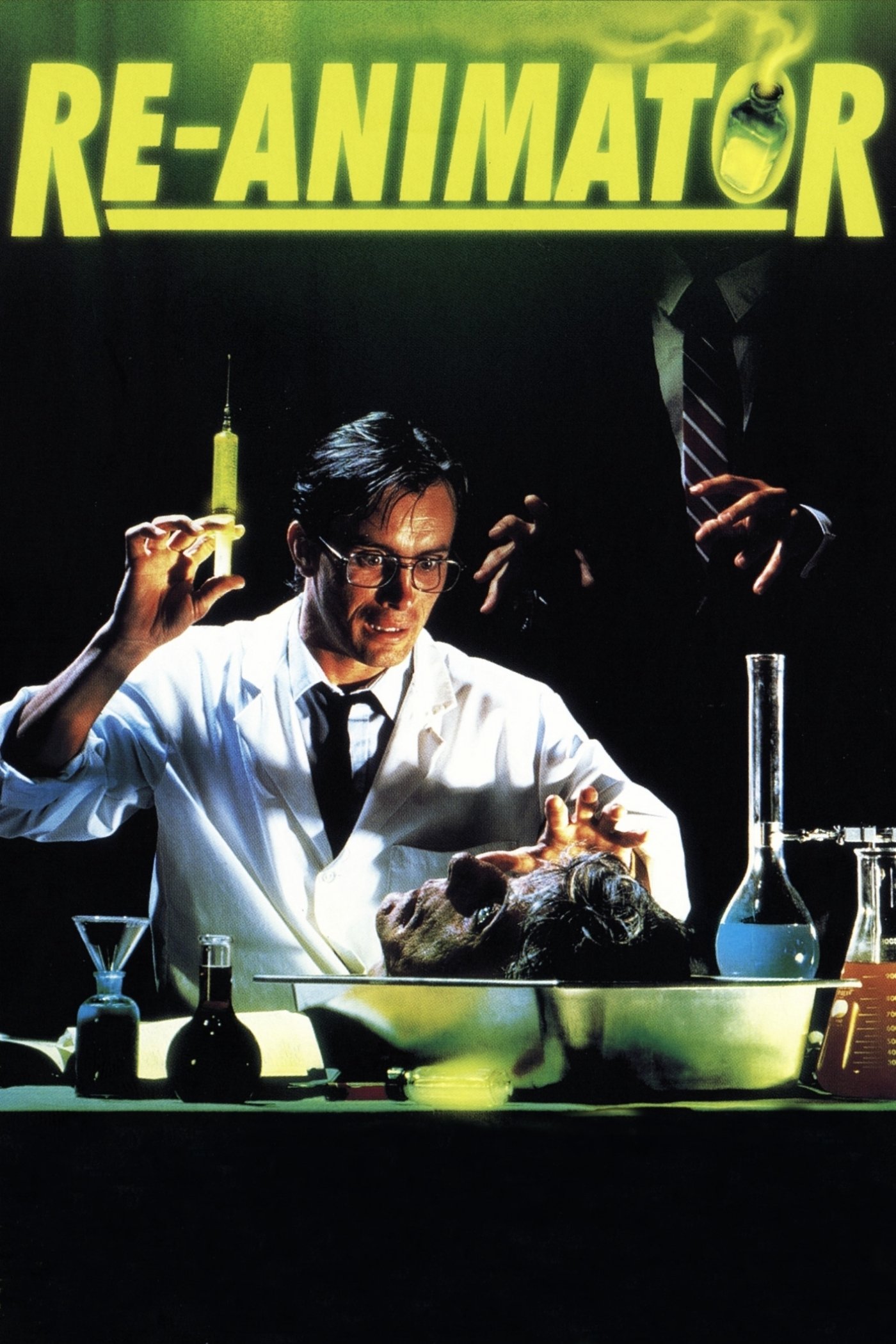
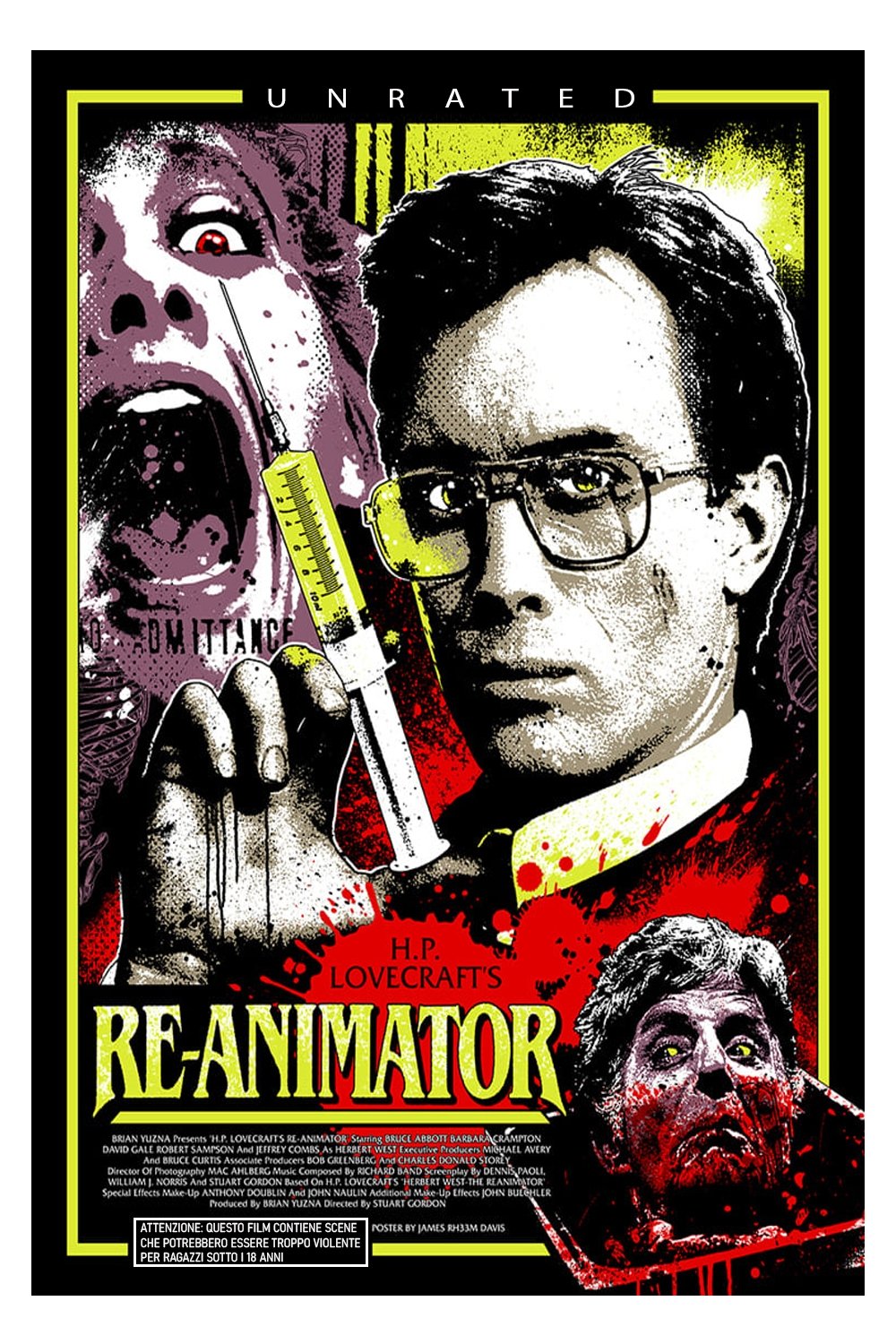
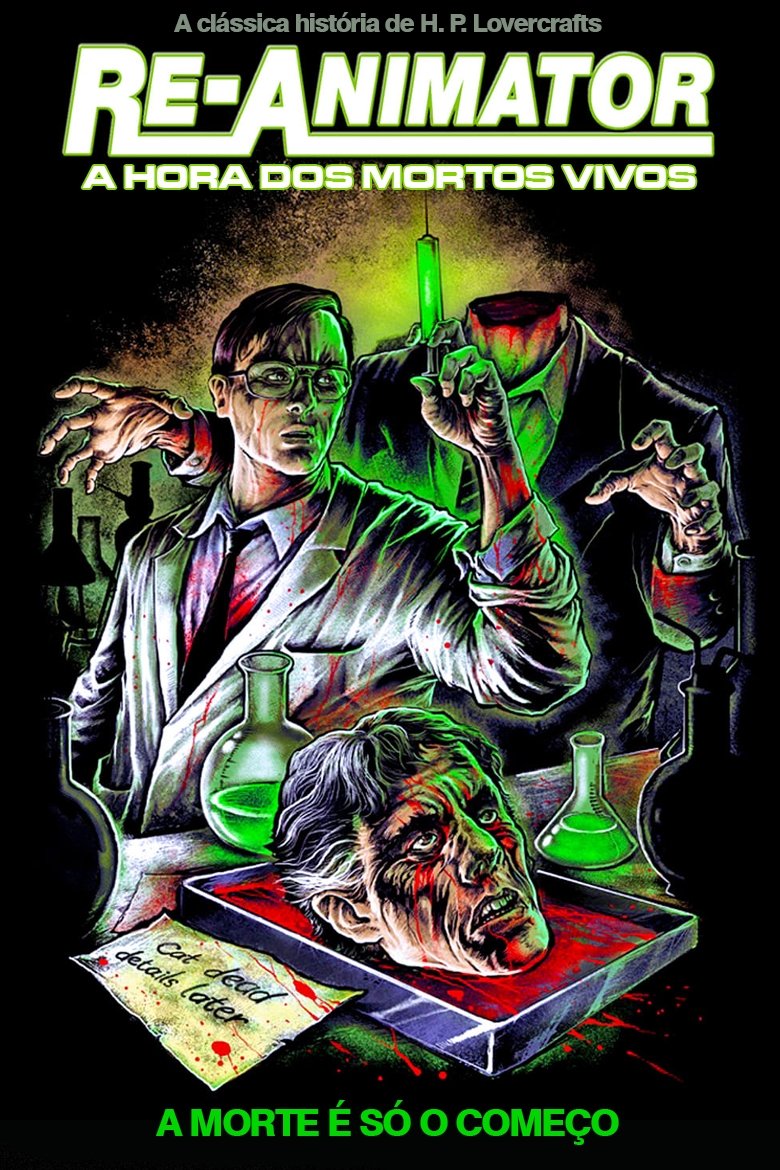
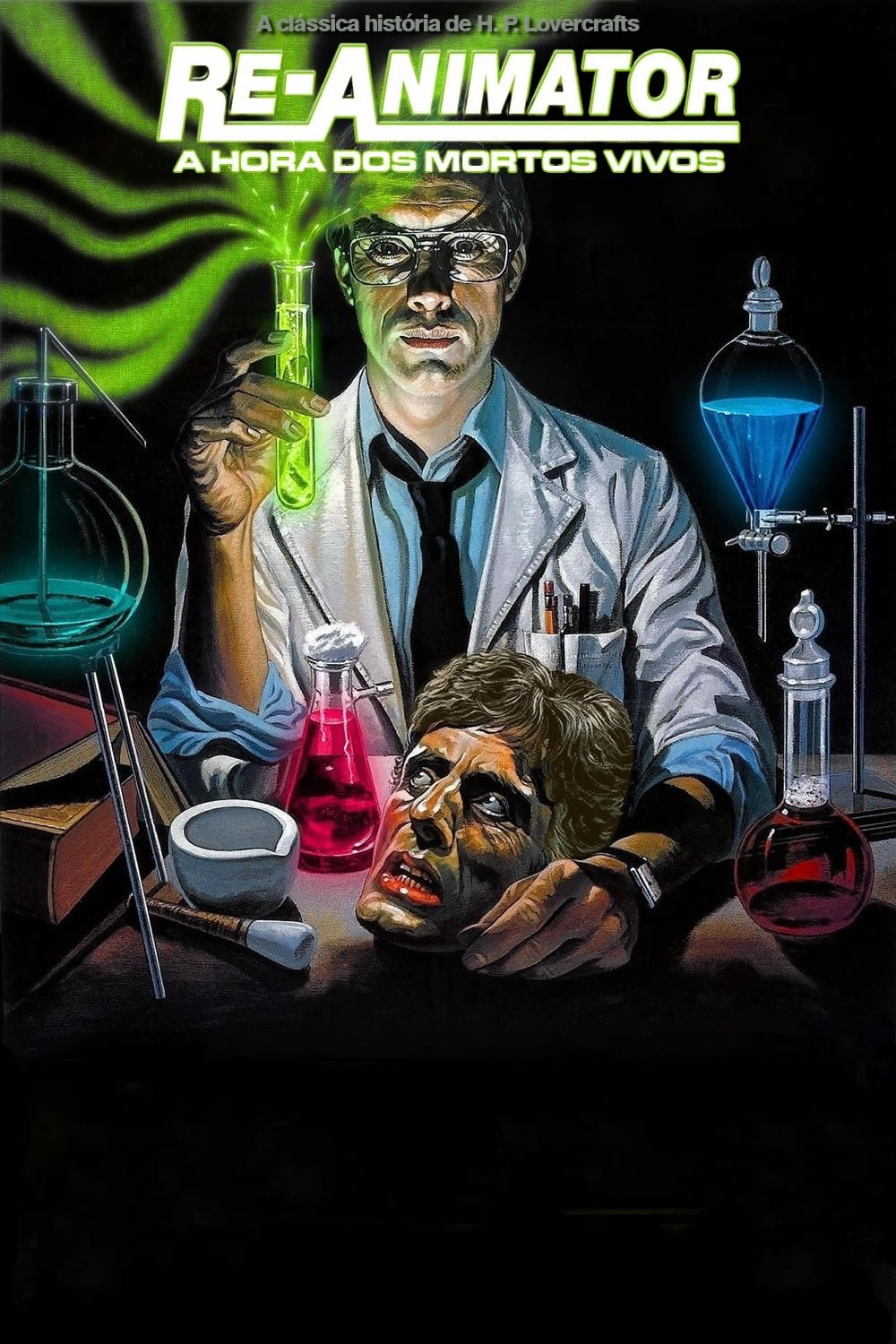
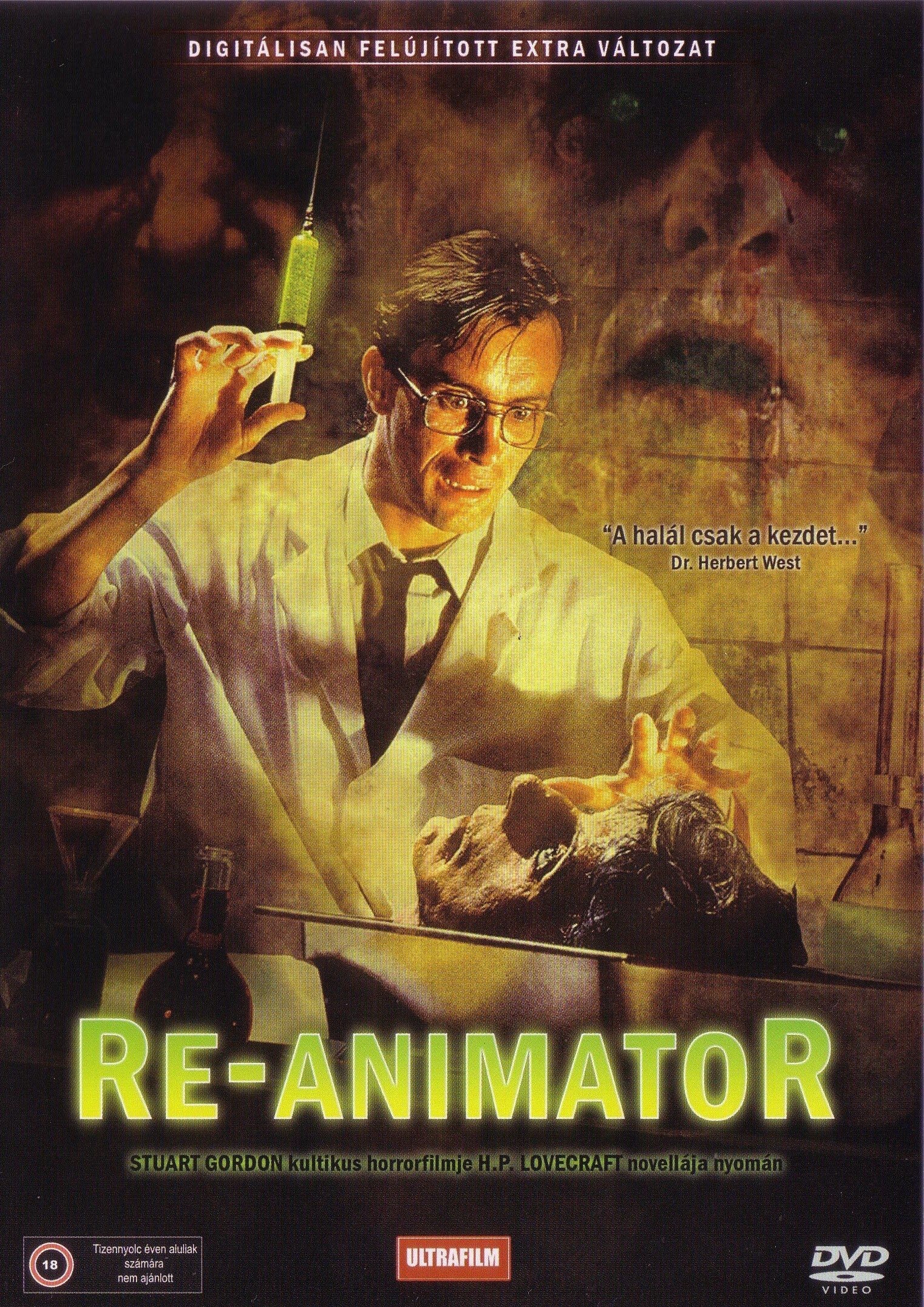
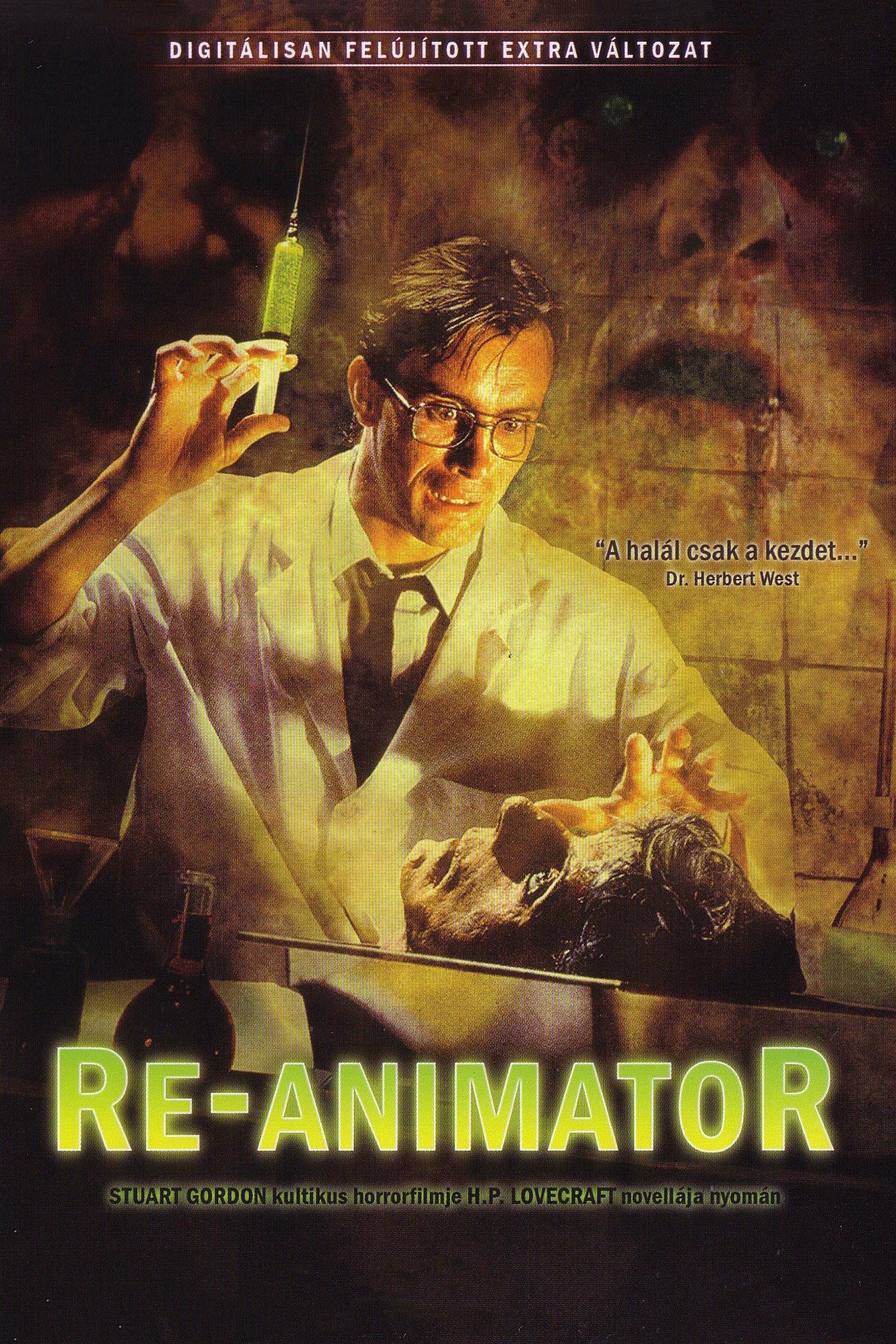
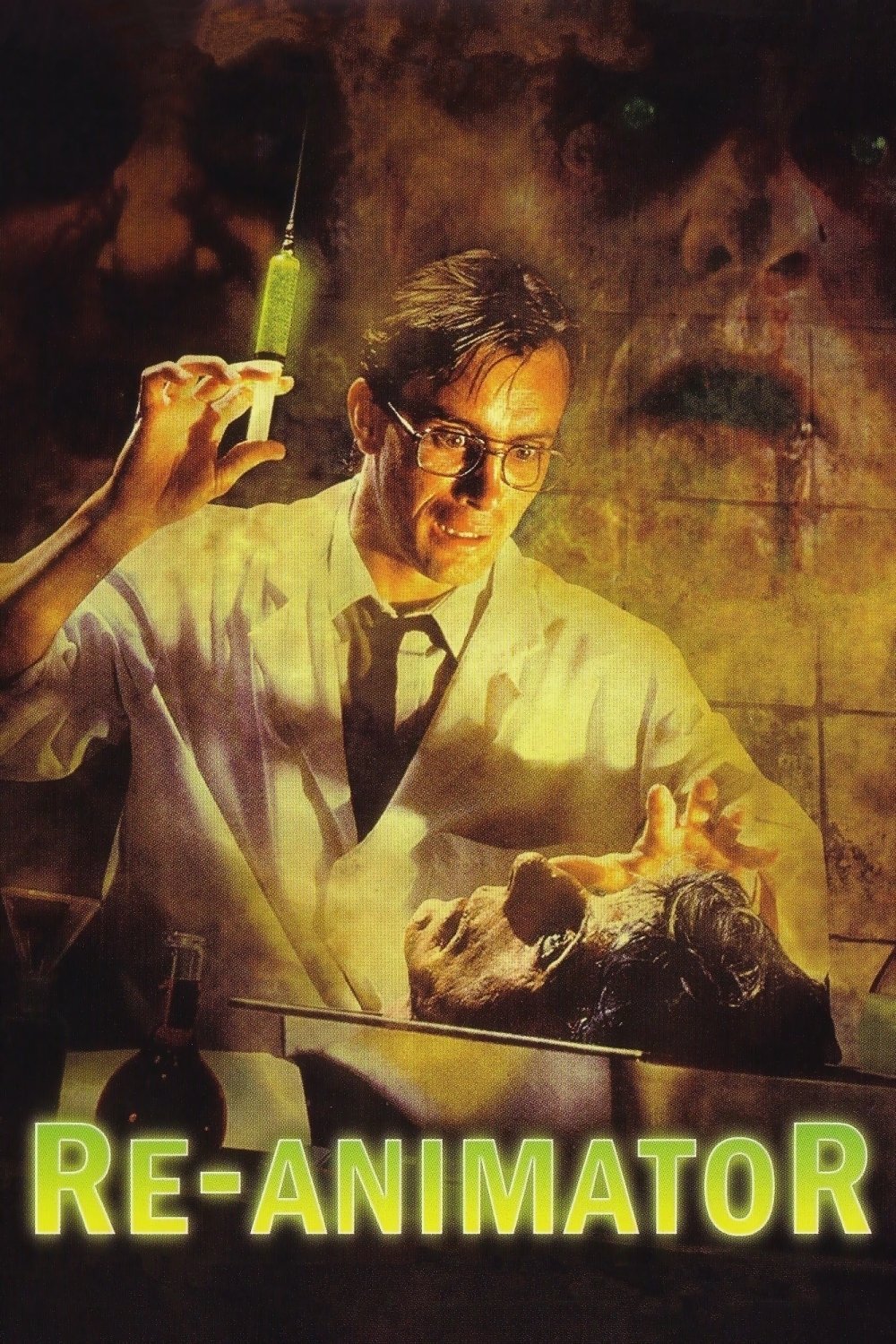
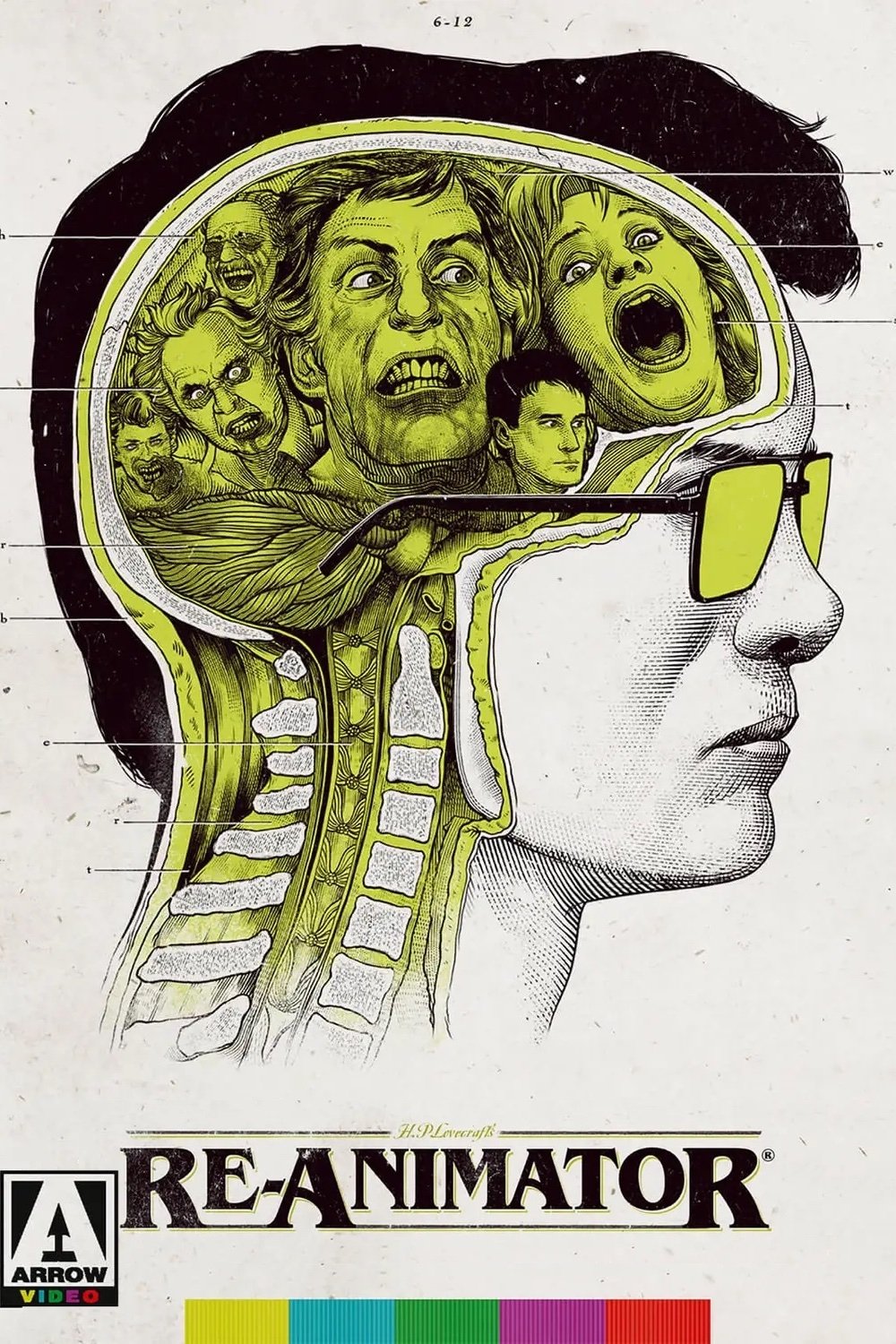
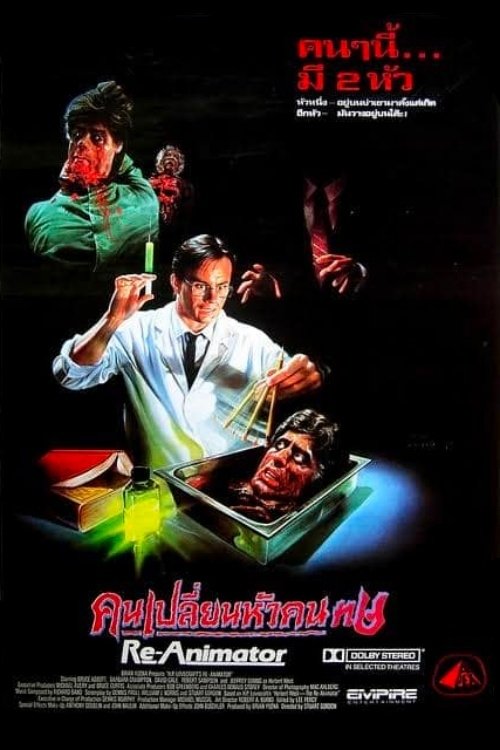
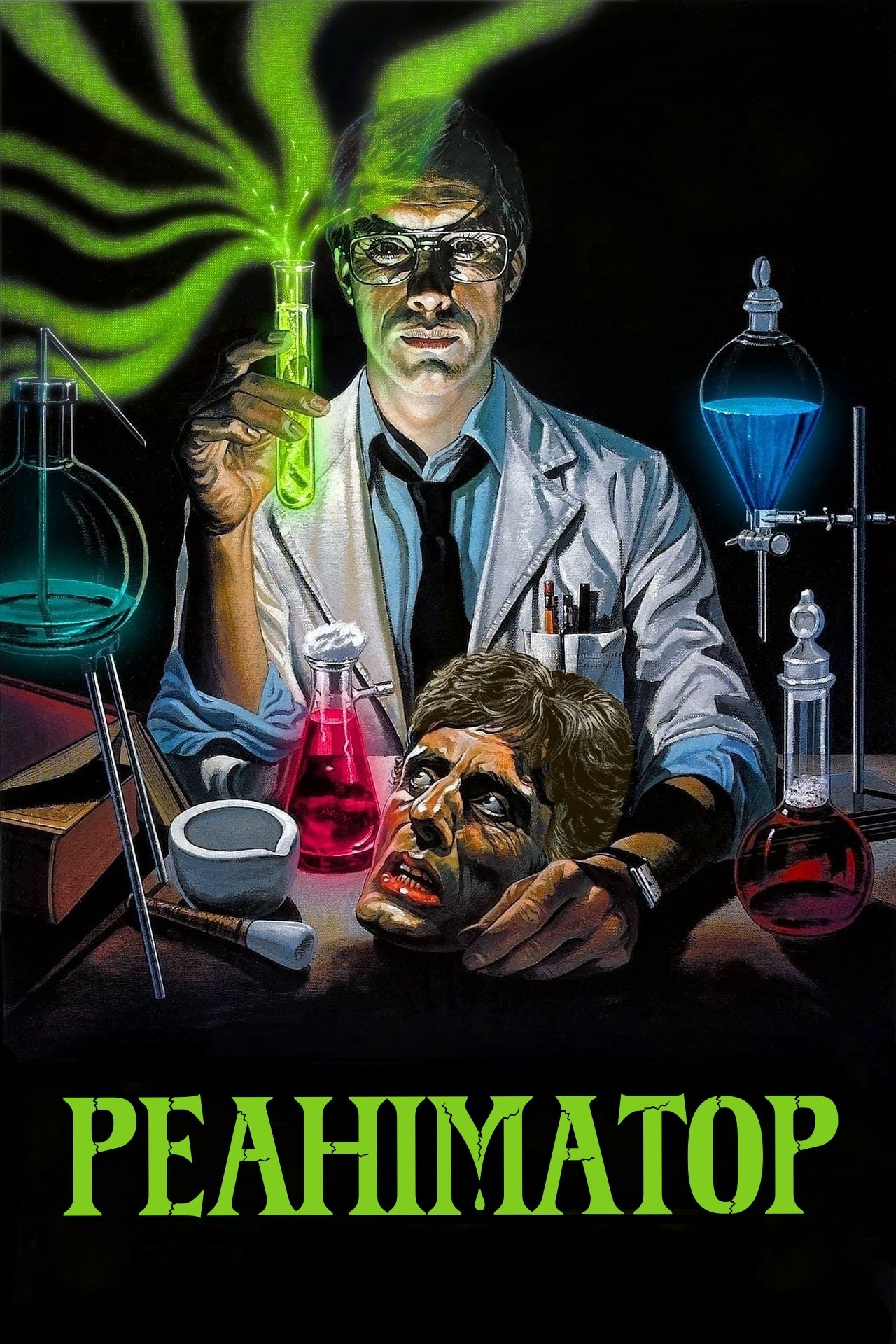
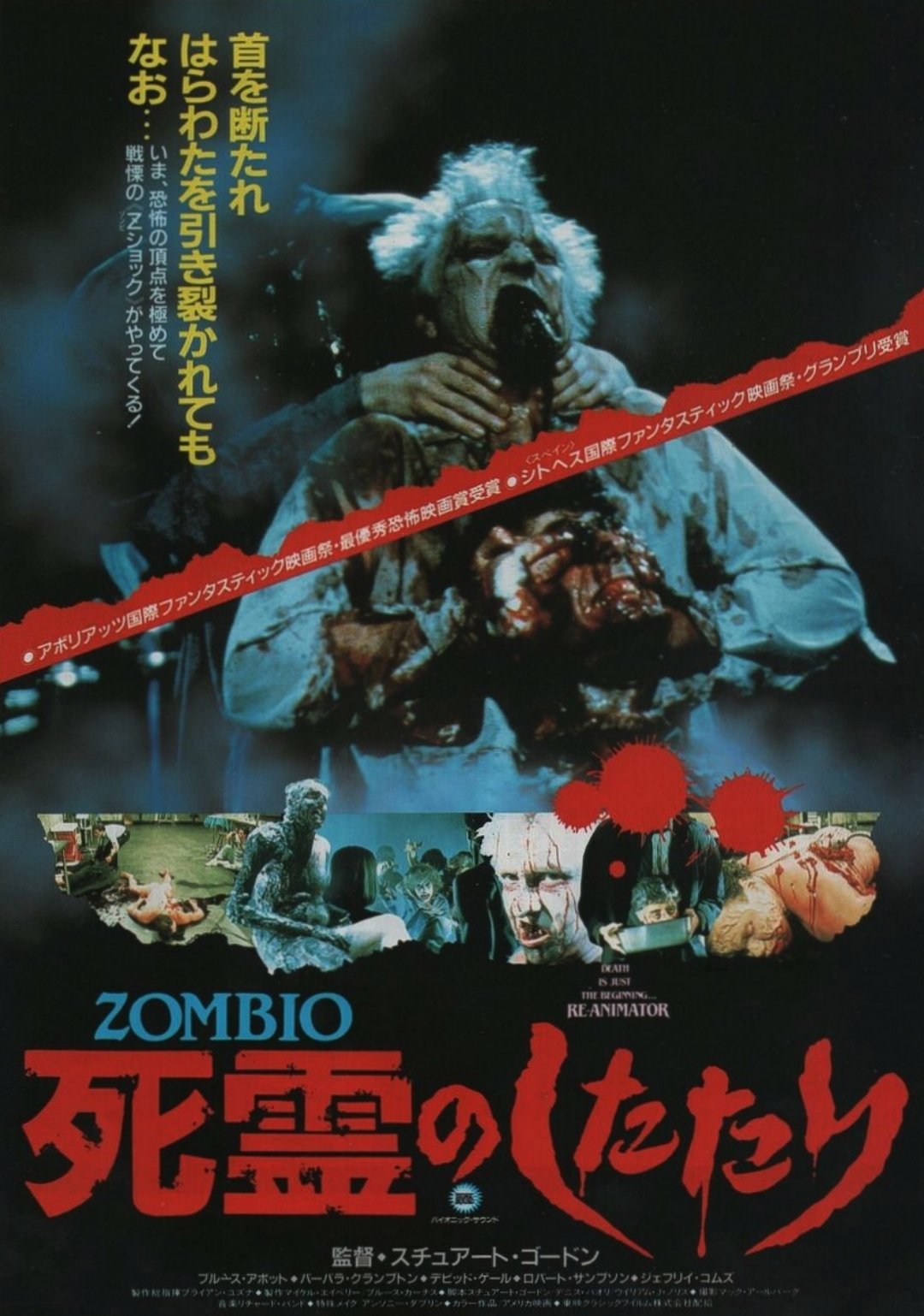
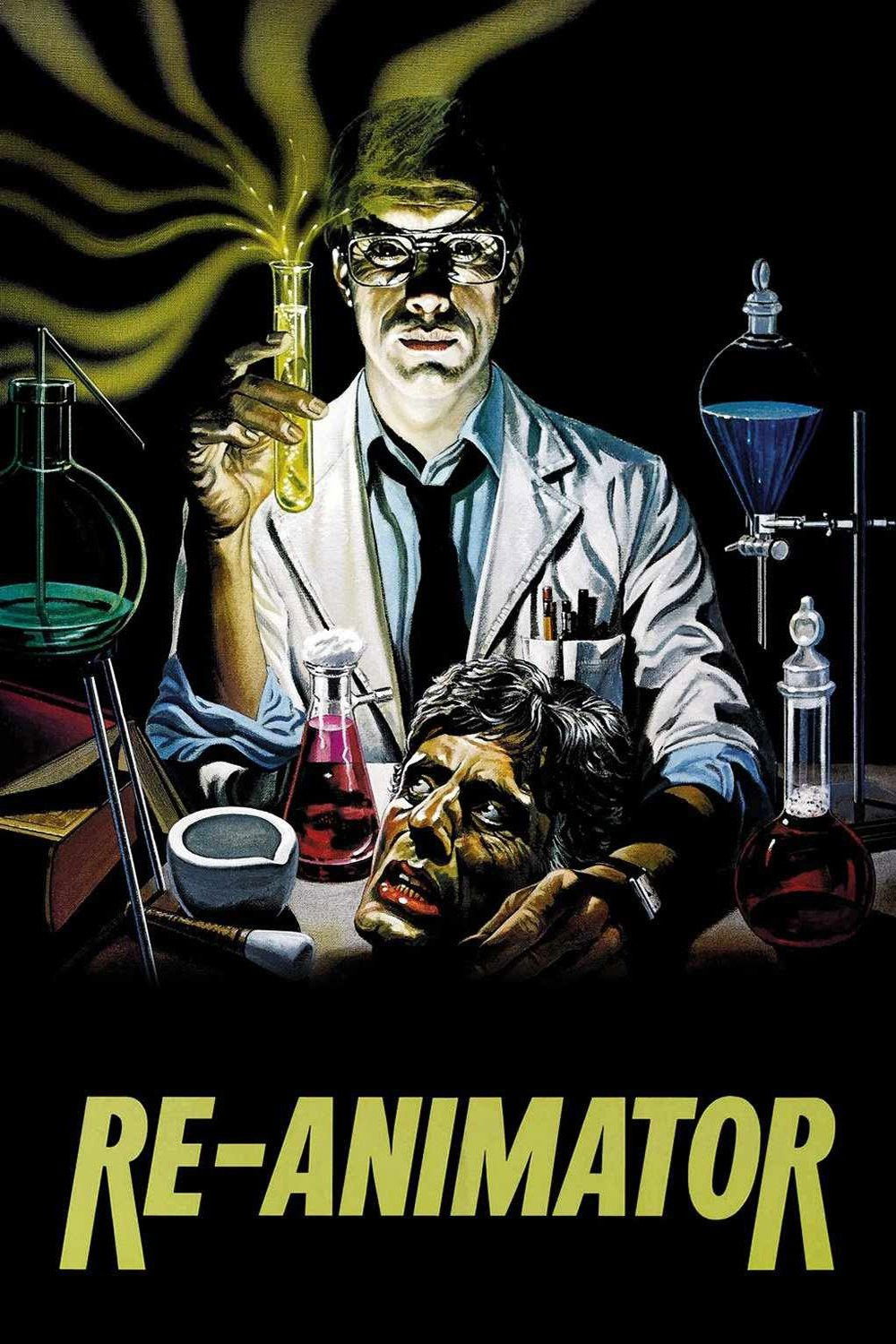
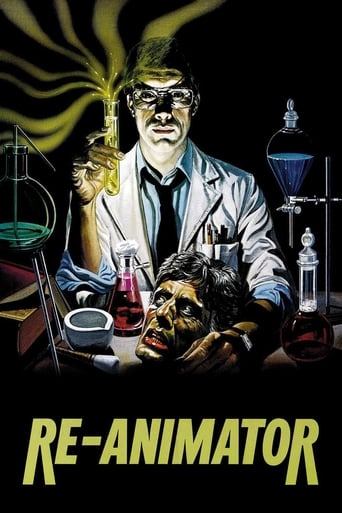
Re-Animator (1985) poster
Director
Plot

A dedicated student at a medical college and his girlfriend become involved in bizarre experiments centering around the re-animation of dead tissue when an odd new student arrives on campus.

Alternative Titles
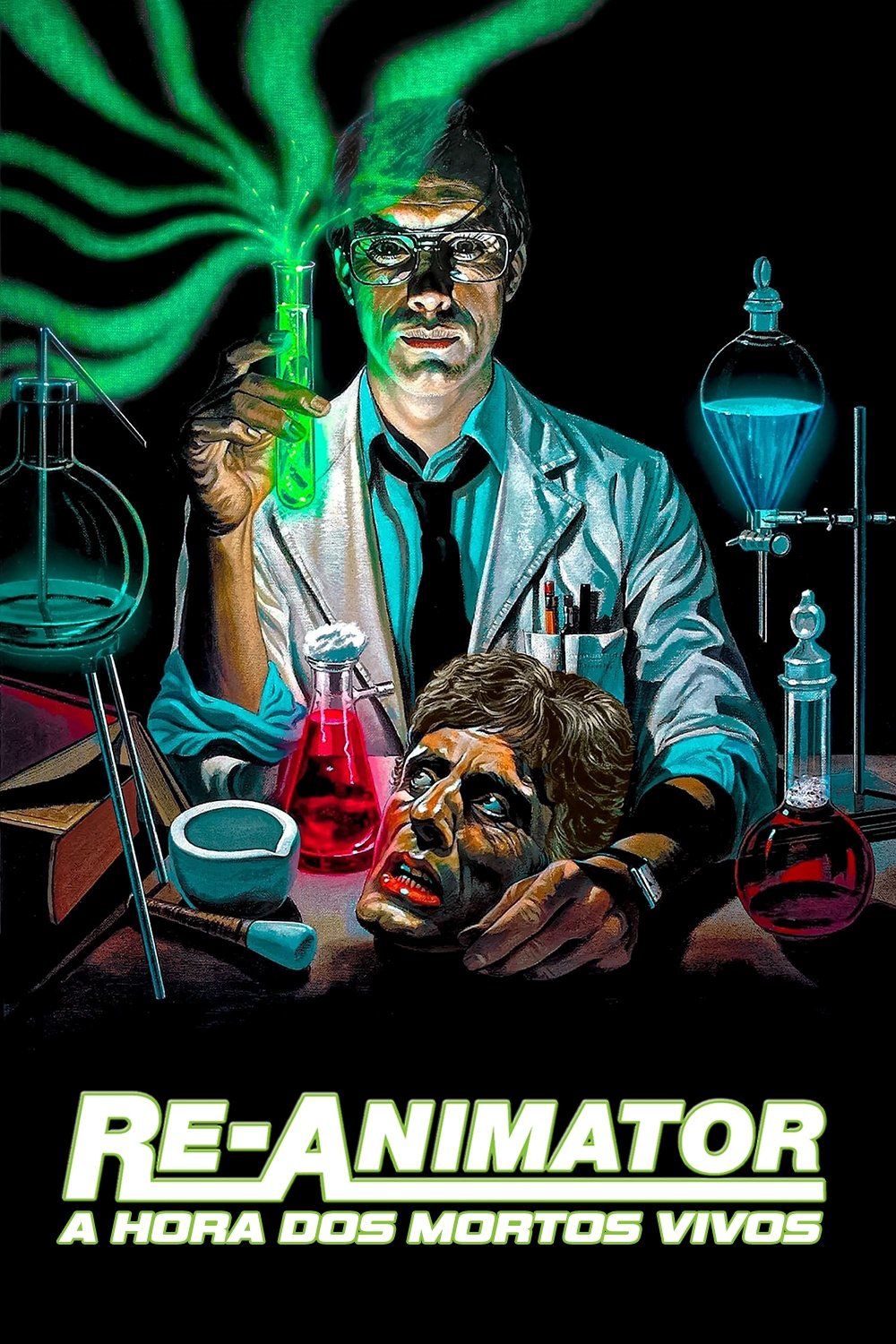
Реаниматорът (Bulgaria) A Hora dos Mortos-Vivos (Brazil) Re-Animator: A Hora dos Mortos-Vivos (Brazil) Ré-Animateur (Canada) — French 幽灵人种 (China) 活跳尸 (China) — Chinese Der Re-Animator (Germany) Ζωντανός-νεκρός (Greece)
Show all 29 alternative titles 活跳屍 (Hong Kong SAR China) Re-Animátor (Hungary) — Hungarian Reanimátor (Hungary) מחייה הרקמות (Israel) — Hebrew Shiryo no shitatari (Japan) ZOMBIO/死霊のしたたり (Japan) 死霊のしたたり (Japan) — Japanese 리애니메이터 (South Korea) 좀비오 (South Korea) — Korean Reanimators (Latvia) — Latvian Resurrección satánica (Mexico) — Spanish El resucitador (Peru) O Soro Maléfico (Portugal) Reanimator (Serbia) Реаниматор (Serbia) — Serbian Реаниматор (Russia) Re-Animátor (Slovakia) — Slovak คนเปลี่ยนหัวคน (Thailand) — Thai Ölümden Dönenler (Türkiye) — Turkish 幽靈人種 (Taiwan) — Chinese Реаніматор (Ukraine) — Ukrainian

Trailers & Videos

1 video

Film Guide & Analysis

Stuart Gordon transformed one of H. P. Lovecraft's pulp serials into a delirious collision of mad science, black comedy and practical-effects horror.

Re-Animator (1985) approaches resurrection not as a mystical miracle but as an experiment performed by a scientist too arrogant to recognize a boundary. Stuart Gordon's feature debut follows medical student Herbert West, whose fluorescent reagent can restart dead tissue but cannot reliably restore the mind that once inhabited it. After arriving at Miskatonic Medical School, West draws fellow student Dan Cain into increasingly dangerous experiments while clashing with Dr. Carl Hill, whose own ambition soon makes death only a temporary obstacle.

Adapted from H. P. Lovecraft's 1922 serial Herbert West–Reanimator, the film retains the writer's fascination with forbidden science while radically changing the tone and dramatic structure. Gordon combines graphic dismemberment, medical imagery and a Frankenstein-like obsession with a dry comic rhythm in which the characters behave with extraordinary seriousness as the world around them becomes increasingly absurd. The result helped define a particularly physical form of 1980s horror comedy: fast, bloody, theatrical and committed enough to its grotesque ideas that laughter and revulsion frequently arrive in the same scene.

Production & Development

Before Re-Animator, Gordon was best known for the Organic Theater Company in Chicago, where he had spent years directing actors and creating ambitious stage productions. His path to Lovecraft initially had nothing to do with feature filmmaking. Gordon and actor-writer William J. Norris began developing Herbert West–Reanimator as a six-part television project because Lovecraft's original story had itself appeared in six installments. The first concept consisted of half-hour episodes set in the historical periods of the source material. When that proved difficult to sell, the episodes were expanded, the story was moved into the present and Dennis Paoli joined the writing process.

Producer Brian Yuzna changed the project's direction after meeting Gordon. Yuzna later recalled that Gordon was still trying to make the material as a television pilot when he suggested turning it into a feature. The writers then condensed material from the serialized stories into a single narrative. Contemporary trade reporting listed a planned budget of approximately $2 million, while Gordon and Yuzna later remembered the actual production as costing around or below $1 million. The discrepancy is best understood as the difference between an announced production figure and participants' retrospective accounts of what the independent film ultimately cost.

Principal photography began in Los Angeles in late November 1984. Although this was Gordon's first feature film, his theatrical experience proved immediately useful. He was accustomed to rehearsing actors before production and to controlling tone through performance. Yuzna has emphasized that this was one reason the film feels more assured than its low-budget circumstances might suggest. Empire Pictures provided production and post-production support as the project developed, and the scale of the effects operation expanded as enthusiasm for the footage grew.

From Lovecraft's Serial to the Screen

Lovecraft wrote Herbert West–Reanimator for the amateur magazine Home Brew, where it appeared in six installments between February and July 1922. The episodic construction was partly imposed by the commission, and the resulting story repeatedly moves from one experiment in resurrection to another. Gordon's film preserves the basic figure of West, his medical obsession and Miskatonic setting, but restructures the material around a smaller group of recurring characters and a single escalating chain of events.

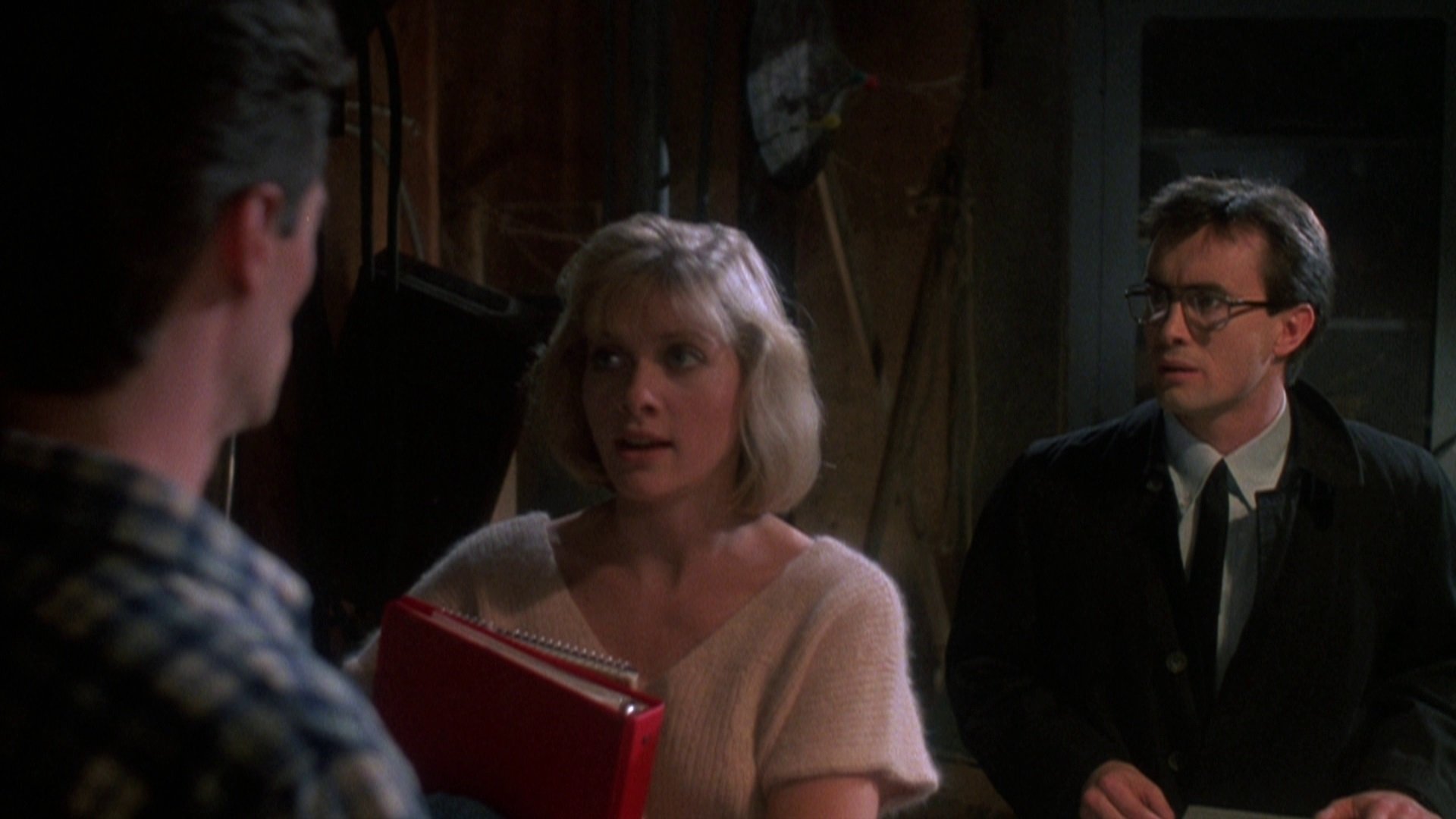
The greatest change is tonal. Lovecraft's narrator observes West from a fearful distance, while Gordon places West directly at the centre of an ensemble whose relationships can generate both tension and comedy. Dan Cain becomes West's reluctant collaborator and moral counterweight, Megan Halsey supplies a personal connection to the medical school hierarchy, and Dr. Hill becomes an antagonist with no direct equivalent of comparable importance in the original serial. The film builds on Lovecraft's material while developing its own narrative and comic-horror language.

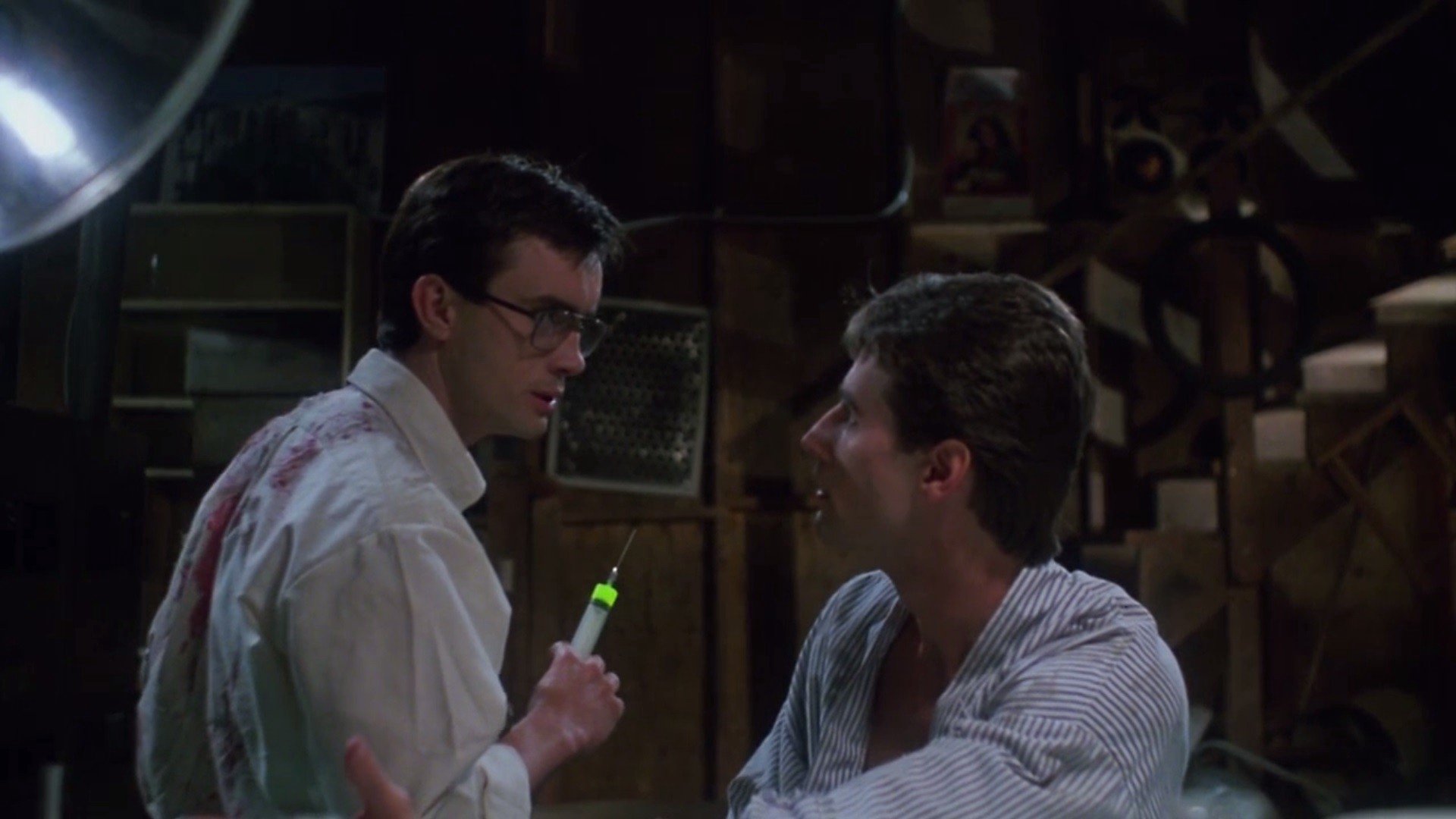
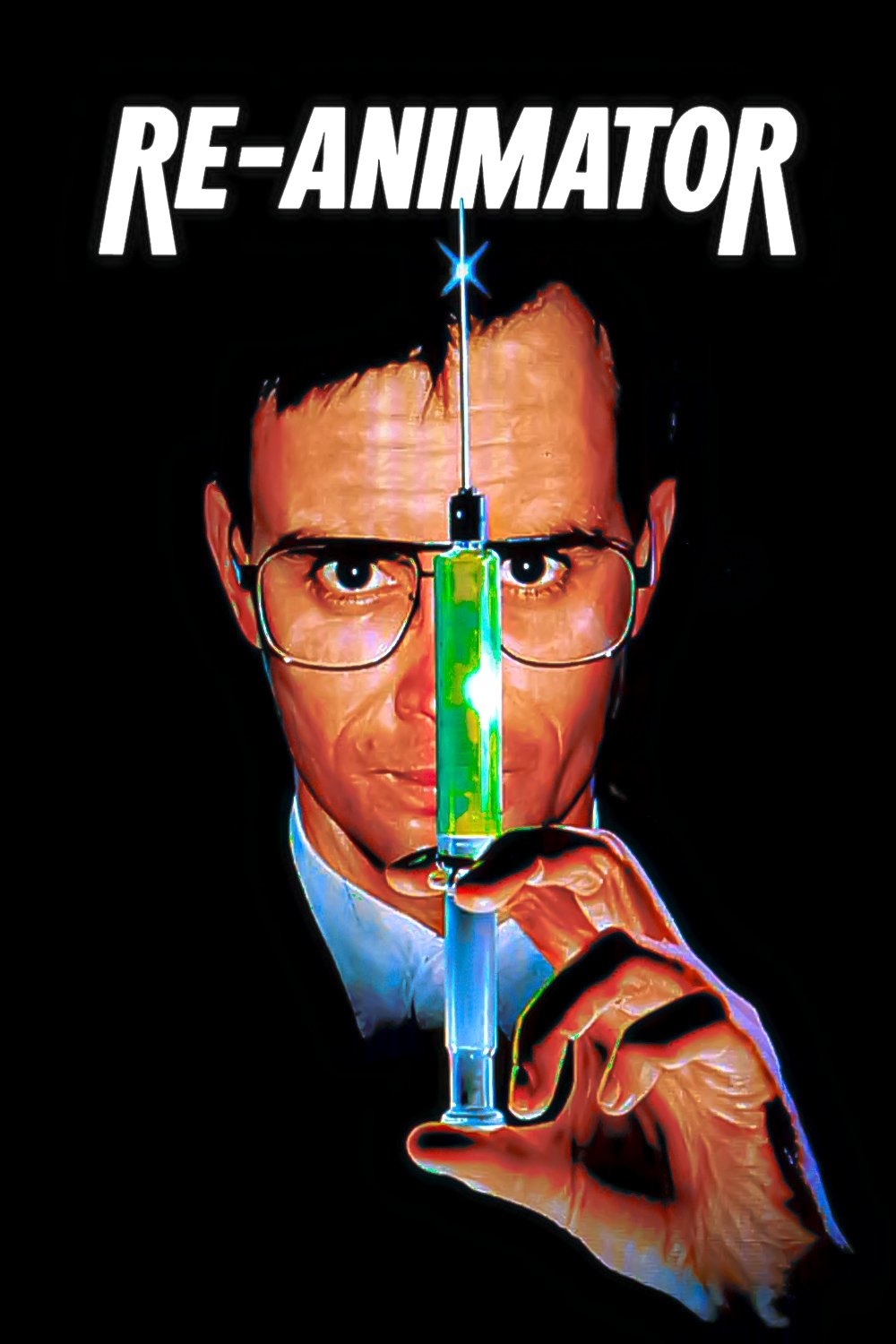
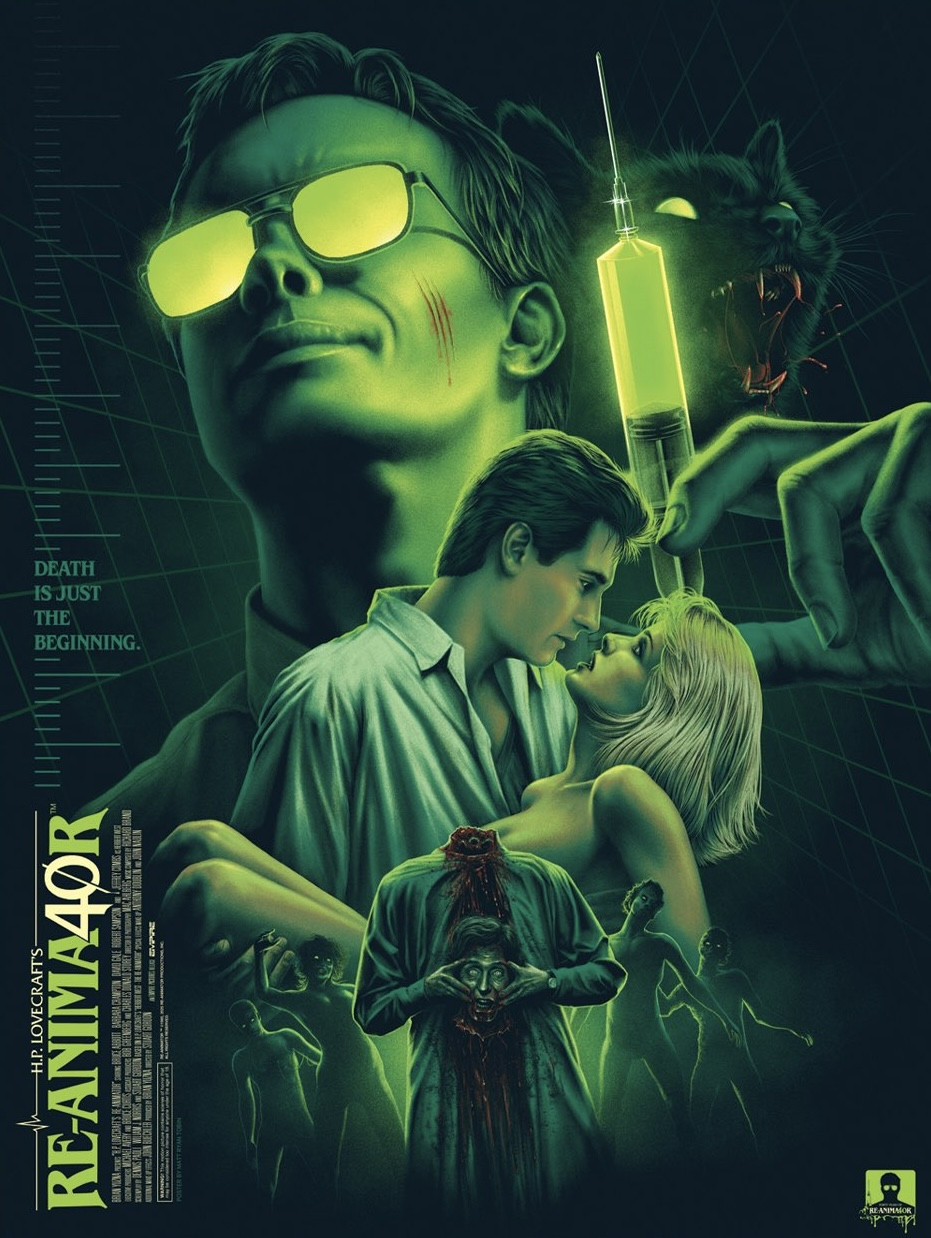
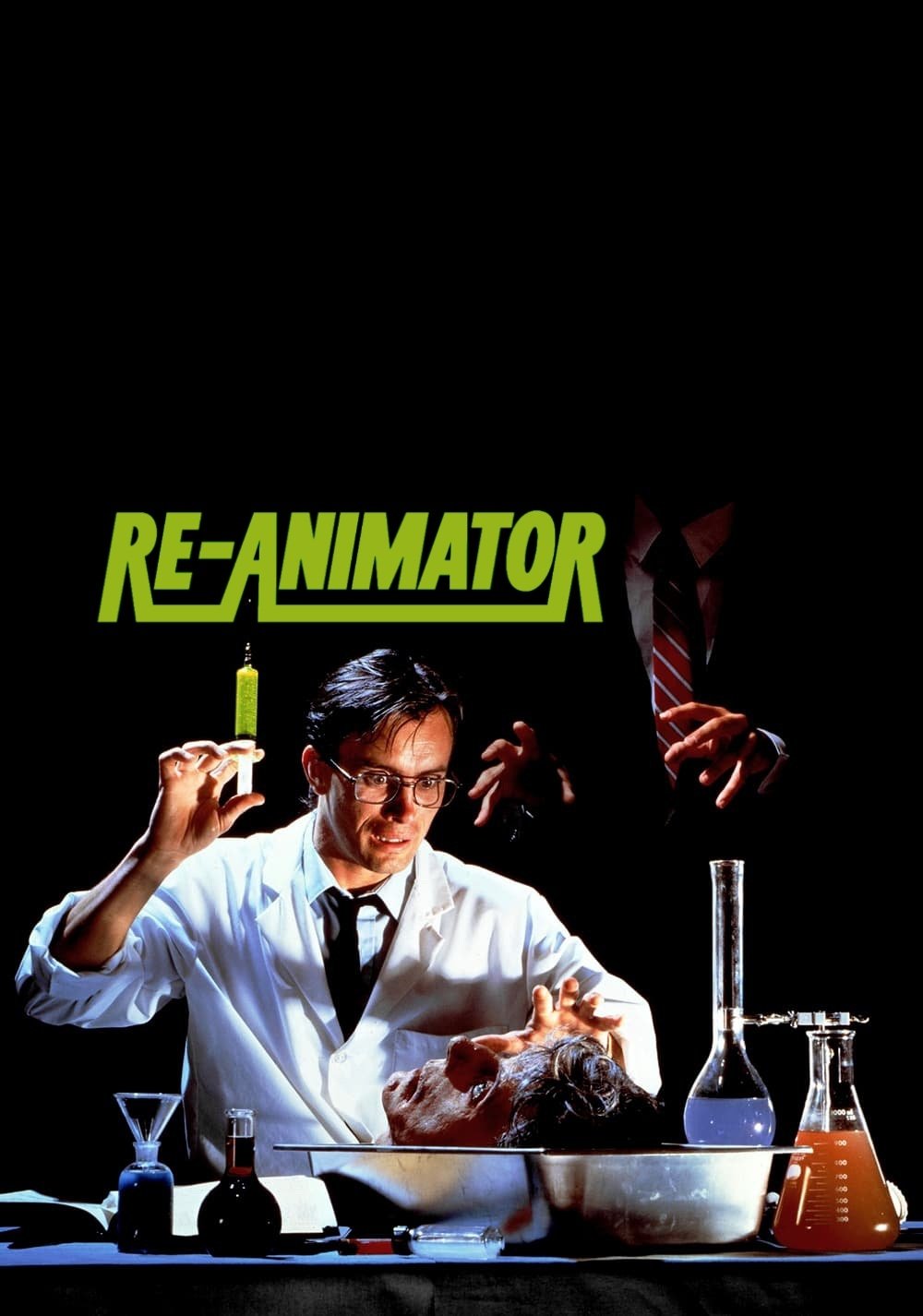
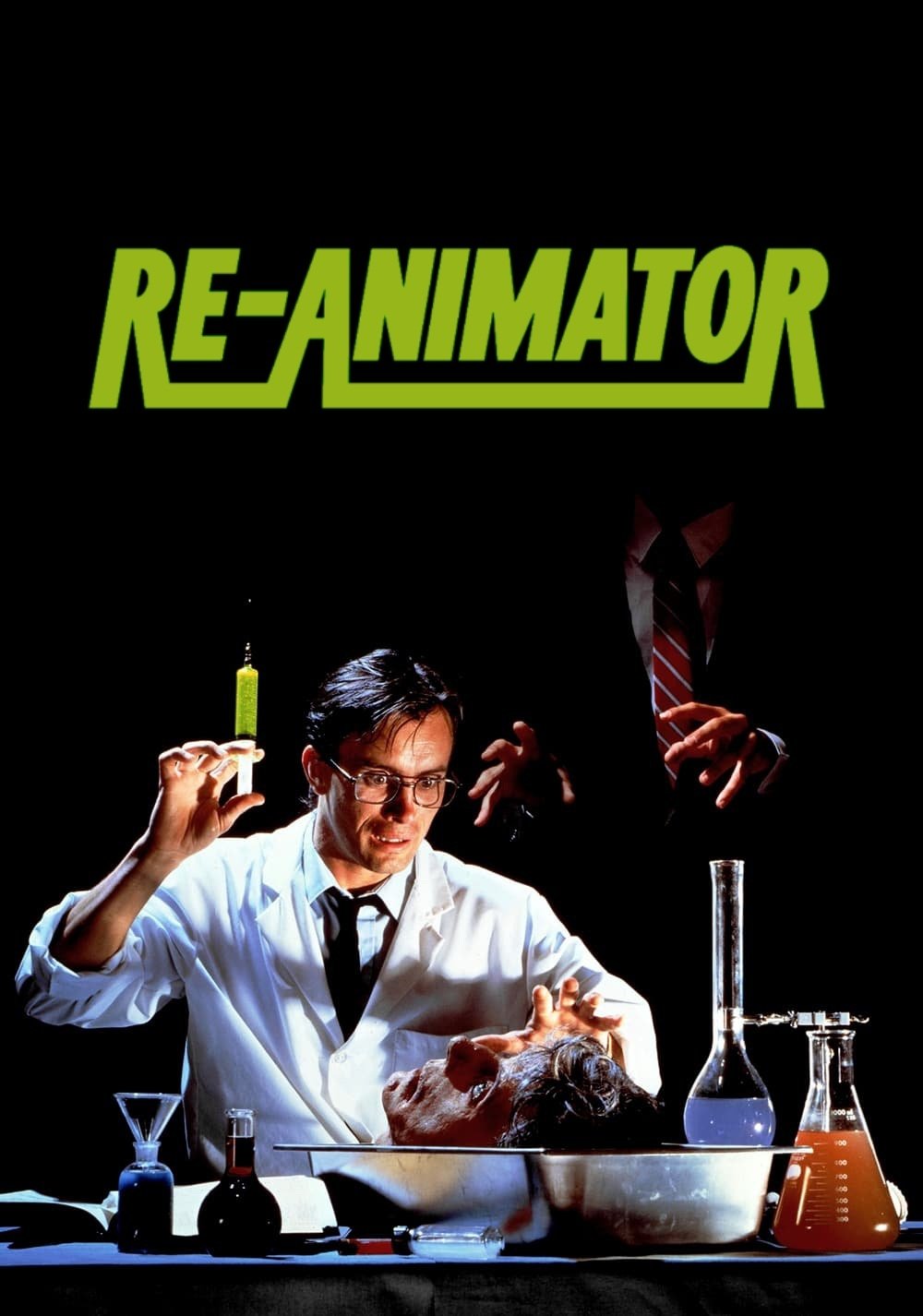
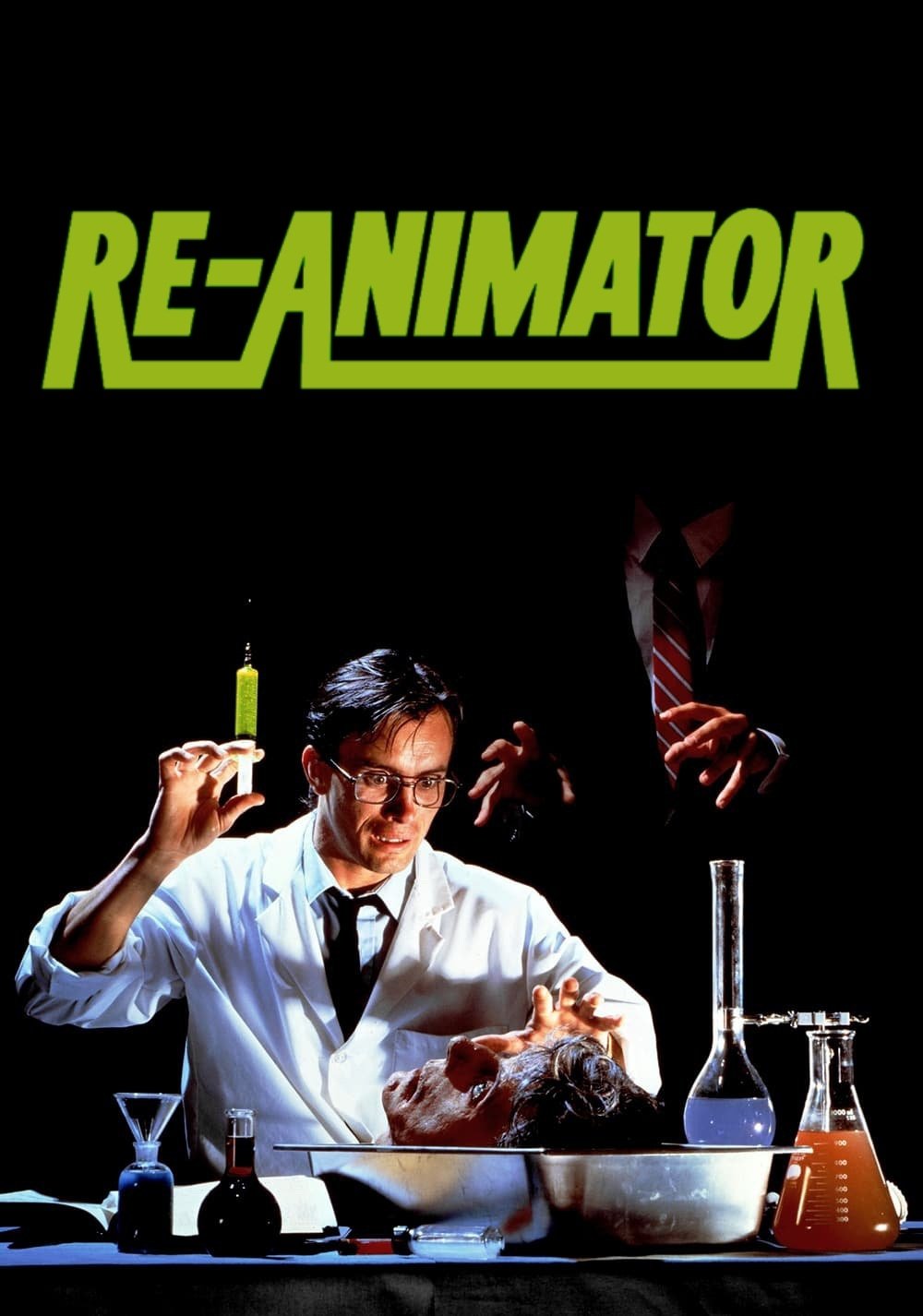
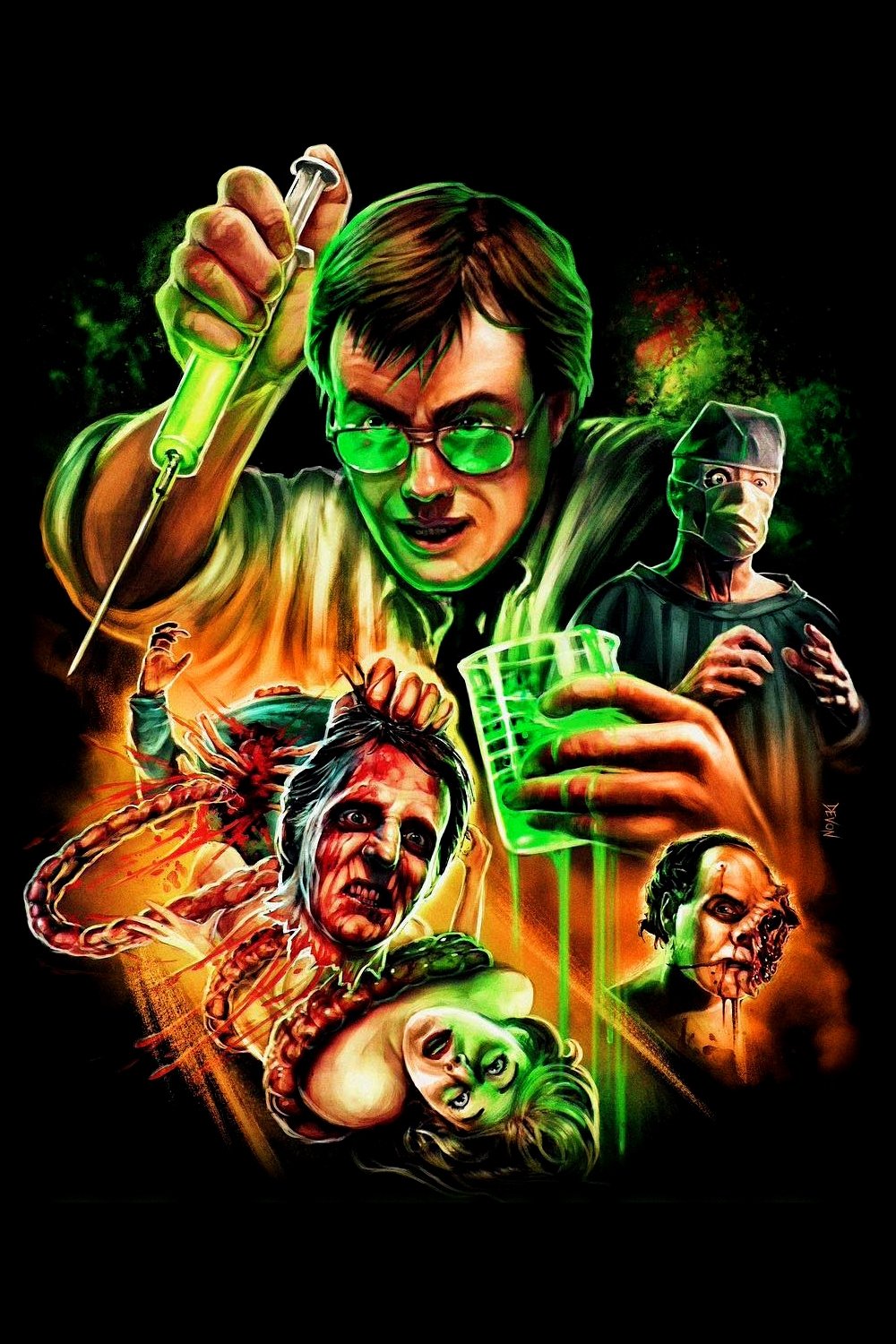
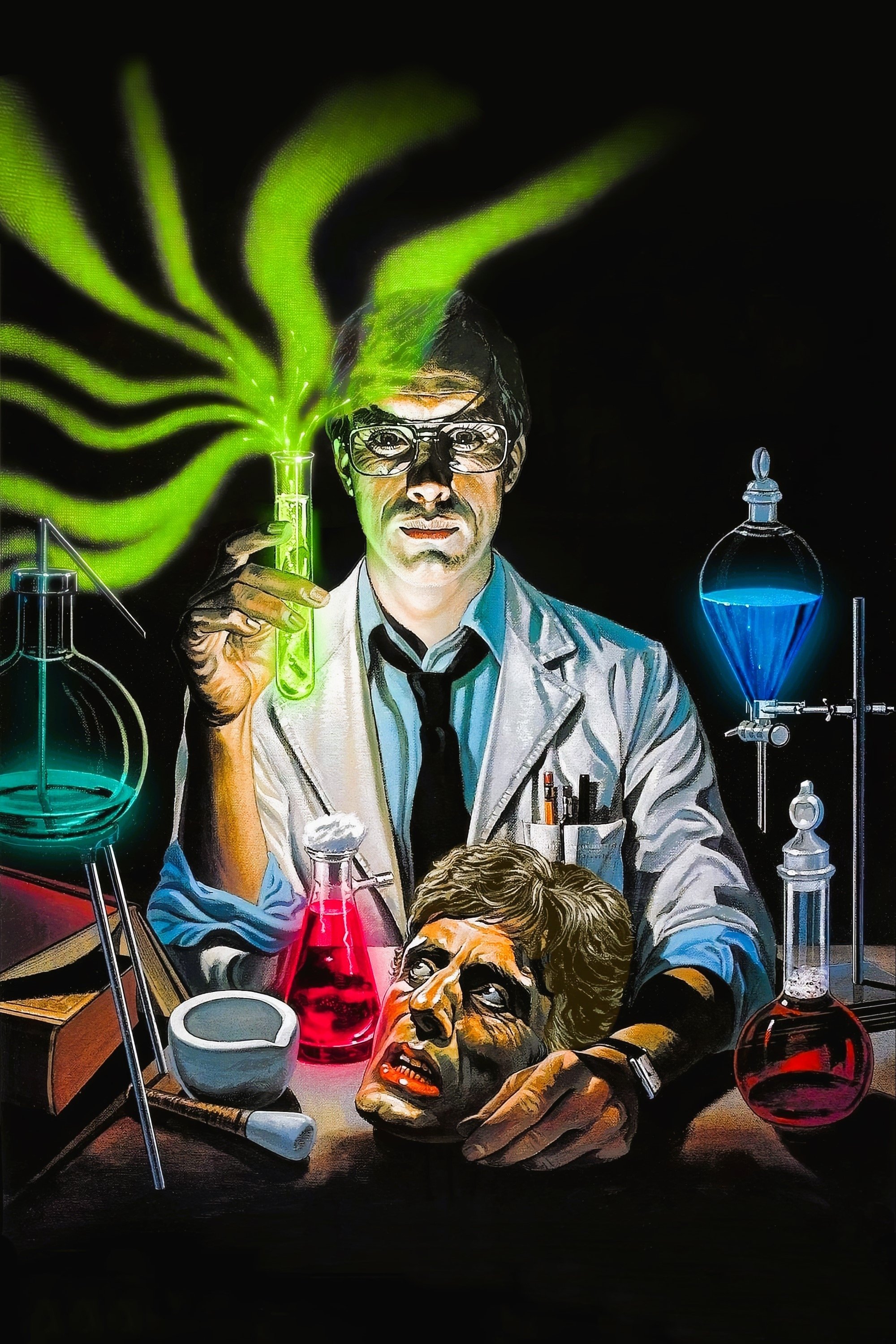
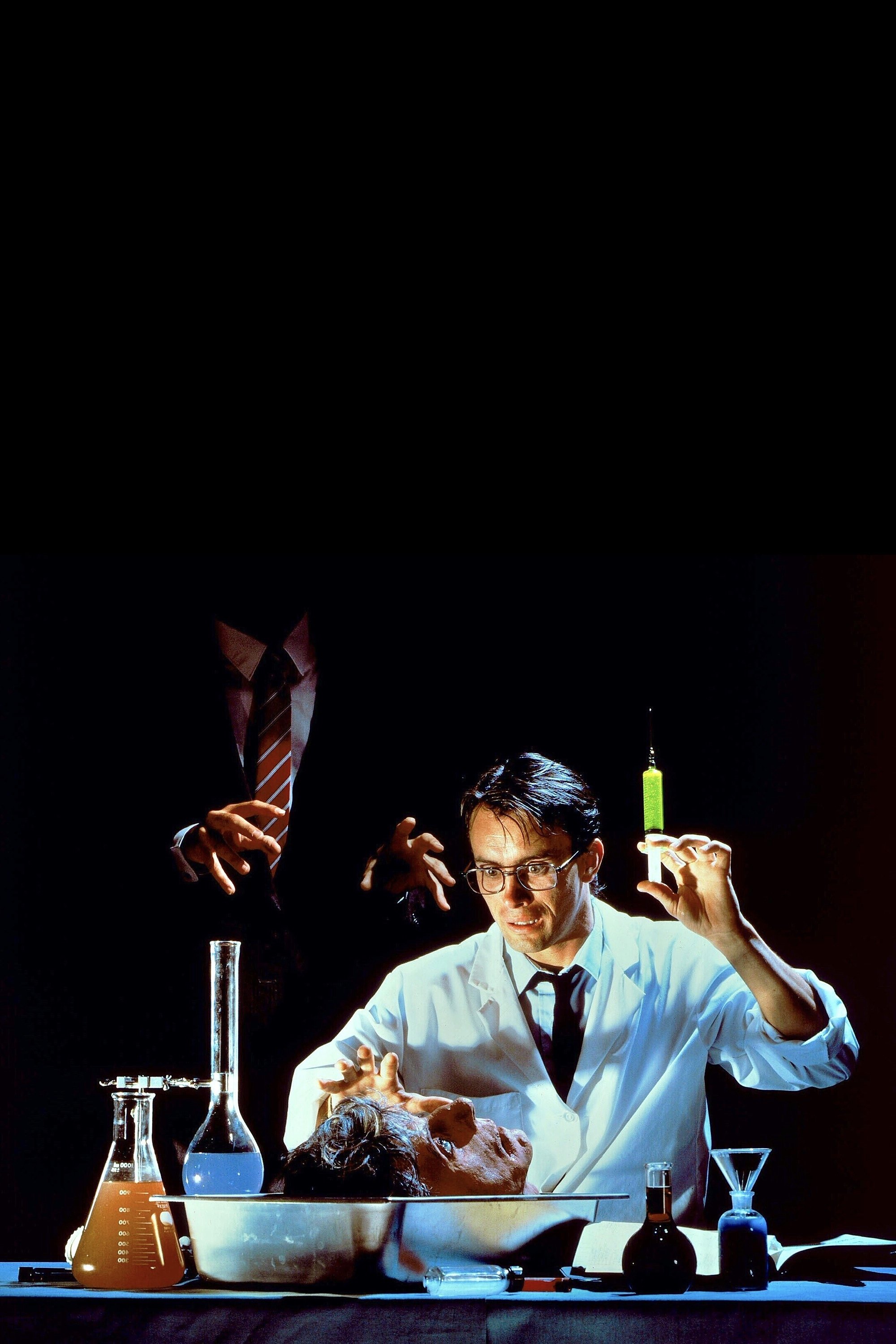
Modernizing the story also changes the science. West's reagent is given a vivid physical identity through its unnatural green glow, turning an abstract medical breakthrough into an instantly recognizable object. The syringe becomes almost as important as the characters carrying it. Every injection promises knowledge but also produces another uncontrolled consequence. Gordon retains Lovecraft's basic joke about scientific ambition taken beyond sanity, then makes that joke visible through bodies that refuse to behave after death.

Horror, Comedy & Performance

Re-Animator is frequently described as a horror comedy, but its humor rarely depends on characters acknowledging that they are inside a ridiculous situation. Gordon understood that the material worked better if West took his science absolutely seriously. Jeffrey Combs consequently plays him with intense concentration, allowing the surrounding events to generate the comedy. West may be surrounded by severed limbs and rampaging corpses, but he responds like a researcher irritated by experimental complications.

That deadpan approach establishes the film's rhythm. Bruce Abbott's Dan reacts with progressively greater alarm, while David Gale's Dr. Hill maintains an absurd degree of professional arrogance even after decapitation. Gordon allows the performances to remain committed while the physical circumstances become increasingly impossible. The comedy therefore grows from incompatibility: scientific formality collides with bodily chaos.

Combs was not the physical type Gordon initially imagined from Lovecraft's description of West, but his audition changed the director's mind. What mattered was his ability to embody obsessive intelligence. His clipped delivery, rigid posture and impatience with normal human emotion make West funny without turning him into a parody. Barbara Crampton's Megan provides a different kind of grounding, responding to the escalating horror as a traumatic experience.

That balance becomes particularly important during the film's most extreme material. Gordon knew that certain images would distinguish Re-Animator from other horror films, but treating the entire production as a spoof would have weakened them. The film's humor operates beside the gore and intensifies its grotesque quality. The audience is encouraged to laugh at the escalating absurdity while still accepting that the characters themselves are trapped inside a genuine nightmare.

Practical Effects, Corpses & Excess

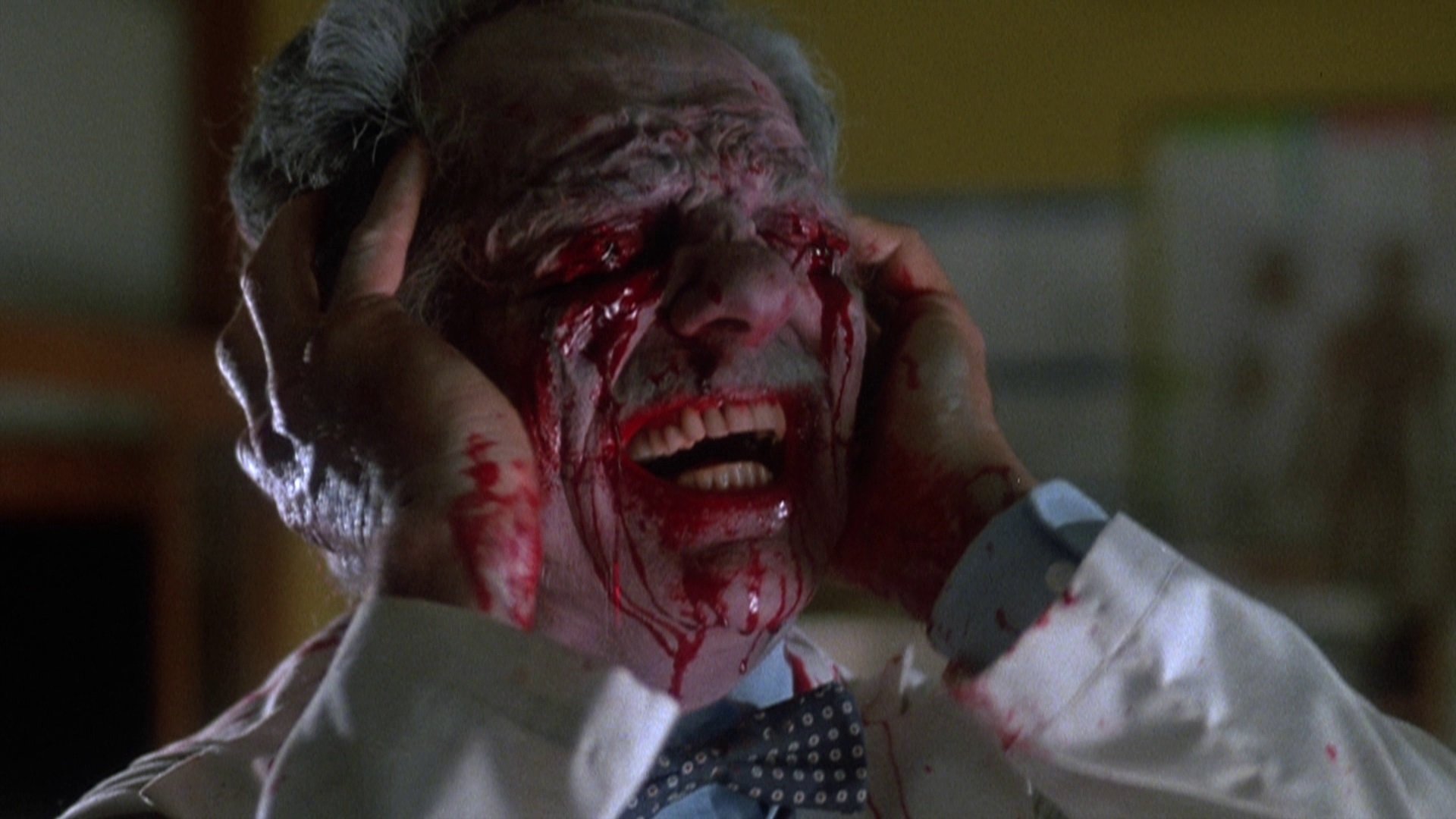
Re-Animator was made before digital effects could provide an inexpensive shortcut for its escalating bodily destruction, so its horror depends overwhelmingly on physical materials. The effects operation involved several artists and teams, including Bret Culpepper, Anthony Doublin, John Naulin and John Carl Buechler. Their work had to cover reanimated corpses, prosthetic wounds, severed anatomy, mechanical effects and the increasingly complicated problem of allowing Dr. Hill to continue functioning without his head.

The effects are deliberately tactile. Blood has weight, corpses occupy real space and performers interact directly with physical prosthetics during filming. That physical relationship is one reason the film can move so easily between disgust and comedy. A severed head becomes a performing object that must be carried, positioned and incorporated into scenes with living actors.

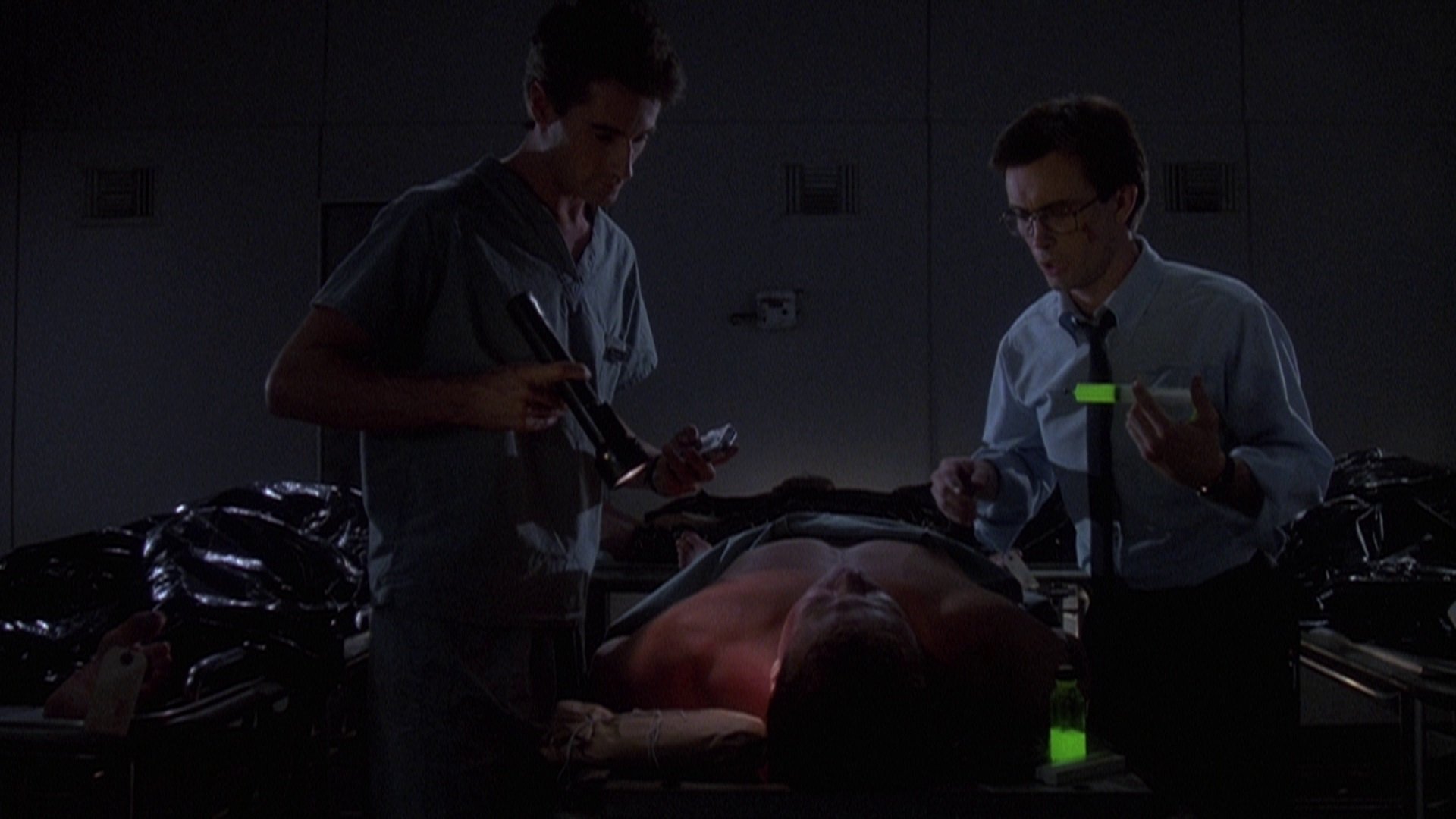
Gordon also refuses to save the effects for isolated showcase sequences. Once West's experiments begin to fail, physical horror accumulates rapidly. Reanimated bodies become aggressive, surgical environments are invaded by chaos and the climax fills the morgue with corpses that no longer obey the distinction between medical specimen and active character. Roger Ebert observed at the time that Gordon used effects as a succession of rapid visual assaults. Their speed is essential to the film's comic momentum.

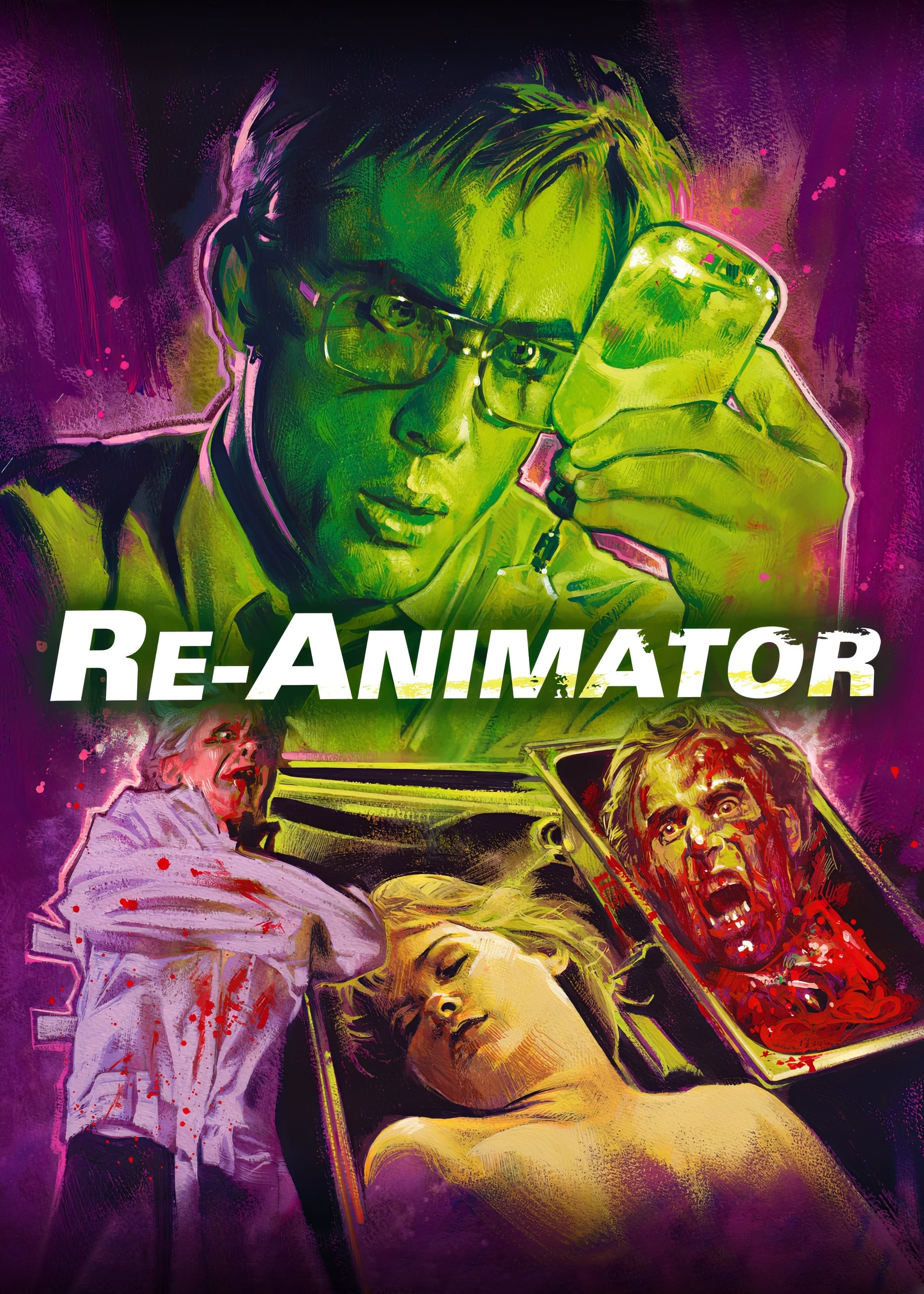
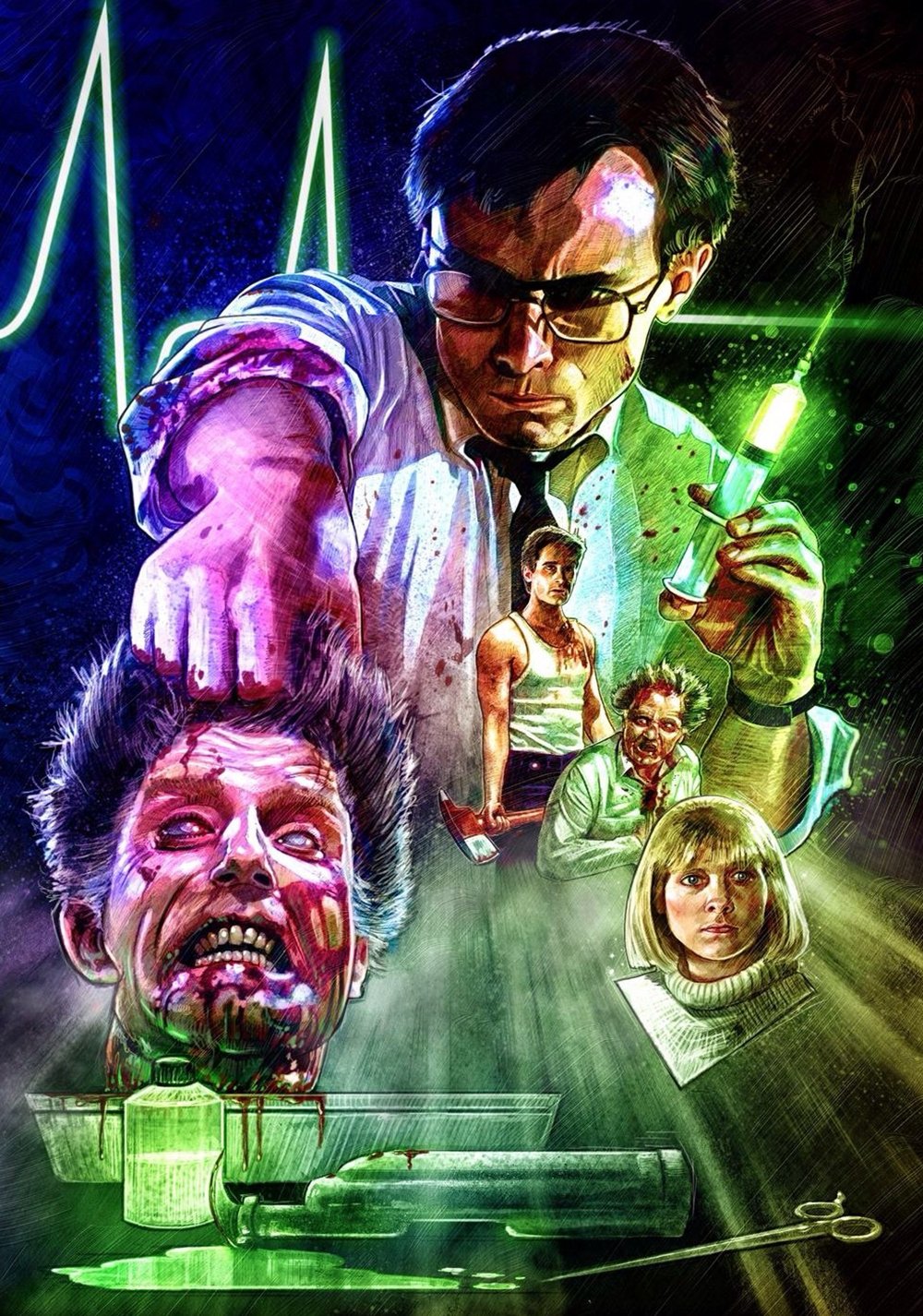
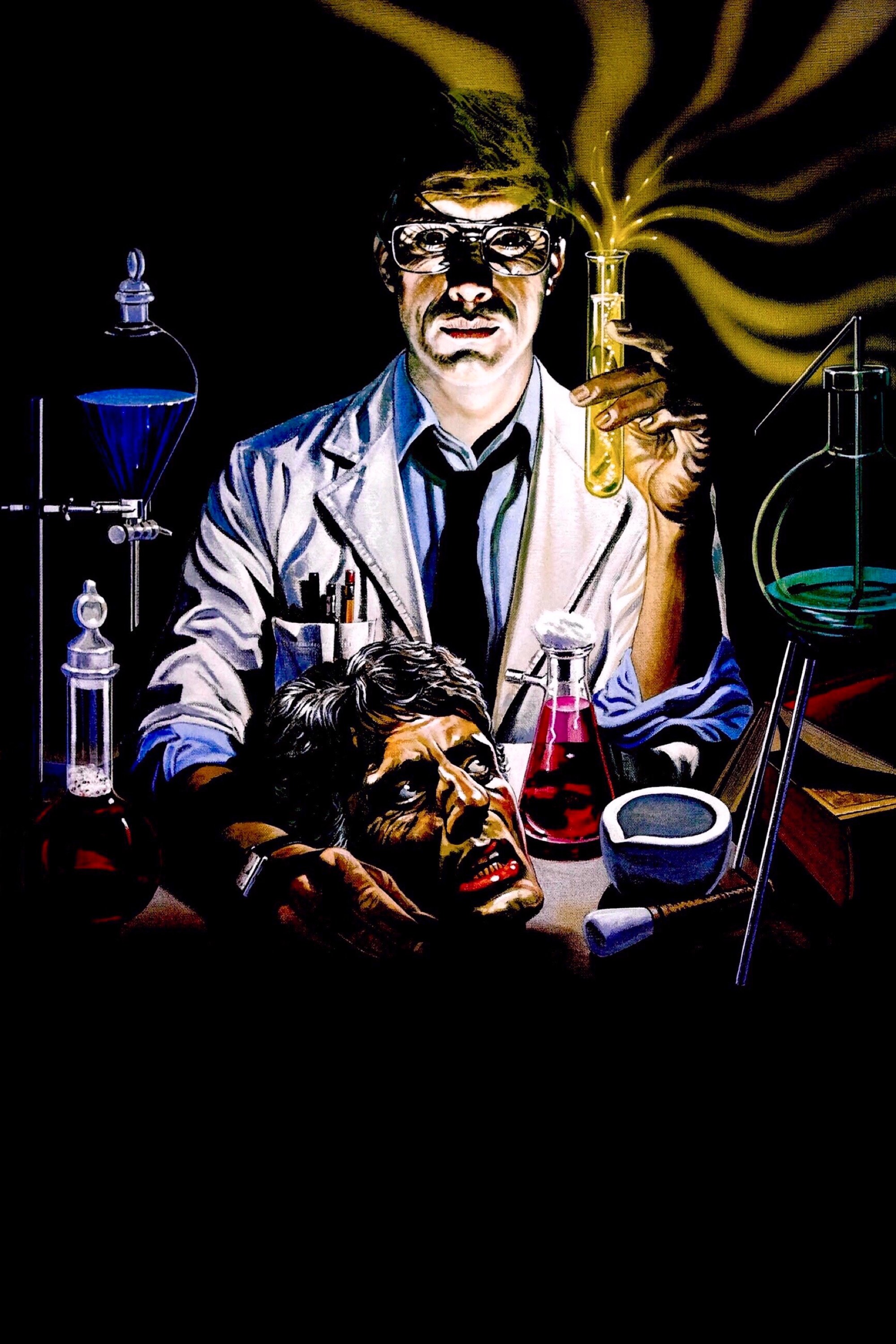
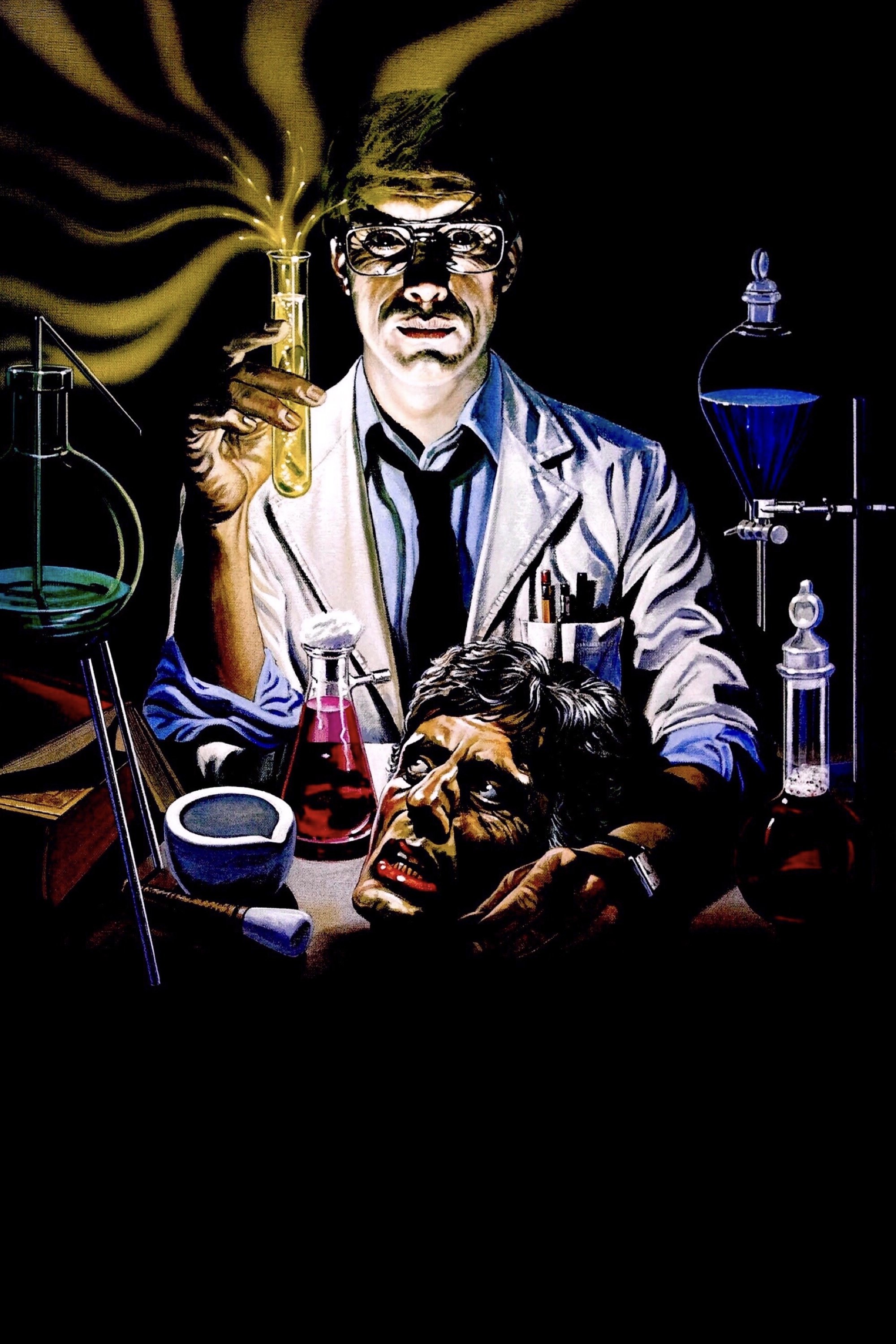
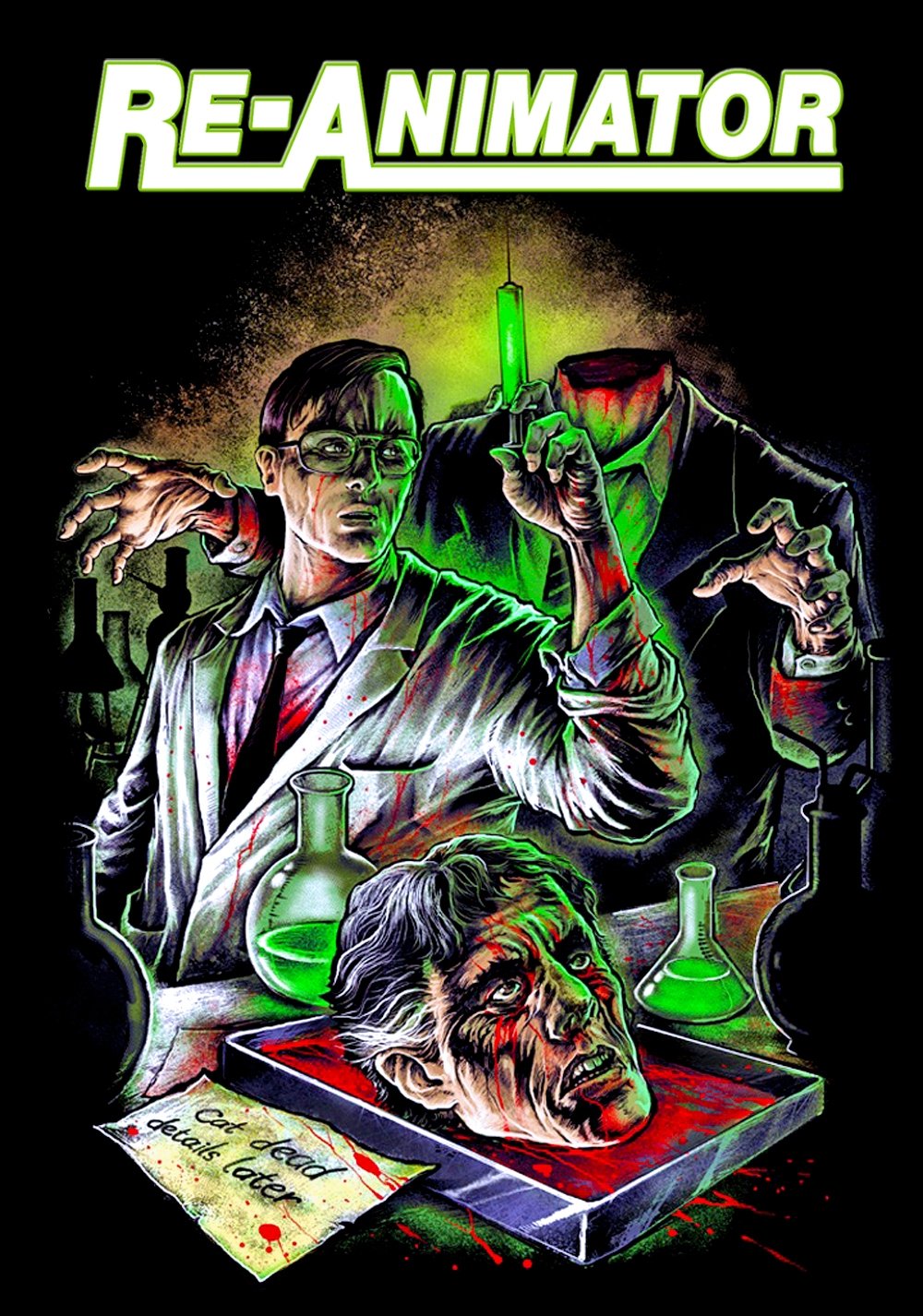
The notorious sequence involving Hill's severed head and Megan was conceived specifically as an image audiences would remember. Gordon later said that he and the writers knew while preparing the screenplay that it would be the scene people discussed afterward, and early promotional artwork already exploited the concept. Its sexual violence remains one of the film's most uncomfortable elements, but historically it also demonstrates Gordon and Yuzna's determination to push beyond what contemporary mainstream horror would normally attempt.

Cinematography & Medical Spaces

Mac Ahlberg's cinematography gives the film a cleaner visual structure than its reputation for splatter might suggest. Laboratories, hospital corridors, classrooms and morgues are photographed as recognizable working environments before West's experiments transform them into spaces of disorder. The controlled surfaces of medical science provide an effective contrast with the fluids and damaged bodies that eventually overwhelm them.

Gordon's theatrical experience also influences the staging. Scenes are frequently organized around actors sharing a physical space, allowing the effects to emerge within dramatic scenes. The audience understands where bodies, tables, doors and instruments are positioned, which becomes increasingly important as the film turns those spaces into arenas of physical comedy and horror.

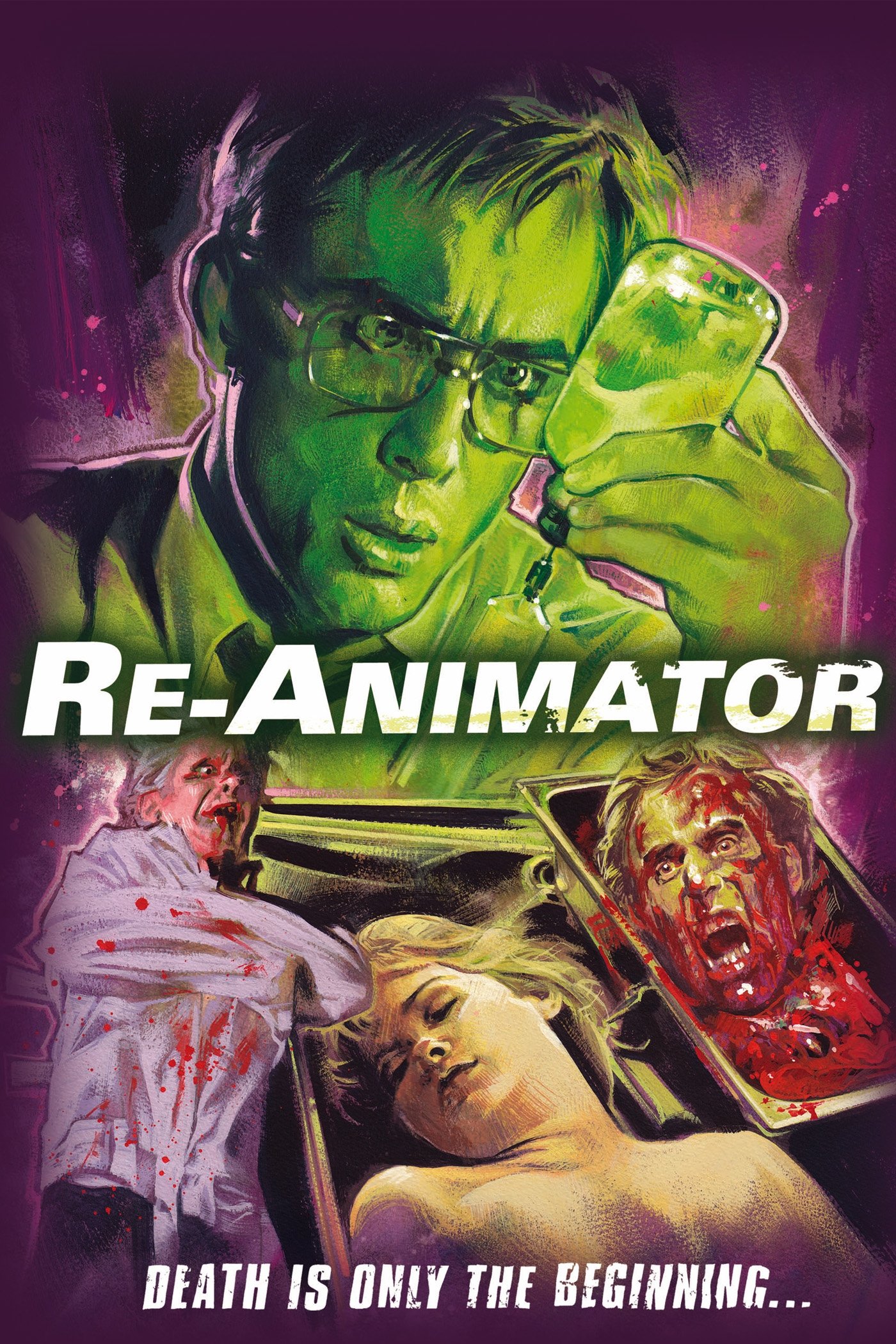
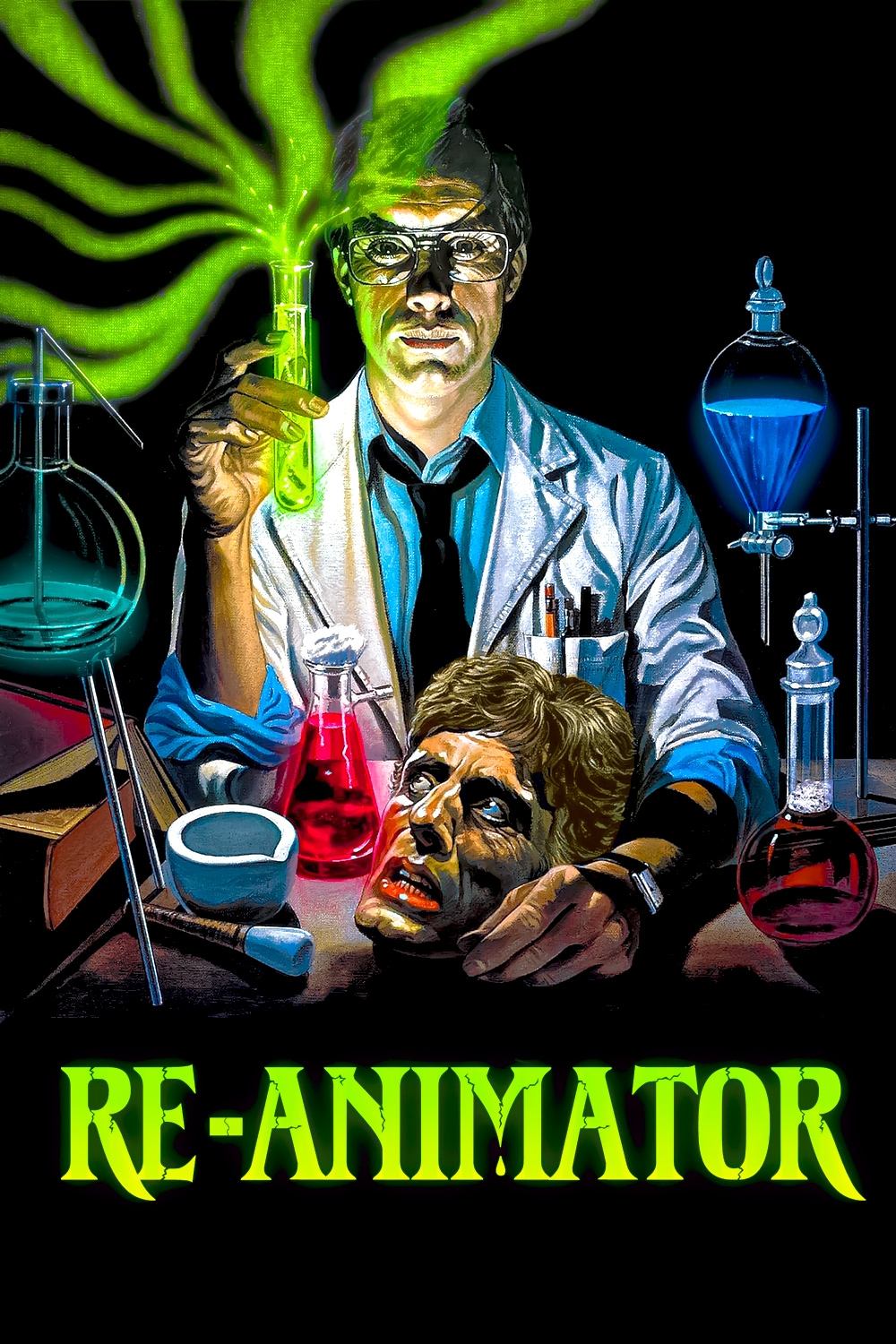
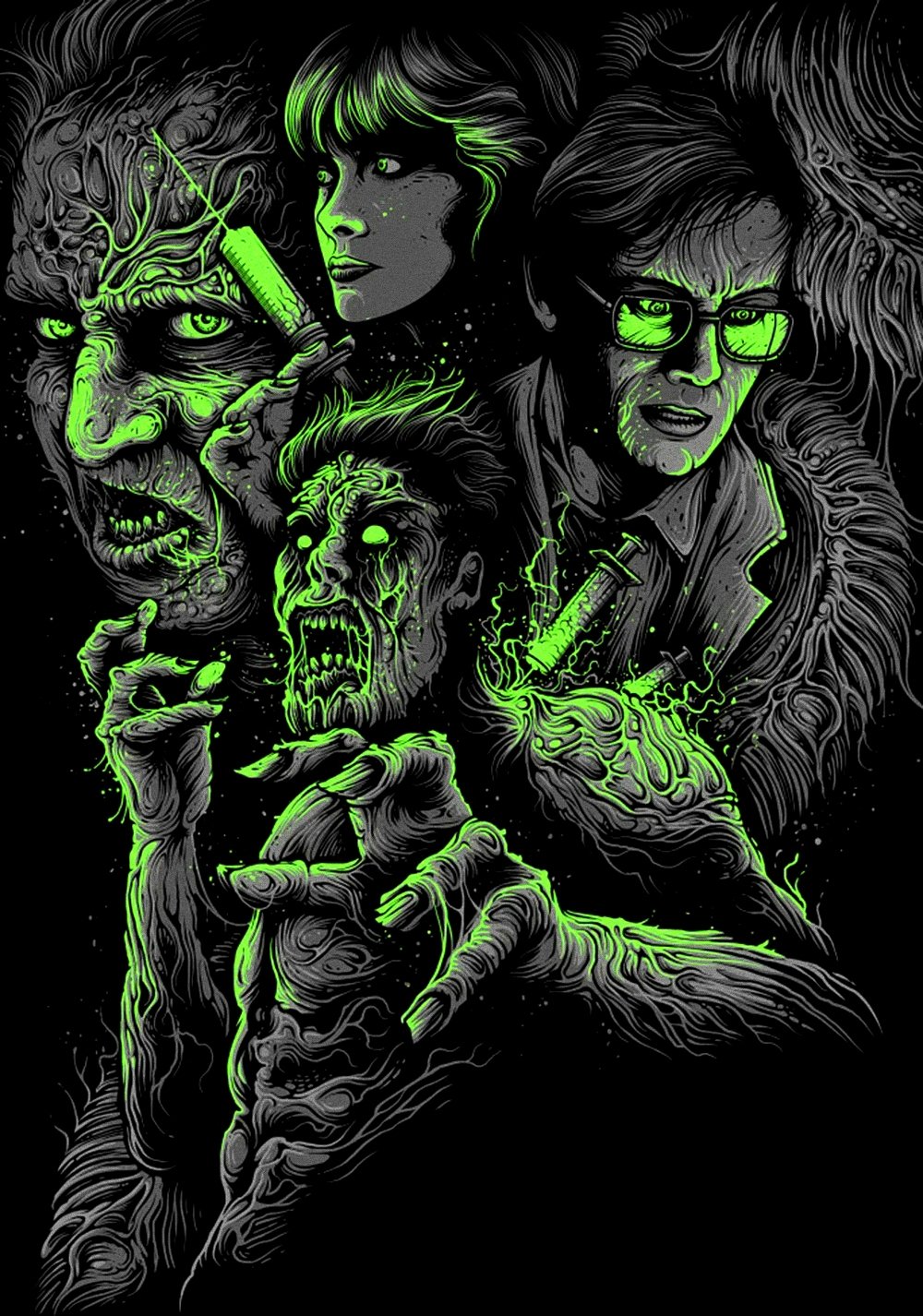
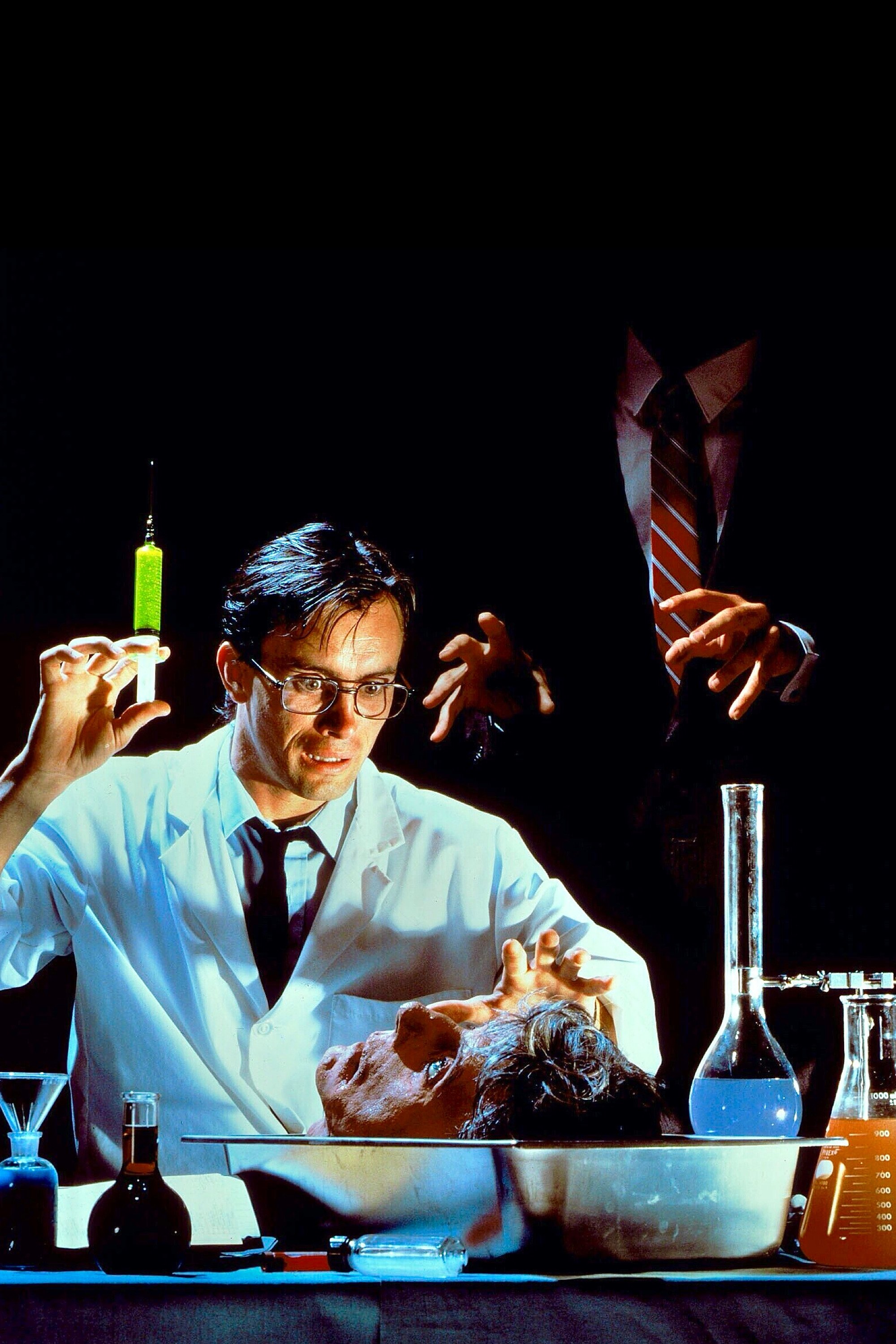
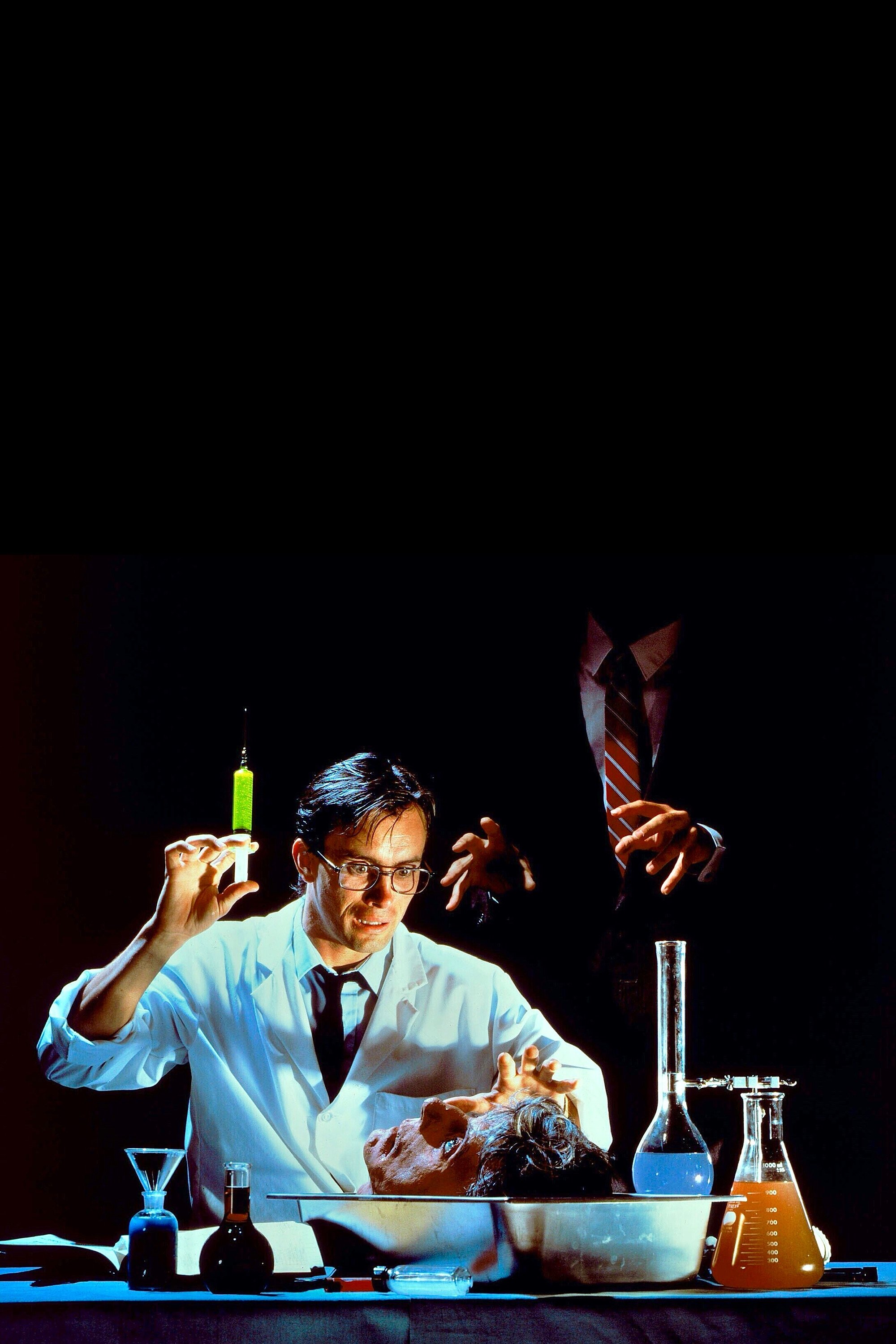
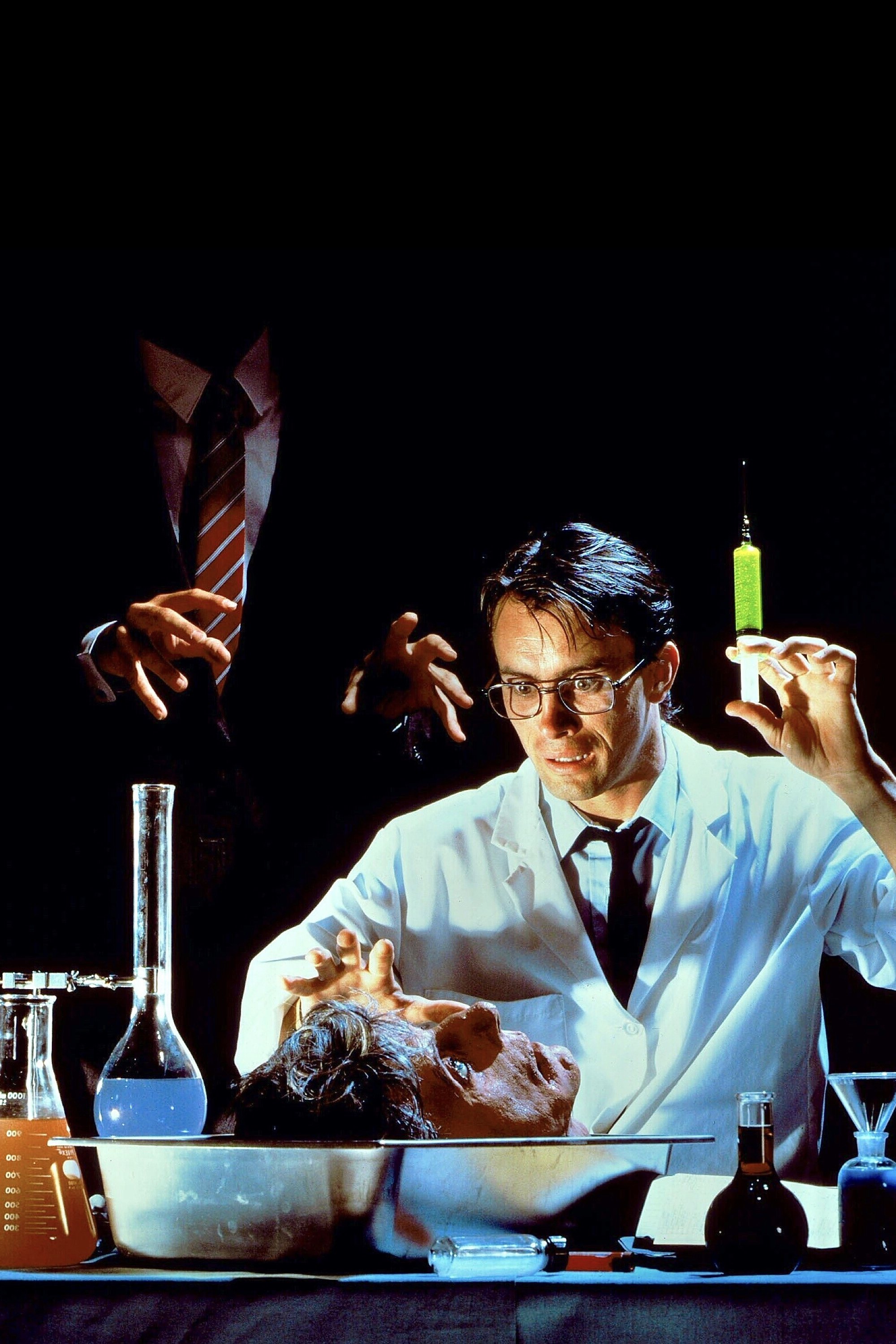
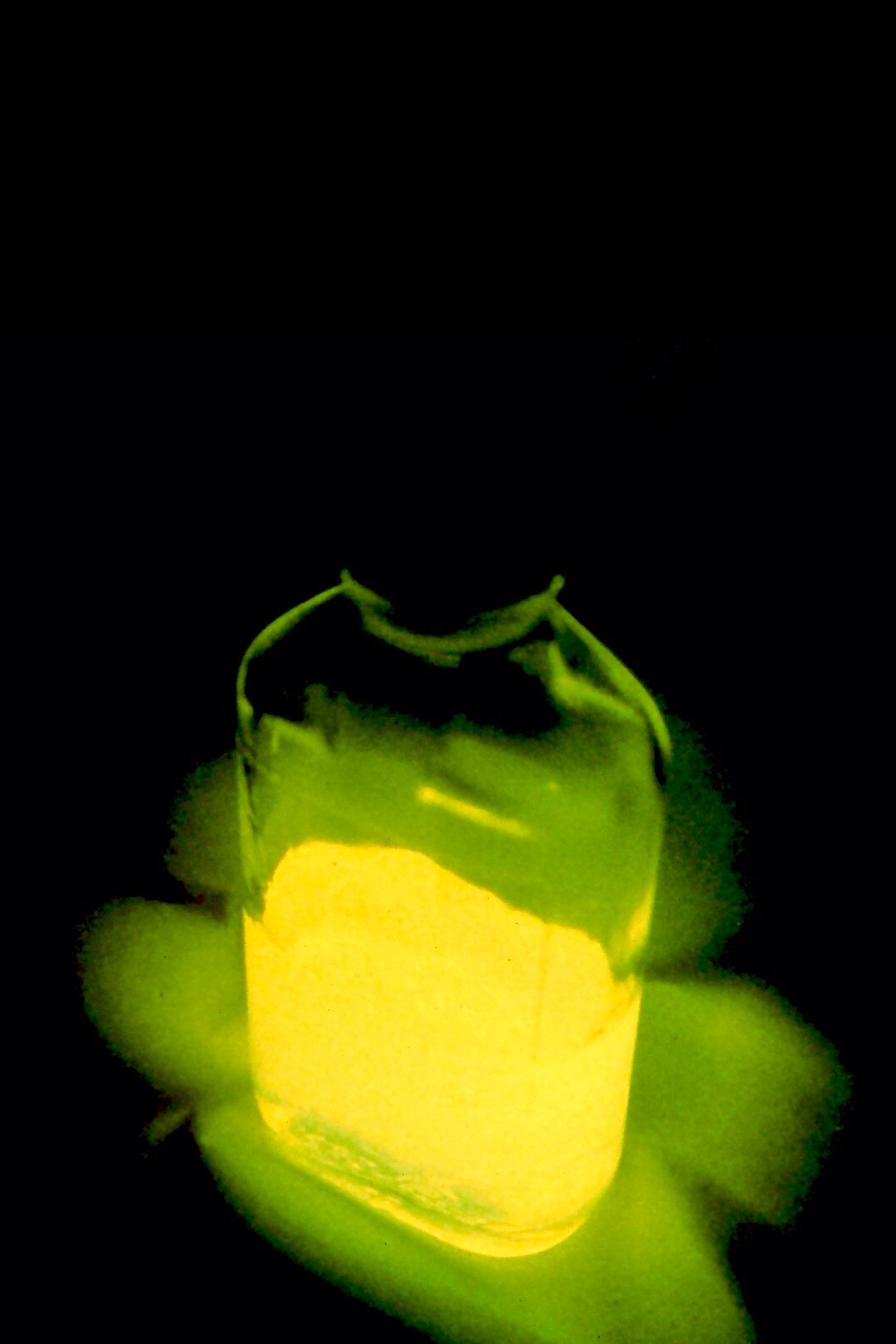
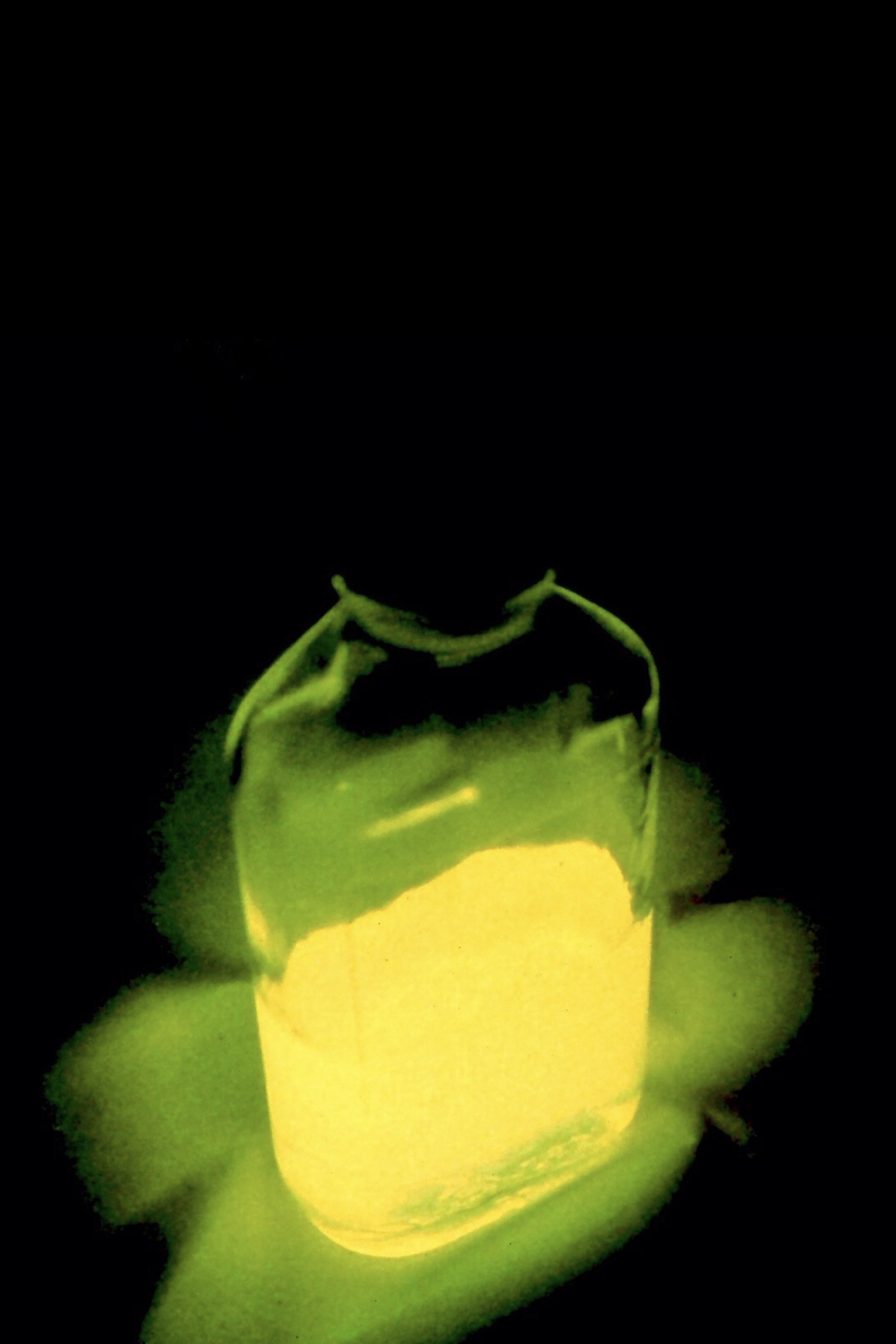
Color provides one of the simplest but most memorable visual devices. West's reagent glows an artificial green against morgue interiors and human tissue, immediately separating his experiment from the surrounding medical world. The effect is intentionally unreal. Re-Animator is not attempting to persuade the audience that a plausible medical procedure has been discovered; the glowing serum functions as a visual emblem of forbidden science.

The aesthetic becomes progressively less controlled as the experiments escalate, but the film never loses basic spatial clarity. That discipline prevents the climax from becoming an unreadable collection of gore shots. However extravagant the bodies become, Gordon continues to stage the action around the characters' attempts to control the room and one another.

Richard Band's Score

Richard Band approached Re-Animator with the same recognition of tonal contradiction that shaped Gordon's direction. Band later explained that he did not believe the film could be scored as straightforward solemn horror because its violence and situations were too bizarre. His solution combined orchestral writing, electronics, unusual rhythms and an overt streak of musical humor.

The main title immediately announced that strategy through its conspicuous relationship to Bernard Herrmann's music for Psycho. Band never denied the resemblance. In contemporary and later interviews he described it as a deliberate homage and explained that the driving Herrmann-like string figure suited Herbert West's obsessive momentum. He added his own material and rhythmic elements while acknowledging the musical reference.

The choice was controversial among some film-music listeners, precisely because the quotation was so recognizable, but Band regarded recognition as part of the joke. The title sequence tells the audience how to approach the film before West's experiments fully begin: this is horror aware of horror history, but it is not abandoning the genre for parody.

Elsewhere the score moves beyond the Herrmann reference. Electronics and orchestral passages follow the film between suspense, grotesque spectacle and manic action. Like Gordon's direction, the music refuses to choose permanently between seriousness and absurdity. The score helped establish an audiovisual identity strong enough that Band has continued to identify Re-Animator as the work most closely associated with his career.

Unrated Release, R-Rated Cut & Other Versions

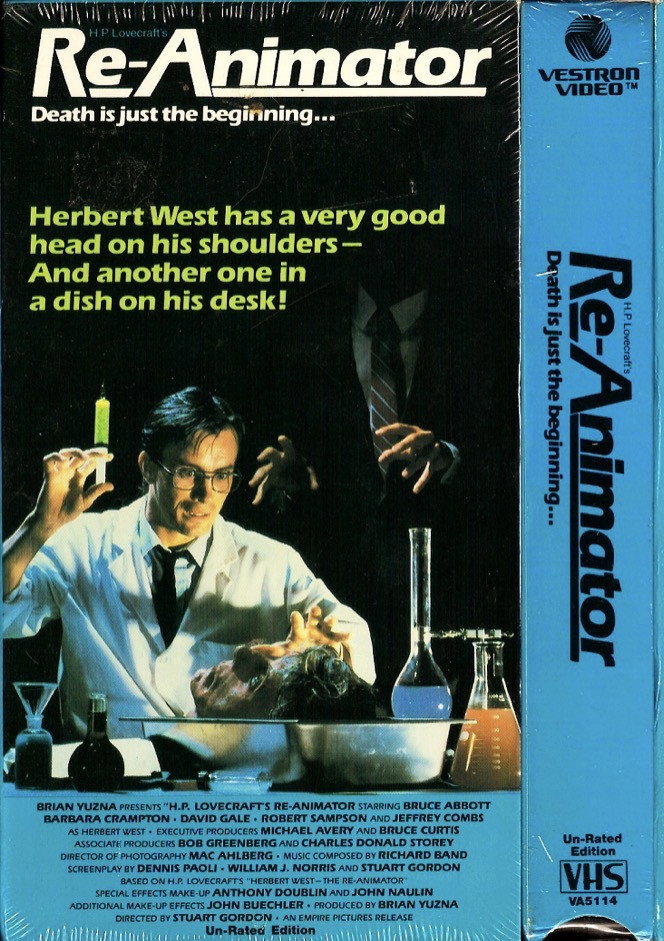
The original American theatrical version runs approximately 86 minutes and was released without an MPAA rating. According to contemporary trade reporting preserved by AFI, the filmmakers believed submitting the graphic version would risk an X rating. Going out unrated preserved the film's gore but created commercial disadvantages: some newspapers and television outlets restricted advertising for unrated pictures, limiting the campaign.

Re-Animator opened in New York on October 18, 1985 and in Los Angeles on October 25. A different version was subsequently prepared to obtain an R rating. Unusually, this censored version was longer, running approximately 95 minutes. Graphic material was removed, but previously deleted dialogue and story material was restored to compensate, including a subplot in which Dr. Hill uses hypnotic influence and material suggesting West injects himself with small quantities of his own reagent.

The result means that "longer" and "uncensored" describe different versions of Re-Animator. The approximately 86-minute unrated cut contains the graphic material associated with the original theatrical release, while the longer R-rated version contains additional character and plot scenes but less gore. Later home-video releases also produced so-called integral editions combining material from both cuts into versions of roughly 105 minutes.

Describing one edition as a director's cut can obscure the film's complicated editing history. Gordon consistently preferred the shorter, faster unrated version. Its compression is part of the film's effect: scenes move rapidly from discovery to catastrophe with very little recovery time between them.

Reception, Awards & Legacy

Re-Animator was received far more enthusiastically by some contemporary critics than its exploitation marketing might have suggested. Roger Ebert awarded it three stars out of four after seeing it at Cannes and praised the film's ability to transform disreputable material through energy, style and deadpan humor. Kevin Thomas in the Los Angeles Times went further, calling it an exceptional Grand Guignol horror film and predicting that it could become a genre classic.

The film was screened in connection with the 1985 Cannes market and received a special critical distinction in the science-fiction, fantasy and horror category; this should not be confused with an award from the festival's official Palme d'Or competition. Later that year, the Sitges International Film Festival awarded Re-Animator its prize for Best Feature Film, a significant early recognition from one of the major international festivals devoted to fantastic cinema.

Its subsequent reputation has justified those early cult predictions. BFI now places the film among notable science-fiction horror works and emphasizes the effectiveness with which Gordon combines extreme Grand Guignol imagery and humor without reducing the film to spoof. Re-Animator also established creative relationships that extended through further Lovecraft adaptations: Gordon, Yuzna, Paoli, Combs and Crampton would repeatedly cross paths in films including From Beyond and Castle Freak.

The film itself produced Bride of Re-Animator and Beyond Re-Animator, with Jeffrey Combs returning as Herbert West, while Gordon later transformed the material into Re-Animator: The Musical. More broadly, it remains one of the films most responsible for establishing the screen identity of Lovecraftian horror outside direct adaptations of the author's more cosmic stories. Re-Animator locates the violation of natural order in a syringe, a morgue and one scientist who cannot accept death as a limit to his experiments.

Connections

Cast

View Full Cast & Crew →

Release & Distribution

Distributors (1)

  • Empire International Pictures US

Release History (14)

Release DateTerritoryRelease TypeFormatDistributorCertificationNotes
1985-10-18 Finland Theatrical — — K-18
1985-10-18 Norway Theatrical — — 18
1985-10-18 Sweden Limited Theatrical — — 15
1985-10-18 United States Theatrical — — NR
1986-01-16 Spain Theatrical — — 18
1986-01-17 United Kingdom Theatrical — — 18 Heavily cut; passed uncut in 2007
1986-03-12 France Theatrical — — 12
1986-05-23 Ireland Theatrical — — 18
1988-10-31 Germany Physical — — 18
2004-07-11 Netherlands TV — — 16 Veronica
2006-06-21 Netherlands Physical DVD — 16 DVD
2014-06-26 Netherlands Physical Blu-ray — 16 Blu ray
2020-01-09 Japan Limited Theatrical — — — Restoration limited rerelease
2025-10-31 Spain Theatrical — — — Curtas Festival do Imaxinario

Awards & Festivals

1 entries
YearFestival / AwardEntrySectionCategoryResultPremiere
1985Sitges Film Festival AwardsawardSitges Film Festival Best Feature-Length Film awardwon
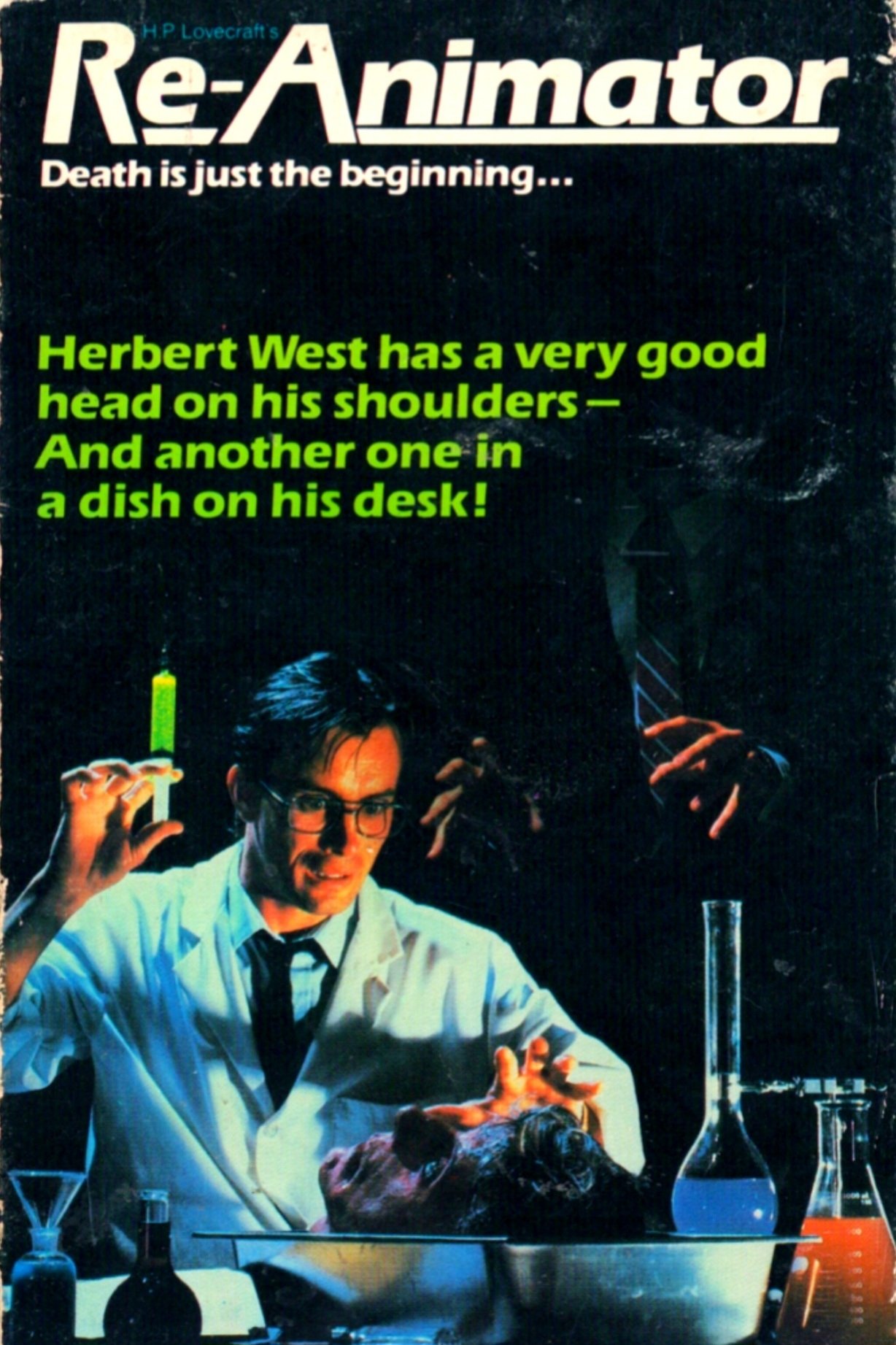
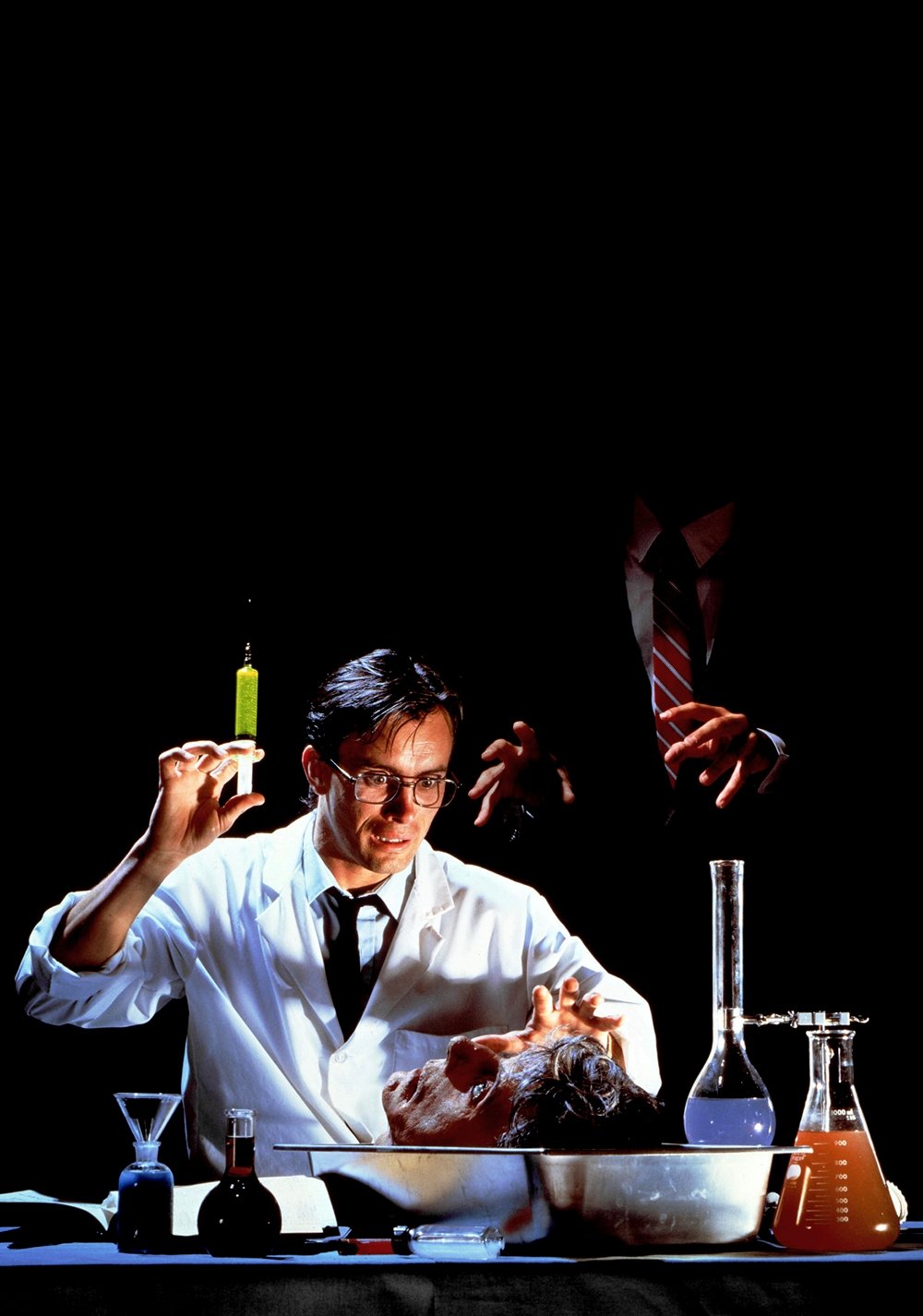
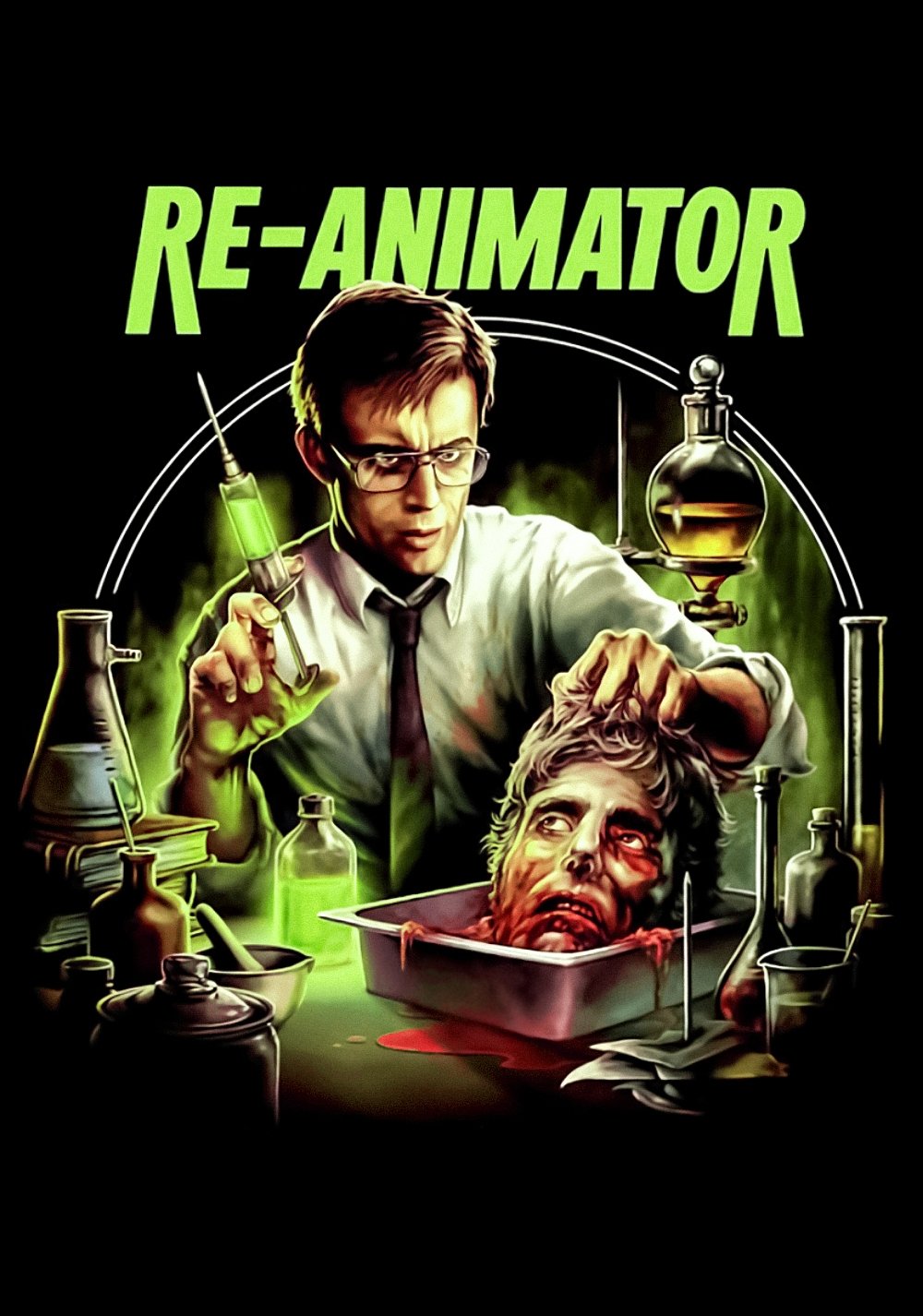
Herbert West has a good head on his shoulders... and another on his desk.