Bride of Chucky (1998)

US
7.0/10 8 votes
Runtime
89 min
Release
October 16, 1998
Budget
$25,000,000
Revenue
$50,671,850
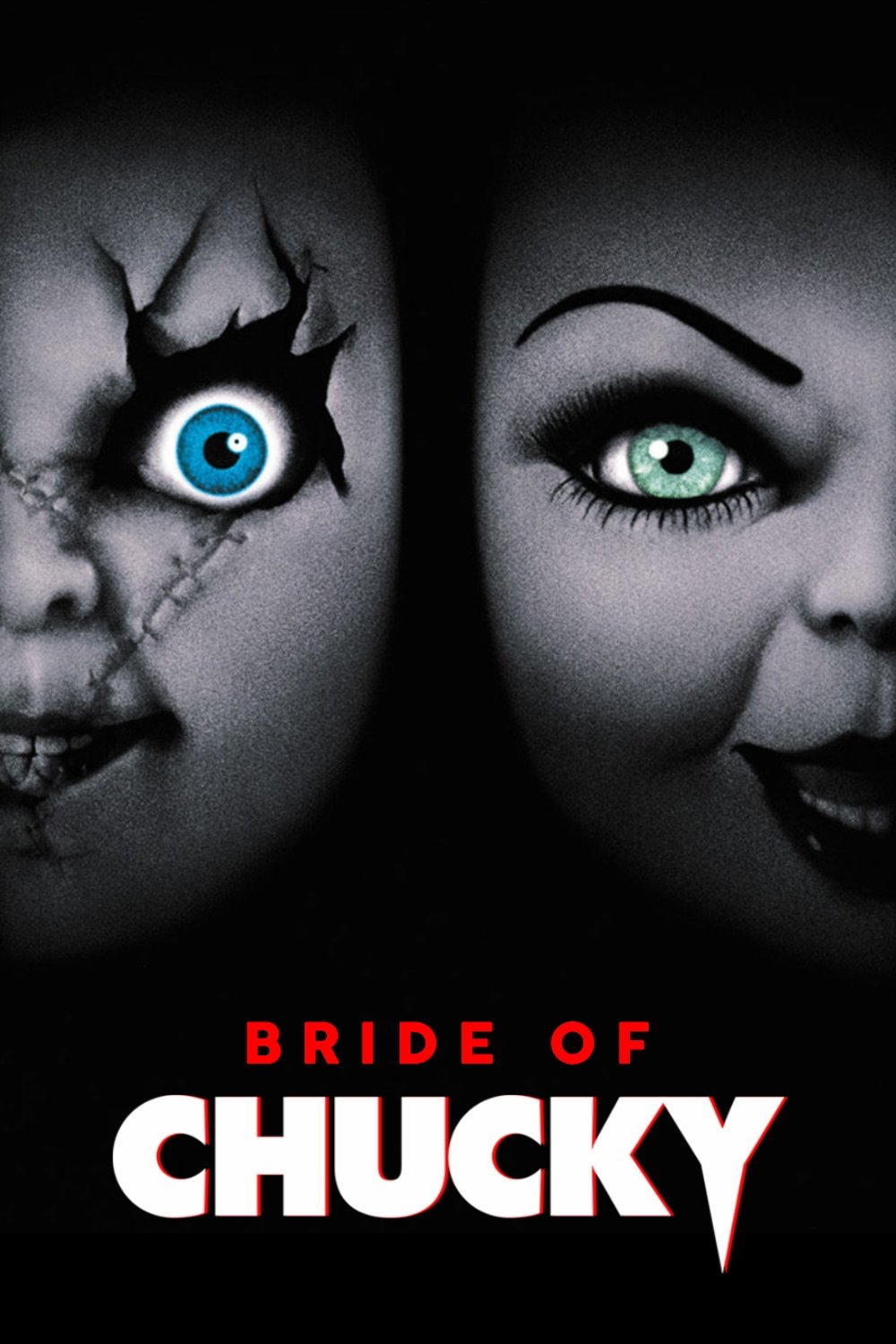
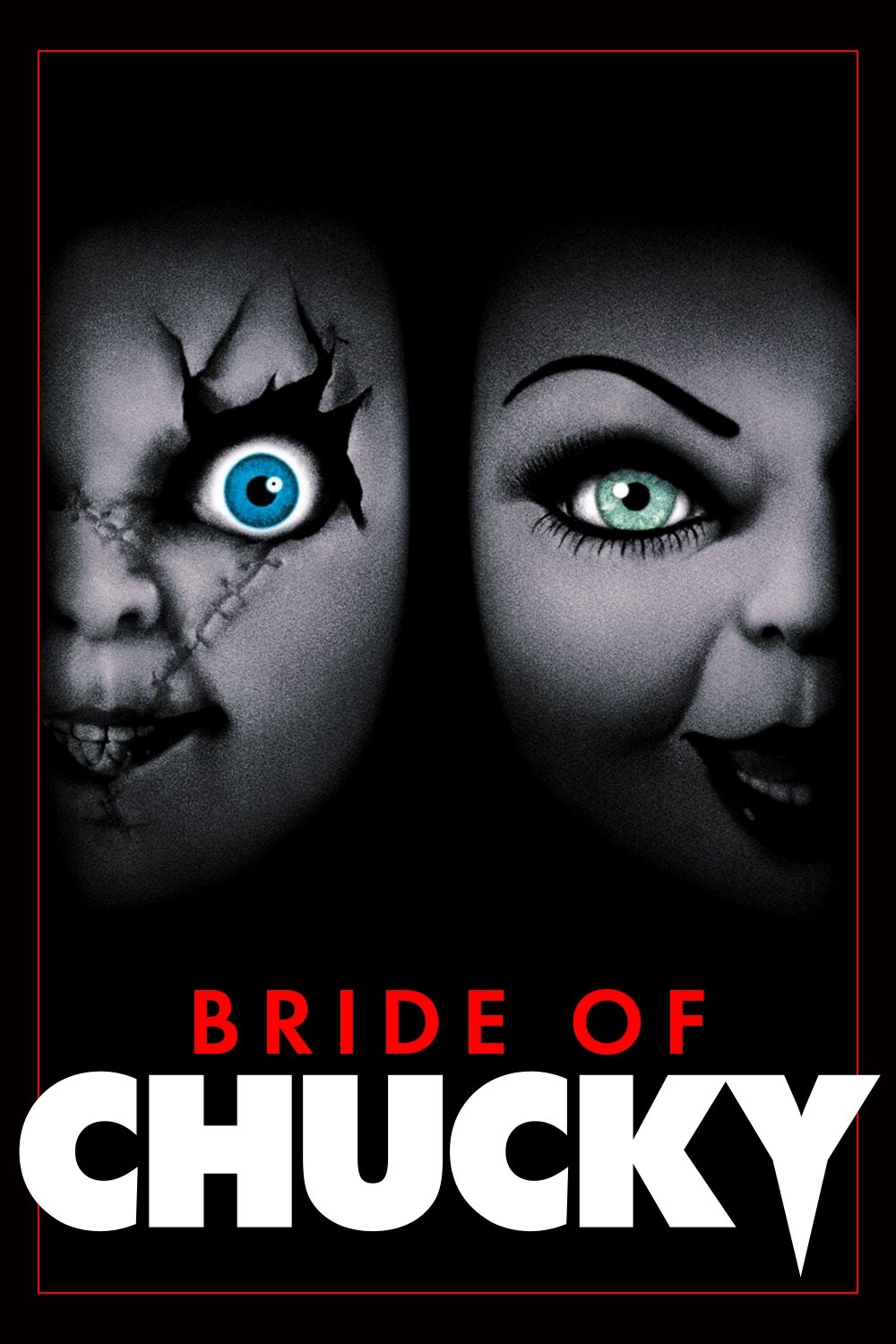
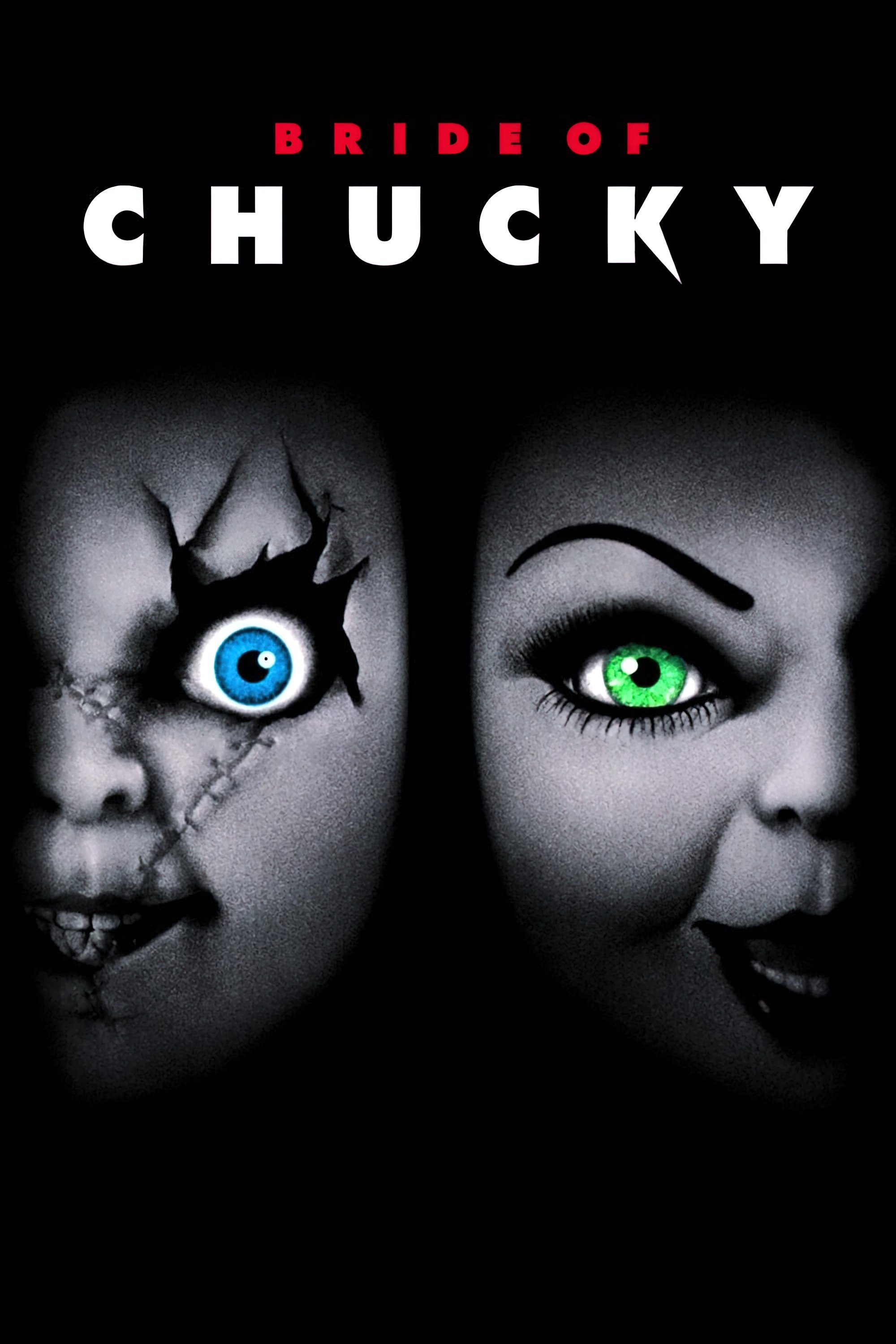
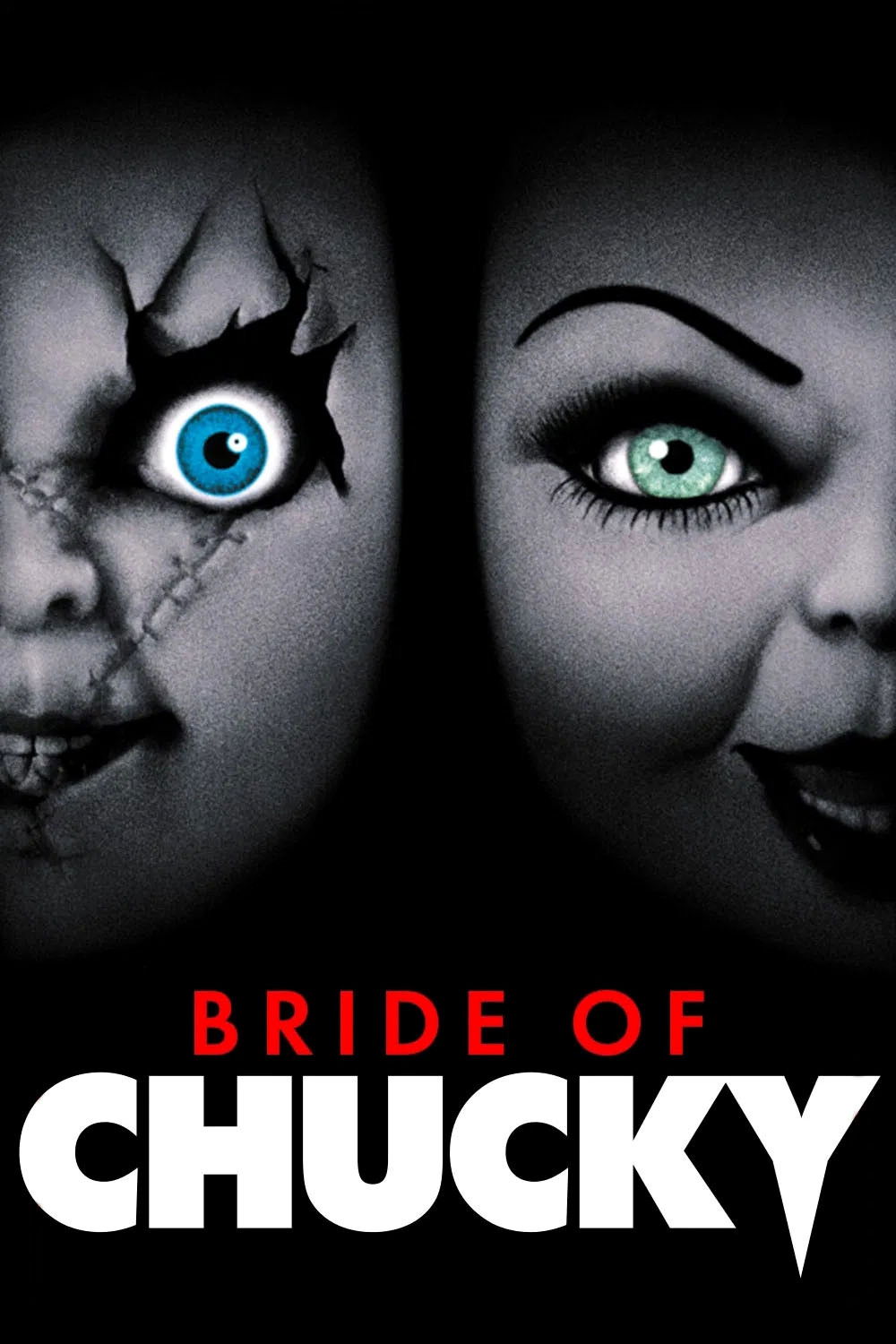
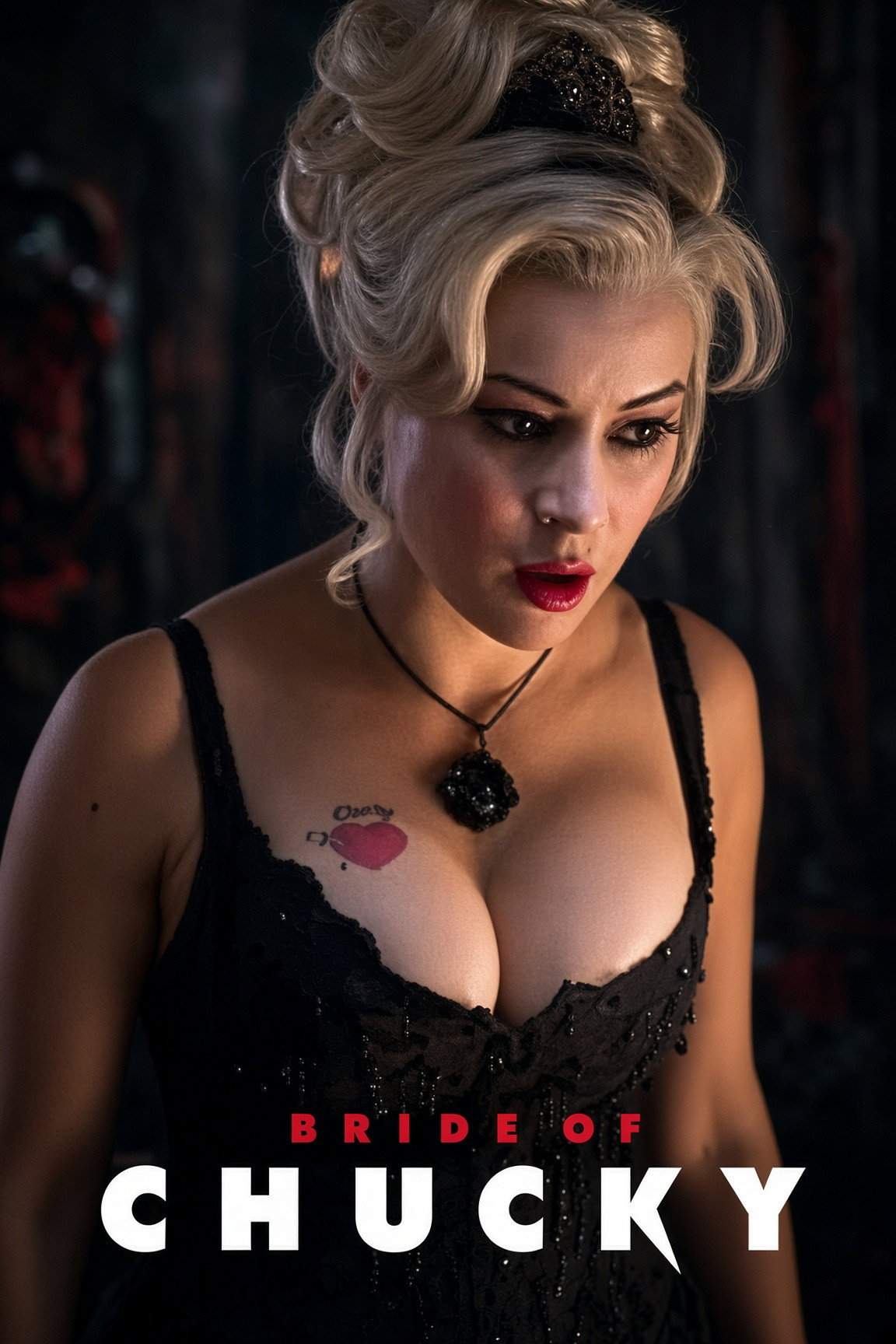
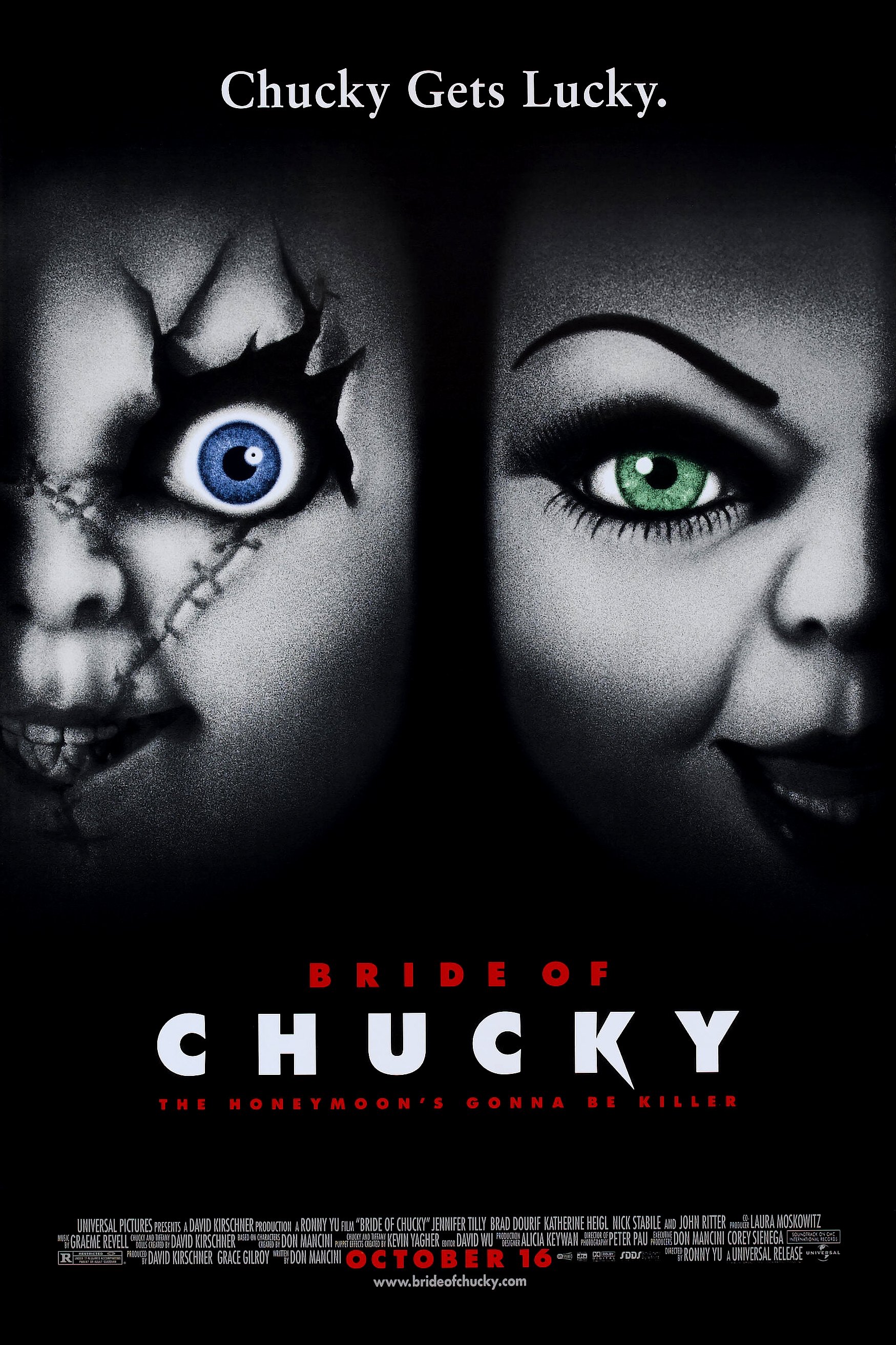
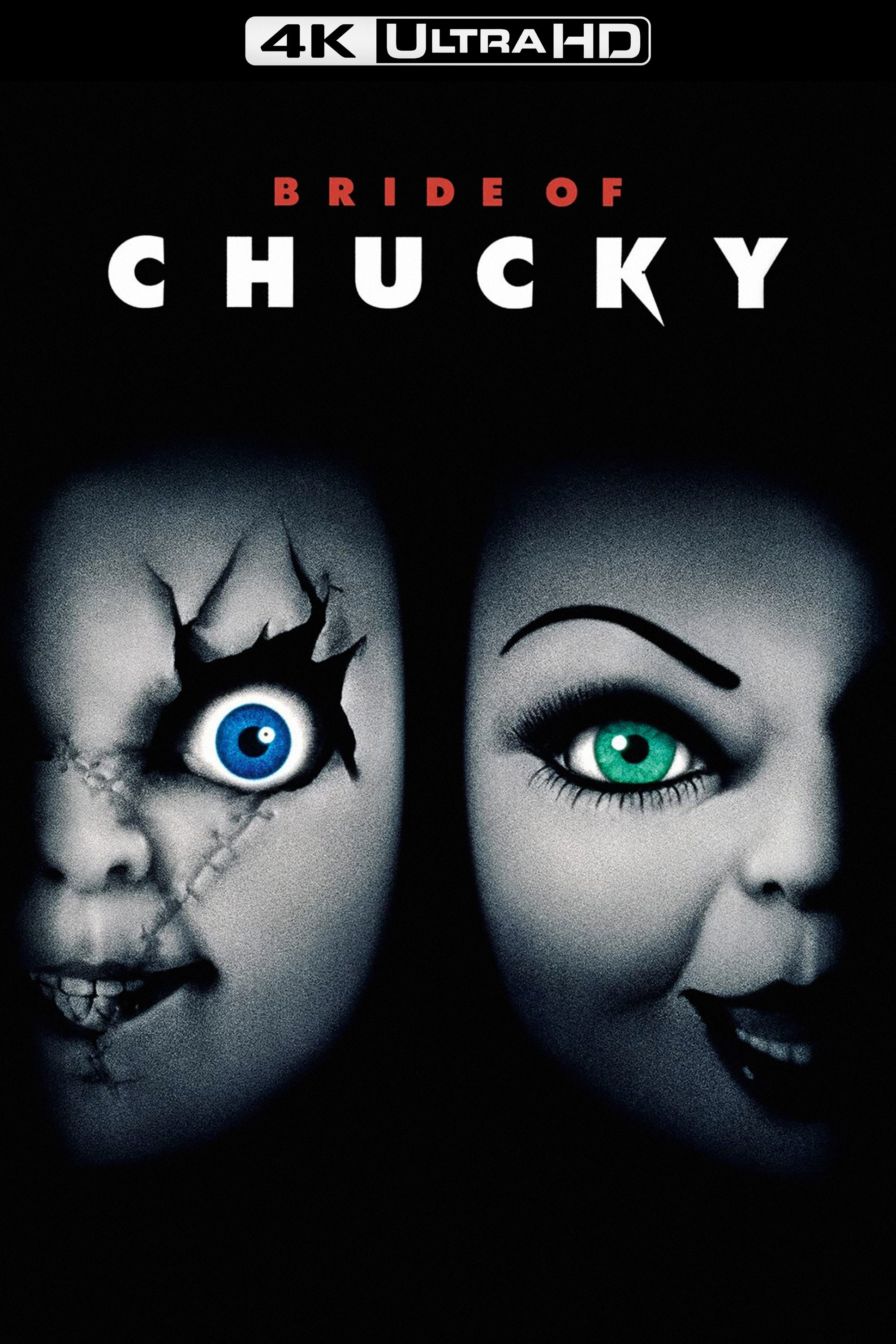
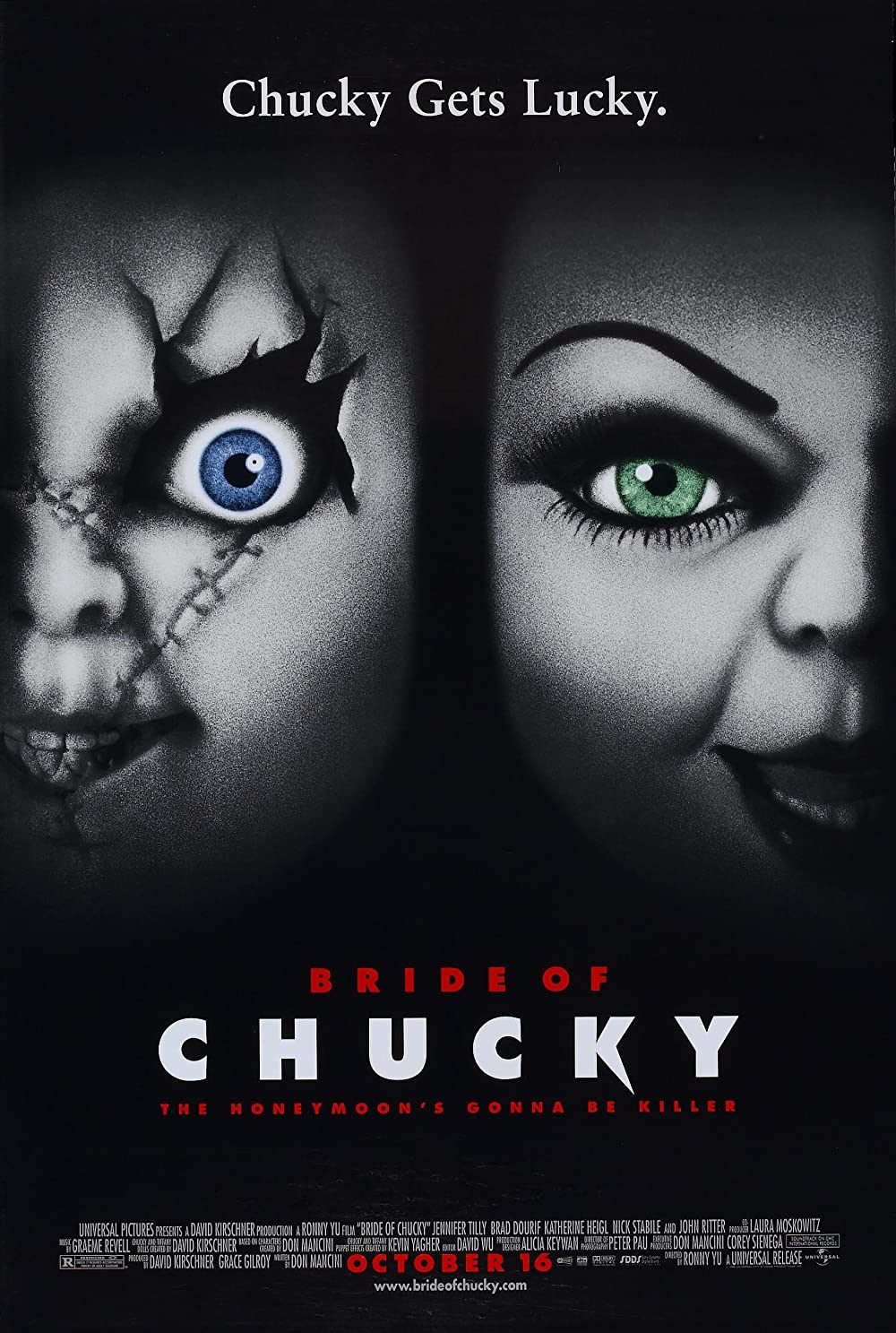
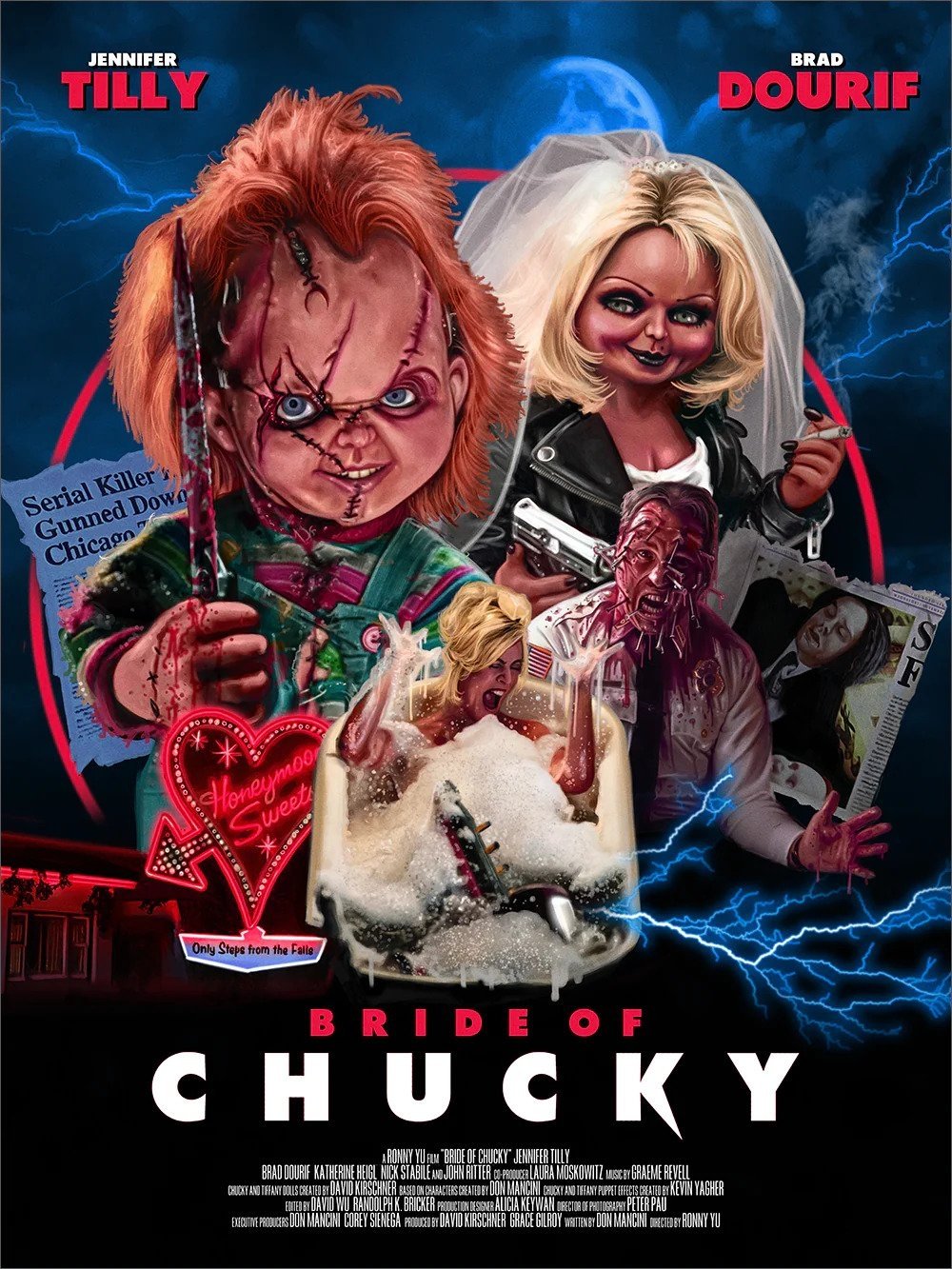
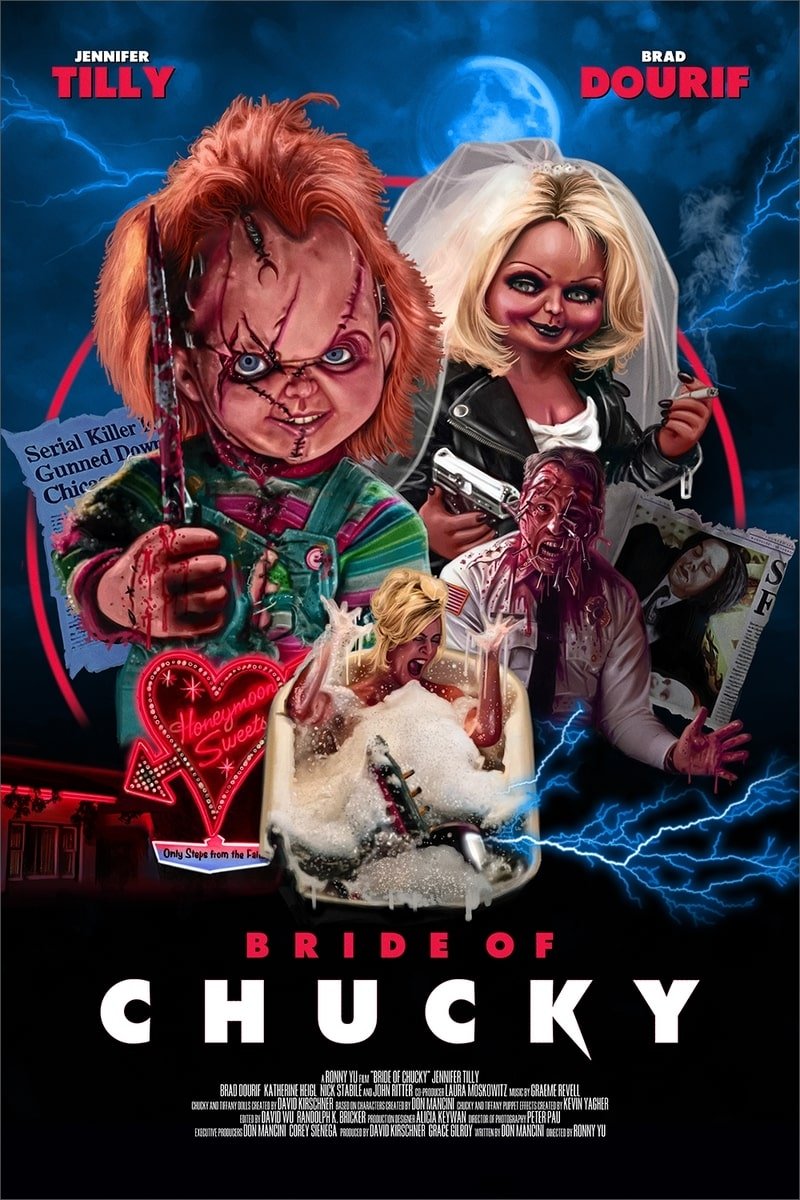
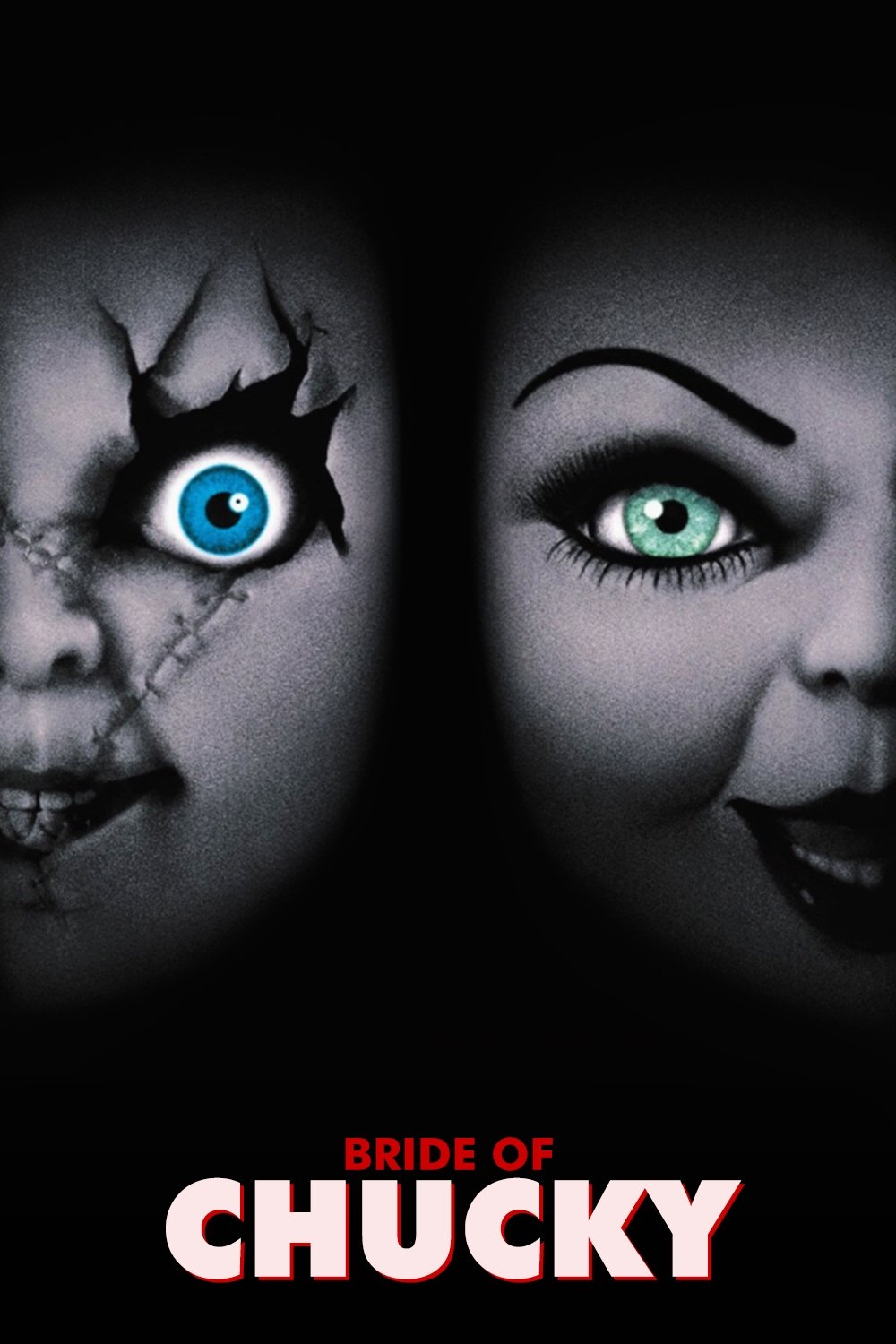
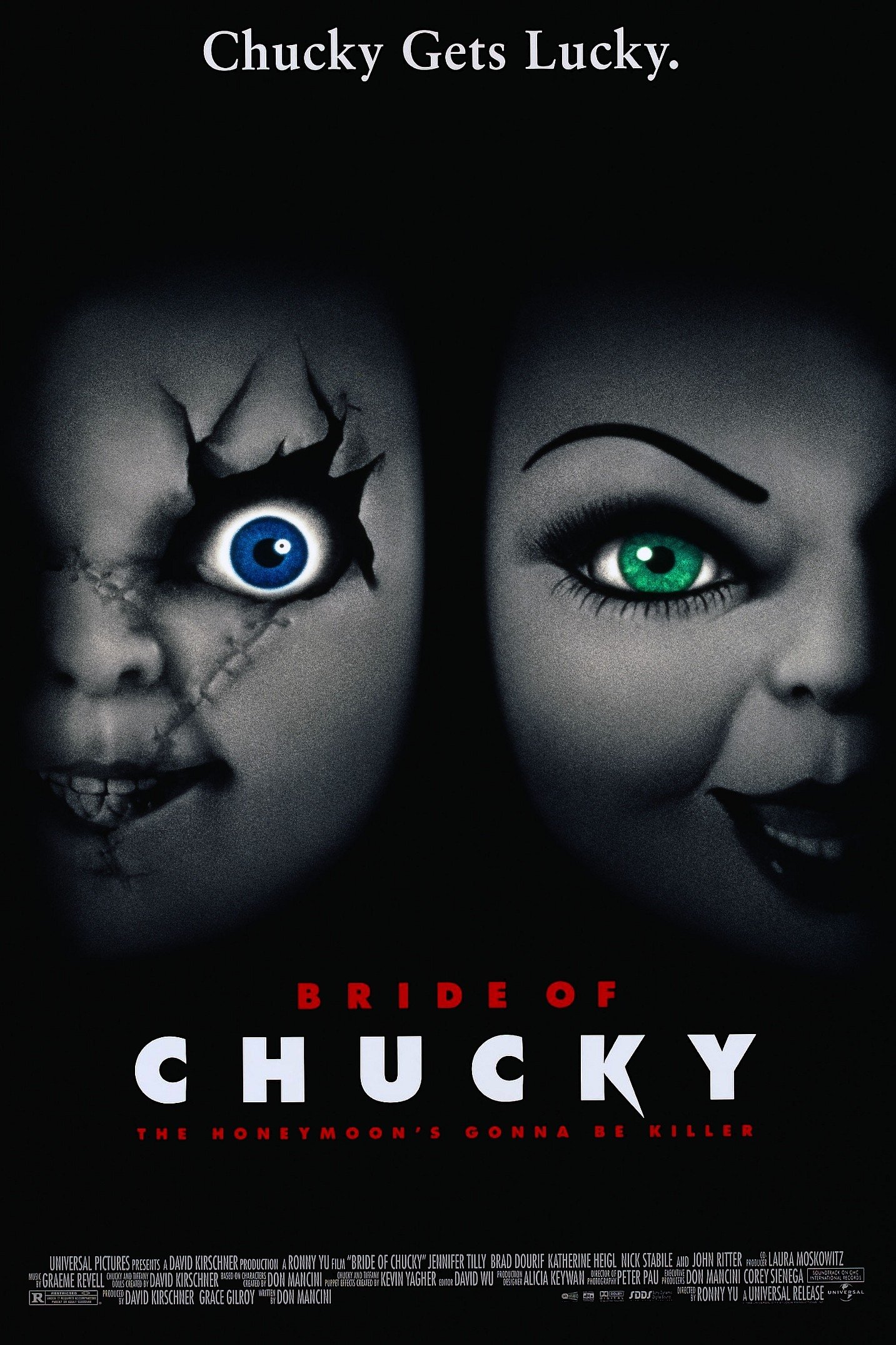
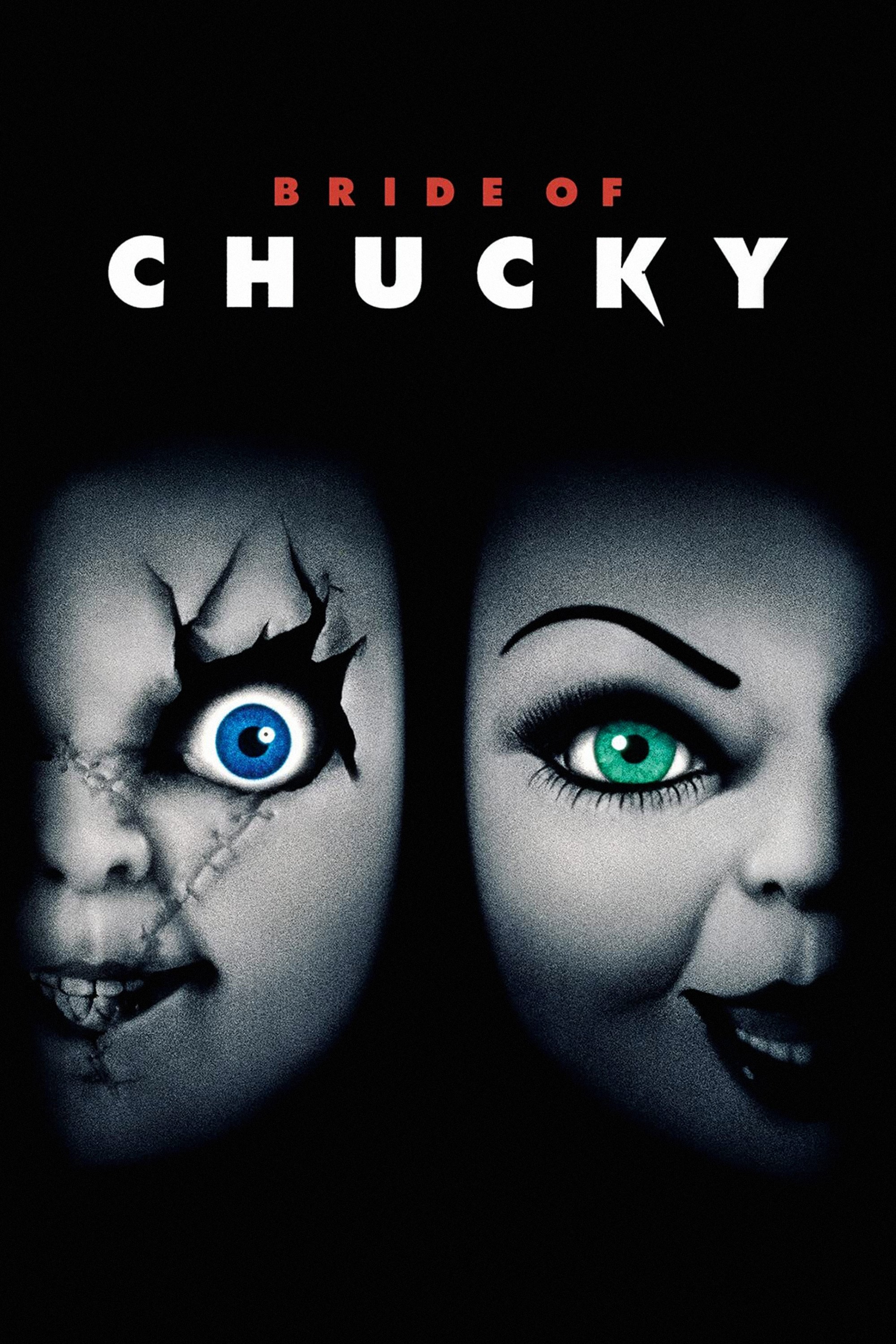
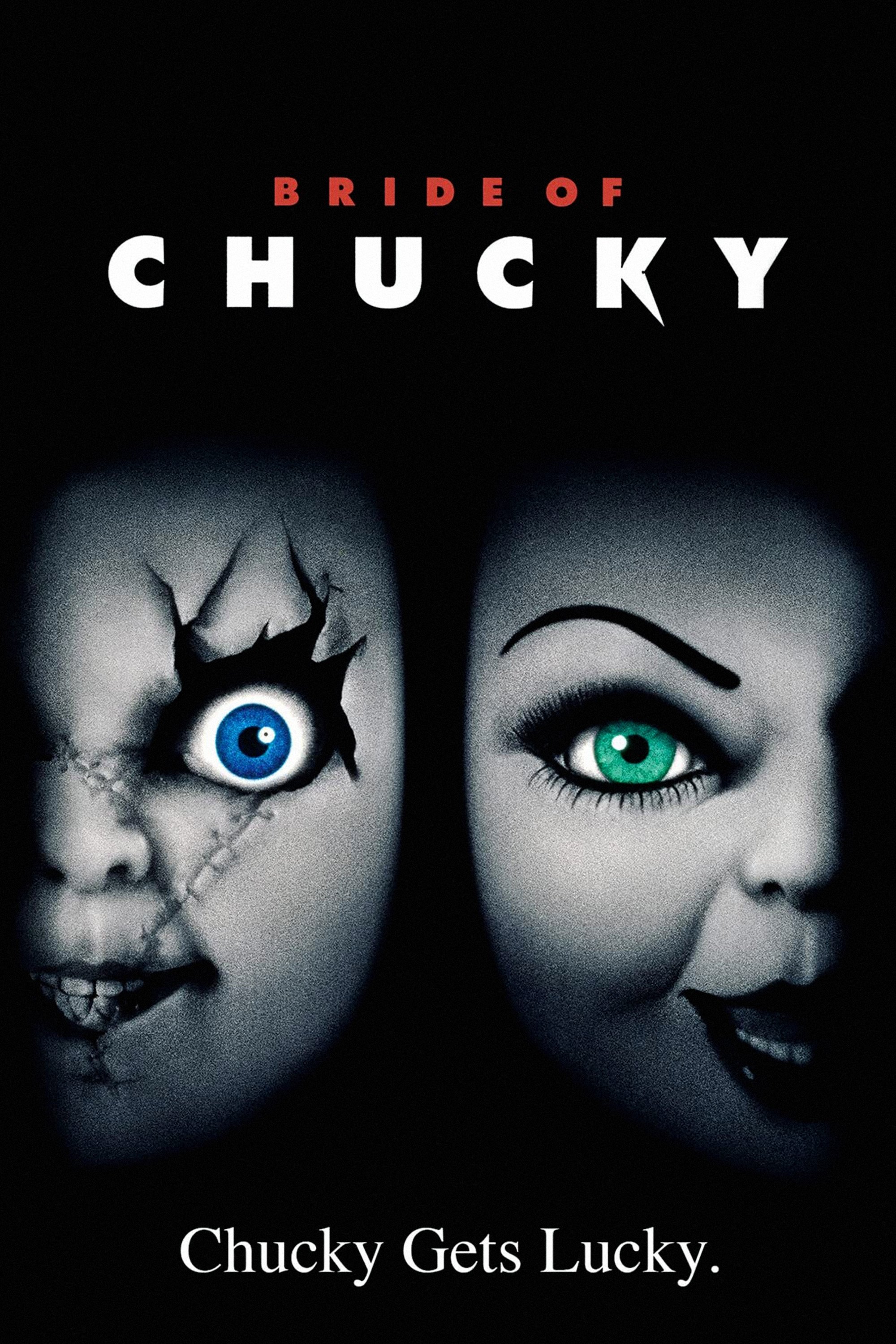
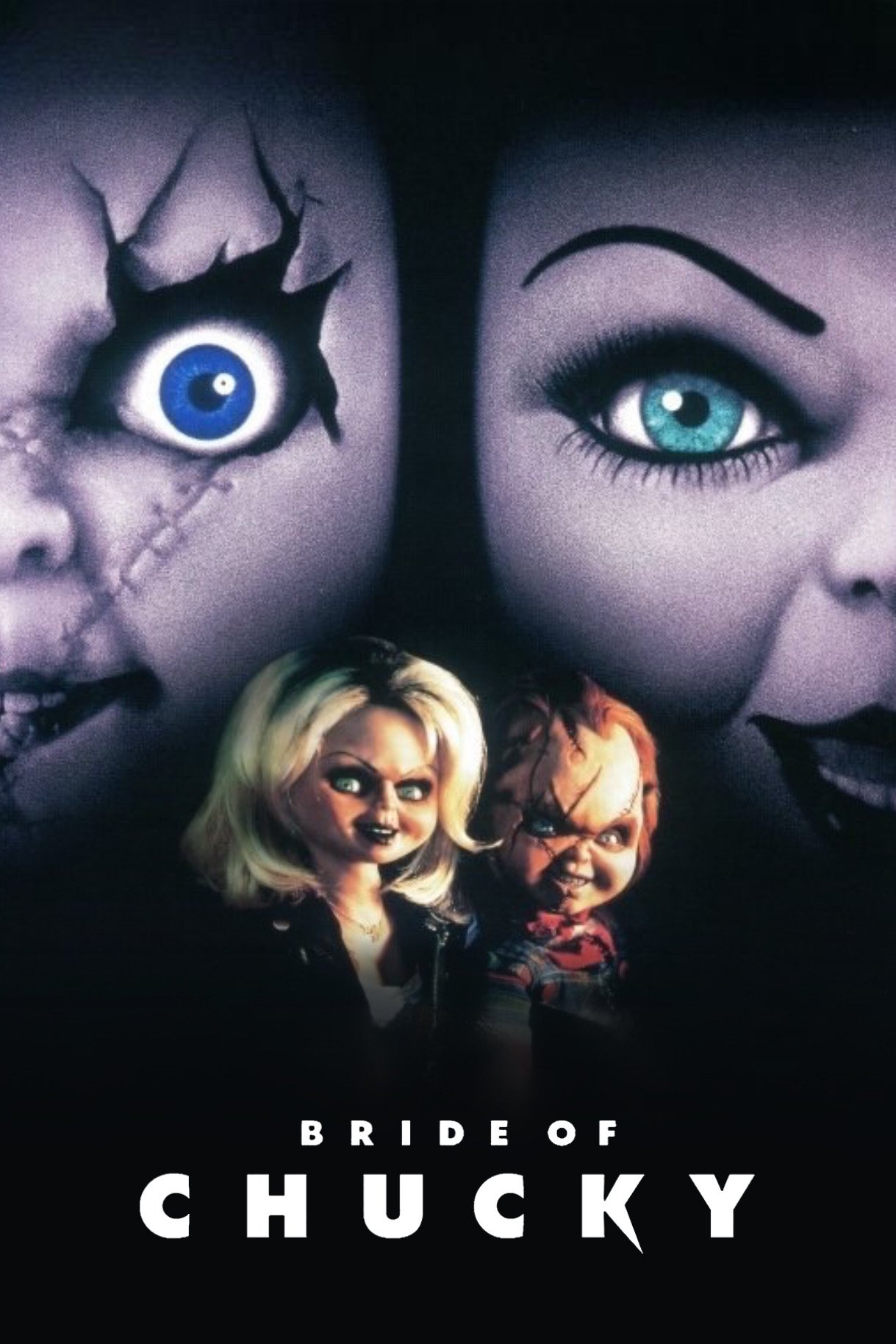
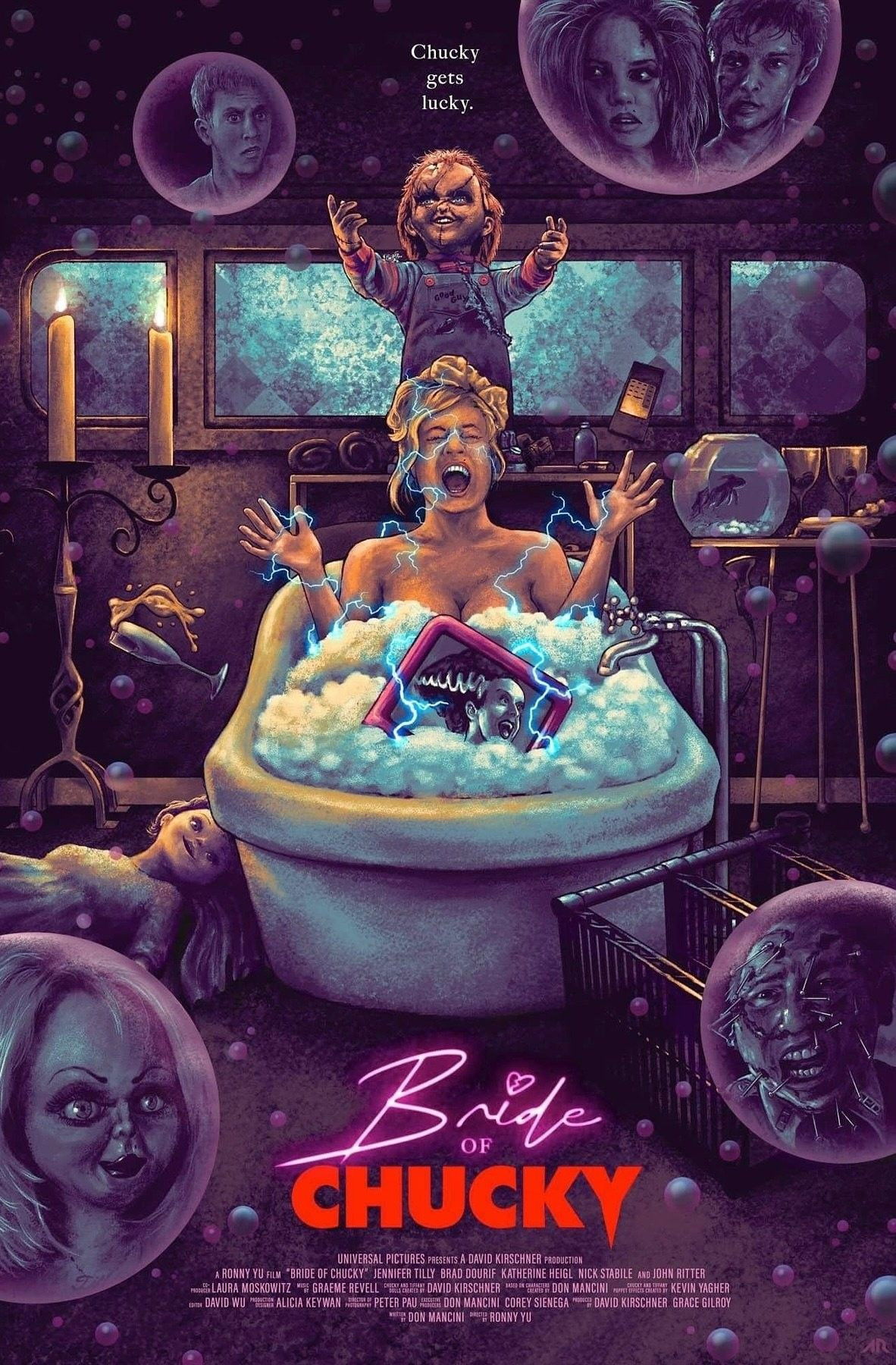
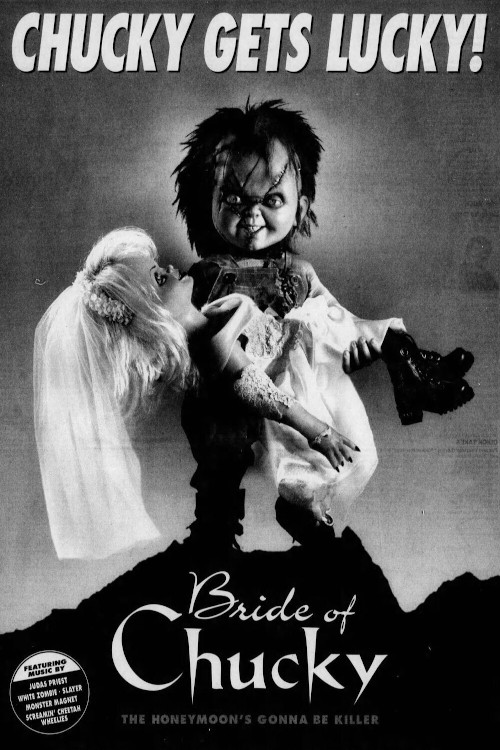
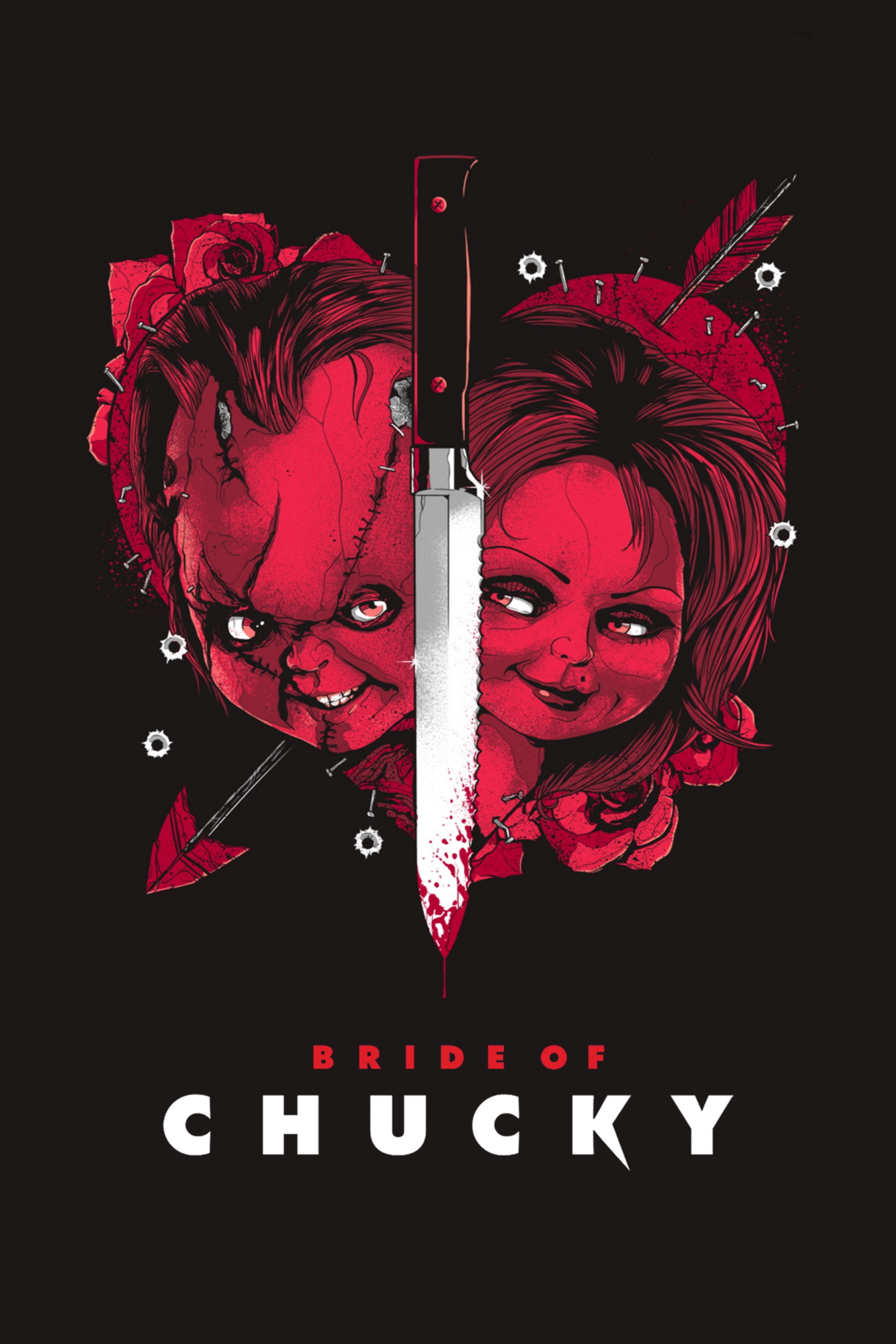
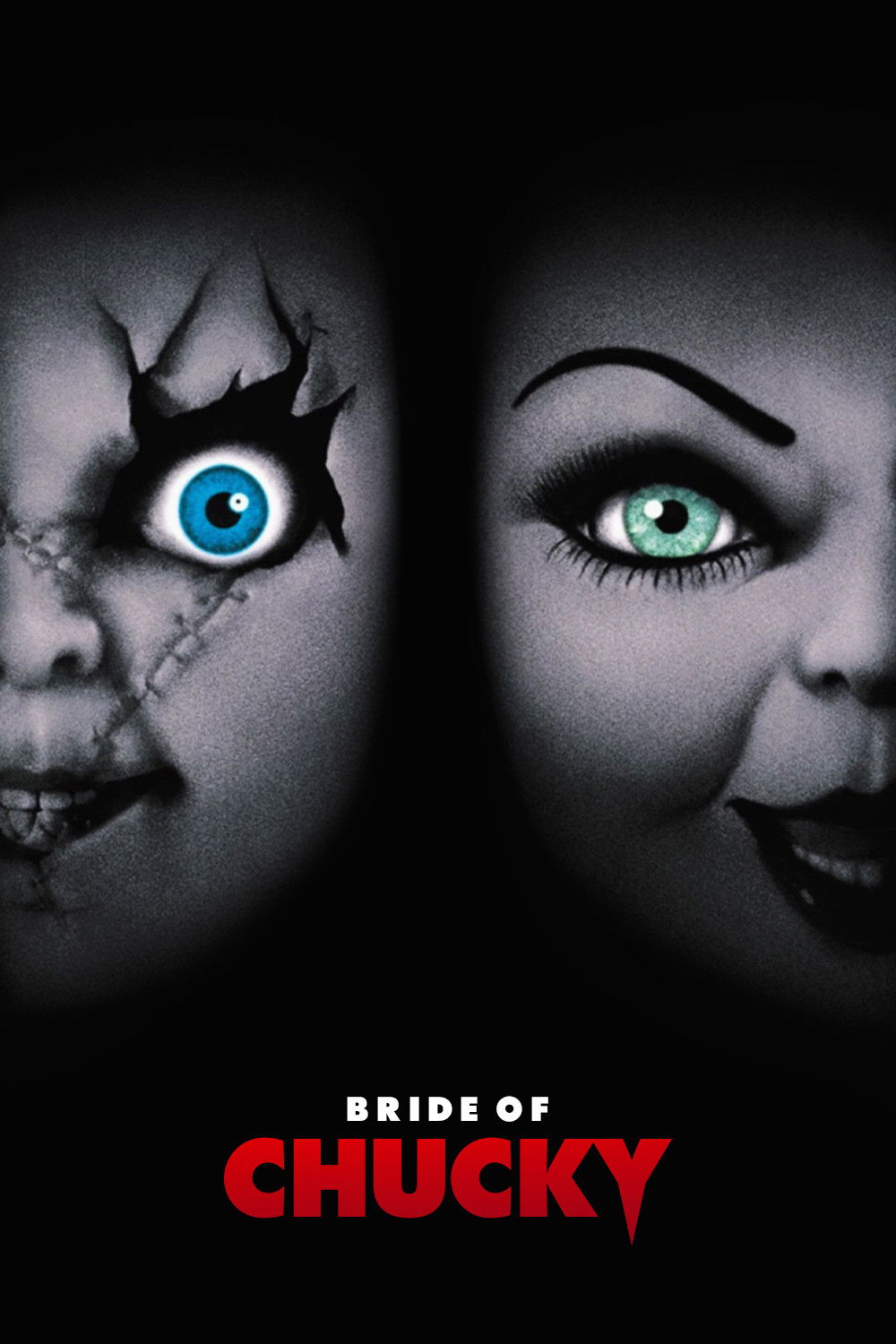
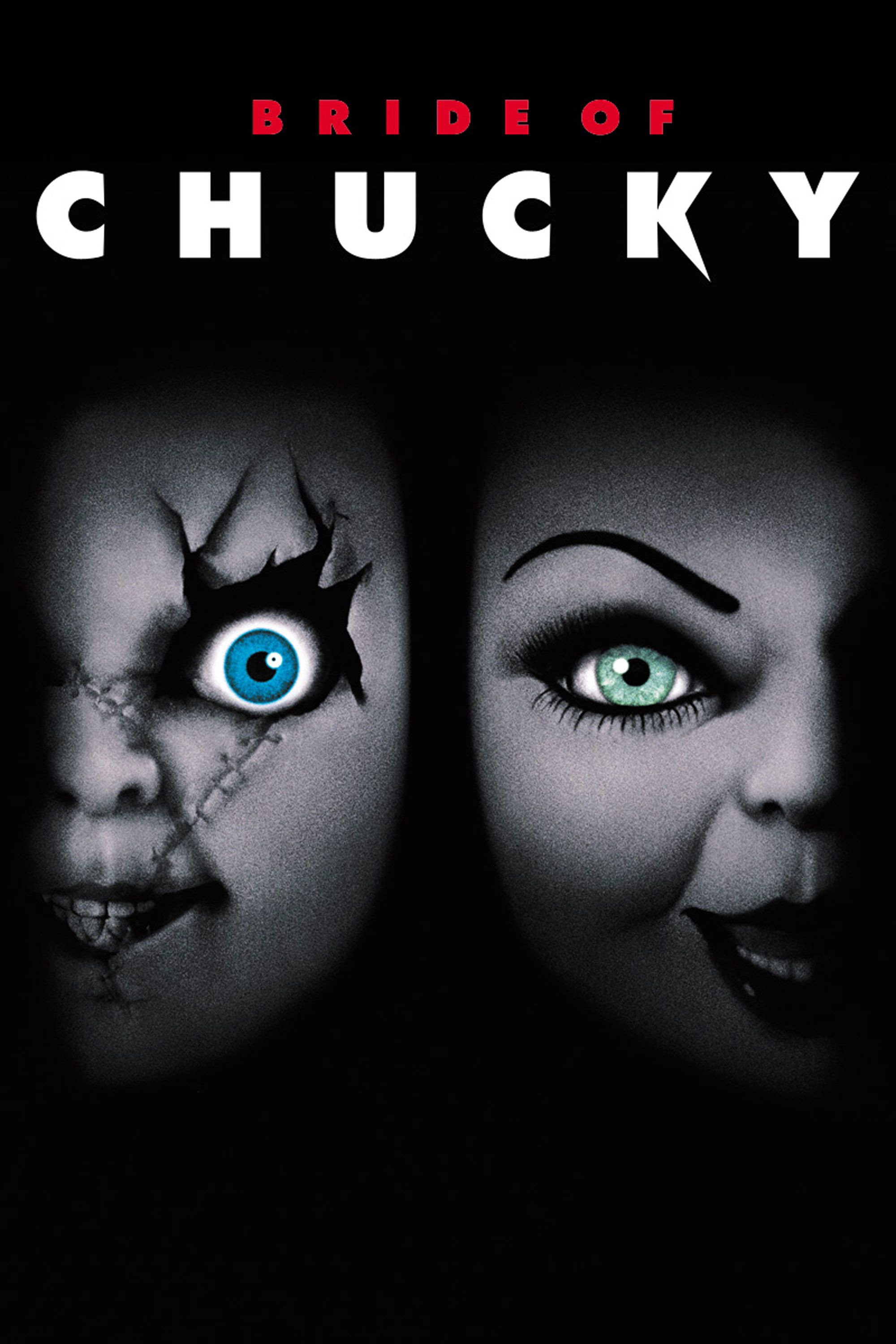
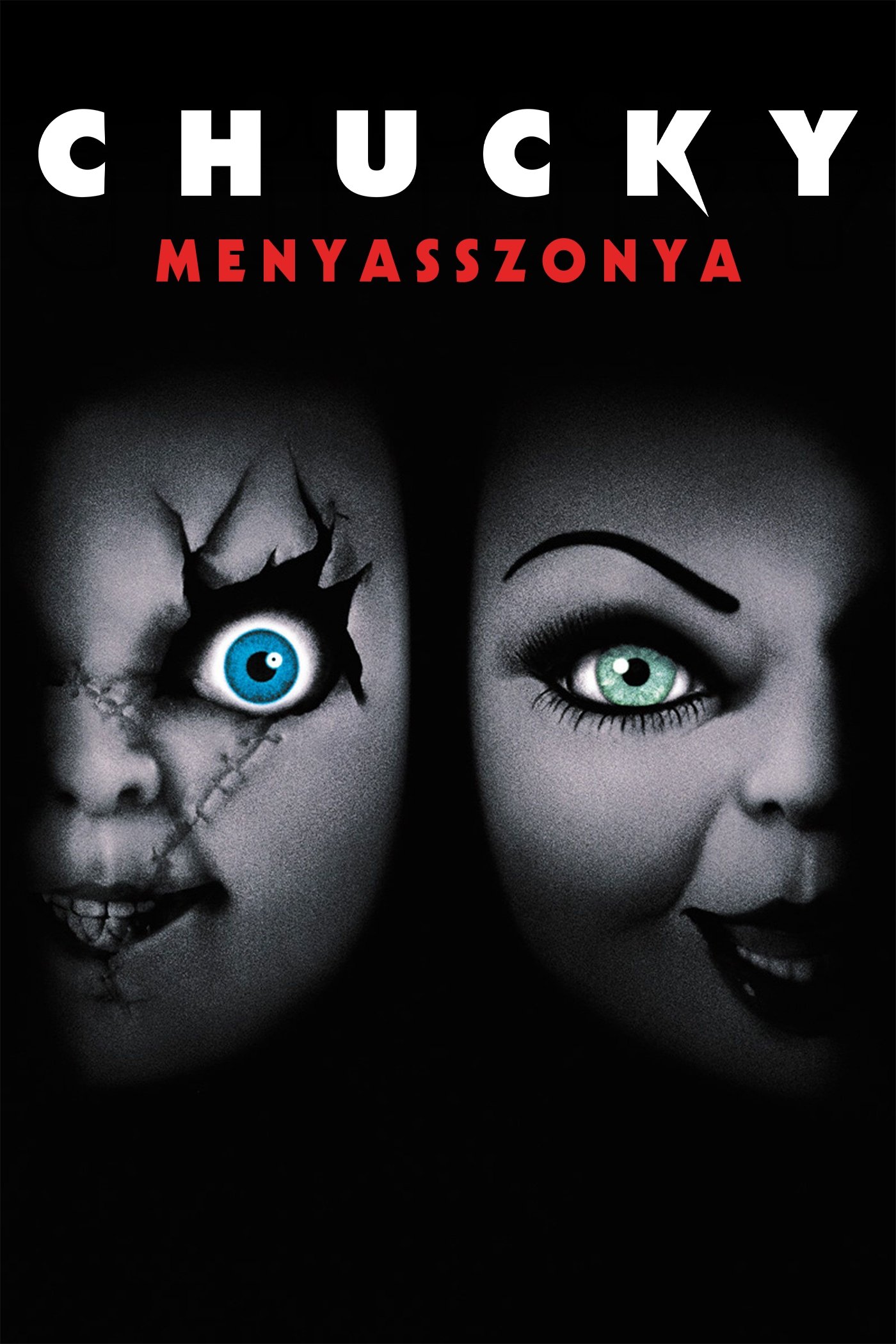
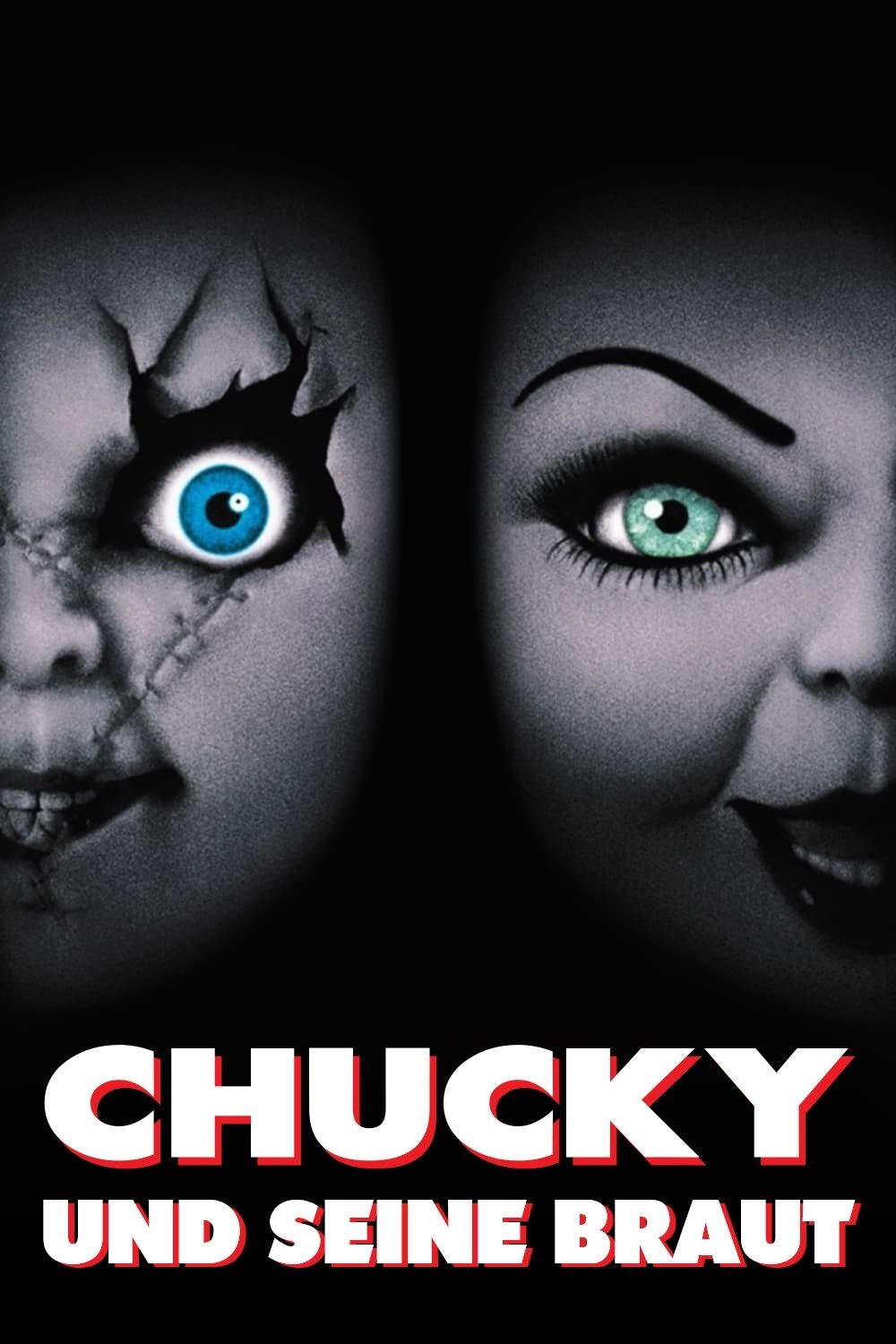
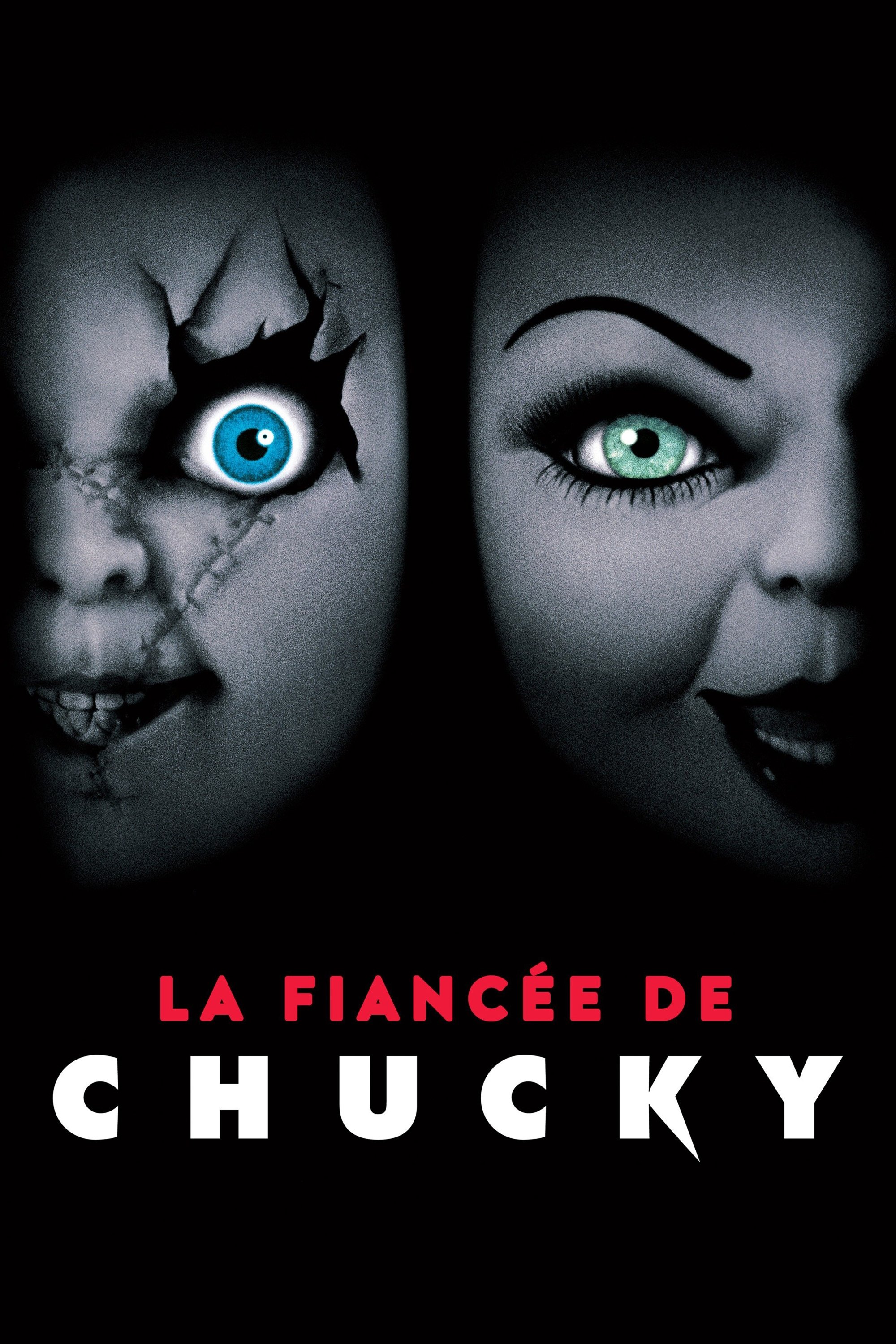
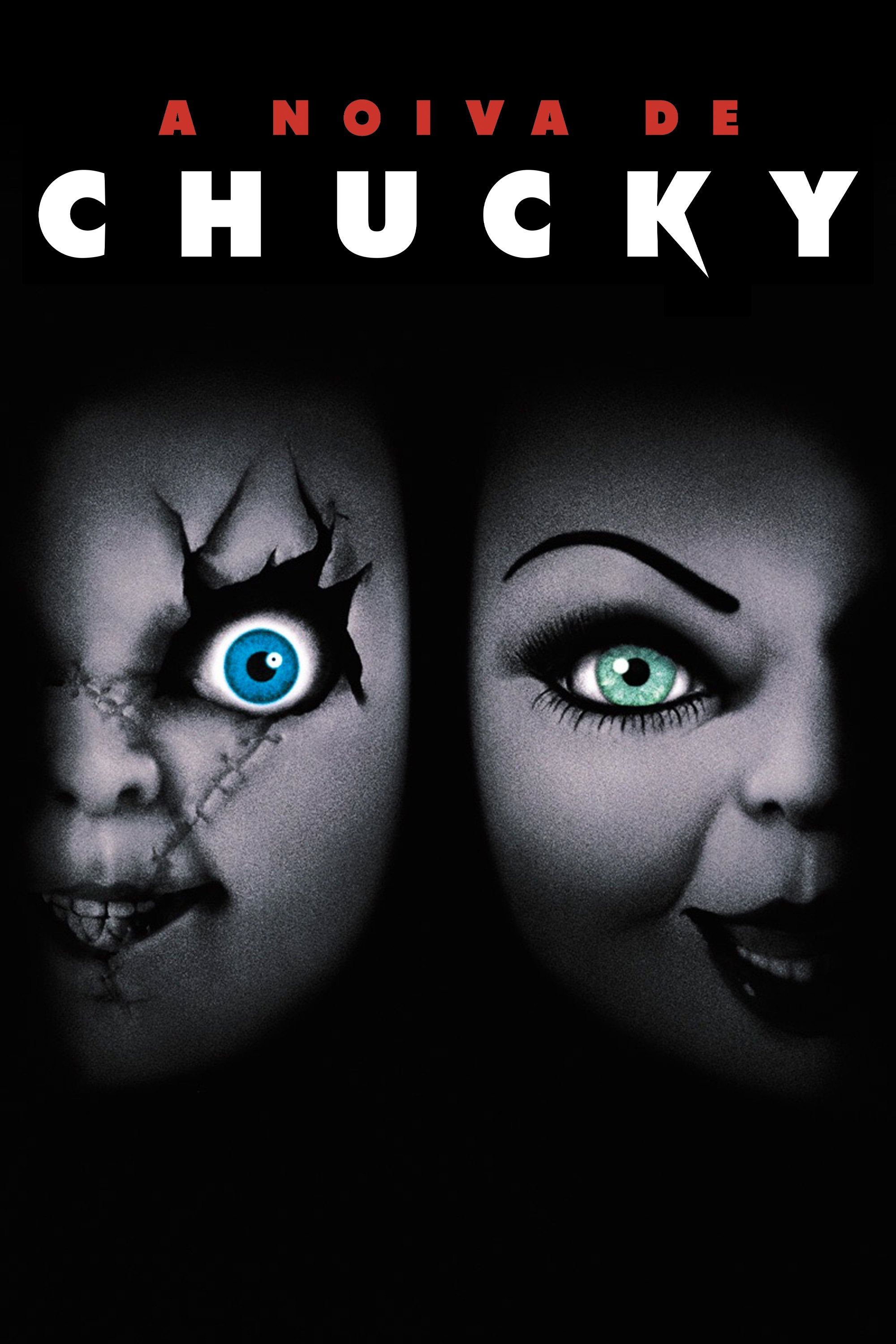
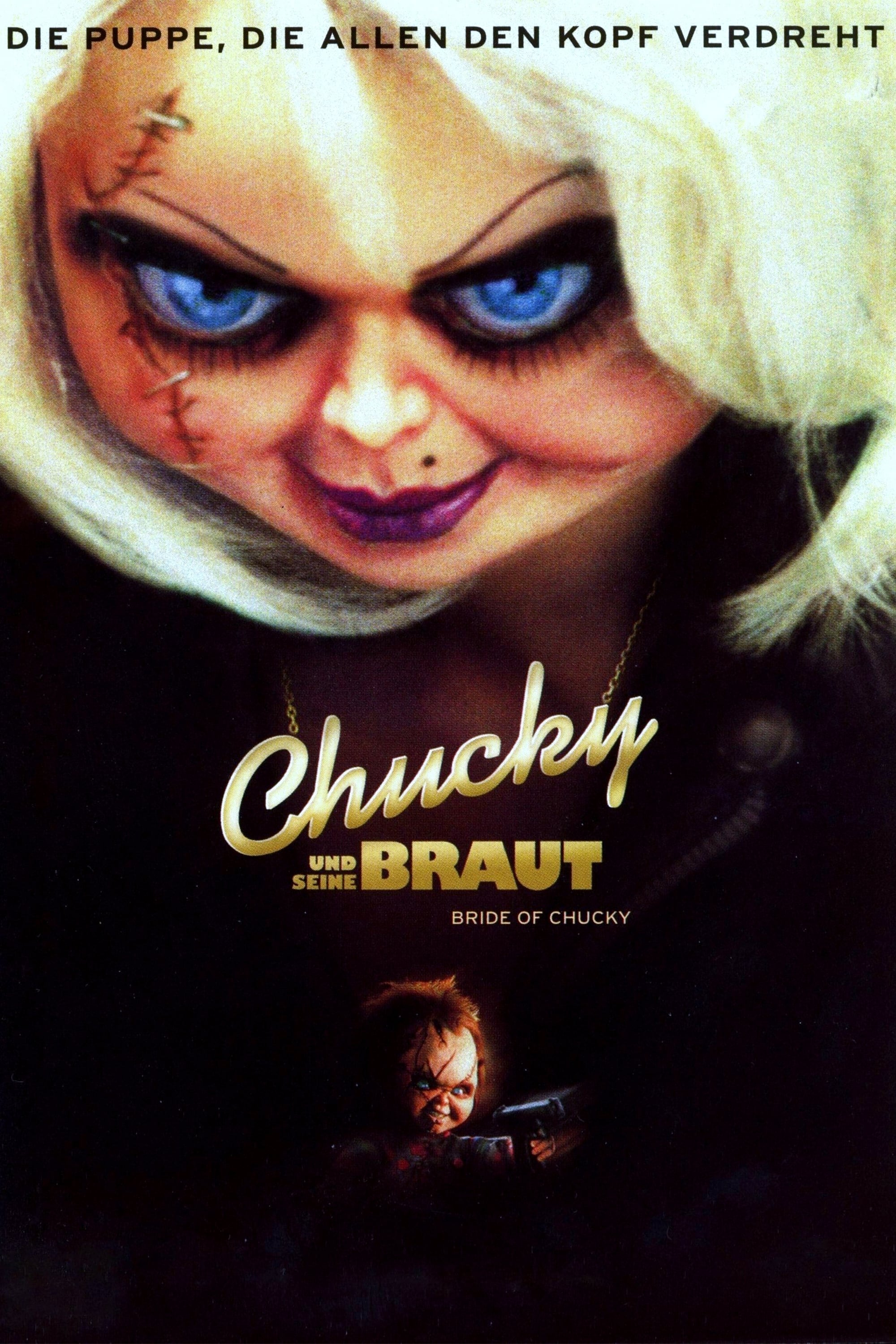
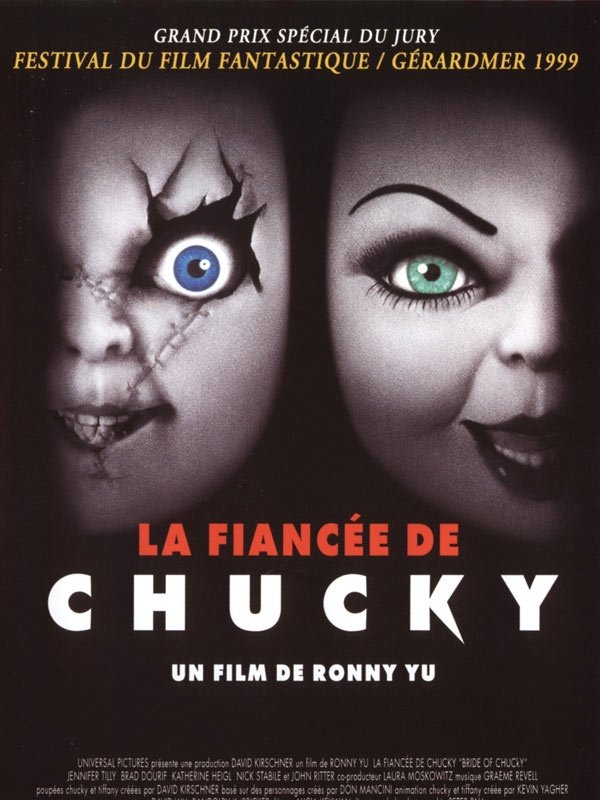
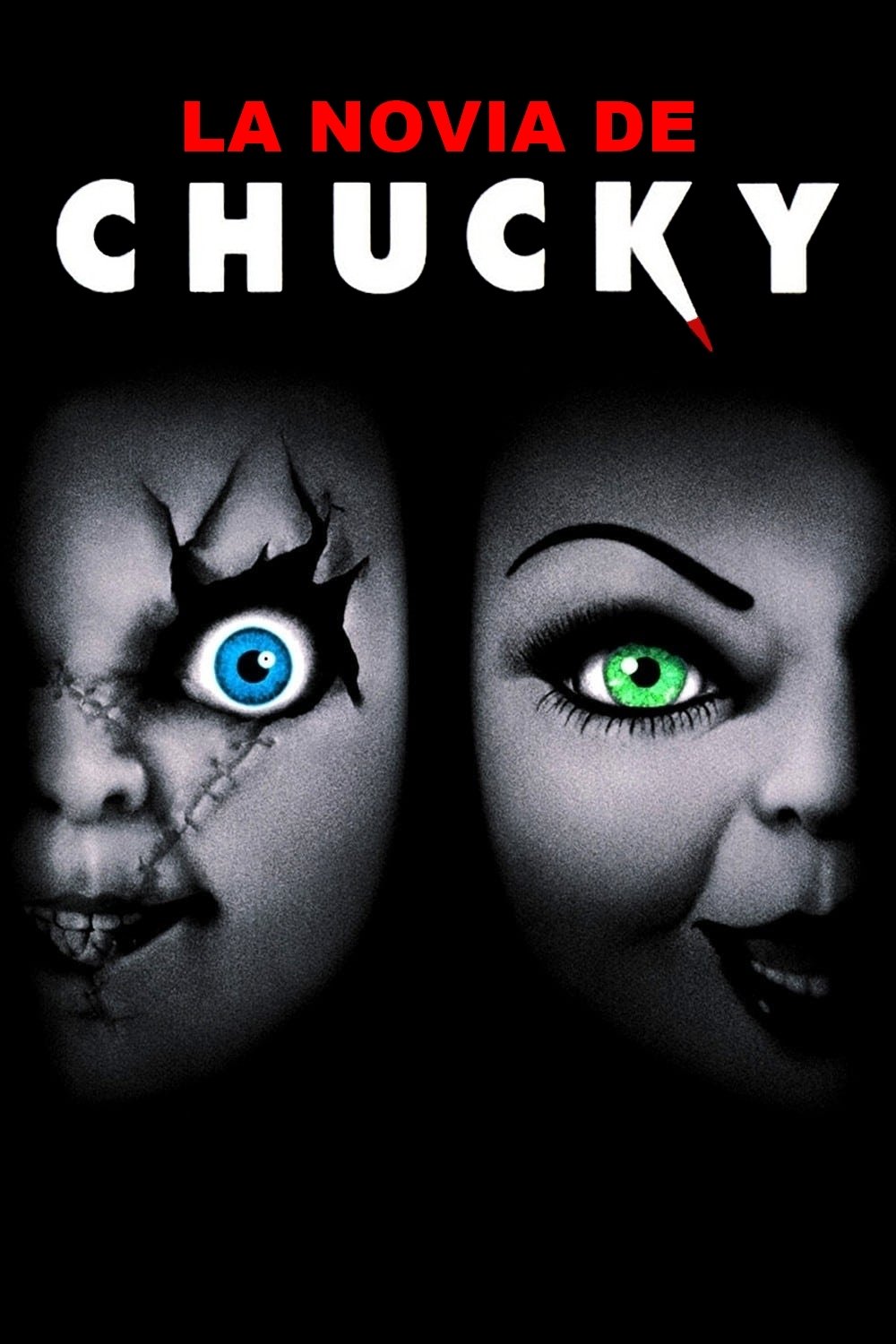
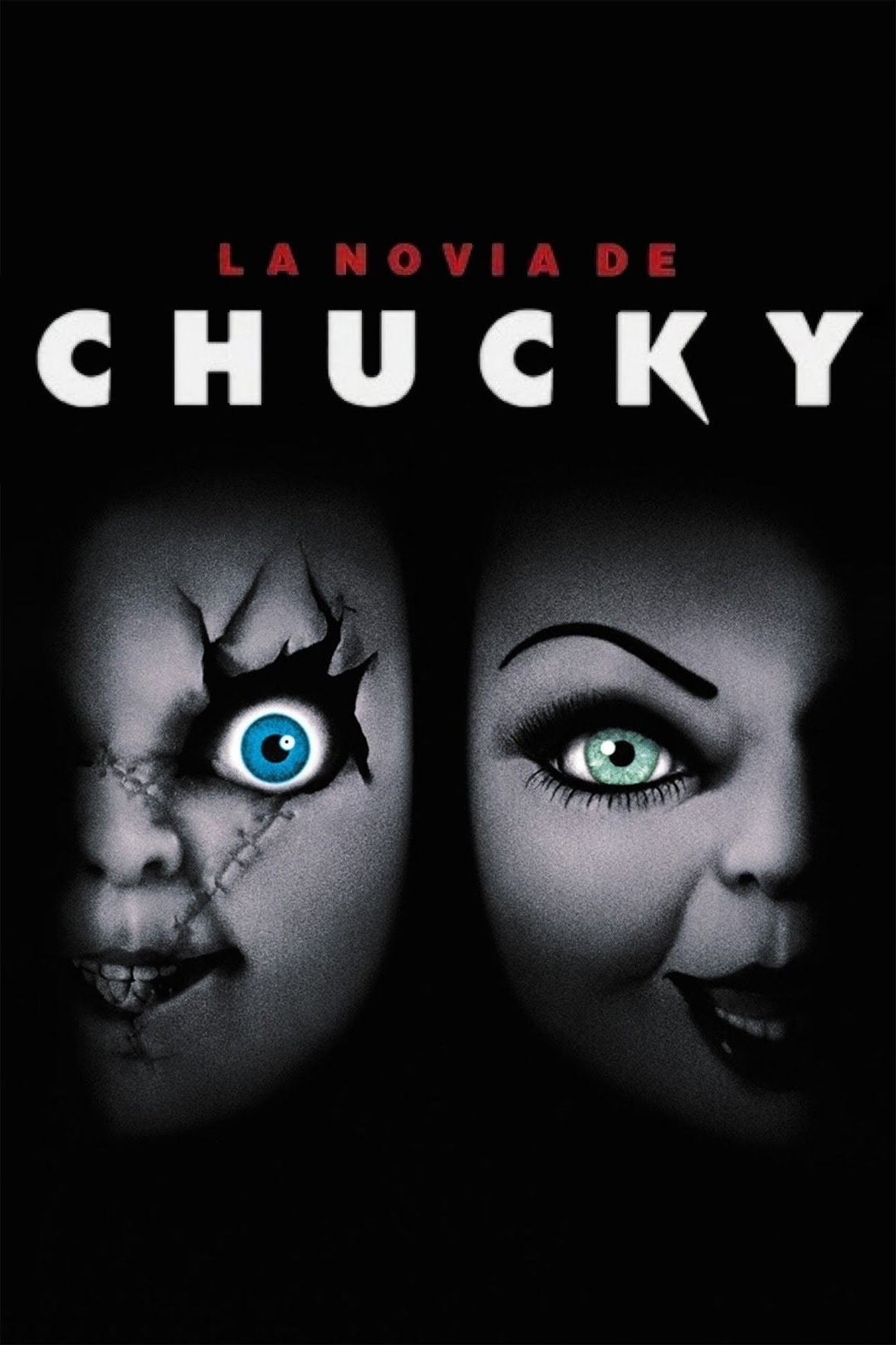
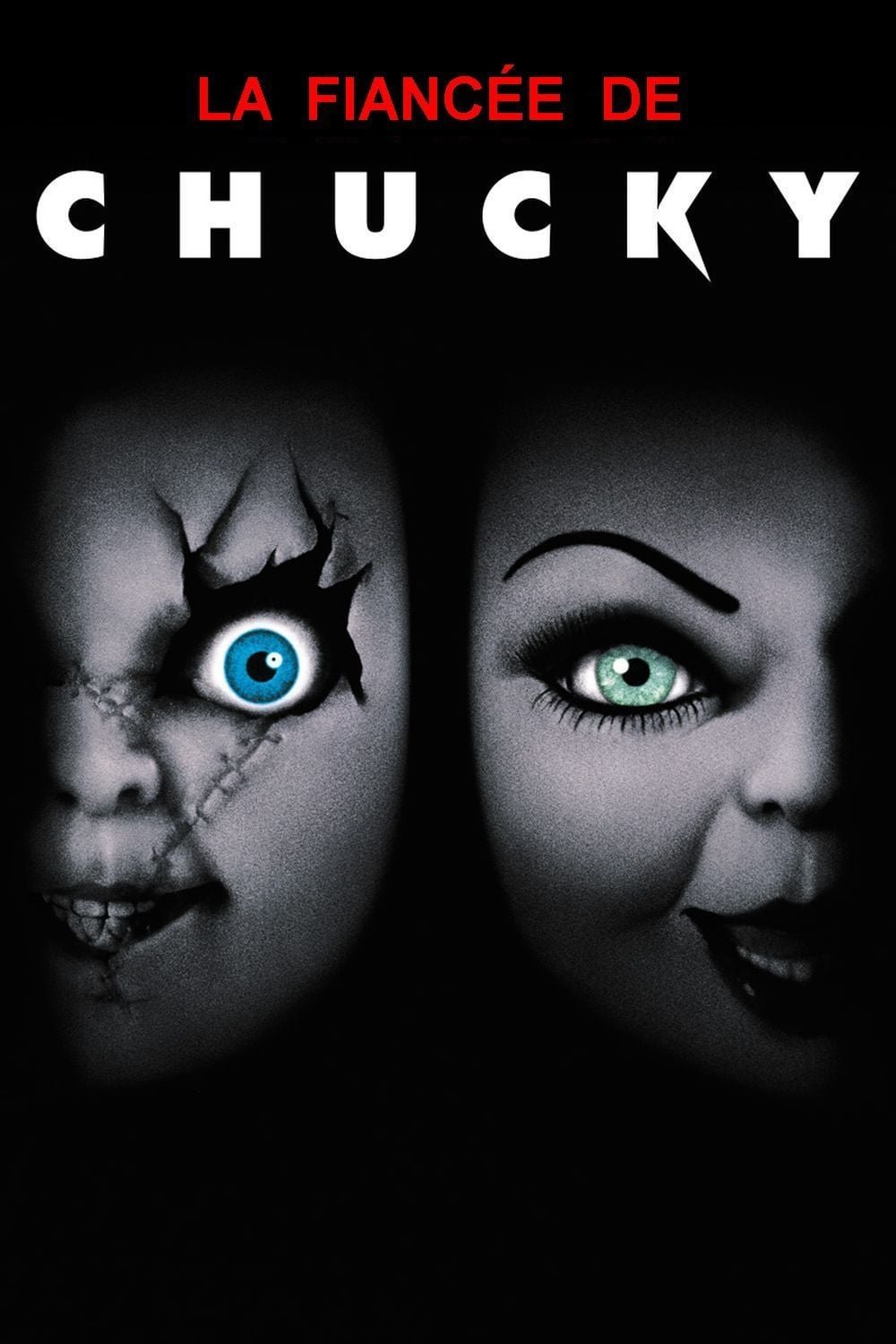
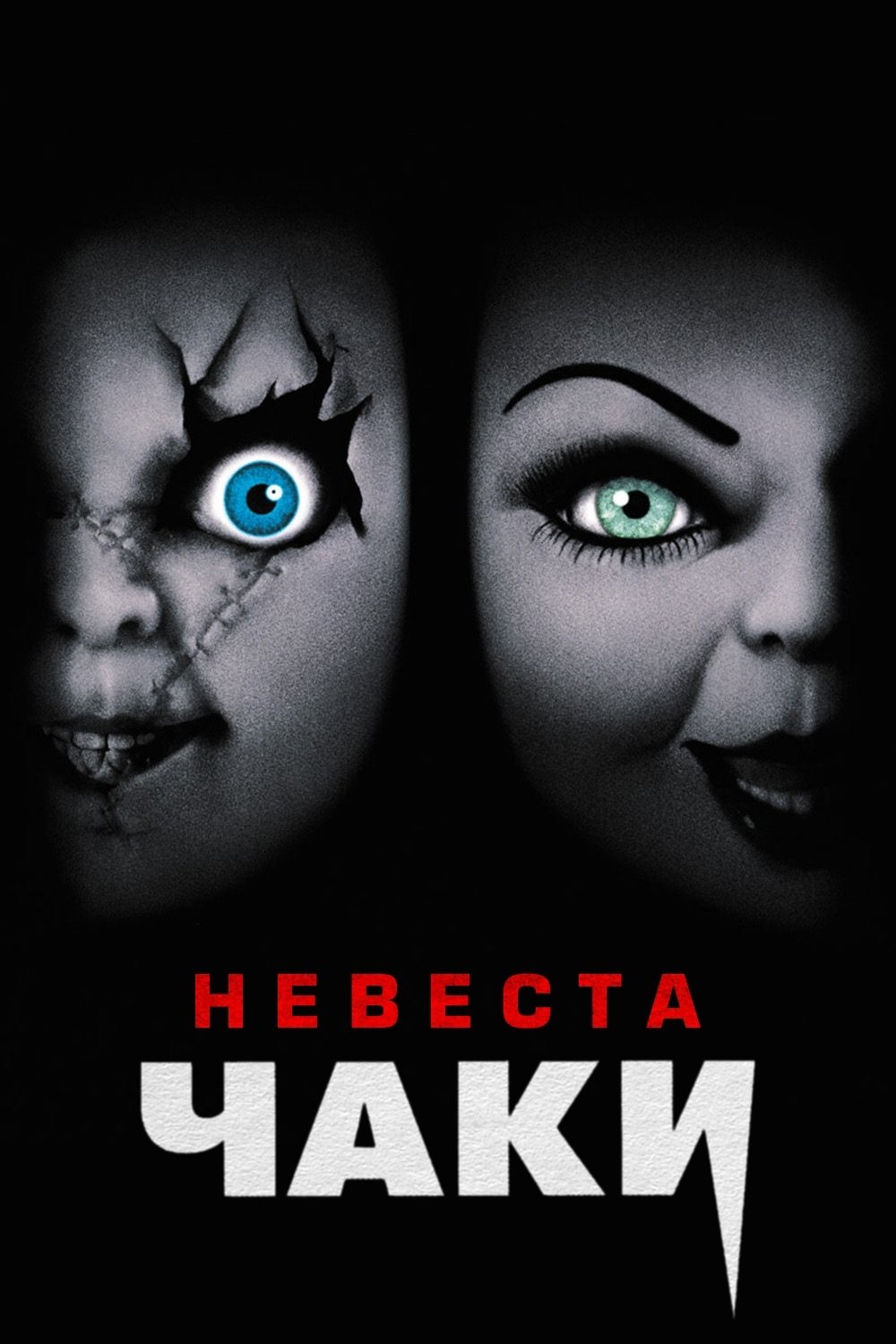
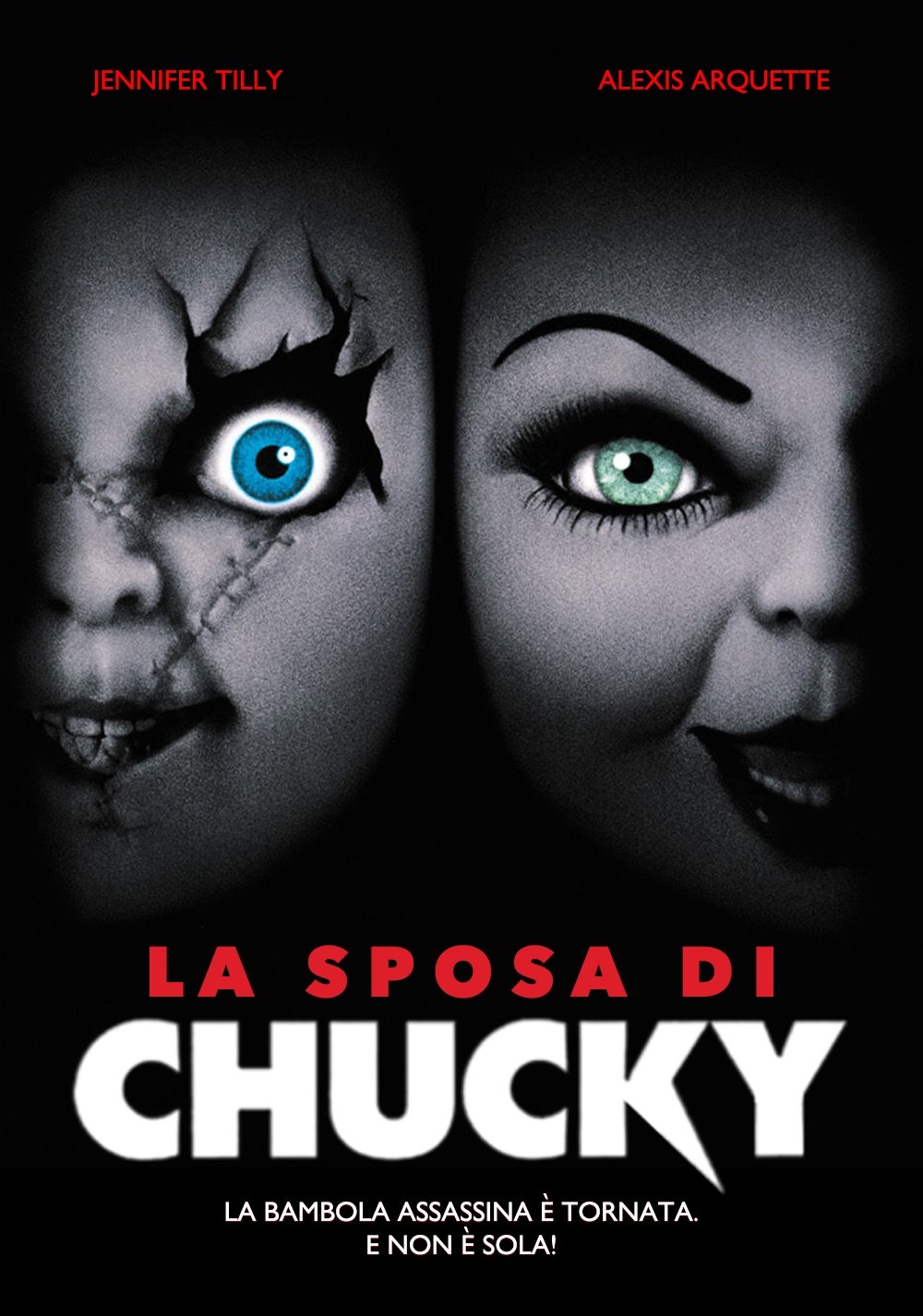
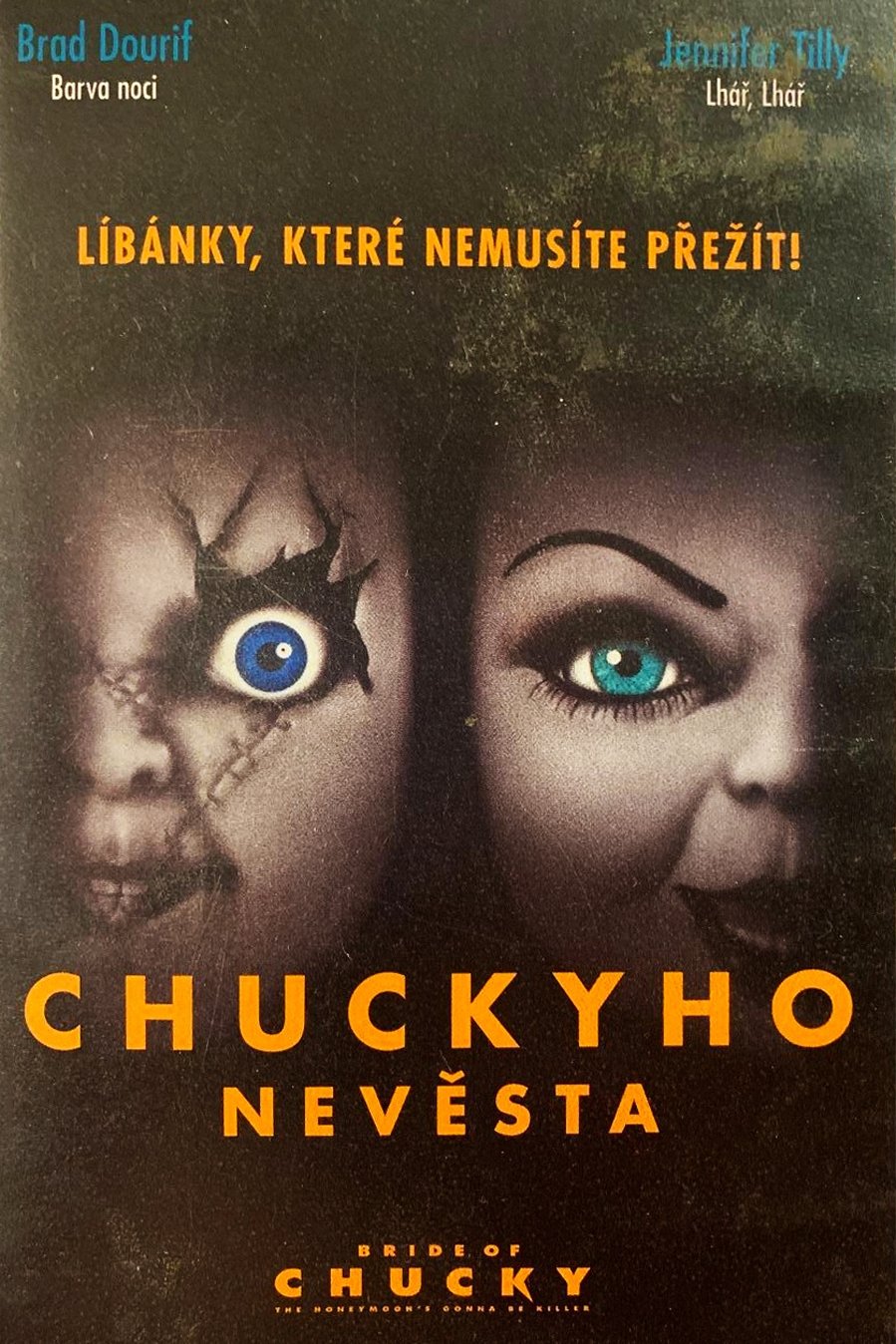
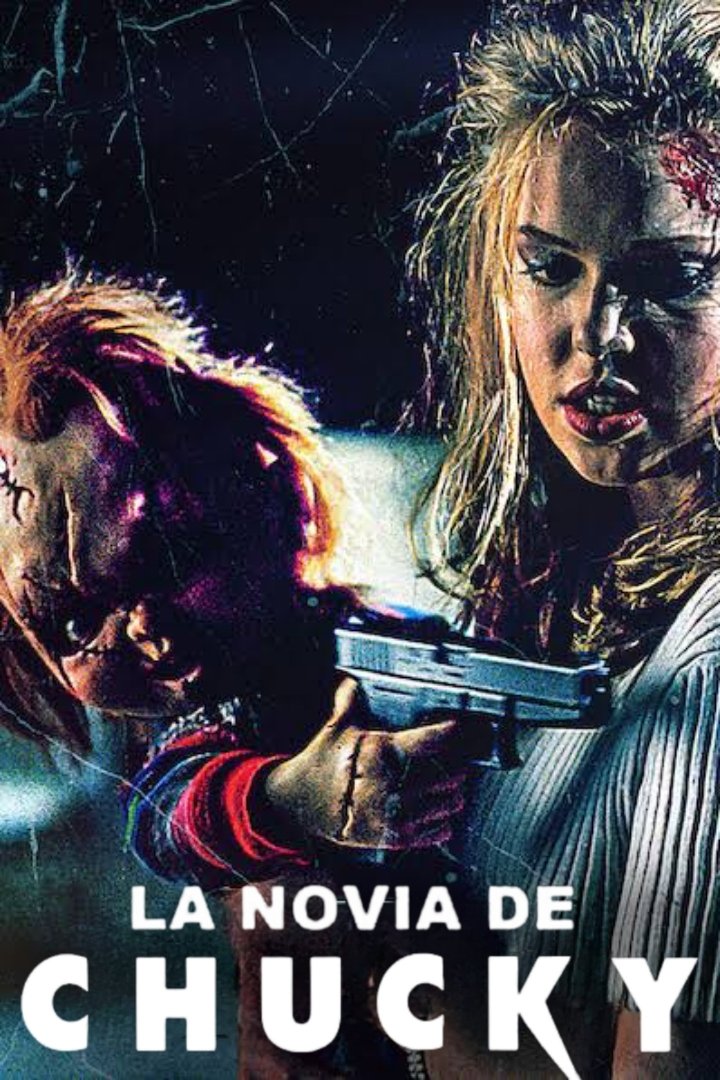
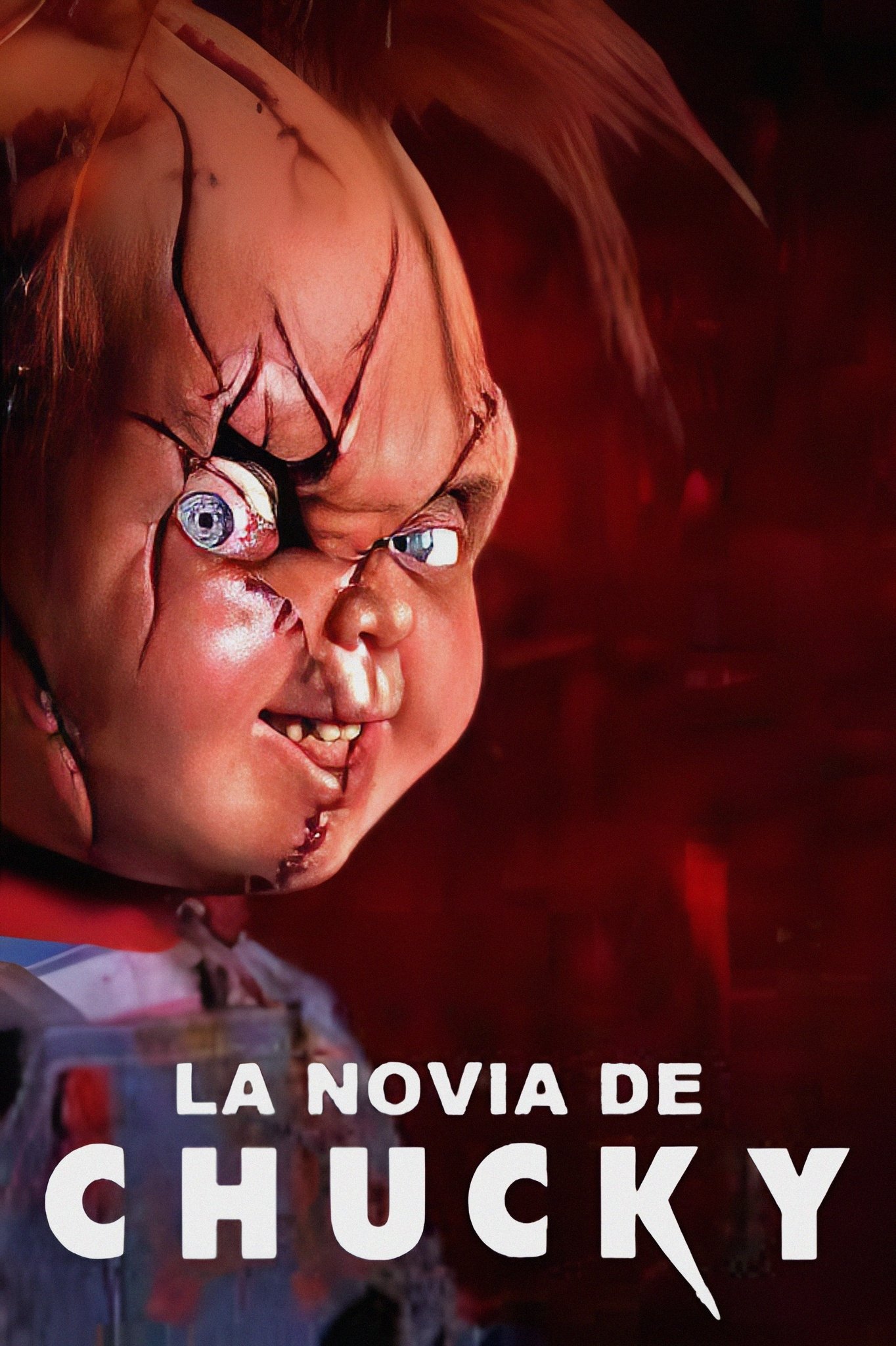
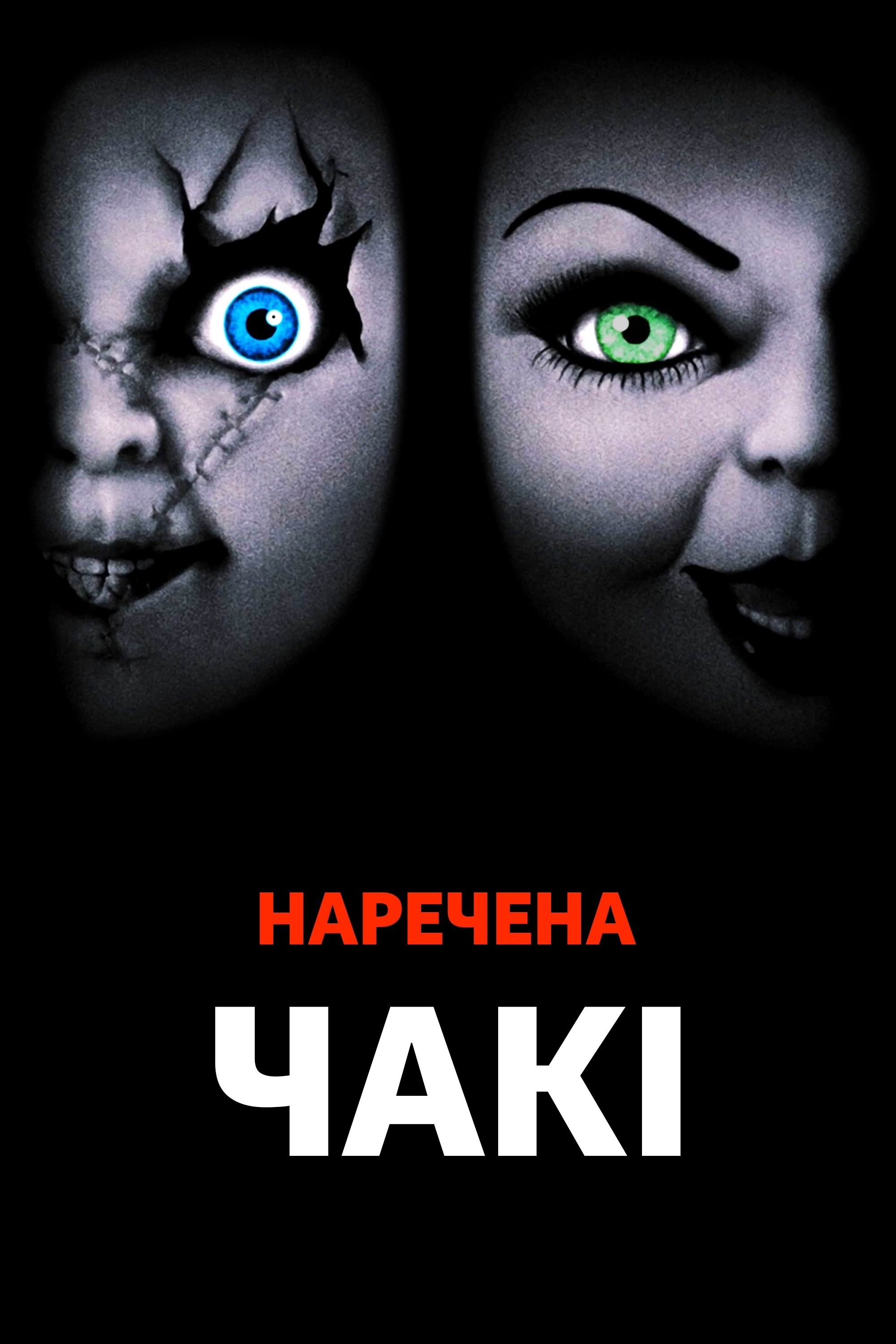
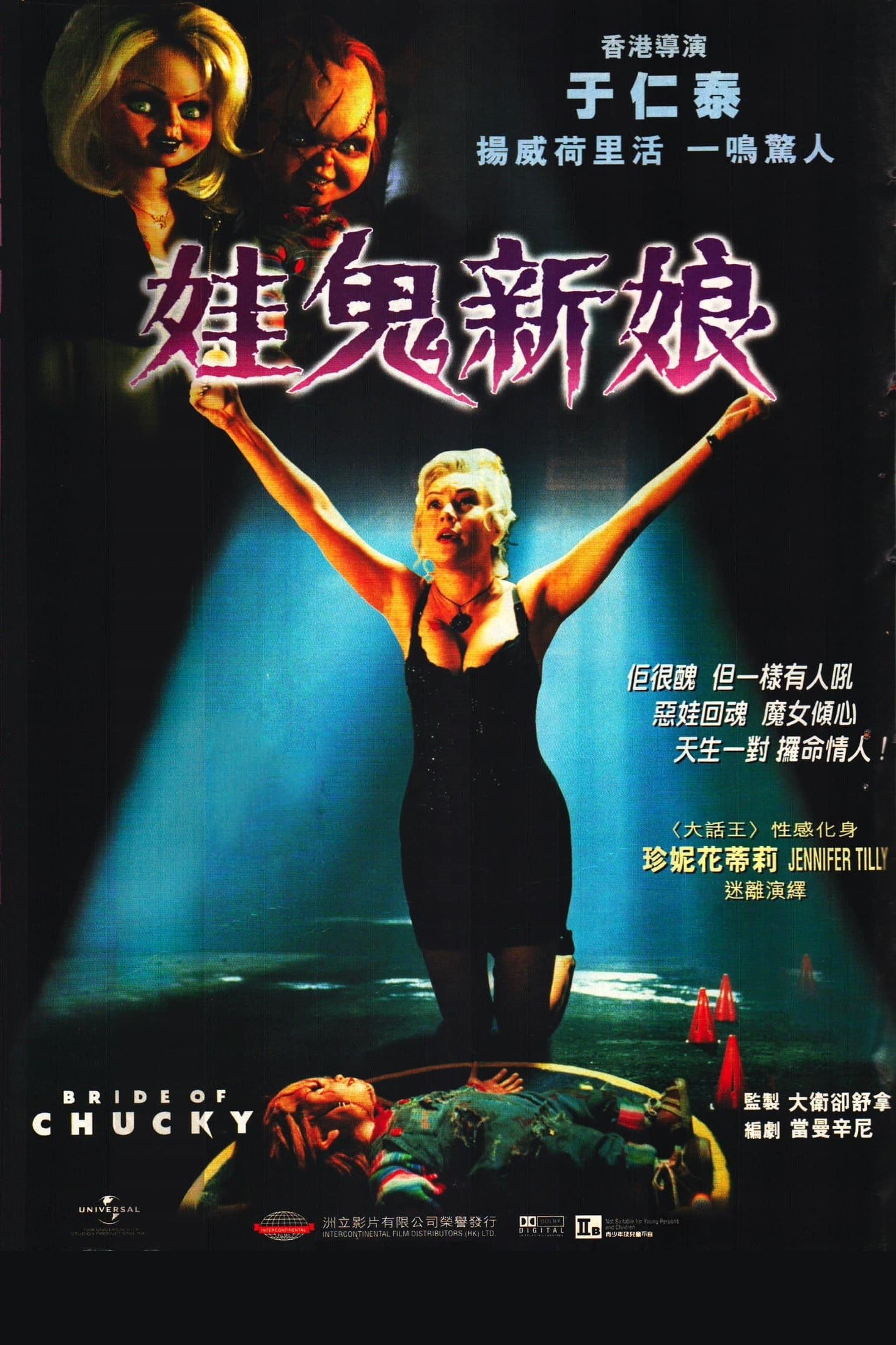
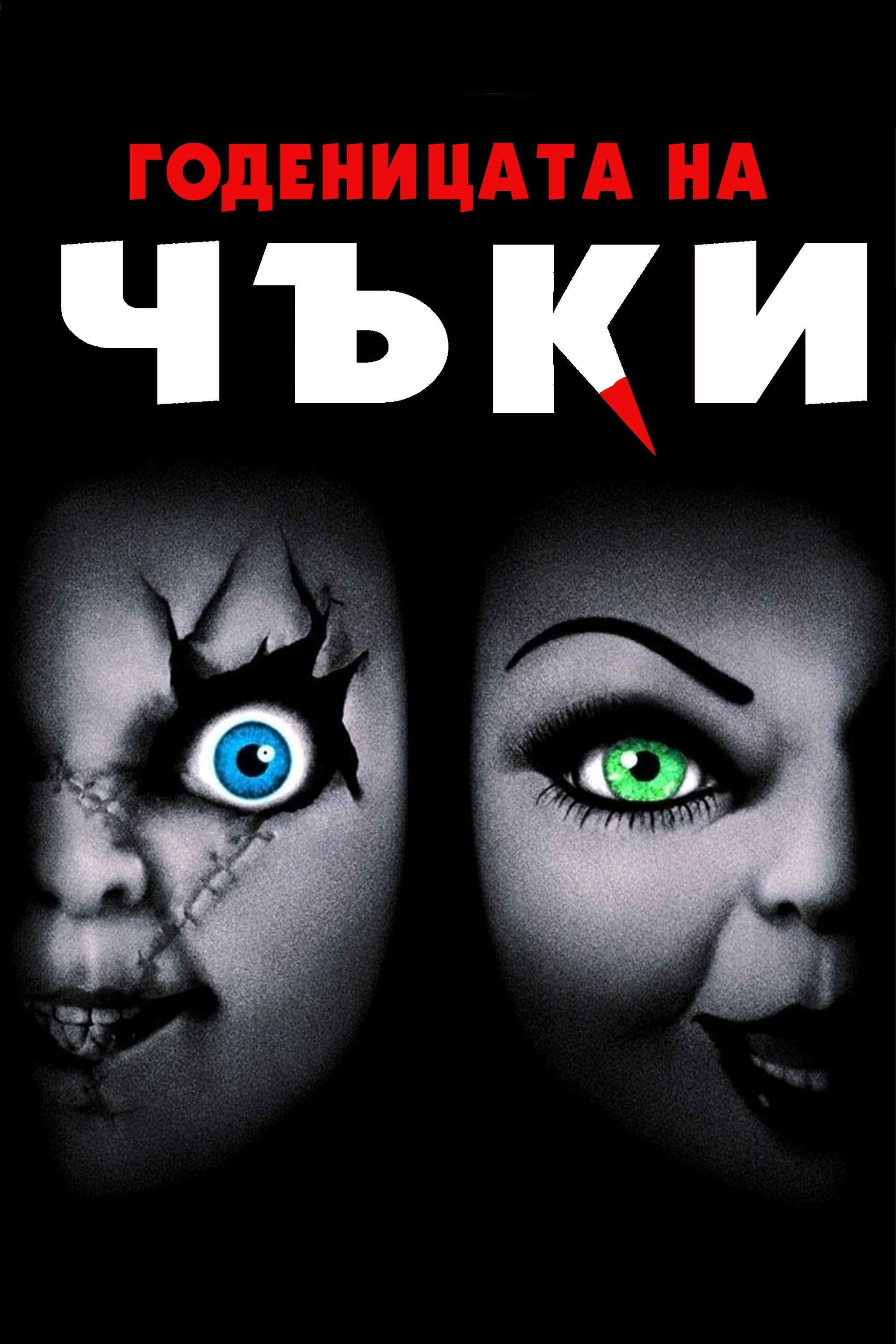
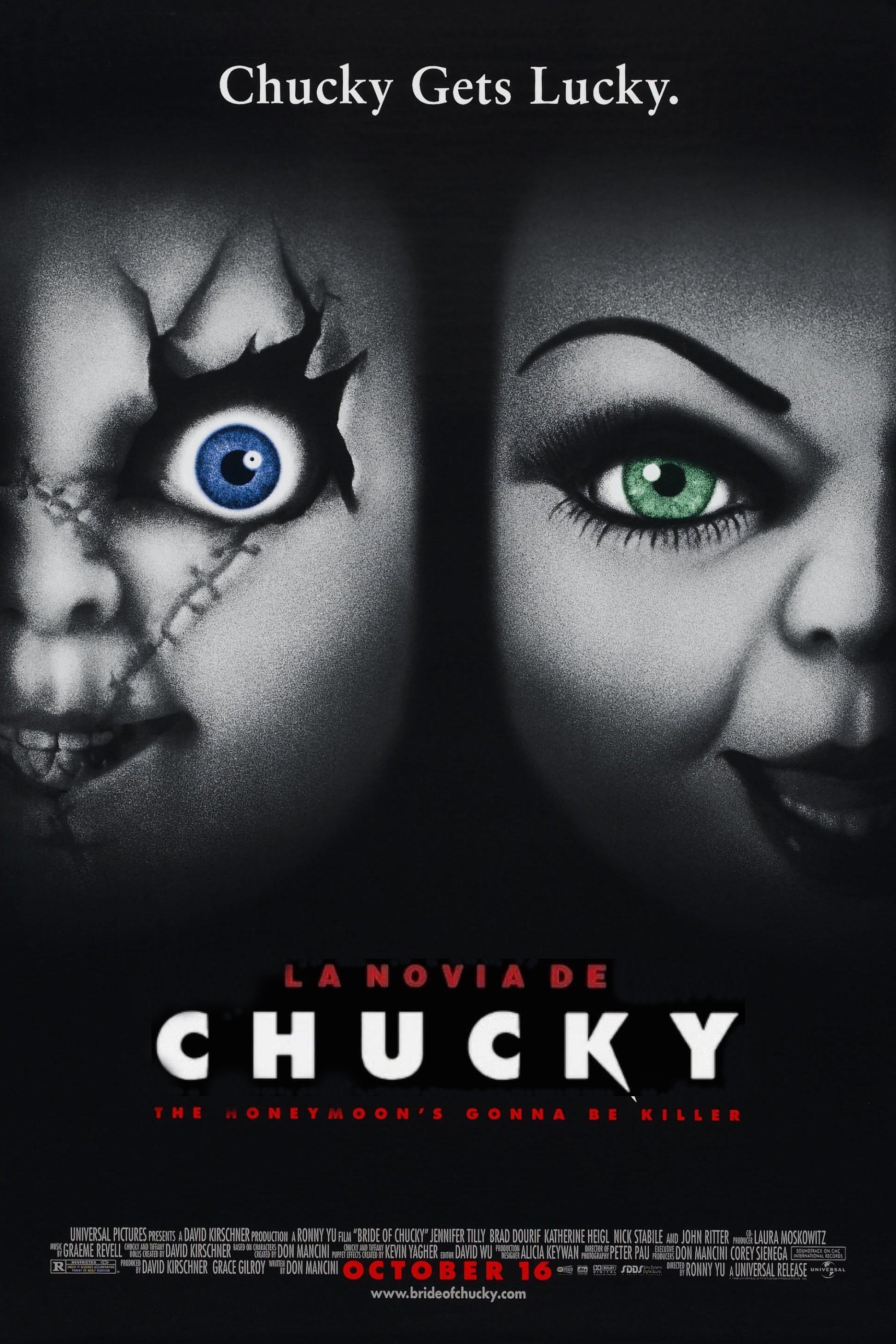
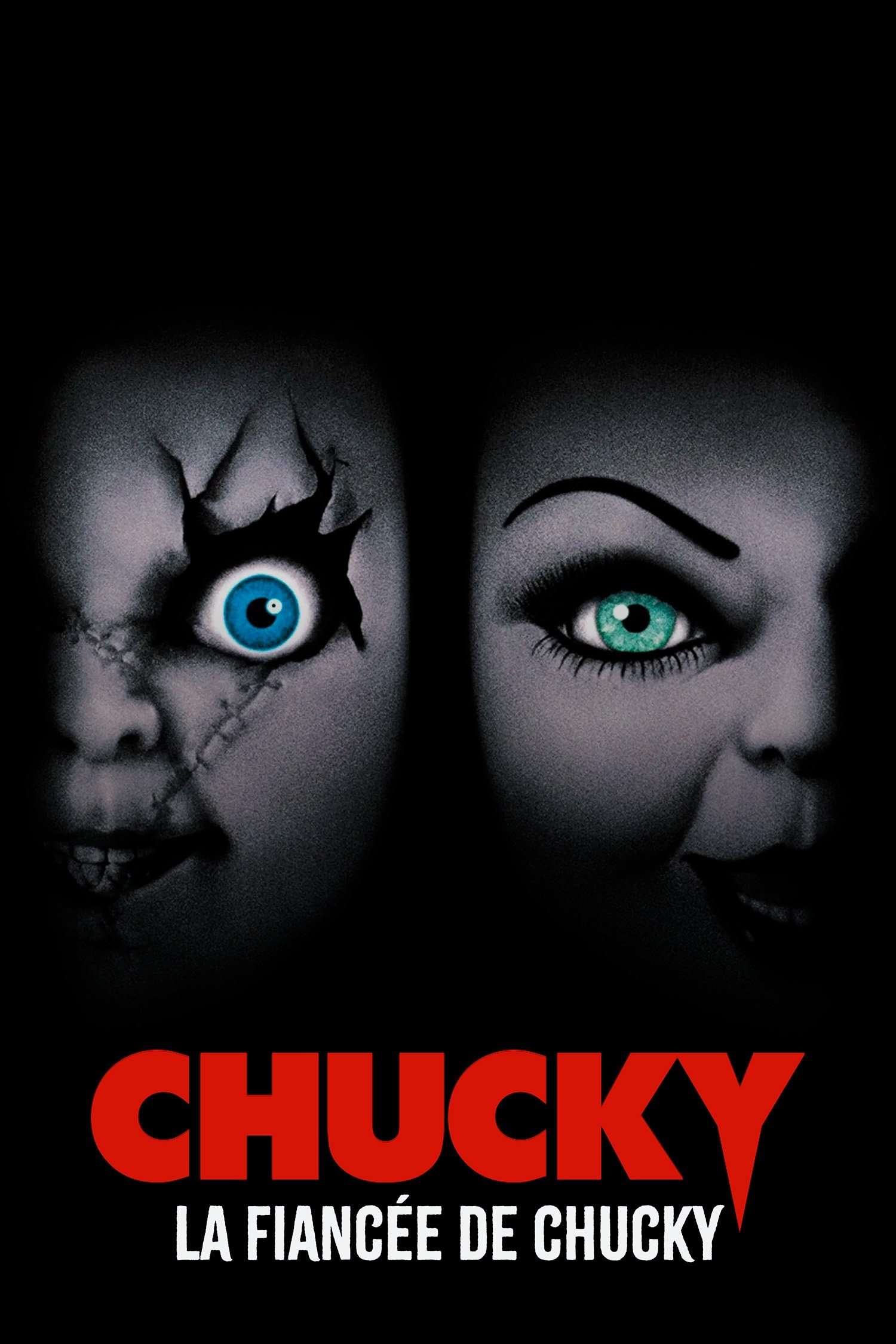
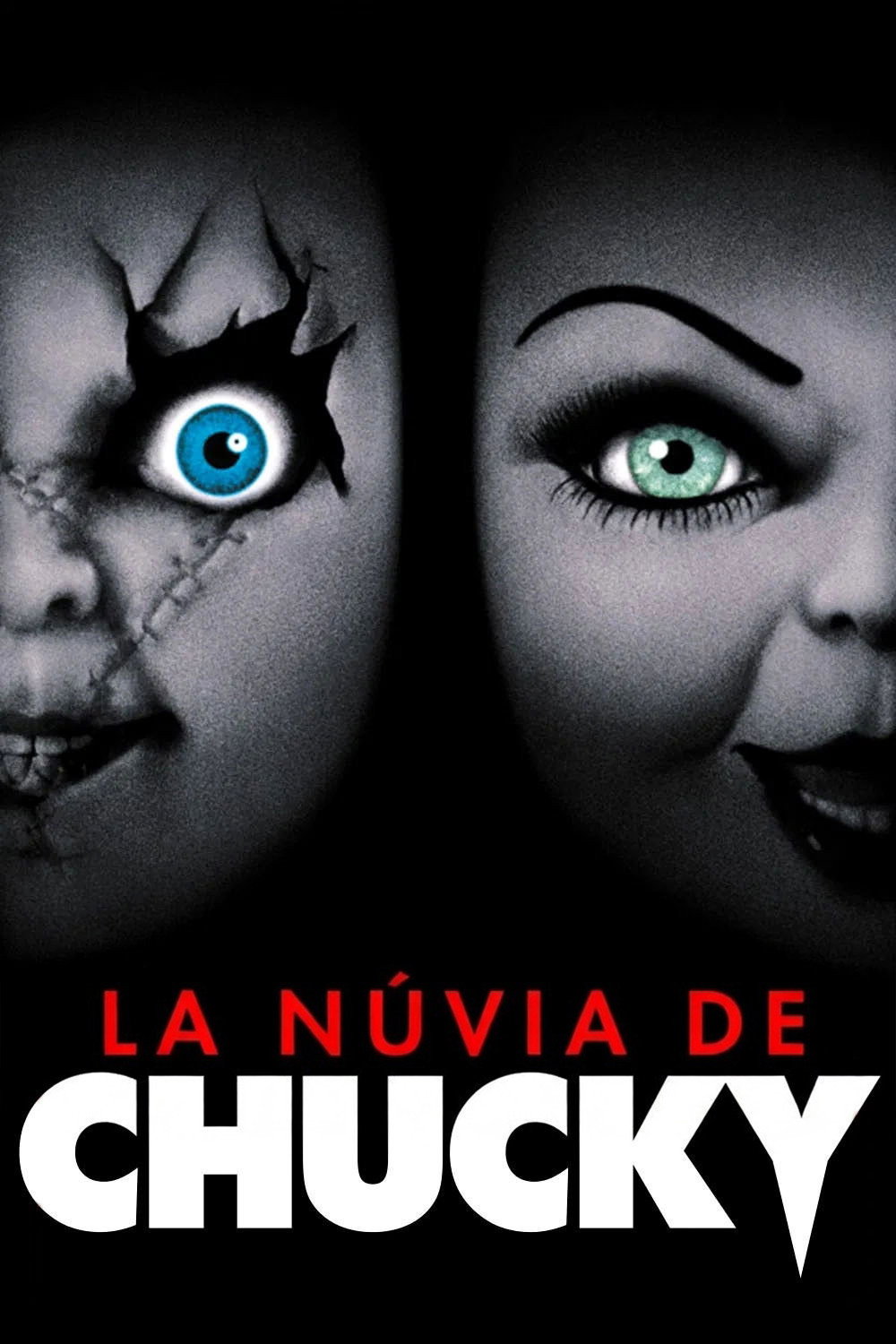
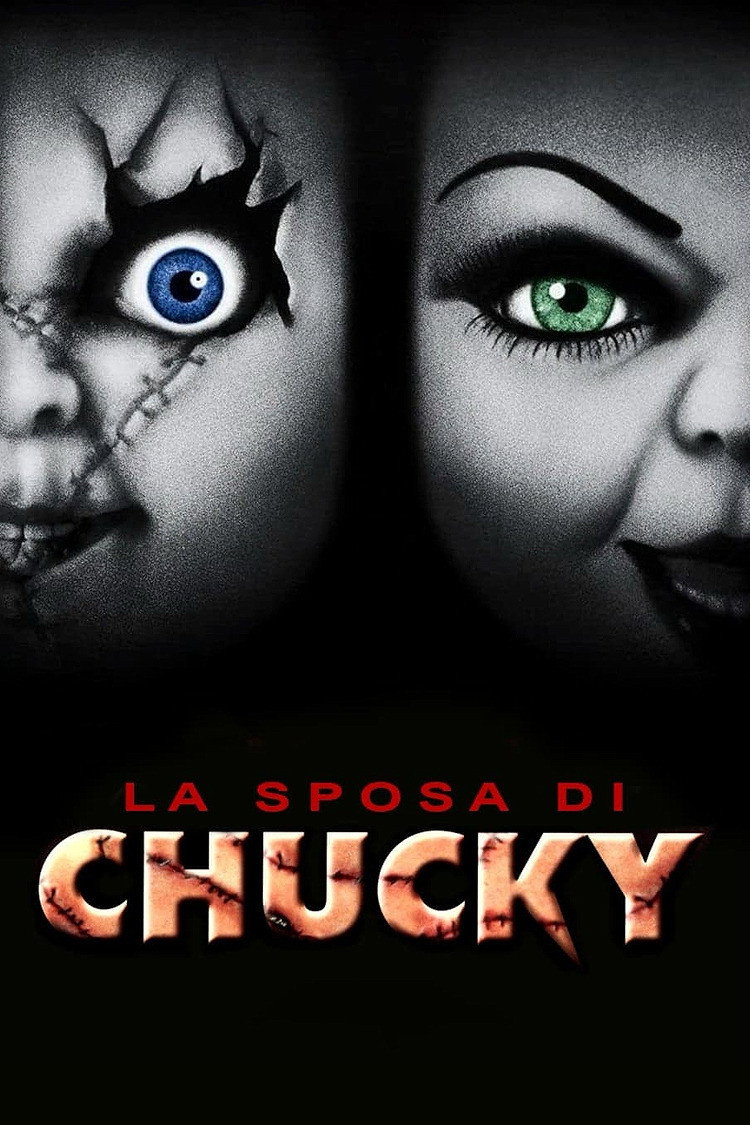
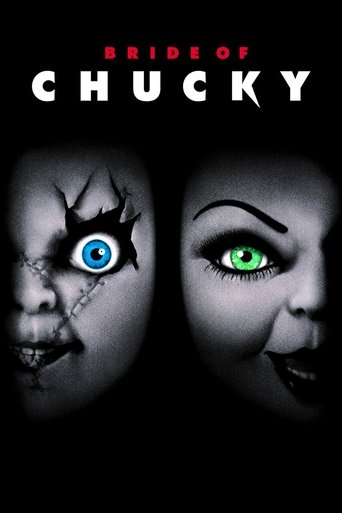
Bride of Chucky (1998) poster
Director
Writer
Plot

Tiffany Valentine obtains the remains of Chucky and restores the murderous doll to life. Their reunion becomes violent, leaving Tiffany imprisoned inside another doll. Seeking human bodies, the pair persuade two young lovers to transport them toward a cemetery connected to Charles Lee Ray. The journey becomes a series of murders complicated by the killers’ volatile romantic relationship.

Alternative Titles
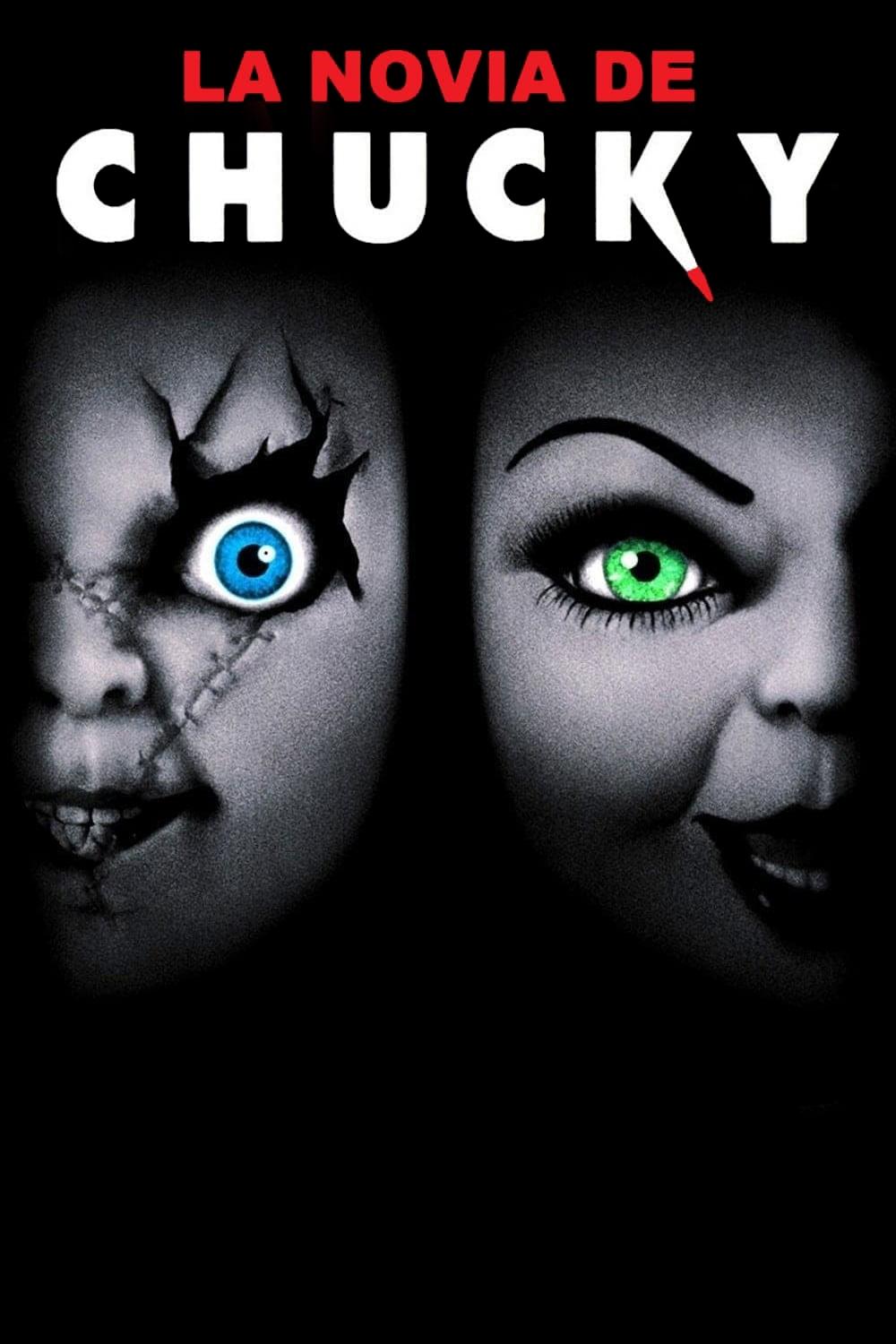
Годеницата на Чъки (Bulgaria) — Bulgarian A Noiva de Chucky (Brazil) La Fiancée de Chucky (Canada) — French 鬼娃回魂4 (China) — Chinese Chuckyho nevěsta (Czechia) — Czech Chucky und seine Braut (Germany) — German A noiva de Chucky (Spain) — Galician La novia de Chucky (Spain) — Spanish
Show all 35 alternative titles La núvia de Chucky (Spain) — Catalan La Fiancée de Chucky (France) — French I nyfi tou Chucky (Greece) — transliteration Η Νύφη του Τσάκι (Greece) — Greek 娃鬼新娘 (Hong Kong SAR China) — Chinese Chucky menyasszonya (Hungary) — Hungarian הכלה של צ'אקי (Israel) — Hebrew عروس چاکی (Iran) La sposa di Chucky (Italy) — Italian チャイルド・プレイ チャッキーの花嫁 (Japan) — Japanese 사탄의 인형 4: 처키의 신부 (South Korea) — Korean La novia de Chucky (Mexico) — Spanish Chucky Gets Lucky! (Netherlands) Narzeczona laleczki Chucky (Poland) — Polish A Noiva de Chucky (Portugal) — Portuguese Mireasa lui Chucky (Romania) — Romanian Невеста Чаки (Russia) — Russian عروس تشاكي (Saudi Arabia) — Arabic แค้นฝังหุ่น 4 คู่สวาทวิวาห์สยอง (Thailand) — Thai Chucky'nin Gelini (Türkiye) — Turkish 鬼娃新娘 (Taiwan) Наречена Чакі (Ukraine) — Ukrainian Child's Play 4 (United States) — Working Title Child's Play 4: Bride of Chucky (United States) — Working Title Chucky 4 (United States) — informal title Chucky and His Bride (United States) — Working Title Ma Búp Bê 4 (Vietnam) — Vietnamese

Trailers & Videos

1 video

Film Guide

Ronny Yu reinvented the Child's Play franchise through Peter Pau's stylized cinematography, Kevin Yagher's sophisticated animatronic puppets, an expanded horror-comedy narrative and Graeme Revell's orchestral score.

Bride of Chucky (1998) is an American supernatural slasher comedy directed by Ronny Yu from a screenplay by Don Mancini. The fourth installment in the Child's Play series abandons the original narrative centered on Andy Barclay and introduces Tiffany Valentine, the former lover of serial killer Charles Lee Ray. After reconstructing Chucky's damaged doll body, Tiffany restores him to life, but their reunion becomes violent when Chucky transfers her soul into another doll. The pair subsequently use two unsuspecting young people, Jade and Jesse, to transport them toward the cemetery where Chucky's human body was buried. Their journey develops into a combination of road movie, supernatural horror and grotesque romantic comedy.

The film represents a significant technical and stylistic change within the franchise. Yu brought a visual approach developed through Hong Kong cinema and insisted on collaborating with cinematographer Peter Pau and editor David Wu, while Kevin Yagher returned to supervise the mechanical characters. The addition of Tiffany required the production to coordinate two independently expressive puppets during dialogue, movement and physical interaction. Chucky also received a substantially redesigned appearance, incorporating visible stitching, extensive damage and more translucent facial materials. Graeme Revell supplied an original orchestral score, and the film was photographed principally in Canada. These decisions moved the series away from the relatively restrained visual style of its earlier installments toward an elaborate combination of Gothic imagery, practical effects, romantic comedy and self-referential horror.

Development and Reinventing Child's Play

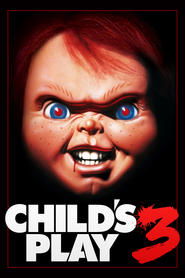
Bride of Chucky was developed after a prolonged interruption in the Child's Play series following the release of Child's Play 3 in 1991. Screenwriter Don Mancini and producer David Kirschner wanted to move beyond another story in which Chucky repeatedly pursued Andy Barclay. By the middle of the decade, the commercial success of Scream had also demonstrated renewed interest in horror films capable of acknowledging genre conventions while continuing to deliver recognizable scares and violence.

The new screenplay introduces a second murderous doll and makes the relationship between Chucky and Tiffany a principal source of conflict. Mancini drew on the romantic and monstrous partnership associated with Bride of Frankenstein, but combined it with the structure of a criminal road movie. Instead of separating the killers from ordinary human relationships, the film places their increasingly dysfunctional romance alongside Jade and Jesse, whose own difficulties provide a contrasting narrative.

Ronny Yu was hired after his Hong Kong fantasy film The Bride with White Hair attracted attention from American producers. Yu later explained that the American industry offered a substantially more structured production environment than the filmmaking system he had experienced in Hong Kong. He approached the opportunity as a chance to work within that structure while preserving his own visual methods.

Yu asked to bring cinematographer Peter Pau and editor David Wu into the production. He had worked with both men previously and considered their established communication essential to maintaining speed and consistency on set. Mancini subsequently confirmed that the filmmakers deliberately wanted to reinvent the series visually as well as through the screenplay. The resulting production gave the fourth installment an identity distinct from the preceding American-directed films.

Peter Pau, Cinematography and Visual Design

Peter Pau served as director of photography, bringing experience from Hong Kong action and fantasy cinema. His collaboration with Yu was particularly important because Bride of Chucky required a visual language capable of supporting both animated objects and human performers. The camera needed to maintain the dolls' apparent physical presence while constructing images more elaborate than the conventional domestic interiors associated with much of the earlier franchise.

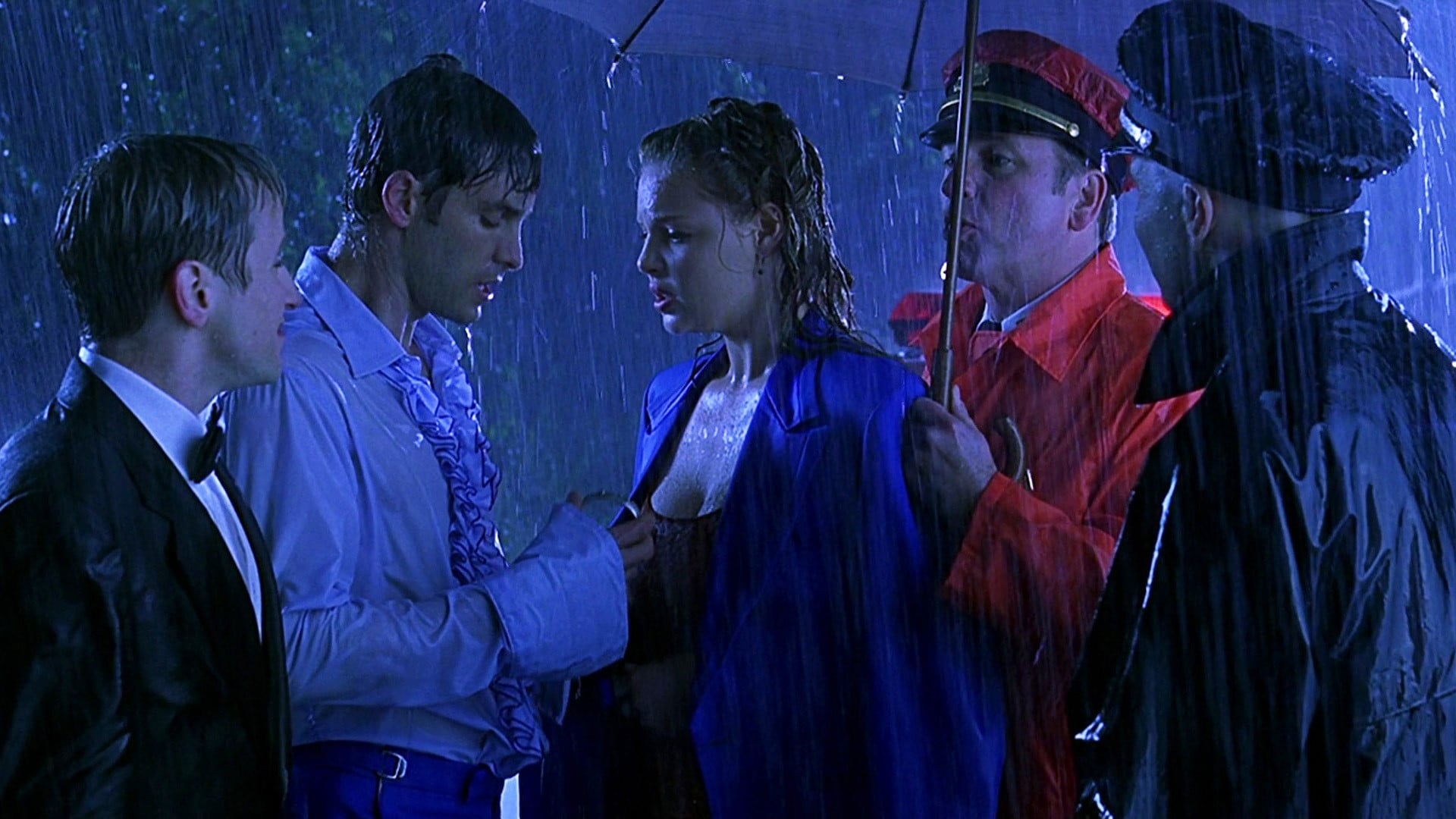
Pau and Yu use strongly directional lighting, colored highlights, backlighting and atmospheric effects to give the environments a heightened appearance. The opening material involving Tiffany's reconstruction of Chucky emphasizes physical details through close compositions, shadows and controlled reflections. Later scenes incorporate thunderstorms, rural landscapes, abandoned buildings and elaborately staged interiors. These environments allow the film to develop a consistent Gothic atmosphere despite its movement between comedy, horror and road-movie situations.

Jennifer Tilly later recalled being particularly impressed by the collaboration between Yu and Pau, singling out the scene in which Tiffany reassembles Chucky and places an eye inside his damaged head. She regarded the compositions as unusually atmospheric for a contemporary slasher production. The sequence demonstrates how photography changes the audience's relationship with an established character. Chucky is no longer introduced simply as an apparently harmless manufactured toy but as a mutilated mechanical body undergoing a grotesque reconstruction.

The lighting of the dolls required additional consideration. Unlike a human face, an artificial head combines sculpted expression, mechanical features and materials that may react differently to strong illumination. Pau had to preserve facial detail while concealing enough of the mechanisms and puppeteering arrangements to maintain the illusion of independent movement. The photography consequently works closely with the design of the puppets, using composition and contrast to support their expressions rather than treating them as ordinary performers.

Kevin Yagher and the Redesigned Chucky

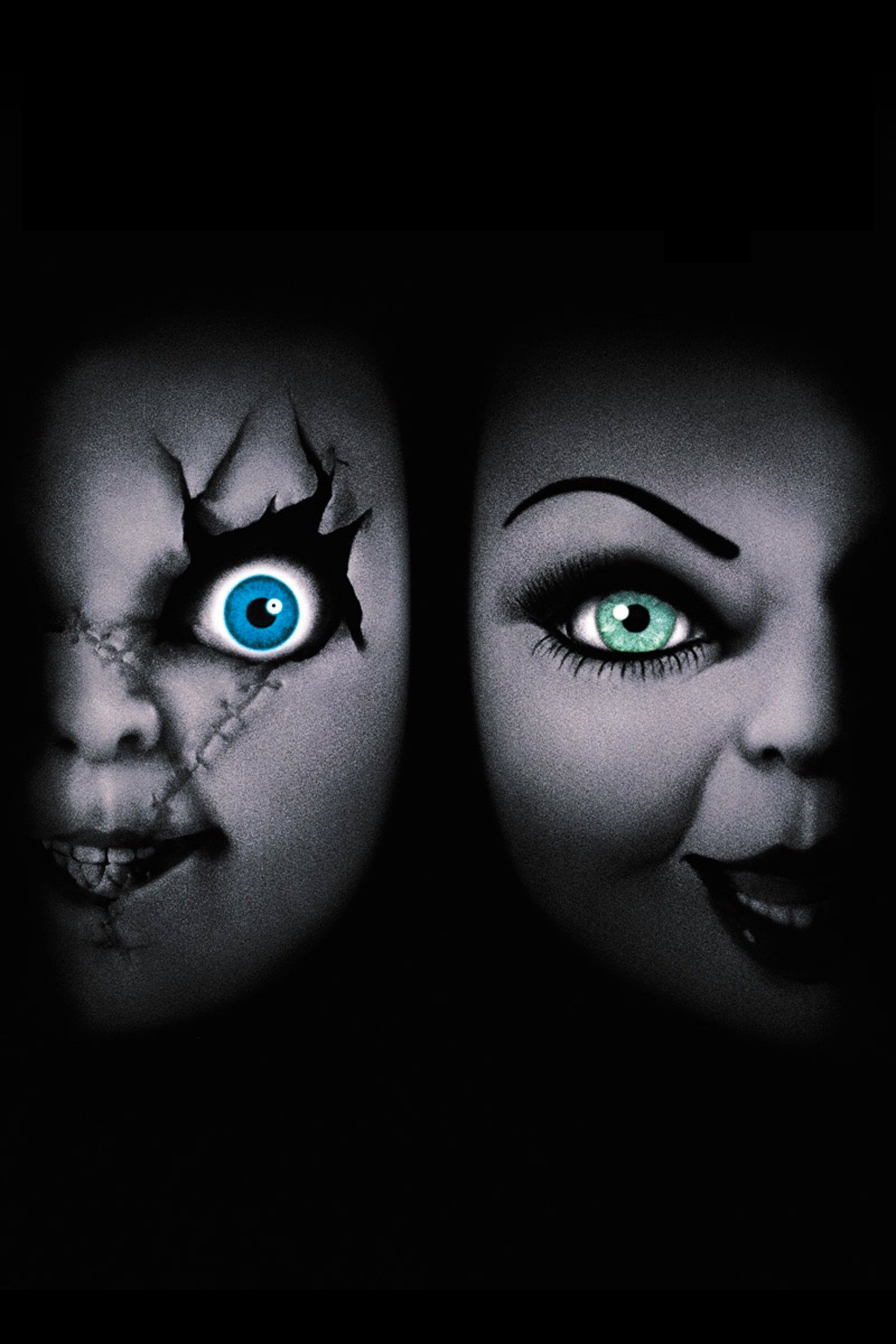
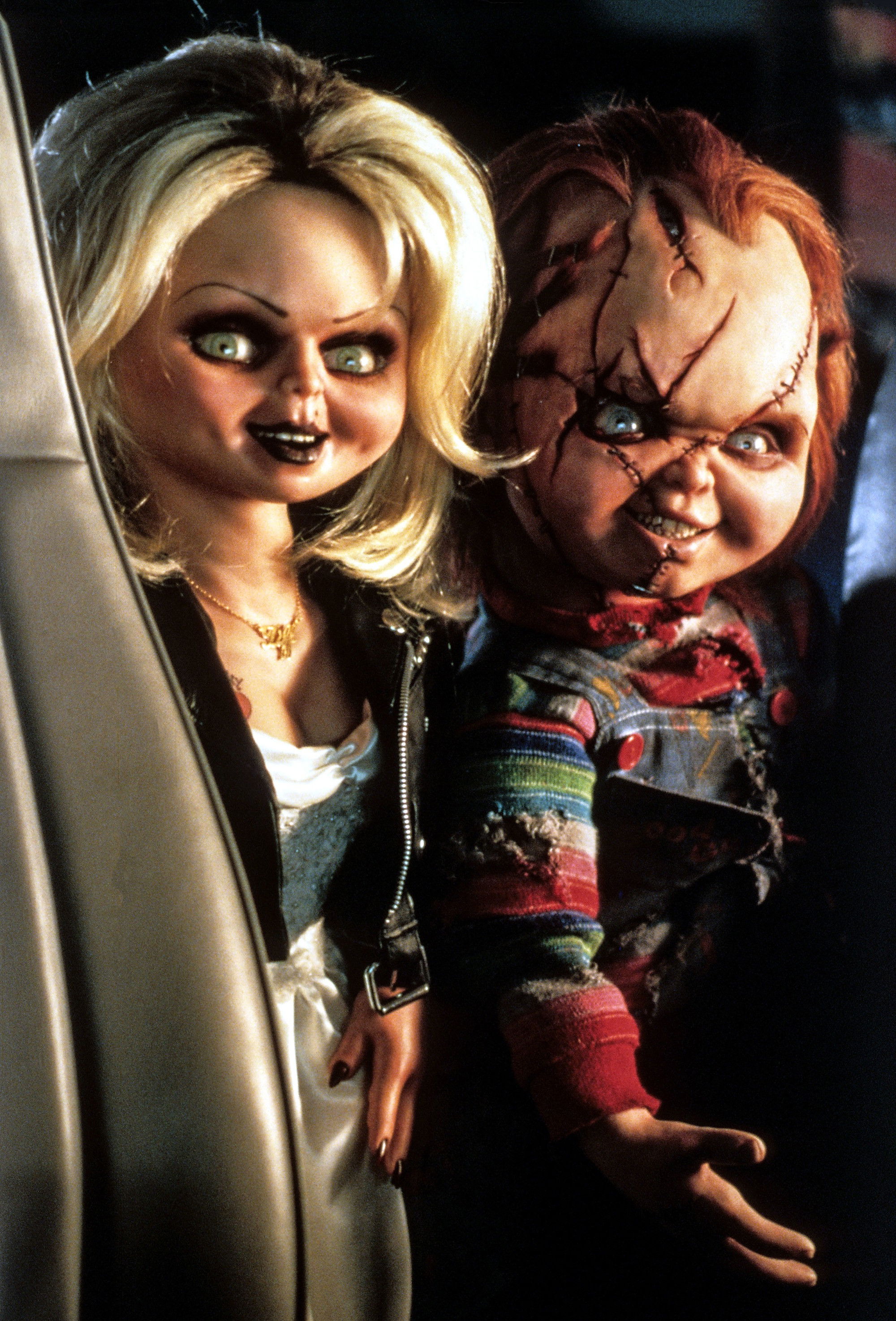
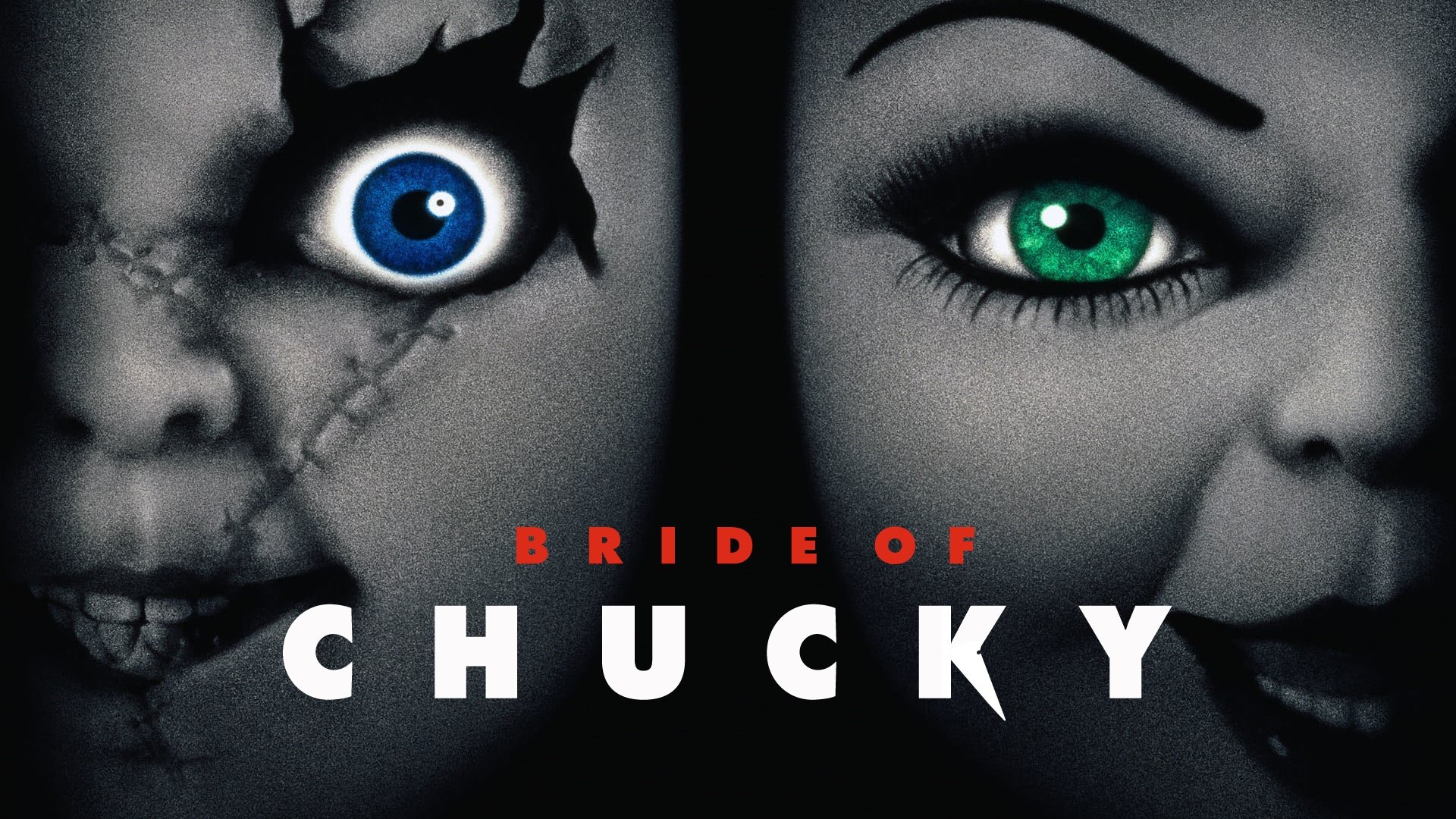
Kevin Yagher returned as the principal designer of Chucky's puppet effects. He had developed the character's mechanical interpretation across the earlier films, gradually modifying the relationship between the doll's manufactured appearance and the human personality occupying it. Bride of Chucky required a more extensive alteration because Chucky begins the story as a collection of damaged parts. Tiffany repairs his body, leaving visible stitches, scars and reconstructed sections across the face and torso.

Yagher later explained that the earlier sequels had deliberately adjusted Chucky's human qualities in different directions. The second film retained more of the conventional toy appearance, while the third introduced a somewhat more human facial structure. Bride of Chucky established another design entirely, making damage and reconstruction permanent elements of the character's silhouette.

The production also introduced changes in material construction. Yagher incorporated silicone into the facial design to obtain a more translucent skin quality than the opaque foam-latex appearance associated with earlier versions. This helped the puppet respond to Pau's lighting with greater depth and less dependence on heavy surface paint. Foam latex and other materials remained useful for particular components, since no single substance could provide the durability, flexibility and photographic properties required by every shot.

Multiple Chucky puppets were constructed, each designed to perform particular functions. Individual versions could prioritize facial performance, body movement, physical interaction or an effect requiring damage. This allowed the production to concentrate mechanical complexity where it would be visible. A close dialogue shot required precise eyes and mouth movement, while a violent encounter might depend more heavily on a robust body, a concealed support mechanism or replacement components.

The result represents a substantial change in the visual identity of the franchise. Chucky's damaged face establishes his identity immediately, changing how the film presents the familiar Good Guy doll. The design established here continued to influence the character's appearance and later depictions of his reconstructed body.

Tiffany, Puppetry and Mechanical Performance

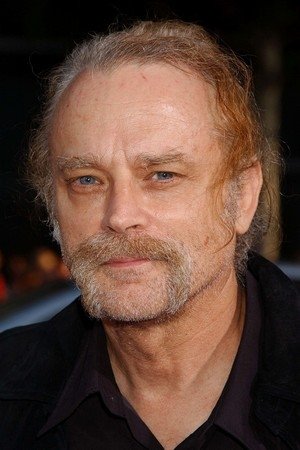
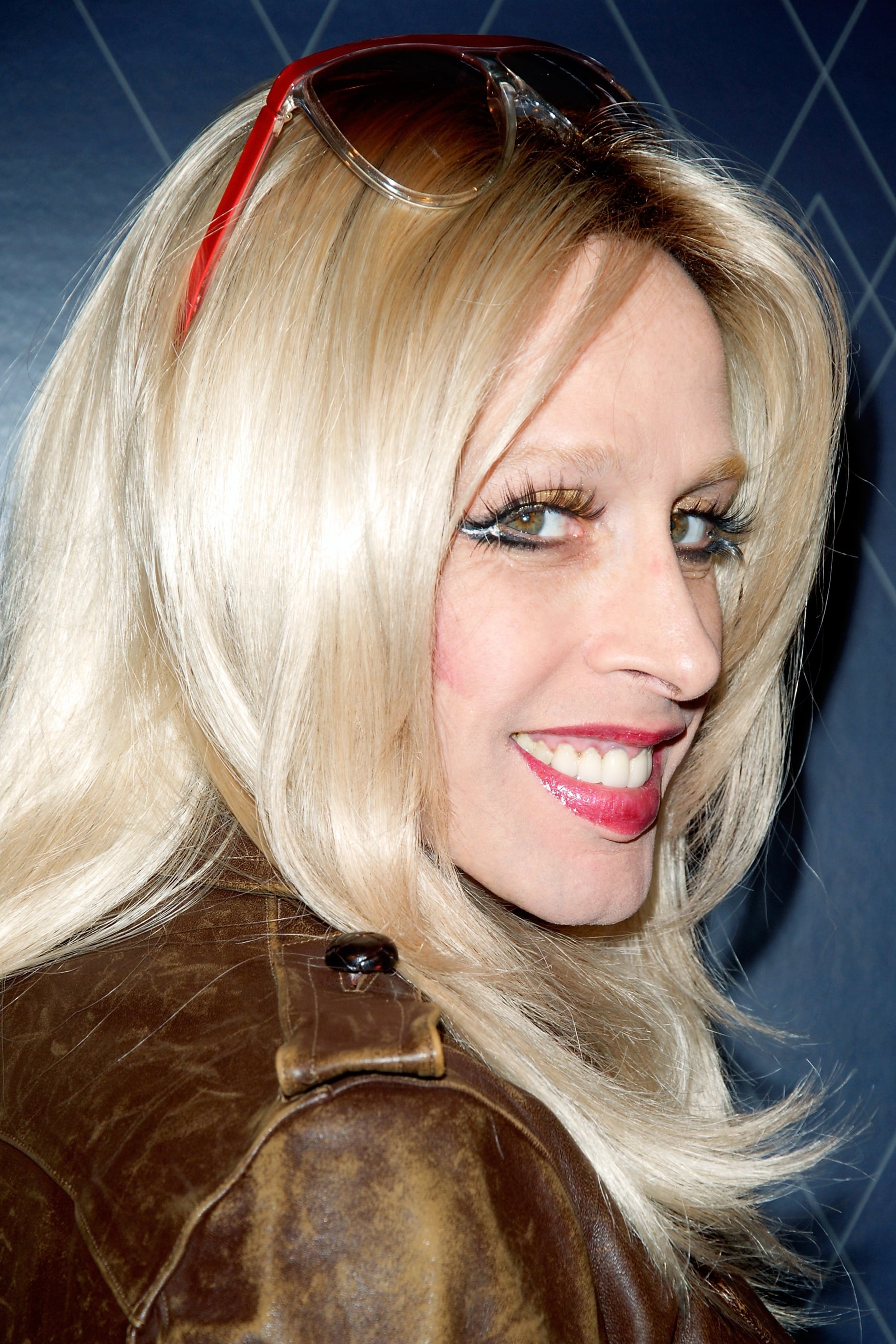
The introduction of Tiffany created a new technical problem: two animatronic characters now needed to communicate and interact convincingly within the same scene. Jennifer Tilly portrays Tiffany before her transformation and supplies the character's voice after her soul enters the doll. Brad Dourif returns as the voice of Chucky. Their performances provide the essential rhythm of the puppet dialogue, while the physical animation must translate that rhythm into facial expressions, gestures and reactions.

Yu described directing the dolls as a demanding collaborative process because each mechanical character required numerous technicians controlling separate parts of its body. Facial movement, eyes, mouth, head position and larger gestures could involve different operators. Coordinating two characters therefore required careful timing between performers, prerecorded voices, puppet technicians and camera operators. The difficulty increased when the dolls touched one another, fought or occupied the same restricted space.

Voice recording was important to that coordination. Dialogue from Dourif and Tilly could be played during photography, allowing puppeteers to synchronize mouth movement and gestures to the established performances. The distinction between voice acting and puppetry becomes particularly important in romantic exchanges, where a pause or change of expression may communicate as much as spoken dialogue.

Tiffany's design also needed to communicate a character distinct from Chucky. Her blonde hair, makeup, clothing and bridal accessories create a recognizable feminine presentation, while the doll's face must support the sarcastic and emotionally expressive performance supplied by Tilly. Where Chucky's damaged head emphasizes aggression and bodily destruction, Tiffany's design allows a wider range of romantic and comic reactions.

The puppet work was supplemented by carefully staged physical performances and selected substitutes when actions exceeded the capabilities of the mechanisms. This combination of animatronics, performers, mechanical supports and editing made extended interactions between the dolls possible without requiring their entire bodies to function independently in every shot. Bride of Chucky is therefore an important production within the series because the creatures become sustained dramatic performers rather than appearing principally during attacks.

Production Design, Editing and Musical Identity

The film was photographed principally in and around Toronto, using studio facilities and exterior locations to represent different stages of the characters' journey. Production designer Alicia Keywan was responsible for connecting these environments into a coherent visual world. The principal settings include Tiffany's trailer, roadside locations, a motel, cemetery environments and interiors associated with the film's criminal and supernatural events.

The production design repeatedly places ordinary objects beside exaggerated Gothic details. Doll parts, bridal clothing, domestic furnishings and decorative objects become important to the character relationships. Tiffany's appearance is constructed partly through costume and makeup choices recognizable from human romance and wedding imagery, while Chucky's stitched body represents physical damage that cannot be removed through ordinary cosmetic preparation.

David Wu and Randolph K. Bricker received editing credit. Wu's established collaboration with Yu provided continuity between the director's Hong Kong work and the American production. The editing had to alternate between human dialogue, puppet performances, elaborate physical violence and comic reactions. Because mechanical effects often require precisely planned camera angles, the editors could not always depend on the unrestricted coverage available during scenes involving only human performers.

Graeme Revell composed the original score, performed by the Hollywood Studio Symphony. The music accompanies both the Gothic supernatural material and the changing relationship between Chucky and Tiffany. Its orchestral character provides a contrast with the contemporary popular songs used elsewhere in the film, allowing the soundtrack to move between conventional horror suspense and the aggressive musical identity associated with late-1990s youth-oriented cinema.

In 2023, Universal's Back Lot Music released the complete original score, making the music available independently as a full soundtrack presentation. The album documents individual cues associated with the dolls' reunion, the motel sequence, their escalating conflict and the final confrontation. Preserving the original score separately from the popular-song soundtrack makes it possible to examine Revell's contribution as a continuous dramatic composition rather than solely through its appearance beneath dialogue and effects.

Release, Reception and Franchise Legacy

Universal Pictures released Bride of Chucky in the United States on October 16, 1998. The American Film Institute records an 89-minute running time and an R classification, while contemporary trade publications reviewed the film during its initial theatrical engagement. The production was positioned as a theatrical relaunch following the extended interruption after Child's Play 3.

Its promotional identity differed noticeably from the earlier films. Tiffany received prominence alongside Chucky, and the marketing emphasized their relationship and the film's mixture of horror and comedy. The approach acknowledged that Chucky had already become a familiar character whose appeal no longer depended exclusively on concealing the fact that an apparently ordinary doll contained a murderer.
The film also introduced a more overtly self-referential approach to the series. Its horror references and dark humor place Chucky within a broader culture of recognizable screen monsters. Mancini later connected this creative direction with his willingness to introduce characters and relationships that had been largely absent from mainstream slasher franchises, including the openly gay character David. The film's combination of camp, romance and violence became an important part of the subsequent identity of the series.
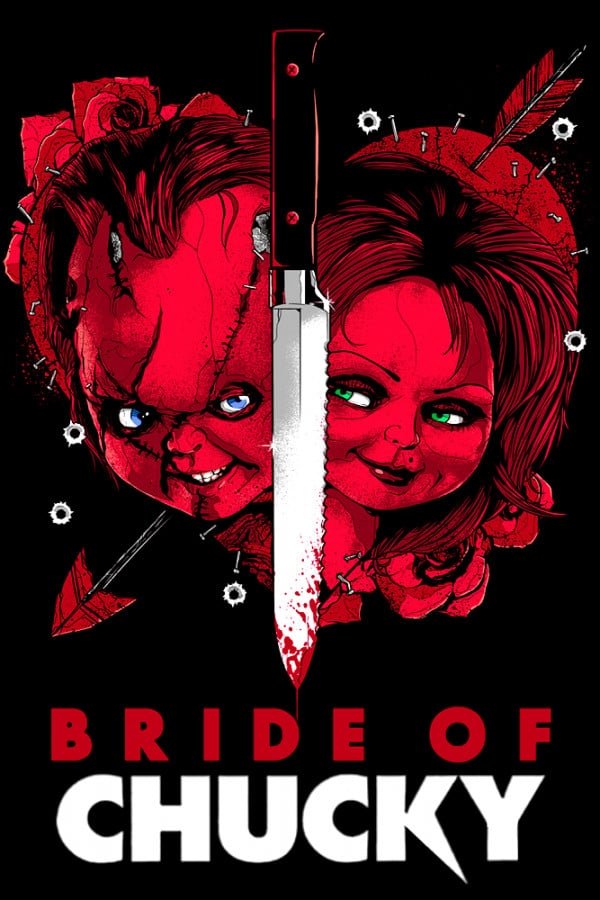
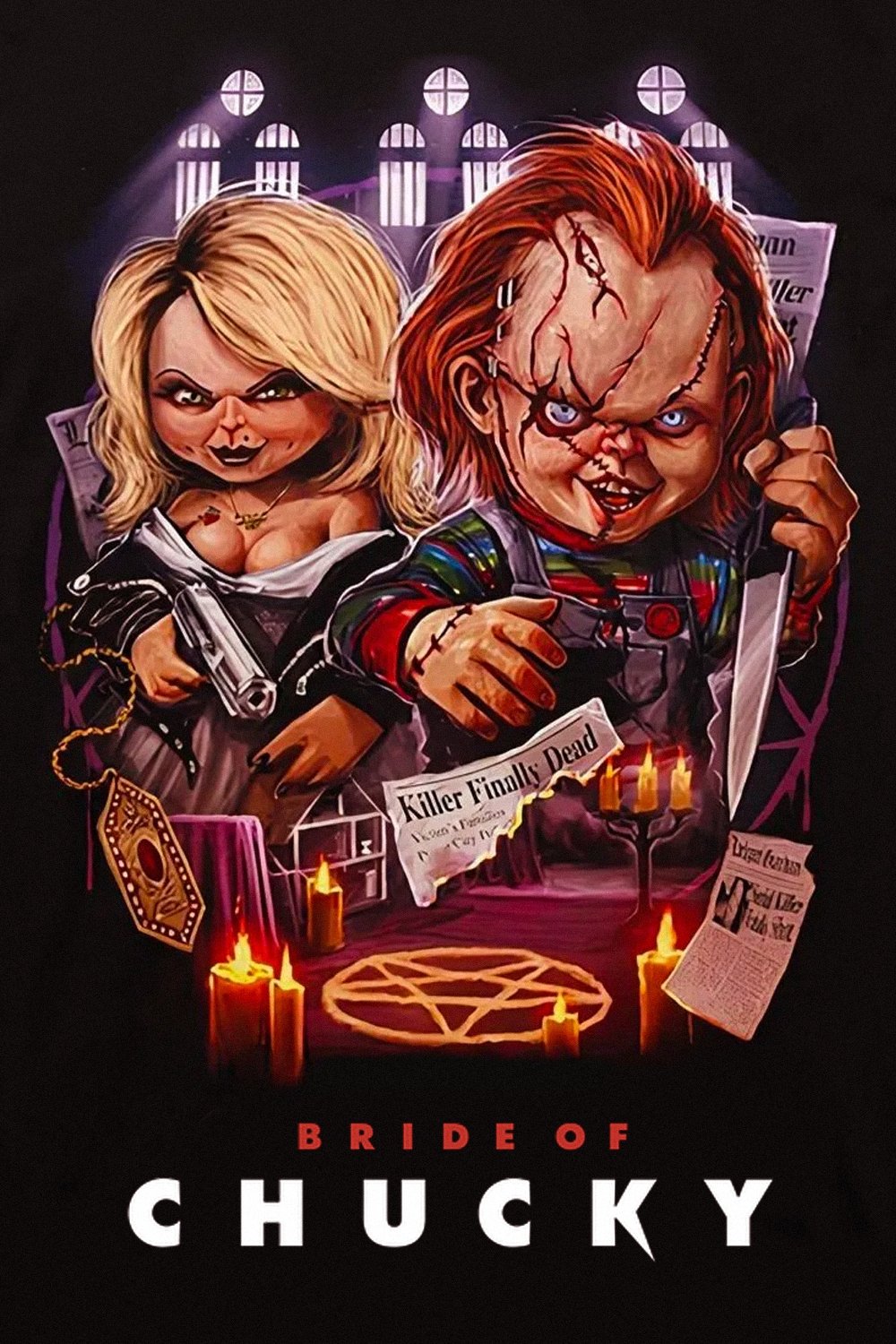
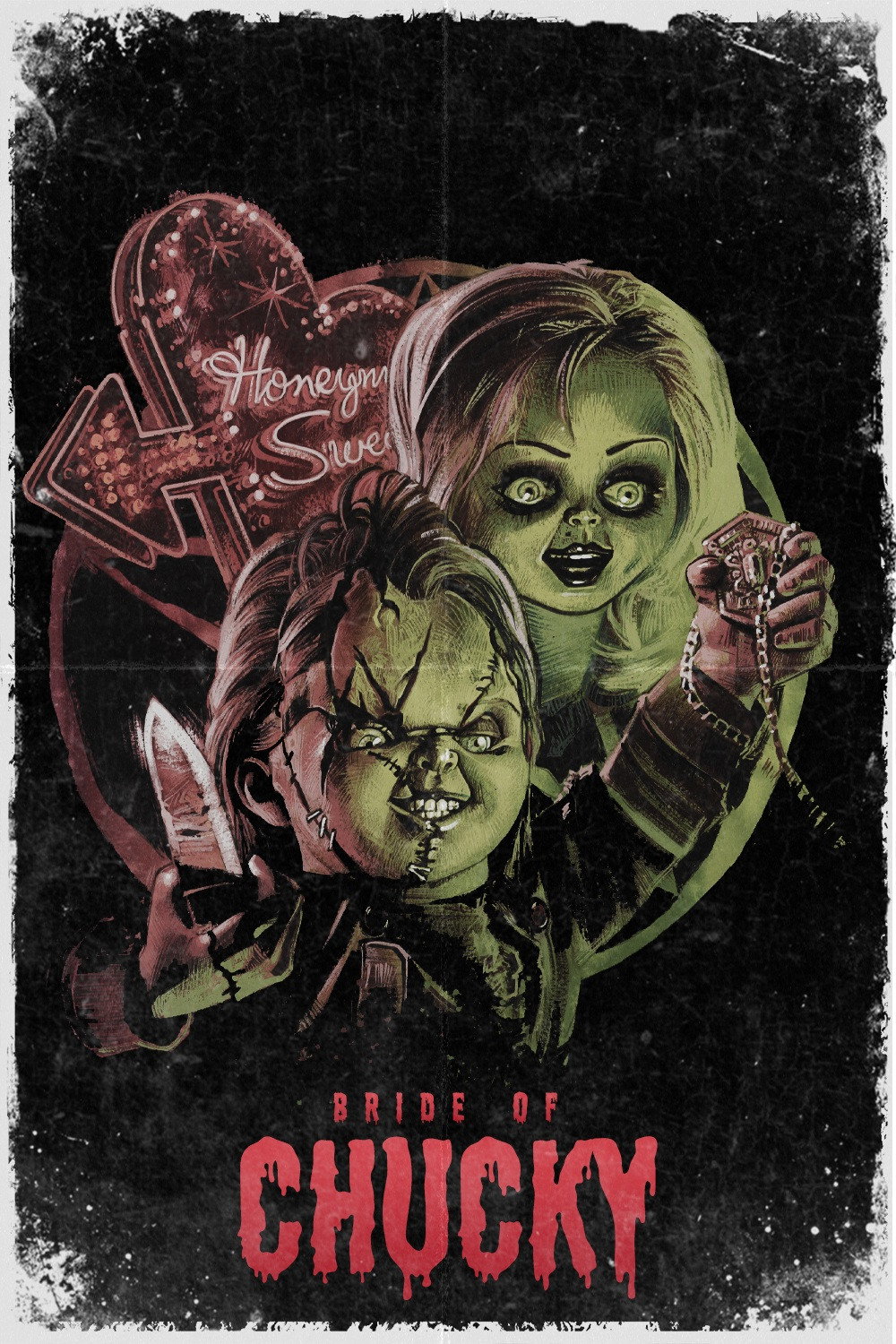
Tiffany proved particularly significant to its continuation. Jennifer Tilly later recalled initially doubting that the role would develop into a long-term commitment, partly because Tiffany appeared to die during the film. The character nevertheless returned in Seed of Chucky and subsequent productions, becoming one of the most recognizable figures associated with the franchise.

Technically, Bride of Chucky represents a change in scale and emphasis. The original films established the practical requirements for bringing one small killer doll to life. The fourth installment applies those methods to a pair of characters whose relationship requires extended dialogue, physical intimacy, conflict and sustained emotional expression. Yu and Pau surround those performances with a more elaborate photographic environment, while Yagher's redesigned Chucky establishes a different relationship between the character's mechanical construction and screen identity.

The film remains an important transitional installment because its changes were subsequently incorporated into the wider series. Its lasting influence is most clearly visible in Tiffany's continued presence, the acceptance of dark comedy as a central part of the franchise and the distinctive damaged appearance introduced for Chucky.

References

  1. Metrograph I Became Chucky: Interview with Ronny Yu

    Lengthy original director interview on how Bride of Chucky was staged, filmed and edited, including the difficulties of working with animatronic characters.

Connections

Cast

View Full Cast & Crew →

Release & Distribution

Distributors (1)

  • Universal Pictures US

Release History (21)

Release DateTerritoryRelease TypeFormatDistributorCertificationNotes
1998-10-15 Russia Theatrical — — 18+
1998-10-15 United States Premiere — — R Premiere
1998-10-16 Canada Theatrical — — 18A
1998-10-16 United States Theatrical — — R
1999-01-01 Australia Theatrical — — MA 15+
1999-01-01 United States Physical VHS — R VHS
1999-01-14 Argentina Theatrical — — +13
1999-03-10 France Theatrical — — 12
1999-04-09 Spain Theatrical — — 18
1999-04-15 Netherlands Theatrical — — 16
1999-06-18 United Kingdom Theatrical — — 18
1999-06-18 Ireland Theatrical — — 18
1999-09-09 Germany Theatrical — — 18
1999-09-24 France Physical DVD — — DVD
2003-04-19 Netherlands TV — — 16 Yorin
2005-03-01 Czechia Physical DVD — 18 DVD
2007-09-24 Netherlands Physical DVD — 16 DVD
2017-10-23 United Kingdom Physical — — —
2021-03-17 France Physical Blu-ray — — Blu-ray
2024-02-20 Brazil Digital — — 16
2026-08-01 United States Digital — — R in Netflix

Awards & Festivals

1 entries
YearFestival / AwardEntrySectionCategoryResultPremiere
1999MTV Movie Award for Best Villainawardnominated
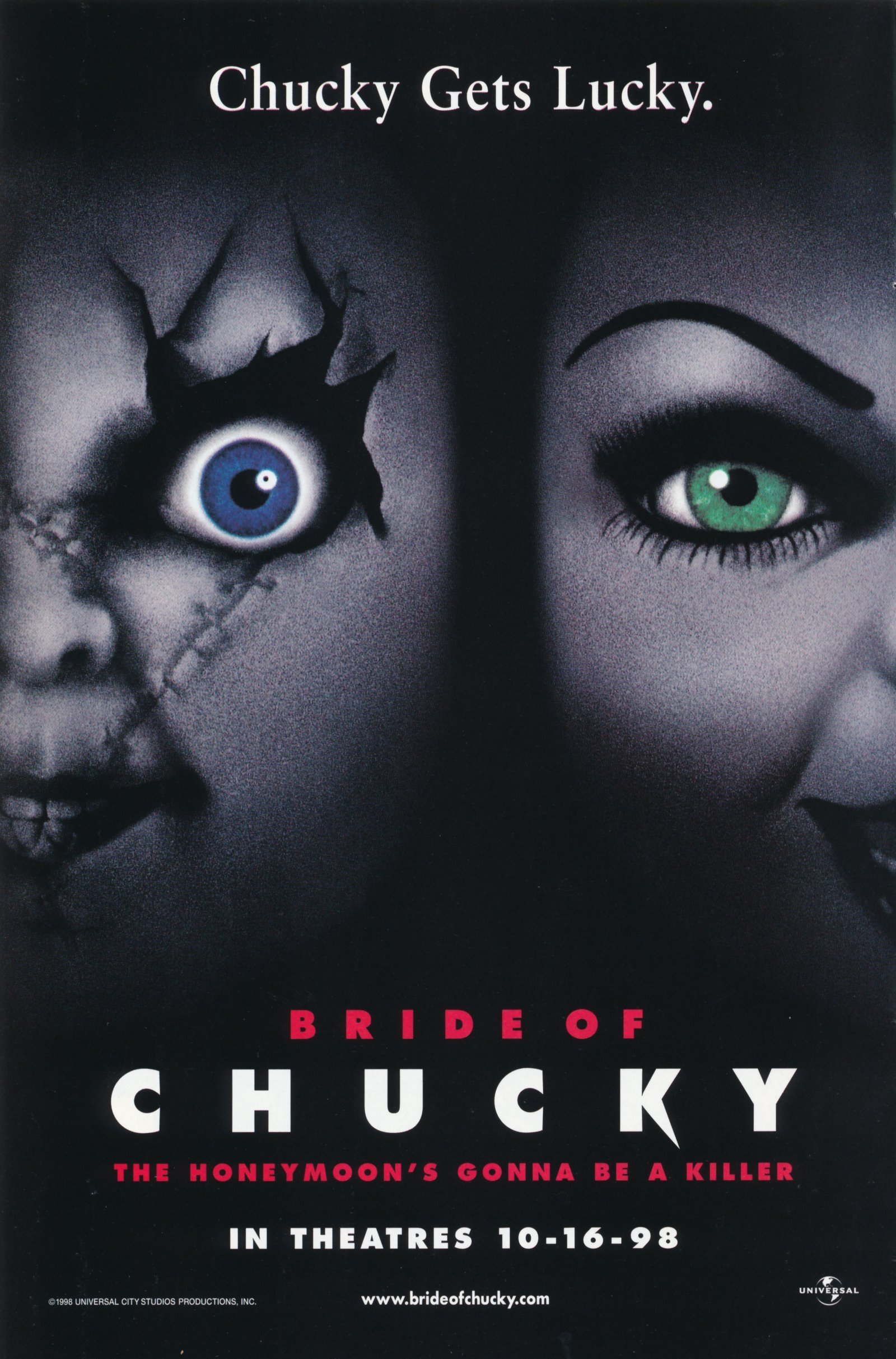
Chucky Gets Lucky.