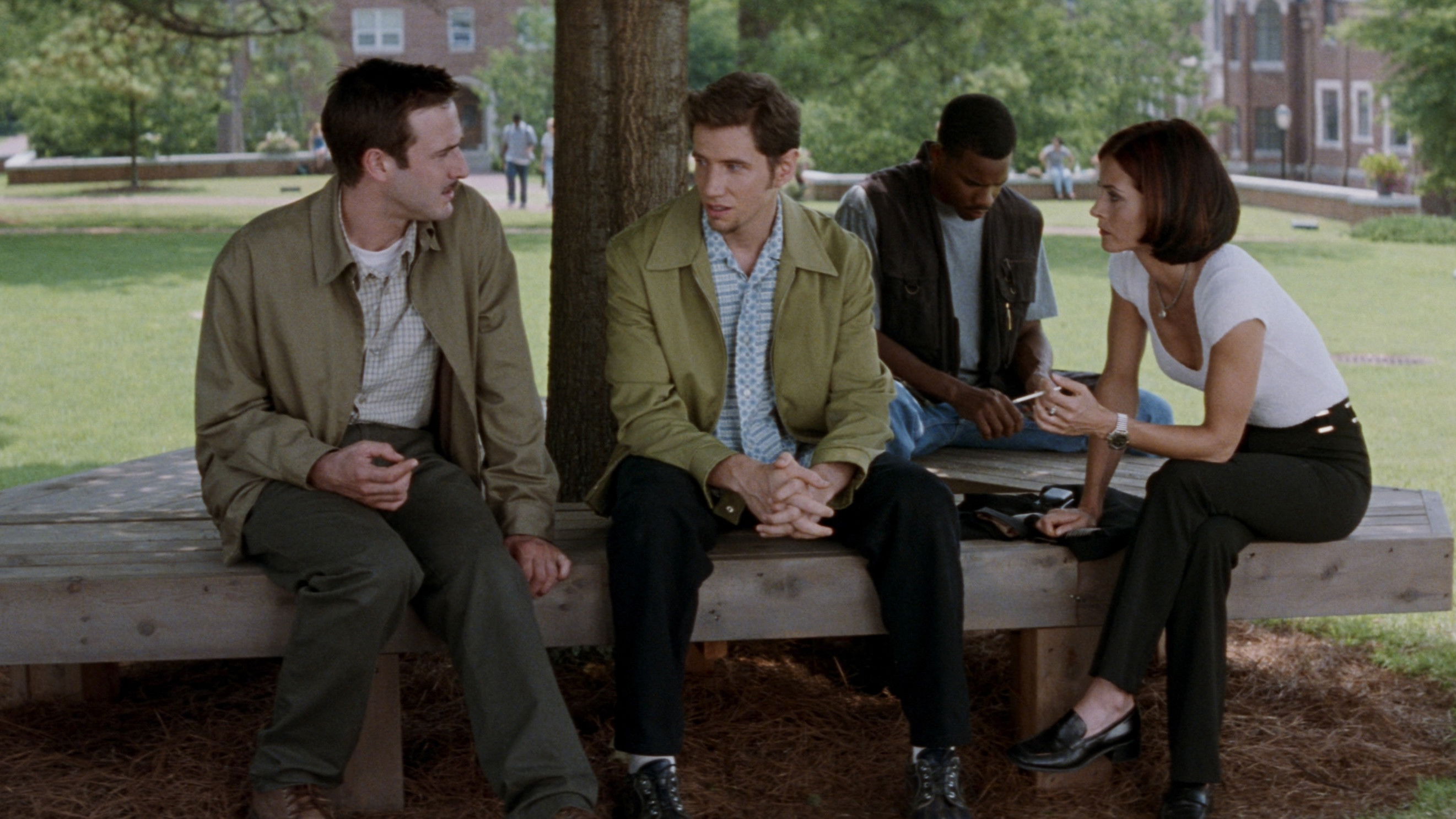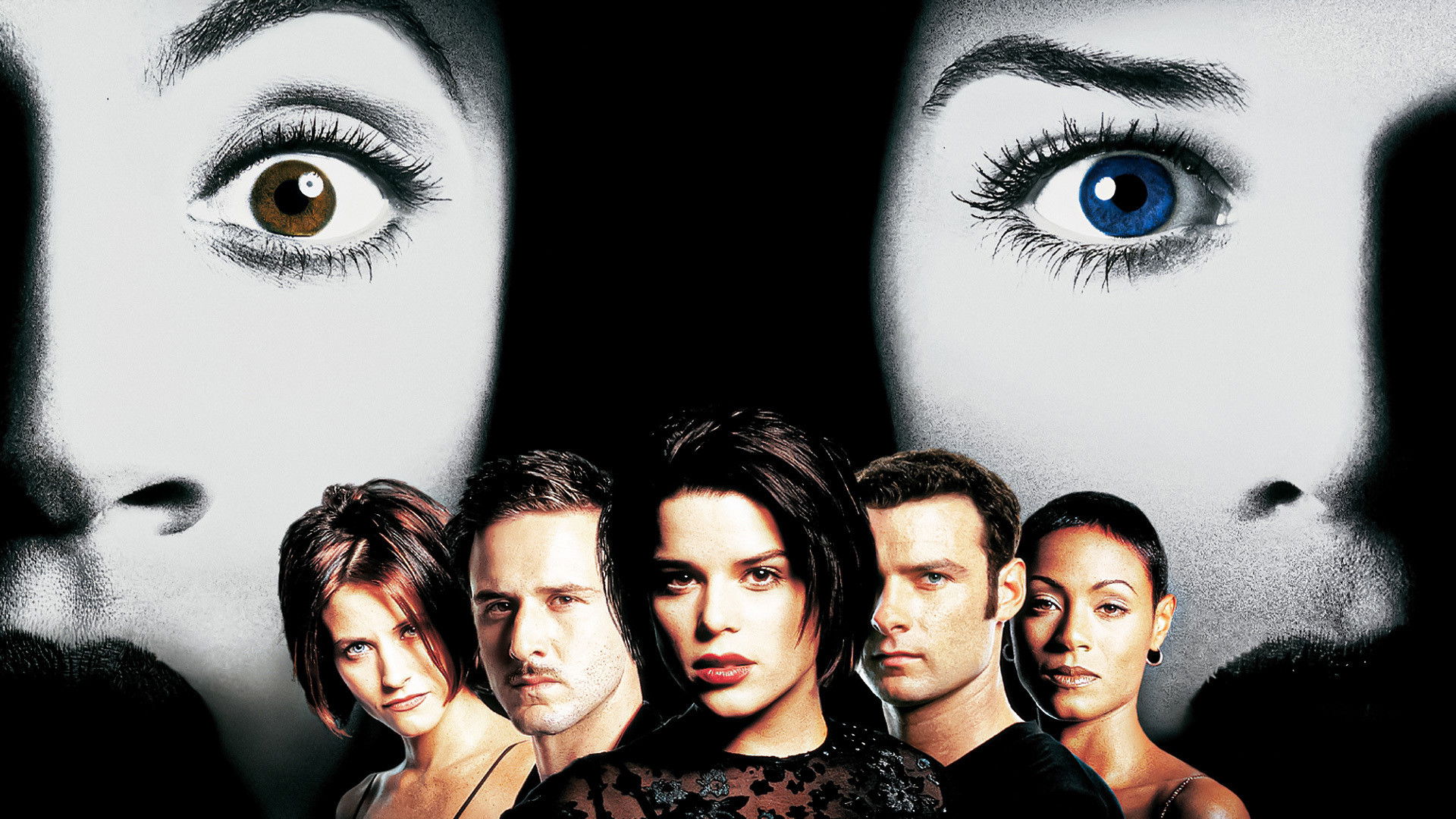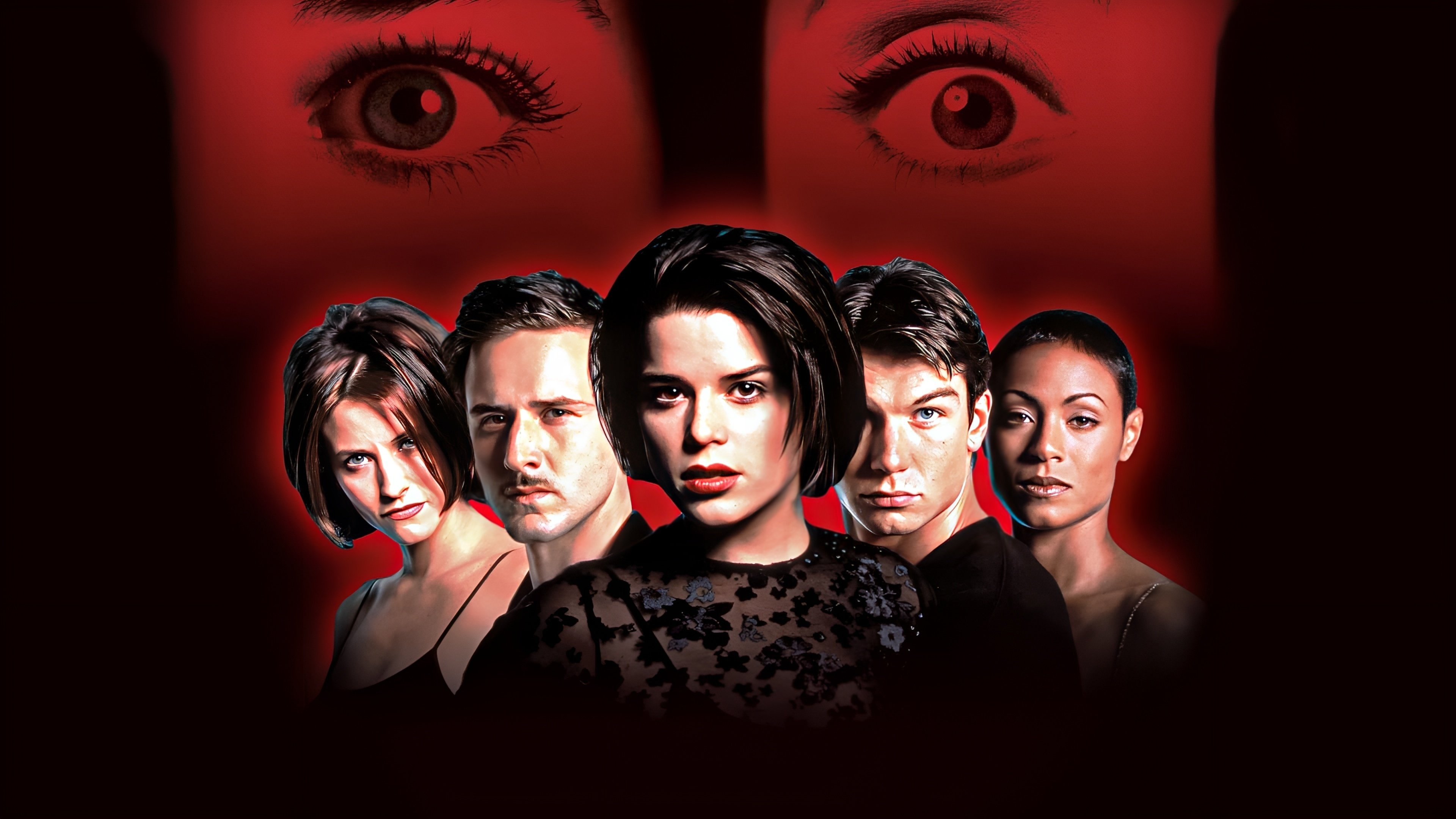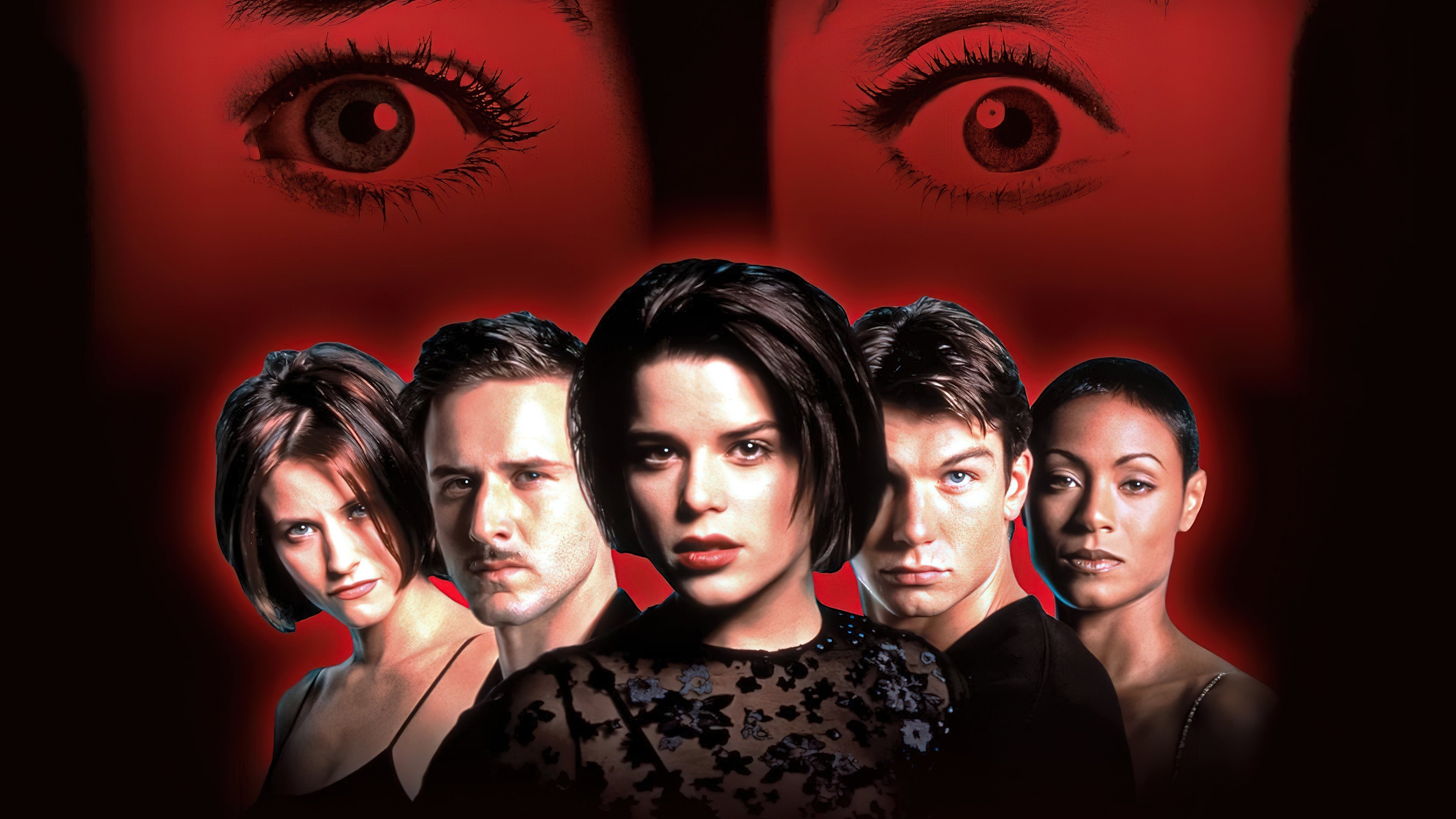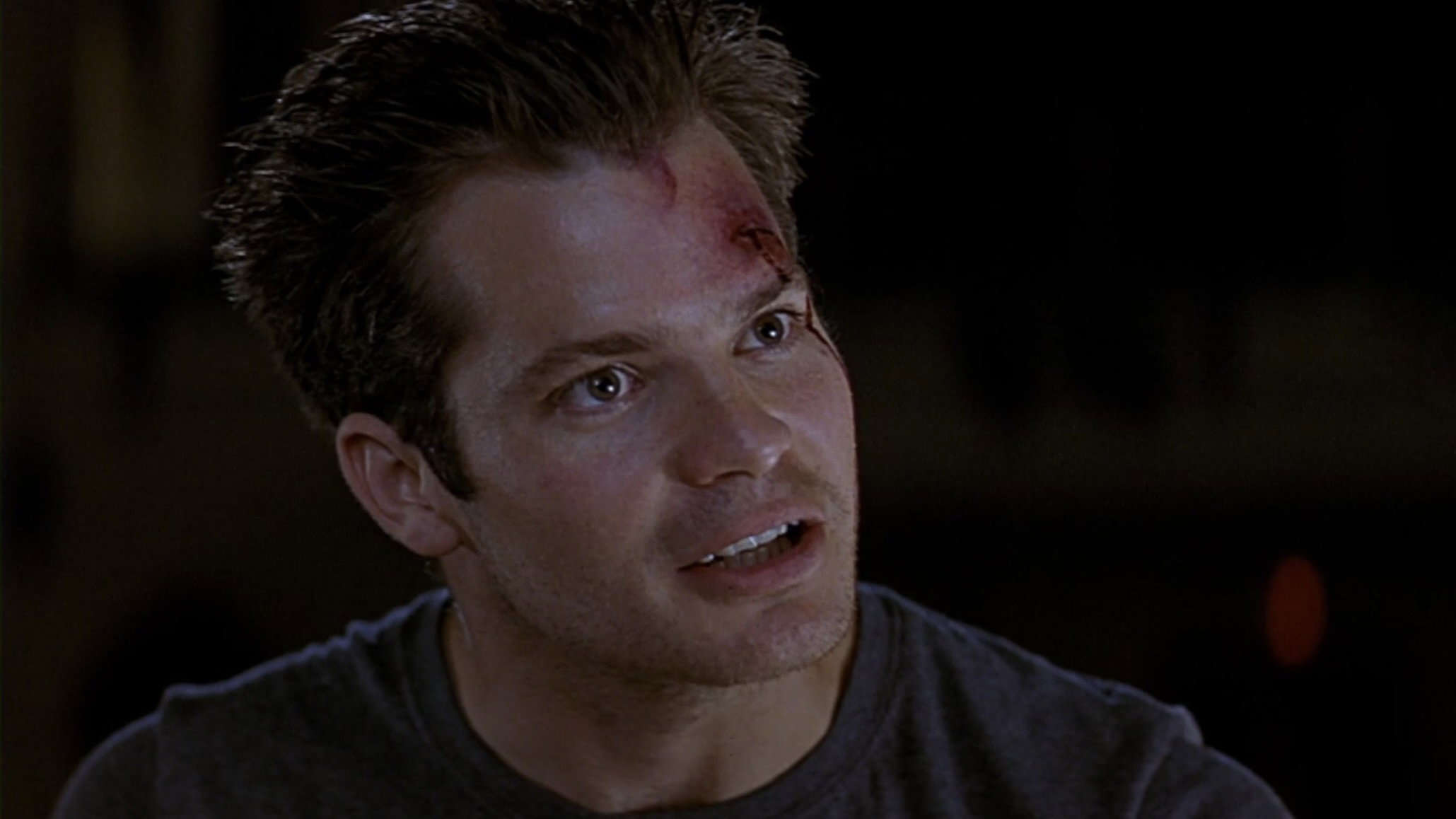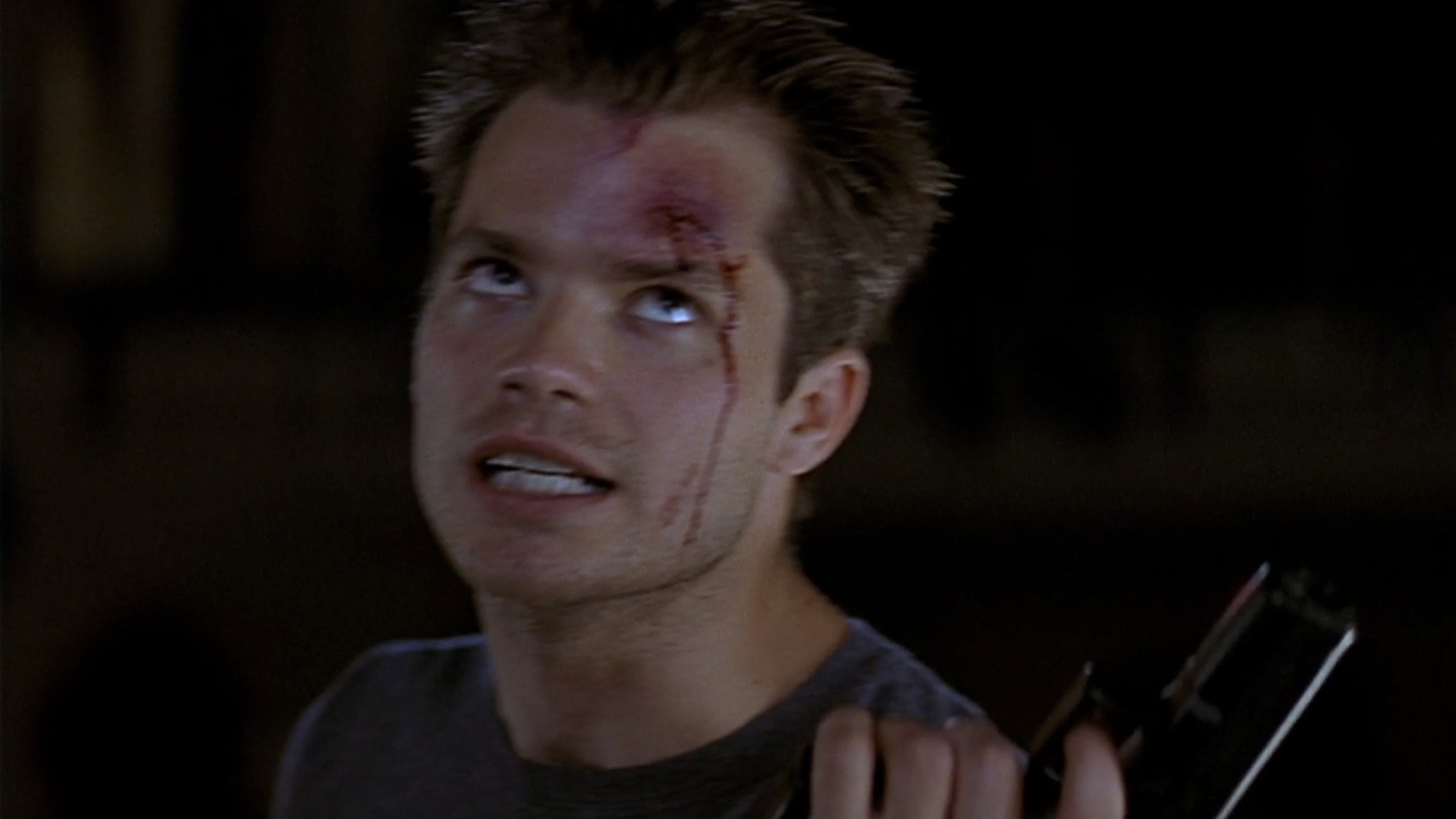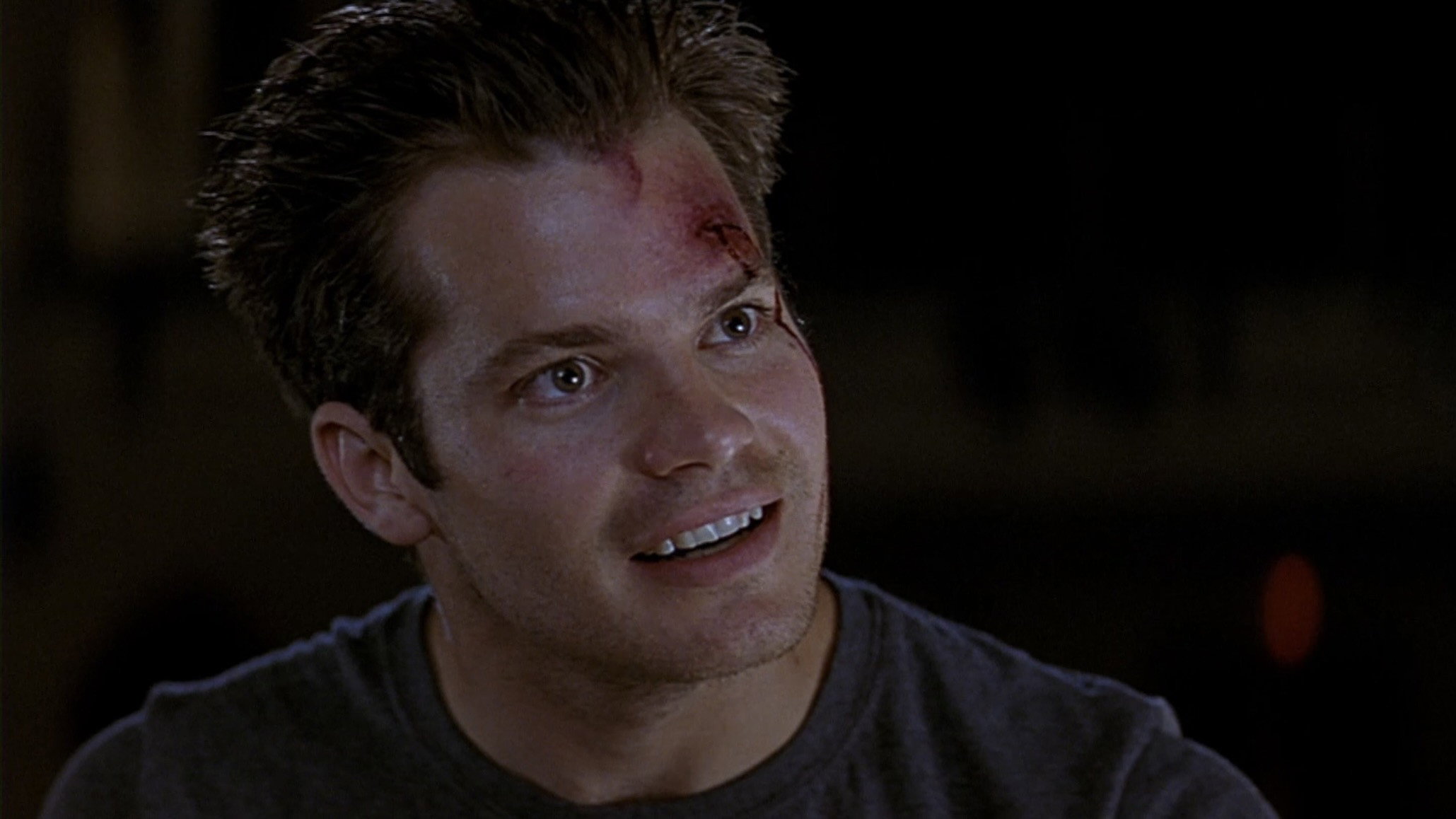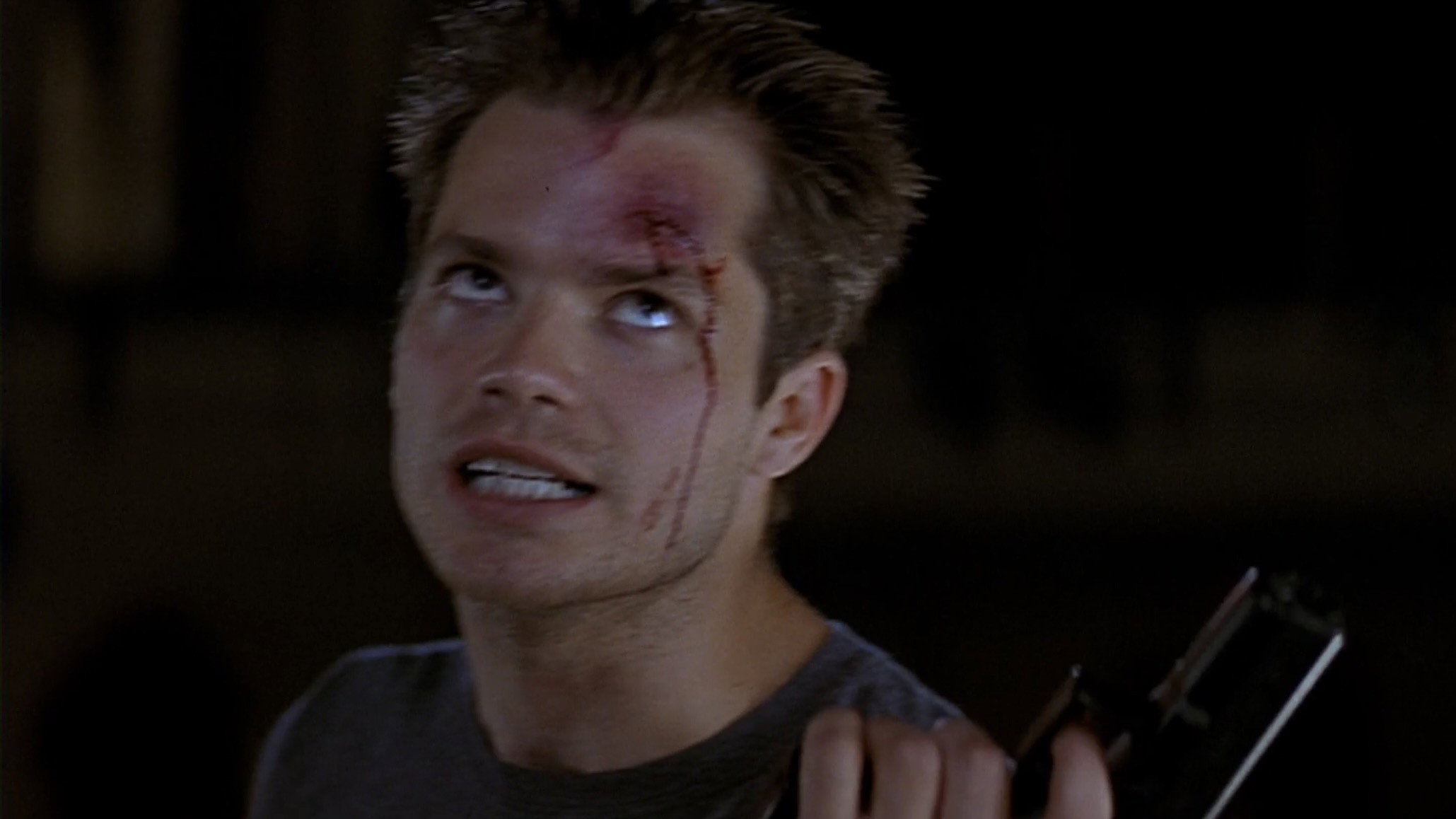
Scream 2 (1997)

US
HORROR FILM Mystery
SUBGENRES SLASHER
7.1/10 7 votes
Runtime
120 min
Release
December 9, 1997
Budget
$24,000,000
Revenue
$172,363,301
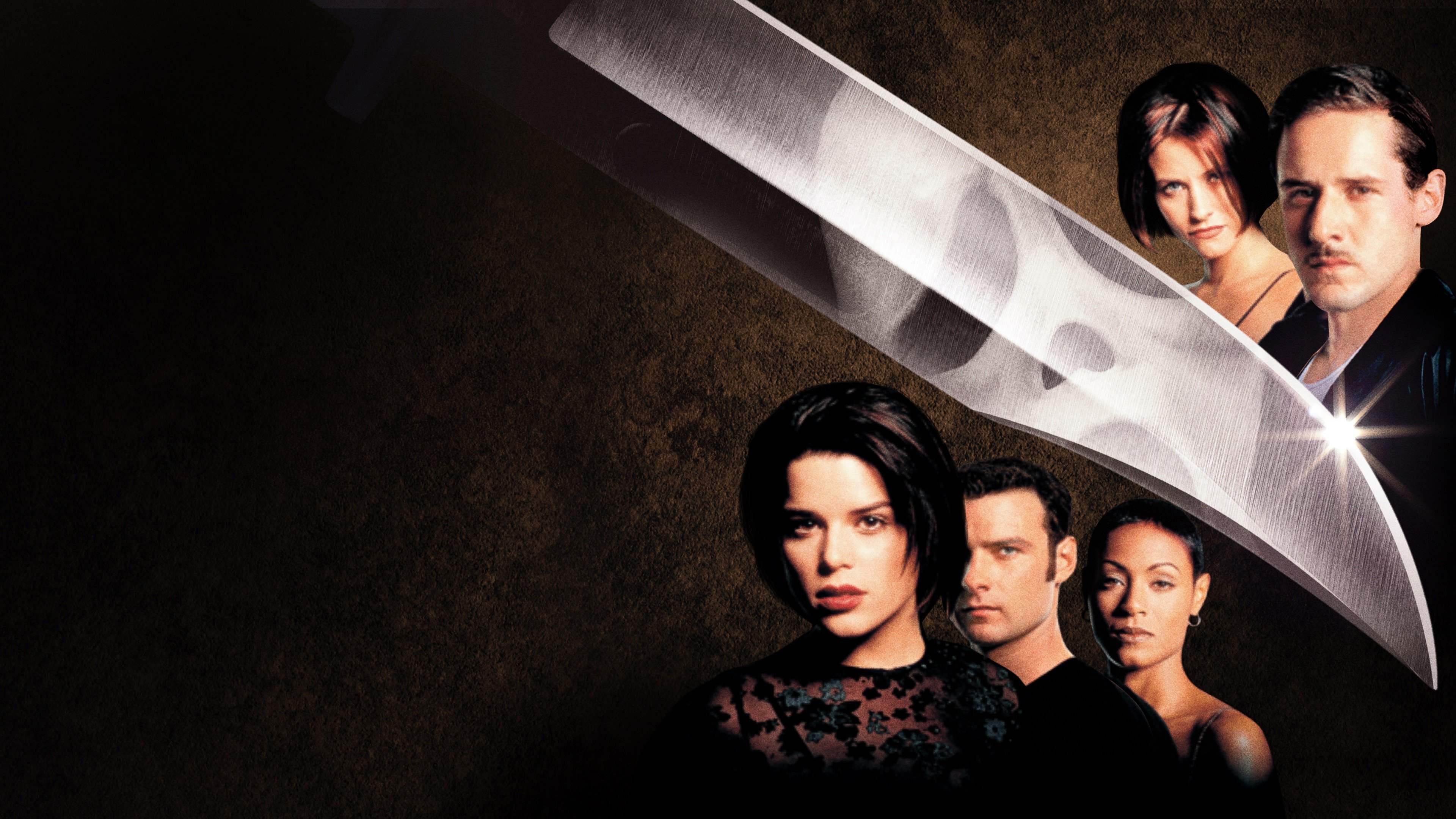
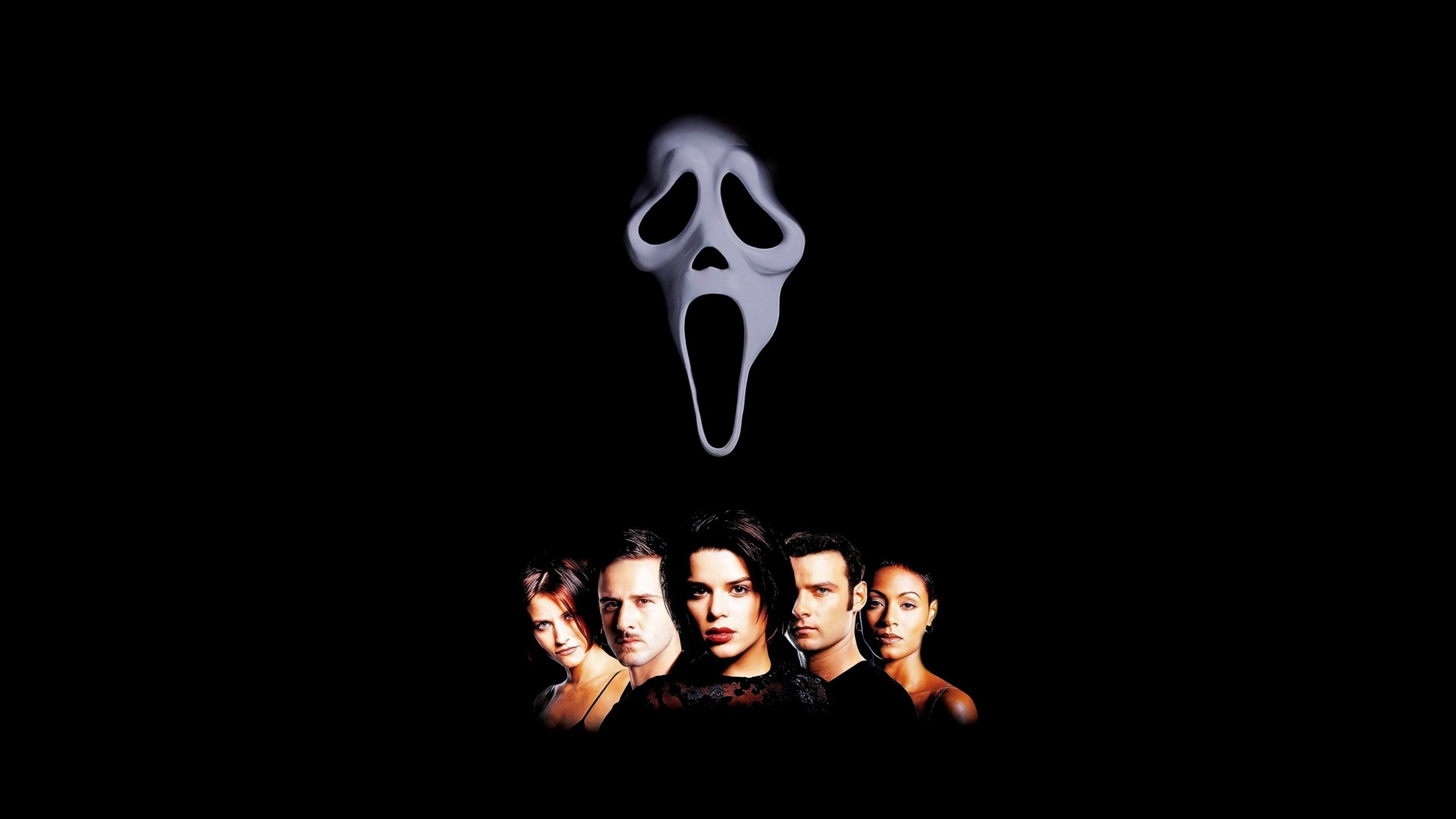
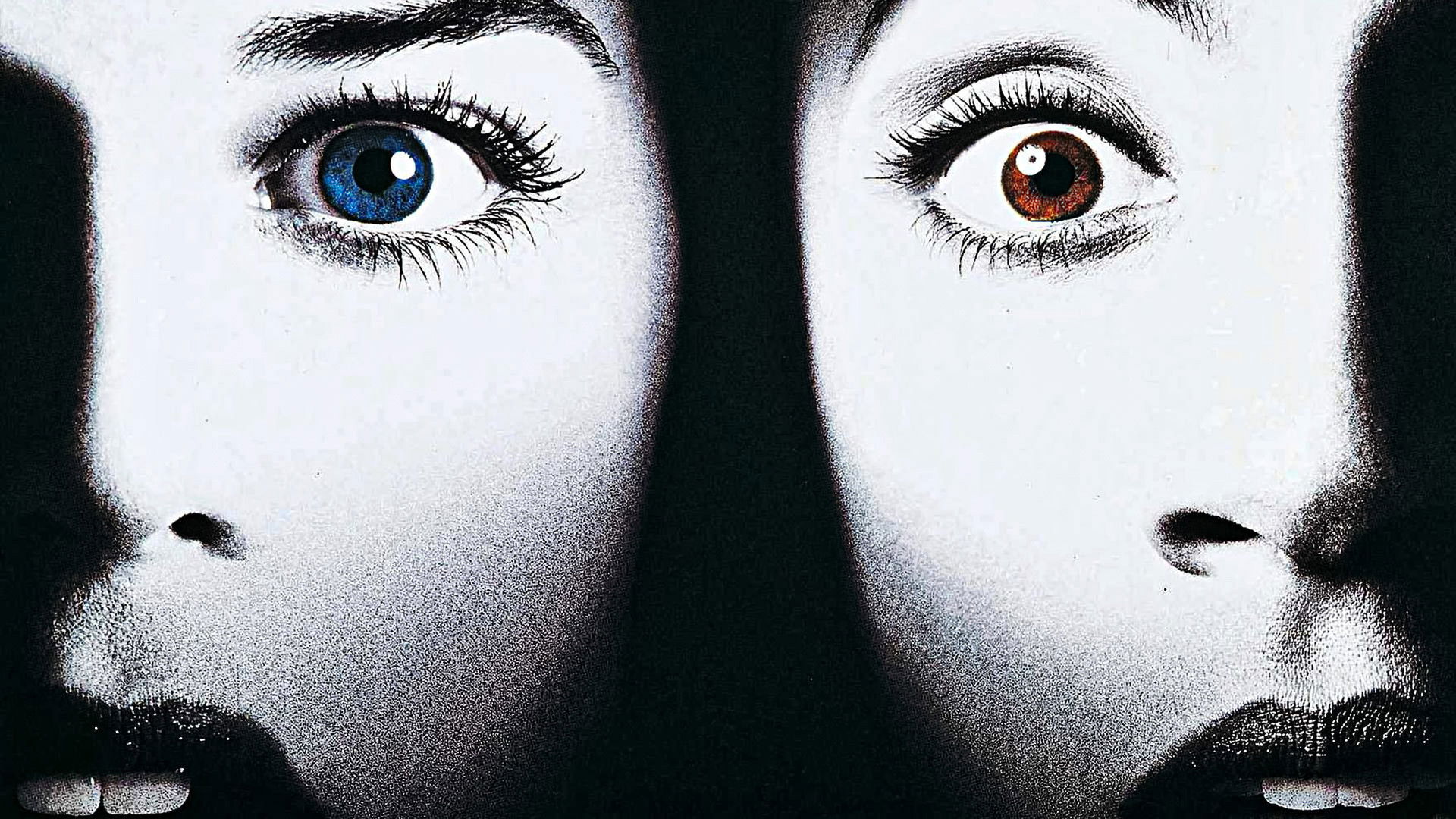
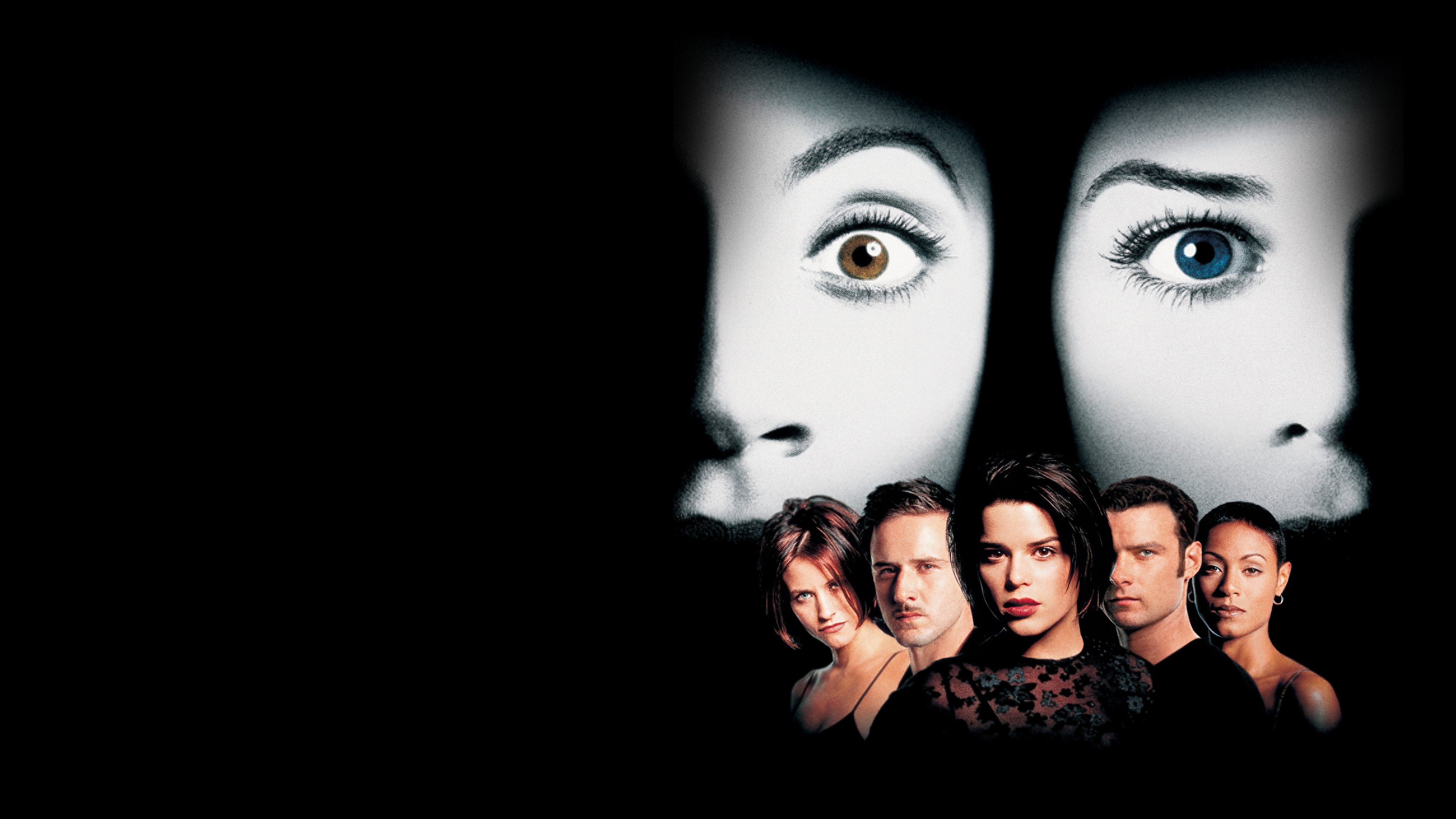
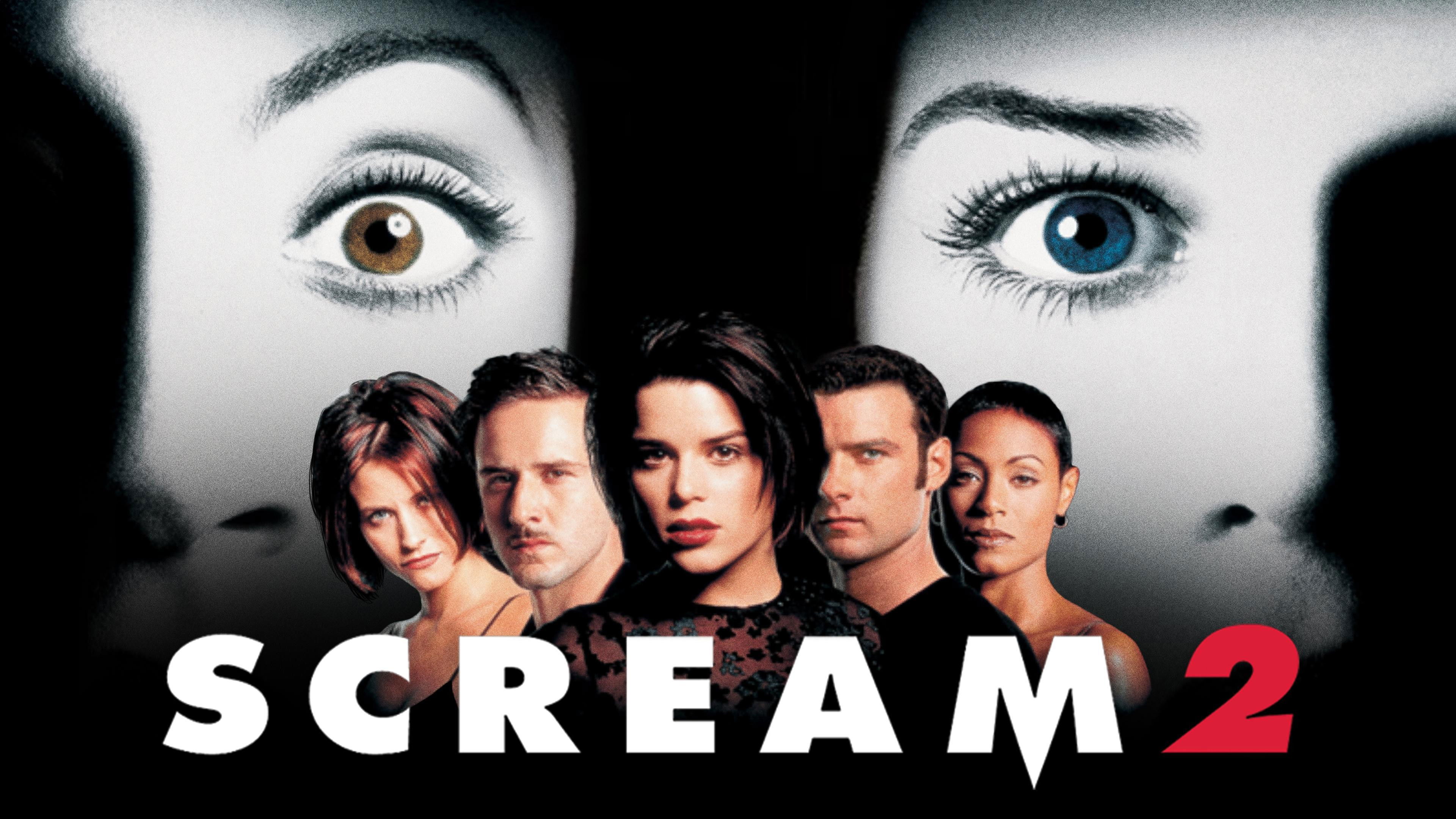
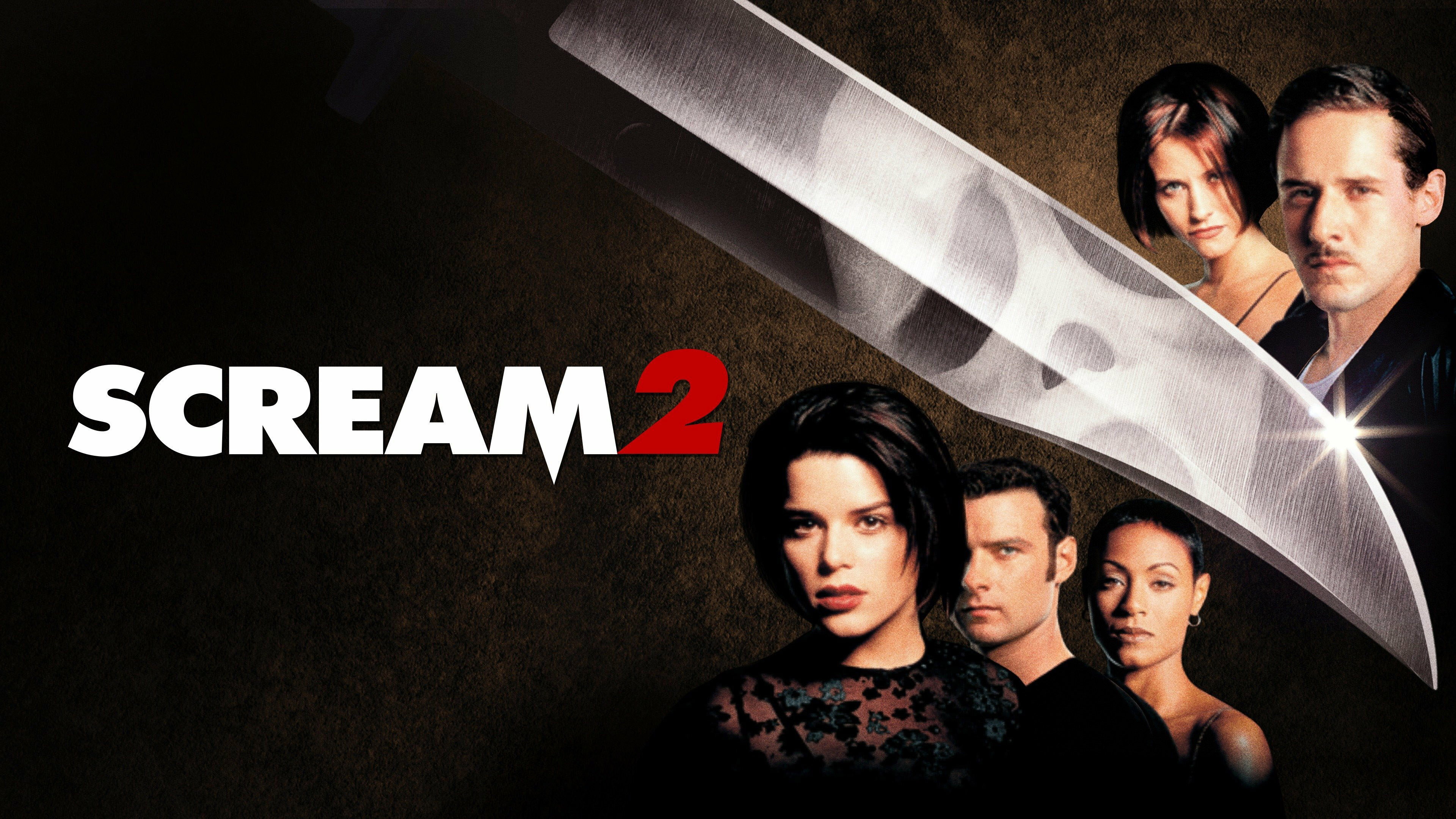
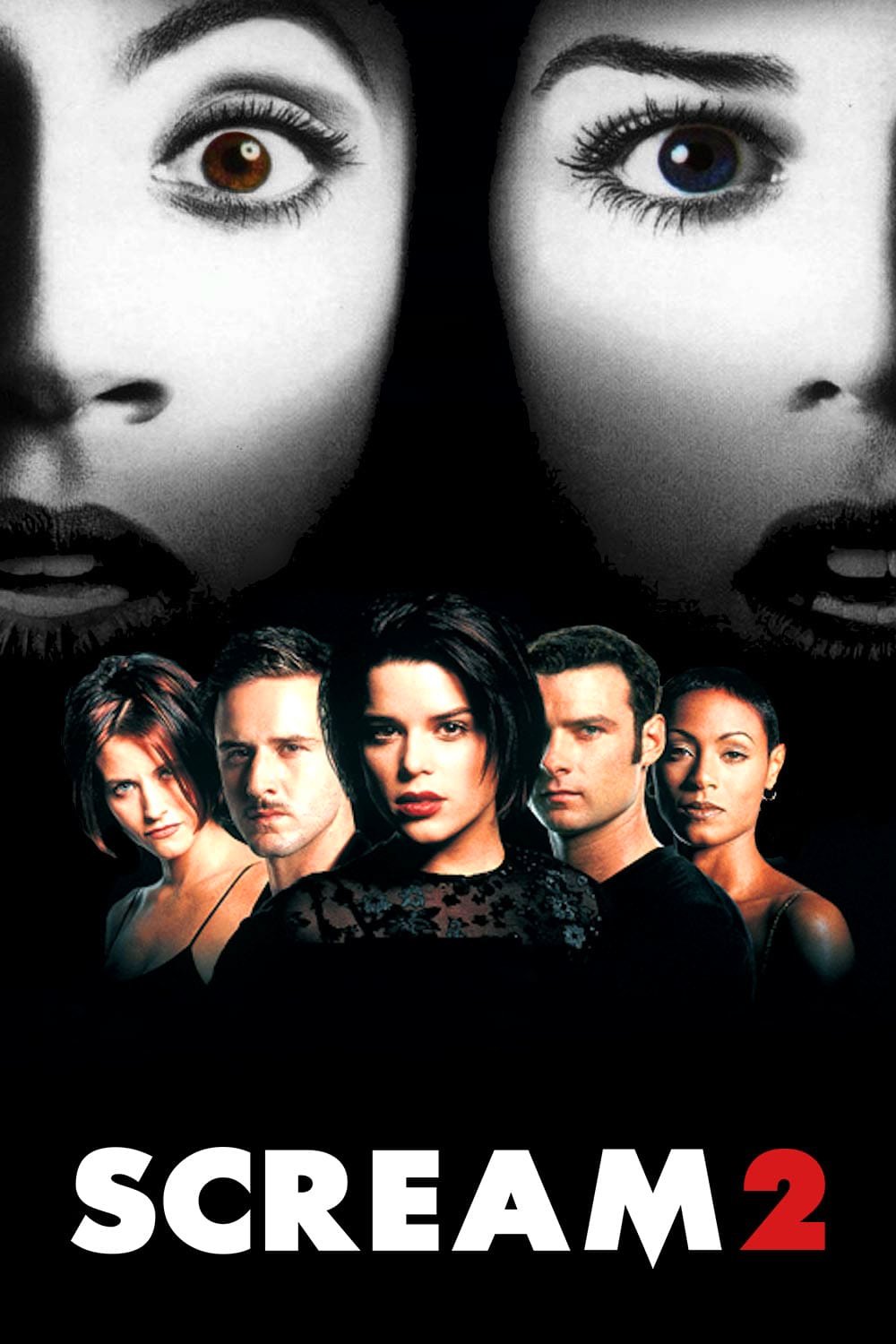
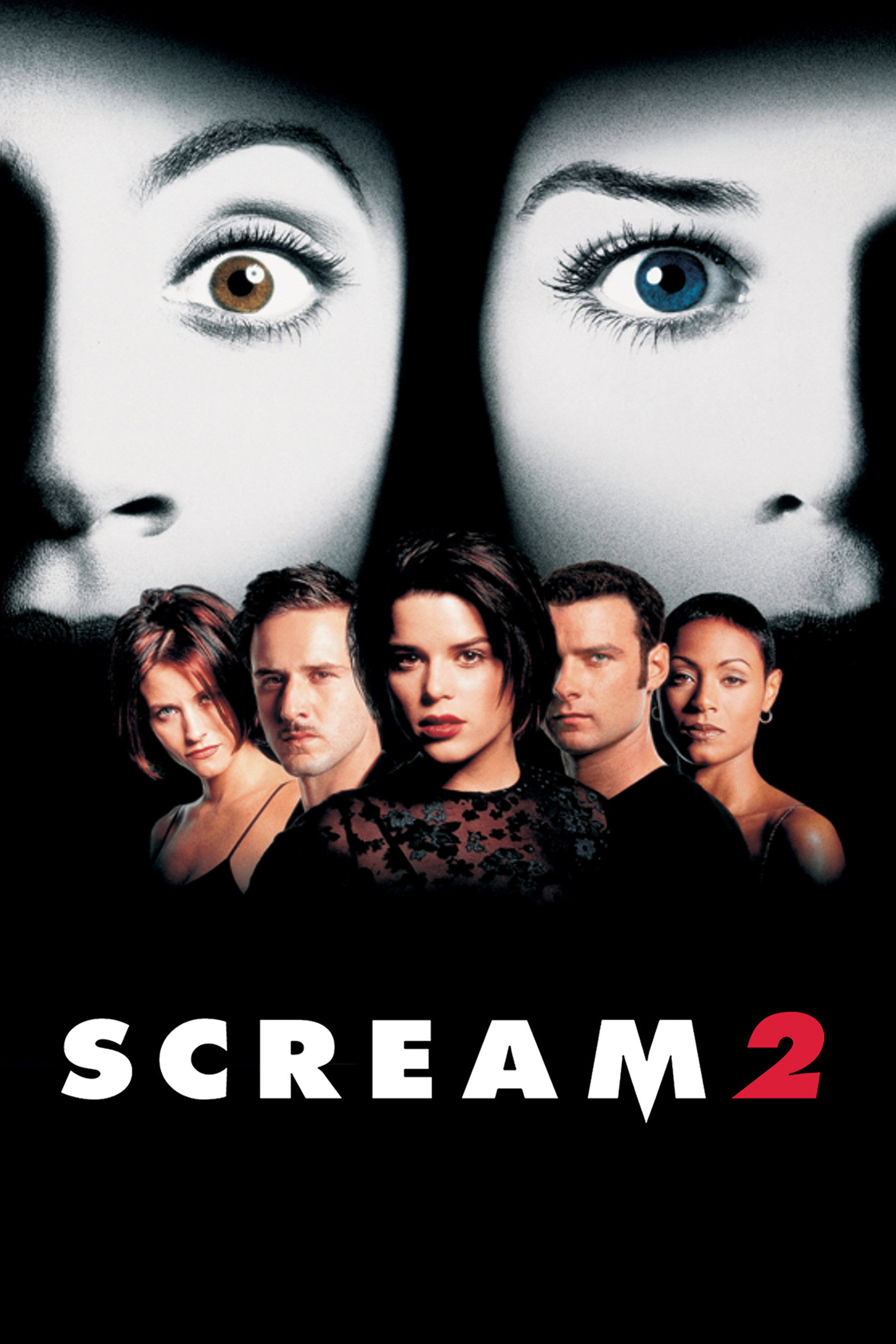
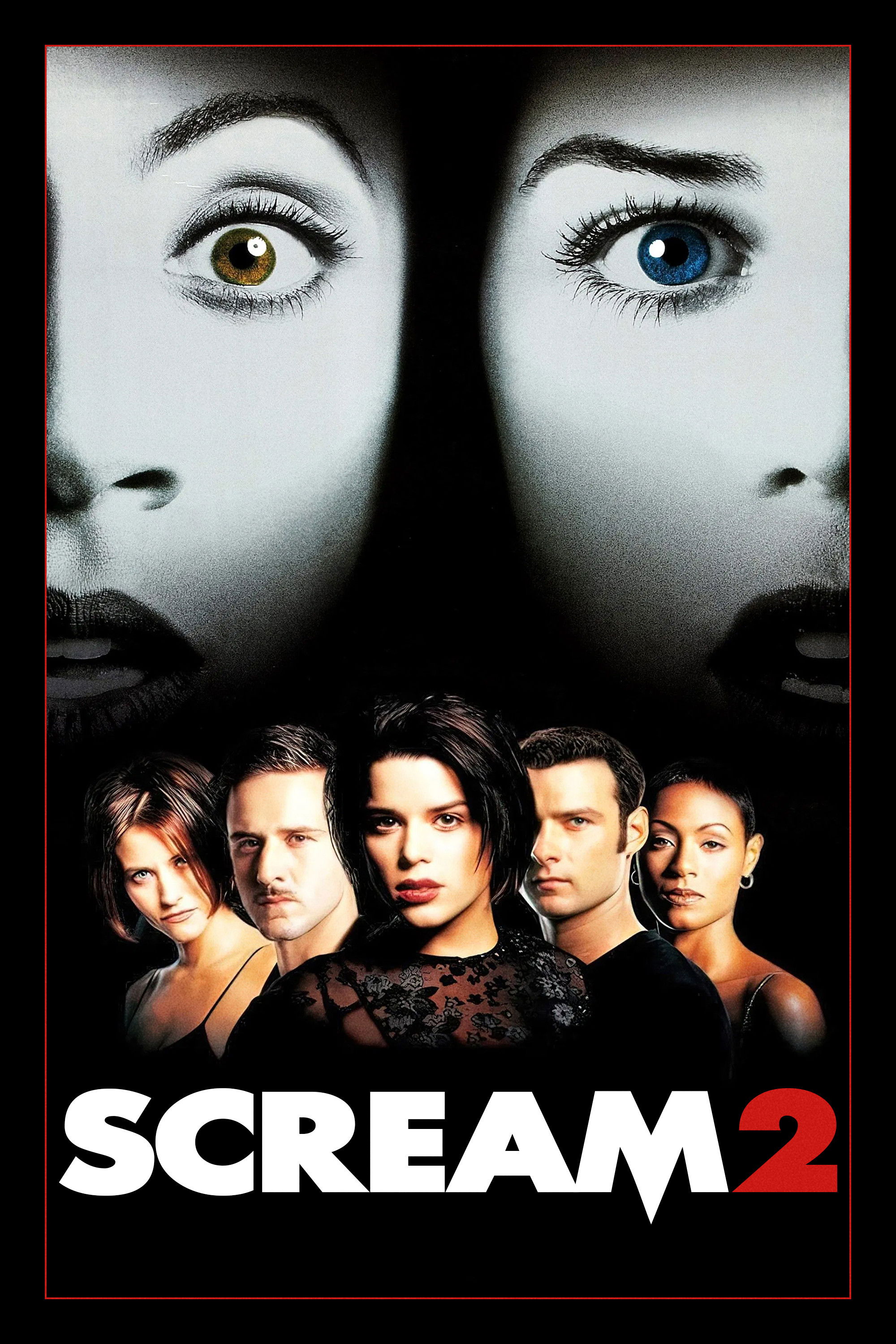
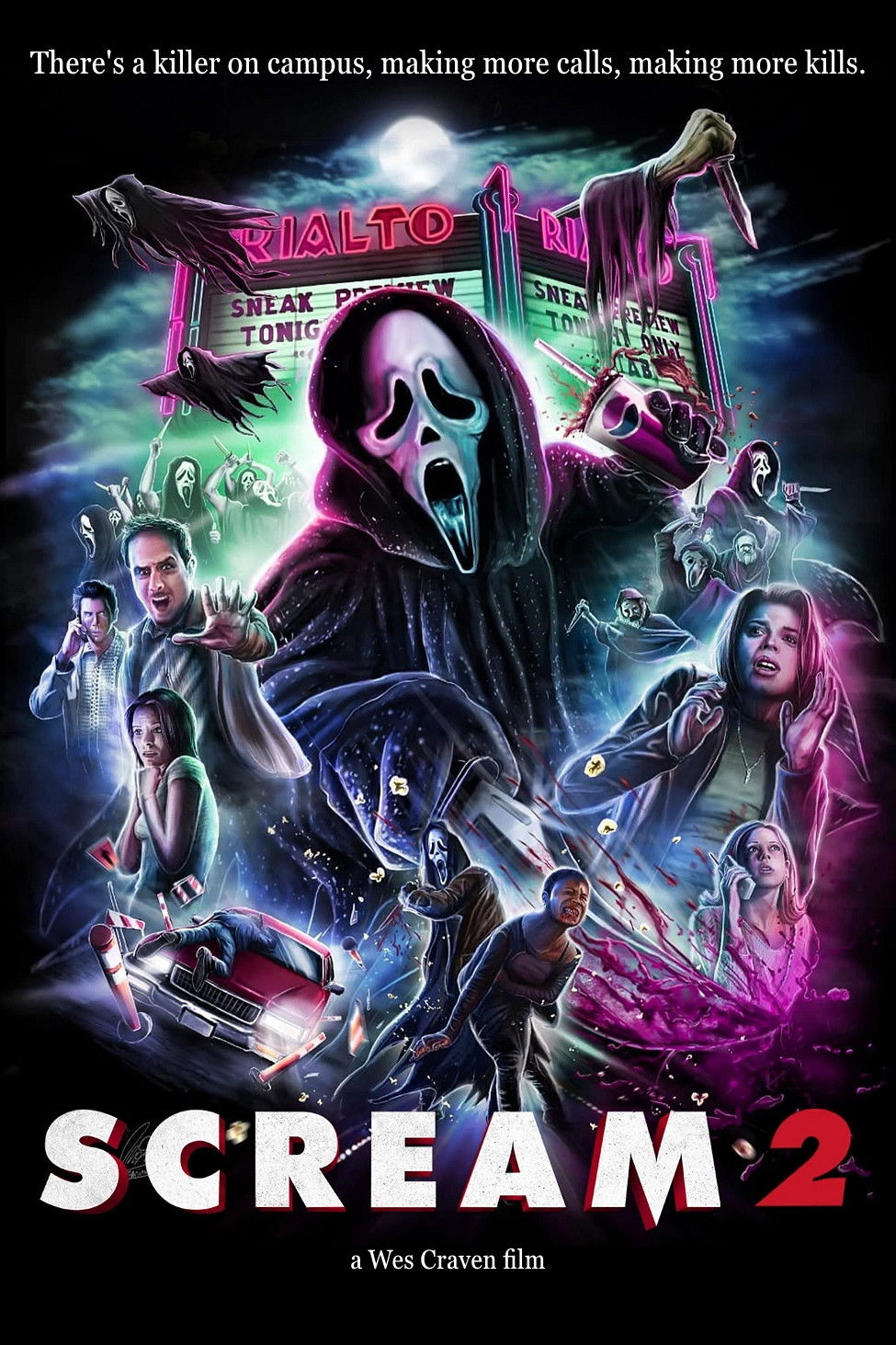
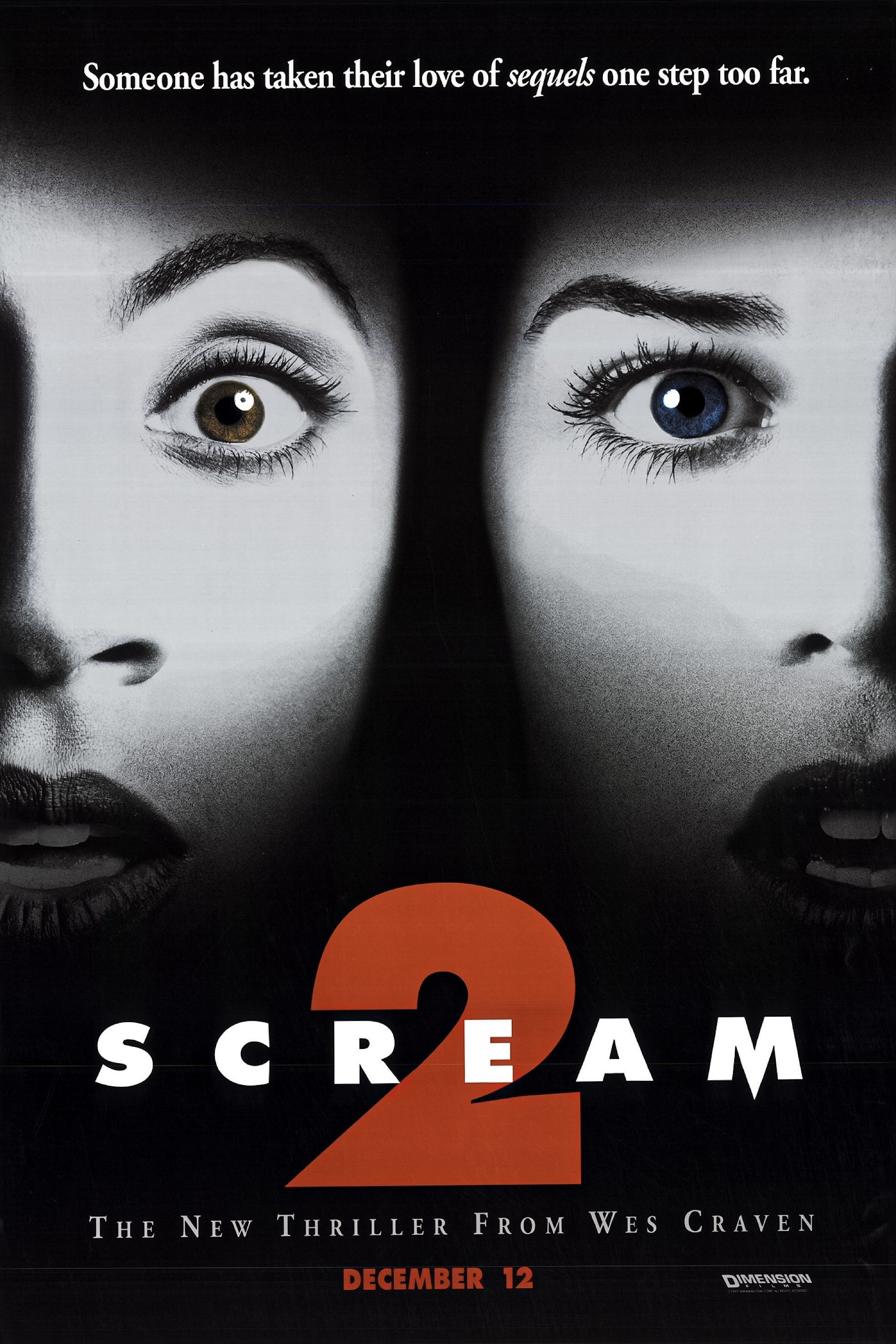
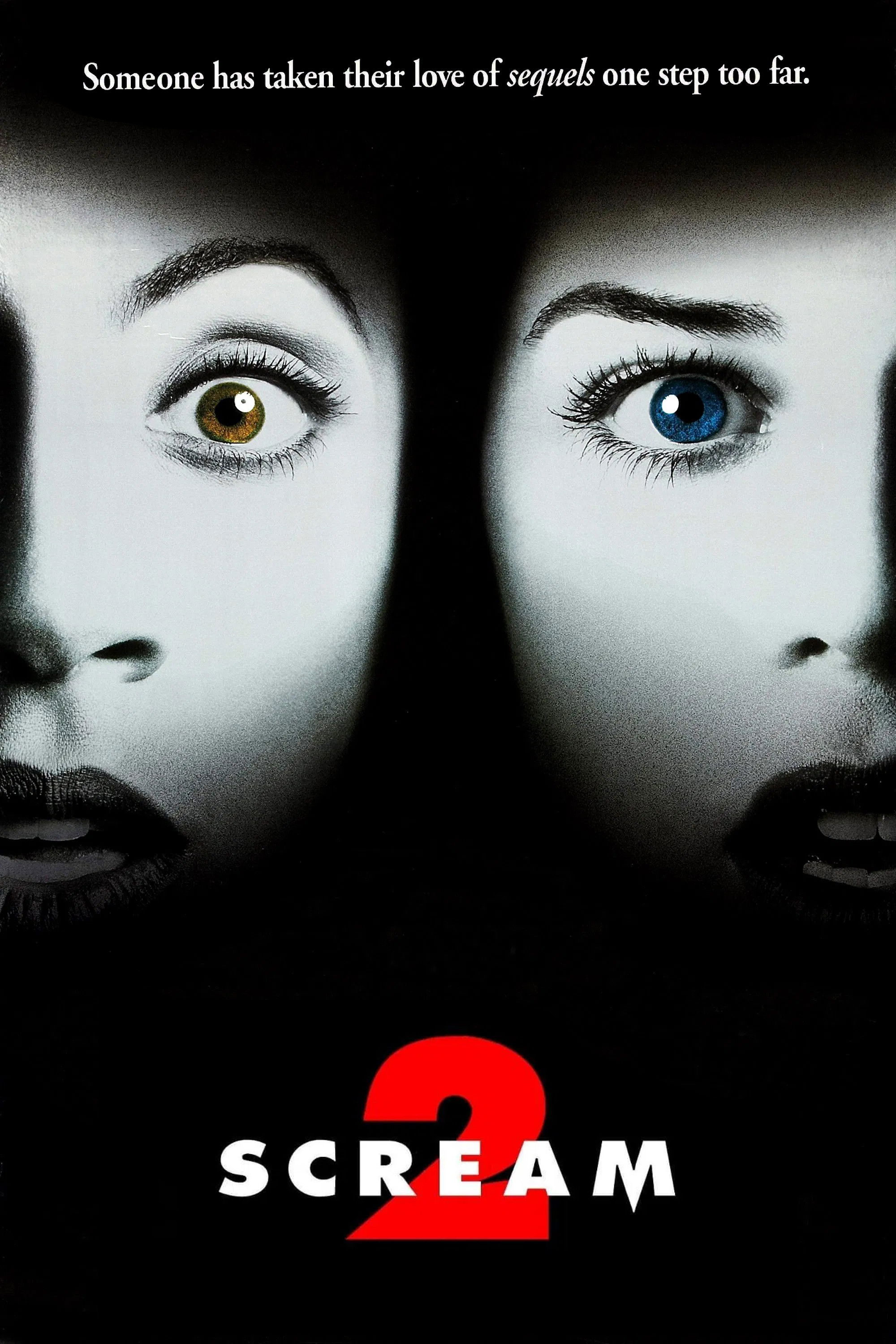
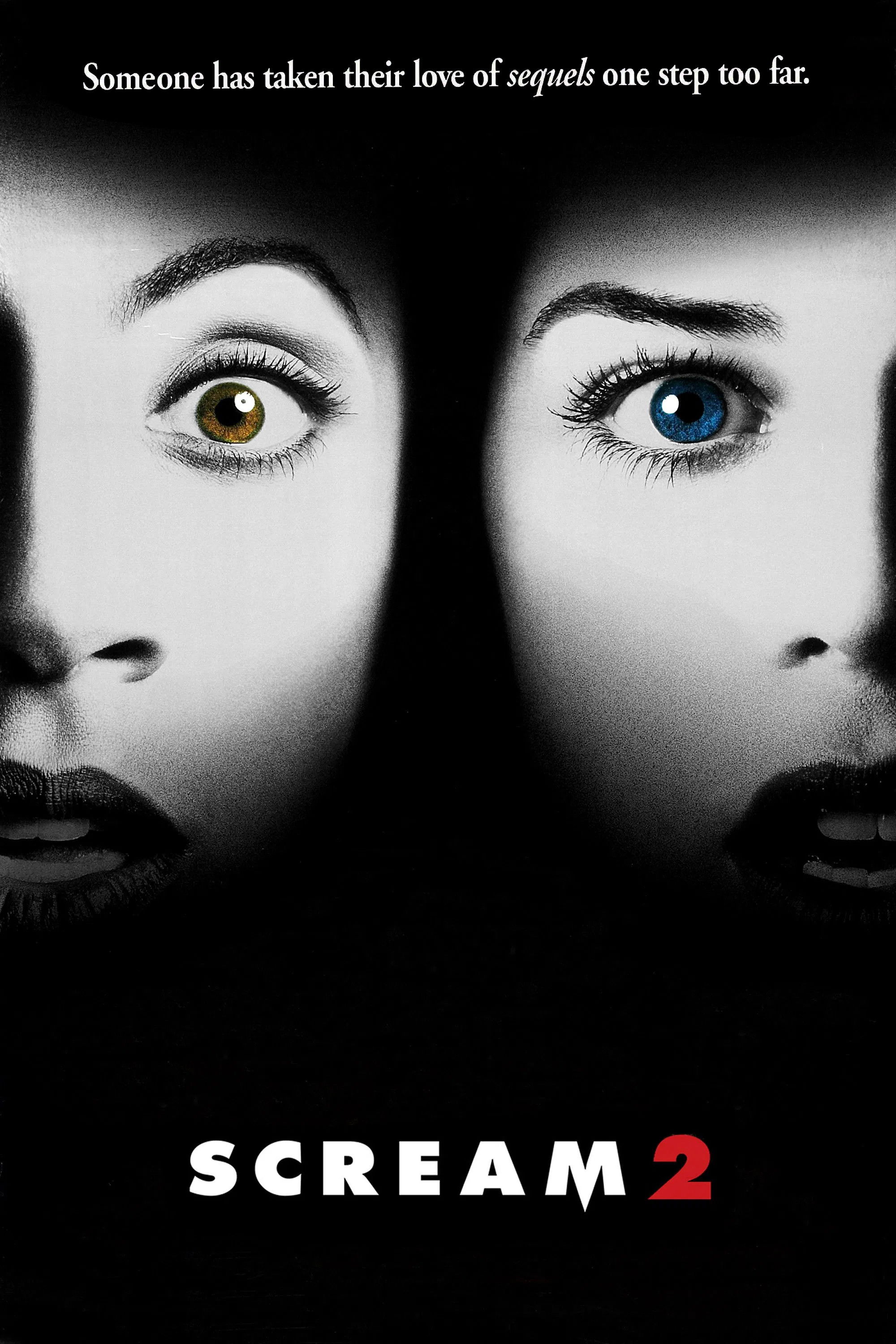
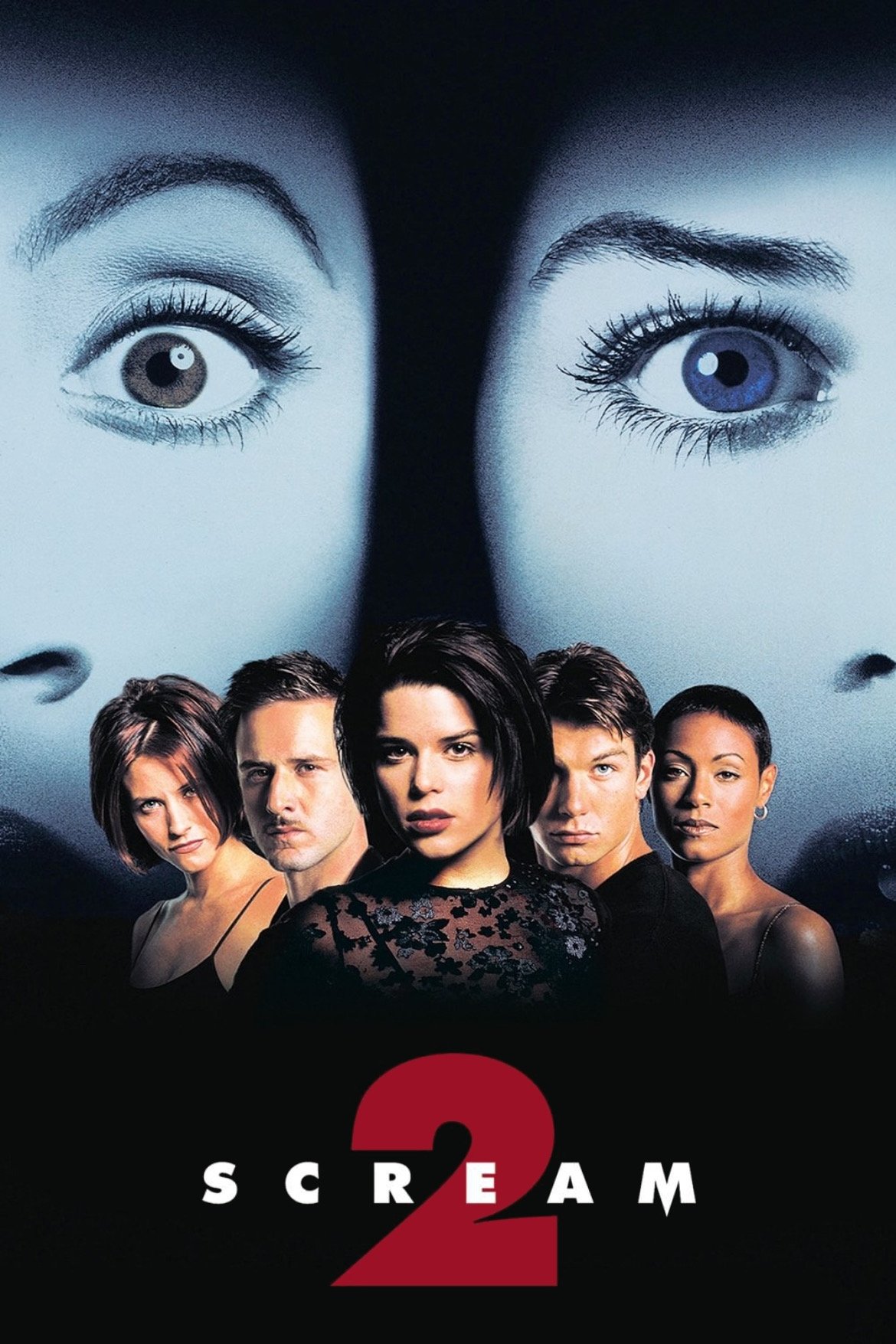
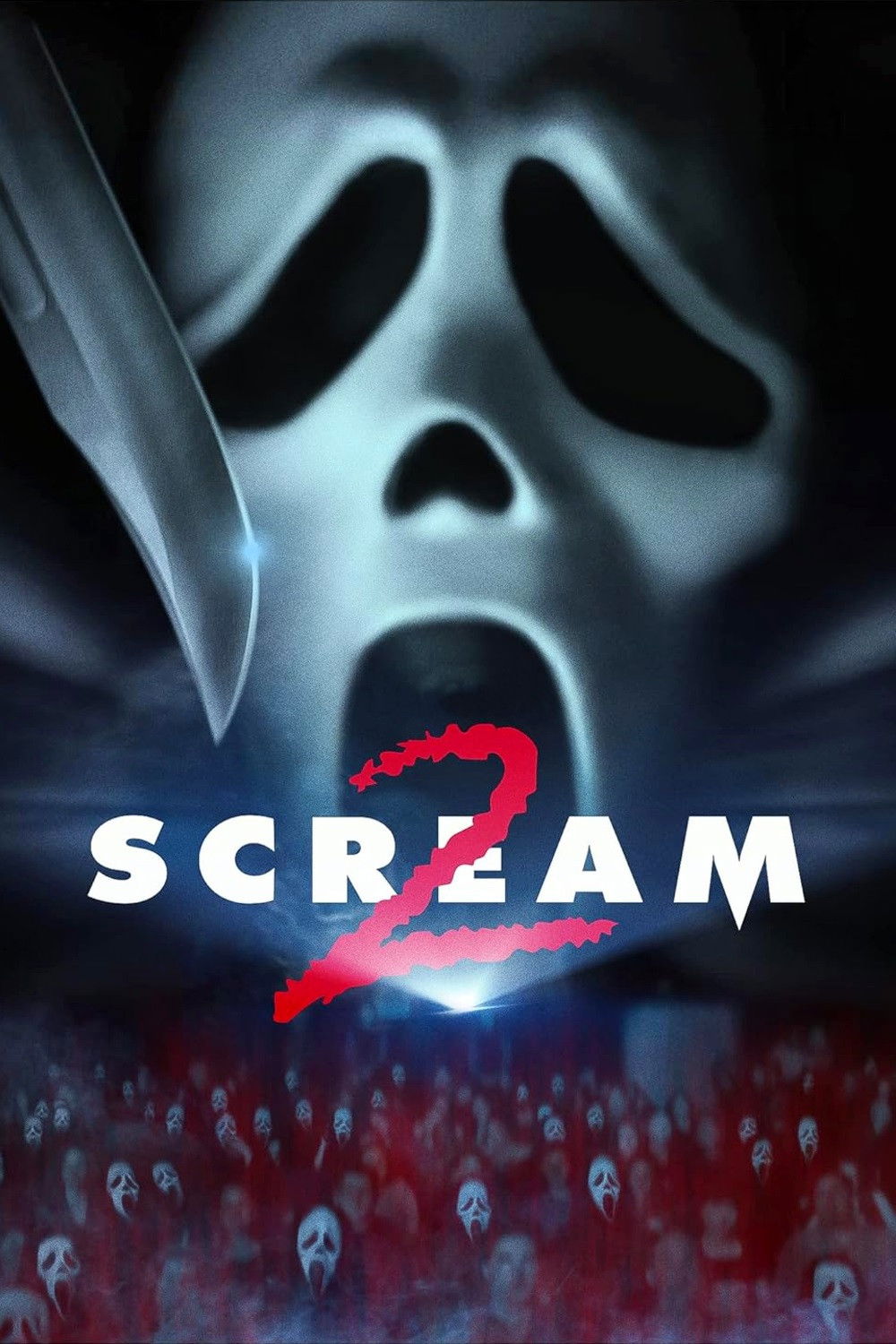
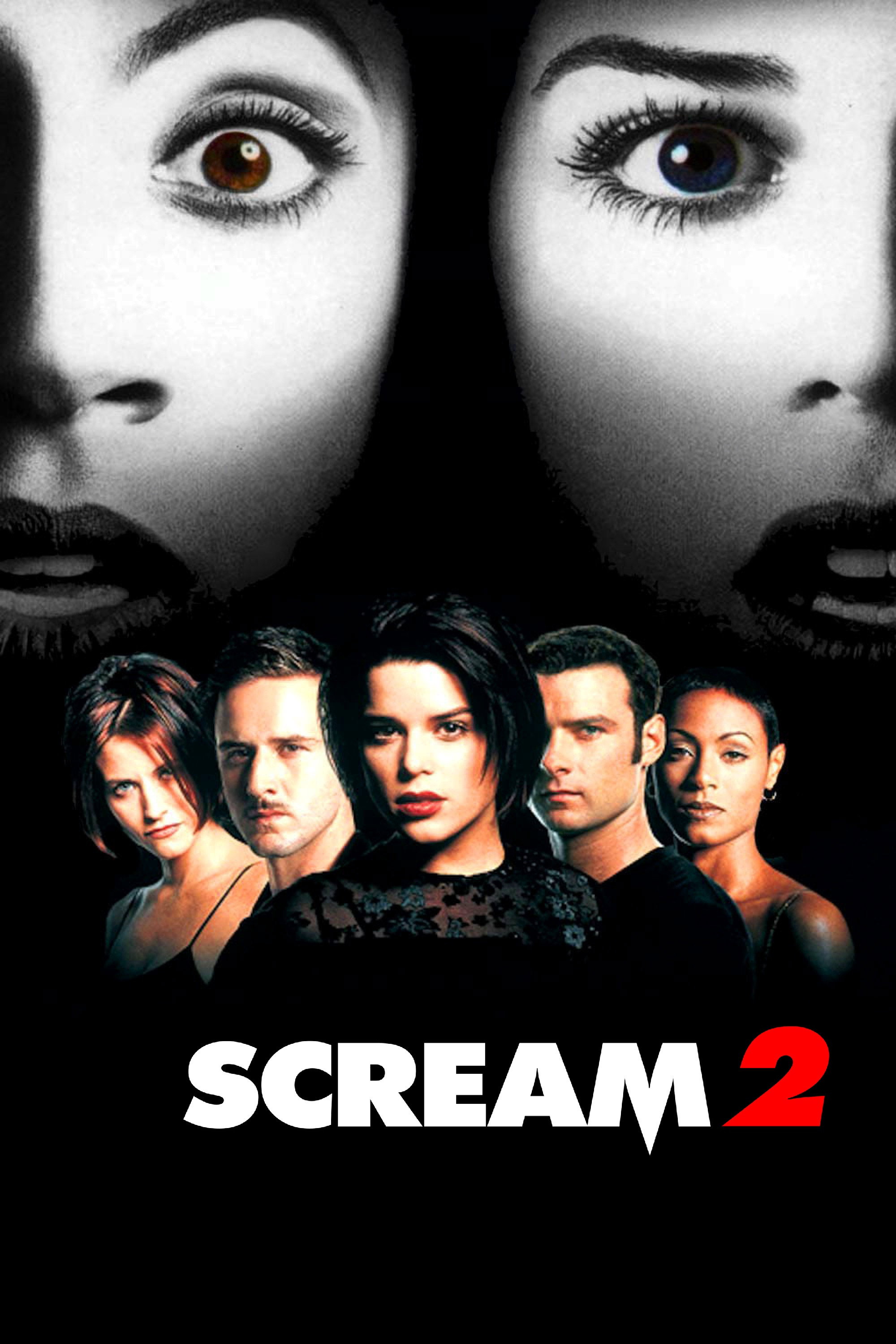
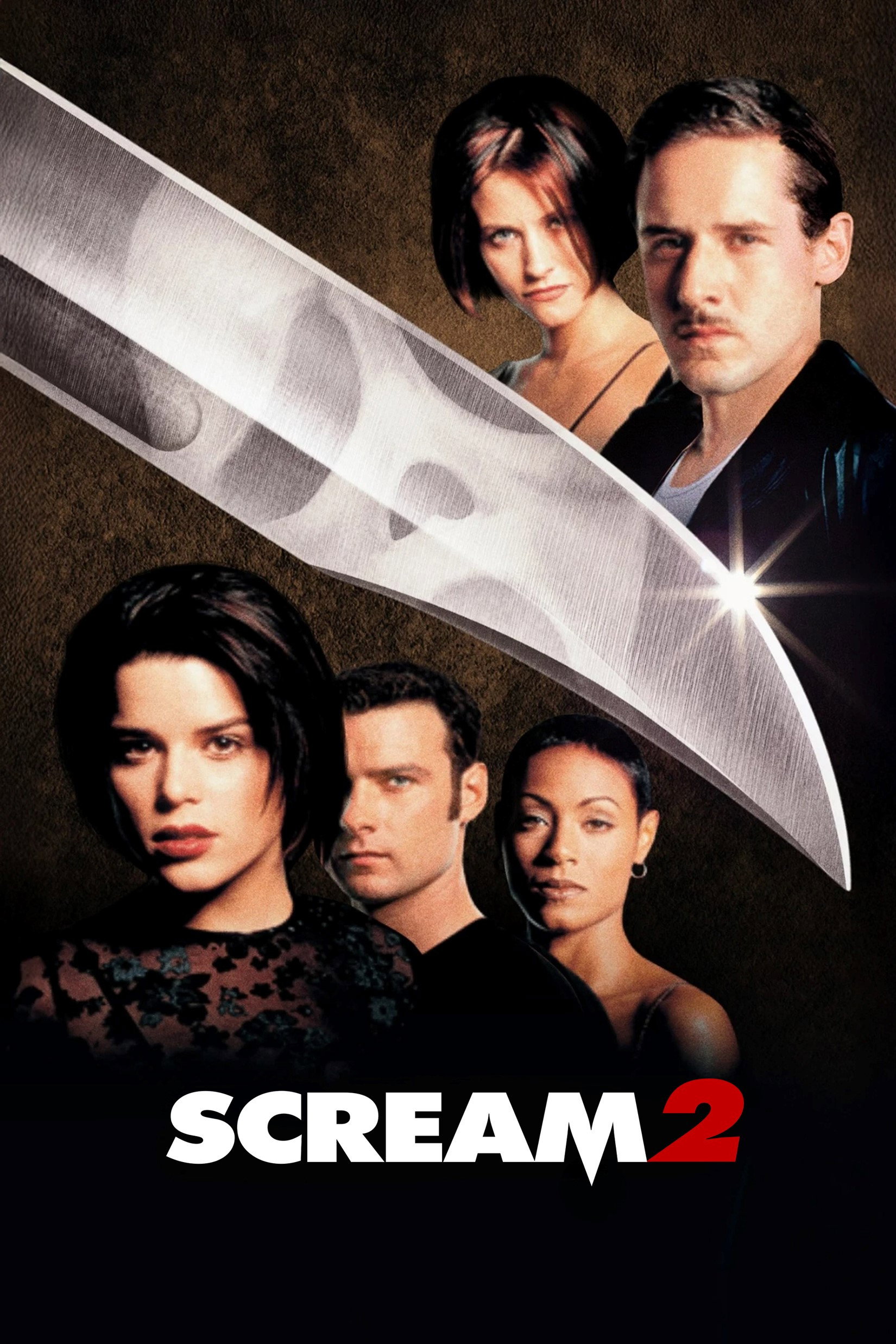
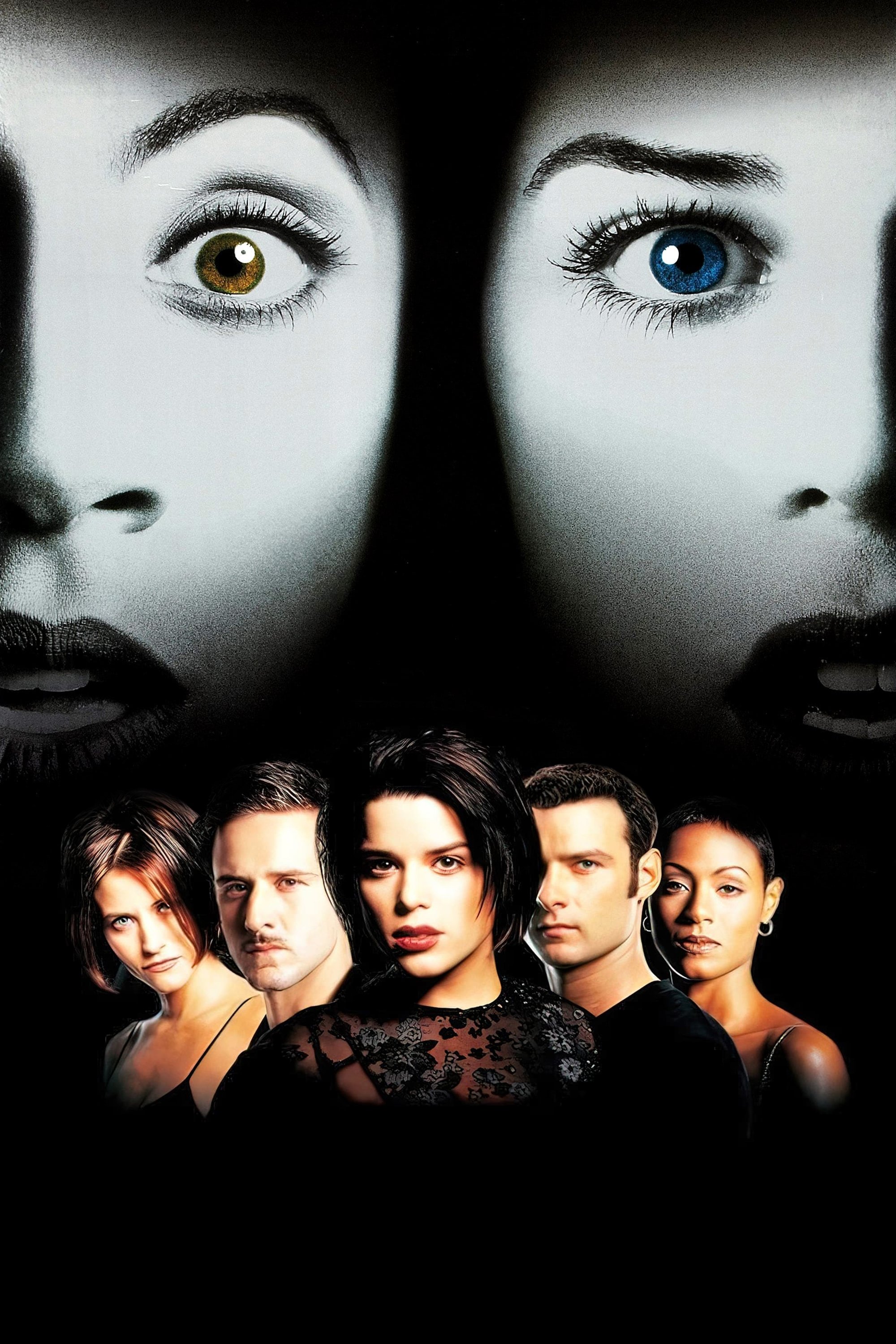
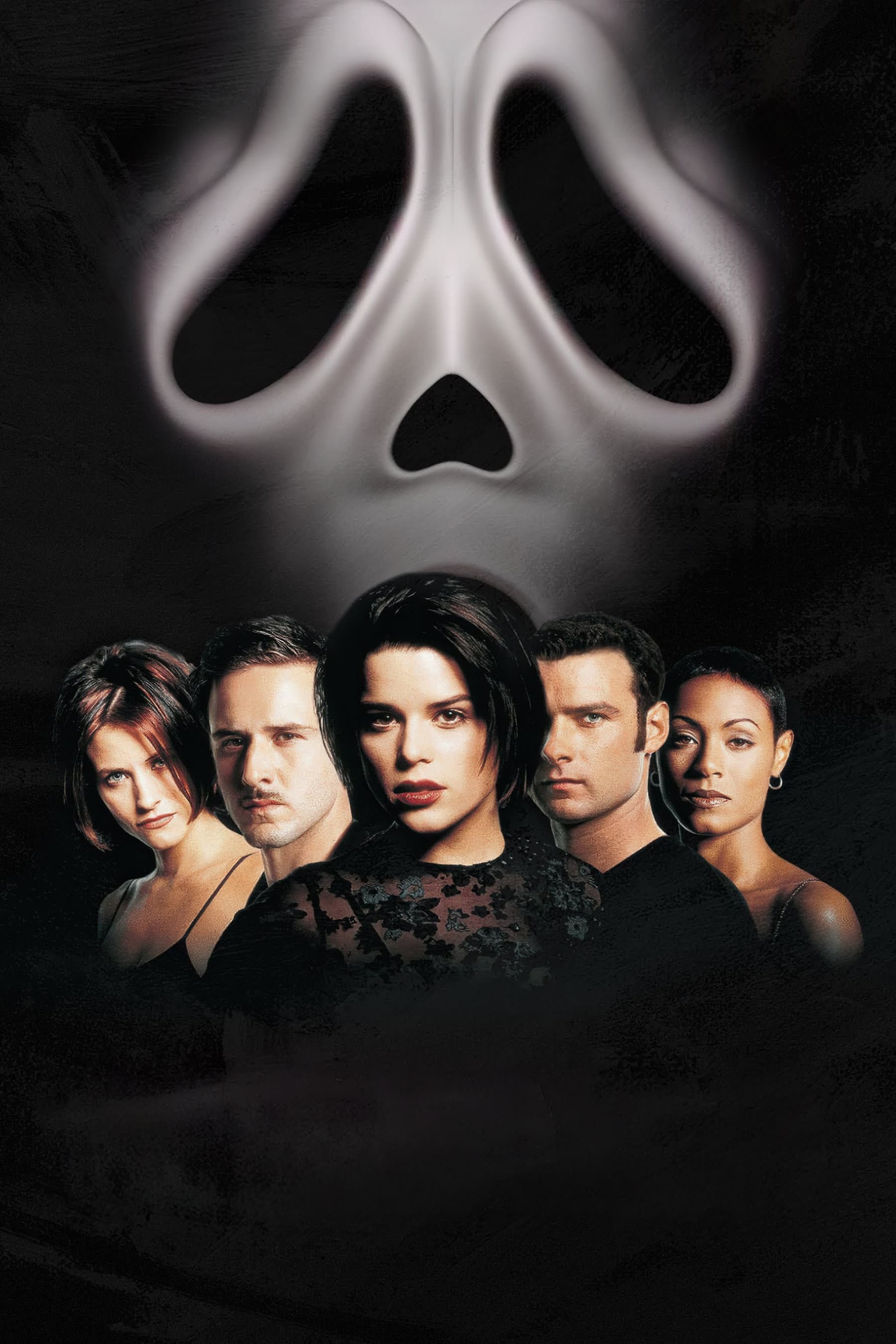
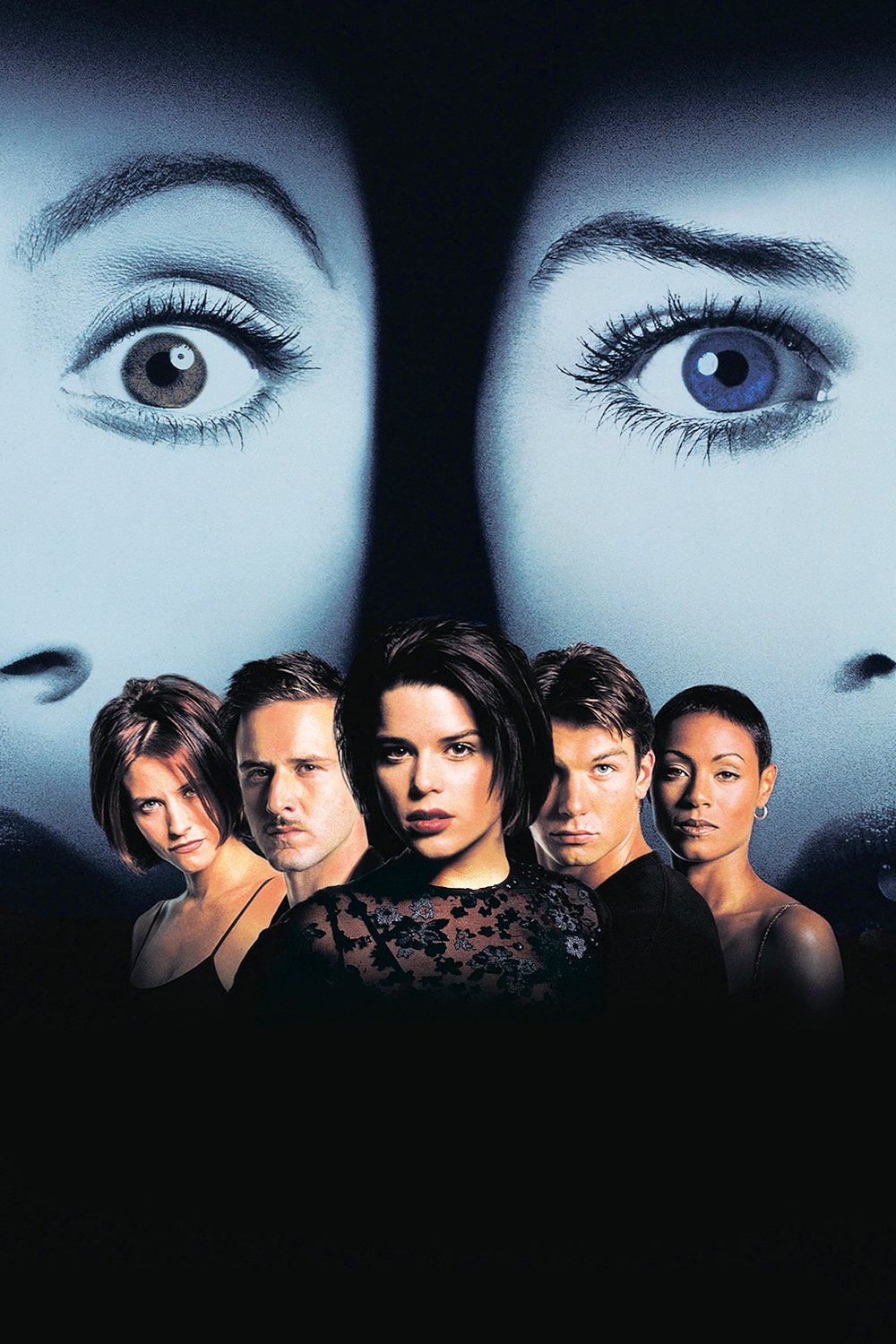
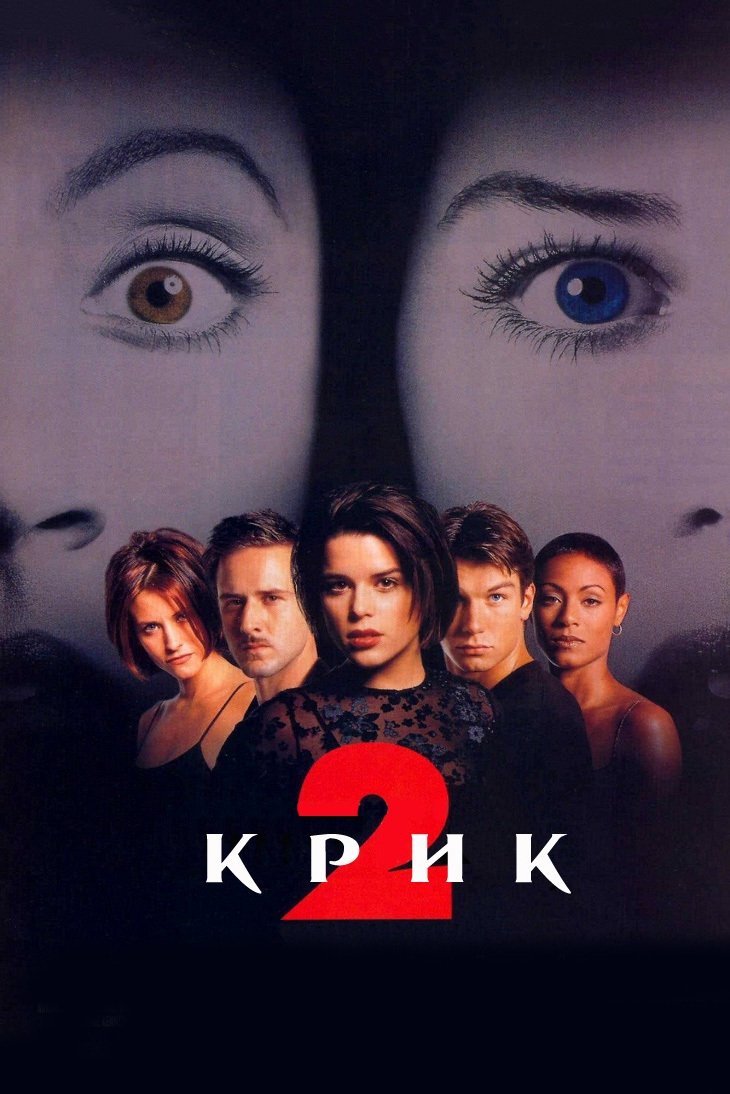
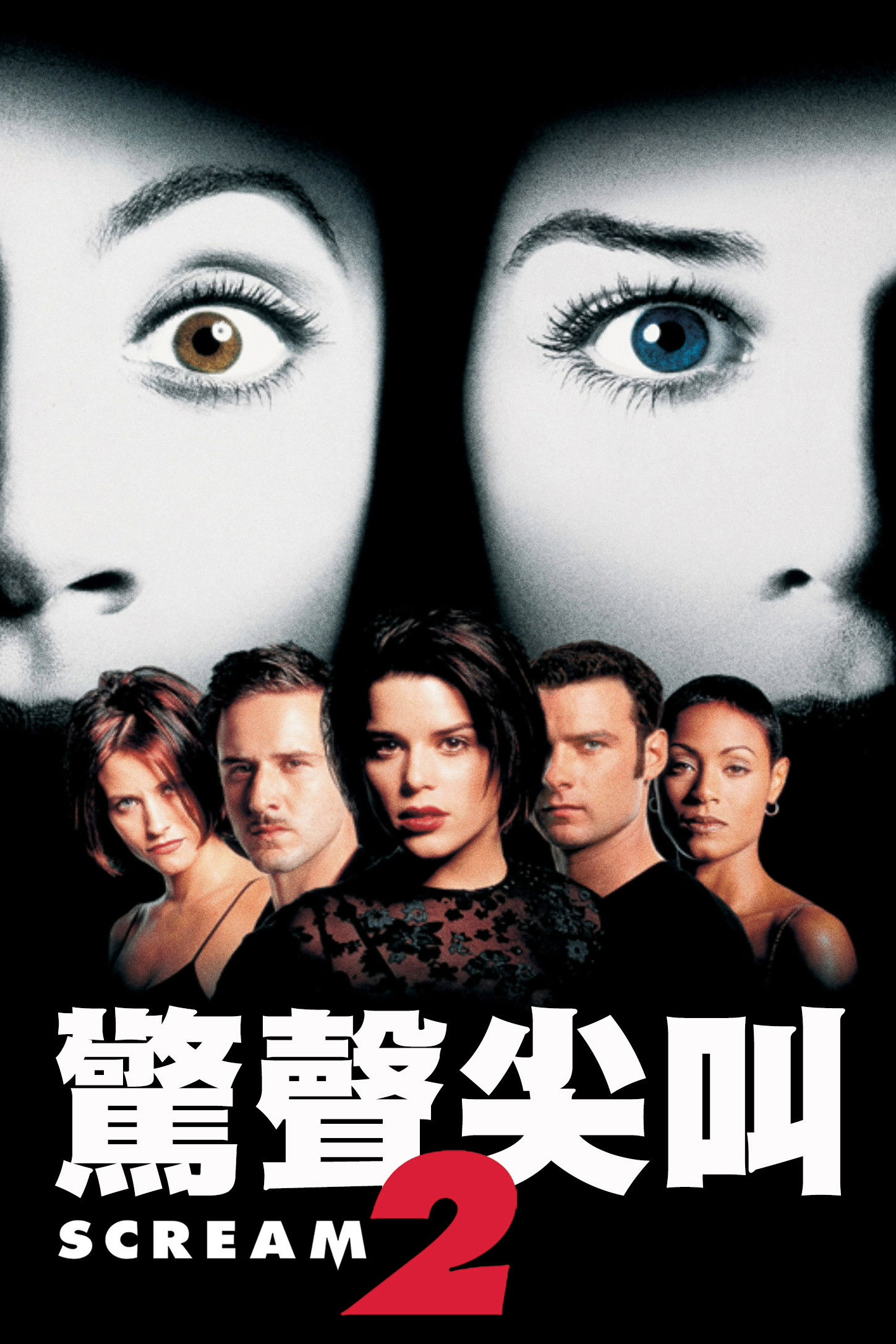
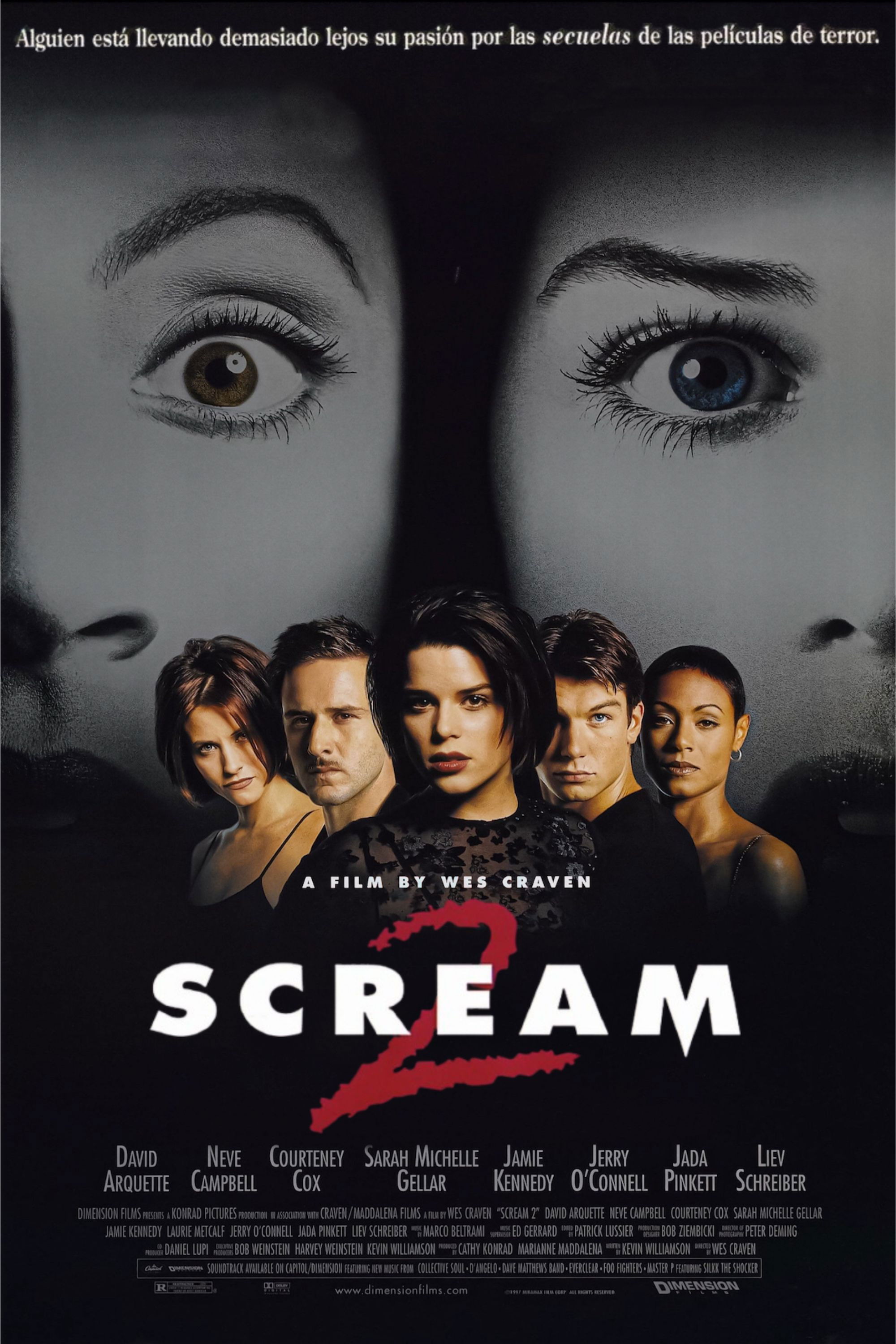
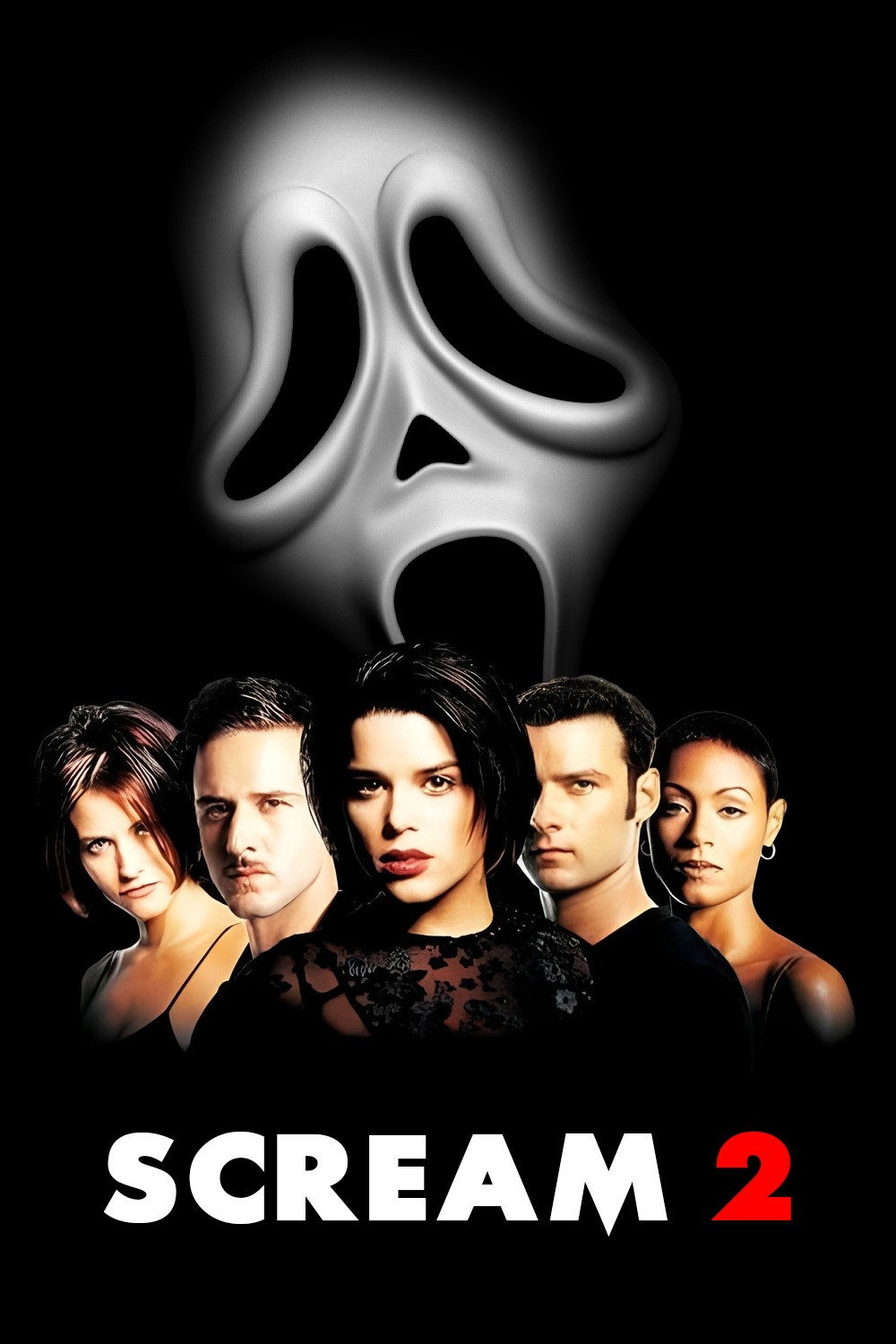
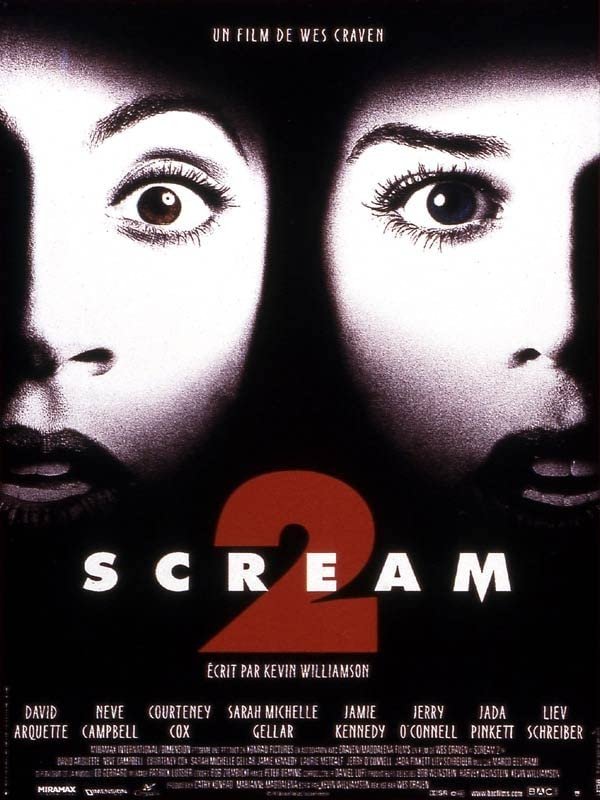
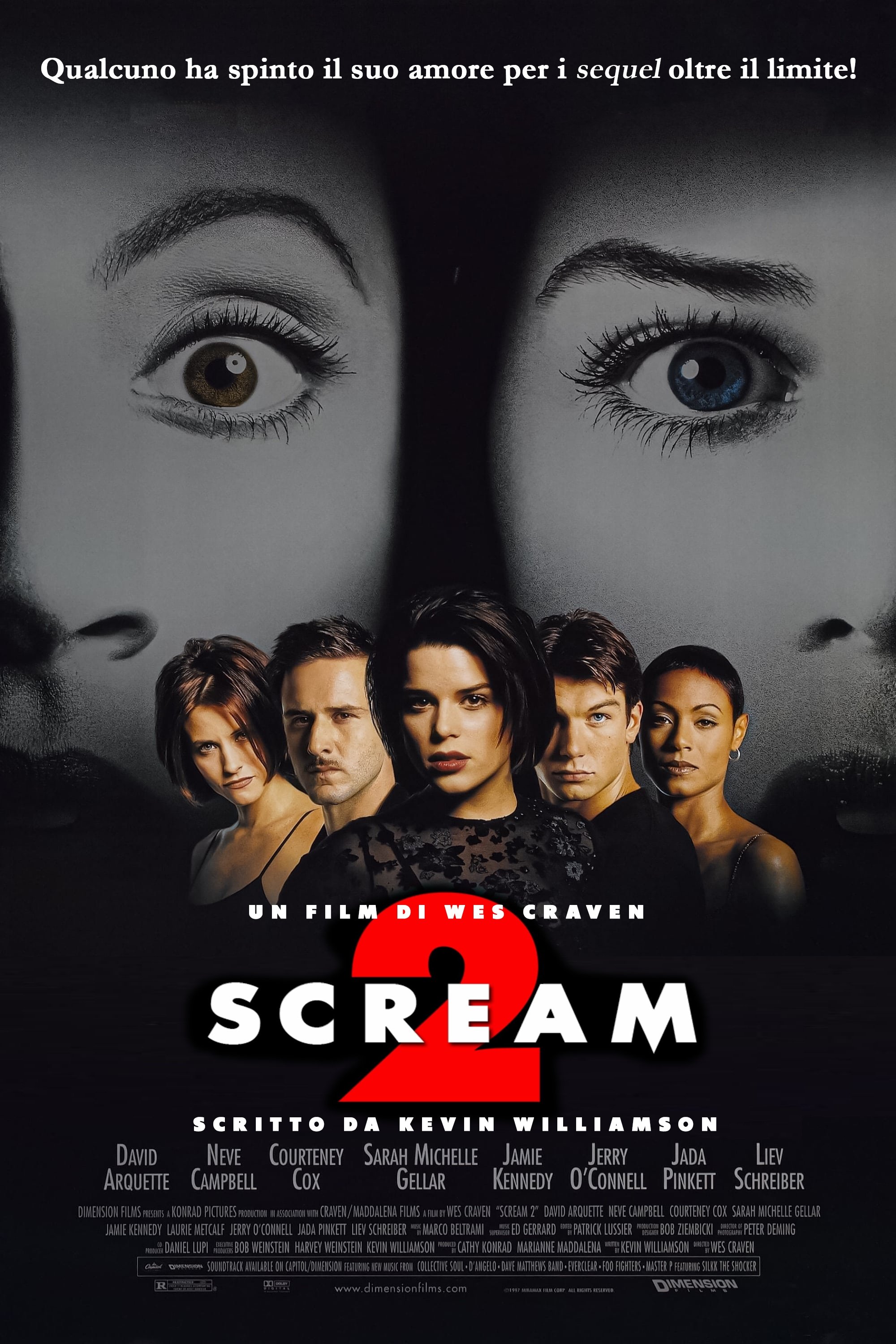
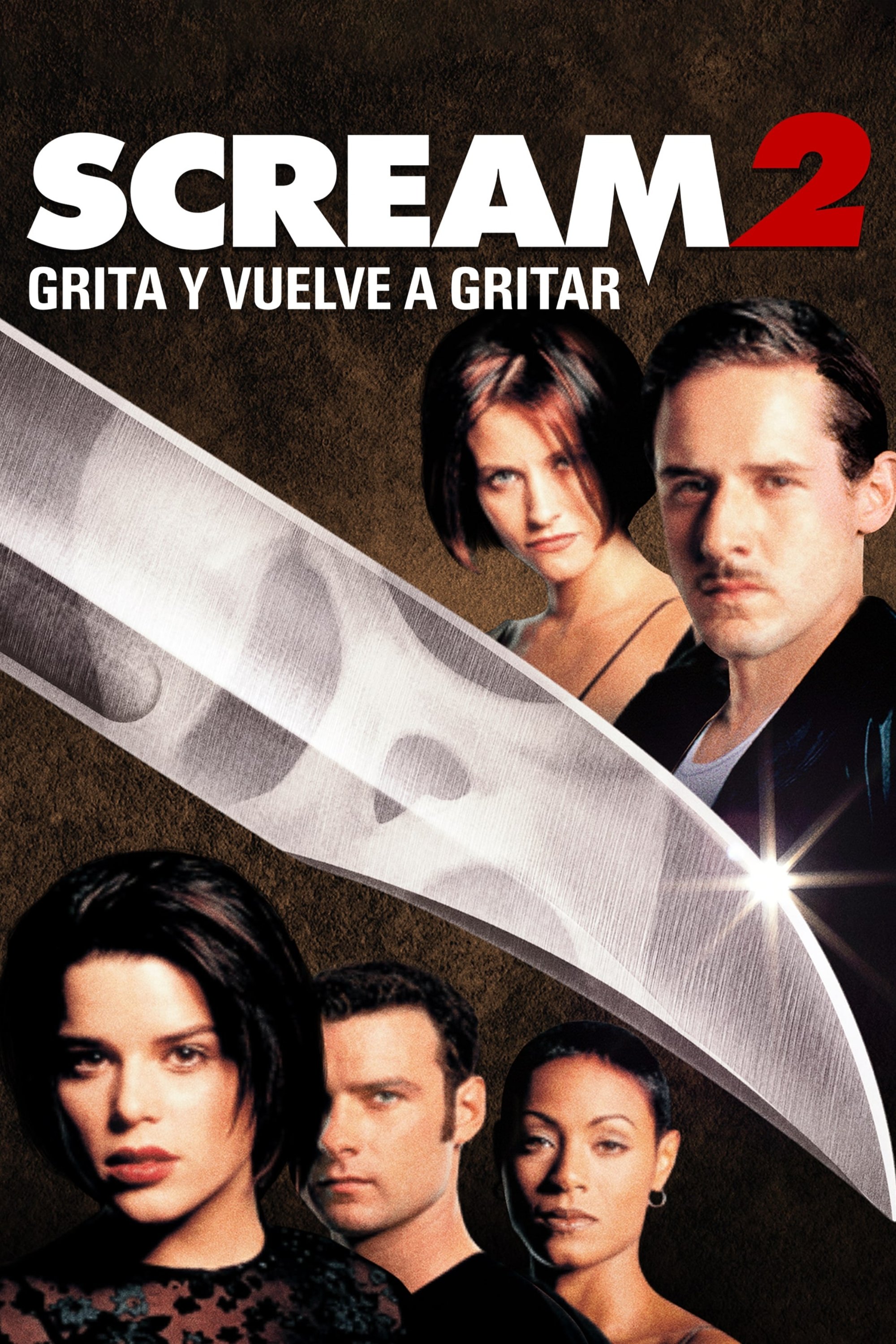
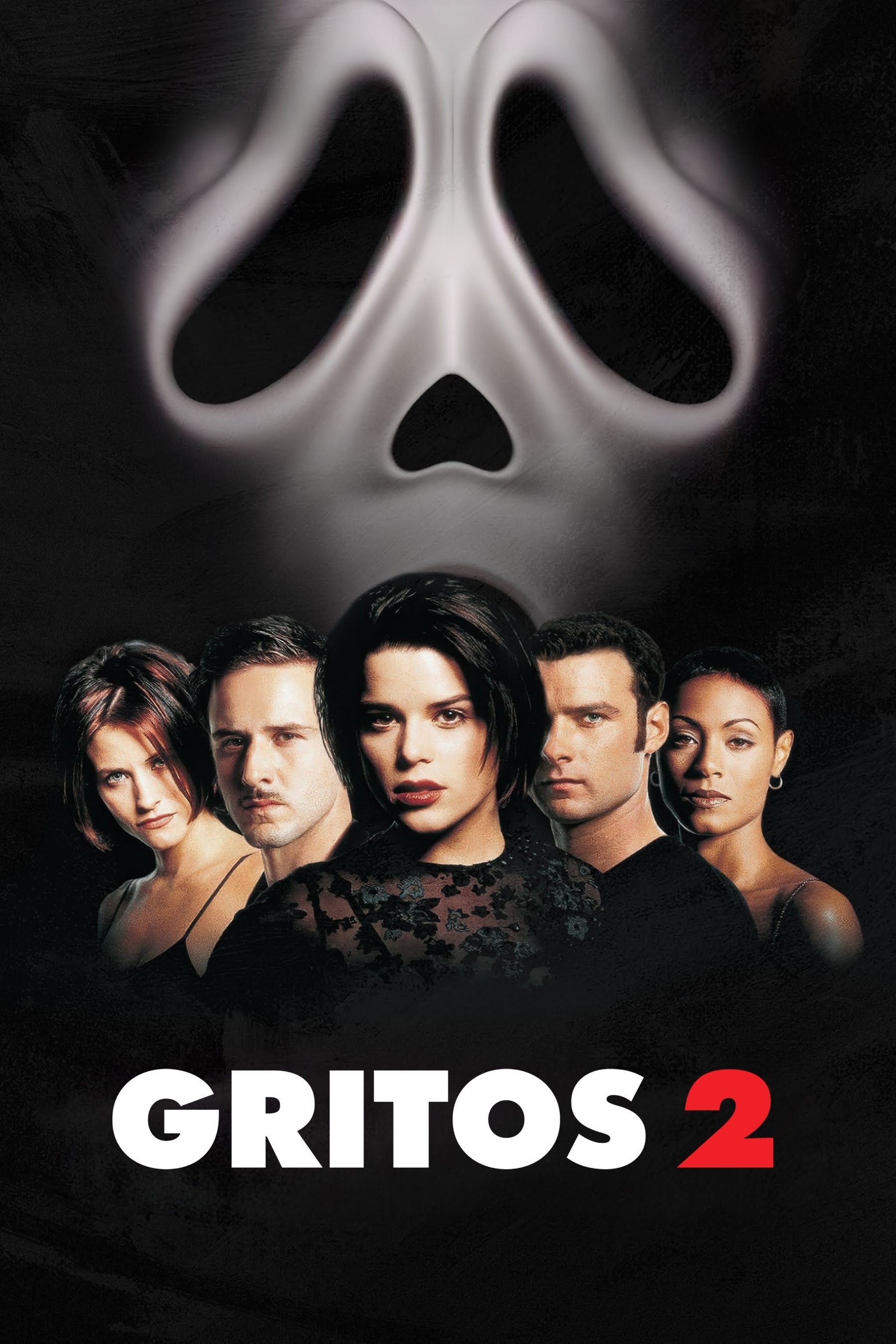
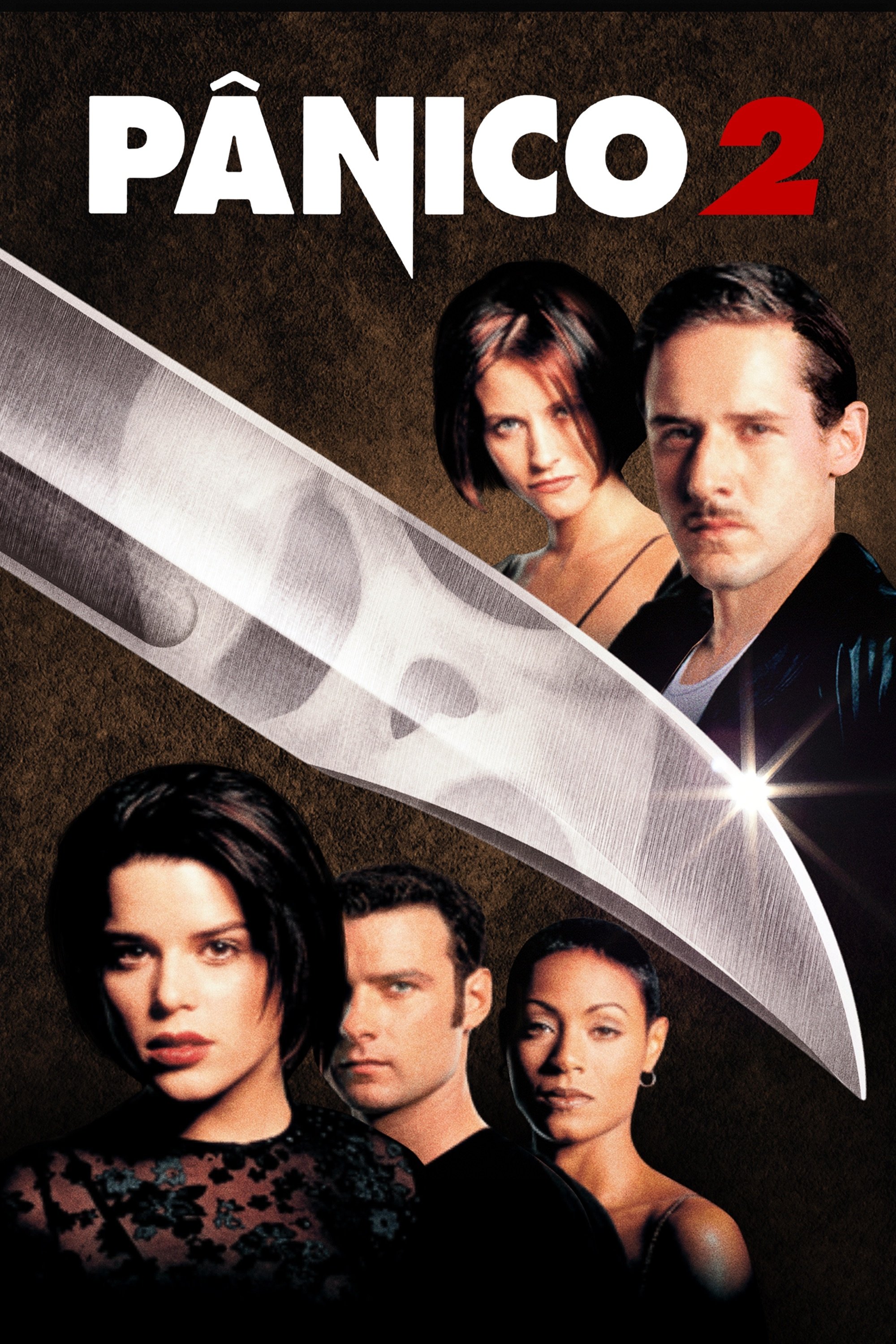
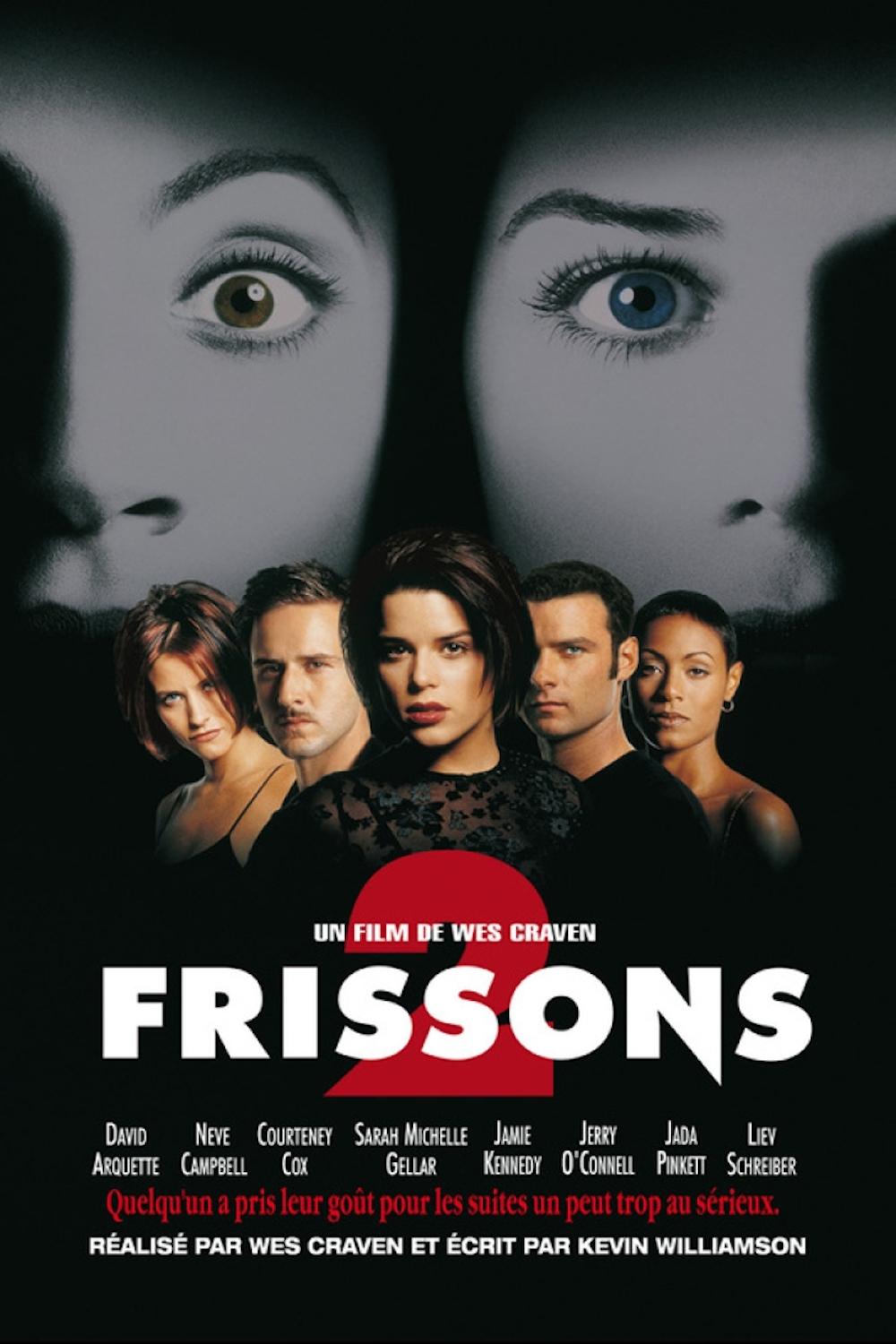
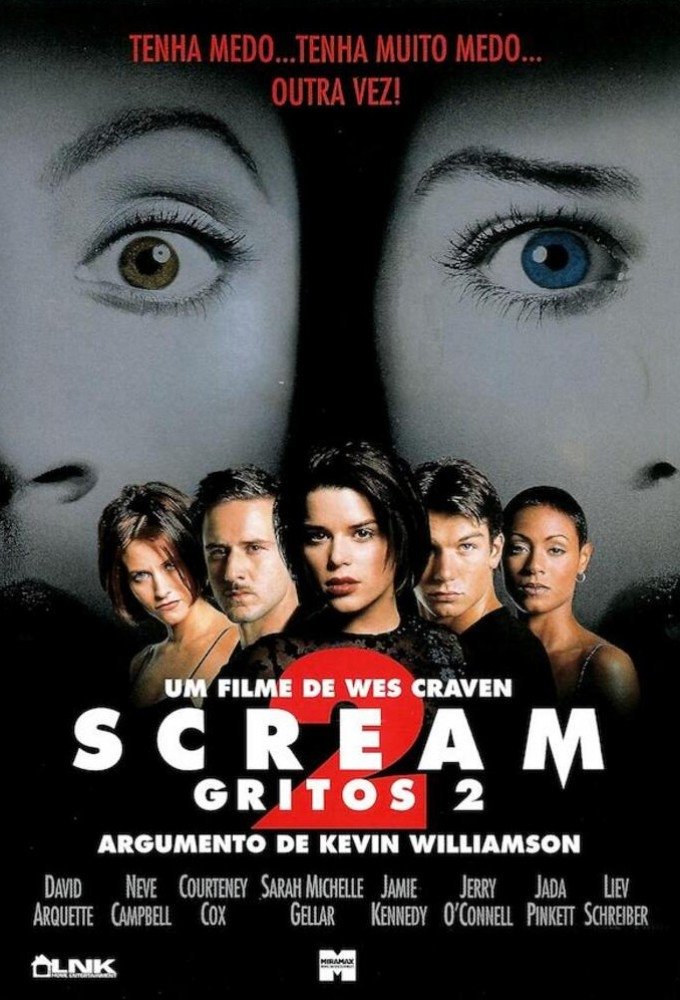
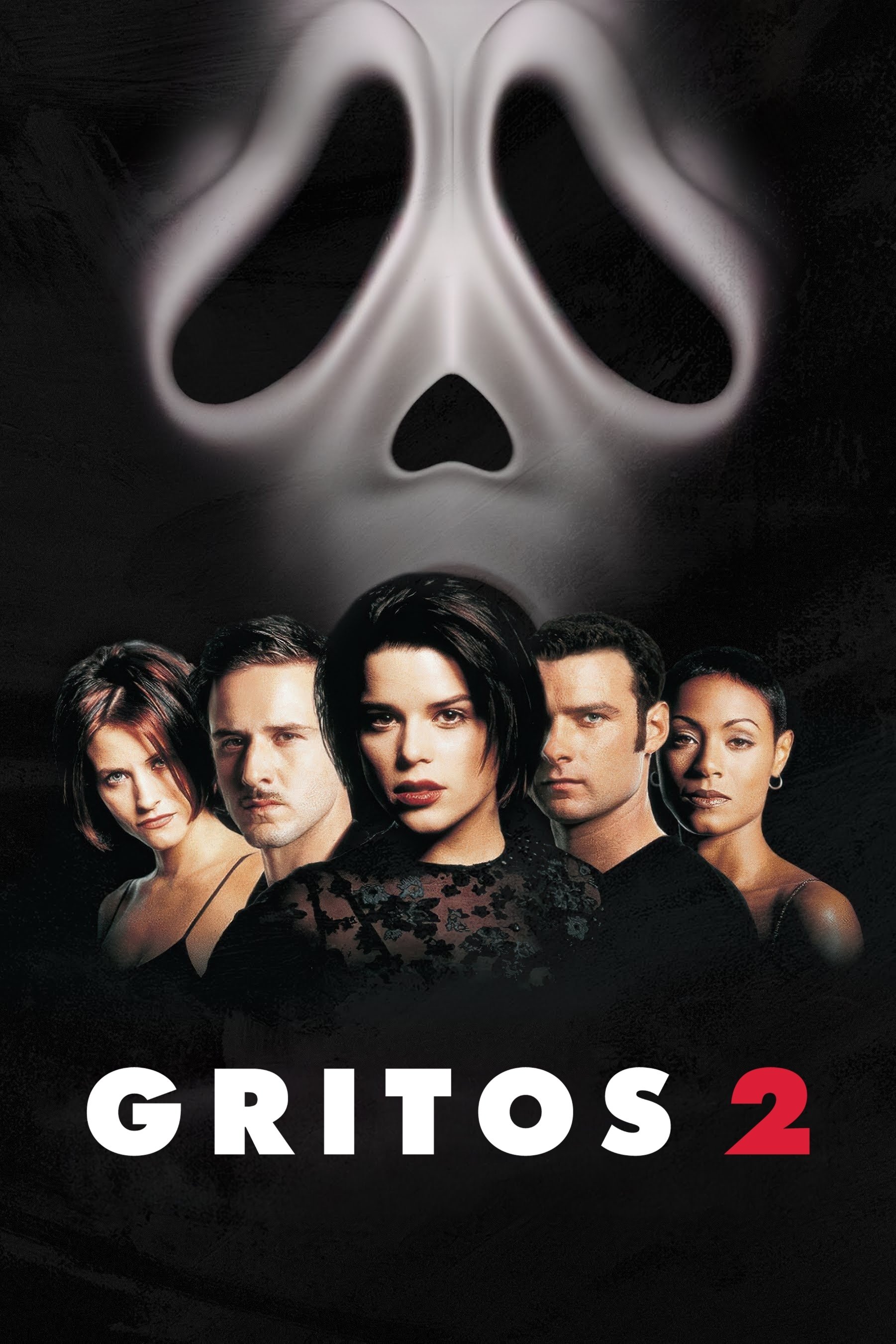
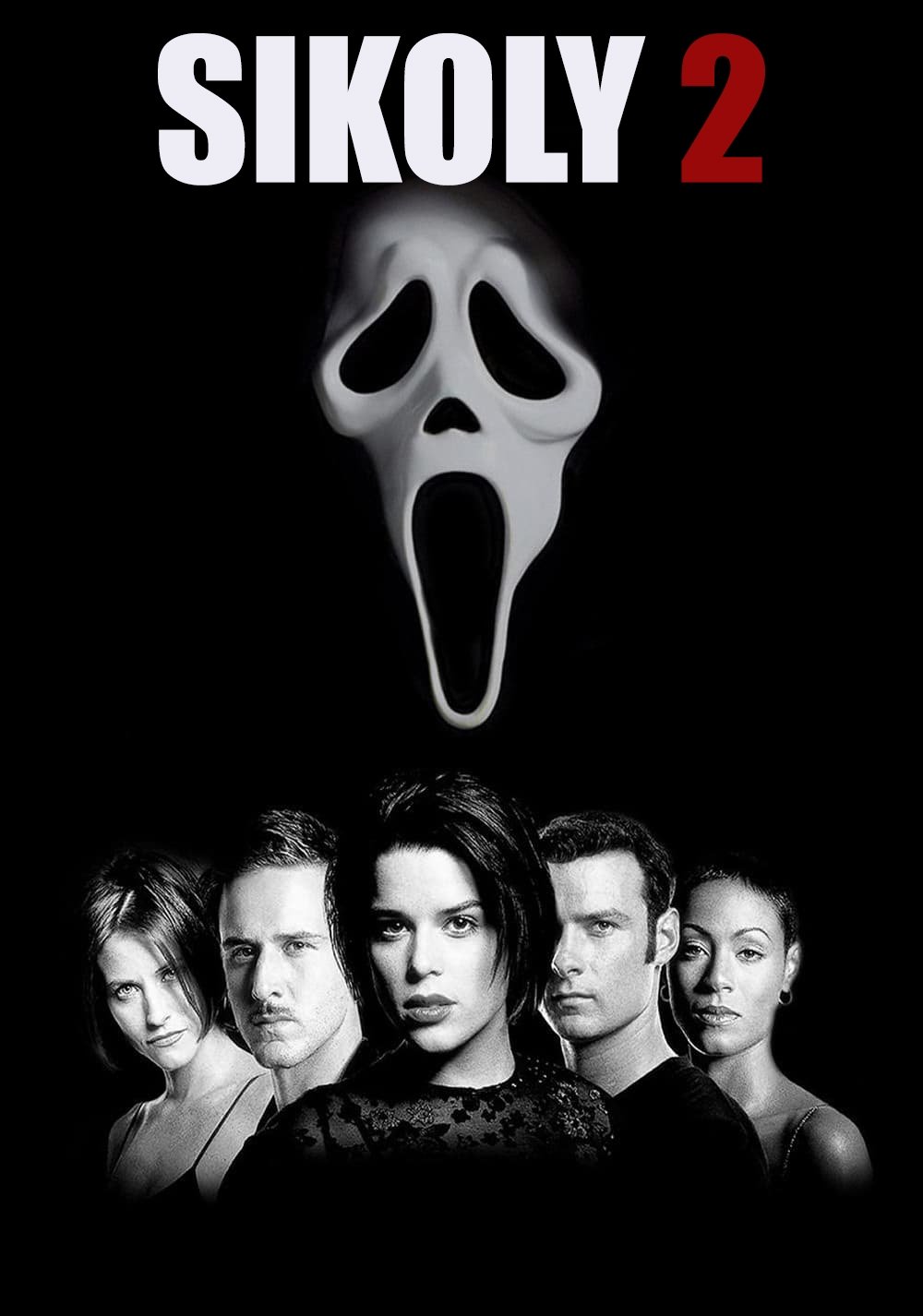
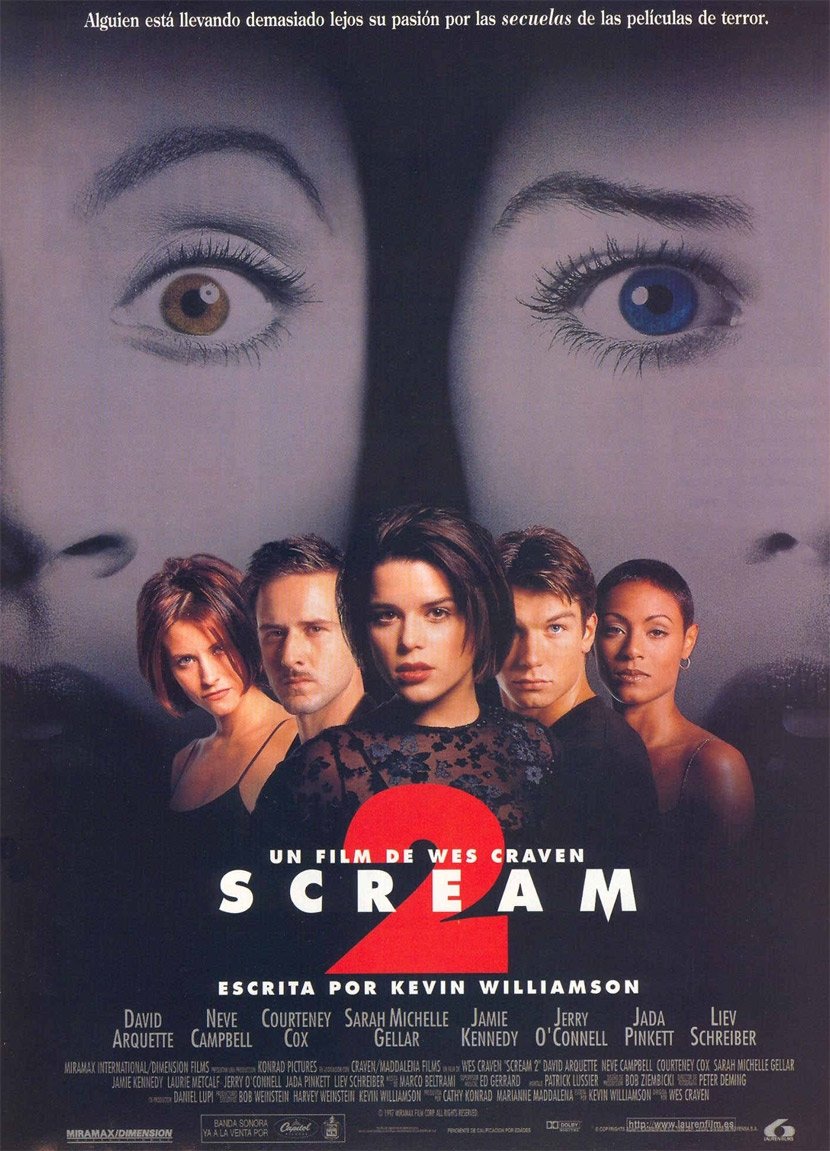
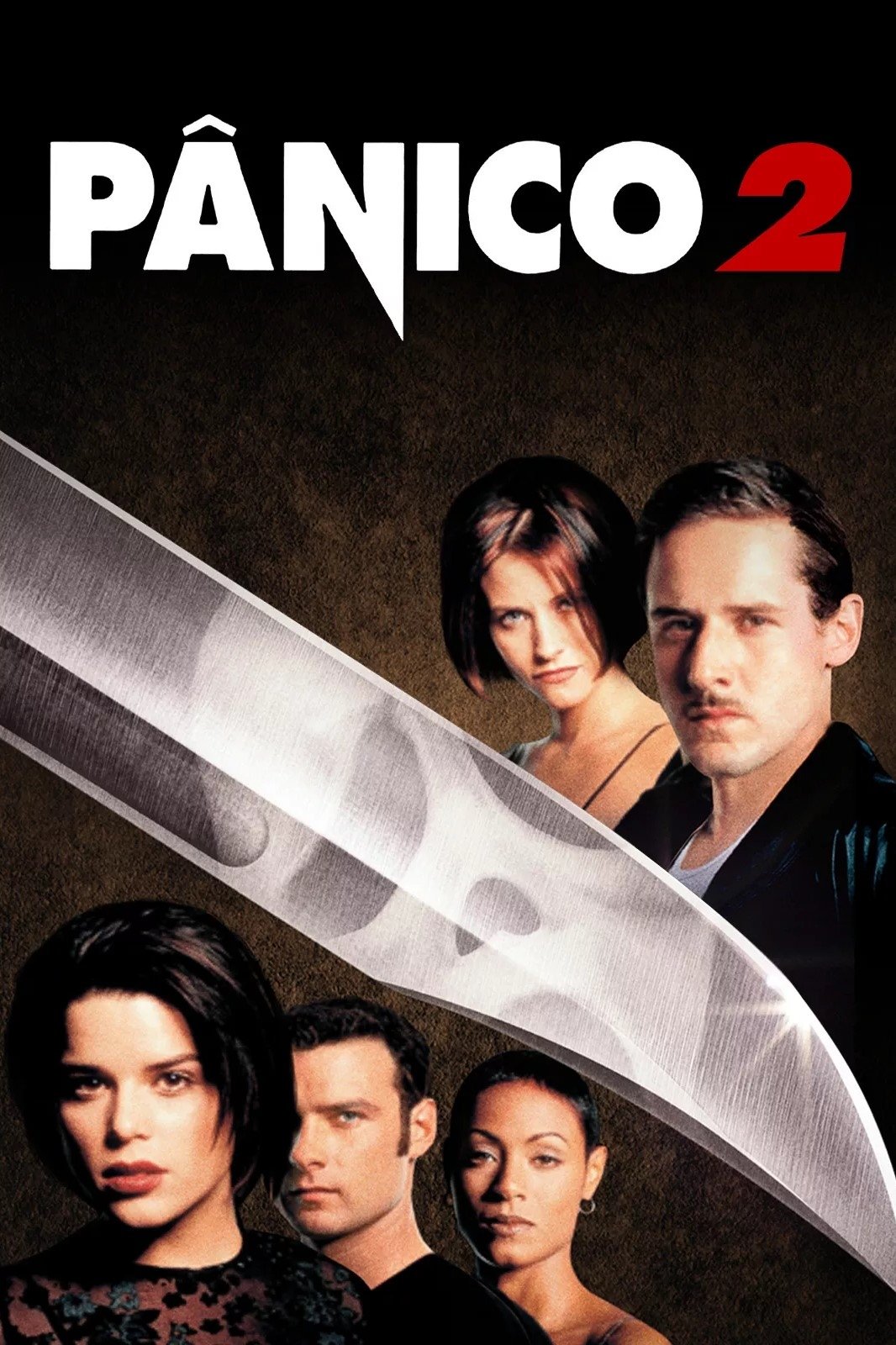
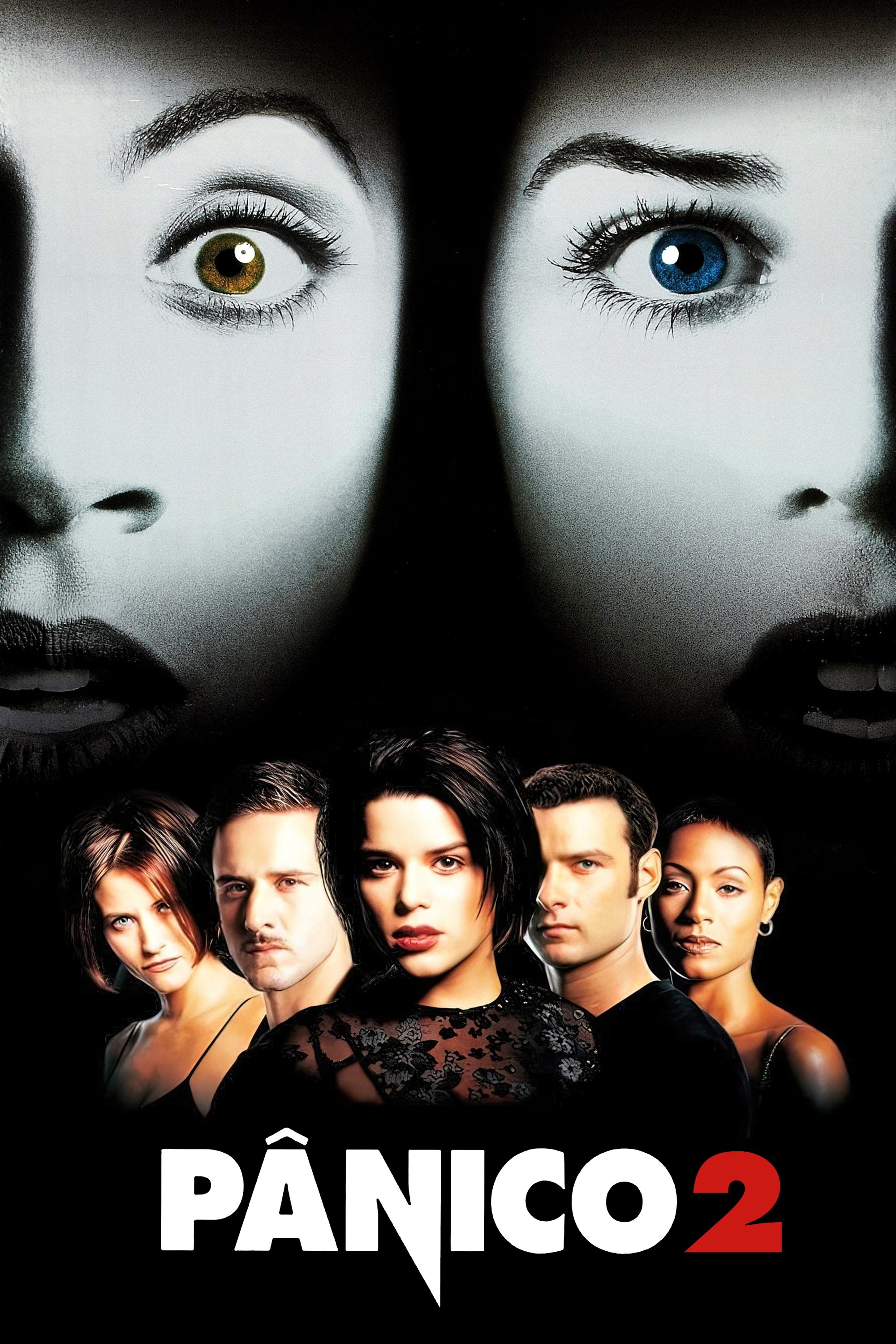
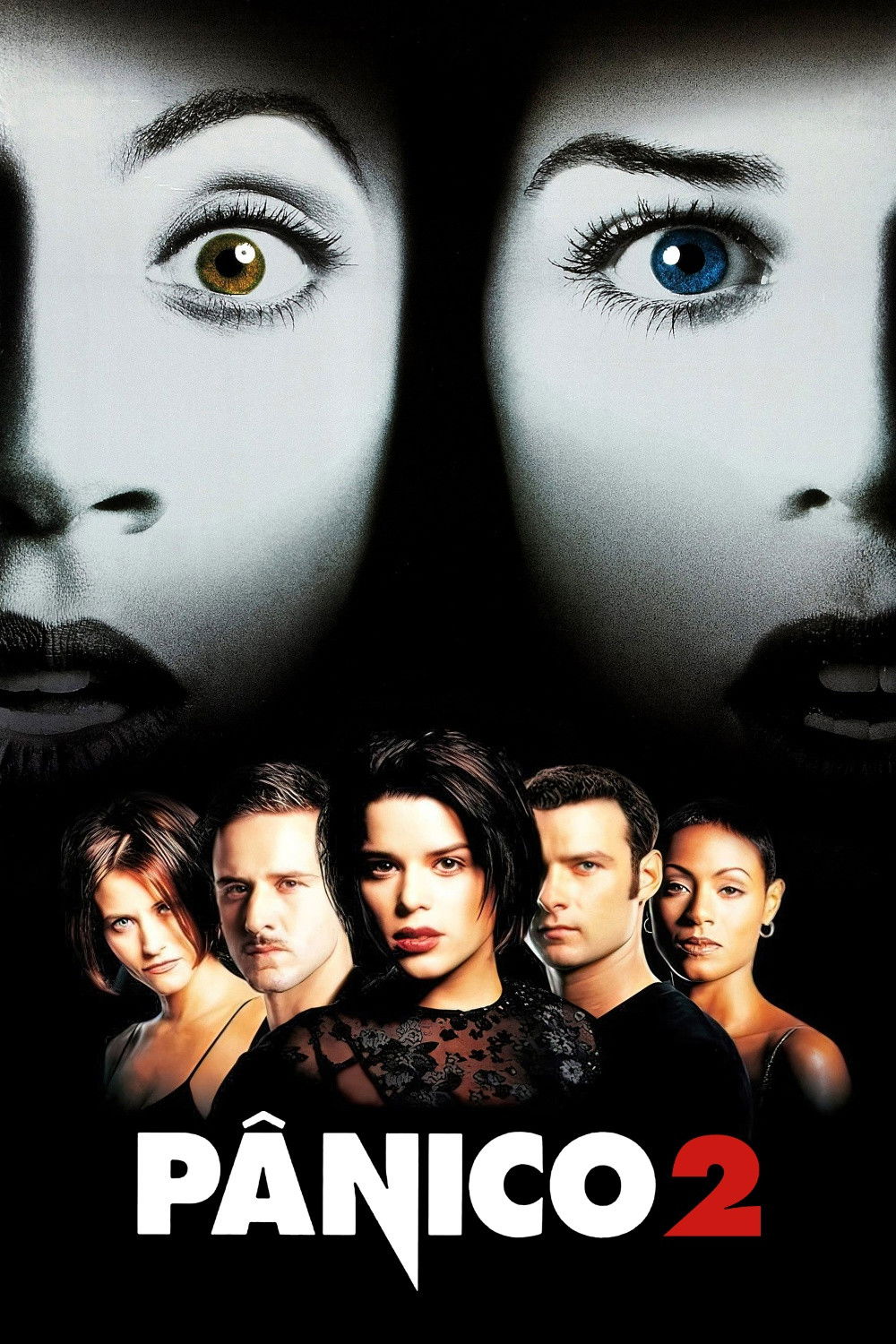
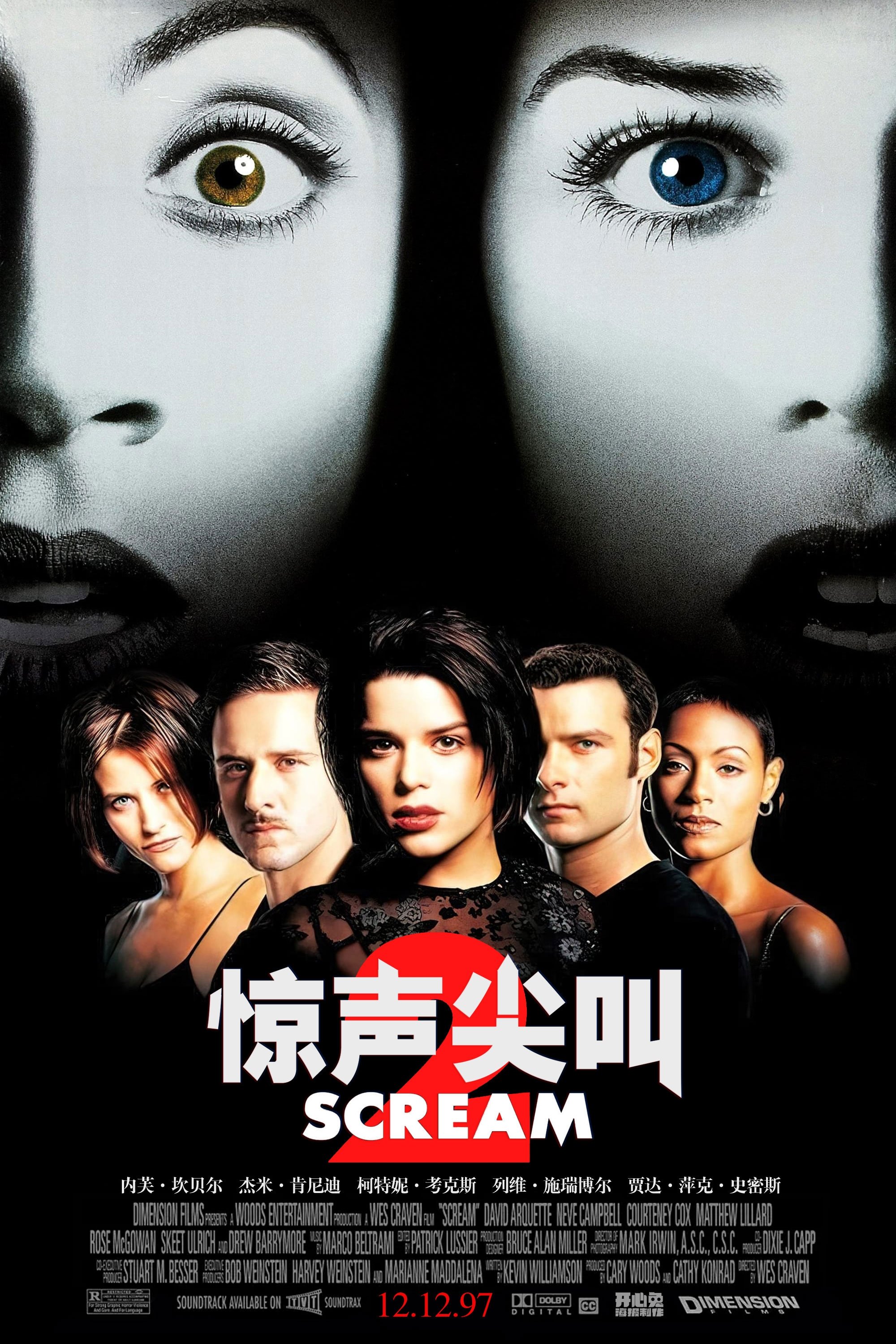
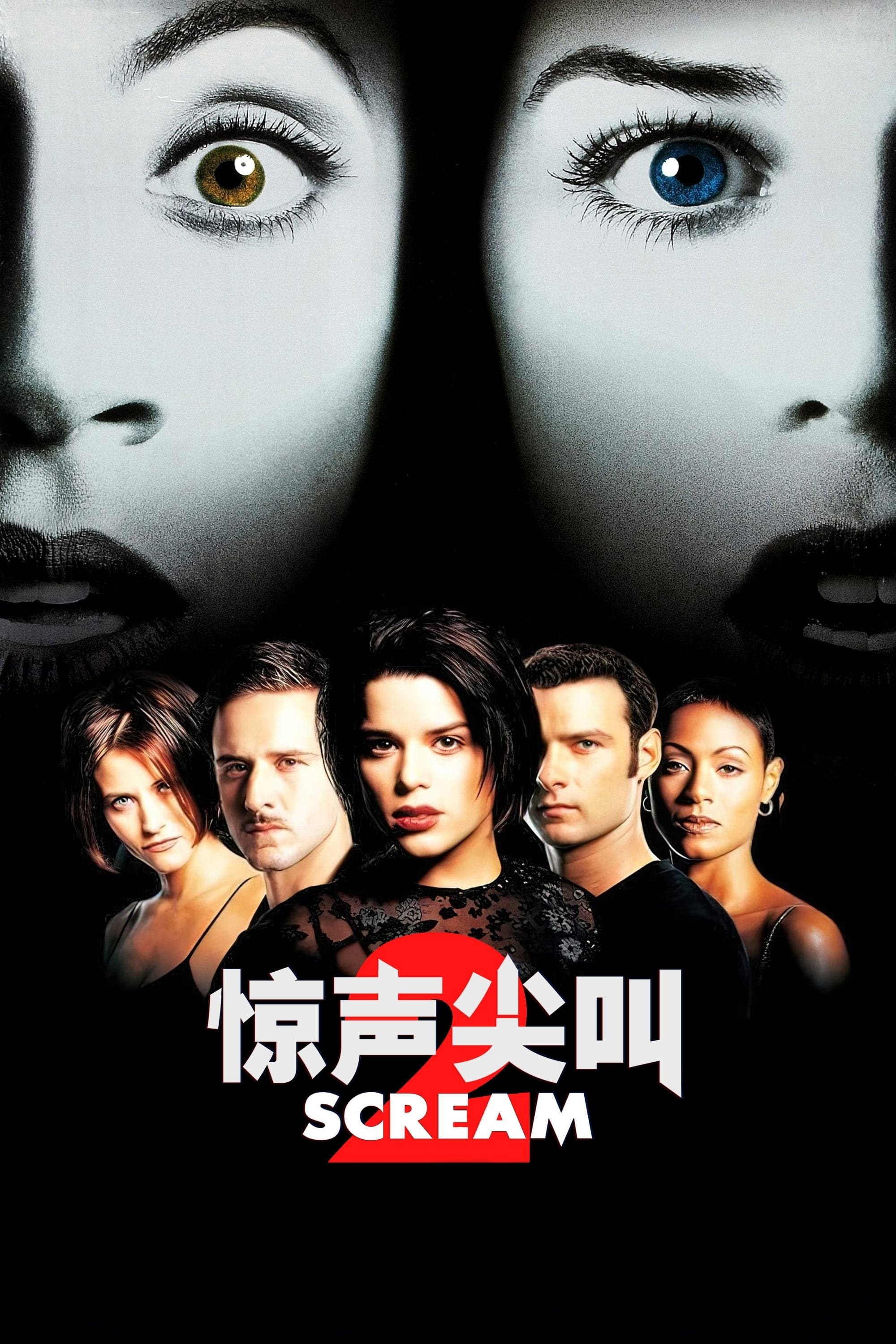
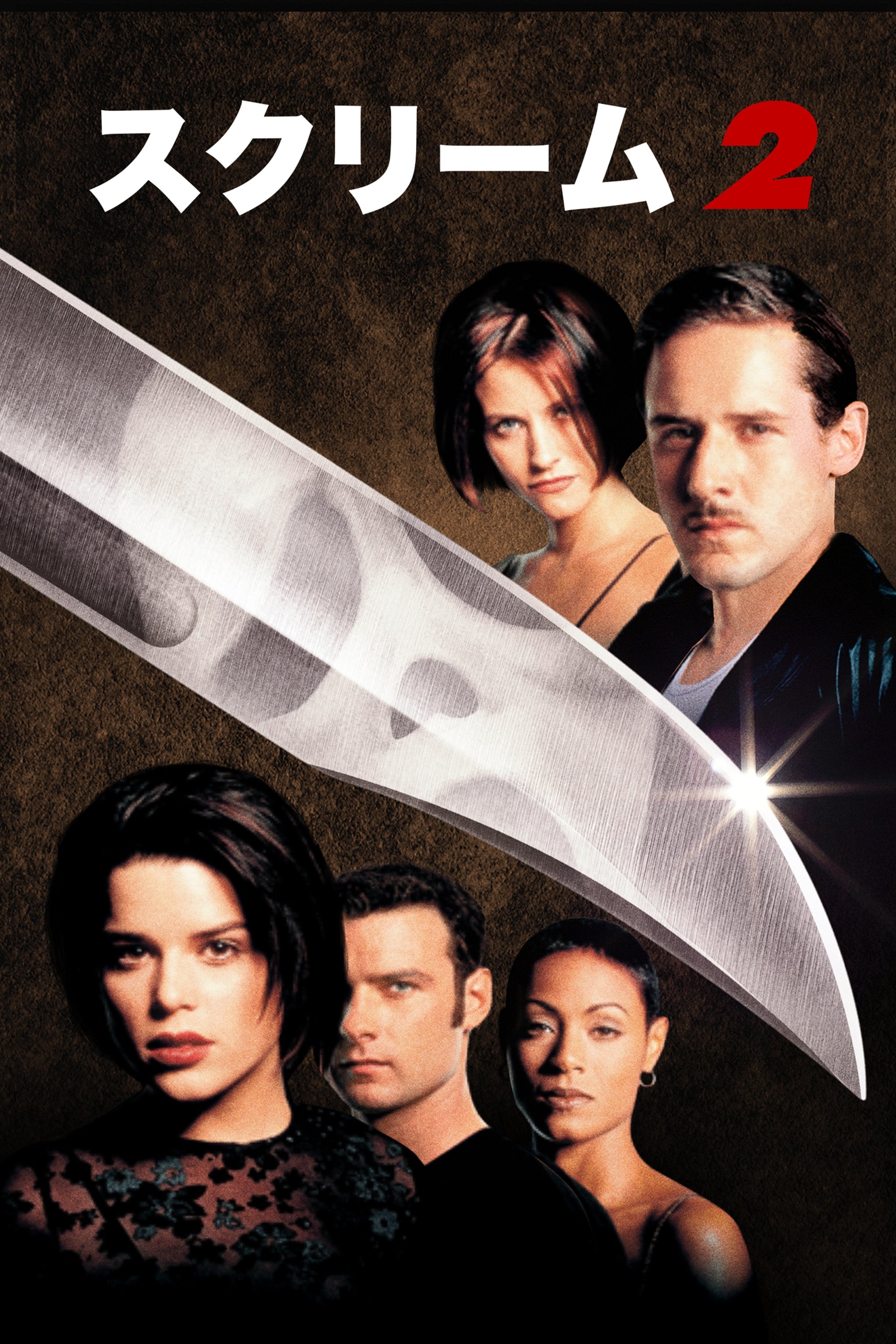
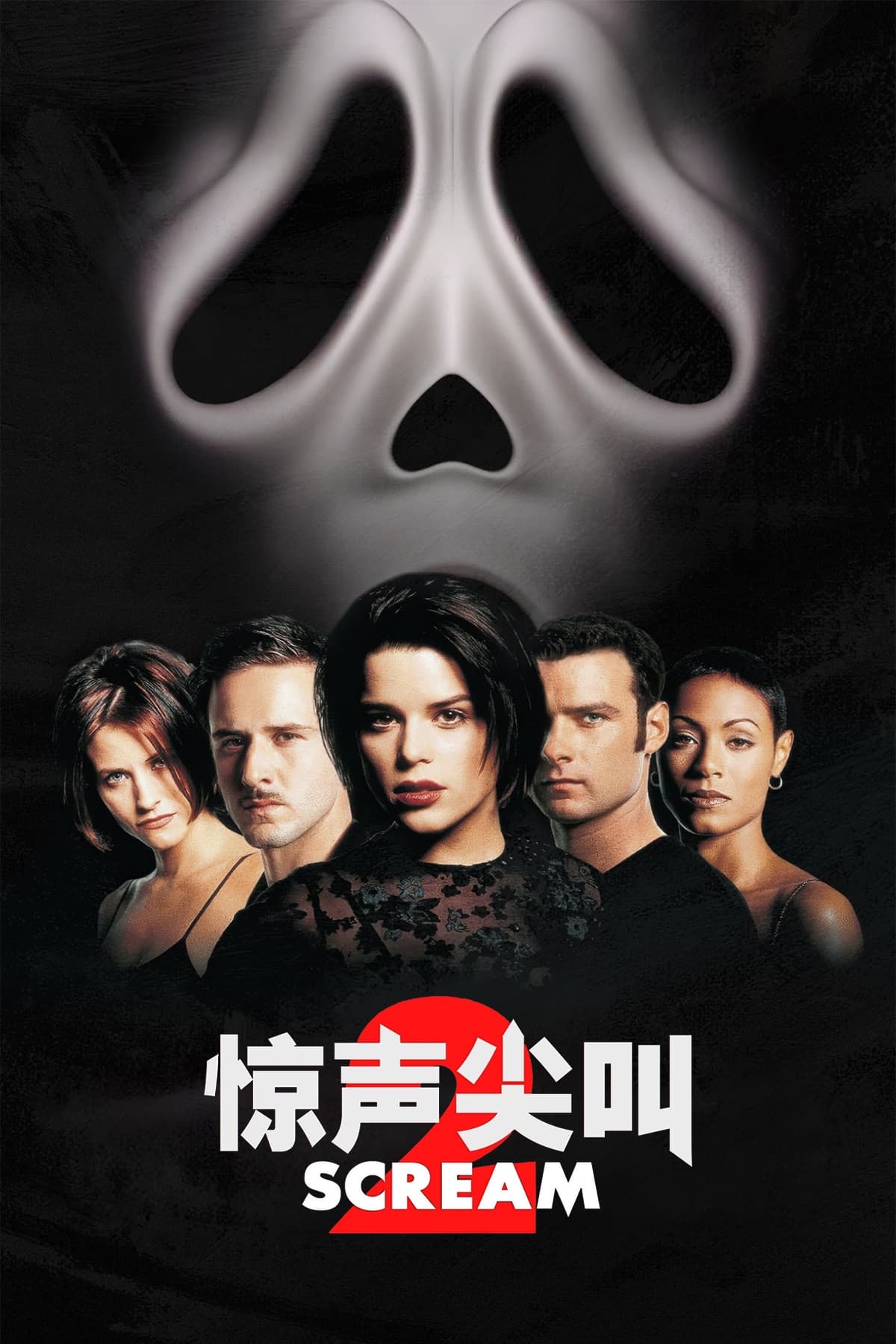
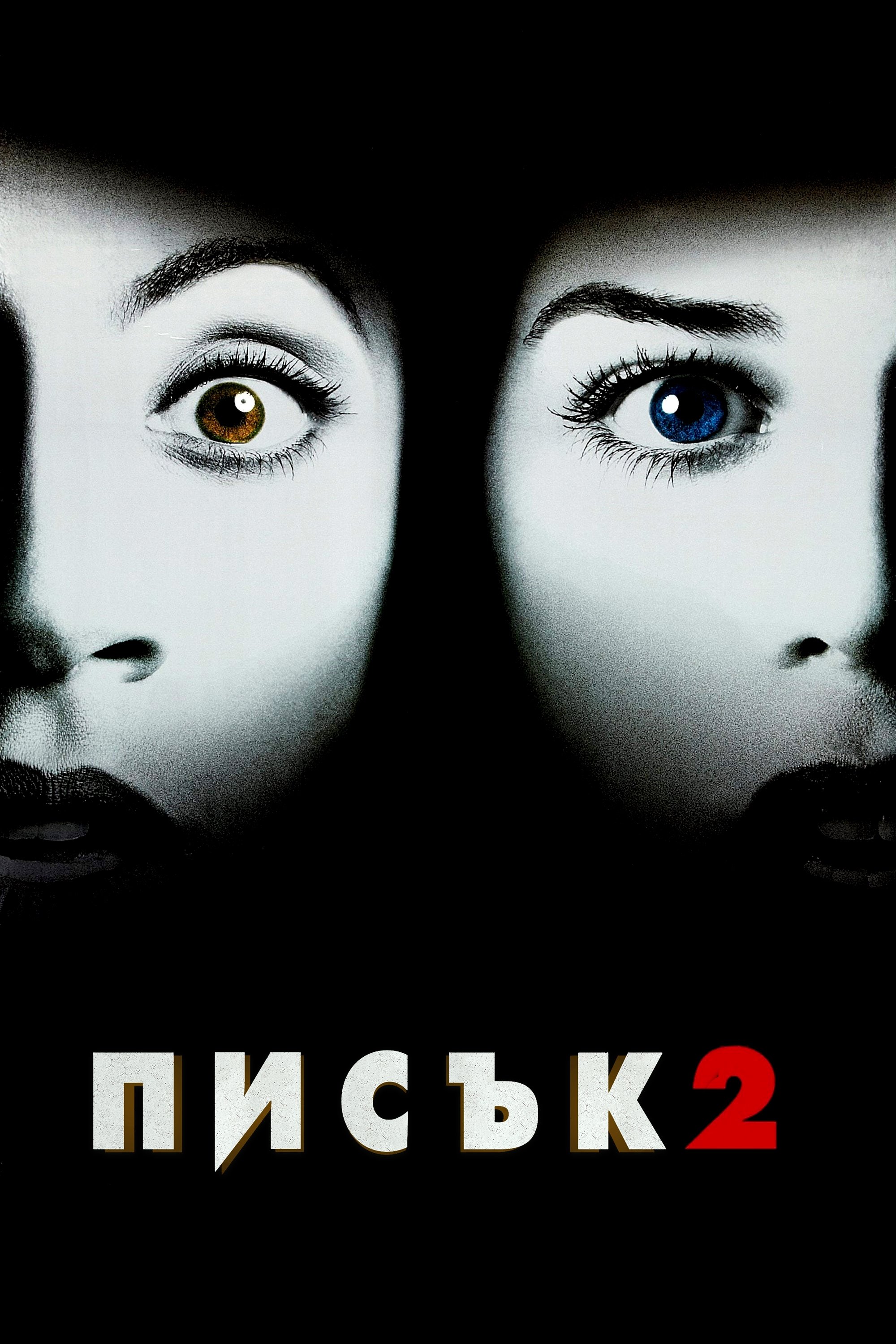
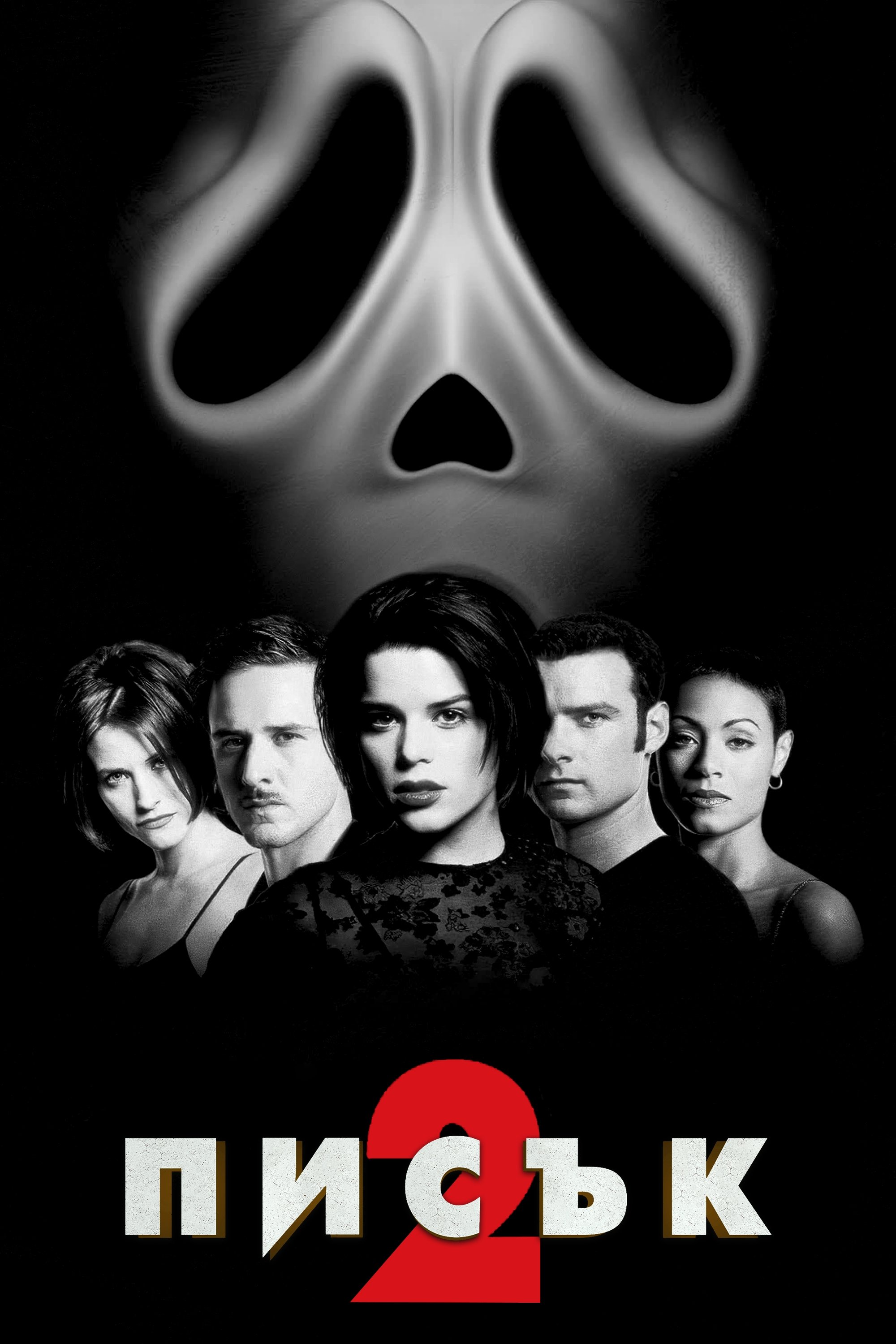
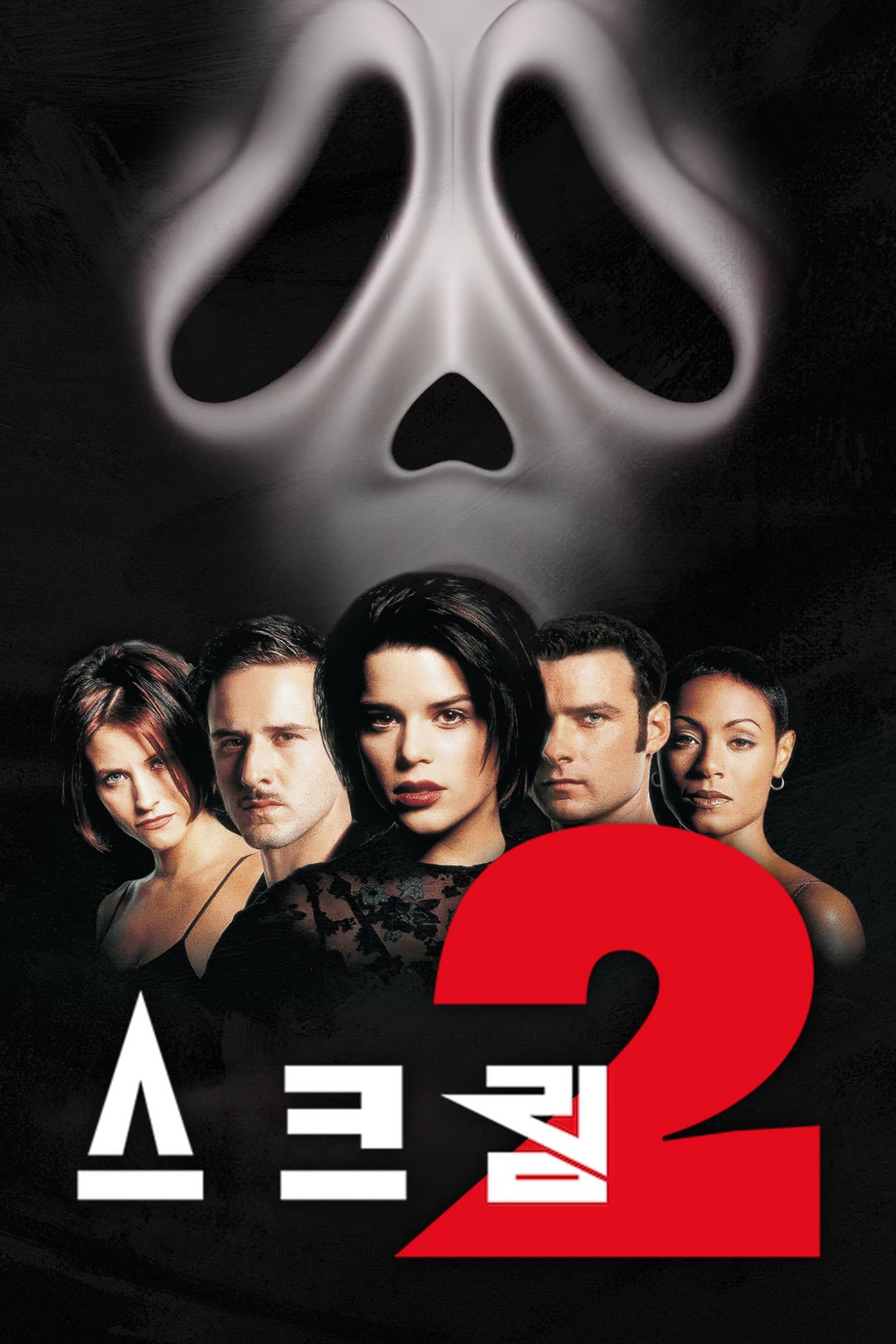
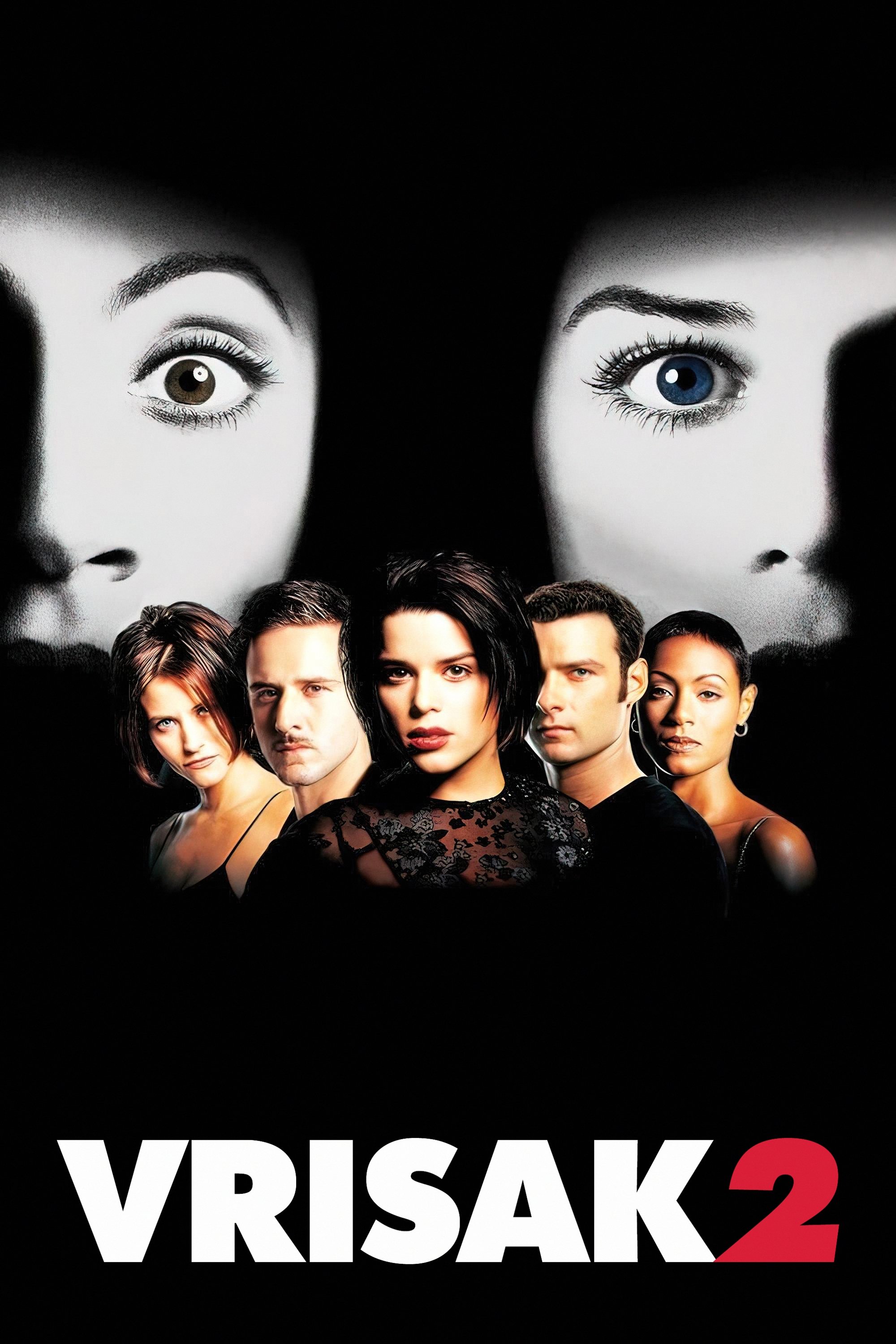
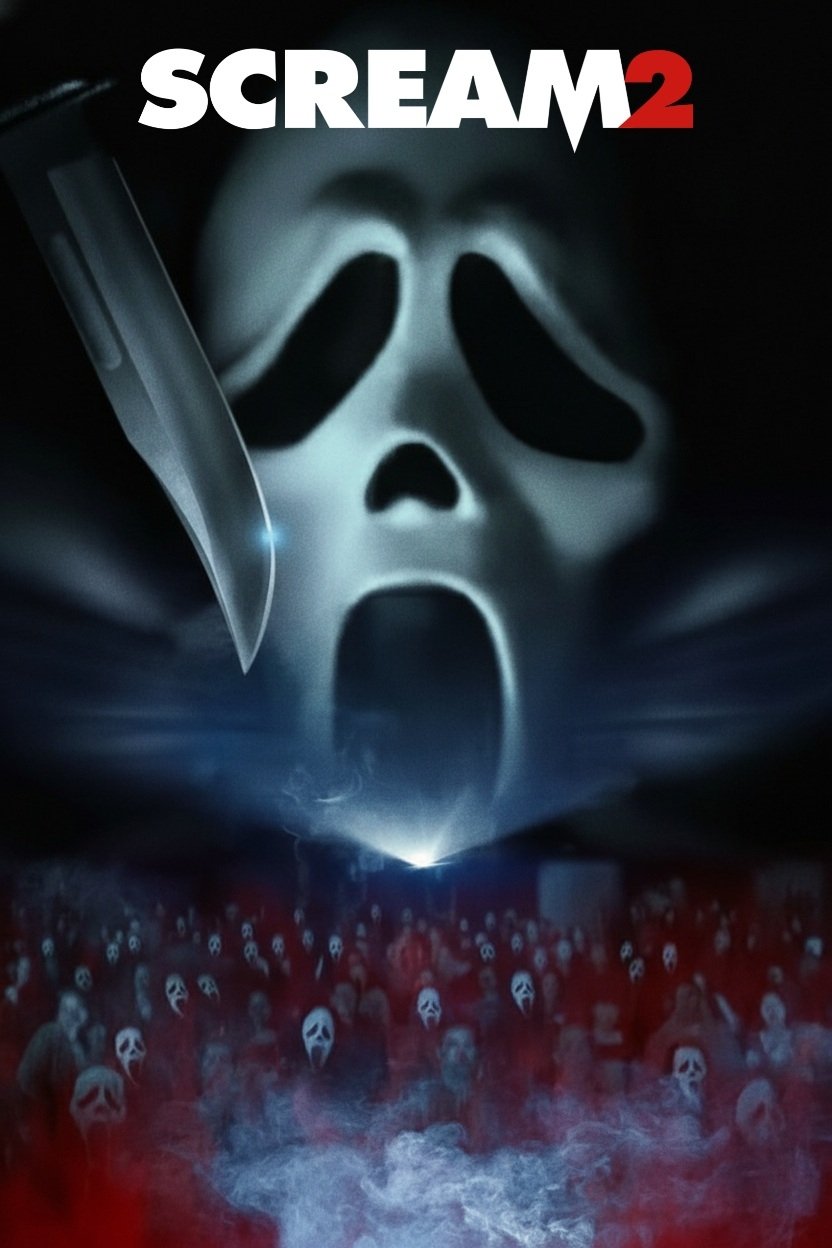
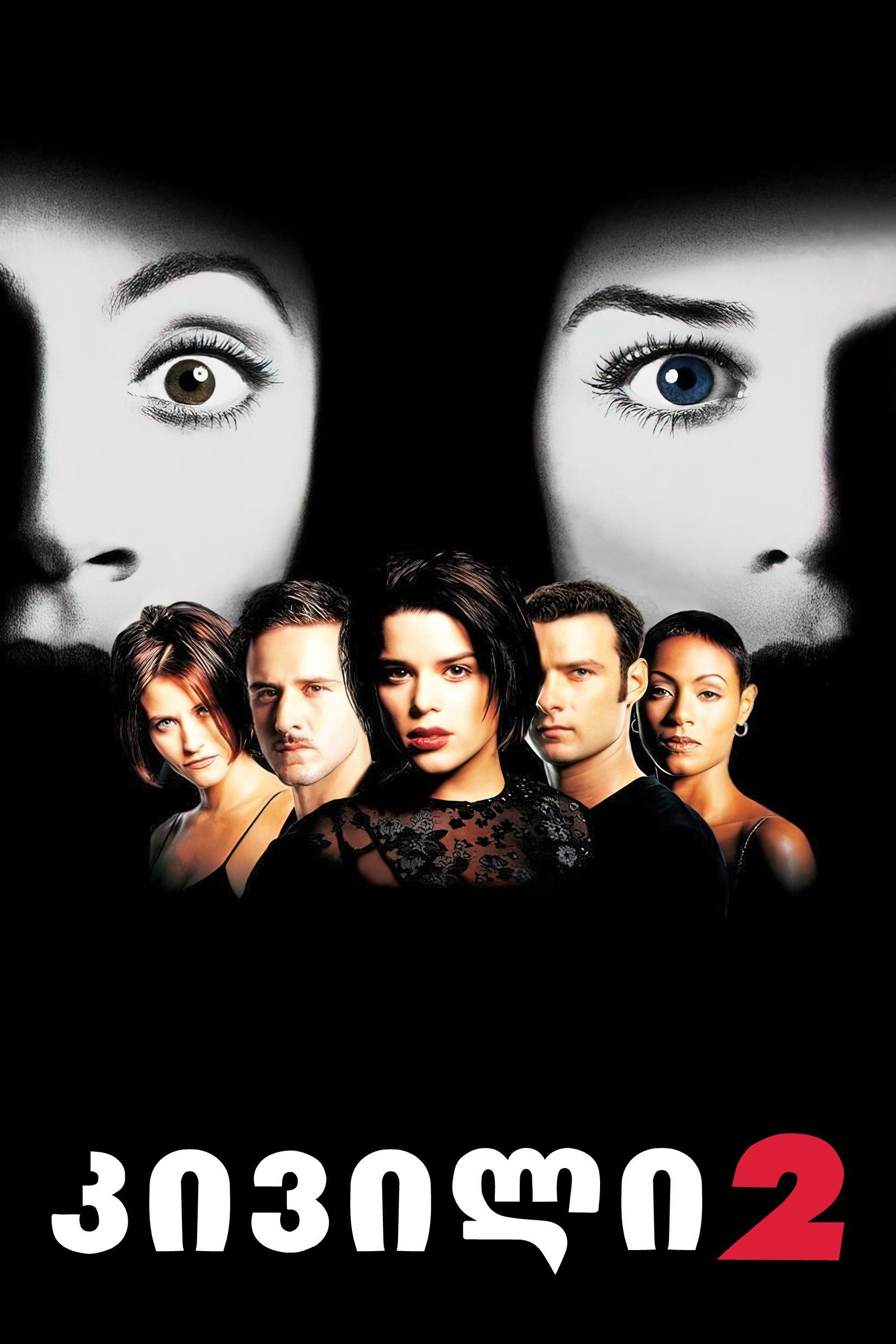
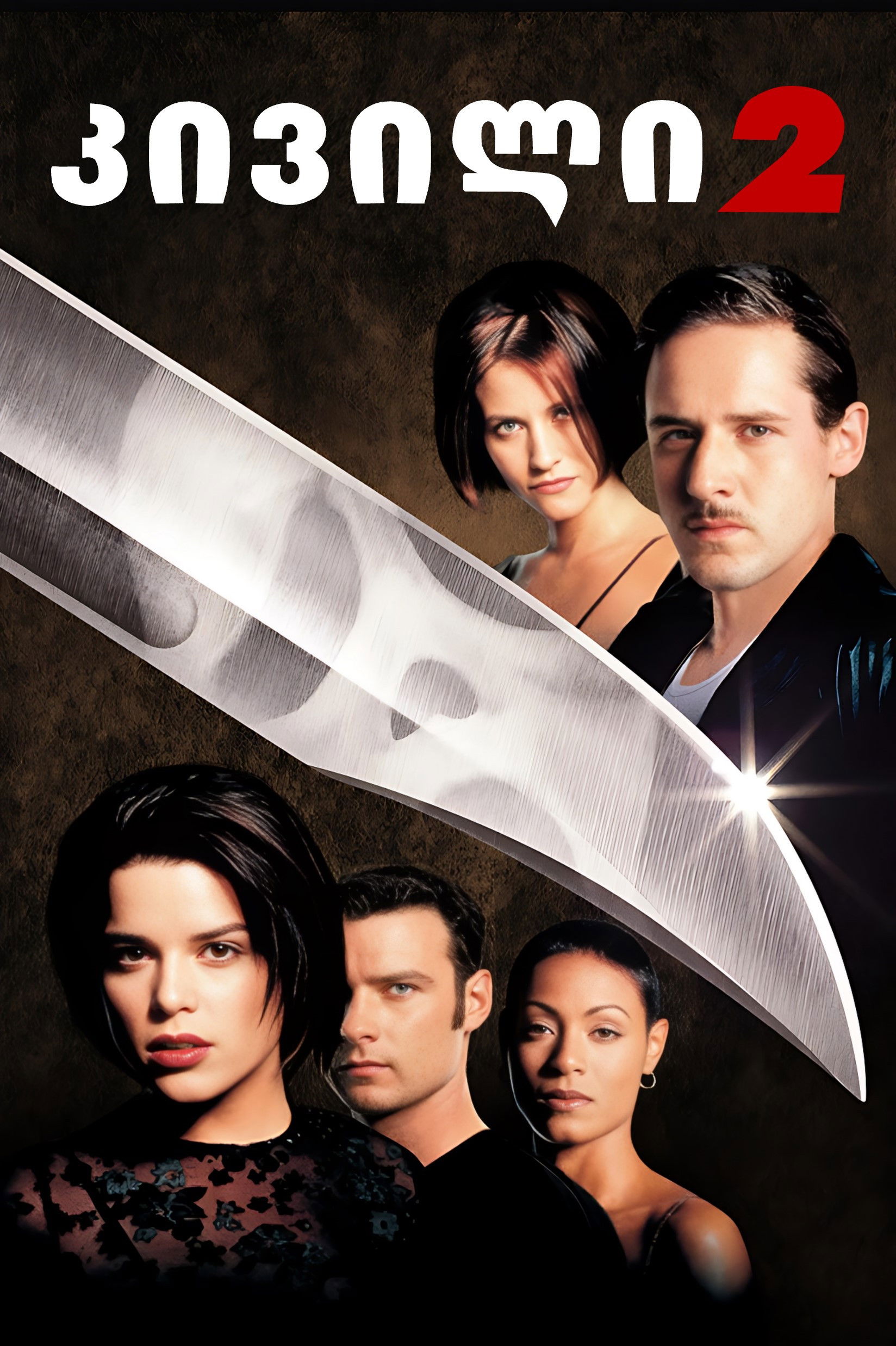
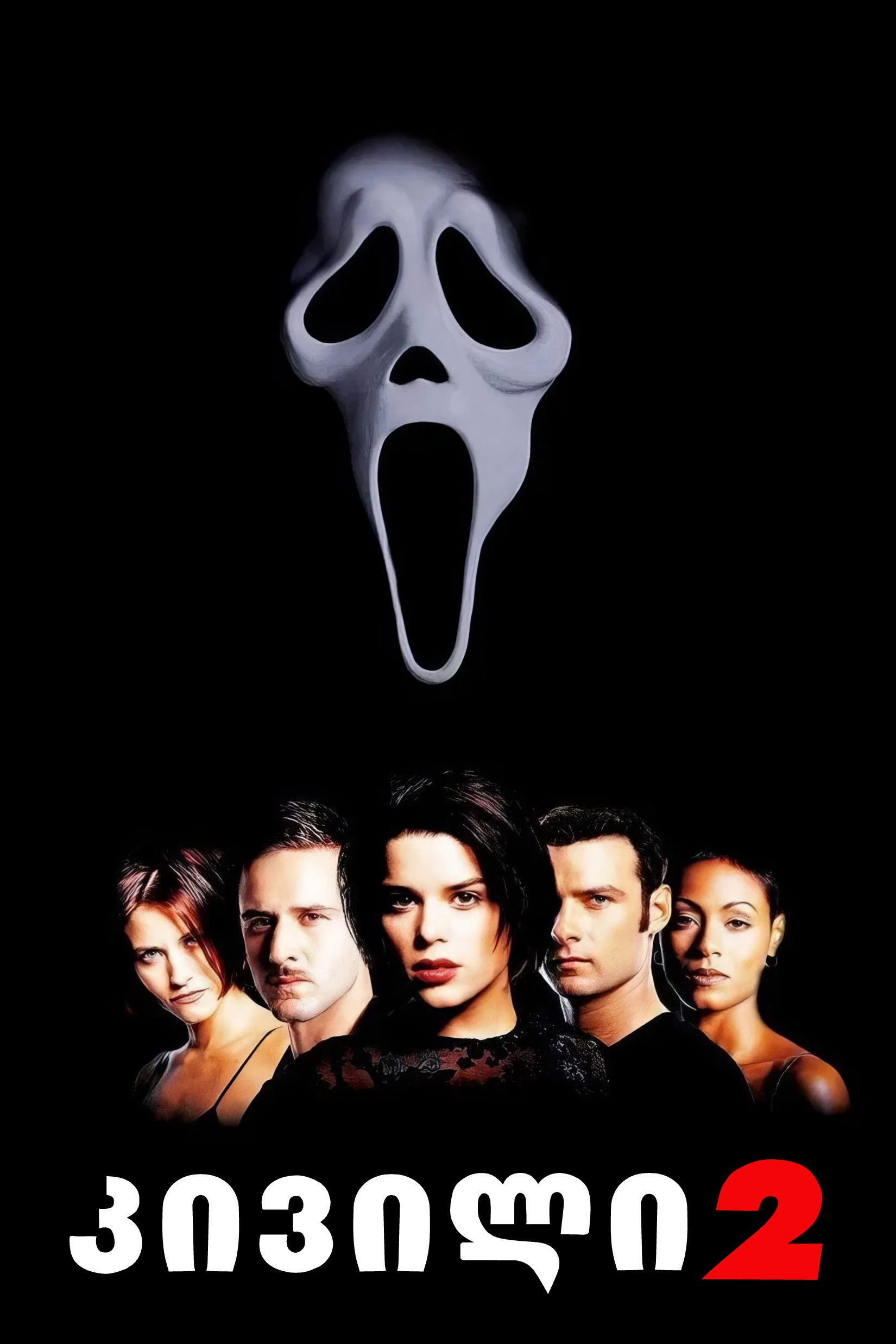
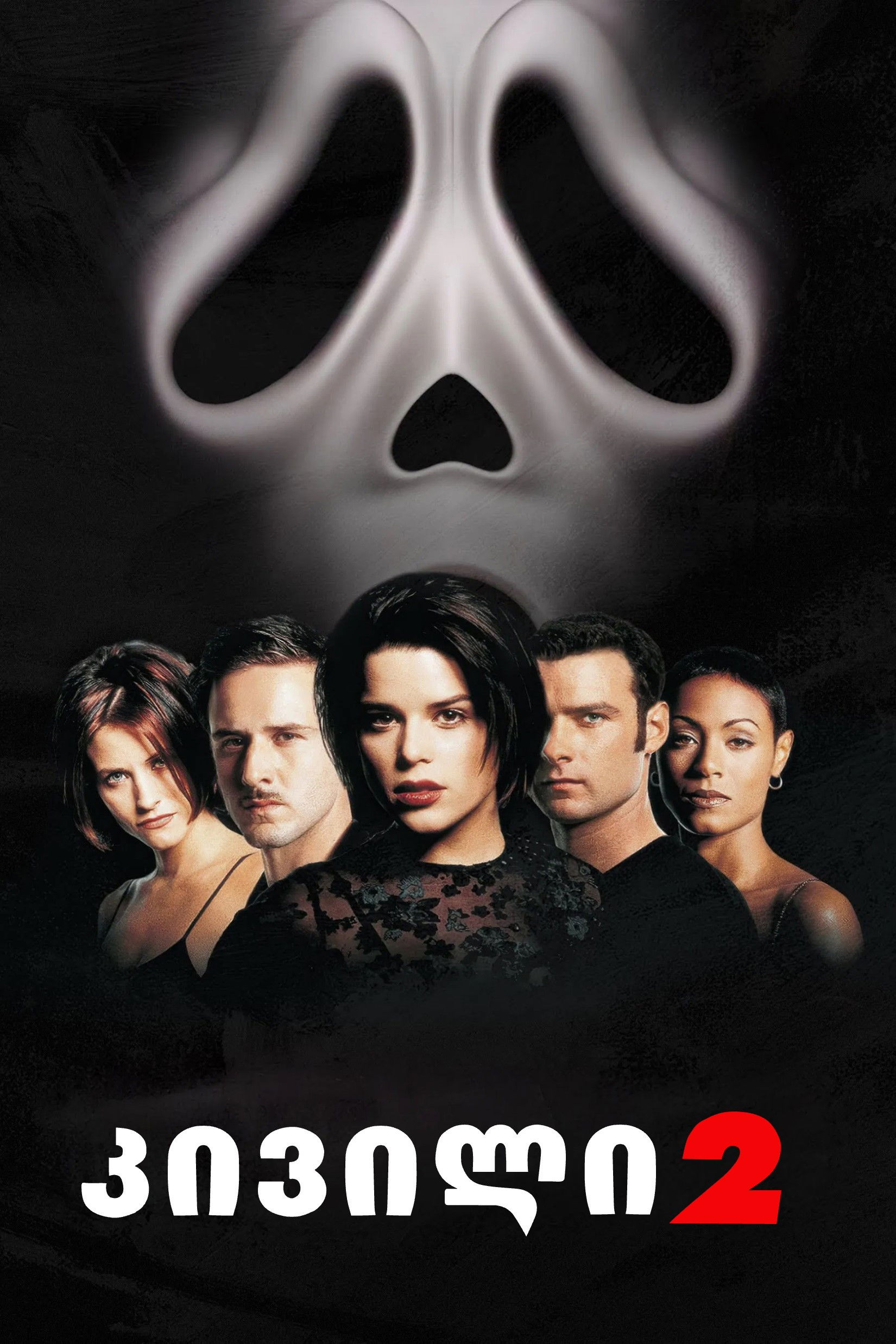
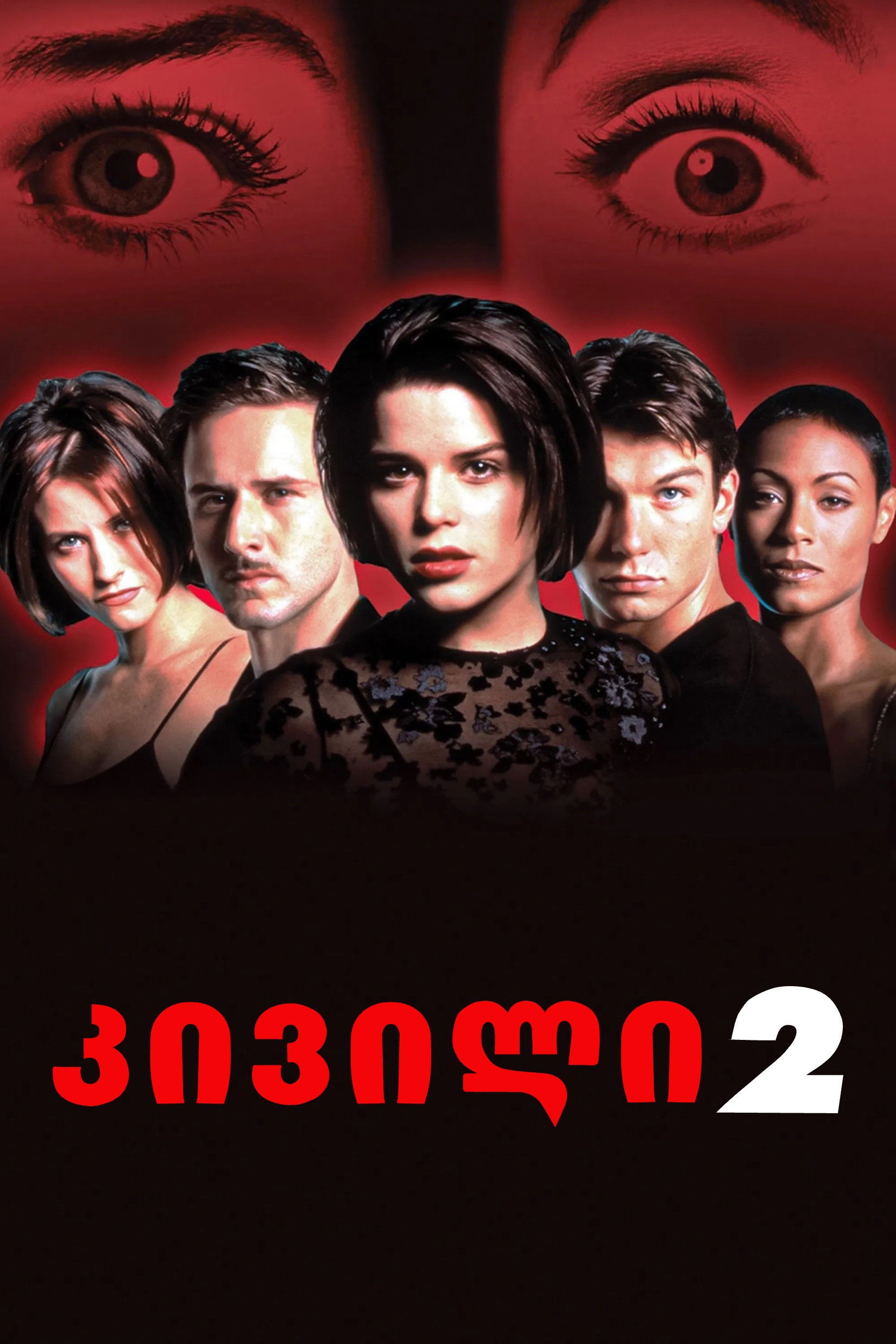
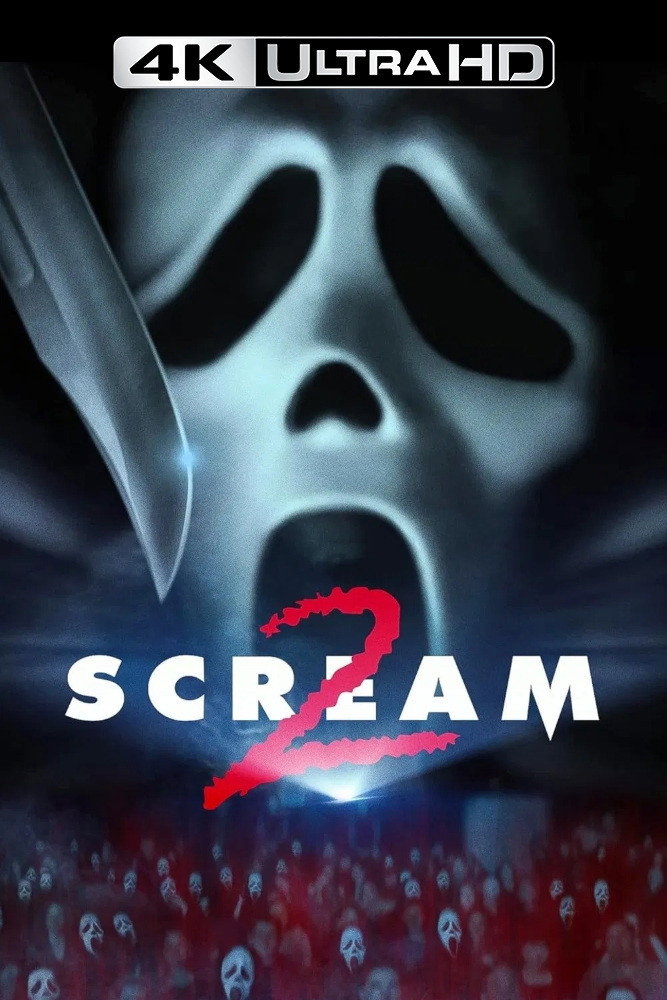
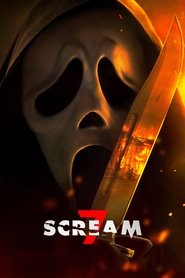
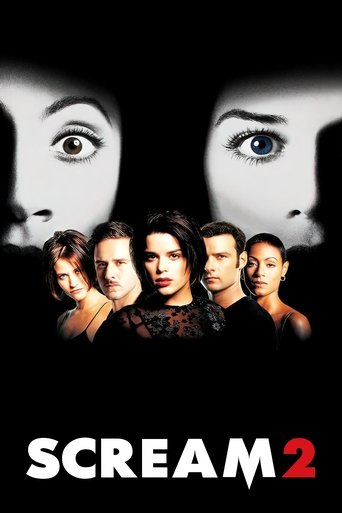
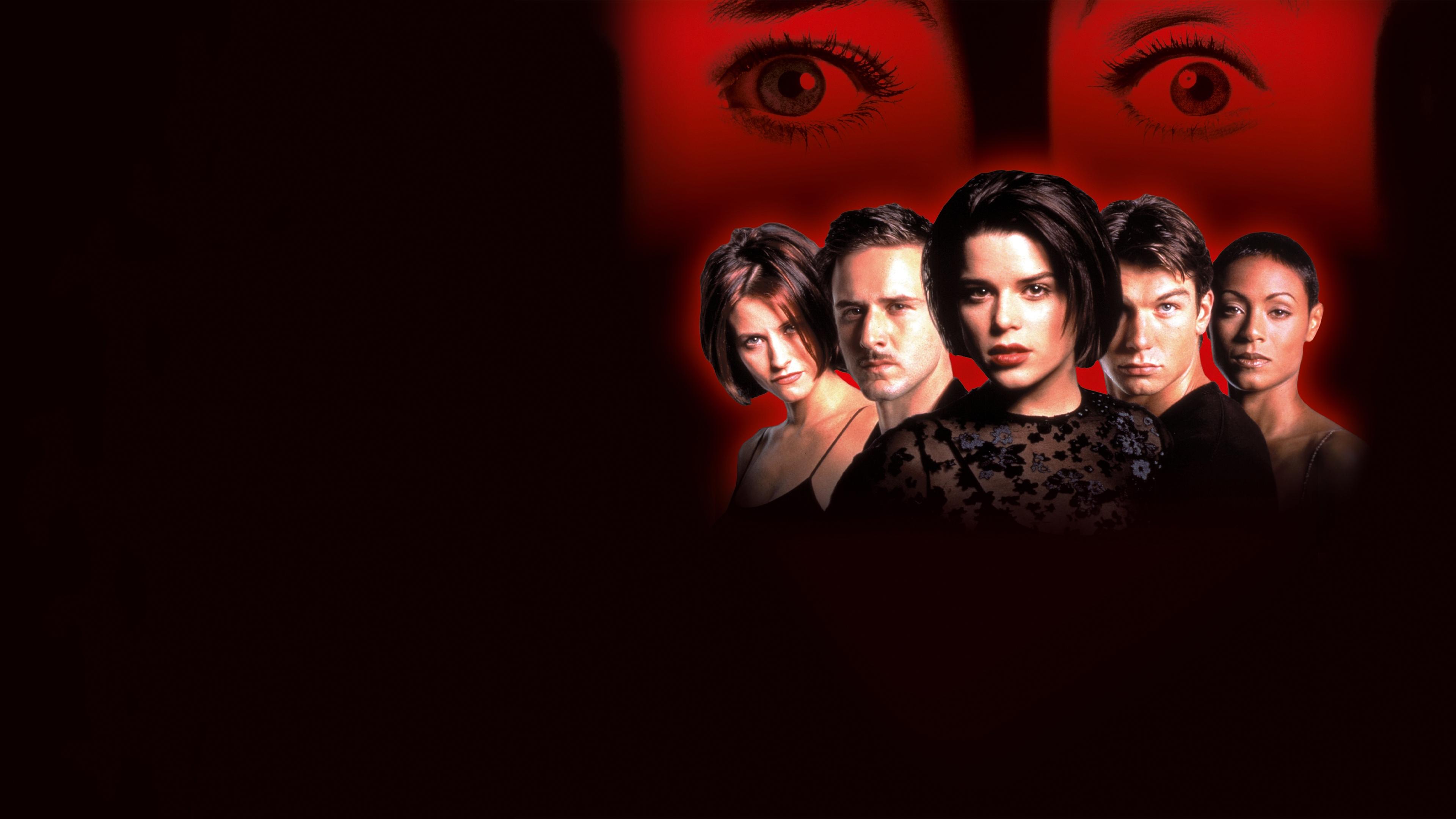
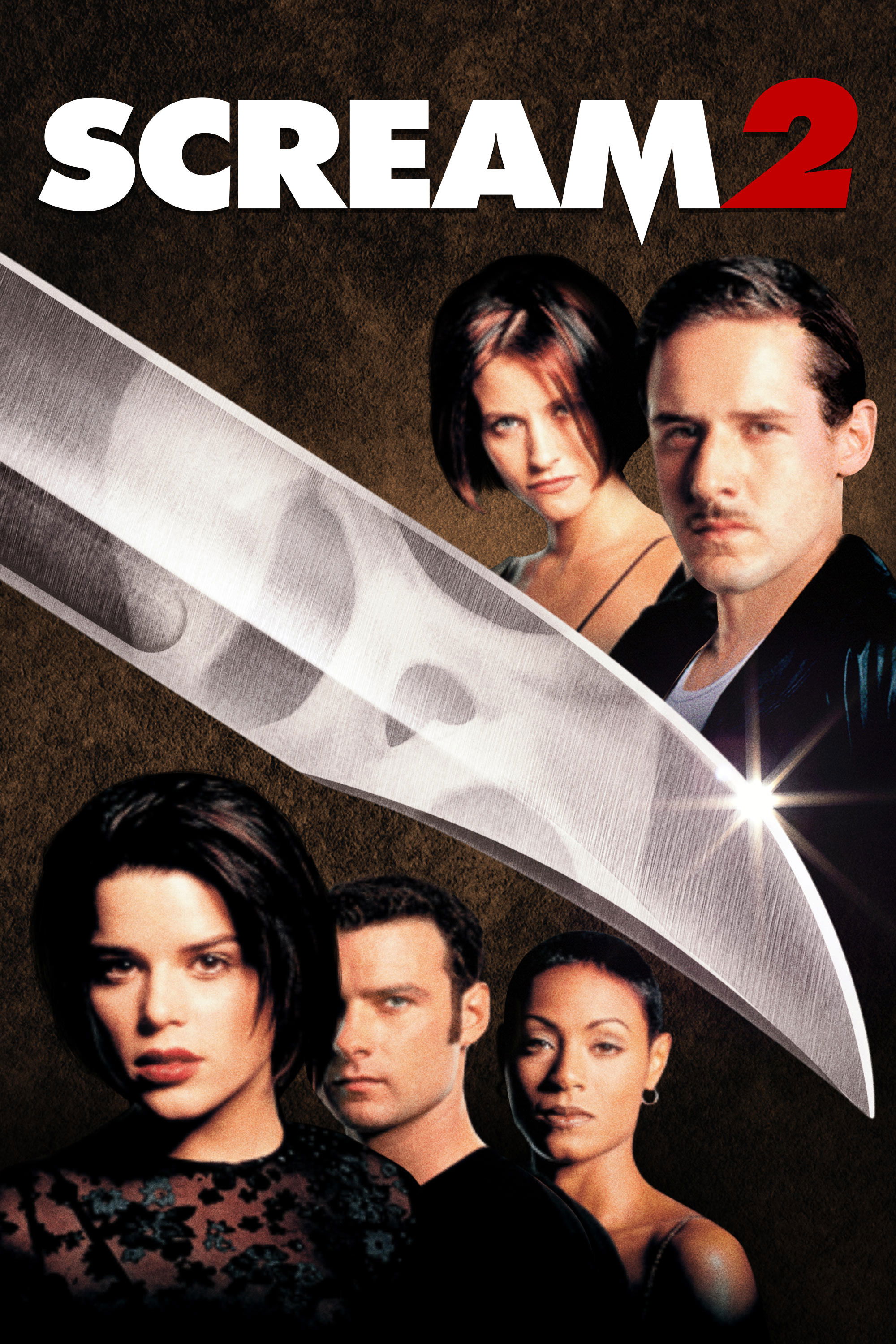
Scream 2 (1997) poster
Director
Production Companies
Dimension Films , Konrad Pictures , Craven-Maddalena Films
Plot

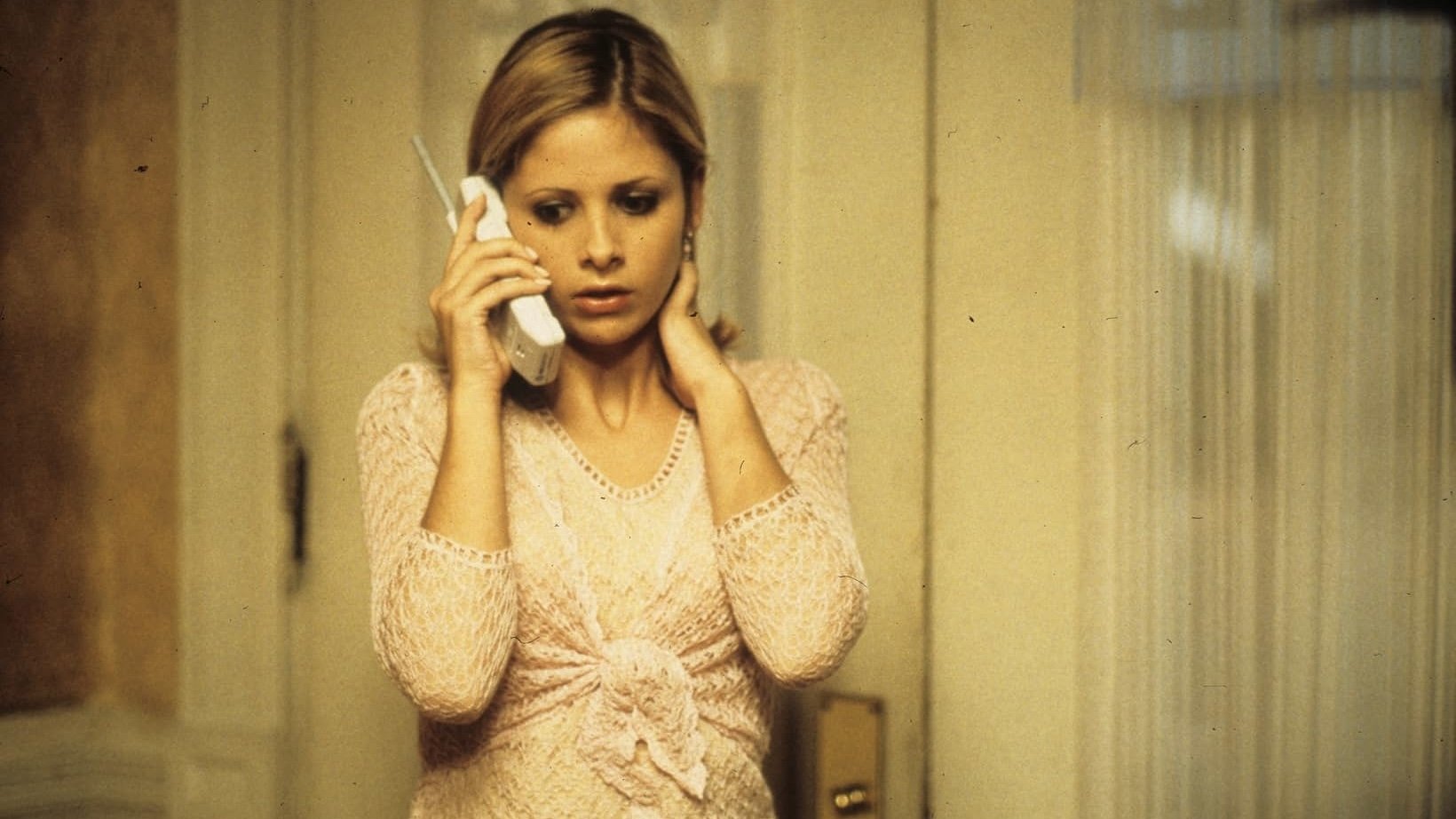
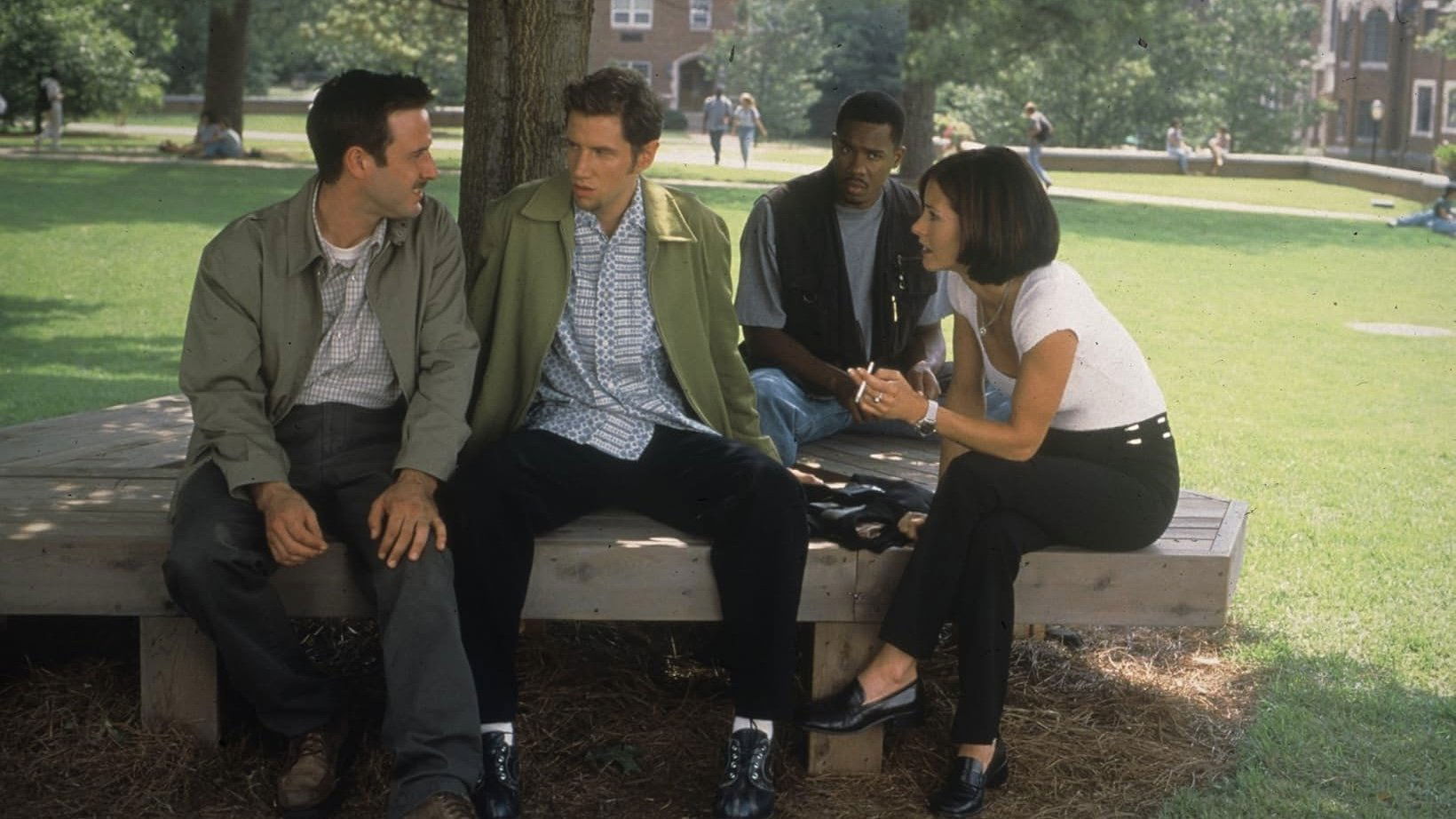
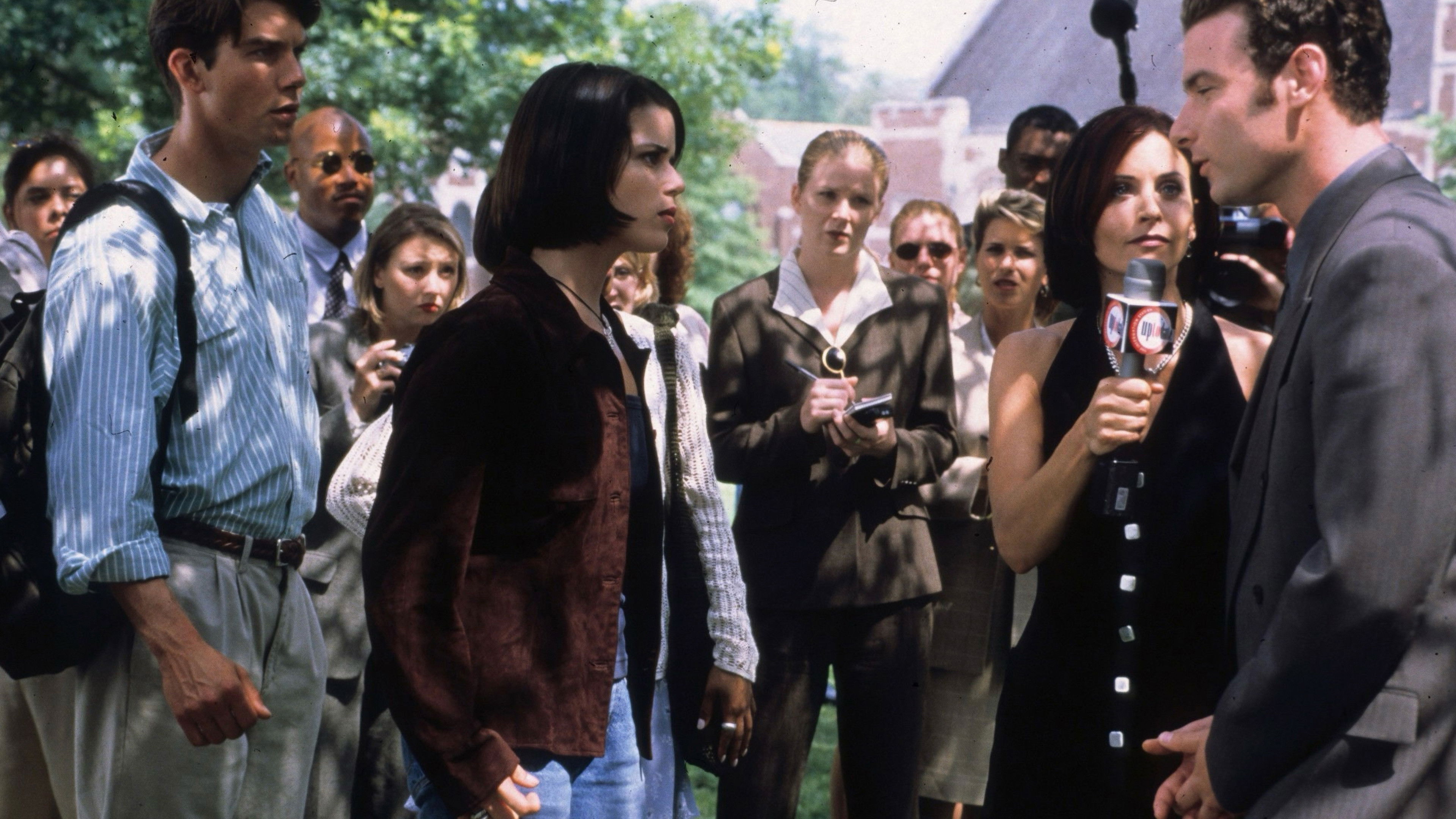
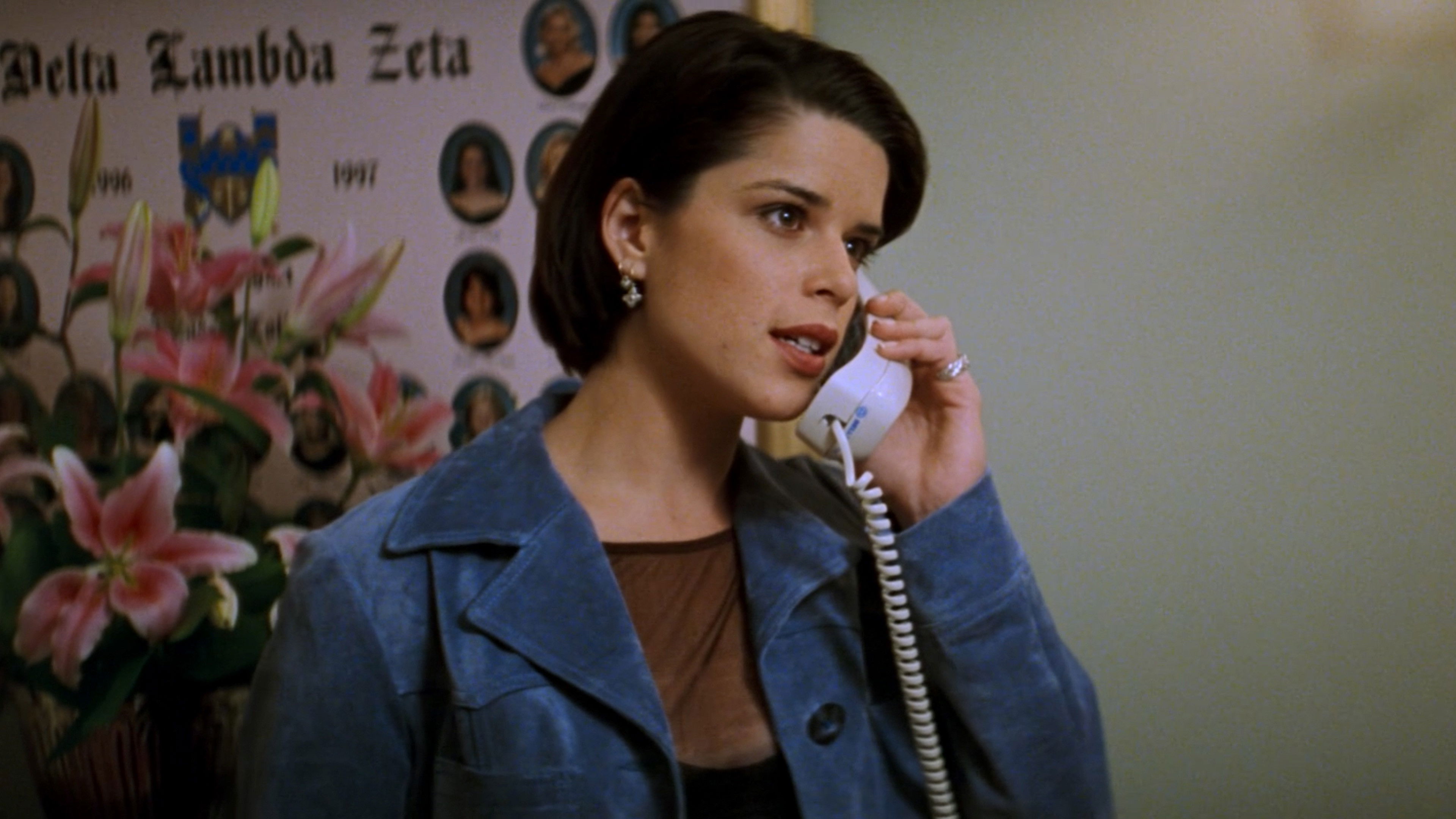
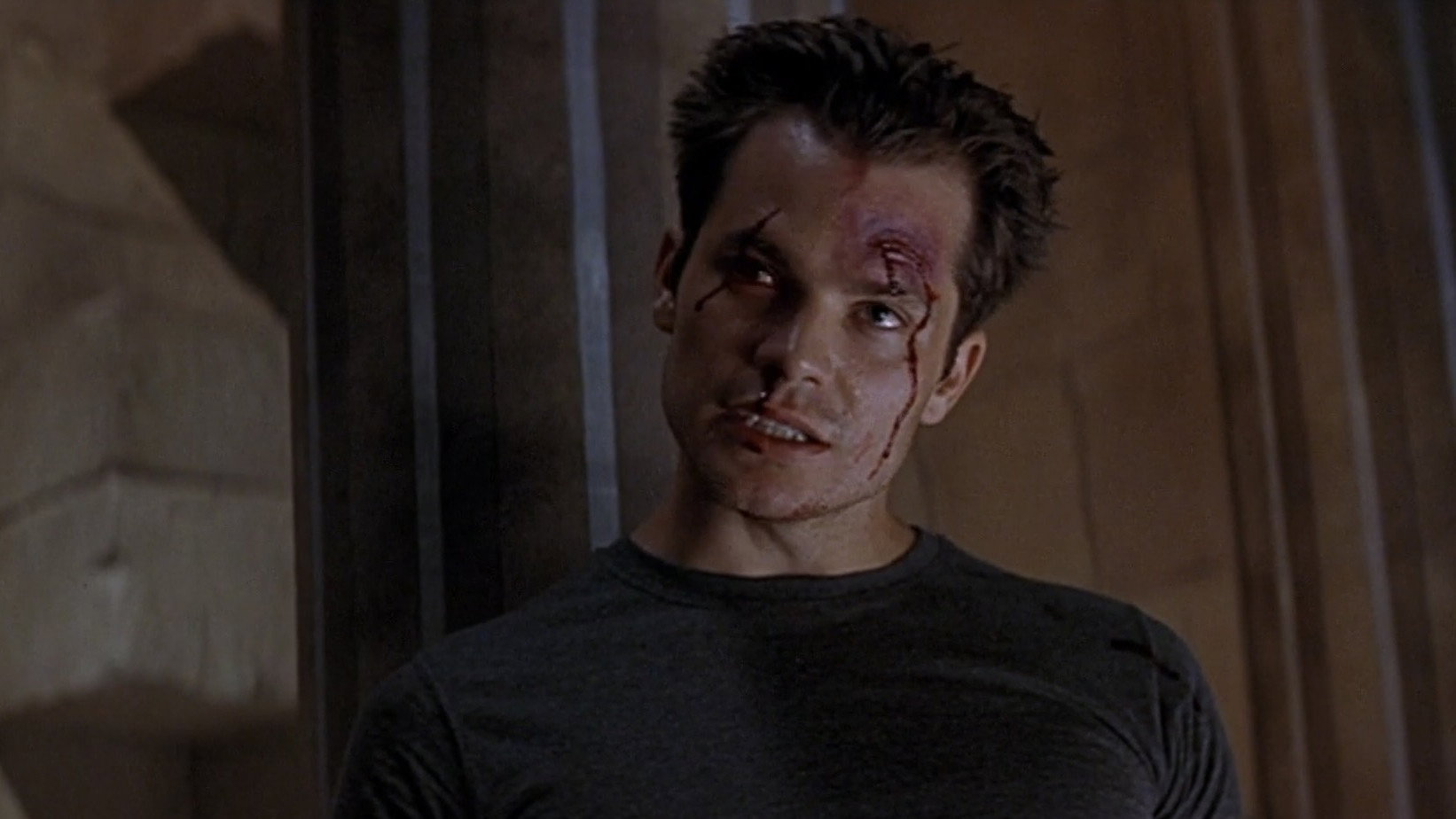
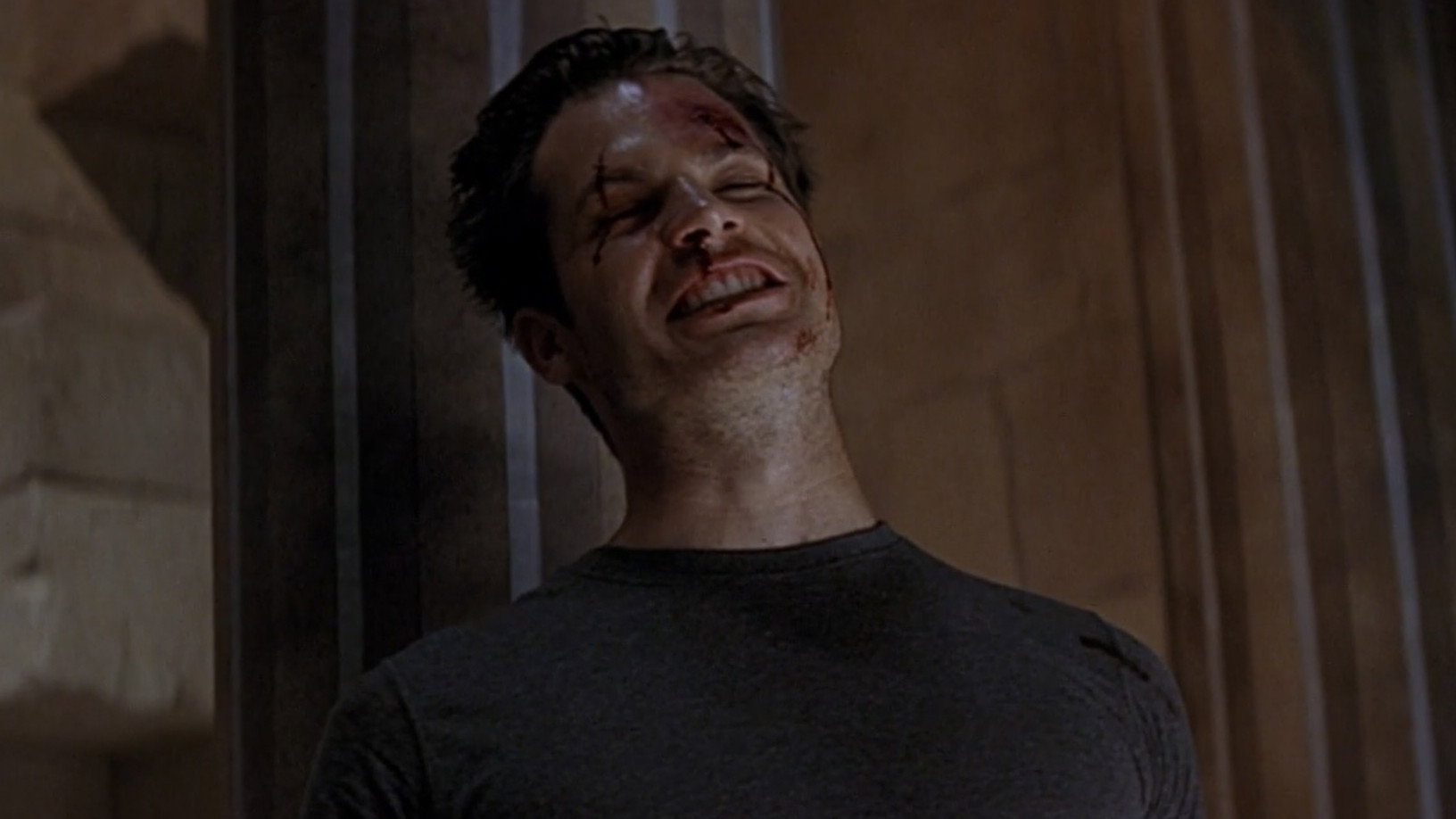
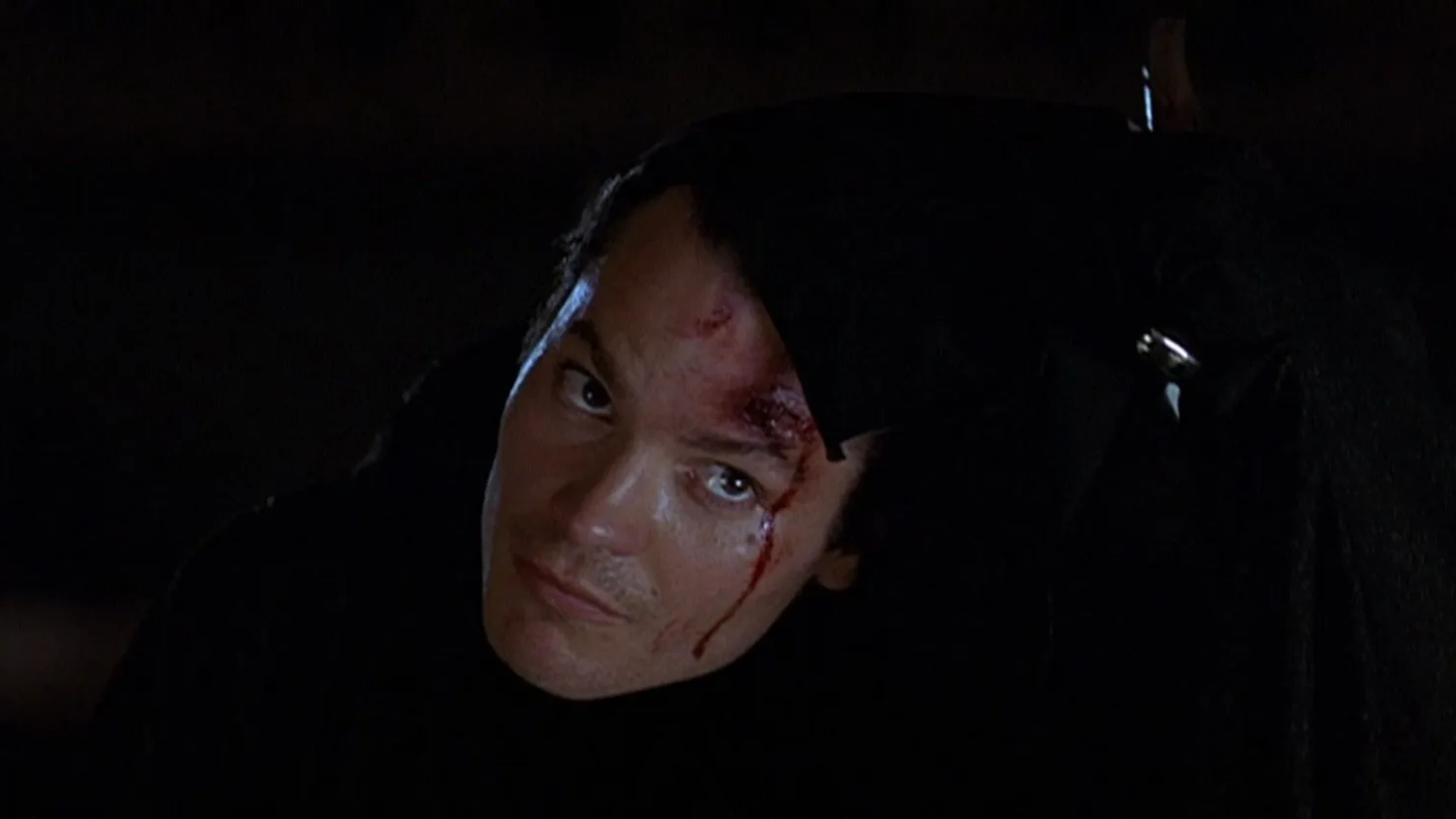
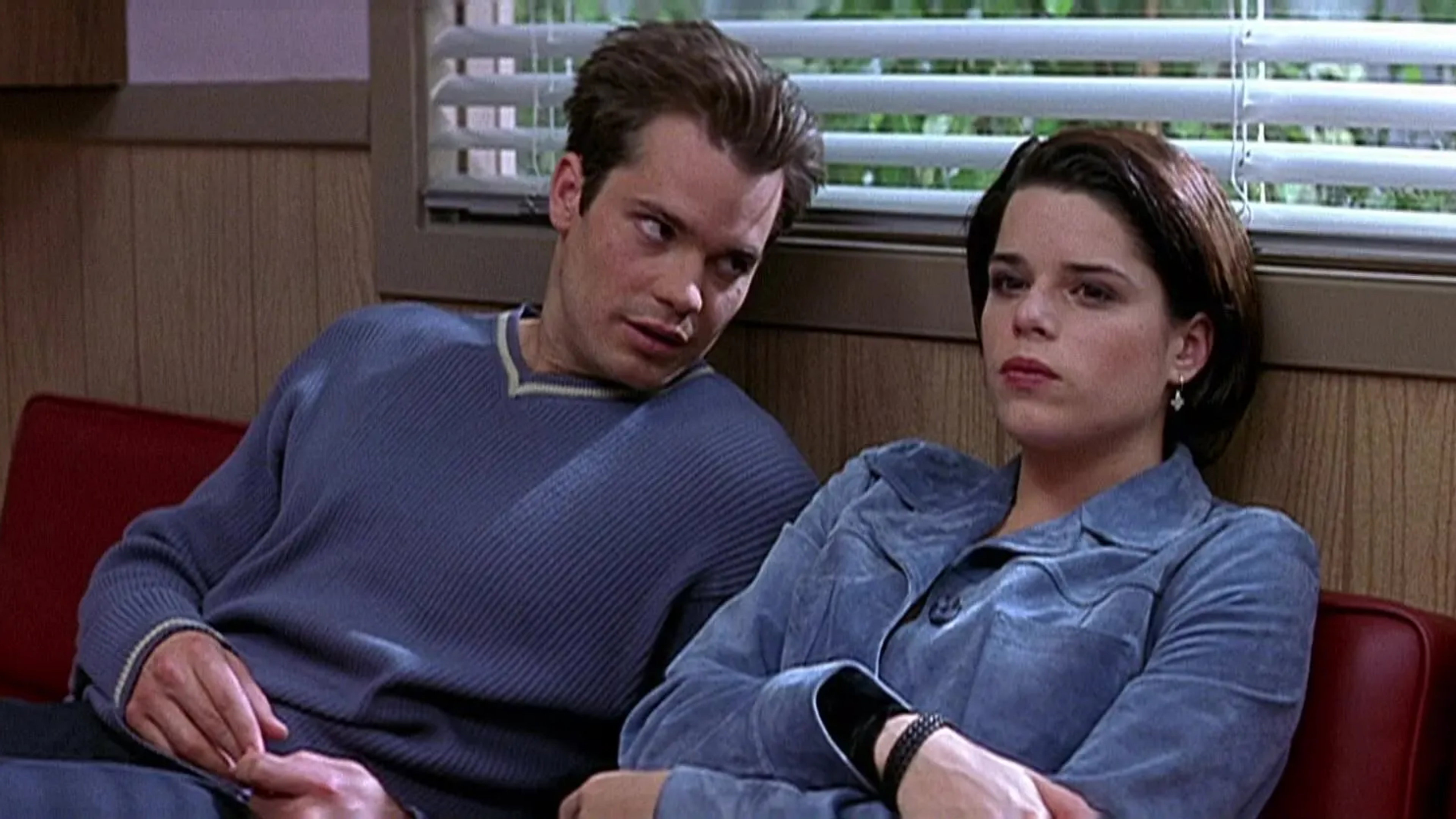
Sidney Prescott has moved away from Woodsboro and is studying at Windsor College when two students are murdered during a screening of Stab, a film inspired by the earlier killings. The attacks revive the attention of reporter Gale Weathers and bring Sidney's friends and classmates under suspicion. As another masked assailant begins targeting people around her, Sidney struggles to maintain a normal life while investigators search for connections to the original case. New suspects, public fascination with the murders and memories of the past complicate her effort to stay safe.

Alternative Titles
Qışqırıq 2 (Azerbaijan) — Azerbaijani Писък 2 (Bulgaria) — Bulgarian Pânico 2 (Brazil) — Portuguese Frissons 2 (Canada) — French 夺命狂呼2 (China) 惊声尖叫2 (China) — Chinese Vřískot 2 (Czechia) — Czech Scream 2 - Schrei des Todes (Germany)
Show all 40 alternative titles Karje 2 (Estonia) — Estonian კივილი 2 (Georgia) — Georgian Κραυγη Αγωνιας 2 (Greece) — Greek 奪命狂呼 2 (Hong Kong SAR China) — Chinese Vrisak 2 (Croatia) — Croatian Sikoly 2. (Hungary) — Hungarian הצעקה II (Israel) צעקה 2 (Israel) — Hebrew جیغ ۲ (Iran) — Persian スクリーム2 (Japan) — Japanese 스크림 2 (South Korea) Klyksmas 2 (Lithuania) — Lithuanian Kliedziens 2 (Latvia) — Latvian Scream 2: Grita y vuelve a Gritar (Mexico) — Spanish Skrik 2 (Norway) — Norwegian Krzyk 2 (Poland) — Polish Gritos 2 (Portugal) — Portuguese Врисак 2 (Serbia) — Serbian Крик 2 (Russia) — Russian الصرخة ٢ (Saudi Arabia) Krik 2 (Slovenia) — Slovenian Vreskot 2 (Slovakia) — Slovak หวีดสุดขีด 2 (Thailand) — Thai Çığlık 2 (Türkiye) — Turkish 驚聲尖叫2 (Taiwan) — Chinese Крик 2 (Ukraine) — Ukrainian Scream Again (United States) — Working Title Scream Louder (United States) — Working Title Scream: The Sequel (United States) — Working Title Qichqiriq 2 (Uzbekistan) — Uzbek Tiếng 2 Thét (Vietnam) Tiếng Thét 2 (Vietnam) — Vietnamese

Trailers & Videos

10 videos

Film Guide & Analysis

Wes Craven and Kevin Williamson extend the slasher revival through Stab, sequel conventions, audience complicity and a rapid production cycle.

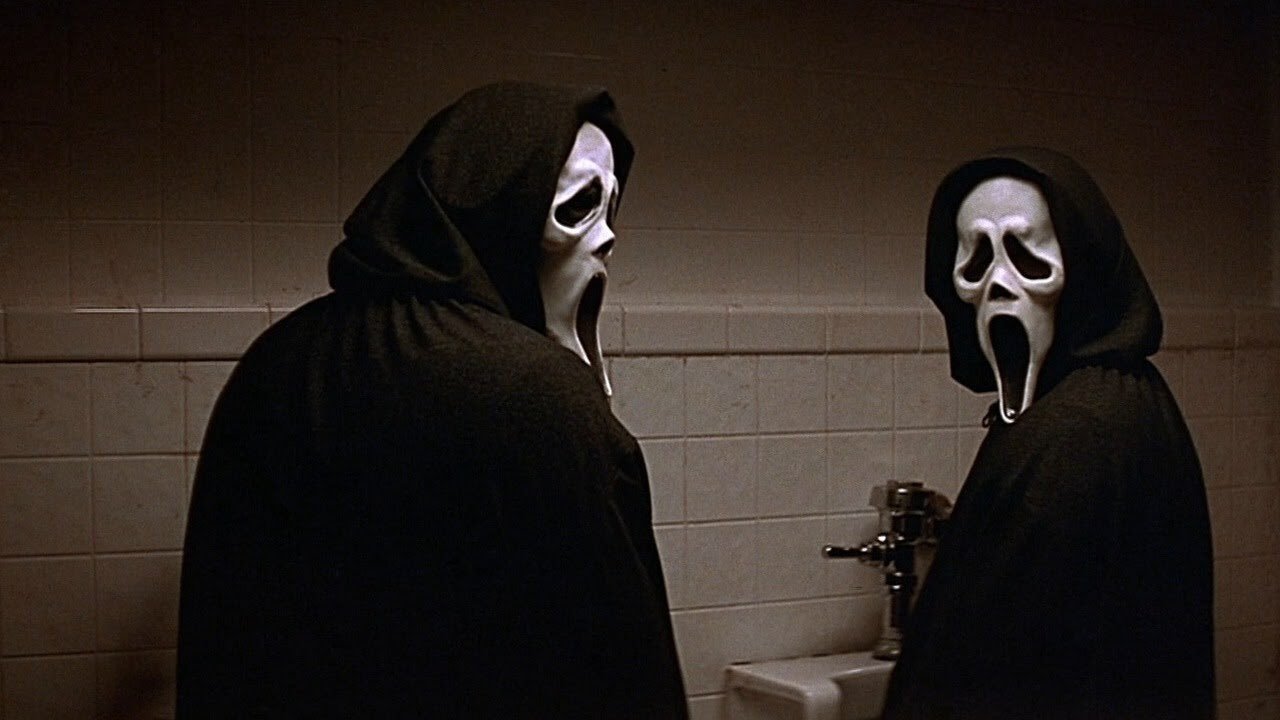
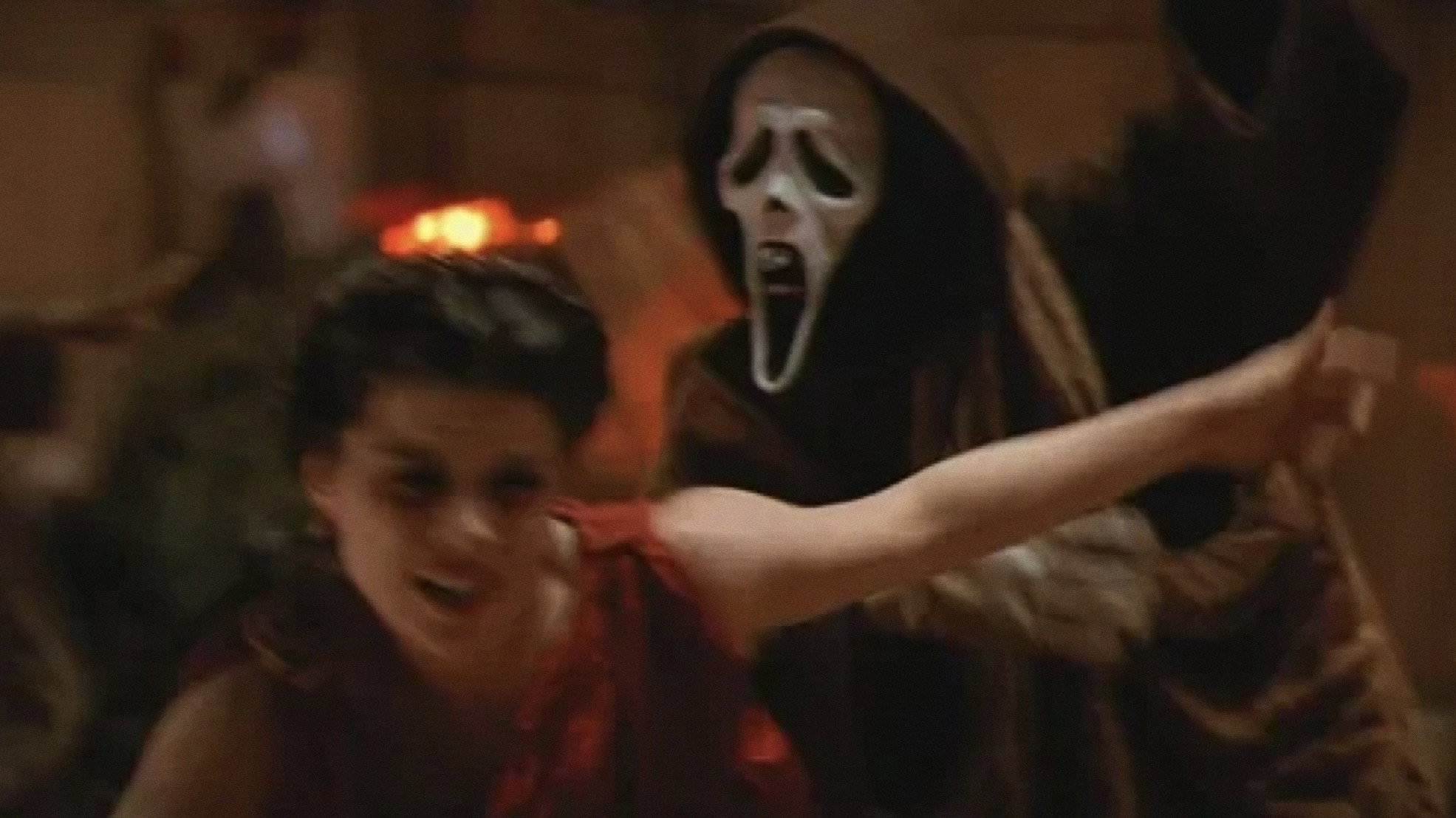
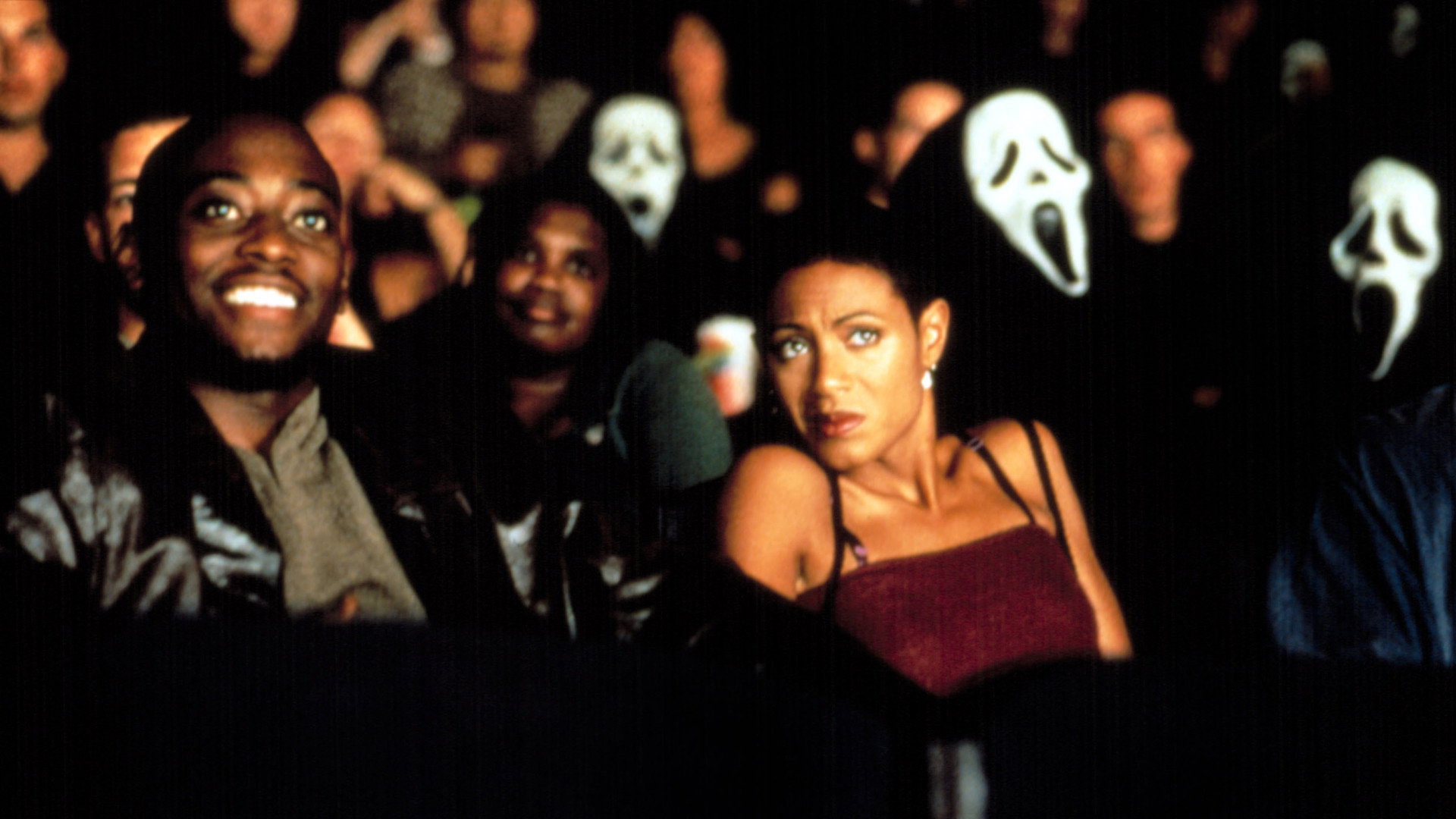
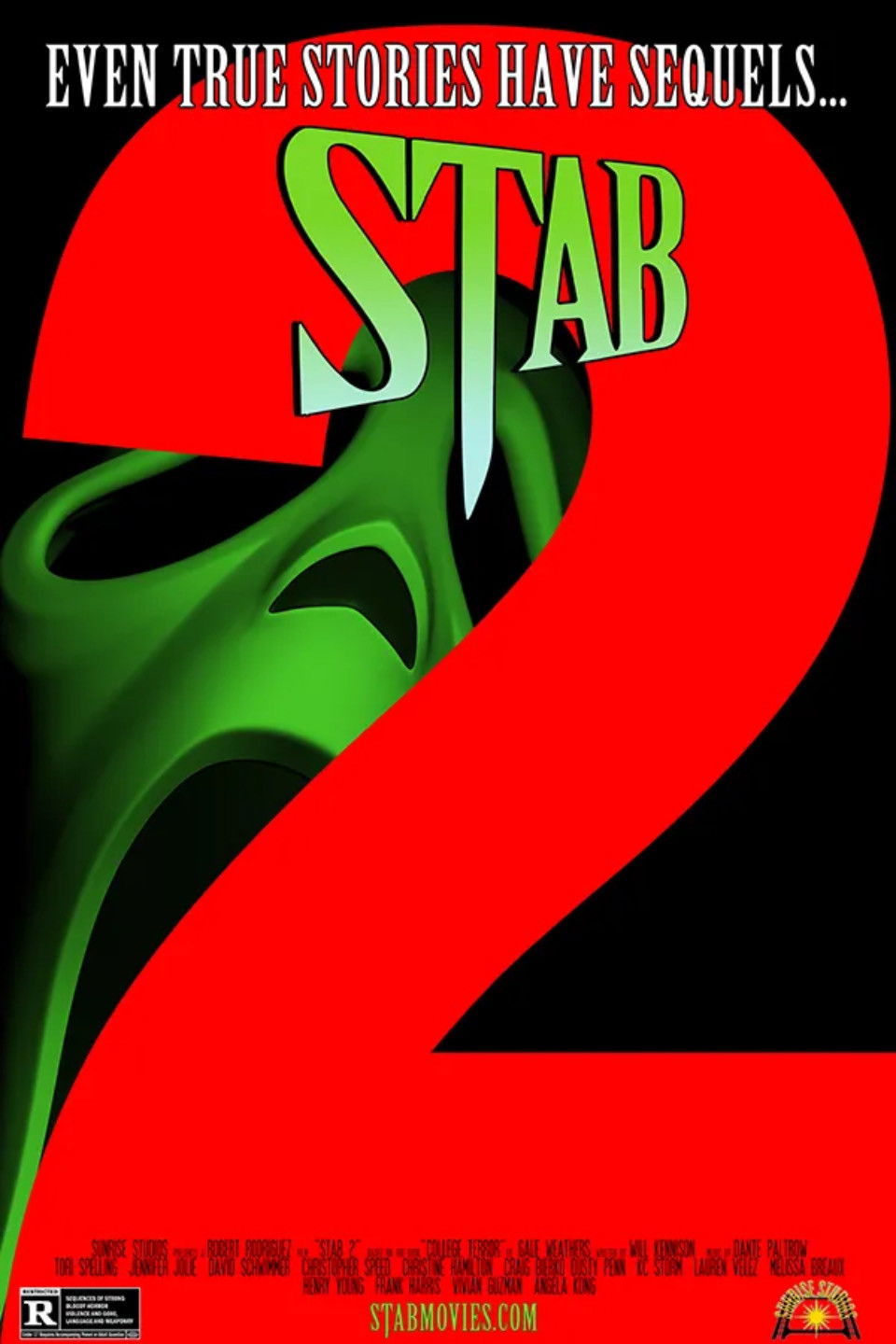
Scream 2 (1997) examines what happens when a slasher massacre becomes popular entertainment. Its opening takes place at a screening of Stab, a film adapted from the Woodsboro murders, where spectators wearing Ghostface costumes fail to recognize an actual killing among the staged violence. The sequel therefore begins with the consequences of the first film's events already circulating as a commercial spectacle. Sidney Prescott has moved to college, but publication, publicity and renewed attacks prevent her from separating herself from the past. Wes Craven and Kevin Williamson turn a familiar continuation into an inquiry about spectatorship, imitation and the expectations imposed on survivors.

Arriving in American theaters in December 1997, less than a year after Scream, the production faced exceptional speed and scrutiny. Contemporary reporting documents the rush to exploit the original's growing audience, while Williamson's later testimony clarifies the secrecy surrounding circulated screenplay drafts. Craven discussed the cinema opening directly in a 1998 radio interview; a separate period investigation recorded a dispute over borrowed music in Marco Beltrami's score. Together these records make Scream 2 significant beyond its commercial success: it shows the revived American slasher immediately confronting its own reproducibility.

A Sequel Made at Exceptional Speed

Williamson had conceived the possibility of following Sidney to college while developing the original Scream. In a 2022 Entertainment Weekly interview, he recalled having a sequel treatment before the first film was released. Once ticket sales grew through word of mouth, Dimension accelerated the next production. The writer was simultaneously occupied with Dawson's Creek and The Faculty, and he remembered writing while traveling and visiting the set. The short interval between releases thus reflected both the studio's response to an unexpected hit and the difficult workload of the person responsible for maintaining its characters.

Secrecy became a separate production challenge. A December 1997 Los Angeles Times report described pages of the new screenplay appearing online soon after they had been distributed. Later accounts supplied a crucial correction to the familiar story that a leaked ending forced the filmmakers to change the murderers. Williamson told Entertainment Weekly that his team deliberately circulated a dummy script presenting Dewey as a killer. Such recollections describe measures for protecting the mystery; they do not prove that the completed film was assembled around an entirely different last-minute solution. Distinguishing documented leaks from intentional decoys prevents a persistent production legend from replacing the writer's own explanation.

The same contemporary reporting quoted studio leadership treating the follow-up as an ongoing story whose returning characters mattered to viewers. That ambition shaped its production problem. The mystery needed fresh suspects, but recognition of Sidney, Gale, Dewey and Randy was a major reason audiences were returning. The sequel's compressed development belongs to the late-1990s moment when a profitable horror film could generate a new theatrical entry almost immediately. It also helps explain why managing audience knowledge became part of the creative process itself.
Stab and the Horror Audience

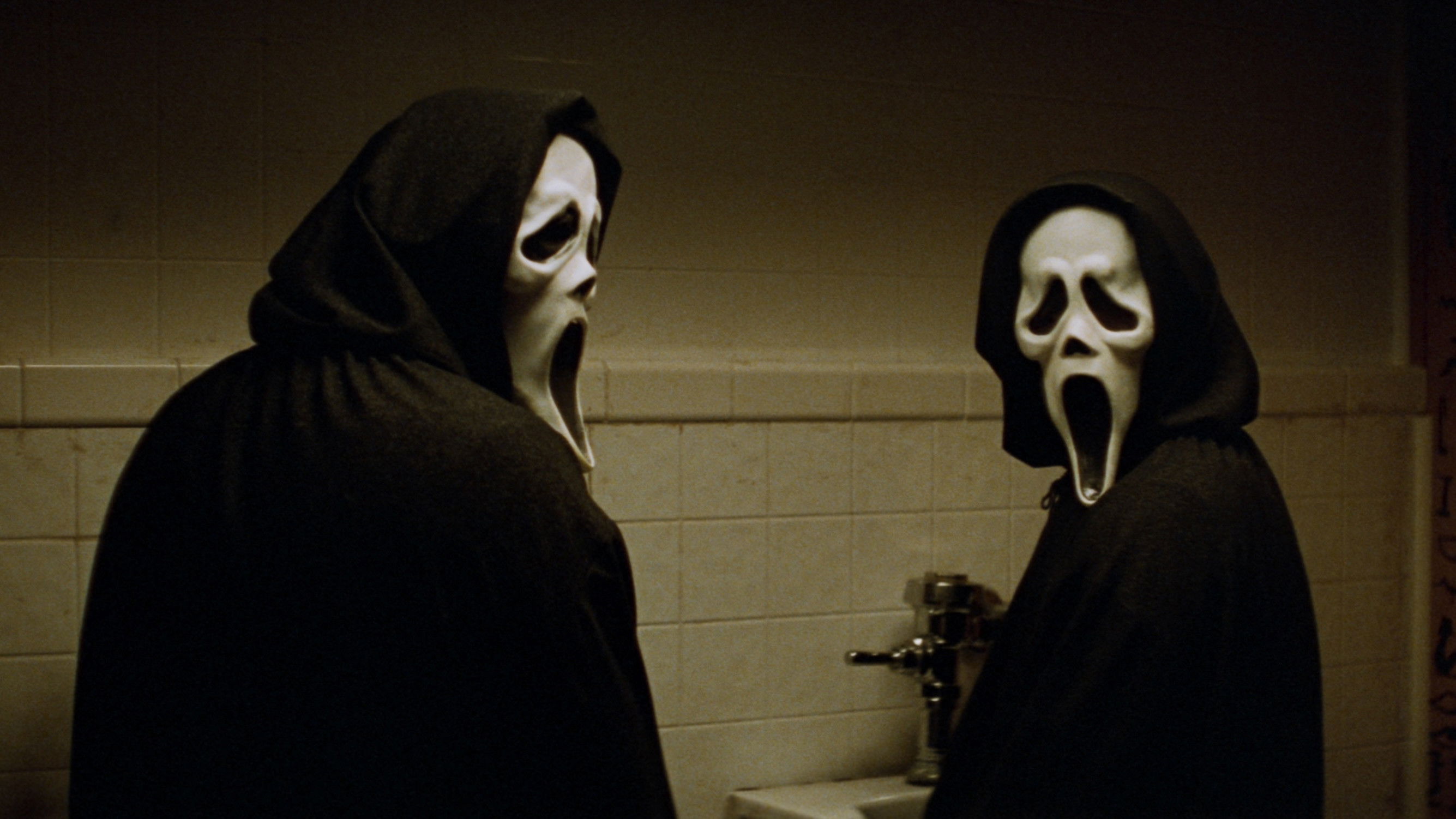
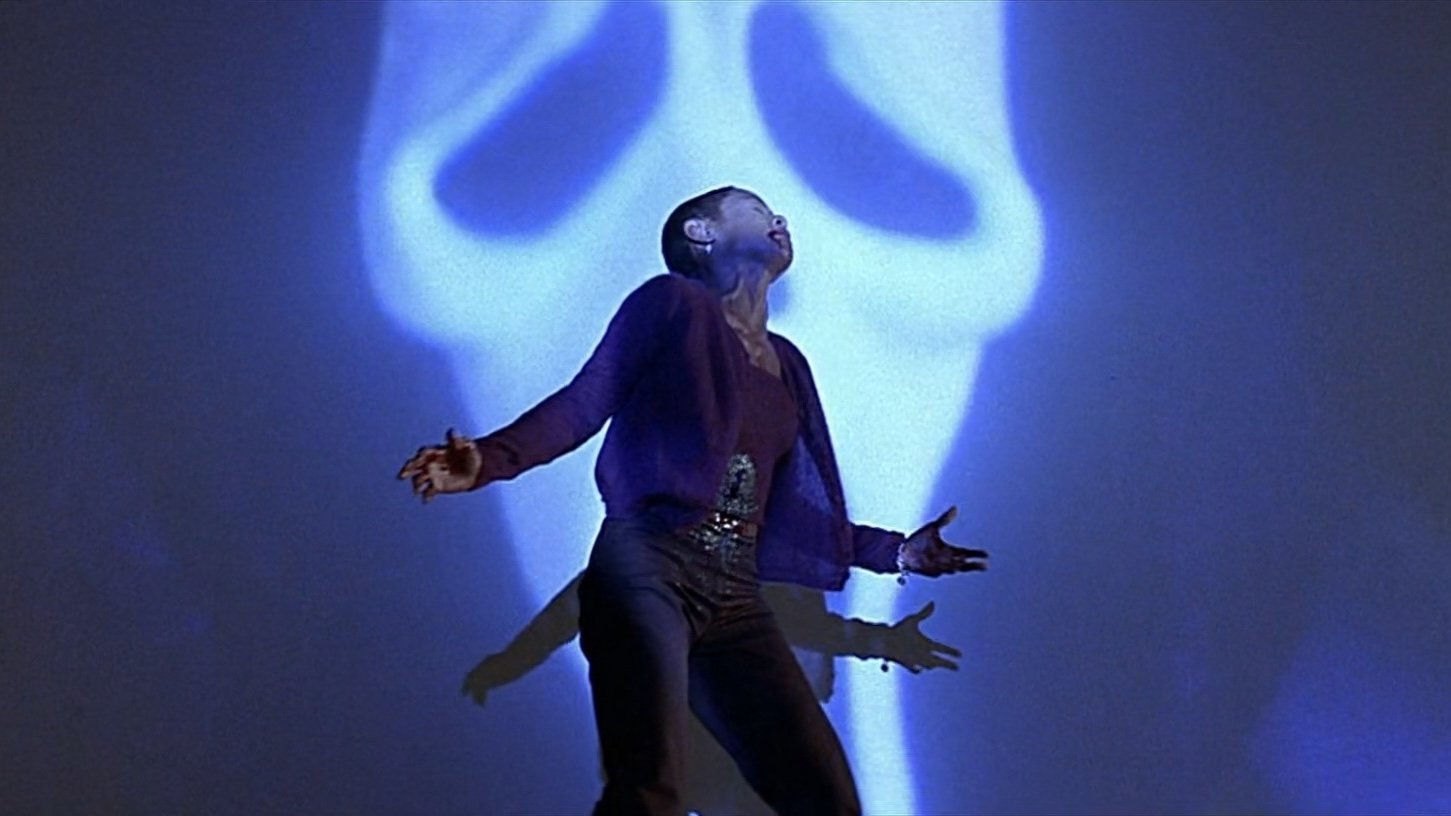
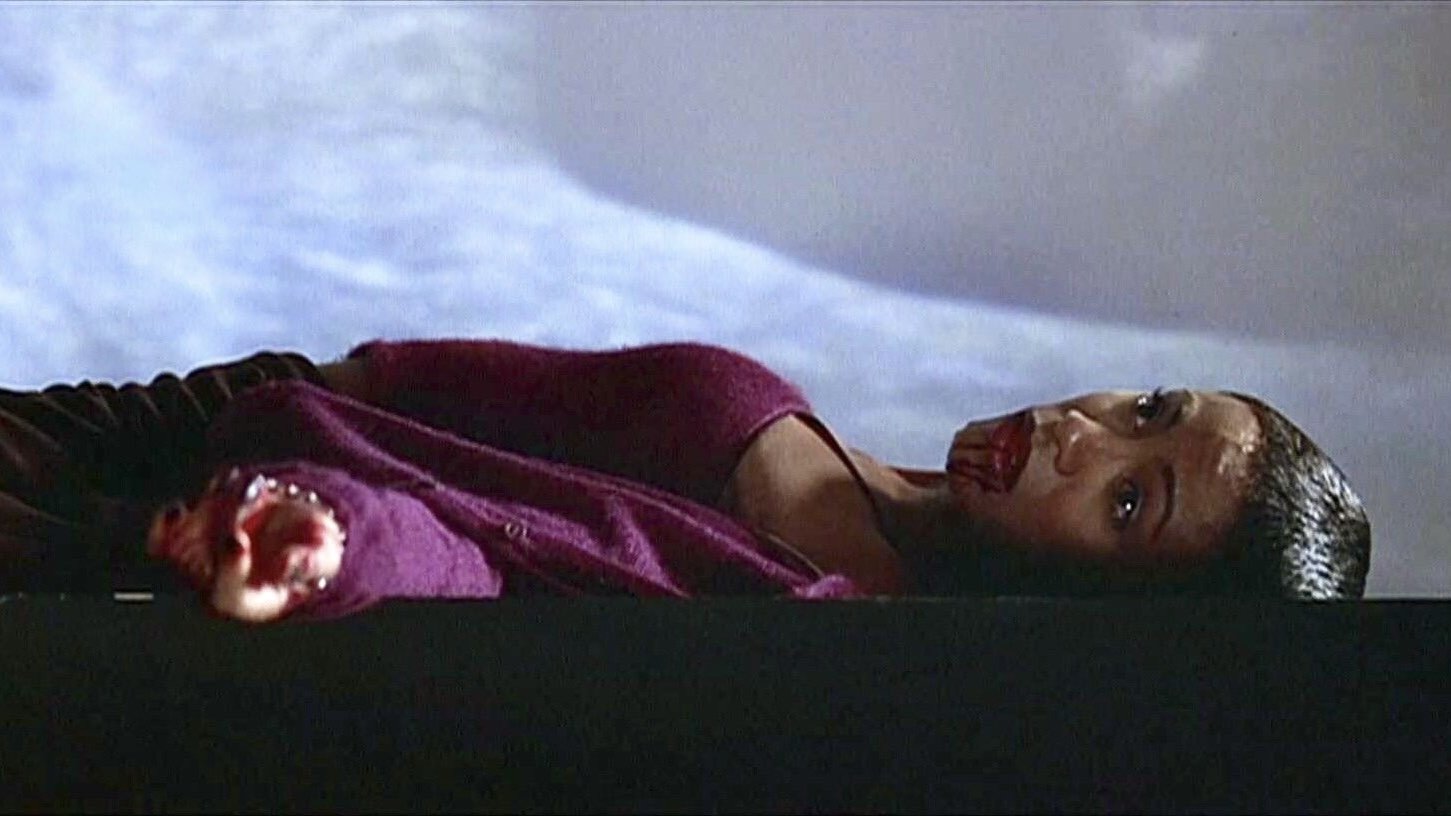
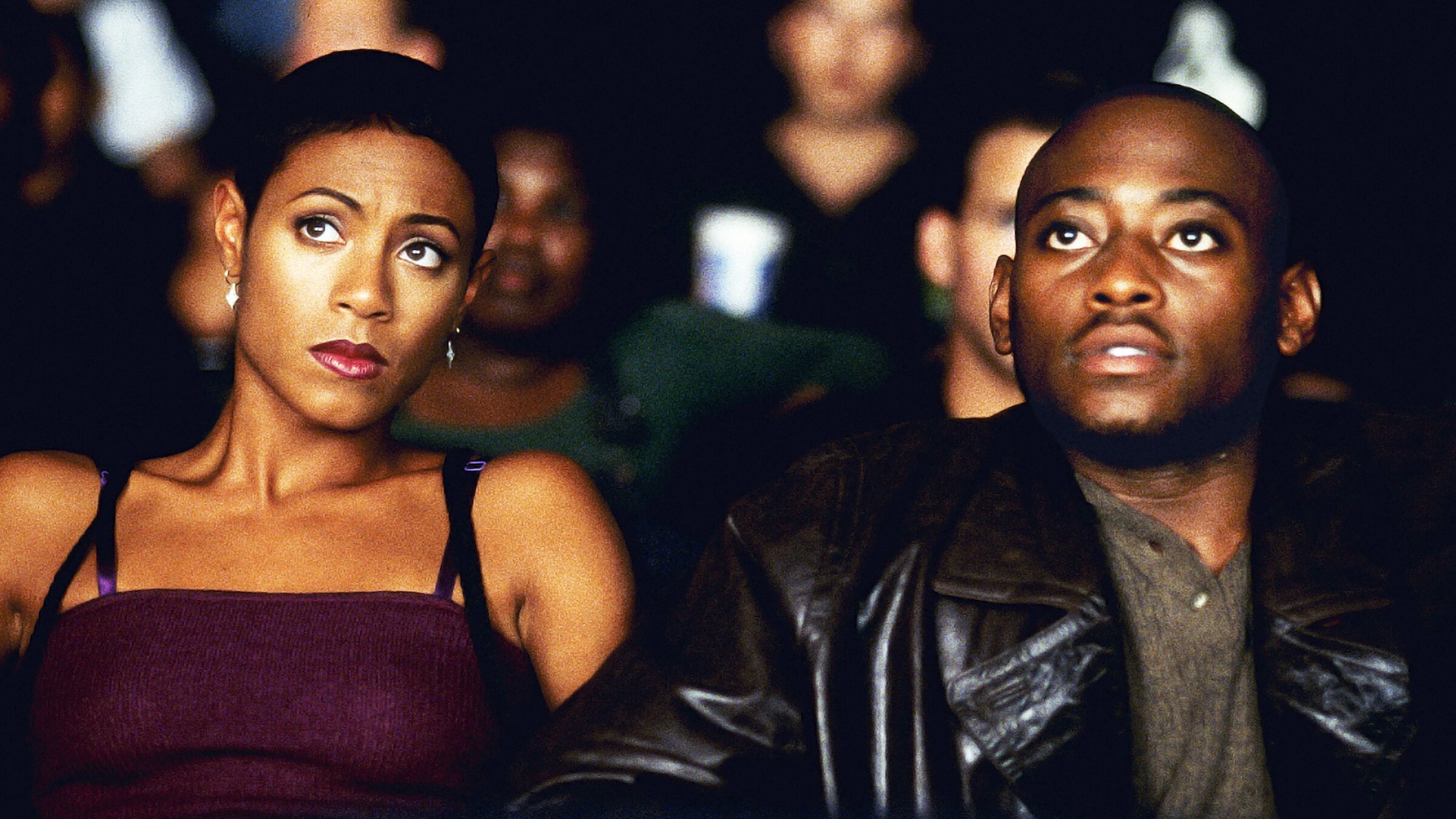
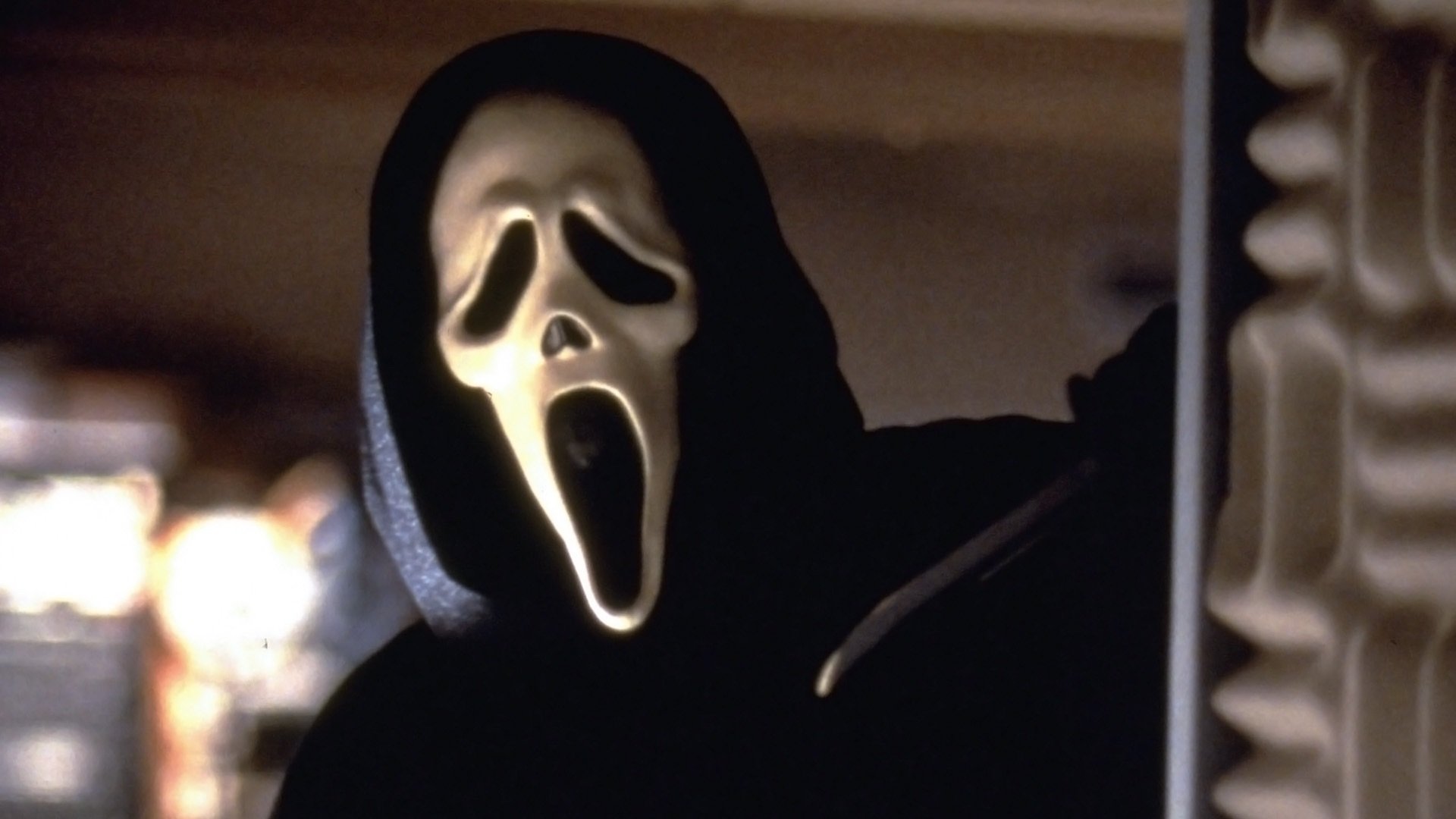
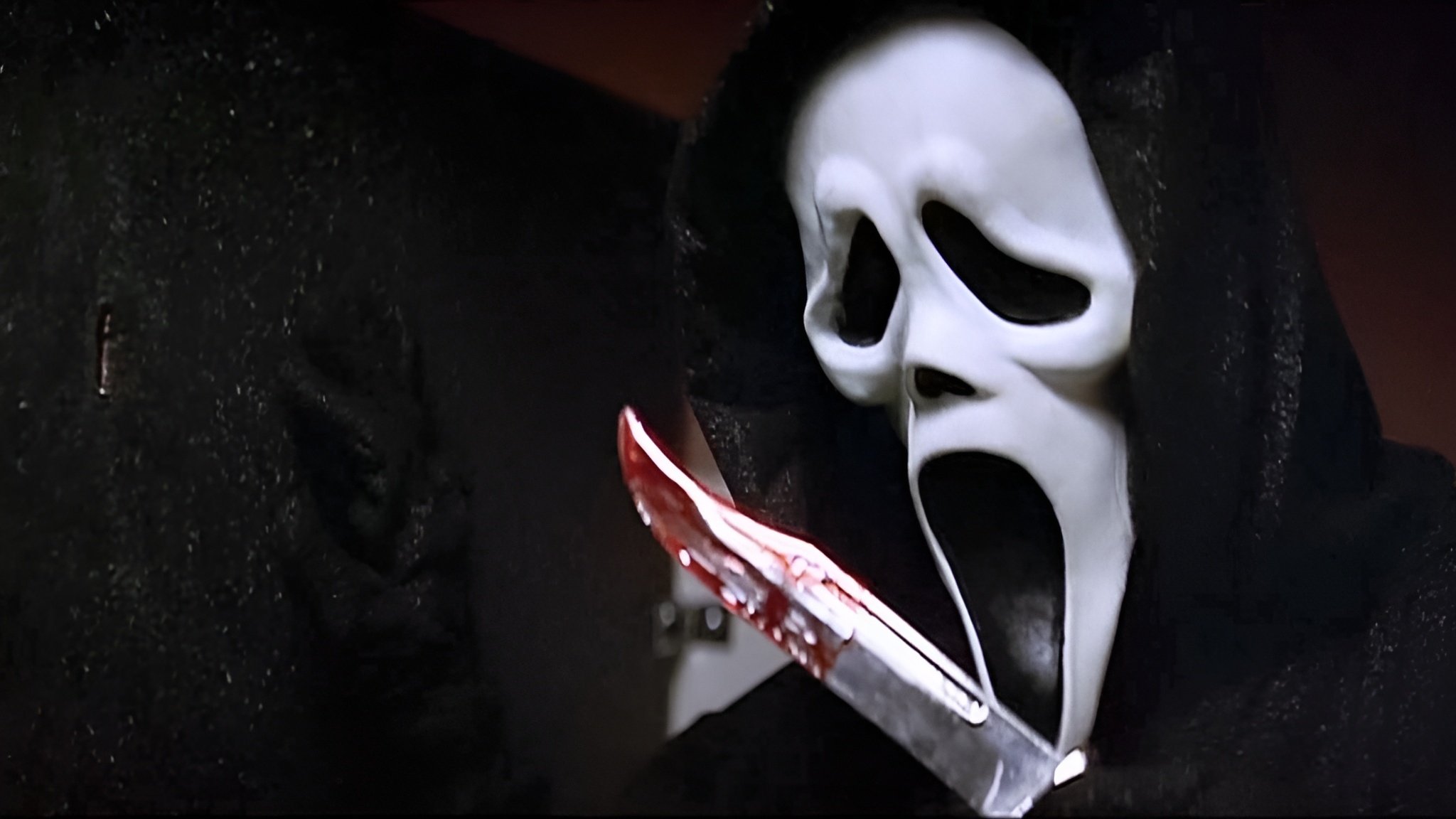
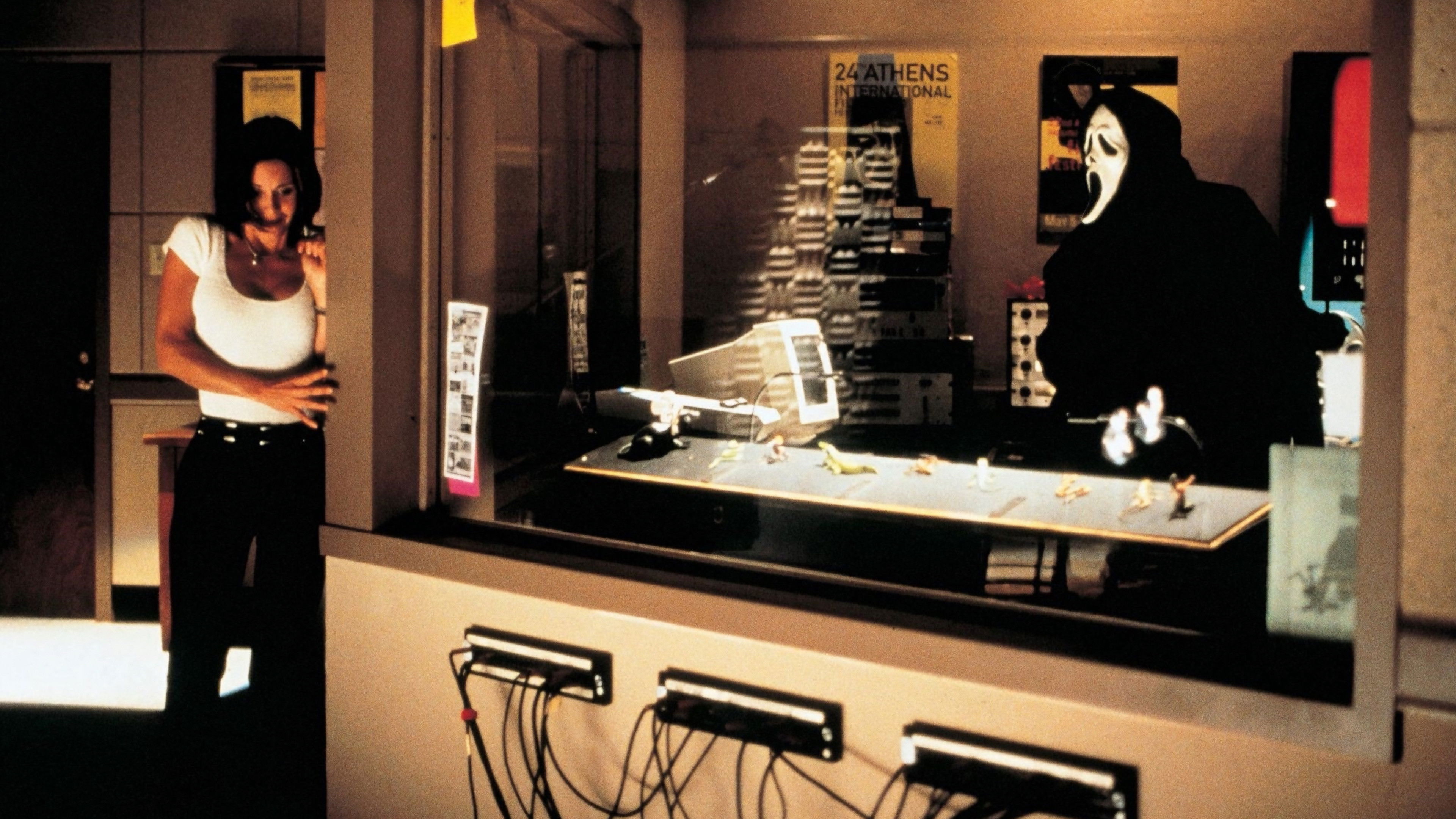
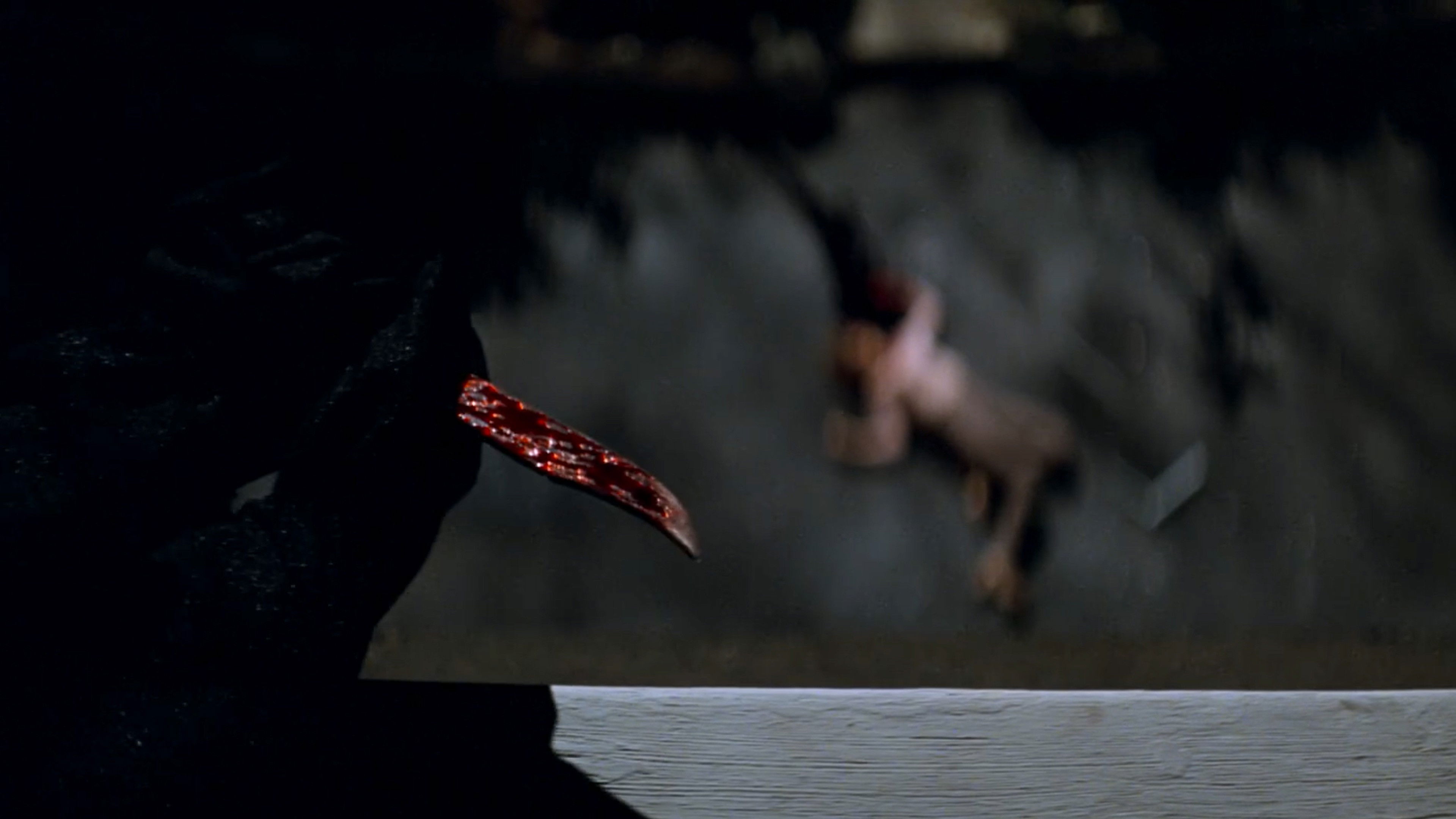
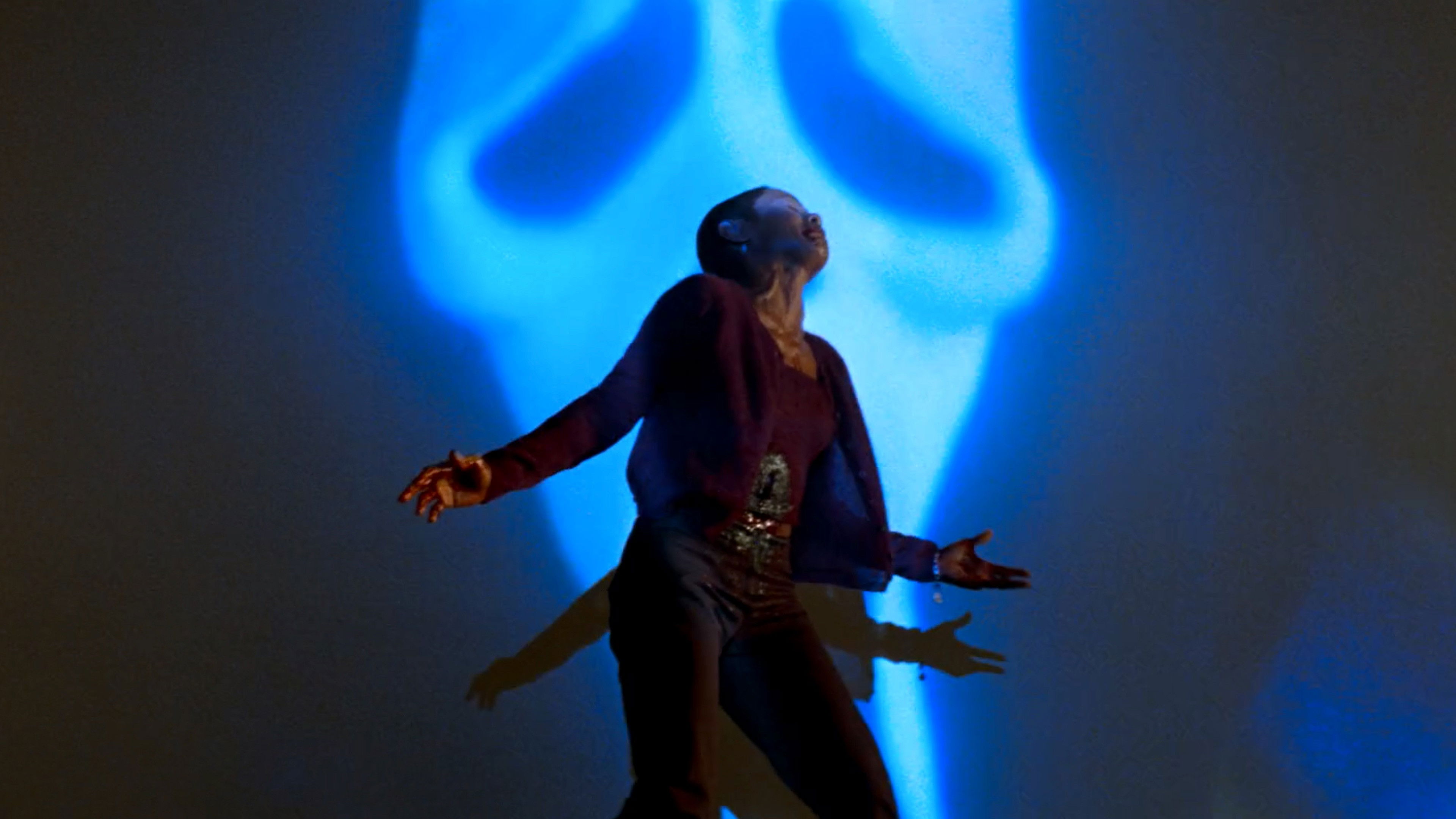
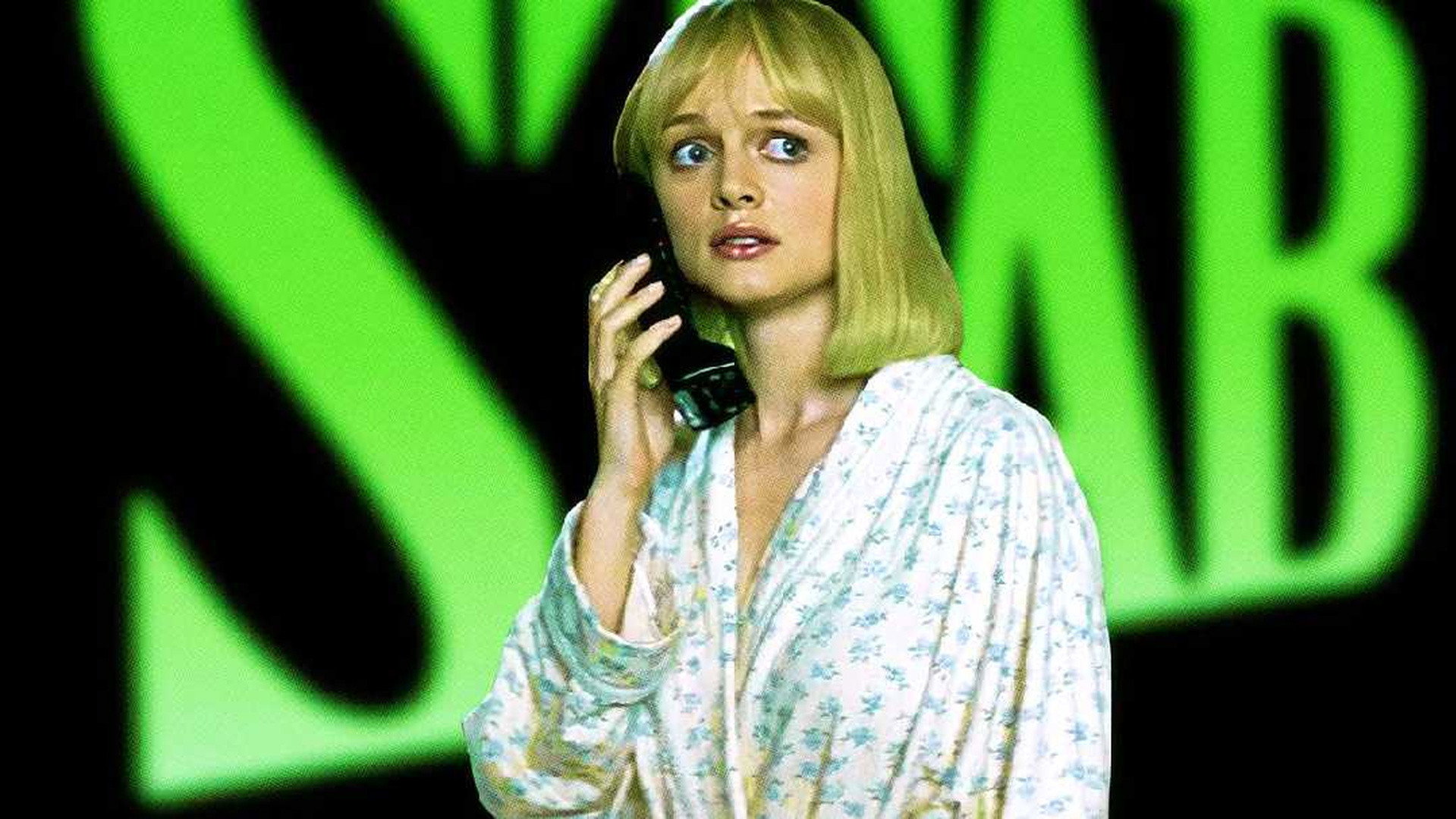
The fictional premiere of Stab converts spectators into an active element of the threat. Ghostface masks are distributed among the audience, making the killer's appearance indistinguishable from the promotion surrounding the screening. Maureen Evans watches a commercial reconstruction of the earlier murders before confronting real violence in the same auditorium. The sequence works through the contradiction between a crowd celebrating cinematic danger and its inability to interpret suffering in front of it. The familiar costume no longer singles out the murderer; mass reproduction gives the attacker concealment. This arrangement extends the original film's interest in horror literacy into the space where such literacy is publicly performed.
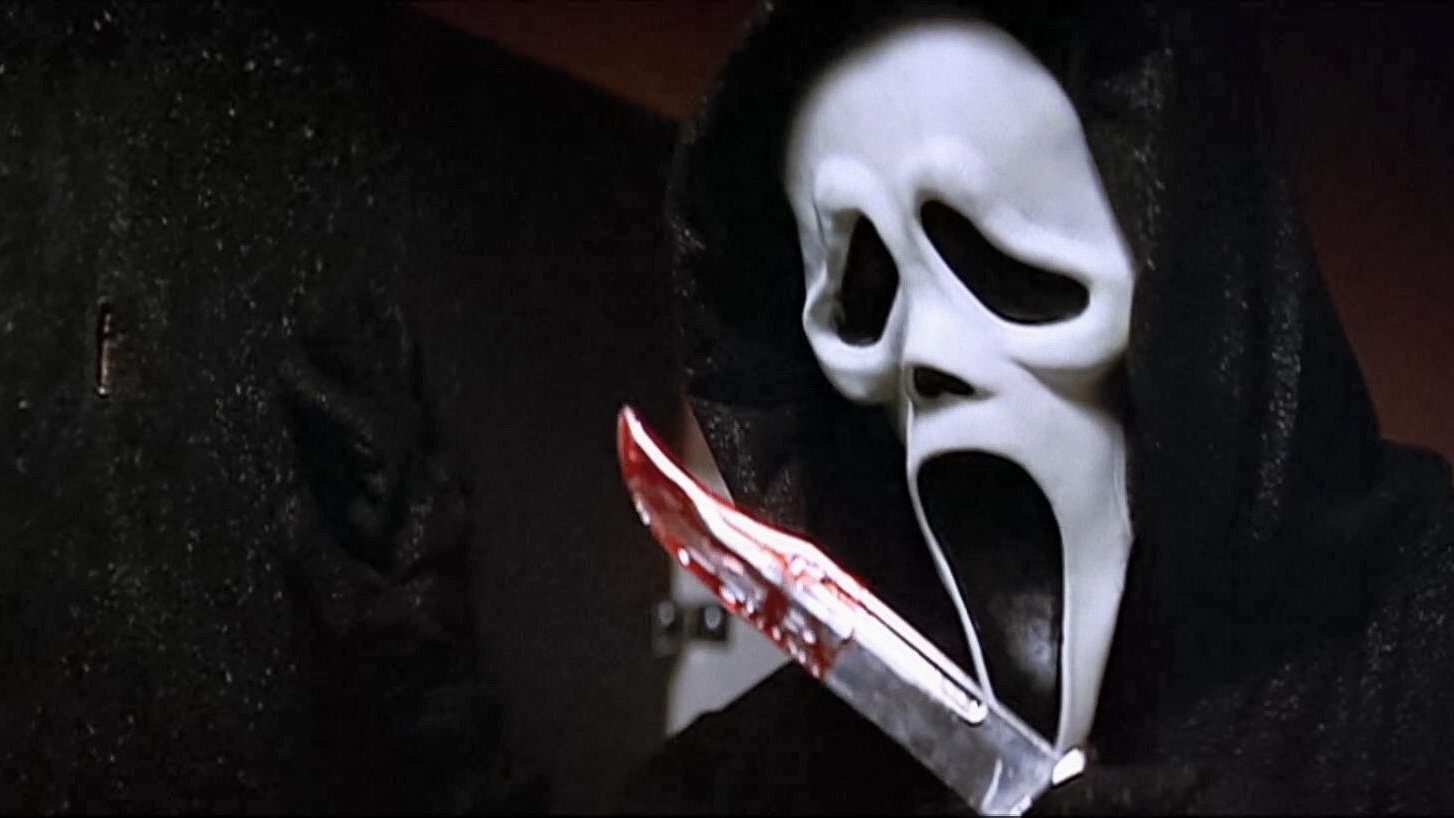
In a February 1998 Fresh Air interview, Craven explained that the opening was designed to challenge spectators who enjoy the suffering of victims. He identified the moment when the fictional audience recognizes a real death as a deliberate confrontation with its own response. That statement establishes the director's intended effect without requiring the entire film to be read as a straightforward denunciation of horror entertainment. Craven also connected the sequel to wider questions about whether screen violence encourages behavior or trivializes pain. The resulting ambiguity is important: the picture draws excitement from the same spectacle it subjects to scrutiny.

Maureen's remarks about Black characters being expendable in horror give this experiment another dimension. Her anxiety concerns genre conventions and racial representation, even though the scene soon confirms the danger she anticipates. The film offers the critique inside the dialogue of a character who becomes a victim, an unsettling choice that can be examined without assuming the movie solves the problem it identifies. Stab also turns Sidney's traumatic history into a commodity sold to strangers. The distance between personal experience and a crowd's entertainment becomes the opening's central source of dread.

Sequel Rules and Survivor Trauma

Randy's discussion of sequel conventions gives Scream 2 a vocabulary for what it is attempting. The characters know that follow-ups are expected to increase the number of victims and intensify the violence, and their commentary encourages viewers to measure the film against those predictions. Craven had described the first Scream as a response to recognizable slasher formulas; the new installment applies comparable self-awareness to the business of continuing a popular story. Its jokes depend upon familiarity with horror cinema, but understanding the danger never provides immunity from it. Characters can correctly describe the genre and still misjudge the threat immediately around them.

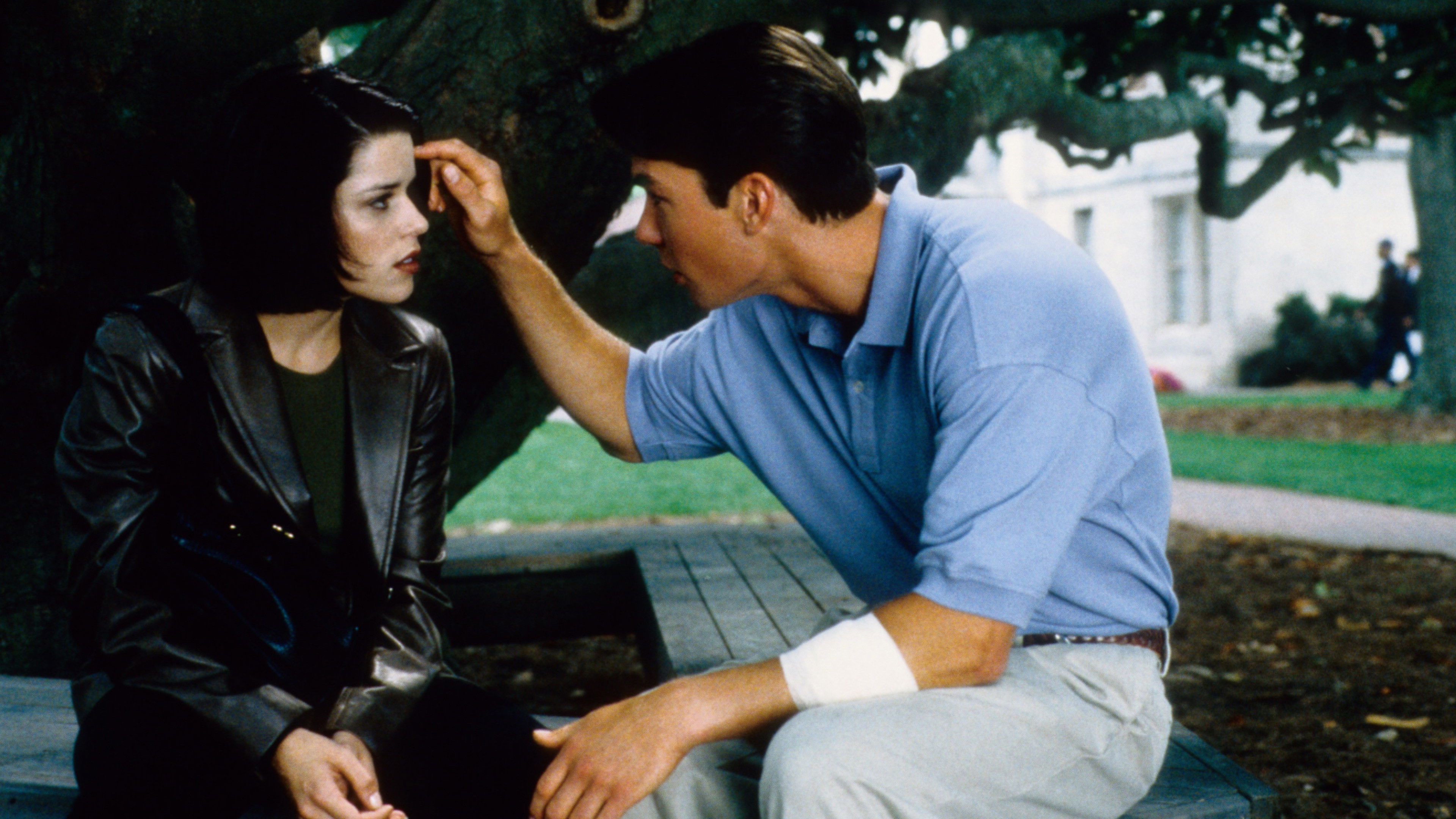
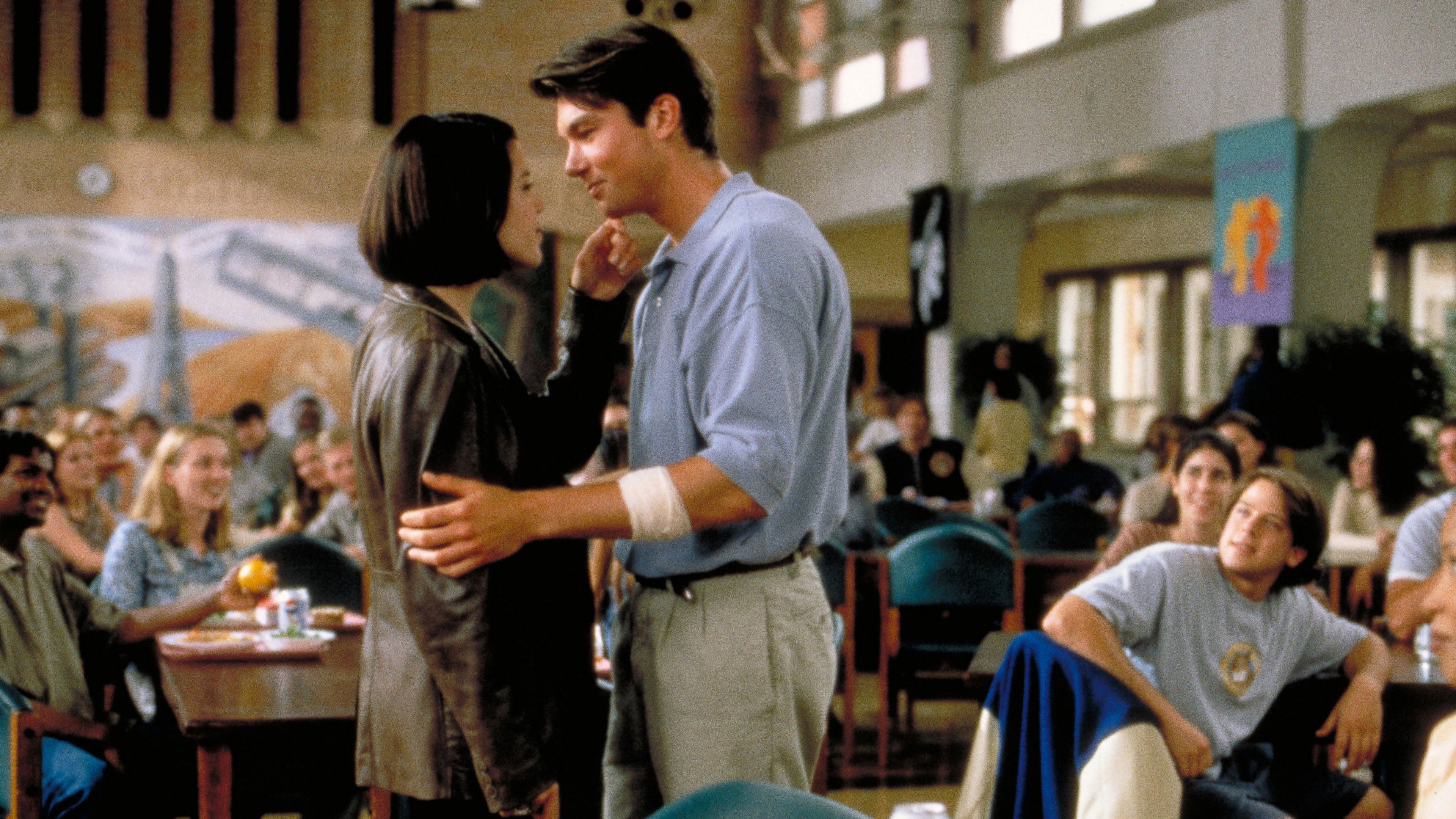
Sidney's college life brings an emotional restriction to this game of references. New friendships and a romantic relationship cannot be evaluated apart from the possibility that someone close to her is staging another murder campaign. The screenplay repeatedly places intimacy under suspicion, extending the first film's damaged trust into a setting meant to offer a fresh start. When an established survivor dies, the loss demonstrates that continuity provides no contractual protection. Williamson later said he regretted killing Randy because the character might have remained valuable to subsequent stories. That retrospective regret should be distinguished from the dramatic purpose of the decision in 1997.

The combination of a copycat premise and a returning cast also alters the role of publicity. Gale's account of the original crimes has helped produce Stab, and her professional presence draws fresh attention to Sidney when the murders resume. The film thereby connects the slasher mystery with a recognizable media economy in which a survivor's testimony circulates beyond her control. This is a specific mechanism in the plot, not evidence for a general claim that horror movies cause violence. The script invites that question while making the sources of danger more immediate: concealment, opportunity and choices made by people who know the characters' history.

Suspense Through Staging and Recognition

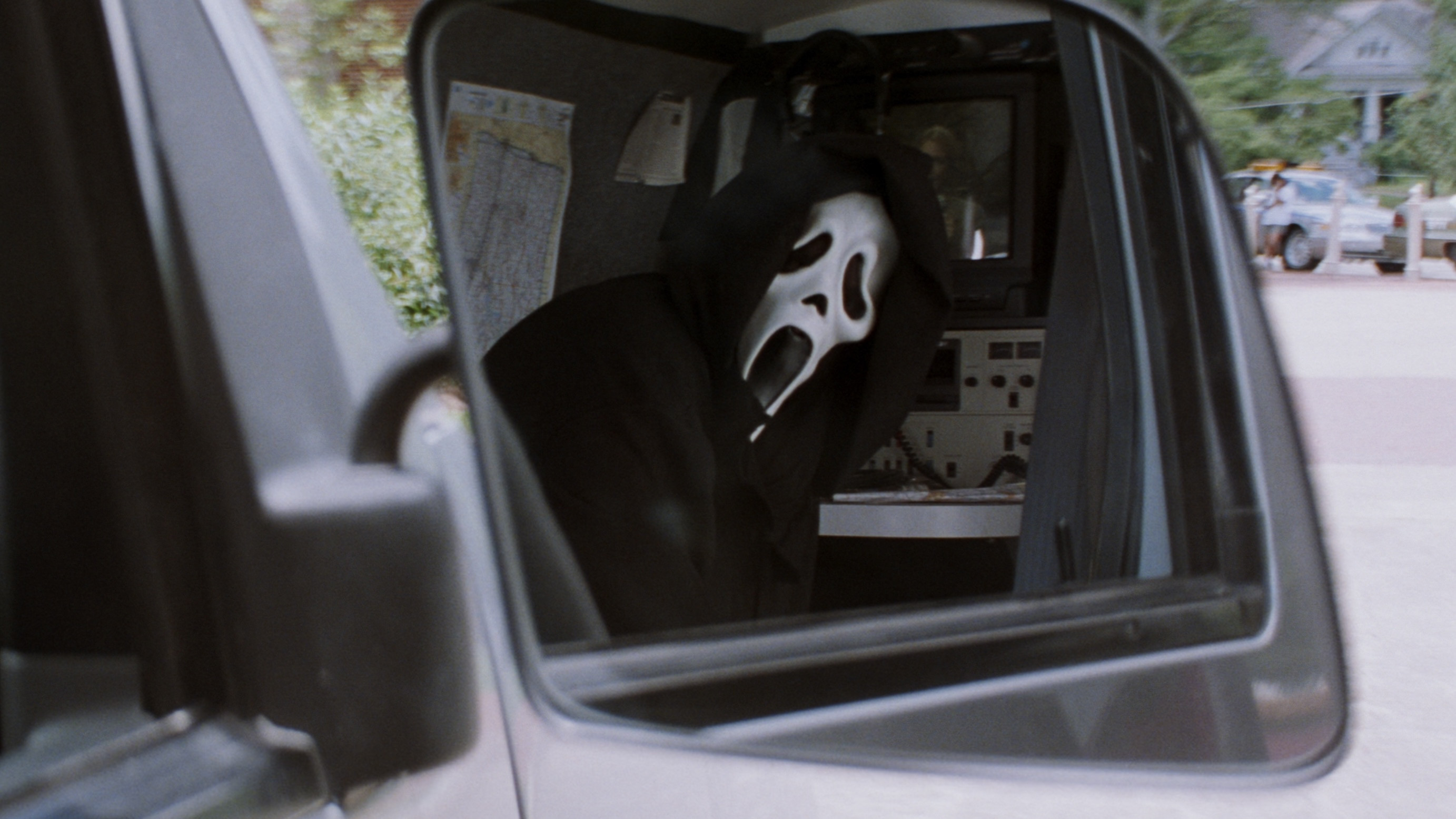
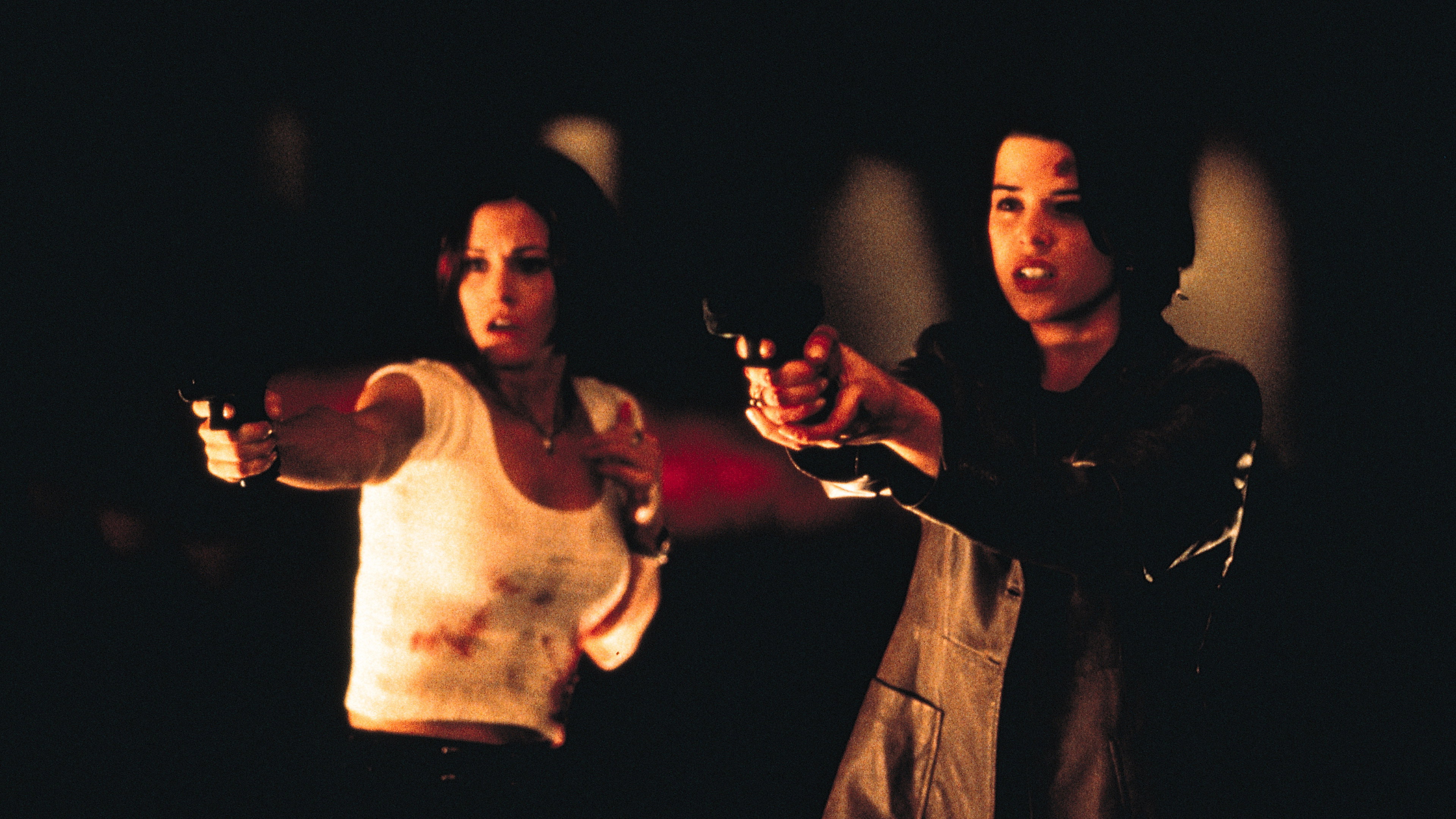
Craven builds sustained tension from spaces where a familiar outline offers little reliable information. In the theater, identical masks conceal identity within a crowd; later, the confrontation around a crashed police car forces the survivors to pass extremely close to a figure whose intentions they cannot safely test. The apparent stillness of the attacker creates suspense from the smallest possible movements. Such sequences rely on geography and duration, allowing viewers to understand an escape route before making them watch how dangerously it must be used. The fear has a physical basis even when the surrounding dialogue comments on cinematic conventions.

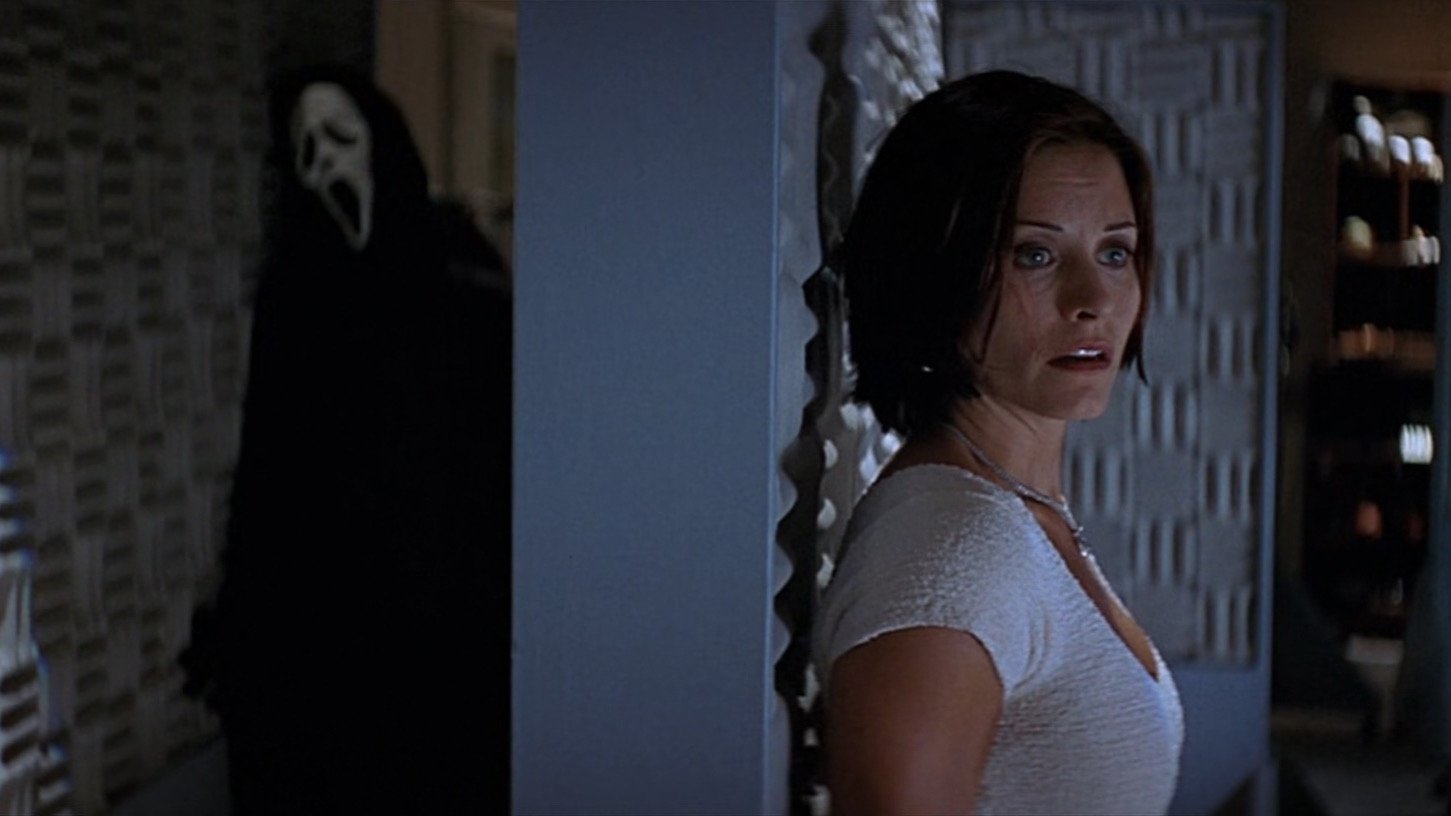
The campus settings broaden the environments available for stalking, moving the danger between classrooms, residences and performance spaces. Craven described his work with actors to Terry Gross as a matter of reconstructing emotional context across scenes filmed at different times. That testimony supports discussion of performance and continuity without inventing technical details about individual camera setups. The contrast between social activity and sudden isolation becomes especially important for Cici's attack. Her movement through an apparently ordinary student residence gives the threat a recognizable scale. Once the killer enters, the setting's familiar domestic routes become hazards that offer little protection.

Music and the Temp-Track Dispute

The sequel's music generated a particularly well-documented disagreement. Marco Beltrami returned as composer, but the finished film repeatedly uses material from Hans Zimmer's score for Broken Arrow (1996) when Dewey appears. Jon Burlingame investigated the decision in the Los Angeles Times shortly after the film opened. The borrowed cue had been introduced as temporary music during editing and retained despite Beltrami's creation of original alternatives. Beltrami explained that the producers favored the established sound and that he learned at the premiere that it remained. His statement offers direct evidence of a specific creative conflict, separate from speculation about the entire score.

The report also distinguished the licensed material from Beltrami's broader contribution, including the orchestral and electronic writing retained elsewhere in the picture. Zimmer described surprise at the reuse of his music, while the article explained how copyright holders could authorize such placement. The case is relevant to horror scoring because a recognizable character motif can influence the emotional reading of a scene even when it originates outside the production. For Dewey, the borrowed guitar-led material supplies a different tone from the unease associated with Ghostface's appearances. This was a documented editorial and licensing choice, not an undocumented claim that the sequel's whole soundtrack had been replaced.

Release, Criticism and the Second Scream

Scream 2 opened in the United States on December 12, 1997, establishing an unusually rapid continuation of a successful theatrical property. Contemporary business reporting documented how Dimension regarded the surviving characters as the foundation of an ongoing serial, an explanation for the emphasis on their return. Period coverage also treated the sequel's anticipation as a public event: fans discussed the circulating screenplay, and the studio attempted to maintain secrecy in a newly active online environment. These details document a change in the relationship between horror production and its audience without assuming that every contemporary rumor was accurate.

Stephen Hunter's December 1997 Washington Post review approached the film through the response of a youthful theater audience. He described the sequel as a performance shared with spectators who understood its genre jokes and anticipated its scares. His enthusiastic reading provides a contemporary counterpart to Craven's more uneasy account of the crowd in the fictional Stab theater. One perspective praises the pleasure of collective recognition; the other asks when excitement begins to obscure sympathy for a victim. The disagreement is instructive because it concerns the film's form and reception without relying on unsupported claims of cultural influence.

The follow-up confirmed that the self-aware slasher could sustain a returning cast and an expanding fictional history. Its importance lies especially in the way it made sequel expectations explicit while continuing to deploy suspense with conventional physical stakes. The Stab device gave the series a durable means of examining the circulation of its own stories, and Sidney's continuing ordeal provided an emotional limit to the jokes. Later entries developed these elements further, but Scream 2 already presented the central difficulty: familiarity made the franchise commercially viable while forcing its filmmakers to invent new ways of making that familiarity frightening.

References

  1. Entertainment Weekly Scream 2 at 25: Kevin Williamson remembers his second stab at screenwriting the iconic series

    Clark Collis's original 2022 interview covers sequel development, concurrent writing work, planted dummy scripts, Stab and Williamson's retrospective view of Randy.

  2. Fresh Air Archive Wes Craven Discuses His Hybrid of Horror and Satire

    Terry Gross's February 1998 interview with Craven examines horror conventions, direction of actors and the intended critique of violent spectatorship in Scream 2's opening.

  3. Los Angeles Times Word of Mouth

    A December 1997 entertainment-business report documents the rapid sequel schedule, online screenplay circulation, test audiences and Dimension's evolving serial strategy.

  4. Los Angeles Times Why Get a New Score If a Used One Will Do?

    Jon Burlingame's original December 1997 investigation interviews Marco Beltrami and Hans Zimmer about the retained Broken Arrow temp cues and licensing decisions.

  5. The Washington Post 'Scream 2': Join the Crowd

    Stephen Hunter's original December 1997 review explores the film's self-aware sequel construction and audience participation at a contemporary screening.

Connections

Cast

View Full Cast & Crew →

Release & Distribution

Production Companies (3)

  • Craven-Maddalena Films US
  • Dimension Films US
  • Konrad Pictures US

Distributors (2)

  • Dimension Films US
  • UIP-Dunafilm HU

Release History (57)

Release DateTerritoryRelease TypeFormatDistributorCertificationNotes
1997-12-10 United States Premiere — — R Hollywood
1997-12-12 Canada Theatrical — — 18A
1997-12-12 United States Theatrical — — R
1997-12-18 Chile Theatrical — — —
1997-12-26 Cameroon Theatrical — — —
1998-01-15 Australia Theatrical — — MA 15+
1998-02-05 Brazil Theatrical — — 14
1998-02-18 Philippines Theatrical — — PG
1998-02-23 Portugal Premiere — — M/16 Fantasporto Film Festival
1998-03-01 Belgium Premiere — — 18 Brussels International Festival of Fantasy, Thriller & Science Fiction Films
1998-03-05 Singapore Theatrical — — NC16
1998-03-20 Taiwan Theatrical — — —
1998-03-20 South Africa Theatrical — — 16
1998-03-27 Türkiye Theatrical — — —
1998-04-02 Netherlands Theatrical — — 16
1998-04-09 Denmark Theatrical — — 15
1998-04-17 Switzerland Theatrical — — 16
1998-04-17 Mexico Premiere — — B
1998-04-23 Germany Theatrical — — 18
1998-04-23 Hong Kong SAR China Theatrical — — IIB
1998-04-24 Spain Theatrical — — 18
1998-05-01 United Kingdom Theatrical — — 18
1998-05-01 Ireland Theatrical — — 18
1998-05-01 Norway Theatrical — — 15
1998-05-08 Poland Theatrical — — 18
1998-05-08 Portugal Theatrical — — M/16
1998-05-21 Iceland Theatrical — — —
1998-05-22 Panama Theatrical — — —
1998-06-05 Finland Theatrical — — K-16
1998-06-24 Sweden Theatrical — — 15
1998-06-26 Greece Theatrical — — —
1998-06-27 France Premiere — — 12
1998-07-02 Belgium Premiere — — 18
1998-07-08 France Theatrical — — 12
1998-07-11 Indonesia Theatrical — — —
1998-07-22 Belgium Theatrical — — 18
1998-08-15 Japan Theatrical — — PG12
1998-08-19 Kuwait Theatrical — — —
1998-09-10 Argentina Theatrical — — +16
1998-09-10 Italy Theatrical — — 14+
1998-09-17 Slovenia Theatrical — — —
1998-09-25 El Salvador Theatrical — — —
1998-10-16 Colombia Theatrical — — —
1998-11-06 Uruguay Theatrical — — —
1998-12-02 Venezuela Theatrical — — —
1999-01-14 Czechia Theatrical — — 15+
1999-01-14 Slovakia Theatrical — — —
1999-02-05 Brazil Theatrical — — 14
1999-02-18 Hungary Theatrical — — 18
1999-06-05 South Korea Theatrical — — 19
2000-05-26 Lithuania Theatrical — — —
2005-10-30 Netherlands TV — — 16 Veronica
2011-09-14 Netherlands Physical Blu-ray — 16 Blu-ray
2011-10-26 Netherlands Physical DVD — 16 DVD
2022-10-09 United States Limited Theatrical — — — 25th anniversary re-release
2025-11-10 France TV — — 12 RTL9
2026-03-02 France TV — — 12 RTL9
Someone has taken their love of sequels one step too far.