Development & Independent Production
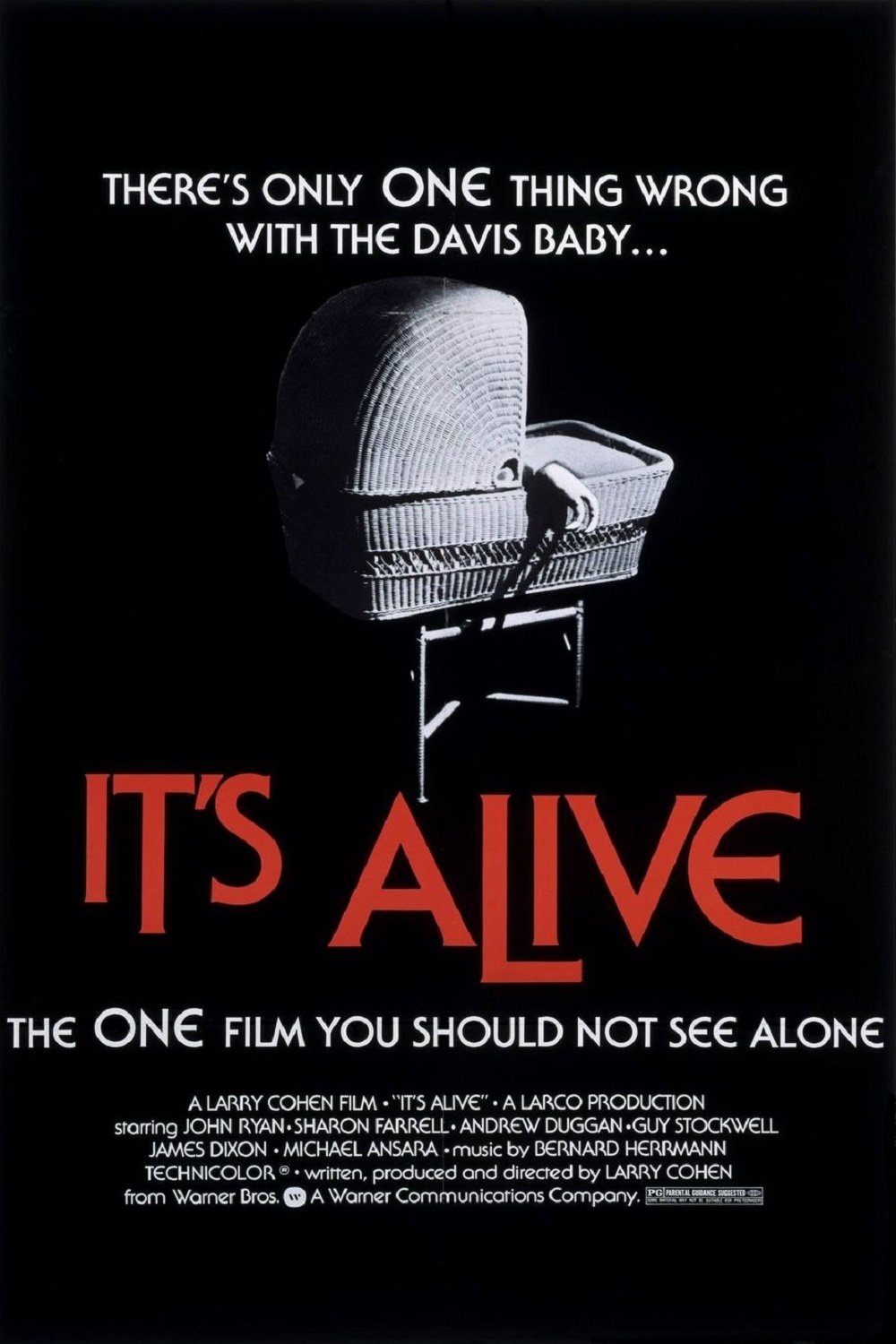
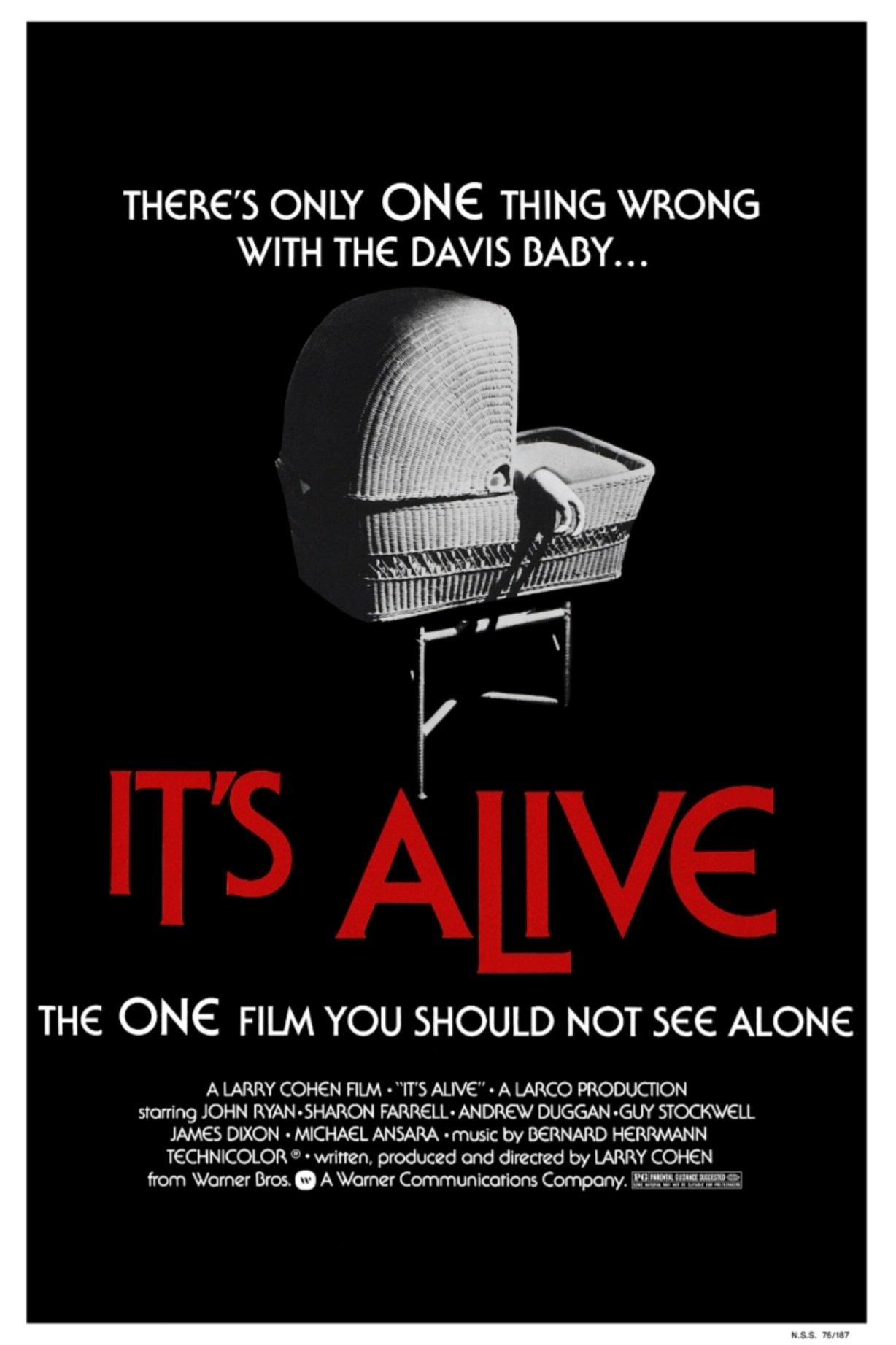
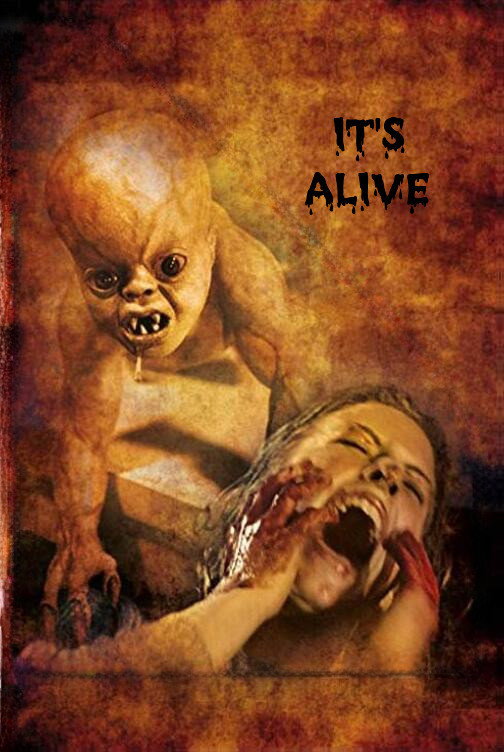
It’s Alive emerged during Cohen’s transition from television writing and crime pictures toward horror and science fiction. His preceding directorial work included Bone (1972), Black Caesar (1973) and Hell Up in Harlem (1973). Cohen was interested in taking familiar aspects of ordinary life and placing them in circumstances that transformed their meaning. The idea of a murderous infant developed from his observations of families frightened by their own children. In a 2018 interview with The Ringer, he recalled reading accounts of parents whose children had become so violent that the adults feared them. He adapted that anxiety into a story in which the feared child was a newborn.
The production received support from Warner Bros. executive Richard Shepherd, but a subsequent change in the studio’s management complicated its release. Cohen retained considerable creative control through Larco Productions, working on a scale much smaller than the major studio pictures with which Warner was ordinarily associated. The American Film Institute records a contemporary 1975 report placing the budget at $500,000, while a later Turner Classic Movies retrospective gives an estimate of $400,000. Those figures represent differing accounts of production expenditure rather than an independently established final cost. The limited resources influenced the film’s approach to locations and creature photography.
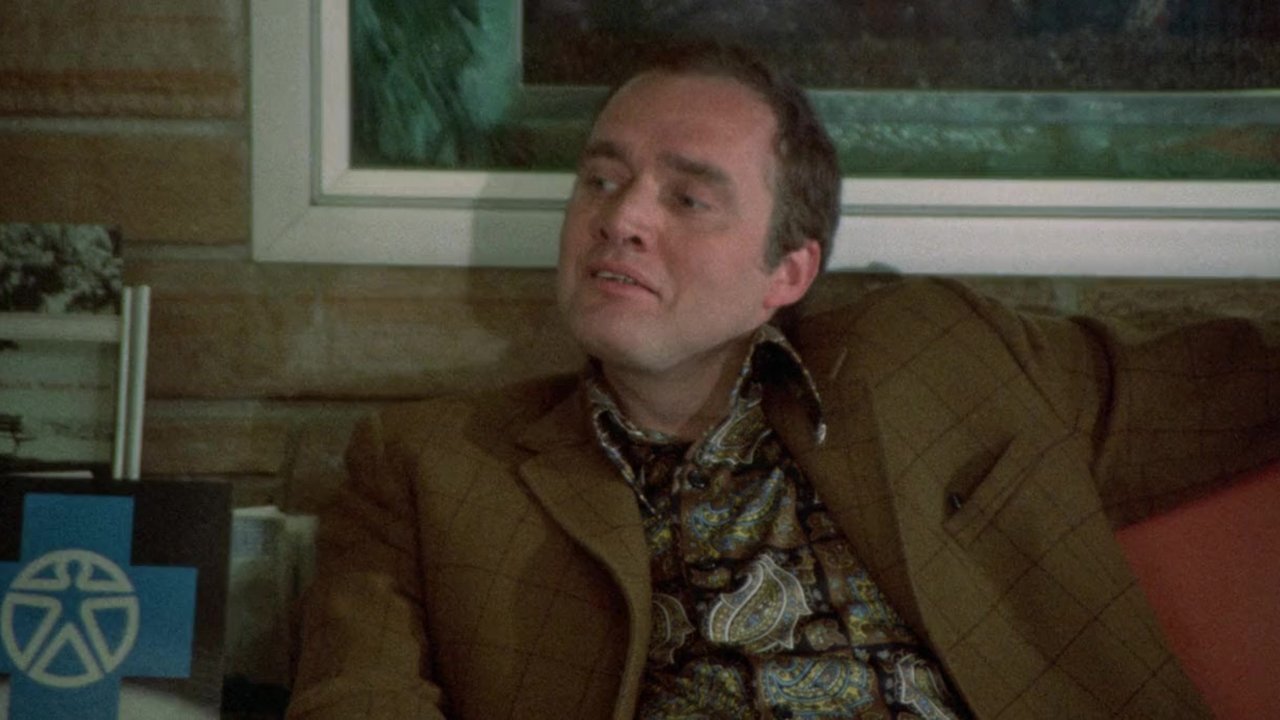
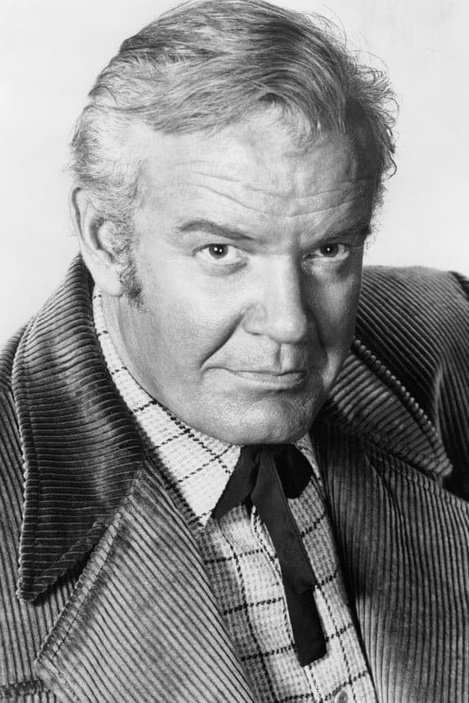
Cohen also worked on Hell Up in Harlem during the production period. He later recalled photographing It’s Alive during the working week and shooting the crime sequel on weekends, with several crew members participating in both productions. The overlapping schedule illustrates the rapid working methods that characterized his independent filmmaking. John P. Ryan was selected to portray Frank Davis after Cohen saw him perform in a stage production of Medea opposite Irene Papas. The director subsequently identified Ryan’s performance as essential to the film’s continuing appeal, emphasizing the emotional importance of the father over the spectacle supplied by the monster.