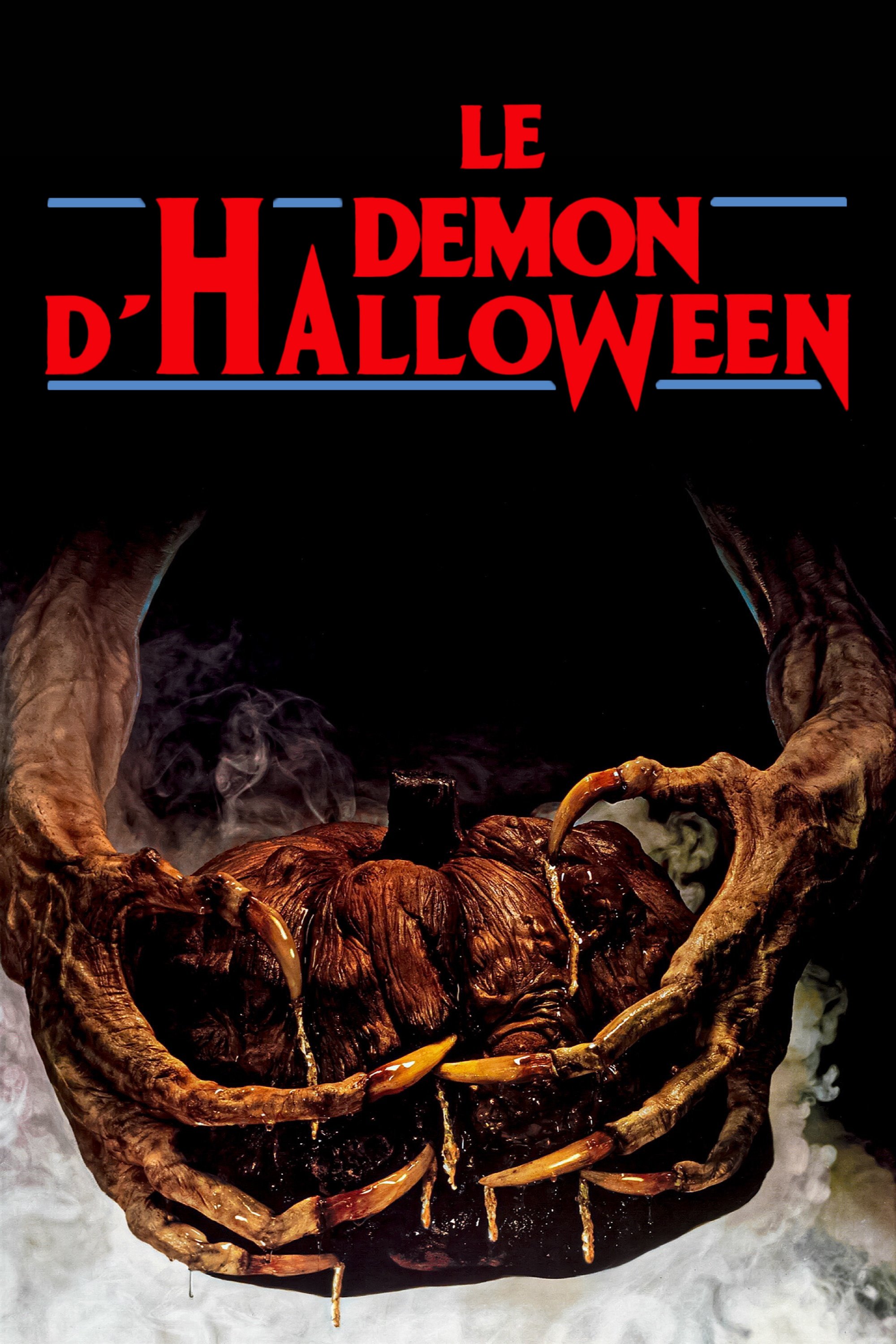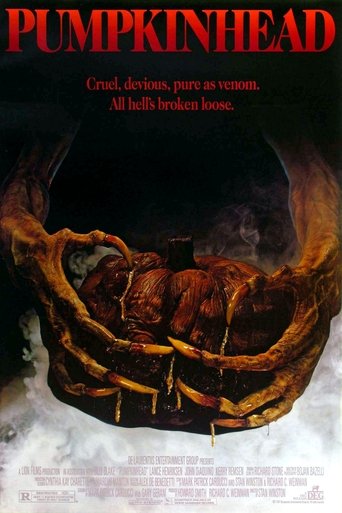
Pumpkinhead (1988)

US
HORROR FILM Fantasy
6.7/10 3 votes
Runtime
86 min
Release
June 9, 1988
Budget
$3,500,000
Revenue
$4,400,000
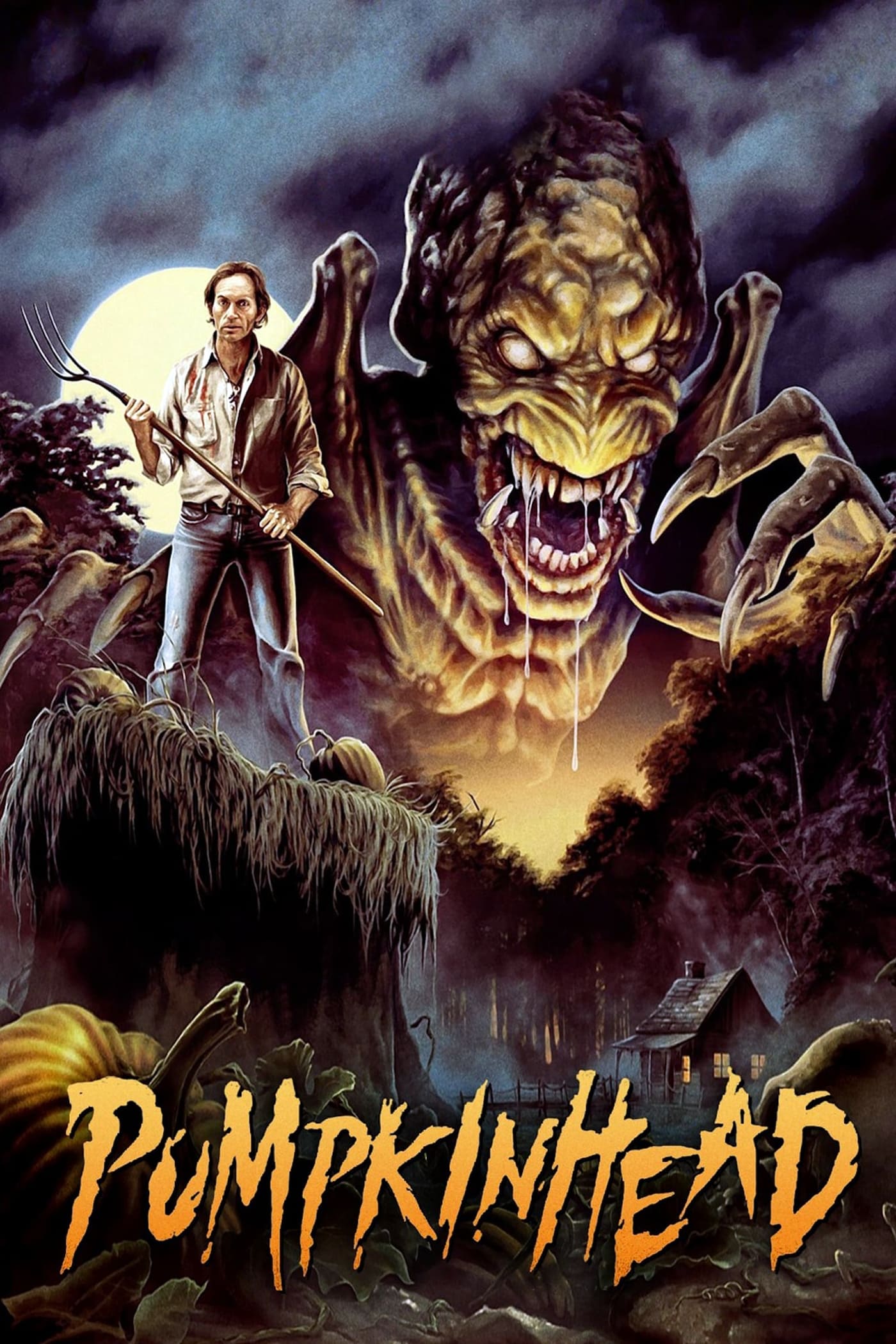
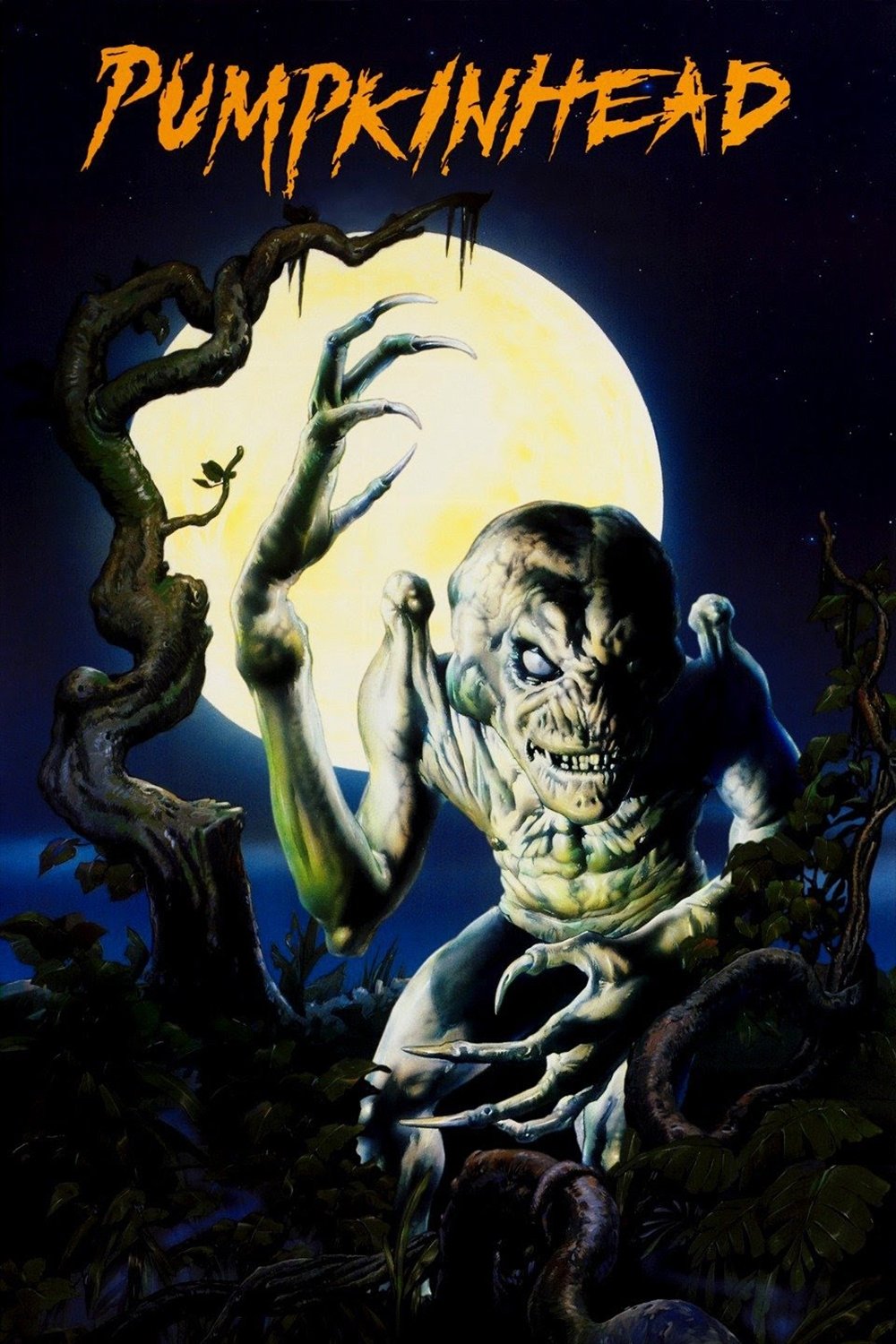
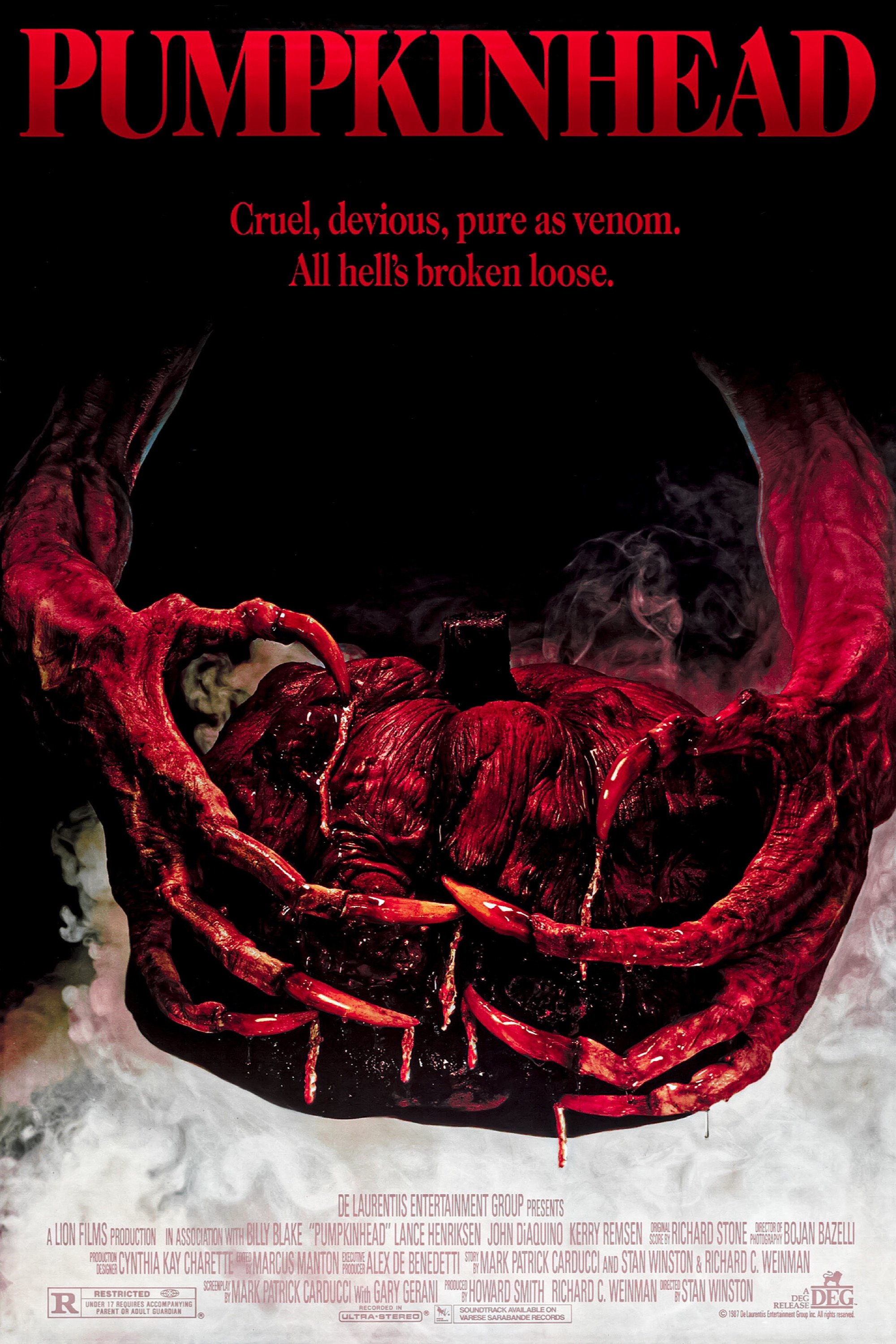
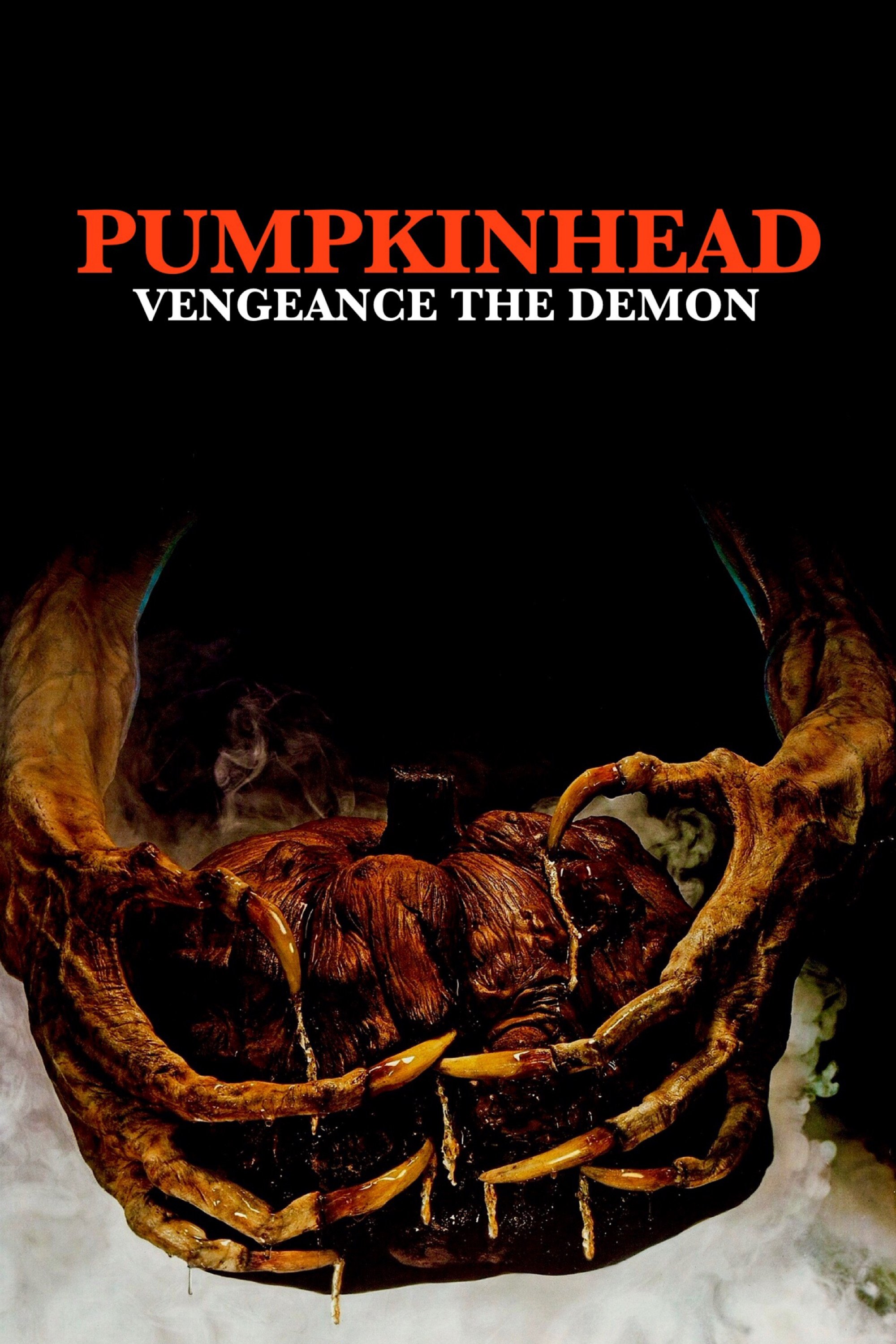
Pumpkinhead (1988) poster
Director
Production Companies
DEG , Lion Films , United Artists , Metro-Goldwyn-Mayer
Plot

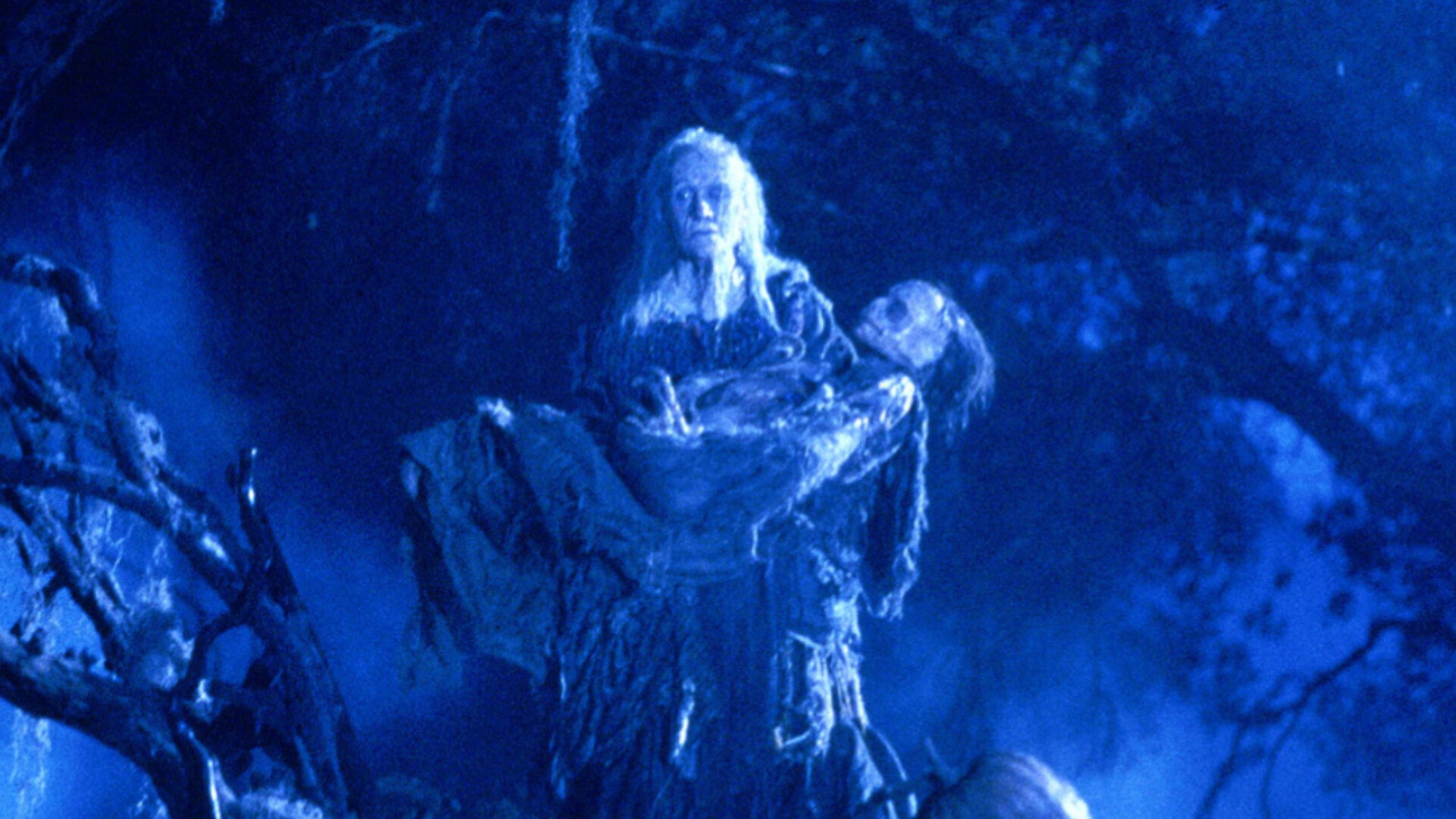
A man conjures up a gigantic vengeance demon called Pumpkinhead to destroy the teenagers who accidentally killed his son.

Alternative Titles
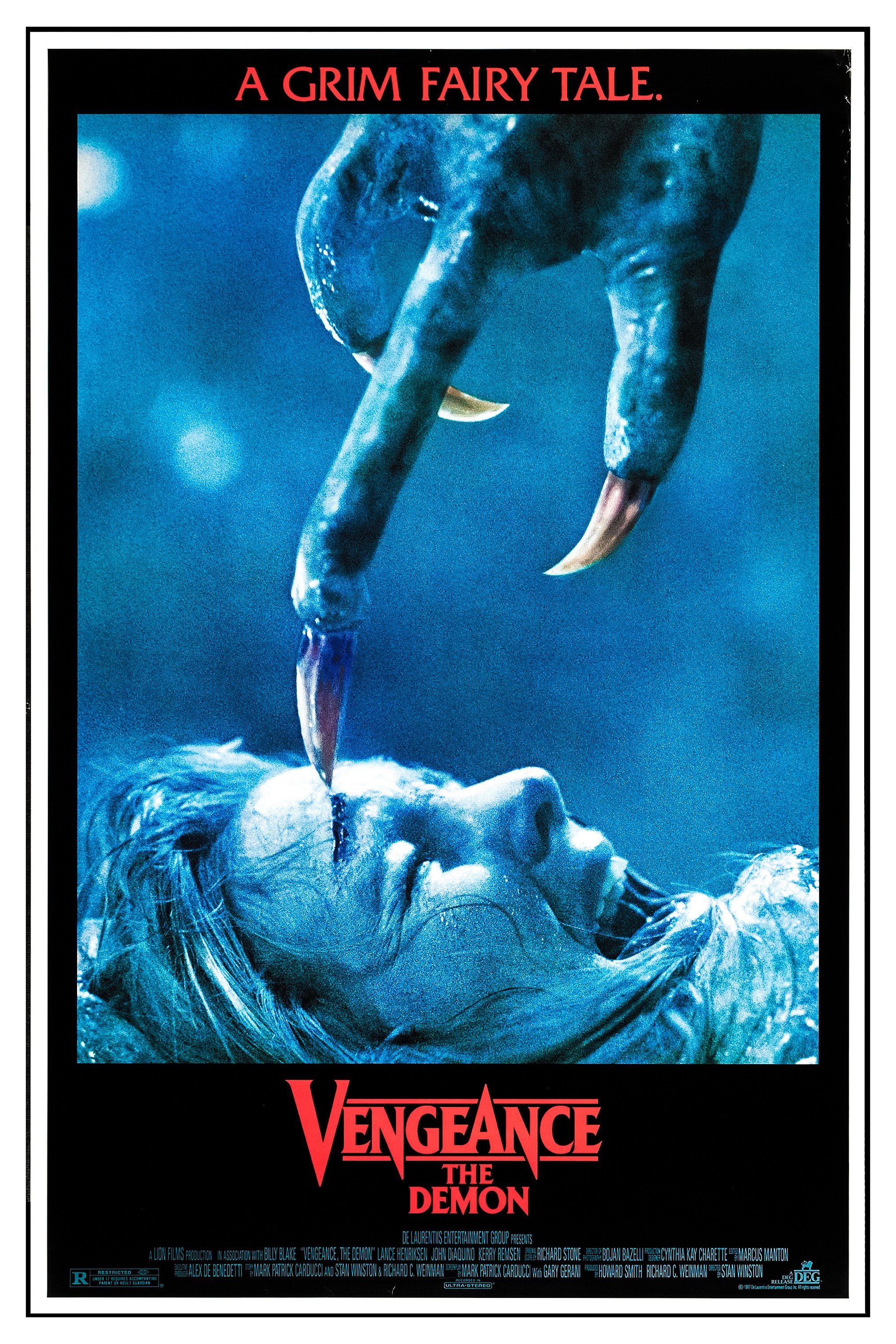
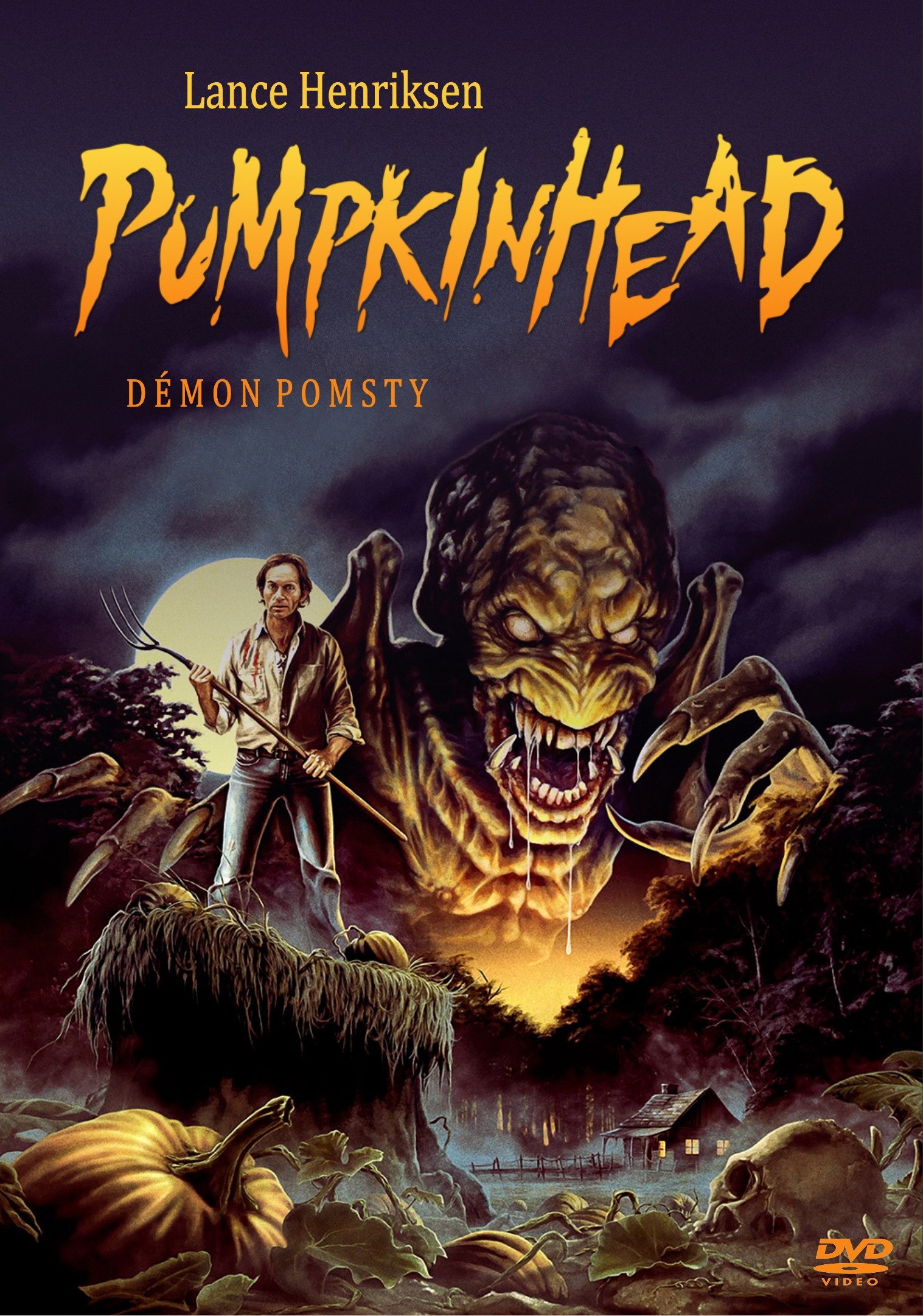
Pumpkinhead - Das Halloween Monster (Austria) — German Тиквената глава (Bulgaria) — Bulgarian A Vingança do Diabo (Brazil) Pumpkinhead: A Vingança do Diabo (Brazil) Sangue Demoníaco (Brazil) Pumpkinhead : Le Démon d'Halloween (Canada) — French 南瓜恶灵 (China) — Chinese Démon pomsty (Czechia) — Czech
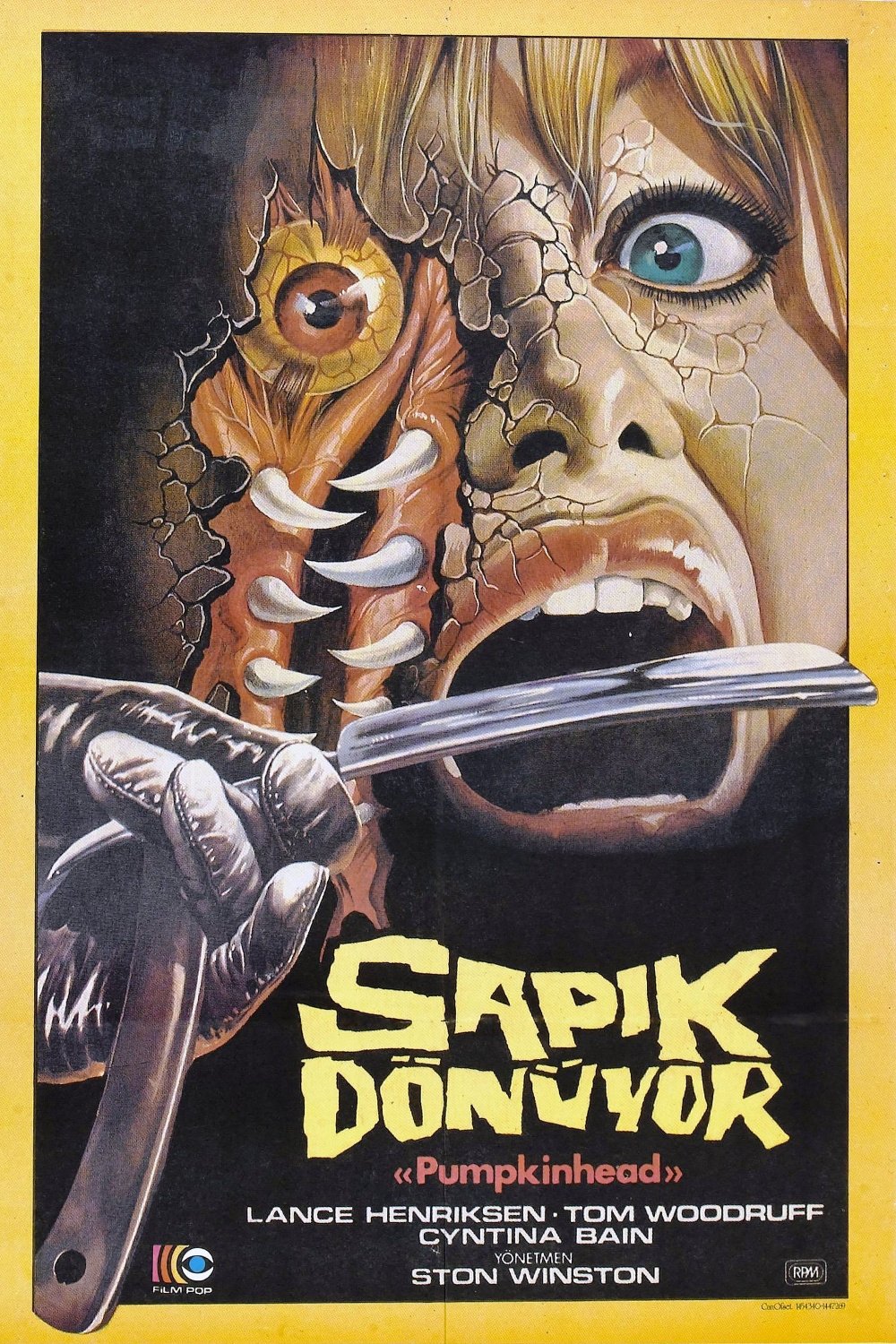
Show all 32 alternative titles Held der Gnome (Germany) — (TV title) Pumpkinhead - Das Halloween Monster (Germany) — German Pacto de sangre (Spain) — Spanish Koston paholainen (Finland) — Finnish Le Démon d'Halloween (France) — French Pumpkinhead : Le Démon d'Halloween (France) — Streaming services title Vengeance: The Demon (United Kingdom) — Home Video Title Δαιμονισμένος Εκδικητής (Greece) — Greek 南瓜惡靈 (Hong Kong SAR China) — Chinese Pumpkinhead - A bosszú démona (Hungary) — Hungarian パンプキンヘッド (Japan) 펌프킨헤드 (South Korea) — Korean Pumpkinhead - demonens hevn (Norway) — Norwegian Dyniogłowy (Poland) — Polish Cabeça de Abóbora (Portugal) — Portuguese Bundevoglavi (Serbia) — Serbian Тыквоголовый (Russia) — Russian Vengeance: The Demon (Sweden) — (video box title) Démon pomsty (Slovakia) — Slovak Pacto de Sangre (El Salvador) Sapık Dönüyor (Türkiye) — Turkish 南瓜惡靈 (Taiwan) — Chinese Гарбузоголовий (Ukraine) — Ukrainian Pacto del demonio (Uruguay) — (video box title)

Trailers & Videos

1 video

Film Guide & Analysis

Stan Winston’s feature-directing debut turns a father's grief into a rural legend of revenge, embodied by an elaborately performed practical-effects demon.

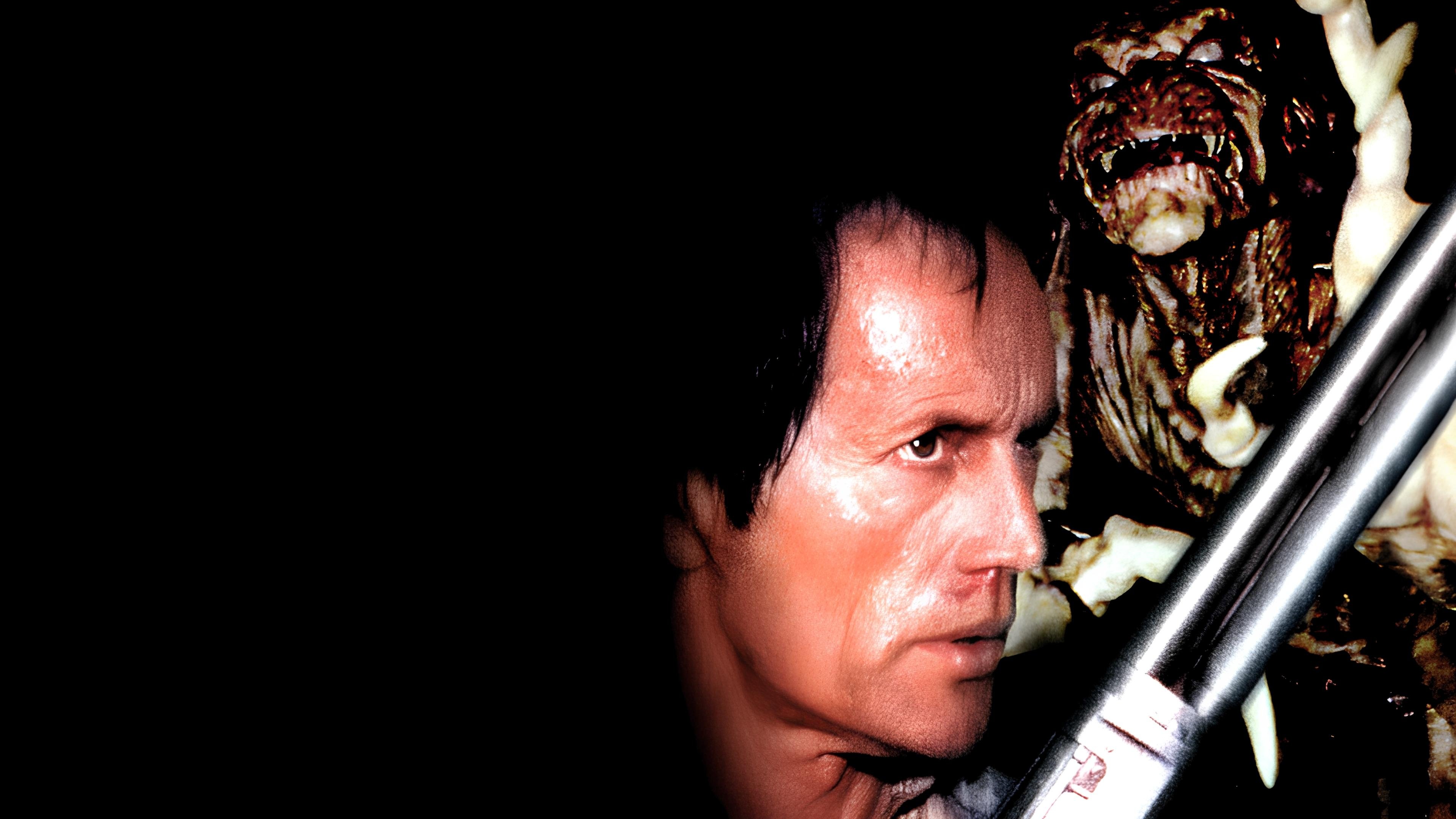
Pumpkinhead (1988) is an American supernatural horror film directed by Stan Winston, whose first feature as director places a creature-effects spectacle inside a story of bereavement and retribution. Lance Henriksen plays Ed Harley, a rural storekeeper whose young son is killed in an accident involving visiting motorcyclists. Ed turns to an isolated witch and obtains the vengeance he has asked for, only to discover that the summoned demon carries a punishment of its own. The film draws its horror from the consequences of that decision, making the creature an extension of human anger rather than an intruder without a purpose.

Winston was already established in practical makeup and creature effects when he made the film. His move into direction gave Pumpkinhead a particular visual identity: a physically performed monster moving through misty woodland, modest interiors and landscapes shaped by local superstition. The combination of an imposing creature, a bereaved adult protagonist and an invented backwoods legend distinguishes it from many contemporary films organized around teenage victims. The production also preserves a record of late-1980s creature craftsmanship, developed by artists who subsequently became prominent effects supervisors in their own right.

Origins, Poem and Screenplay

The production grew out of a poem by Ed Justin, but the screenplay had a more complicated ancestry. In a later interview, co-screenwriter Gary Gerani recalled that he and Mark Patrick Carducci had developed a demon-of-revenge idea for amateur film projects many years before the feature was commissioned. Gerani identified two earlier stories, Hell Mountain and The Seven Gargoyles of Satan, as part of that background. When Carducci encountered a producer interested in the Pumpkinhead title, the collaborators adapted their existing idea to the proposed project. This account distinguishes the poem and its title from the fuller dramatic conception eventually brought to the screen.

The finished story credits reflect the participation of Carducci, Gerani, Winston and producer Richard C. Weinman. More important than the number of contributors is the choice to make vengeance depend on a grieving father's decision. The young visitors are responsible for the immediate tragedy, but the screenplay refuses to let Ed remain an innocent observer once he seeks supernatural punishment. Gerani later characterized the intended tone as emotionally restrained and concerned with guilt, social misunderstanding and the consequences of intervention. That retrospective explanation helps locate the film's moral emphasis without treating every aspect of the finished narrative as the work of one writer.

Stan Winston’s Directorial Debut

Pumpkinhead provided Winston with his first opportunity to direct a theatrical feature after years of designing and supervising screen creatures. The project was relatively contained in scale, allowing him to build a story around a small group of characters, one central monster and a limited rural setting. Its most important dramatic choice is to spend time establishing the bond between Ed and his son before the accident. This gives the subsequent bargain with the witch a recognizable emotional cause. The immediate human loss remains present when the film later shifts toward pursuit and supernatural violence.

The director's existing relationships with effects artists also shaped the working environment. In an interview published by the Stan Winston School of Character Arts, Alec Gillis remembered Pumpkinhead as a particularly enjoyable assignment because Winston was enthusiastic about directing and encouraged a lively atmosphere on set. The testimony is useful as an account from a participant, rather than proof that production was free of ordinary difficulties. Winston's direction combines scenes of domestic routine and grief with carefully staged appearances of the creature; the film's emotional and visual strands are meant to meet when Ed confronts the result of his own request.

Creating the Demon: Suit Performance and Practical Effects

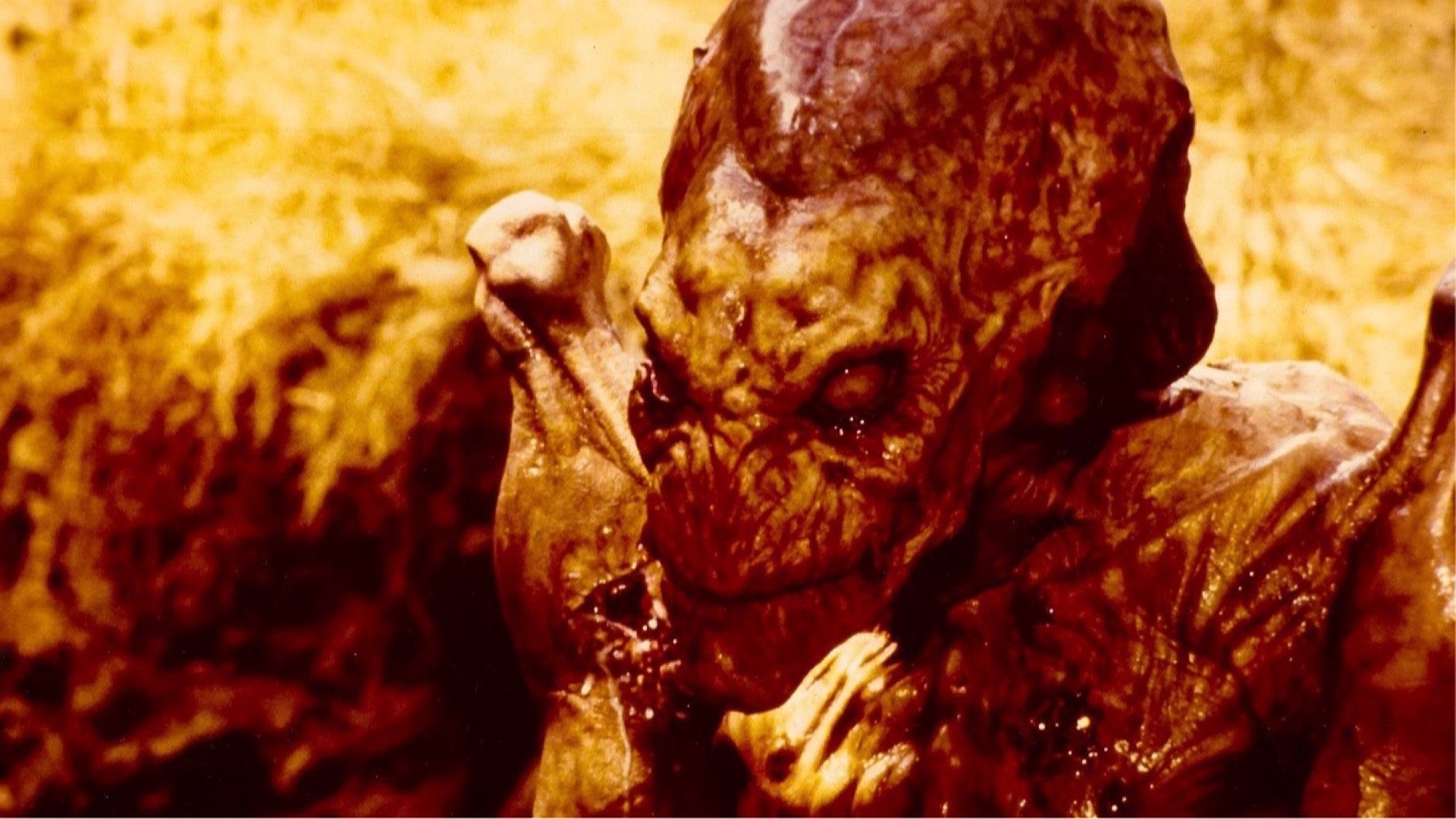
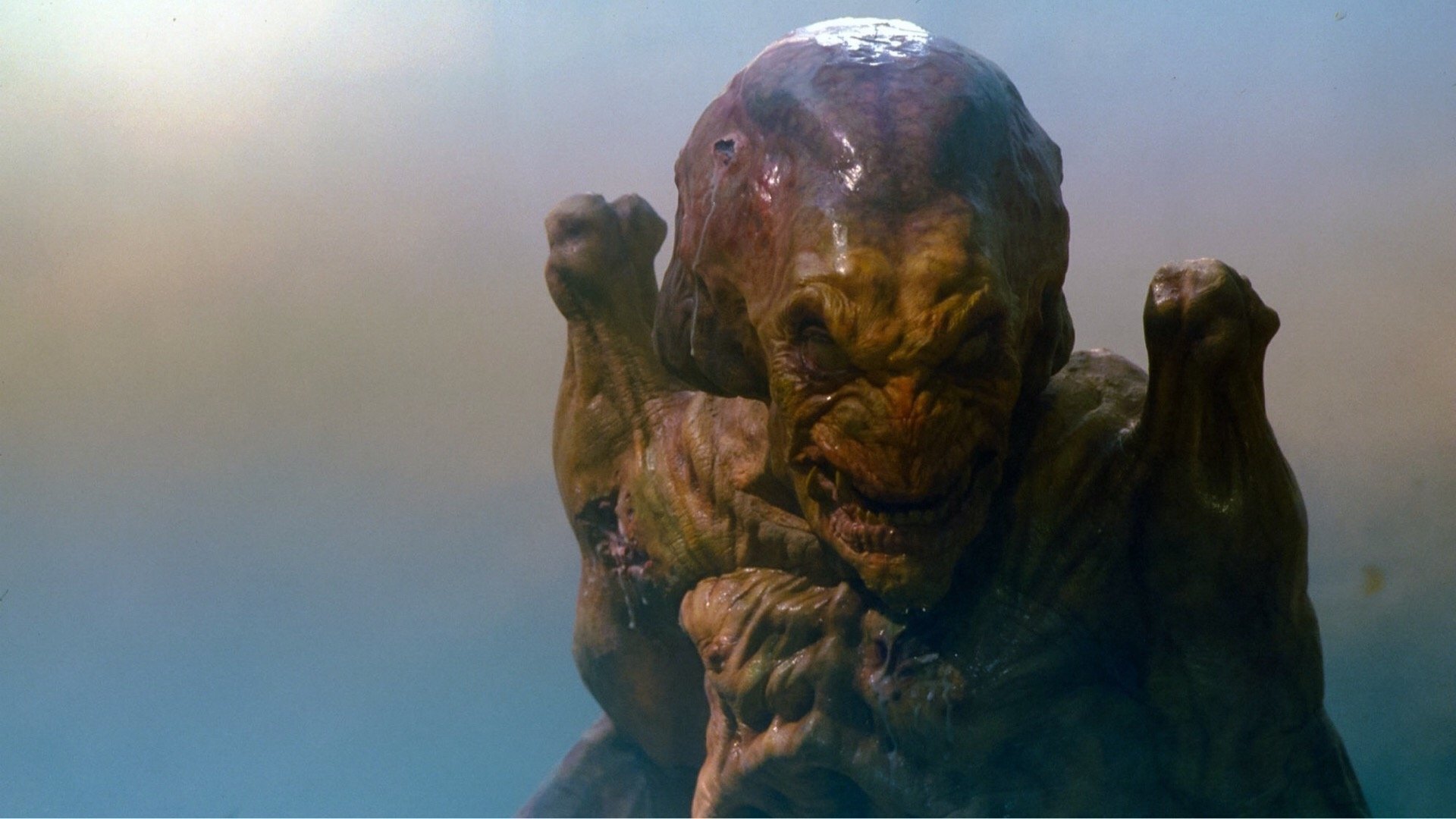
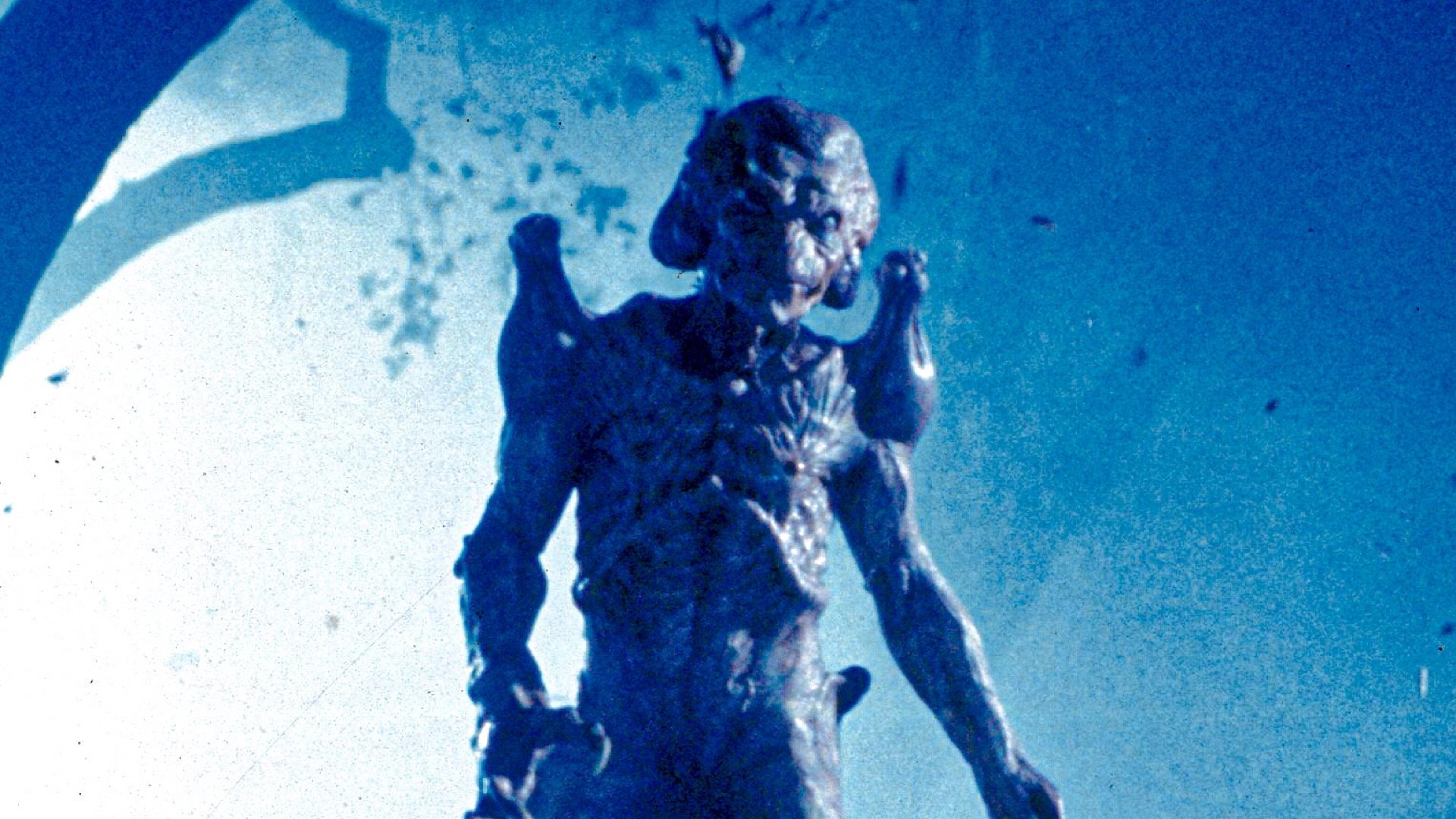
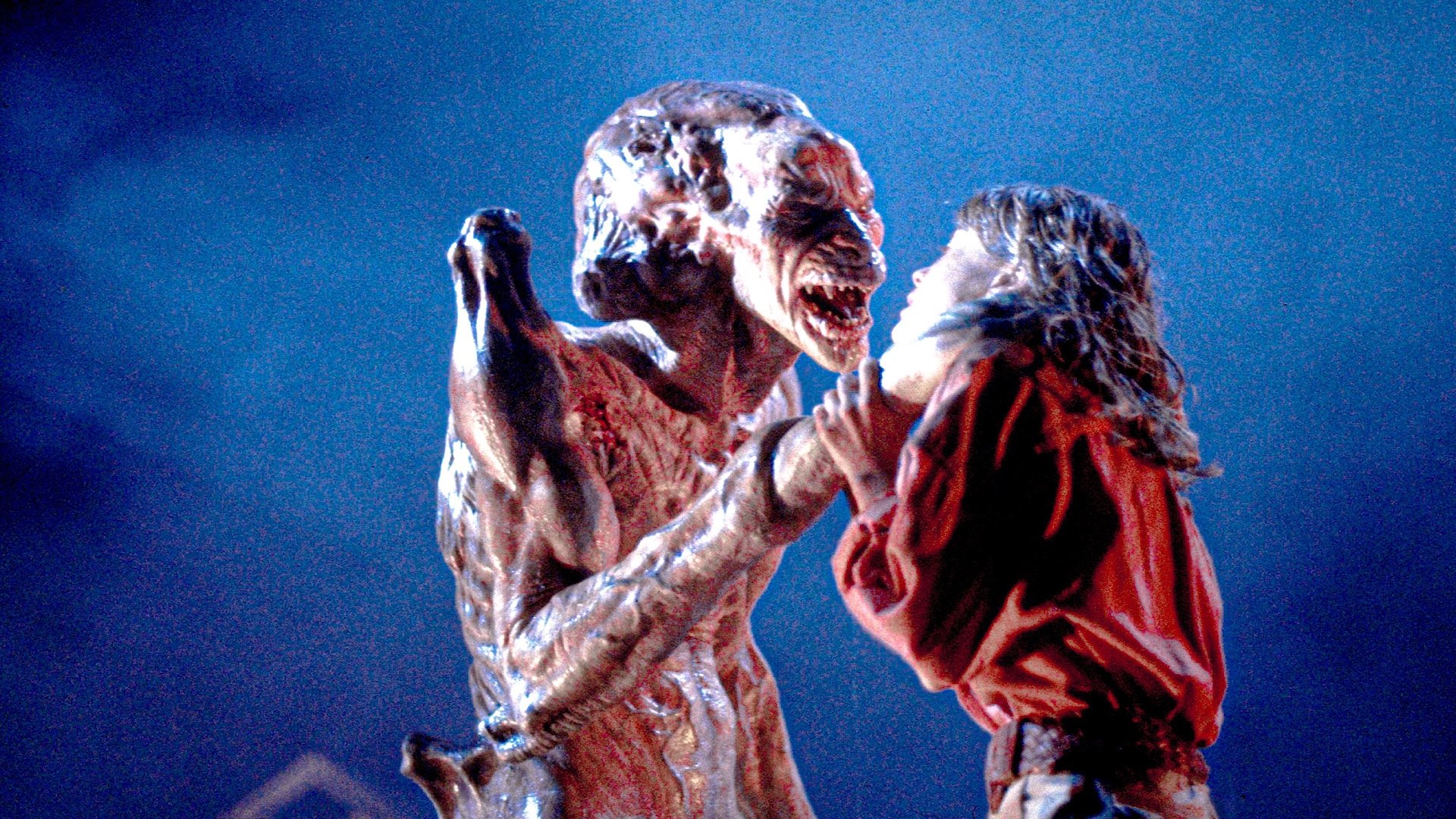
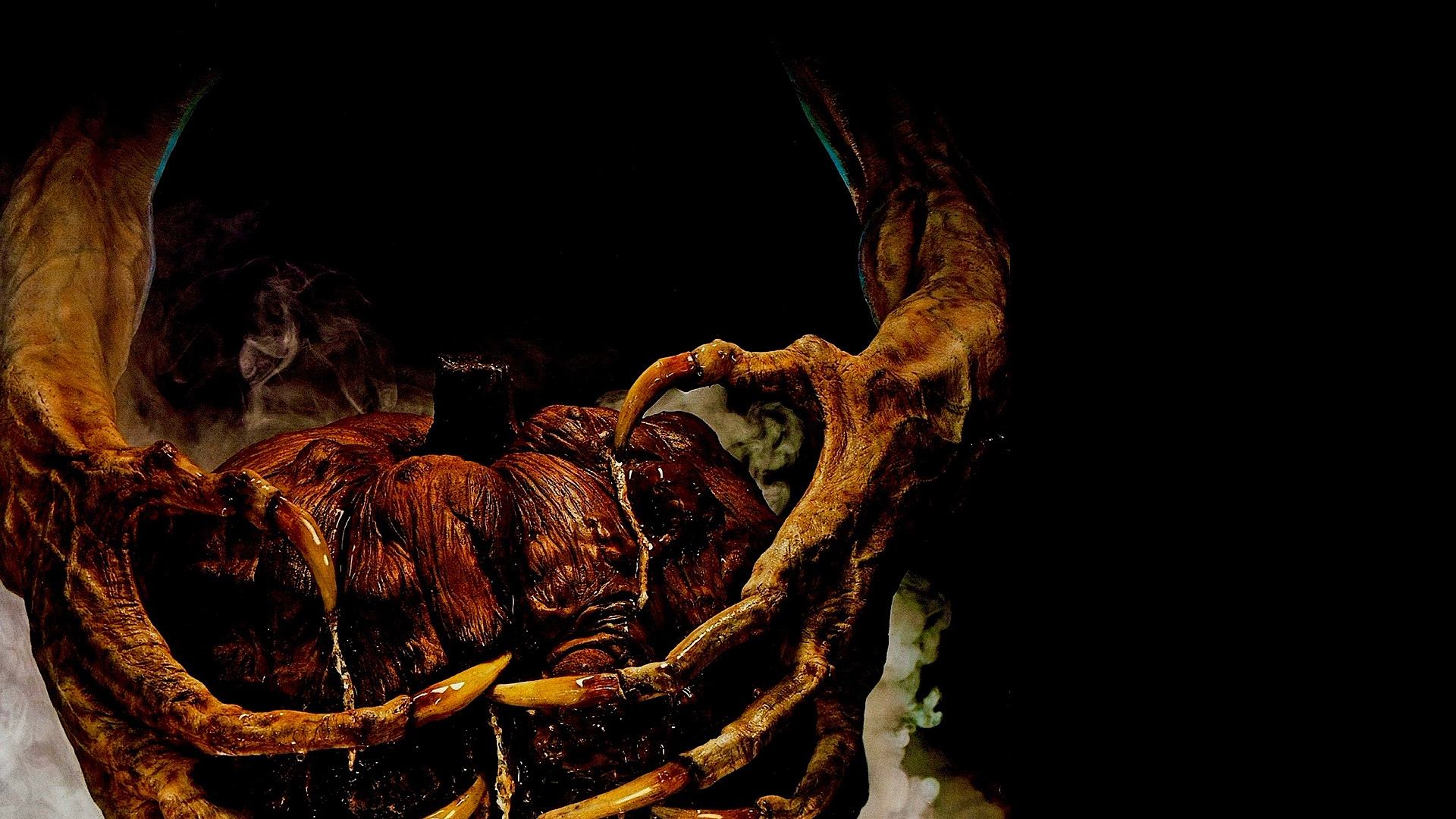
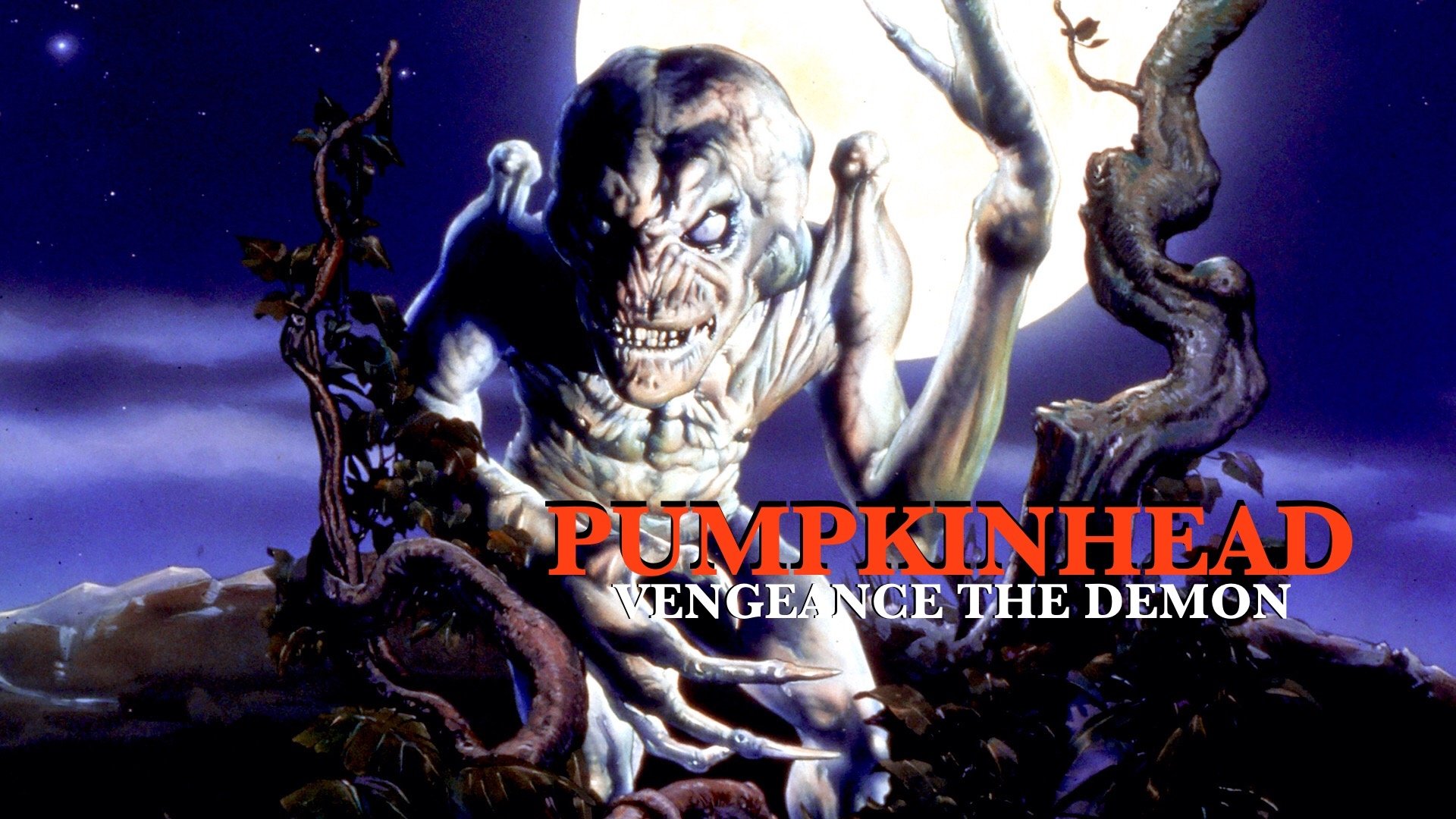
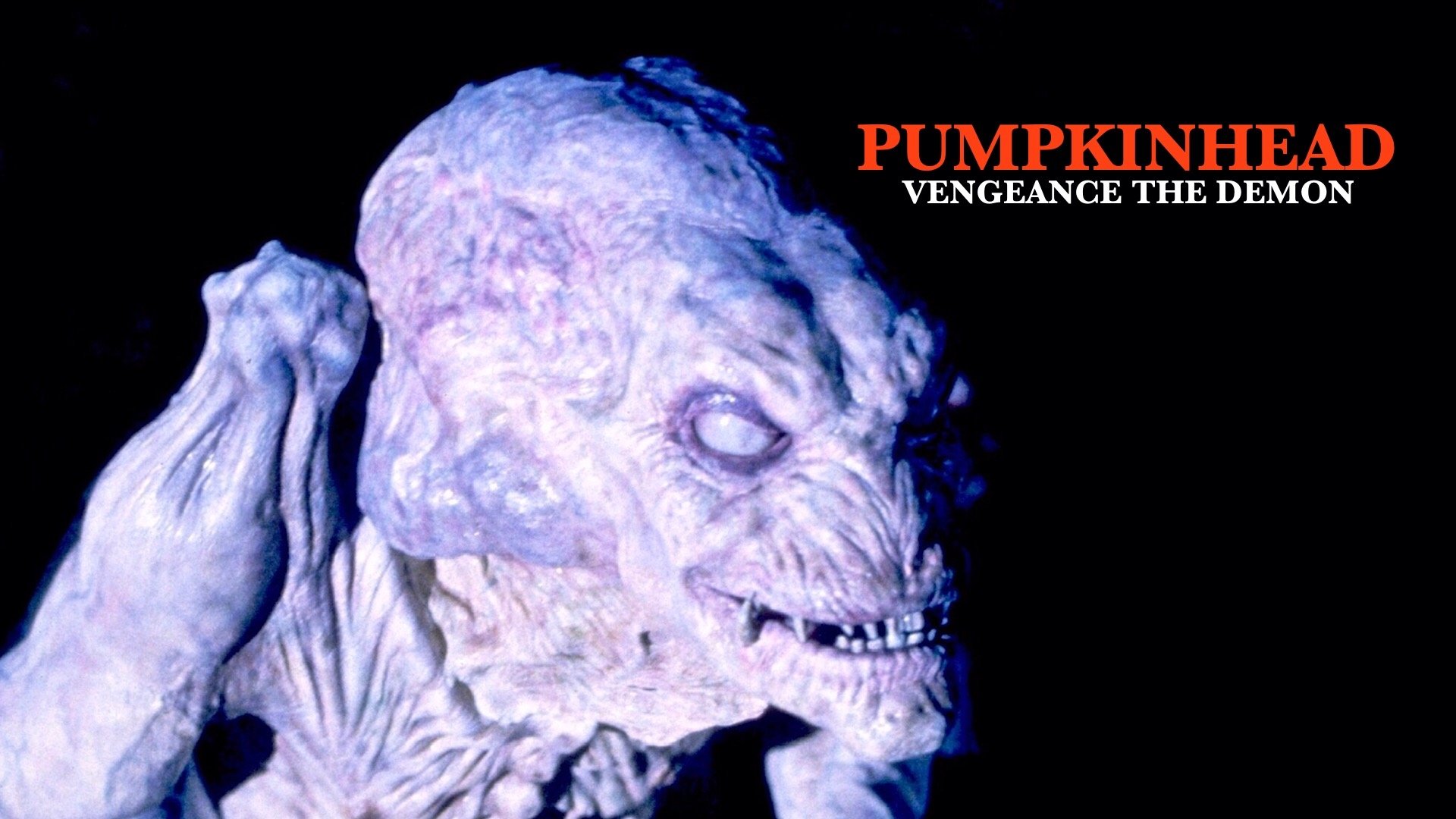
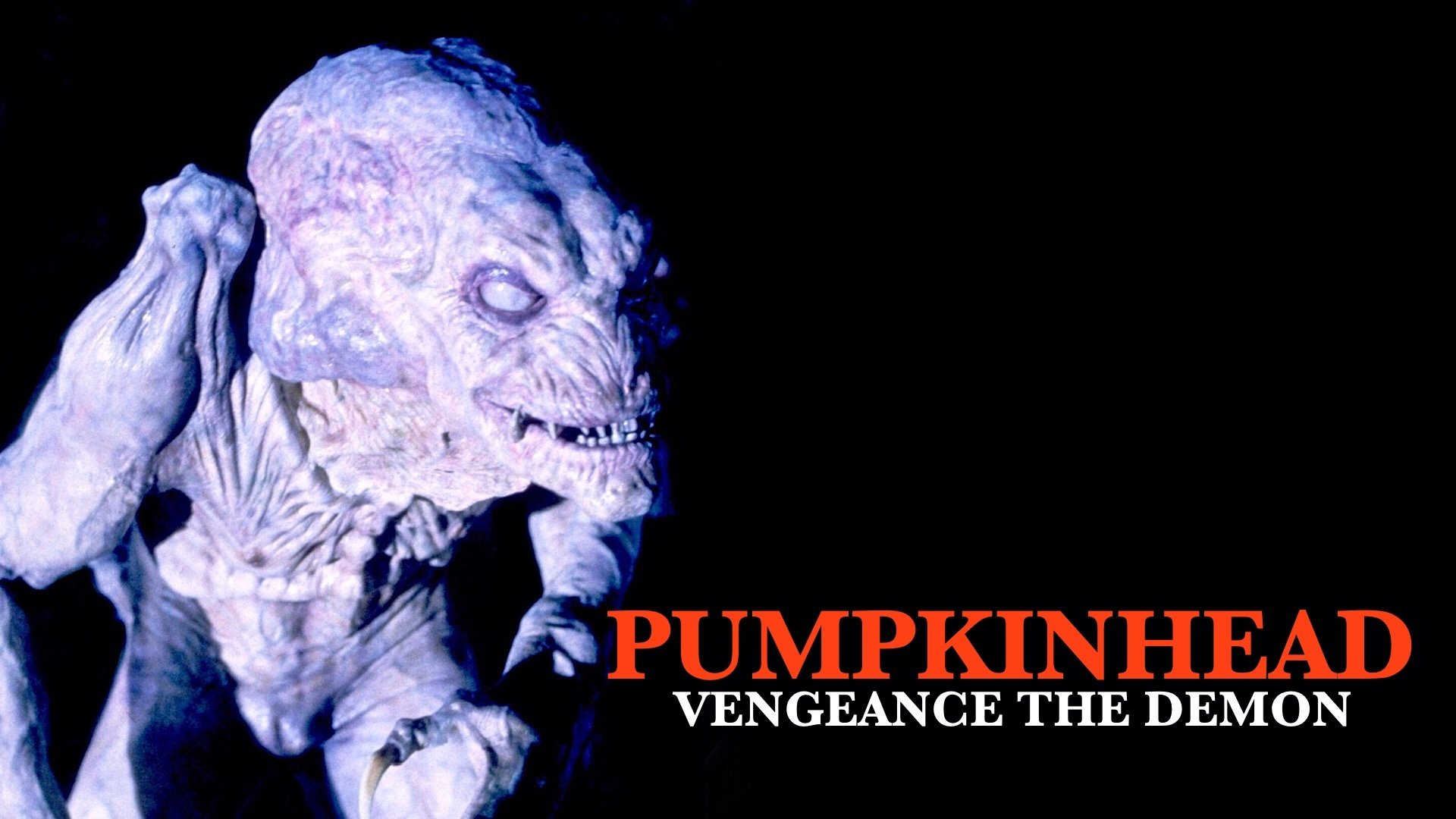
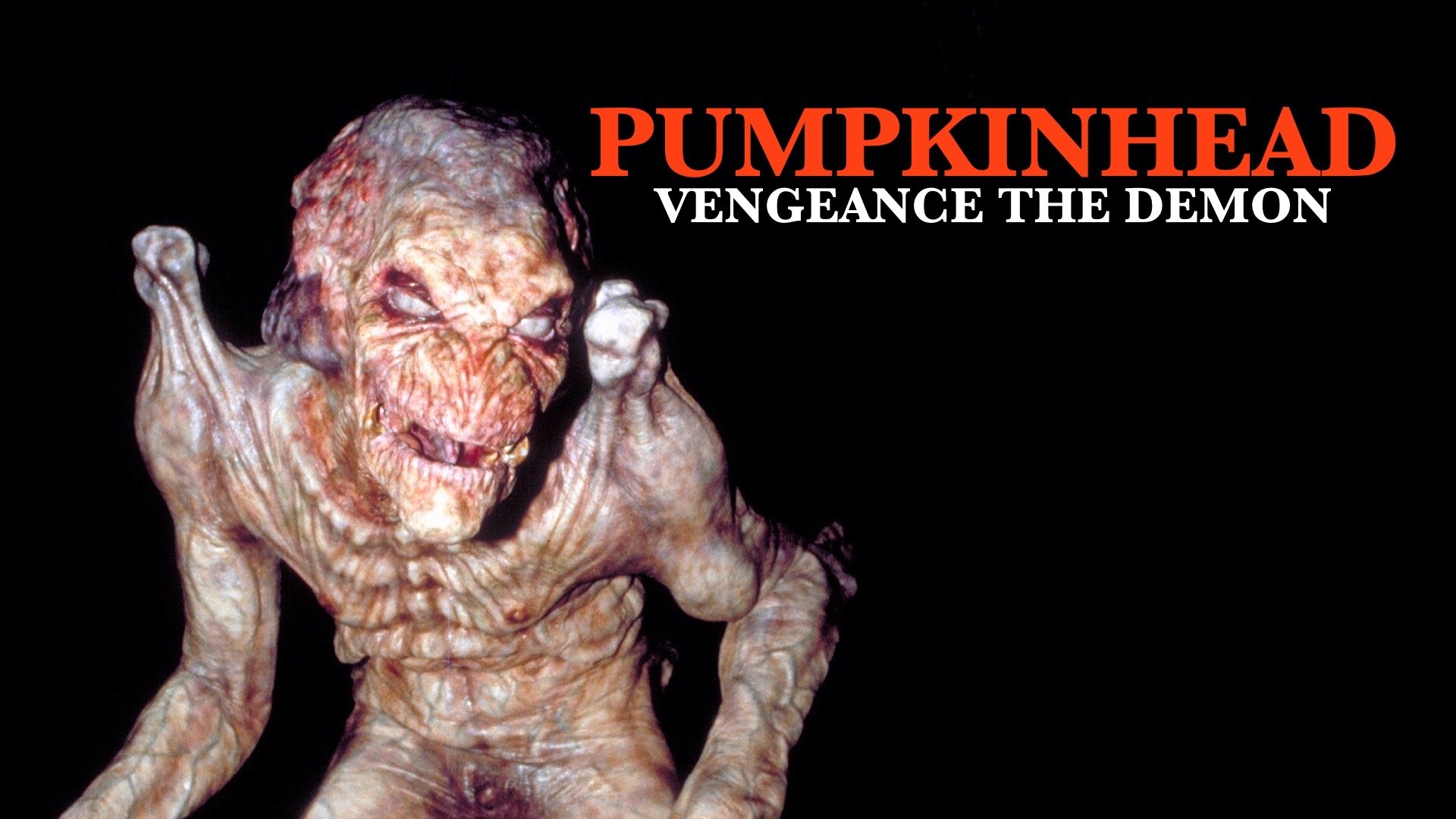
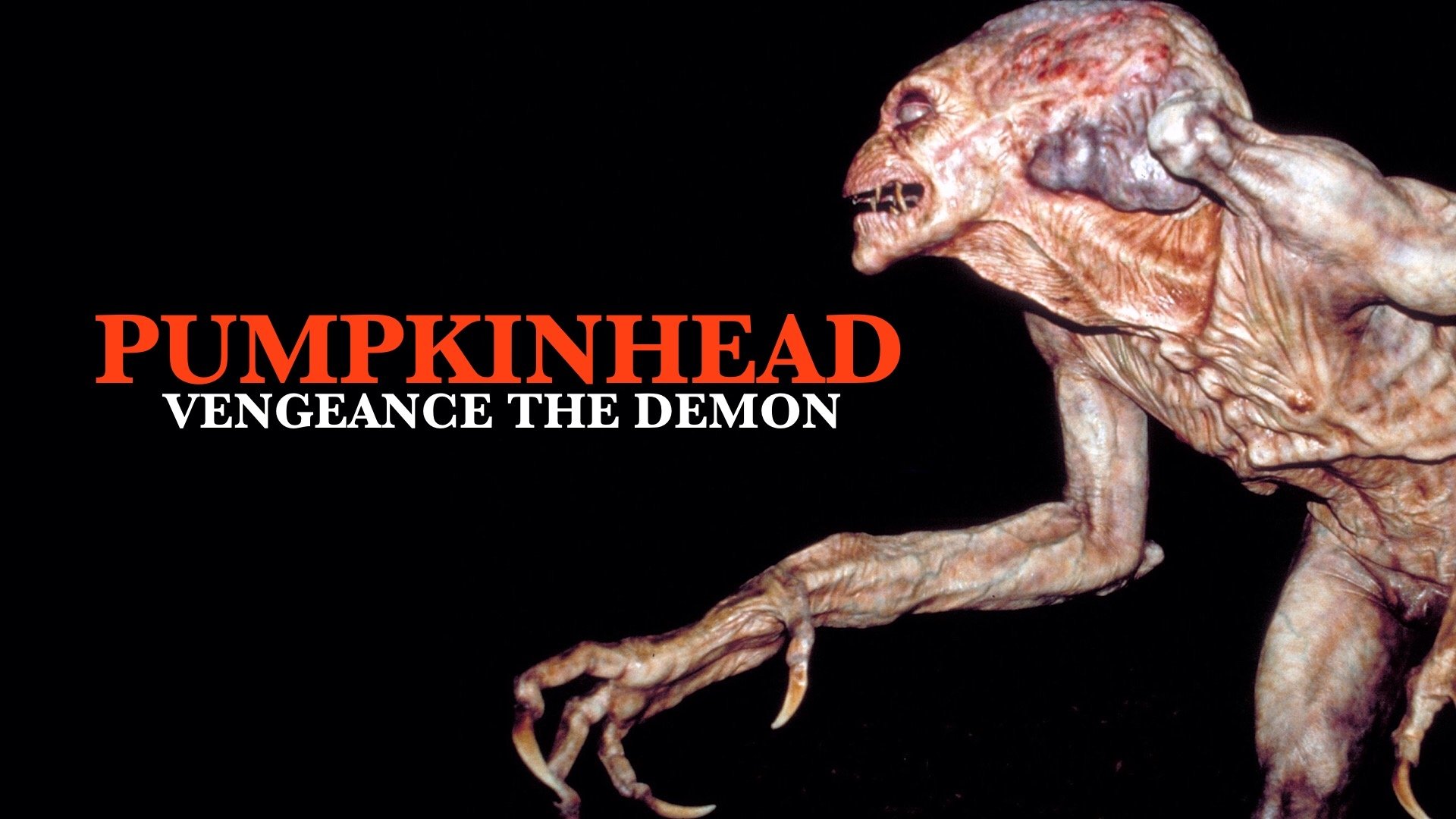
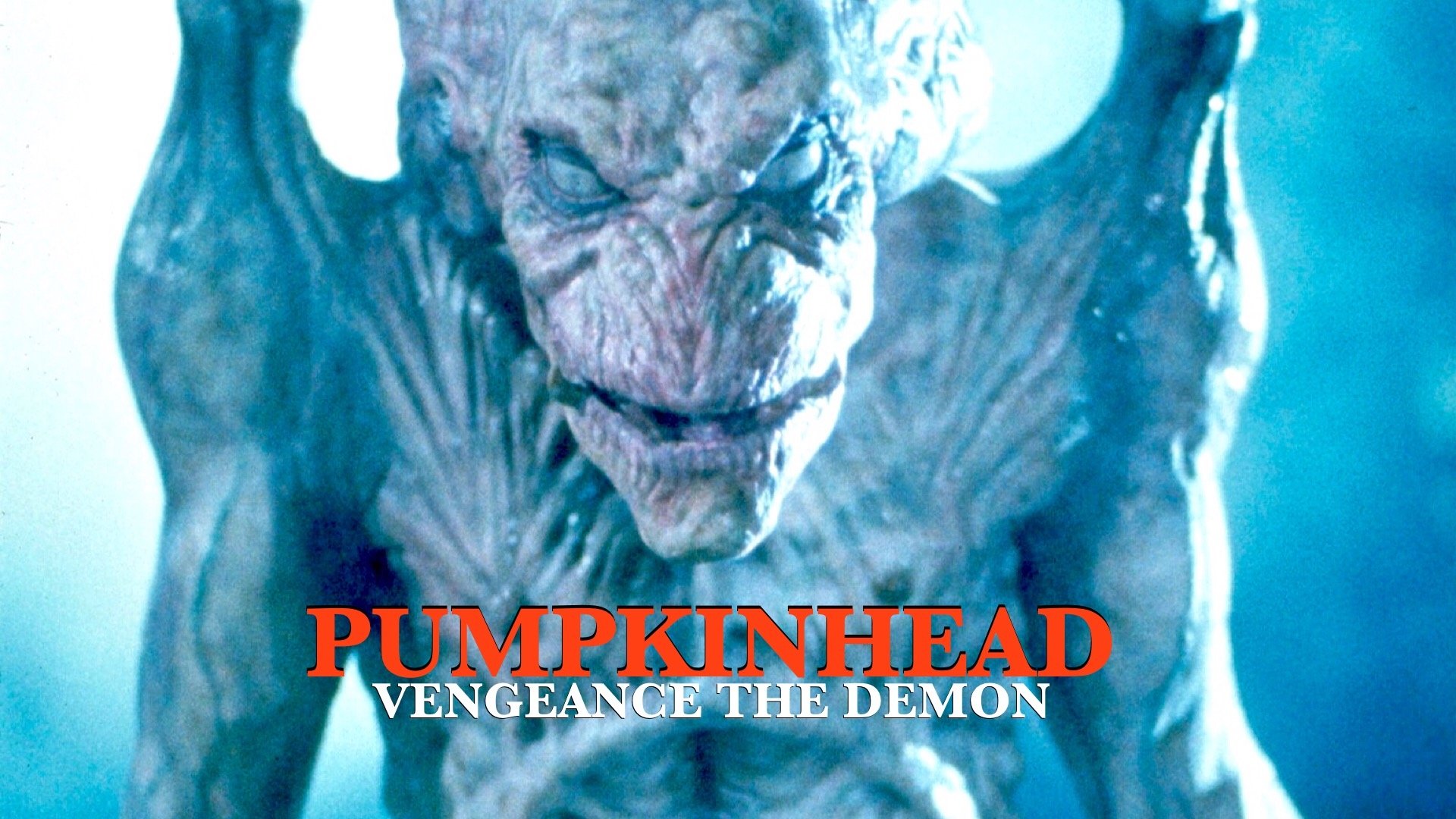
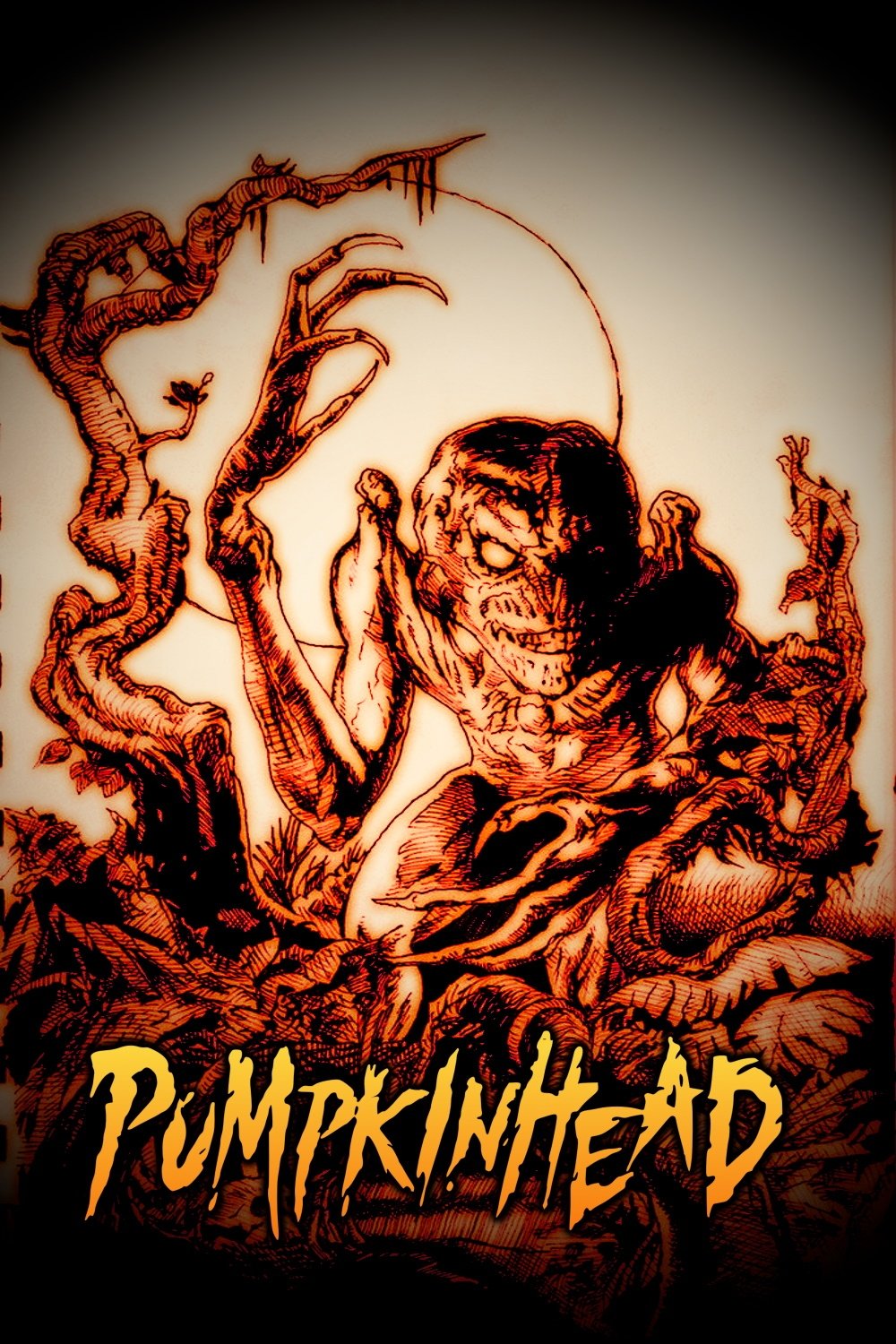
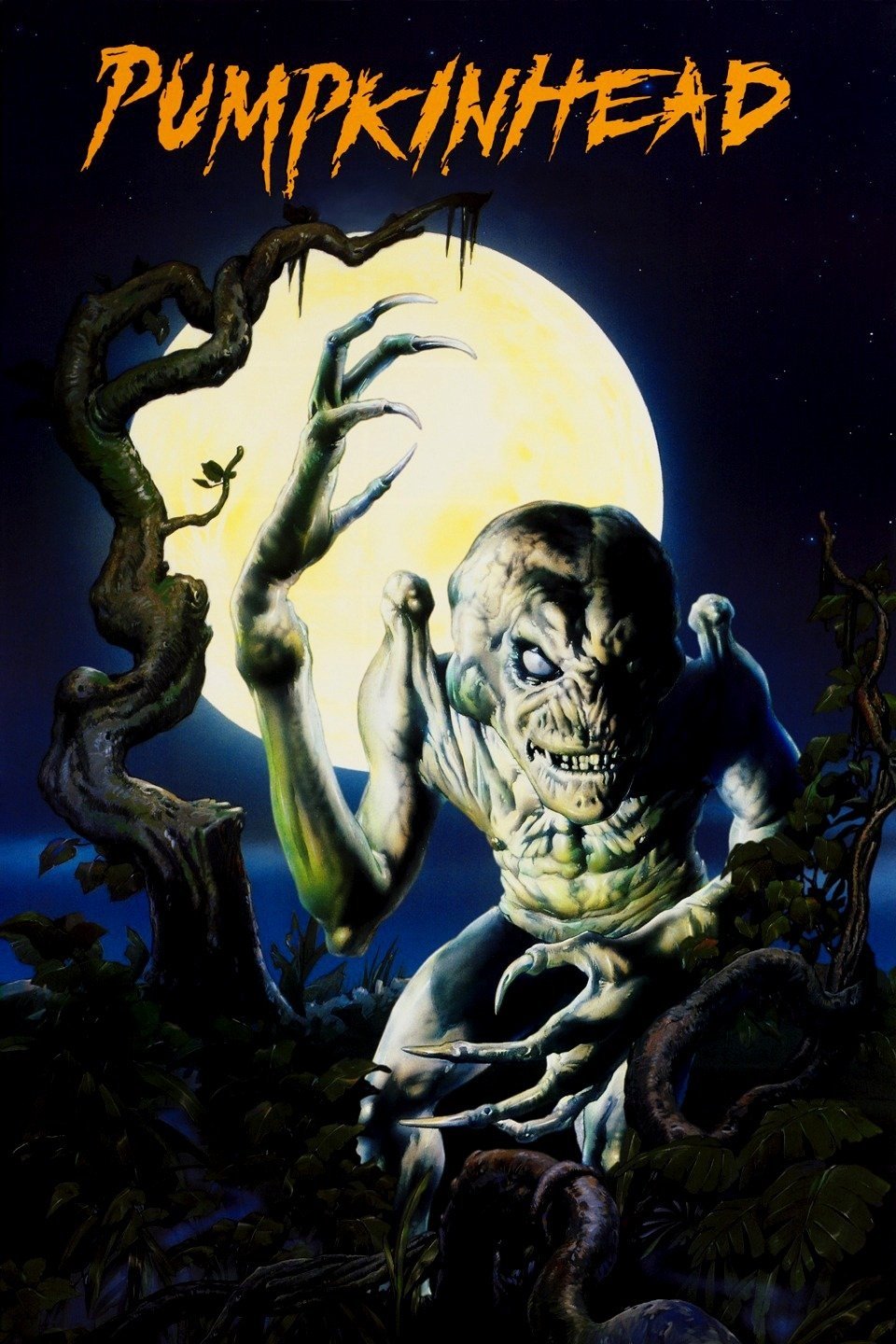
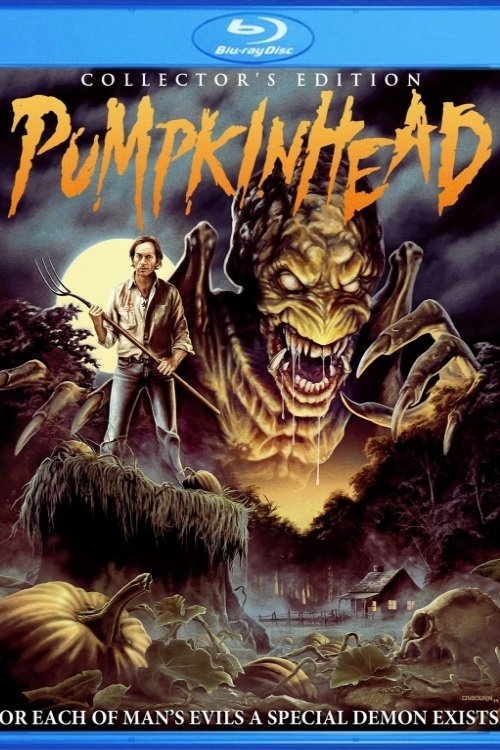
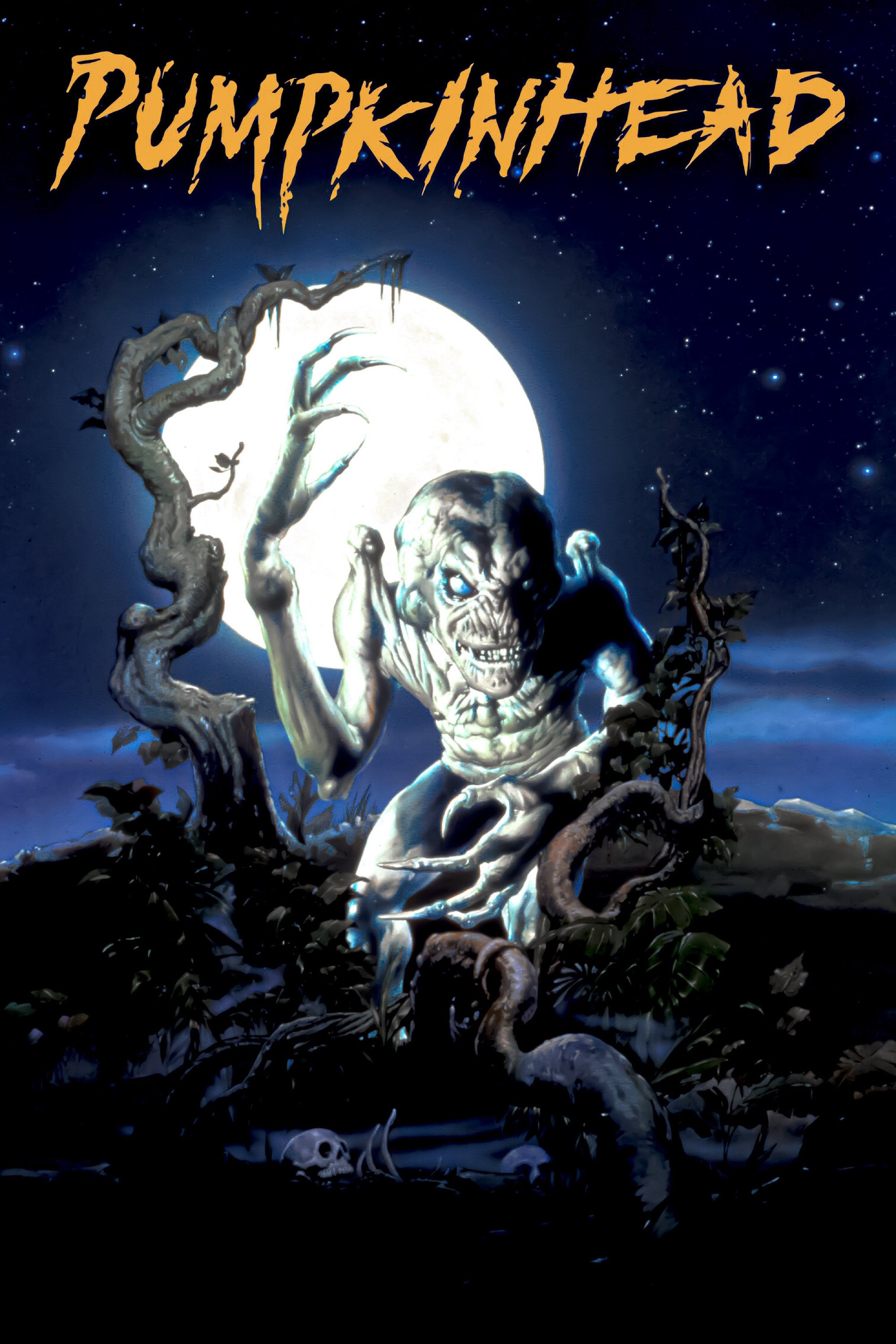
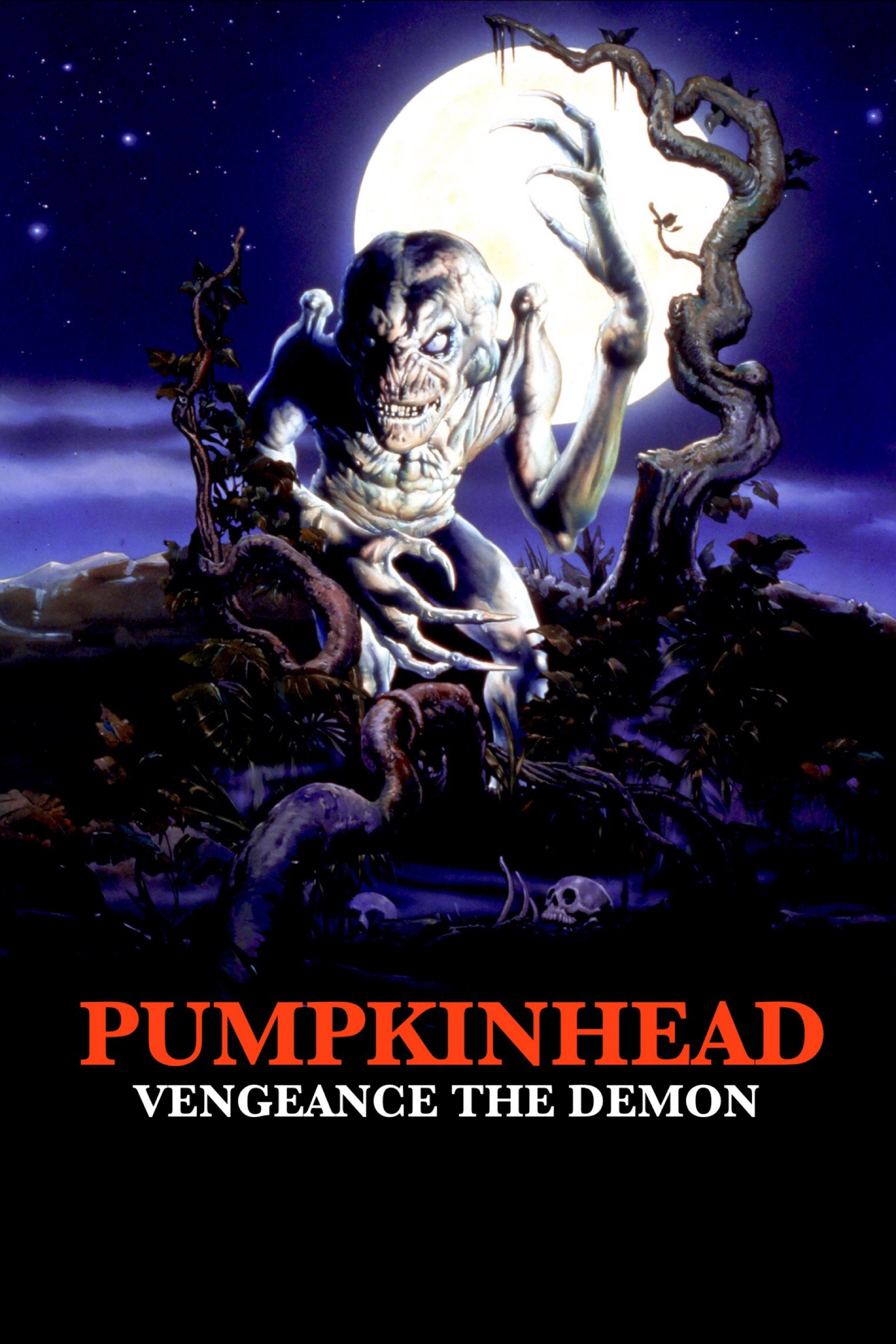
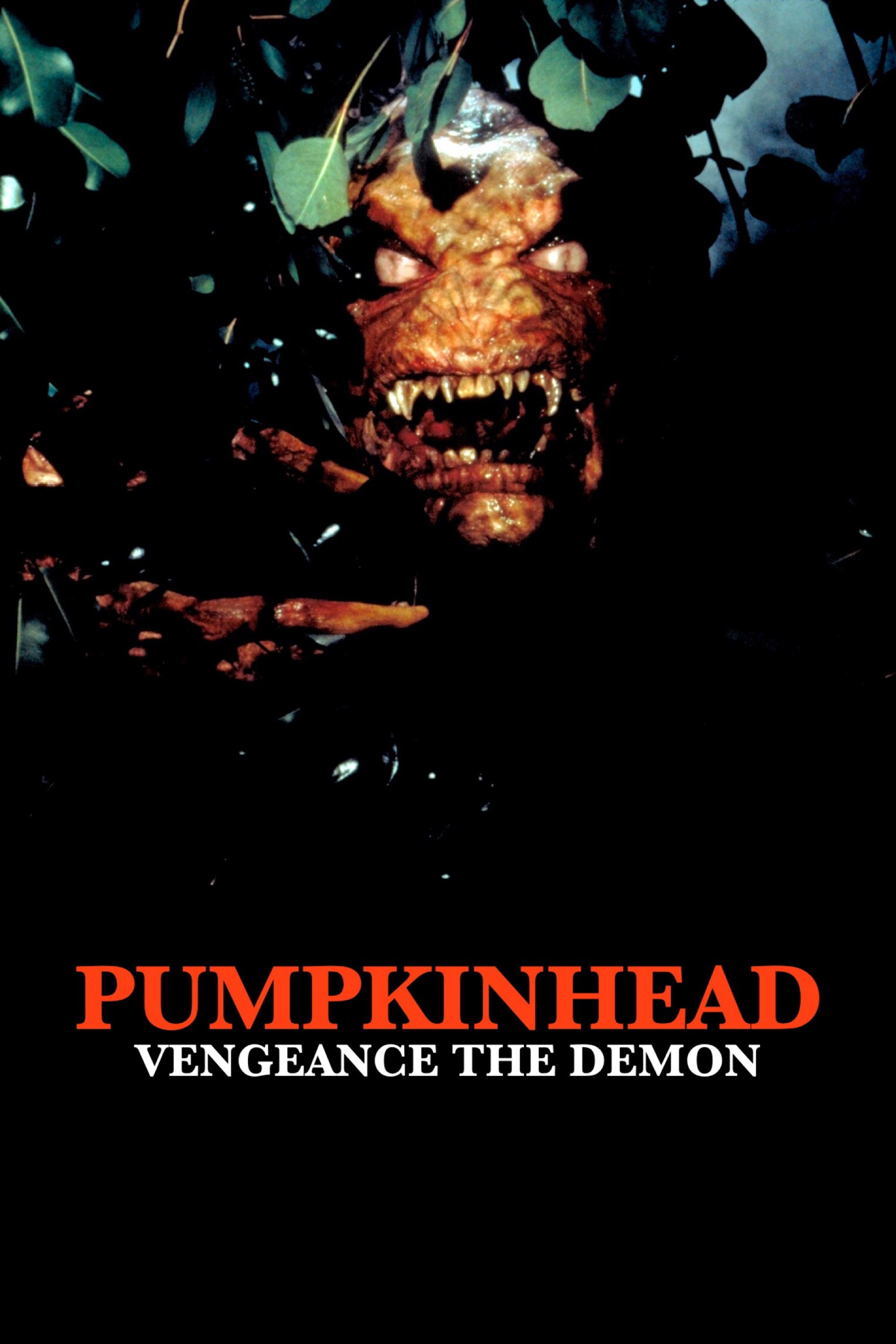
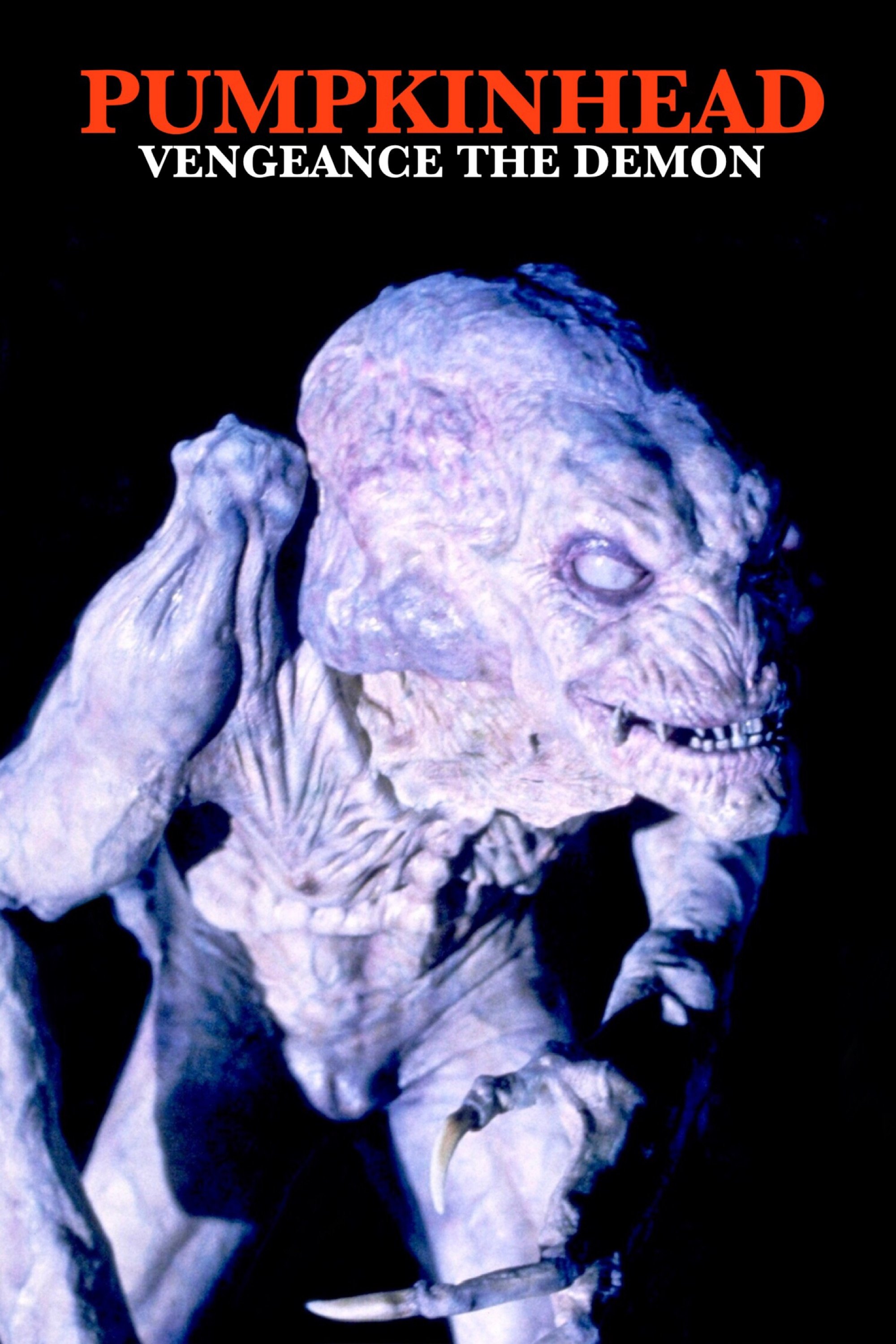
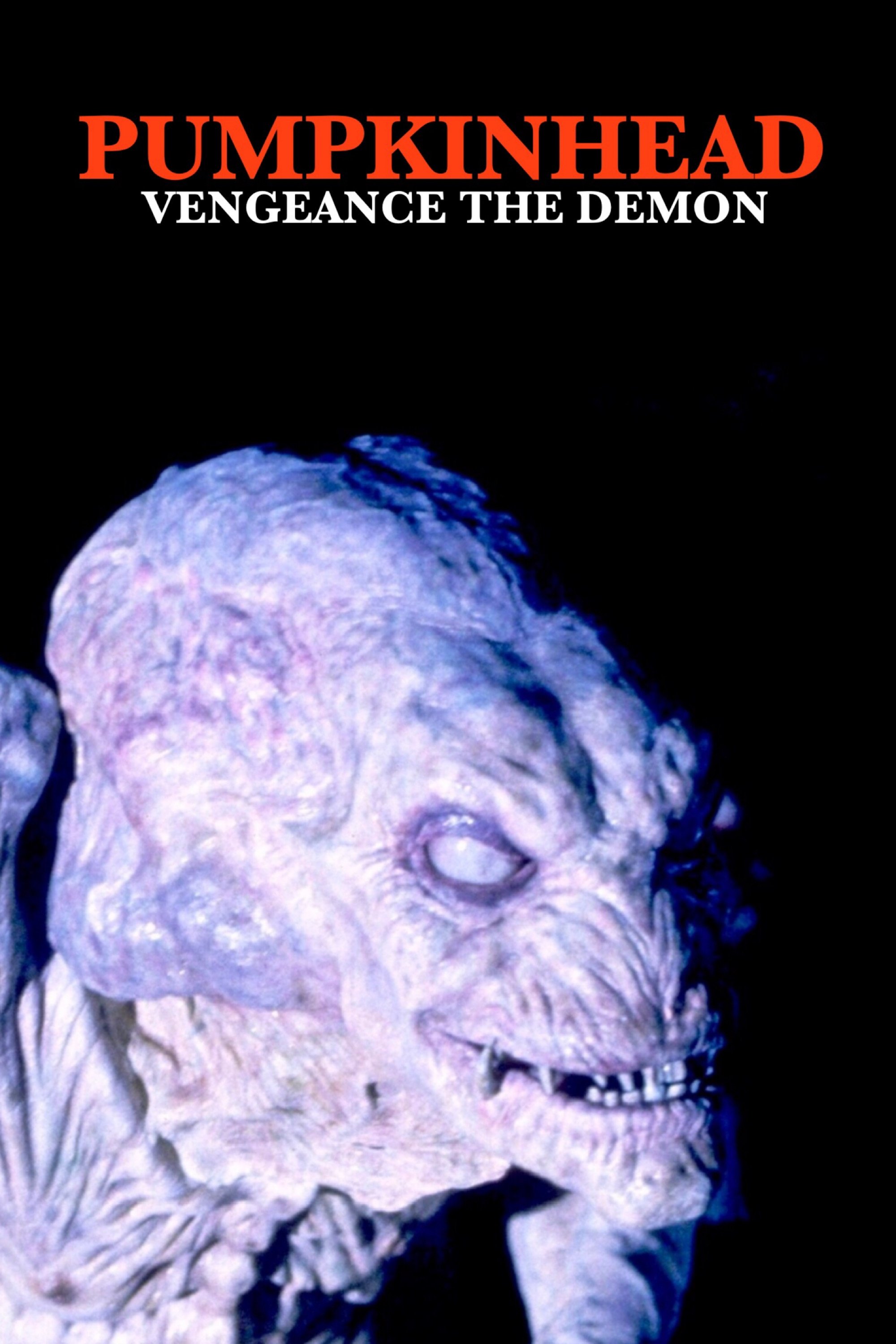
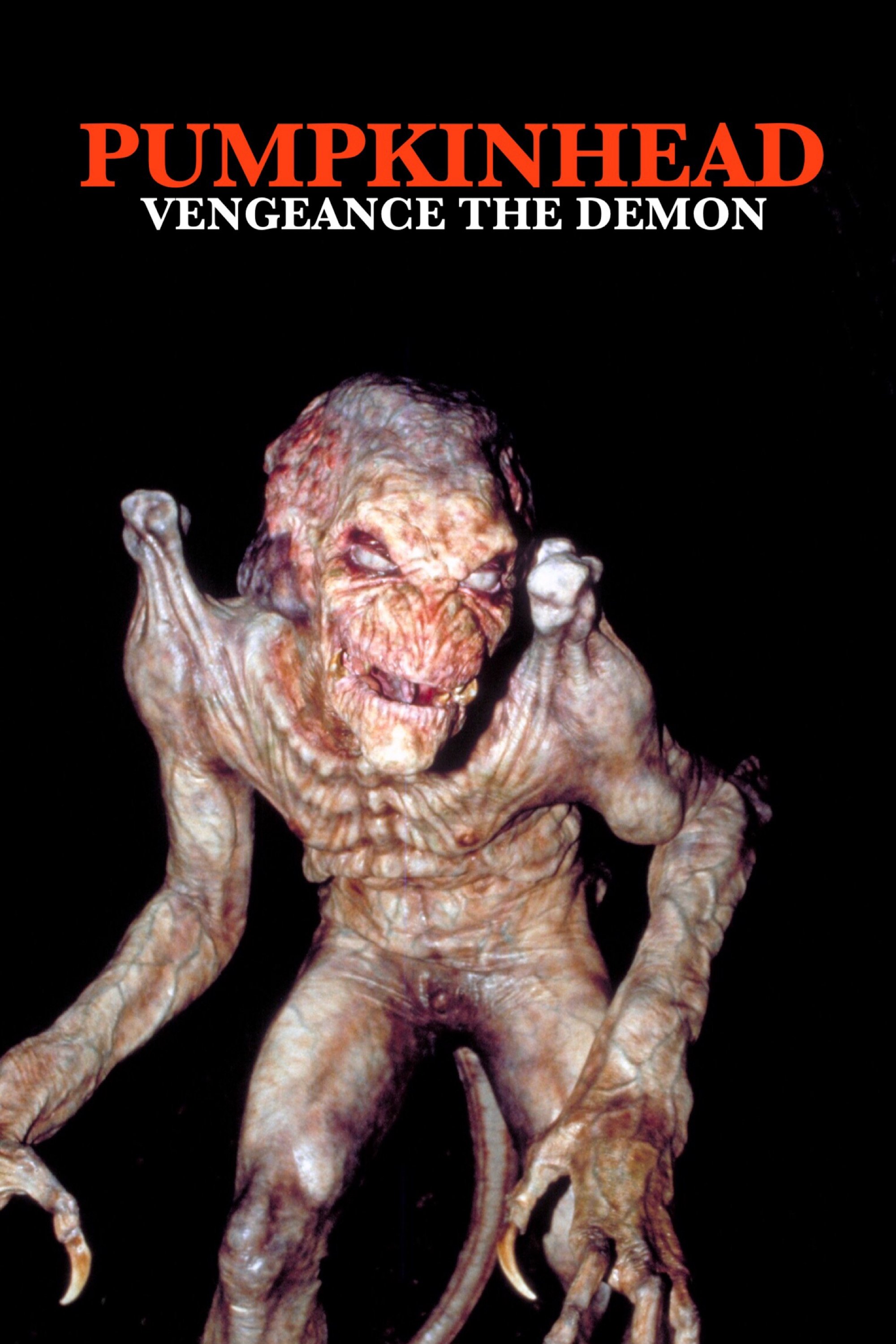
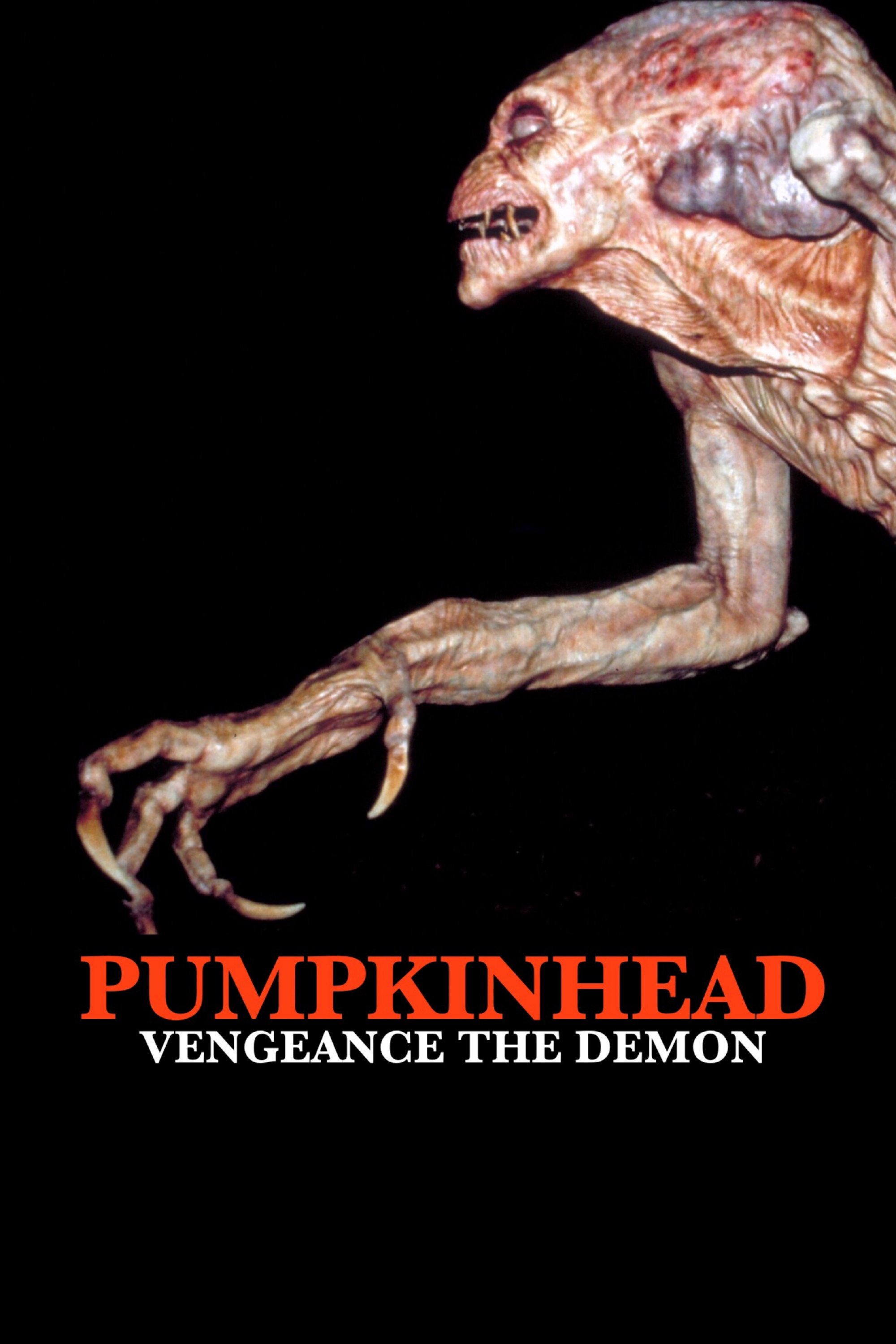
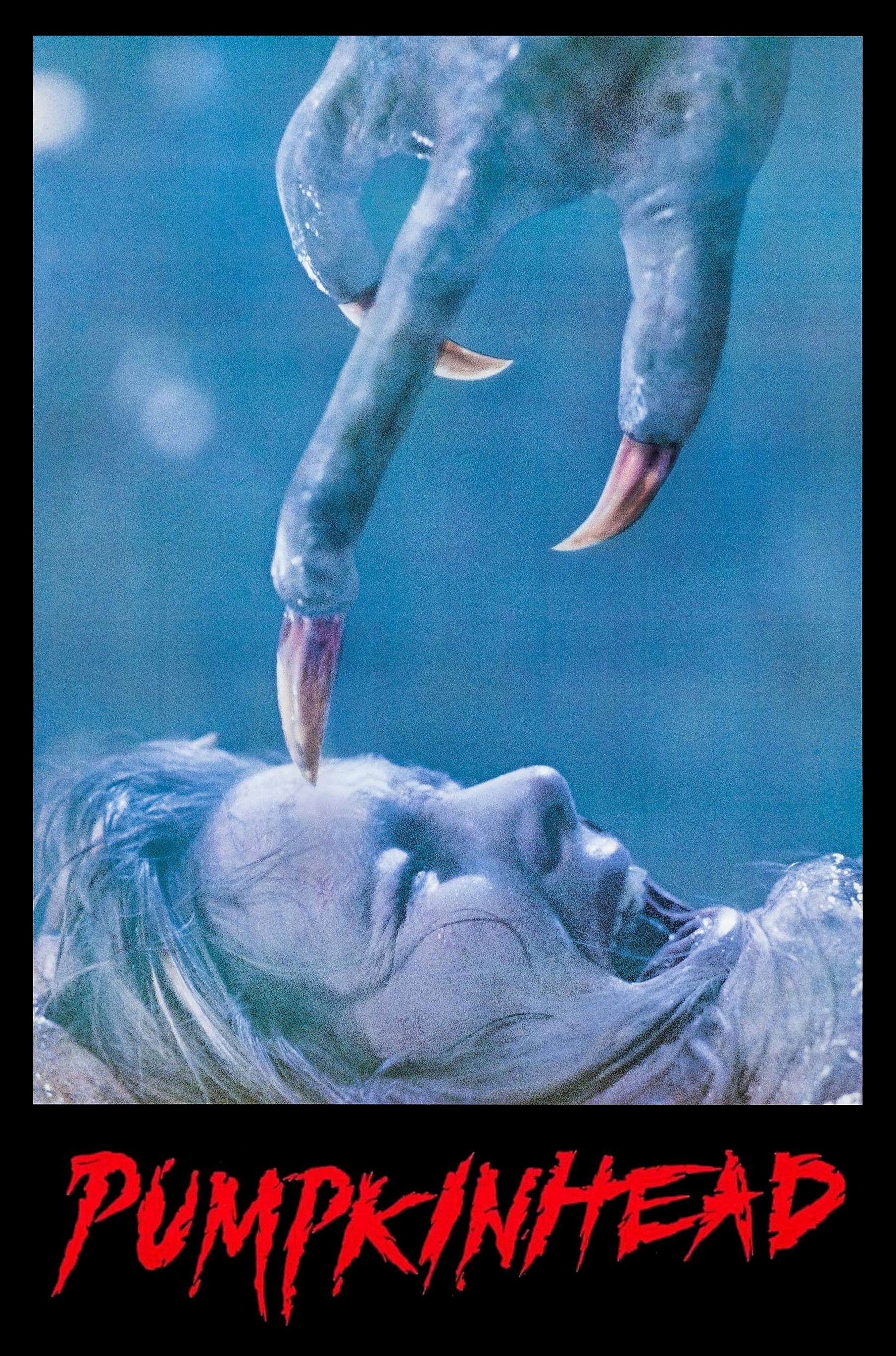
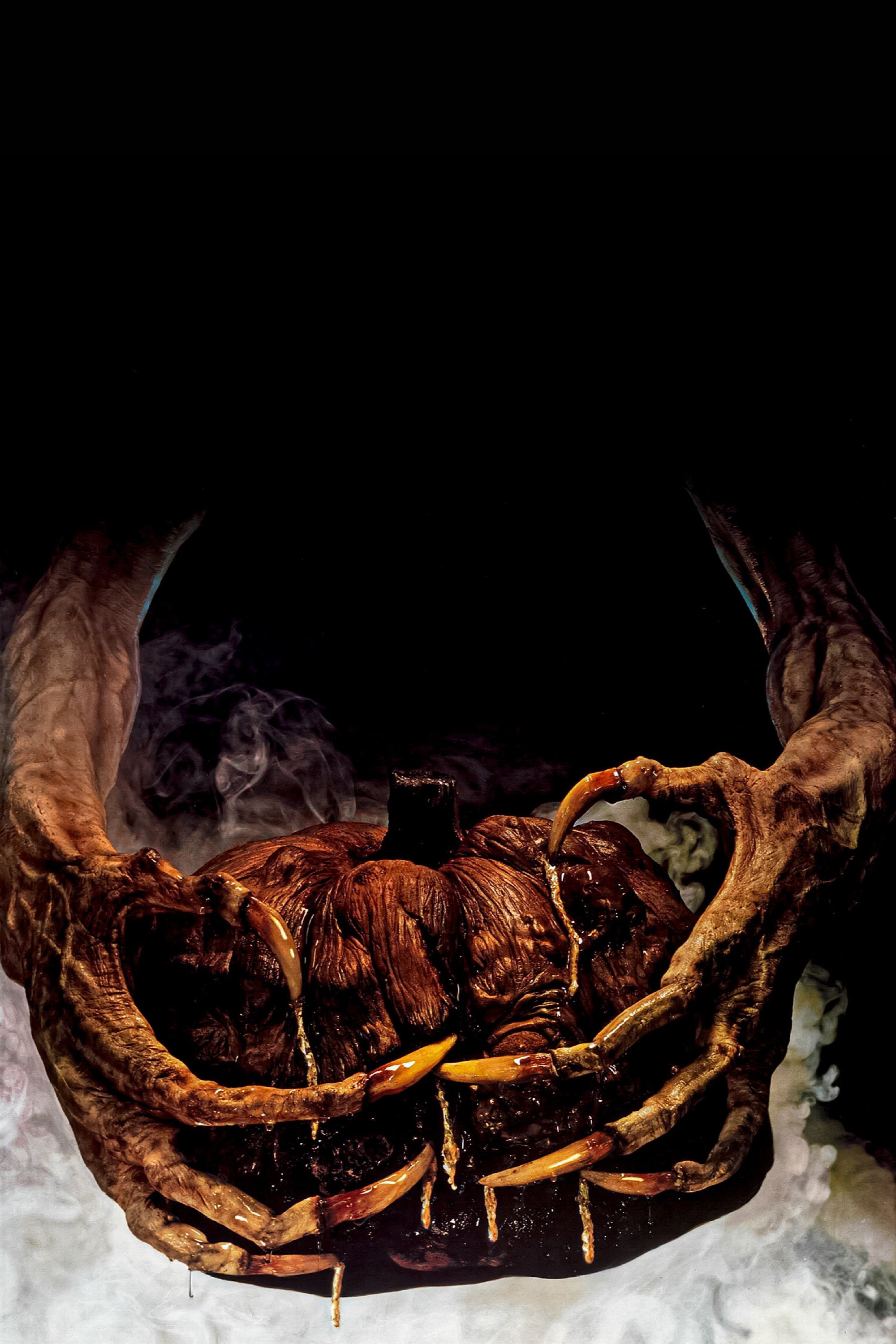
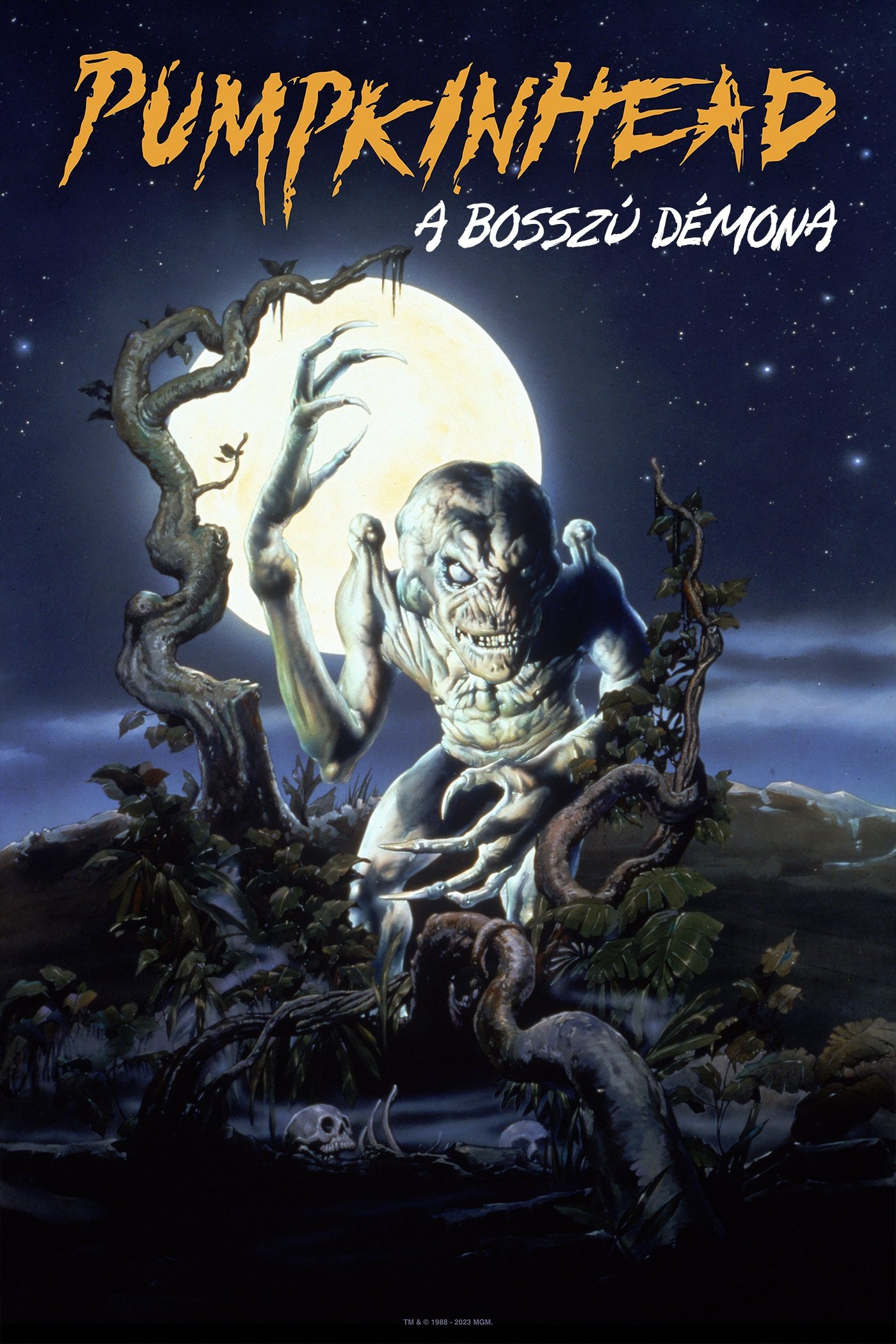
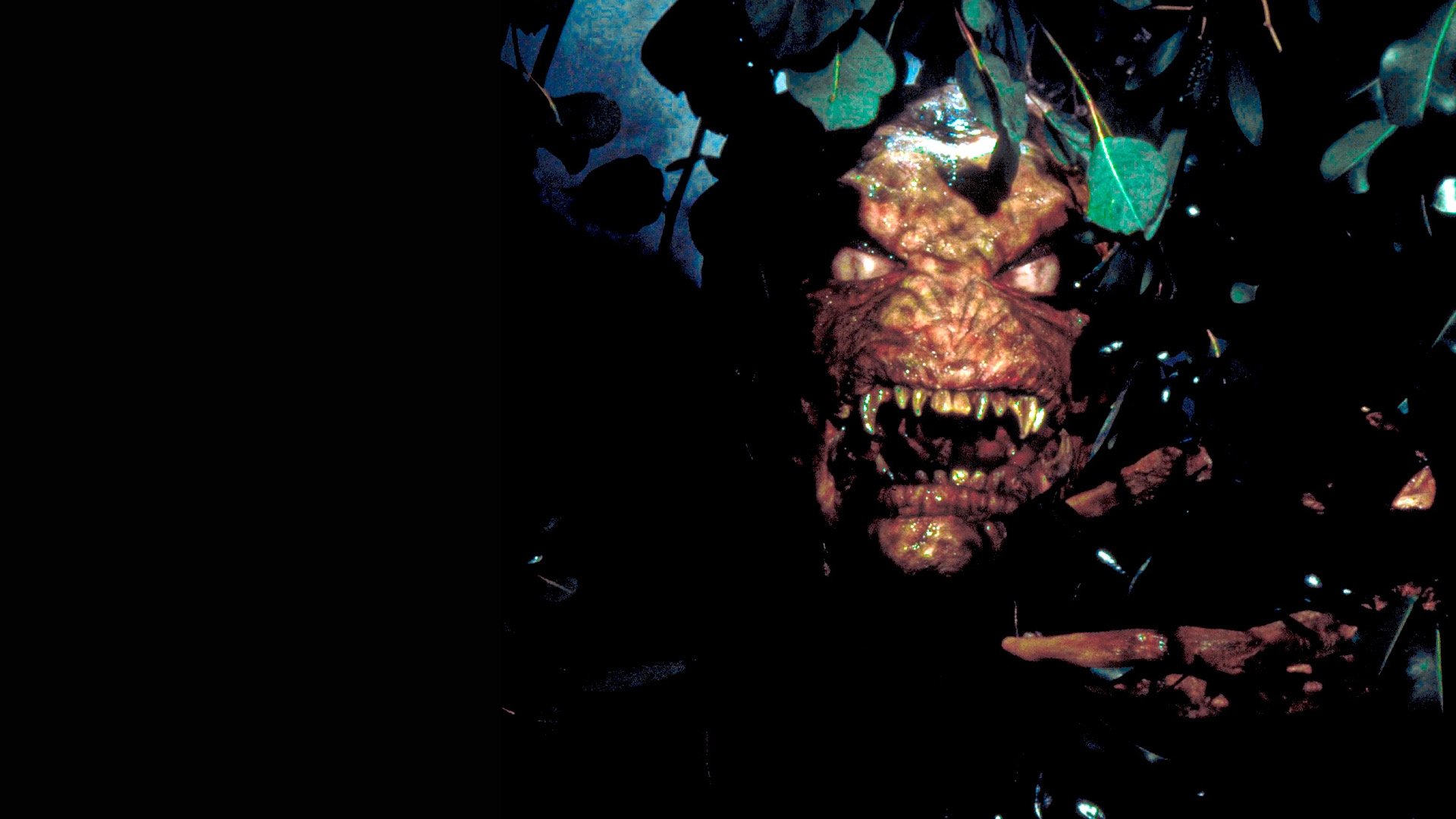
The demon's screen presence depended on a fabricated creature performed in front of the camera. Tom Woodruff Jr. played Pumpkinhead inside the suit, while the Stan Winston Studio team developed its sculptural form and physical detailing. Archival photographs published by VFX Voice show Alec Gillis working on the creature's head and Woodruff painting a head for the newborn version. The images document distinct stages in the creature's construction, from shaping its features to finishing their appearance. The film relies on the resulting material surfaces, elongated limbs and changes in scale to suggest something recognizably bodily yet removed from ordinary human anatomy.

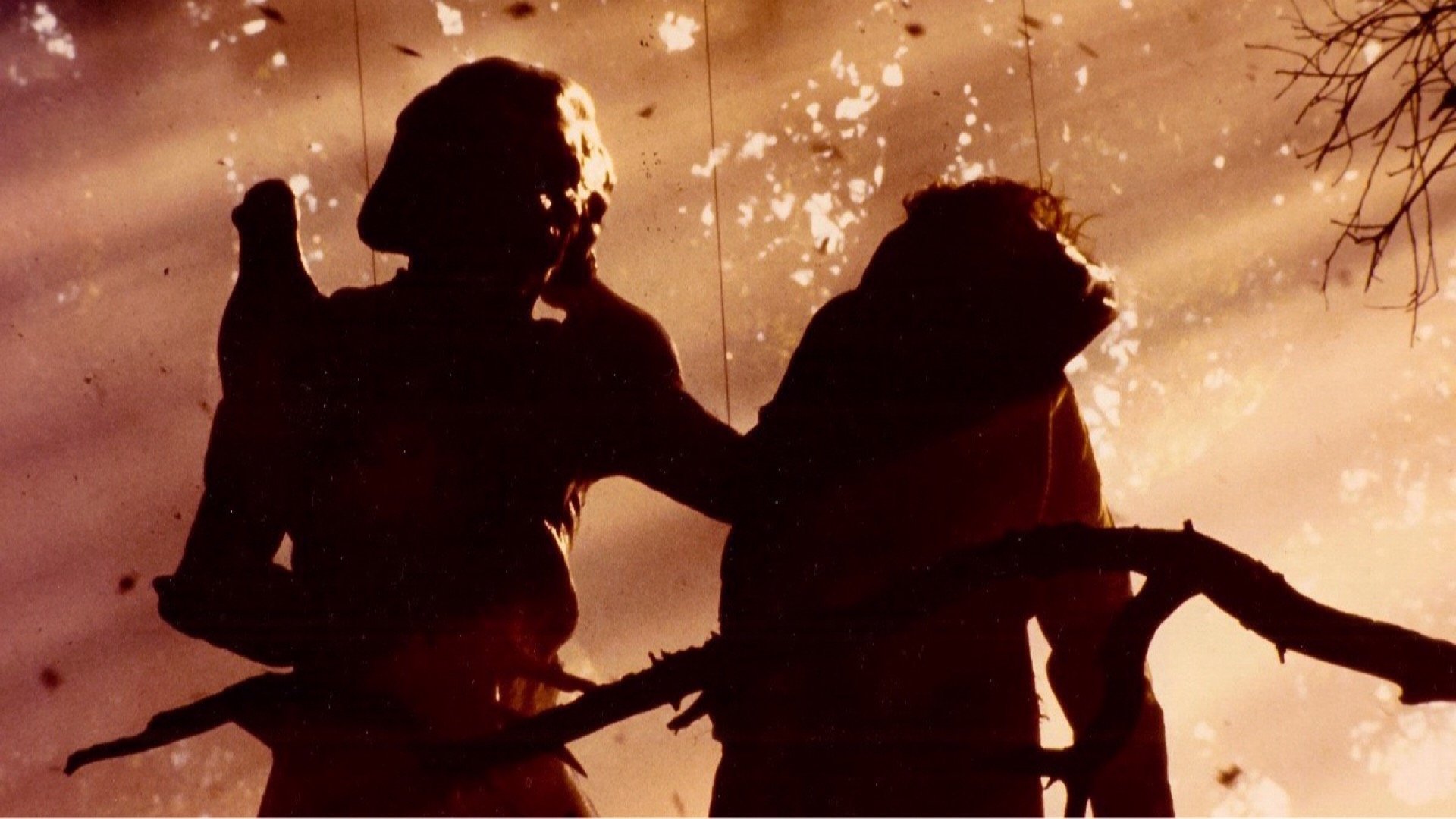
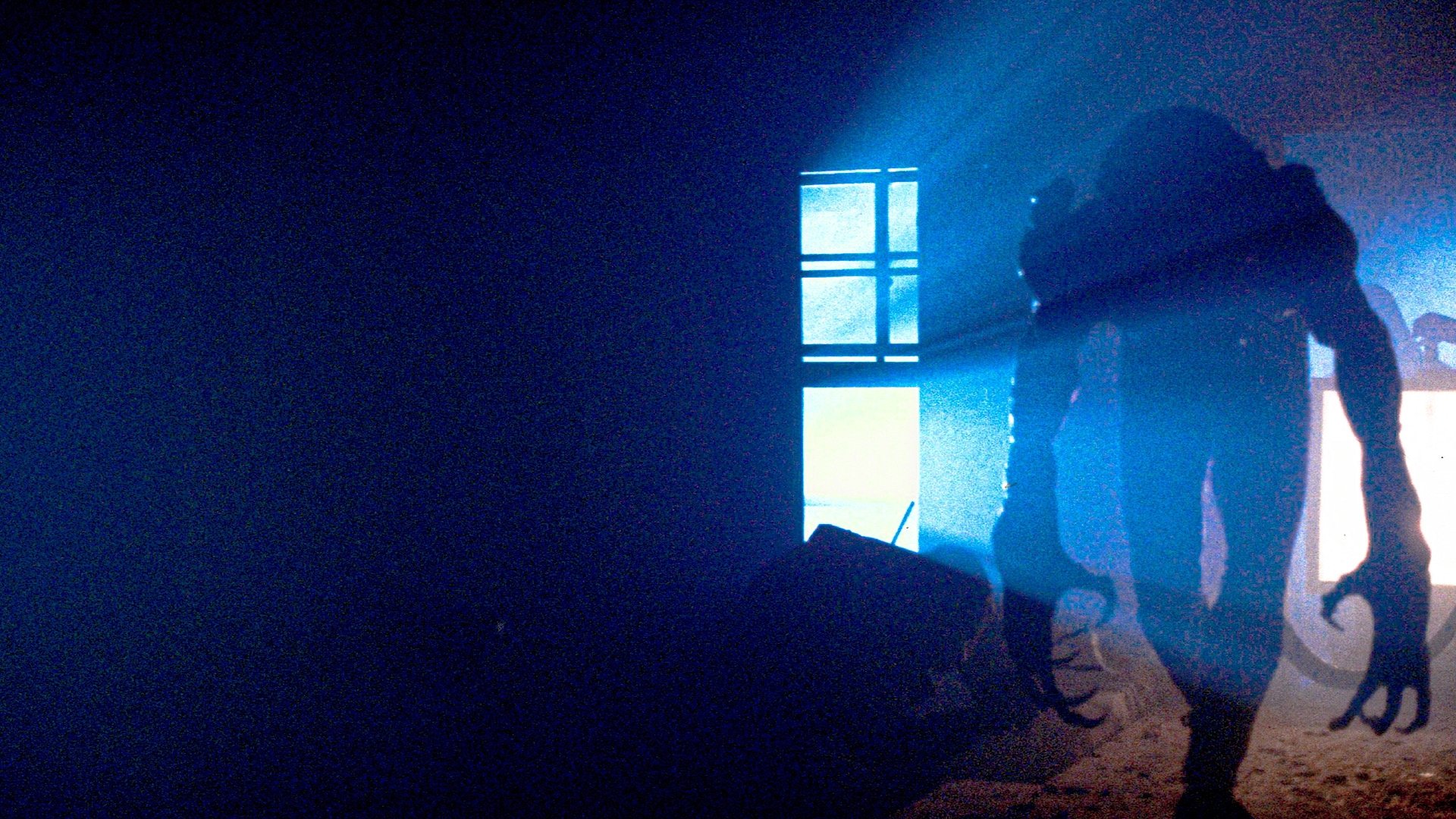
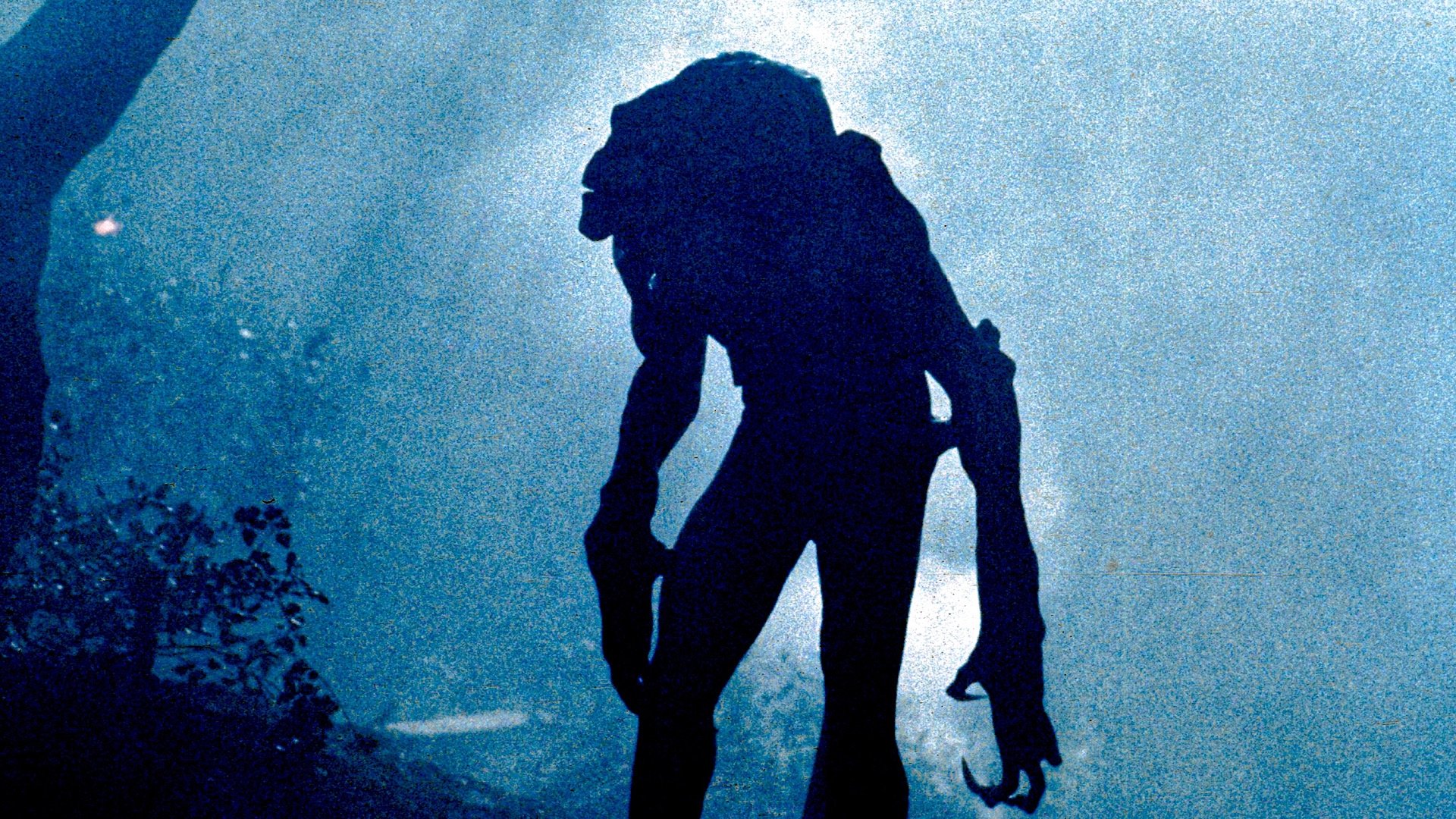
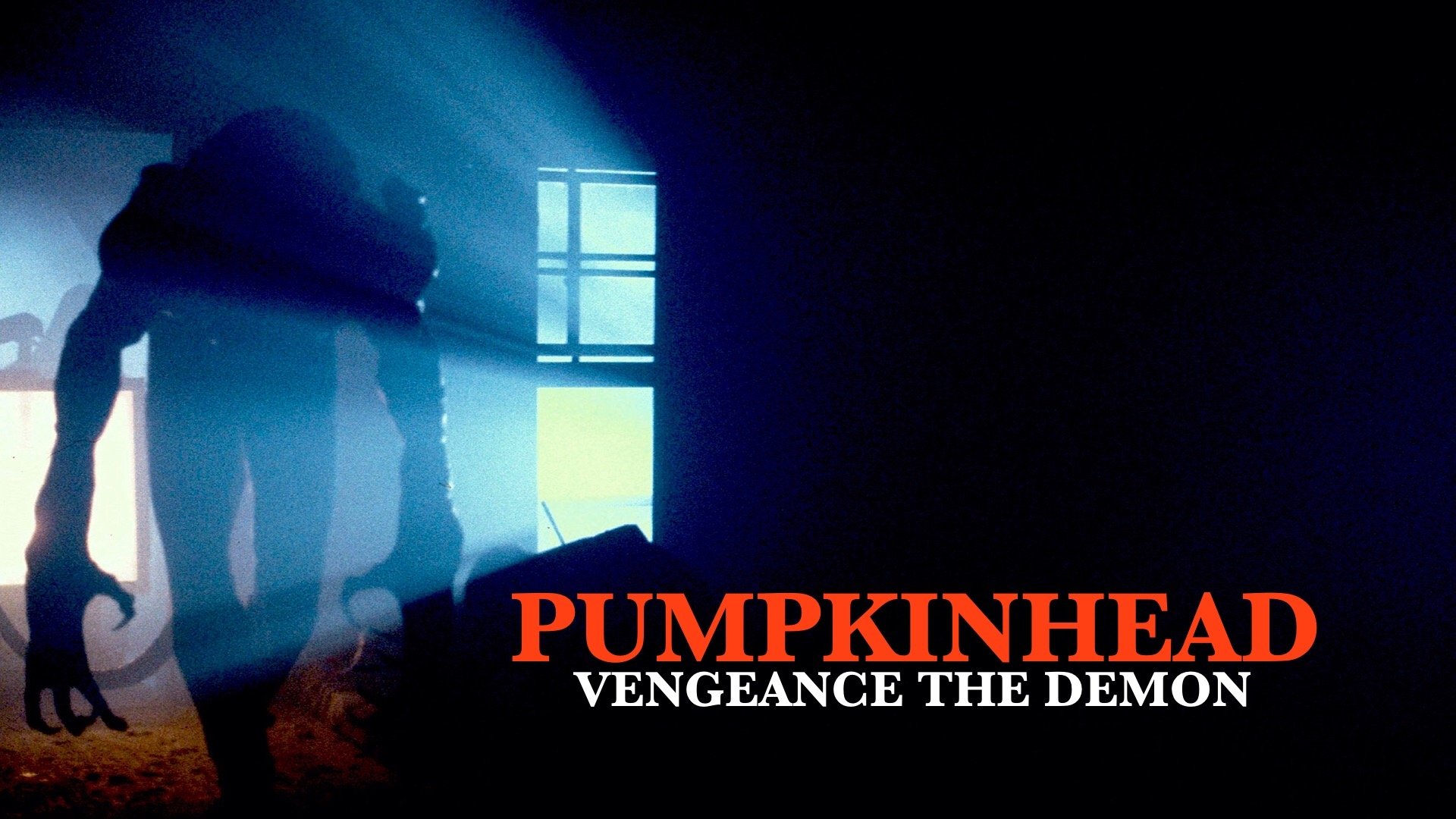
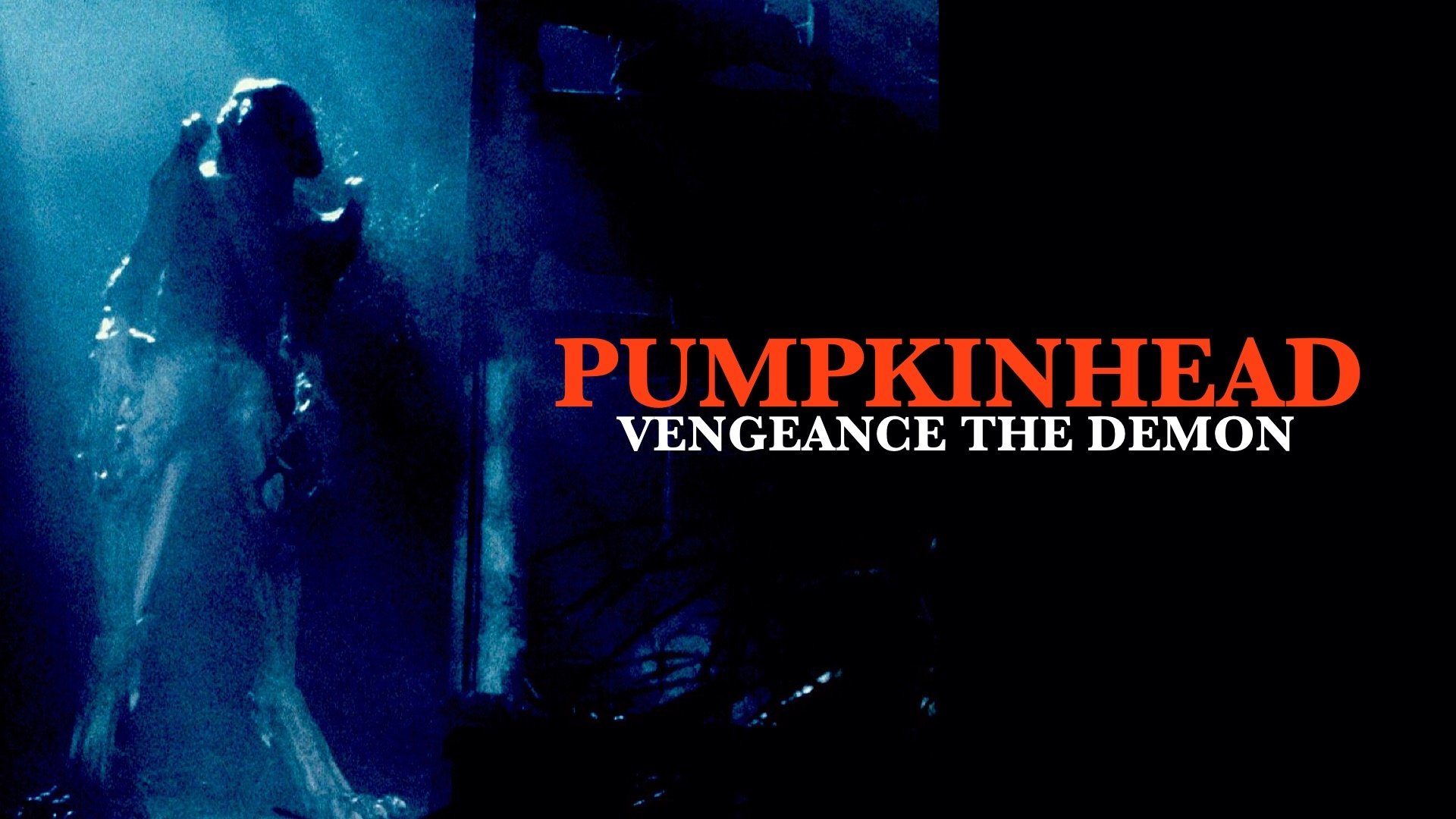
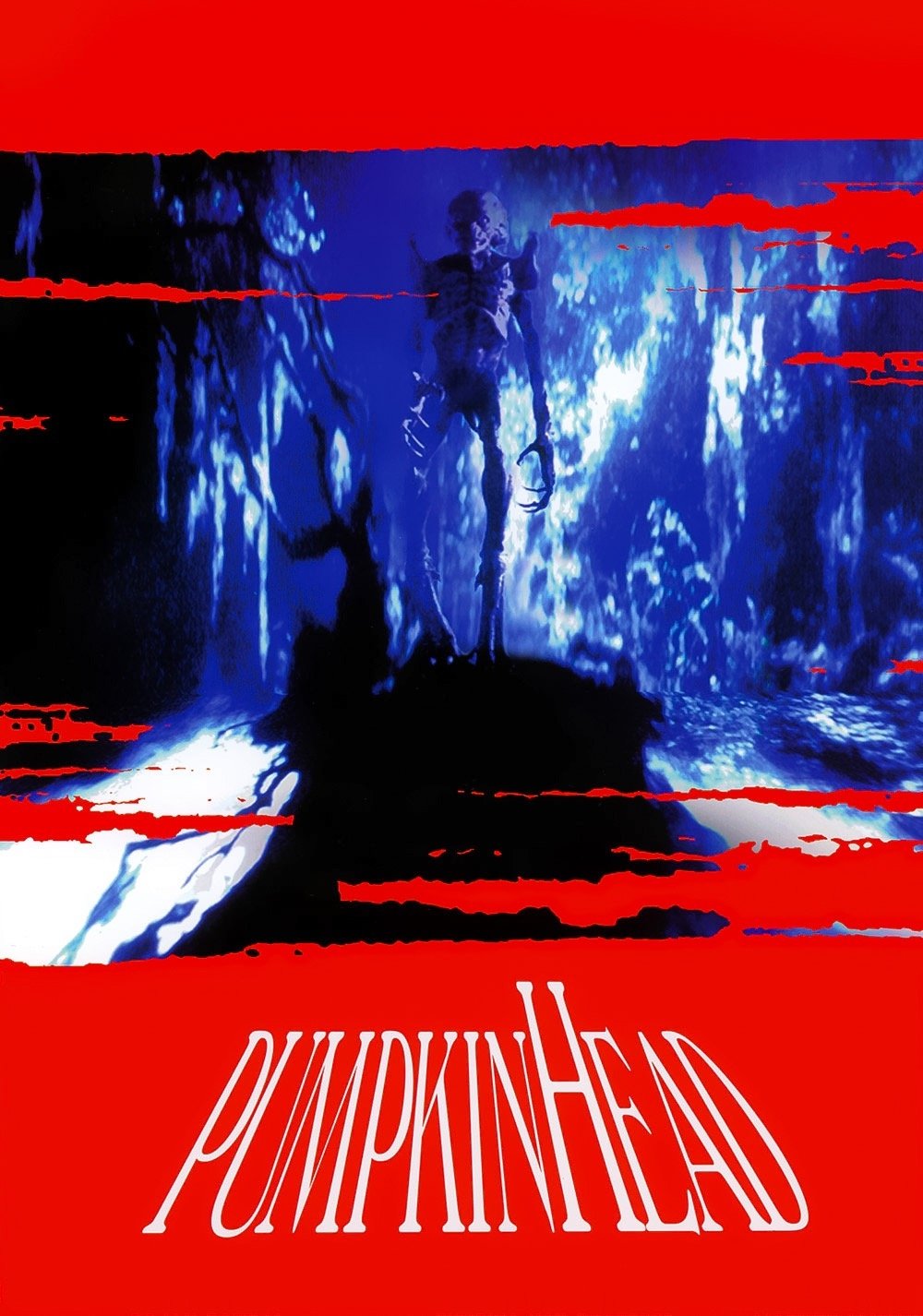
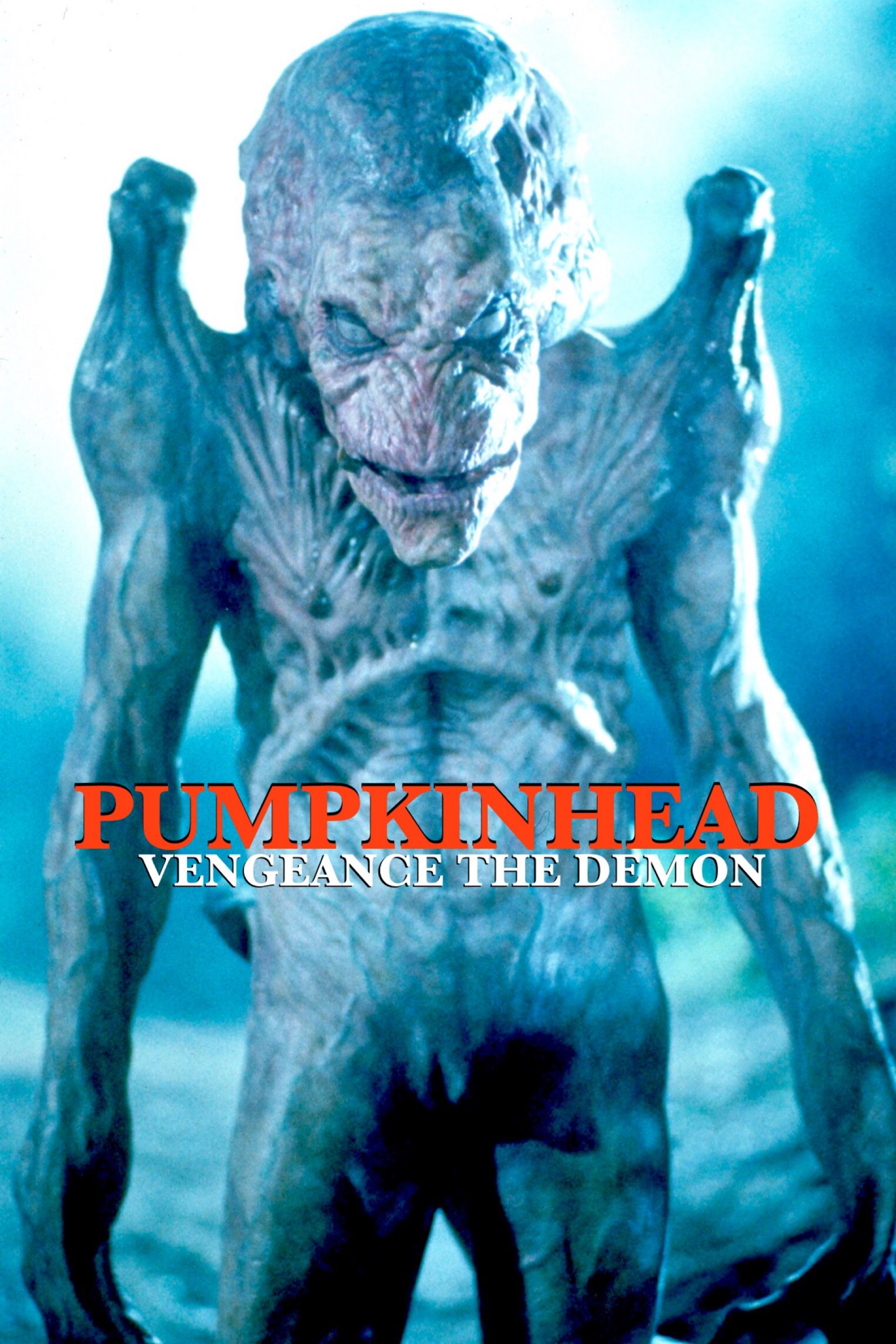
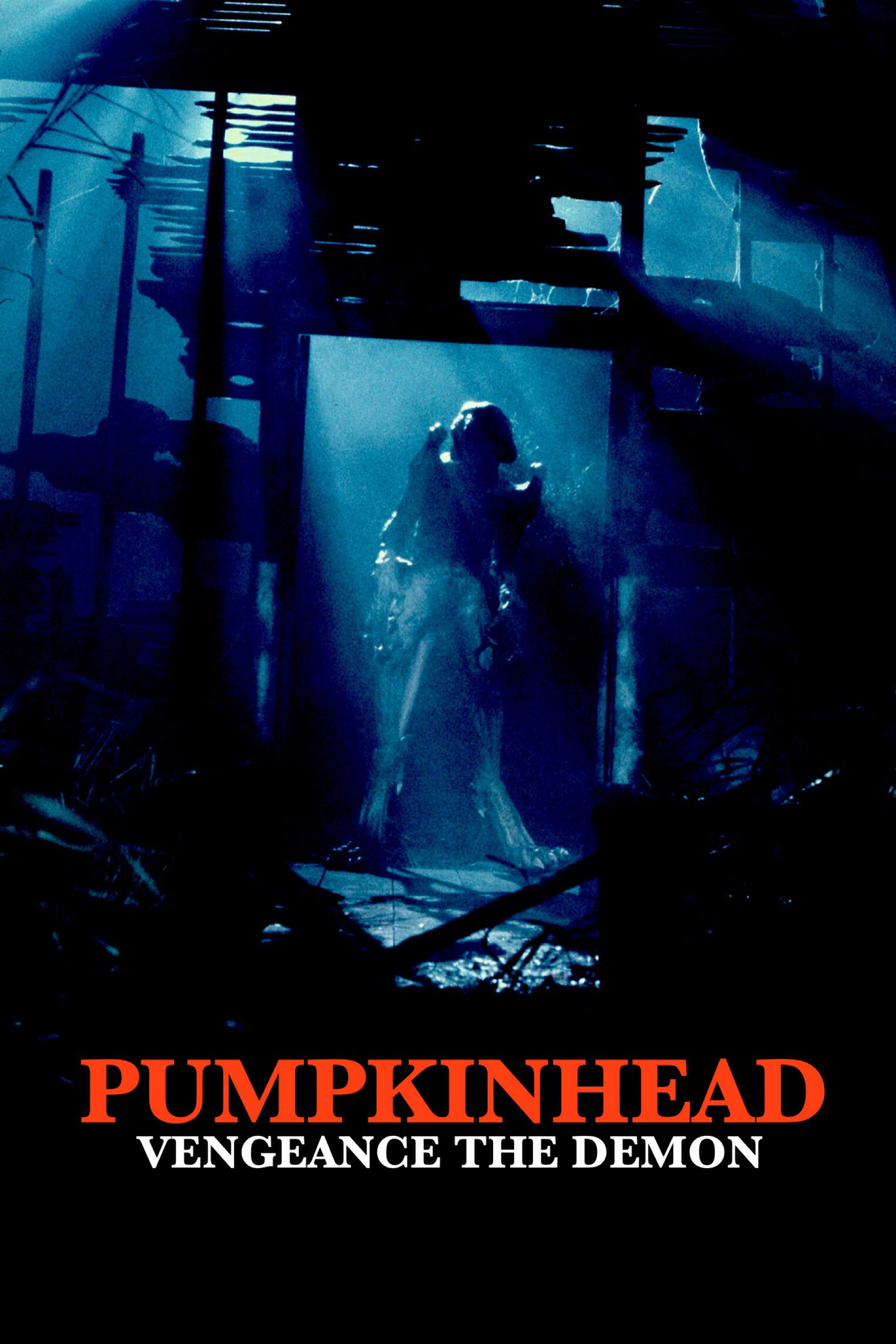
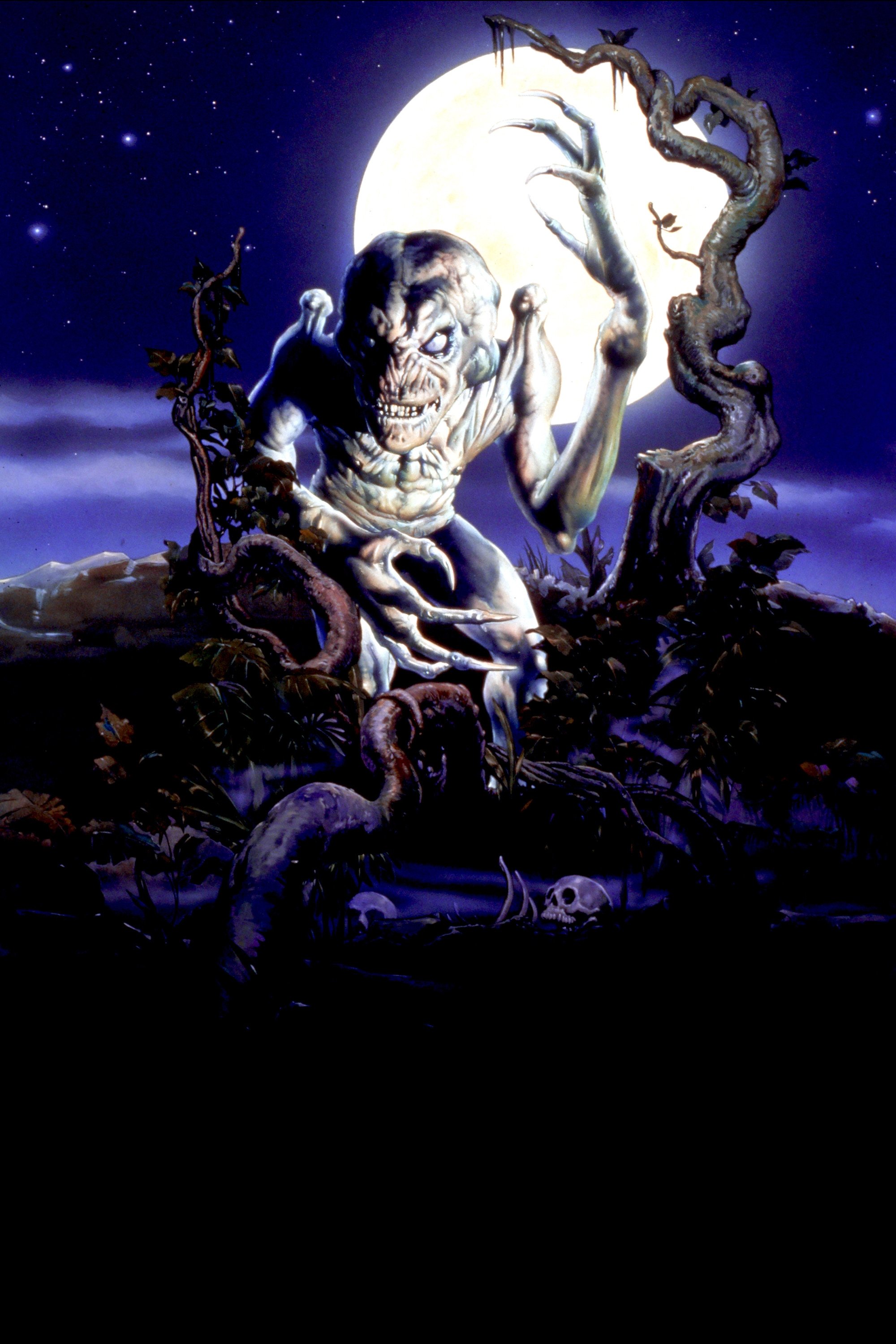
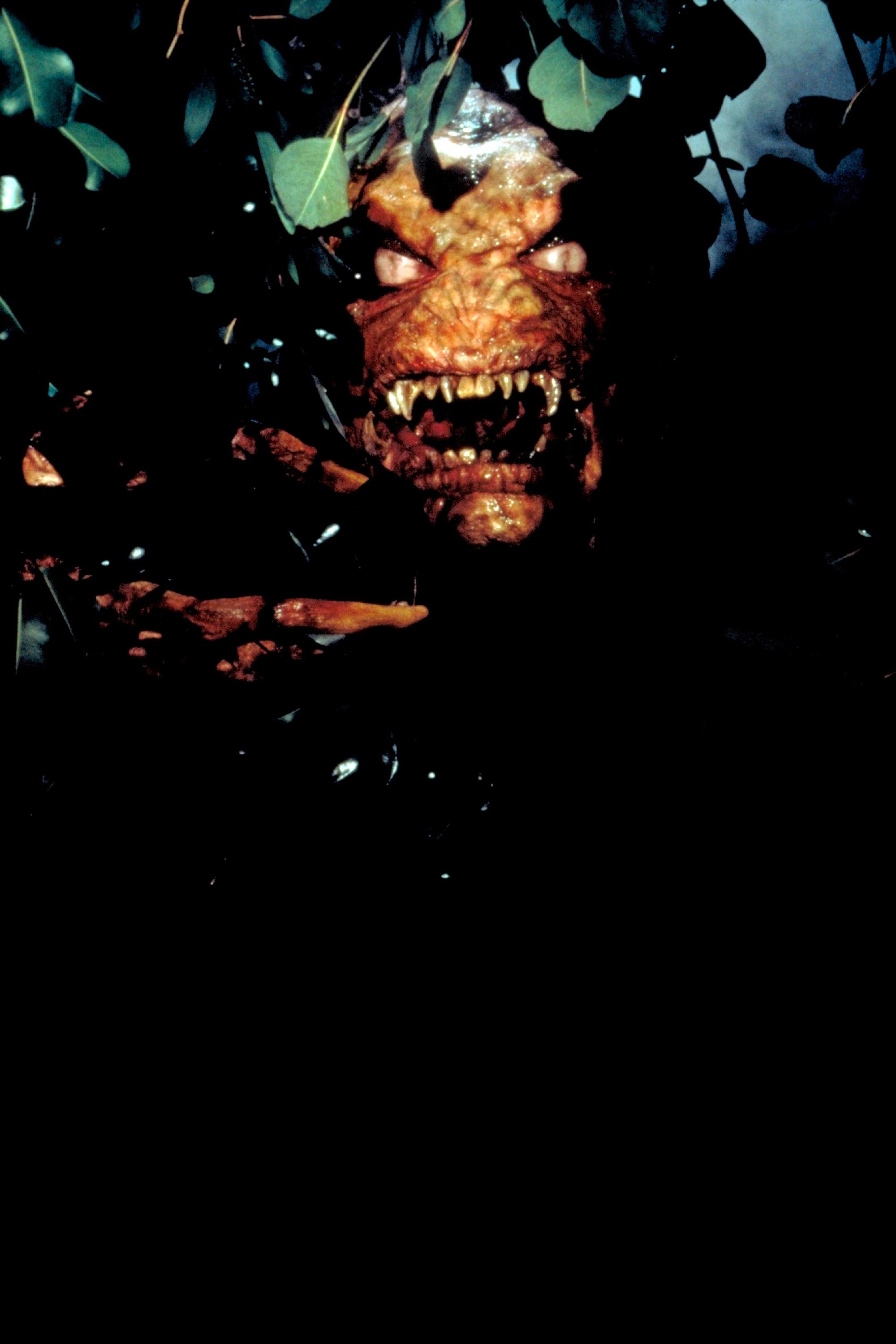
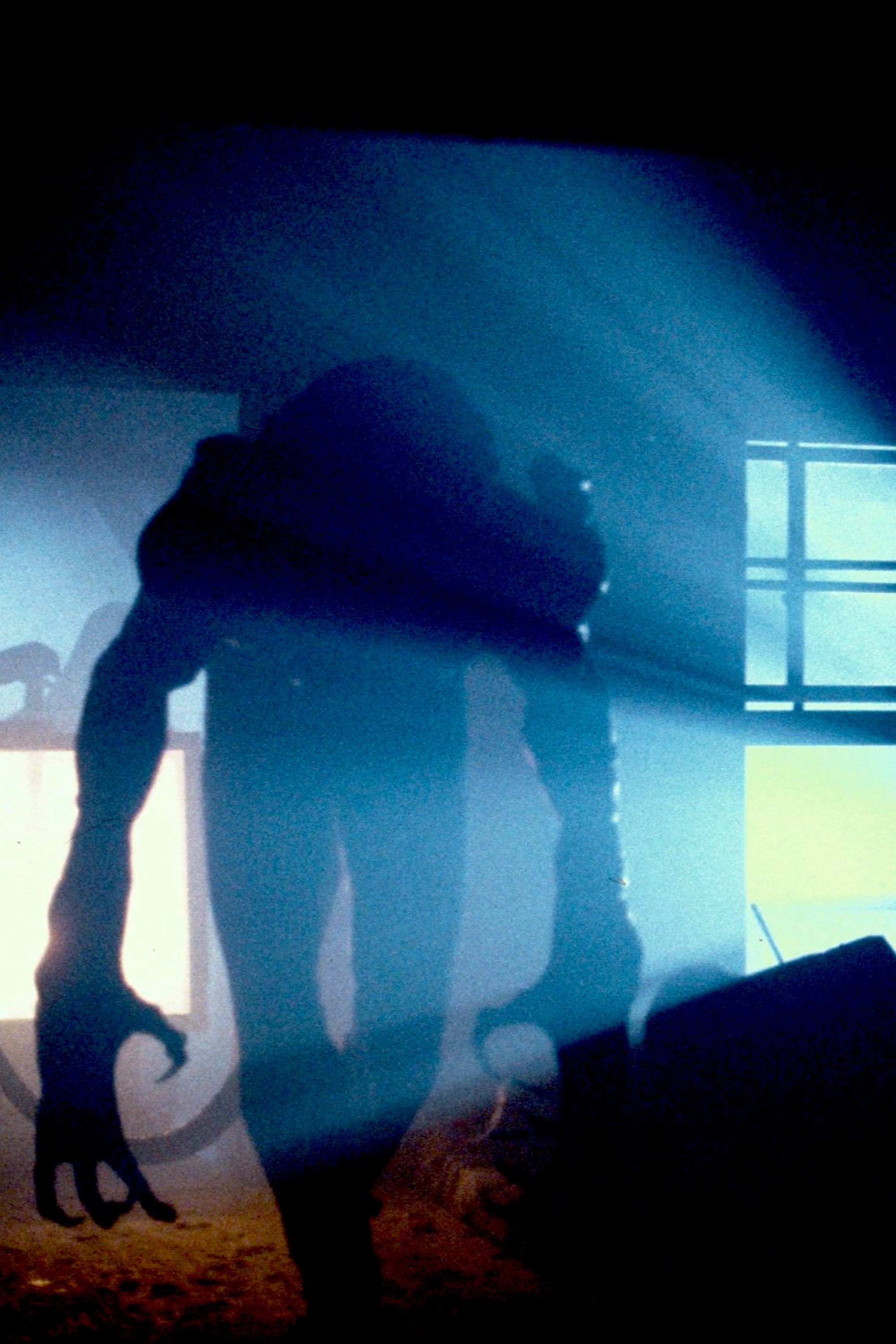
The creature's silhouette is unusually important. Its long neck and narrow head rise above powerful shoulders, while the hands and legs make it credible both as a stalking figure and as a force capable of seizing victims. The design avoids the literal vegetable shape implied by the name. The connection to pumpkins belongs instead to the film's legend and burial imagery. Movement supplied by a performer gives the demon weight in scenes where actors occupy the same physical space, and the photography often presents it through partial views before allowing the audience to examine the full figure.

The production has remained useful as a record of collaborative practical-effects work. Gillis, Woodruff and other members of Winston's circle later discussed their contributions in interviews and retrospective material. Their accounts identify monster creation as a process involving design, sculpture, painting, rehearsal and performance, rather than the work of a single individual. Within the film, the creature is more than a display of fabrication skills: its increasing resemblance to the grieving man and the bodily connection between summoner and summoned turn its appearance into part of the story's supernatural logic.

Bojan Bazelli’s Photography and Rural Gothic Space

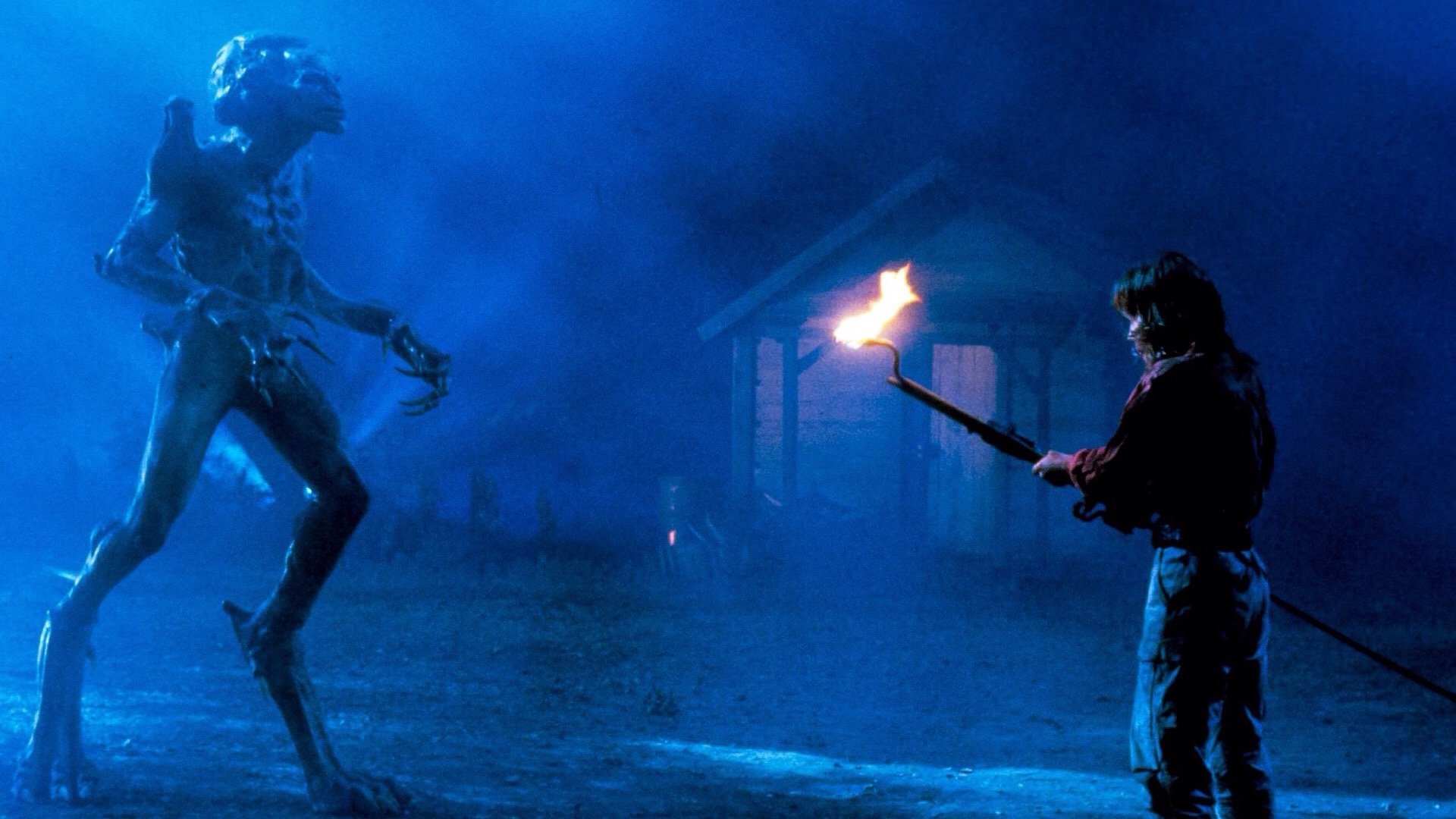
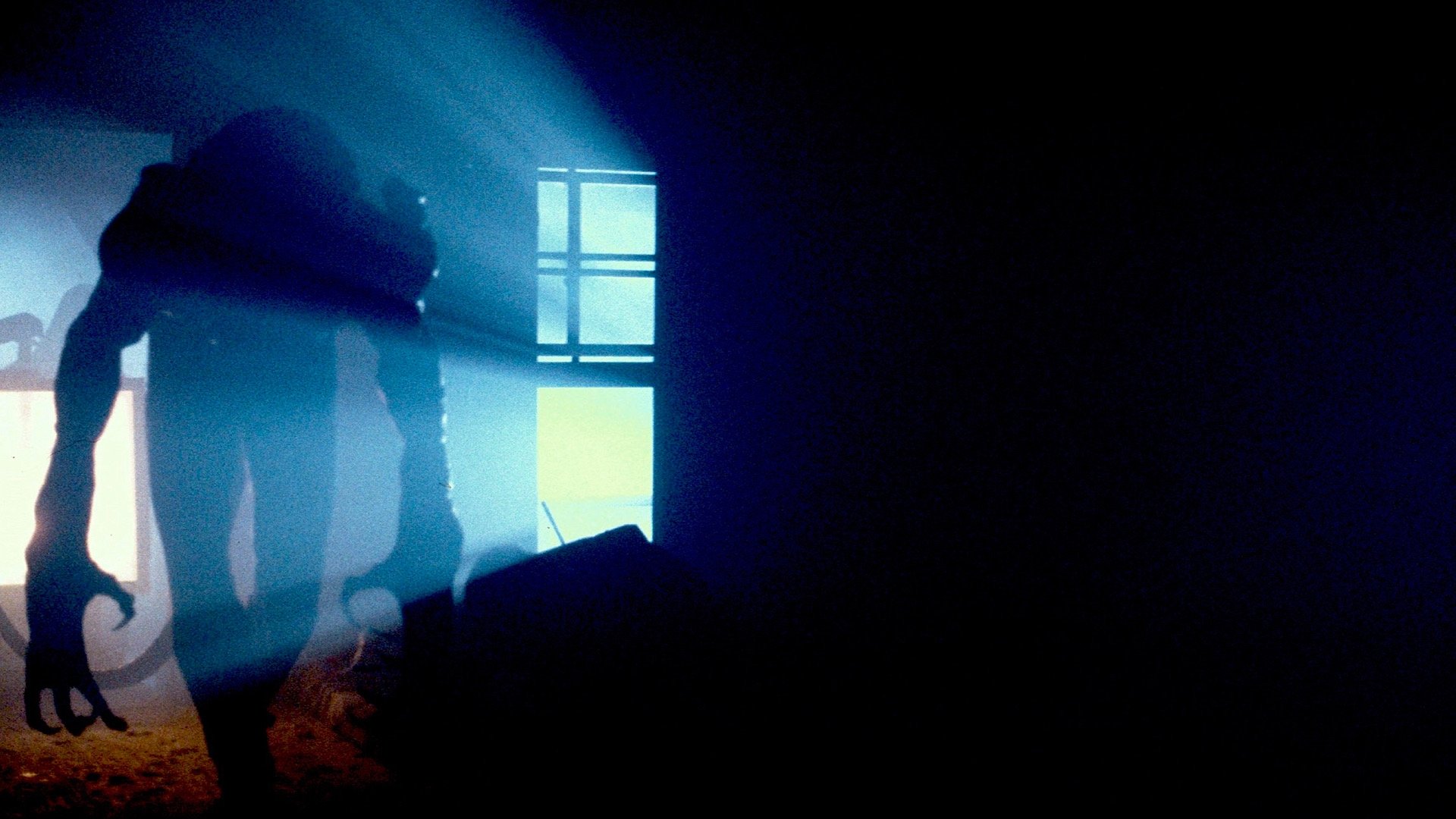
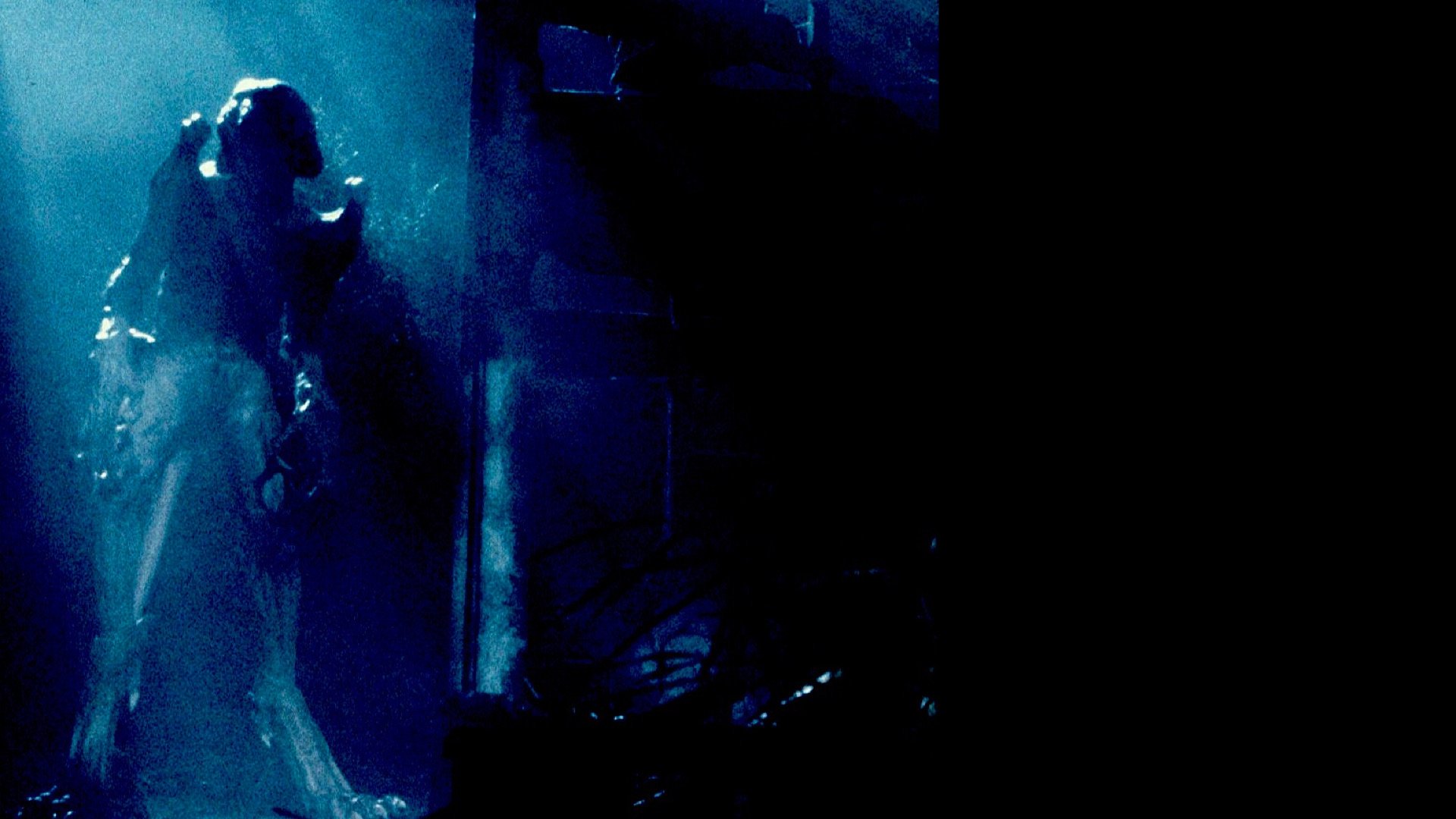
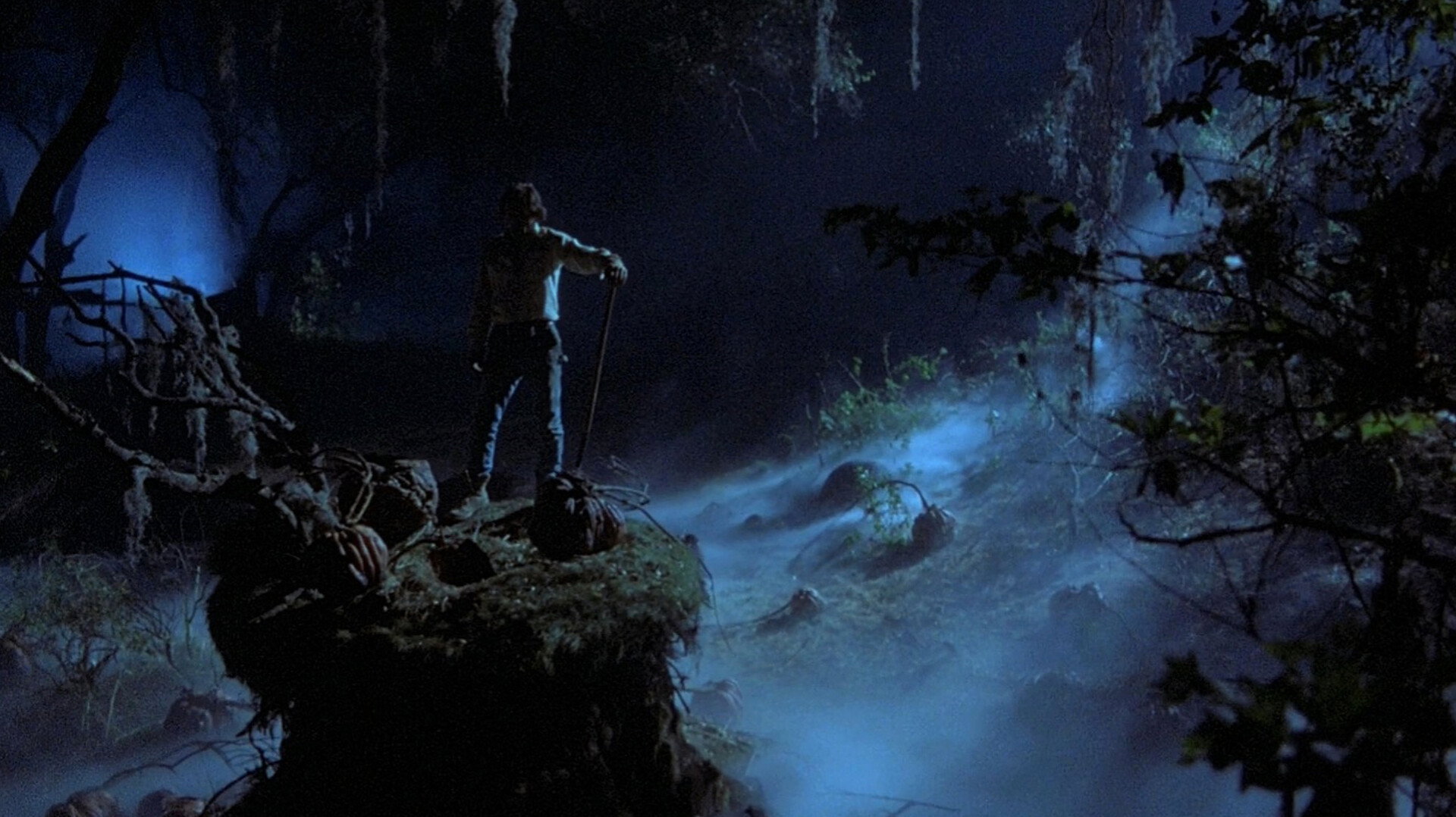
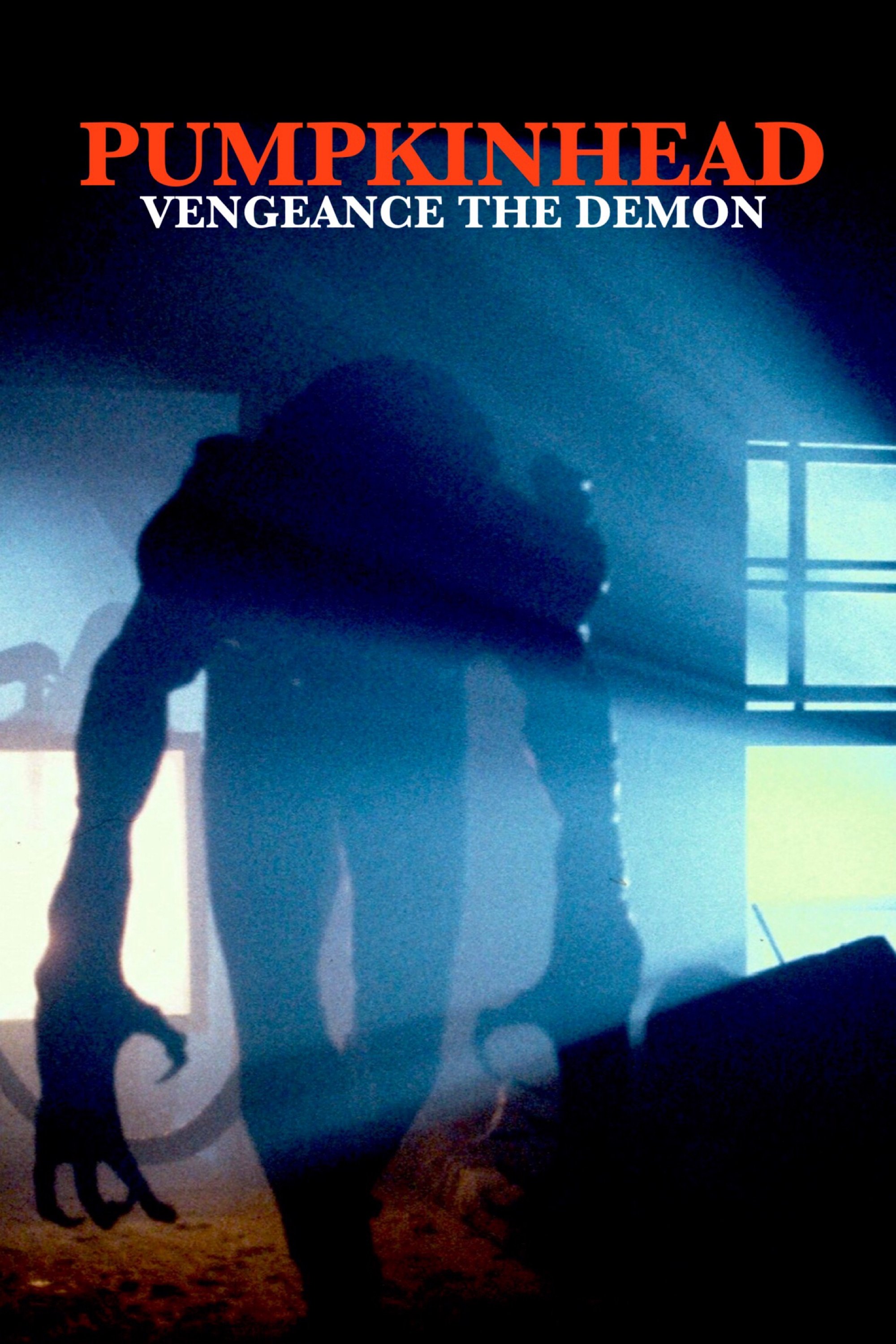
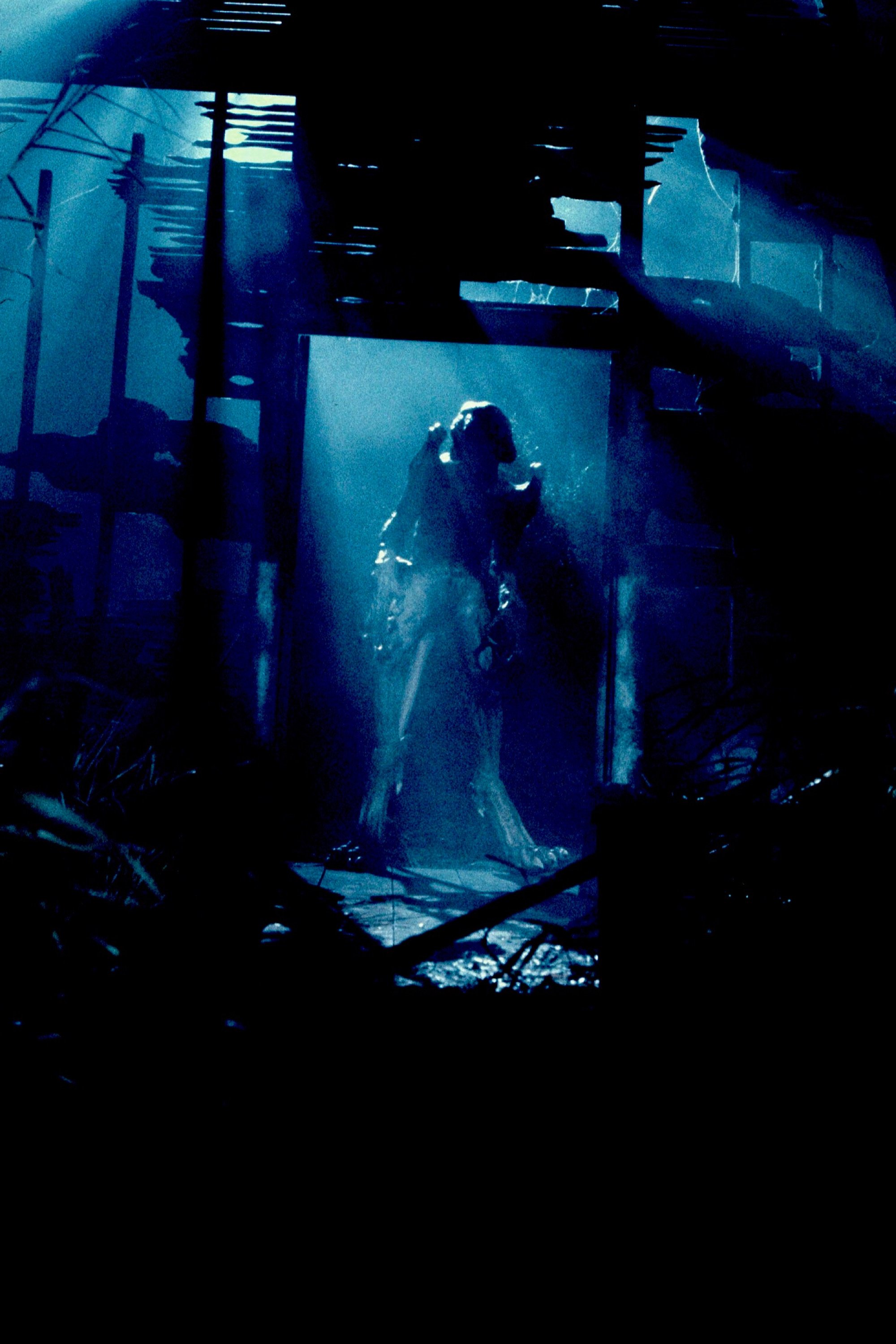
The film's rural setting is organized around a sharp visual contrast between familiar daylight spaces and increasingly hostile nighttime terrain. Ed's shop and the surrounding roads initially establish a practical world of work and family routines. The journey to the witch's dwelling then leads into darker spaces associated with local knowledge, secrecy and ritual. Once the demon is released, trees, ruined structures and fog become places where a figure may be concealed at close range. Lighting gives the woods a stylized depth while retaining enough detail for the creature's body to register as a physical presence.

Bojan Bazelli's cinematography was singled out in contemporary criticism. Writing in The Washington Post in October 1988, Richard Harrington found the outdoor photography more accomplished than the screenplay and particularly admired the treatment of day and night exteriors. That response offers evidence of how the film's visual execution stood out on its initial release. Low angles, backlighting and controlled reveals emphasize the height of Pumpkinhead without requiring continuous full-body exposure. Rural buildings and cramped interiors serve a different function: they limit routes of escape and bring frightened human bodies into the same frame as the demon's outsized form.

Grief, Vengeance and an Invented Folklore

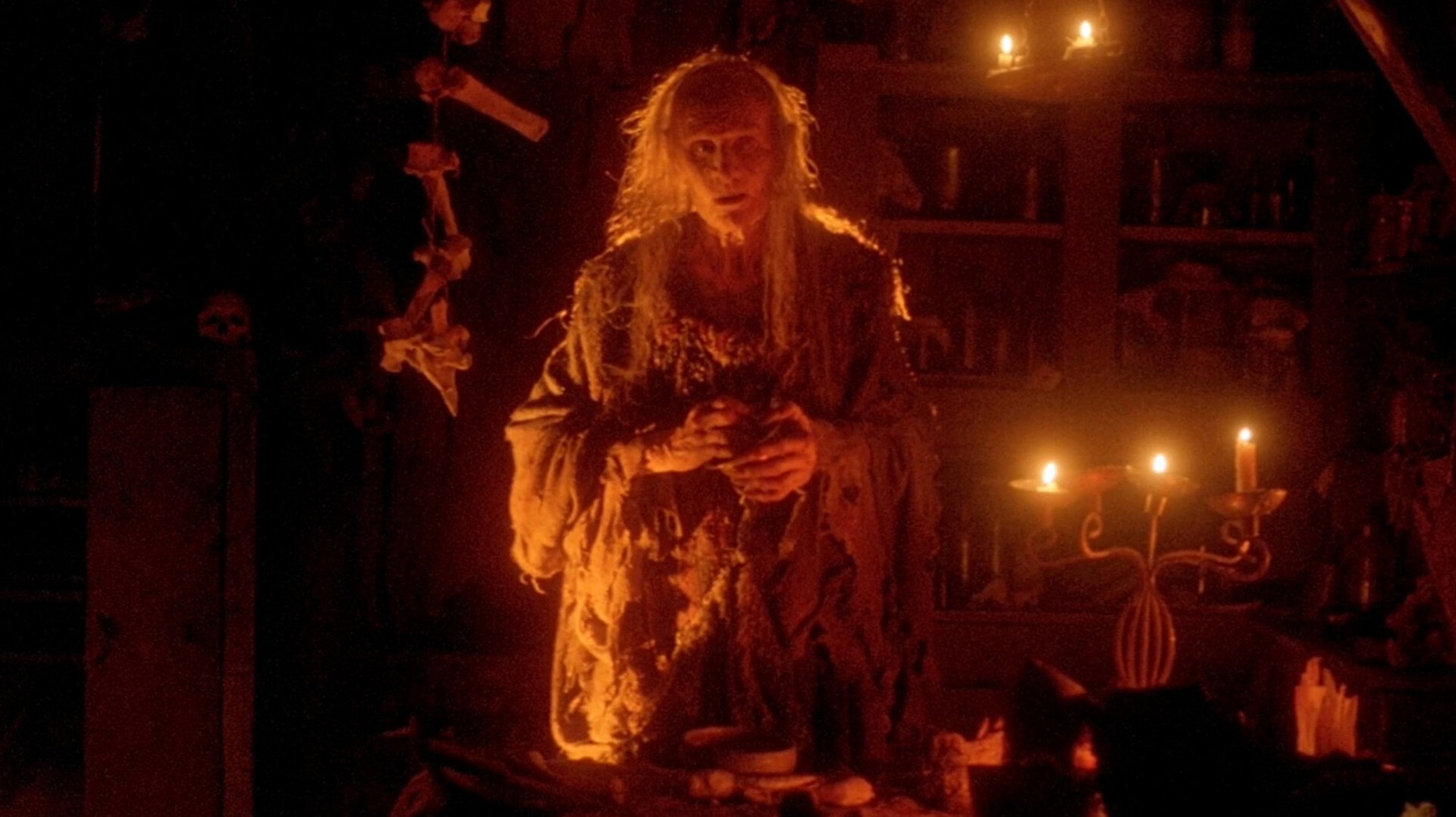
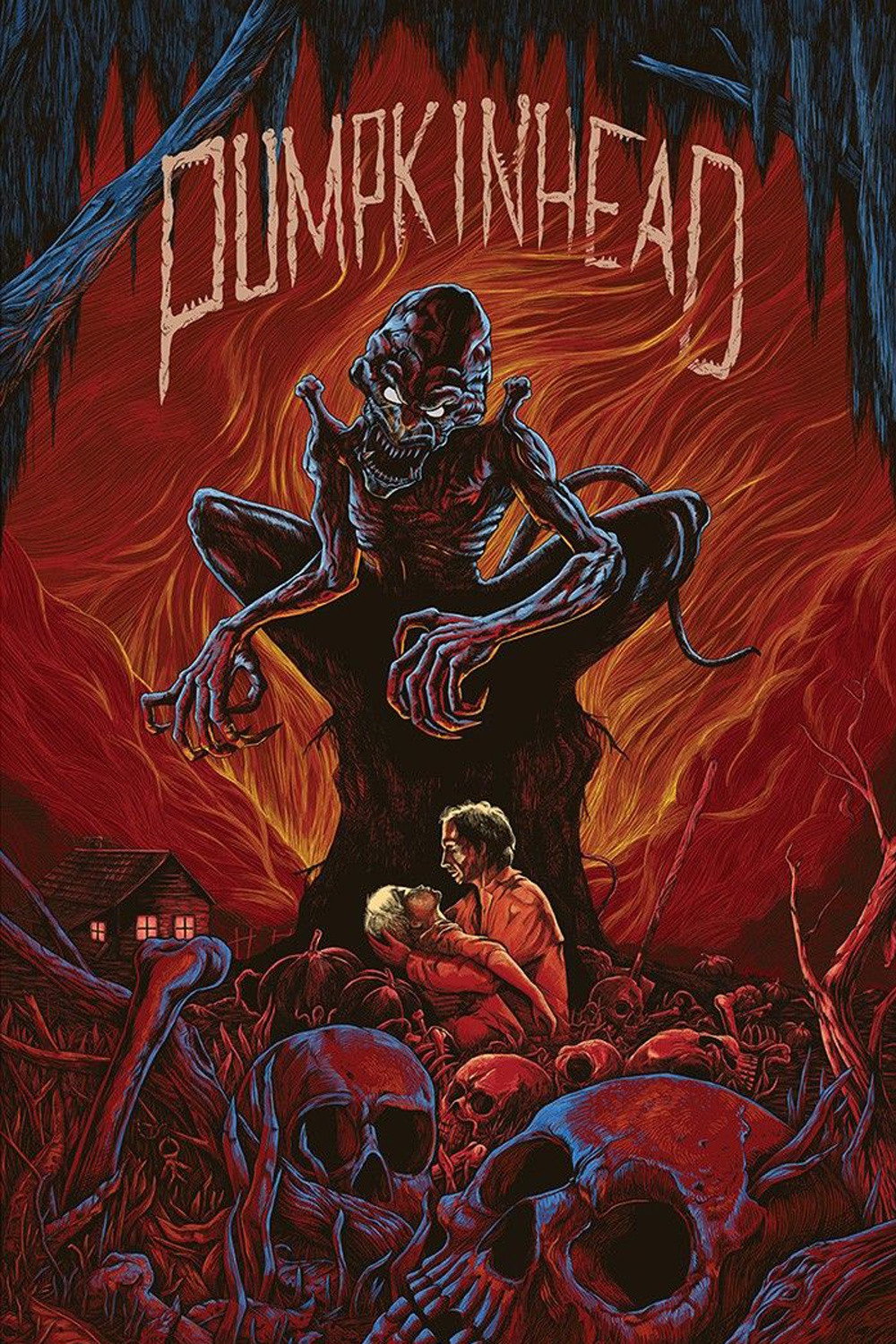
The supernatural rules of Pumpkinhead are presented as a secret transmitted within an isolated community. Residents know that the witch can be consulted, but also recognize that doing so brings consequences. The title creature is summoned through a ritual connected to a graveyard and a distinctive mound, and its violence is directed toward people named by the grieving summoner. These elements create the impression of an old rural legend. They belong to the film's fictional mythology, however, and do not establish an authentic regional folk belief about such a demon.

Ed's relationship with the creature changes the revenge plot. As victims are attacked, he experiences the consequences of what he has set in motion and begins to understand that the violence cannot be separated from him. The screenplay links moral responsibility to the body: to destroy the demon, Ed must confront the bond created by his wish. This idea also complicates the young visitors' position. They are implicated in the accident and its concealment, yet the severity of the supernatural retaliation exceeds what the initial event could justify. Gerani's later remarks about conflicting communities and shared guilt illuminate this tension, while the film's imagery supplies its most direct expression.

Release, Contemporary Reception and Later Circulation

Pumpkinhead was produced under the De Laurentiis Entertainment Group umbrella, but its journey to theaters was affected by changes in distribution. Contemporary trade reporting preserved by the American Film Institute records an abandoned 1987 release plan and the subsequent sale of distribution rights to MGM/UA amid the company's financial difficulties. The film reached American theaters through United Artists on 14 October 1988 and received further domestic bookings in January 1989. The latter date appears in some archival catalog records, which can obscure the earlier release. The alternate title Vengeance: The Demon also circulated during the film's distribution history.

The initial reviews were mixed, and their disagreements are revealing. In October 1988, Richard Harrington of The Washington Post criticized the thin screenplay but praised the cinematography and editing. Chris Willman, reviewing the film for the Los Angeles Times in January 1989, likewise questioned its dialogue and scares, while finding Winston more effective in the early scenes involving Ed and his son. Neither reaction supports a claim of widespread contemporary acclaim. Both show that critics could recognize particular strengths in the filmmaking while remaining skeptical of the complete picture.

Its later life has been sustained by home-video editions, documentaries and attention to Winston's creature workshop. Special features have brought together co-screenwriter Gary Gerani and effects artists Tom Woodruff Jr. and Alec Gillis to discuss the production, giving the film a substantial record of retrospective testimony. A 4K restoration from the original camera negative was issued on Ultra HD Blu-ray in 2023, and later distribution made that presentation more widely available. Pumpkinhead also initiated a series of sequels, but the original retains a distinct place in discussions of practical creature design because its monster, direction and central dramatic premise were closely connected.

References

  1. Grimoire of Horror Gary Gerani Interview – Screenwriter of Pumpkinhead (1988)

    Direct interview in which co-screenwriter Gerani describes the earlier demon concept, its adaptation to the film, and the intended themes of guilt and cultural misunderstanding.

  2. Stan Winston School of Character Arts Alec Gillis - The Monster Maker Interview

    First-hand account by creature artist Alec Gillis of his time at Stan Winston Studio and Winston’s directorial work on Pumpkinhead.

  3. VFX Voice Acting Upon His Screen Ambitions, Stan Winston Leaves a Living Legacy

    Trevor Hogg’s industry history draws on direct testimony and photographs from the Stan Winston Studio archives, including Pumpkinhead creature construction.

  4. The Washington Post Movies: Untoward Gourd

    Richard Harrington’s October 1988 review records contemporary reactions to the screenplay, cinematography, editing and creature performance.

  5. Los Angeles Times Movie Review: 'Pumpkinhead': So Many Writers, So Little Effect

    Chris Willman’s January 1989 review documents initial criticism of the narrative alongside his assessment of Winston’s handling of the father-son scenes.

Connections

Cast

View Full Cast & Crew →

Release & Distribution

Production Companies (4)

  • DEG US
  • Lion Films US
  • Metro-Goldwyn-Mayer US
  • United Artists US

Distributors (1)

  • United Artists US

Release History (13)

Release DateTerritoryRelease TypeFormatDistributorCertificationNotes
1988-06-09 France Theatrical — — —
1988-09-01 Germany Theatrical — — 16
1988-10-14 United States Theatrical — — R
1988-12-03 Japan Theatrical — — —
1989-01-11 Canada Theatrical — — —
1989-02-24 Spain Theatrical — — —
1989-05-01 Portugal Theatrical — — M/18
1989-05-23 United States Physical VHS — R VHS
1989-05-27 South Korea Theatrical — — —
2000-05-09 United States Physical DVD — R DVD
2003-03-24 United Kingdom Physical DVD — — DVD
2014-09-09 United States Physical Blu-ray — R Blu-ray
2023-10-10 United States Physical 4K UHD — R 4K Ultra HD Blu-ray
A grim fairy tale.