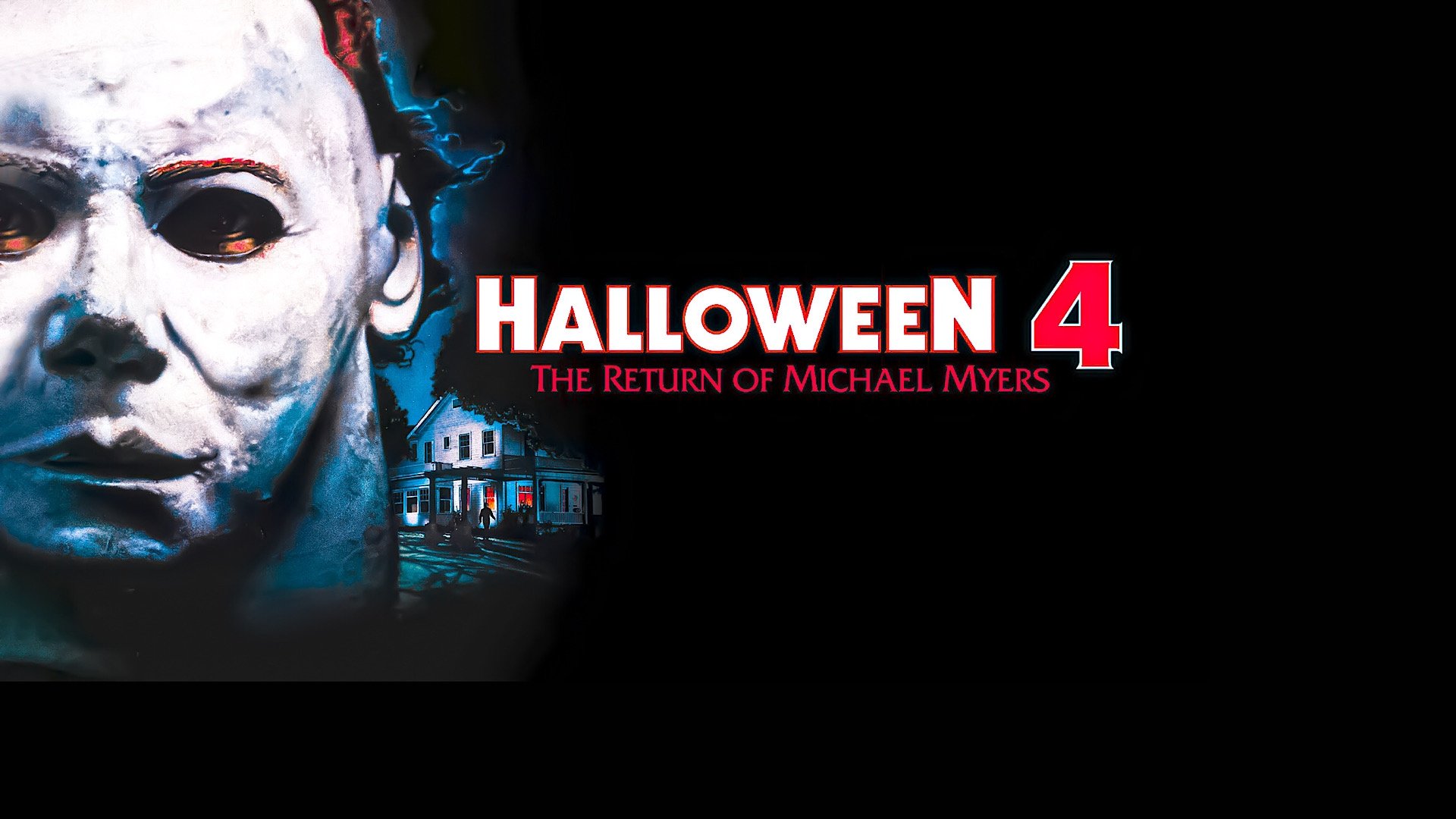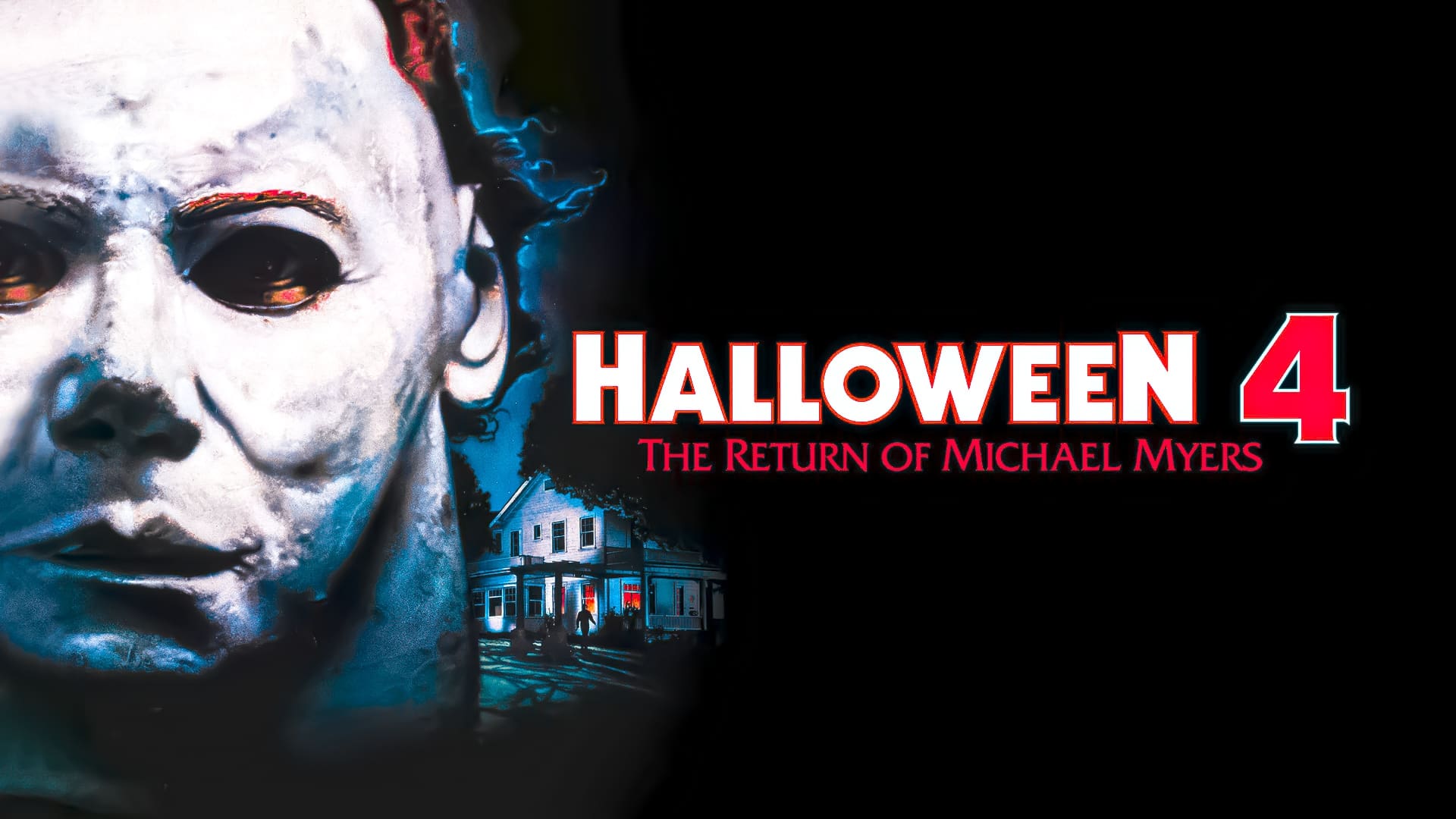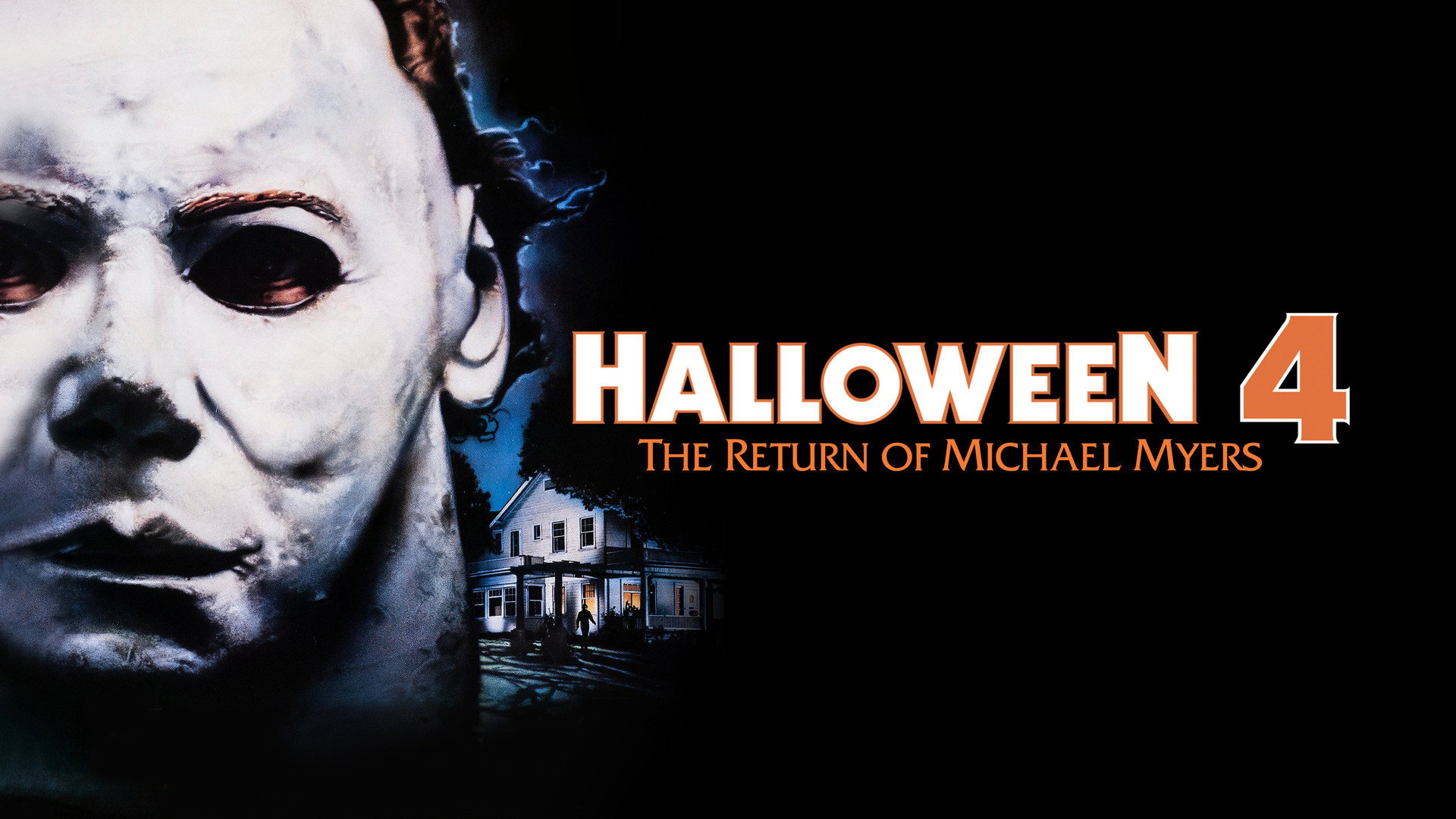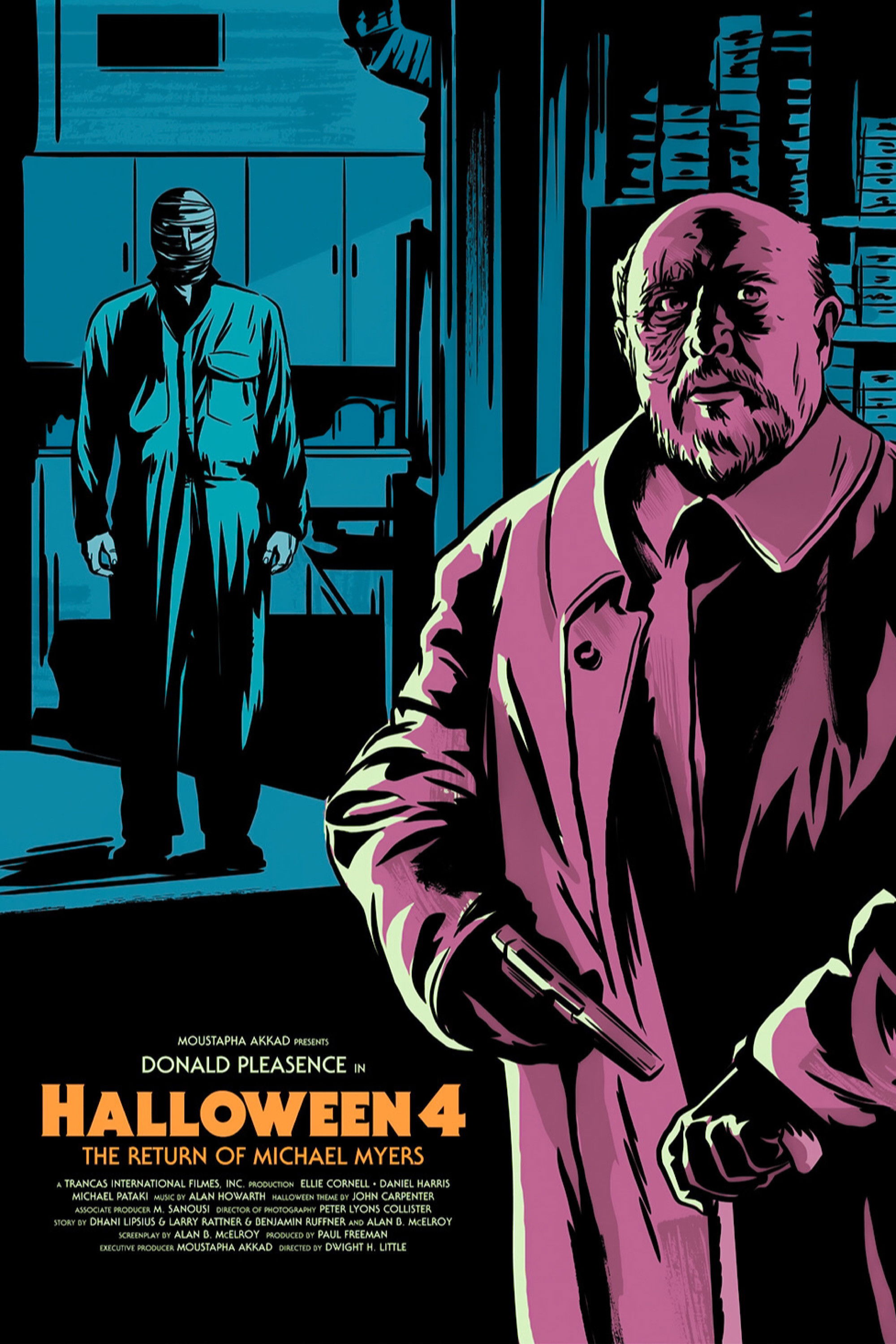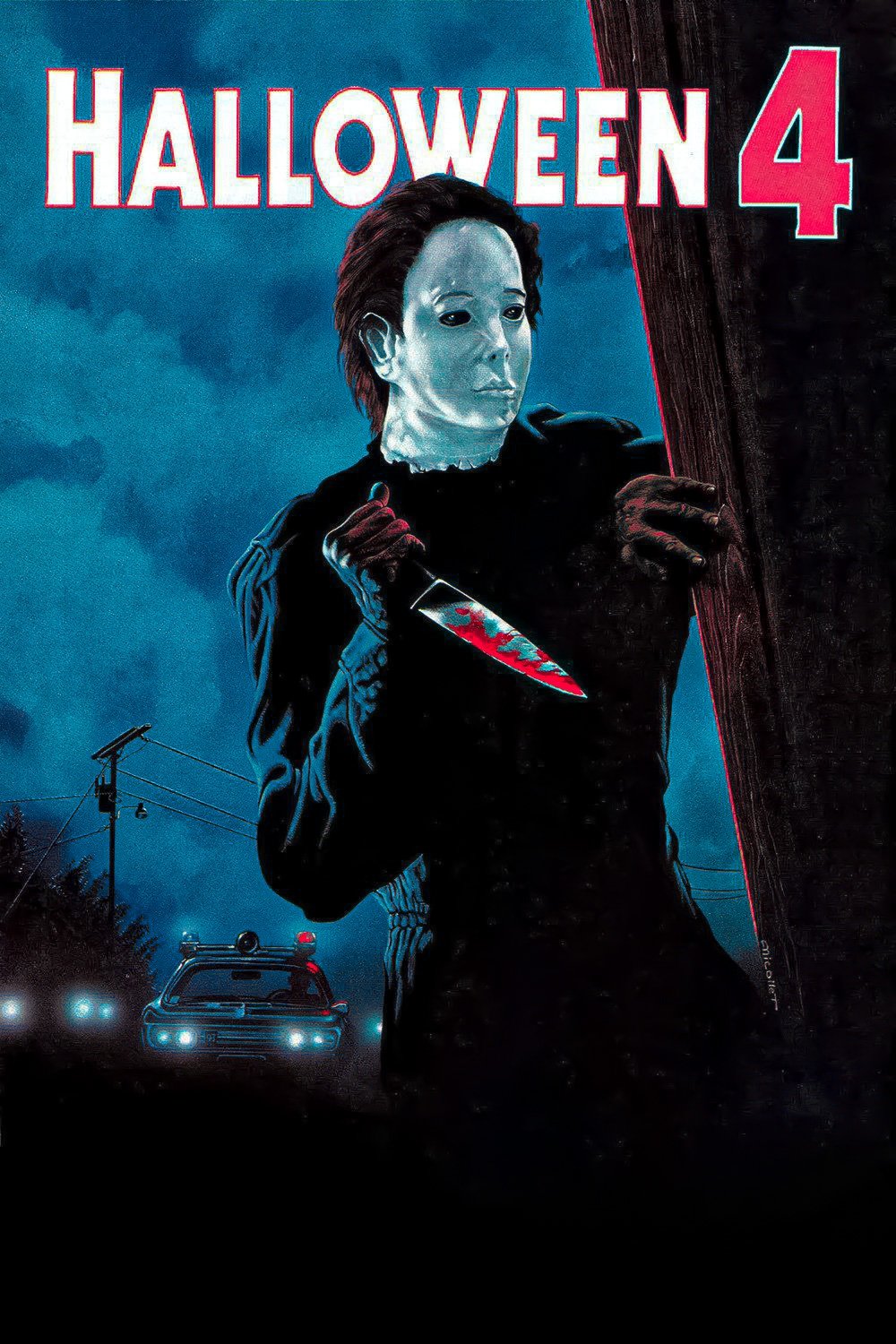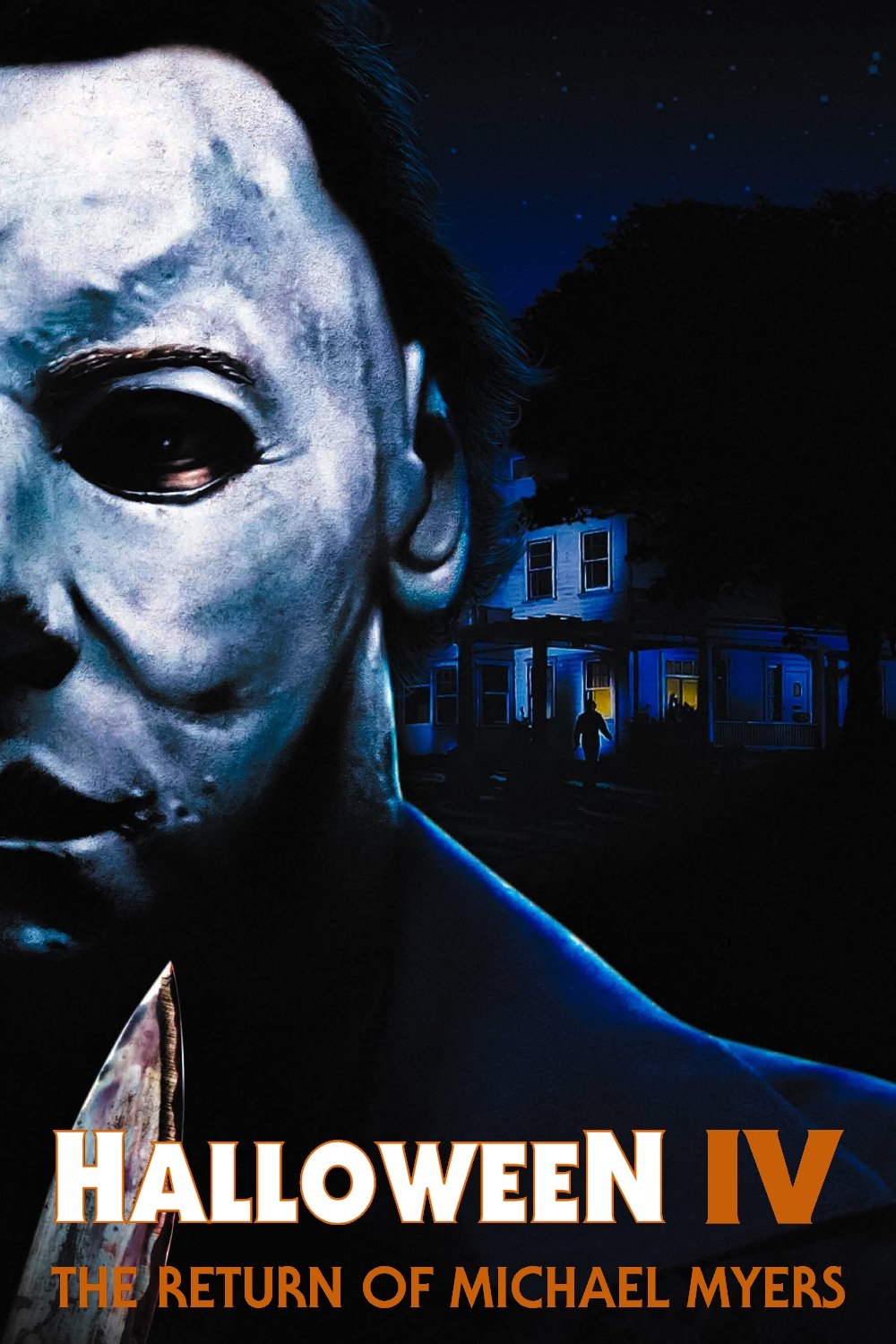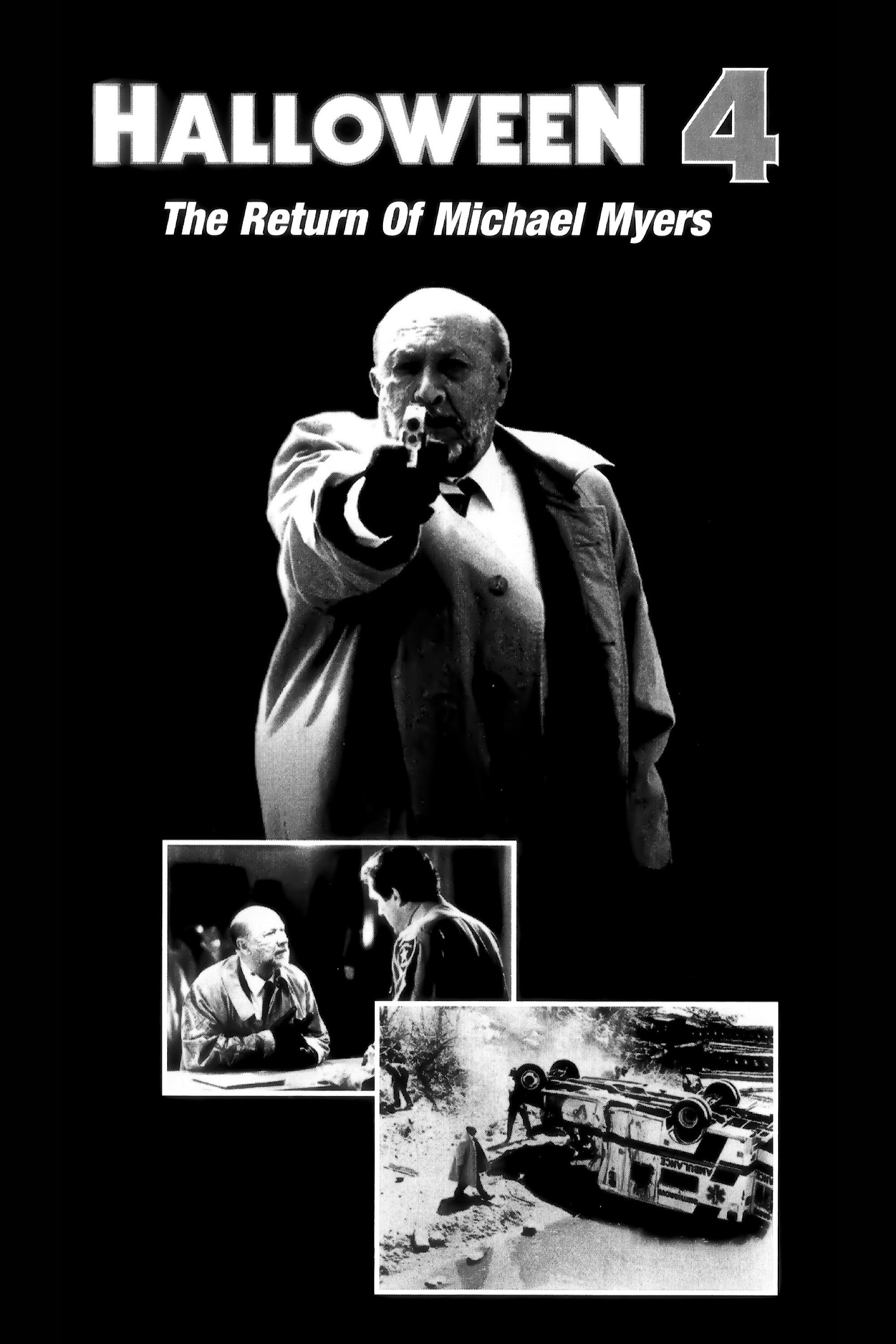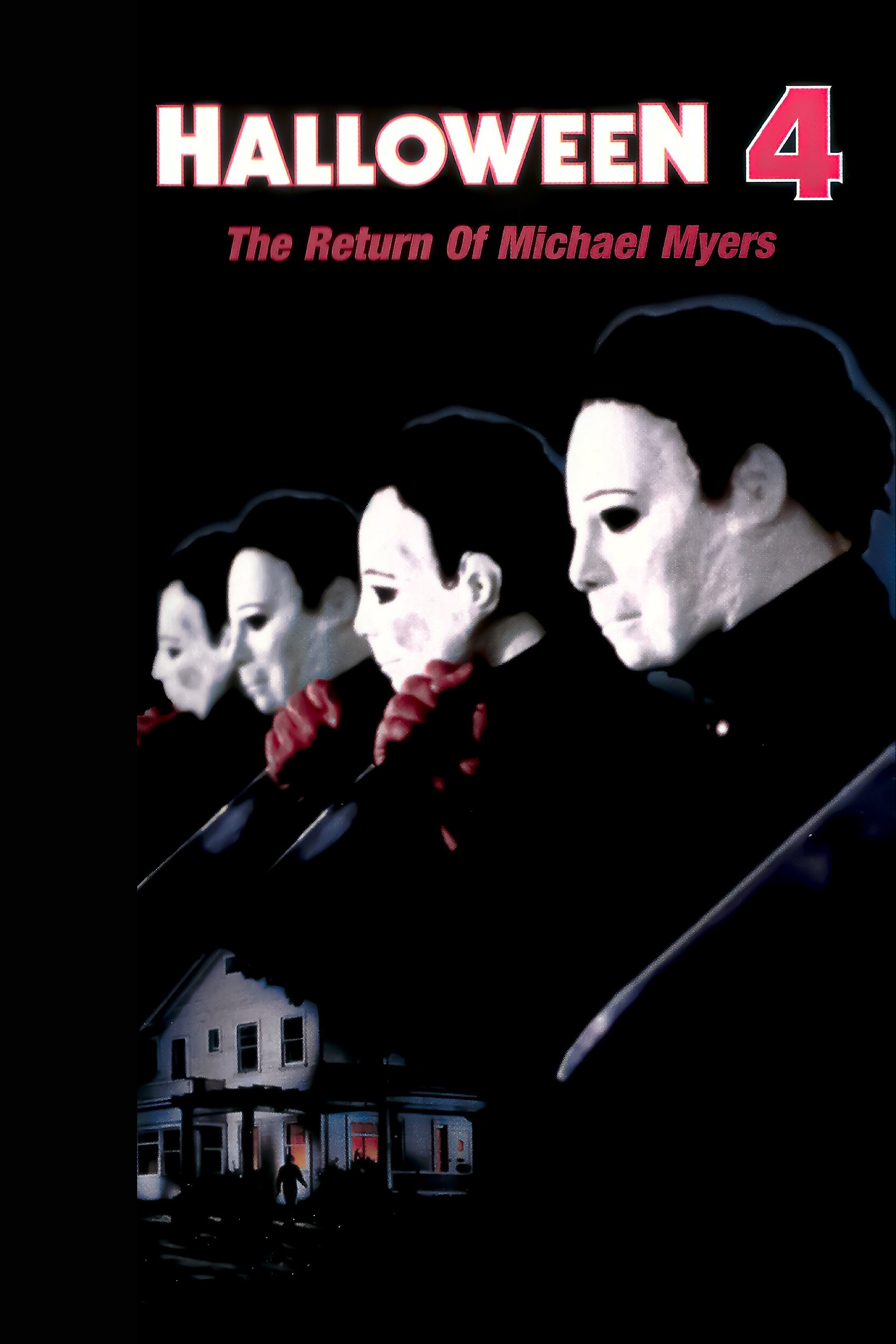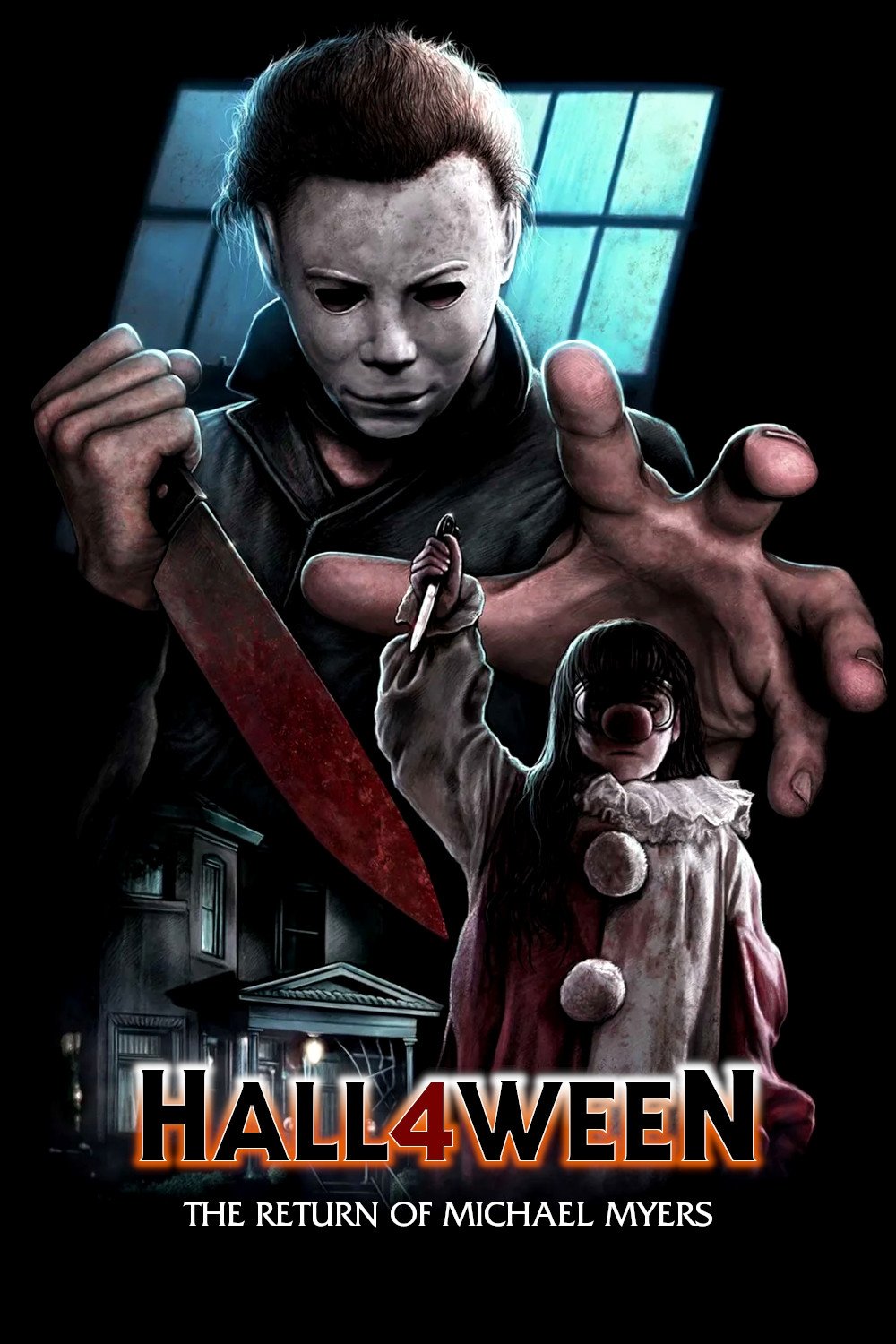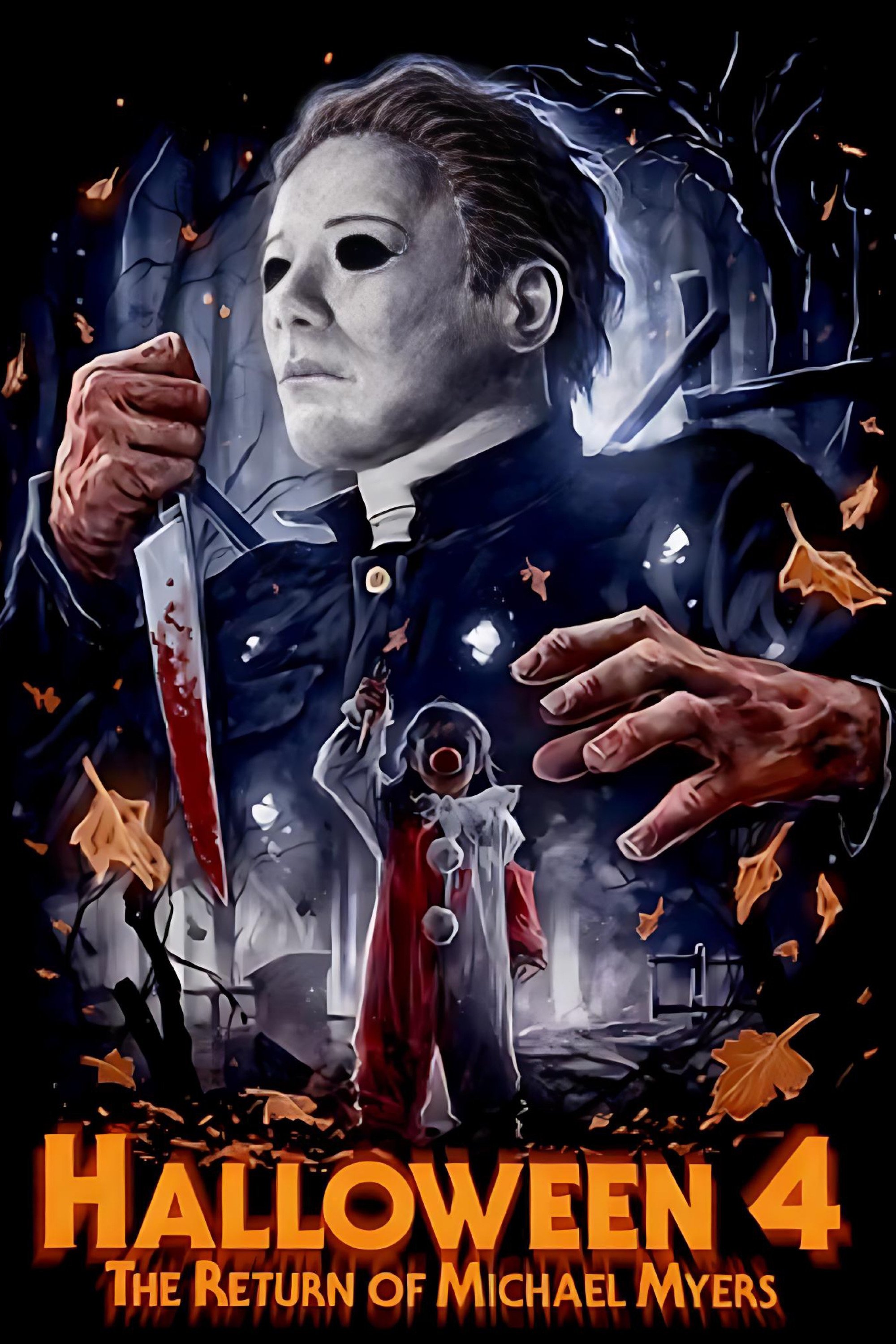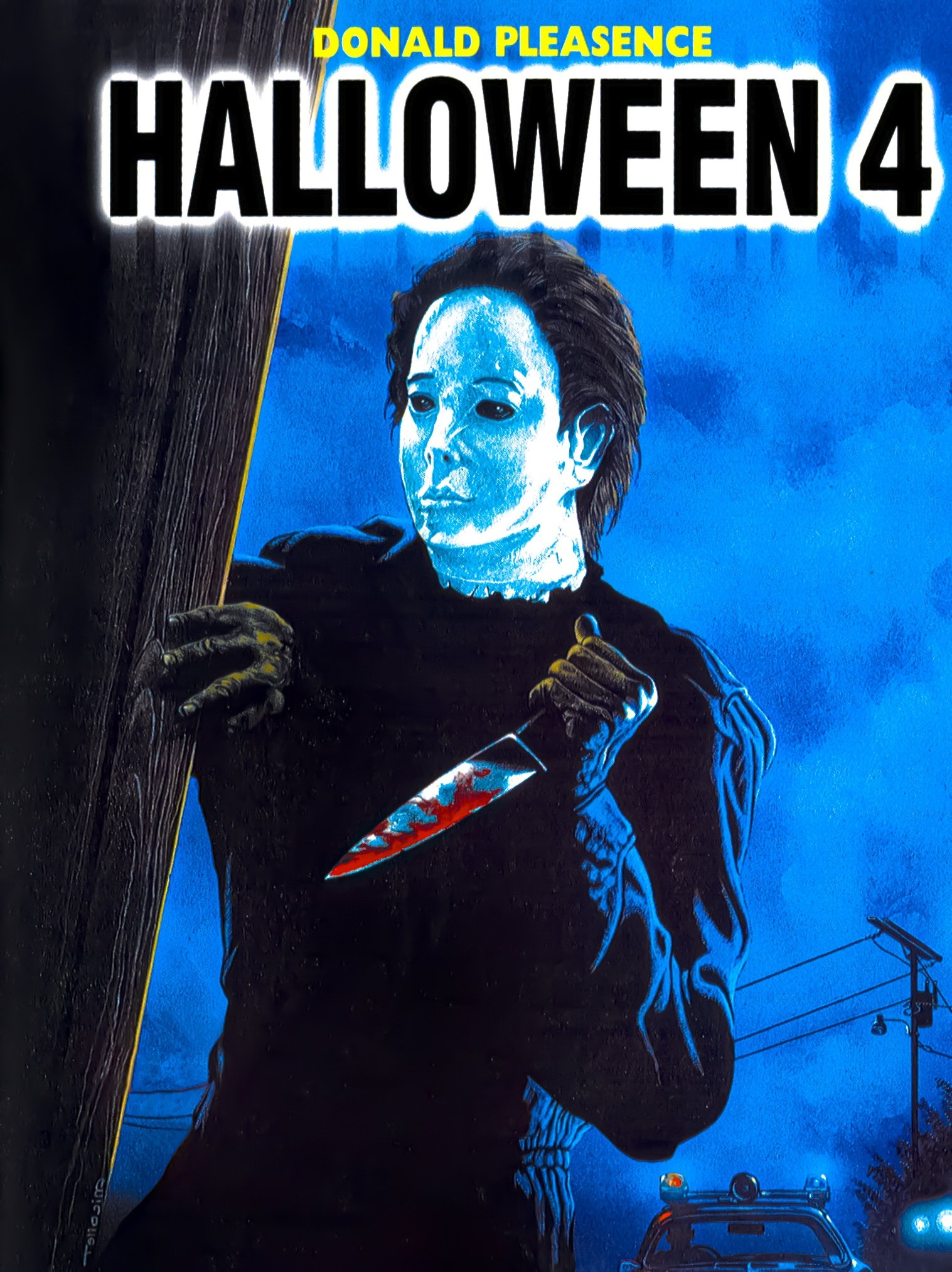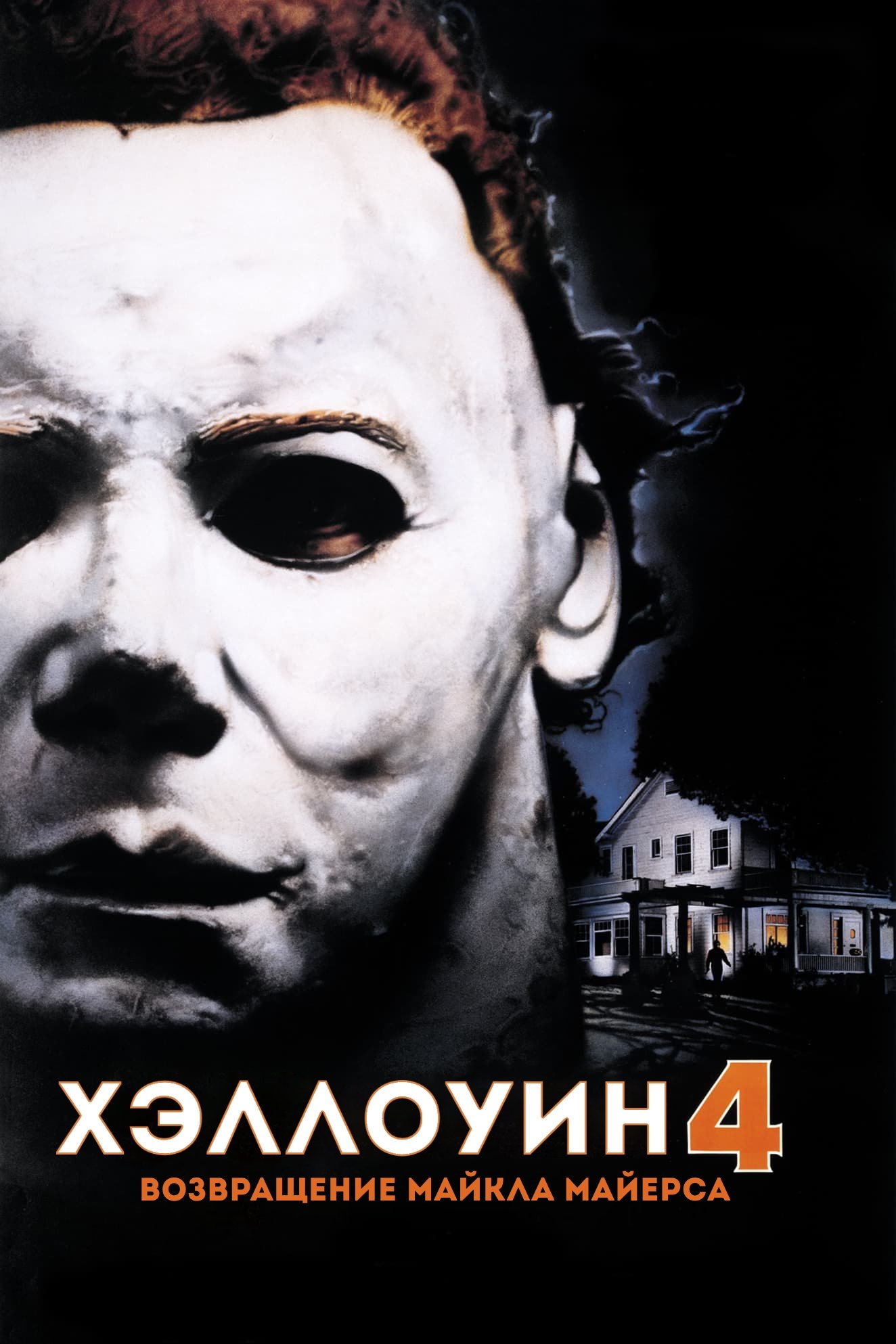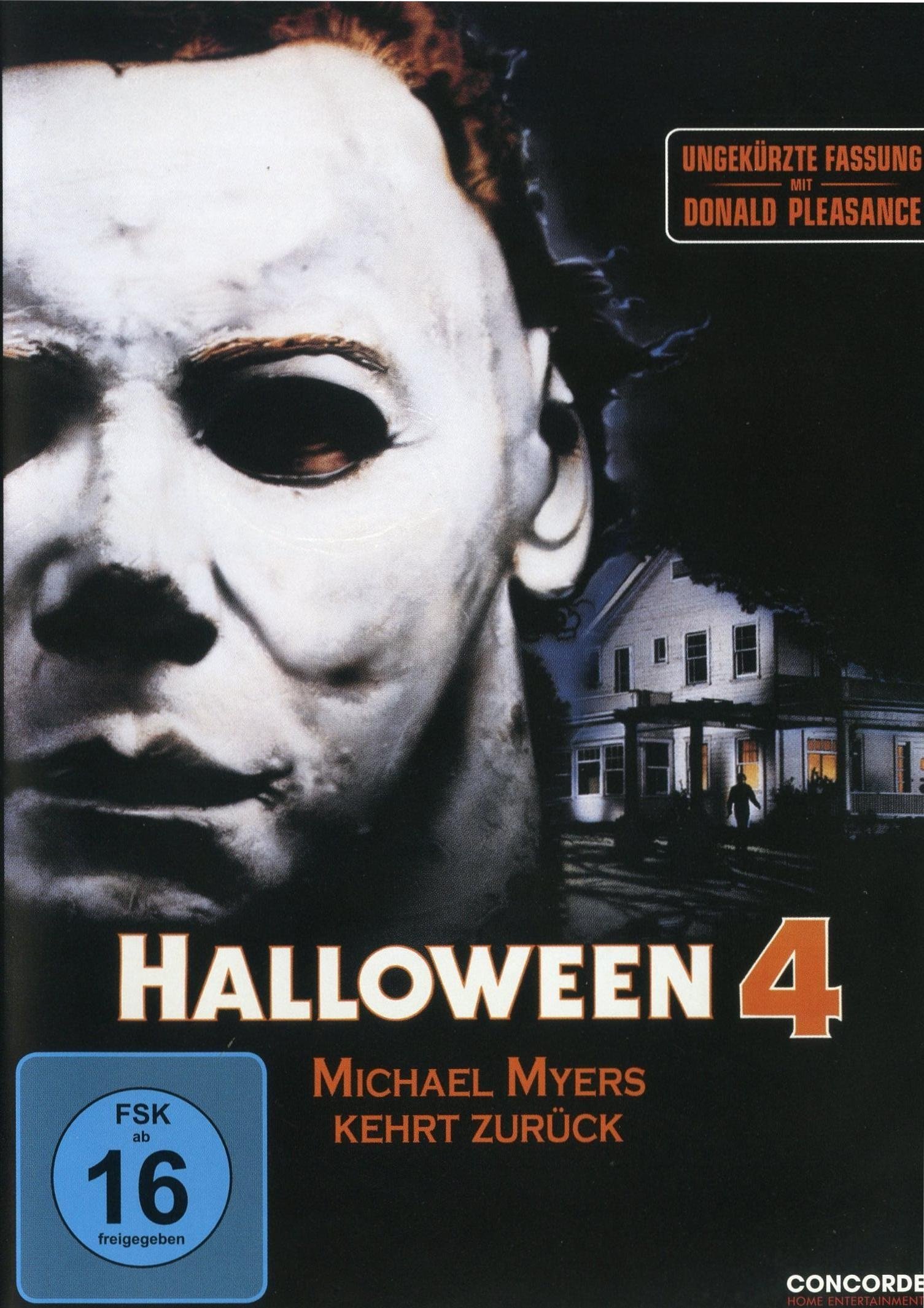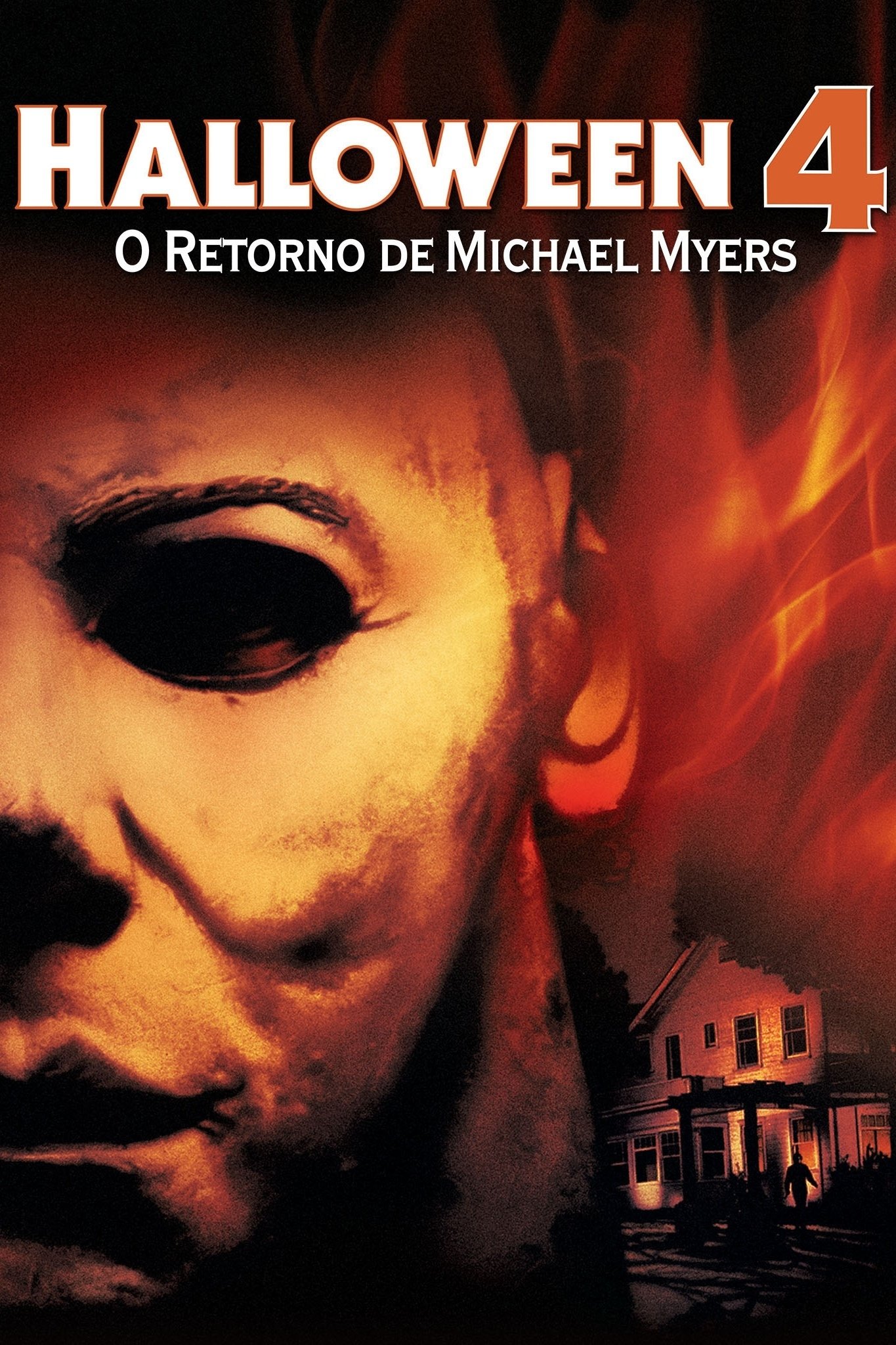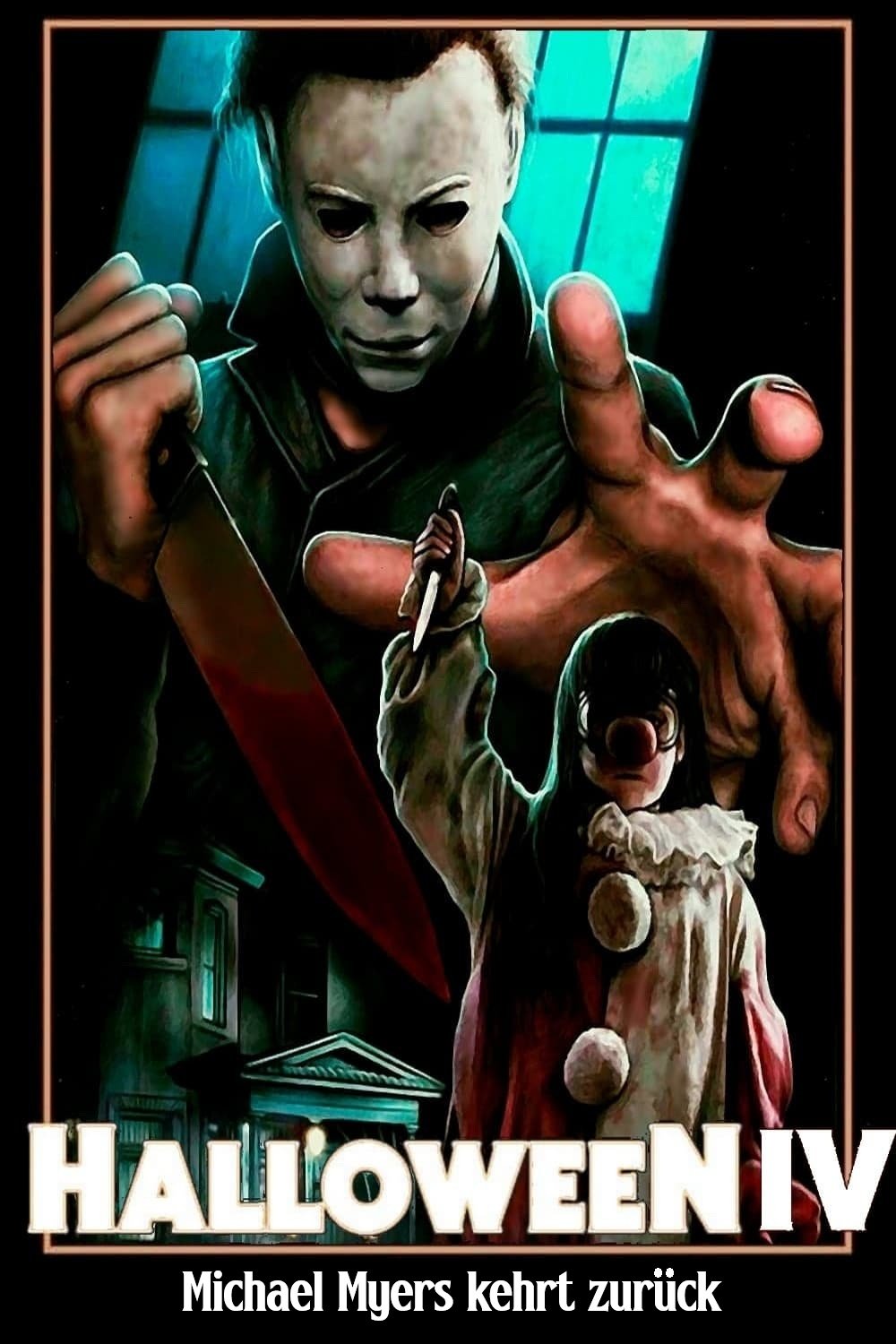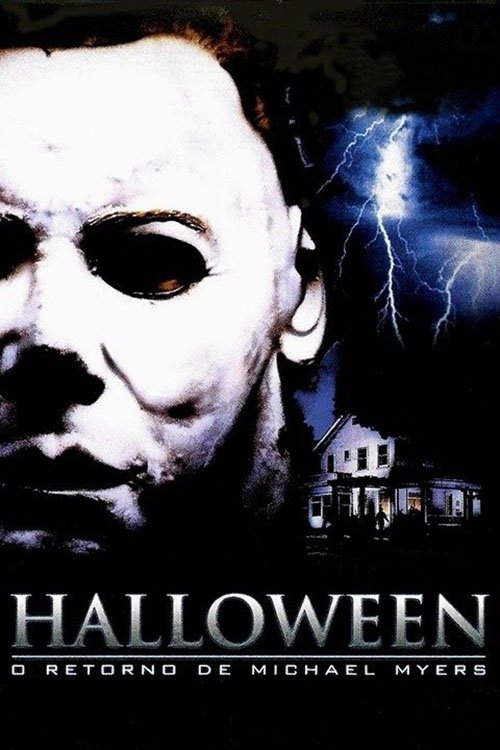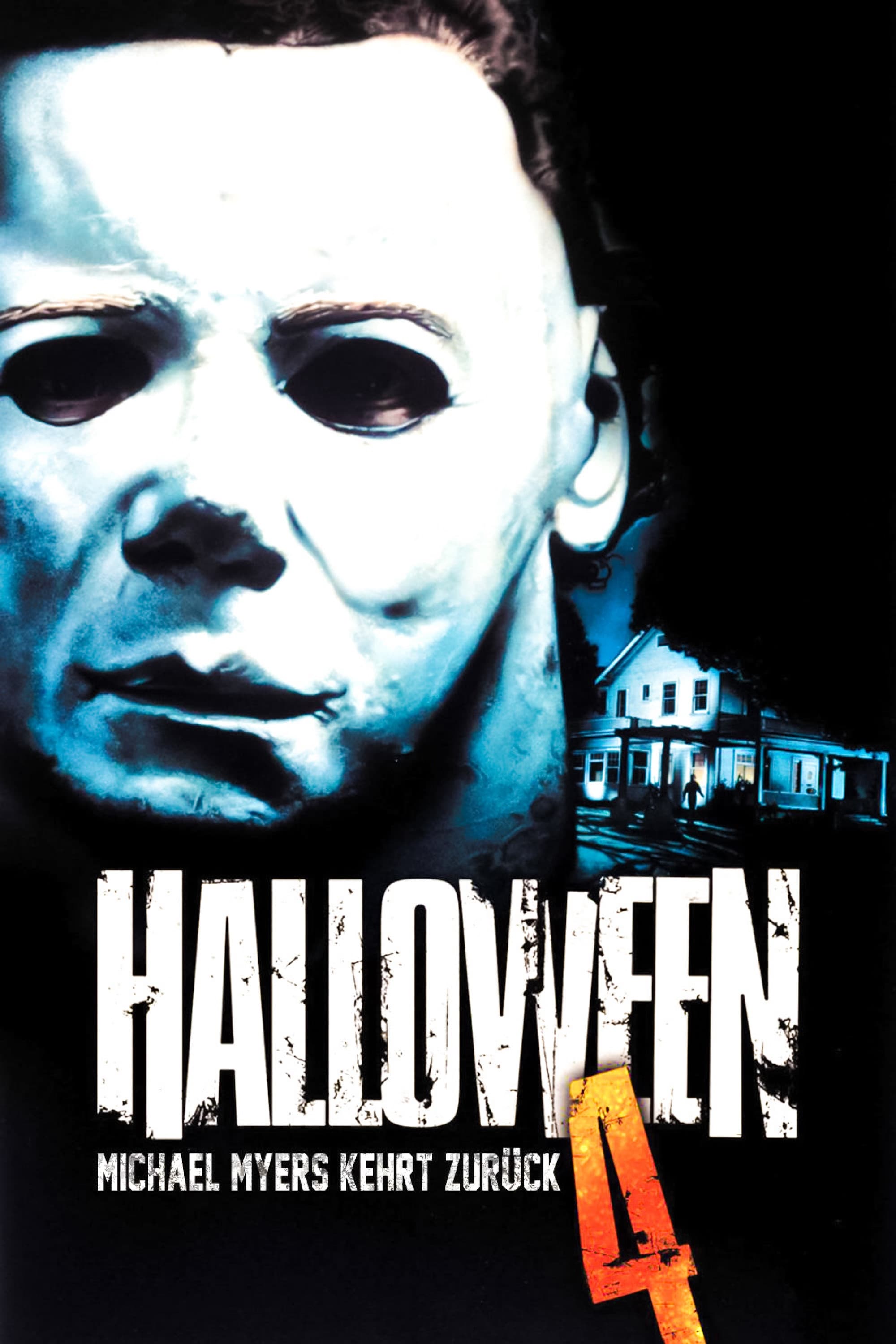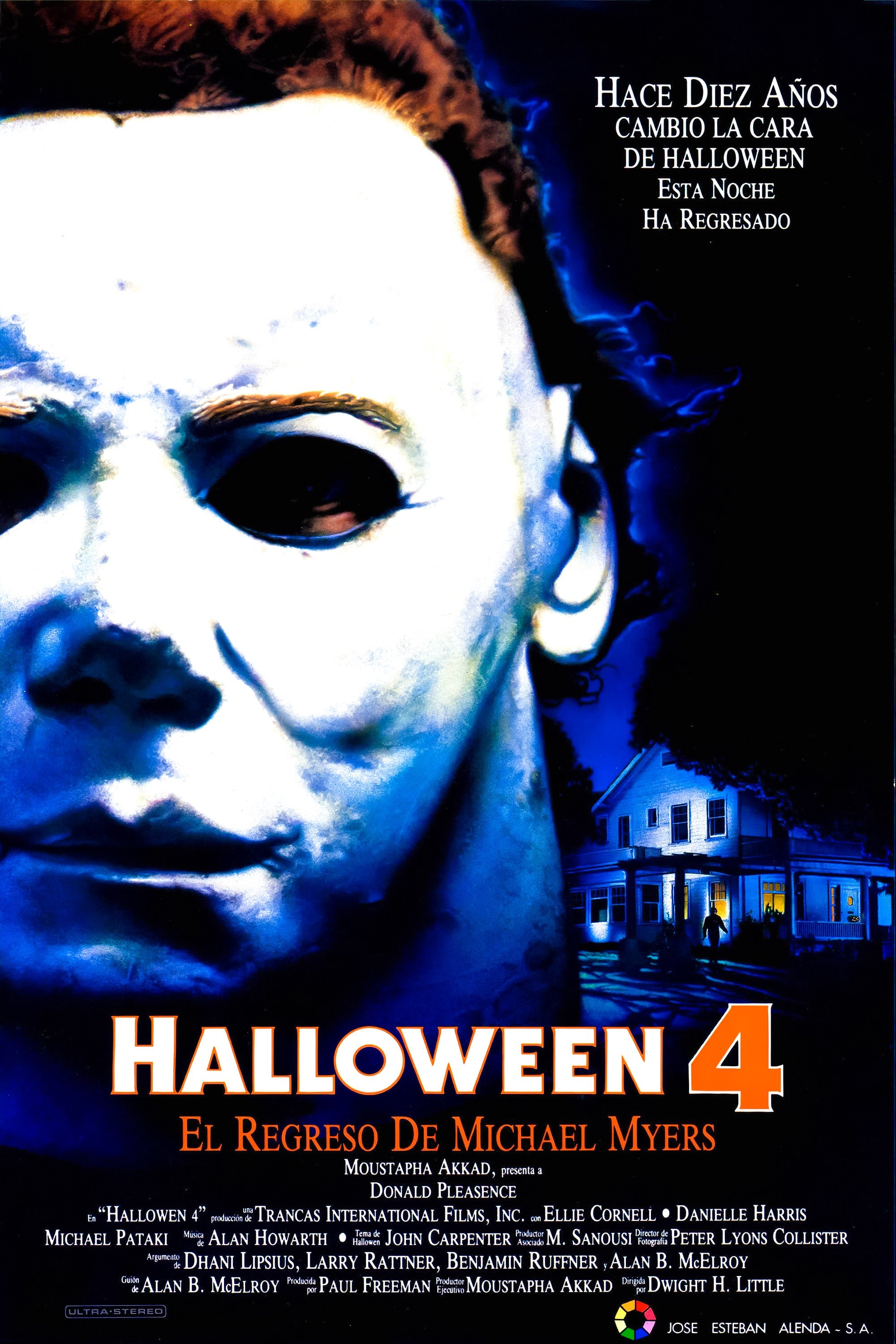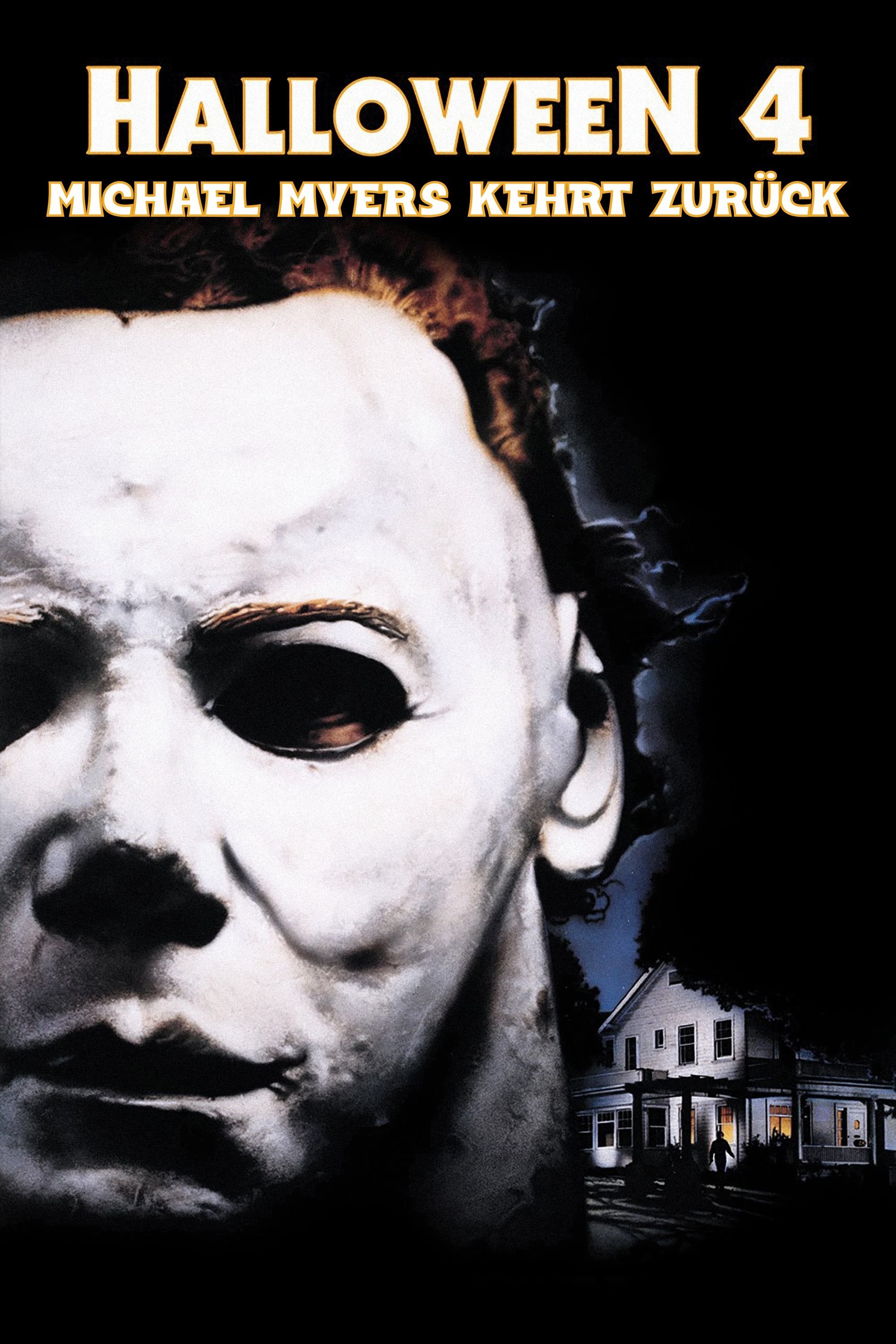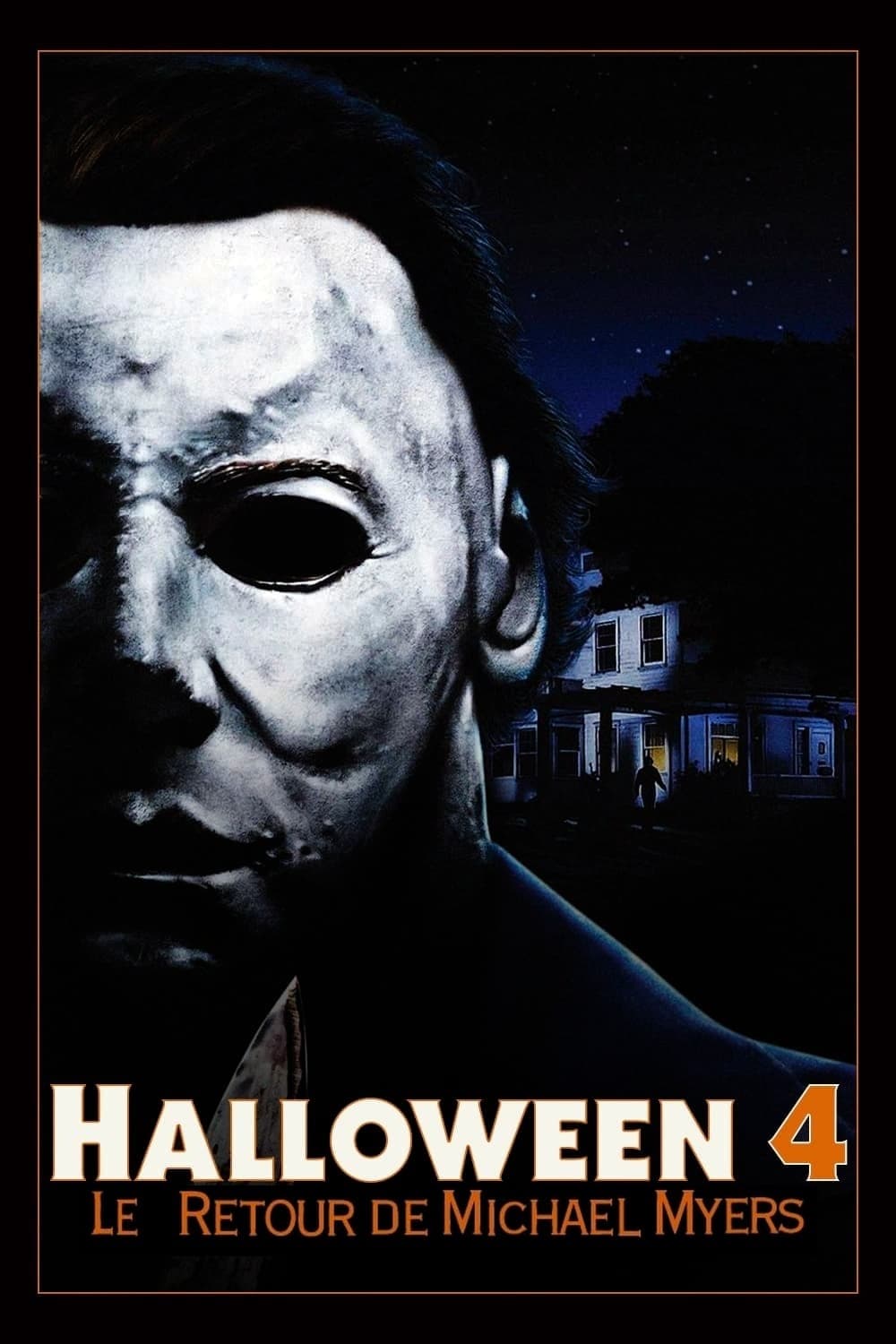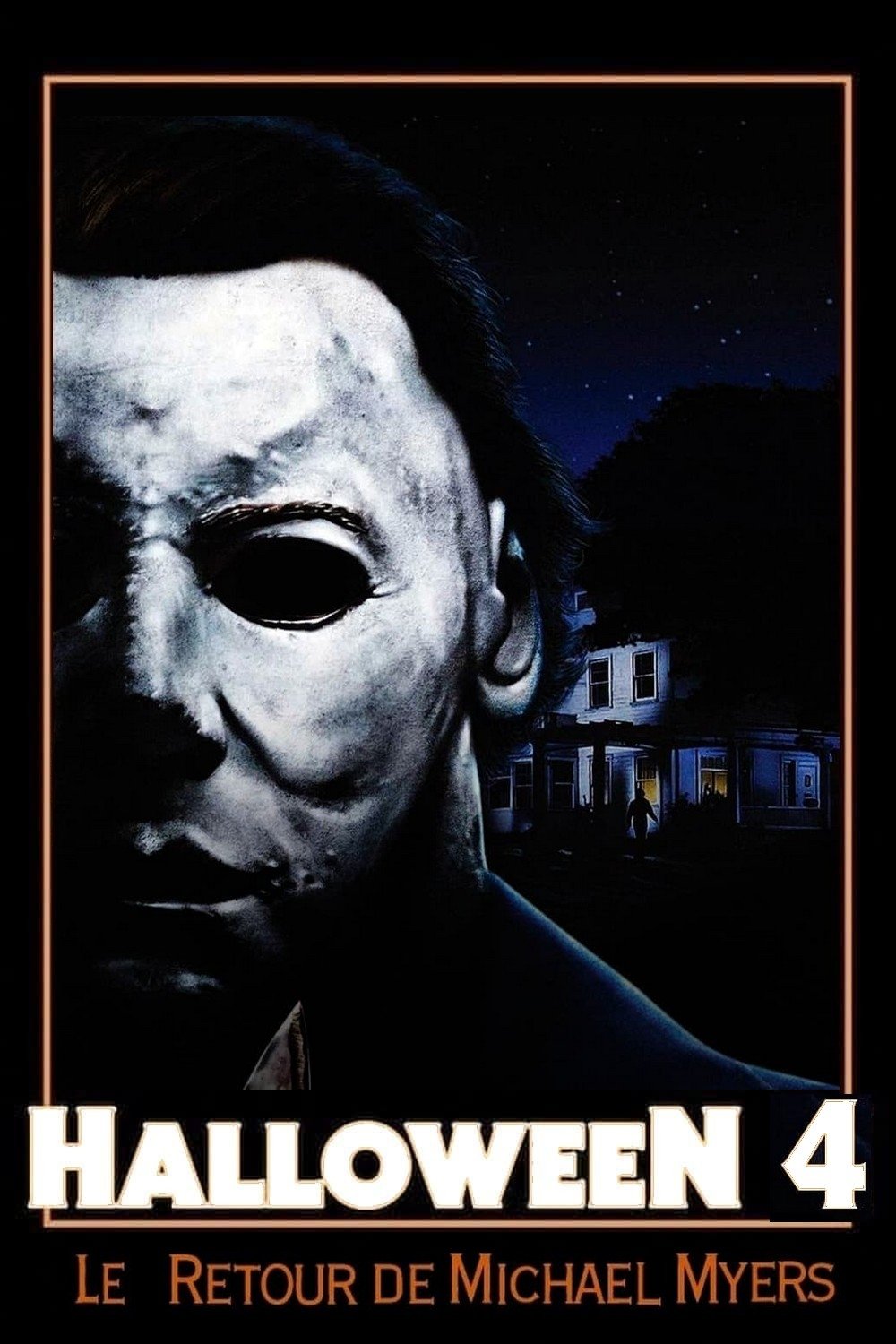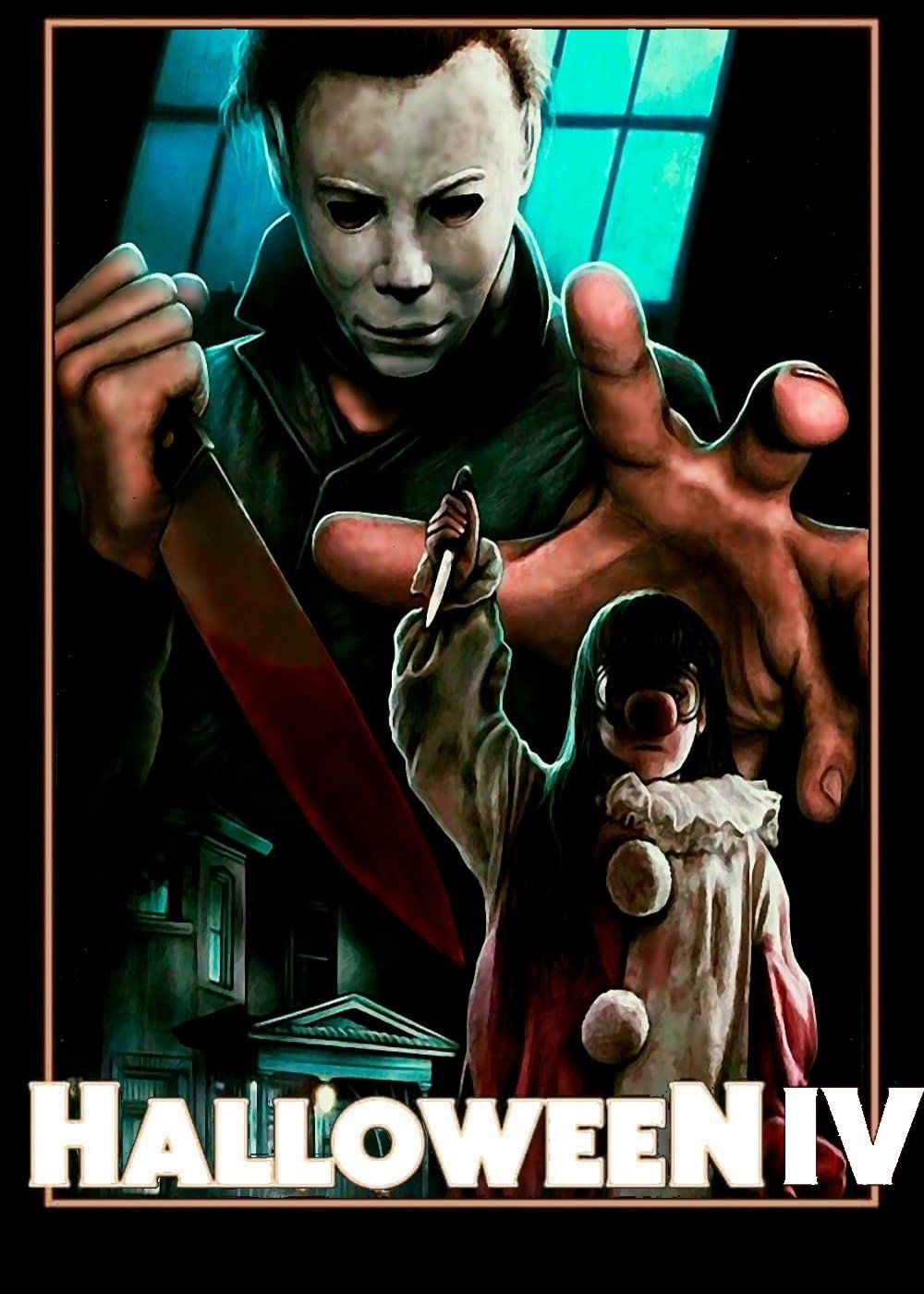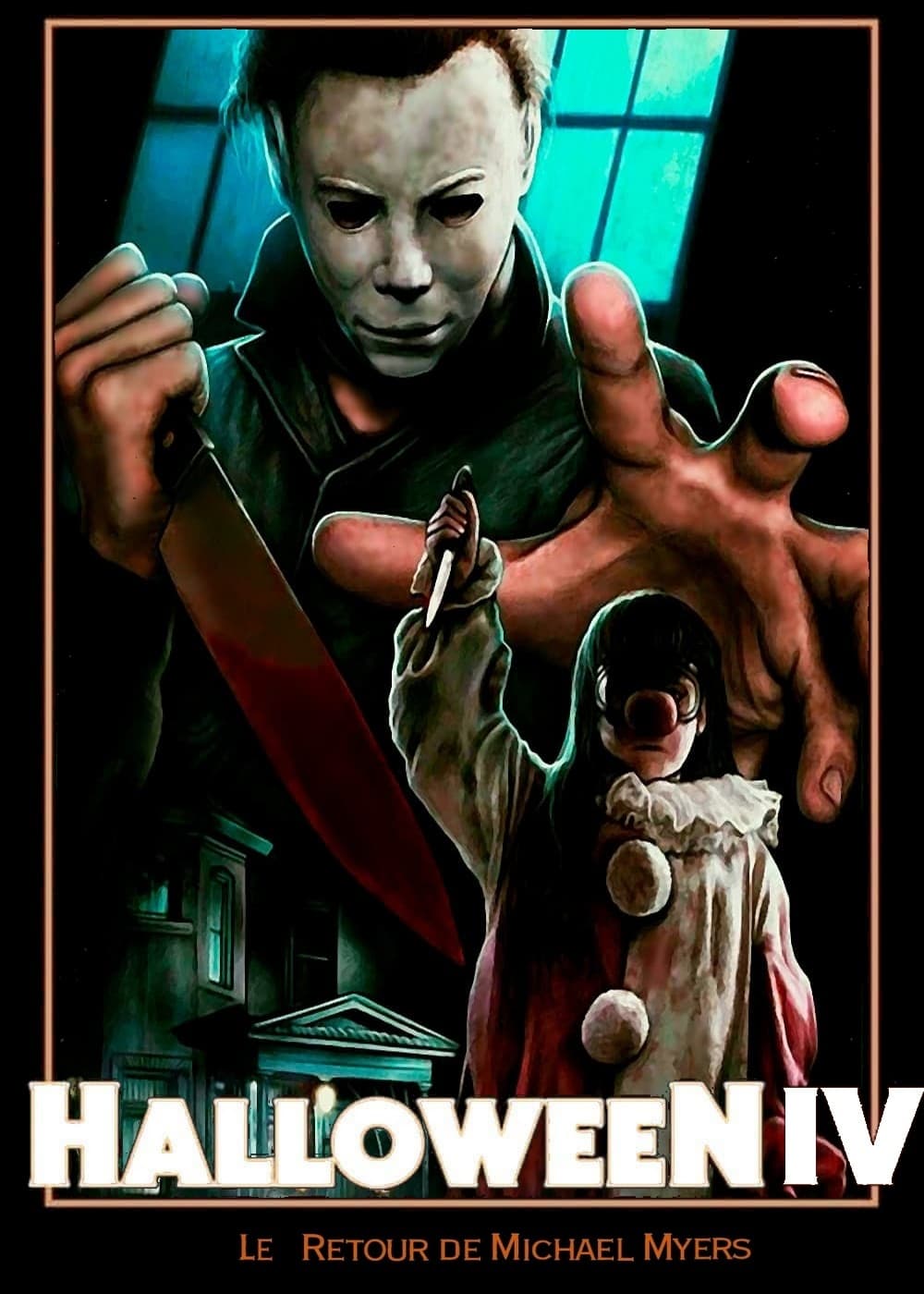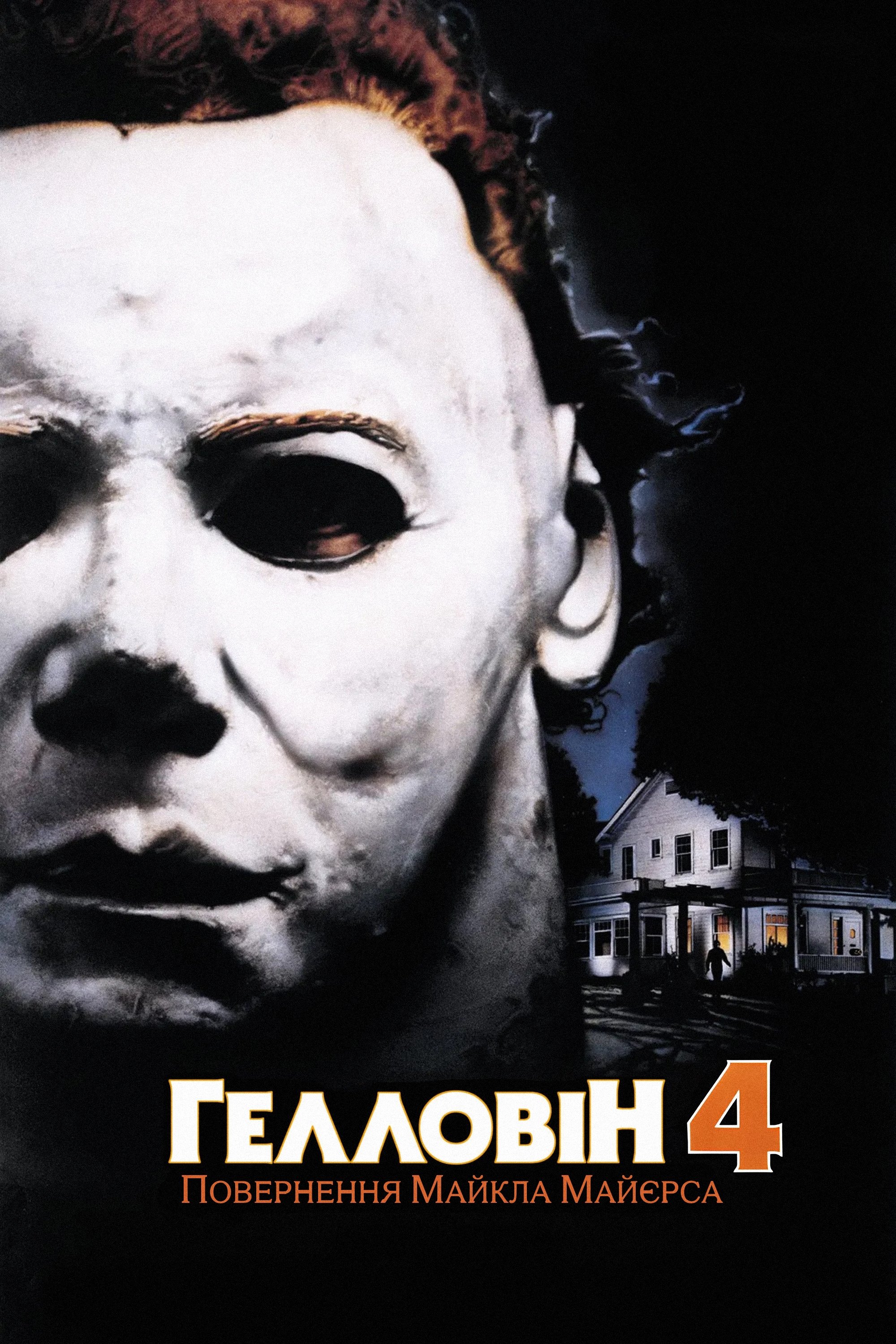
Halloween 4: The Return of Michael Myers (1988)

US
4.4/10 5 votes
Runtime
88 min
Release
October 21, 1988
Budget
$5,000,000
Revenue
$17,768,757
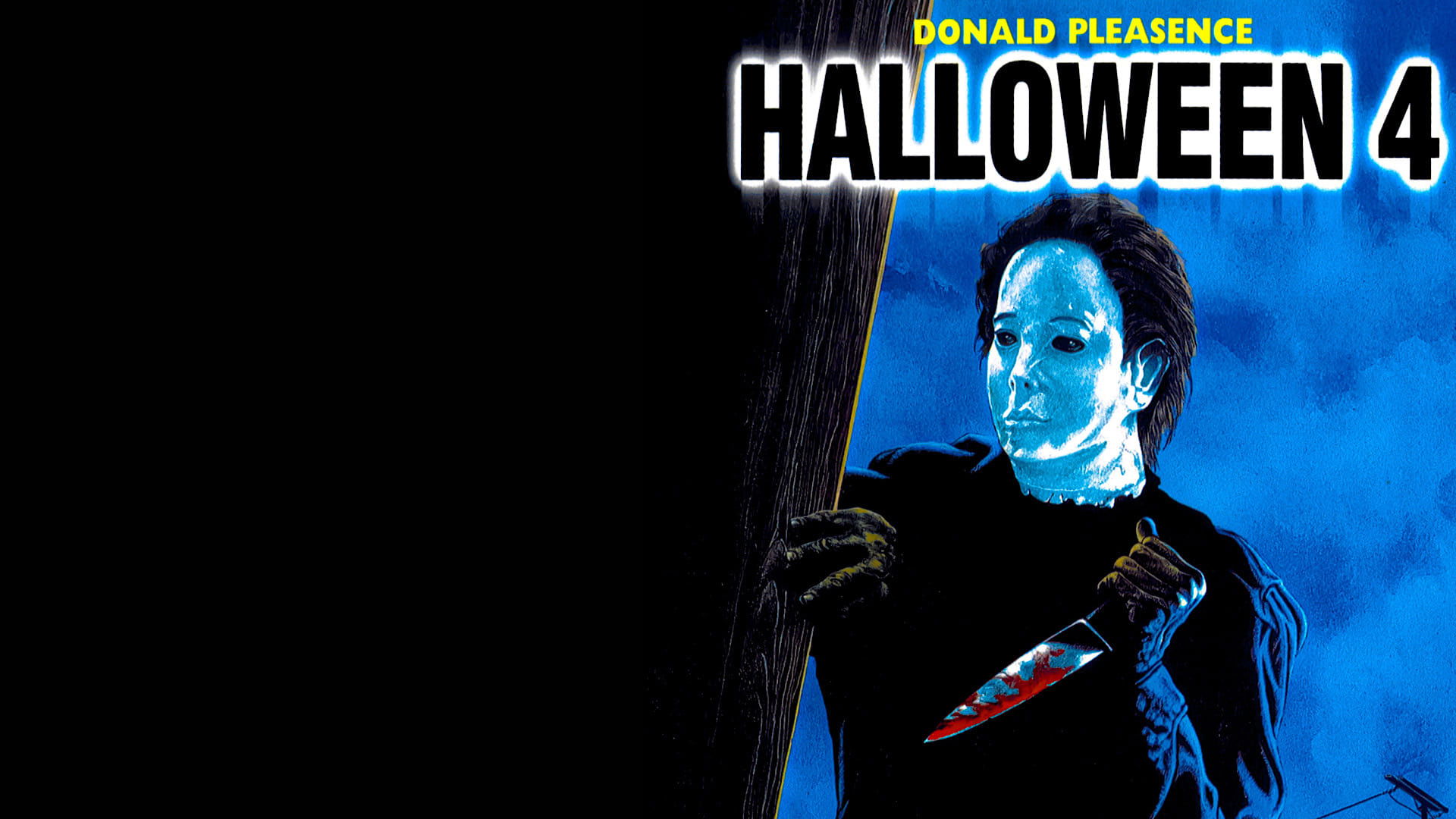
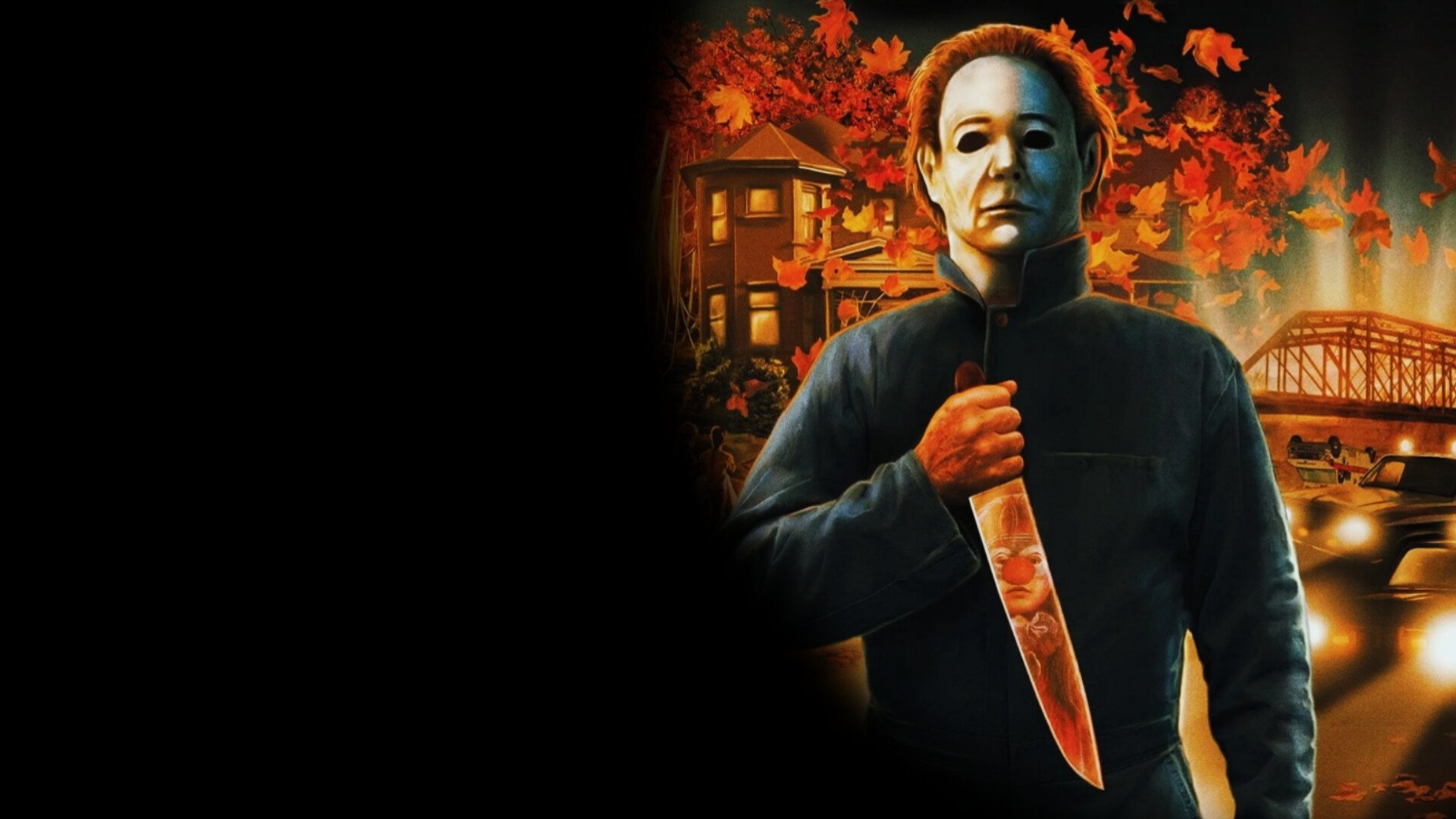
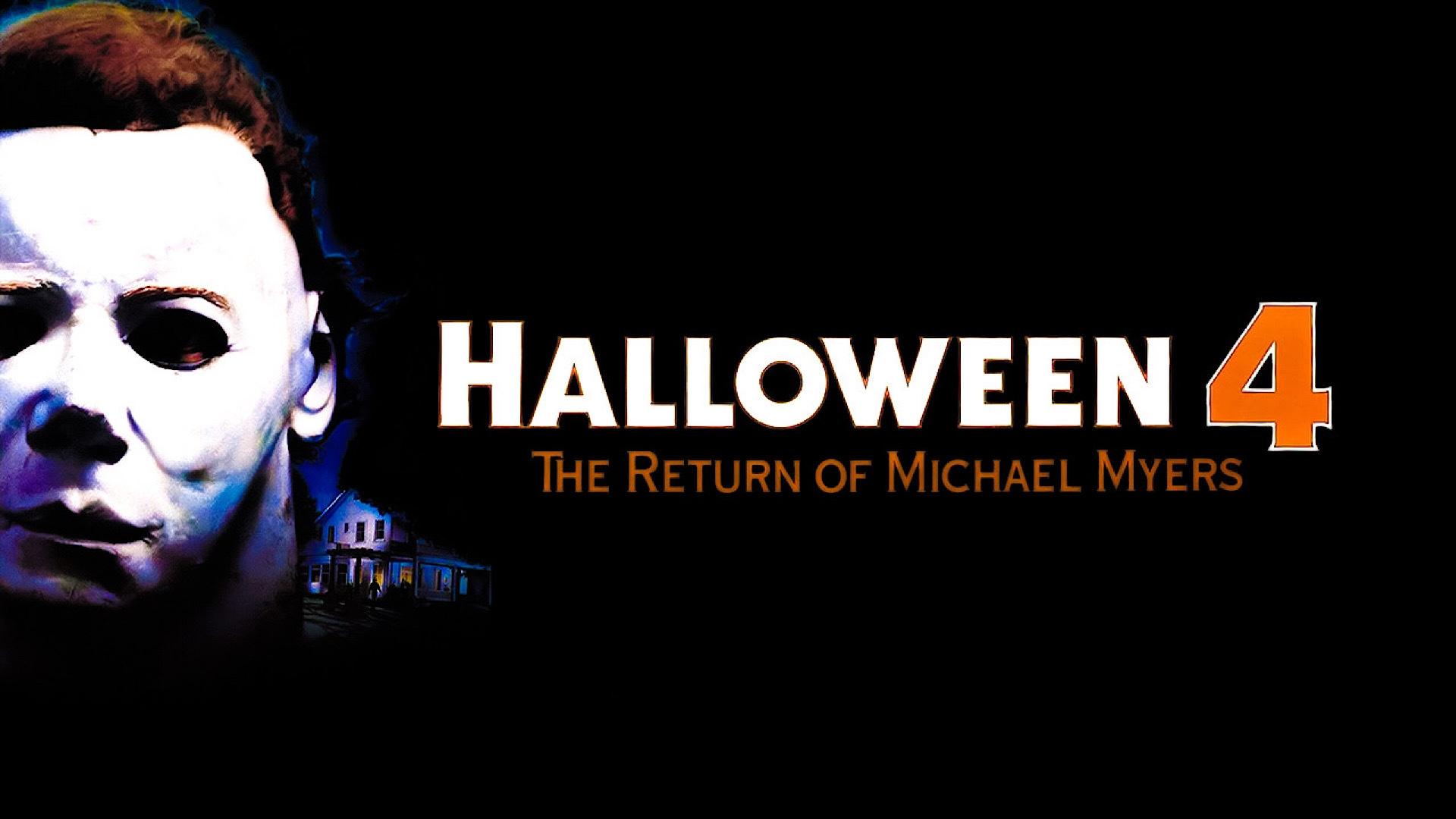
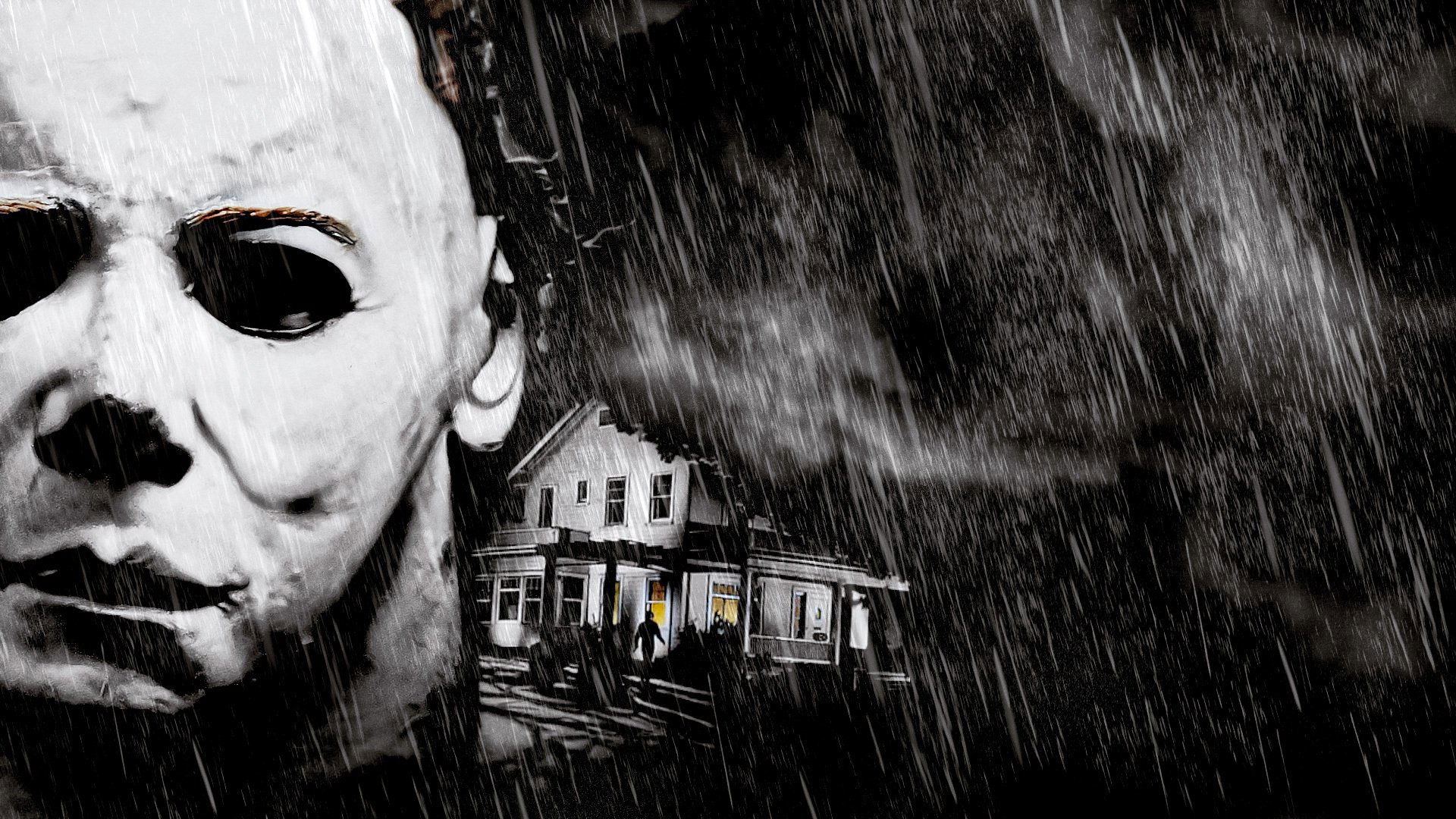
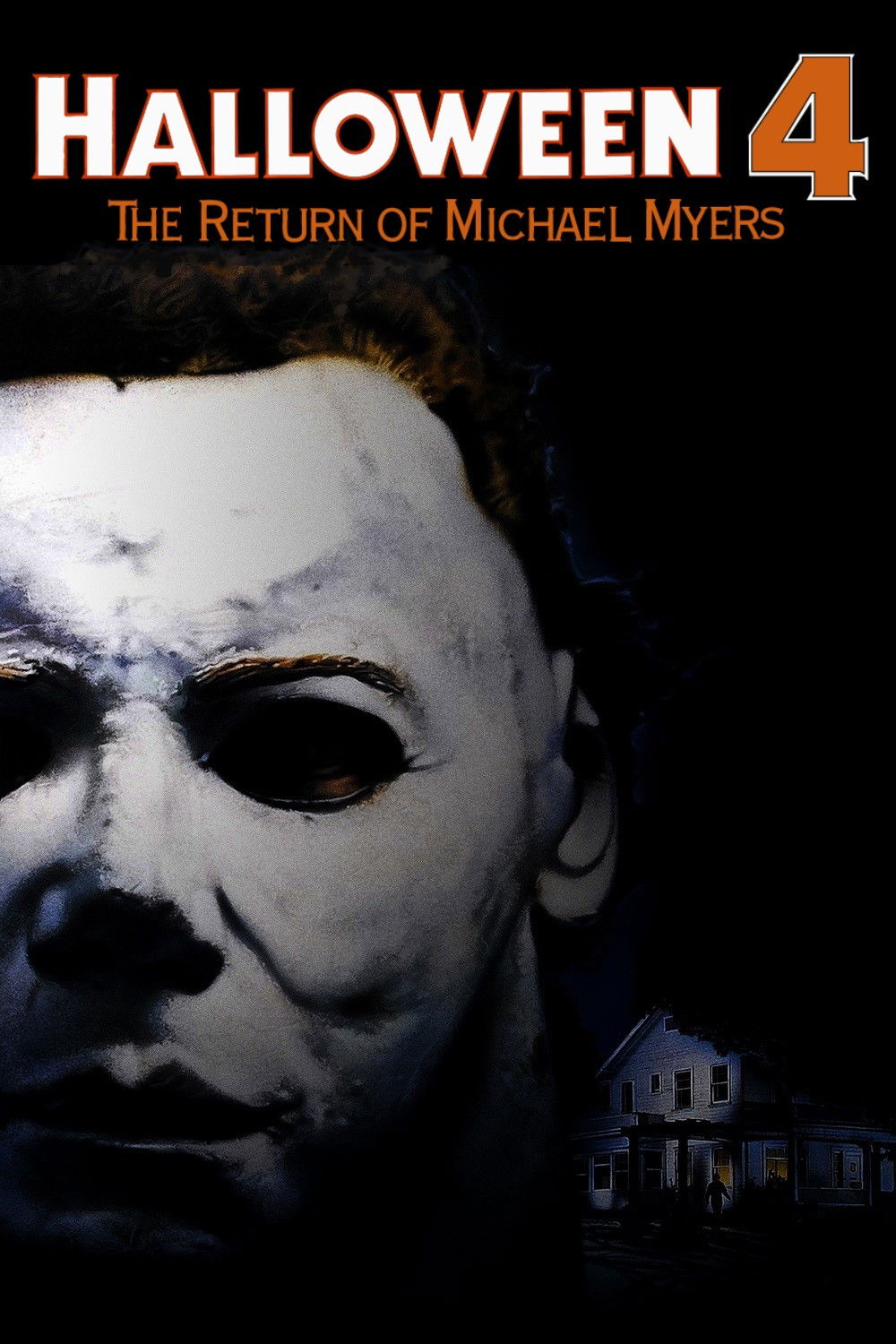
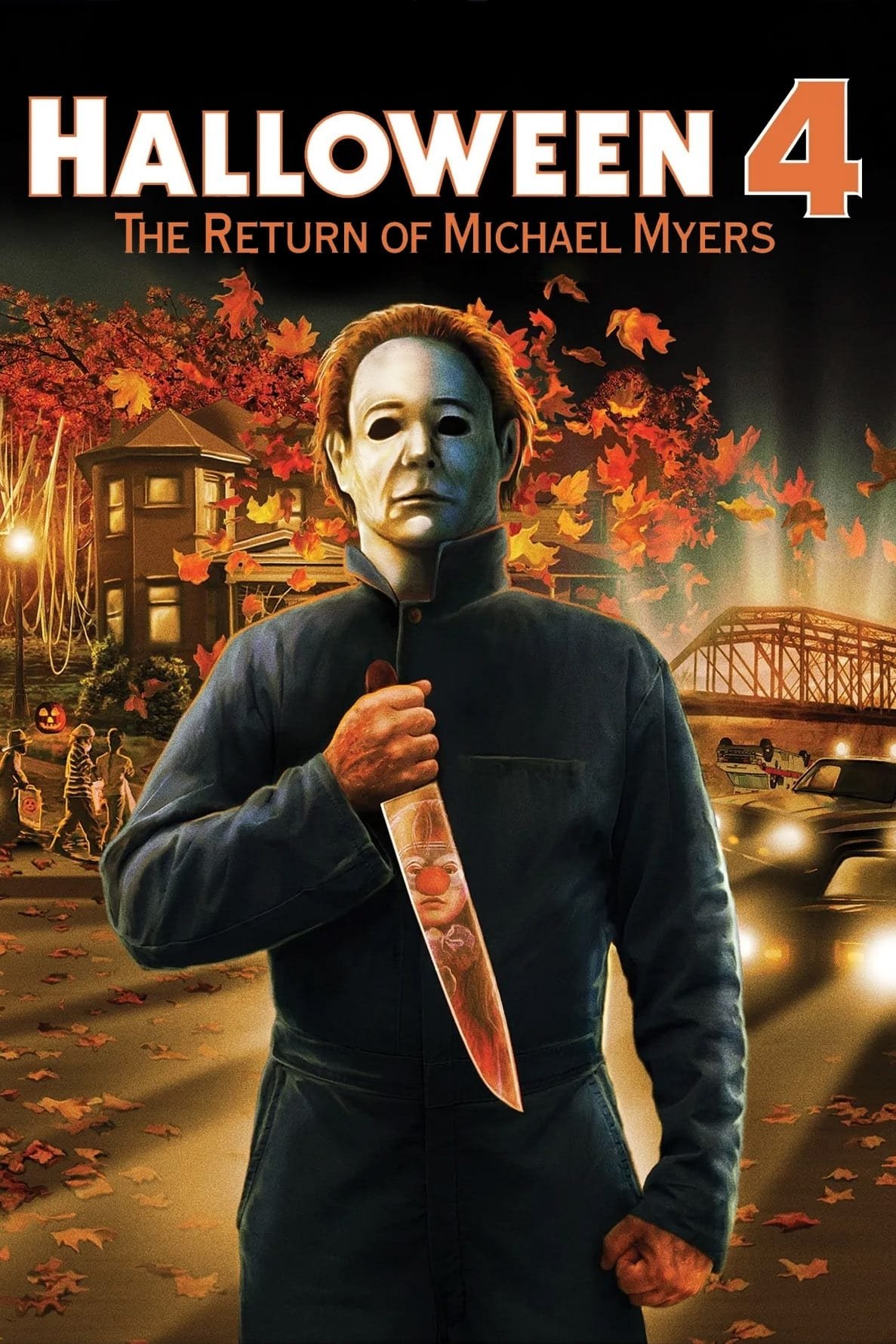
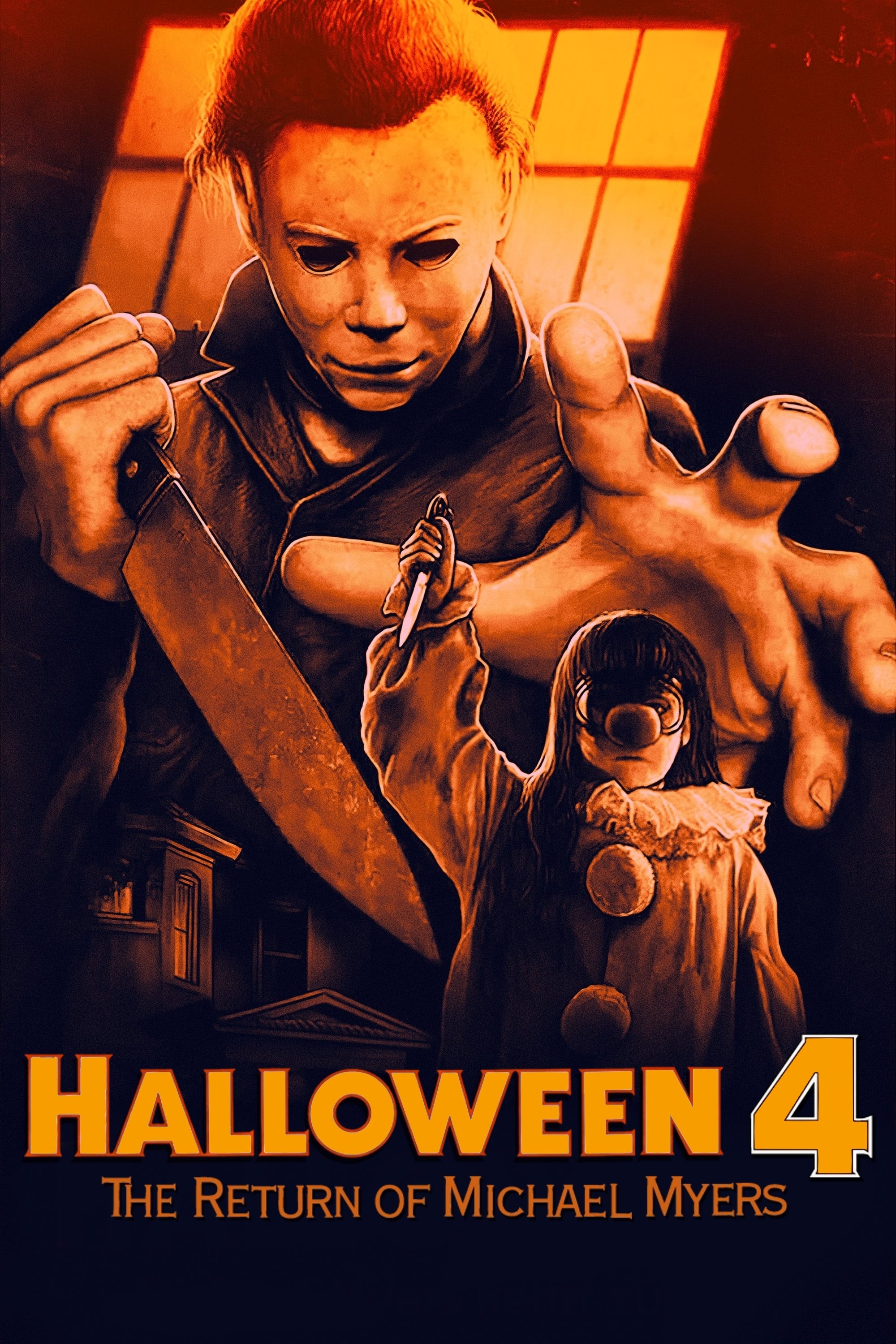
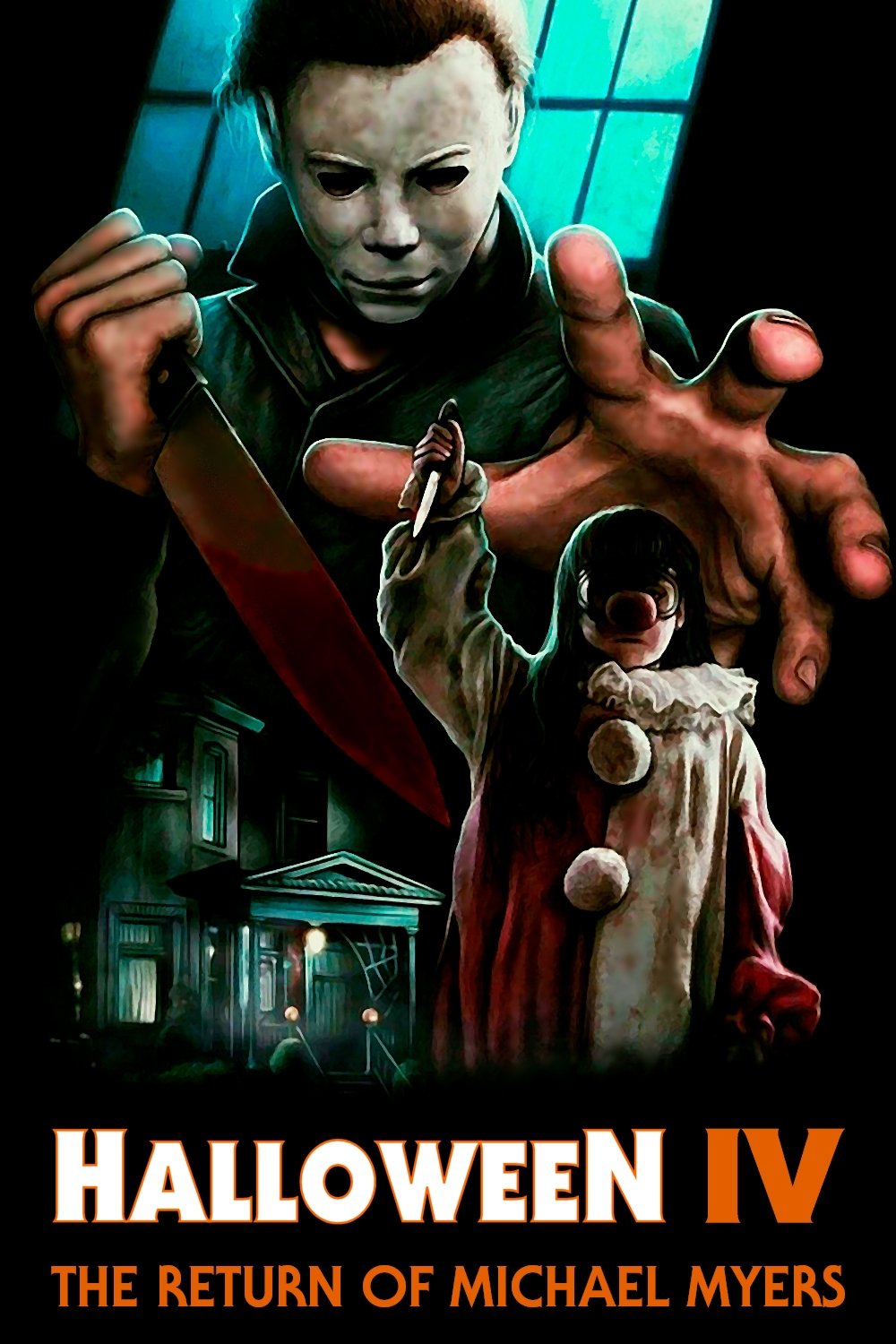
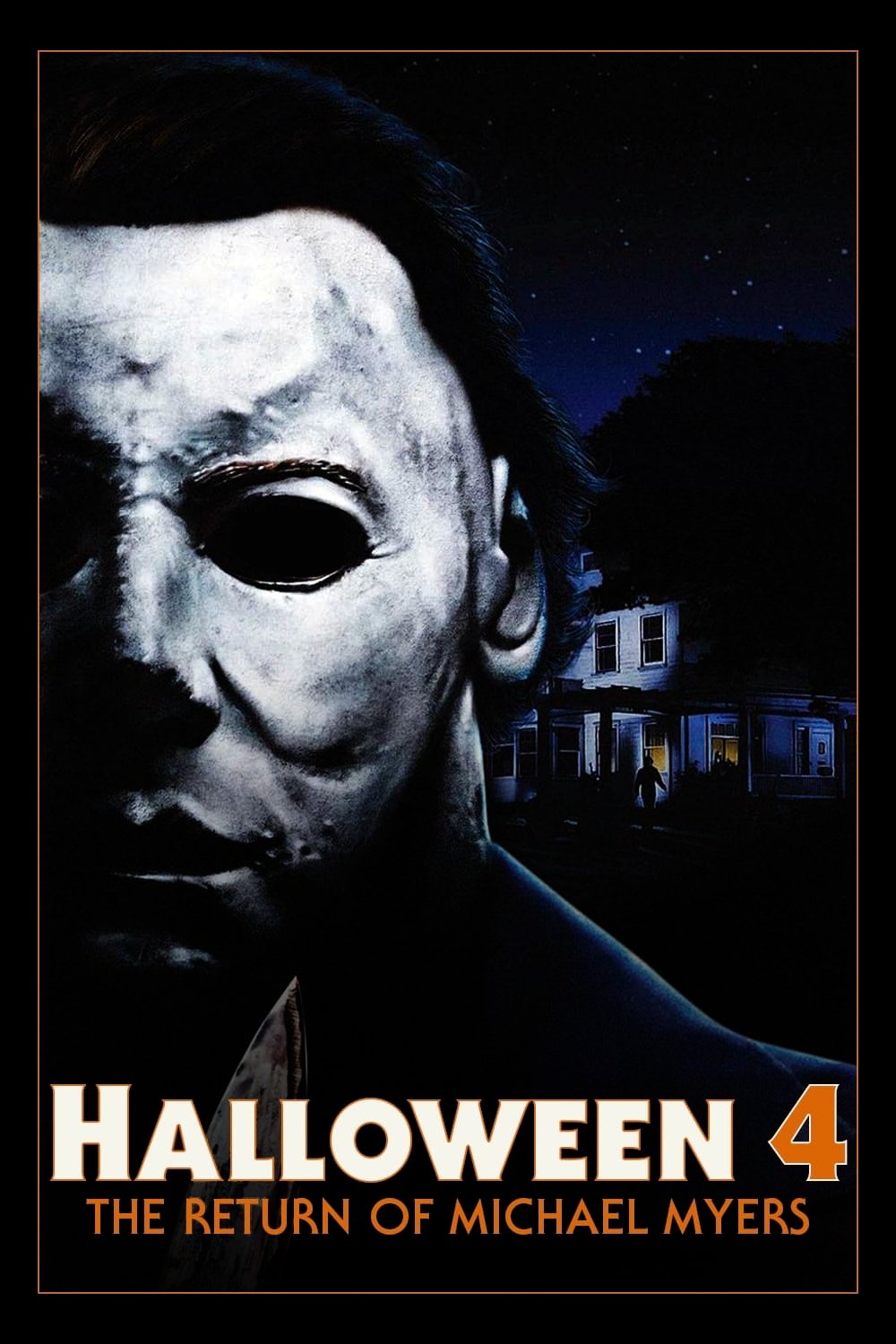
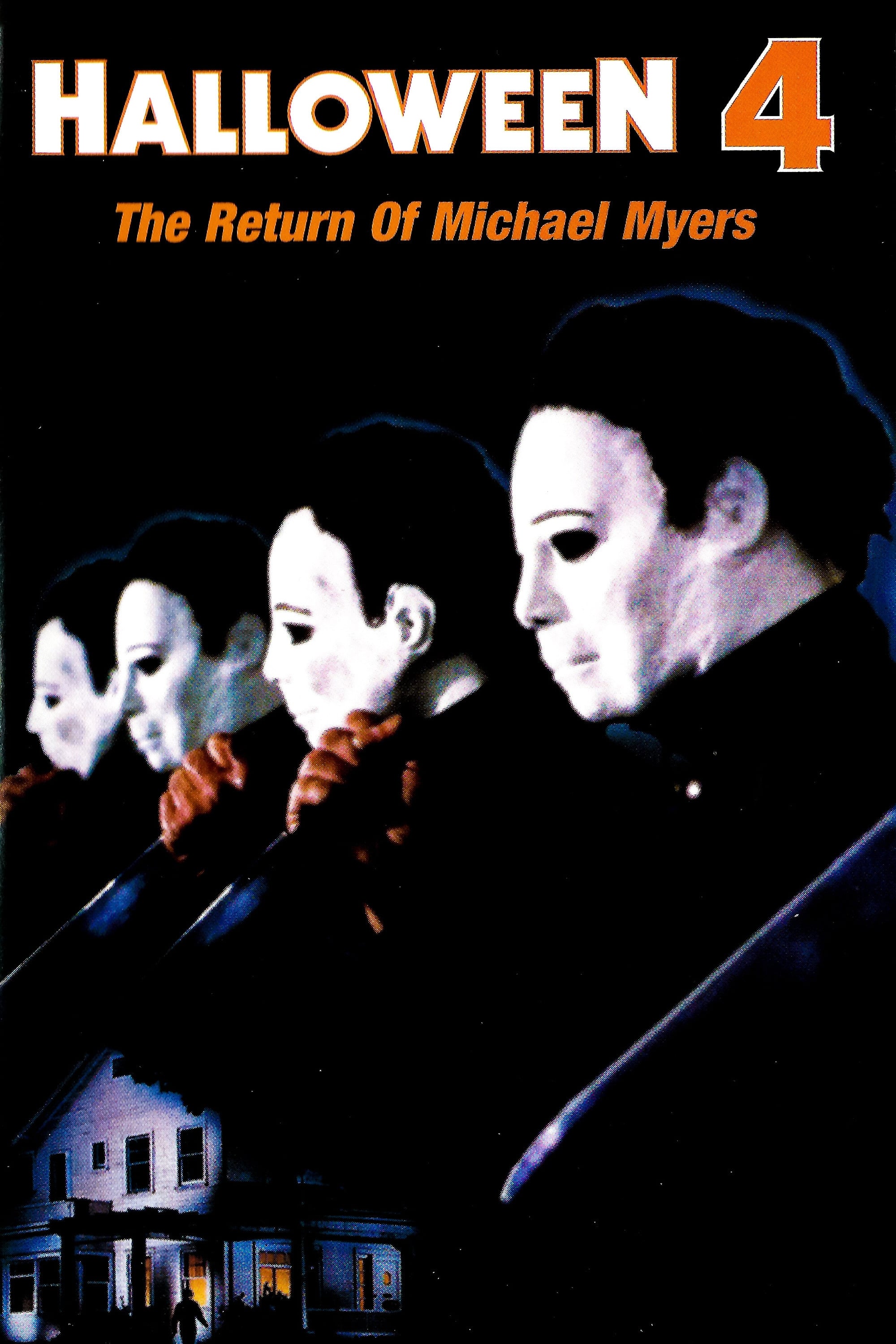
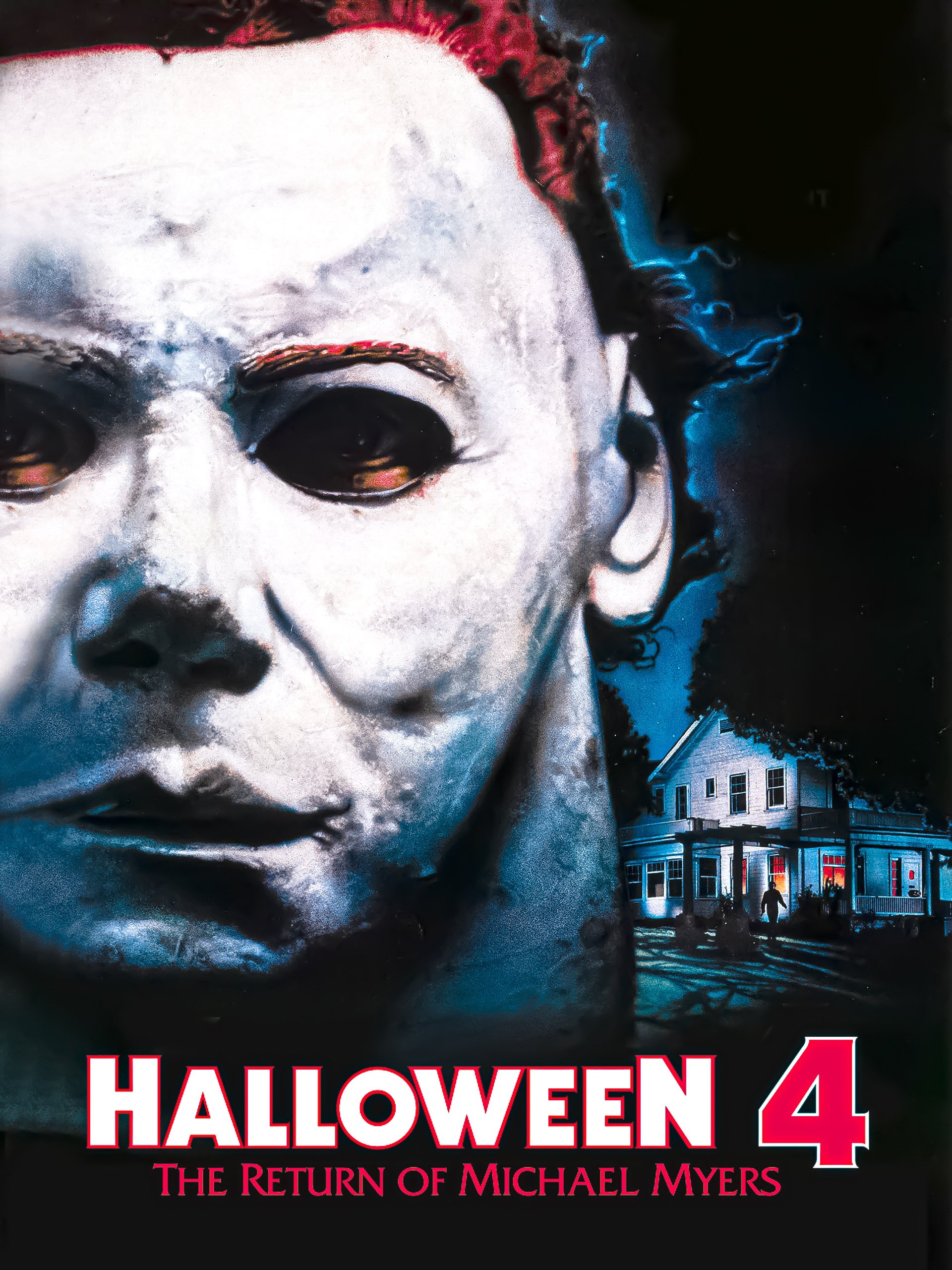
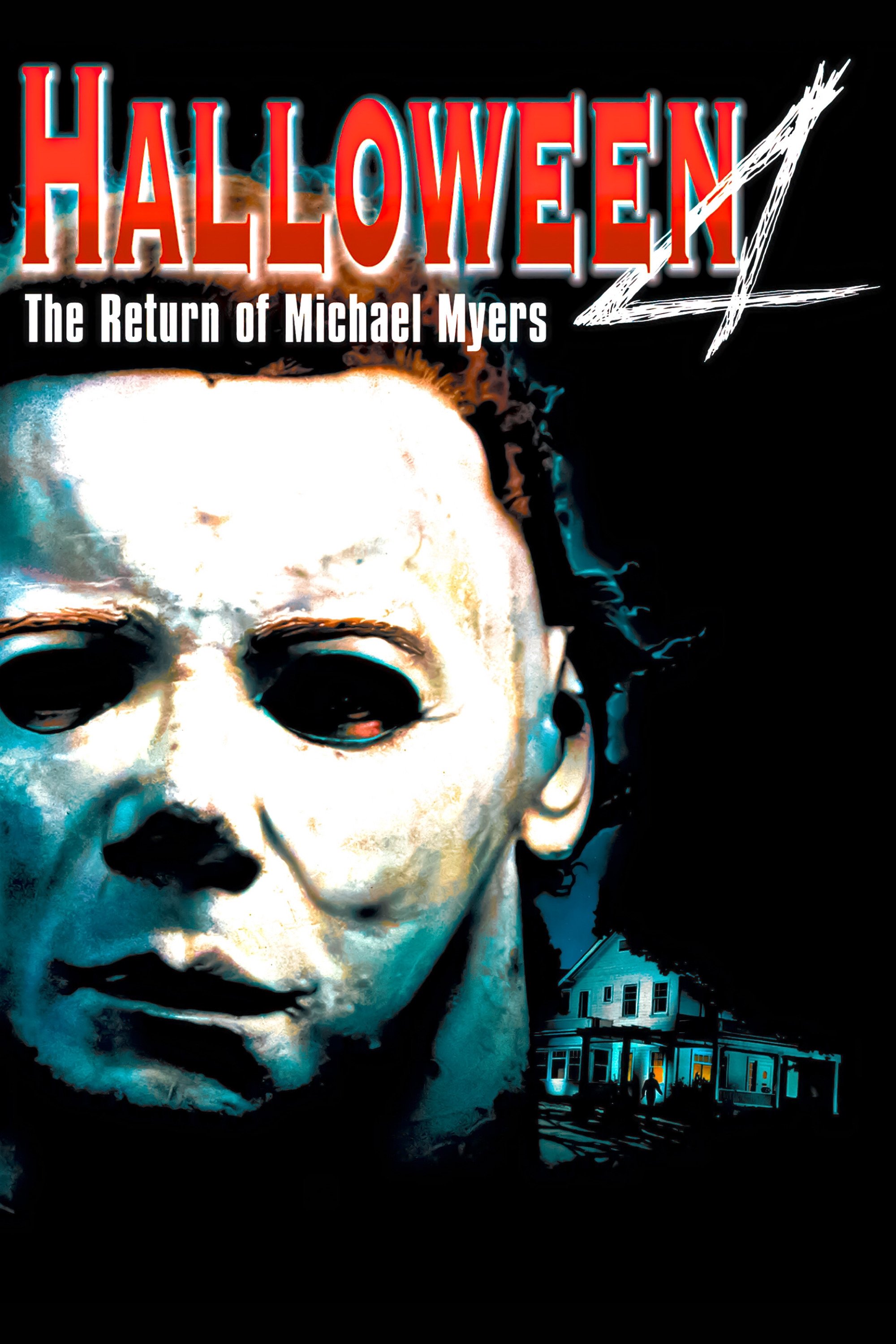
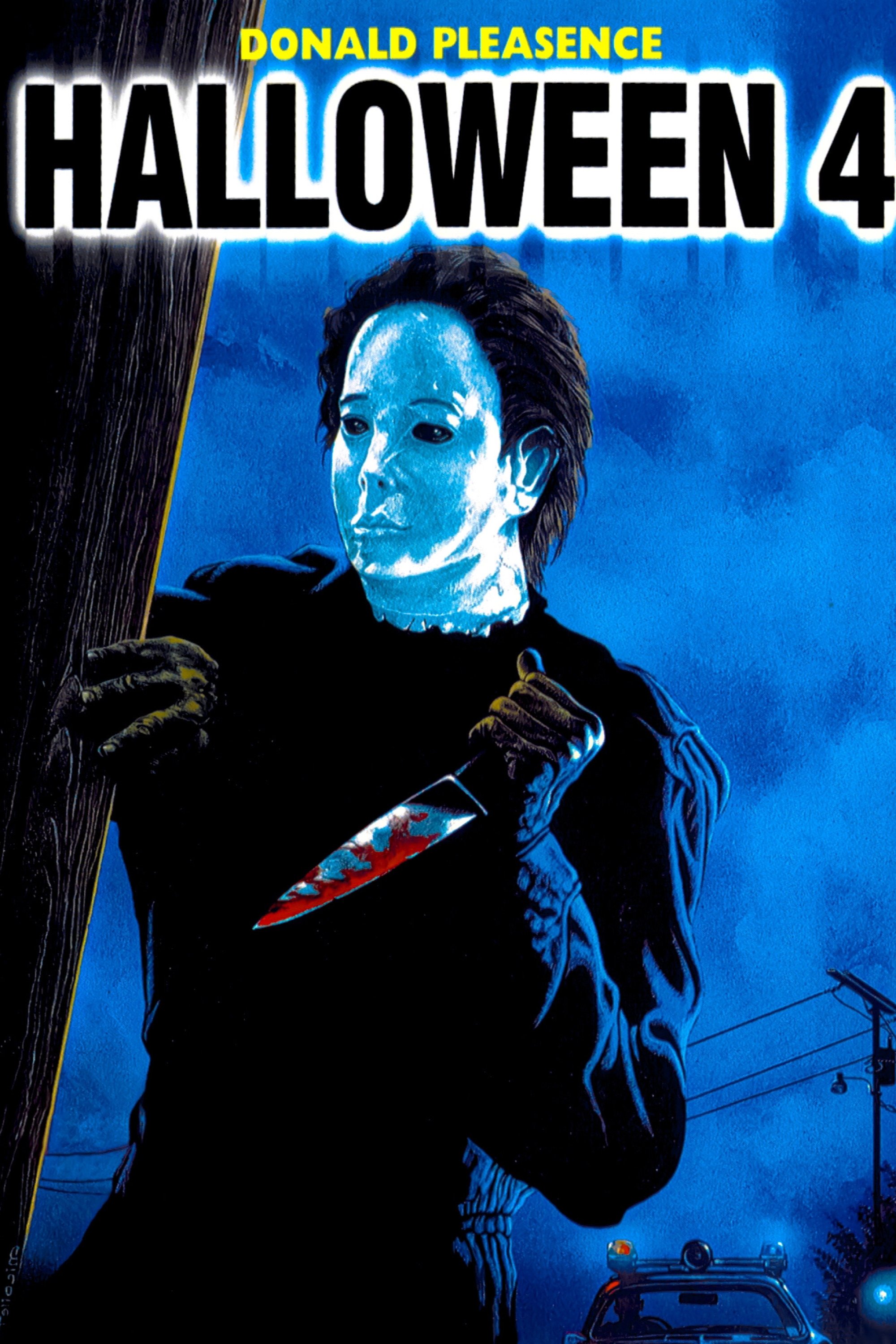
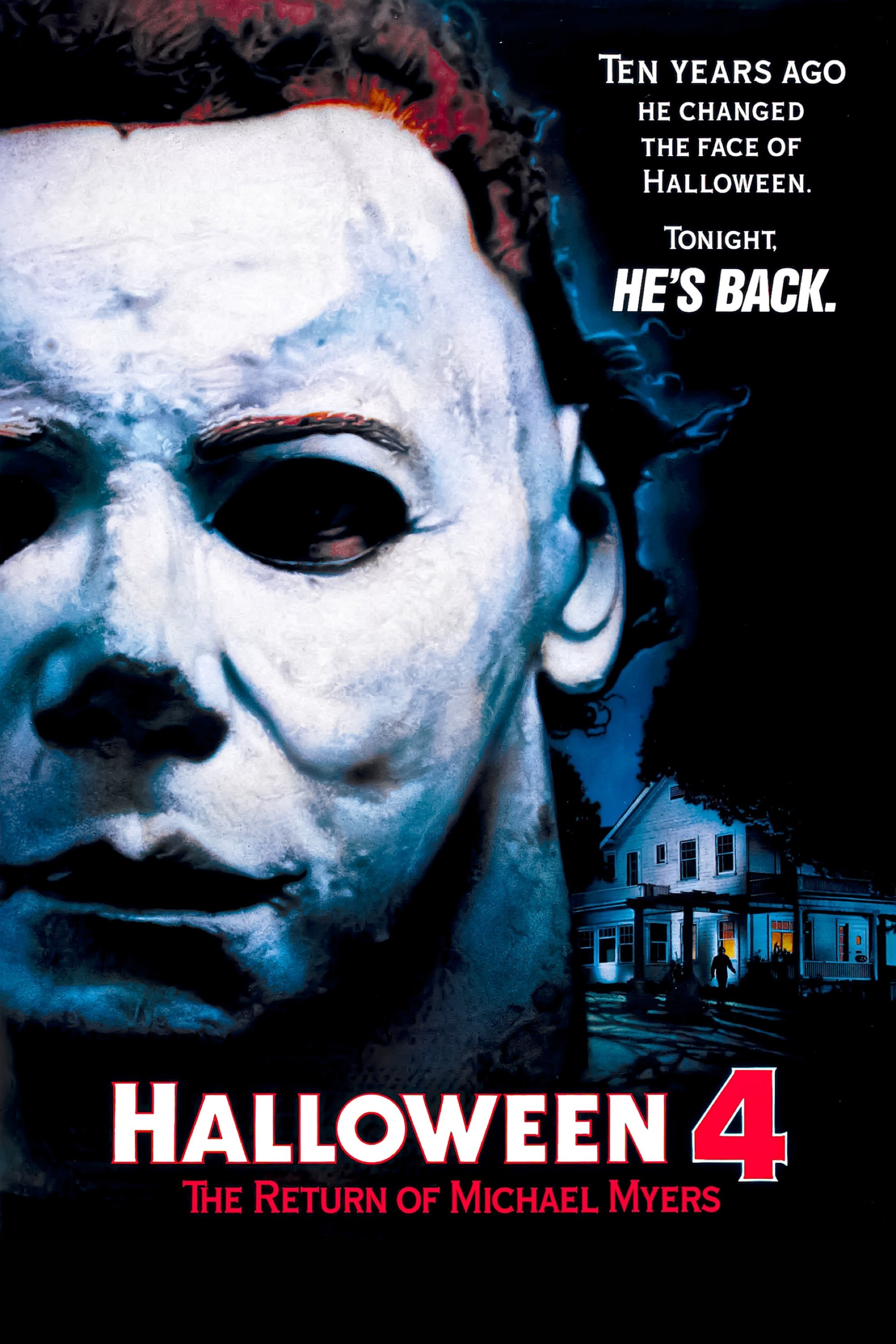
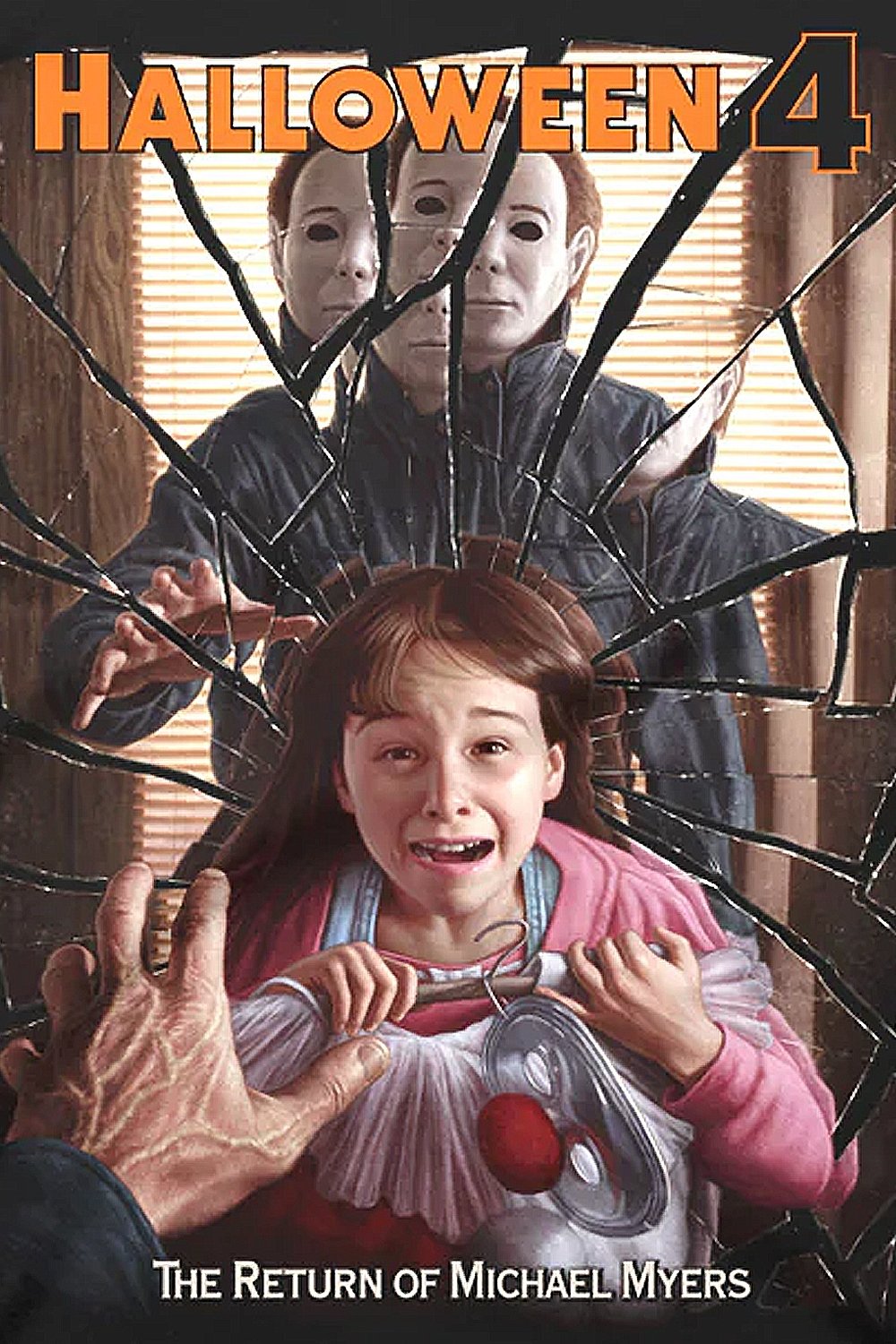
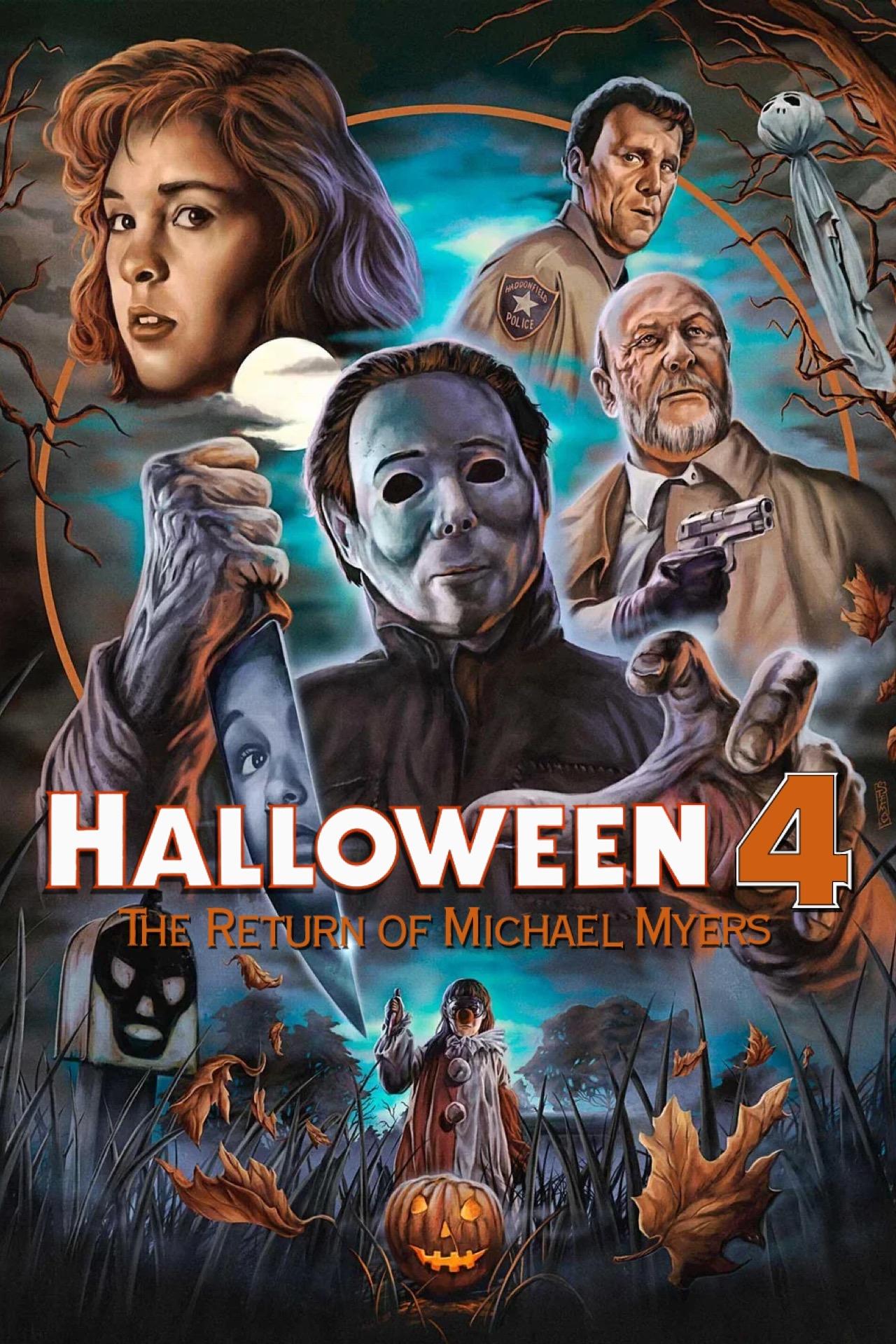
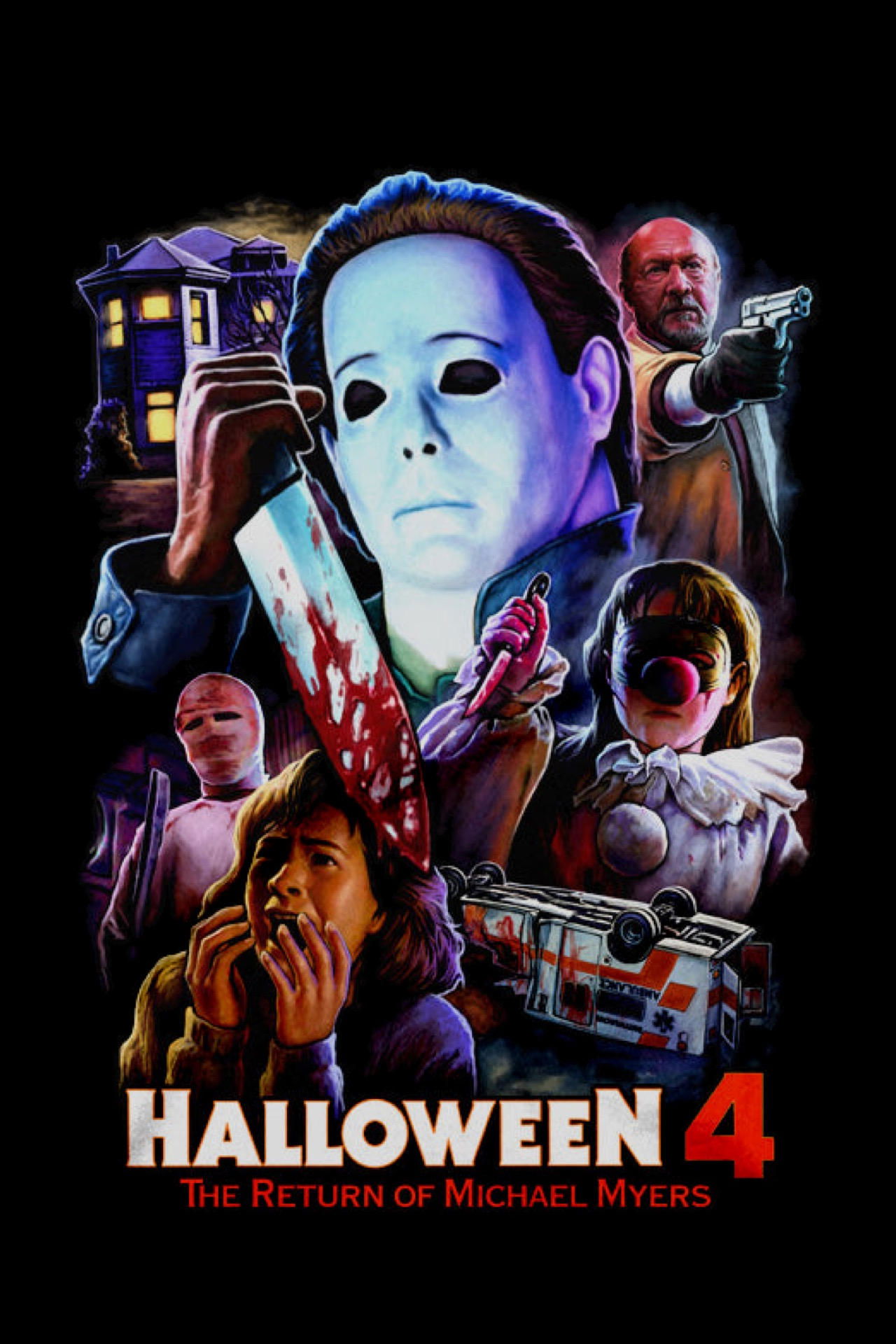
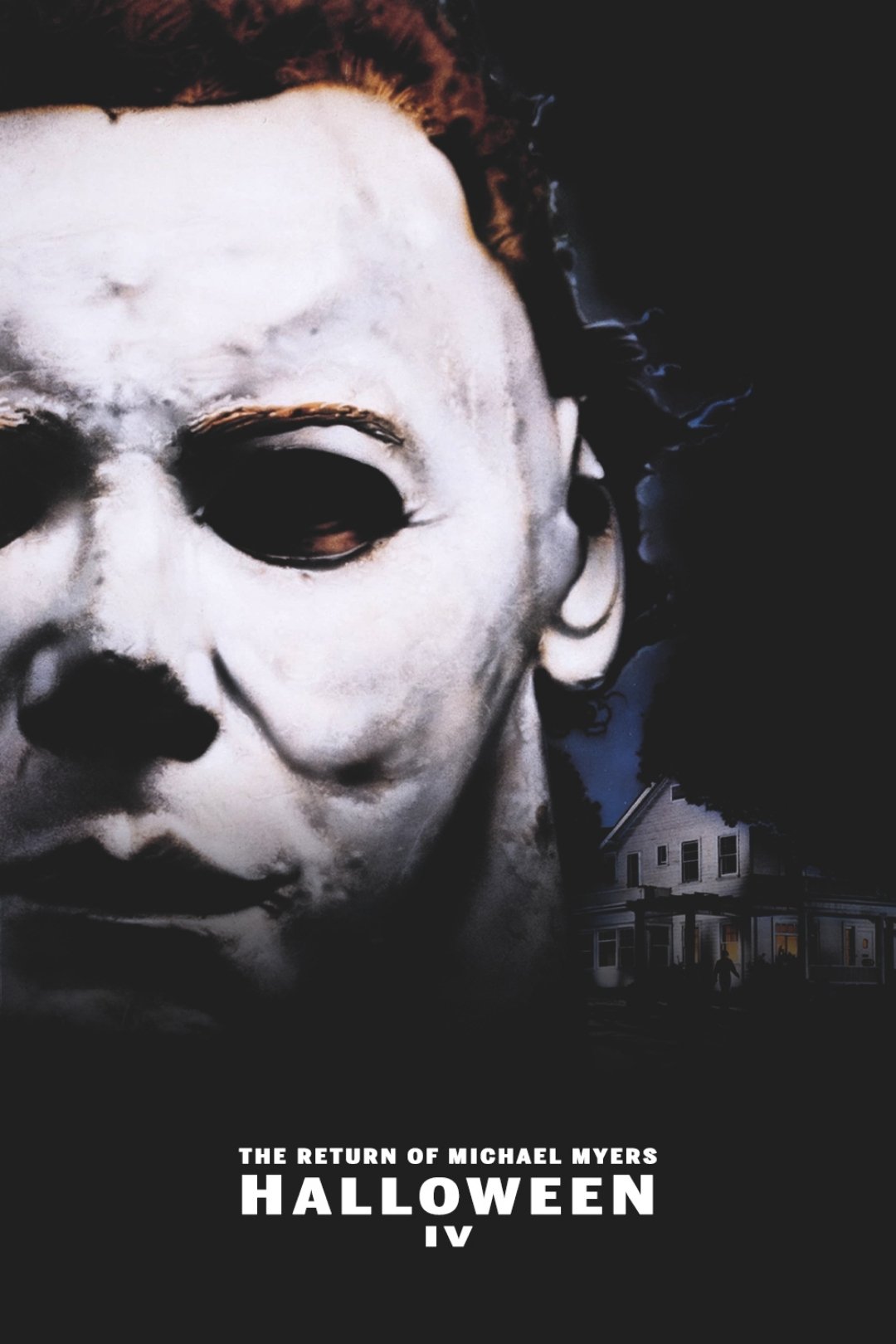
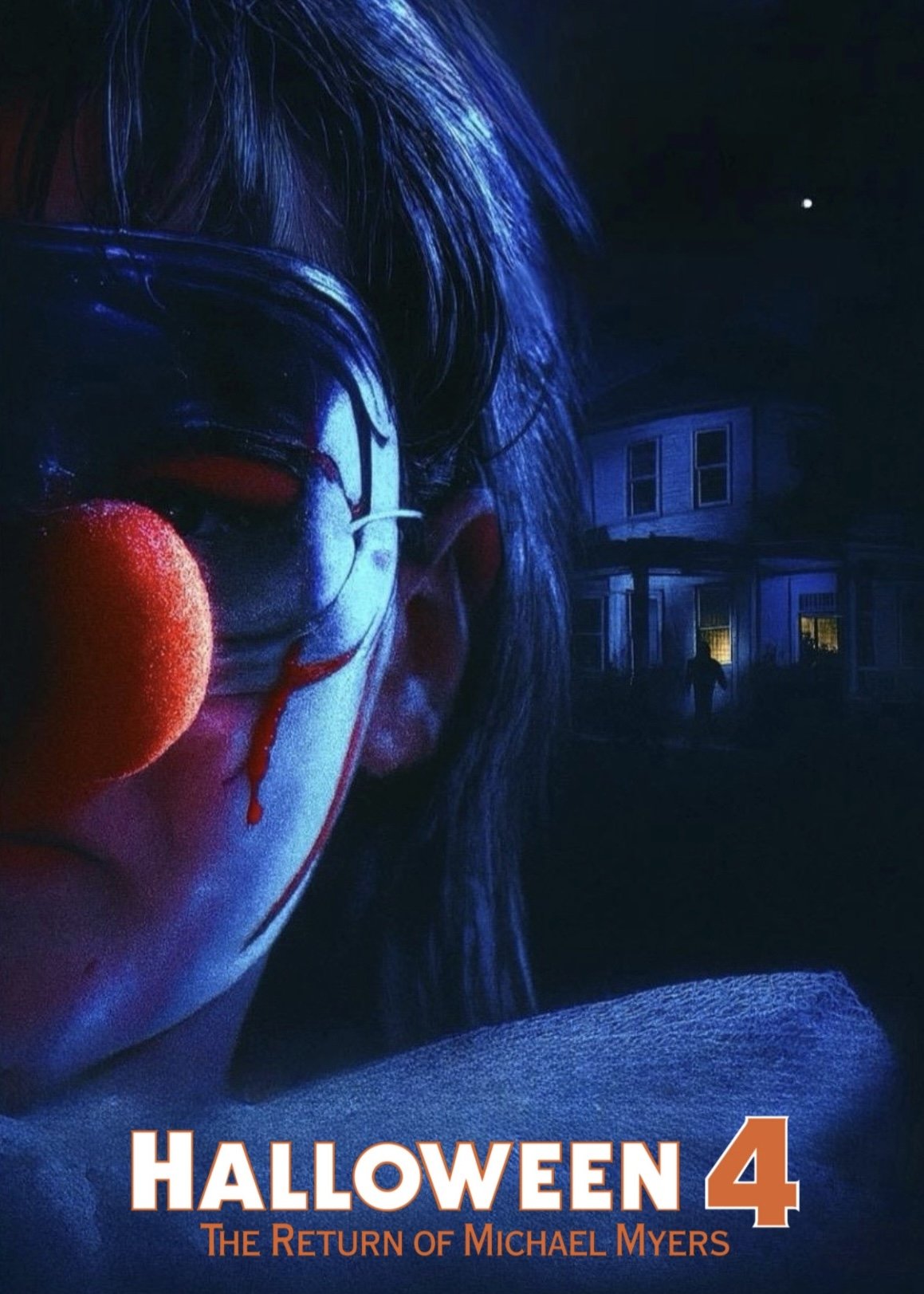
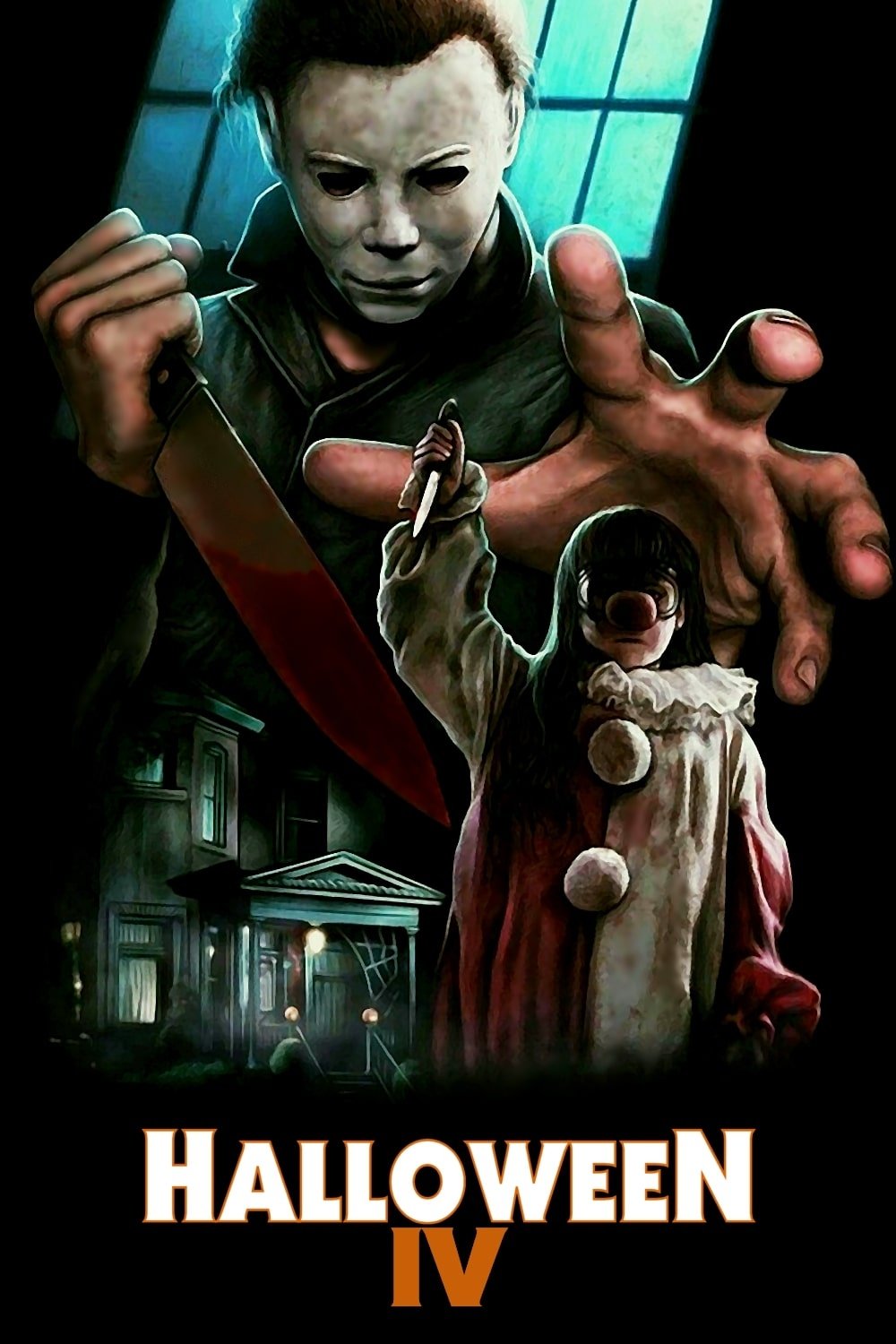
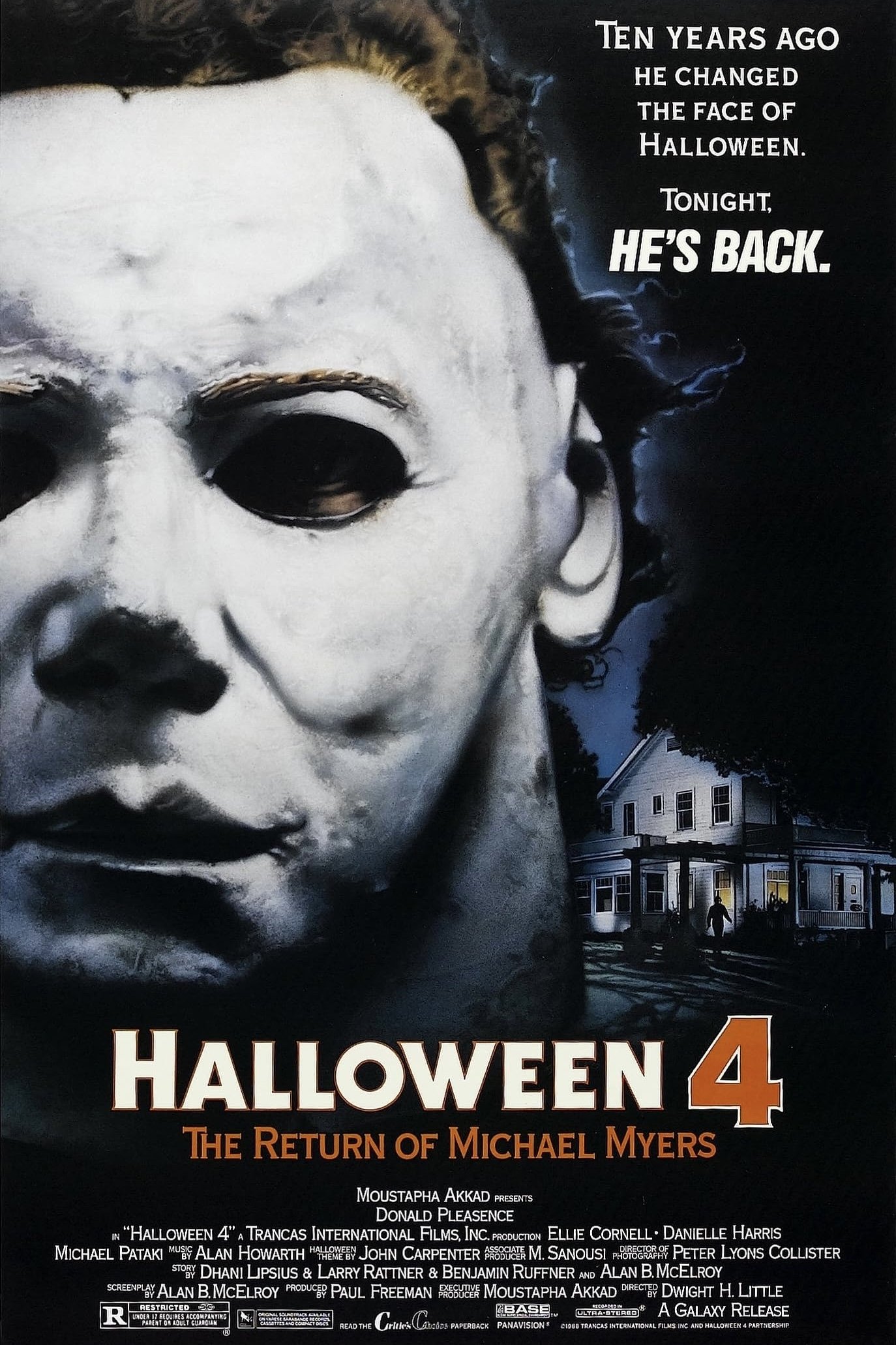
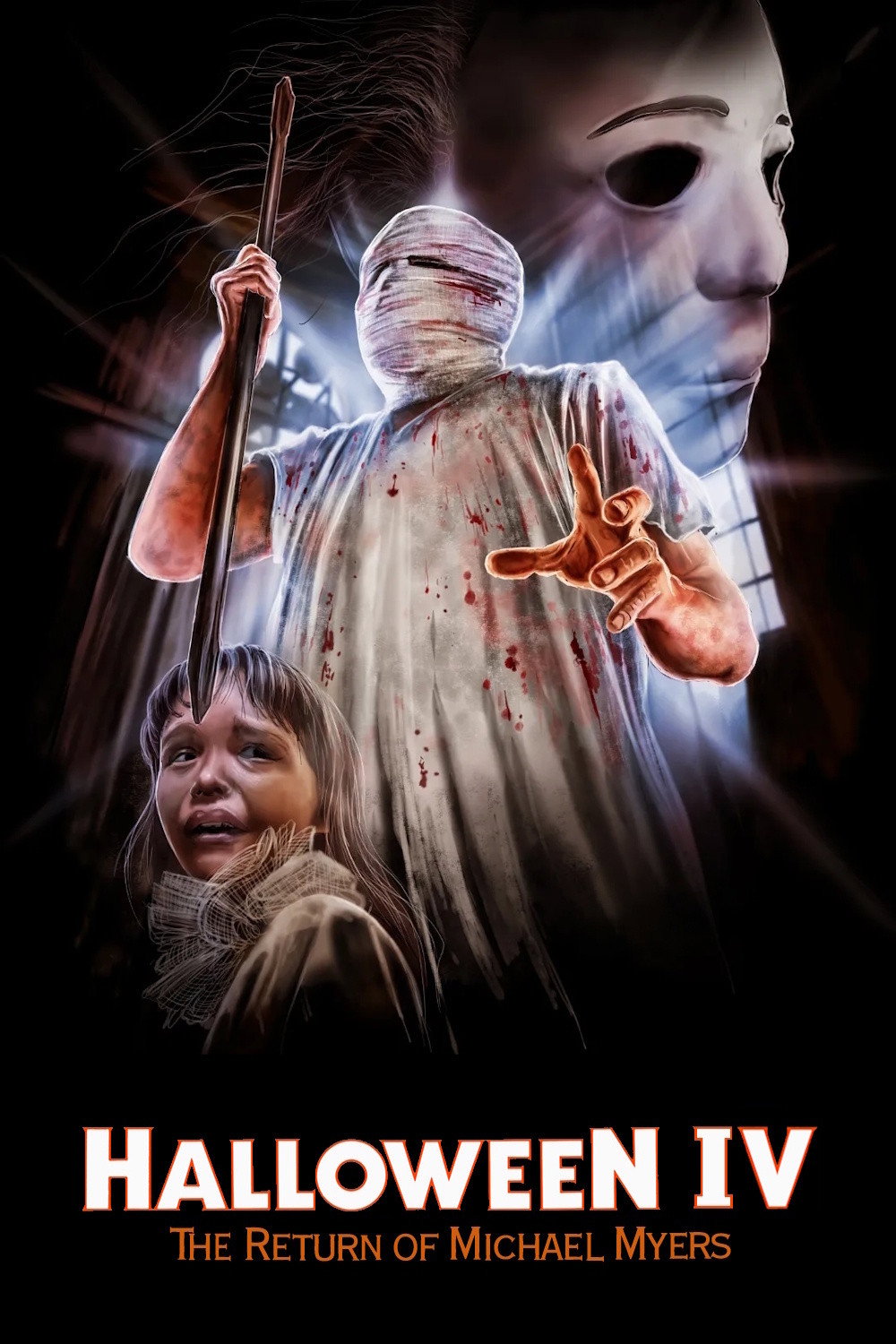
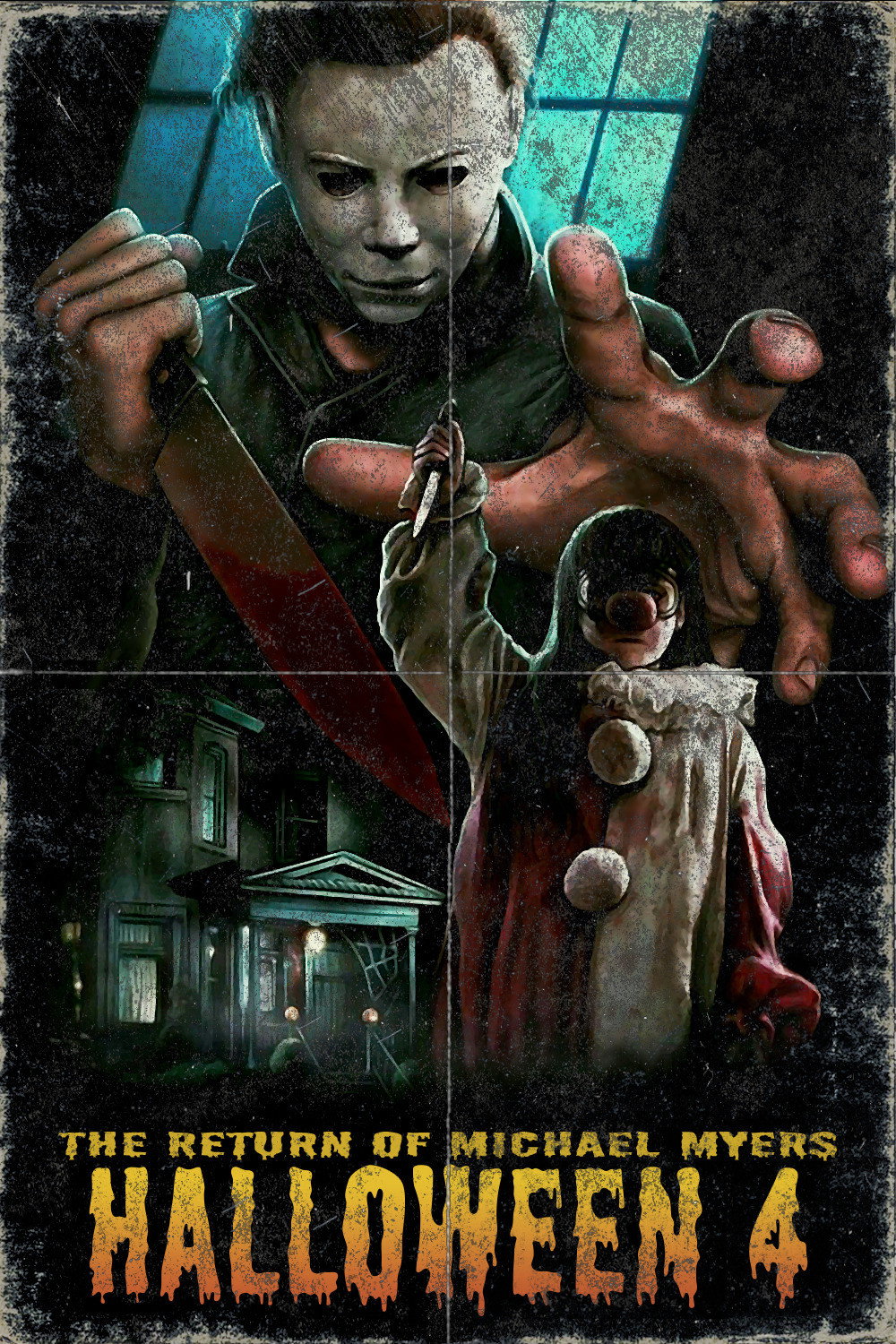
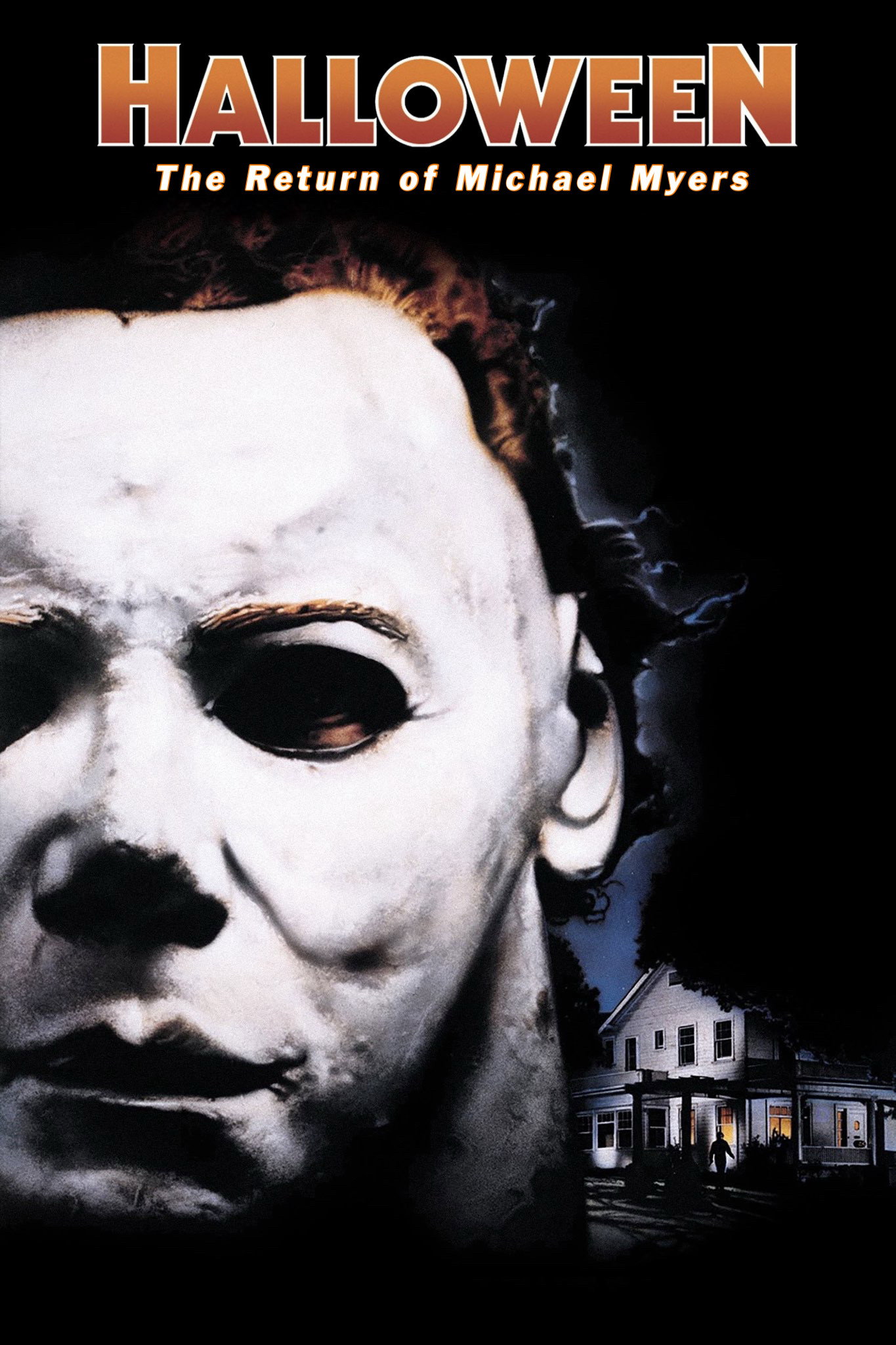
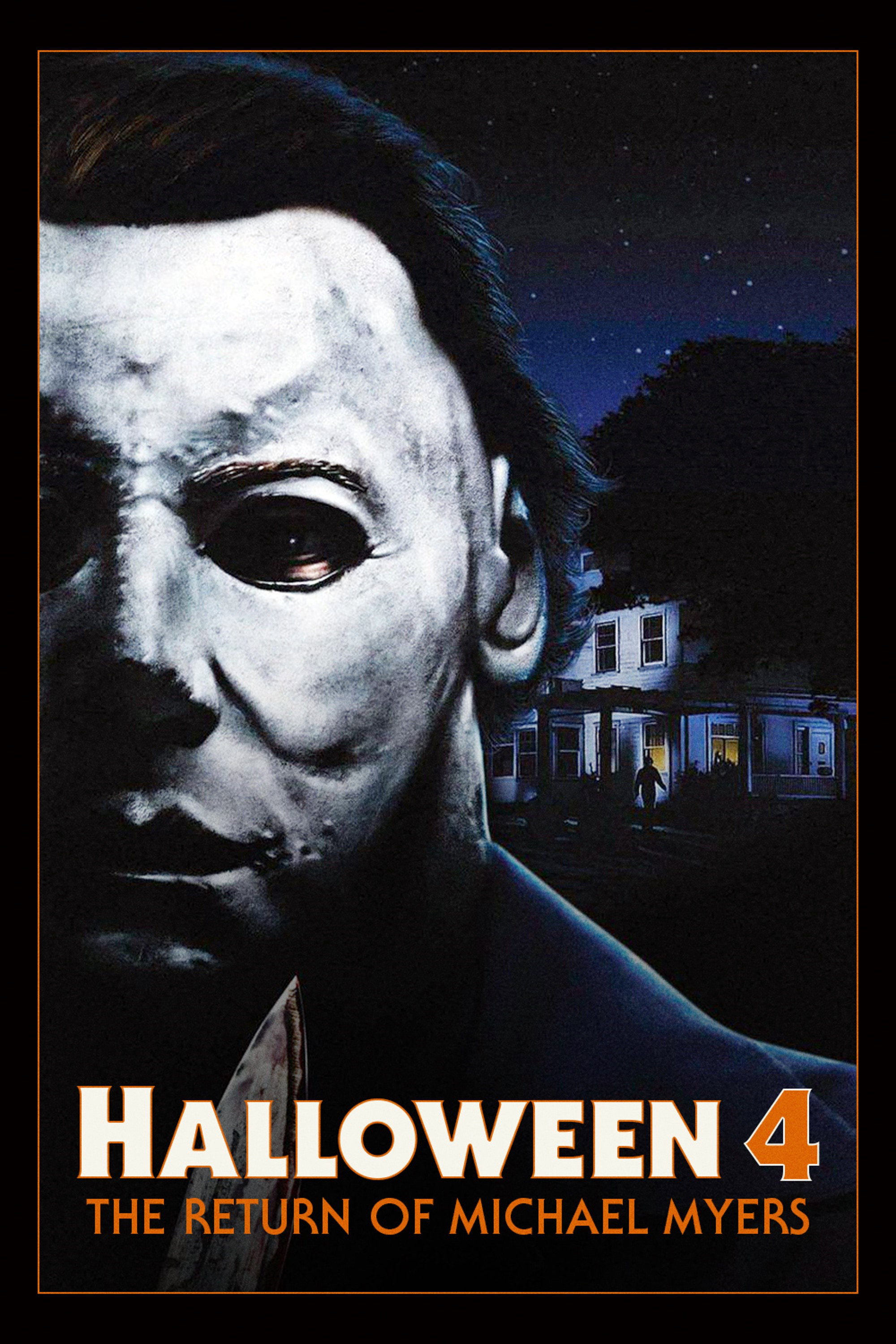
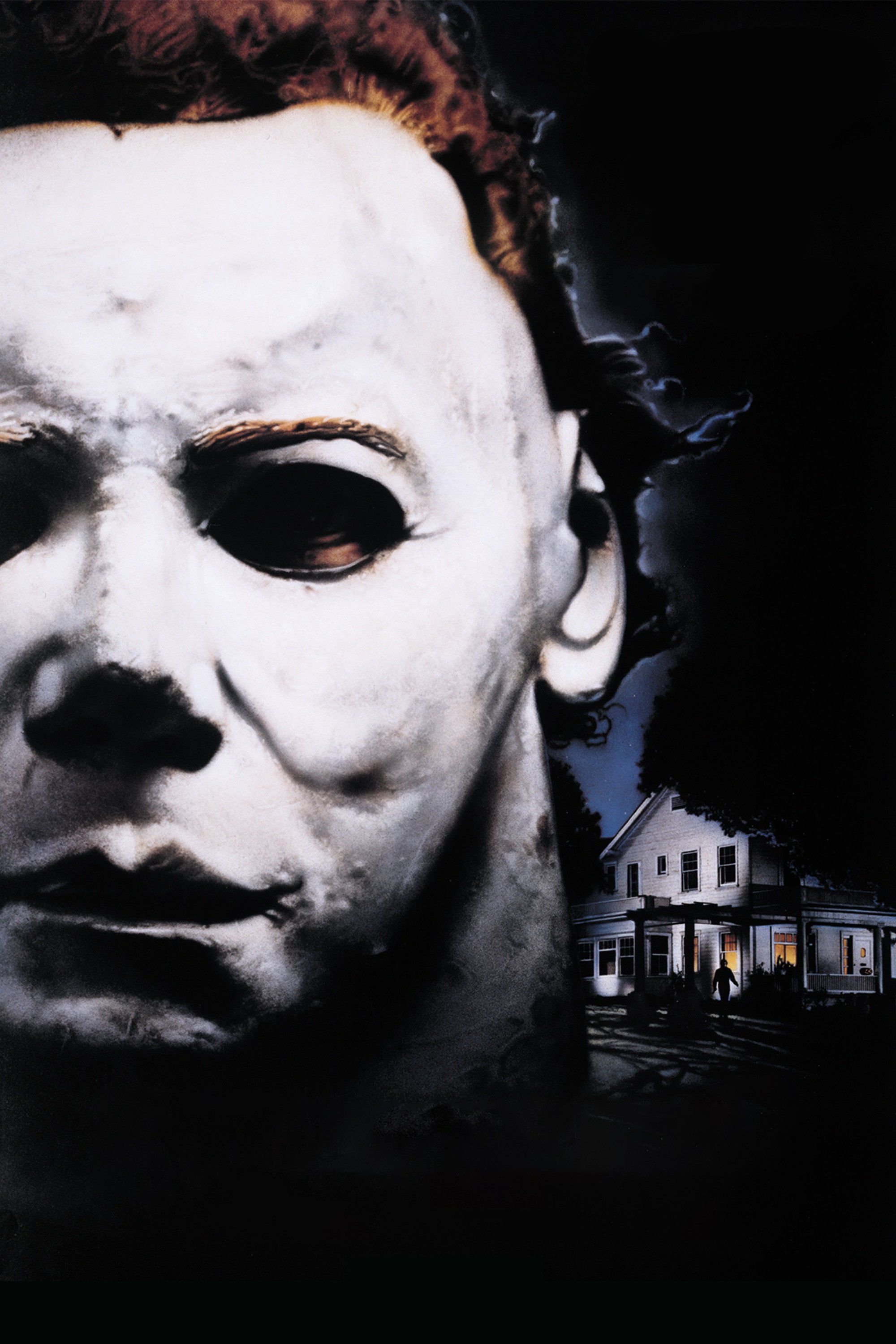
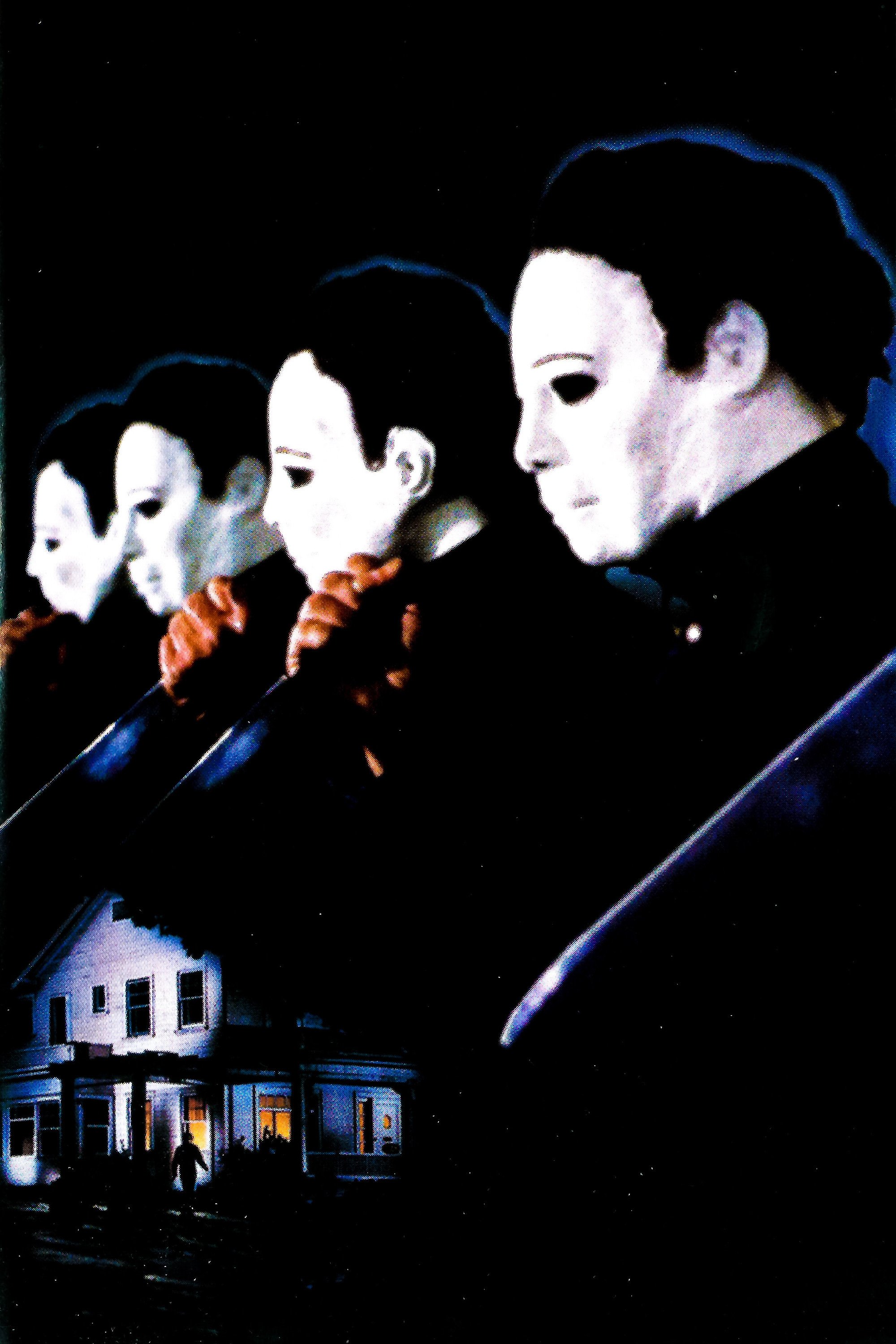
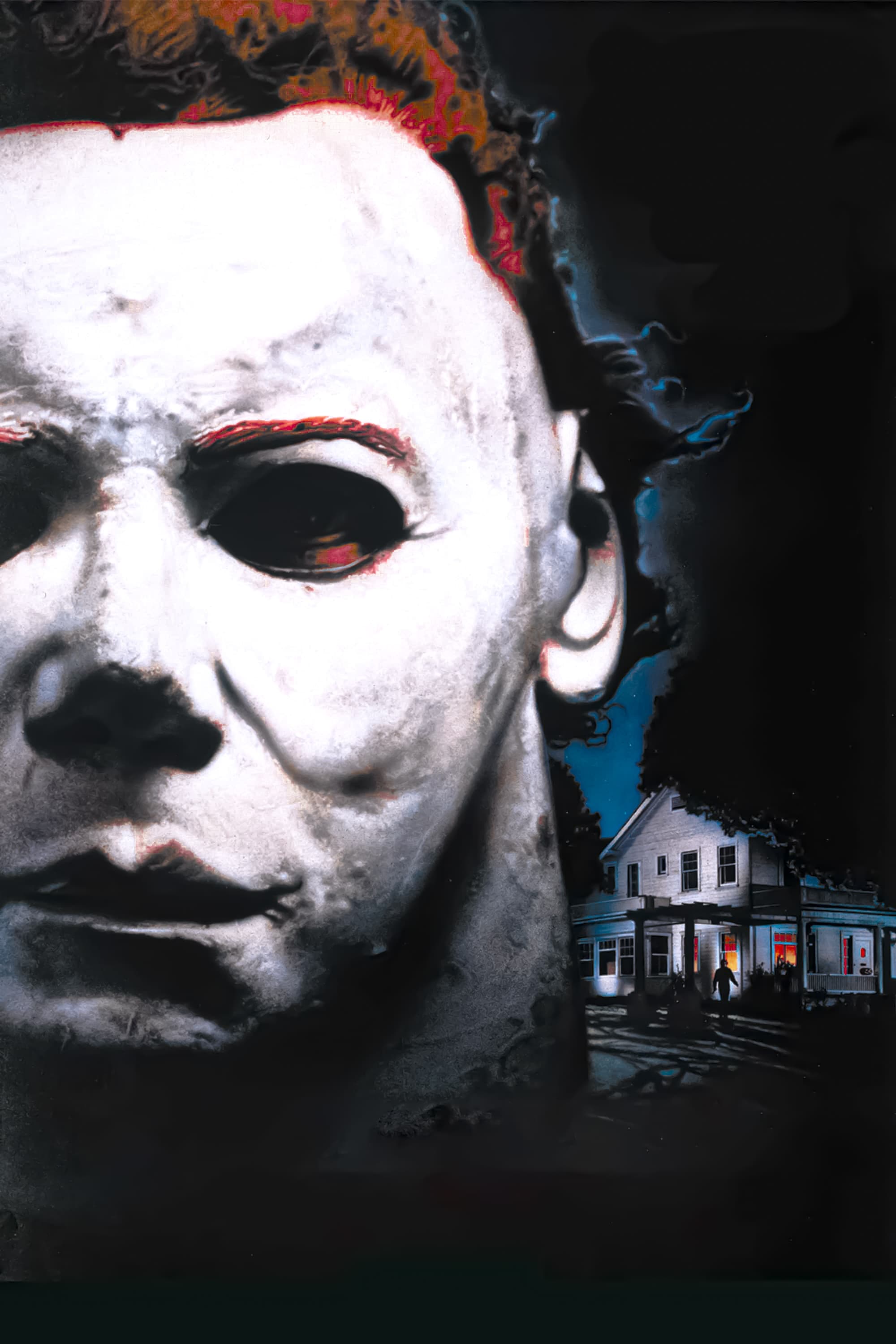
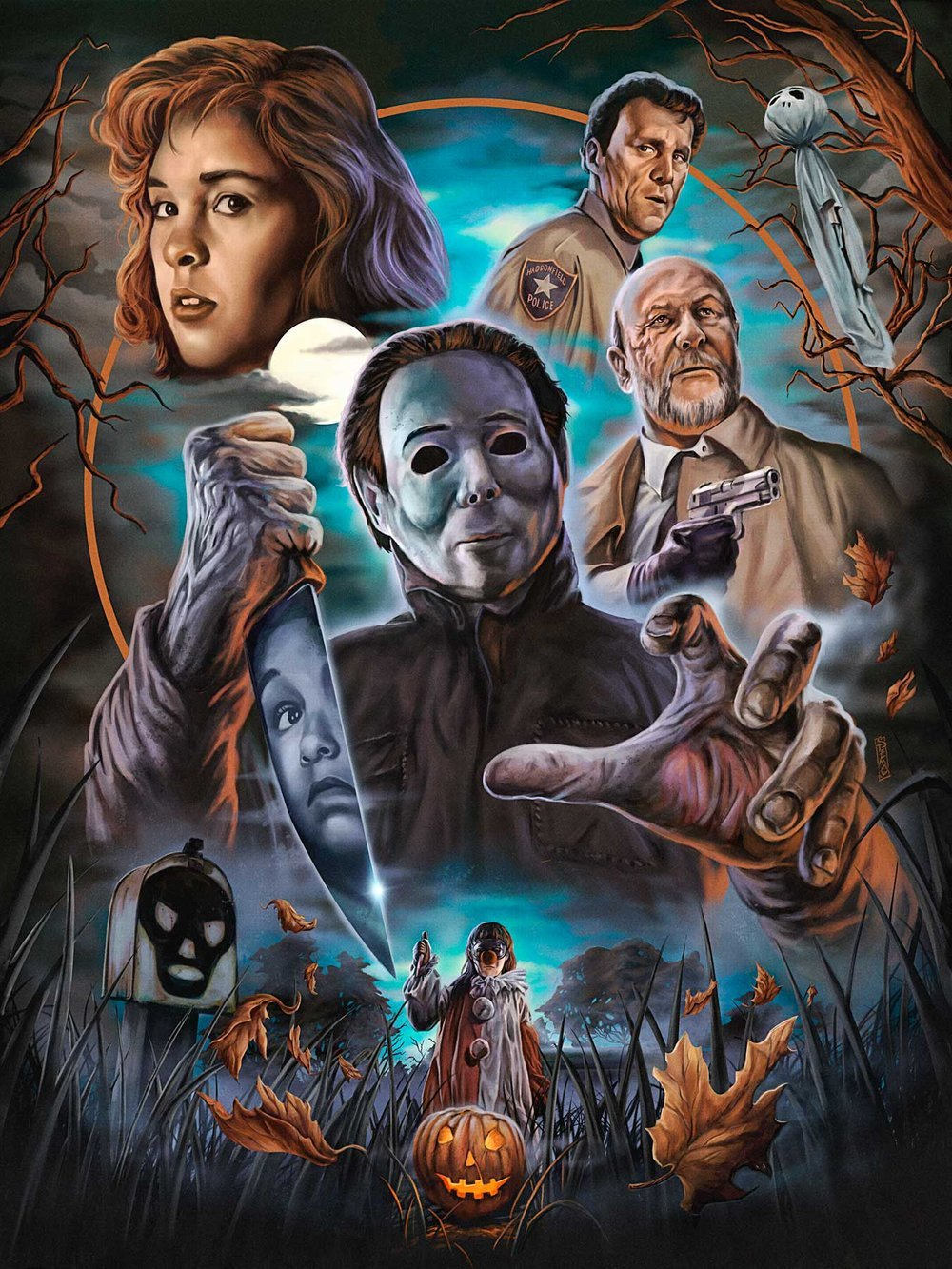
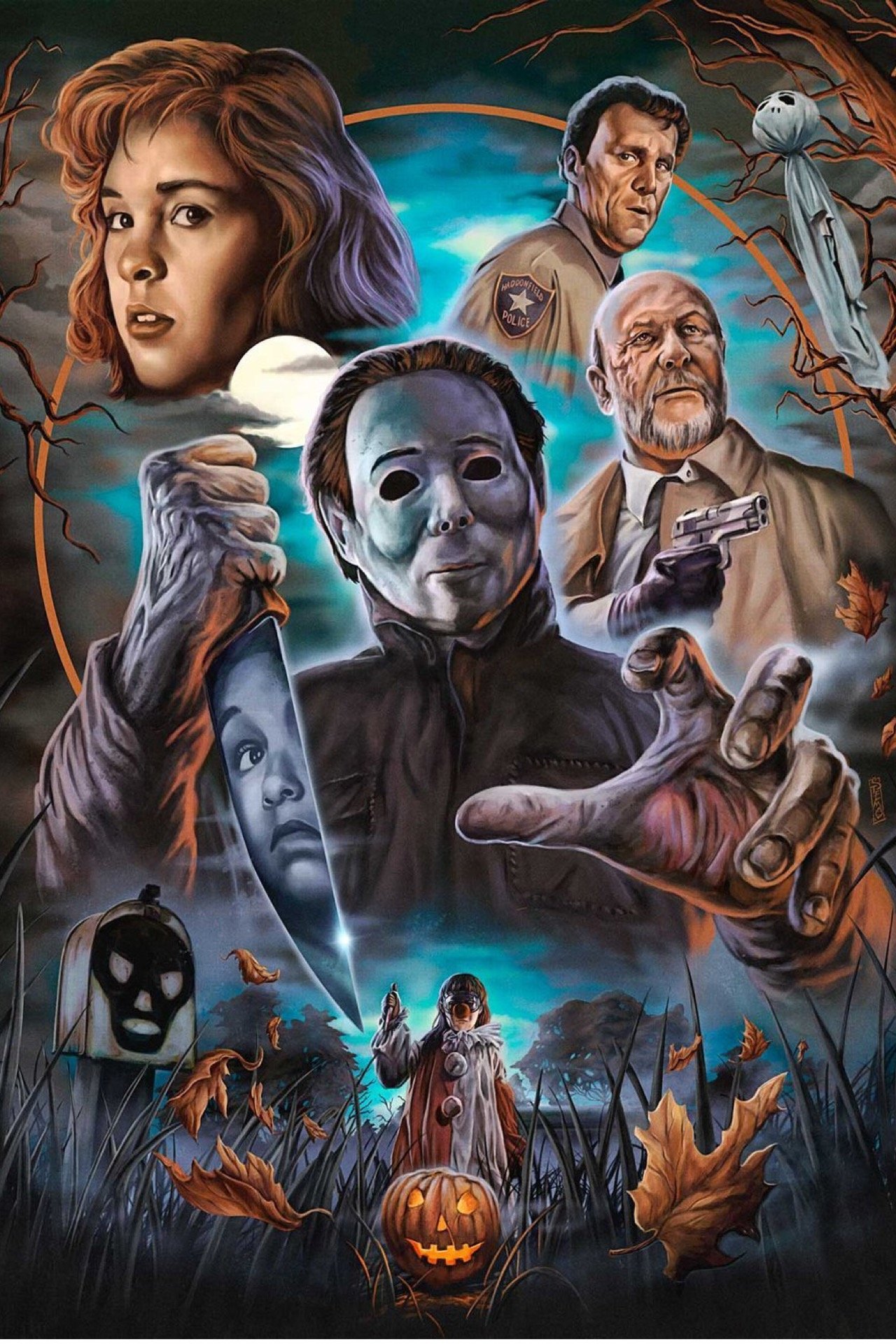
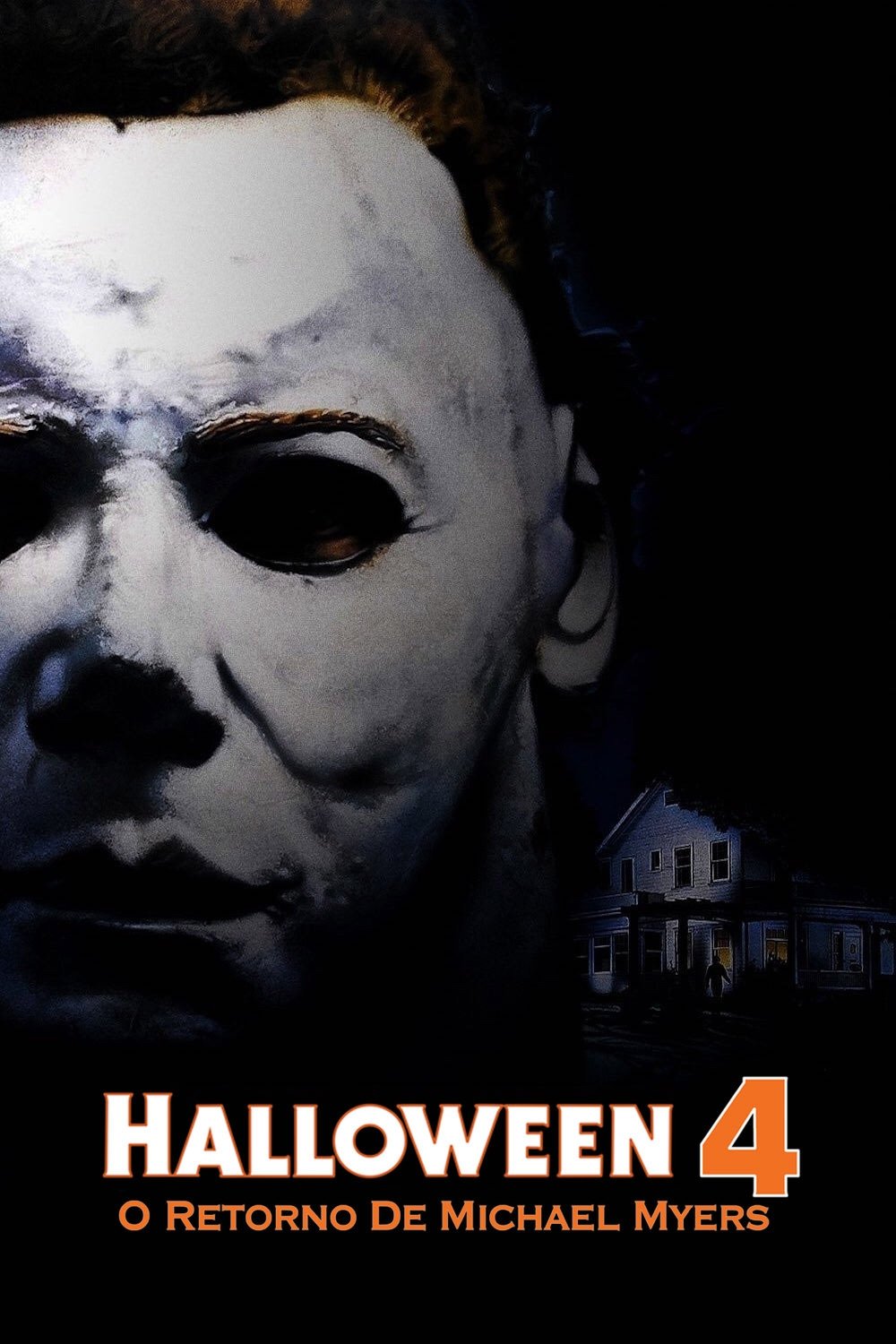
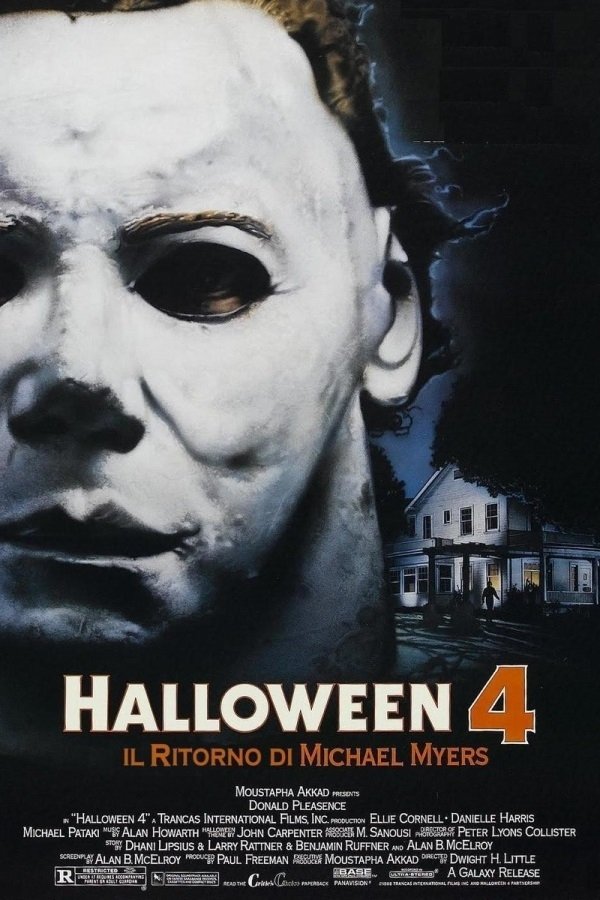
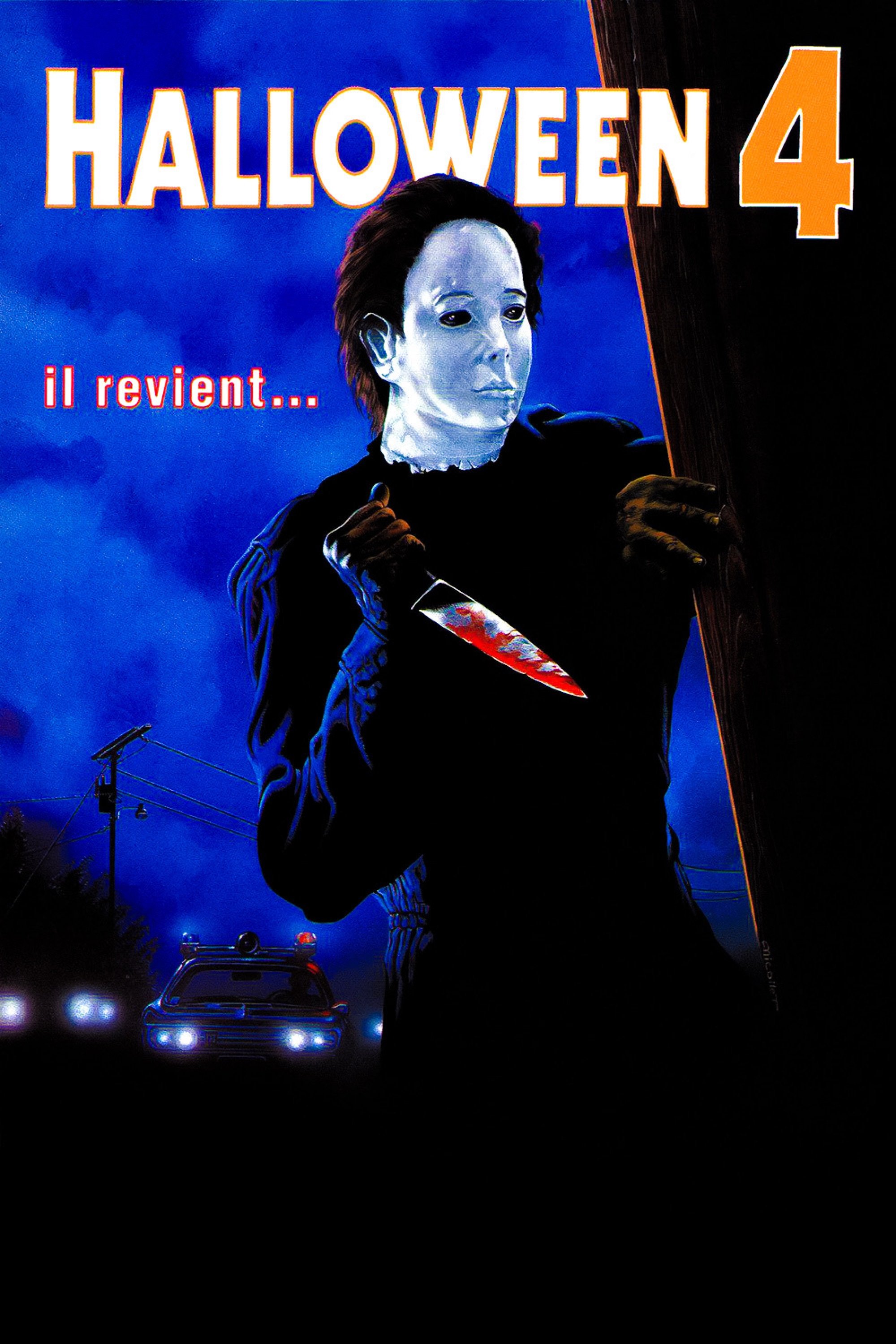
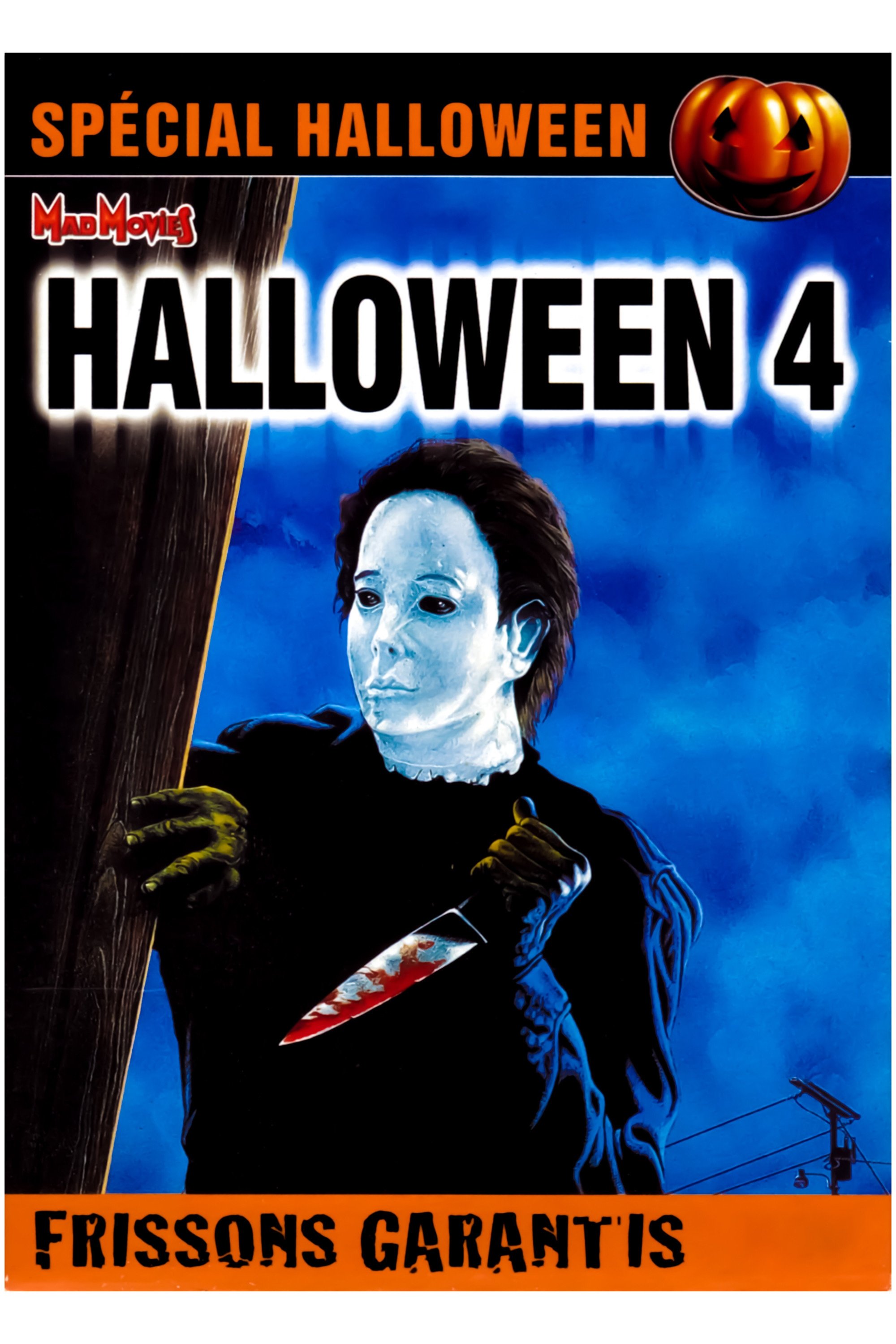
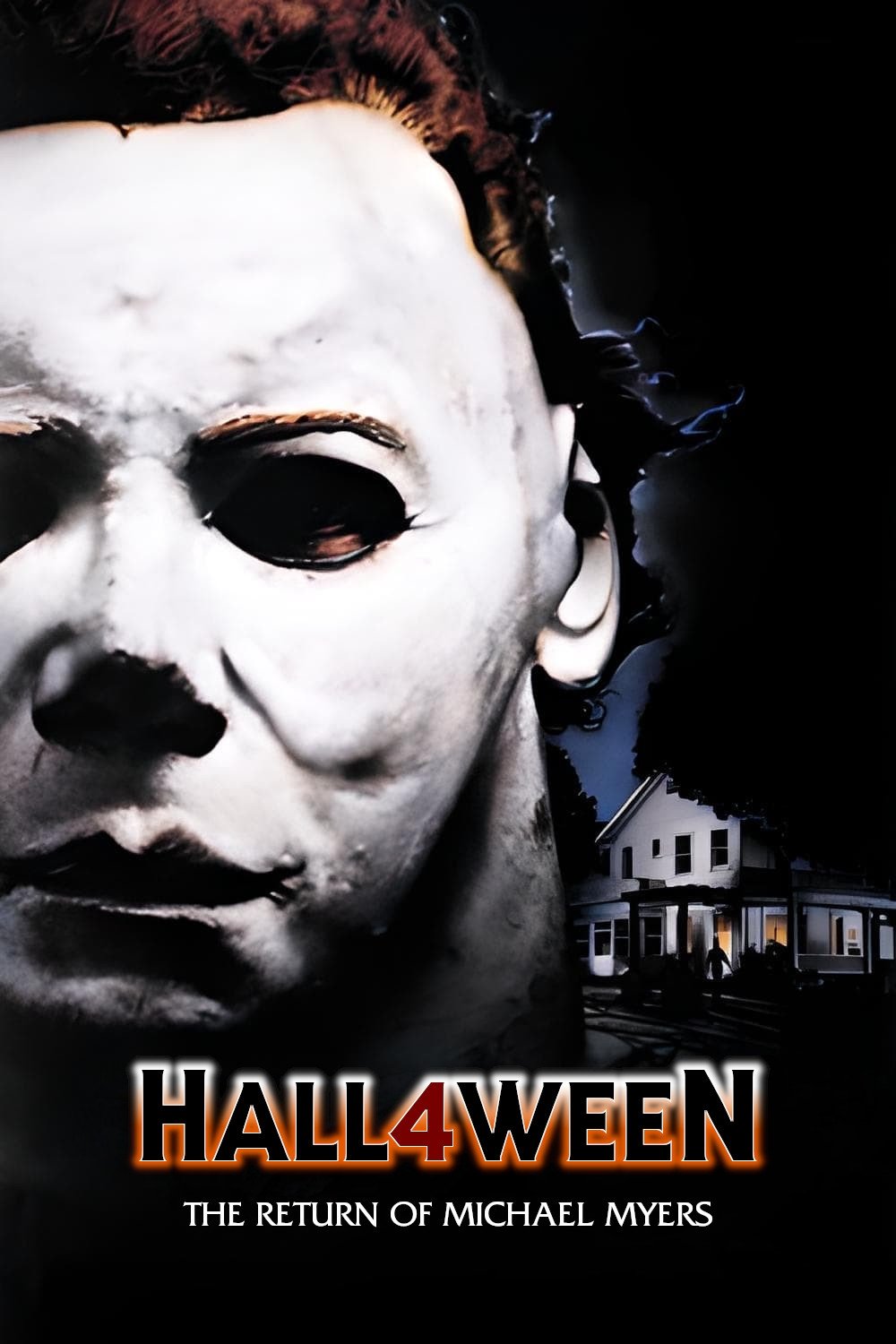
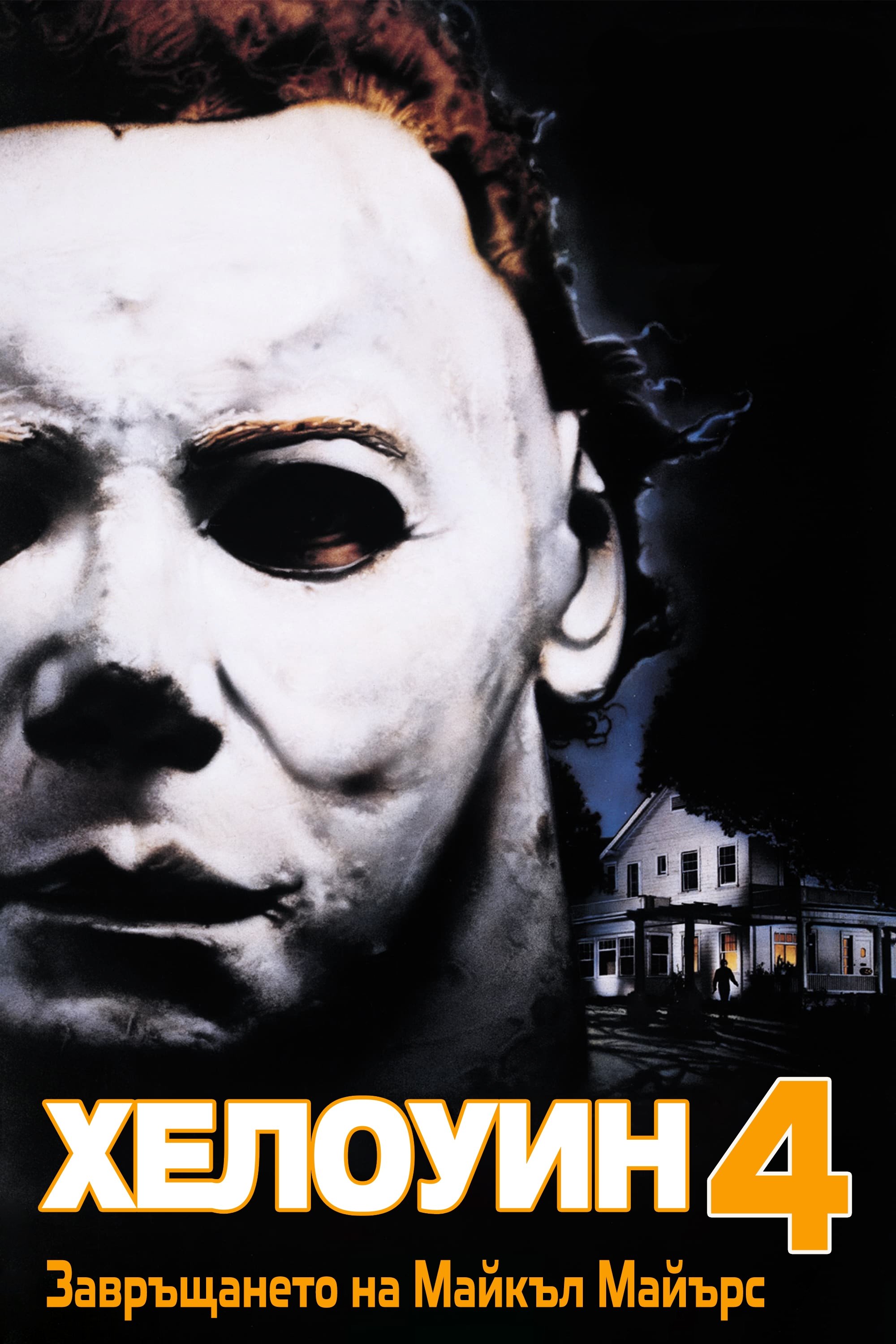
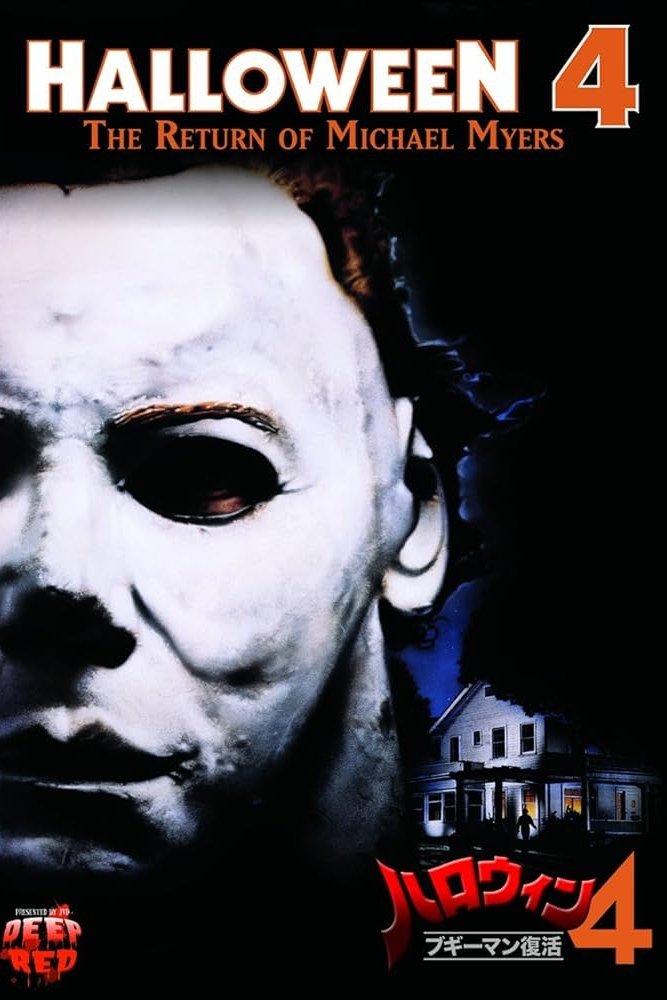
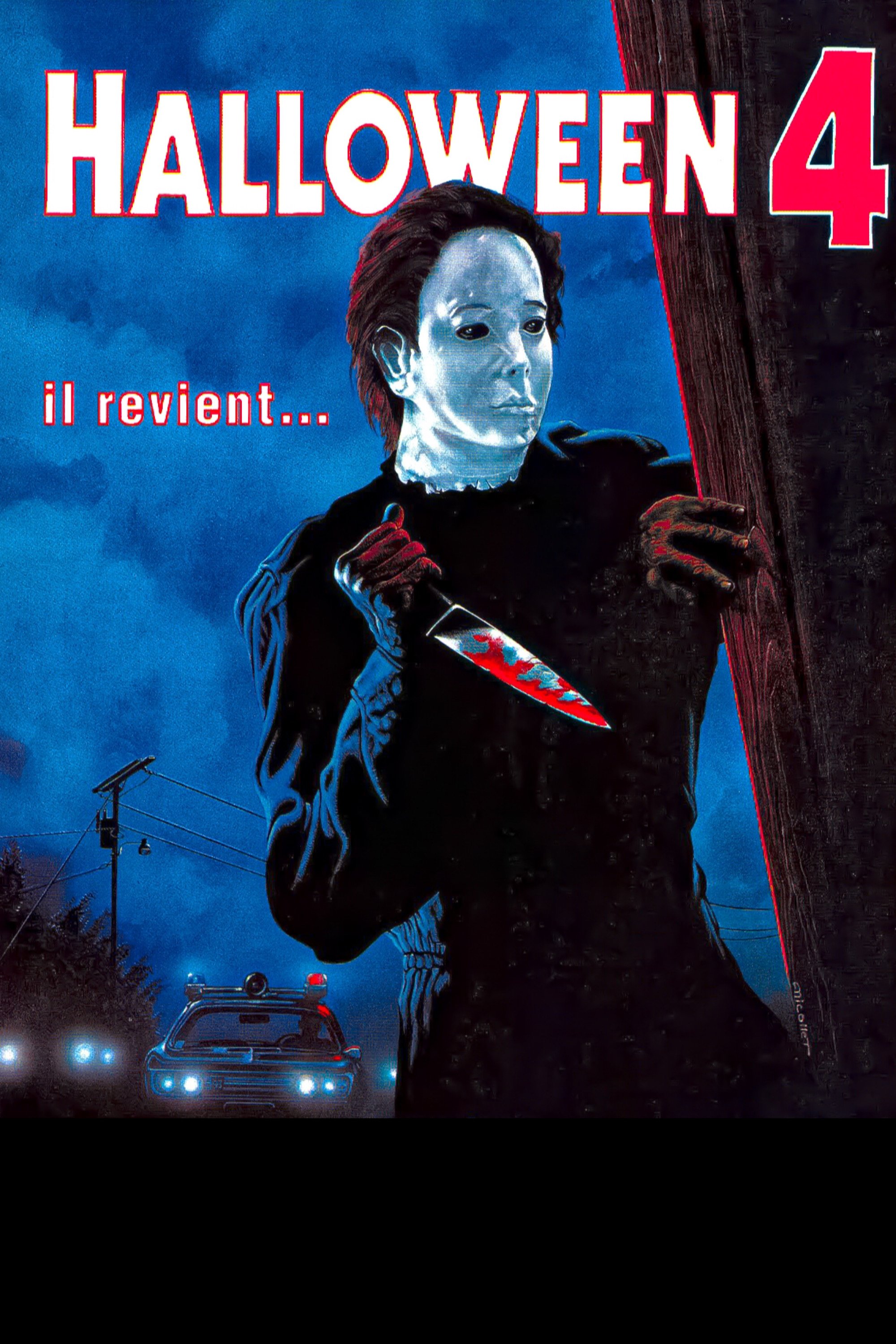
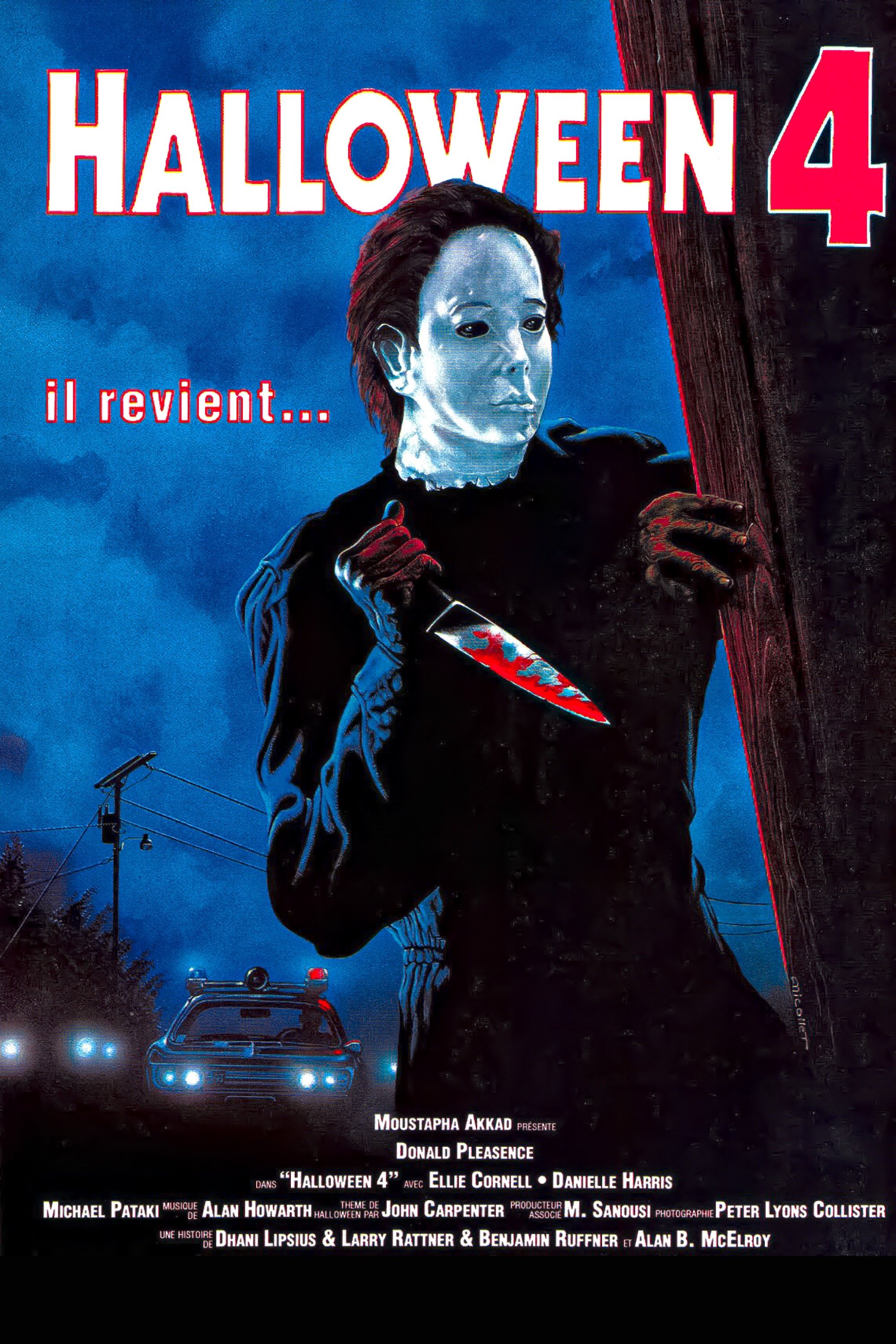
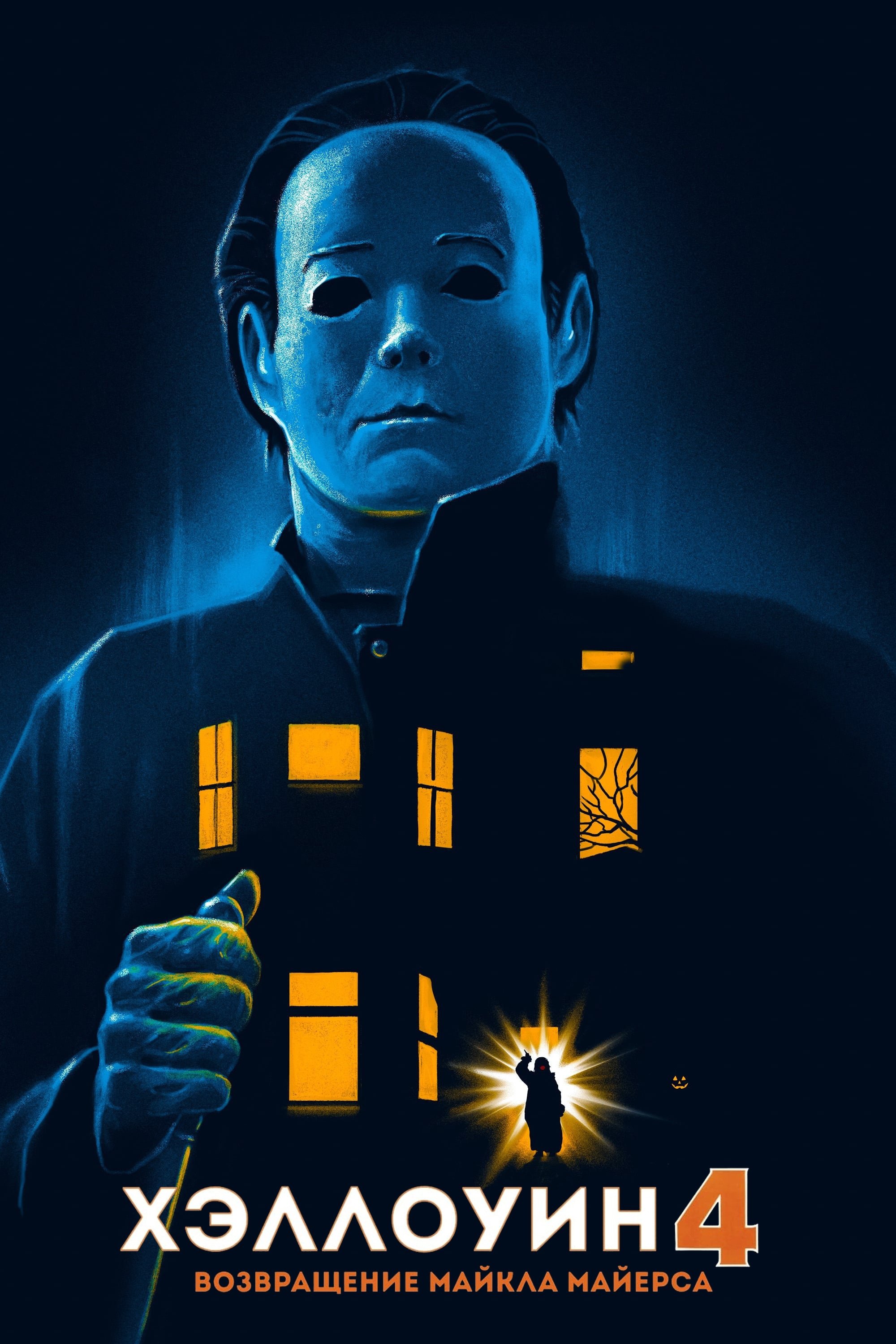
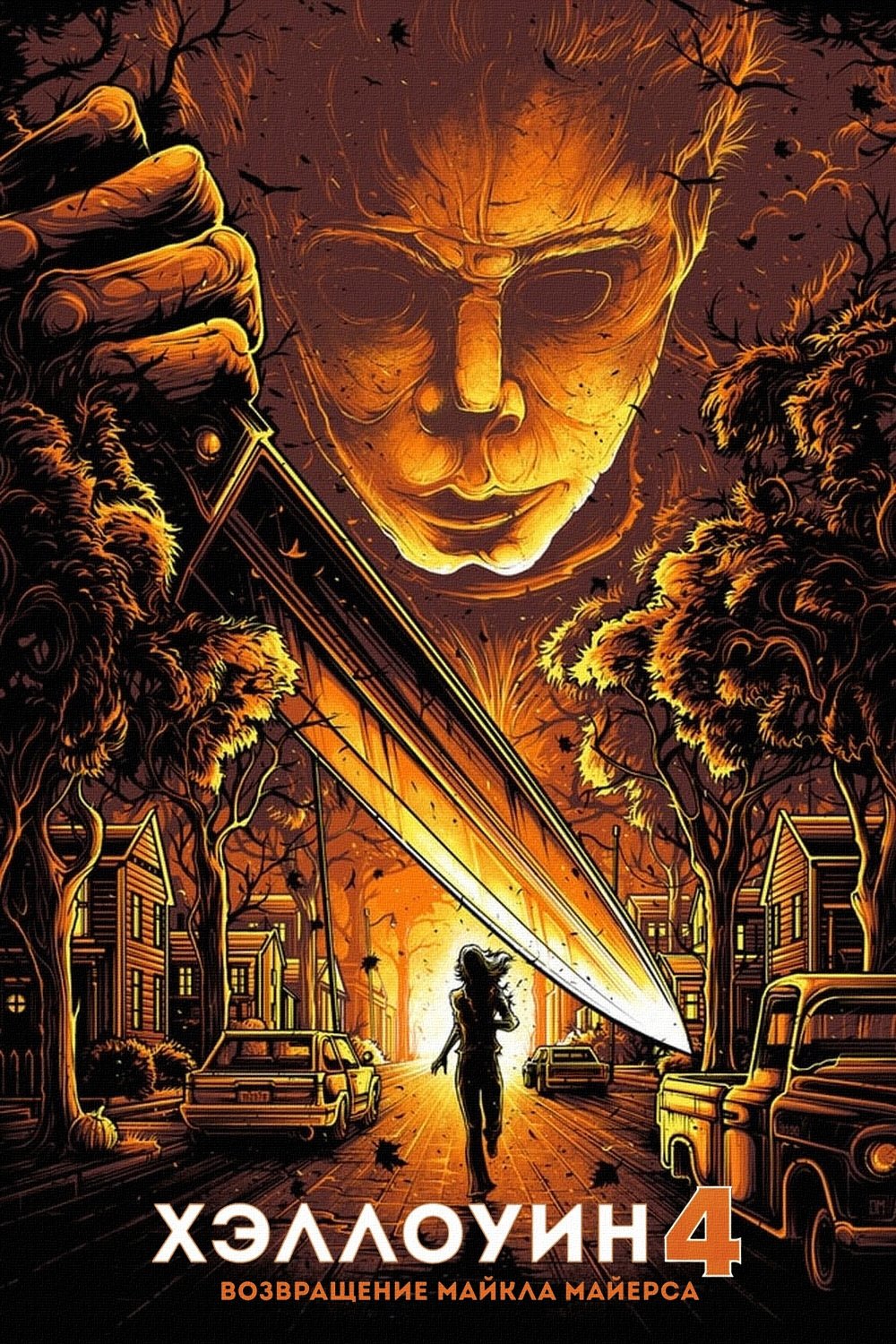
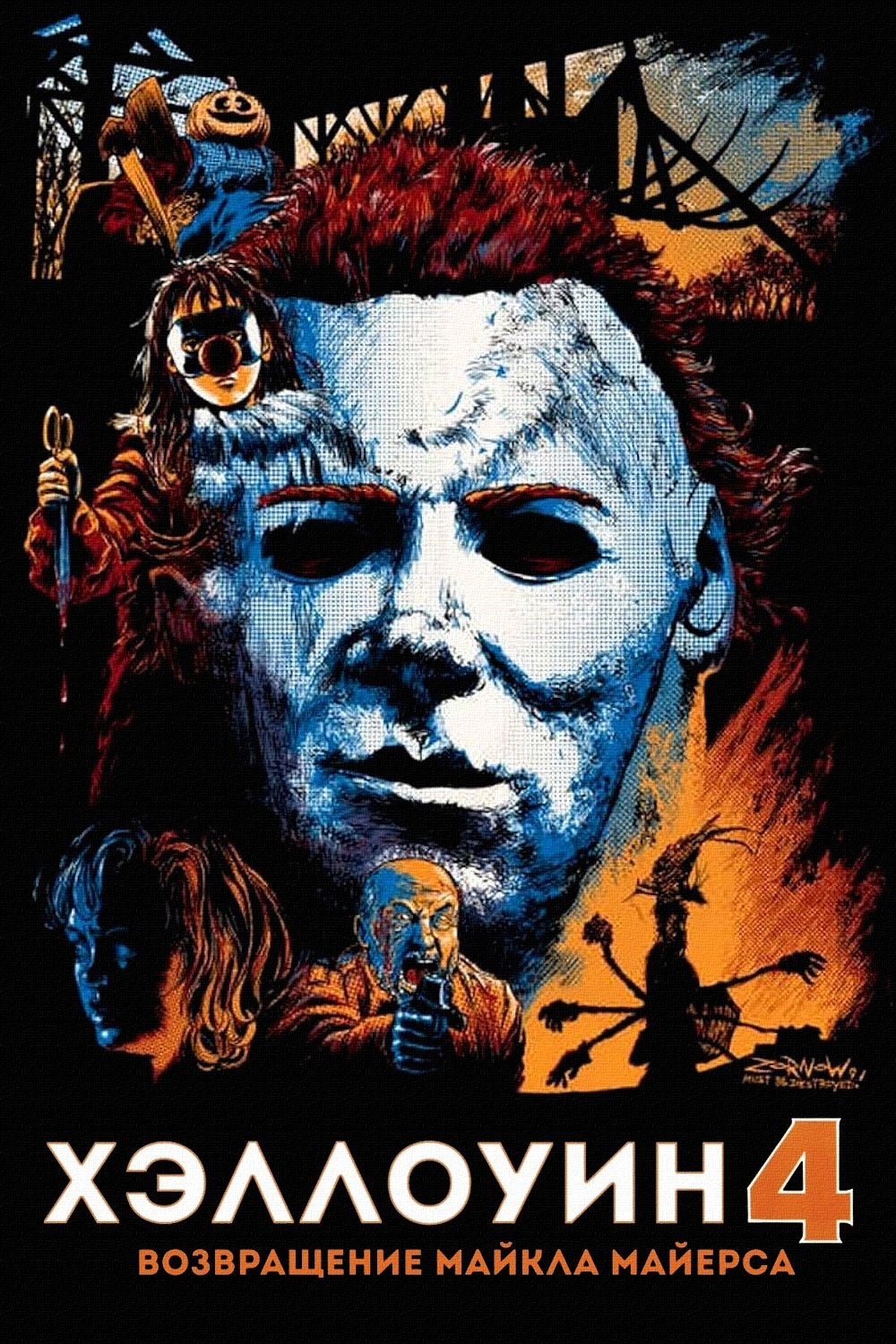
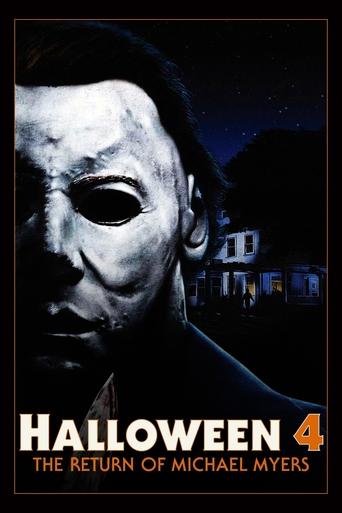
Halloween 4: The Return of Michael Myers (1988) poster
Production Companies
Trancas International Films , Galaxy International Releasing
Plot

Ten years after the Haddonfield murders, Michael Myers awakens during a transfer between medical facilities and learns that his young niece, Jamie Lloyd, is living in his hometown. He returns to Haddonfield to find her, leaving another series of killings in his wake. Jamie, who has grown up without her mother Laurie Strode, becomes the focus of the threat, while Dr. Samuel Loomis pursues Michael despite the injuries and trauma of their earlier encounters.

Alternative Titles
Halloween IV (Australia) Хелоуин ІV: Завръщането на Майкъл Майърс (Bulgaria) — Bulgarian Halloween 4: O Dia das Bruxas (Brazil) Halloween 4: O Retorno de Michael Myers (Brazil) Halloween 4 : Le Retour de Michael Myers (Canada) — French 捉鬼节4 (China) 月光光心慌慌4:迈克尔的回归 (China) — Chinese Halloween 4: Návrat Michaela Myerse (Czechia) — Czech
Show all 39 alternative titles Halloween IV - Michael Myers kehrt zurück (Germany) — German Maskernes Nat 4 (Denmark) Halloween 4: El regreso de Michael Myers (Spain) Halloween 4 (Finland) — Finnish Halloween 4 : Le Retour de Michael Myers (France) Η Νύχτα με τις Μάσκες 4: Η επιστροφή του Μάικλ Μάγιερς (Greece) — Greek 月光光心慌慌 4 (Hong Kong SAR China) — Chinese Noć vještica 4: Povratak Michaela Myersa (Croatia) — Croatian Halloween 4.: A rémület visszatér (Hungary) — Hungarian Halloween 4 - The Return Of Michael Myers (Ireland) ליל המסכות 4: שובו של מייקל מאיירס (Israel) — Hebrew Halloween 4 - Il ritorno di Michael Myers (Italy) — Italian ハロウィン 4 ブギーマン復活 (Japan) ハロウィン4 ブギーマン復活 (Japan) — Japanese ハロウィン4/ブギーマン復活 (Japan) 할로윈 4: 돌아온 마이클 마이어스 (South Korea) — Korean Halloween 4: El regreso de Michael Myers (Mexico) — Spanish Halloween IV: Powrót Michaela Myersa (Poland) — Polish Halloween 4 - O Regresso do Assassino (Portugal) — Portuguese Halloween 4: Întoarcerea lui Michael Myers (Romania) — Romanian Хэллоуин 4: Возвращение Майкла Майерса (Russia) — Russian الهالوين 4: عودة مايكل مايرز (Saudi Arabia) — Arabic Halloween 4 - Återkomsten (Sweden) — Swedish Halloween 4: Návrat Michaela Myersa (Slovakia) — Slovak Halloween 4 El Regreso de Michael Myers (El Salvador) ฮาโลวีน 4: บทโหดอมตะ (Thailand) — Thai Cadılar Bayramı 4: Michael Myers'ın Dönüşü (Türkiye) — Turkish 月光光心慌慌4 (Taiwan) — Chinese Гелловін 4: Повернення Майкла Майєрса (Ukraine) — Ukrainian Halloween IV: The Return Of Michael Myers (United States) Halloween 4: Sự Trở Lại của Michael Myers (Vietnam) — Vietnamese

Trailers & Videos

2 videos

Film Guide

Ten years after the original Halloween, Michael Myers returned to Haddonfield in a sequel built around childhood fear, autumn atmosphere and a new generation forced to inherit the town's unfinished nightmare.

Halloween 4: The Return of Michael Myers (1988) restored Michael Myers to the center of the series after Halloween III: Season of the Witch had attempted to transform Halloween into an anthology franchise. Michael has survived the explosion at Haddonfield Memorial Hospital and spent a decade institutionalized. During a transfer, he learns that Laurie Strode has a daughter, Jamie Lloyd, now living with a foster family in Haddonfield. Michael escapes and begins moving back toward the town, while the equally scarred Dr. Samuel Loomis follows him once again.

Directed by Dwight H. Little from a screenplay by Alan B. McElroy, Halloween 4 deliberately returns to recognizable territory without simply reproducing John Carpenter's original film. Its central victim is now a child, Danielle Harris's Jamie, whose fear of Michael is tied to family history she barely understands. The film also emphasizes the physical atmosphere of Halloween itself, from its celebrated autumnal opening montage to the crowded streets of trick-or-treaters that can hide Michael in plain sight. What begins as a commercially necessary resurrection of the franchise develops into a film about inherited evil, culminating in an ending that unexpectedly transfers the imagery of the original Halloween from Michael to Jamie.

Bringing Michael Myers Back

By the late 1980s, producer Moustapha Akkad had concluded that a continuation of the franchise required Michael Myers. Halloween III had deliberately abandoned Michael in favor of an anthology concept, but the experiment had not produced the audience response necessary to make that model permanent. Producer Paul Freeman later remembered that the central reaction was simple: viewers wanted Michael back. The subtitle The Return of Michael Myers therefore functioned almost as a statement of purpose.

Dwight H. Little entered the project after Akkad considered a number of possible stories. Little later recalled that the material initially presented to him did not interest him, so he contacted his writing partner Alan B. McElroy and began developing a different approach. Little and McElroy built the story structure together, establishing Jamie, Rachel, Loomis and Michael's return to Haddonfield before McElroy completed the screenplay and dialogue.

Time was unusually limited. A Writers Guild strike was approaching in March 1988, and the filmmakers needed a finished screenplay before it began. McElroy completed the script in eleven days, delivering it only hours before the strike deadline. The speed did not prevent the film from establishing a clean narrative structure. Laurie Strode is removed from the story, Jamie becomes the new family connection to Michael, Rachel Carruthers becomes her principal protector and Loomis resumes the role of the man who understands that Michael's apparent inactivity never meant that the danger had ended.

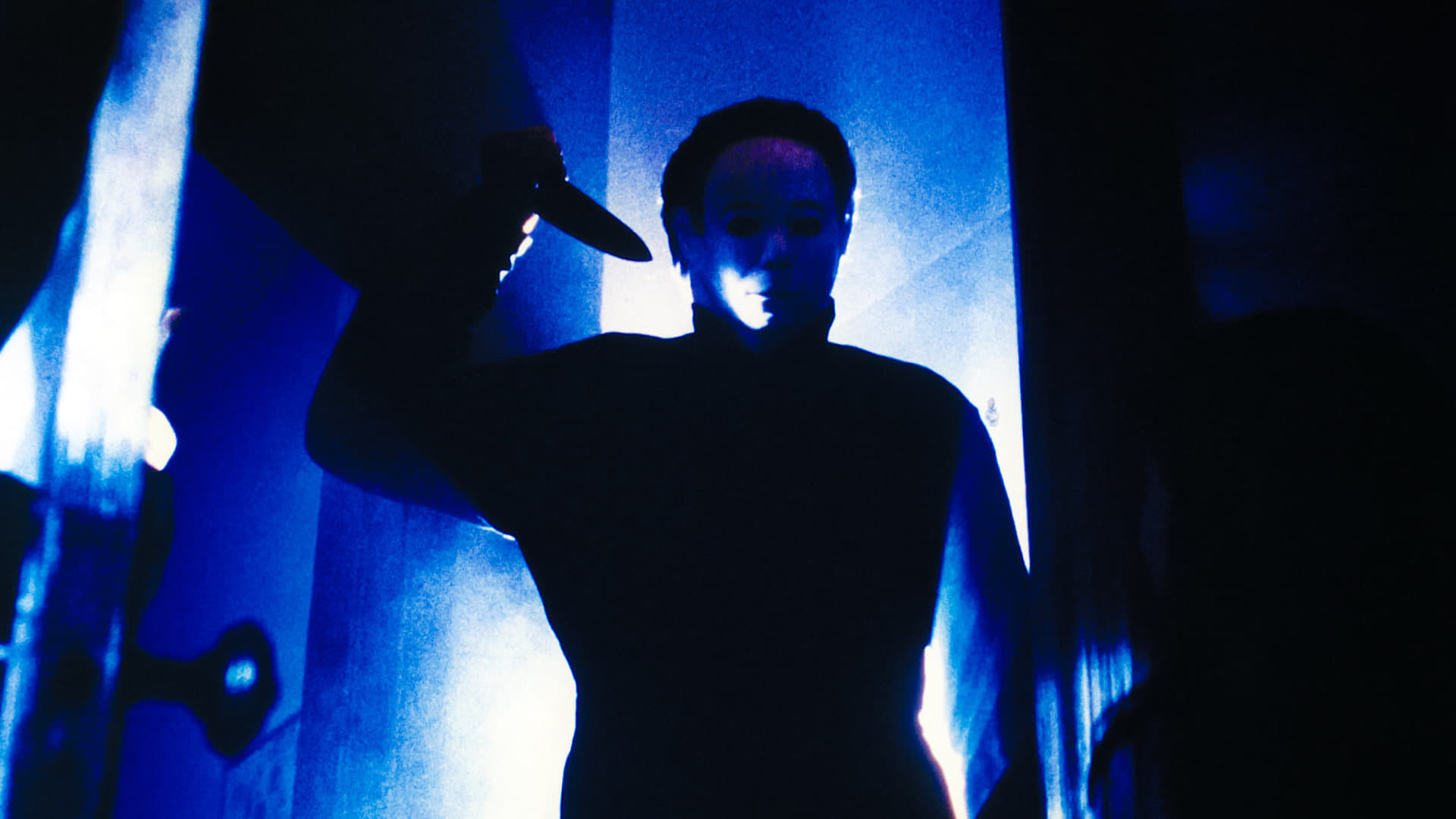
Little also resisted turning the movie into a simple catalogue of elaborate killings. During production he described his intention as trying to recapture the mood of Halloween while taking new chances, and Akkad publicly emphasized suspense over escalating gore. The result is still considerably more violent than Carpenter's original, but much of its tension comes from waiting for Michael to enter spaces occupied by characters the film has taken time to establish.

Jamie Lloyd, Rachel & Childhood Fear

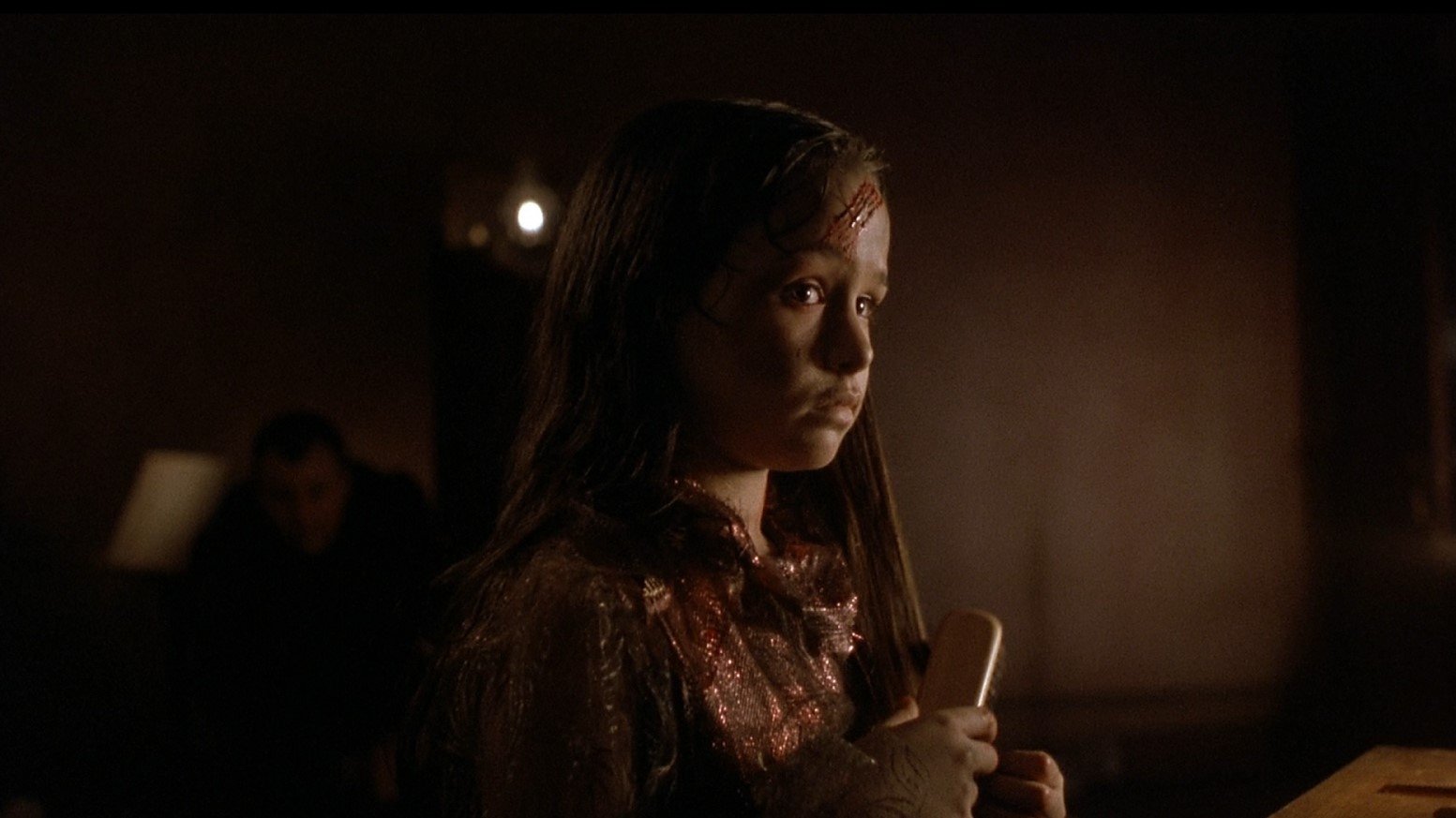
The most important addition is Jamie Lloyd. Rather than replace Laurie with another teenage final girl, McElroy and Little make Michael's principal target a child. Jamie understands that her uncle is associated with murder and family tragedy, but she has no direct memory of him. Michael therefore exists for her first as an inherited nightmare, something adults know about and other children can use to torment her before he becomes physically present.
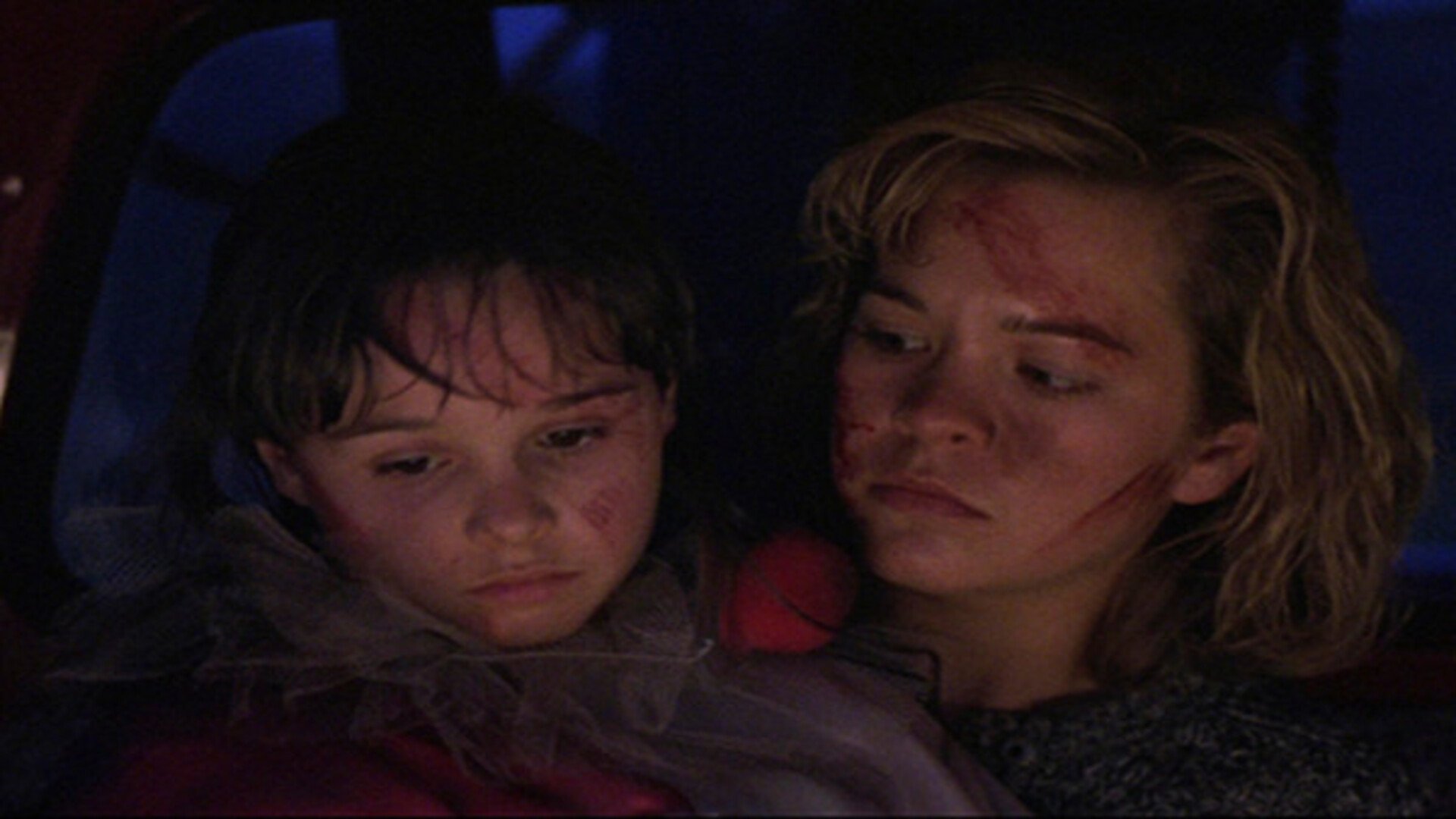
Danielle Harris was selected after auditions in New York. Little remembered that her confidence and intelligence immediately distinguished her, and he deliberately avoided treating her as though she could not understand the demands of the production. That decision matters on screen because Jamie is not written only as a helpless child. She is frightened and dependent on Rachel, but she also watches, reacts and gradually develops a complicated connection with the family history represented by Michael.

Ellie Cornell's Rachel provides the emotional stability around her. Little strongly supported Cornell after testing potential performers on 35mm, believing that her natural warmth was essential to the film. Rachel begins with ordinary teenage frustrations, including resentment over having to babysit, but the story gradually strips those concerns away. Her relationship with Jamie becomes the film's most important human bond, particularly once the two are separated from adult protection.

Using a child also changes the scale of familiar Halloween situations. Crowded streets, dark houses and being temporarily separated from a guardian become more threatening because Jamie has less physical control over her environment than Laurie Strode did. Little specifically constructed the trick-or-treat sequence around the childhood fear of being surrounded by people one moment and suddenly discovering oneself alone the next. Michael fits naturally into that anxiety because a masked adult can disappear among ordinary Halloween costumes until the crowd itself becomes unsafe.

Utah, Autumn & Rebuilding Haddonfield

Halloween 4 was filmed around Salt Lake City, Utah, which had to stand in for Haddonfield, Illinois. Production took place during March and April, creating an immediate seasonal problem. The filmmakers were attempting to depict late October while shooting at a time when the necessary pumpkins, leaves and autumn vegetation were difficult to obtain. The art department therefore had to manufacture and arrange seasonal details.

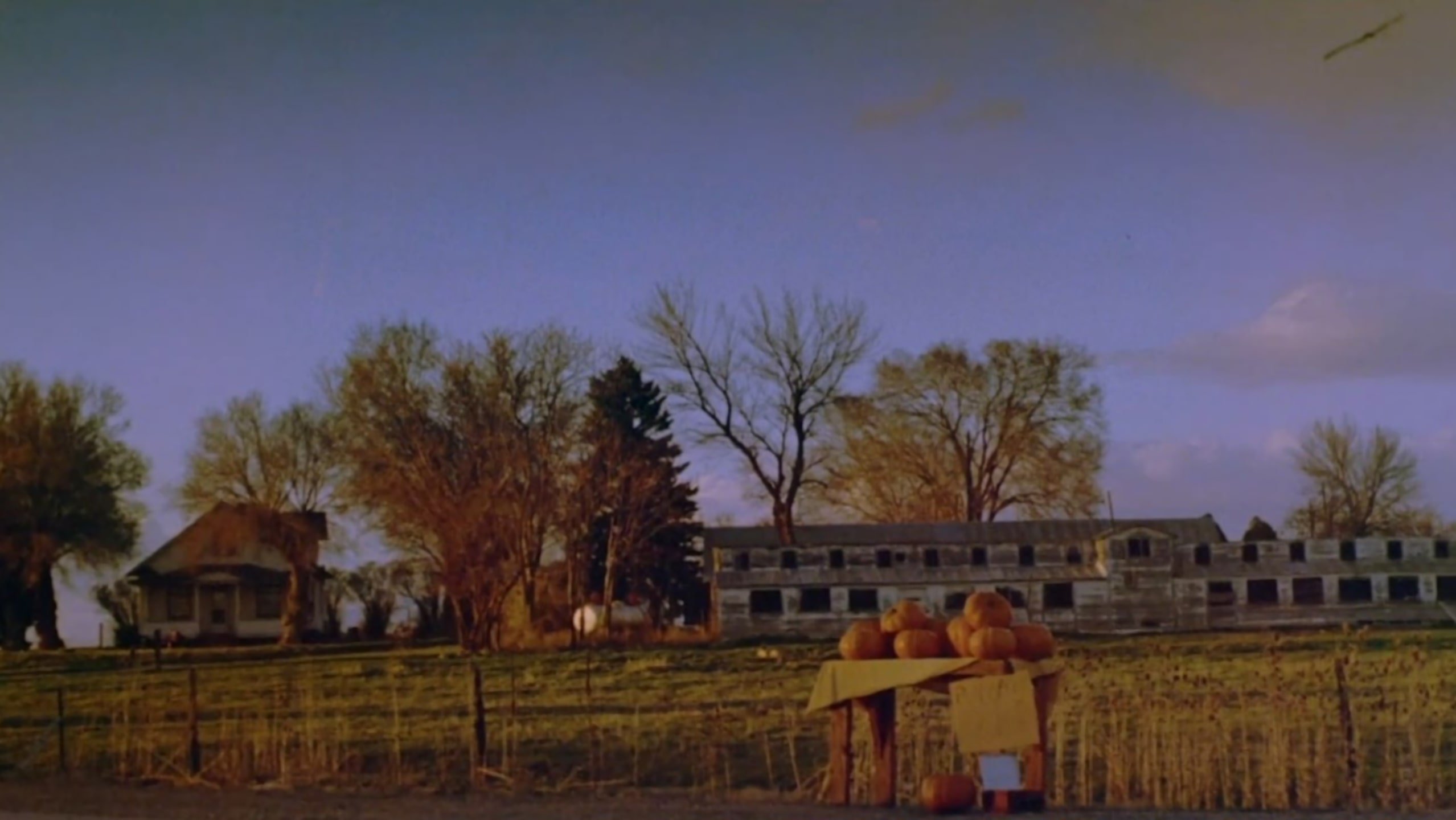
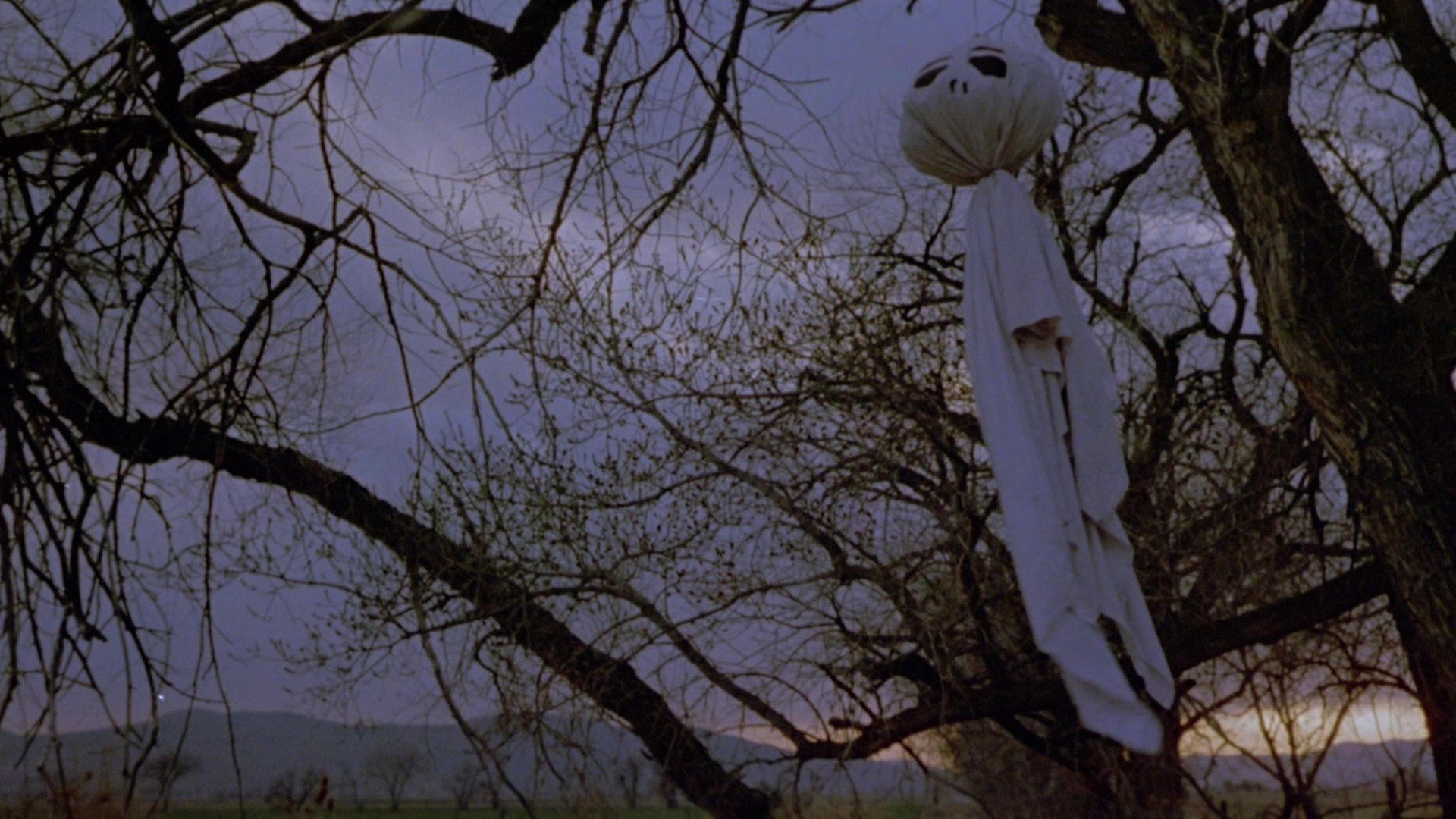
Little turned that difficulty into one of the movie's strongest visual ideas. While preparing the film, he researched the history and imagery of Halloween in library books and became interested in older agrarian representations of the holiday. Pumpkins, scarecrows, abandoned farm machinery, fields and the end of the harvest began to suggest an atmosphere that was broader than the suburban imagery normally associated with the franchise.

Those ideas became the opening credits sequence. Instead of reproducing Carpenter's slow movement toward a glowing jack-o'-lantern, Halloween 4 presents empty rural landscapes filled with decorations and agricultural objects. There are no characters and almost no conventional horror actions. The unease comes from stillness, deteriorating daylight and the suggestion that the season itself has become threatening. Little later described the images as an attempt to capture the ancient end-of-autumn quality of Halloween.

The same attention to atmosphere continues once the film enters Haddonfield. Streets crowded with costumed children, porches decorated for the holiday and dark residential interiors give Michael an environment in which he belongs visually even though he is a murderer moving through ordinary suburbia. The seasonal identity is strong enough that Little later suggested it helped explain the film's longevity. Halloween 4 is not simply set on October 31. It repeatedly attempts to make the audience feel the particular mixture of excitement and unease associated with that night.

Michael Myers, the Mask & Physical Presence

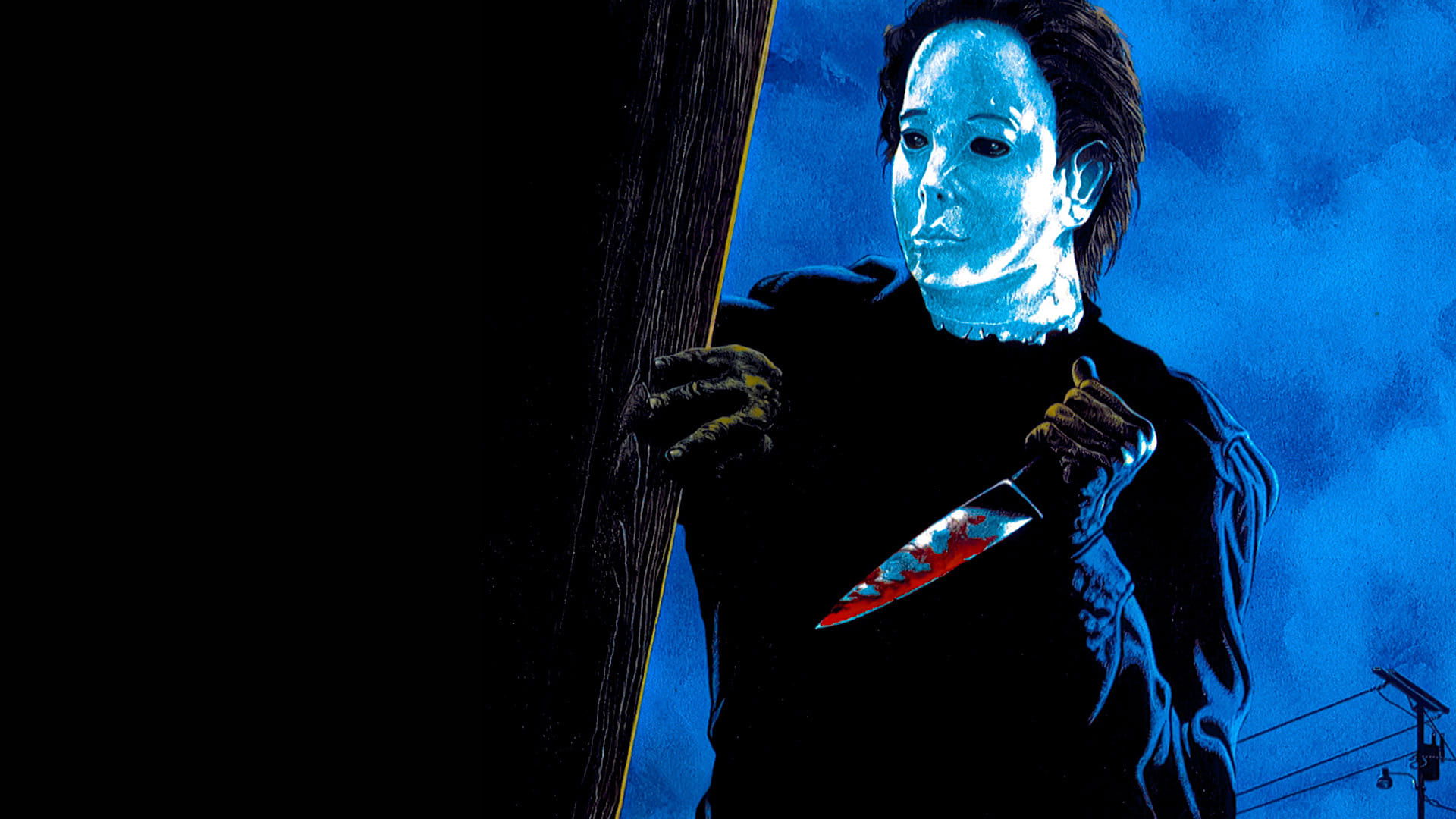
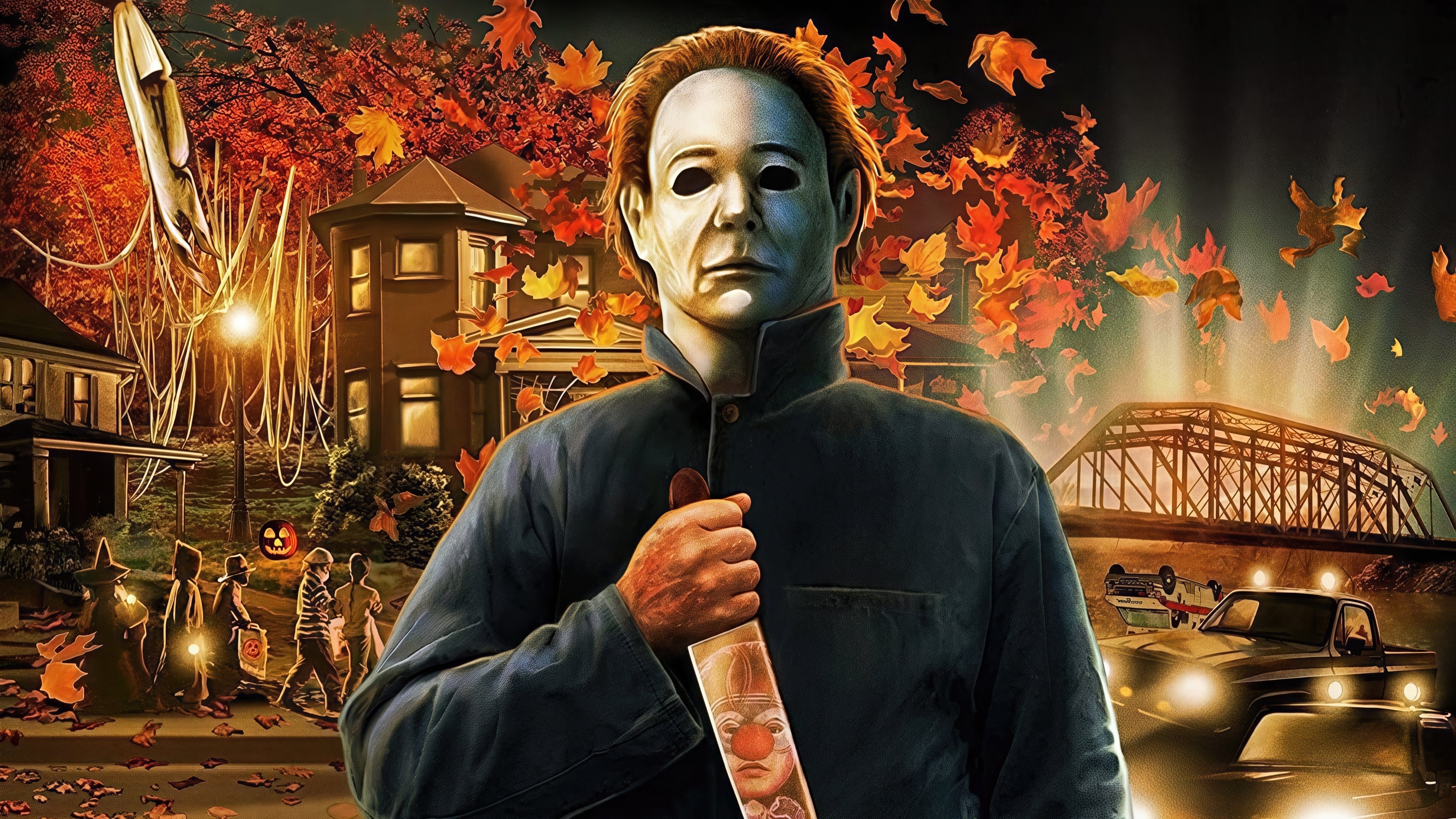
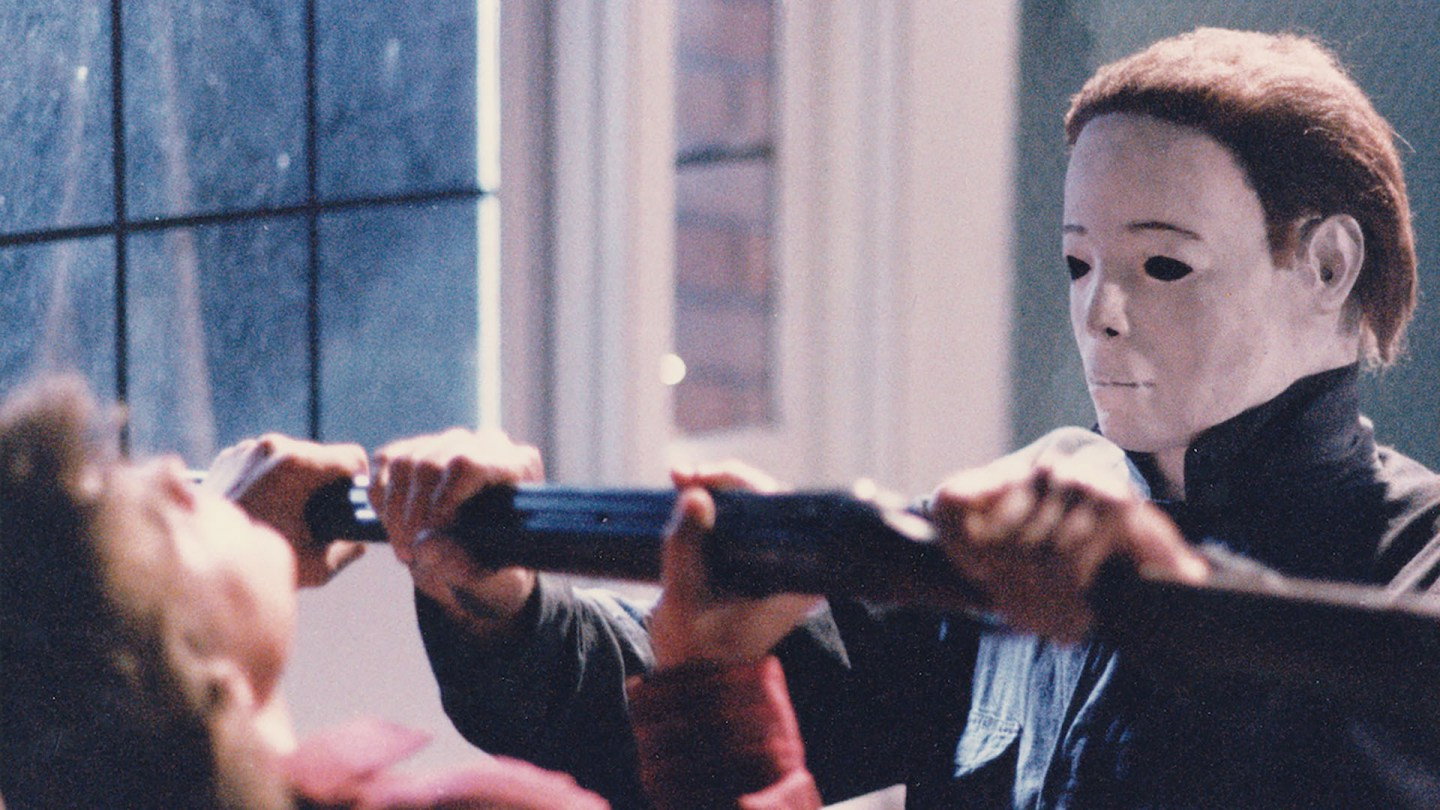
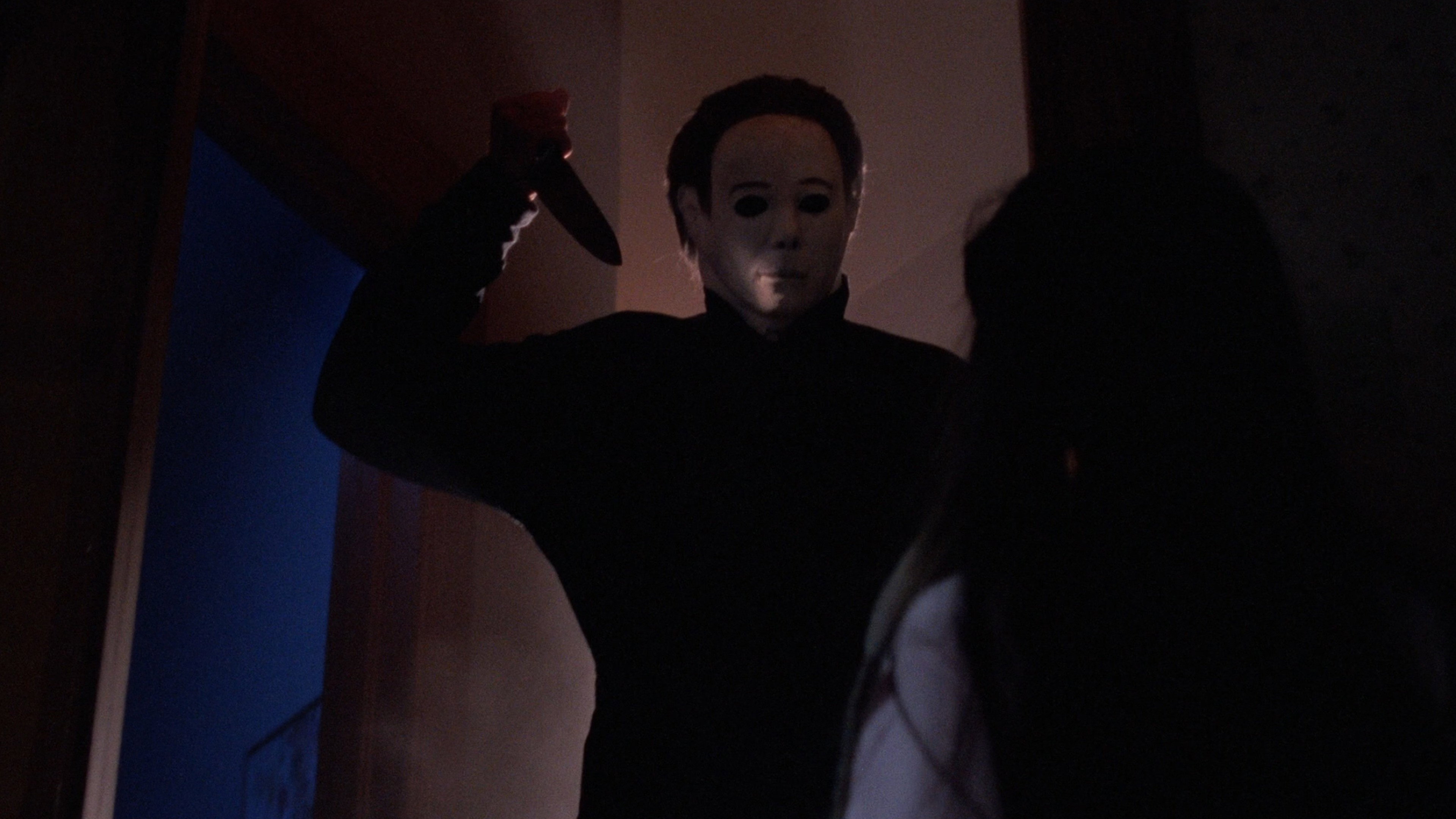
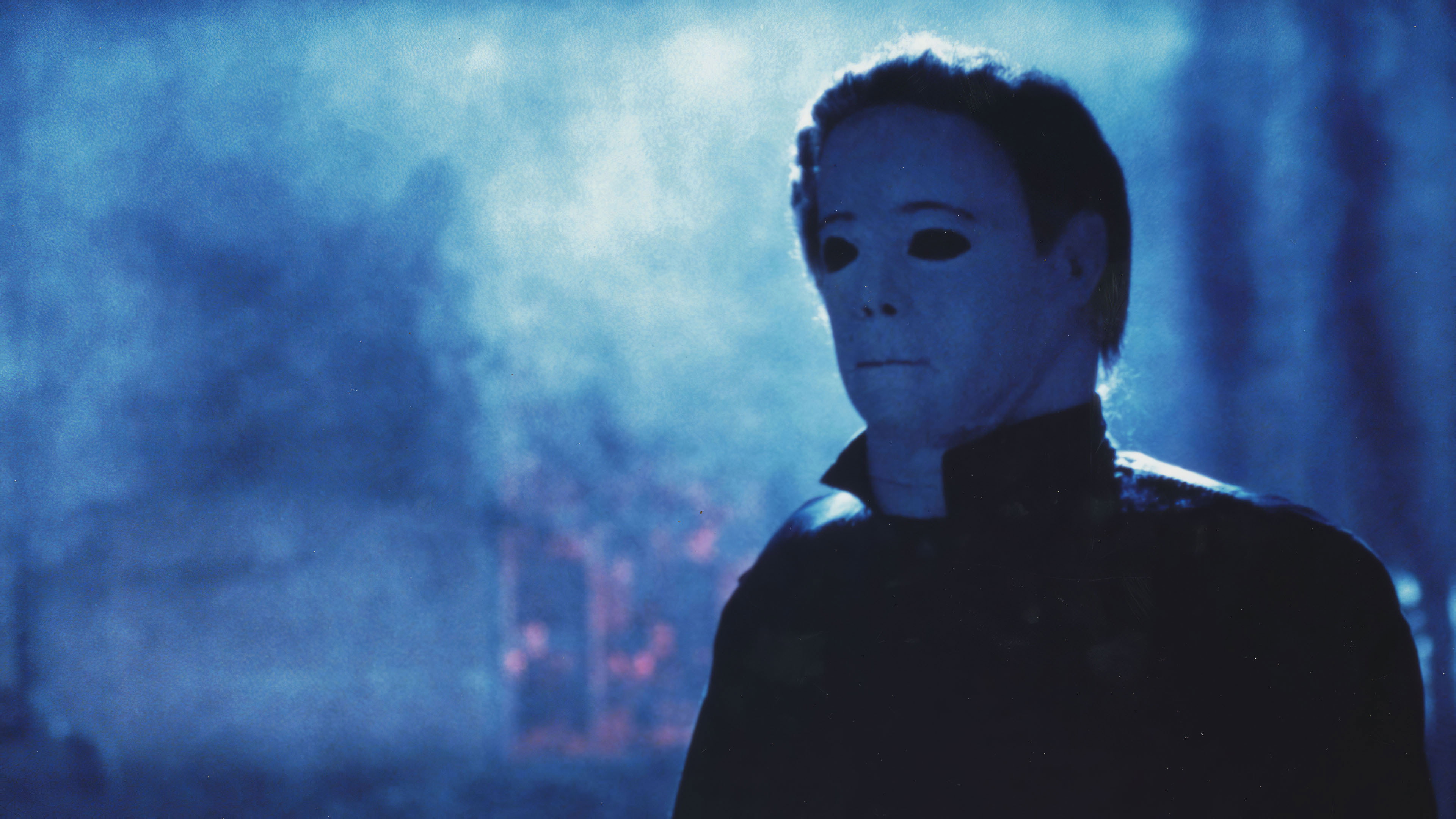
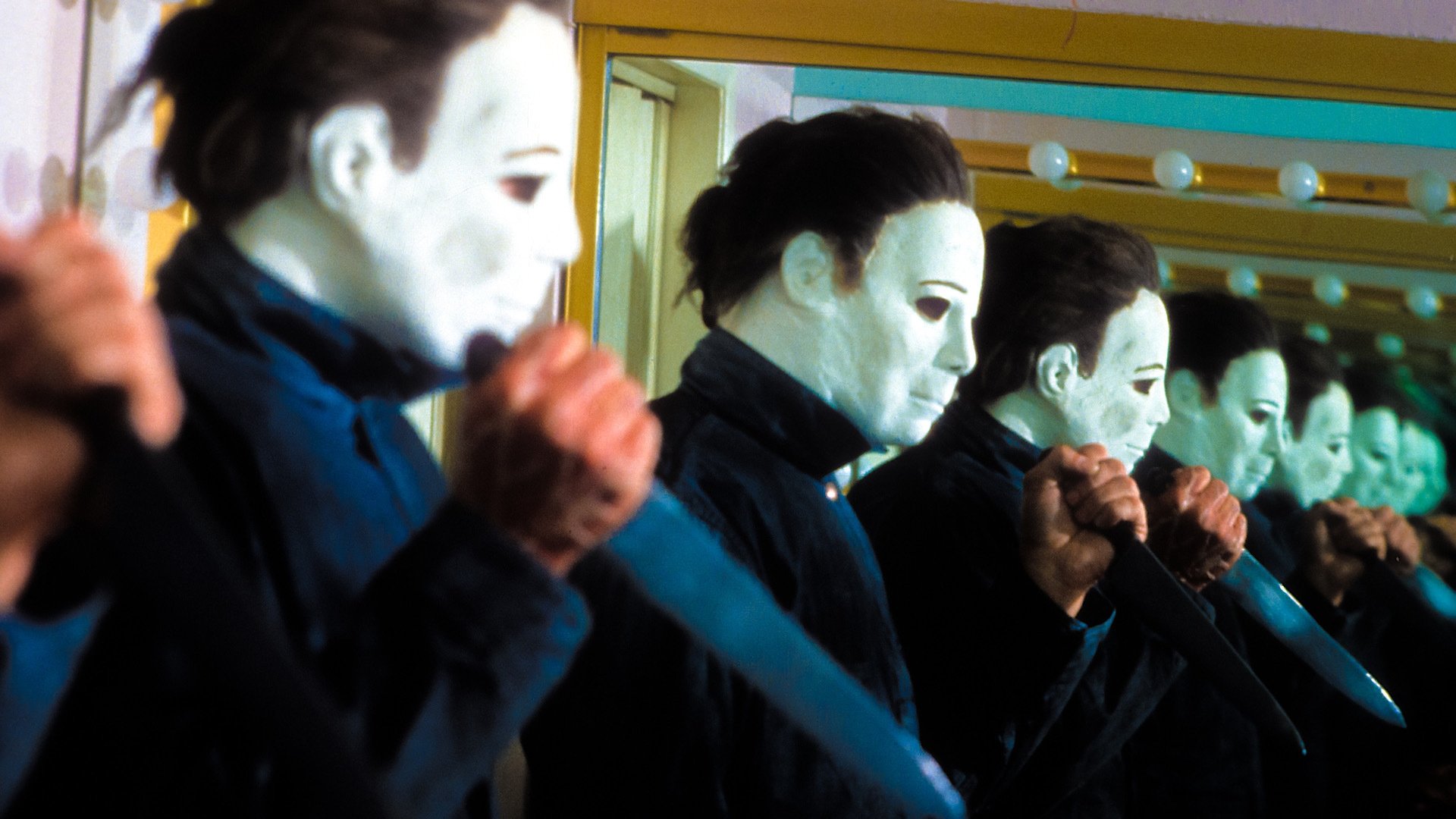
George P. Wilbur plays Michael as a physically heavier figure than the Shape seen in Carpenter's original. Wilbur was an experienced stunt performer, and the production increased his bulk further by placing padding under the coveralls. The result is a Michael who often appears less ghostlike and more overwhelmingly solid, appropriate to a sequel in which his physical strength has become more openly superhuman.

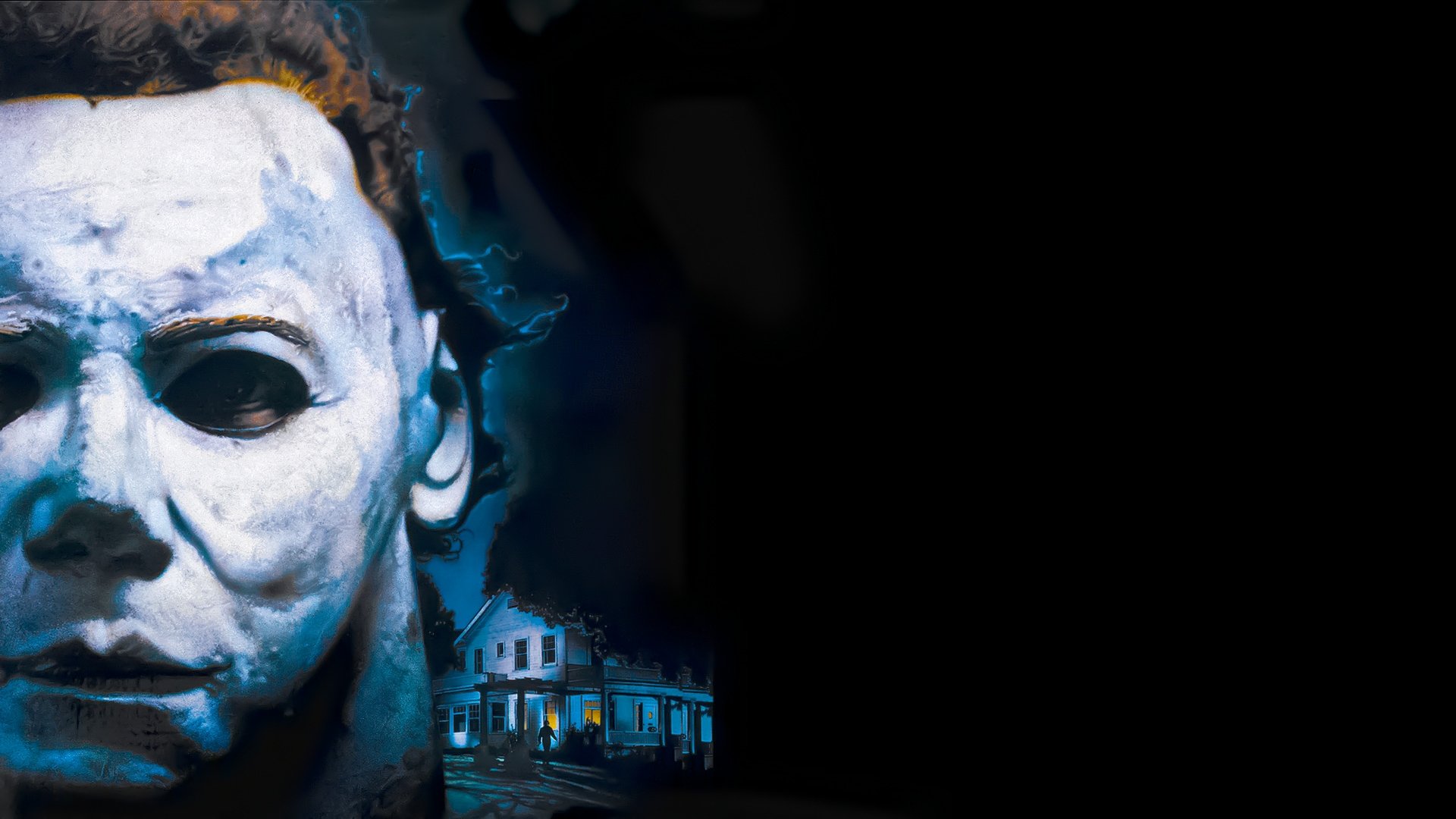
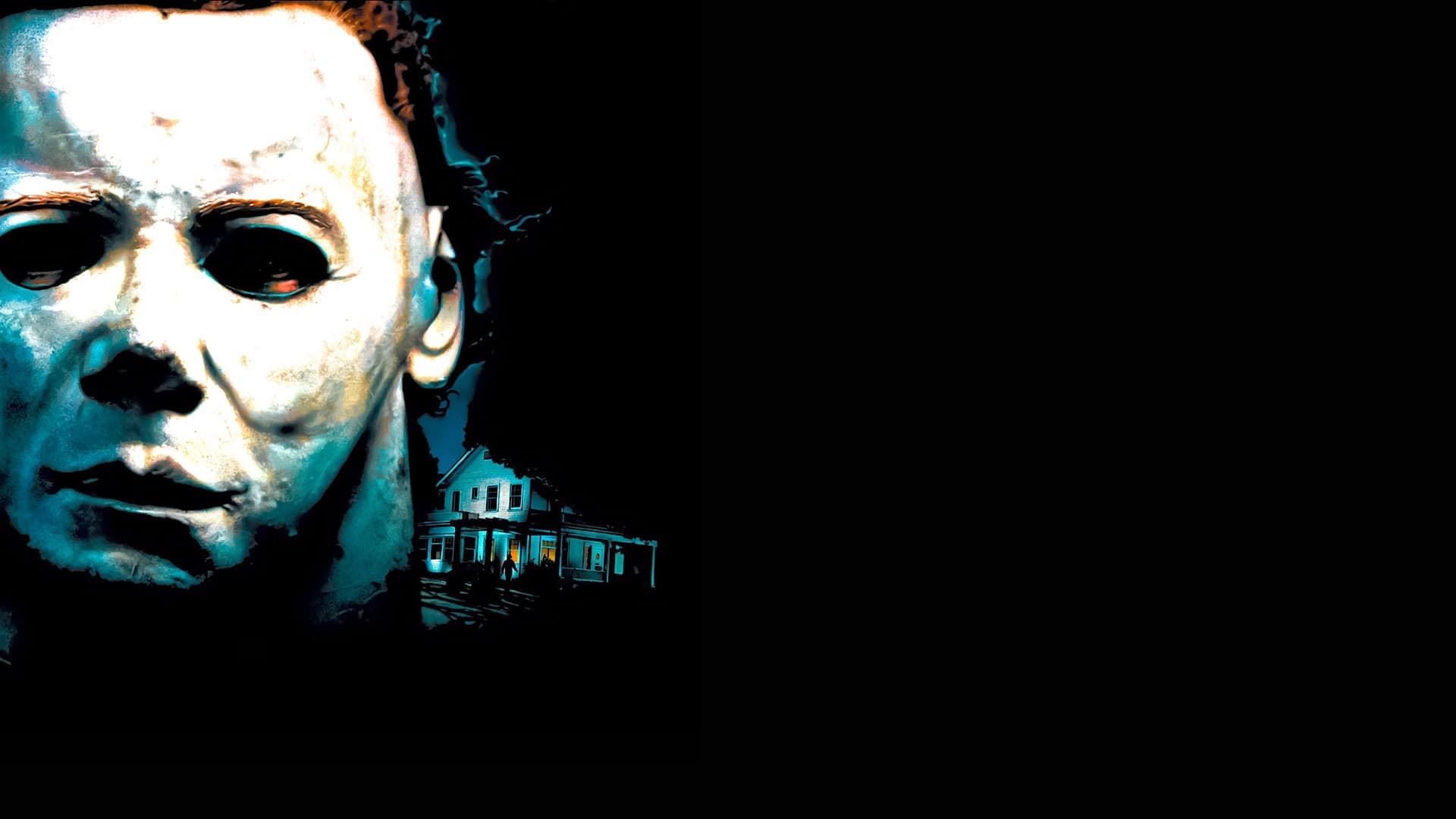
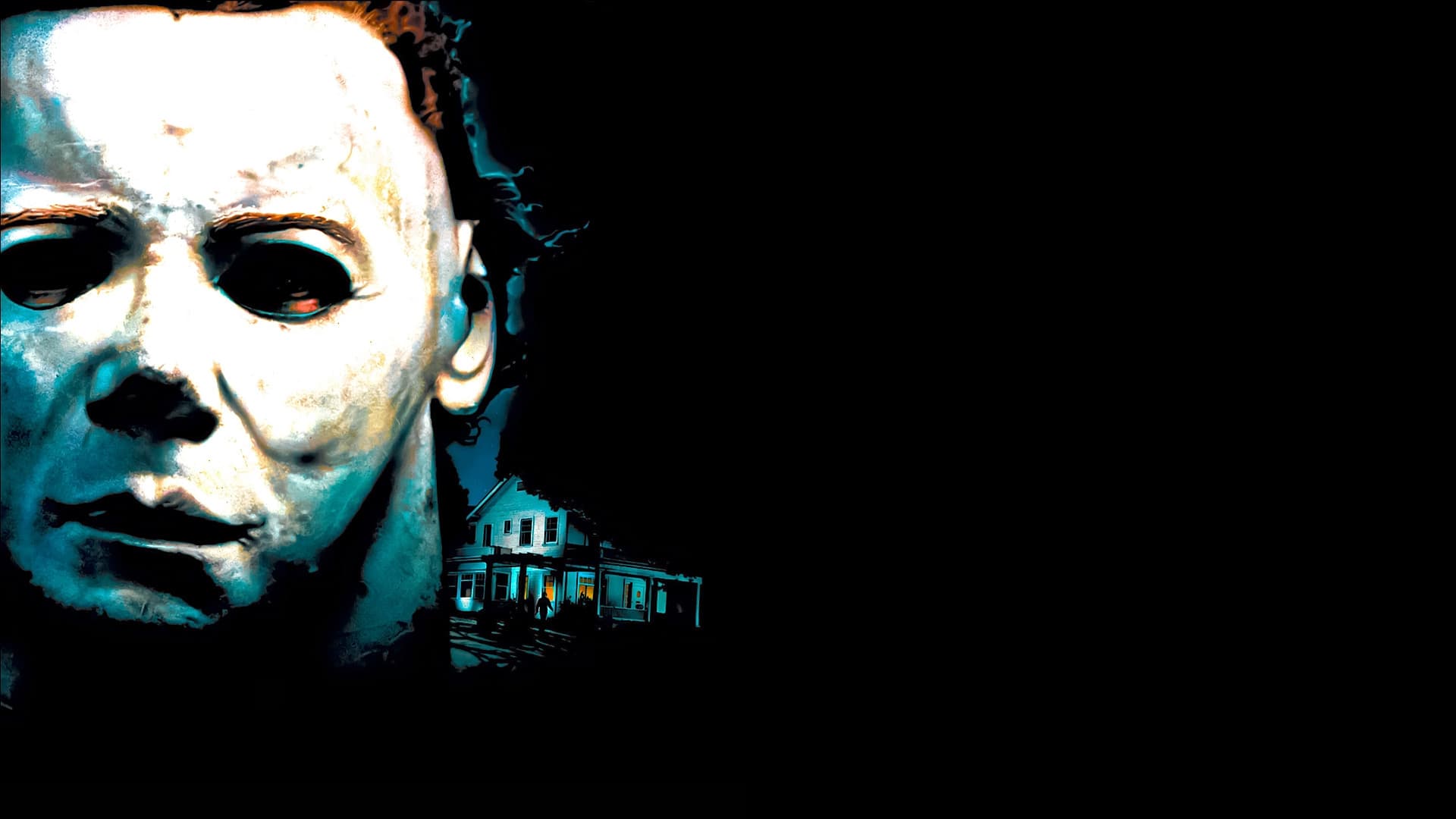
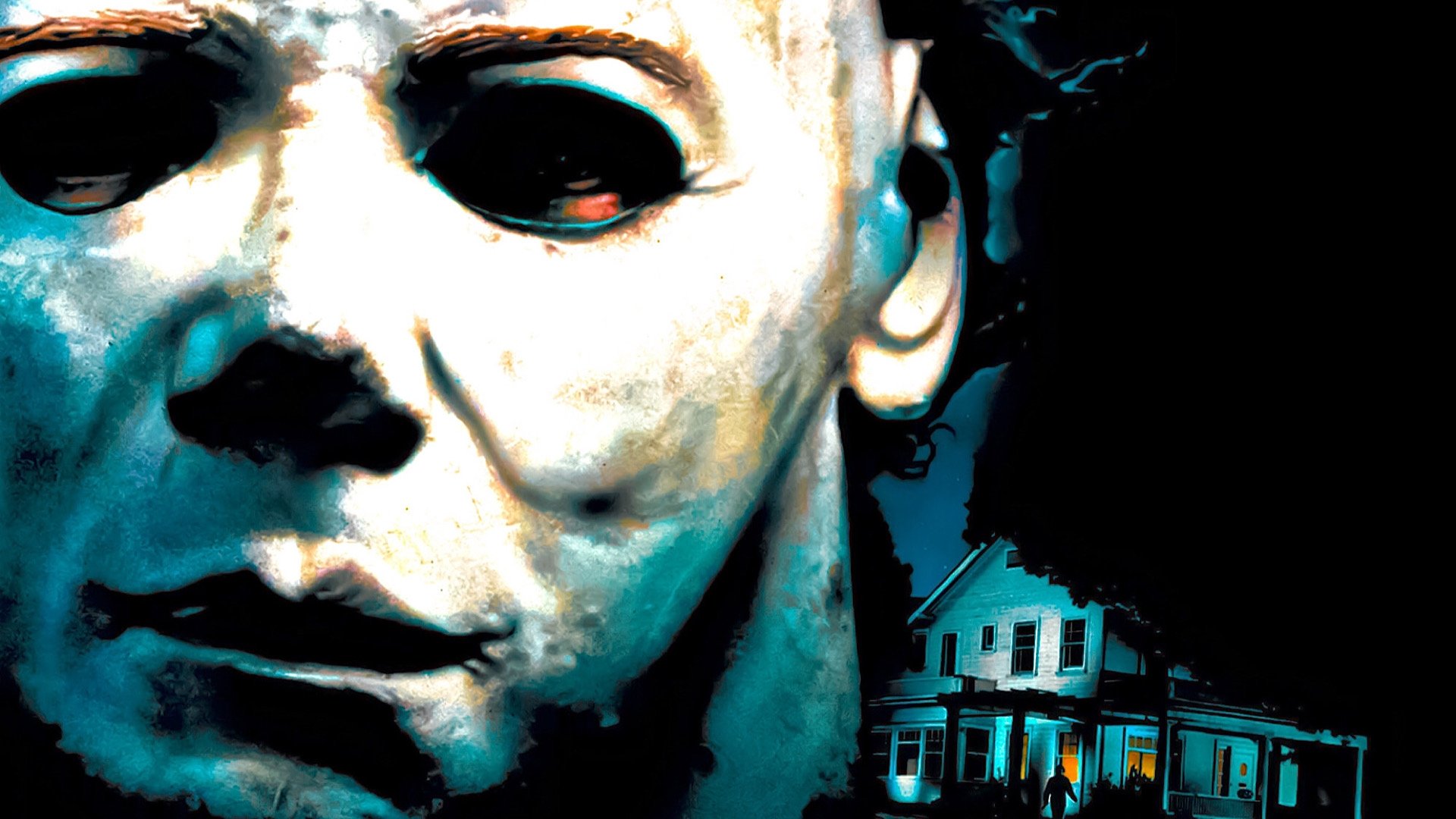
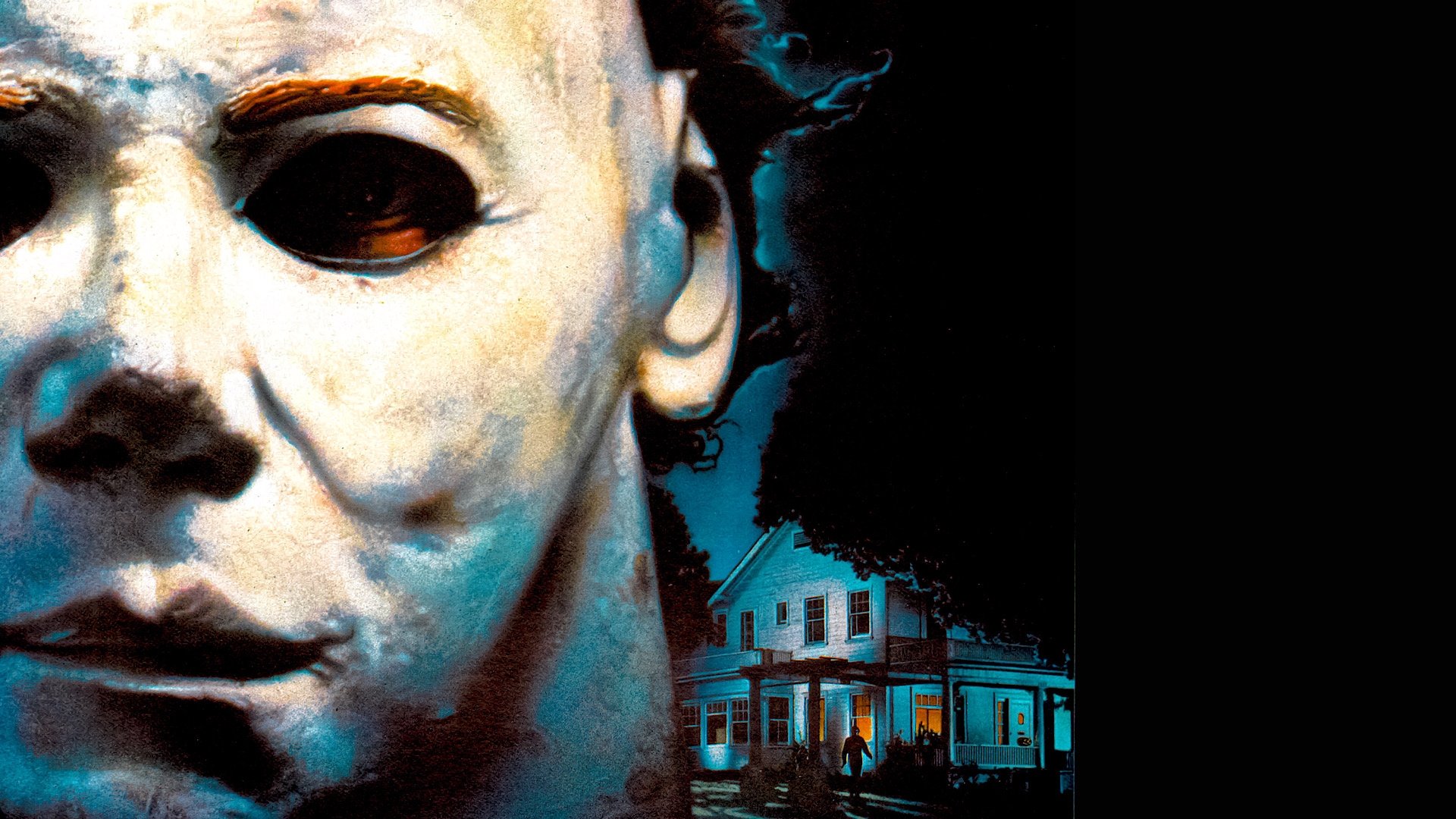
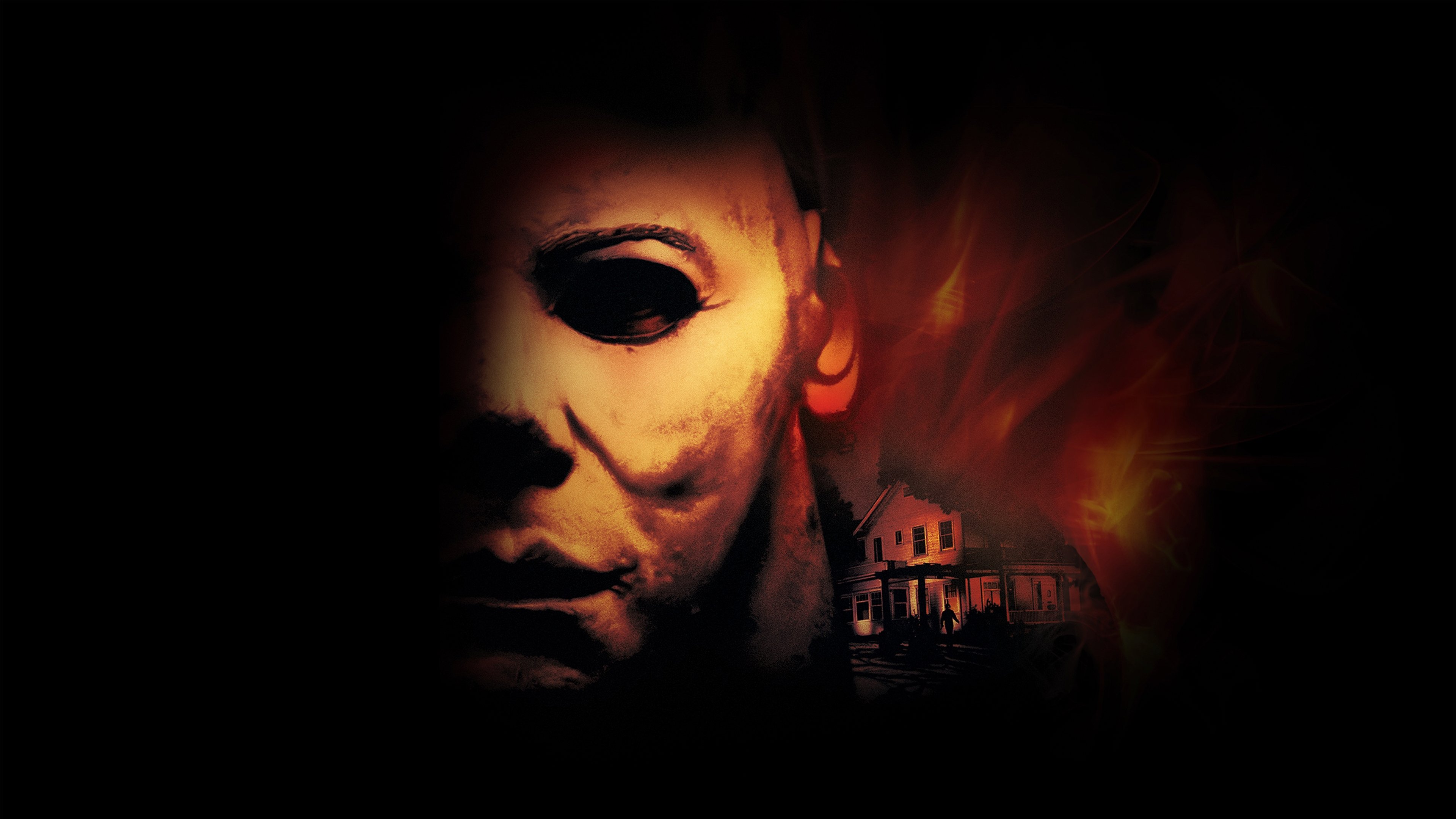
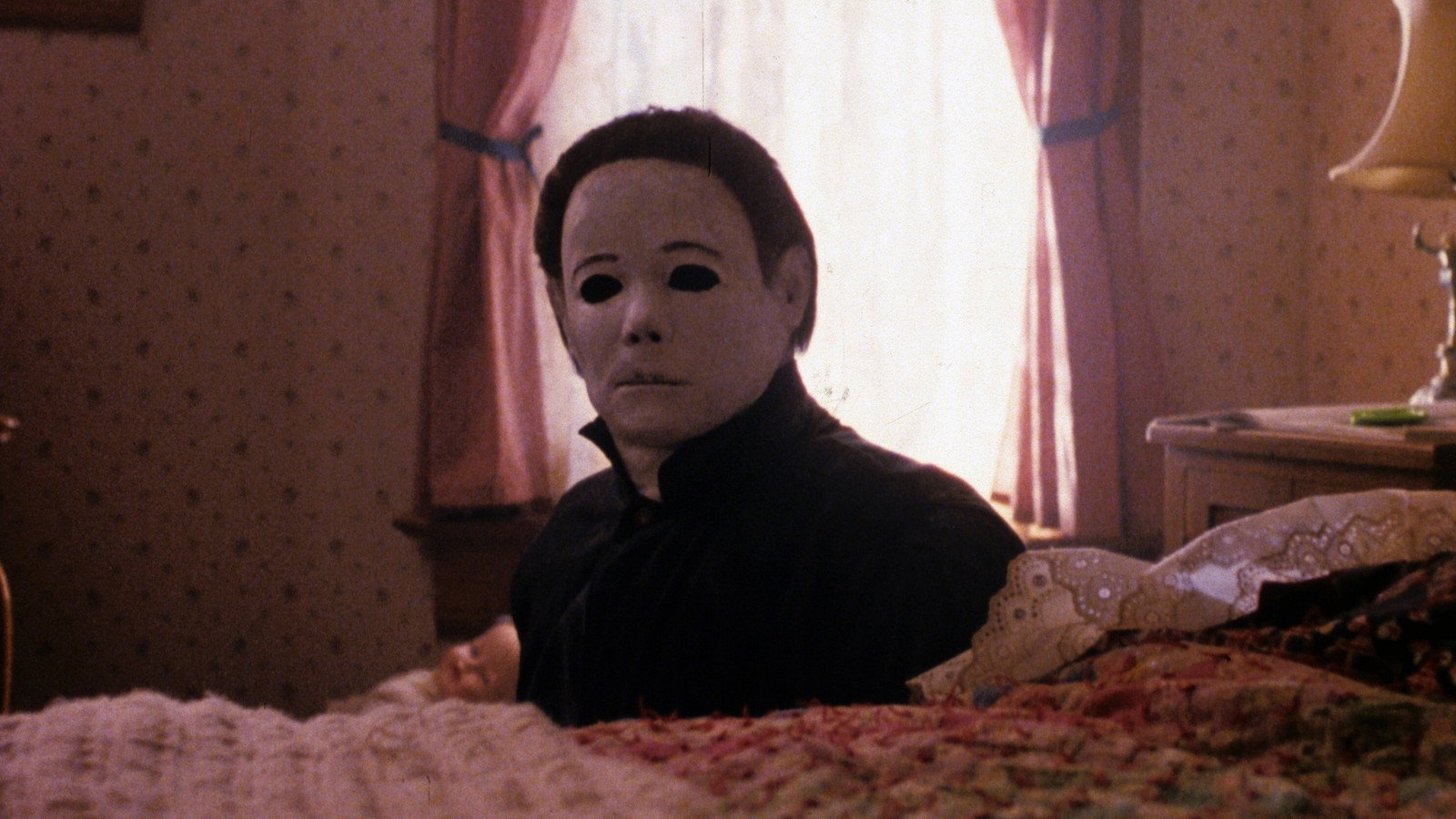
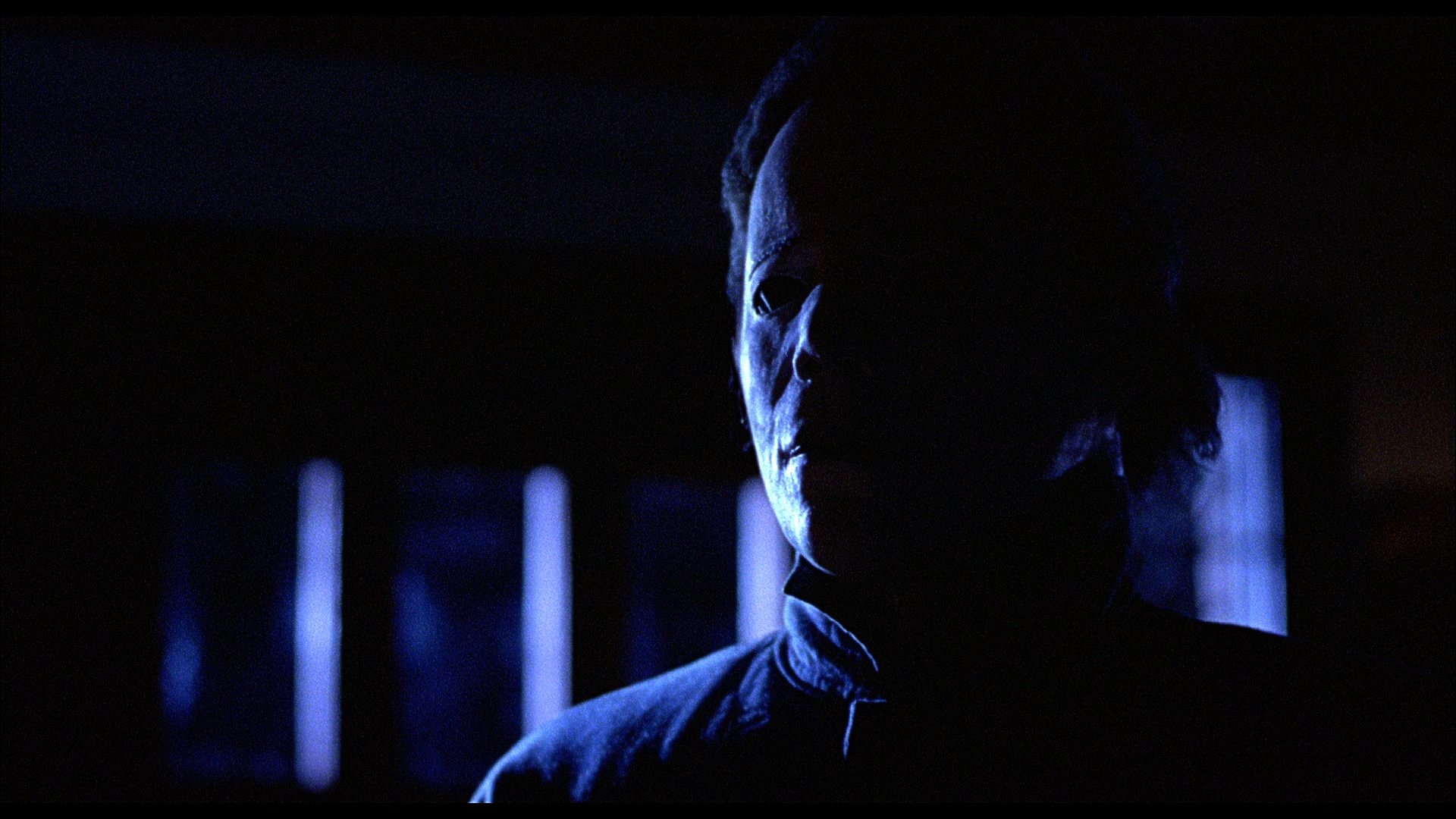
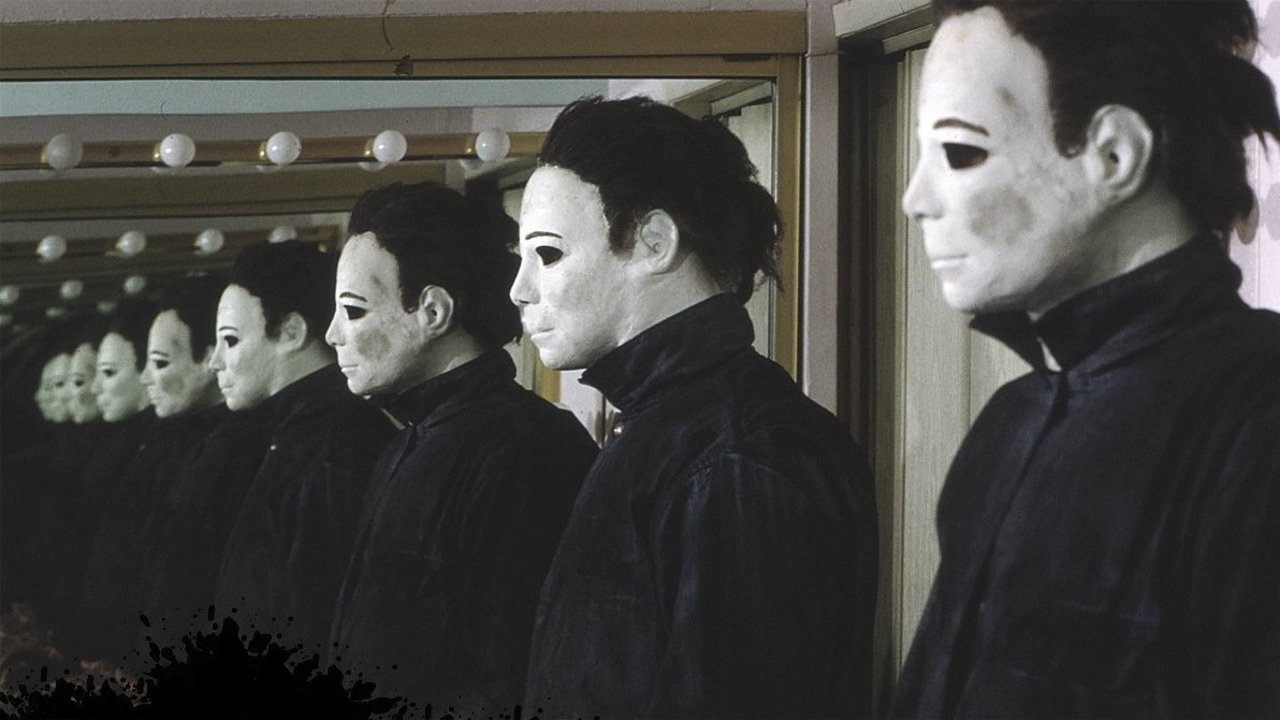
The mask has become one of the film's most debated elements. Little later explained that its appearance was connected to the story itself. Michael has been confined for a decade and does not recover the exact object worn during the 1978 murders. He acquires what is effectively a cheap commercial Halloween mask, consistent with the idea that the legend of Michael Myers has become familiar enough in Haddonfield for similar masks to be sold as seasonal merchandise.

That explanation does not account for every visual irregularity. One shot notoriously shows Michael wearing a version with visibly lighter hair. Little has confirmed that this was simply a production mistake. A substitute mask was grabbed during a late-night shoot after a problem with the proper one, and the filmmakers lacked the time and resources to redo the material once the error became apparent.

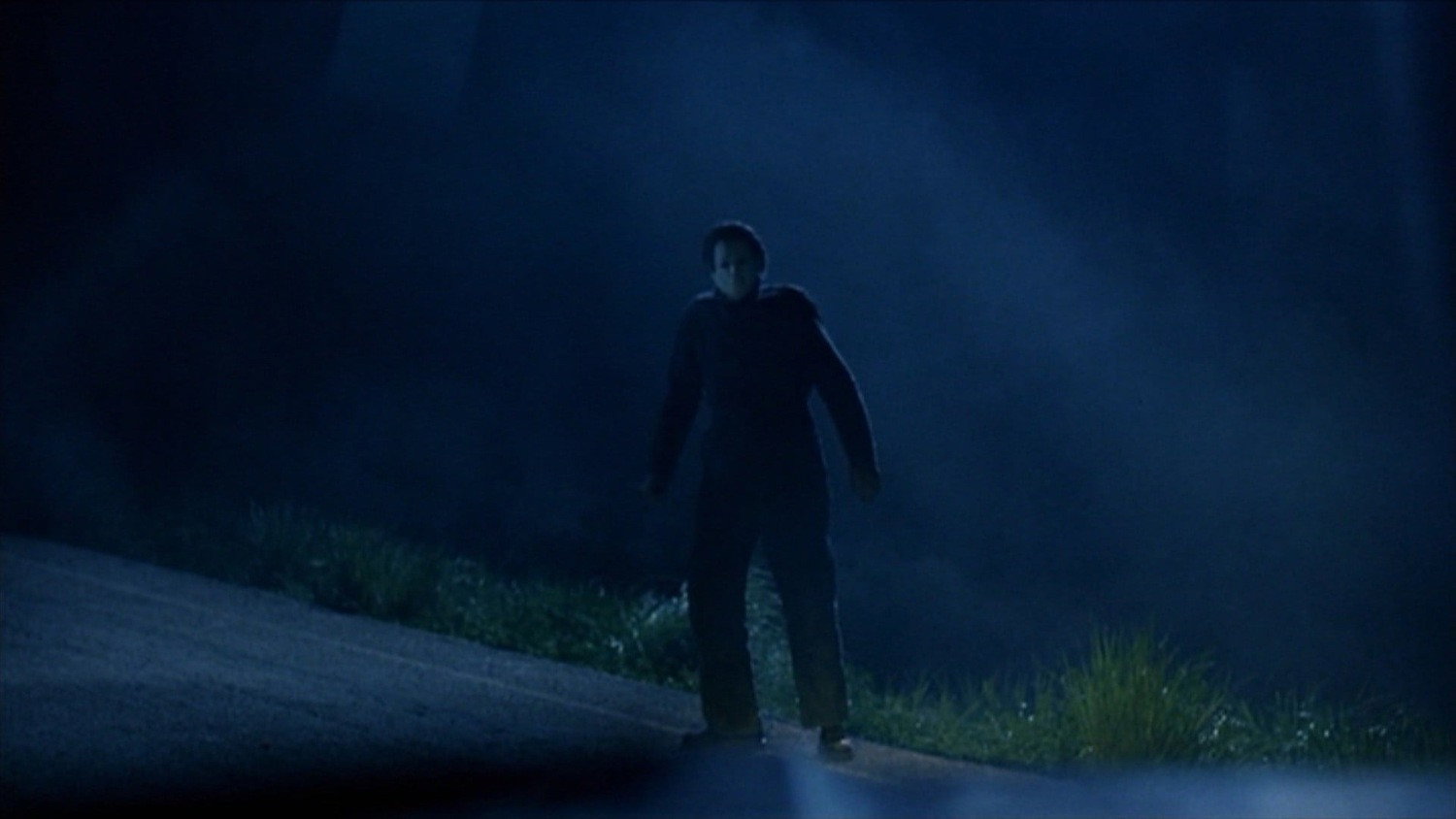
The change in Michael's physical presentation is part of a broader shift in the series. The first Halloween frequently allowed the Shape to remain at the edge of the frame, observed briefly before disappearing. Halloween 4 still uses stalking and concealment, but its Michael is increasingly capable of direct physical destruction. He attacks an ambulance crew, tears through electrical infrastructure, penetrates fortified houses and survives levels of punishment that emphasize the supernatural implications of Loomis's belief that he is more than an ordinary man.

Suspense, Set Pieces & the Siege of Haddonfield

Little's preference for suspense is clearest in the film's larger set pieces. Michael does not simply appear, kill someone and move to the next location. The characters repeatedly attempt to create safe spaces, only to discover that he has already entered or disabled them. Sheriff Meeker's house becomes the most elaborate example. Police protection, locked entrances and armed adults appear to create security until the power is cut and the group realizes that their defenses have failed.

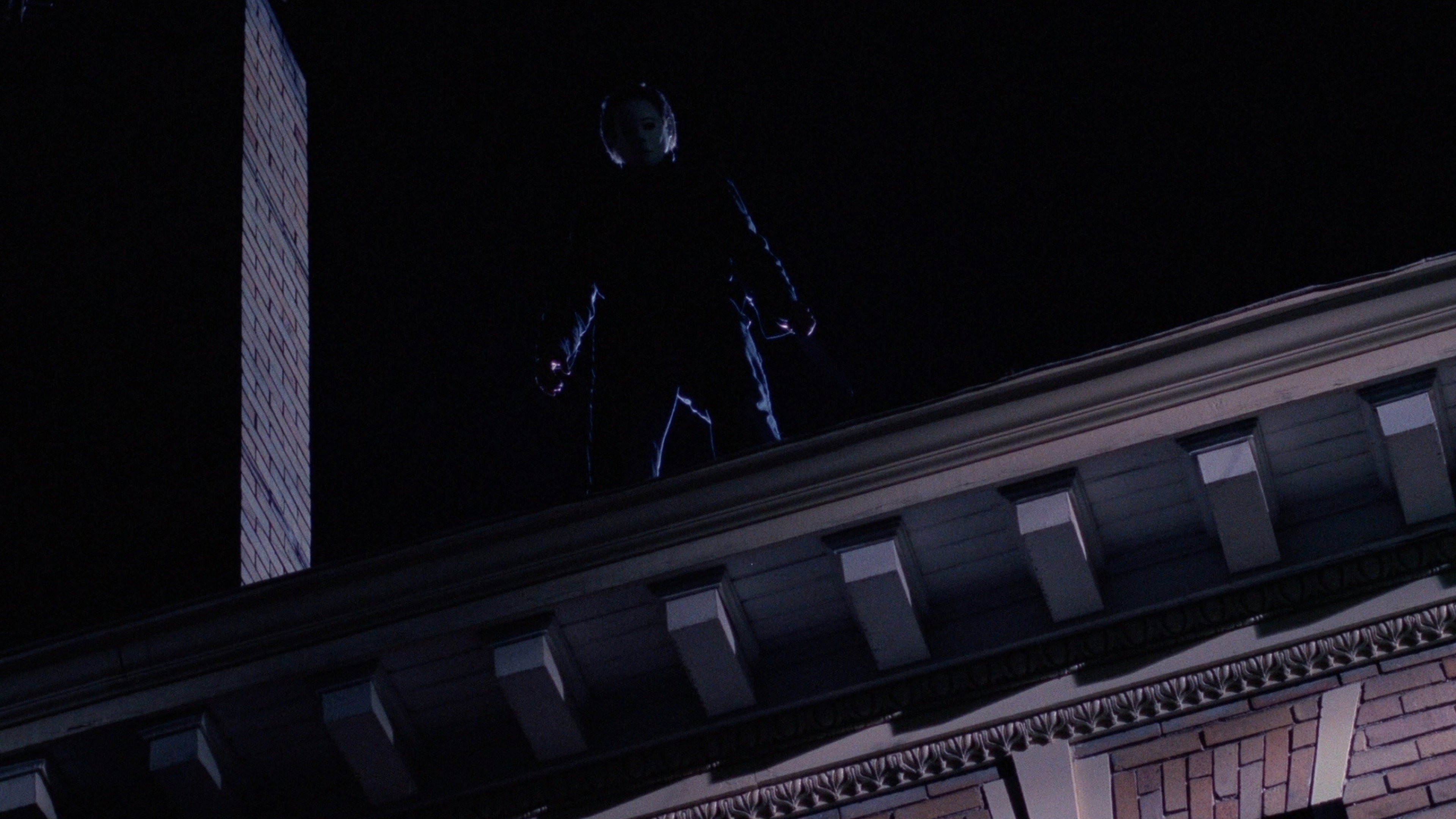
The rooftop escape extends that idea physically. Jamie and Rachel are forced onto a steep roof while Michael follows them, combining fear of the killer with fear of height and separation. Little later described the sequence as one of the most difficult parts of the shoot. The roof was constructed in a field, performers were secured with wires and stunt personnel remained immediately outside the frame. Ellie Cornell was injured during the sequence after catching herself on a protruding nail, but completed the material after receiving treatment.

The vigilante subplot widens Michael's effect beyond the central family. Once news of his return spreads, local men arm themselves and begin hunting him independently of the police. Their intervention does not restore control. Instead, fear produces another form of danger, including the accidental killing of an innocent person. Haddonfield becomes a community reacting collectively to a trauma that began a decade earlier but was never truly resolved.

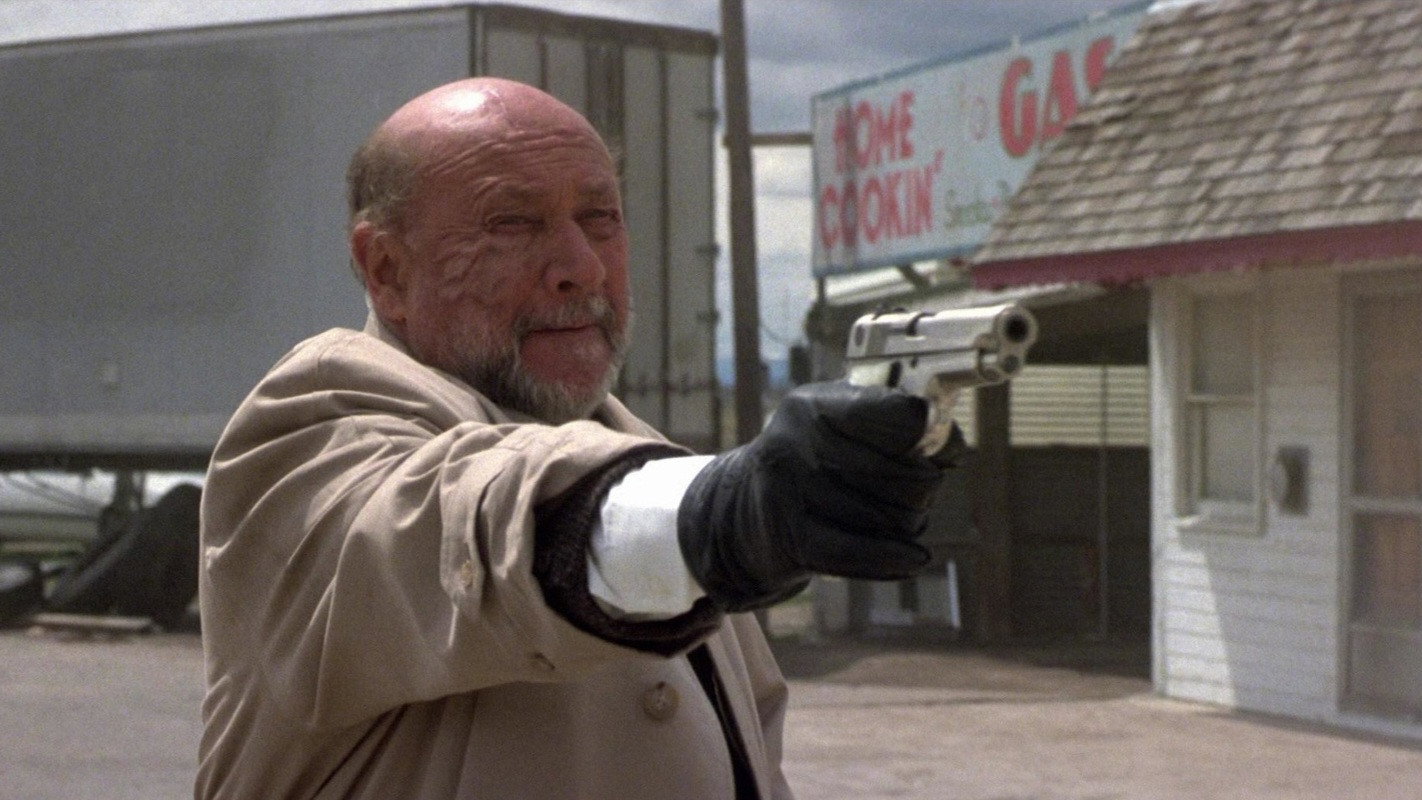
Loomis occupies the opposite position. He is obsessive and increasingly isolated, but his fear of Michael is based on experience rather than panic. Donald Pleasence plays him as a man physically damaged by the same events that failed to kill Michael. His scarred face makes the history of Halloween II visible, while his pursuit of Michael turns the story into another cycle of the same impossible mission. Loomis knows what Haddonfield is about to discover again: containing Michael temporarily is not the same as ending him.

Alan Howarth & the Return of the Halloween Sound

Alan Howarth became the sole credited composer for Halloween 4 after previously collaborating with John Carpenter on Halloween II and Halloween III. Before accepting the assignment, Howarth asked Carpenter whether he objected to him continuing with the franchise. Carpenter gave his approval, leaving Howarth free to work independently with musical ideas that had originally been established in 1978.

Howarth retained the essential Carpenter themes, including the main Halloween motif and music associated with the Shape, but treated the film as an opportunity to develop his own musical identity. He later described Halloween 4 as the point where he felt he could finally expand beyond simply supporting Carpenter's established sound. Synthesizers, electronic textures, echoes and sound-like effects create a score that remains recognizable as Halloween while being denser and more atmospheric than the original recording.

One of Howarth's most effective decisions is delaying the main theme. The opening images are allowed to build their own atmosphere before the familiar Halloween music asserts itself. Howarth later explained that he wanted the beginning to establish mood rather than immediately announce the franchise through its most recognizable musical signature. That restraint complements Little's opening montage, which also refuses to reproduce the visual strategy of Carpenter's credits.

The score ultimately performs the same function as the film itself. It assures the audience that Michael Myers has returned while allowing the sequel to establish a separate personality. Carpenter's theme remains the musical identity of the Shape, but Howarth surrounds it with sounds belonging specifically to the late 1980s continuation of the series.

Jamie's Final Image, Release & Franchise Legacy

The climax initially appears to provide conventional closure. Michael is driven away from Jamie, confronted by armed police and vigilantes, repeatedly shot and sent falling into a mine shaft. Loomis and the survivors return believing that the immediate nightmare has ended. The film then deliberately reconstructs the visual language of Carpenter's original opening.

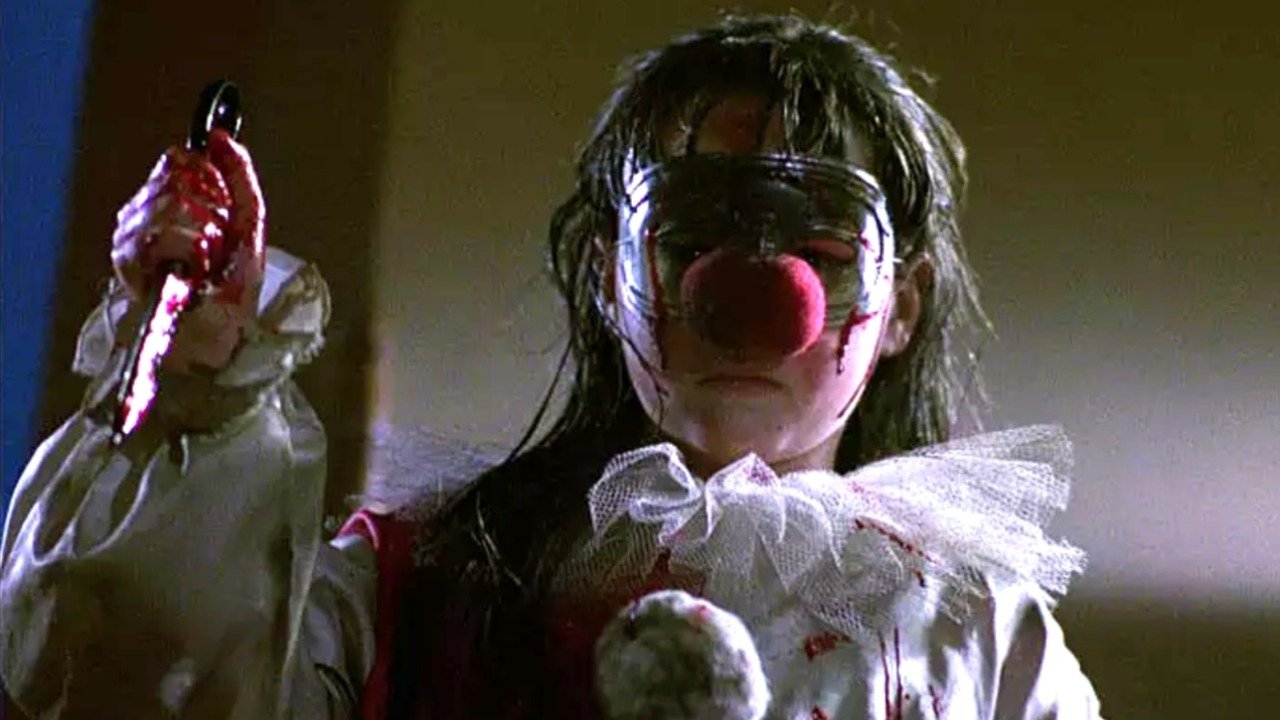
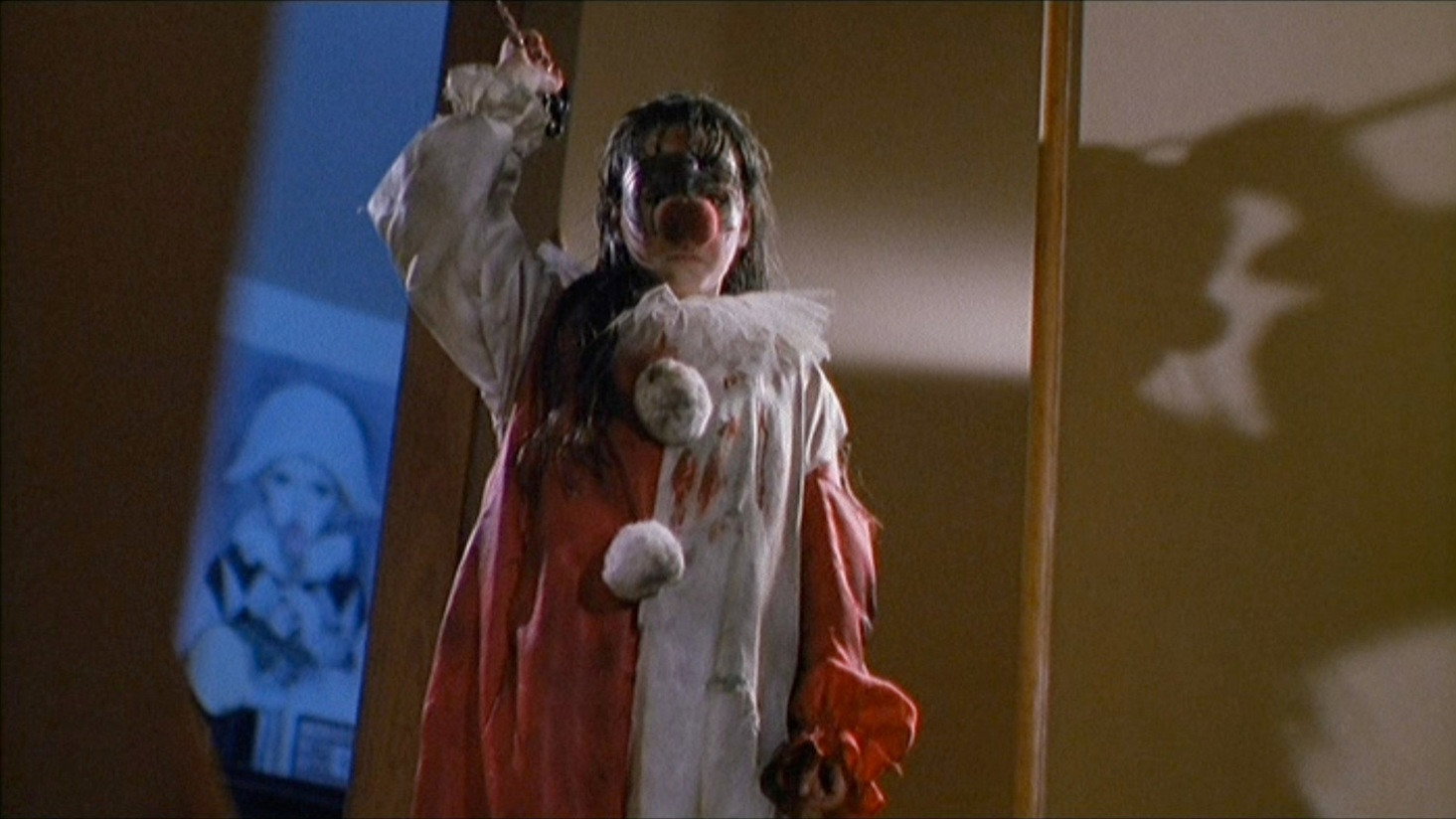
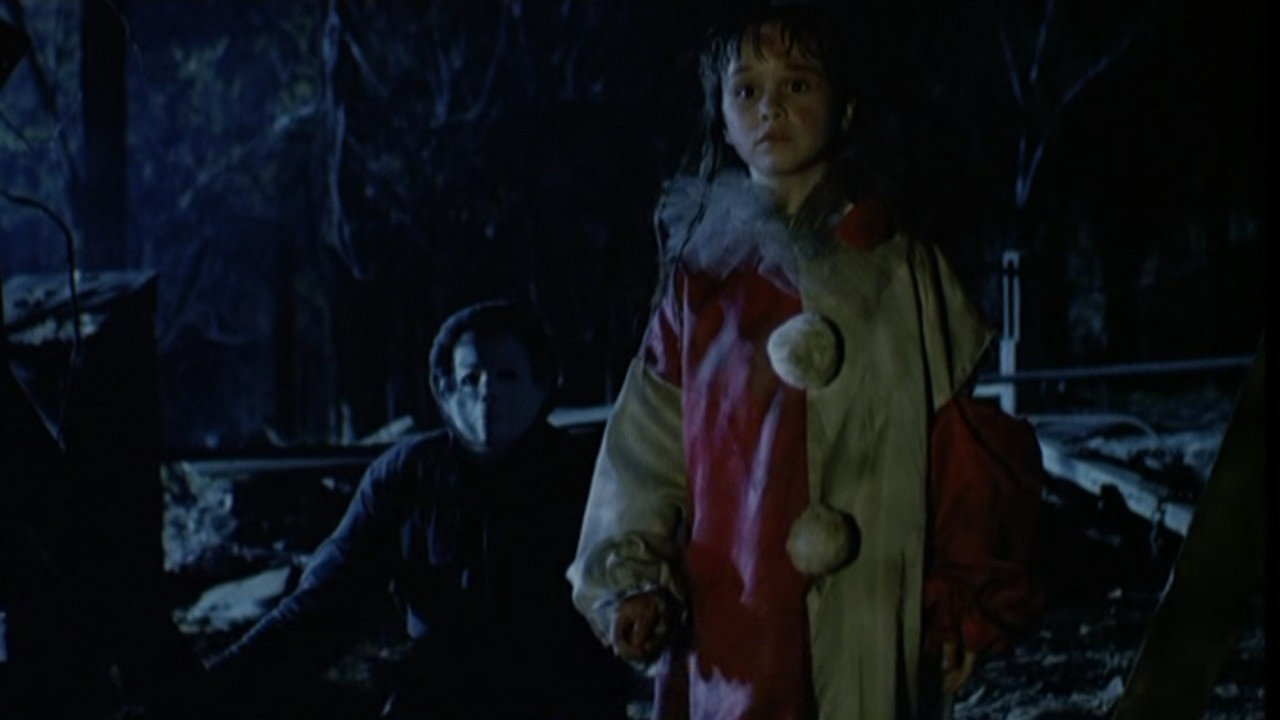
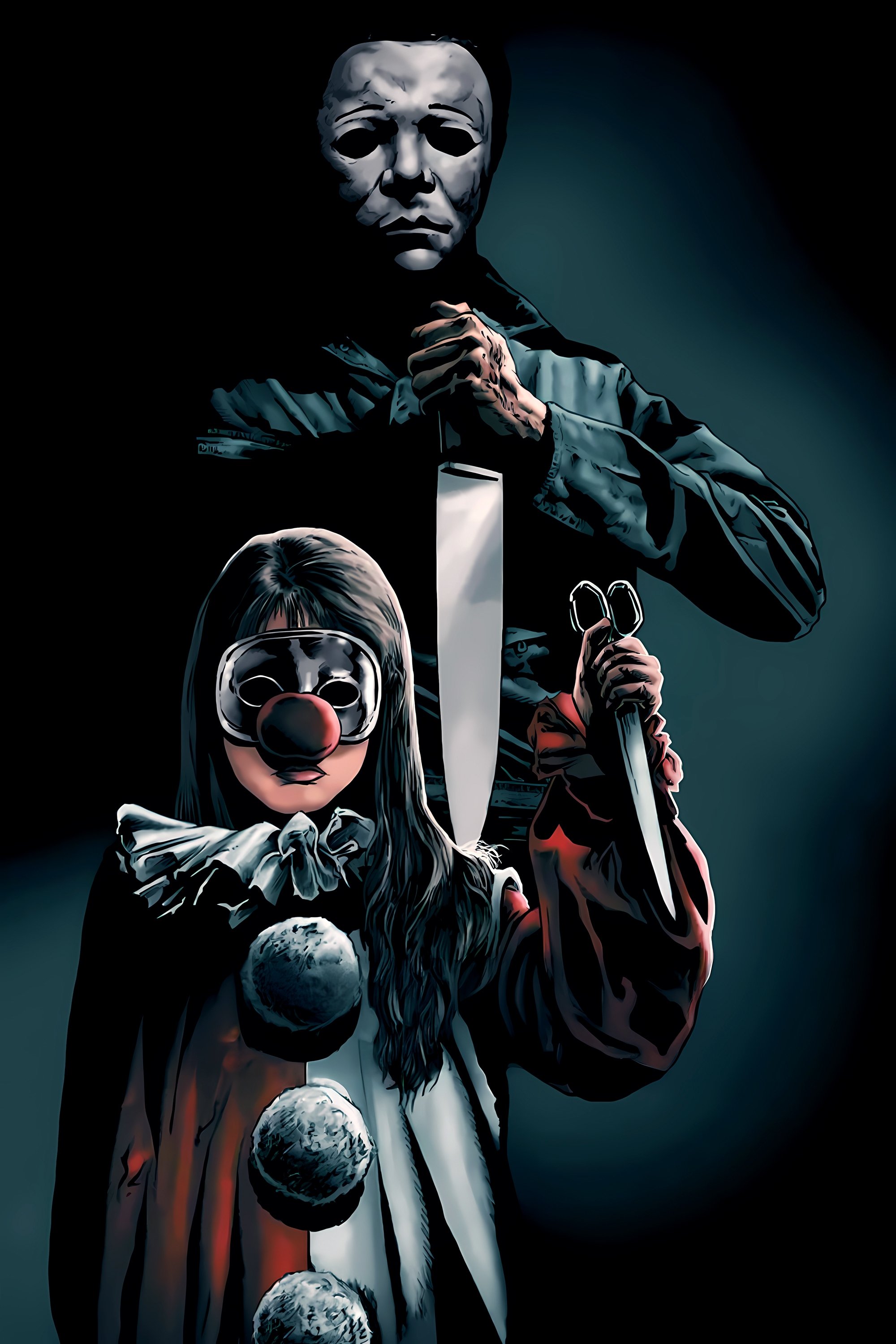
A first-person camera moves through the Carruthers home. Jamie, wearing a clown costume similar to the one associated with young Michael Myers in 1963, approaches her foster mother while carrying scissors. After the attack, Loomis looks upward and sees Jamie standing with the bloody weapon. His reaction is one of absolute horror. He raises his gun toward the child before the others restrain him, screaming as he realizes that eliminating Michael's body has not necessarily eliminated the evil represented by him.

The sequence gives Halloween 4 an ending far more provocative than its otherwise straightforward return-to-basics structure might suggest. Jamie does not simply survive Michael. For one terrifying moment, she occupies his original position. Little later said he considered the ending so effective that he declined repeated invitations to direct Halloween 5 because he was uncertain where he could take the story after it. The next film would ultimately keep Michael as the central killer rather than develop Jamie as his replacement.

Halloween 4 opened in the United States on October 21, 1988 through Galaxy International Releasing. It earned $6,831,250 from 1,679 theaters during its opening weekend, ranking first at the box office, and remained number one the following weekend. Its final domestic gross reached $17,768,757 against a reported production budget of approximately $5 million.

Contemporary reviews were largely unfavorable. Critics frequently argued that the sequel reproduced familiar material without the formal precision of Carpenter's film. Variety offered the comparatively measured description of a competent, straightforward production, while several major newspaper critics saw Michael's increased strength and the film's more conventional slasher mechanics as evidence that the psychological simplicity of the original had been lost.

Its long-term position within the franchise has been considerably stronger than those reviews suggested. Halloween 4 successfully demonstrated that Michael Myers could still attract a theatrical audience after seven years away from the role and after the failed attempt to continue the series without him. It introduced Jamie Lloyd, launched the continuity that would continue through Halloween 5 and Halloween: The Curse of Michael Myers, and helped define the version of Michael associated with the franchise's late 1980s and early 1990s period. Most importantly, it proved that the Shape could return after a long absence, a pattern the Halloween series would repeat several more times in the decades that followed.

Connections

Cast

View Full Cast & Crew →

Release & Distribution

Production Companies (2)

  • Galaxy International Releasing
  • Trancas International Films US

Release History (13)

Release DateTerritoryRelease TypeFormatDistributorCertificationNotes
1988-10-21 Germany Theatrical — — 18
1988-10-21 United States Theatrical — — R
1989-02-09 Australia Theatrical — — M
1989-06-30 Spain Theatrical — — 18
1989-11-03 United Kingdom Theatrical — — 18
1989-11-17 Ireland Theatrical — — 18
1990-05-09 France Theatrical — — 12
1990-07-15 Netherlands Theatrical — — 16
1991-06-21 Brazil Theatrical — — 16
2000-10-25 France Physical DVD — — DVD
2001-06-25 Netherlands Physical DVD — 16 DVD
2001-08-03 Germany Physical DVD — 16 DVD
2021-03-17 France Physical Blu-ray — — Blu-ray
Ten years ago he changed the face of Halloween. Tonight, HE'S BACK.