Lisa, Lisa (1974)

US
HORROR FILM Thriller
UK censorship history DPP · Successful prosecutions
Runtime
68 min
Release
July 23, 1974
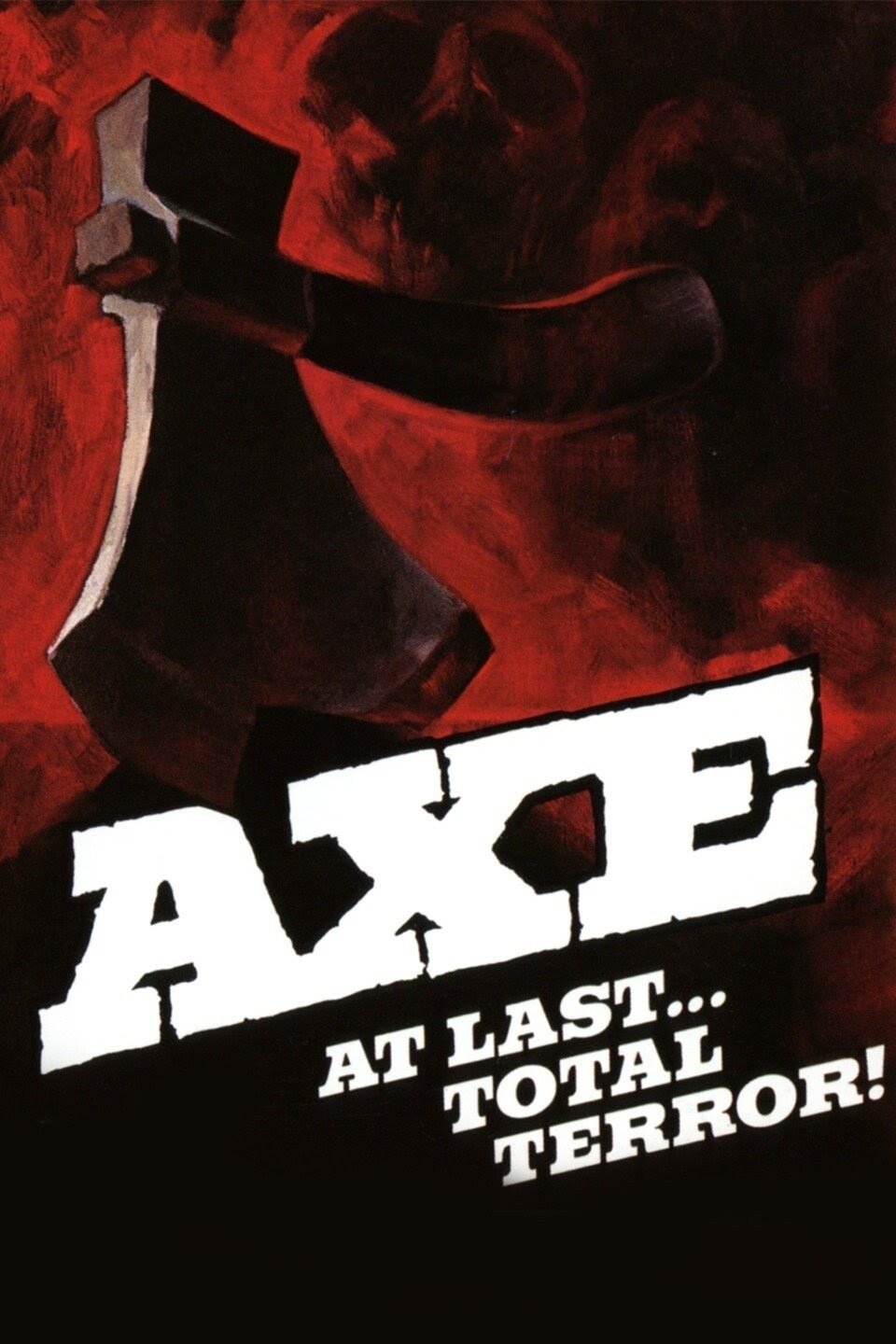
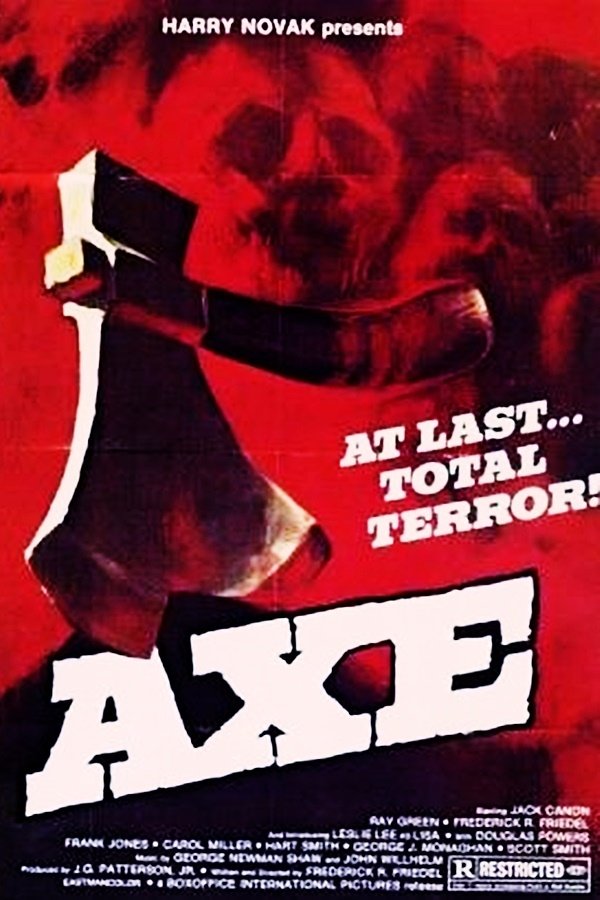
Lisa, Lisa (1974) poster
Production Company
Frederick Productions
Plot

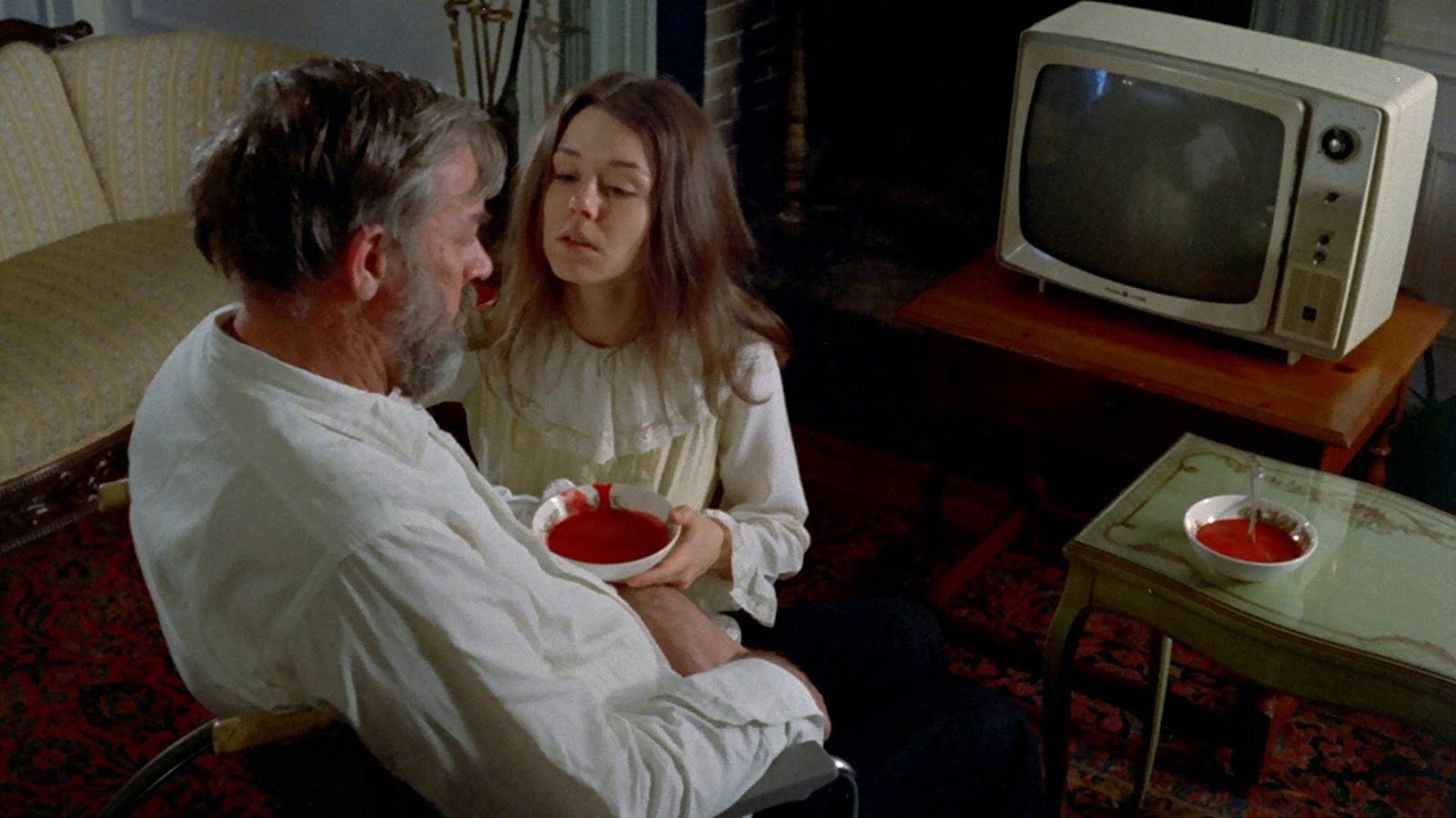
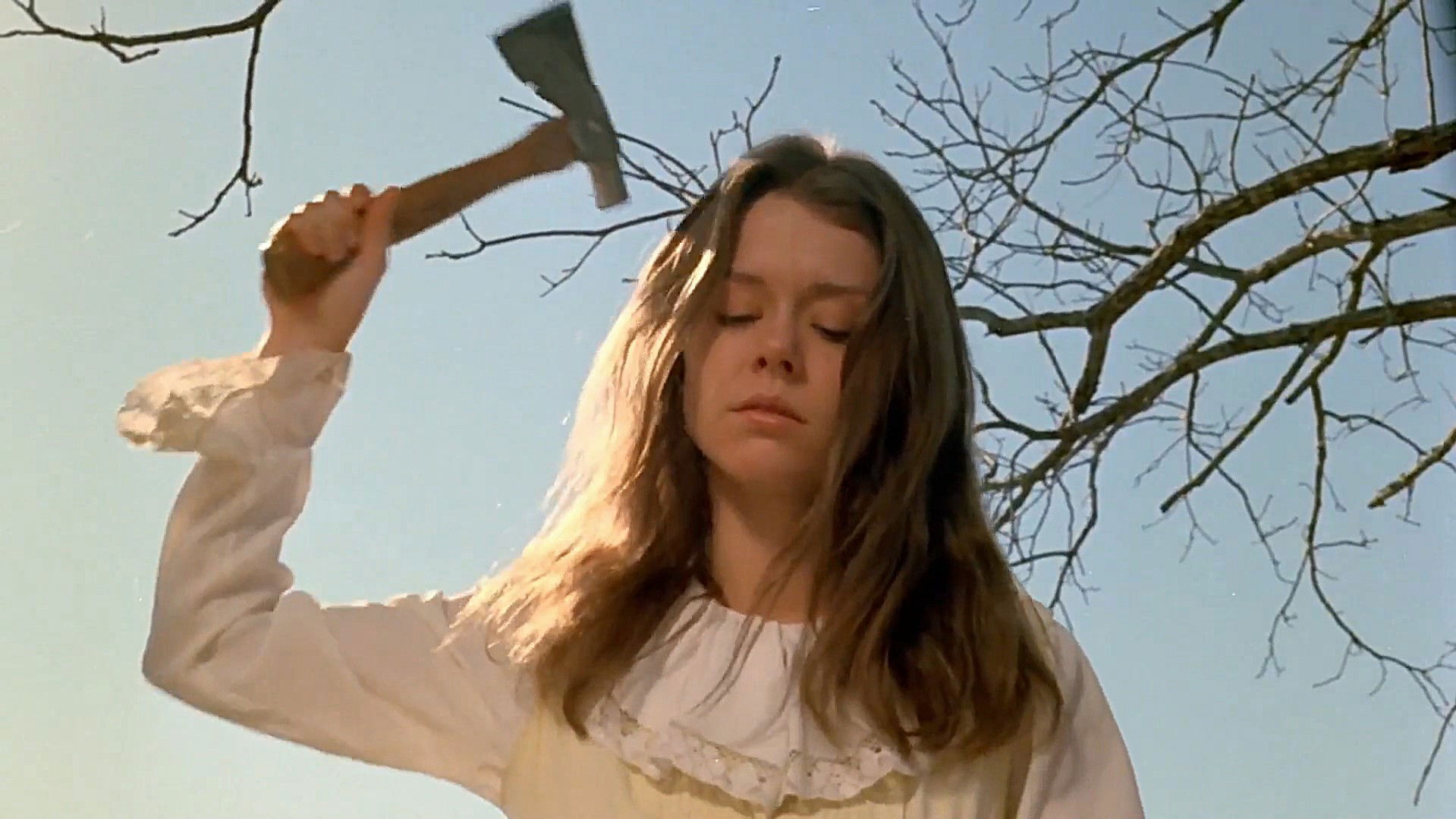
A group of three criminals on the run from the law, go about terrorizing the local townsfolk of a small community, before descending on an isolated farm which is home to a young girl named Lisa and her paralyzed grandfather. After being sexually assaulted by two of the gangsters, she retaliates using an axe and a razor blade.

Alternative Titles
The California Axe Massacre (Australia) 丽莎,丽莎 (China) — Chinese Die Axt (Germany) ヴァージン・スローター (Japan) — Japanese Os 3 Marginais (Portugal) — Portuguese Axe (United States) California Axe Massacre (United States) California Axe Murders (United States)
Show all 10 alternative titles The Axe Murders (United States) The Virgin Slaughter (United States)

Film Guide & Analysis

Frederick R. Friedel's 1974 independent horror: its North Carolina production, 35mm cinematography, original music, contested distribution, British video nasties censorship and restoration.

Lisa, Lisa (1974), better known internationally as Axe, is an American independent horror film written and directed by Frederick R. Friedel, starring Leslie Lee, Jack Canon and Ray Green. Produced in North Carolina on a reported budget of $25,000, it combines rural isolation, psychological disturbance and sexual violence within the emerging American exploitation-horror movement of the 1970s. Although its later distribution emphasized the weapon and killings, Friedel originally conceived the film as a psychological thriller influenced by Roman Polanski's Repulsion (1965). Its restrained performances, sparse dialogue and abrupt violence distinguish it from the more sensational image created by its subsequent marketing.

The film also has an unusually complicated industrial history. Shot in January 1974 and initially exhibited as Lisa, Lisa, it was acquired by distributor Harry Novak and circulated more widely under the title Axe. Friedel subsequently disputed the handling of the film and lost access to its original negatives for decades. In Britain, its release as California Axe Massacre contributed to its association with the video nasties controversy, leading to censorship and restrictions that shaped its later reputation. Interviews with Friedel, archival research by the American Film Institute and the eventual recovery of its negative elements provide a substantial record of how a small independent production became part of international horror history.

Origins, Screenplay and Frederick R. Friedel

Frederick R. Friedel developed Lisa, Lisa while attempting to establish himself as a filmmaker before his twenty-fifth birthday. Having studied photography and acting, he was particularly interested in the visual possibilities of cinema. In a 2017 interview with Musique Machine, he identified Citizen Kane (1941) and The Conformist (1970) as formative influences. He had previously made an experimental student short at the University of Florida involving a violent encounter between two characters. Friedel later interpreted aspects of that early work, and of Lisa, Lisa, through the troubled relationships within his own family, although these connections were retrospective personal interpretations.

Friedel wrote Lisa, Lisa in approximately two days, developing a story that could be produced with few performers and inexpensive locations. He specifically identified Roman Polanski's Repulsion as an influence on its treatment of a psychologically disturbed young woman. The script was designed for the financial circumstances of an inexperienced independent director rather than an established production company. Friedel recalled writing it while sitting in an investor's clothing store in Georgia. Drive-in theatres provided a potential commercial outlet for inexpensive suspense and horror films, although the director maintained that he originally intended a psychological thriller rather than the aggressively marketed exploitation feature it eventually became.

The North Carolina Shoot and Independent Production

Principal photography took place in January 1974 around Charlotte, North Carolina. The American Film Institute reconstructed the production through interviews with Friedel and crew member Richard W. Helms, identifying locations including the Hotel Charlotte, a convenience store, a private residence and an abandoned farmhouse near Waxhaw. J. G. Patterson Jr.'s Empire Studios in Charlotte provided the production base. Friedel reported a budget of approximately $25,000, including the cost of prints, and a shooting schedule of roughly eight days. In a later interview he recalled completing the photography in eight and a half days, a minor variation between his accounts.

The shoot depended on available locations, inexperienced personnel and careful use of expensive 35mm film stock. Friedel organized an open audition lasting approximately three hours and selected performers including Leslie Lee, Jack Canon and Ray Green. He recalled that the cast received little rehearsal and that scenes were usually filmed with only one take. Cinematographer Austin McKinney brought essential technical experience to a production whose director had never previously worked on a professional feature set. Friedel emphasized that McKinney's lighting and the winter conditions contributed significantly to the bleak appearance of the finished film. The small shooting ratio subsequently created major difficulties during editing.

Cinematography, Editing and Psychological Horror

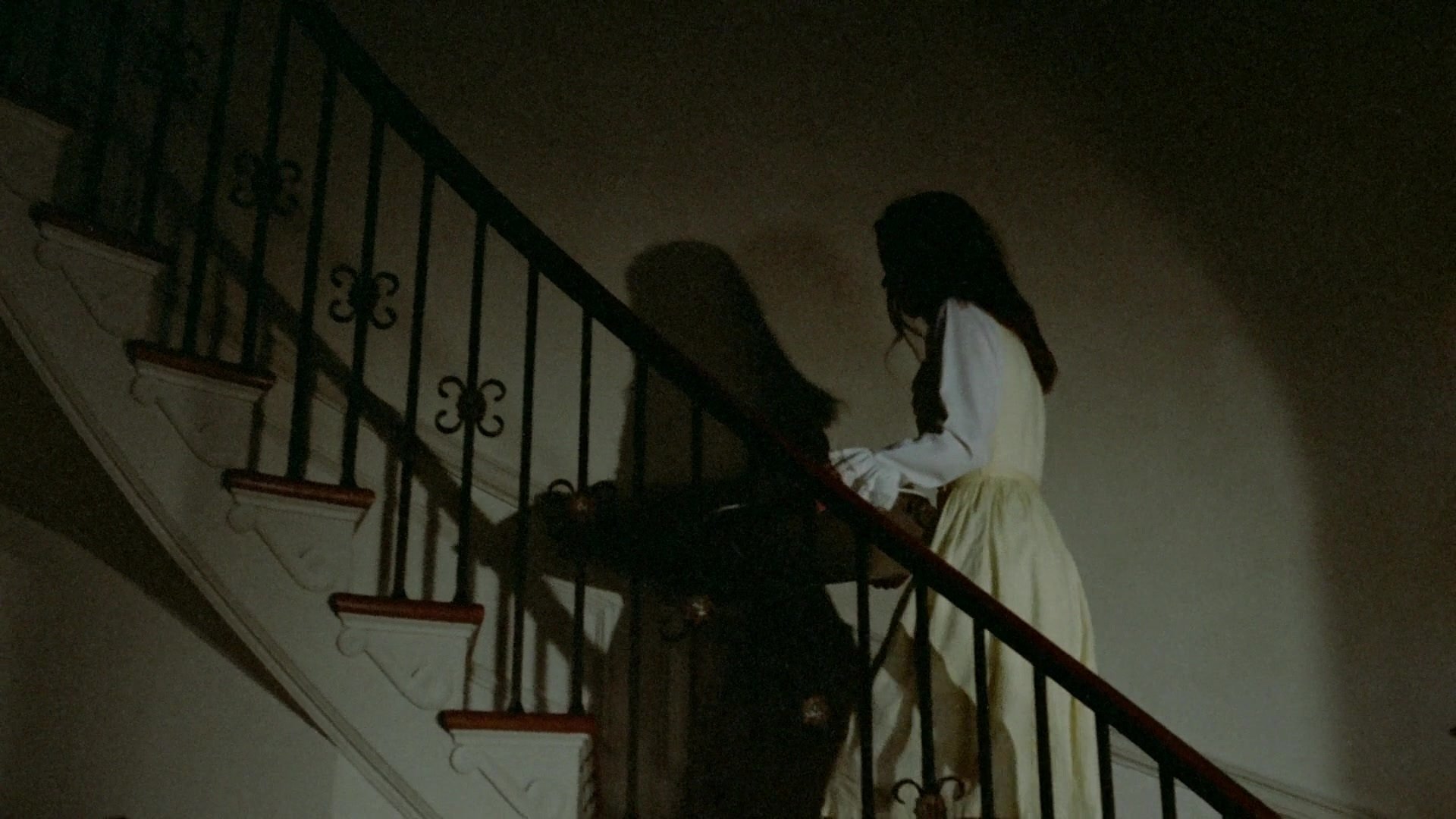
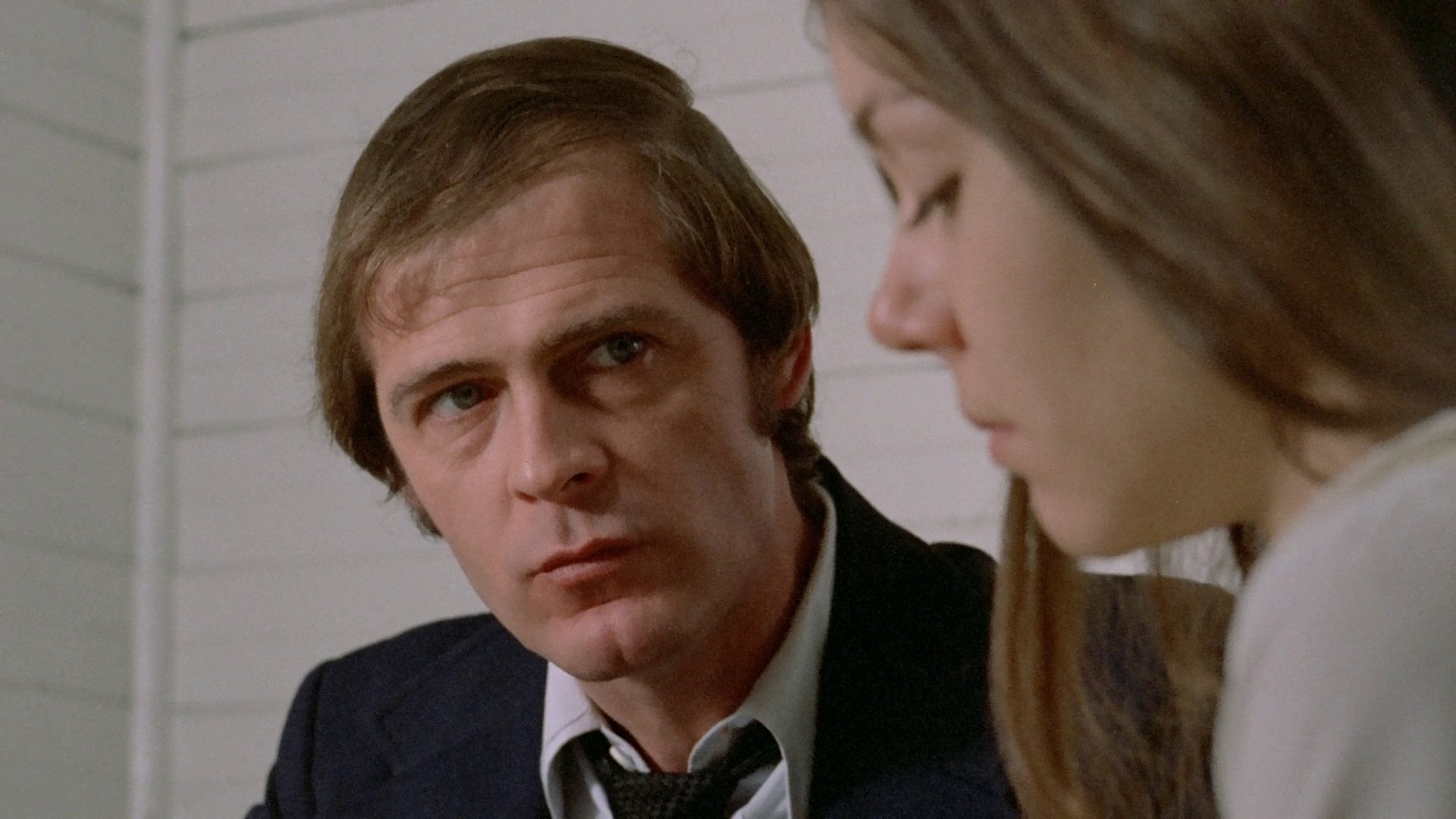
The film's visual character depends on its use of actual North Carolina environments and relatively restrained camera work. Austin McKinney's Eastmancolor photography presents interiors and winter landscapes with an austere quality that contrasts with the violent behavior of the intruders. The isolated farmhouse provides the principal setting for the confrontation between the criminals and Lisa, played by Leslie Lee. Her limited dialogue and withdrawn behavior make physical reactions especially important to the performance. Contemporary and retrospective critics have observed that the film develops an unusual atmosphere from its sparse presentation, even where the screenplay leaves its characters' psychological histories largely unexplained.

Editing played a decisive role in determining the film's rhythm. Friedel initially assembled the material on a Moviola in his apartment, but eventually sought assistance from editor Avrum Fine in Atlanta. In his account, virtually all the photographed footage was needed to produce a feature-length film, including material recorded immediately before and after the intended action. This shortage of coverage influenced the extended passages, pauses and transitions of the finished picture. The American Film Institute records Friedel's own doubts about the longer running times advertised for certain theatrical editions. His recollection makes clear that the film's unusual pacing resulted partly from a production constraint, even as later critics found aesthetic significance in that restraint.

Original Music and the Representation of Violence

The original score was created by George Newman Shaw and John Willhelm under exceptionally limited recording conditions. Friedel recalled that the production could afford only a few hours in a studio. The musicians watched the projected film and composed music directly in response to the images, recording a small number of variations. Their work contributes to the contrast between prolonged tension and sudden eruptions of violence. They also wrote and performed Smellin' Up the Kitchen, a country-music parody used during the criminals' journey. The song supplies an example of the production's interest in musical counterpoint rather than uninterrupted suspense scoring.

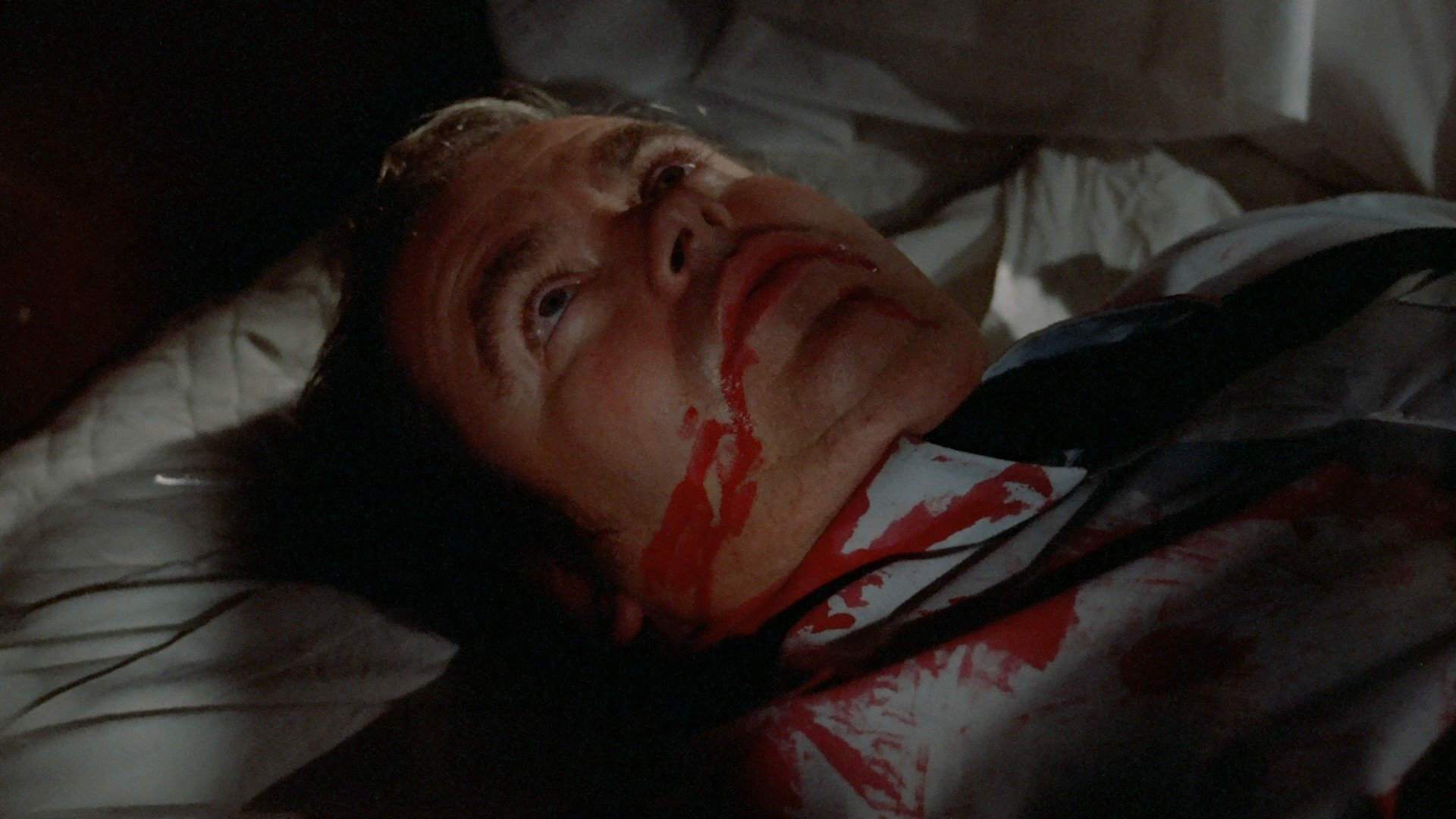
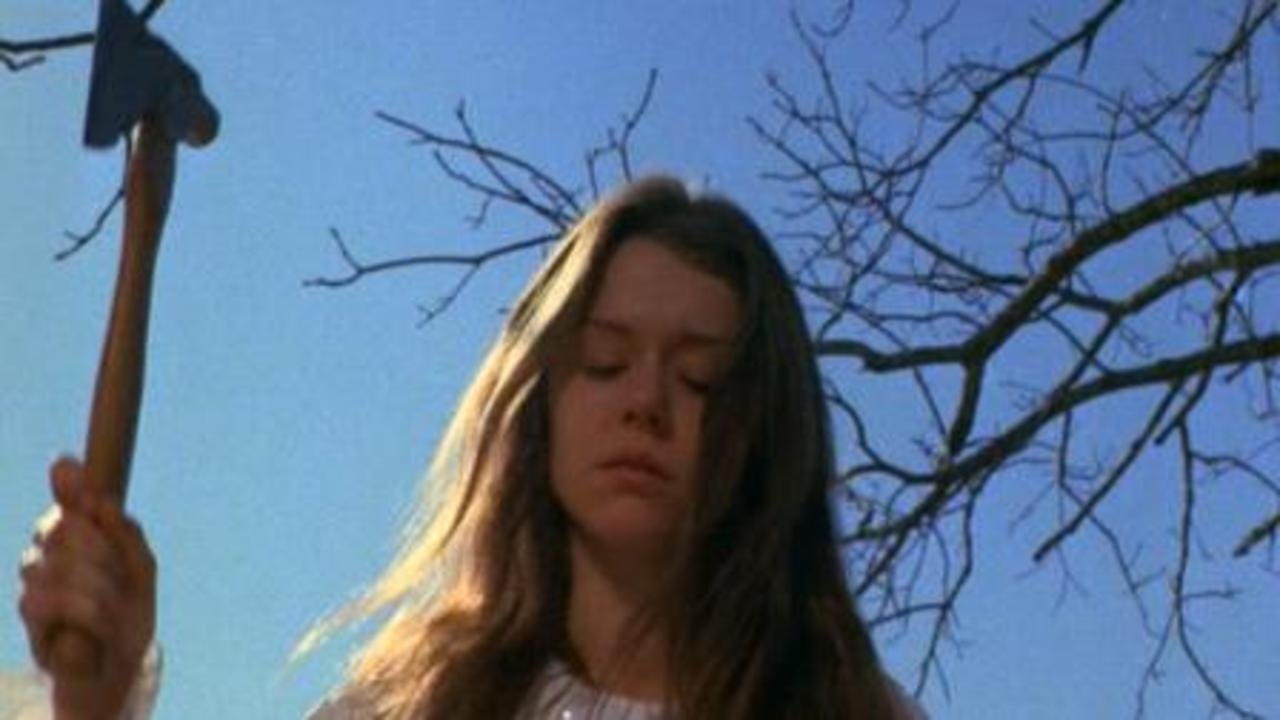
Shaw and Willhelm subsequently worked on Friedel's Kidnapped Coed, but both died in a road accident while still young. Friedel discussed their contribution in a later interview and supported the inclusion of a tribute in Severin Films' restoration project. The resulting documentary, Moose Magic, examines their musical careers, while the restored home-video release included soundtrack recordings. The film's violence occupies a different register from its musical atmosphere. Incidents involving a firearm, a razor and a hatchet are comparatively brief, but their placement within otherwise quiet surroundings gives them considerable force. Friedel's stated interest in psychological suspense should therefore be distinguished from the more explicitly violent expectations encouraged by the title Axe.

Distribution, British Censorship and Archival Recovery

Lisa, Lisa received limited regional screenings during 1974, according to recollections collected by the American Film Institute. The film's broader distribution developed after Boxoffice International Pictures acquired its theatrical rights in 1976. Harry Novak changed the title to Axe, which appeared in distribution announcements during 1977. The AFI documents a Los Angeles opening on January 11, 1978. Friedel later expressed dissatisfaction with the new title, arguing that it obscured the psychological character of the original project. He also maintained that he received little money from the distribution agreement and was prevented from recovering the original negatives. These statements describe his retrospective experience of the commercial arrangements rather than a complete independent accounting of the film's earnings.

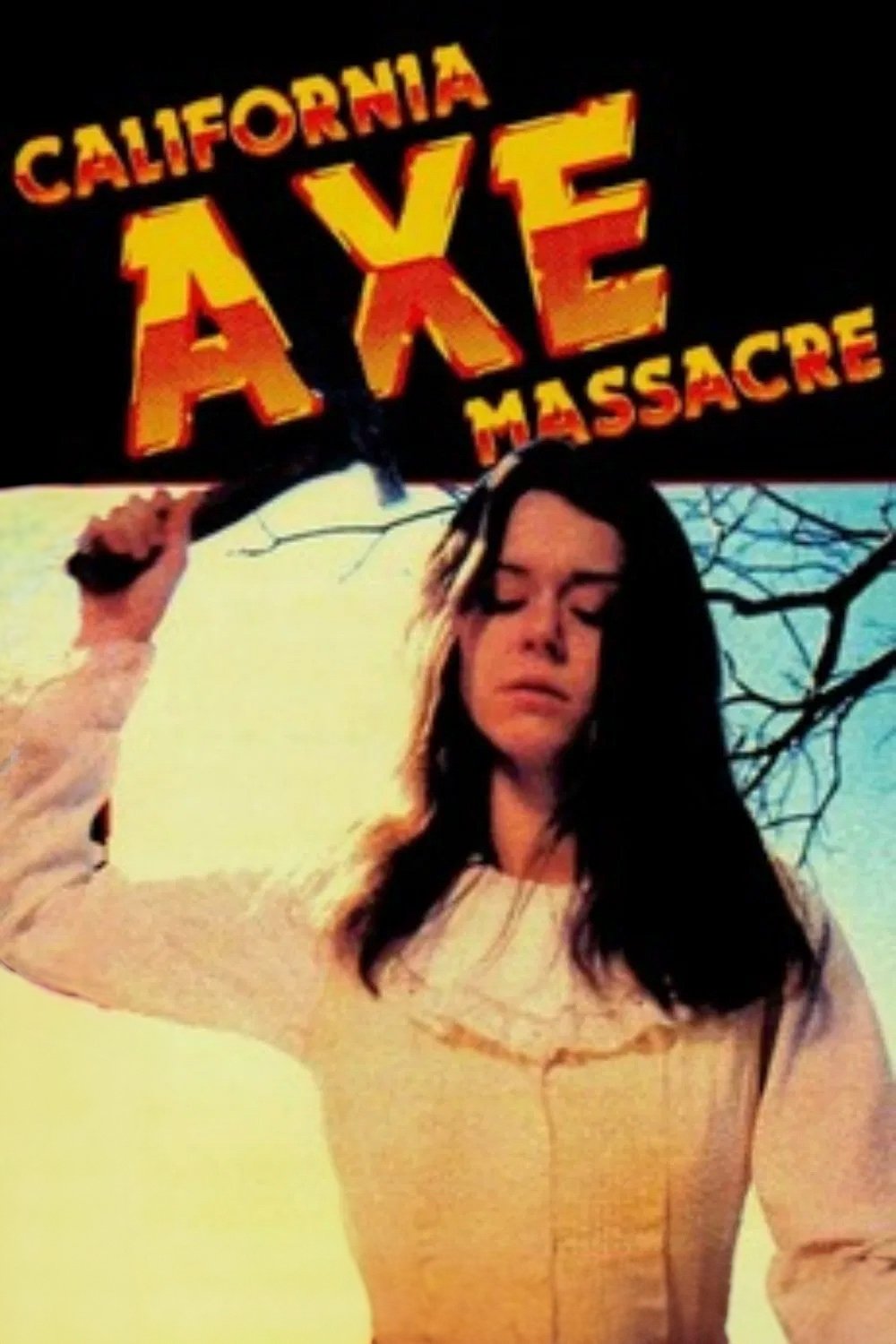
The film circulated in several versions and under titles including California Axe Massacre and The Virgin Slaughter. AFI research documents competing running times of approximately 75 and 78 minutes, while a 2001 Something Weird Video edition ran approximately 68 minutes. Trade reporting from 1982 also describes a heavily shortened 54-minute version distributed by Childs Associates under the California Axe Massacre title. These durations do not establish that the longer versions represent Friedel's preferred edit. The director himself doubted that his original material could support some of the advertised running times. The differences should therefore be treated as distinct distribution and editorial records rather than evidence of a formally approved extended cut.

British circulation created a separate history of censorship. The film appeared on the Director of Public Prosecutions' video nasties list during the 1980s, becoming associated with the campaign against allegedly obscene videocassettes. The British Board of Film Classification records a cut theatrical submission under the title California Axe Massacre on April 15, 1982, with a running time of 65 minutes and 3 seconds. A 1999 home-video submission was also classified with cuts, while a December 5, 2005 submission under the title Axe received approval with all previous cuts waived. These records distinguish the original theatrical censorship, later home-video classifications and the separate legal context of the Obscene Publications Act.

The film's preservation history changed considerably after Friedel re-established contact with collectors and researchers. He credited historian Stephen Thrower, author of Nightmare USA, with helping revive interest in his early work. Friedel subsequently met Severin Films founder David Gregory, whose involvement assisted the recovery of the films and their surviving negative elements. In 2015, Severin released Axe and Kidnapped Coed in high-definition editions derived from new 2K transfers of the original negatives. The release included extensive interviews, production commentary and the documentary At Last... Total Terror! Friedel also created Bloody Brothers, a separate feature assembled from material originally photographed for the two films. That later work is a new editorial construction and should not be confused with an alternative version of Lisa, Lisa.

References

  1. American Film Institute Axe — AFI Catalog Historical Research

    Archival investigation combining original trade-paper documentation with 2013 interviews with Frederick R. Friedel and Richard W. Helms, covering the 1974 production, locations, budget, original release, changing titles, editorial versions and the distribution dispute.

  2. Musique Machine Stepping Outside Of The Box

    Extensive 2017 interview with Frederick R. Friedel about the screenplay, low-budget 35mm photography, editing difficulties, original soundtrack recordings, psychological influences, distributor conflict and the later recovery of the negatives.

  3. Fangoria Blu-ray Review: AXE/KIDNAPPED COED

    Detailed historical assessment by Michael Gingold examining the North Carolina productions, the contribution of cinematographer Austin McKinney, Stephen Thrower's research, surviving negative elements and the extensive first-hand production documentation included in Severin Films' restoration.

Cast

View Full Cast & Crew →

Release & Distribution

Production Companies (1)

  • Frederick Productions

Release History (5)

Release DateTerritoryRelease TypeFormatDistributorCertificationNotes
1974-12-09 United States Limited Theatrical — — — Greenville, South Carolina
1977-07-23 United States Limited Theatrical — — — Gastonia, North Carolina
1977-12-01 United States Limited Theatrical — — — Spartanburg, South Carolina
1978-01-01 United States Limited Theatrical — — — Los Angeles, California
1982-12-21 Germany Physical VHS — — VHS
You'll DIE To Know Her Secret ...