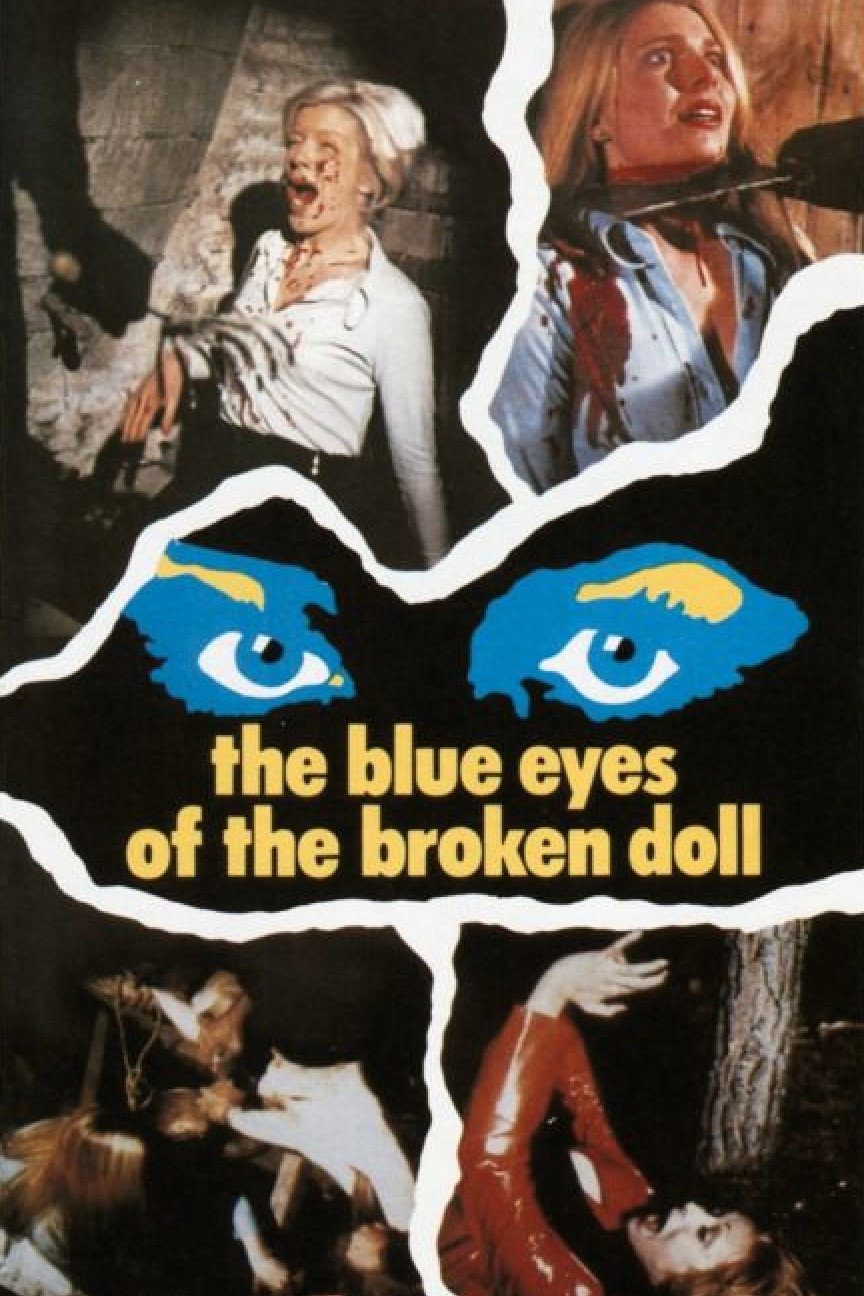
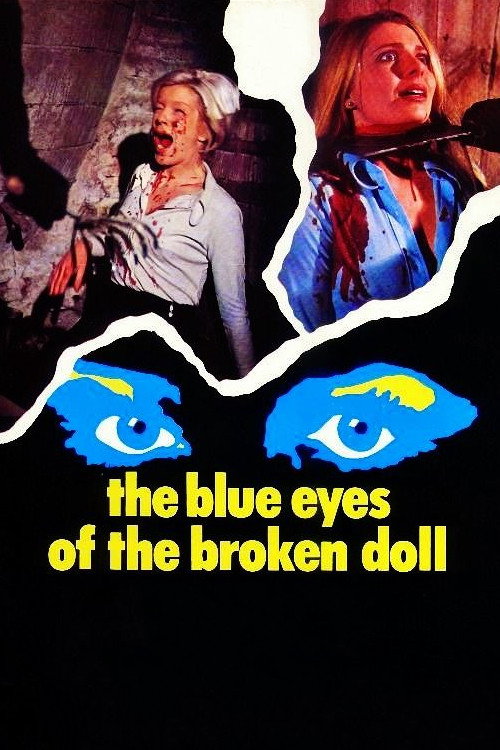
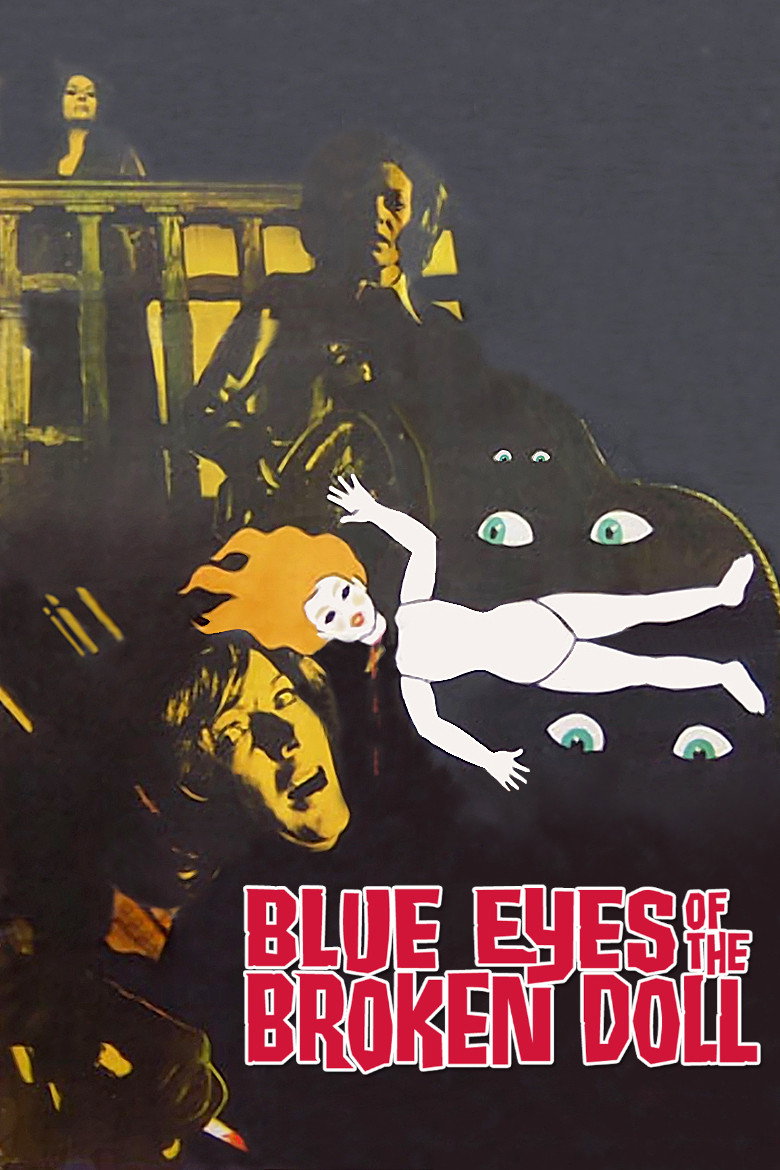
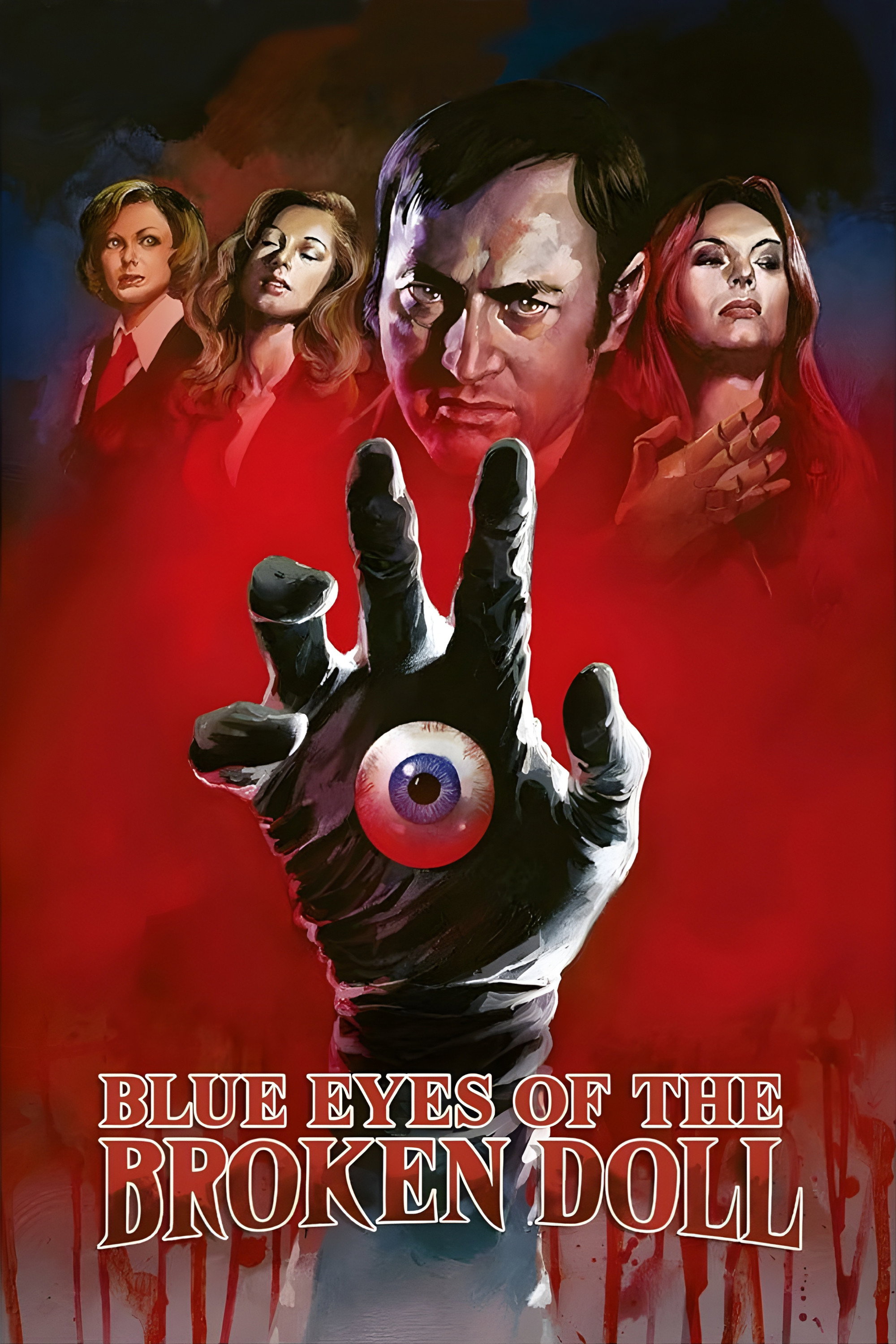
Blue Eyes of the Broken Doll (1974)

ES
UK censorship history Section 3 · Supplementary list
5.0/10 3 votes
Runtime
89 min
Release
August 5, 1974
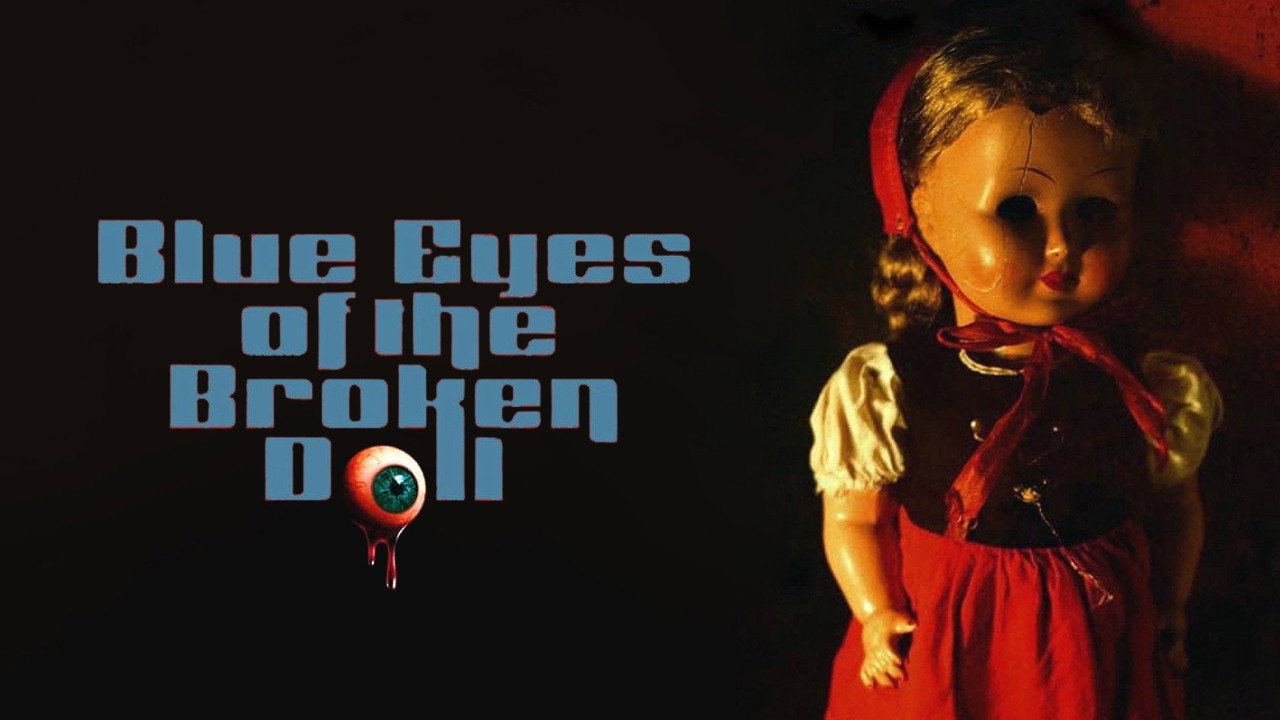
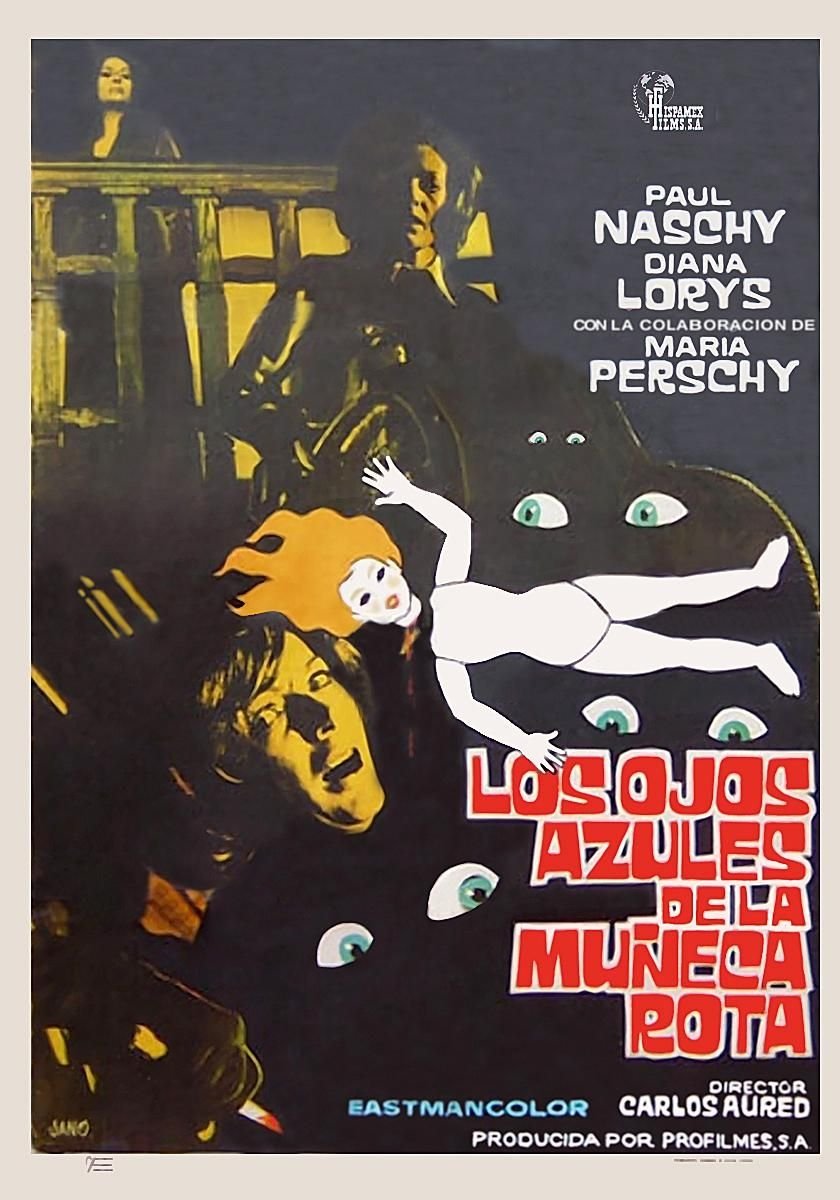
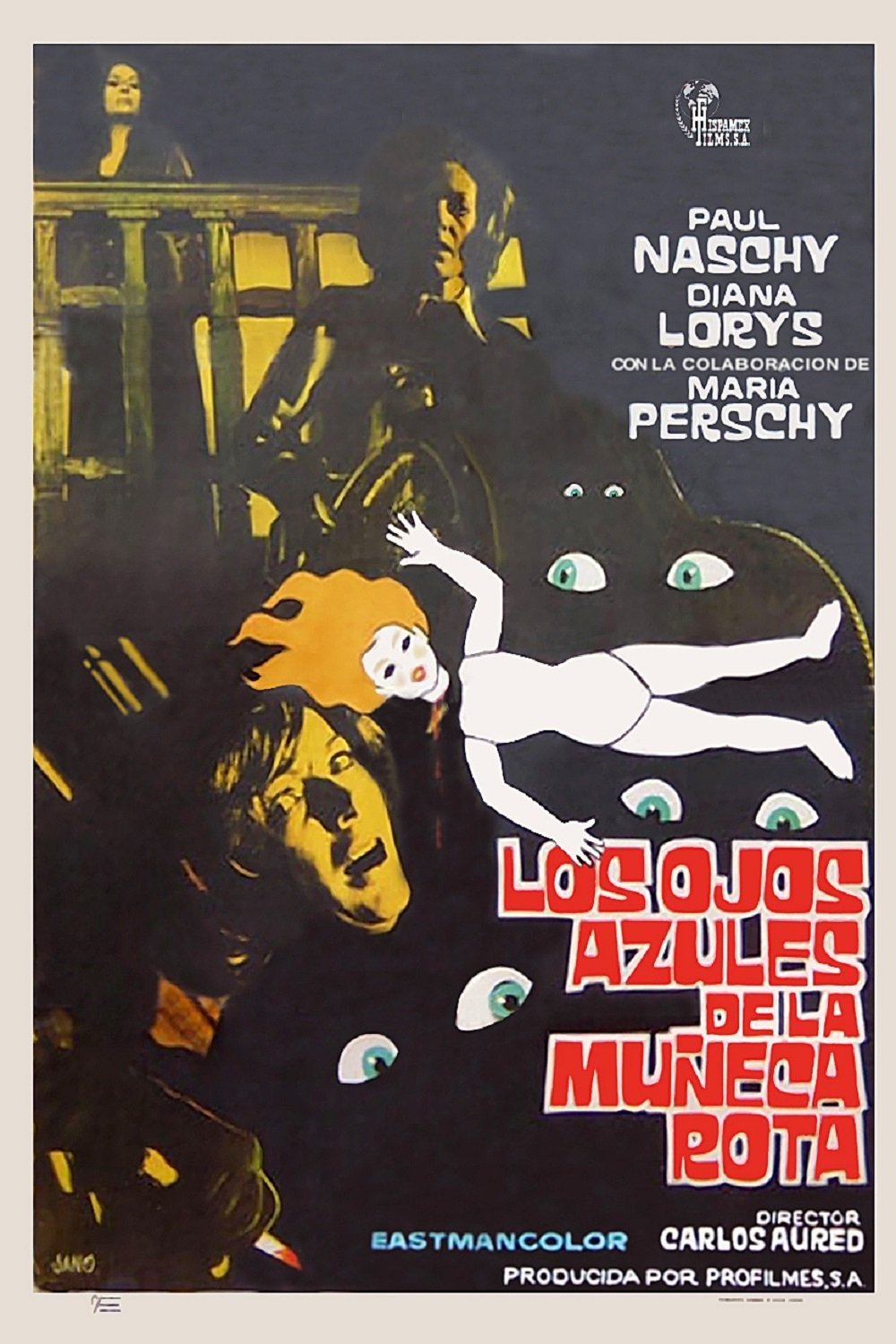
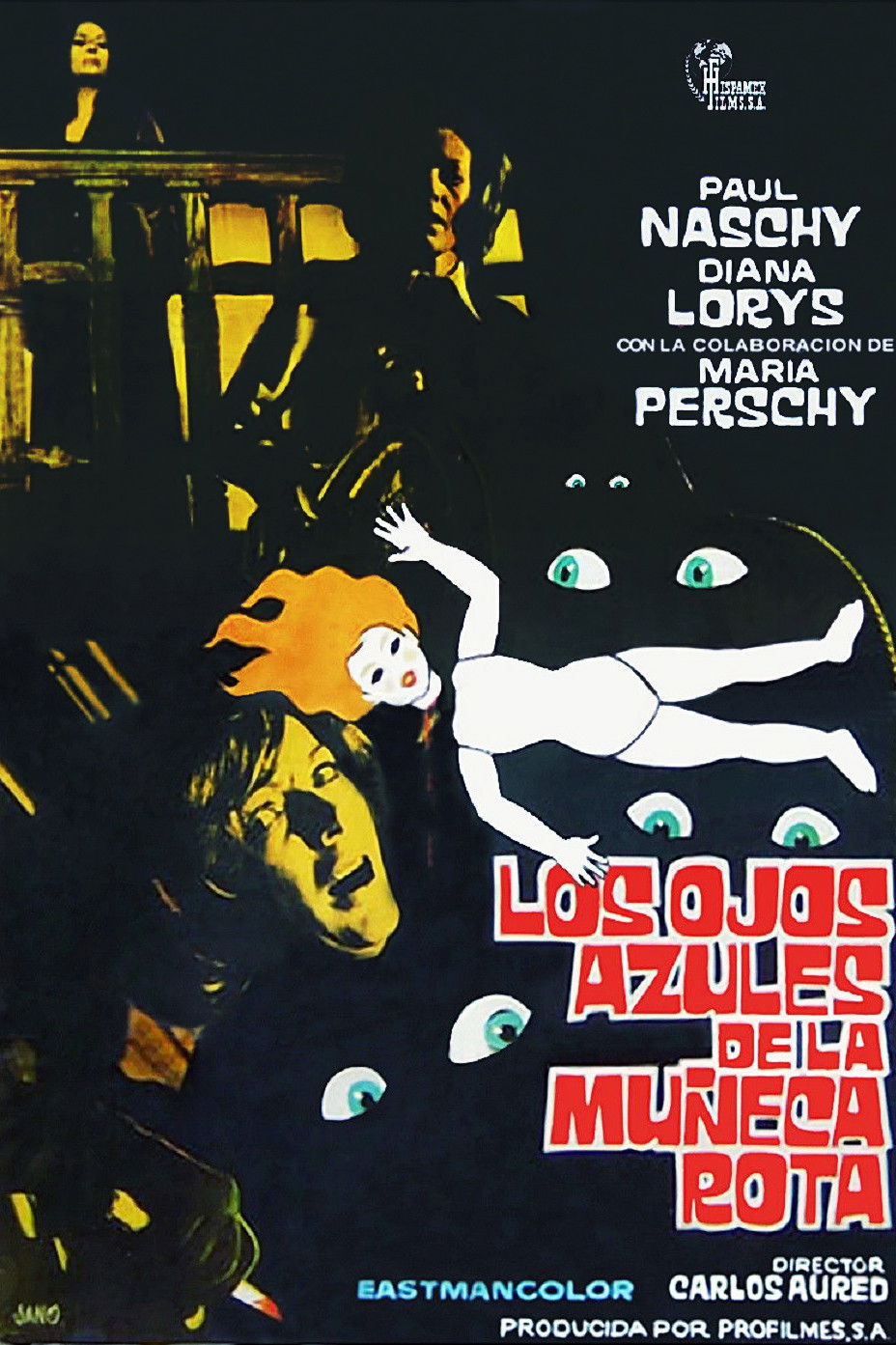
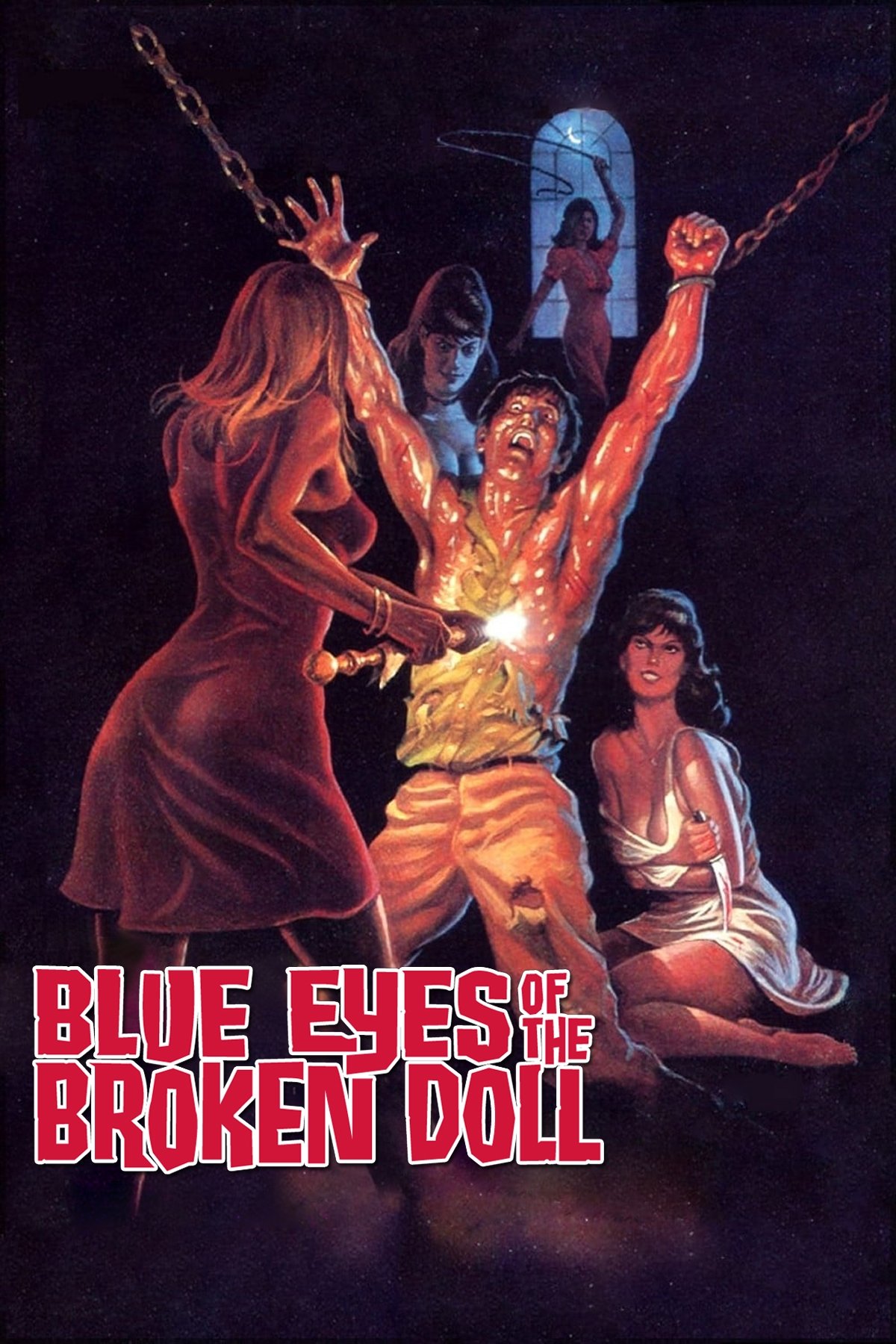
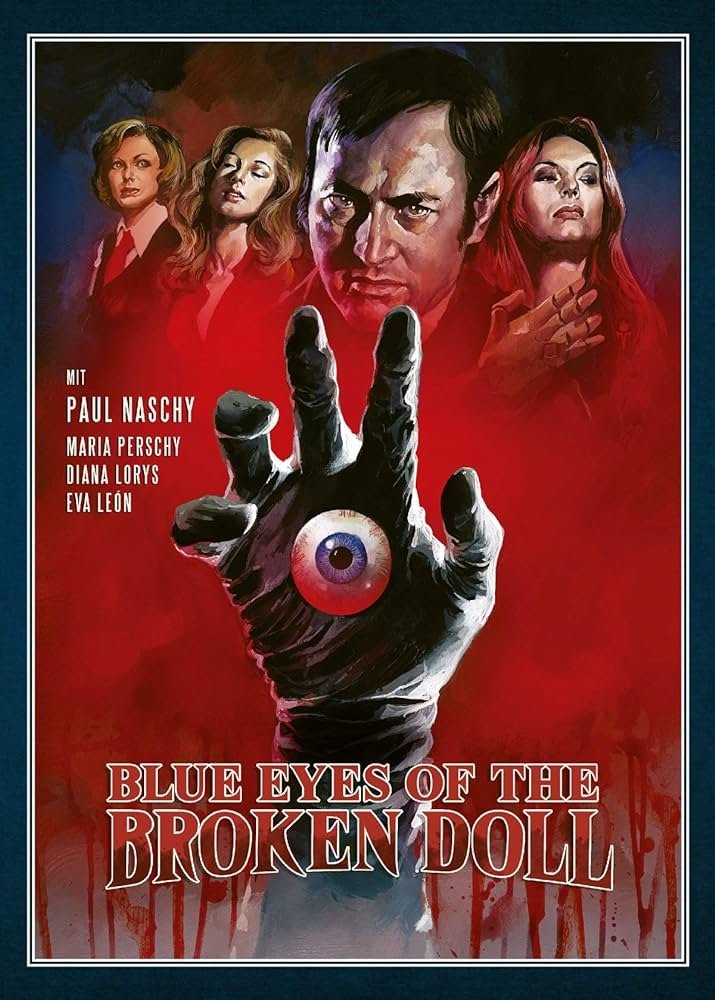
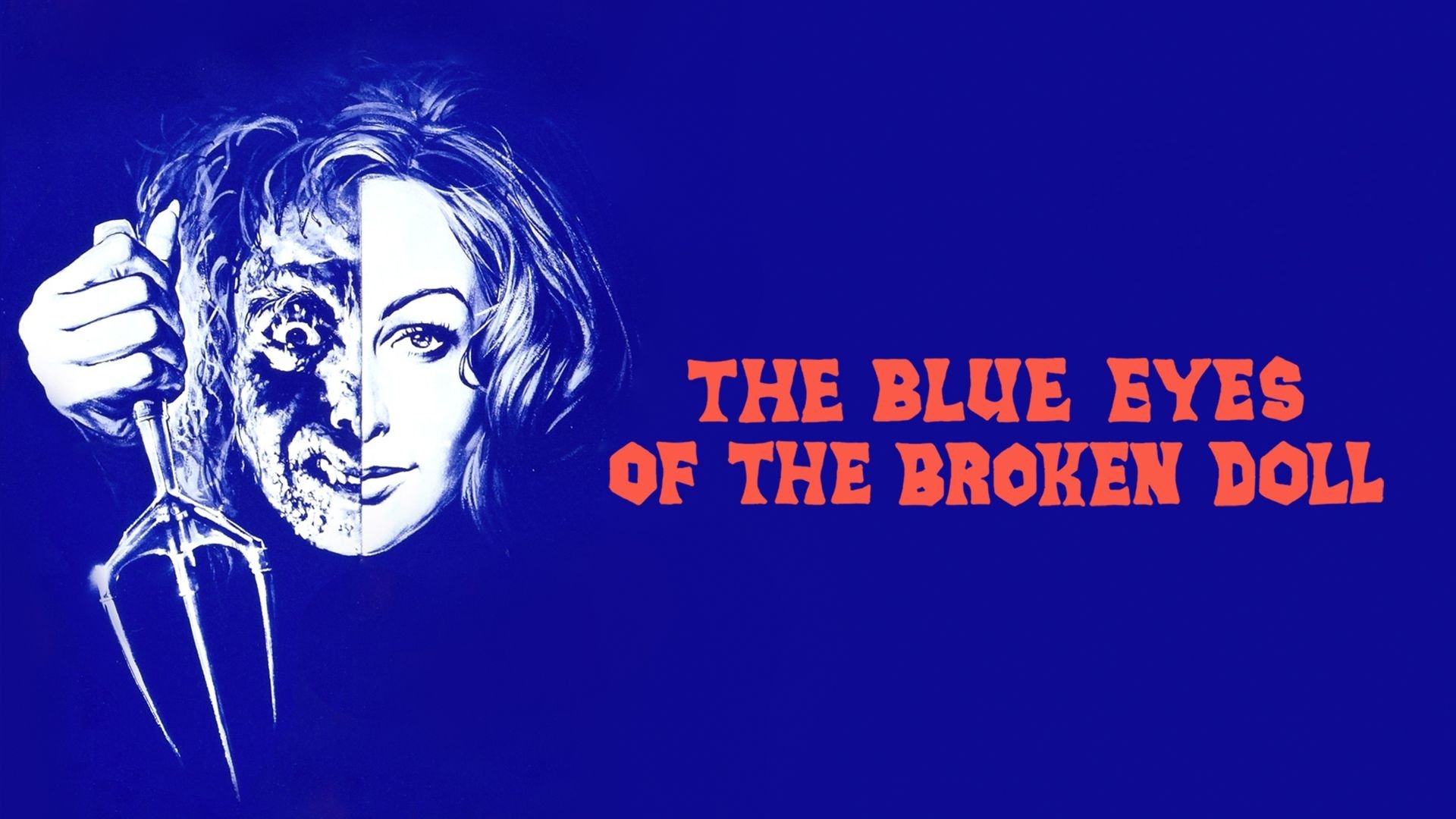
Blue Eyes of the Broken Doll (1974) poster
Director
Production Company
Profilmes
Plot

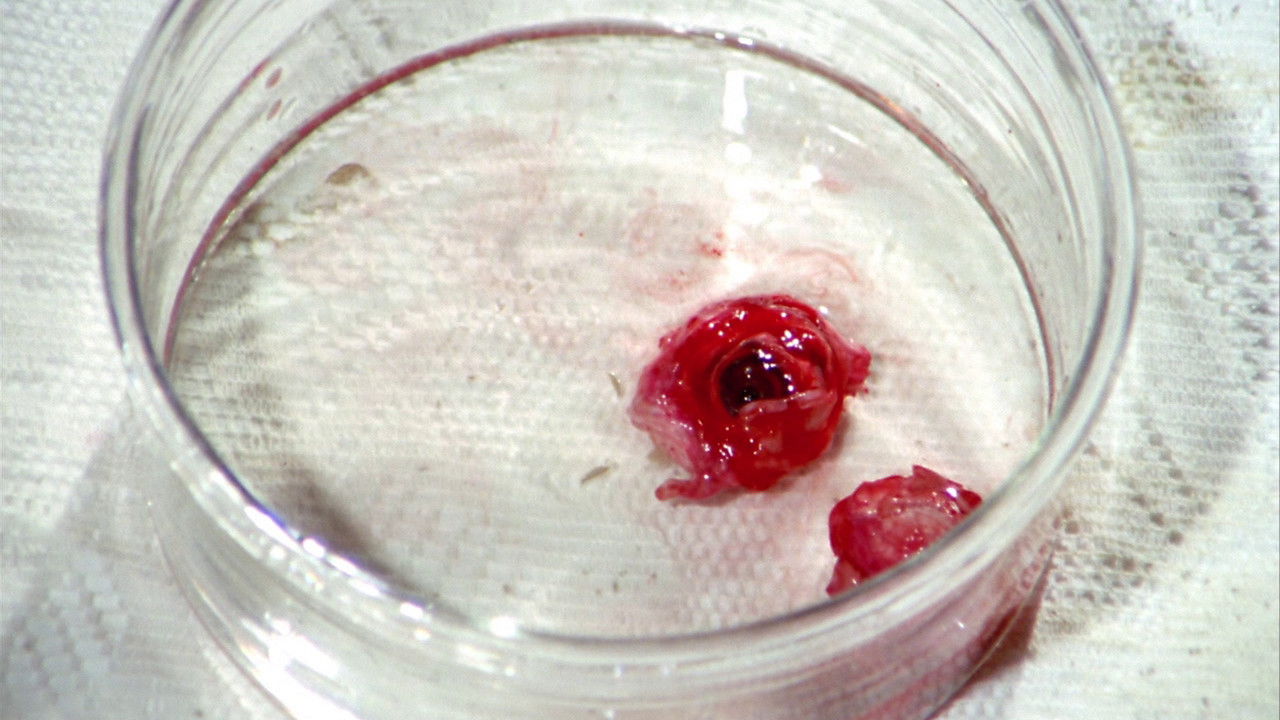
An ex-convict, troubled by dreams that he strangles women, is hired as the caretaker on an estate owned by three very strange sisters. Soon after his arrival, a serial killer begins slaughtering blonde, blue-eyed women - and leaving their eyeballs in a bowl of water.

Alternative Titles
Os Olhos Azuis da Boneca Quebrada (BR) — translation:pt 取眼杀人案 (CN) — translation:zh Les Yeux bleus de la poupée cassée (FR) — translation:fr Gli occhi azzurri della bambola rotta (IT) 부서진 인형의 푸른 눈 (KR) — translation:ko Os Olhos Azuis da Boneca Quebrada (PT) — translation:pt Голубые глаза поломанной куклы (RU) — translation:ru House of Psychotic Women (US)
Show all 9 alternative titles The House of Doom (US) — TV title

Trailers & Videos

1 video

Film Guide

A Spanish giallo shaped by a secluded household, damaged memories, obsessive murder imagery and disputed release chronologies.

Blue Eyes of the Broken Doll, filmed in 1973 under the Spanish title Los ojos azules de la muñeca rota, belongs to a brief but revealing intersection of Spanish horror and the Italian-inspired murder mystery. Carlos Aured approaches Paul Naschy's story through an isolated household, a stranger with a violent past and killings marked by the removal of victims' eyes. The film retains the atmosphere of a troubled Gothic family while borrowing the anonymous attacker and deceptive clues associated with the giallo. Its unsettling effects depend heavily on the relationships inside the house, where affection, resentment and suspicion develop before the murders take over the narrative.

The collaboration emerged during a highly productive phase for the Spanish fantastic-film industry and for Naschy, whose established screen identity had been built largely through supernatural roles. Here the star plays a drifting former prisoner whose uncertain memories place him in the position of possible murderer. The production also acquired a complicated international circulation, including an American retitling and an appearance in British Section 3 video nasty accounts. Spanish government records complicate the familiar 1974 date.

Naschy, Aured and the Spanish Horror Cycle

The production came from Profilmes, a company closely associated with Spanish genre cinema of the period. Naschy, writing as Jacinto Molina, supplied the story and screenplay, while Aured directed during the same productive partnership that produced Horror Rises from the Tomb. Specialist research places their work in an international market for Spanish thrillers beyond traditional monsters. Naschy had previously appeared in crime-oriented stories, but this film concentrates the mystery around a single dangerous household and an attacker whose concealed identity invites viewers to reconsider every character's apparent motives.

The premise also has a documented history as a filmmaker's anecdote. Naschy reportedly connected the original idea to a Madrid crime story concerning a doctor who preserved his dead daughter's body and gave it artificial eyes. That account was repeated in Spanish criticism and cited by the Filmoteca Española, yet it remains a recollection attributed to Naschy, not an independently established account of the purported incident. The finished narrative departs substantially from that anecdote. Its central dramatic decision is to make a damaged family and the arrival of an outsider the source of sustained uncertainty, delaying the more recognizable serial-killer mechanics until the relationships have become unstable.

The Estate and the Giallo Structure

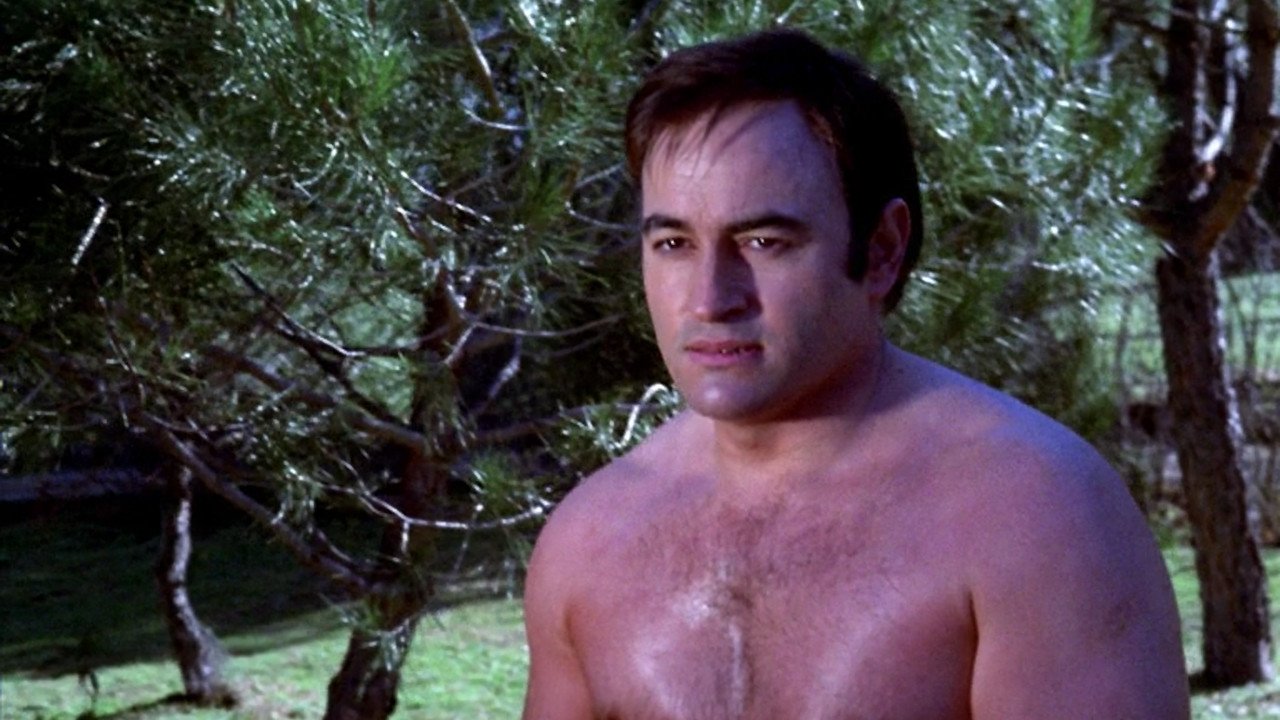
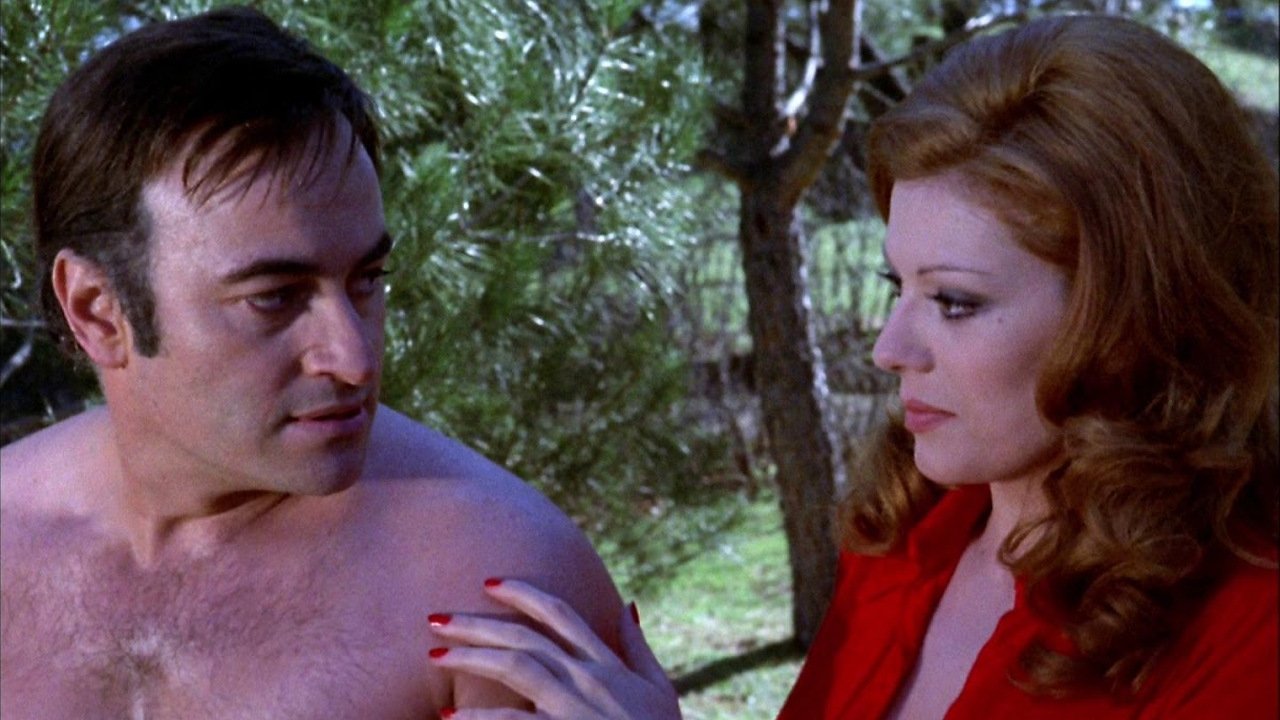
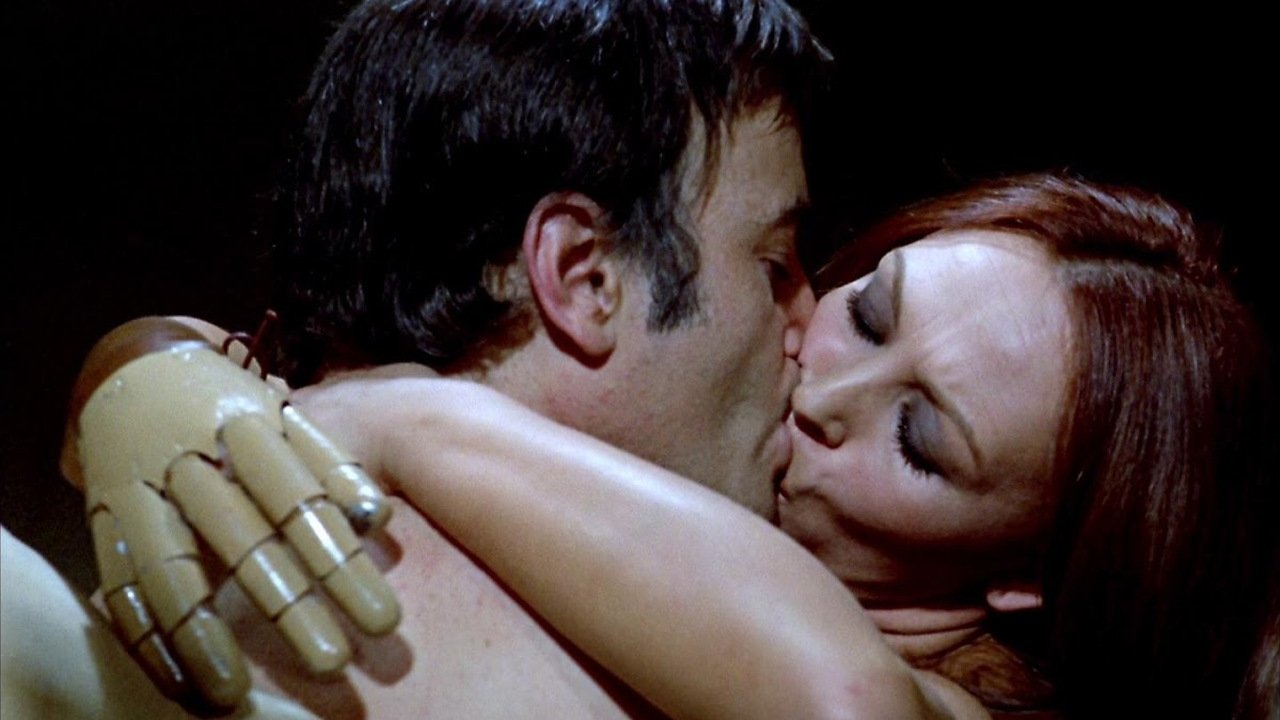
Gilles reaches a village in the French countryside and finds work with Claude, who lives in a large house with her sisters Yvette and Nicole. Claude wears a prosthetic hand, while Yvette uses a wheelchair; Nicole openly pursues the newcomer. A nurse and a visiting physician extend the network of people entering this secluded space. The arrangement places Gilles between competing demands without immediately identifying which secrets pose the greatest danger. His disturbing images of a previous assault supply a second form of uncertainty, since they can initially be read as memories, nightmares or signs of guilt.

Aured builds the first part of the picture around the estate's internal geography. Staircases, connecting rooms and the surrounding countryside encourage close attention to entrances and interrupted encounters. Characters know fragments of one another's histories, while the spectator receives unexplained images. The later killings shift the emphasis toward a police investigation, with blonde, blue-eyed women attacked and their eyes taken. That repeated signature turns an anatomical detail into a clue, yet the story's misleading associations make simple deduction unreliable. The shift from domestic melodrama to giallo mystery is central to the film's unusual rhythm.

The women's disabilities and sexual behavior are treated as possible symptoms of hidden moral disorder, reflecting the sensational psychology employed by many contemporary thrillers. Claude's reluctance to expose her hand, Yvette's dependence on others and Nicole's desire are narratively distinct conditions; the screenplay nevertheless encourages suspicion to gather around all three. These associations deserve critical distance. The film uses physical difference and sexuality as fictional misdirection. The threat ultimately arises from concealed actions and relationships rather than from any defensible account of mental illness or physical difference.

Visual Composition, Music and Violence

Francisco Sánchez's cinematography makes the house a workable instrument of suspense. Interiors are organized through doors, upper landings and darkened corners, while the exterior landscape separates the household from ordinary social scrutiny. Unlike the densely urban setting of many Italian gialli, Aured's rural design brings the story close to Spanish Gothic horror. Scenes within the estate allow bodies to occupy different levels of the frame, making the possibility of observation from another room or floor important. The contrast between carefully composed domestic spaces and abrupt physical attacks also gives the film a visual identity beyond its anonymous killer's gloves.

Juan Carlos Calderón's score supplies an especially distinctive accompaniment to the murders. The recurring use of the familiar melody Frère Jacques lends apparently innocent musical material an intrusive quality, while jazz-inflected passages sit uneasily beside the story's gloom. Critics have noted how its liveliness unsettles the atmosphere. The violence is focused on the loss of eyes, an image that connects the murder mystery to earlier European horror preoccupied with sight and bodily integrity. One attack involves a small garden rake; another recurring image presents eyes removed from the victims. The film also contains footage of an actual pig slaughter, which should be distinguished ethically from staged human injuries.

Certification, Versions and Later Circulation

The film's date varies across reference works. It is often listed internationally as a 1974 release, and that year appears in many later filmographies. Spain's official ICAA catalogue, however, identifies 1973 as the production year and gives November 10, 1973 for both its cinema classification decision and theatrical release. The matching dates require caution when compared with other release listings; they should be reported as the catalogue's entries rather than silently converted into proof of every local screening. The original Spanish cinema certificate restricted attendance to adults over eighteen. The same institutional record shows a later home-video classification dated October 26, 2005.

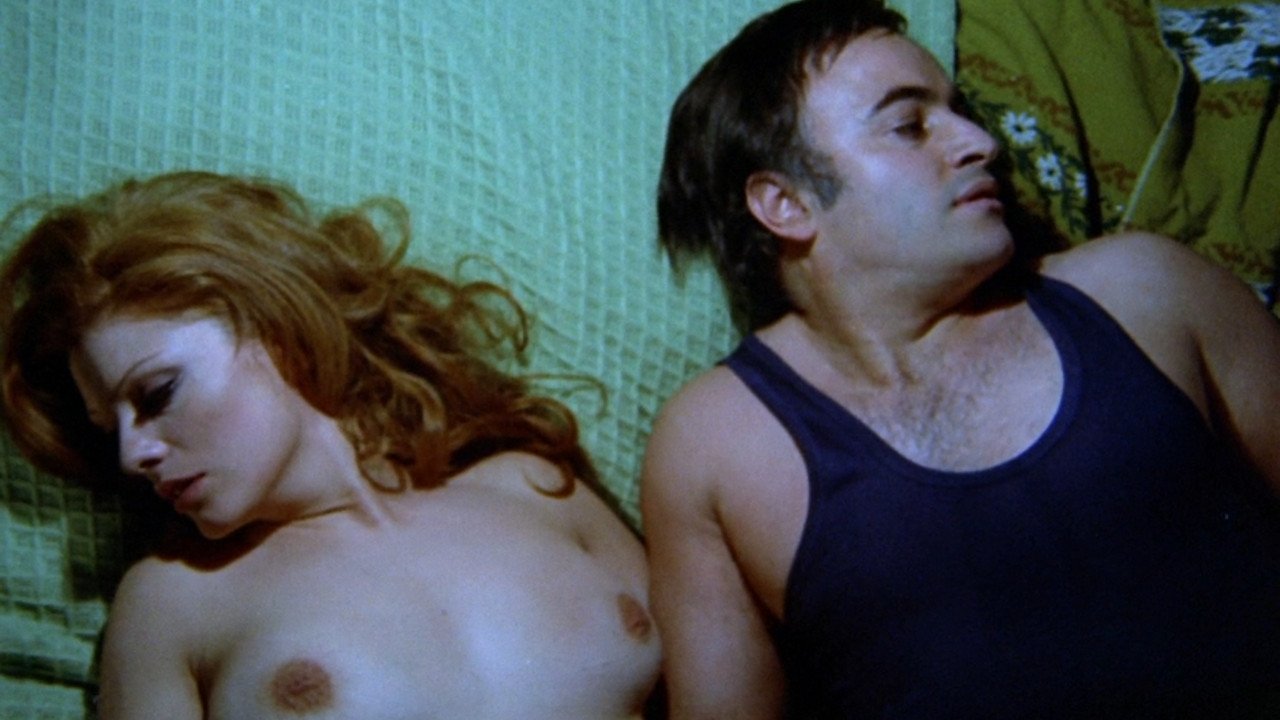
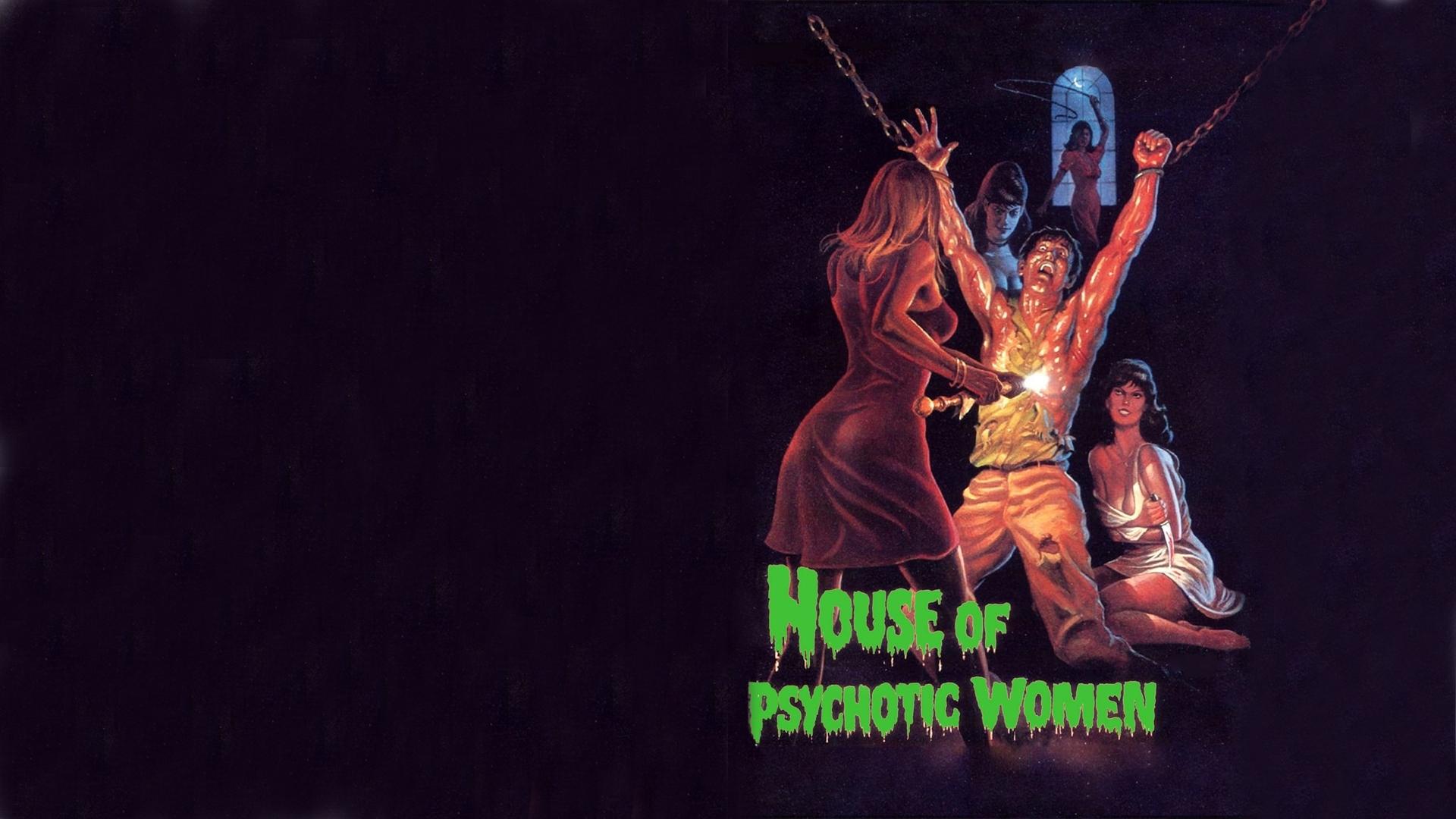
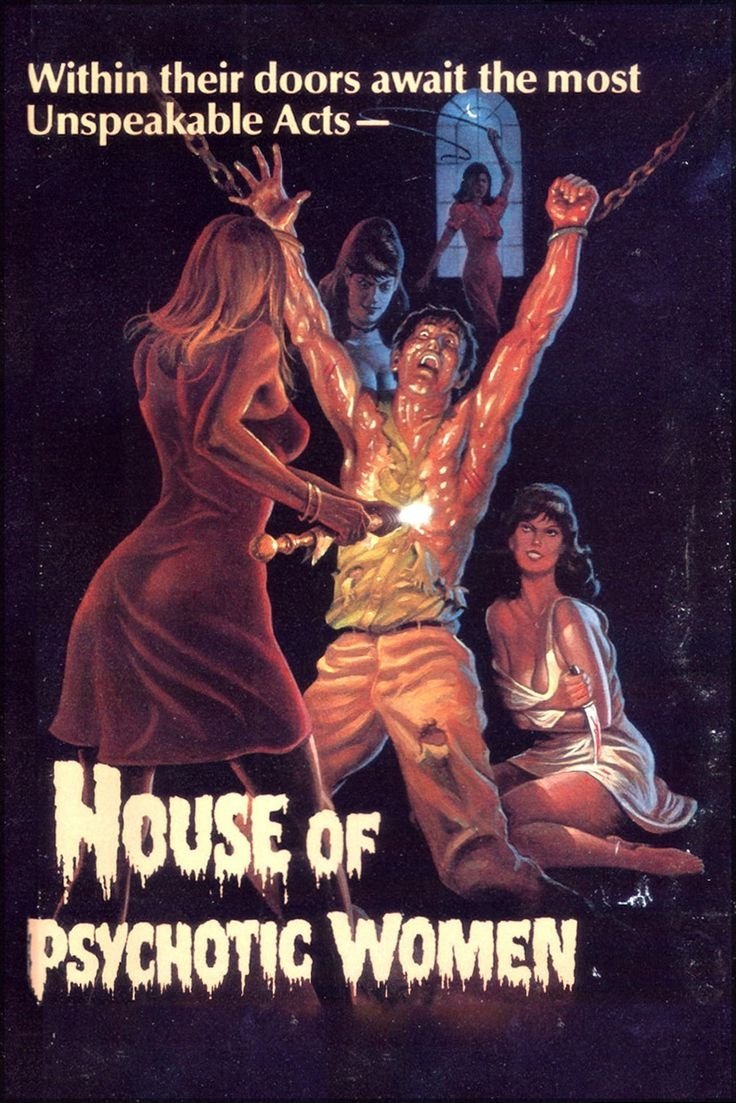
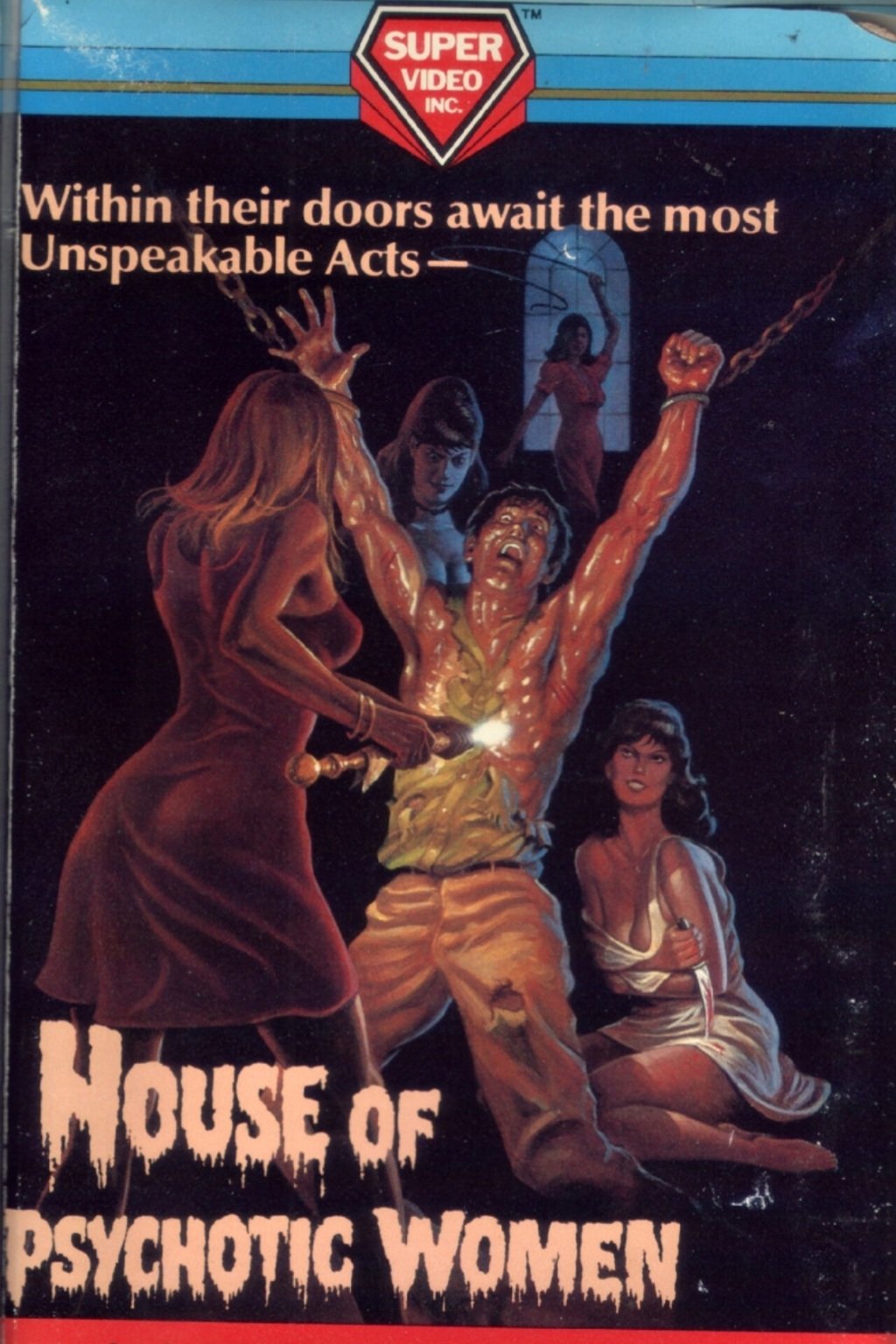
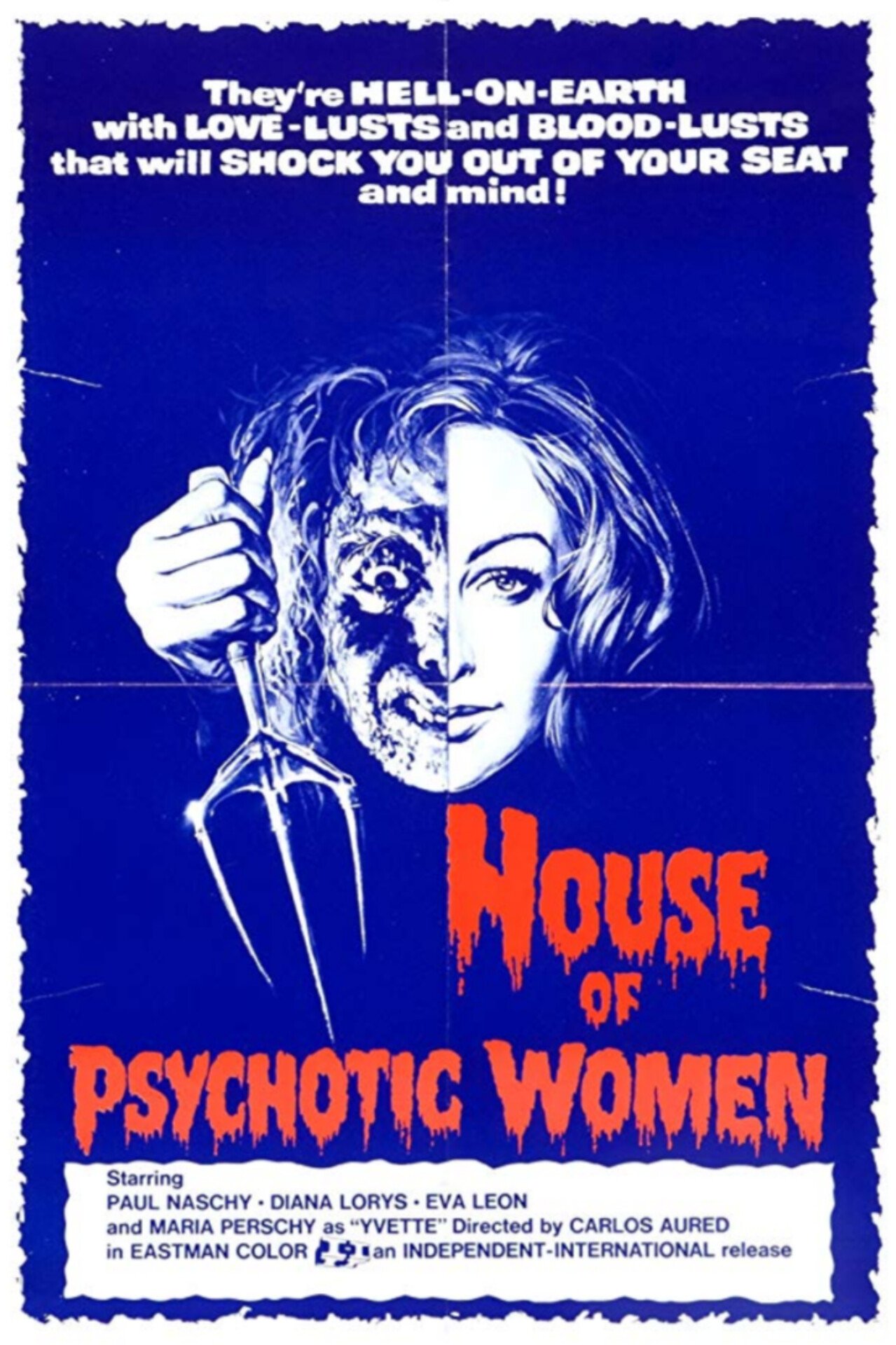
International circulation brought names and versions that did not always correspond to the Spanish presentation. In the United States the picture was promoted as House of Psychotic Women, a title emphasizing lurid character pathology rather than the mystery's recurring eye imagery. House of Doom also circulated as a television title. Specialist accounts describe differences between Spanish and export material, particularly in nudity, while reviews of later editions note the preservation of footage removed from some older copies. These observations establish variant presentations, but cannot measure all missing footage or identify a definitive director's cut.
In Britain the film was included among the additional titles associated with Section 3 of the Obscene Publications Act during the video nasty controversy. That association concerns search, seizure and potential forfeiture of recordings; it must not be mistaken for a successful prosecution for obscenity or a permanent nationwide ban. Later critical writing has treated the film as a Spanish interpretation of the giallo, emphasizing the uneasy household, the stylized murders and the tension between erotic spectacle and suspense. Such reevaluation documents a persistent specialist interest without establishing broad commercial success or an unverified influence on subsequent directors.
References

  1. ICAA - Spanish Ministry of Culture Los ojos azules de la muñeca rota - Official Film Record

    Government film register documenting the 1973 production, cinema classification and recorded release date, cinematographic format, producer and later video rating.

  2. Proyecto Naschy Paul Naschy y el giallo

    In-depth Spanish genre study situating the film within Naschy's crime thrillers, with discussion of the estate locations, photography, music, violence and export variants.

  3. La abadia de Berzano Los ojos azules de la muñeca rota

    Film-specific critical essay on the Aured-Naschy partnership, the reported real-crime inspiration, the divided narrative structure and its sensational imagery.

  4. Versus - Revue de cinema Les yeux bleus de la poupee cassee de Carlos Aured: Trois soeurs

    Independent French film criticism examining the isolated household, Aured's spatial direction, the murder sequences and the use of Frère Jacques.

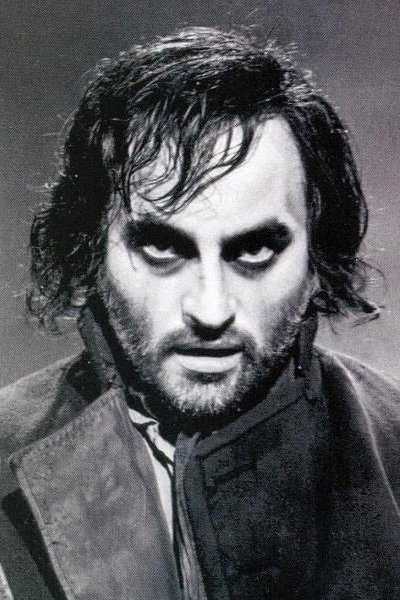
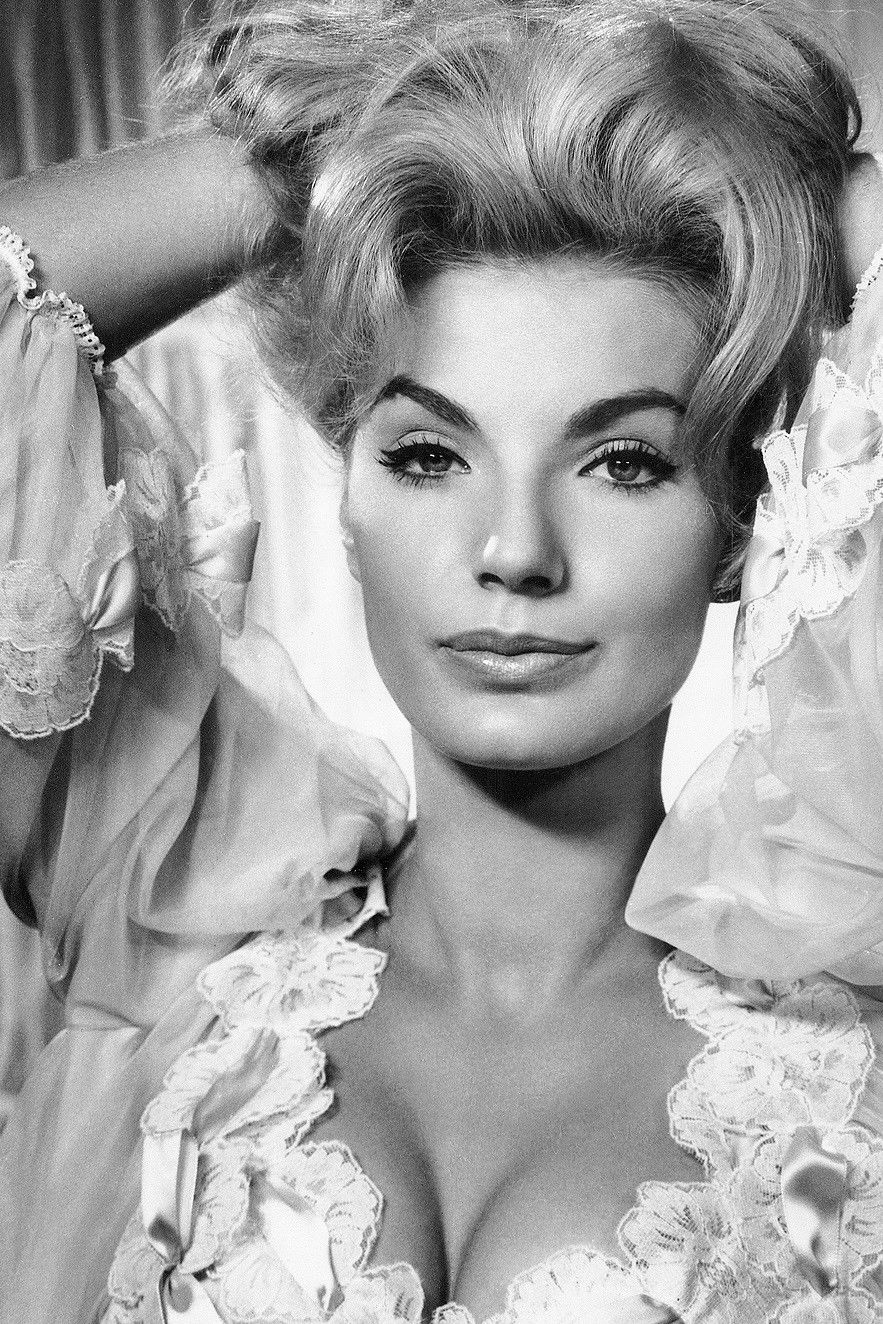
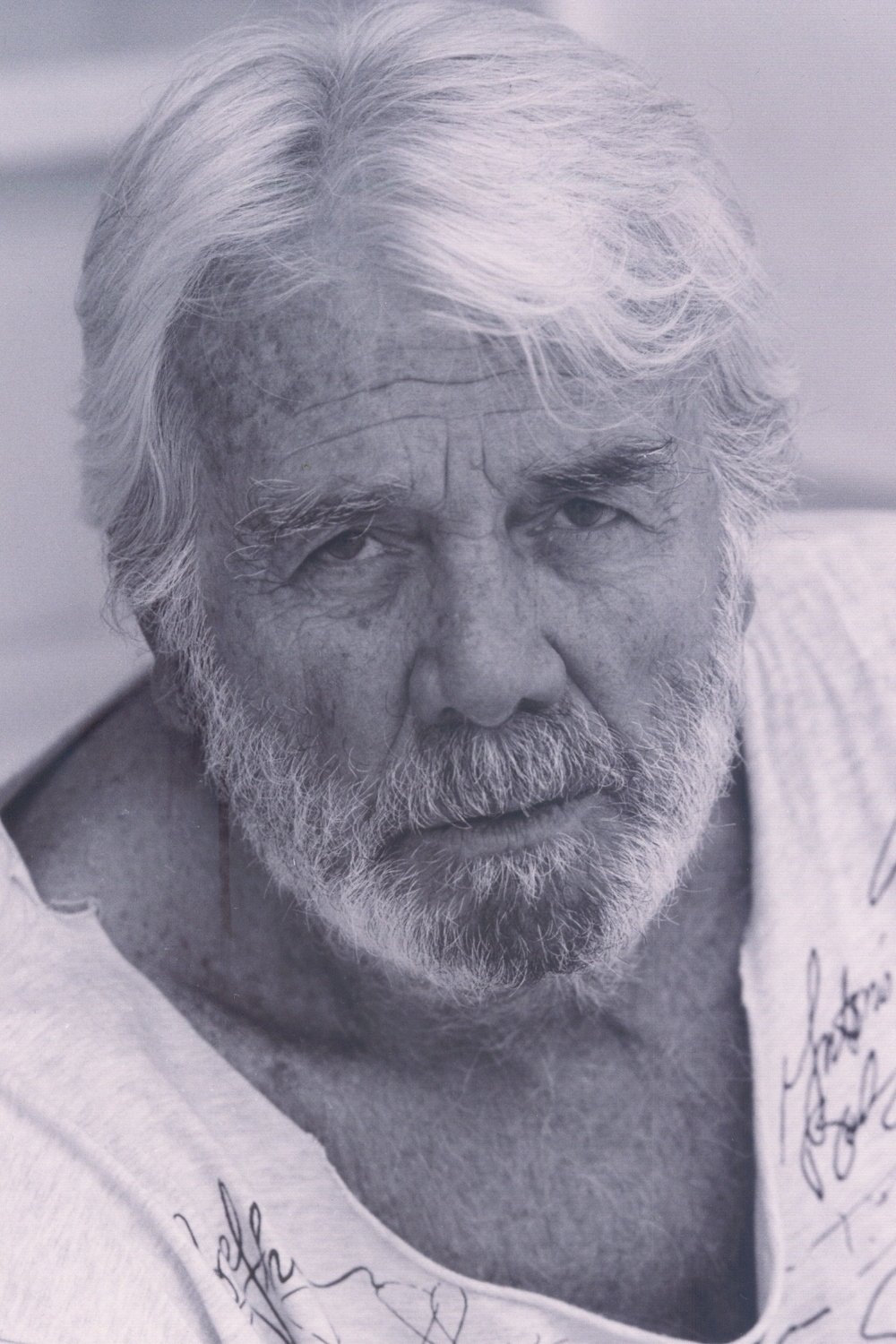
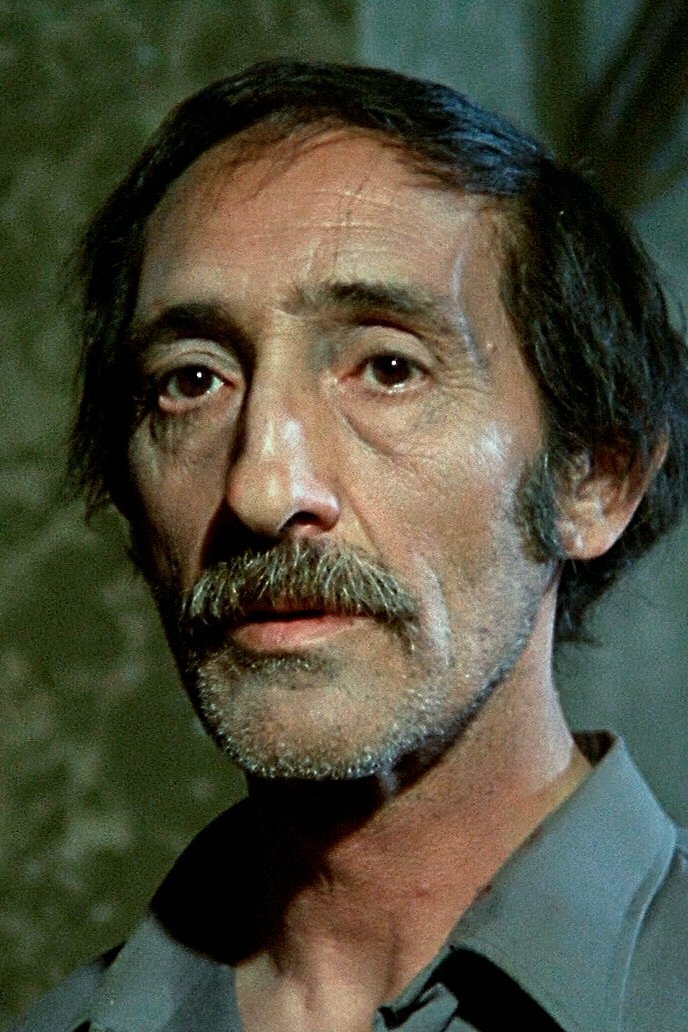
Cast

View Full Cast & Crew →

Release & Distribution

Production Companies (1)

  • Profilmes ES

Release History (2)

Release DateTerritoryRelease TypeFormatDistributorCertificationNotes
1974-08-05 ES theatrical — — —
1976-04-21 US theatrical — — R
They're HELL-ON-EARTH with LOVE-LUSTS and BLOOD-LUSTS that will SHOCK YOU OUT OF YOUR SEAT and mind!