The Texas Chain Saw Massacre (1974)

US
HORROR FILM
SUBGENRES CANNIBAL SLASHER
UK censorship history Section 3 · Supplementary list
7.7/10 6 votes
Runtime
83 min
Release
October 1, 1974
Budget
$140,000
Revenue
$30,926,225
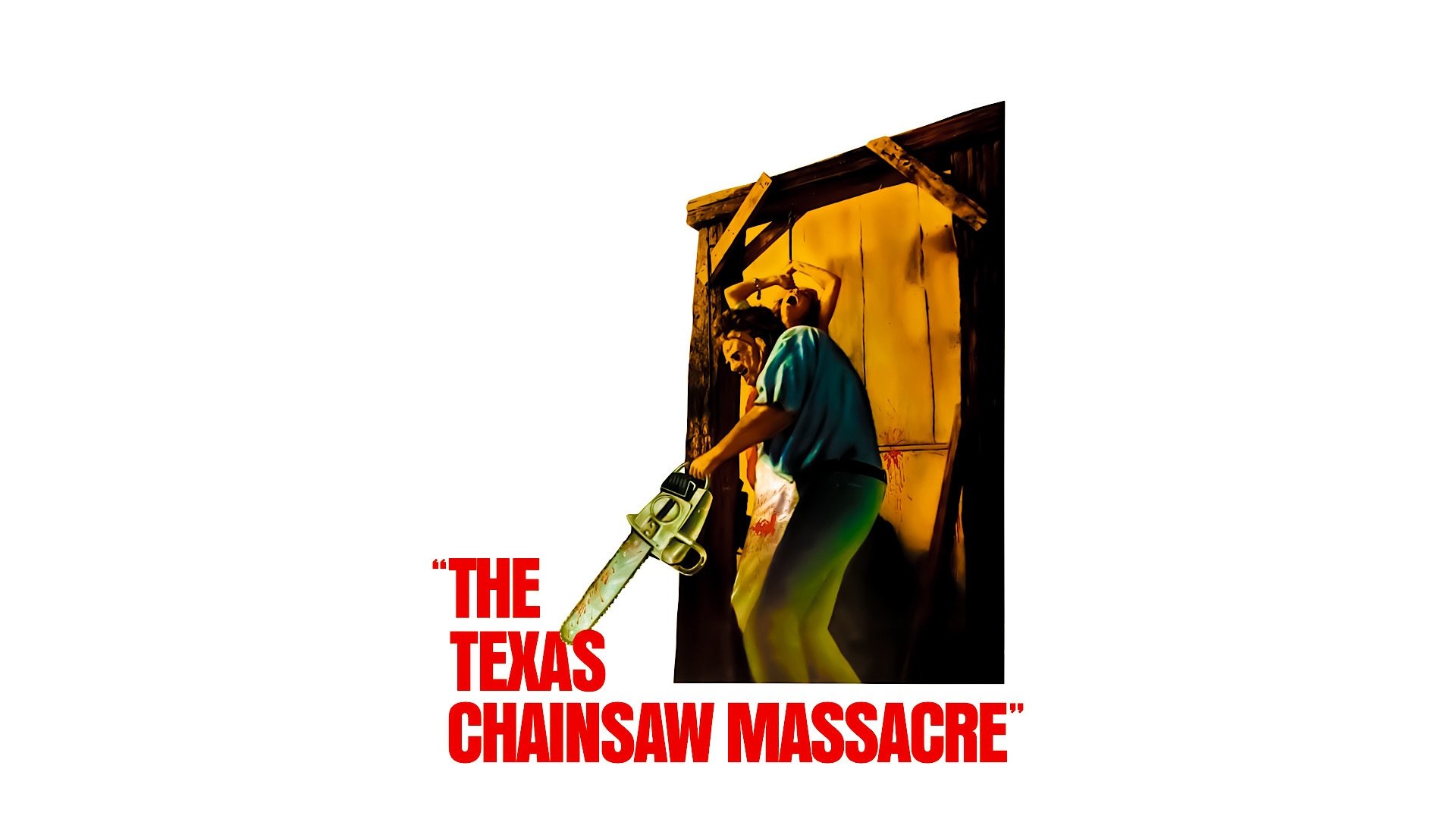
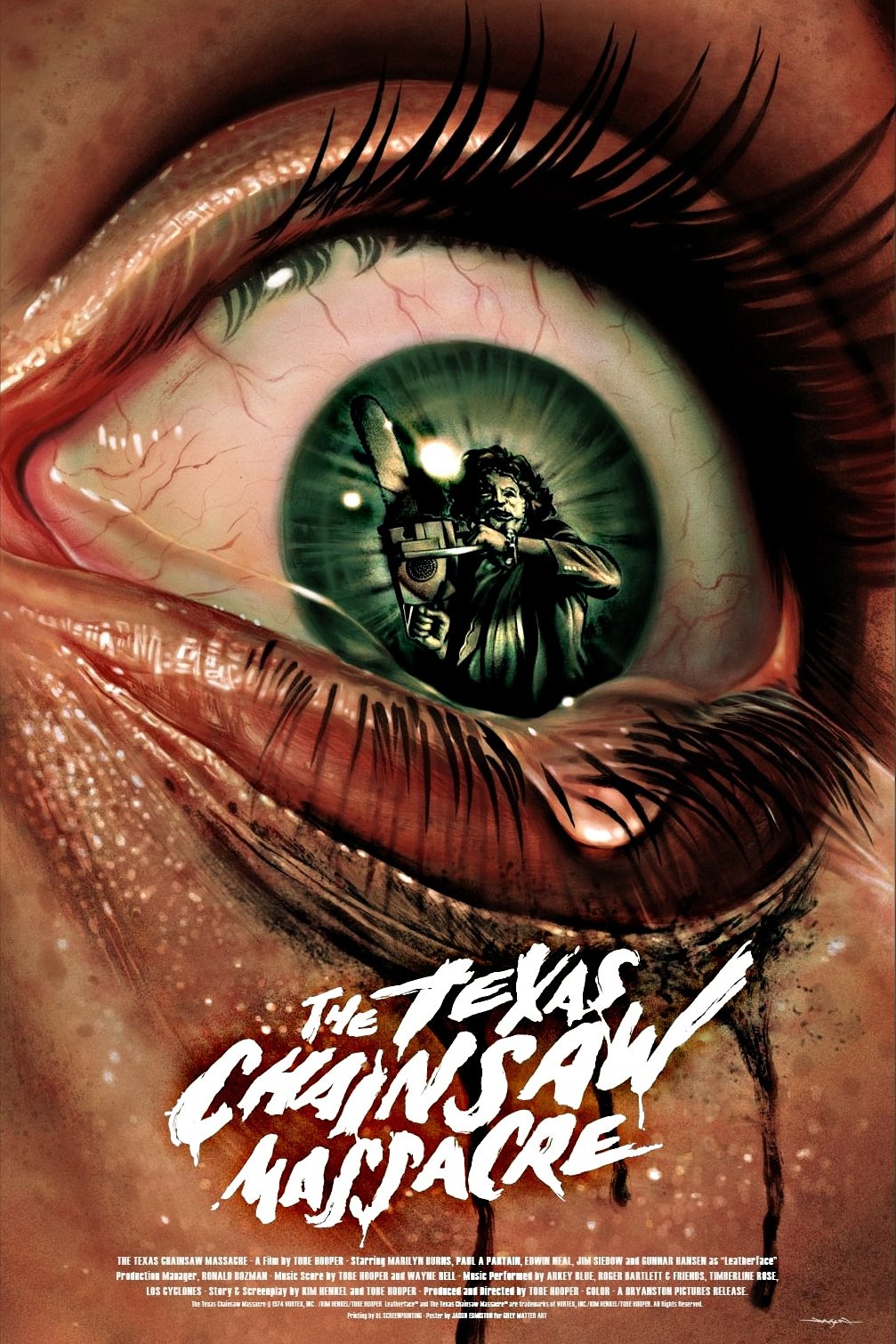
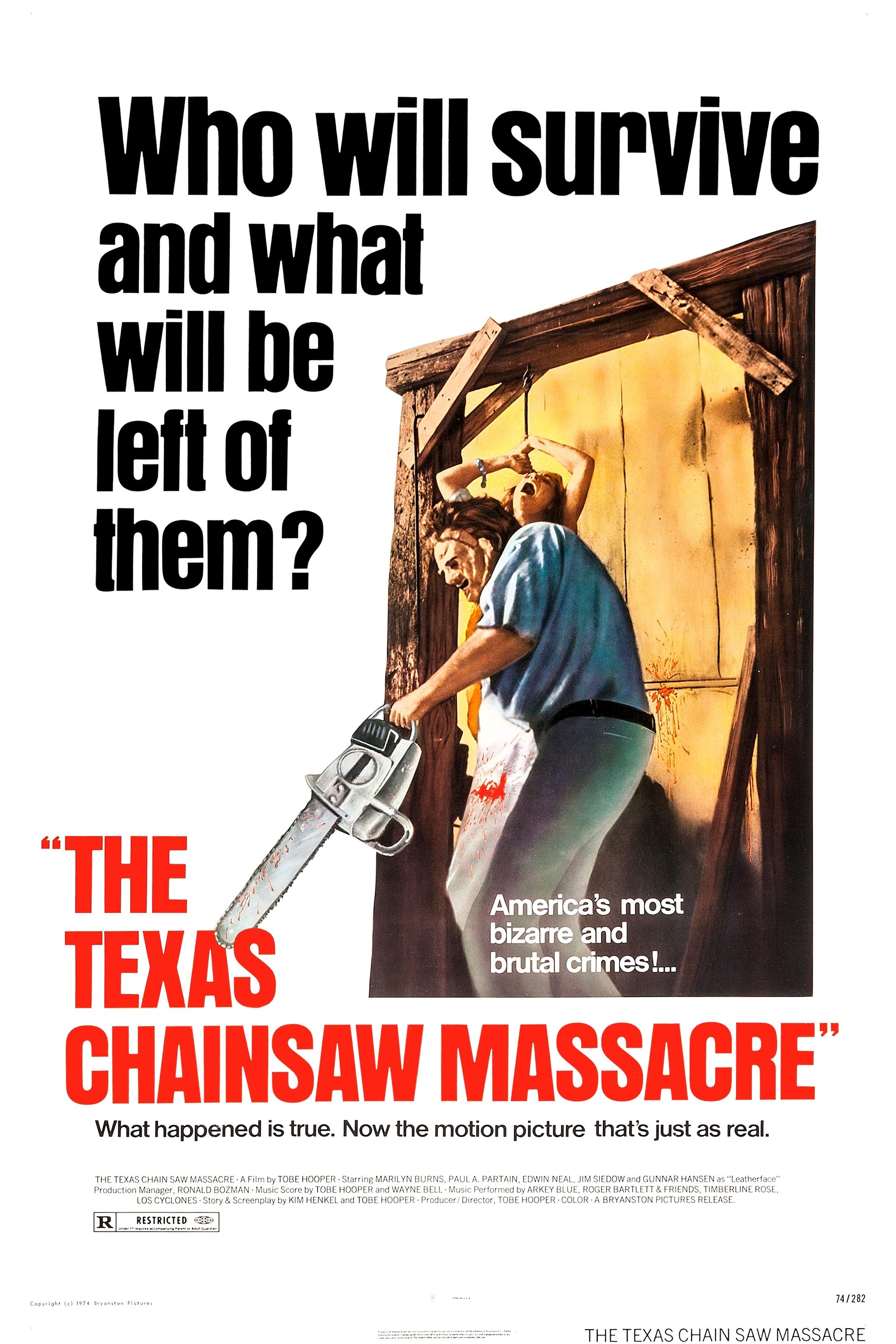
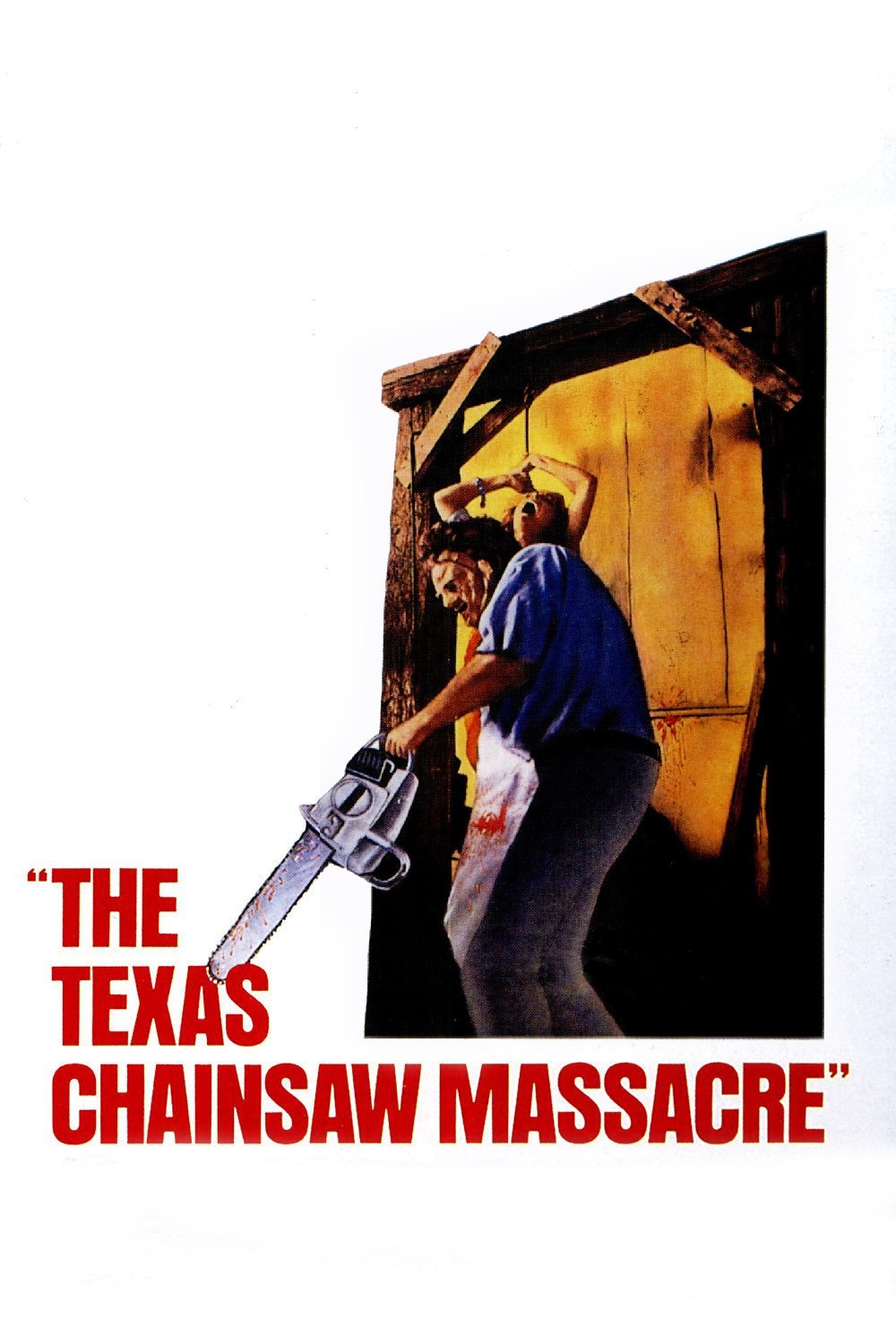
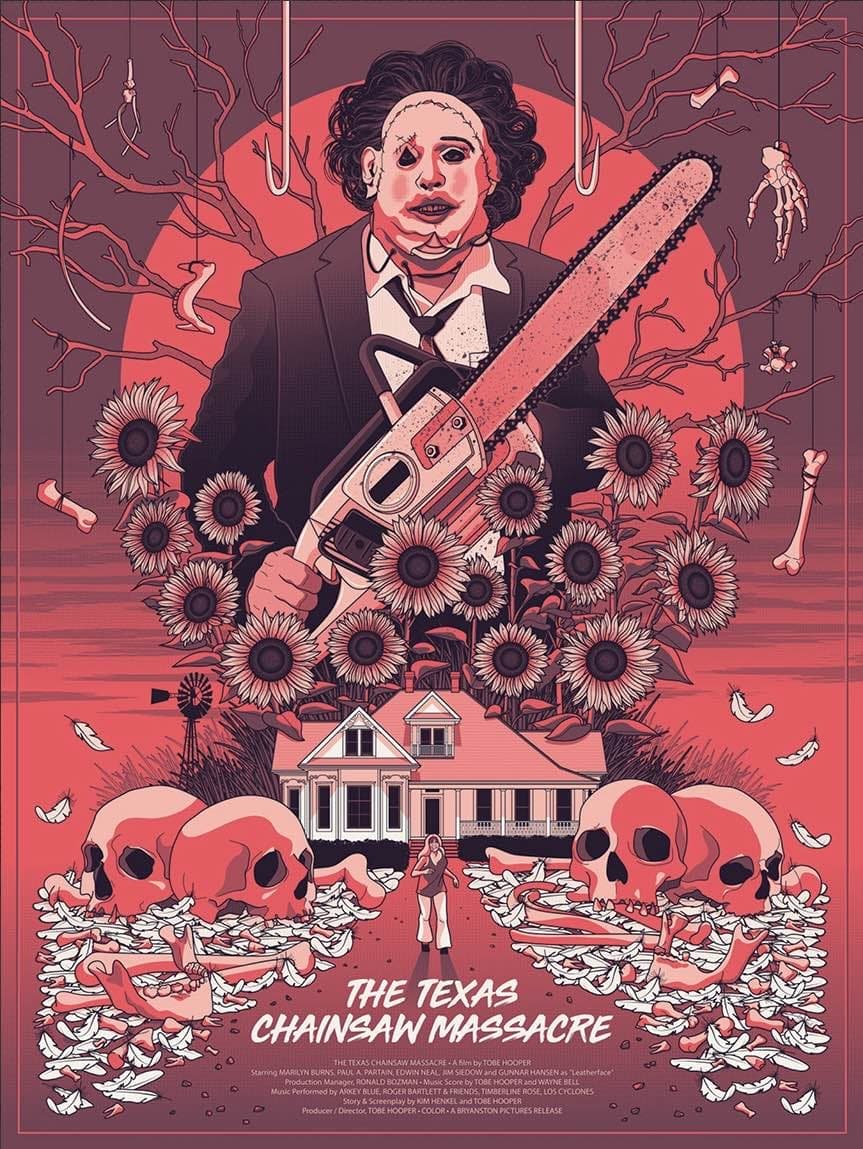
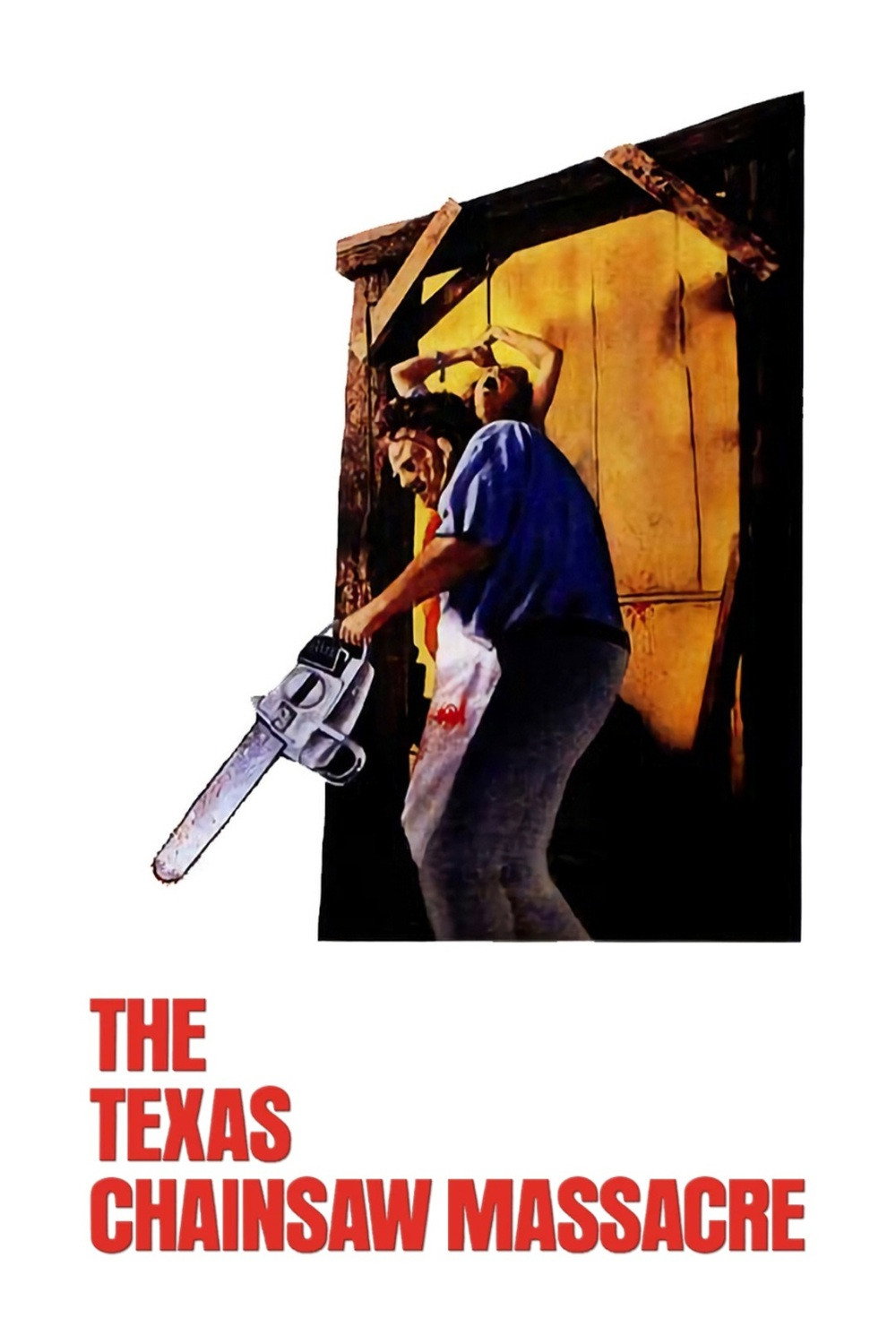
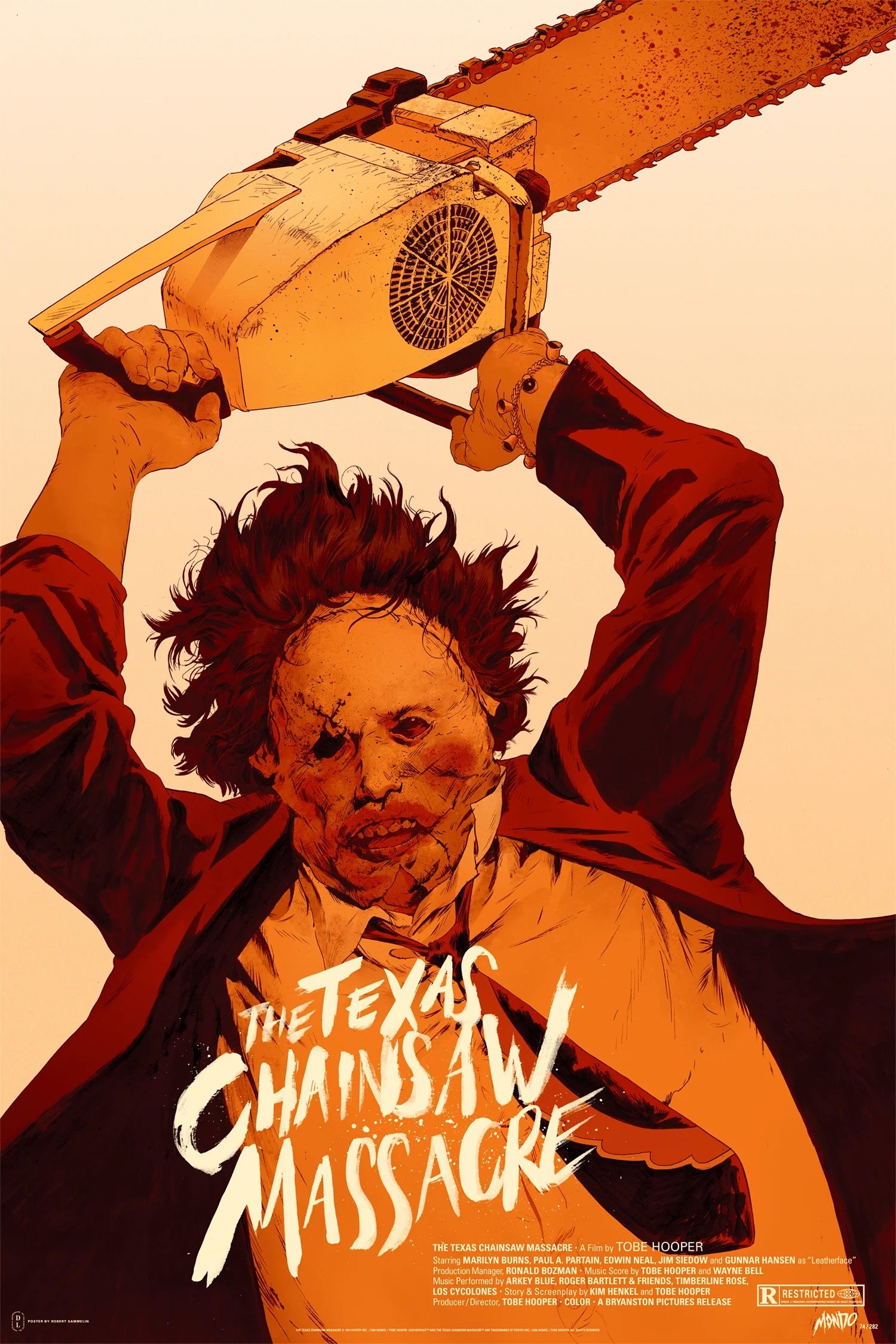
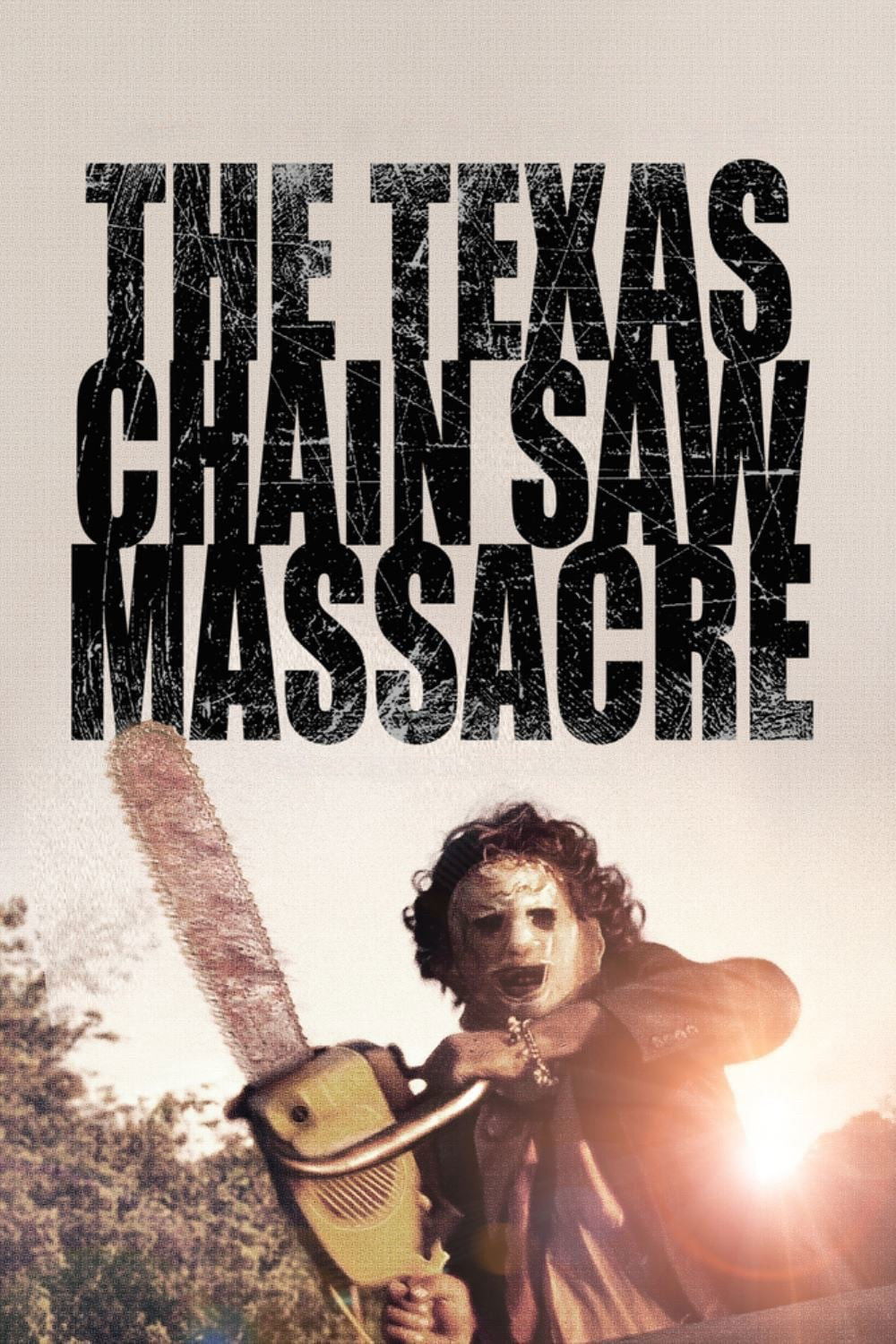
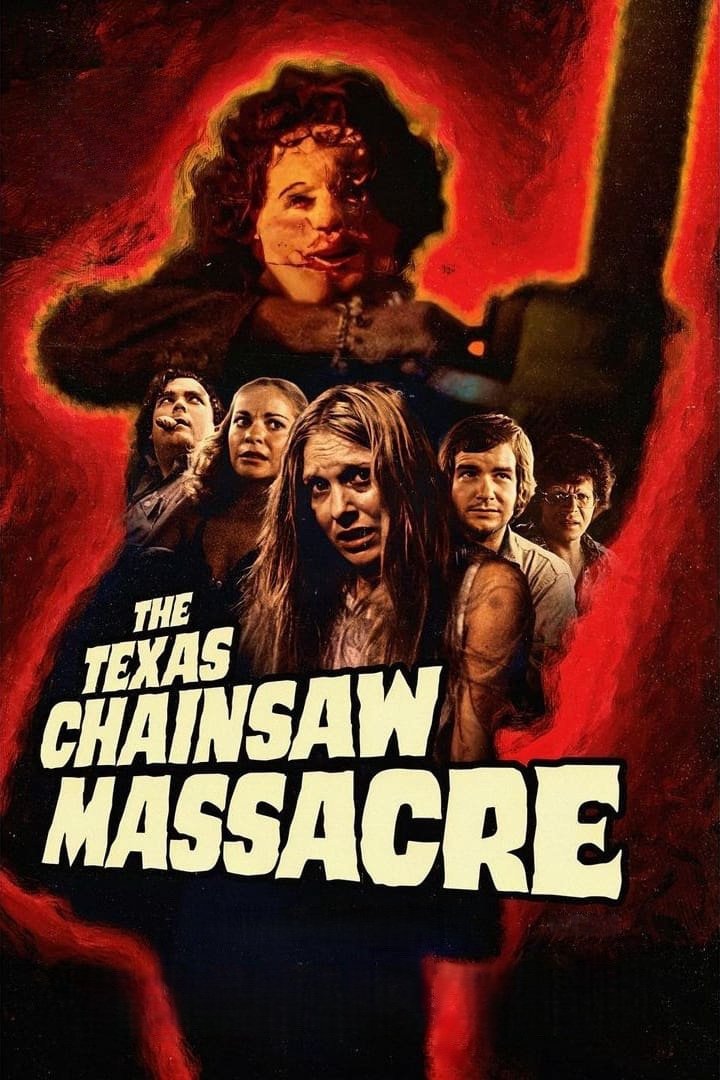
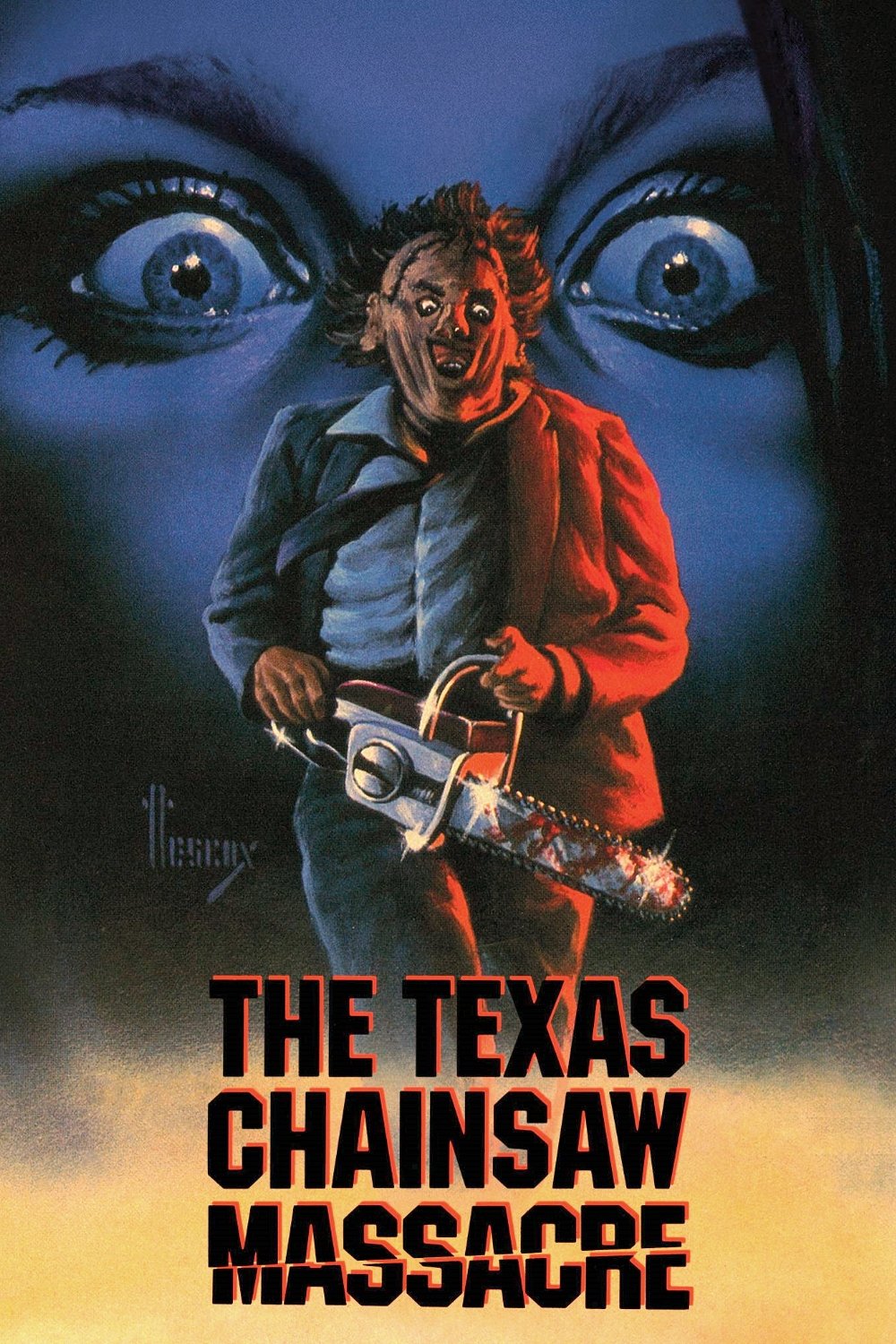
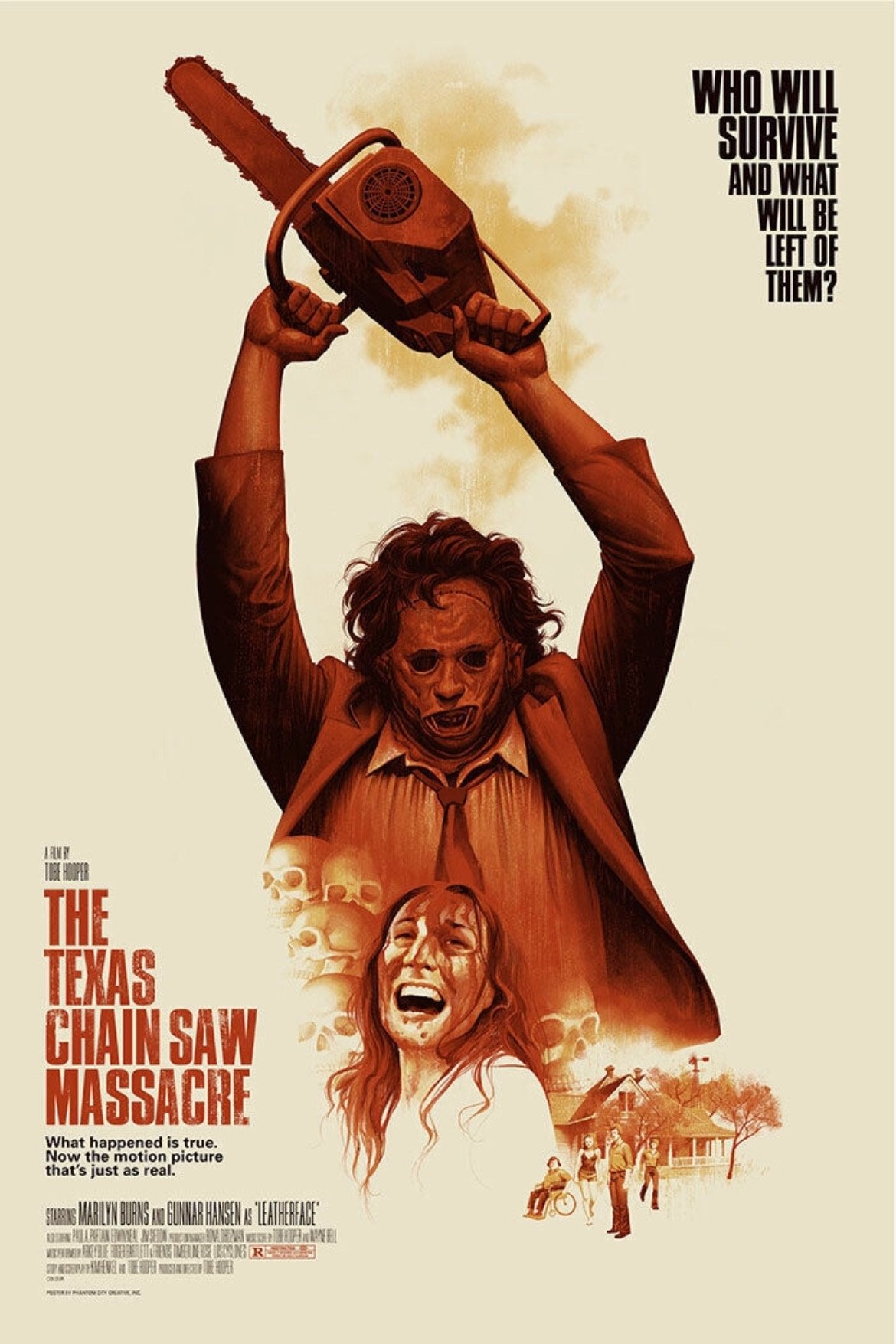
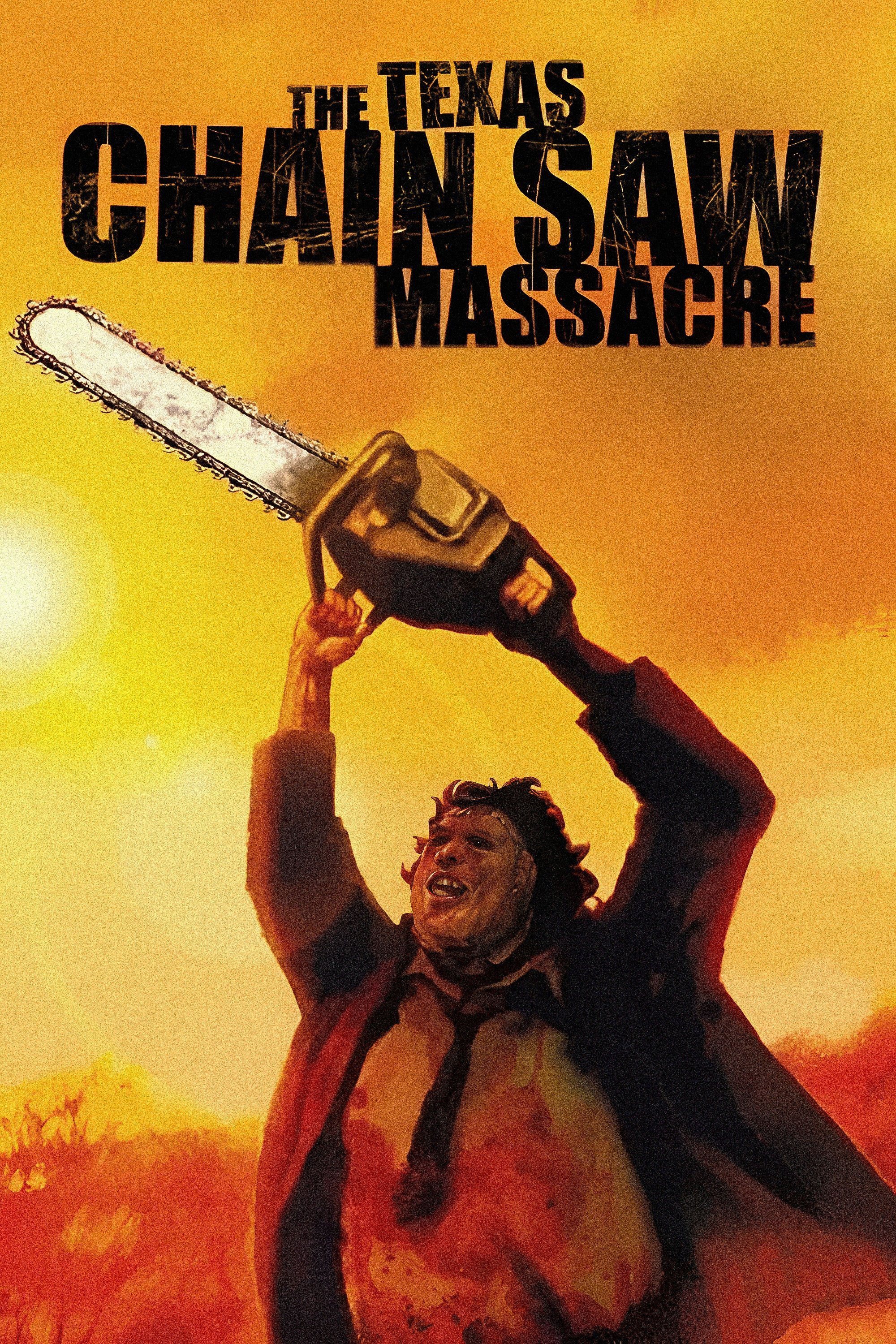
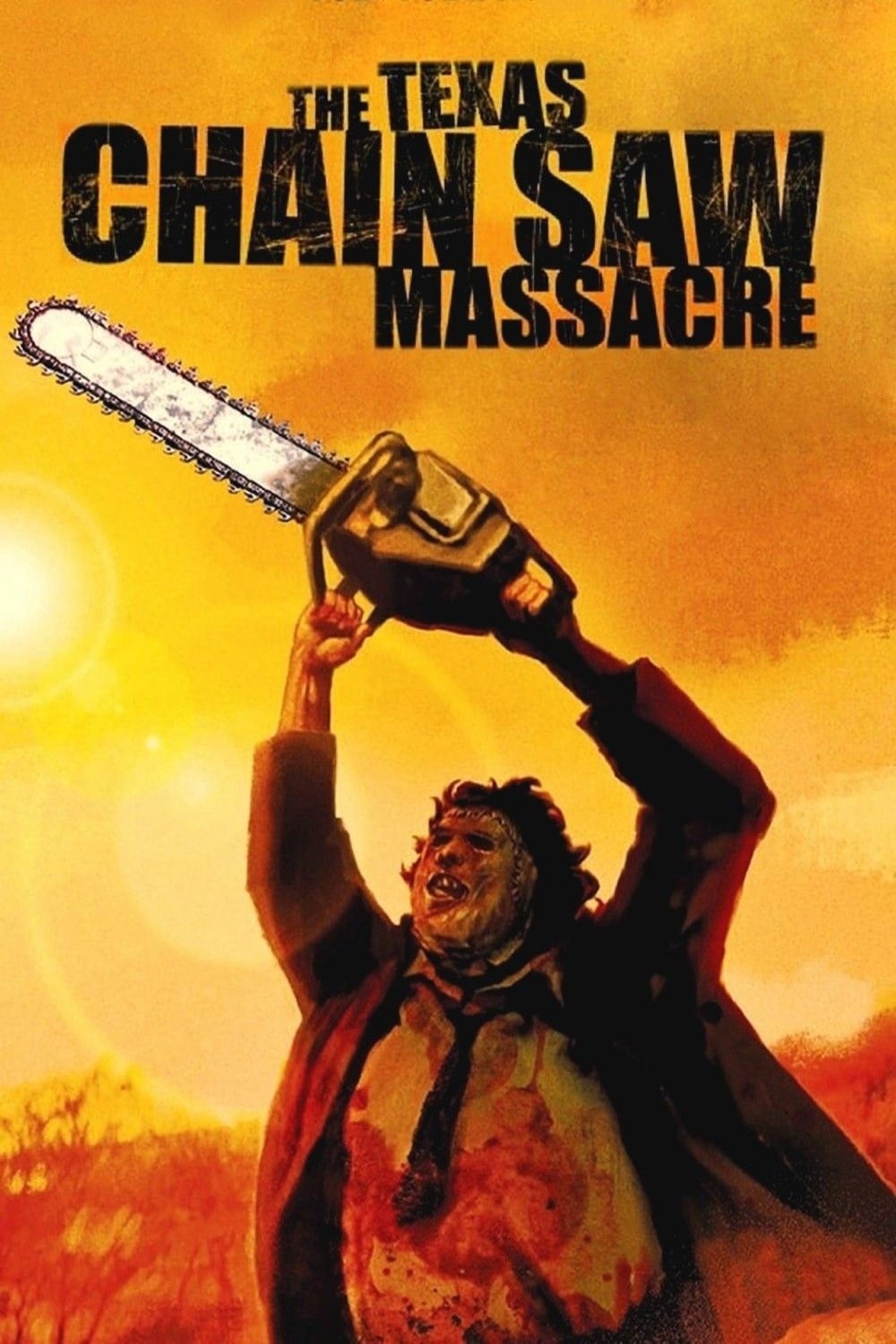
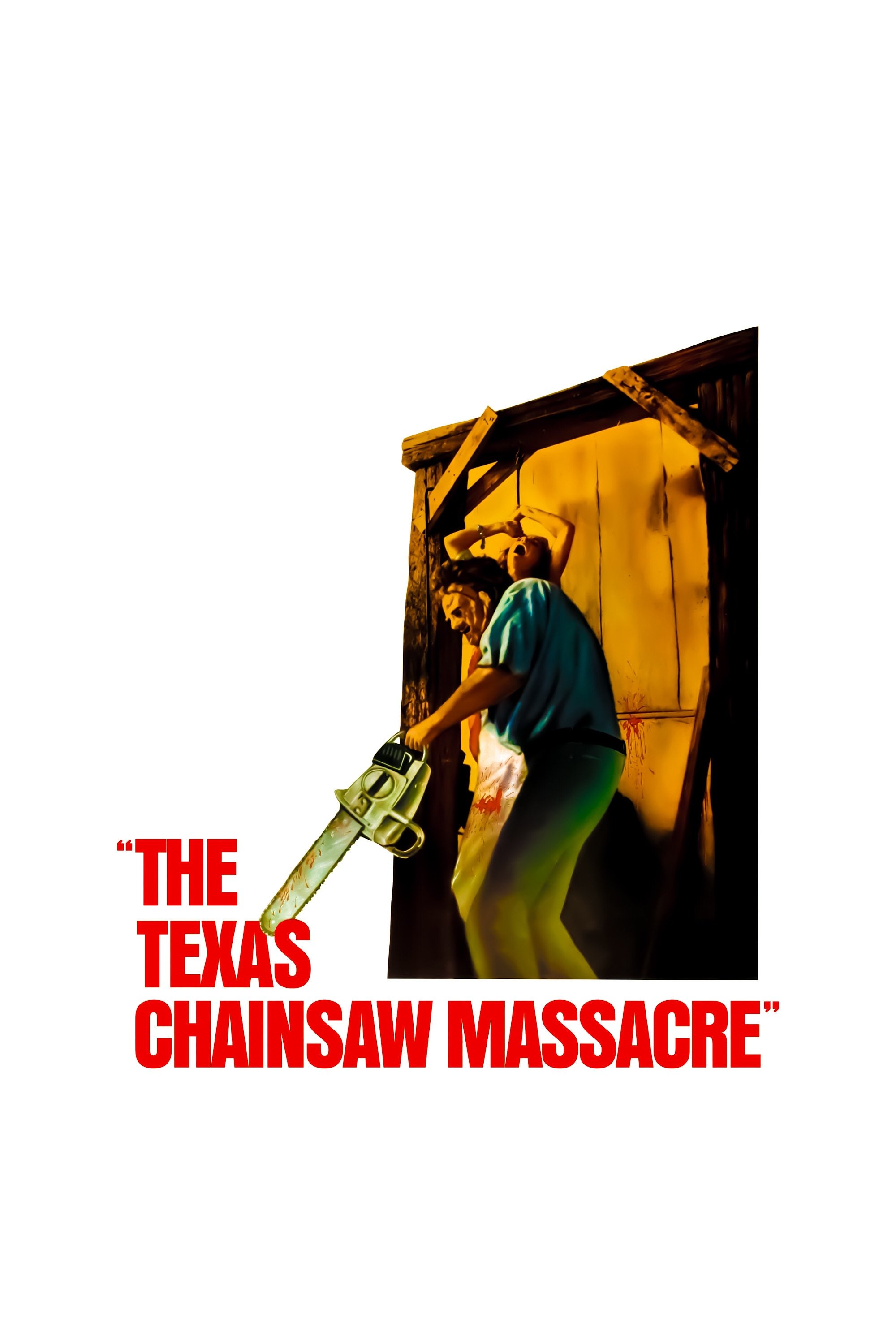
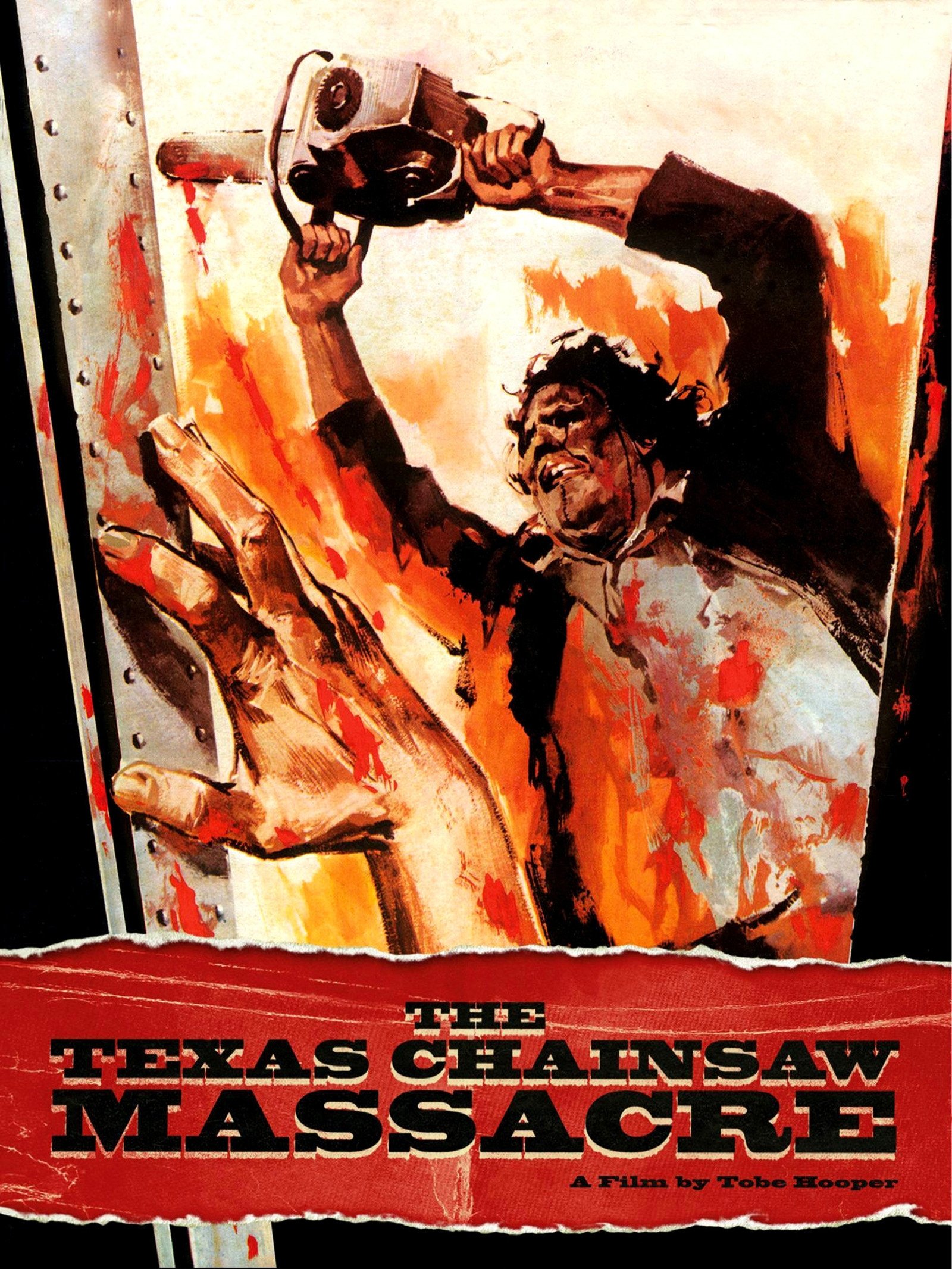
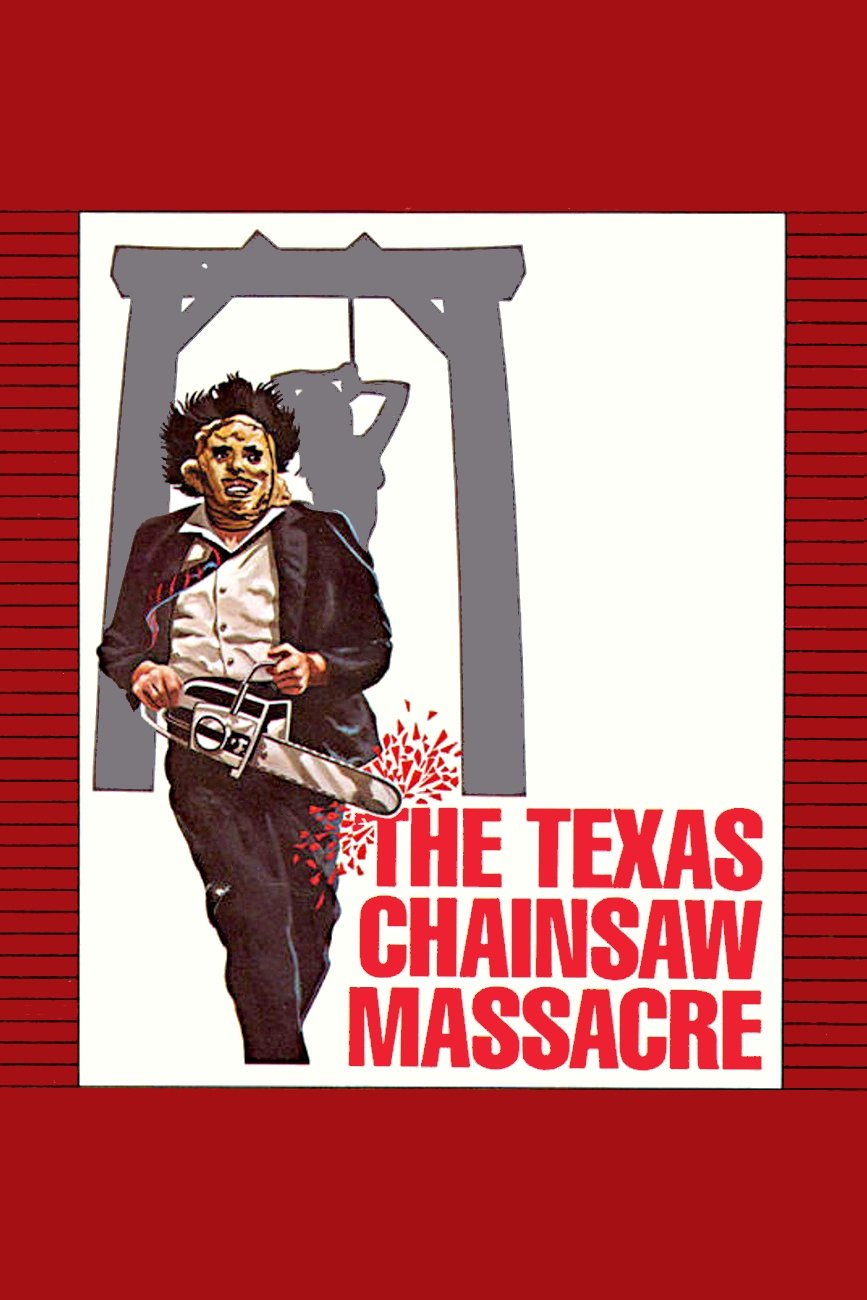
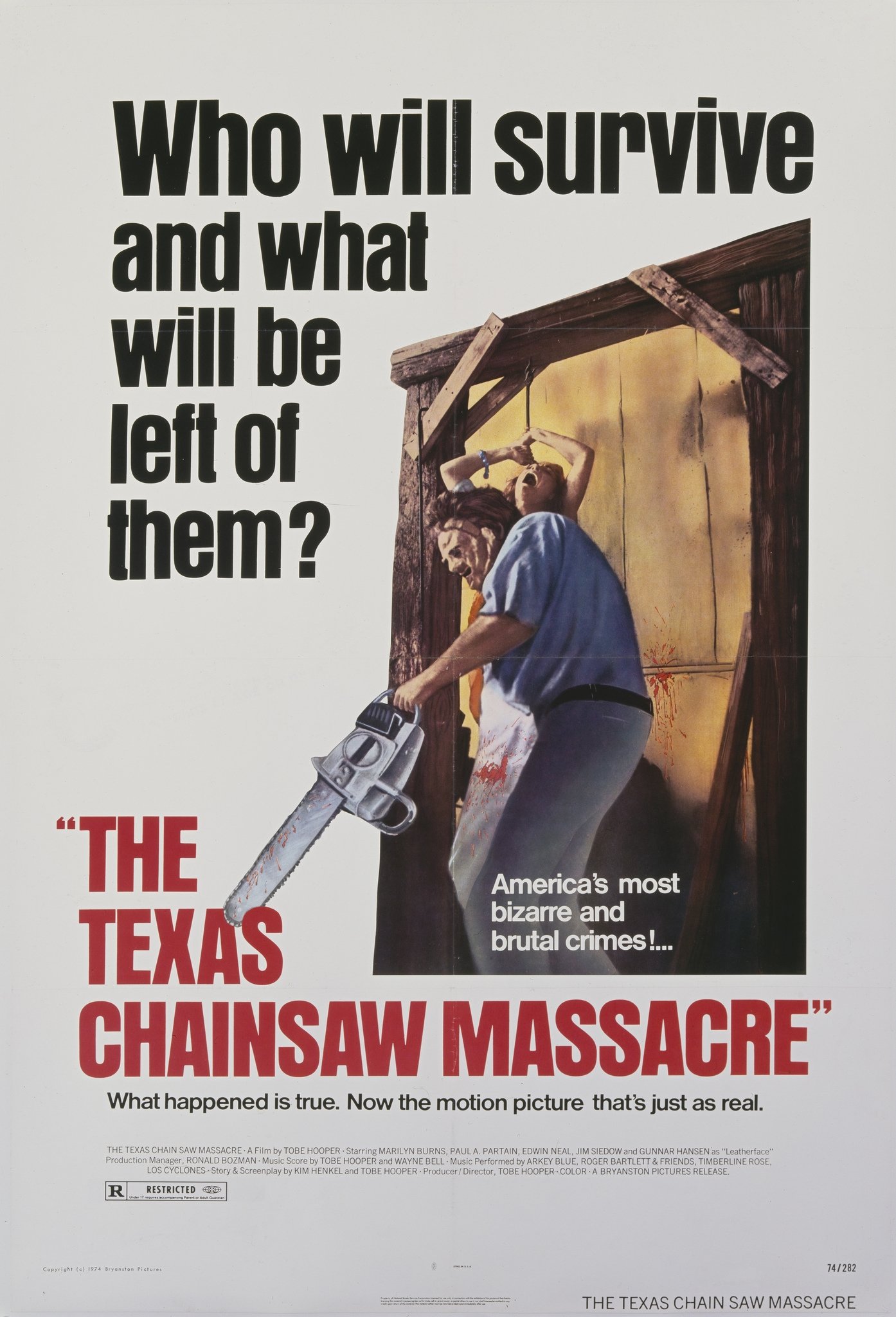
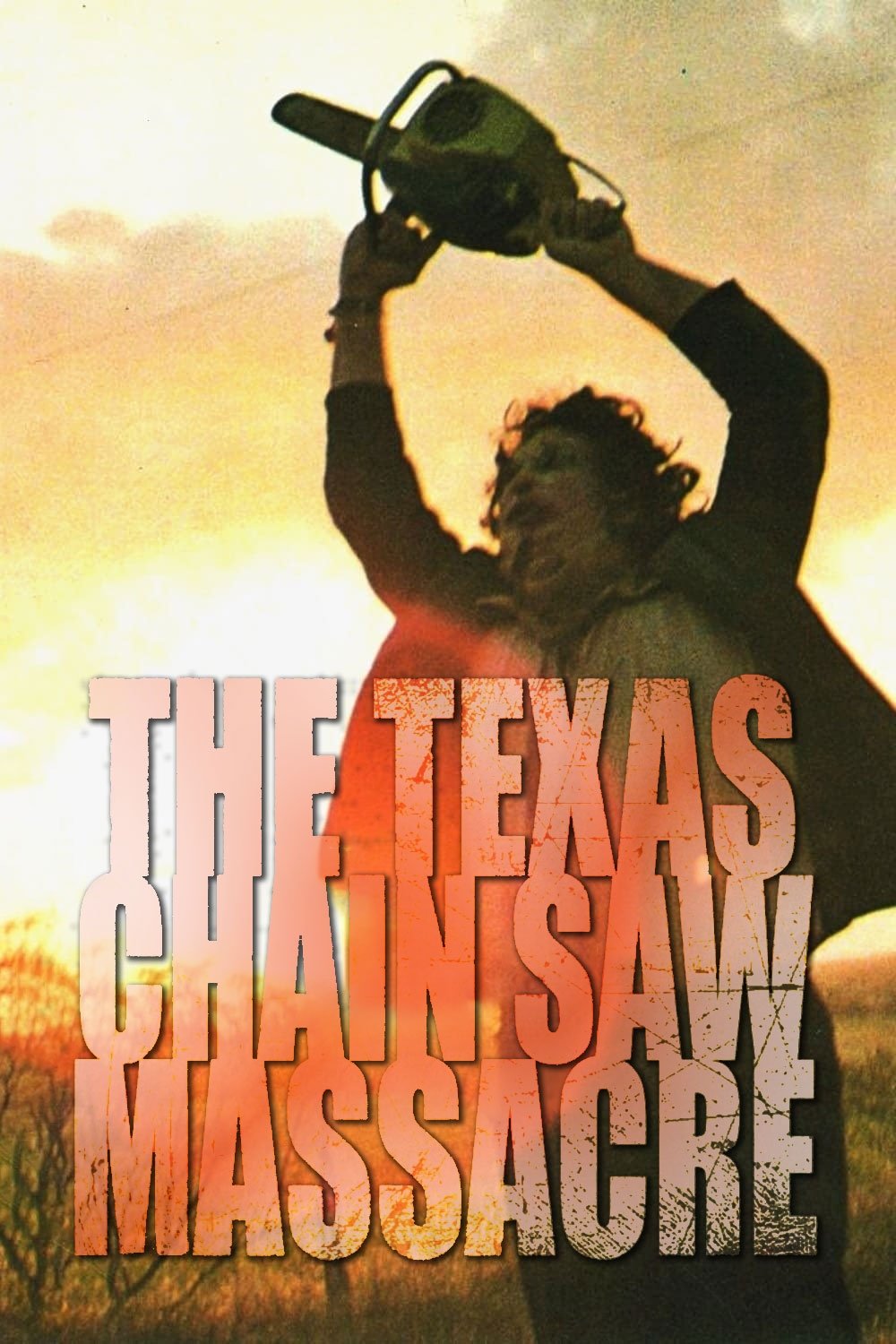
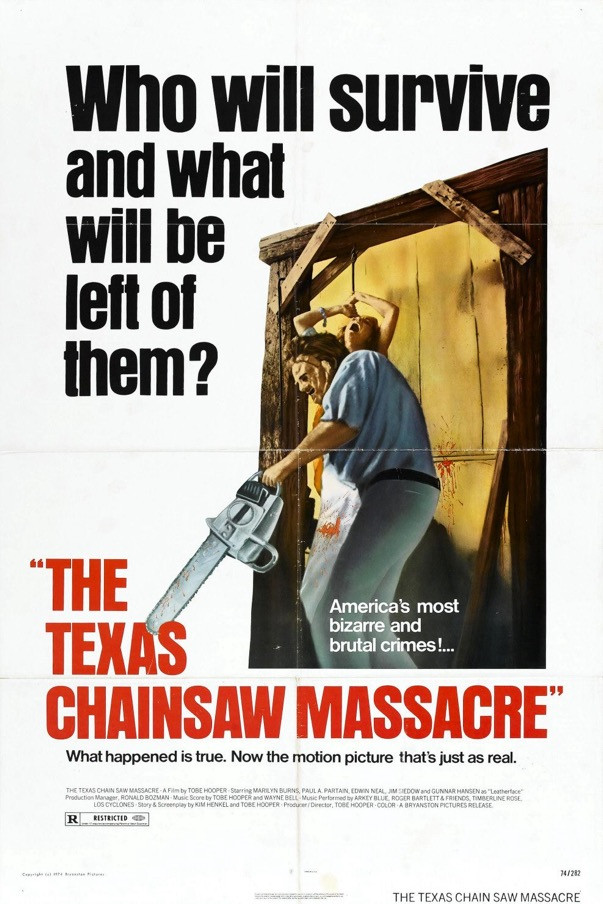
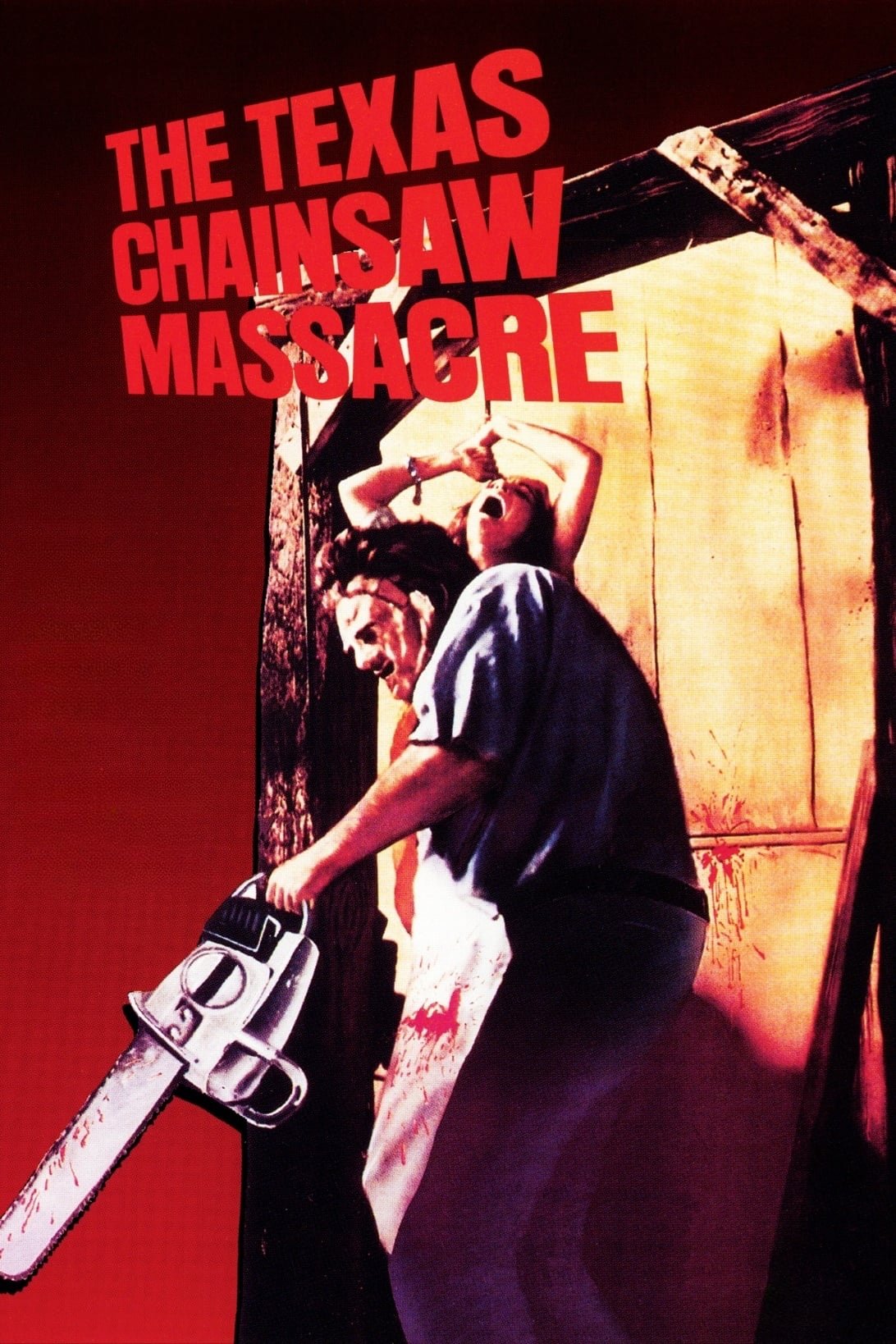
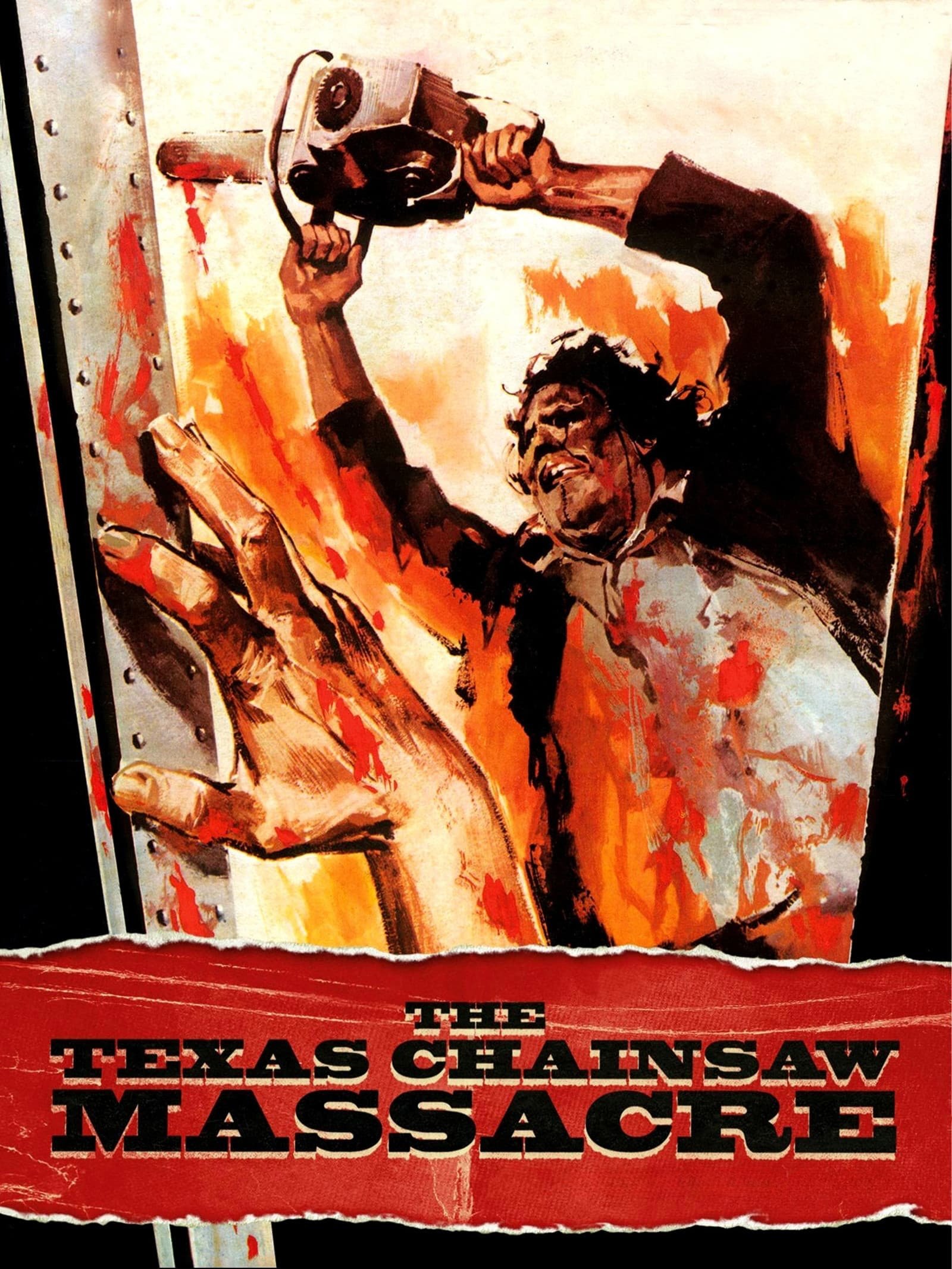
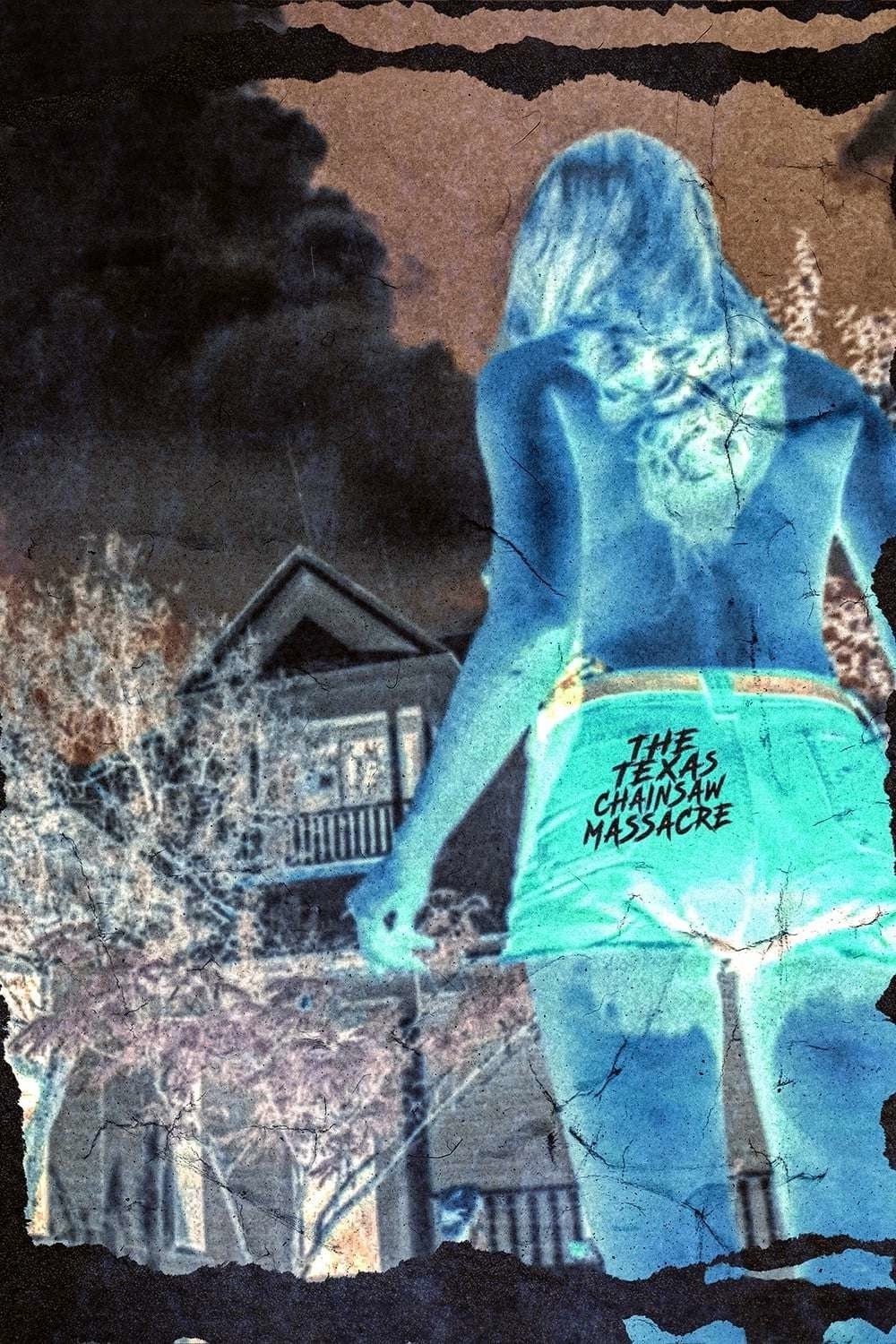
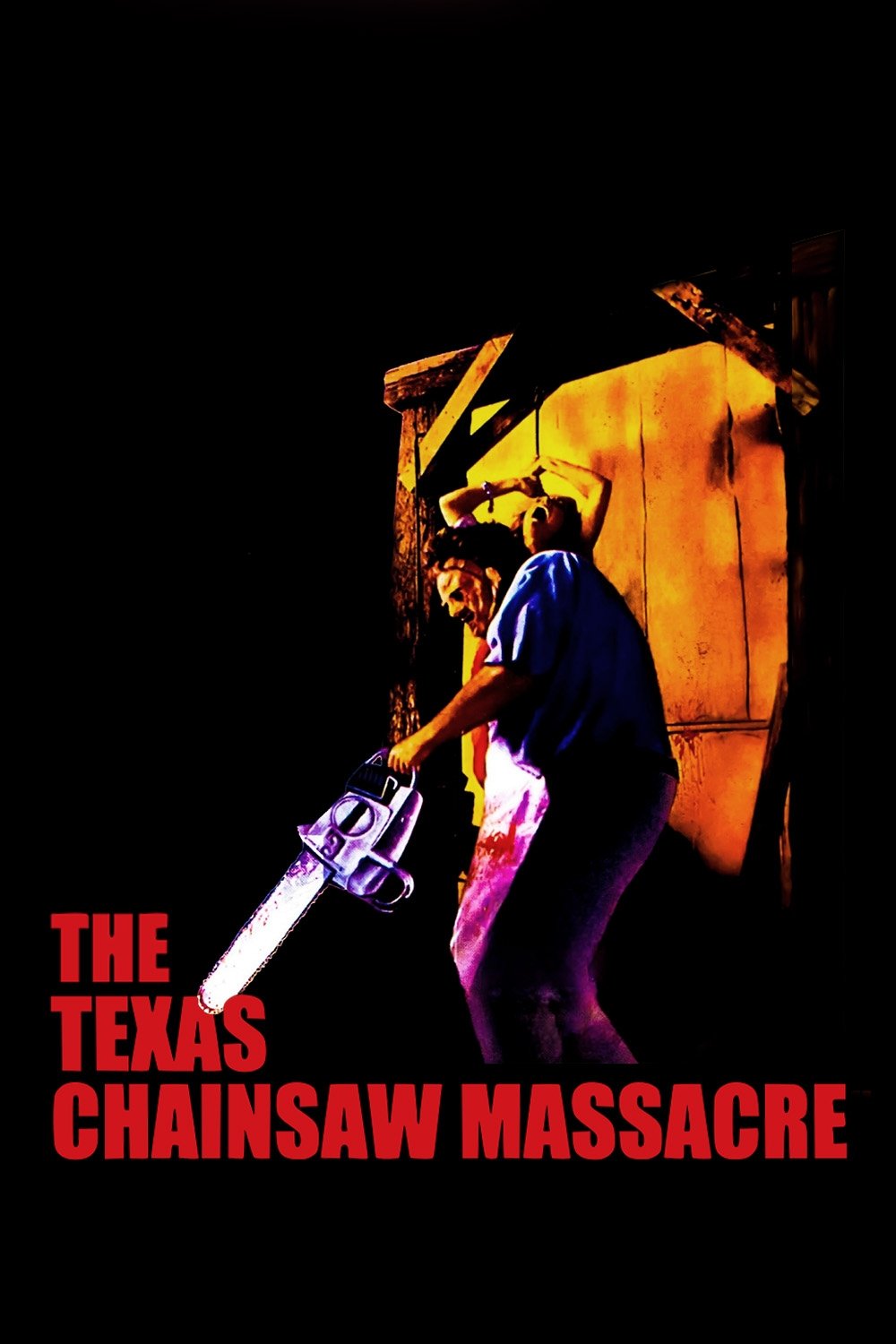
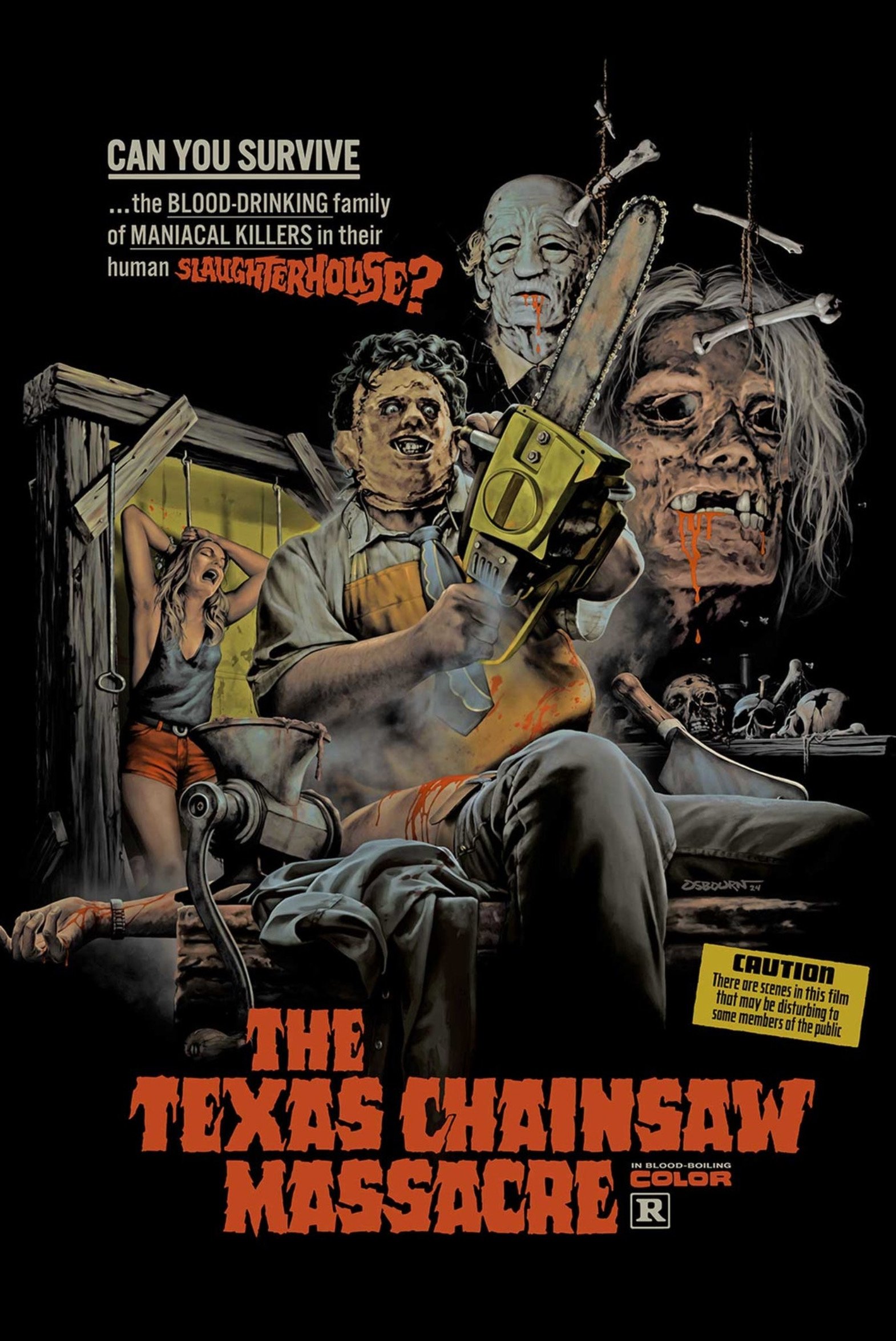
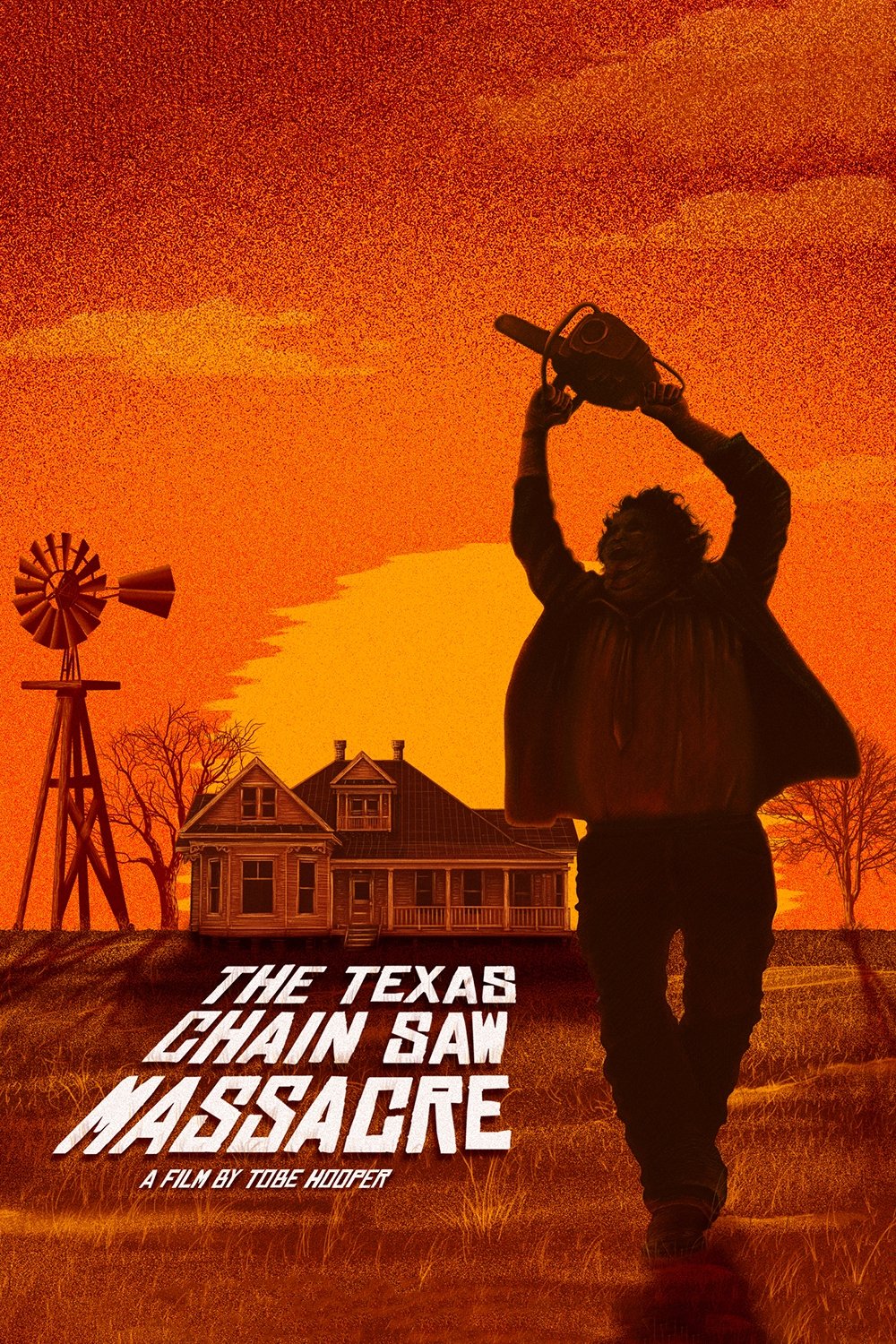
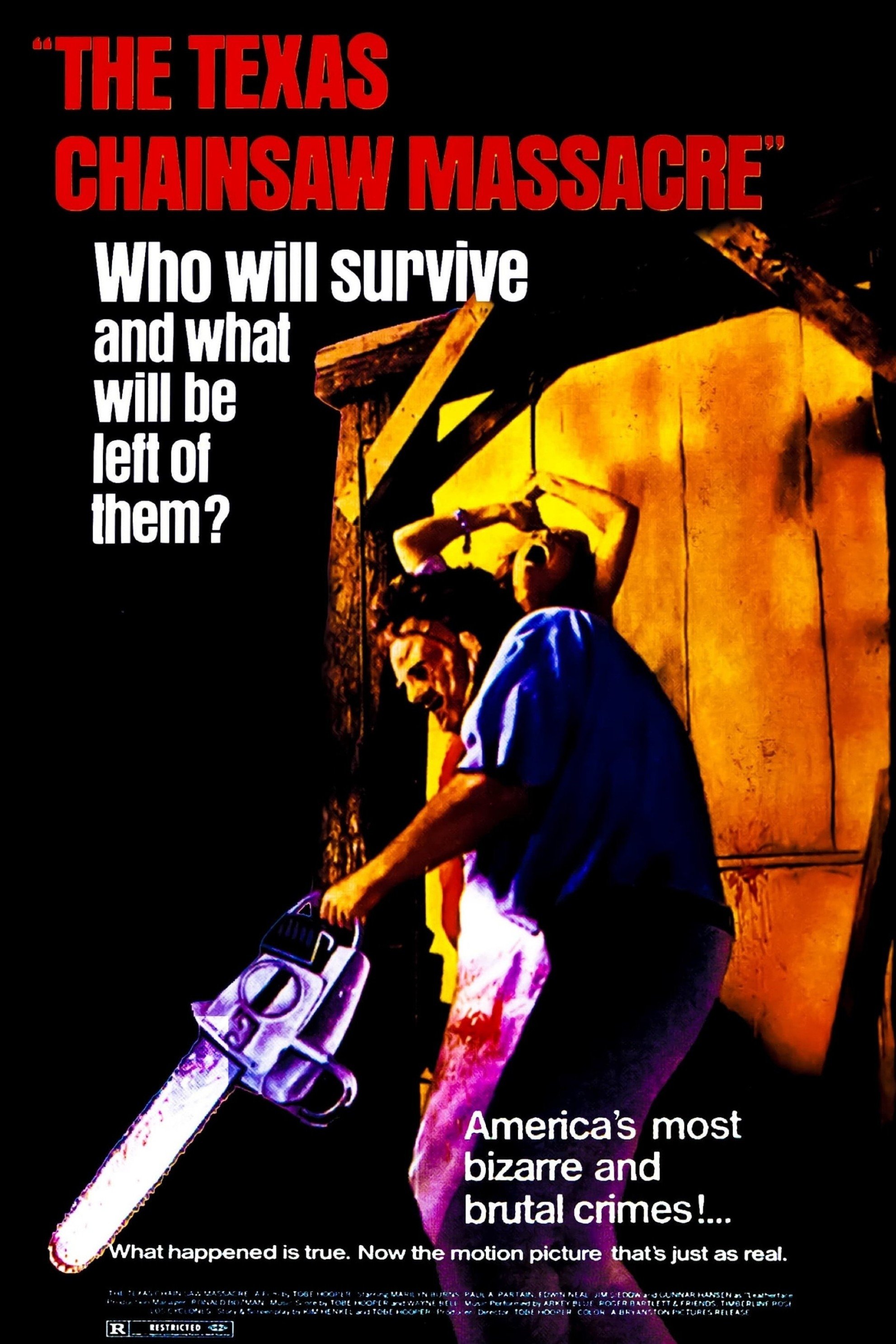
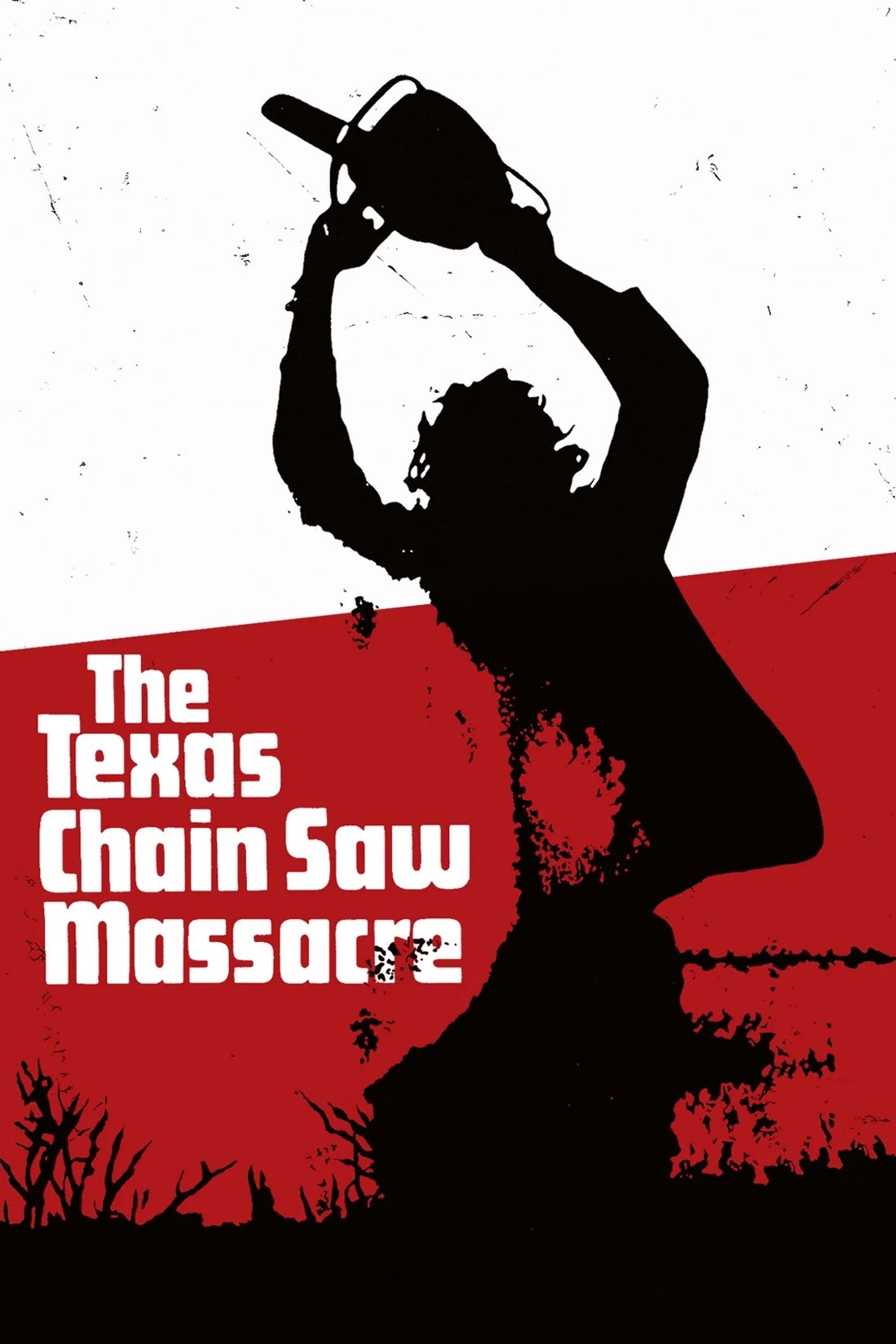
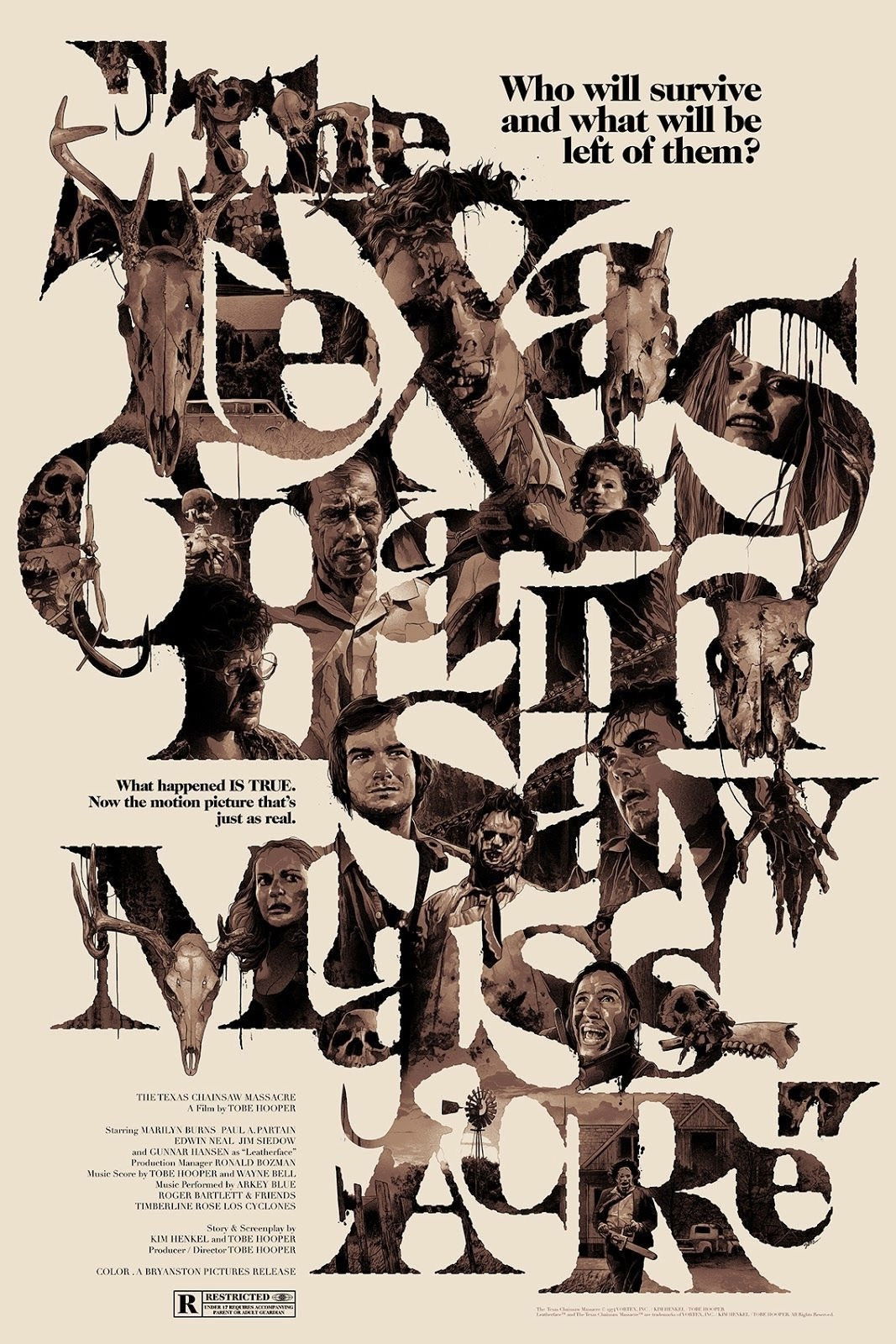
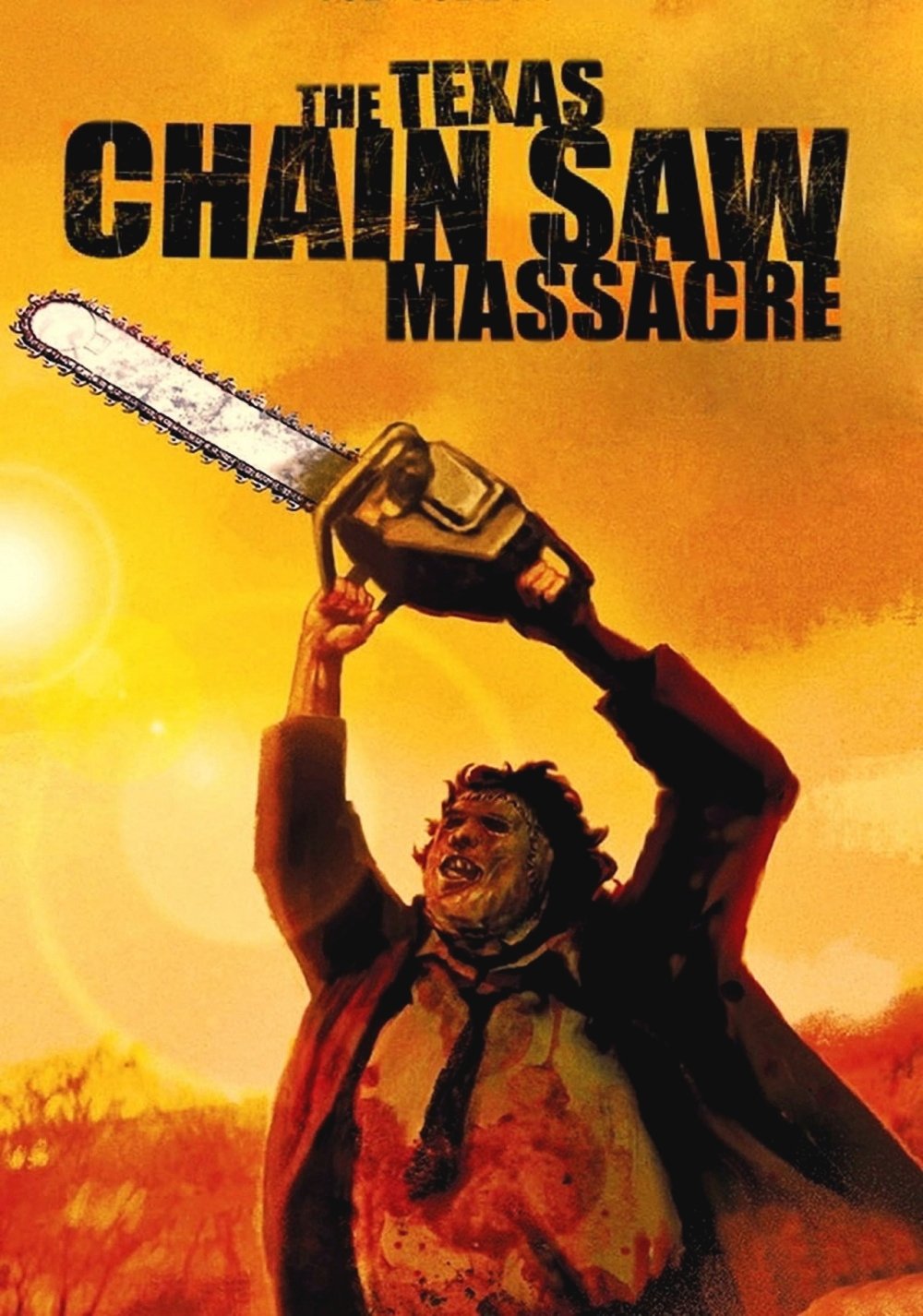
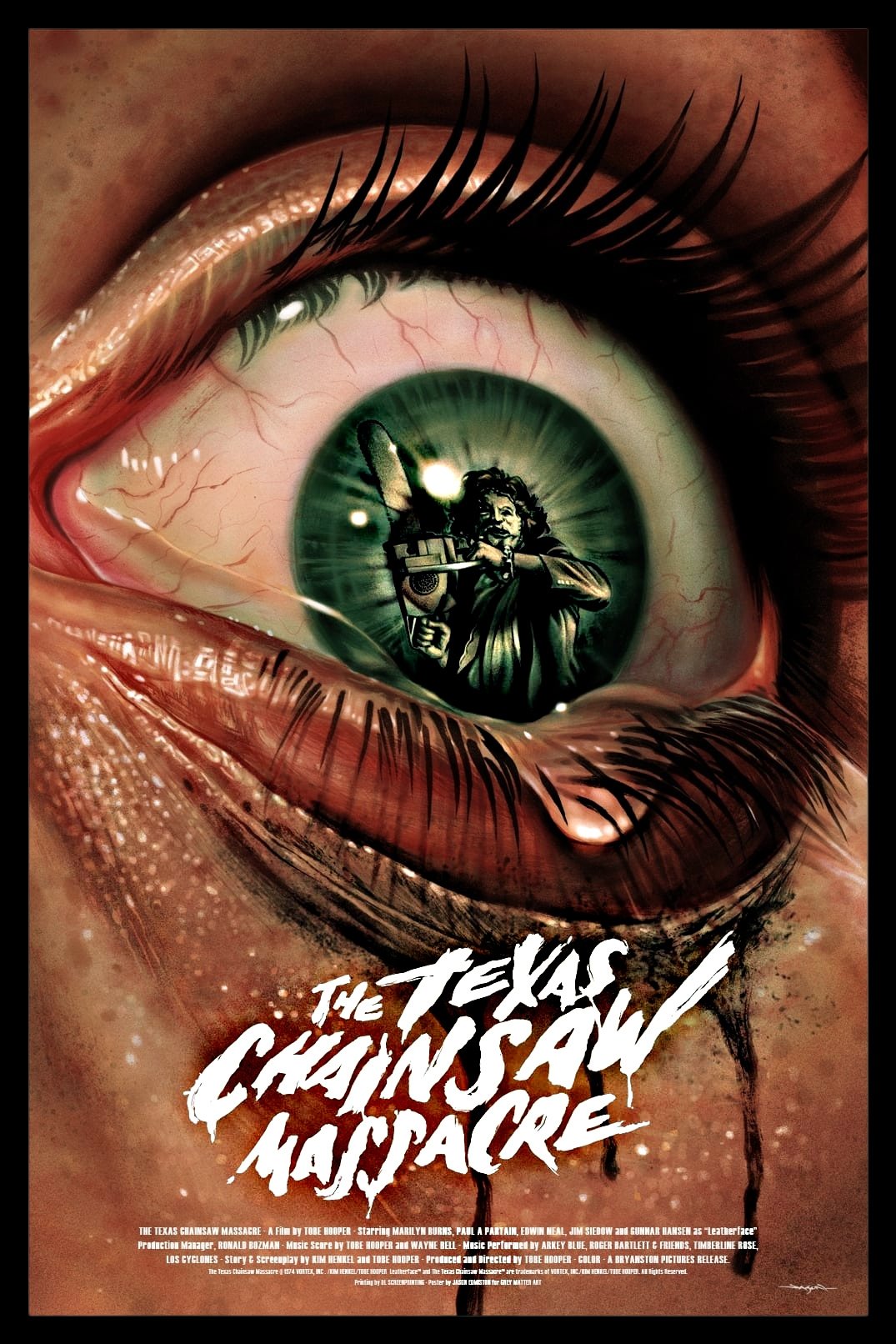
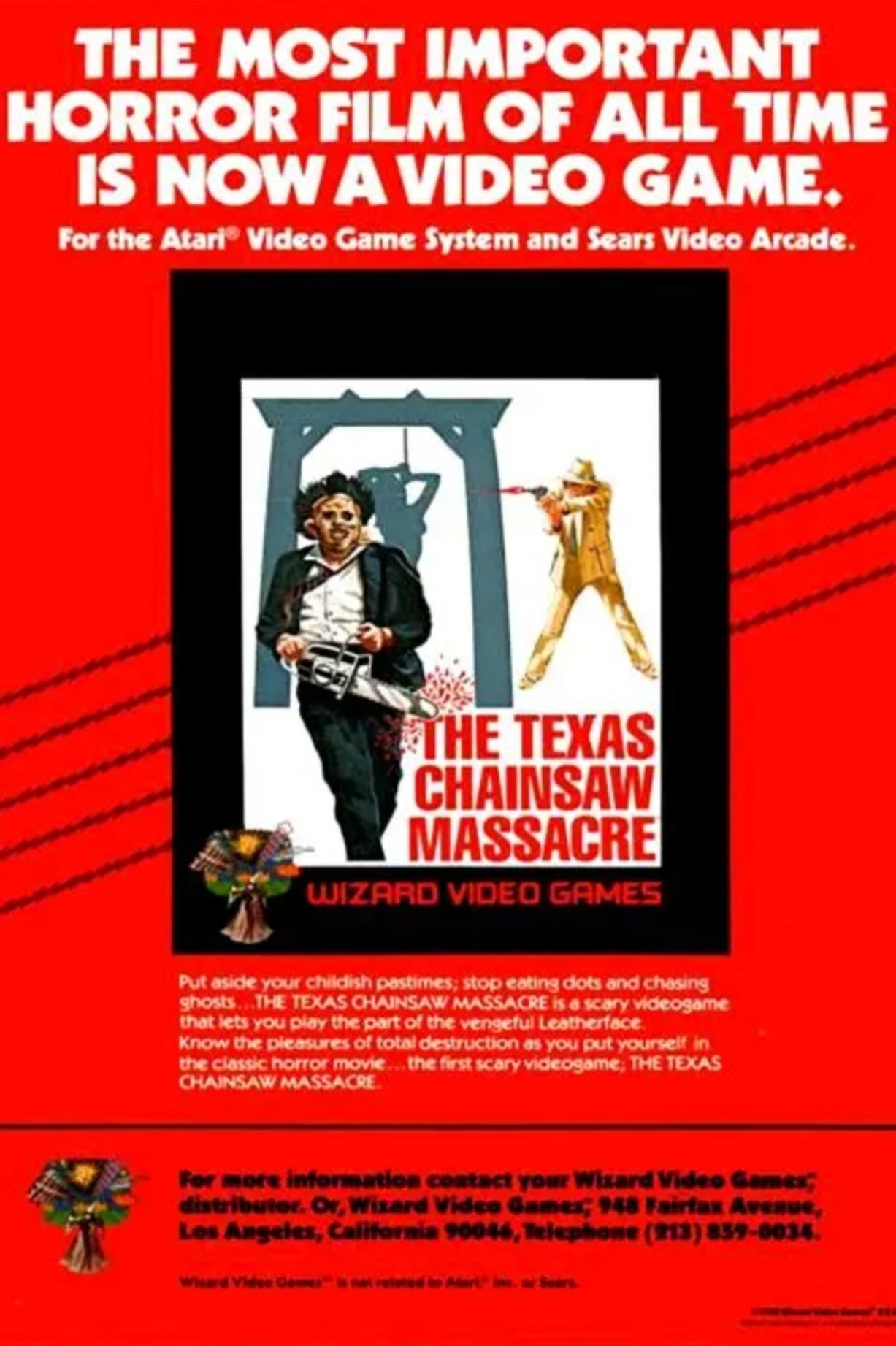
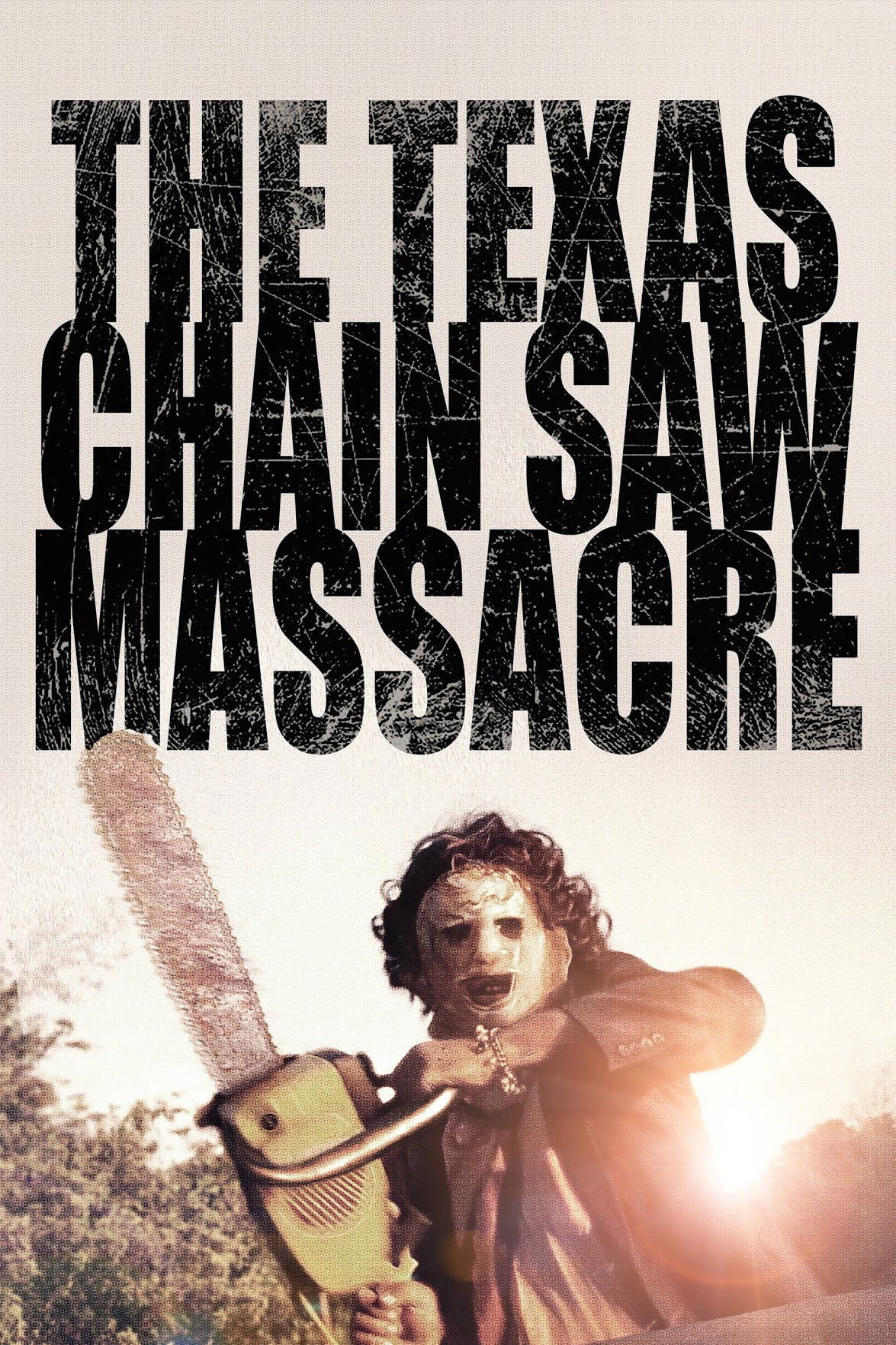
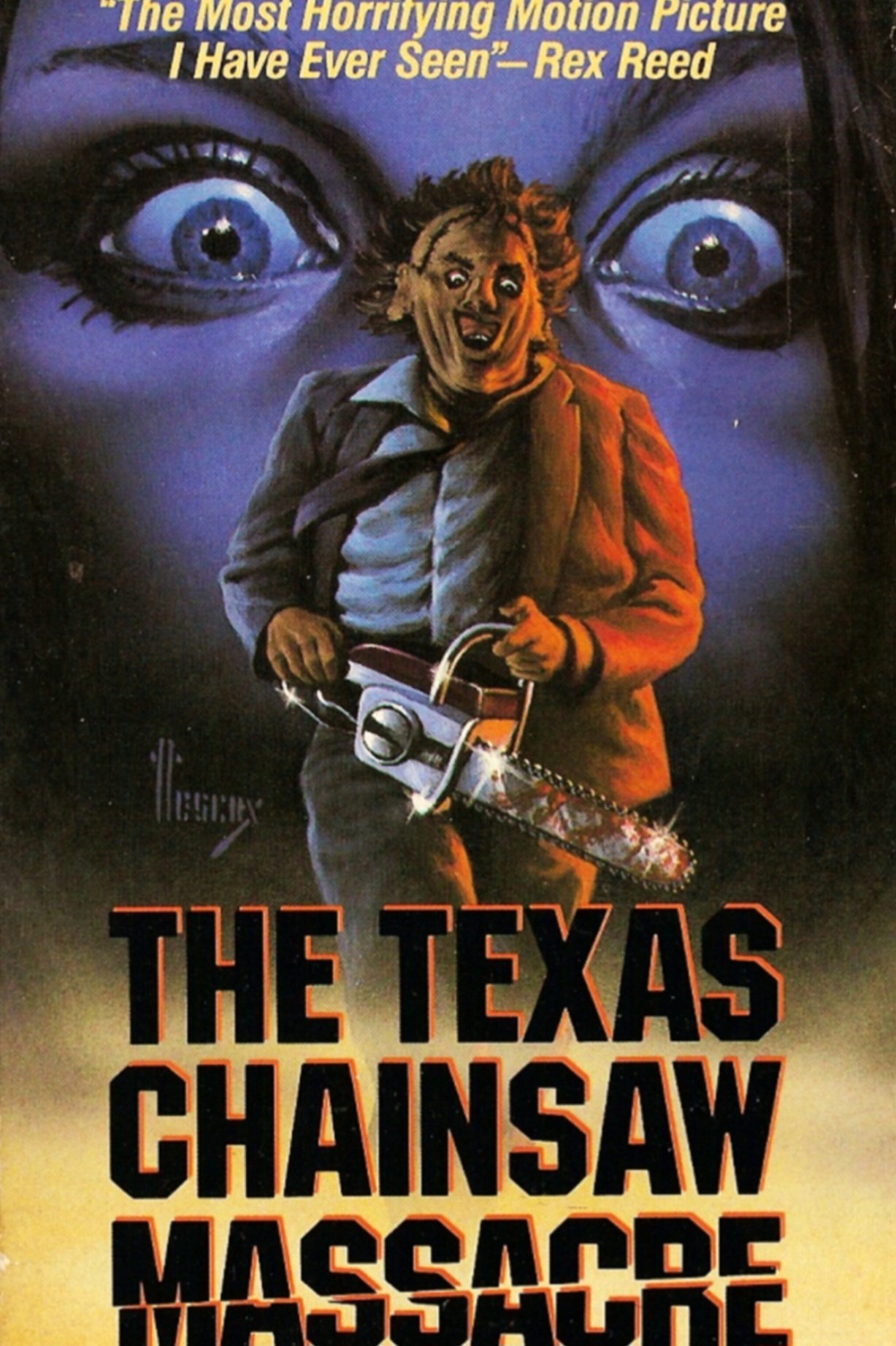
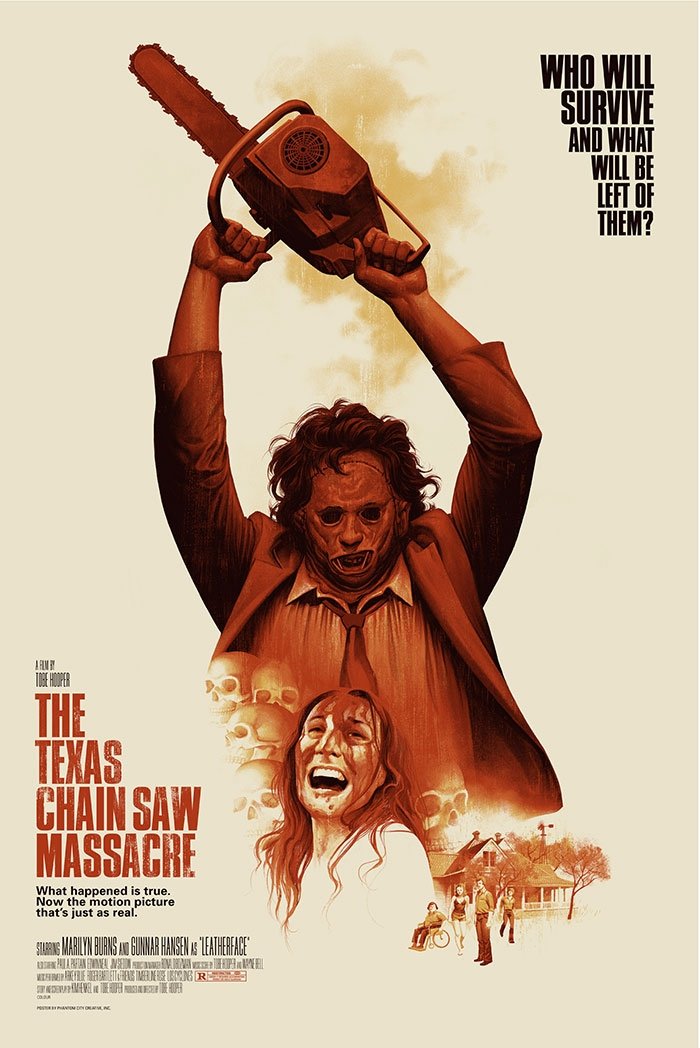
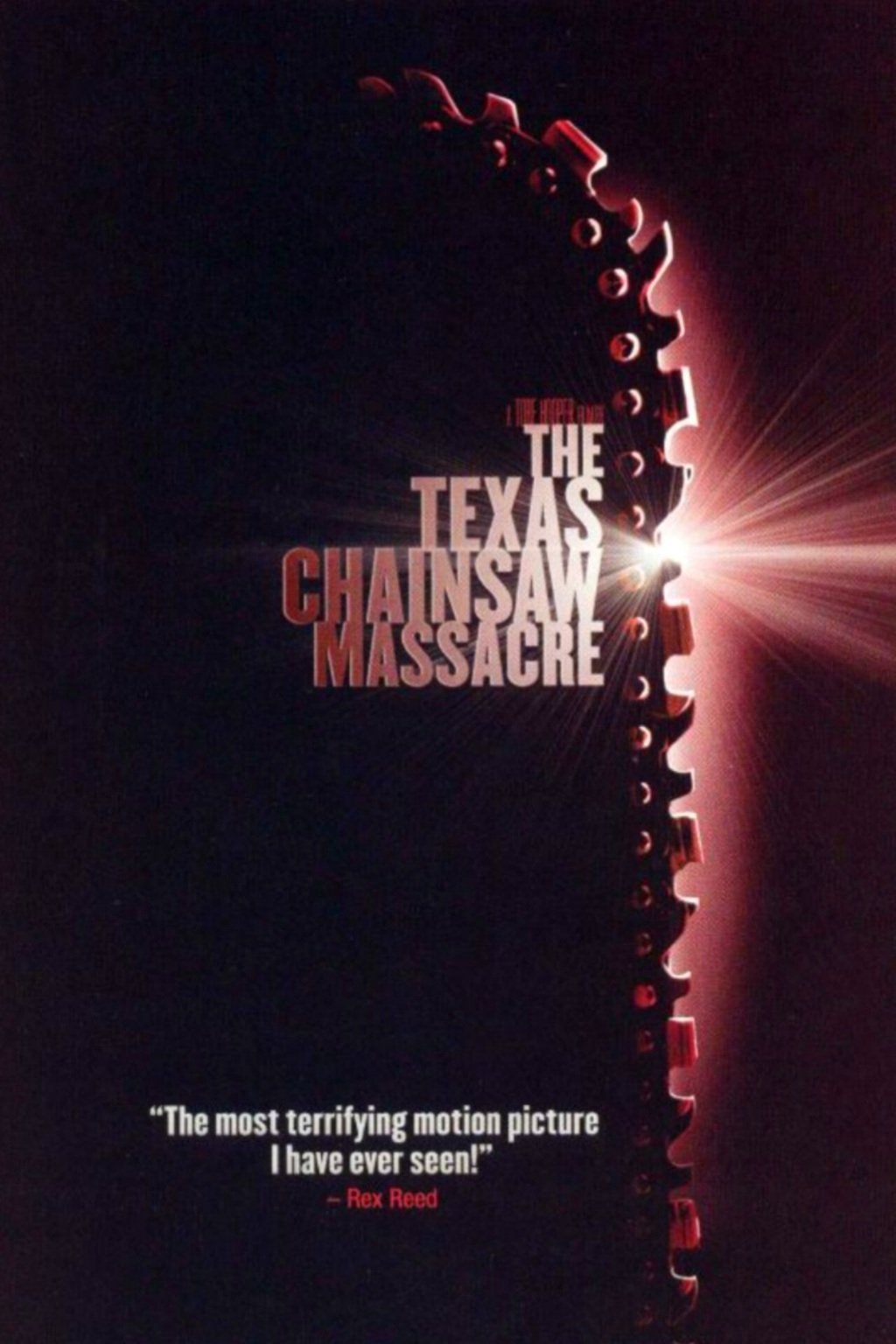
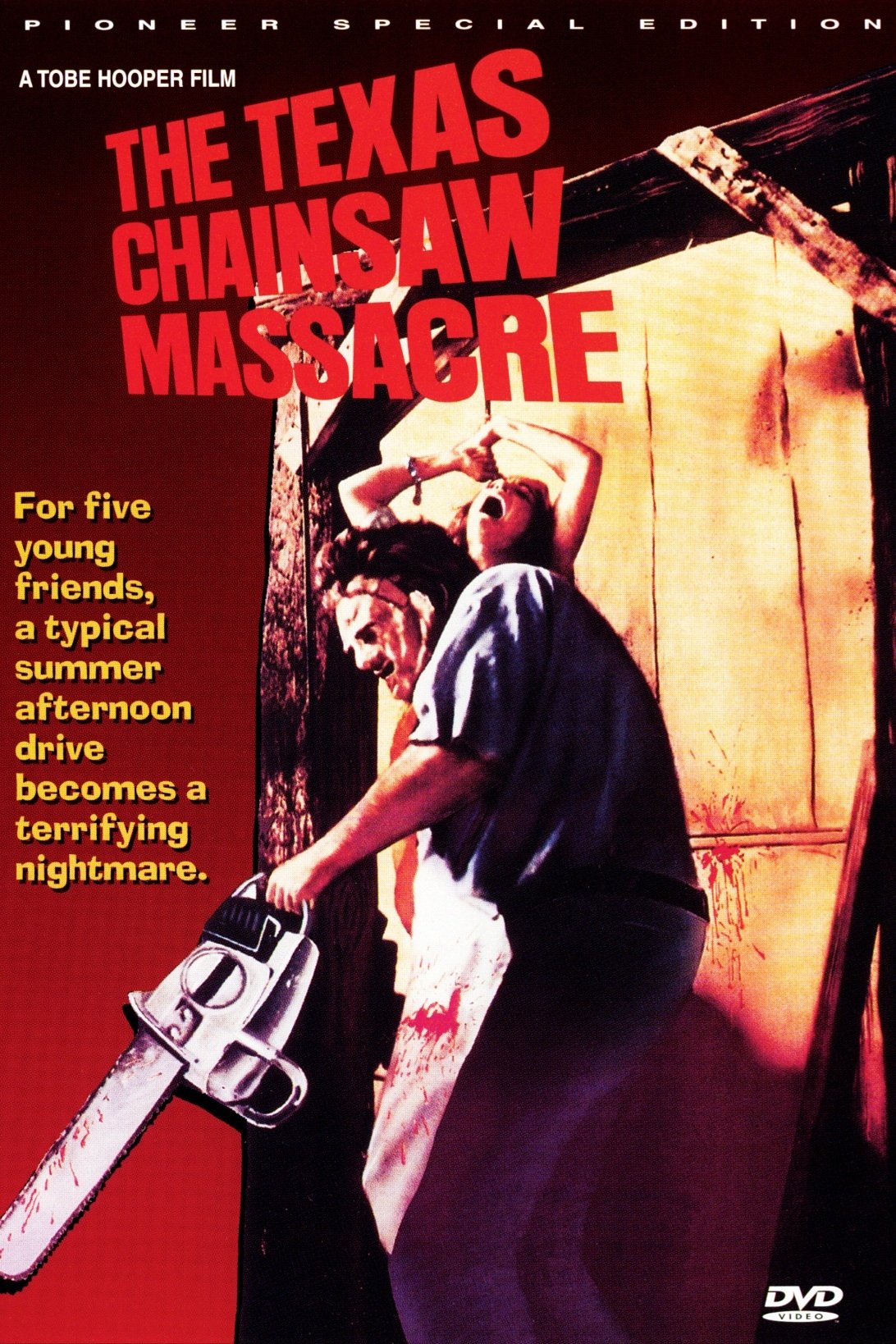
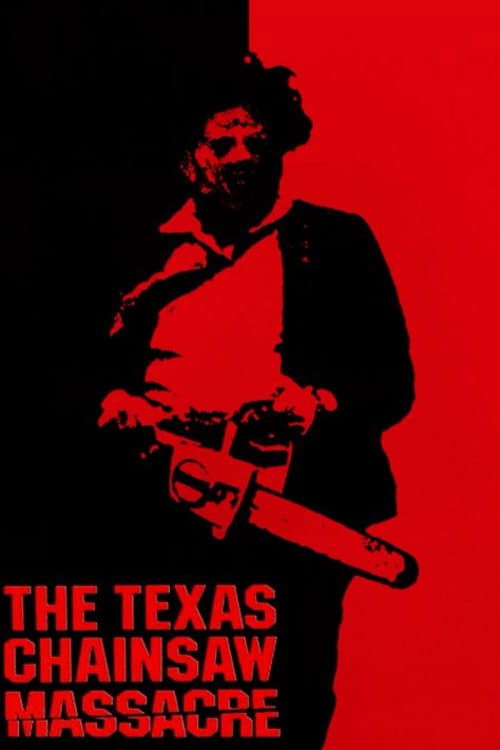
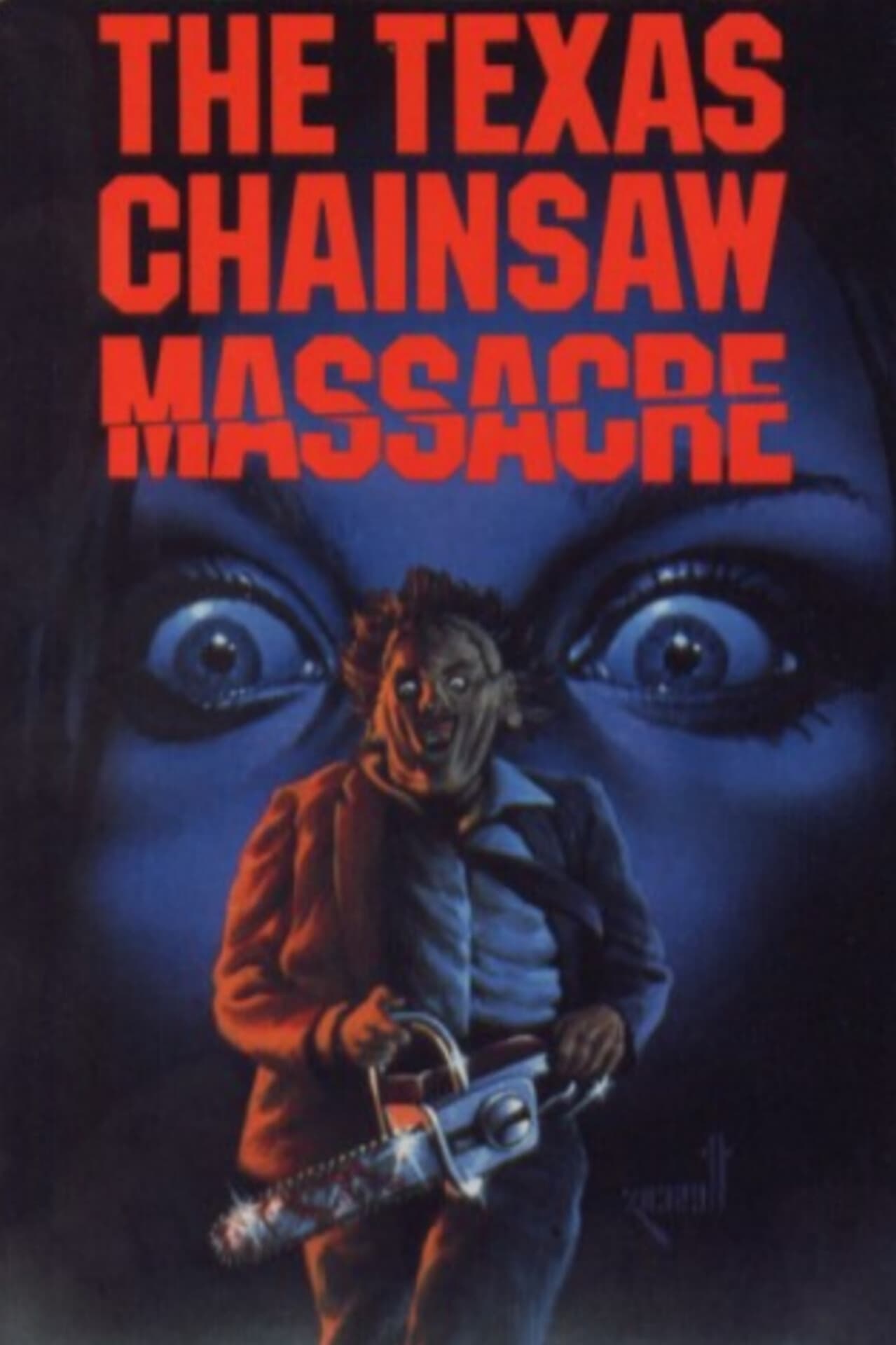
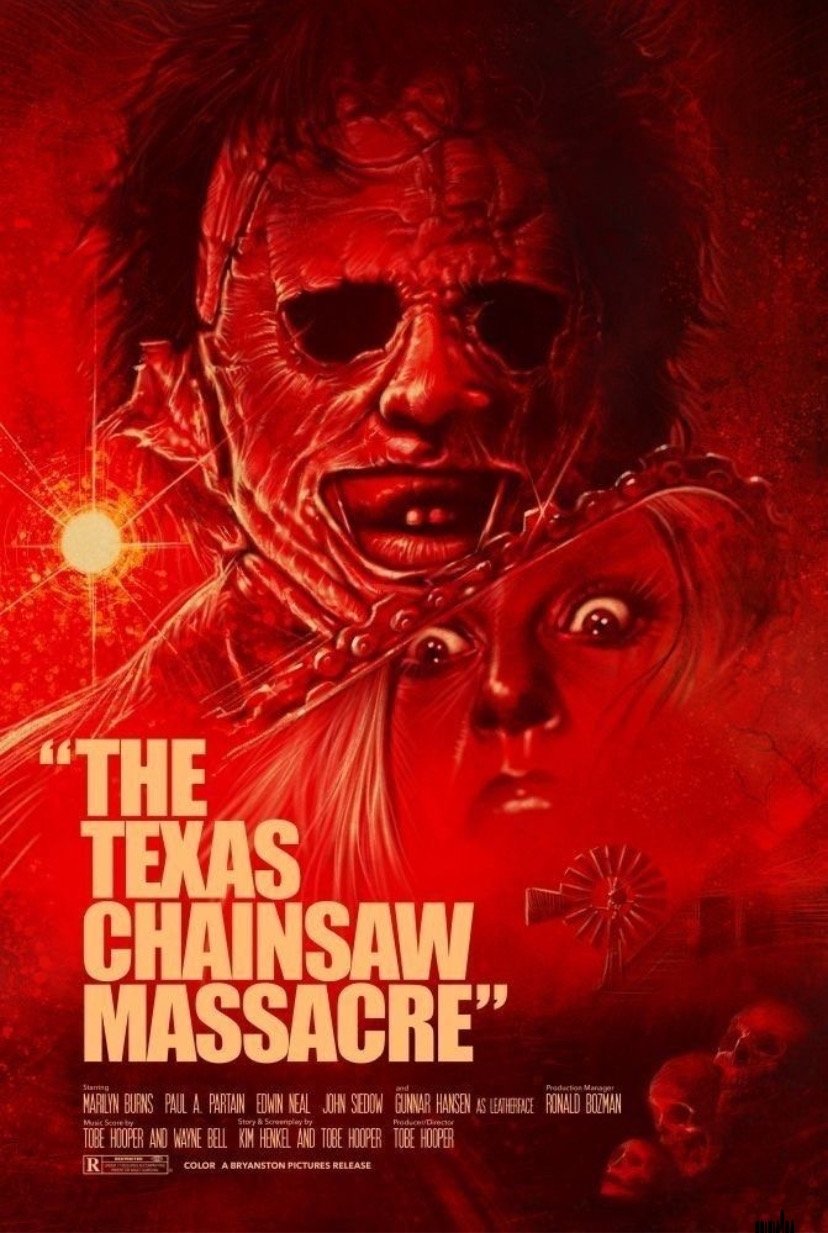
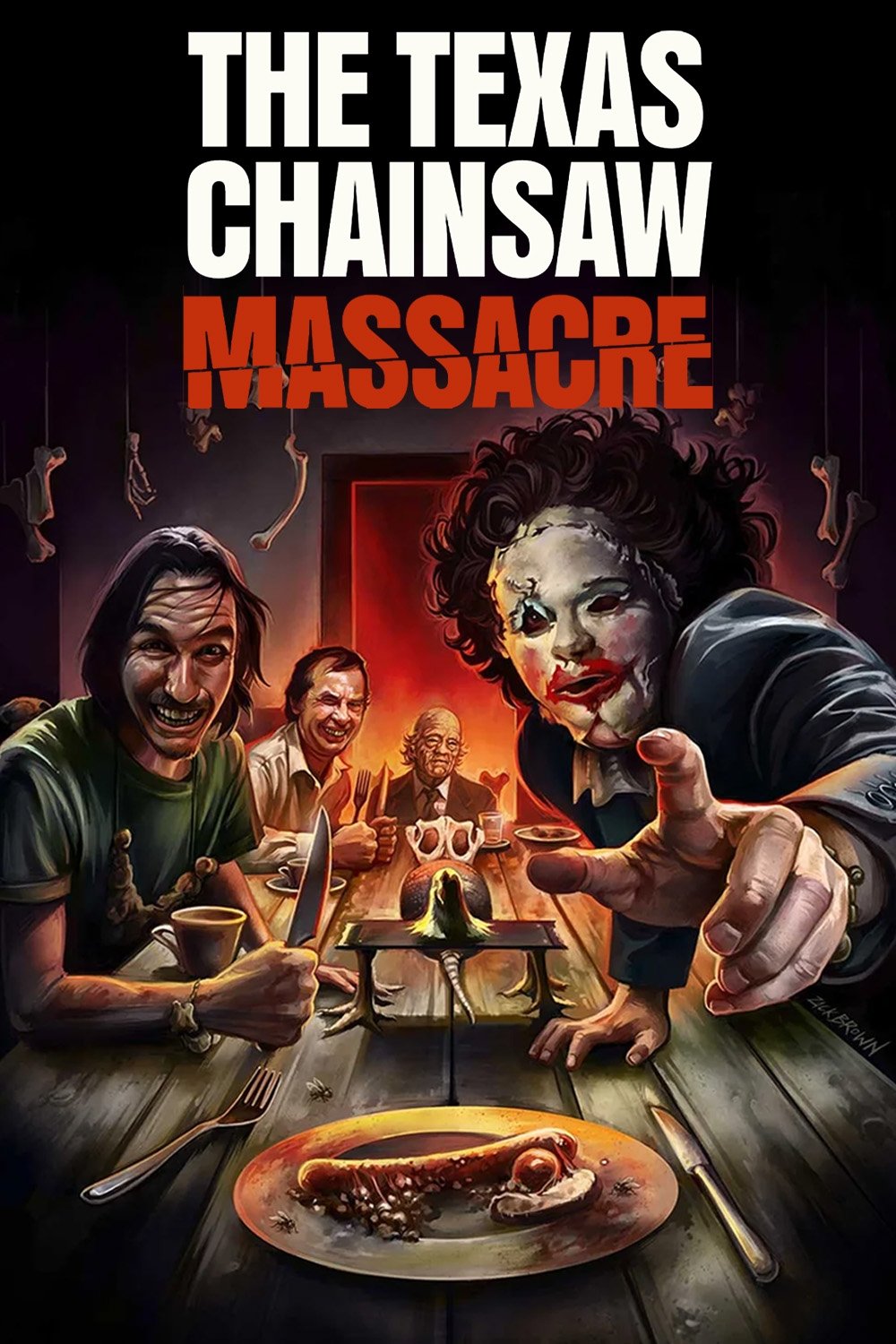
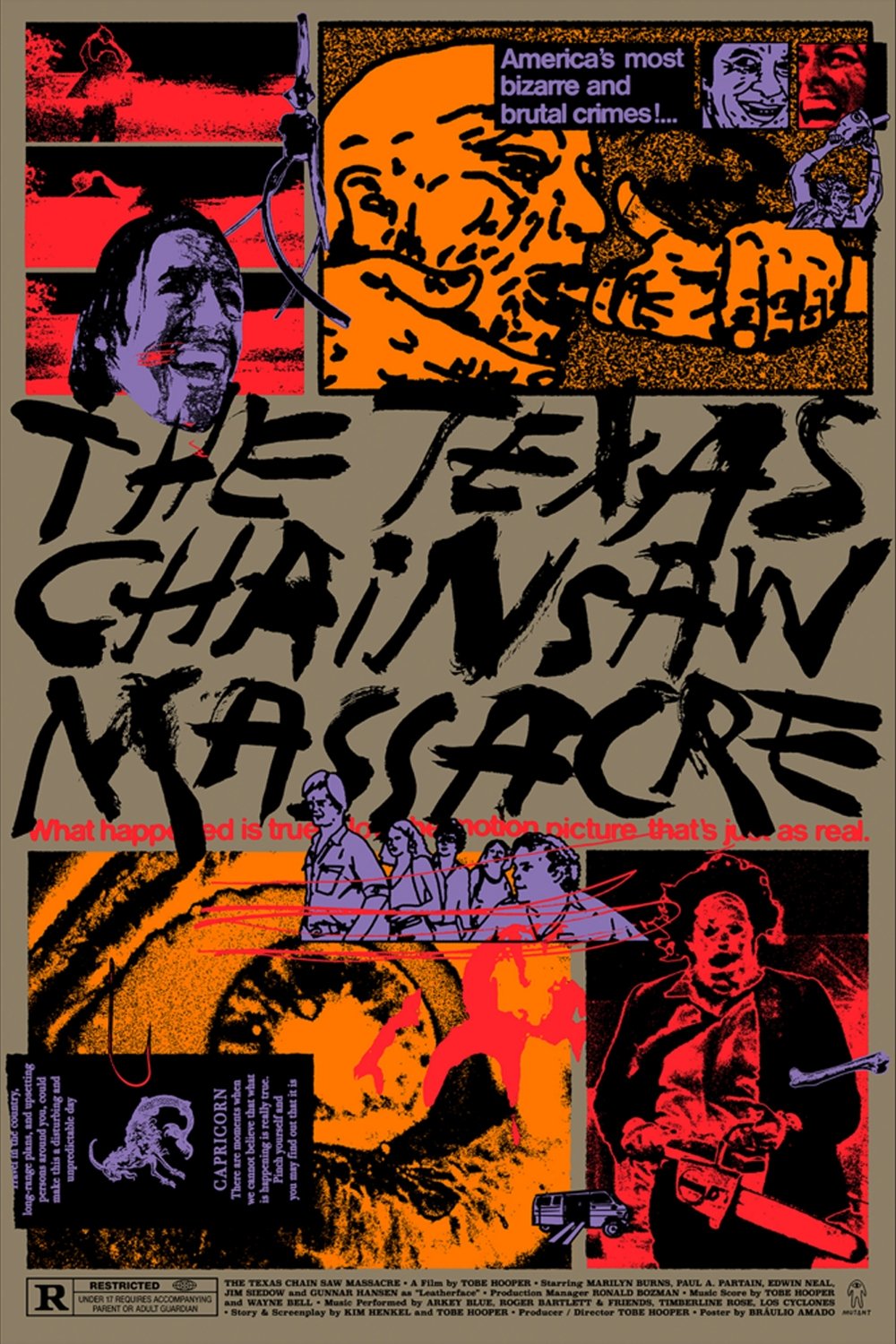
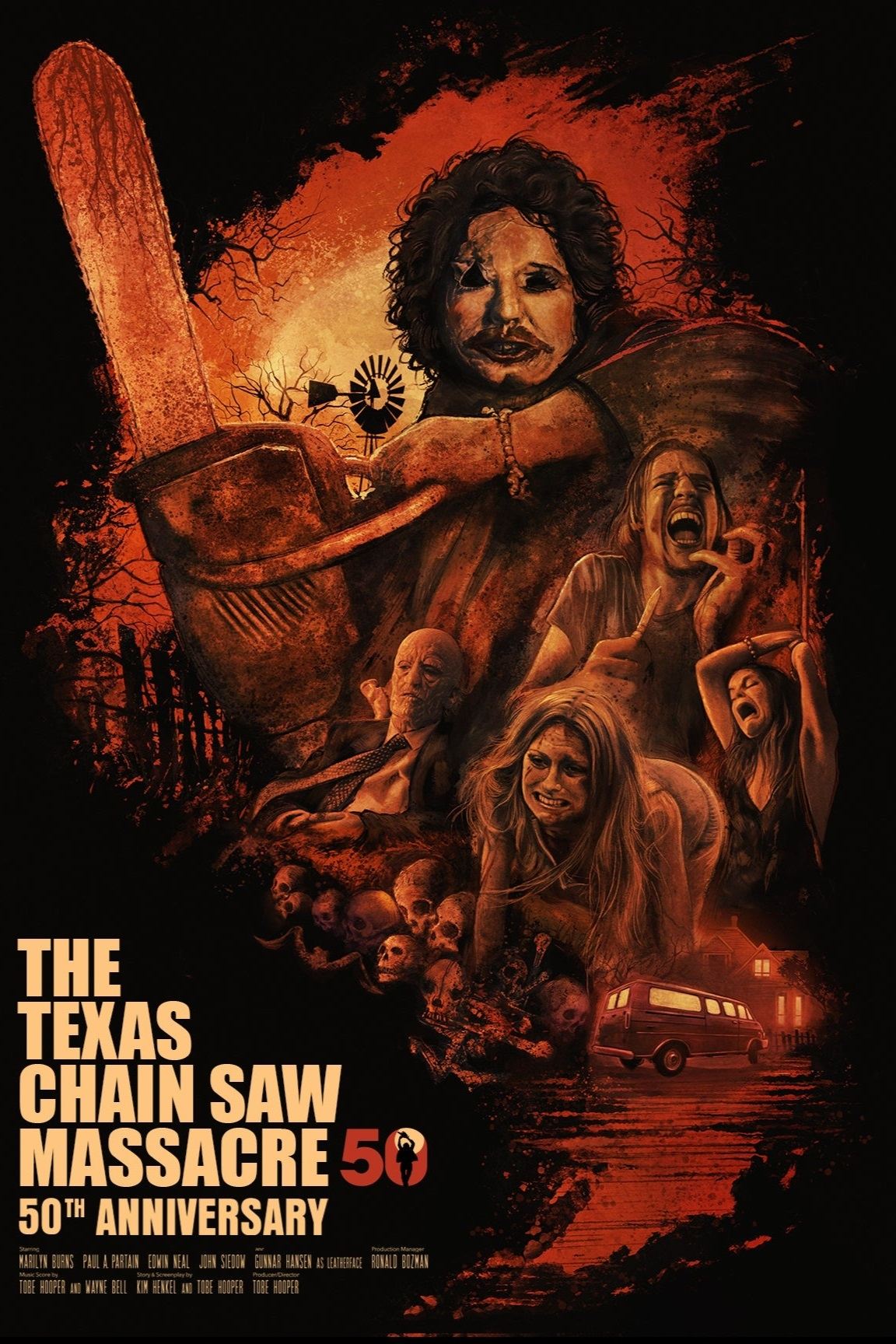
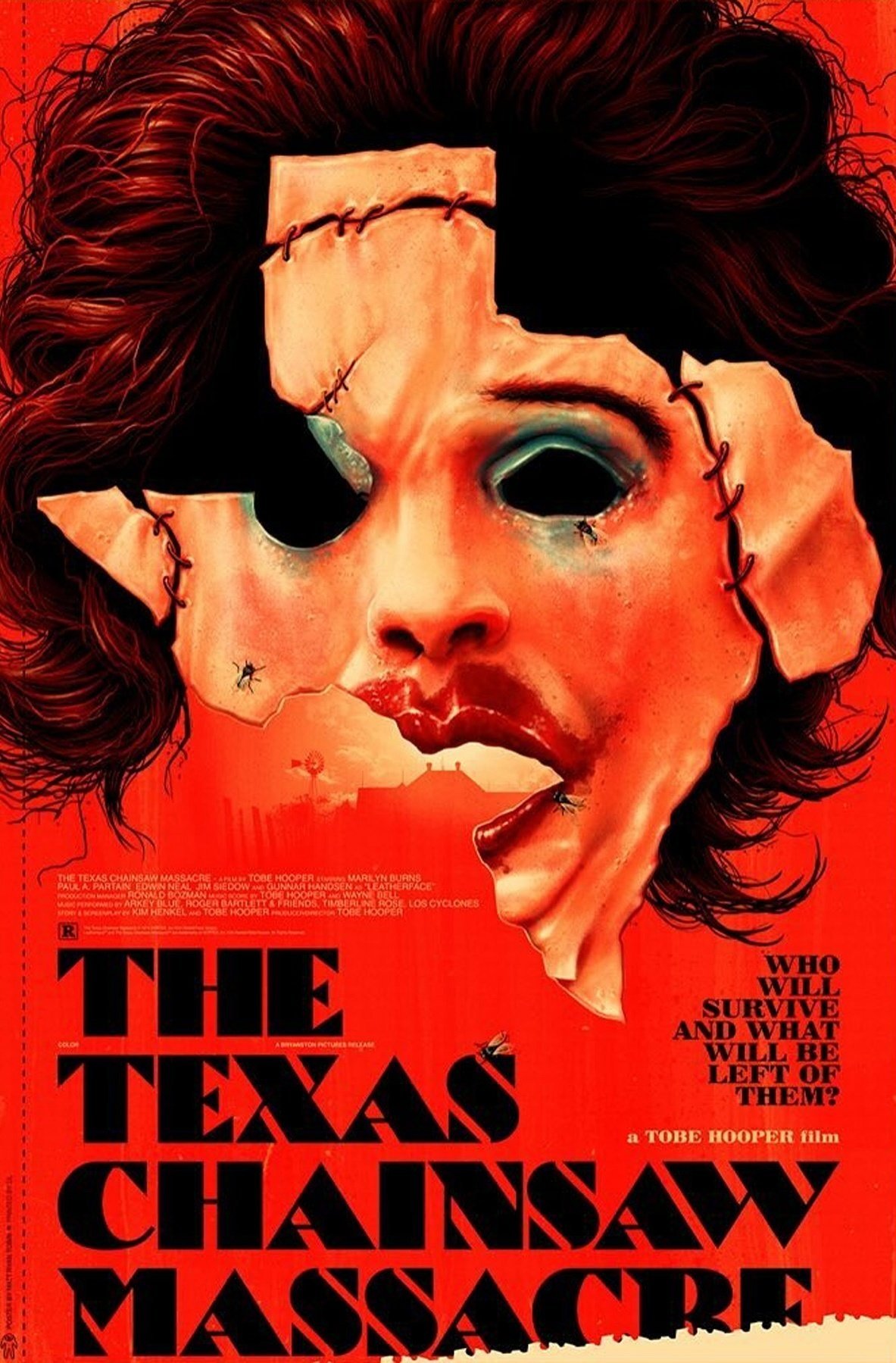
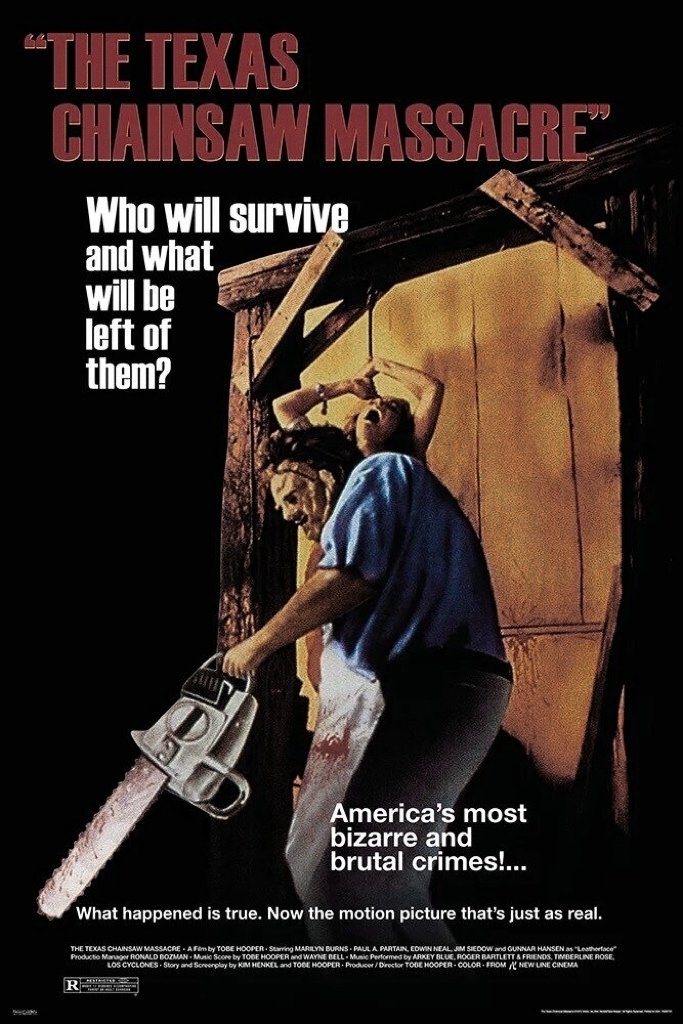
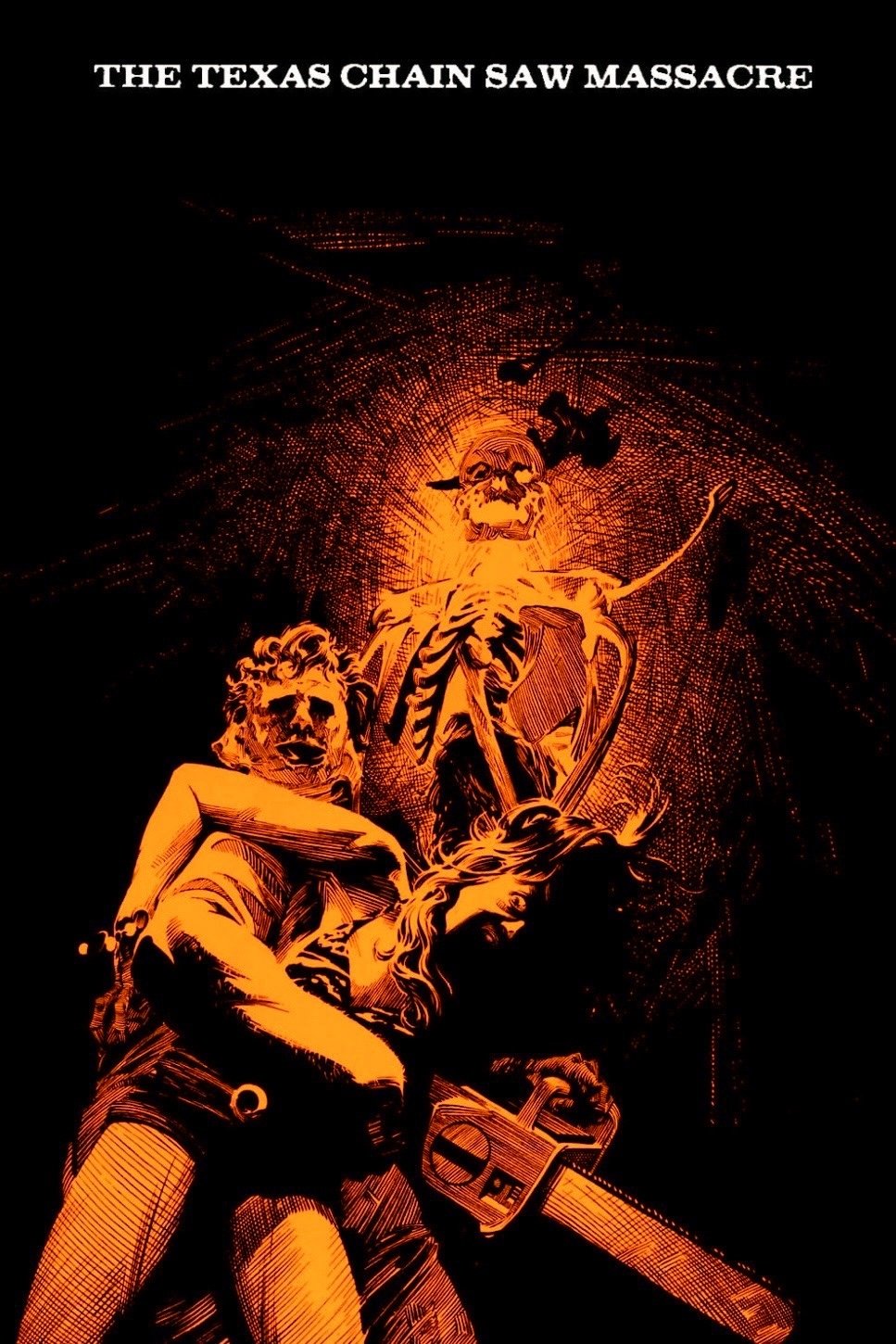
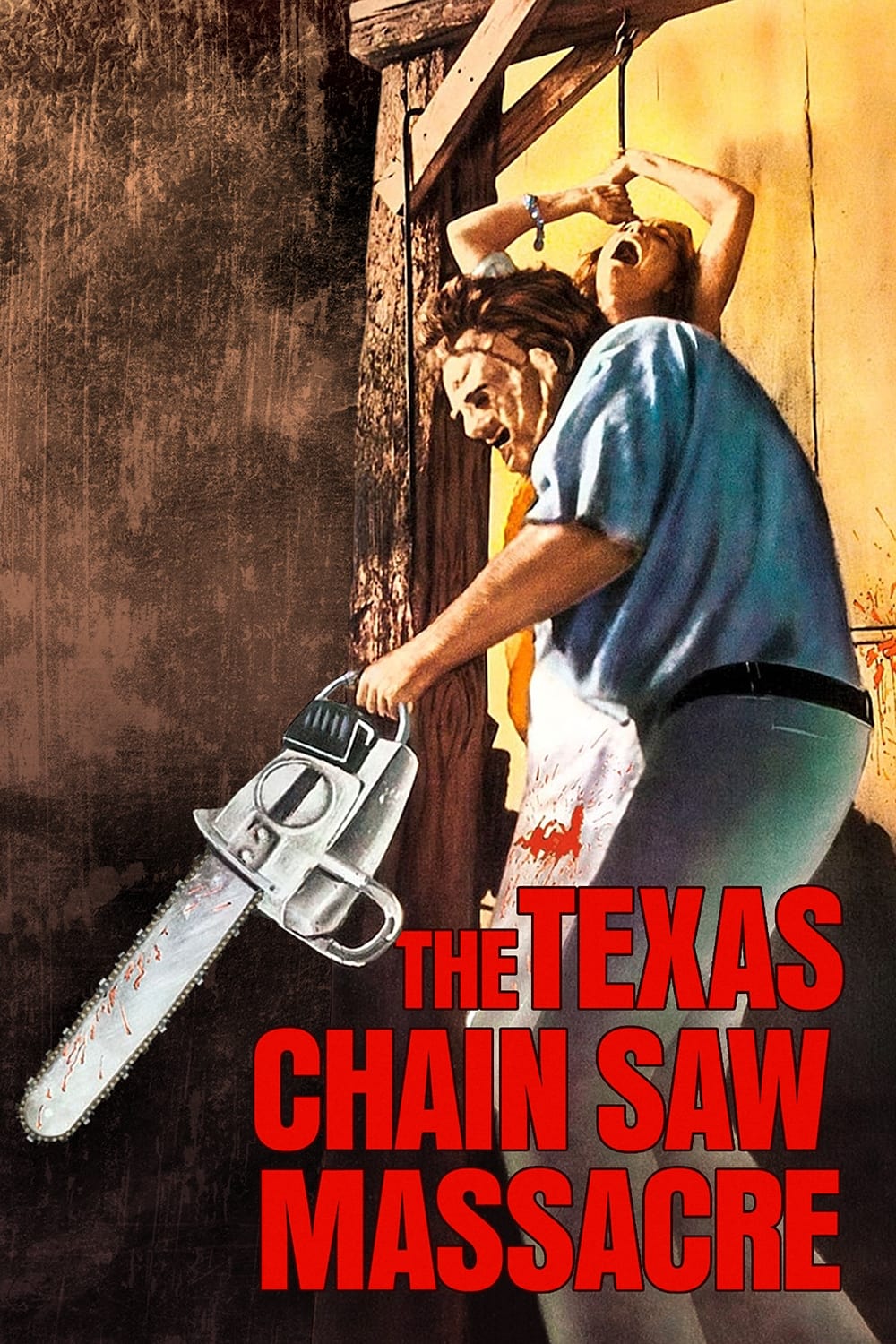
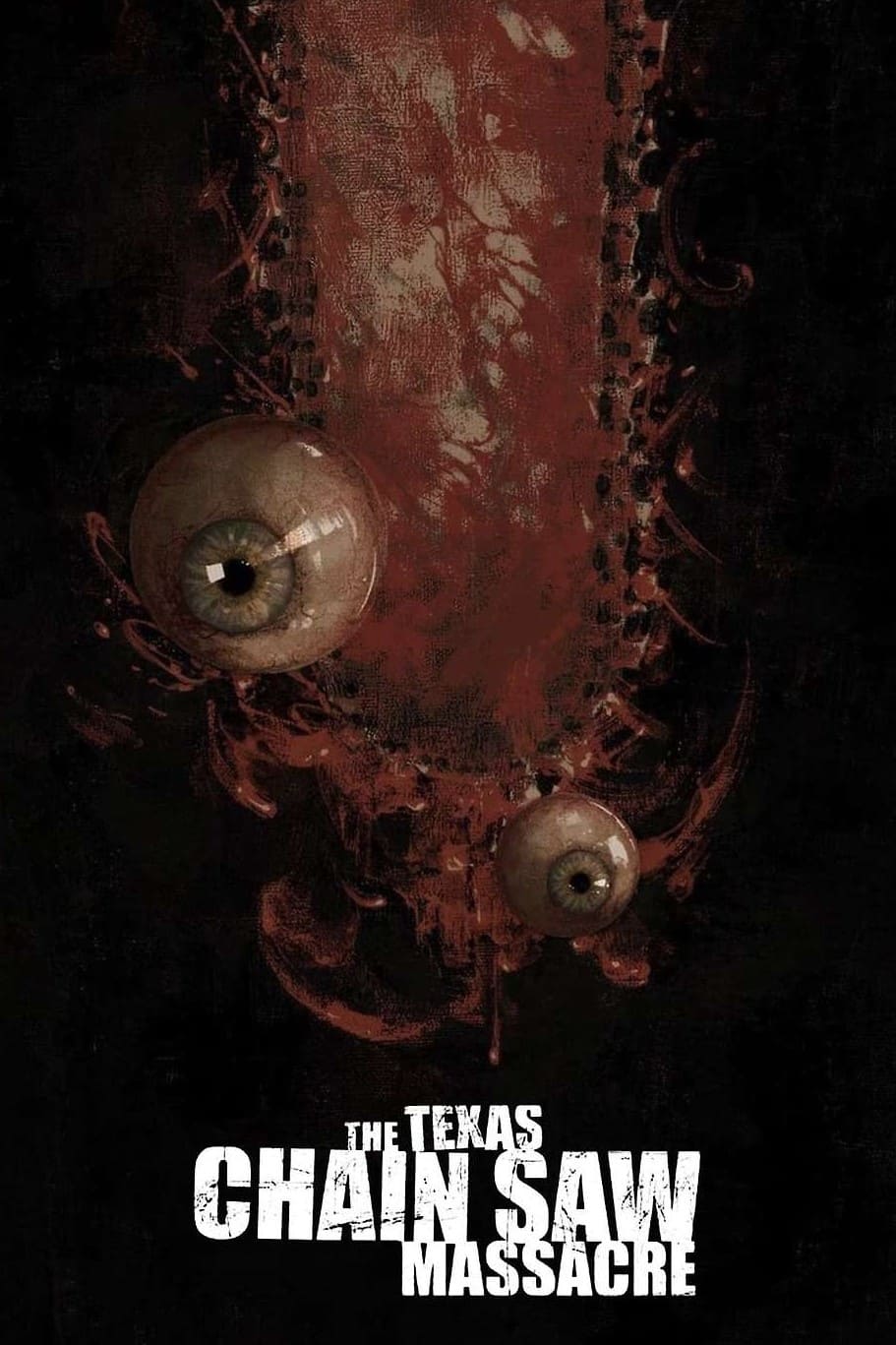
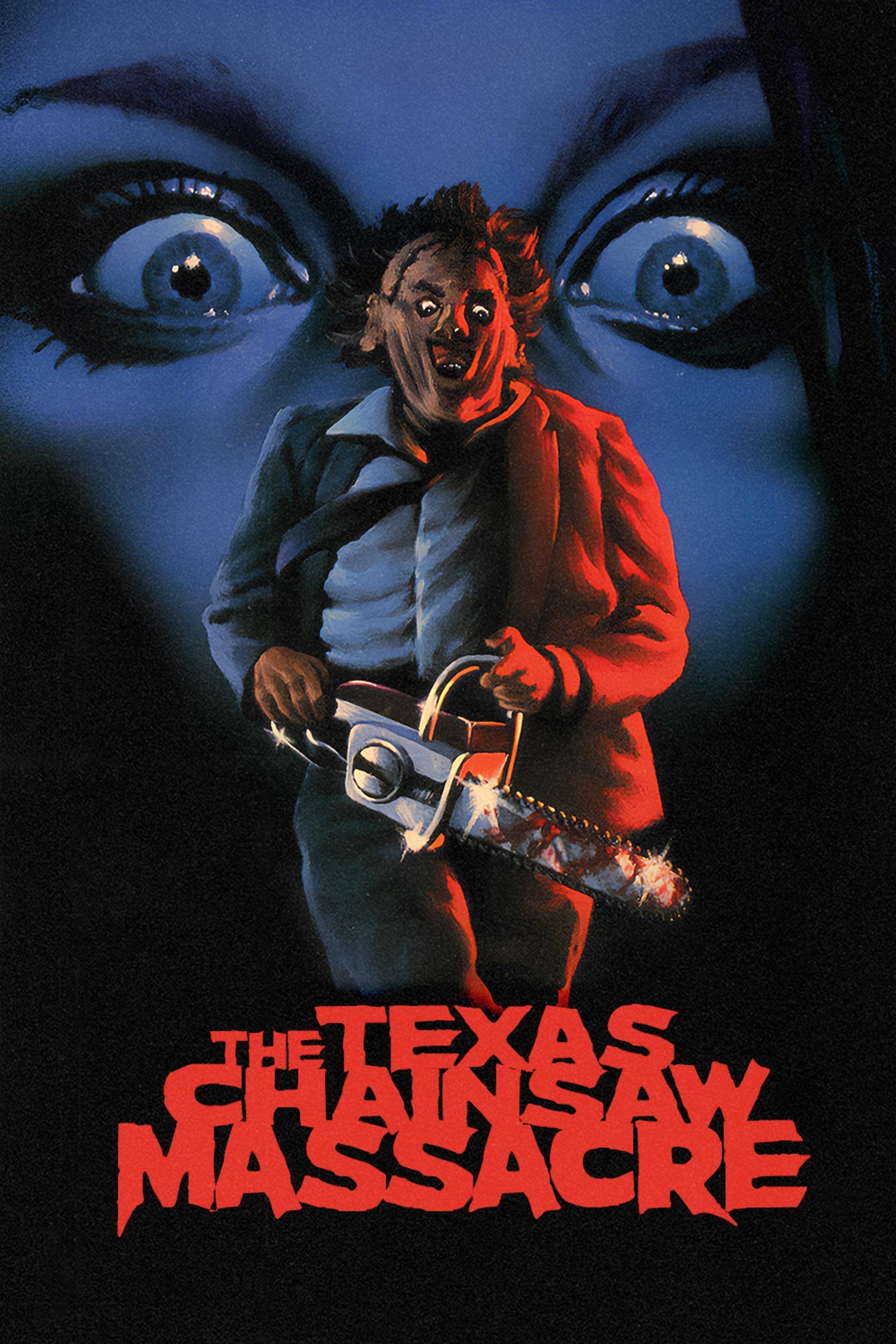
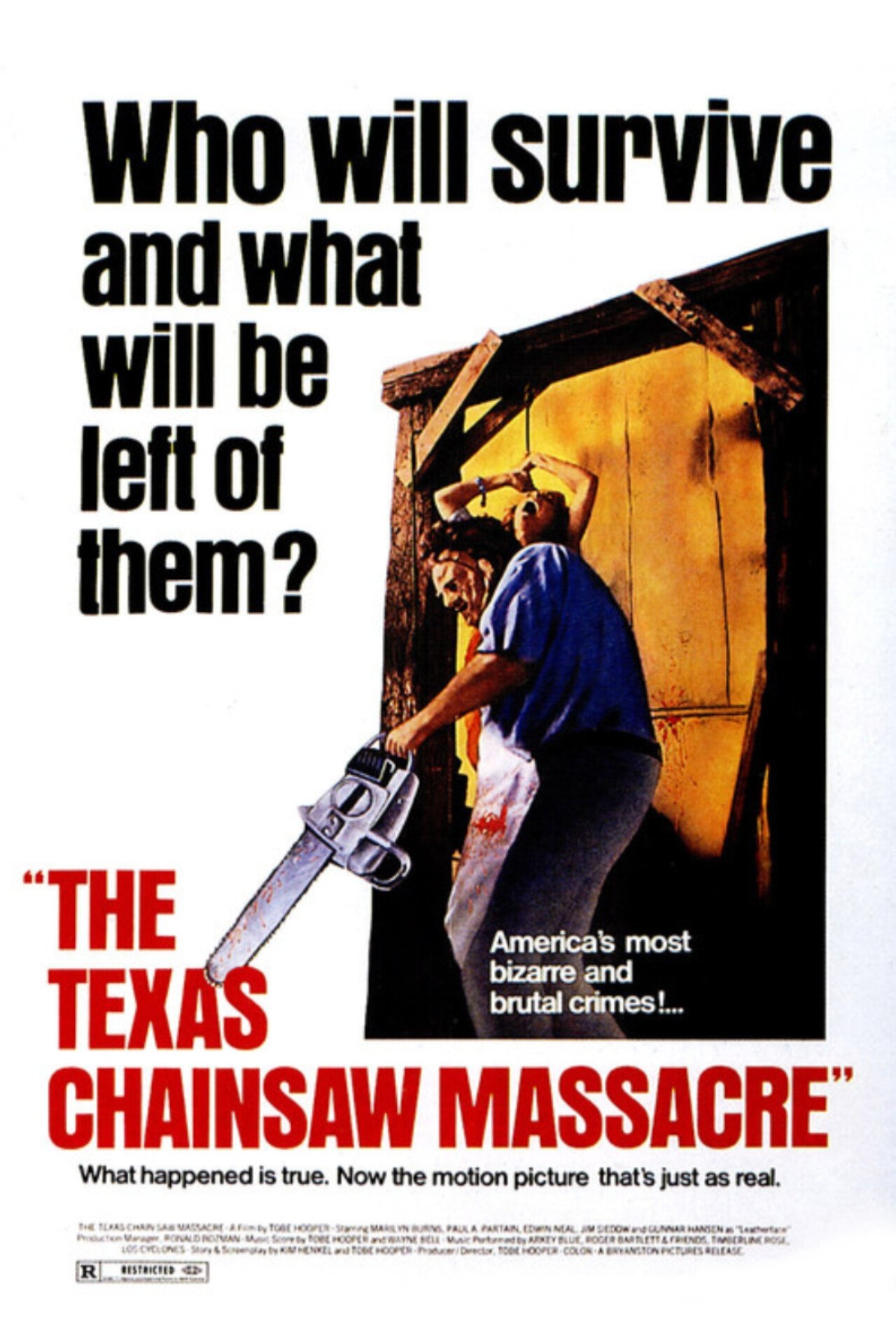
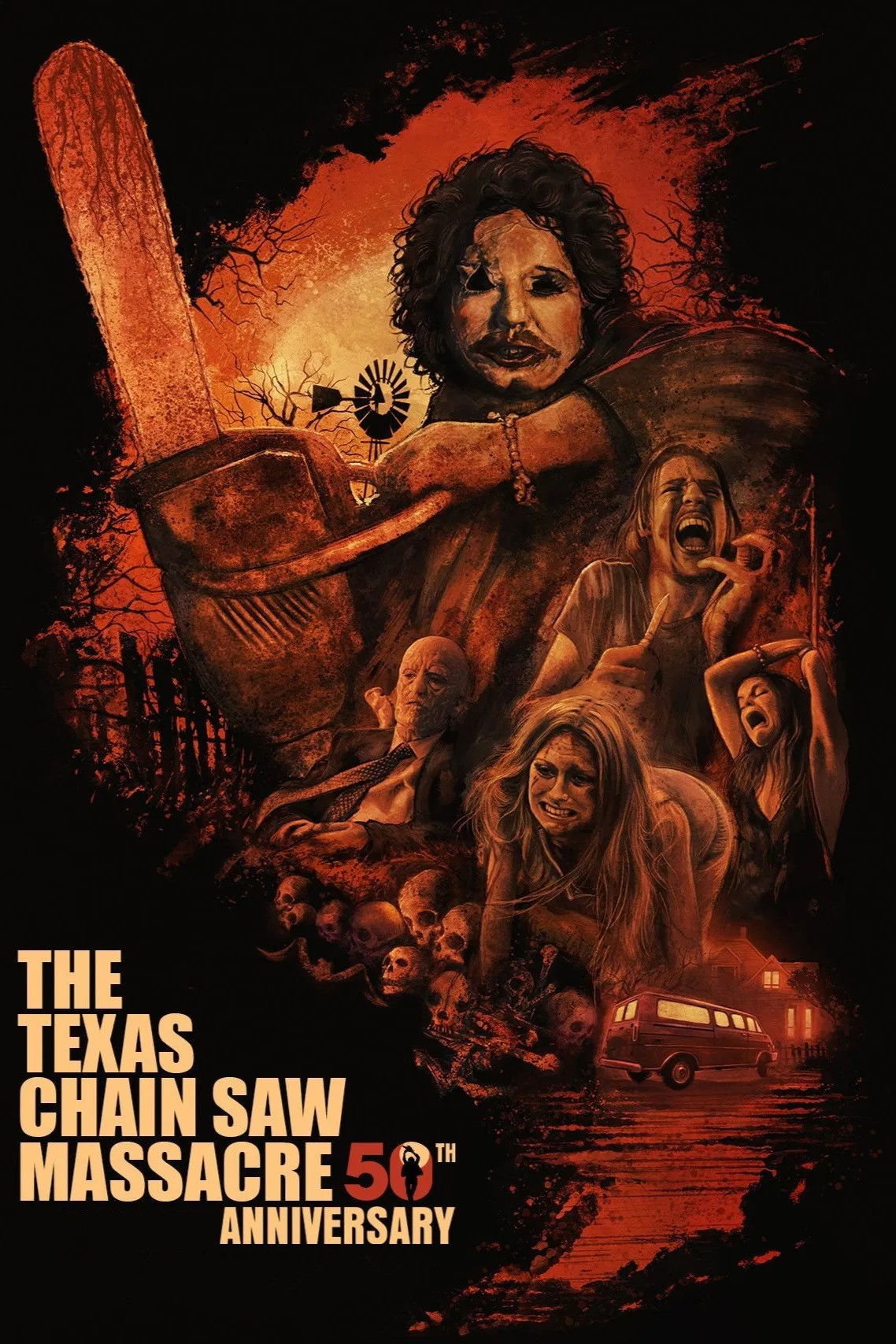
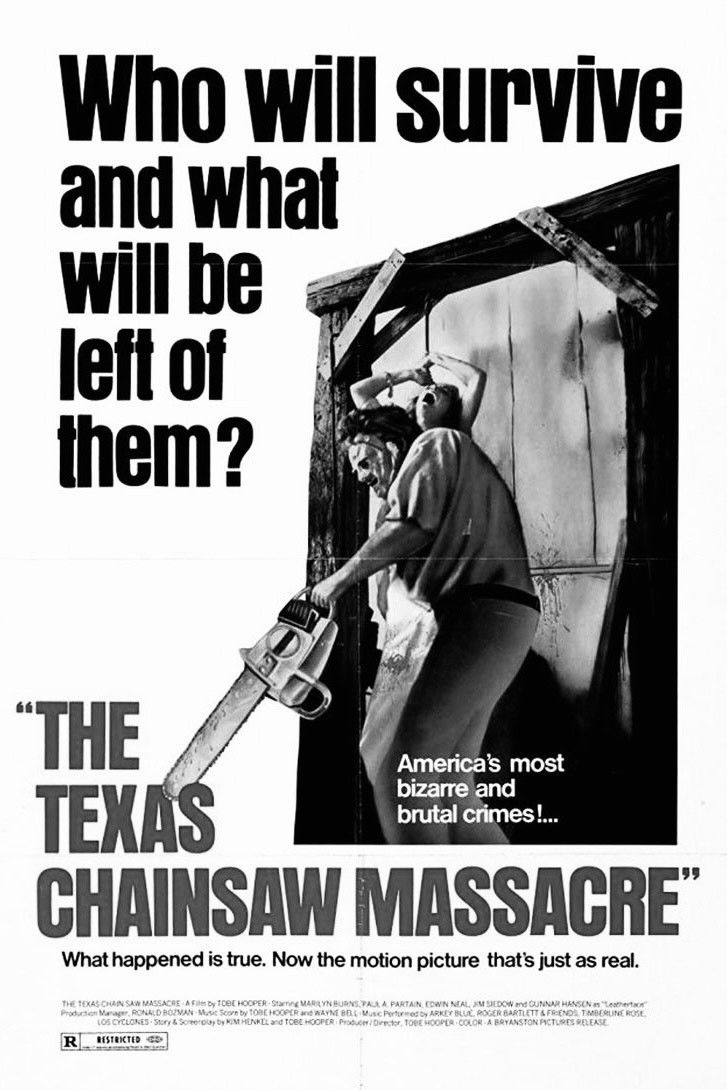
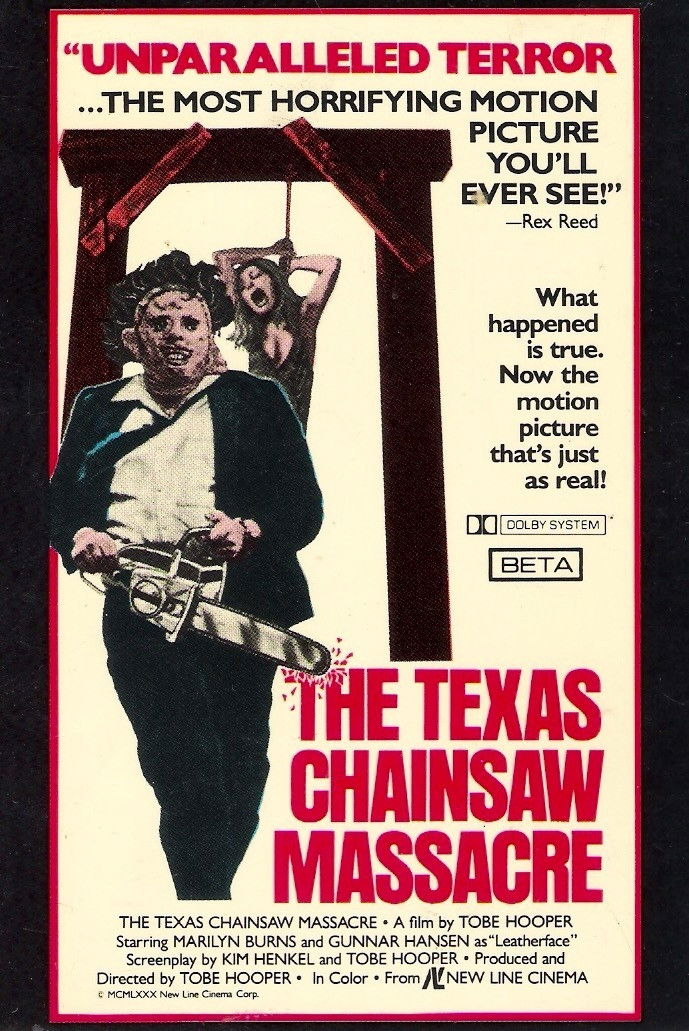
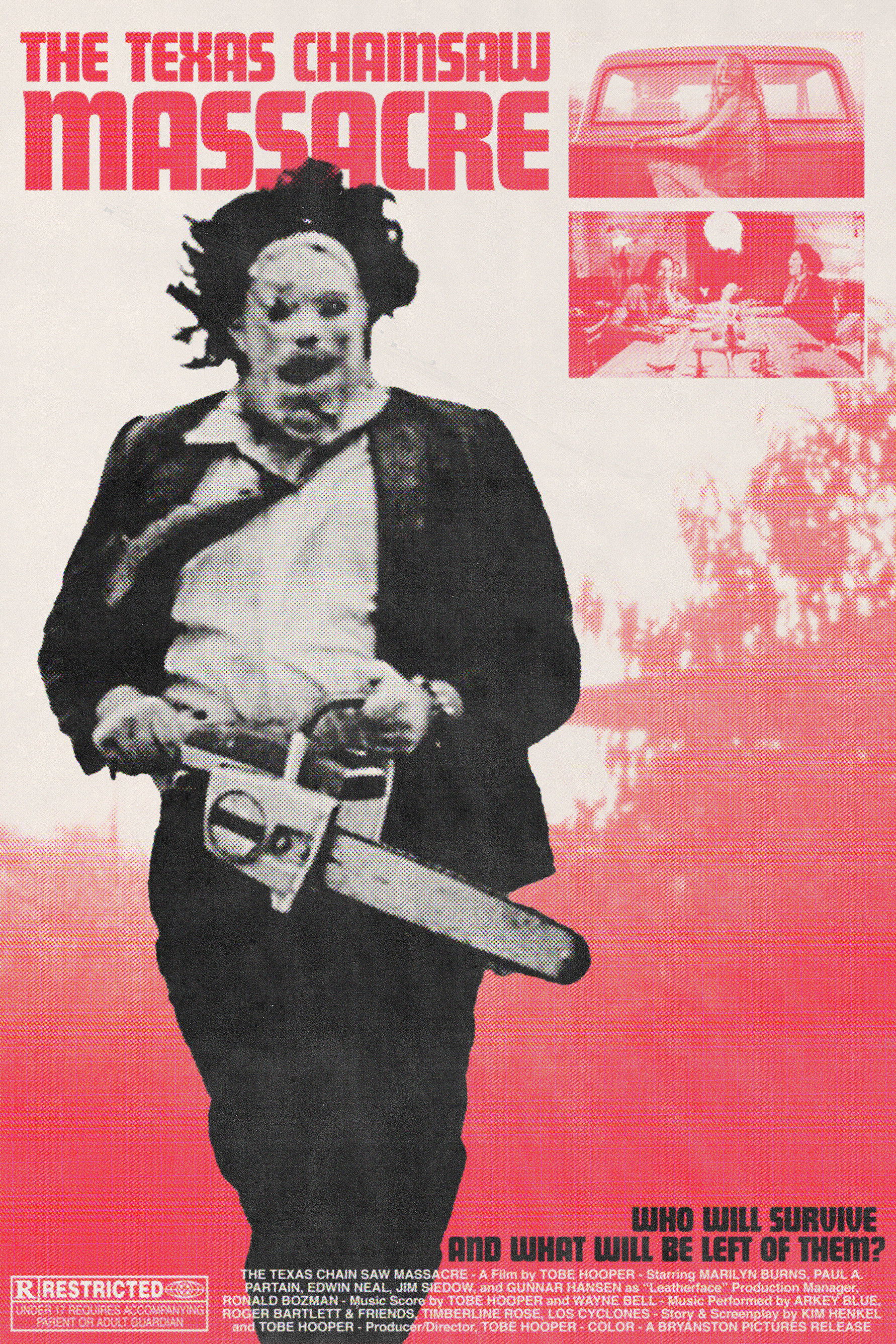
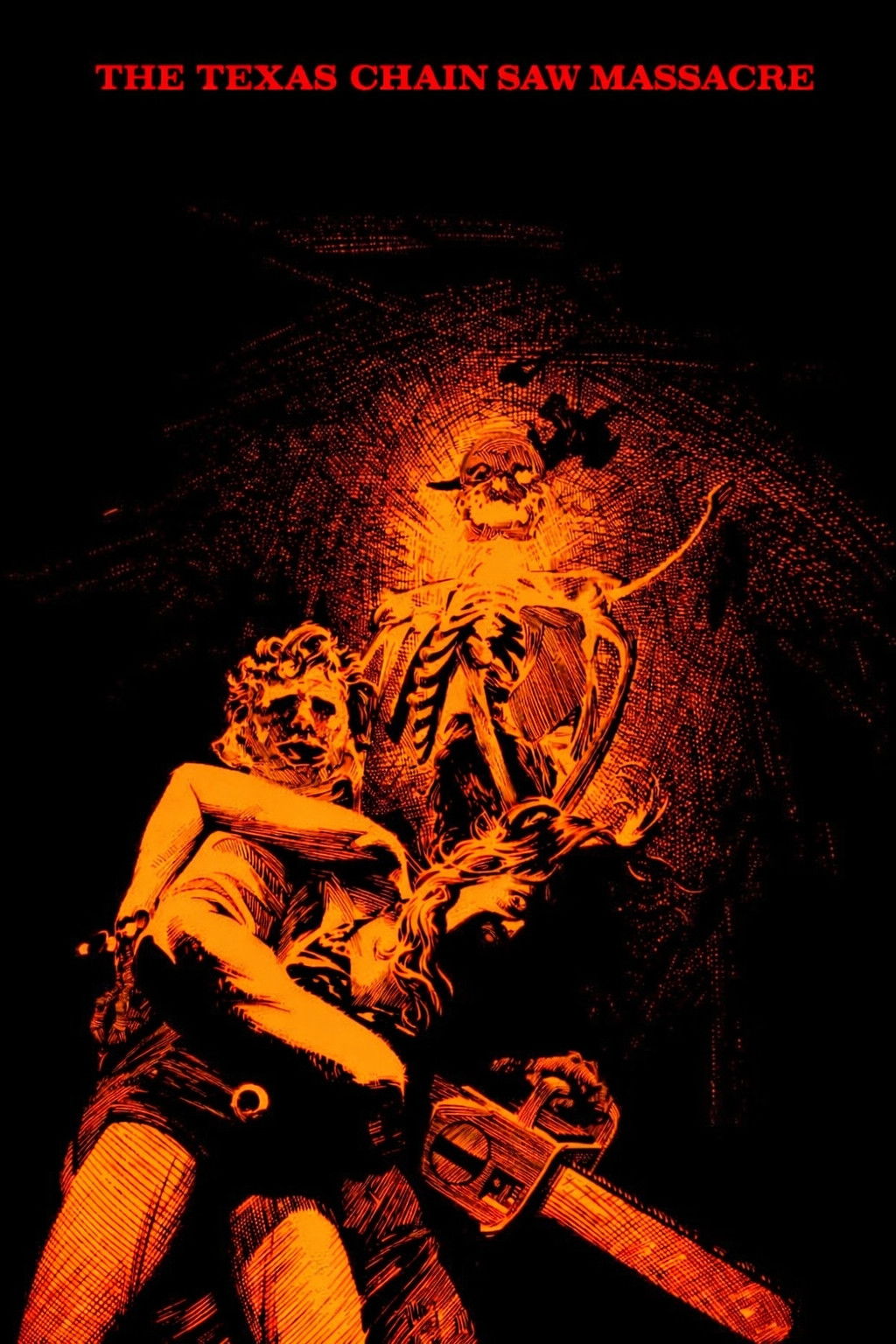
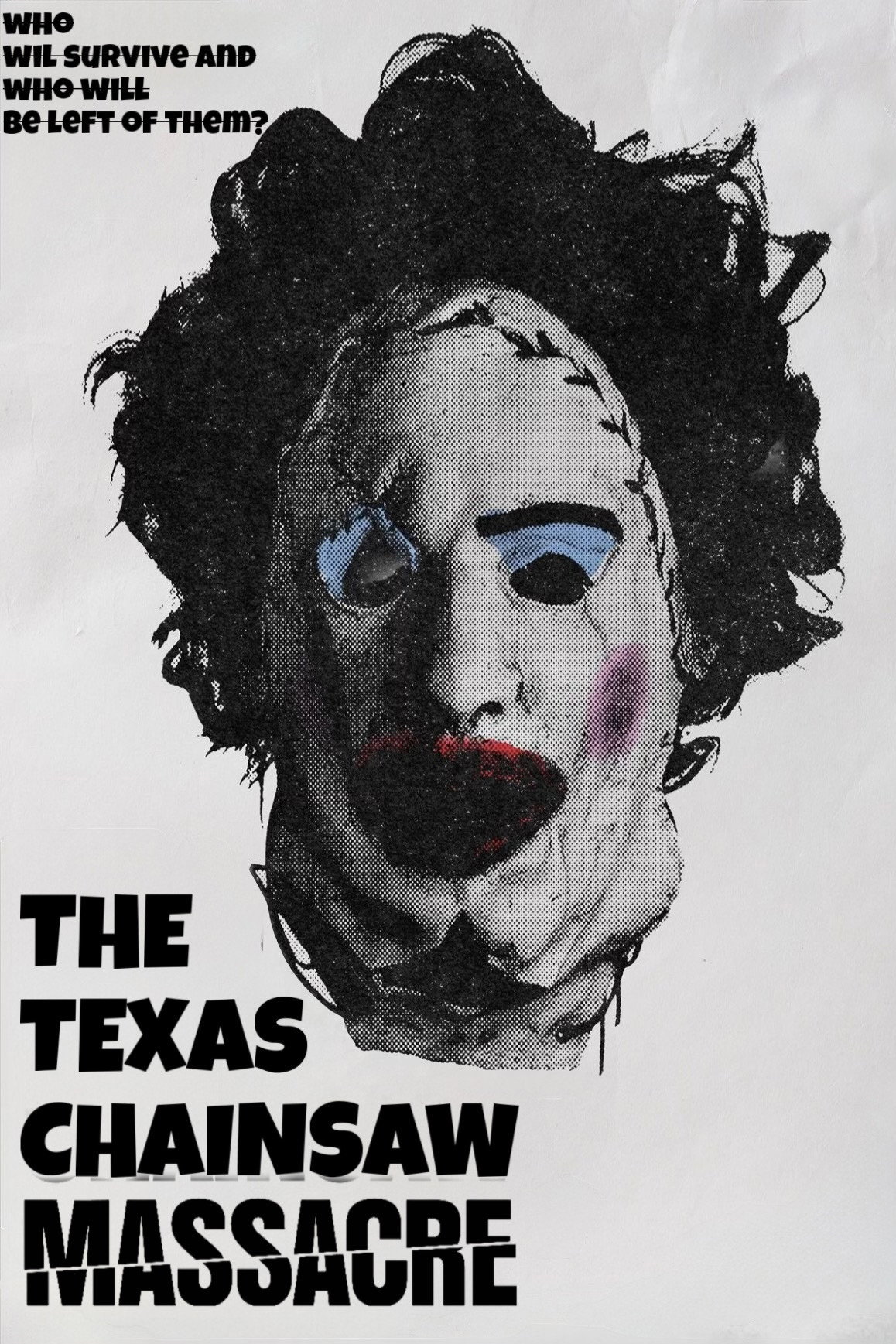
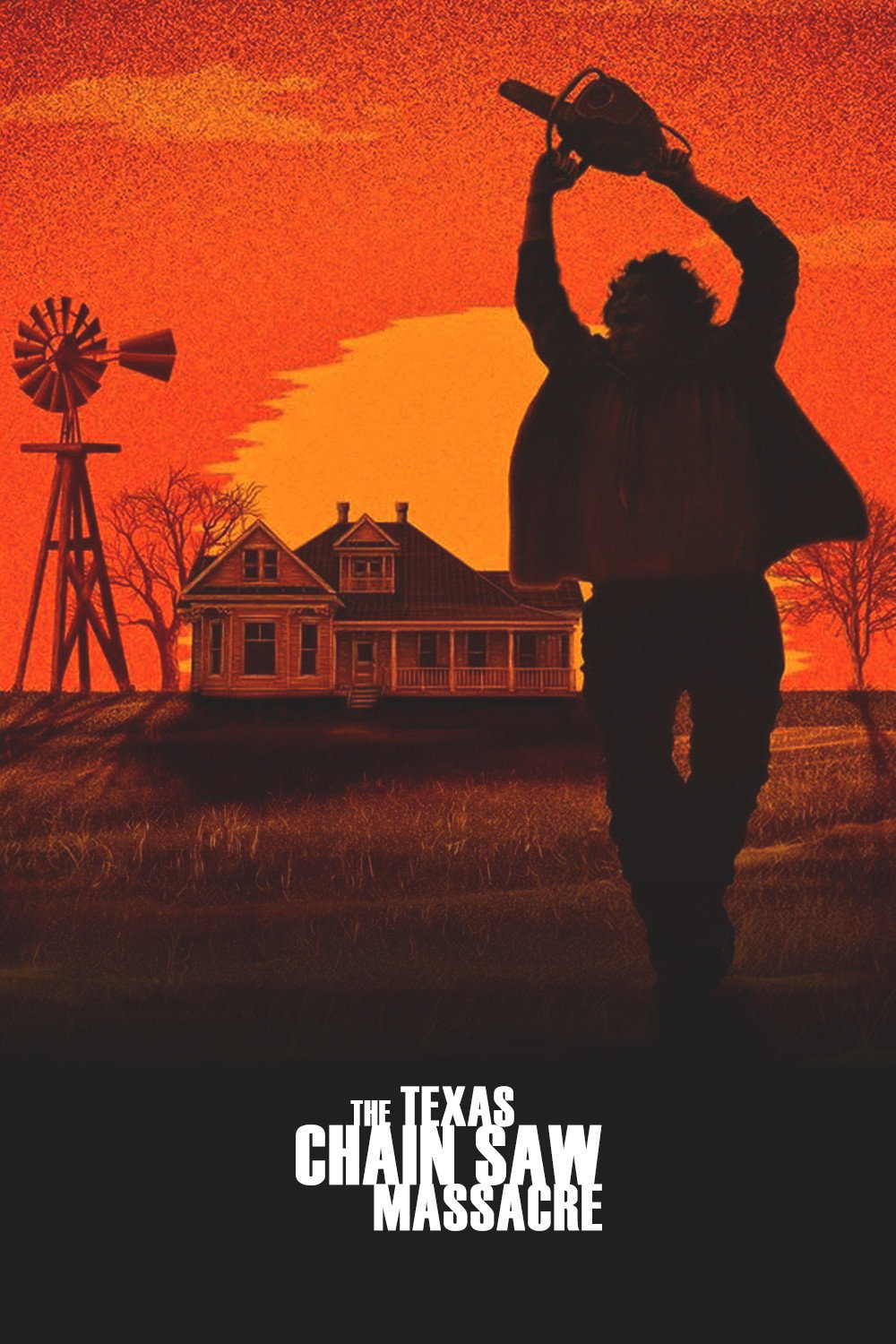
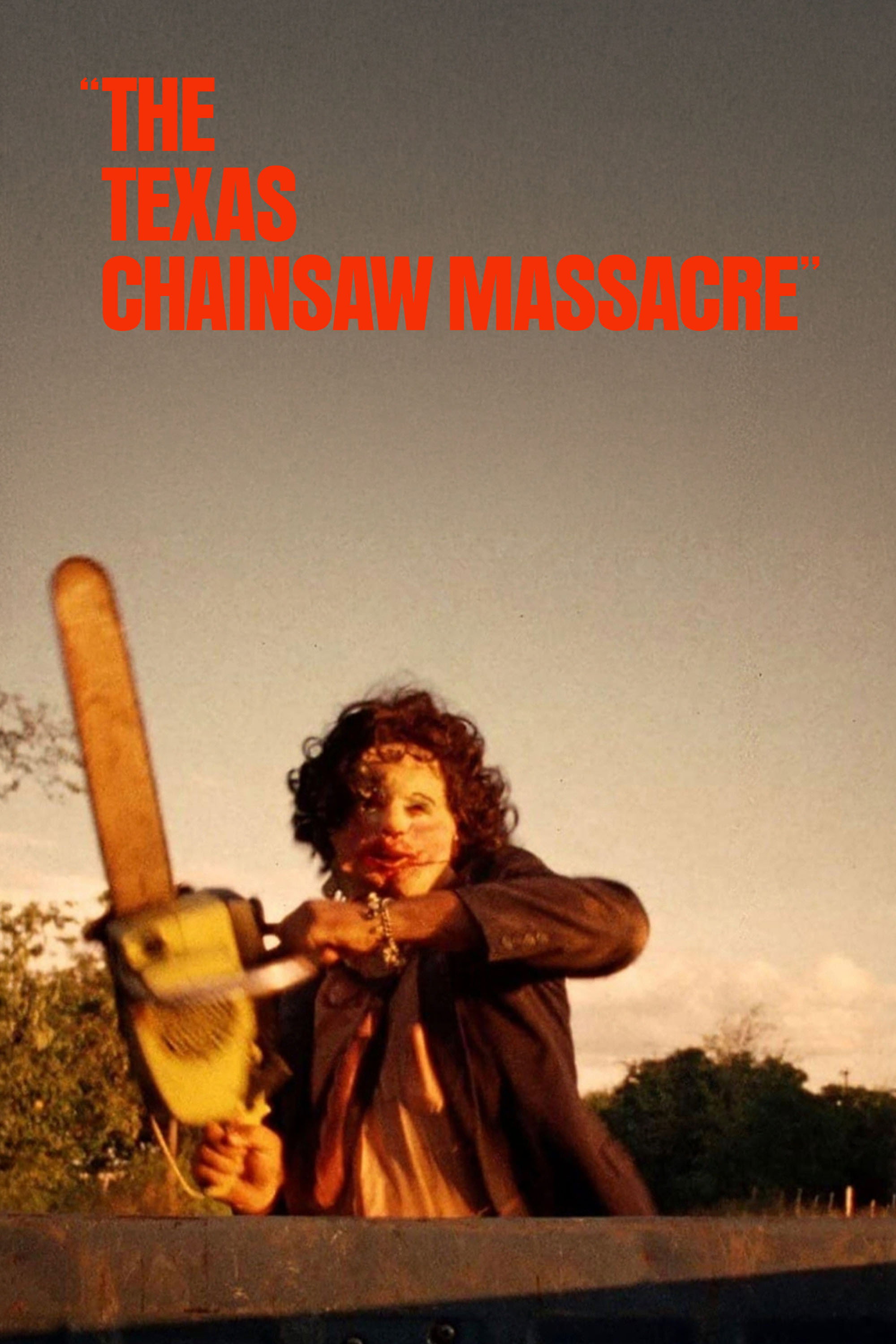
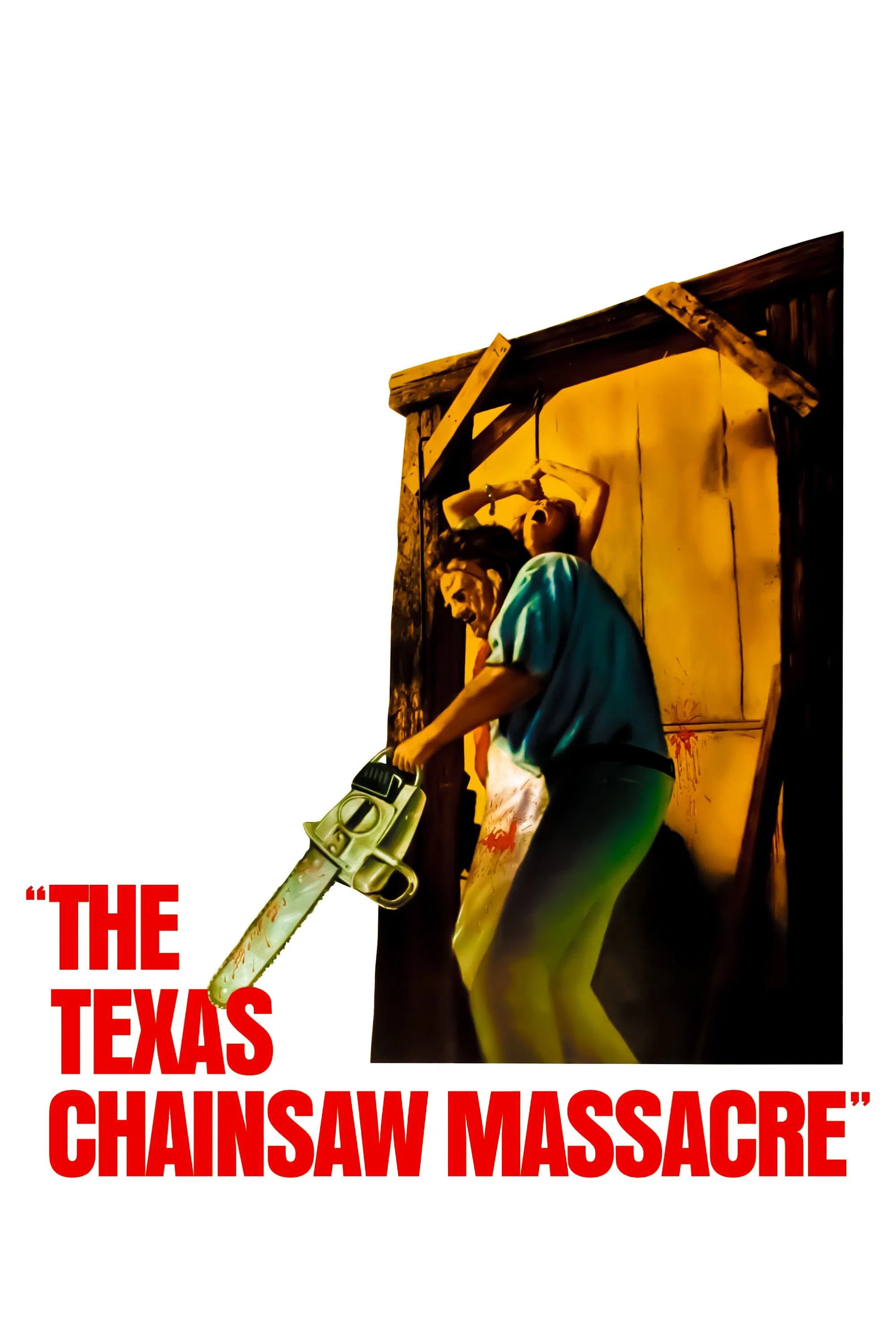
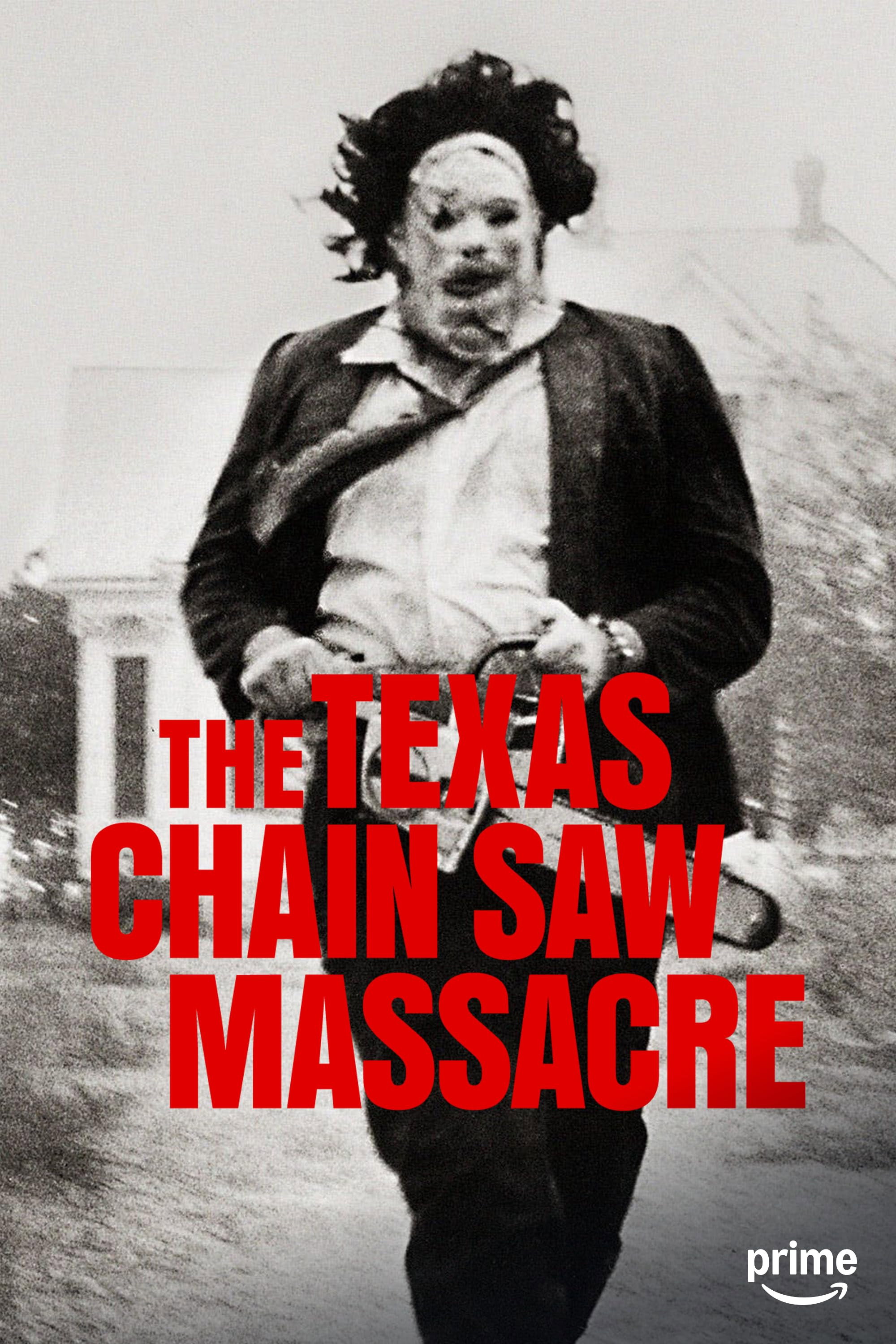
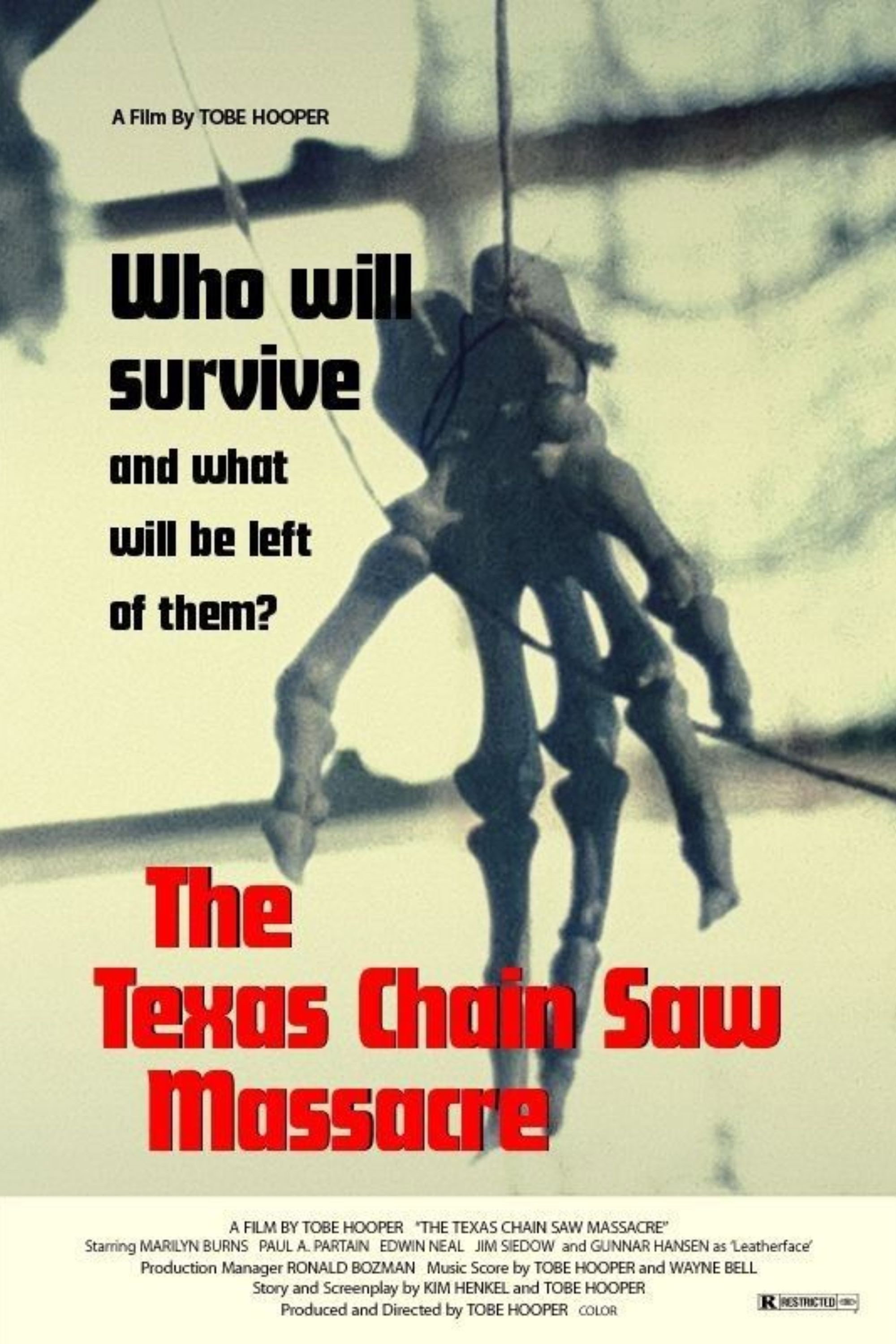
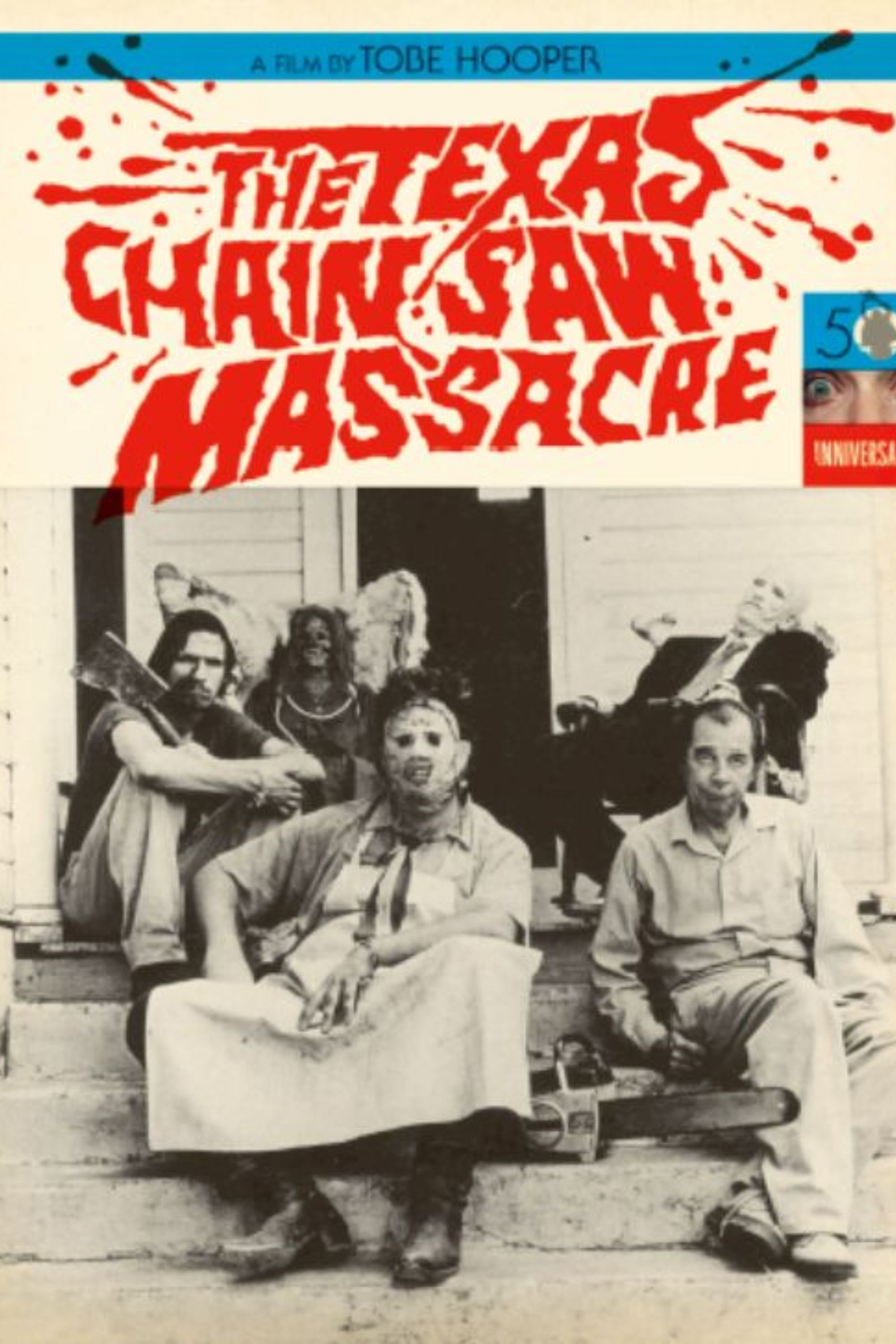
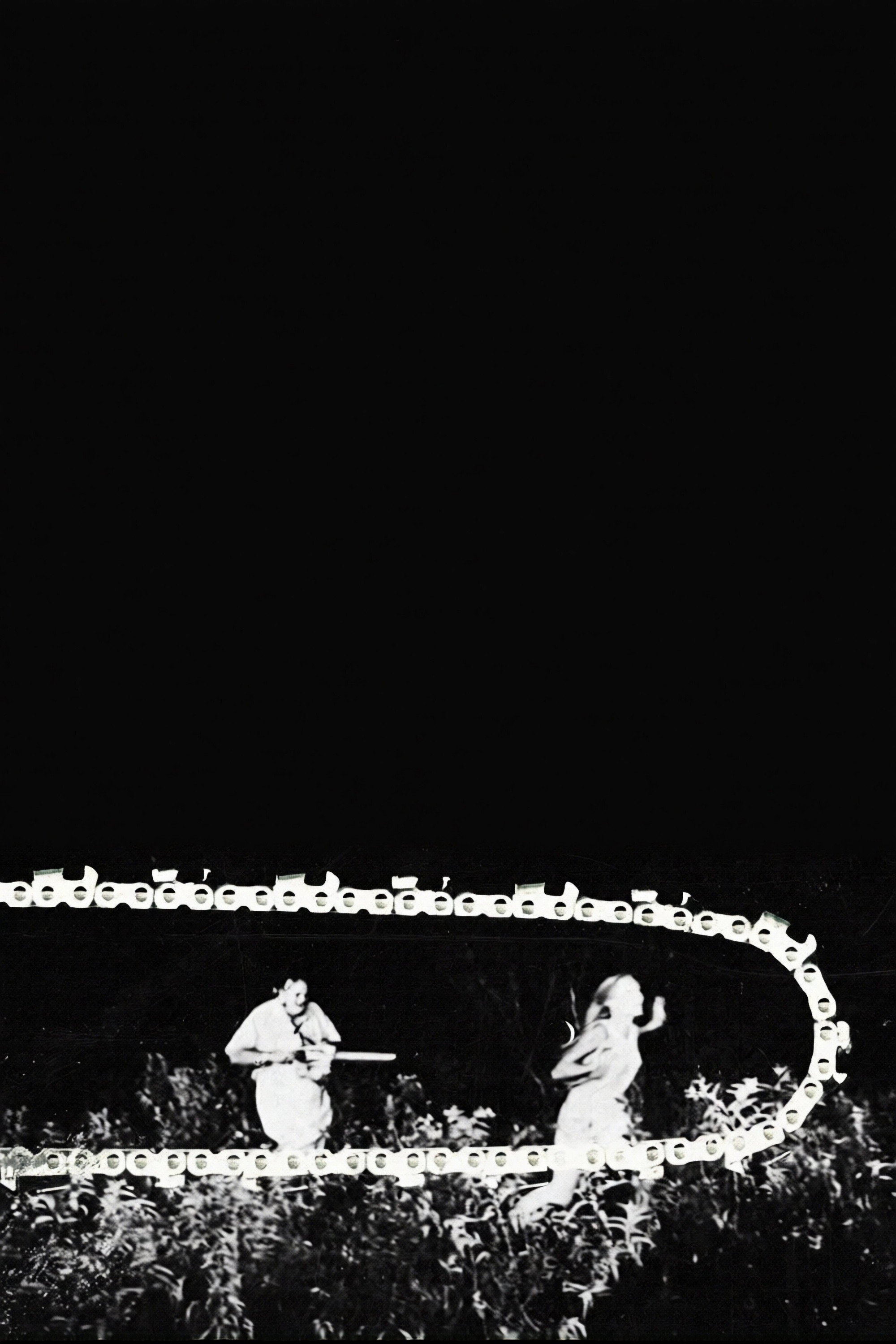
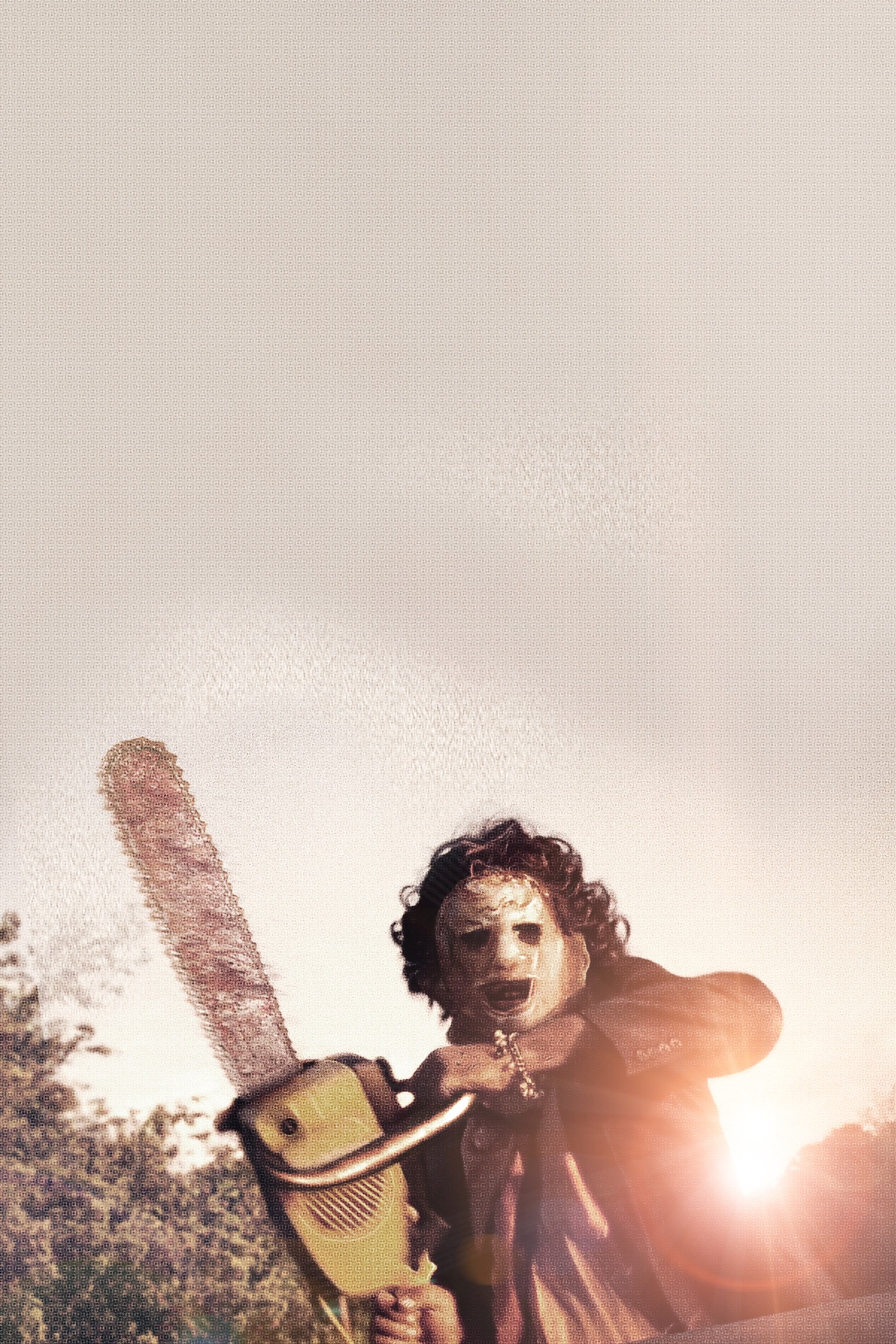
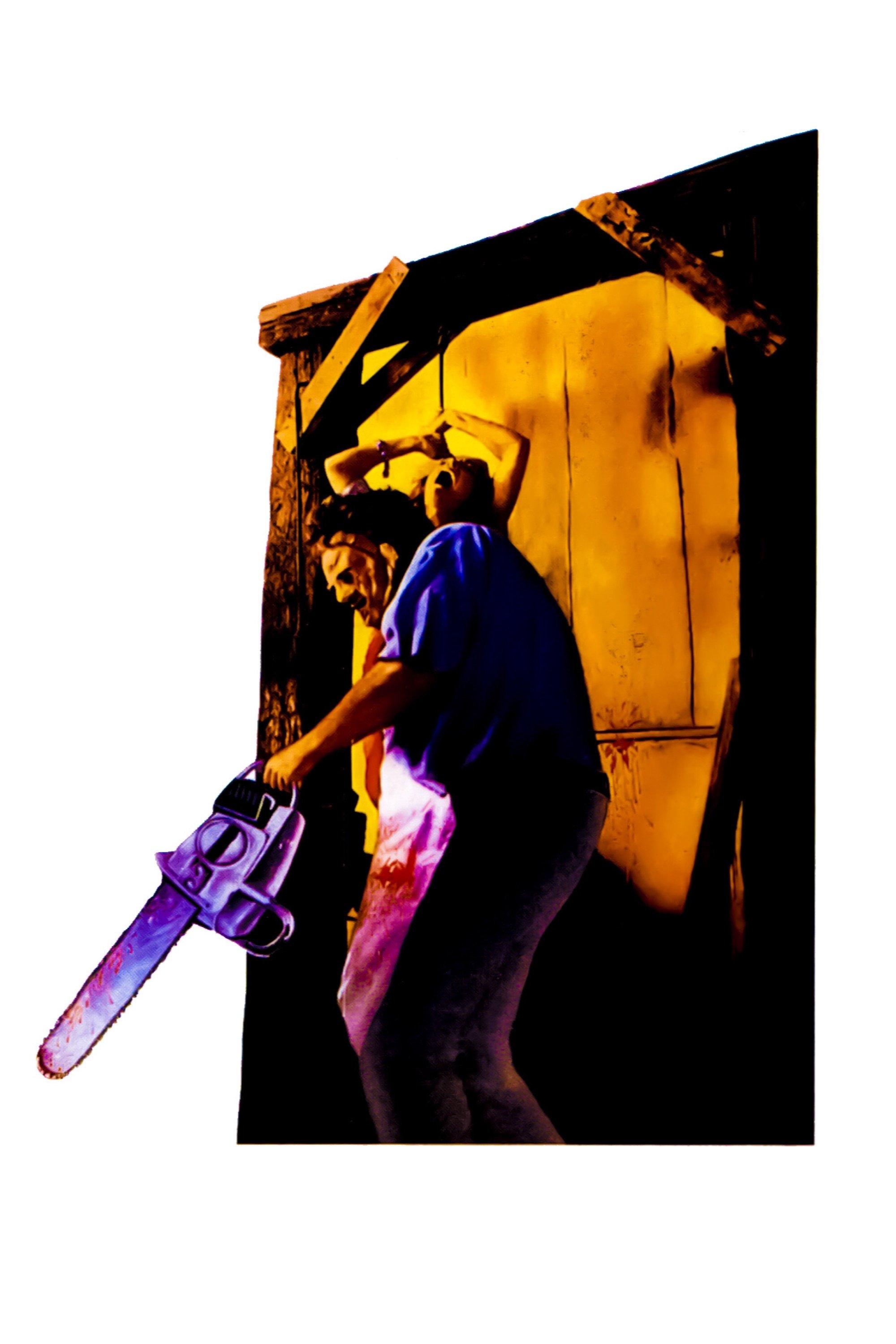
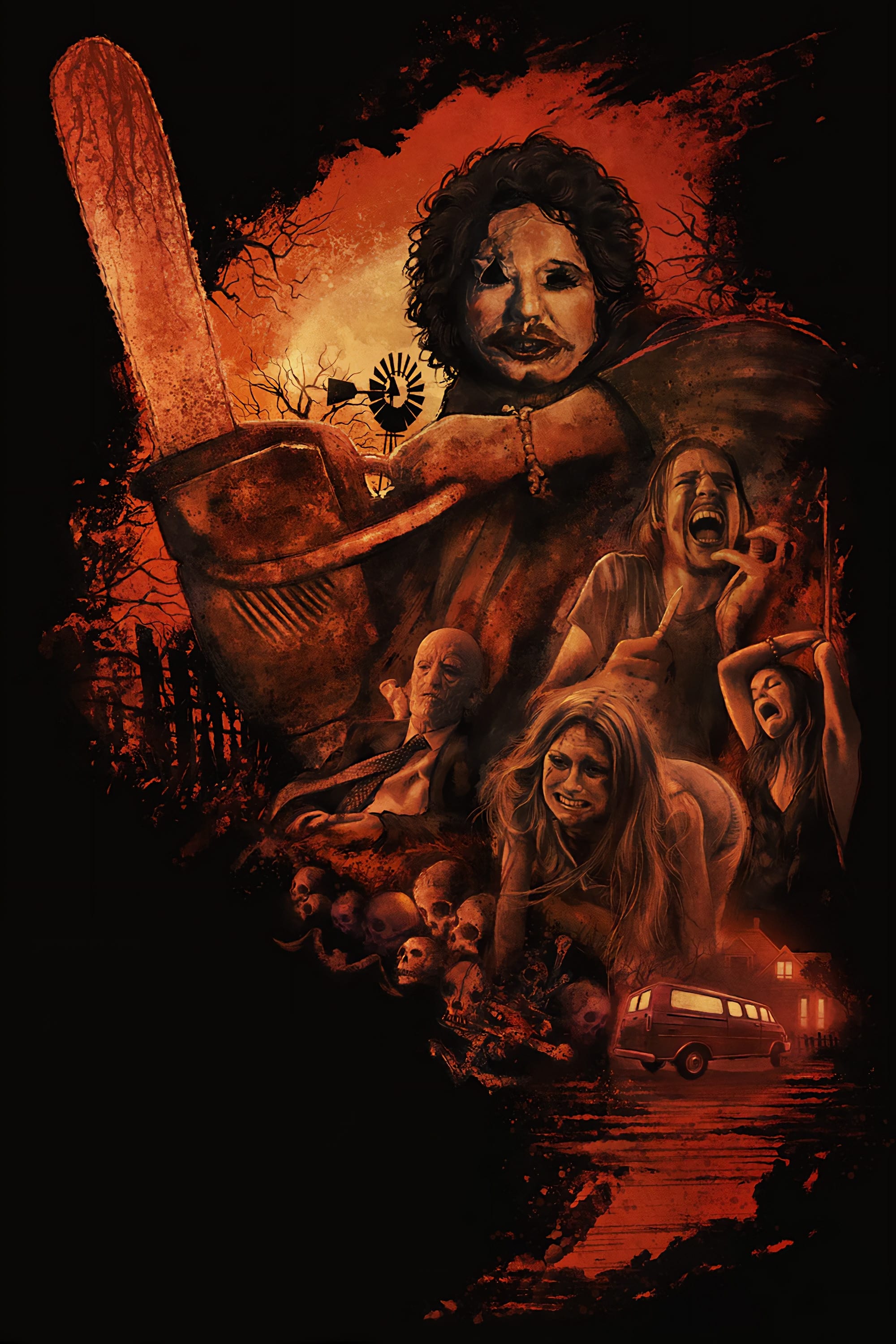
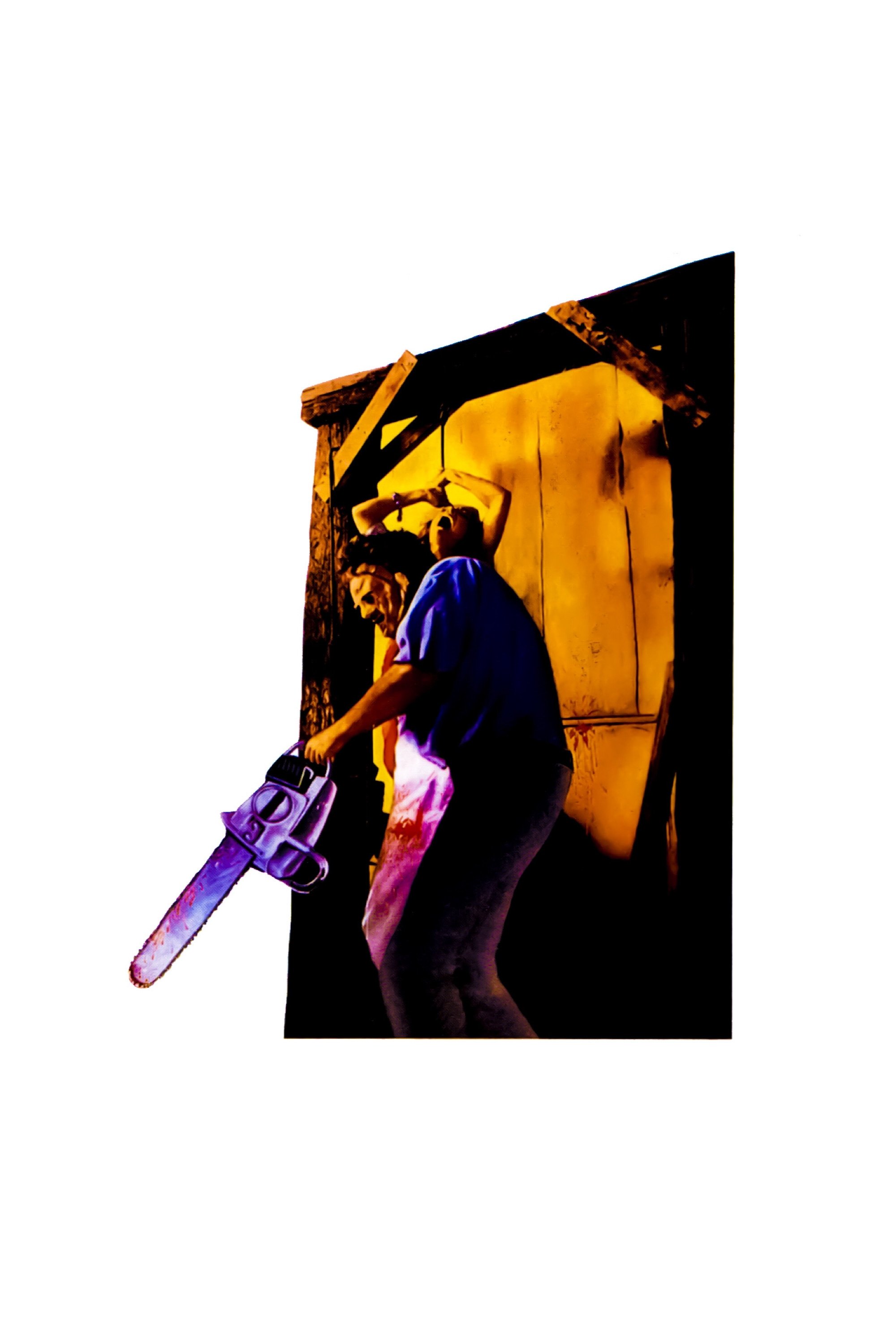
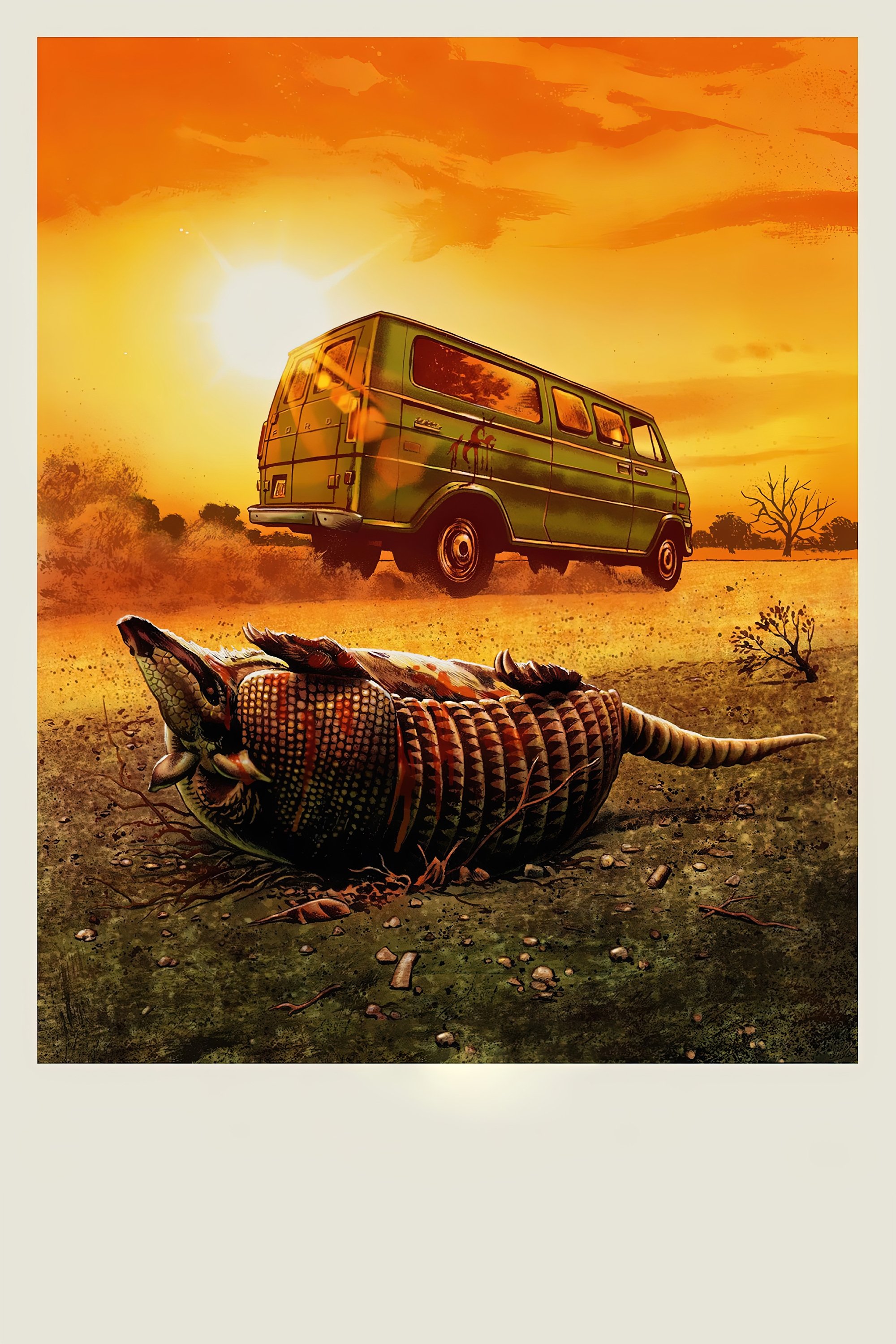
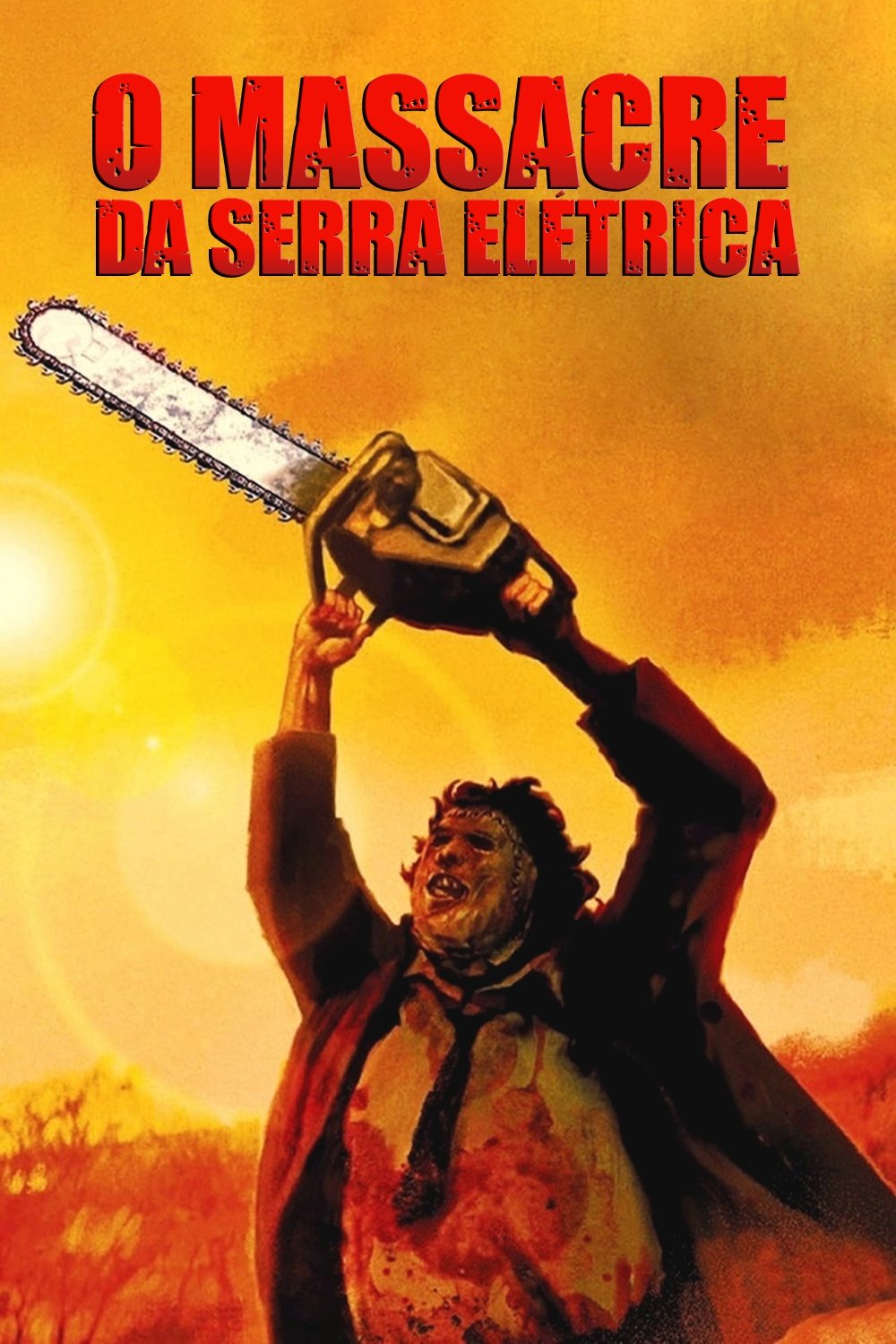
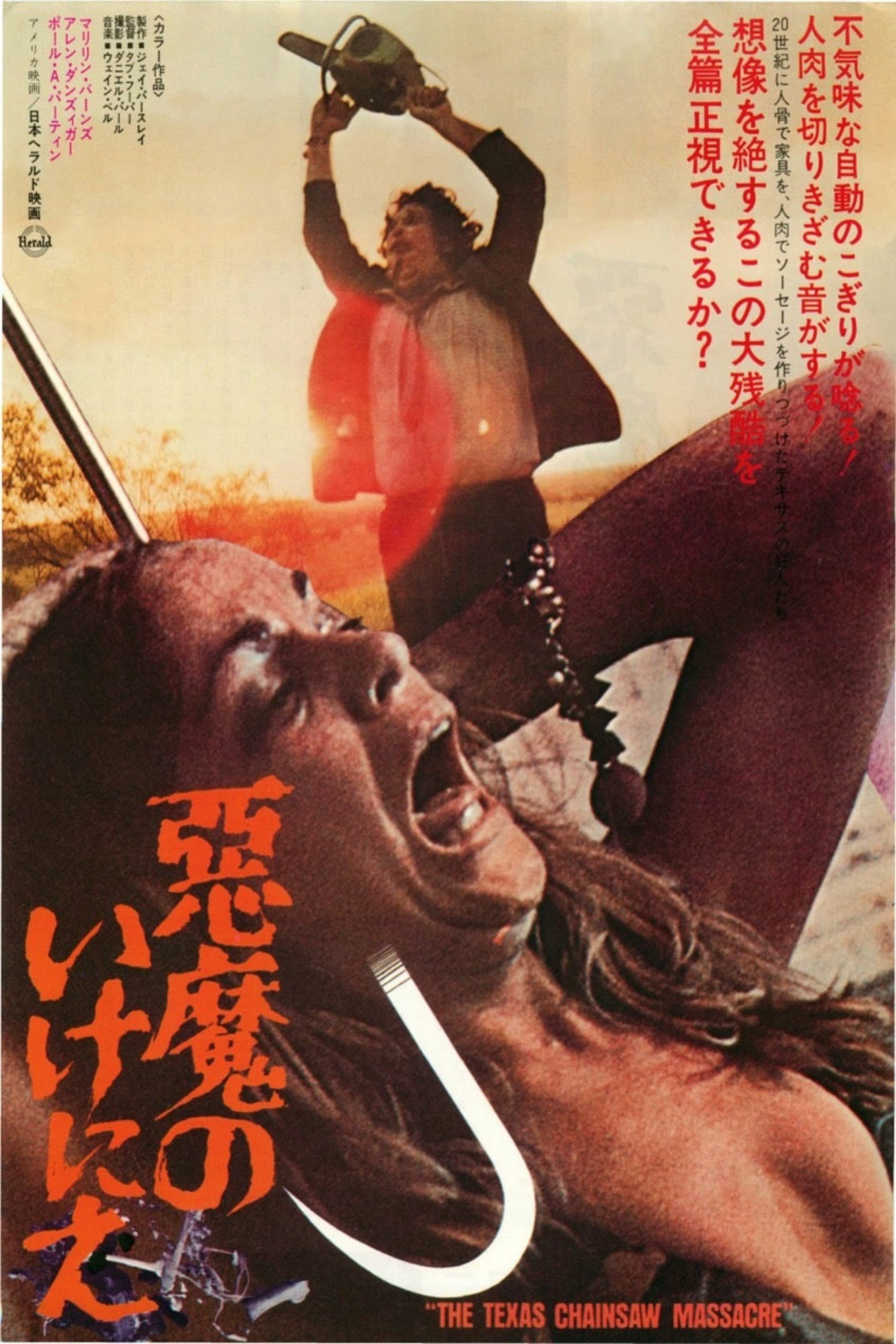
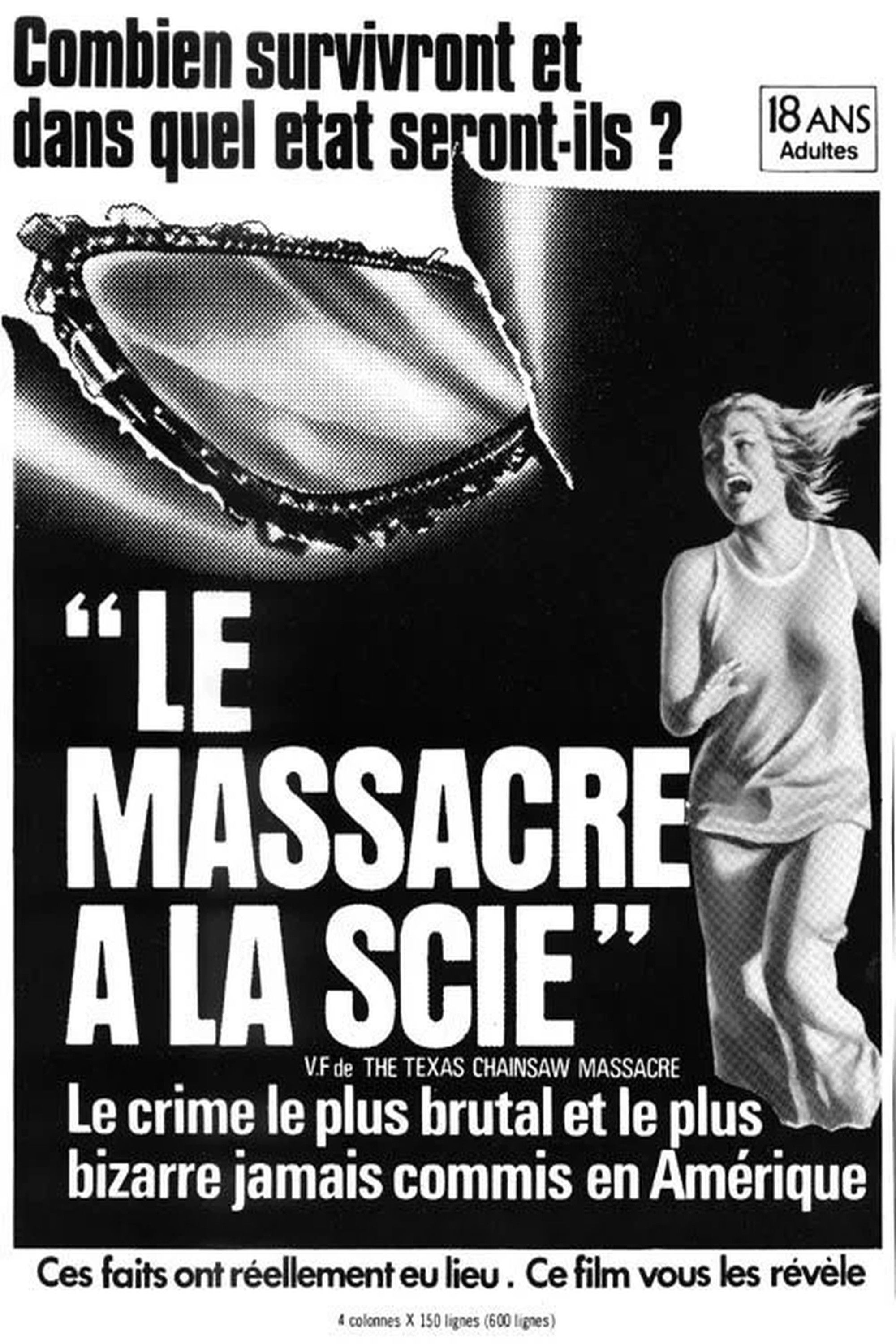
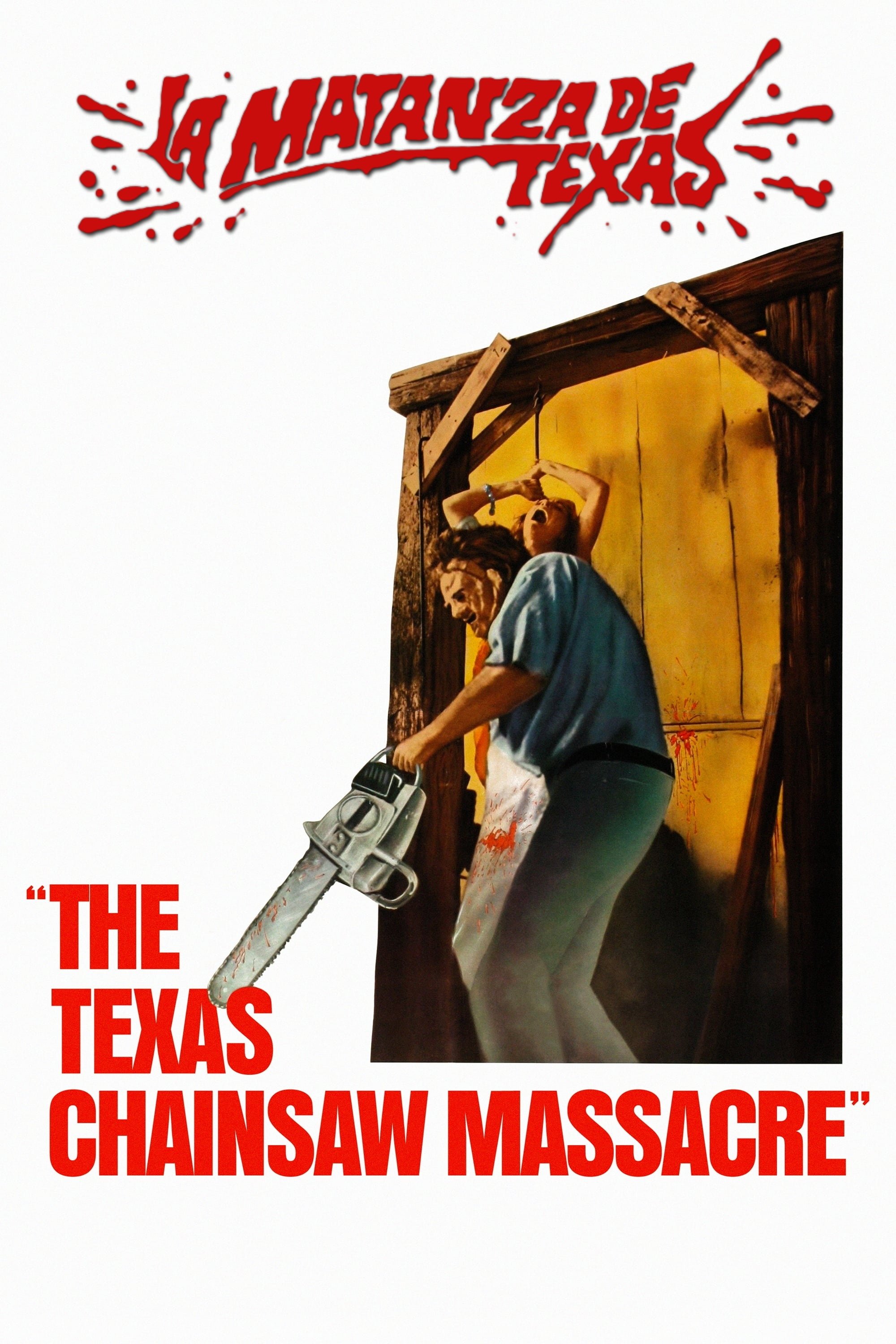
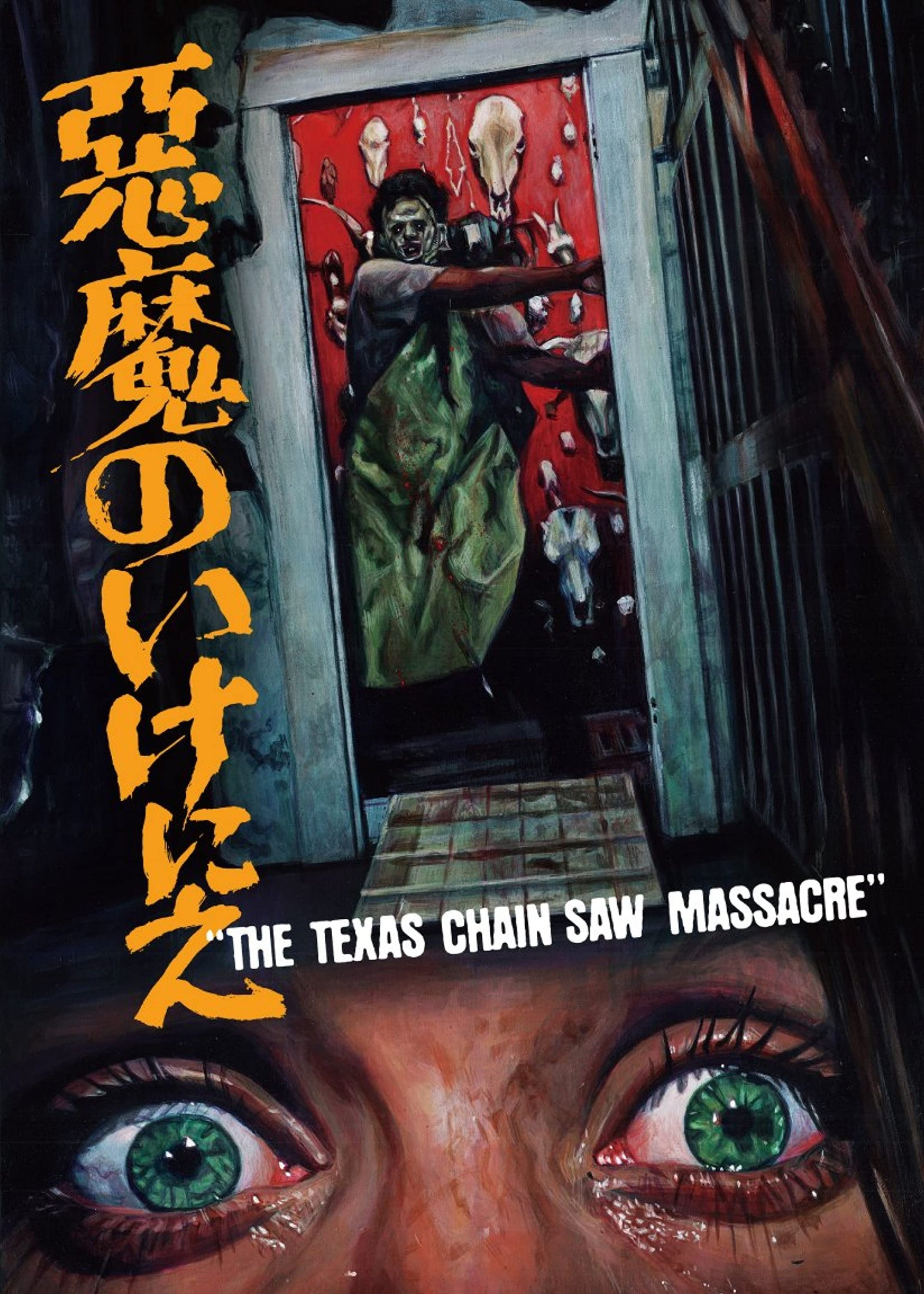
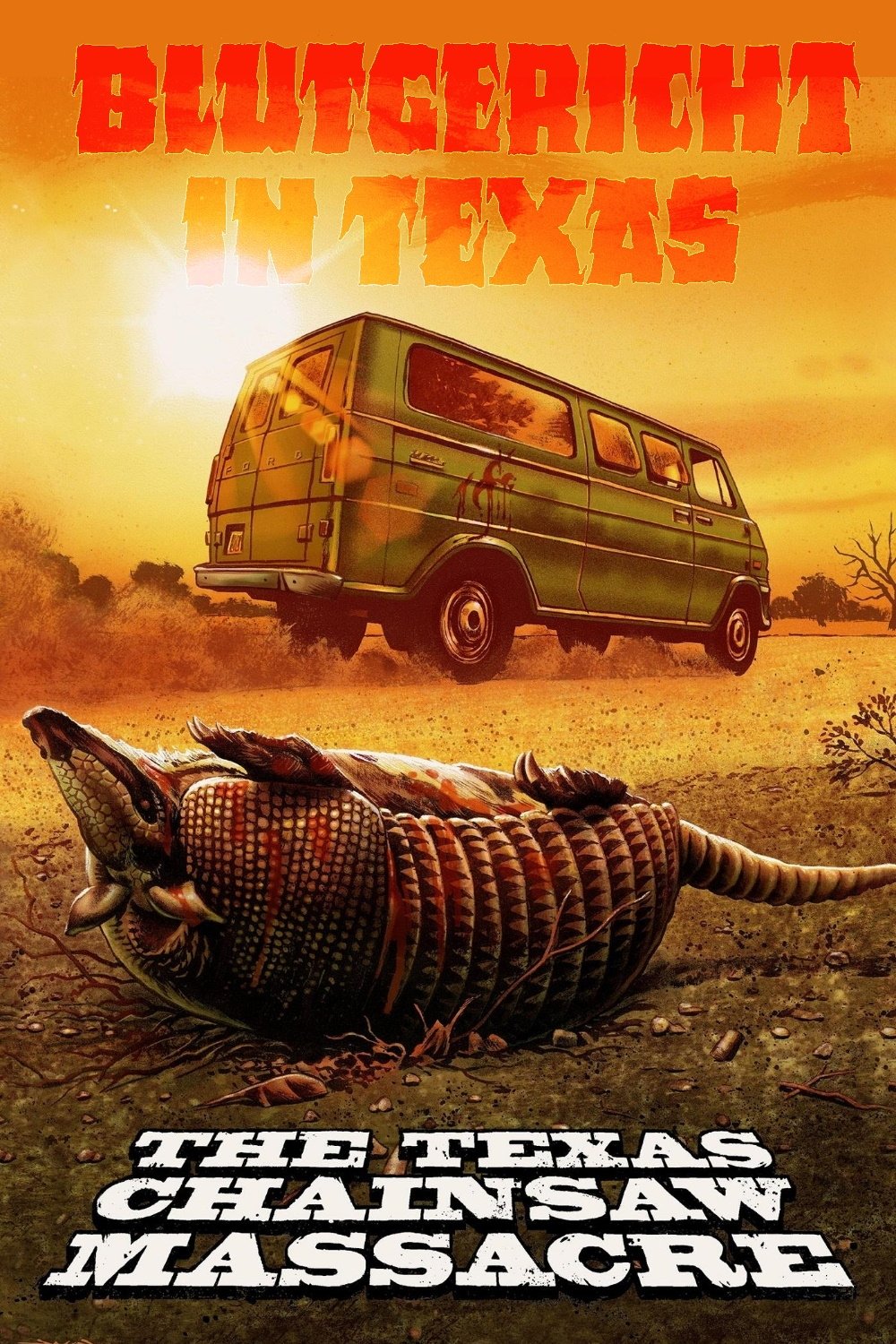
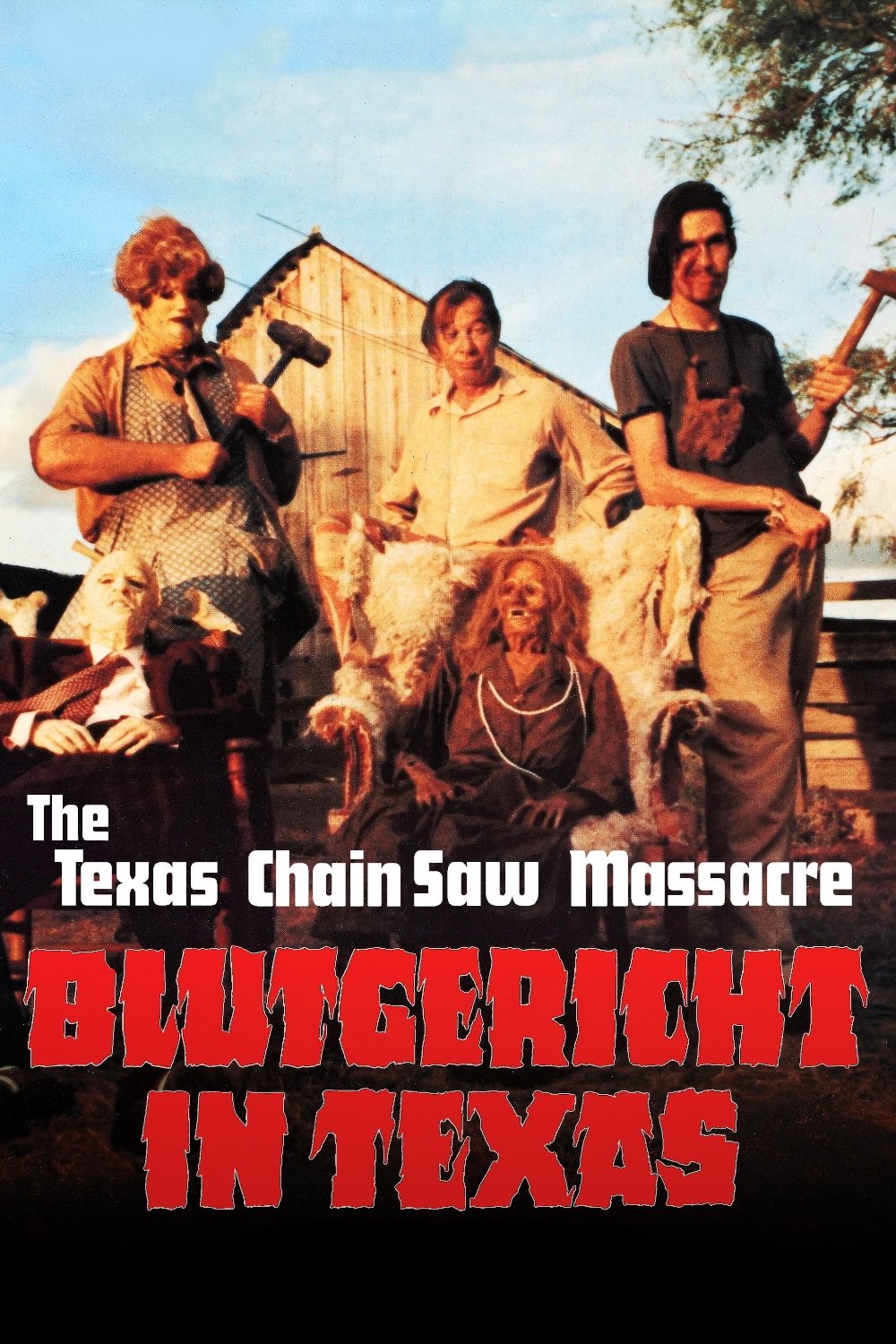
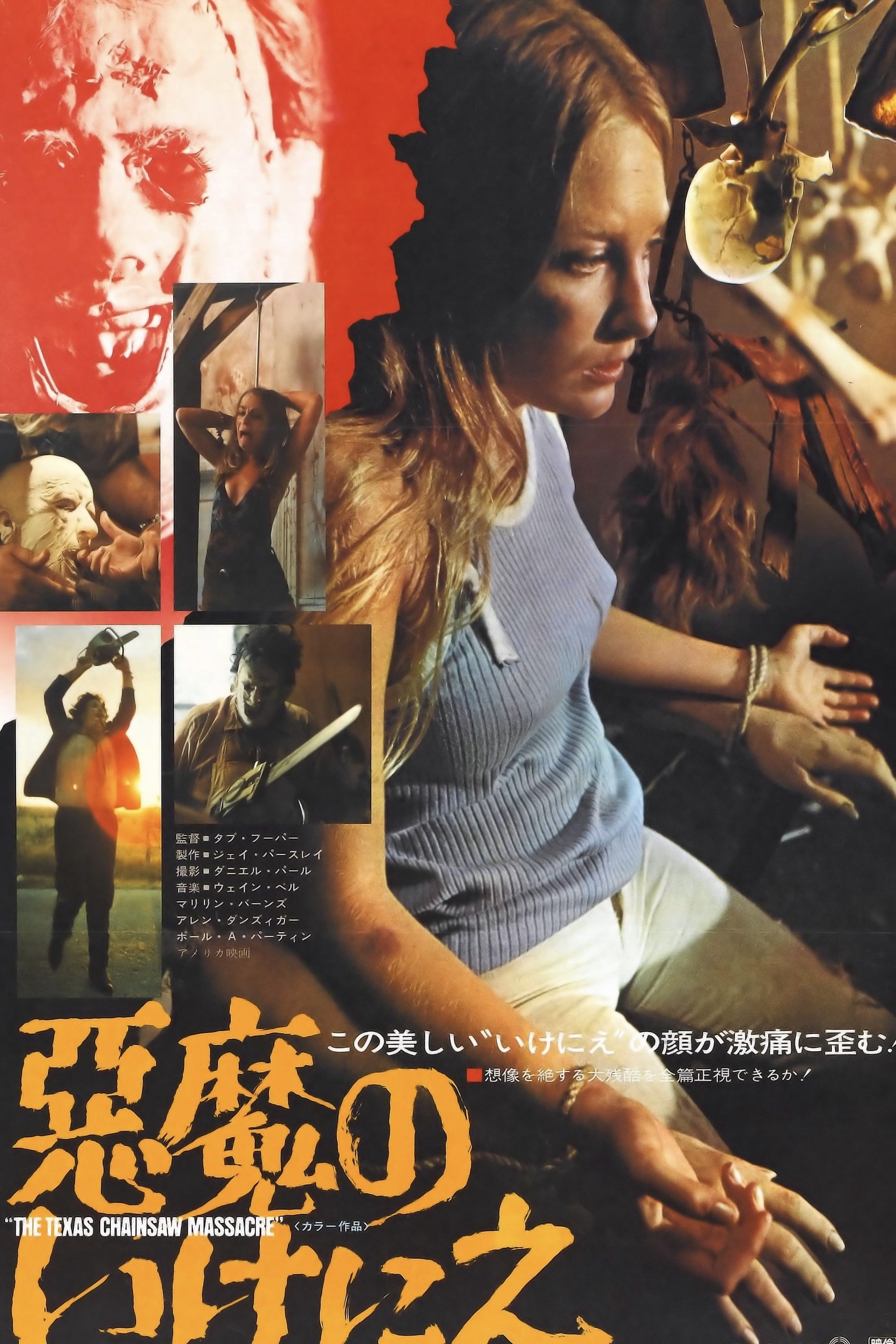
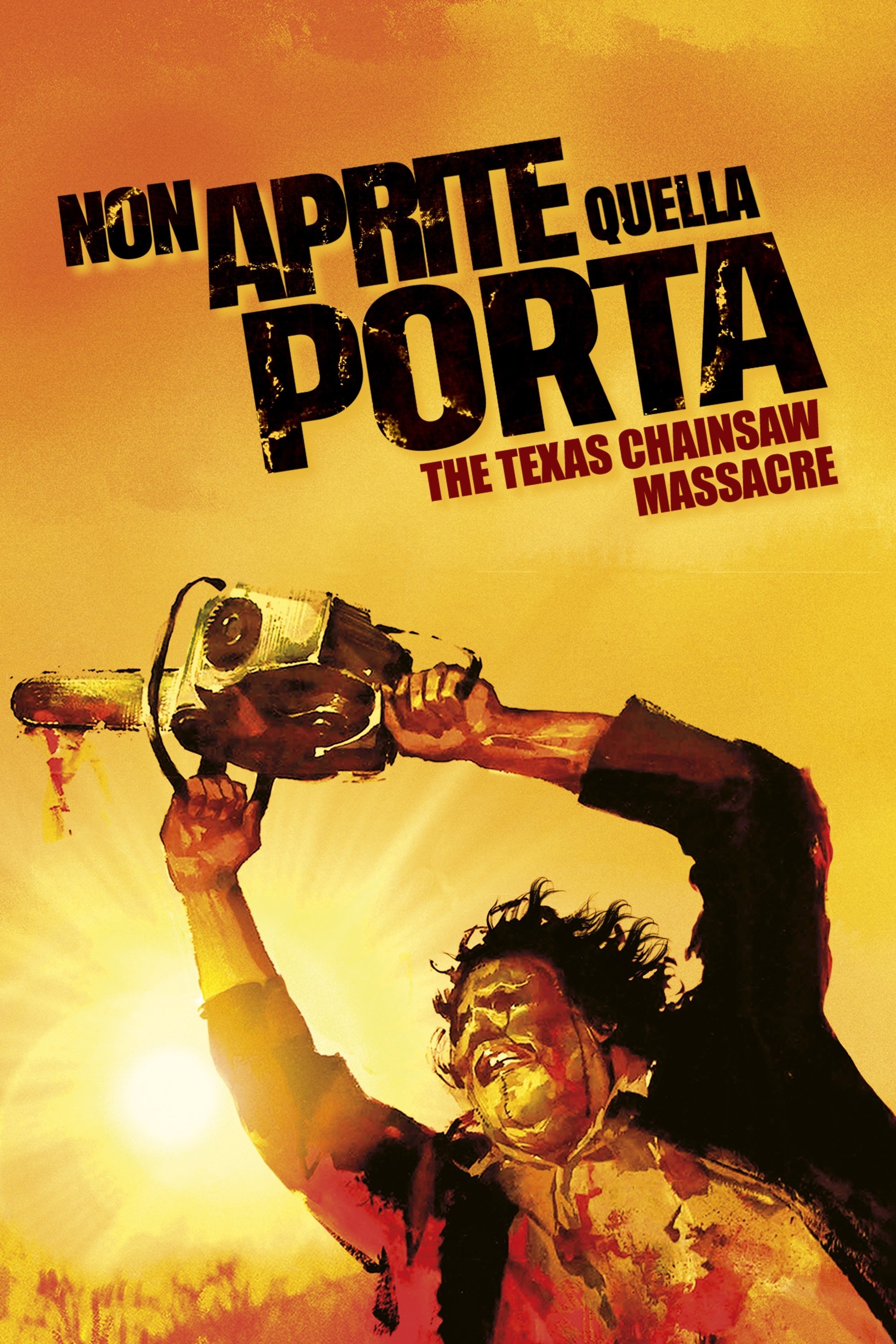
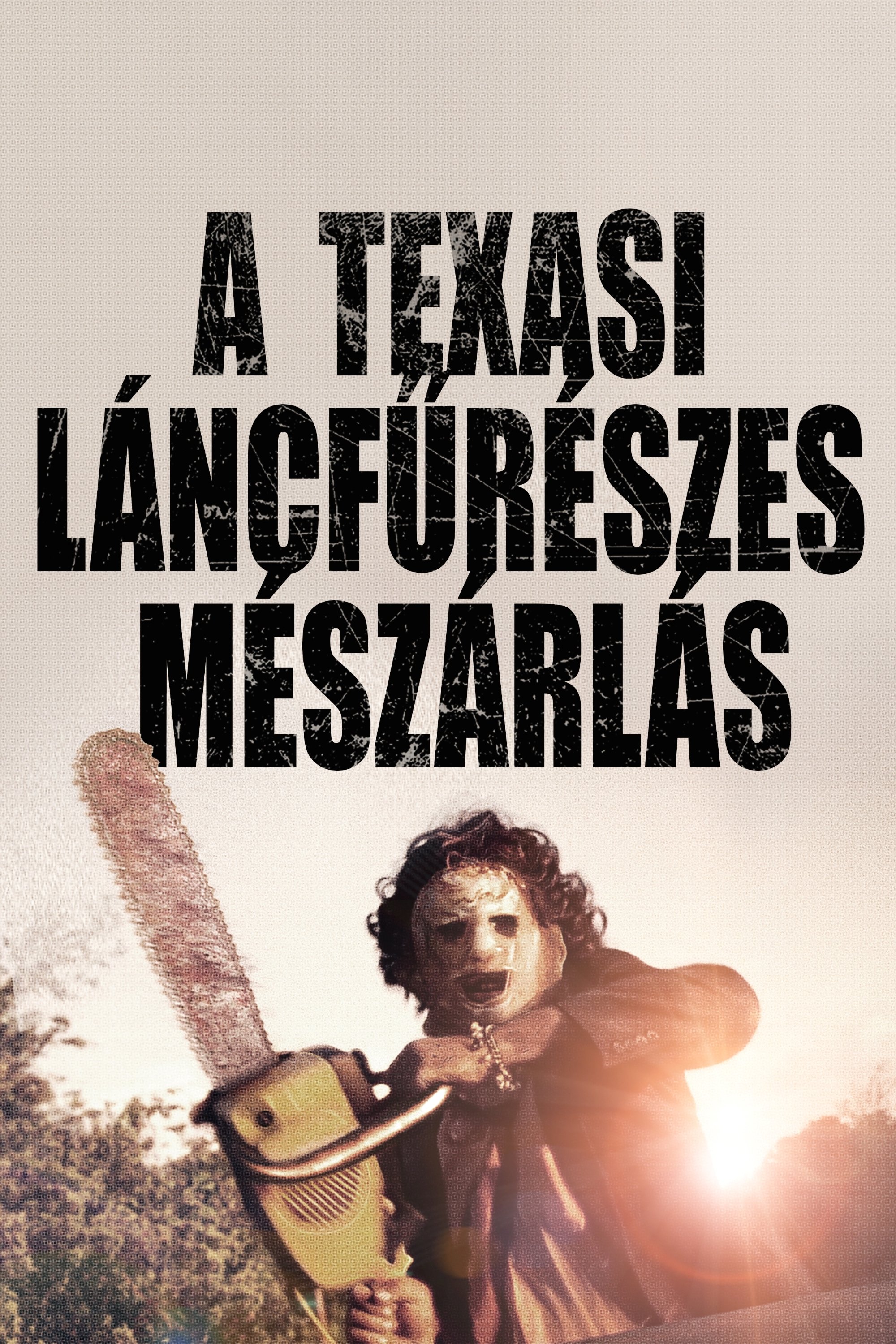
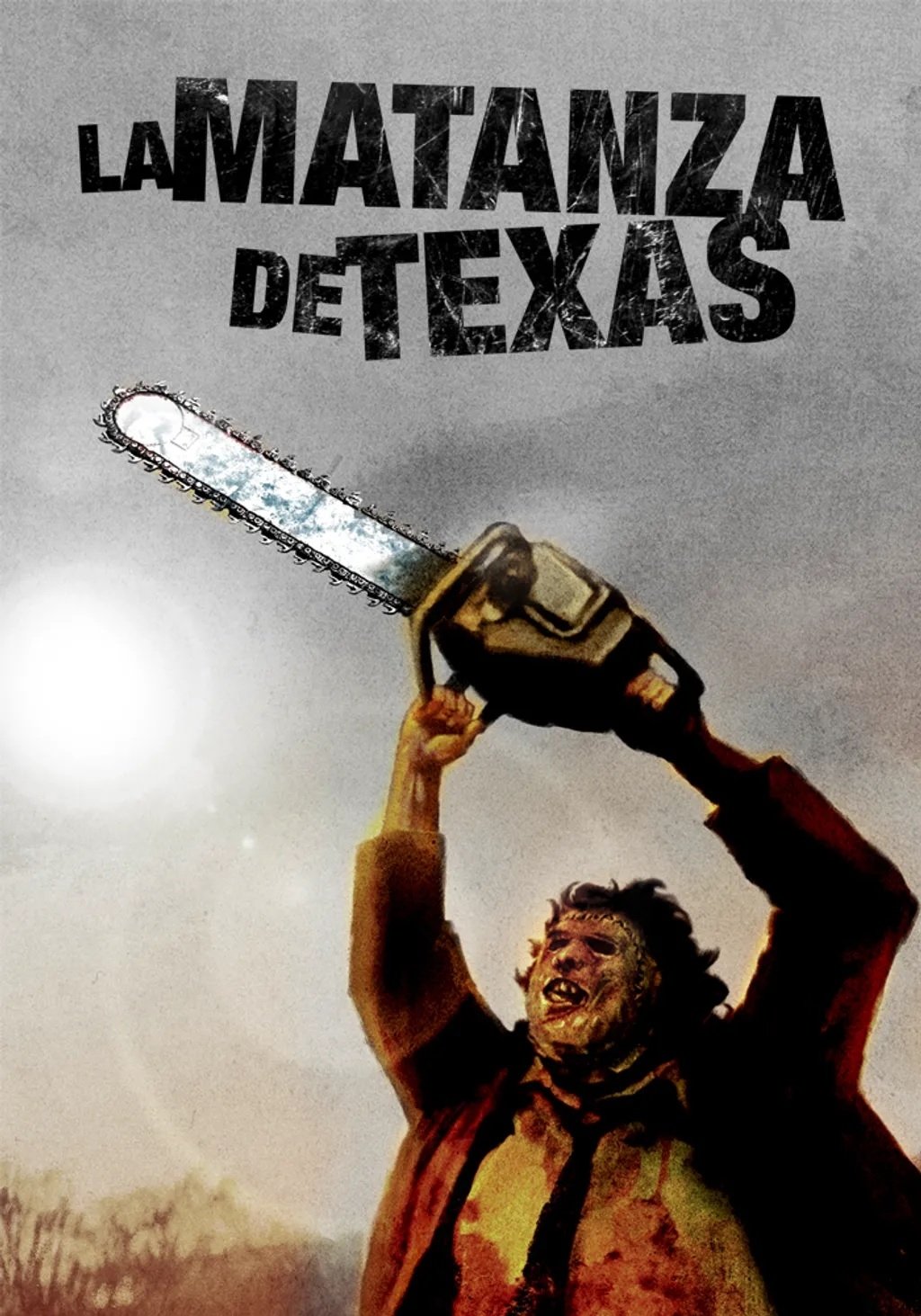
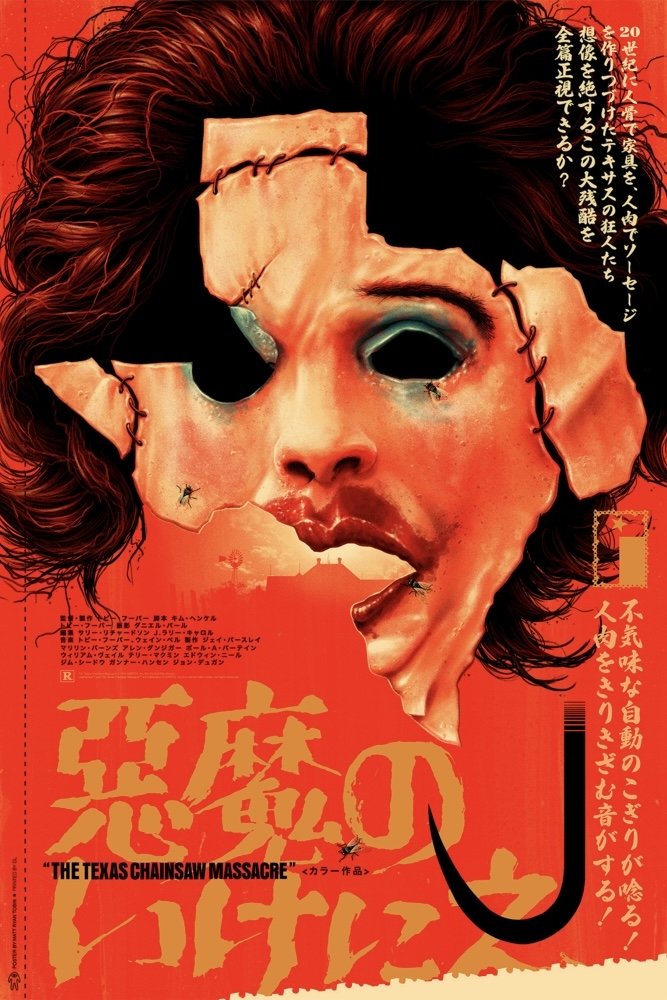
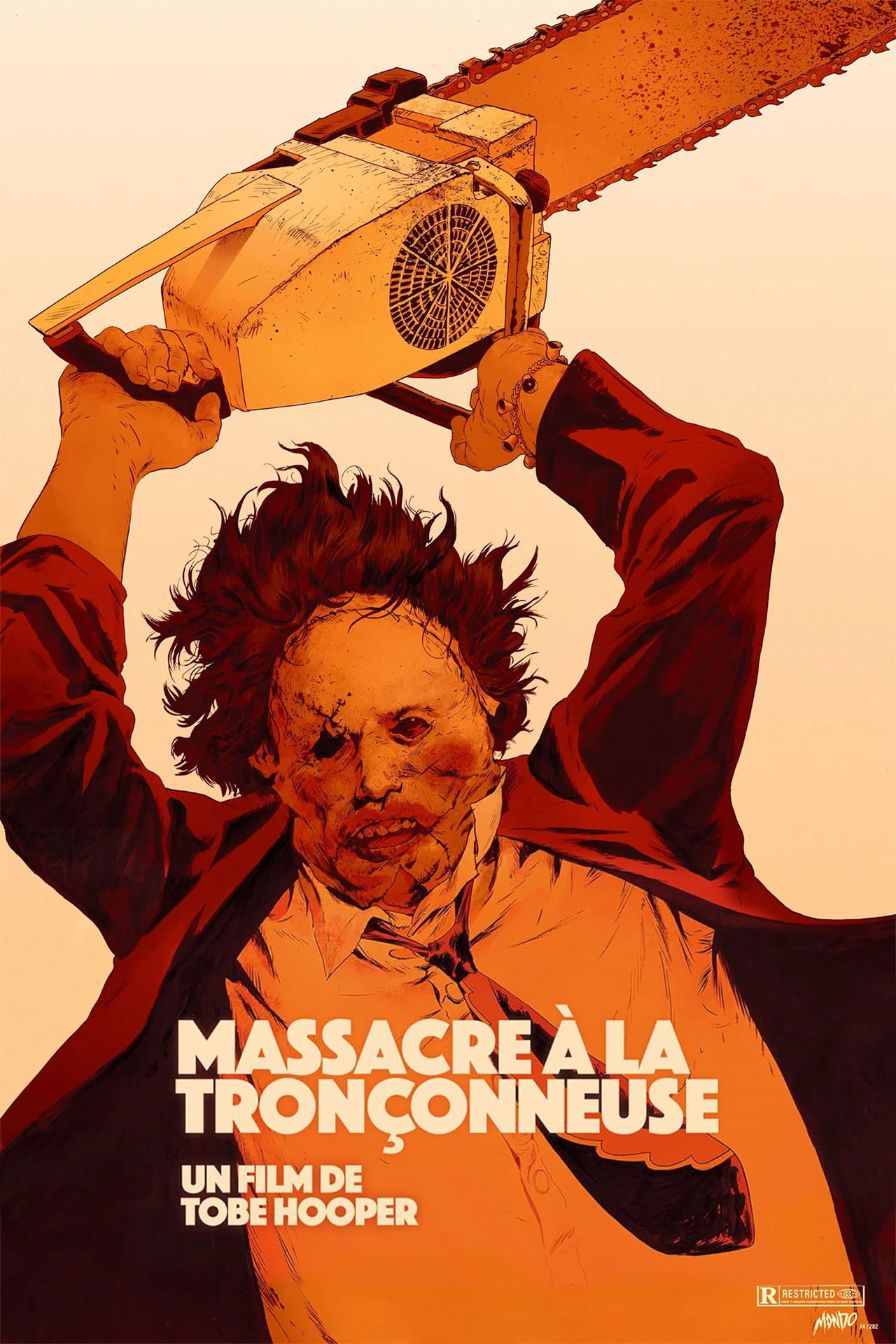
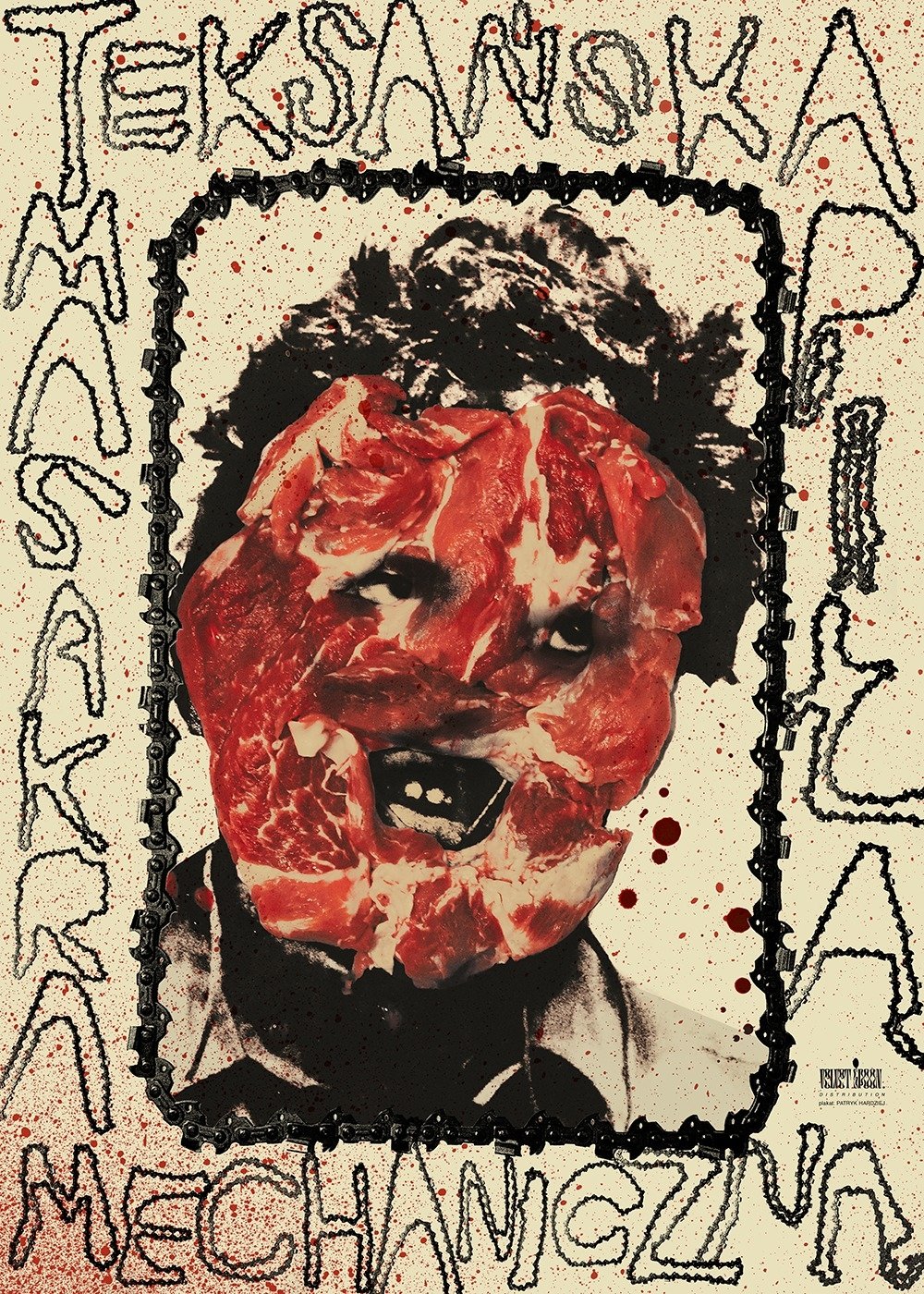
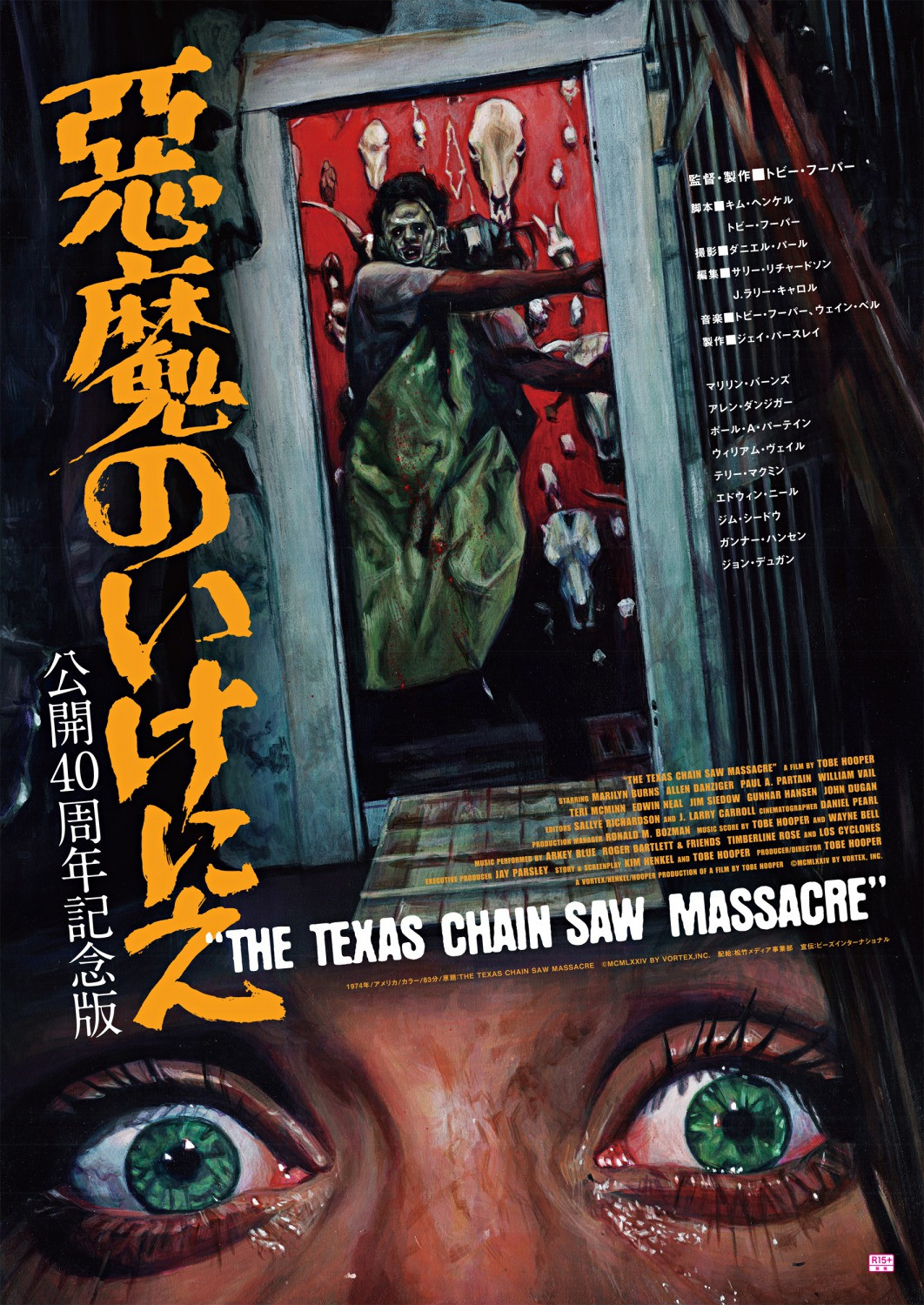
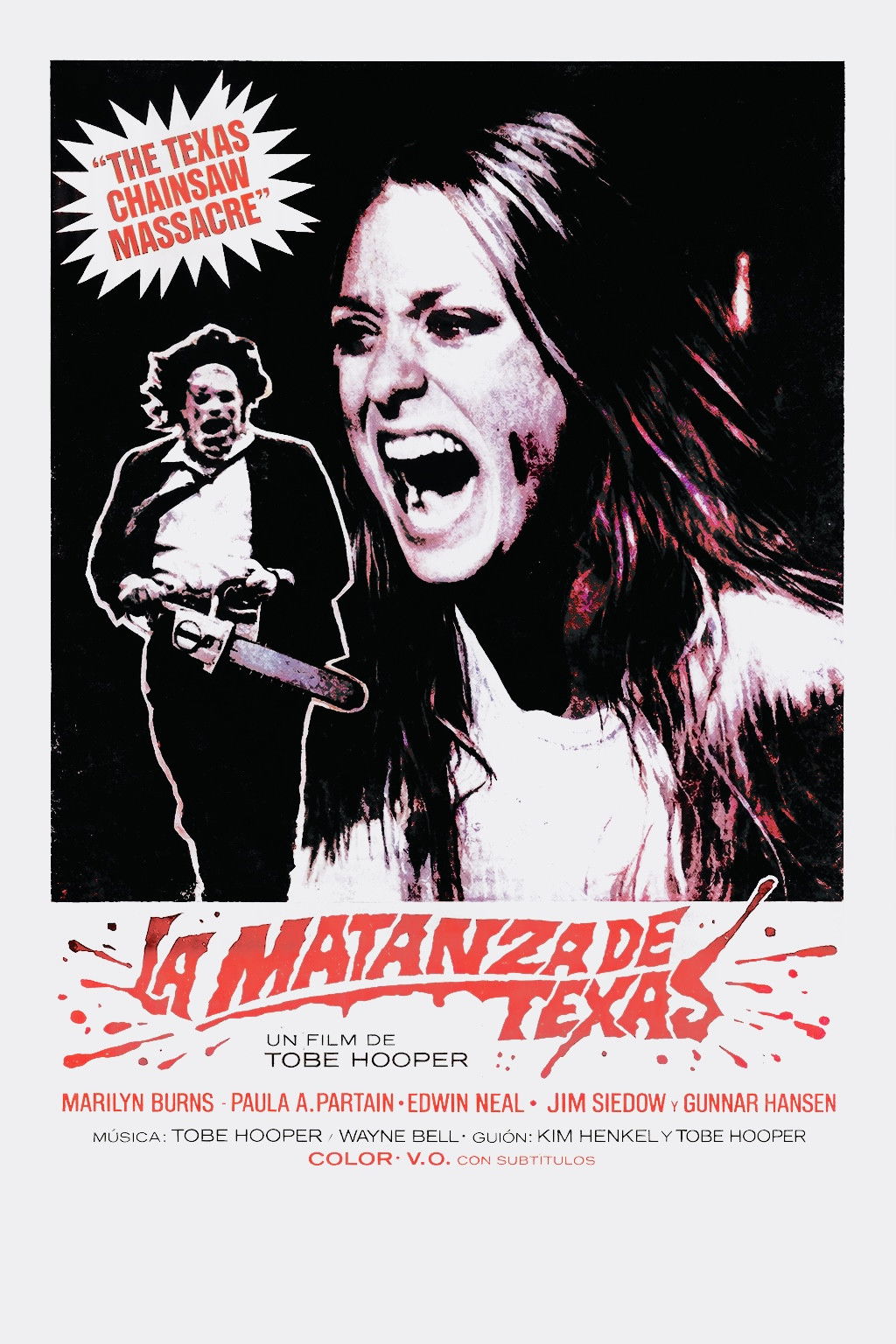
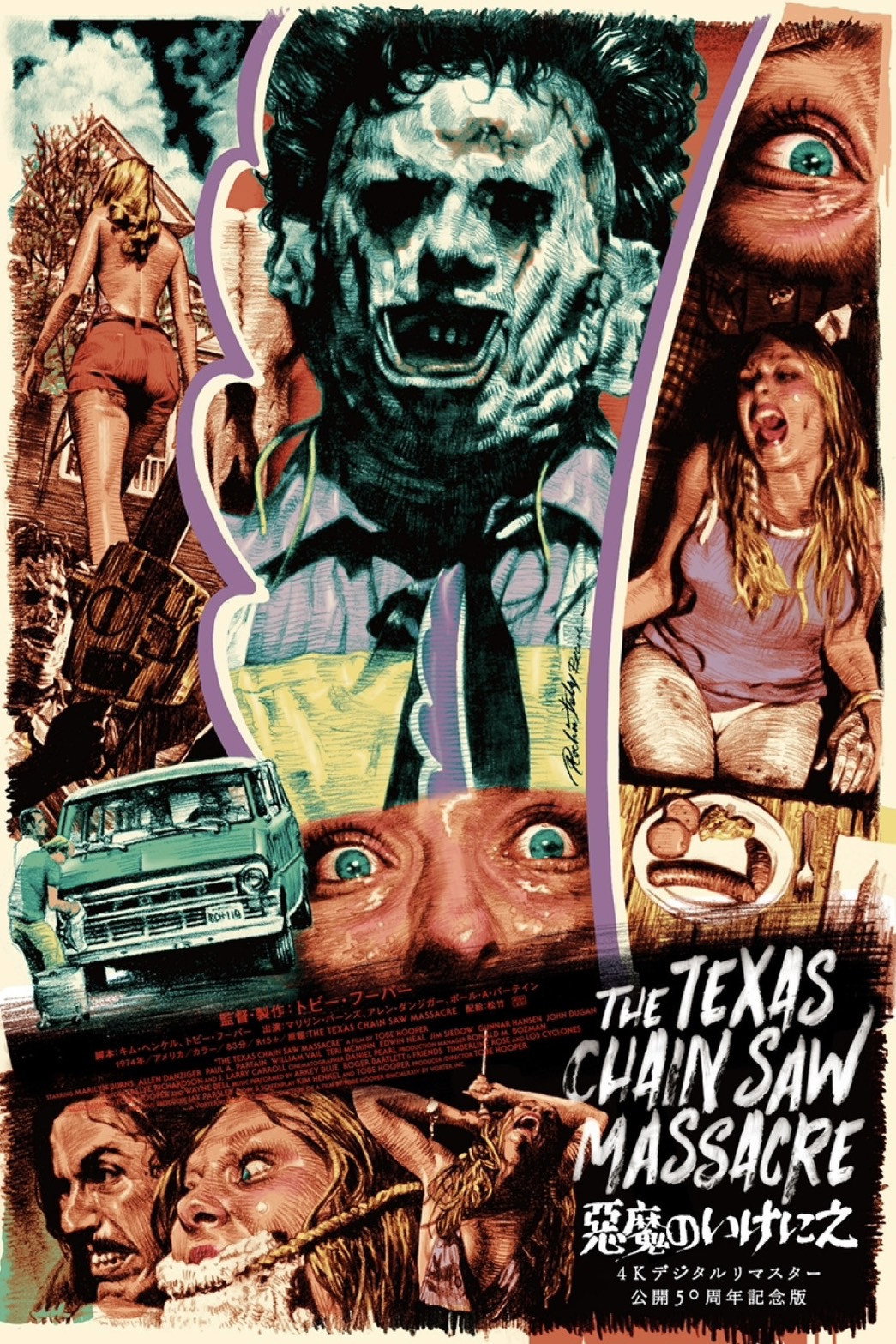
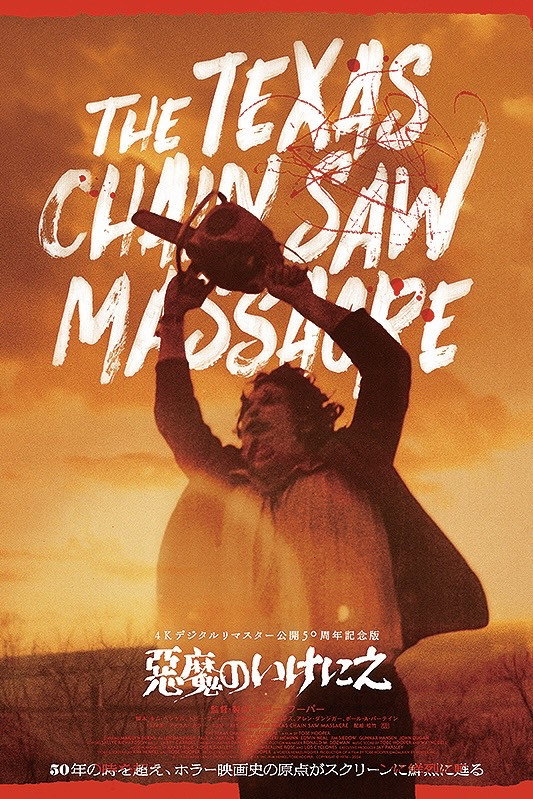
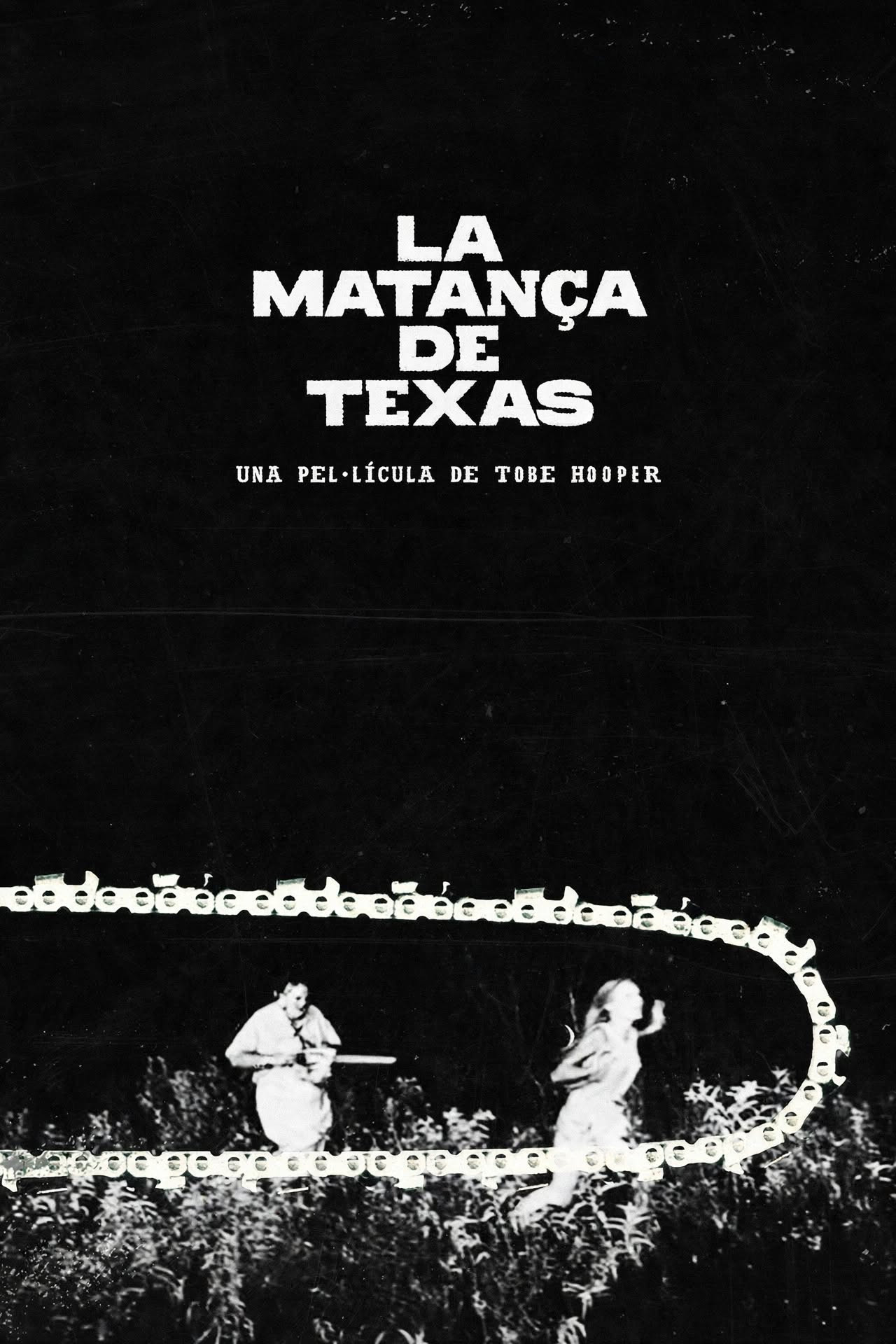
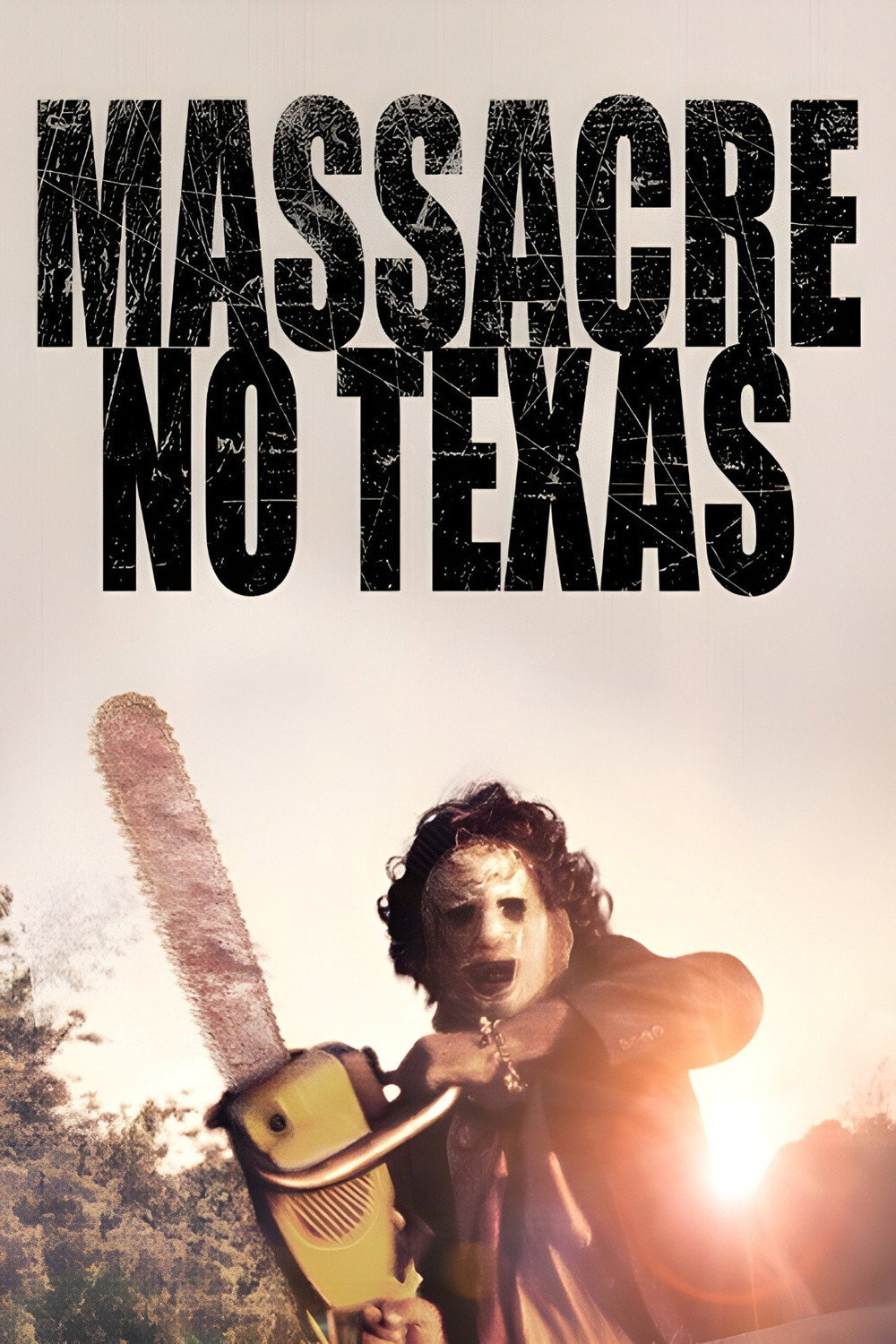
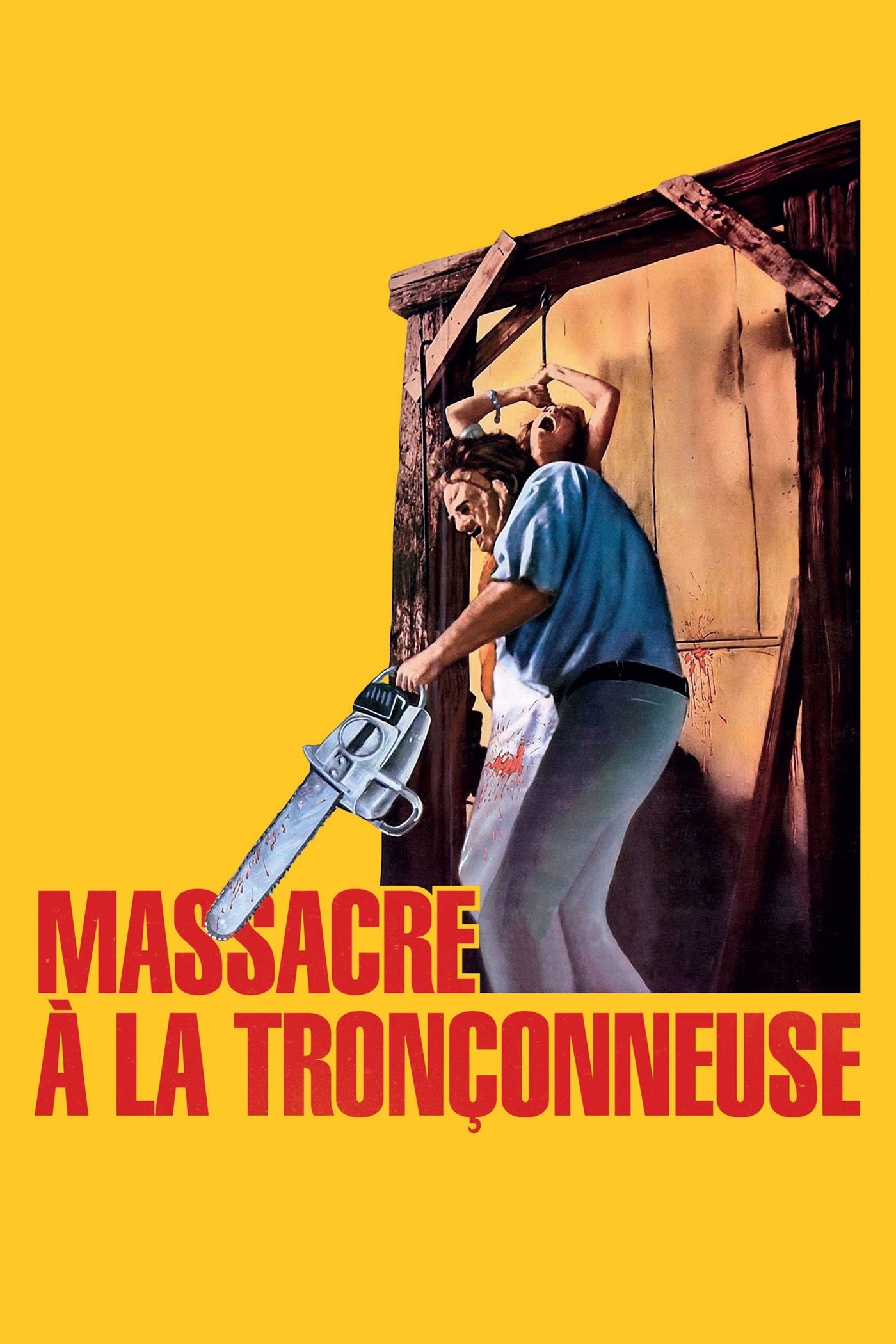
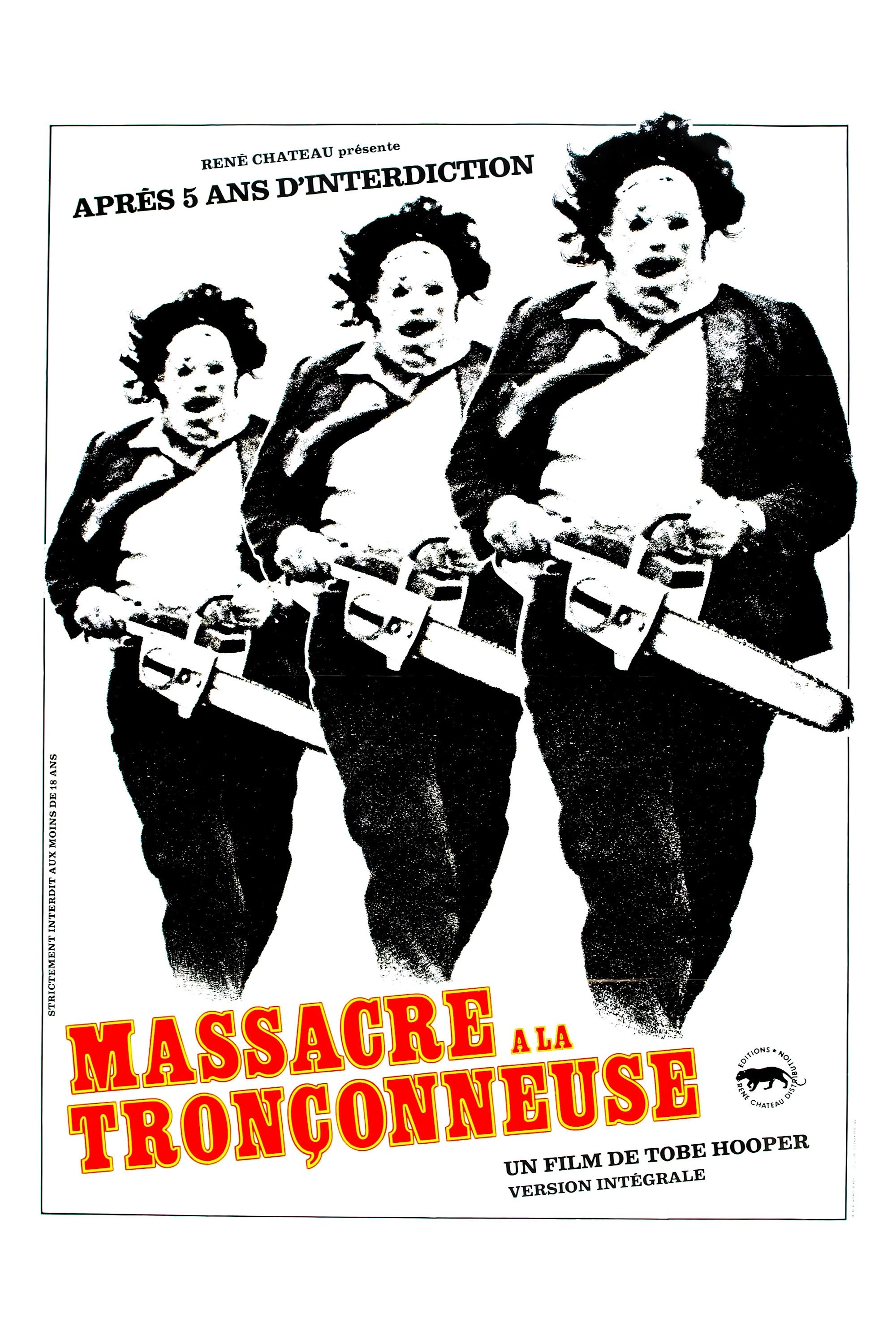
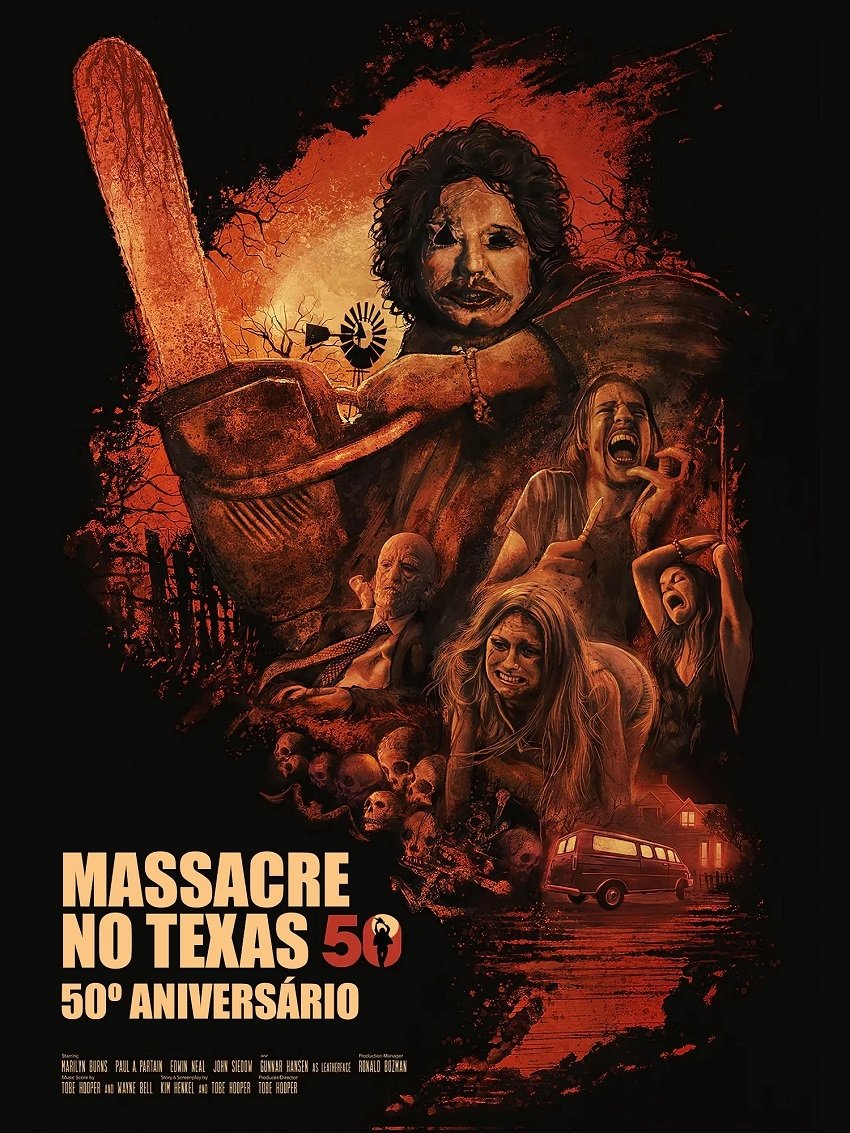
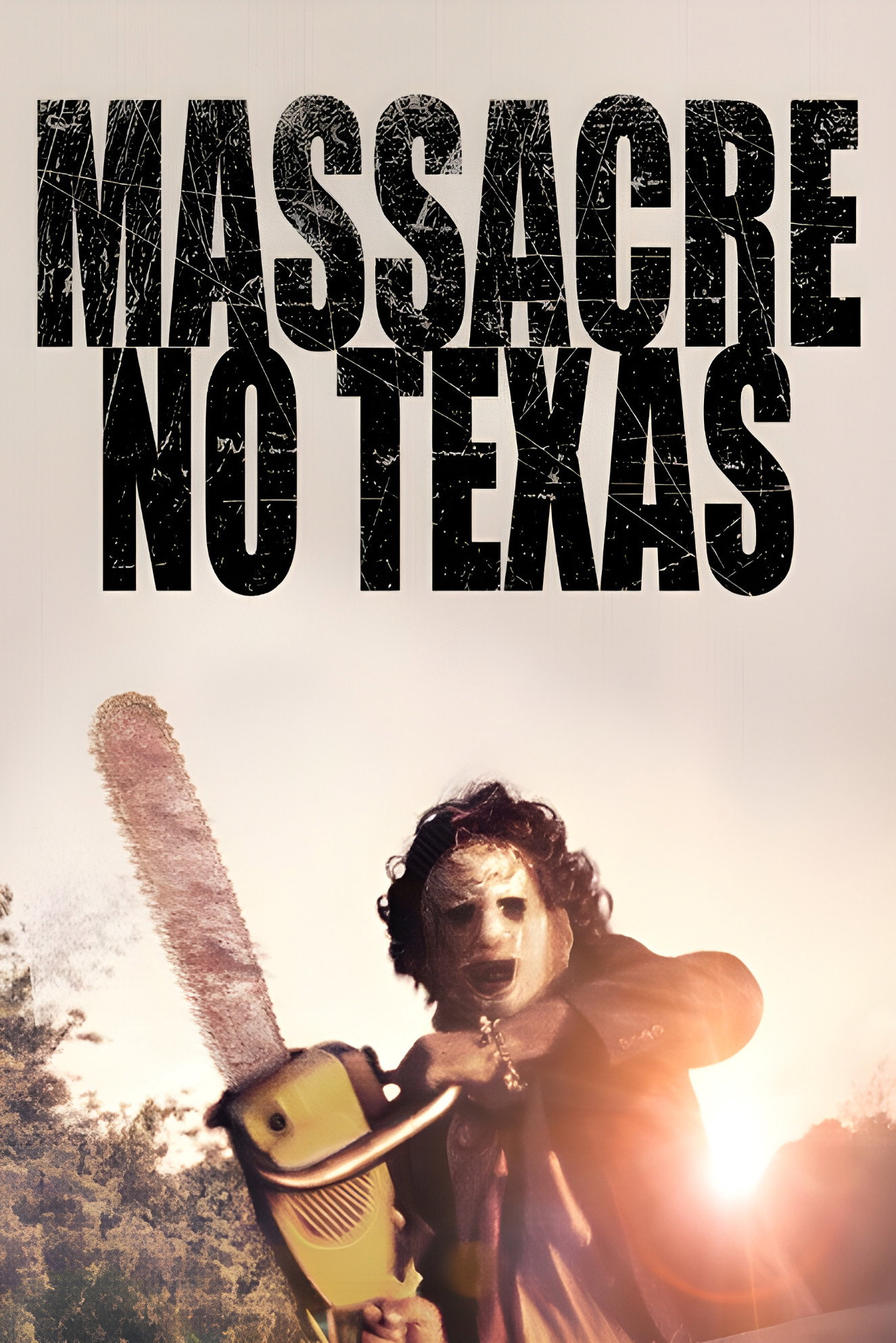
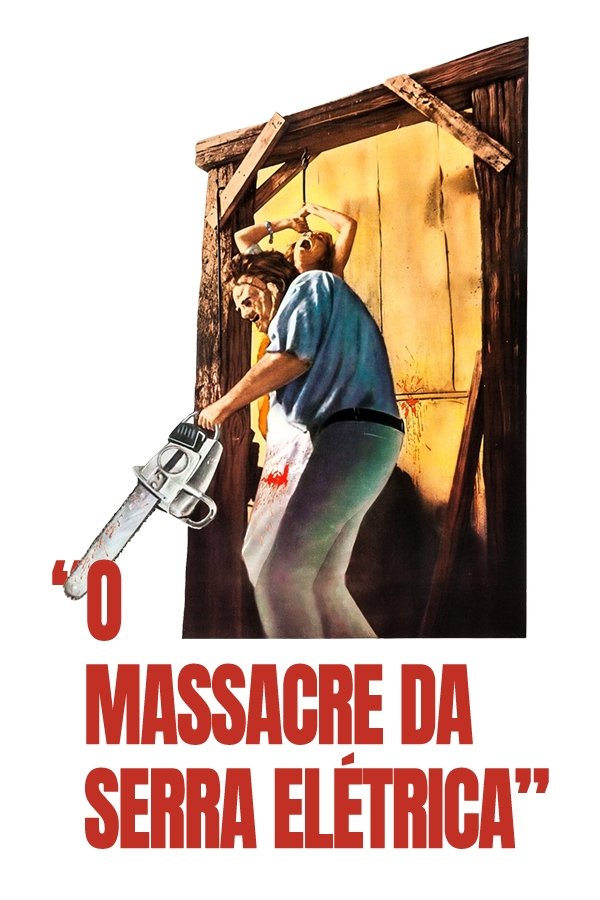
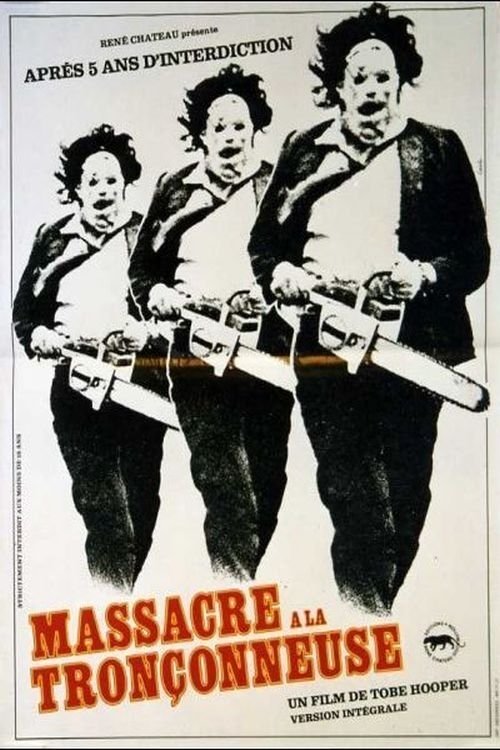
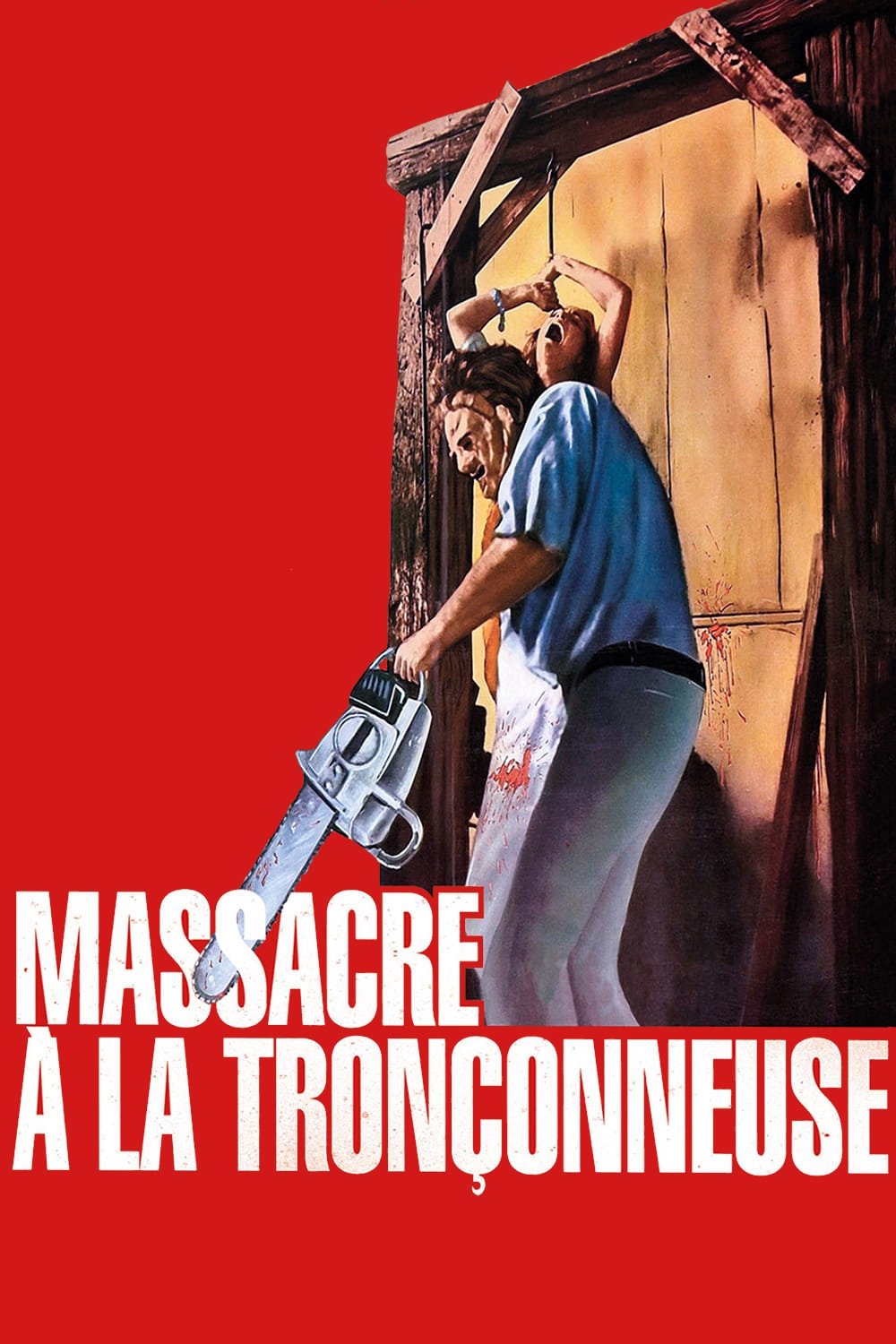
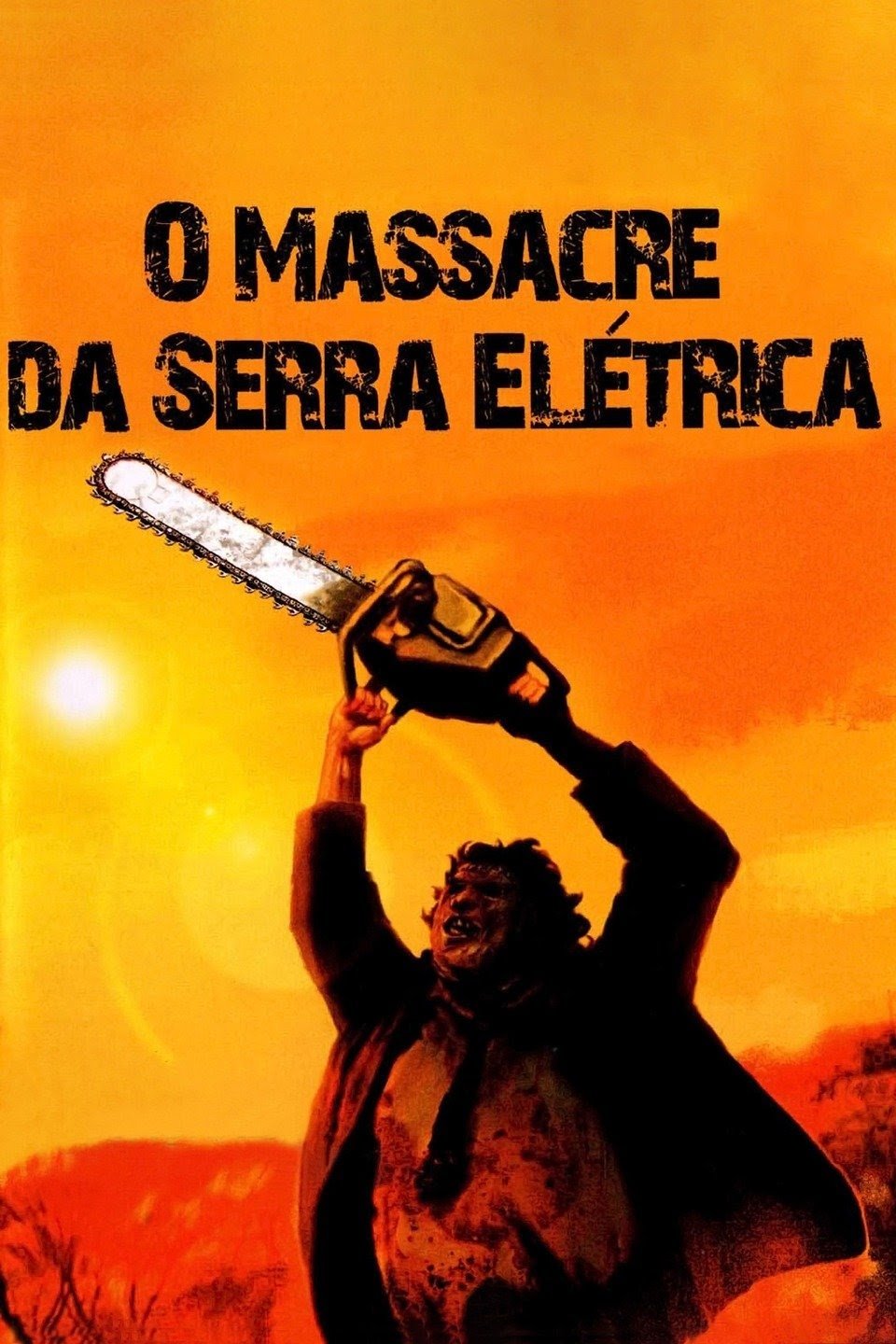
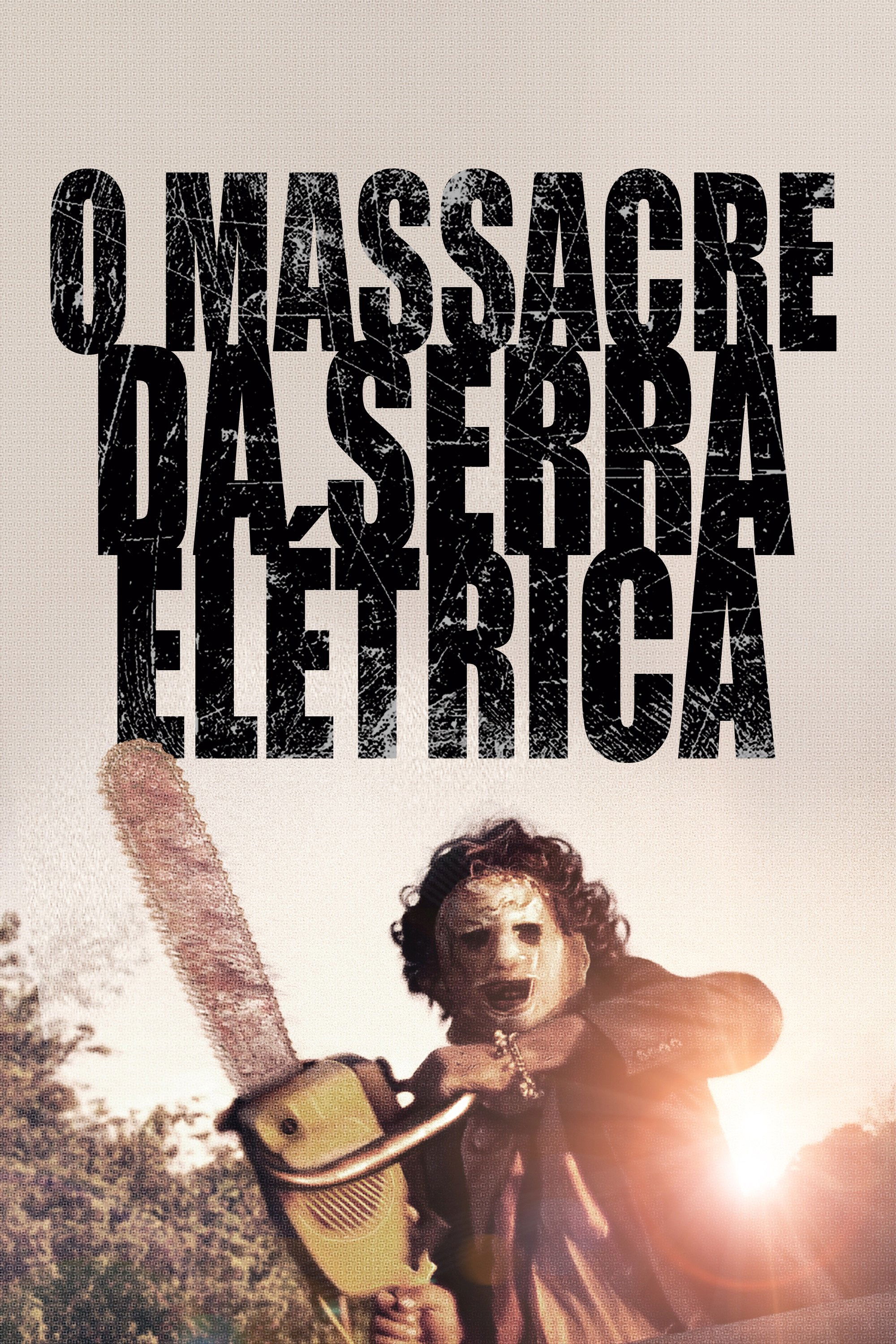
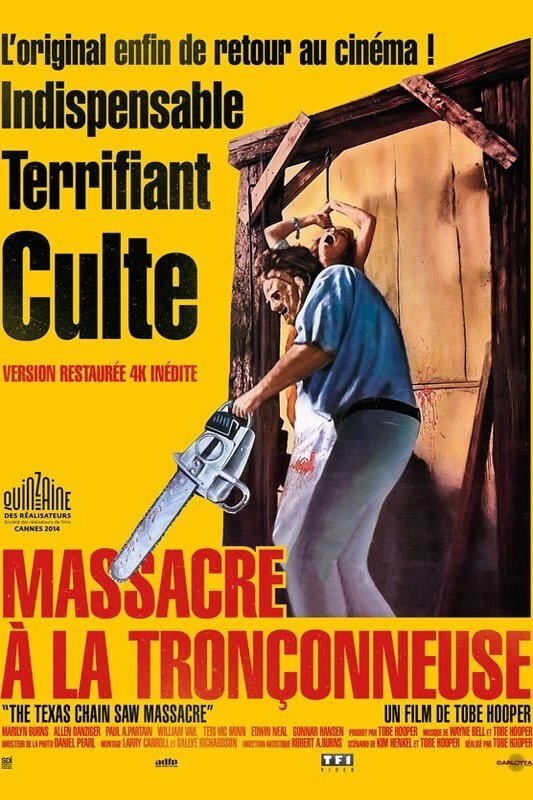
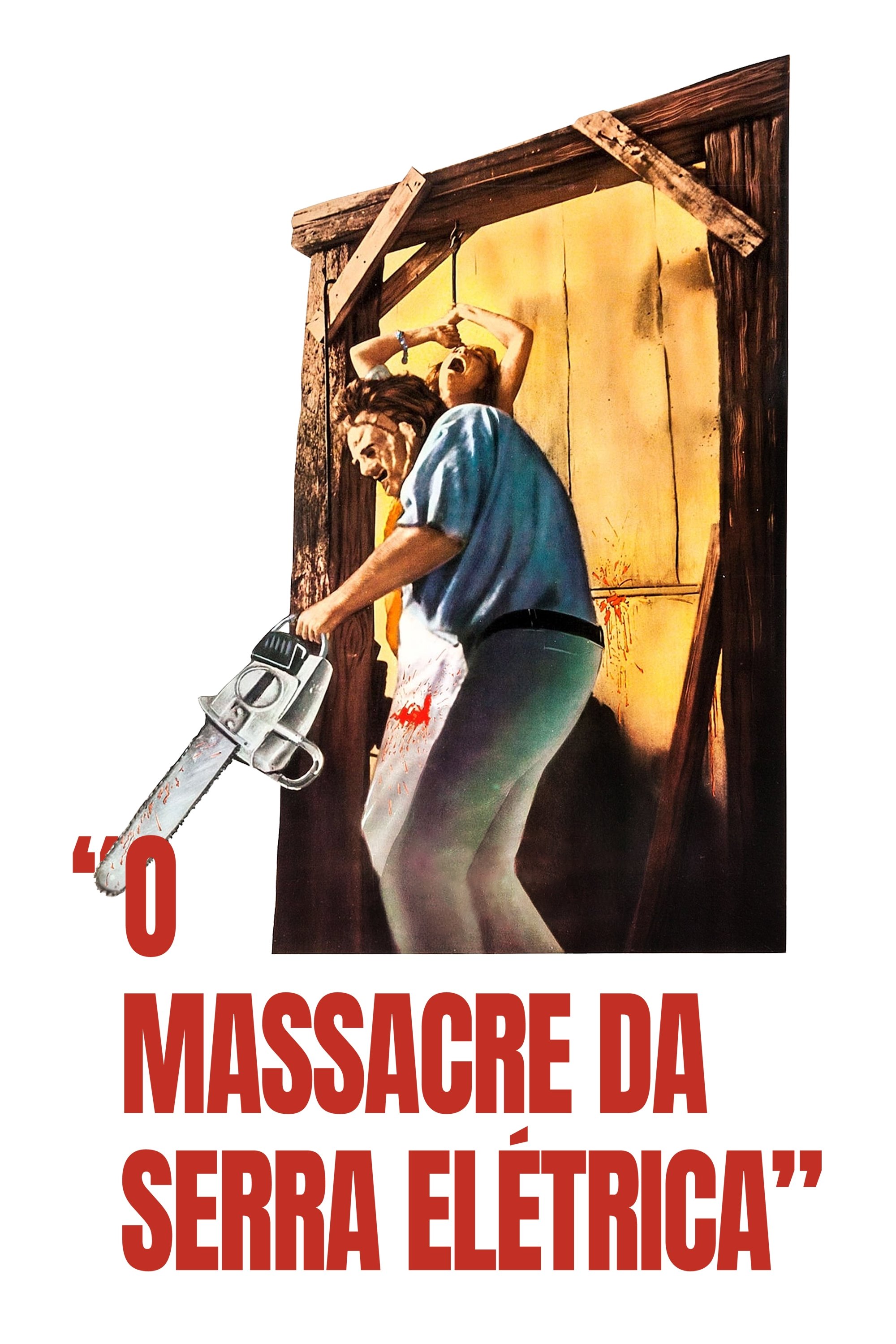
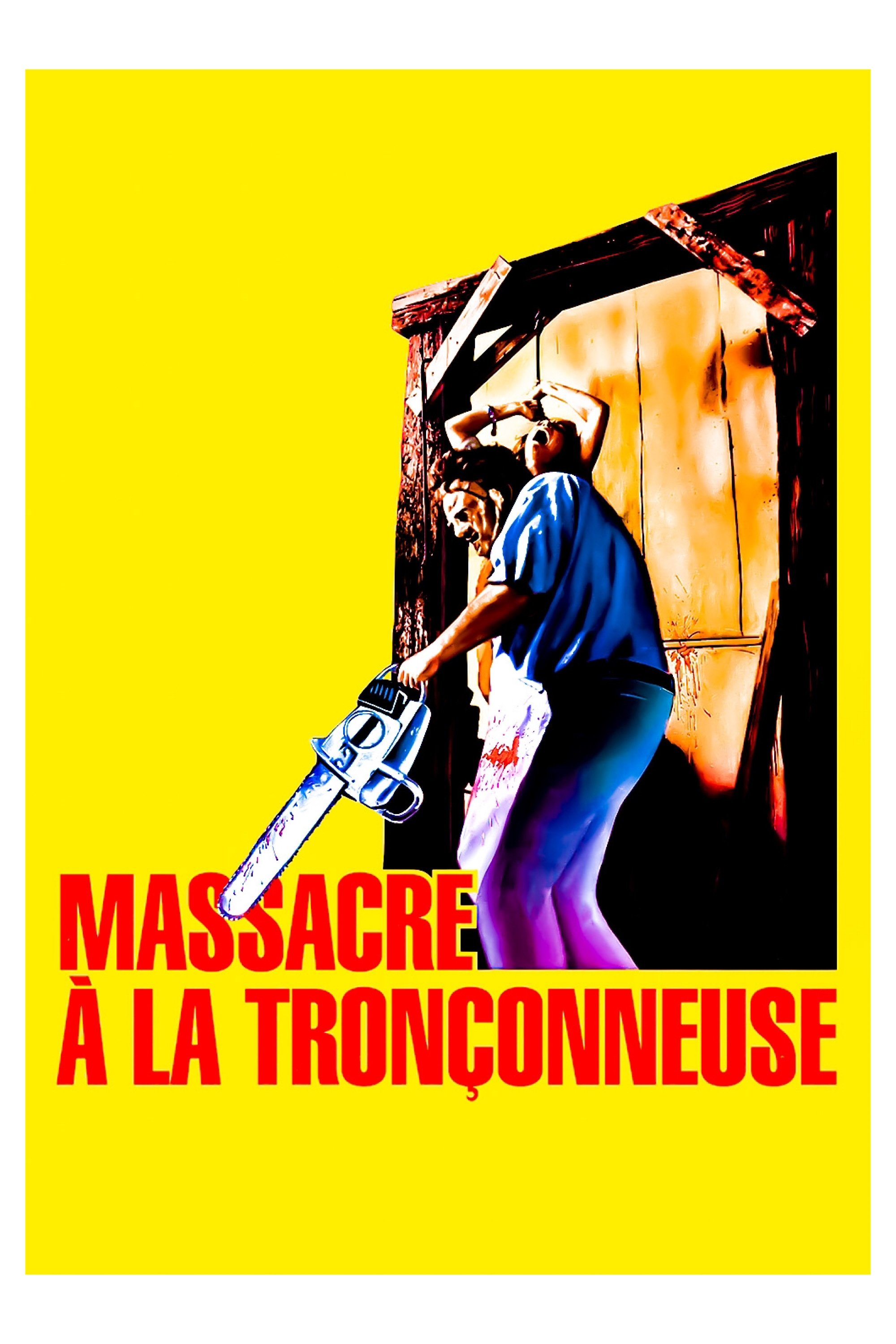
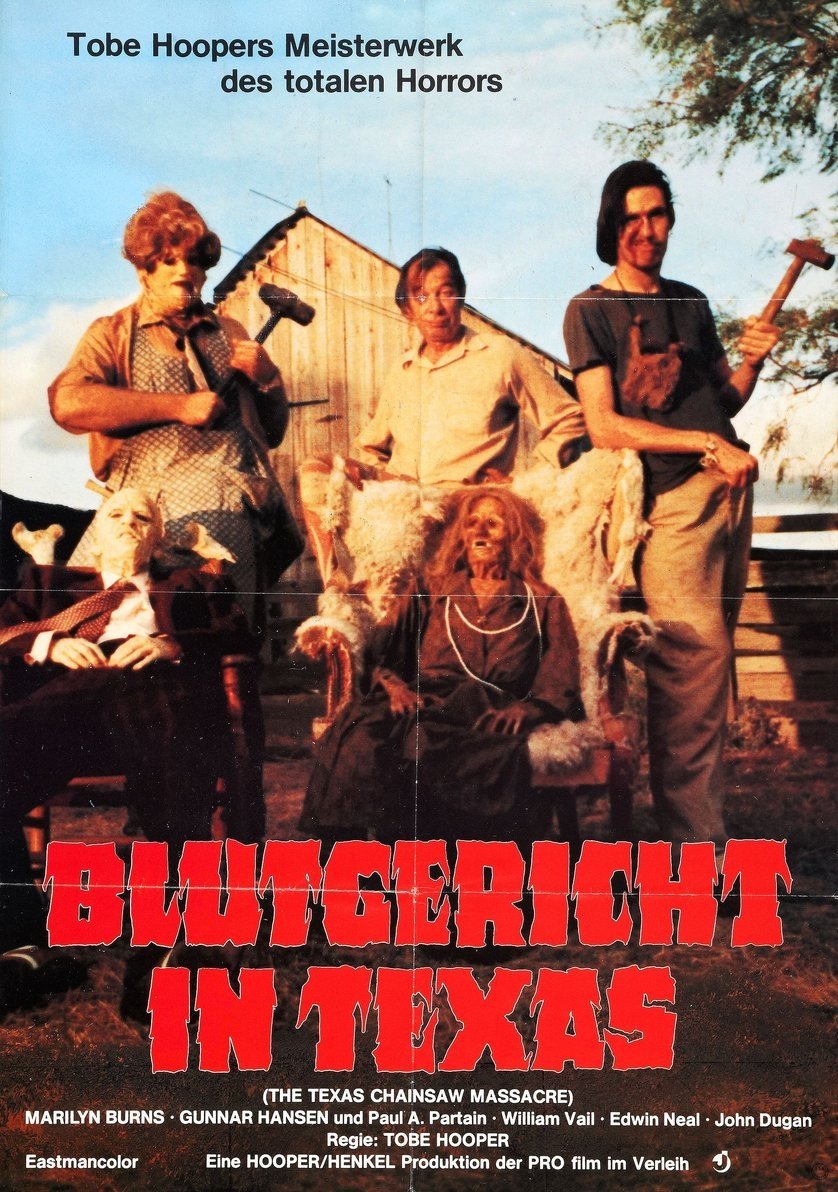
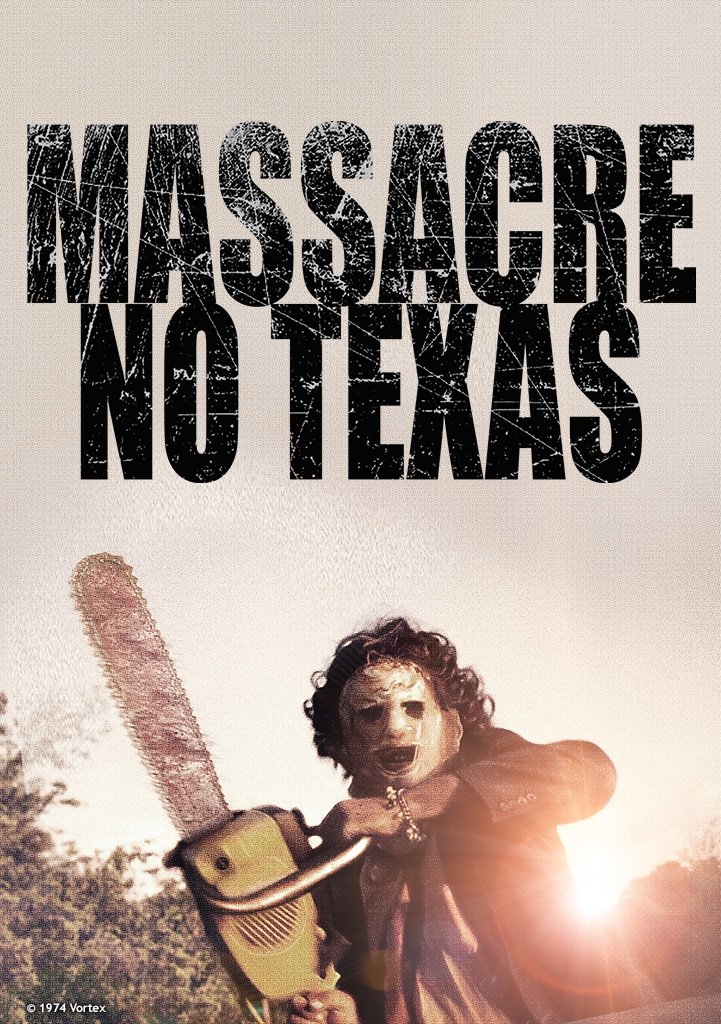
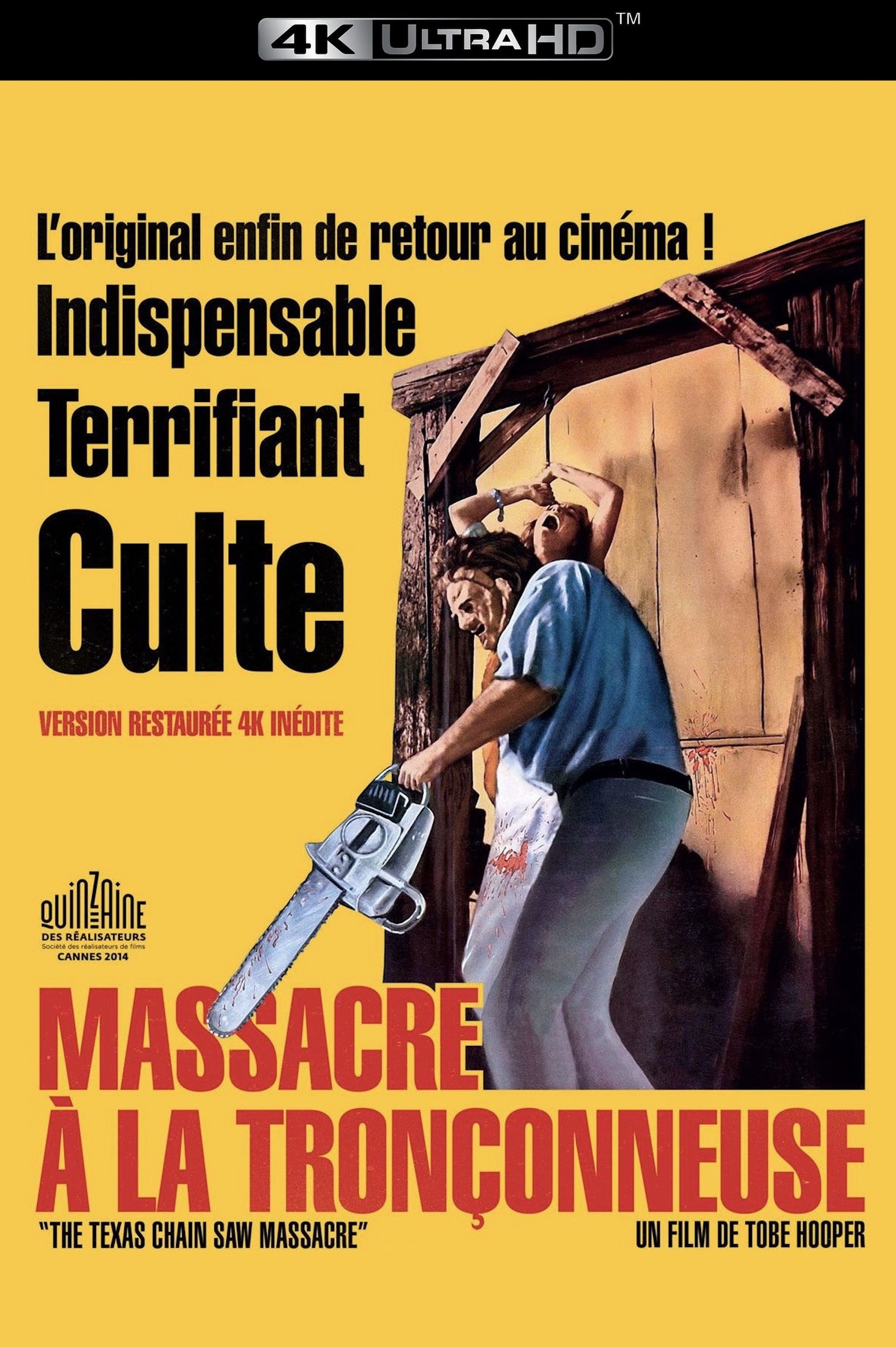
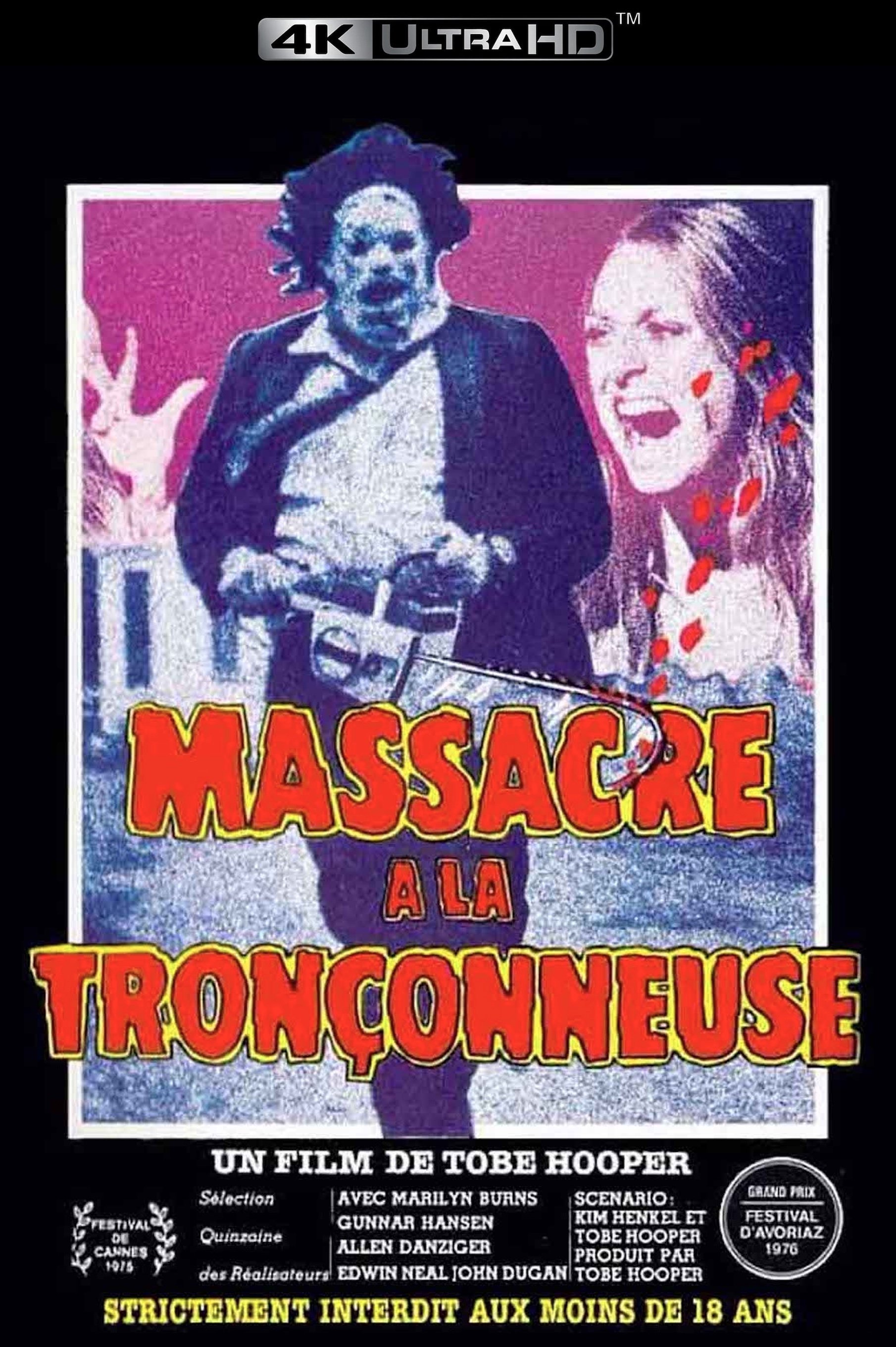
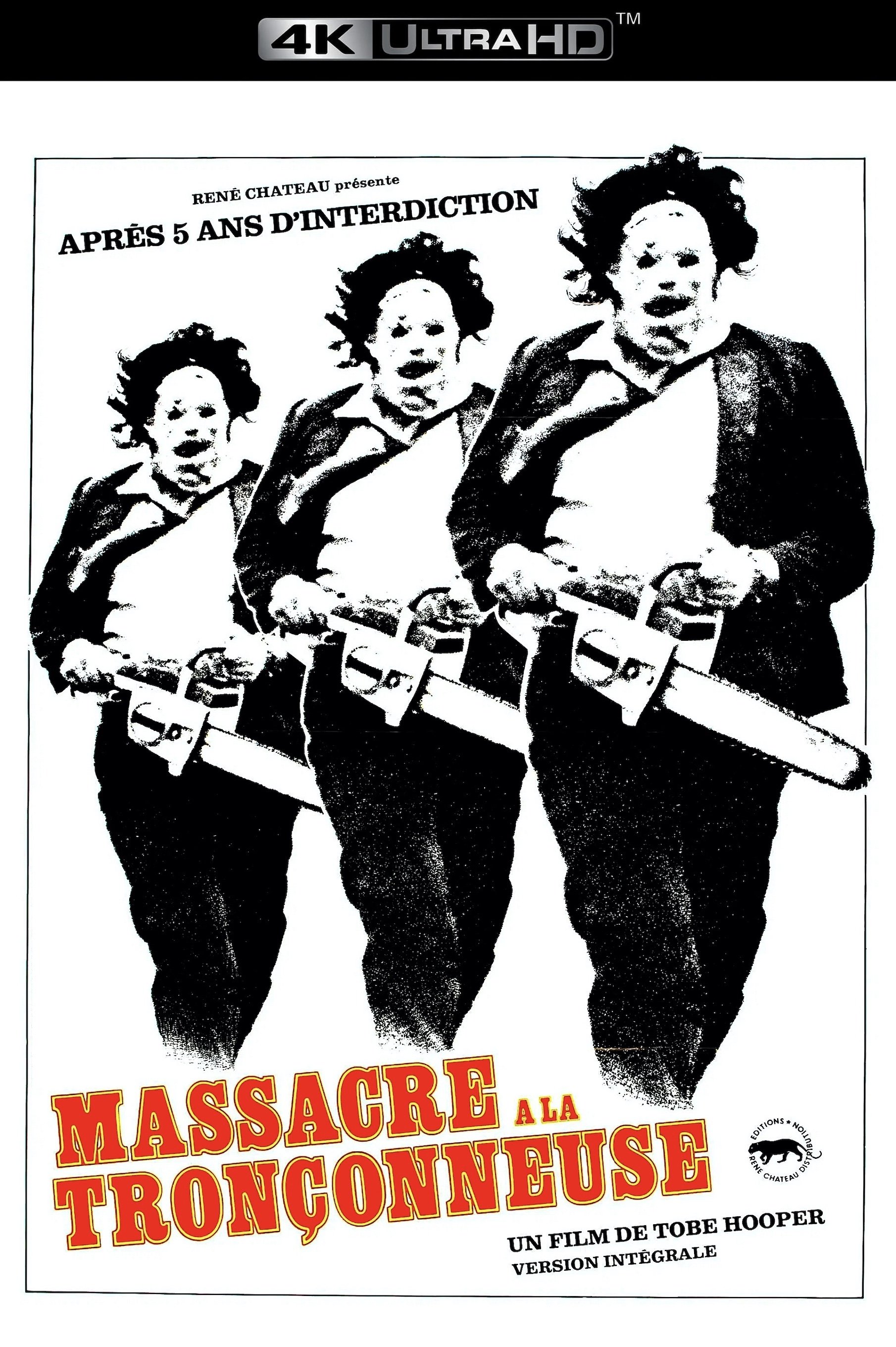
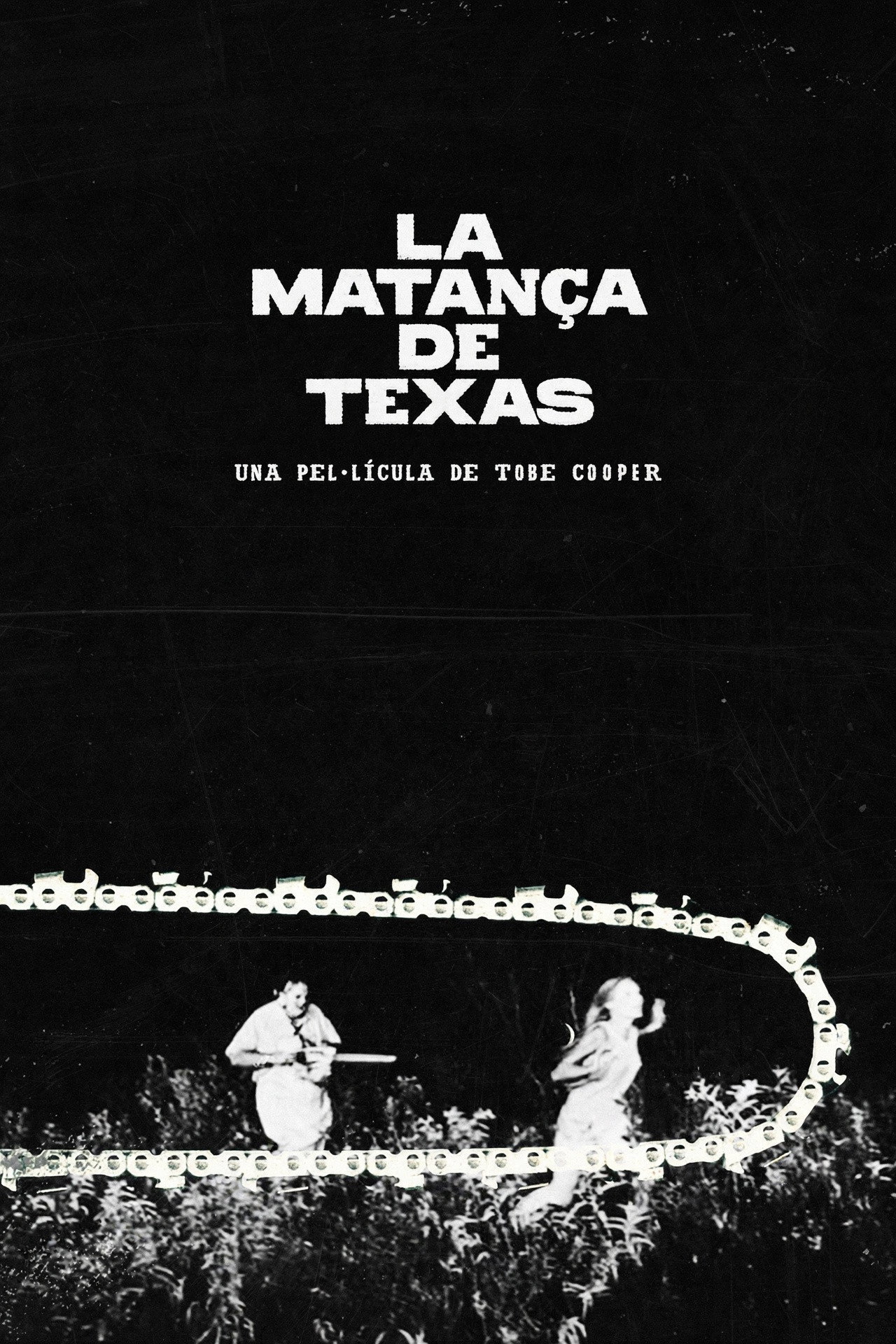
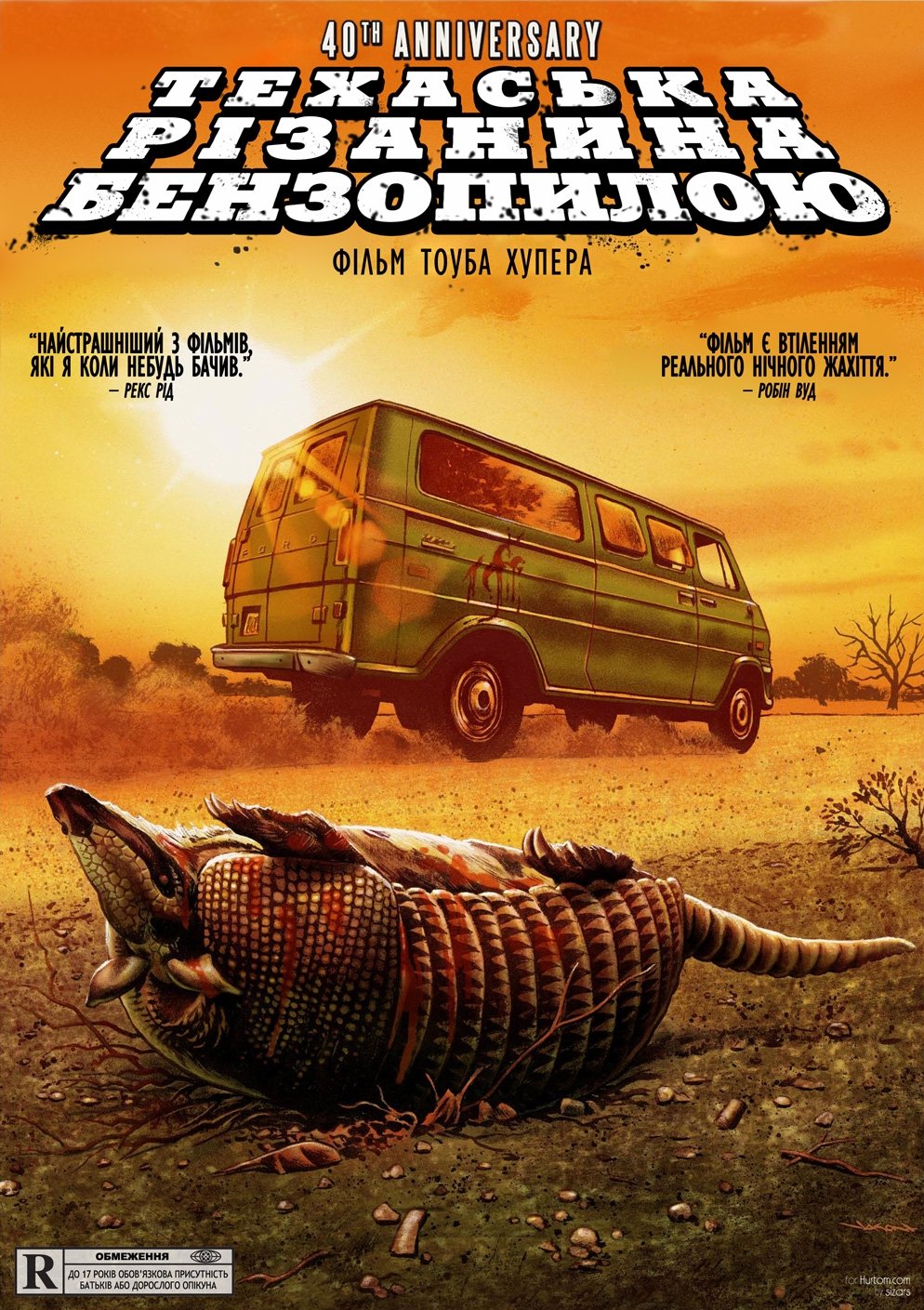
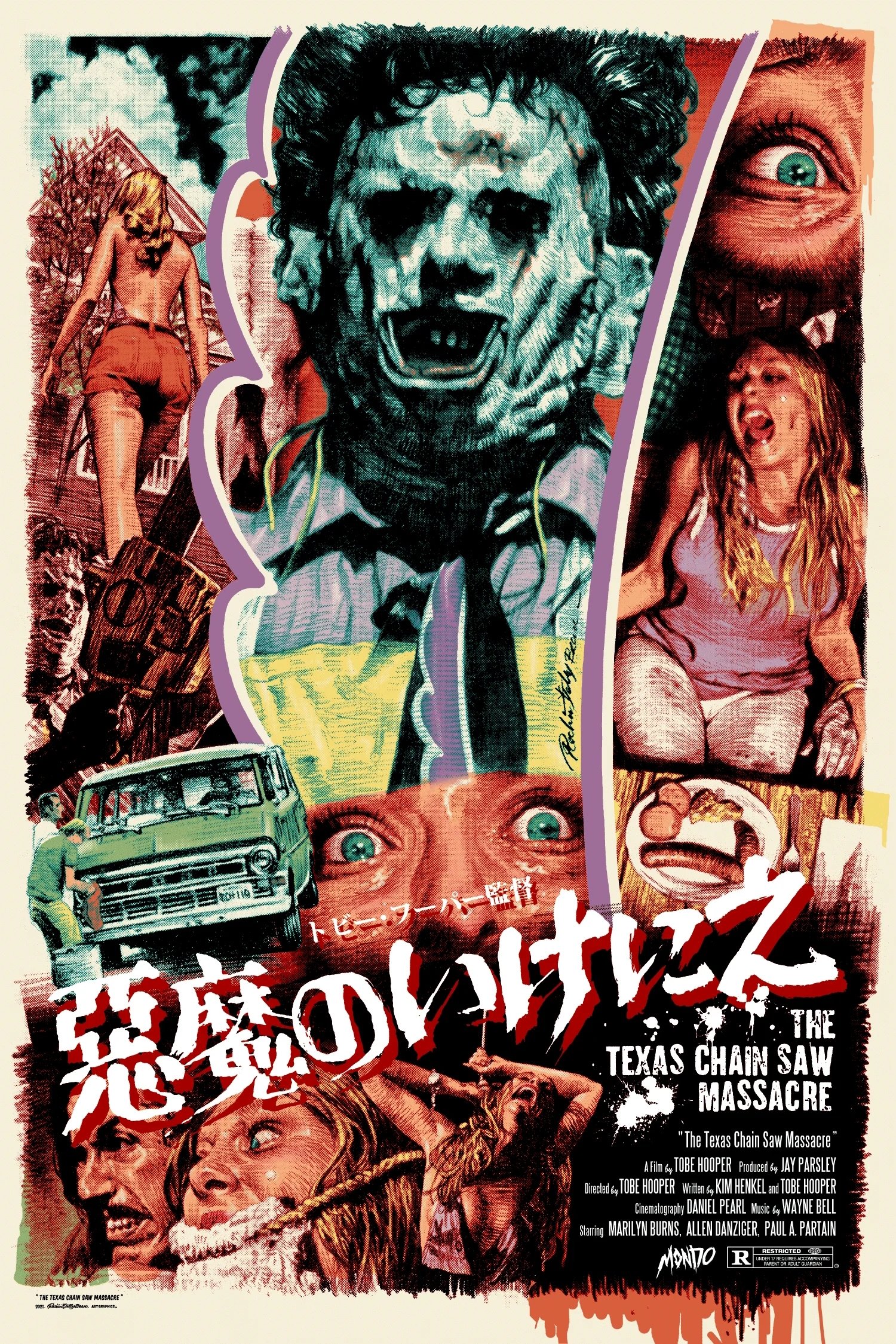
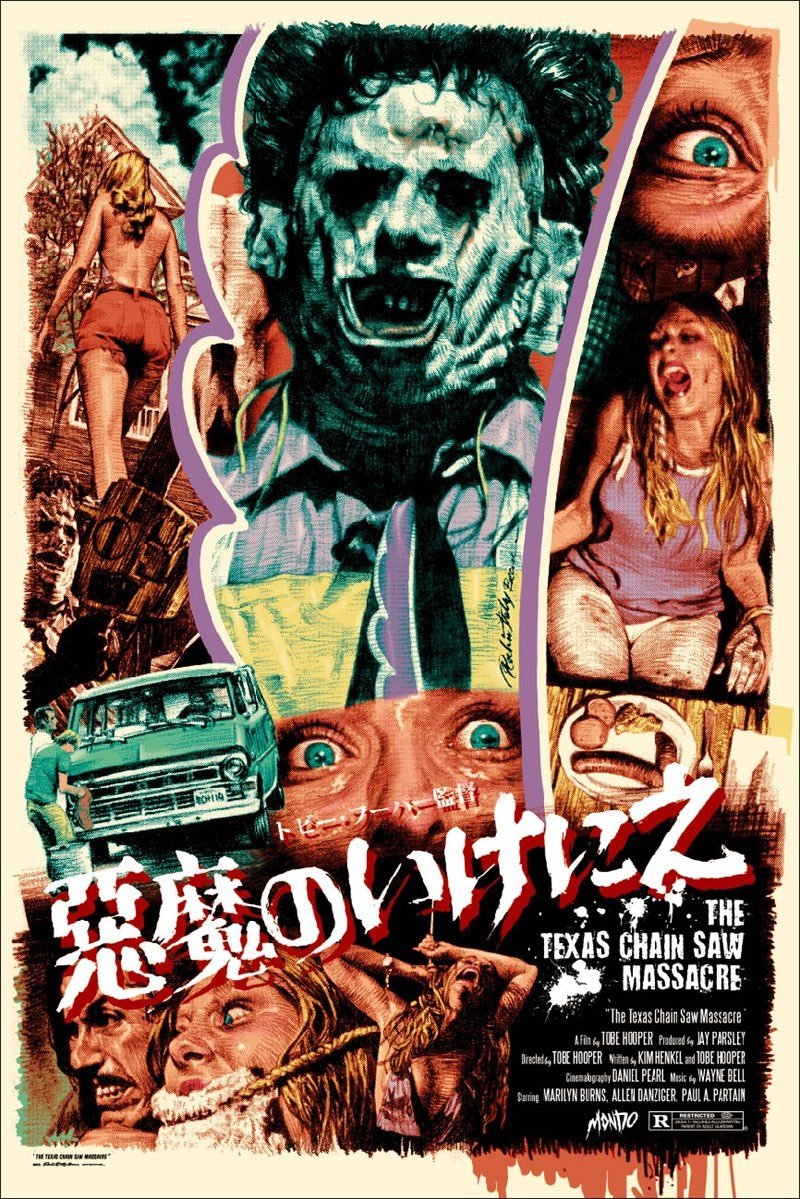
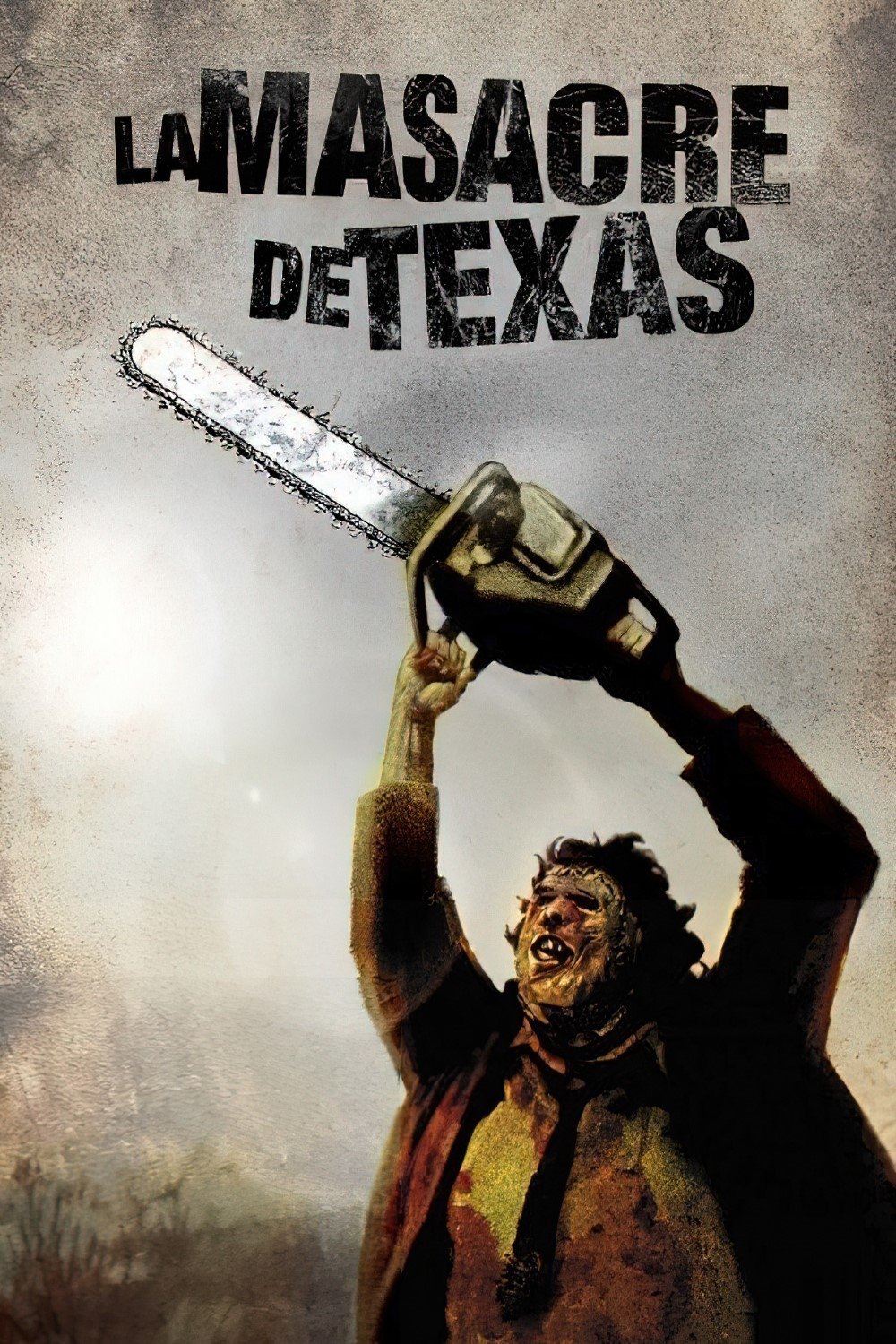
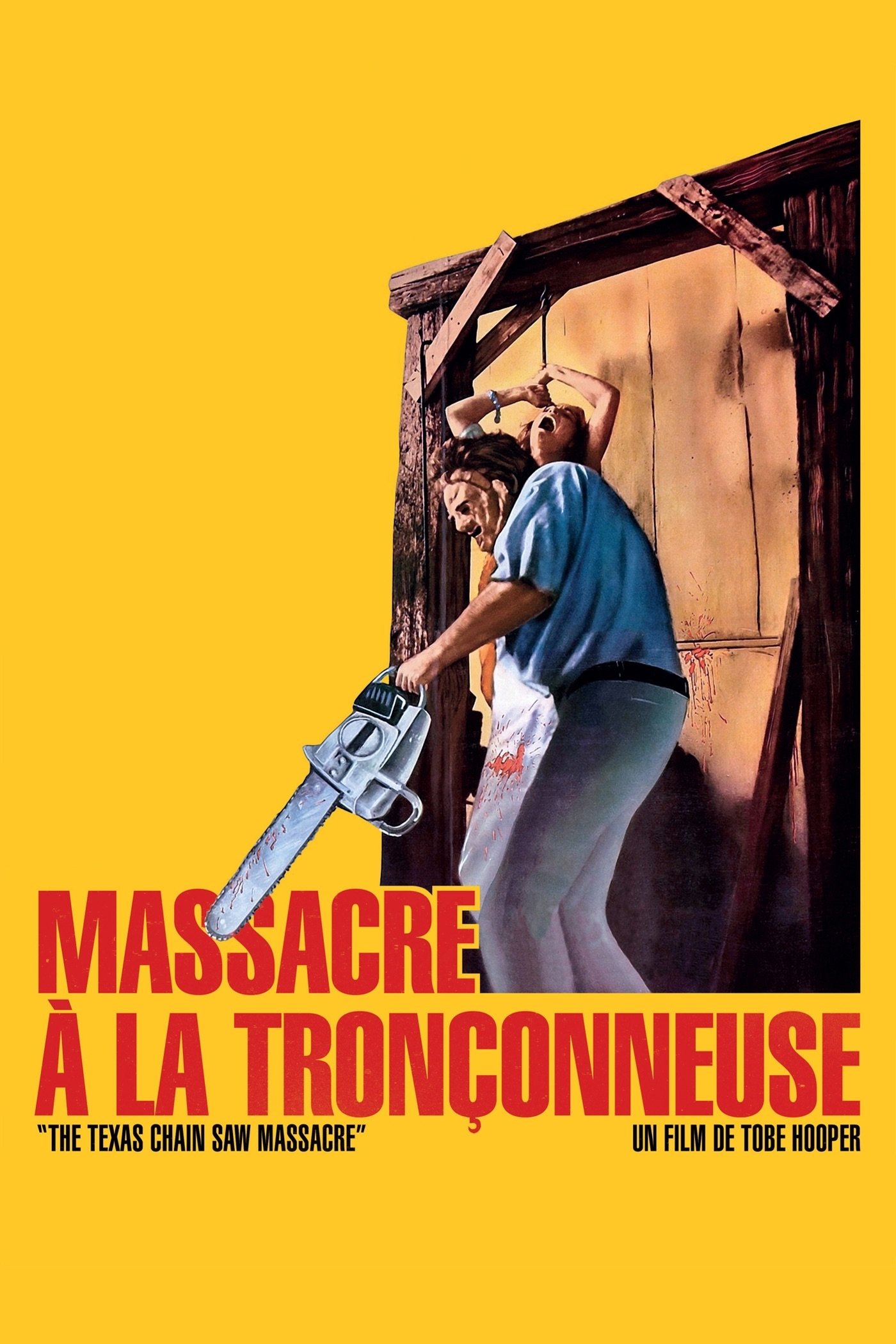
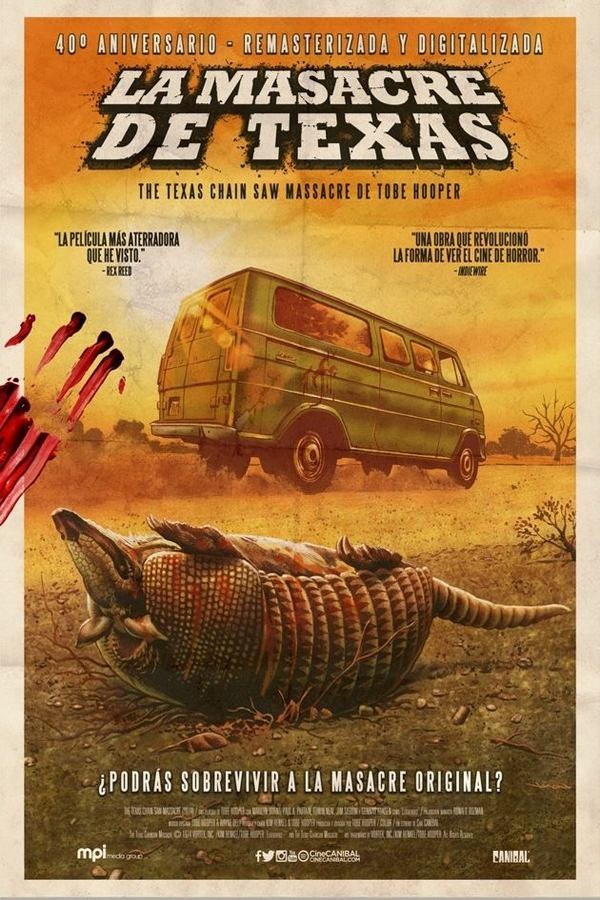
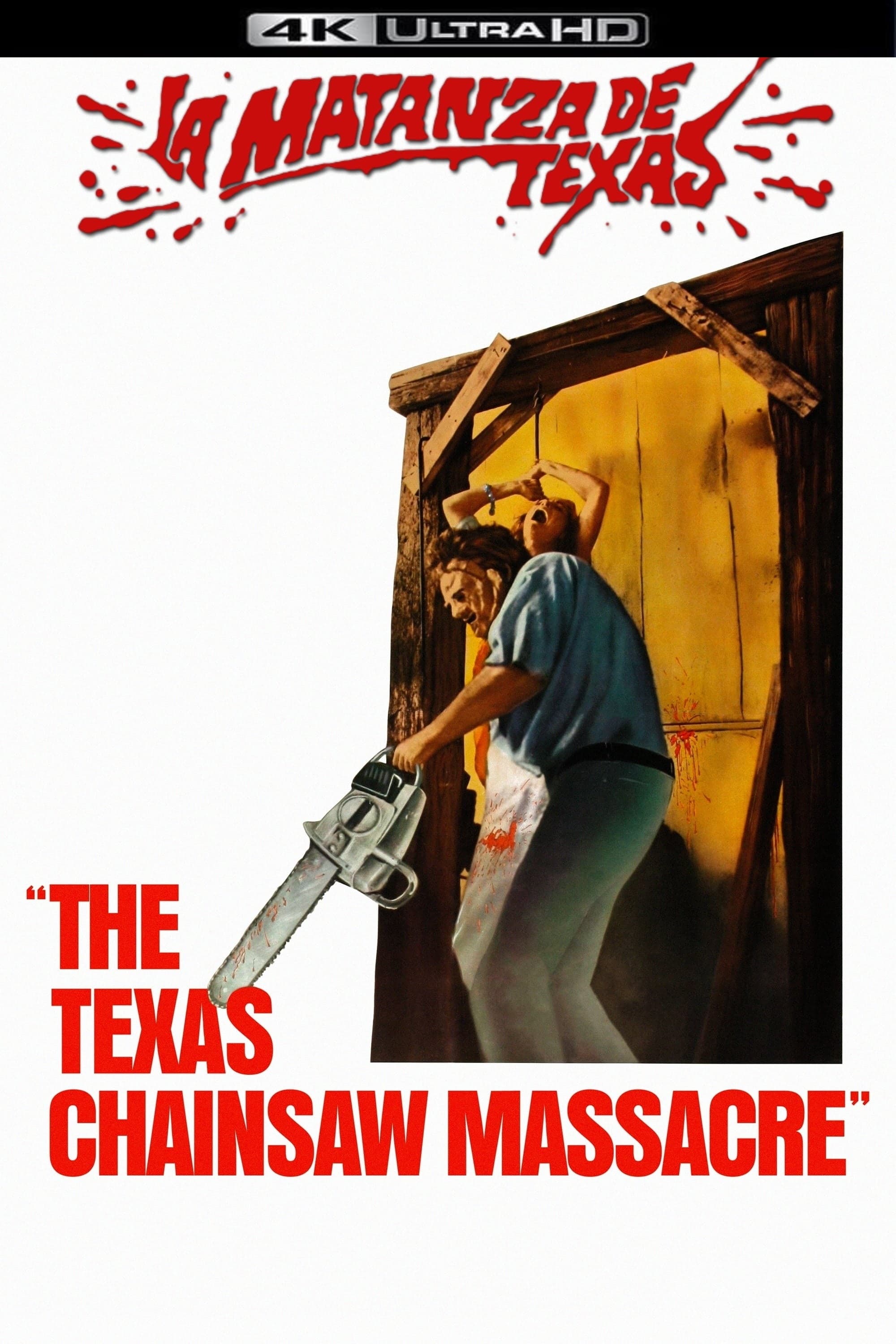
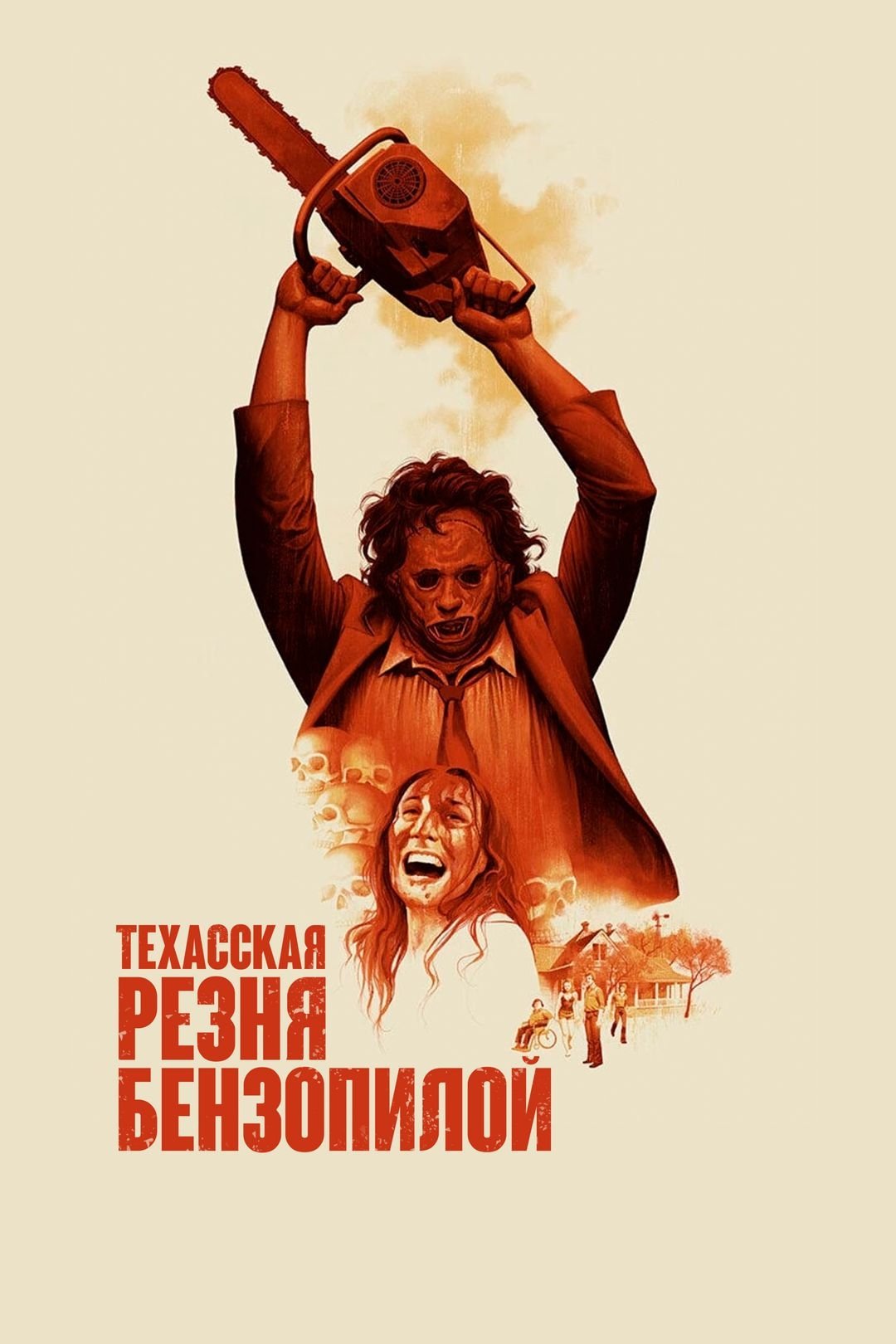
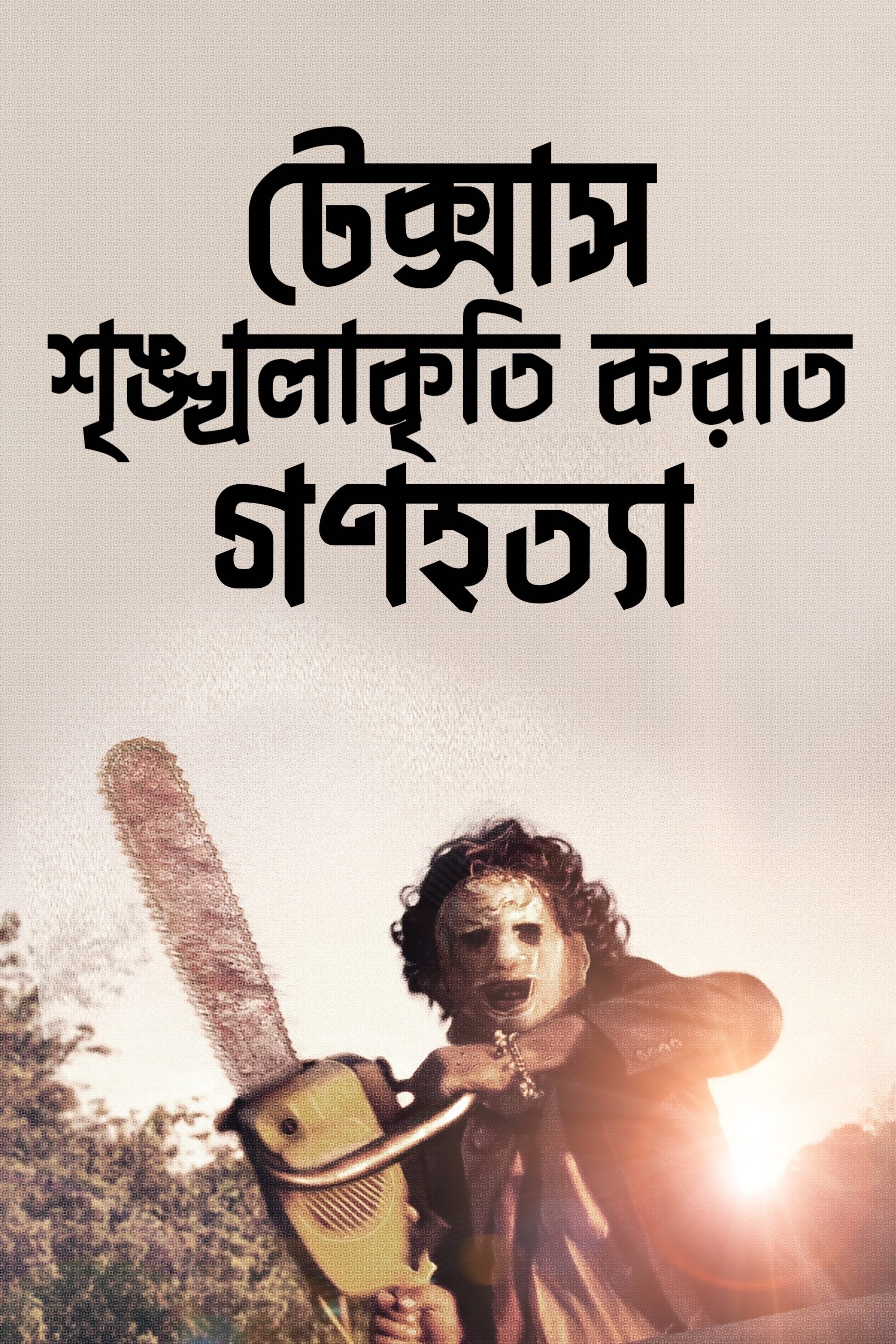
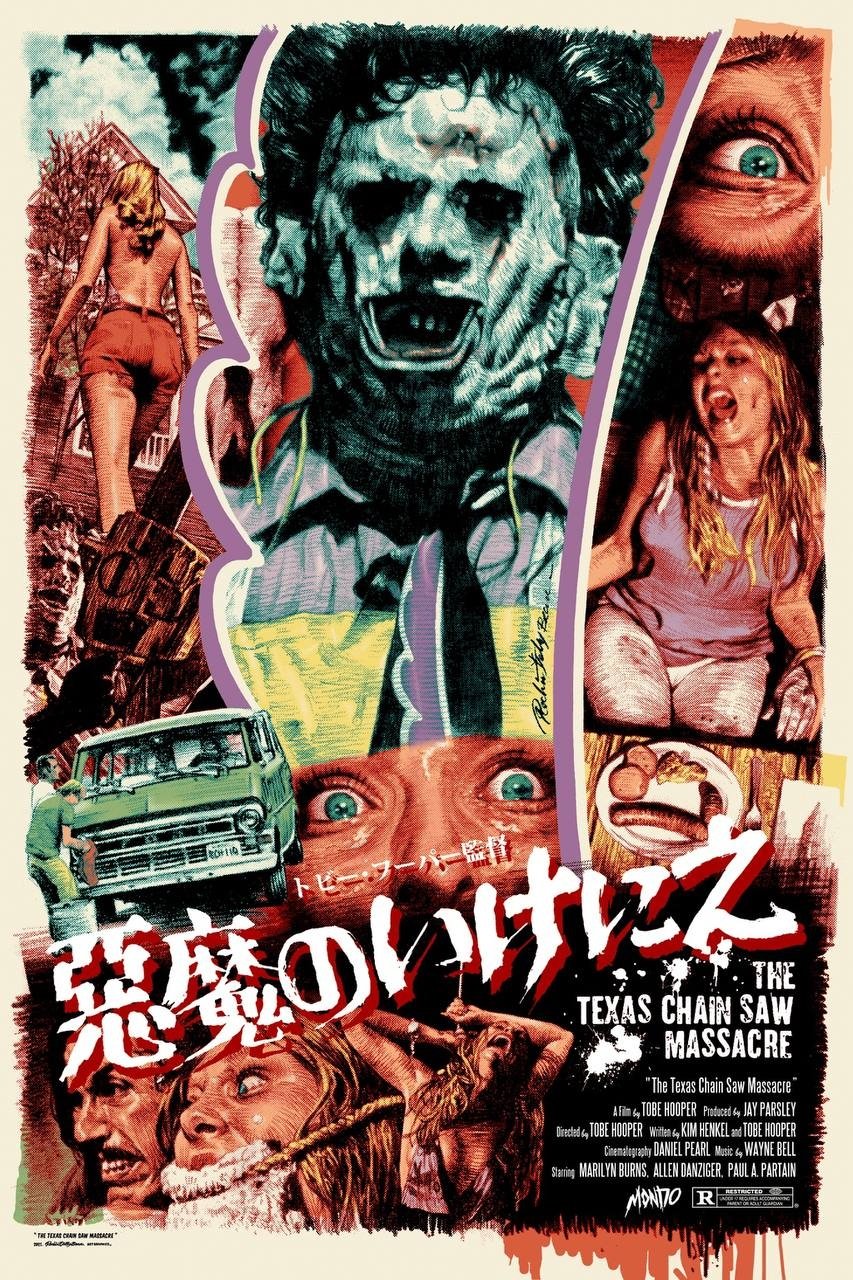
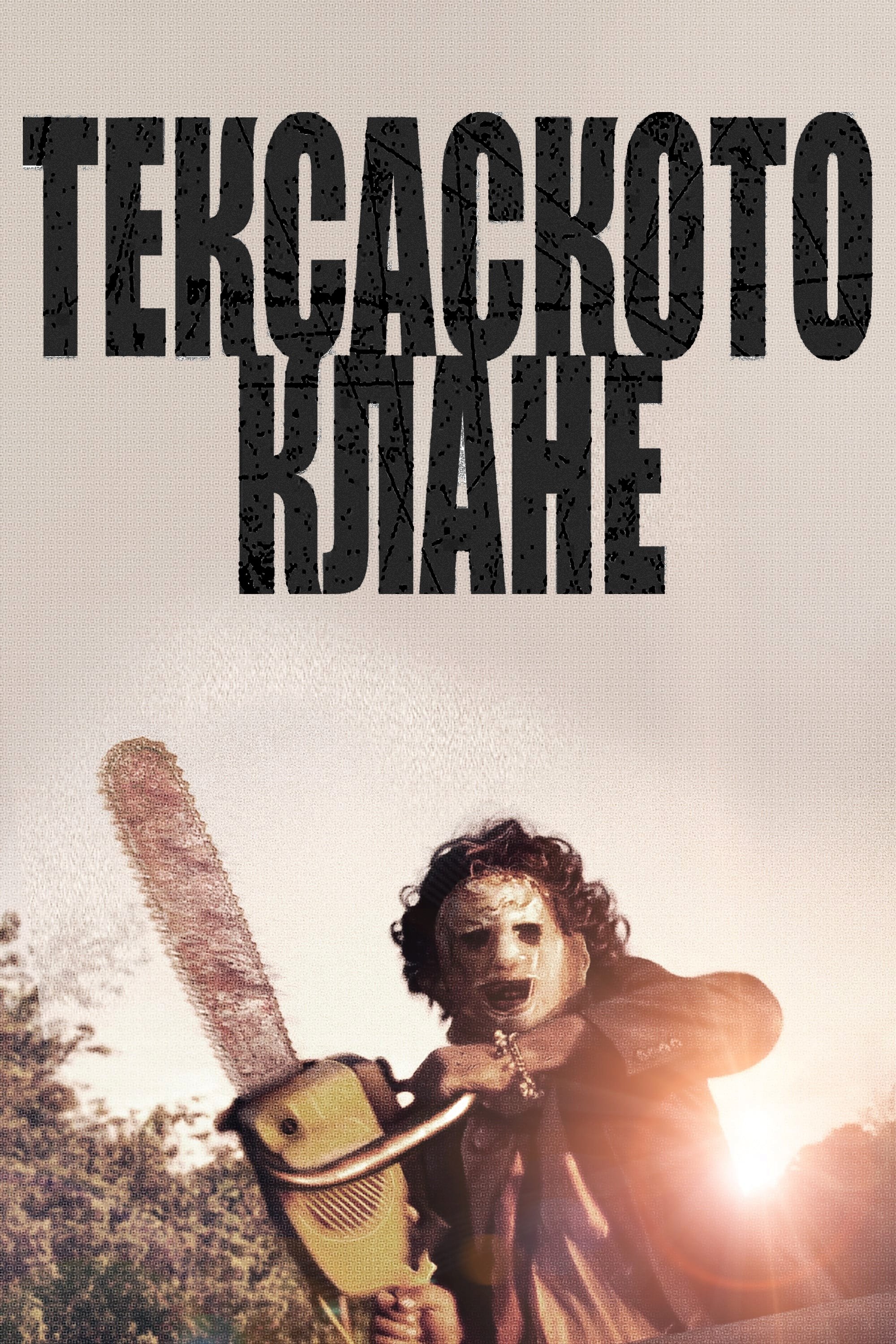
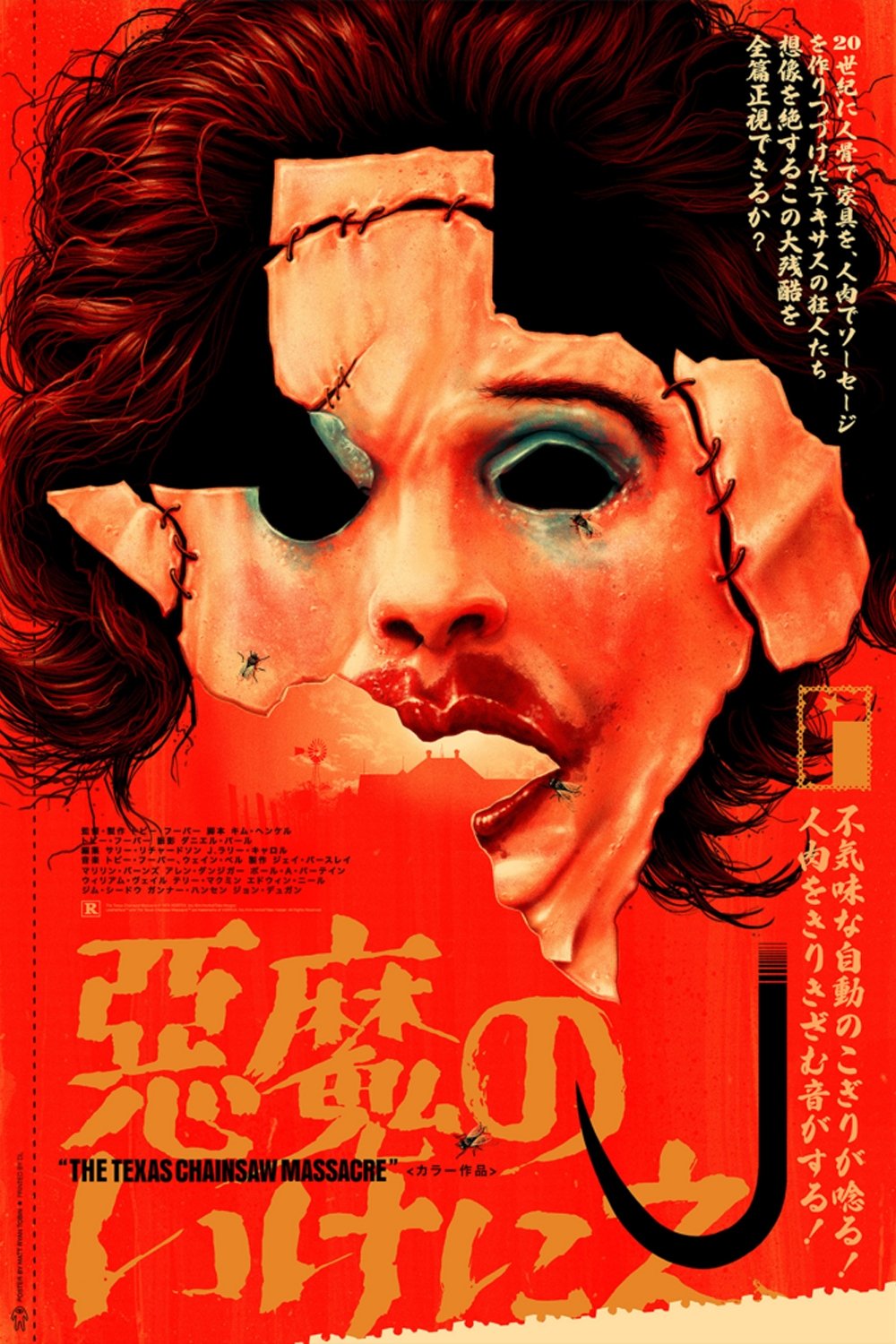
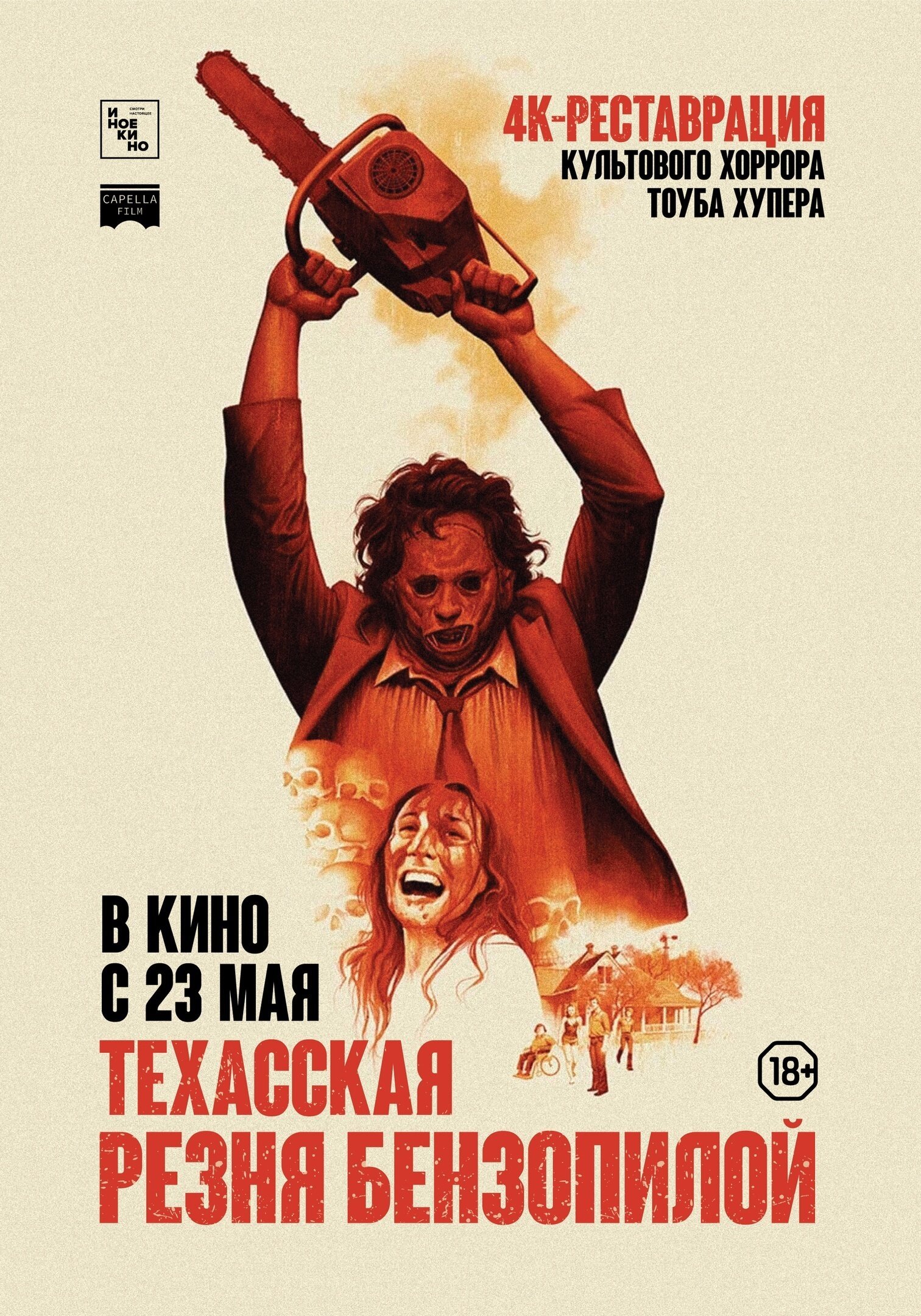
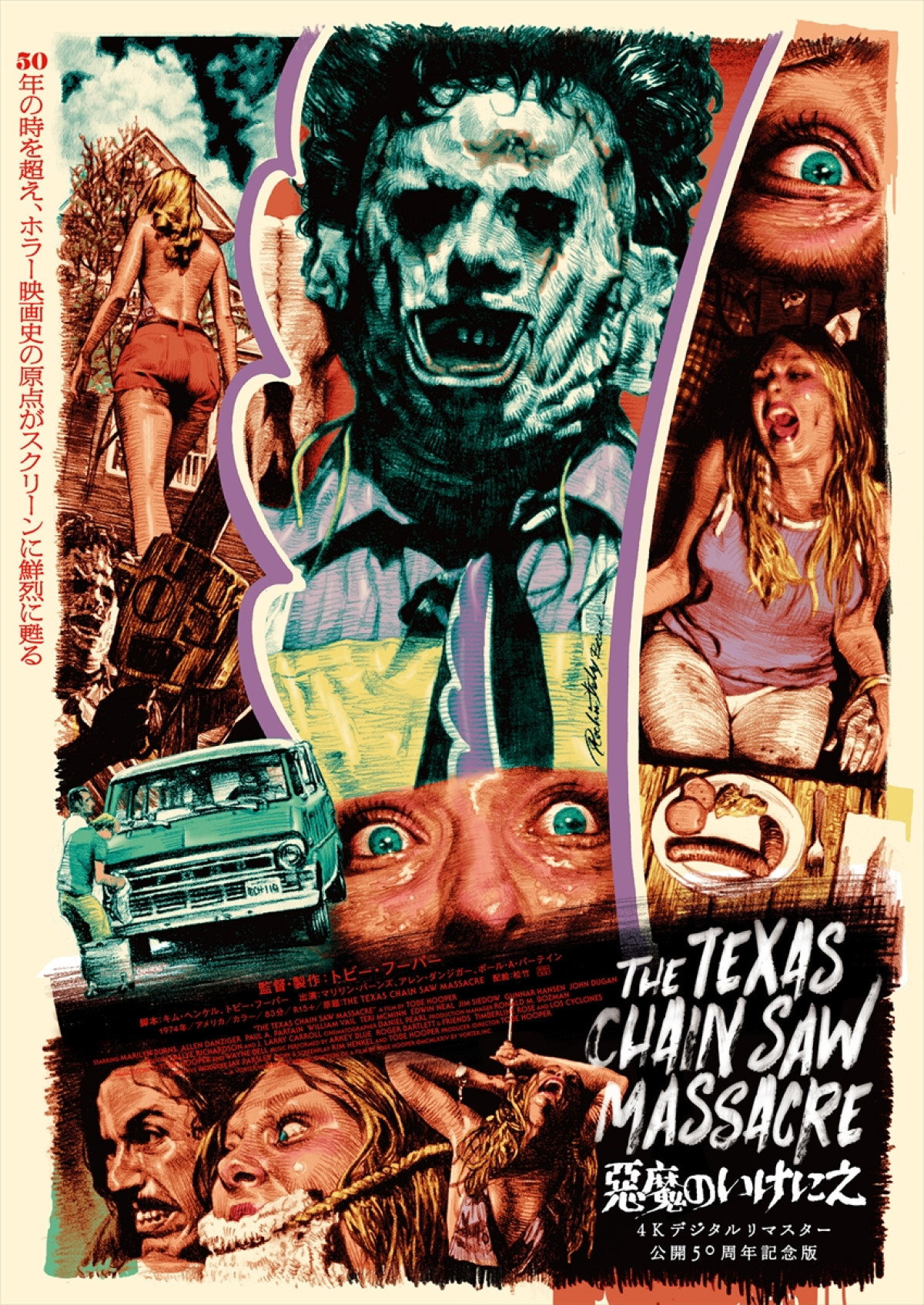
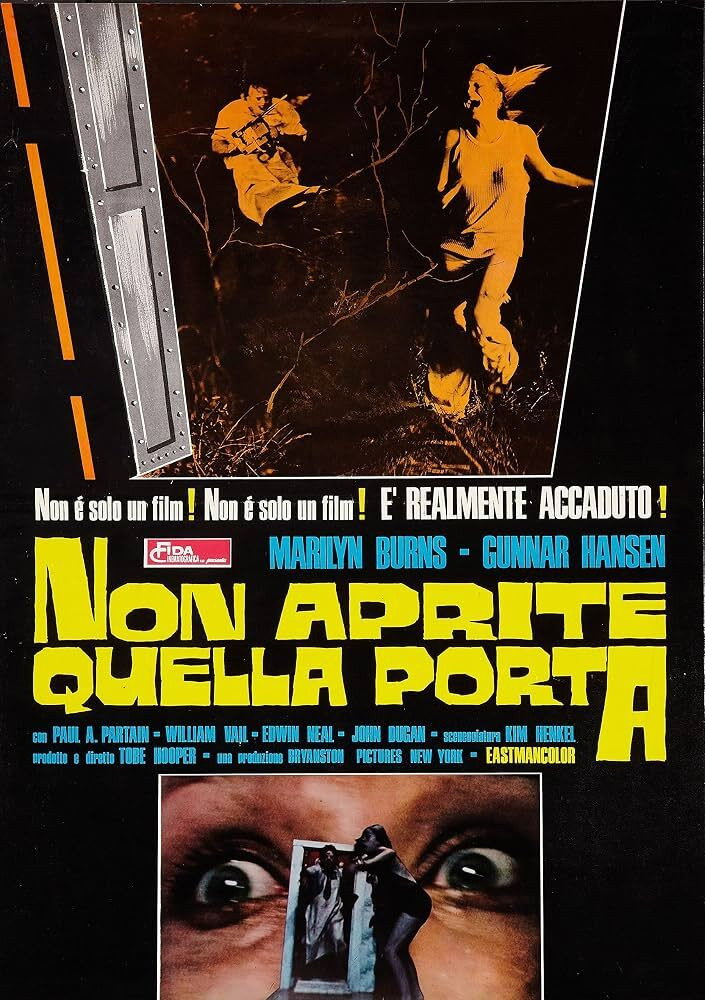
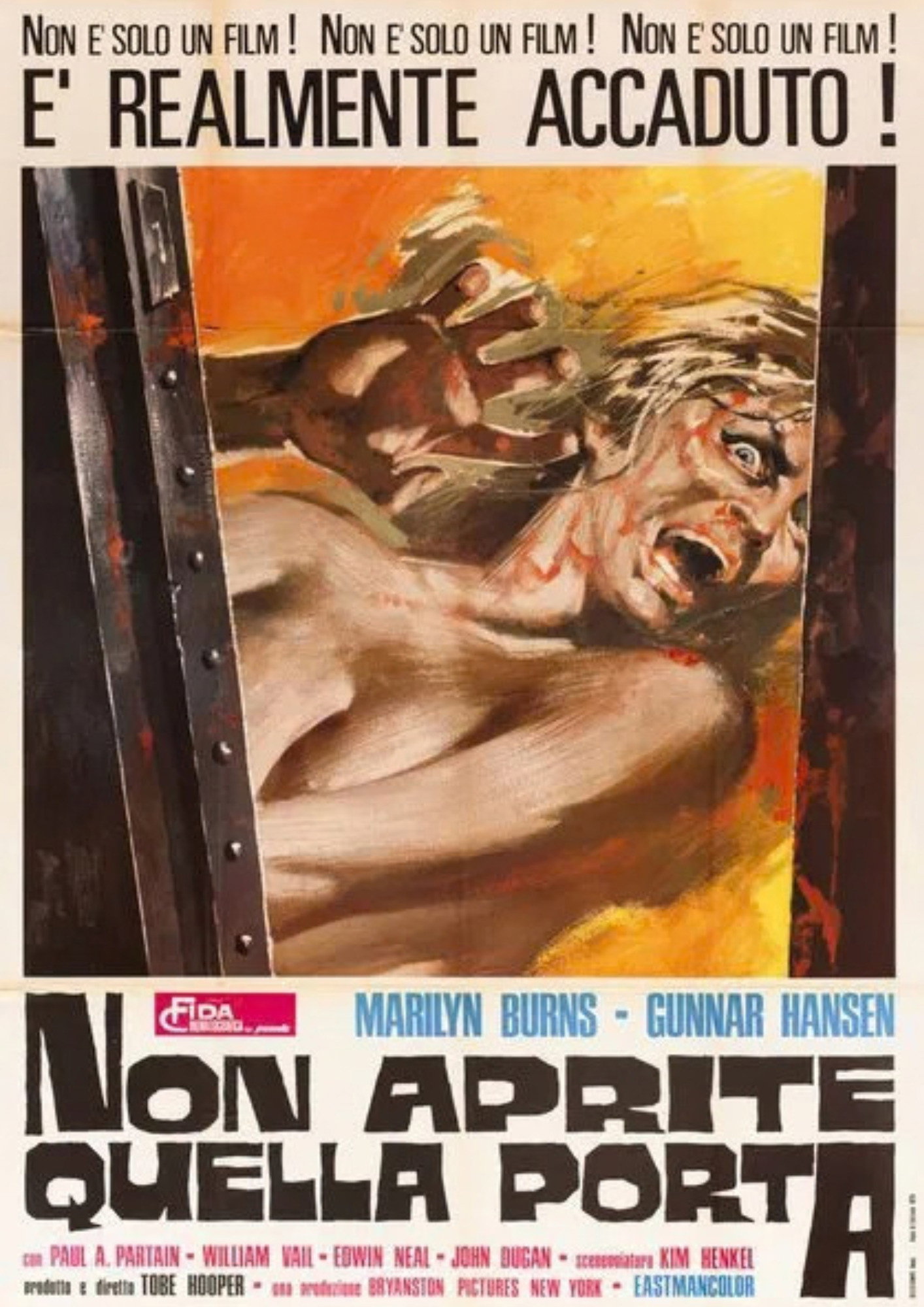
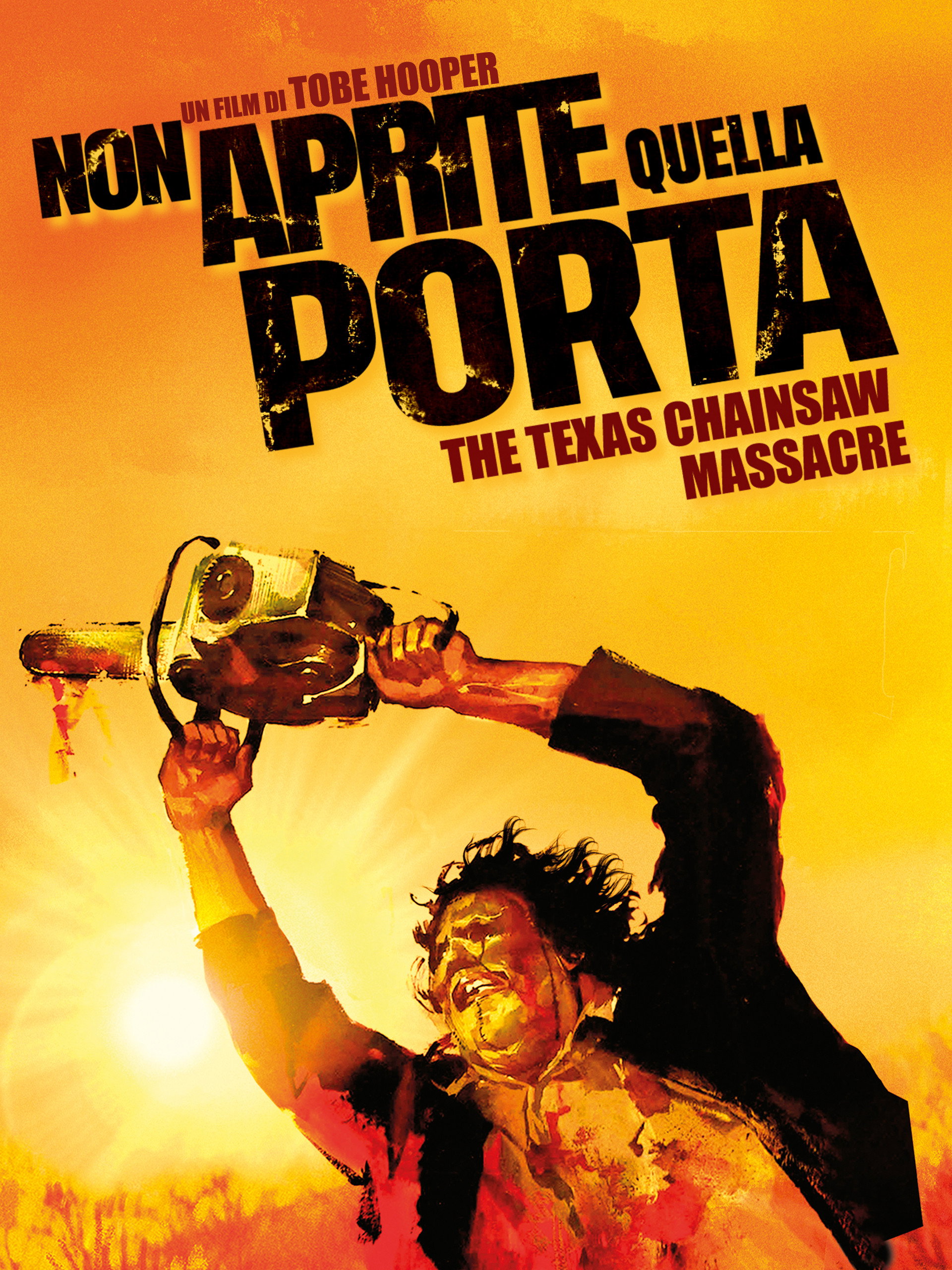
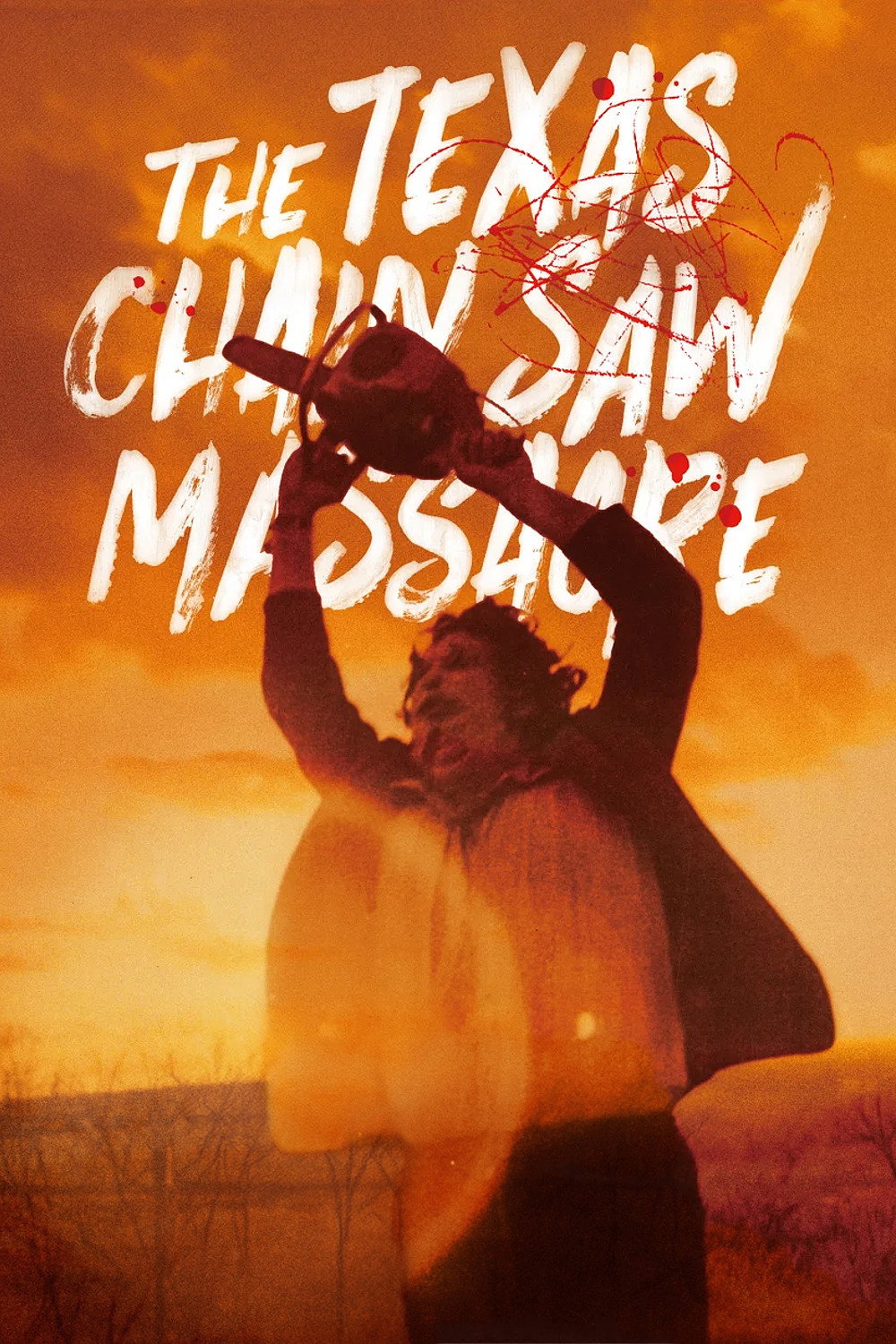
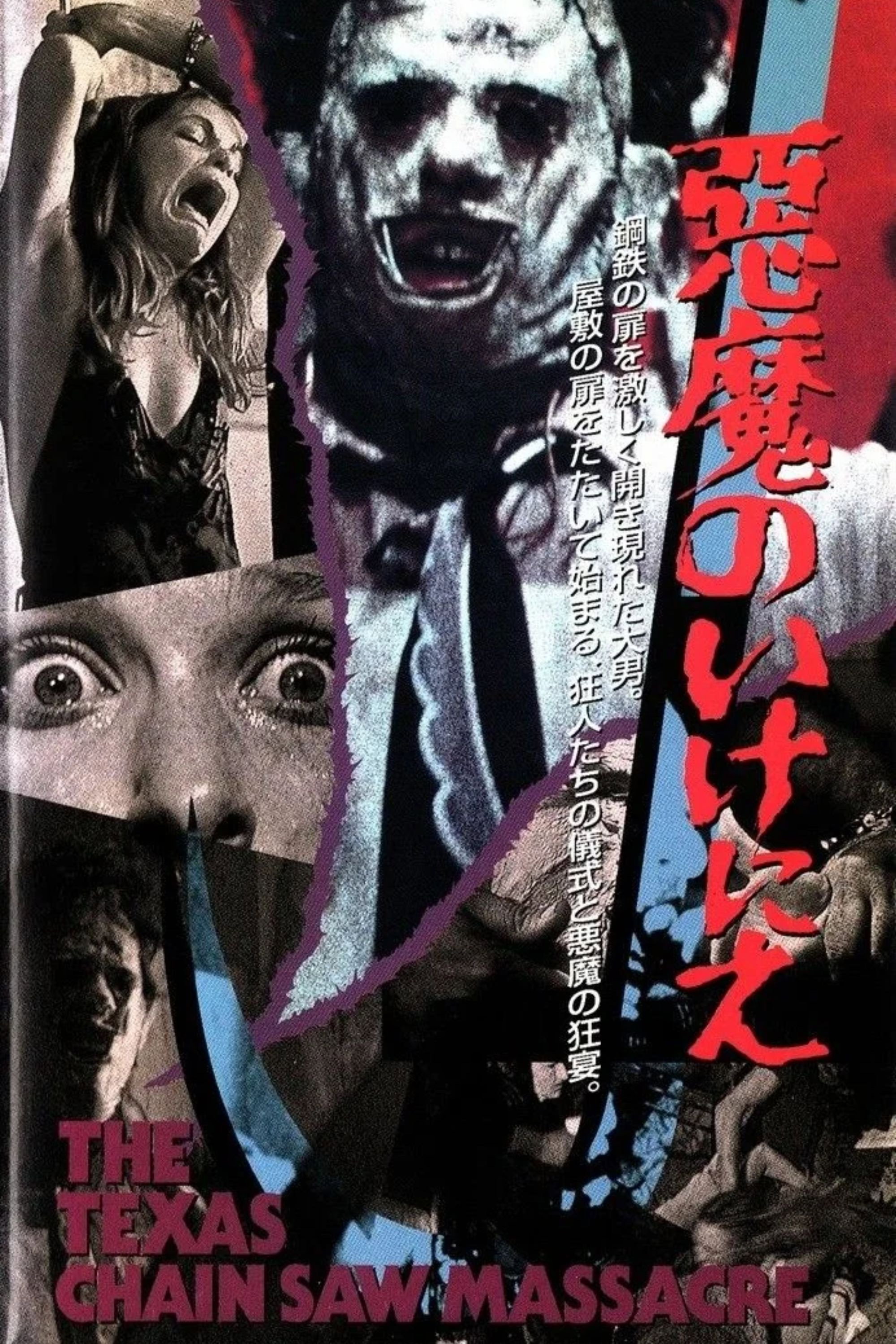
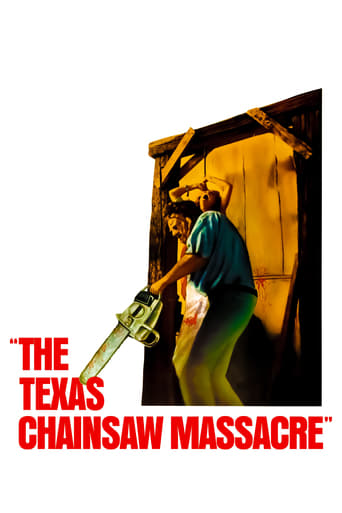
The Texas Chain Saw Massacre (1974) poster
Director
Production Companies
Vortex , Henkel Productions , Hooper Productions , Bryanston Pictures
Plot

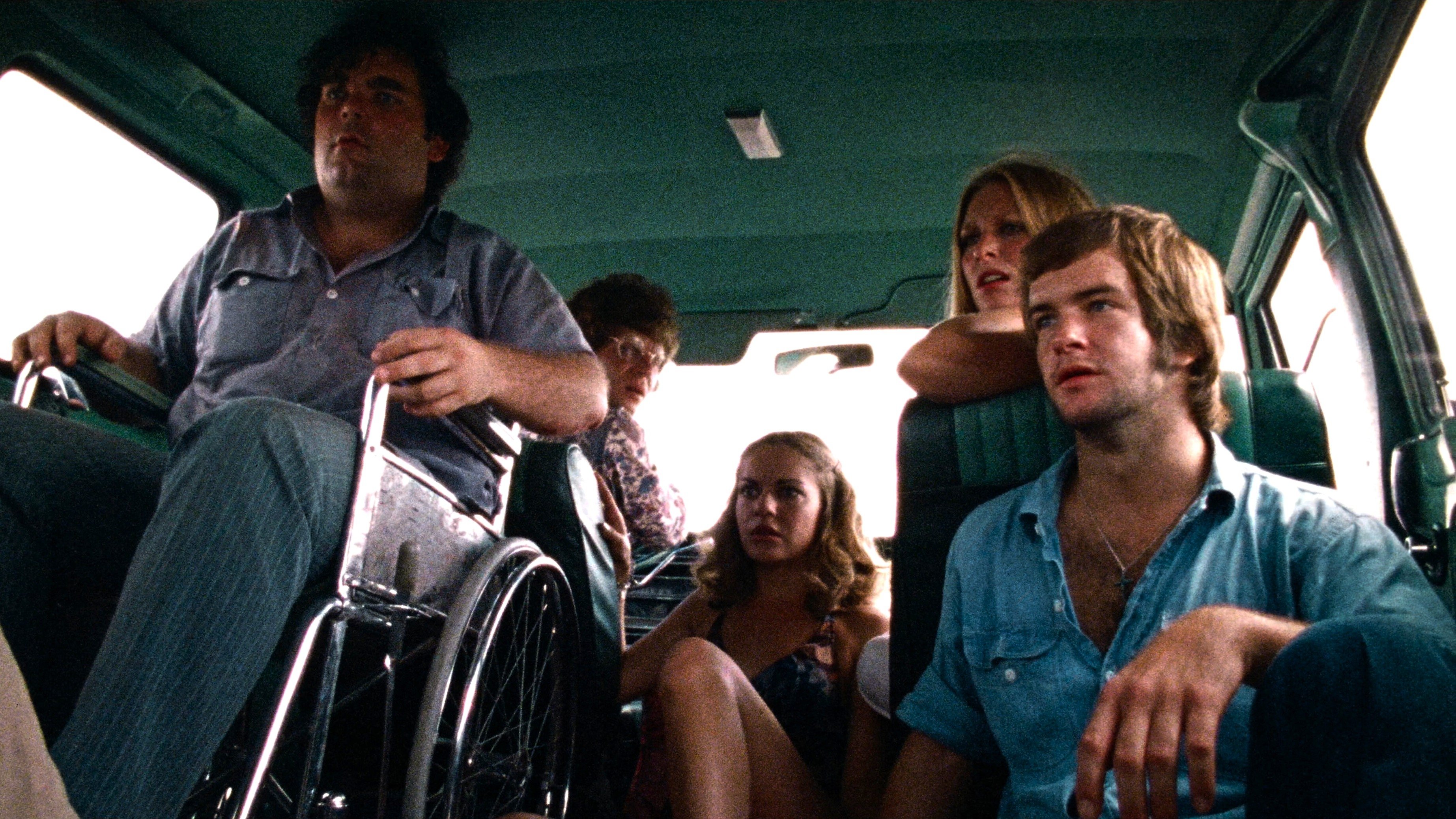
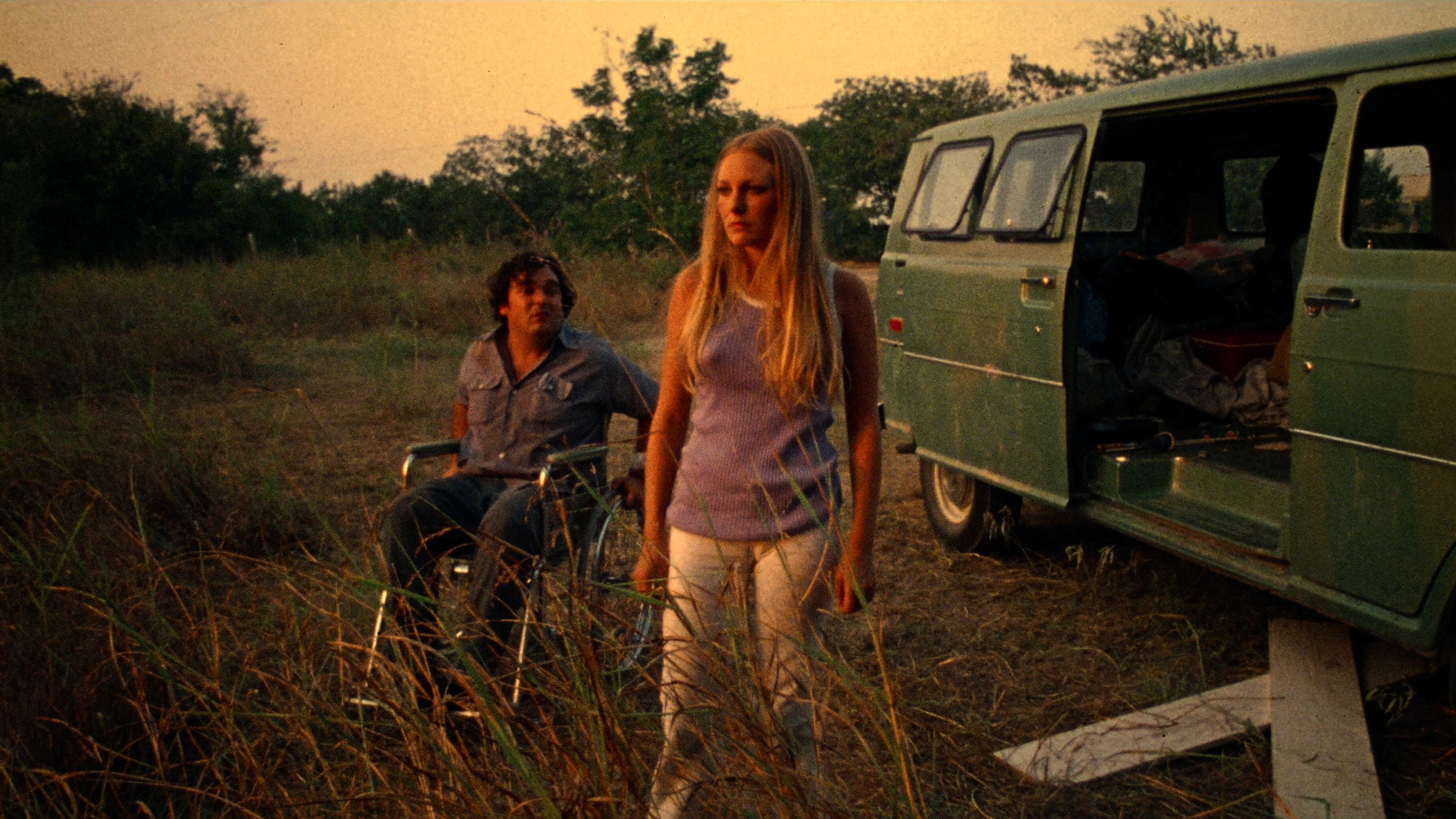
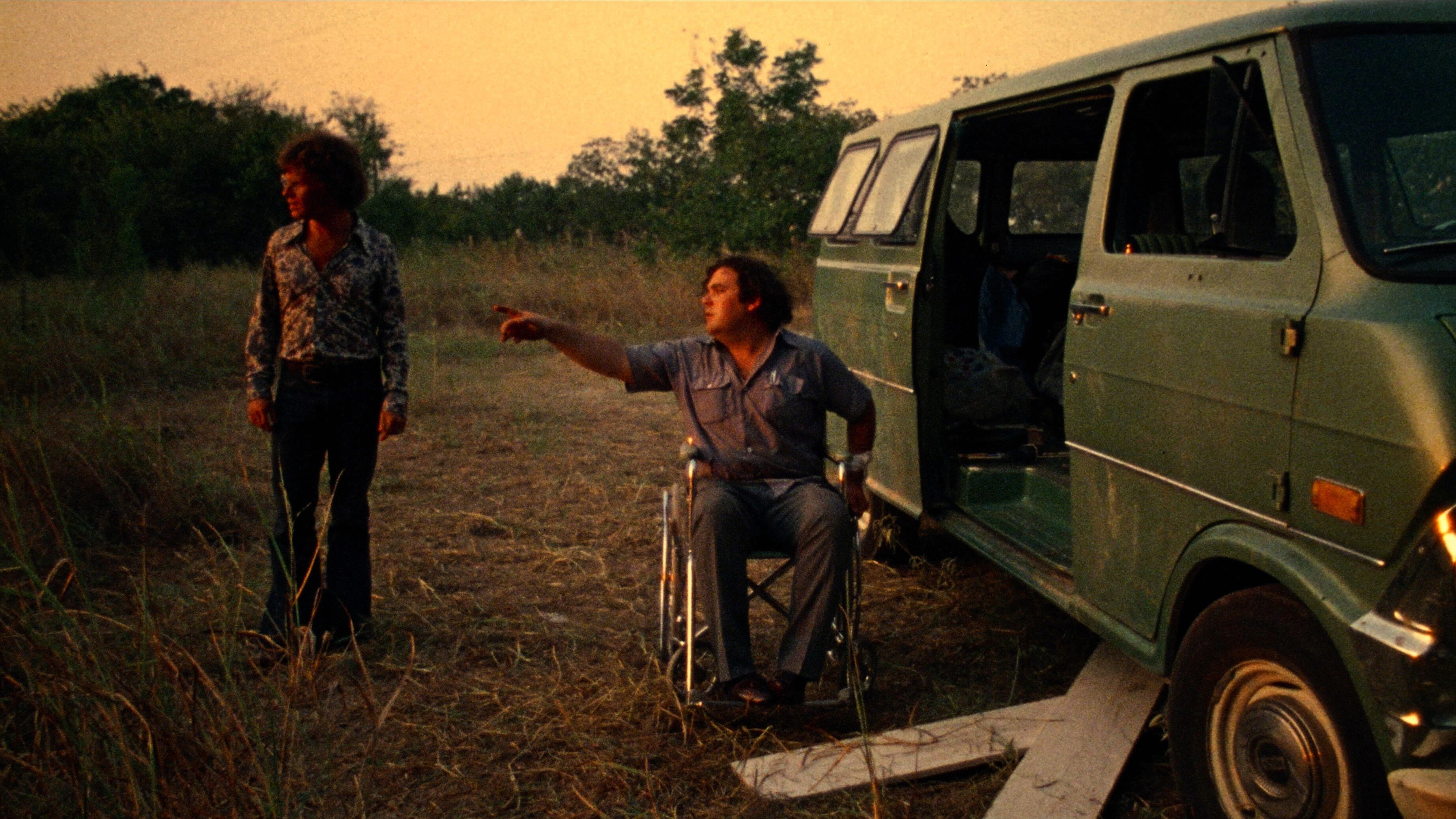
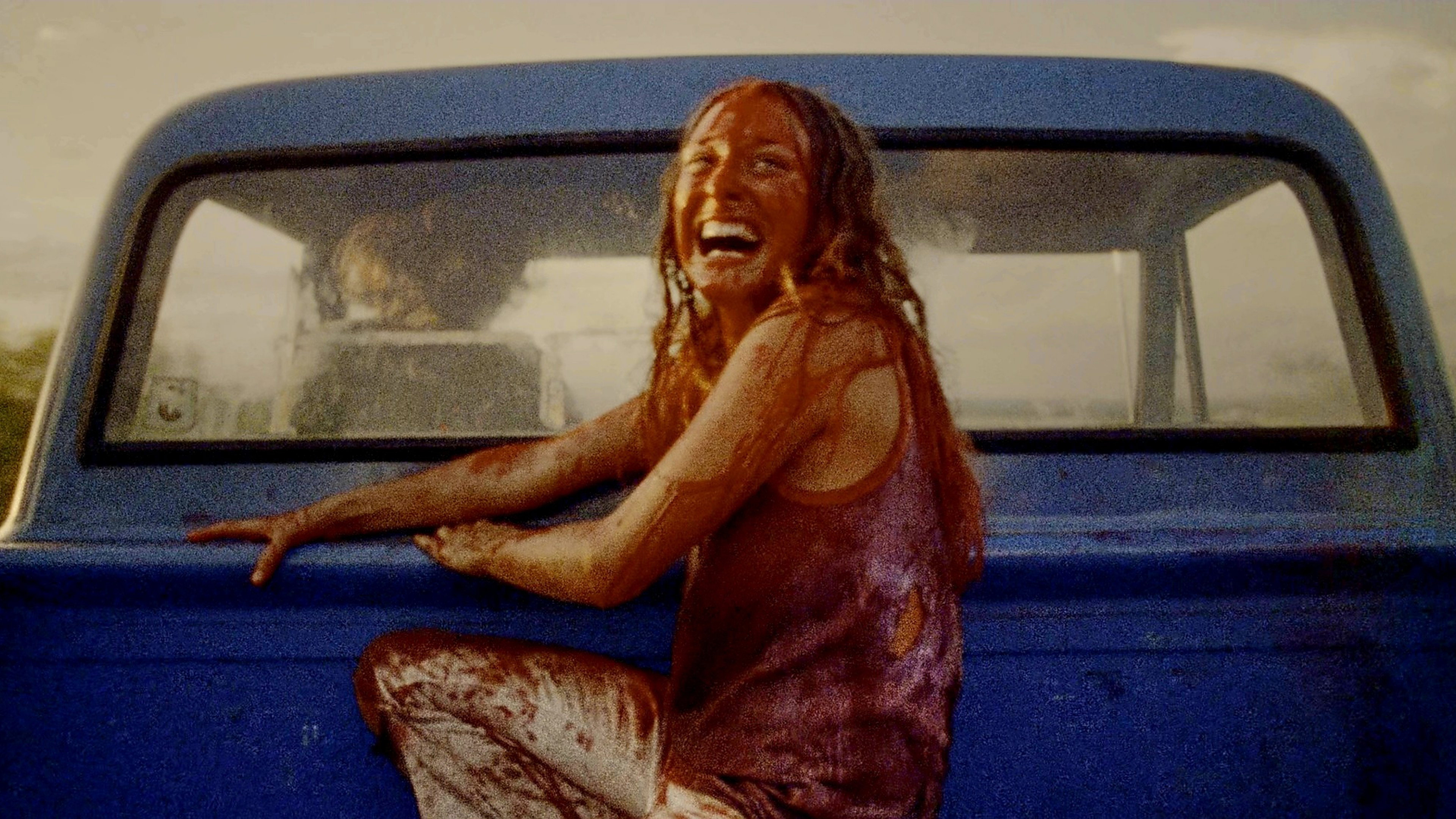
Sally Hardesty travels with her brother Franklin and three friends to rural Texas after reports of graves being disturbed. Their journey brings them to the family's former property and to a nearby house whose occupants appear connected to the region's declining slaughterhouse economy. When members of the group begin disappearing, Sally discovers a household with a horrifying relationship to human remains and an imposing masked man armed with a chainsaw. With help scarce and the roads unfamiliar, she struggles to escape a place where ordinary domestic routines have become instruments of terror.

Alternative Titles
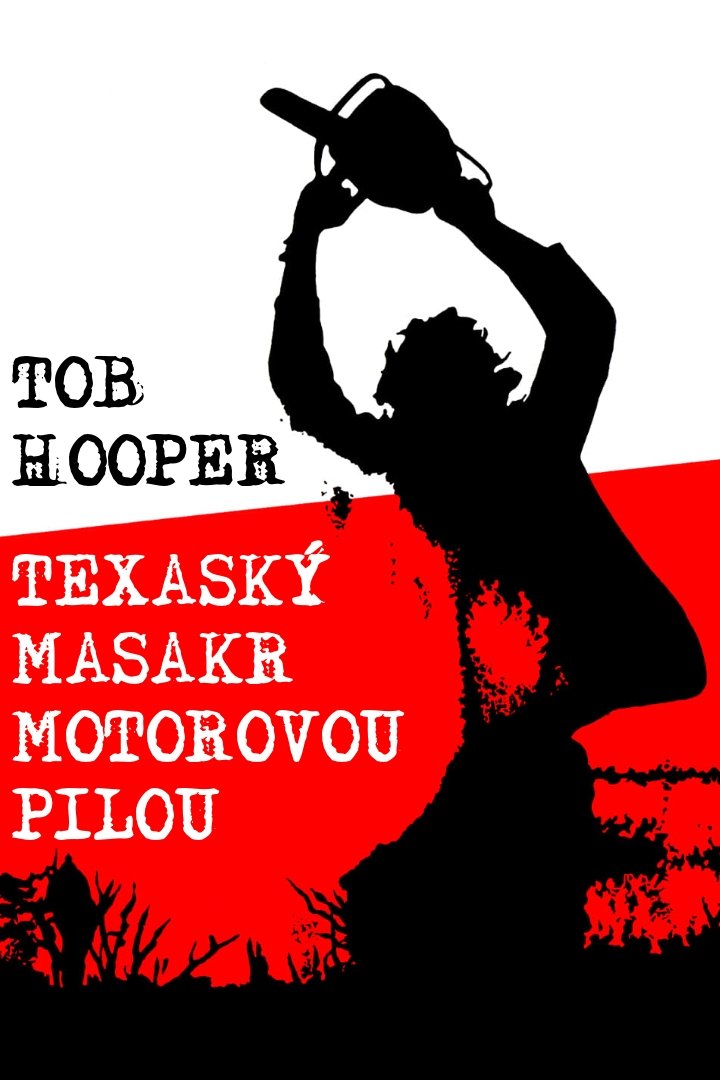
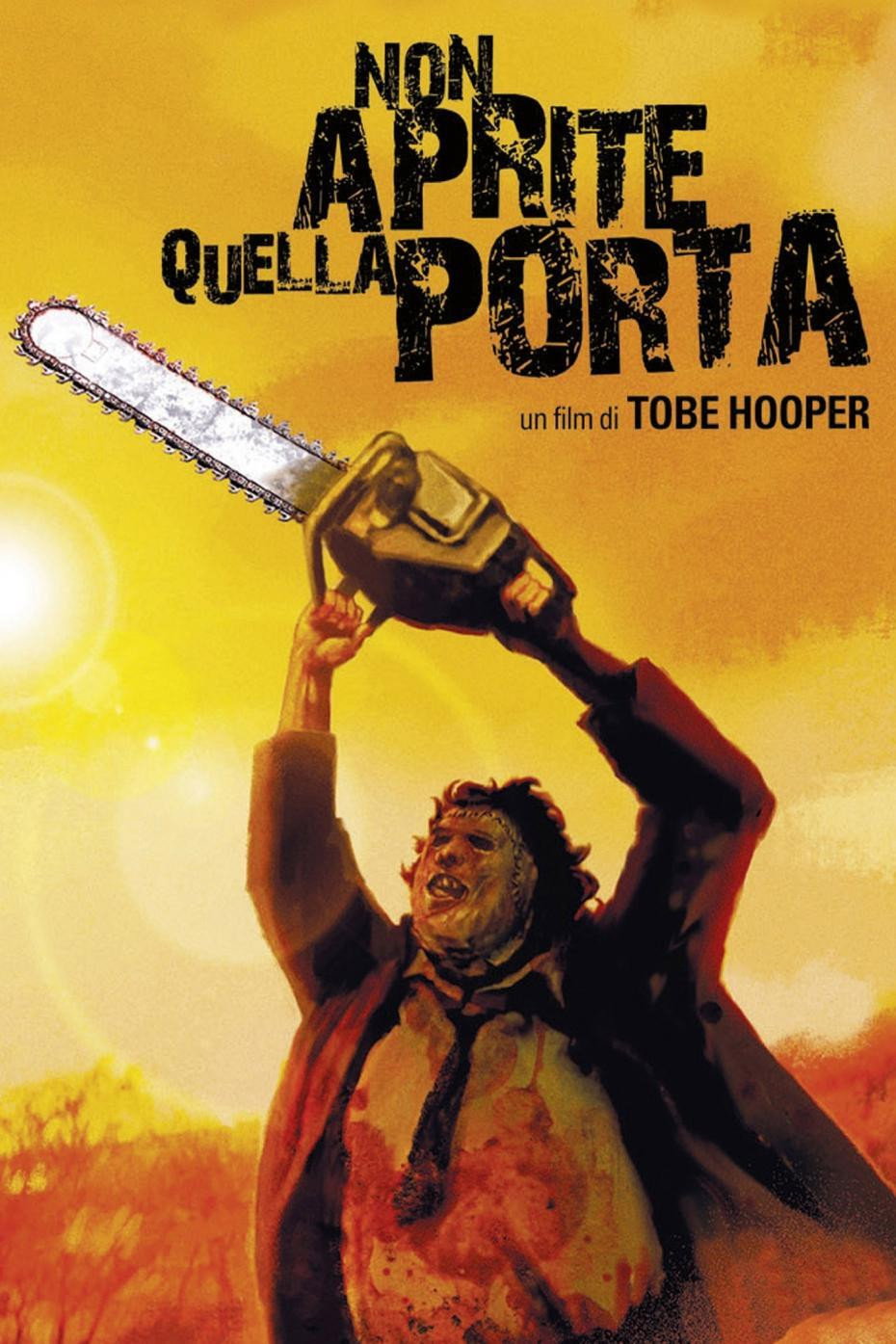
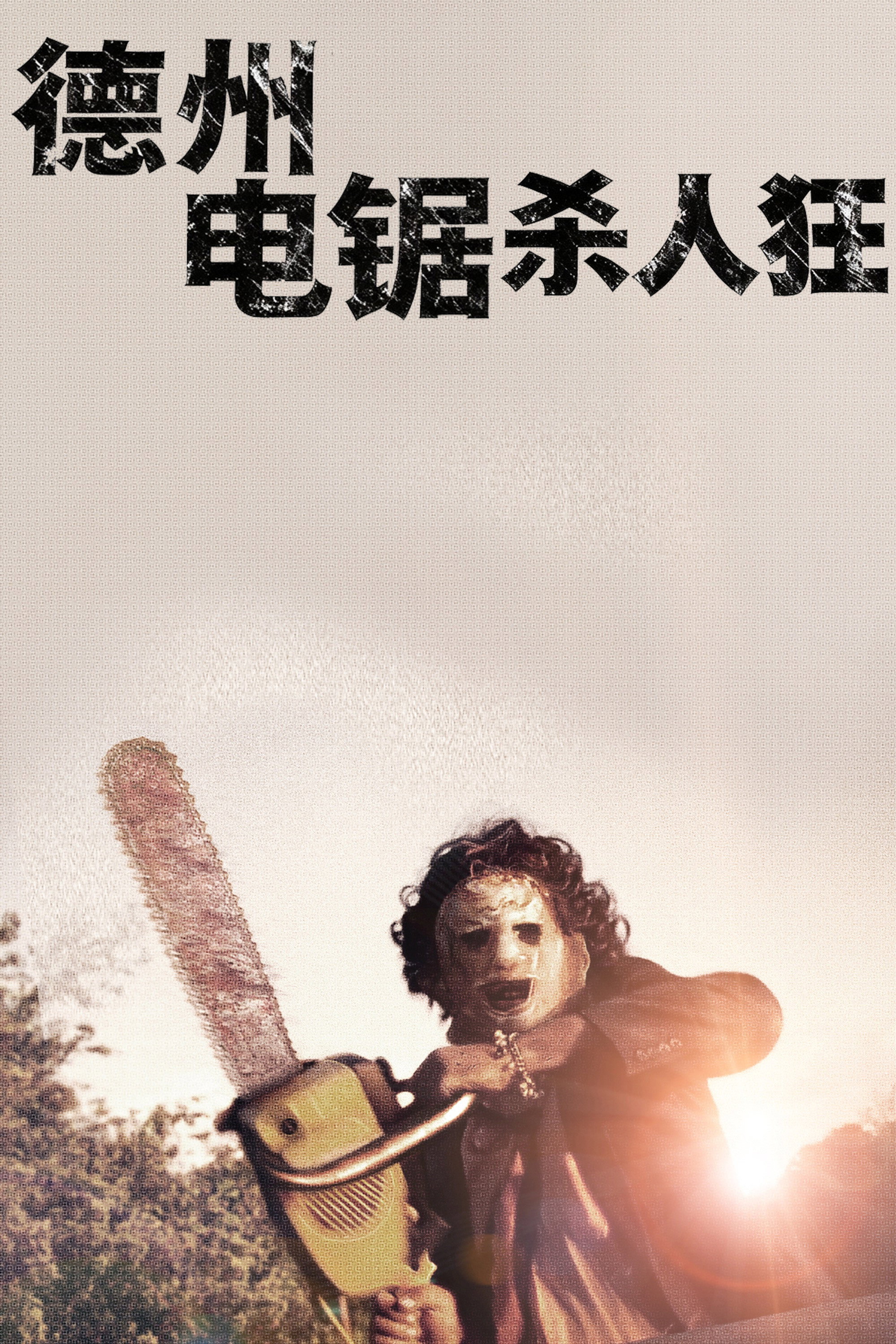
El Loco de la Motosierra: La Masacre de Texas (Argentina) Blutgericht in Texas (Austria) — German Тексаско клане (Bulgaria) — Bulgarian O Massacre da Serra Elétrica (Brazil) Le Massacre à la scie (Canada) — French 德州电锯杀人狂 (China) — Chinese Texaský masakr motorovou pilou (Czechia) — Czech Blutgericht in Texas (Germany) — German
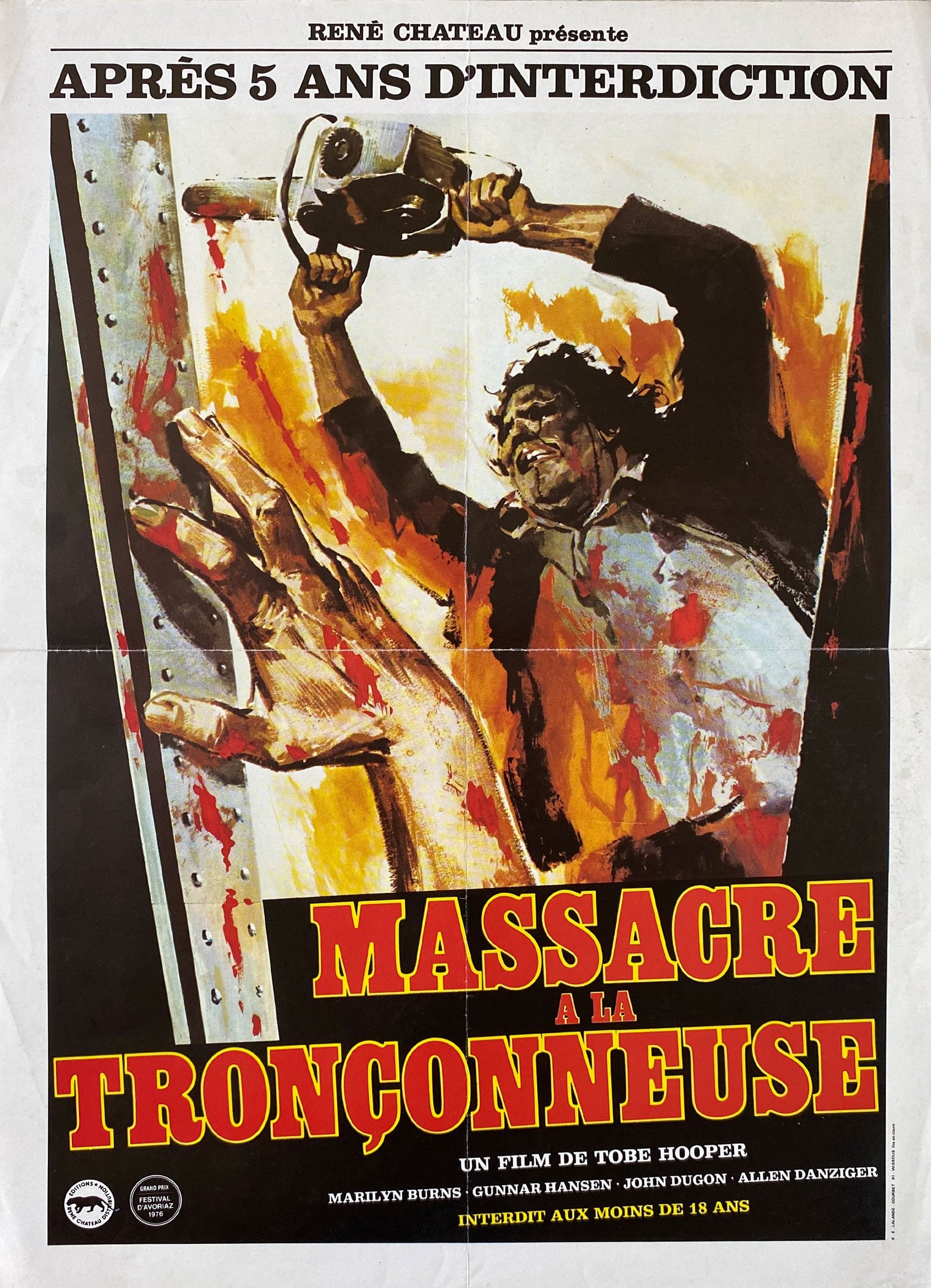
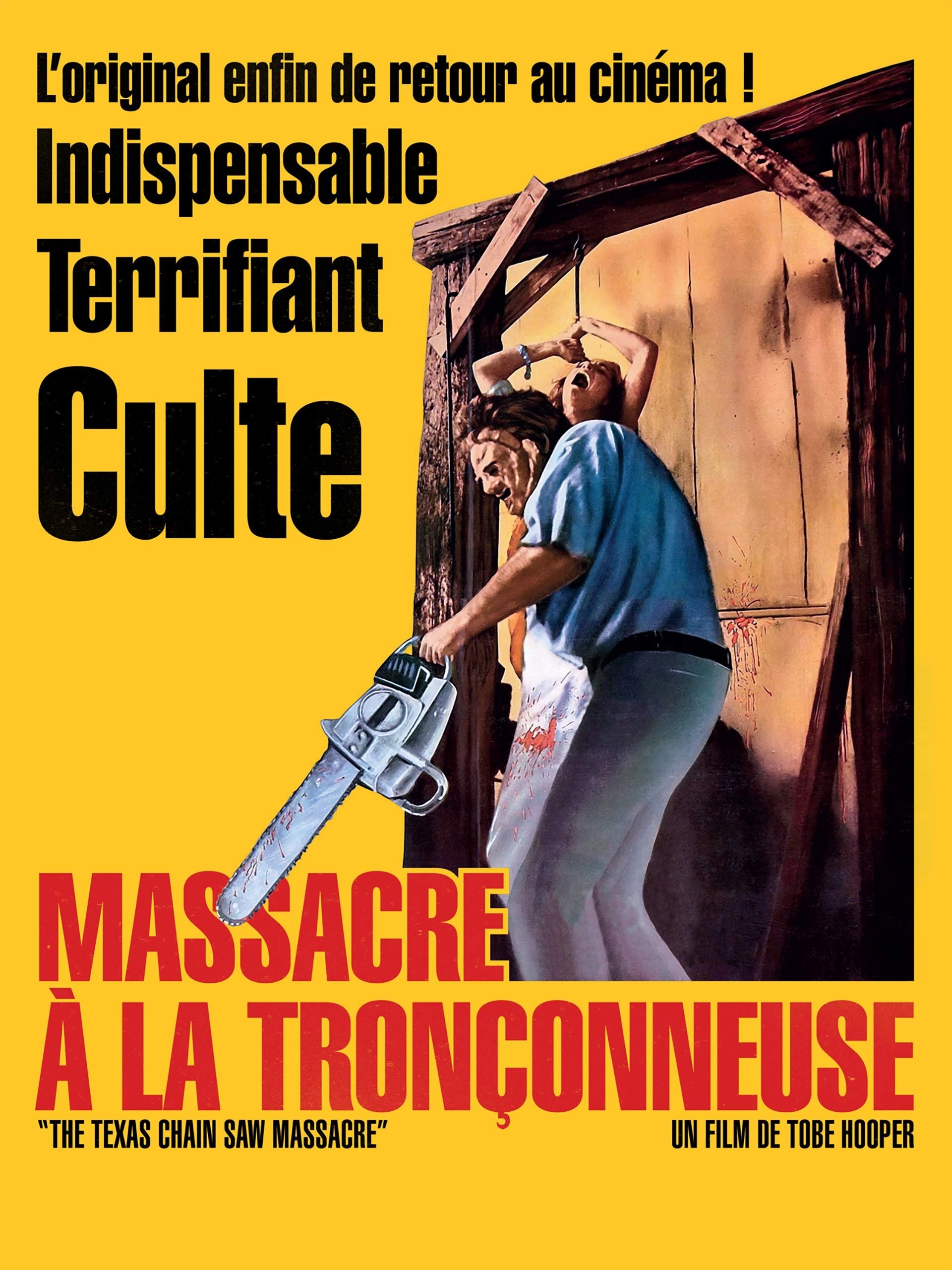
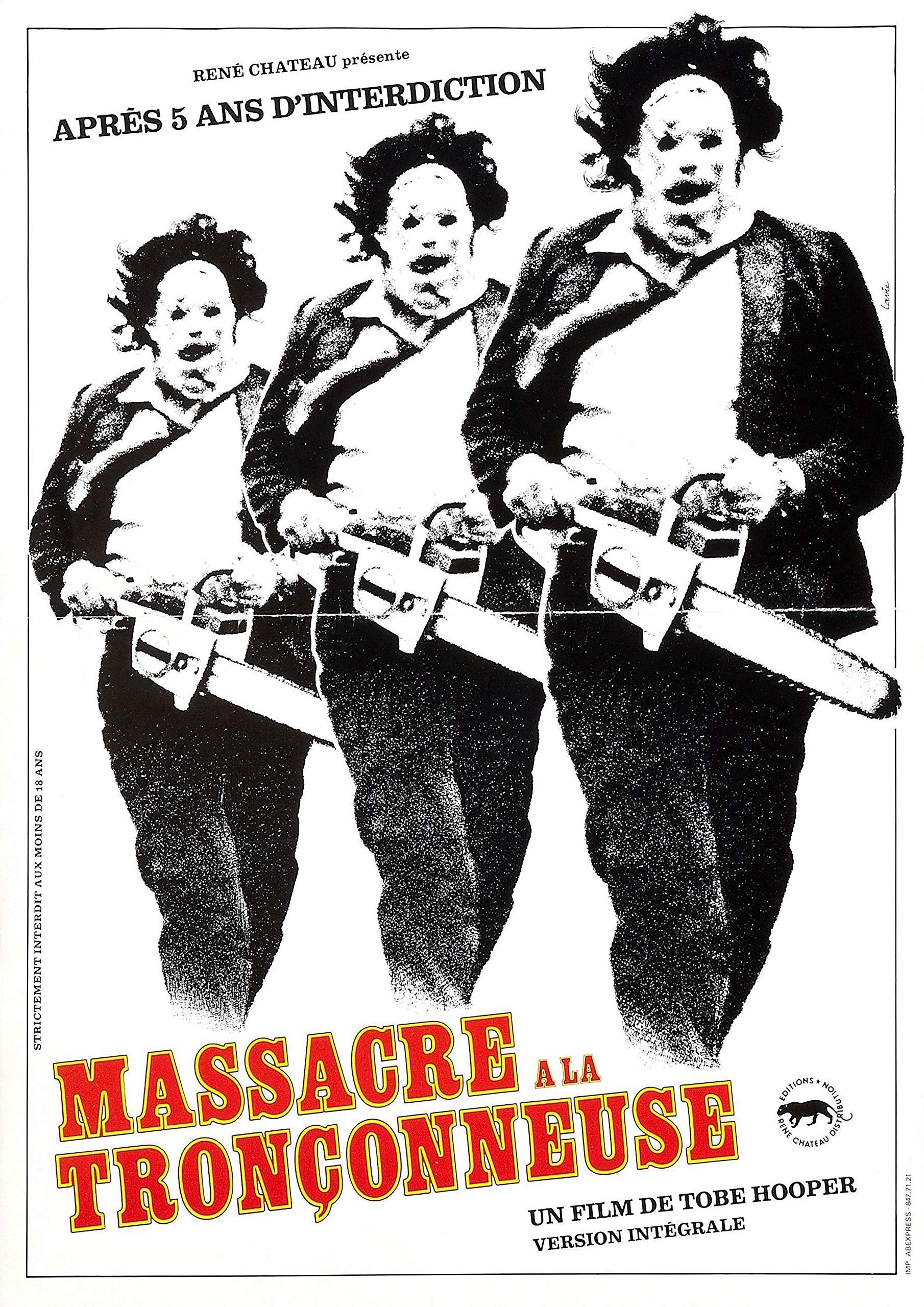
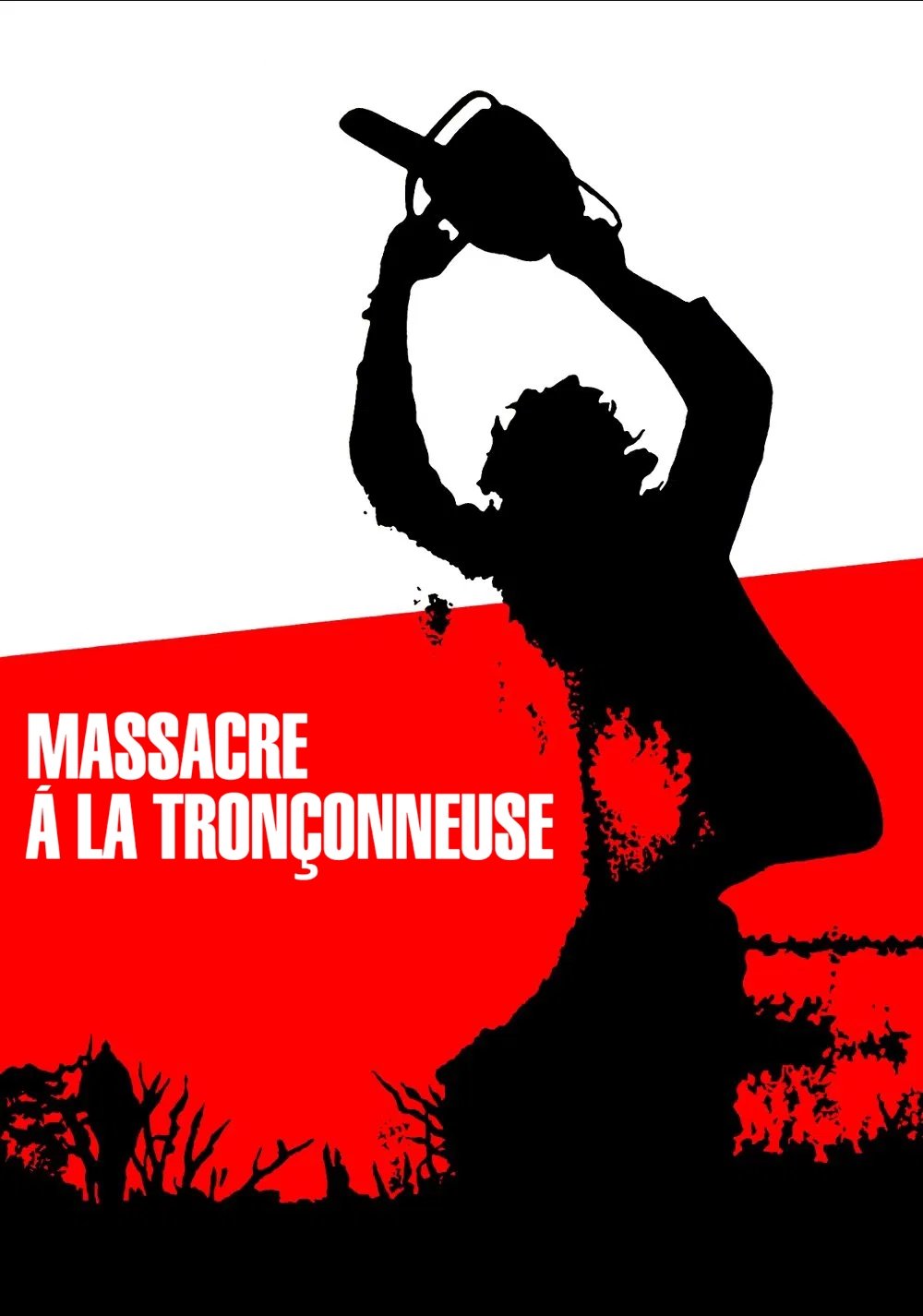
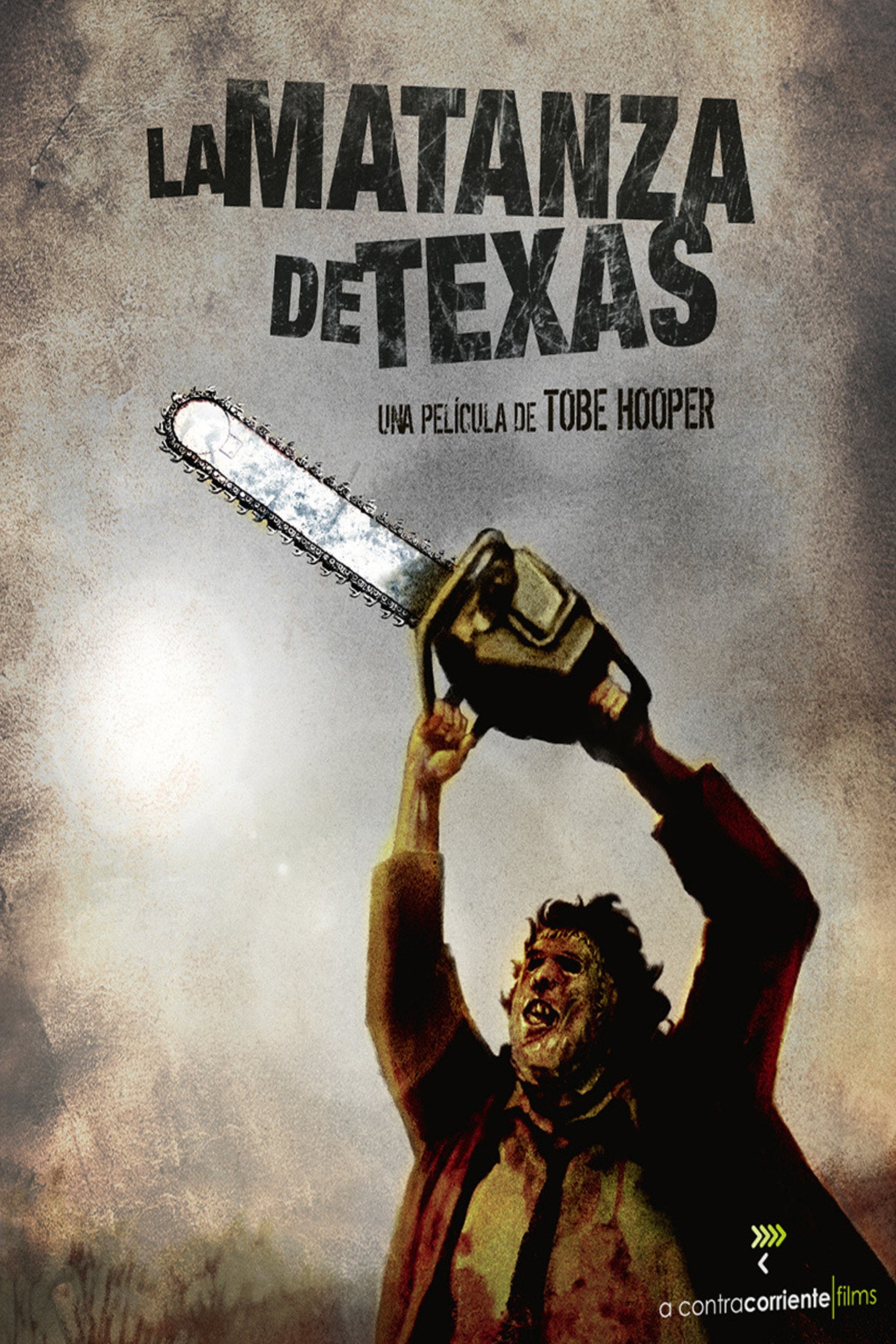
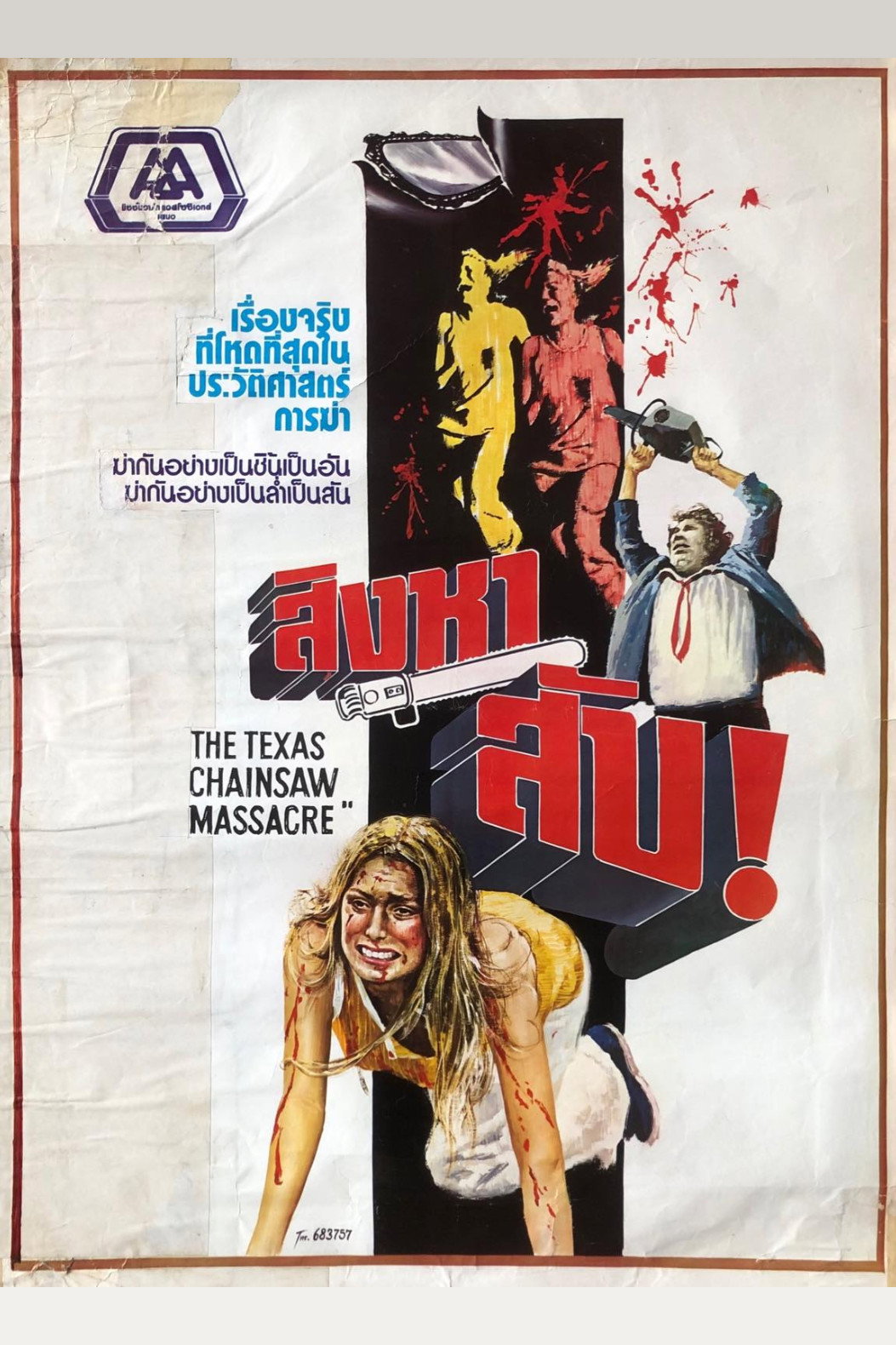
Show all 46 alternative titles Das Kettensägenmassaker (Germany) — West Germany (alternative title) Massaker 73 (Germany) — West Germany (alternative title) The Texas Chainsaw Massacre (Germany) — Germany (alternative modern title) The Texas Chainsaw Massacre - Blutgericht in Texas (Germany) — Germany (alternative modern title) Motorsavsmassakren (Denmark) — Danish Texase mootorsaemõrvad (Estonia) — Estonian La matança de Texas (Spain) — Catalan La matanza de Texas (Spain) — Spanish Massacre à la tronçonneuse (France) — French ტეხასური ჟლეტა ბენზოხერხით (Georgia) — Georgian Ο Σχιζοφρενής Δολοφόνος με το Πριόνι (Greece) — Greek 德州電鋸殺人狂 (Hong Kong SAR China) — Chinese Teksaški masakr motornom pilom (Croatia) — Croatian A texasi láncfűrészes mészárlás (Hungary) — Hungarian המנסרים מטקסס (Israel) — Hebrew Non aprite quella porta (Italy) — Italian 悪魔のいけにえ (Japan) — Japanese 텍사스 전기톱 학살 (South Korea) — Korean Kruvinosios skerdynės Teksase (Lithuania) — Lithuanian La masacre de Texas (Mexico) — Spanish Motorsagmassakren (Norway) — Norwegian Teksańska masakra piłą mechaniczną (Poland) — Polish Massacre no Texas (Portugal) — Portuguese Masacrul din Texas (Romania) — Romanian Тексашки масакр моторном тестером (Serbia) — Serbian Техасская резня бензопилой (Russia) — Russian مجزرة منشار تكساس (Saudi Arabia) — Arabic Motorsågsmassakern (Sweden) — Swedish สิงหาสับ (Thailand) — Thai Teksas Katliamı (Türkiye) — Turkish 德州電鋸殺人狂 (Taiwan) — Chinese Техаська різанина бензопилою (Ukraine) — Ukrainian Headcheese (United States) — Working Title Leatherface (United States) — Working Title Saturn in Retrograde (United States) — Working Title Stalking Leatherface (United States) — Working Title The Texas Chainsaw Massacre (United States) — alternative spelling Tử Thần Vùng Texas (Vietnam) — Vietnamese

Trailers & Videos

10 videos

Film Guide & Analysis

Tobe Hooper turns rural Texas, slaughterhouse imagery, 16mm realism and abrasive sound into a landmark of American horror built more on sustained terror than explicit gore.

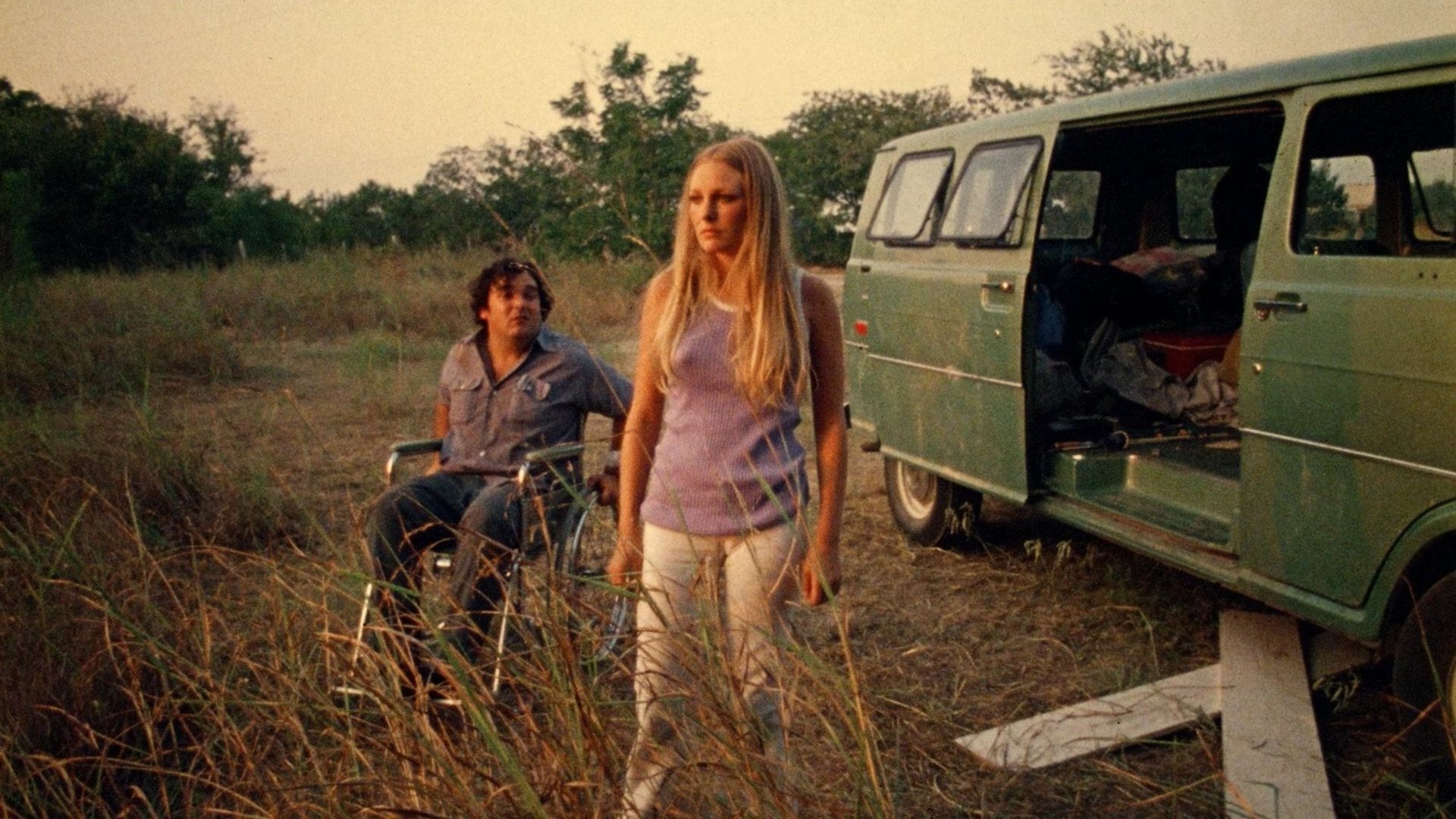
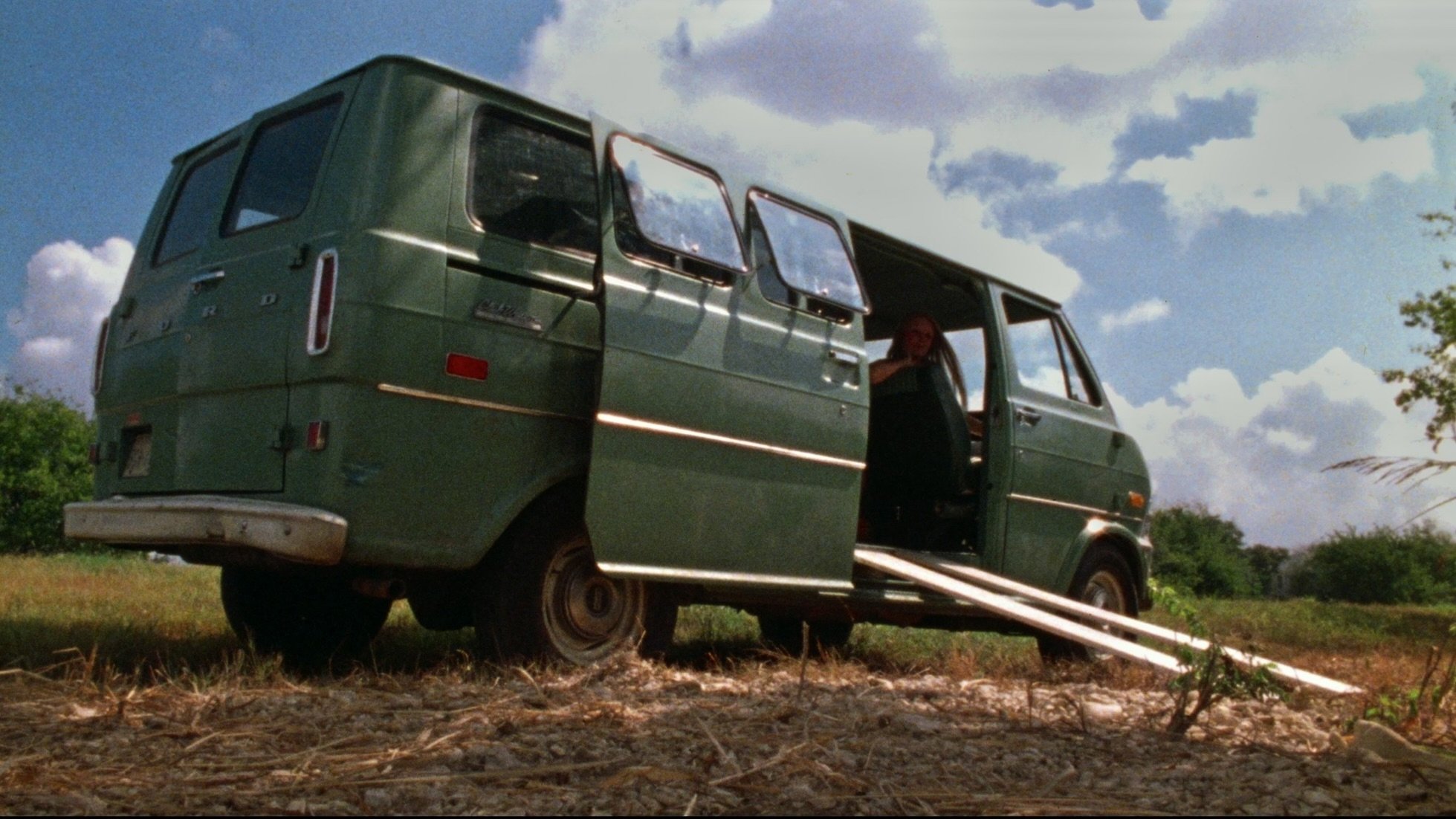
The Texas Chain Saw Massacre is a 1974 American horror film directed by Tobe Hooper and written by Hooper with Kim Henkel. Marilyn Burns plays Sally Hardesty, who travels through rural Texas with her brother Franklin and three friends after reports of grave desecration raise concerns about their family cemetery. Their journey leads them toward an isolated farmhouse occupied by a former slaughterhouse family and, eventually, Leatherface, played by Gunnar Hansen. The film announces itself as an account of real events, but the story is fictional. Its connection with Wisconsin murderer and grave robber Ed Gein lies primarily in selected imagery involving human skin, bones and domestic objects rather than in a reconstruction of Gein's crimes.

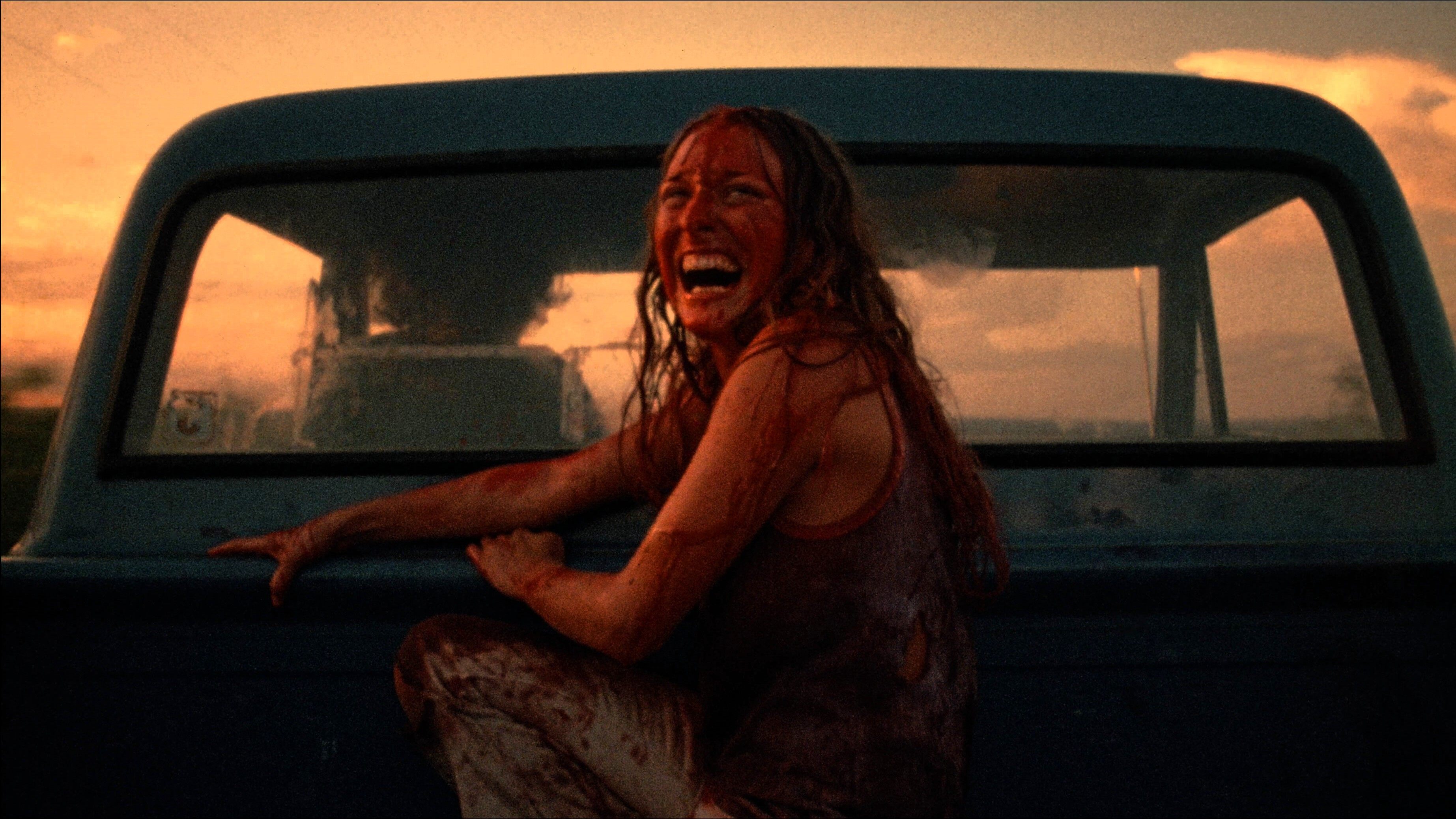
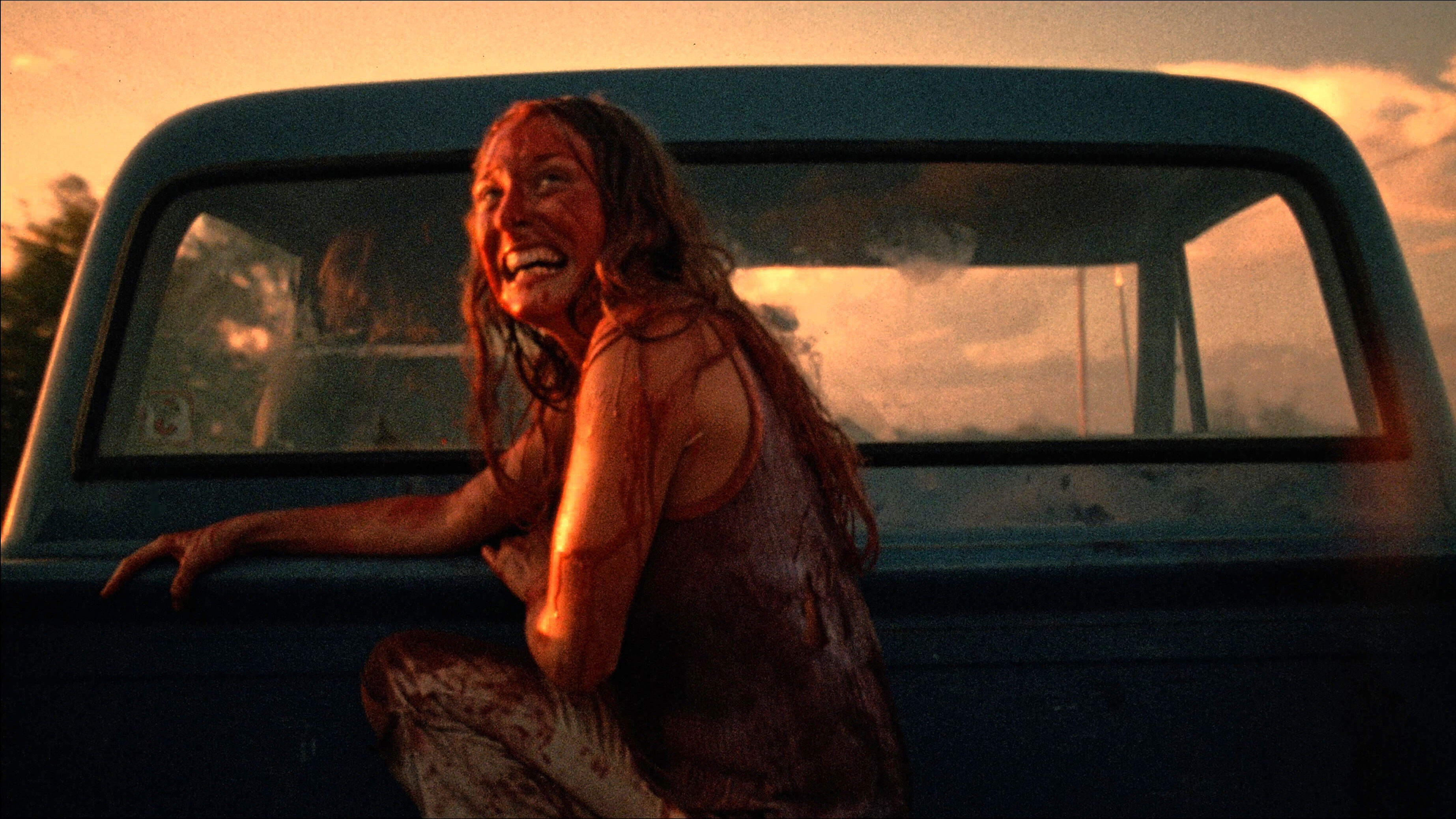
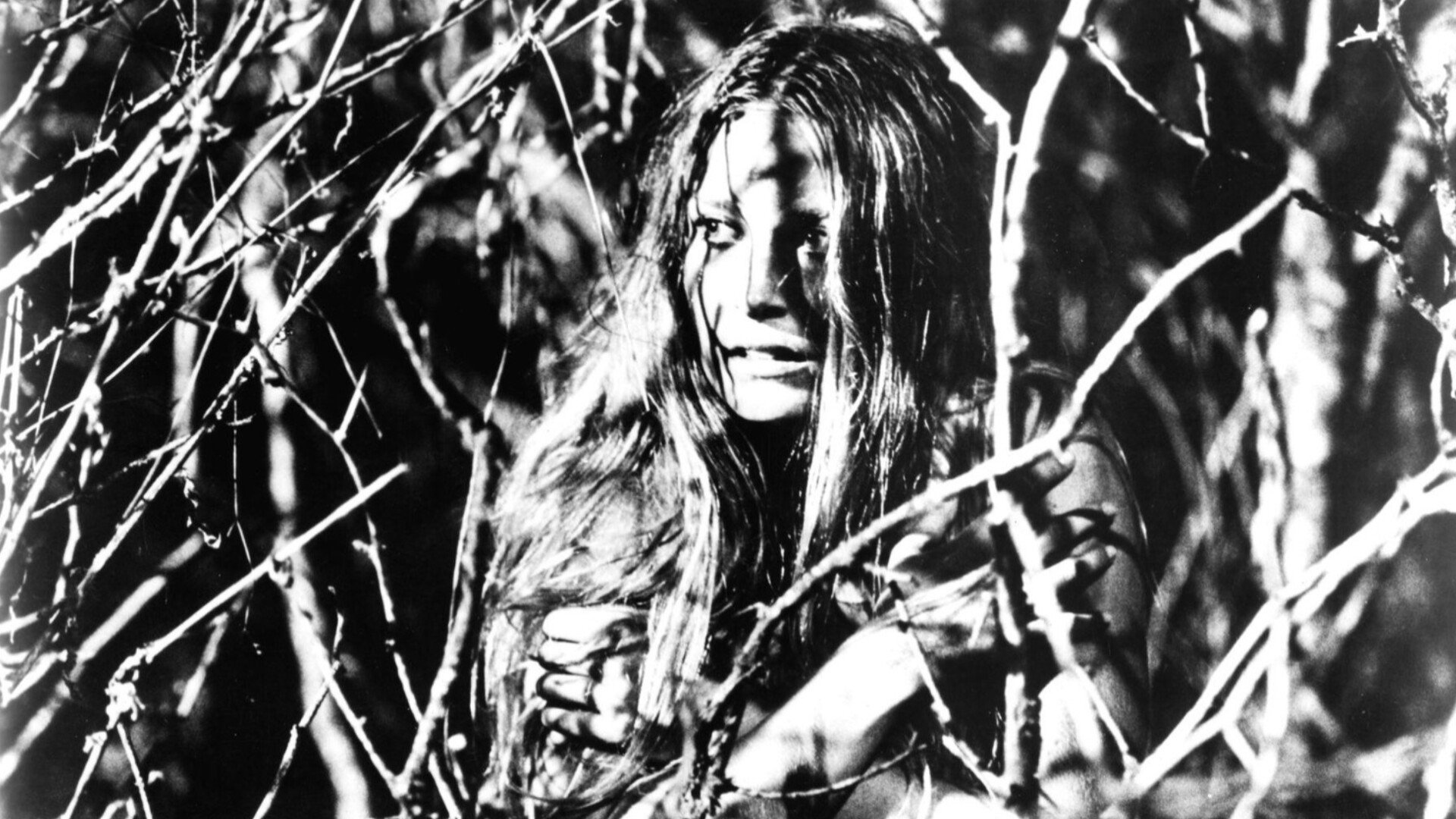
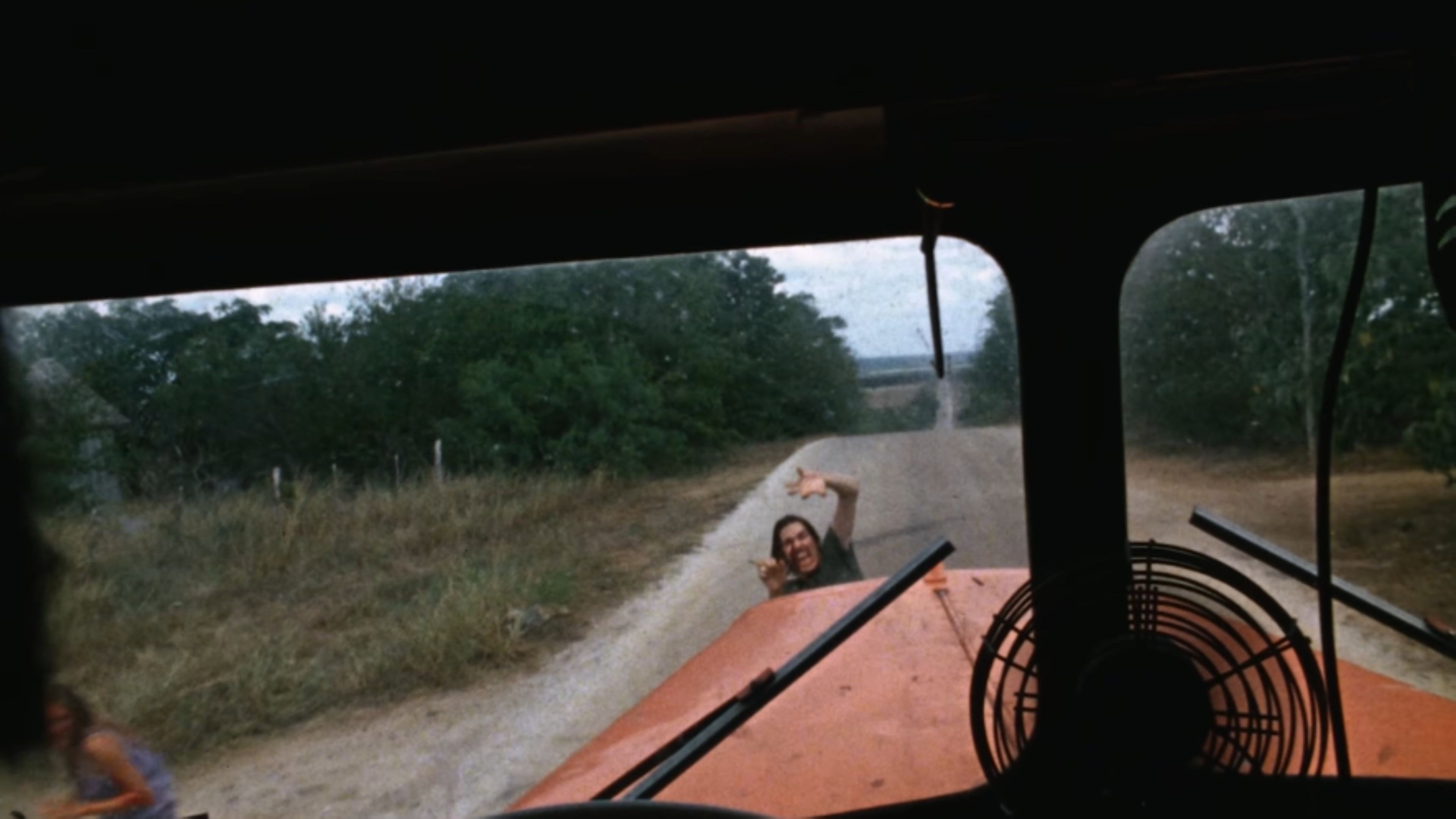
The film's reputation has often been shaped by an assumption of extreme graphic violence suggested by its title. The actual images are more restrained. Hooper repeatedly allows sound, editing, reaction and implication to complete violence that the camera does not show directly. Combined with Daniel Pearl's grainy 16mm photography, Robert A. Burns's production design and the abrasive sound world created by Hooper and Wayne Bell, that restraint gives the film an almost documentary immediacy. What begins as a road movie becomes an assault on ordinary distinctions between house and slaughterhouse, family and predator, food and body, before concentrating almost entirely on Sally's prolonged experience of terror.

Development, Tobe Hooper & the Ed Gein Connection

Hooper developed the film with Kim Henkel in Austin, Texas, within a local filmmaking culture closely connected to the University of Texas. Early titles considered for the project included Leatherface and Headcheese. The eventual title transformed a relatively simple rural-horror premise into something that sounded almost like a criminal case file, an effect reinforced by the solemn opening narration and the claim that the events being shown had actually occurred. The story was not, however, an adaptation of a specific murder case. Ed Gein provided an important source for particular images.

Gein's use of human remains had already contributed to the cultural background of Psycho, and Hooper and Henkel drew upon the same disturbing material when imagining masks made from human skin and a household decorated with bones. The cannibal family, the road journey, the slaughterhouse background and the individual murders were created for the film. That distinction matters because The Texas Chain Saw Massacre uses the authority of true crime without accepting the limitations of factual reconstruction. The opening narration creates a documentary expectation, while the film itself moves increasingly toward nightmare. News reports, grave desecration and apparently ordinary rural locations give the first movement a recognisable social world.

Once the young travellers leave the road and enter the farmhouse, reality does not disappear, but its rules become progressively harder to trust. Hooper later connected the film's origins to a broader sense of American unease rather than to a single criminal inspiration. The early 1970s supplied economic anxiety, disturbing television news, political distrust and a culture already saturated with images of real violence. The film never names those conditions directly, yet its world feels exhausted and unstable. The abandoned slaughterhouse economy and the family's grotesque adaptation to unemployment allow industrial decline to become part of the horror without turning the film into a conventional social drama.
Independent Production & the Texas Shoot

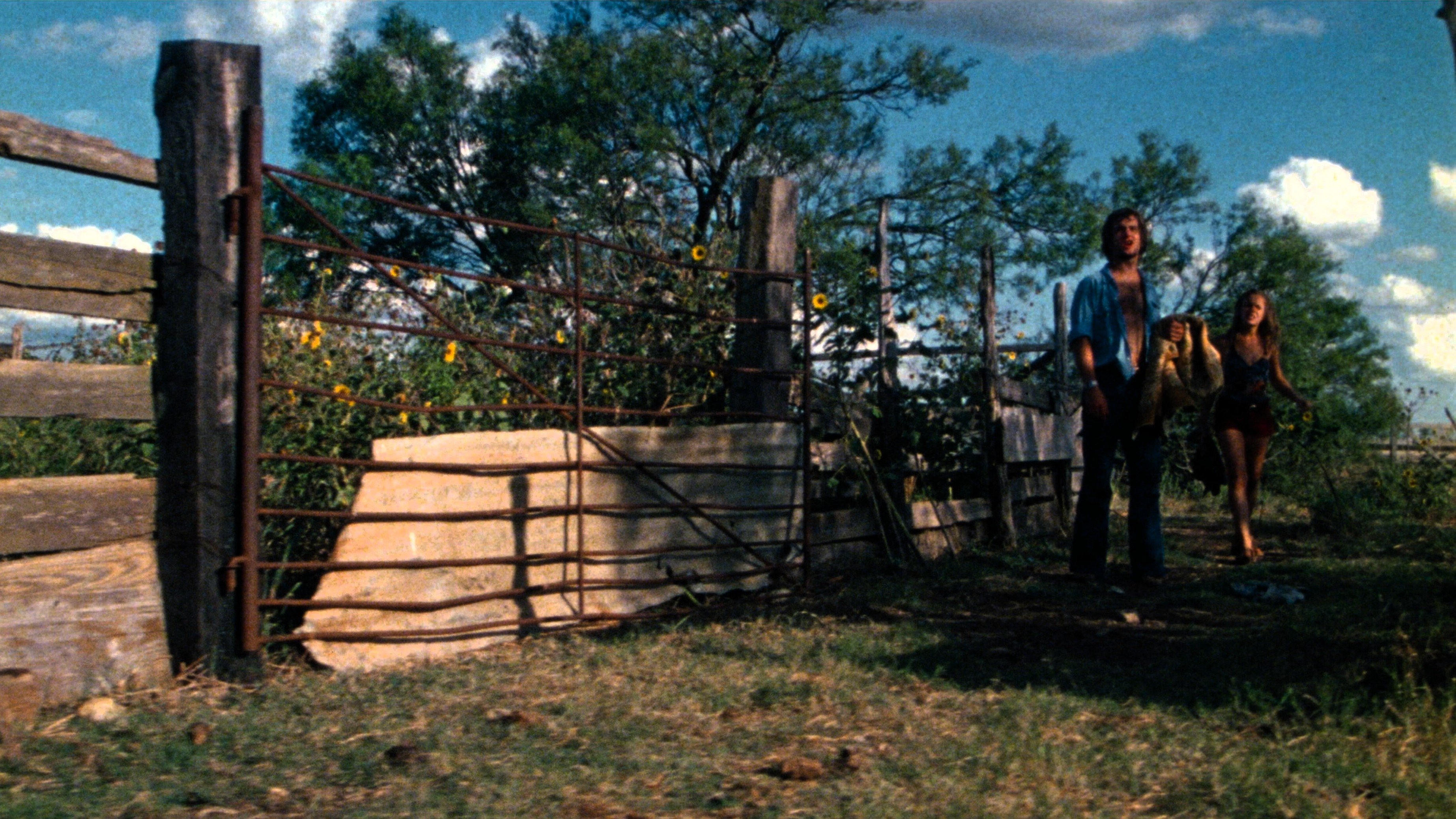
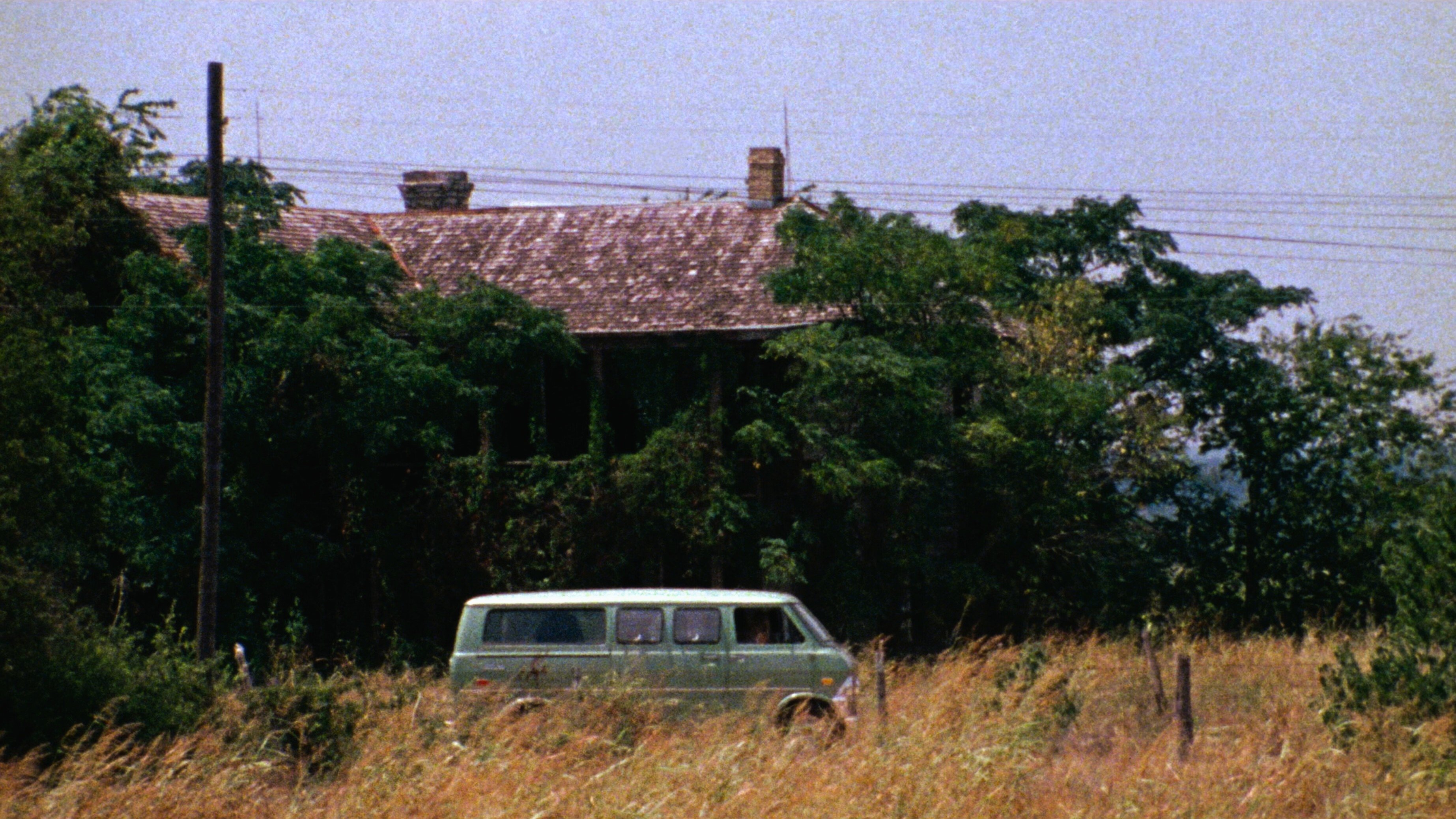
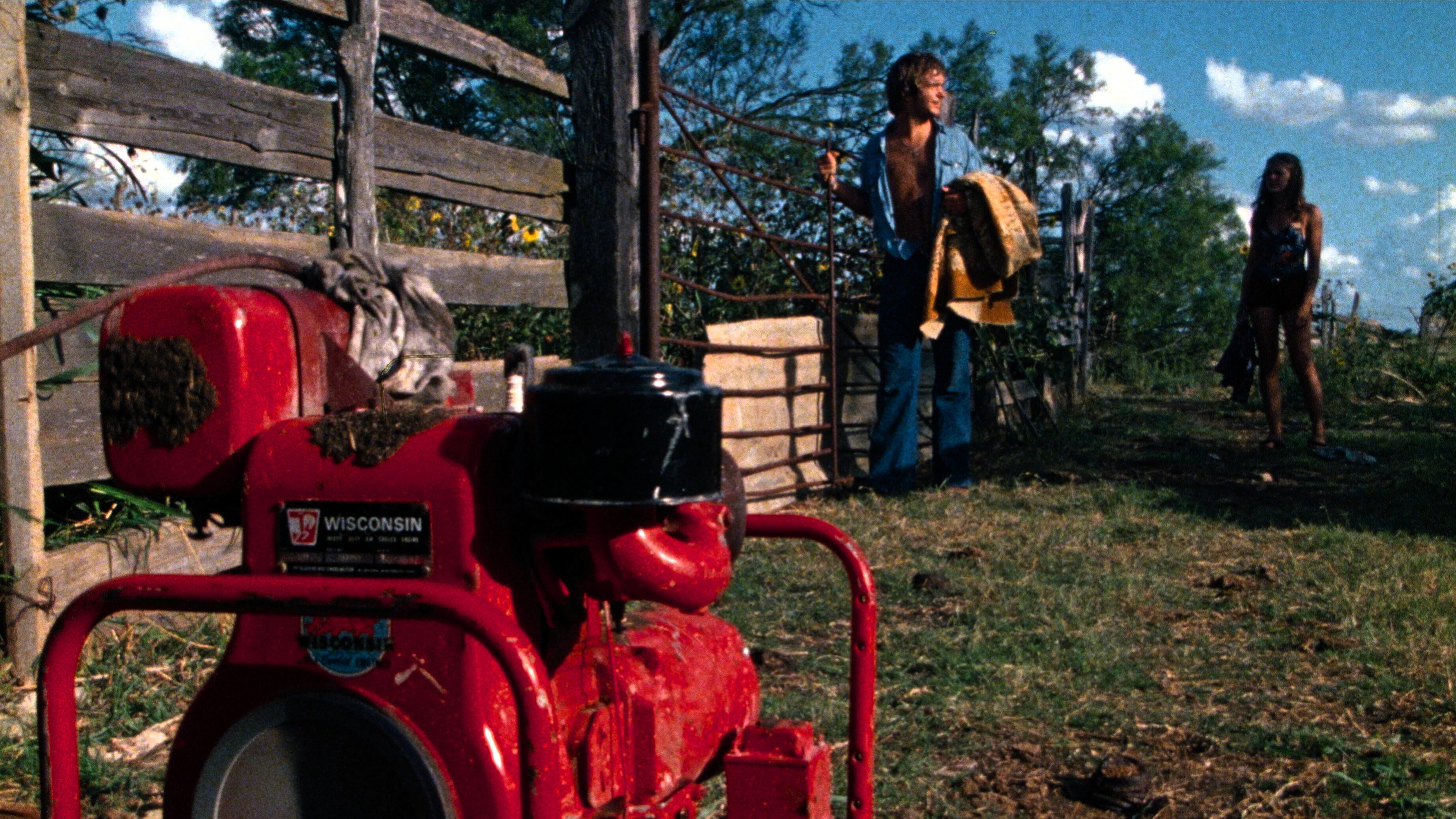
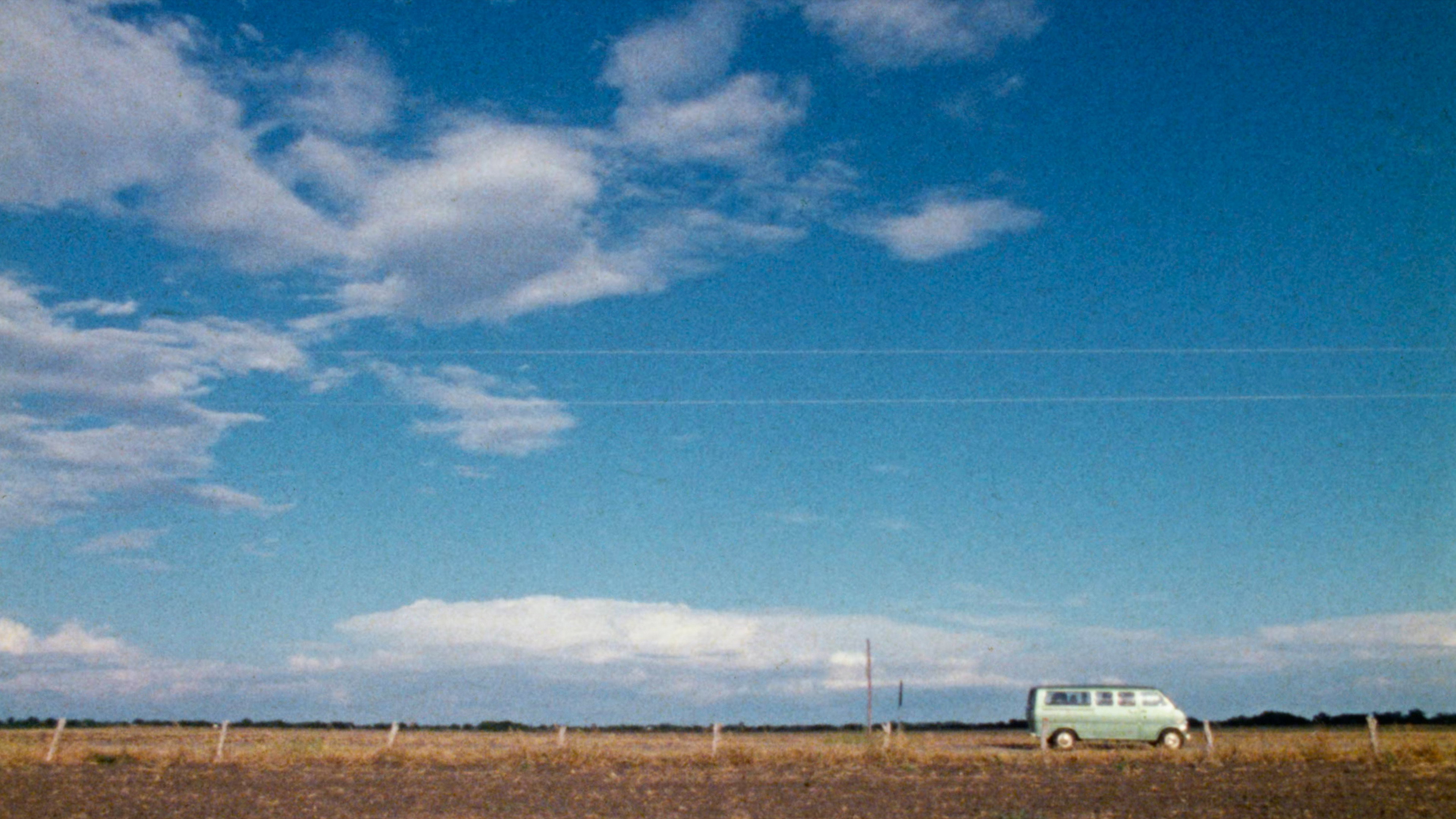
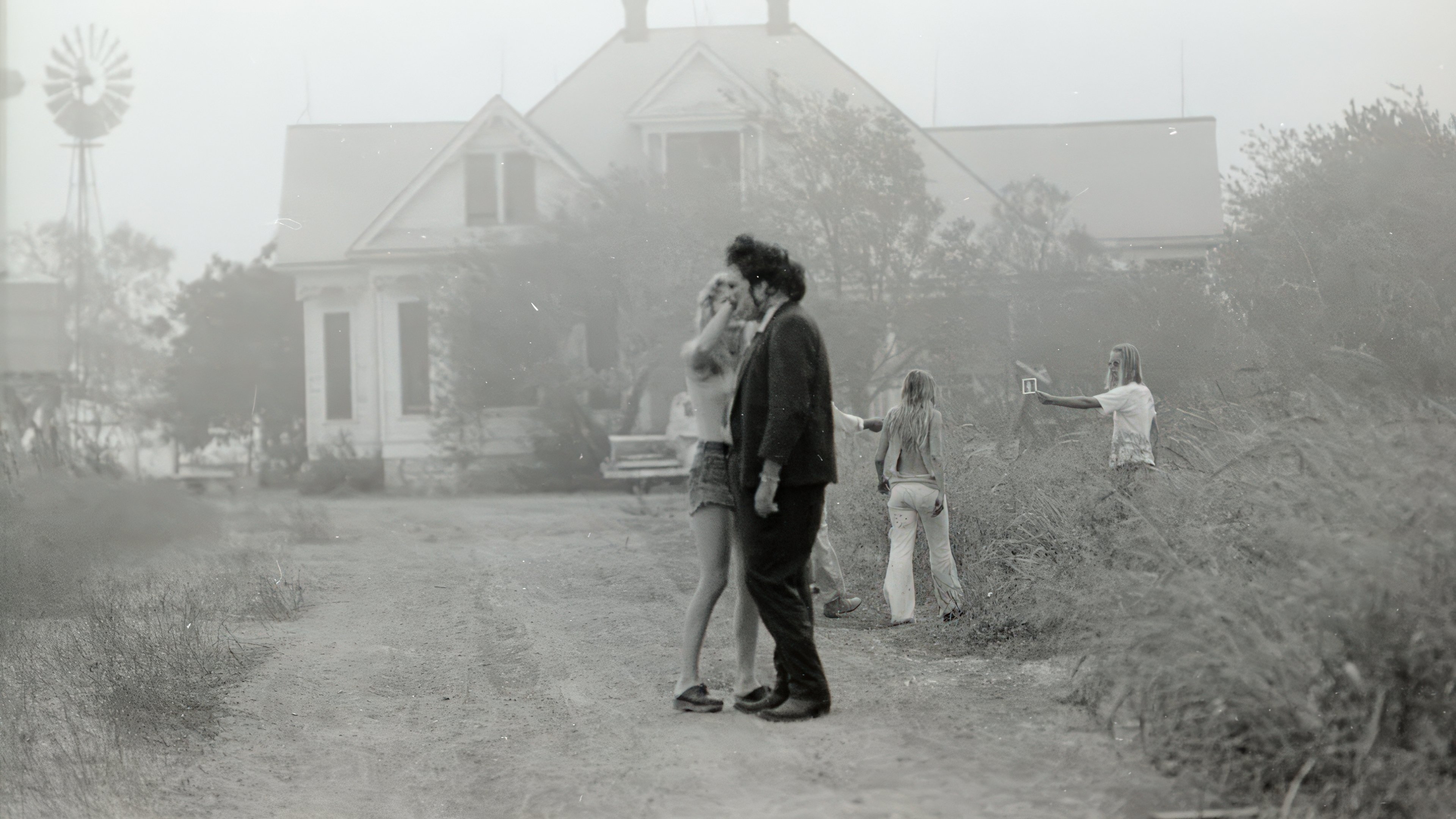
The production was organised through Vortex, Inc. and financed independently. Historical accounts disagree over the exact budget. Material preserved by the American Film Institute cites a figure of approximately $140,000, while cinematographer Daniel Pearl has recalled a production working closer to $80,000. Whatever figure is used, the film was made with resources radically below those of a conventional studio feature. Principal photography took place during the summer of 1973 in and around Austin and central Texas. The principal farmhouse stood near Round Rock on Quick Hill Road.

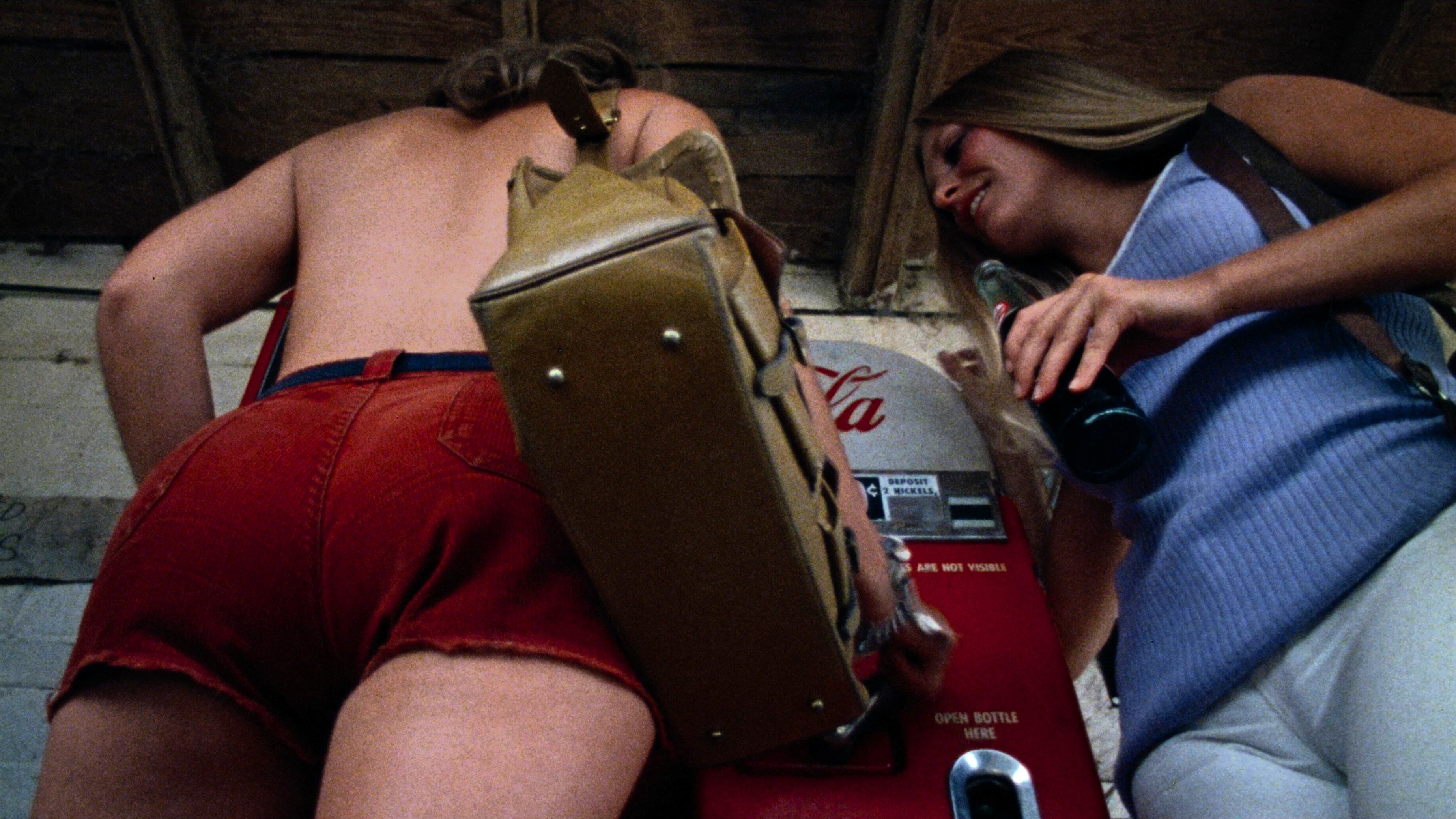
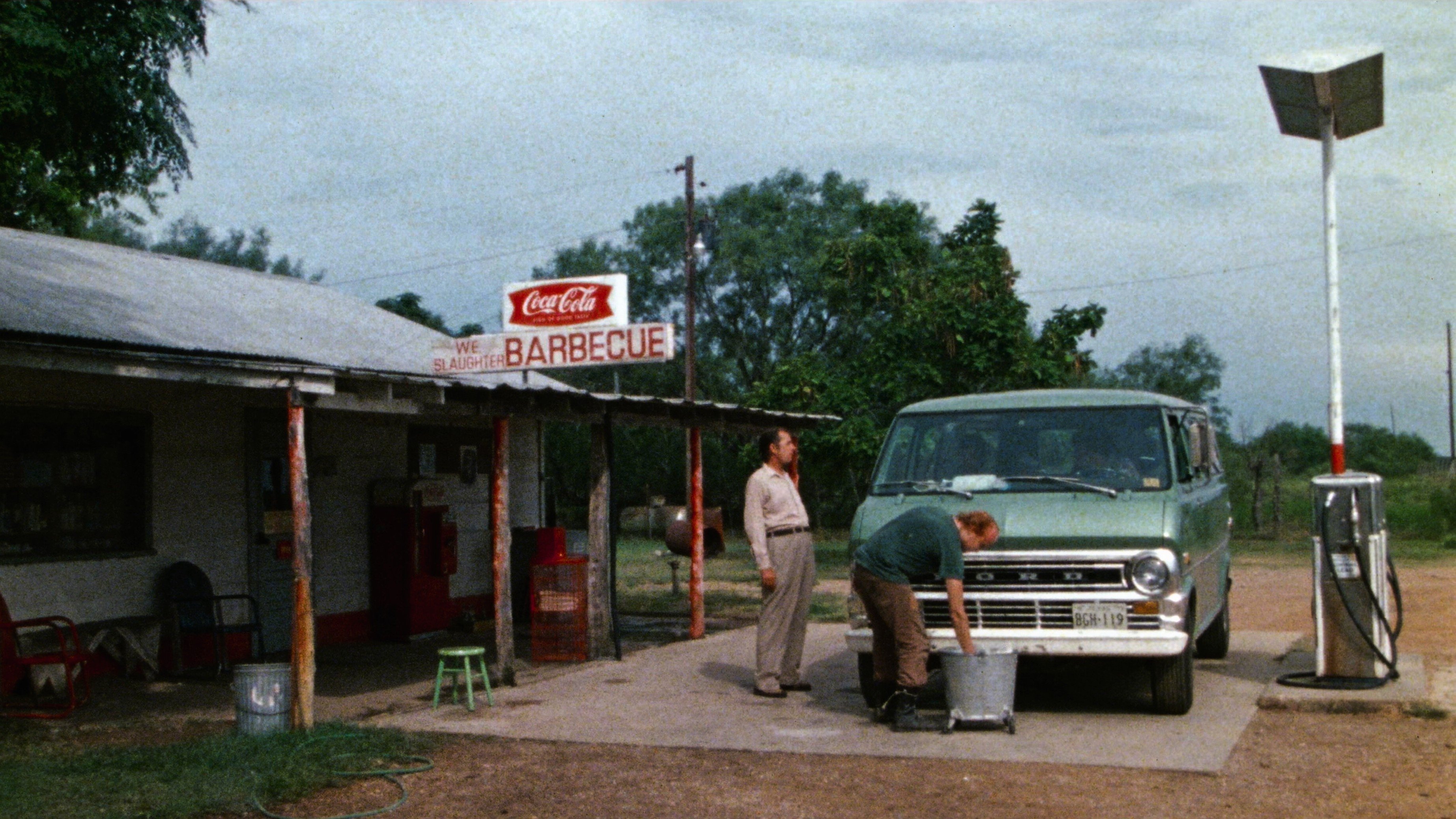
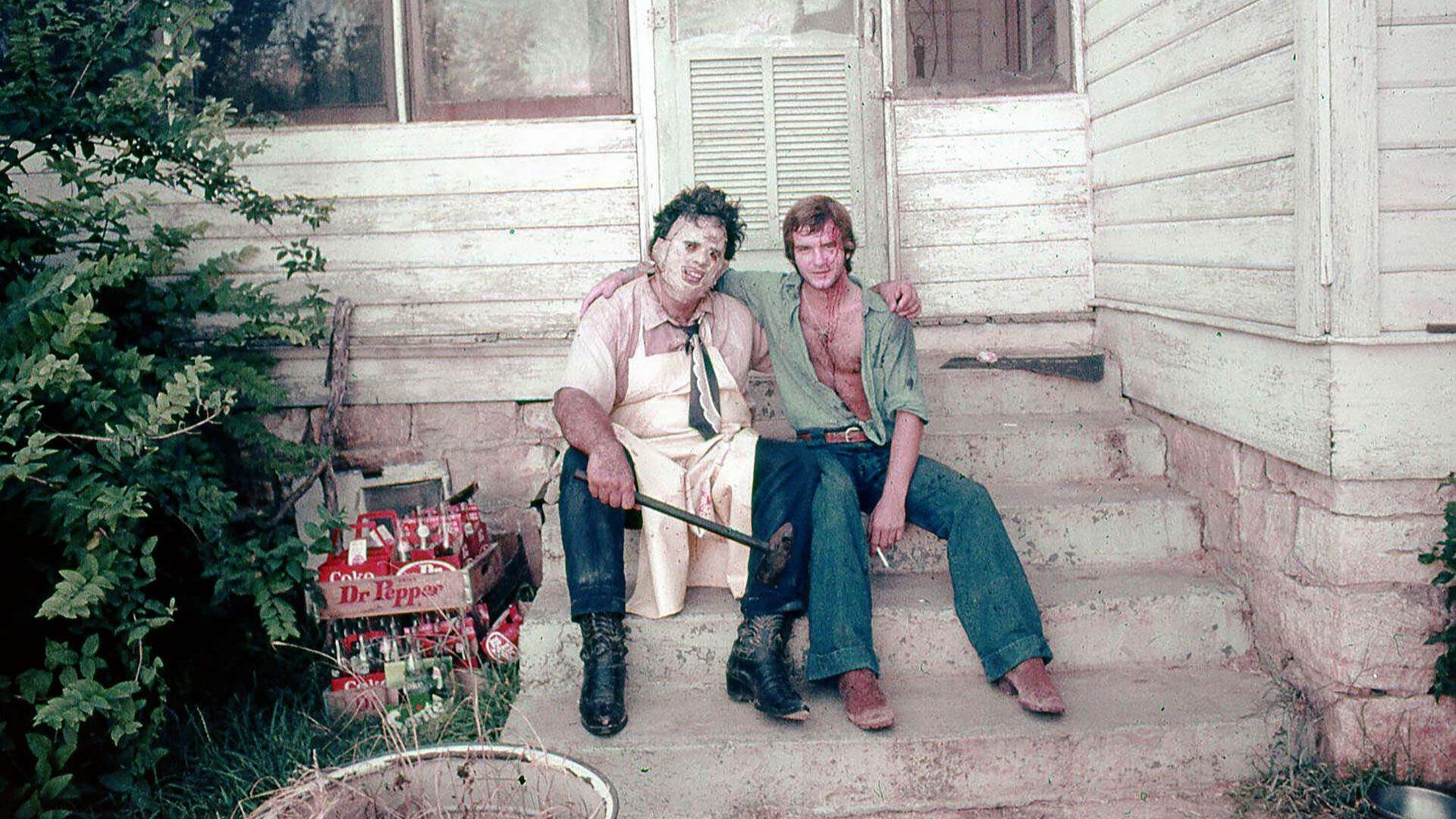
Other Texas locations supplied the cemetery, roadside landscapes, slaughterhouse material and gas station. The house was later moved from its original site and reconstructed in Kingsland, where the building survived long after the rural area seen in the film had been transformed by development. The production's limitations became inseparable from its appearance. Crew members were young, departments were small and many participants moved between responsibilities. The Texas summer placed the company in intense heat while much of the film required work inside a farmhouse that offered little relief.

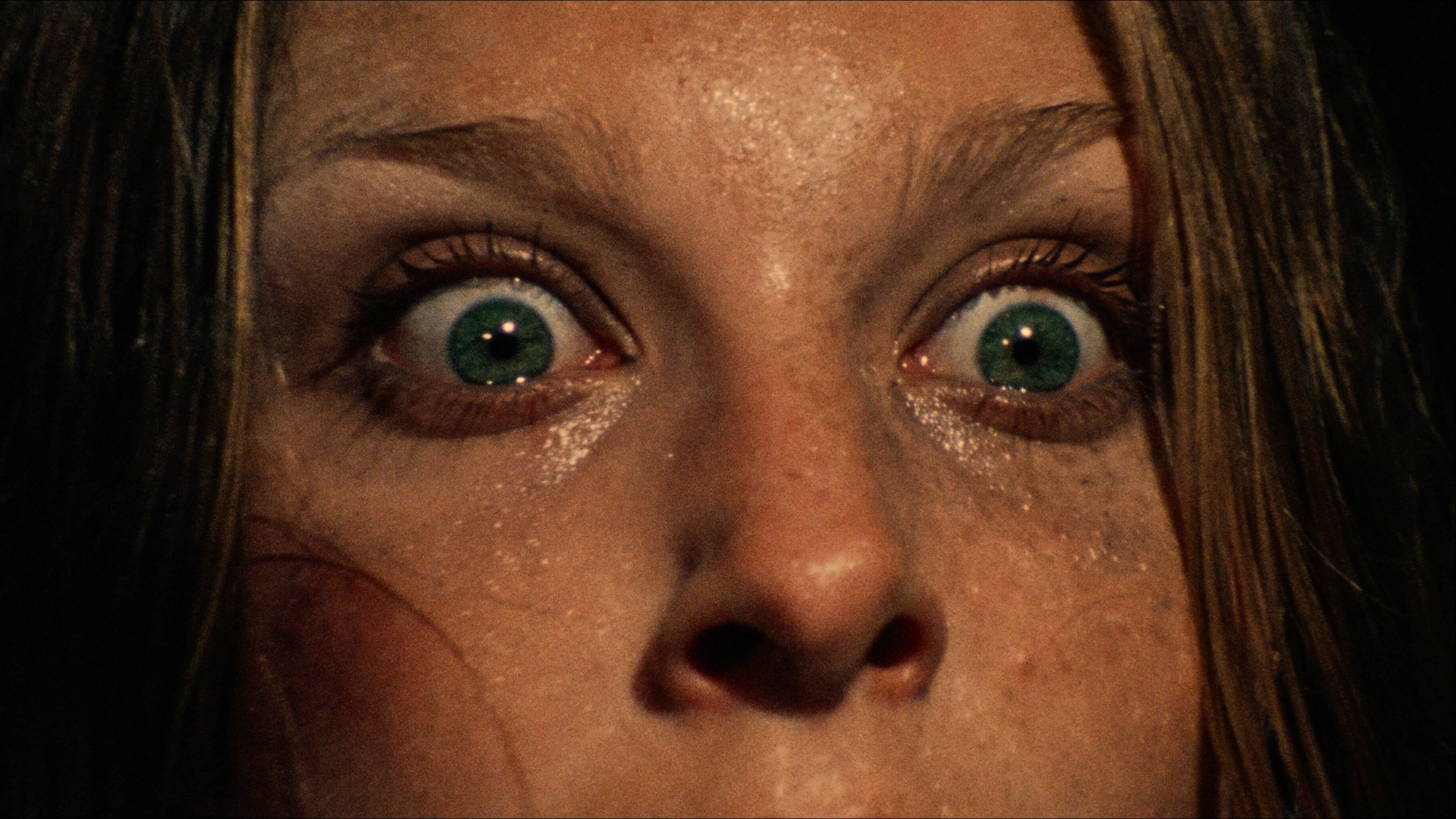
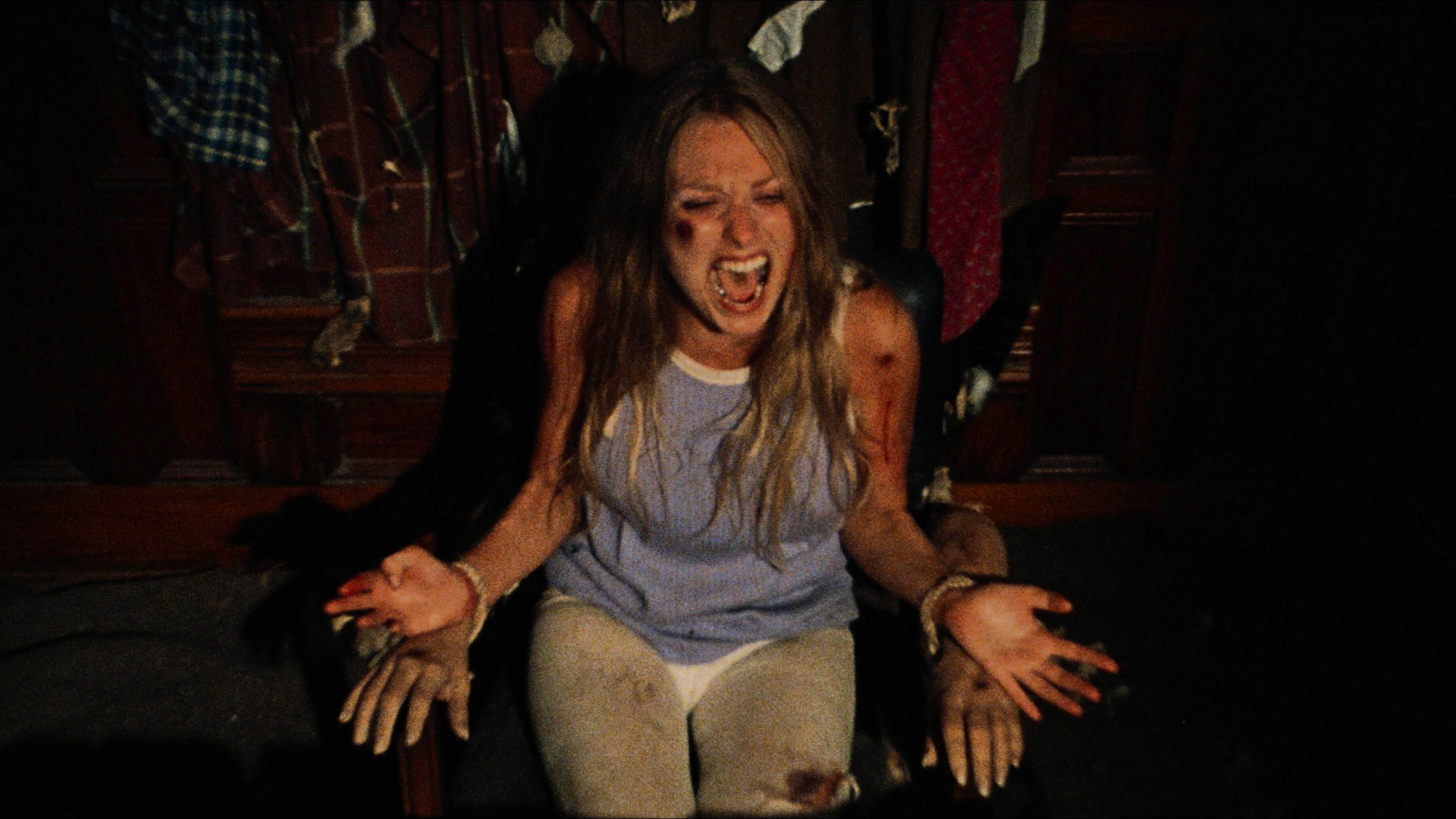
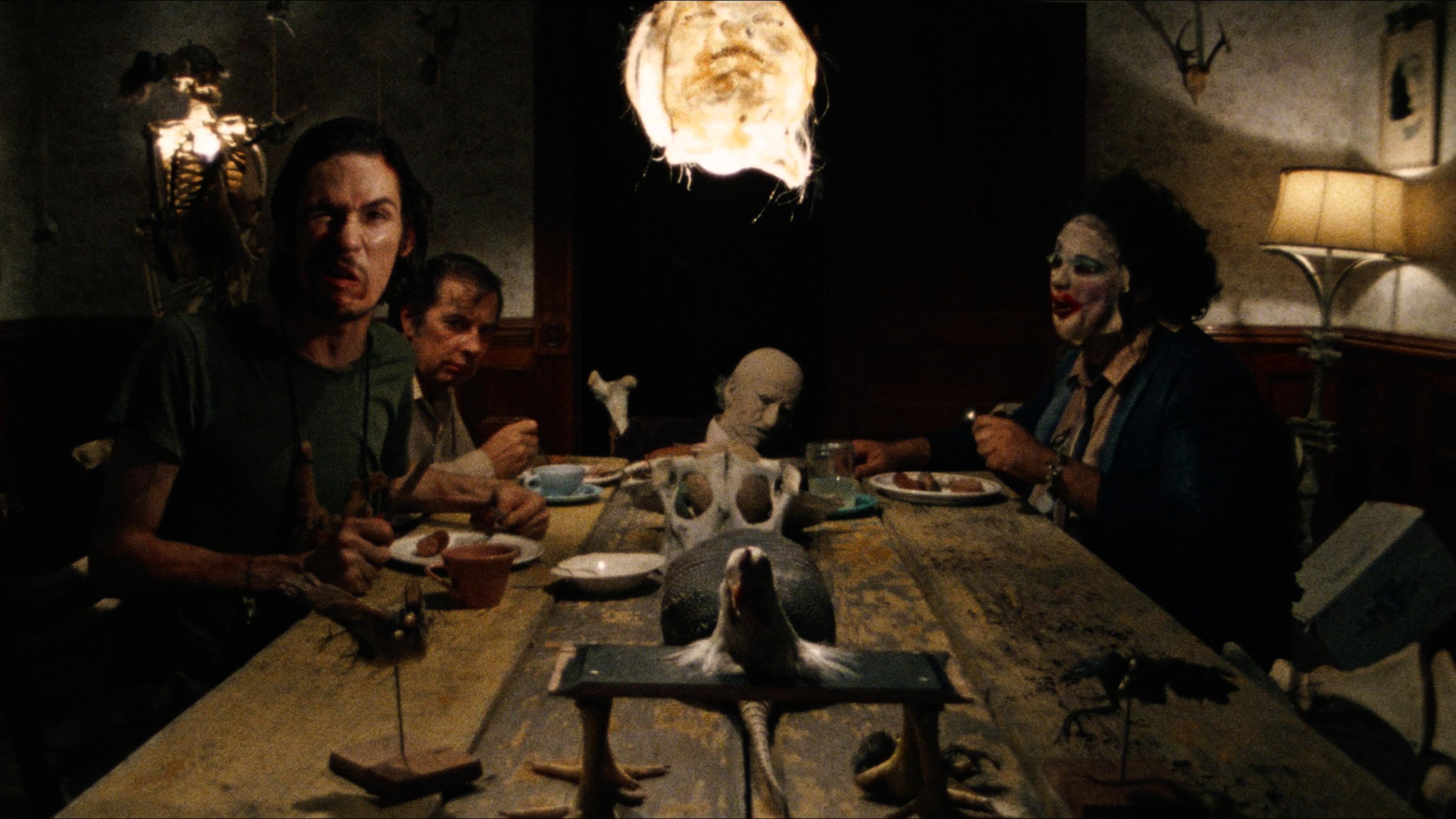
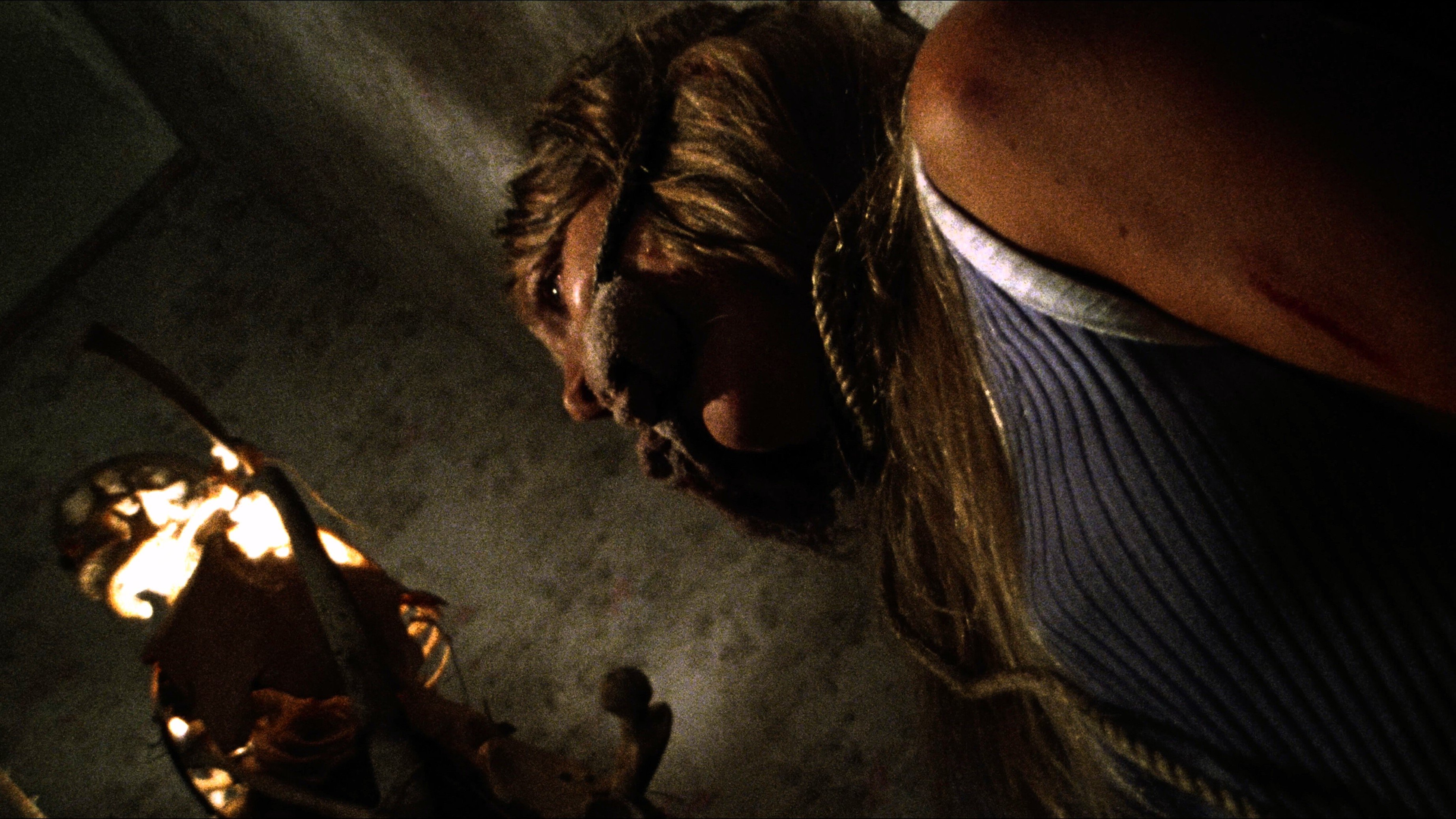
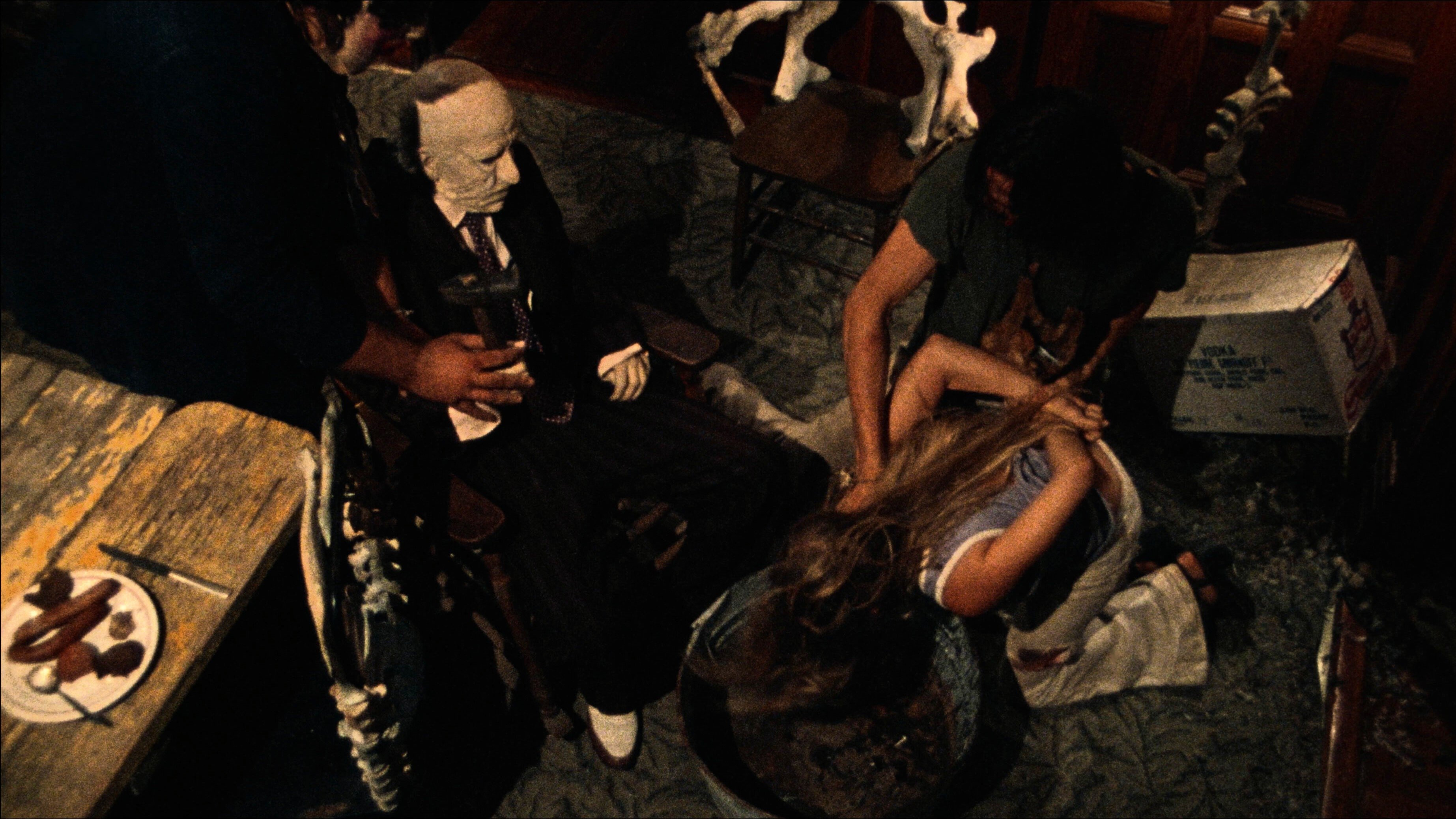
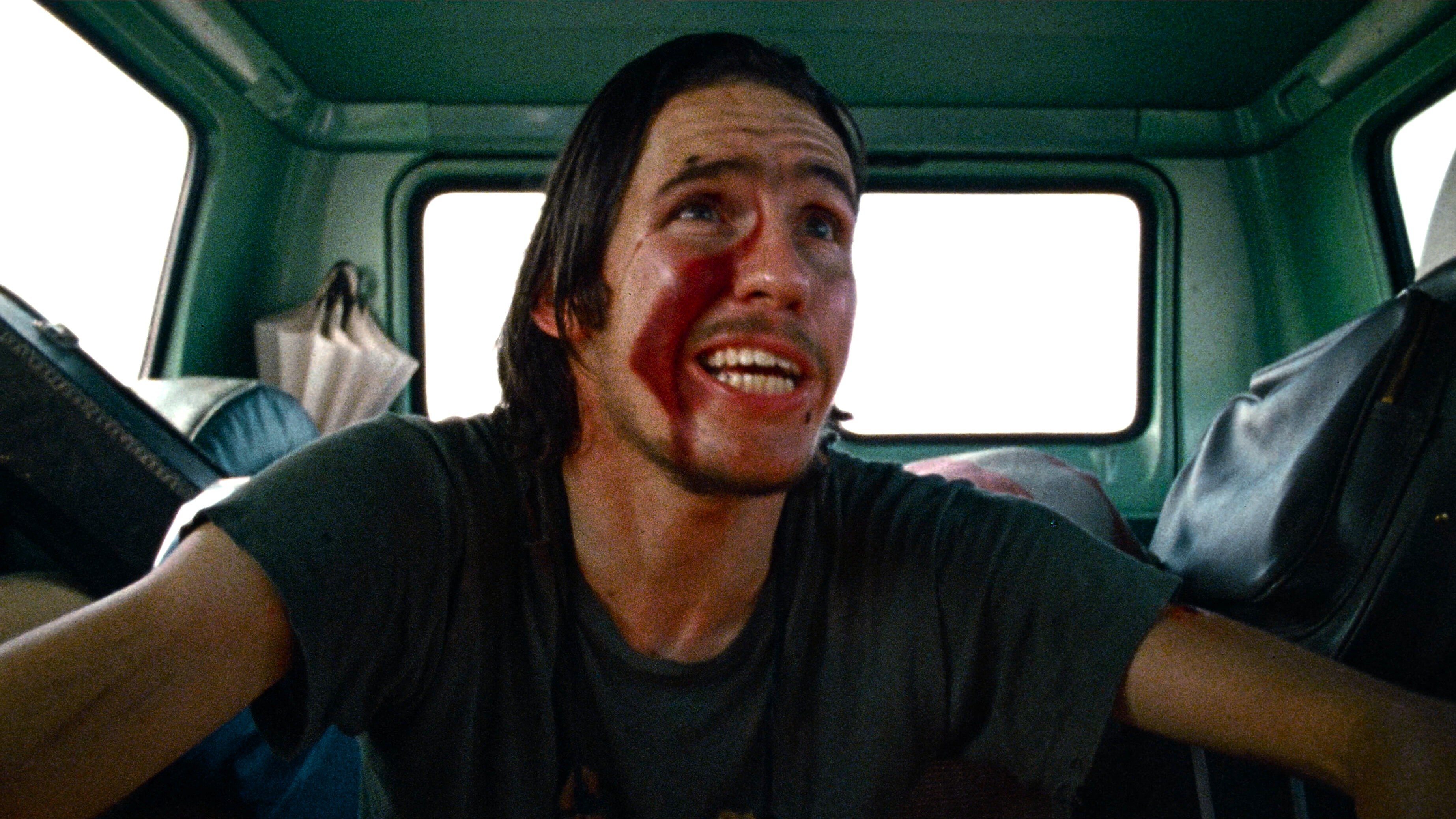
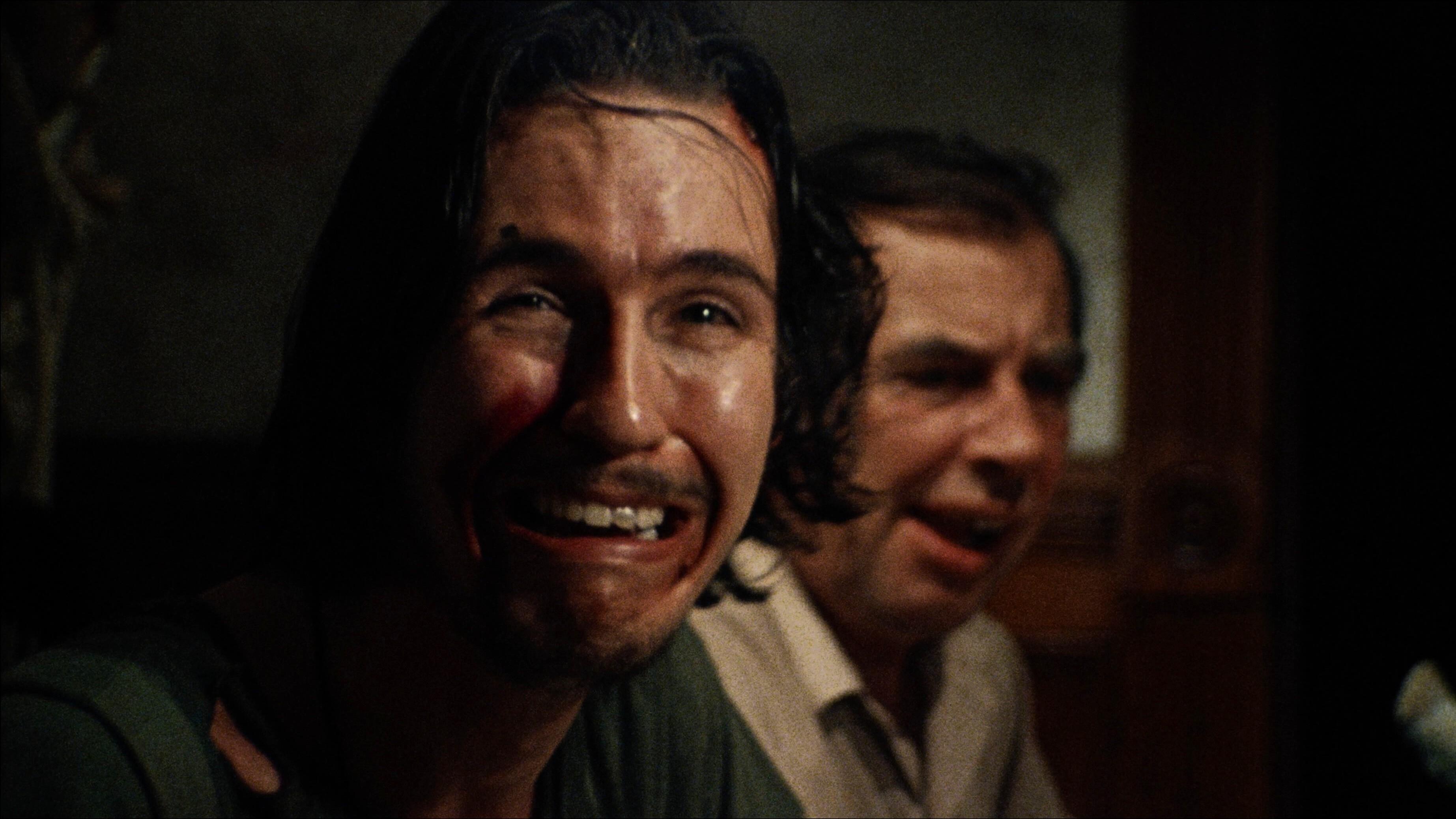
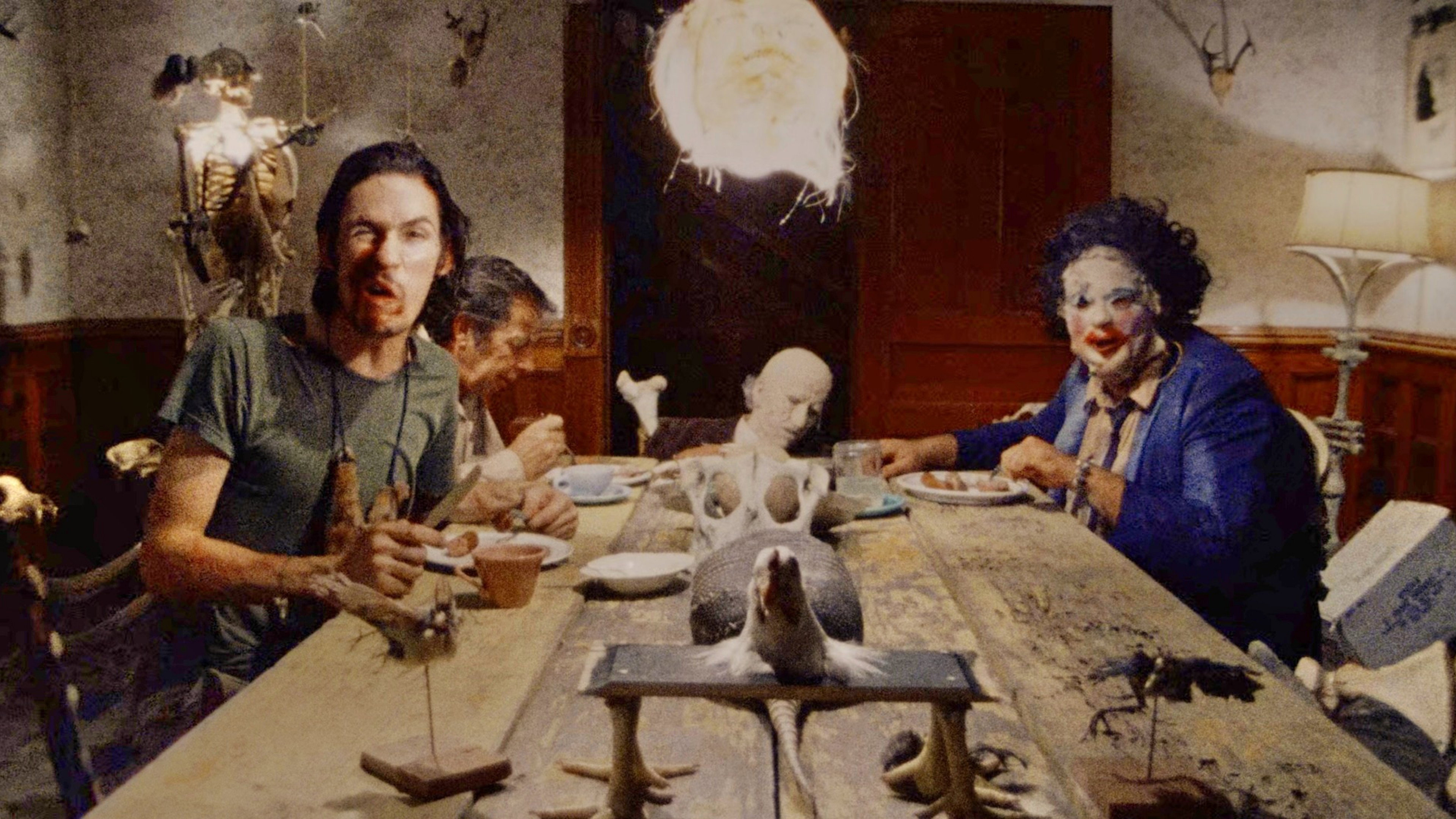
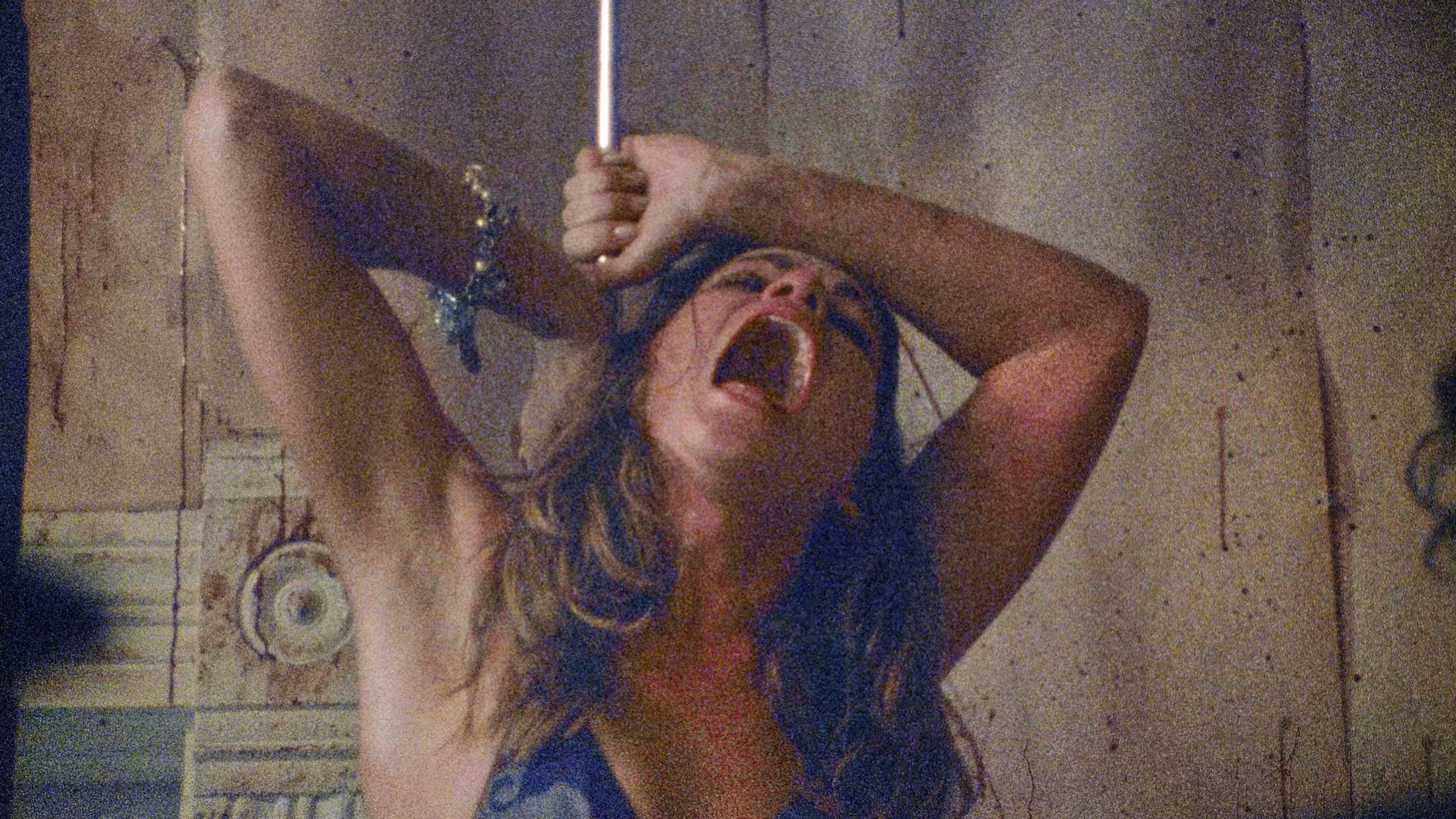
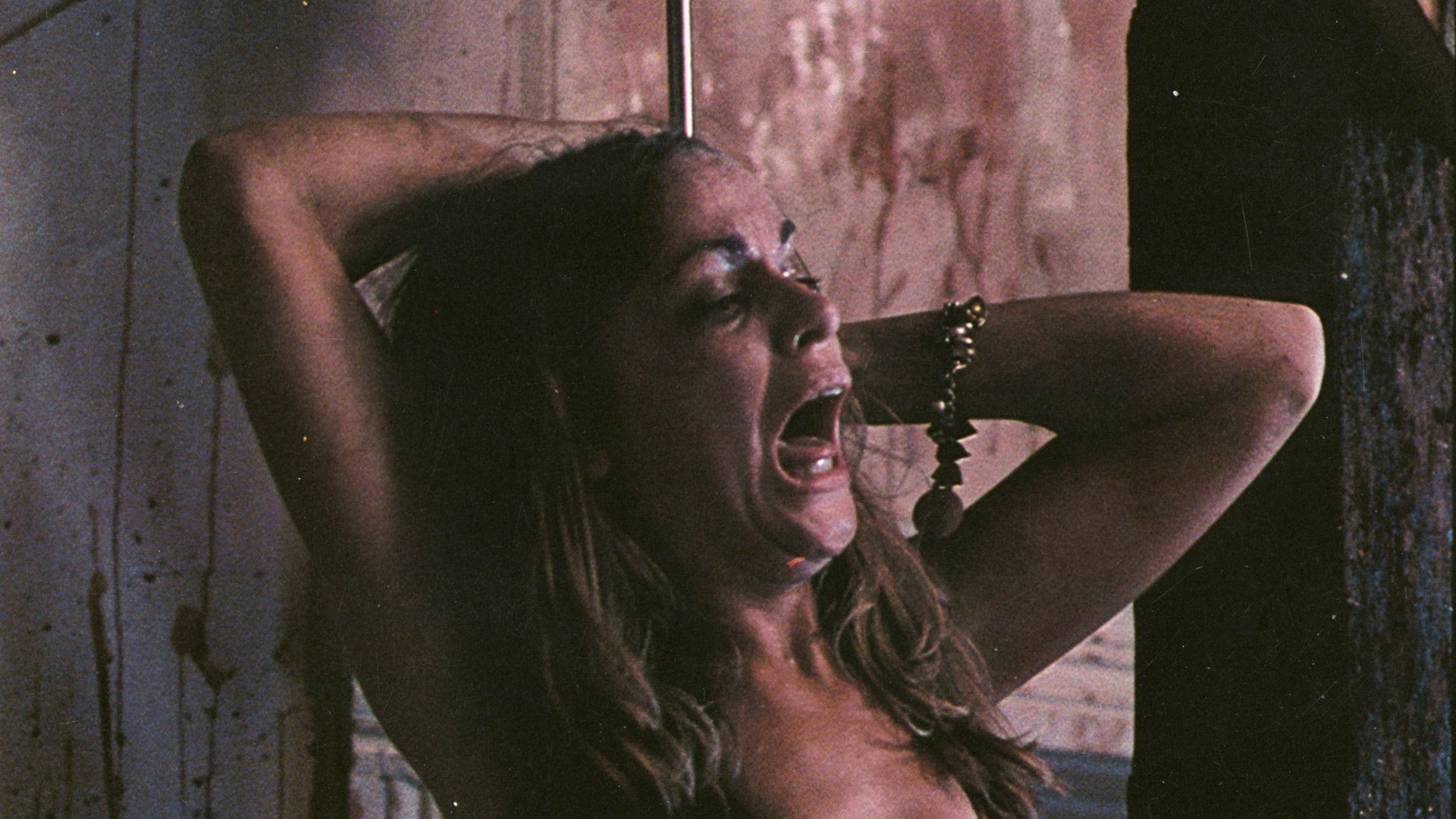
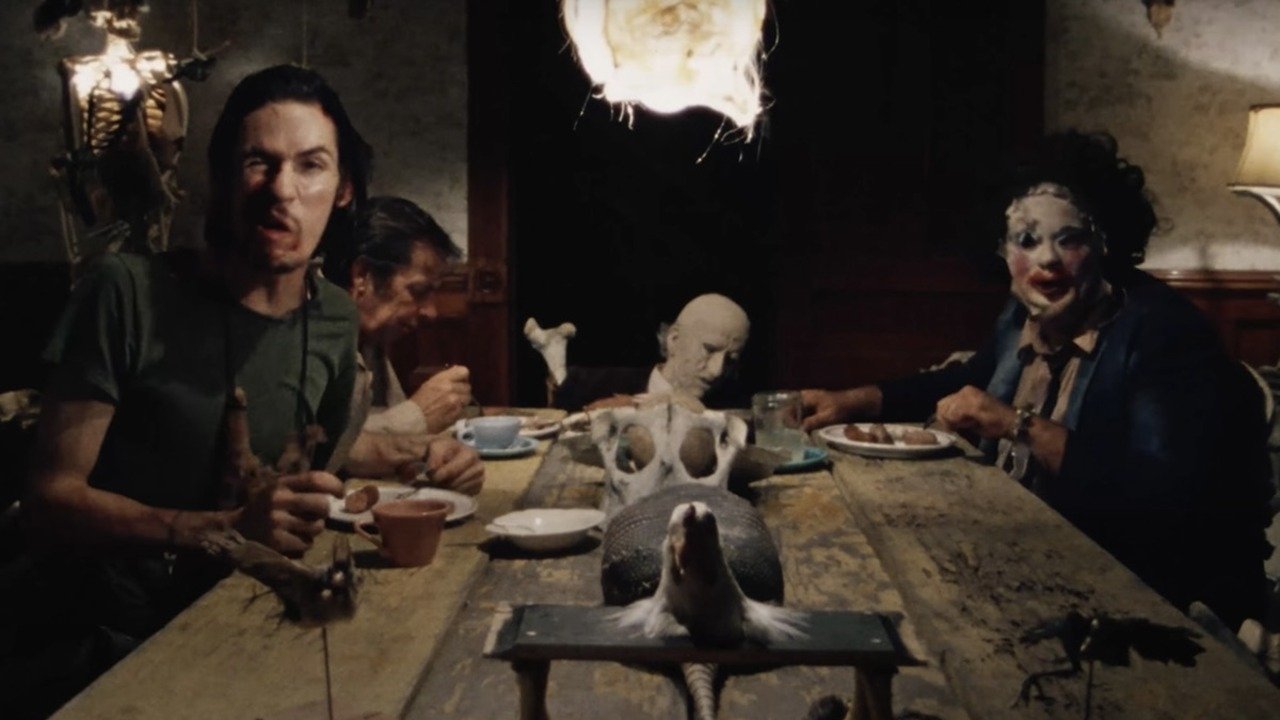
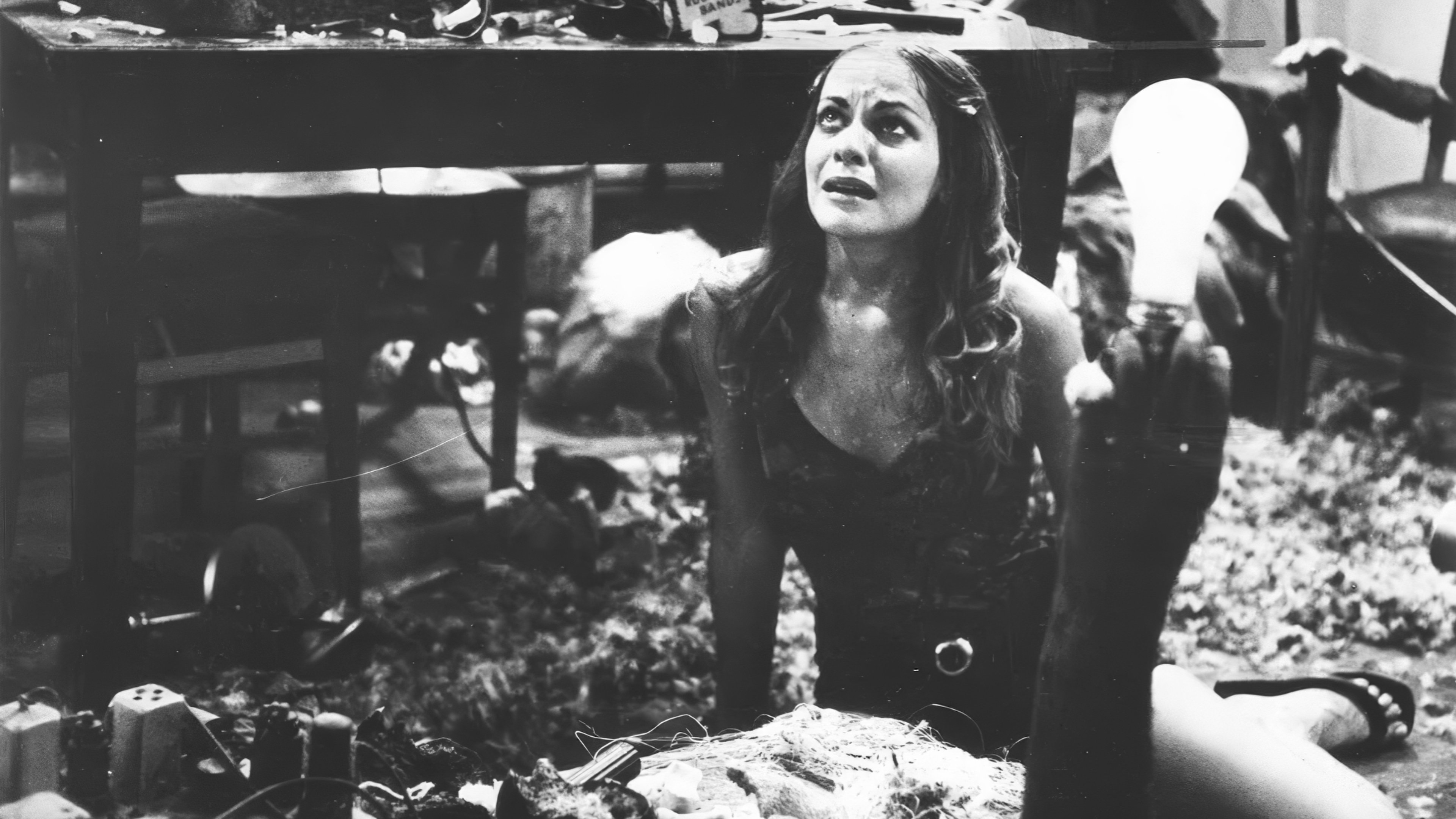
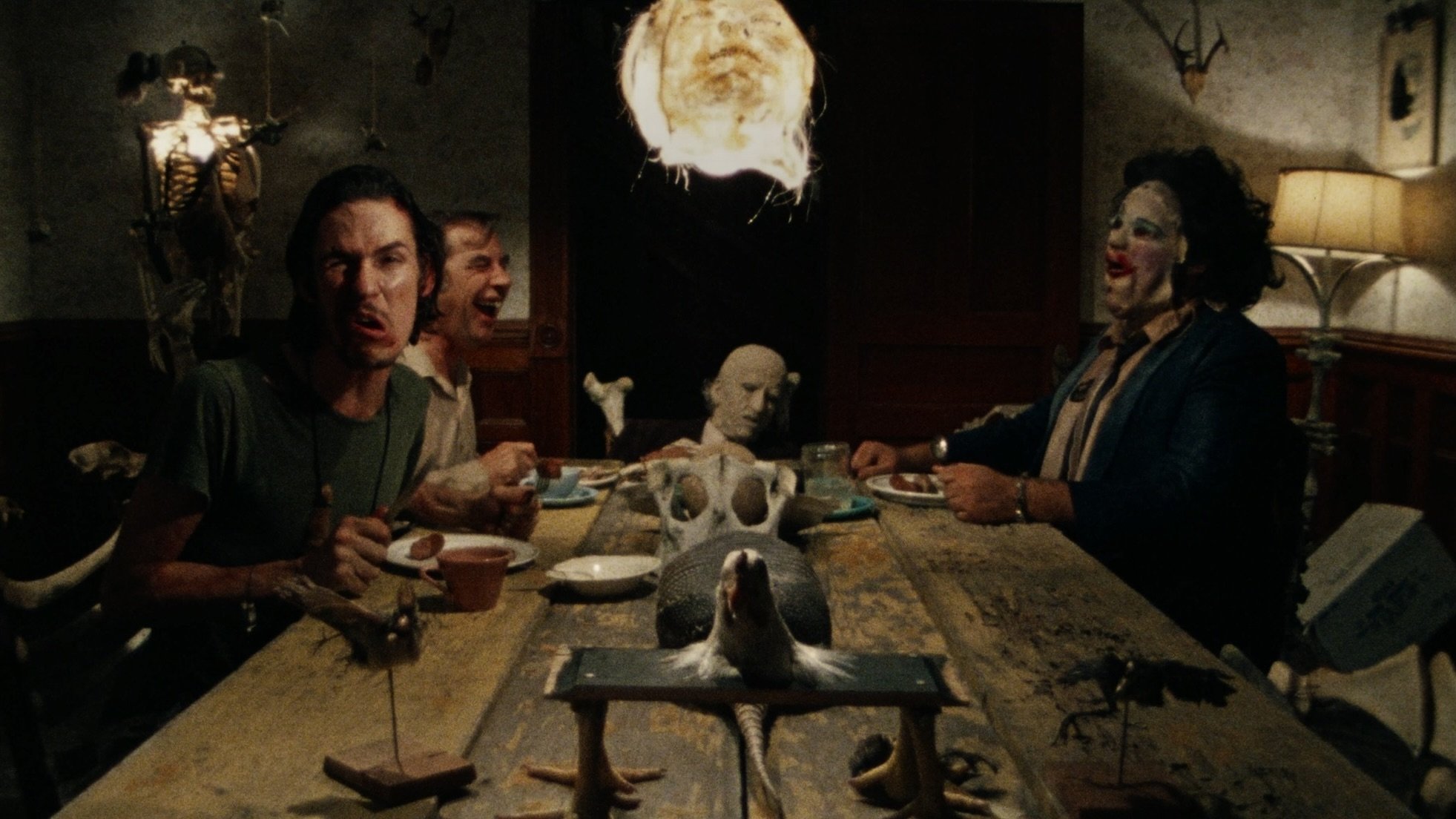
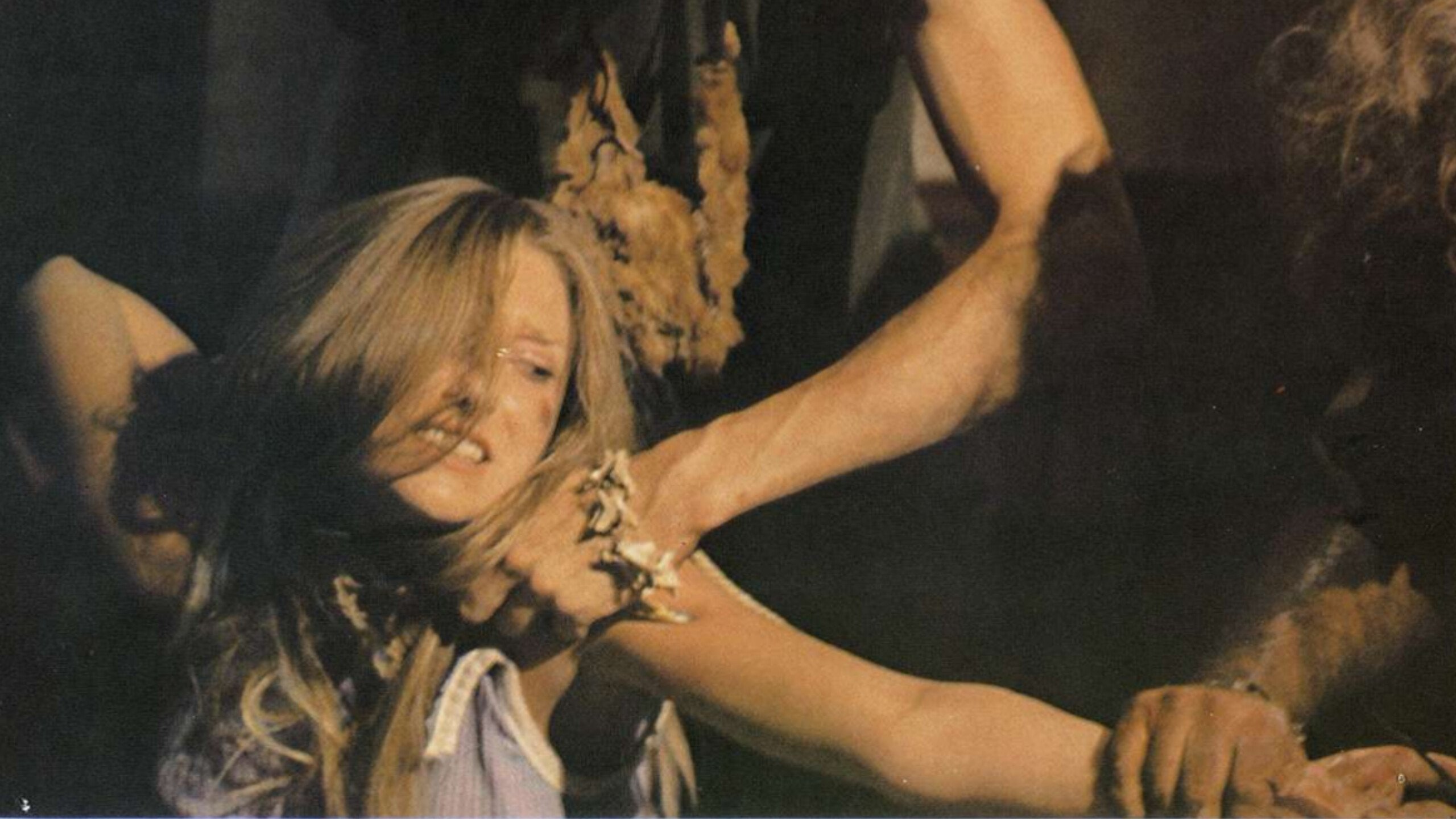
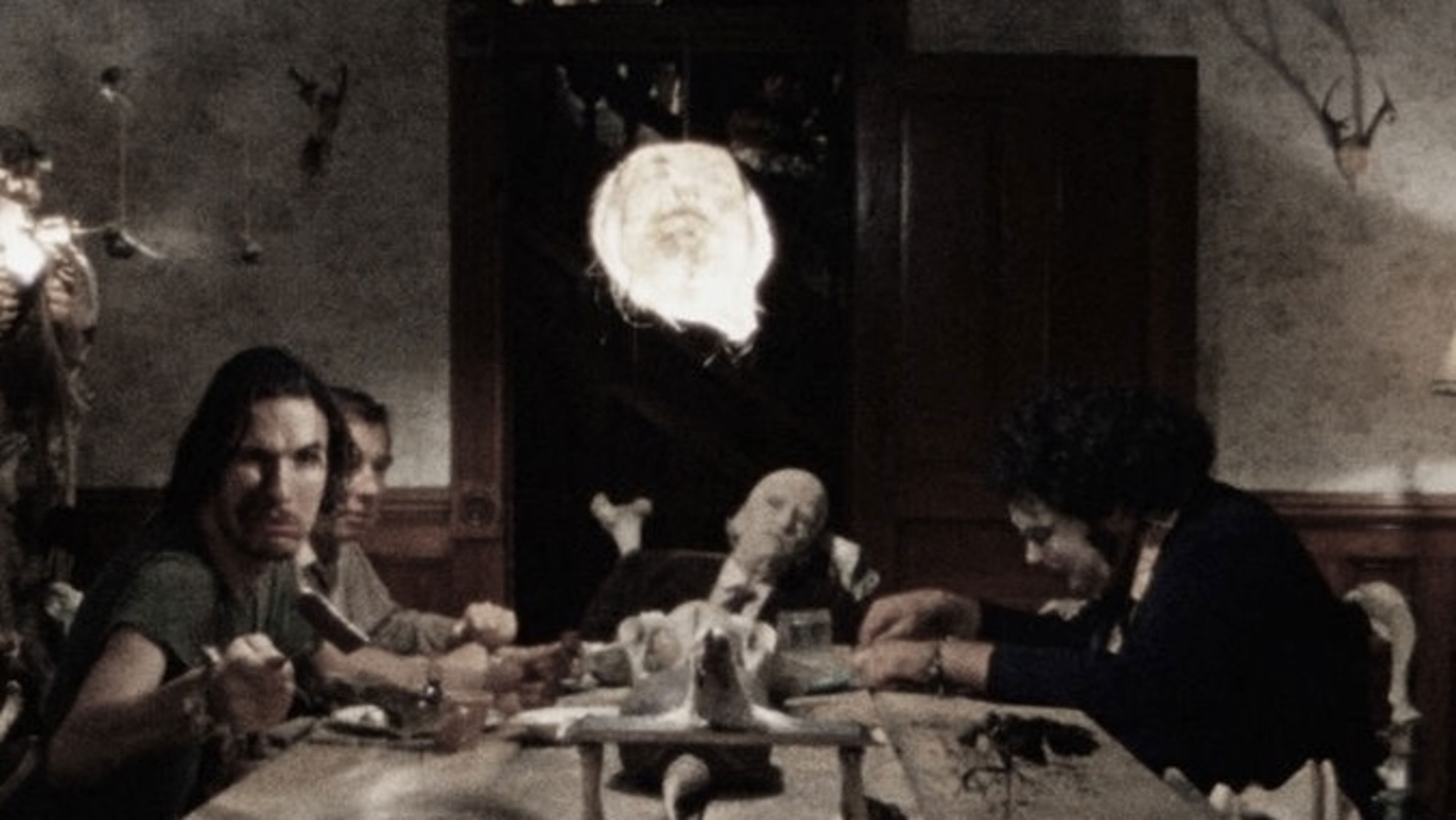
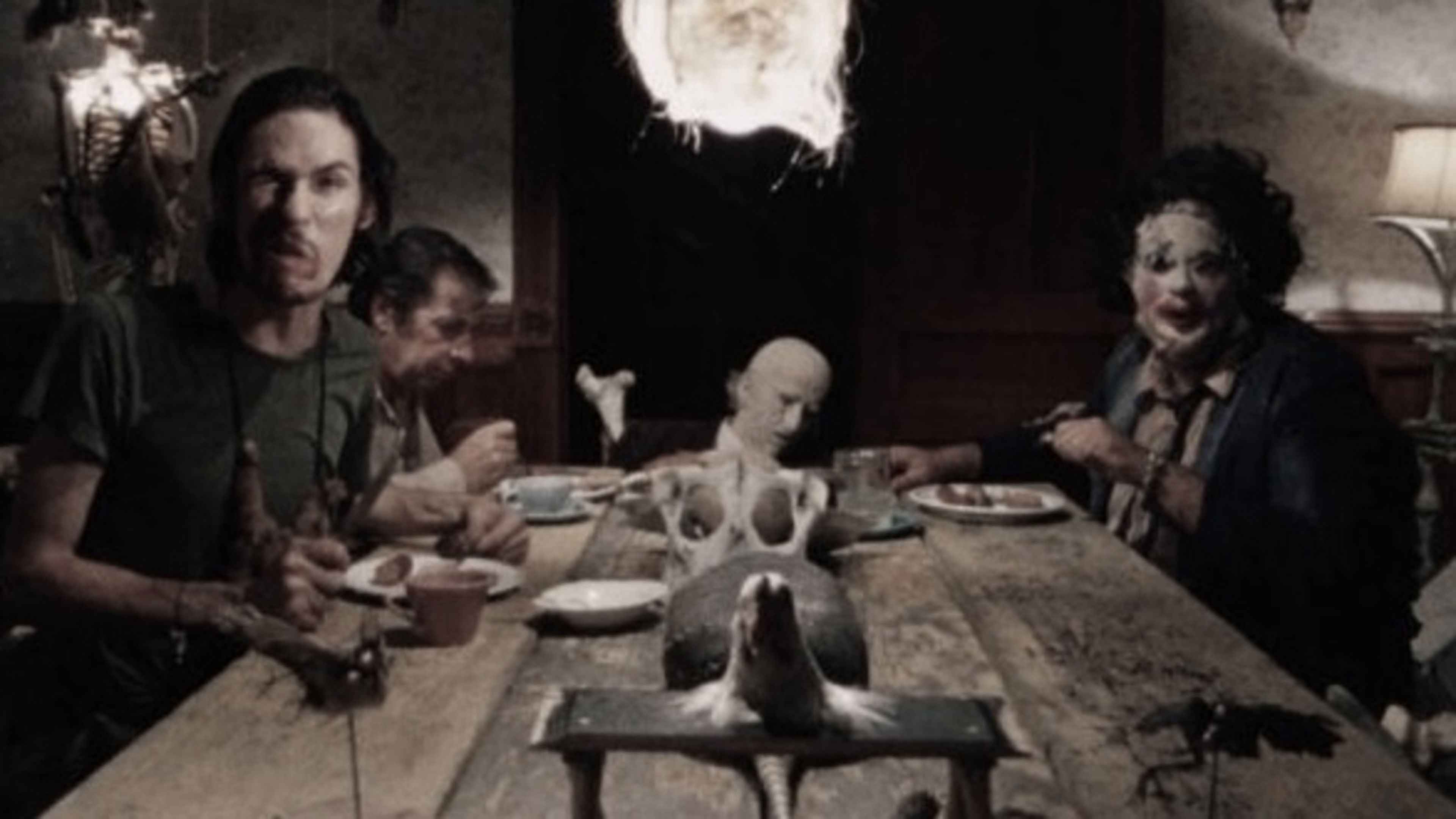
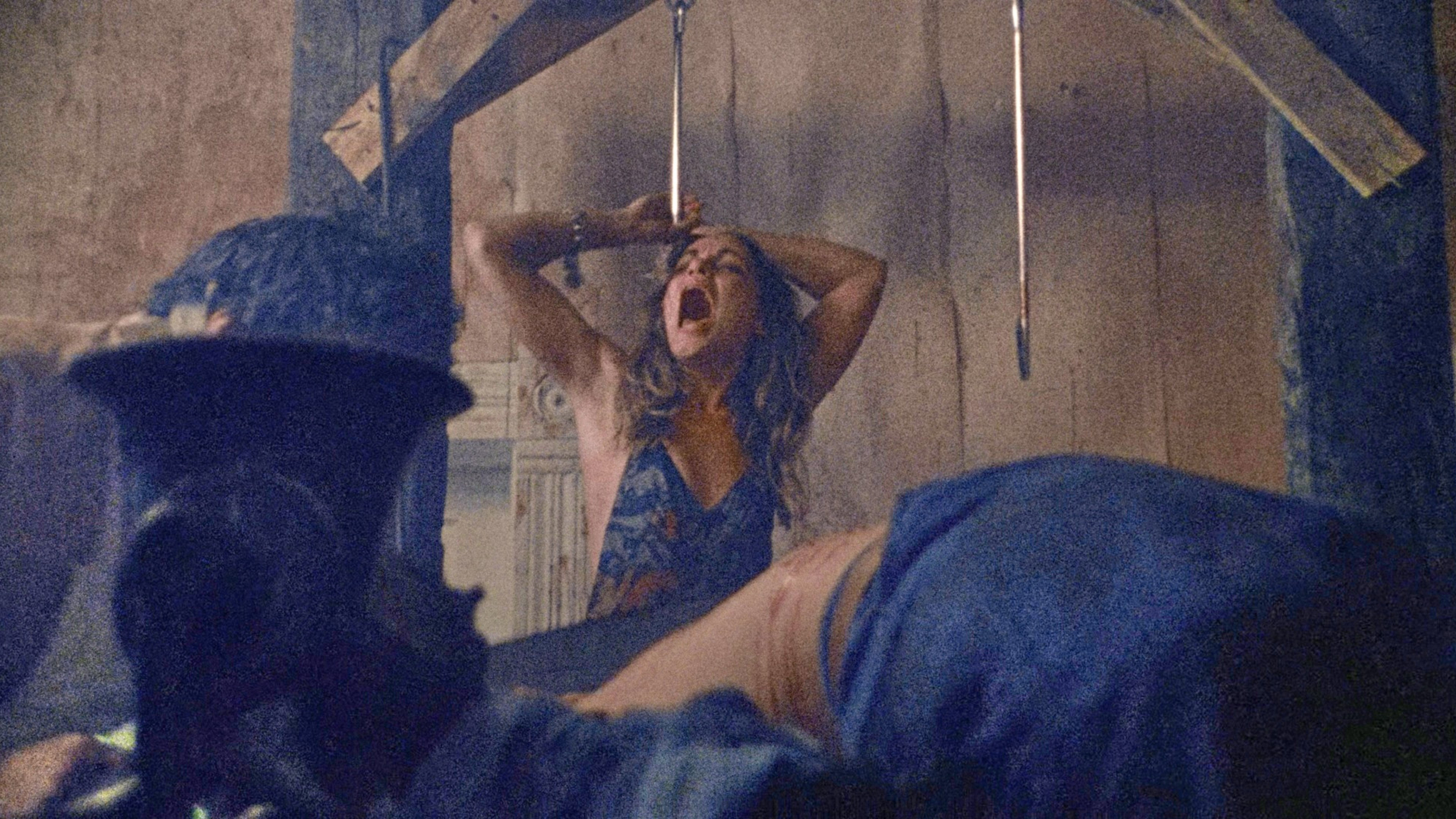
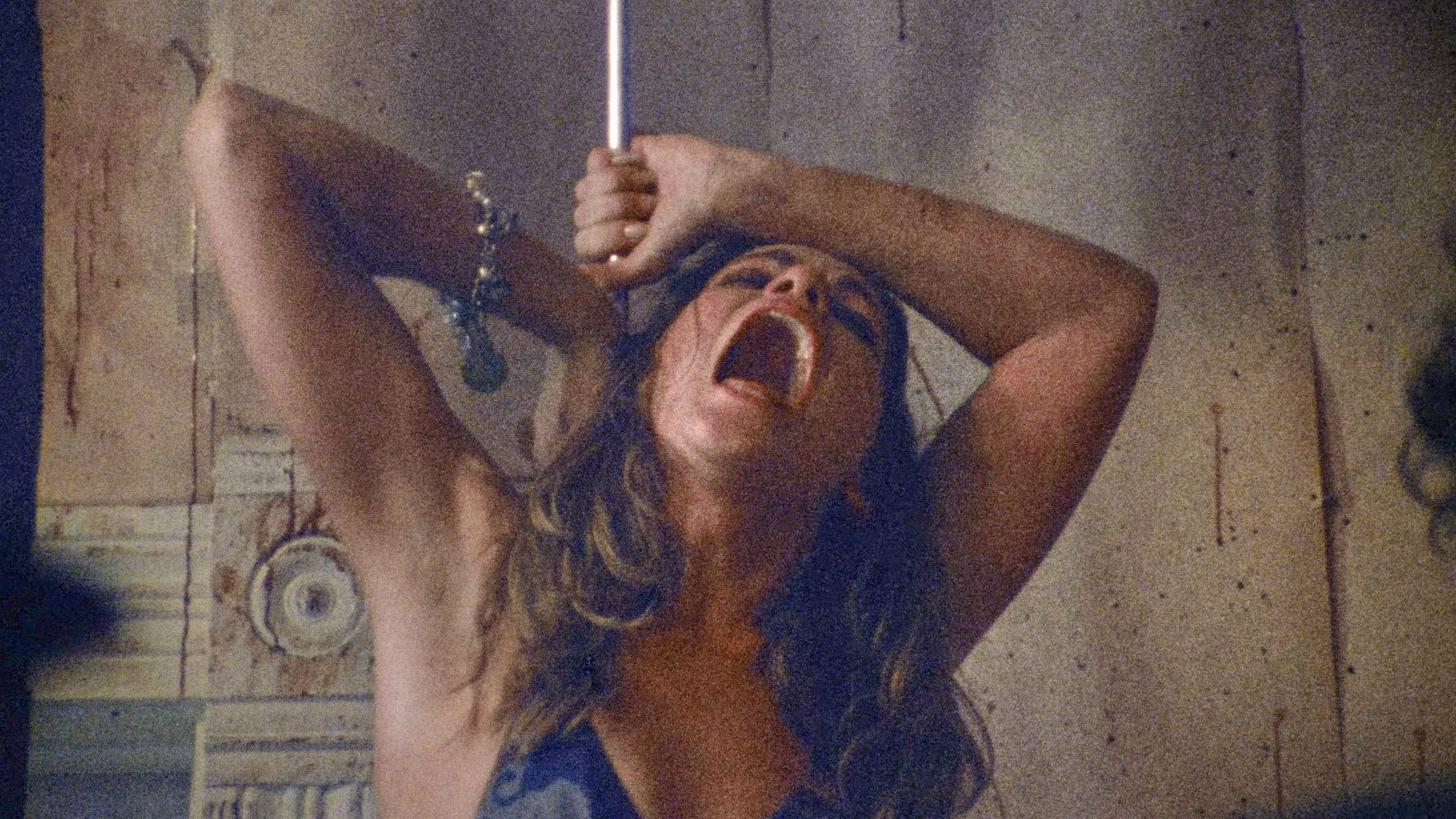
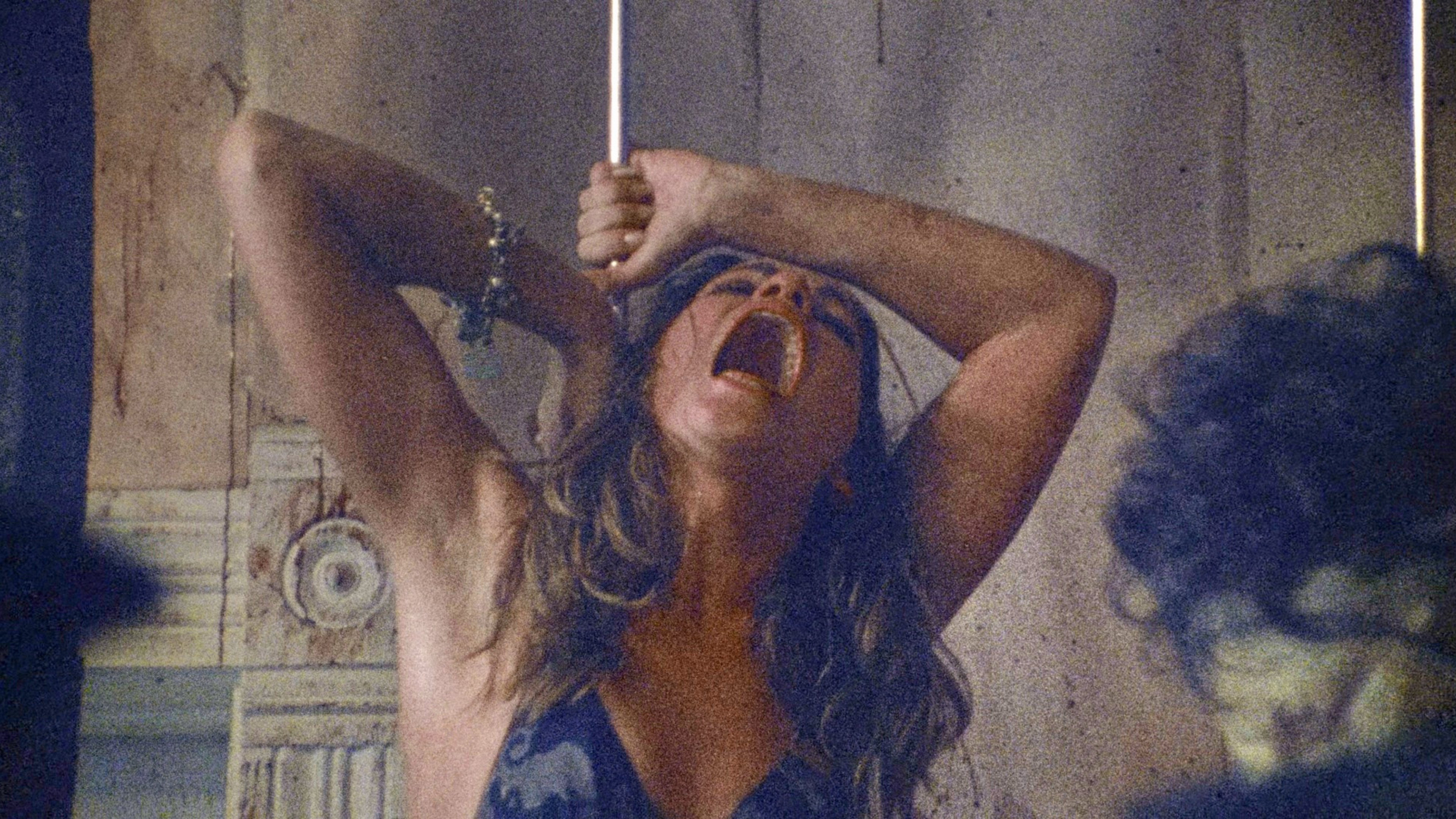
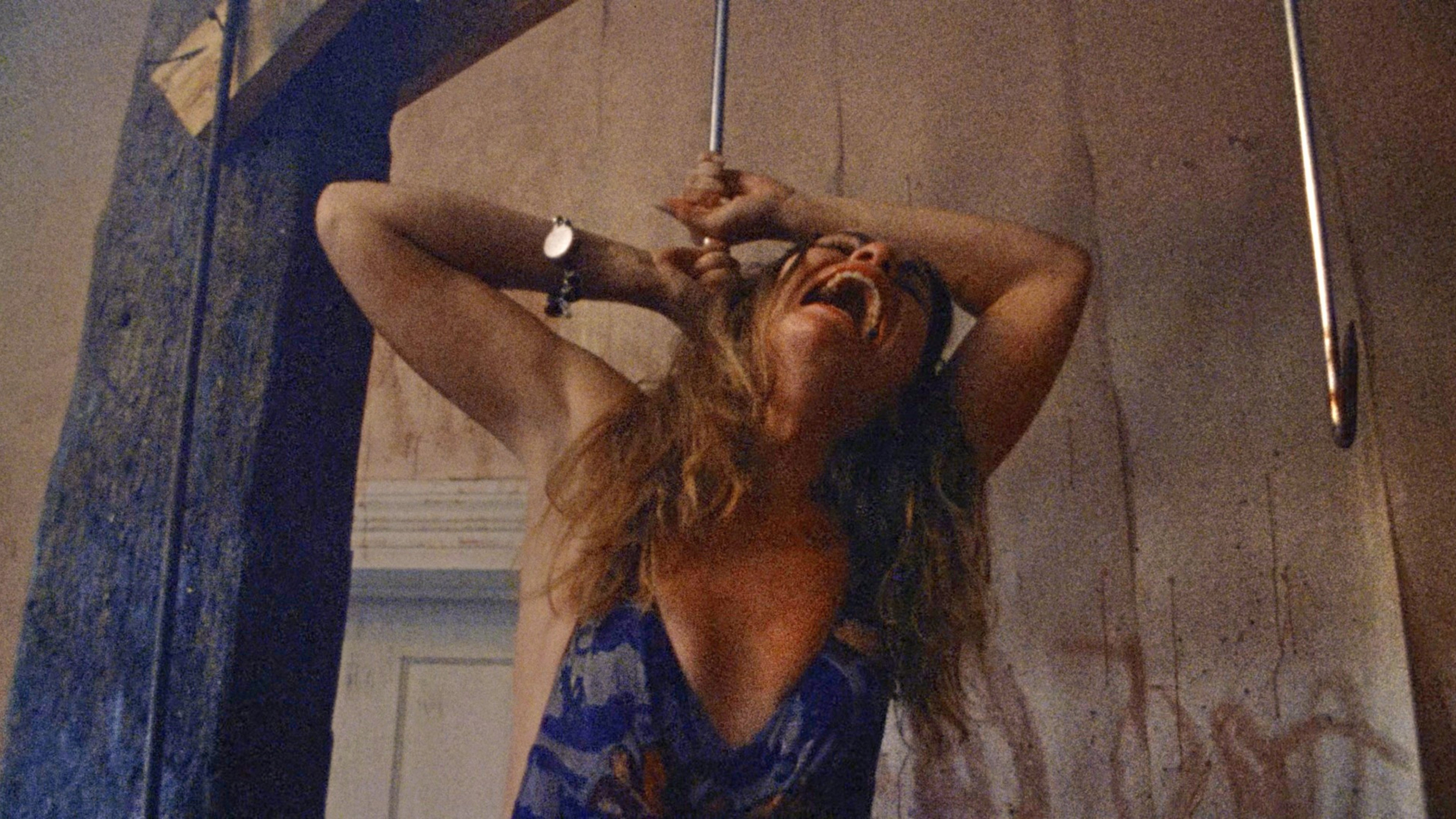
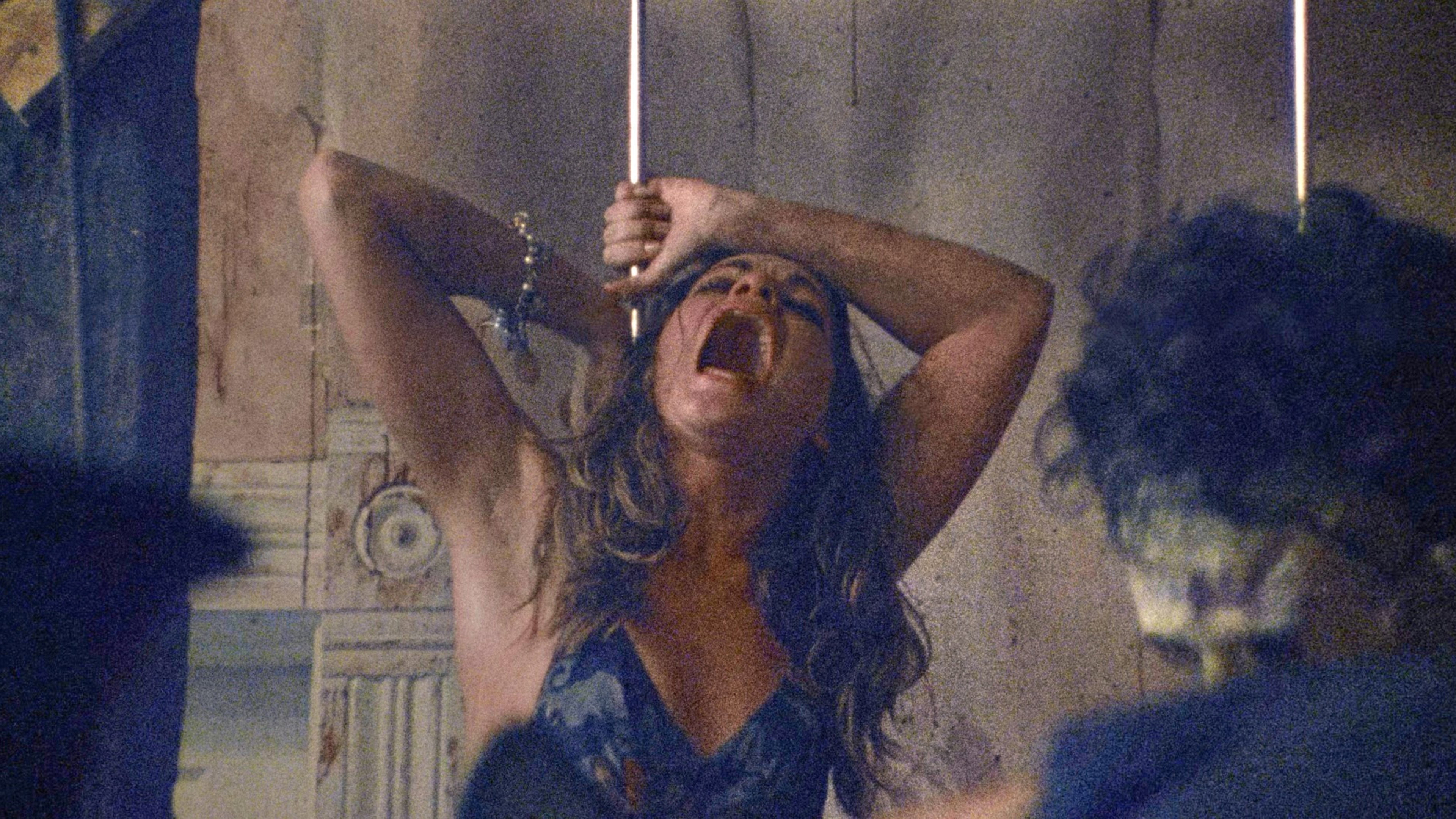
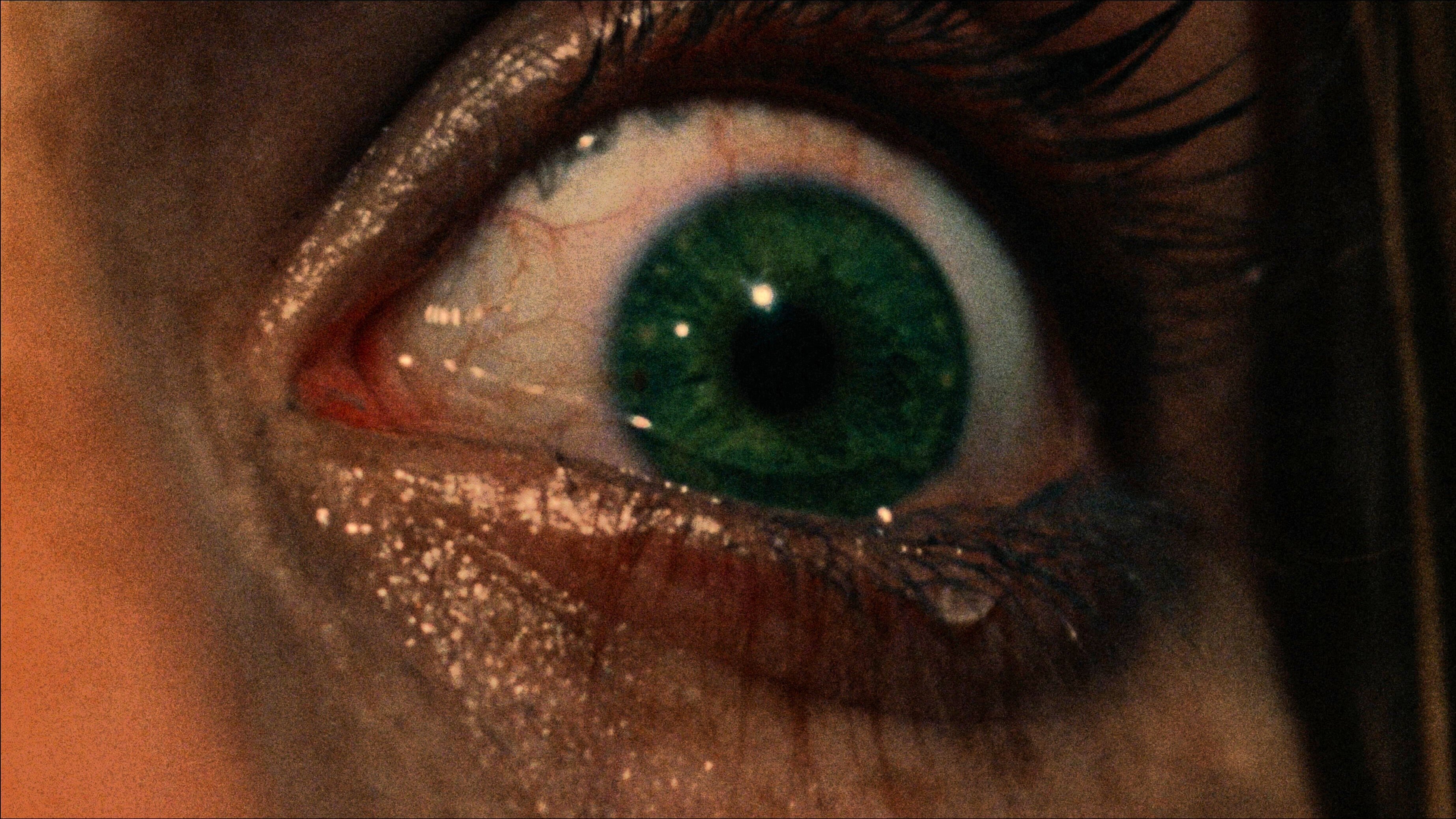
Hooper filmed inside actual Texas locations whose physical discomfort became visible in the performers, clothing and surfaces. The final dinner sequence concentrates those conditions. Actors crowd around Sally inside a room filled with food, props, bones, makeup and equipment while the scene repeatedly returns to screaming, close-ups and physical restraint. The sequence needed to create the sense of a night that refuses to end, and the production environment helped remove the visual polish that might have made the situation feel safely theatrical.

The independent method also shaped the film's later history. Major distributors initially rejected it before Bryanston Pictures acquired the finished feature. The same lack of institutional protection that made production difficult allowed the filmmakers to create something that did not behave like a normal studio horror picture. Its roughness emerged directly from the conditions under which the film was produced.

Daniel Pearl, 16mm & Documentary Realism

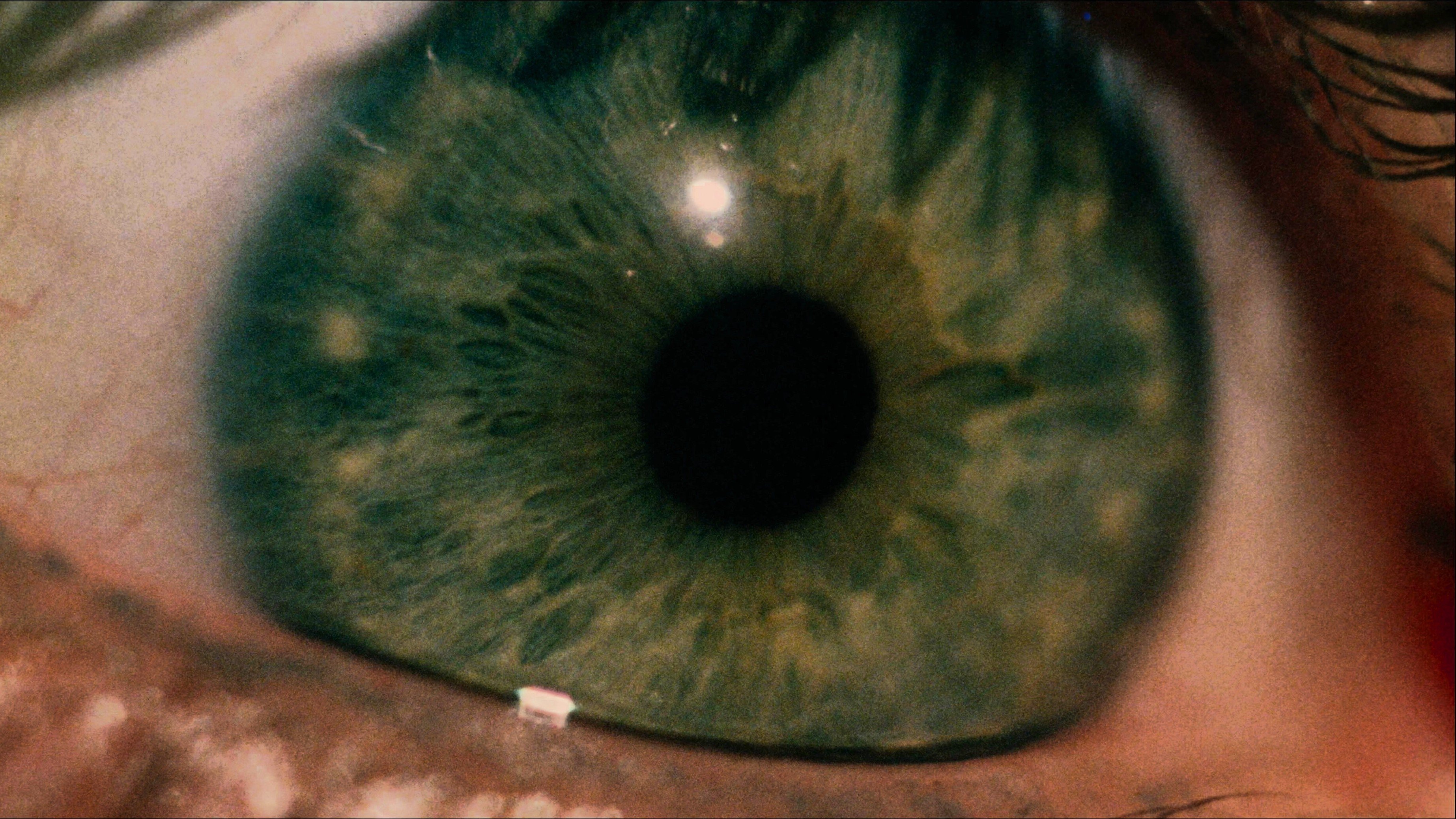
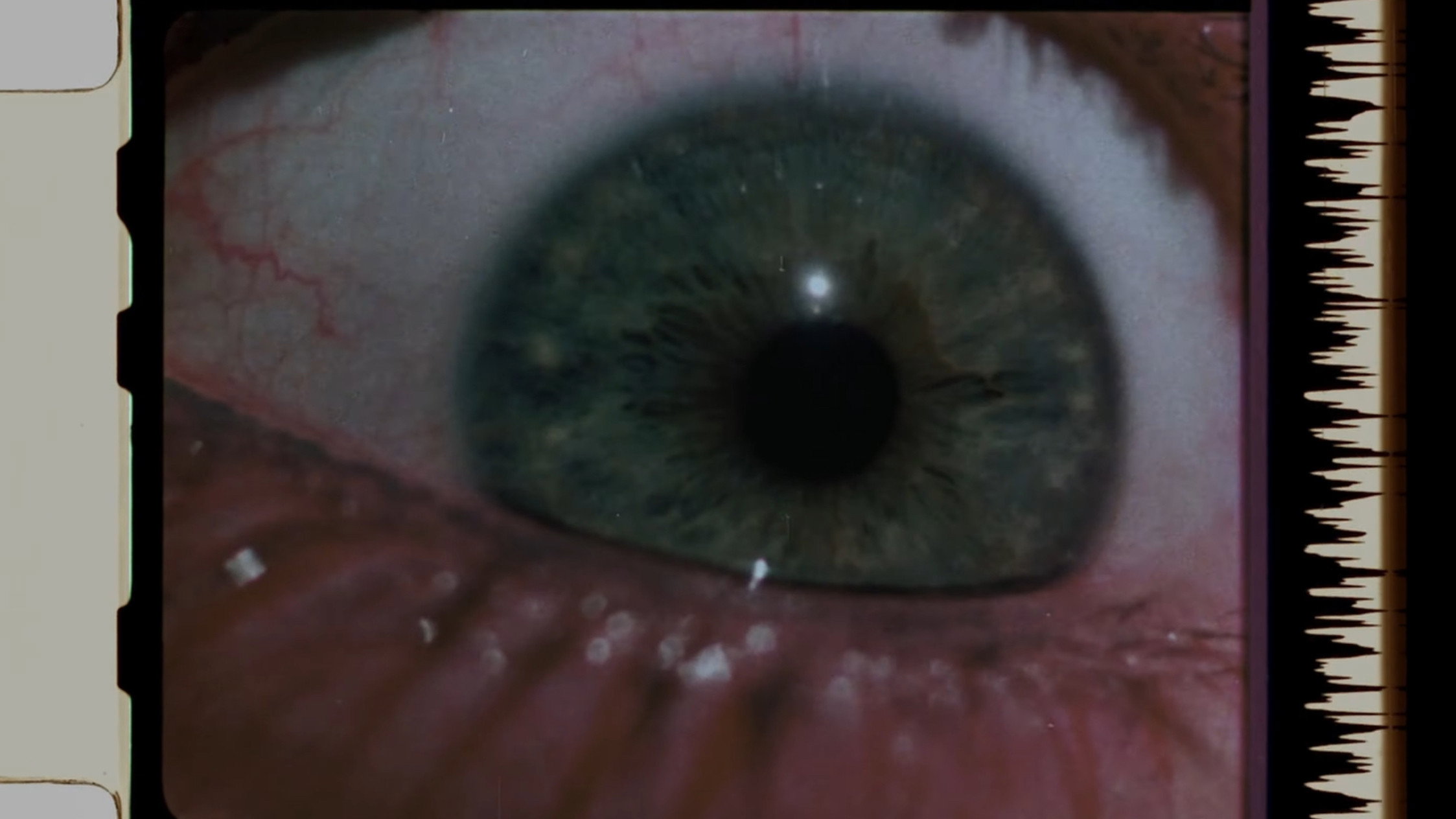
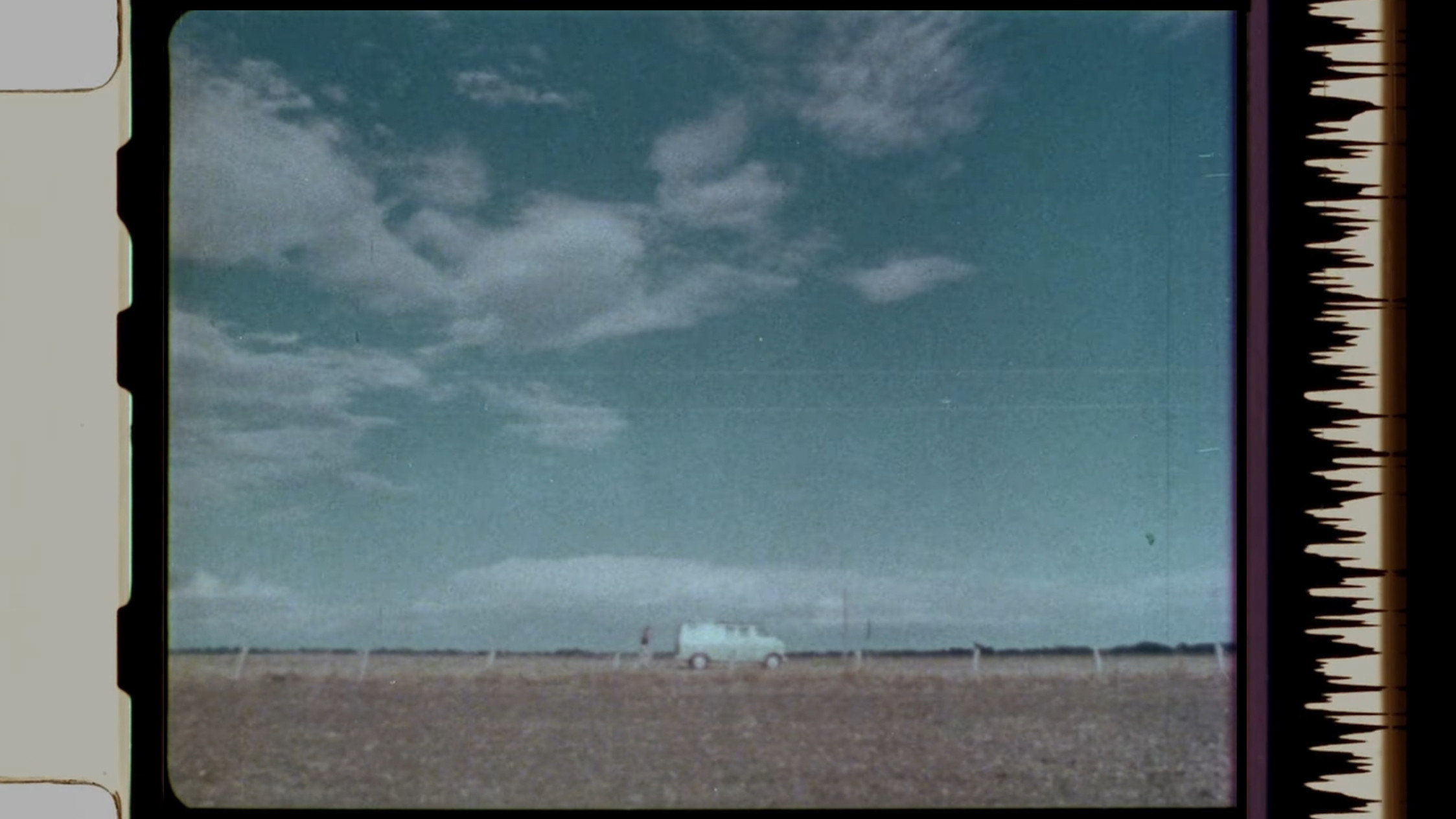
Daniel Pearl was only twenty-three when he photographed The Texas Chain Saw Massacre, his first feature as cinematographer. Hooper had encountered Pearl's work through material he had photographed for the Texas Department of Public Safety and responded to its kinetic, lightly equipped visual style. That experience proved particularly appropriate for a production in which speed and limited equipment were unavoidable. The film was photographed principally with an Éclair NPR 16mm camera using Eastman Ektachrome Commercial 7252 reversal stock rated at only ISO 25. A wind-up Bolex was also used for speciality material and shots where its smaller size was advantageous.

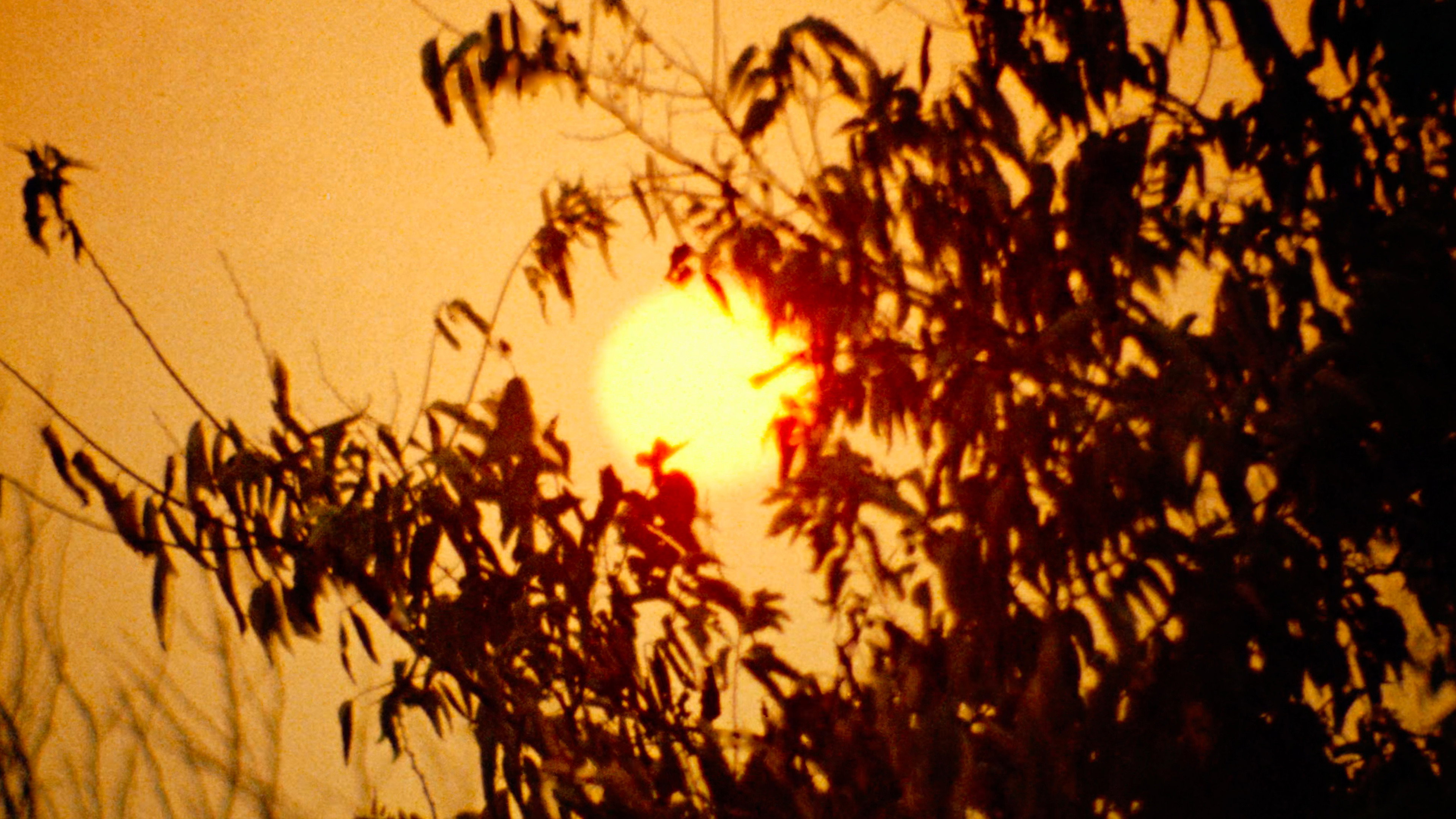
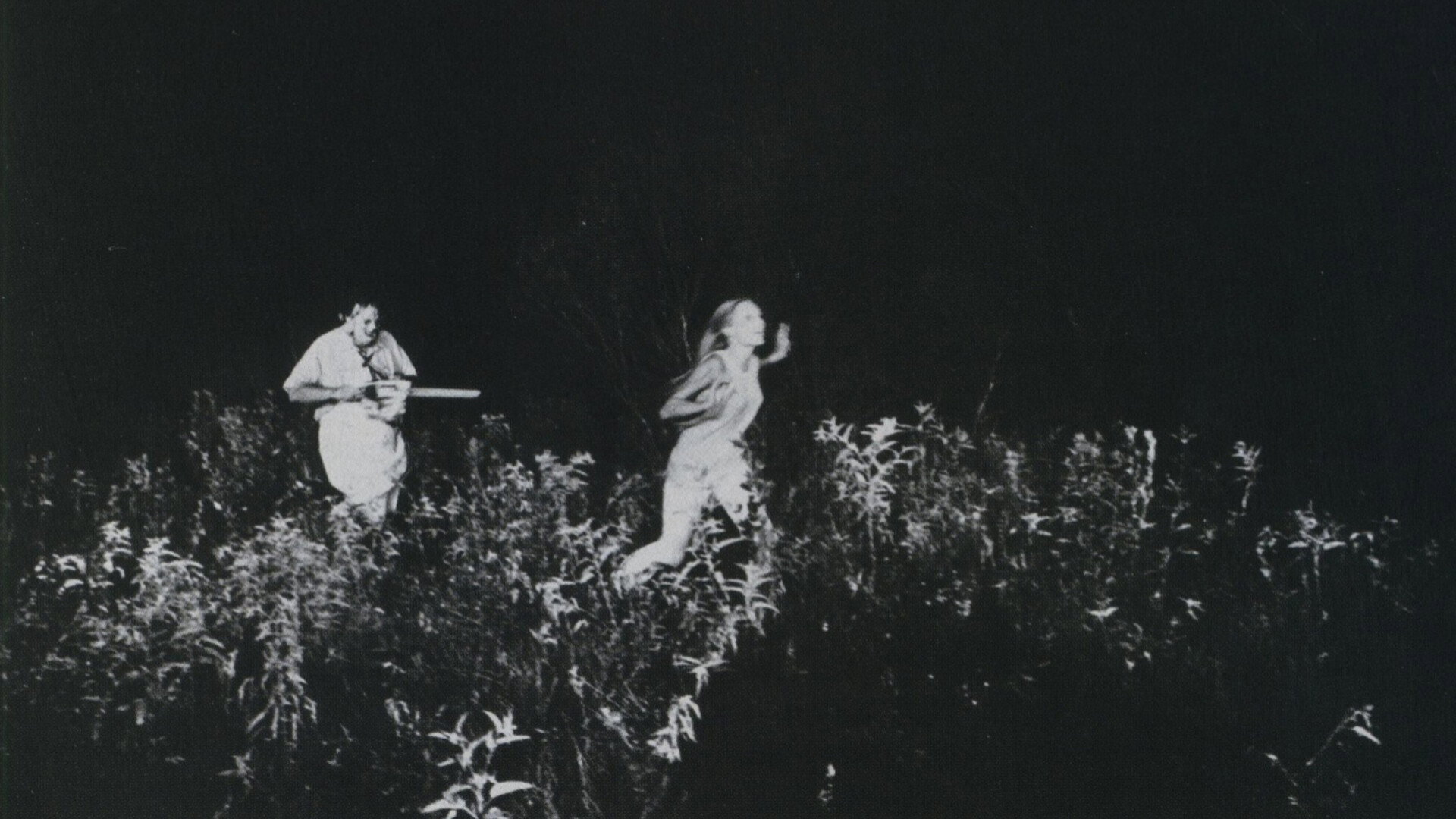
The choice imposed severe exposure limitations, particularly for night exteriors, but it also produced fine-grained imagery suited to the planned enlargement. Pearl designed the workflow with a 35mm theatrical release in mind. The 16mm reversal original could be conformed and used to create a 35mm internegative without passing through an additional 16mm interpositive stage. Reducing the number of photochemical generations helped control contrast, colour shifts and dirt during the blow-up process. The technical restrictions contributed directly to the film's visual identity. Pearl had few lights and could not approach the night photography as a large production would have done. Instead, sources are often simple and directional.

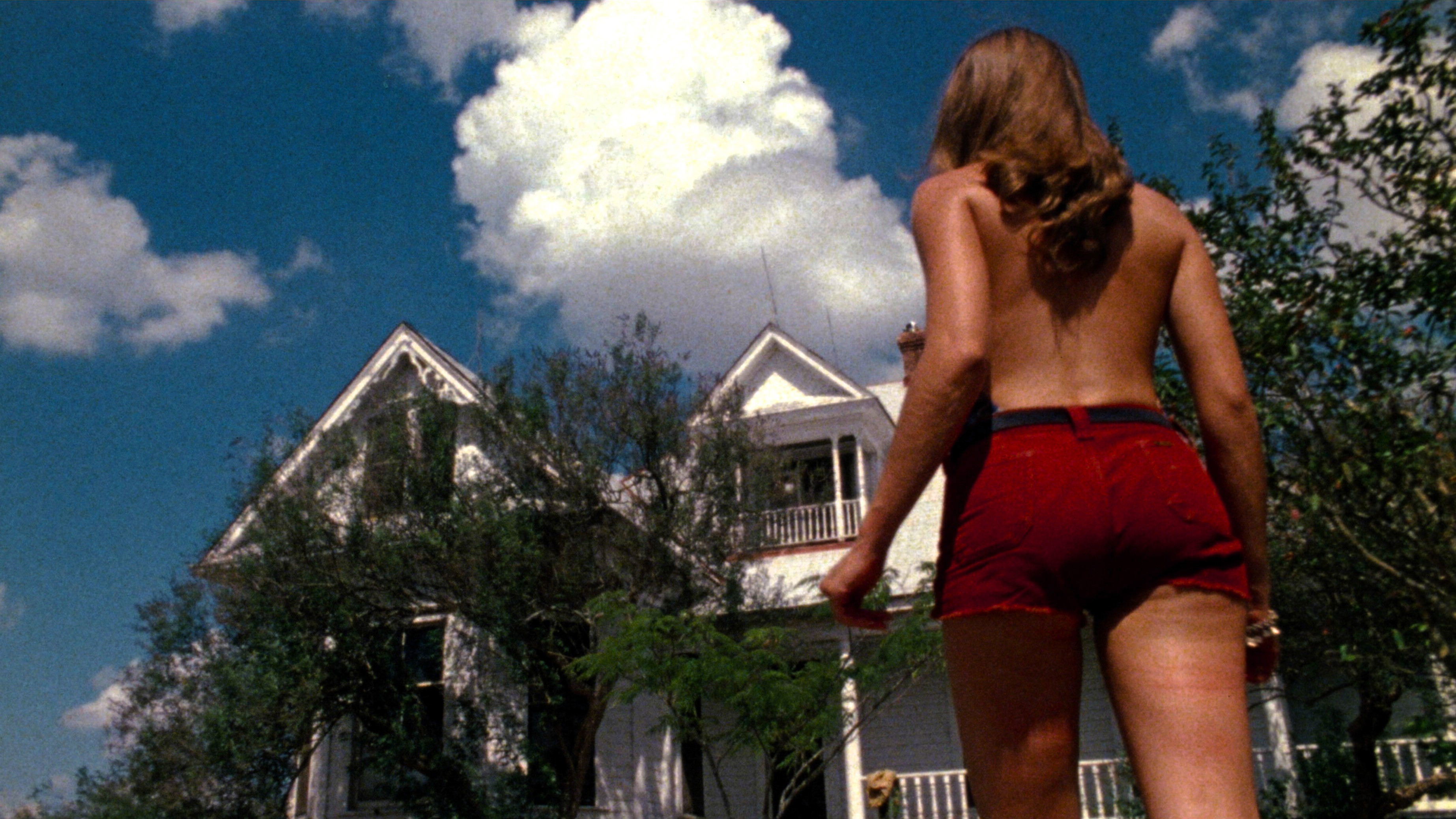
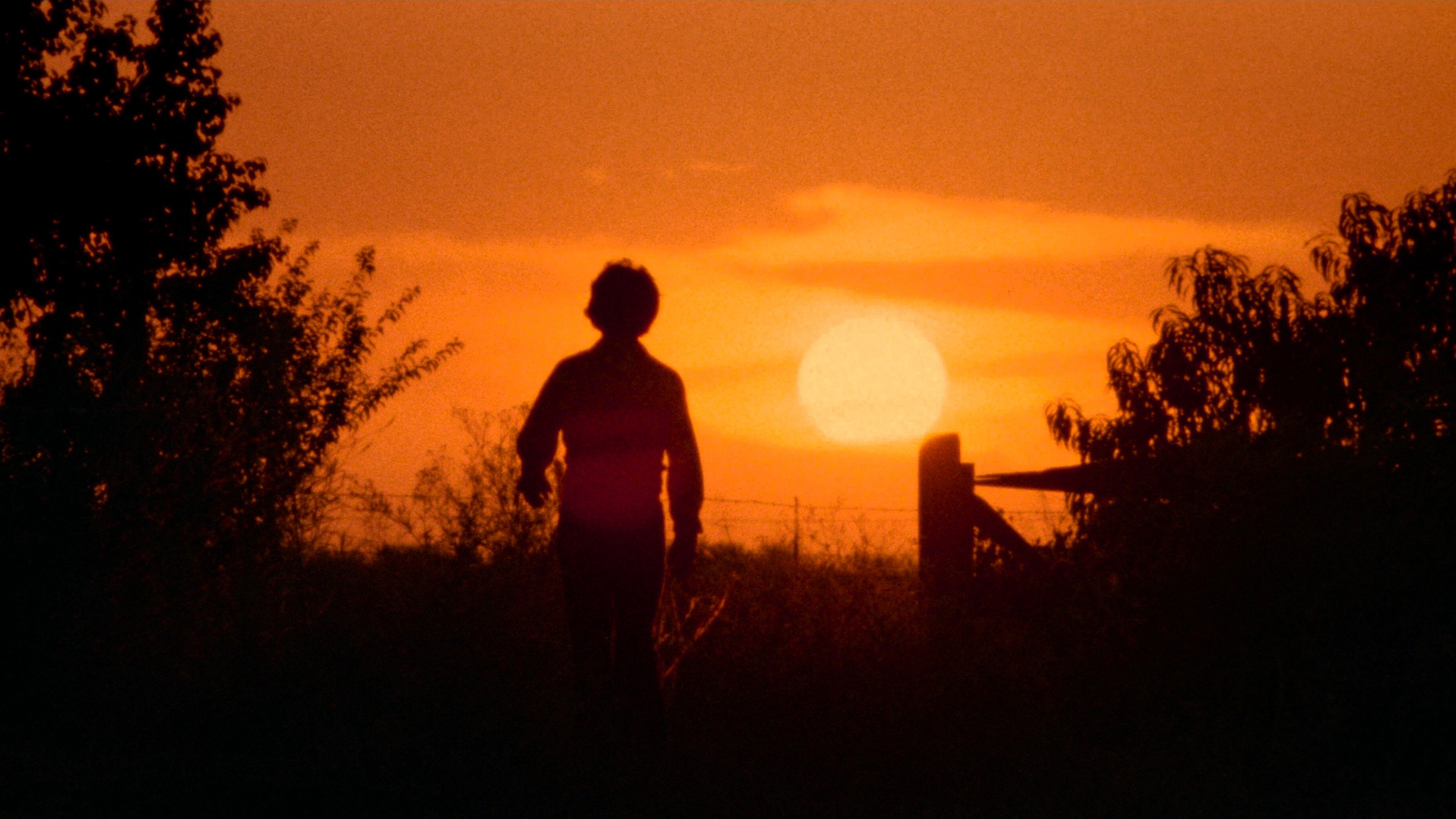
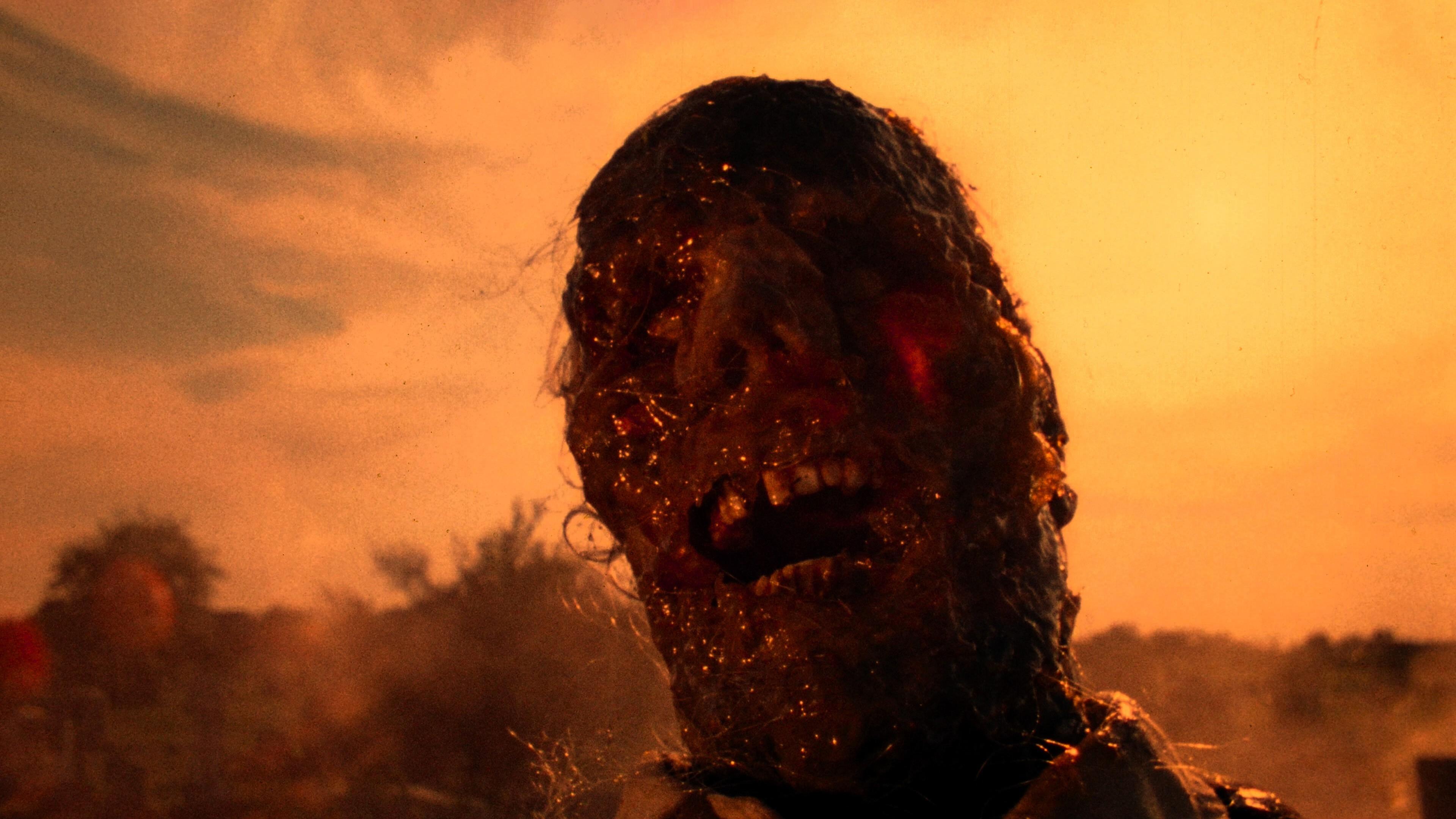
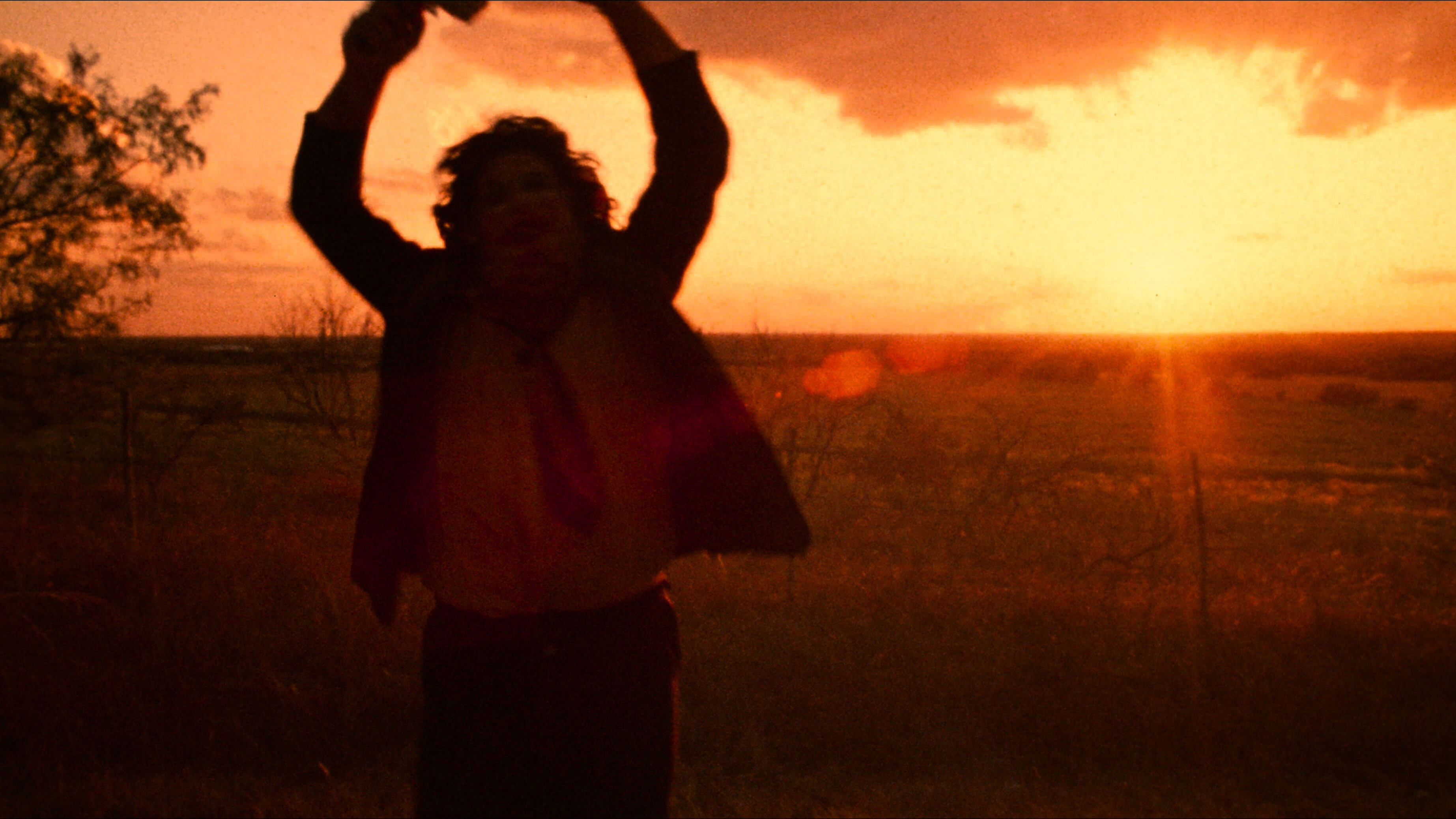
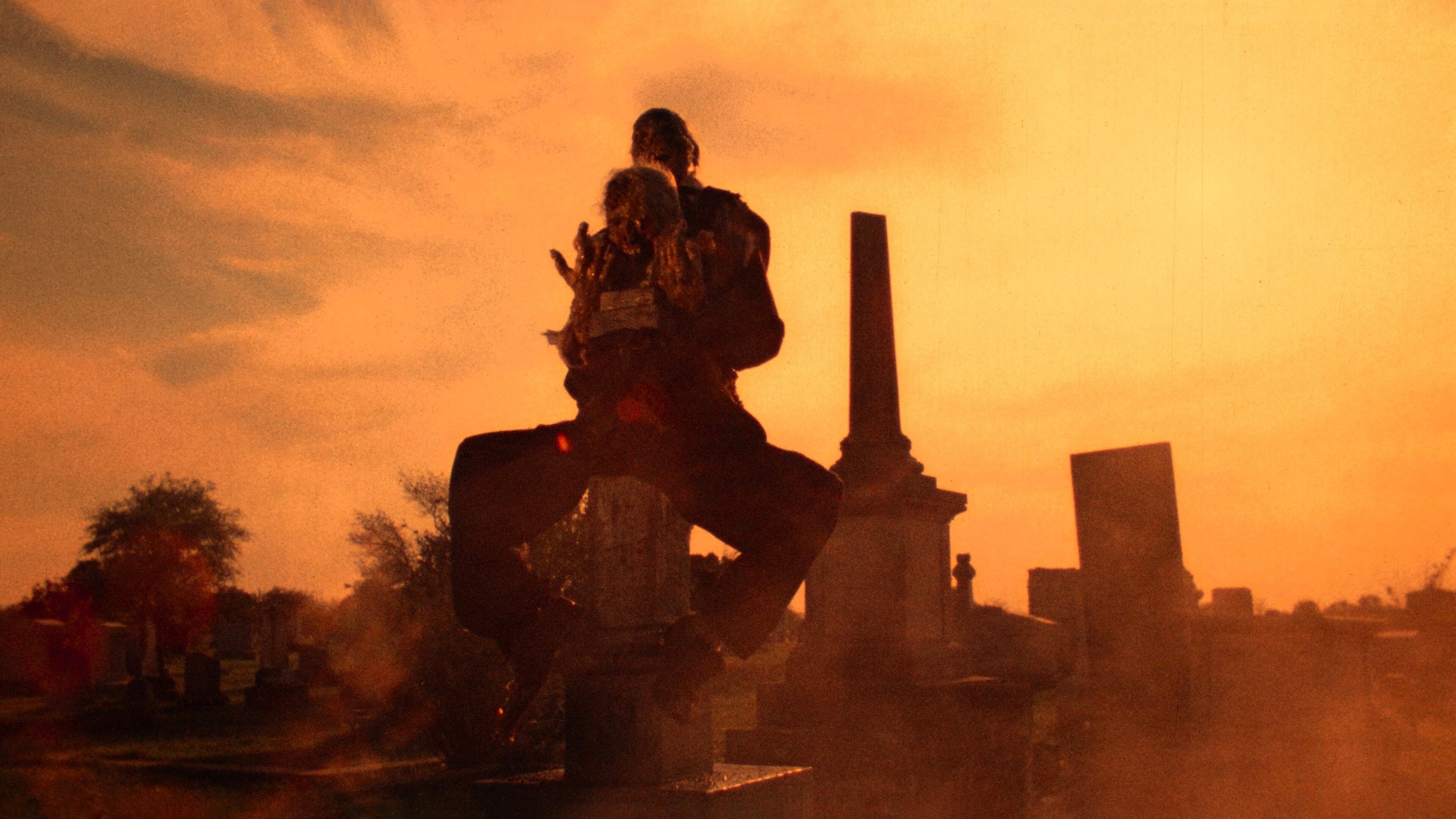
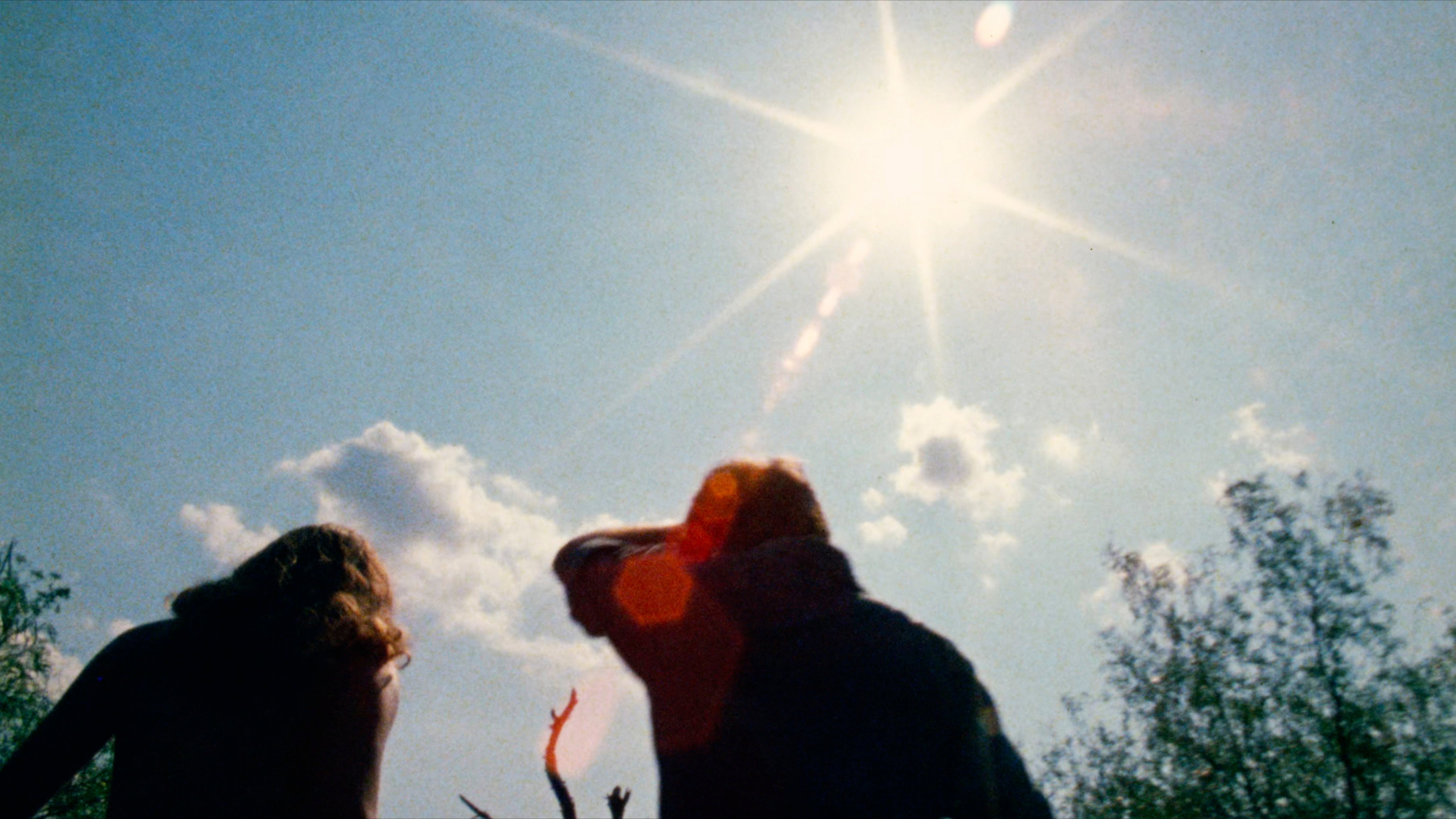
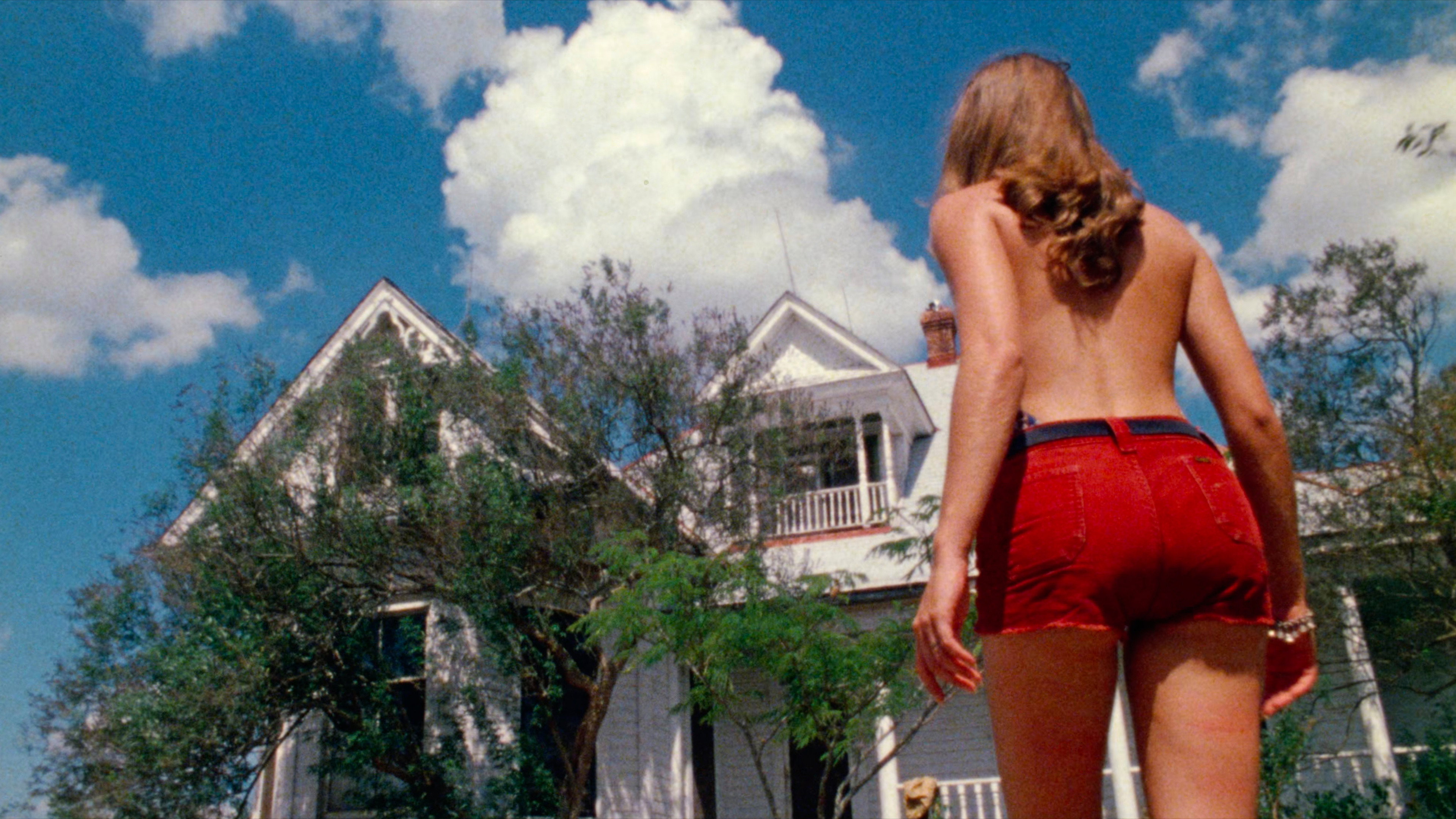
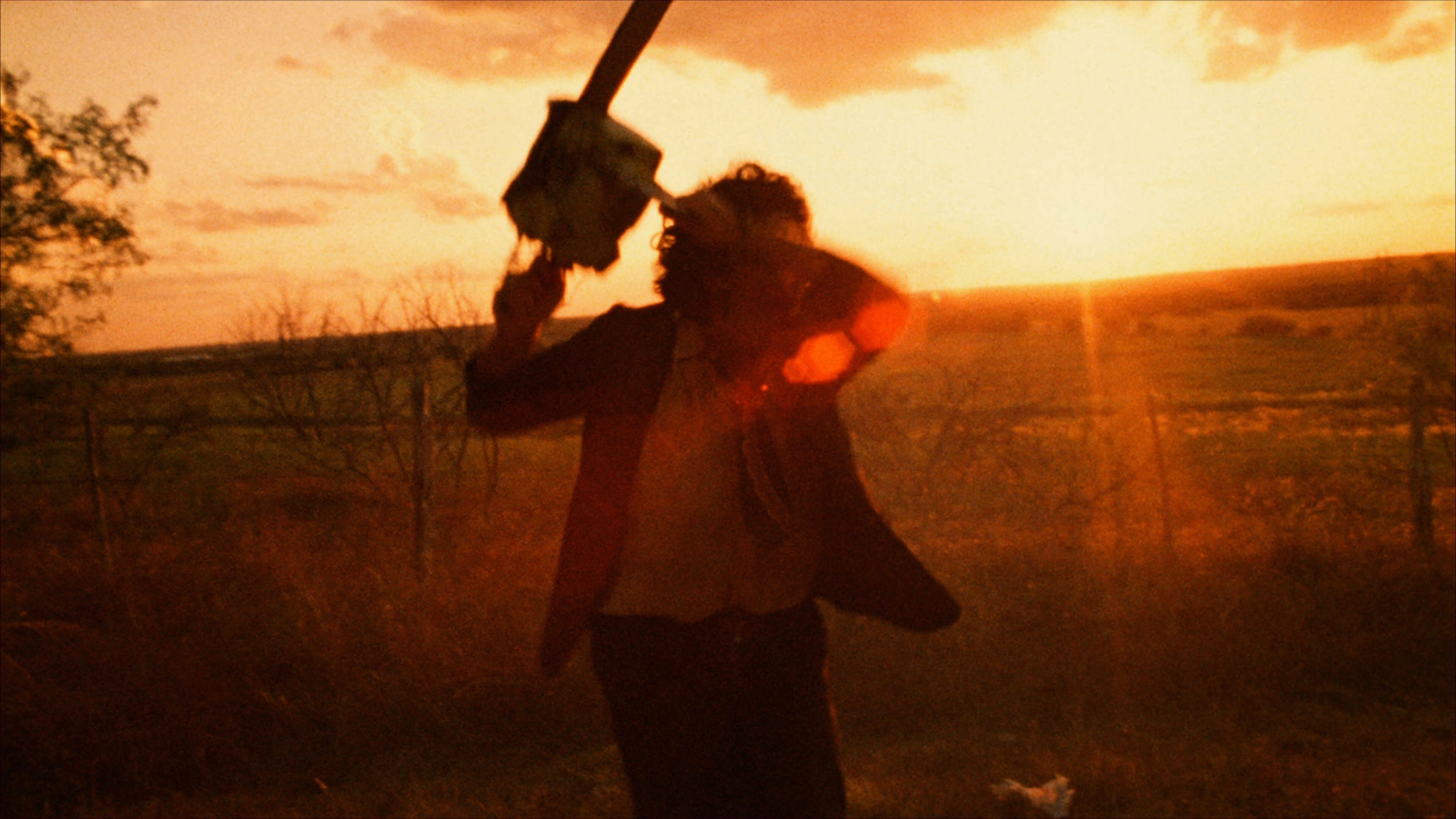
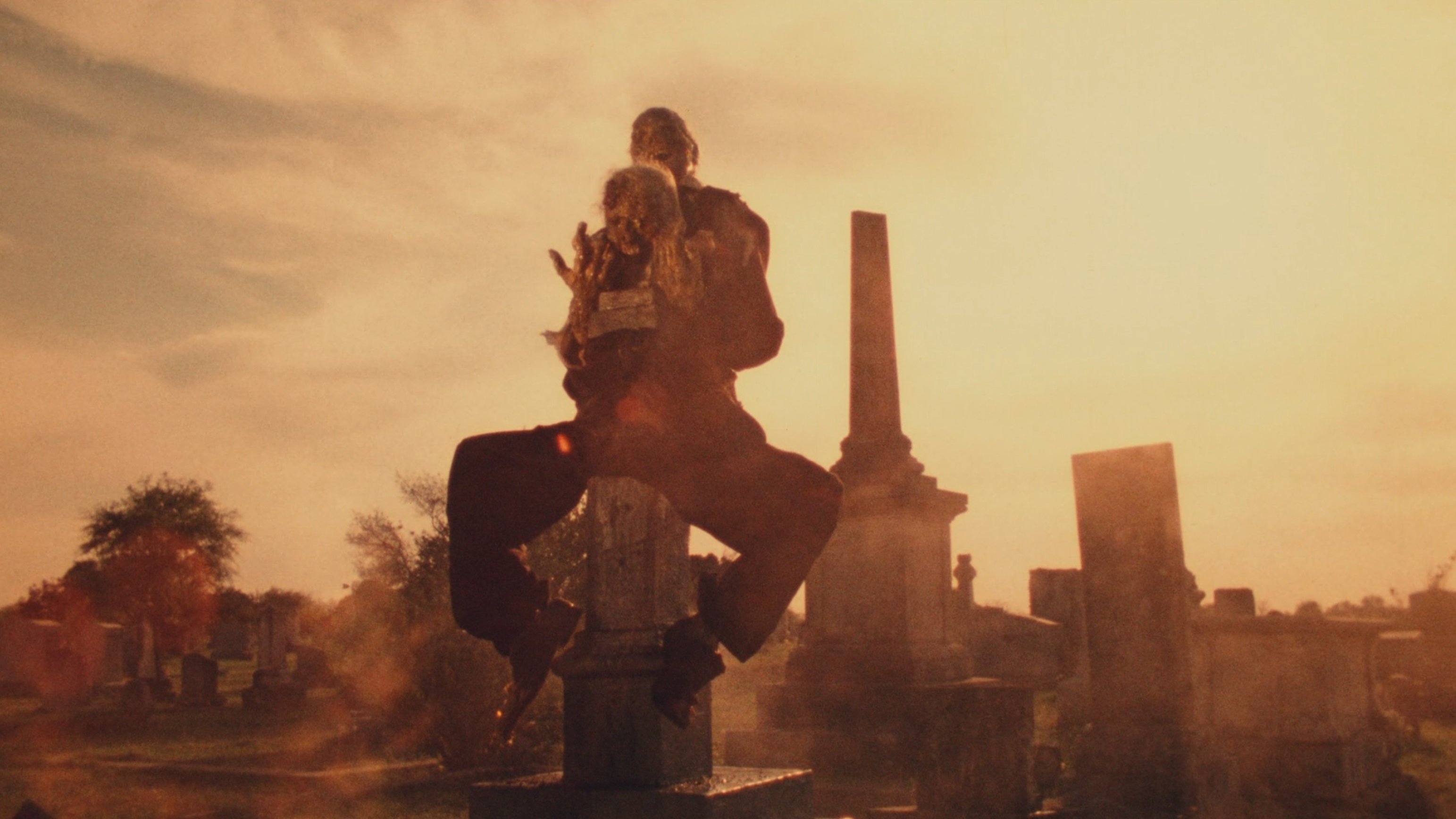
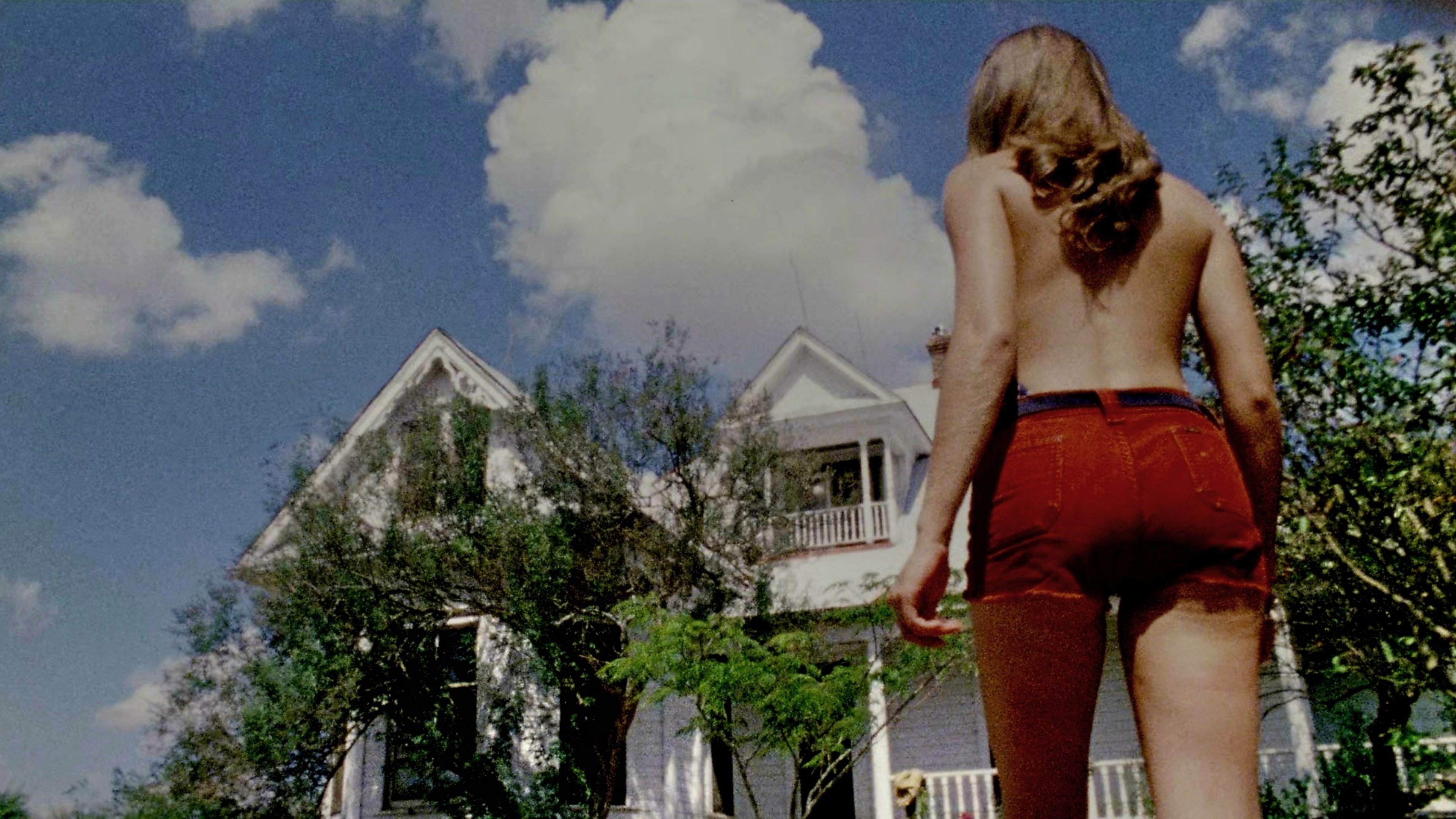
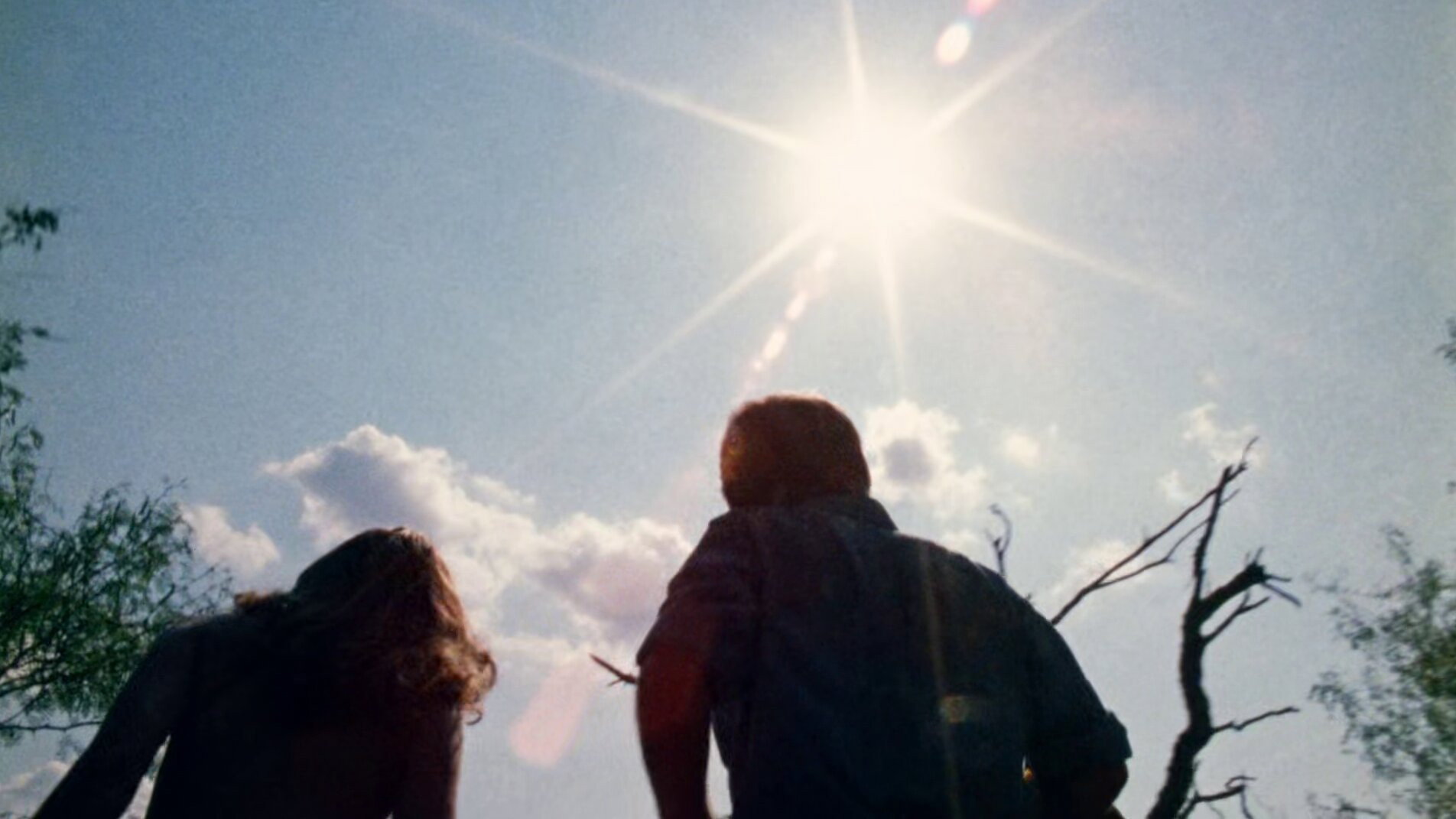
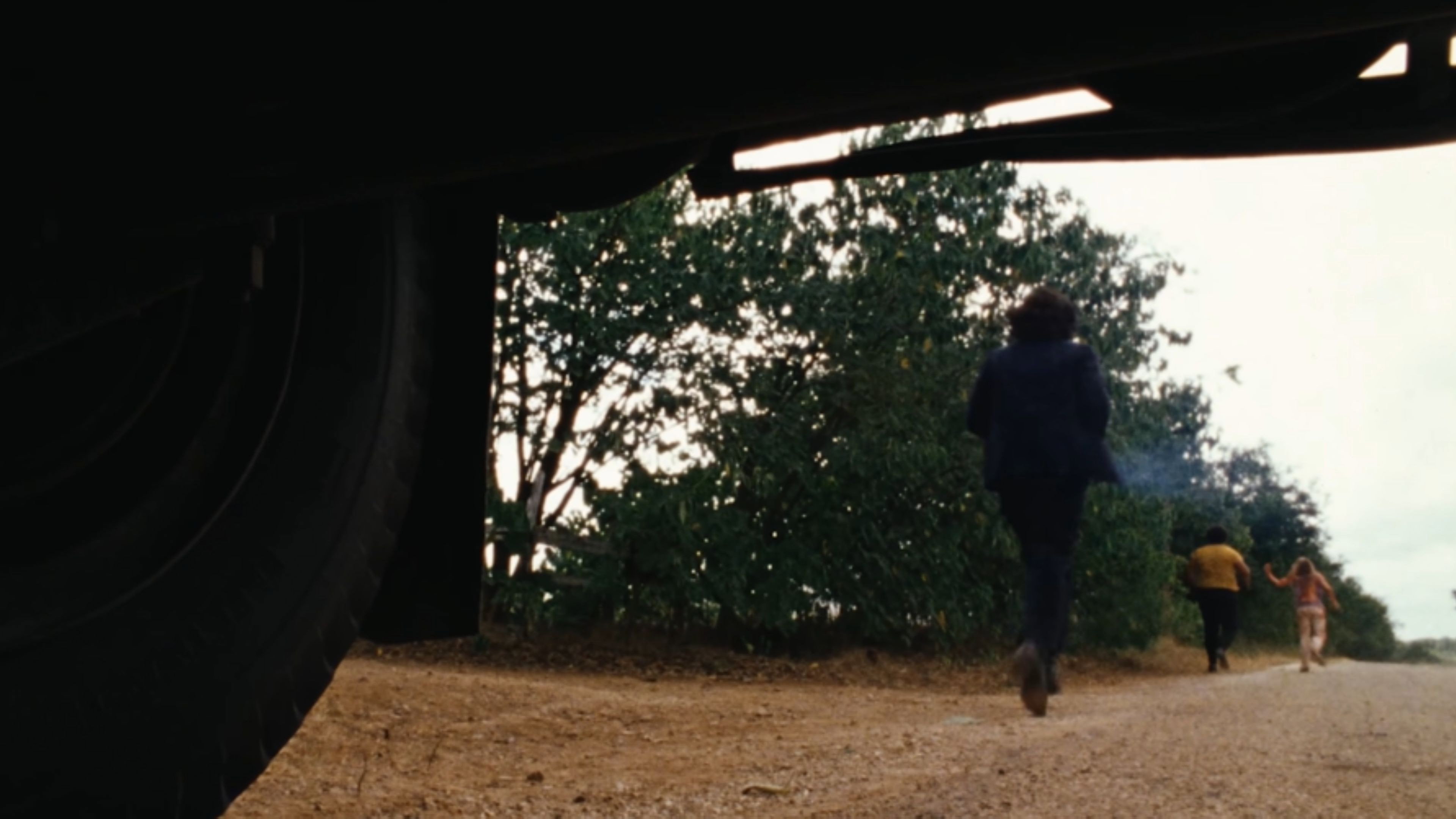
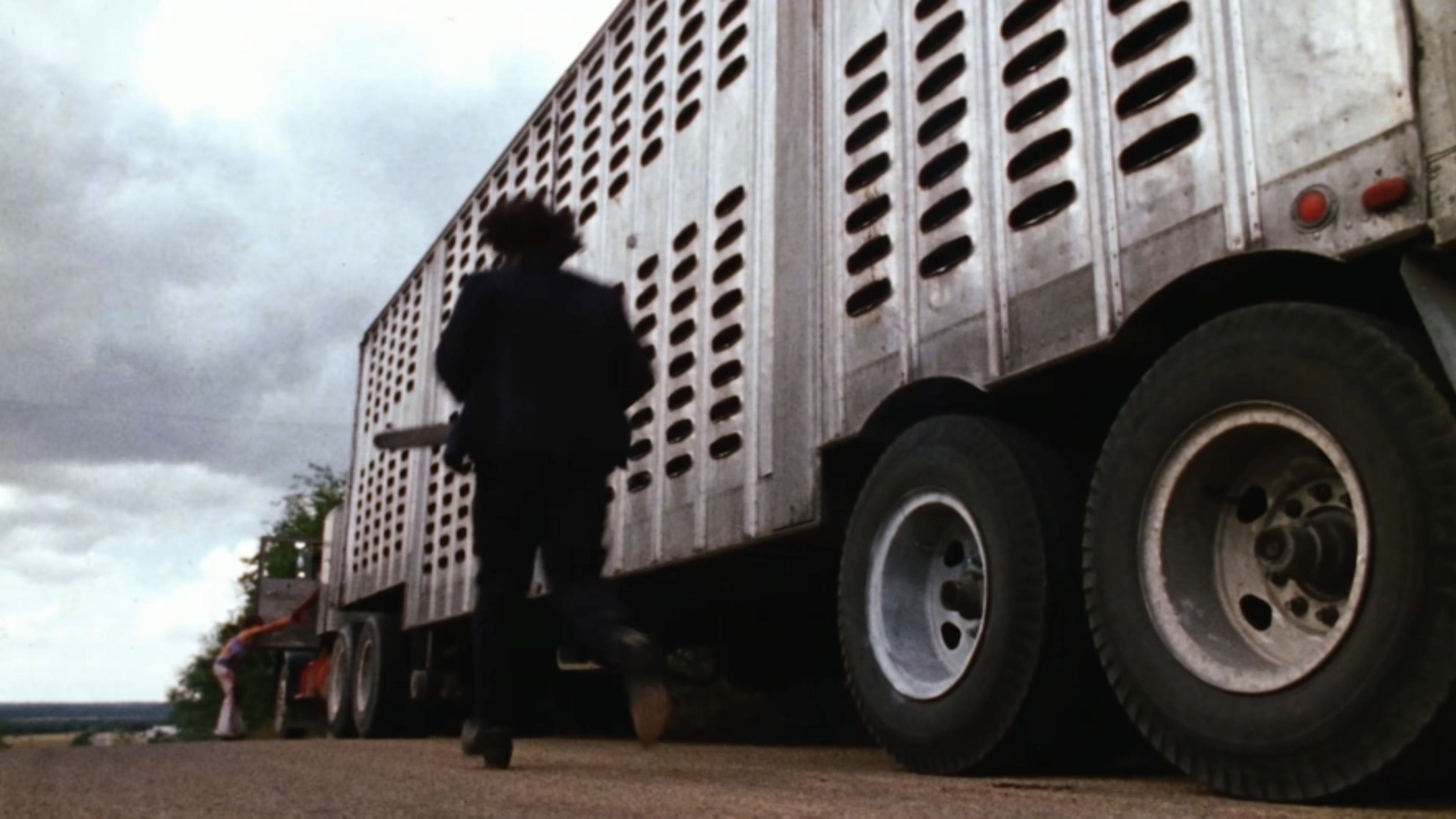
Headlights, available daylight and practical illumination define large portions of the world. Dust, darkness and blown highlights become part of the texture rather than defects that the cinematography attempts to eliminate. Yet describing the film as merely crude or documentary-like misses how carefully many images are constructed. The low tracking shot that follows Pam toward the house, the opening cemetery movement and the final sunrise images of Leatherface all demonstrate deliberate control of camera position. The film combines an apparently accidental surface with compositions capable of becoming instantly recognisable. Its realism therefore depends on a paradox: the images feel discovered even when their arrangement is highly designed.

Leatherface, Masks & the Slaughterhouse Family

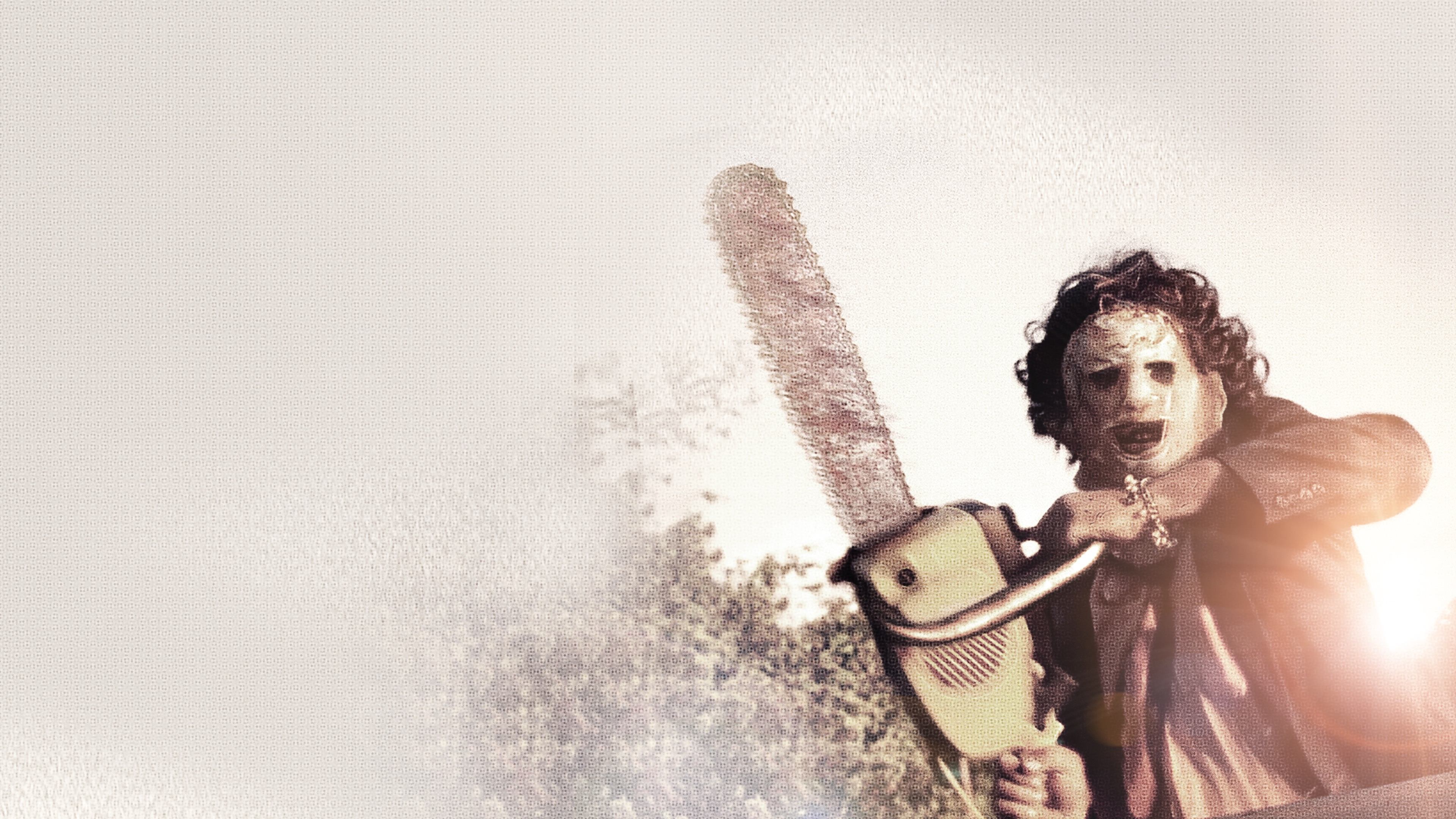
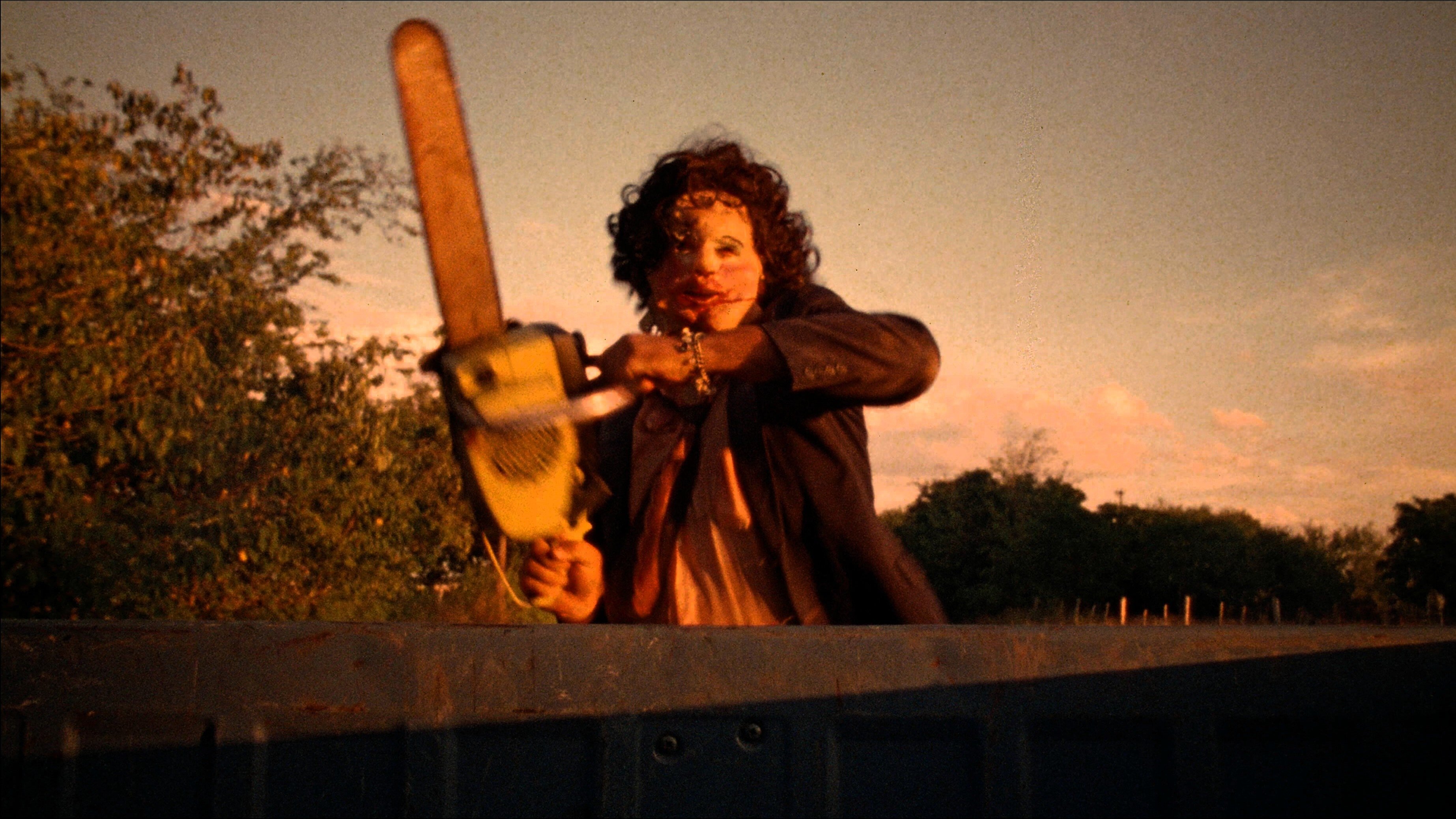
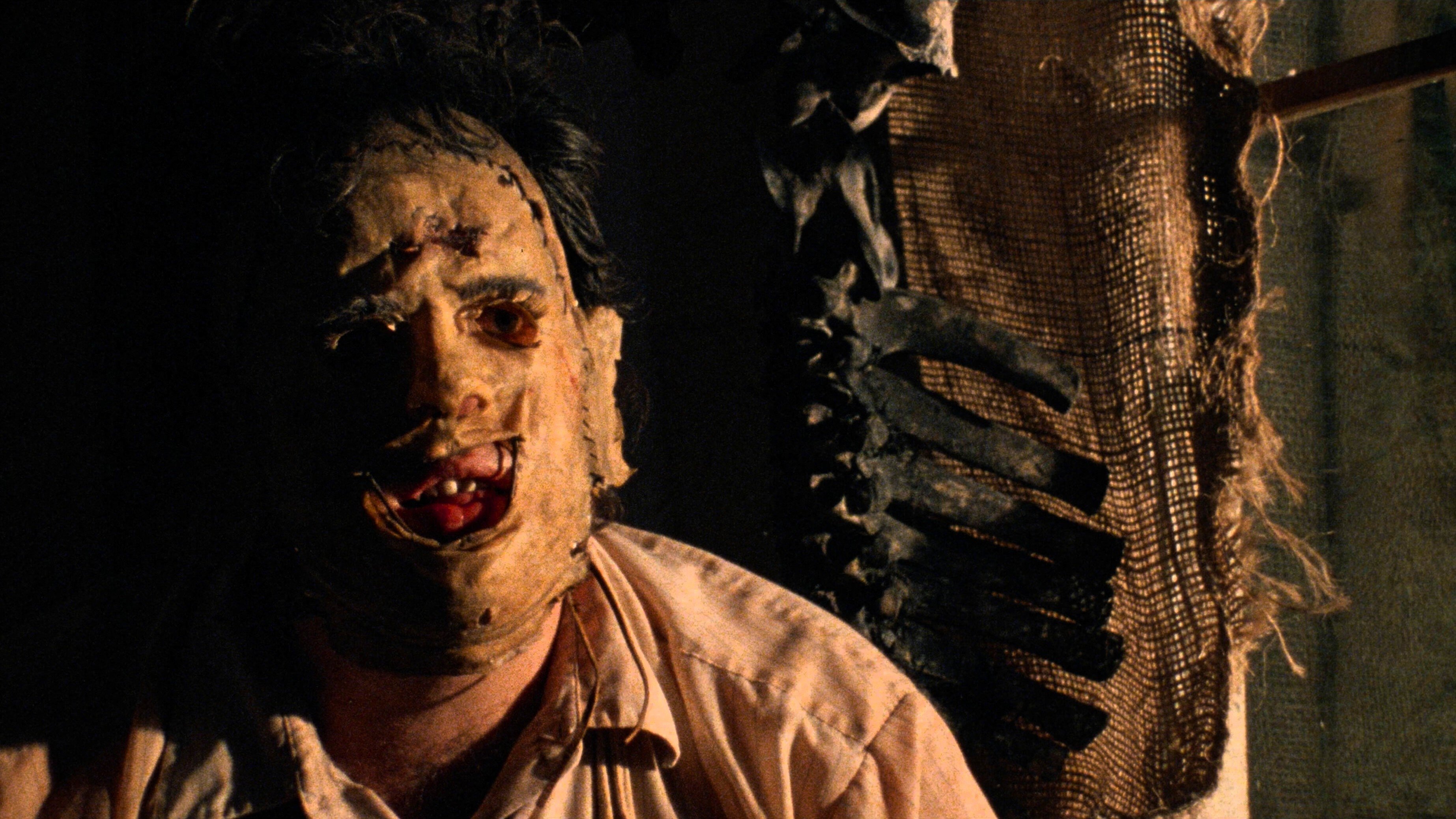
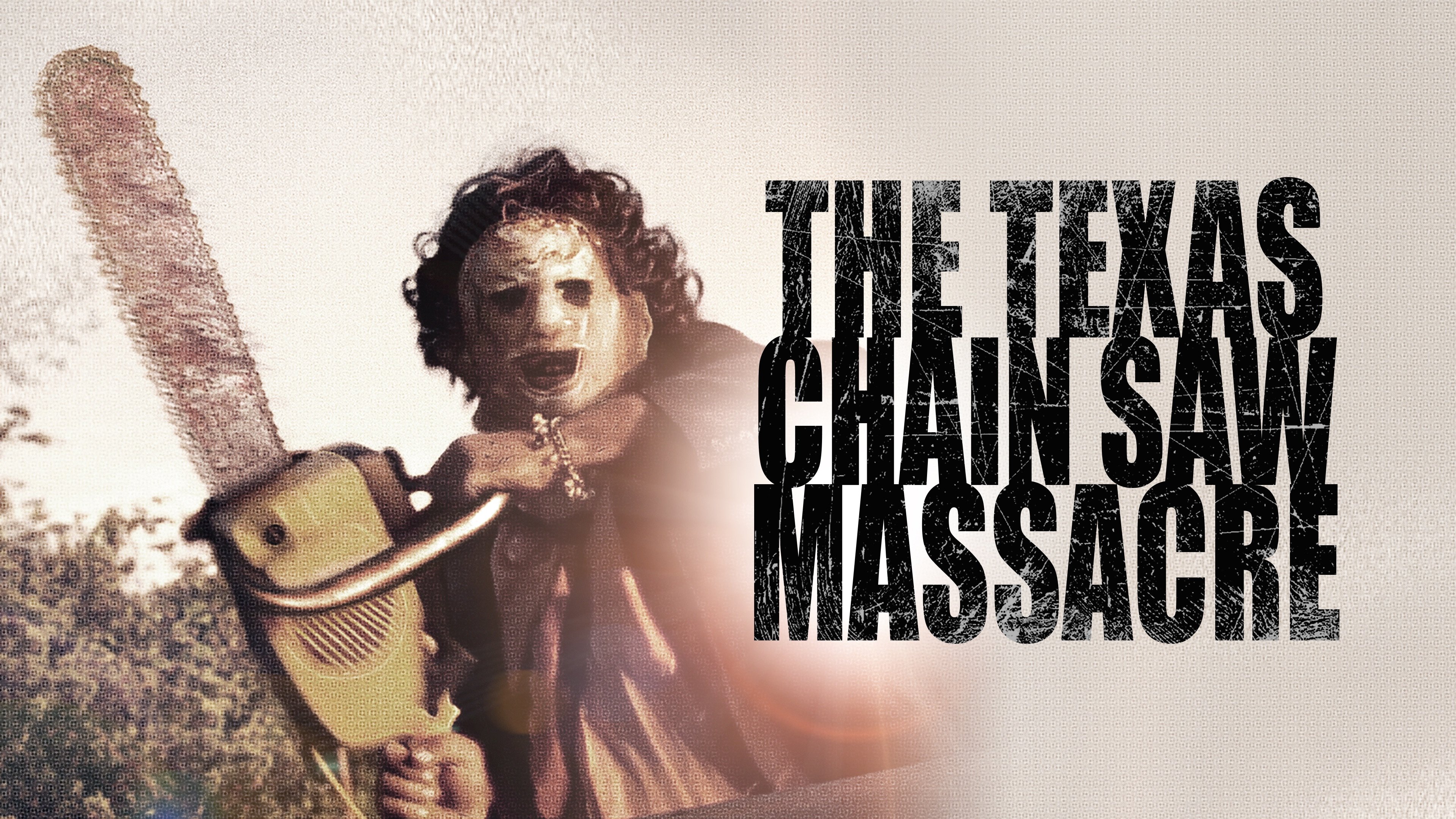
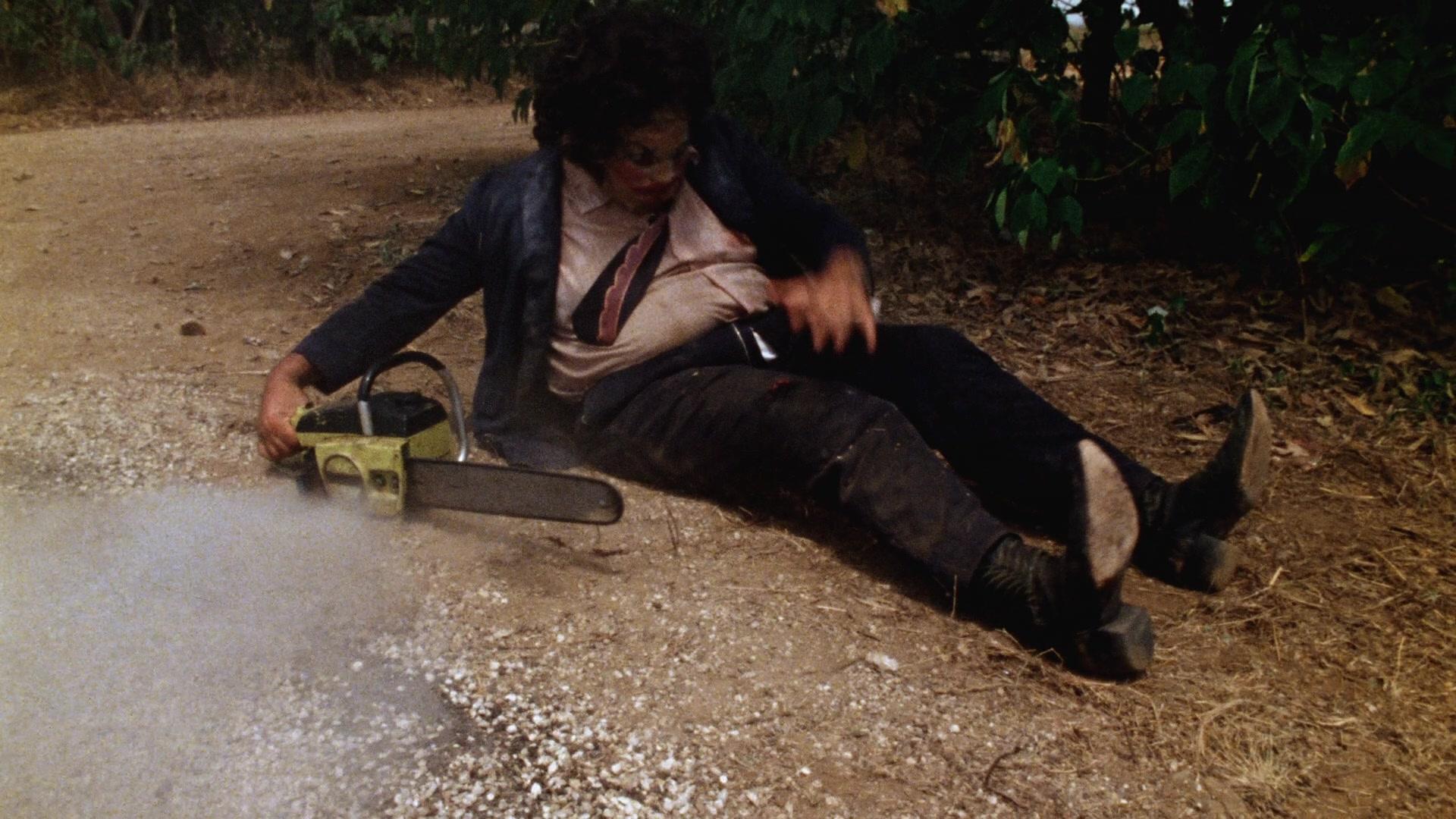
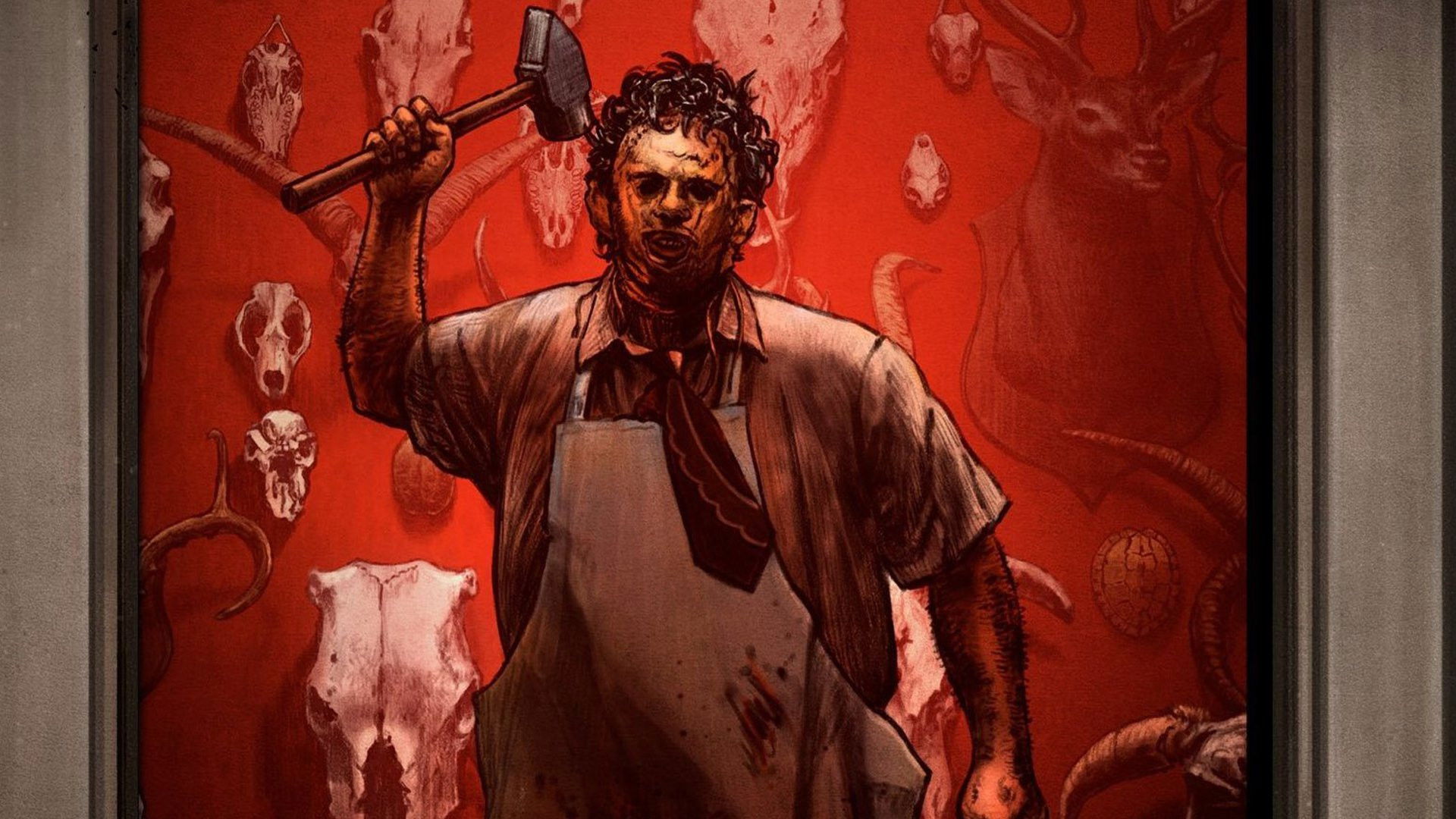
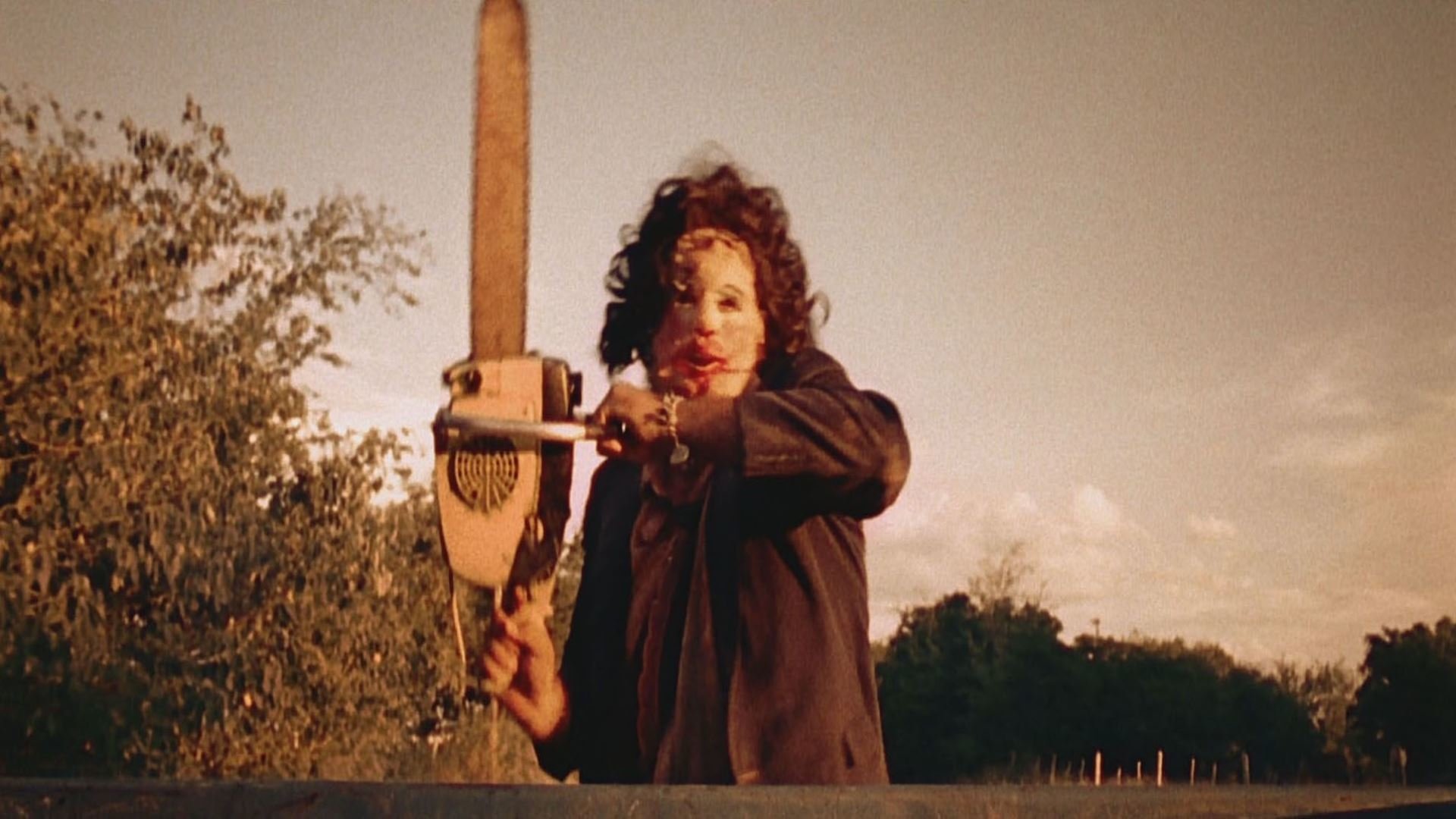
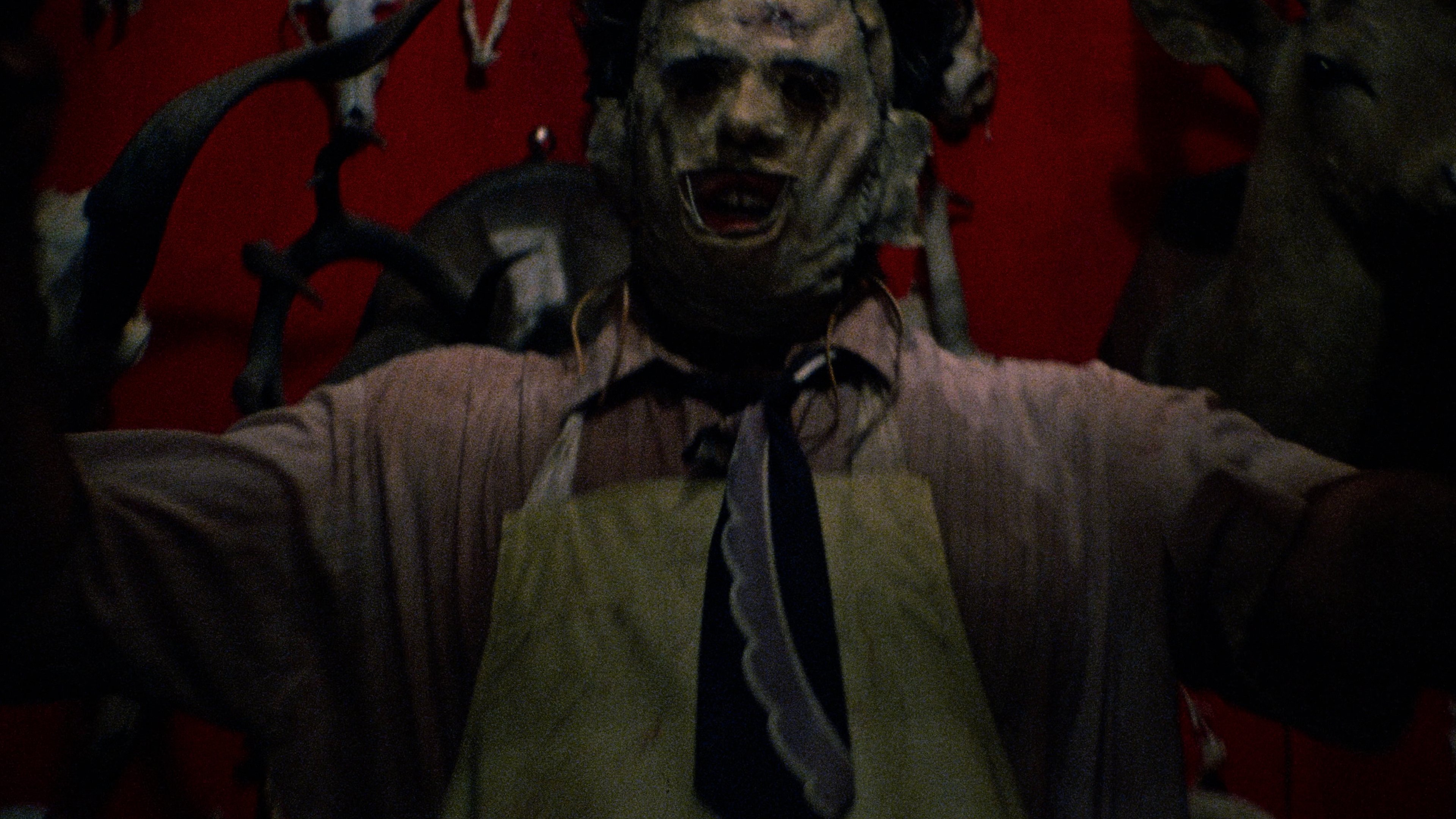
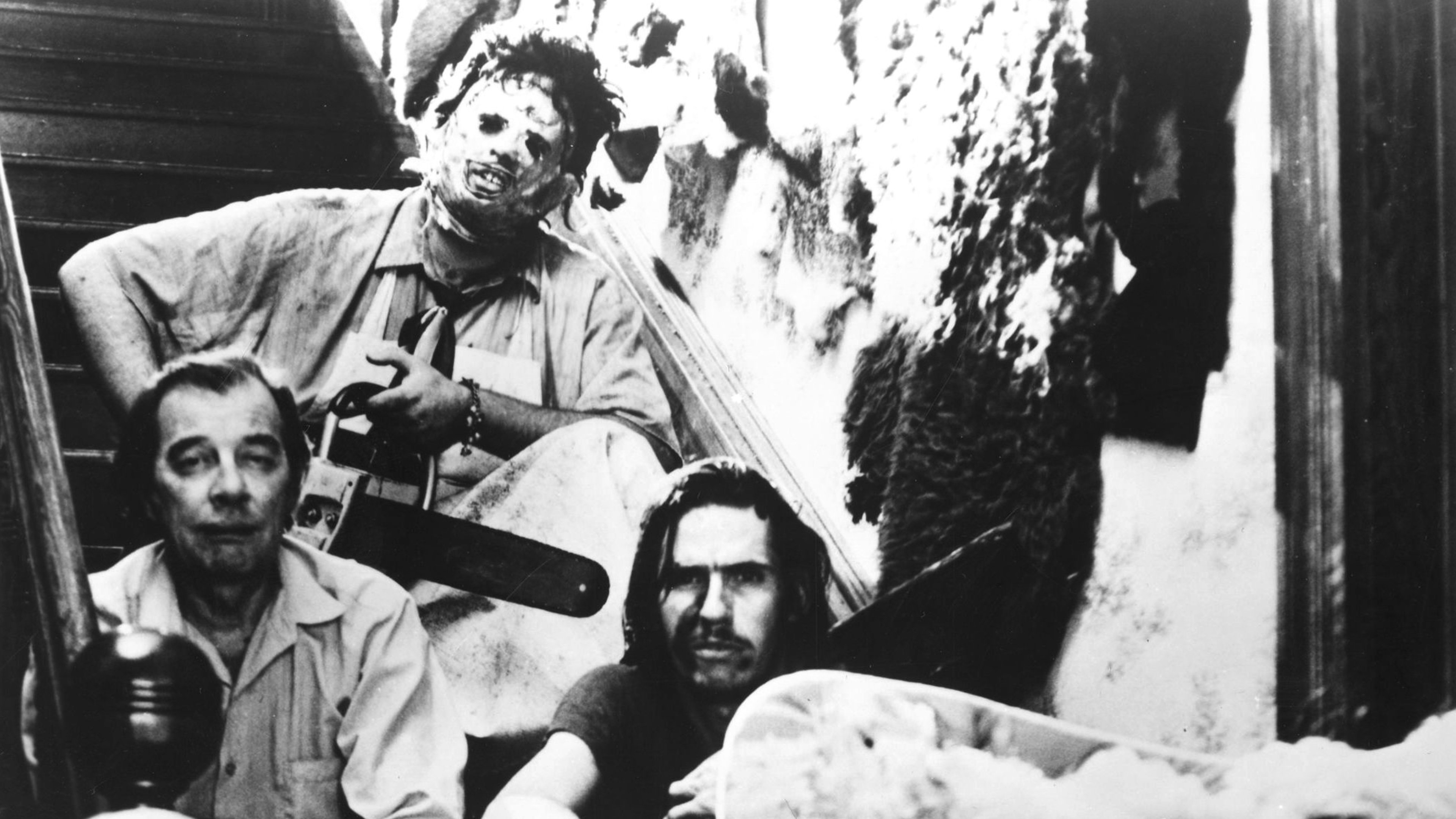
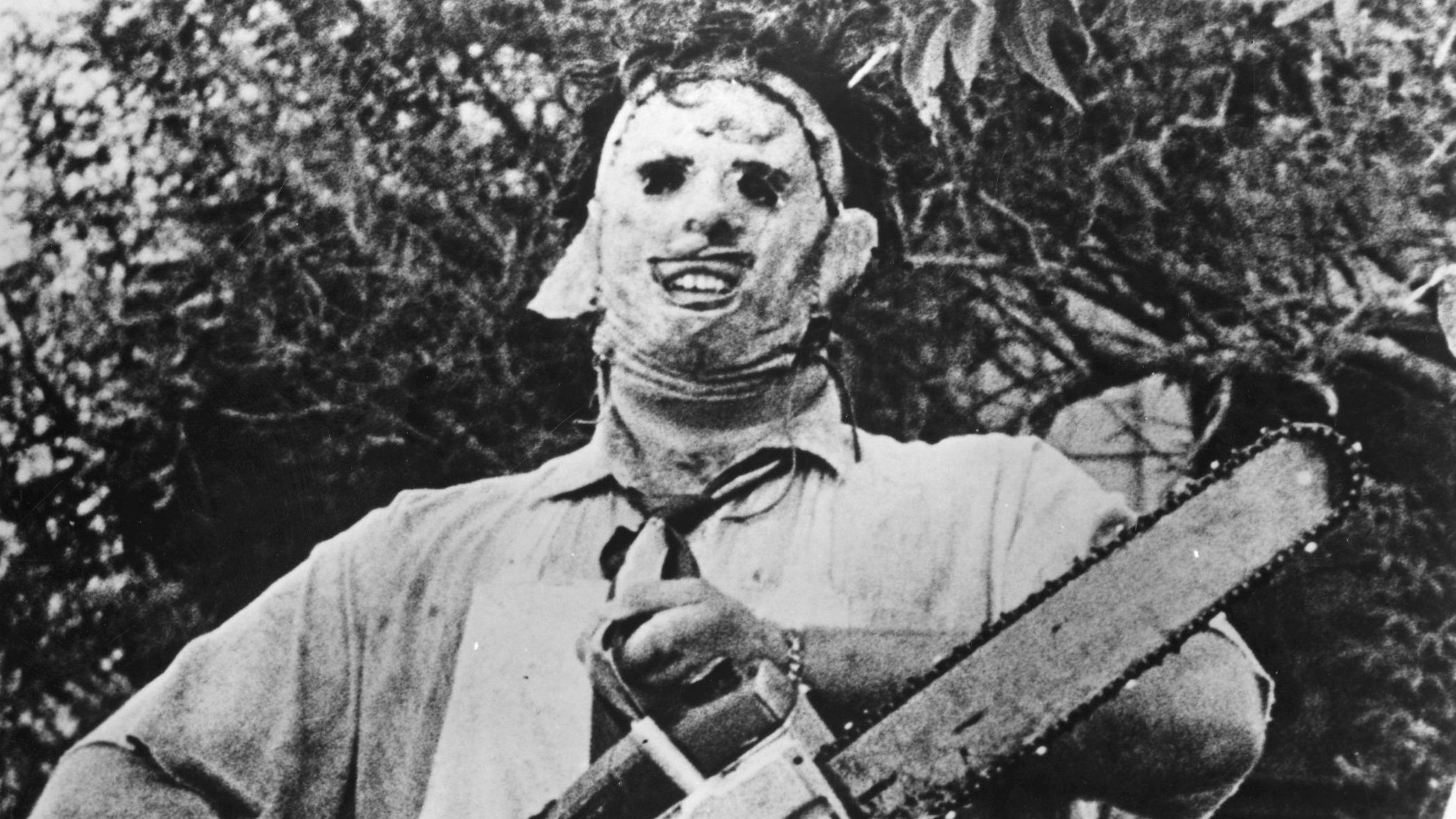
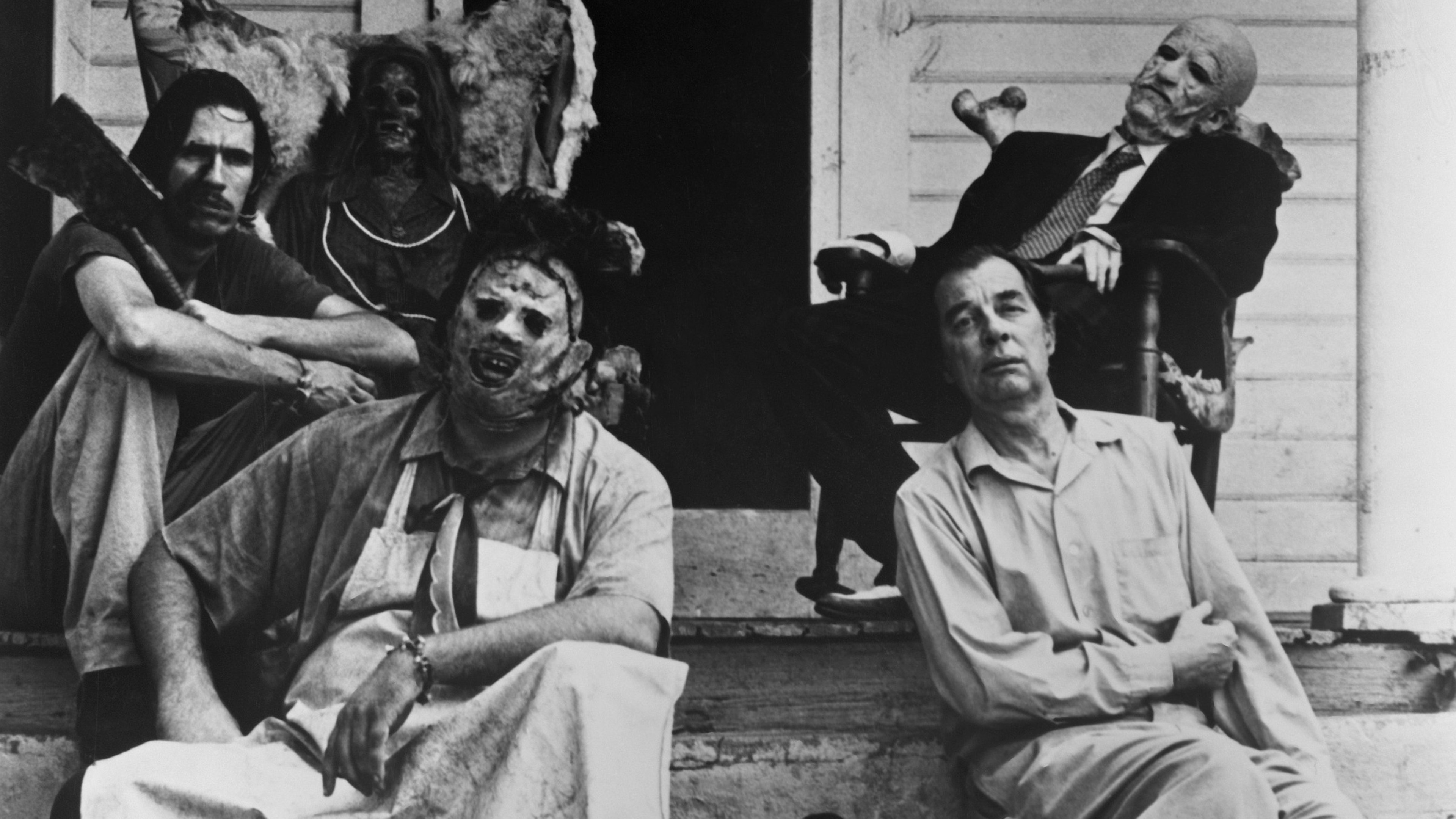
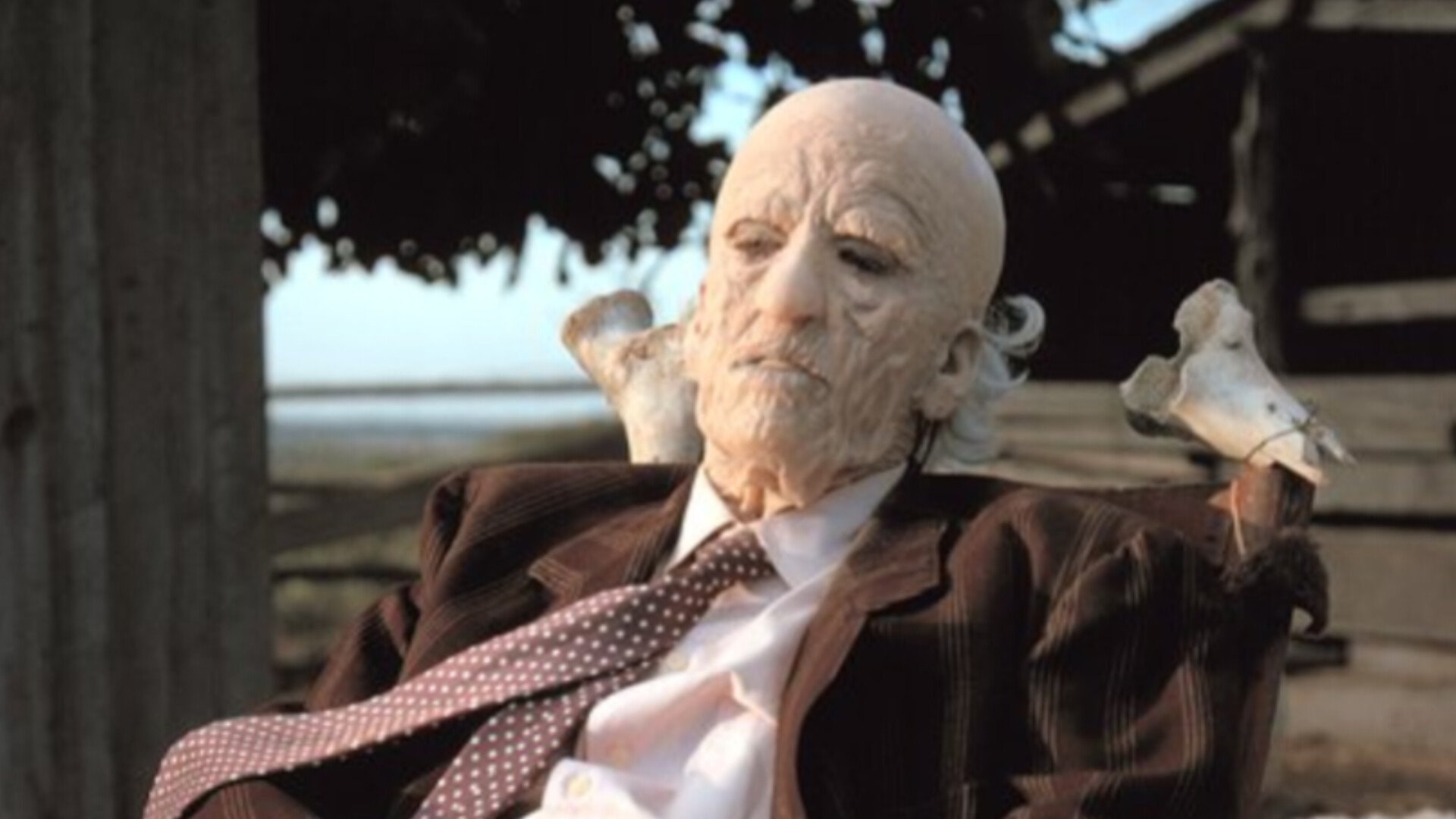
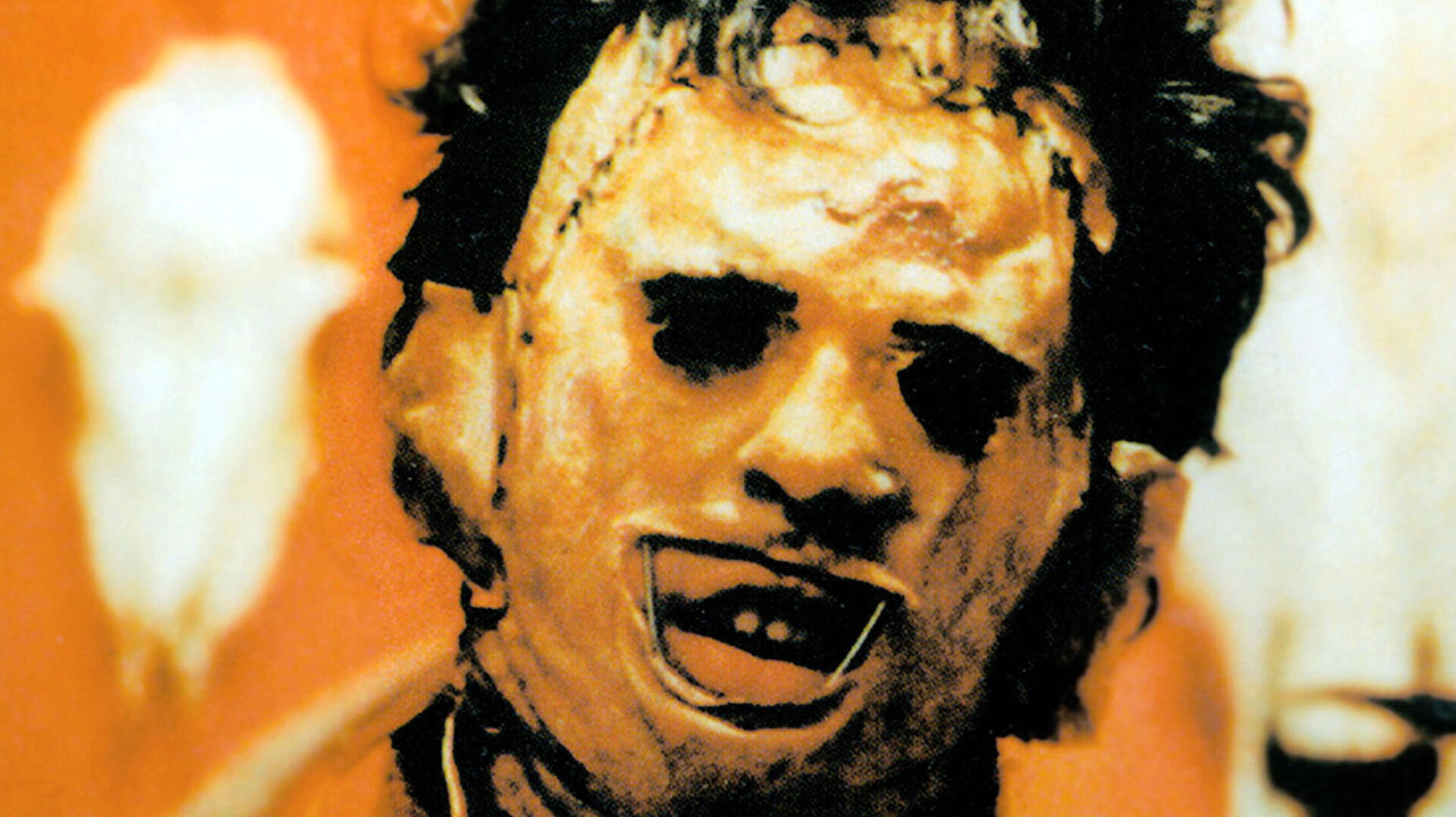
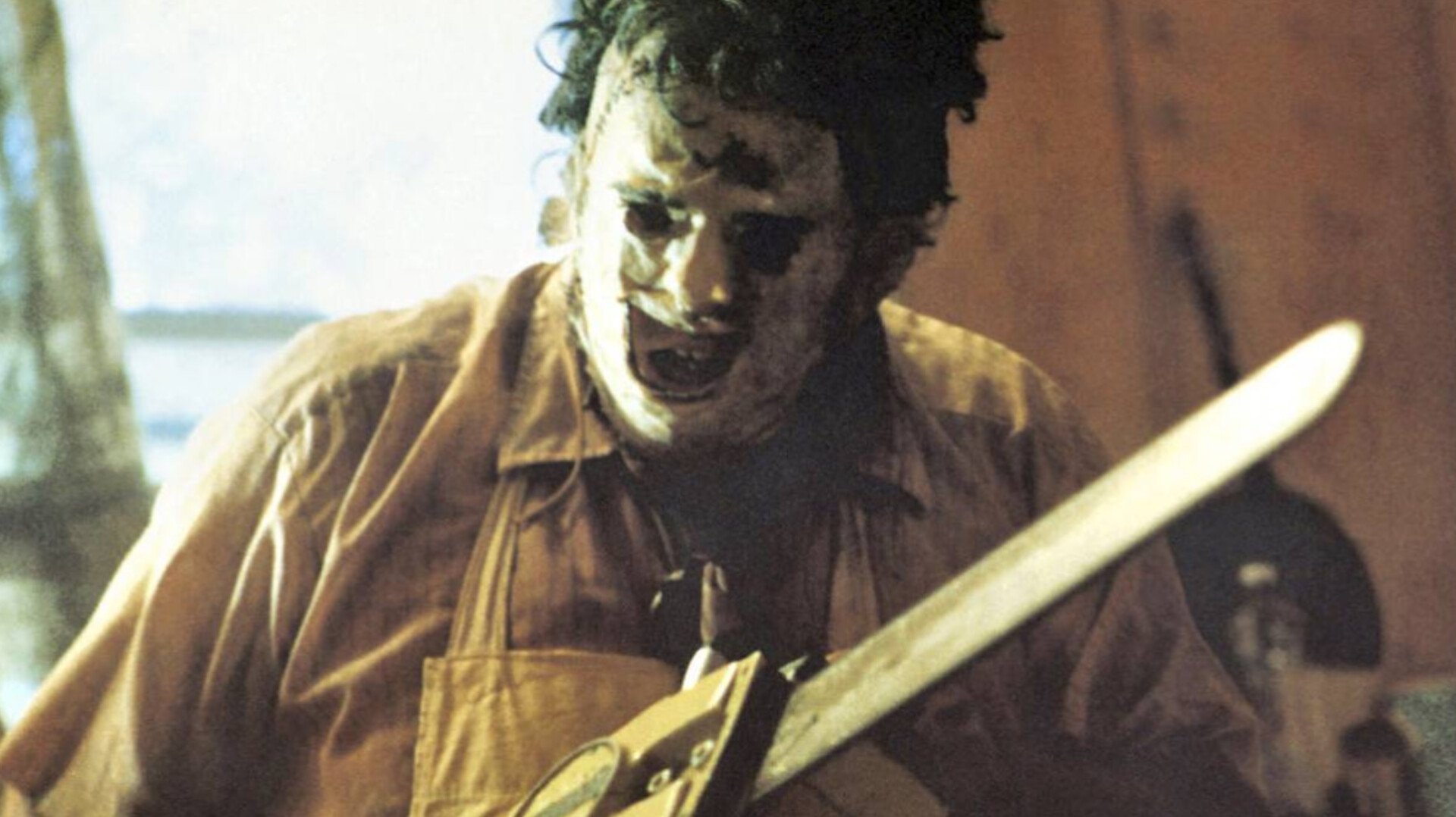
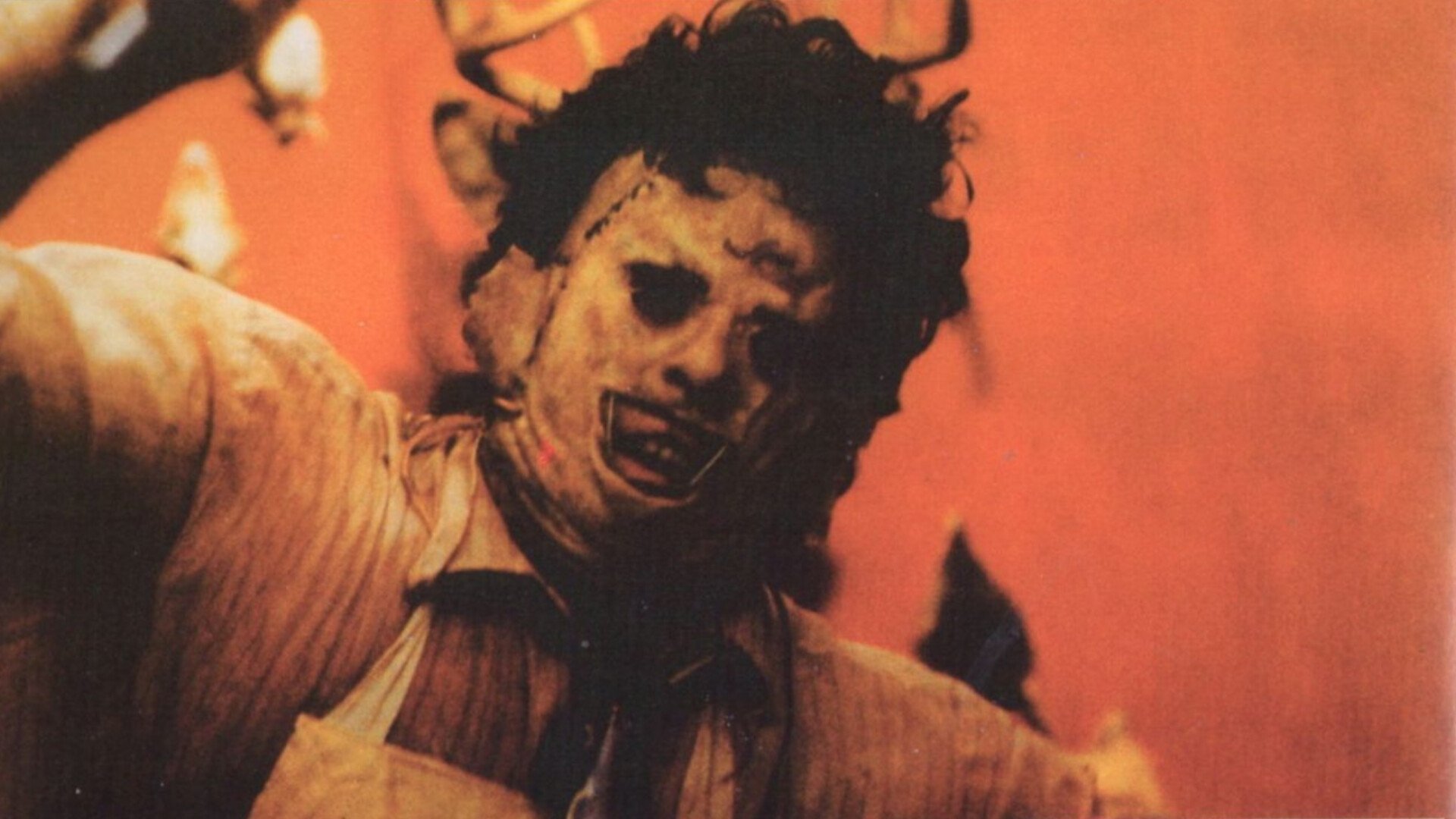
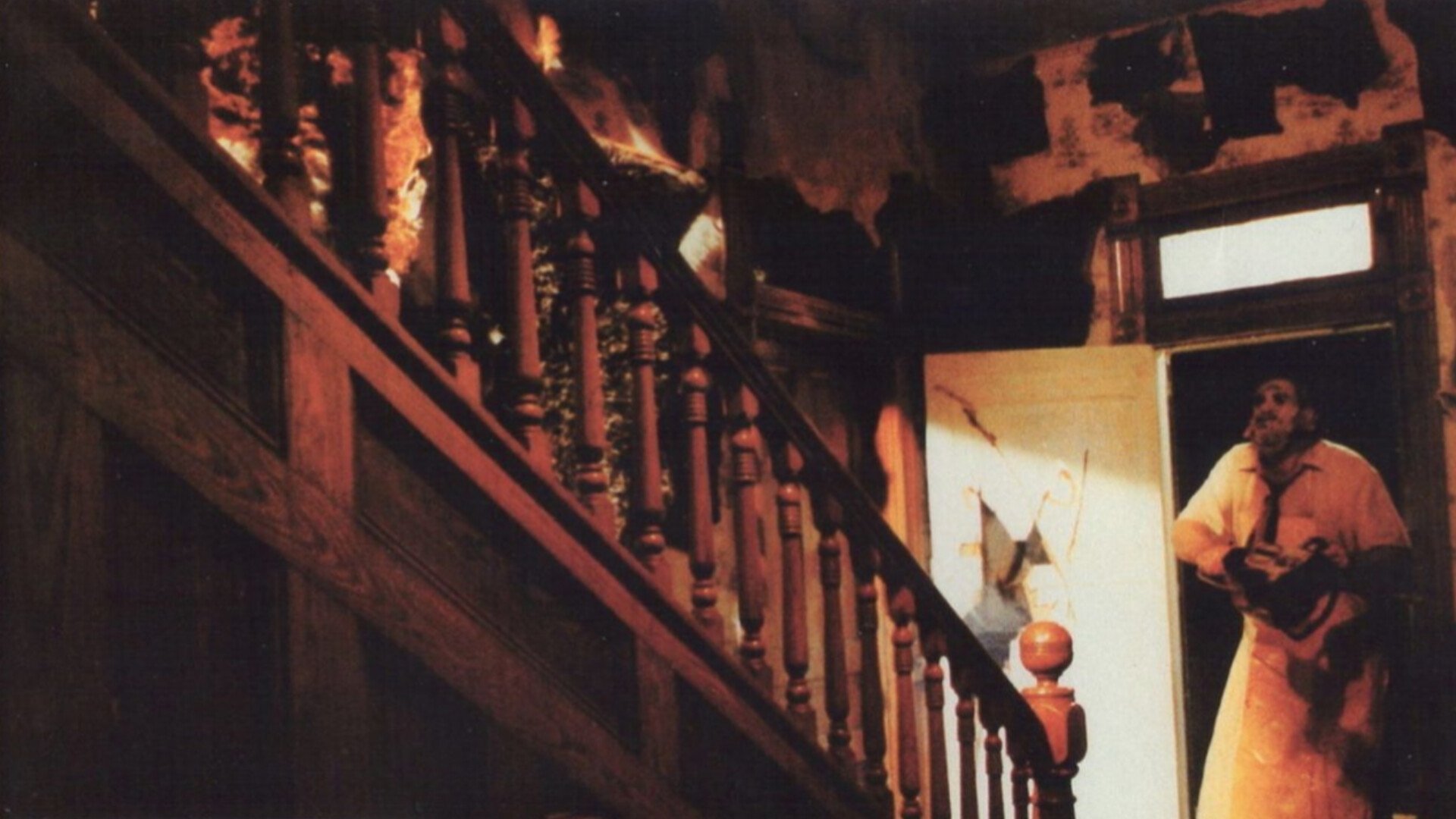
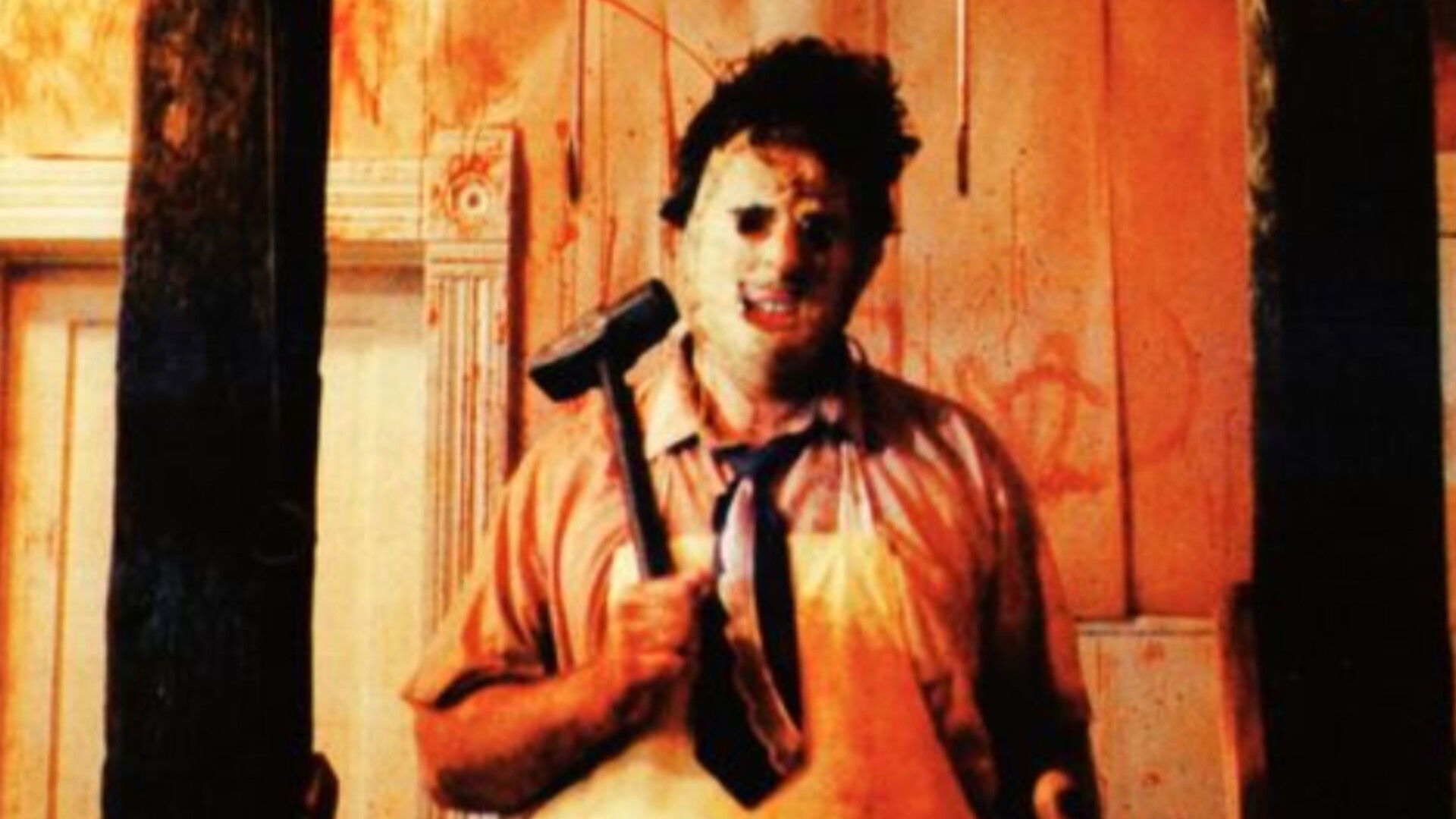
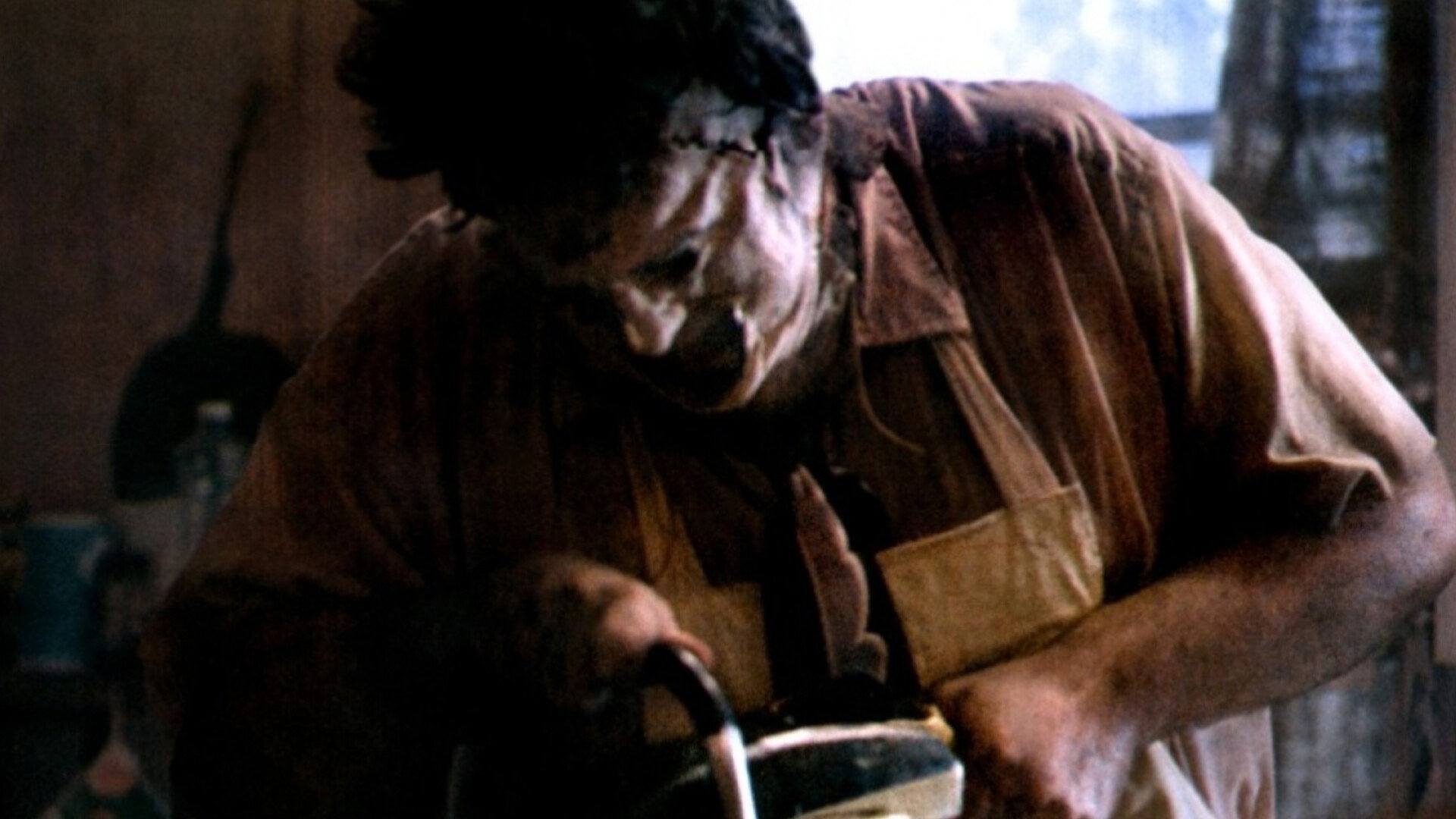
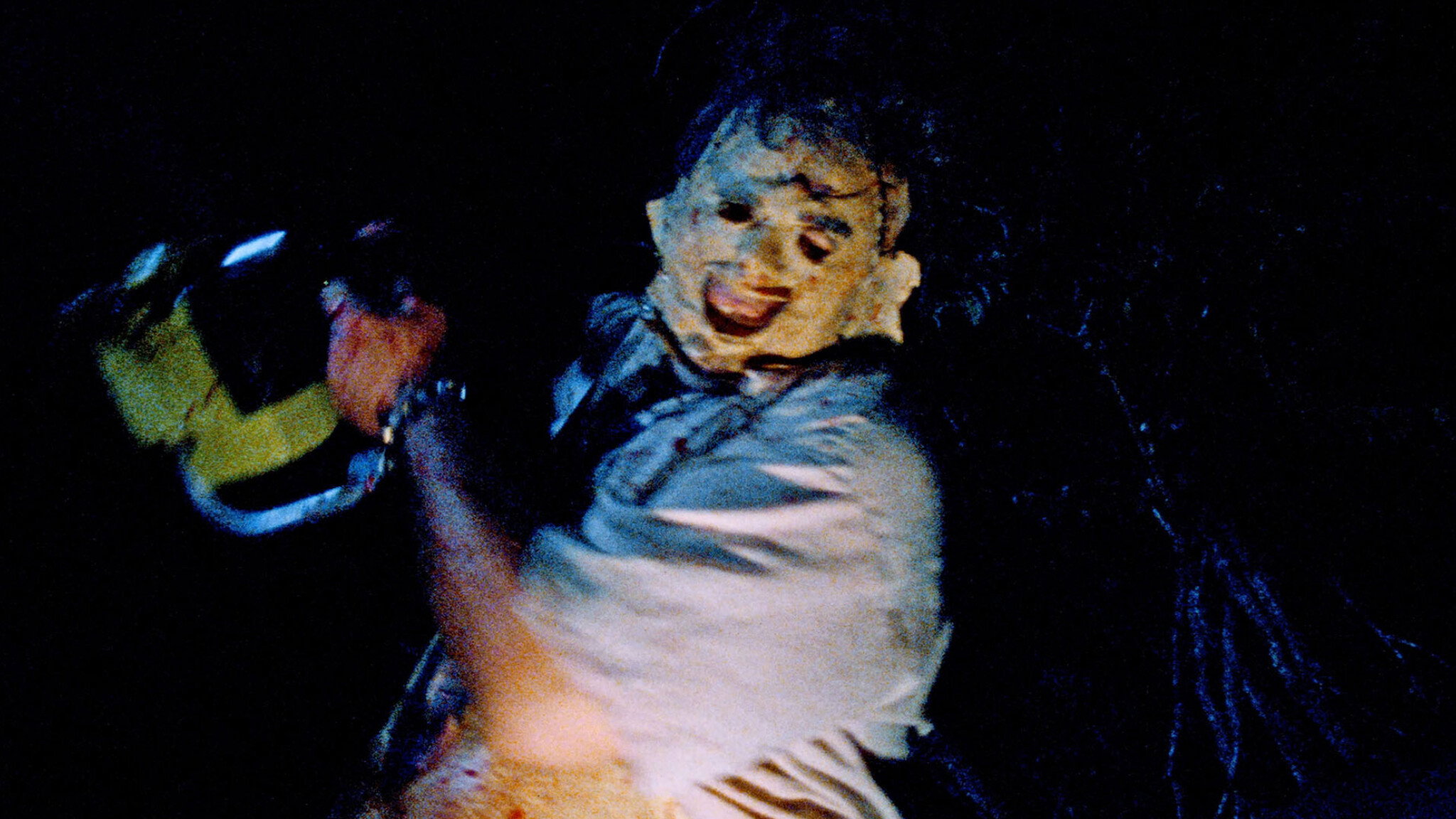
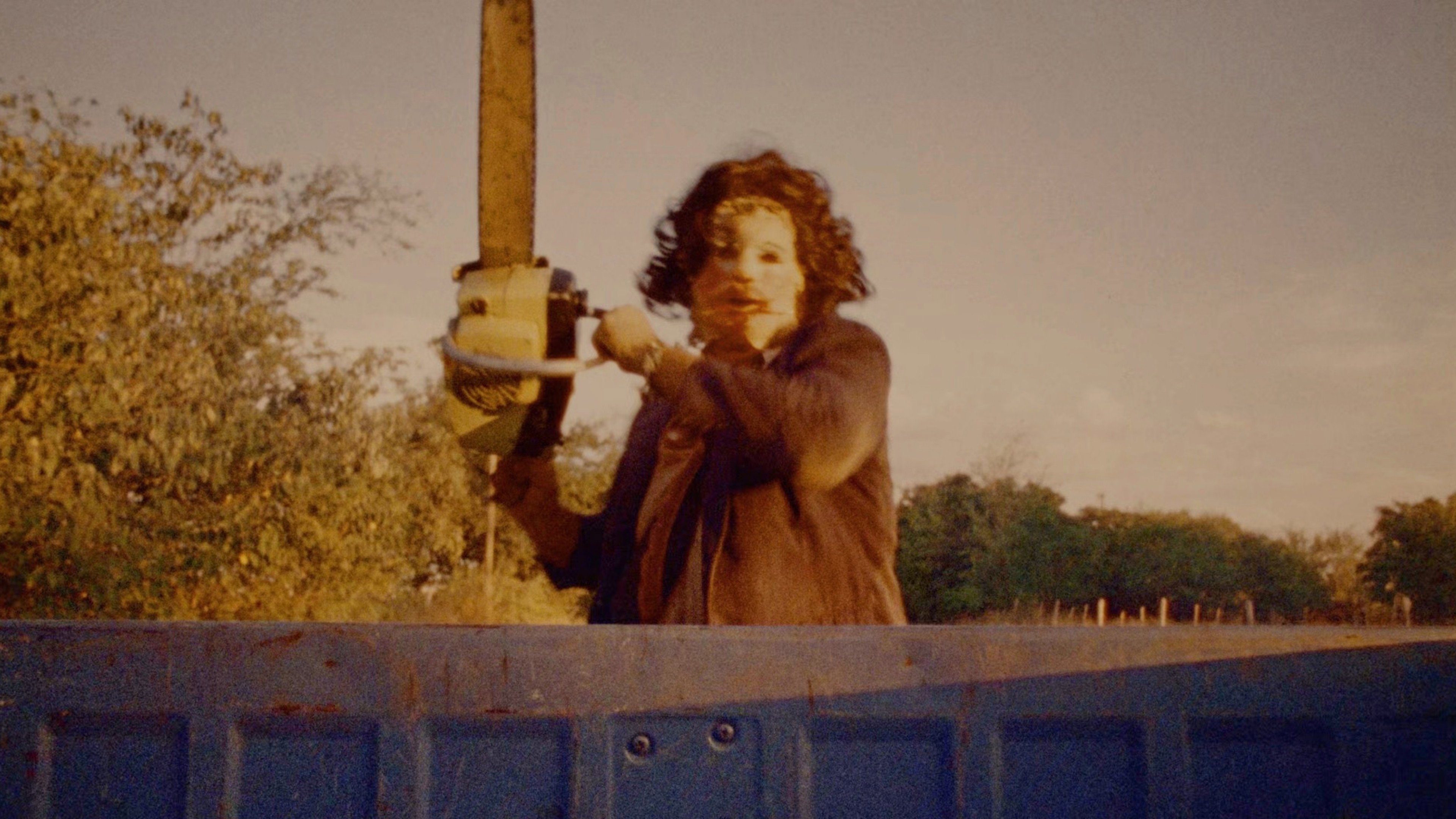
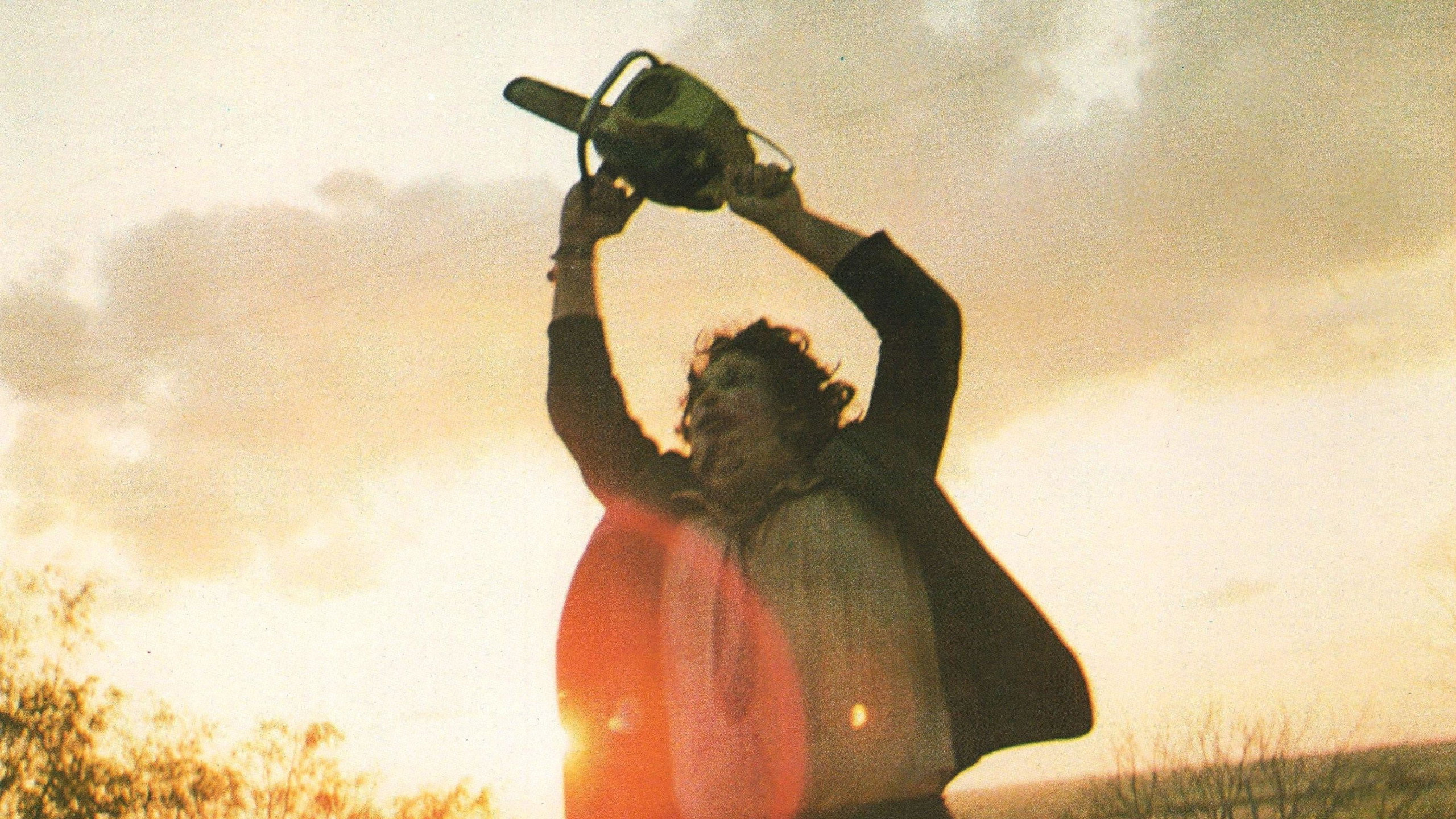
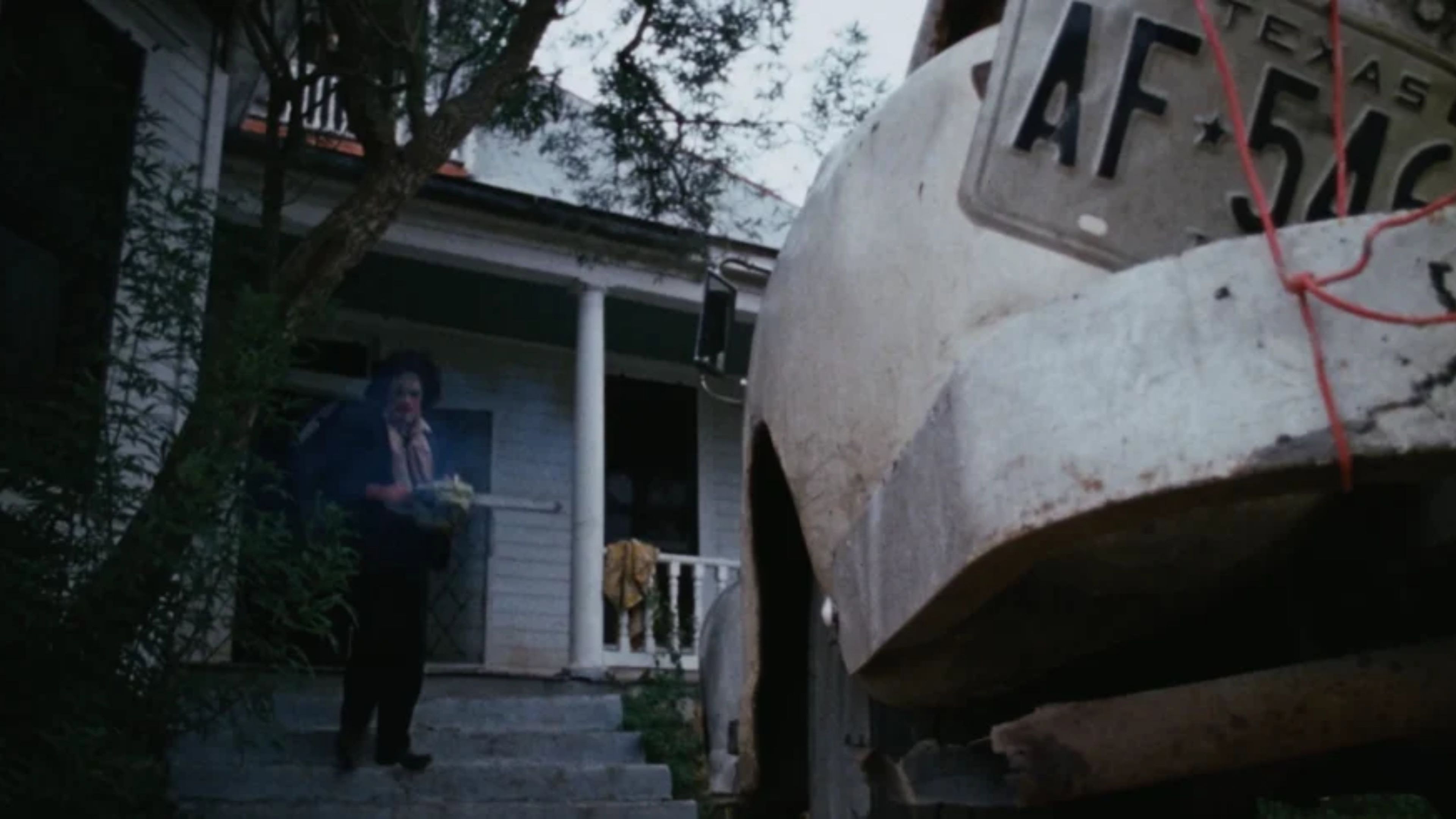
Gunnar Hansen's Leatherface became the film's most recognisable figure, but the character is not presented as an autonomous mastermind. He belongs to a family system in which violence, food preparation and domestic labour have collapsed into one another. The film repeatedly suggests that the family once participated in slaughterhouse work before mechanisation and unemployment displaced that economy. Leatherface extends the slaughterhouse into the home. His hammer, meat hook, freezer and chainsaw convert the farmhouse into a private processing facility.

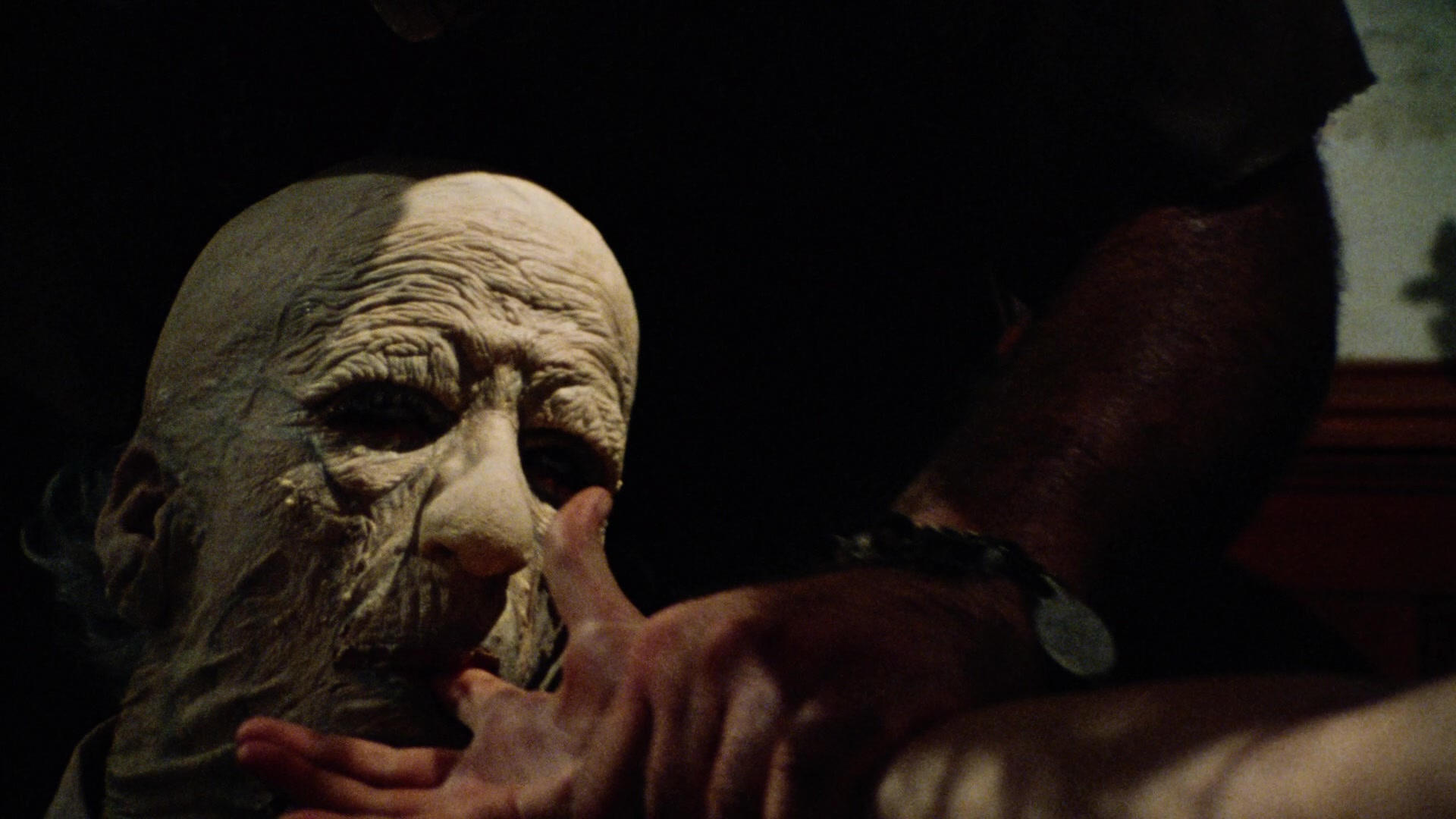
The young visitors are not killed according to a ritual mythology explained by the screenplay; they enter a space where human beings can be handled as livestock. The masks deepen that instability. Leatherface appears in different faces and clothing according to his position within the household. His appearance changes between killing, domestic work and the grotesque family dinner. Hansen developed the performance largely through movement because the mask and absence of conventional dialogue removed the expressive tools normally available to an actor.

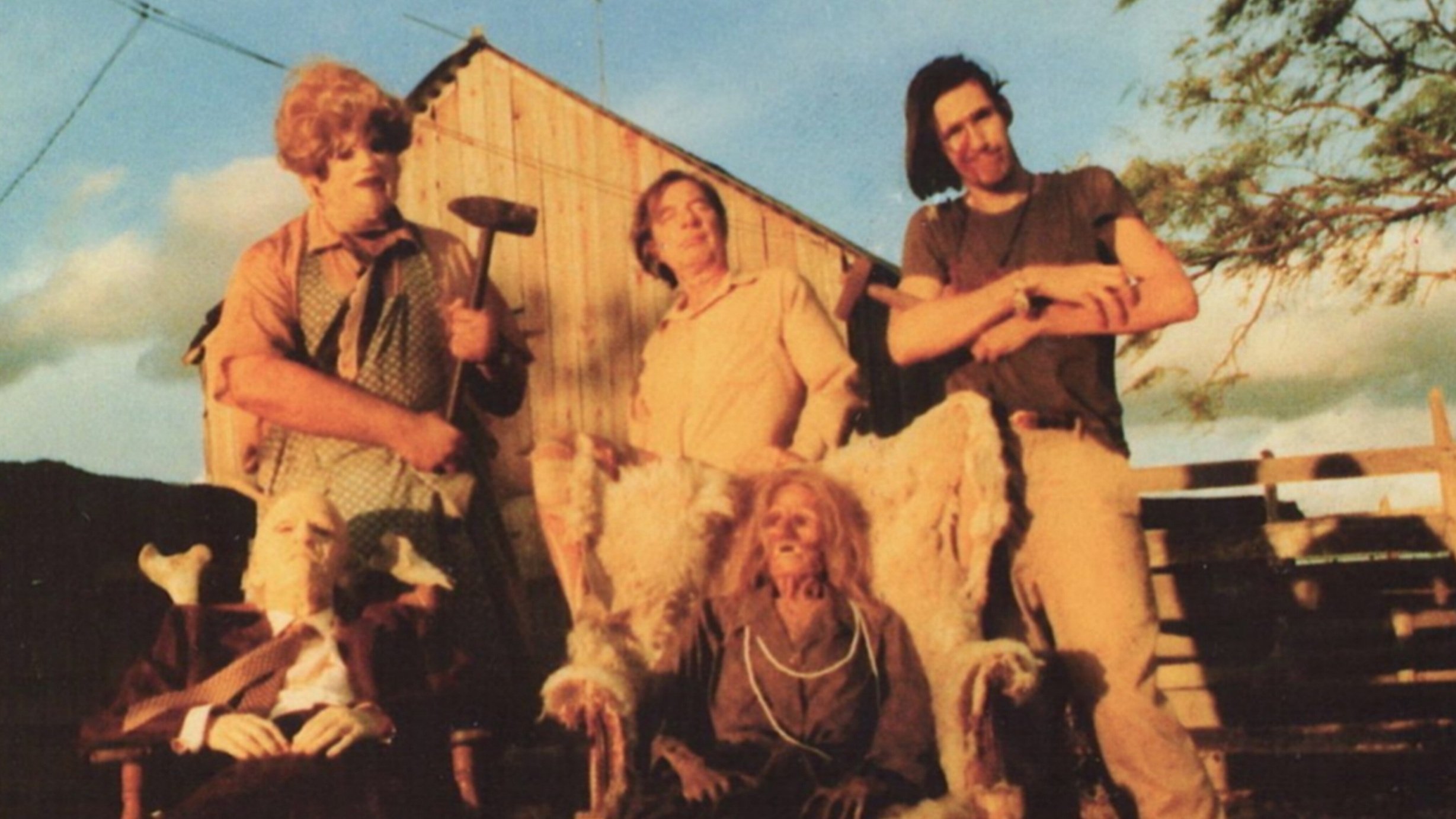
That physicality prevents Leatherface from becoming simply an expressionless stalker. He can appear aggressive, confused, frightened and submissive within the same sequence. After killing intruders, he reacts with visible anxiety over the fact that strangers continue to appear inside the house. When other members of the family return, his position becomes more clearly subordinate. The family therefore provides a different model from the isolated killer that became common in later slashers. Horror comes from entering an entire domestic structure in which everyone has accepted a different relationship to violence.

Leatherface is the most physically dangerous member, but the dinner sequence makes clear that the larger nightmare is collective. The house contains its own hierarchy, routines and forms of entertainment. This also explains why the film offers so little conventional psychological explanation. There is no final revelation capable of reducing Leatherface to one traumatic event or diagnostic category. The characters exist as a functioning unit before the travellers arrive and remain largely intact after Sally escapes. The absence of explanation leaves the horror socially complete even while its origins remain unknown.

Robert A. Burns, the Farmhouse & Material Horror

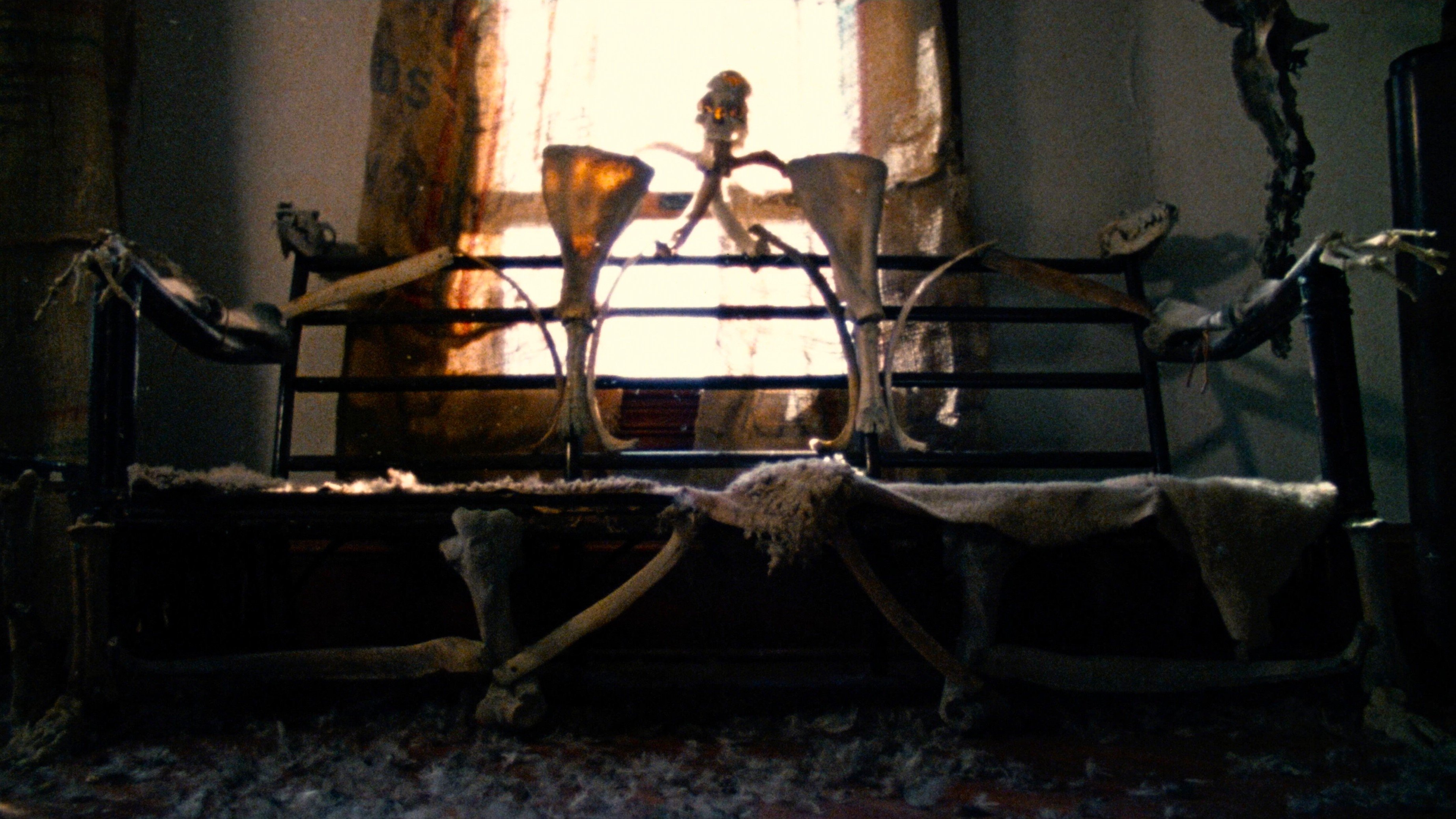
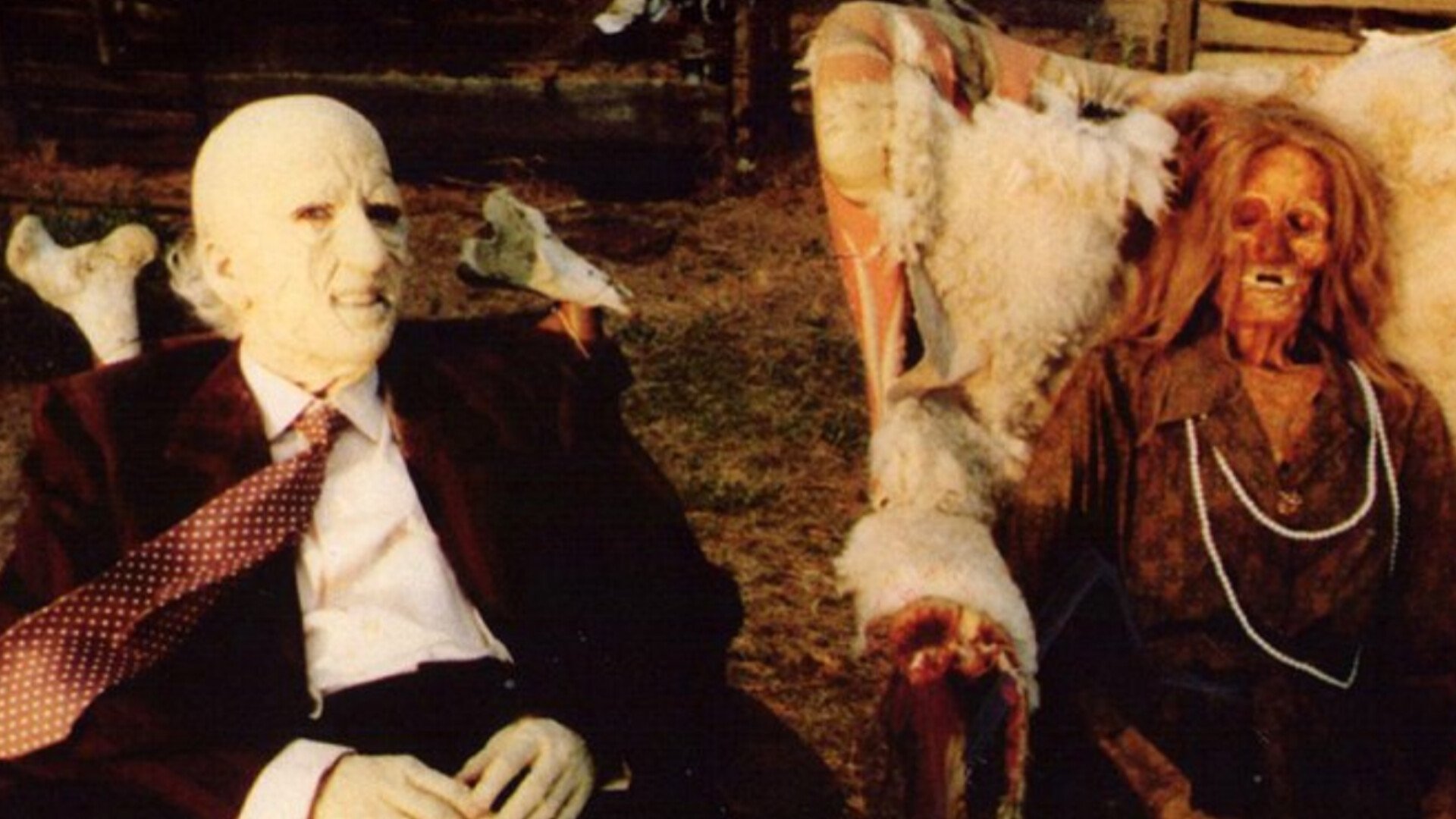
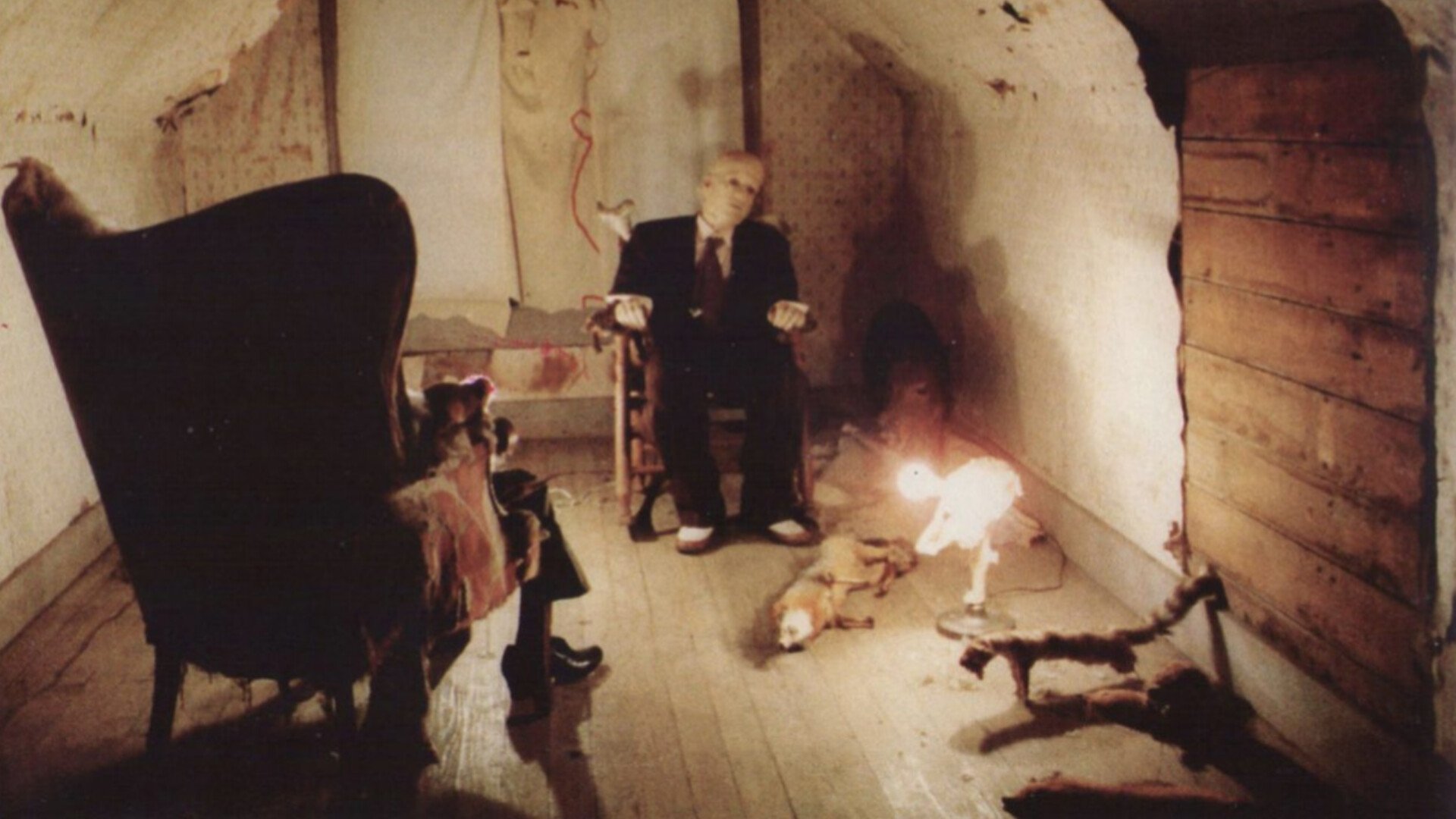
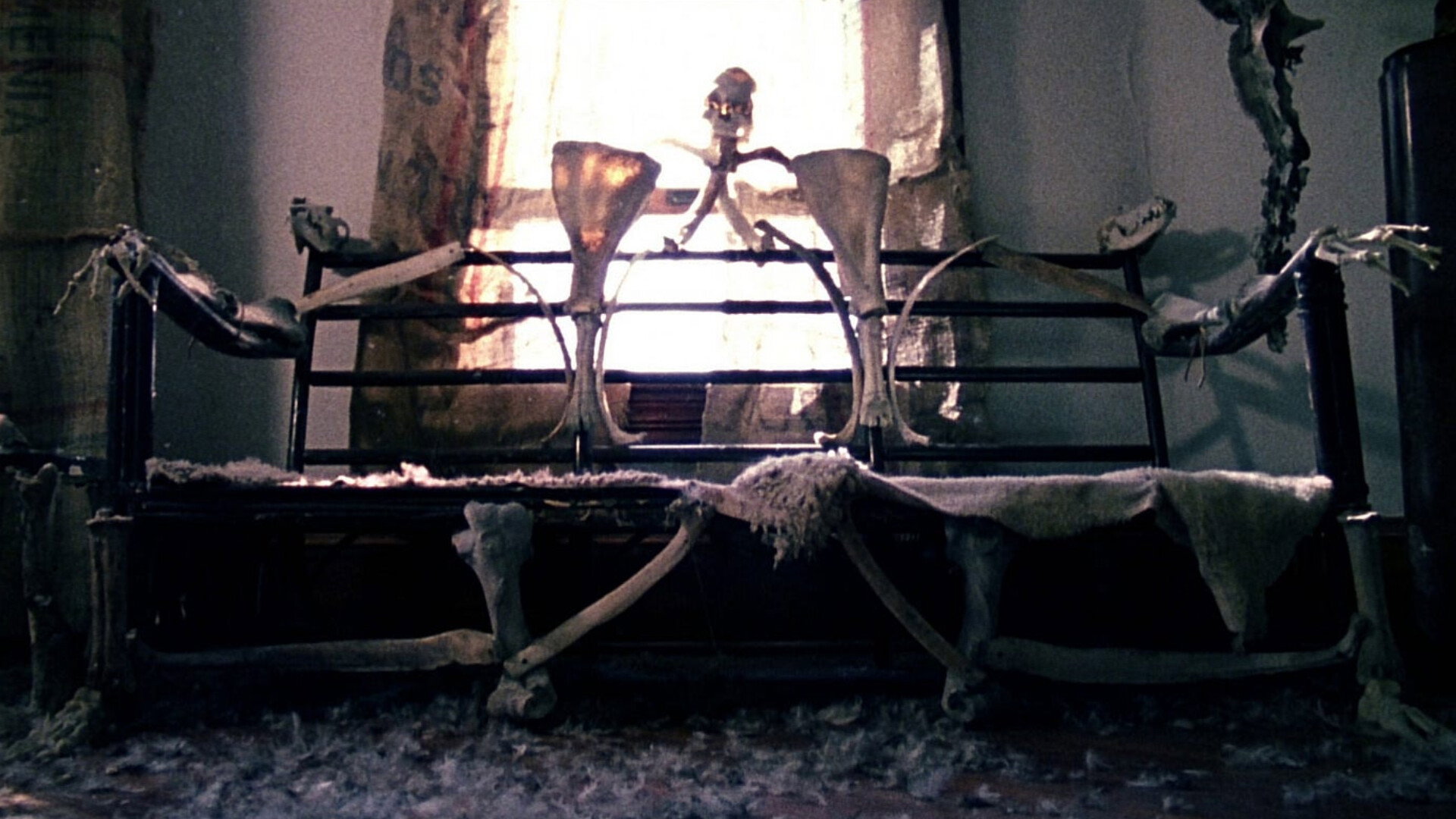
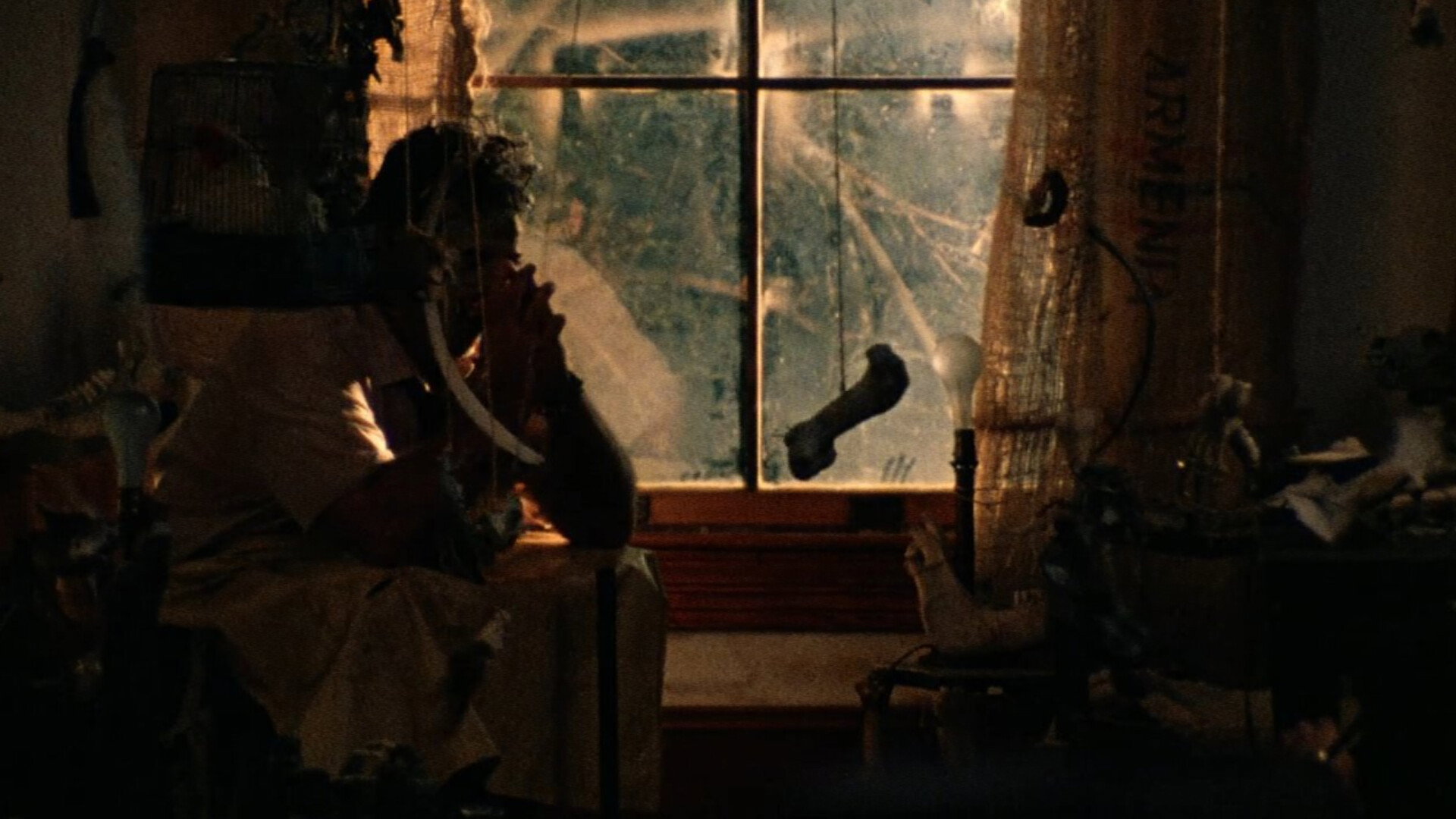
Art director Robert A. Burns transformed the farmhouse into one of the film's most important sources of horror. Burns filled domestic rooms with materials associated with animals, slaughter and decay. Production accounts describe extensive use of real animal bones, while furniture and decorative objects were designed to suggest that remains had become ordinary household material. Burns researched photographs connected with Ed Gein when developing the environment. The influence is most apparent not in the plot but in the conversion of bodily remains into objects.

Bones become architectural or decorative components. Skin becomes mask or upholstery. A home that should separate family life from the violence of the slaughterhouse instead absorbs the slaughterhouse completely. The set design works because the film rarely stops to explain individual objects. Kirk and Pam discover the house gradually. The viewer has enough time to identify bones, feathers and pieces of furniture without receiving an inventory of what they are meant to represent. By the time the larger room is revealed, the accumulation has become more disturbing than any single prop.

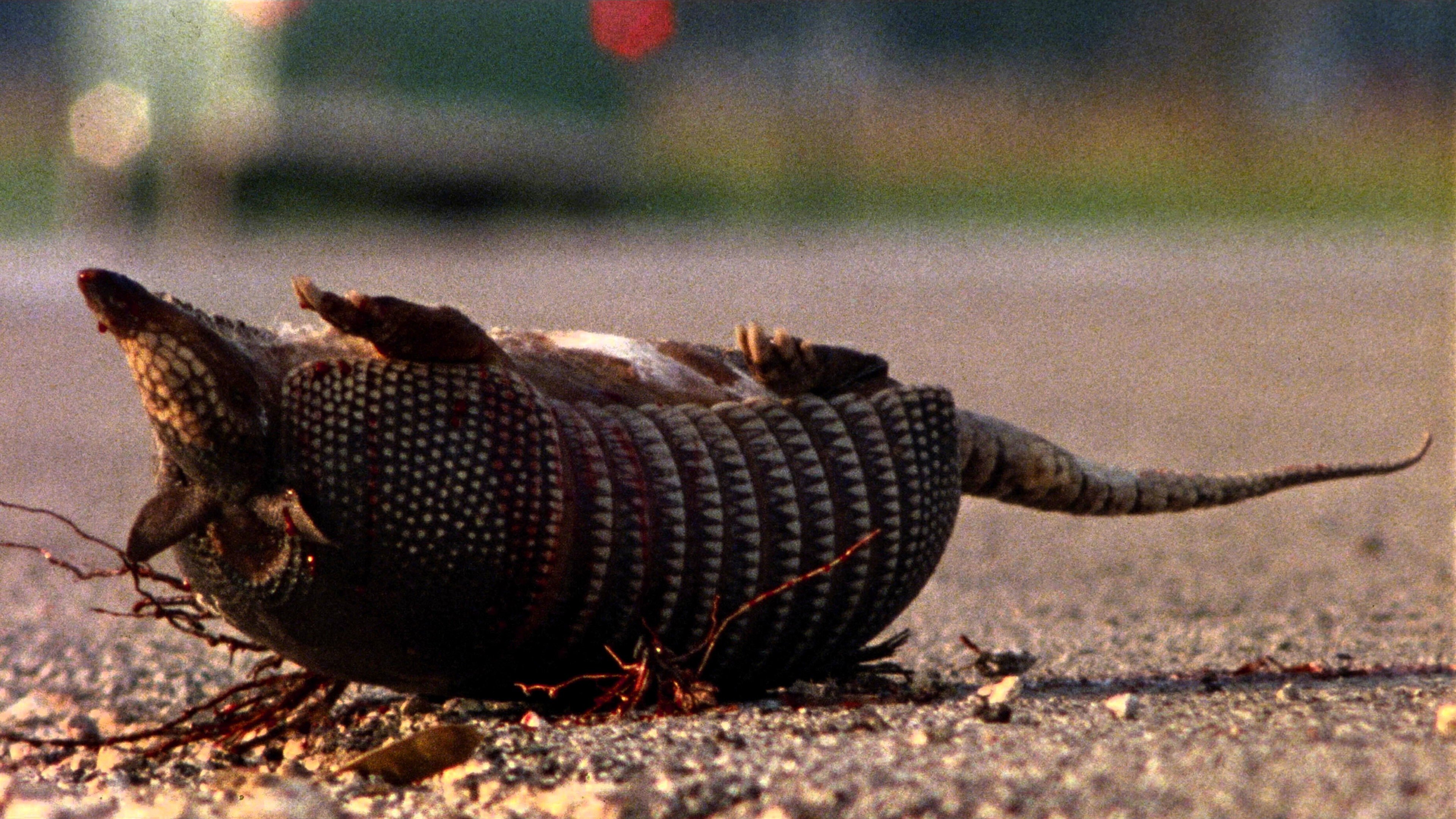
Animal imagery appears throughout the film before the farmhouse is reached. Cattle, slaughterhouse discussion, roadkill and descriptions of killing techniques prepare the vocabulary through which the family will later understand human bodies. The connection does not require the audience to accept a simple vegetarian allegory. What matters is that killing has been normalised as labour before the film applies the same logic to people. The first death inside the house demonstrates that principle with extraordinary economy.

Leatherface strikes Kirk with a hammer, the body convulses, another blow follows and a metal door closes. There is very little explicit gore. The brutality comes from the speed, weight and practical finality of the action. The room looks less like a murder chamber than a place where work is performed. That approach continues throughout the film. Objects do not become frightening because they possess supernatural power. A hammer, freezer, hook or chainsaw remains recognisable as a tool. Horror comes from discovering the system in which those tools are being used.

Tobe Hooper, Wayne Bell & the Sound of the Film

The soundtrack is fundamental to the film's effect. Hooper and Wayne Bell created an abstract score that deliberately blurred music and sound design. Bell had already worked with Hooper before The Texas Chain Saw Massacre and participated in both production sound and post-production work, making him unusually close to the complete sonic construction of the film. Their approach did not begin with conventional themes assigned to individual characters. Bell and Hooper generated a library of noises and textures from available objects and instruments and then shaped those materials during editing.

Children's musical toys, cymbals, shakers, an upright bass and lap steel guitar were among the sources used. The bass could be bowed, struck or manipulated rather than treated only as a traditional musical instrument. The recordings were made cheaply and often aggressively. Bell later described distorted microphones, tape recording at different speeds and an interest in sounds that remained difficult to classify as either music or effect. The limitation matched the film.

Clean orchestral scoring would have introduced a degree of polish absent from the photography and performances; the abrasive soundtrack instead feels as if it belongs to the same physical environment. Ordinary effects receive similar attention. The hammer impact that kills Kirk is heard with a force the image itself does not provide. Metallic noises, animal sounds, mechanical drones and the chainsaw repeatedly extend violence beyond the visible frame. The soundtrack encourages the audience to imagine damage that Hooper does not need to photograph directly. This relationship between sound and imagination became central to the film's censorship history.

The most disturbing moments are often difficult to isolate as removable images because their effect depends on duration, screaming, mechanical noise and anticipation. Cutting one graphic frame cannot easily neutralise a sequence whose violence has already been constructed in the listener's mind. The score had an unusual archival afterlife. Source tapes long thought unavailable were located in 2023, allowing Bell to reconstruct the material. In 2024 the Hooper-Bell score finally received its first official album release, making available a component of the film that had existed for half a century almost entirely inside the soundtrack itself.

Violence, Suggestion & British Censorship

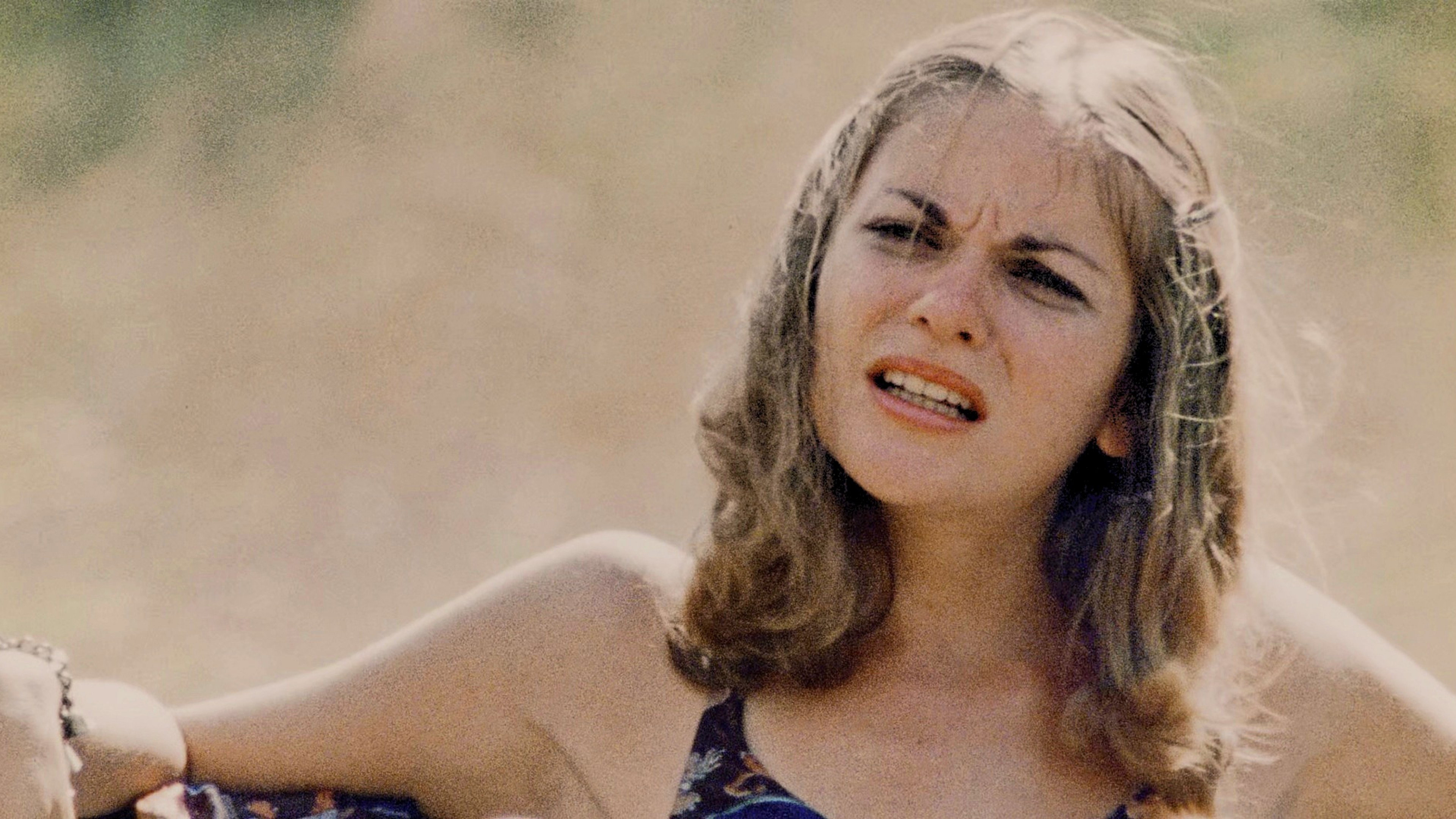
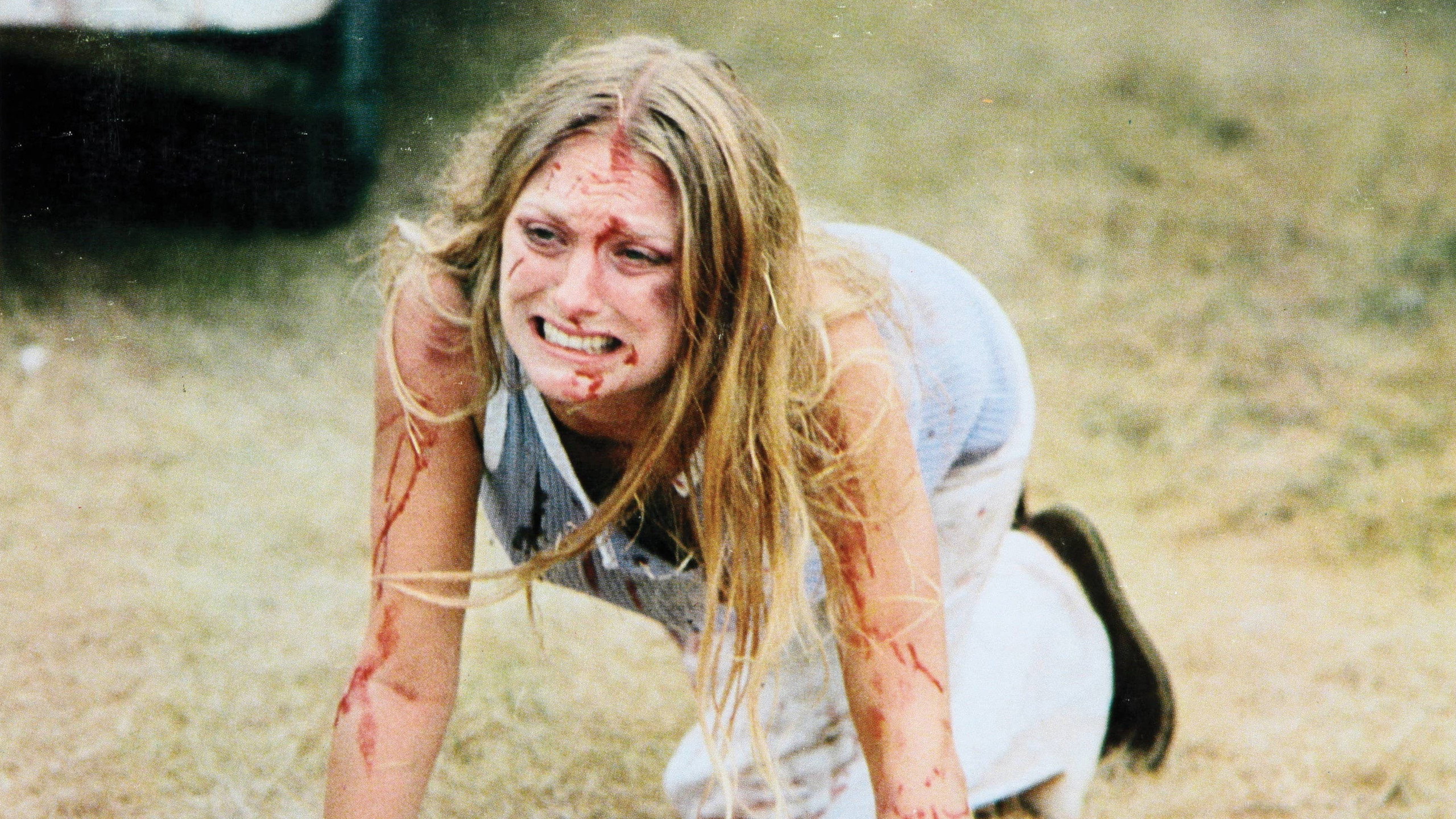
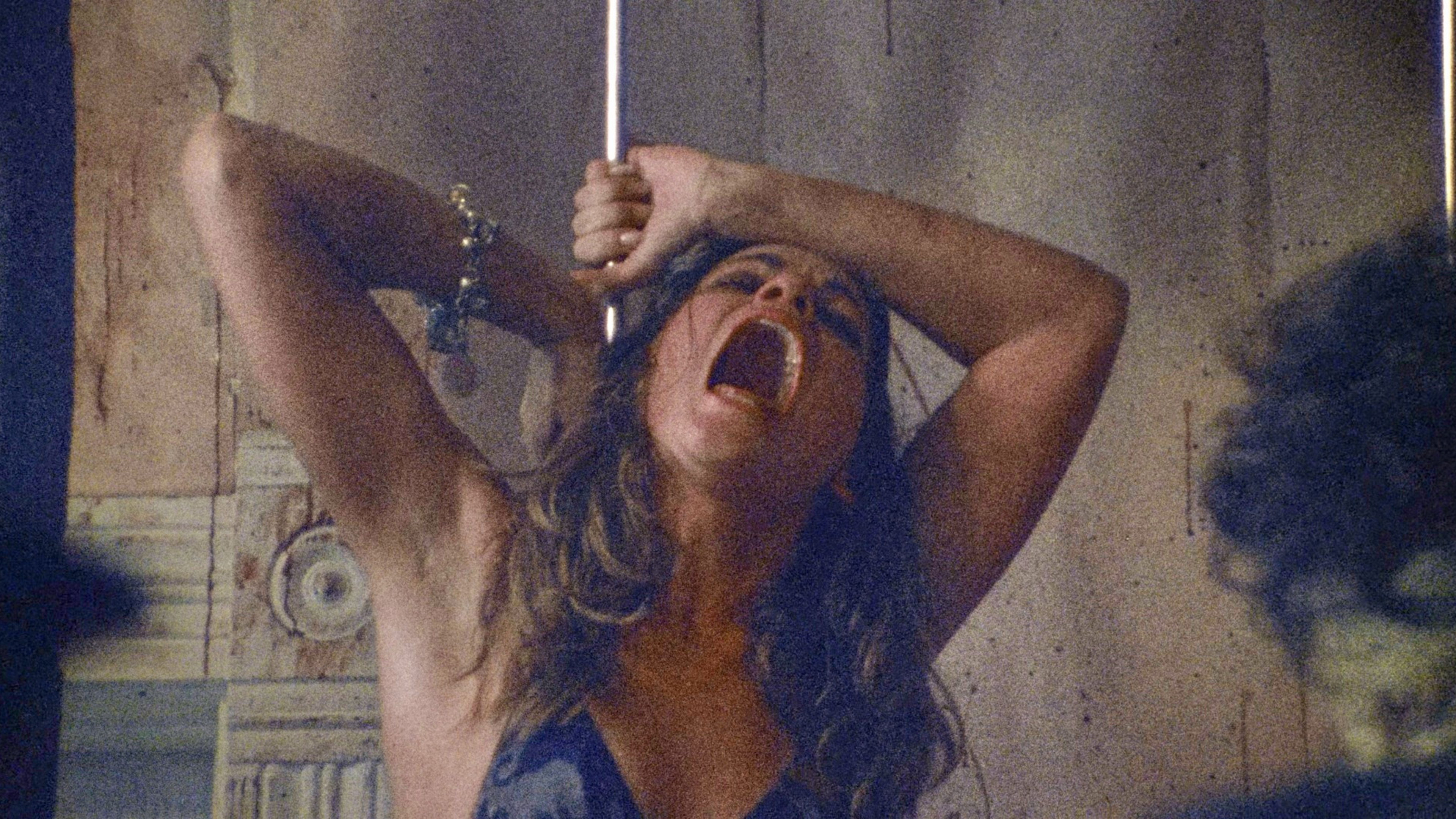
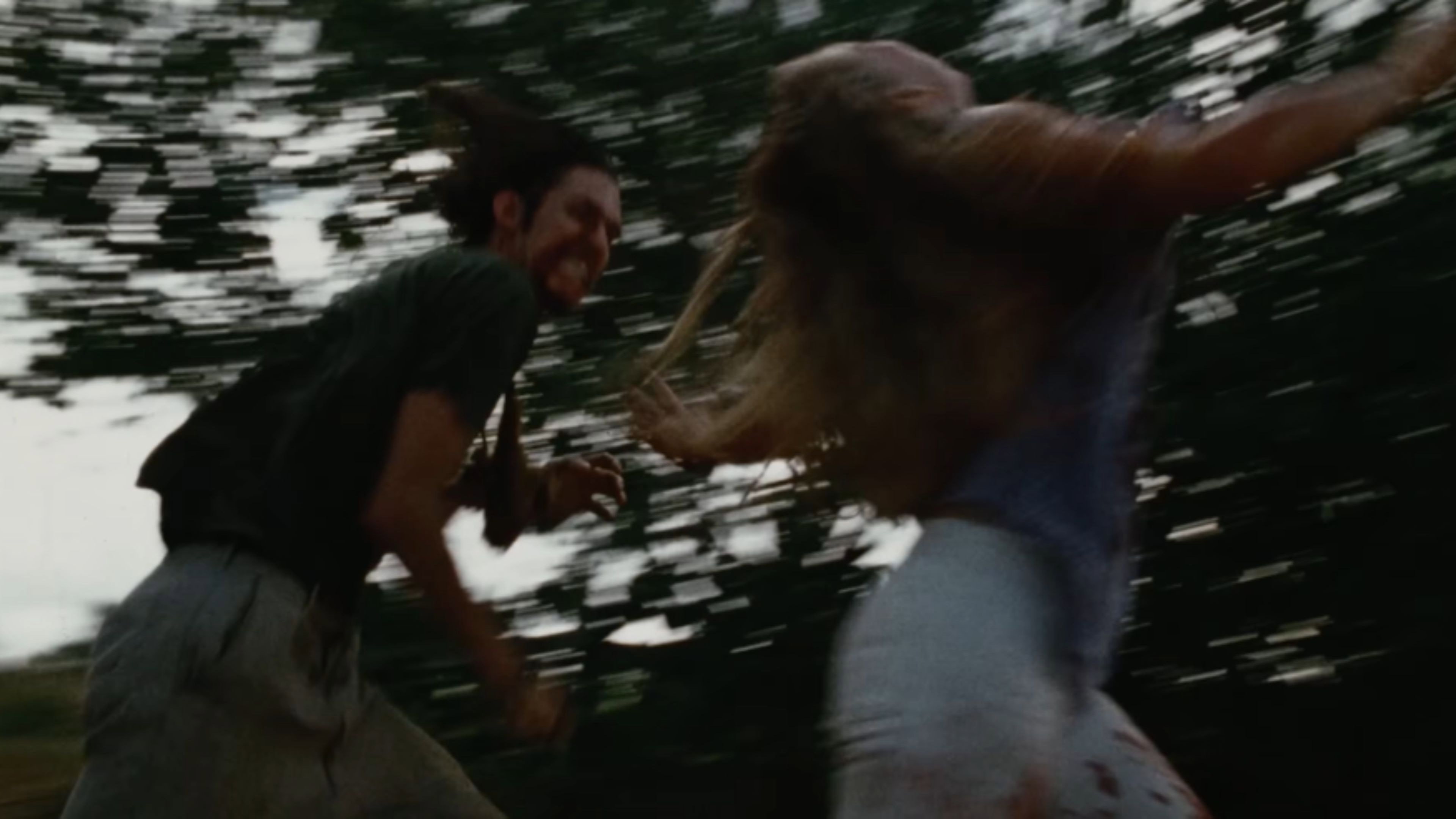
The discrepancy between the title and the visible gore is one of the defining features of The Texas Chain Saw Massacre. The film contains murder, mutilation imagery, a meat hook, a chainsaw and an extended threat of cannibalism, yet Hooper consistently avoids showing the amount of anatomical destruction suggested by those elements. Pam's meat-hook sequence is a clear example. The staging makes the action unmistakable, but framing, performance and sound supply more information than explicit wound detail. Franklin's death is dominated by the movement and noise of the chainsaw rather than a prolonged display of bodily damage. Sally's final ordeal is terrifying largely because violence seems continuously imminent.

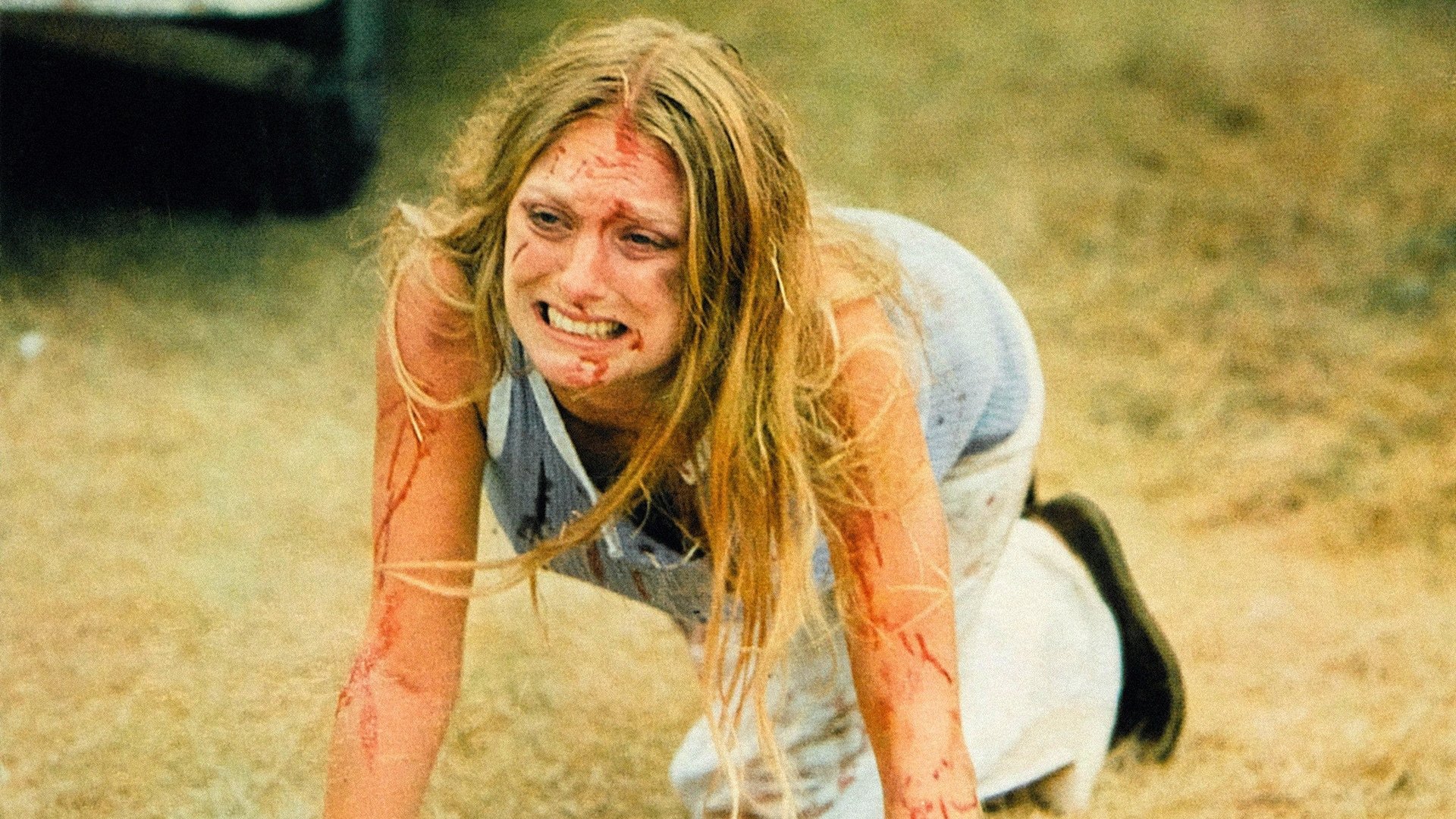
This distinction became crucial in Britain. When the film was examined by the BBFC in 1975, the problem was not simply a collection of shots that could be removed. The Board considered the overall atmosphere of terrorisation, particularly the prolonged treatment of Sally, too disturbing for classification. Minor reductions did not solve the issue because the disturbing effect remained embedded in tone and duration. The film was therefore refused a national certificate in March 1975. Some local authorities later permitted screenings, including the Greater London Council, while others maintained restrictions. During the early home-video period the film circulated before video classification became compulsory, but the Video Recordings Act eventually removed that route as well.

The situation changed only much later. A local 18 certificate allowed a Camden screening in 1998, followed by festival and theatrical exposure. On March 19, 1999, the BBFC finally passed the film uncut at 18 for cinema exhibition, with uncut video classification following that year. The history demonstrates precisely what makes the film unusual. Censors could not easily solve The Texas Chain Saw Massacre by cutting gore because its terror does not reside primarily in gore. Sally's screaming, the family's behaviour, the length of the dinner sequence and the sense that violence can restart at any moment create an intensity that survives the removal of individual images.

Release, Reception & Legacy

Bryanston Pictures distributed the film after other companies had declined it. The American Film Institute records a Los Angeles opening on October 30, 1974, during a wider American release that transformed the small Texas production into a substantial commercial success. Later box-office tracking places its cumulative North American theatrical gross above $30 million, although that lifetime figure includes subsequent circulation and reissues rather than representing only the first run. The film's critical status changed considerably over time. Its title, marketing and extremity initially made it easy to treat as exploitation, while censorship reinforced the idea of a film too brutal for ordinary exhibition.

Later criticism increasingly concentrated on Hooper's formal control: Pearl's compositions, the organisation of sound, the black humour, the slaughterhouse imagery and the strange balance between realism and nightmare. Its influence on horror has been enormous, but not every later convention attributed to it originated there. Masked killers, isolated houses and surviving heroines all existed earlier. What The Texas Chain Saw Massacre did exceptionally well was combine those elements into a model of rural American horror whose apparent cheapness intensified rather than weakened its credibility.

Sally Hardesty became an important precursor to what later horror scholarship would describe as the final girl: a surviving woman forced through an extended confrontation with male violence. Leatherface became one of horror cinema's most recognisable masked figures, while the title generated sequels, remakes and reinterpretations that progressively transformed one independent film into a long-running franchise. Yet the original remains unusually resistant to franchise mythology. It supplies few rules, almost no backstory and no reassurance that its monsters belong to a larger supernatural system. Sally escapes because an opportunity appears, not because she has solved the family or discovered a weakness.

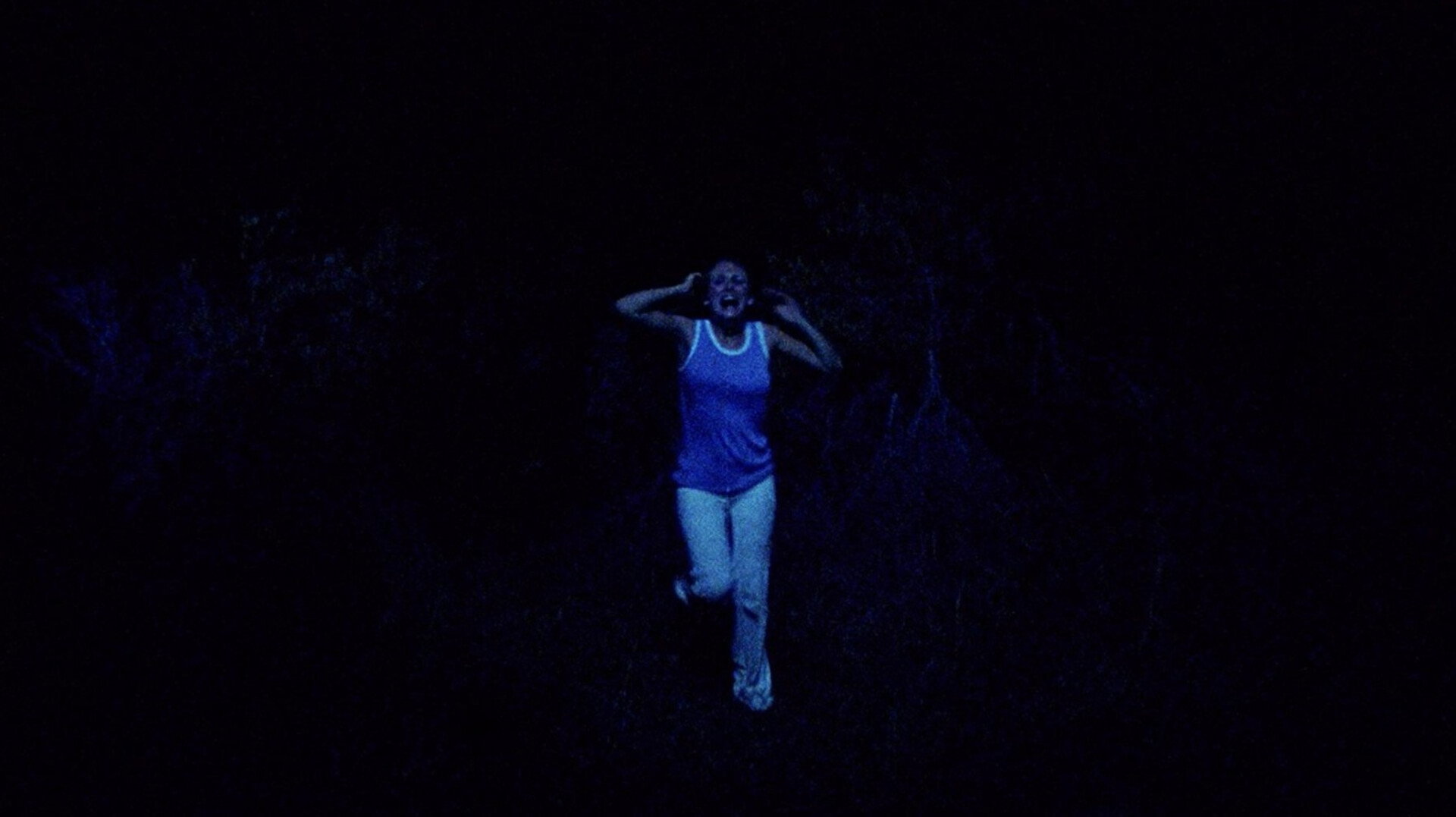
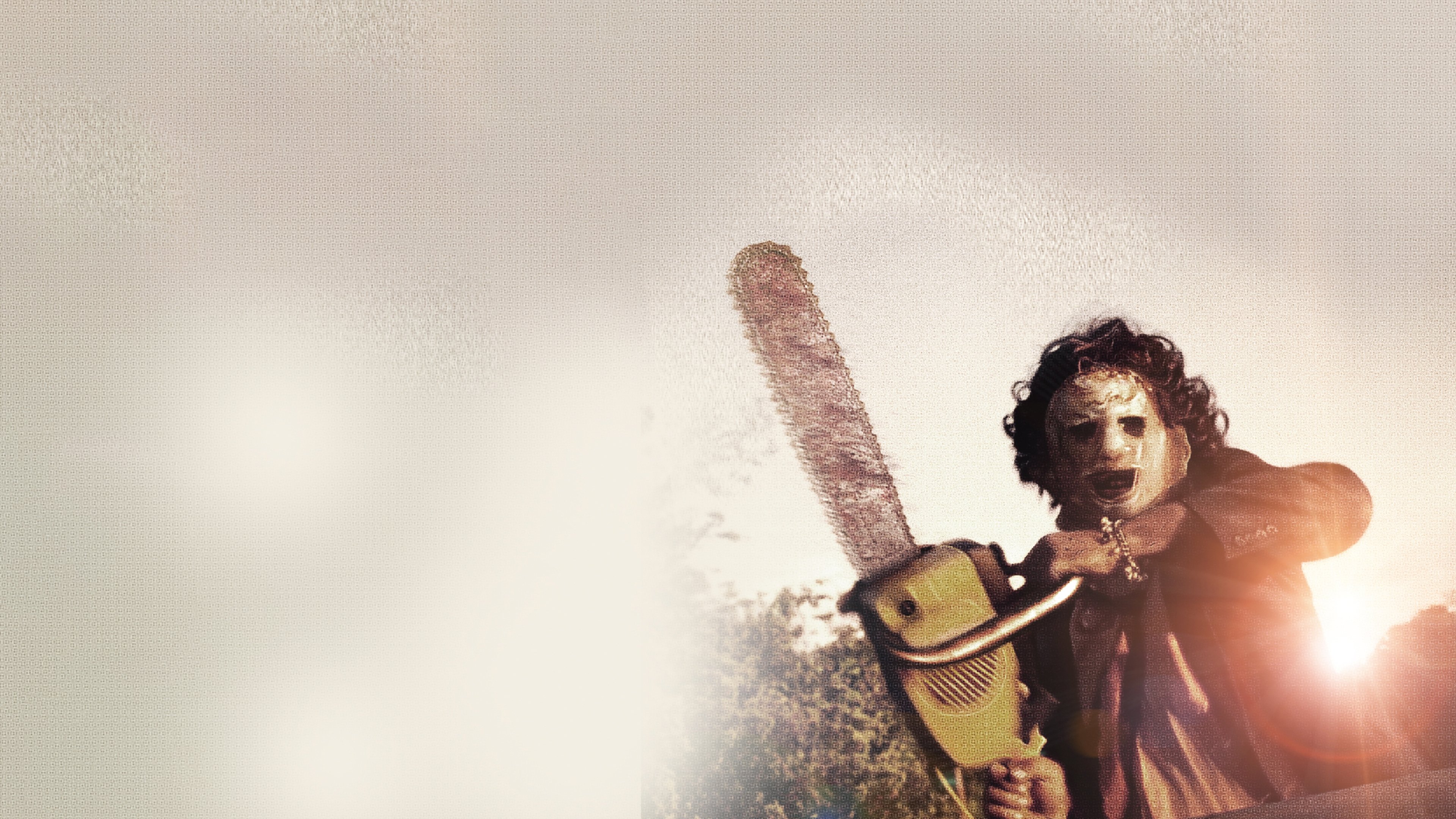
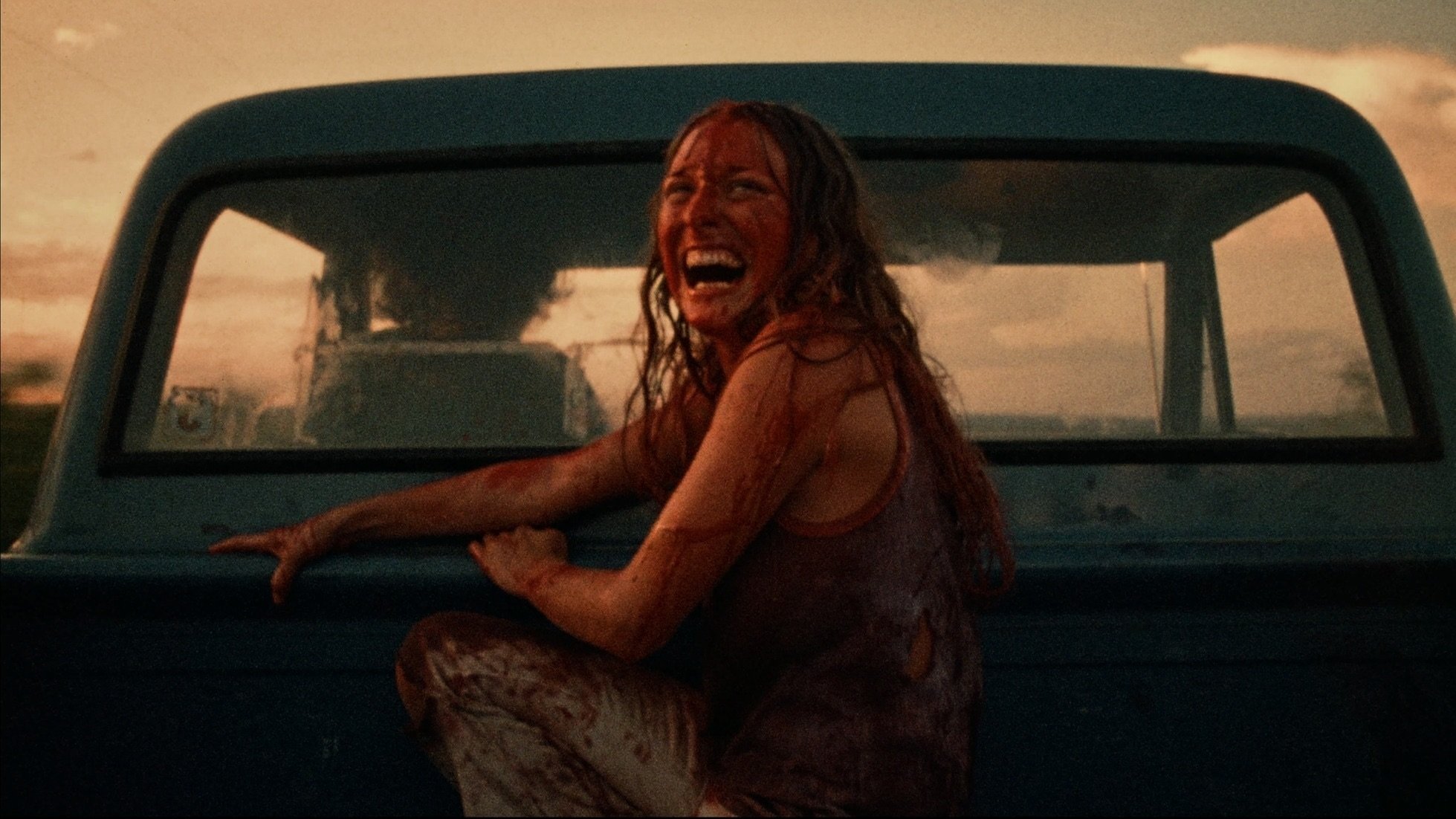
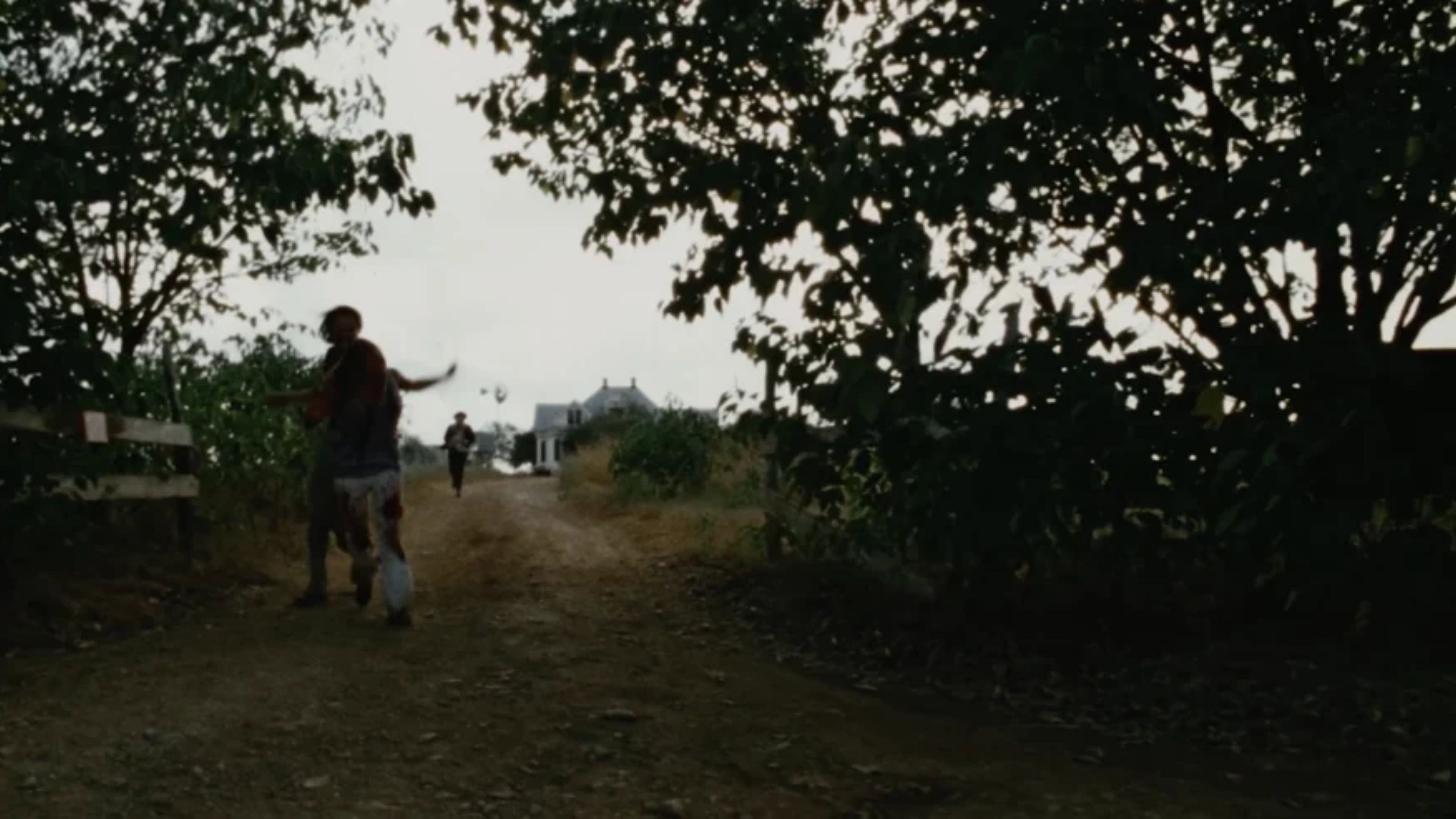
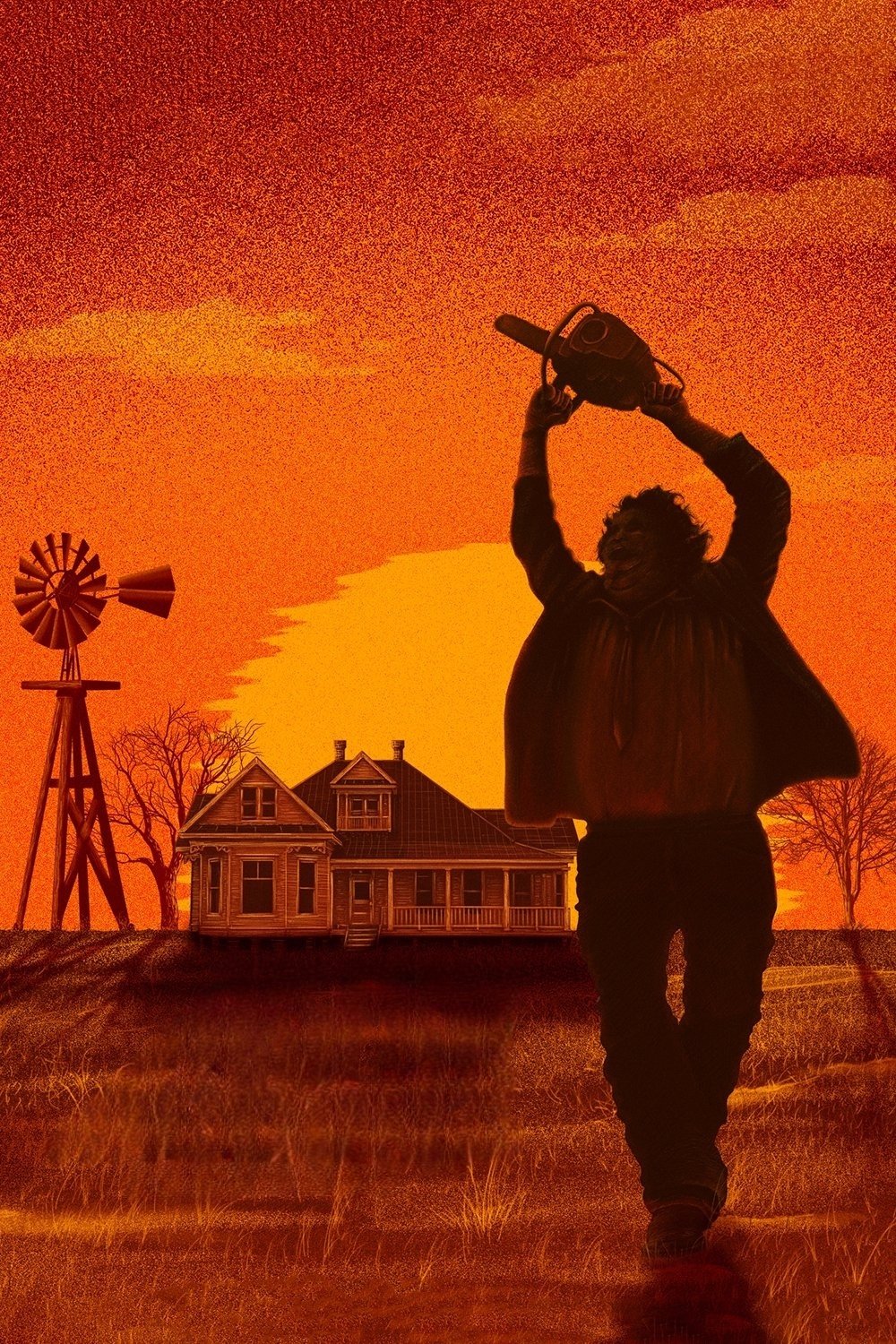
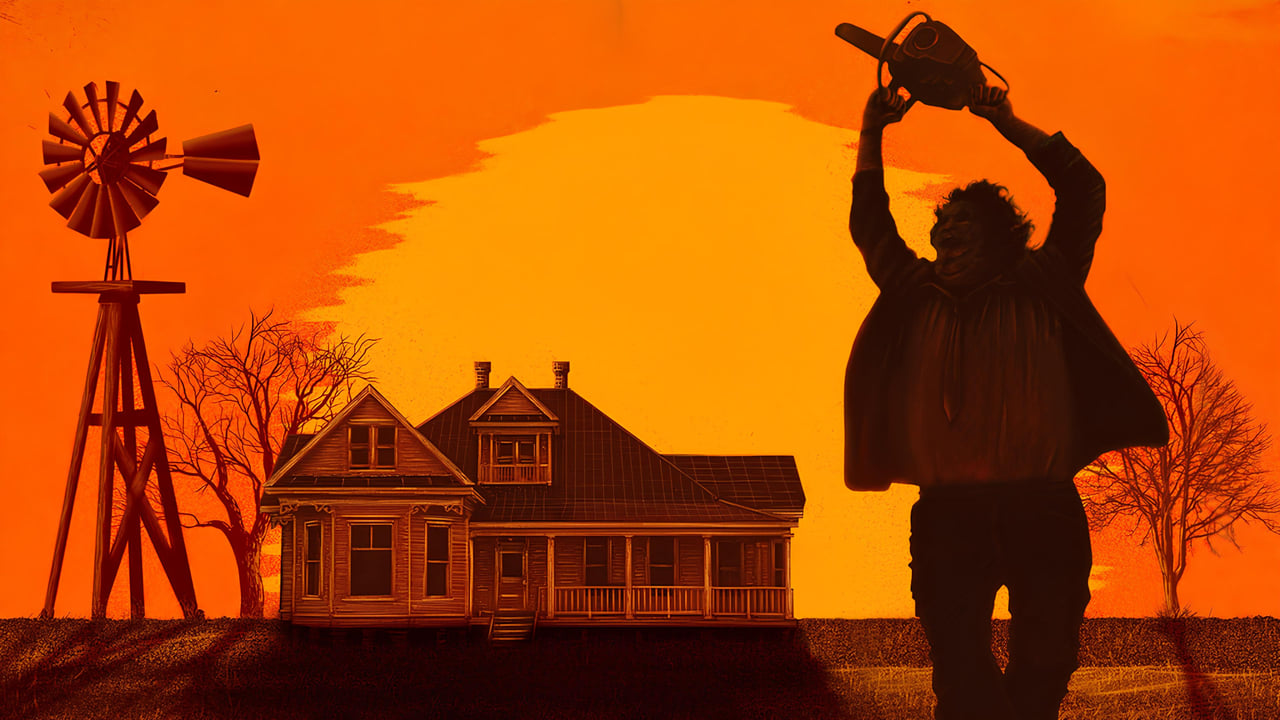
Leatherface remains behind in the road, swinging the chainsaw in the morning light. That final image preserves the film's refusal to restore order. Sally survives, but the family has not been eliminated and the world that produced them remains intact. The nightmare has ended only because she has physically escaped it. In 2024, fifty years after its original release, The Texas Chain Saw Massacre was selected for preservation in the United States National Film Registry. The recognition formalised a transformation that had already taken place over decades: a low-budget independent horror film once treated as almost unclassifiable exploitation had become part of the preserved history of American cinema.

Connections

Cast

View Full Cast & Crew →

Release & Distribution

Production Companies (4)

  • Bryanston Pictures
  • Henkel Productions
  • Hooper Productions
  • Vortex US

Distributors (1)

  • Bryanston Distributing Company

Release History (50)

Release DateTerritoryRelease TypeFormatDistributorCertificationNotes
1974-10-01 United States Premiere — — R Austin, Texas
1974-10-11 United States Theatrical — — R
1974-10-15 Greece Theatrical — — —
1974-11-29 Canada Limited Theatrical — — R Toronto
1975-02-01 Japan Theatrical — — R15+
1975-05-17 France Premiere — — — Cannes Film Festival
1975-06-14 Italy Theatrical — — —
1975-07-14 Denmark Theatrical — — —
1976-09-23 Spain Theatrical — — 18 Barcelona (Subtitled Version)
1976-11-18 United Kingdom Limited Theatrical — — 18 London
1976-11-21 United Kingdom Theatrical — — 18
1976-12-31 Ireland Theatrical — — 18
1977-03-30 Spain Theatrical — — 18 Madrid (Subtitled Version)
1977-04-21 Mexico Theatrical — — C
1977-11-10 Netherlands Theatrical — — 16
1978-08-25 Germany Theatrical — — 18 West Germany
1978-10-01 United Kingdom Physical — — 18 Super 8
1978-11-23 Portugal Theatrical — — M/18
1981-11-01 United Kingdom Physical VHS — 18 VHS (cert X)
1982-05-05 France Theatrical — — 16
1984-02-09 Australia Theatrical — — R 18+
1987-08-28 Brazil Theatrical — — 18
1991-05-01 Italy Physical VHS — — VHS
1992-03-27 Argentina Theatrical — — +16
1996-11-01 Finland Theatrical — — K-18
2000-03-28 Netherlands Physical DVD — 16 DVD
2000-11-09 Iceland Theatrical — — 16
2001-07-04 France Physical DVD — 16 DVD
2001-09-30 Norway Physical DVD — — DVD
2001-10-31 Sweden Physical DVD — 15 DVD
2003-11-08 Netherlands TV — — 16 Veronica
2008-08-29 Brazil Physical DVD — — DVD Restored Version
2009-09-24 Russia Physical DVD — — DVD
2009-10-26 Poland Digital — — 18
2014-12-03 France Physical Blu-ray — 16 Blu-Ray
2018-11-27 Italy Physical Blu-ray — — Bluray
2018-11-29 Hungary Theatrical — — 18
2023-02-16 Brazil Theatrical — — 18 4K Re-release
2023-09-19 France Physical 4K UHD — — 4K UHD
2024-02-26 Russia Digital — — 18+
2024-05-23 Russia Theatrical — — 18+ Restored 4K version
2024-06-14 China Premiere — — — Shanghai International Film Festival(4K)
2024-08-23 Lithuania Premiere — — N-16 Mondo Bizzaro Film Festival
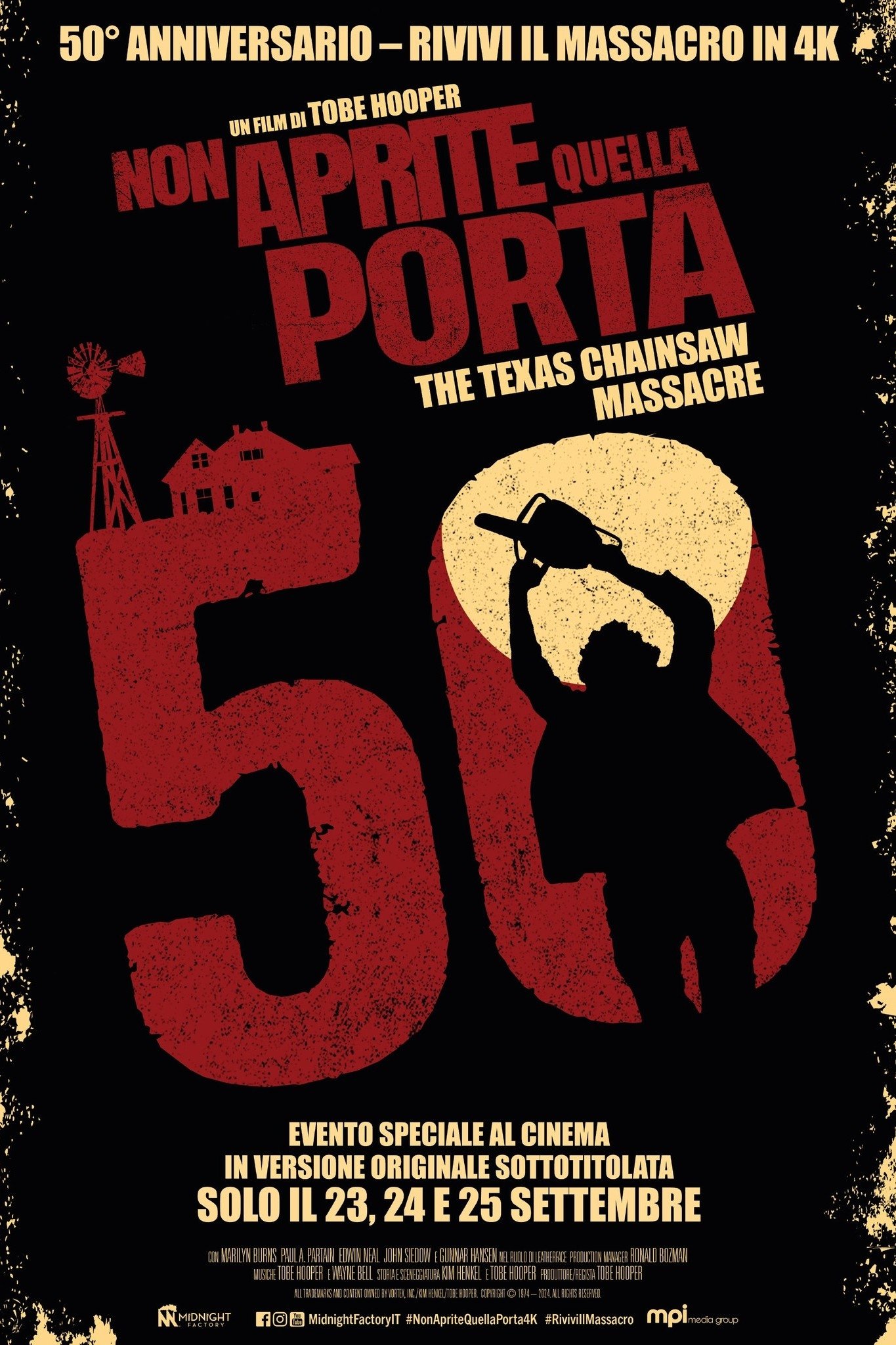
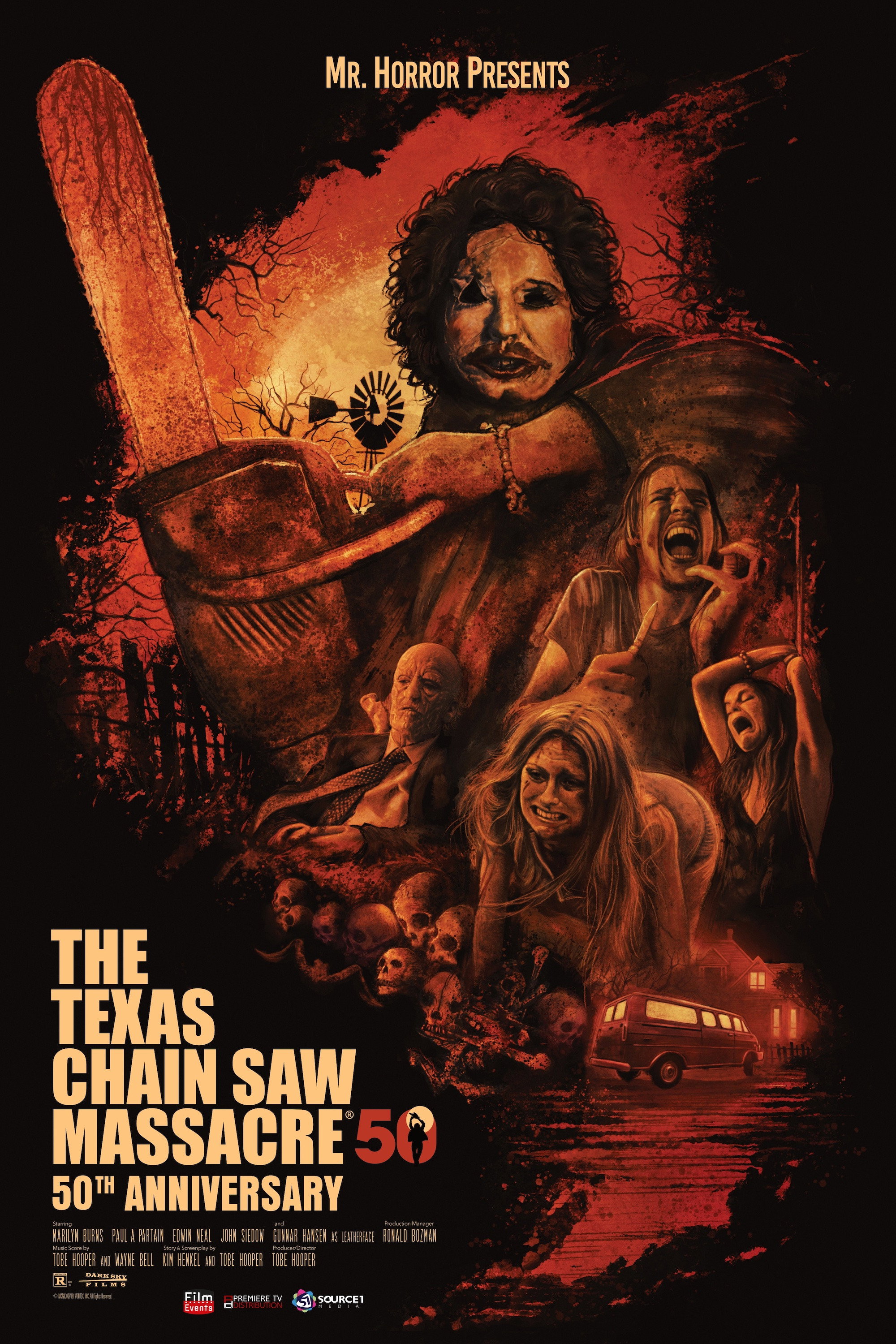
2024-09-23 Italy Limited Theatrical — — — 50th Anniversary Re-release
2024-10-01 United States Limited Theatrical — — — 50th Anniversary Re-release
2024-10-11 Germany Theatrical — — — Re-release
2024-10-11 Finland Theatrical — — K-18 4K restoration
2024-12-08 China Premiere — — — Hainan Island International Film Festival
2025-05-16 Poland Theatrical — — — 4K re-release
2026-10-29 Netherlands Theatrical — — 16 50th anniversary
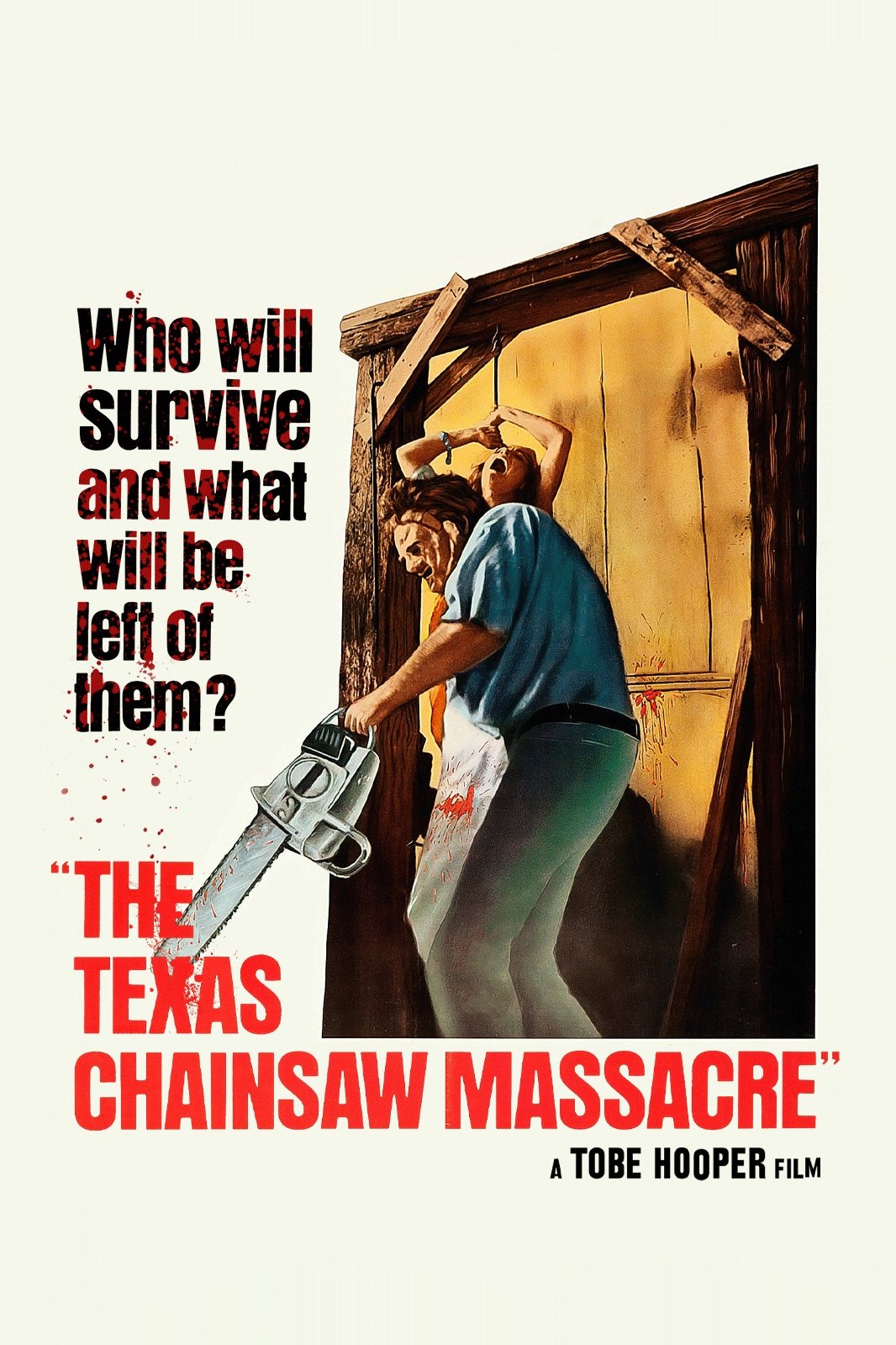
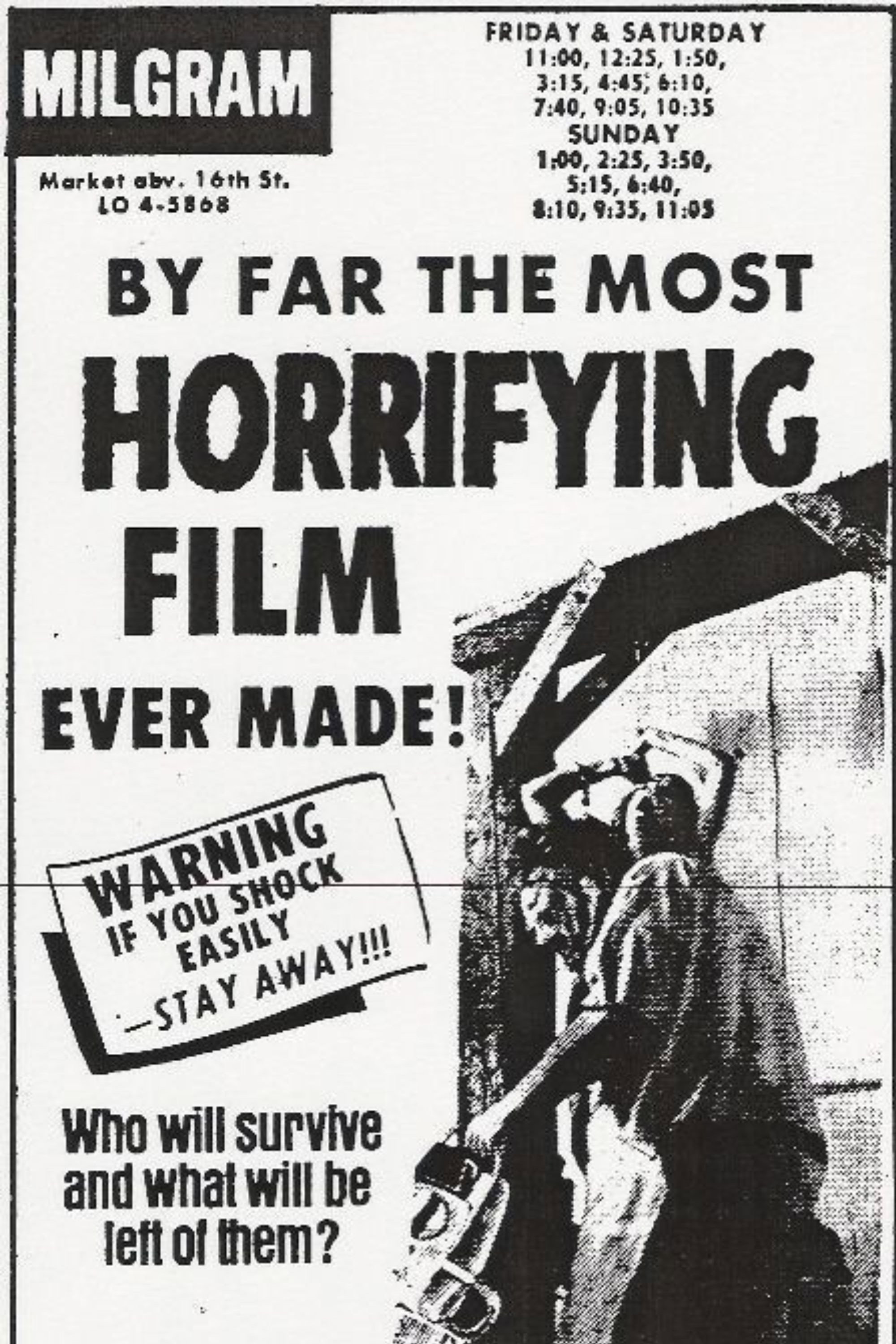
Who will survive and what will be left of them?