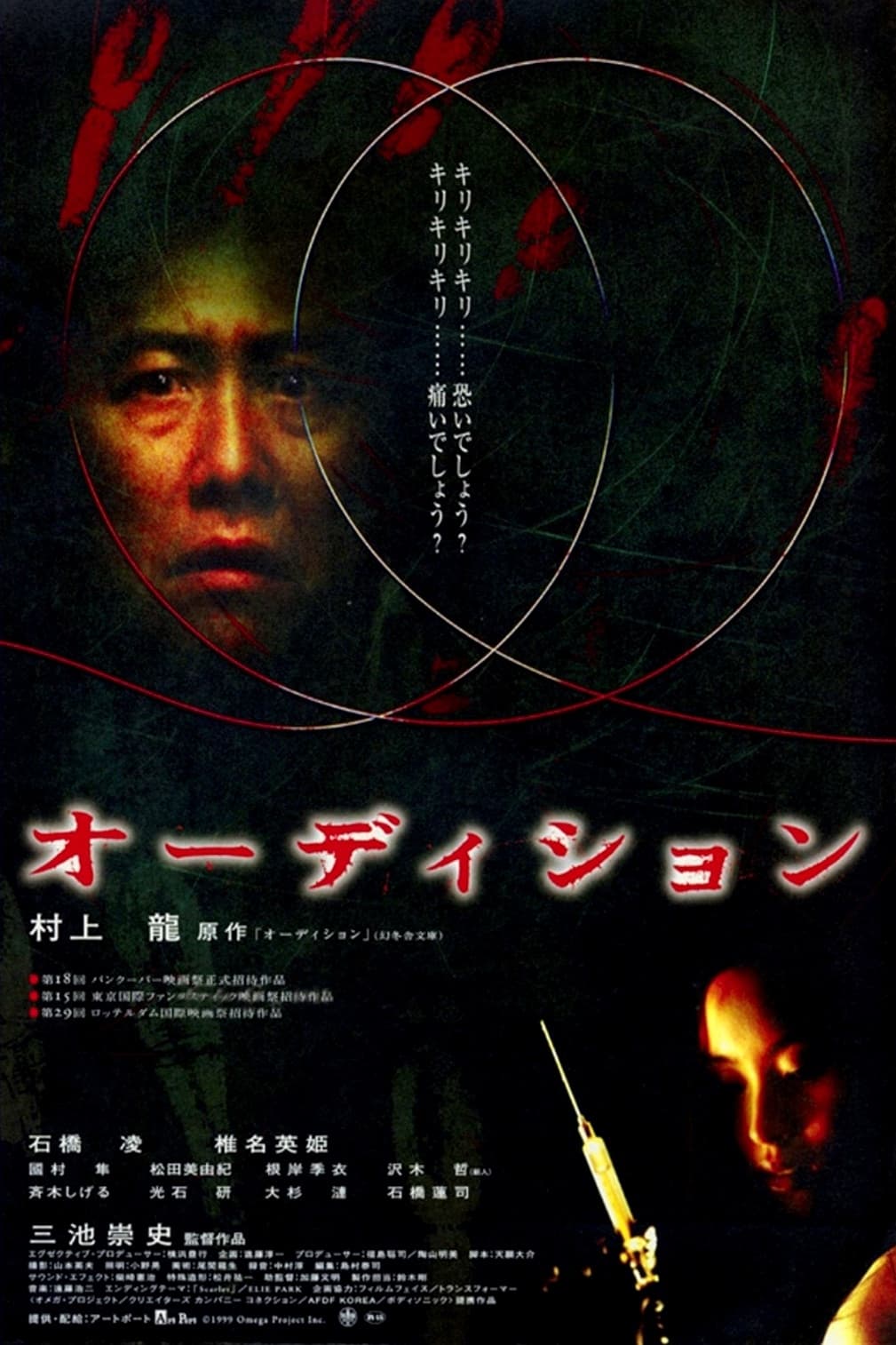
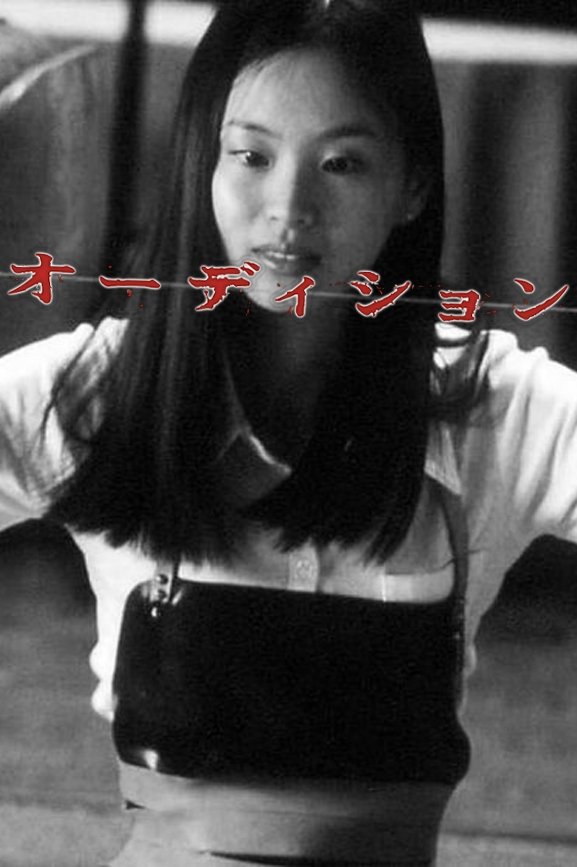
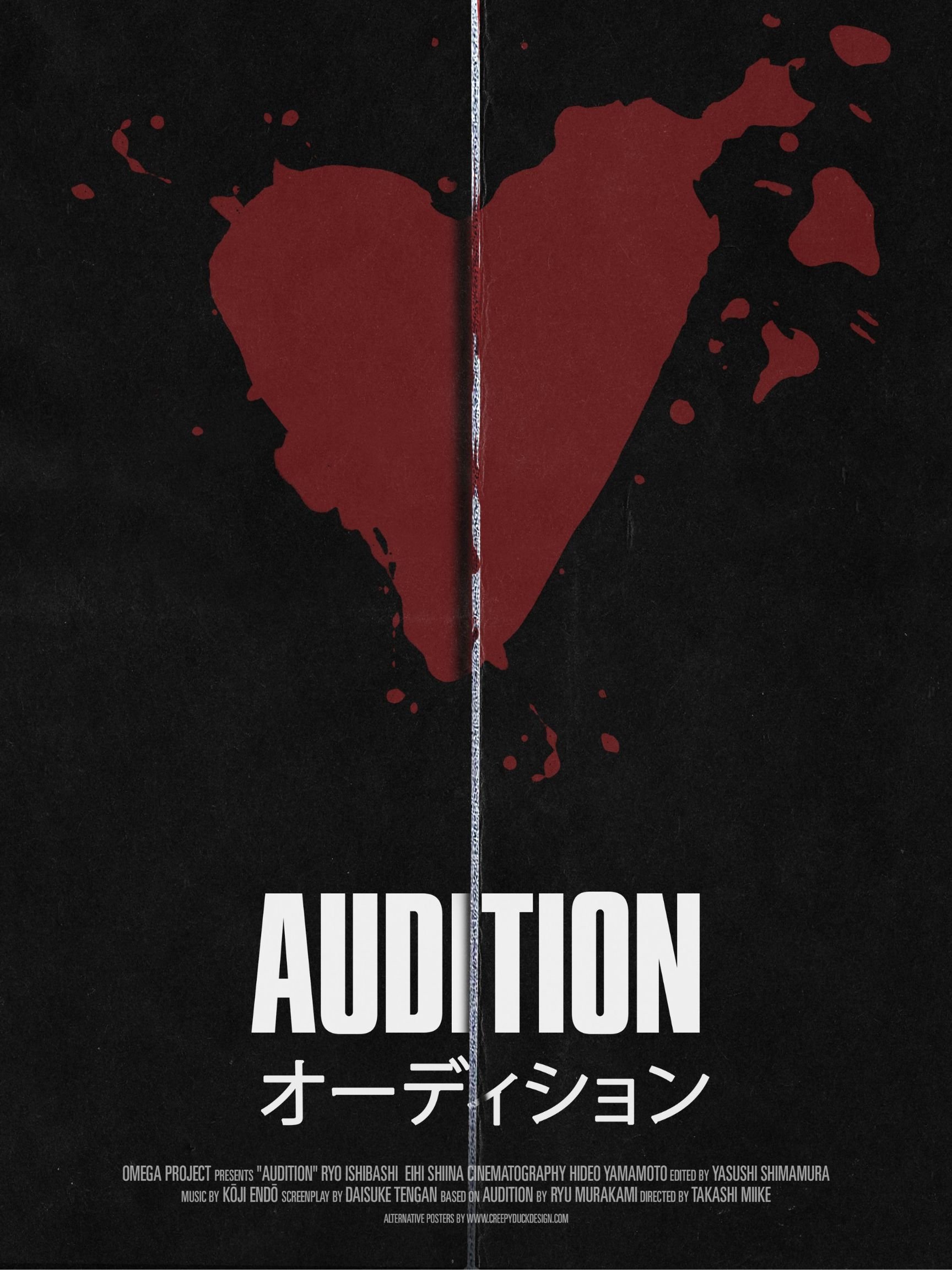
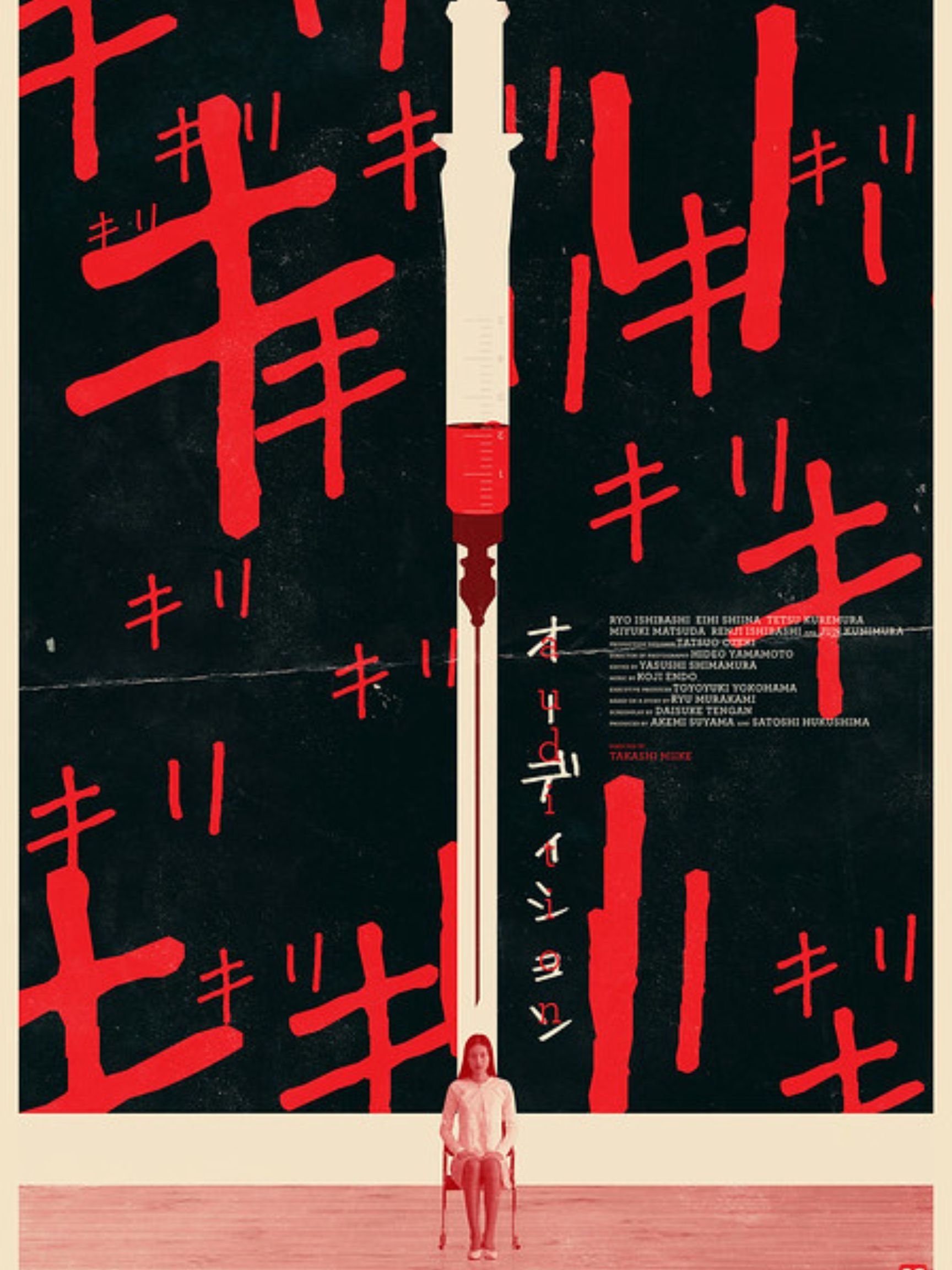
Commission, Adaptation and Production
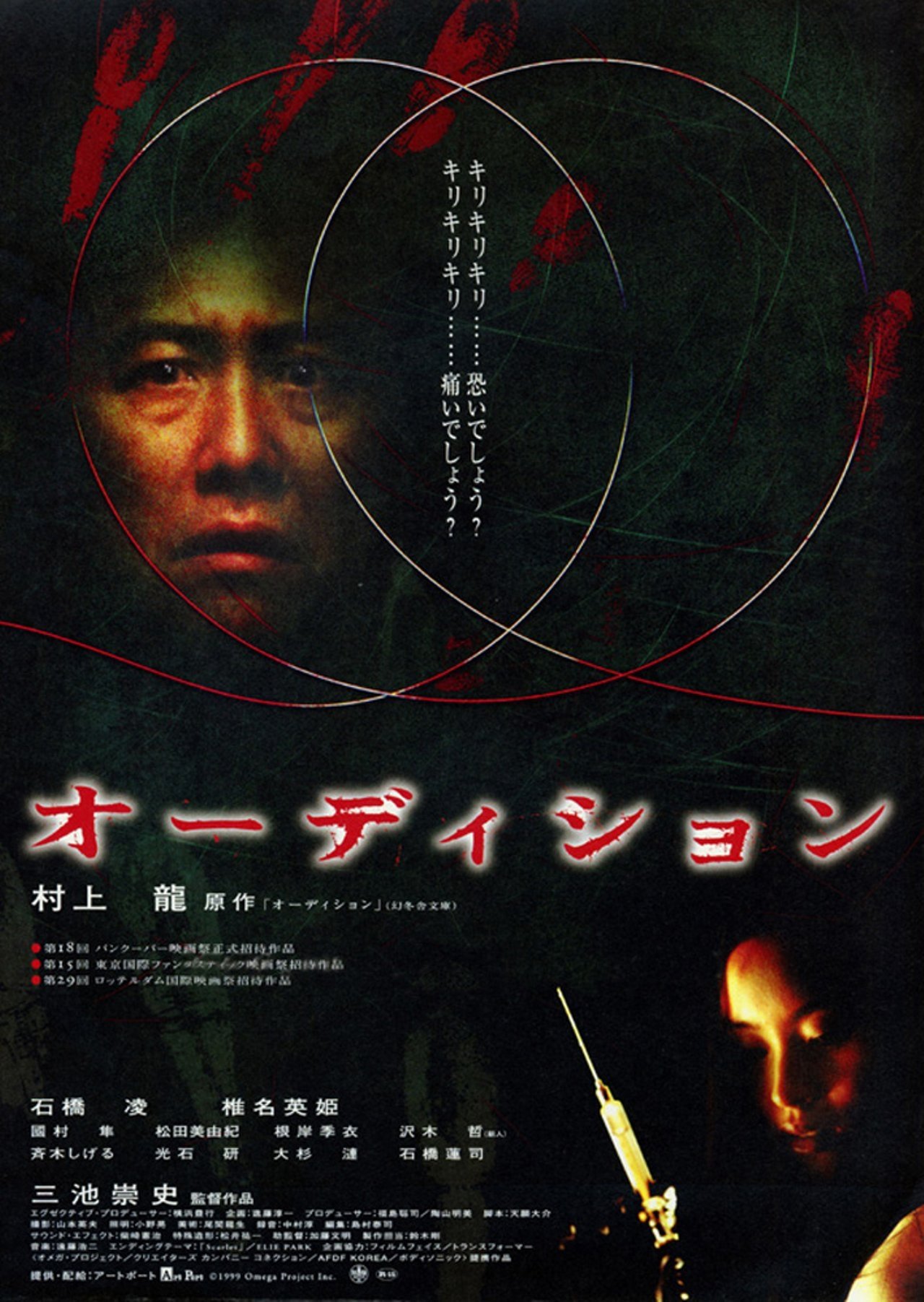
Audition began as a commission rather than an entirely self-initiated project. Tom Mes, writing in Sight and Sound, places it among productions developed in the wake of the success of Hideo Nakata’s Ring. Companies involved in the film had connections to that cycle, yet the choice of Miike was striking because his existing reputation rested largely on crime and yakuza pictures. The filmmakers were drawing on Ryū Murakami’s novel, a work concerned with damaged relationships and social unease, rather than adopting the ghost-story formula that had recently proved commercially successful.
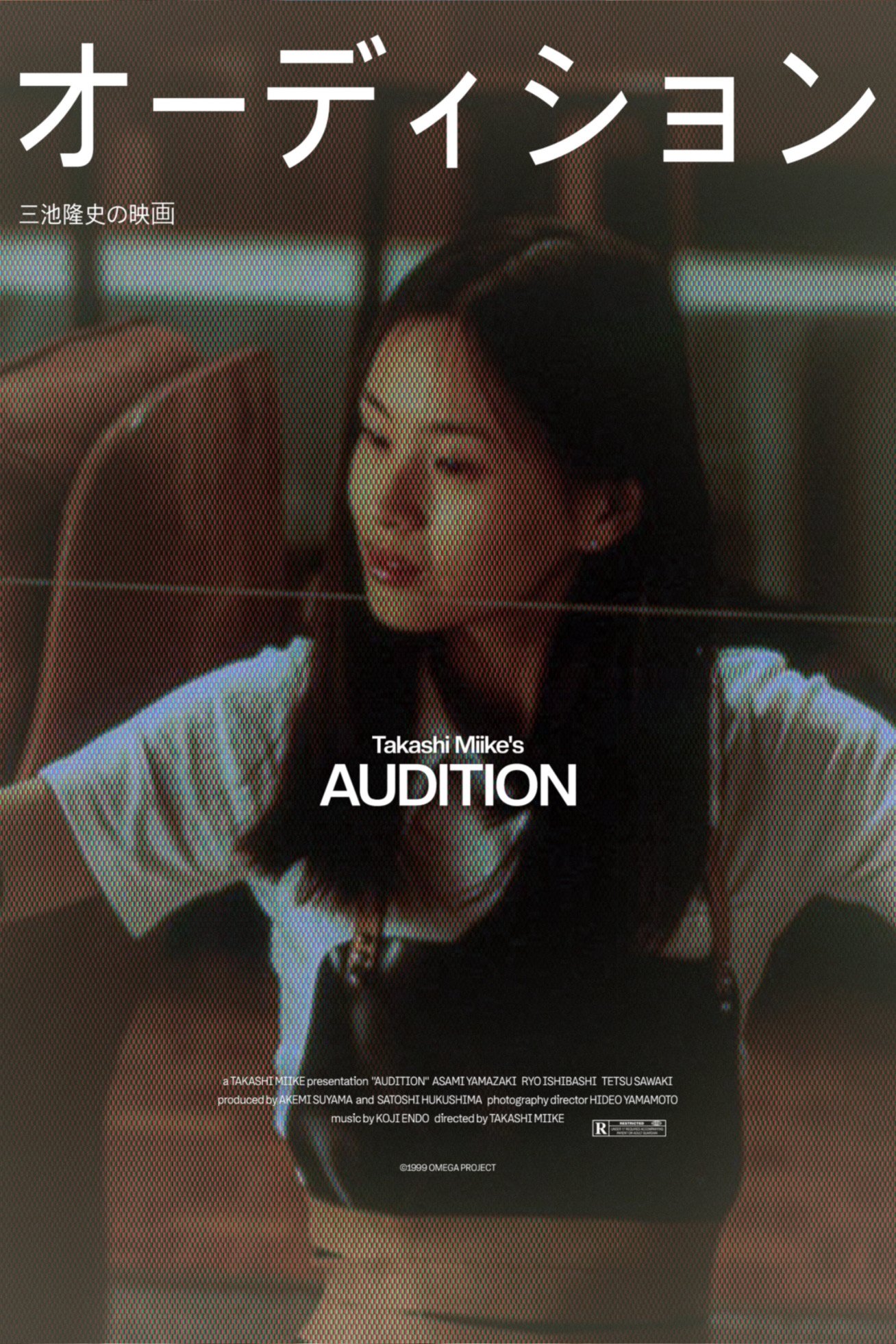
Daisuke Tengan adapted the novel for the screen, while Omega Project headed the production. Miike’s contribution extended beyond executing a finished screenplay. Tony Rayns, in his contemporary Sight and Sound assessment, described the film as another commission that the director changed significantly before and during shooting. This distinction matters because the film’s abrupt variations in tone and dislocations of time can be examined as deliberate creative choices without assigning every detail solely to the novelist or screenwriter. Available source material supports the collaborative authorship, but it does not justify a definitive account of every revision.
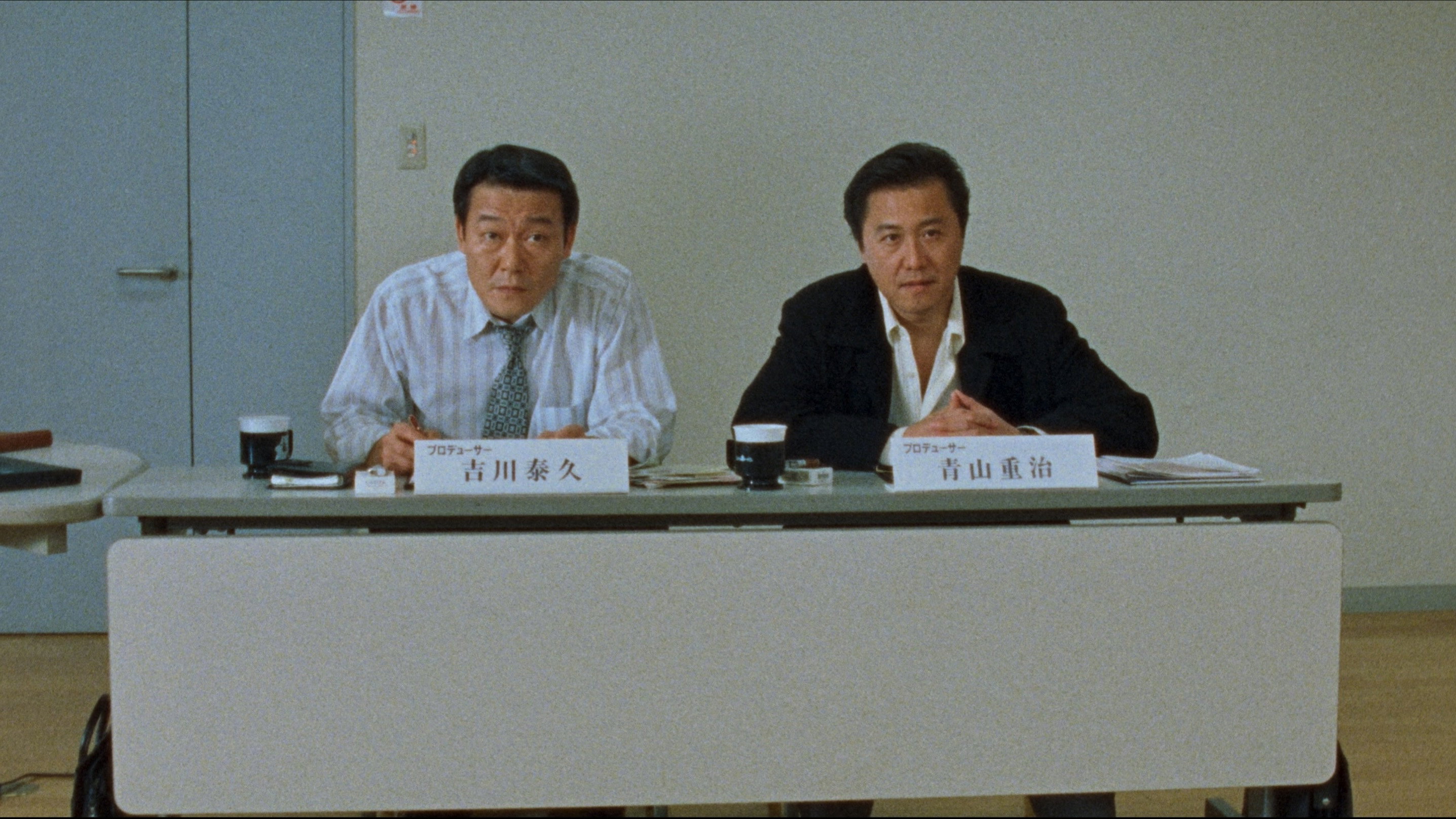
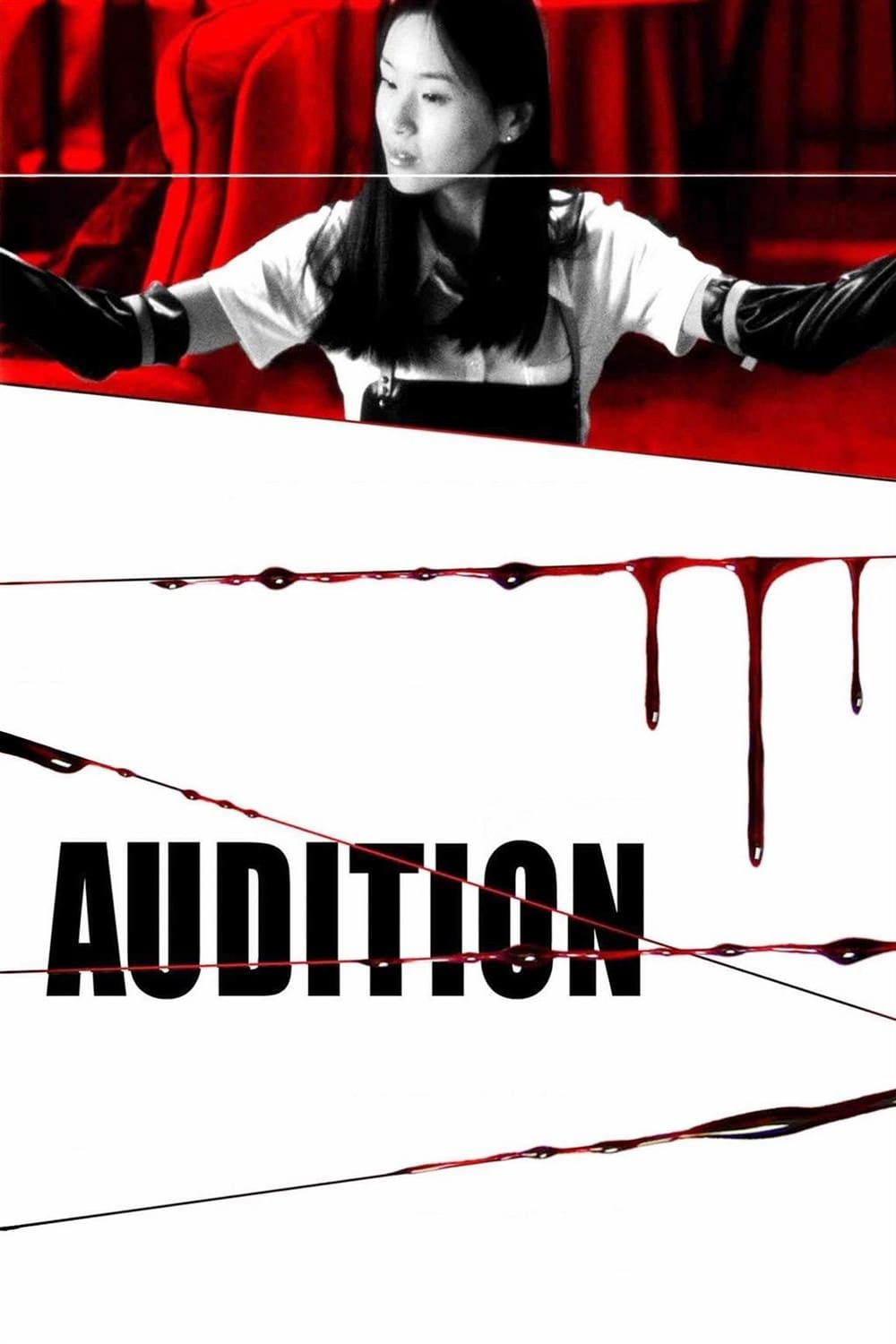
Audition also arrived during a prolific phase of Miike’s career, when he worked across formats and genres. The resulting picture differs from straightforward supernatural horror by retaining a recognizably ordinary social environment for much of its duration. Aoyama’s production company supplies the excuse for a fabricated casting call, turning filmmaking itself into the device that initiates the story. The profession is therefore relevant to the horror mechanism, not merely a biographical detail about the protagonist.
The False Audition and the Power to Select
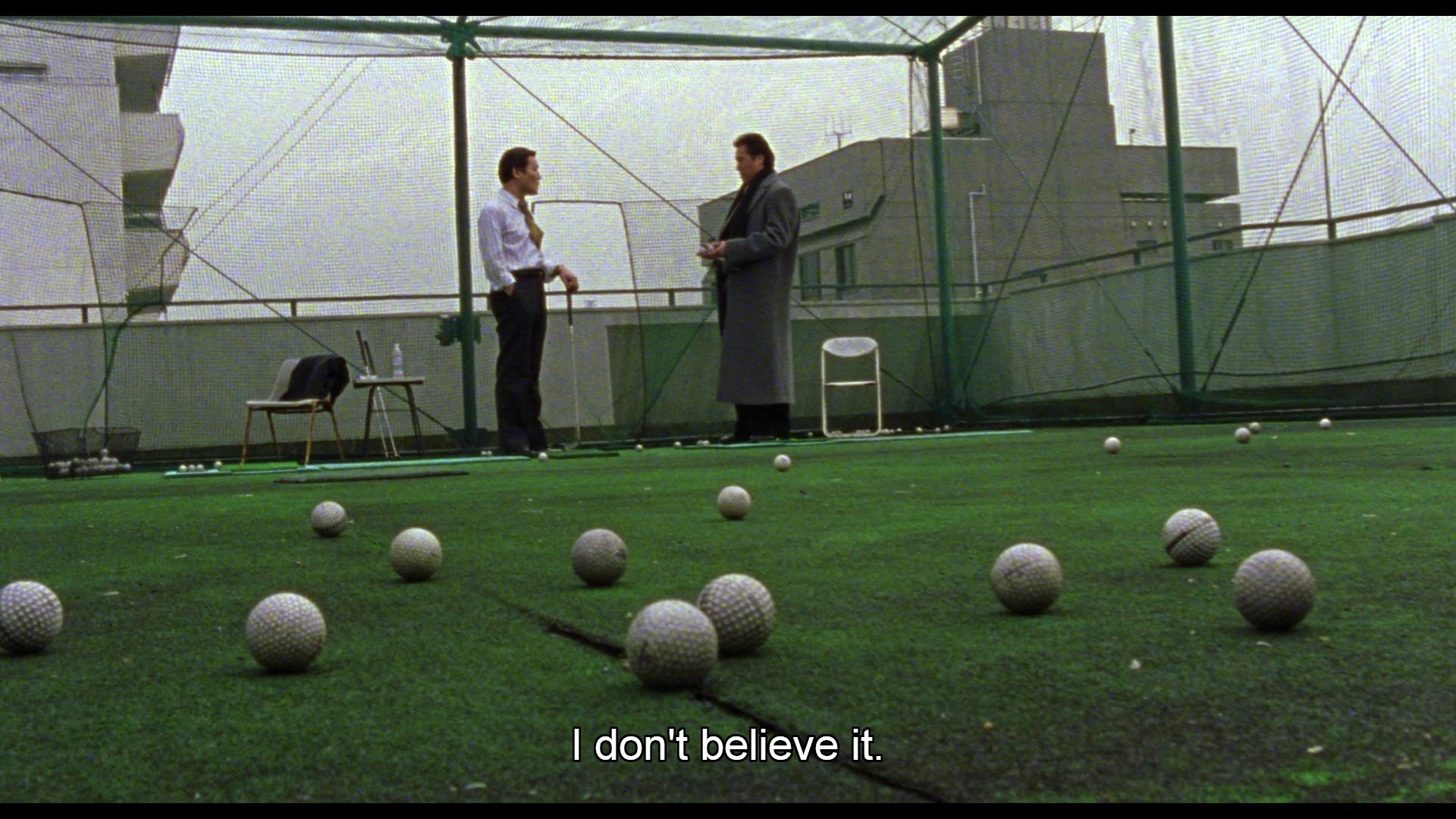
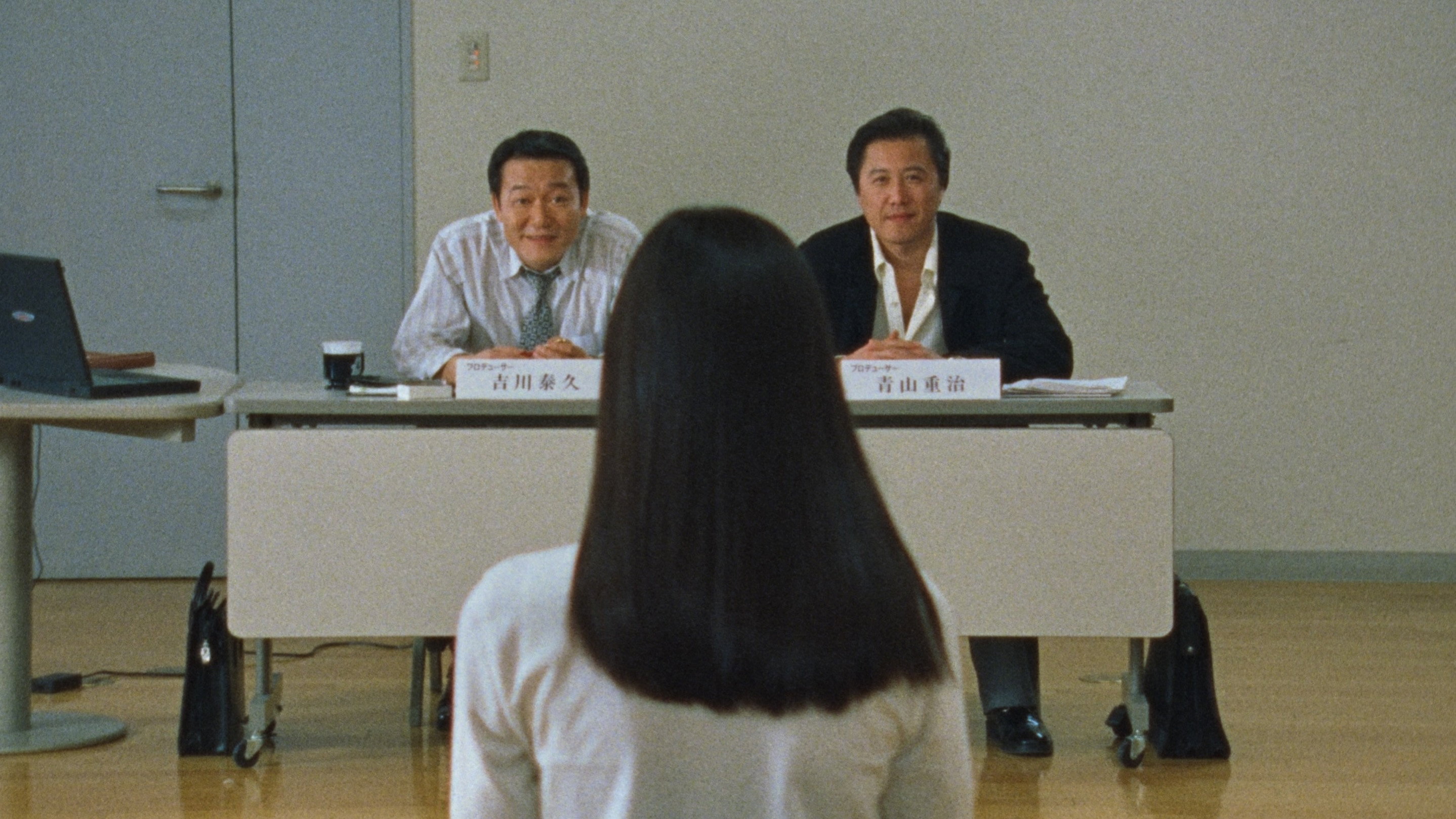
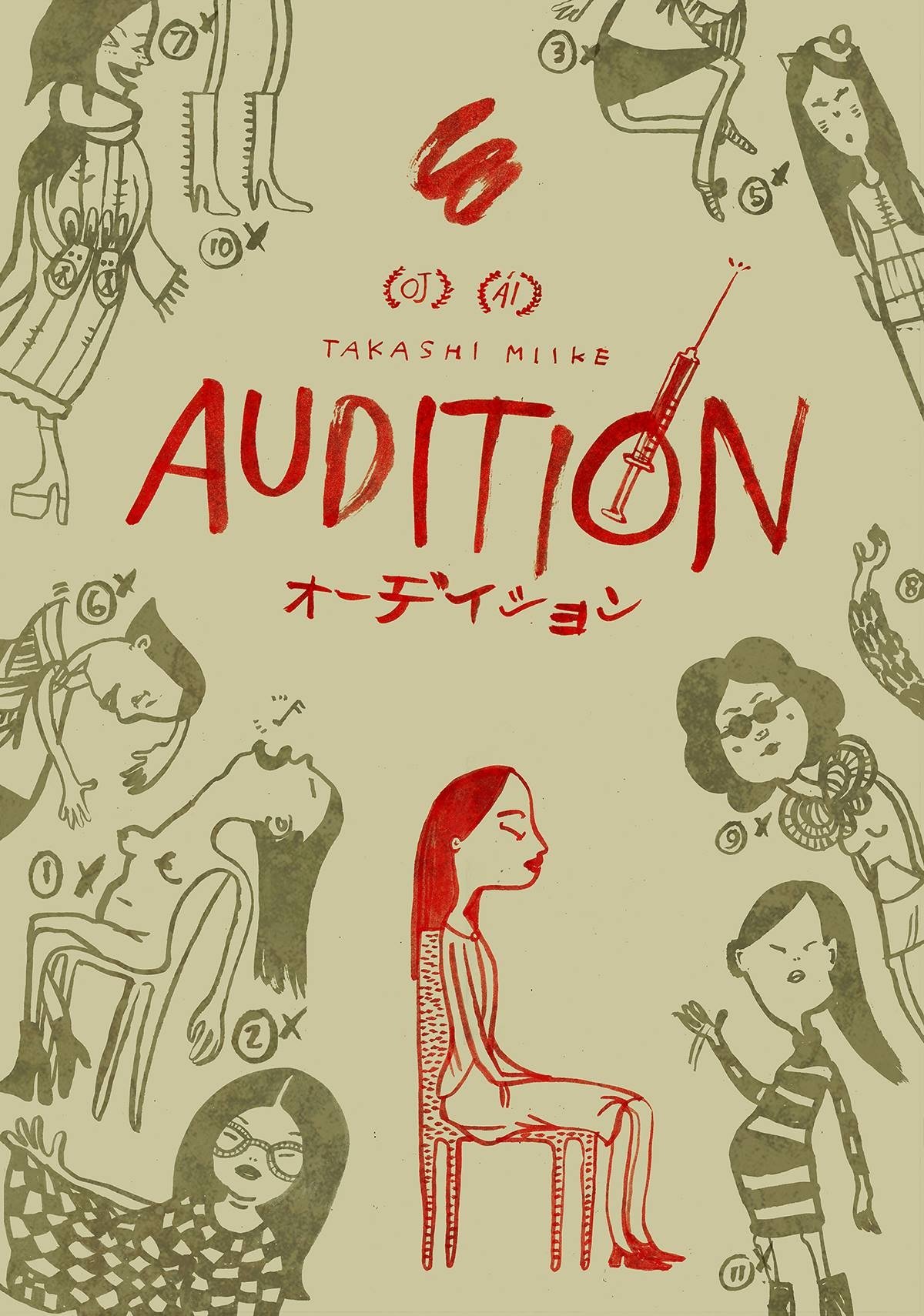
Aoyama’s friend Yoshikawa proposes holding auditions for a film that the men do not intend to make, allowing the widower to inspect prospective brides while the applicants believe they are seeking employment. The arrangement places professional authority and romantic selection within the same encounter. Aoyama can review written biographies and ask personal questions without revealing his actual purpose. His grief and loneliness make him sympathetic, but the deception gives him advantages unavailable to the women being interviewed. The film establishes this imbalance before anything overtly horrific occurs.
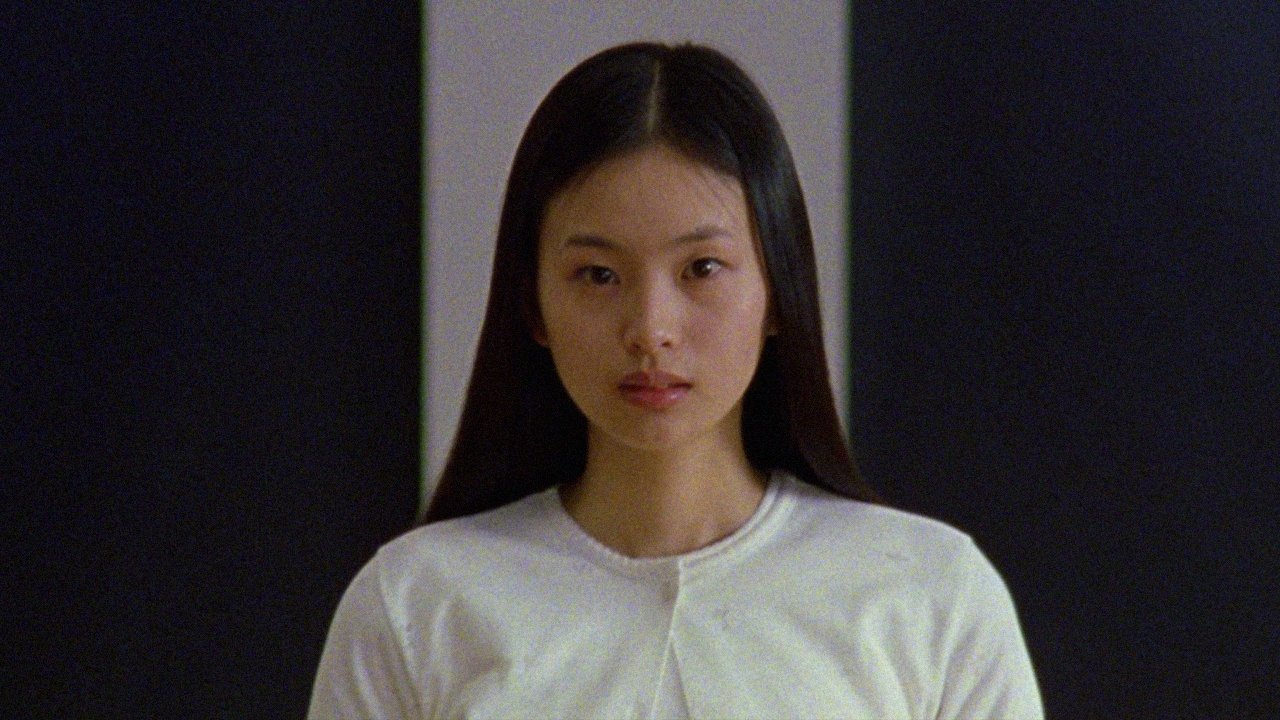
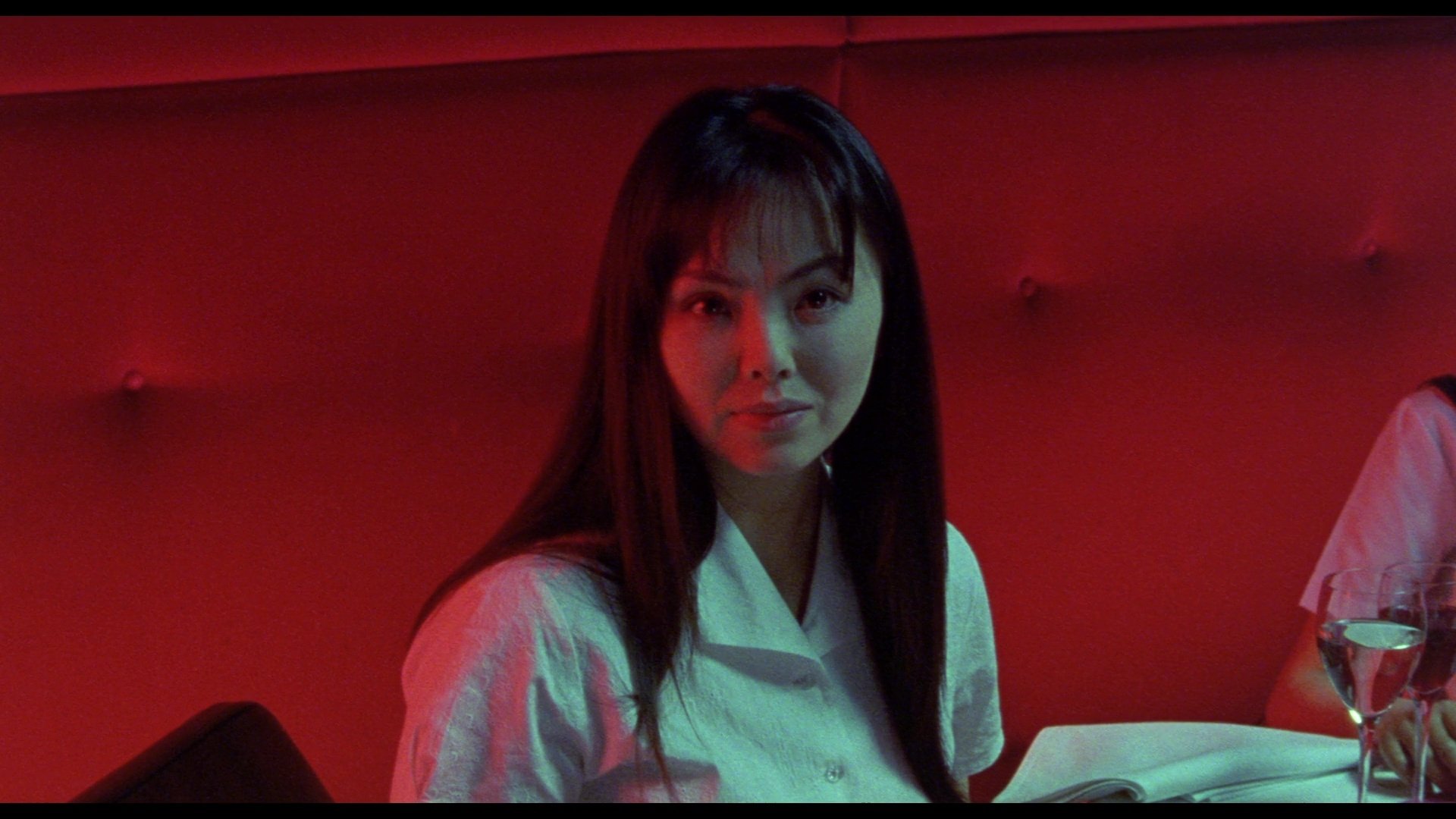
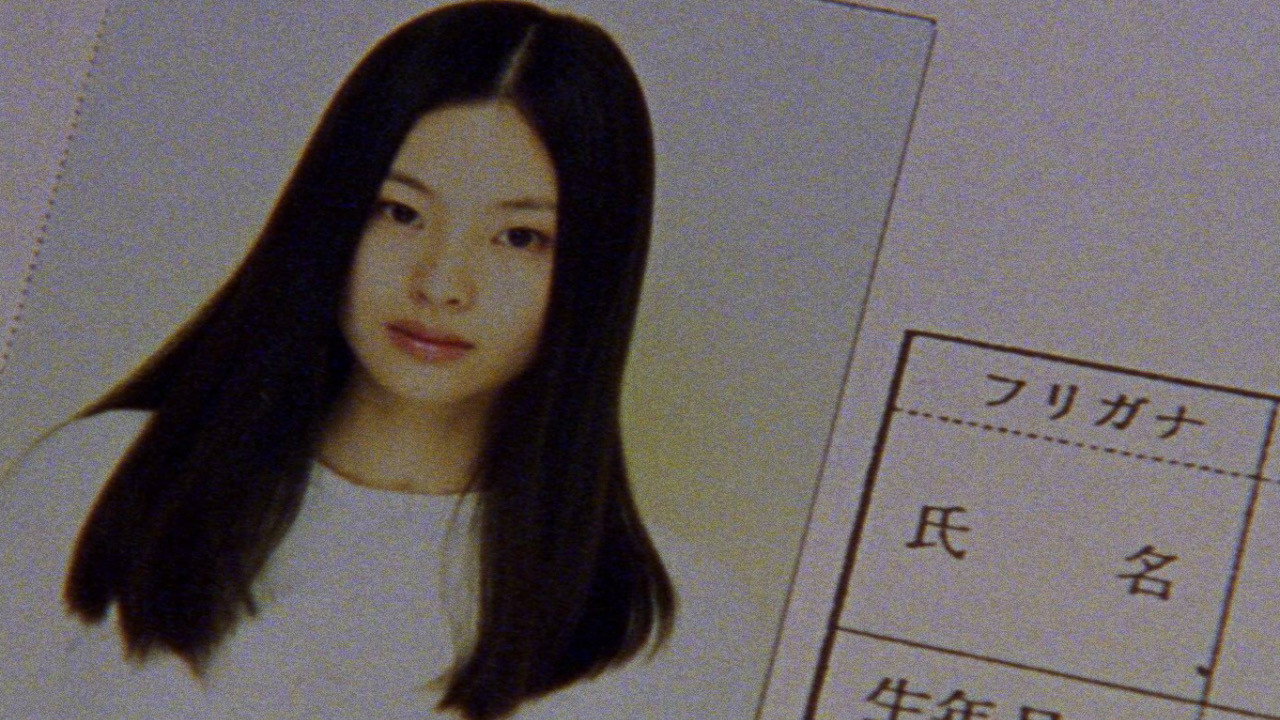
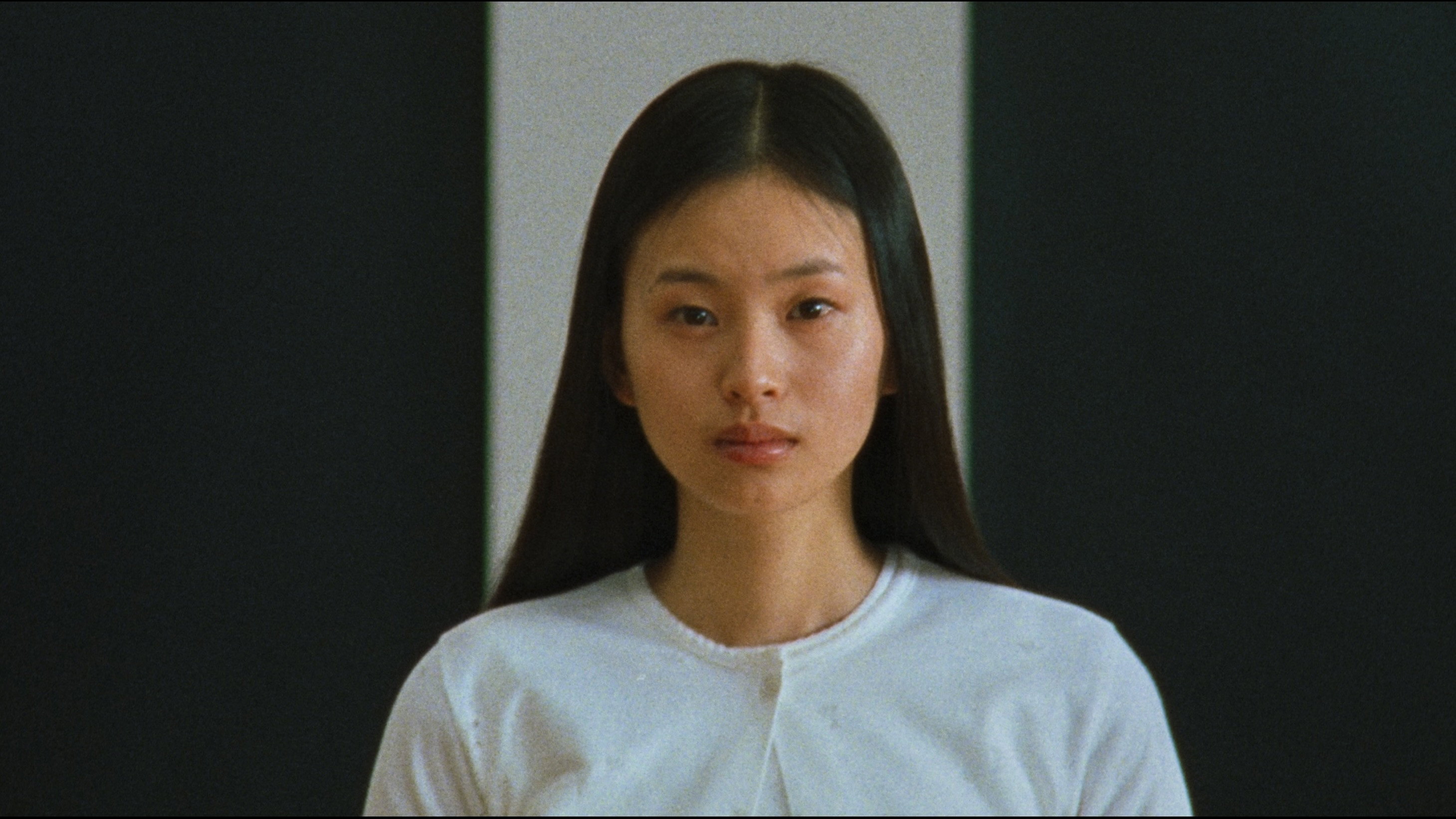
Asami attracts his attention through both her appearance and a written account of a ballet career interrupted by injury. Her composure fits the qualities he has already decided he wants from a partner. Critic Aaron Gerow observed in a review published in March 2000 that early dialogue comparing the pursuit of women with catching fish exposes an aggressive assumption beneath the apparently genial plan. That critical reading does not require Aoyama to be presented as a calculating villain. His ordinary behavior and his willingness to exploit the audition exist together.
The deception also complicates what the viewer can know about Asami. Her application seems to provide a stable identity, but the references attached to her past become increasingly difficult to verify. Aoyama’s growing attachment makes him less willing to regard those inconsistencies as warnings. The process used to evaluate a potential employee proves ineffective for understanding another person’s private life. The film thus turns an apparently familiar romantic convention, the search for an ideal partner, into a situation in which the selection process itself is morally compromised.
Duration, Framing and the Breakdown of Narrative Order
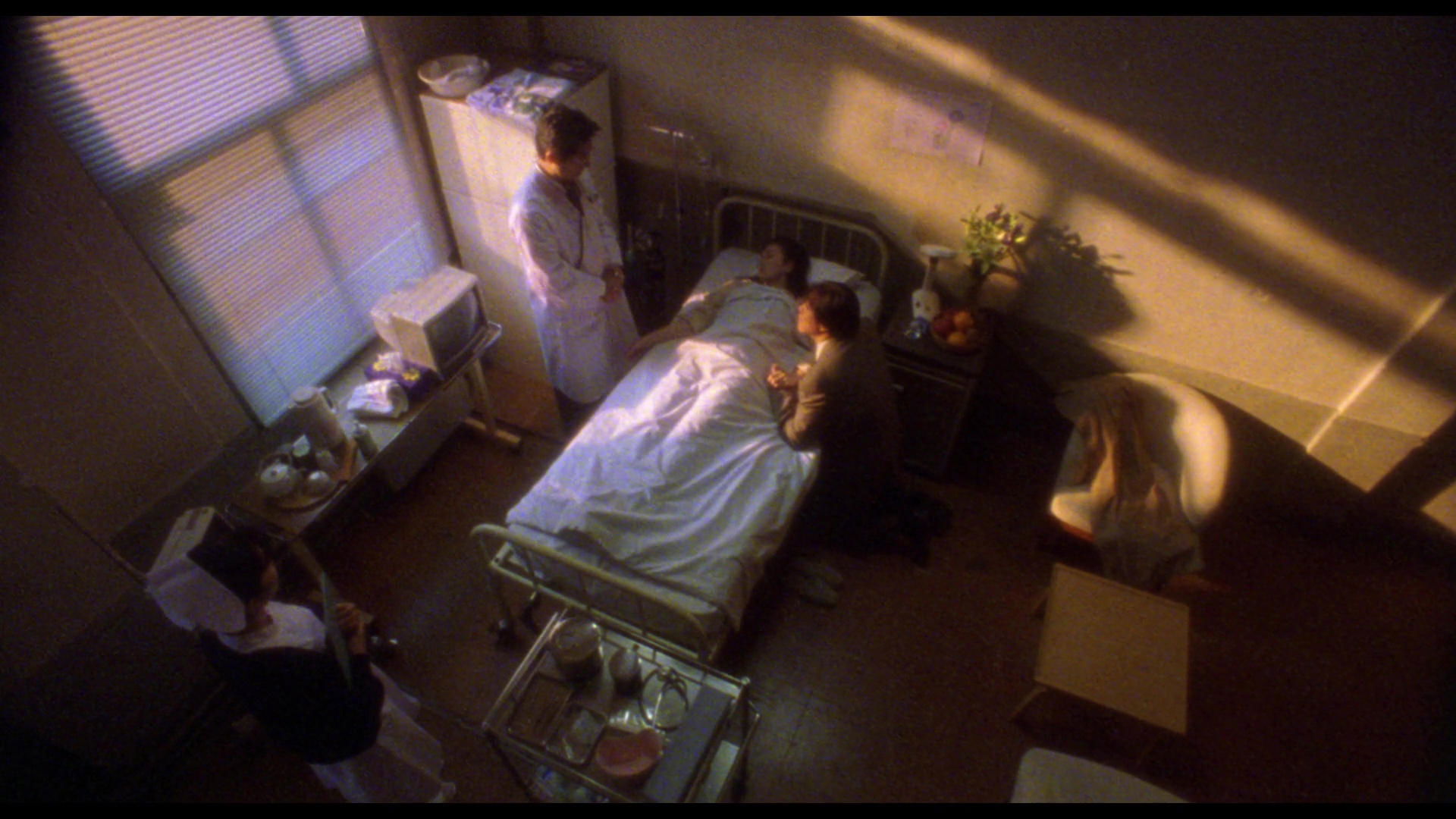
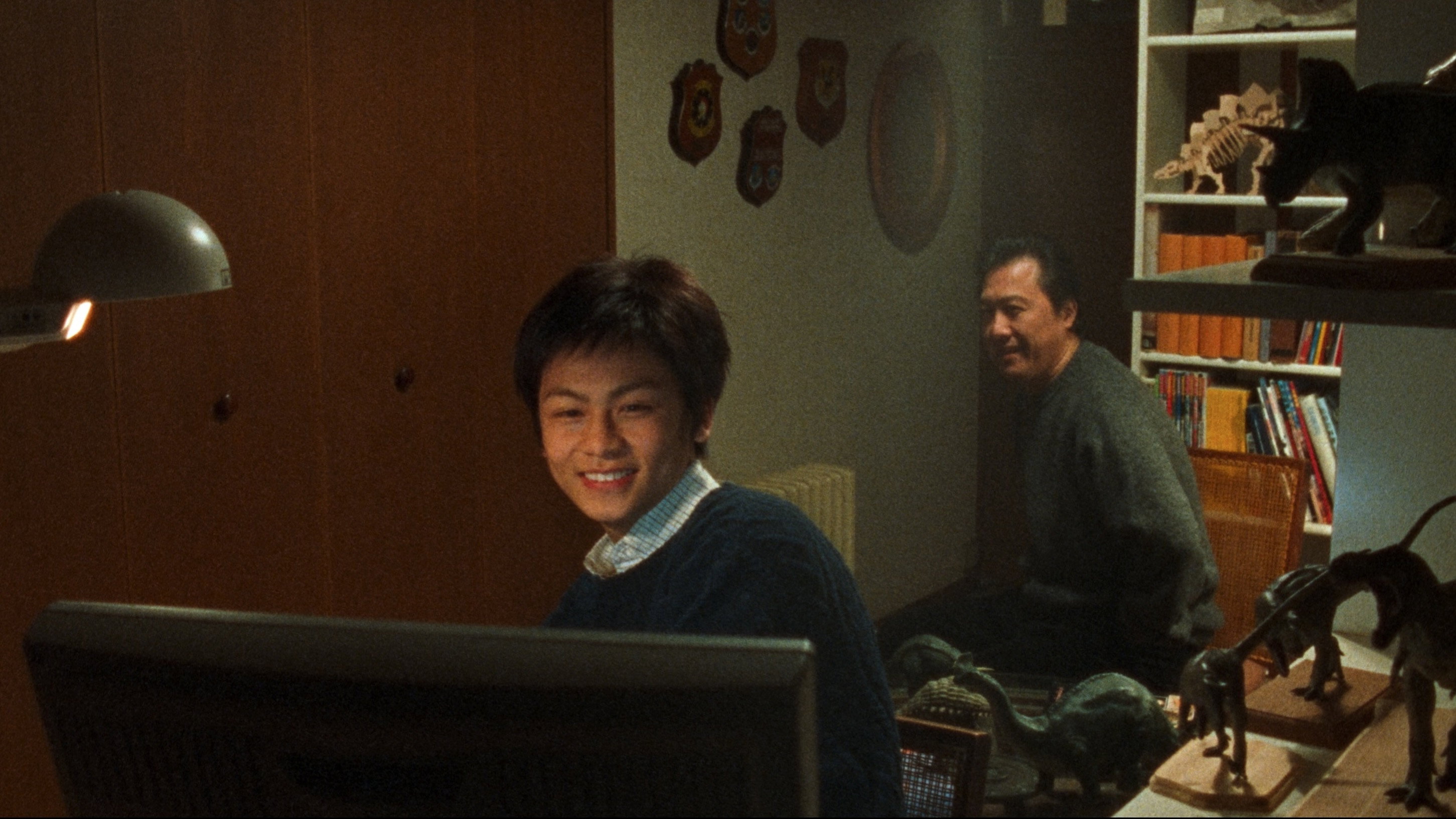
Miike described the film’s first half in the 2024 BFI interview as a deliberate challenge to viewers expecting horror from the opening moments. For a substantial period, Audition resembles a domestic account of bereavement and courtship. Conversations unfold without the rapid succession of shocks common to more immediately sensational horror films. Aoyama’s work, family and meetings with Asami receive time to become ordinary. The eventual change in tone is disturbing partly because the film has trained its audience to attend to gestures whose significance remains uncertain.
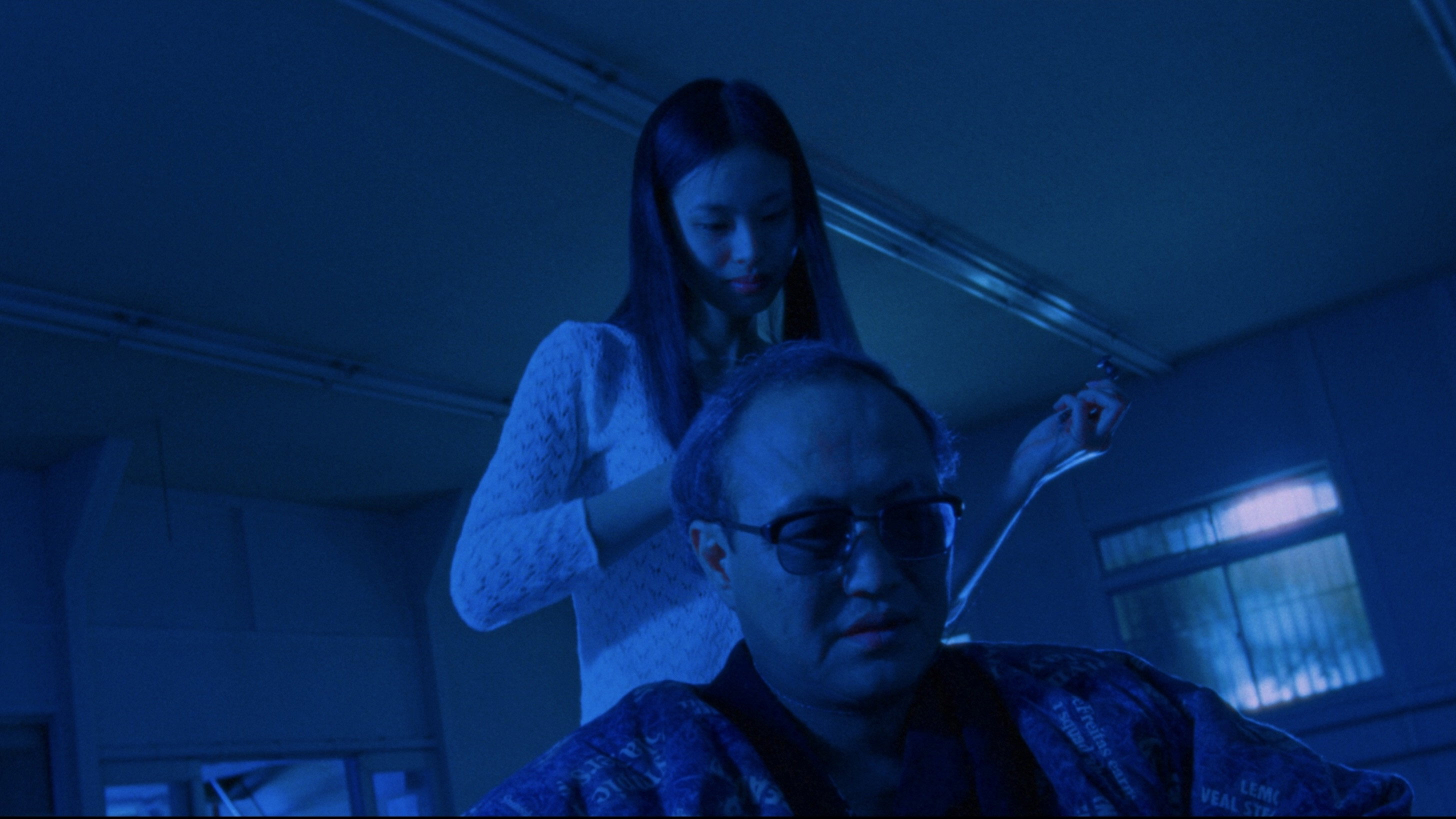
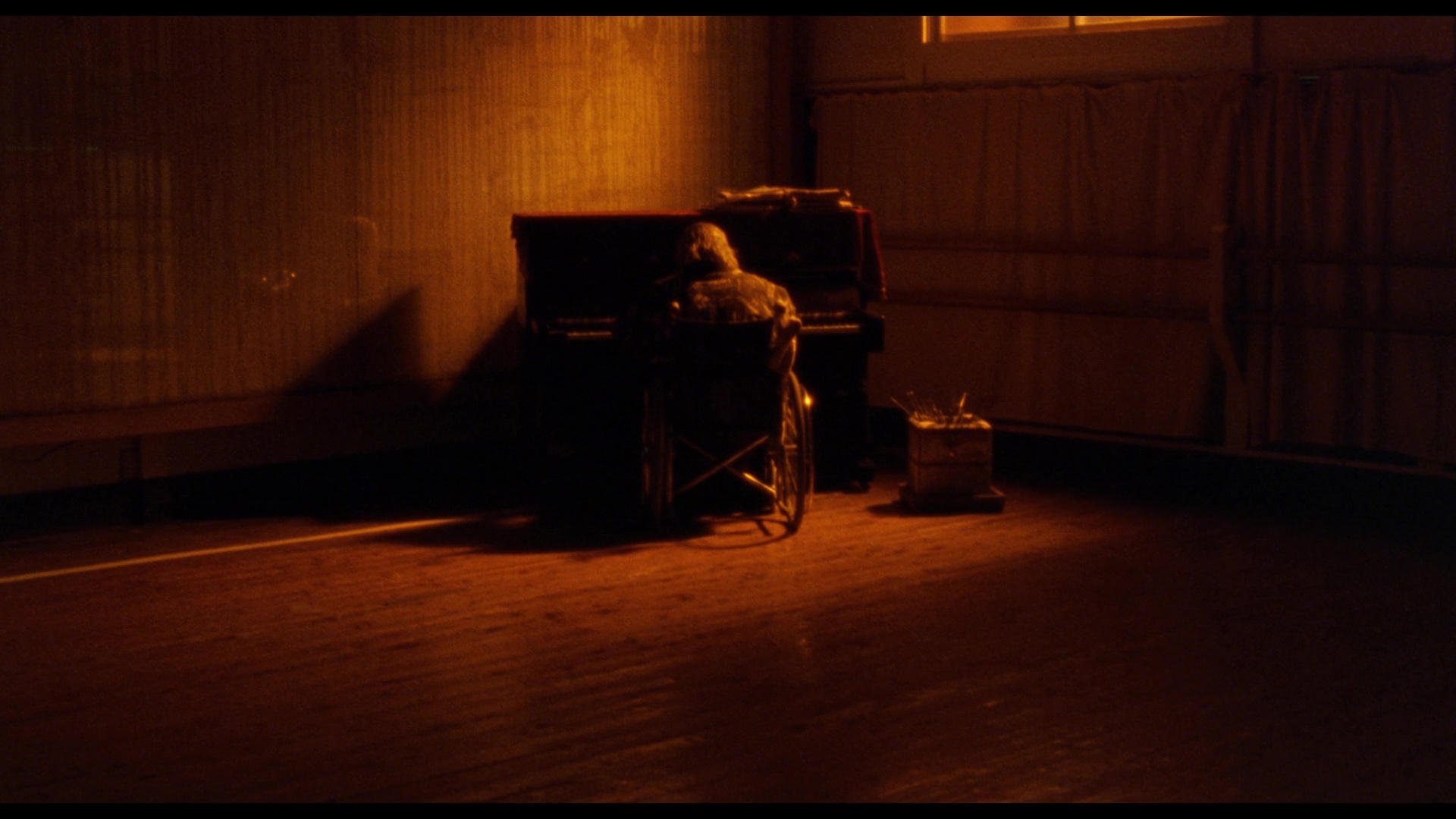
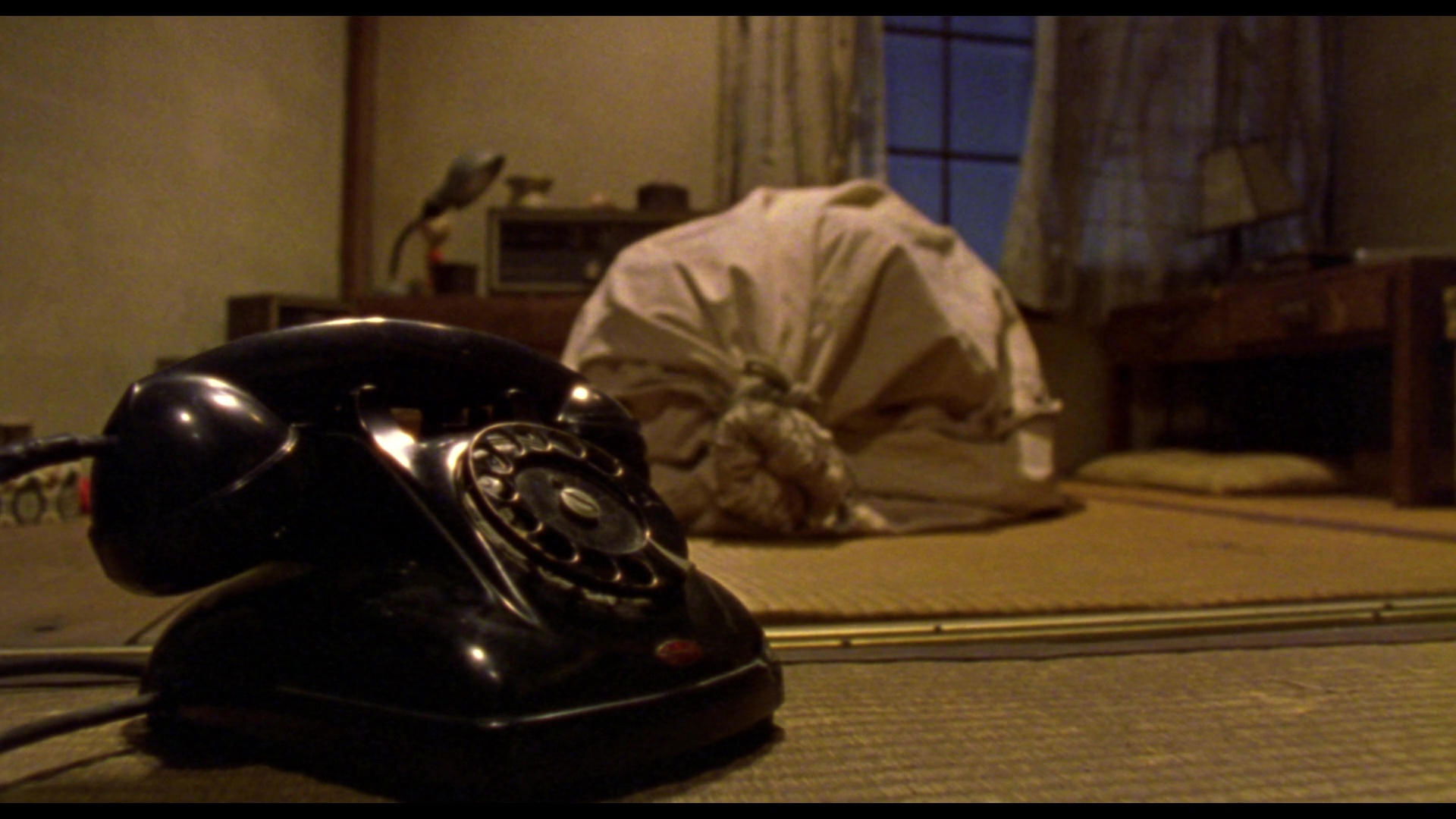
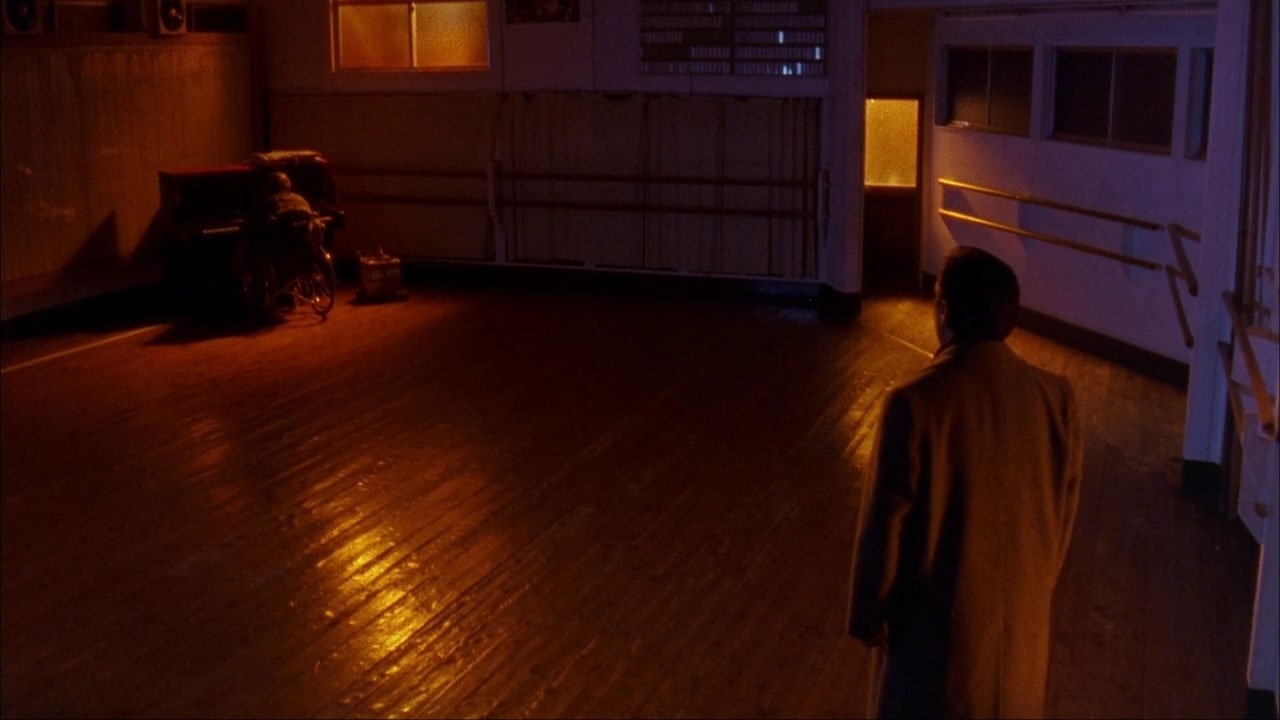
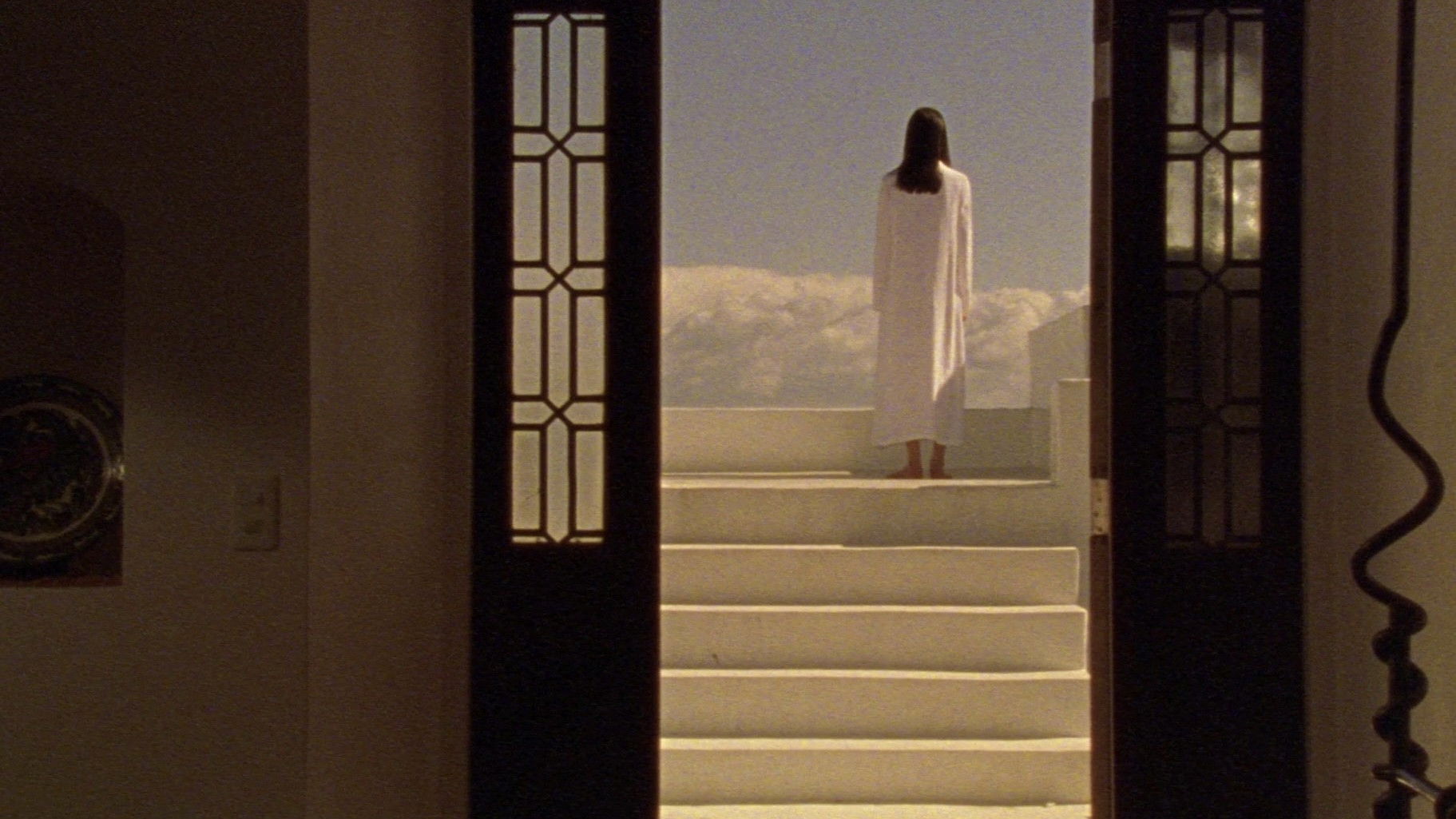
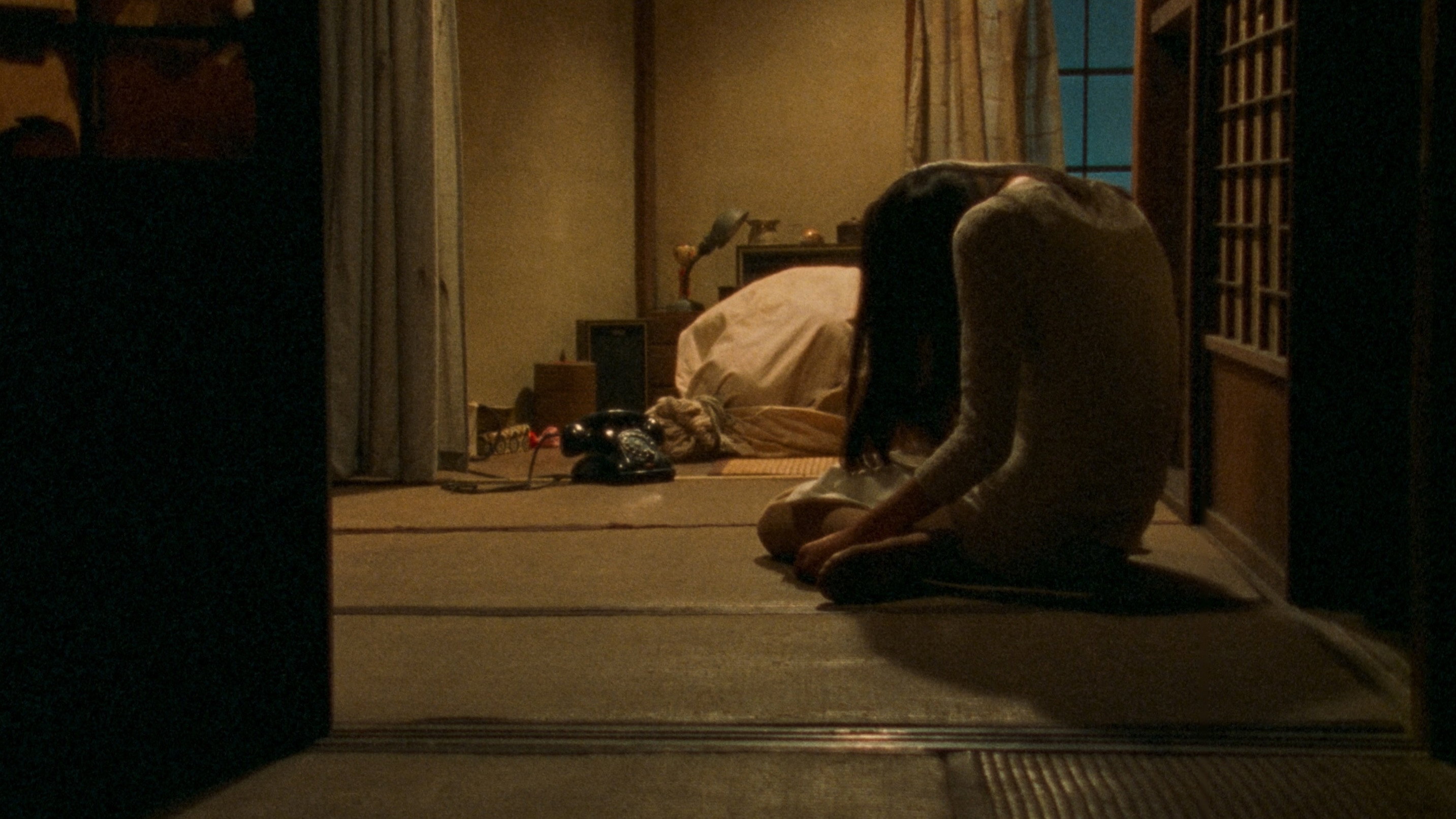
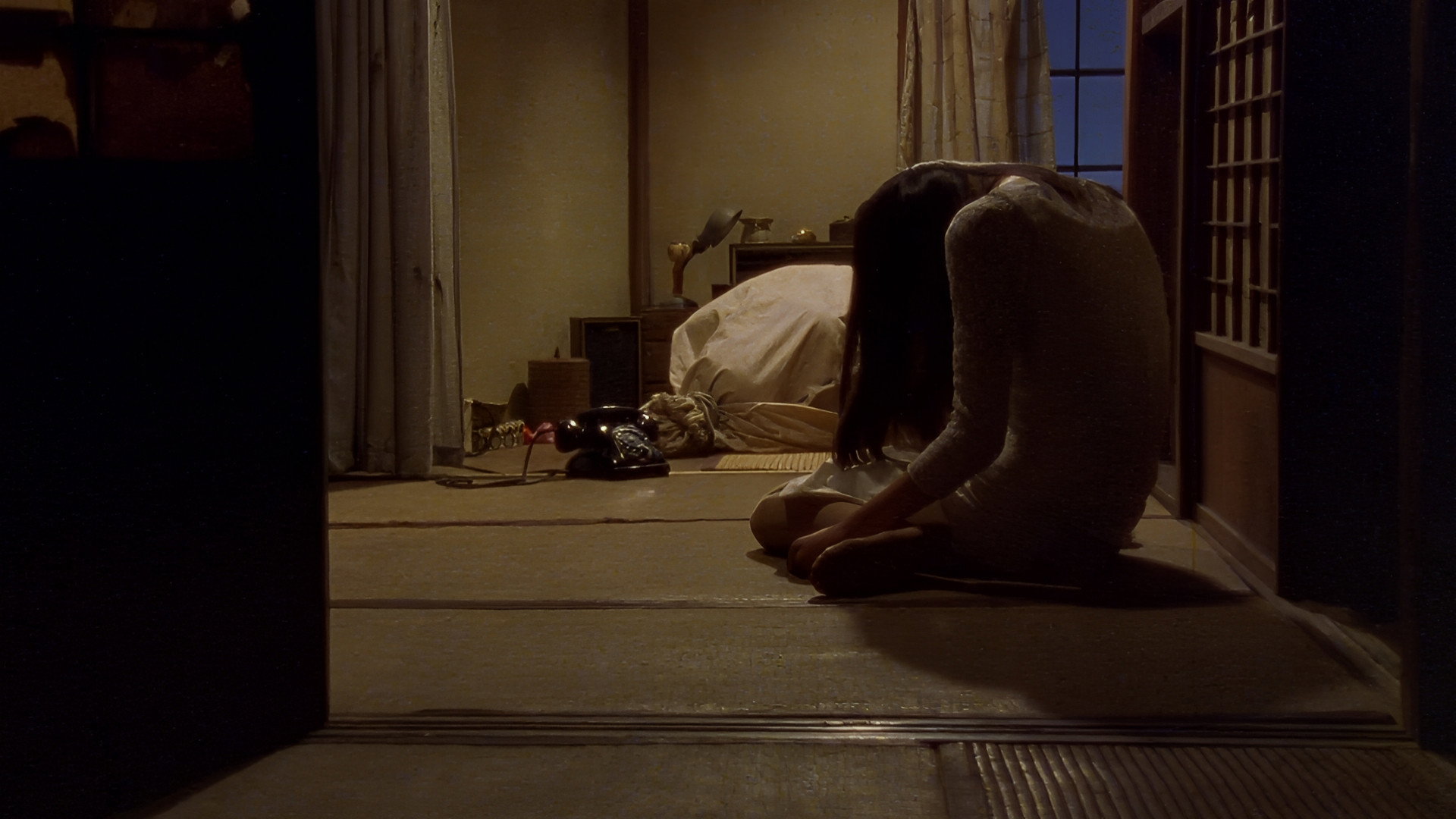
Hideo Yamamoto’s cinematography supports this approach through the presentation of recognizable urban and domestic spaces. The audition room has the functional appearance of a professional interview location, while Aoyama’s home initially serves as a place of rest and familial continuity. By contrast, Asami’s sparse apartment becomes memorable for the prolonged image of her sitting beside a large sack whose contents are not immediately explained. The image permits the spectator to know something Aoyama does not, yet withholds the information needed to understand it. Its stillness makes the possibility of movement more threatening.
The later sections disrupt the film’s earlier confidence in chronological narration. Scenes connect through abrupt temporal changes and images that may belong to memory, dreams or another level of experience. Tony Rayns discussed these shifts in his May 2000 review, while Aaron Gerow considered the uncertainty of what the images represent part of the film’s most troubling effect. The editing resists a completely secure reconstruction of events. This instability does not negate the physical violence on screen; it changes how confidently the spectator can assign cause, perception and responsibility to the surrounding images.
Asami’s History and the Limits of Interpretation
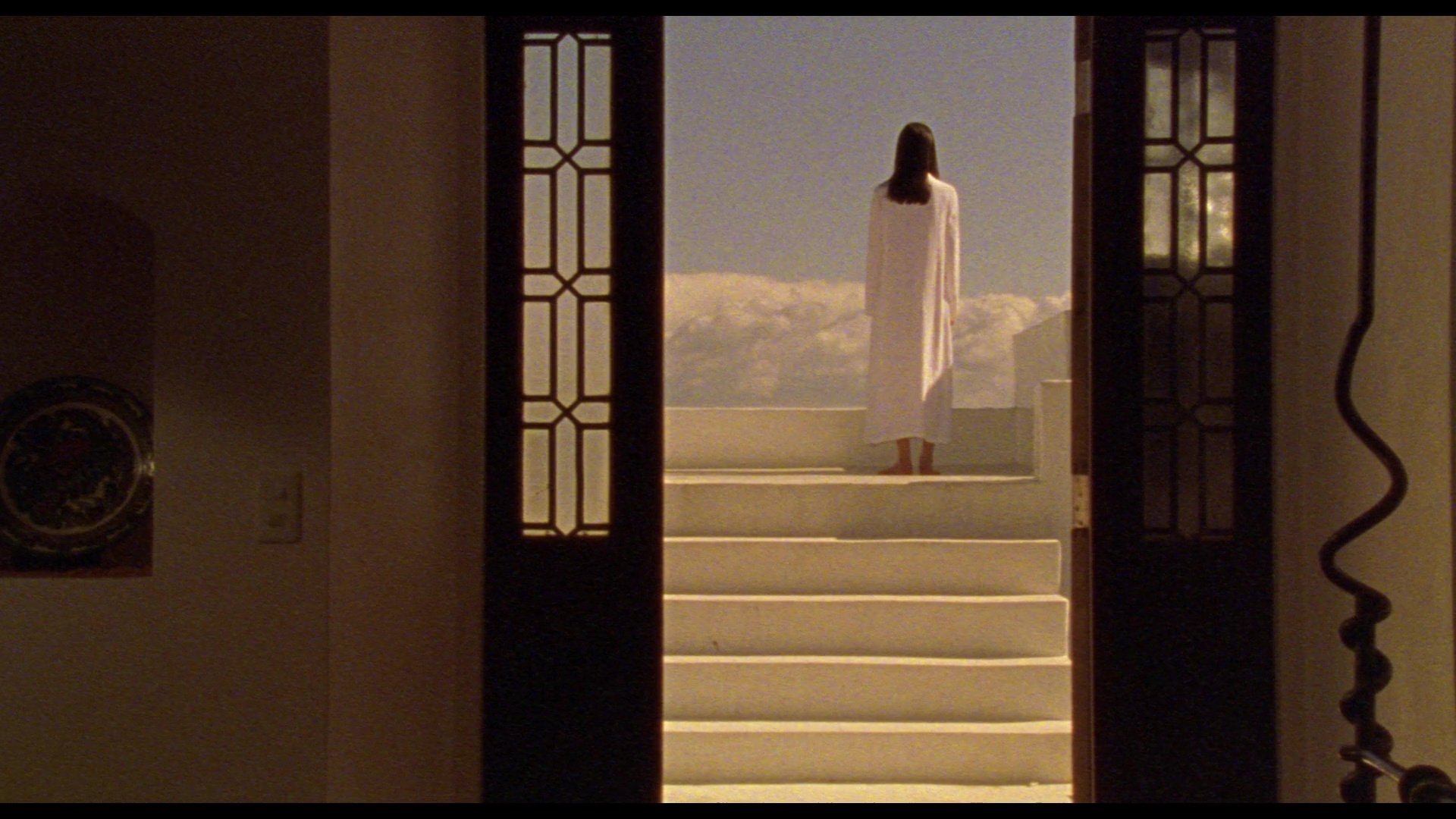
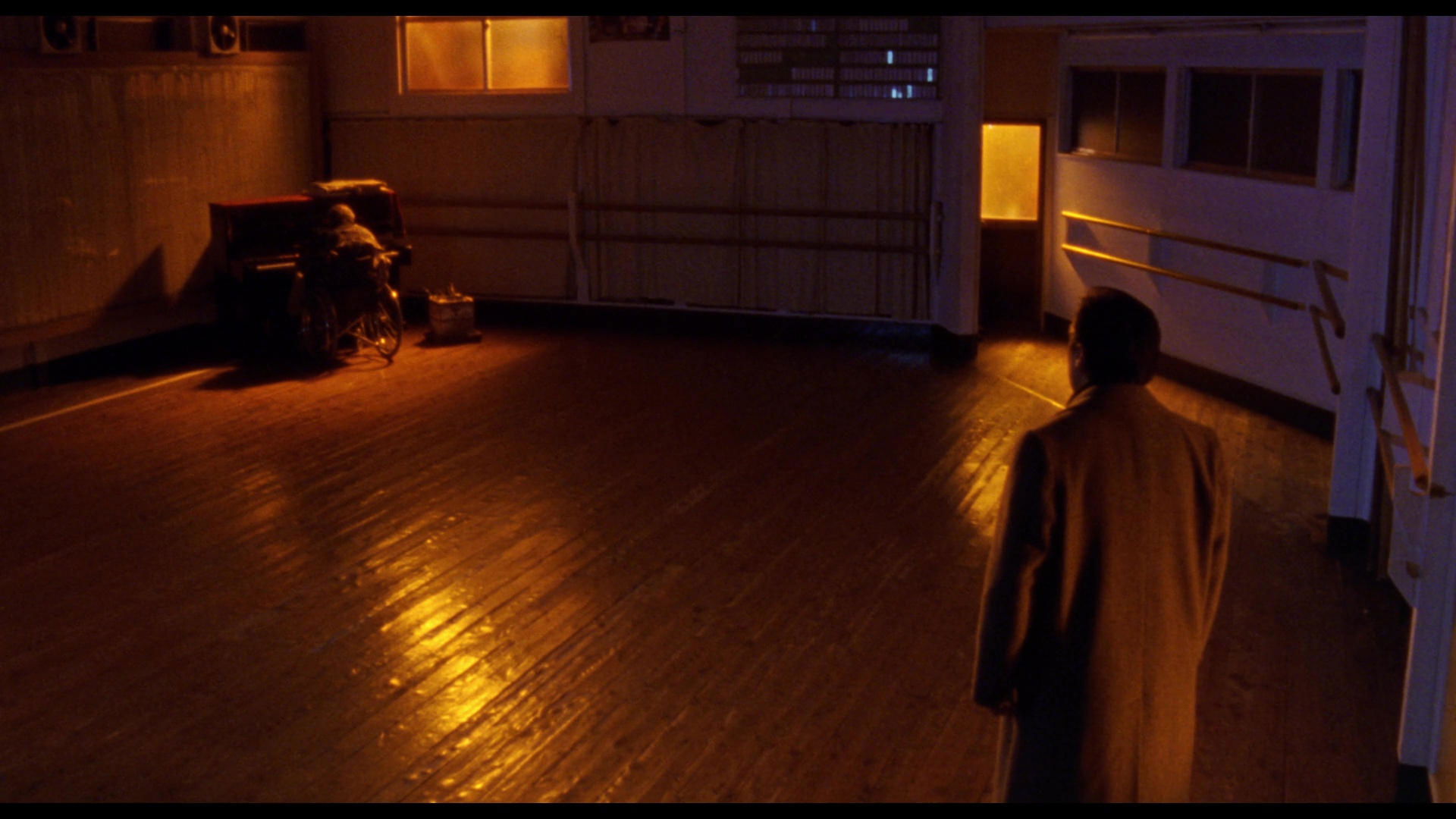
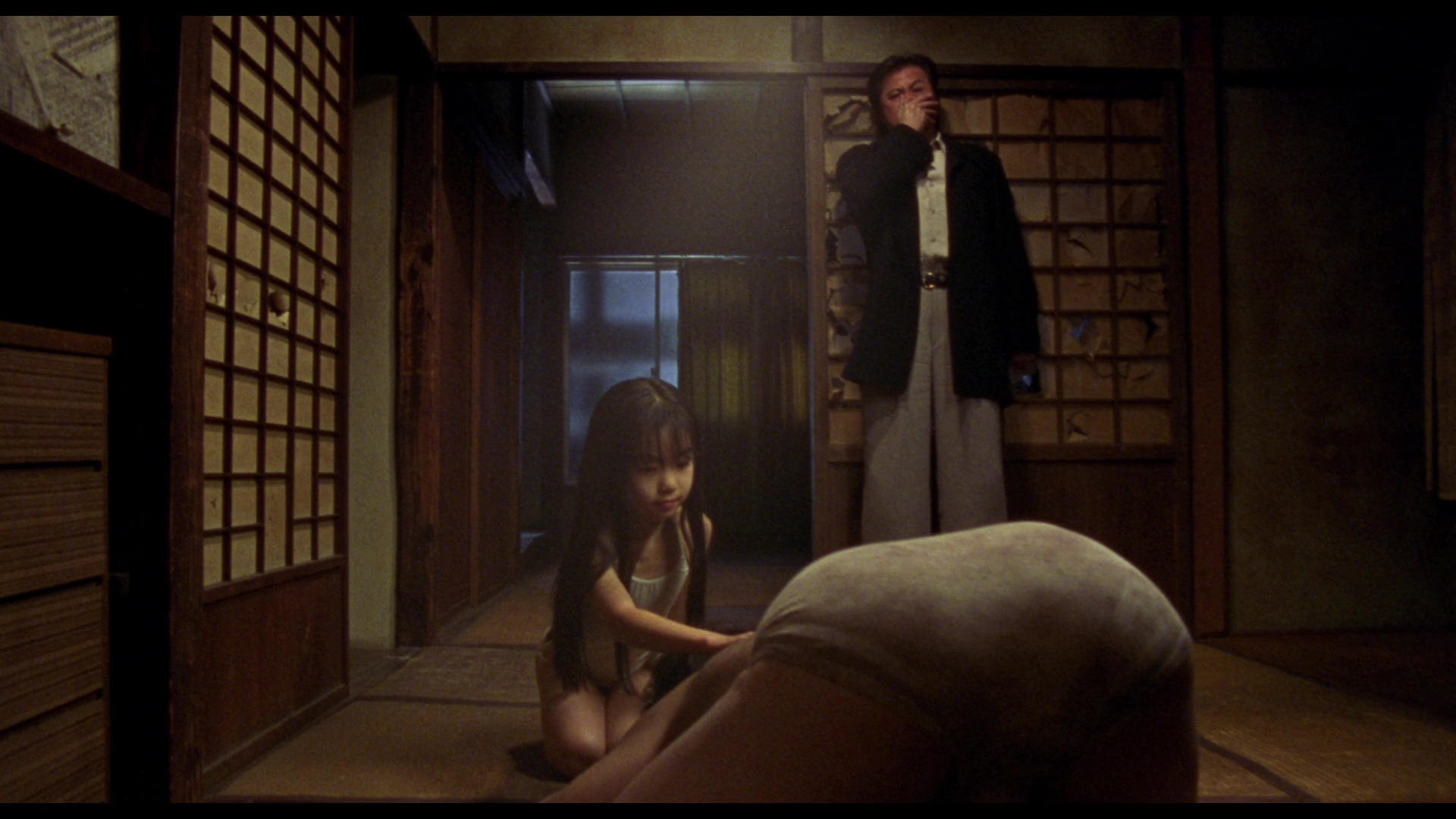
The inquiry into Asami’s past turns the audition application from a reassuring biographical document into an unreliable point of reference. Aoyama discovers that places and people associated with her history do not fit the story he accepted. The film eventually presents disturbing material connected to childhood abuse, particularly experiences around ballet training and physical punishment. These scenes establish that Asami’s life includes victimization. They do not provide a factual theory that abused children become violent adults, and the film’s handling of trauma should not be treated as a clinical explanation.
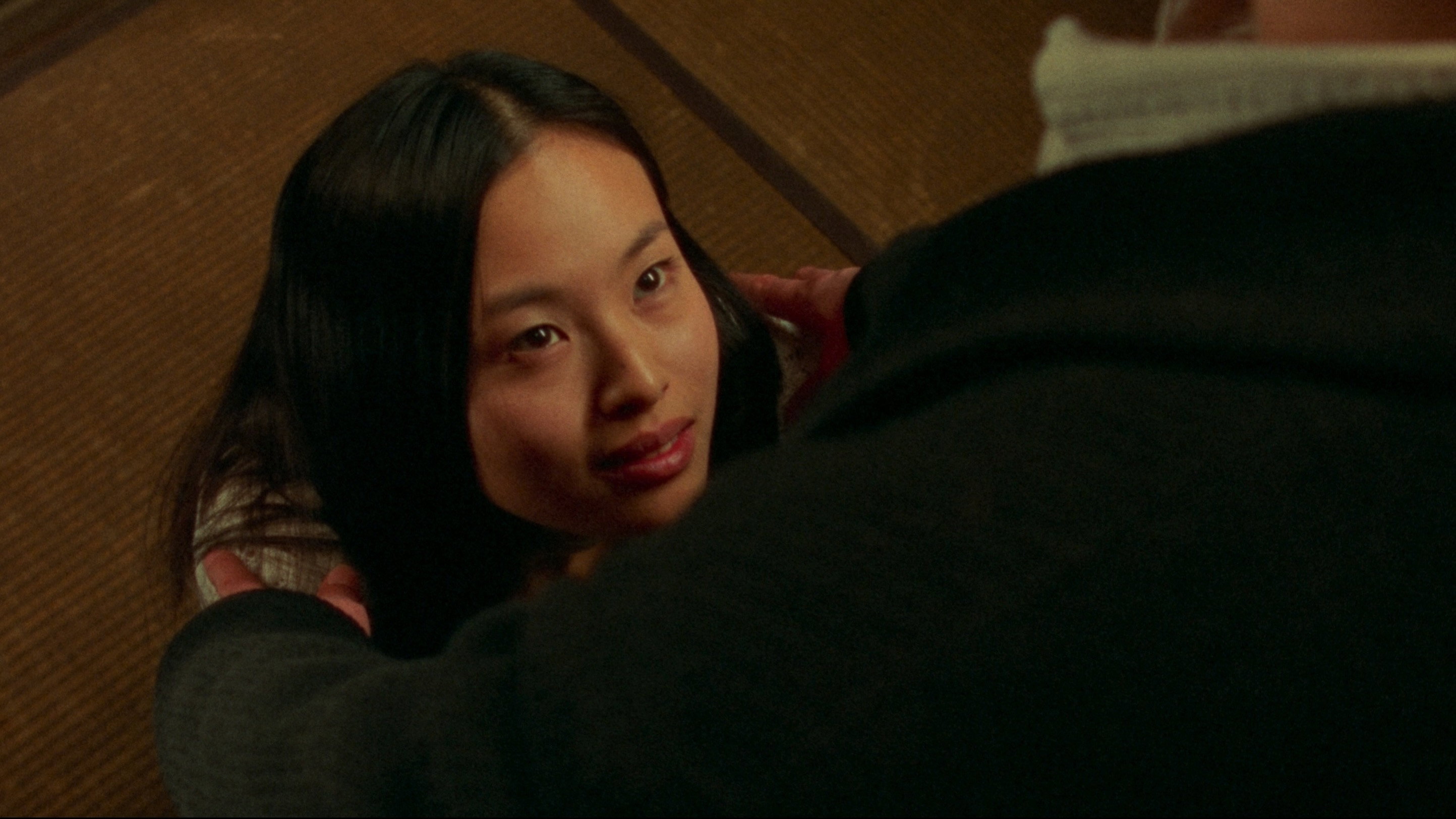
Shiina’s comments to the BFI describe Asami through isolation and a desire for exclusive affection. Her interpretation helps explain why the character’s demands for devotion are presented alongside extreme aggression. Gerow’s contemporary reading similarly resists reducing her to a simple monstrous opposite of an innocent male victim. That remains a critical interpretation rather than a statement that the character’s violence is justified. Aoyama’s initial deception and Asami’s eventual cruelty occupy different positions in the story, with consequences that cannot be made equivalent by a single moral judgment.
The protagonist’s limited perspective is essential to these uncertainties. Much of the early story proceeds through his discovery of Asami, making his confidence a practical guide for the audience. As the chronology fractures, that guide becomes unreliable. Images of the past appear in a form that may register remembered suffering, subjective fear or distorted association. The film offers concrete indications of abuse and murder while refusing to stabilize every transition between them. Its ambiguity concerns the arrangement and meaning of experiences, not a denial that bodily harm is central to the horror.
Needles, Amputation and the Physical Horror of the Climax
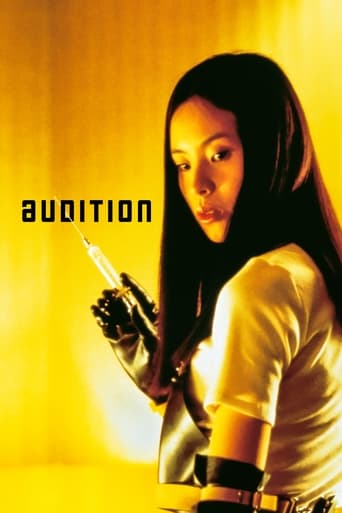
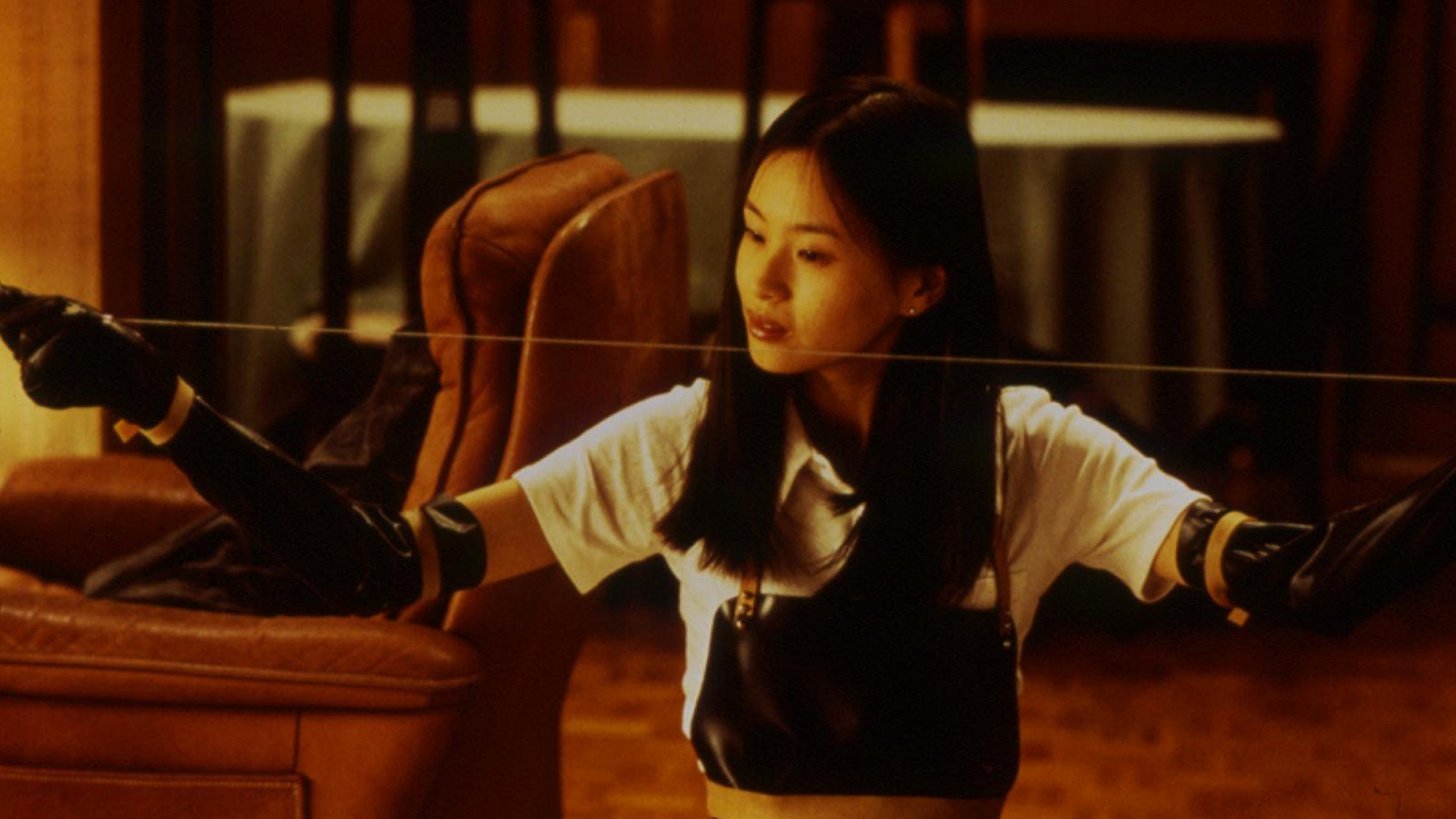
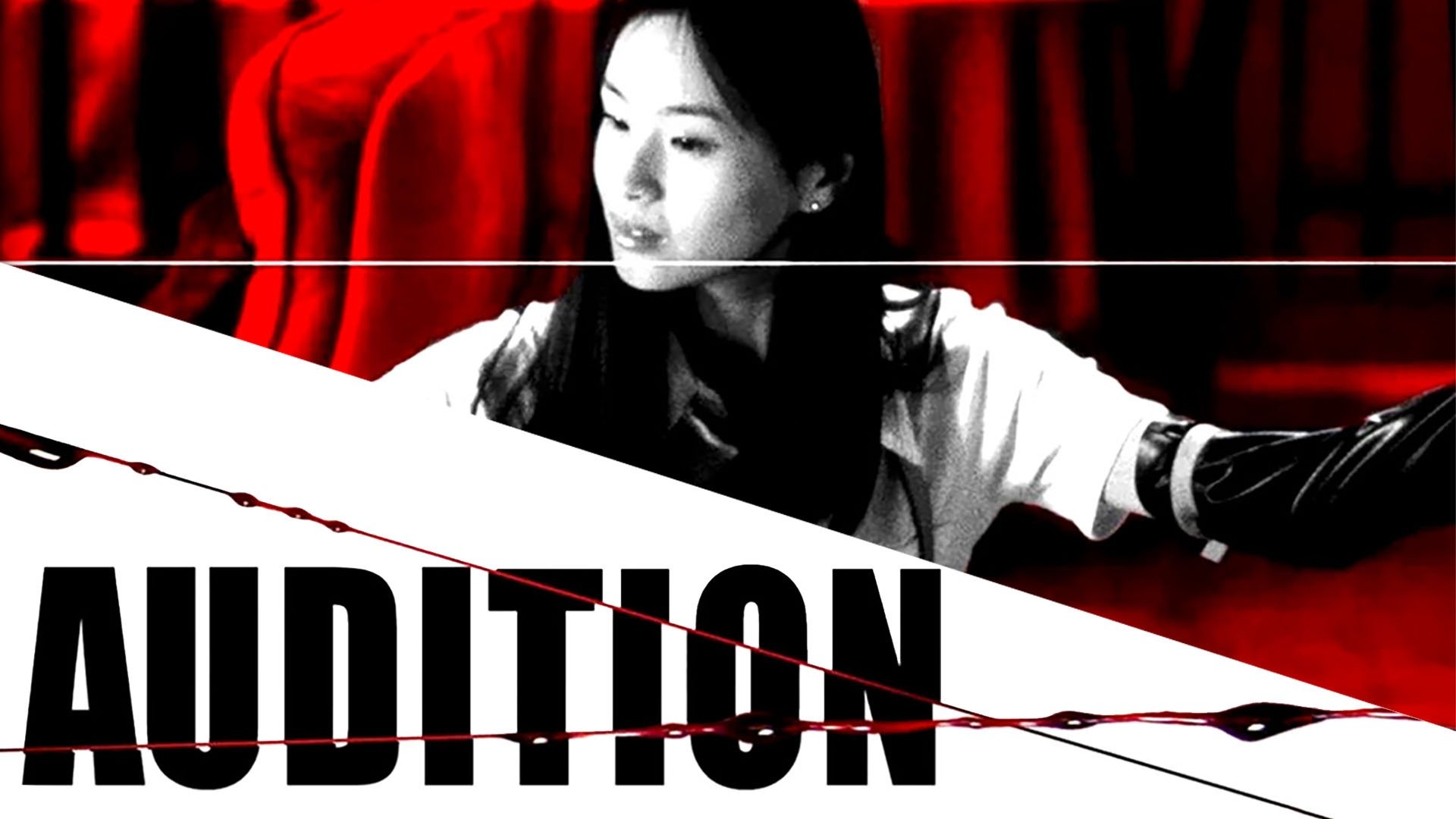
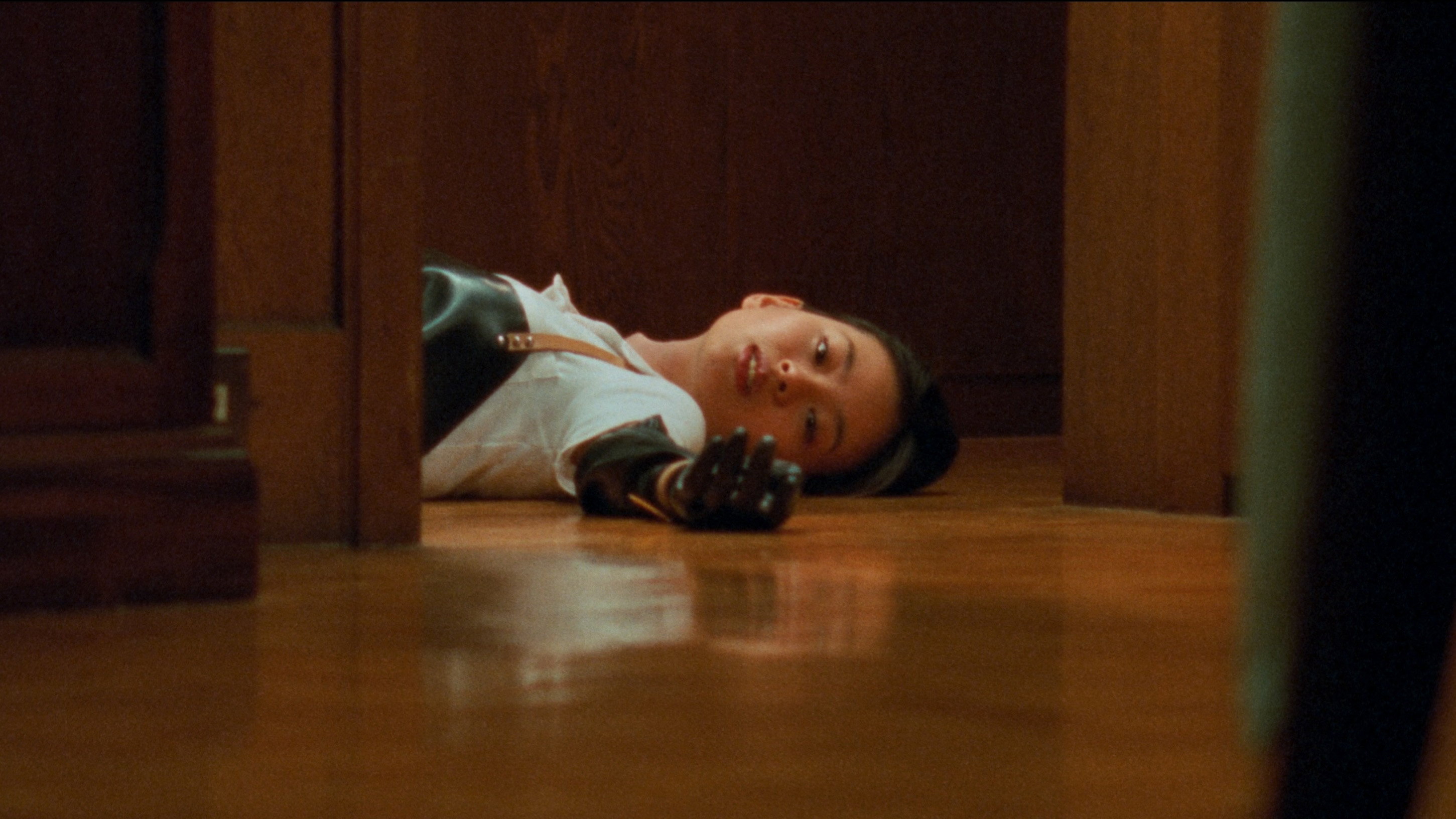
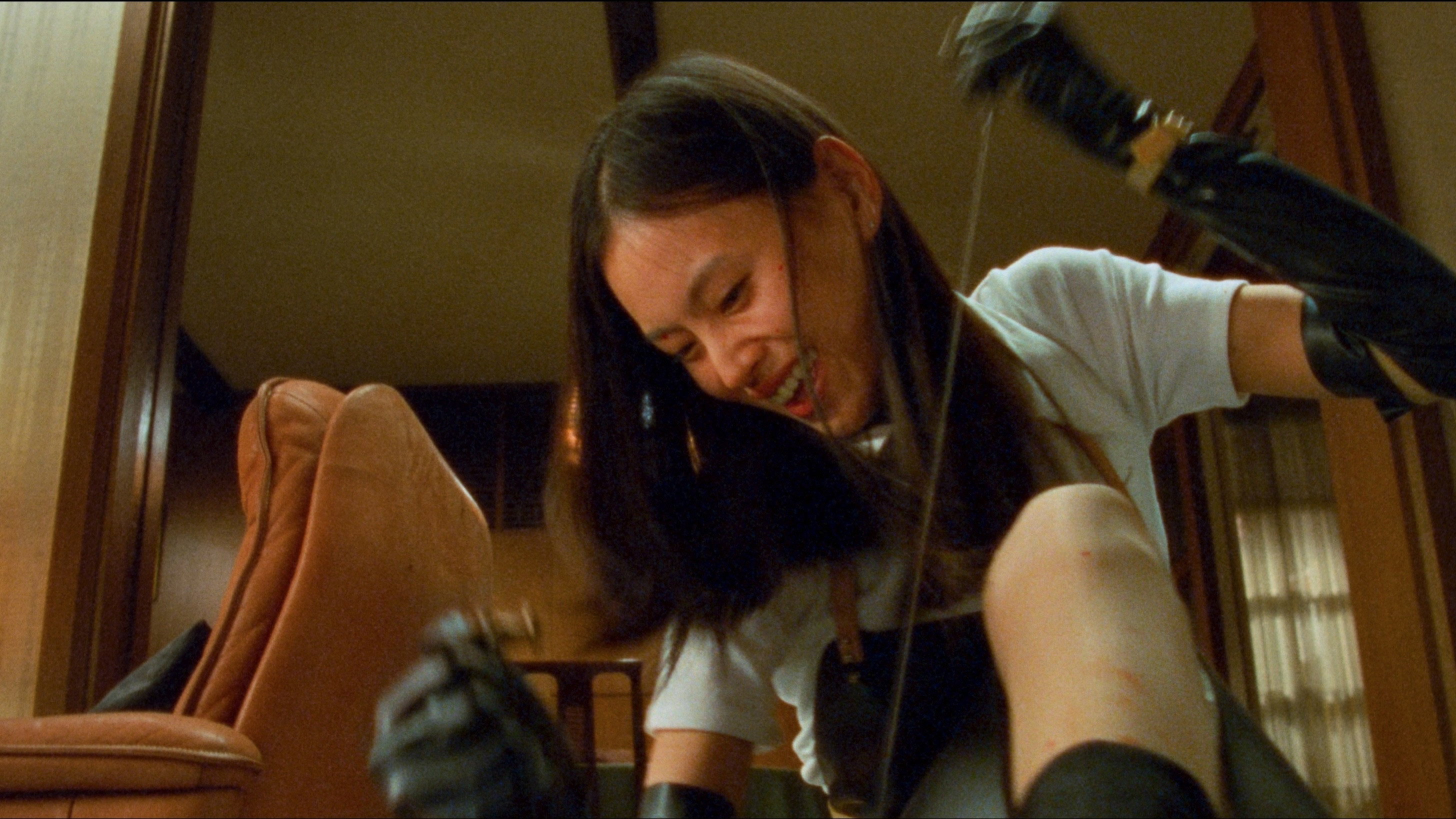
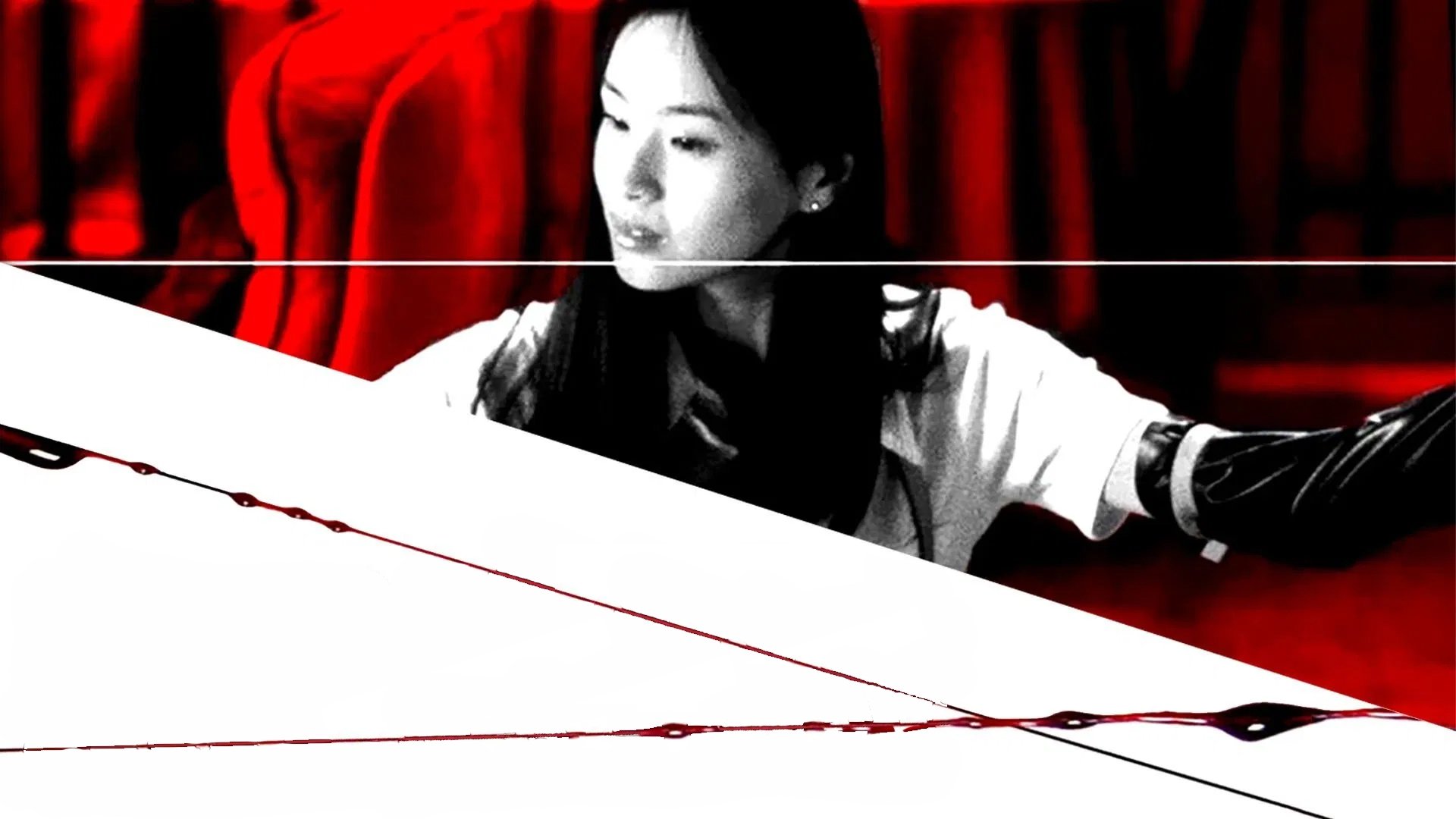
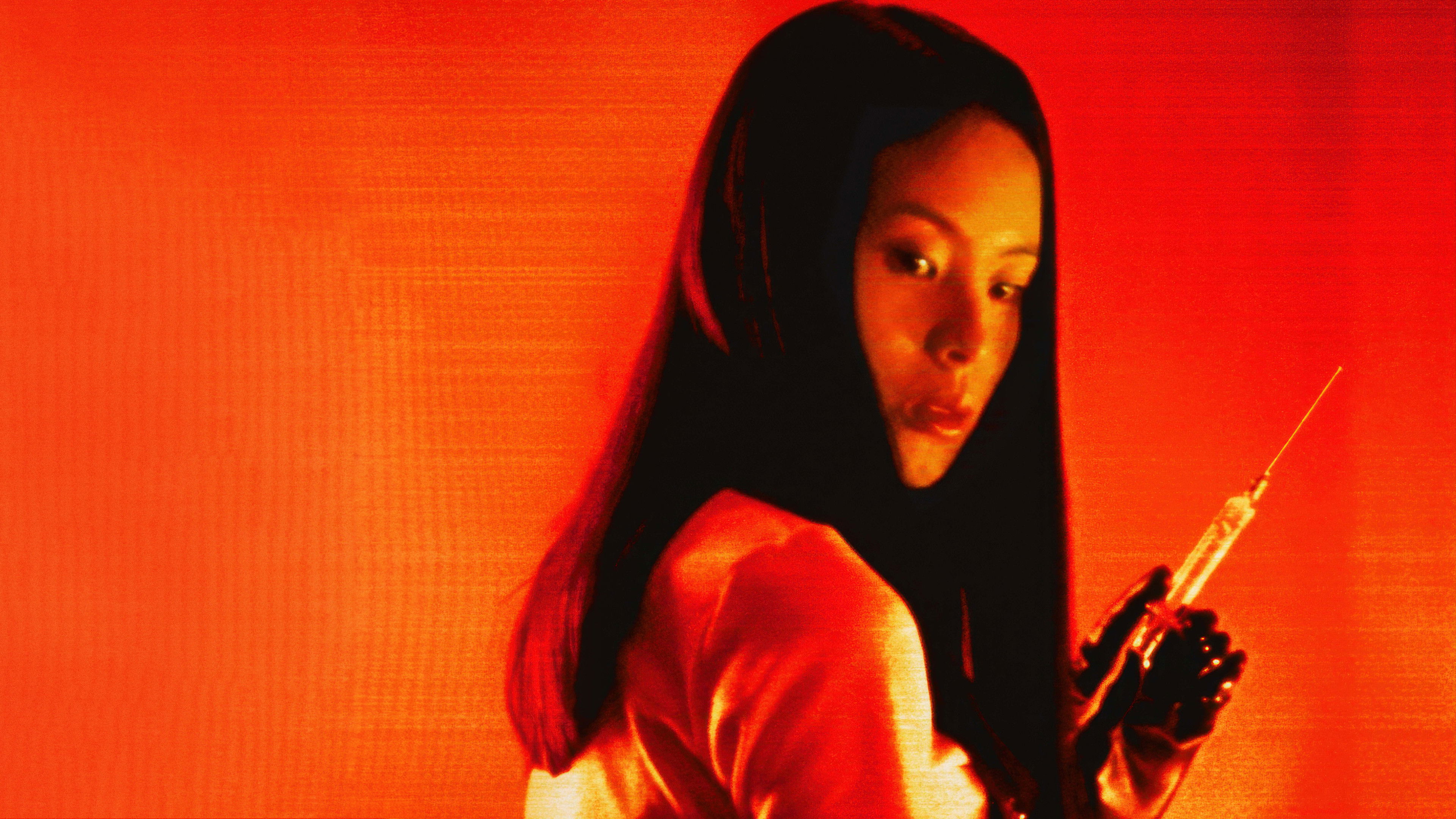
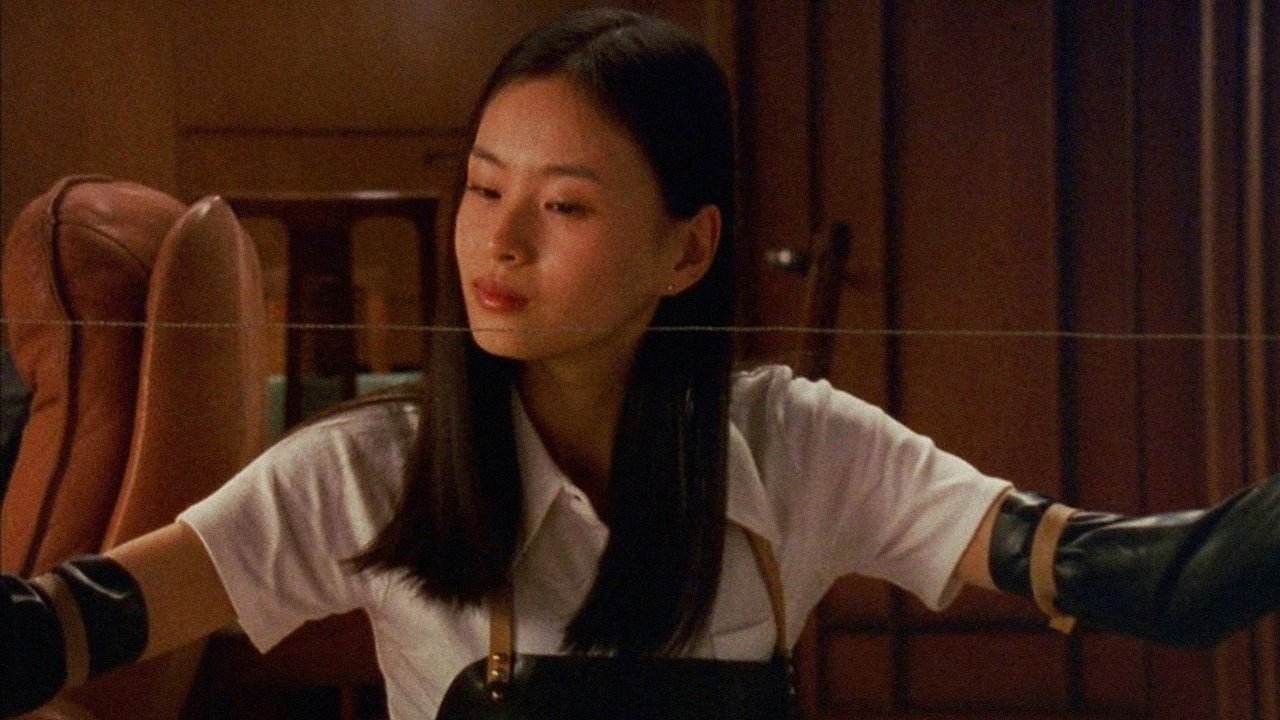
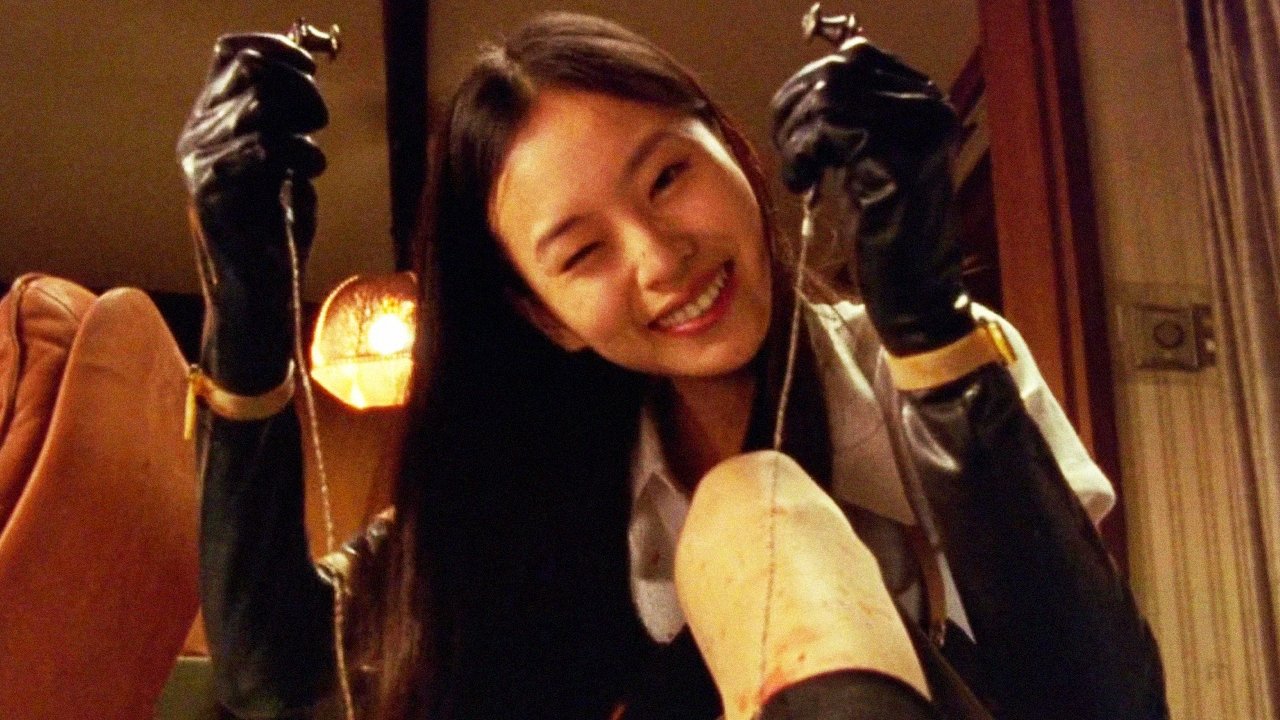
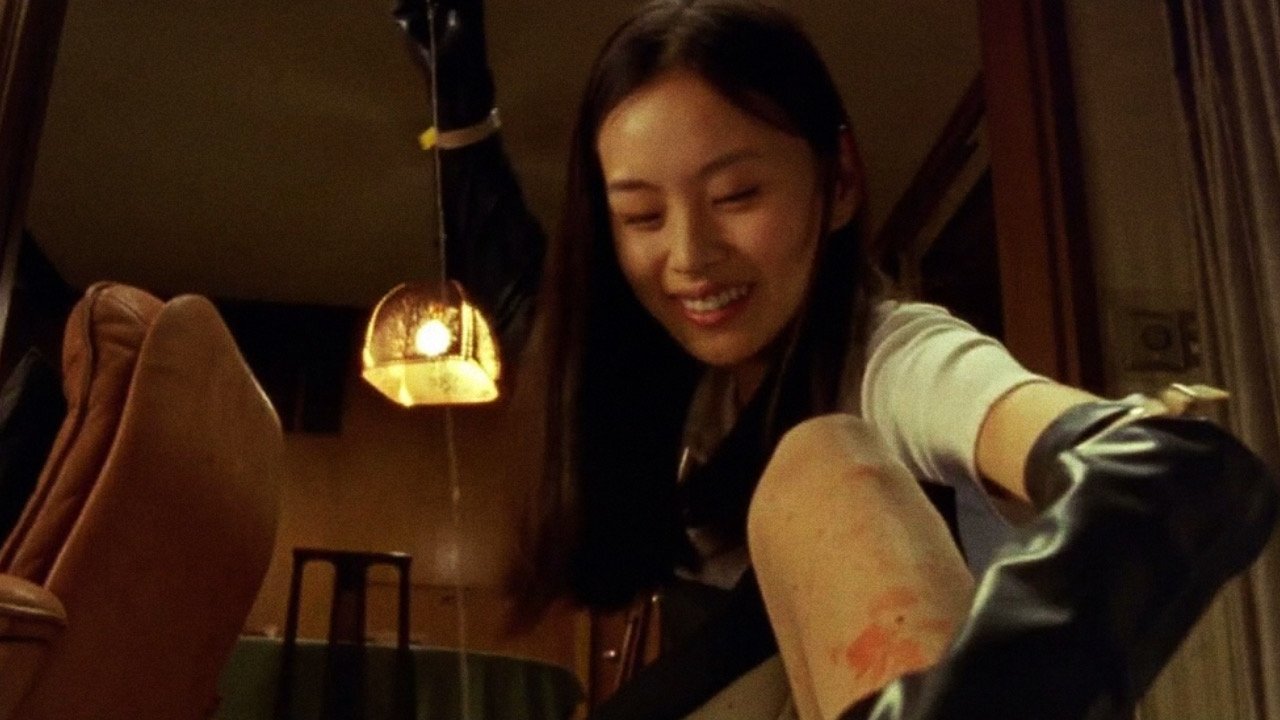
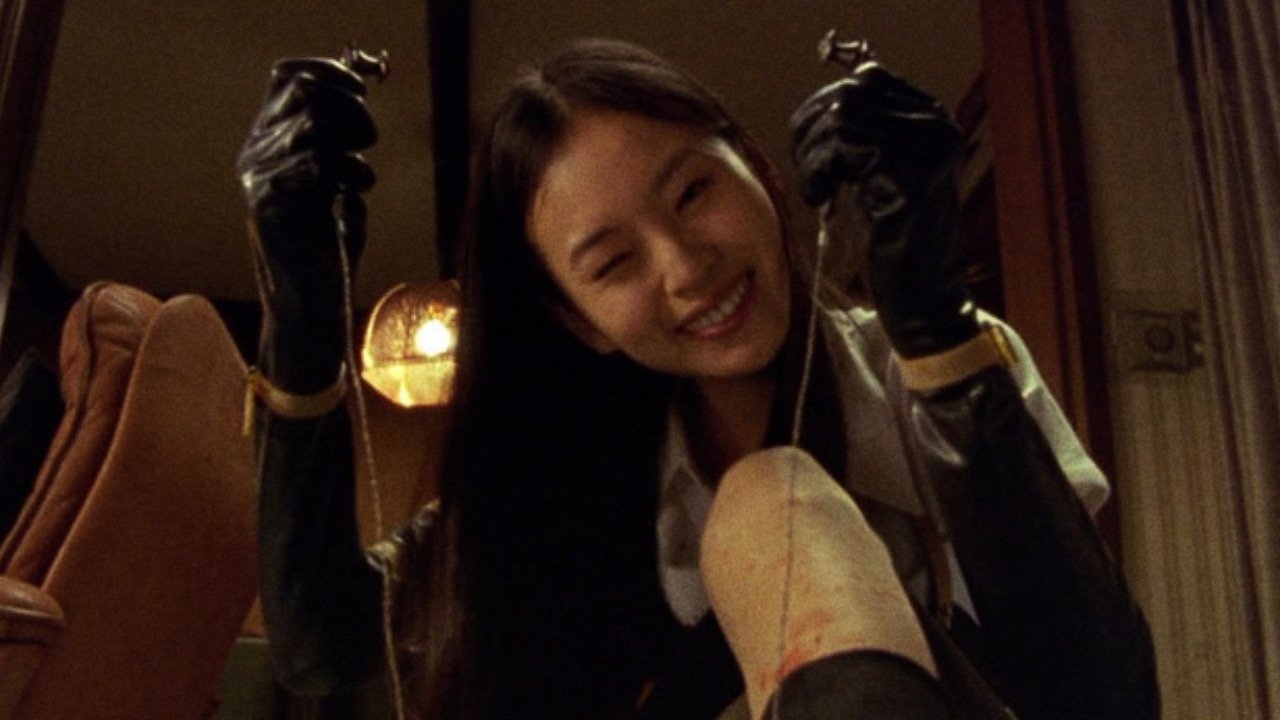
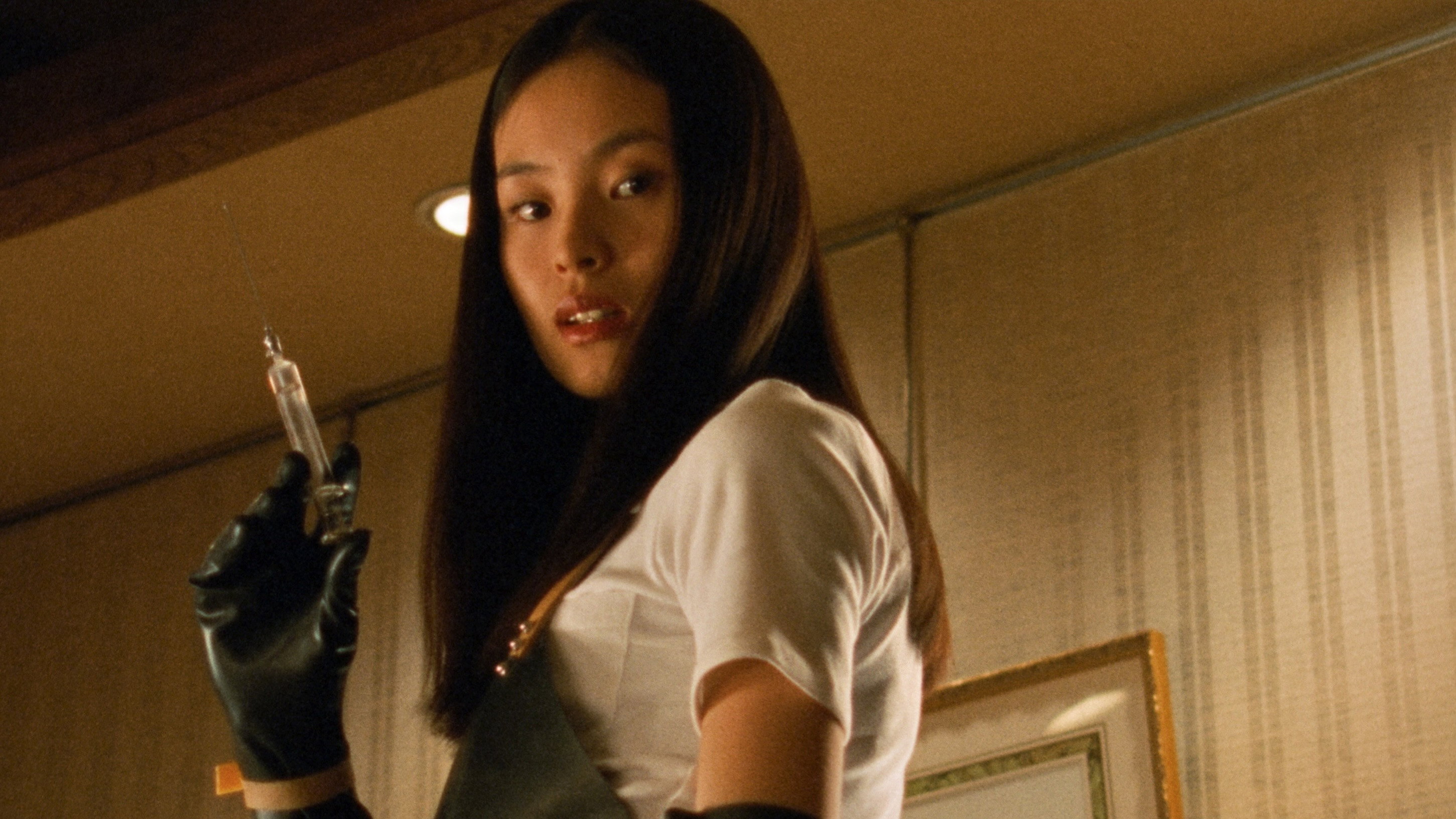
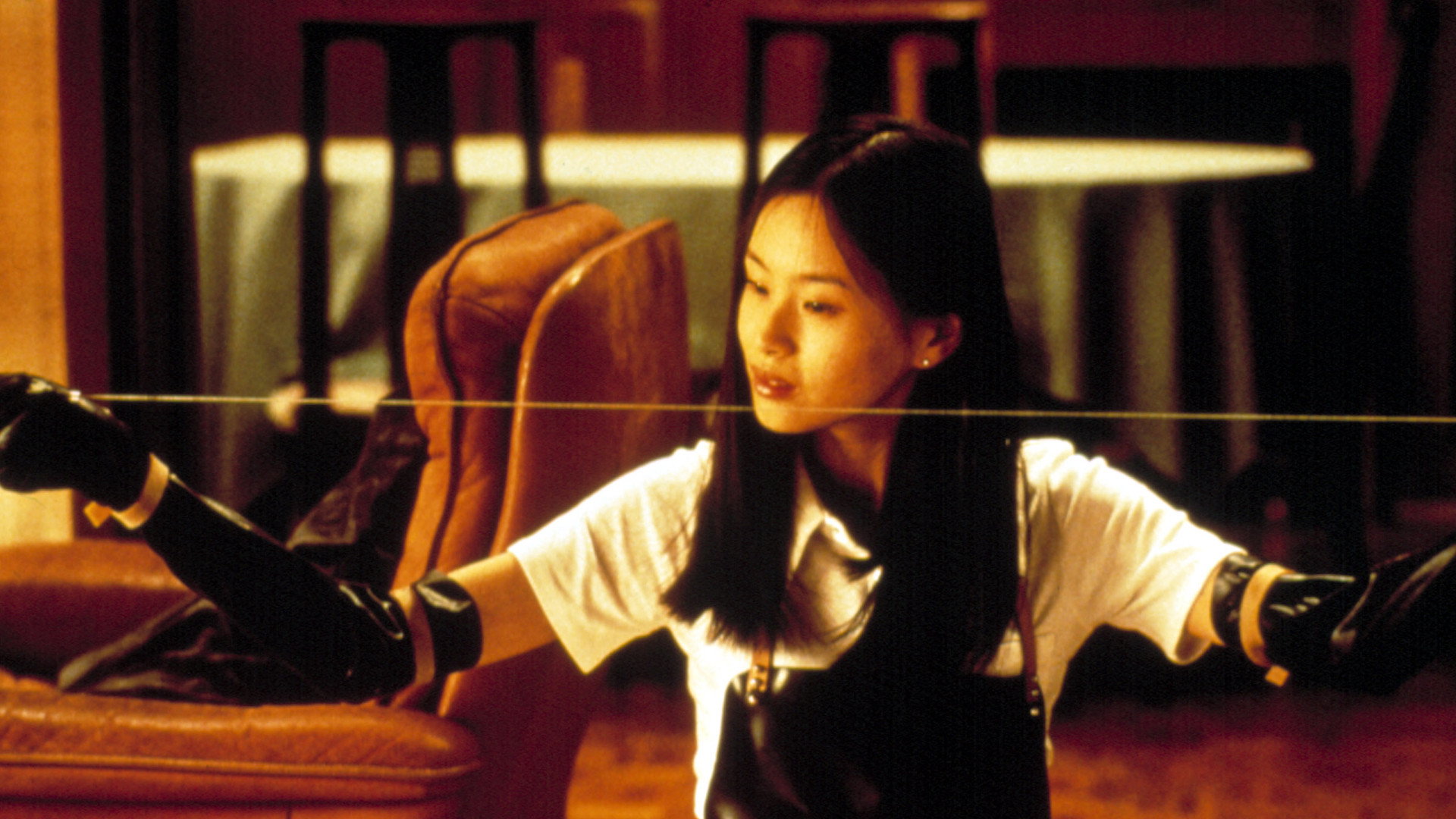
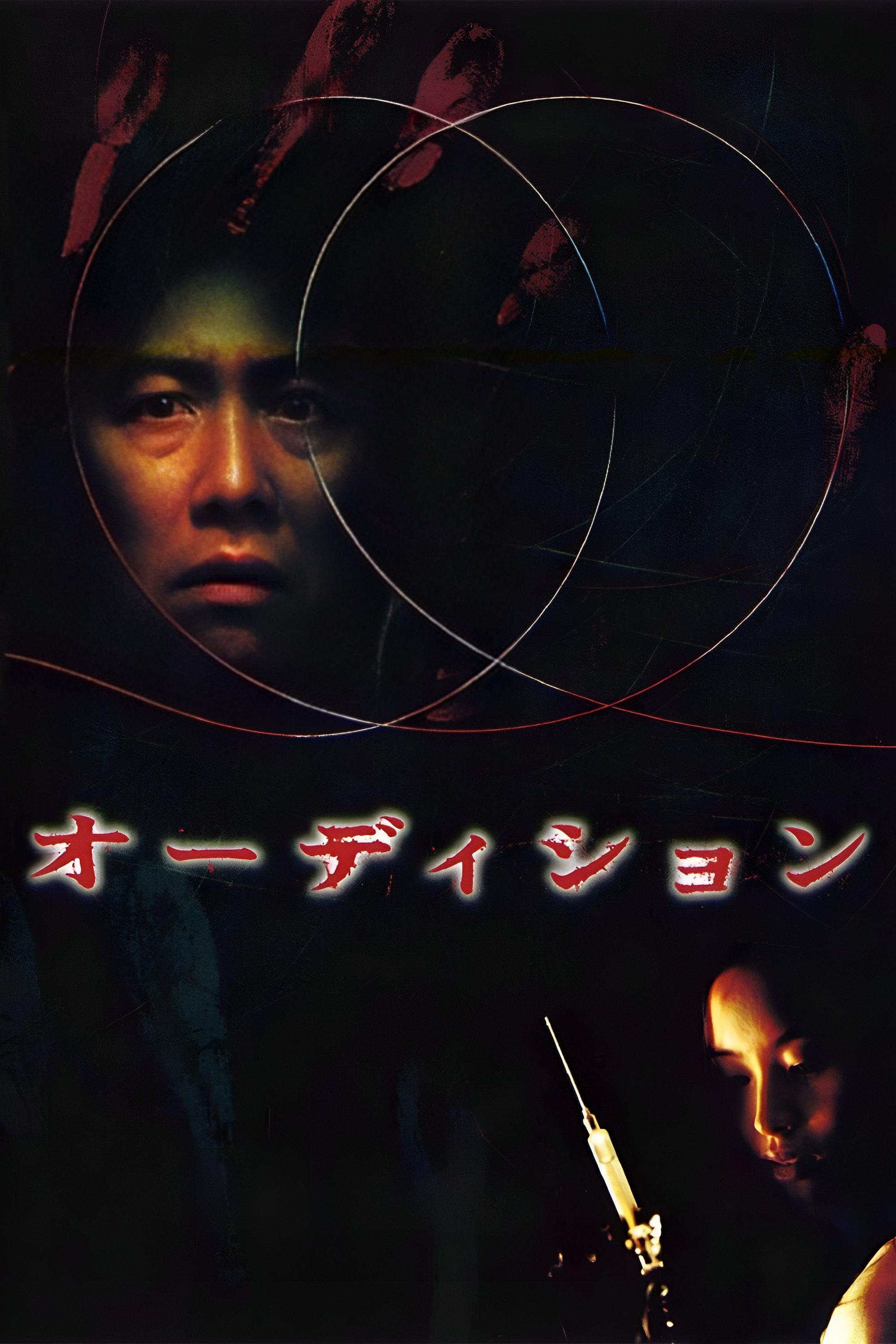
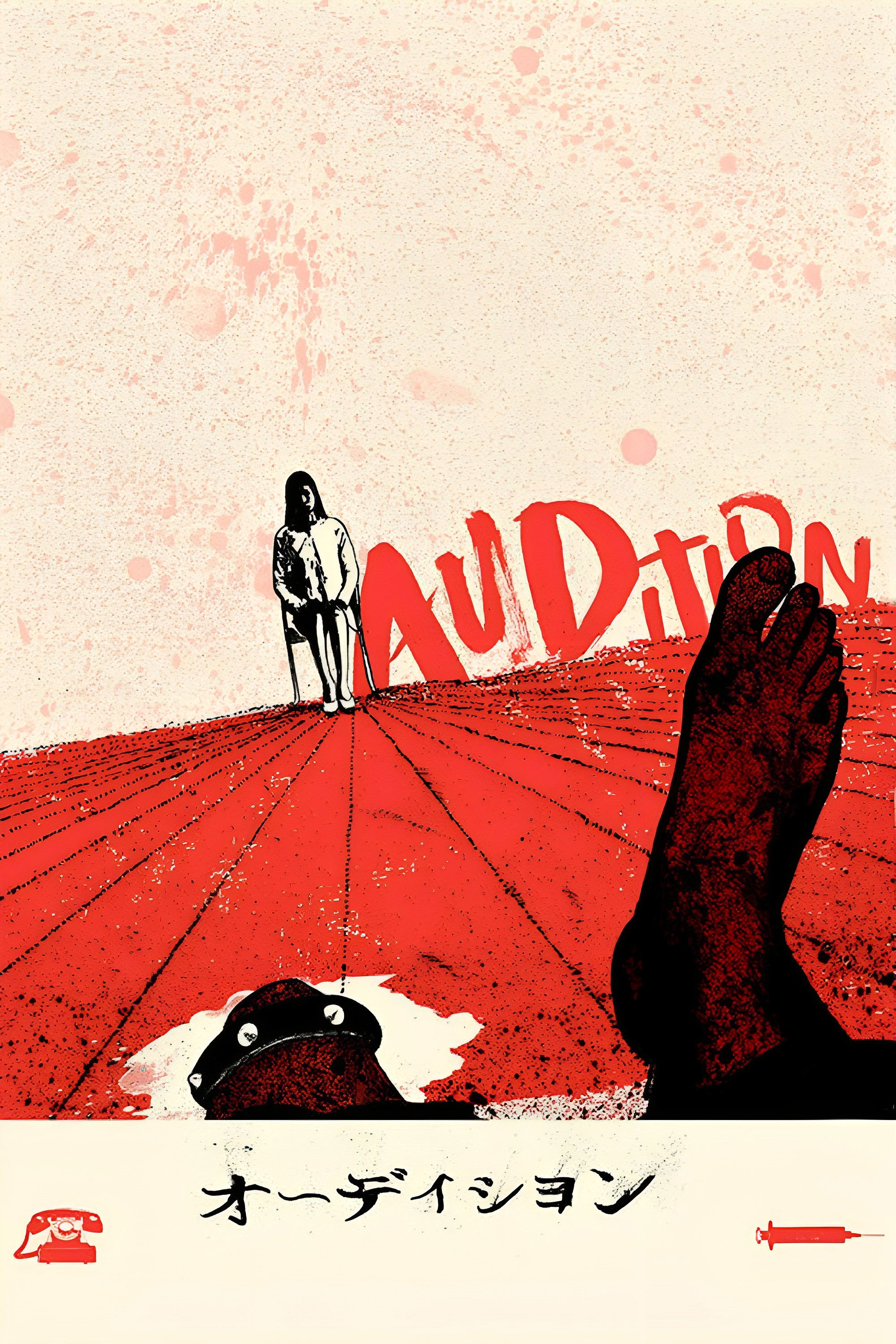
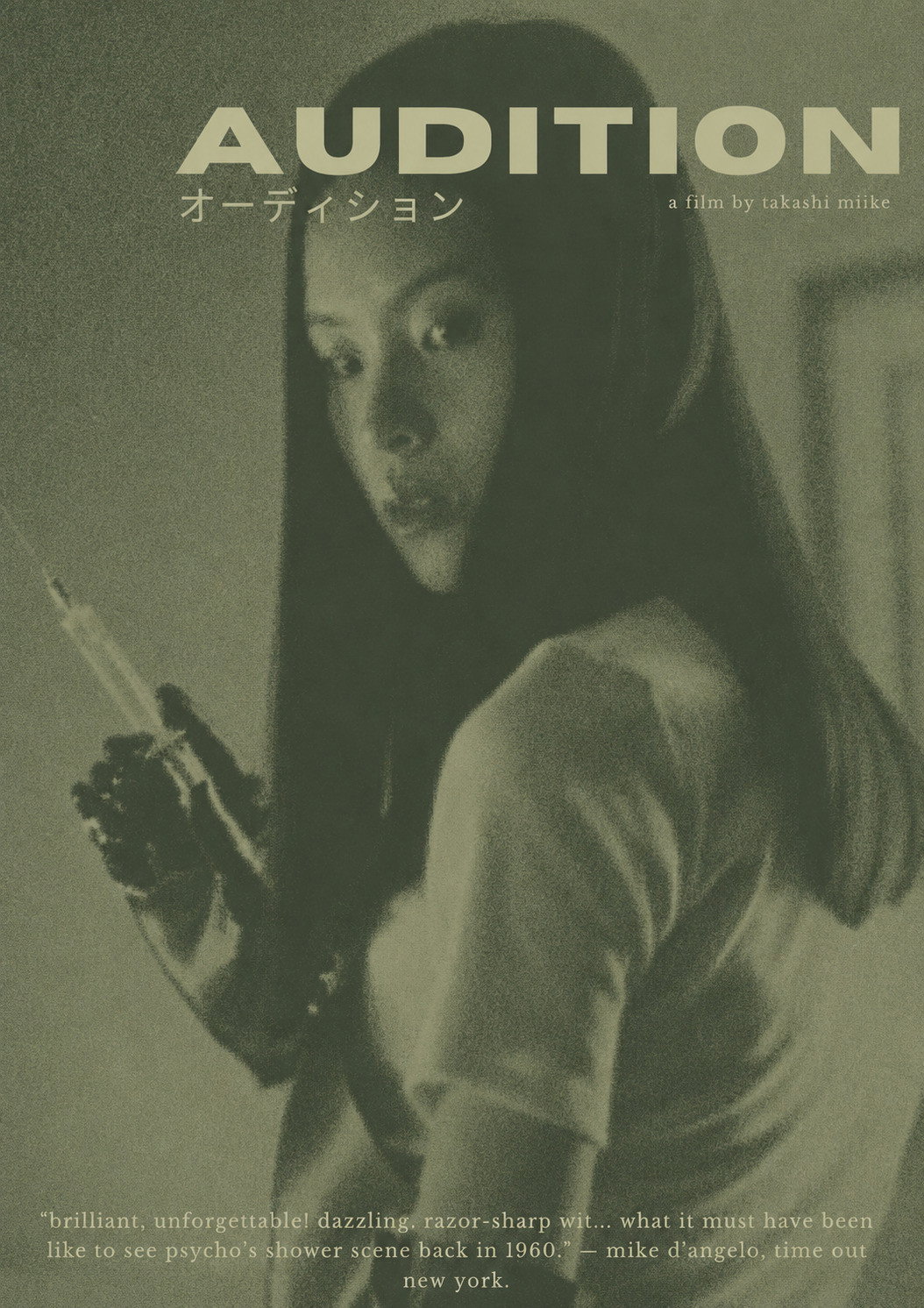
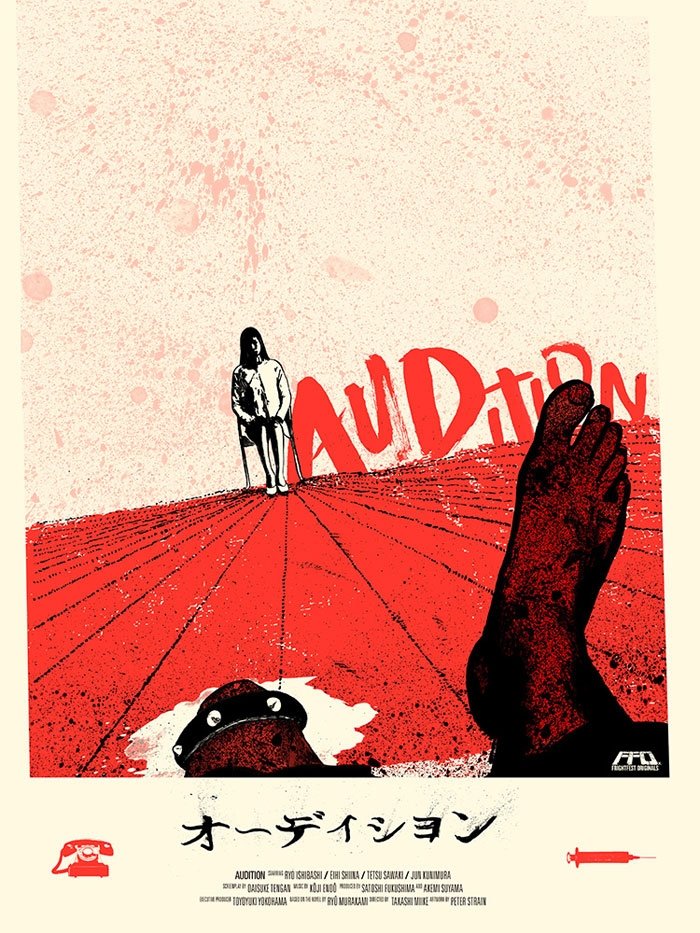
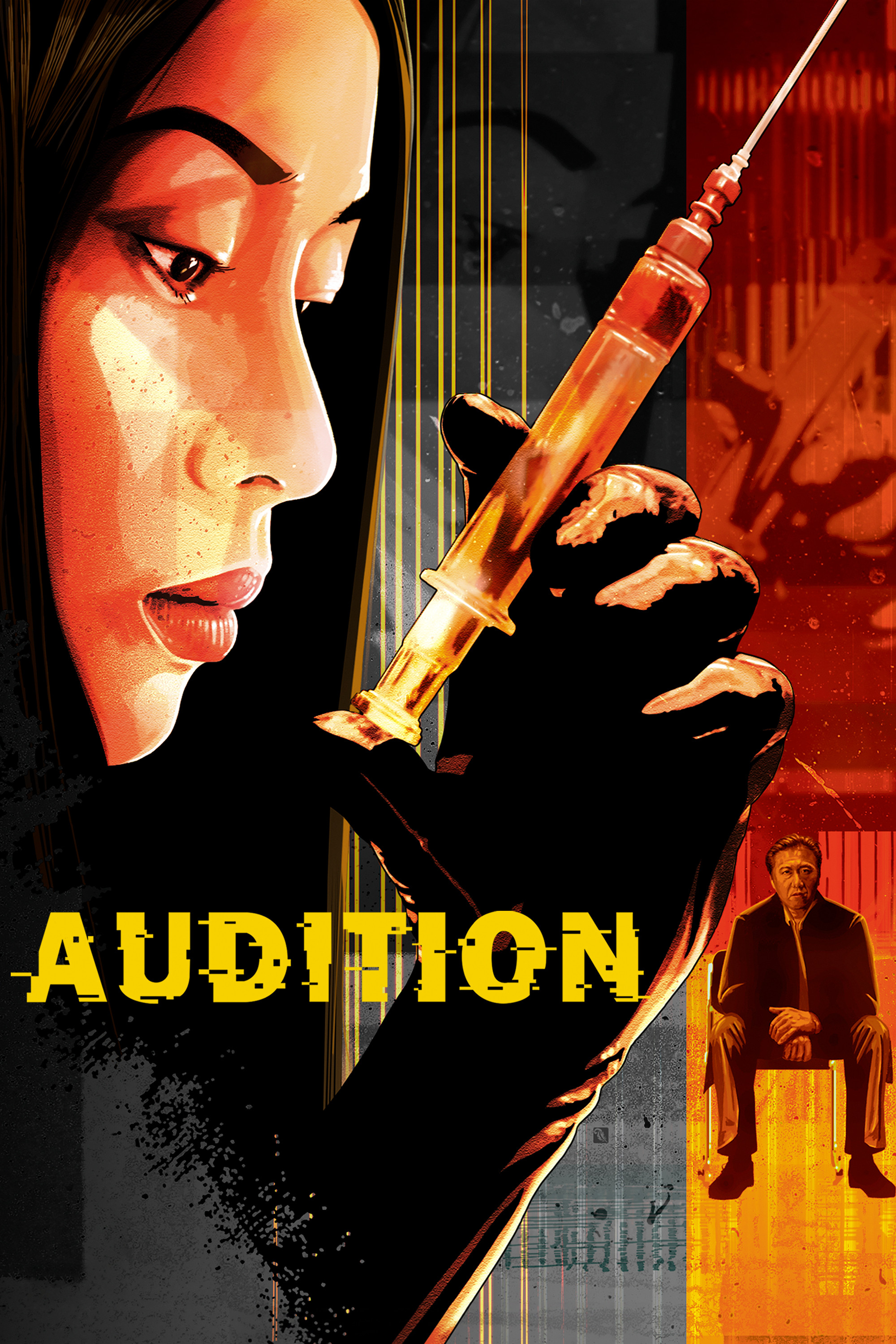
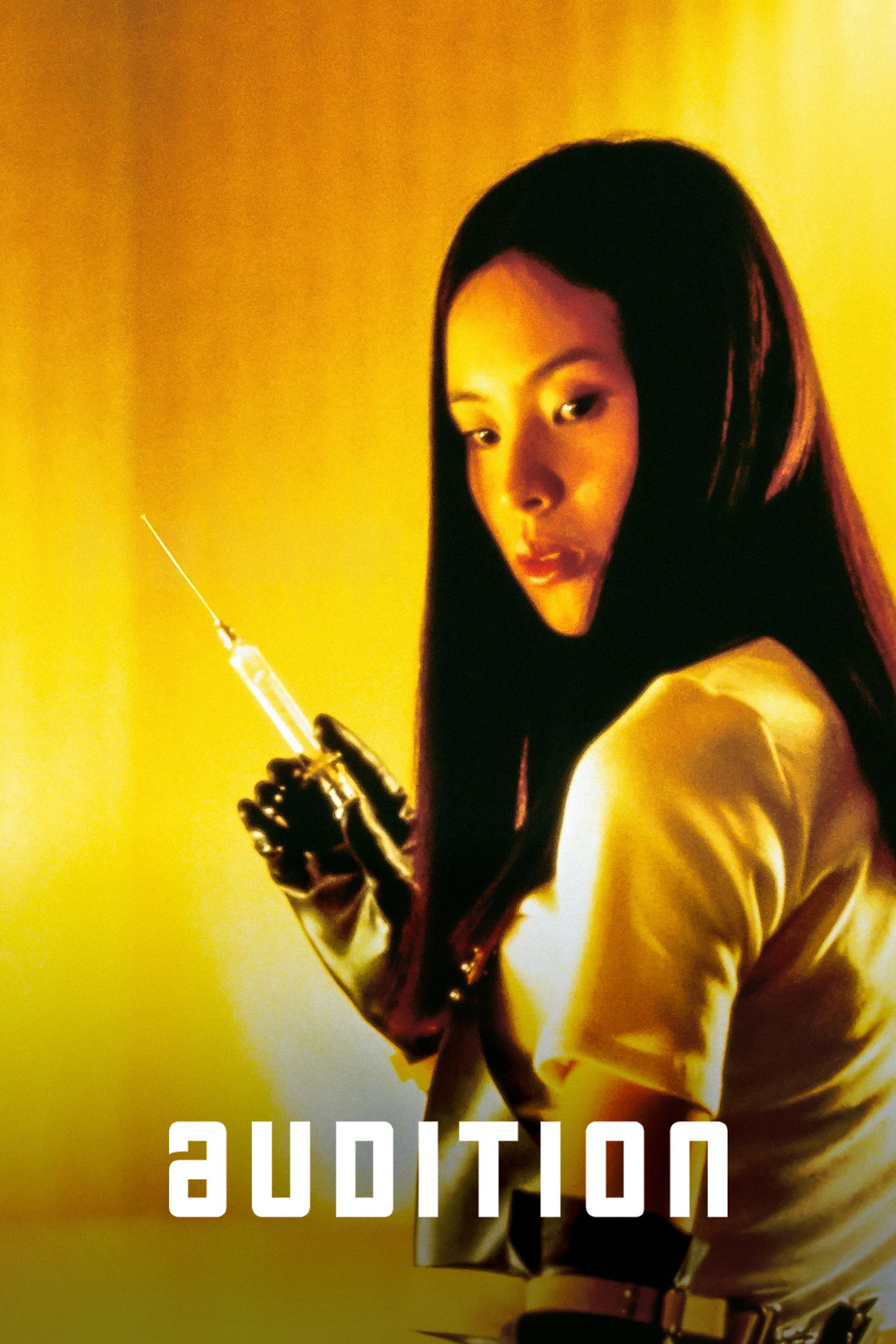
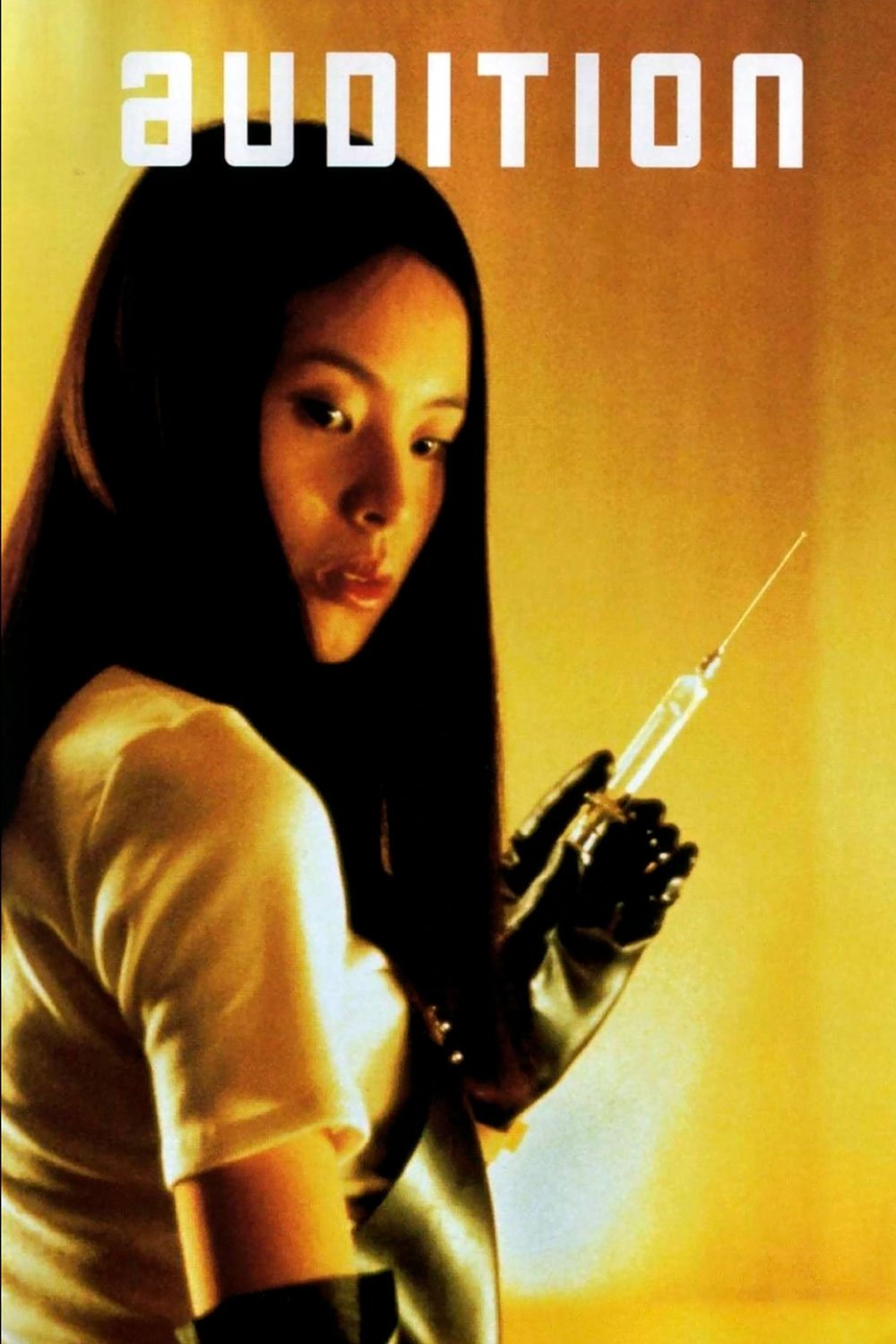
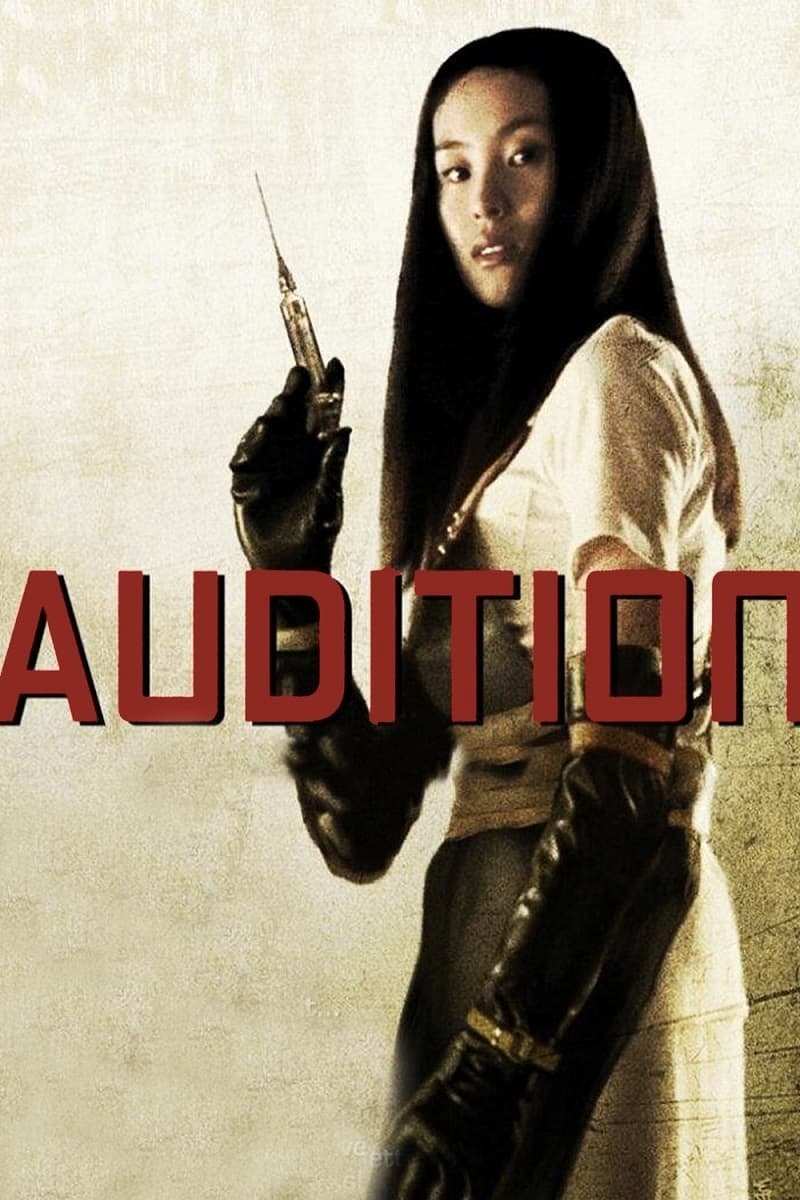
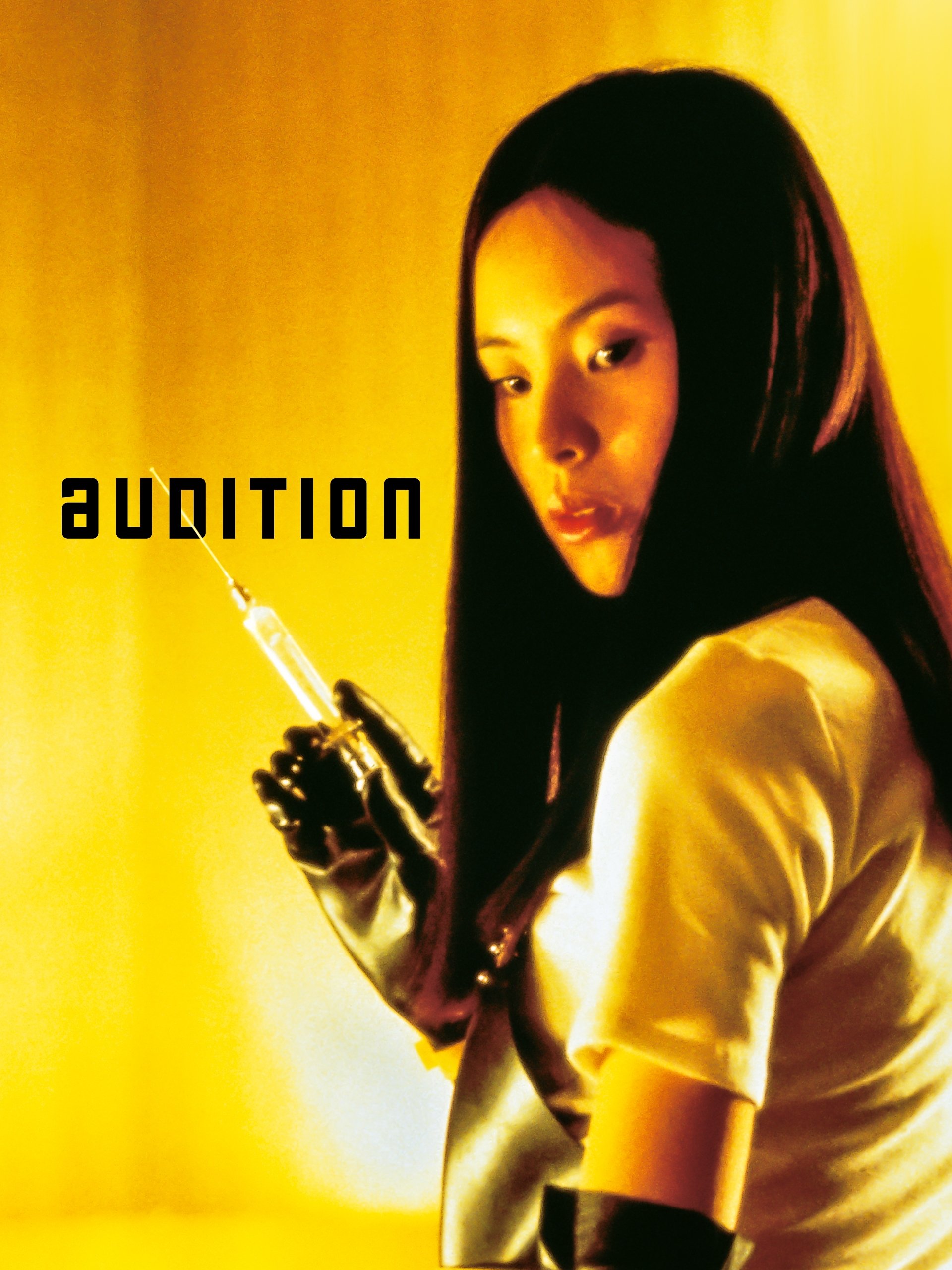
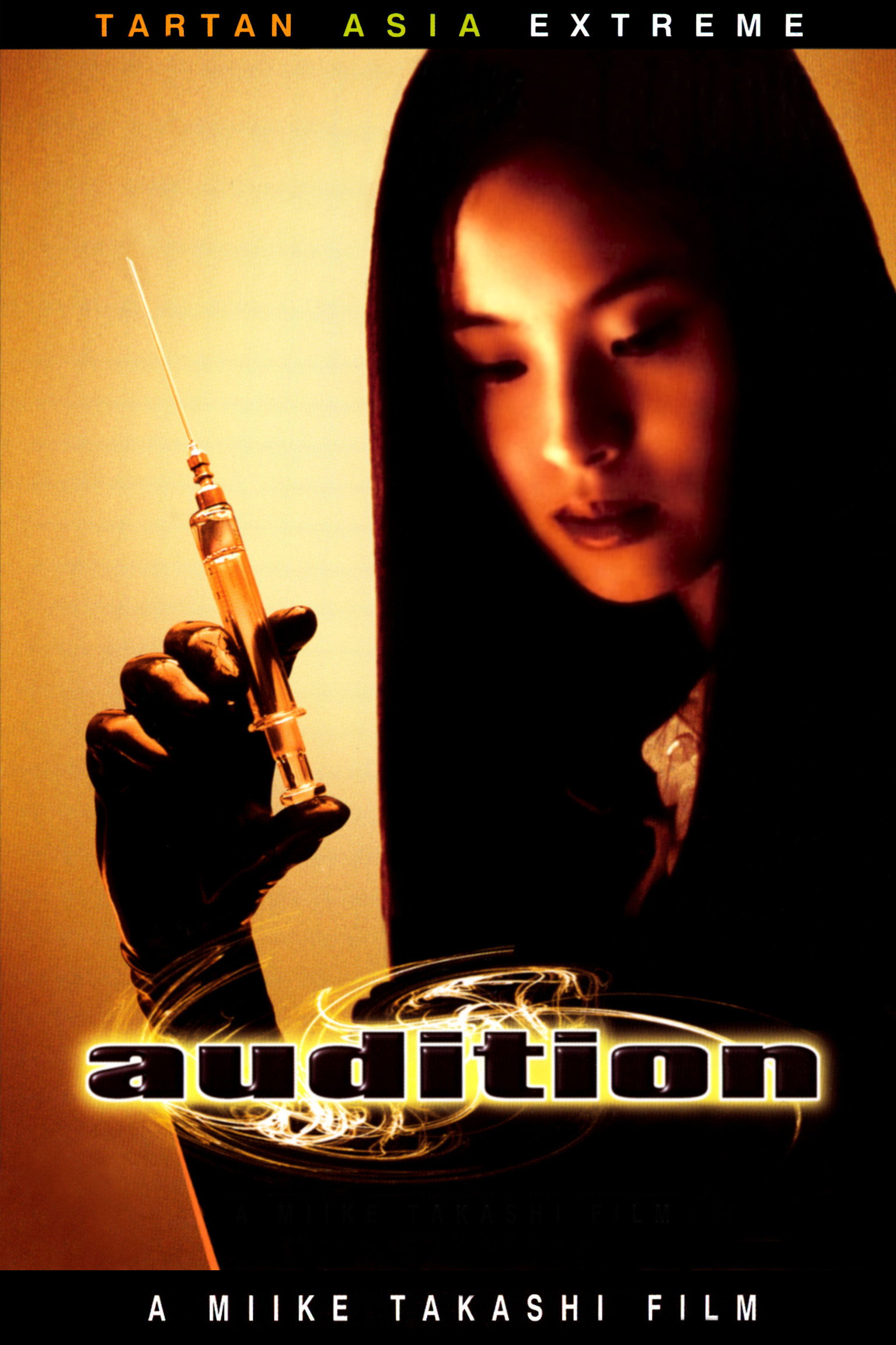
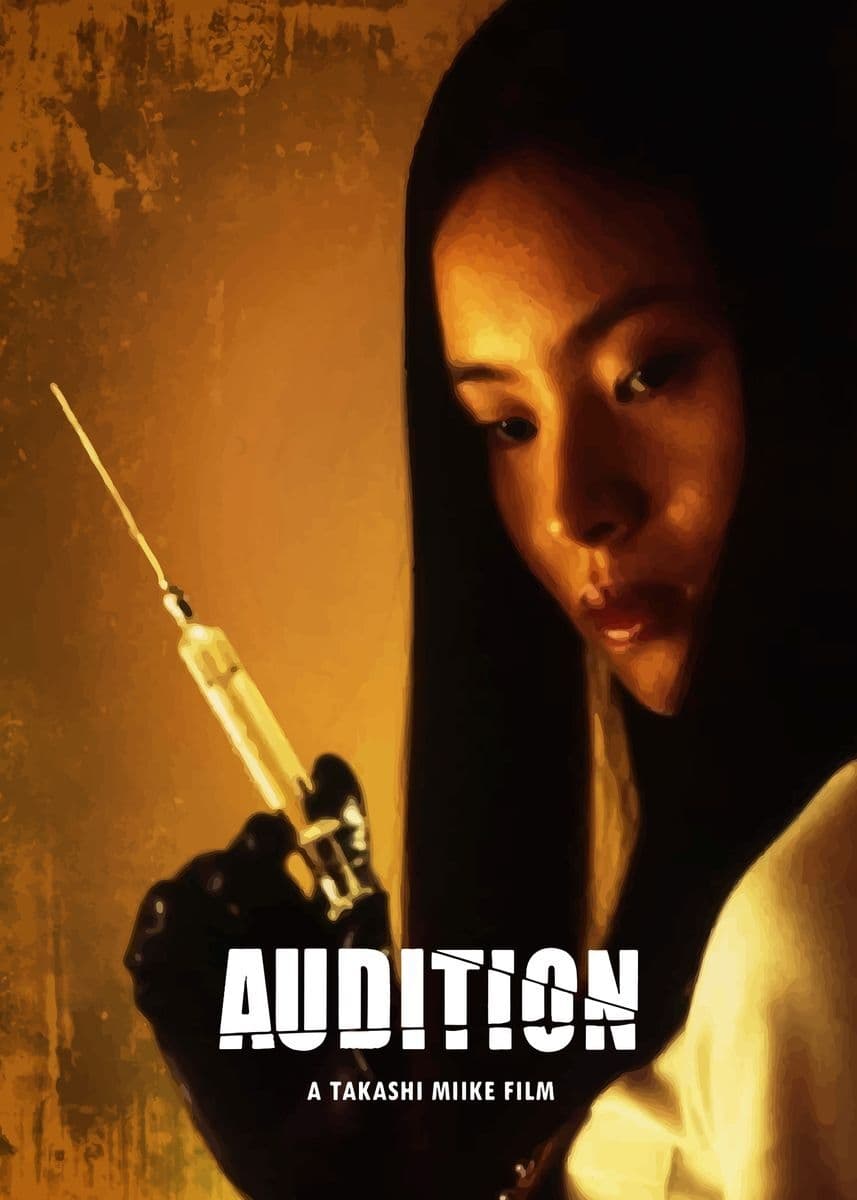
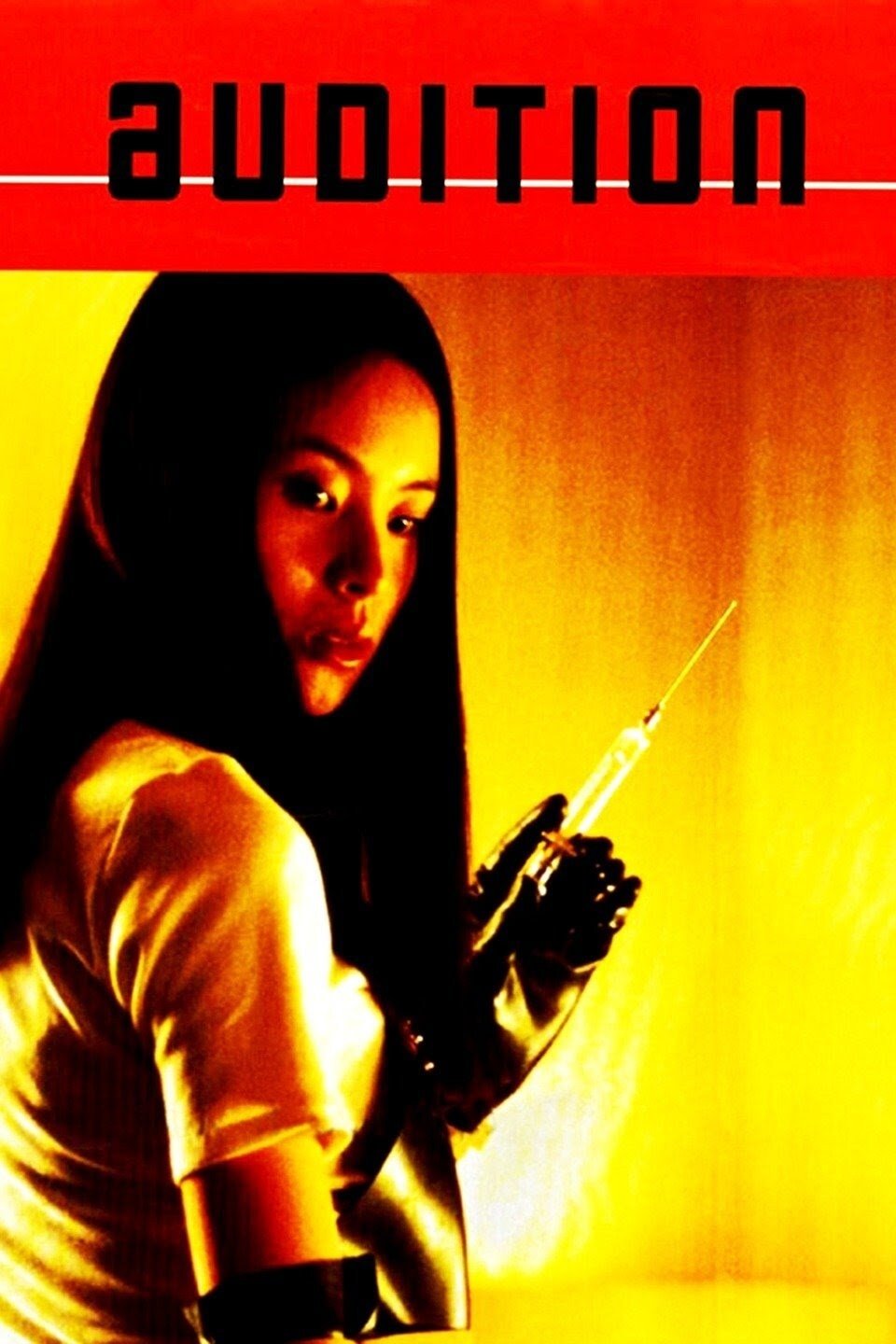
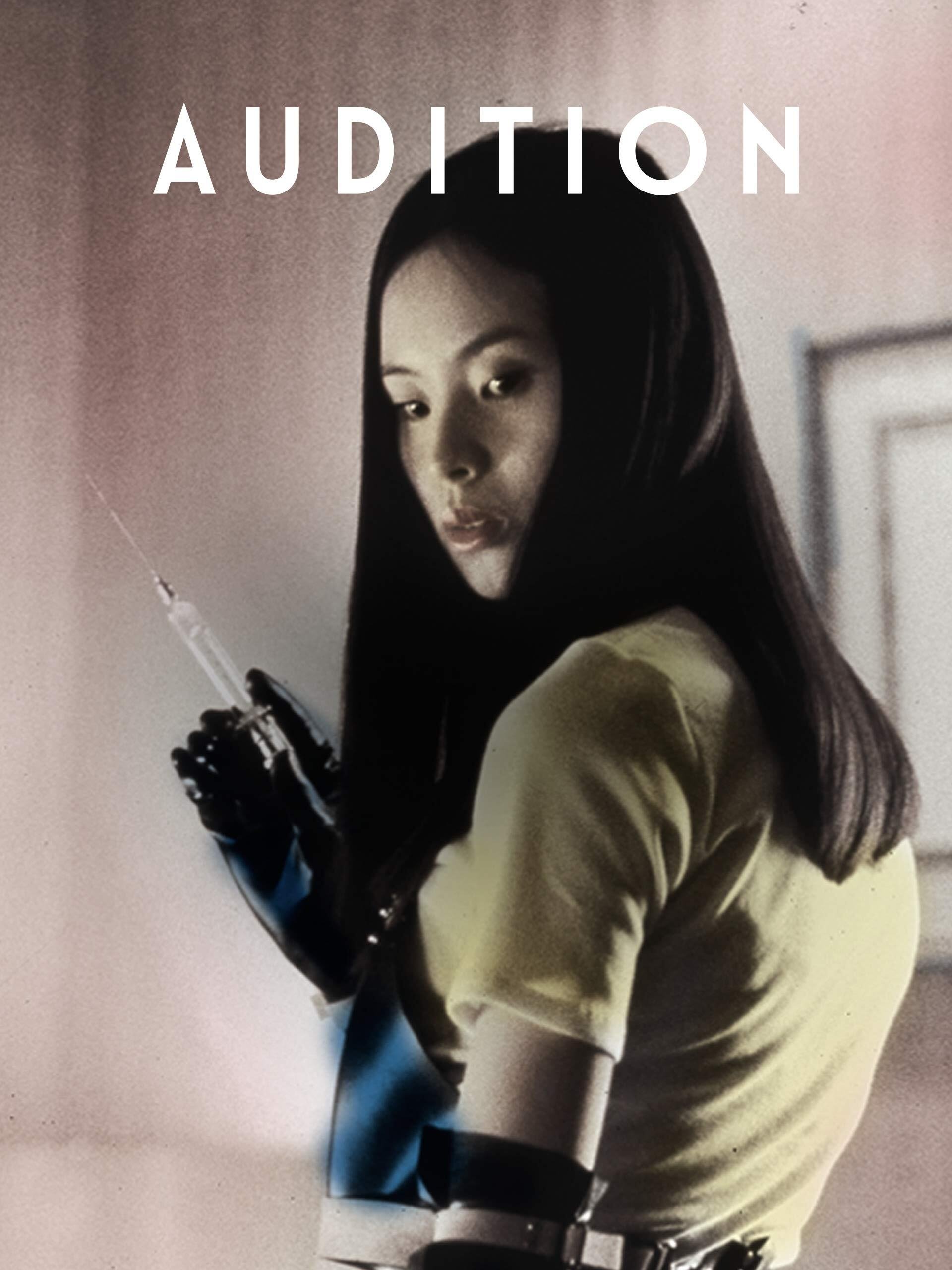
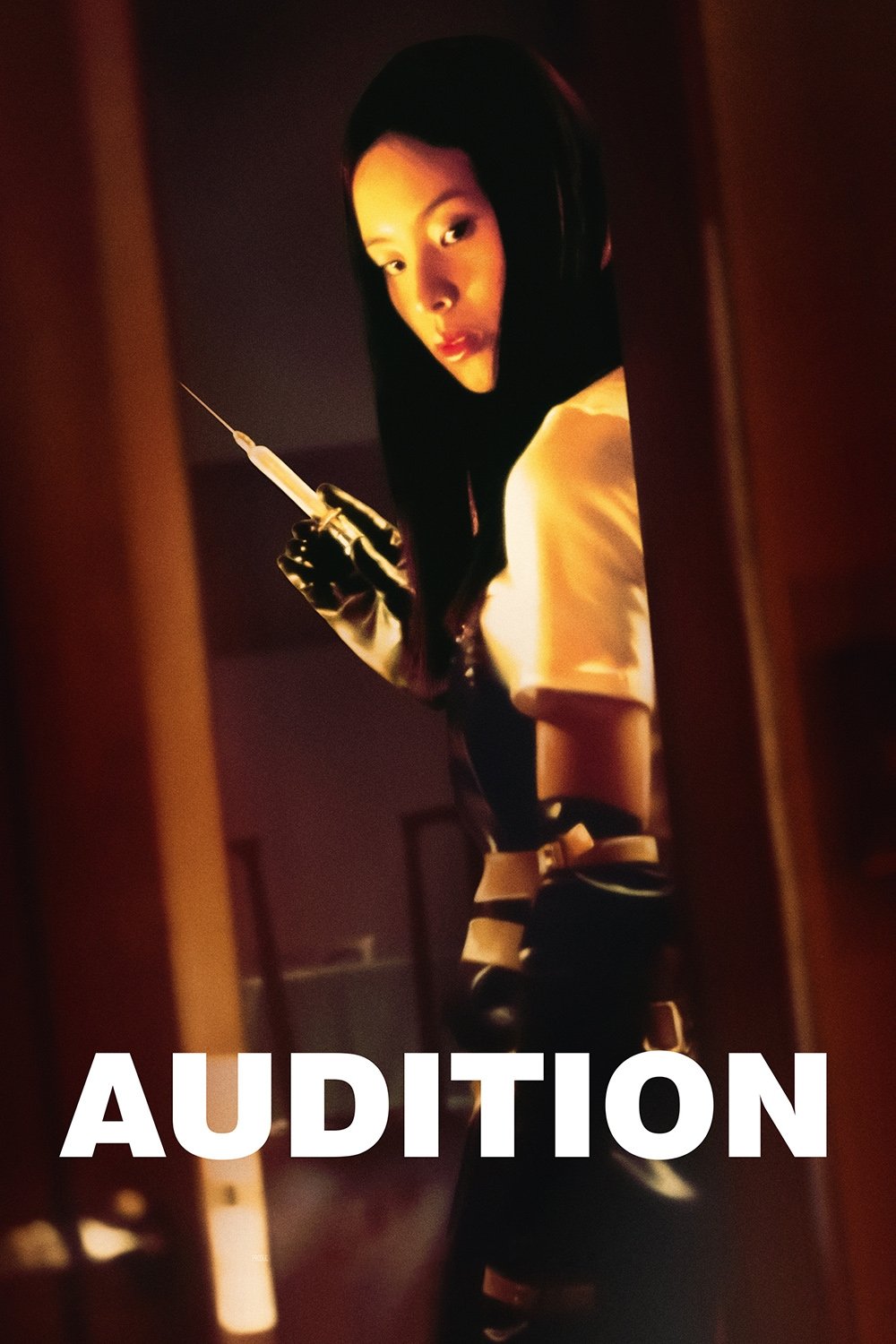
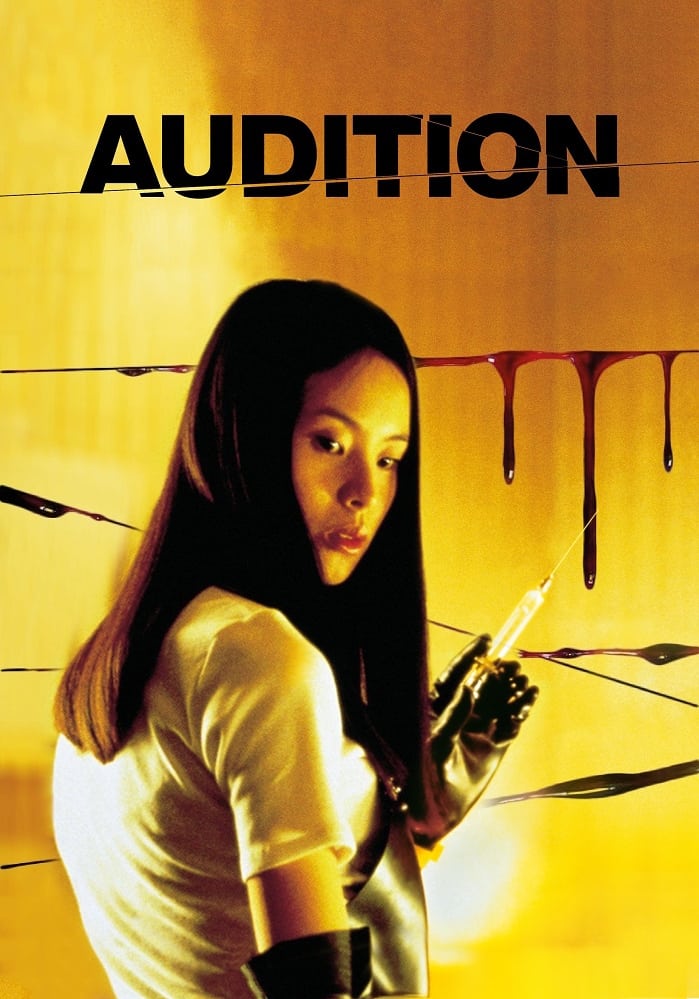
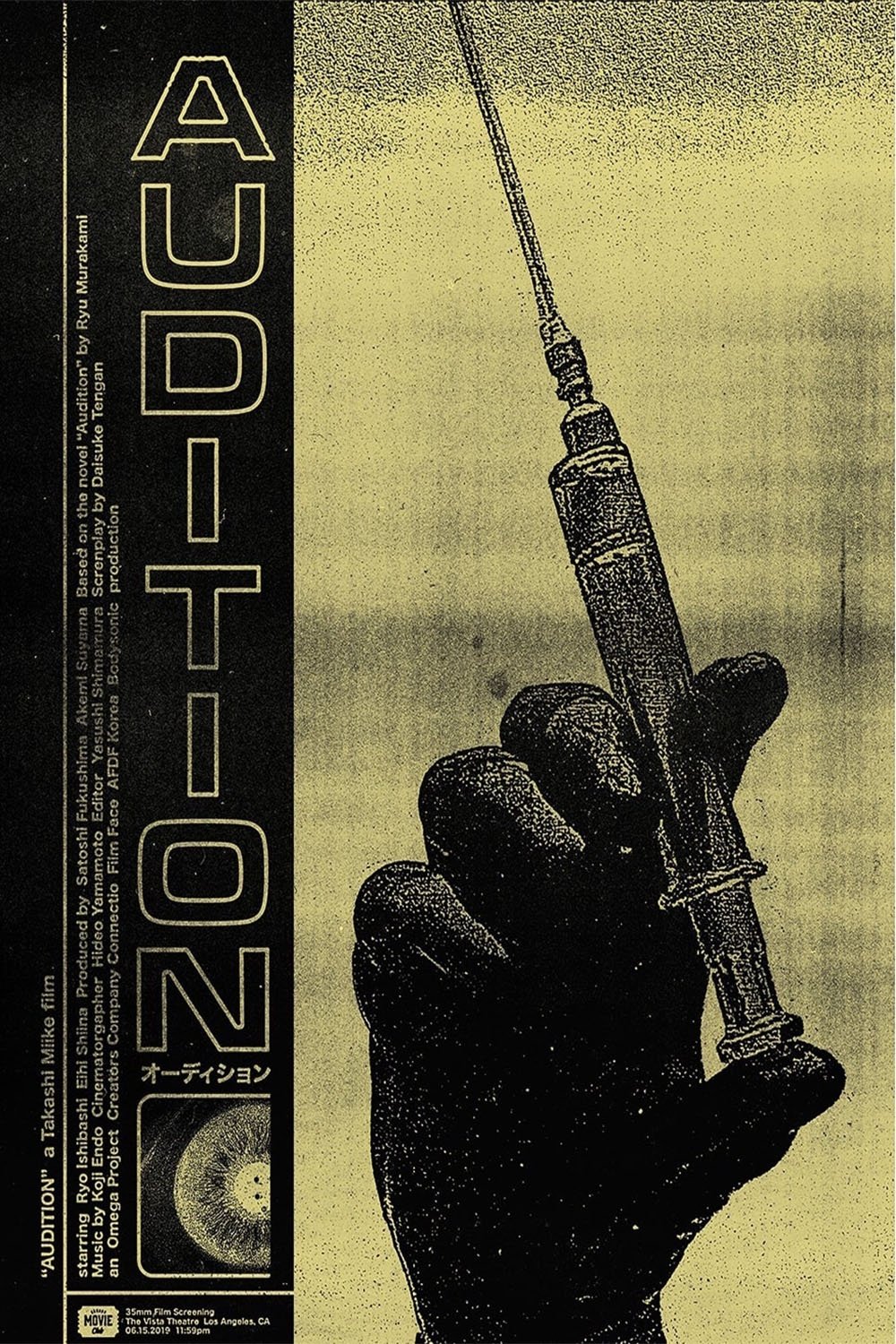
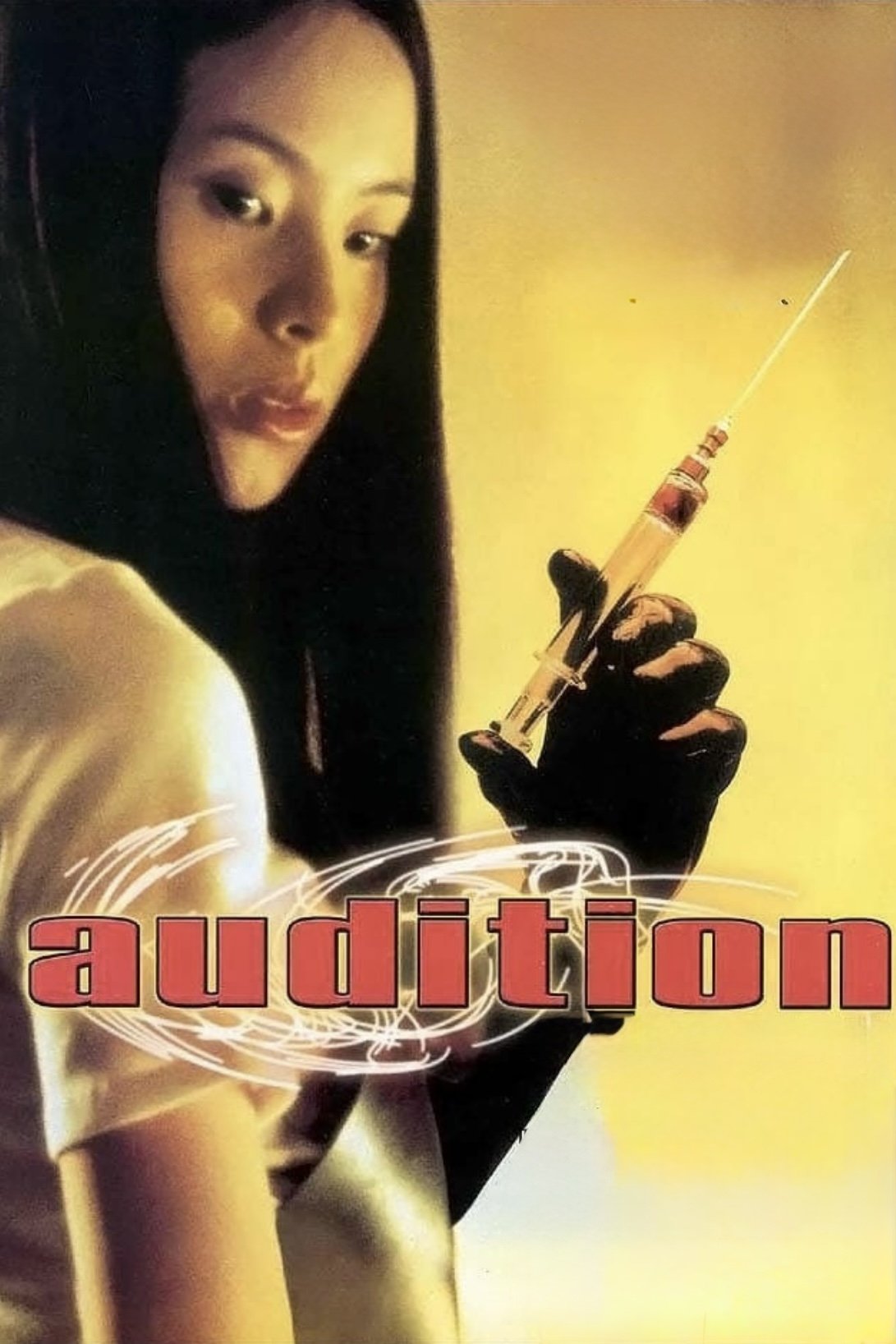
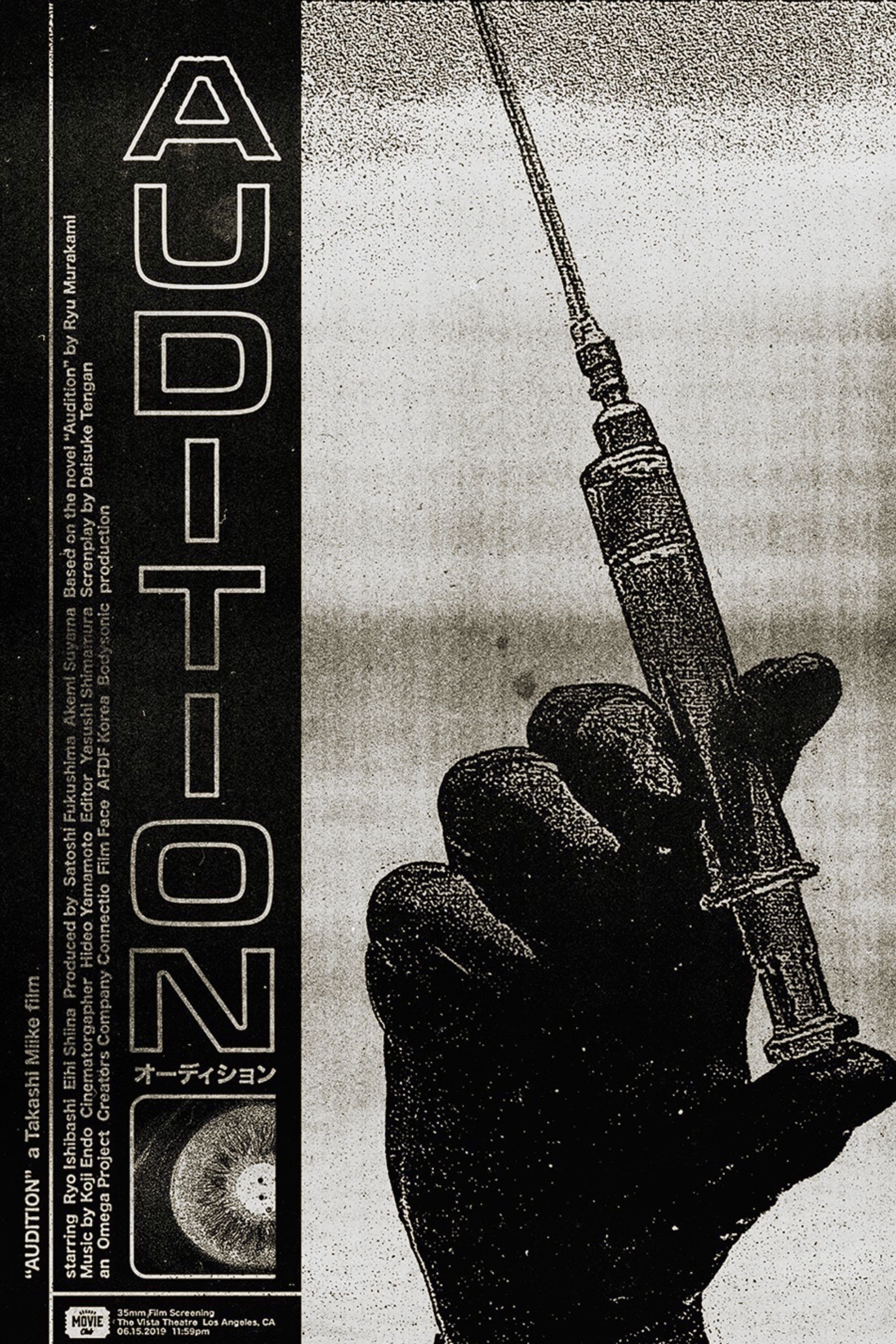
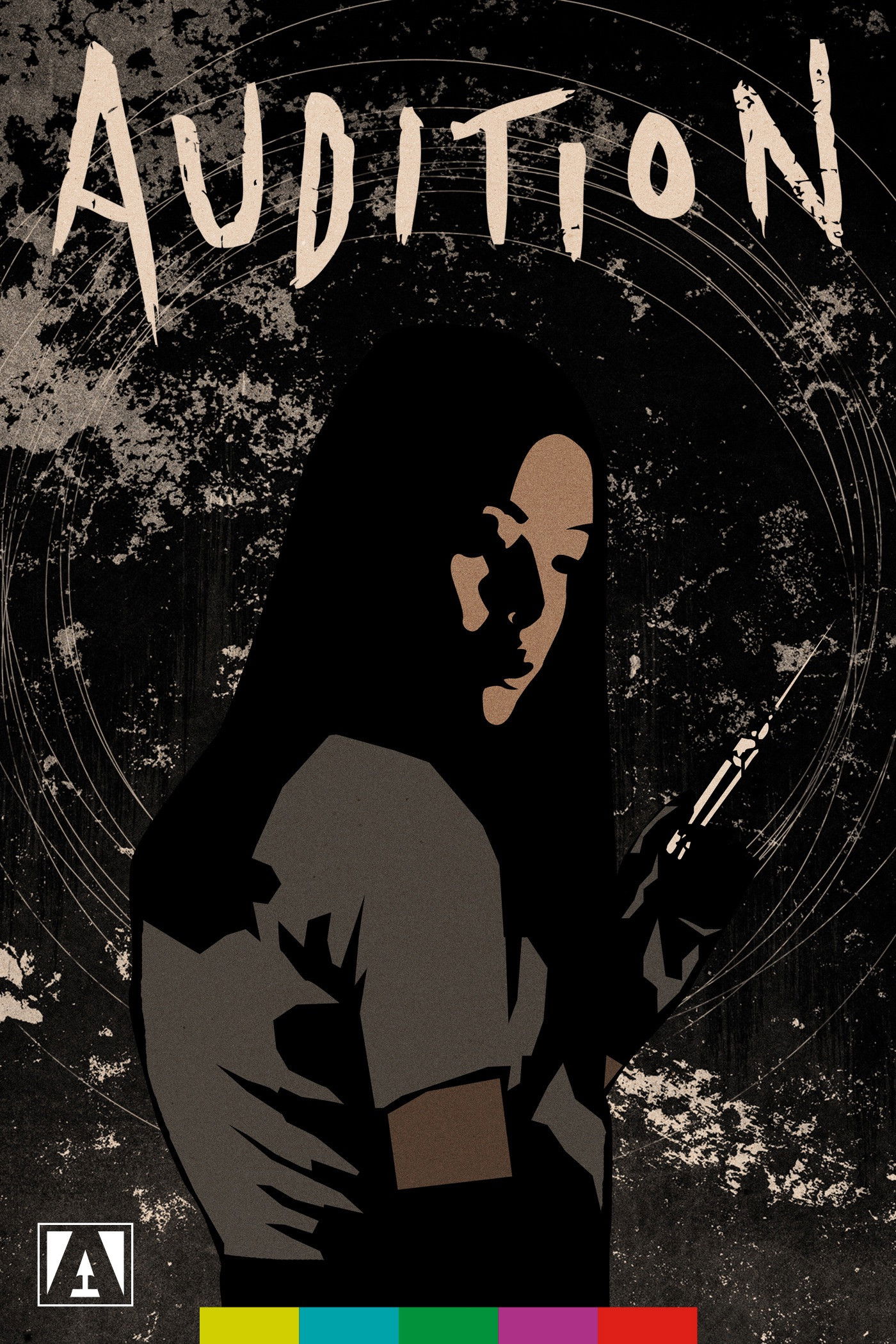
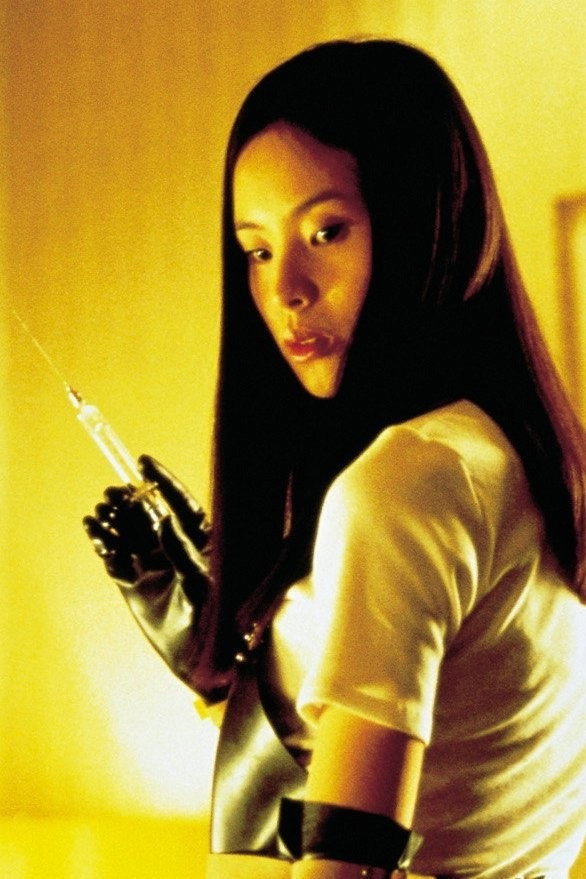
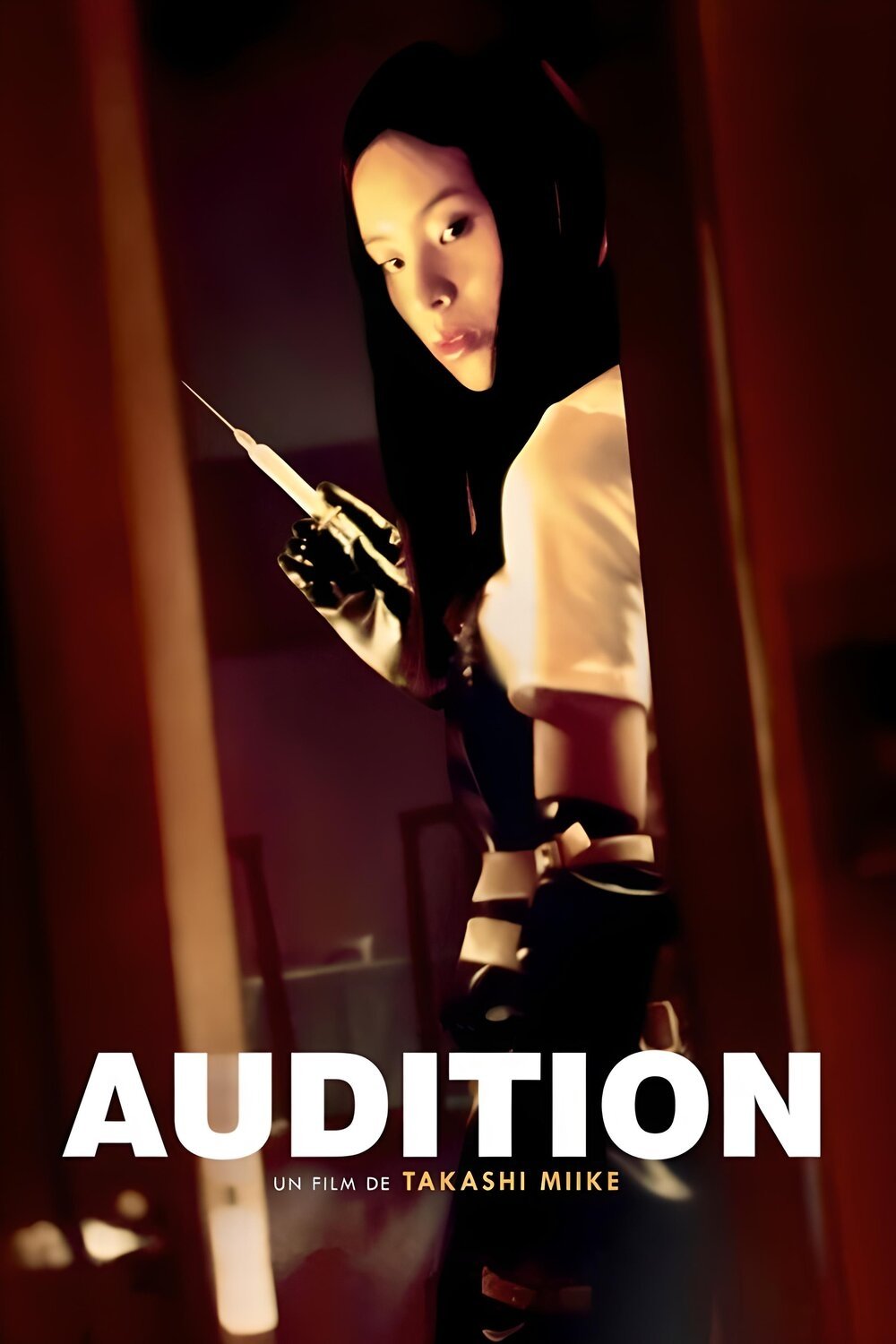
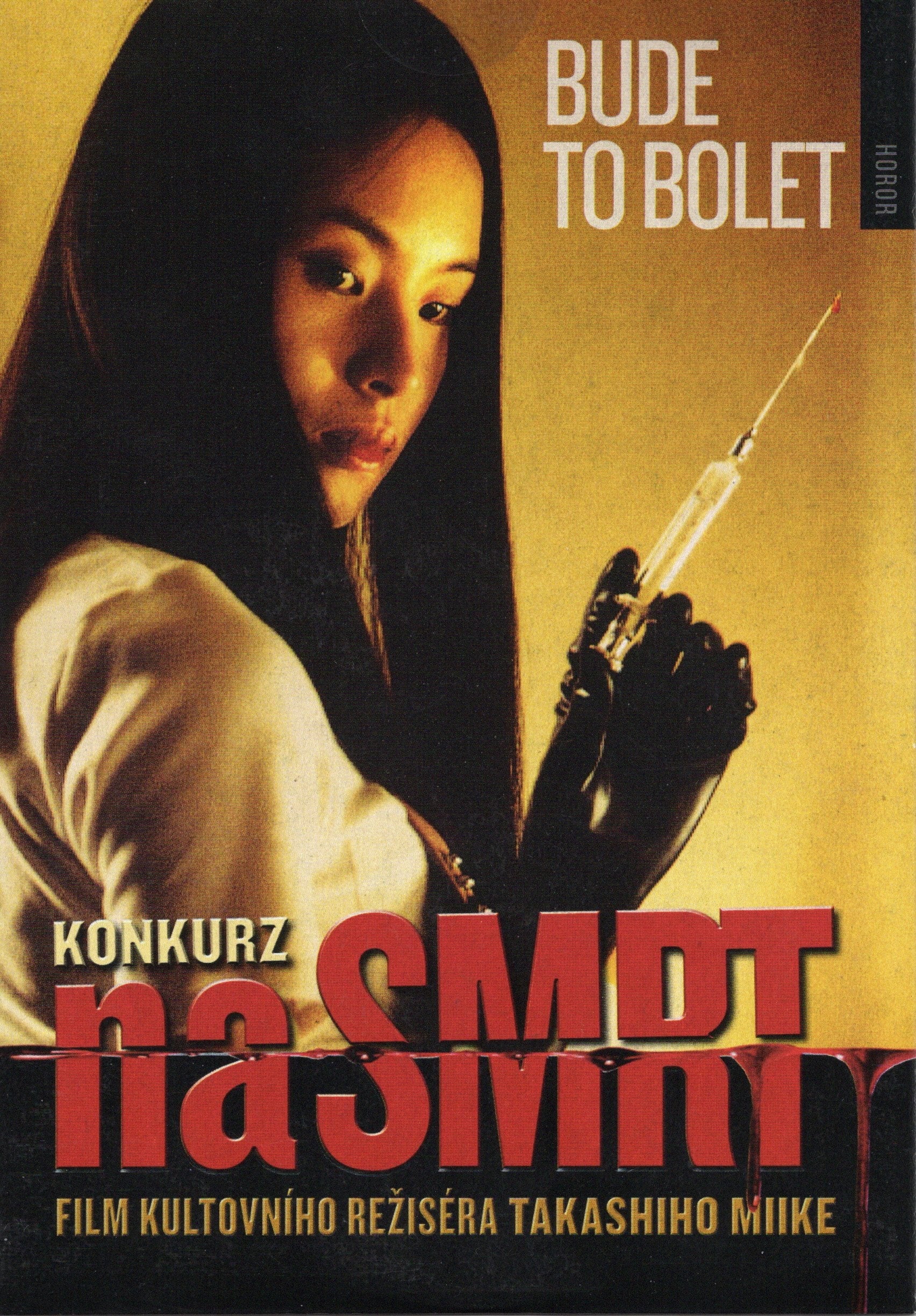
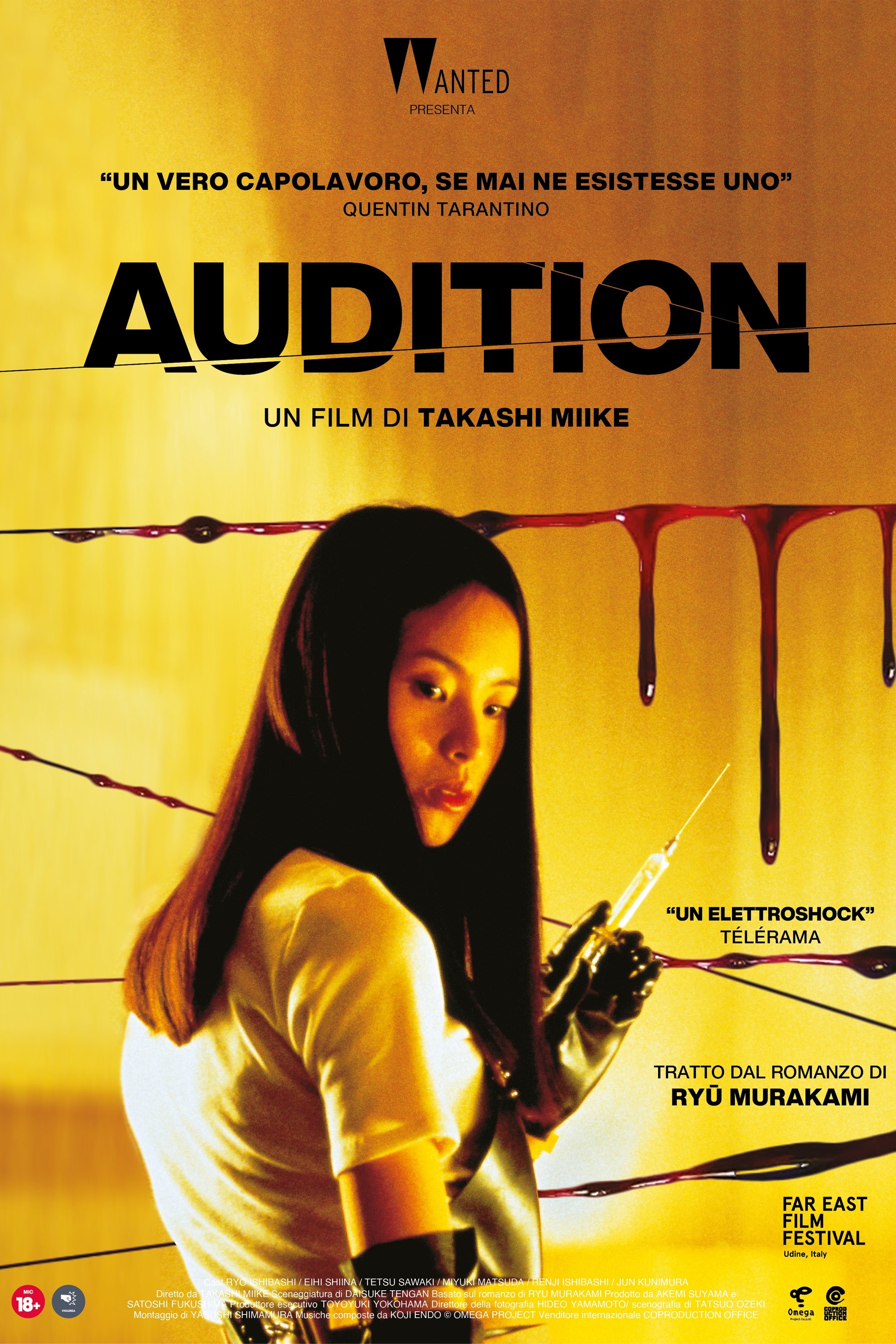
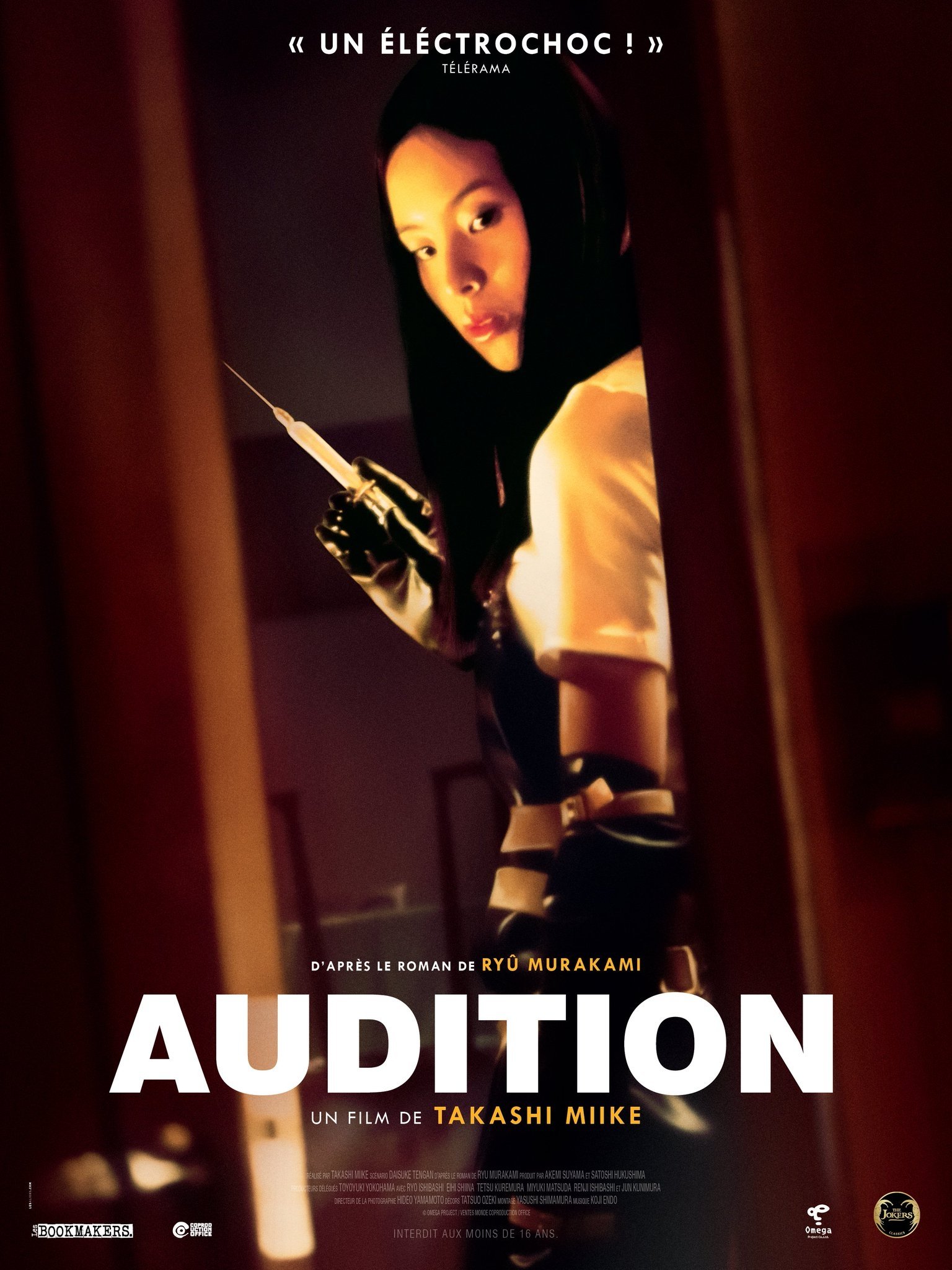
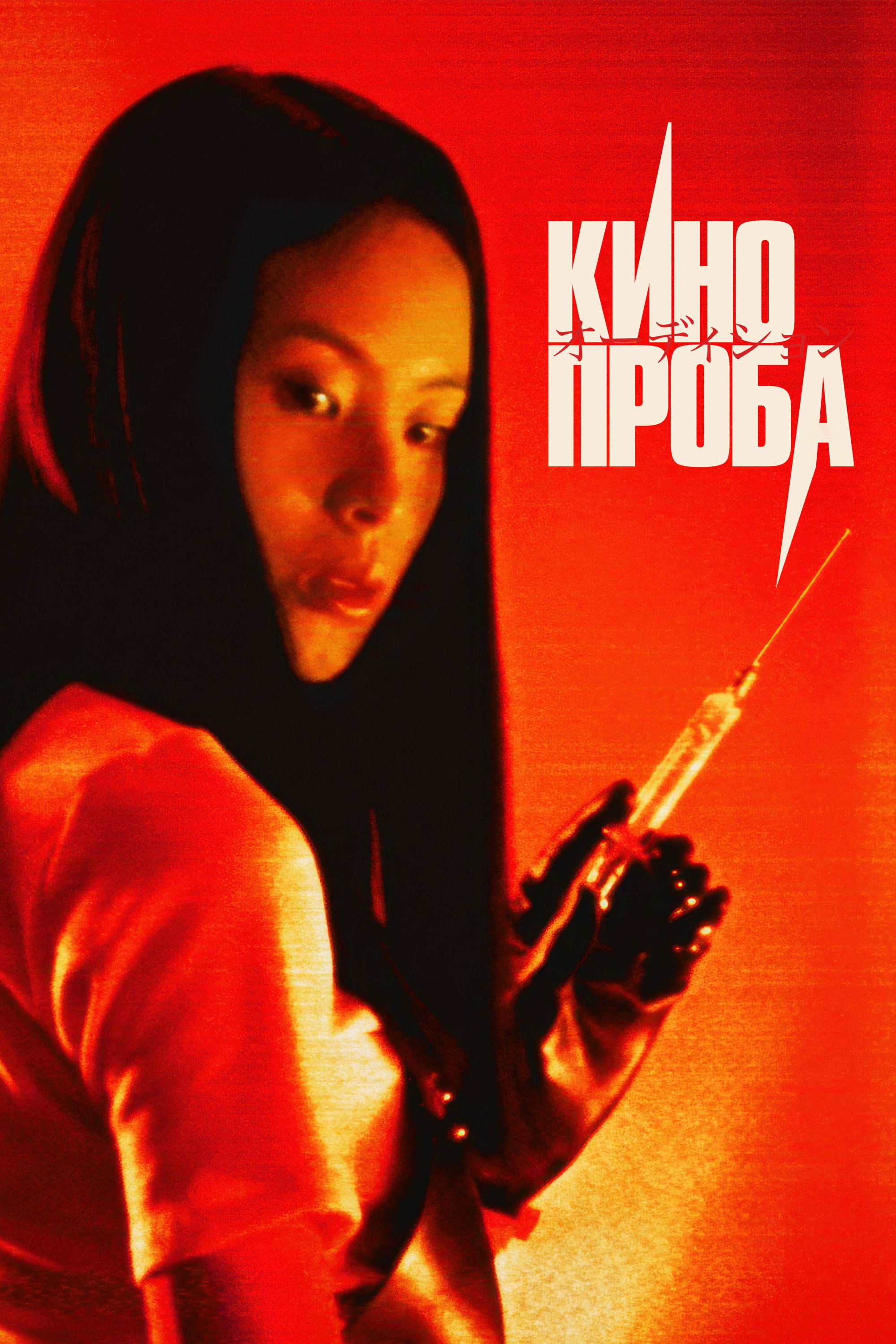
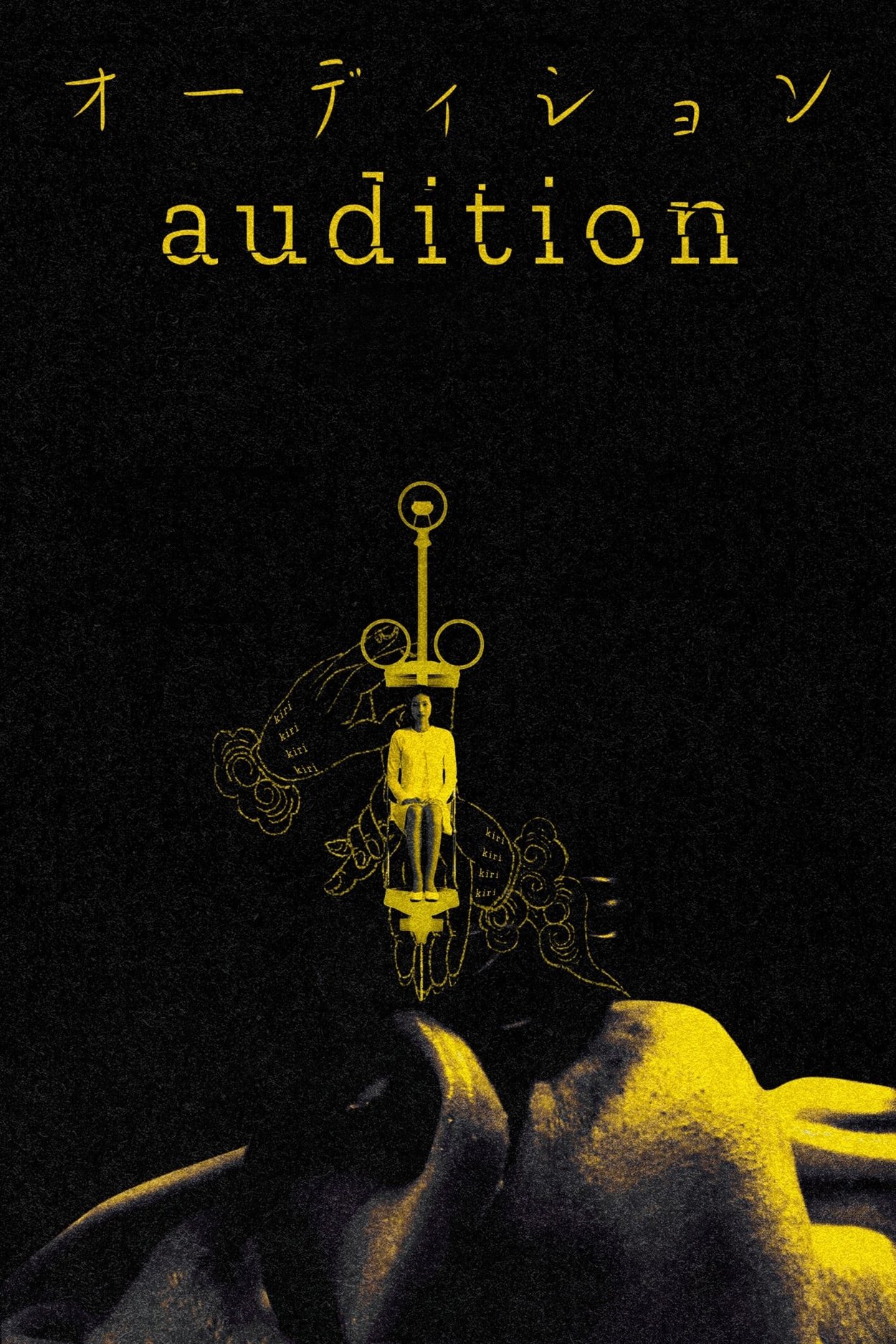
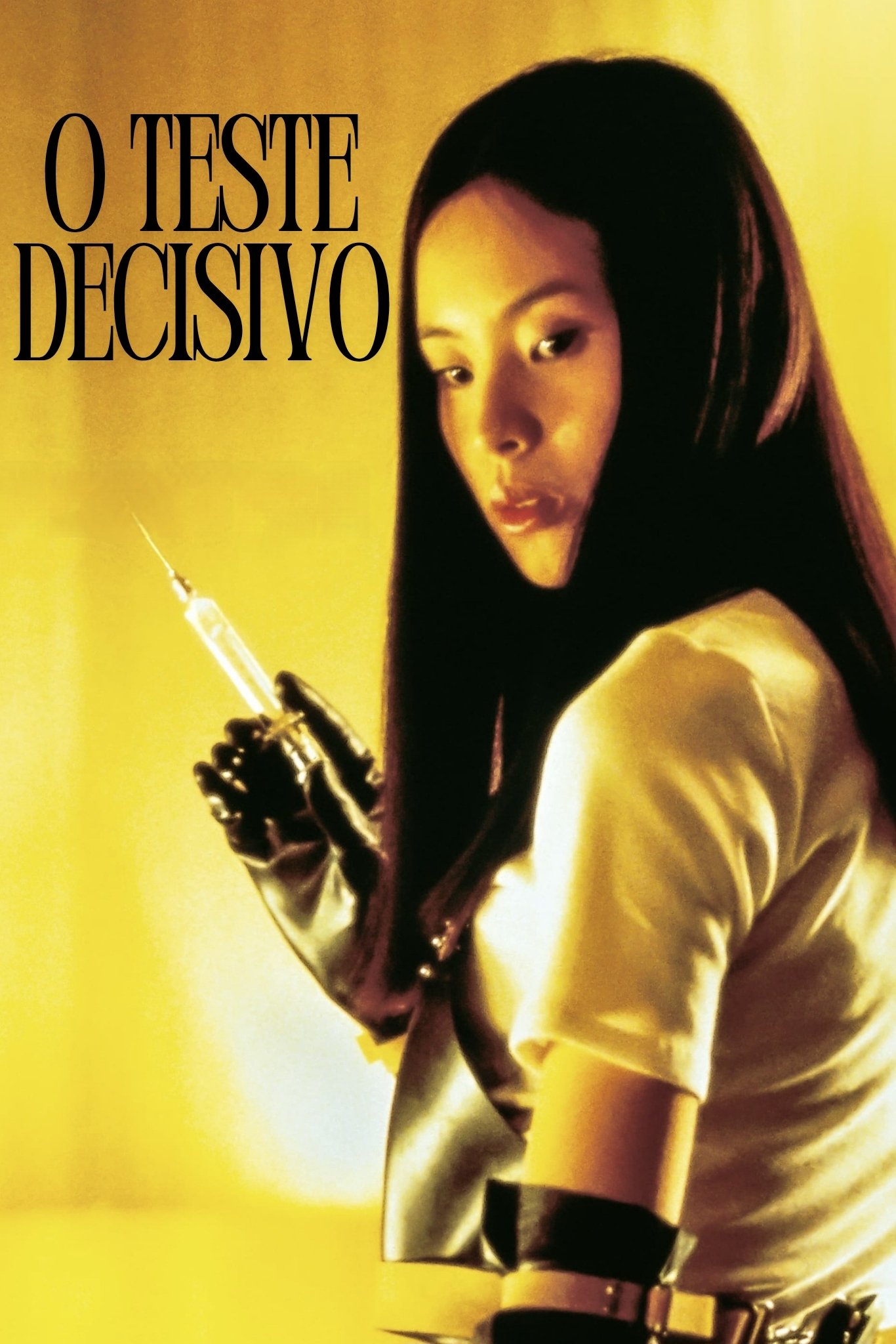
Audition becomes explicitly violent in its final movement, when Aoyama is drugged and rendered unable to resist. The sequence uses sharp implements, wounds and a wire saw to translate threats that had been largely psychological into sustained bodily suffering. The British Board of Film Classification identifies torture involving needles, injuries to the eyes and the severing of limbs among its principal content concerns. This documentation supports an account of the material shown, but does not establish the exact techniques used to create every effect. The film’s credits list Yūichi Matsui for special-effects fabrication.
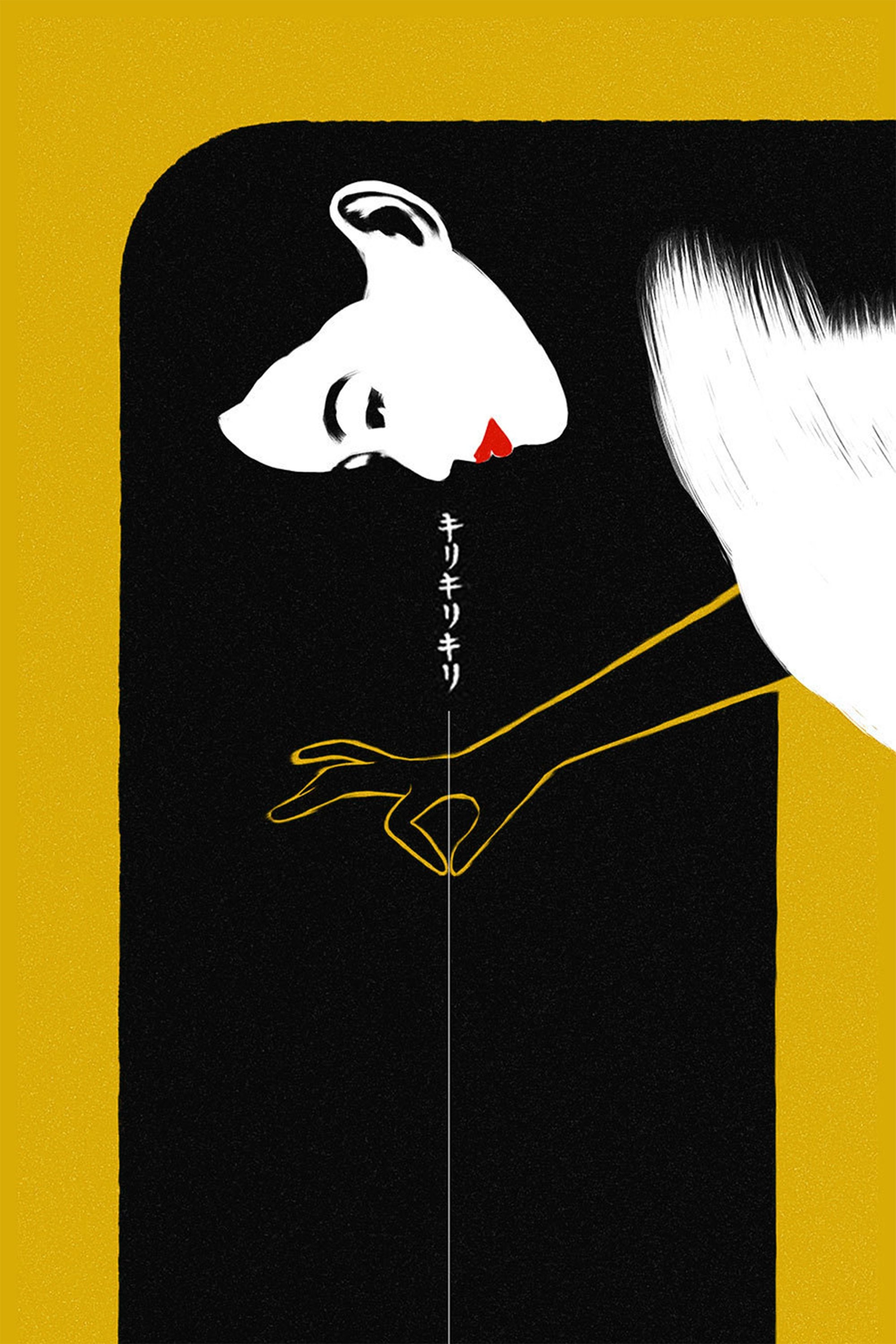
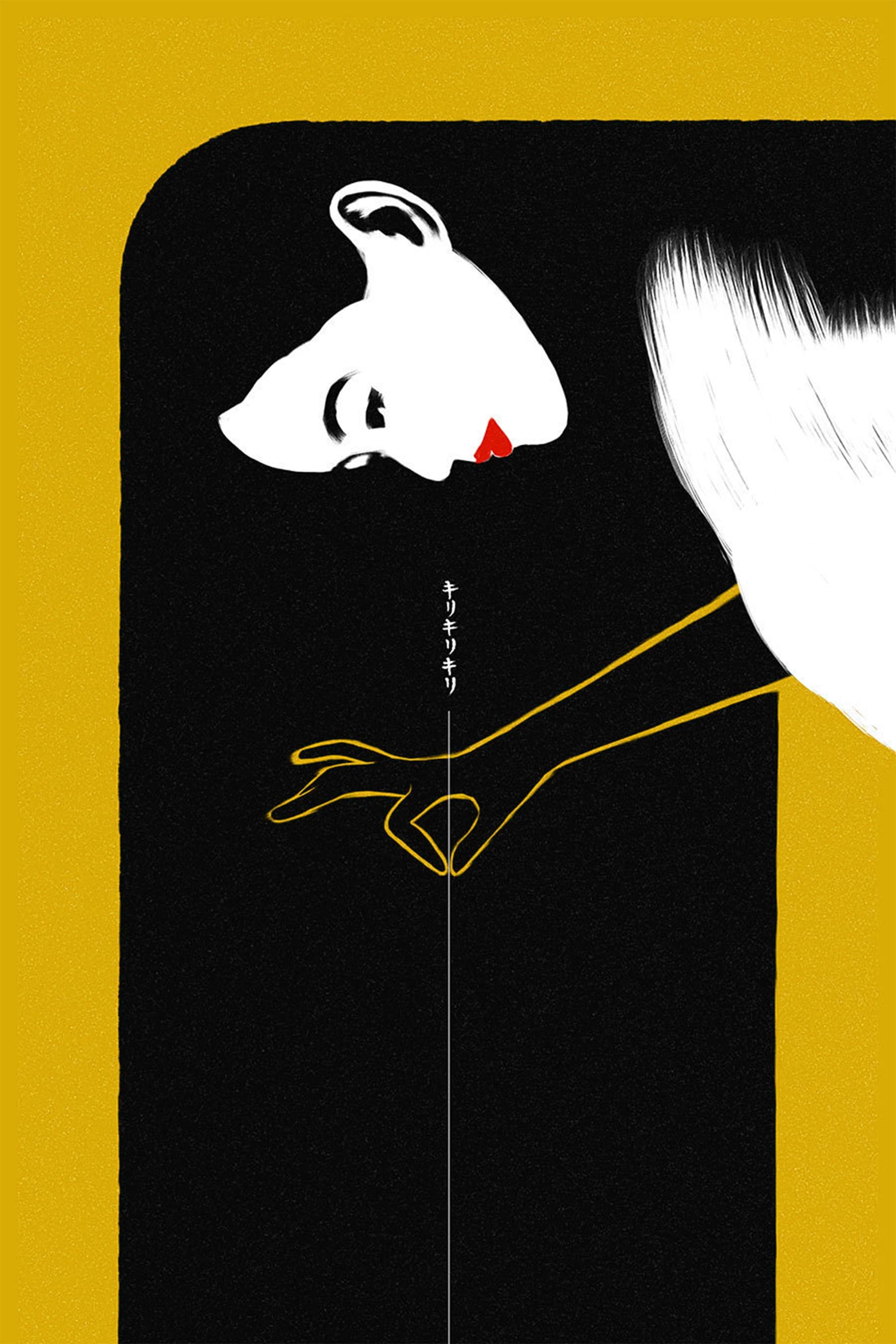
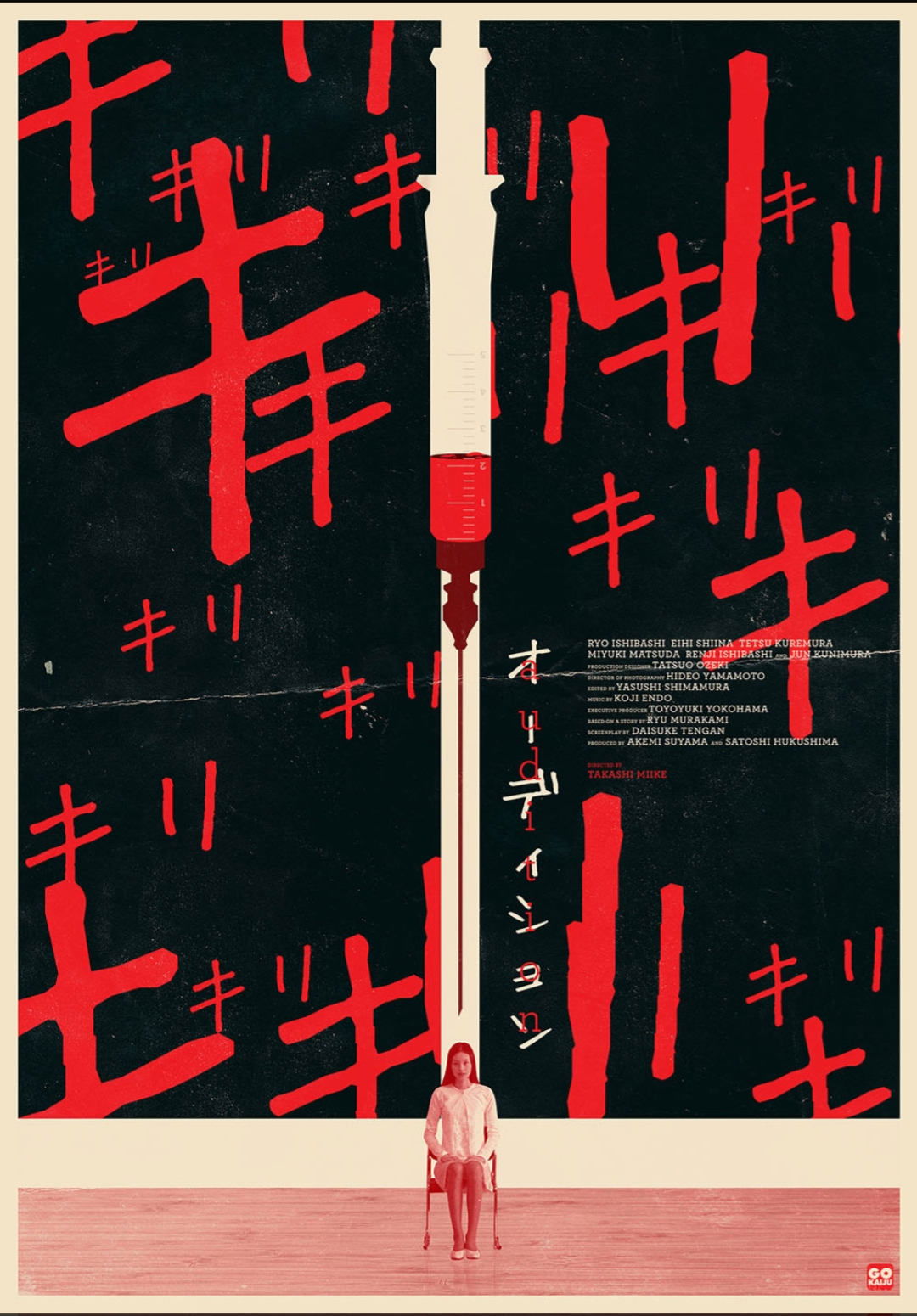
The use of time is as important as the makeup and props. Rather than resolving the confrontation with a brief burst of violence, Miike repeatedly obliges the viewer to anticipate the next injury. Shiina and the director developed aspects of the performance during filming, including the repeated phrase usually rendered as “kiri-kiri-kiri”. Miike stated in the BFI interview that he had originally imagined ending the film as the torture was about to begin, before being persuaded to complete the sequence. His account offers a specific production decision behind the unusually prolonged final ordeal.
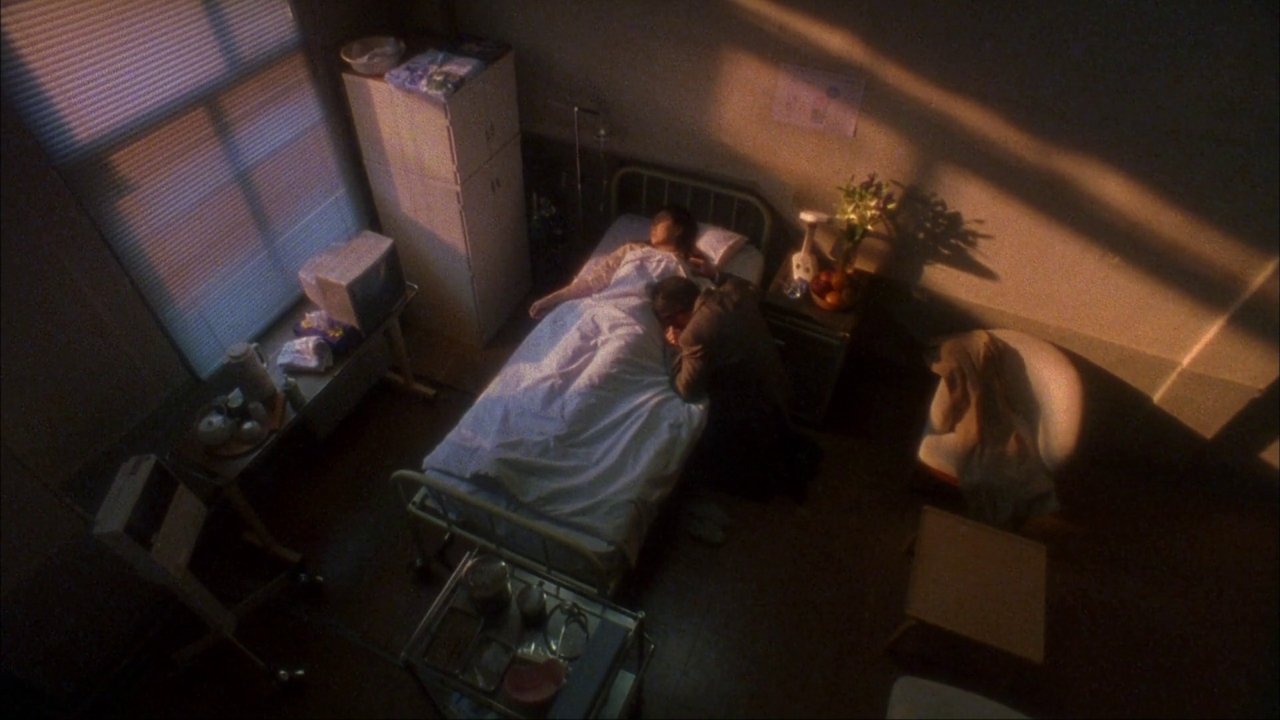
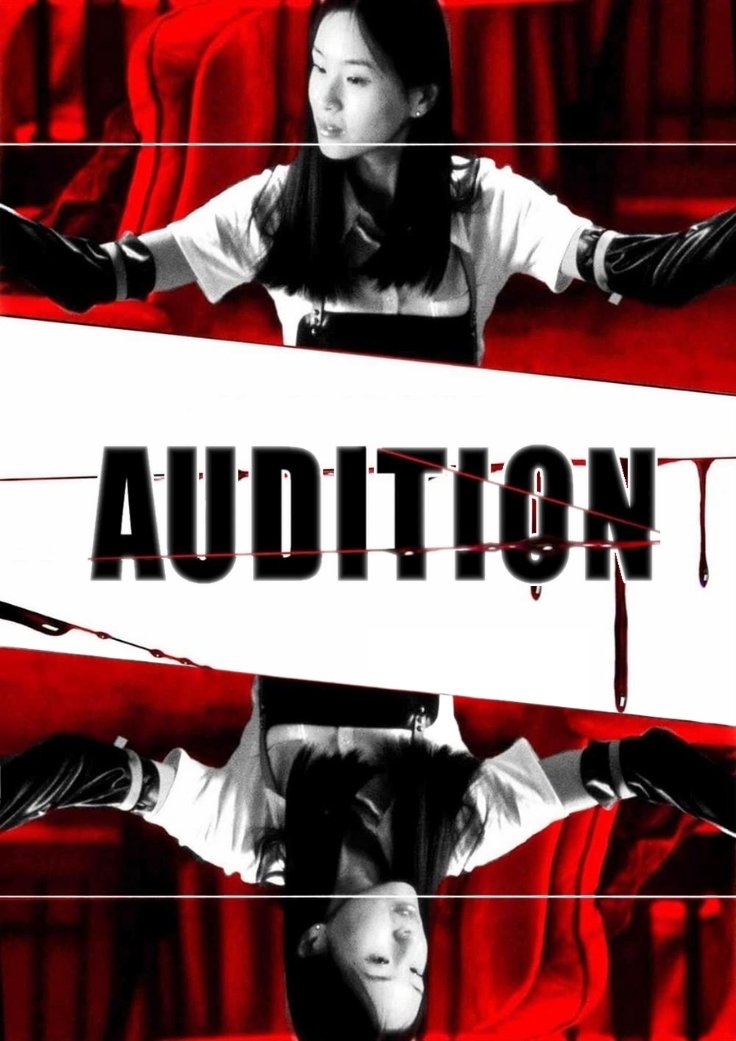
Aoyama’s immobilization also reverses the power arrangement of the opening audition. The man who controlled an interview process becomes the person whose body is inspected and manipulated without consent. This formal reversal is evident in the story, although it need not be accepted as a balanced act of retribution. The violence remains gruesome even when viewed through a critique of his earlier conduct. Miike later described his conception of the film as a disturbing form of love story; that authorial statement belongs alongside, rather than replacing, the horror audience’s experience of the scene.
Festival Premiere, Release and British Classification
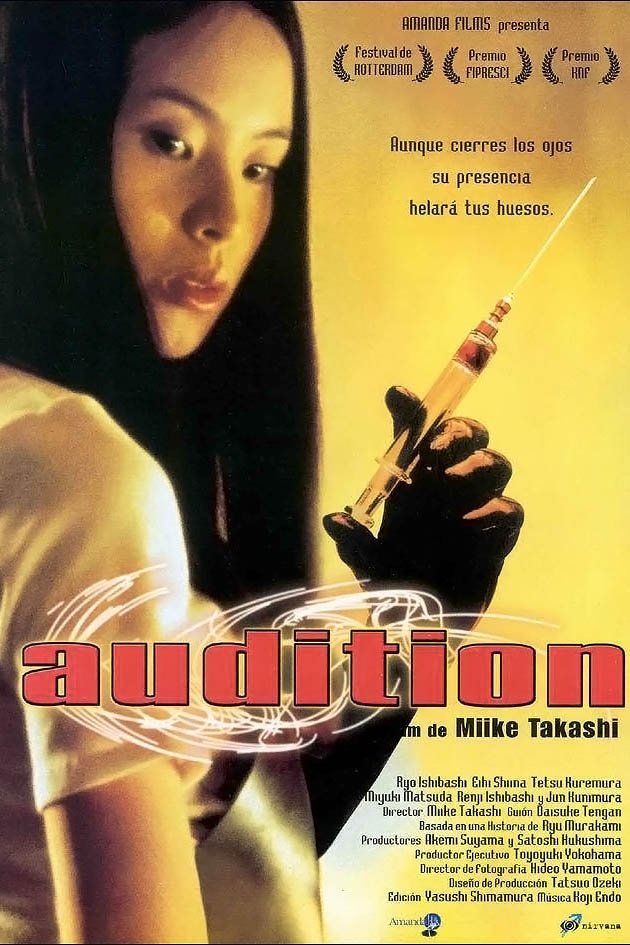
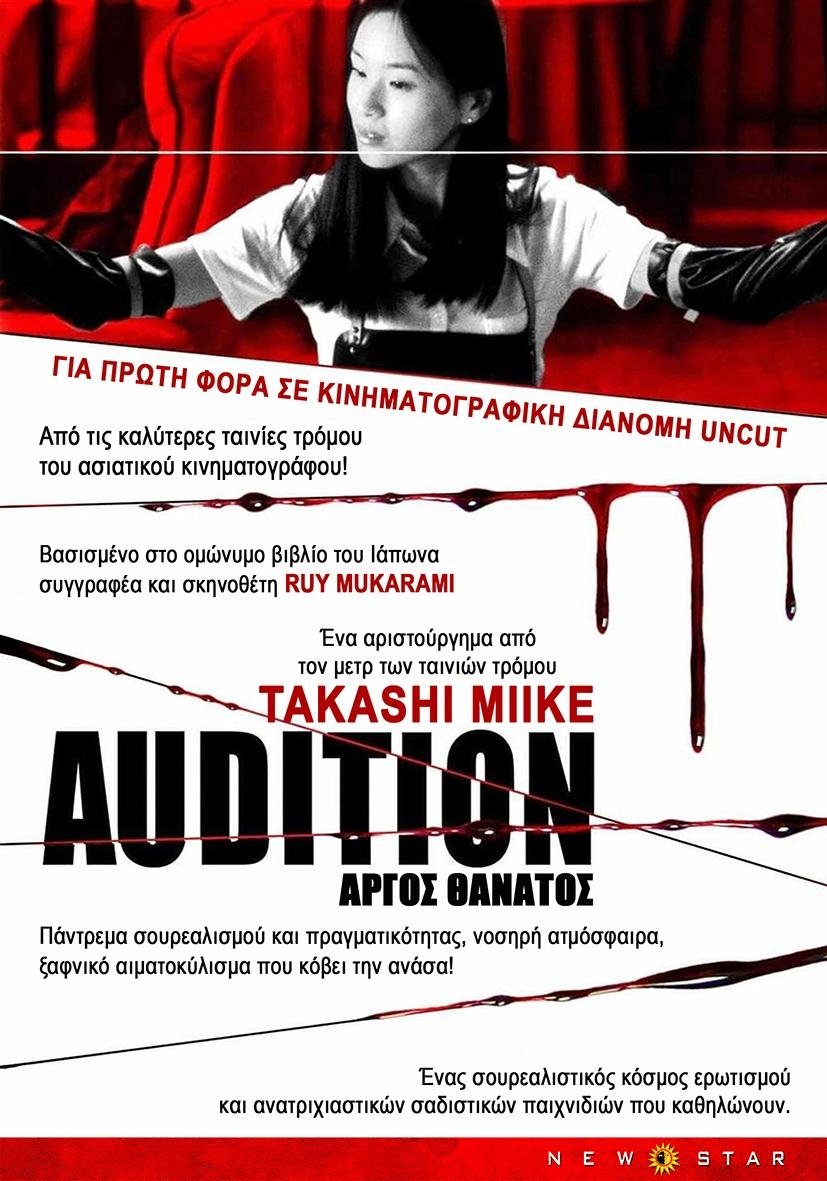
Audition was presented at the Vancouver International Film Festival in late 1999, according to the BFI’s anniversary interview. The International Film Festival Rotterdam catalogues the film as a 1999 Japanese production and records its European premiere in the festival’s 2000 edition, with a listed duration of 115 minutes on 35 mm. Aaron Gerow’s contemporaneous review identifies March 4, 2000, as its Japanese release date. These records distinguish the original festival circulation from the later domestic opening, explaining why references to 1999 and 2000 can describe different stages of the same film’s release history.
The Rotterdam screenings generated strong reactions and an unusual combination of distress and recognition. Gerow reported walkouts while also recording two festival prizes. Miike later recalled contrasting encounters with spectators, including one who condemned him personally for the film and another who congratulated him. These are retrospective recollections and contemporary reports about particular screenings, not proof that every audience responded in the same way. They nevertheless document how early discussion of the film became closely linked to the discomfort produced by its final scenes.
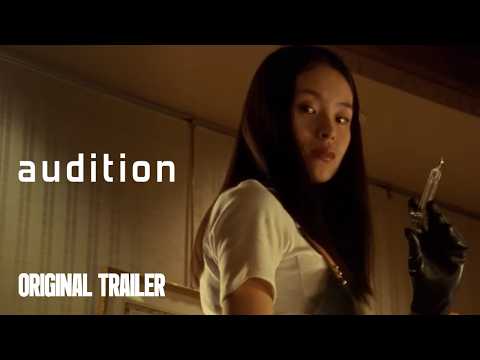
British classification records provide a separate, version-specific history. The BBFC examined a cinema version running 115 minutes and 23 seconds in October 2000; later cinema submissions include versions of approximately 115 minutes in 2021 and 2026. It also records a shorter 2001 home-video submission. The records do not by themselves identify the reason for every running-time difference. Importantly, the BBFC explicitly notes cuts to a 2001 promotional trailer to obtain a lower classification, while an uncut higher-rated trailer was available. Those trailer cuts must not be mistaken for documented censorship of the full film.
Critical Reception and the Place of Audition in Horror
Audition’s reputation developed through critical discussion as well as the accounts of spectators leaving screenings. Writing for The Daily Yomiuri in March 2000, Aaron Gerow treated its treatment of bodies and unstable identity as more significant than the simple shock of a dangerous woman. In Sight and Sound that May, Tony Rayns emphasized Miike’s unconventional approach to narrative and challenged the assumption that Audition was fundamentally unlike the director’s earlier crime films. Their interpretations differ in emphasis but share an interest in the structure of the experience, beyond the notoriety of the torture sequence.
Tom Mes’s later assessment for Sight and Sound situated the film in the production climate following Ring, while noting that its non-supernatural subject and adult sexual politics depart from the formula of that success. The distinction is important to its place in Japanese horror. Audition became visible internationally during the same period as modern ghost stories, yet its threat emerges through social interaction, trust and bodily control. Its initial appearance as restrained relationship drama makes a different demand on spectators from films that establish an openly supernatural danger at the beginning.
The film’s continuing exhibition at institutions such as BFI Southbank demonstrates the persistence of its critical profile, but its significance need not be expressed through unverified claims about every later filmmaker it influenced. Its documented place is that of an important international breakthrough for Miike and a work repeatedly discussed for the precise relationship between emotional restraint and extreme violence. The false casting call, Asami’s uncertain biography and the disturbance of narrative time remain essential to that achievement. The final injuries are difficult to separate from the longer process through which the film makes both Aoyama and the viewer misjudge the person before them.