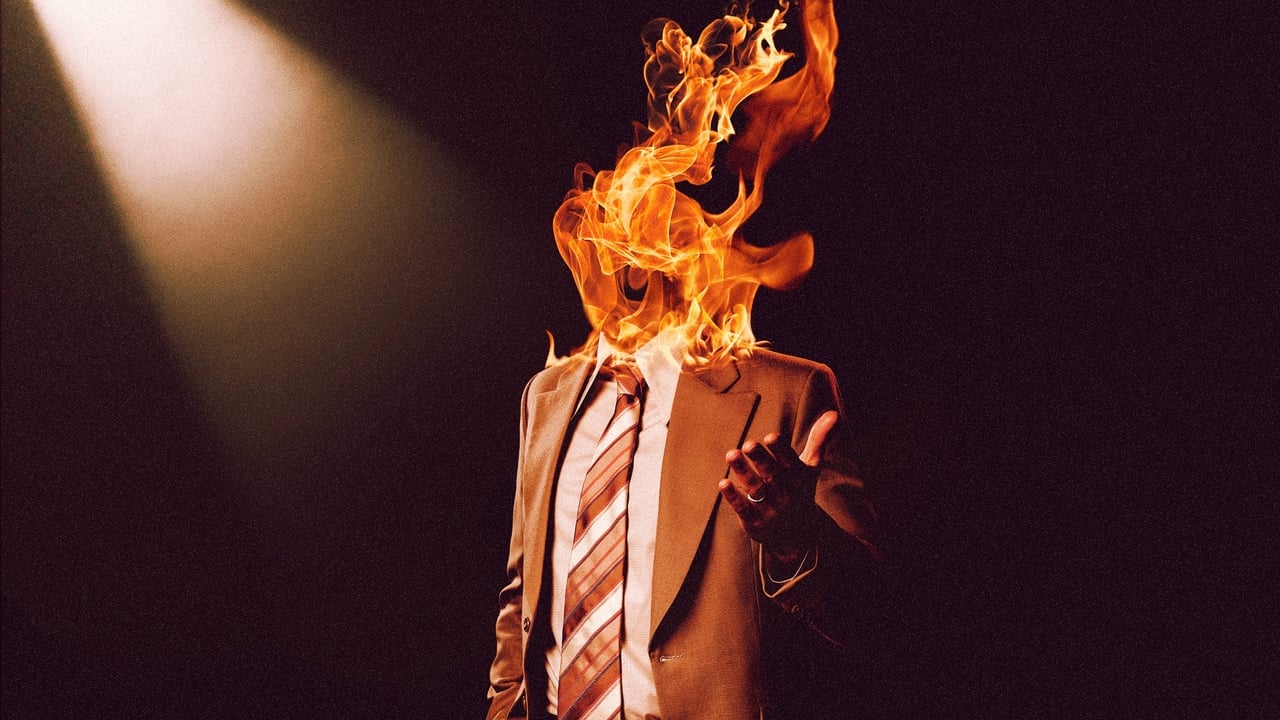
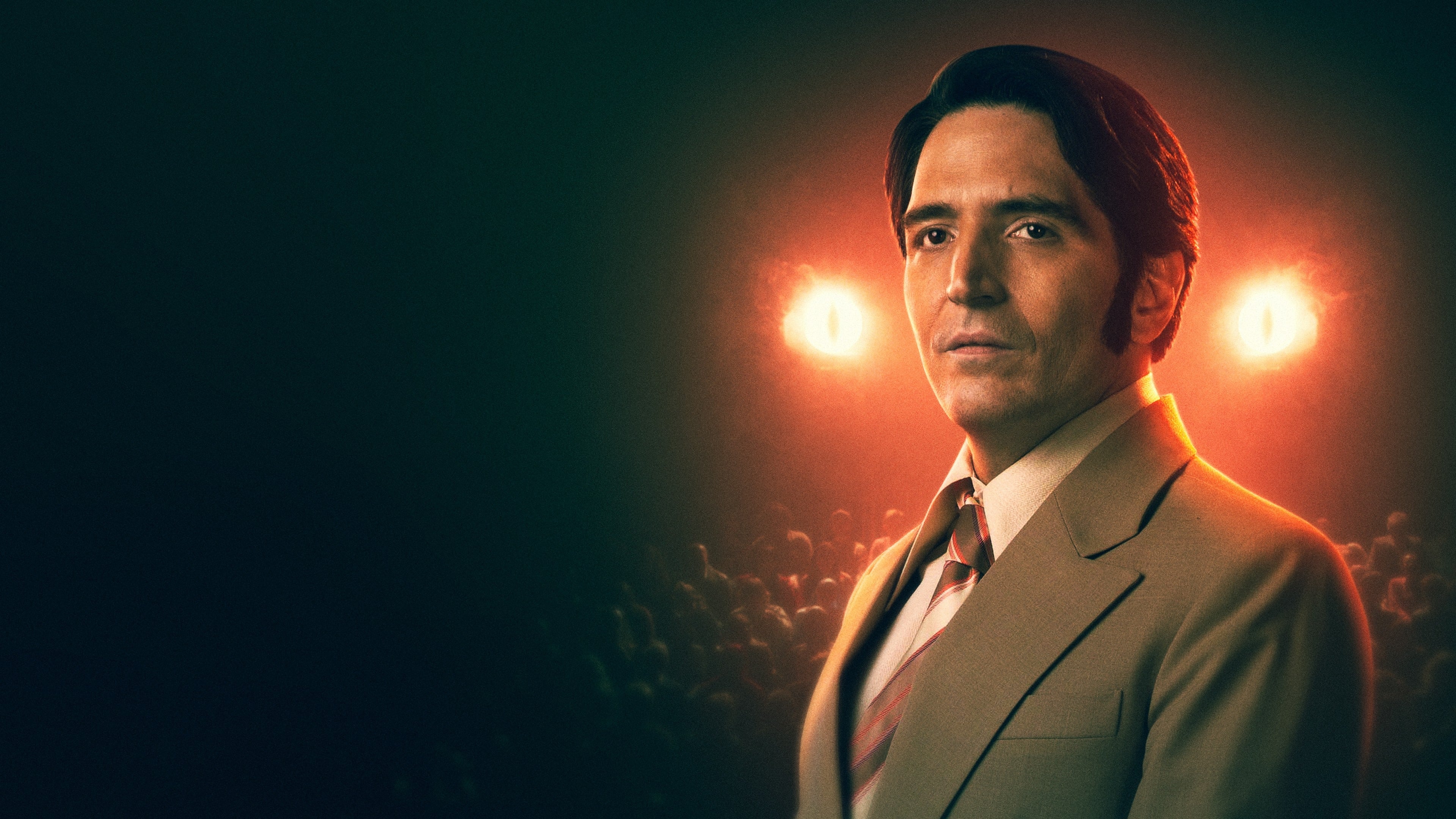
Late Night with the Devil (2024)

US
Runtime
93 min
Release
March 19, 2024
Budget
$1,000,000
Revenue
$16,765,533
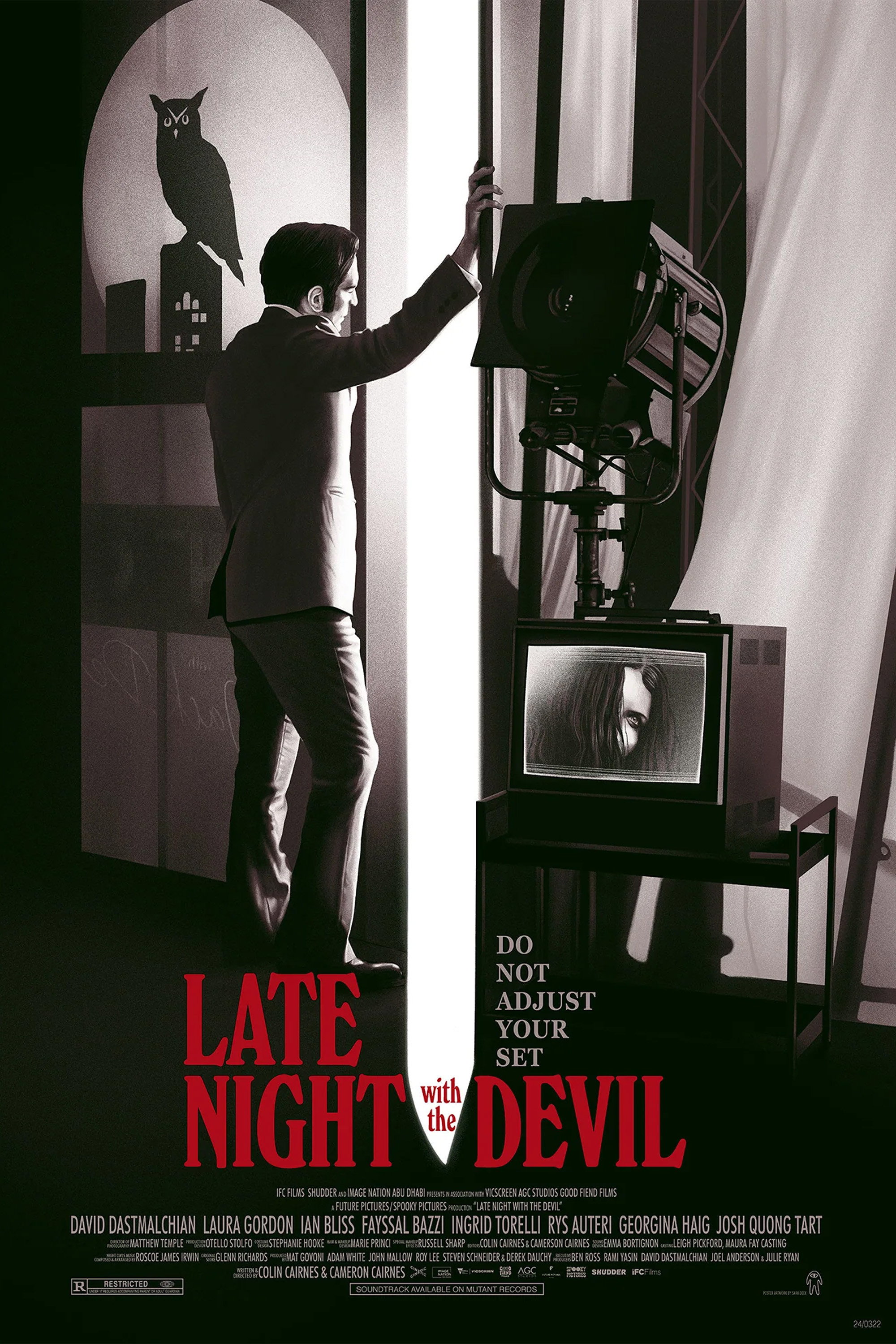
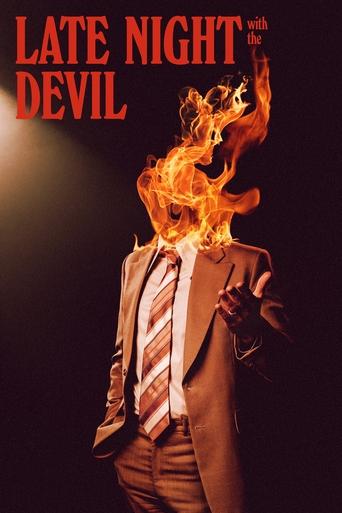
Late Night with the Devil (2024) poster
Production Companies
AGC Studios , Image Nation Studios , Spooky Pictures , Good Fiend Films , Future Pictures , VicScreen
Plot

A live broadcast of a late-night talk show in 1977 goes horribly wrong, unleashing evil into the nation's living rooms.

Alternative Titles
De noche con el diablo (AR) "Night Owls" Ep 335 (VHS Dub ex UBC Master) (AU) — alternative 'broadcast' cut, released by Umbrella Entertainment on 09/04/24 1977 Night Owls Original Broadcast (AU) — alternate VHS cut Вечерното шоу на Дявола (BG) — translation:bg Entrevista com o Demônio (BR) Tarde Da Noite Com o Demônio (BR) — alternative title Ce soir avec le diable (CA) — translation:fr Une Nuit avec le Diable (CA)
Show all 38 alternative titles 魔鬼深夜秀 (CN) — translation:zh Talkshow s ďáblem (CZ) El último late night (ES) L’últim late night (ES) — translation:ca Une Nuit Tardive avec le Diable (FR) ღამის შოუ ეშმაკთან (GE) — translation:ka Στενές Επαφές με τον Διάβολο (GR) 夜半鬼做 SHOW (HK) — translation:zh Ördögi különkiadás (HU) — translation:hu לייט נייט עם השטן (IL) — translation:he מאוחר בלילה עם השטן (IL) آخر شب با شیطان (IR) Late Night with the Devil - In onda con il diavolo (IT) — translation:it 悪魔と夜ふかし (JP) — translation:ja 악마와의 토크쇼 (KR) — translation:ko Vėlyvas vakaras su velniu (LT) — translation:lt De Noche Con El Diablo (MX) Późna noc z diabłem (PL) — translation:pl Conversas com o Diabo (PT) Noaptea târziu cu Diavolul (RO) — translation:ro Касно увече са ђаволом (RS) — translation:sr Поздний вечер с дьяволом (RU) Полночь с Дьяволом (RU) Pozno v noč, s hudičem (SI) — translation:sl คืนนี้ผีมาคุย (TH) — translation:th Şeytanla Bir Gece (TR) — translation:tr 與惡魔共度深夜 (TW) Ніч з Дияволом (UA) Пізній вечір з дияволом (UA) — translation:uk Trò Chuyện Đêm Khuya Với Quỷ Dữ (VN) — translation:vi

Trailers & Videos

6 videos

Film Guide

A 1977 Halloween talk-show broadcast becomes a public possession nightmare in the Cairnes brothers’ Australian horror, photographed to resemble period television.

Late Night with the Devil, which premiered at South by Southwest in 2023 before its theatrical release in 2024, places supernatural horror inside the tightly regulated environment of a fictional American television broadcast. Its central event is the Halloween 1977 edition of Night Owls, a struggling late-night talk show hosted by Jack Delroy. The film presents the programme as recovered material, interspersing the colour broadcast with ostensibly unseen backstage footage. Television's promise of immediate access to extraordinary events becomes the means by which the audience is drawn into a disaster unfolding in public view.

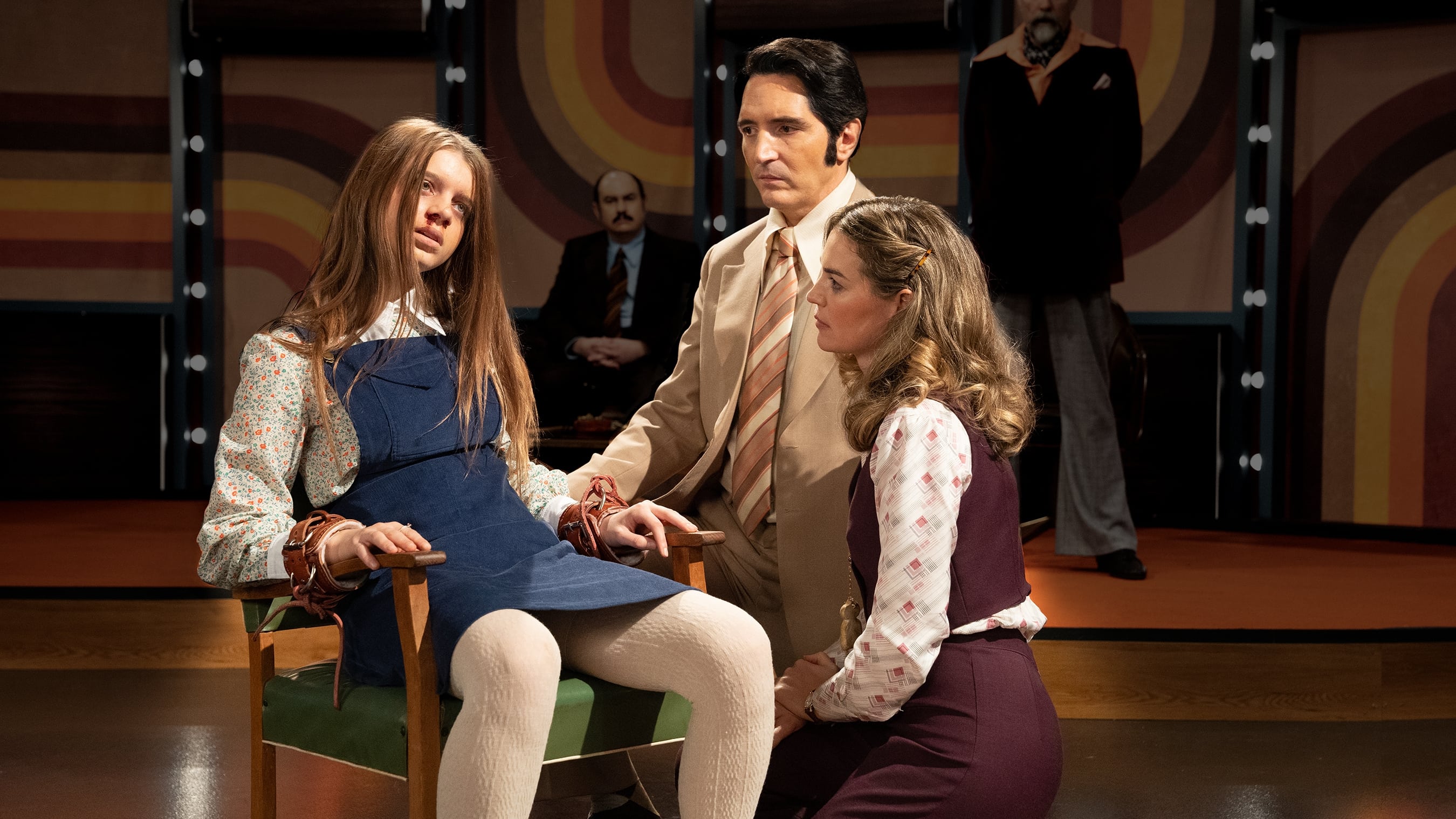
Written and directed by Australian brothers Colin and Cameron Cairnes, the film draws on period talk-show conventions and the era's fascination with paranormal claims. Its guests include a psychic, a sceptical debunker, a parapsychologist and a girl presented as the survivor of a satanic cult. The suspense depends on the ordinary apparatus of entertainment: the host's reassuring manner, commercial breaks, musical introductions and a studio audience expected to applaud on cue. As those routines become increasingly difficult to maintain, the controlled spectacle begins to resemble an occult experiment conducted for ratings.

Development and Casting

The Cairnes brothers developed the story around a broadcaster desperate to retain his relevance, with the television-studio setting eventually defining the film's structure. Both filmmakers had worked in television, and Colin had experience directing multicamera sitcoms. They drew on American late-night programmes and their Australian equivalents, particularly the show hosted by Don Lane. The directors also considered setting the story in Australia, but chose a fictional American network because they believed a national broadcast there could give its supernatural threat a greater scale. That decision shaped both the dialogue and the carefully reconstructed popular culture of 1977.

For Jack Delroy, the filmmakers sought someone who could suggest a recognisable television personality while exposing the strain beneath his public confidence. Cameron Cairnes had encountered an article by David Dastmalchian about regional horror hosts, which helped bring the actor to their attention. Producer Roy Lee contacted Dastmalchian, and discussions followed. Ingrid Torelli, cast as Lilly after an audition, developed an unusually direct relationship with the studio cameras; the directors encouraged her to look into the lens rather than obey the conventional rule against doing so. This became a significant element of how the character unsettles both the fictional audience and the viewer.

The Studio and Television Form

Principal photography took place over twenty days at Docklands Studios Melbourne. Production designer Otello Stolfo built the Night Owls studio environment, including its audience seating, within an existing soundstage rather than using an operating talk-show set. The production could shoot across a broad field of view while retaining the spatial logic of a live television programme. The directors used three cameras simultaneously for the studio sequences and treated the working set as a place where performers, technicians and audience members would need to respond to one another in real time. A full studio audience was present for only one shooting day, making the organisation of reactions especially important.

This format gives horror an unusual kind of visibility. A conventional possession scene can isolate its subject through expressive camera movement or montage; here the studio cameras must initially behave like employees covering a scheduled segment. The host cannot simply abandon his performance because every unexpected incident risks becoming the programme's central attraction. The film's framing device also introduces a competing visual register: black-and-white images from commercial breaks show tense exchanges and preparation away from the television audience. Their inclusion changes the viewer's access to events and, as some critics later observed, complicates the claim that the material is a straightforward recovered broadcast.

Cinematography and Post-production

Cinematographer Matthew Temple studied period studio coverage, including the placement of cameras during talk-show interviews, before establishing rules for the shoot. The team used Sony Venice cameras recording in 4K with large Fujinon zoom lenses, despite having considered older broadcast equipment. Temple operated one camera alongside two experienced studio operators, with each responsible for focus and zoom as well as framing. He favoured centred compositions and the deeper focus associated with 1970s television, often working around T4, and rejected positions that an actual camera operator could not have reached during the elapsed programme time.

The studio footage was intentionally captured cleanly for later treatment. Colourist Nicholas Hower worked with limited colour range, chromatic aberration, distortion and the misalignment of colour channels to simulate ageing tube-camera pictures. Older tungsten lamps were obtained to produce the characteristic hot studio illumination and to appear plausibly in shot. During editing, the backstage material, initially conceived in colour, was changed to grainy black and white so that viewers could immediately distinguish it from the broadcast. These choices create a deliberately uneven image in which the technical imperfections of analogue television contribute to the film's credibility before the supernatural elements disrupt it.

Possession, Scepticism and Period Influences

The fictional broadcast makes supernatural belief a public contest. A psychic offers apparent evidence of contact with the dead, while Carmichael Haig approaches such demonstrations as tricks that can be exposed before the cameras. The ensuing appearance of parapsychologist June Ross-Mitchell and her young subject Lilly places an alleged case of possession within the conventions of a promotional interview. This progression recalls the real television culture in which paranormal performers and debunkers could appear as rival attractions. The Cairnes brothers specifically remembered Don Lane's interest in guests such as Uri Geller and the medium Doris Stokes when constructing the programme's atmosphere.

The directors identified The Exorcist as an important reference that would also have existed within their characters' cultural world after its 1973 release. They also named Michelle Remembers, the controversial book published in 1980, as an influence on the invented background of June and Lilly. Because the novel appeared after the story's 1977 setting, its relevance lies in the filmmakers' retrospective construction of an emerging occult panic, rather than in a claim that the fictional characters could have read it at the time. The film uses that mixture of therapeutic authority, demonic testimony and televised scepticism to expose the limitations of each participant's control over the proceedings.

Performances, Practical Effects and Sound

The film's central performances depend on the mismatch between public composure and private alarm. Dastmalchian repeatedly returns Delroy to the mannerisms of an experienced presenter even when the programme moves beyond his control. Torelli's prolonged looks into the cameras make Lilly appear to recognise an audience beyond the studio. These choices allow supernatural horror to unfold through familiar television behaviour before the more graphic events begin. The production also relied on physical makeup effects. Cameron Cairnes credited effects artist Russell Sharp and recalled devoting approximately one shooting day to a major practical gag that the low-budget schedule allowed little opportunity to repeat.

Sound was equally important to the pretence of a working broadcast. The Cairnes brothers commissioned Roscoe James Irwin to compose the period-style walk-on music, treating the programme's band and musical cues as part of its identity. The fictional audience's responses help establish whether a particular event is being received as entertainment or as a threat. Sound designer Emma Bortignon's work was singled out by the directors as important to the sense of inhabiting the television studio. The contrast between cheerful presentation and the sounds accompanying progressively disturbing events sustains the tension even when the image remains fixed in the visual language of a talk show.

Release, Reception and Debate

Late Night with the Devil premiered at South by Southwest on 10 March 2023 and circulated through festivals before its American theatrical release by IFC Films on 22 March 2024. Its domestic opening weekend brought approximately $2.8 million and was reported at the time as IFC's largest opening weekend. The film reached Australian cinemas on 11 April 2024 and began streaming on Shudder in the United States on 19 April. Its passage from festivals to a relatively wide theatrical engagement demonstrated commercial interest in a horror production built largely around a single studio setting and an unusual form of recorded-media storytelling.

Contemporary criticism recognised the inventiveness of the premise while disagreeing about how successfully its framing device was sustained. Wendy Ide, writing in The Observer, praised the film's dark humour and its treatment of the television ratings economy as an engine of horror. Adam Nayman in Sight and Sound admired the idea but argued that the backstage passages and later departures from the broadcast viewpoint compromised the rules the film appeared to establish. The contrast matters because the programme's convincing reconstruction and the film's freedom to leave that reconstruction are both central to its reception. The filmmakers themselves have said that they did not regard found footage as a rigid set of formal restrictions.

A separate debate followed the disclosure that some broadcast interstitial images had been developed with generative artificial intelligence. Colin Cairnes explained that the team experimented with the technology late in production and then altered selected results with its graphics personnel. His account described a limited use under budget and scheduling pressure; it did not suggest that the film's practical makeup effects or entire visual design were AI-generated. Criticism of those images became part of the public discussion surrounding the release, illustrating how the film's carefully manufactured analogue appearance intersected with contemporary arguments about the tools used to produce screen imagery.

References

  1. VicScreen Inside the Minds of “Late Night with the Devil” Conjurers Colin and Cameron Cairnes

    Interview with the directors covering their television experience, the American setting and the twenty-day Docklands Studios production.

  2. Filmmaker Magazine “Congratulations, That Shot Was Terrible”: DP Matthew Temple on Late Night with the Devil

    Firsthand technical account of the three-camera production, period lighting, digital photography and the construction of the finished television image.

  3. Rue Morgue Exclusive Interview: Filmmakers Colin and Cameron Cairnes on Creating Talk-Show Terror in Late Night with the Devil

    Direct testimony about Don Lane, occult inspirations, casting, the studio audience, practical makeup effects and the production environment.

  4. Rough Cut Broadcast, Interrupted: An Interview with Late Night with the Devil Directors Colin and Cameron Cairnes

    Directors discuss the broadcast format, period music, cinematic references and their limited use of generative imagery.

  5. BFI / Sight and Sound Late Night with the Devil: An Underwhelming Horror with an Ingenious Concept

    Adam Nayman’s contemporary review documenting a critical objection to the film’s recovered-broadcast framing.

Cast

View Full Cast & Crew →

Release & Distribution

Production Companies (6)

  • AGC Studios
  • Future Pictures
  • Good Fiend Films
  • Image Nation Studios AE
  • Spooky Pictures US
  • VicScreen

Release History (66)

Release DateTerritoryRelease TypeFormatDistributorCertificationNotes
2023-03-10 US premiere — — — South by Southwest Film Festival
2023-03-30 US premiere — — — Overlook Film Festival
2023-06-09 AU premiere — — — Sydney Film Festival
2023-07-01 KR premiere — — 15 Bucheon International Fantastic Film Festival
2023-07-29 NZ premiere — — R13 New Zealand International Film Festival
2023-07-30 CA premiere — — — Fantasia Film Festival
2023-08-04 AU premiere — — — Melbourne International Film Festival
2023-10-07 ES premiere — — — Sitges Film Festival
2023-10-09 GB premiere — — — BFI London Film Festival
2023-10-15 US premiere — — — Chicago International Film Festival
2023-10-18 CA premiere — — 14A Toronto After Dark Film Festival
2023-10-21 US premiere — — — Philadelphia Film Festival
2023-10-26 AU premiere — — — Adelaide Film Festival
2023-10-26 NL premiere — — 16 Leiden International Film Festival
2023-10-31 AU premiere — — — Brisbane International Film Festival
2023-10-31 IN premiere — — — Jio MAMI International Film Festival
2023-11-09 US premiere — — — Denver Film Festival
2023-11-11 SE premiere — — 15 Stockholm International Film Festival
2023-12-09 FR premiere — — — Paris International Fantastic Film Festival
2024-03-19 IE theatrical — — 16
2024-03-21 VI theatrical — — —
2024-03-22 CA theatrical_limited — — 14A
2024-03-22 EC theatrical — — —
2024-03-22 GB theatrical — — 15
2024-03-22 US premiere — — —
2024-03-27 NZ theatrical_limited — — R13 Terror-Fi Film Festival
2024-04-10 PH theatrical — — R-13
2024-04-11 AU theatrical — — MA 15+
2024-04-11 NZ theatrical — — R13
2024-04-13 US premiere — — — Milwaukee Film Festival
2024-04-18 SG theatrical — — M18
2024-04-18 TR premiere — — — Istanbul Film Festival
2024-04-19 PR digital — — R AMC+ / Shudder
2024-04-19 US digital — — R AMC+ / Shudder
2024-04-21 DE premiere — — — Fantasy Filmfest Nights
2024-04-22 GB digital — — 15
2024-04-25 RU premiere — — — 46th Moscow International Film Festival
2024-05-08 KR theatrical_limited — — —
2024-05-24 ES theatrical — — 16
2024-05-30 DE theatrical — — 16
2024-05-31 TR theatrical — — —
2024-06-06 RU theatrical — — 18+ Экспонента
2024-06-06 TH theatrical — — 15
2024-06-14 SE theatrical — — 15
2024-06-28 ES digital — — 16 Filmin
2024-07-04 BR theatrical — — 16
2024-07-09 NO theatrical — — 15
2024-07-11 AR theatrical — — —
2024-07-18 CL theatrical — — 14
2024-08-01 AE theatrical — — —
2024-08-01 MX theatrical — — B-15
2024-08-01 QA theatrical — — —
2024-08-01 SA theatrical — — —
2024-09-04 AU physical VHS — MA 15+ VHS containing the 1977 Night Owls Original Broadcast cut
2024-09-12 CO theatrical — — —
2024-09-18 FR physical Blu-ray — — Blu-ray
2024-09-19 DO theatrical — — —
2024-10-04 JP theatrical — — —
2024-10-17 IL digital — — — iTunes / Apple TV
2024-10-28 GB physical 4K UHD, Blu-ray — 15 4K Ultra HD & Blu-ray
2024-10-29 IT digital — — — Prime Video
2024-11-13 RU digital — — 18+
2024-12-05 PT theatrical — — —
2025-01-21 PH digital — — R-16 Netflix
2025-05-16 ID premiere — — — Festival Sinema Australia Indonesia
2026-03-15 PL digital — — — Netflix
Do not adjust your set.