Origins and Screenplay Development
The origins of Black Christmas lie in the urban legend commonly known as The Babysitter and the Man Upstairs, in which threatening telephone calls are eventually traced to a location inside the intended victim’s home. According to the production history assembled by Richard Harland Smith for Turner Classic Movies, Roy Moore and Timothy Bond developed an early screenplay titled The Babysitter around this premise. Producers Harvey Sherman and Richard Schouten subsequently arranged for the story to be transferred to a university environment. The project reached Bob Clark after another title, Stop Me, had entered its development history. These successive versions demonstrate how a familiar piece of contemporary folklore became the basis for a feature-length ensemble thriller.
Clark was already experienced in low-budget horror, having directed Children Shouldn’t Play with Dead Things (1972) and Deathdream (1974). His involvement altered the balance between explicit violence and psychological suspense. The director reduced the prominence of graphic killing and made the atmosphere of the house, the threatening calls and the relationships among the residents central to the film. The university setting also allowed the story to alternate between private conflict, police investigation and the murderer’s concealed activity. This broader narrative structure distinguishes the finished screenplay from a simple dramatization of the original babysitter legend.
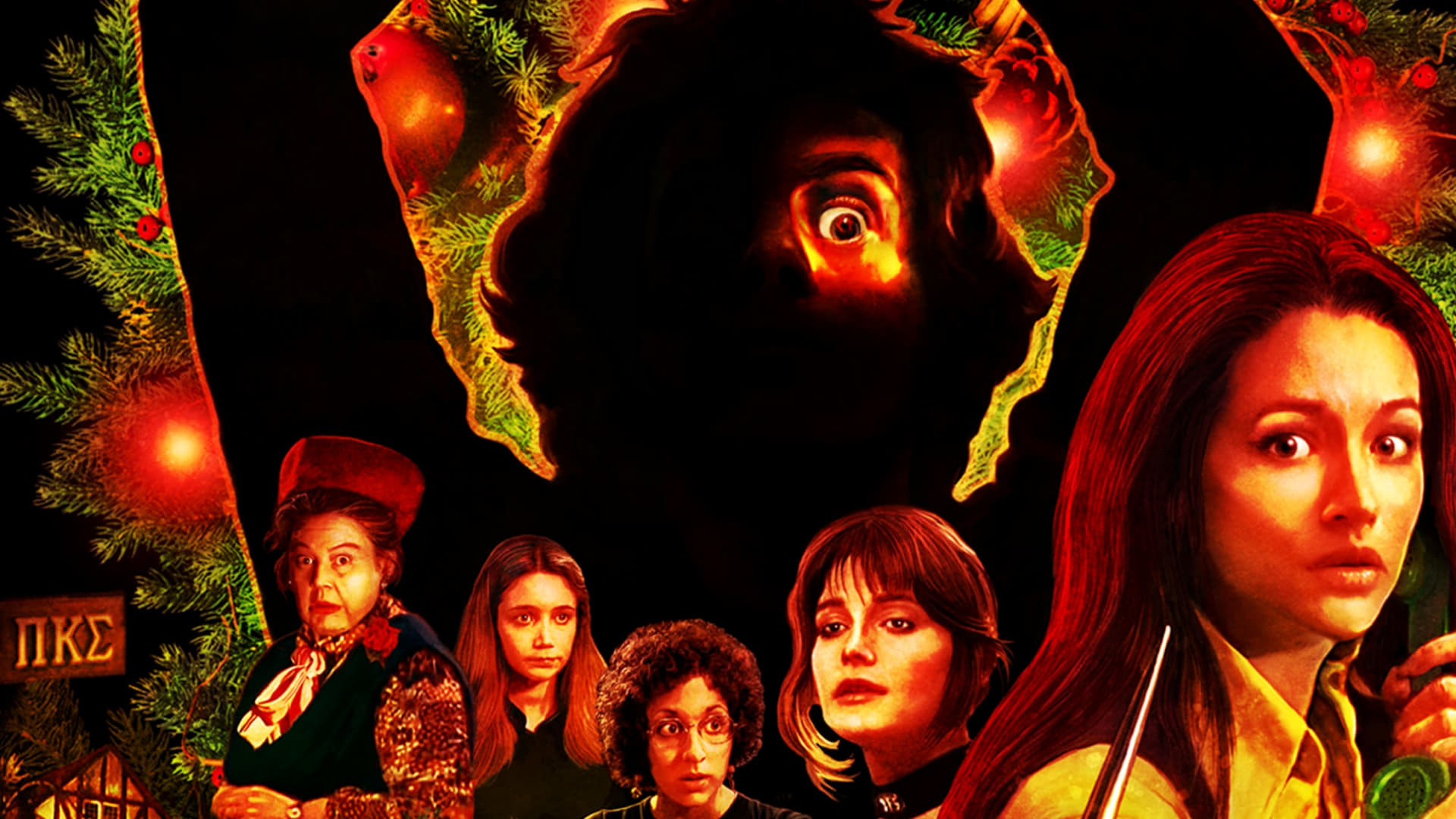
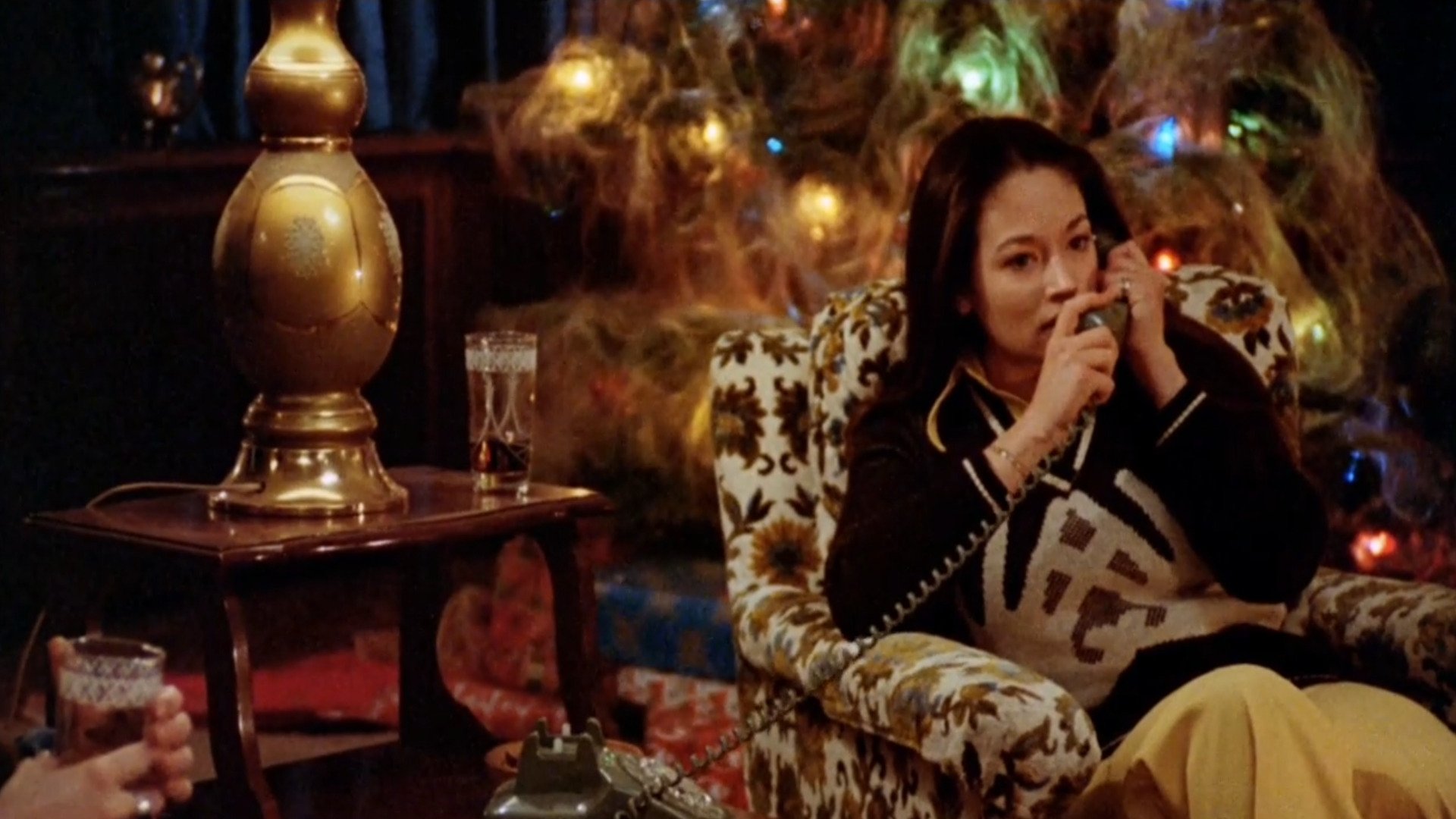
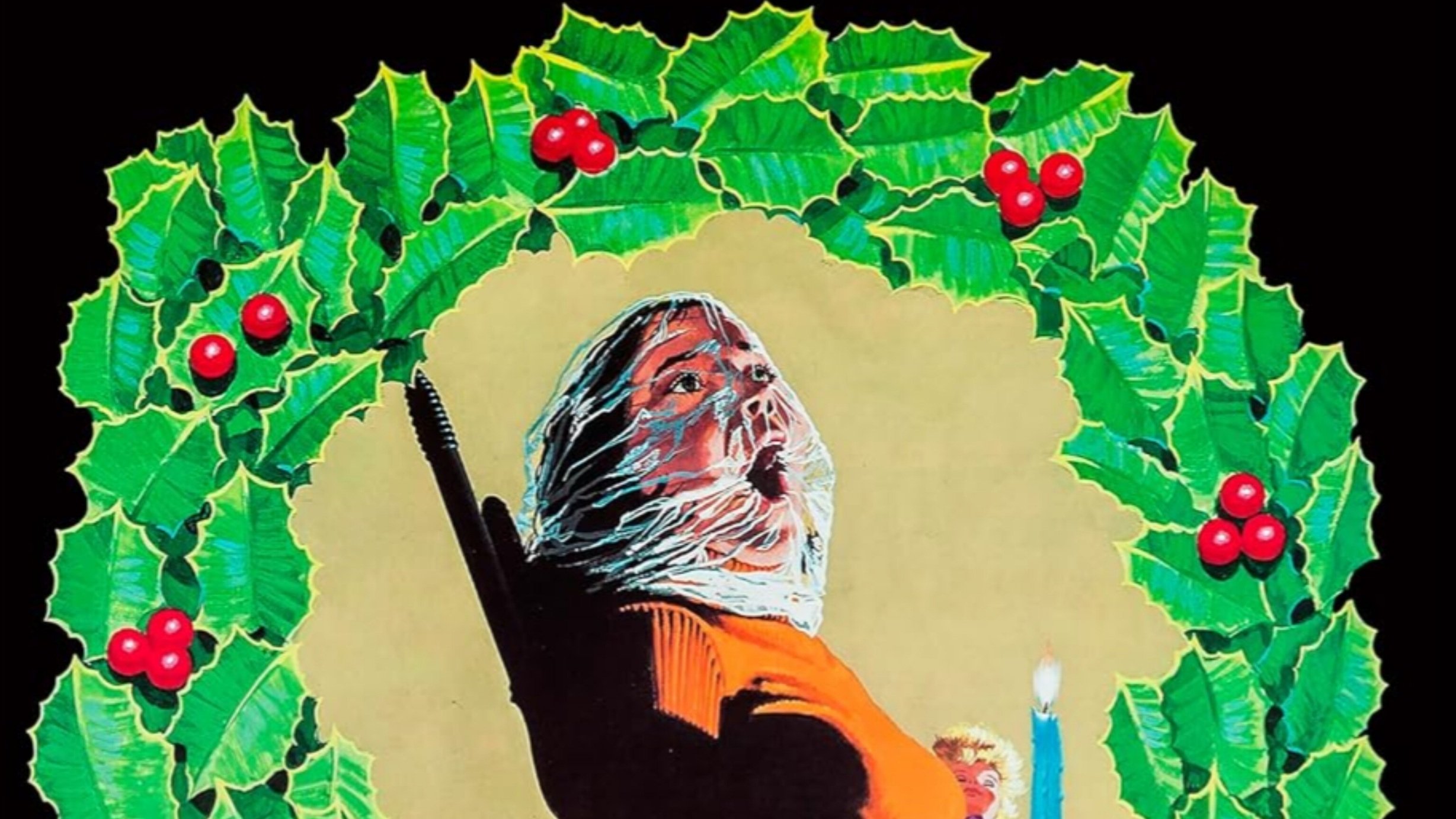
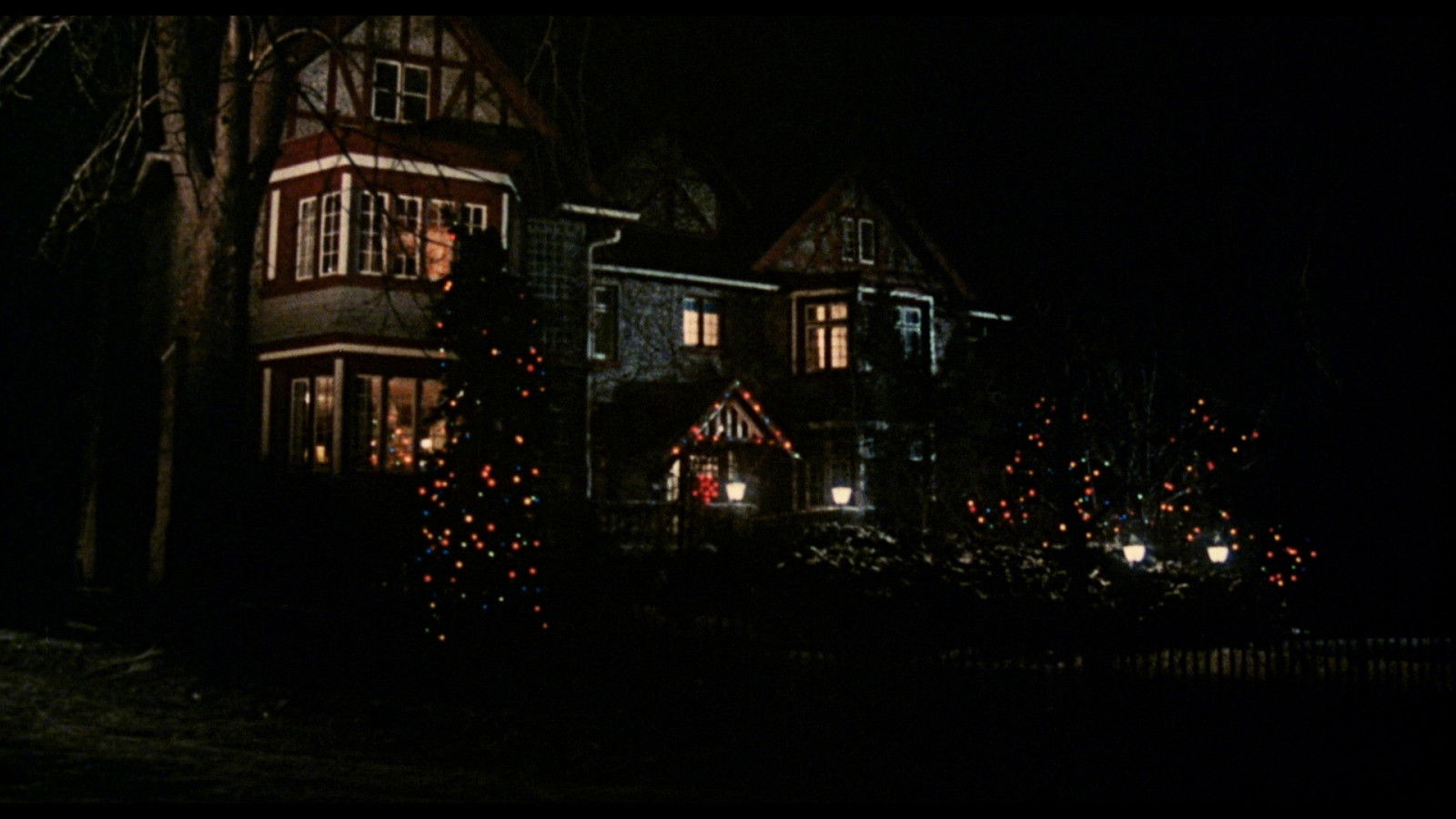
The Christmas setting contributes more than a seasonal backdrop. Holiday celebrations explain the temporary departures of several residents and the changing occupancy of the house, while festive decorations establish a familiar environment vulnerable to intrusion. The film also accommodates unusually abrasive comedy through Barb and the housemother, Mrs. Mac. Their behavior gives the household a social identity before its occupants become isolated. Clark’s combination of conversational humor and unpredictable violence creates a tonal contrast that becomes important as the investigation progresses. The audience is repeatedly returned to ordinary domestic activities despite knowing that the murderer remains nearby.
Cinematography and the Unseen Killer
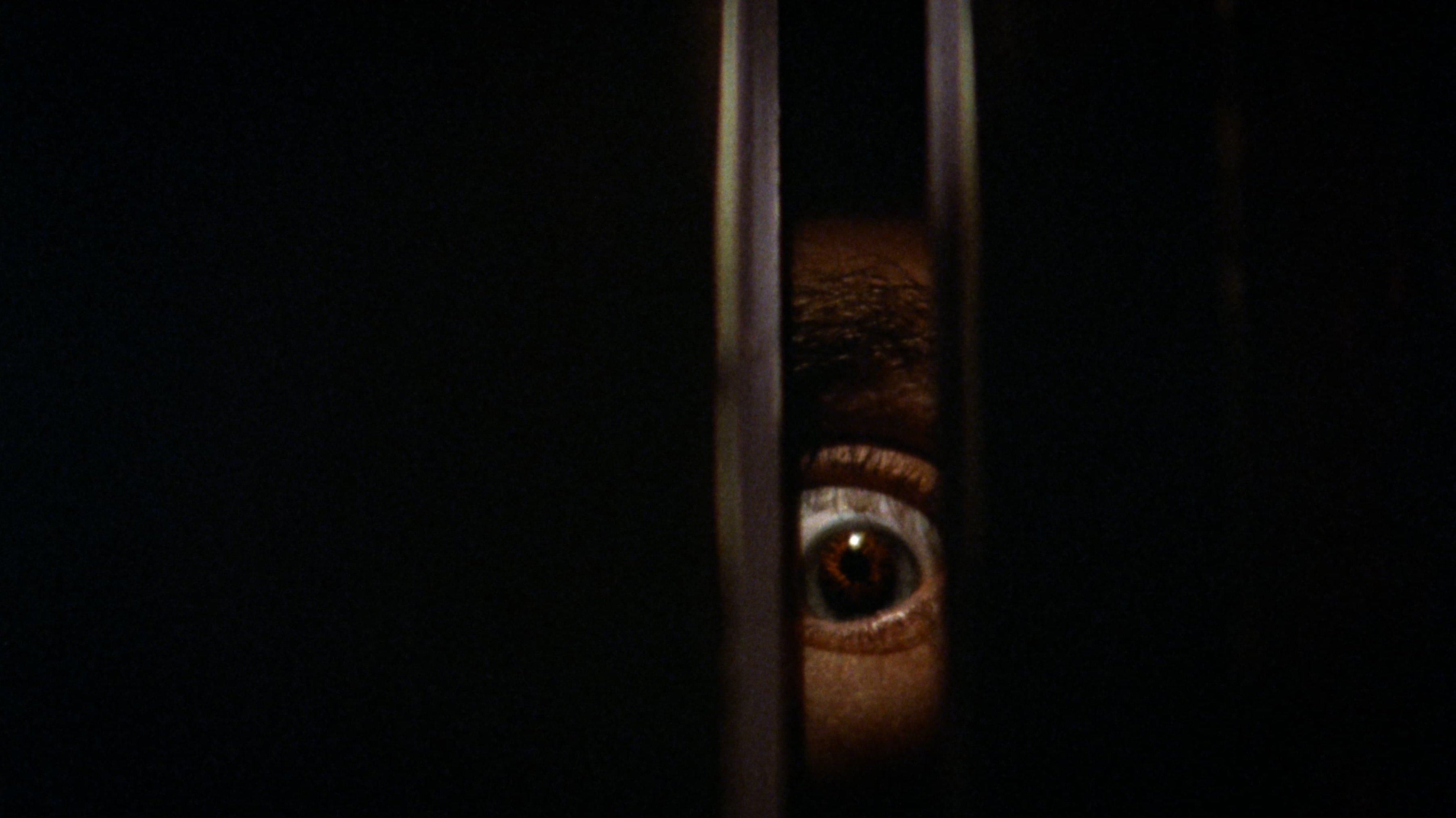
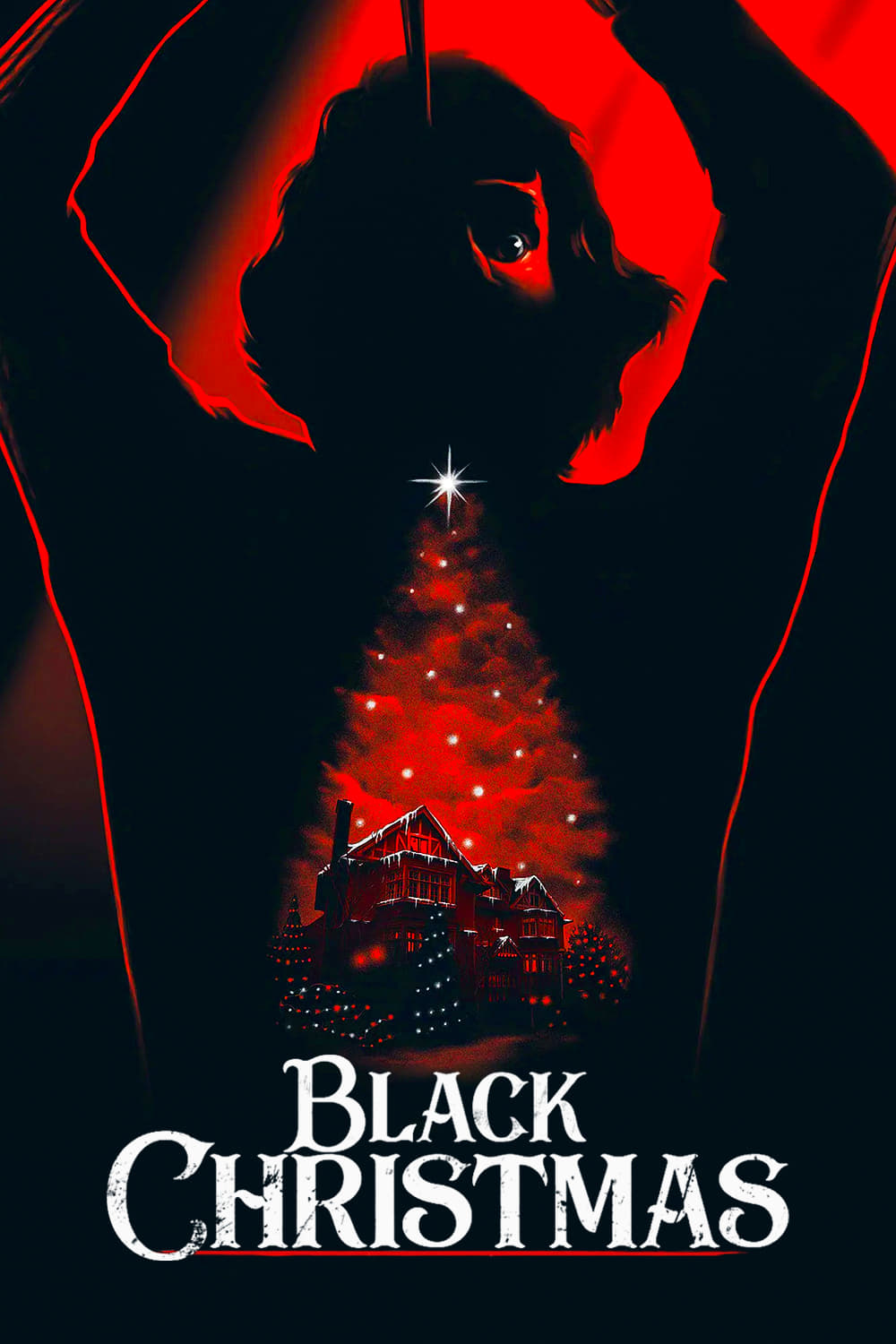
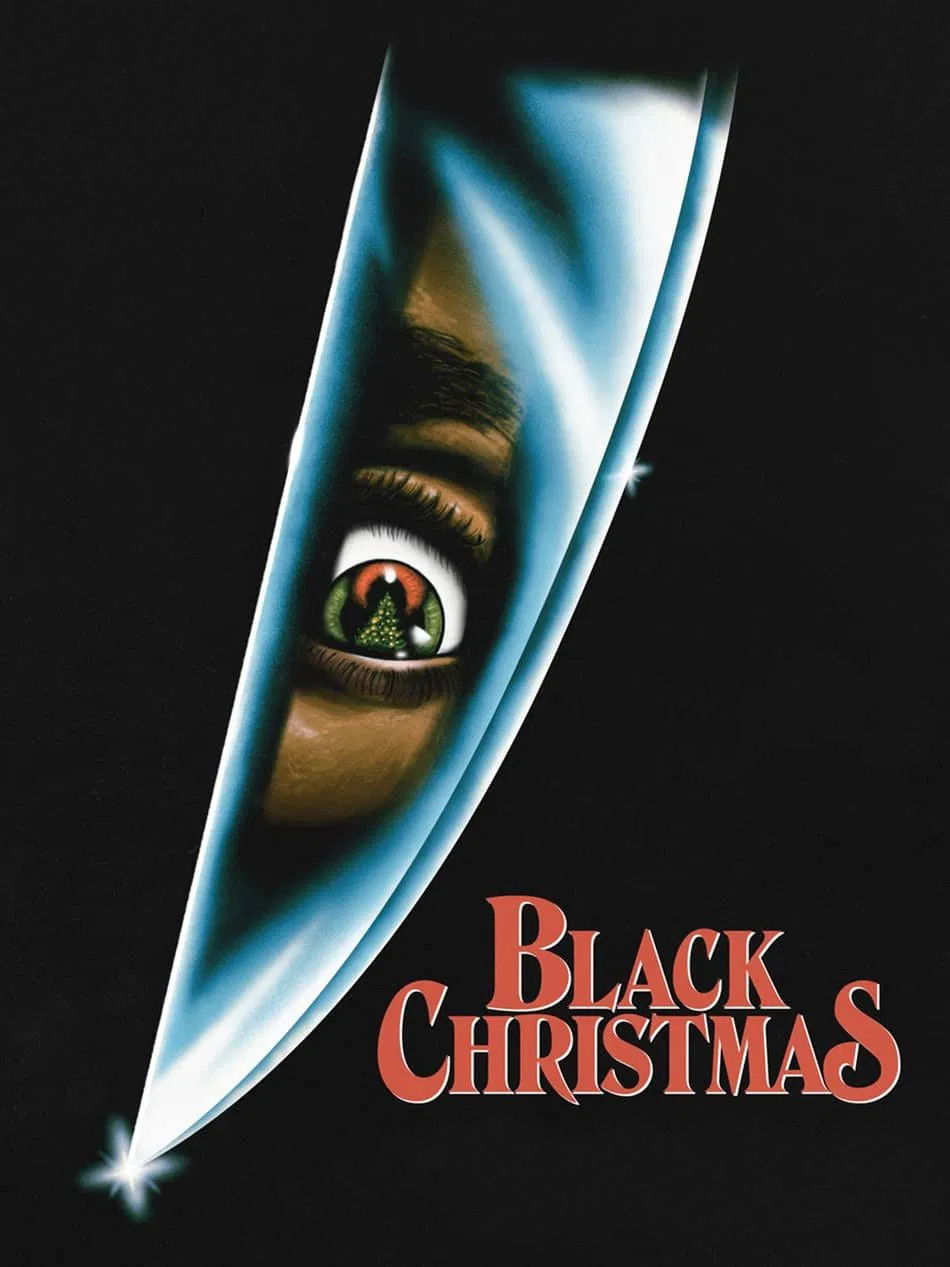
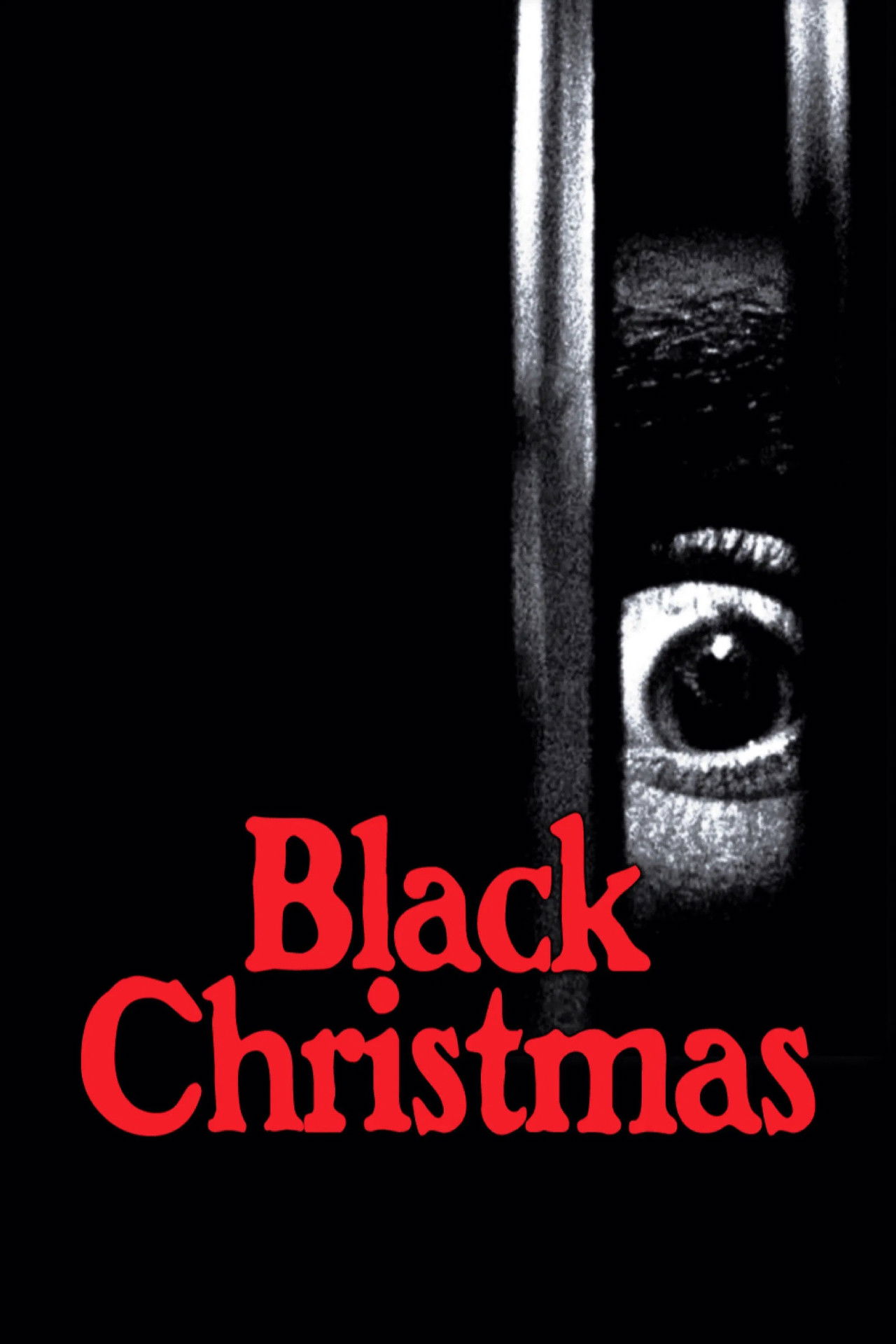
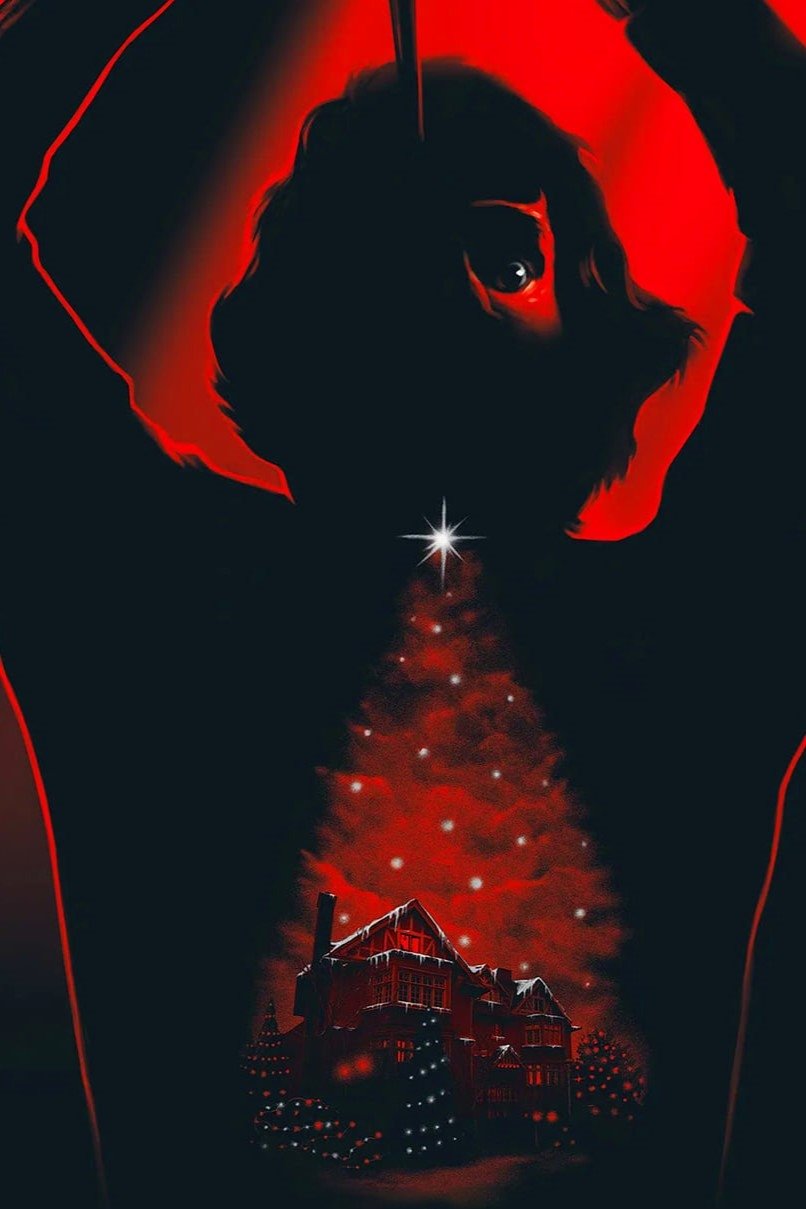
Reginald H. Morris photographed Black Christmas, while camera operator Bert Dunk played an unusually important role in developing its subjective imagery. Clark wanted to sustain a film in which the murderer would never be clearly revealed. The opening sequence establishes this approach as the camera watches the brightly decorated house from outside, moves toward the building and climbs the exterior trellis to enter through an upper window. The audience experiences the movement from the intruder’s perspective before the residents become aware of any immediate threat. The shot also establishes the geography of the house and identifies the attic as a concealed point of access.
Dunk developed a camera-mounting arrangement that allowed him to move while keeping his hands sufficiently free for physical actions. In retrospective testimony discussed by SciFiNow, Griffin described the operator climbing the exterior of the building and performing movements associated with the killer during the murder sequences. His participation effectively joined camera operation and physical performance. The moving lens therefore represents a character’s field of vision rather than functioning solely as an observational device. This distinction is particularly significant in the scenes where the murderer approaches victims through confined spaces. Camera movement becomes part of the threatening action itself.
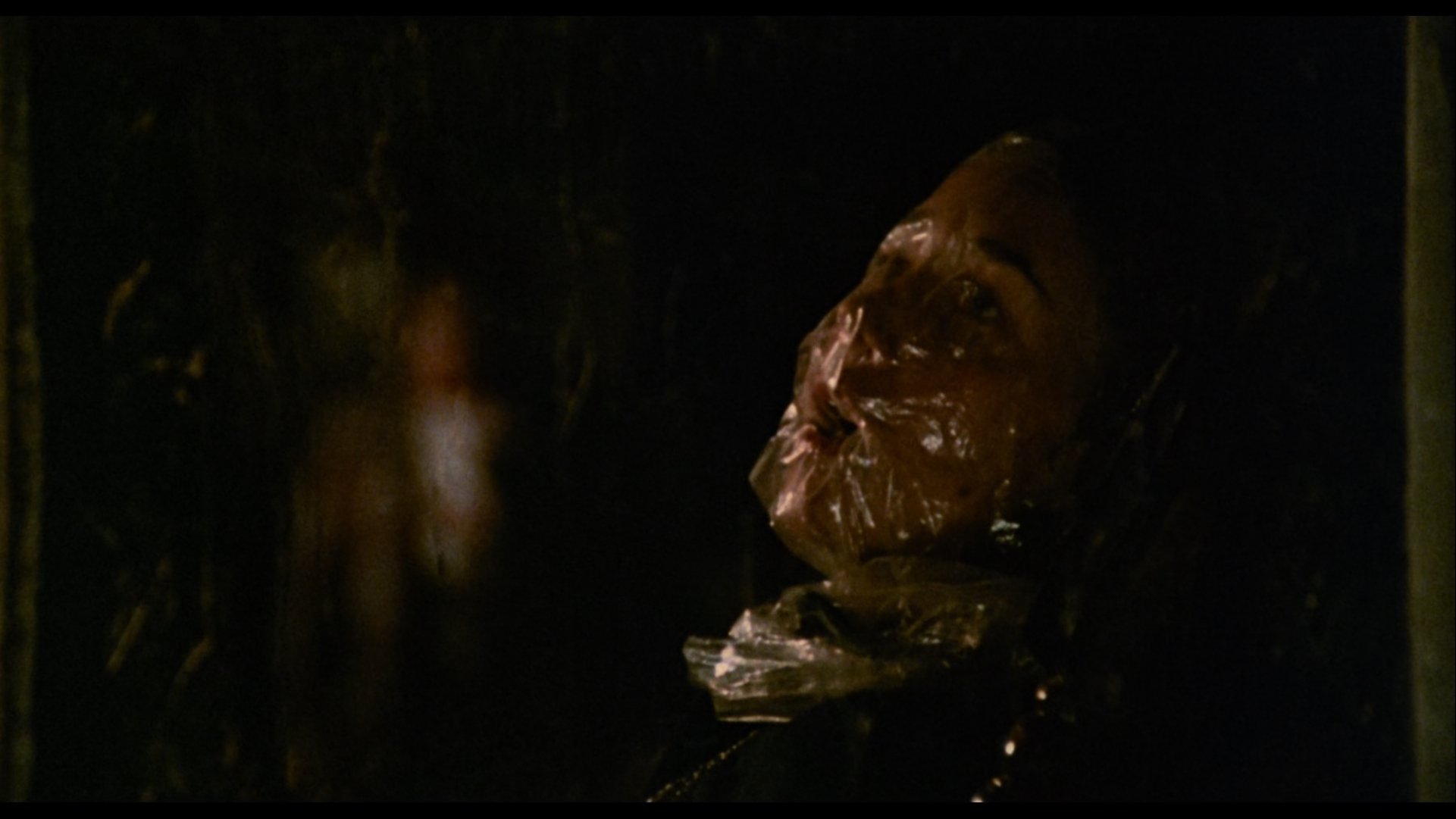
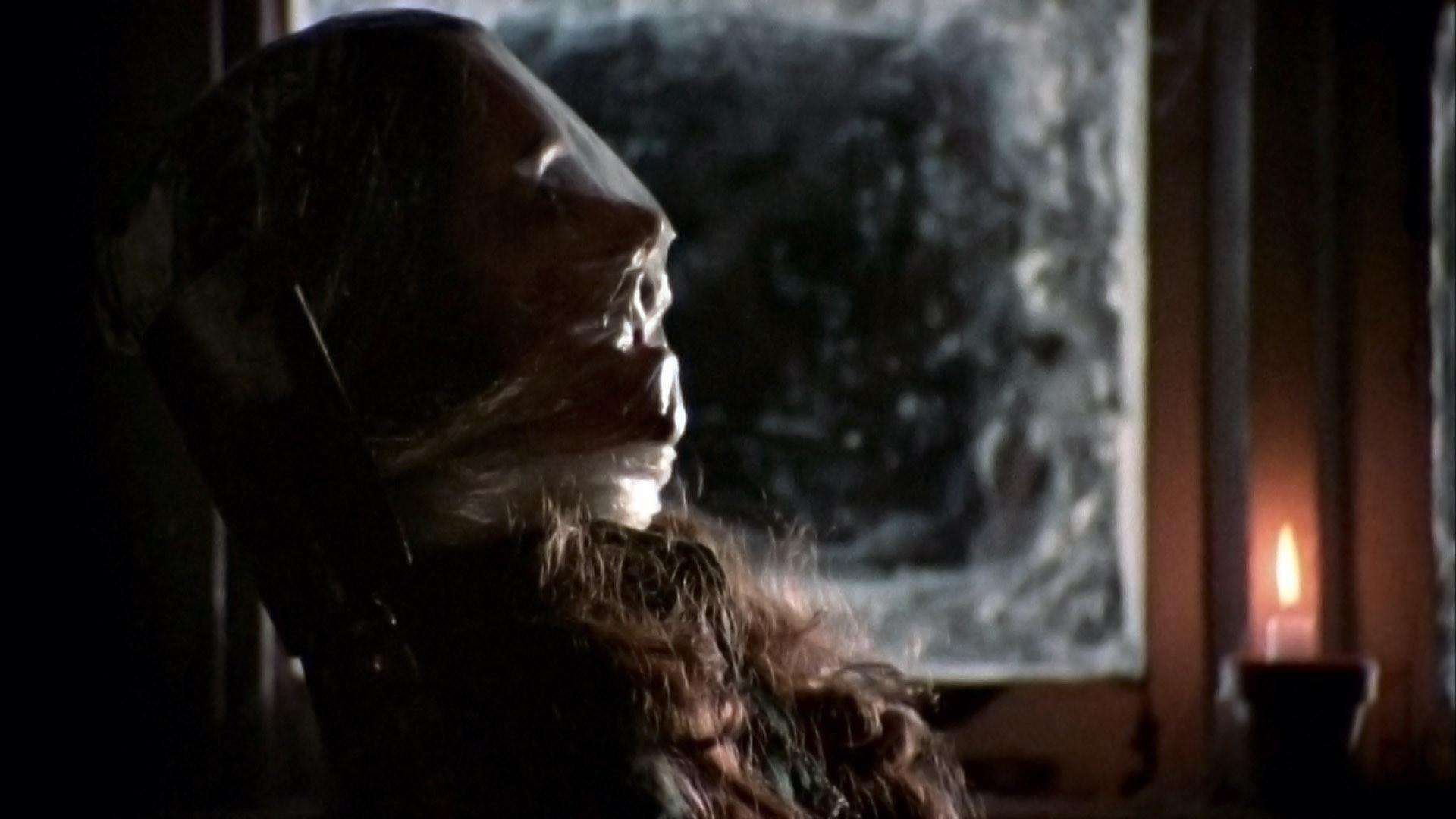
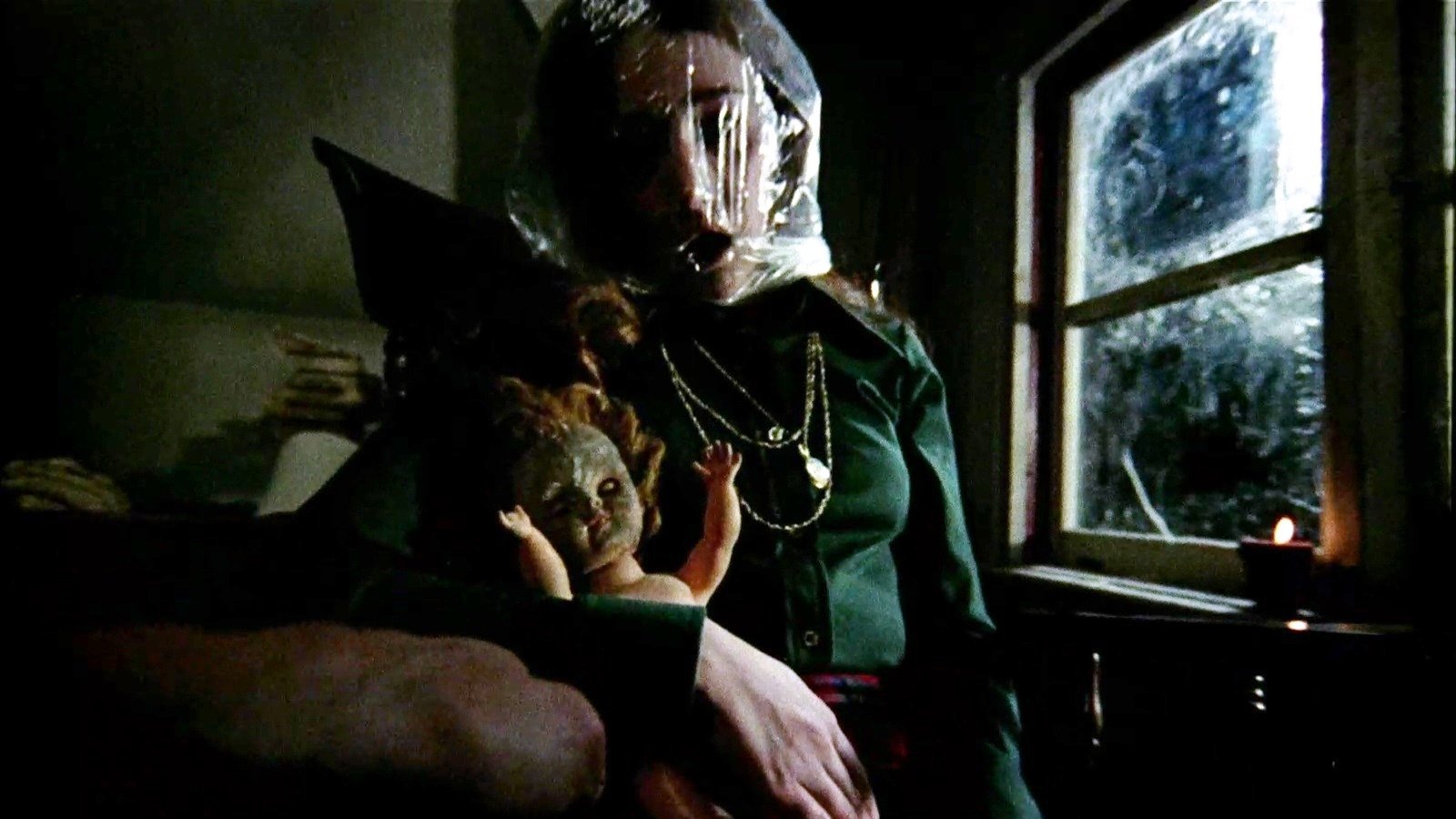
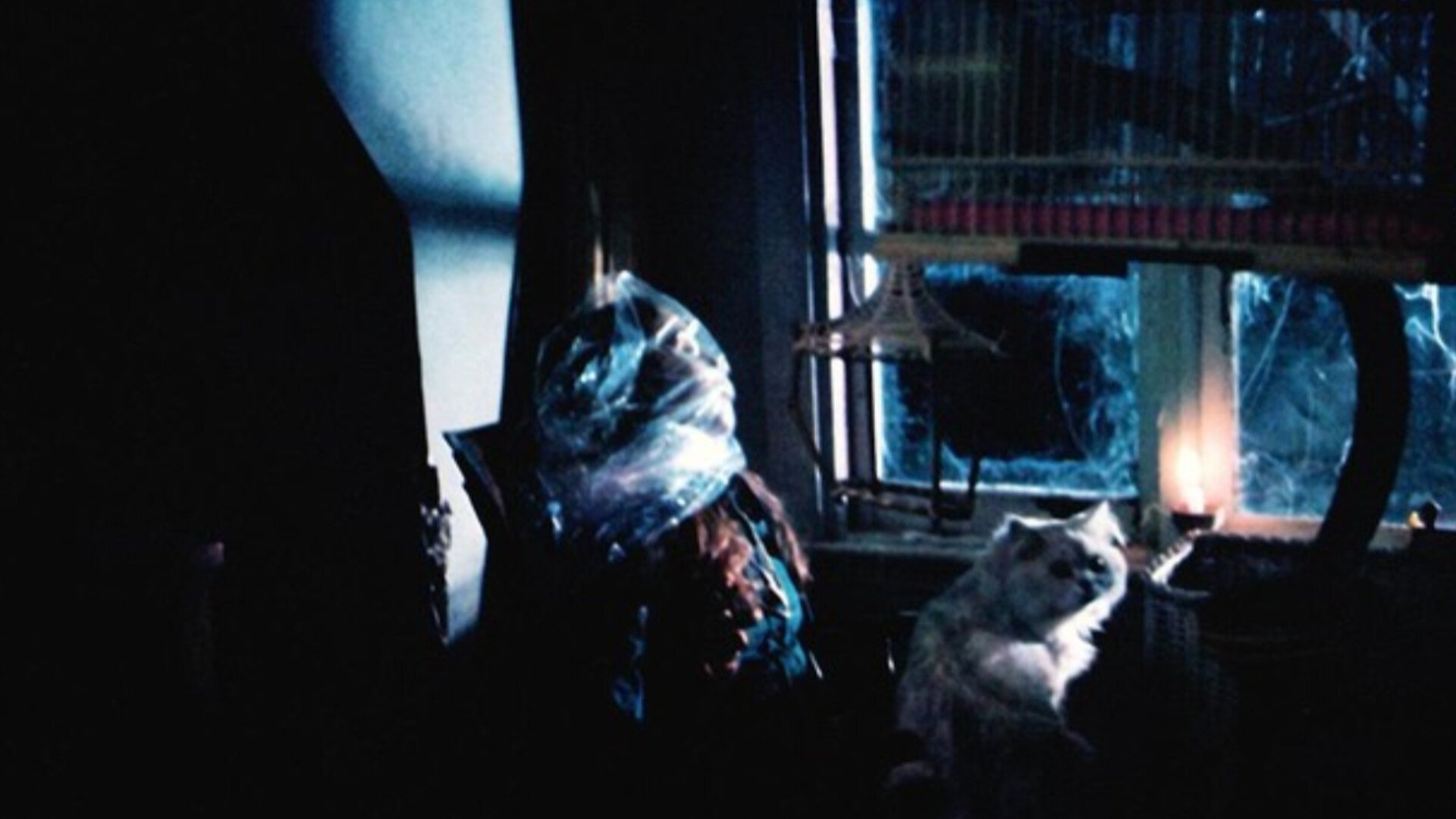
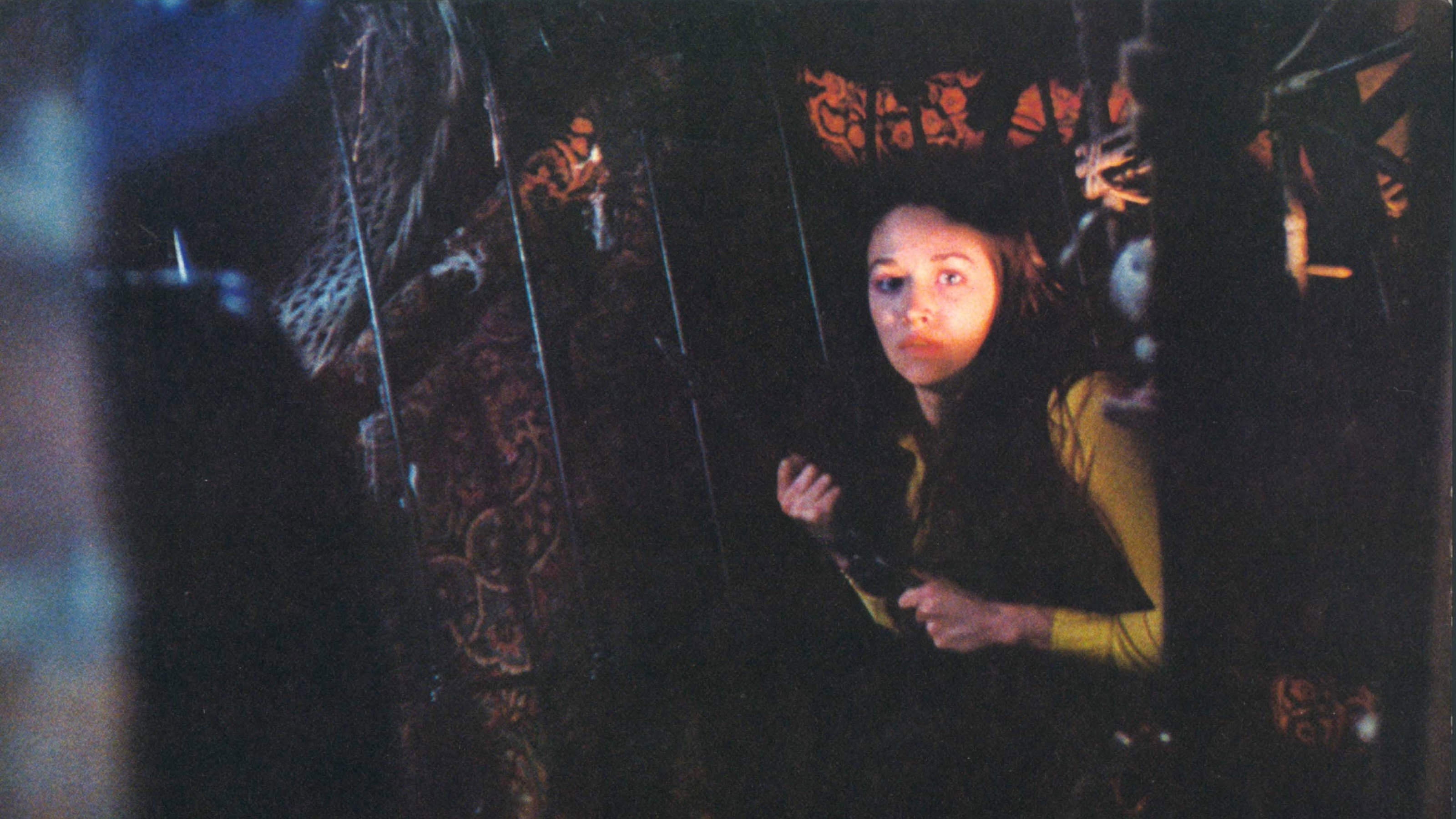
The film frequently contrasts this mobile viewpoint with comparatively stable views of the residents and their surroundings. The attic, staircase, bedrooms and telephone establish a network of spaces that the audience gradually understands more completely than the characters. The image of Clare in the attic intensifies this imbalance: viewers repeatedly encounter the evidence of a crime that remains undiscovered within the story. Editing by Stan Cole alternates between the ordinary progress of the investigation and the concealed activities above the household. The suspense increasingly depends on the distance between what the audience knows and what the police believe.
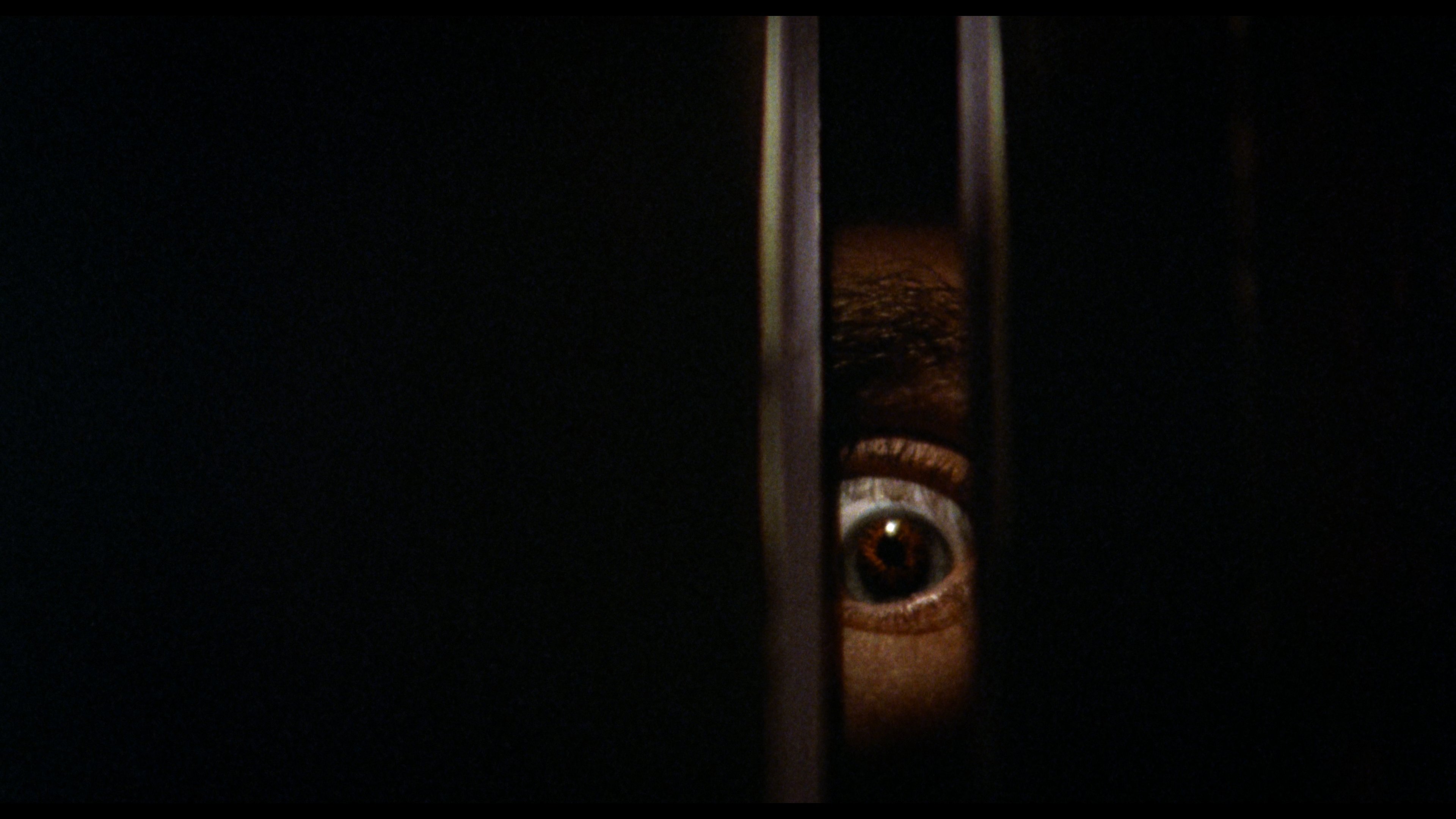
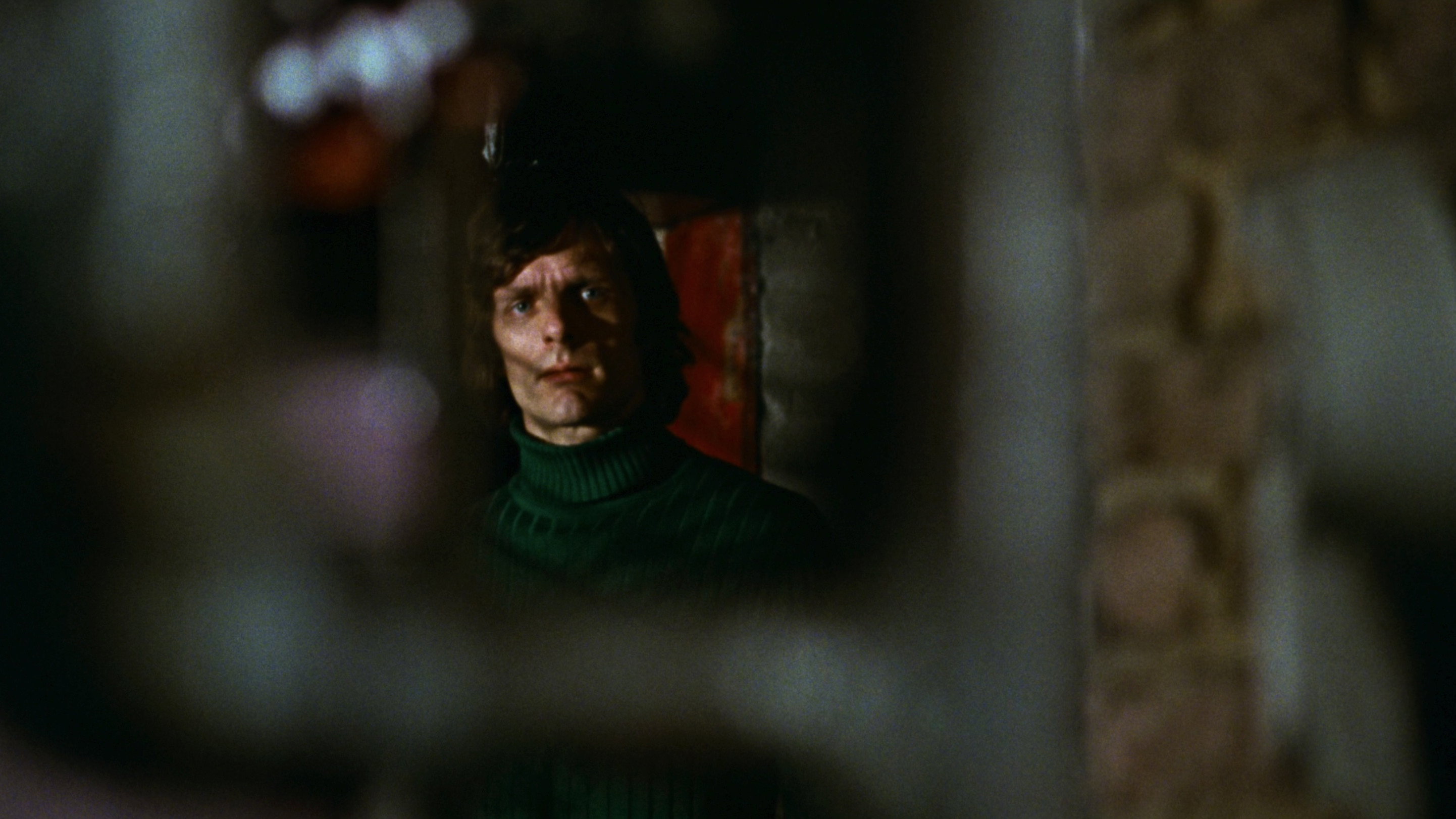
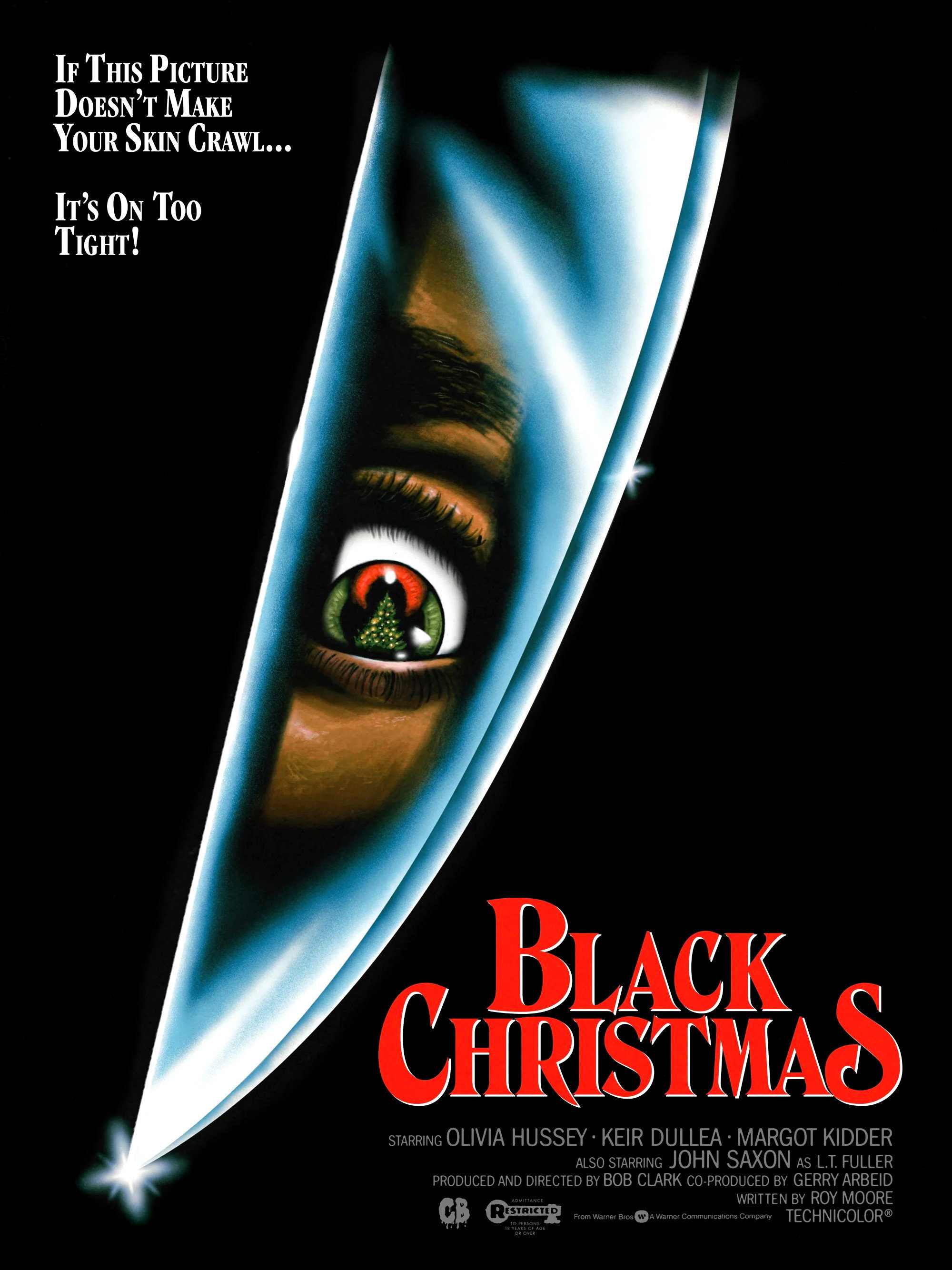
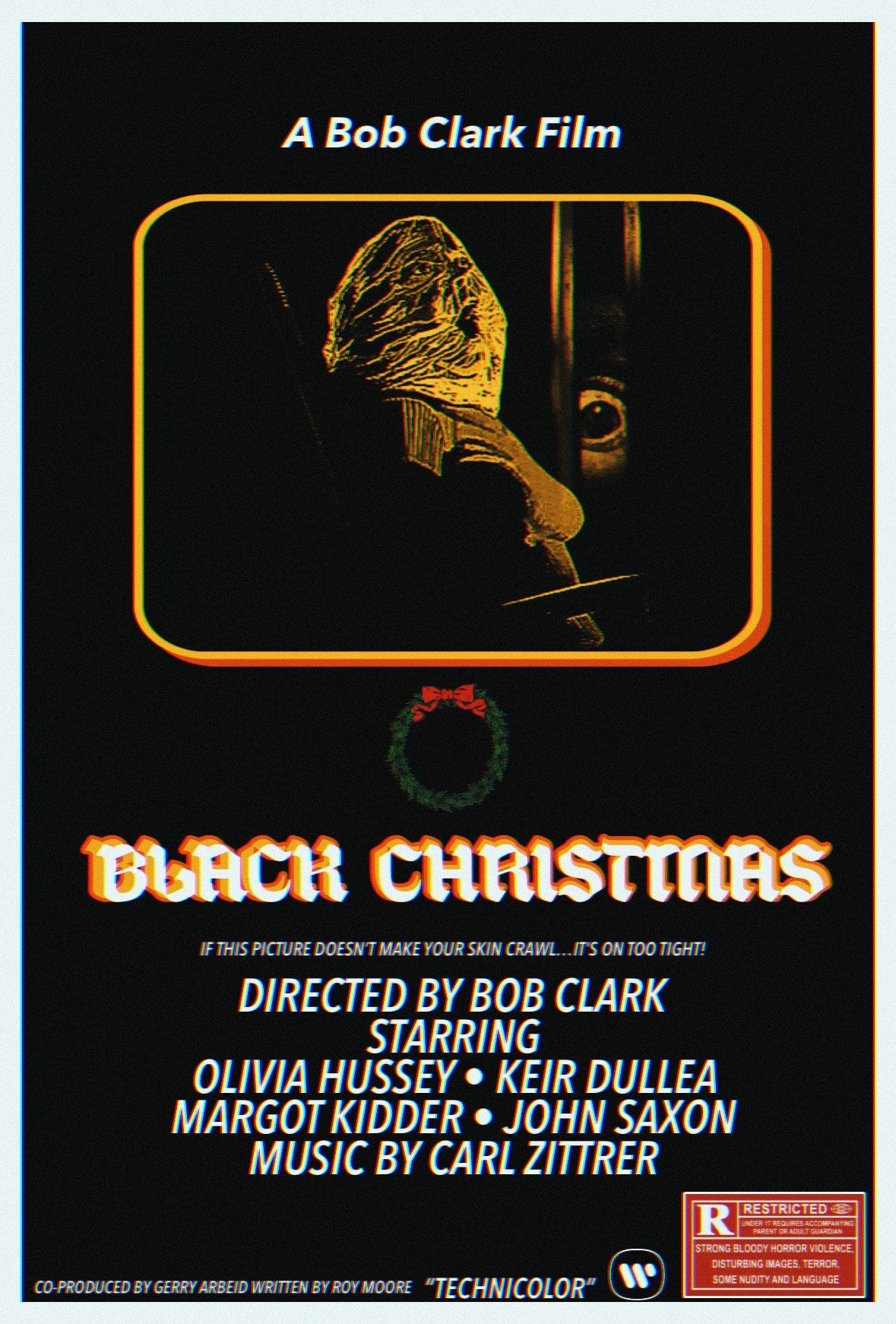
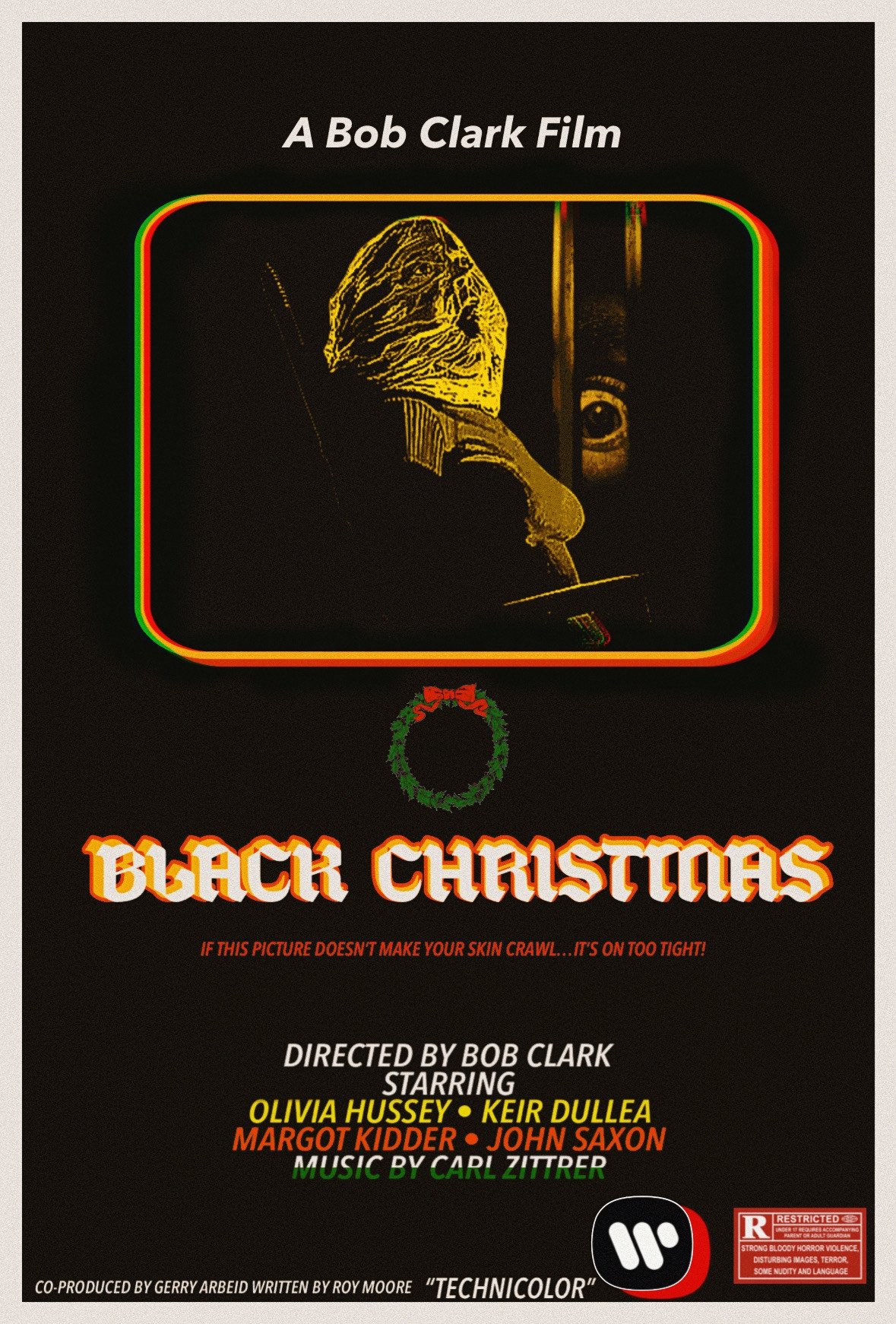
Clark’s decision to withhold the murderer’s face also affects the ending. The film offers glimpses of eyes, hands and partial movements without supplying a definitive visual identity. The apparent resolution of the investigation is therefore separated from the audience’s knowledge of the remaining danger. A final movement through the house returns attention to spaces whose significance has already been established. Rather than resolving the uncertainty through a conventional unmasking, the camera preserves the threatening relationship between the inhabited rooms and the concealed attic.
Music, Telephone Voices and Sound Design
The soundtrack is among the film’s most distinctive technical achievements. Composer Carl Zittrer developed a largely experimental approach that avoided relying on a conventional orchestral horror score. In testimony reproduced by Jason Comerford for 13 Chills, Zittrer described producing unfamiliar sounds through direct manipulation of a piano. He scraped and struck its strings with brushes, combs and forks, recorded the results and subjected them to further alterations. The recordings were reversed, processed with reverberation and transformed through additional studio work. These procedures produced textures whose origins were difficult to recognize, allowing the musical material to merge with the film’s broader atmosphere of disturbance.
Zittrer also experimented with voices sung into the piano to excite its strings, subsequently modifying the resulting recordings. The process connects the score with the extended techniques of experimental music and the prepared-piano tradition. It is especially appropriate to a film in which vocal sound carries much of the threat. The music often acts as an extension of the murderer’s unstable psychological presence, surrounding ordinary domestic environments with noises that cannot be easily assigned to visible sources. The result differs from a score organized primarily around memorable melodies or repeated orchestral themes.
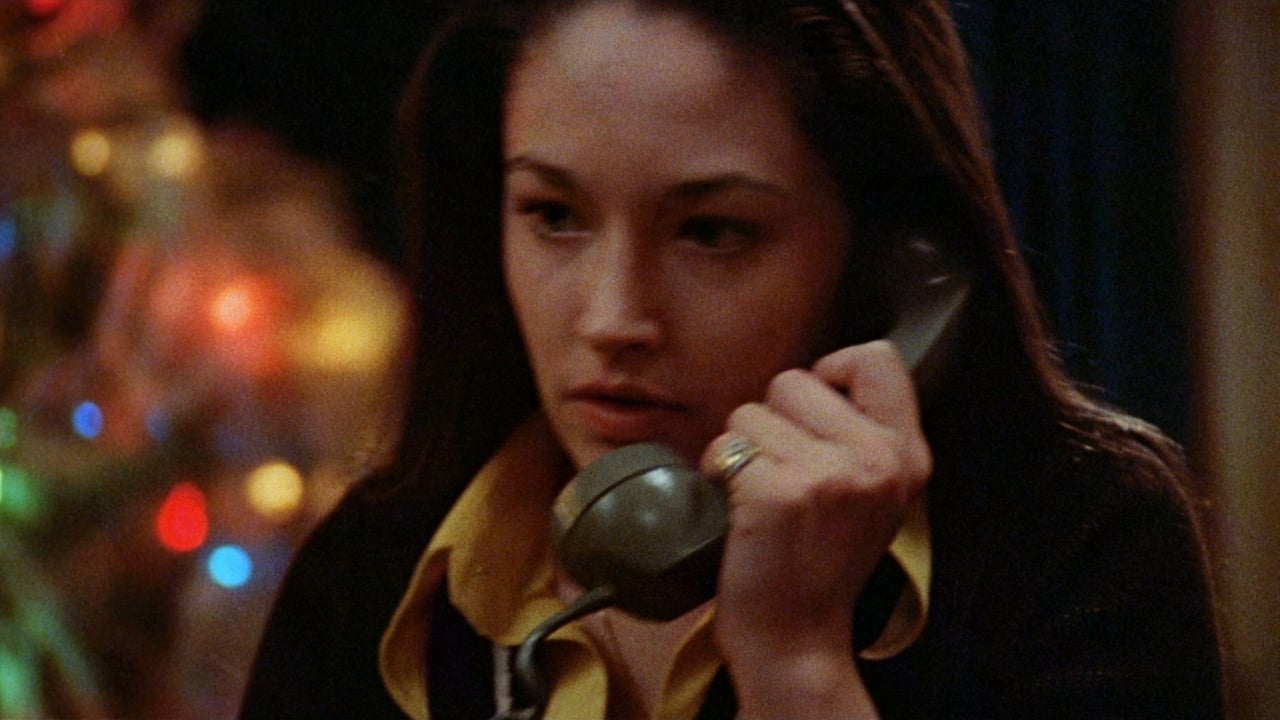
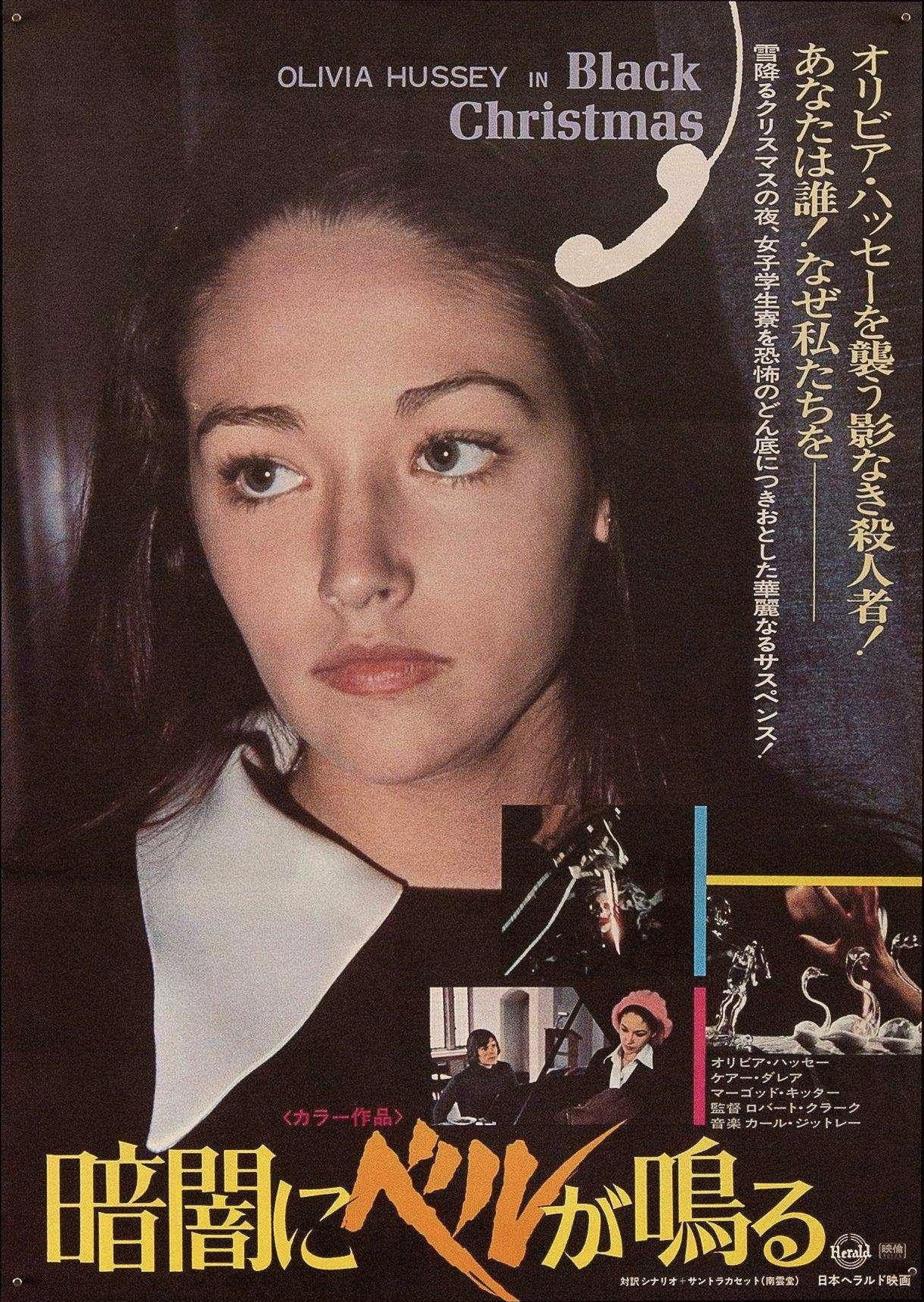
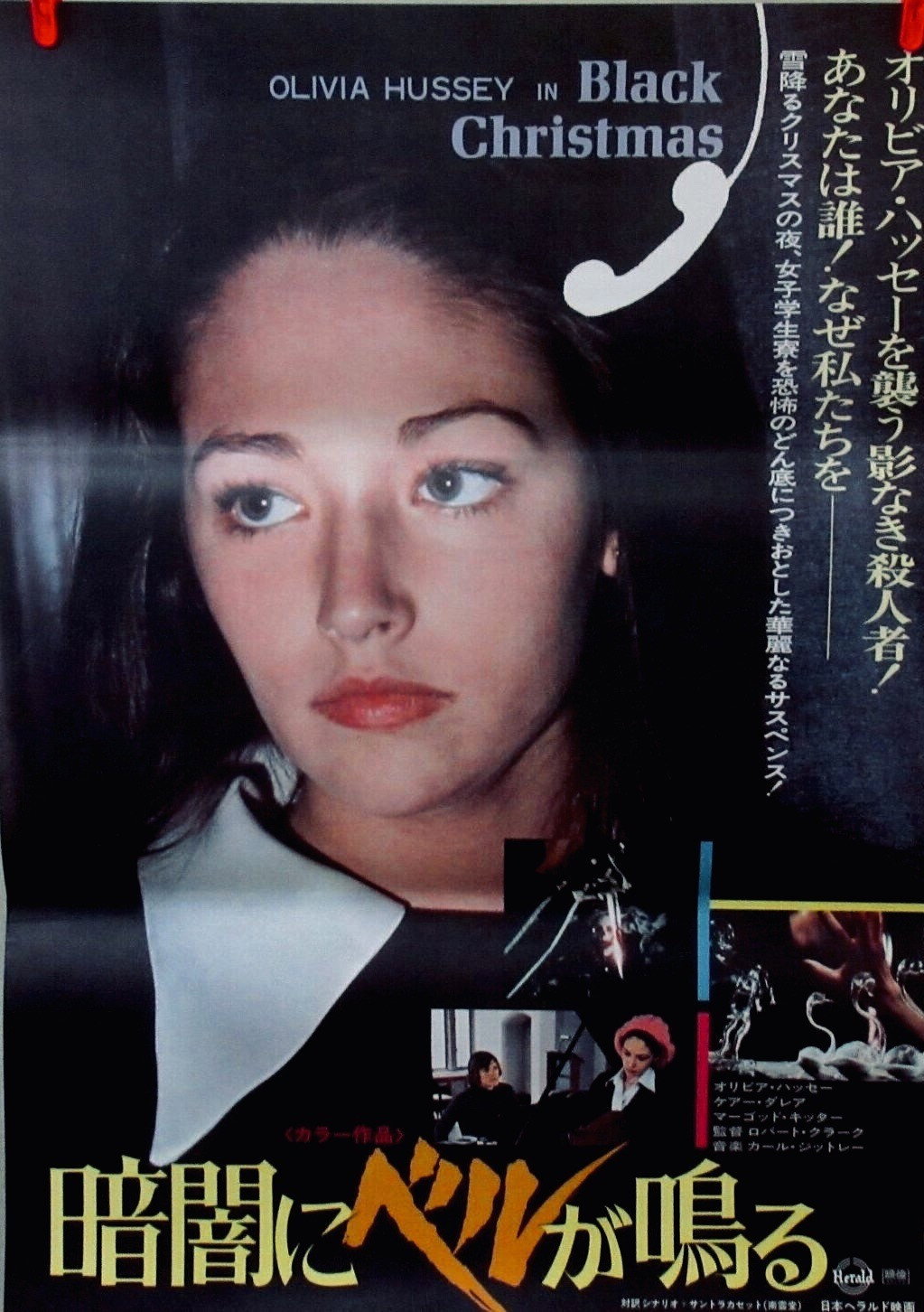
The threatening telephone calls required a separate process of vocal construction. Turner Classic Movies documents the participation of several performers, including Nick Mancuso, whose contribution became particularly important to the caller’s changing voices. Jason Comerford likewise describes the calls as the product of several days of post-production work involving improvisation and careful manipulation. The voice shifts between abusive speech, crying, fragmented dialogue and sudden changes of tone. These variations suggest multiple emotional states without establishing a reliable biography for the speaker. The telephone provides a connection between the hidden murderer and the residents while preventing them from identifying his physical location.
The relationship between sound and knowledge becomes increasingly important when the police attempt to trace the calls. The telephone initially appears to be an ordinary device through which an external stranger can threaten the household. As the investigation develops, its acoustic presence becomes evidence of a danger already inside the building. The film thus constructs some of its strongest moments through voices, silence and delayed recognition. Sound repeatedly reveals a threat that the image refuses to identify.
Female Autonomy and Domestic Threat
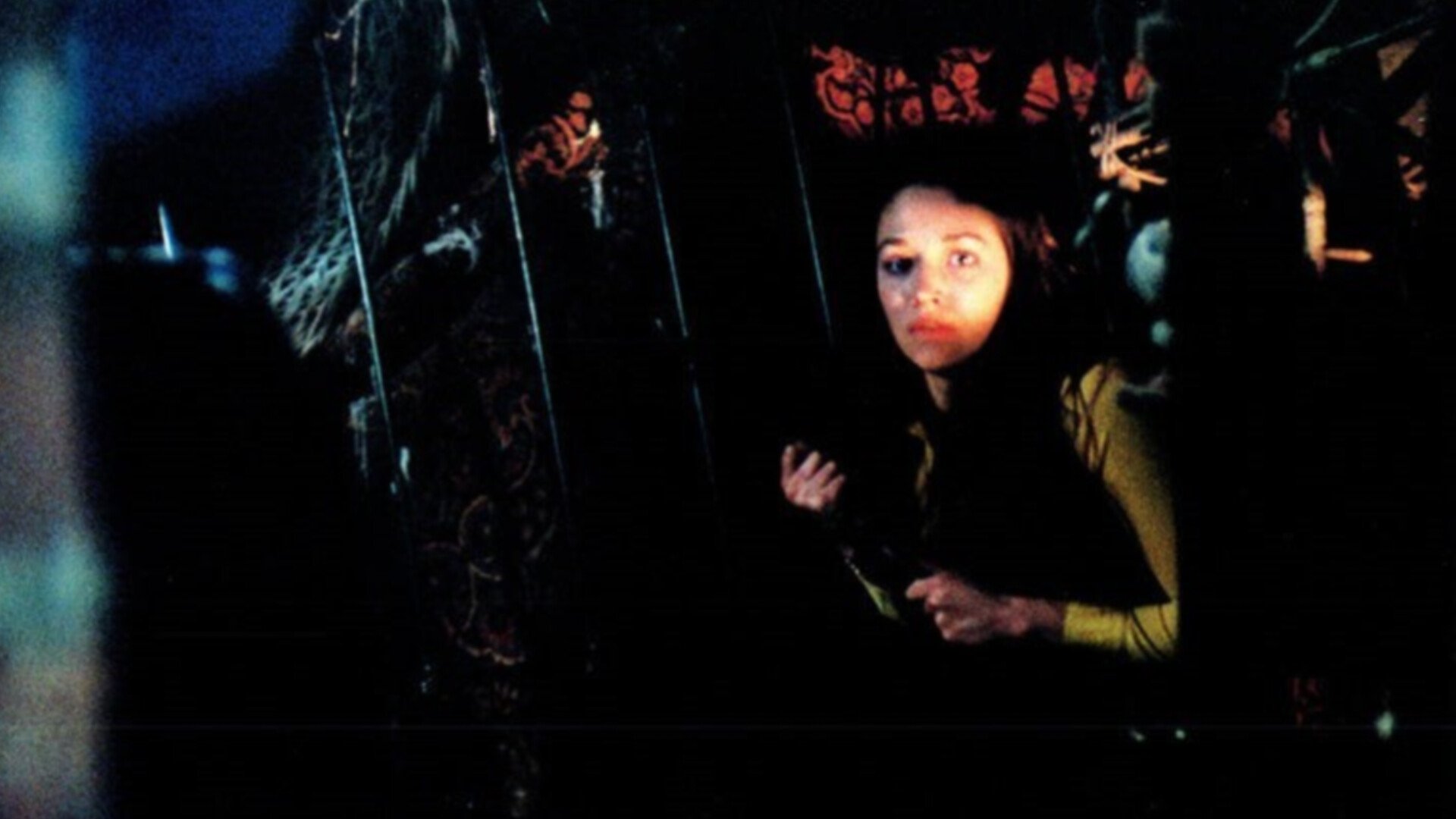
Jess Bradford occupies an unusual position among the heroines associated with the early slasher cycle. Her principal personal conflict concerns pregnancy and her intention to obtain an abortion, a decision opposed by Peter. Their disagreement develops independently of the murders and introduces questions about reproductive choice, emotional pressure and the future of their relationship. The film presents Jess as capable of making decisions that conflict with the expectations of her partner. This dimension has encouraged later critics to examine the film through the politics of gender and personal autonomy, particularly in the context of the social debates surrounding abortion in the 1970s.
Peter’s escalating frustration creates a plausible source of suspicion once the telephone harassment becomes more serious. His emotional volatility and his opposition to Jess’s decision overlap with the investigation without proving his responsibility for the crimes. This uncertainty is central to the narrative’s treatment of male threat. The police interpretation of events becomes increasingly dependent on assumptions about recognizable behavior, while the actual murderer remains outside their immediate field of attention. The film’s suspense draws on the possibility that danger can originate within familiar intimate relationships as readily as from an unidentified stranger.
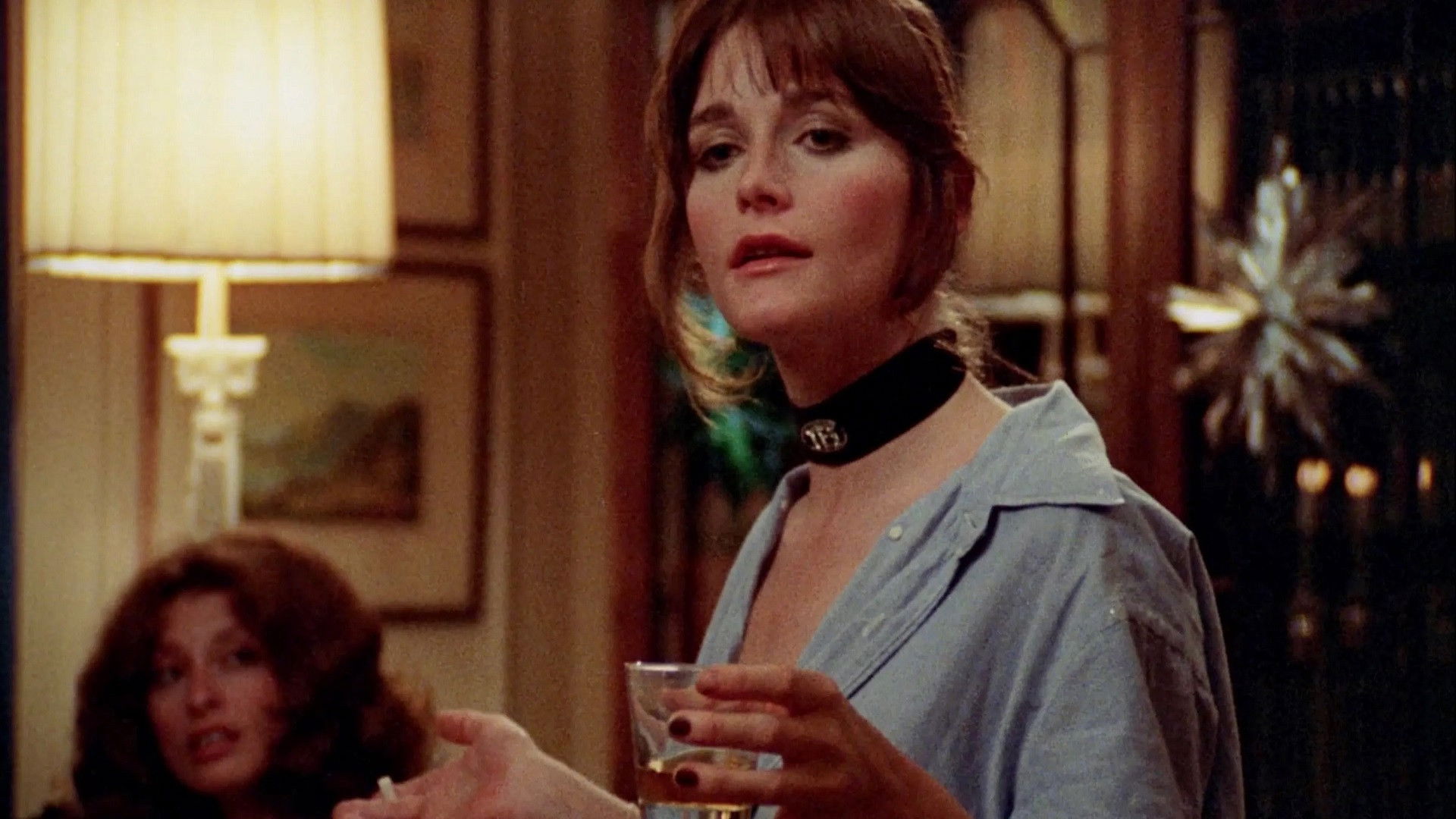
A retrospective analysis by Greg Cwik for The A.V. Club connects Black Christmas with contemporary anxieties surrounding women’s independence and bodily autonomy. That reading is supported by the film’s explicit confrontation between Jess and Peter, although it remains a critical interpretation rather than a documented statement of Clark’s original intentions. The other women in the household complicate any uniform characterization of the group. Barb’s sexual frankness, Phyl’s loyalty and Mrs. Mac’s disregard for propriety establish distinct personalities that resist a single moral classification. Their exposure to violence does not follow a simple sequence of punishment for sexual behavior.
The final act exposes the limitations of the authorities assigned to protect Jess. The investigation appears to reach a conclusion, but the audience retains knowledge that undermines the official explanation. The surviving woman is consequently placed in danger through the very arrangements intended to ensure her safety. This ending extends the film’s interest in failed protection beyond the immediate killer, making institutional misunderstanding an additional source of horror.
Distribution, Censorship and Critical Reception
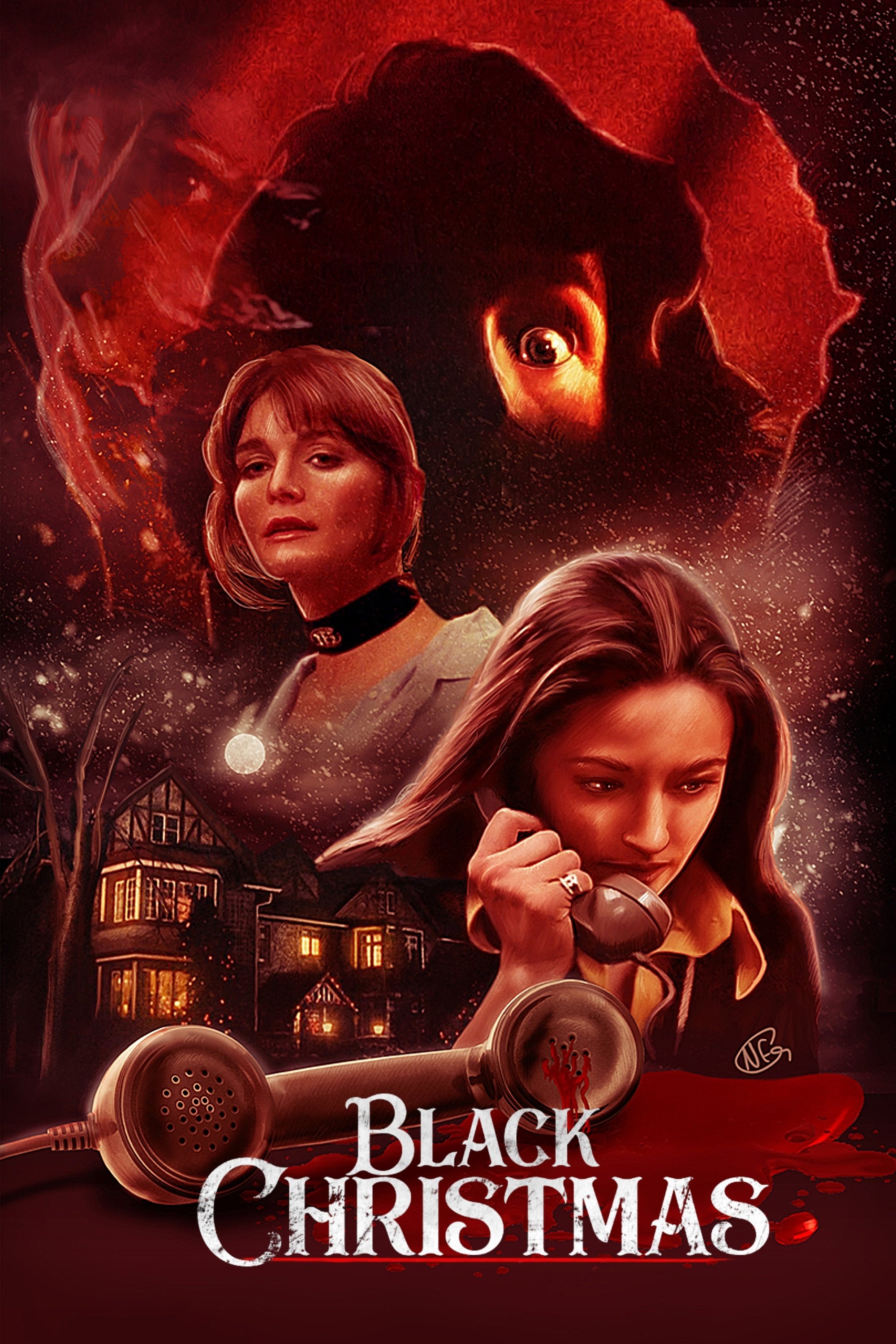
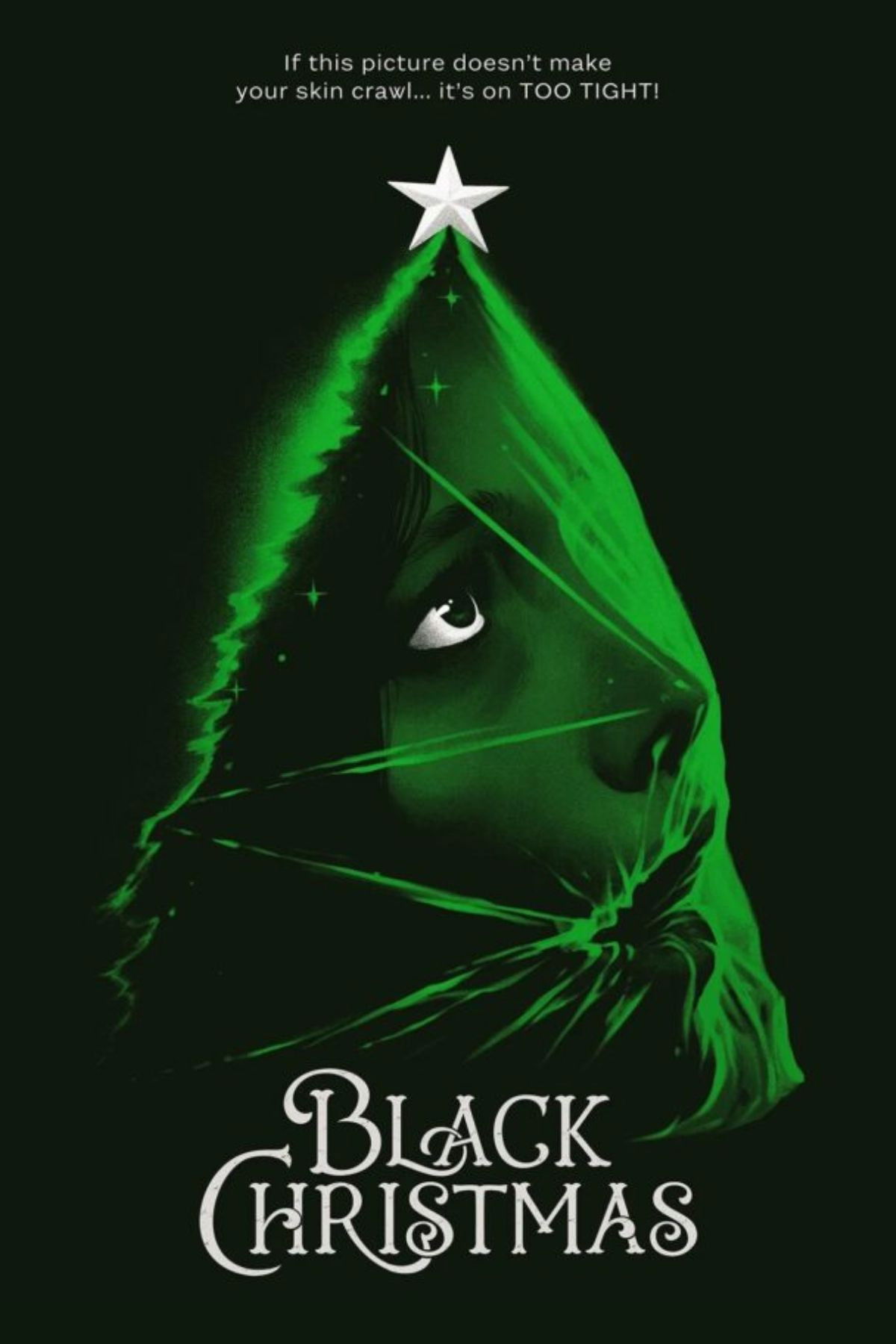
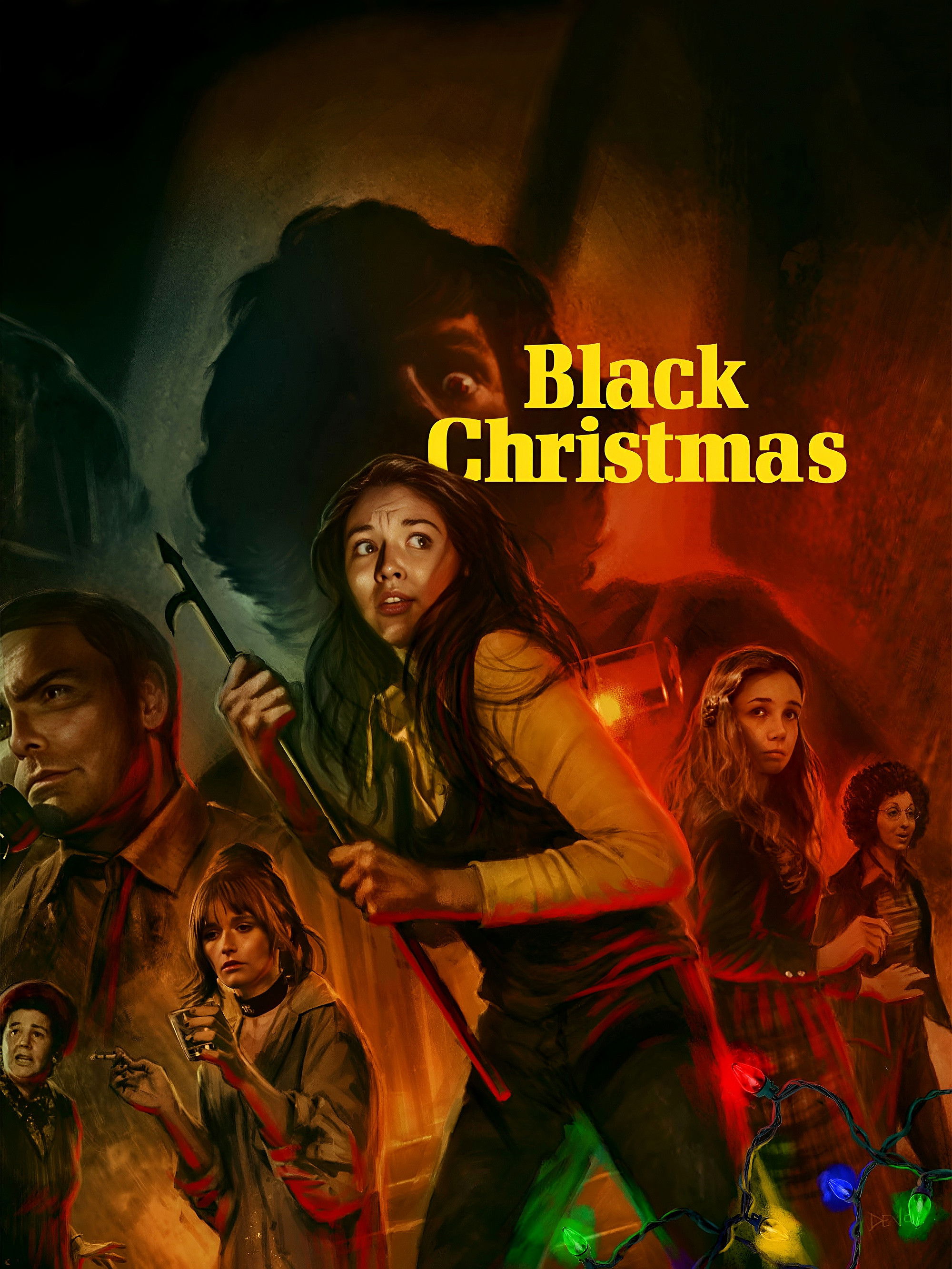
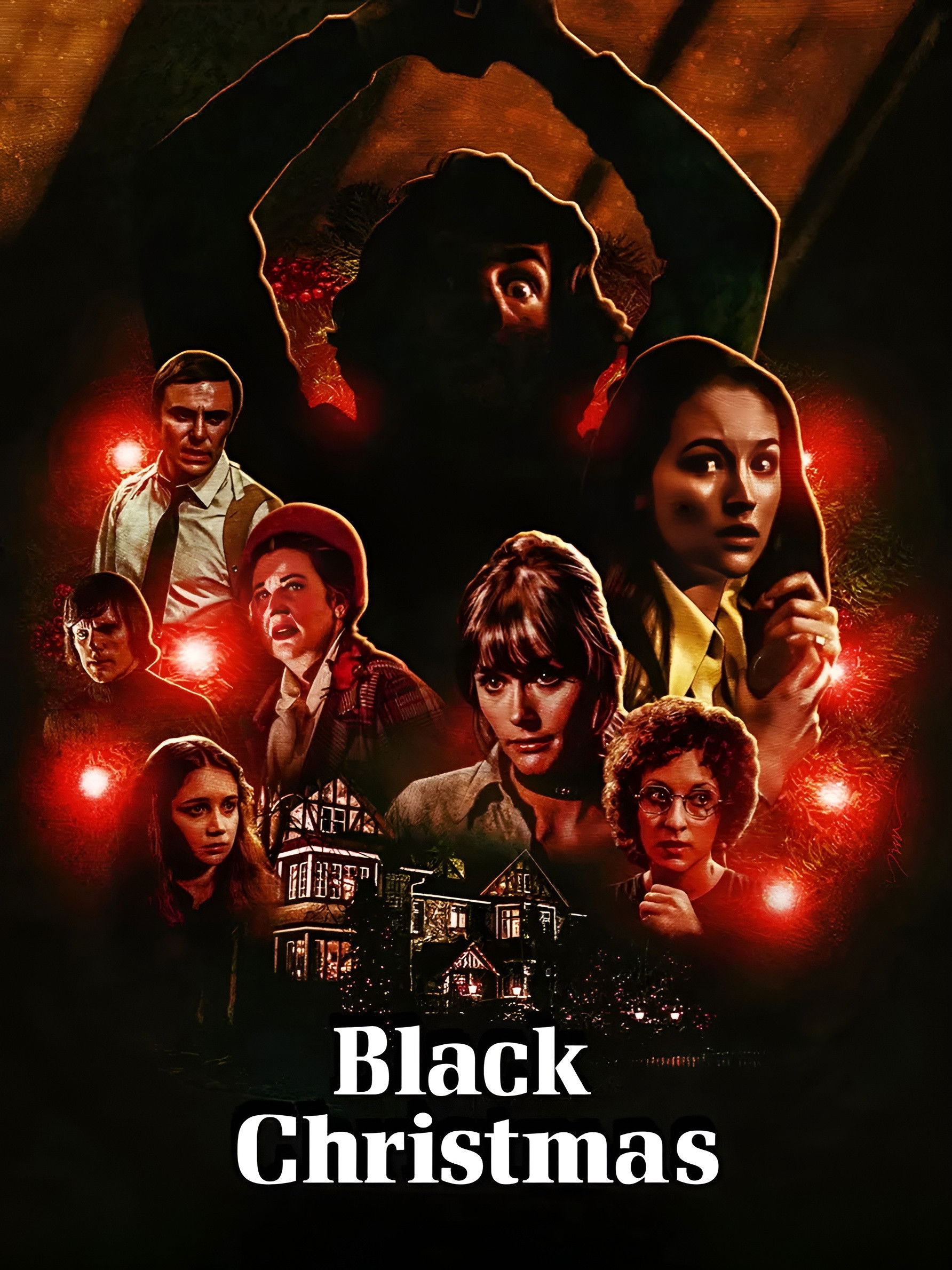
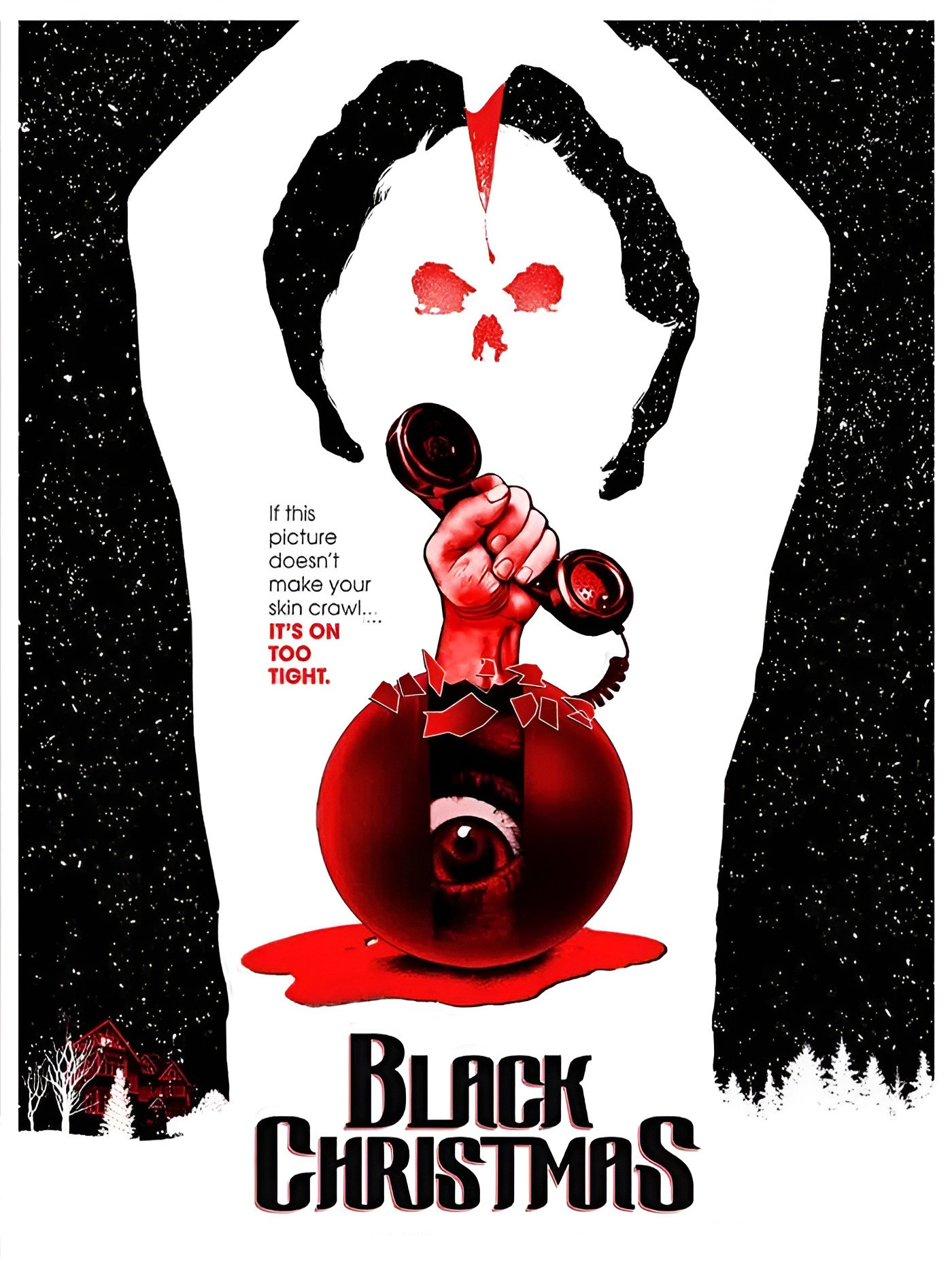
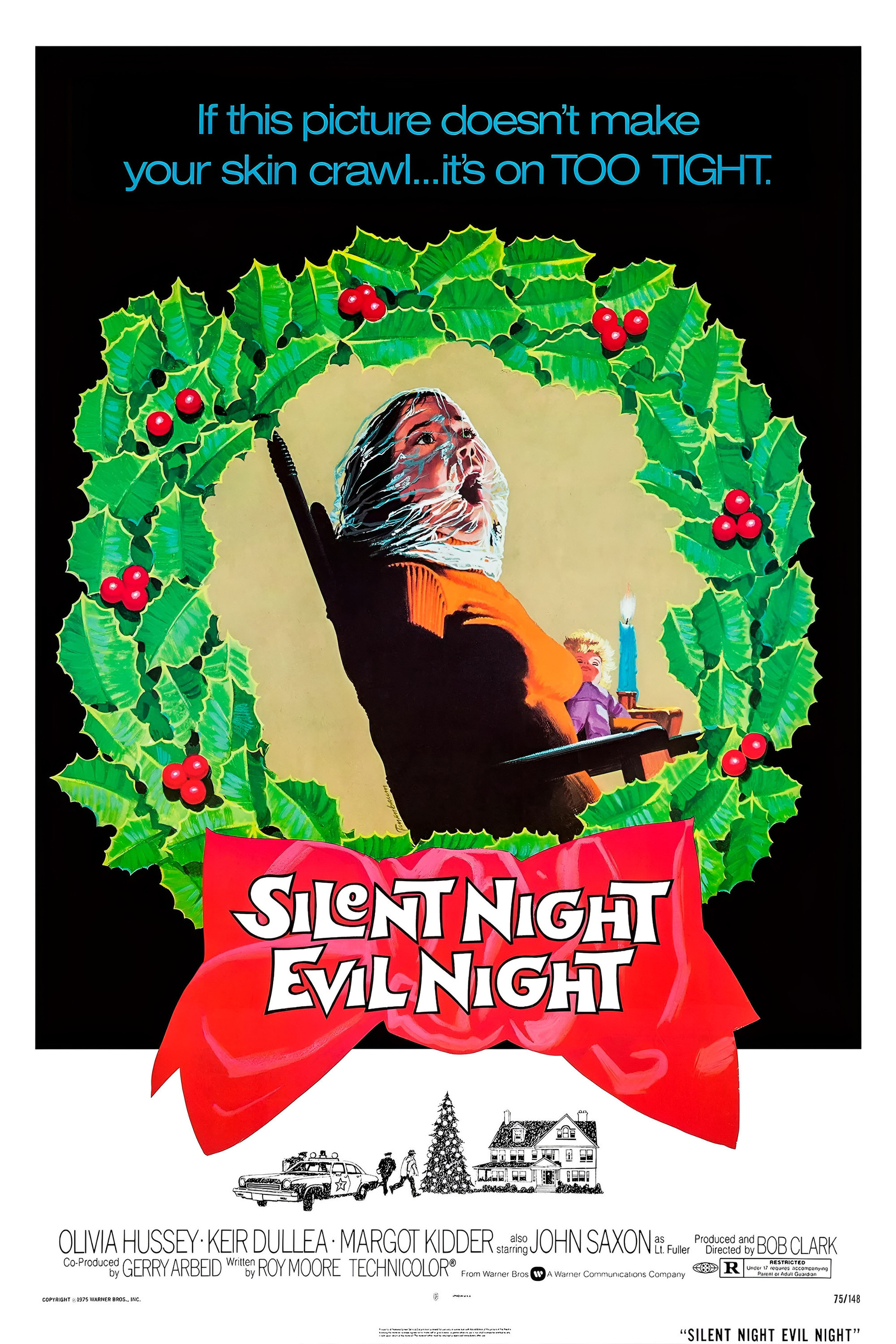
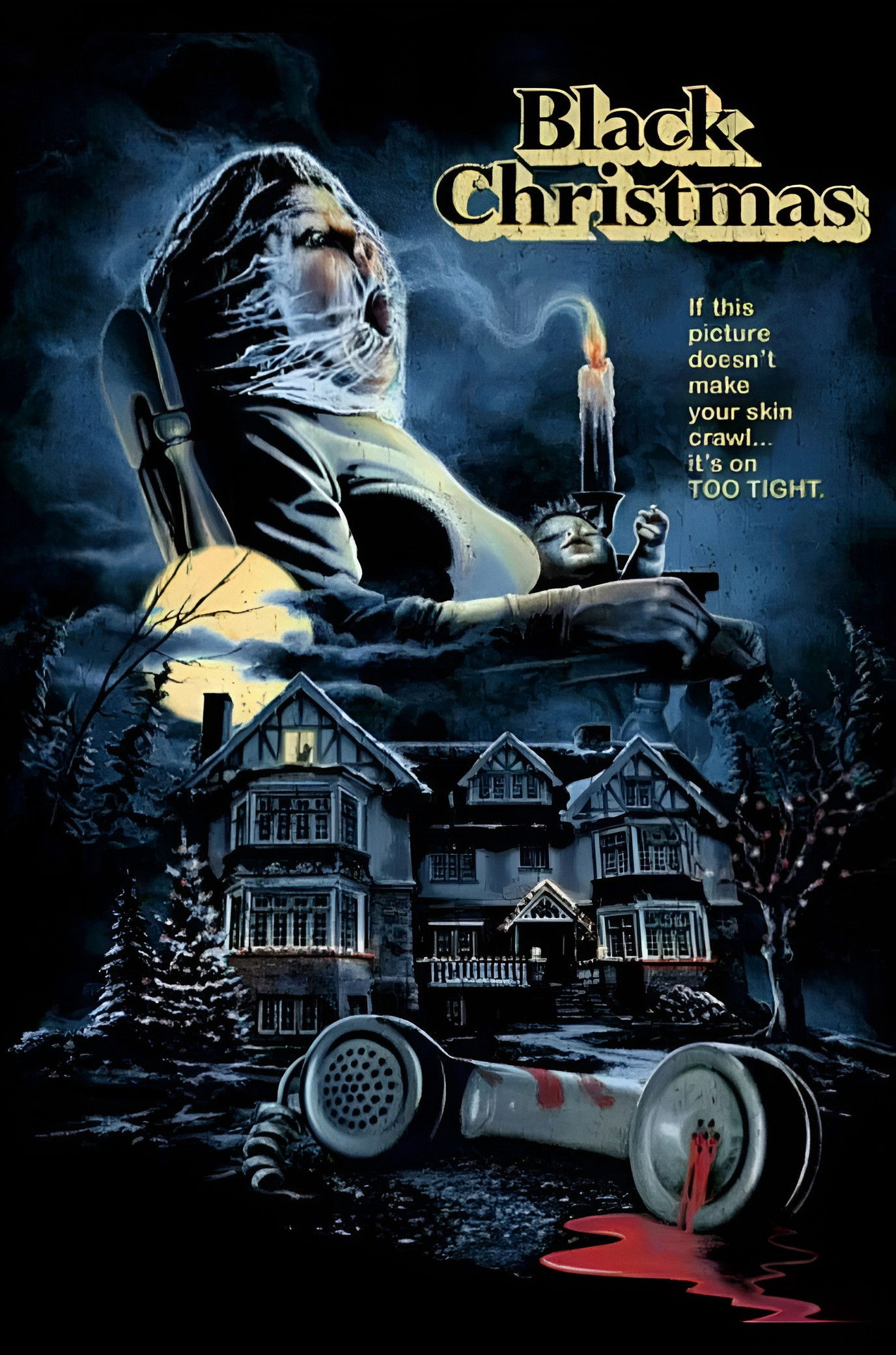
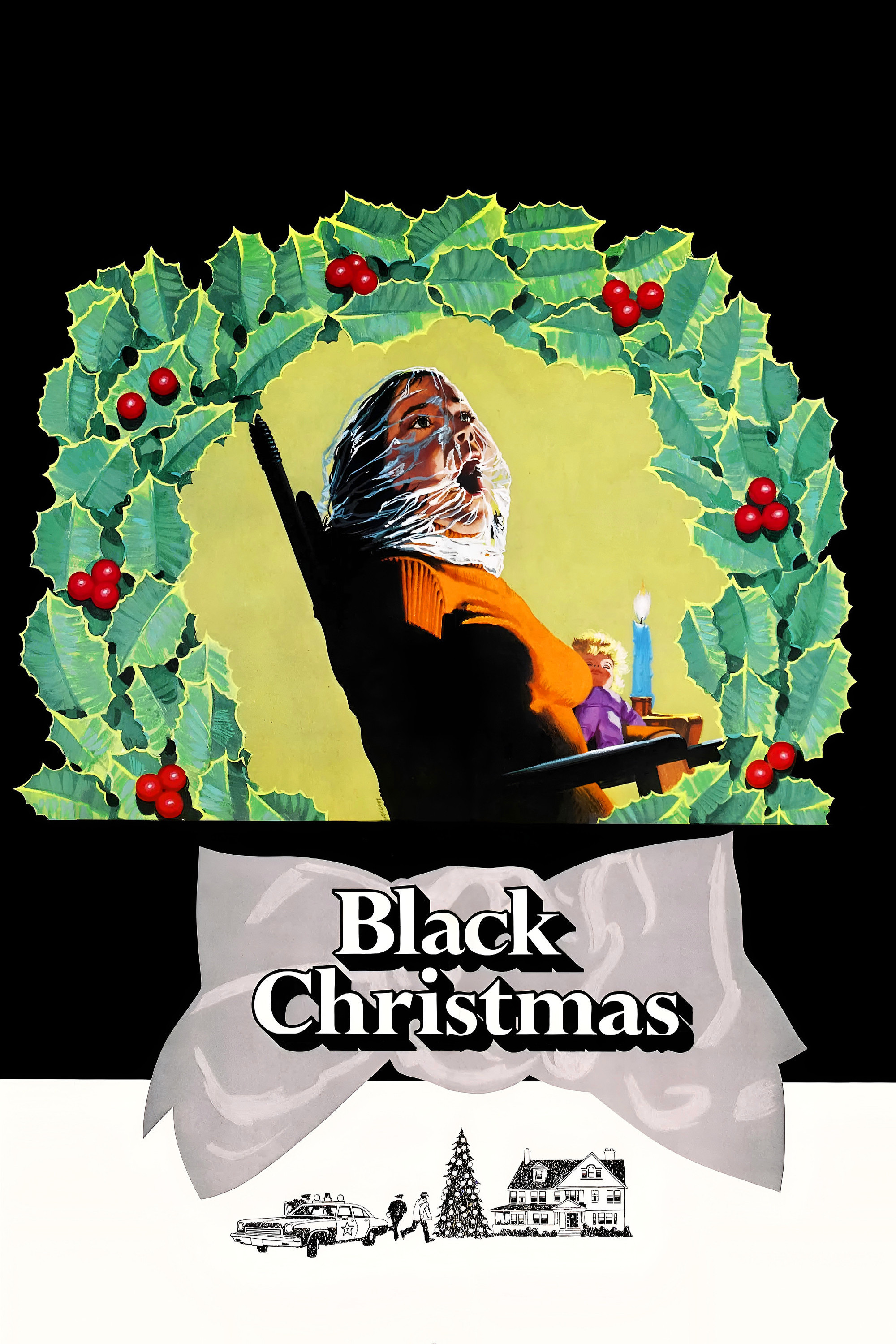
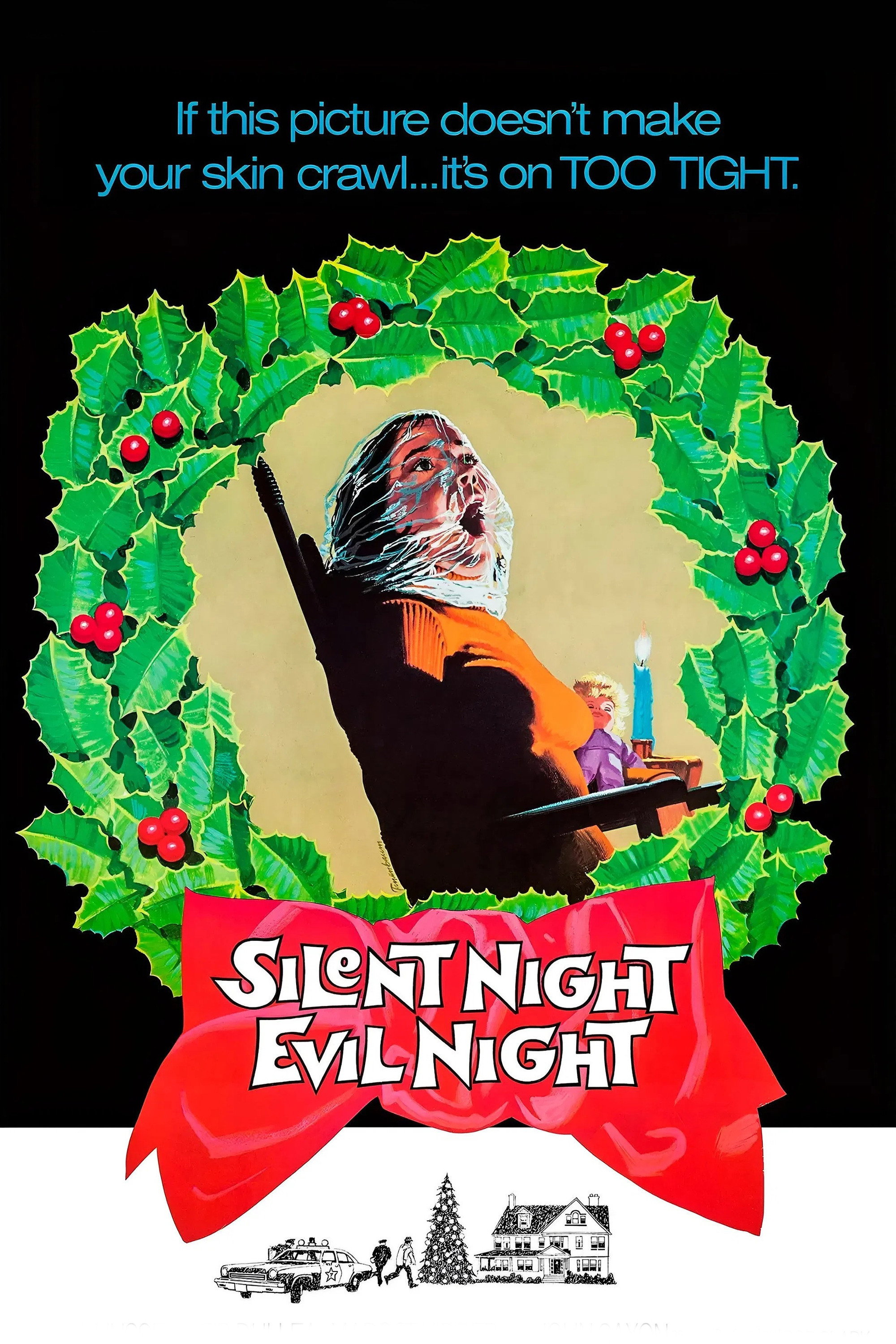
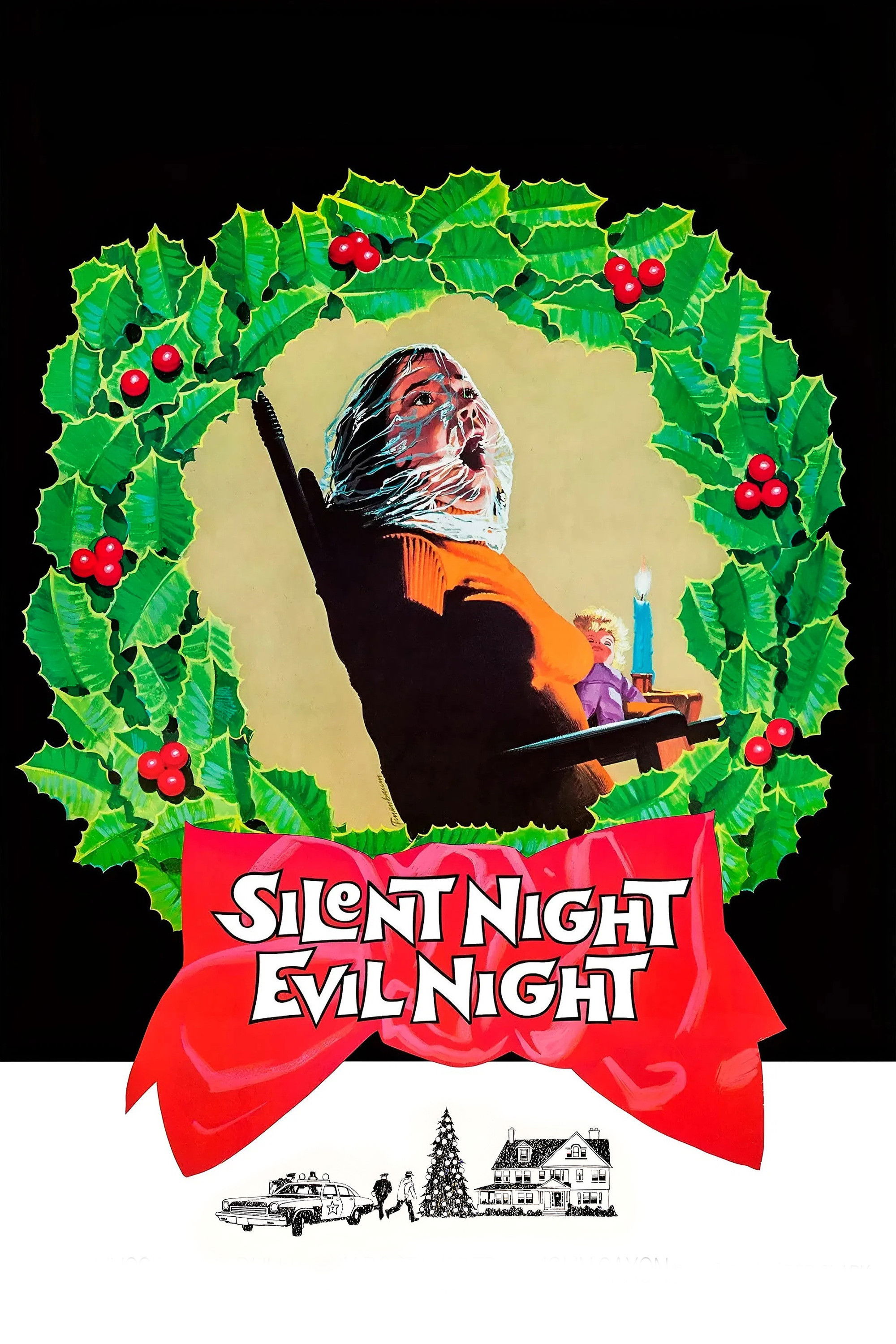
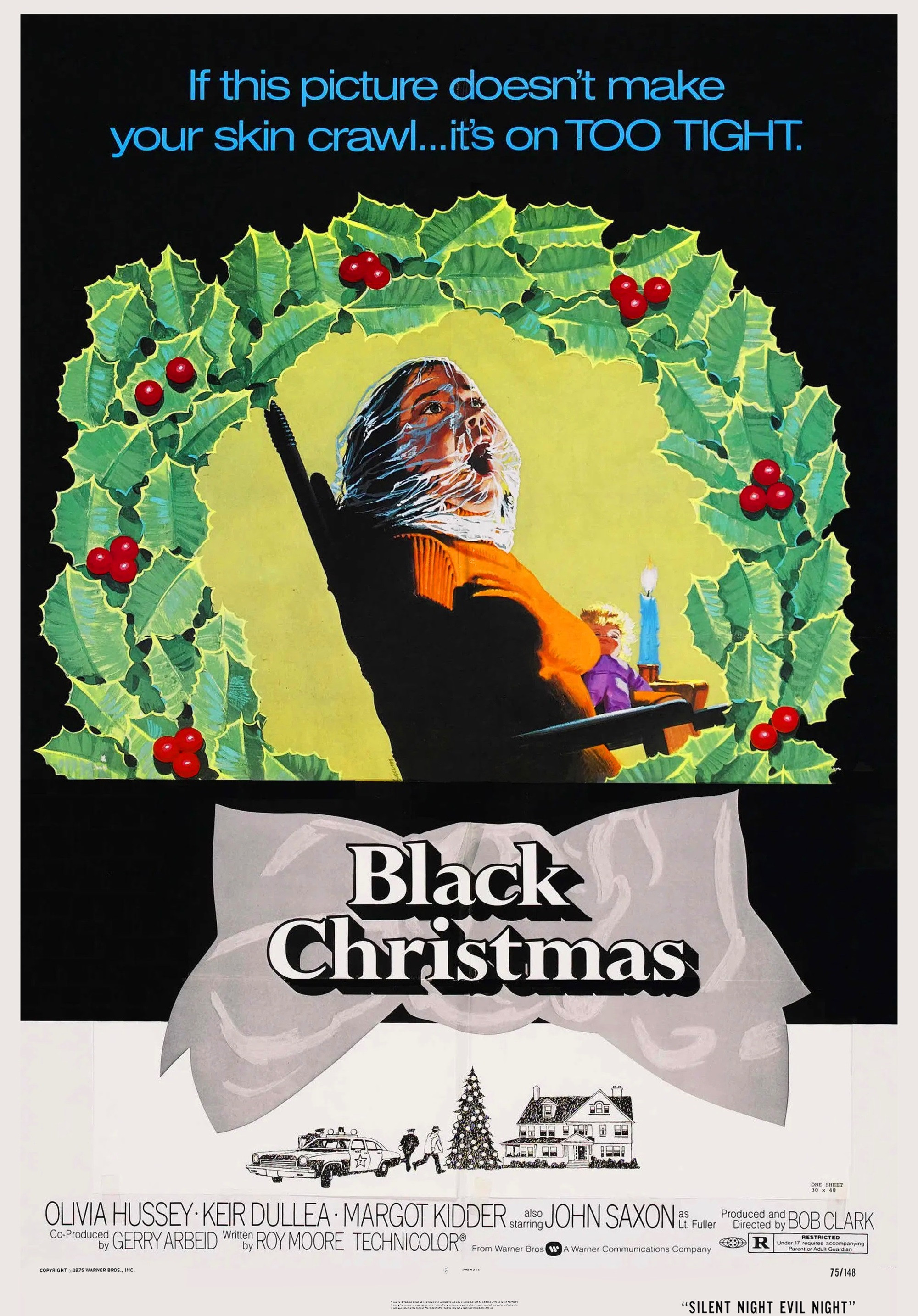
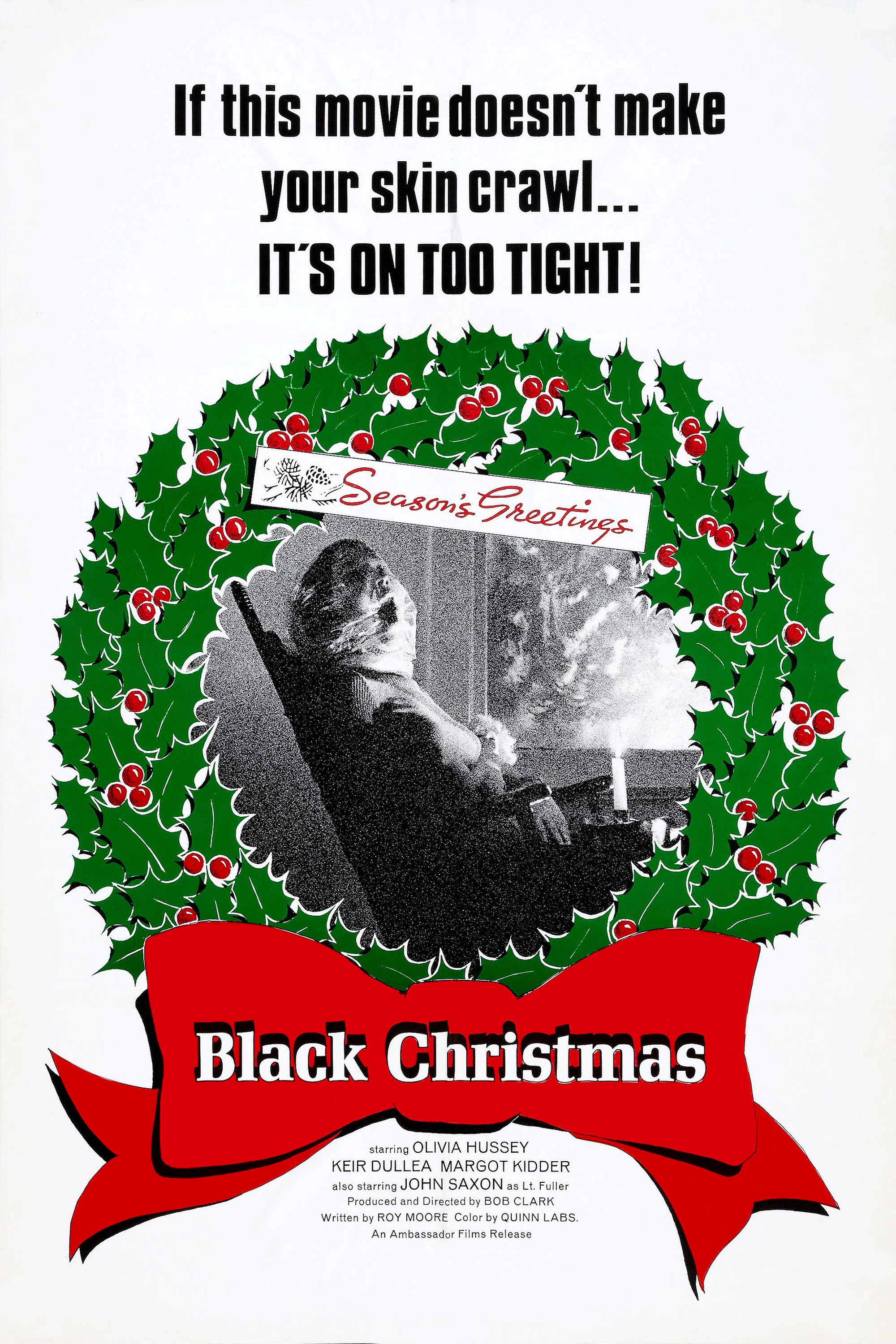
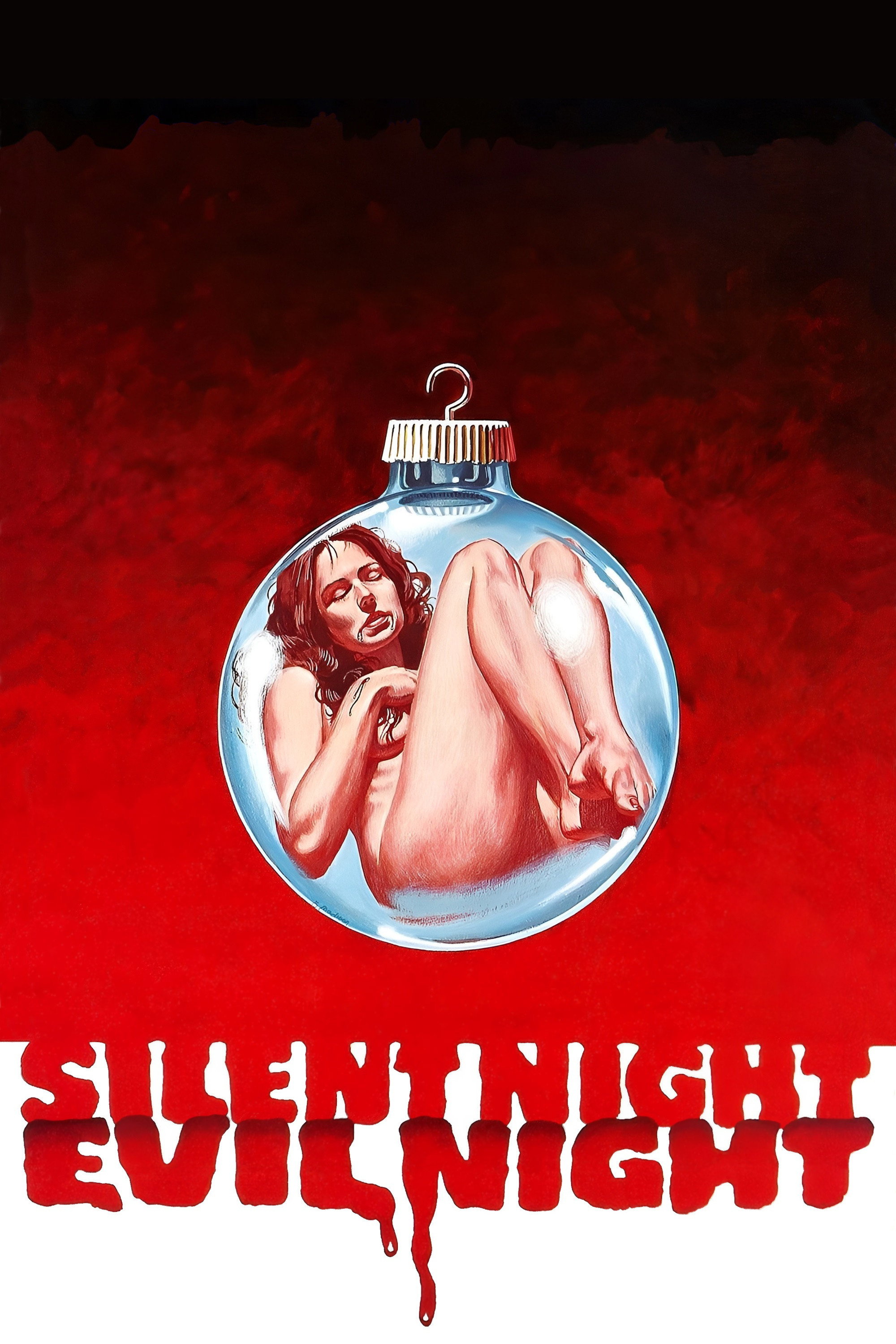
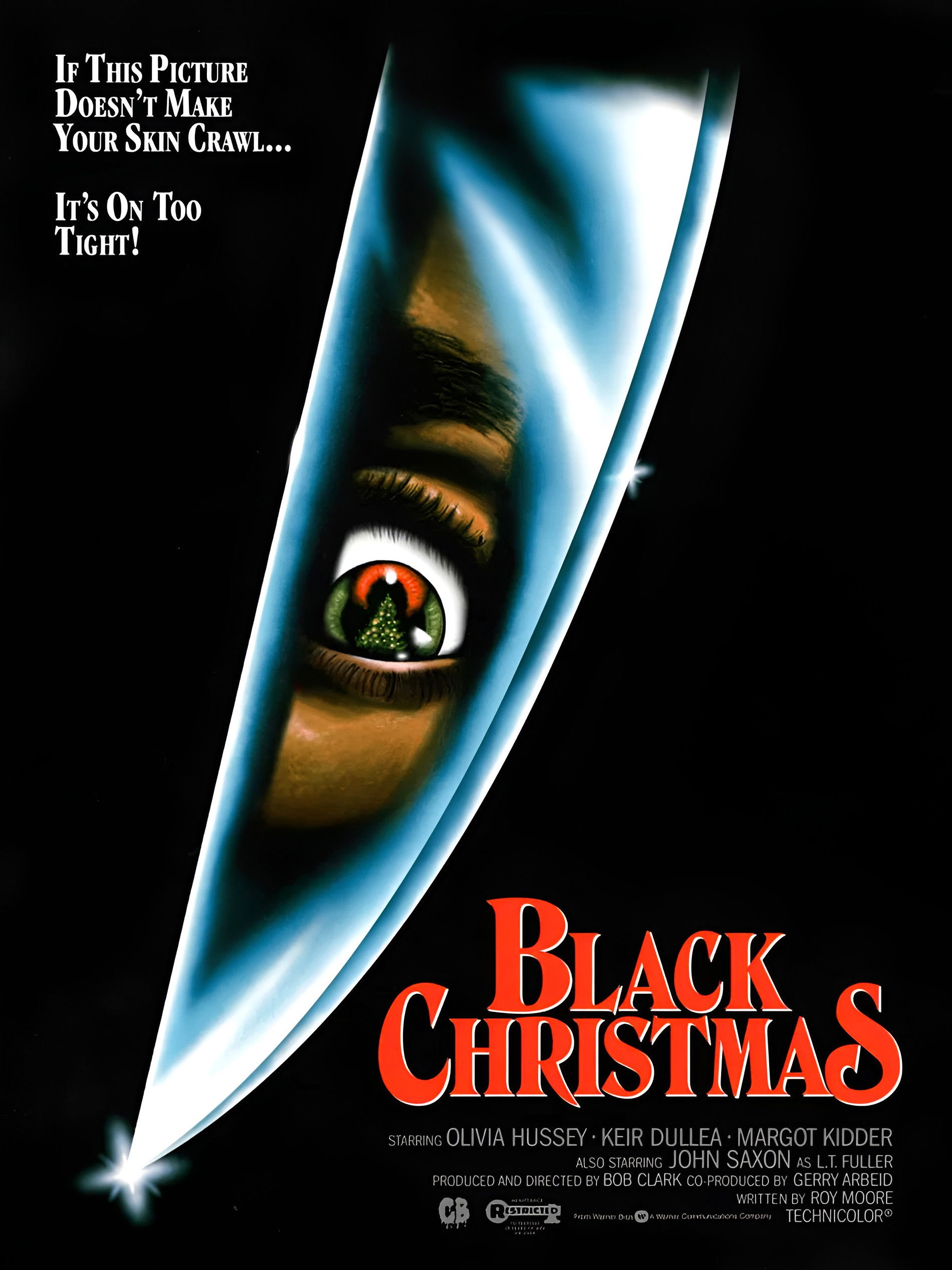
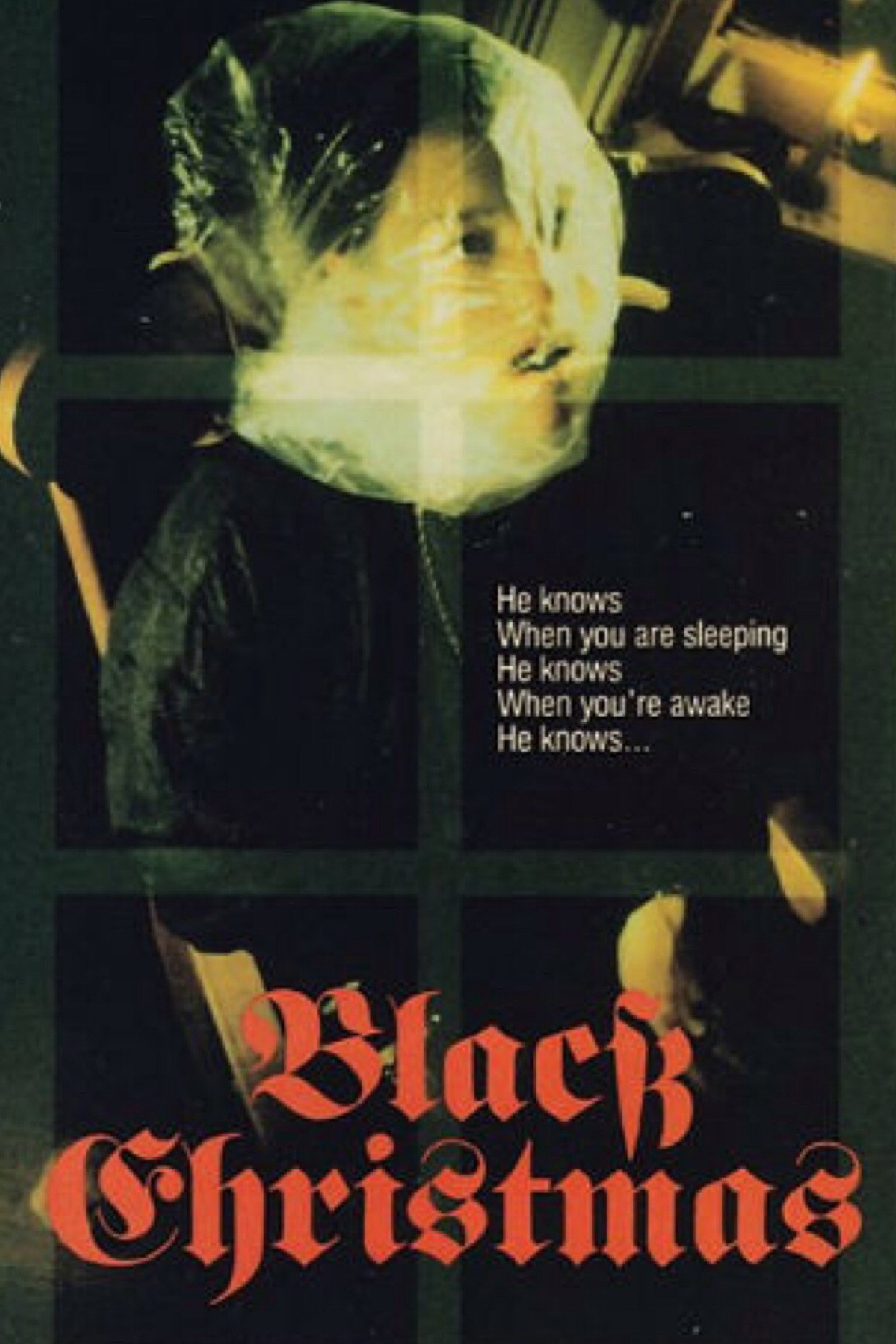
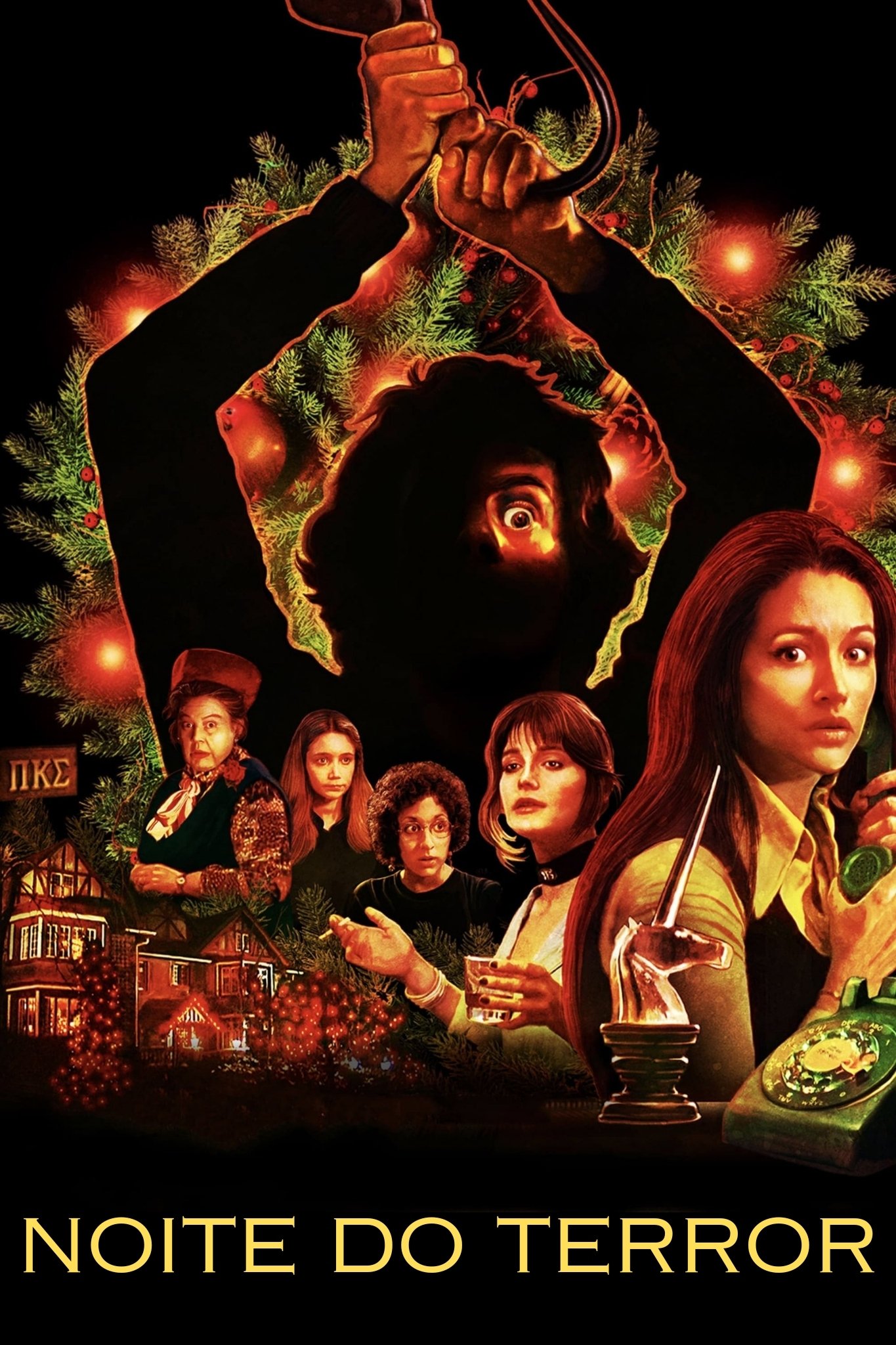
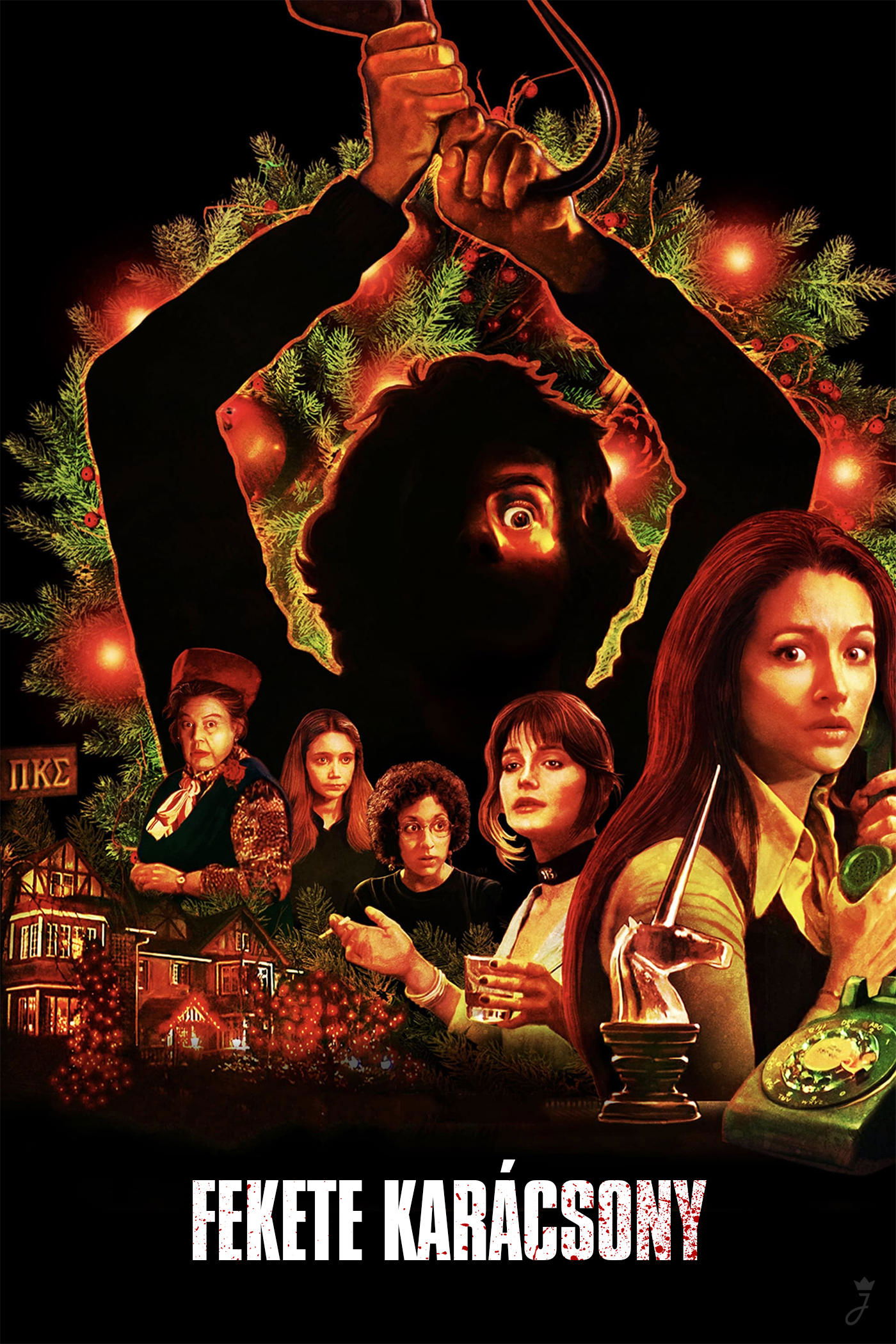
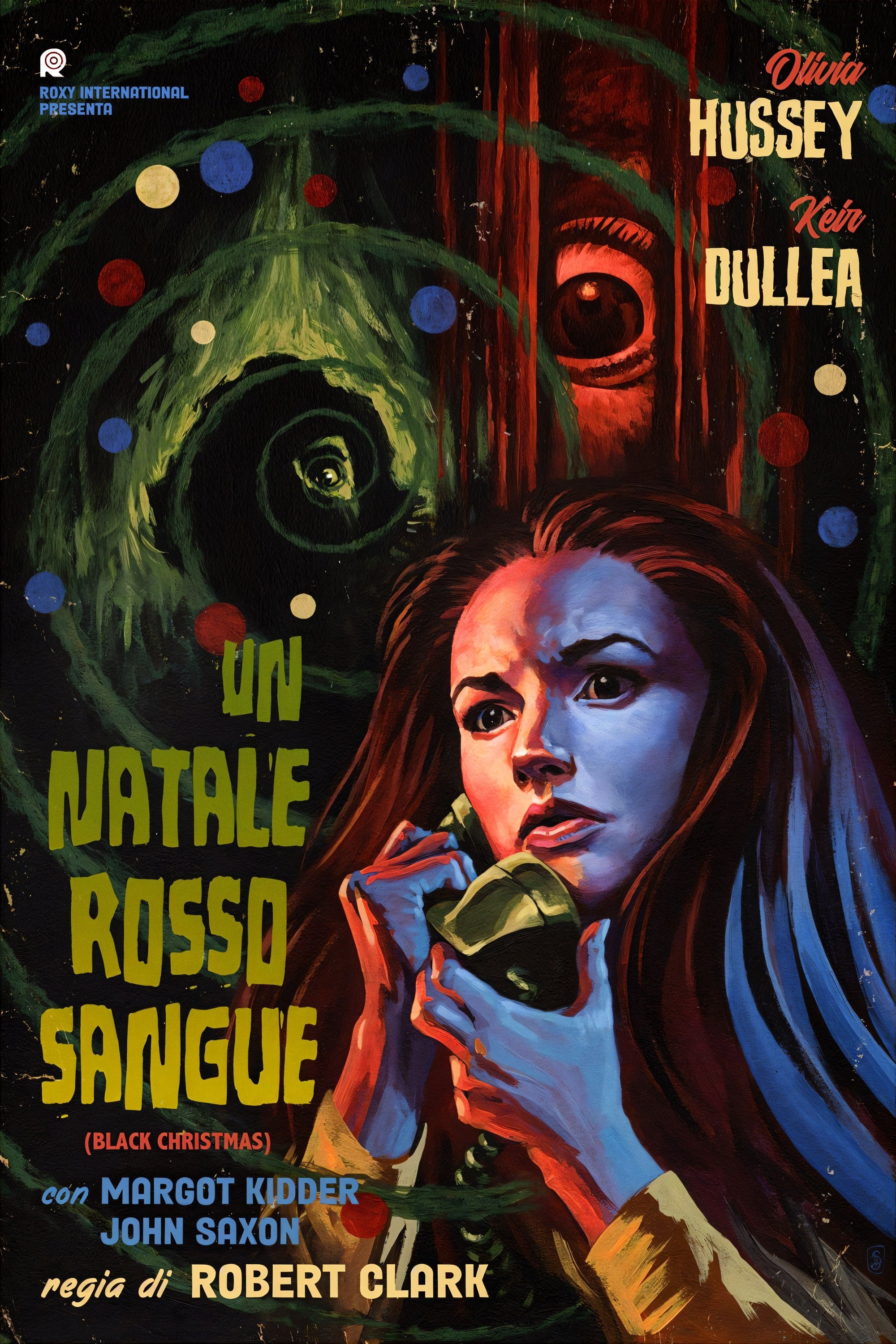
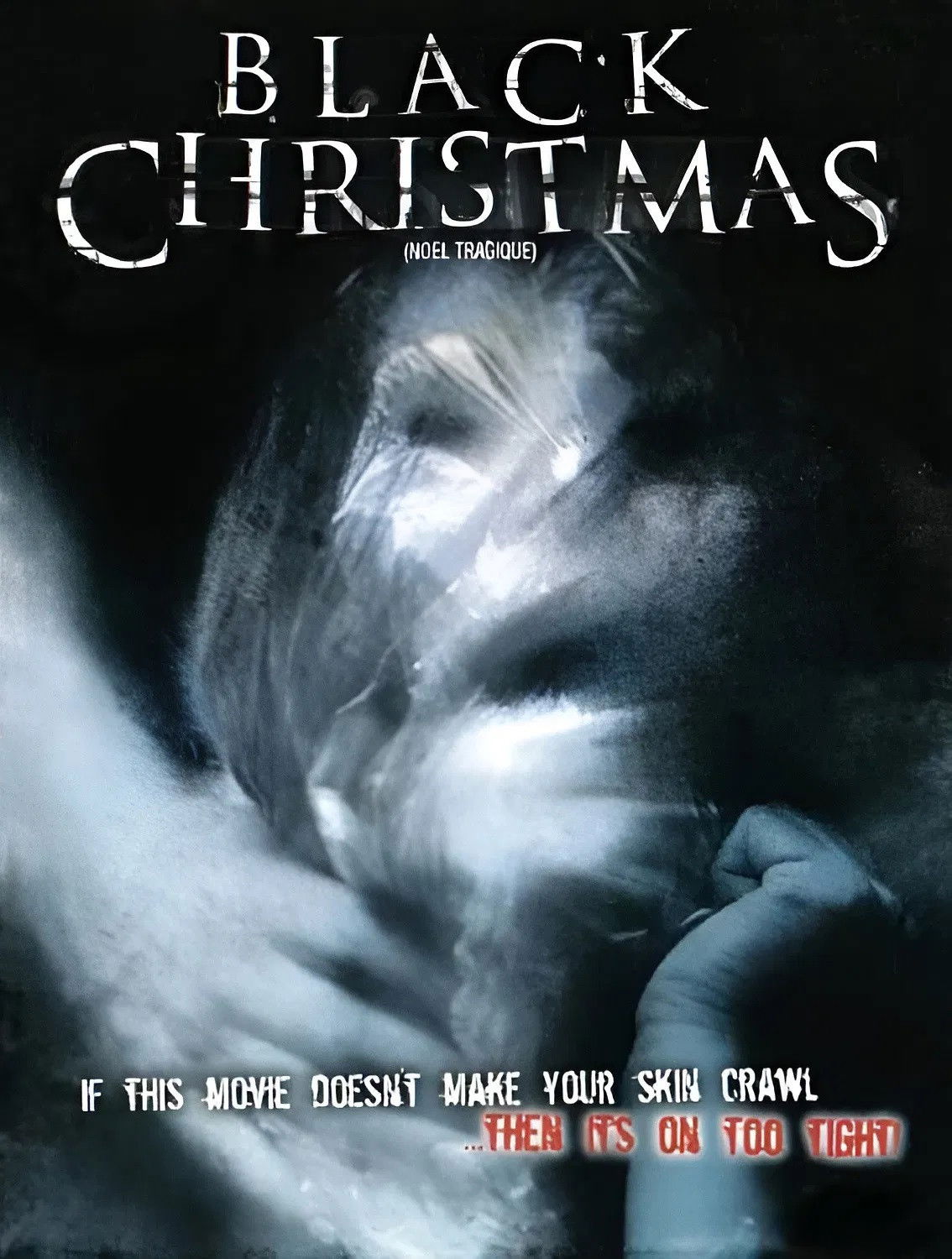
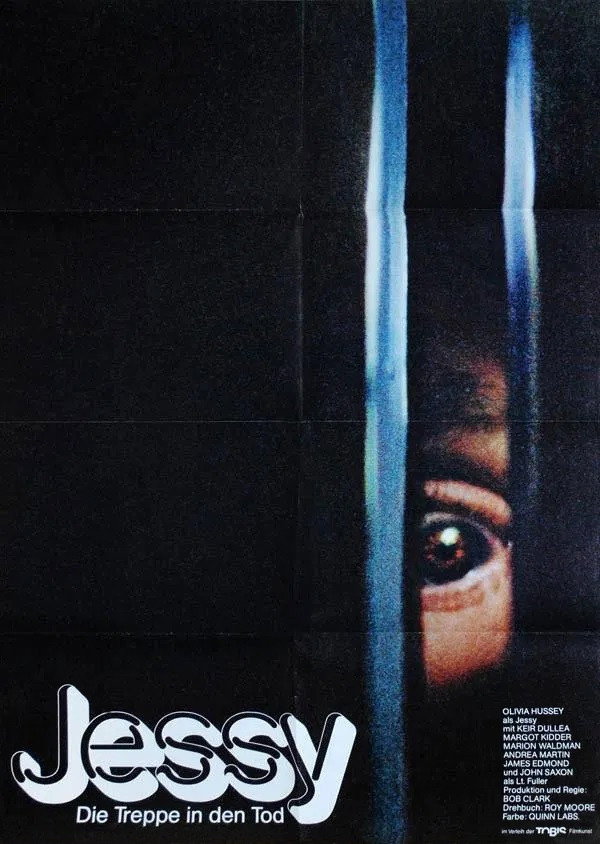
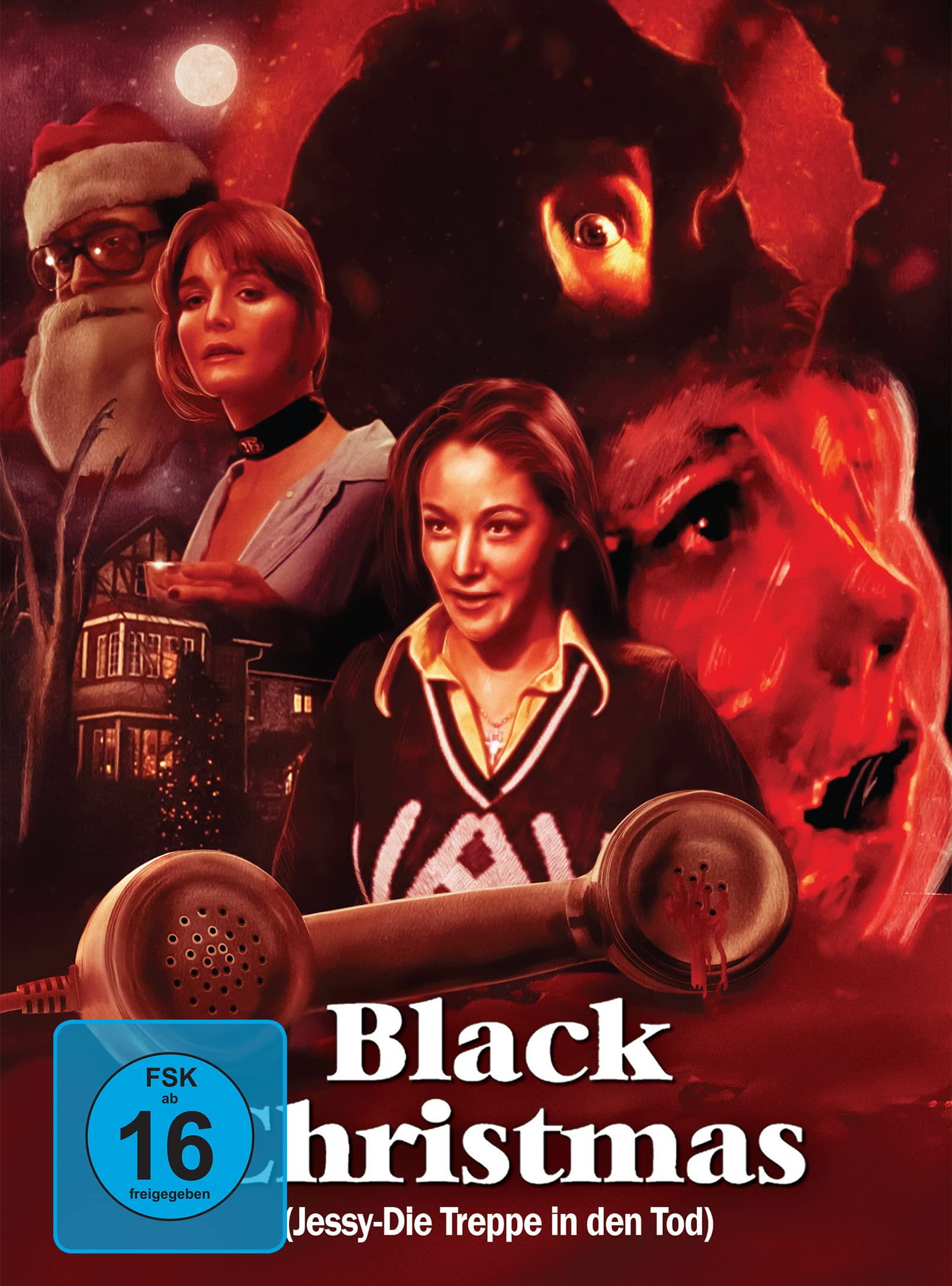
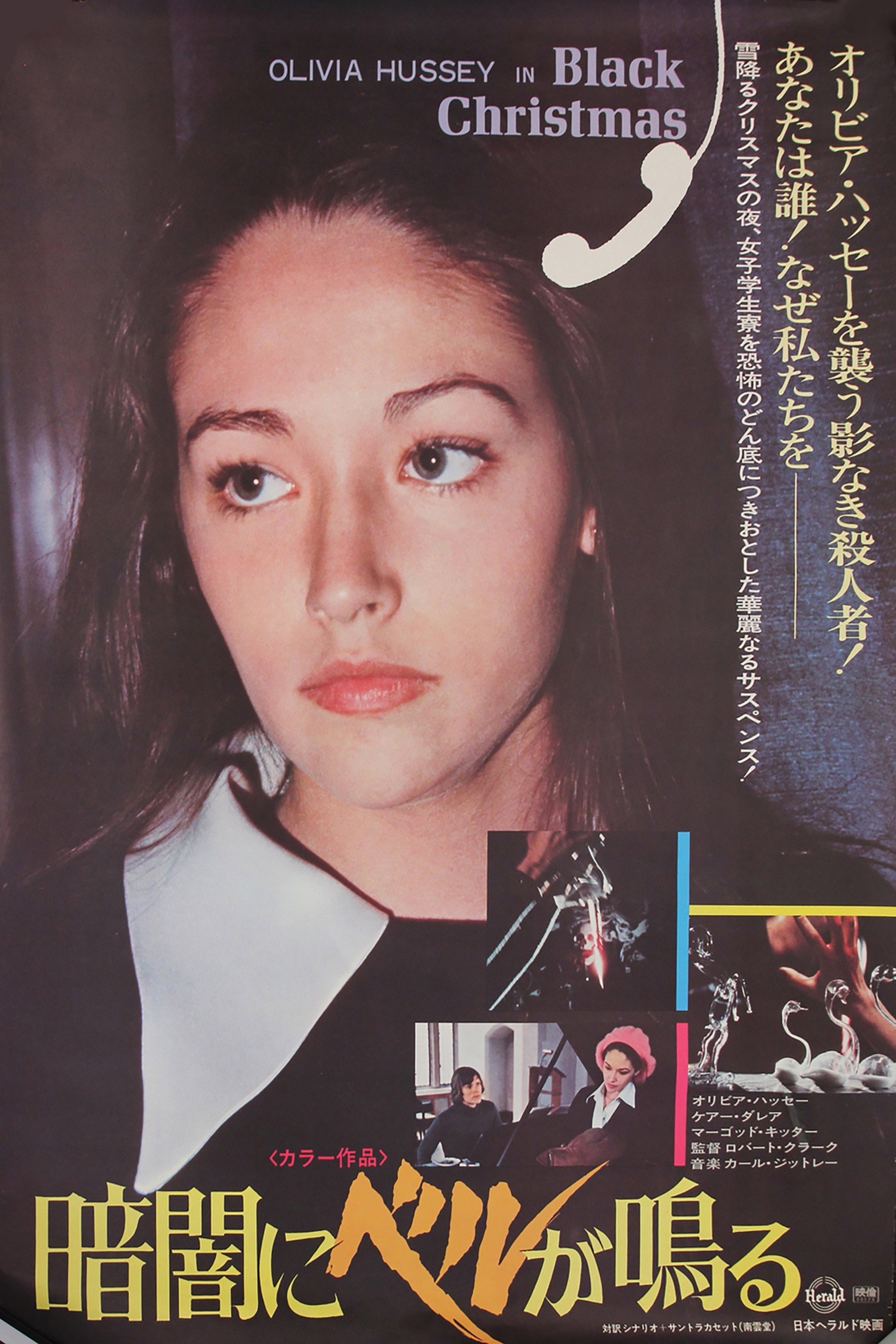
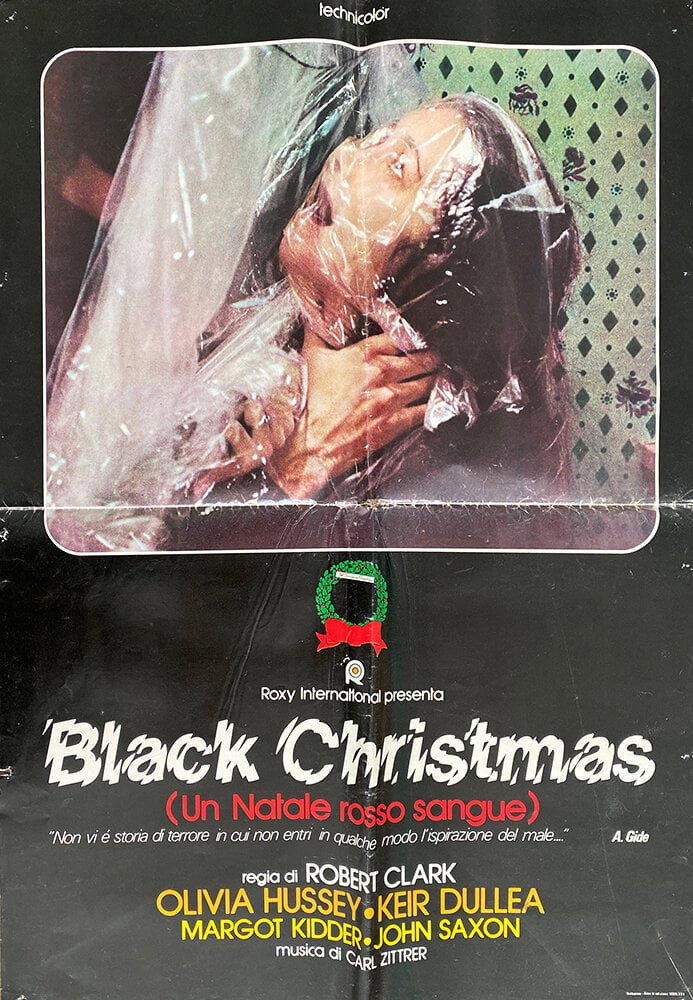
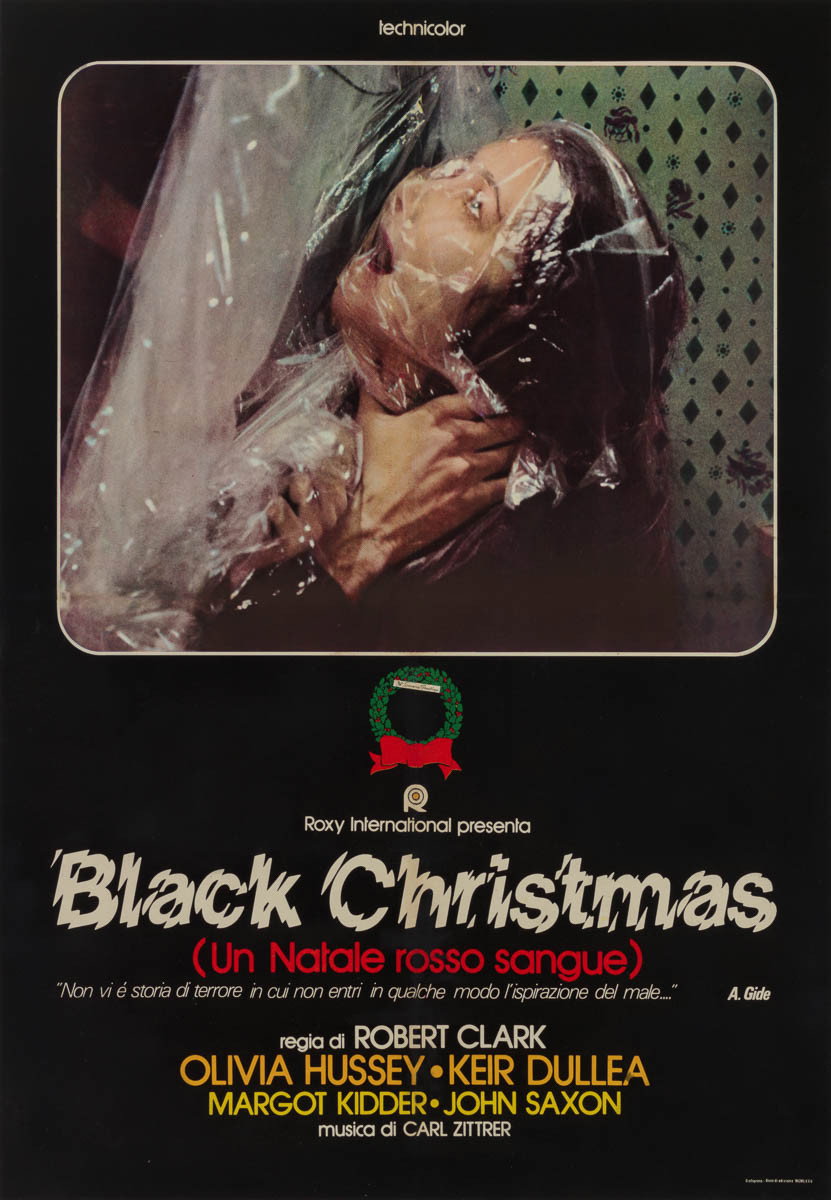
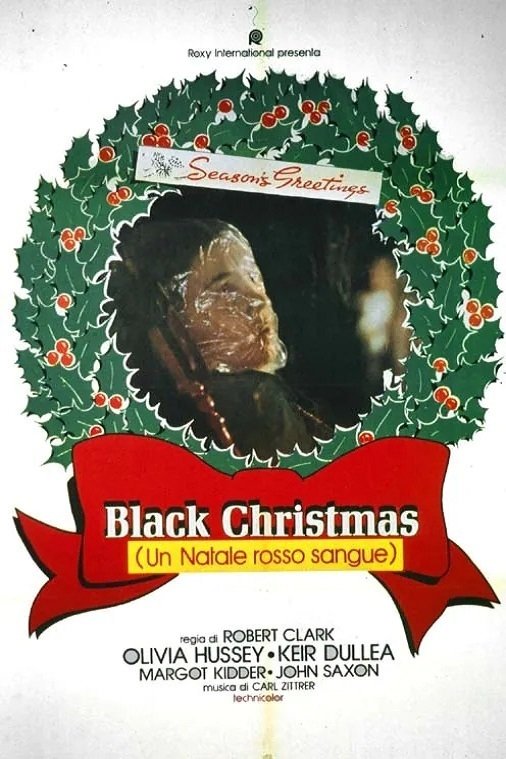
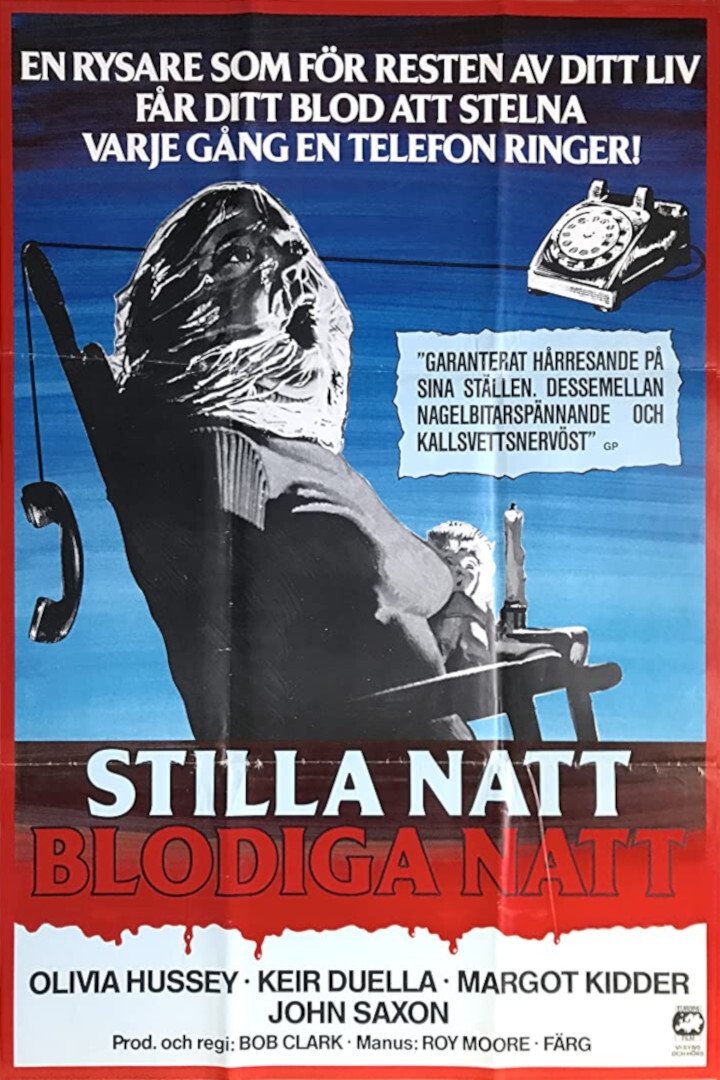
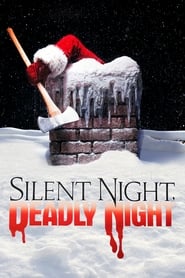
Black Christmas began its theatrical life in 1974 and subsequently encountered complications in the American market. The film circulated in the United States under the alternative title Silent Night, Evil Night, a decision that Richard Harland Smith identifies in his Turner Classic Movies history as commercially damaging. The title was reportedly adopted because distributors feared that Black Christmas might be mistaken for a film associated with the contemporary blaxploitation market. Its initial American box-office performance disappointed expectations, while later circulation under the original title helped develop a more receptive audience. The film was also known as Stranger in the House during American television distribution.
British classification records provide an important distinction between the original theatrical release and subsequent home-entertainment editions. The British Board of Film Classification examined a cinema submission on 29 August 1975, identifying a running time of 98 minutes and recording that cuts or alterations occurred during classification. The BBFC record does not specify the precise scenes affected in the publicly available summary. It therefore establishes the existence of classification-related intervention without supplying sufficient evidence to reconstruct the individual modifications. The violence, aggressive sexual language and obscene telephone calls remain central elements in the surviving versions.
Later BBFC records include a 2003 home-video submission of 97 minutes and 53 seconds and a 2010 edition running 94 minutes and 5 seconds. These recorded durations require contextual interpretation. Differences between cinema and home-video running times can arise from technical playback standards, presentation formats or editing, and the figures alone cannot establish additional censorship. The BBFC documentation should consequently be read as a record of particular submitted editions rather than proof that every shorter version contains further removed scenes.
The film’s critical reputation changed considerably after its original release. Initial responses were mixed, and the American distribution difficulties limited its immediate visibility. Later horror scholarship and retrospective criticism increasingly recognized the sophistication of its spatial suspense and sound design. The continued attention given to the subjective opening sequence and unresolved ending helped establish Black Christmas as a significant work within Canadian genre cinema. Its history illustrates the difference between a film’s initial commercial reception and the critical position it can acquire through later circulation and reassessment.
Slasher History and Enduring Legacy
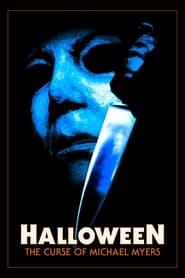
Black Christmas occupies an important position in the development of the modern slasher film, particularly through its arrangement of conventions that became familiar during the following decade. A concealed murderer, young adult victims, an isolated setting, subjective camera movement and an endangered surviving woman had appeared in earlier horror and suspense cinema. Clark combined these elements in a form that anticipated important characteristics of Halloween (1978) and the subsequent expansion of the slasher cycle. This historical relationship is more precise than describing Black Christmas as the first film ever to employ the genre’s underlying devices.
The relationship with Halloween has also produced a frequently repeated account concerning Clark and John Carpenter. In retrospective statements reproduced by Turner Classic Movies and SciFiNow, Clark recalled discussing a hypothetical sequel with Carpenter and imagining a story set during the following autumn, involving the killer’s escape and a possible title of Halloween. These remarks document Clark’s account of the conversation. They do not establish that Carpenter’s finished screenplay was directly derived from an abandoned Black Christmas sequel. The two films nevertheless share recognizable formal features, including an opening killer-perspective sequence and the invasion of apparently secure domestic space.
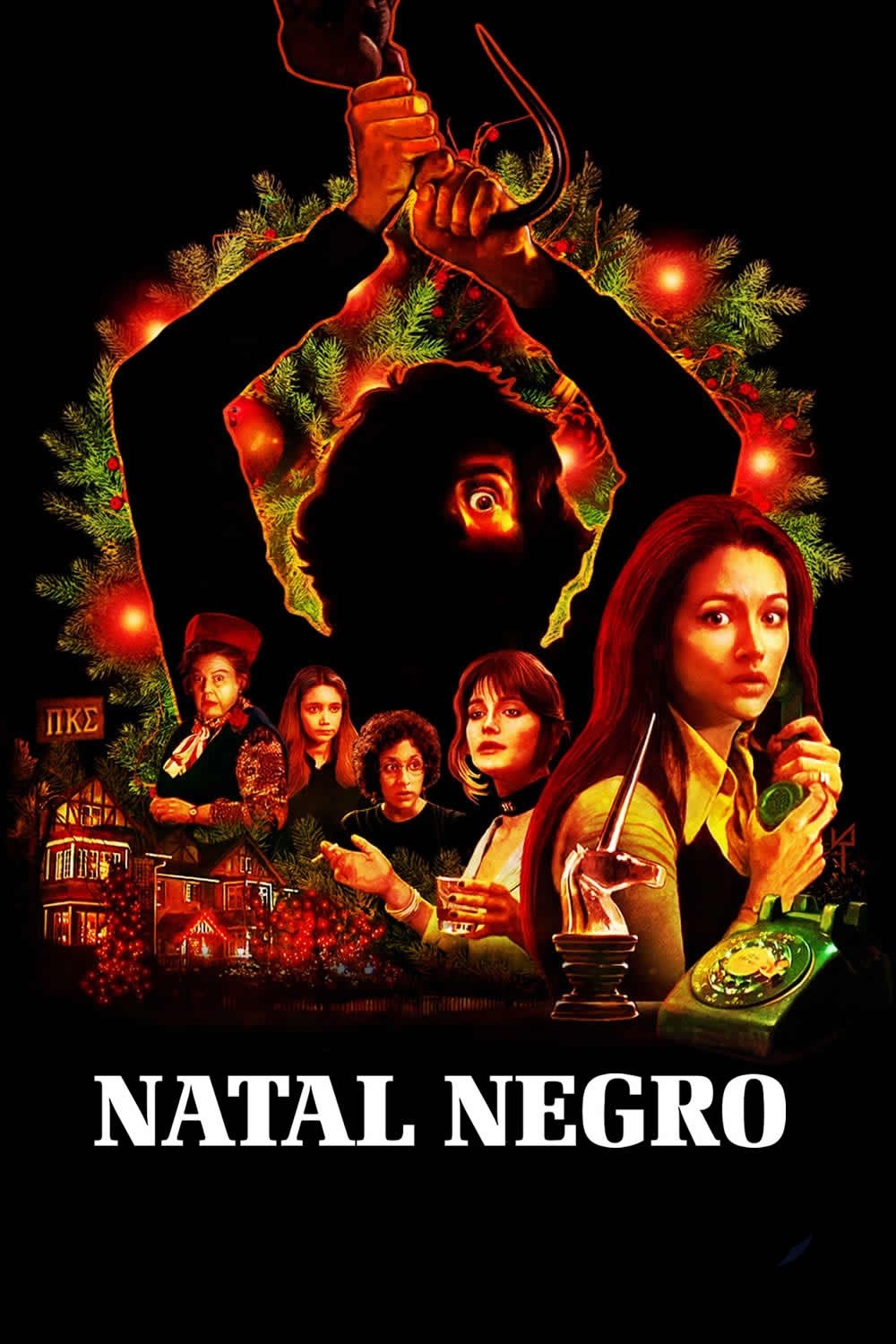
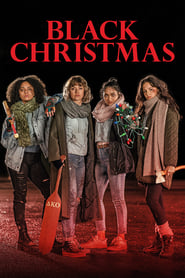
The continued reputation of Black Christmas encouraged later filmmakers to revisit the property. Glen Morgan directed a 2006 remake, while Sophia Takal’s 2019 film offered a substantially reimagined version of the premise. Both productions belong to the subsequent history of the title but differ from Clark’s original in their treatment of the antagonist and the explanations offered for the violence. The 1974 film remains distinctive because its murderer is left substantially undefined and its final scenes deny the audience the reassurance of a solved mystery. The longevity of that unresolved threat, together with its experimental sound and subjective camerawork, accounts for much of its sustained importance in horror criticism and programming.