Production and the Turn to Comedy
Hajime Tabe, credited in Japanese as Tabe Hajime, brought a specific comic background to the video. He had founded WAHAHA Honpo in 1984 and developed a stage practice based on exaggerated visual inventions and provocations that relied on the construction of a joke. In a 2023 interview with Shueisha Online, Tabe and performer Masami Hisamoto discussed how the company's early material used elaborate props and surreal situations to transform deliberately coarse subjects into theatrical routines. Their comments concern the troupe's wider aesthetic, rather than the shooting of Devil Woman Doctor itself, but help clarify the kind of comic vocabulary visible in the film.
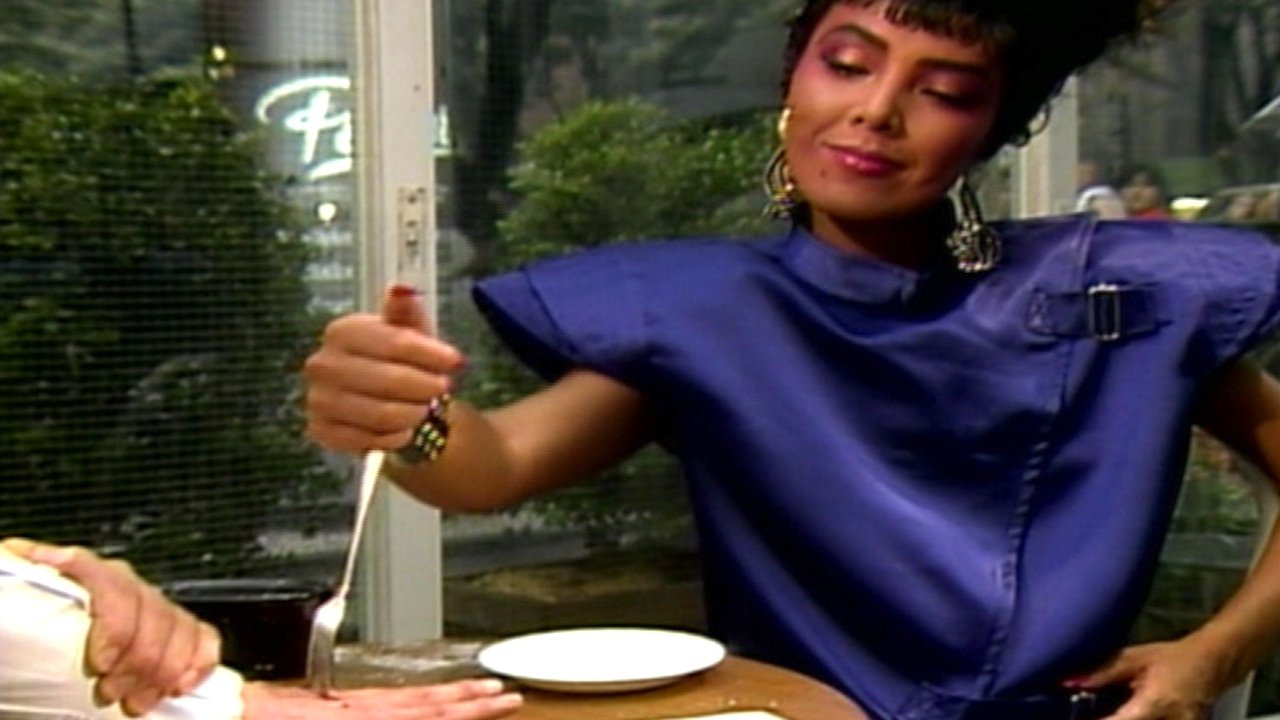
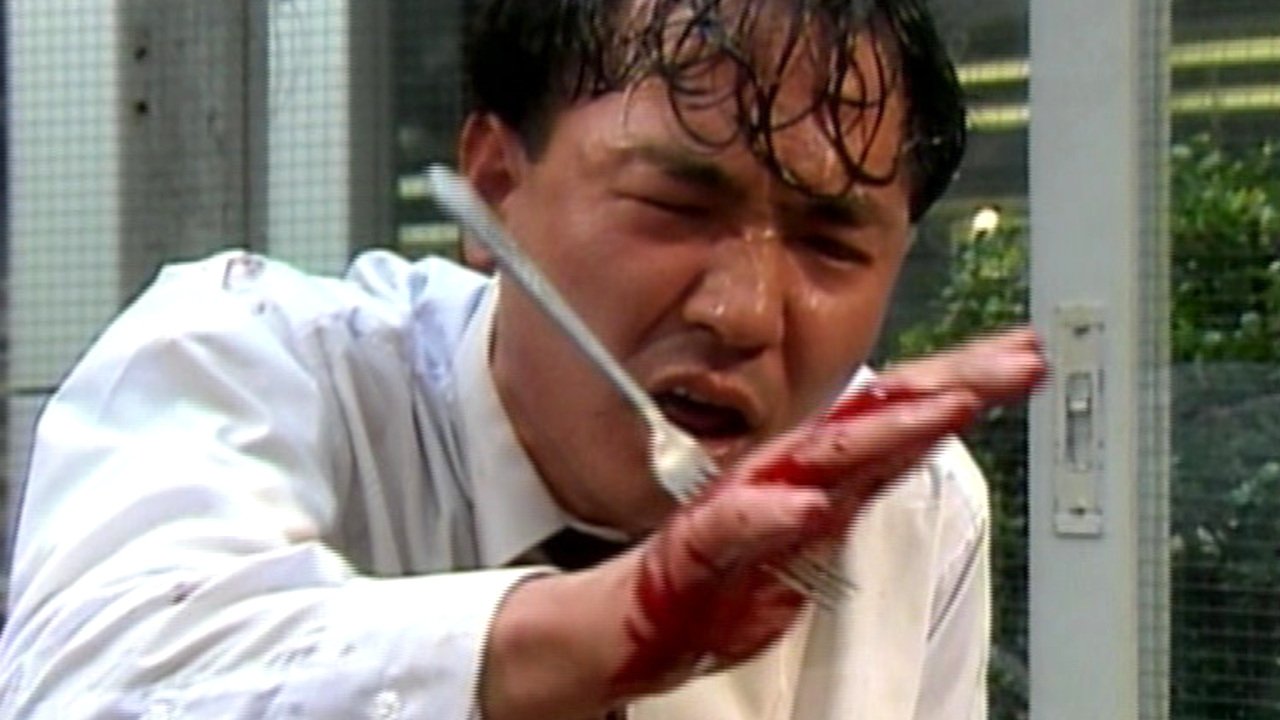
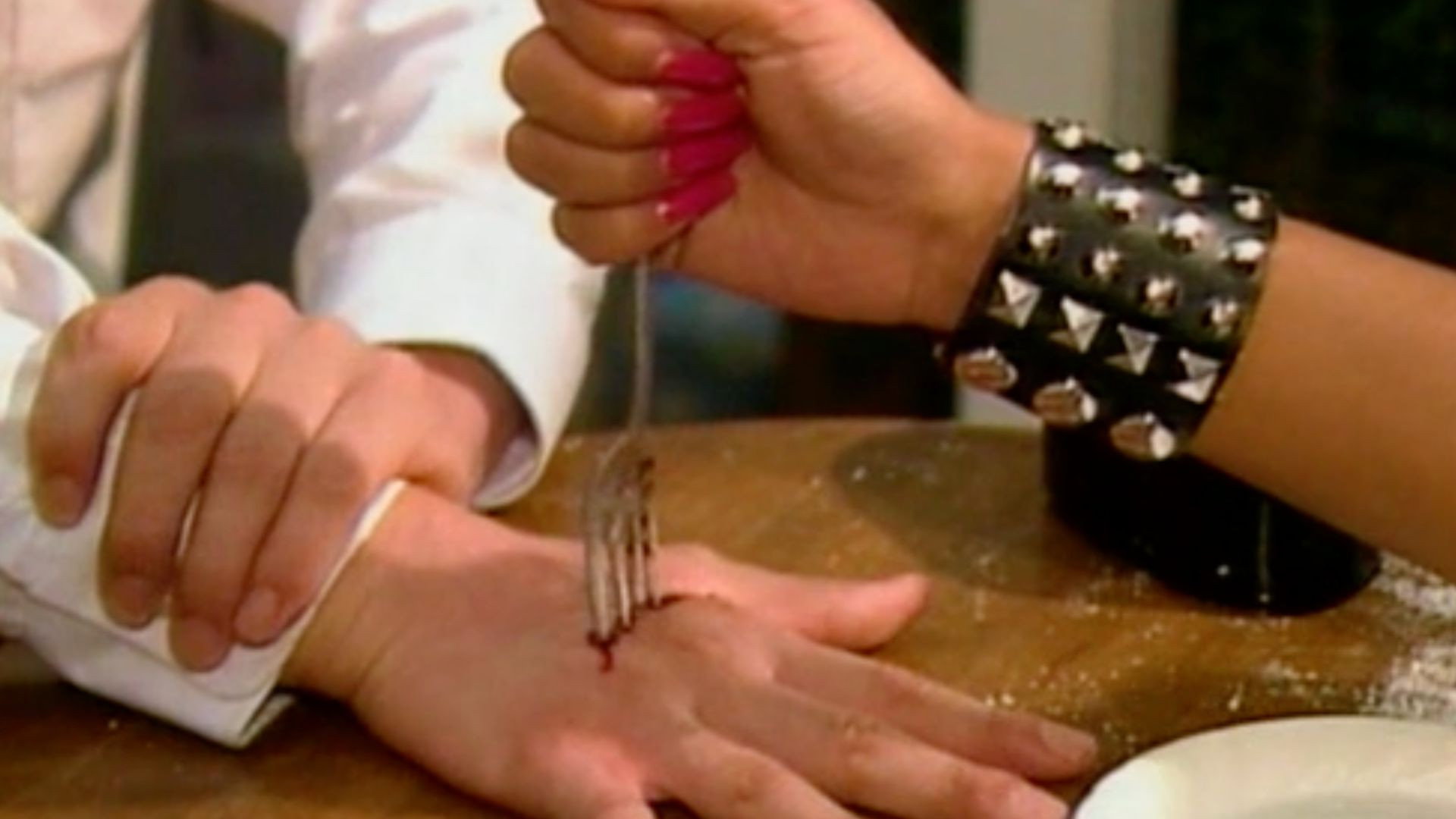
The production abandons the extended torment sessions that established the Guinea Pig name. Instead, the doctor introduces a succession of patients as though presenting clinical files, each with a fantastical condition and its own comic payoff. The format allows bodily damage to return repeatedly without requiring the same victim or setting to carry a complete story. Cast members move through the sketches with conspicuous performance styles, and the doctor's changing costumes create a loose continuity across them. The medical framing supplies a reason for the episodes to follow one another while making professional authority itself a target of ridicule.
Peter and the Comic Casebook
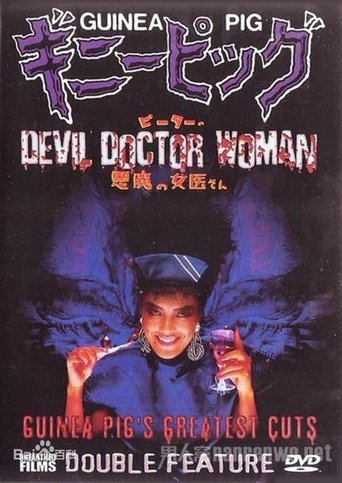
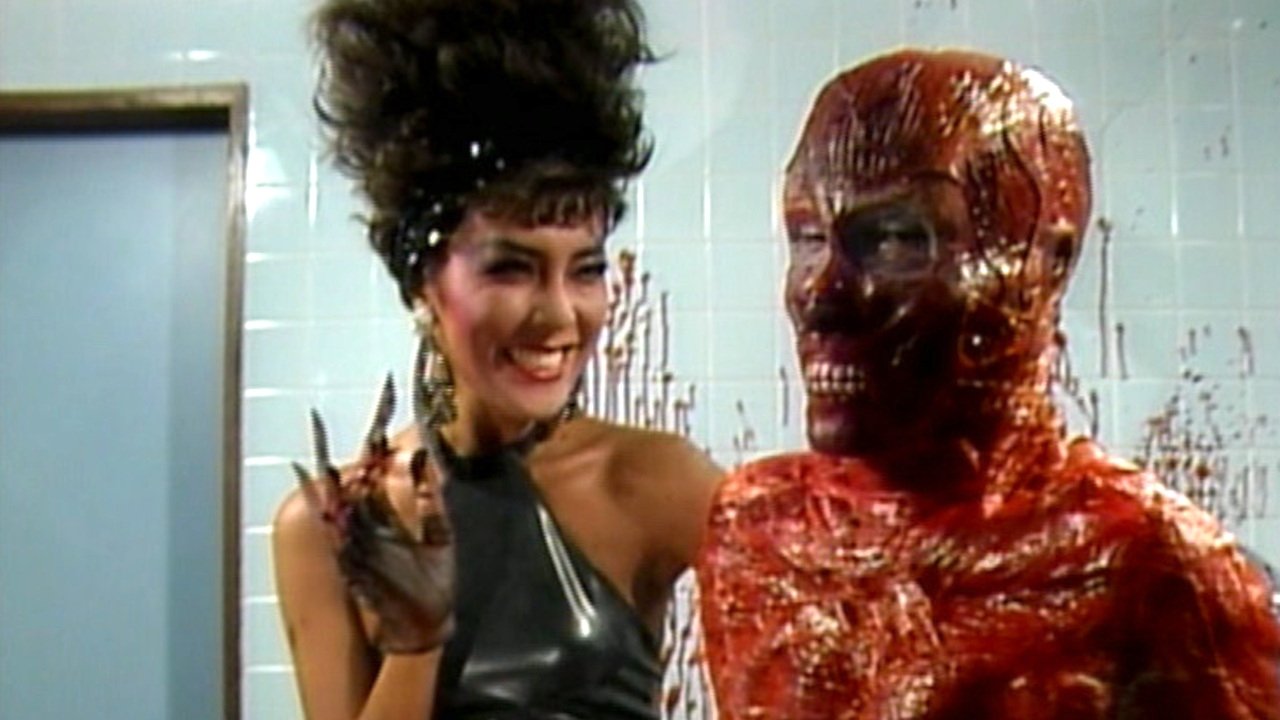
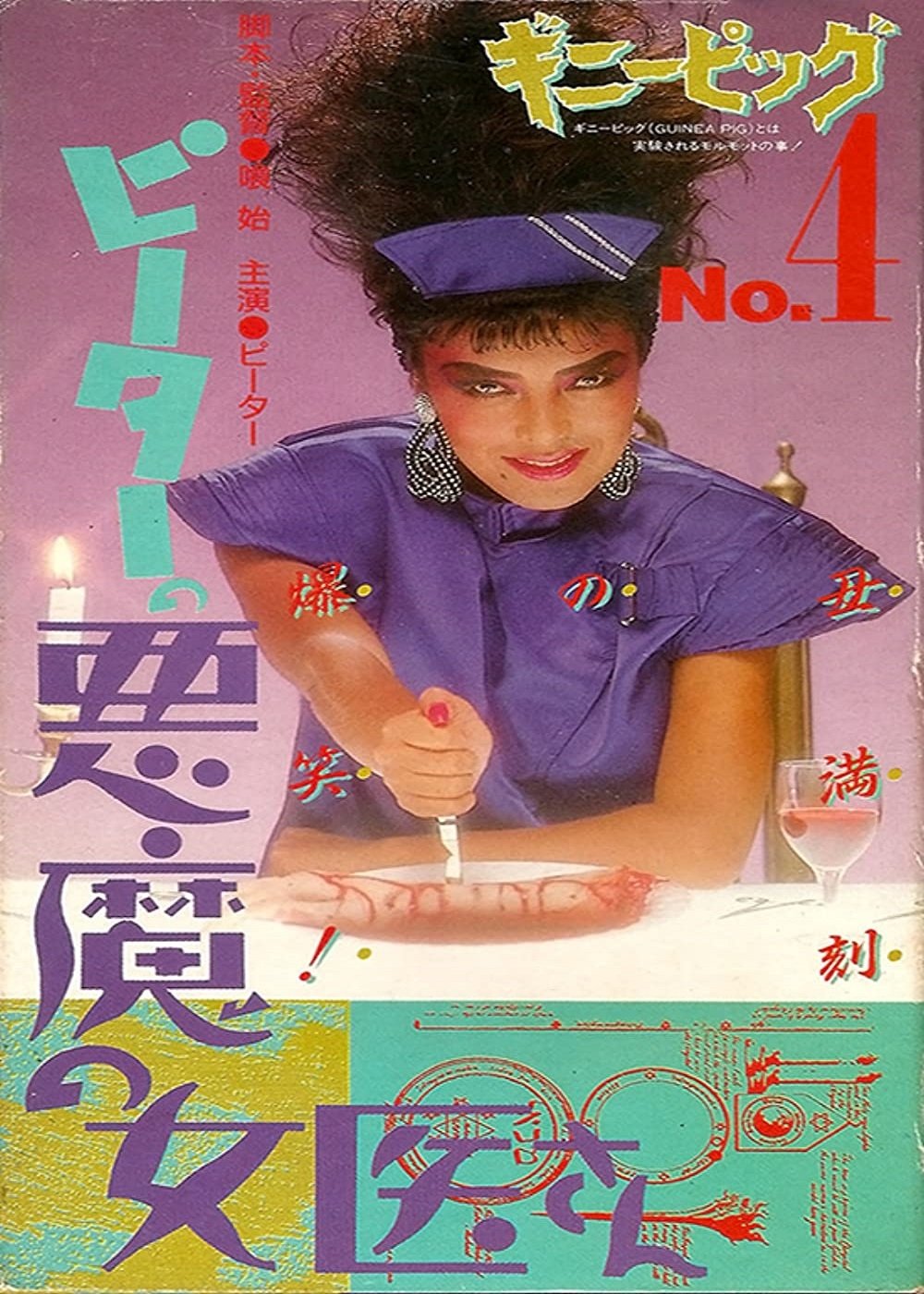
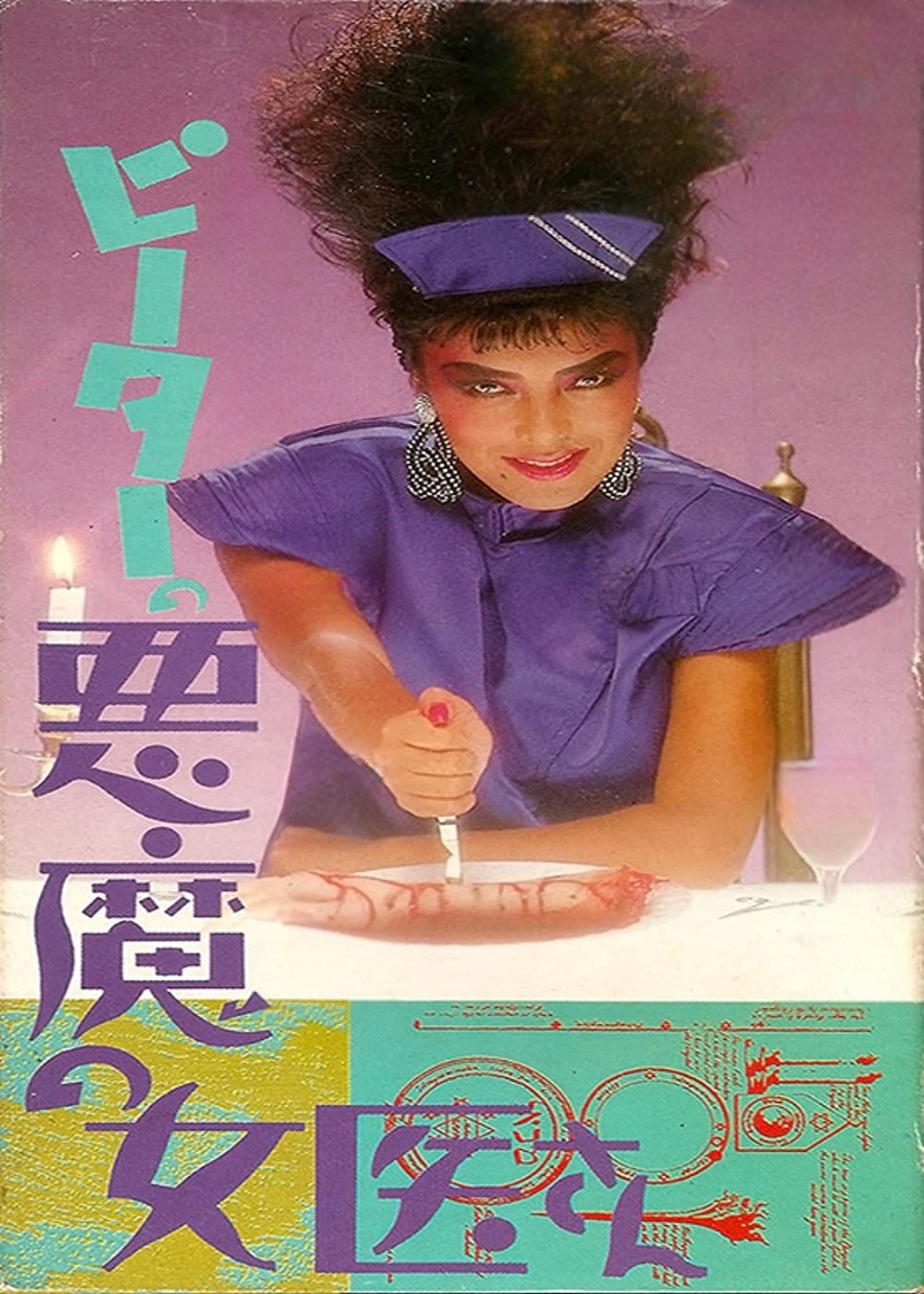
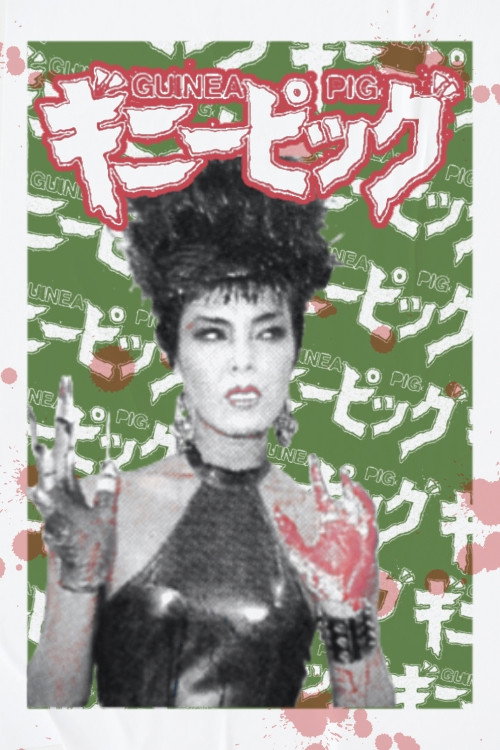
Peter's central performance is a crucial part of the film's identity. The doctor addresses the audience with confidence despite having little control over the cases being displayed. This authority is comic from the outset: ordinary medical language cannot contain conditions in which an insult causes a head to burst or a fright produces catastrophic injury. What might have been an occasion for prolonged dread becomes a premise for speed, misdirection and a deliberately excessive result. The character's extravagant appearance and assured delivery give the sketches a theatrical host whose presence remains recognizable even when the patients change.
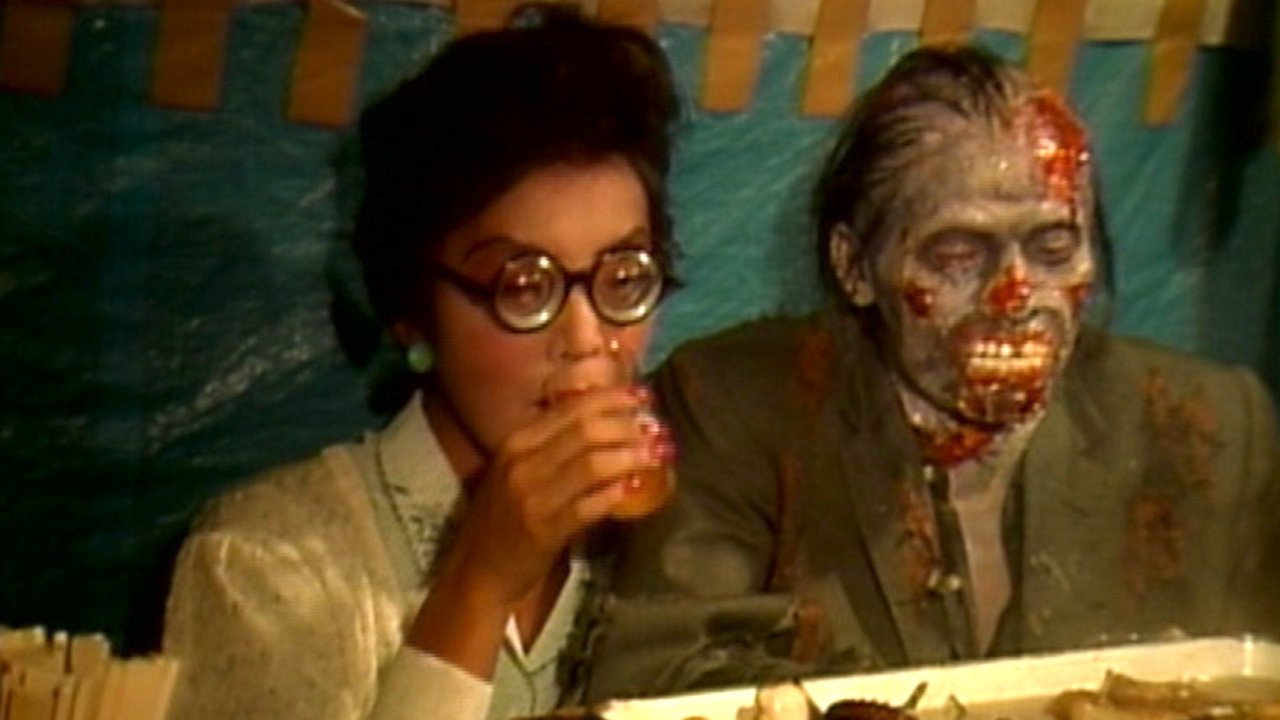
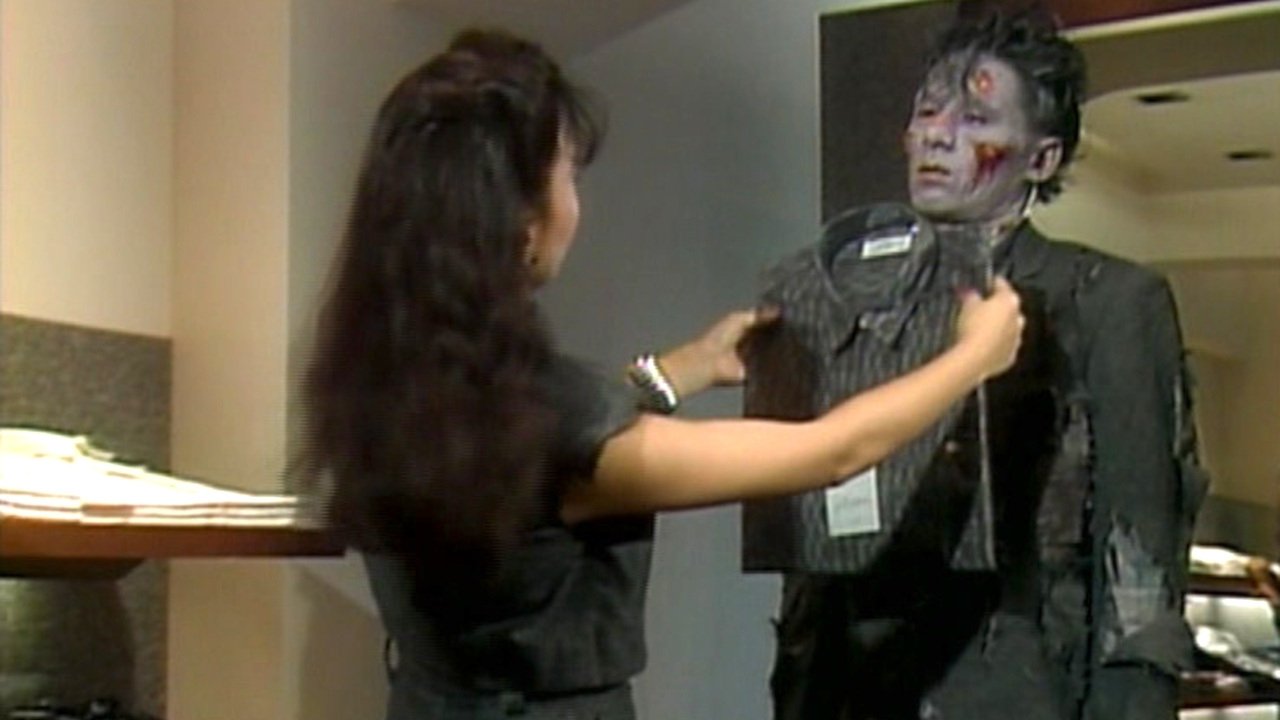
Several episodes extend the joke beyond the initial injury. One man continues daily life after becoming a decaying zombie, and the contrast between his condition and ordinary romantic expectations produces a peculiar form of domestic black comedy. Another patient suffers from a bodily growth with a face; other cases treat organs as independent beings or ask the audience to contemplate grotesque medical competitions. The film's comedy often depends on perfectly normal behavior continuing in the presence of impossible physical changes. Those scenes make its body horror more absurd than frightening, although the humour remains tied to images of wounds, infection and anatomical displacement.
Prosthetics and Screen Effects
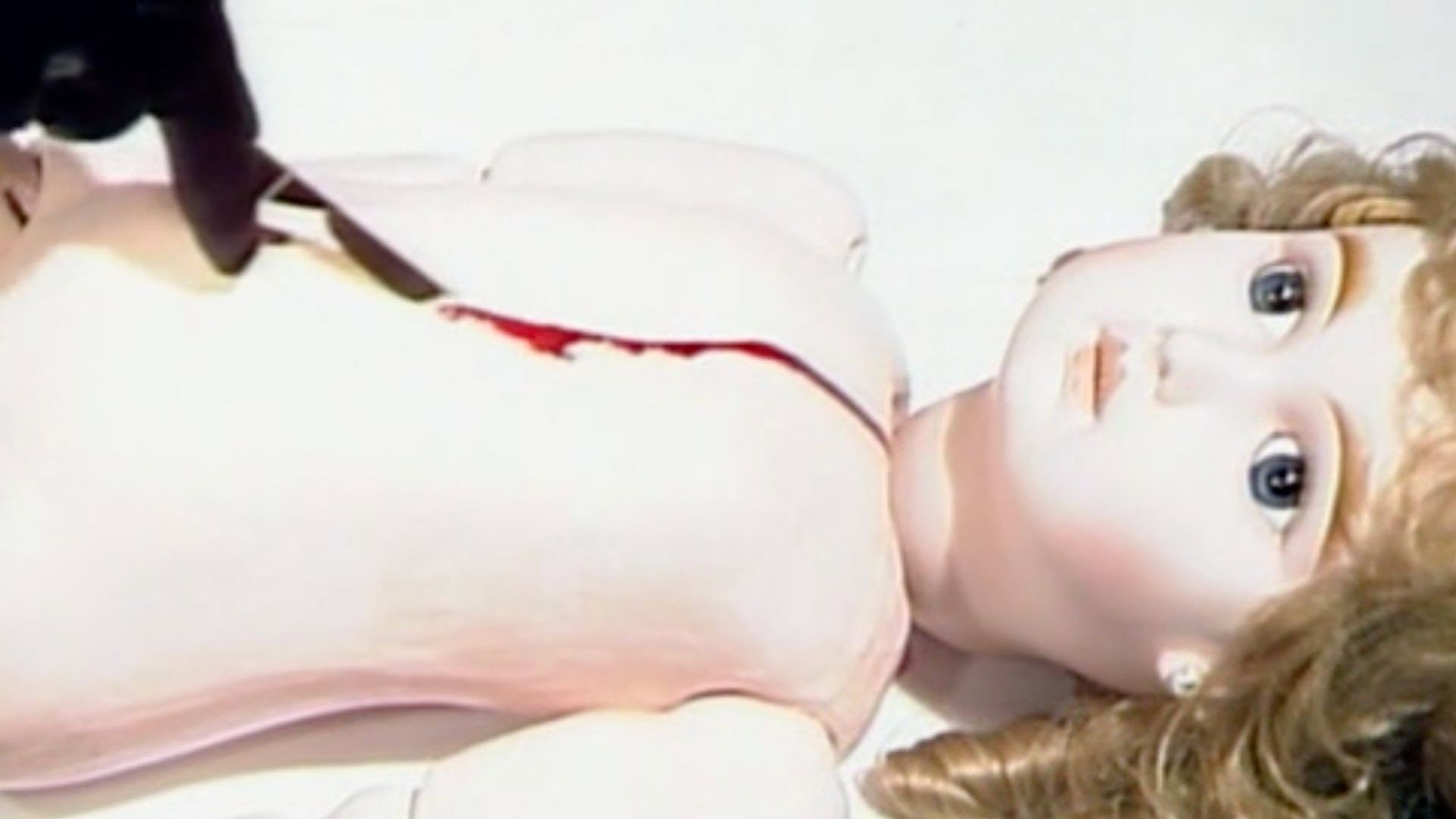
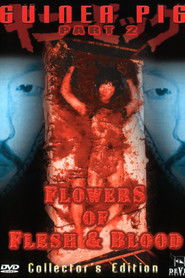
The practical effects serve a different purpose from those in Guinea Pig 2: Flower of Flesh and Blood. That earlier film prolonged the appearance of physical realism until the image risked being mistaken for evidence of a crime. Here, sudden eruptions, conspicuous artificial heads and impossible moving organs announce their fabrication as part of the gag. The explosions have the timing of stage effects, with the prop itself functioning as the punchline. The viewer is still invited to inspect the spectacle, but the illusion is often brief and deliberately outrageous. HorrorNews.net's 2013 review explicitly criticized the visible artificiality of some of these devices.
The effects also draw on a broad tradition of bodily farce, from medical parody to grotesque variety performance. Rather than using a single dismemberment to structure the film, the sketches keep inventing conditions for which no plausible treatment exists. Practical materials become expressive because their exaggerated qualities match the acting and dialogue. A separate 1986 making-of video exists for Devil Woman Doctor, but reliable published documentation available here does not establish the precise construction technique of each prosthetic. It would be misleading to assign particular substances, mechanisms or individual technicians to the effects without more specific evidence.
Video History, Reception and Series Numbering
Devil Woman Doctor belongs to Japan's original-video exploitation environment of the 1980s. It circulated under a title that explicitly calls it Guinea Pig 4, yet foreign reviews and later series histories have sometimes numbered it sixth. The discrepancy reflects conflicting ways of ordering productions and releases, not a different story or an alternative film. One 2009 retrospective by Film Blitz places the video last in its discussion of six entries, while a 2013 HorrorNews.net review likewise treats the numbering as unsettled. The Japanese title and the film's 1986 identity are consequently safer anchors than claims that a particular international numbering is definitive.
The contemporary critical record available online is limited, so the film's reception is best described through identifiable retrospective assessments. Jim McLennan at Film Blitz regarded its violent humour as closer to Monty Python than to the series' preceding displays of suffering. Colette's review for HorrorNews.net found the slapstick approach effective in isolated passages but questioned the quality of the prosthetics. These judgments document divergent responses to the same aesthetic decision, not a consensus at the time of the Japanese video release. The work remains a conspicuous example of how the Guinea Pig label could accommodate extreme comedy alongside its better-known pseudo-snuff imagery.