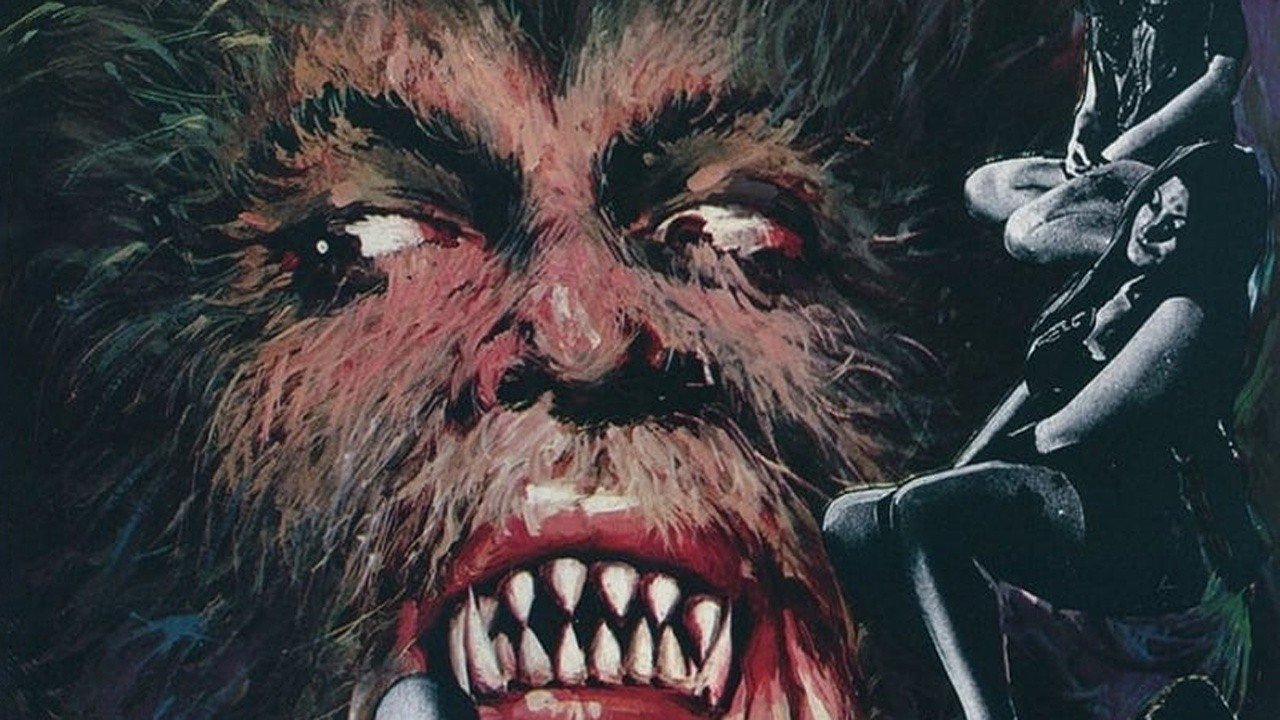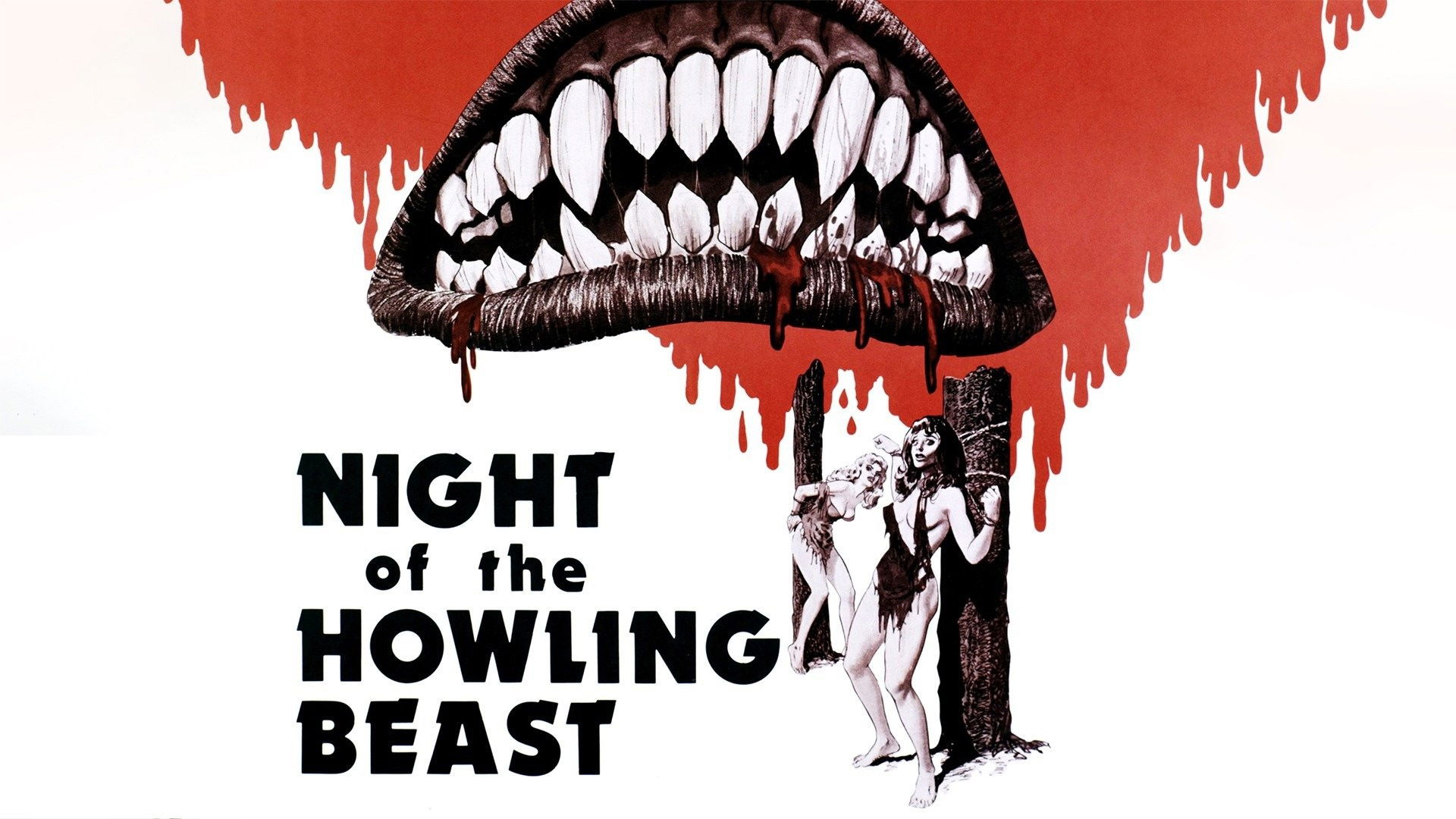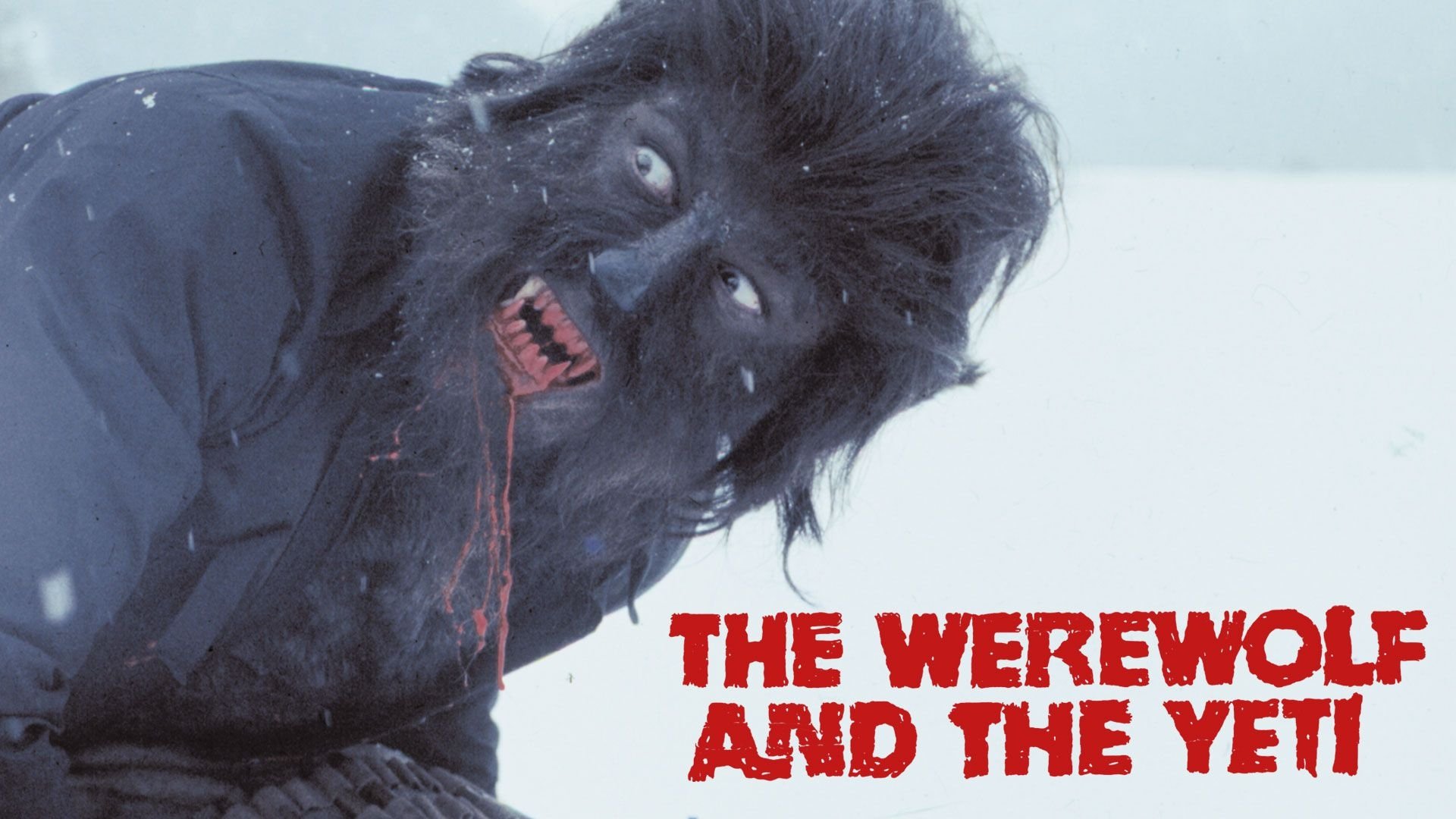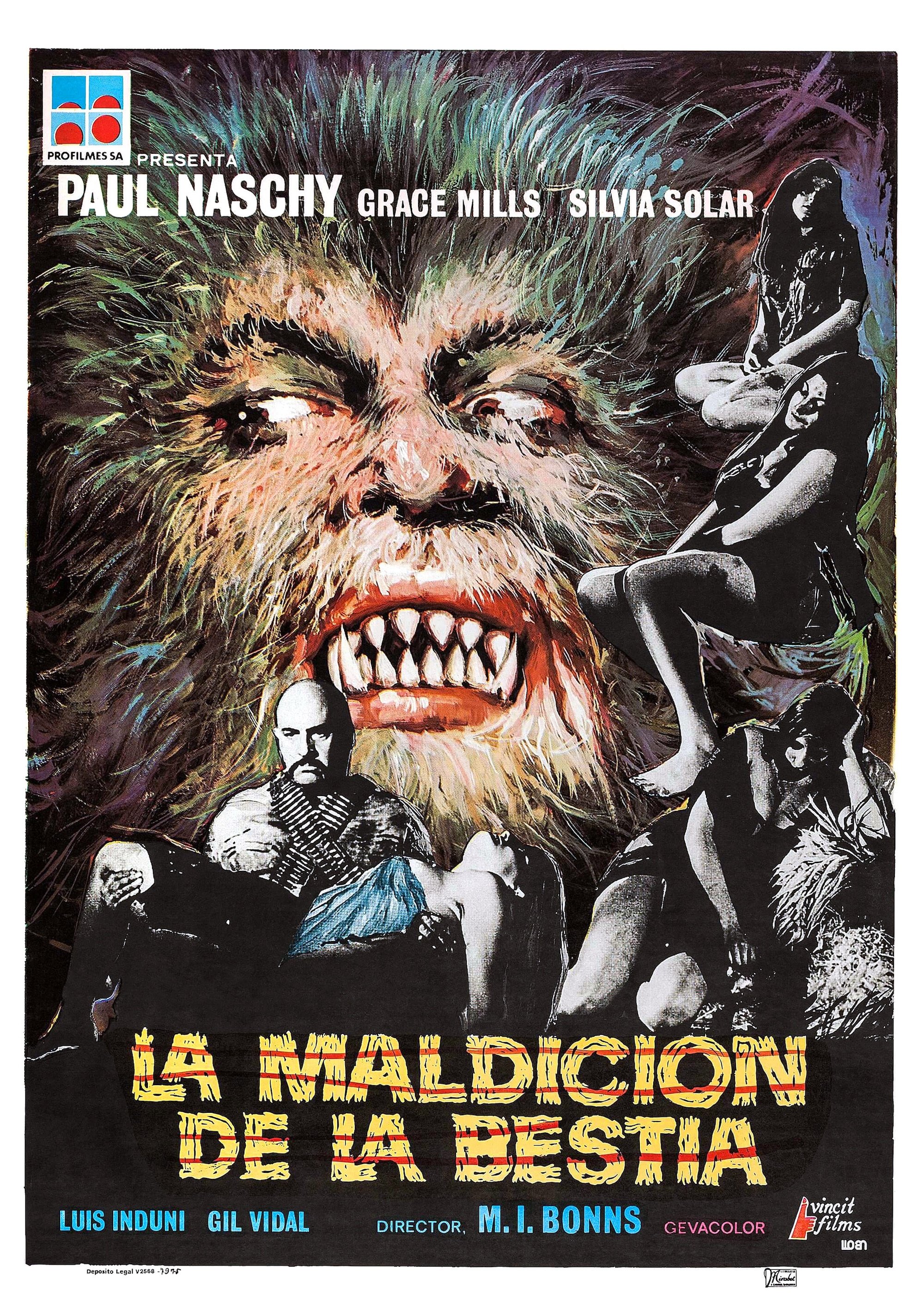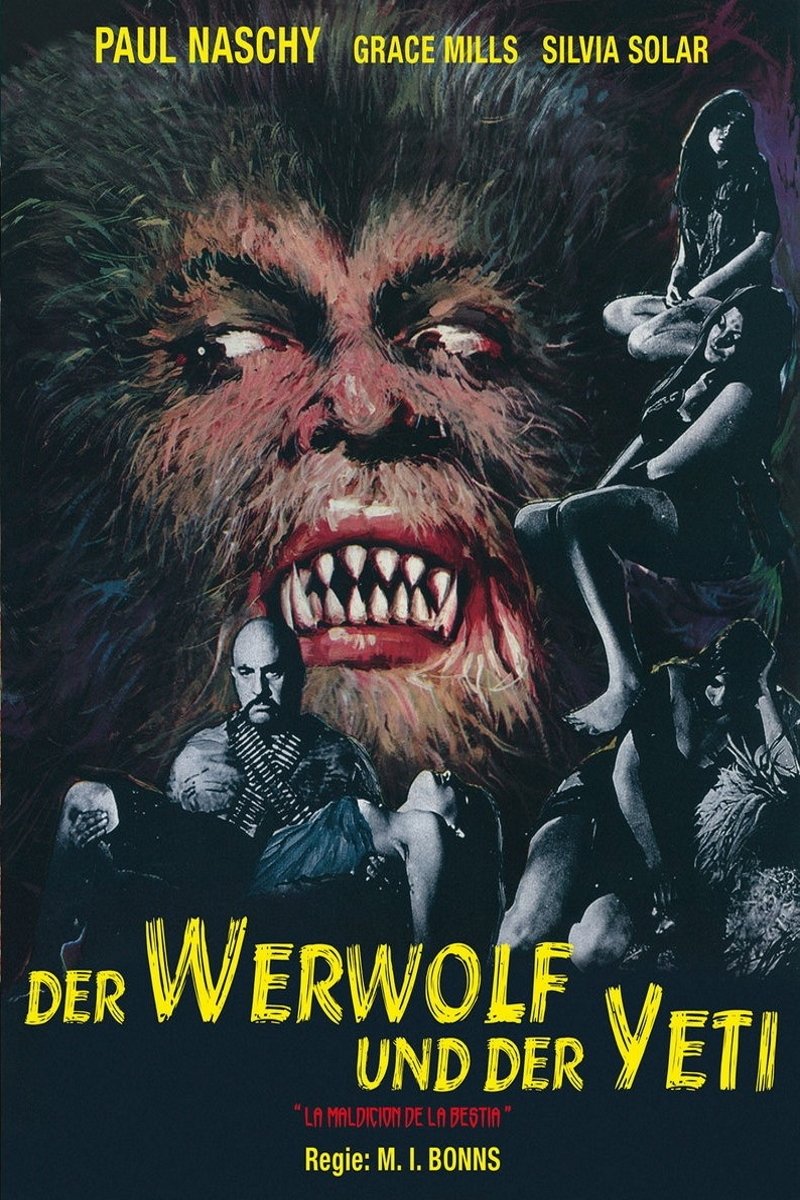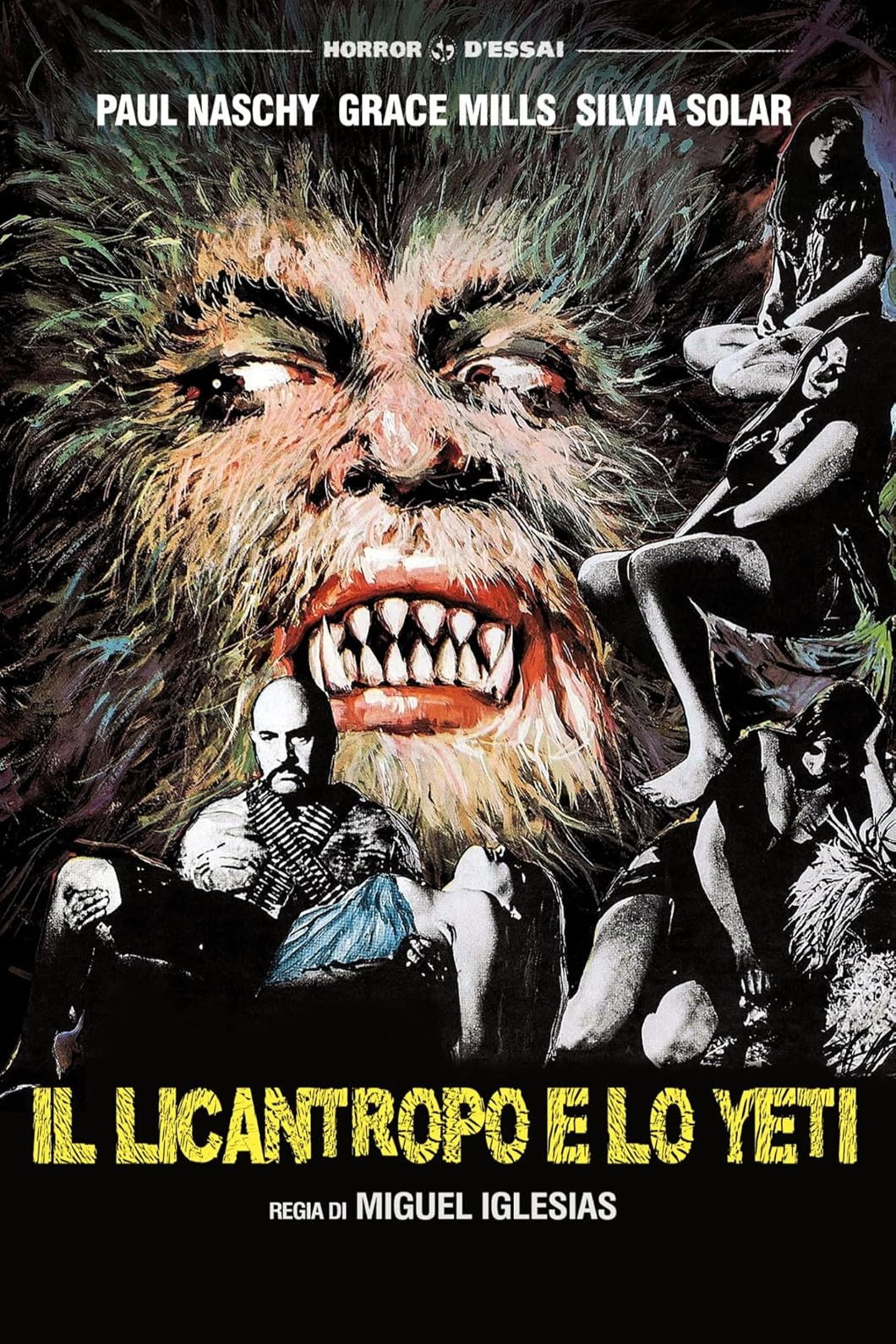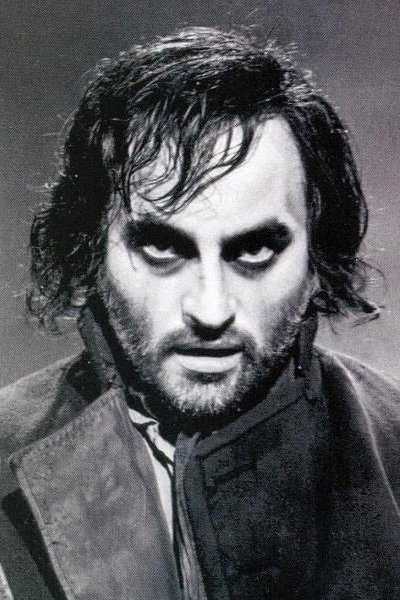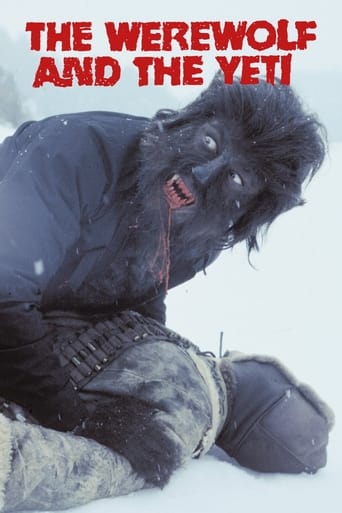


Profilmes, Paul Naschy and the Return of Waldemar Daninsky
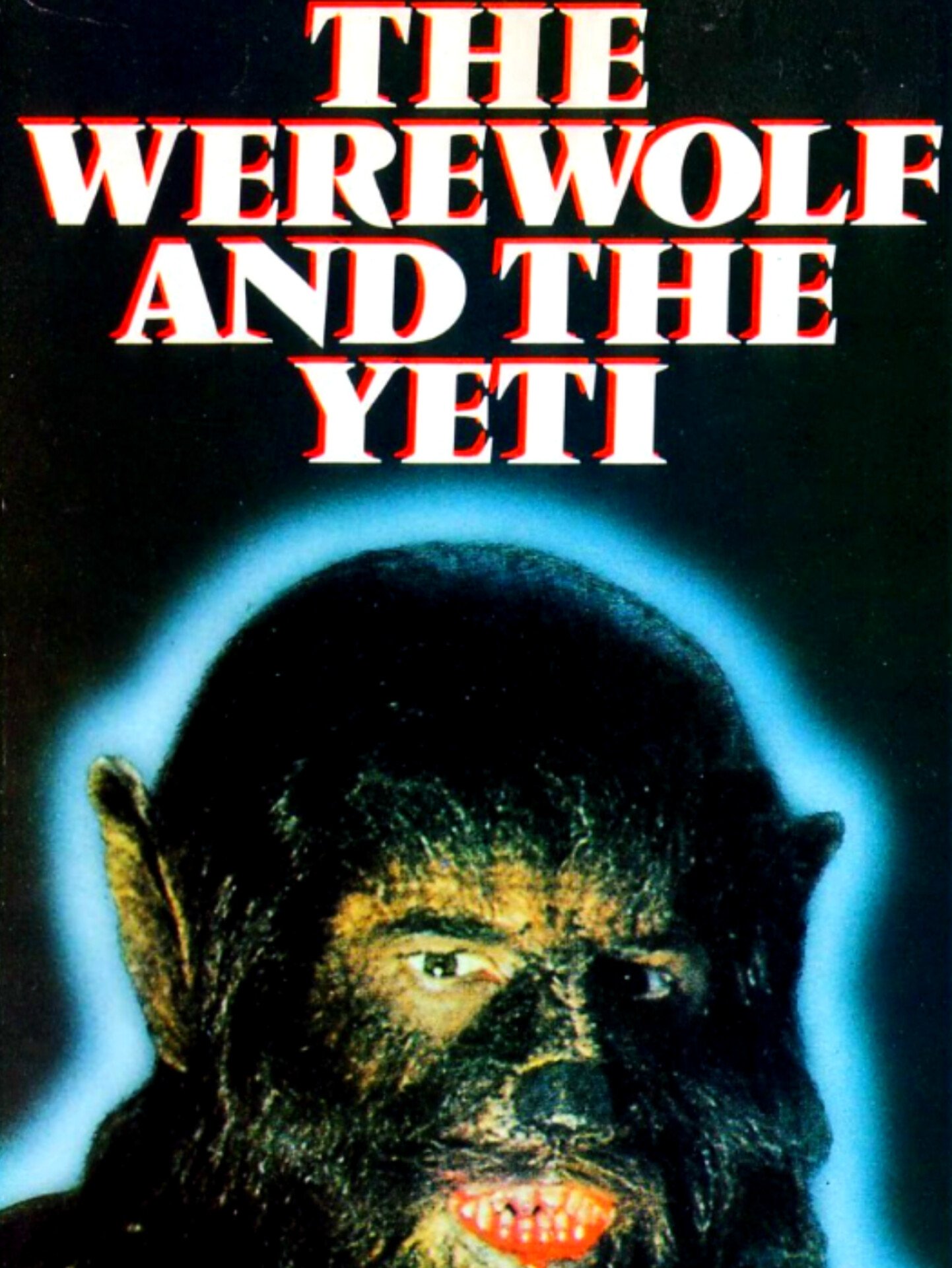
The development of La maldición de la bestia began as Profilmes was reconsidering its involvement in horror production. The Barcelona company had maintained a productive relationship with Paul Naschy during the early 1970s, contributing to a succession of films that helped establish Waldemar Daninsky as a recurring figure in Spanish popular cinema. According to research by Edgar Martínez Camacho, drawing upon studies by Ángel Agudo and Javier Pulido, producer Josep Anton Pérez Giner proposed reviving the werewolf after Naschy had considered bringing the series to a close with El retorno de Walpurgis (1973). The project was conceived as the final production under the actor's exclusive arrangement with Profilmes.
The creative direction was shaped by the company's interest in adventure cinema. Pérez Giner offered the film to Miguel Iglesias Bonns, an experienced director who had worked in crime pictures, supernatural thrillers and popular adventure productions. Iglesias wanted to move the action away from the familiar European environments of earlier Daninsky films and suggested Tibet as the principal setting. He also proposed introducing the Yeti, considering the original conception insufficiently distinctive. These decisions gave the production a broader fantasy-adventure identity, with the established werewolf placed within a setting associated with expeditions, remote mountains and mysterious traditions. The approach reflected the director's experience in commercial genre cinema.
The surviving Spanish censorship documentation records thirty-eight days of photography and an original budget of 11,308,020 pesetas, figures reproduced by Martínez Camacho from the Archivo General de la Administración, file 000009-75. The production therefore has a more precise financial and logistical record than many comparable Spanish horror films. Its development nevertheless involved creative disagreement. Naschy reportedly objected to the emphasis on adventure and was dissatisfied with aspects of the ending, believing that Waldemar should ordinarily die at the conclusion of his appearances. Contemporary and retrospective accounts identify commercial considerations behind the different outcome. These disagreements provide evidence of competing approaches to a character whose previous films had emphasized tragedy and supernatural horror.