Snuff (1976)

US
HORROR FILM
SUBGENRES TRUE CRIME
UK censorship history DPP · Successful prosecutions
Runtime
80 min
Release
January 16, 1976
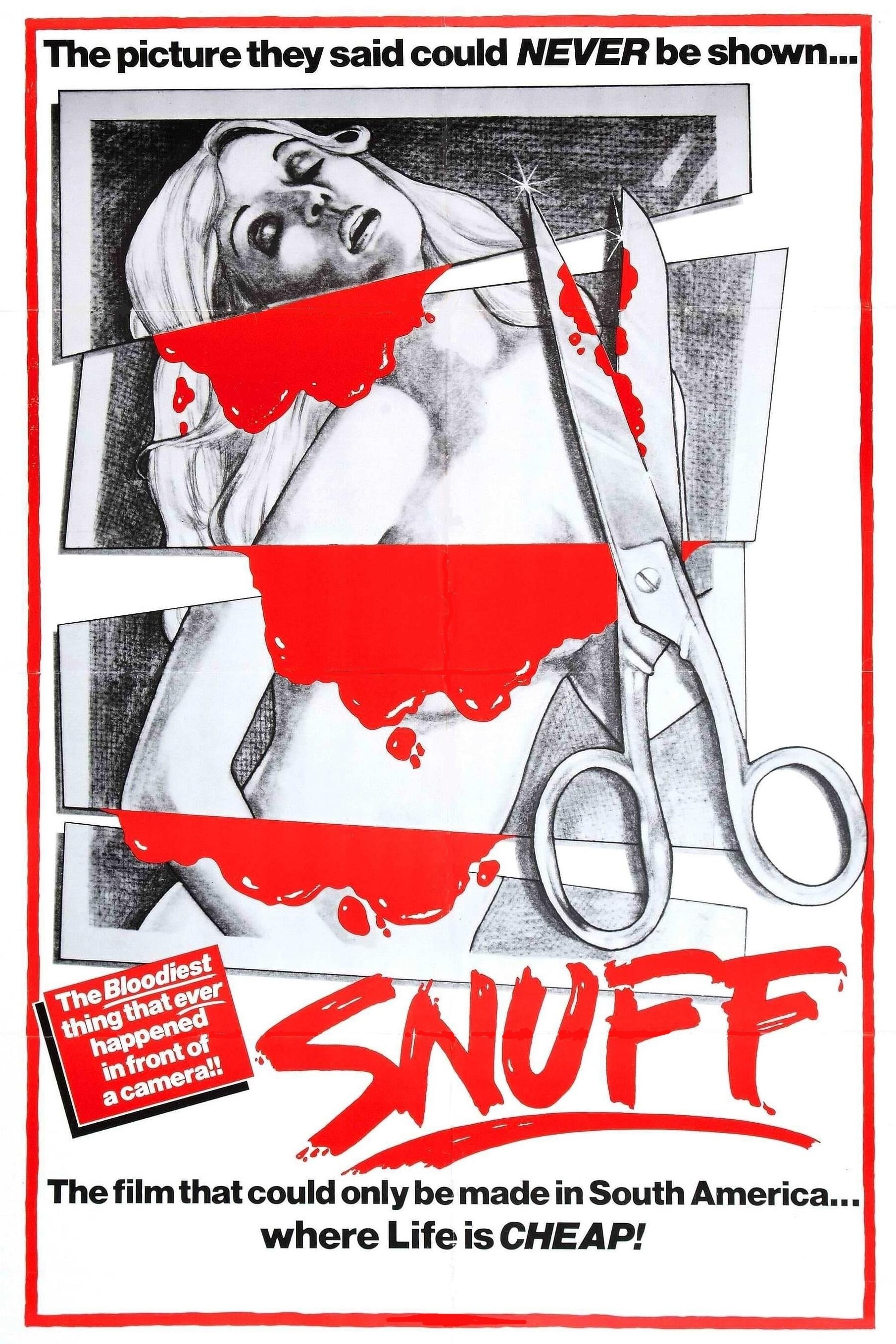
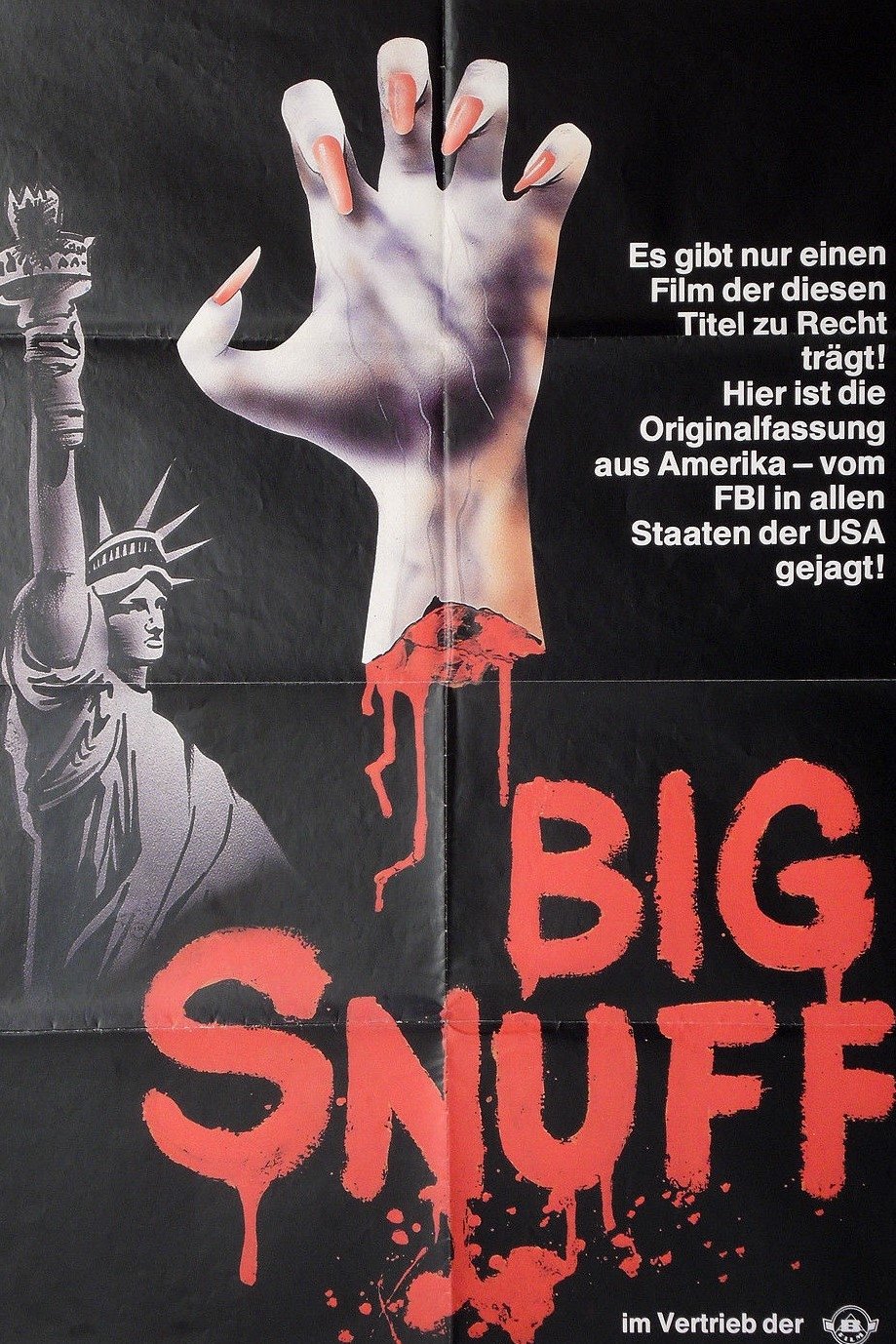
Snuff (1976) poster
Production Companies
Selected Pictures , August Films , The Argentine film Co. of New York
Plot

The followers of a charismatic cult leader set out to murder a pregnant actress.

Alternative Titles
El ángel de la muerte (Argentina) 严惩 (China) — Chinese American Cannibale (Germany) — censored version Big Snuff (Germany) スナッフ SNUFF (Japan) スナッフ/SNUFF (Japan) — Japanese Снафф (Russia) — Russian Снафф (Russia)
Show all 9 alternative titles Snuff is My Game (United States) — Reissue

Trailers & Videos

1 video

Film Guide & Analysis

The 1976 exploitation controversy: Michael and Roberta Findlay, The Slaughter, Allan Shackleton, the simulated murder, feminist protests, British video nasties and the cultural history of the snuff myth.

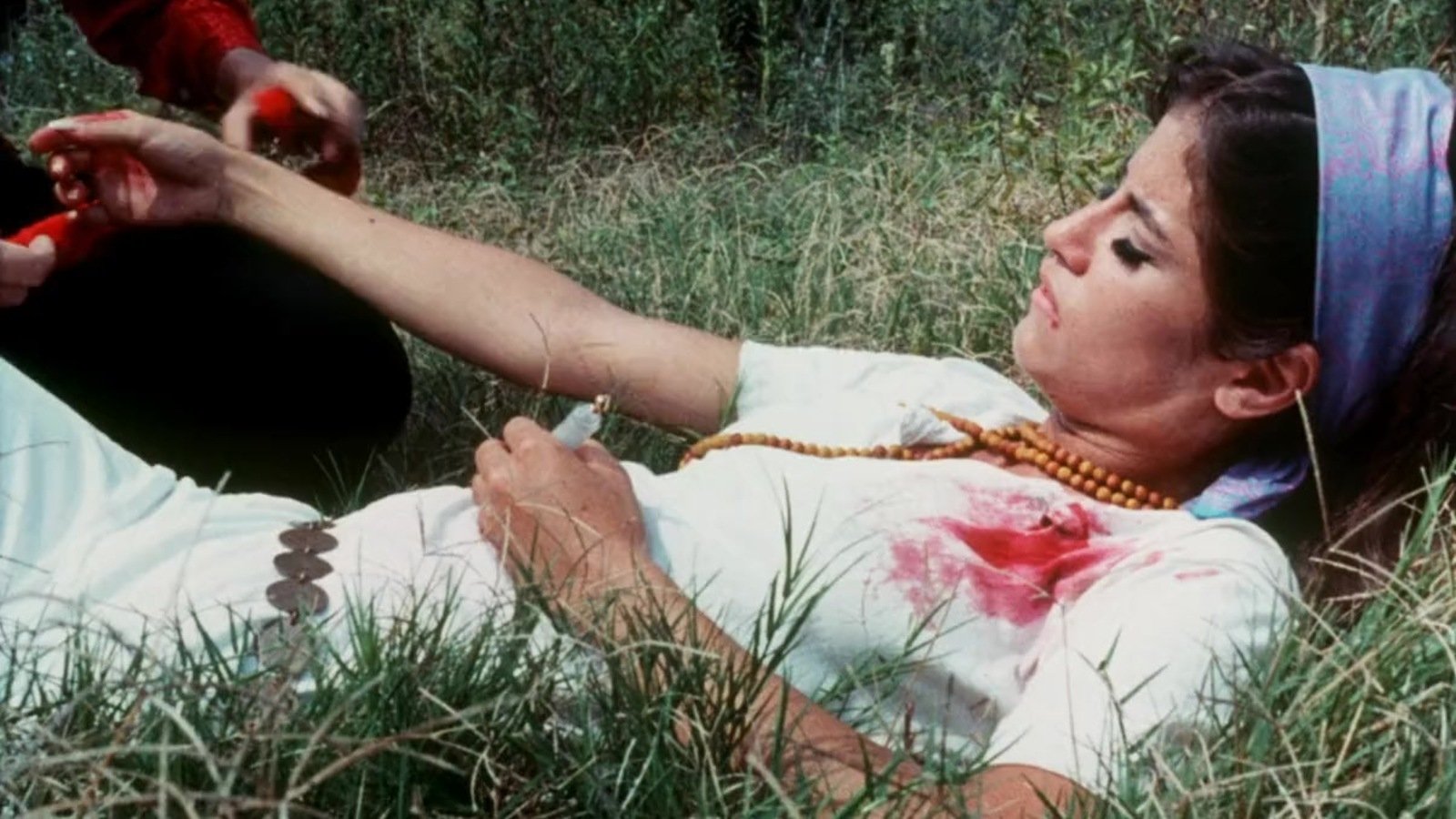
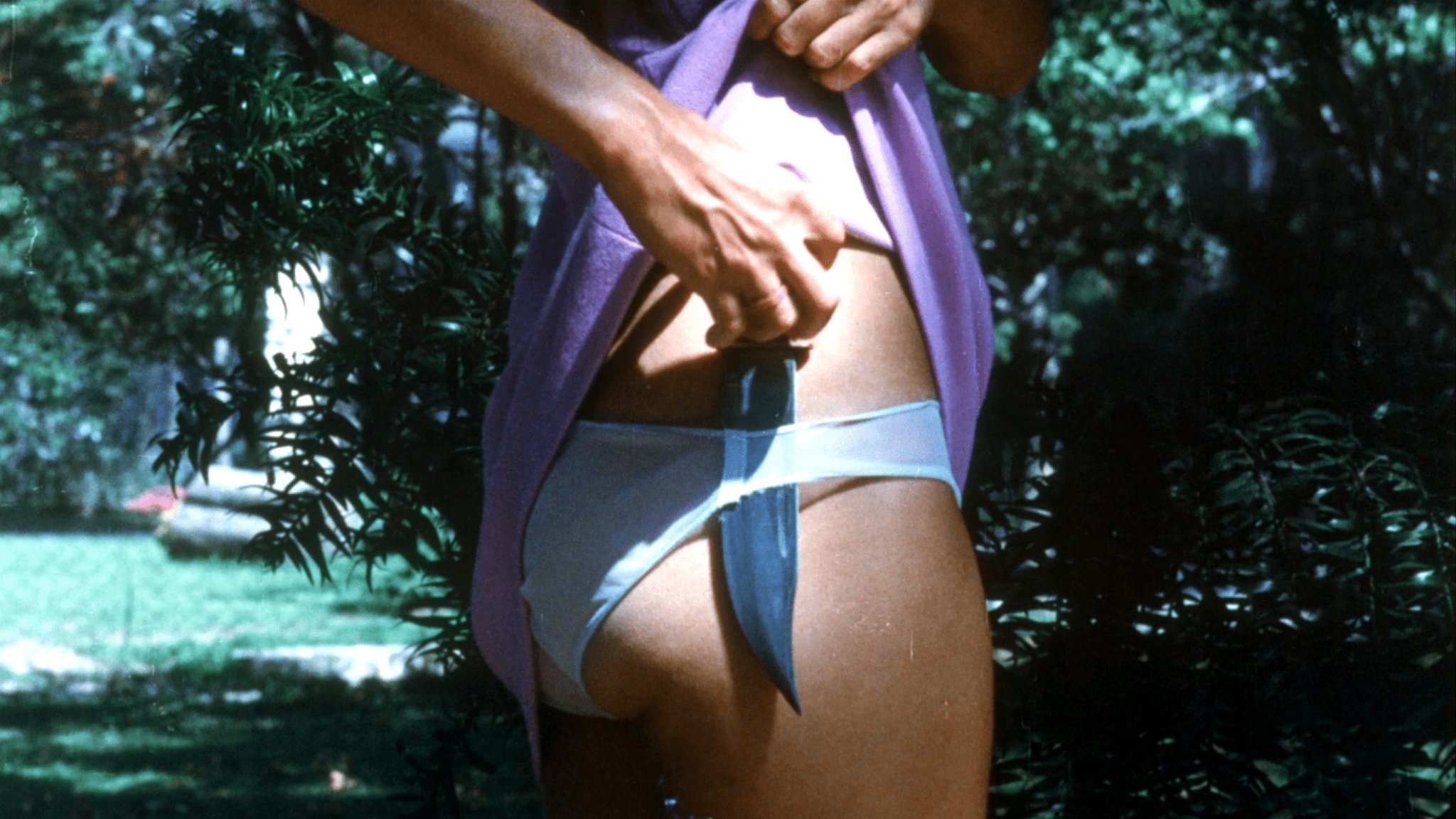
Snuff (1976) is an American exploitation horror film assembled from The Slaughter, a production photographed in Argentina in 1971 by Michael and Roberta Findlay, and a separately filmed ending commissioned by distributor Allan Shackleton. Its theatrical release through Monarch Releasing Corporation transformed an unsuccessful exploitation project into one of the most controversial films of the decade. The new conclusion purported to depict an actual murder committed during filmmaking, while the advertising campaign encouraged audiences to question whether the footage was genuine. The killing was entirely simulated, but the resulting controversy helped establish the popular understanding of the snuff movie as a recording of real murder produced for commercial entertainment.

The film has unusual historical importance because its notoriety developed through the interaction of production, distribution, publicity, feminist activism and censorship. Its American theatrical engagements generated protests and investigations, while the subsequent British videocassette controversy produced a separate mythology surrounding the legitimacy of surviving editions. Academic research by Nicolò Gallio and Mark McKenna has reconstructed these events through contemporary journalism, distribution records and the material history of videocassettes. Their findings demonstrate that the history of Snuff cannot be reduced to its violent images. The film became a significant example of how exploitation distributors could manufacture uncertainty about the authenticity of recorded violence and convert that uncertainty into a commercial attraction.

The Slaughter: Michael and Roberta Findlay in Argentina

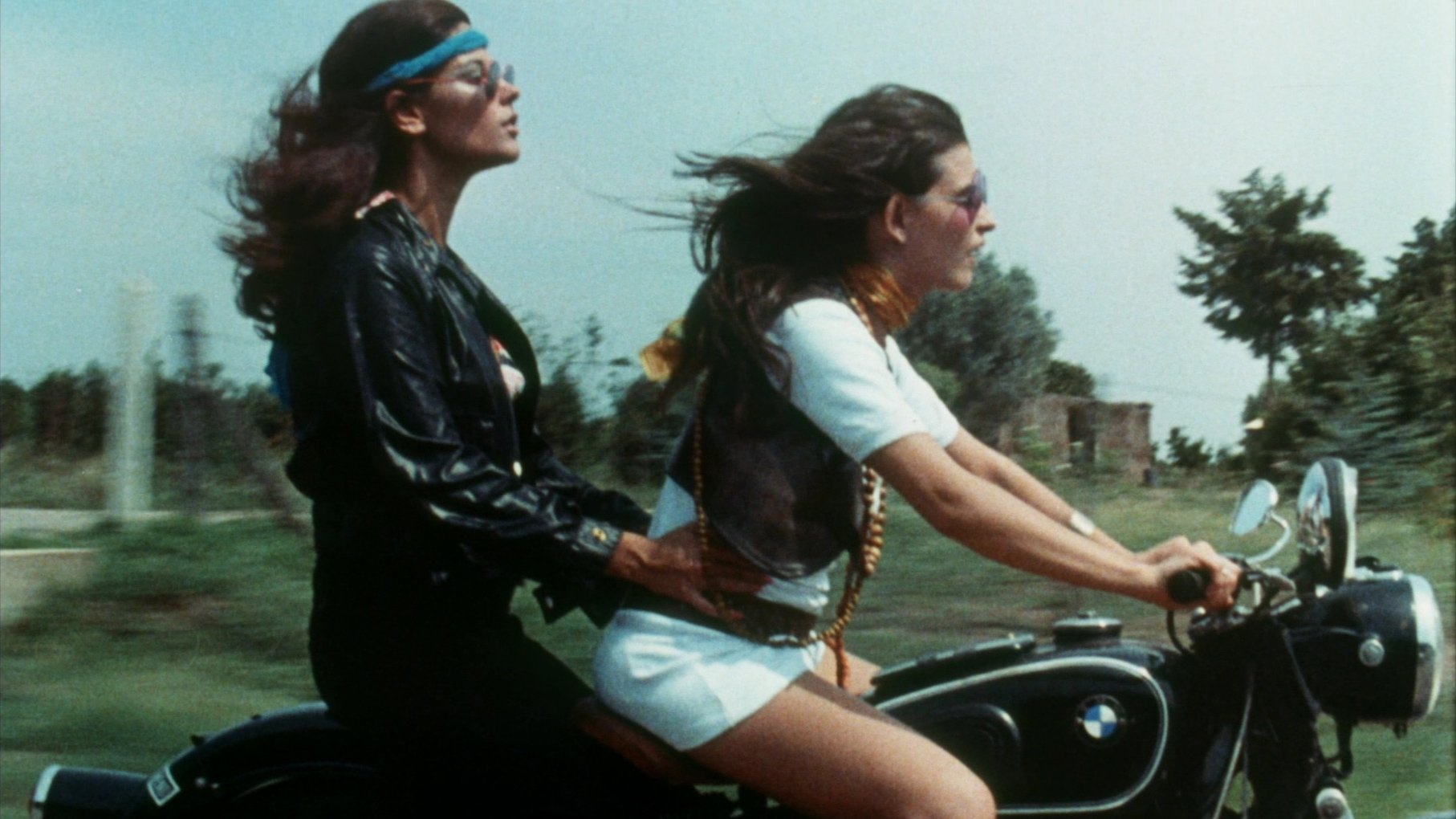
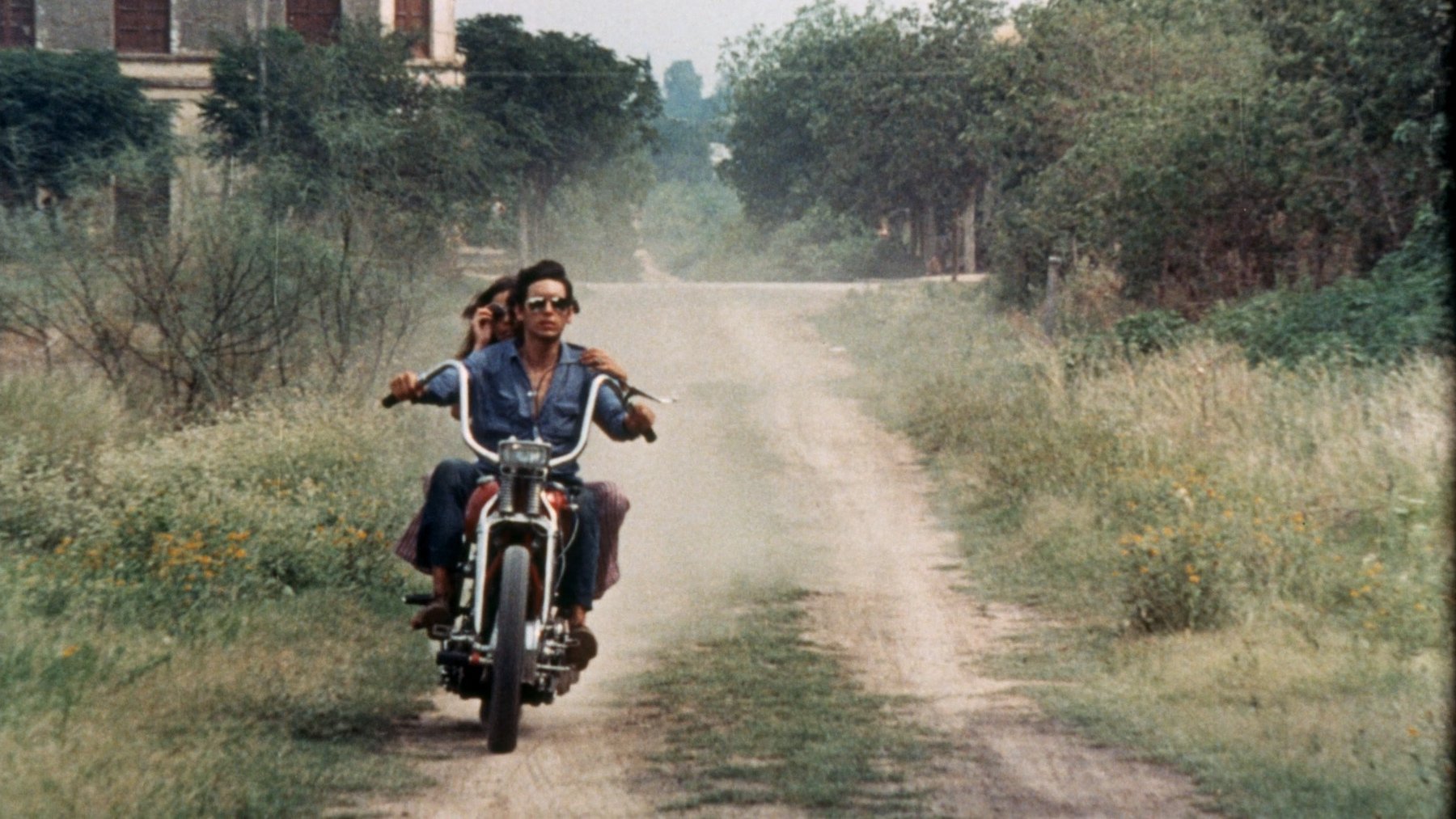
The origins of Snuff lie in the filmmaking partnership of Michael and Roberta Findlay, who had developed a reputation within the American sexploitation industry during the 1960s. Their work included the Flesh trilogy, beginning with The Touch of Her Flesh (1967), which combined sexual material with increasingly explicit representations of cruelty. By 1971, the couple had accumulated sufficient experience in low-budget production to undertake a feature outside the United States. They traveled to Argentina to photograph The Slaughter, drawing upon the notoriety surrounding Charles Manson and the murders committed by members of his group in California in 1969. The production used local performers and technical resources while remaining directed toward the American exploitation market.

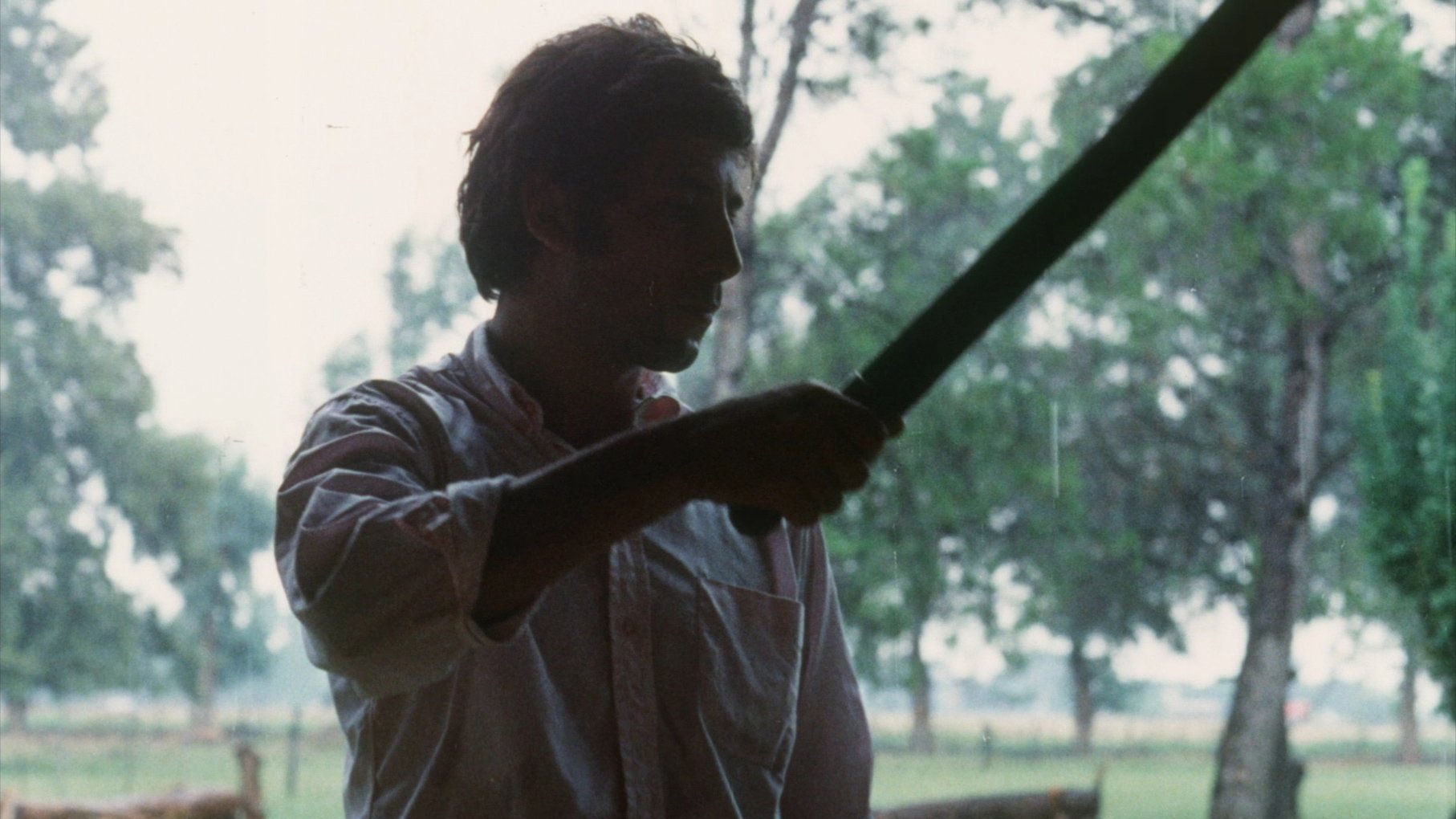
The Slaughter employed the contemporary fascination with the Manson Family as the basis for a fictional cult led by a charismatic figure called Satan. Its relationship with the murders of Sharon Tate and other victims belonged to the exploitation of a recognizable criminal case, rather than an attempt at historical reconstruction. The film was completed with considerable financial and technical restrictions. Alexandra Heller-Nicholas identifies problems with its English-language dubbing as one factor limiting its commercial prospects, while later historical accounts describe the difficulty of securing meaningful theatrical distribution. The production was eventually acquired by Allan Shackleton, whose subsequent intervention radically altered its identity. The surviving evidence does not support treating The Slaughter and the finished Snuff as a single uninterrupted production conceived from the beginning around the notorious final sequence.

The distinction between the two productions also matters for assigning creative responsibility. The Argentine material originated with the Findlays and their collaborators, including Horacio Fredriksson, while the later ending involved personnel recruited separately in the United States. Roberta Findlay contributed to the original film as a filmmaker and cinematographer, although subsequent publicity often reduced the production history to the name of Michael Findlay. The international marketing of Snuff obscured these divisions by presenting the assembled material as a unified work. Understanding its actual construction requires separating the original exploitation feature, the distributor's later additions and the promotional claims attached to the resulting release.

Allan Shackleton, Monarch Releasing and the Manufactured Ending

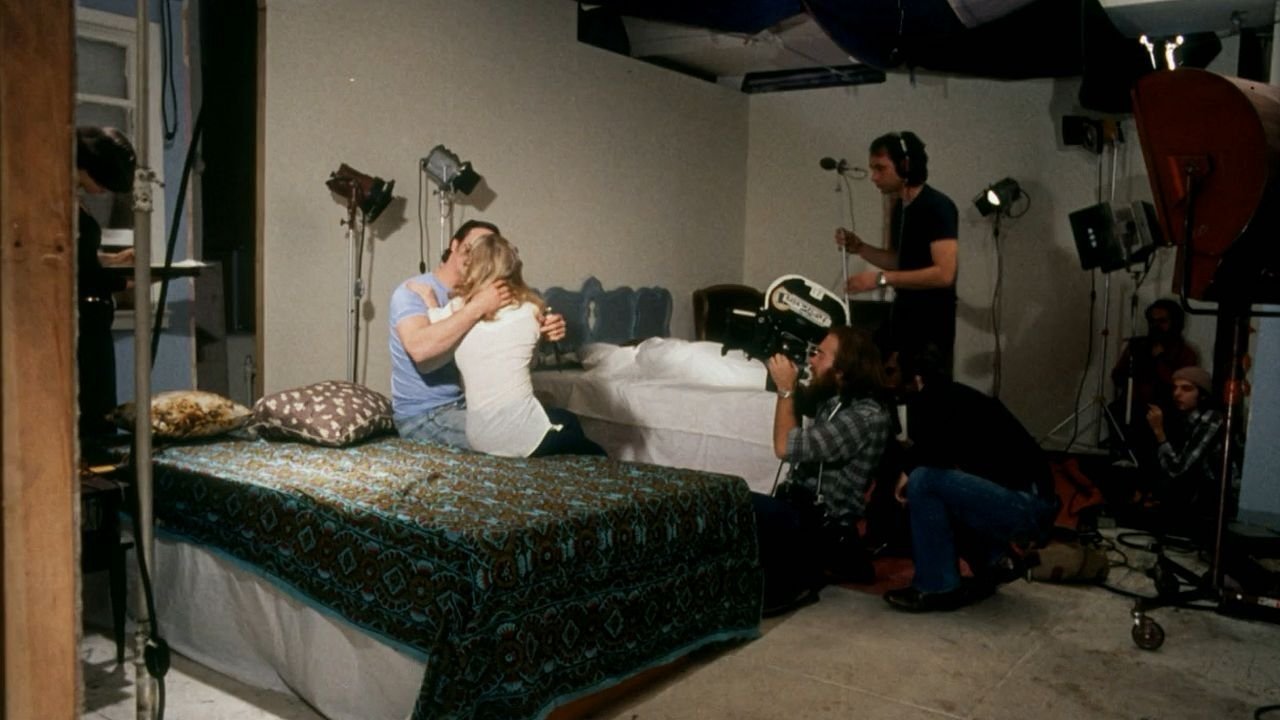
Allan Shackleton recognized the commercial potential of The Slaughter after reports circulated concerning supposed motion pictures in which people were genuinely murdered for paying audiences. Rather than developing an entirely new feature, he repackaged the existing Argentine production and commissioned a short additional sequence. The new material was photographed in 1975, several years after the original shoot, with direction generally attributed to Simon Nuchtern. It presented an apparent transition away from the preceding fiction into the working environment of a film crew. The sequence culminated in a simulated killing, staged to suggest that the camera had continued recording after the fictional production had ended.

The construction of this conclusion depended upon a change in the apparent status of the images. The camera, performers and technical surroundings became visible within the fictional action, suggesting that the audience was witnessing activity beyond the boundaries of the completed movie. The effect relied upon a familiar documentary convention: the idea that accidental or unauthorized filming could reveal something excluded from an official presentation. Alexandra Heller-Nicholas has examined the sequence as a deliberate manipulation of the distinction between cinematic performance and supposedly unmediated reality. The murder itself was performed using ordinary cinematic methods and artificial effects. Its importance lay in the claim of authenticity encouraged by the surrounding presentation, rather than in any documented act of real violence.

Shackleton's intervention also changed the relationship between the original material and its audience. The Manson-inspired portion functioned as a conventional exploitation narrative, while the added conclusion implicitly challenged the credibility of the preceding fiction. Viewers were encouraged to consider whether the violent event had occurred outside the control of the filmmakers. The transformation was particularly effective as advertising because the question could circulate independently of the film itself. People who had never attended a screening could encounter stories about the alleged murder through newspaper articles, theater advertisements and public controversy. The same mechanism helped sustain the legend after the authenticity claim had been publicly discredited.

The 1976 American Release, Publicity Campaign and Murder Hoax

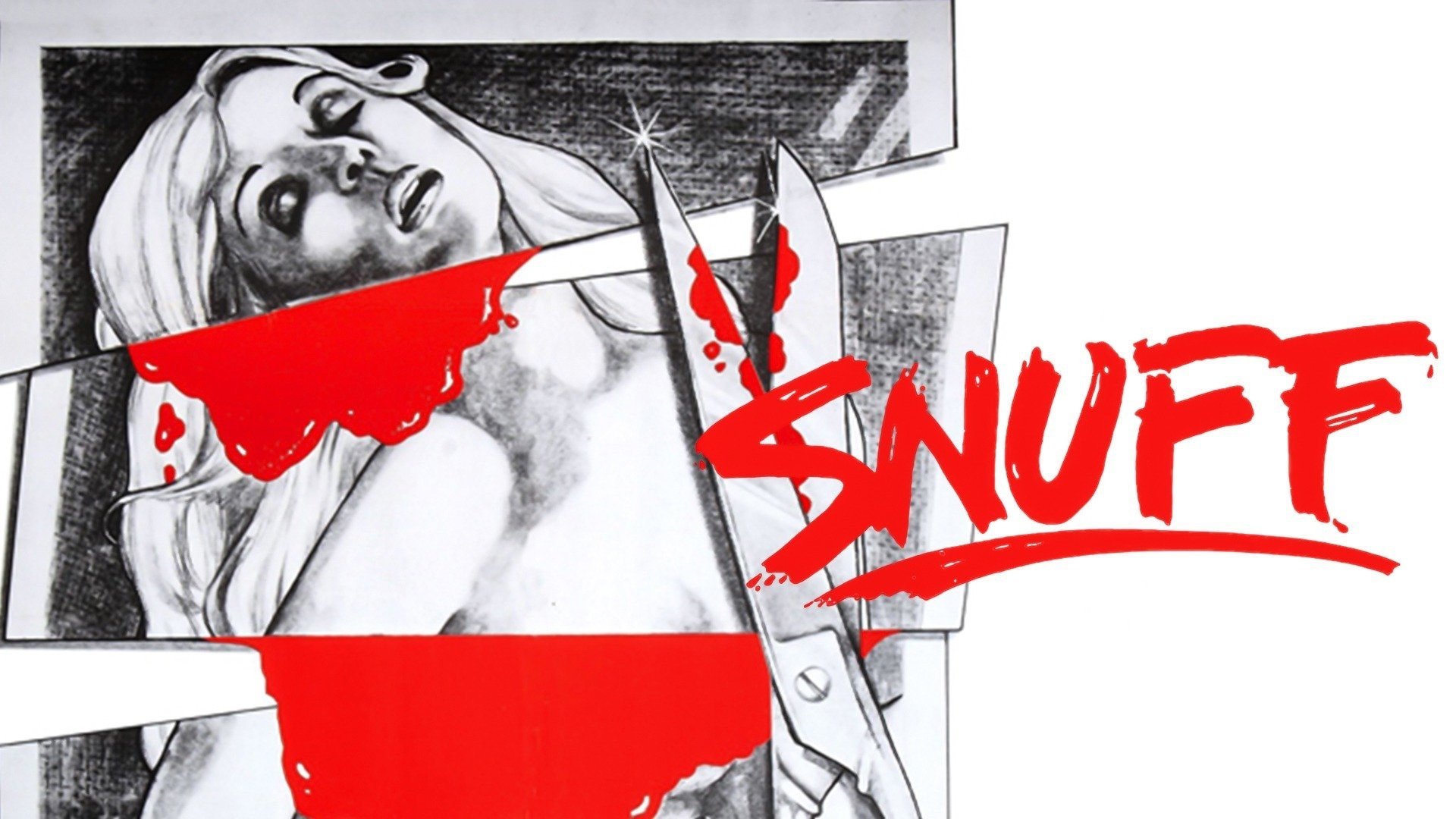
Monarch Releasing Corporation promoted Snuff through a campaign centered on the possibility that its final killing was genuine. The American theatrical release began in January 1976, with subsequent engagements in major urban markets. Its presentation at the National Theatre in Times Square attracted particular attention because the venue was associated with more prestigious exhibition traditions than the exploitation material commonly shown in neighborhood grindhouses. Historian Nicolò Gallio documents how promotional statements, newspaper coverage and public objections reinforced one another during these engagements. The film's title became an immediately recognizable commercial label, increasingly detached from the Argentine production from which most of its footage had been taken.

The question of authenticity was investigated by American authorities during the original theatrical controversy. Mark McKenna records a month-long FBI investigation into the apparent murder, while Gallio reproduces contemporary reporting that had already identified the sequence as staged. A March 1976 report in Screen International stated that the performer involved had been traced and was alive. Trade journalists had also questioned the claims before the investigation had concluded. Variety reported in February that the hoax had already been exposed, yet the publicity surrounding the film continued to attract spectators. The evidence therefore establishes a significant difference between the existence of official inquiries and the truth of the allegations that prompted them.

The campaign illustrates an important feature of exploitation distribution: publicity did not necessarily depend upon convincing every customer that its claims were true. Some spectators were attracted by the possibility of witnessing forbidden material, while others attended precisely because the allegations were implausible and had become objects of public discussion. Gallio describes how the controversy sustained theatrical interest even after journalists had challenged the central premise. Publicity, criticism and investigation became interconnected parts of the film's commercial identity. The resulting notoriety was unusually durable because the audience could continue discussing the alleged footage without needing to defend its authenticity.

Feminist Protest, Sexual Violence and the Politics of Representation

The American release generated protests by feminist organizations that objected to the marketing of violence against women as sexual entertainment. Demonstrations occurred in several cities during 1976, including New York and Philadelphia. The controversies extended beyond the question of whether the final murder was genuine. Protesters also challenged the commercial presentation of a woman's suffering as a spectacle intended to excite or attract paying audiences. The film became associated with the developing movement against violent representations of women in popular culture, which addressed advertising, music, motion pictures and pornography through sometimes differing political approaches.

The protests should not be dismissed as the response of spectators who simply failed to recognize artificial effects. Contemporary activists objected to the advertising claims and to the broader social meaning of marketing sexualized violence. The eventual confirmation that the killing was staged did not resolve those objections. Scholarship on the emergence of Women Against Violence Against Women identifies Snuff as an important early controversy for campaigns that opposed the association of sexual pleasure with brutality. These organizations were not identical in their political priorities, and opposition to violent representation did not always imply support for the censorship of sexually explicit material generally. Treating the movement as a single undifferentiated campaign would obscure the positions of its participants.

The controversy also demonstrated that commercial exploitation and political opposition could coexist within the same public event. Shackleton's publicity made authenticity itself a selling point, while protest coverage brought further attention to a film that might otherwise have remained confined to specialist theaters. The appearance of organized opposition became part of the story through which the film was reported nationally. This relationship does not mean that the protests were uniformly manufactured by the distributor or that the protesters intended to contribute to its commercial success. Their documented concerns were substantial and independent. The historical significance of the episode rests partly on this conflict between the commercial value of scandal and the political effort to challenge the representation of violence.

Astra Video, the British Video Nasties and the VHS Controversy

Snuff acquired a separate distribution history in Britain during the early 1980s. The film had not received an original British theatrical release, and its appearance on videocassette coincided with rising concern about violent material available through the new home-video market. Astra Video, based in Croydon, announced plans to distribute the film in 1982 after obtaining material associated with the American distributor Wizard Video. Mark McKenna reconstructed this history from contemporary trade magazines, national newspapers and surviving promotional material. His research documents Astra's presentation of the film at the Northern Software Show in Manchester during May 1982, where company representatives reported substantial advance commercial interest.

The planned release quickly encountered difficulties. Newspaper coverage revived the suggestion that the film contained a genuine murder, prompting Astra managing director Mike Behr to acknowledge publicly that the claim was a publicity device. The company subsequently announced that the film had been withdrawn. Nevertheless, copies circulated in Britain without identifying Astra on their packaging. Behr denied responsibility for their distribution, while later collectors speculated about the provenance of the tapes. McKenna emphasizes that the surviving records support several parts of the chronology but do not establish every detail of the unauthorized circulation. Assertions that Astra secretly distributed every unbranded copy therefore go beyond what the contemporary evidence can conclusively demonstrate.

The controversy later acquired a material dimension through competing videocassette editions. Collectors distinguished between a blue-sleeved version carrying Astra branding and a black-sleeved presentation without an identifiable distributor. The latter circulated during the early video era, while the documented appearance and provenance of the blue-sleeved tapes became matters of prolonged debate. McKenna examines how collectors assessed typography, cover artwork, company insignia and contemporary advertising in attempting to establish authenticity. These debates reproduce, in a different form, the original problem surrounding Snuff: the question of whether an object is genuinely what its presentation claims. The film was also included among the titles associated with successful prosecutions under the Director of Public Prosecutions video nasties campaign, a history distinct from formal BBFC classification.

Later Classification and the Cultural Legacy of the Snuff Myth

The British Board of Film Classification eventually examined a home-entertainment version submitted by Blue Underground. Its official record identifies a classification date of May 22, 2003, for a presentation running 76 minutes and 43 seconds. No compulsory cuts are indicated in the published entry. This administrative decision belongs to a period very different from the unregulated videocassette market of 1982 and should not be confused with the original obscenity proceedings. The running time also refers to the specific submitted master, rather than establishing that every theatrical and video edition had identical content. The earlier controversy concerned both the filmed material and the circumstances in which its supposed authenticity had been marketed.

The longer historical significance of Snuff lies in its contribution to the popular mythology surrounding filmed murder. Mark McKenna distinguishes the existence of the myth before 1976 from the particular commercial form established through Shackleton's campaign. The idea that recordings of actual killings could be produced specifically for paying spectators subsequently became a recurring subject in horror cinema, popular journalism and debates about the authenticity of violent images. Films such as 8MM (1999) developed fictional narratives around the investigation of alleged snuff recordings, demonstrating the continued usefulness of the concept as a source of cinematic anxiety. Such later appearances document the persistence of the subject, but should not automatically be treated as direct stylistic borrowings from the 1976 production.

Academic reassessment has increasingly concentrated on the film's commercial history rather than the alleged realism of its effects. Gallio treats the release as a case study in the transformation of a commercially unsuccessful production through strategic publicity, while McKenna examines how uncertainties surrounding British video distribution generated their own collector mythology. These approaches reveal distinct stages through which the same film acquired cultural significance: the original Argentine exploitation feature, the American theatrical hoax and the later circulation of rare videocassettes. Its position within horror history is therefore supported by documented changes in distribution and reception. The claim that the film recorded a real murder remains false.

References

  1. Universita di Bologna Framing Death: La morte in diretta, tra cinema e media digitali - Nicolò Gallio

    Doctoral research completed in 2013. Section 4.1, pages 199-206, examines the production of The Slaughter, the intervention of Allan Shackleton, the 1976 promotional campaign, contemporary press investigations and the commercial consequences of the simulated murder.

  2. Staffordshire University A Murder Mystery in Black and Blue: The Marketing, Distribution, and Cult Mythology of Snuff in the UK - Mark McKenna

    Sixteen-page scholarly chapter based on contemporary British newspaper and video-industry evidence. Reconstructs Astra Video's 1982 involvement, the announced withdrawal, competing VHS editions and unresolved questions concerning the provenance of surviving tapes.

Cast

View Full Cast & Crew →

Release & Distribution

Production Companies (3)

  • August Films
  • Selected Pictures
  • The Argentine film Co. of New York

Release History (6)

Release DateTerritoryRelease TypeFormatDistributorCertificationNotes
1976-01-16 United States Theatrical — — R Indianapolis, Indiana
1976-06-19 Japan Theatrical — — —
1979-05-18 Germany Theatrical — — —
1983-05-01 Australia Physical — — RC VTR
2005-08-16 Australia Physical DVD — R 18+ DVD
2006-01-13 New Zealand Physical DVD — R18 DVD
The Bloodiest thing that ever happened in front of a camera!!