

Ira Levin’s Novel and a Disputed Adaptation
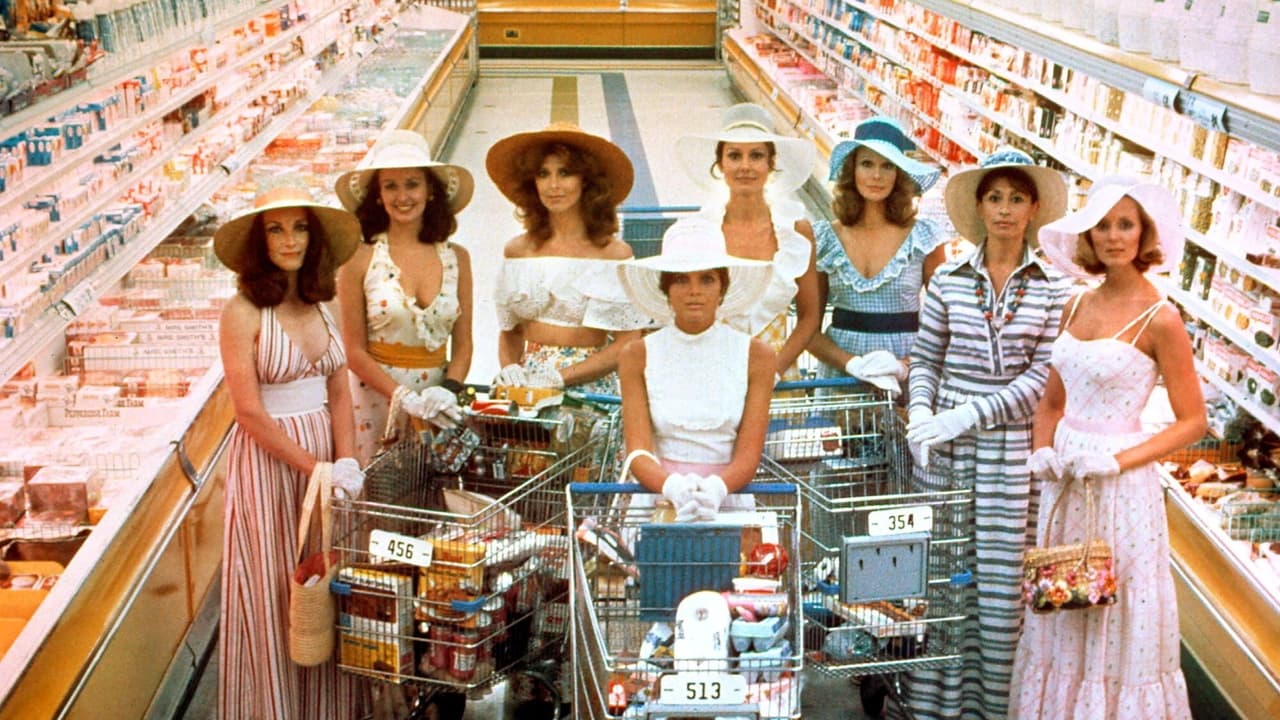
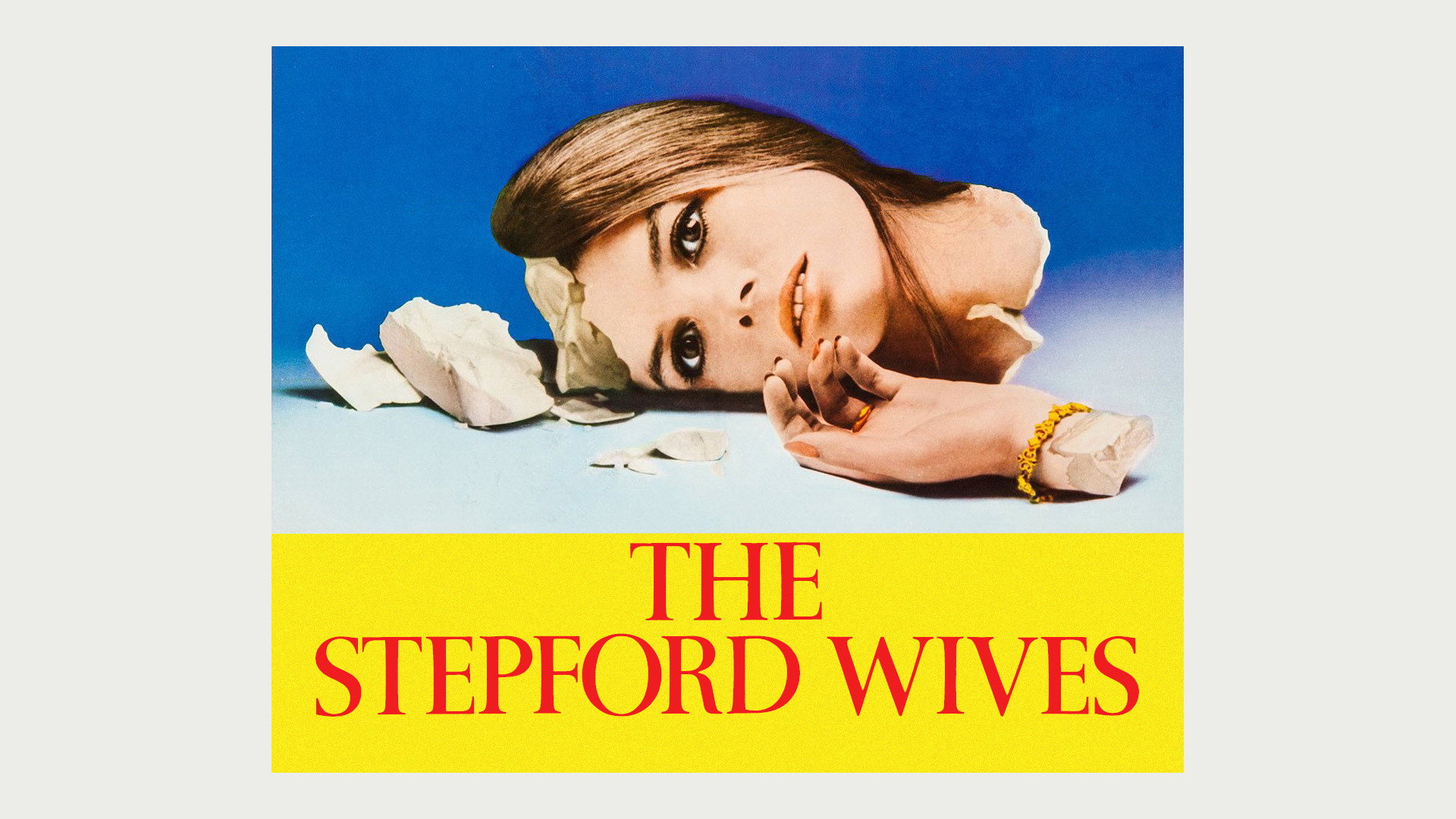
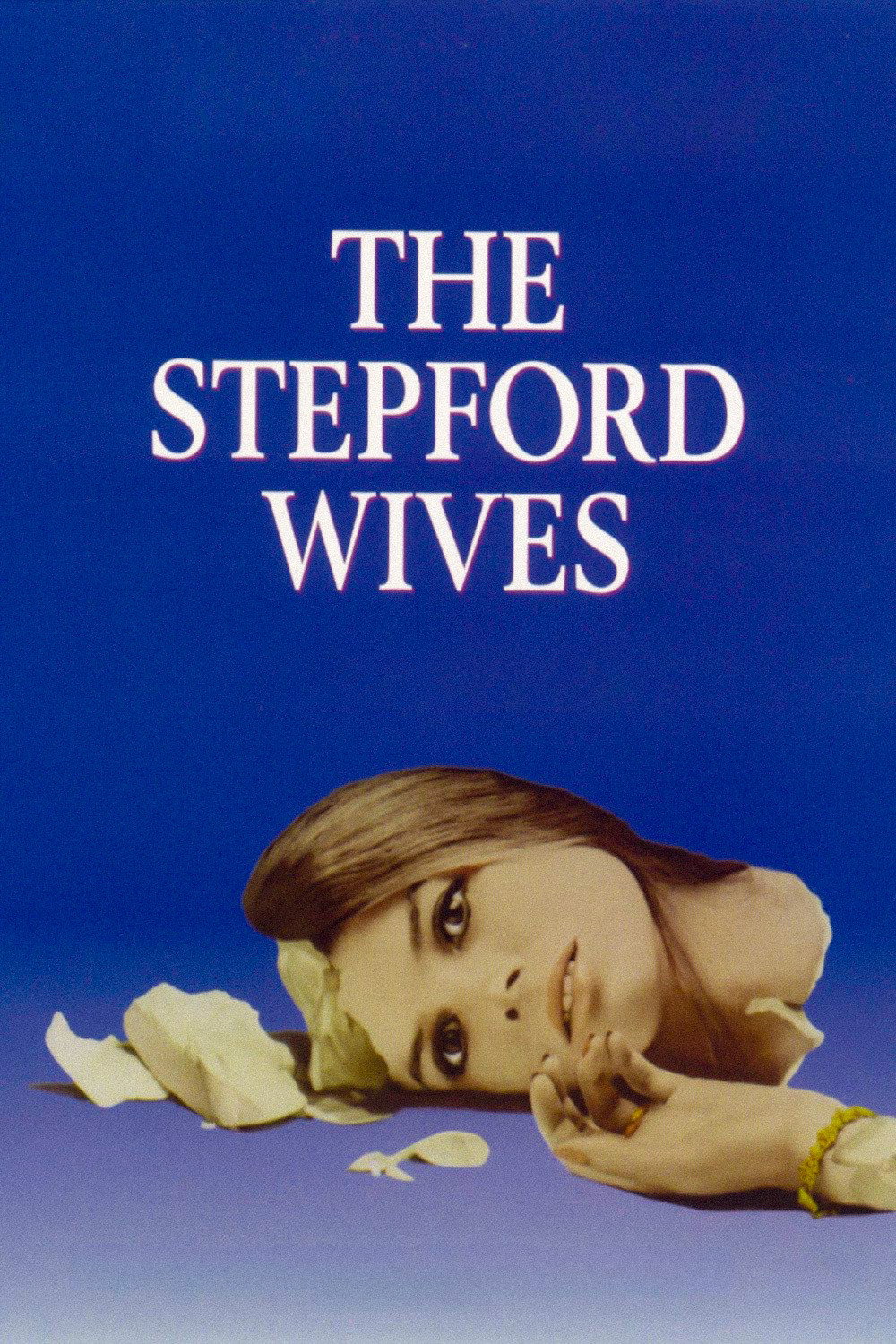
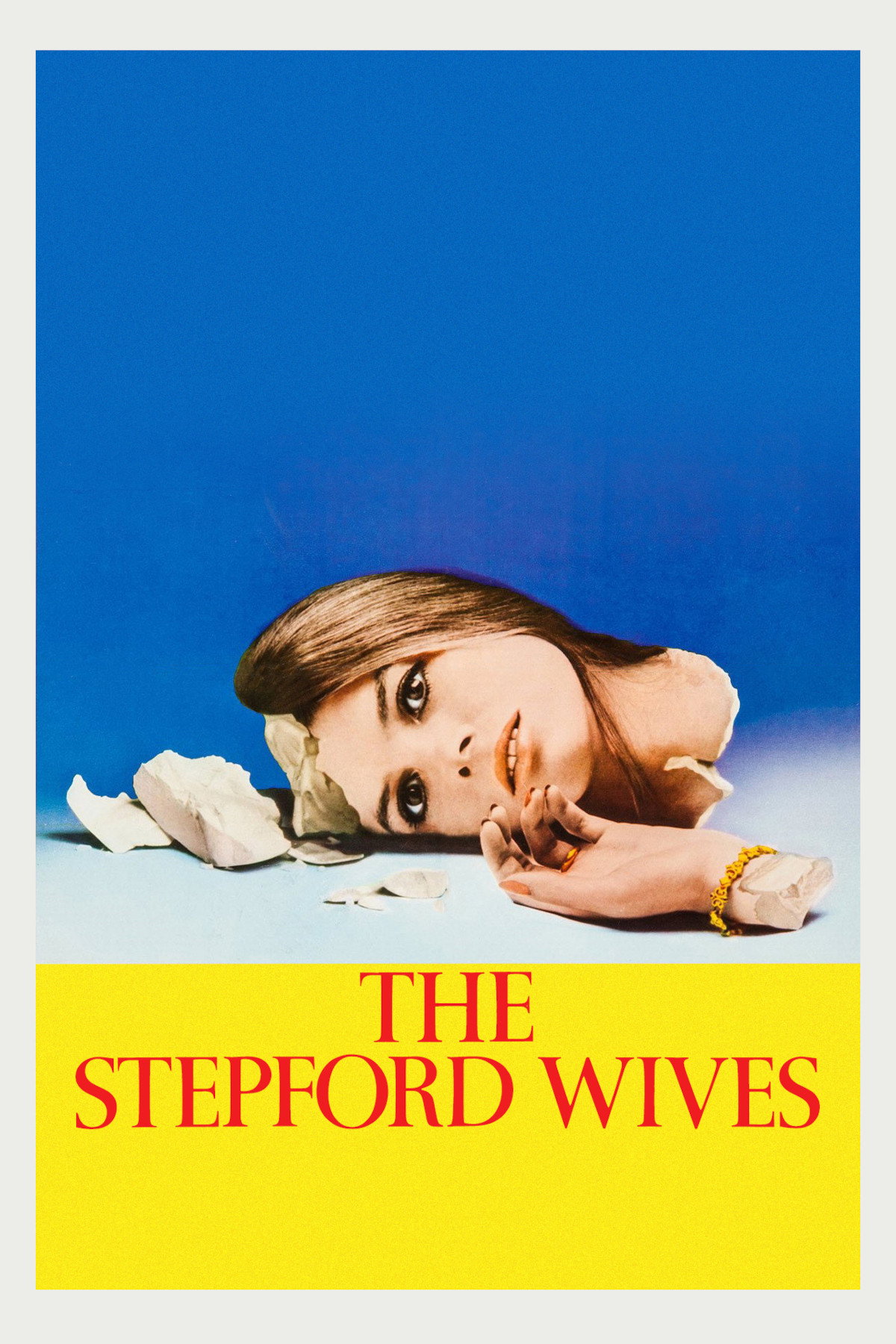
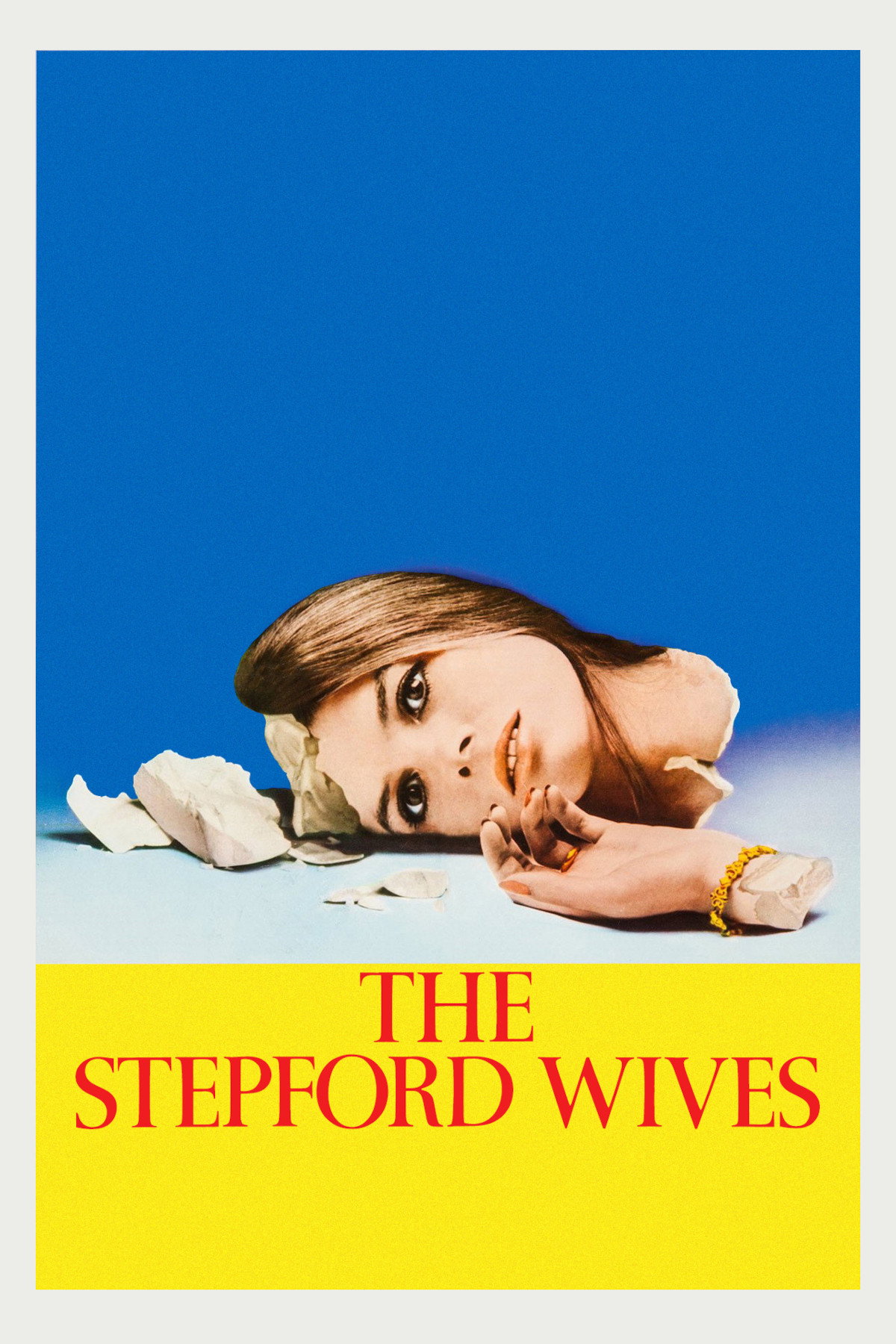
Ira Levin published The Stepford Wives in 1972, several years after Rosemary’s Baby had established his reputation for locating conspiracy and supernatural menace within ordinary relationships. The novel imagines a prosperous Connecticut community where the apparent revival of traditional domestic roles masks a deliberately organized attack on women’s autonomy. Its anxieties belong to a period in which second-wave feminism challenged assumptions about marriage, unpaid household labour and women’s ambitions outside the home. Betty Friedan’s The Feminine Mystique (1963) was a central text in that debate, and later scholarship has examined its relationship to Levin’s fictional suburban nightmare.
Producer Edgar J. Scherick developed the film for Palomar Pictures International, with William Goldman credited for the screenplay. Bryan Forbes eventually directed, although the American Film Institute notes that other directors had been considered during development. Goldman and Forbes subsequently offered sharply different accounts of the rewriting process. Film scholarship has documented substantial creative disagreement, particularly over dialogue, casting and the conception of the wives. Their conflicting retrospective claims should not be compressed into a definitive account that credits one man with every line on screen. The finished film is an adaptation shaped by negotiations among the producer, writer and director.