


Development and Screenwriting
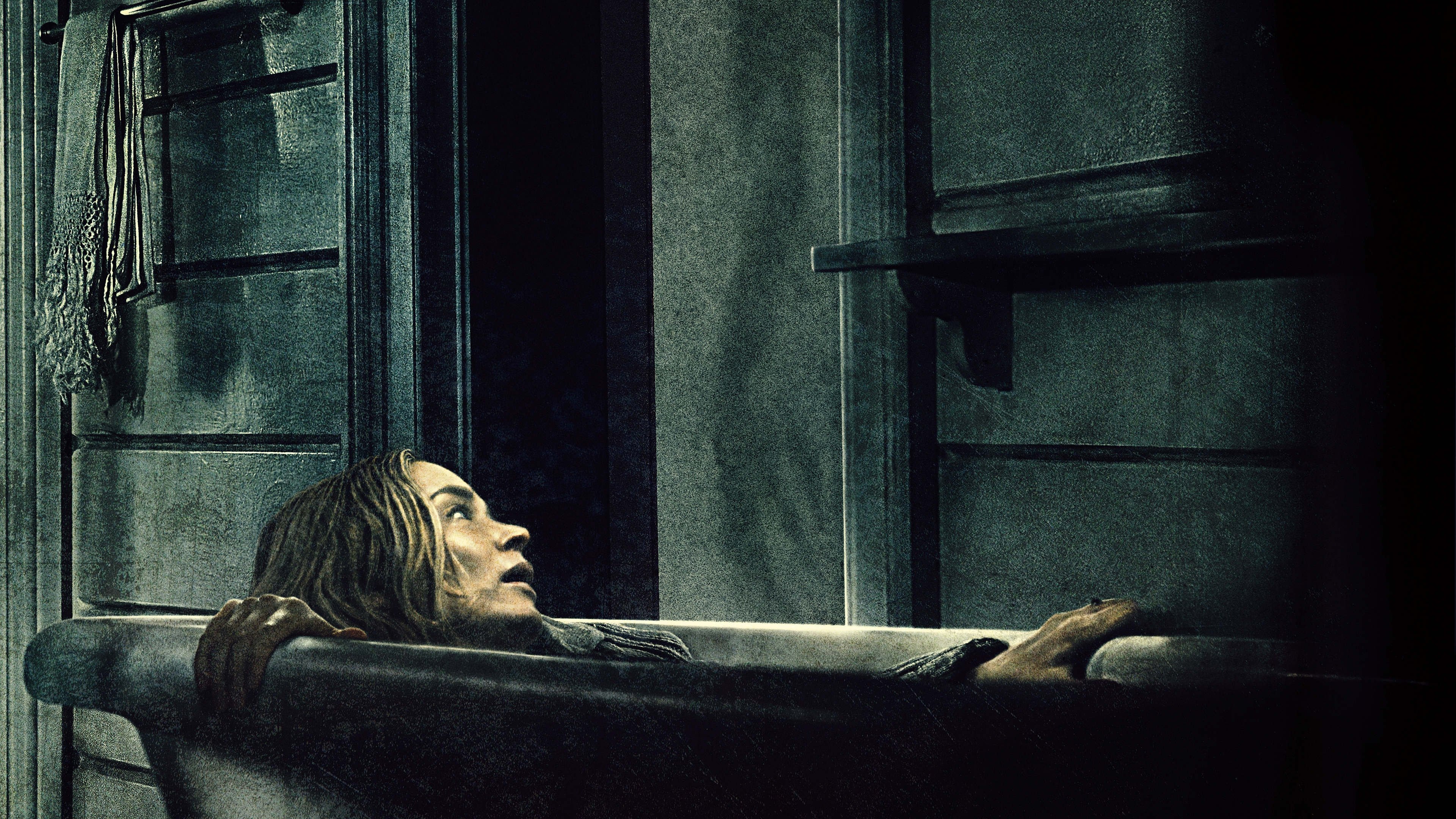
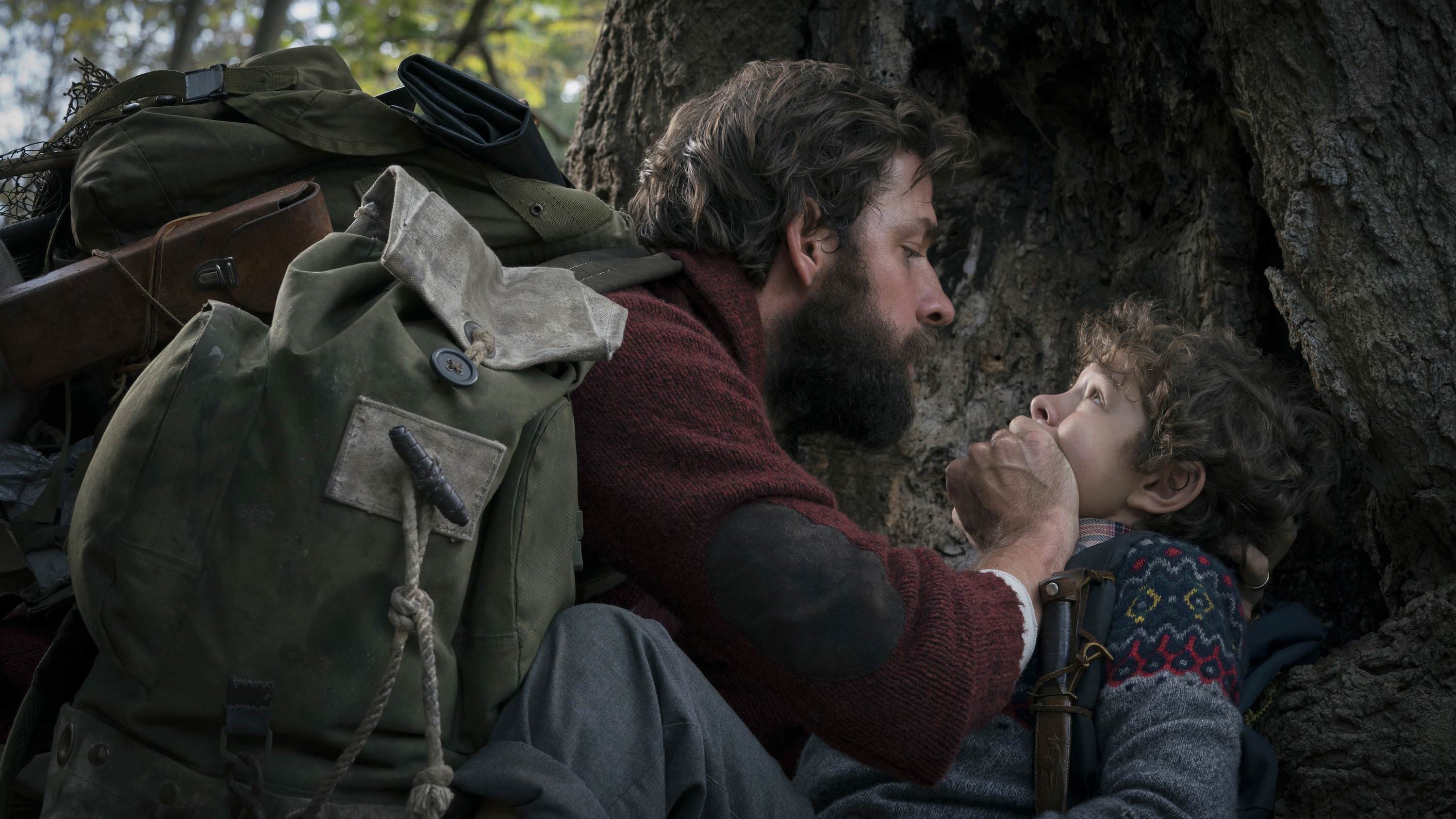
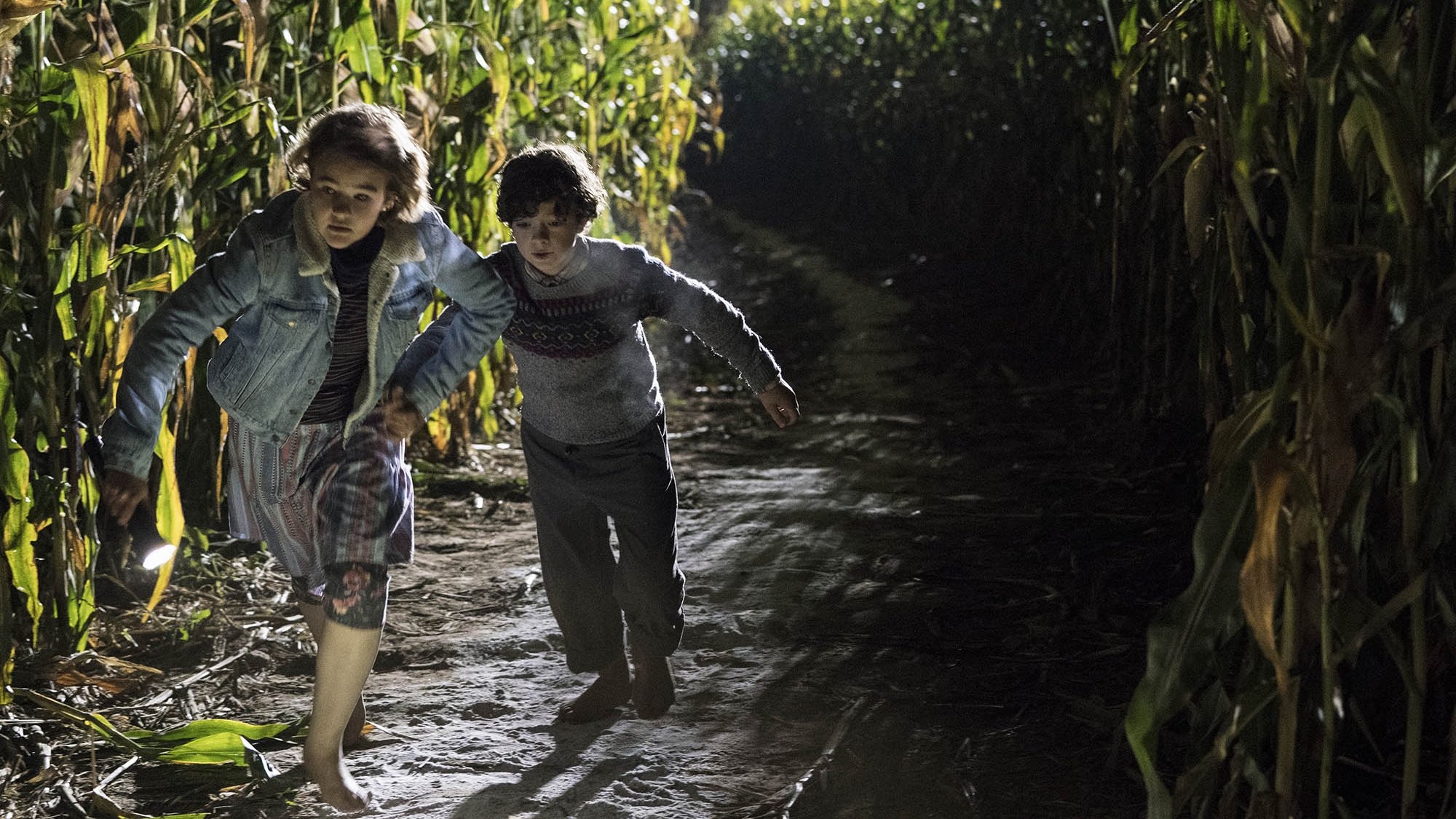
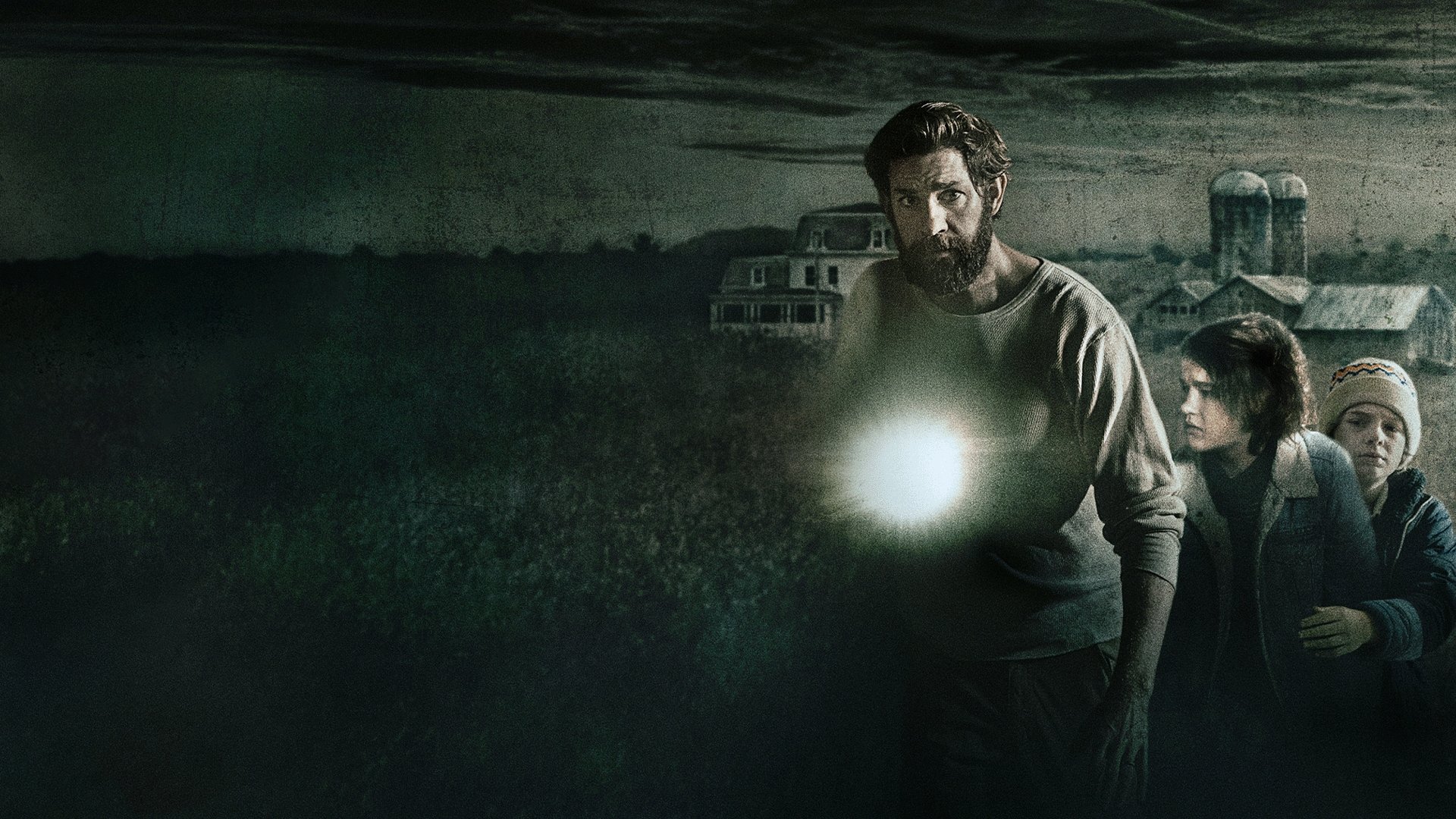
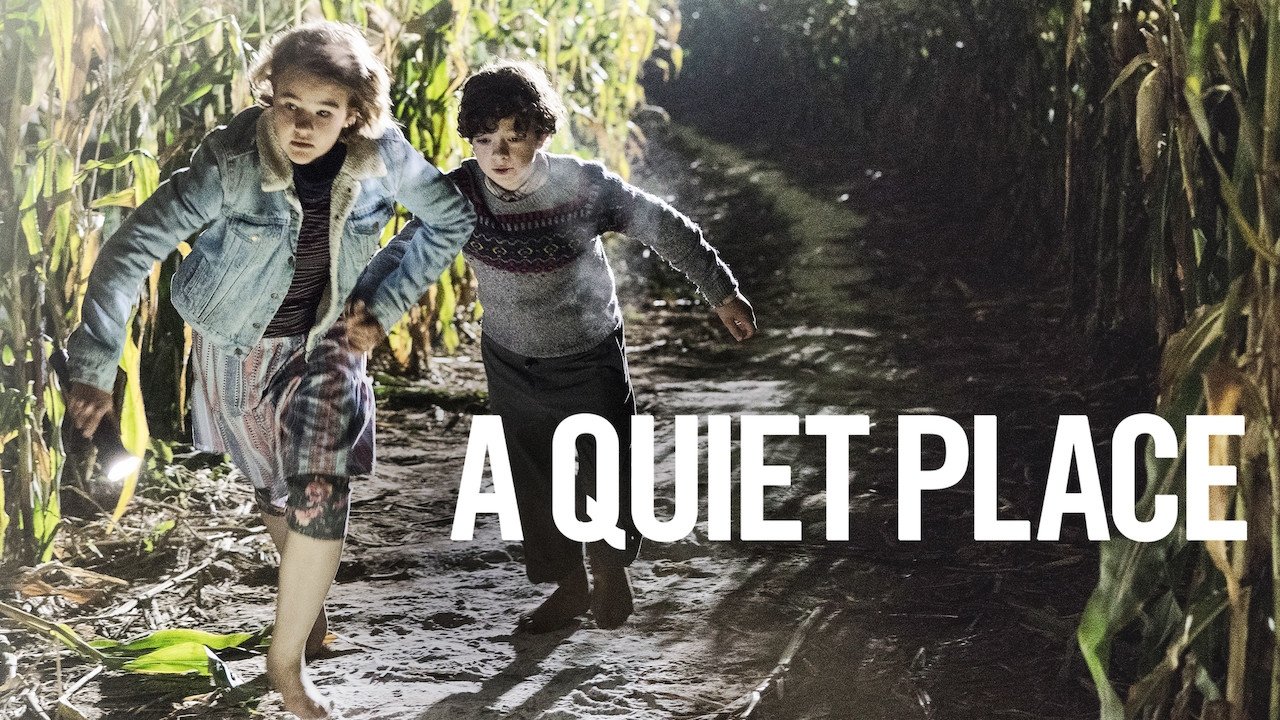
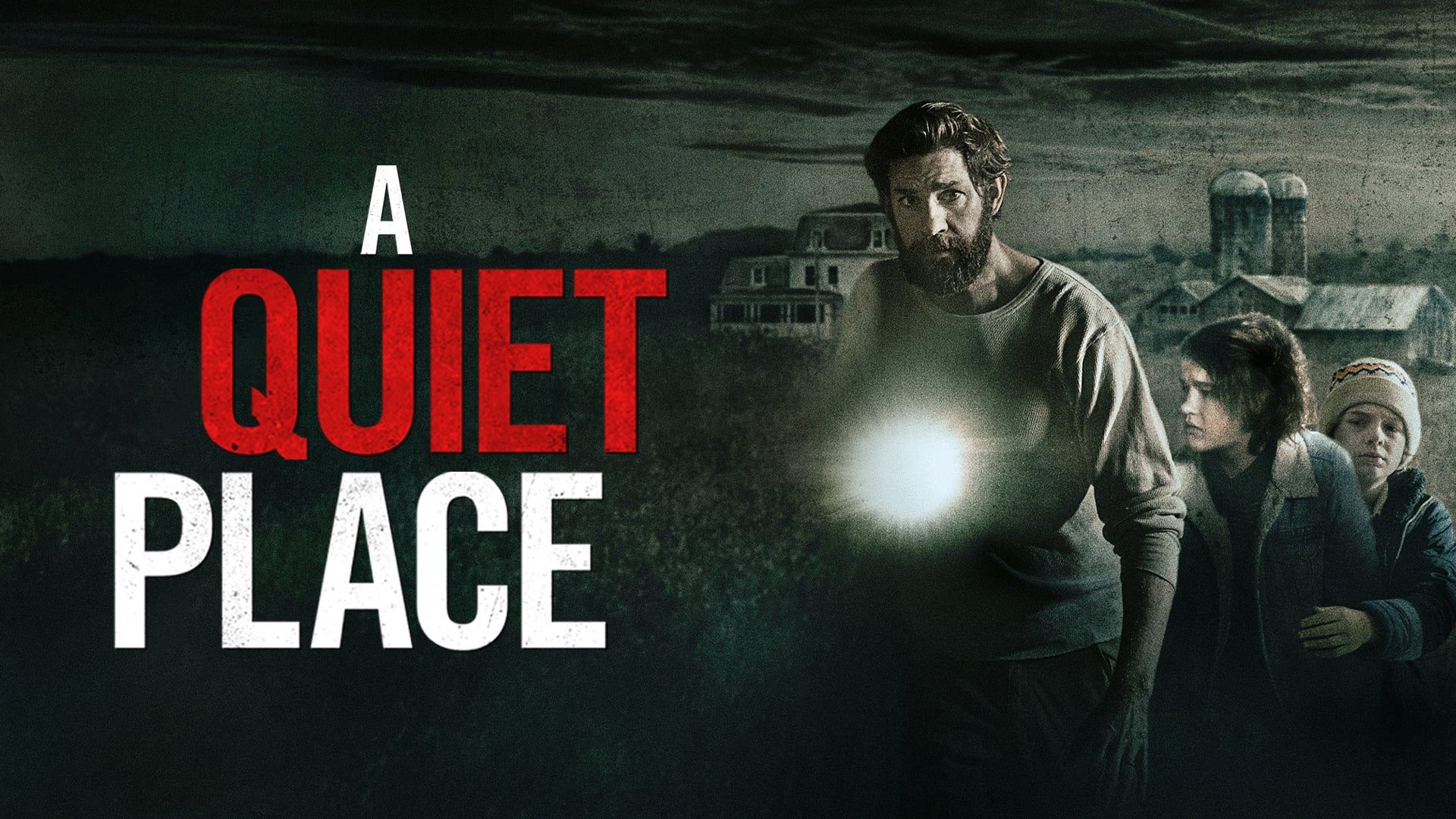
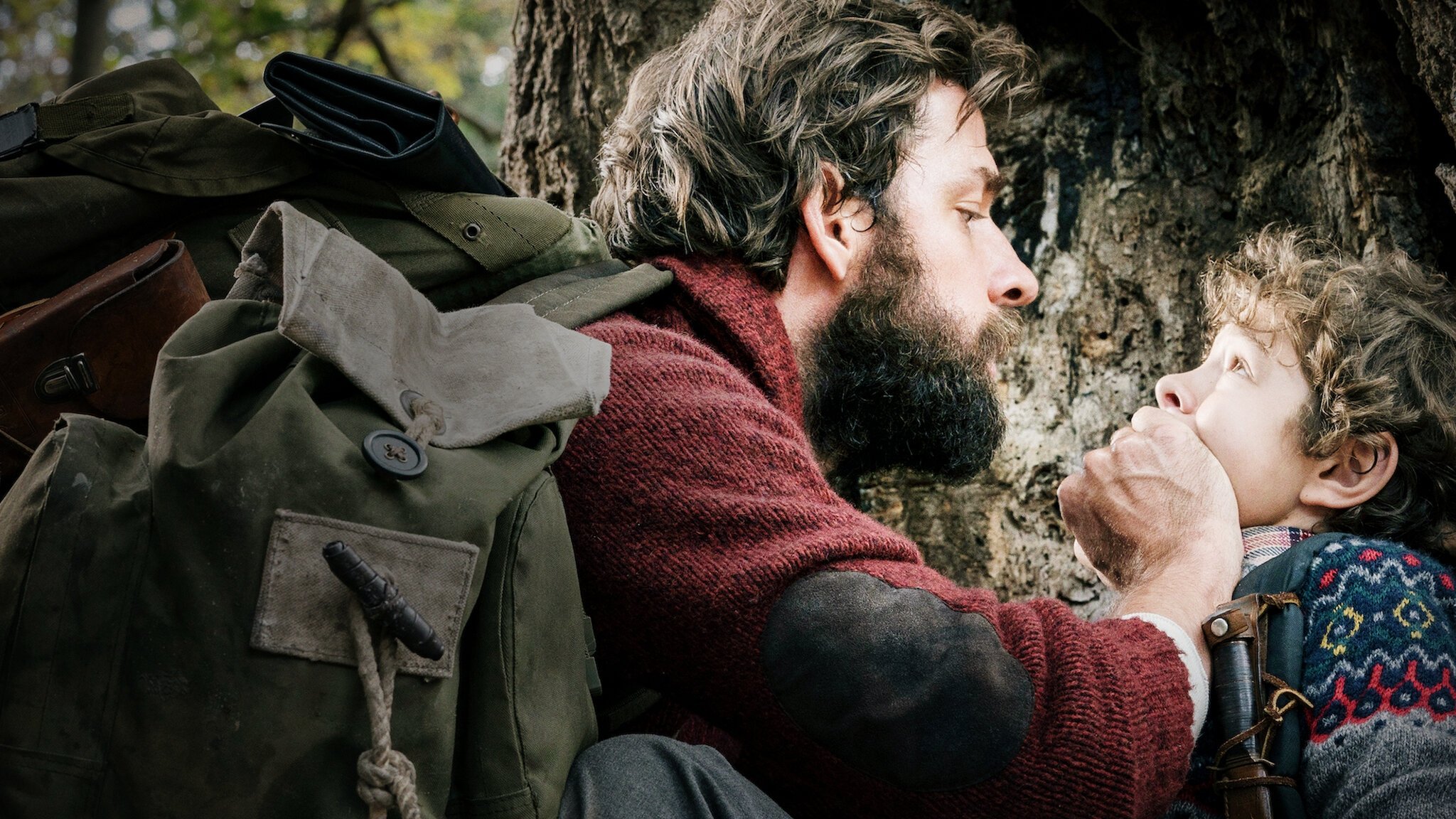
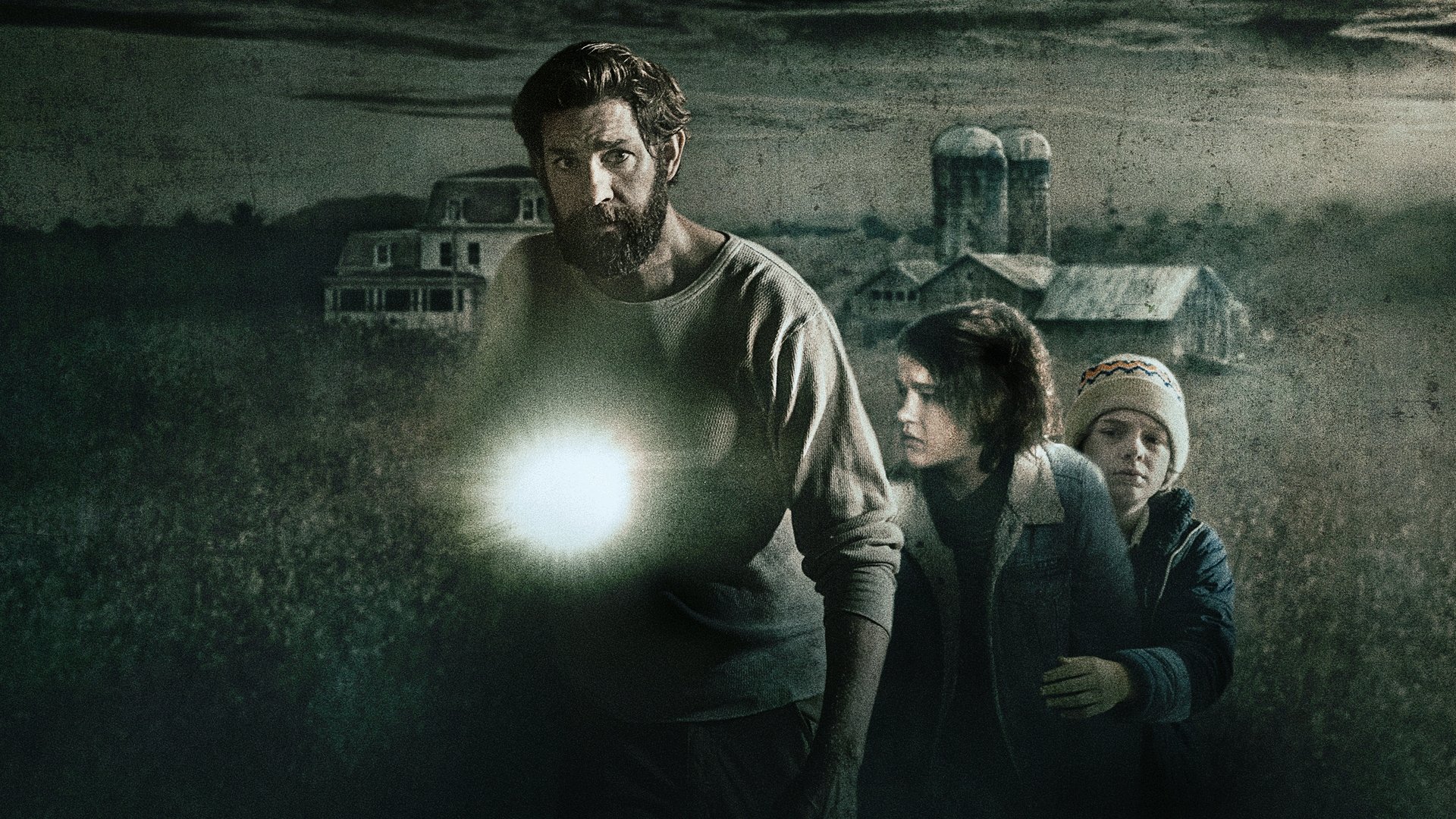
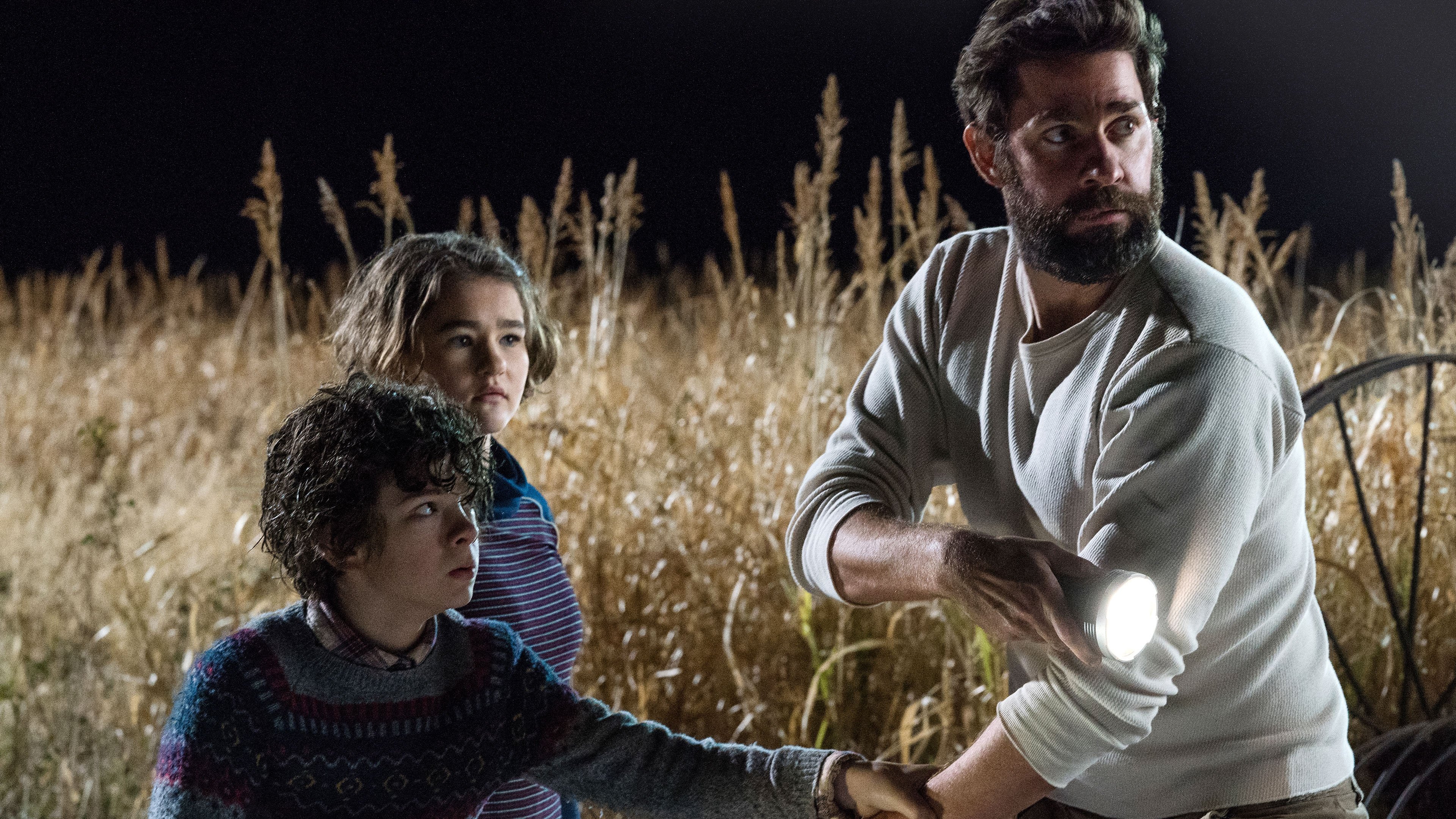
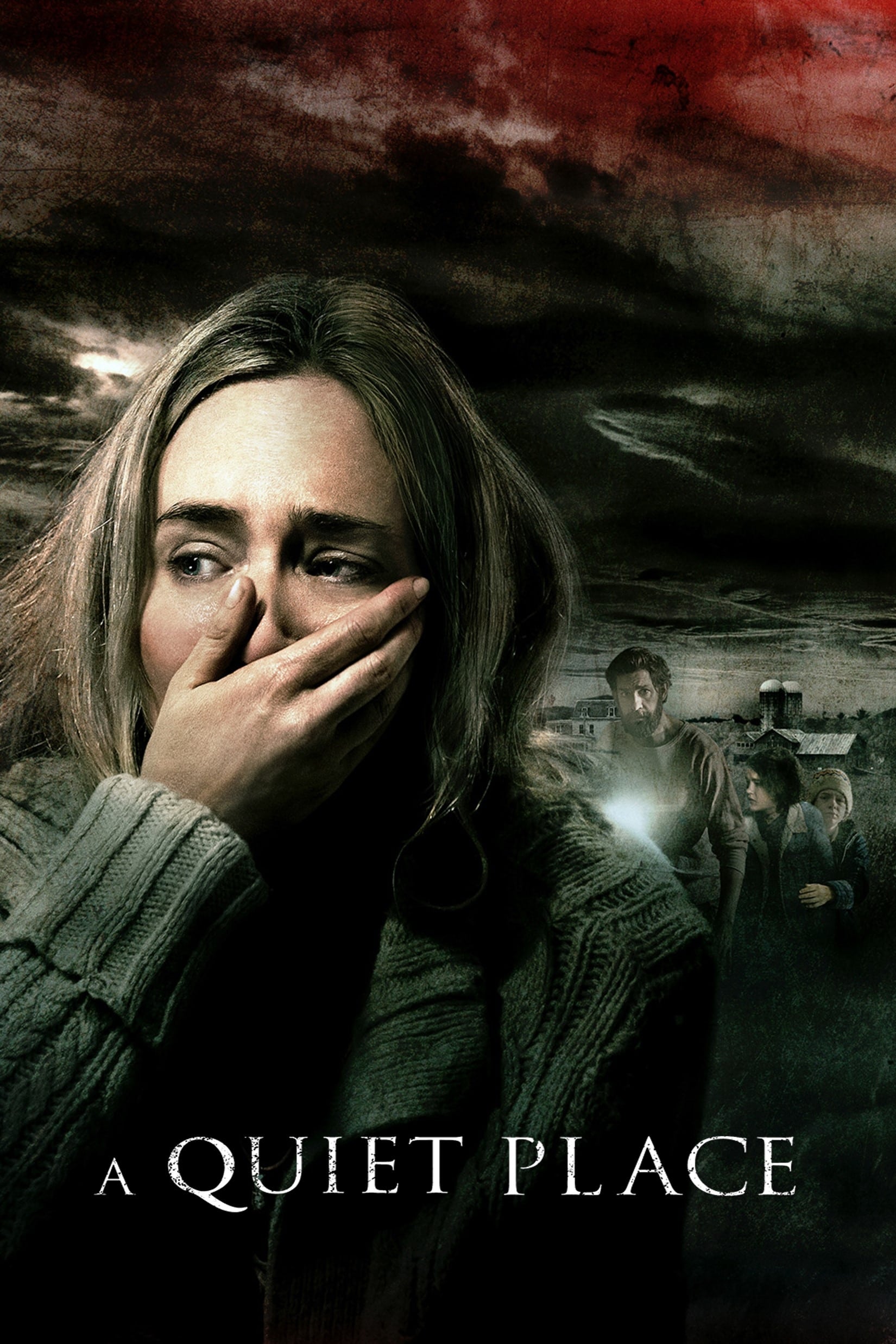
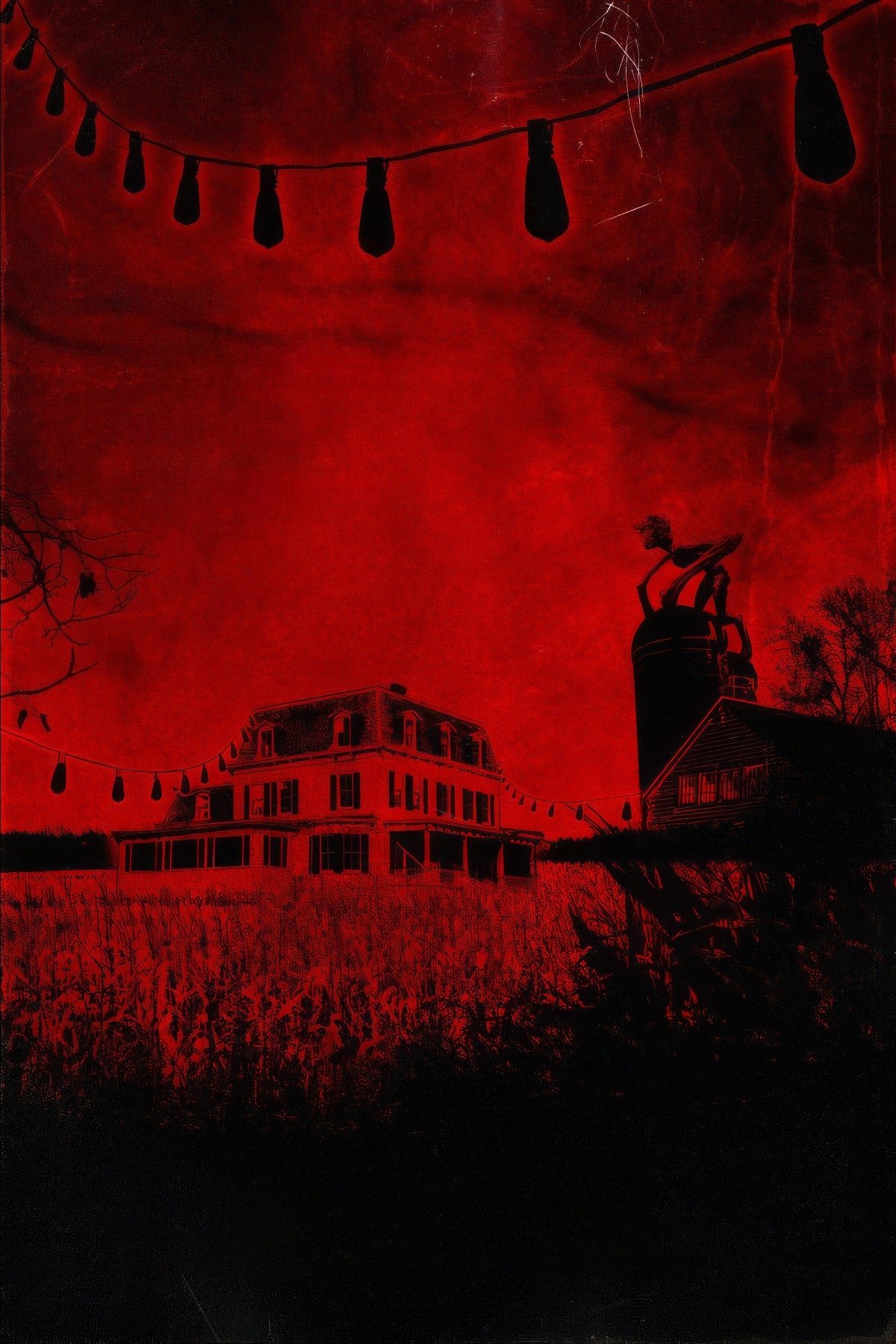
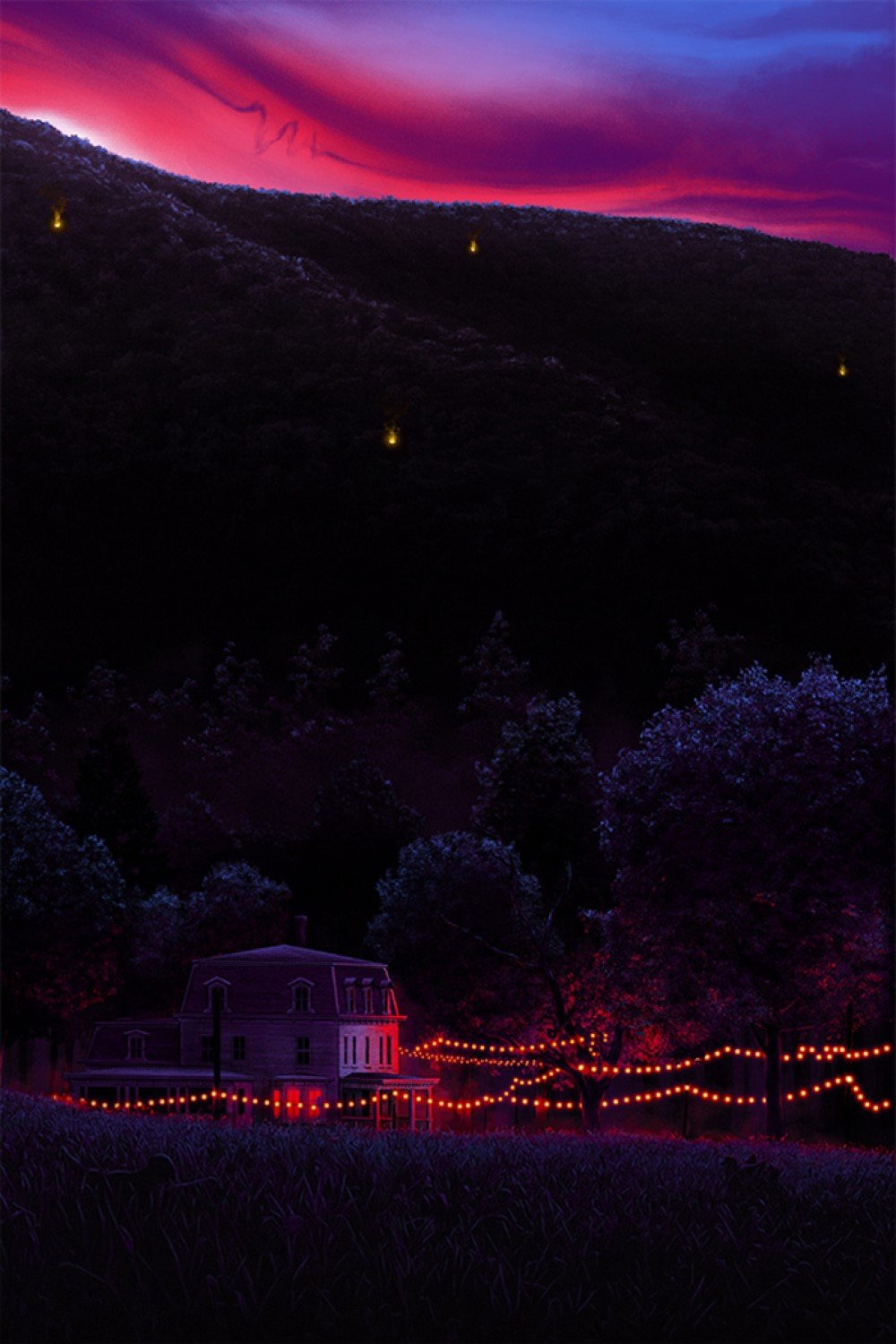
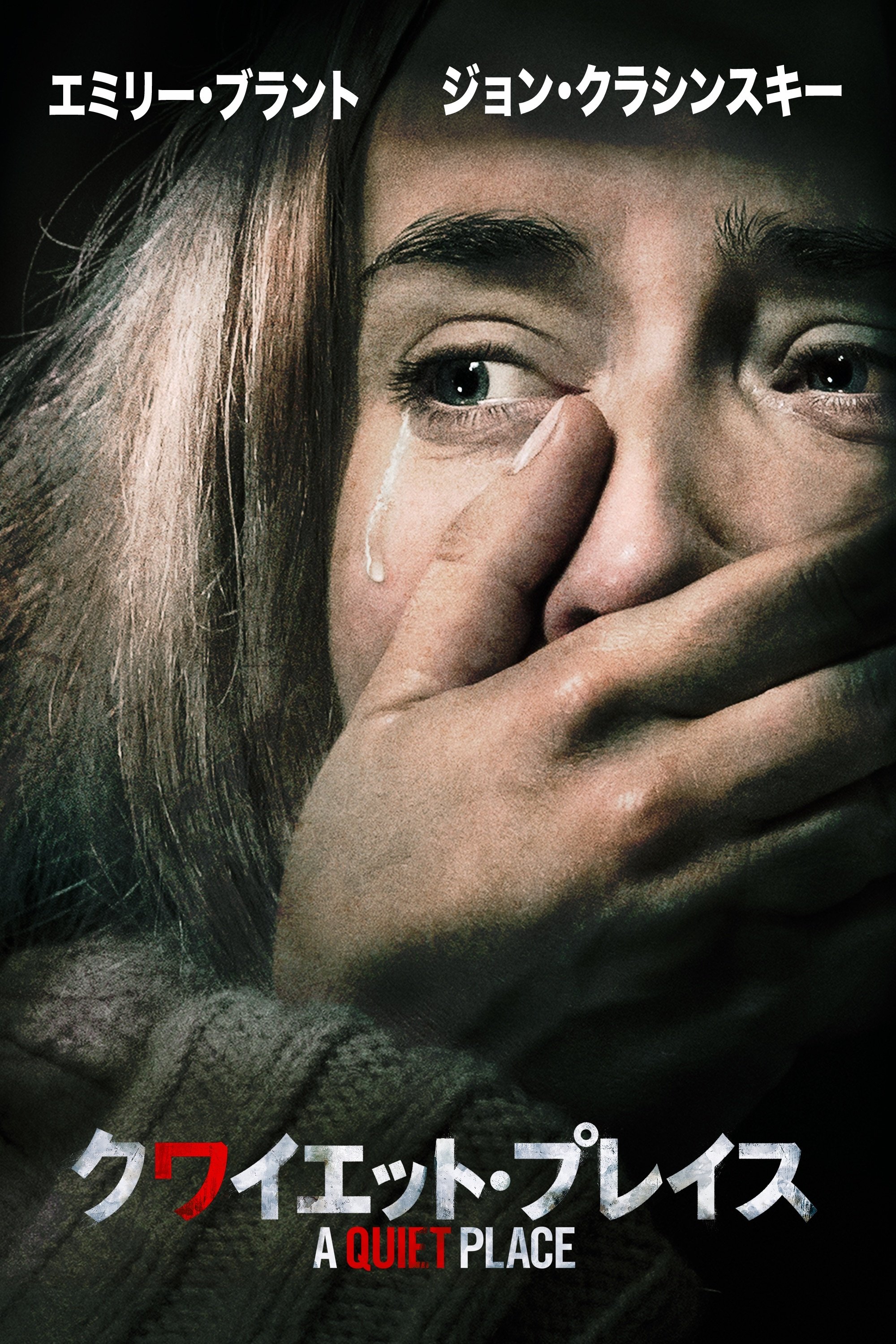
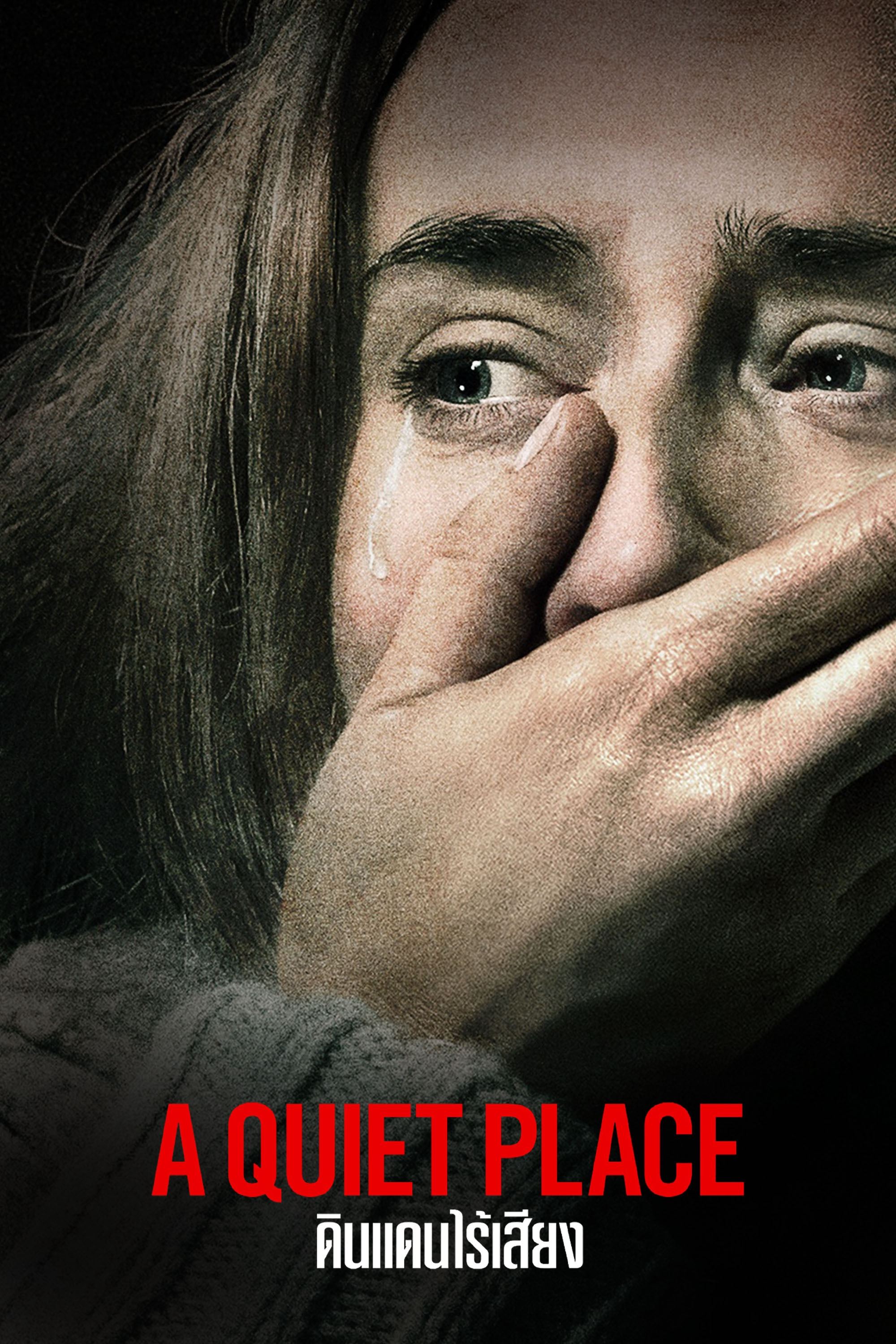
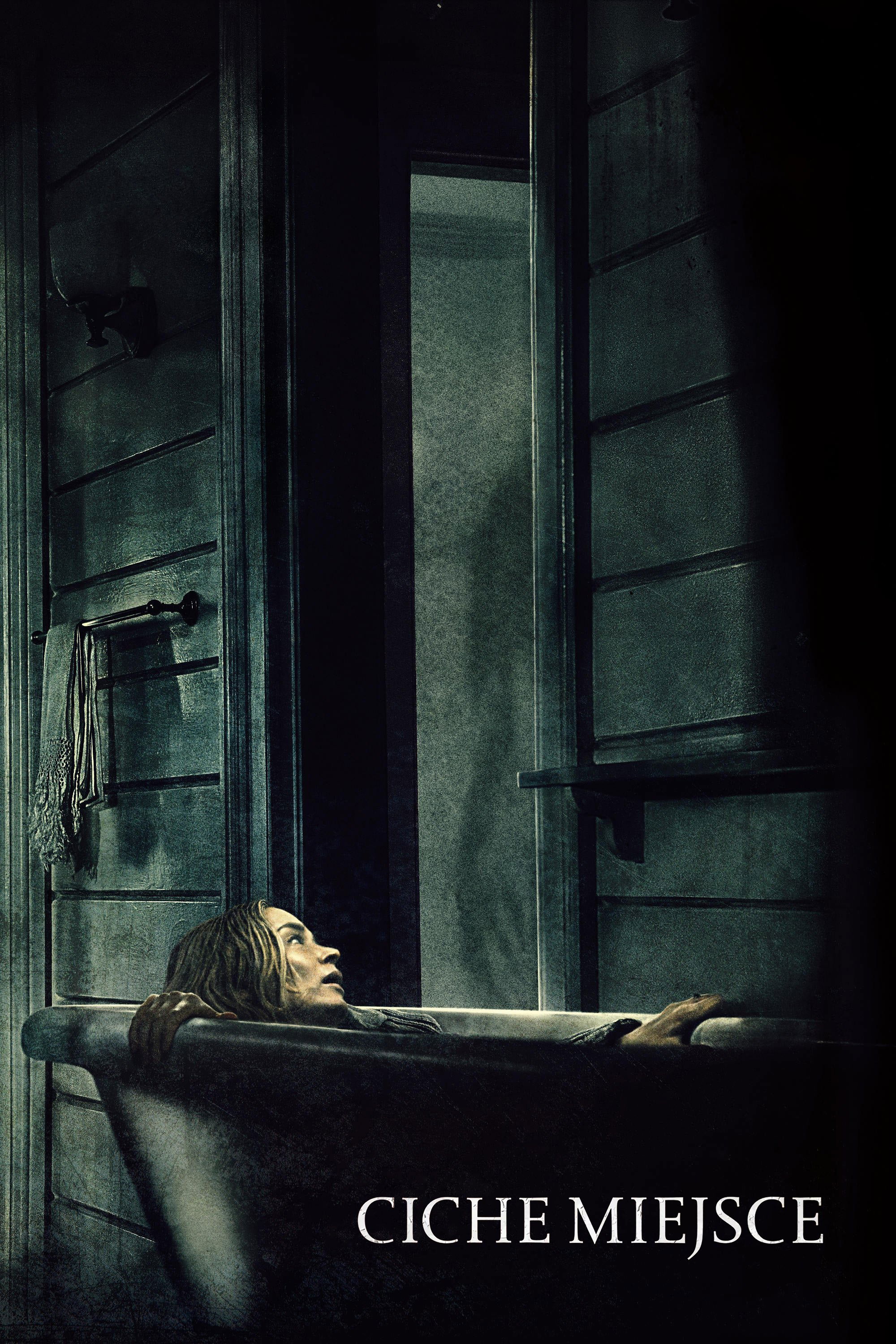
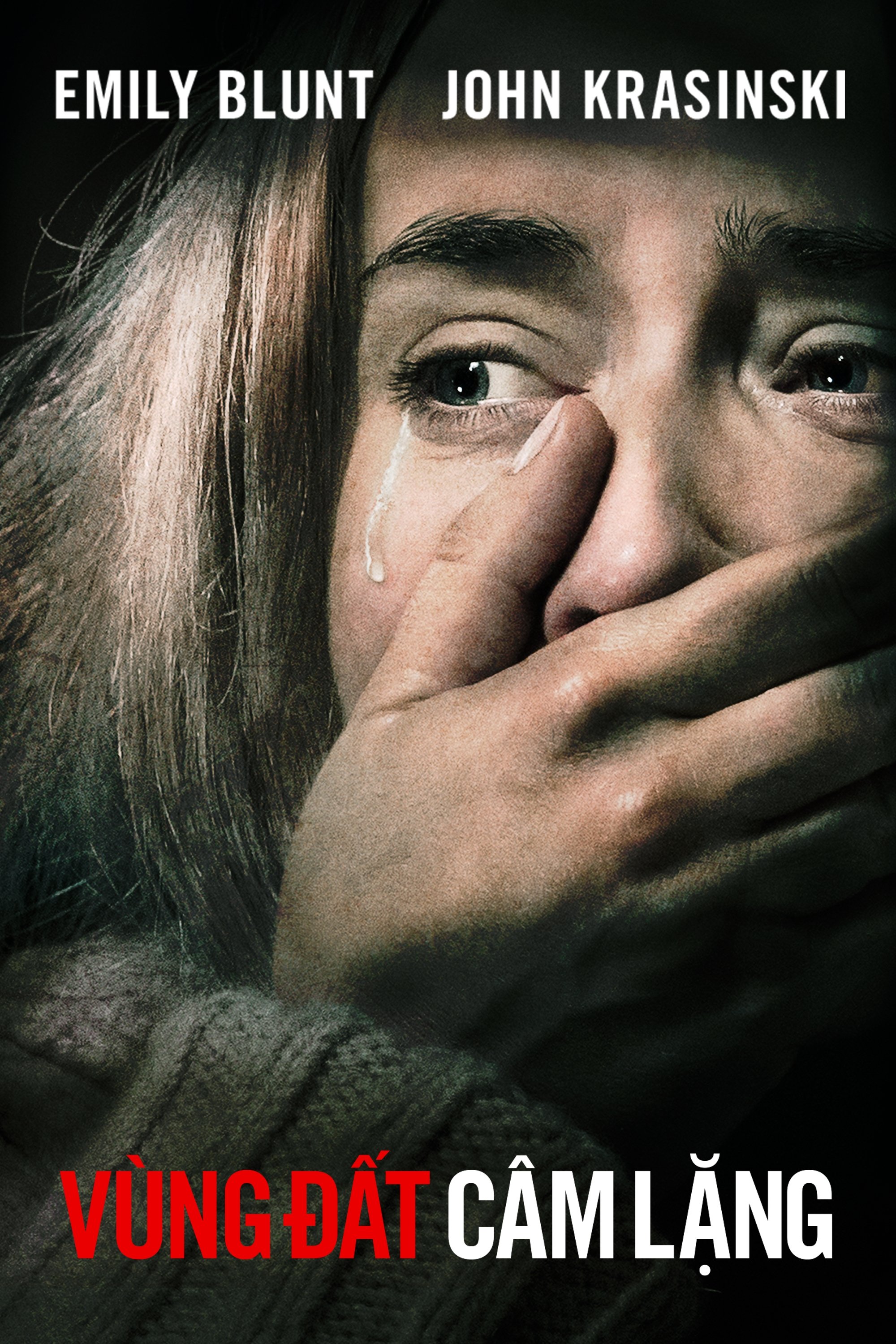
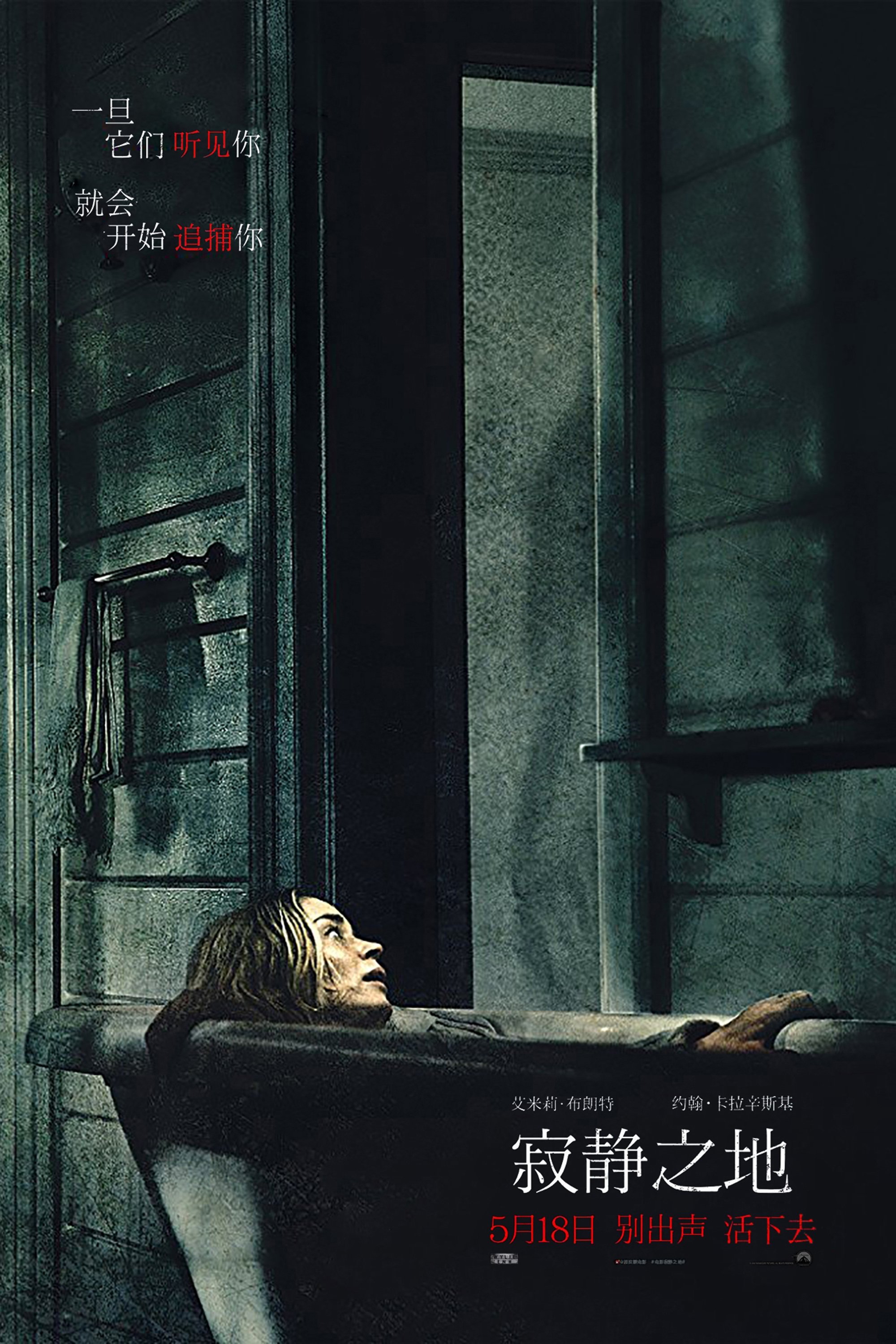
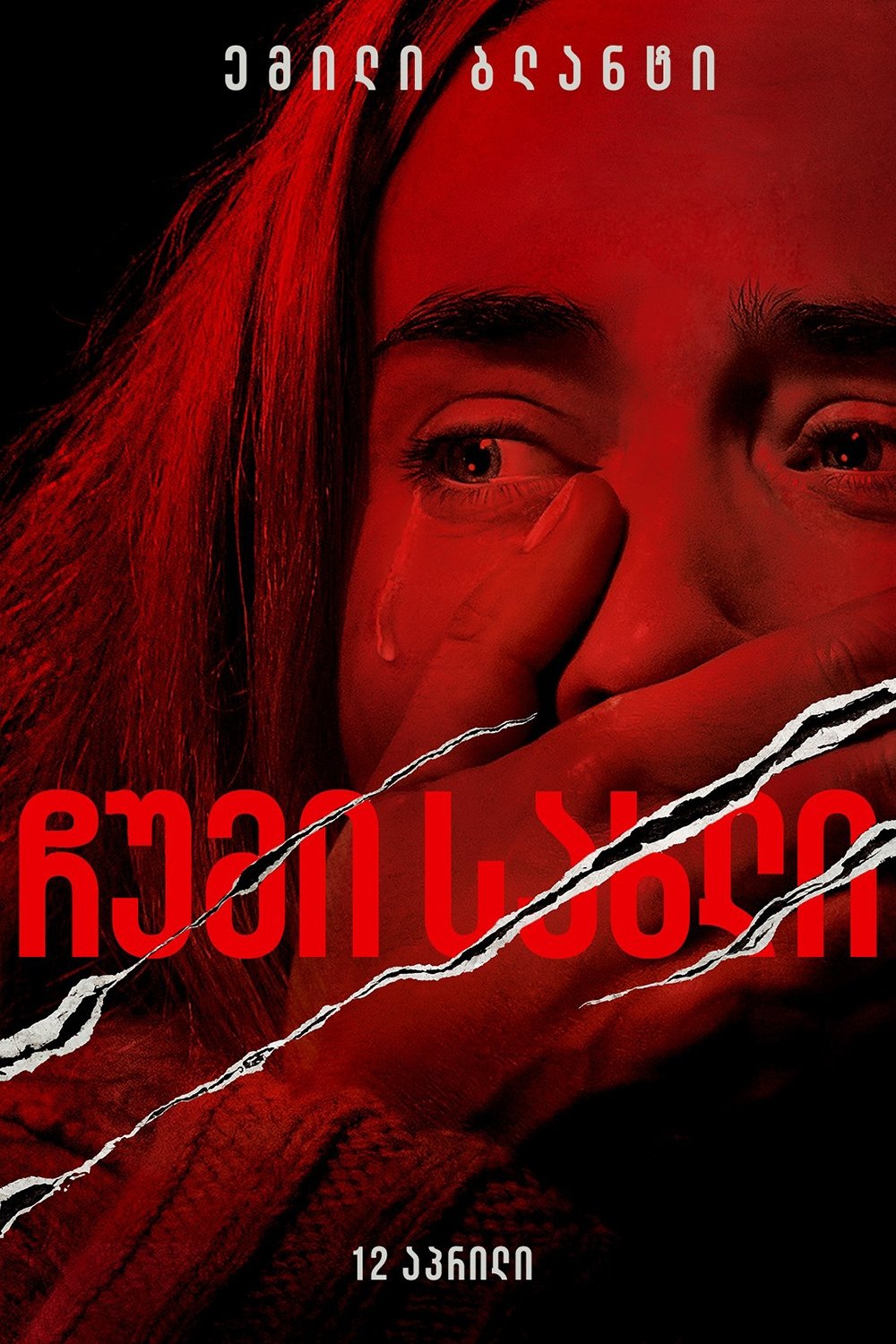
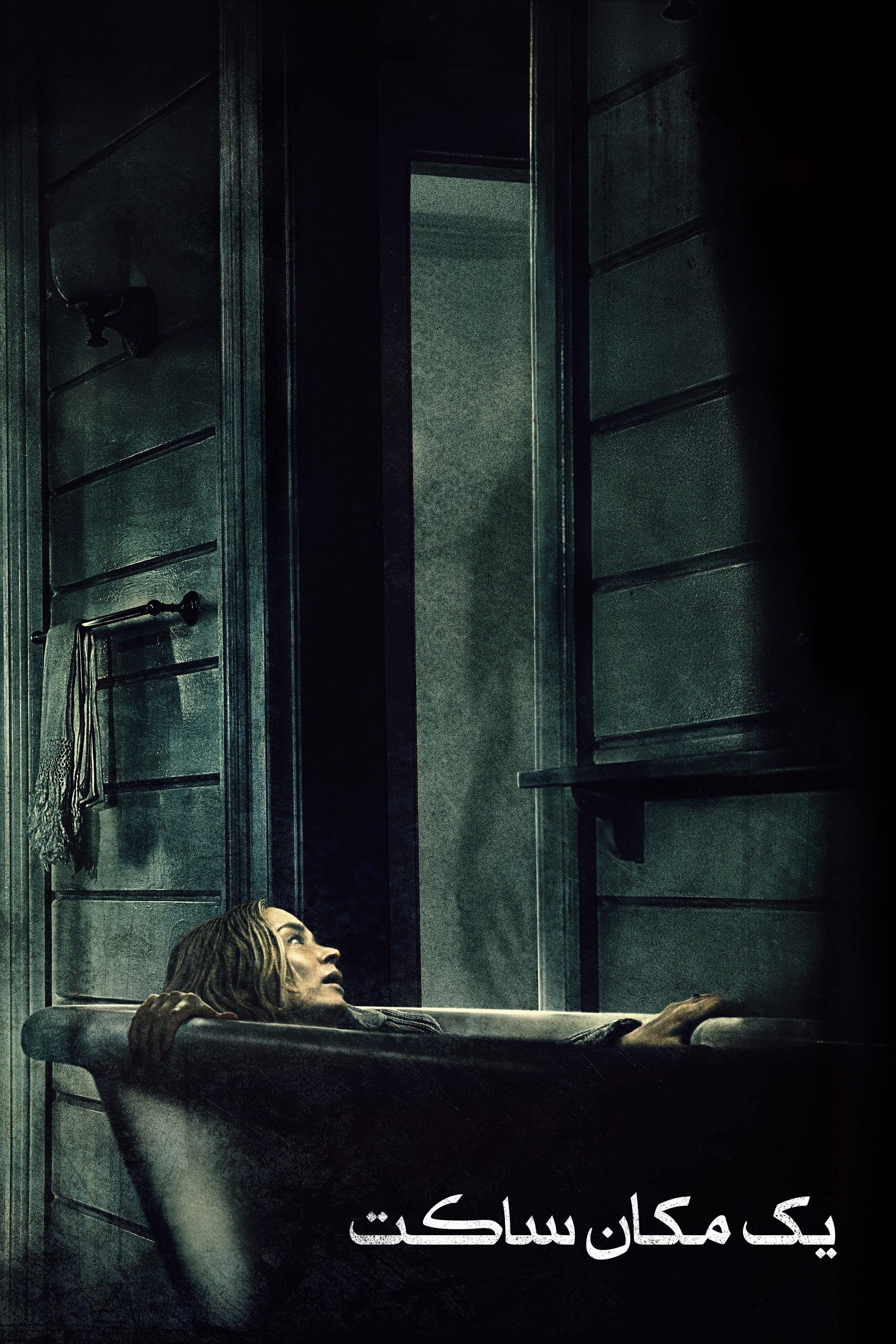
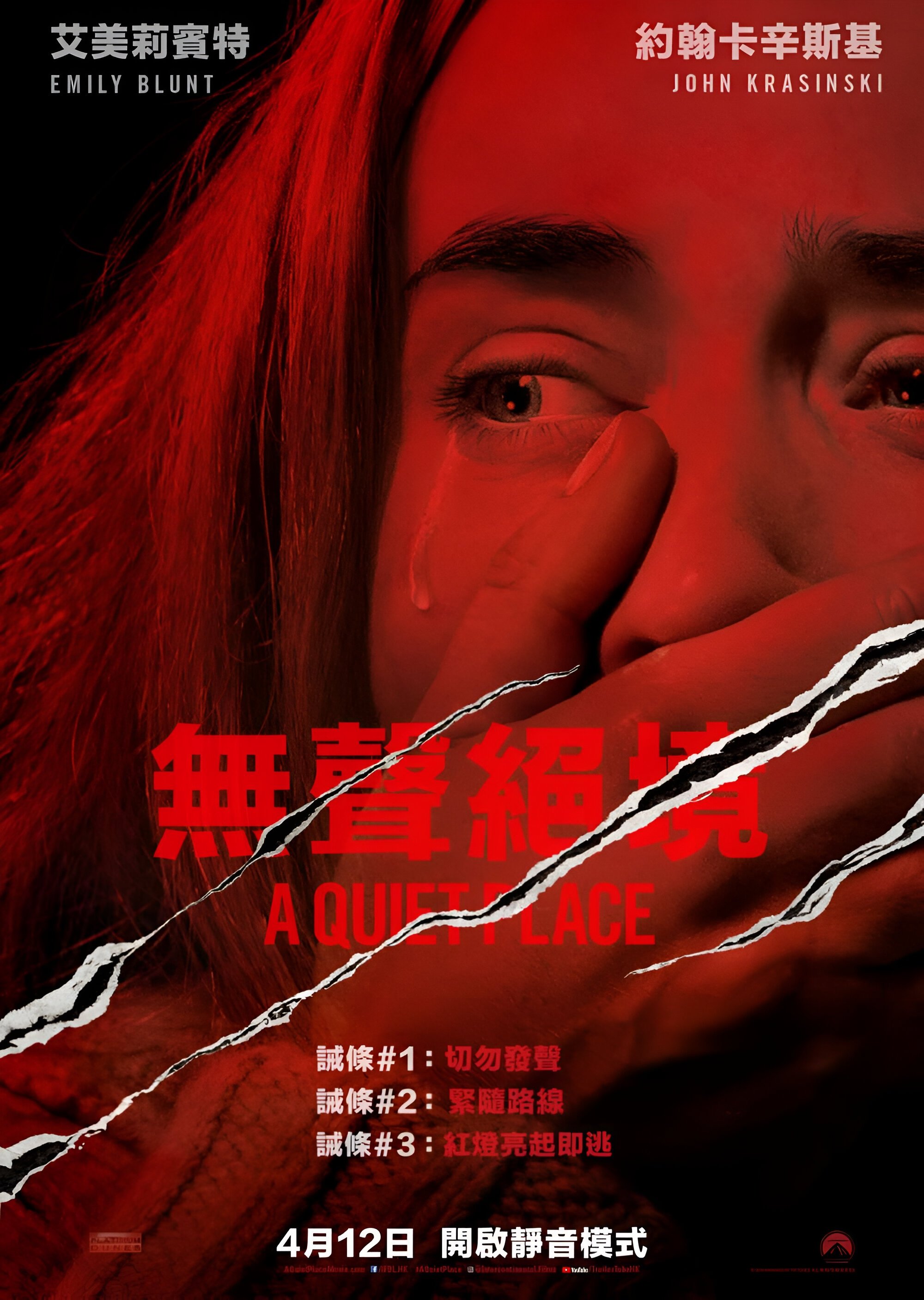
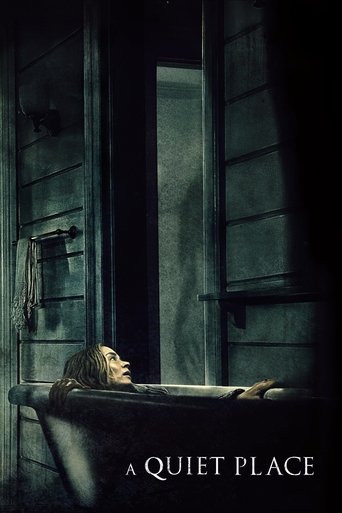
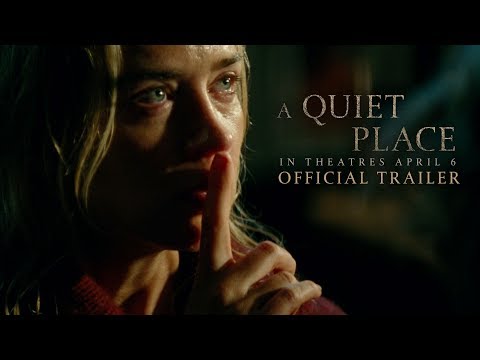
Beck and Woods traced the earliest idea to their student years, when watching silent-era comedy and studying nonverbal communication encouraged them to consider a feature sustained by images and physical behavior. In their interviews, they described returning repeatedly to the possibility of making sound itself dangerous. The premise acquired a more specific narrative framework when they imagined a family living on a farm and an unseen threat that punished even an accidental noise. Their account matters because the film's sparse dialogue was an organizing ambition from the project's inception, not an aesthetic imposed late in production. The writers were interested in how an apparently ordinary family ritual could become a set piece once a viewer understood the danger of a dropped object.
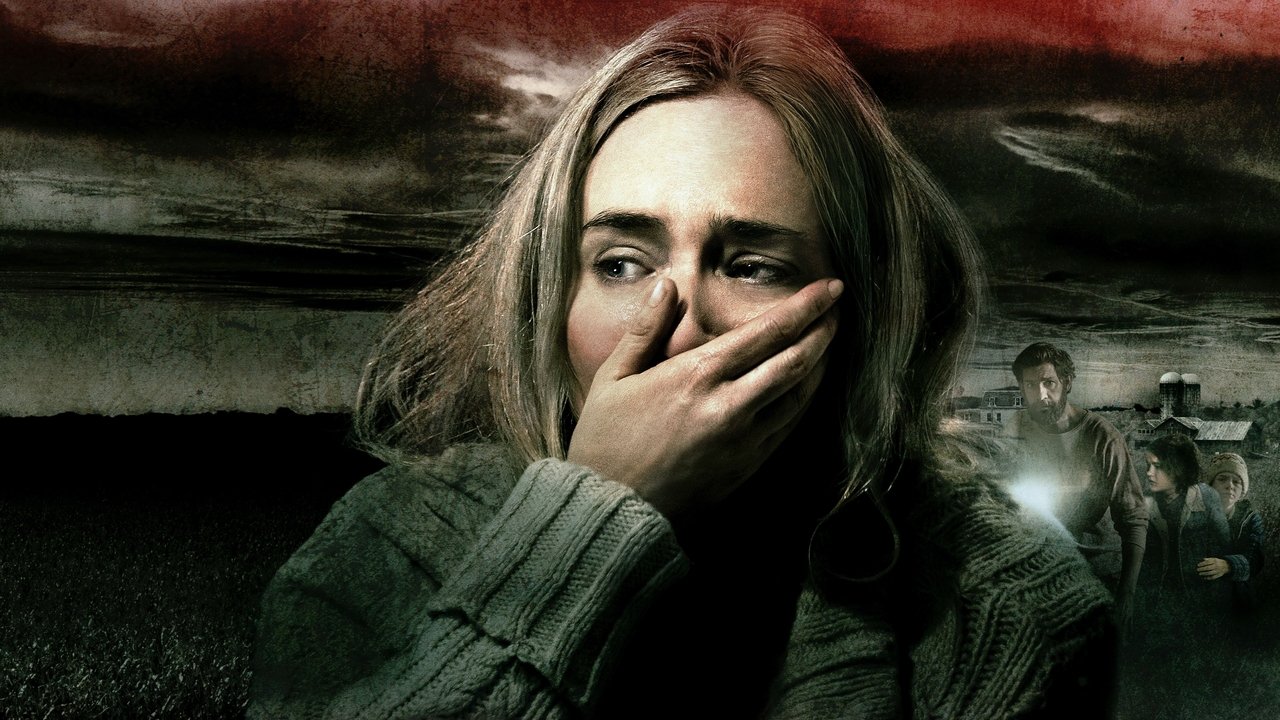
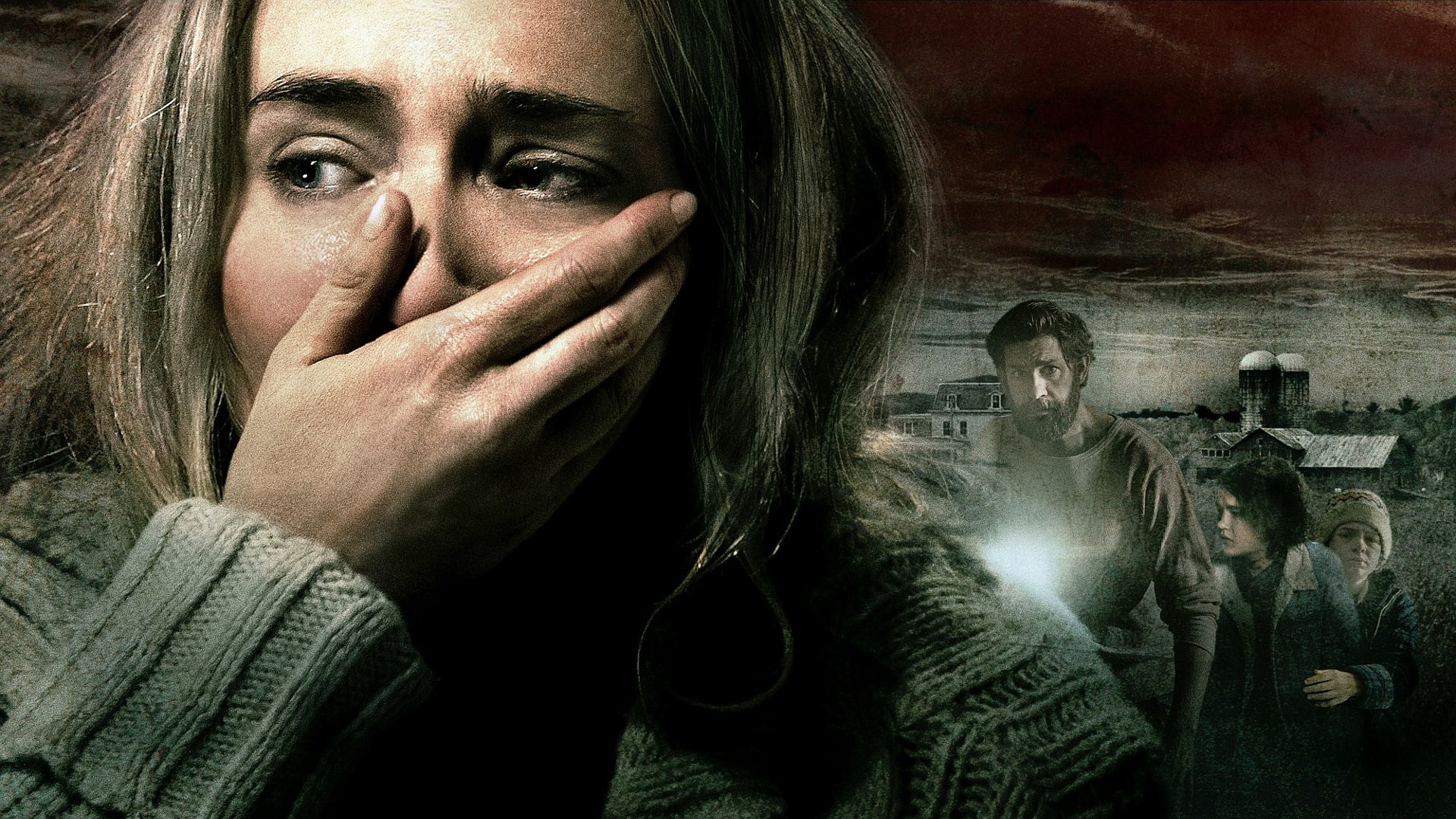
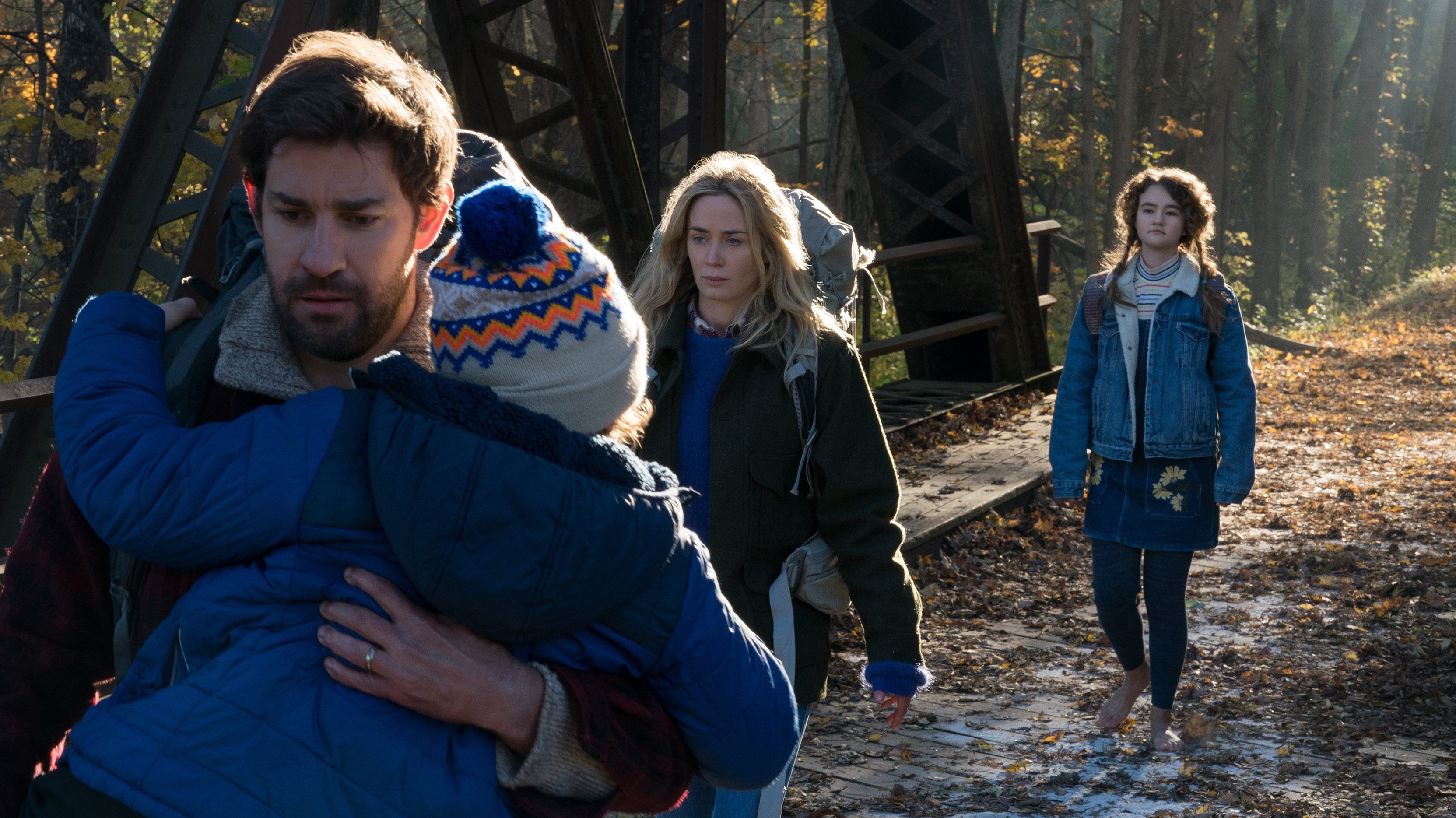
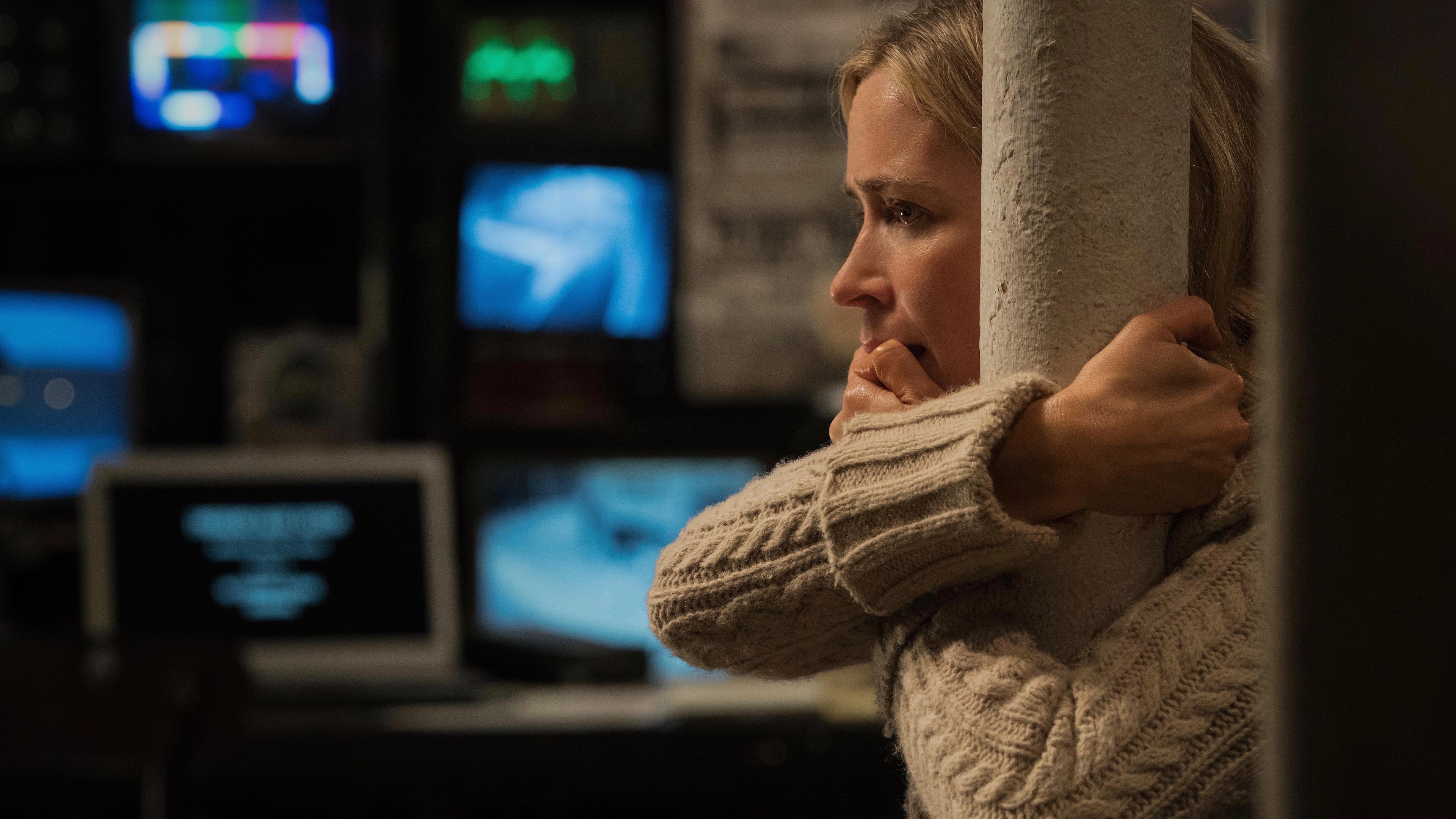
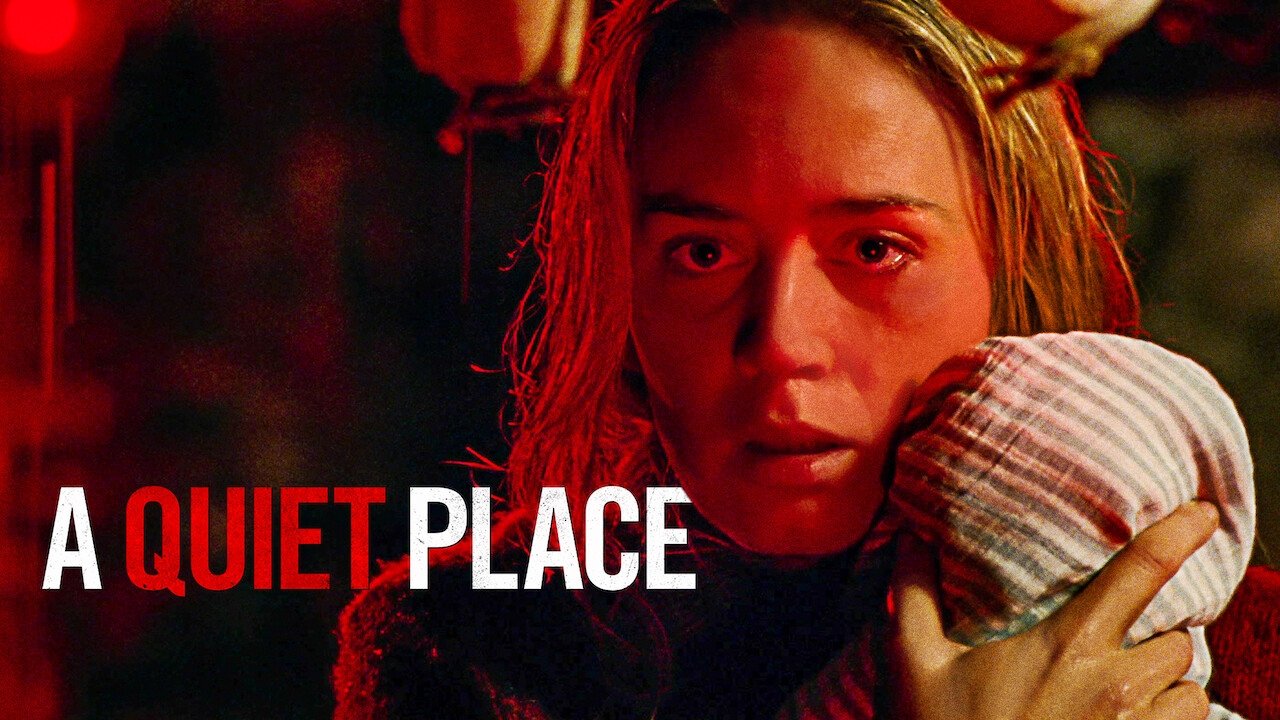
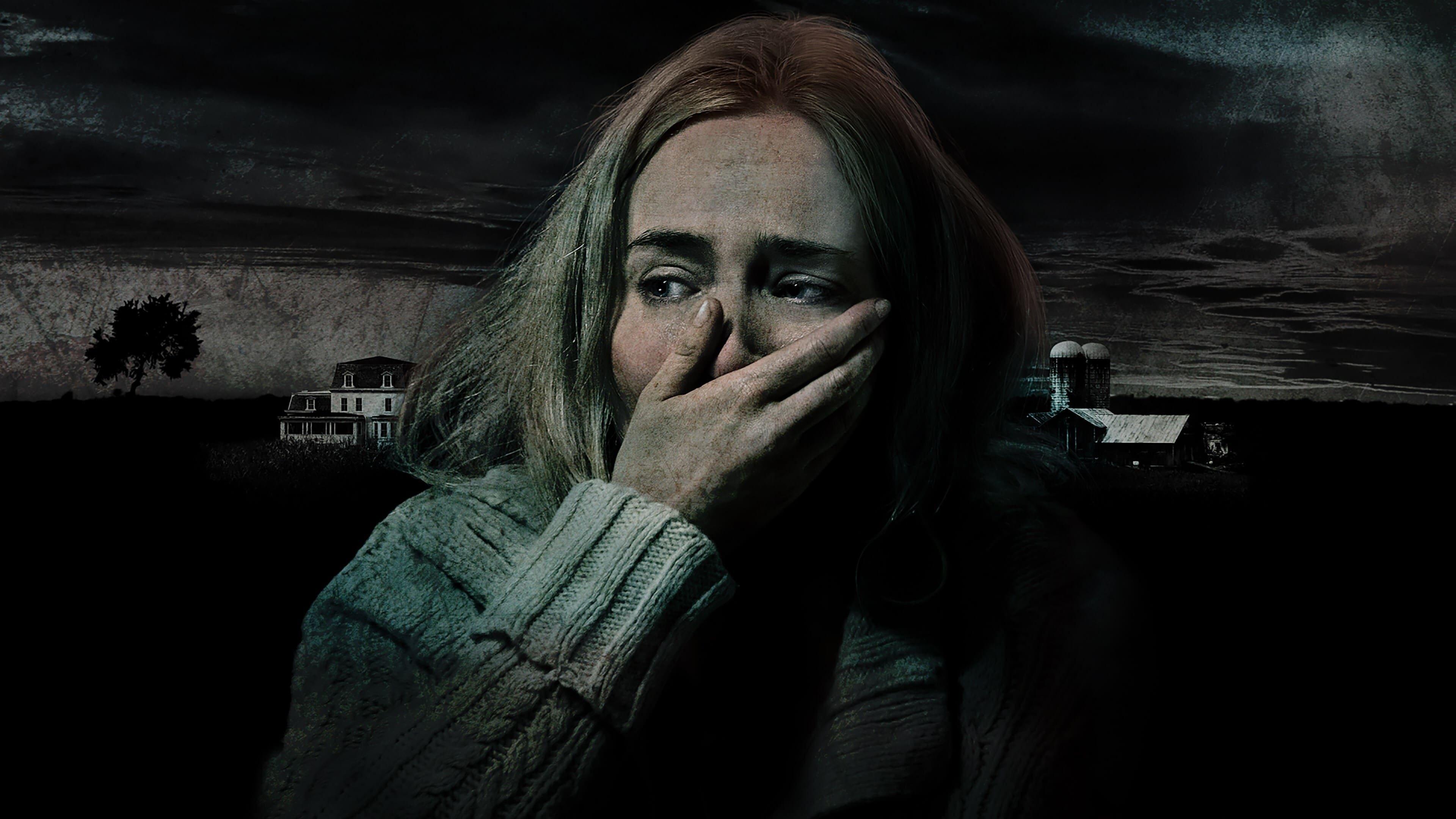
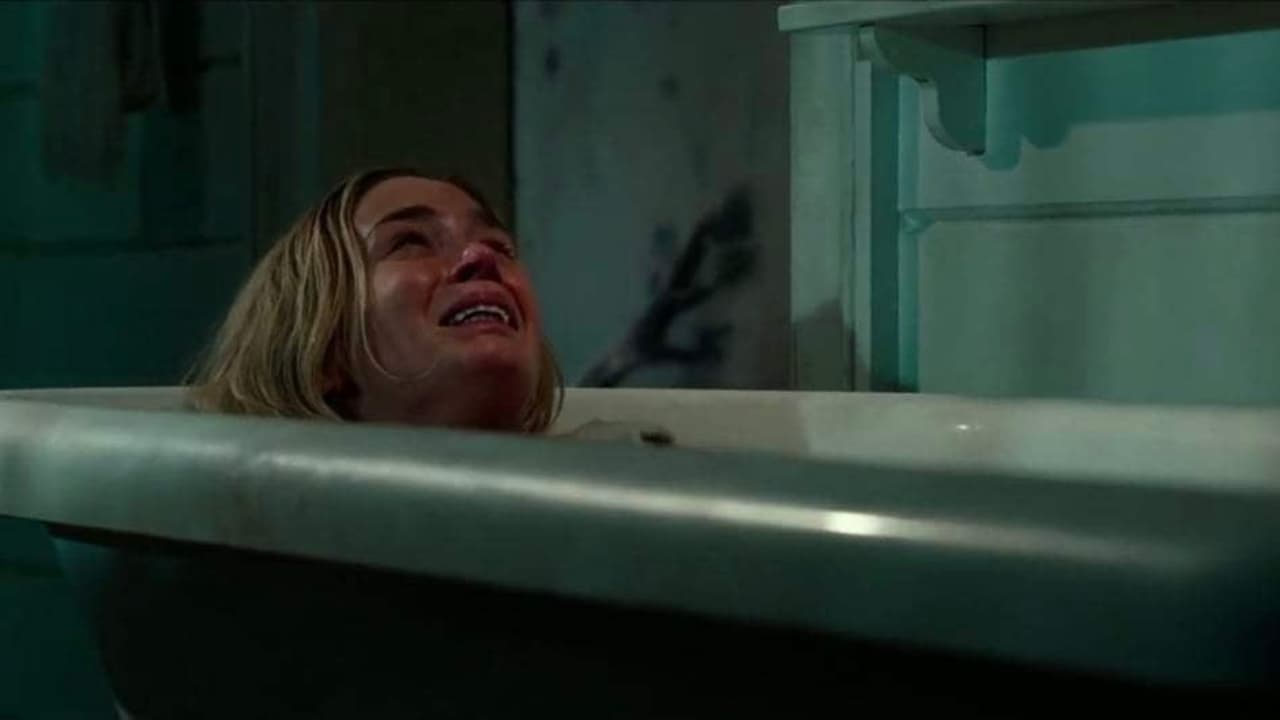
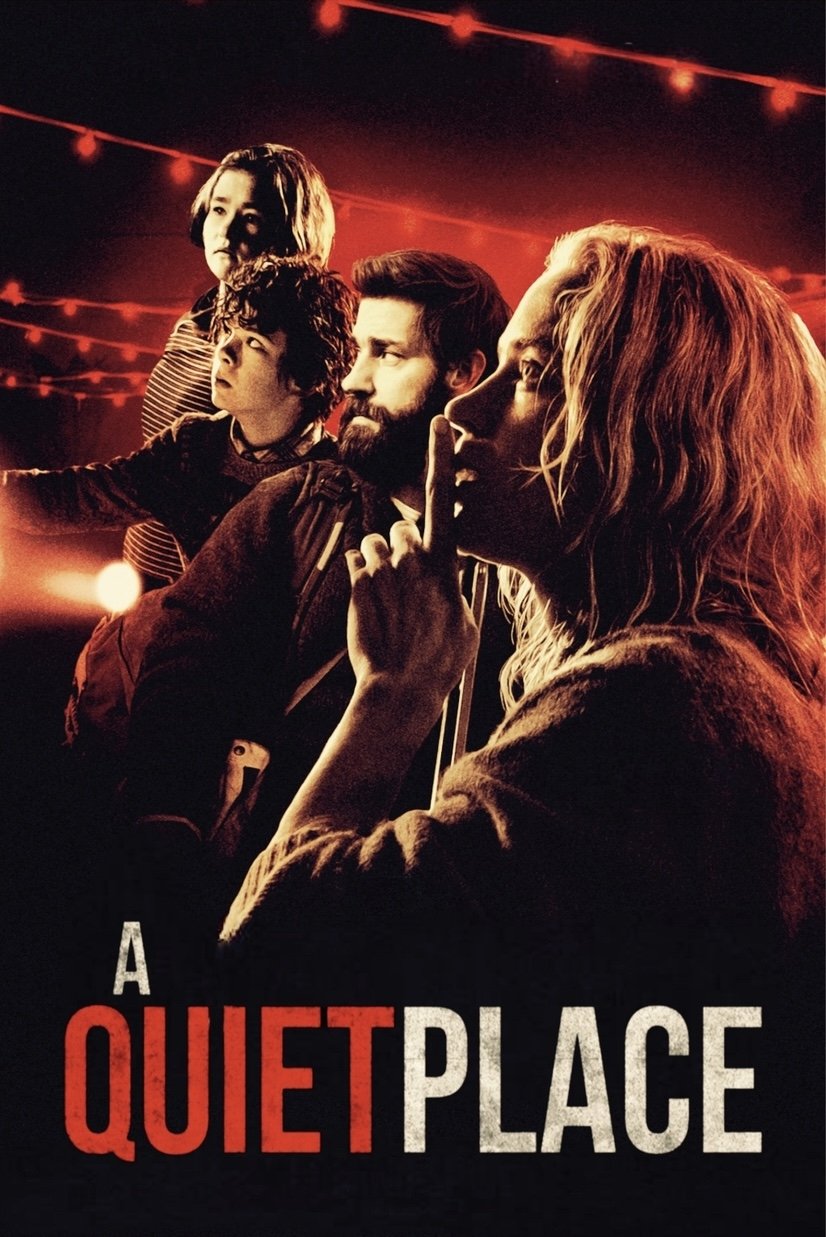
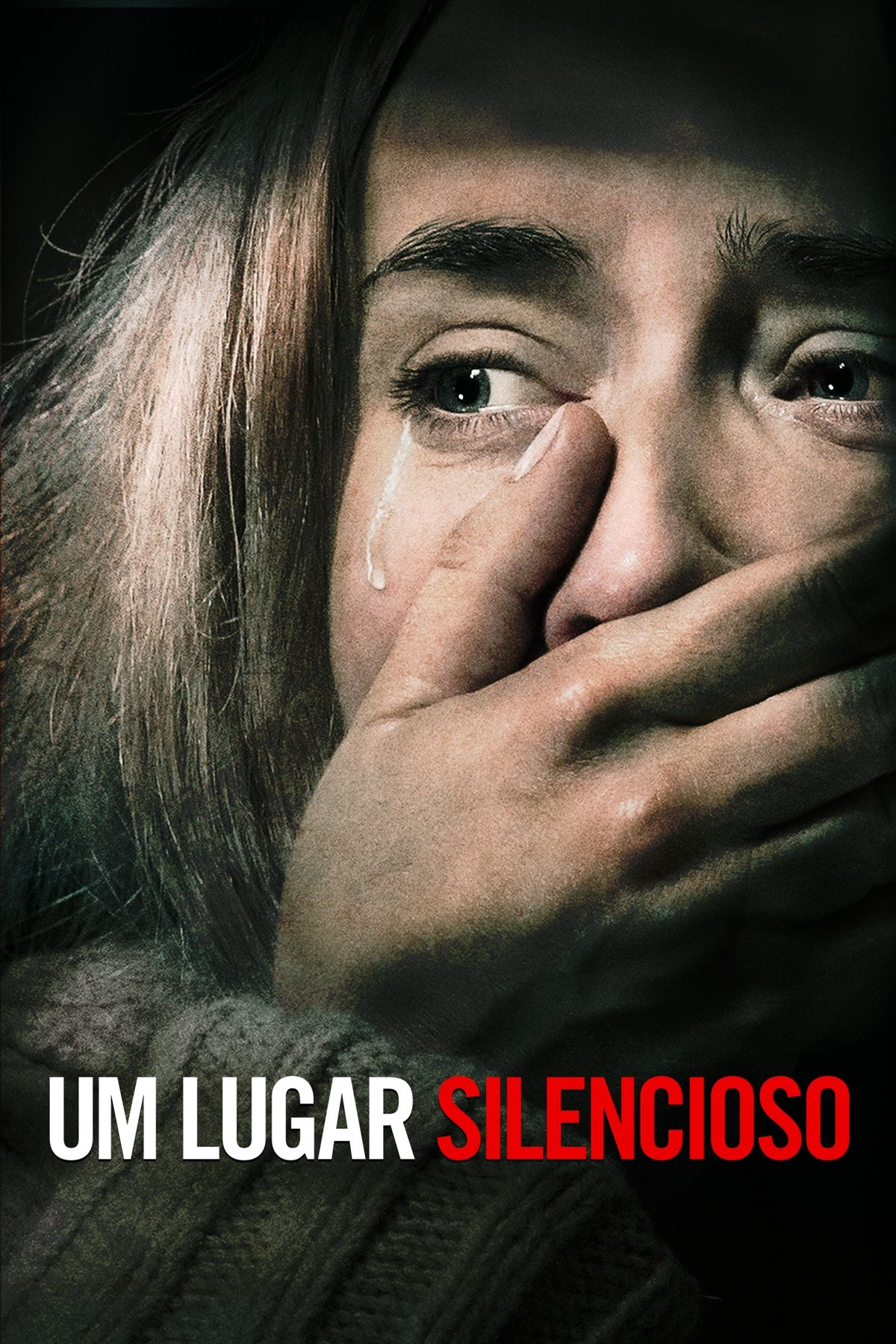
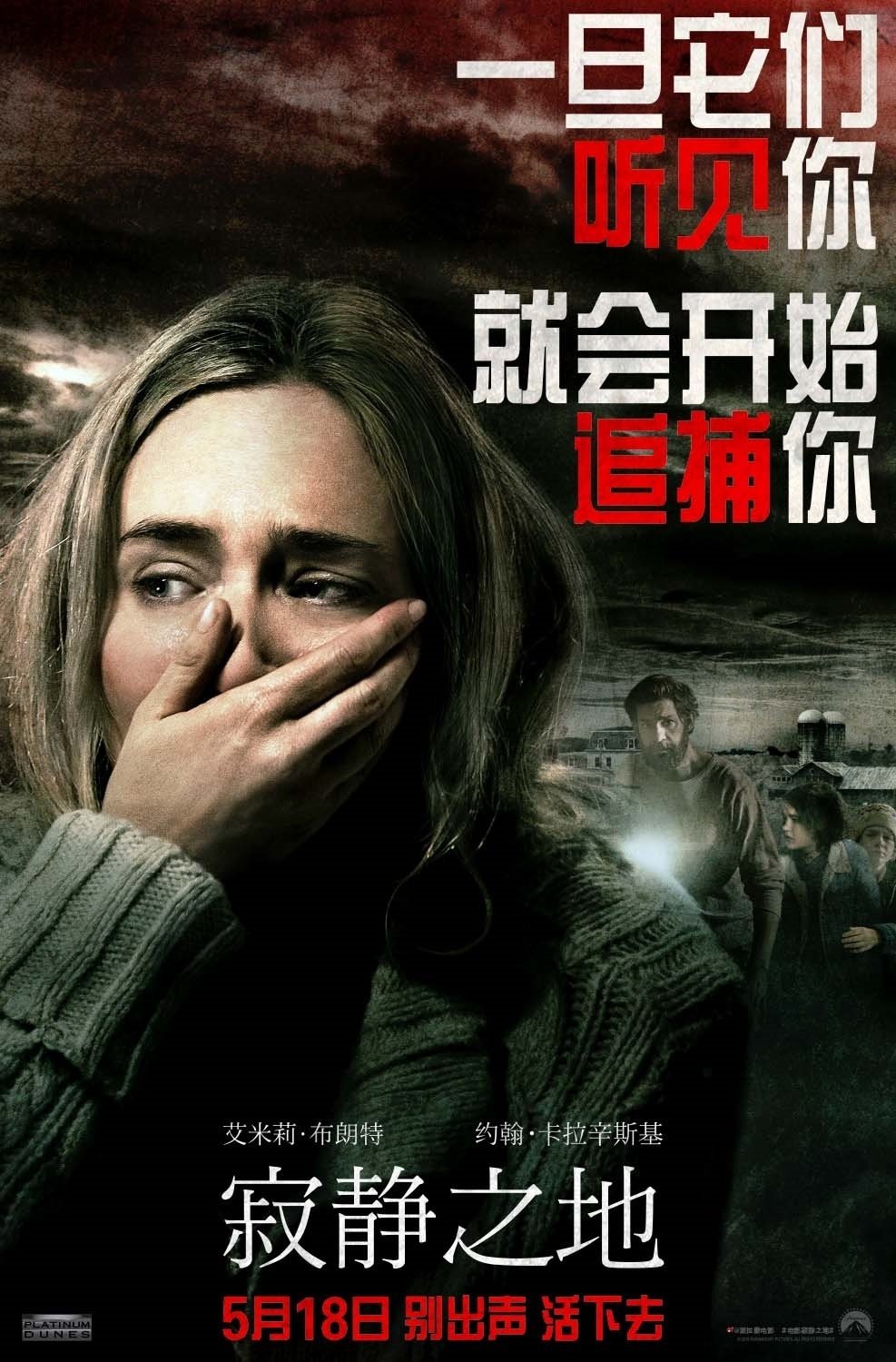
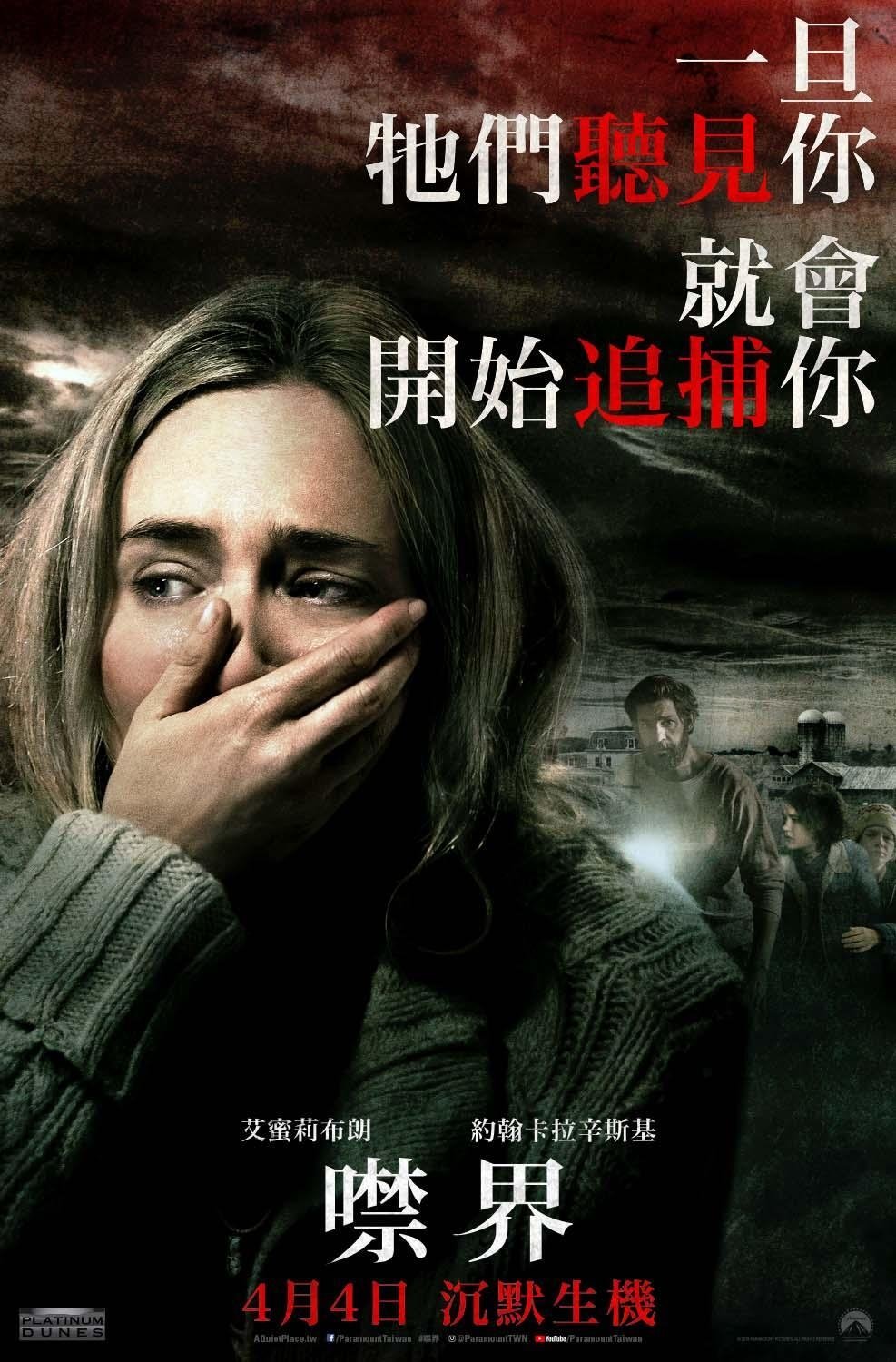
The screenplay also gathered an emotional history around the family. Its survivors have already experienced loss when the central action begins, and that history informs their rules, fears and disagreements. The pregnancy of Evelyn and the presence of a daughter who communicates through American Sign Language introduced difficult practical and dramatic questions: how can an infant survive, and how can relatives communicate care when a sound may expose them? Beck and Woods discussed these layers as the elements that transformed an initial formal idea into a sustained narrative. They sold the project through the production company Platinum Dunes and Paramount, at a point when the film was still an unusual proposition for mainstream distribution.
Krasinski became involved as director and screenwriter, developing the existing material from his perspective as a parent and performer. In a Writers Guild of America East interview, he described writing a new draft quickly and keeping the script open to improvements discovered during preparation and filming. His comments about working toward the final confrontation show that the film's ending was shaped through collaboration rather than treated as untouchable from its first version. This matters to the finished film's structure: the family relationship and the creature mechanism converge in the concluding scenes, when understanding an earlier technical problem becomes the means of reversing the threat. The writing preserves a limited geographical and narrative field, letting each small change in routine have consequences.