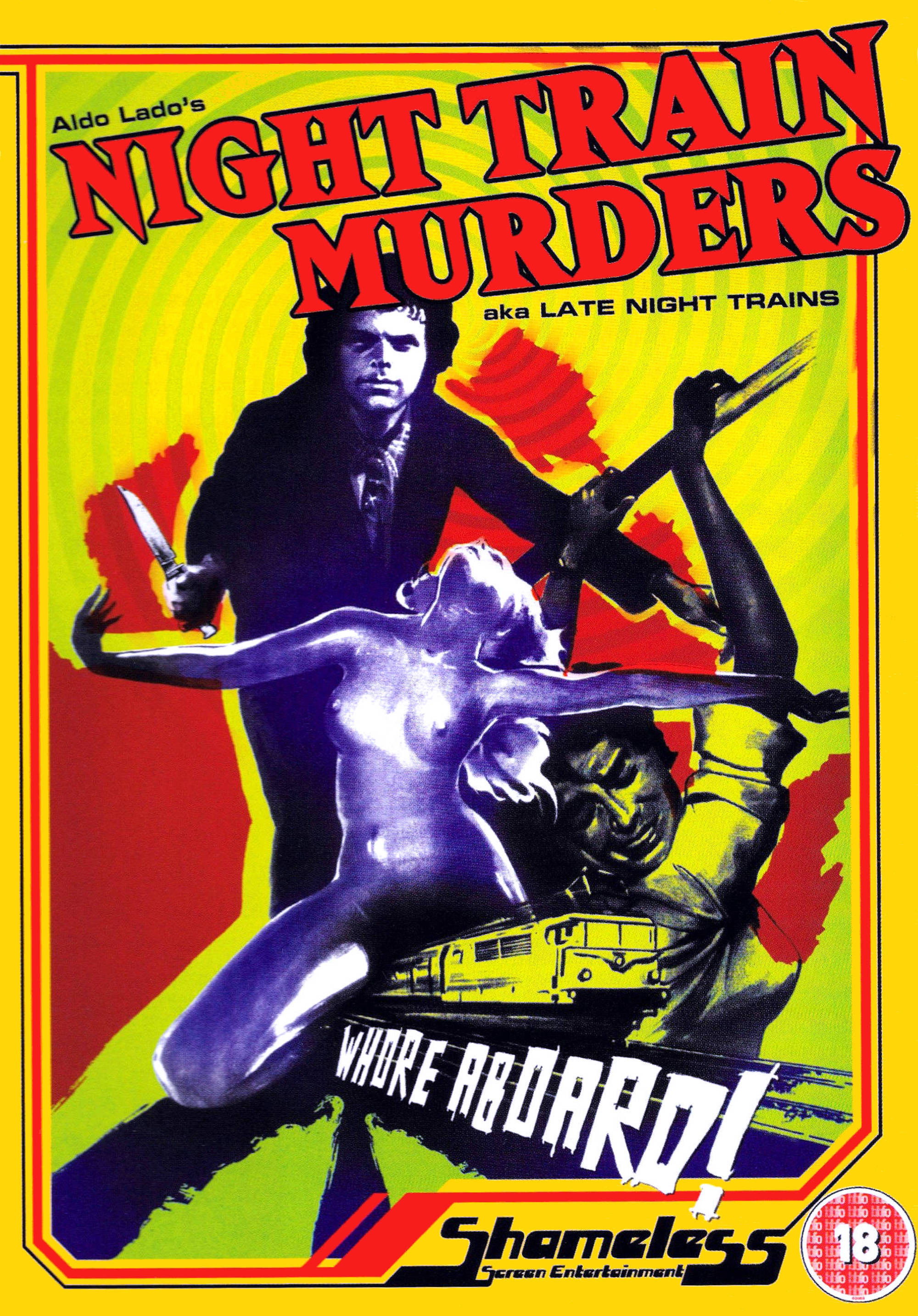
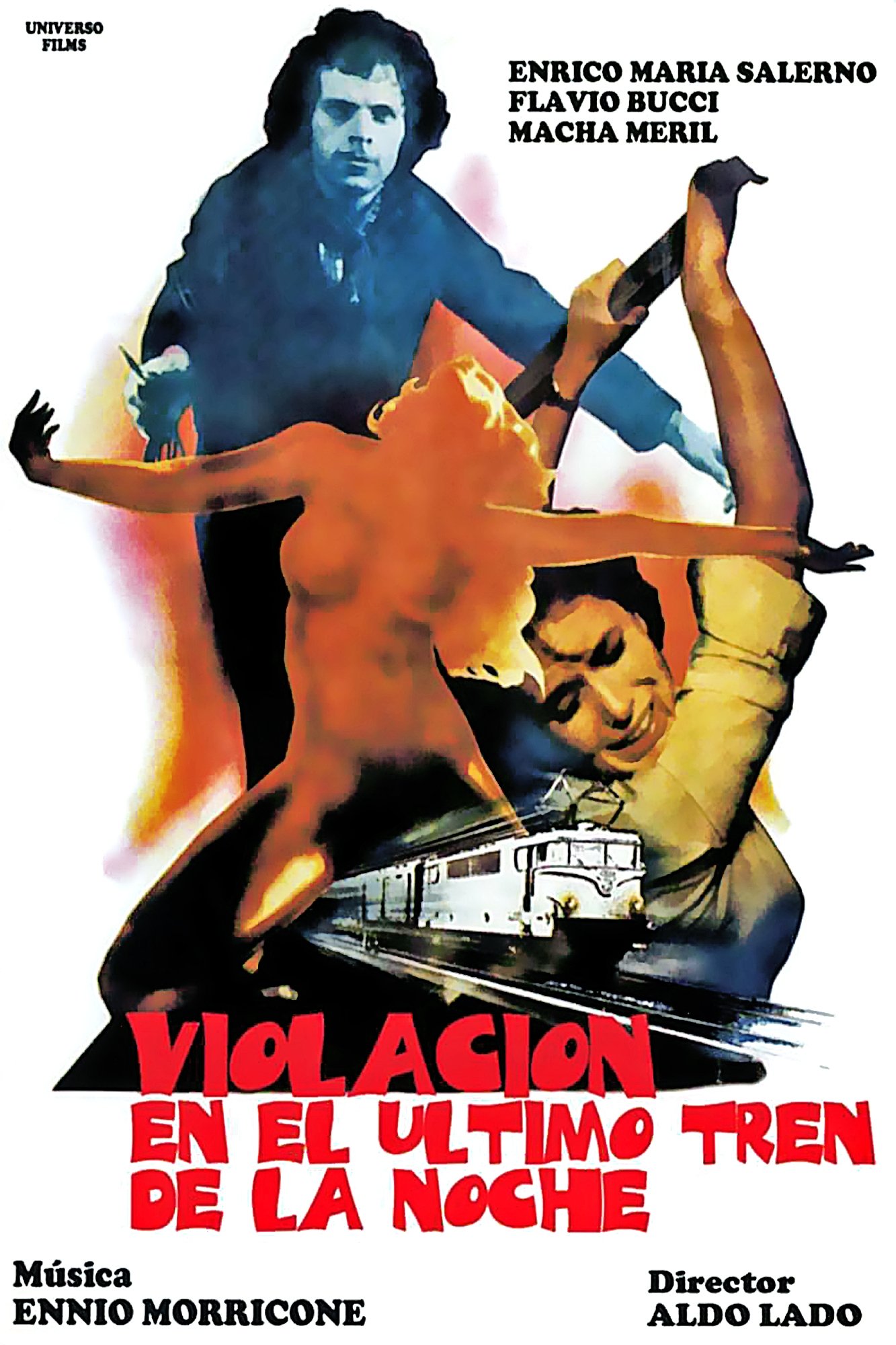
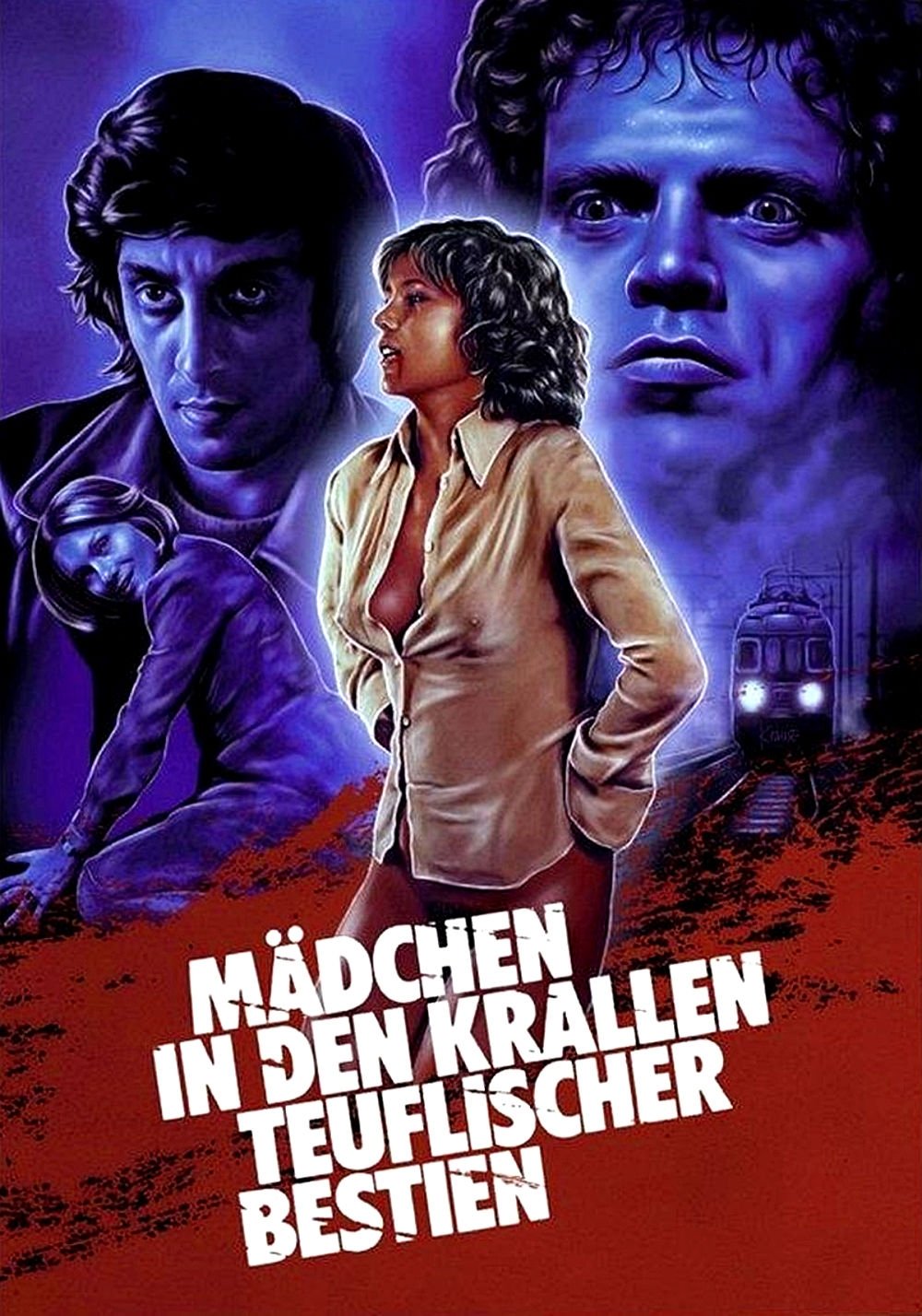
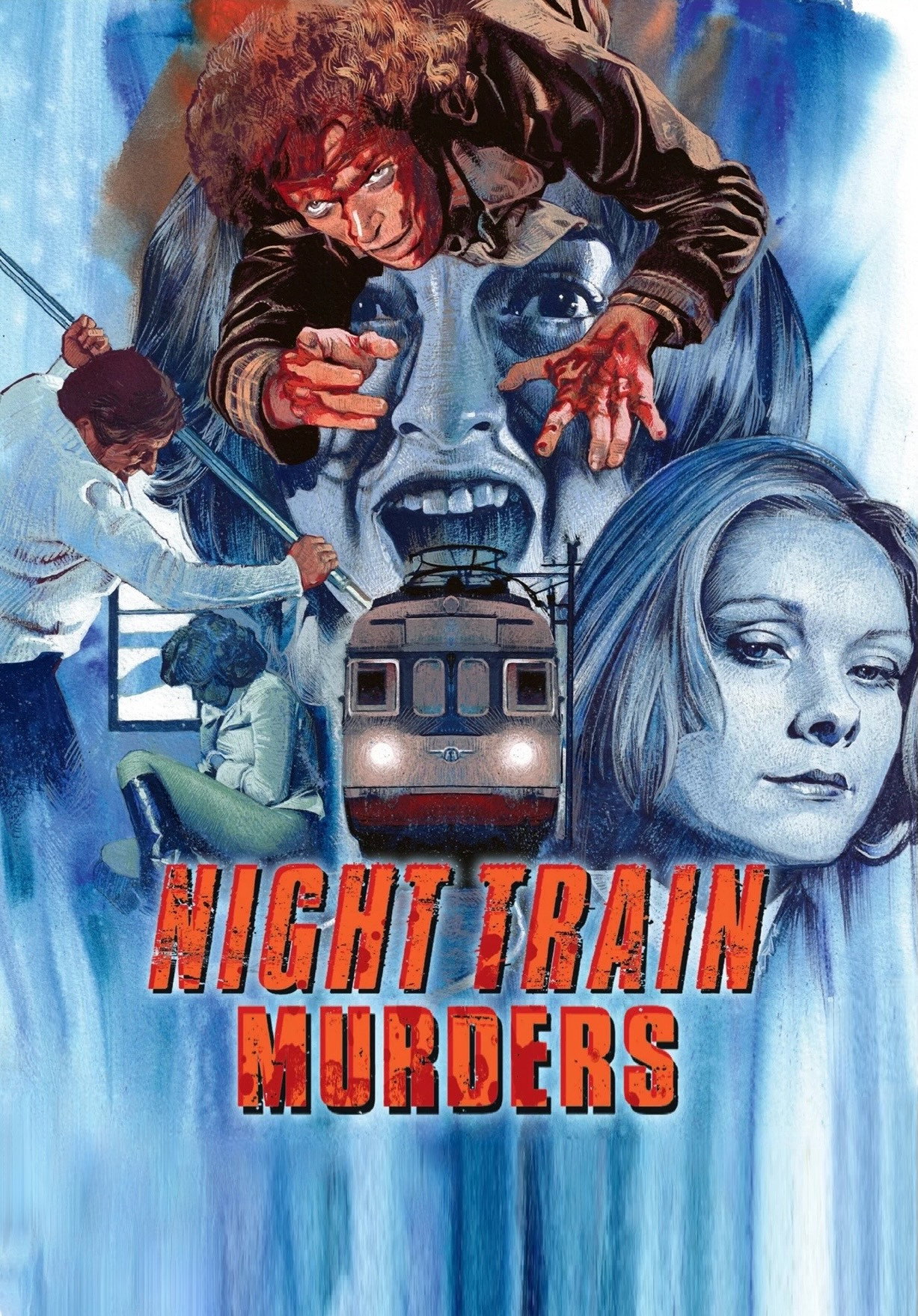
Last Stop on the Night Train (1975)

IT
HORROR FILM Thriller
SUBGENRES RAPE AND REVENGE
UK censorship history DPP · Withdrawn / unsuccessful
Runtime
94 min
Release
April 9, 1975
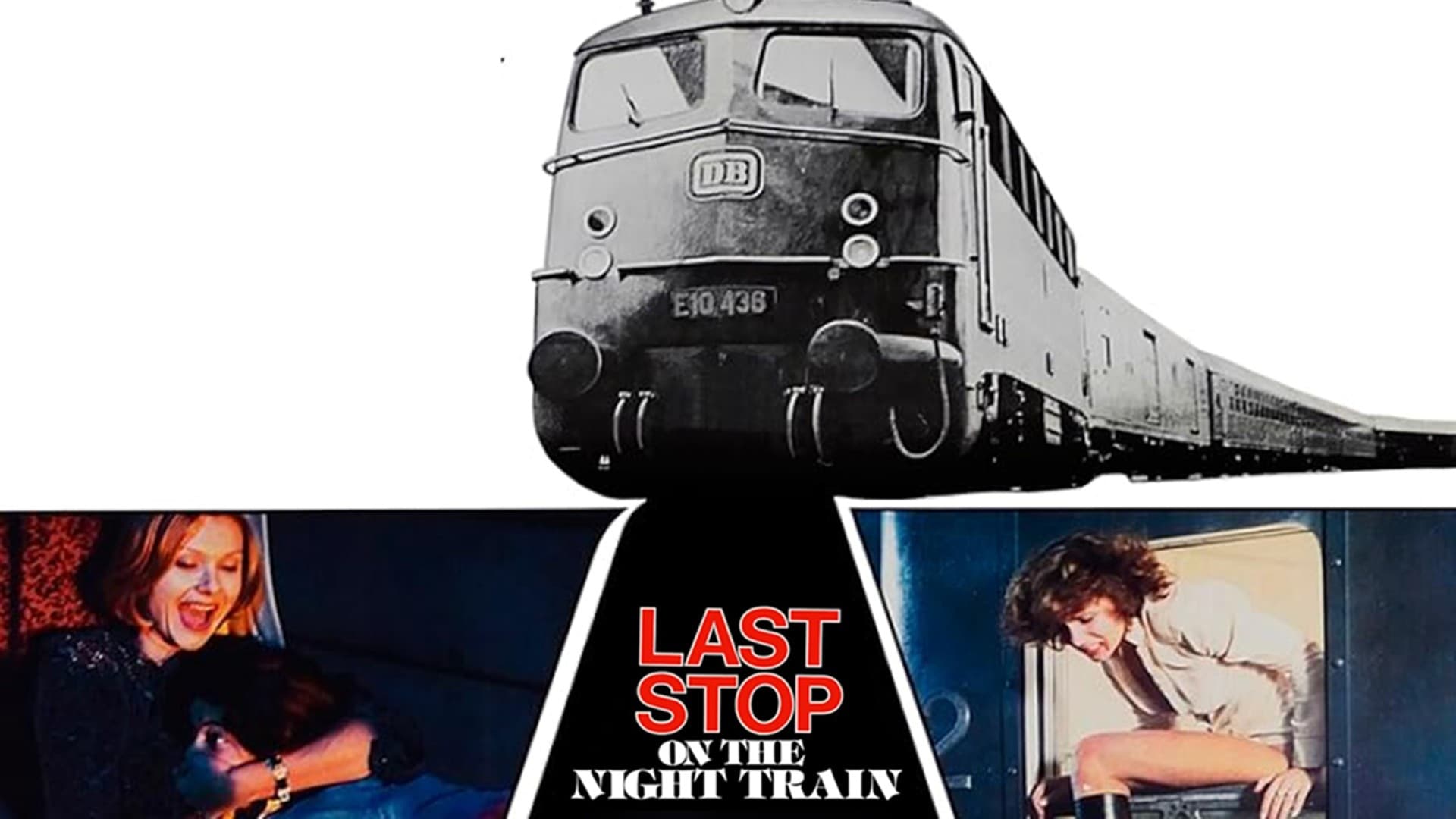
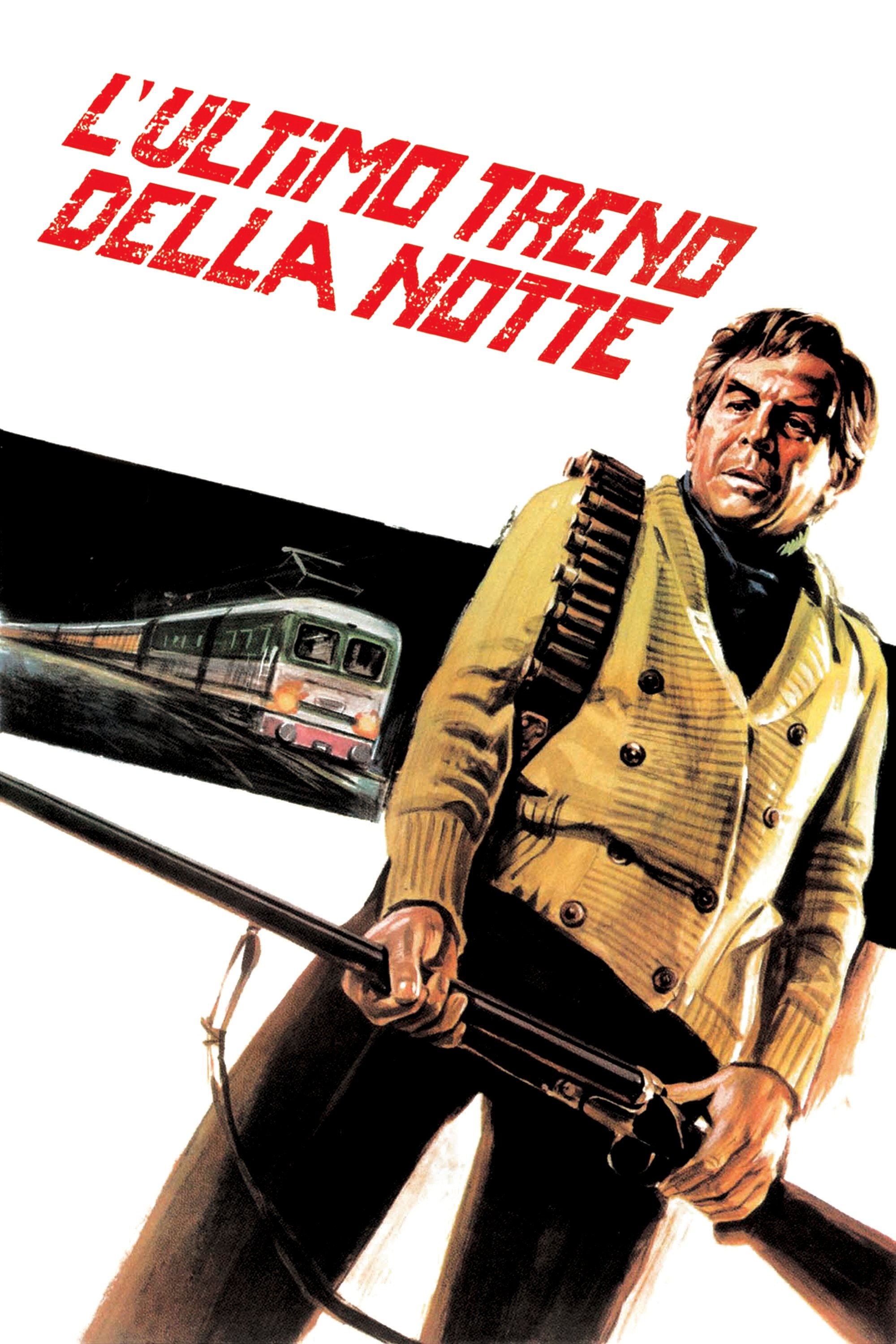
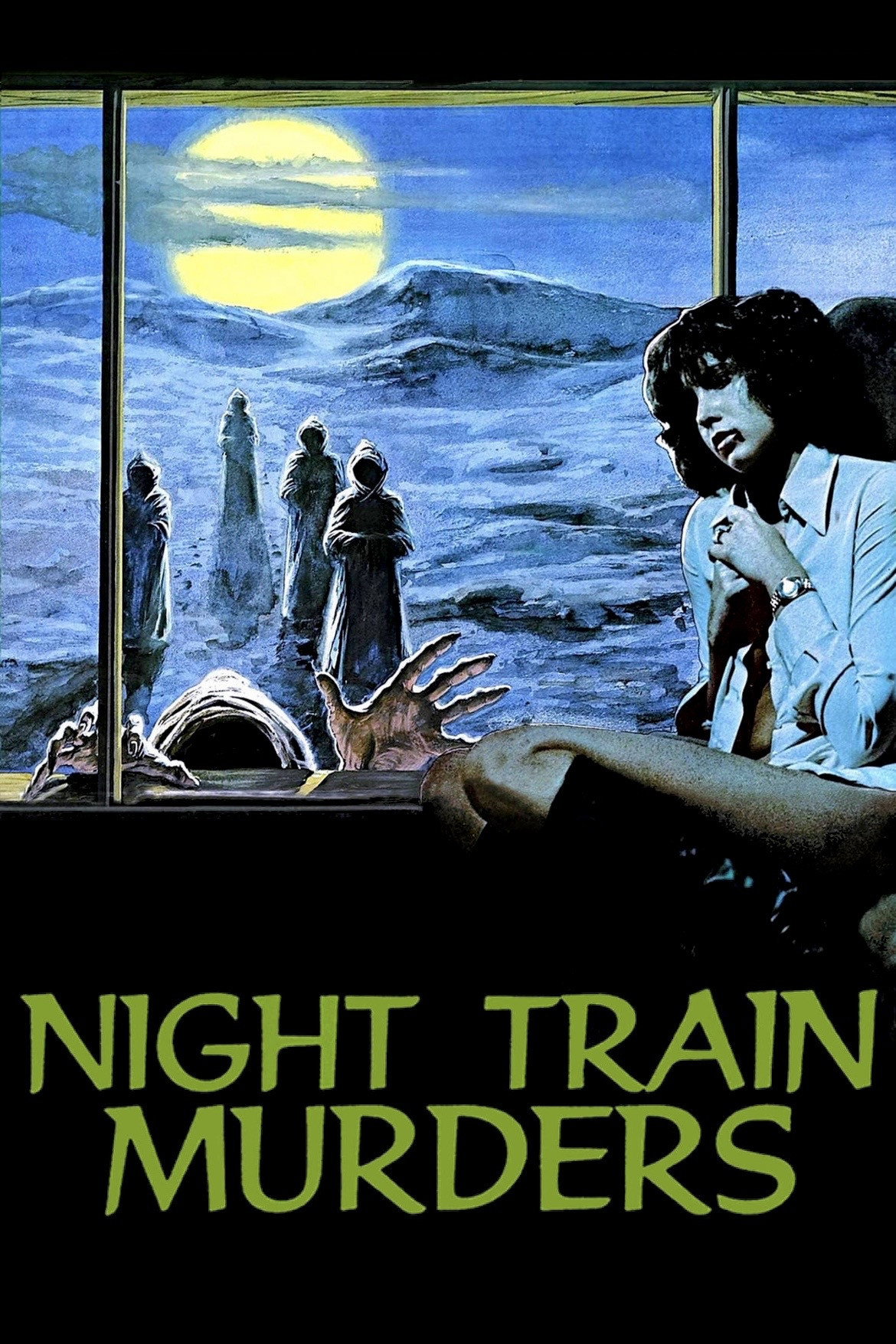
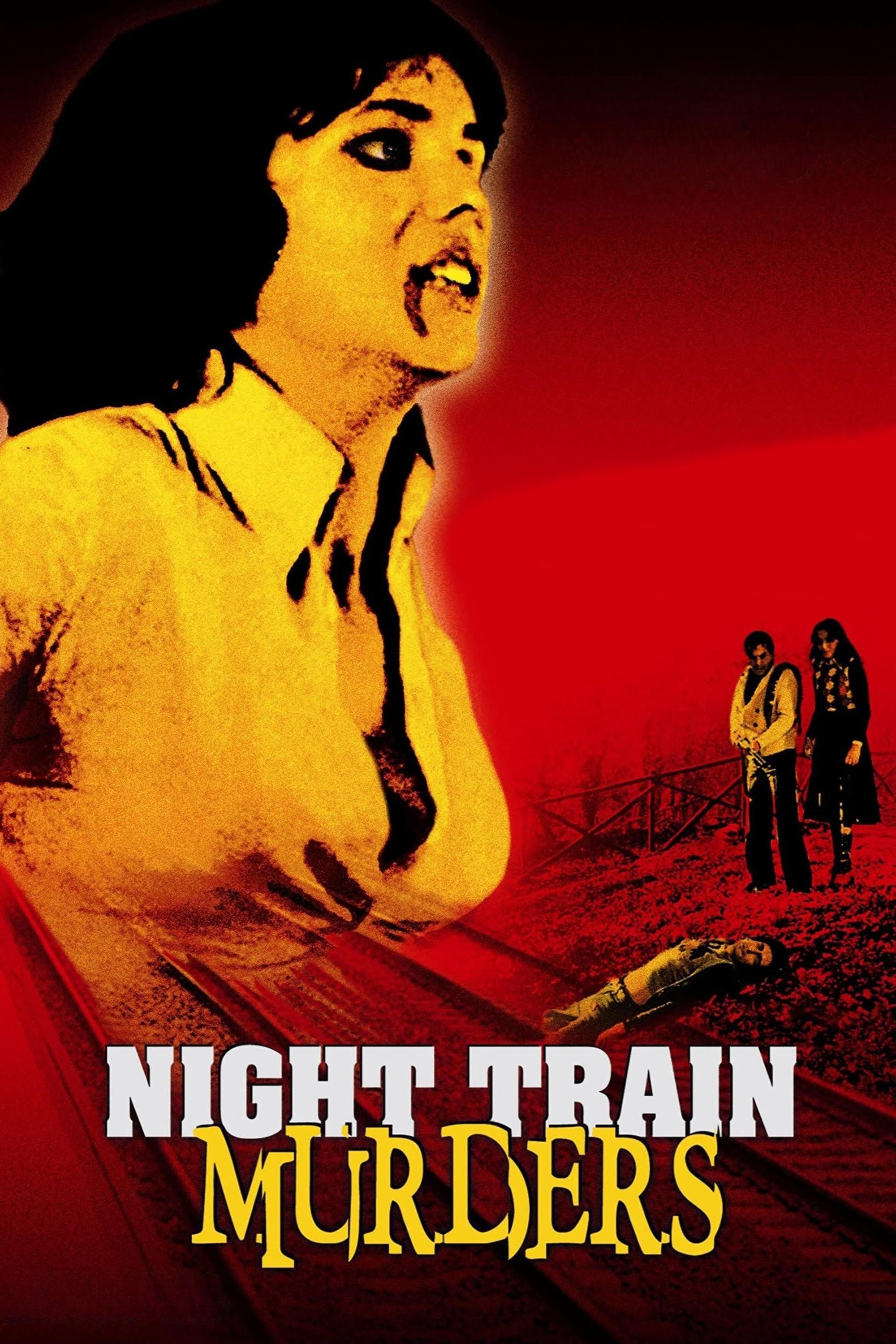
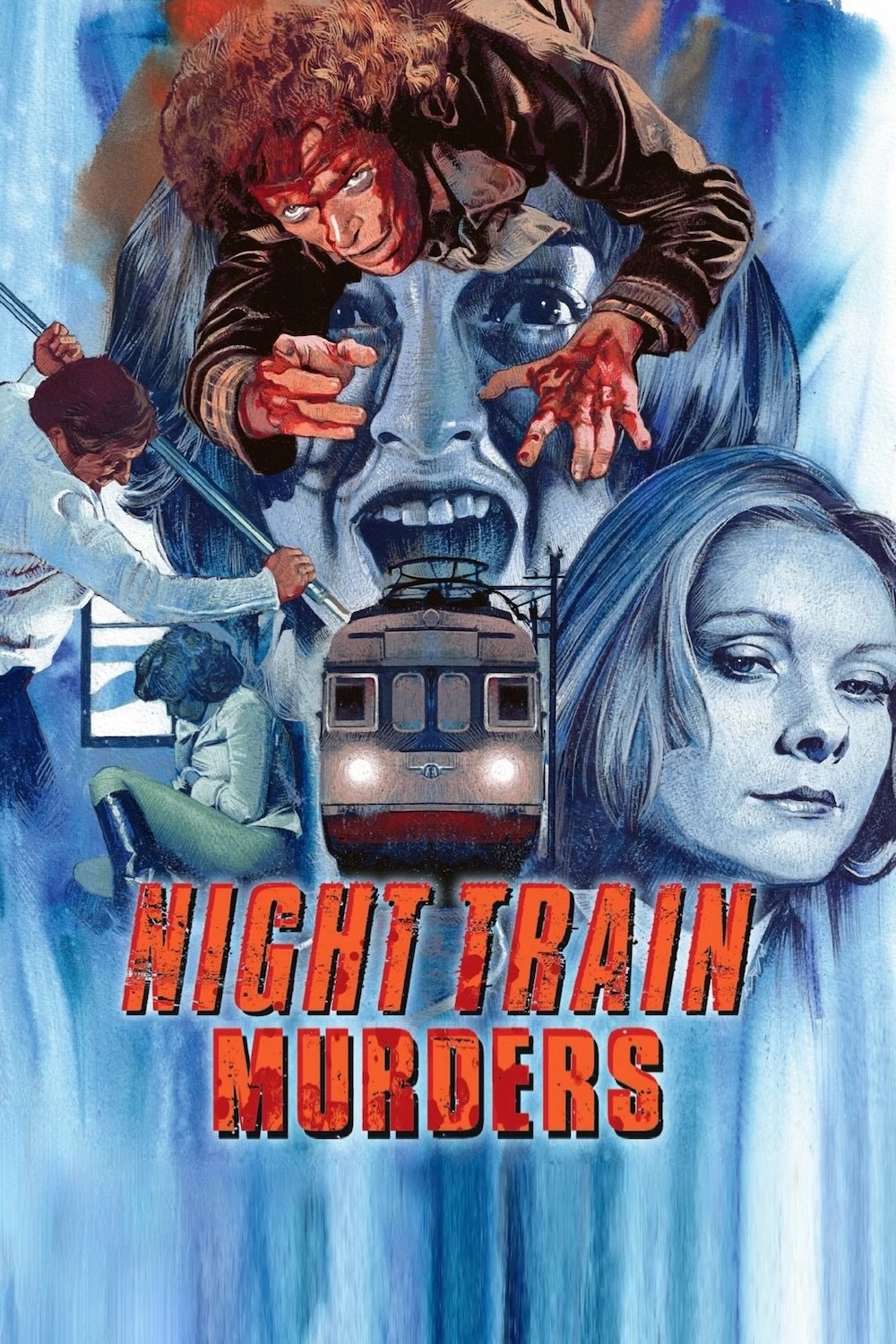
Last Stop on the Night Train (1975) poster
Director
Production Companies
European Incorporation , Rewind Film
Plot

A pair of psychotic hoodlums and an equally demented nymphomaniac woman terrorize two young girls on a train trip from Germany to Italy.

Alternative Titles
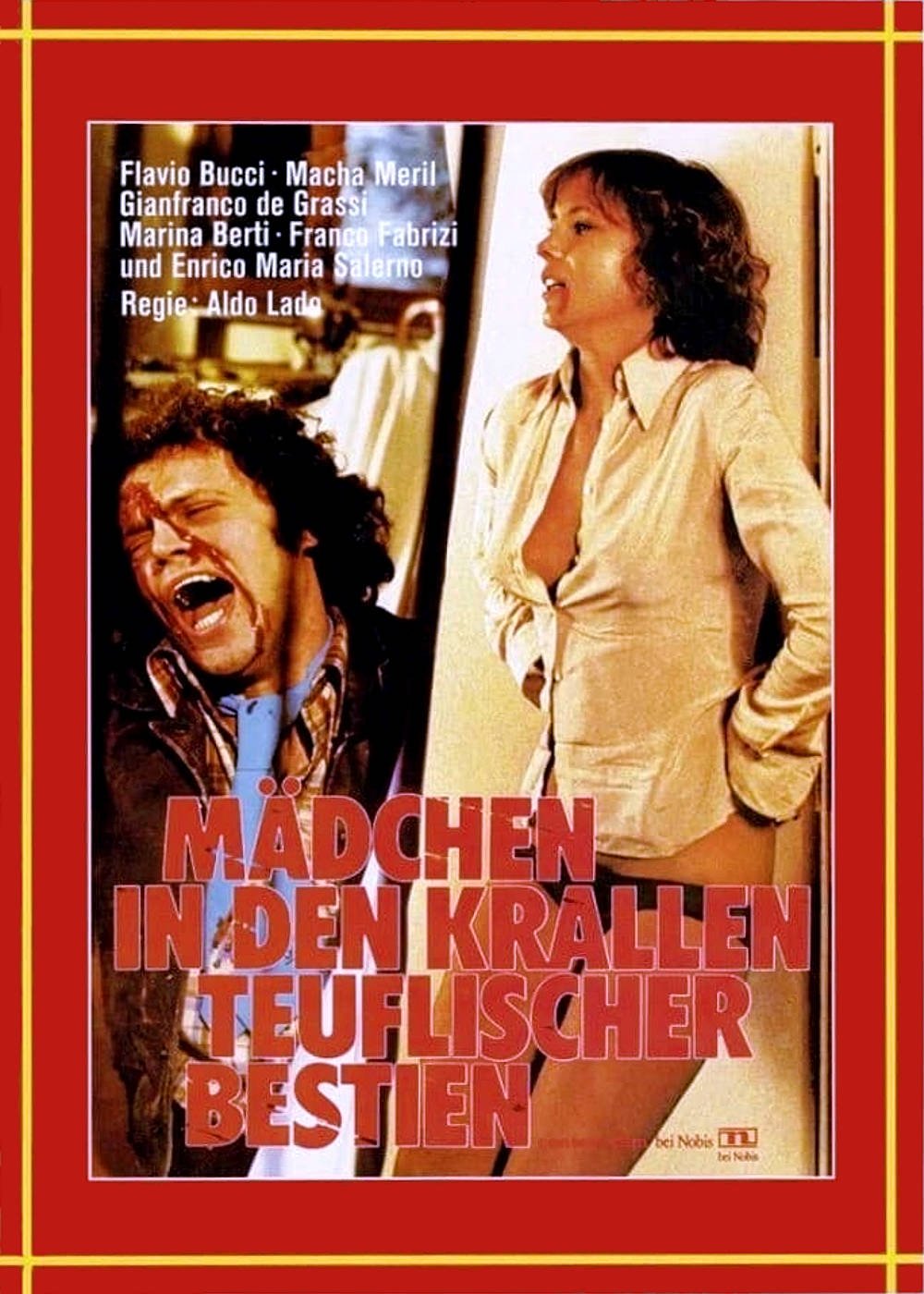
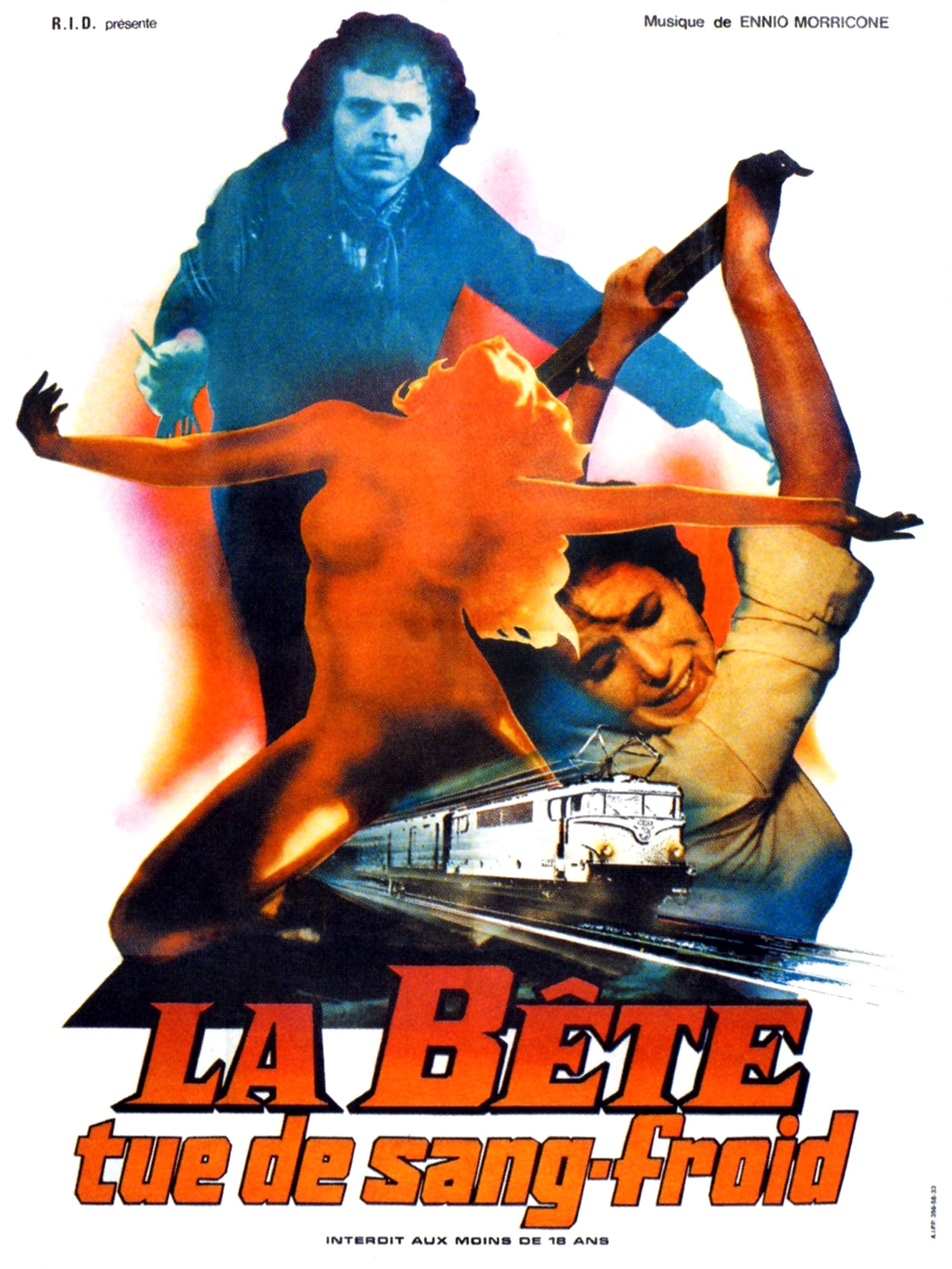
暴行列车 (China) — Chinese Mädchen in den Krallen teuflischer Bestien (Germany) — reissue (Nobis) Night Train - Der letzte Zug in die Nacht (Germany) — German Violación en el último tren de la noche (Spain) La Bête tue de Sang froid (France) — French Le Dernier Train de la nuit (France) Don't Ride on Late Night Trains (United Kingdom) Night Train Murders (United Kingdom) — Worldwide English title / Uncut Version / Blu-ray title
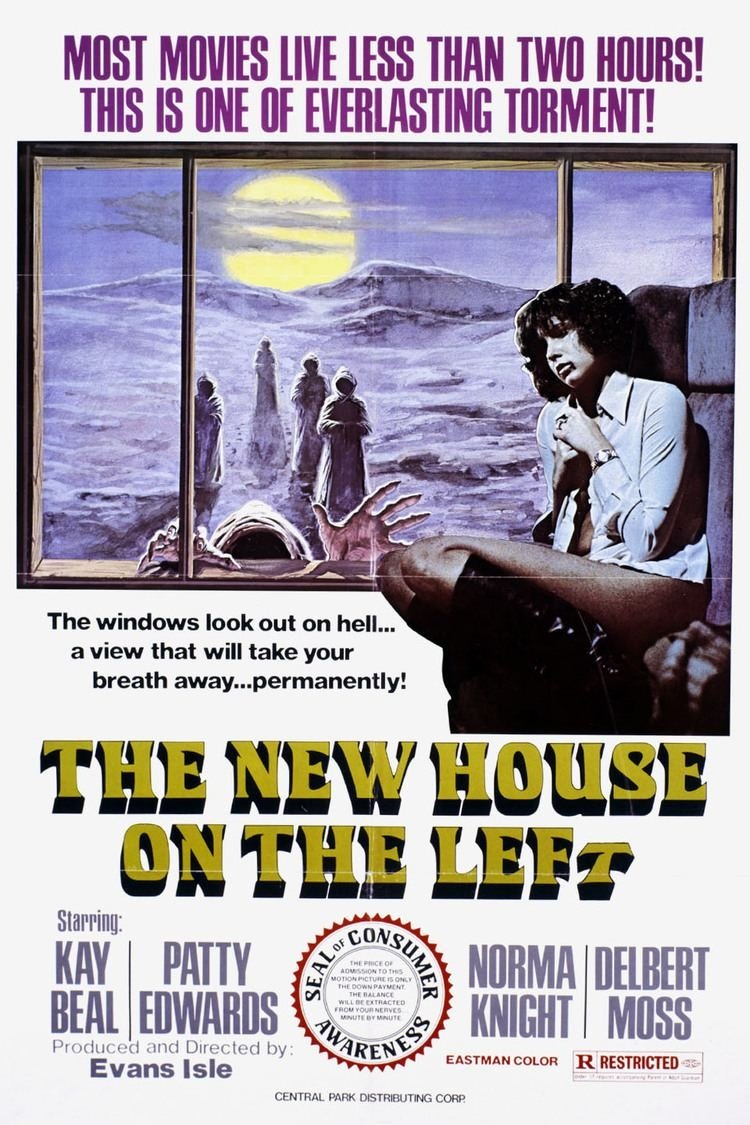
Show all 21 alternative titles Το Τραίνο των Κανιβάλων (Greece) — Greek 夜車姦殺案 (Hong Kong SAR China) — Chinese Night Train Murders (Israel) — Hebrew 나이트 트레인 머더스 (South Korea) — Korean Убийства в ночном поезде (Russia) — Russian Tågmarodörerna (Sweden) — Swedish Убивства в нічному поїзді (Ukraine) — Ukrainian Last House - Part II (United States) Late Night Trains (United States) — English Second House on the Left (United States) — reissue title The New House on the Left (United States) — alternative title Torture Train (United States) — Home Video Title Xmas Massacre (United States) — reissue title

Trailers & Videos

2 videos

Film Guide & Analysis

Aldo Lado turns a Christmas rail journey into rape-revenge horror shaped by class hypocrisy, Morricone's score and international censorship.

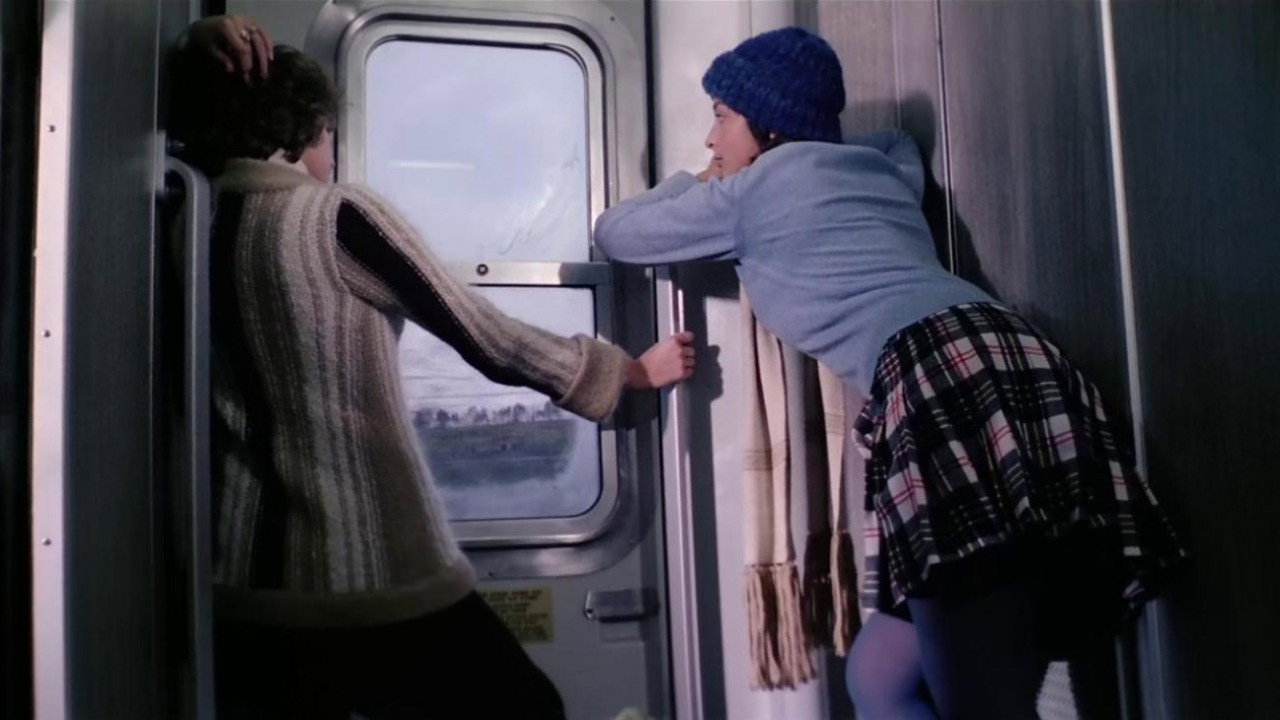
Last Stop on the Night Train (1975), originally released as L'ultimo treno della notte, is Aldo Lado's contribution to the Italian rape-and-revenge cycle. Two young women travelling from Germany to Italy for Christmas become trapped with violent strangers aboard an overnight train. Their ordeal culminates in sexual assault and death, followed by a reversal in which one victim's father unknowingly shelters the perpetrators. The railway setting gives the story a distinctive form of confinement: passengers move through shared public compartments, yet the victims lose access to witnesses, assistance and escape as the journey continues.

The film emerged from the commercial example of The Last House on the Left, while giving the story a pronounced concern with class and the appearance of respectability. Its most disturbing figure is an apparently affluent woman whose participation enables the attacks. The Italian censor initially refused permission for exhibition and later required specific reductions; Britain refused a cinema certificate in 1976. Ennio Morricone's score, the deliberate contrasts in Gábor Pogány's photography and the complicated release history establish its importance beyond the notoriety of individual scenes.

Origins and the Rape-Revenge Cycle

The picture was developed for Italy's commercial genre industry following the international circulation of Wes Craven's 1972 film. Both films place young female victims at the center of a prolonged assault and then bring their attackers into contact with the victims' parents. In an interview included with a later home-video edition, Lado recalled that his producer suggested borrowing the premise, while maintaining that he had not seen Craven's film before making his own. That retrospective account supports the commercial relationship without proving direct imitation of individual shots or scenes.

The Italian cinema archive credits Roberto Infascelli and Ettore Sanzo with the story, and Lado and Renato Izzo with the screenplay. The production translated the established revenge structure into a cross-border journey and surrounded the attackers with witnesses who observe fragments of their behavior. Christmas gives the two students a credible reason to travel while creating a contrast with their family's expectation of reunion. The filmmakers also place news, political discussion and casual public cruelty beside the central crime, situating the incident within a wider account of everyday indifference.

Lado's earlier thrillers had already treated violence as a disturbance concealed beneath ordinary urban life. Here he concentrates the first half of the narrative inside the limited architecture of a moving train. The decision expands the role of accidental encounters and prevents the young women from controlling who shares their route. The final change of setting, from public transport to a comfortable family home, continues the same problem of misplaced trust. Its genre identity comes from the sustained bodily threat and the retaliatory murders, even though the film has no supernatural premise.

The Journey, Entrapment and Sexual Violence

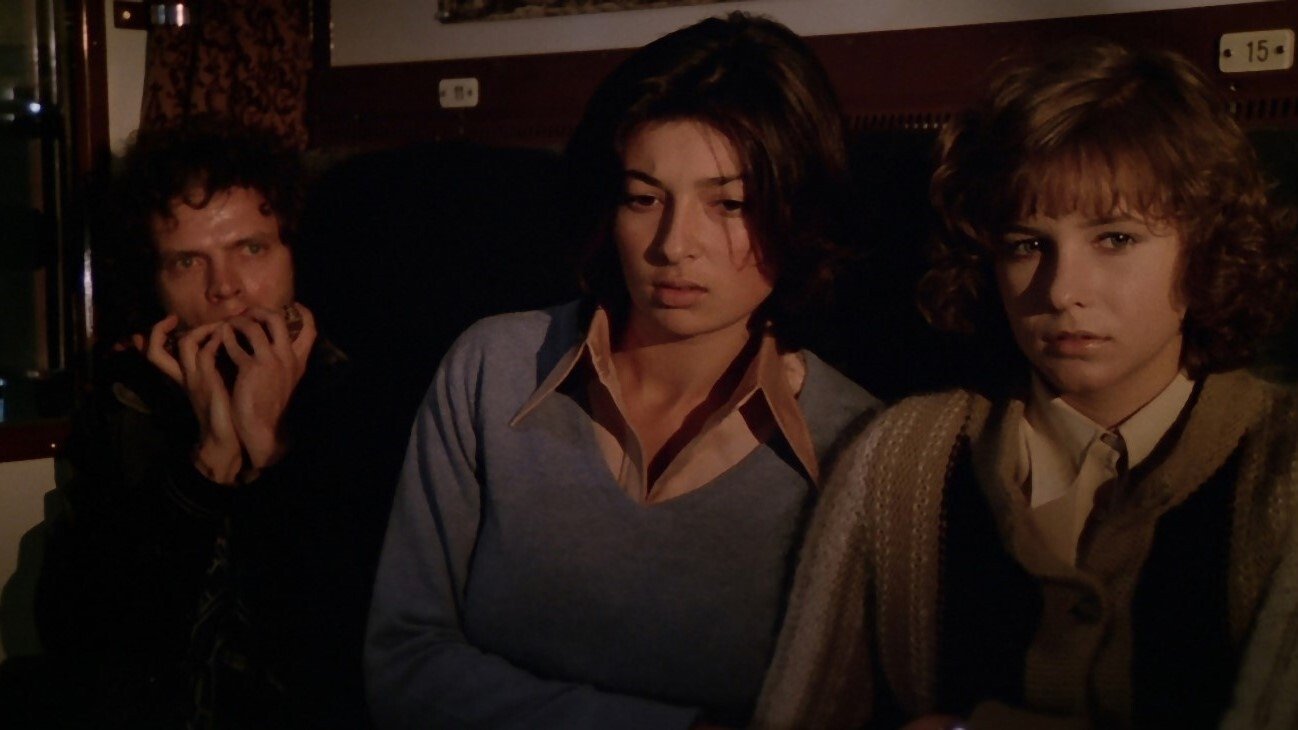
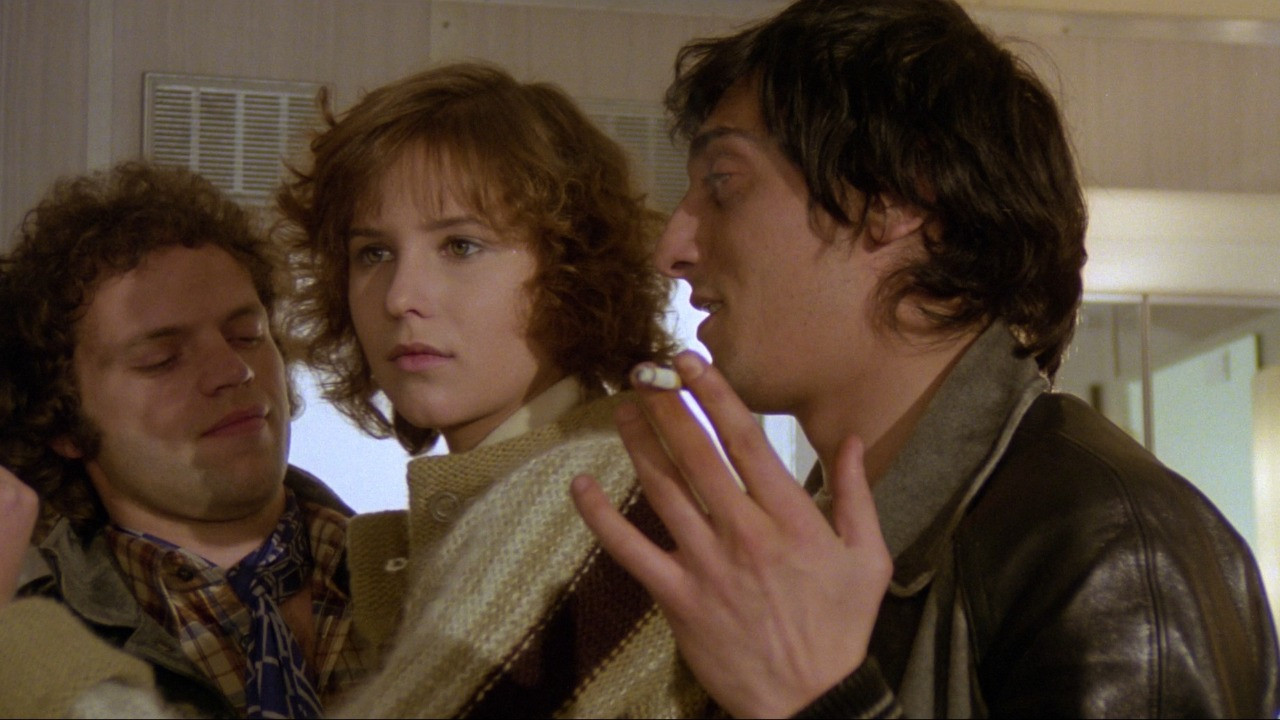
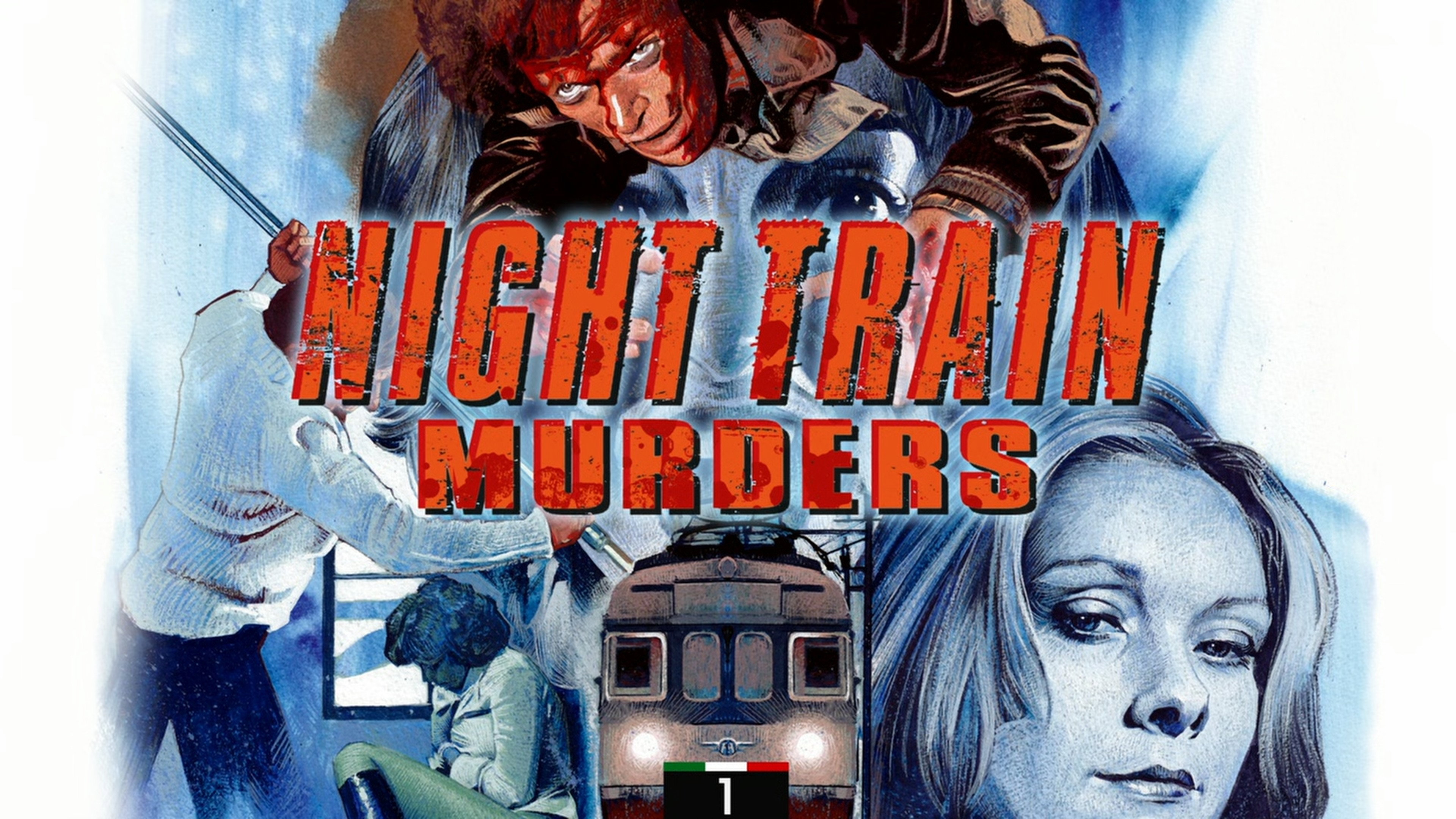
Lisa Stradi and Margaret travel toward Verona, where Lisa's parents expect them for the holiday. Blackie and Curly, two men already shown assaulting and stealing from strangers, enter the railway environment as an unpredictable menace. The girls initially try to avoid confrontation, but the crowded train offers only temporary protection. When circumstances force them onto a less populated service, the same corridors and compartments acquire a more threatening character. Doors, passageways and the absence of dependable staff become essential to their ability to survive.
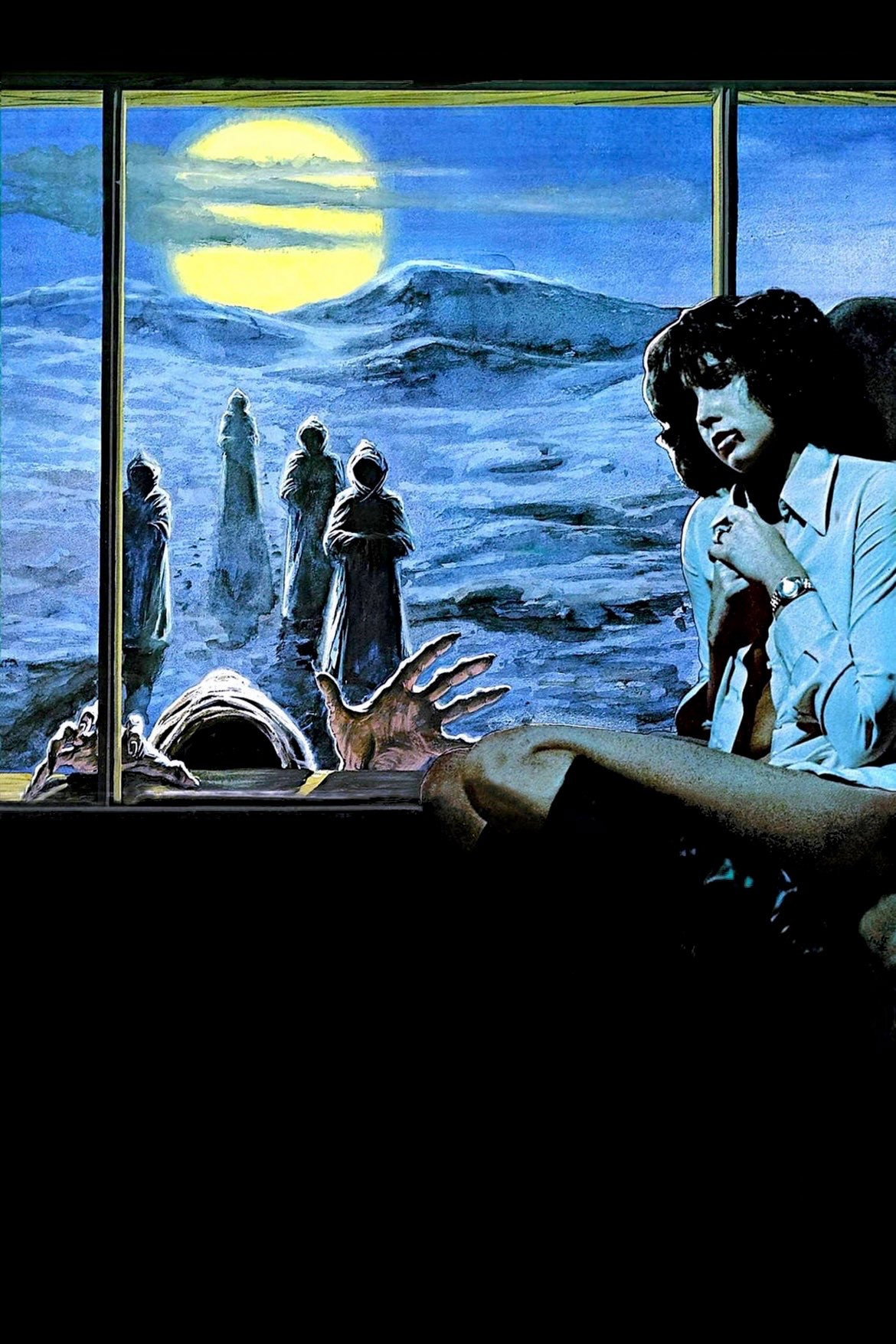
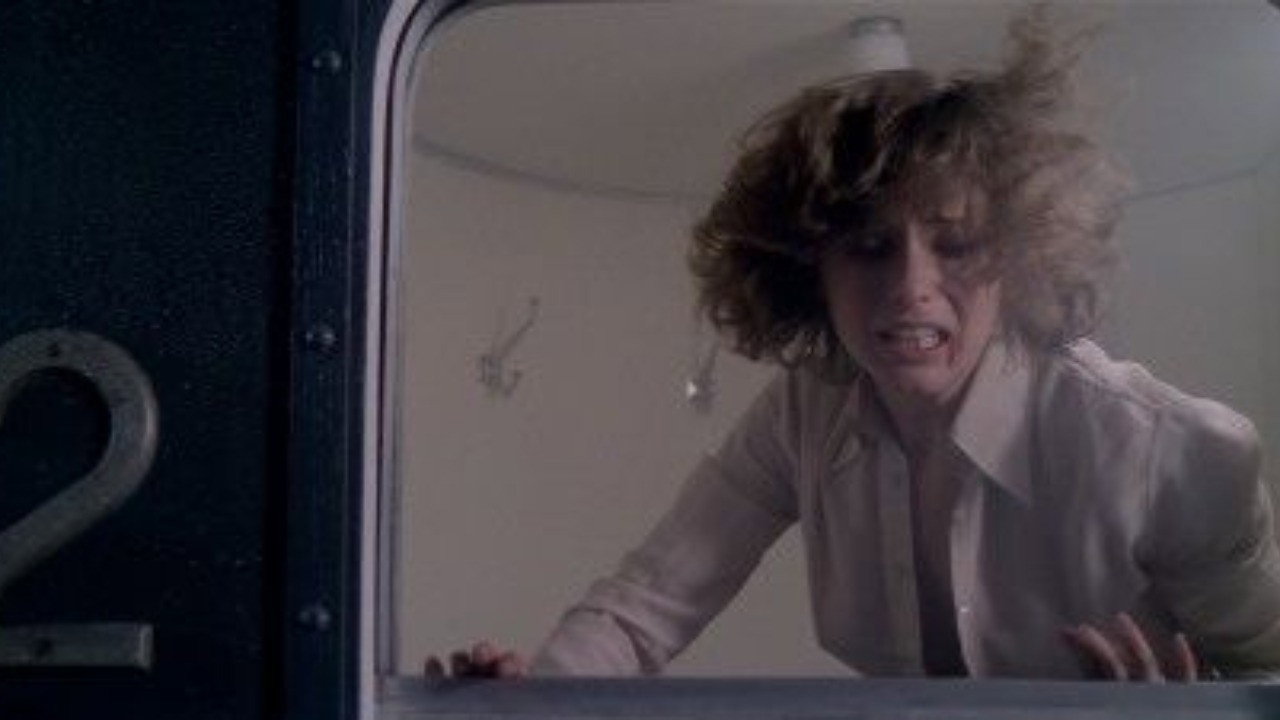
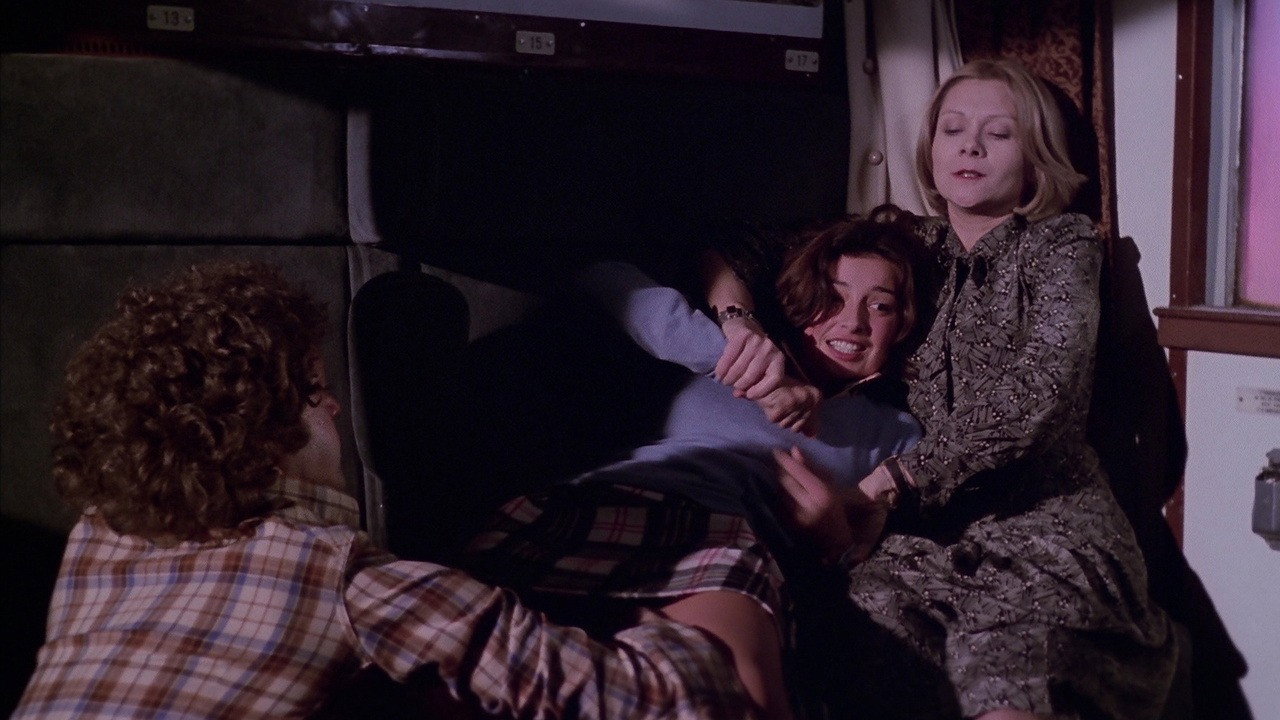
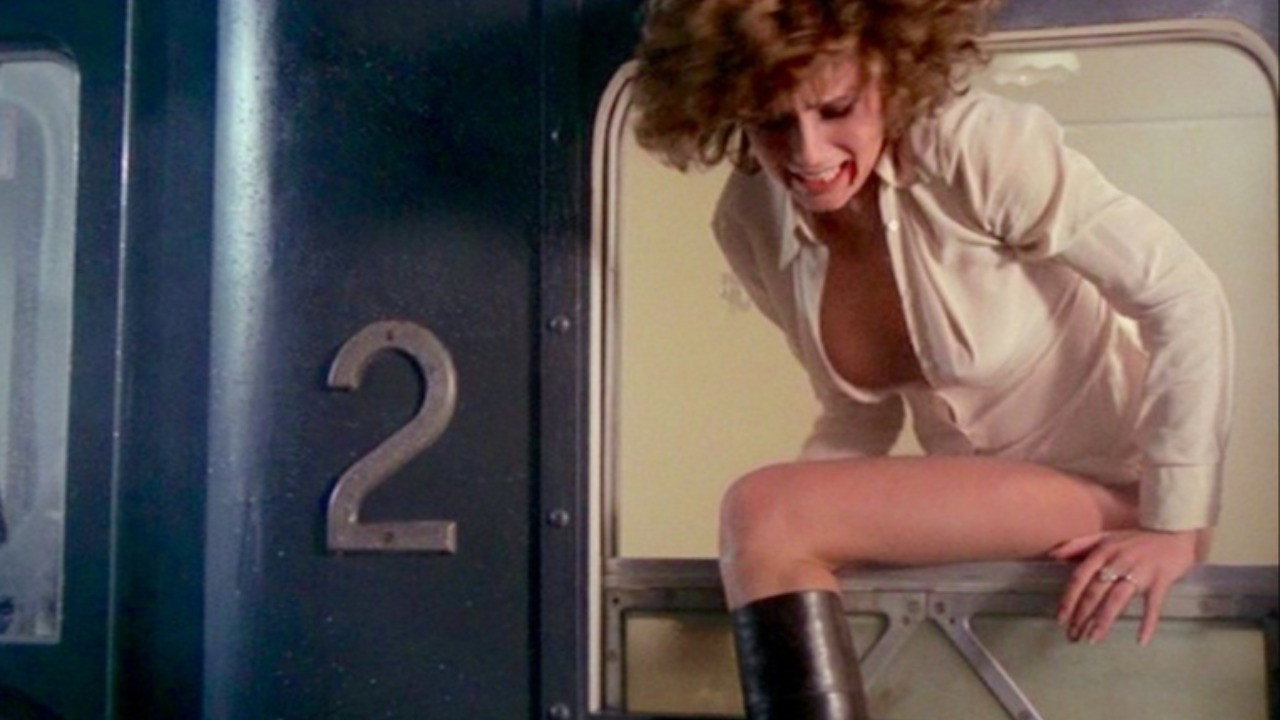
The assaults unfold over an extended passage in which the attackers control the victims' movement and repeatedly interrupt attempted resistance. Curly's knife becomes the instrument of a particularly severe sexual injury, and Margaret's desperate escape ends outside the carriage. Lado concentrates much of the fear in the duration of the captivity and in the impossibility of obtaining help. The material is deliberately distressing, including the use of sexual humiliation as spectacle. Its place in horror history requires acknowledging that exploitation strategy while discussing the victims as characters exposed to violence, not as a pretext for cataloguing wounds.

The train's movement continues independently of what happens inside it. This indifference matters to the staging: the landscape passes beyond windows while the private catastrophe remains invisible to the wider journey. Brief encounters with other passengers suggest opportunities for rescue that never develop into effective intervention. The film uses confinement without a locked room, making ordinary travel regulations and the compartment system appear inadequate when deliberate cruelty occurs. Its suspense draws on a recognizable social fear: proximity to others provides no guarantee that anyone will intervene.

The Lady, Respectability and Class

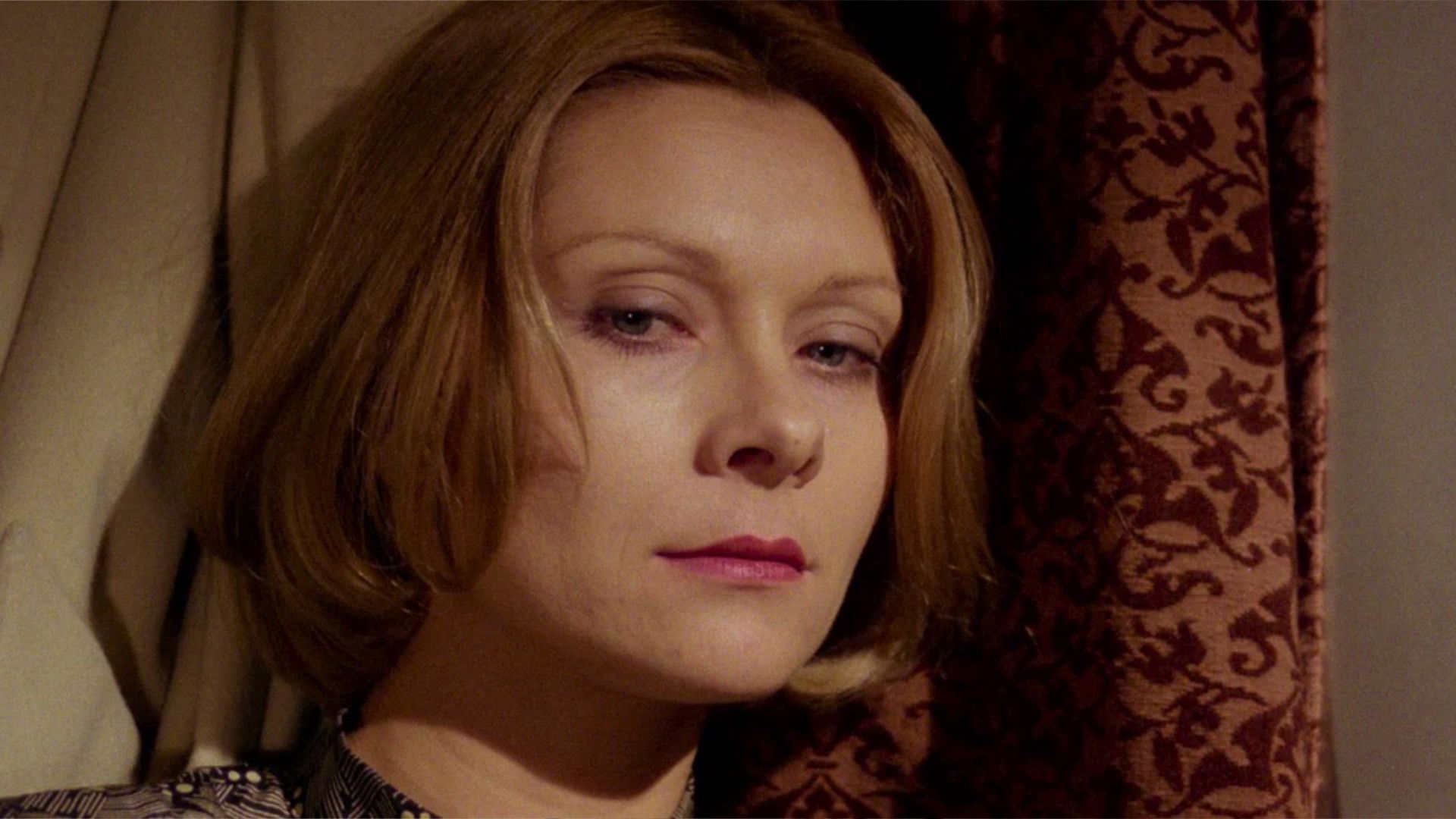
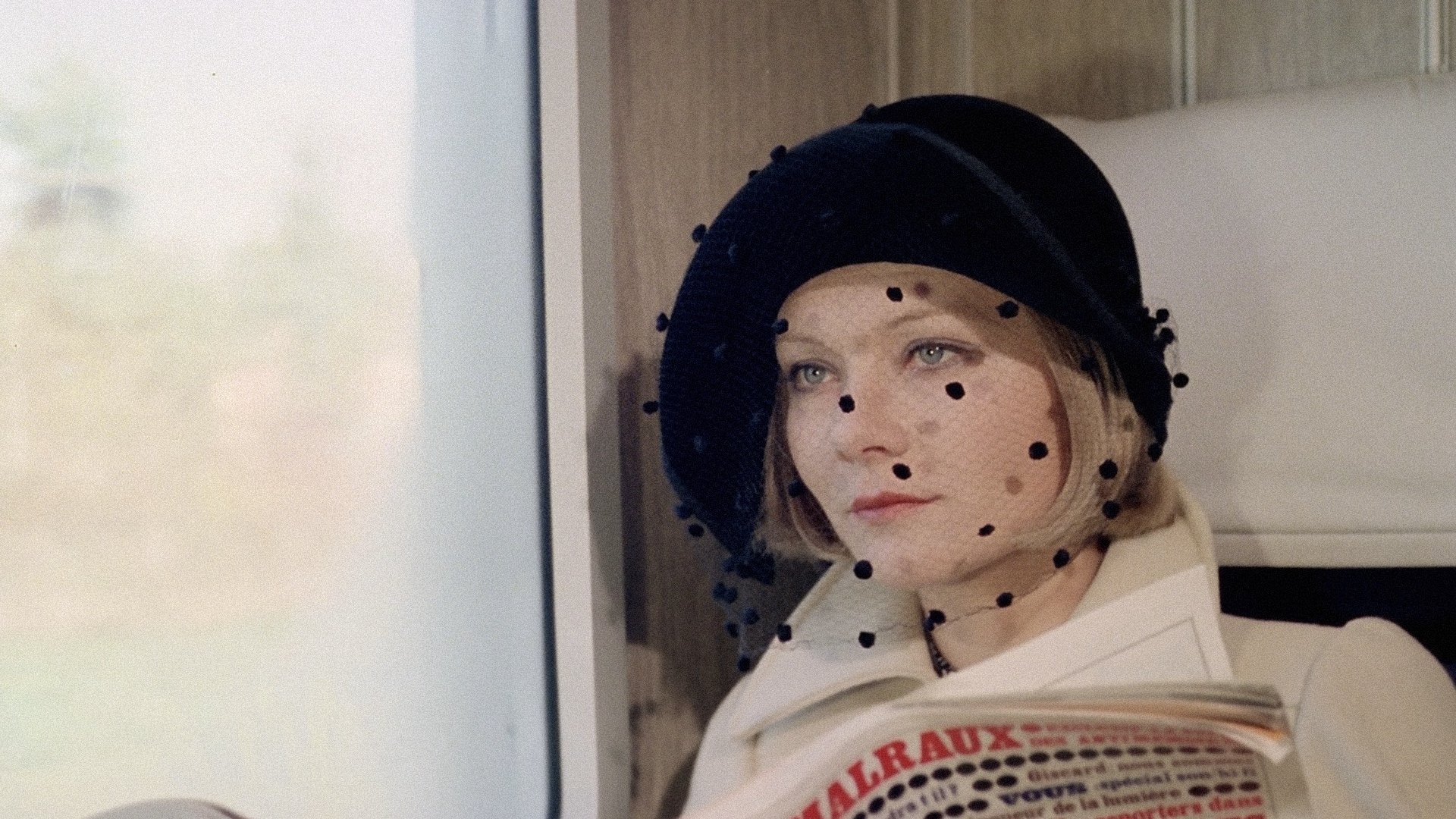
The unnamed elegant passenger played by Macha Meril fundamentally changes the balance of the attacks. She first appears to occupy a social position far removed from the two petty criminals. Her involvement, however, encourages their violence and gives the situation a more organized cruelty. The contrast between refined appearance and active participation prevents viewers from locating danger solely in the men's clothes, manners or social marginality. Her role is especially important when the final sequence shifts attention to people who consider themselves educated and respectable.

The family's house introduces a father able to speak confidently about order and public morality. Giulio Stradi's professional standing as a physician makes him appear equipped to respond rationally to danger, although he does not yet know the identities of his guests. The juxtaposition of dinner conversation with events on the train exposes a gap between abstract commentary on brutality and its reality. When the travelers' connection to Lisa becomes clear, the parent's social authority no longer controls his actions. The revenge then reveals a capacity for violence inside the same comfortable household that had seemed to represent safety.

The arrangement also makes the woman complicit across the division between criminal strangers and the middle-class home. Critical readings have treated her as an expression of the impunity accorded to appearances and status. That interpretation is supported by her conduct and by the way others assess her, although it should not be presented as a single officially stated meaning of every scene. Lado's construction is more pointed than an uncomplicated opposition of innocent parents and monstrous outsiders: the retaliation allows the audience to question whether privilege restrains cruelty or merely changes its justification.

Photography, Performances and Horror

Gábor Pogány's cinematography uses the railway interior as a sequence of compressed spaces. Compartment walls, windows and connecting doors restrict the field of view, while shifts between crowded sections and emptier carriages make the level of protection unstable. The assaults acquire an oppressive visual character under strong, cold-toned lighting. Earlier daylight views of the journey provide a different texture, permitting Lado to establish ordinary behavior before the encounter becomes dangerous. The film's controlled images distinguish it from the rougher production style often associated with early American rape-revenge exploitation.

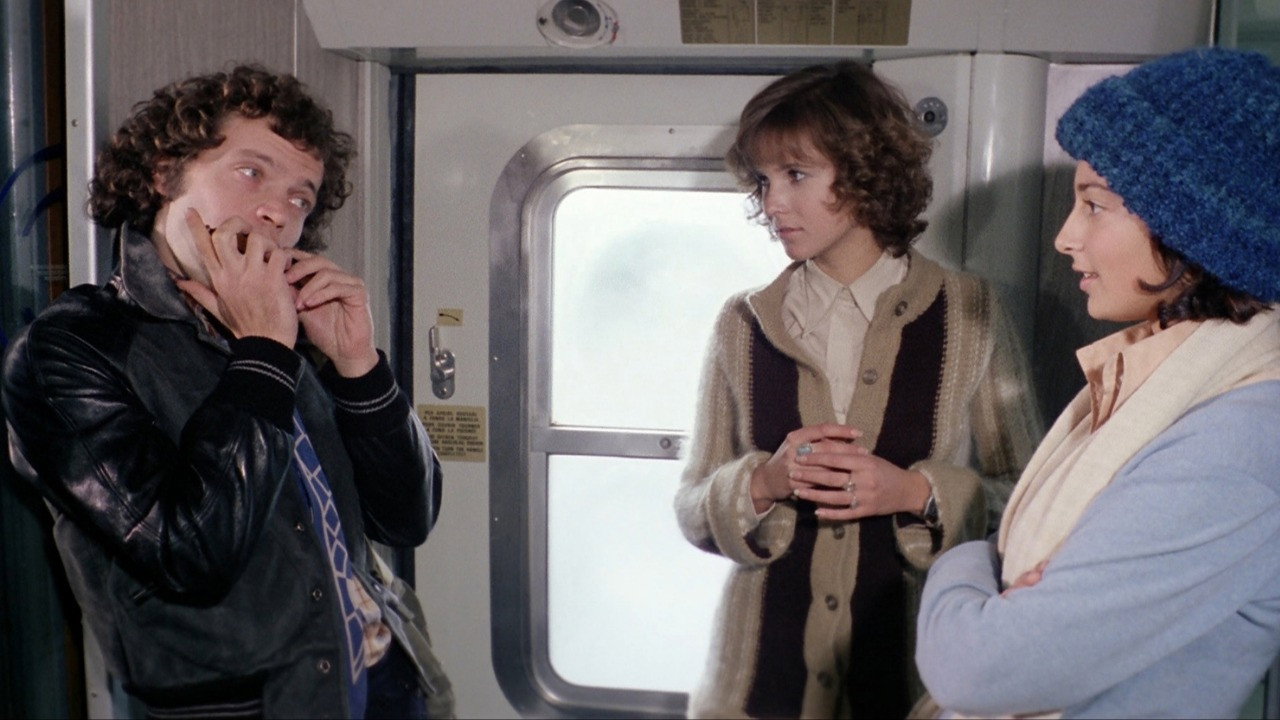
The perpetrators are also separated through performance. Flavio Bucci's Blackie uses swagger and opportunism to make violence seem like a game, while Gianfranco De Grassi's Curly brings a more erratic and threatening physical presence. Irene Miracle and Laura D'Angelo portray the travelers' attempts to keep their bearings amid escalating intimidation. The asymmetry is central to the suspense: the assailants repeatedly decide what will happen next, and the victims must respond without knowing the limits of the danger. The film builds much of its disquiet from unpredictable human behavior and persistent confinement, with comparatively little reliance on elaborate gore mechanisms.

The dramatic structure eventually changes the viewer's position. Following the victims through the train emphasizes their fear and helplessness; following the father through the revenge confronts the audience with an emotionally understandable impulse that produces further physical harm. Violence moves from an almost deserted carriage into a domestic interior where familiar objects and professional tools acquire new uses. The emphasis on performance, duration and enclosed space gives the horror a social dimension while retaining the deliberately confrontational style of the exploitation market.

Ennio Morricone, Harmonica and Contrast

Ennio Morricone provided a score that moves between lyrical melody and abrasive signs of threat. The song A Flower's All You Need, sung by Demis Roussos, accompanies the early material with an unusually gentle tone. Its association with seemingly ordinary movement helps establish the emotional distance between the girls' expectations and what follows. Morricone's music also incorporates harmonica, whose repeated phrases become associated with Curly and the growing danger. Franco De Gemini is credited with the harmonica performance on the original soundtrack single.

The score's recording and release history is unusually well documented. Cinevox initially issued a short 1975 single containing the title music and Coincidenze, while the vocal theme circulated separately. The fuller soundtrack was made available in later archival releases, exposing passages that had remained unavailable on the original commercial record. Its arrangements use percussive movement and dissonant textures to interrupt melodic material, at times suggesting the train's mechanical rhythm. Musical contrast serves a specific purpose in the horror: reassurance and threat can arrive together, without a clean change in scene or location.

The harmonica also creates a link between a recognizable object handled by a character and the external score. Because its sound can belong to the action as well as to the musical atmosphere, it helps carry menace across scenes in which the criminals are not immediately visible. The result draws on Morricone's established interest in unusual instrumental timbres but is fitted to a story of travelling through progressively less secure spaces.

Italian and British Censorship, Versions and Afterlife

Italian censorship records give the film a particularly clear sequence of decisions. On 14 March 1975 a commission rejected the original submission, judging its sexual violence and later revenge incompatible with public exhibition. An appeal was rejected on 18 March. A new review on 27 March authorized release with an adults-only restriction after the producer accepted specified reductions. The required changes concerned the elegant passenger's sexual encounter, the knife assault and the immediate aftermath of the girl's death. These are documented censor interventions on the Italian theatrical version, not evidence that all subsequent exports used identical material.

Britain followed a separate chronology. The British Board of Film Classification refused a cinema submission titled Late Night Trains on 26 July 1976. Later pre-certification videocassettes appeared under both that title and Night Train Murders; specialist comparisons identify a shortened edition and a longer version circulating at the start of the 1980s. The film entered the changing Director of Public Prosecutions video-nasty list in July 1983 and was removed in March 1984, according to British version histories. Neither the refusal nor its presence on the DPP list should be described as a successful prosecution of the film's distributors.

The BBFC classified a home-video edition titled Night Train Murders on 14 January 2008, with a recorded running time of 90 minutes and 8 seconds and no cuts indicated. That figure should not be directly compared with theatrical running times because transfer speed can produce differences without any missing footage. The film received a further 4K restoration from original negatives for a 2025 edition that includes interviews with Lado and Macha Meril, alongside studies of its place in rape-revenge cinema.

References

  1. CHANGES - University of Milan Violenza sull'ultimo treno della notte - Fascicolo 66163

    Original Italian censorship documents recording the March 1975 refusal and unsuccessful appeal.

  2. CHANGES - University of Milan Violenza sull'ultimo treno della notte - Fascicolo 66277

    Original 27 March 1975 ruling documenting the specific cuts and the adult-only clearance.

  3. British Board of Film Classification Night Train Murders - Classification History

    Official records of the 1976 theatrical refusal and the 2008 home-video classification.

  4. Bietti - INLAND Orizzonti sperimentali delle colonne sonore. Le musiche di Ennio Morricone per il cinema di Aldo Lado

    Jan Svabenicky examines Morricone and Lado through documented scoring practices, train sounds, experimental composition and the contrasting use of the Demis Roussos song.

  5. Blueprint: Review Night Train Murders - 88 Films (2025)

    Extensive examination of the film and the 4K edition, including substantial interviews with Aldo Lado and Macha Meril and historical studies.

Cast

View Full Cast & Crew →

Release & Distribution

Production Companies (2)

  • European Incorporation IT
  • Rewind Film IT

Release History (6)

Release DateTerritoryRelease TypeFormatDistributorCertificationNotes
1975-04-09 Italy Theatrical — — —
1976-08-12 Germany Theatrical — — 18 Nobis
1978-08-30 France Theatrical — — —
1979-04-15 Spain Theatrical — — 18 "S"
2007-02-19 France Physical DVD — — DVD
2020-08-13 France Physical Blu-ray — — Blu-Ray
Most movies last less than two hours! This is one of everlasting torment!