

Stage Origins & Film Development
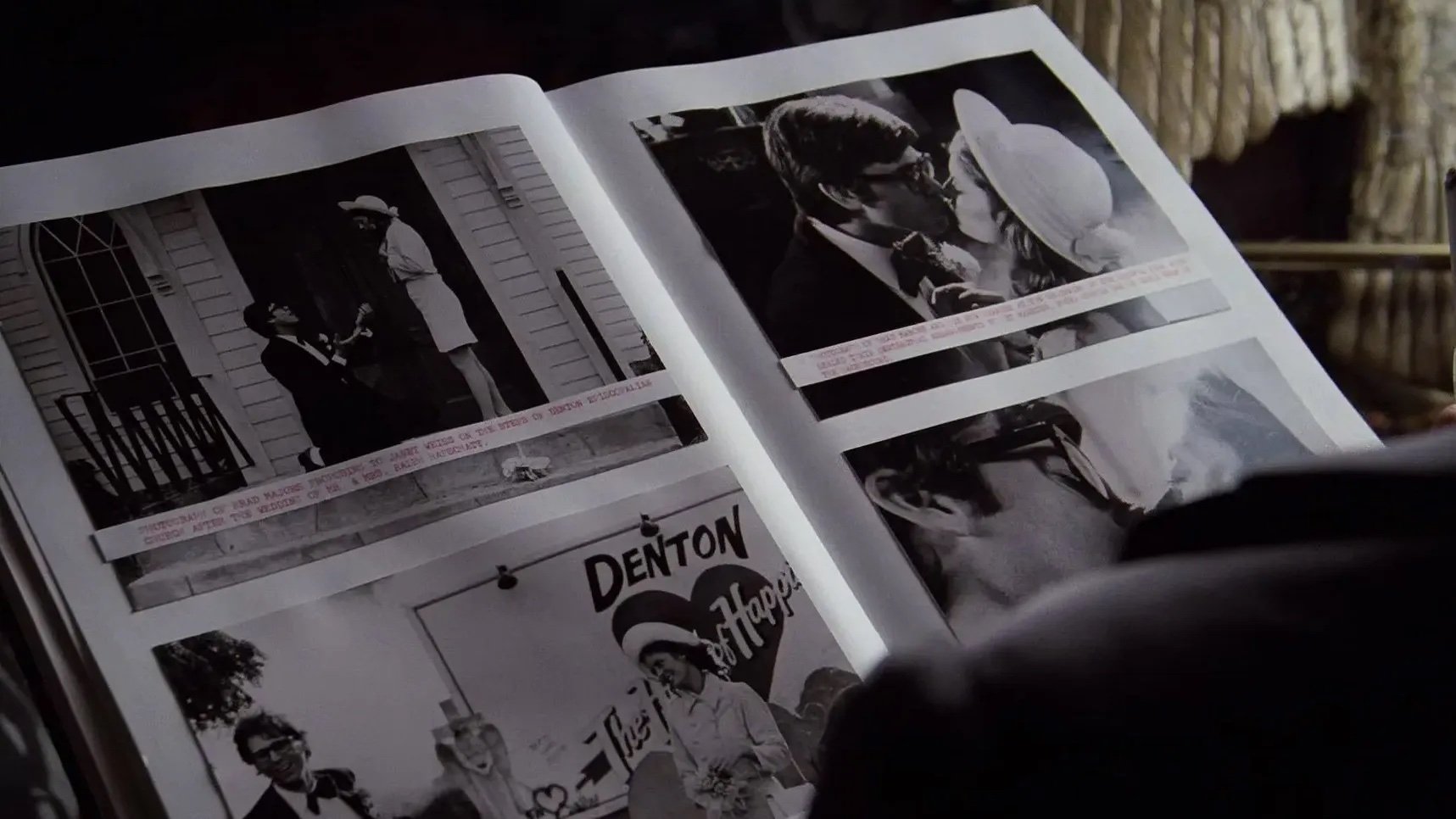
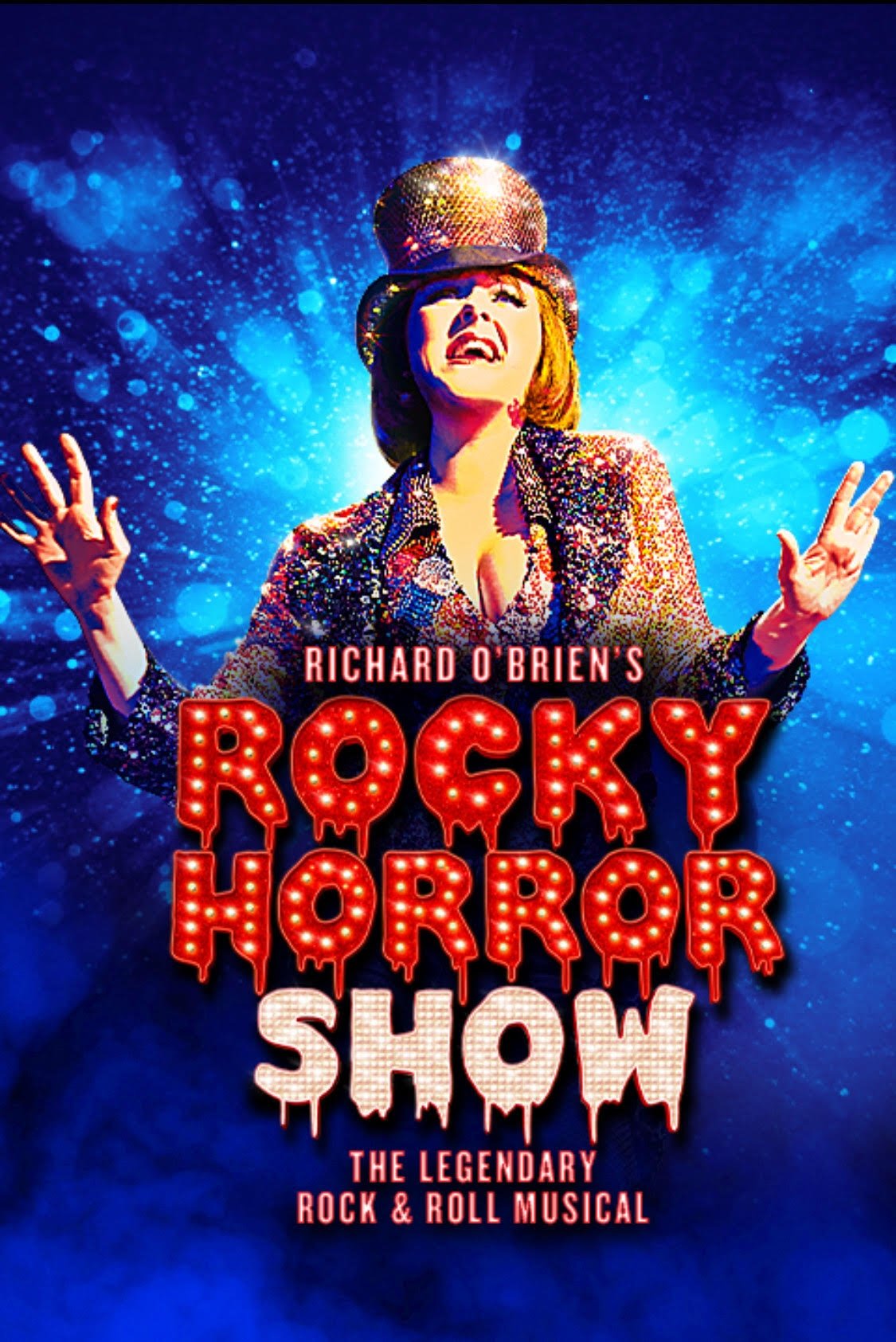
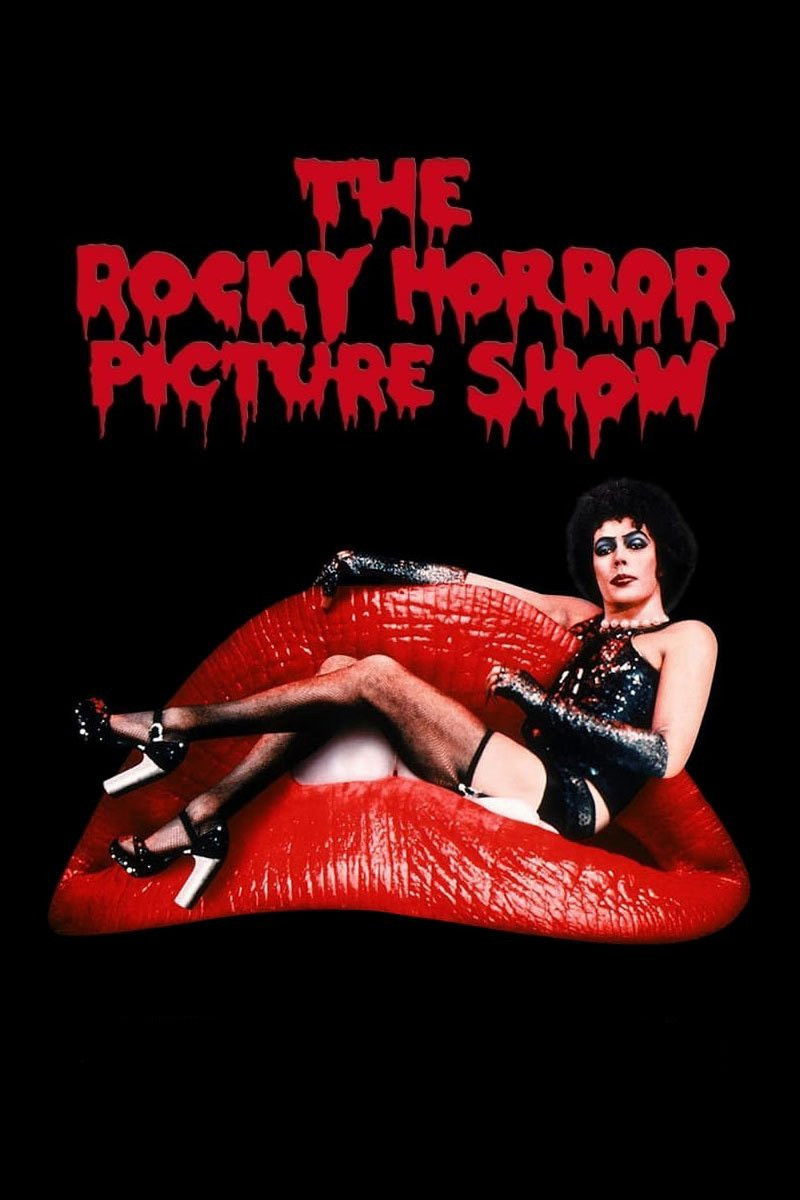
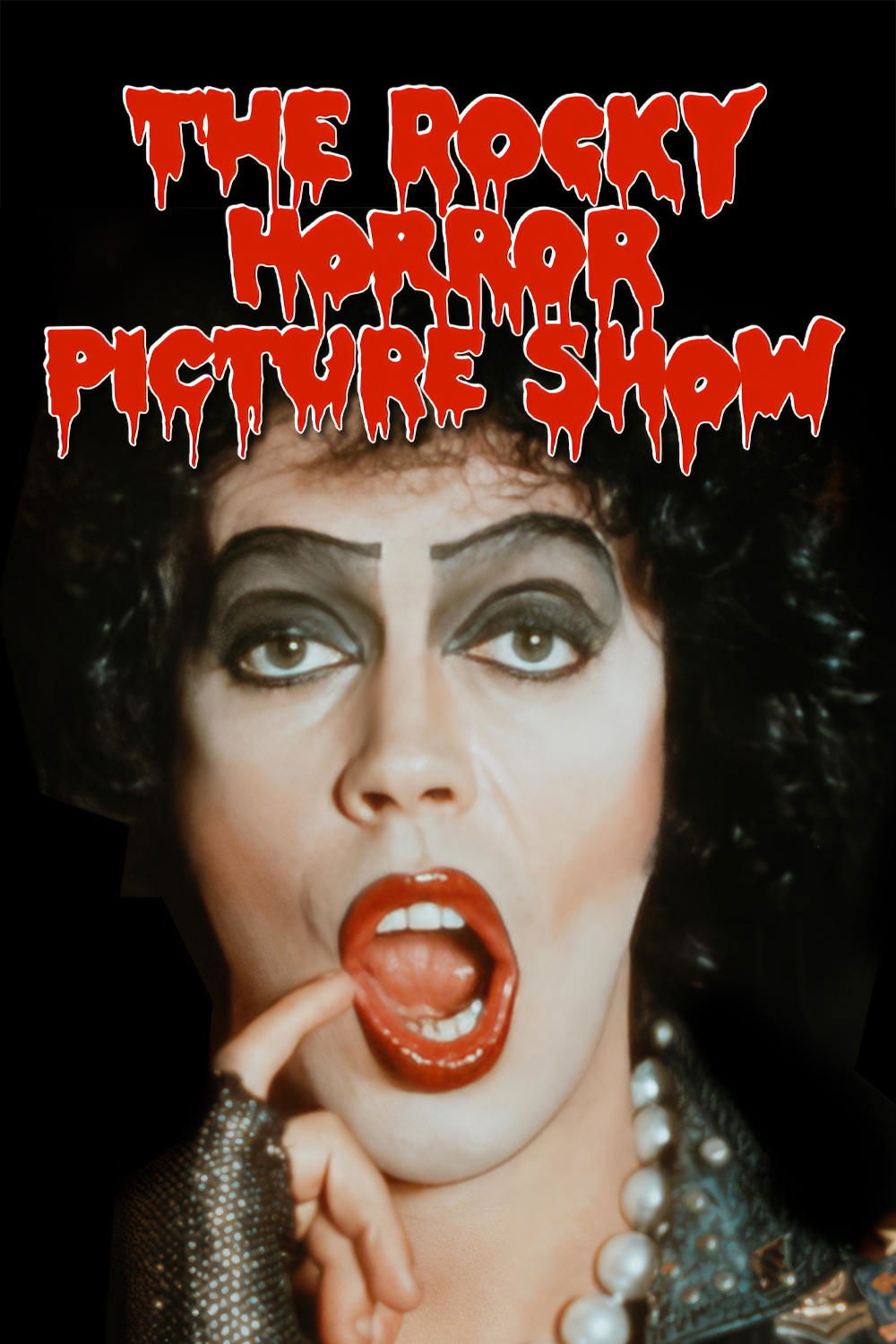
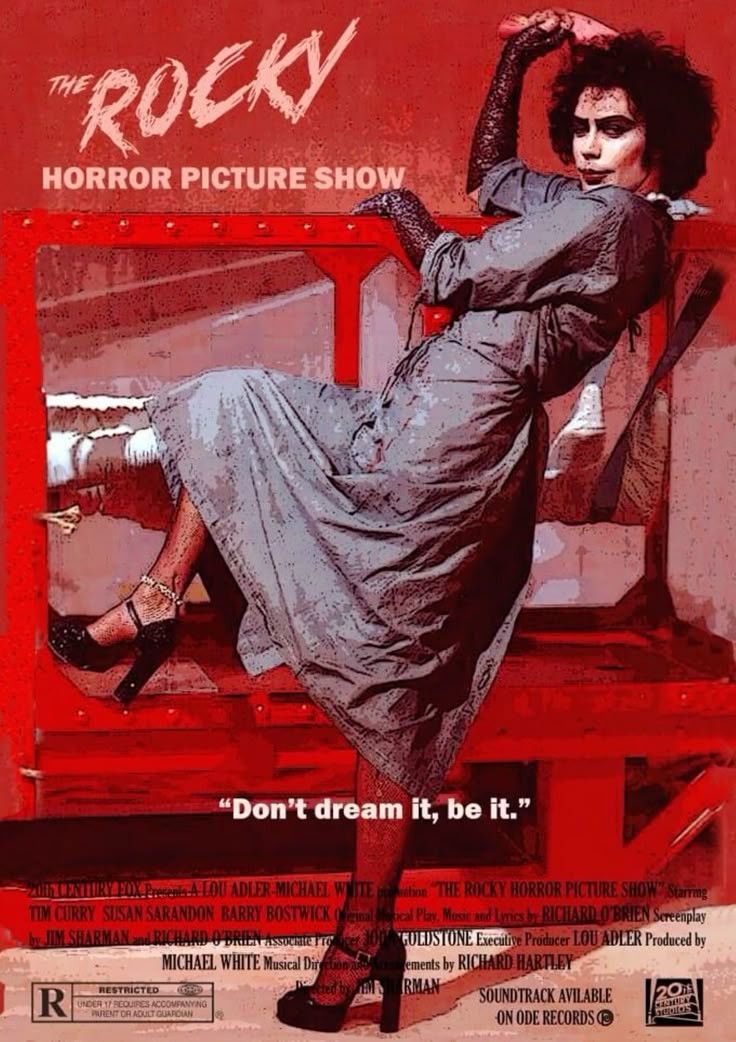
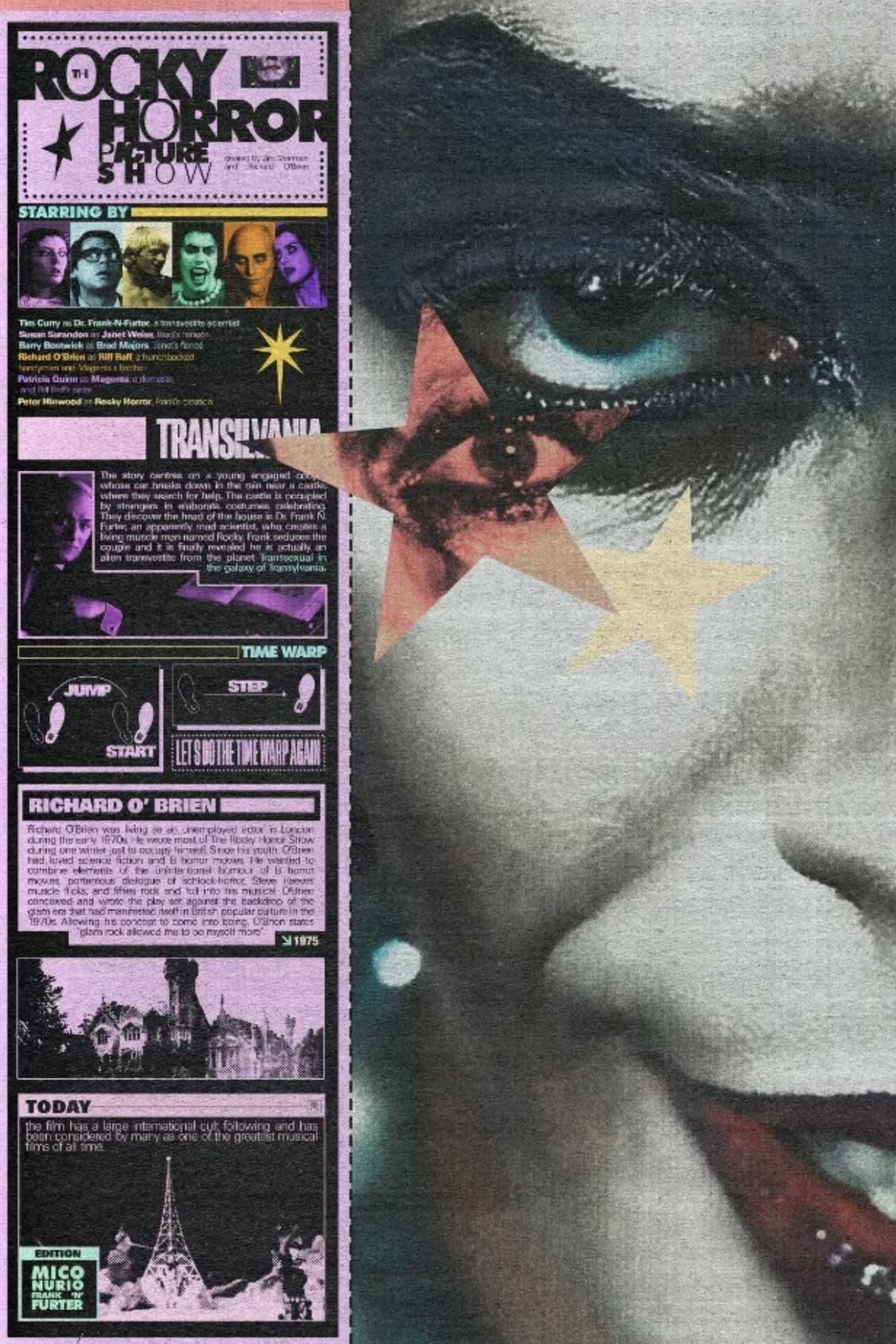
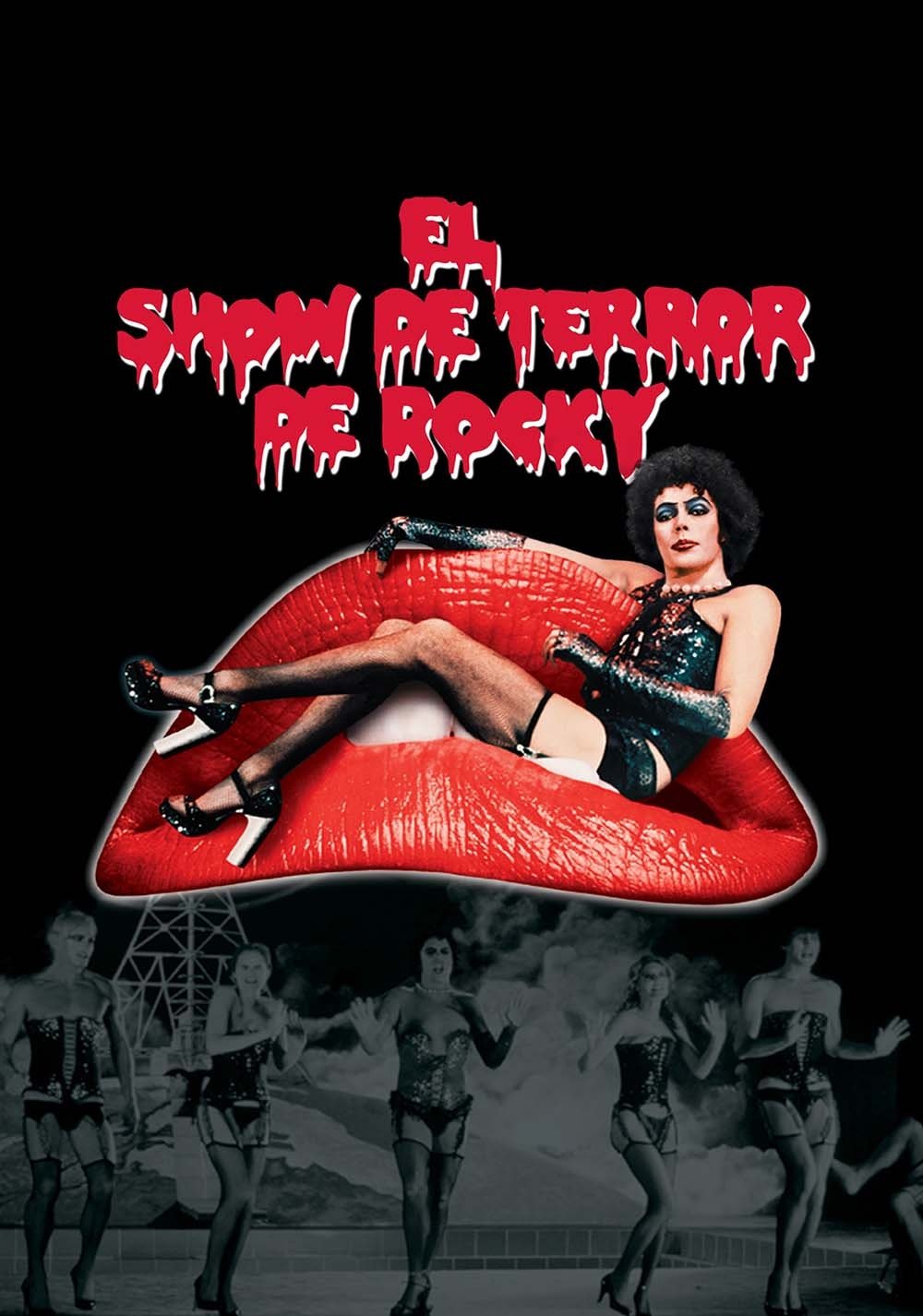
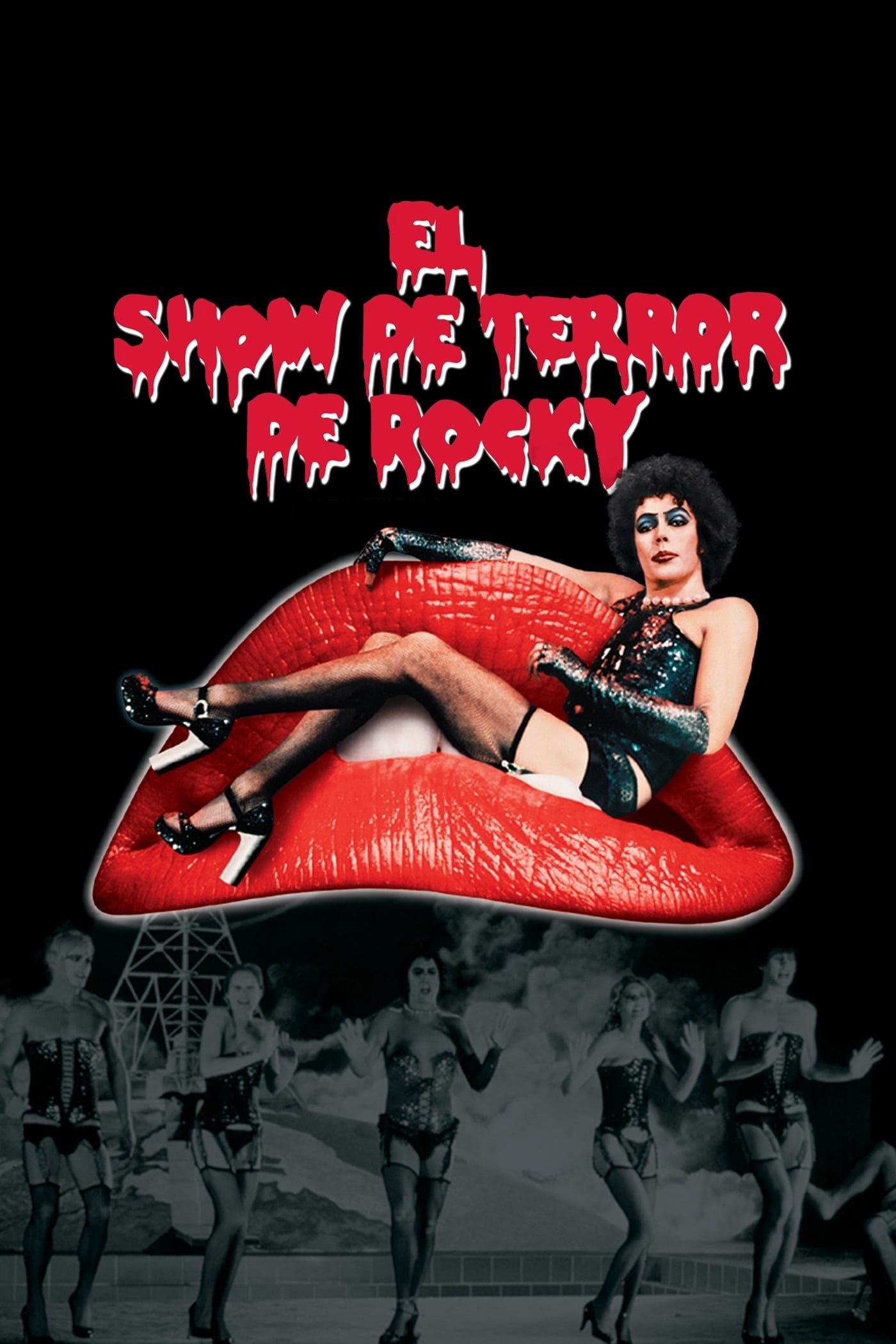
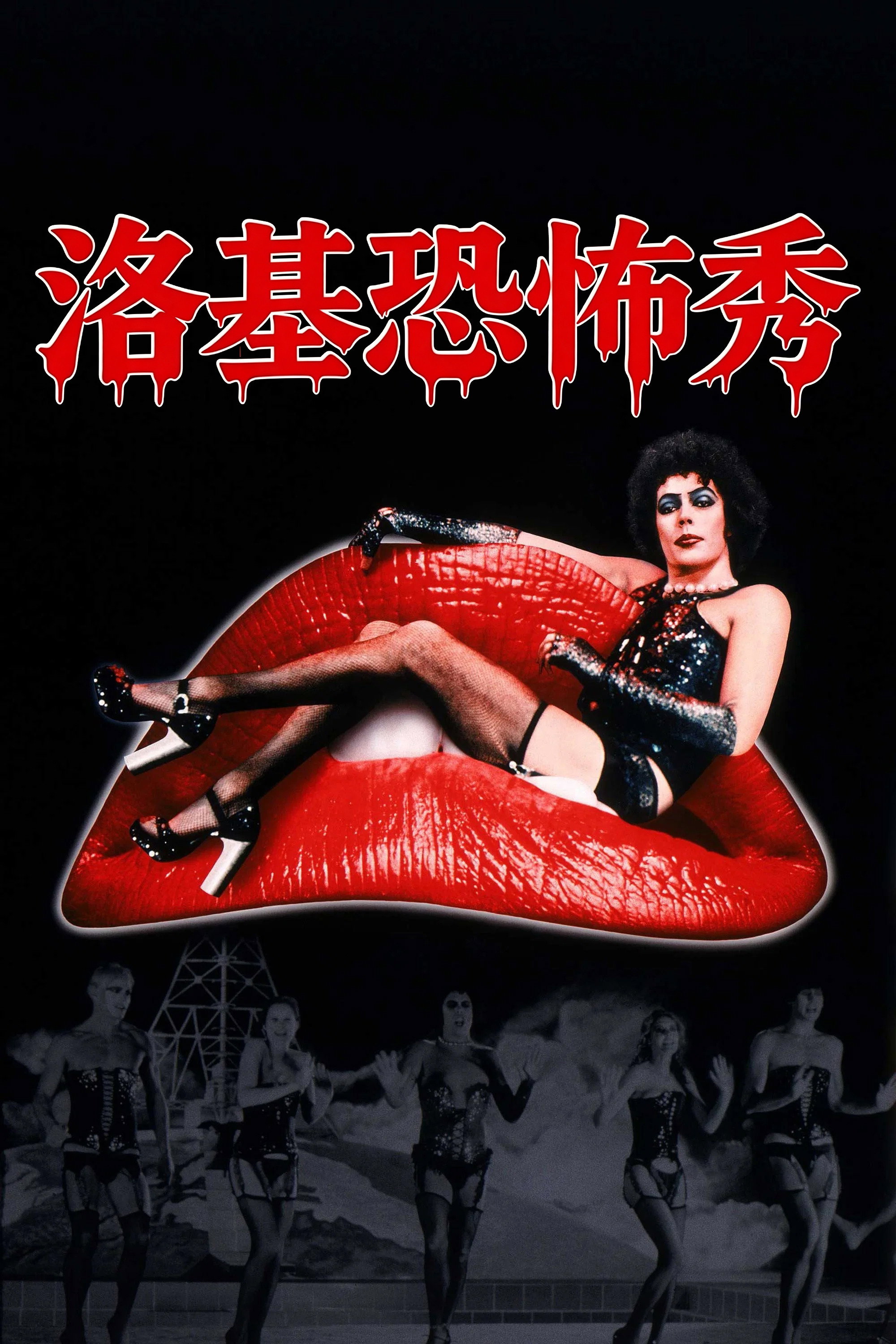
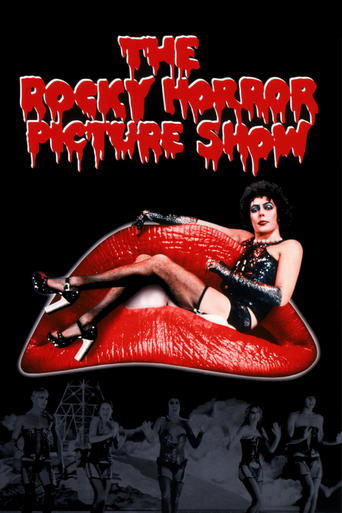
Richard O’Brien developed The Rocky Horror Show during the early 1970s after working in theatrical productions including Hair and Jesus Christ Superstar. His interests in rock music, Gothic horror and inexpensive science-fiction films provided the foundation for a musical that could combine these traditions within a deliberately artificial theatrical environment. Initially developed under the working title They Came from Denton High, the project attracted director Jim Sharman and producer Michael White. Its first performances took place at the Royal Court Theatre Upstairs in London in June 1973. The small auditorium allowed the performers to establish an unusually direct relationship with spectators, while the enthusiastic reception encouraged transfers to larger venues.
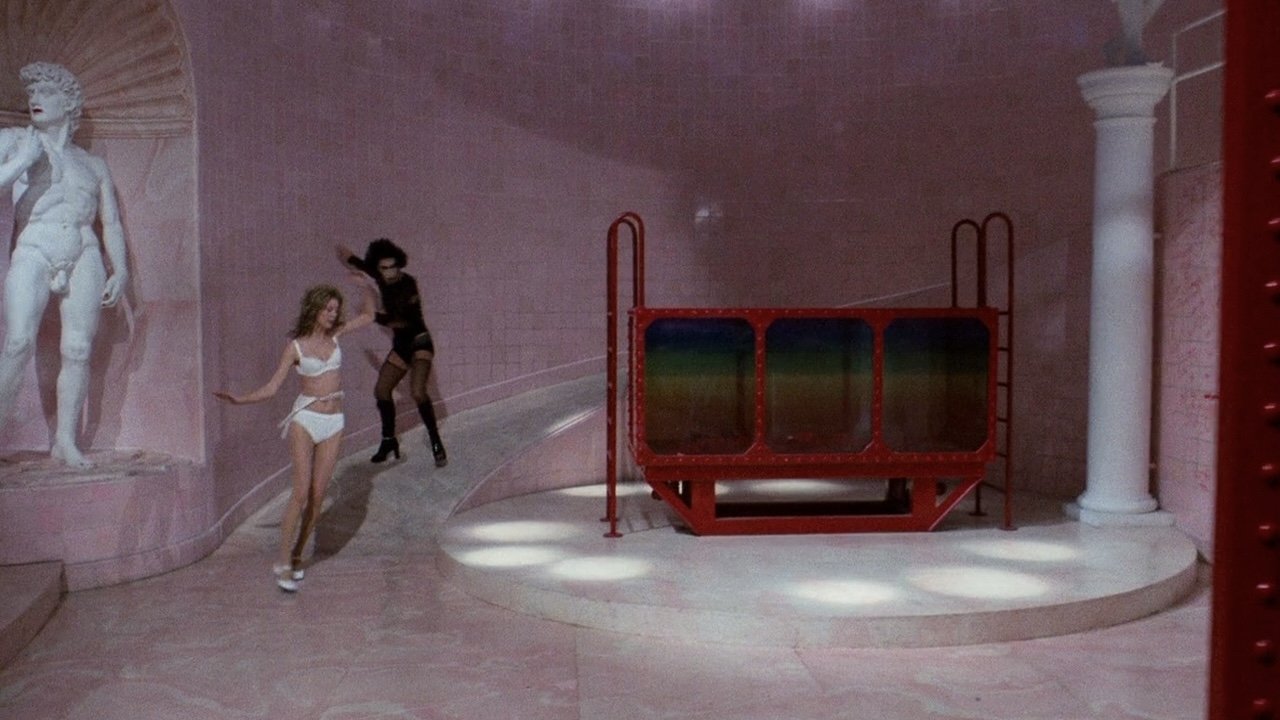
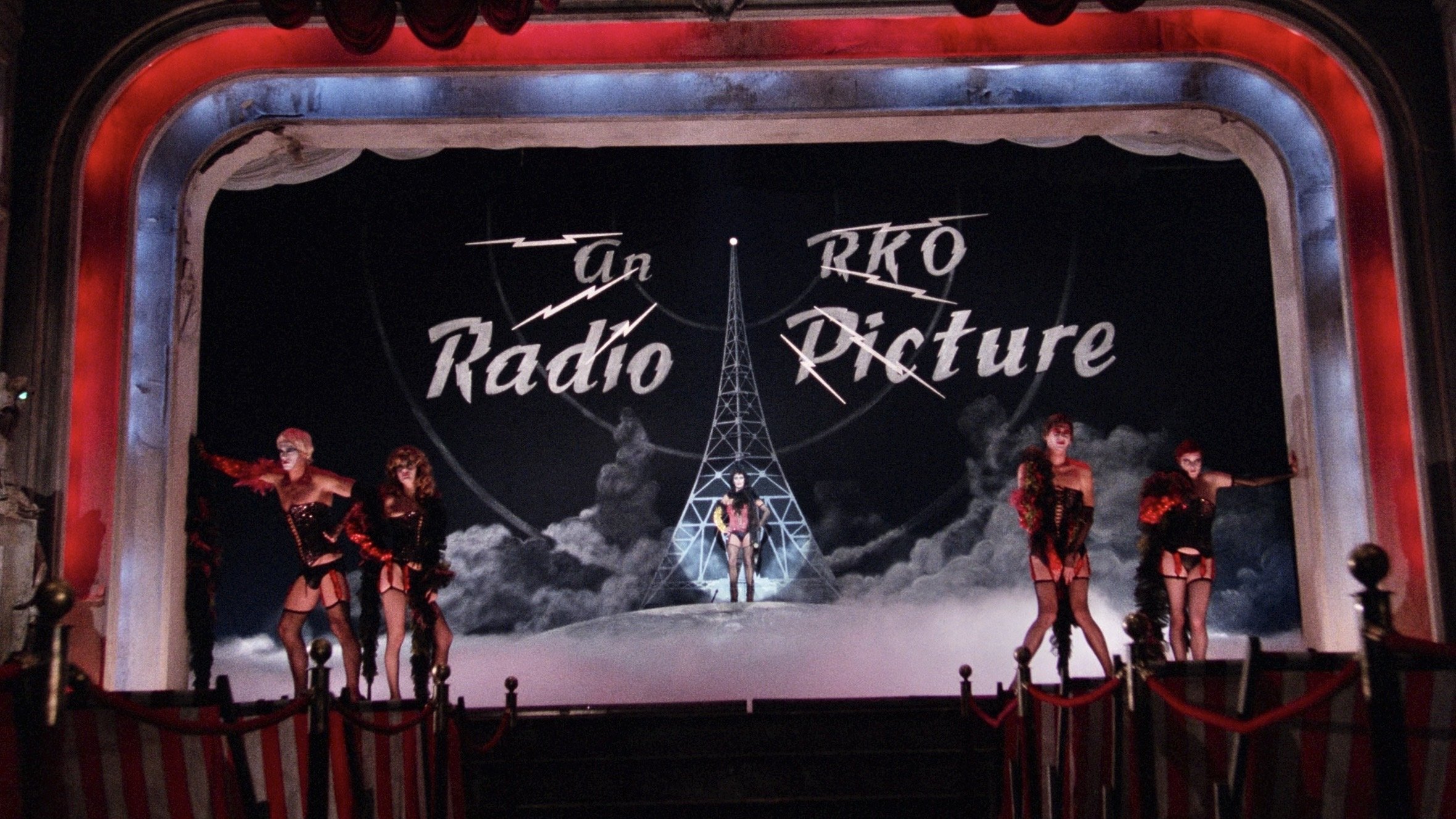
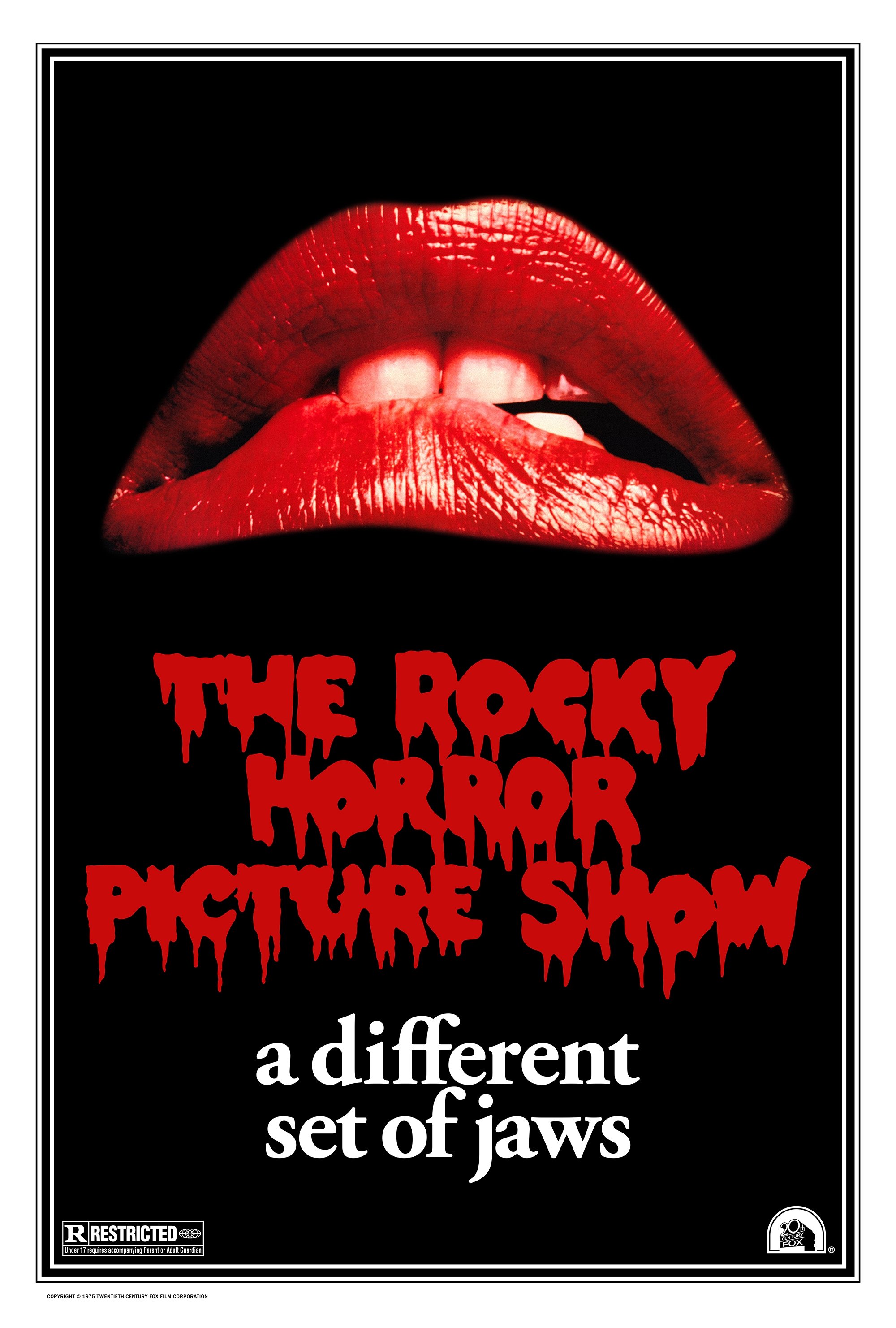
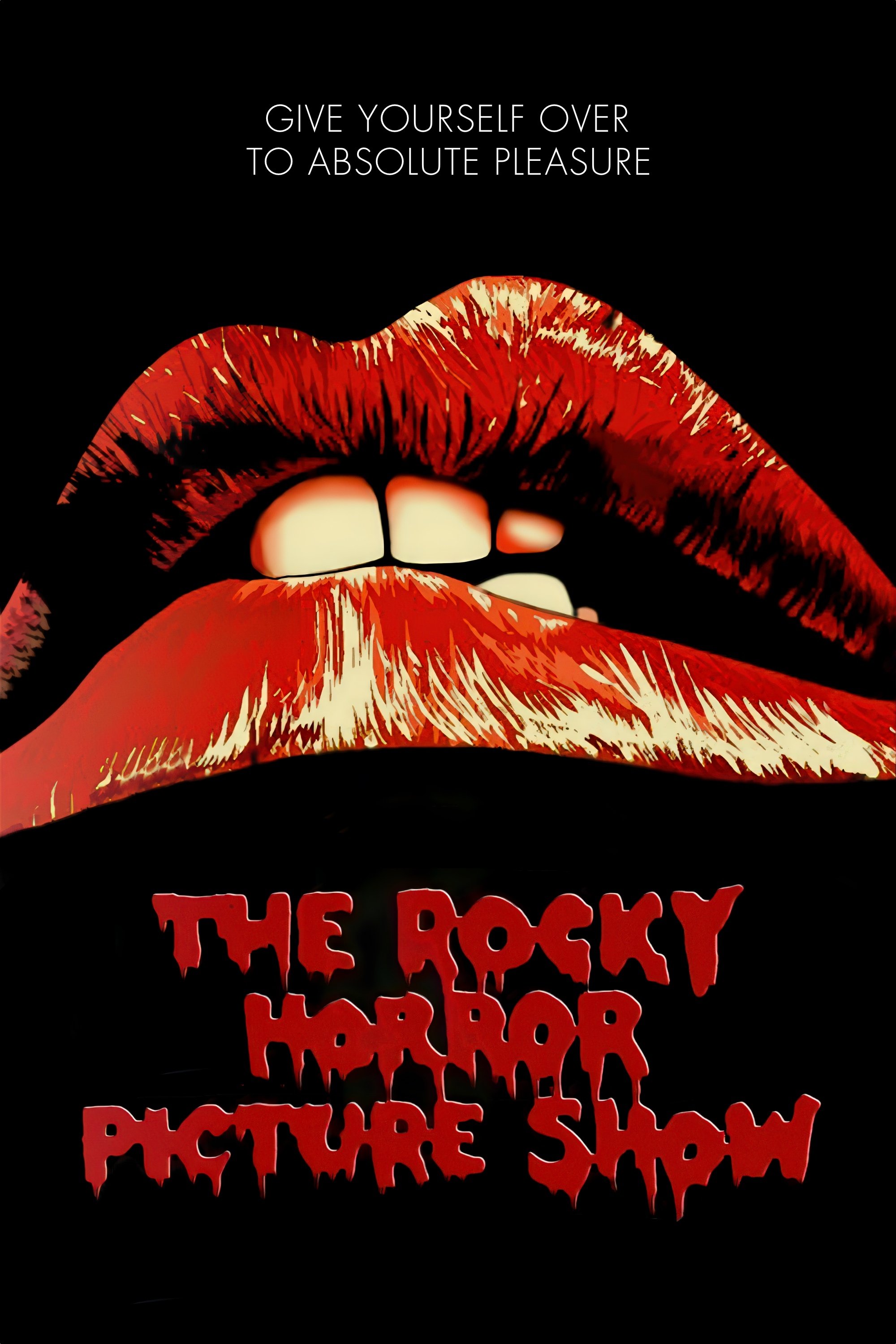
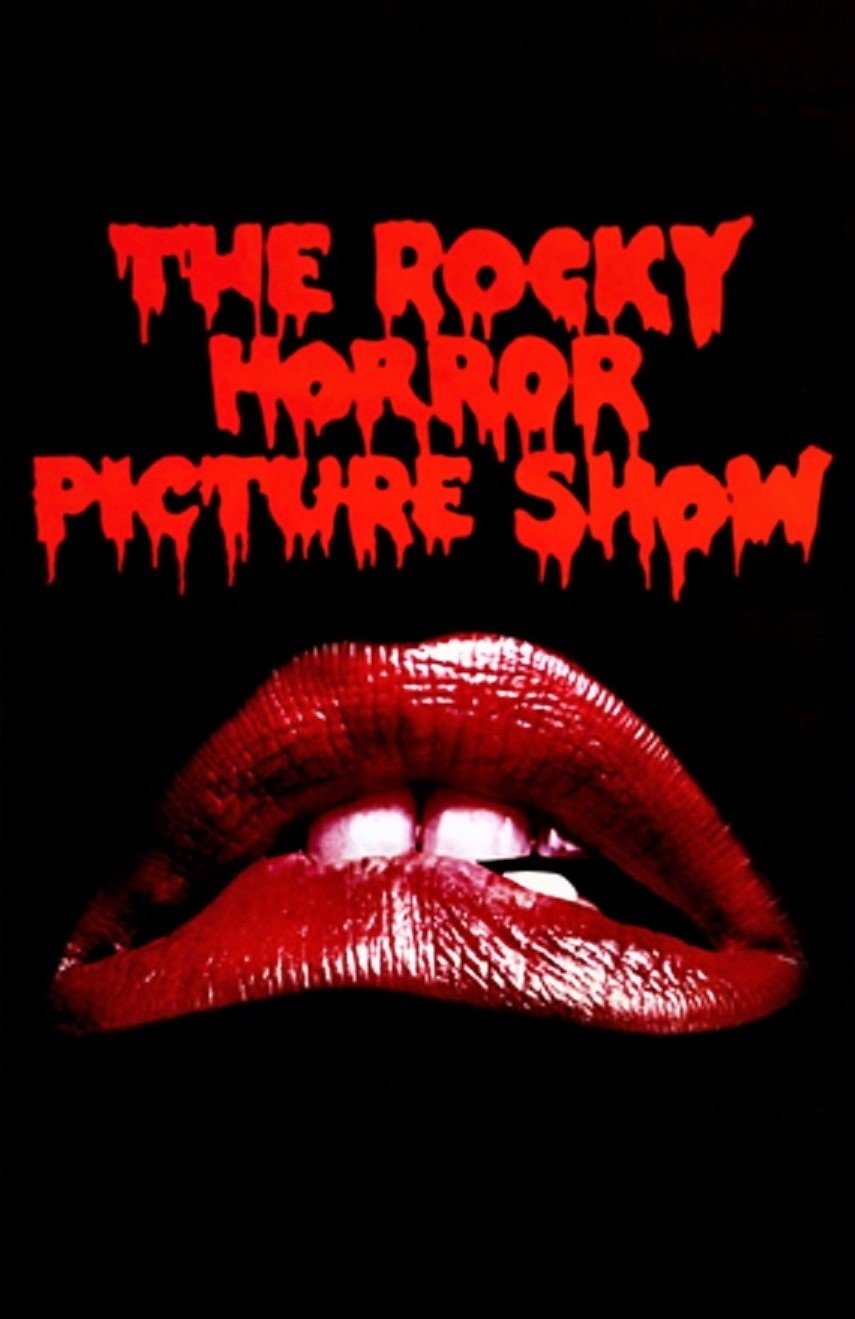
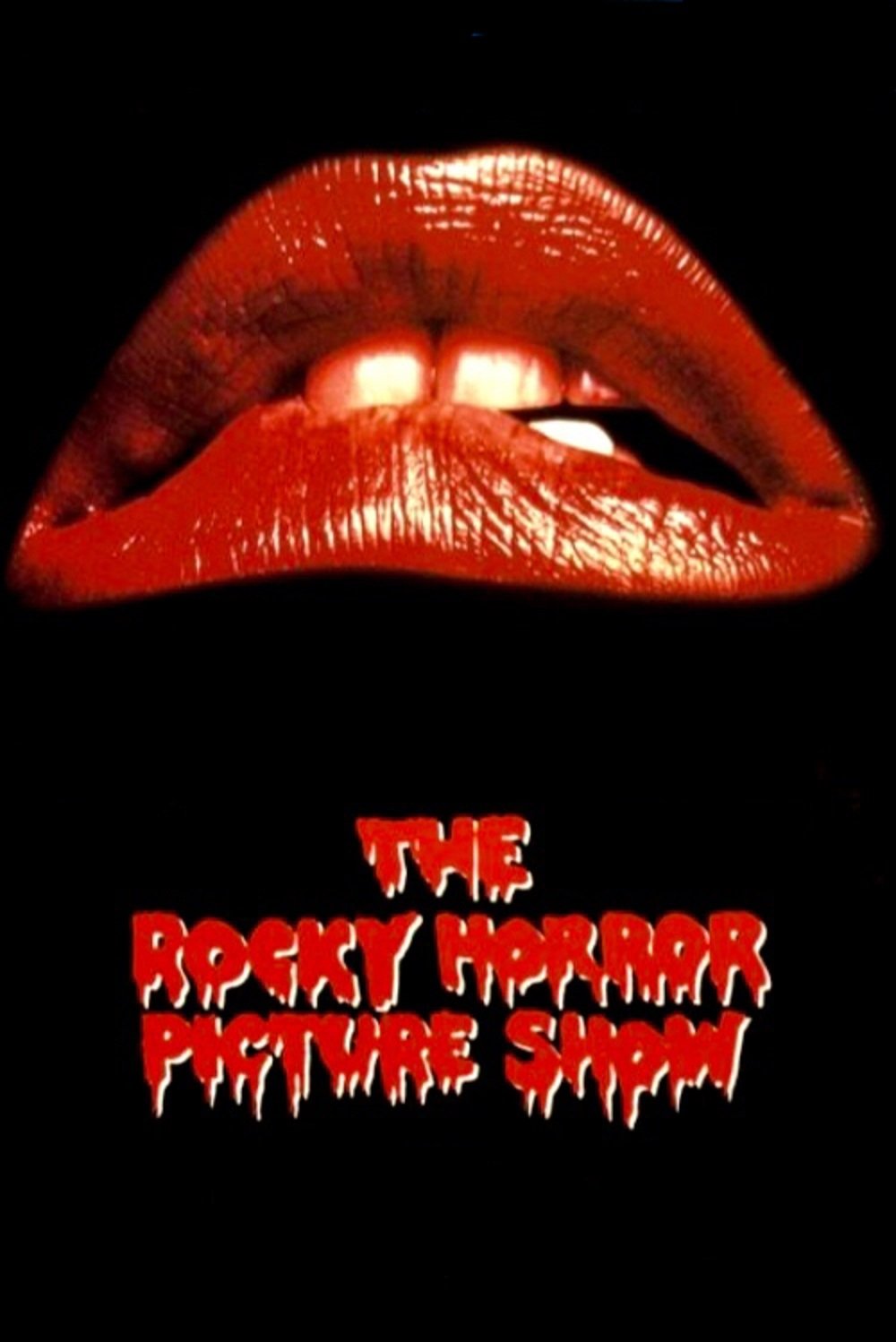
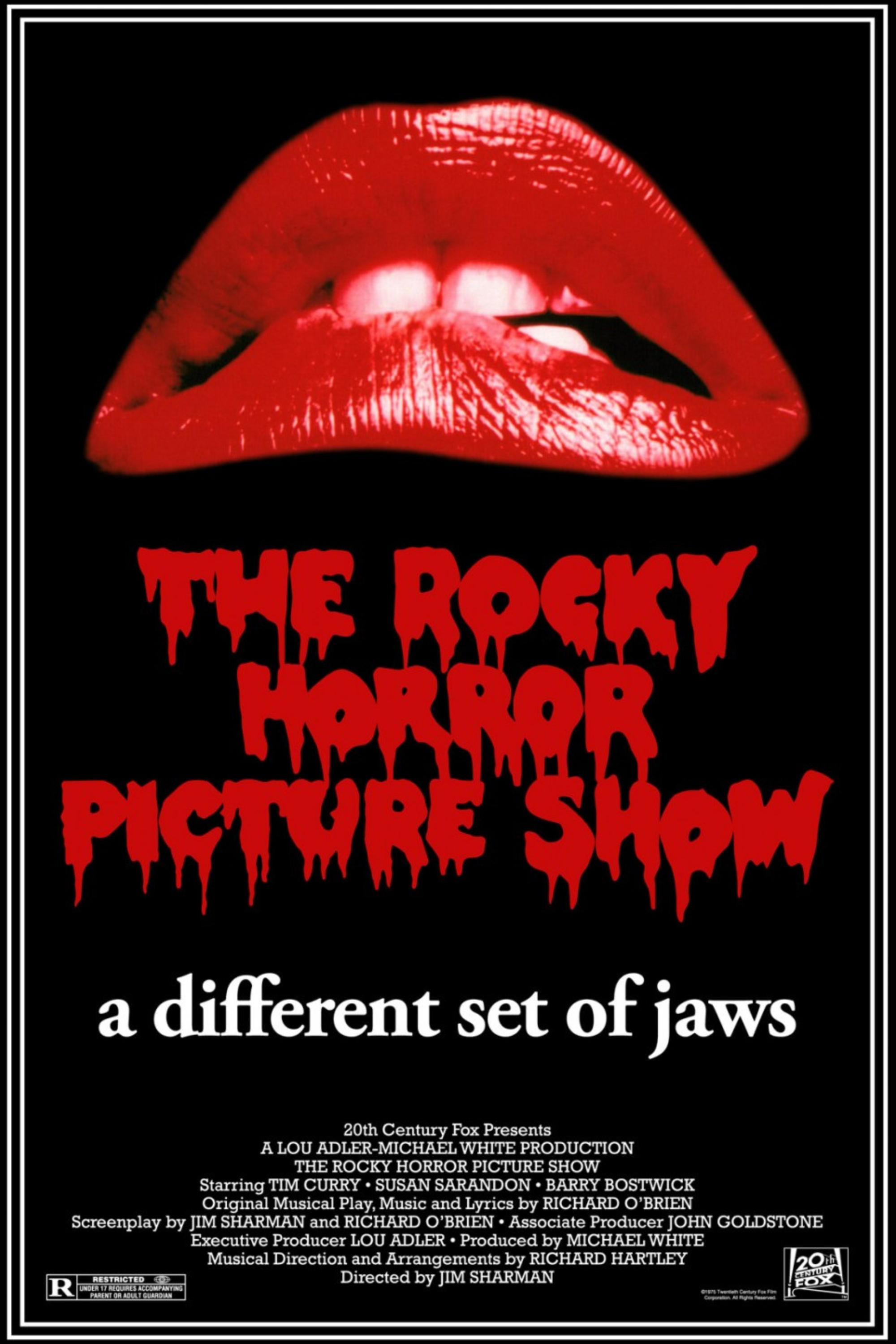
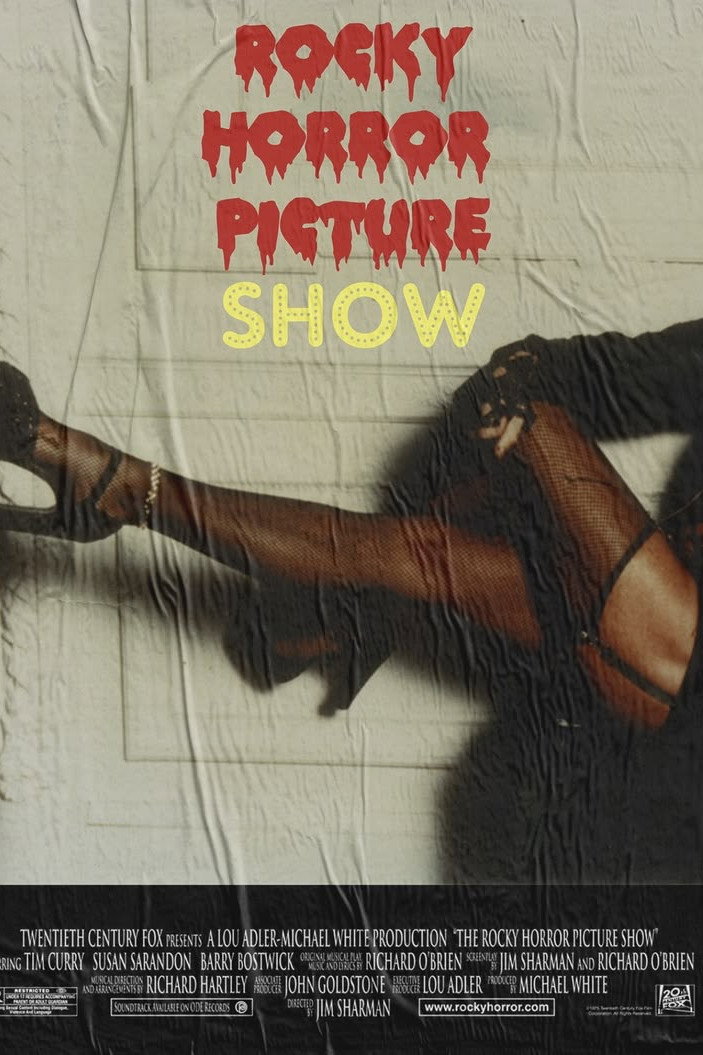
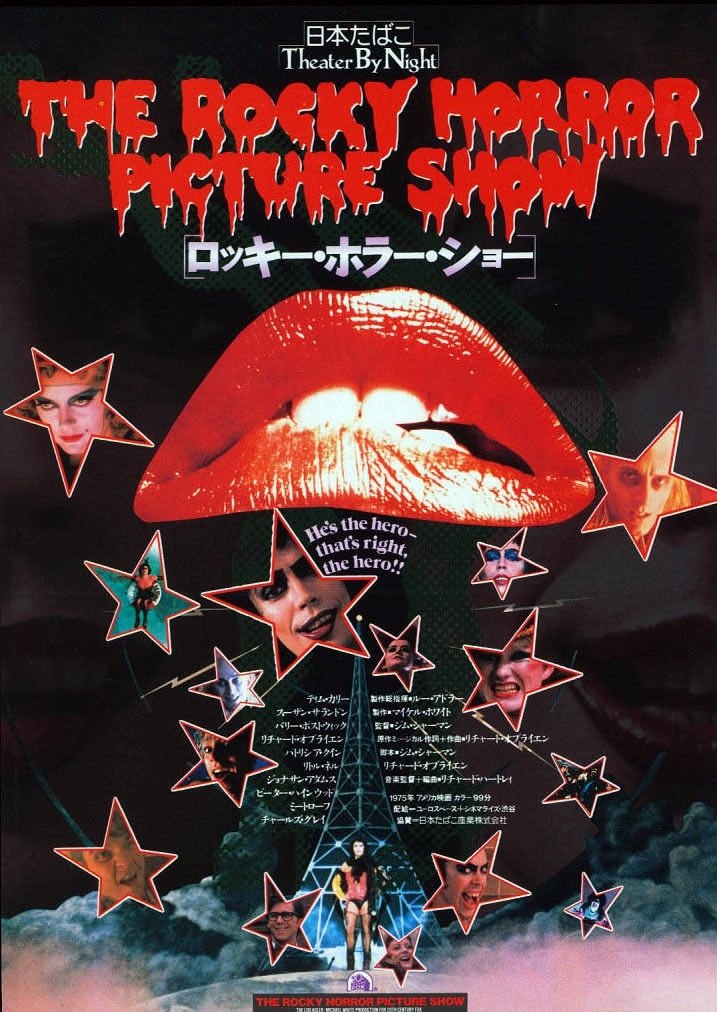
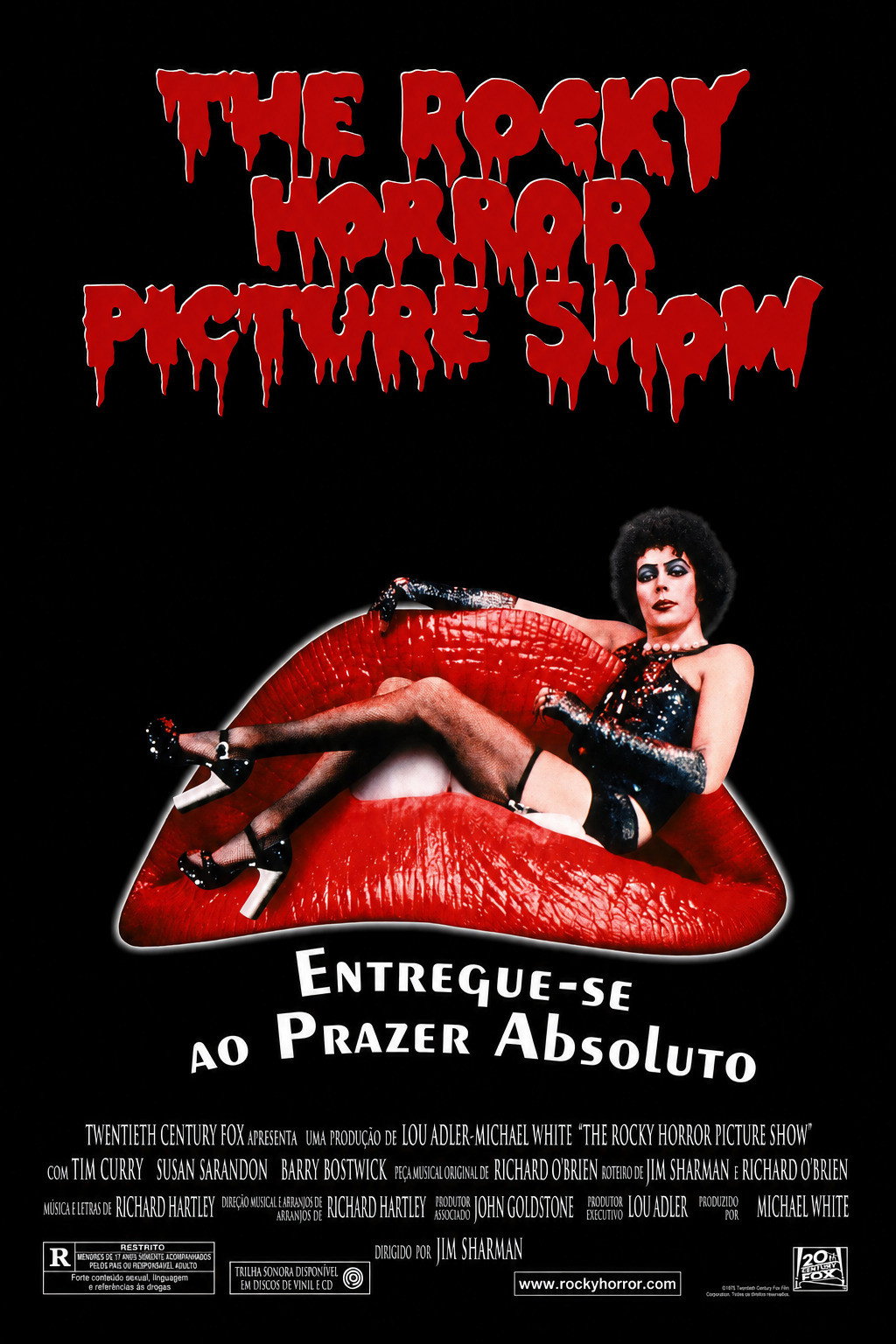
Music producer Lou Adler encountered the London production and obtained the American theatrical rights. He presented the show at the Roxy Theatre in Los Angeles in March 1974, where its sustained success helped persuade Twentieth Century-Fox that the material could support a feature film. Sharman and O’Brien adapted the stage production for the screen, retaining its principal musical and dramatic structure. Michael White produced the film, with Adler serving as executive producer. In the original 1975 production notes, Sharman explained that his theatrical conception had already been shaped by cinematic imagery. He wanted the adaptation to preserve that connection while avoiding the appearance of a straightforward recording of a stage performance.
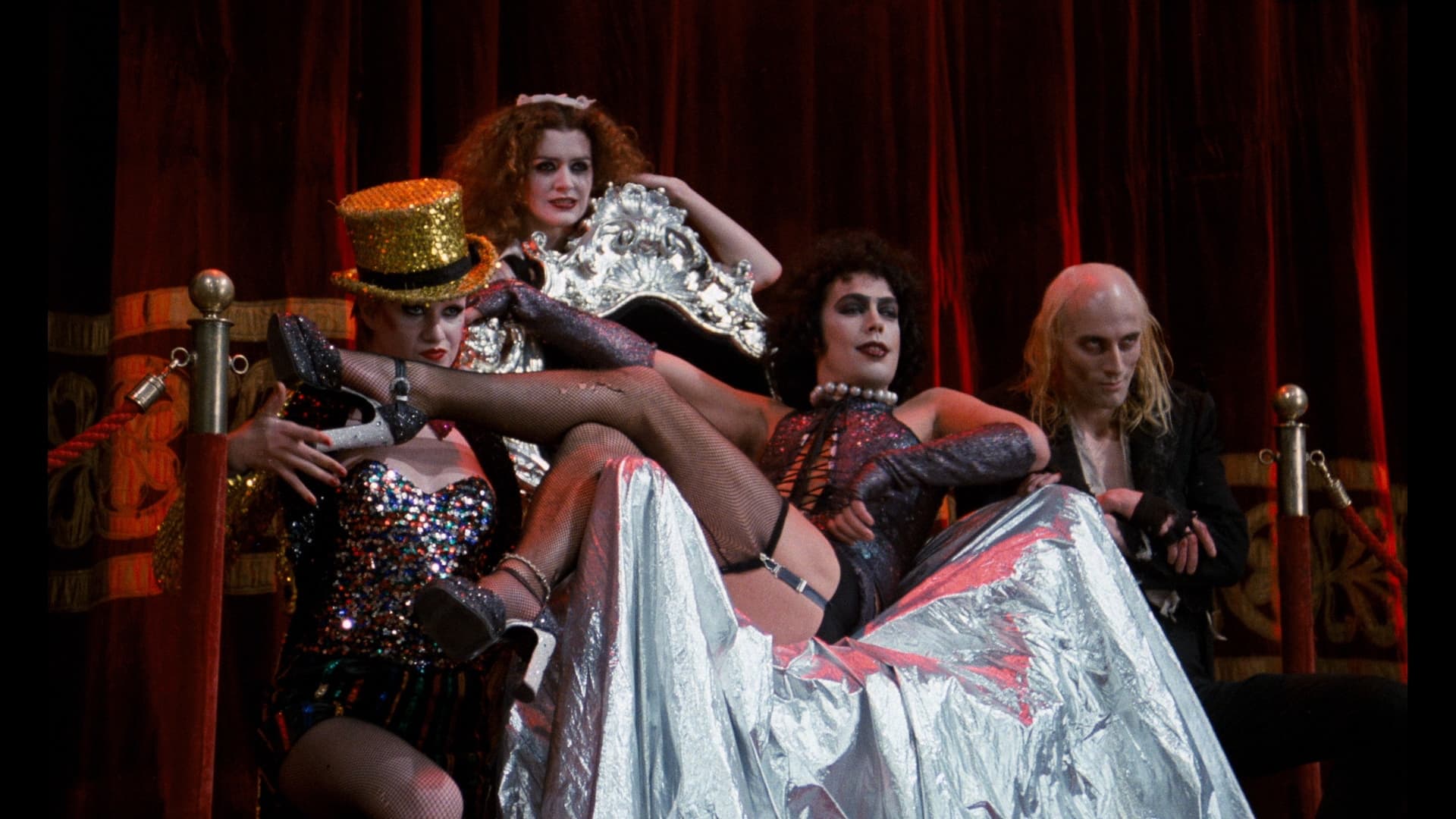
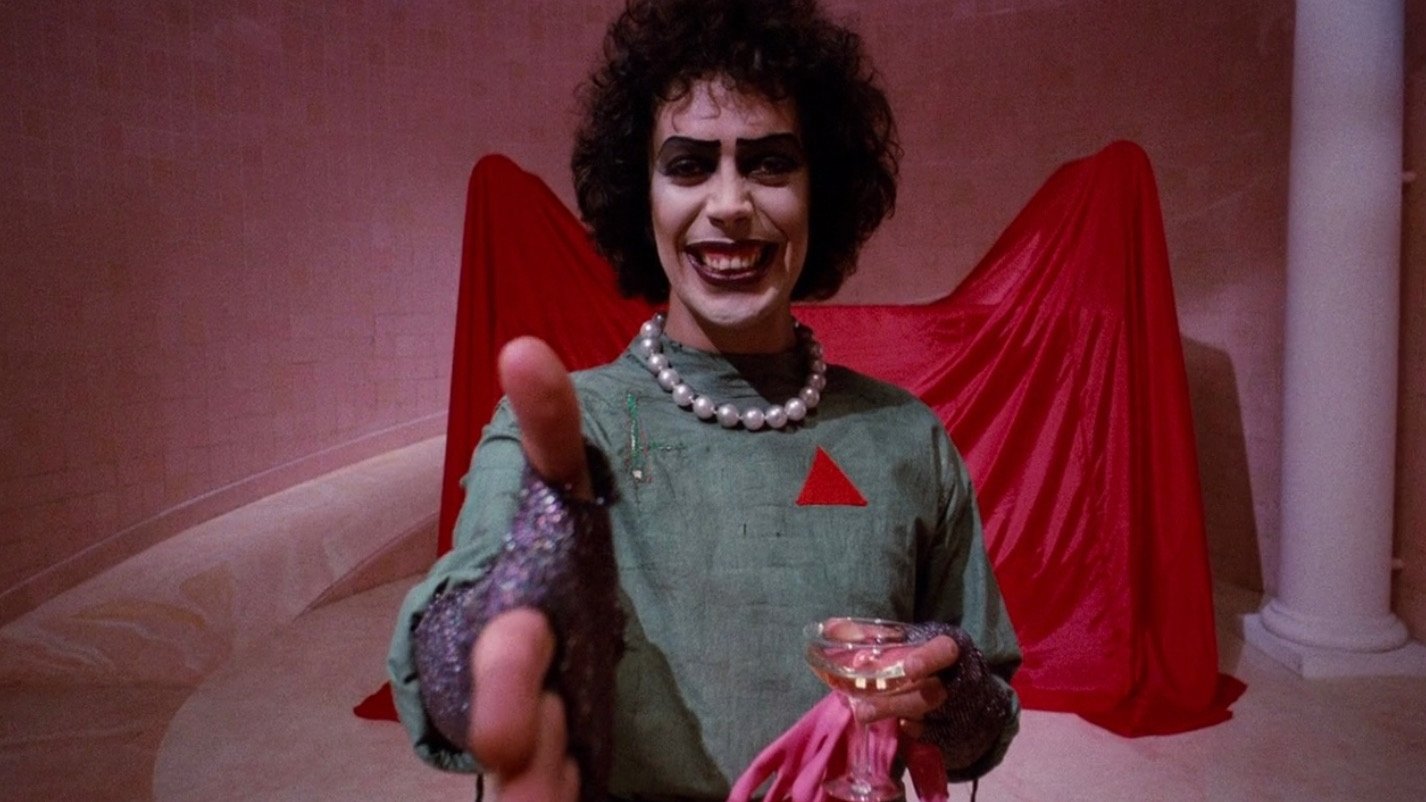
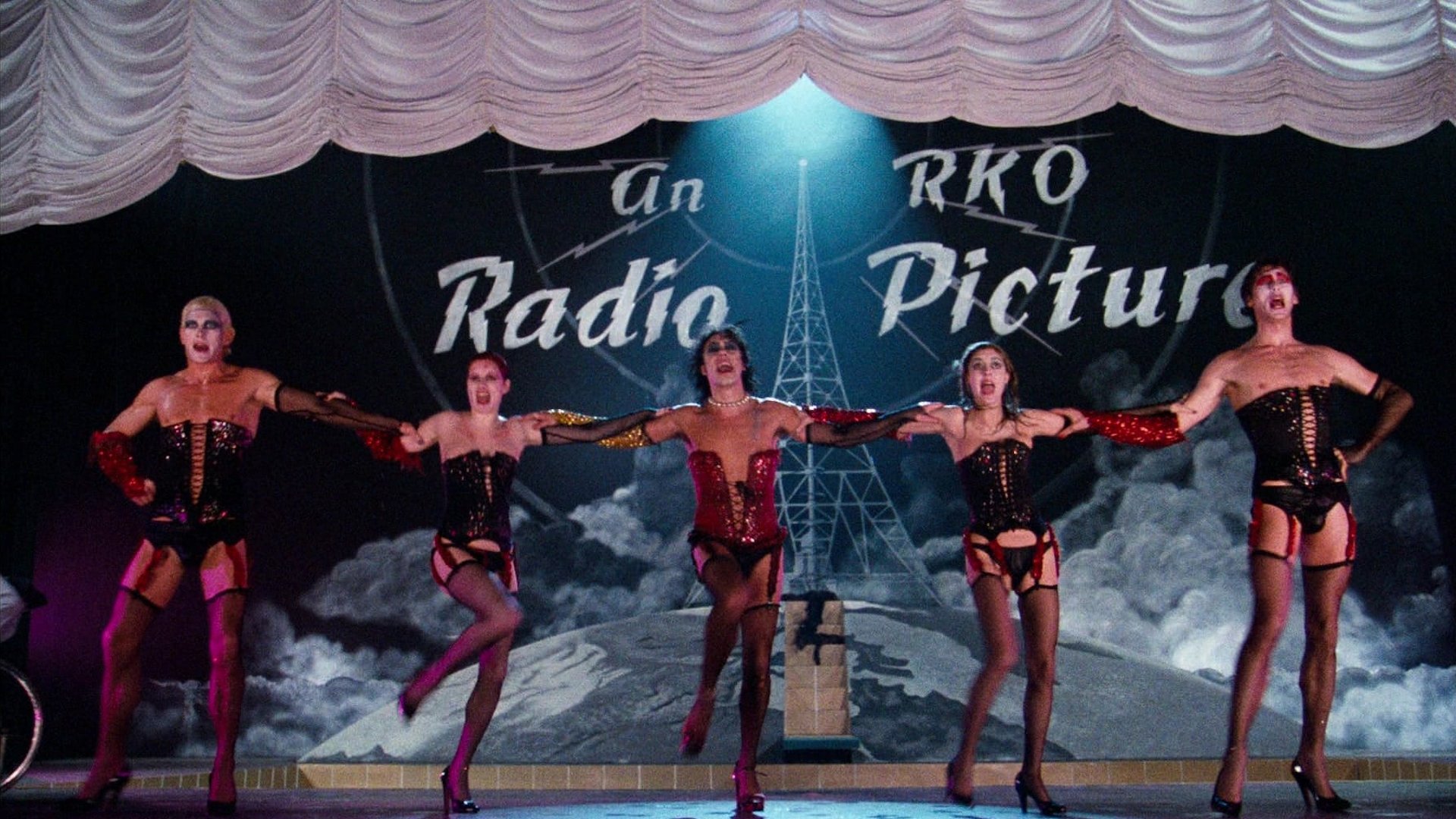
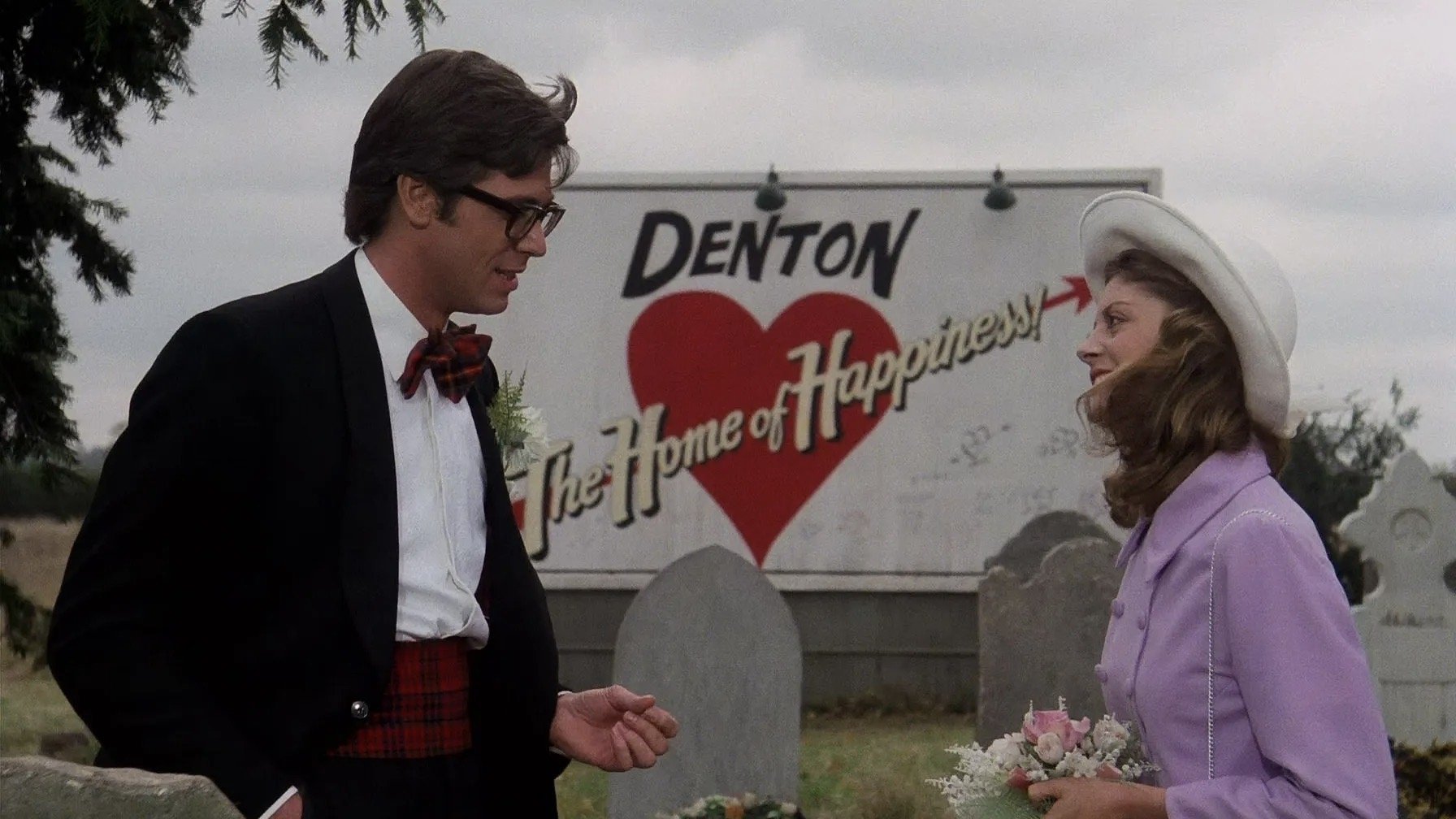
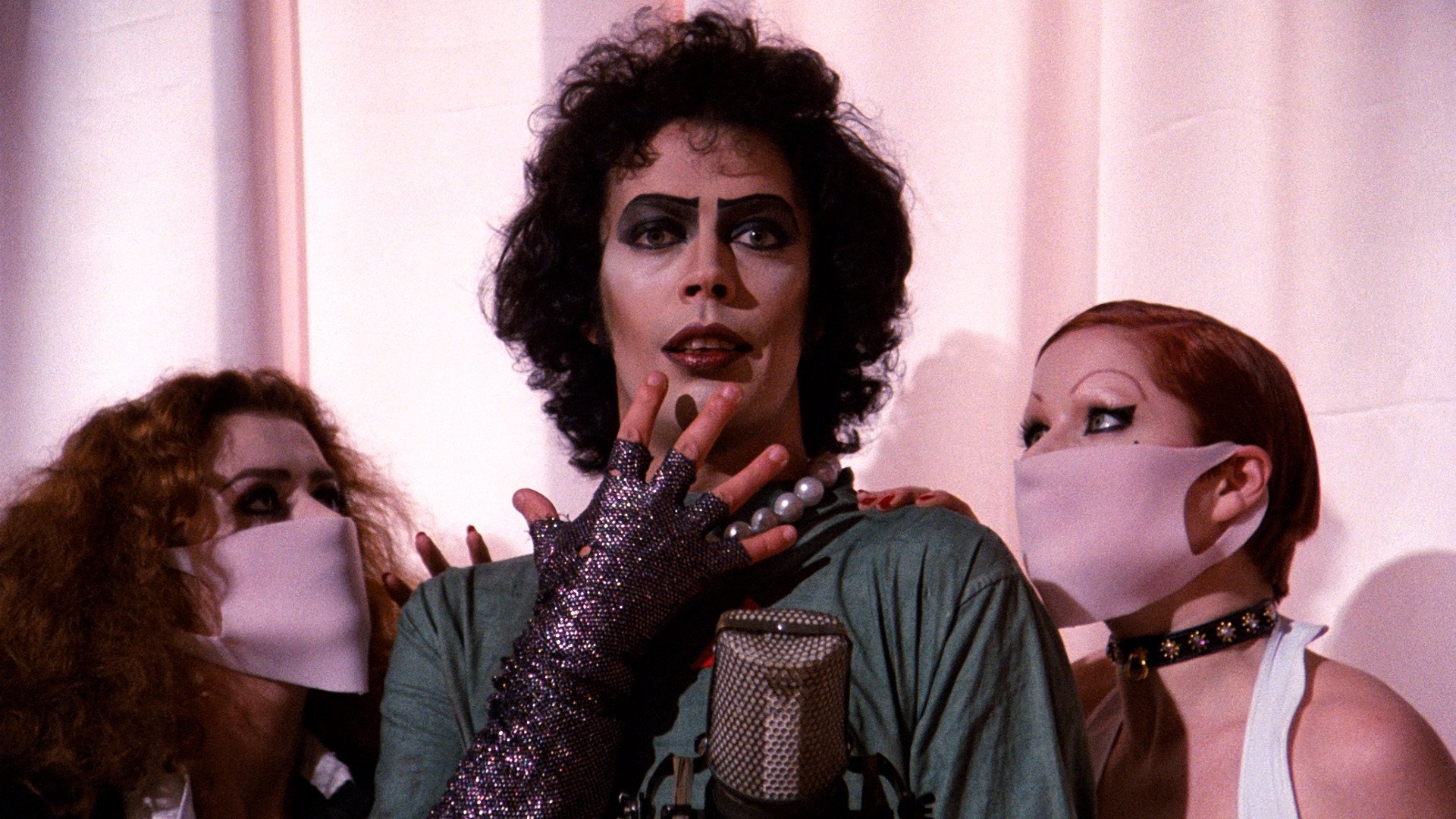
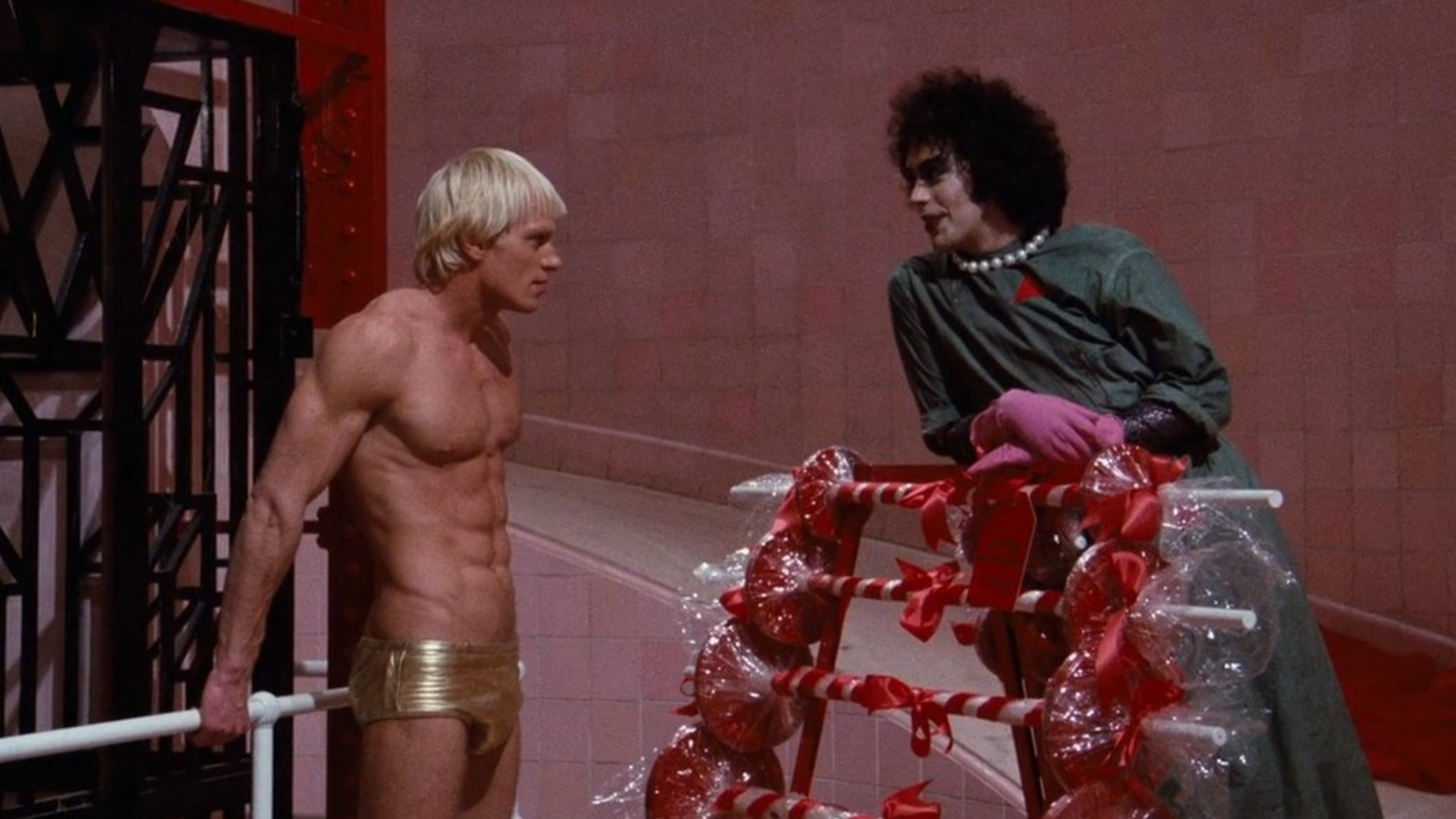
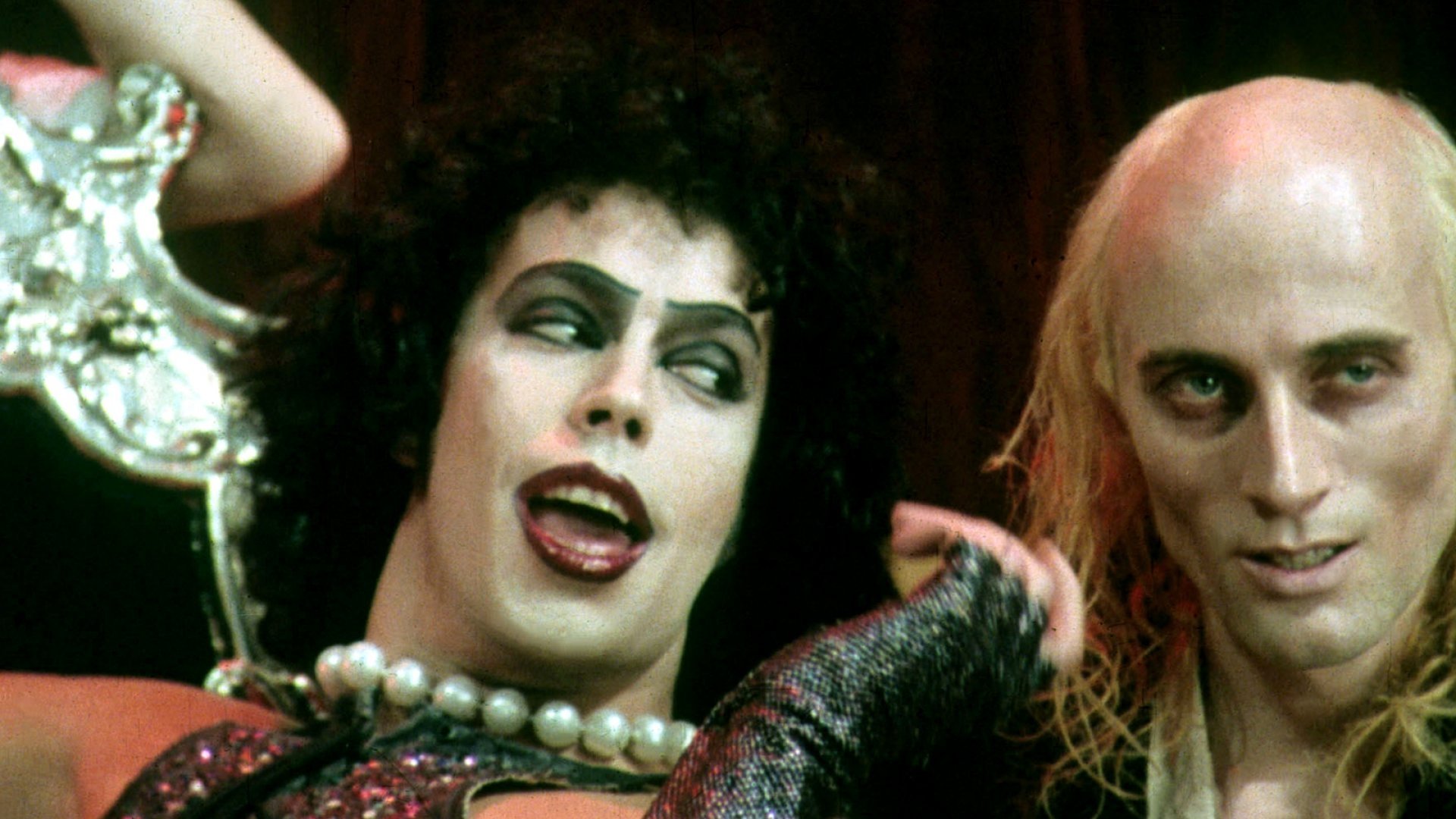
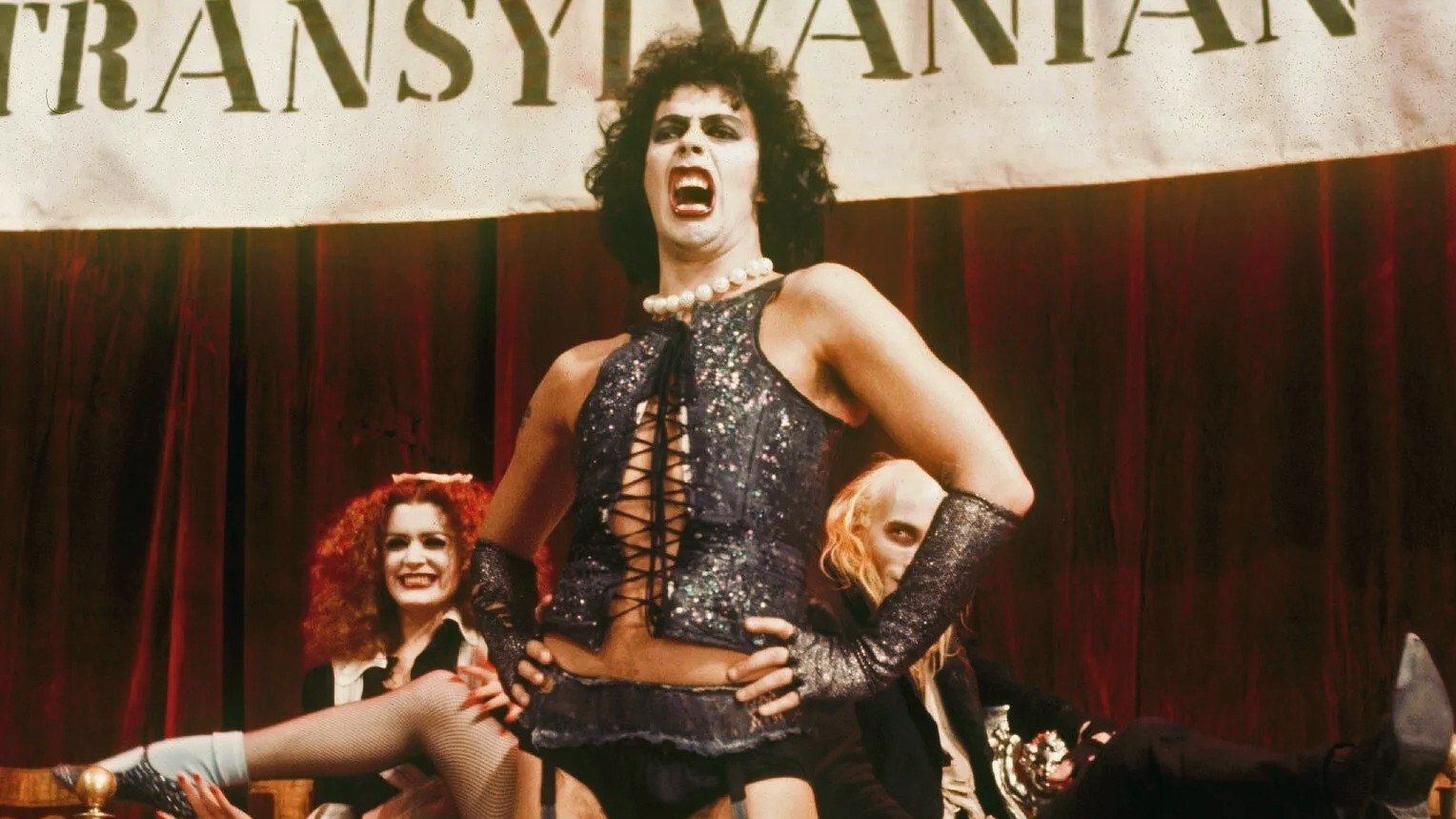
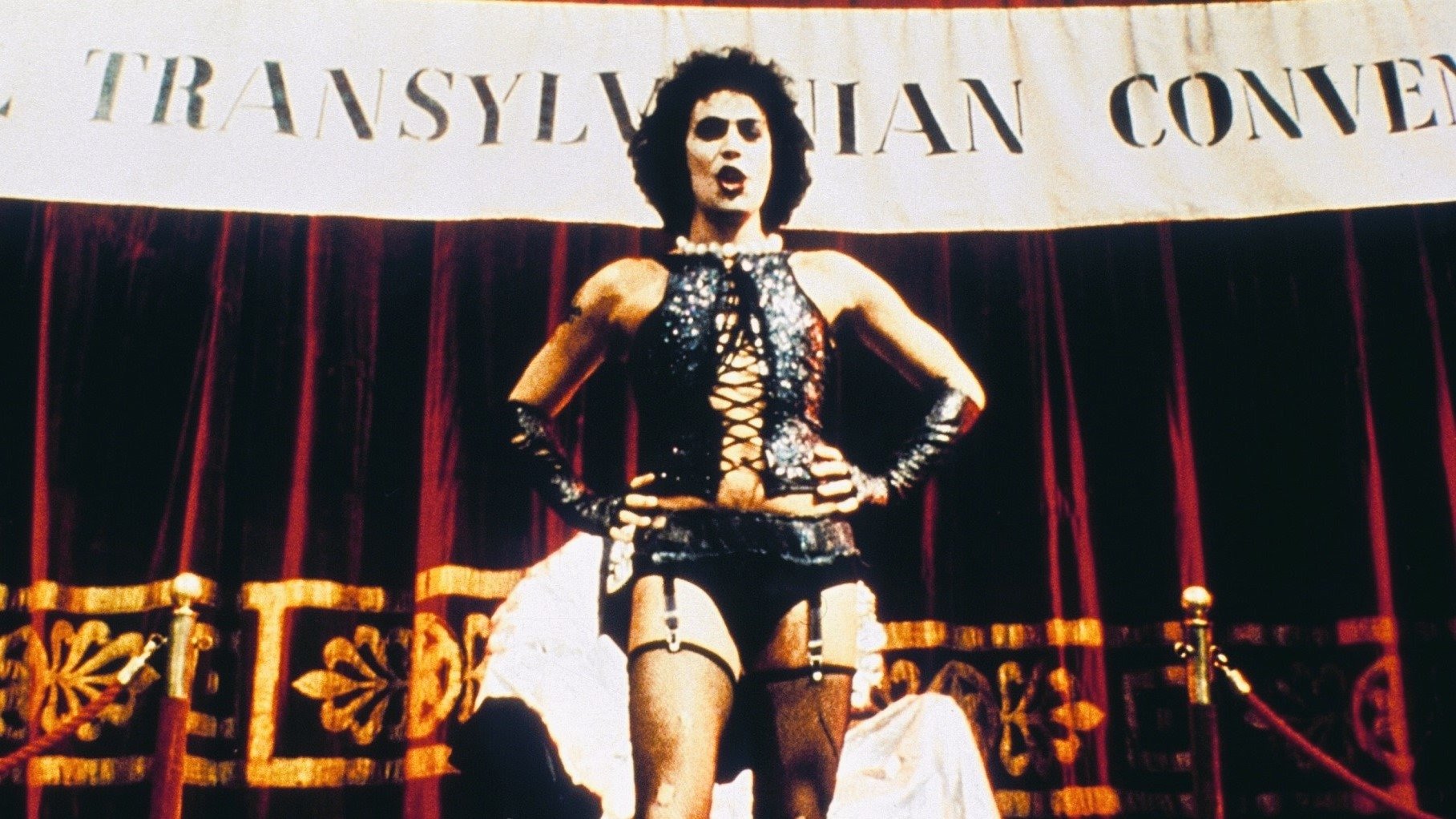
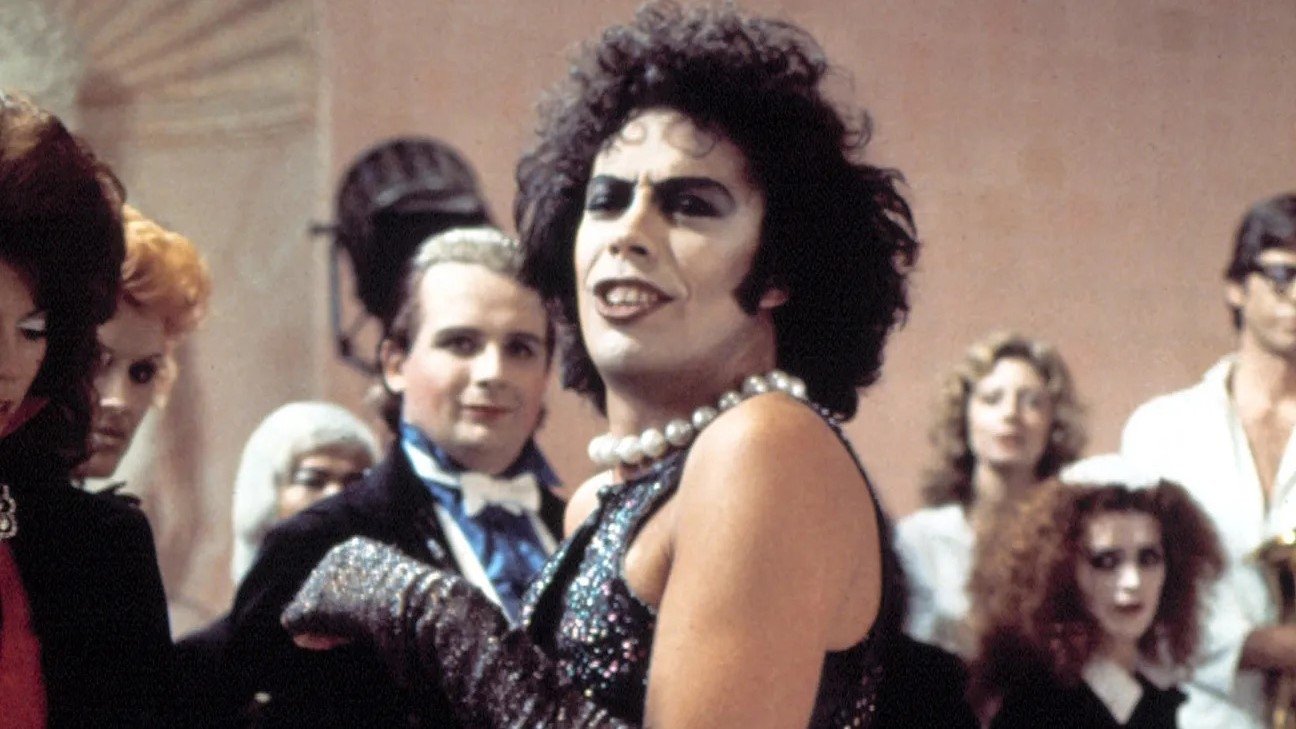
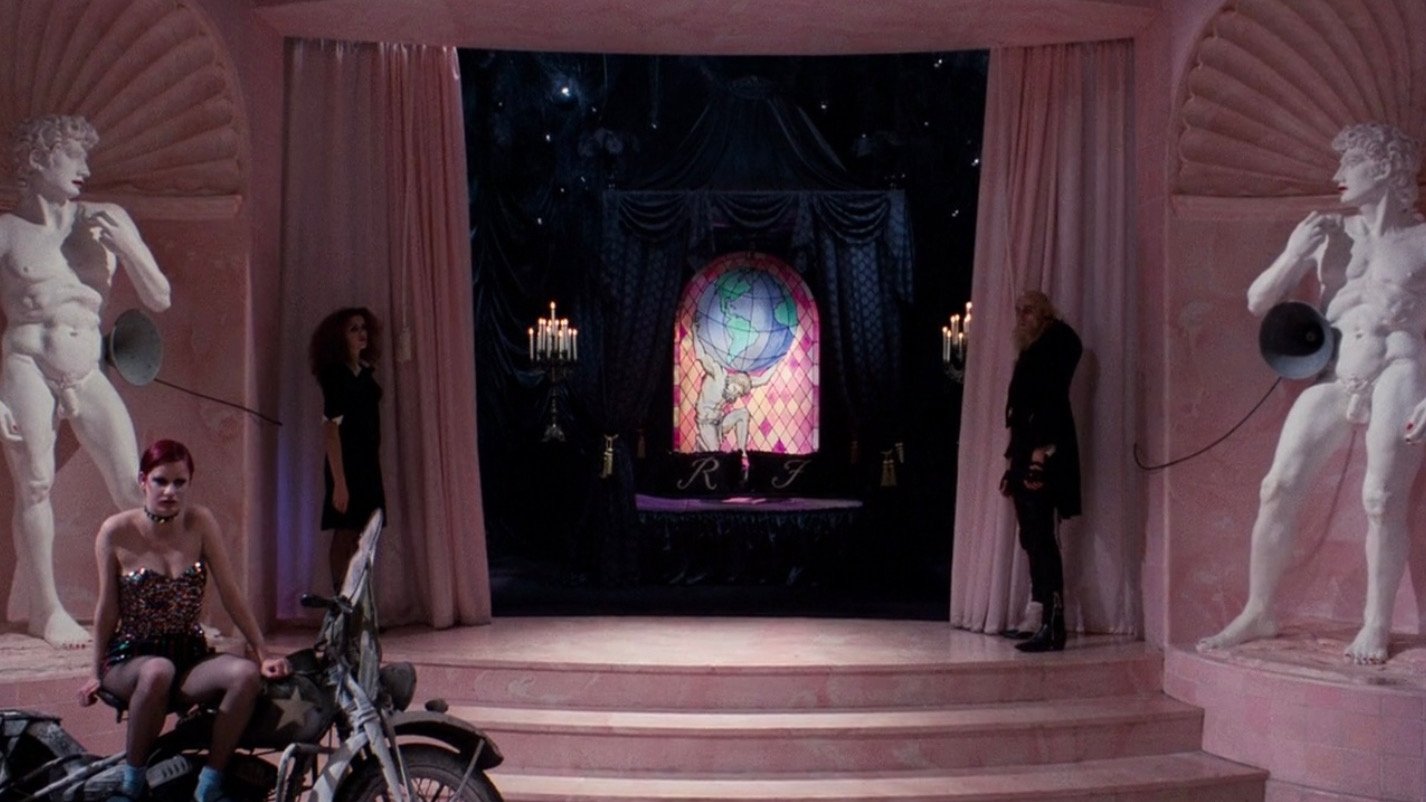
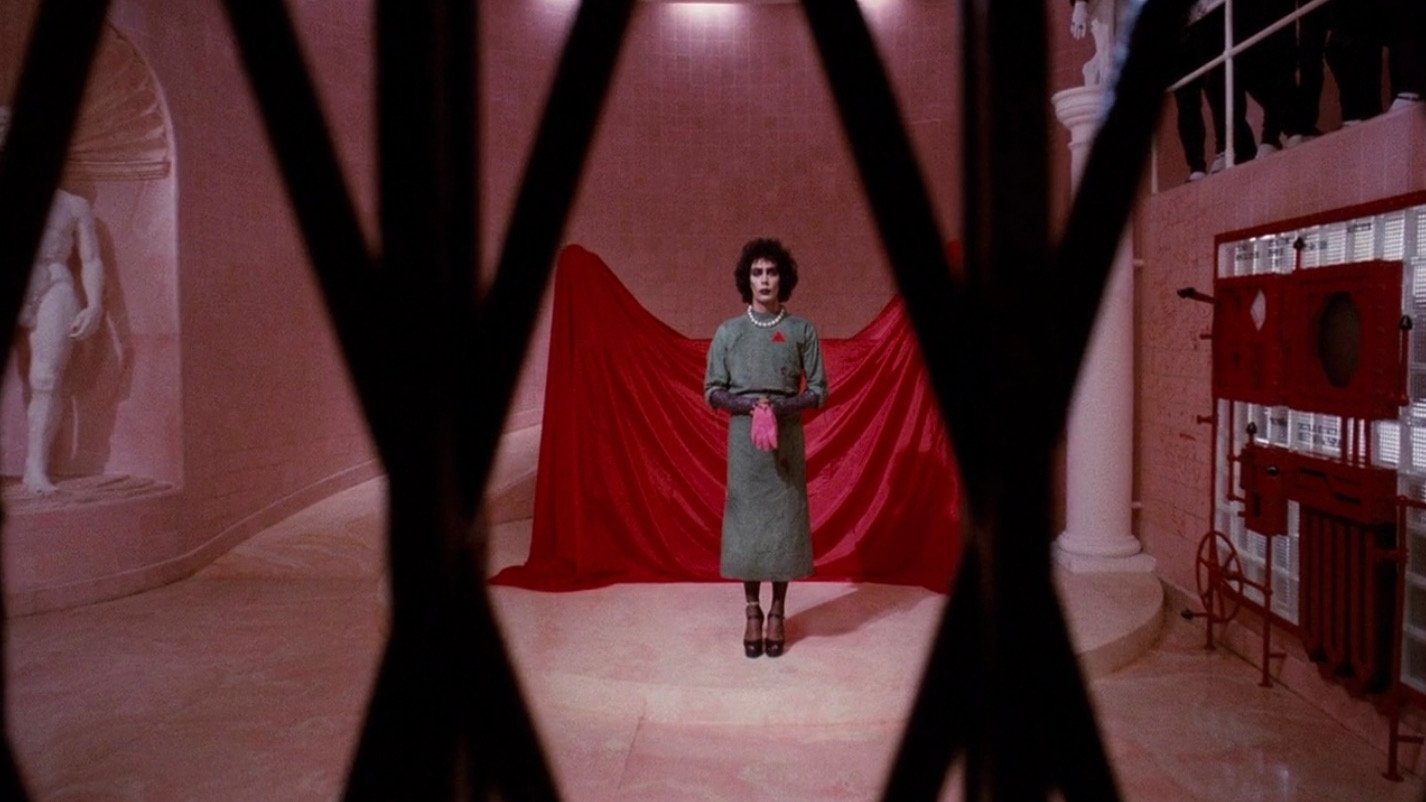
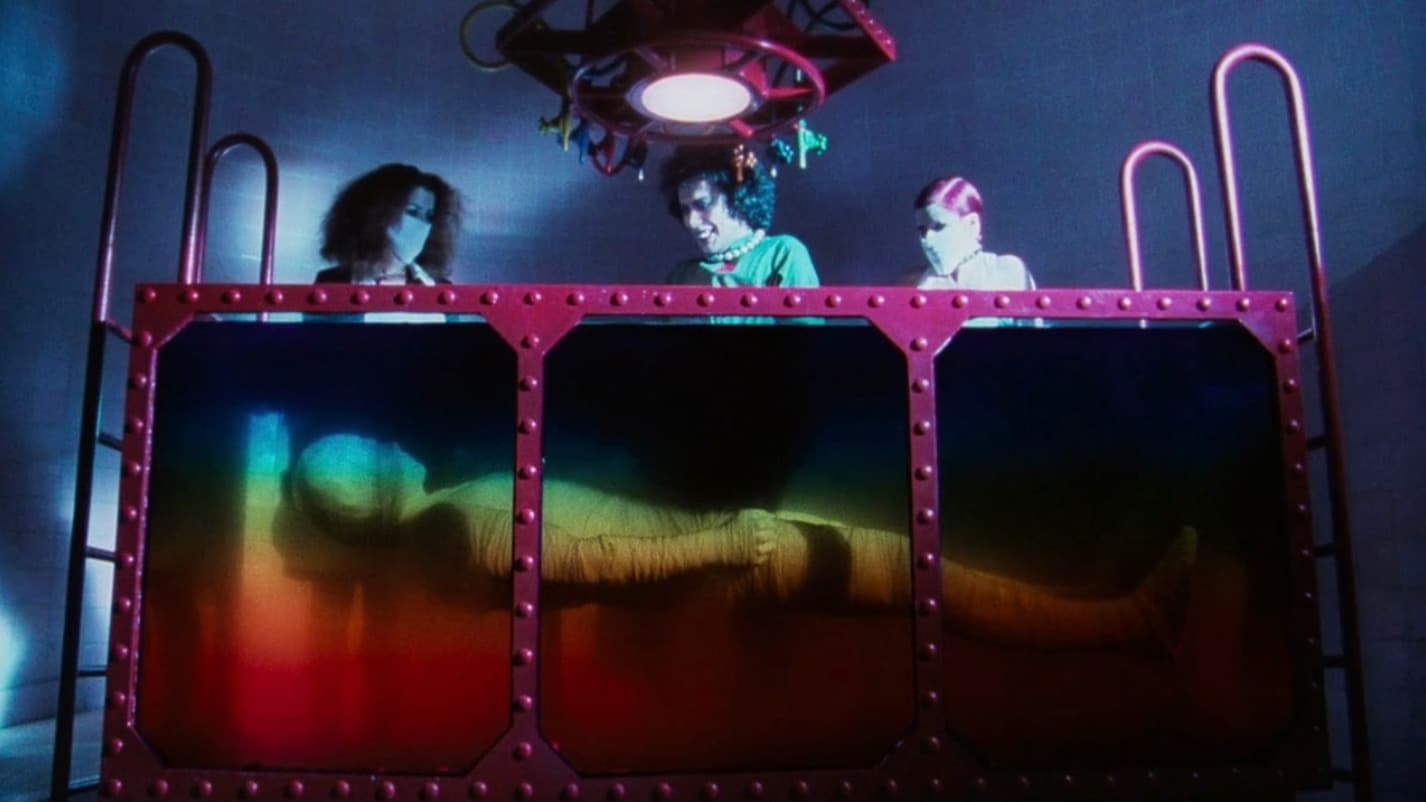
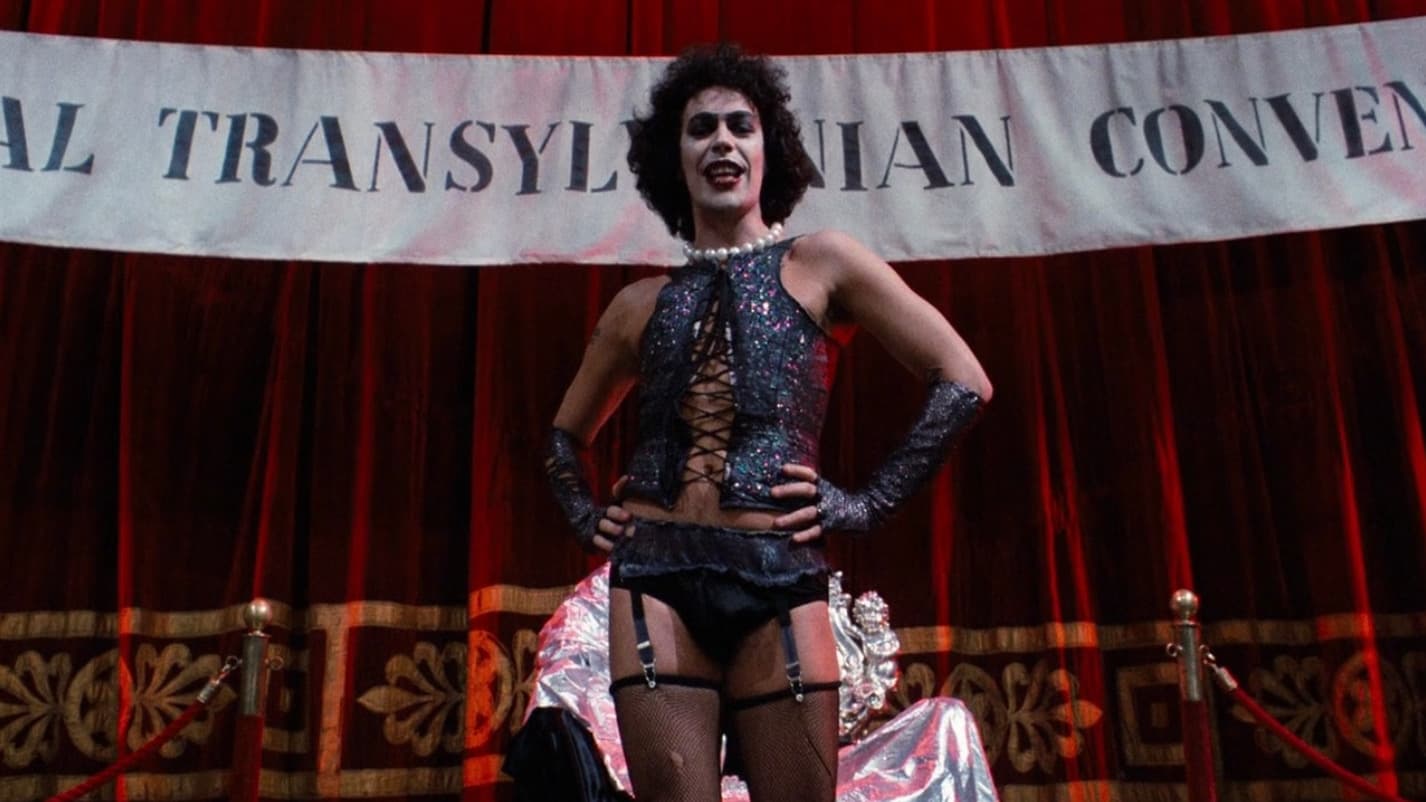
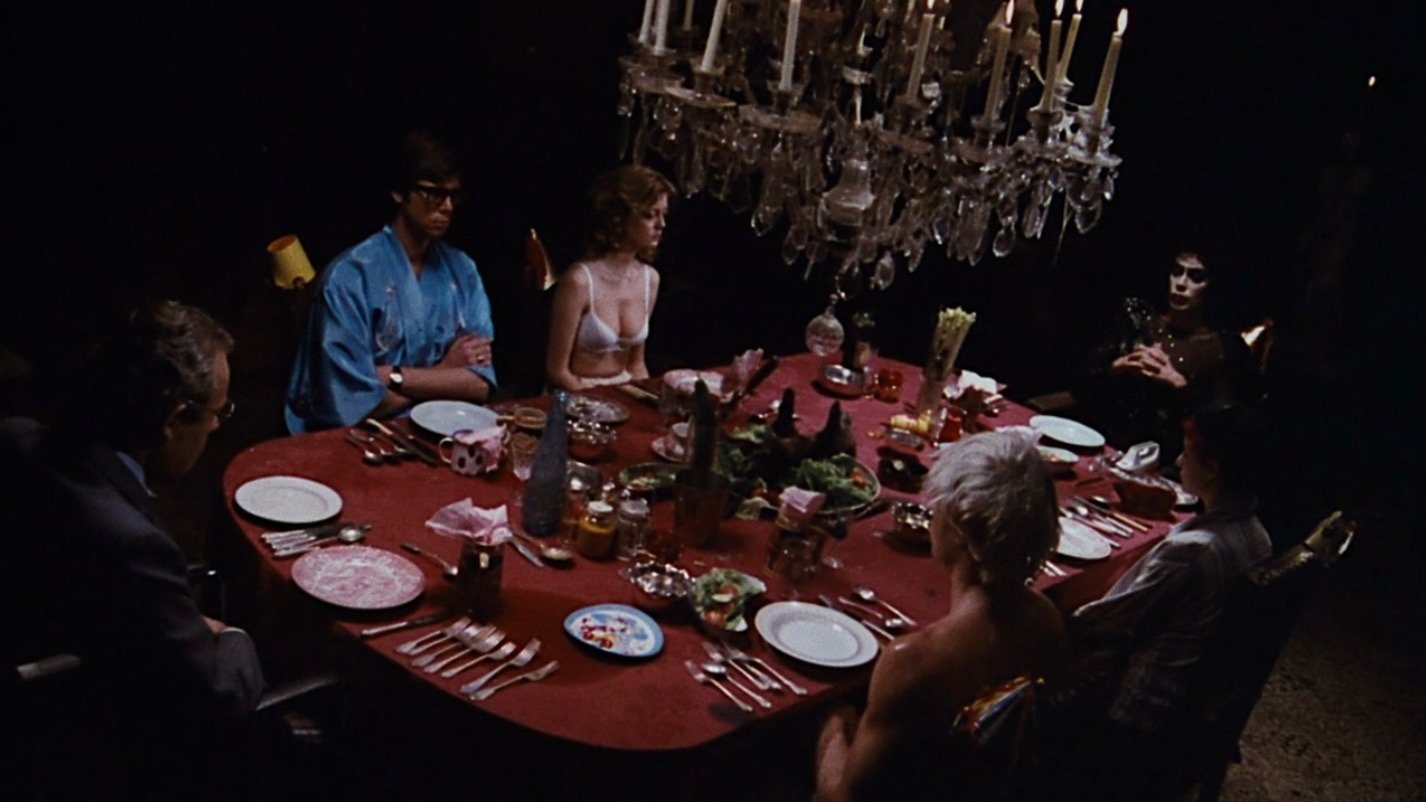
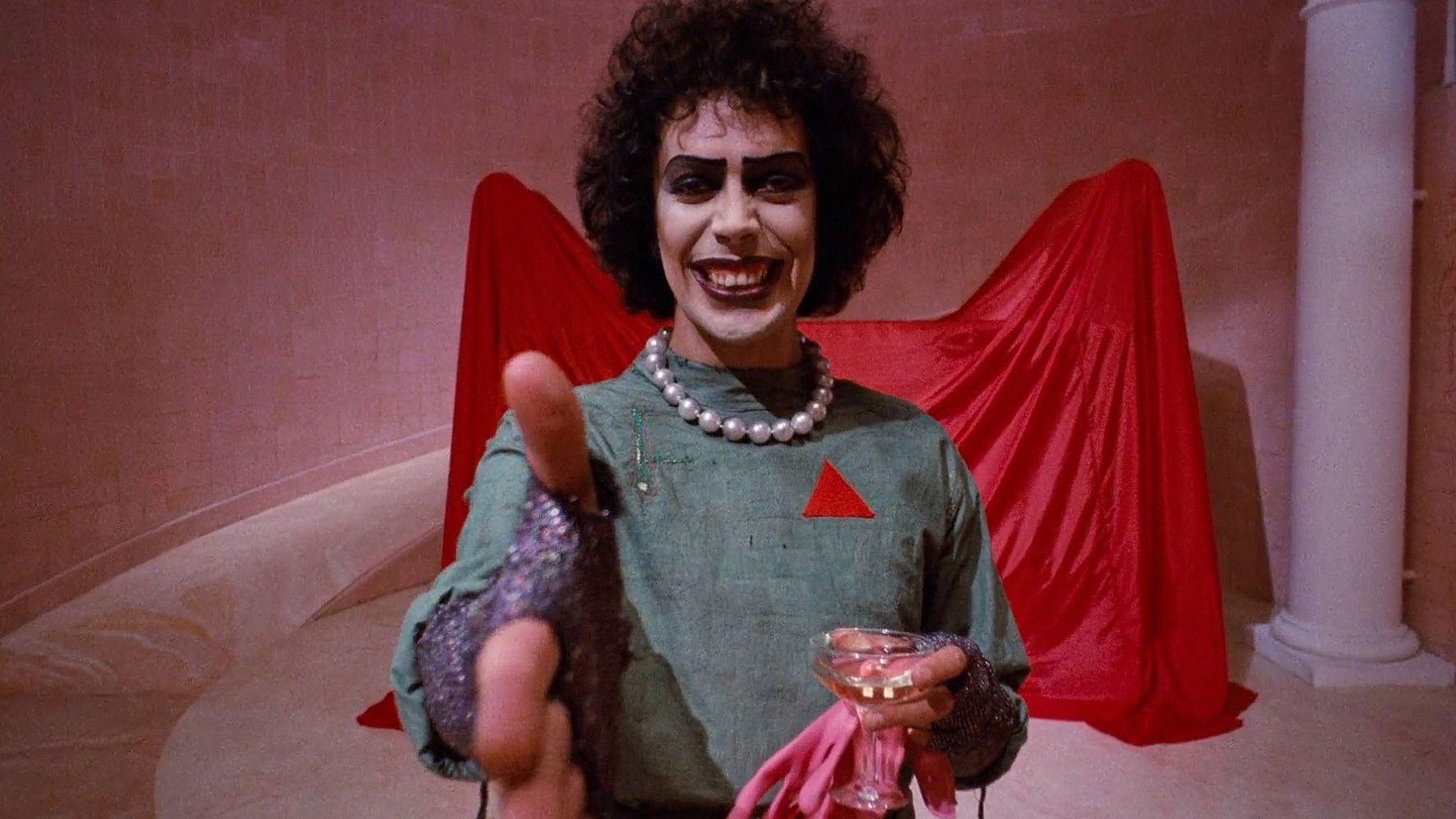
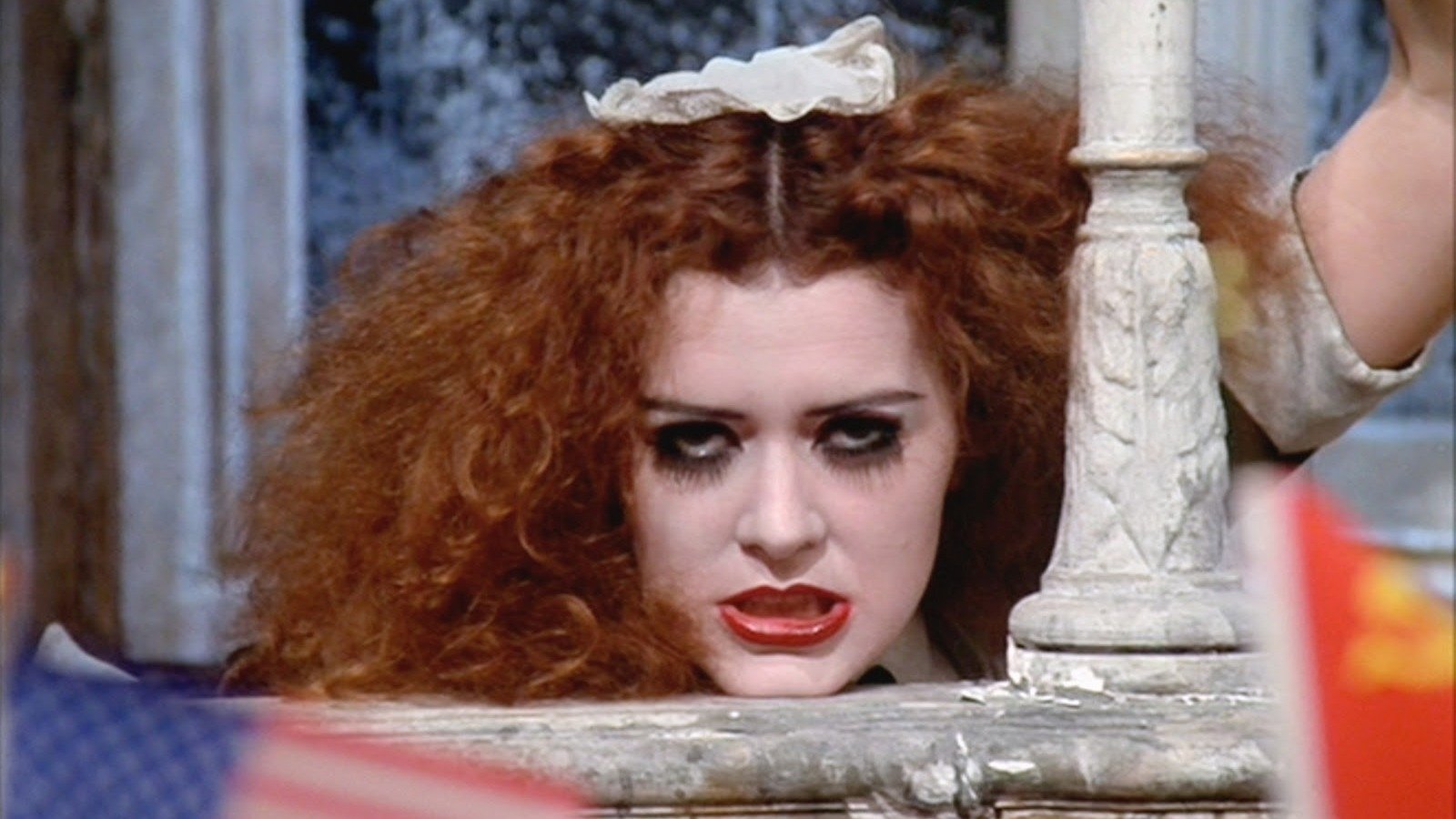
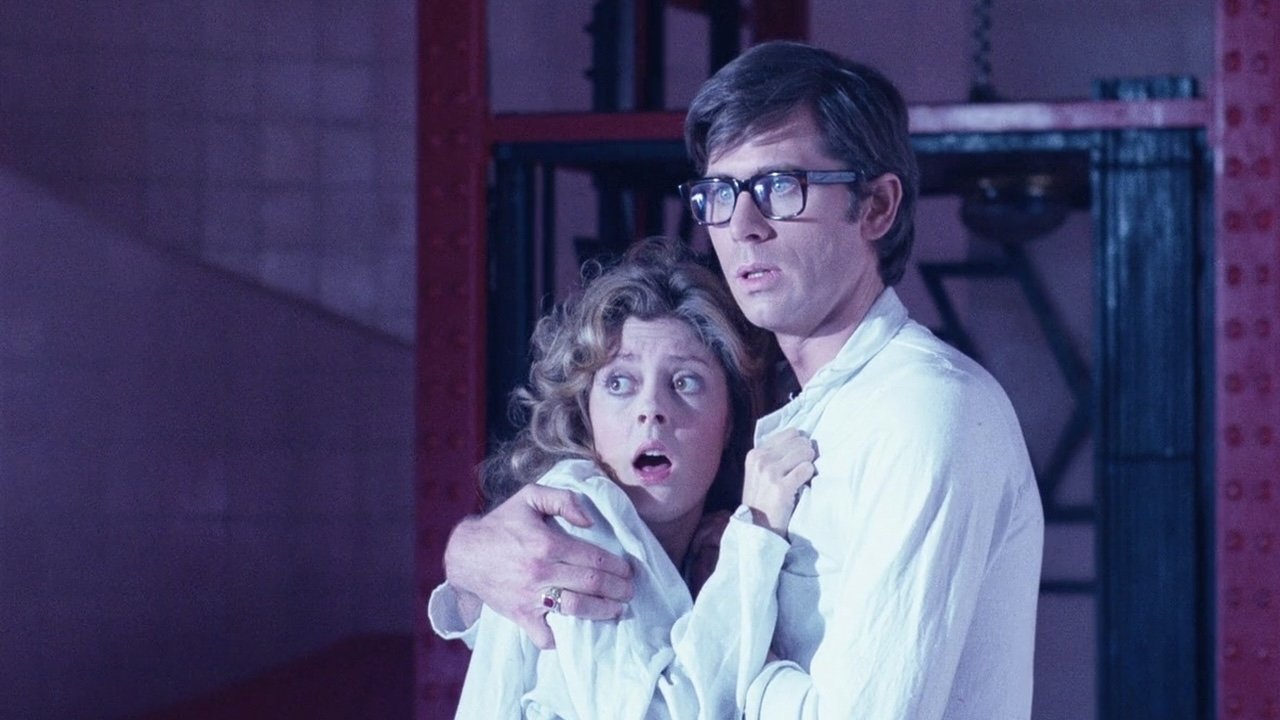
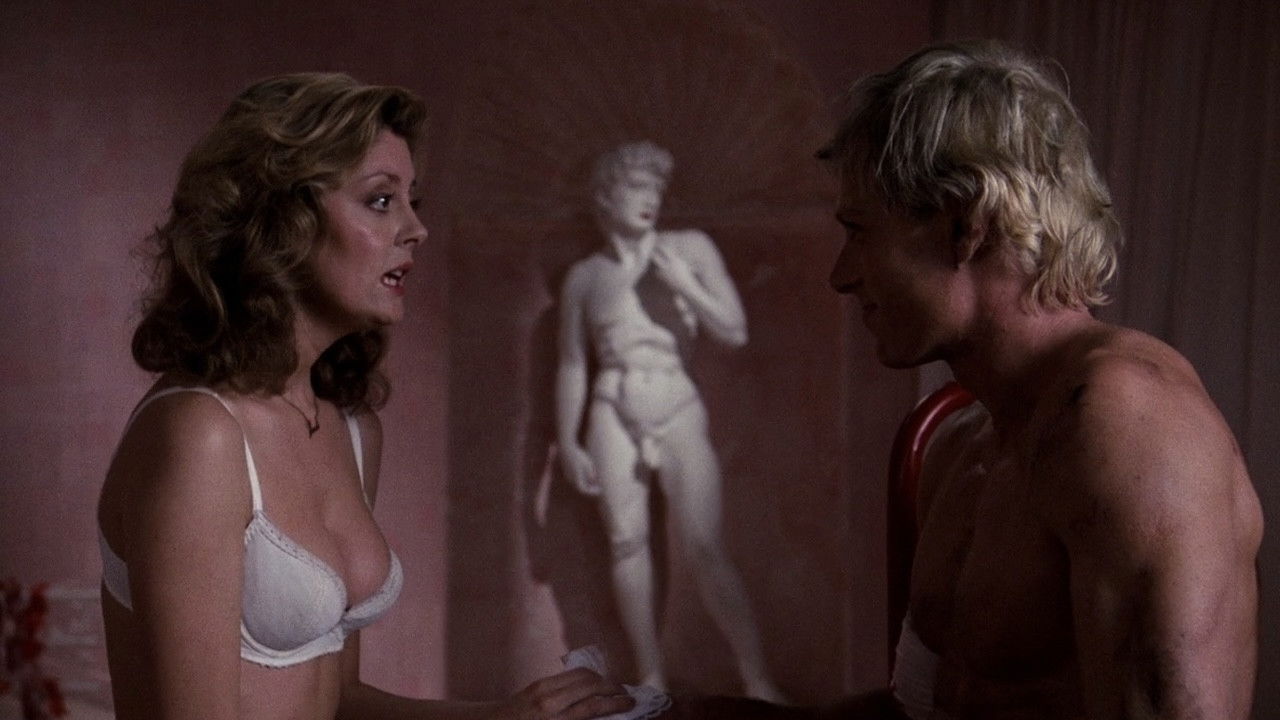
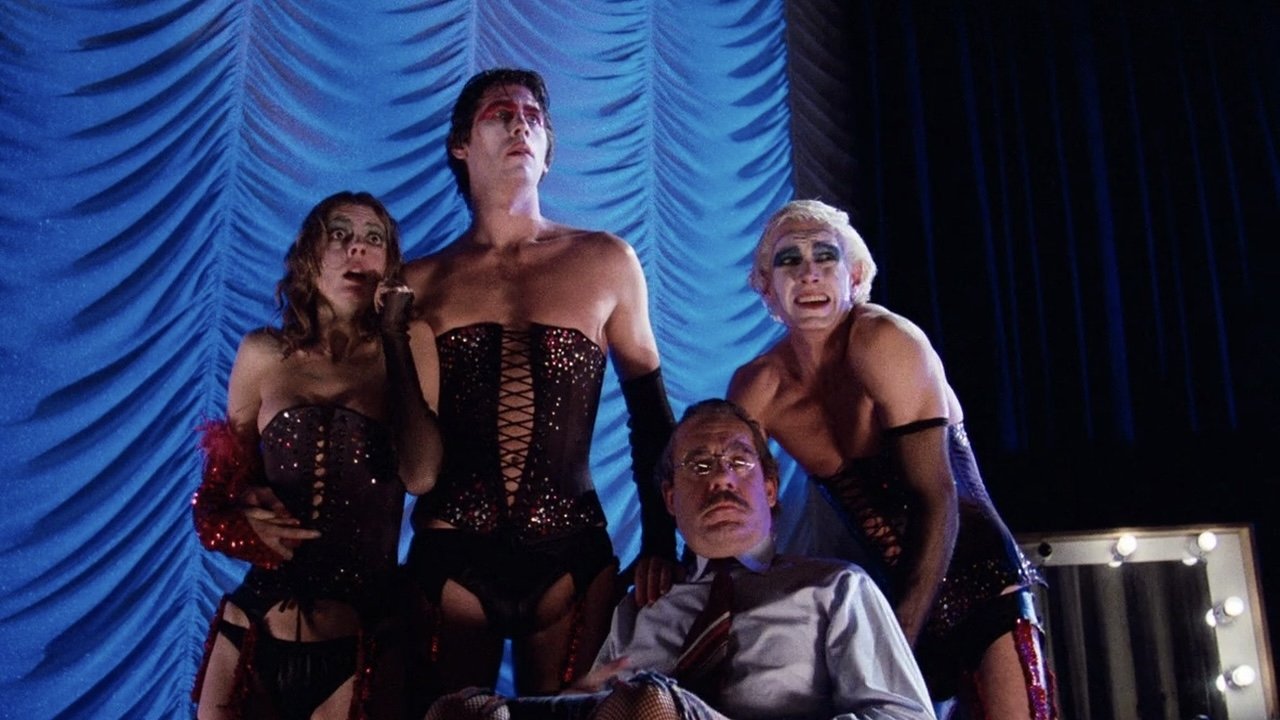
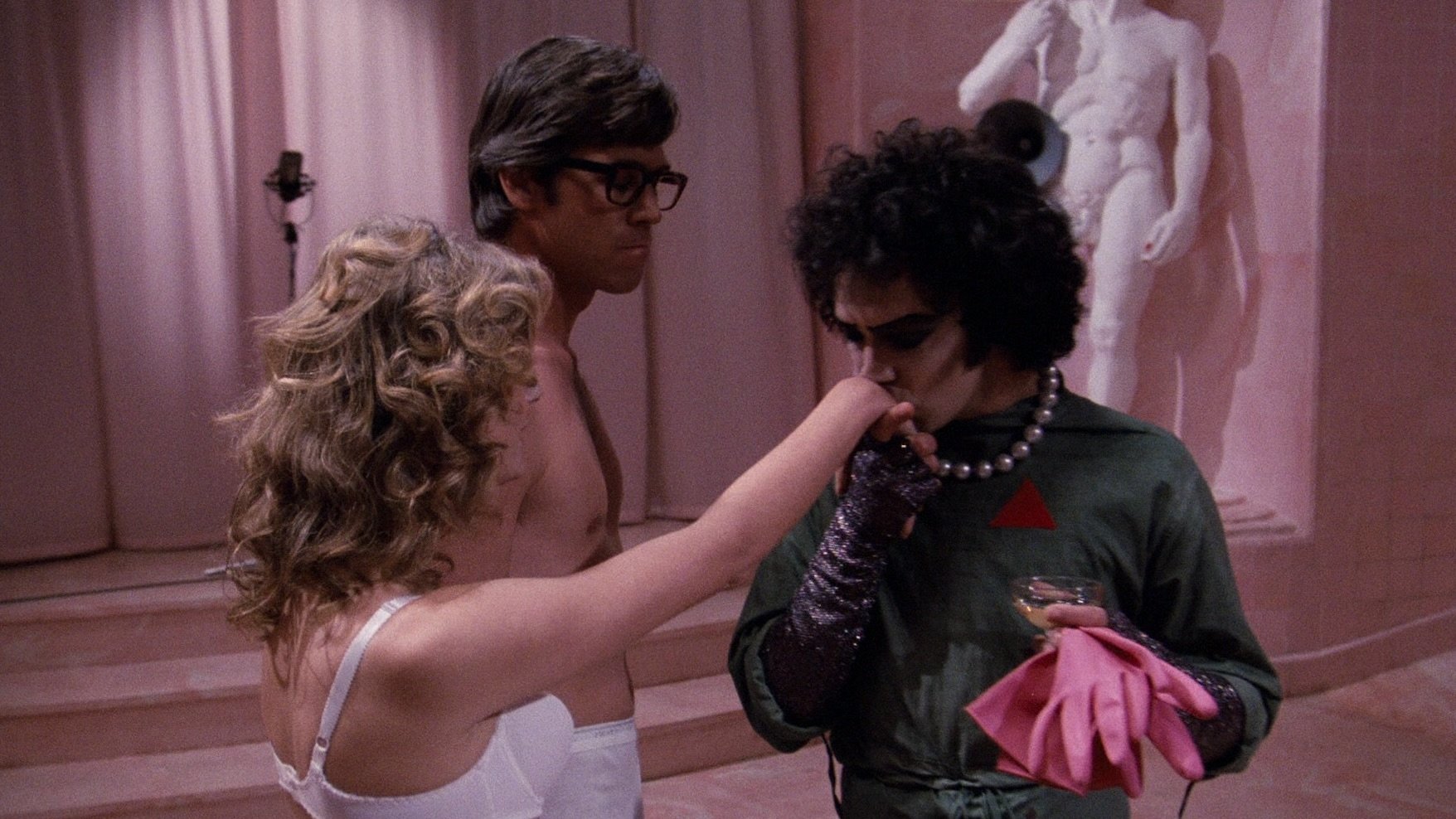
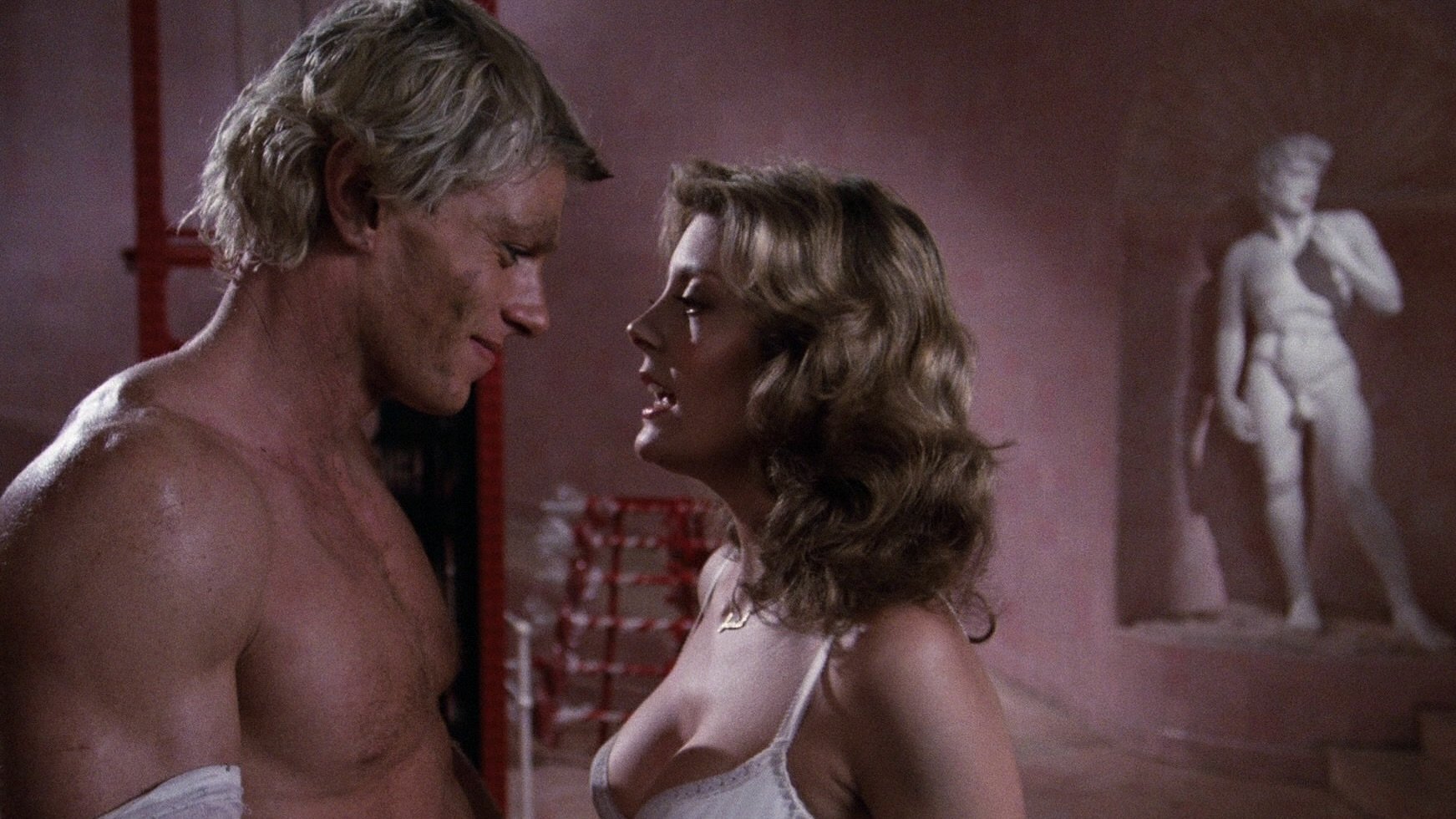
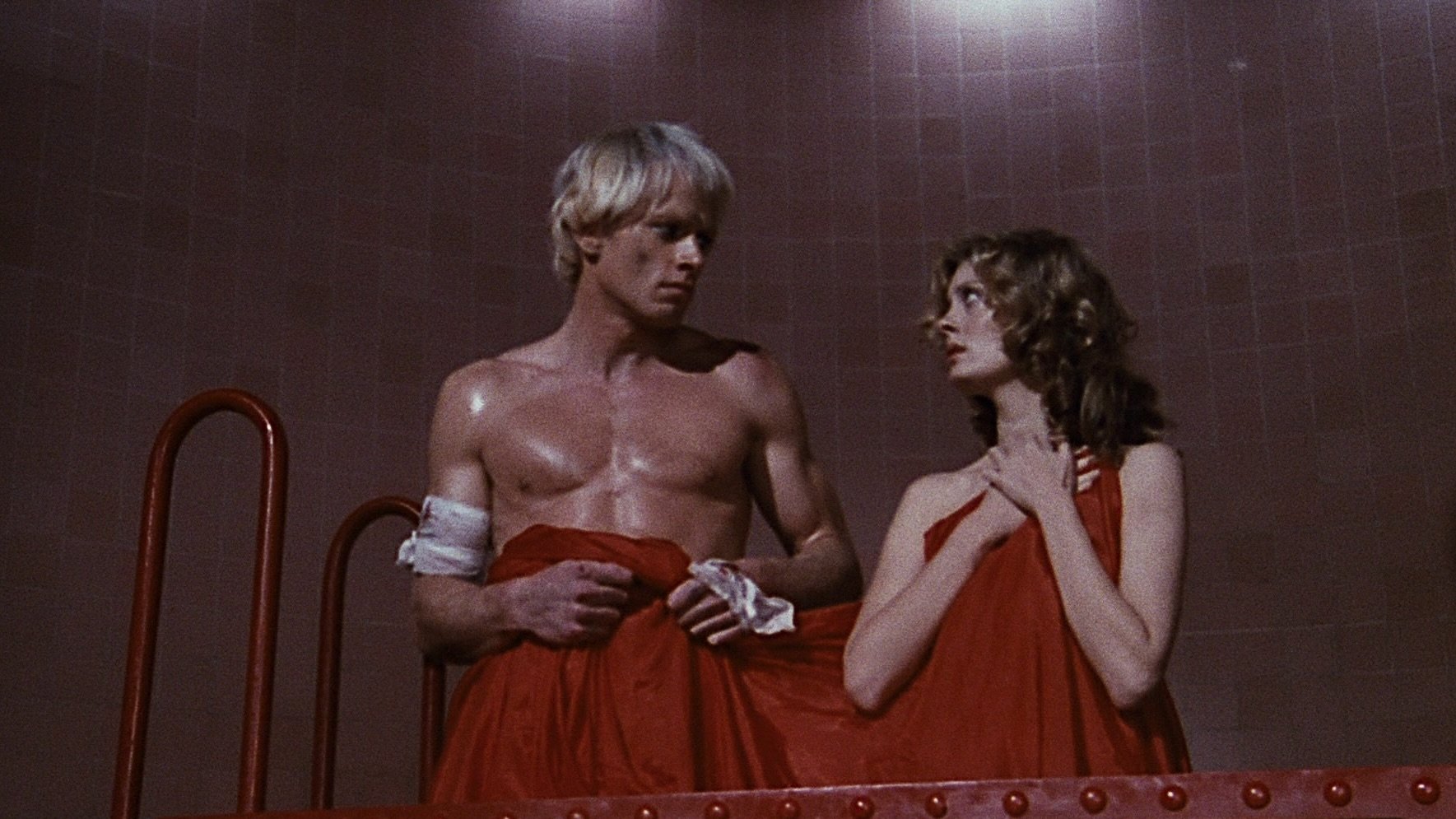
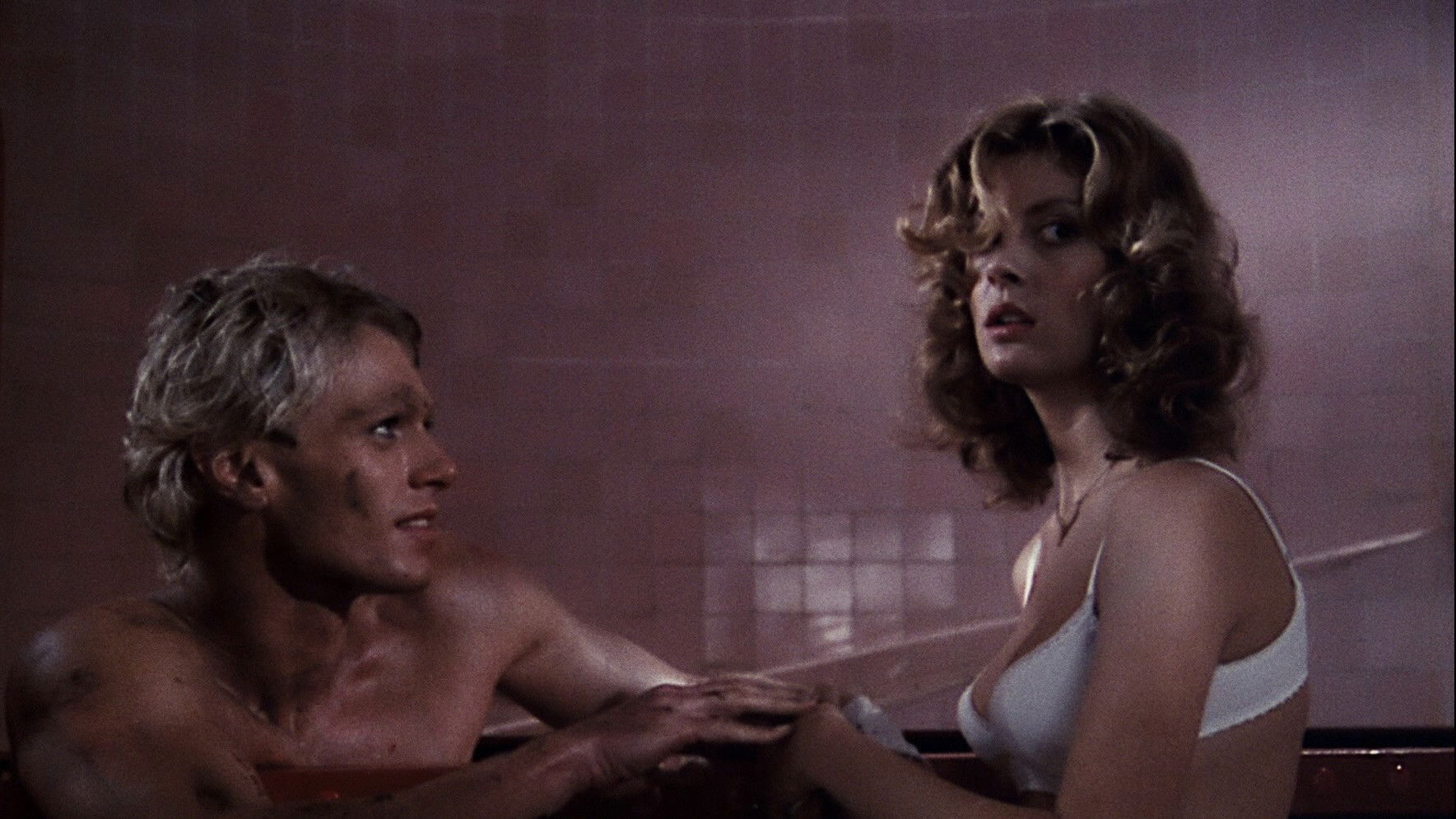
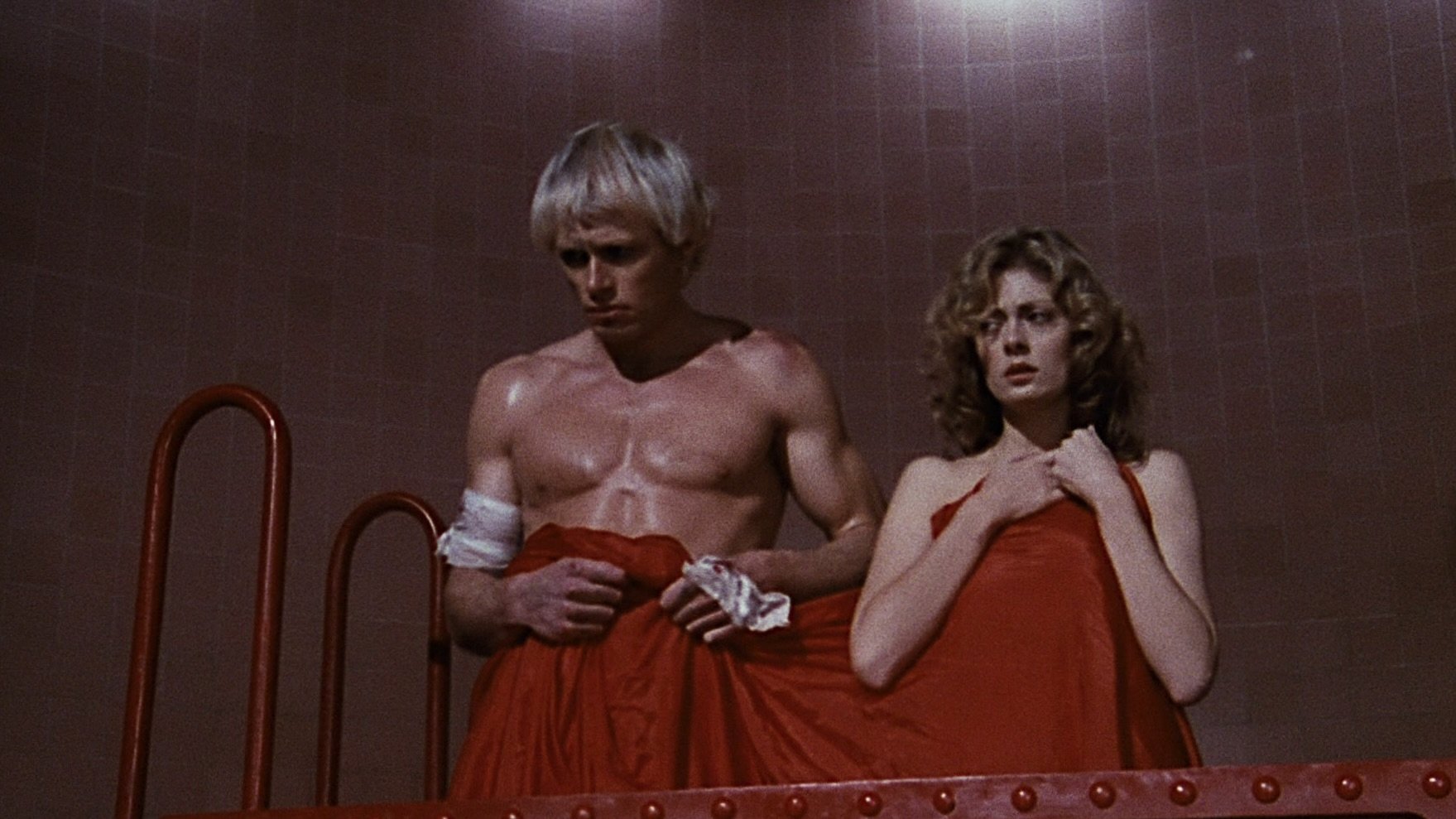
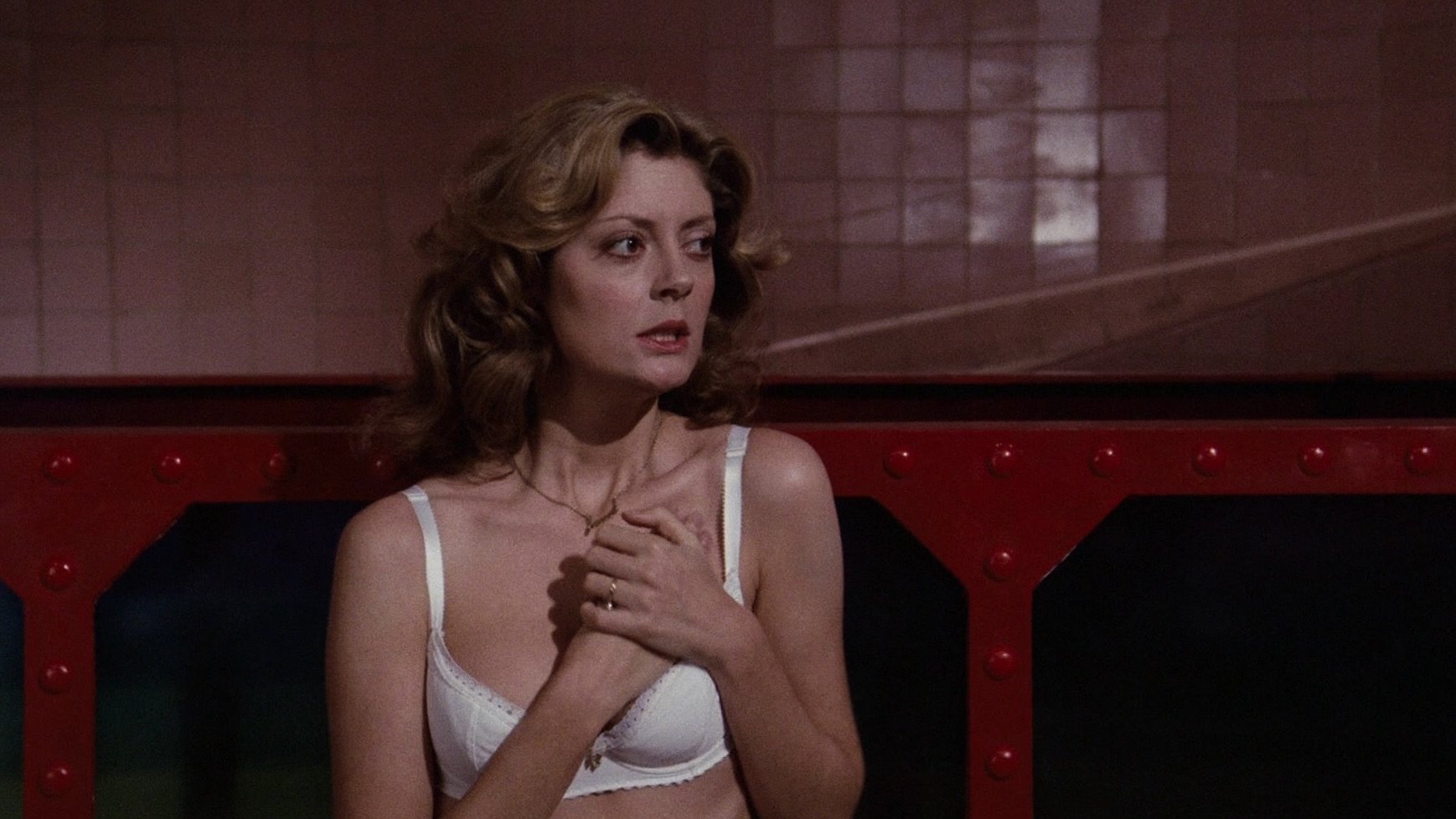
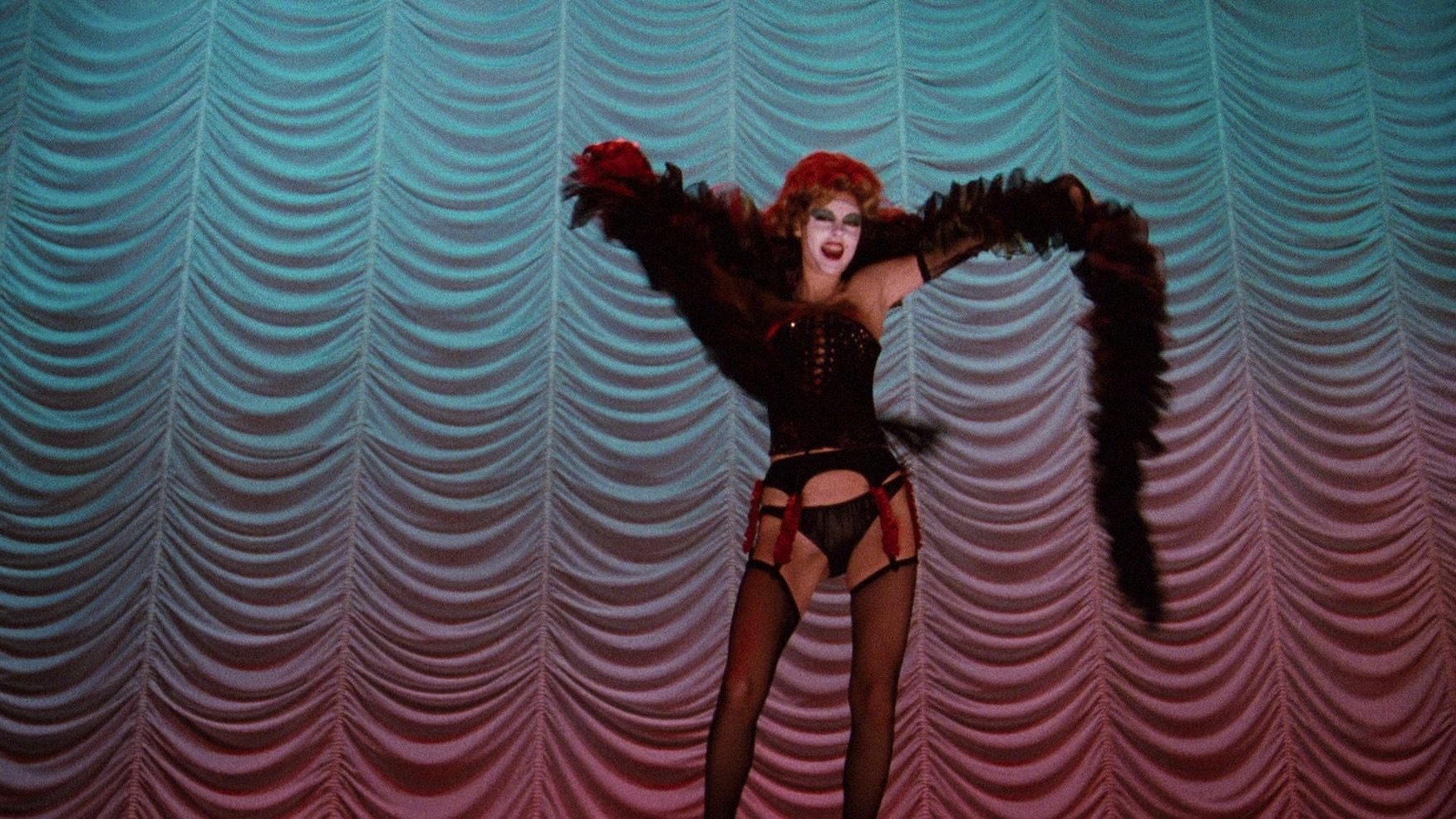
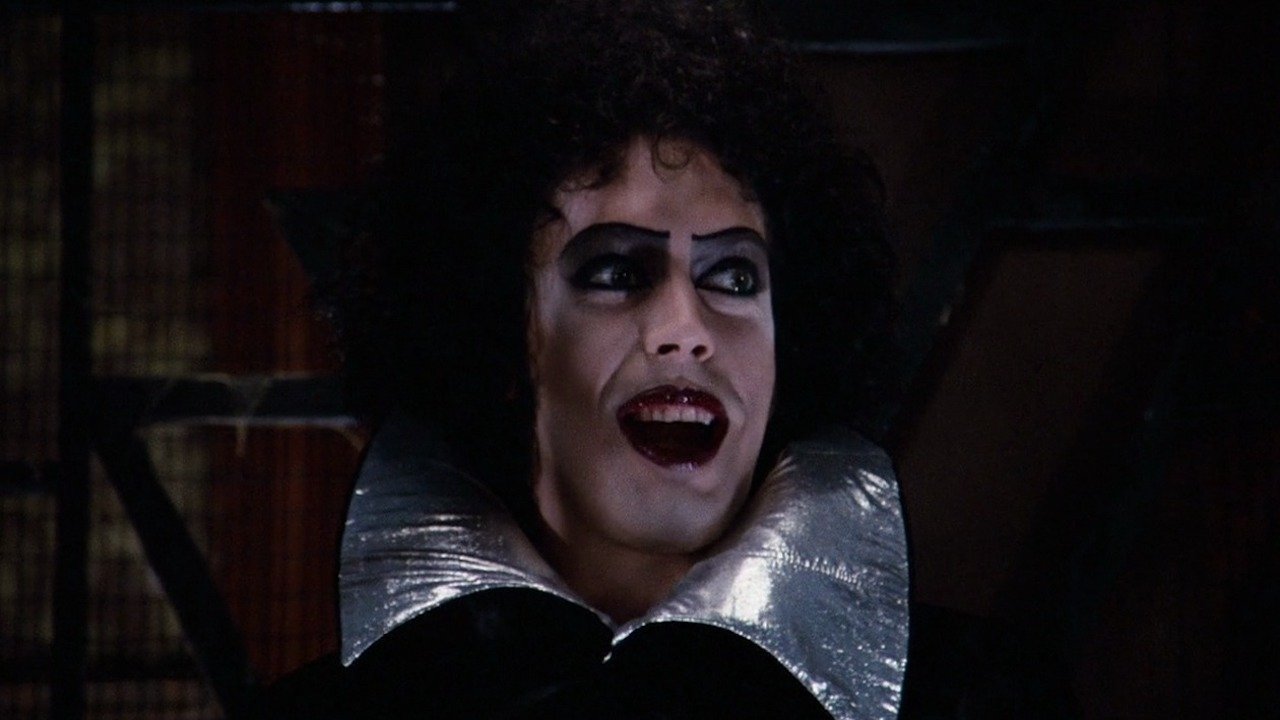
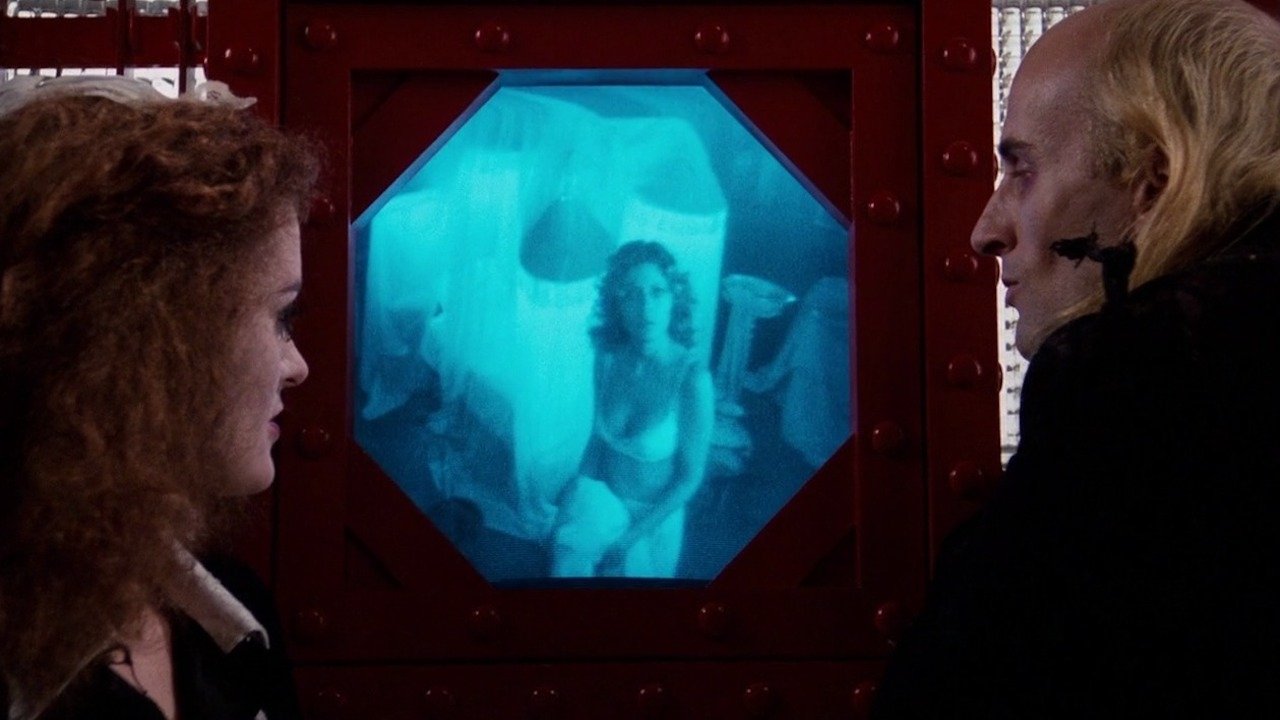
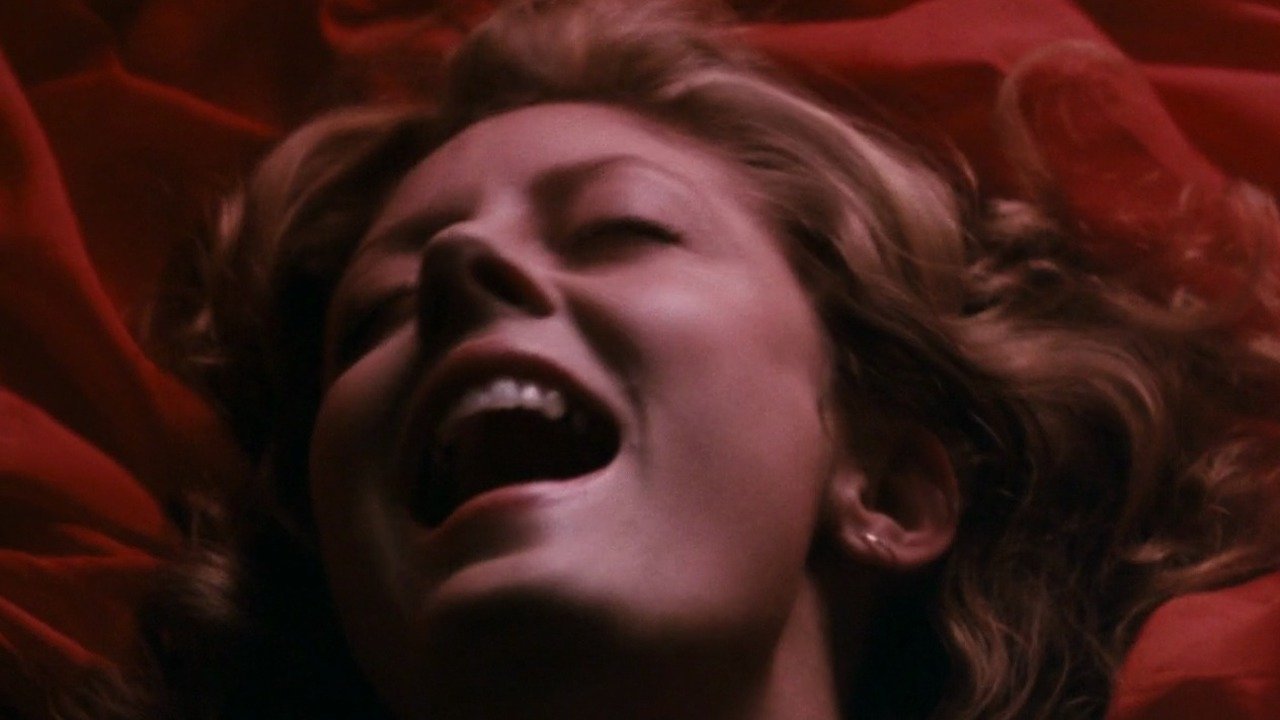
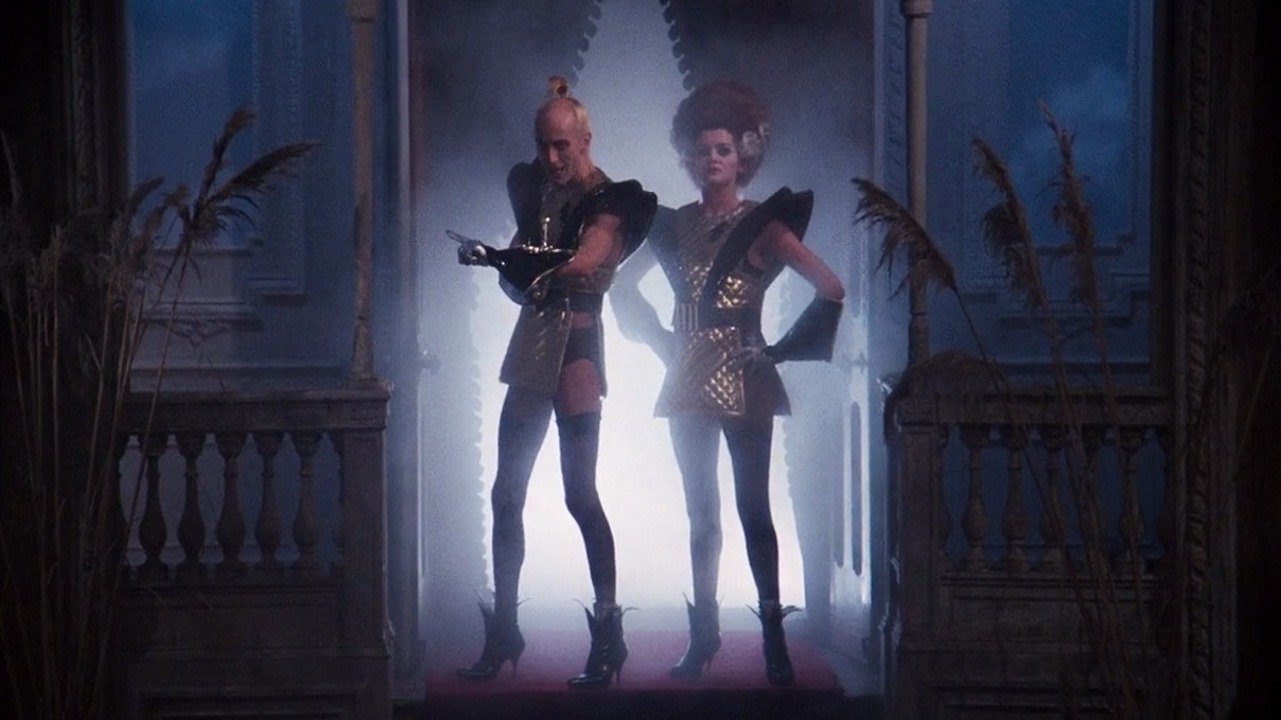
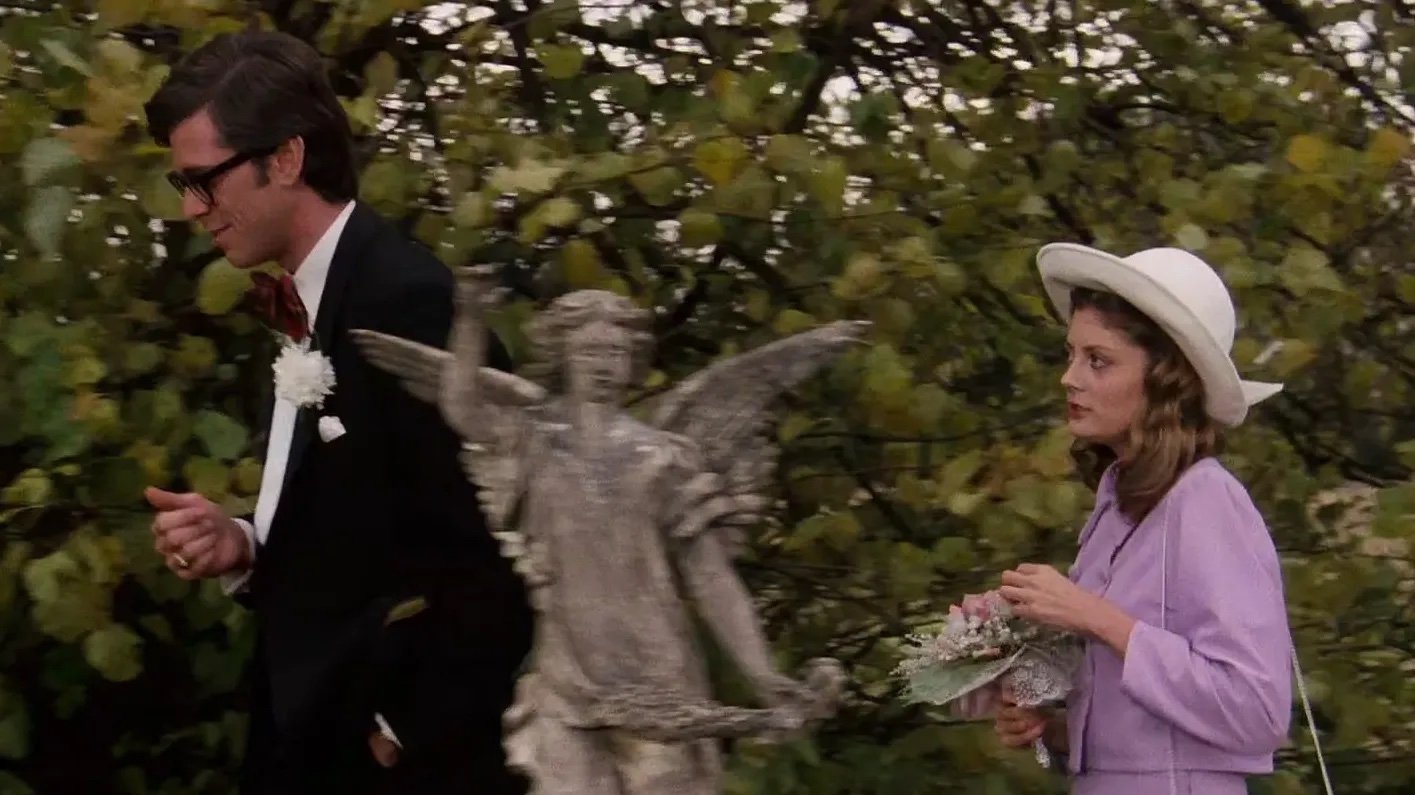
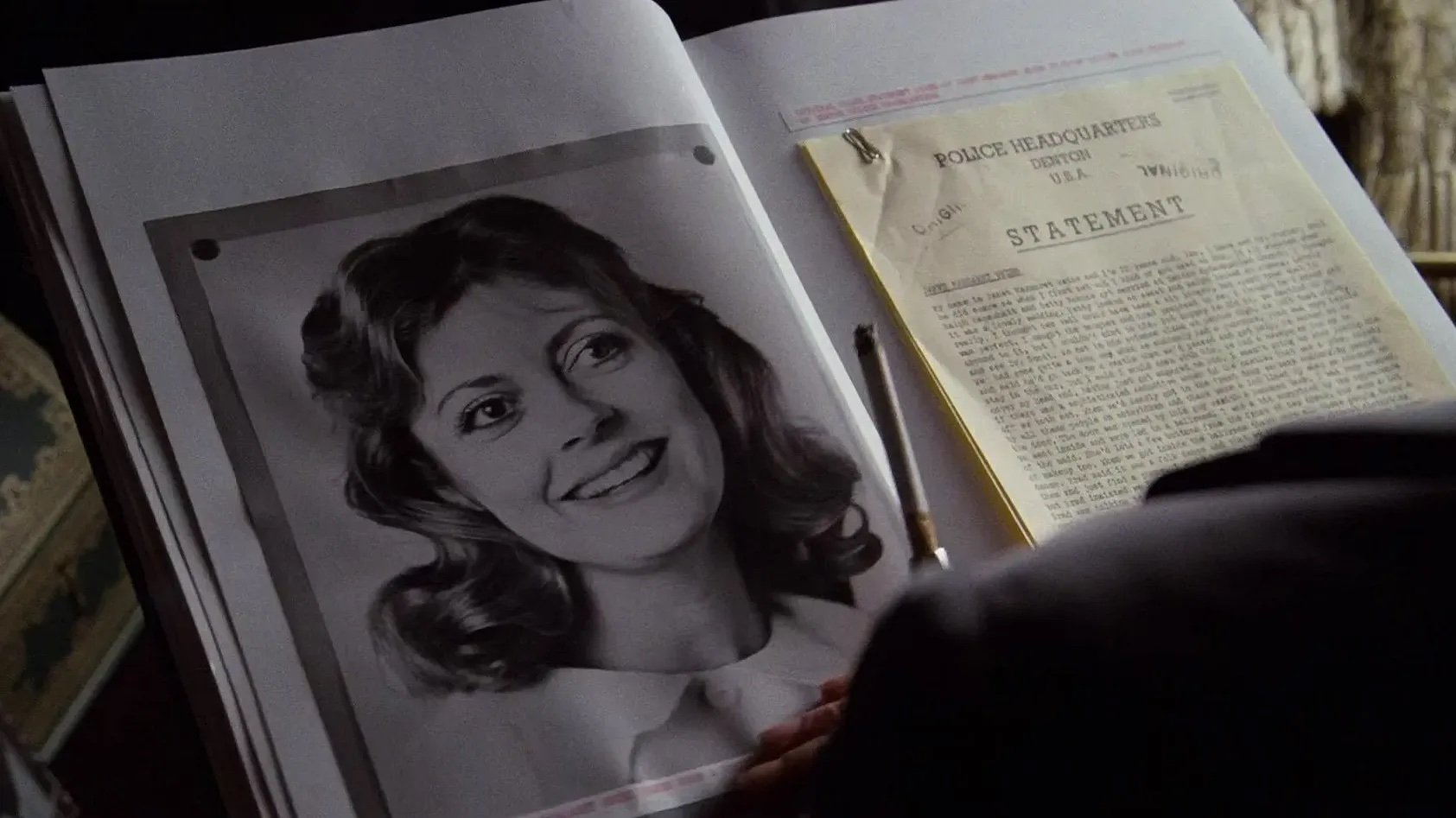
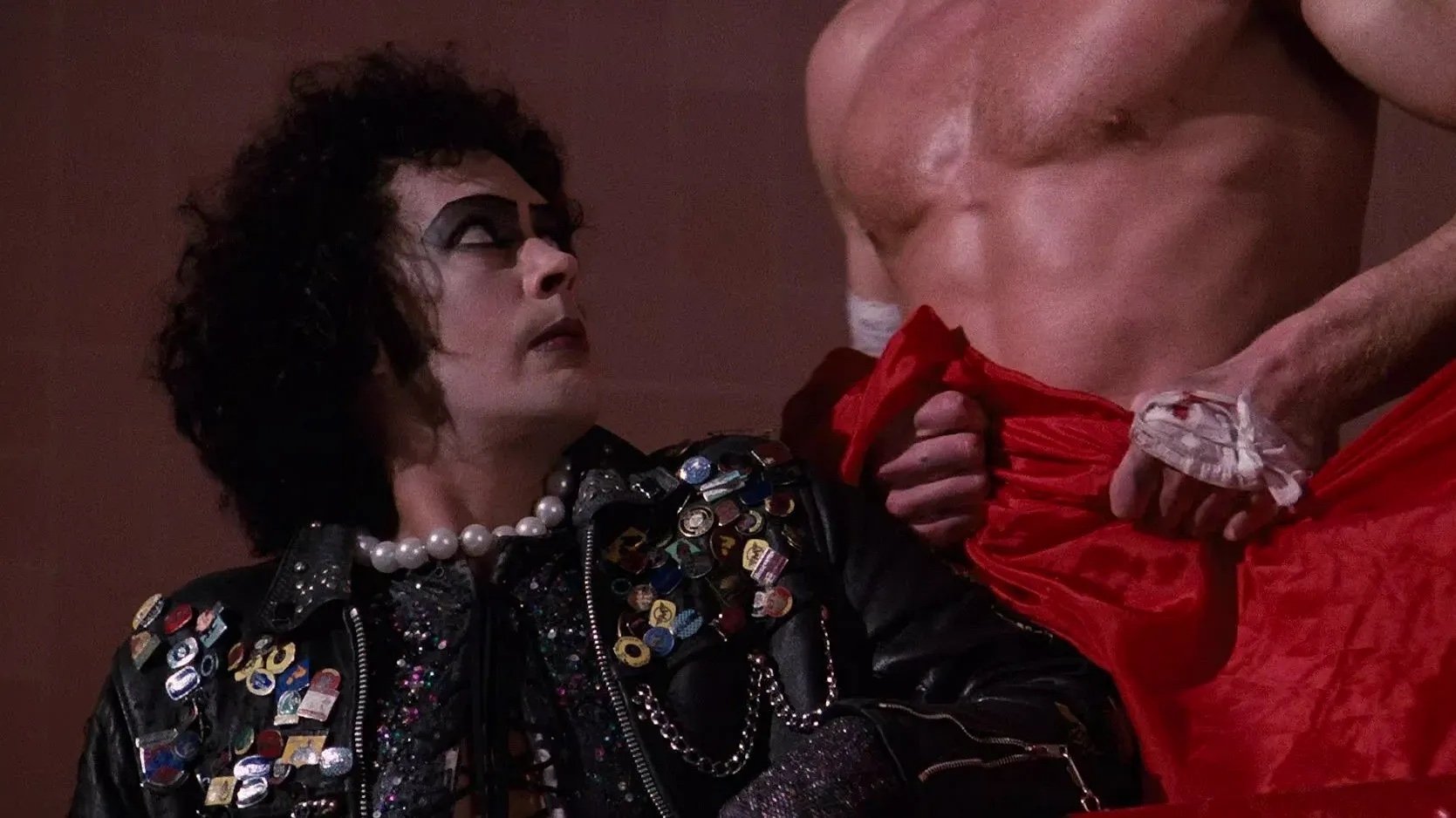
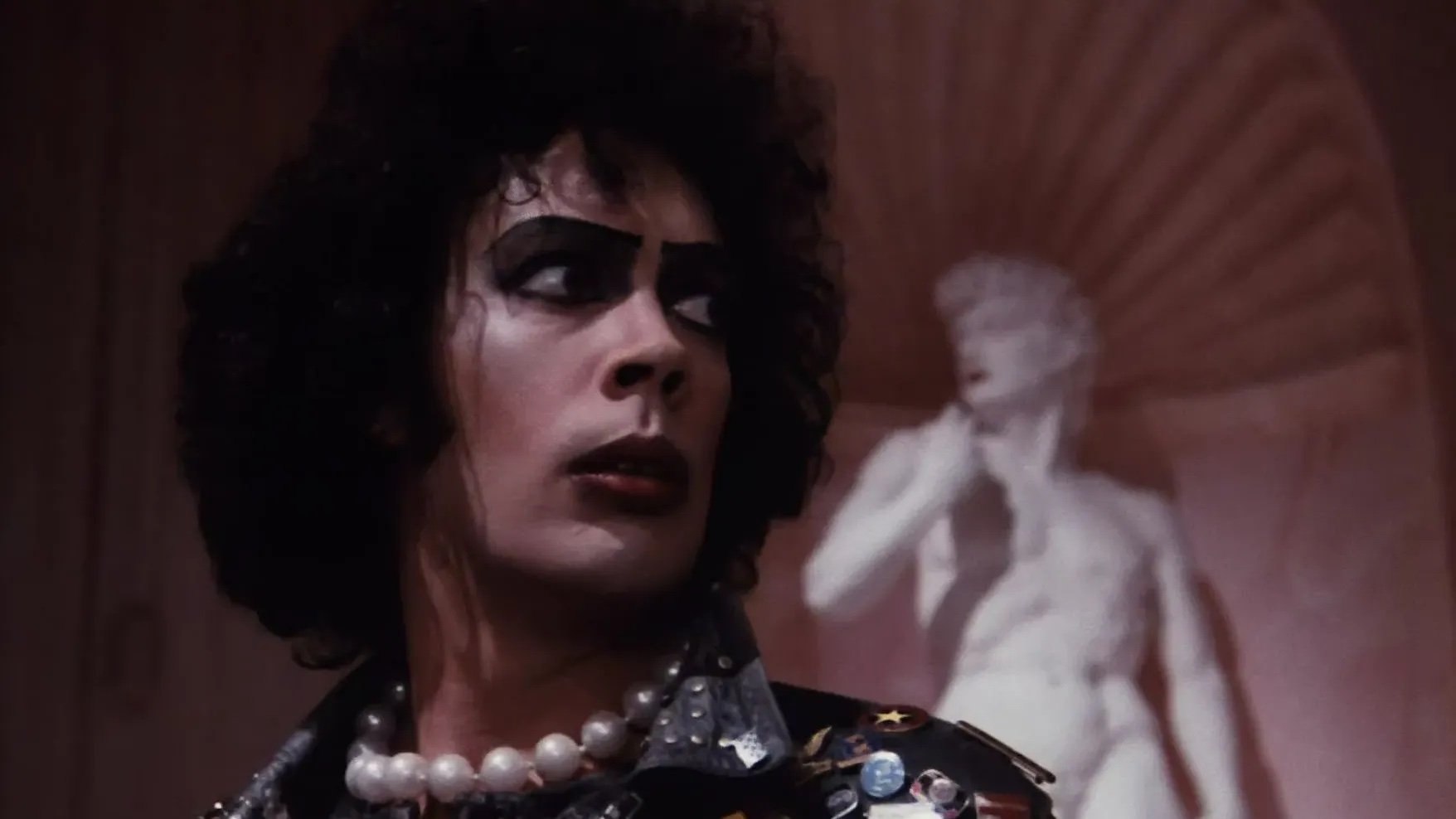
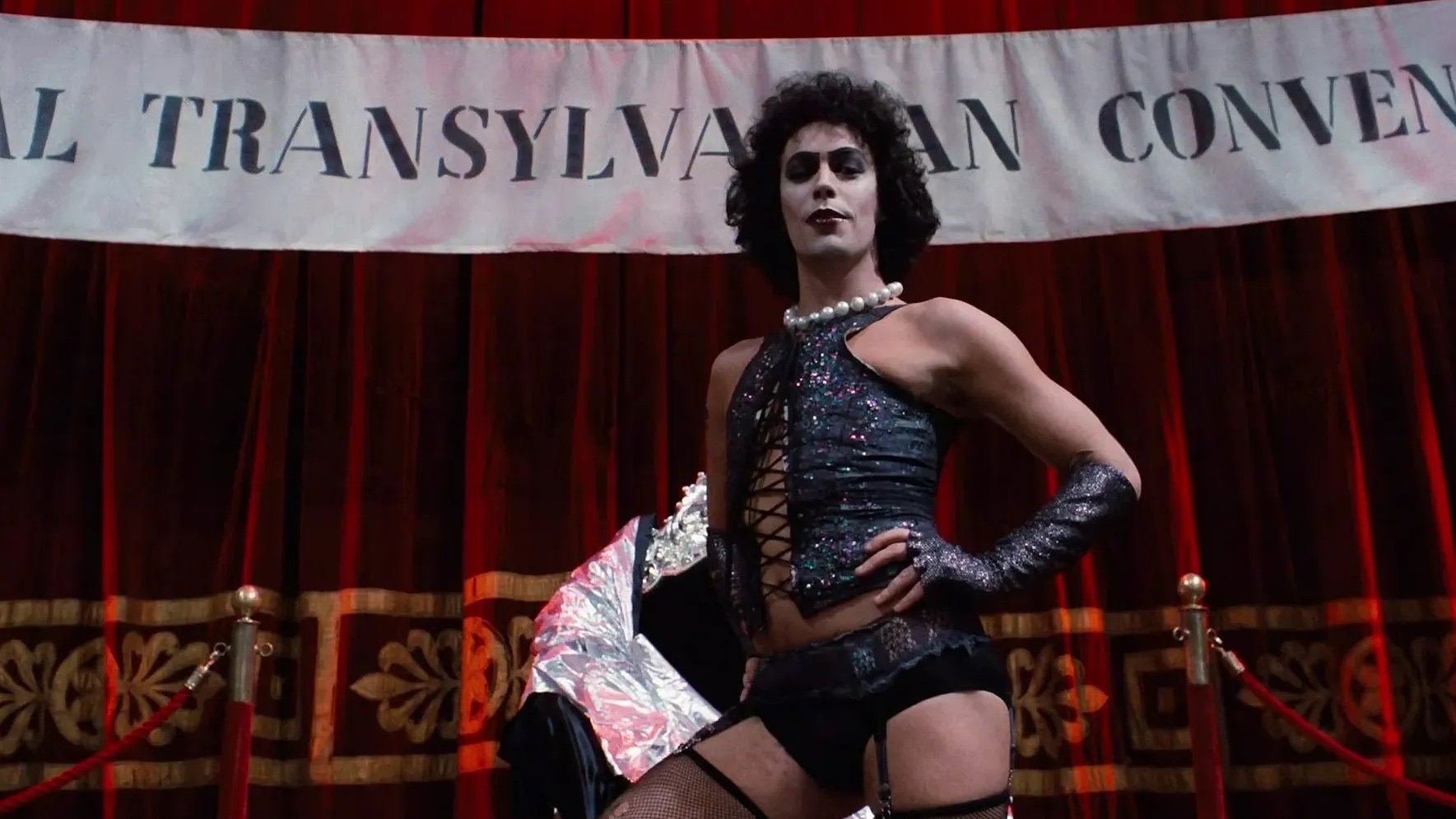
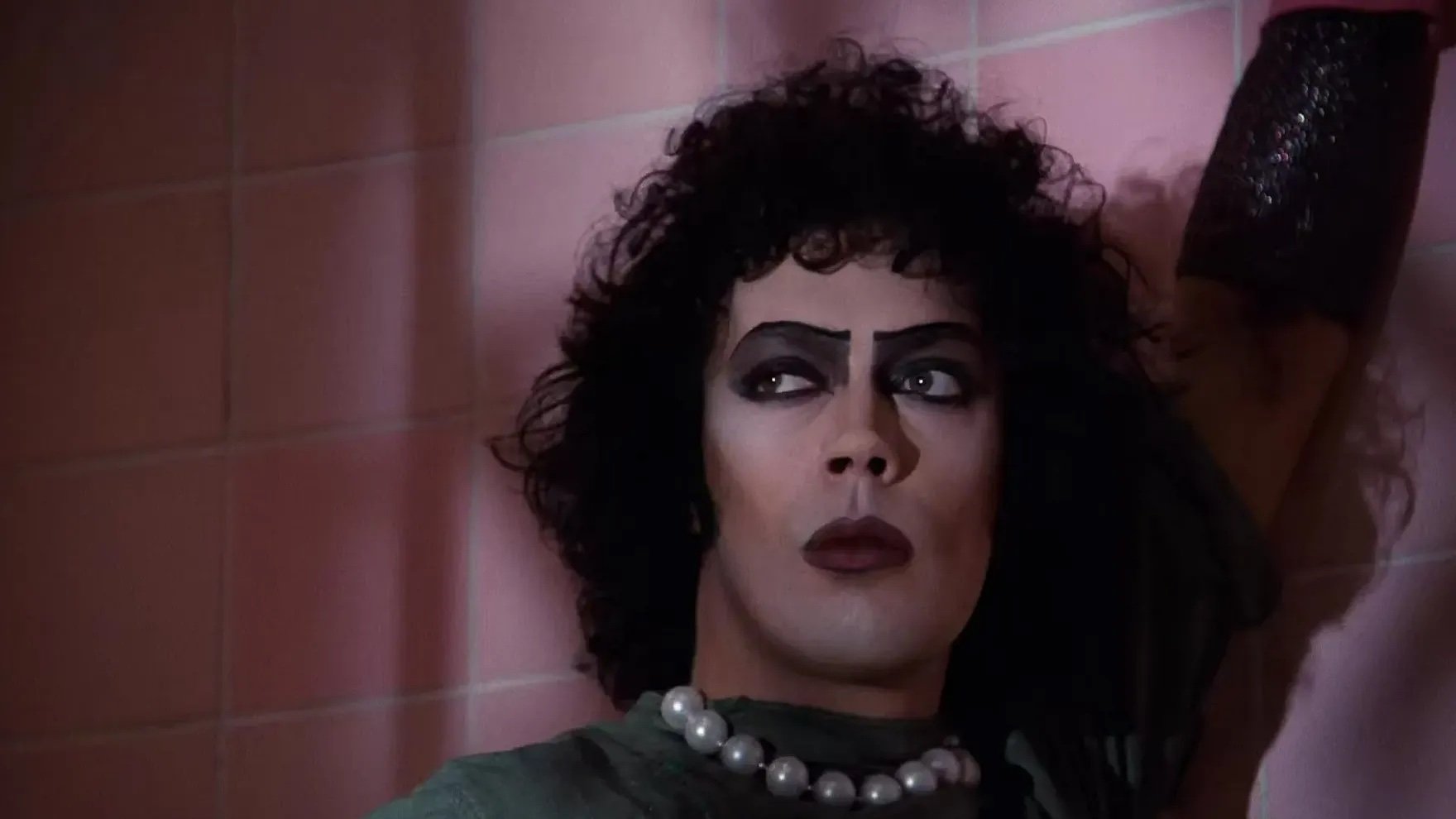
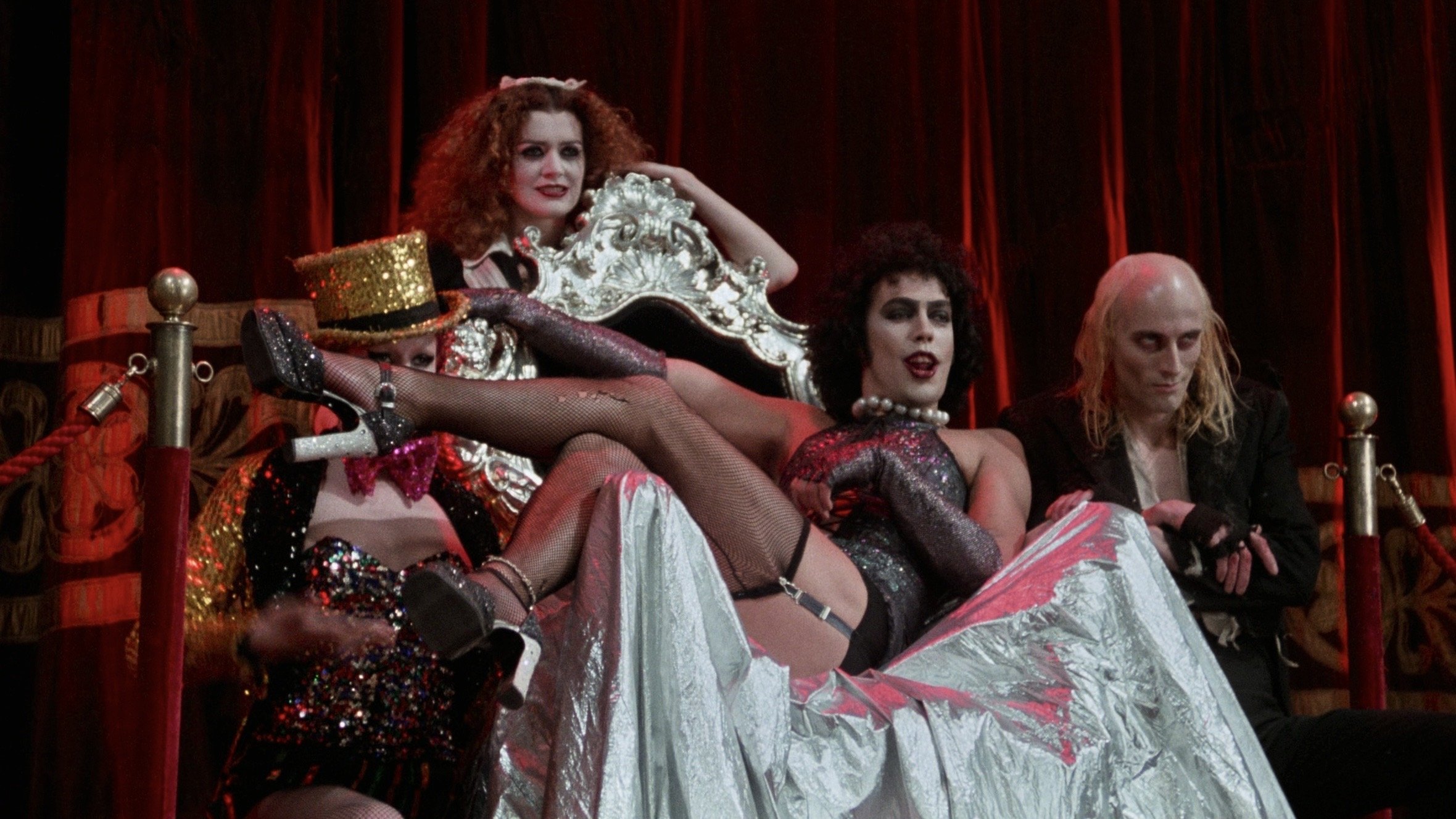
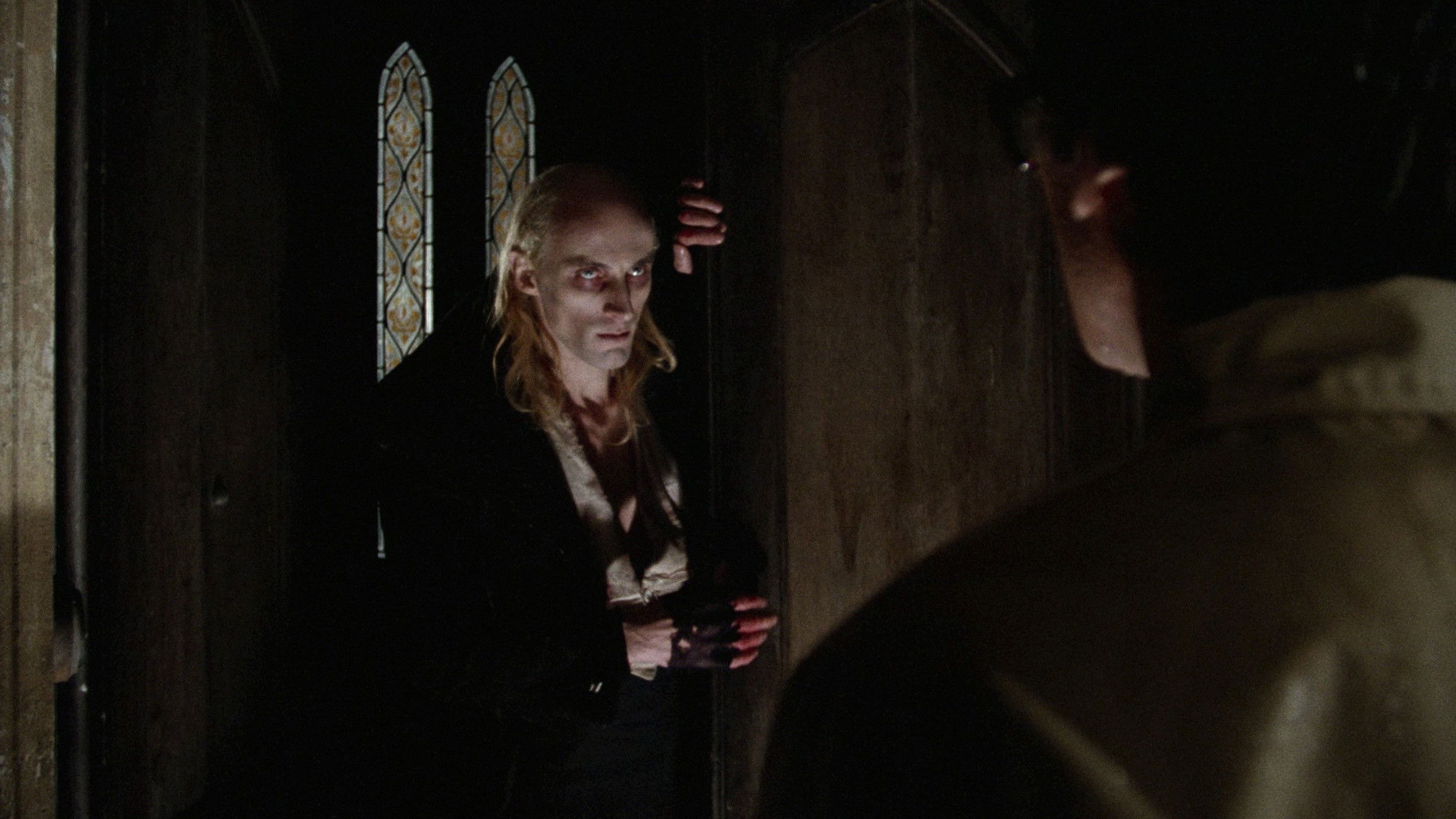
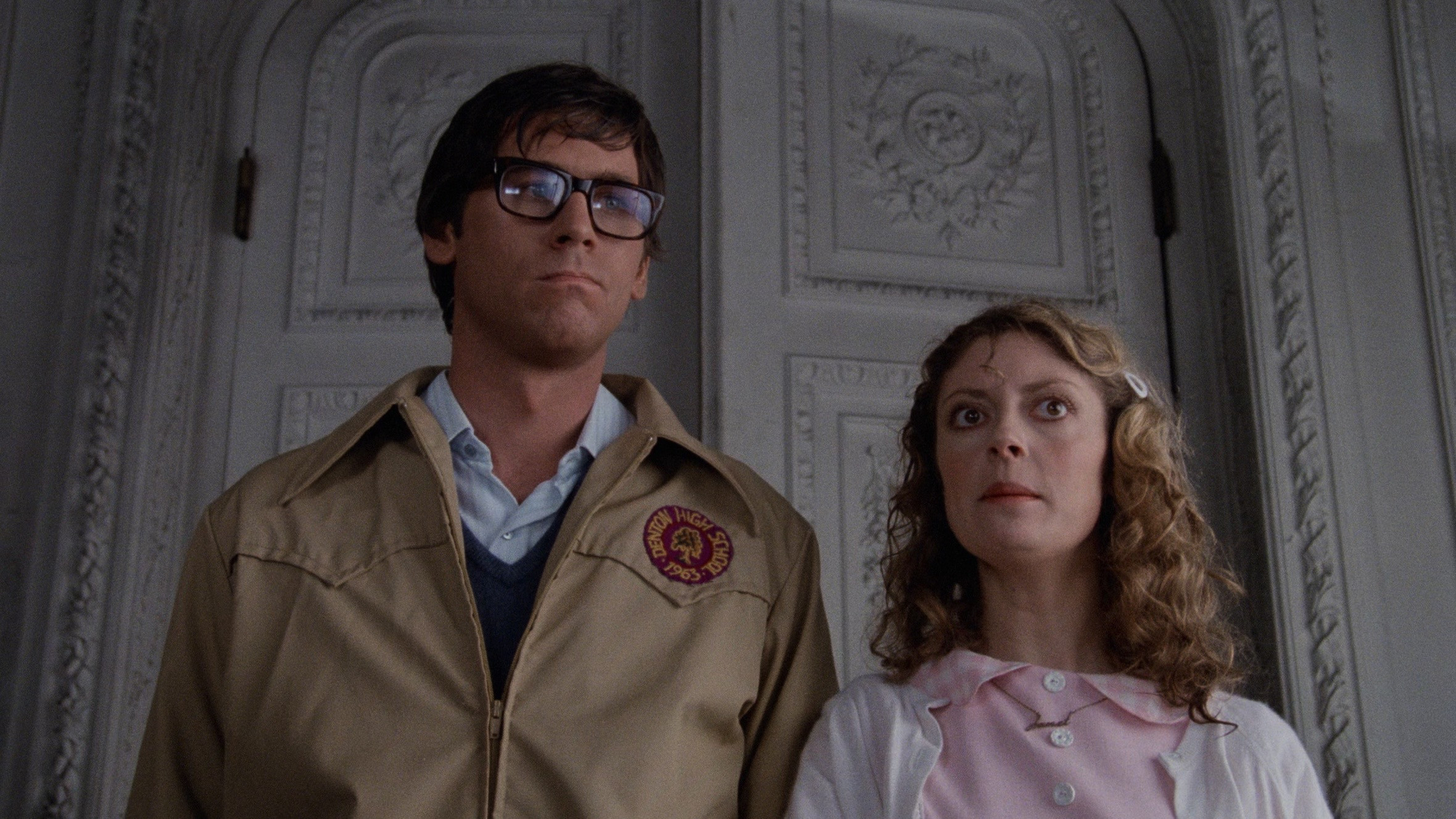
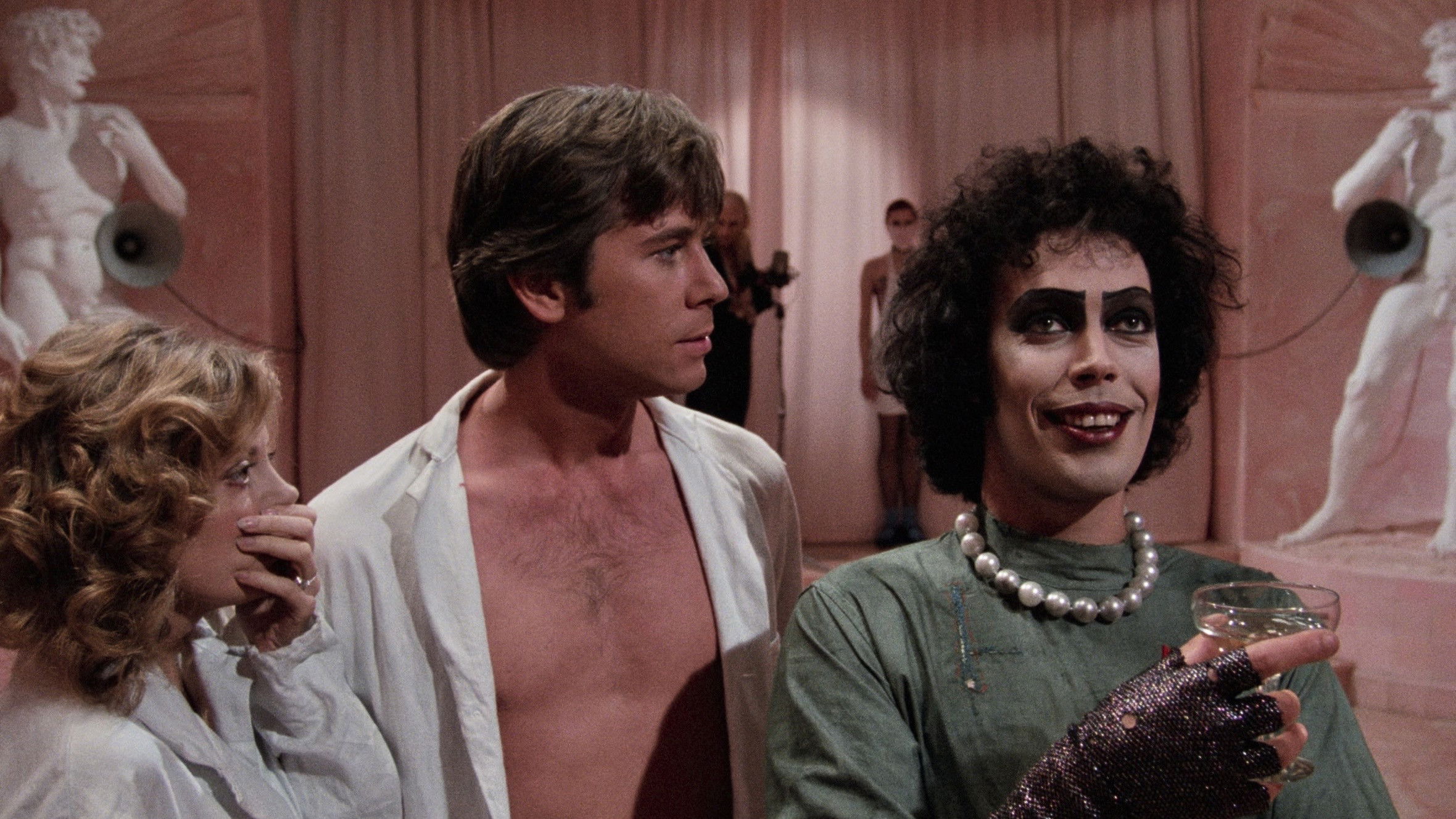
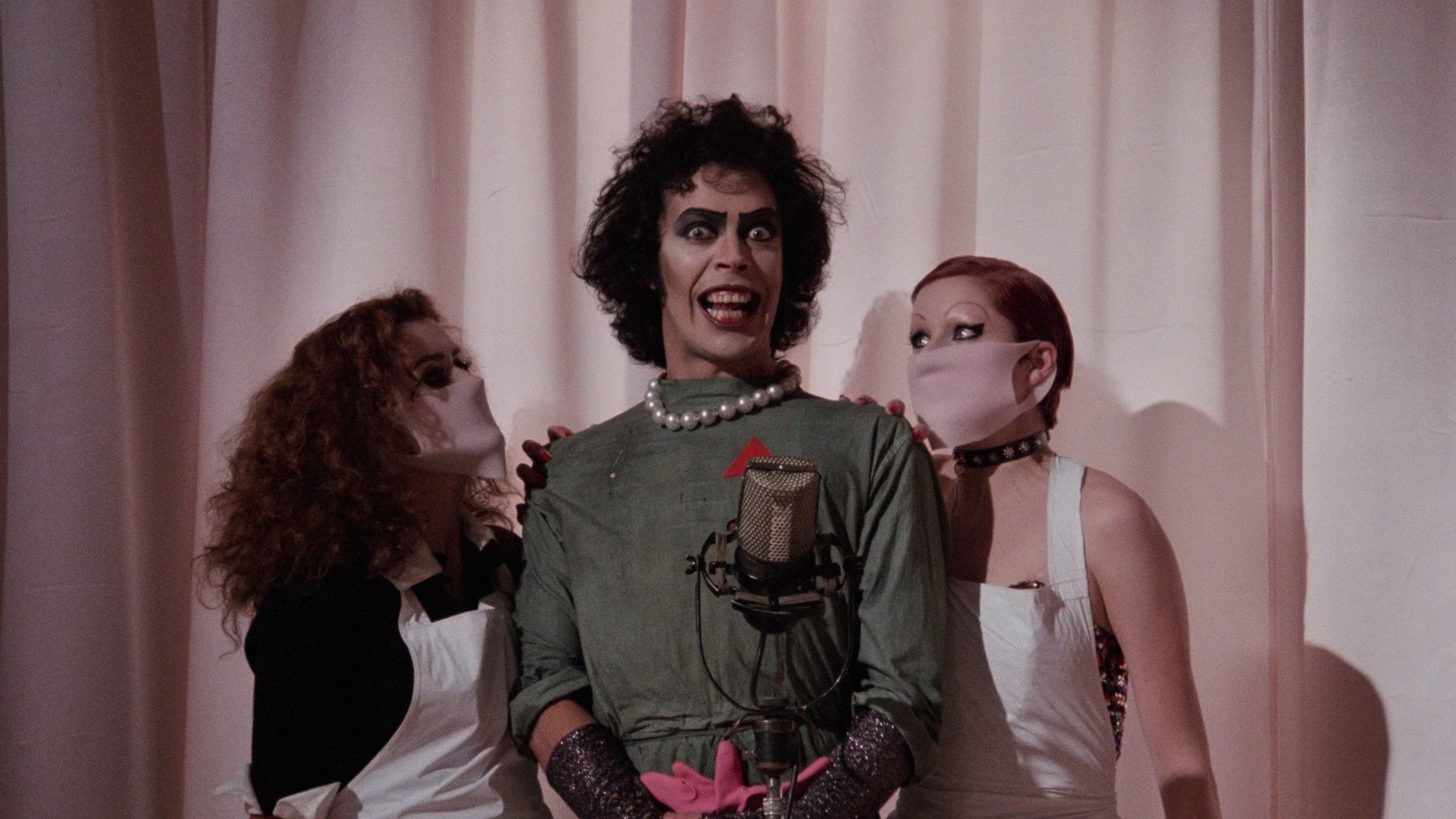
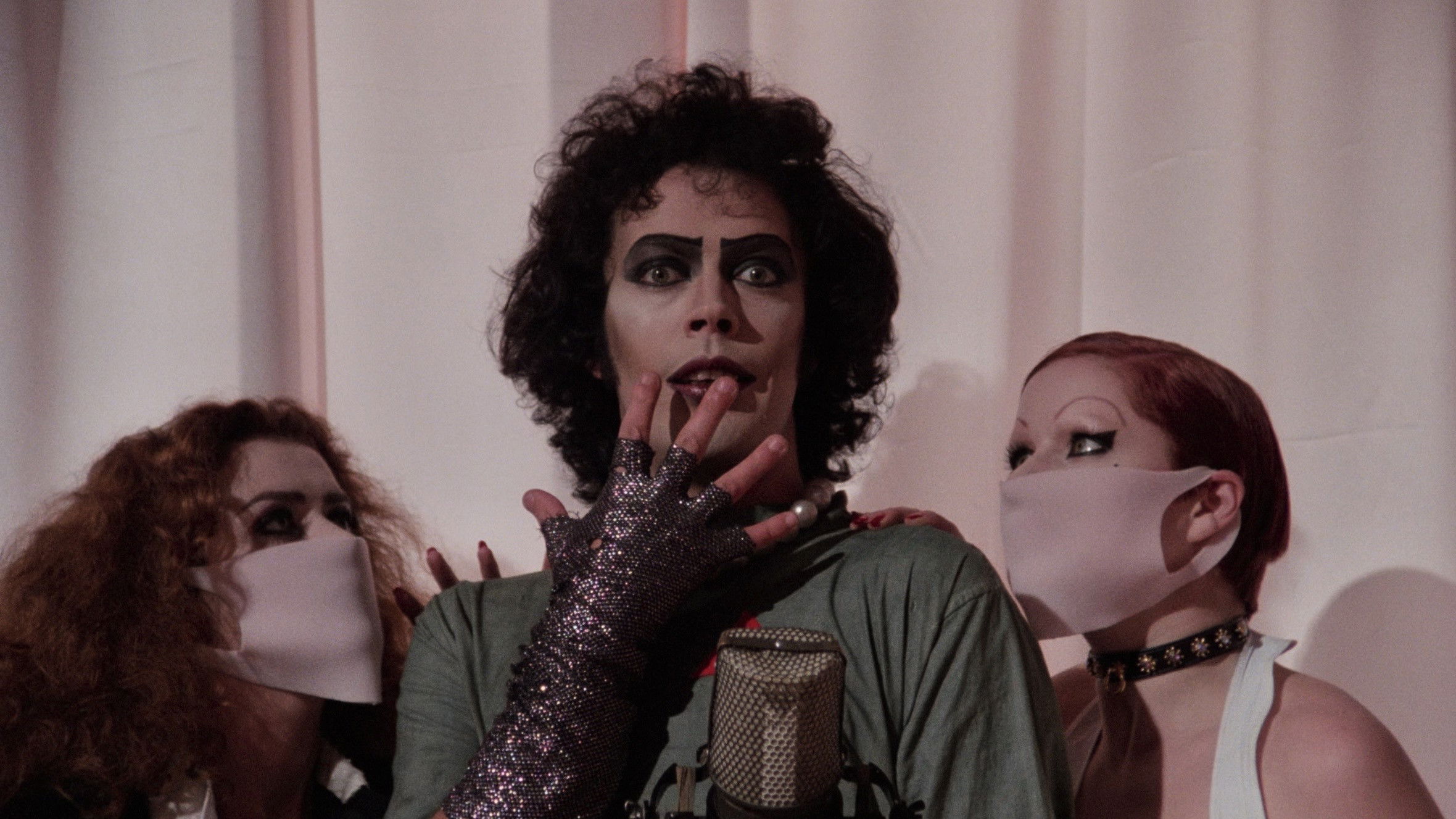
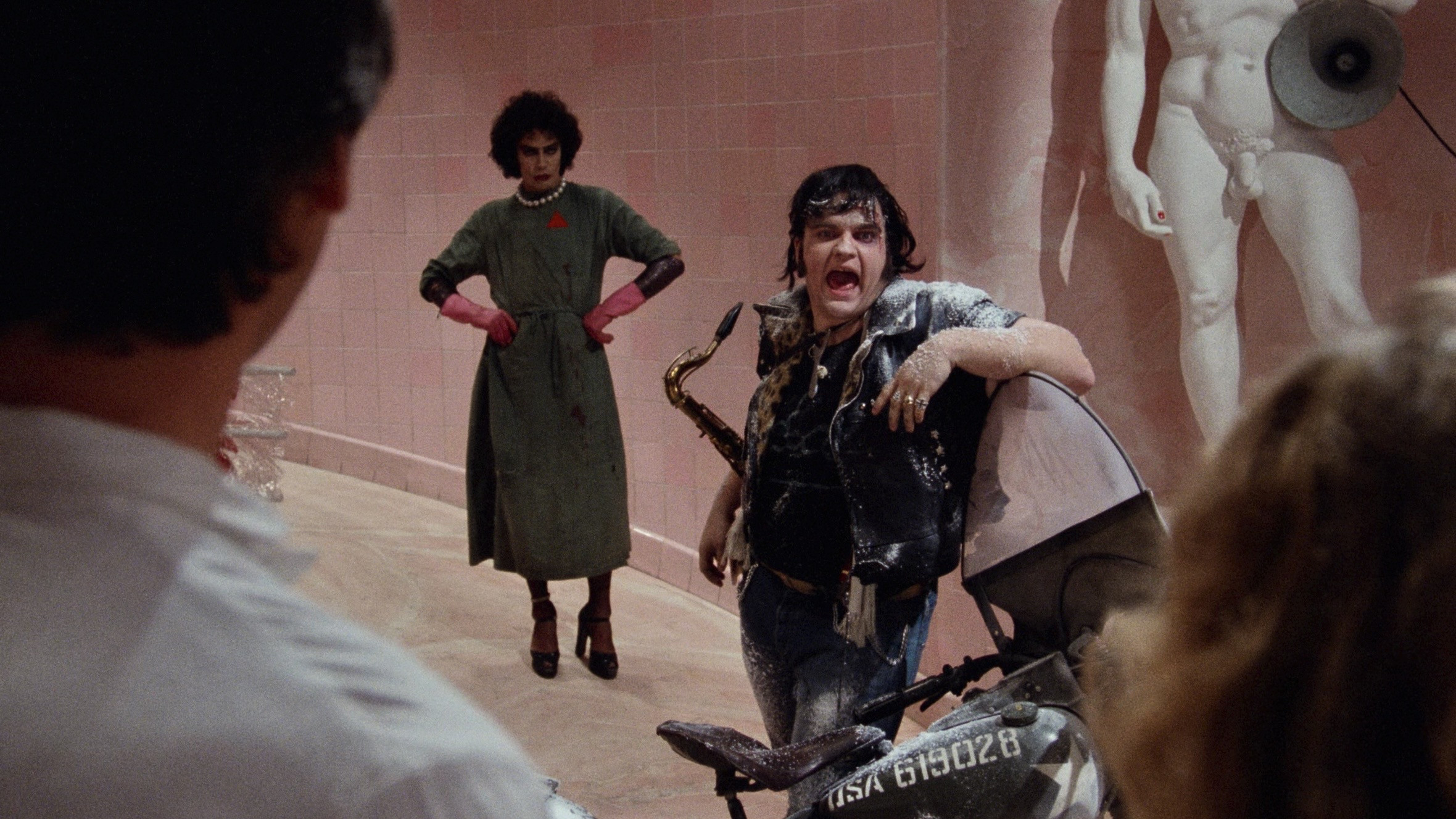
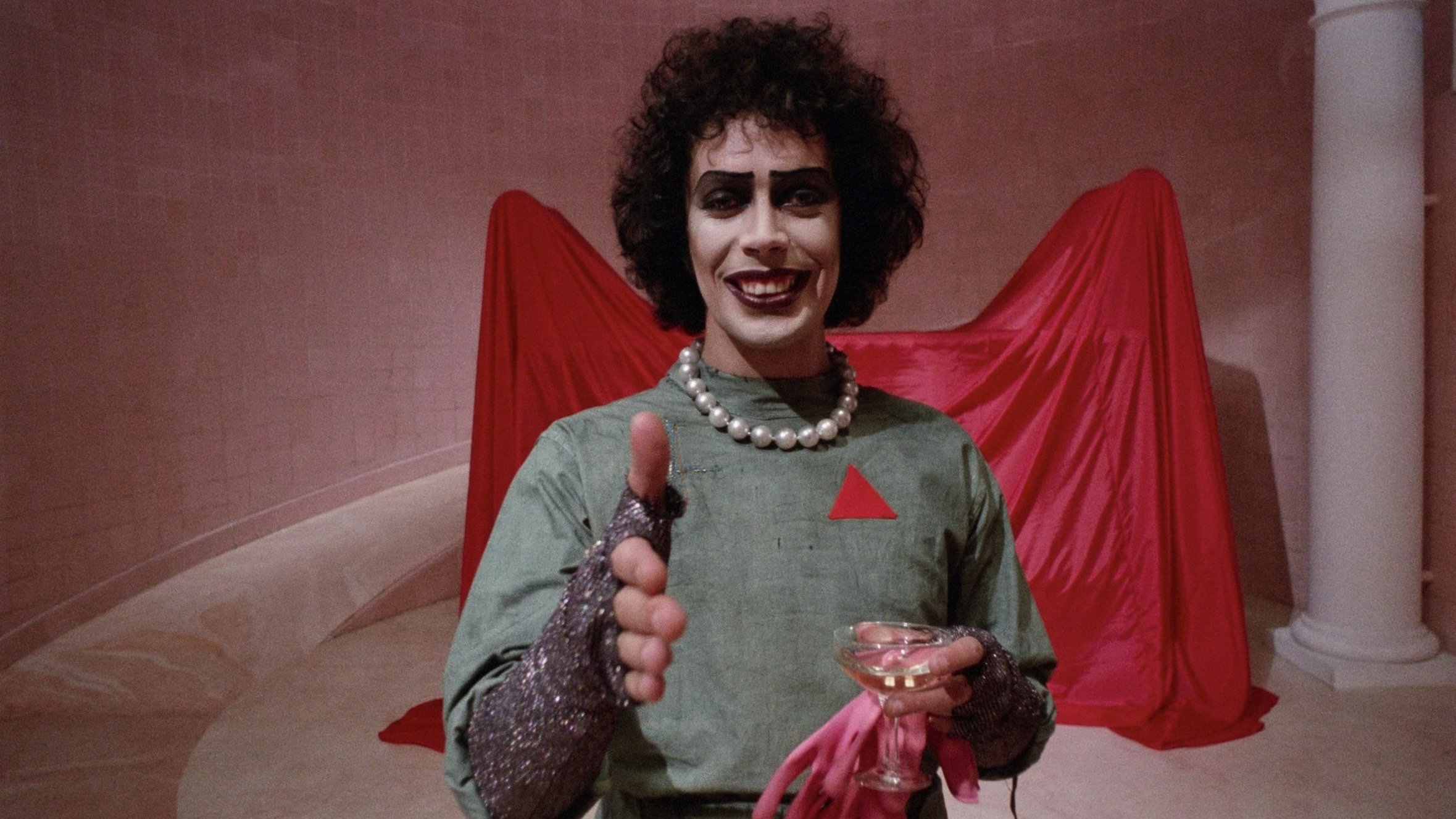
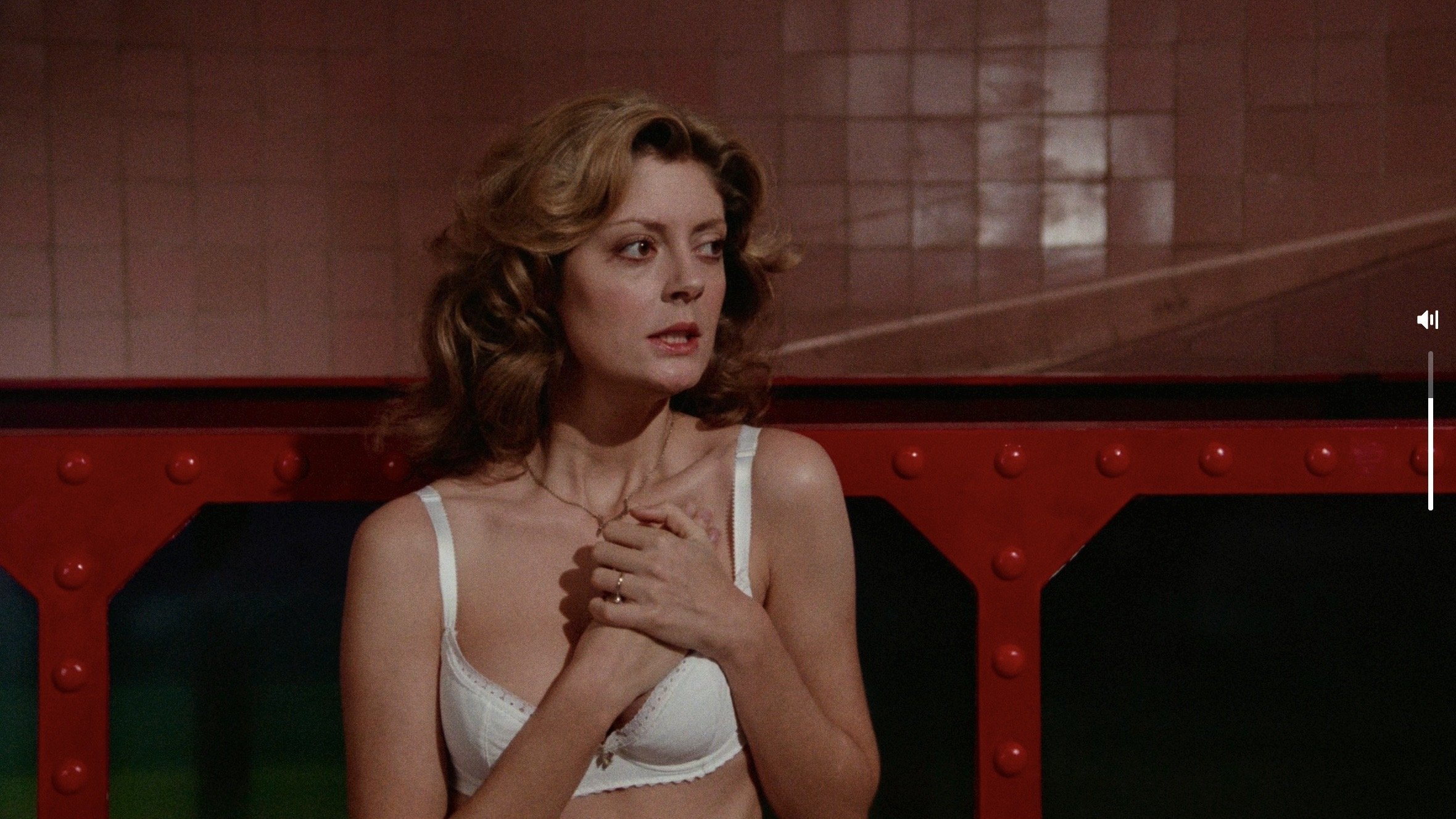
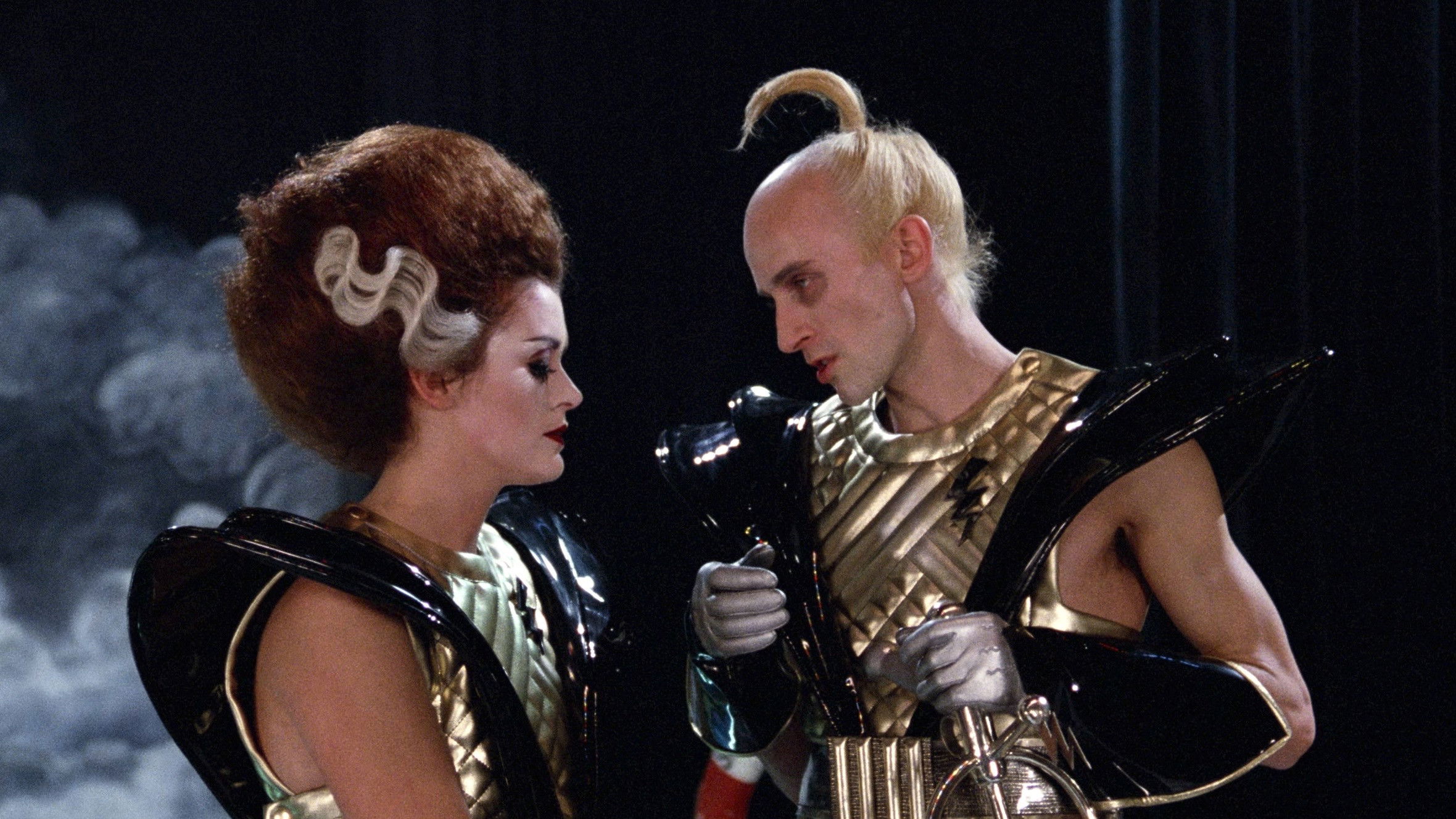
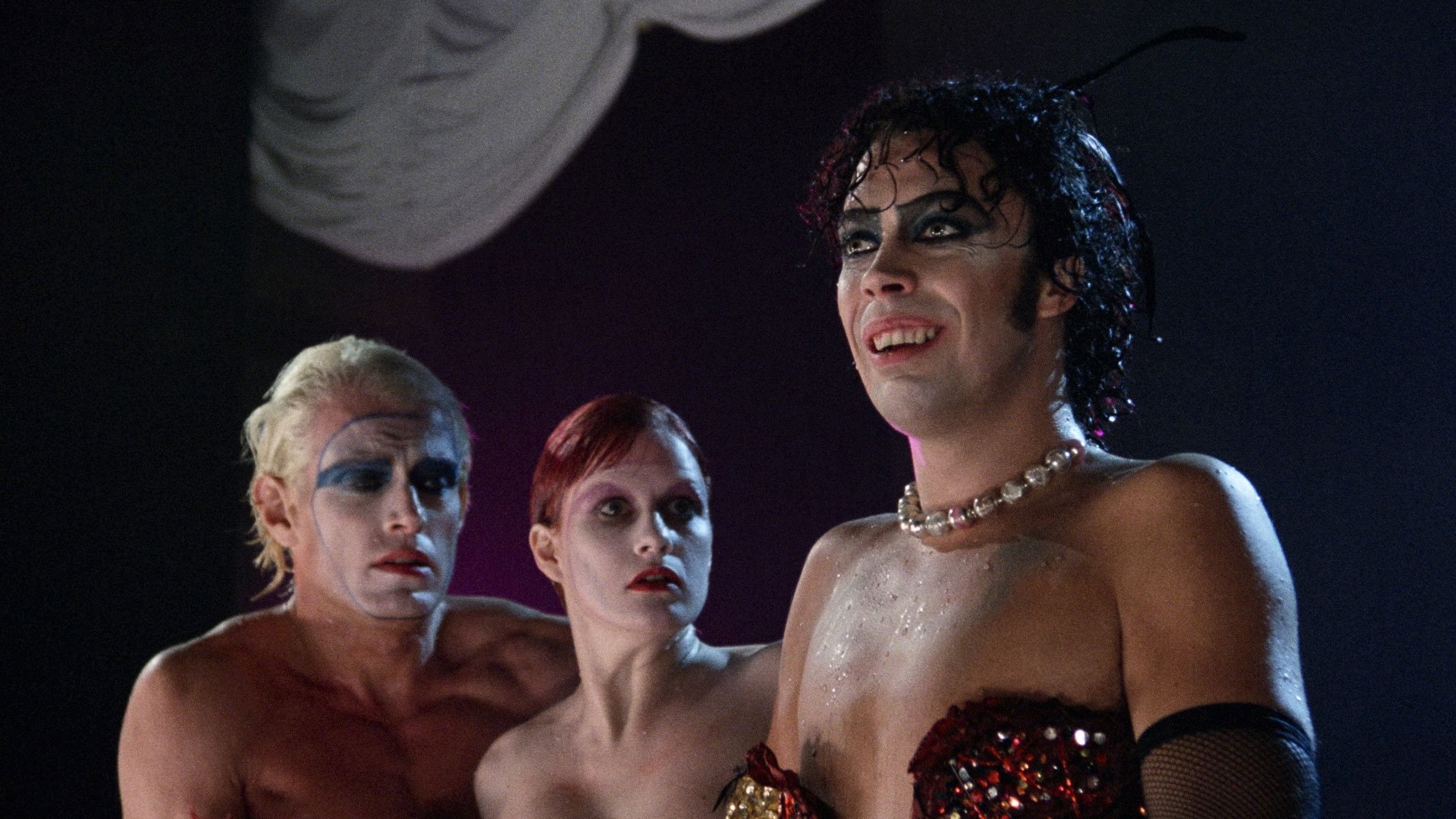
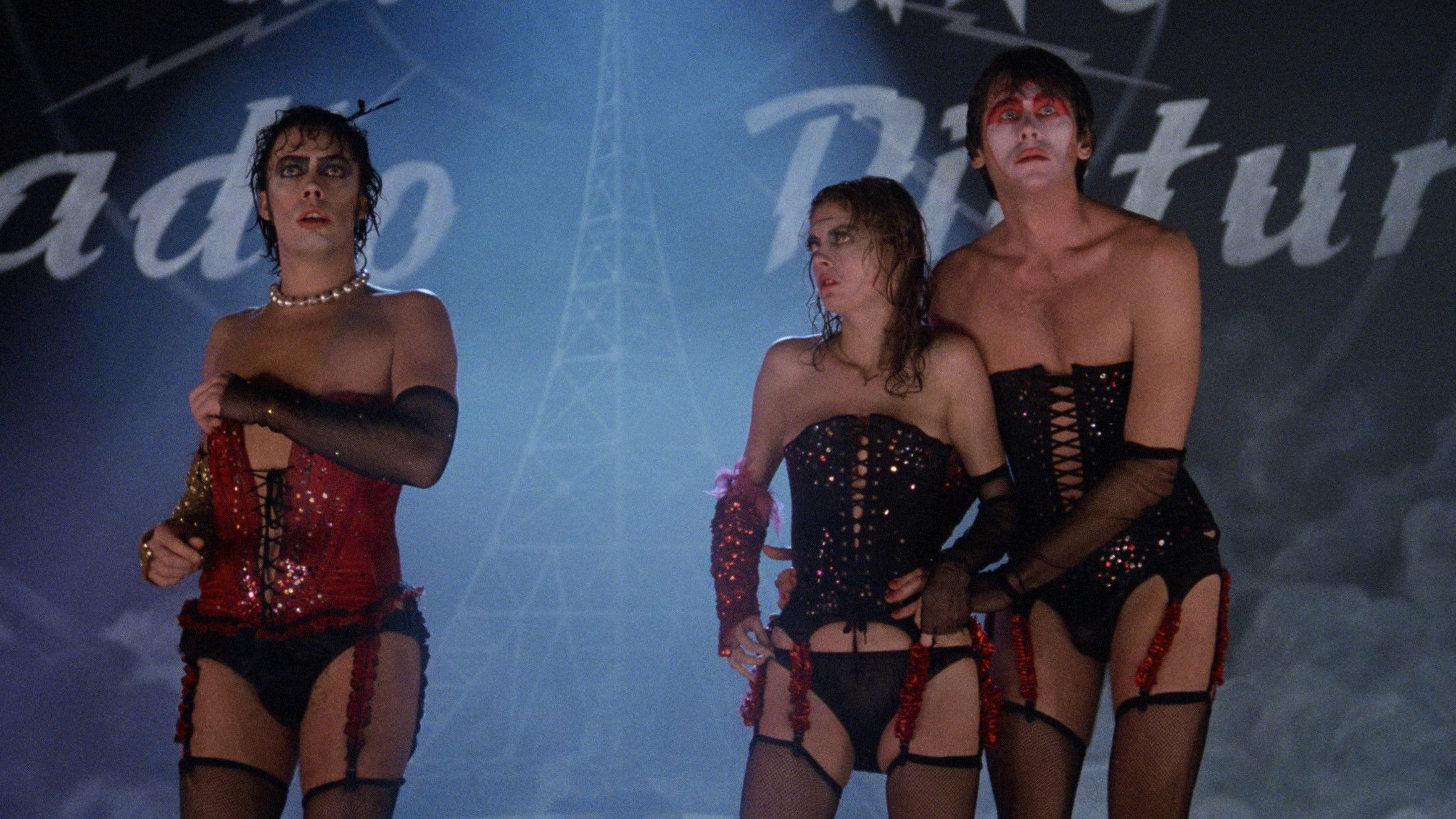
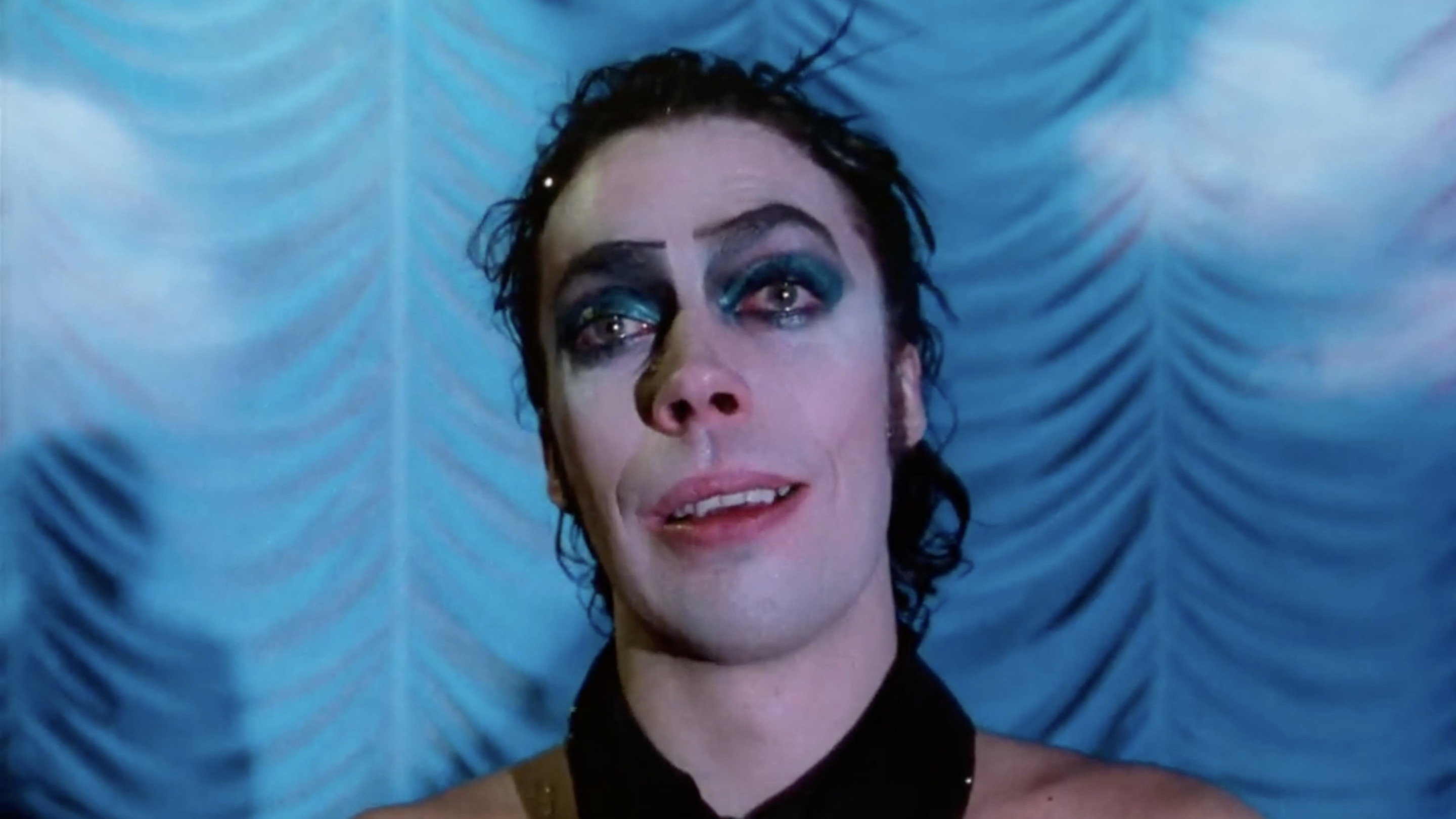
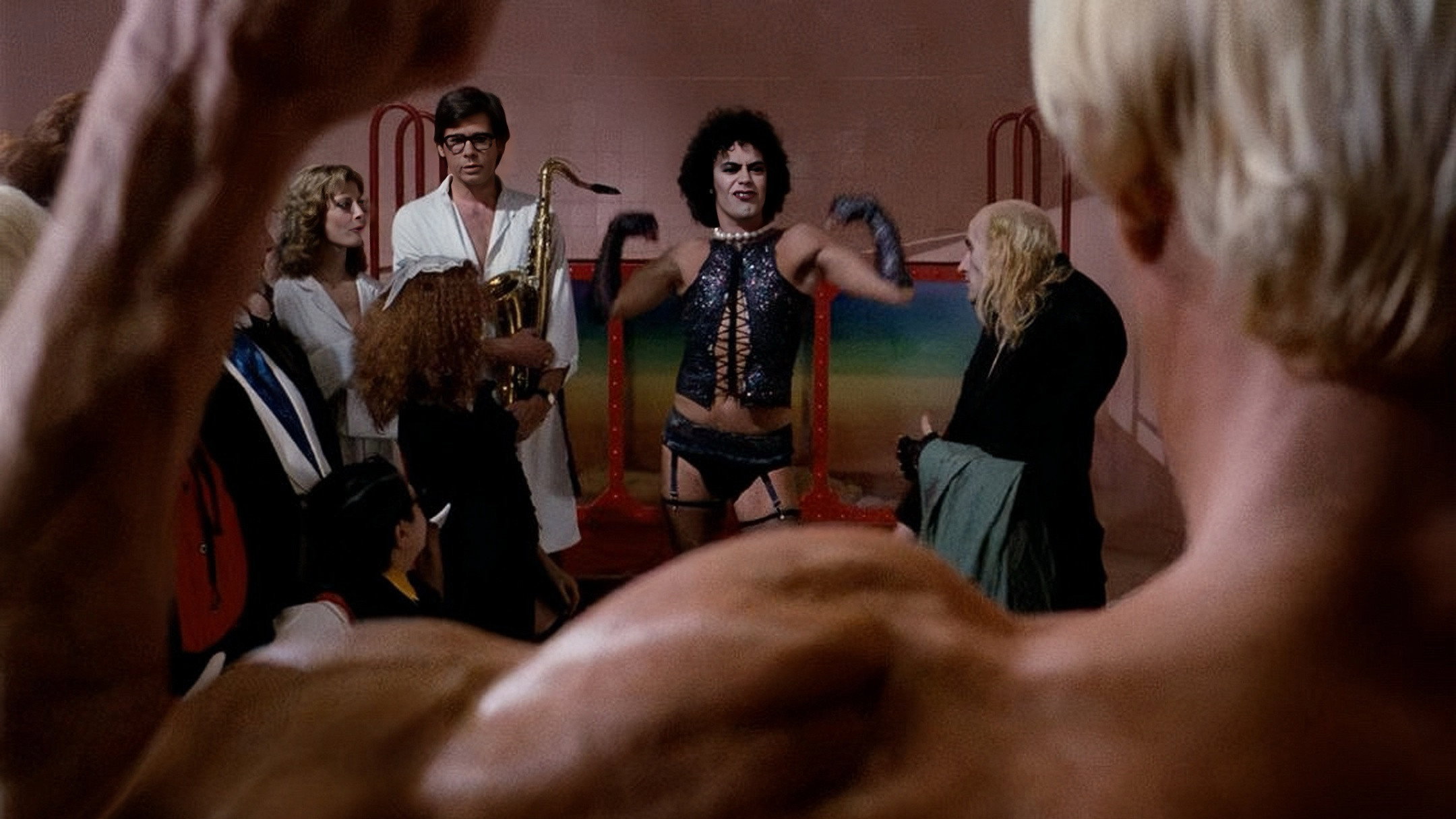
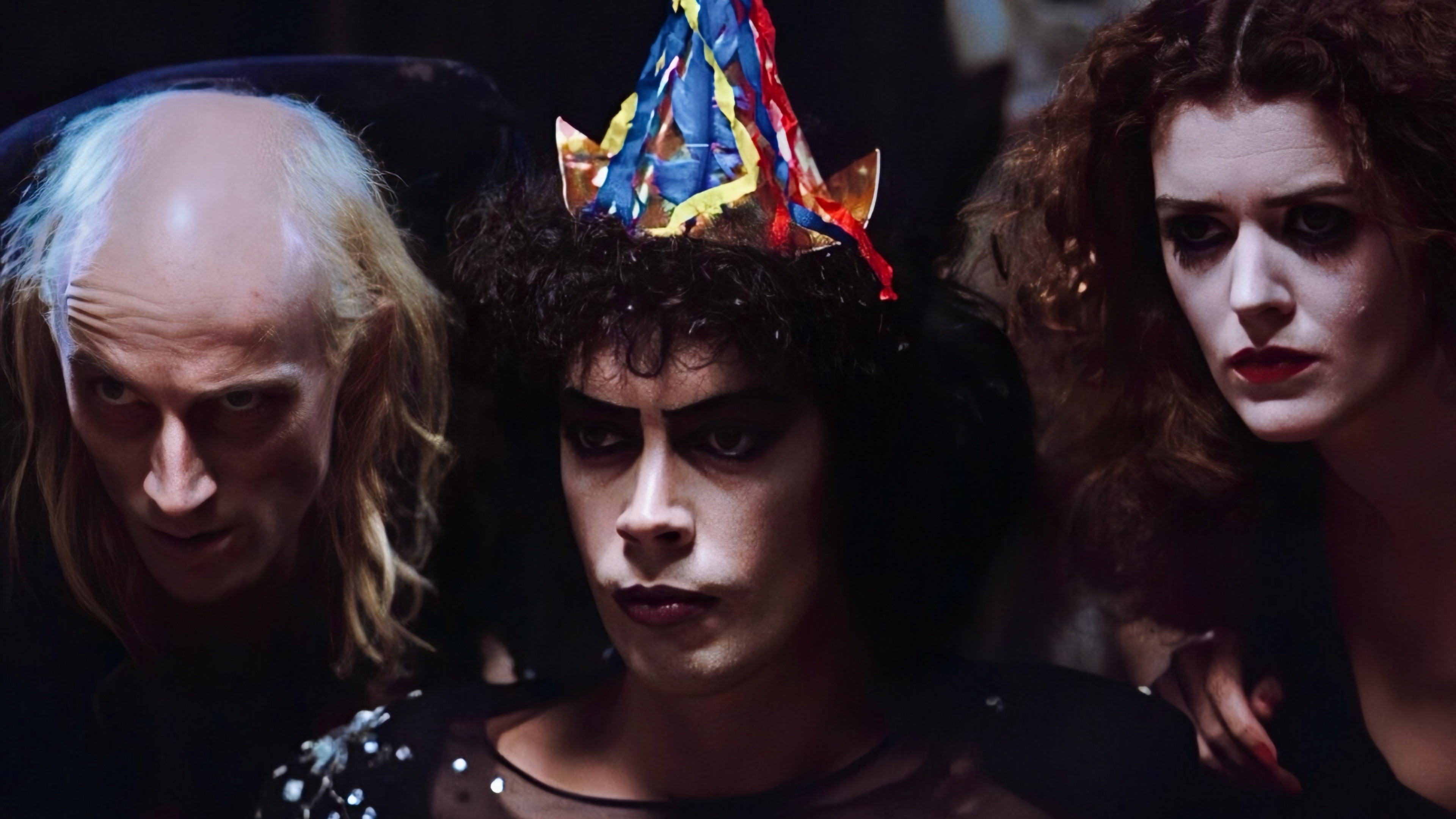
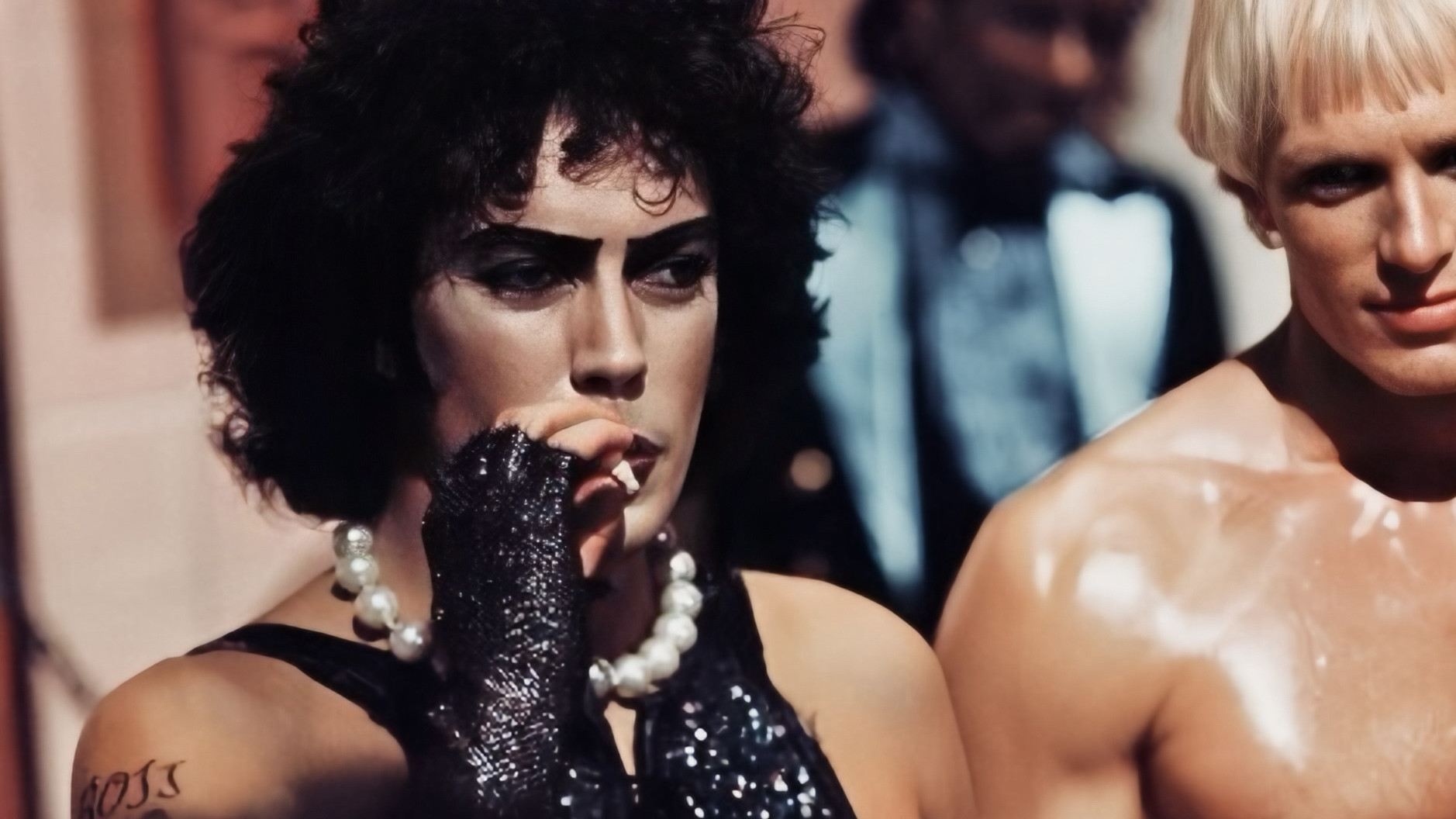
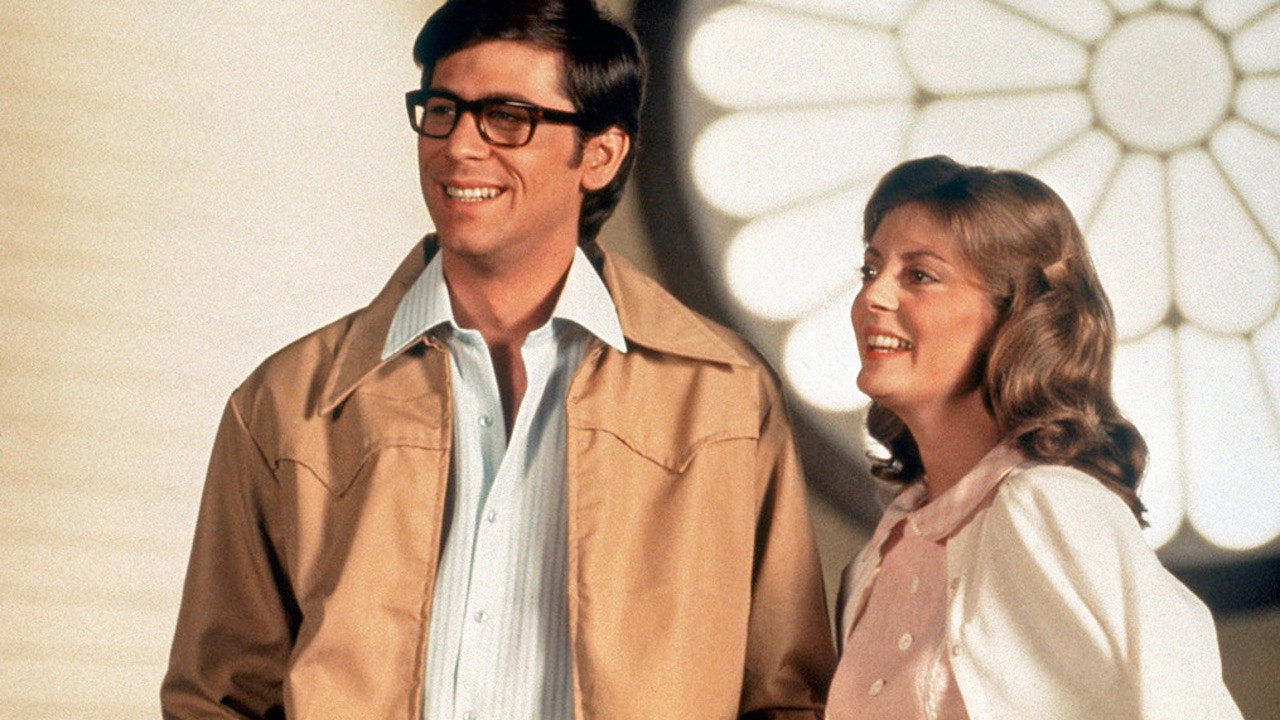
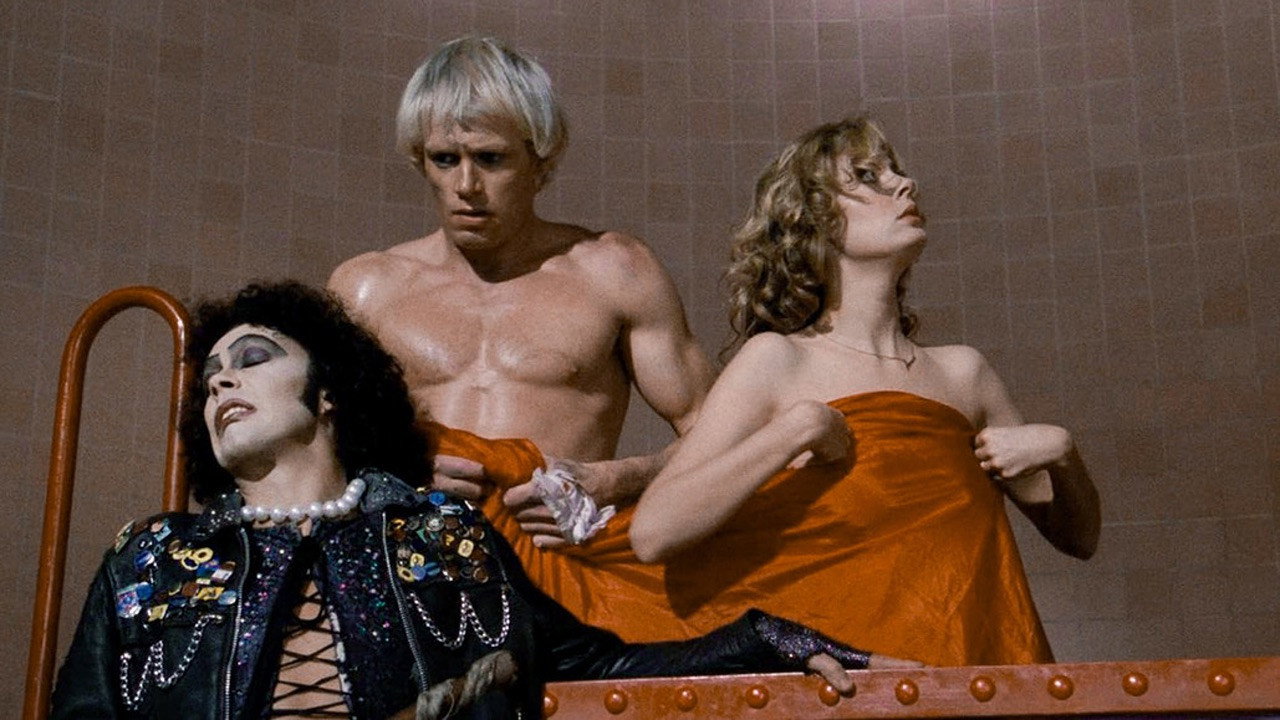
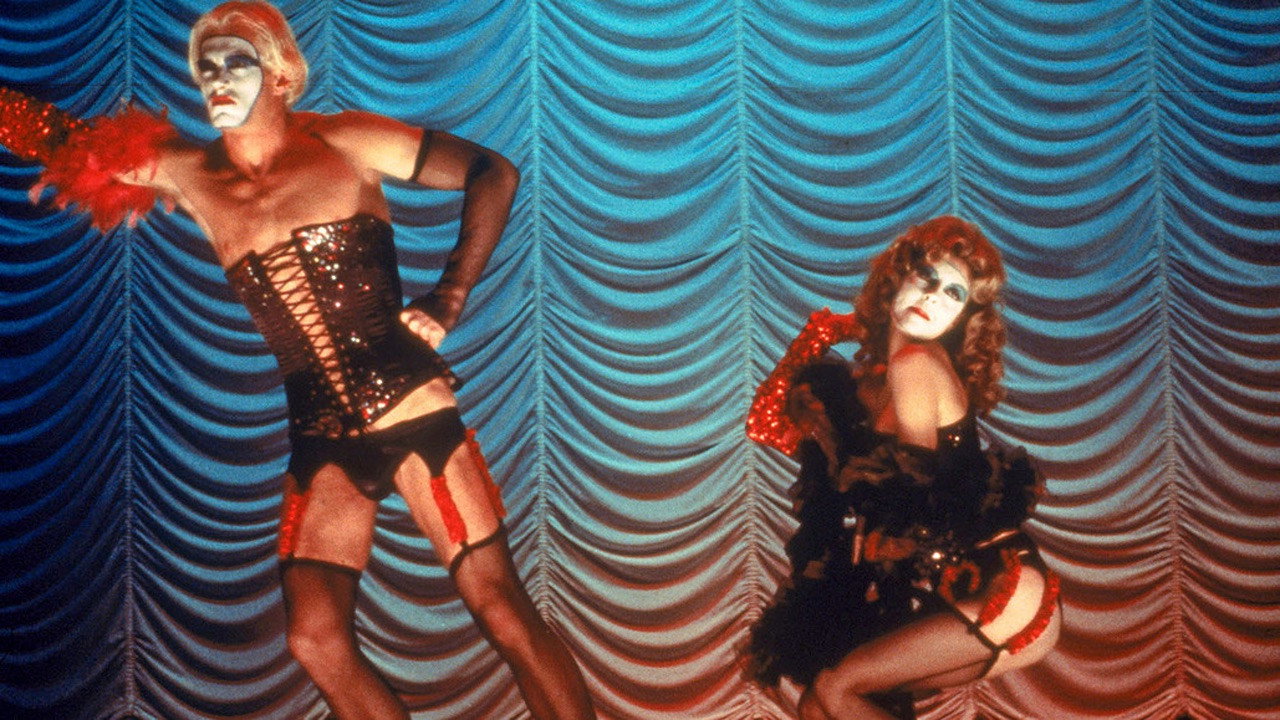
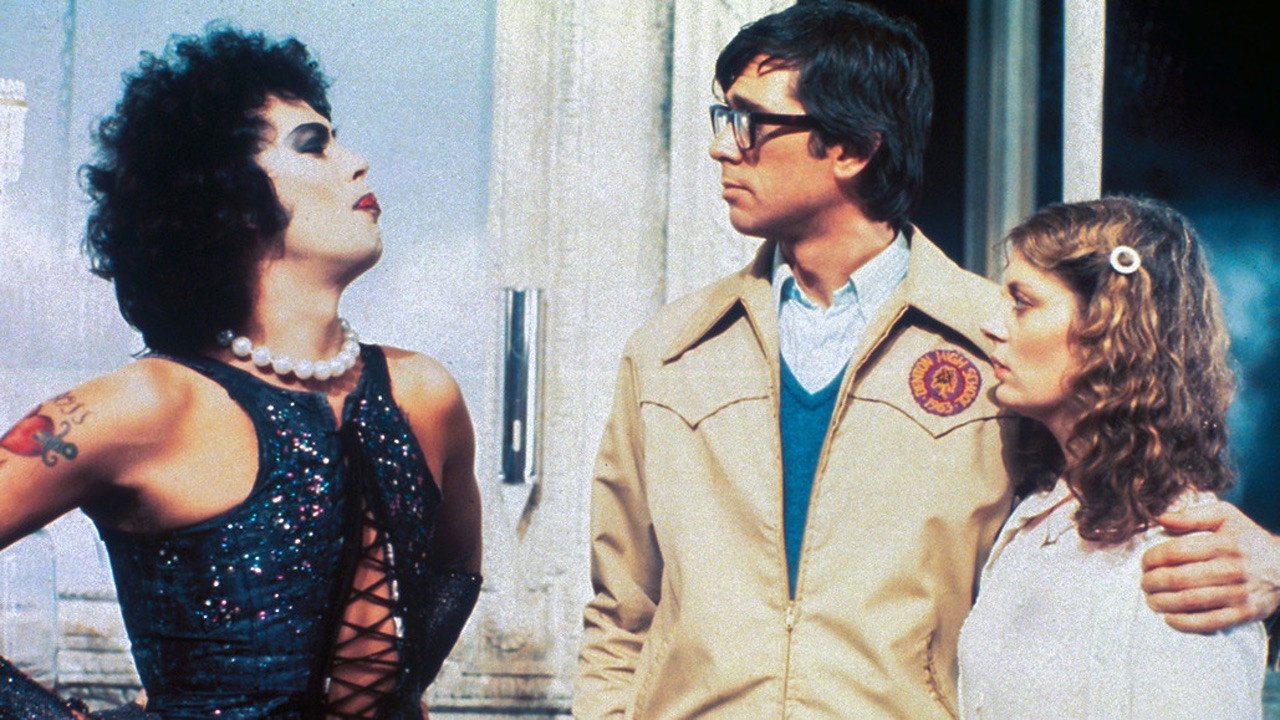
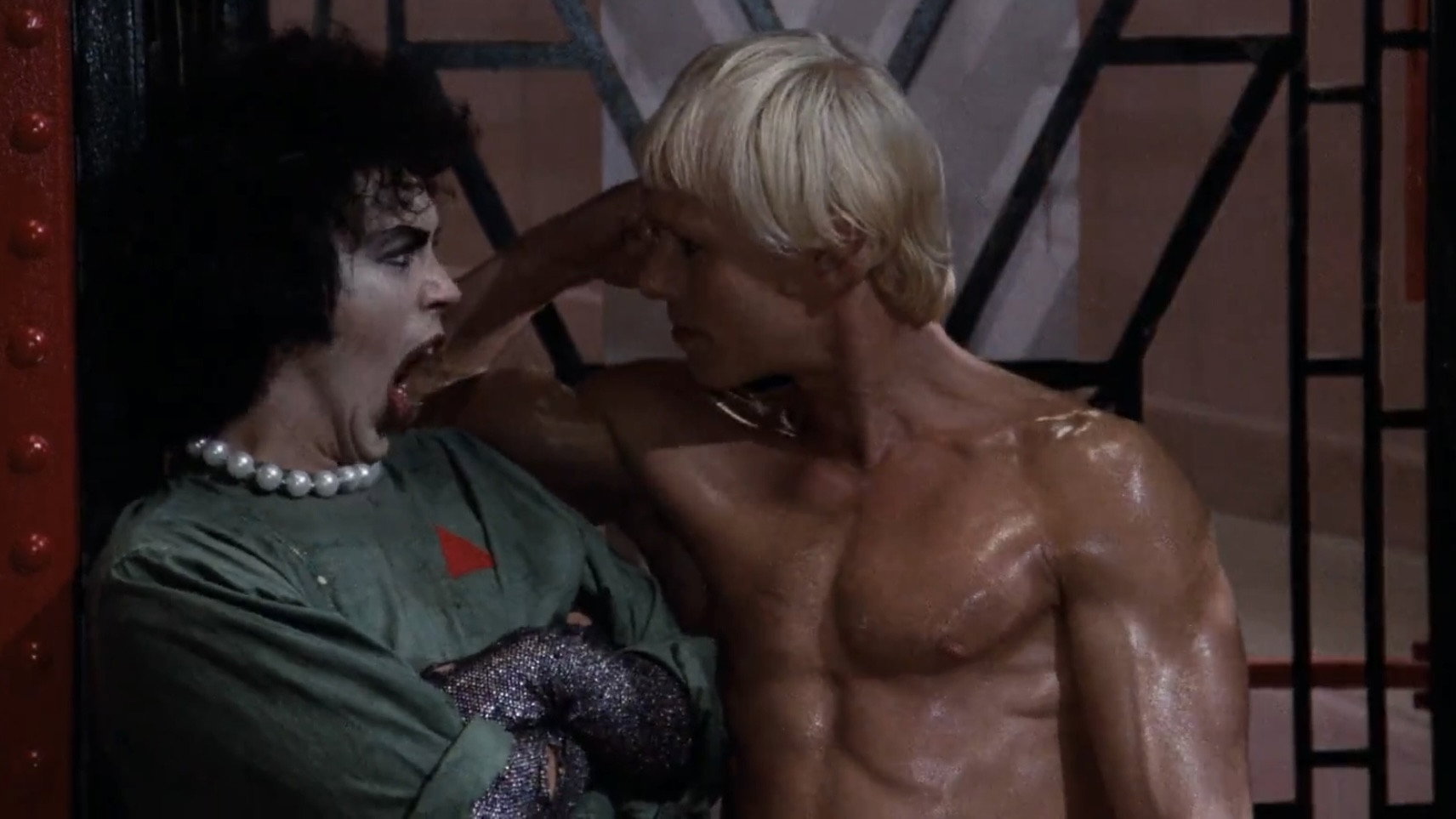
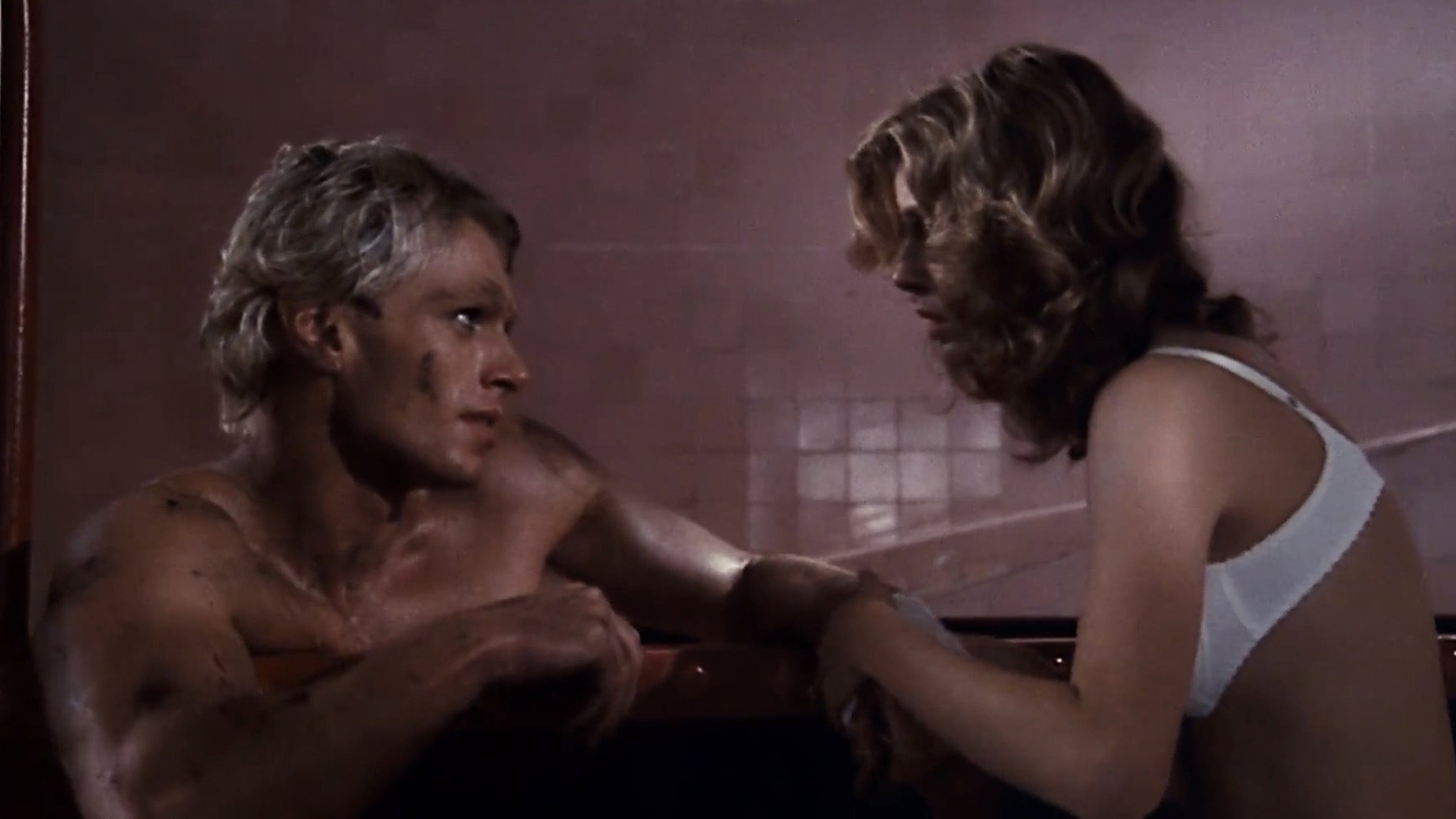
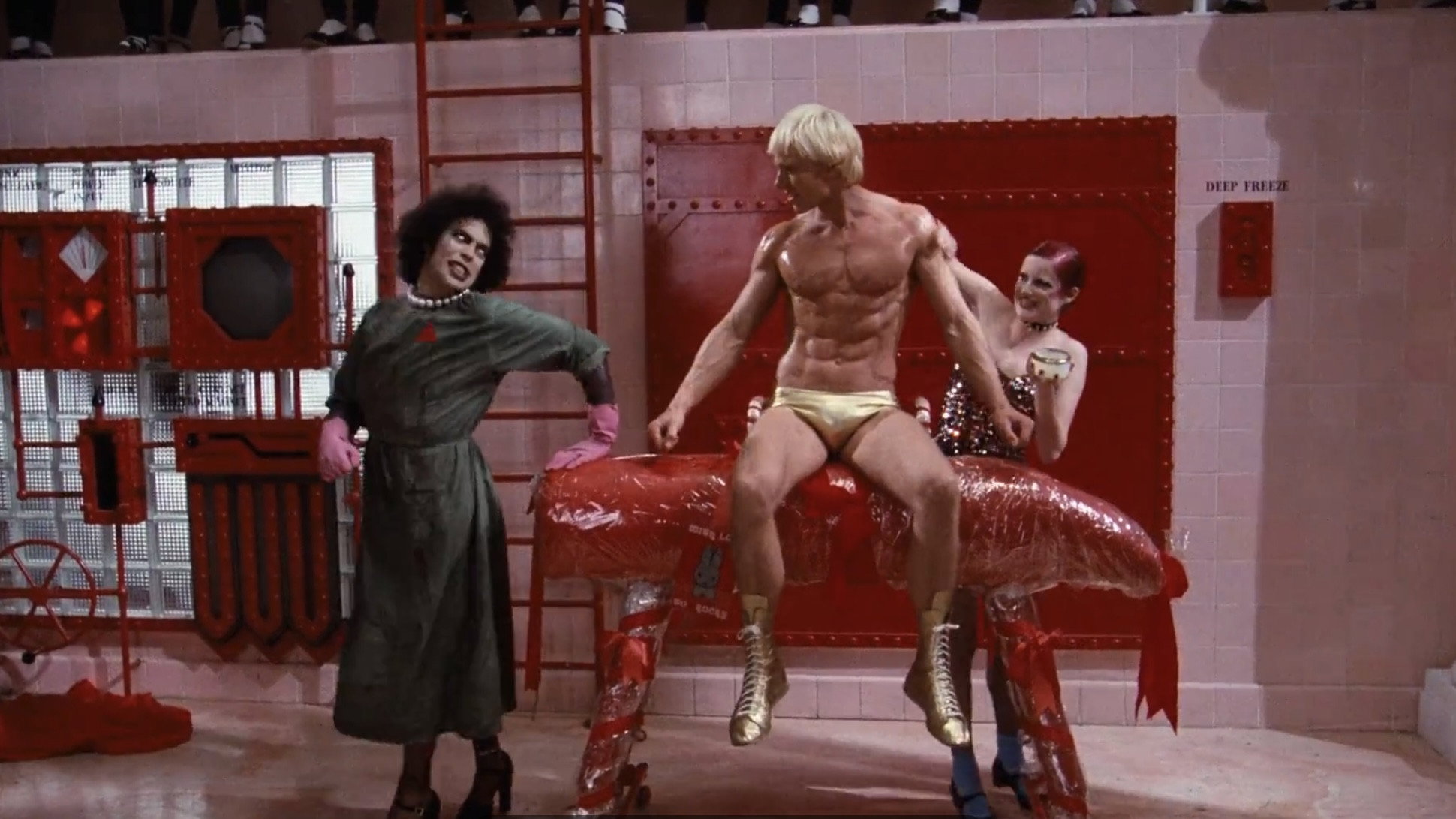
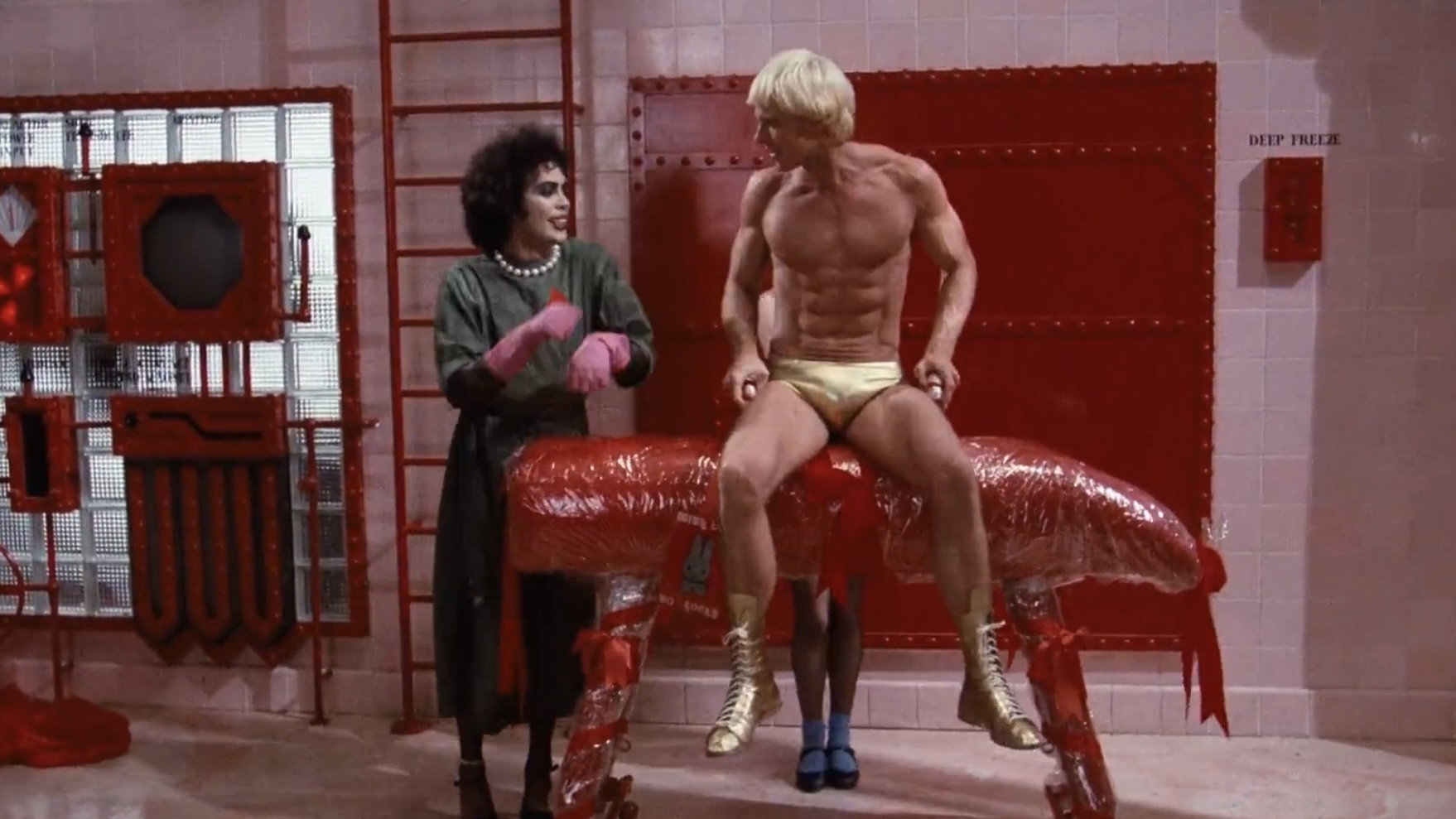
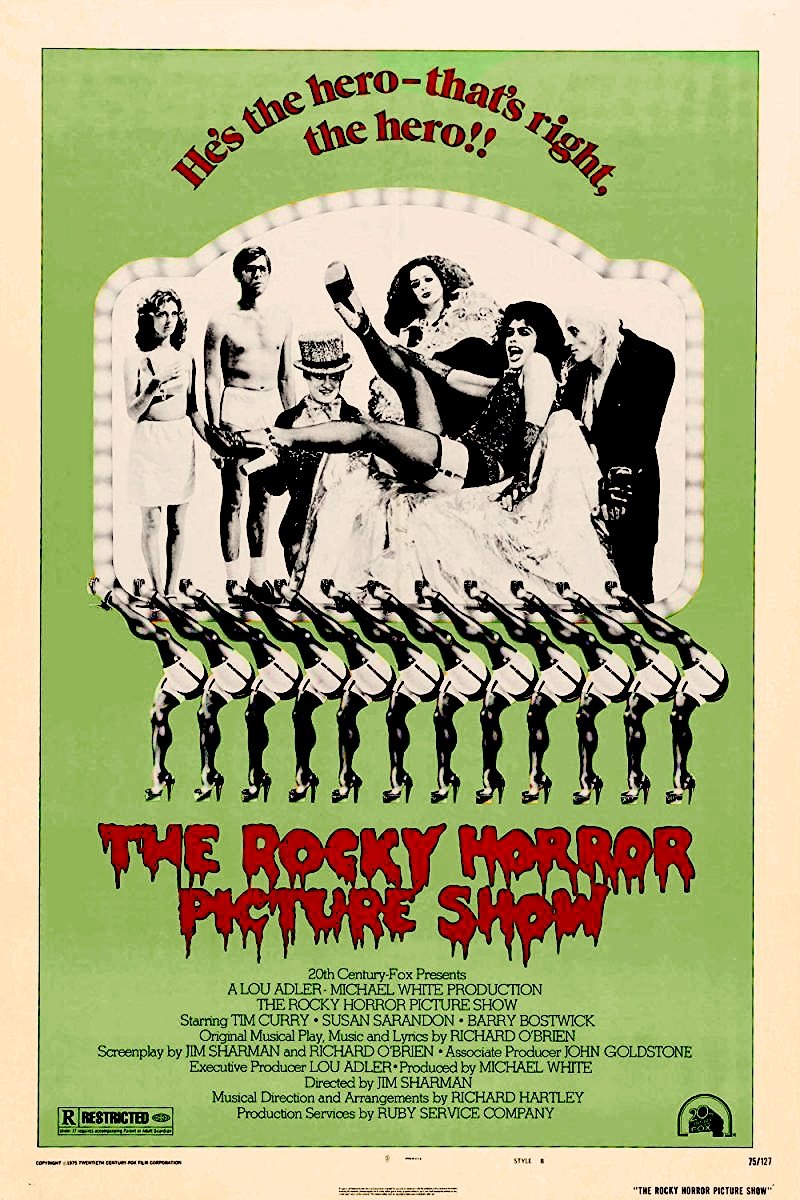
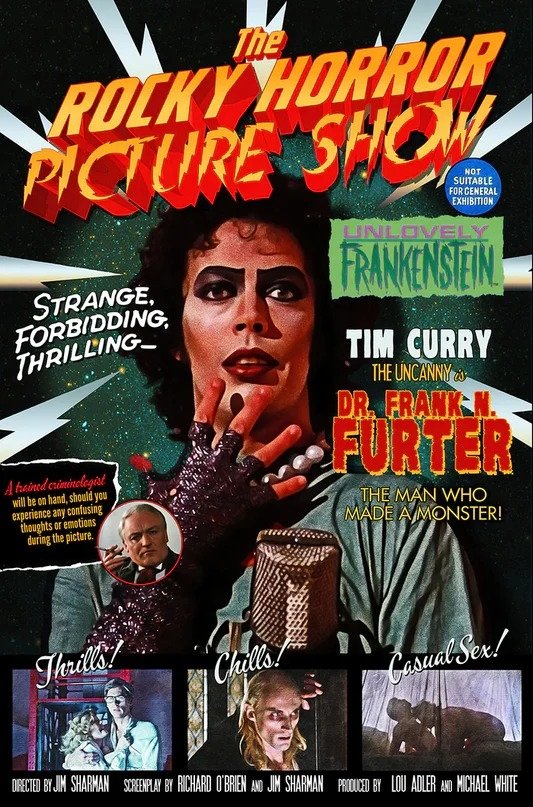
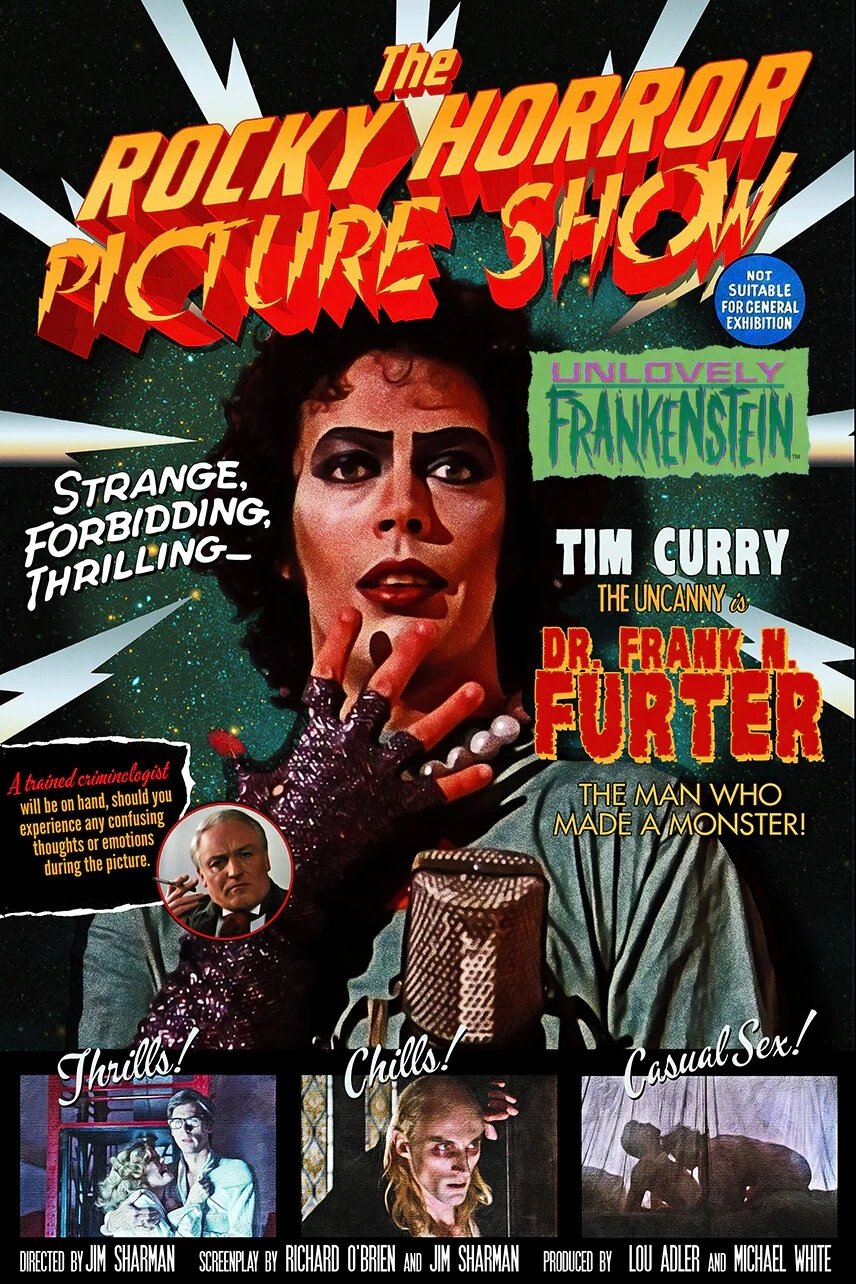
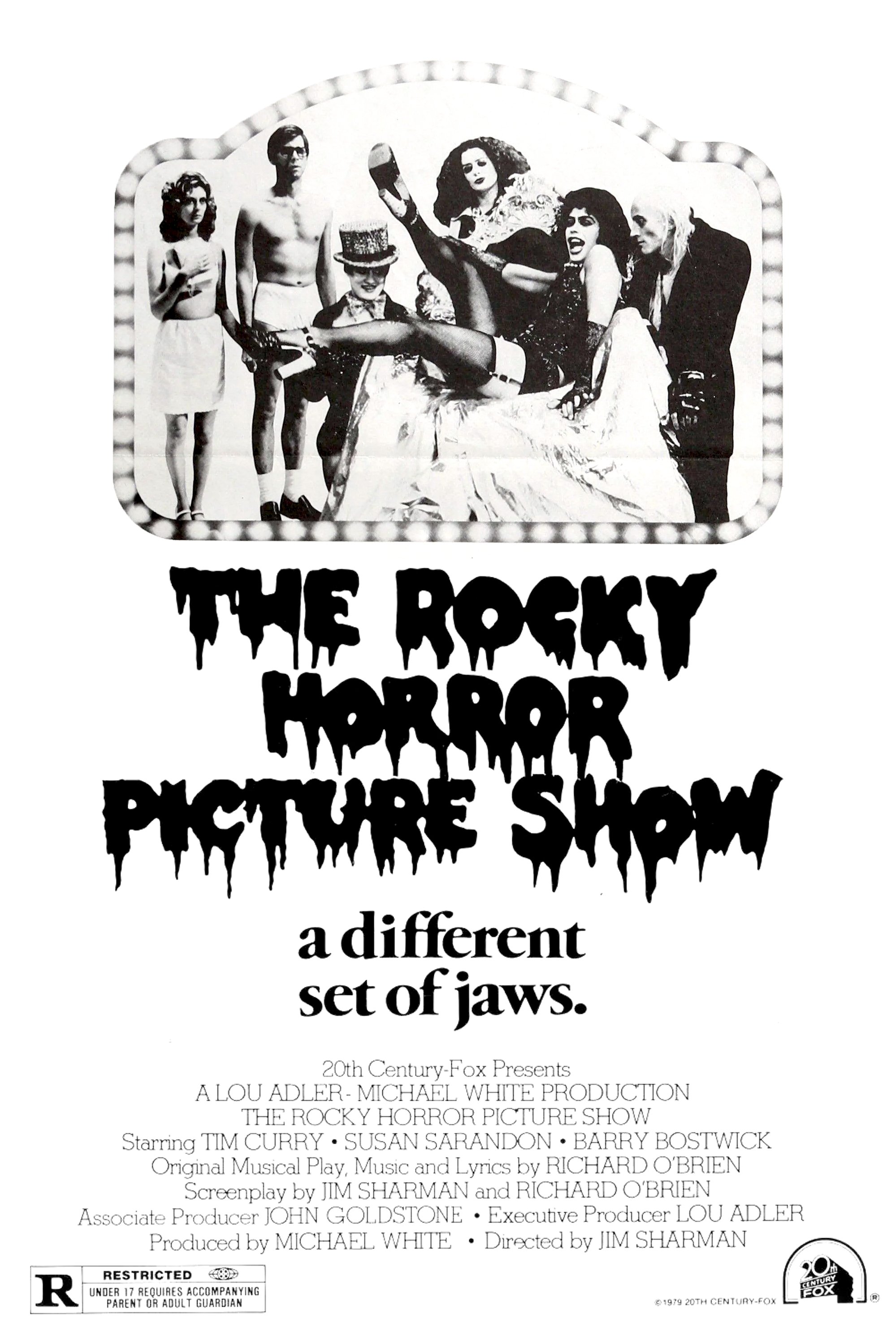
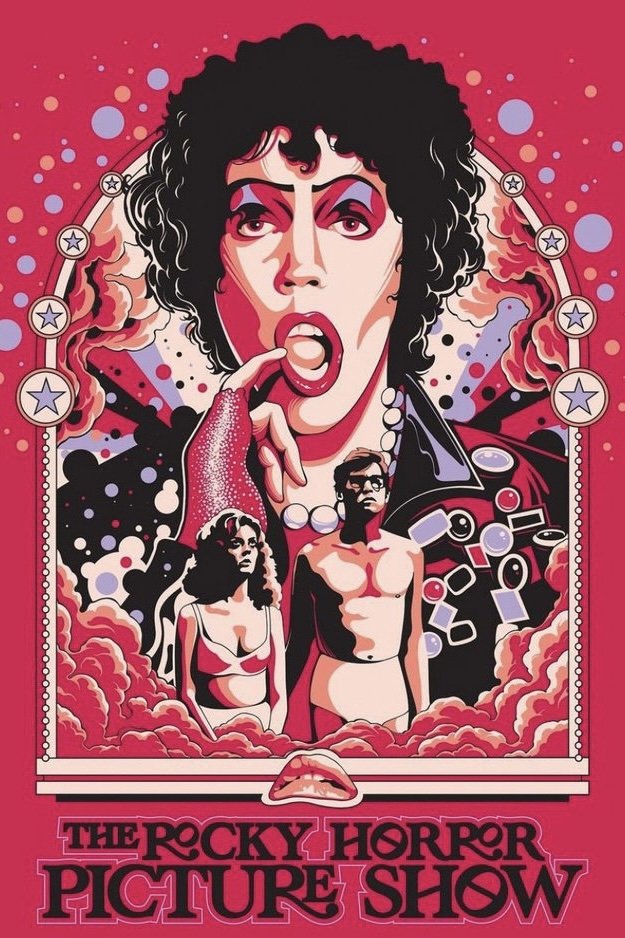
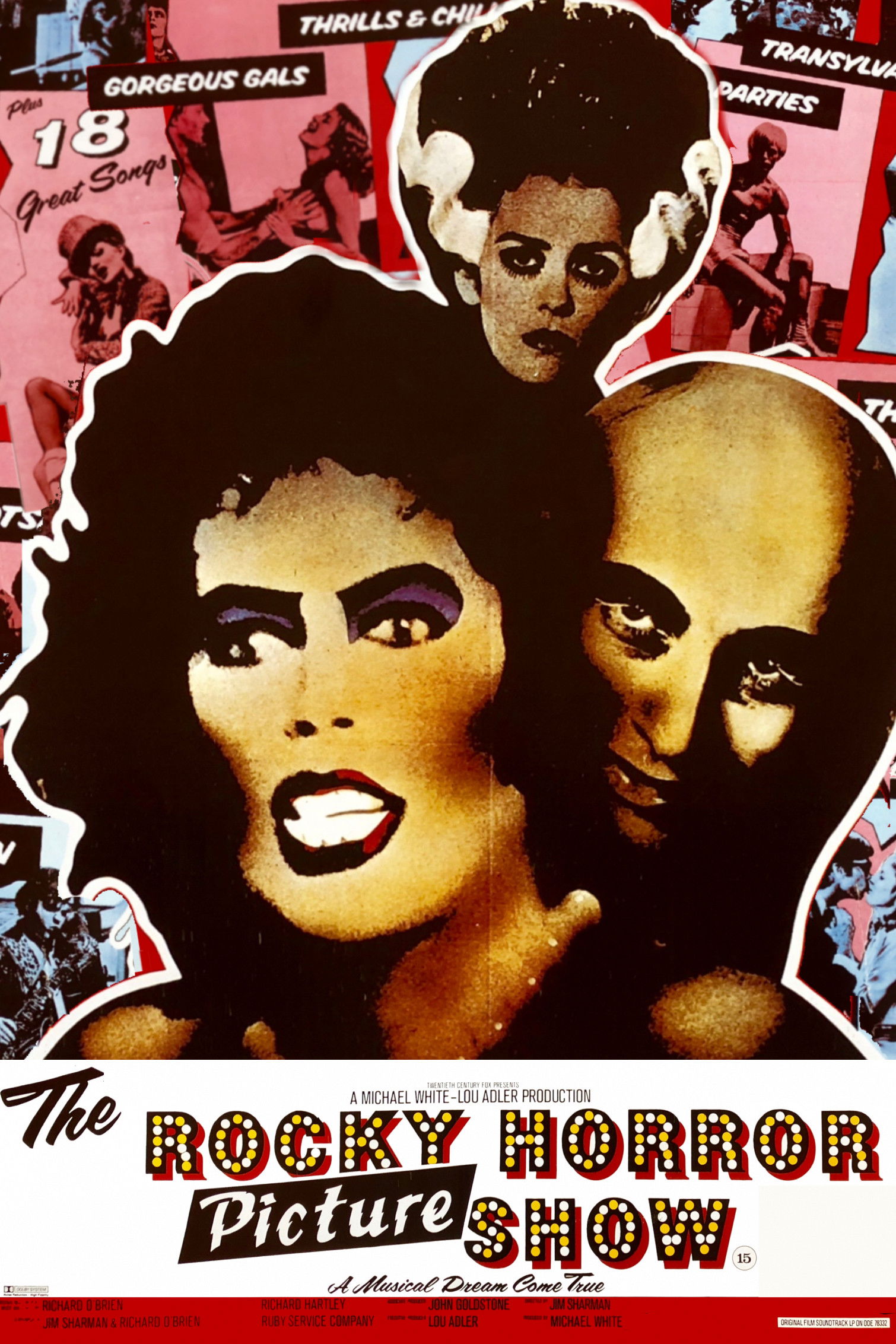
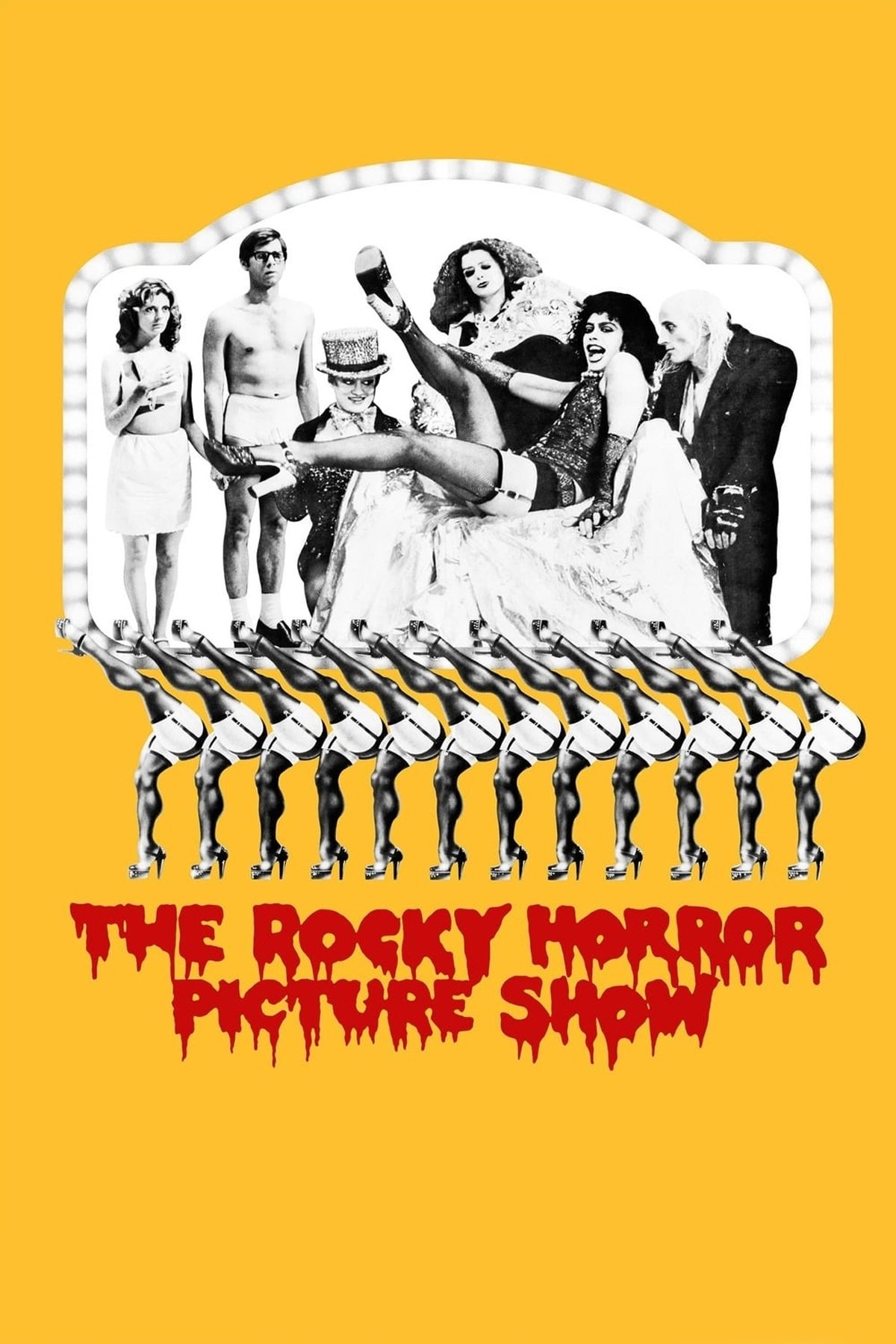
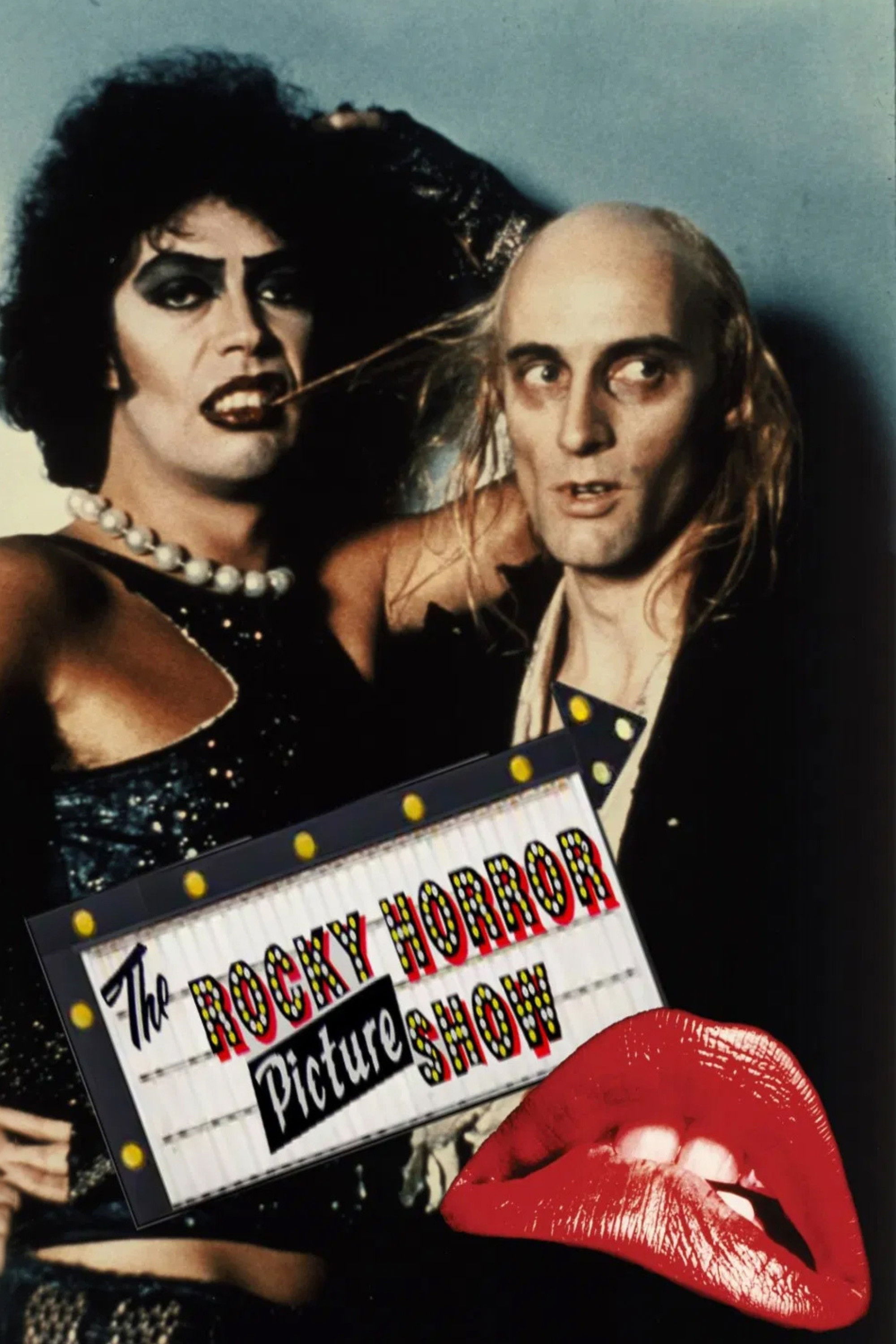
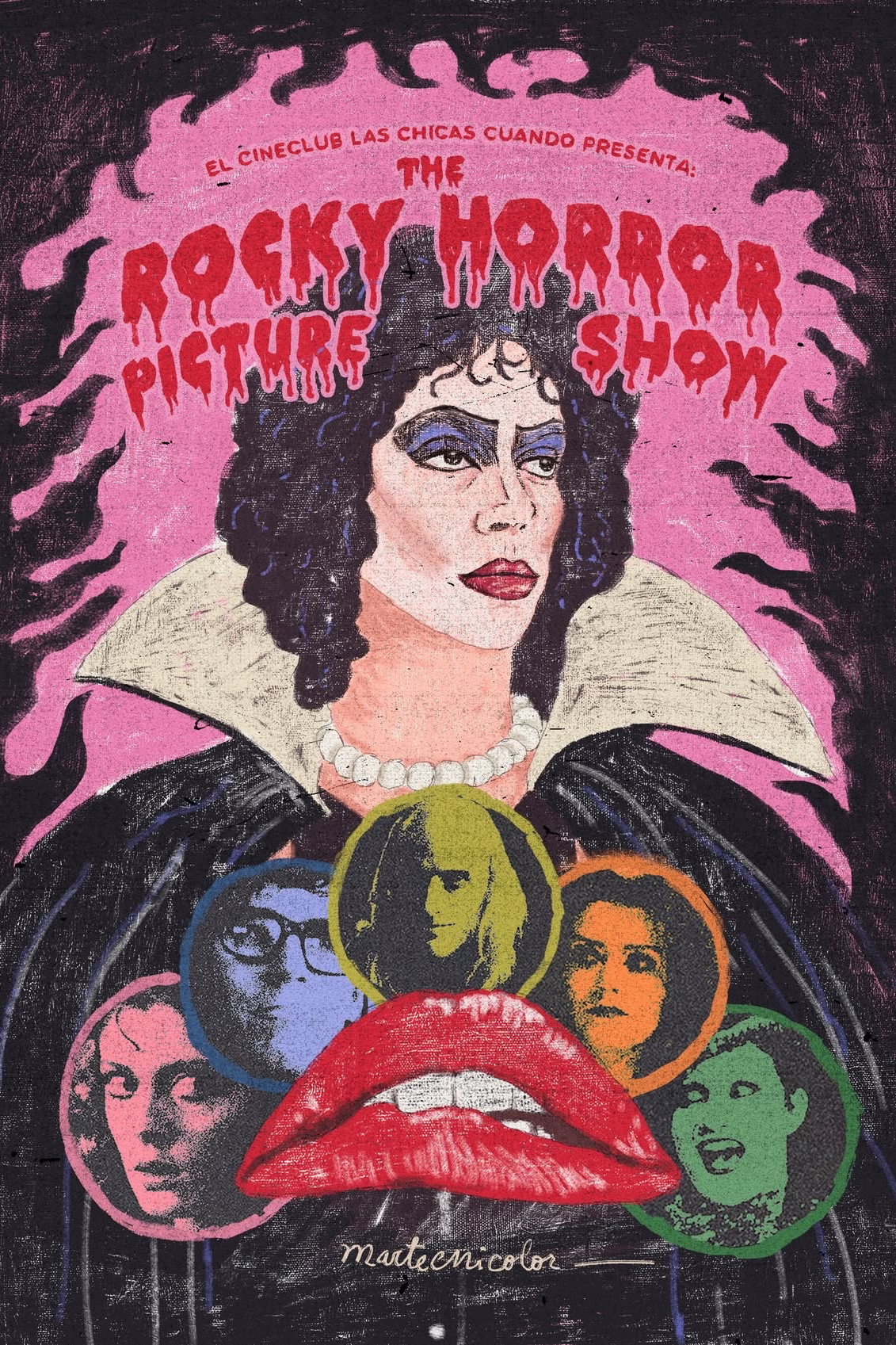
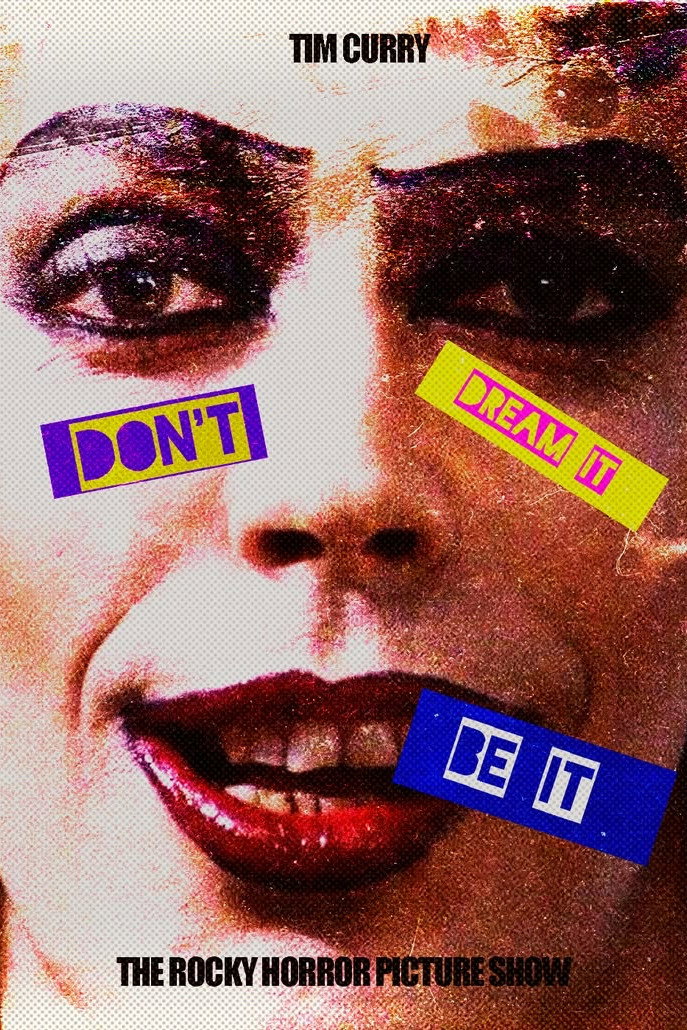
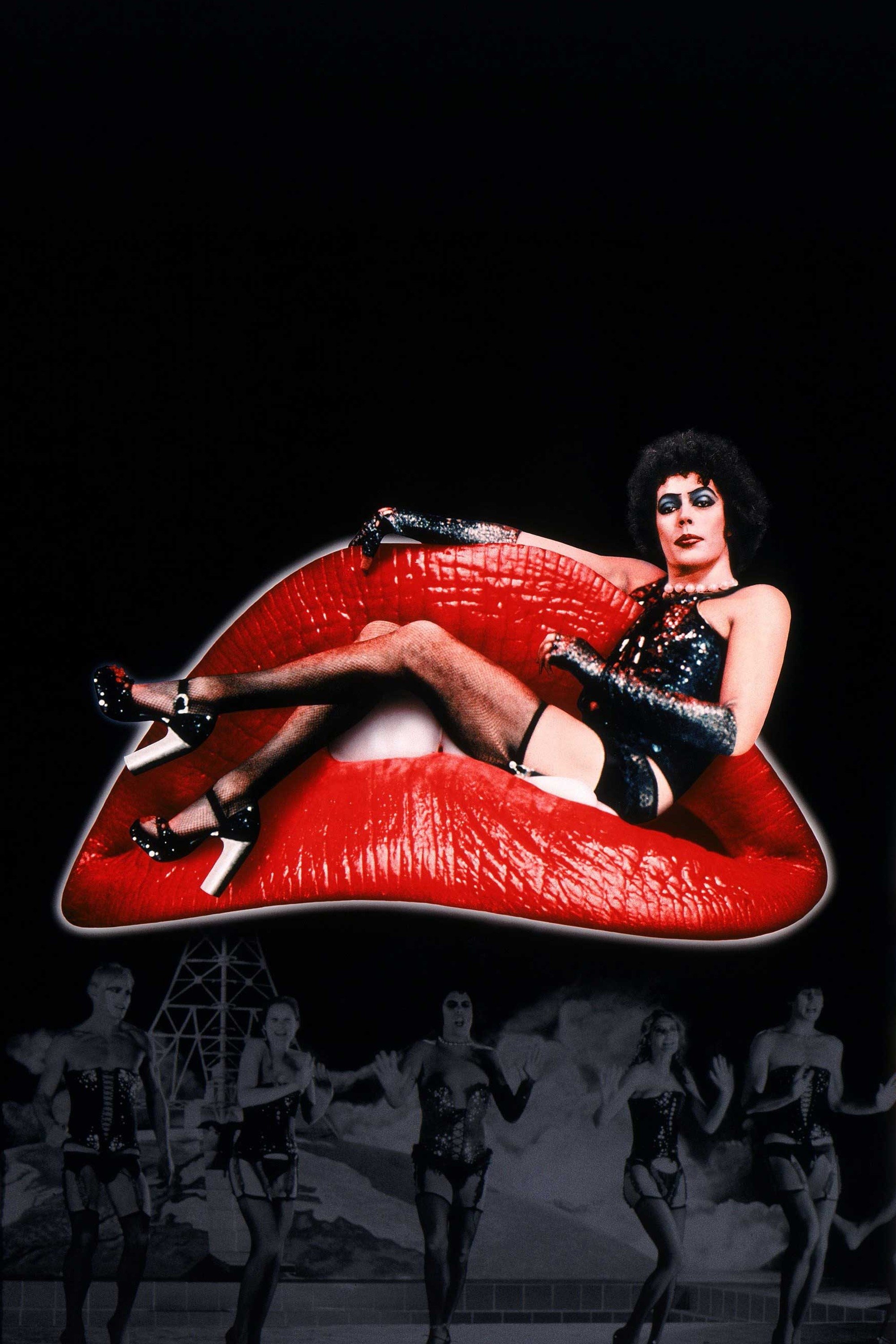
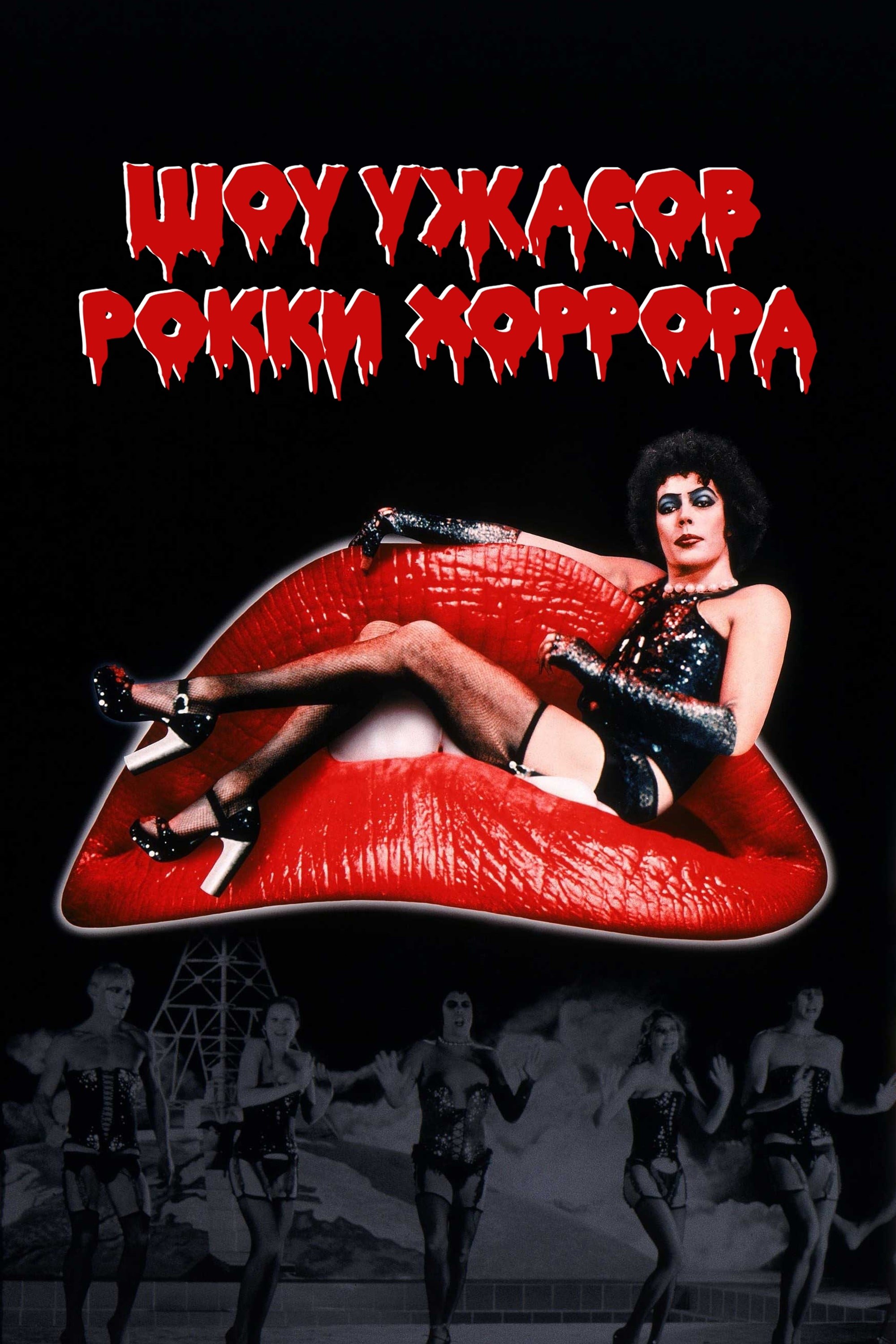
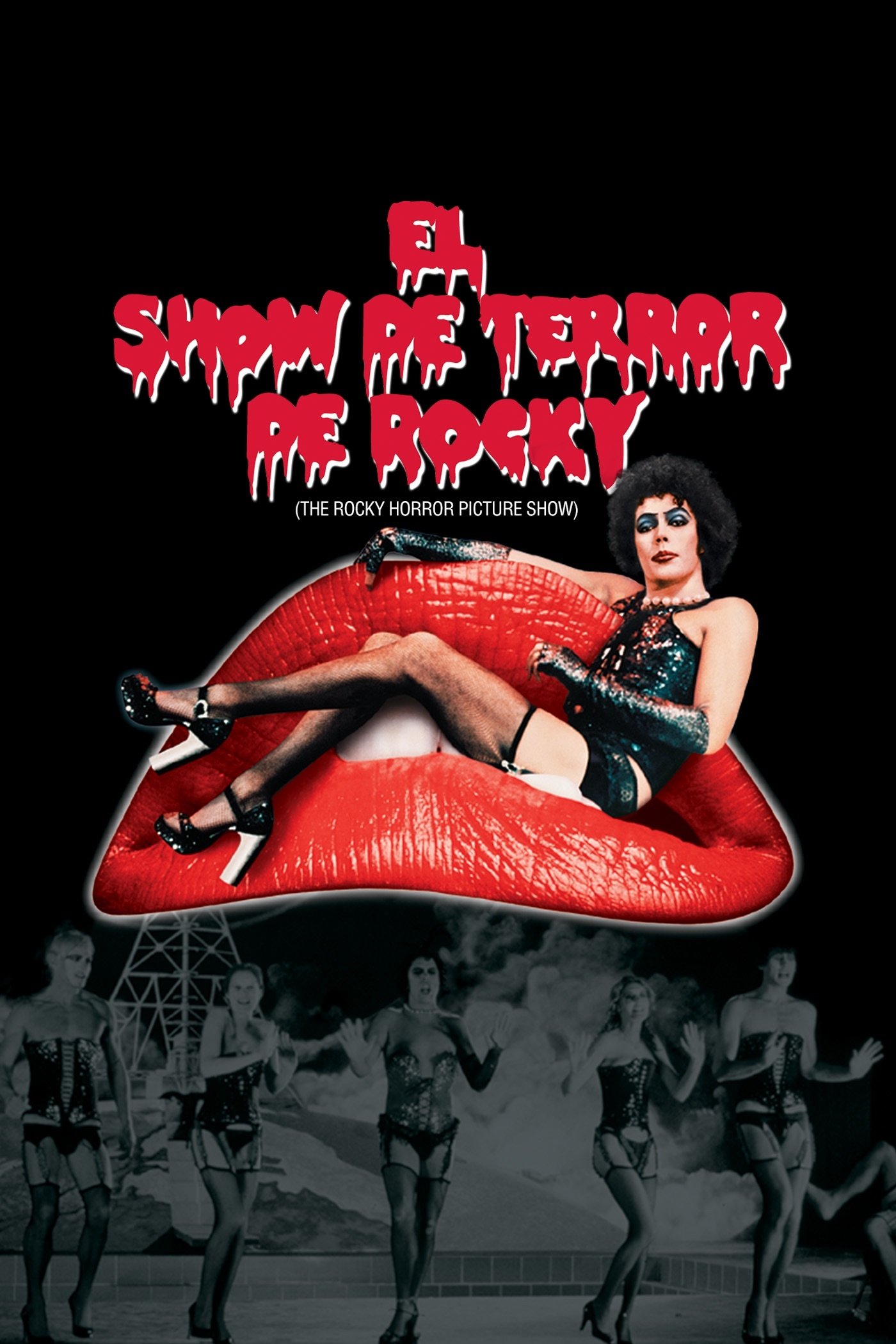
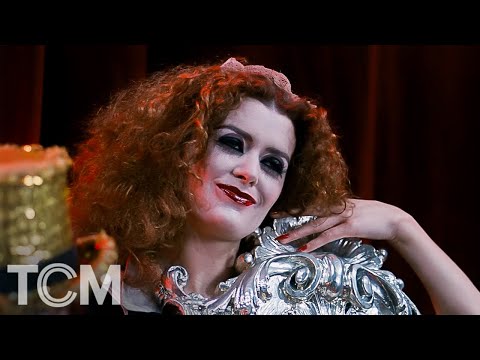
Several members of the theatrical company returned for the film, including Curry as Frank-N-Furter, O’Brien as Riff Raff, Patricia Quinn as Magenta and Nell Campbell as Columbia. Susan Sarandon and Barry Bostwick joined the principal cast as Janet and Brad. The adaptation was undertaken while the musical remained active on stage, an unusual production schedule for a relatively recent theatrical success. Its Broadway opening in March 1975 proved unsuccessful, however, closing after a short engagement. The contrasting responses to the theatrical productions complicated expectations for the forthcoming film, whose commercial prospects were already uncertain before its American release.