


From Experimental Cinema to Cinépix & the CFDC
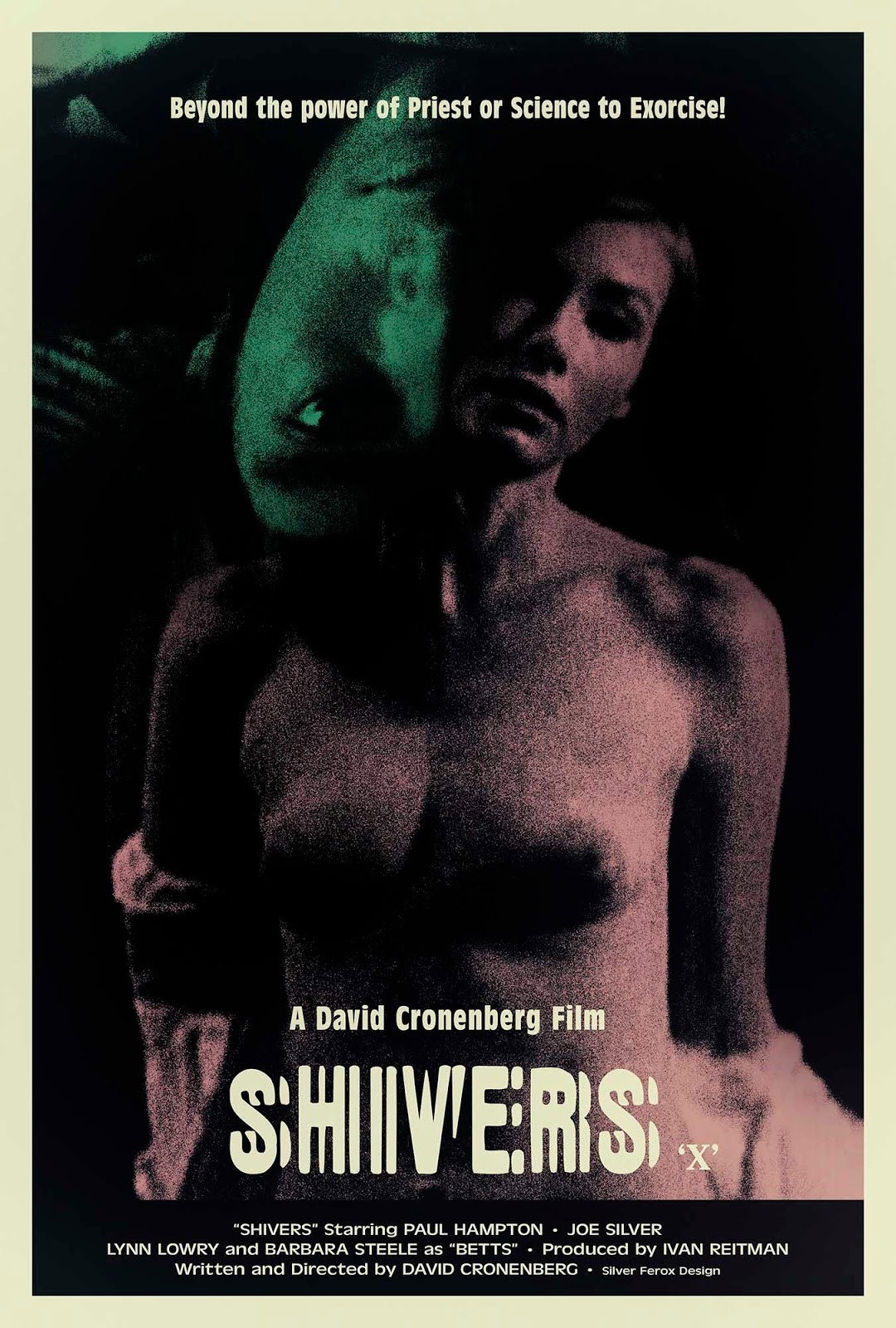
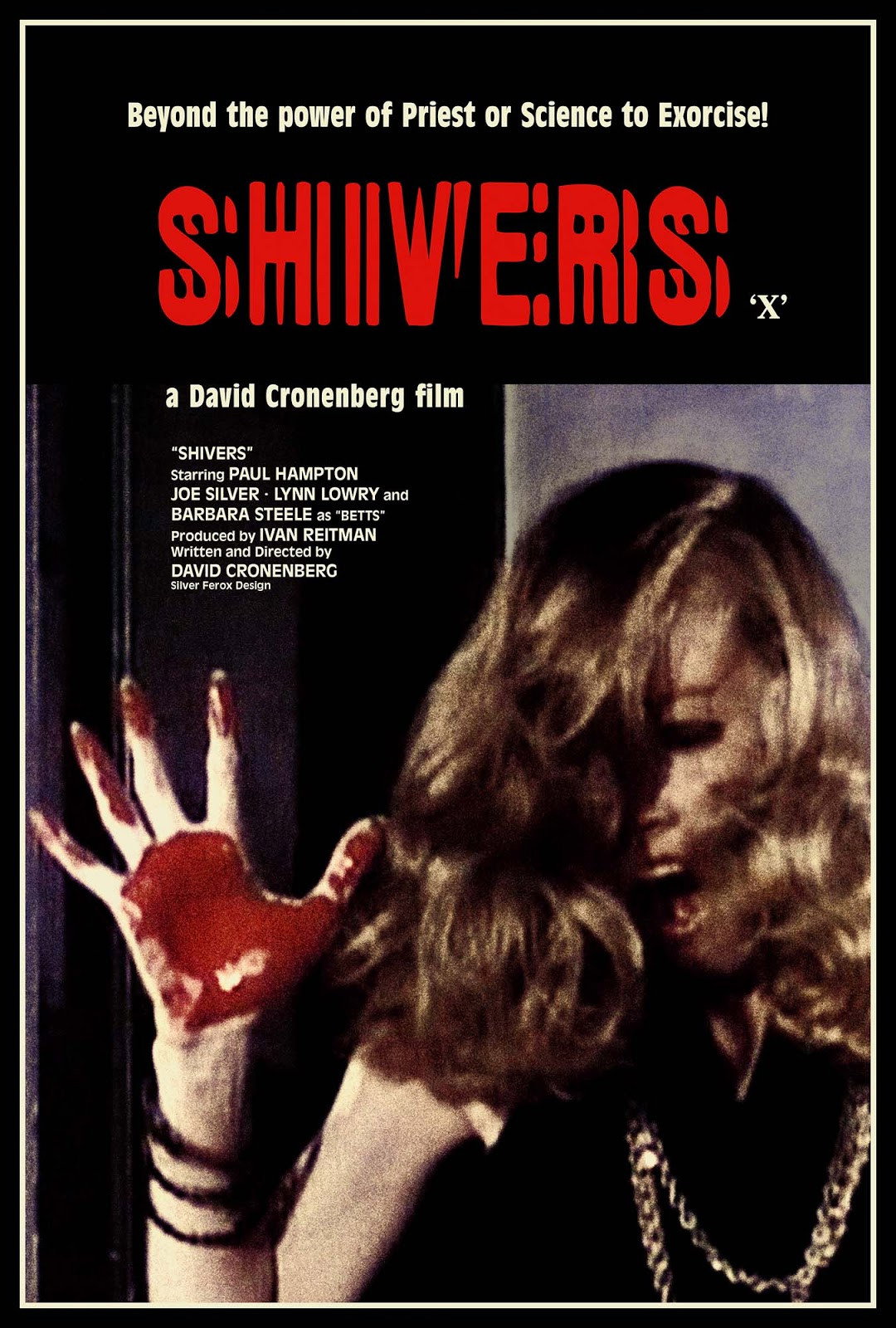
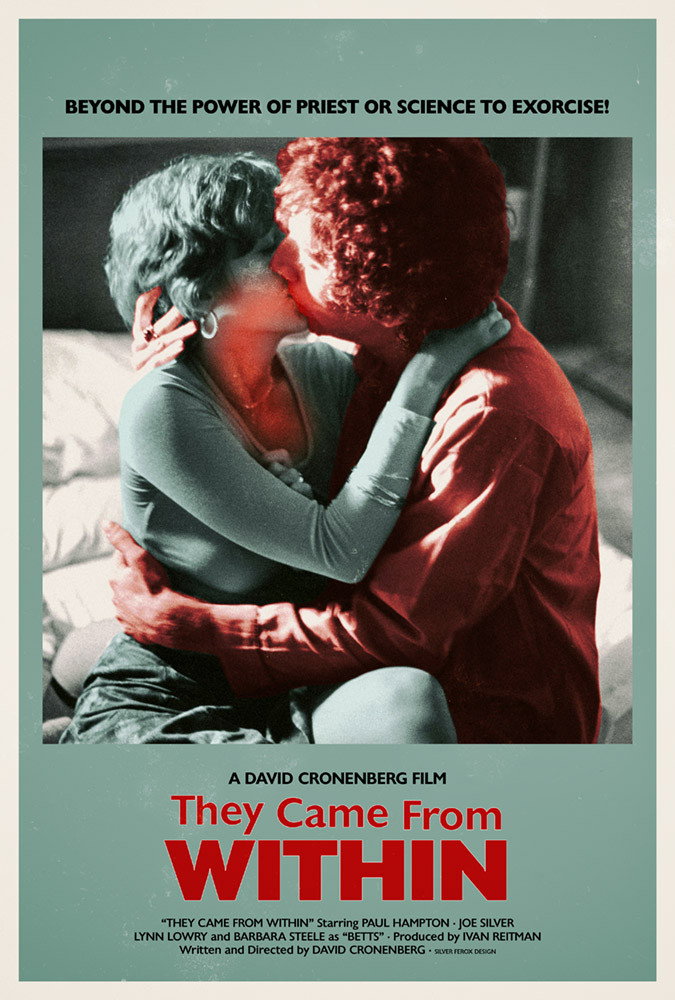
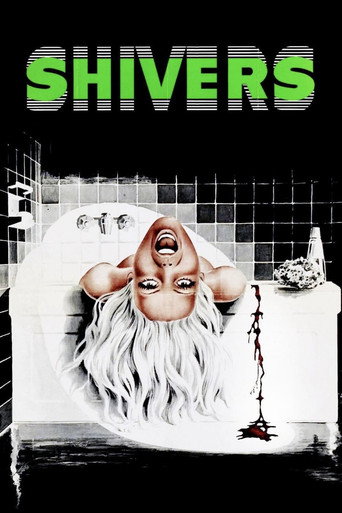
Cronenberg came to Shivers after making the experimental features Stereo (1969) and Crimes of the Future (1970), both produced largely outside conventional commercial filmmaking. Those films already contained several of the ideas that would define his later work, but their abstract narration and experimental structures kept them far from mainstream genre cinema. Shivers was different. Working with Montreal production and distribution company Cinépix, Cronenberg had to transform his interests in biology, sexuality and institutional medicine into a narrative that could be sold internationally as a horror film. John Dunning and André Link supported the project, while Ivan Reitman produced.
Cronenberg later traced one of the film's central images to a dream in which he was lying beside a woman when a spider emerged from her mouth. He said practical considerations pushed the concept away from an eight-legged creature and toward a parasite. The change proved decisive because it connected the monster more directly to his interest in internal biology. The organism could live inside human beings, replace bodily functions and move from one host to another, making infection itself the source of the danger. The horror would emerge from within apparently healthy people, turning the residents themselves into the source of danger.
Financing remained difficult because the material was unusually explicit for a Canadian film seeking institutional support. The Canadian Film Encyclopedia records a final cost of approximately $179,000 and states that the Canadian Film Development Corporation ultimately invested $145,000. The production's later profitability would become especially important because critics subsequently attacked the use of public money on the film. Far from becoming a financial loss to the state agency, however, the CFDC investment was repaid with profit after the film's successful international circulation.