The Witch Who Came from the Sea (1976)

US
HORROR FILM Drama
SUBGENRES WITCHCRAFT
UK censorship history DPP · Withdrawn / unsuccessful
Runtime
88 min
Release
February 6, 1976
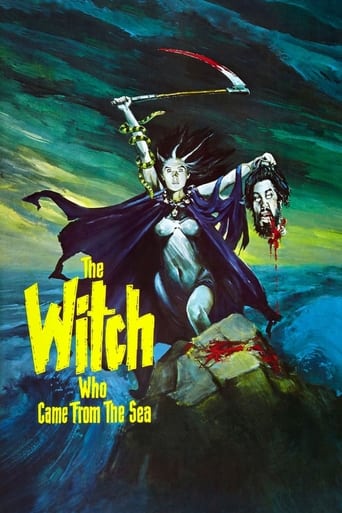
The Witch Who Came from the Sea (1976) poster
Director
Writer
Production Company
MCI
Plot

Anger stemming from being abused as a child drives an alcoholic's daughter to kill as an adult.

Alternative Titles
来自大海的女巫 (China) — Chinese 來自大海的女巫 (Hong Kong SAR China) — Chinese 바다에서 온 마녀 (South Korea) — Korean Ведьма, явившаяся из моря (Russia) — Russian

Trailers & Videos

1 video

Film Guide & Analysis

Matt Cimber's psychological horror explores traumatic memory, seaside fantasy and razor violence in Millie Perkins's central performance.

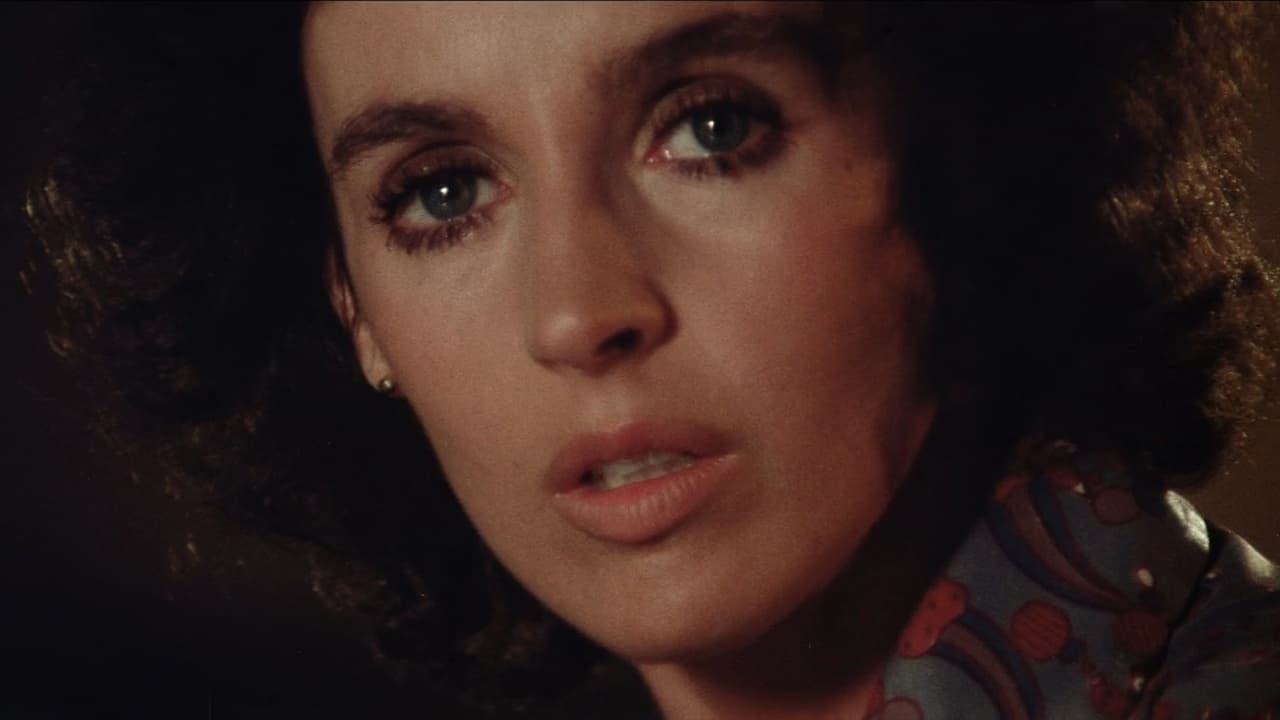
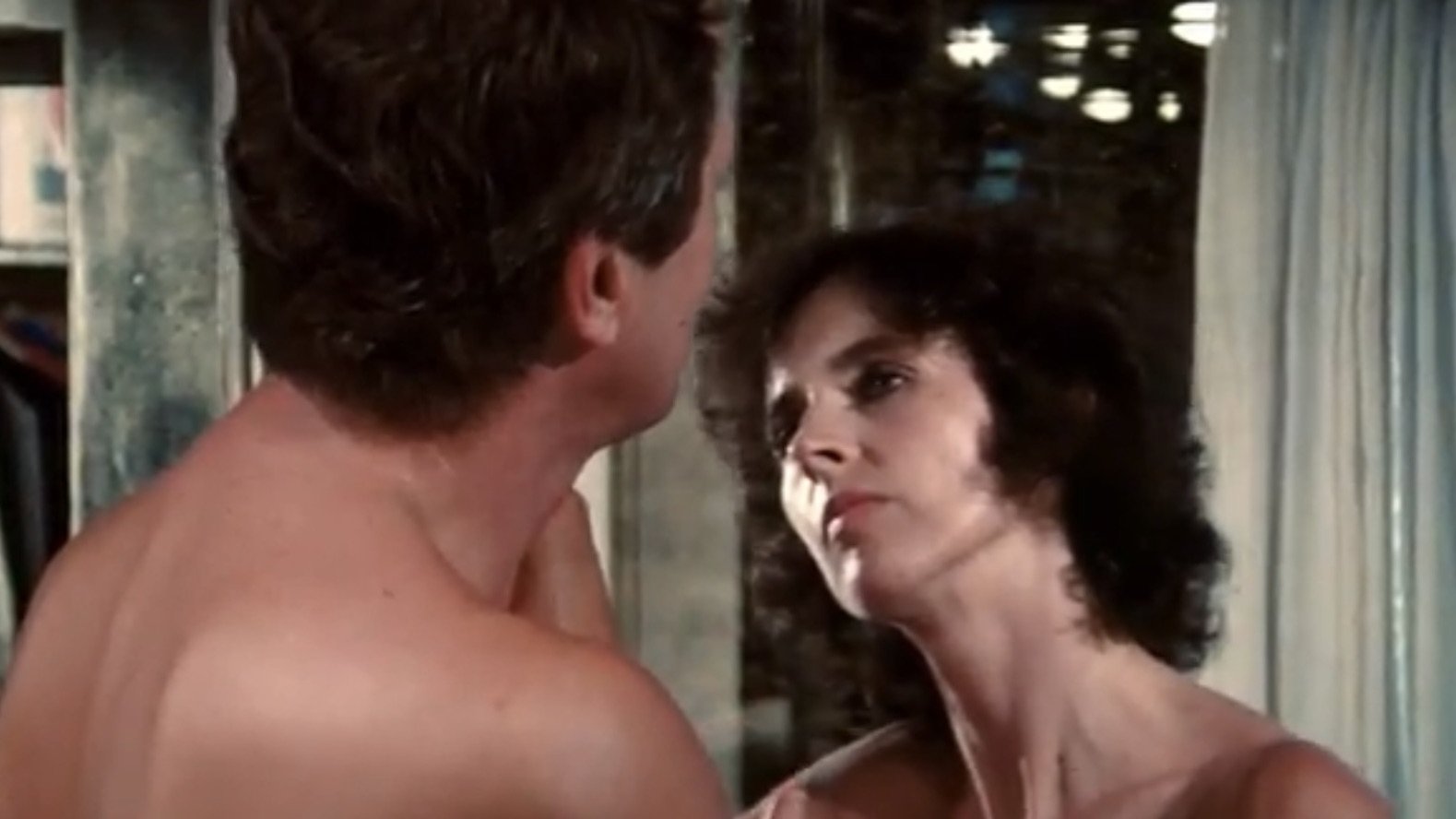
The Witch Who Came from the Sea (1976) is a psychological horror film about Molly, a waitress living near the southern California coast whose affectionate stories about her seafaring father conceal a history of childhood sexual abuse. She takes care of her sister's two sons, drinks with colleagues and becomes fixated on admired male athletes and entertainers. Episodes that resemble erotic fantasies gradually connect to actual killings. Director Matt Cimber and screenwriter Robert Thom construct a story in which the instability of personal memory is more frightening than the supernatural menace promised by the title.

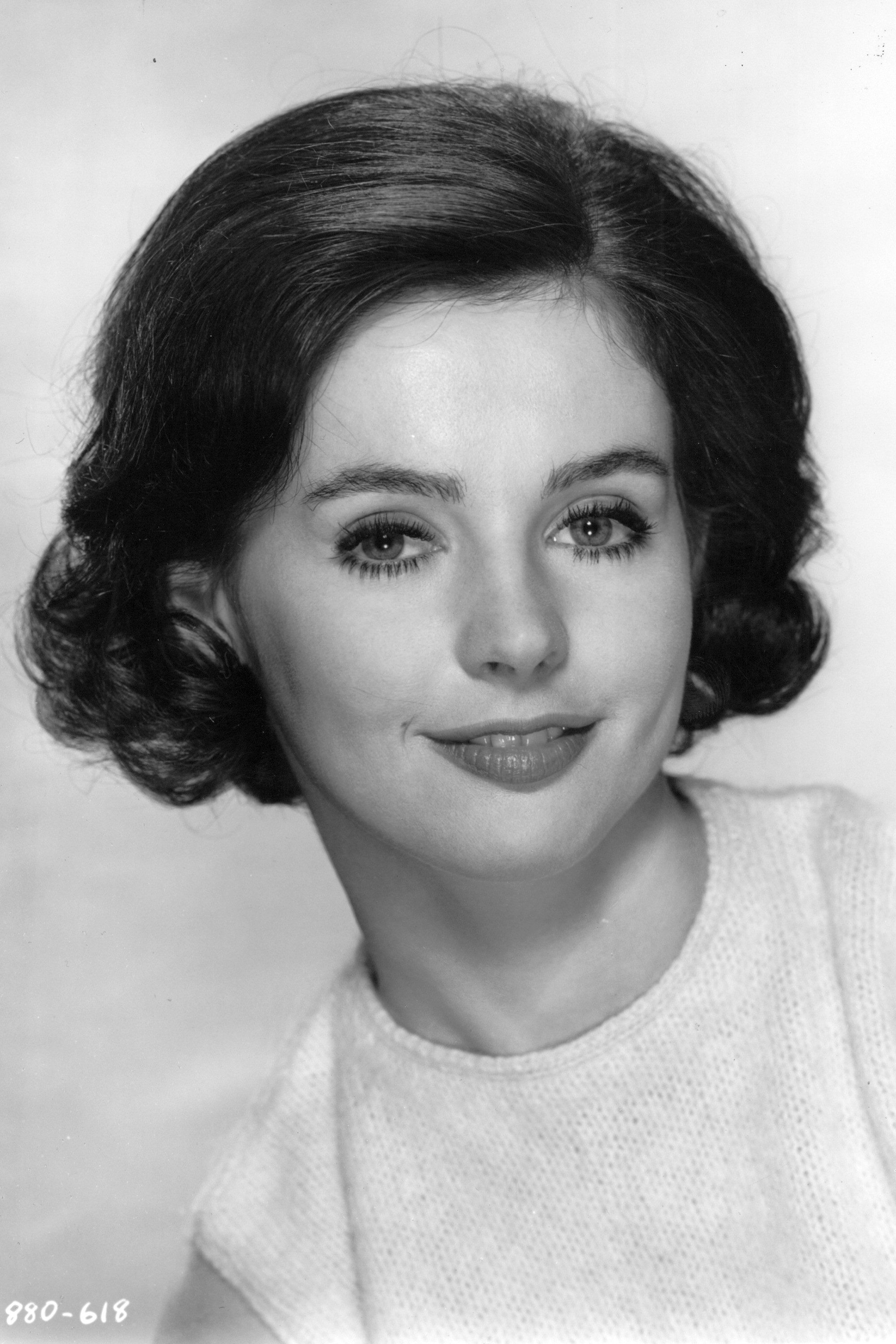
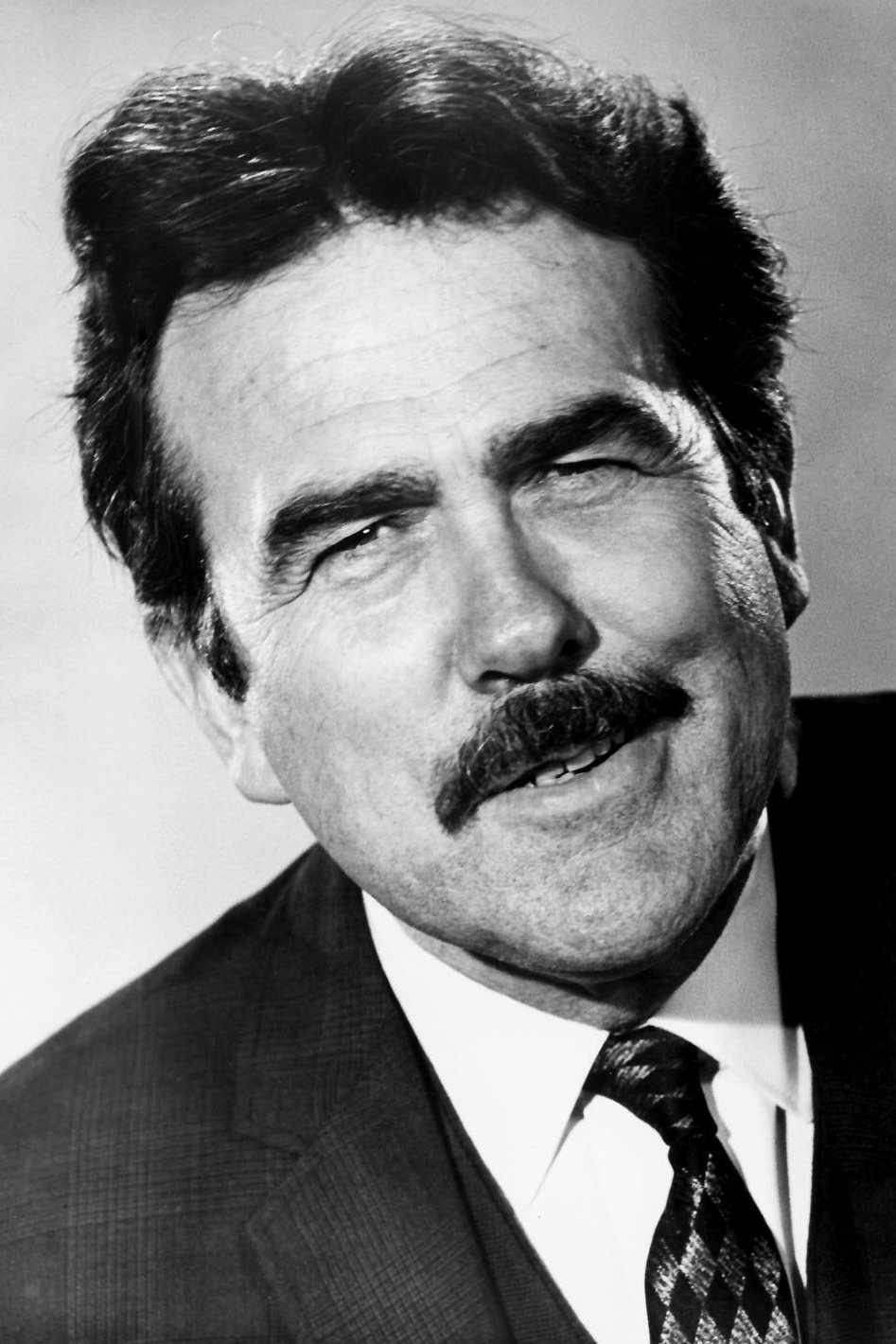
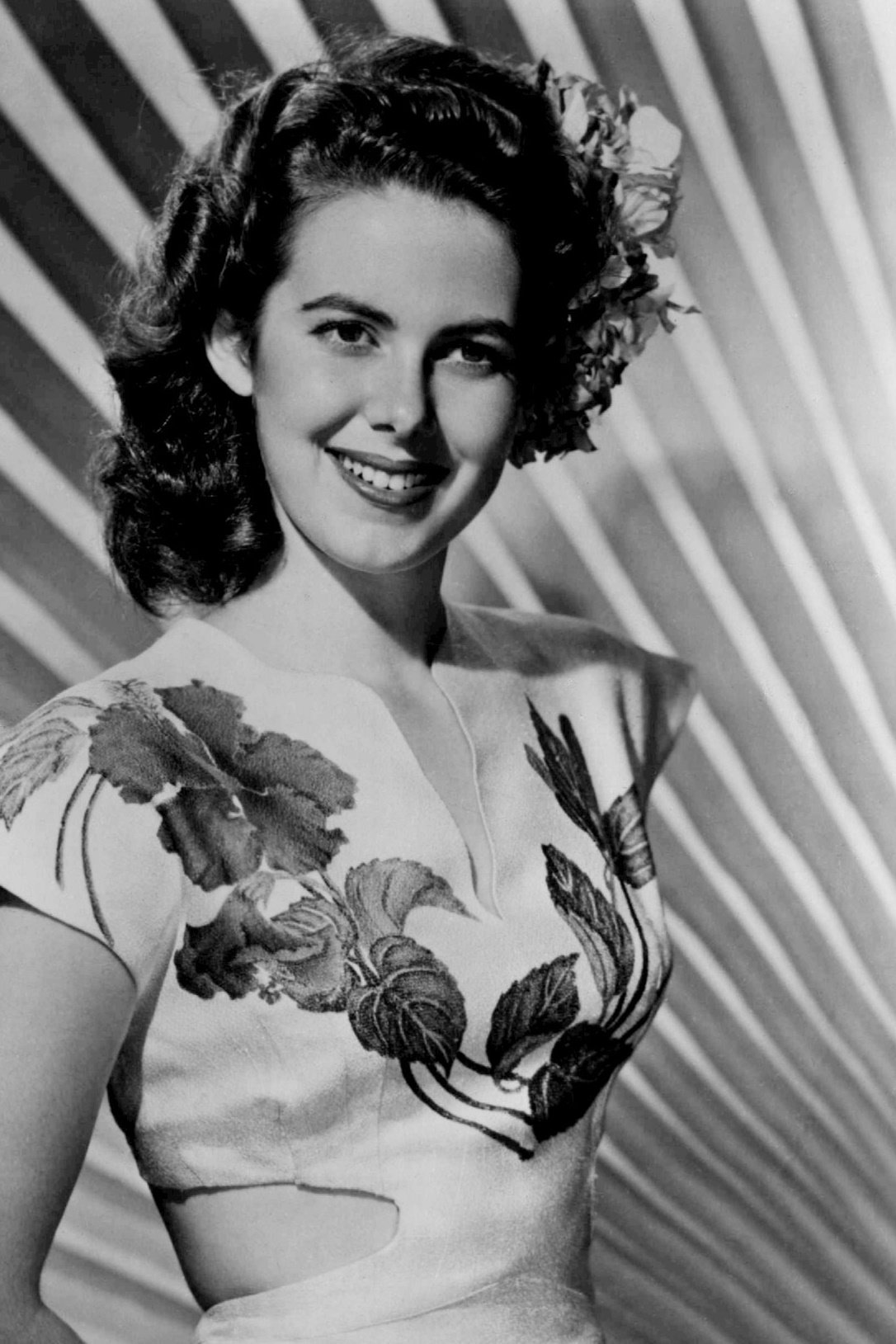
Millie Perkins gives the central performance, supported by Lonny Chapman as bar owner Long John, Vanessa Brown as her sister Cathy and Peggy Feury as fellow waitress Doris. The film blends graphic implications of sexual violence with melancholy seaside imagery, subjective transitions and a study of family denial. Its notorious British videotape history later obscured the circumstances of its creation and the care evident in its widescreen photography. Interviews with participants, contemporary classification records and subsequent scholarship allow its exploitation marketing to be distinguished from what actually appears onscreen.

A Script Written for Millie Perkins

Robert Thom wrote the screenplay for his then-wife, Millie Perkins, while receiving medical care. In a detailed account for Film Comment, April Wolfe reports that the couple faced serious financial difficulties and that Perkins accepted the lead role partly to help pay his hospital expenses. Thom incorporated aspects of his own upbringing and the maritime associations of Perkins' family. These origins should not be confused with the fictional abuse inflicted on Molly: film historian Kier-La Janisse explicitly cautions against assuming that the character's experiences happened to the actress. The script was a personal dramatic invention assembled under economic pressure.

Cimber had worked with Perkins on Lady Cocoa before being approached about Thom's material. In the booklet for American Horror Project, Janisse notes that this was an unusual assignment for a filmmaker accustomed to developing exploitation projects himself. Perkins later recalled discomfort with the sexual material and feared that acquaintances might judge her participation. Her reluctance did not prevent her from making Molly emotionally convincing. Cimber was interested in the friction between the character's tenderness and her capacity for lethal aggression, a contrast that gave the production a more demanding acting problem than its sensational publicity suggested.

The independent production drew on performers with extensive stage and screen experience. Chapman plays the sympathetic Long John without claiming to understand Molly's condition, while Feury brings sardonic timing to Doris, a woman whose casual remarks and ready supply of pills contribute to the bar's uneasy atmosphere. Brown's Cathy provides a competing account of their father's behavior. The conflict therefore involves people who care about her but possess different fragments of the family's history.
The Seaside, the Father and a Manufactured Legend

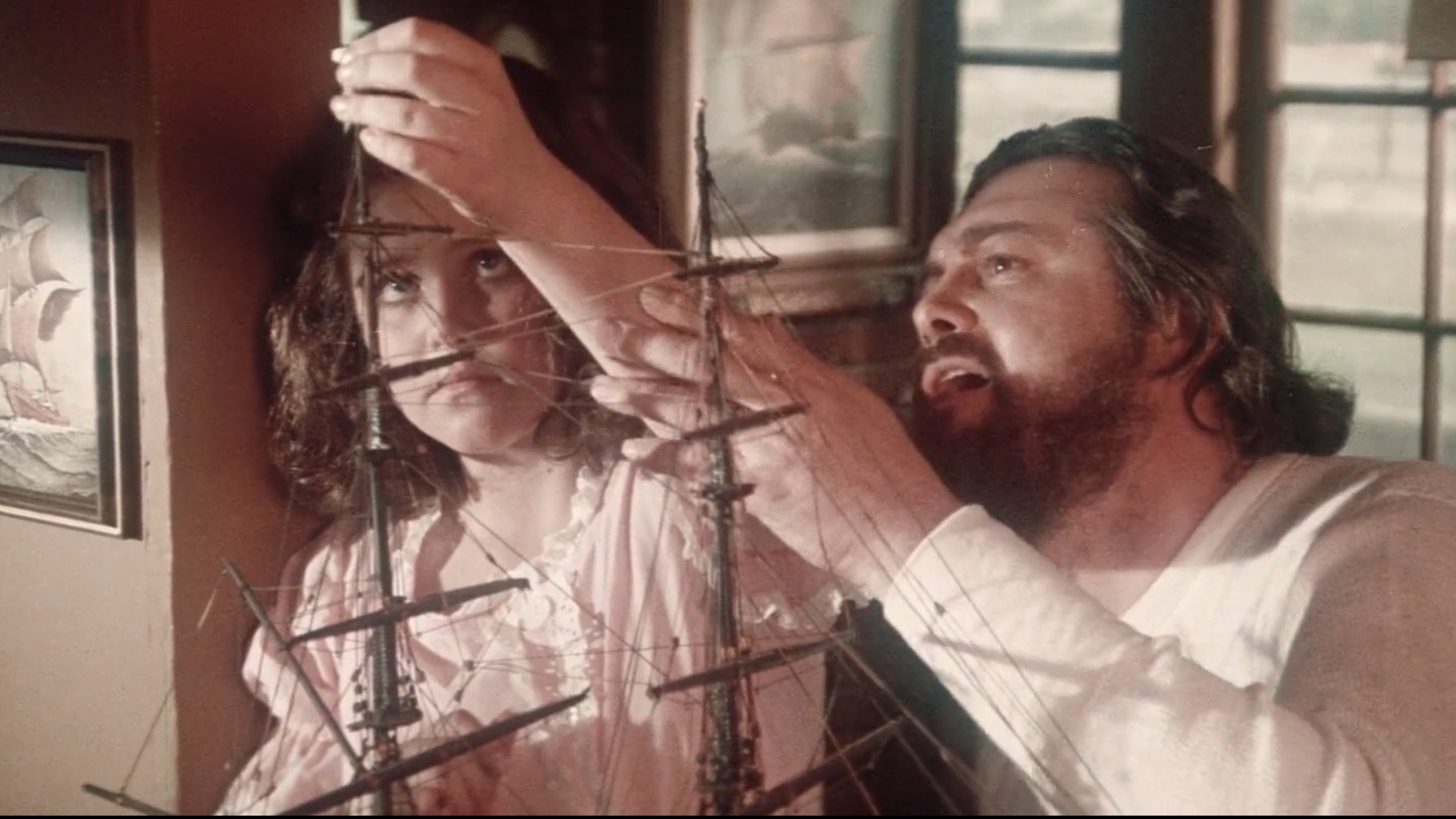
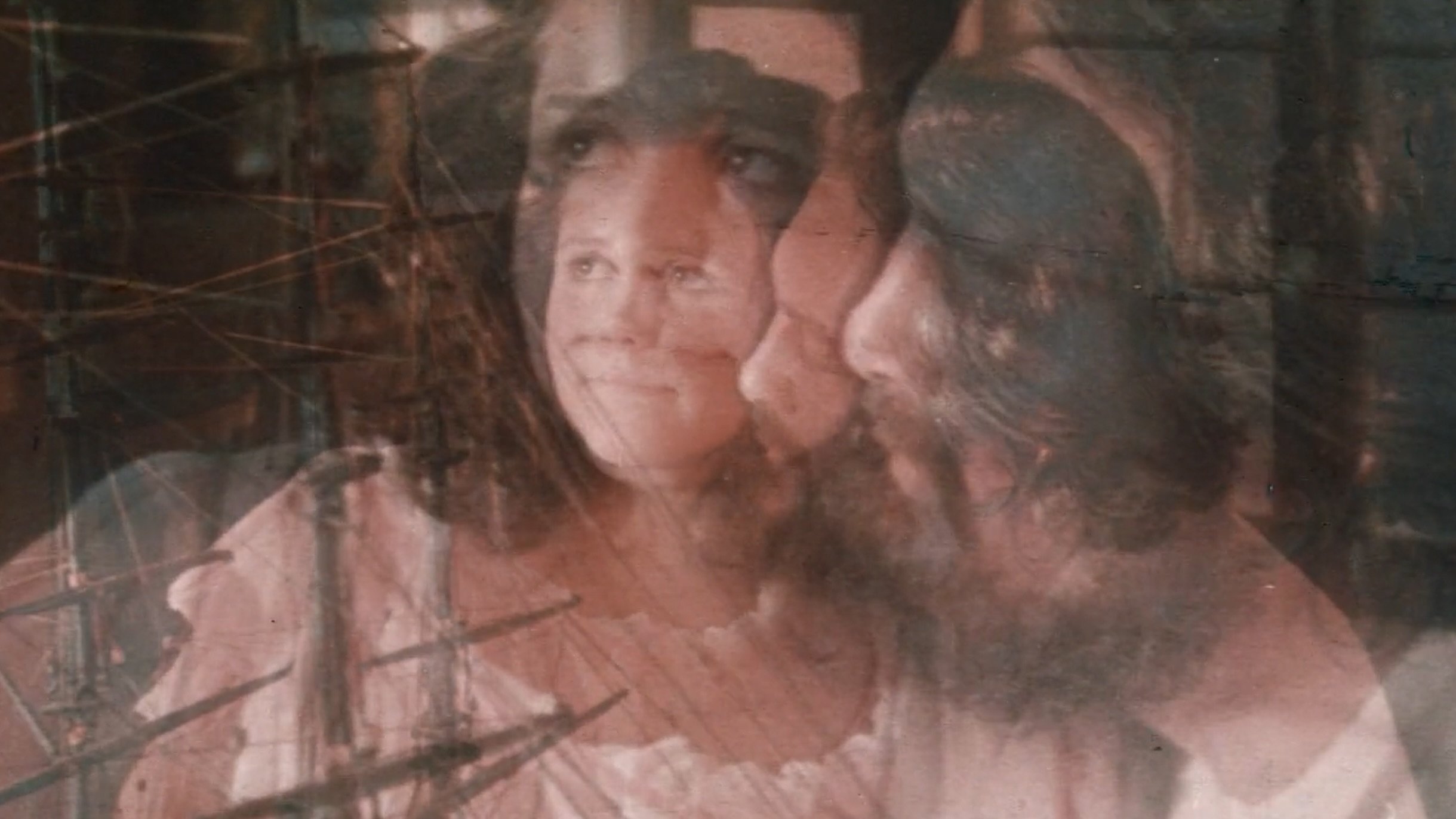
Molly's memories are organized around an idealized image of her father, whom she describes to her nephews as a heroic ship's captain lost at sea. Cathy remembers an abusive alcoholic and rejects the comforting legend. Their disagreement extends beyond factual details: it affects how the children understand their grandfather and whom they trust. The film repeatedly approaches Molly's childhood through discontinuous fragments that do not initially form a coherent account. Her affectionate recollections coexist with images of boundary violations, allowing the audience to see that the reassuring story she tells has concealed danger.

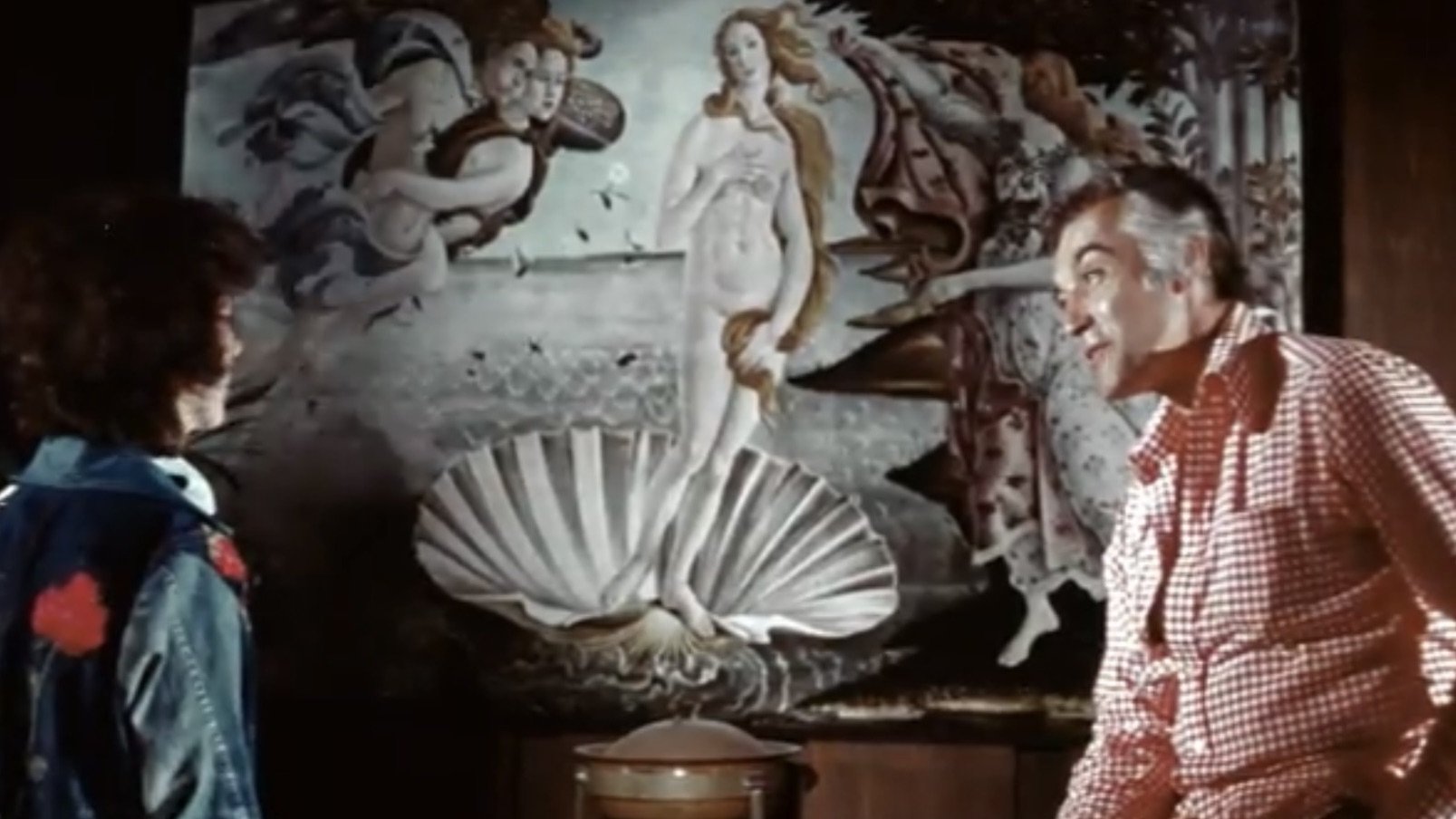
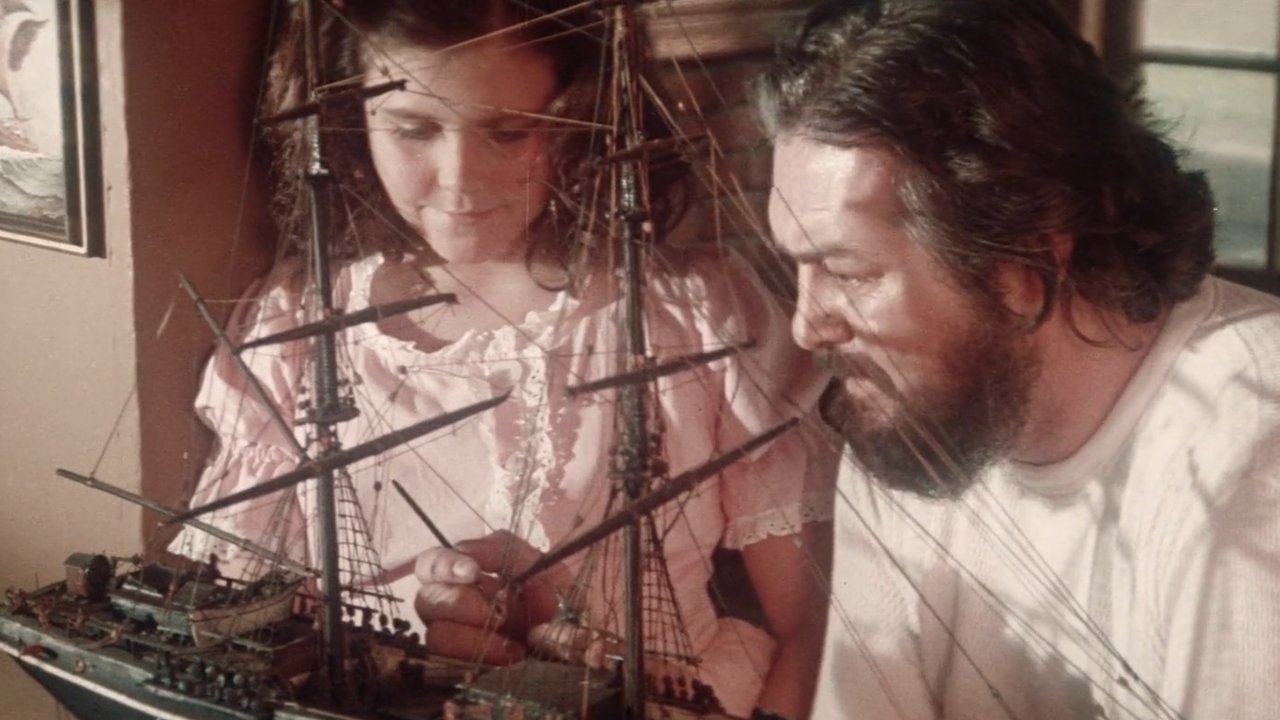
Maritime objects translate that conflict into visible motifs. Miniature ships recall childhood contact with her father, and a mermaid tattoo becomes a means of identifying herself with him. At Jack Dracula's tattoo studio, Molly's account of sailing with her father accompanies images that expose the abusive meaning behind seemingly nostalgic language. Later, a discussion of Botticelli's The Birth of Venus at a movie star's party connects the title to a myth about sexual creation and mutilation. The supposed witch is part of an image discussed by the characters; the murders have no established supernatural cause.

The coastal locations intensify the division between the father's romantic image and the world Molly actually inhabits. Screen Slate identifies photography around Santa Monica, Venice and Malibu, where overcast beaches, modest bars and transient social gatherings create an unglamorous setting. These spaces are far removed from the perfect maritime adventure described to the boys. The ocean remains present as landscape and imagined refuge, but its association with childhood affection becomes increasingly unstable.

Memory, Family Denial and Psychological Horror

Molly's behavior shifts among maternal affection, flirtation, anxiety and sudden violence. The script lets the viewer encounter events through a mind that has difficulty connecting adult experiences with childhood recollections. Fantasies of humiliating celebrated men initially seem separate from news of real homicides; their relationship grows harder to dismiss as the story continues. Scholar Erin Horakova argues that competing versions of the past, especially those held by siblings, are central to the film's suspense. The family has no agreed narrative capable of protecting Molly from the return of what she has tried to exclude.

The drama also raises a representational problem. Childhood sexual abuse is the character's history, and the killings are part of this particular horror plot; the film does not establish that survivors of abuse are generally violent. Accounts of Molly as a clinical case are interpretive and should not substitute for a diagnosis the screenplay cannot support. Perkins makes the protagonist recognizable as a person who looks after children, works and forms attachments, even when her conduct becomes dangerous. Horakova praises the ambition of this subjectivity while questioning whether the narrative fully realizes its complex ideas.

Cathy's efforts to challenge the family mythology threaten Molly's fragile certainty. Long John sees a compassionate woman and misses the significance of warnings from other characters. Doris offers worldly skepticism but cannot stop events from escalating. Each relationship exposes a different limit of understanding: affection, familiarity and shared history fail to produce reliable knowledge of what is happening. The horror grows from these ordinary failures of recognition and from the unpredictable overlap between remembered experience and present action.

Razors, Sexual Threat and Genre Boundaries

The film's best-known violent passages involve Molly approaching men who possess physical strength, fame or sexual confidence. Her encounters with two football players and later with a screen personality undermine the control those men appear to enjoy. Razor violence and the threat of genital mutilation supply the picture's exploitation credentials, although many of the most graphic actions remain partly outside the frame. The camera often holds on faces, restraints and reactions, leaving sound to communicate what is occurring. These choices make the sequences distressing without relying on an uninterrupted display of wounds.

The plot intersects with the rape-revenge cycle through its concern with male sexual power and retaliatory injury, but it lacks the conventional sequence of a recently assaulted heroine pursuing a specific assailant. Molly's targets are substitutes within her disordered associations, and the murders do not repair the violence done to her as a child. Horakova also identifies affinities with Gothic accounts of unstable identity and the subjective investigations of Italian gialli. Those are critical comparisons, not documented claims that Thom consciously modeled the screenplay on a particular earlier film.

Their vanity and predatory manners do not make torture defensible, and the film refuses a straightforward account of justice. Its abrasive humor, especially in conversations at the bar, further disturbs the emotional register. A title suggesting witchcraft and a poster advertising a fantasy monster directed audiences toward a different kind of horror. The actual spectacle concerns a woman's fragmented perception, acts of severe bodily harm and the breakdown of relationships that once gave her a sense of safety.

Widescreen Photography, Performance and Sound

The cinematography was a significant achievement for a modestly financed production. The film's printed credits identify Ken Gibb as director of photography and Dean Cundey as associate director of photography; retrospective interviews have sometimes described Cundey more generally as its cinematographer. Wolfe reports that Cundey helped secure anamorphic lenses, allowing extended camera movement and relatively few setups. The resulting 2.35:1 compositions place Molly within bars, streets and rooms that seem to continue beyond her immediate attention. Long takes leave unsettling behavior in view without forcing a rapid editorial explanation.

The visual treatment of remembered events differs from the location scenes. Changes of speed, unusual color treatment and images of Molly drifting at sea undermine the separation of present action from fantasy. Coastal photography gives the story a muted, wintry quality even when the activity involves parties or casual drinking. This subjective approach makes violent incidents appear as intrusions into a coherent world that the protagonist can no longer maintain.

Herschel Burke Gilbert is credited with composing and directing the music, while the soundtrack also incorporates unsettling environmental and bodily sounds. In her academic analysis, Horakova emphasizes a moment in which an ordinary noise from a nearby man becomes a forceful disturbance as Molly awakens beside him. Such transitions join a mundane acoustic detail to an emerging threat. Perkins' performance supplies the continuity across the film's different registers: she can be playful with her nephews, combative with a stranger and suddenly absent from the conversation before an image or sound restores a painful association.

Exploitation Advertising, British Censorship and Restoration

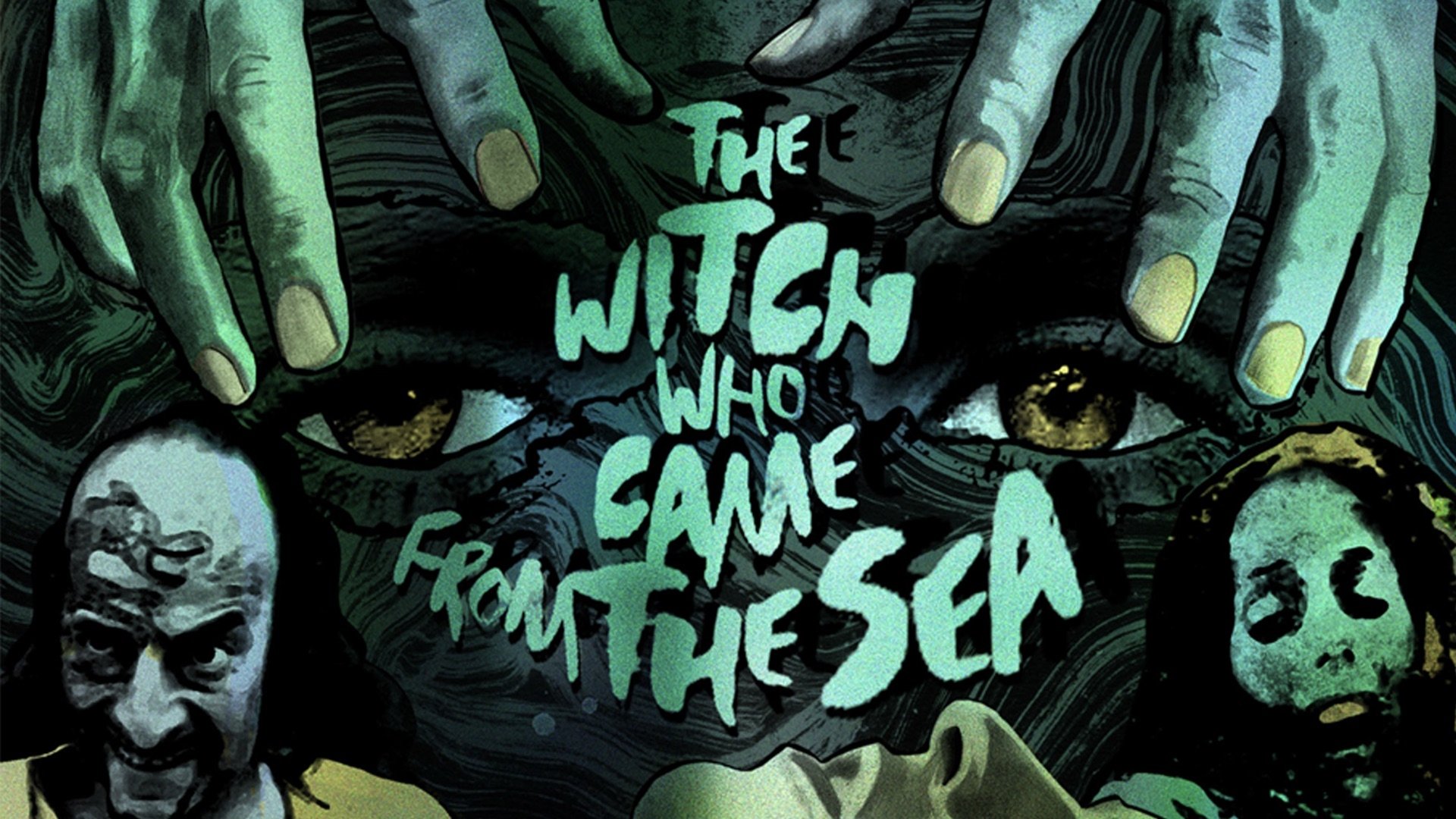
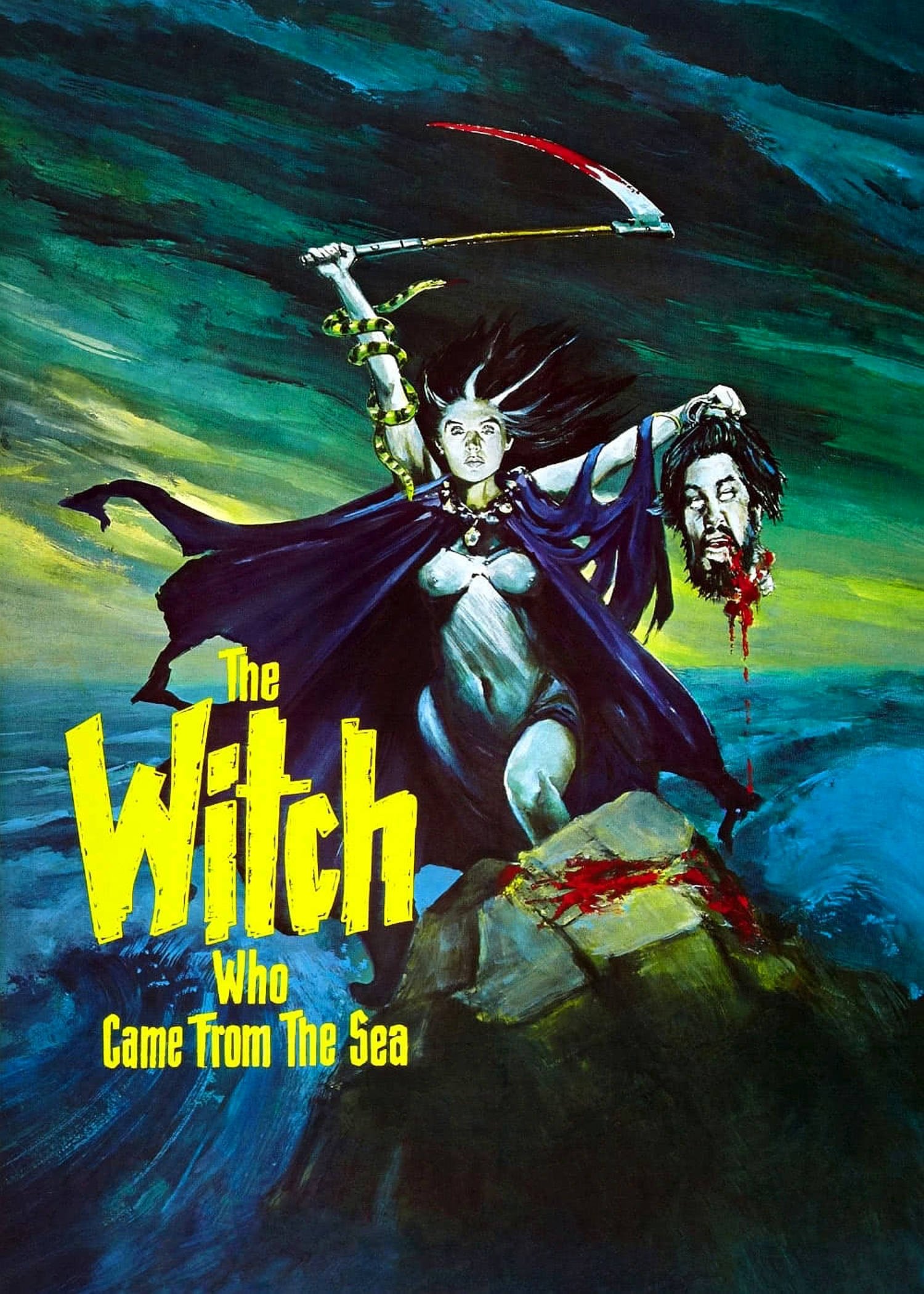
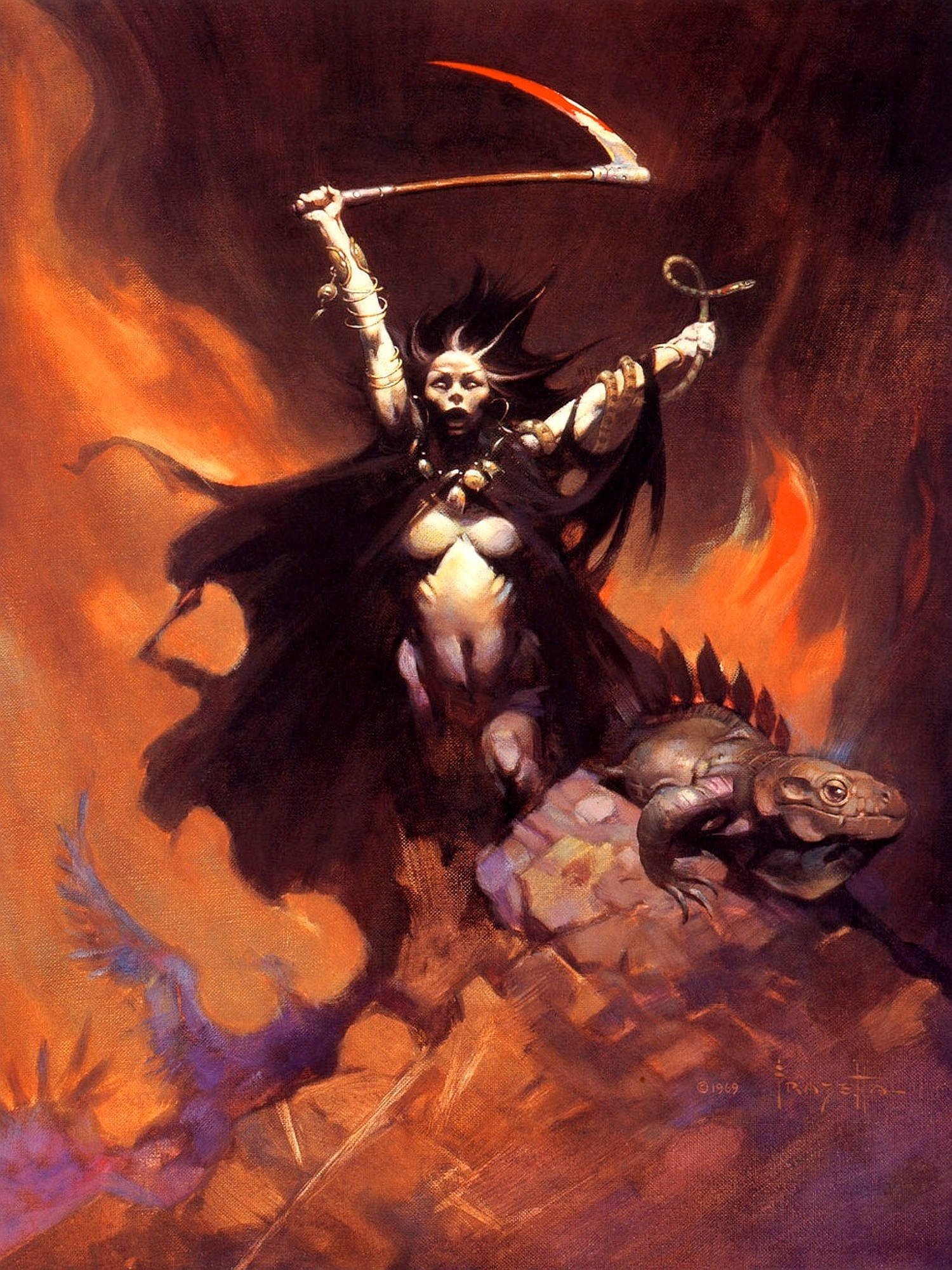
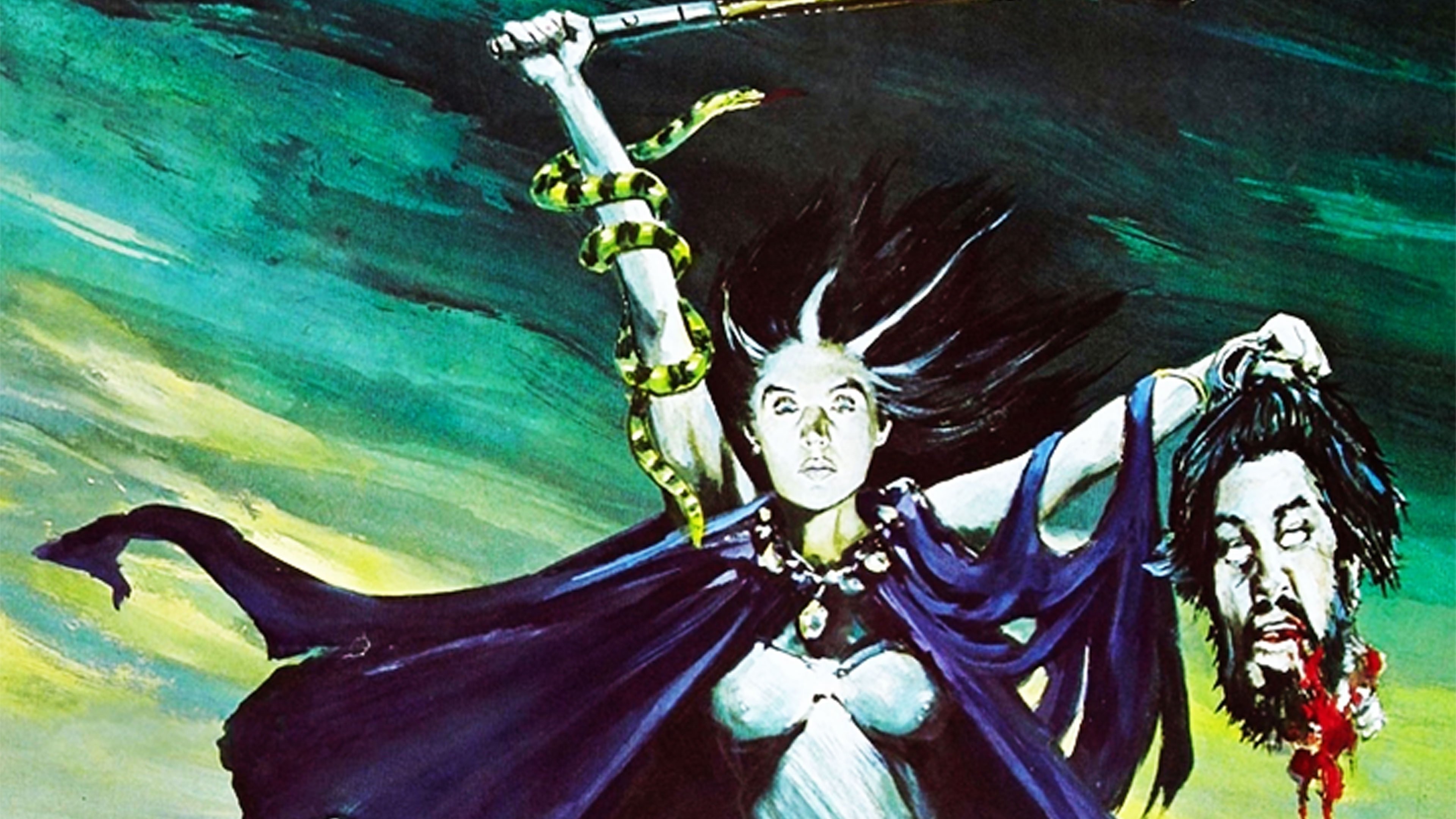
The film circulated theatrically in the United States in 1976, but its release history was troubled by the difficulty of advertising a disturbing character drama as commercial horror. In Film Comment, Wolfe reports Cimber's account of disagreements with the American ratings authorities and of some exhibitors preparing shorter versions that emphasized violent scenes. The later poster featured a fantastical warrior-witch with a weapon and severed head, imagery unrelated to the film's psychological explanation. Its appeal to exploitation audiences increased the distance between marketing promises and the work's narrative priorities.

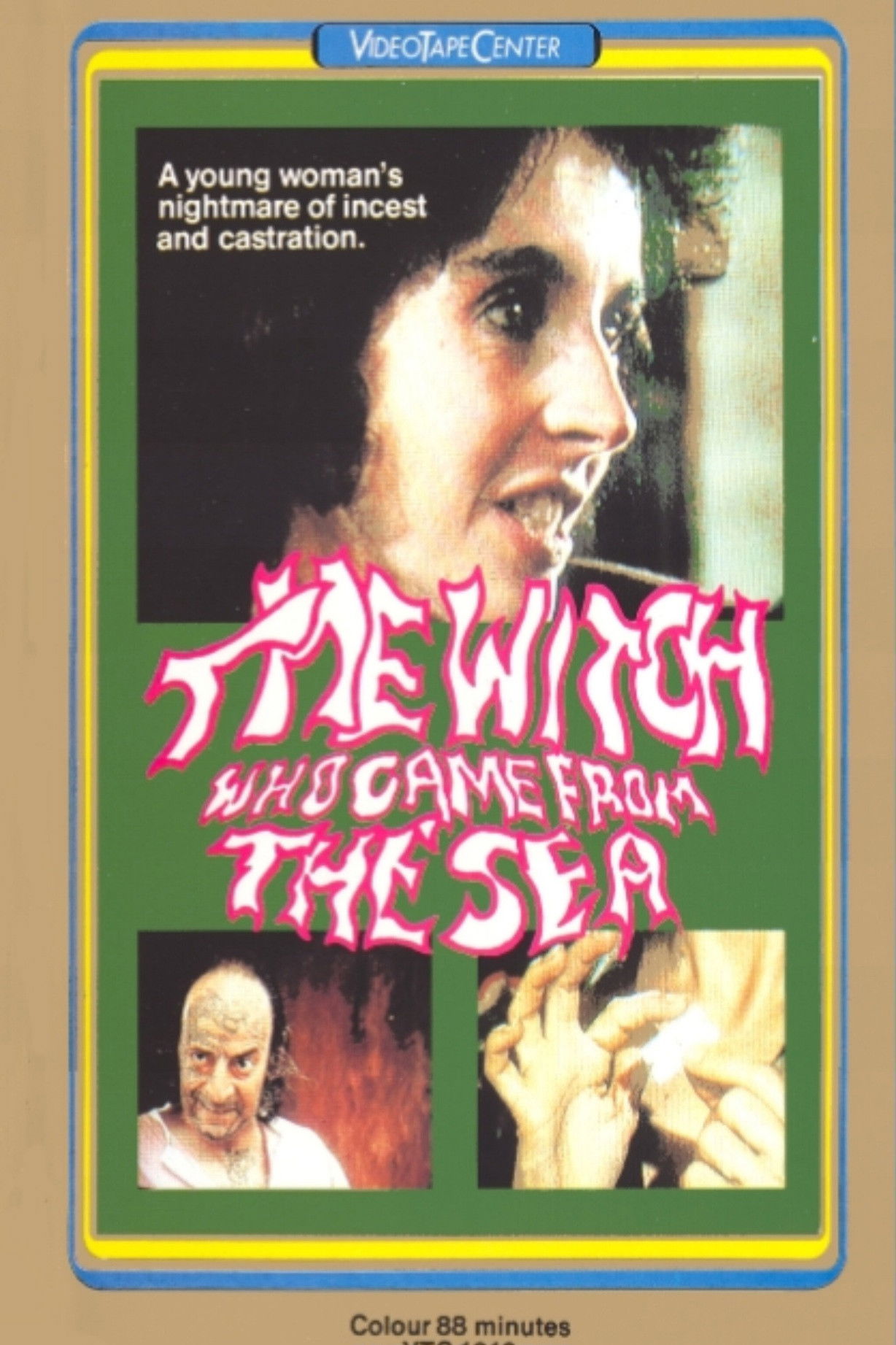
The British video-nasty campaign supplied a second, more durable layer of notoriety. The early VTC videocassette attracted attention for its sensational sleeve, and the title appeared on the Director of Public Prosecutions' list during the 1980s. Horakova places it among films removed after unsuccessful attempts to prosecute them, an outcome that must be distinguished from a judicial finding that the film was obscene. The British Board of Film Classification records an 18-rated home-media version classified on 25 January 2006 at 87 minutes 42 seconds. Its public entry does not specify cuts to that submission, and contemporary accounts identify the edition as uncut.

A later restoration changed the conditions in which the film could be evaluated. Arrow's published technical notes identify a 35mm print accessed through the UCLA Film Archive, scanned in 2K with the original mono soundtrack transferred from that print. They specify a 2.35:1 presentation and describe digital repair of debris and surface damage. This was a restoration from a surviving print, not a documented scan of the original camera negative. Clearer presentation has made its color treatment, framing and quieter dramatic scenes more accessible than early pan-and-scan videotapes allowed, encouraging study of the film's psychological themes alongside its censorship history.

References

  1. Film Comment Classified: The Witch Who Came from the Sea

    April Wolfe draws on interviews and production recollections to examine the script, Perkins, the camera techniques and the film's original advertising.

  2. Offscreen Donato Totaro - The Witch Who Came From the Sea: The Scars of Sexual Trauma

    Donato Totaro examines sexual trauma, the film's shifting subjectivity, fantasy and violence, and its visual treatment of Molly's memories.

  3. Intensities: The Journal of Cult Media Film Review: The Witch Who Came From the Sea

    Erin Horakova analyzes family memory, subjective horror, rape-revenge conventions and the British video-nasty controversy.

  4. Screen Slate The Witch Who Came from the Sea

    Karl McCool considers the California seaside setting, implied violence, ensemble performances and the disparity between the title and the film.

  5. British Board of Film Classification The Witch Who Came from the Sea - Classification History

    Official January 2006 home-media classification recording the 18 certificate, submitted runtime and distributor.

Cast

View Full Cast & Crew →

Release & Distribution

Production Companies (1)

  • MCI

Release History (1)

Release DateTerritoryRelease TypeFormatDistributorCertificationNotes
1976-02-06 United States Theatrical — — R
Molly really knows how to cut men down to size!!