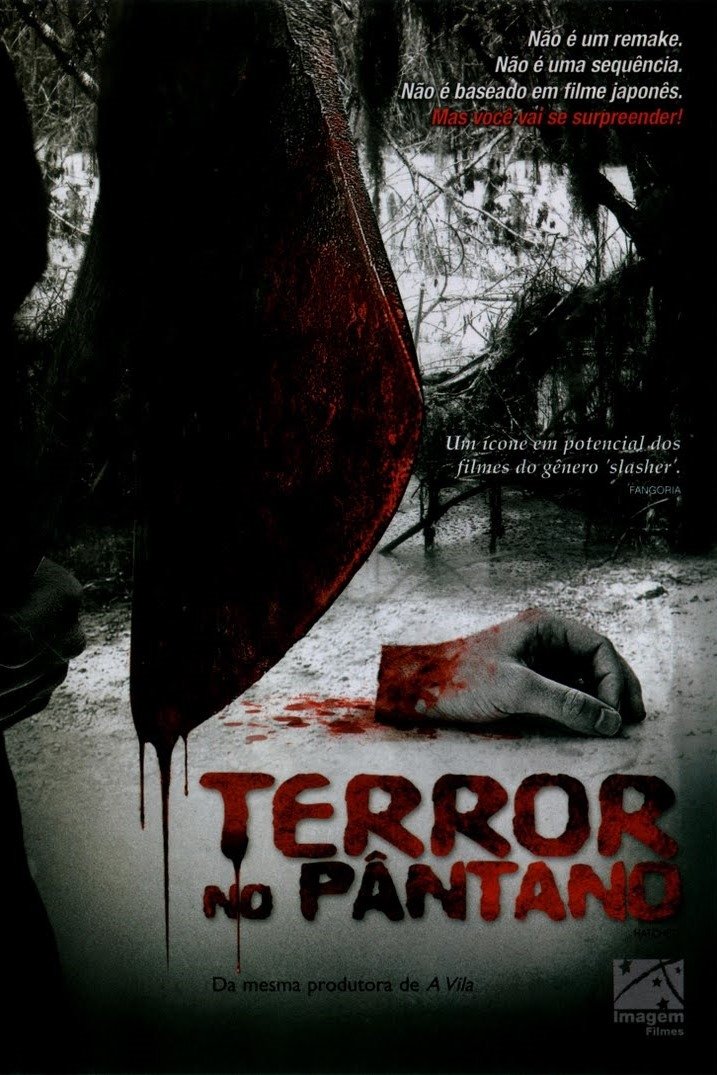
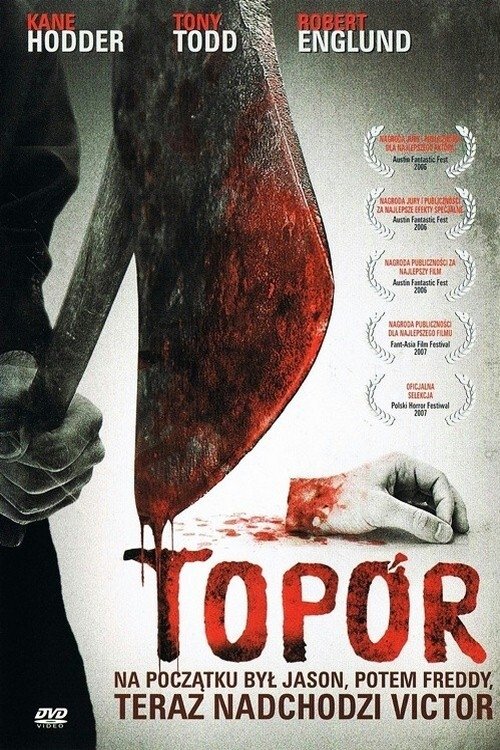
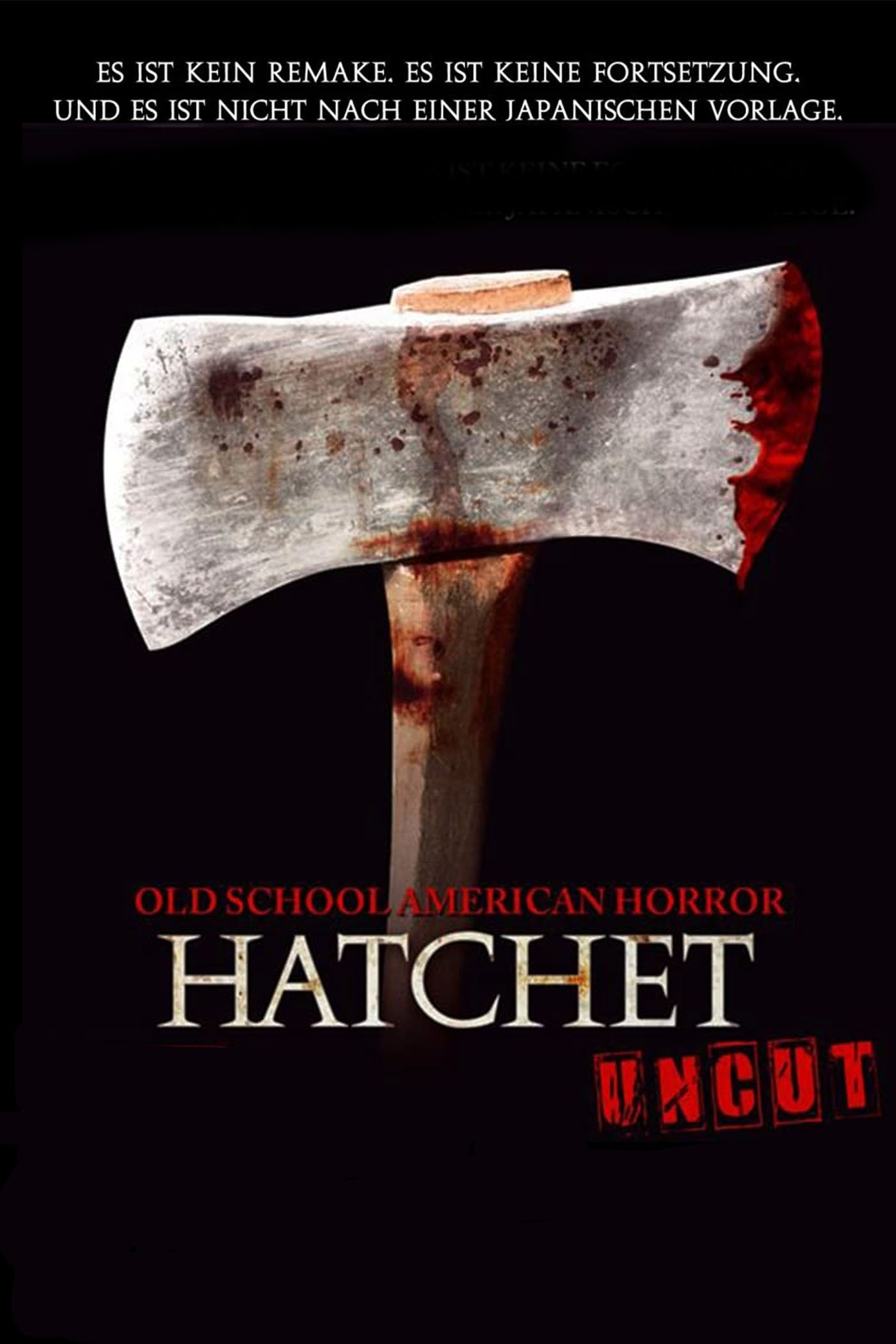
Development: From Campfire Story to Independent Production
Green traced the idea for Victor Crowley to a childhood stay at summer camp, where counselors warned children about a figure called Hatchet Face without supplying a detailed legend. He later told Dread Central that he invented his own story for the other children, then carried the premise into adulthood. After an earlier independent feature and an unrealized television opportunity, he wrote a first draft of Hatchet in a concentrated three-day period. The resulting script was shaped by his affection for traditional American slashers, especially their memorable antagonists, while the swamp-tour setting drew upon a later visit to New Orleans. These are Green's retrospective accounts of the idea's development, not independently recorded events from his childhood.
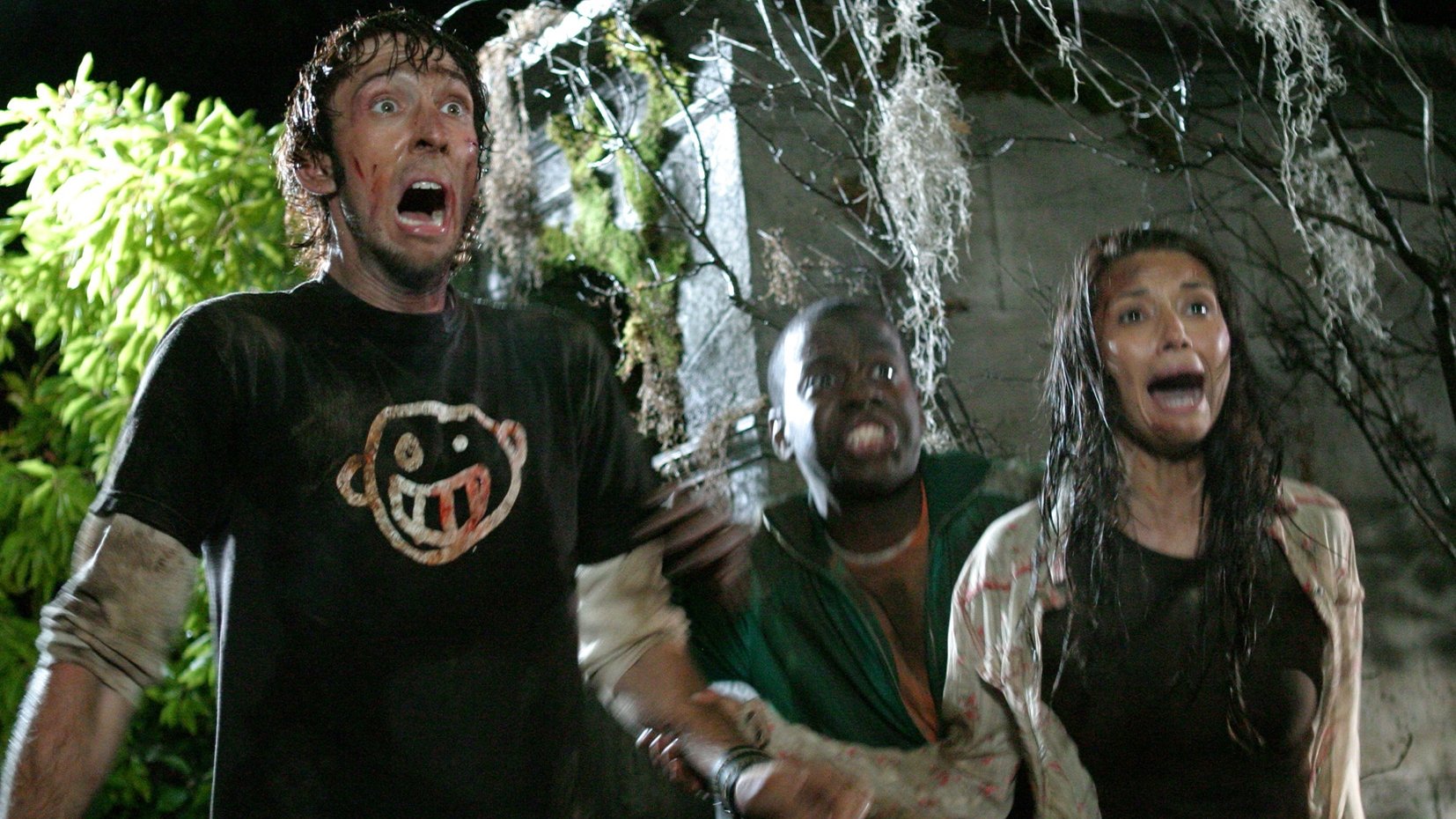
Producer Sarah Elbert brought the screenplay to established horror collaborators, including effects specialist John Carl Buechler and performer Kane Hodder. Before the full financing was in place, Green and Barratt assembled a promotional trailer using swamp footage and photographs from a Victor Crowley makeup test. Green said the material circulated online and made the project easier to present to potential backers. Producers Cory Neal and Scott Altomare subsequently helped assemble the financing. The extended casting process reflected a practical aim: the audience needed to spend time with the travelers before the violence began. Green was especially determined to recruit recognizable genre performers, using their limited appearances as part of the film's connection to earlier horror cinema.
Building the Swamp and the Visual Design
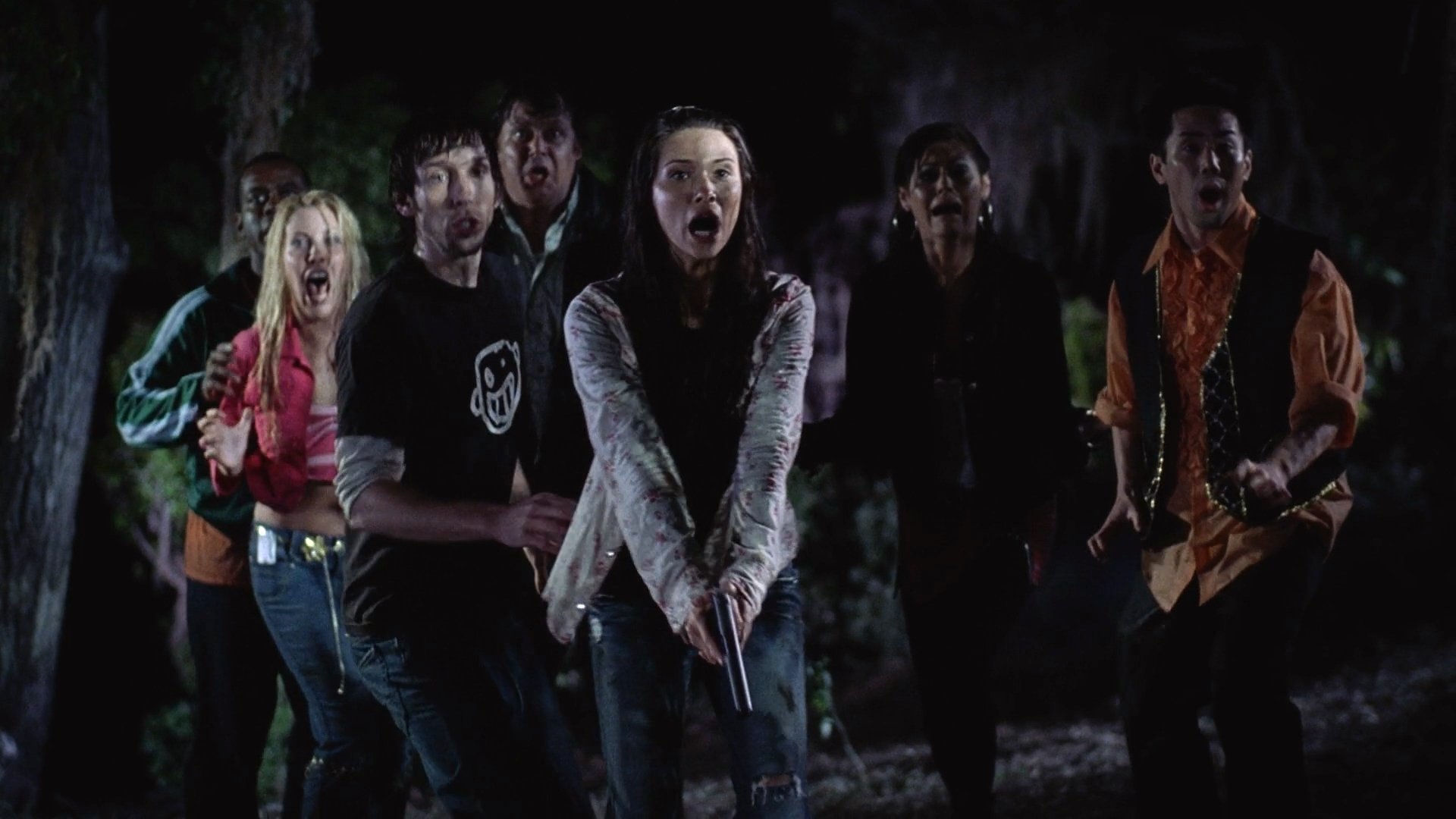
Although the story is identified with Louisiana, much of the central swamp environment was created on a California location. In a 2007 interview, cinematographer Will Barratt credited production designer Bryan McBrien with transforming dry terrain through transported foliage, potted trees and Spanish moss. Barratt distinguished this constructed geography from a smaller amount of footage actually photographed in Louisiana, including shots of a boat traveling through the waterways. The result provides an apparently continuous place for the characters to become lost. The deception is central to the film's horror mechanism: the tourists believe they have entered an ordinary attraction, then find that the surrounding vegetation has become a barrier to escape and orientation.
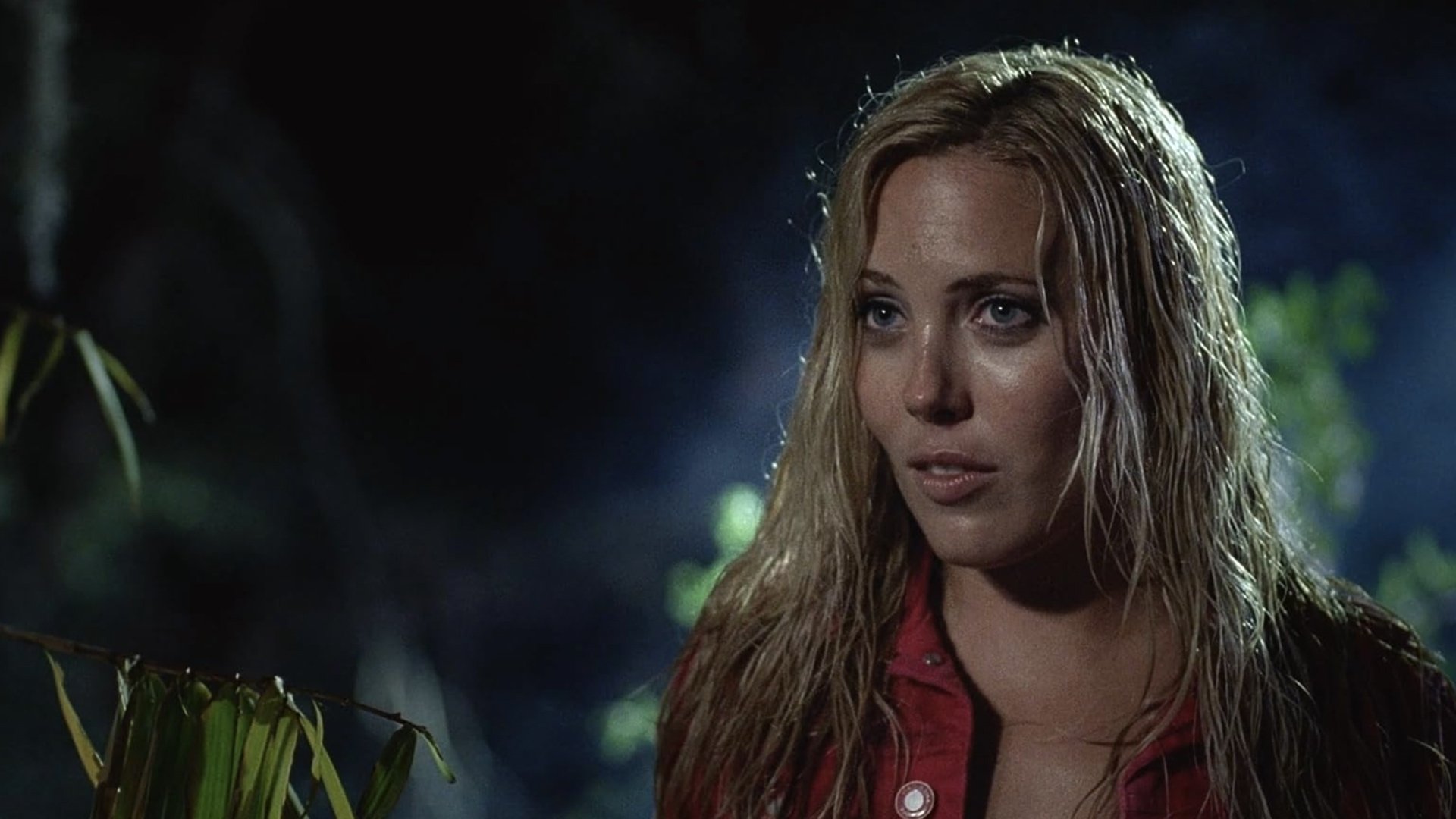
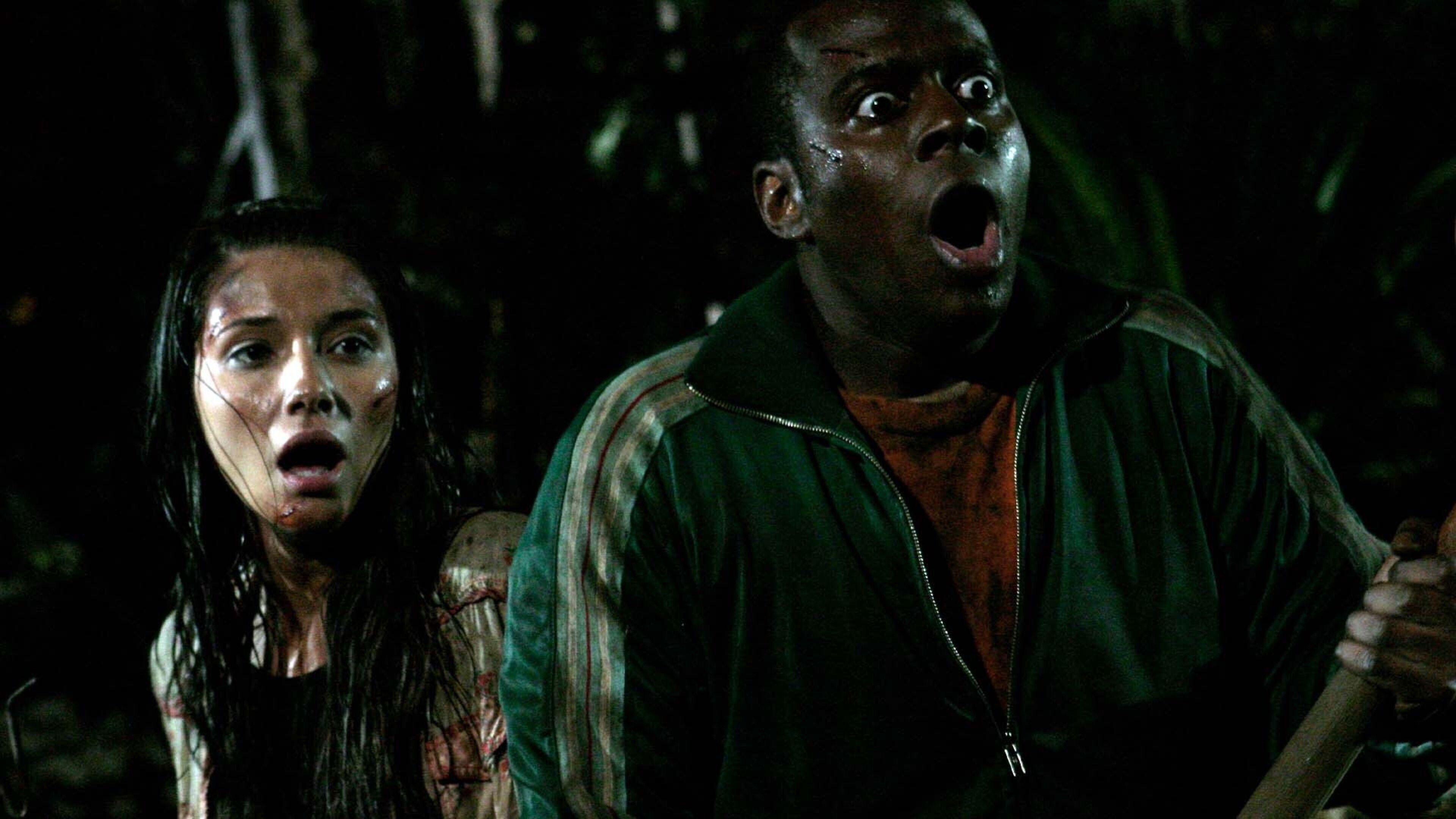
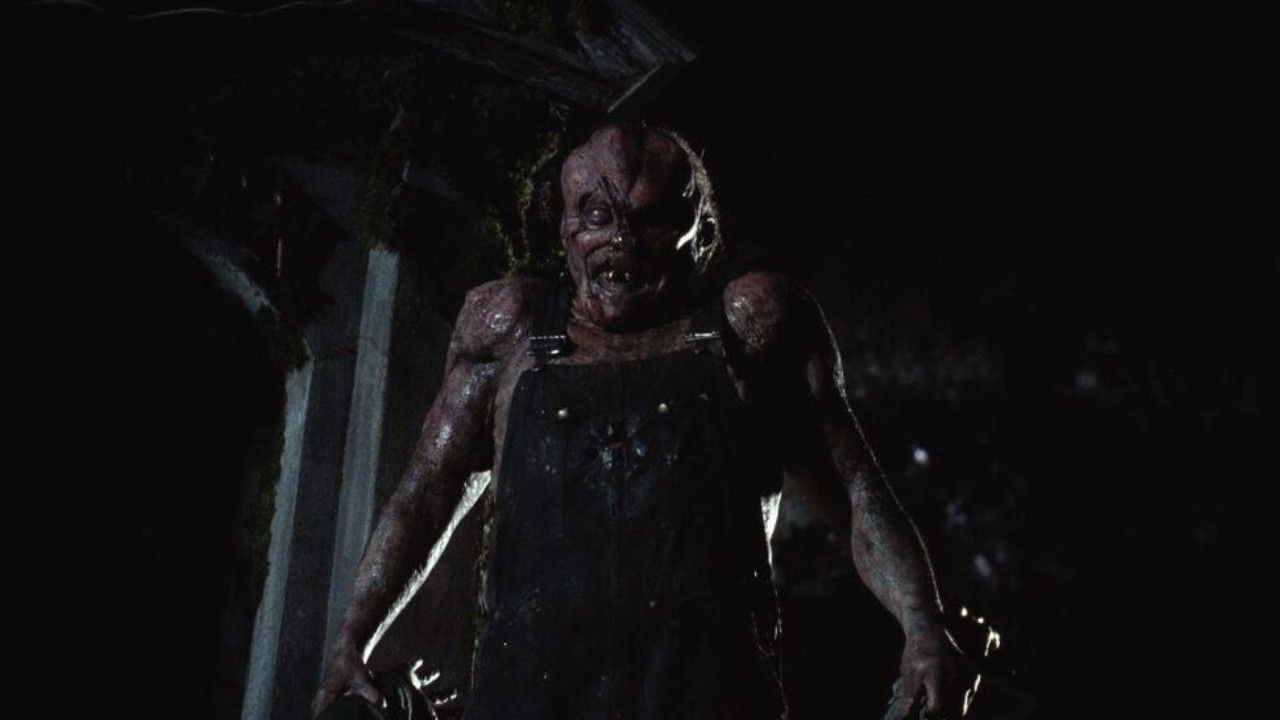
Barratt photographed the film on Fuji 500 ASA 35mm stock using a three-perforation format, a cost-saving choice within the production's limited resources. He described using blue-green mixtures for moonlight and placing branches in front of lamps to thicken the shadows. Victor's face is therefore often partly obscured, with the composition revealing his physical form through sudden motion. The camera generally travels with the characters; Barratt said he used Steadicam for almost the entire picture, reserving only a handful of locked shots. The fluid movement gives the fabricated swamp a sense of connected space, while the narrow areas of illumination allow the killer to appear from locations that the audience has only partially seen.
Prosthetics, Gore and Comic Timing
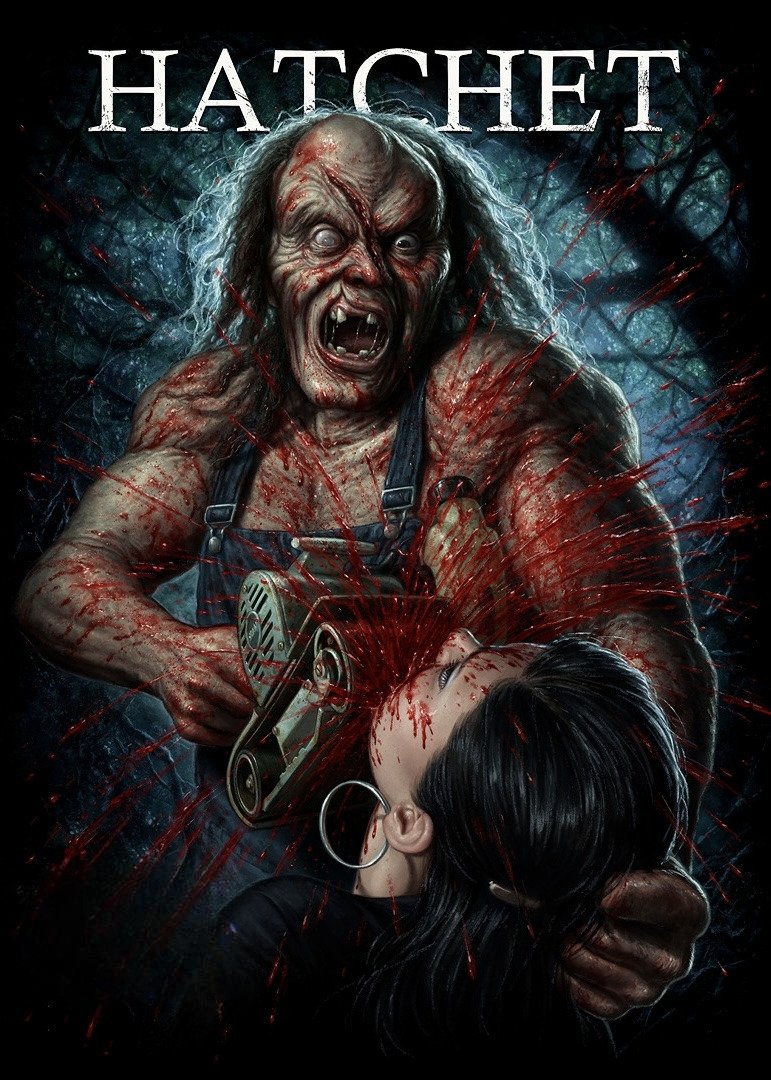
The practical effects were supervised by John Carl Buechler, who later identified his work on the original Hatchet as encompassing the gore, prosthetics and creature makeup. He also appeared as the swamp resident Jack Cracker. The effects are staged as visible events, with artificial heads, limbs and blood effects sustaining the impression of continuous physical violence. Green emphasized in a 2007 festival discussion that the facial splitting effect was achieved in a single take without computer-generated imagery. Such claims are best understood as the director's description of a particular effect; they do not establish that every component of the production lacked digital post-production. The special effects are nevertheless fundamental to the film's chosen style of theatrical horror.
The rhythm of these sequences is deliberately extravagant. Conversations and comic misunderstandings delay an attack until the violence arrives in an abrupt and prolonged burst. Green explained that repetition and excessive damage could provoke laughter as well as shock, a response he felt was diminished when the theatrical cut reduced the duration of several killings. This interplay of humor and gore distinguishes the picture from more solemn depictions of torture circulating in the same decade. A drawn-out effect also creates a practical challenge for the filmmakers: the prosthetic illusion must remain convincing while the camera gives the spectator time to examine it. Buechler's work makes that sustained scrutiny part of the entertainment.
Festival Premiere, Theatrical Release and Edits
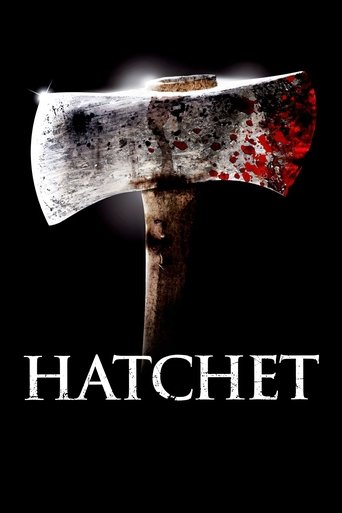
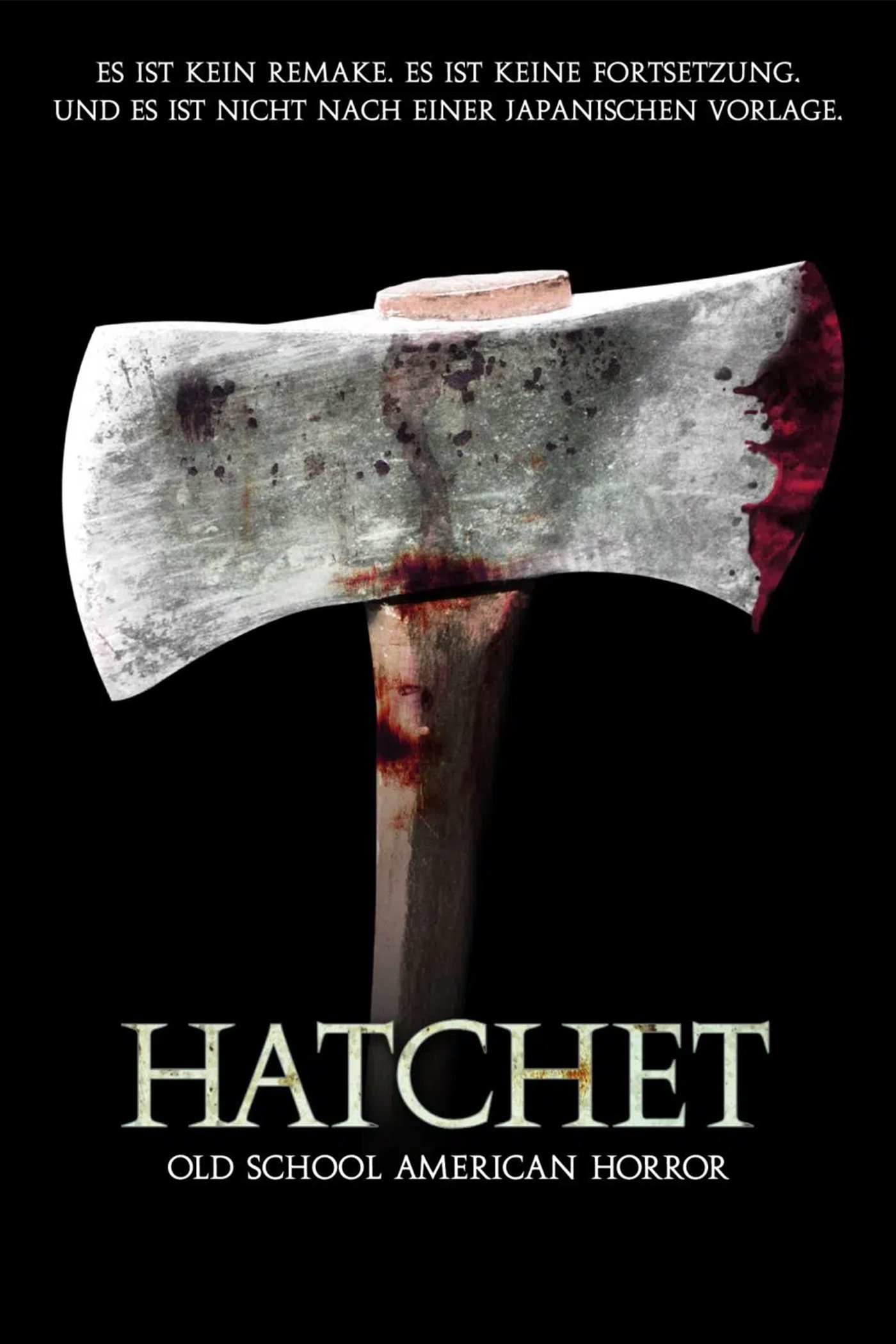
Hatchet had its world premiere at the Tribeca Film Festival in April 2006. Contemporary reporting from the festival period shows that Green was presenting a completed print while seeking distribution, and a later appearance at the Fantasia festival in 2007 placed the film before another specialist horror audience. Anchor Bay Entertainment subsequently handled its American theatrical release, which began on September 7, 2007. These stages should remain separate in the film's chronology: the 2006 festival presentation and the 2007 theatrical opening refer to different moments in its circulation. The transition was meaningful for a small independent film whose imagery and cast had been designed with theatrical genre spectators in mind.
The theatrical version was subject to violence-related alterations during the rating process. At a Fantasia question-and-answer session in July 2007, Green discussed retaining two especially elaborate effects while removing or reducing other attacks. He cited a scene involving a shovel handle, a different head injury and the shortening of a repeated hatchet assault. His comments offer direct evidence of editorial pressure and specify the kinds of changes made, although they do not provide a complete frame-by-frame inventory of all subsequent versions. The distinction between the original festival experience and the cut prepared for American theaters is important to the film's reception. Claims about the precise content of a particular home-video edition require comparison with that edition, and should not be inferred from the director's complaints alone.
Contemporary Reception and Series Position
Critical response in 2007 was divided over the film's attempt to revive an older slasher formula. Writing for Time Out in October, Nigel Floyd acknowledged the abundant gore and genre cameos but judged the combination of comedy and horror uneven, finding the pacing less effective than the ingredients suggested. That assessment contrasts with the energetic festival responses reported around the film's appearances in 2006 and 2007. The difference is instructive: an audience gathering specifically for extreme practical gore may value the display of effects differently from a critic concerned with the continuity of tone and suspense. A general statement that the film was either acclaimed or rejected would obscure these separate forms of reception.
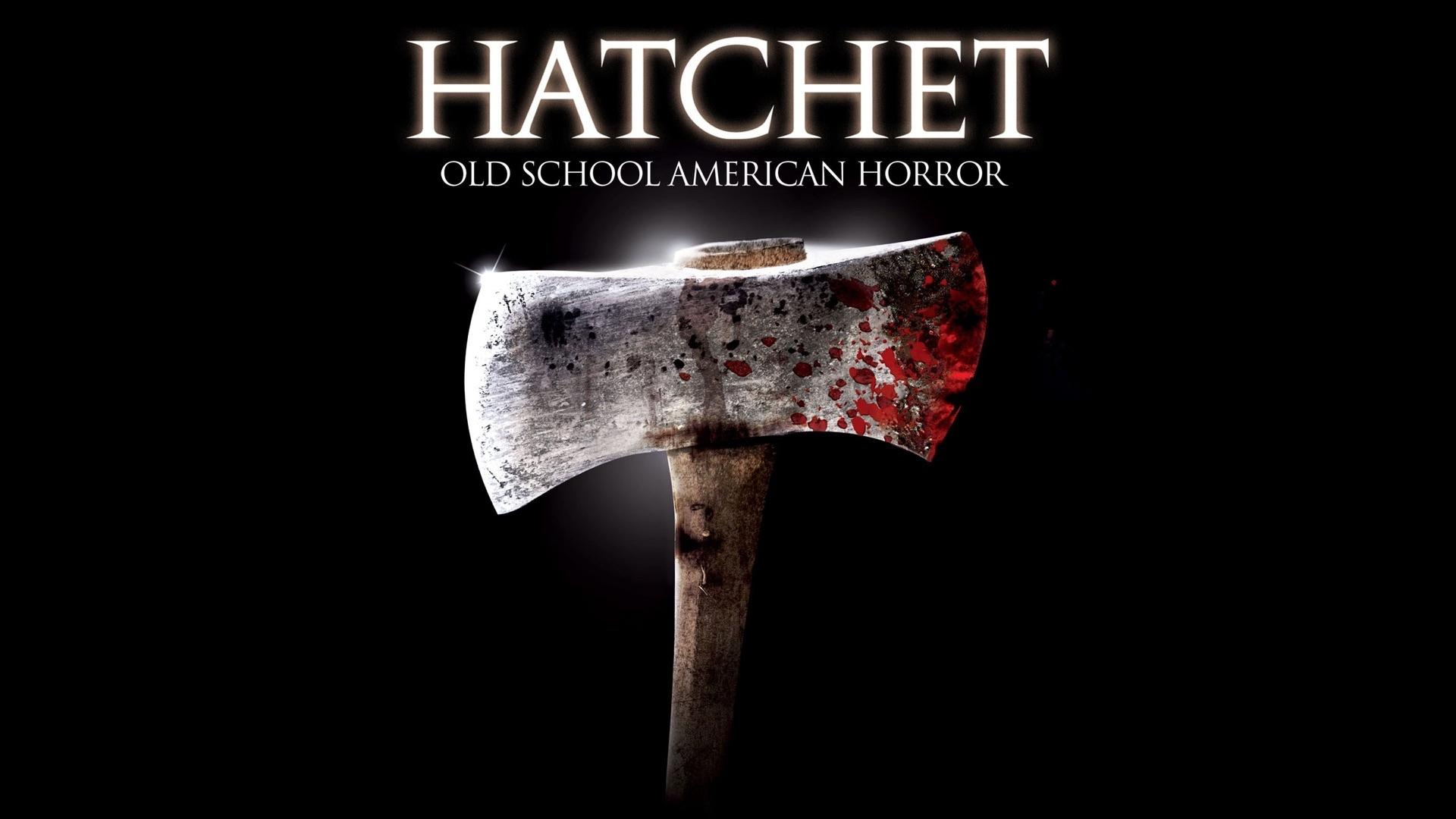
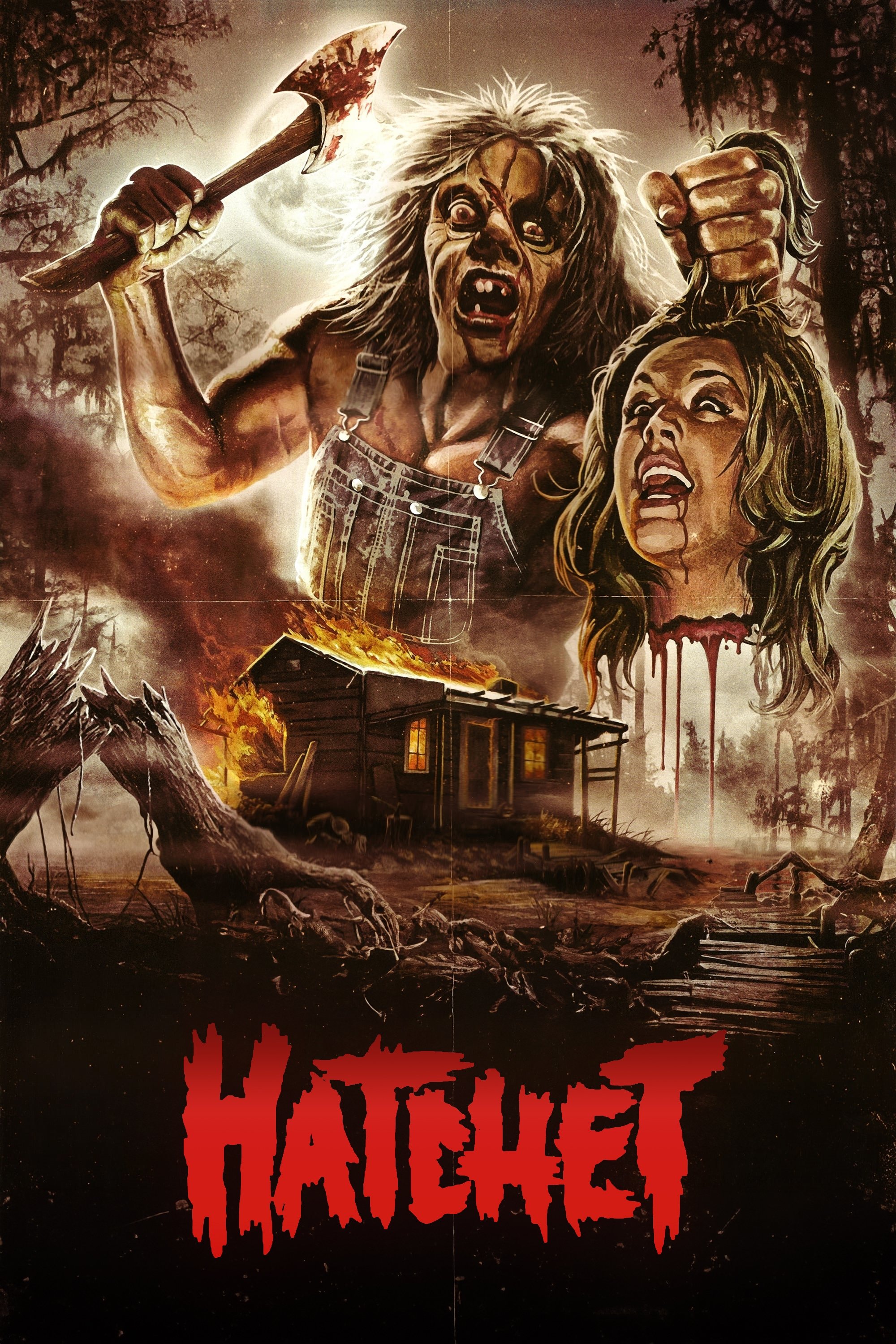
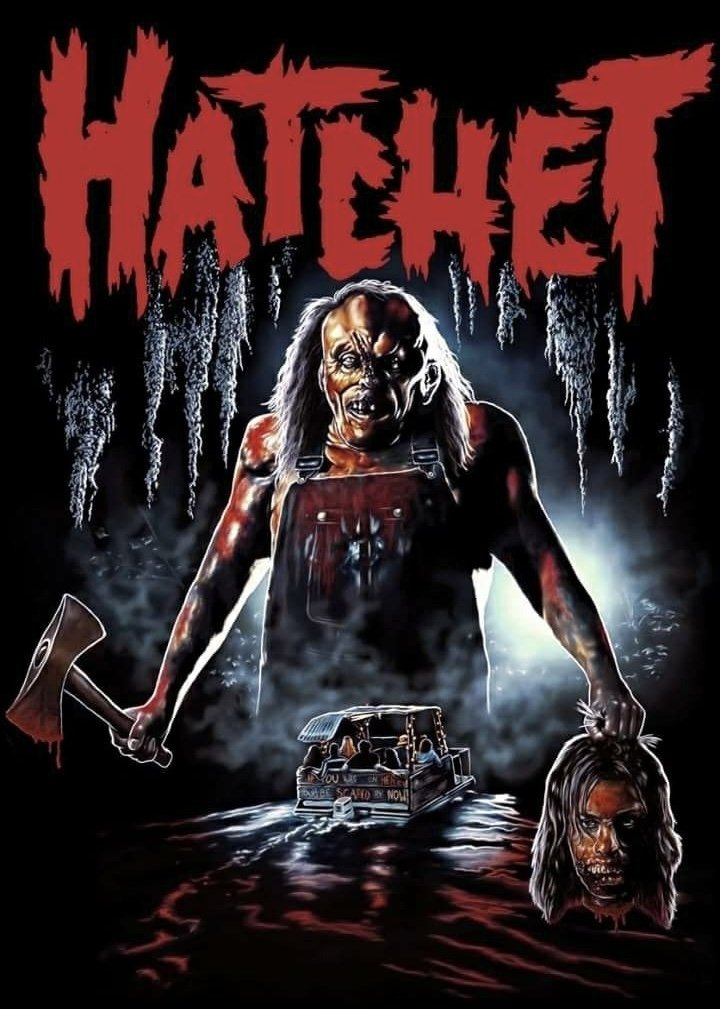
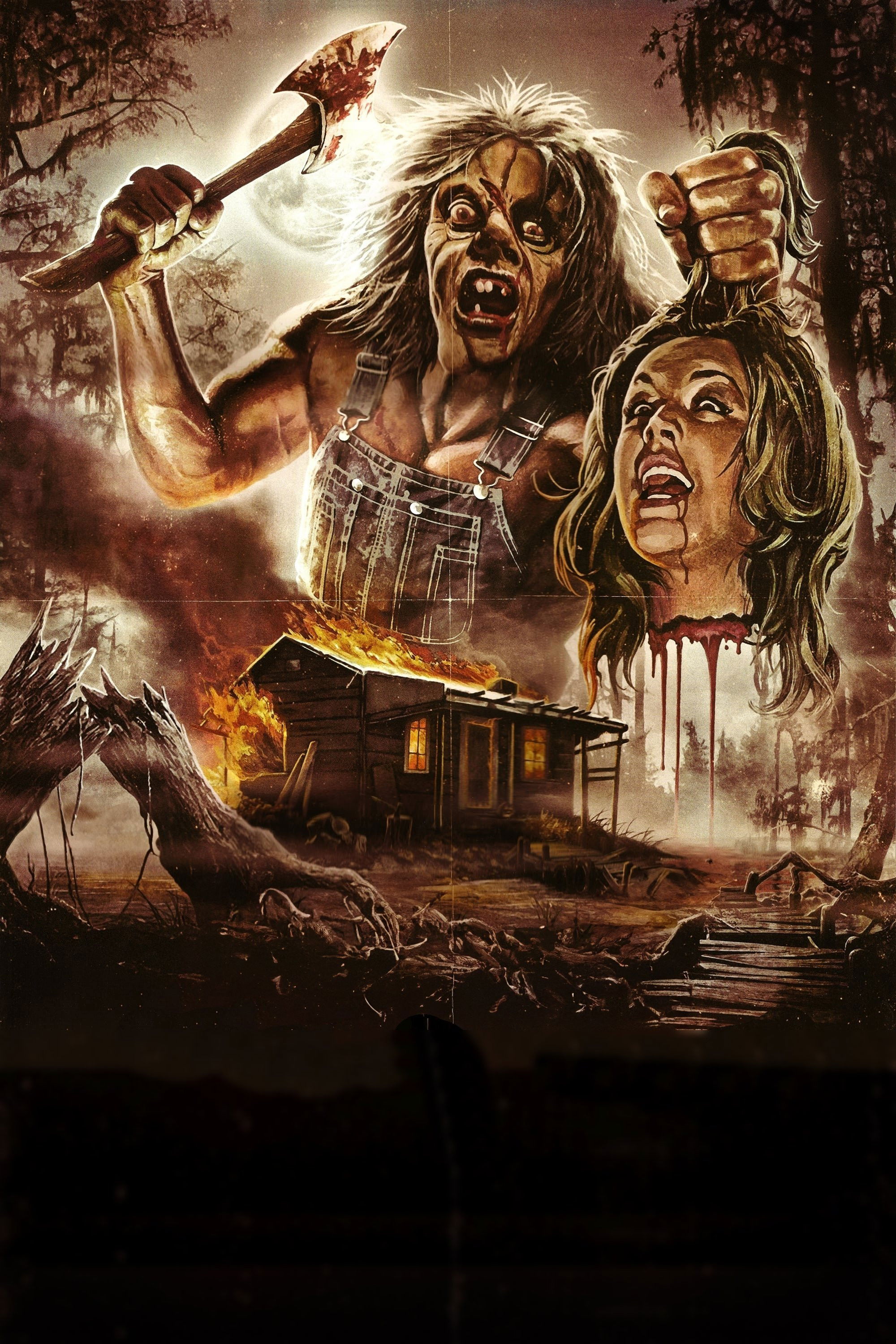
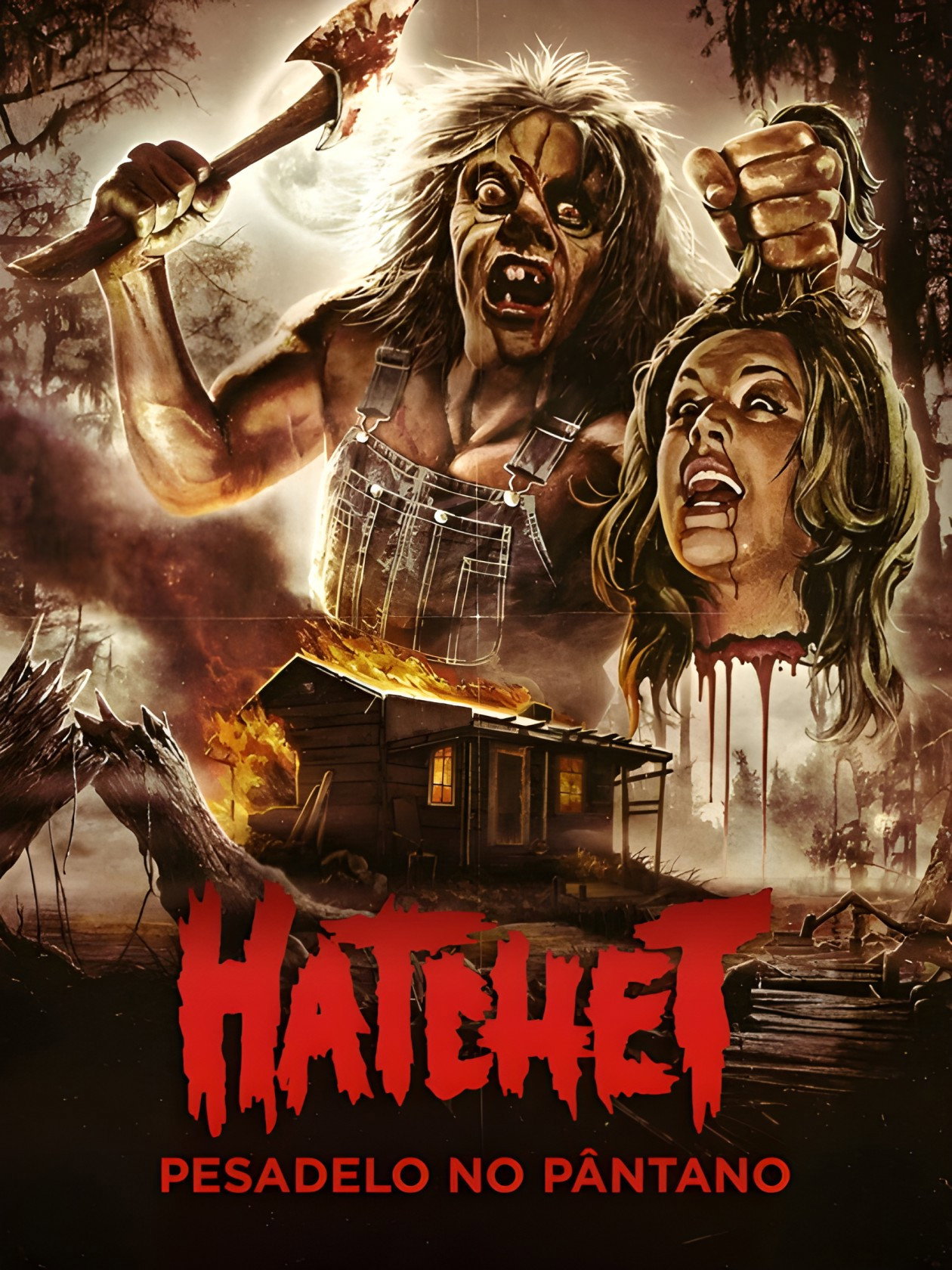
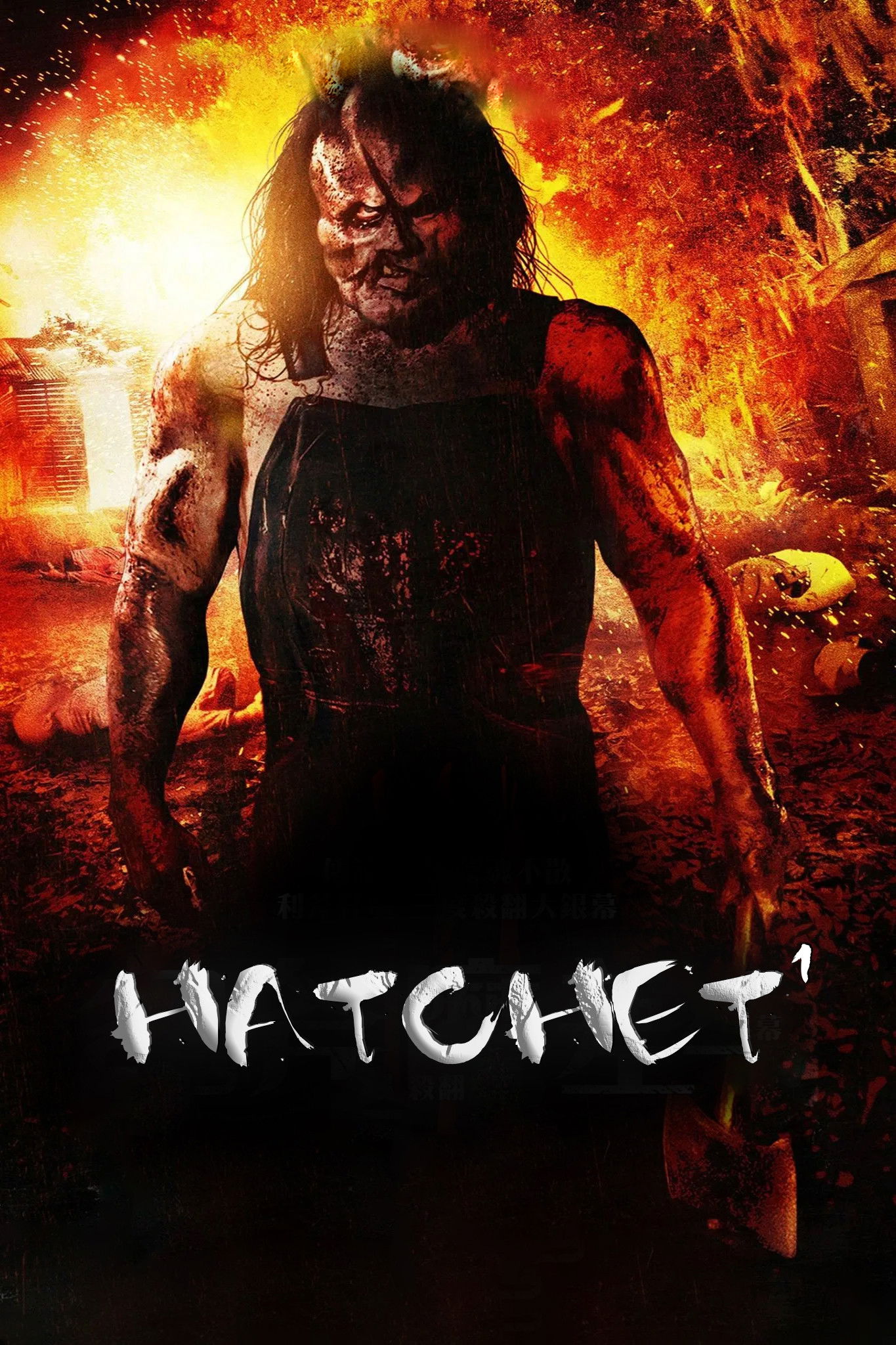
Hatchet's longer-term significance is most clearly documented through the continuation of the Victor Crowley character. Hatchet II (2010) and Hatchet III (2013) extended the story, followed by Victor Crowley (2017). The original established the recognizable physical antagonist, the swamp location and the combination of broad humor with exceptionally explicit prosthetic violence that later installments could revisit. Its importance does not depend on an unsupported claim that it transformed the entire slasher genre. The film instead demonstrates how a filmmaker working outside the major studios could build a new horror property through specialist collaborators, a festival audience and an unusually direct attachment to the tactile methods of earlier genre filmmaking.