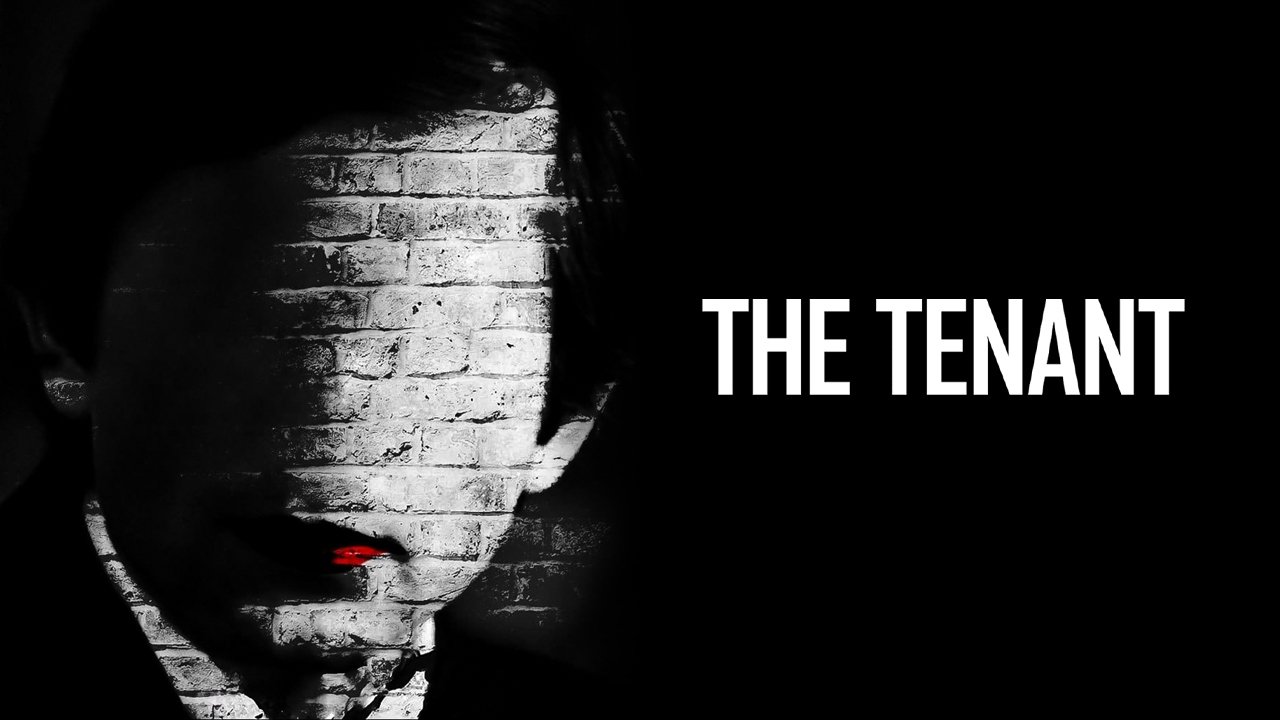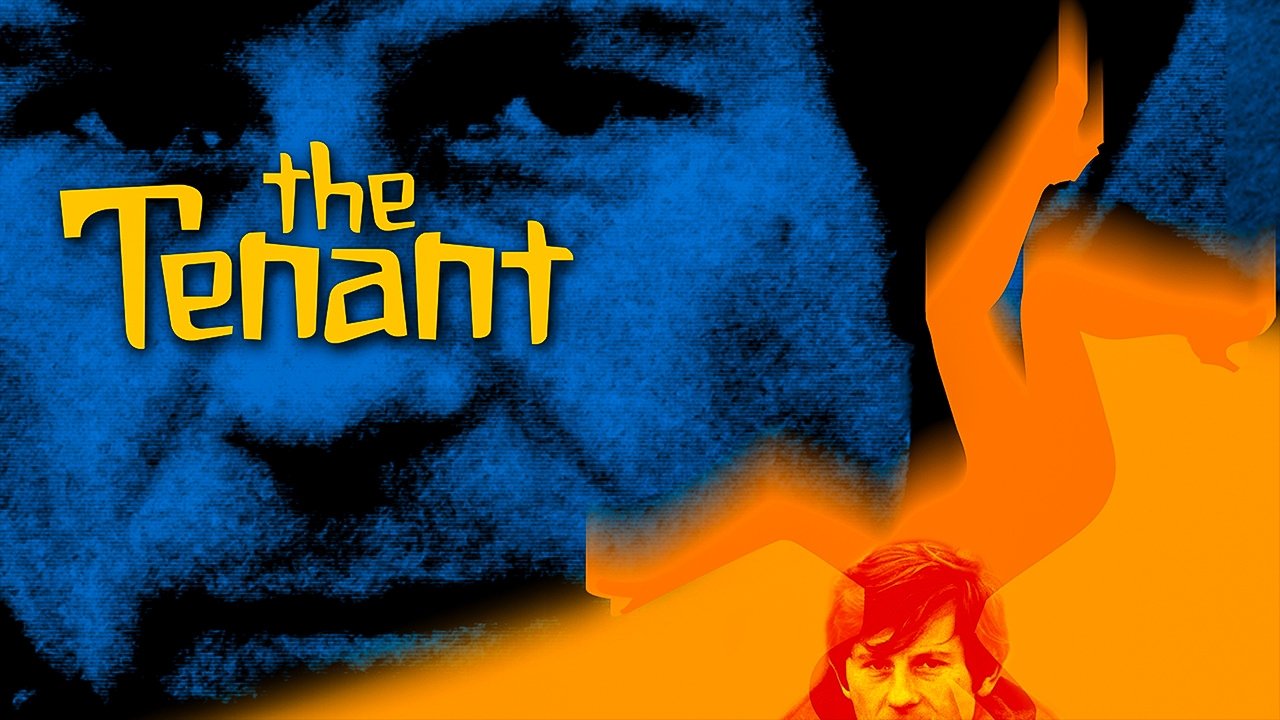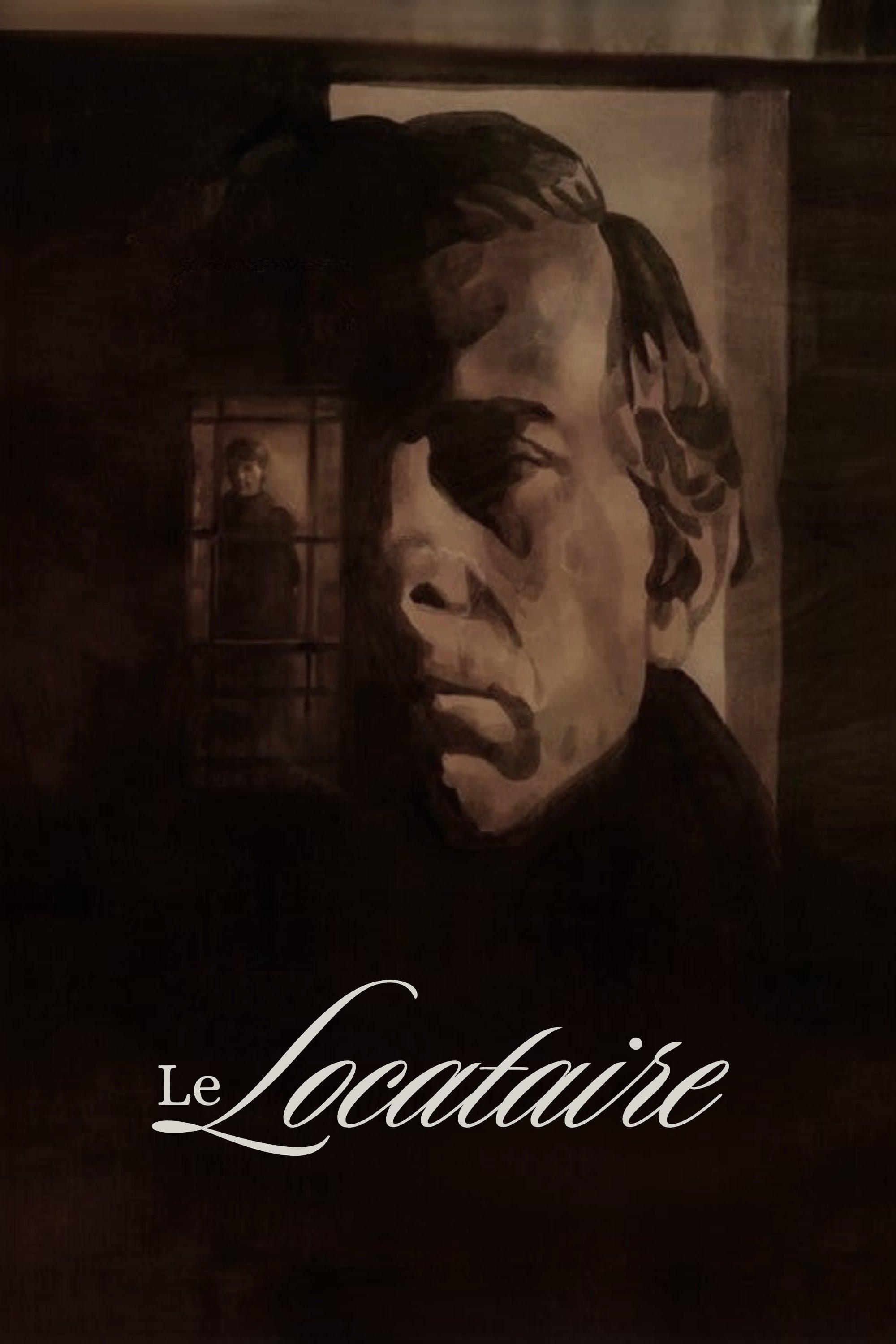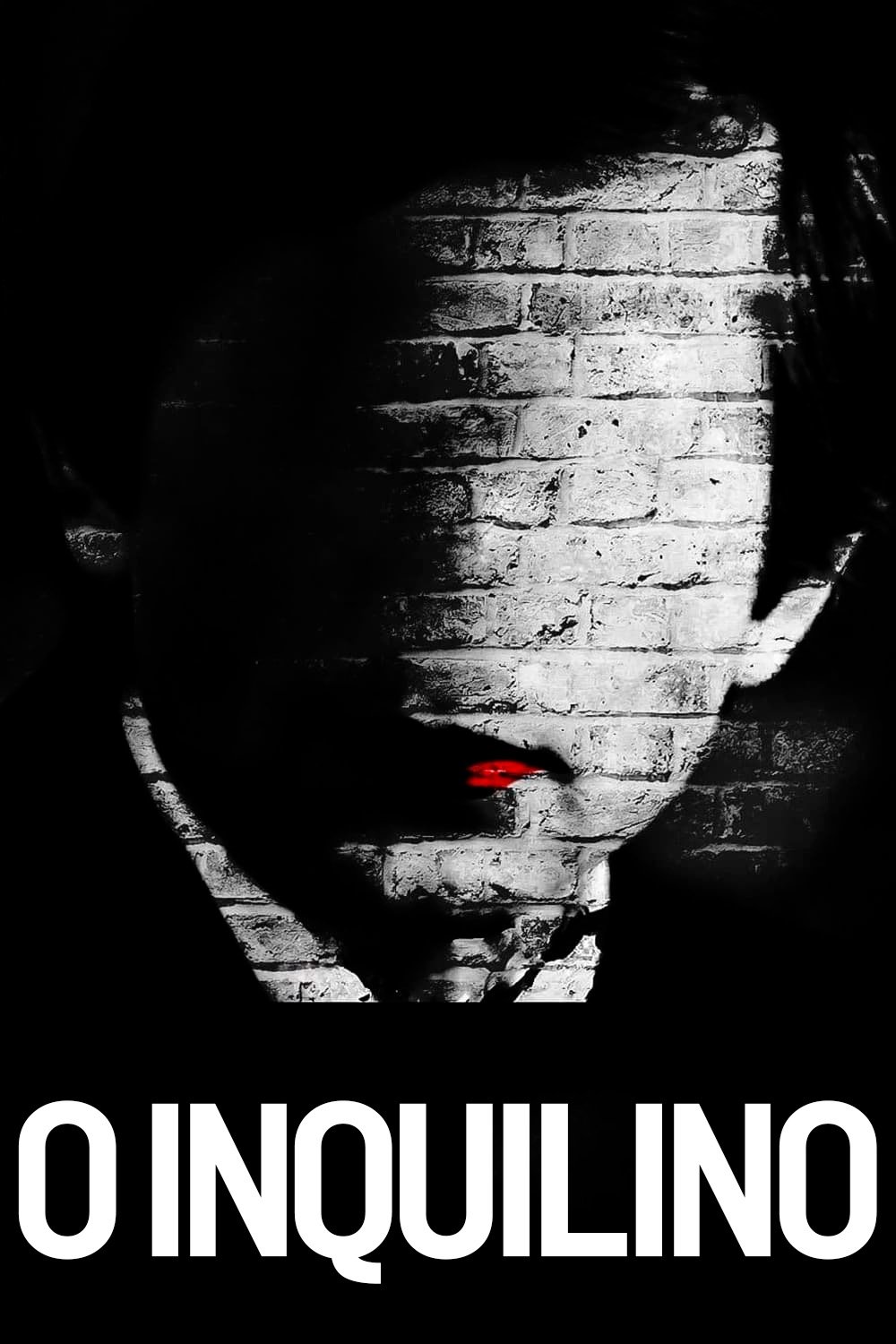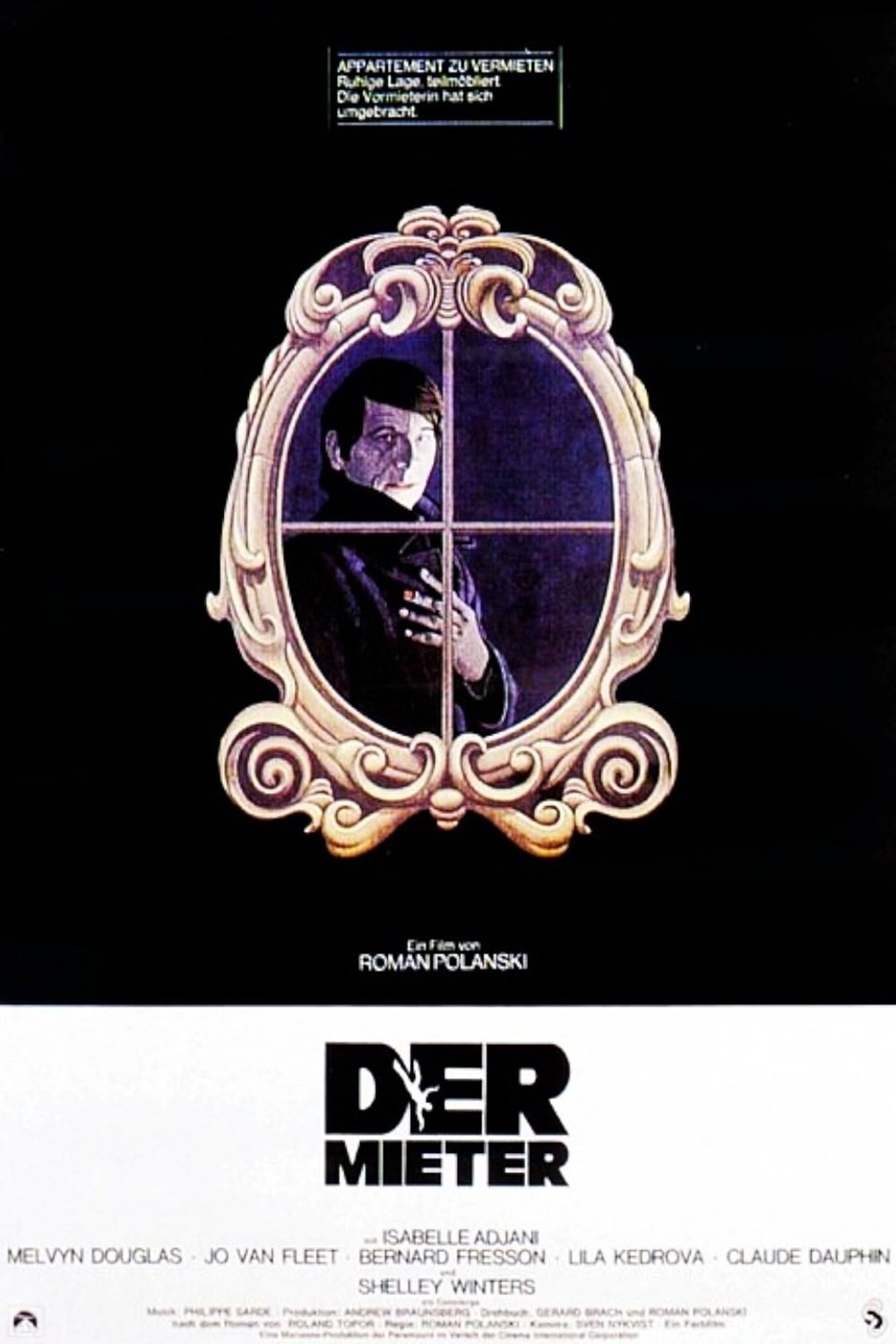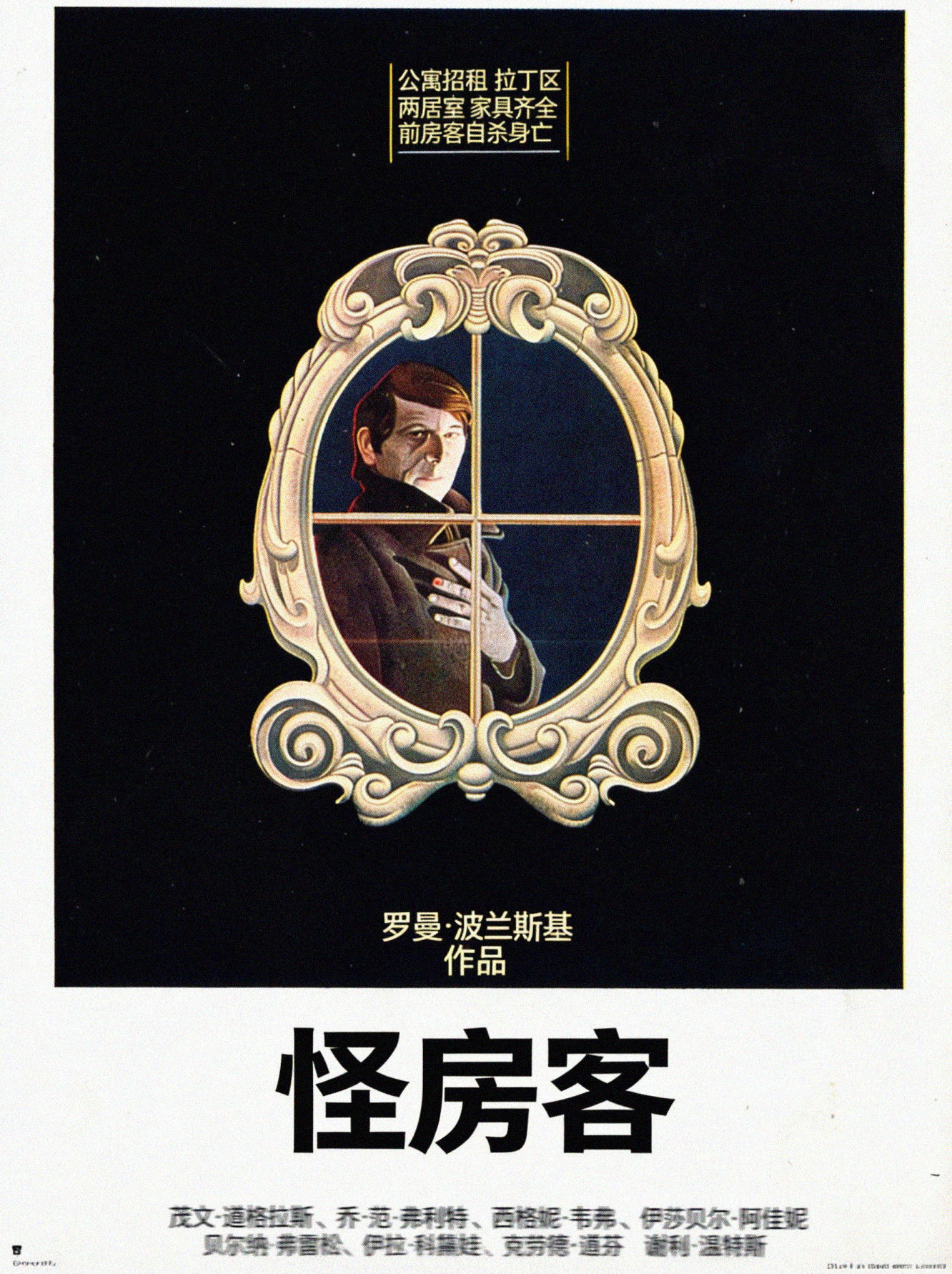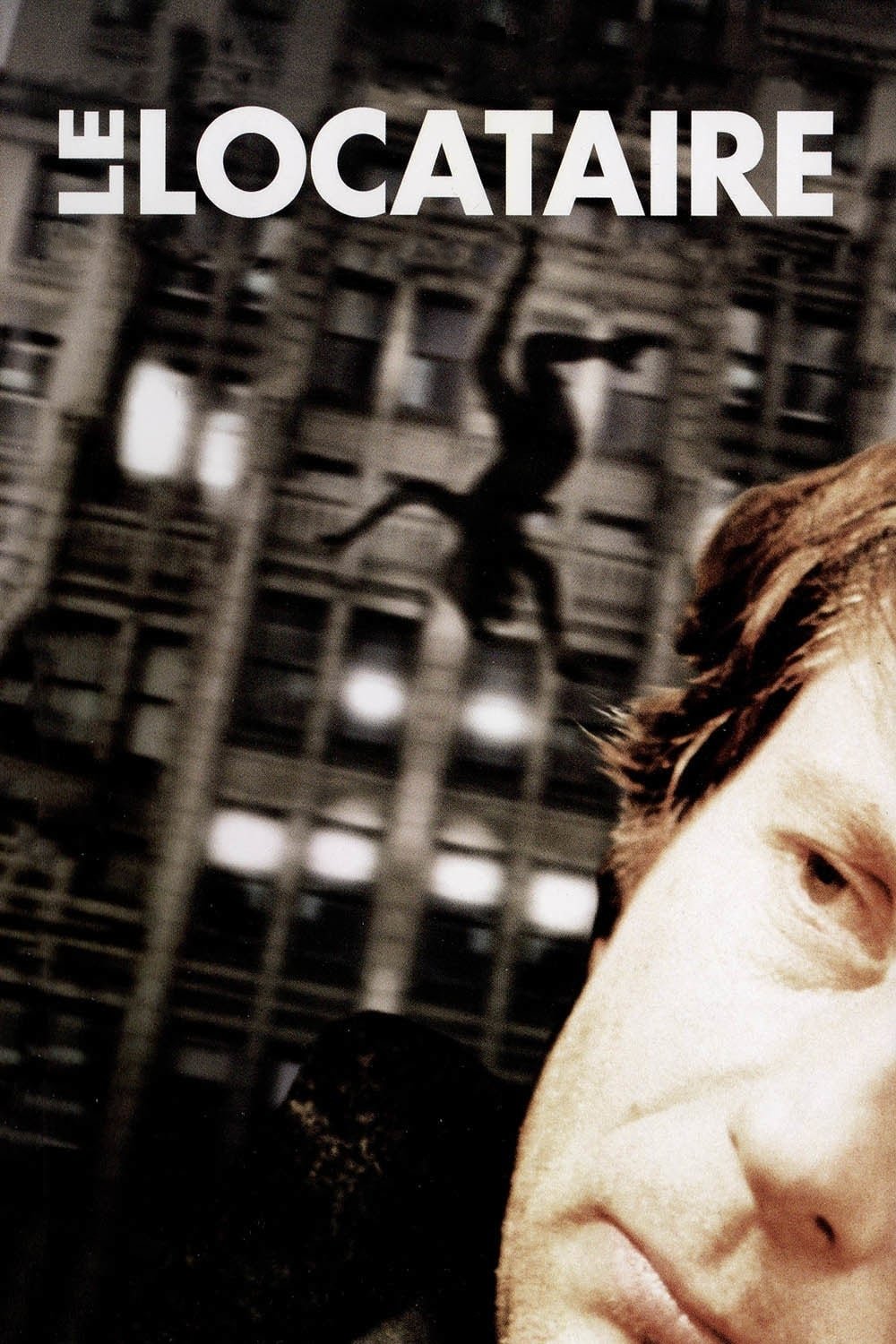
The Tenant (1976)

FR
Runtime
125 min
Release
May 26, 1976
Revenue
$5,100,000
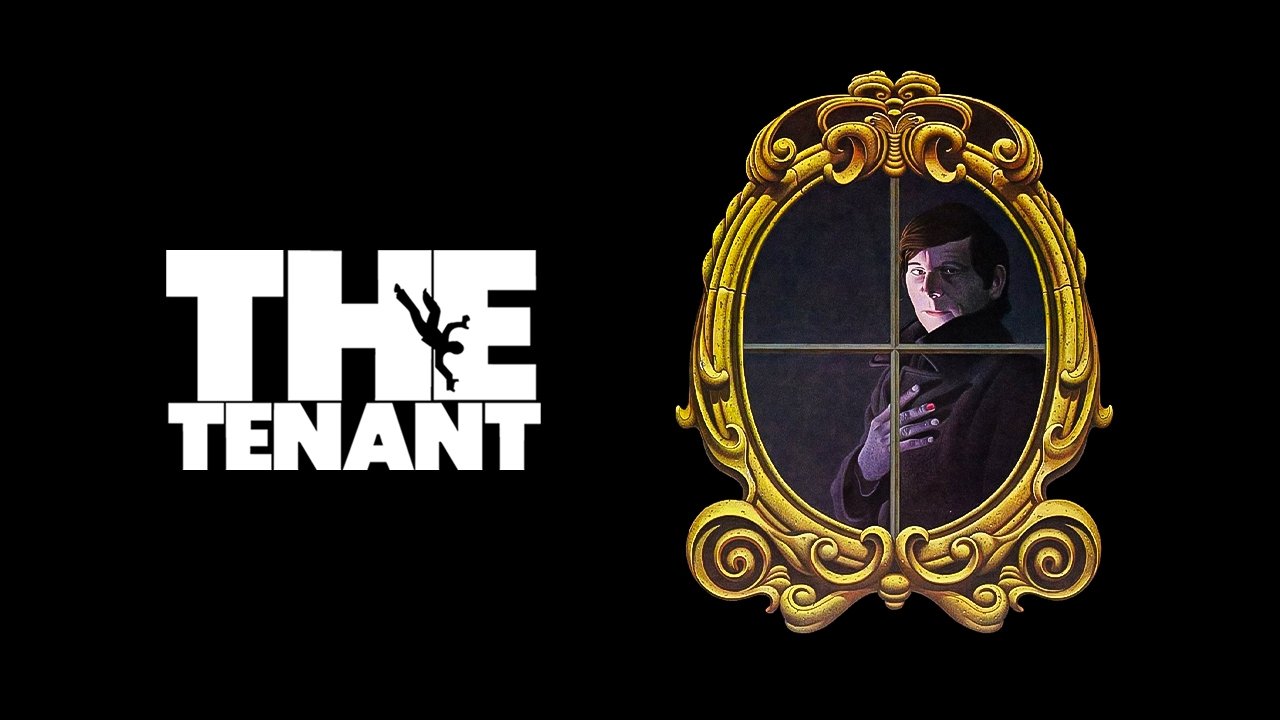
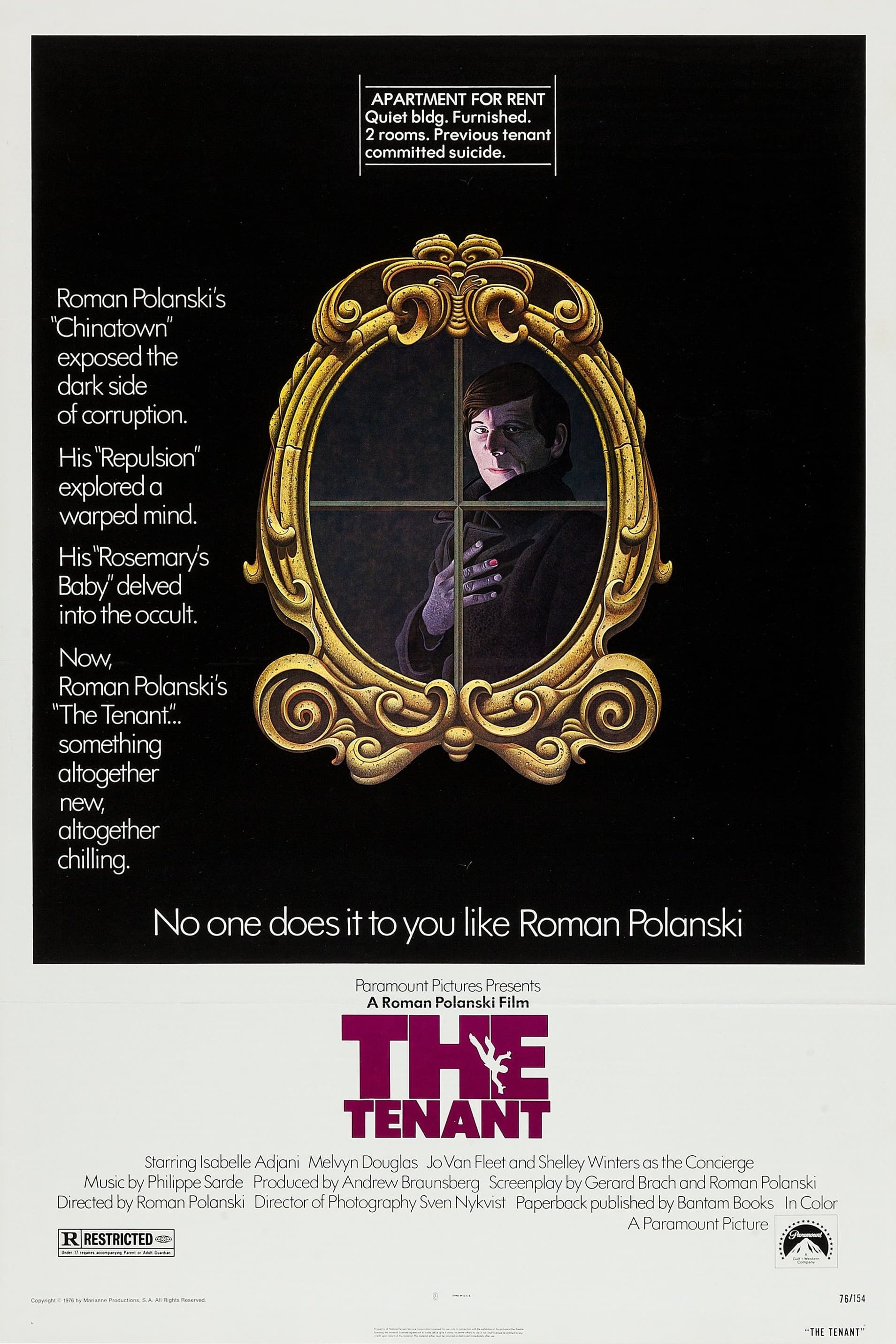
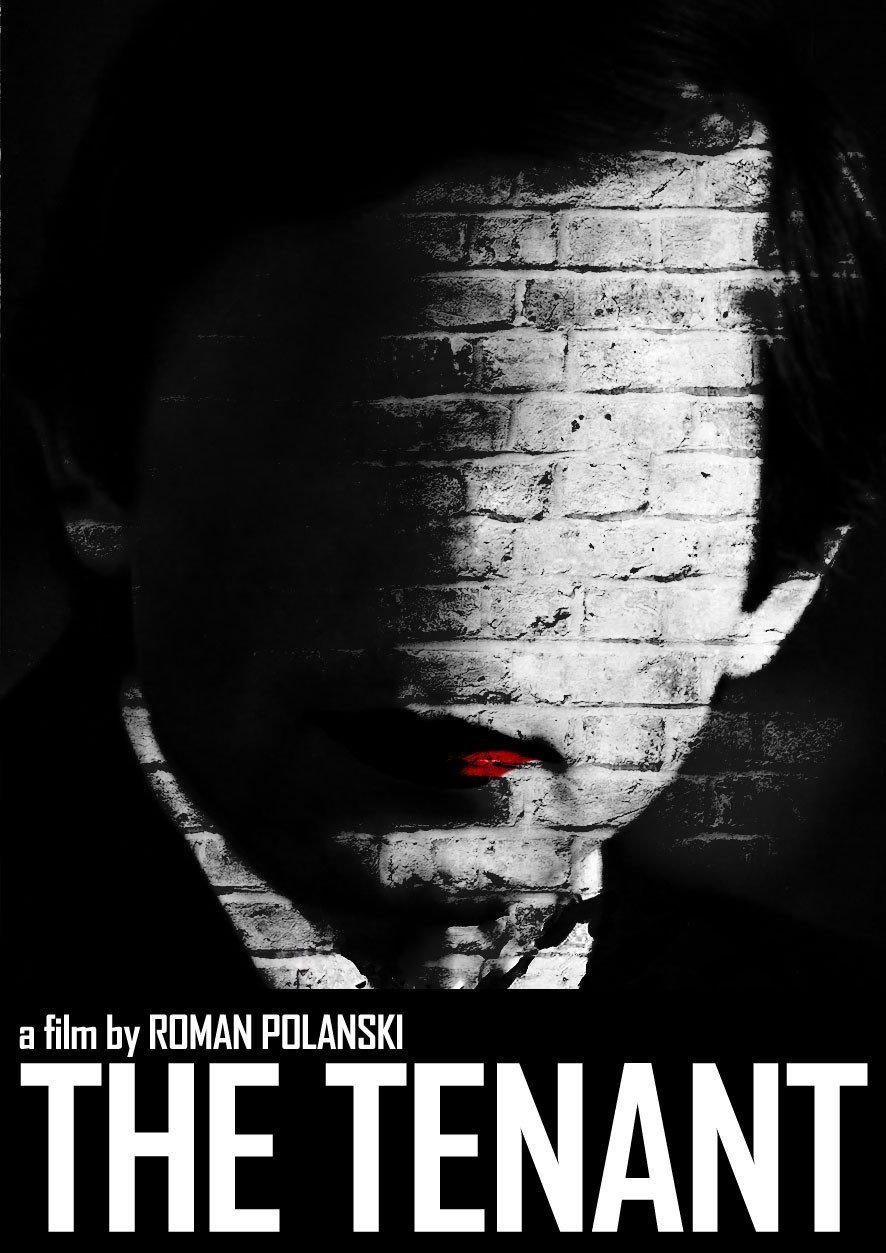
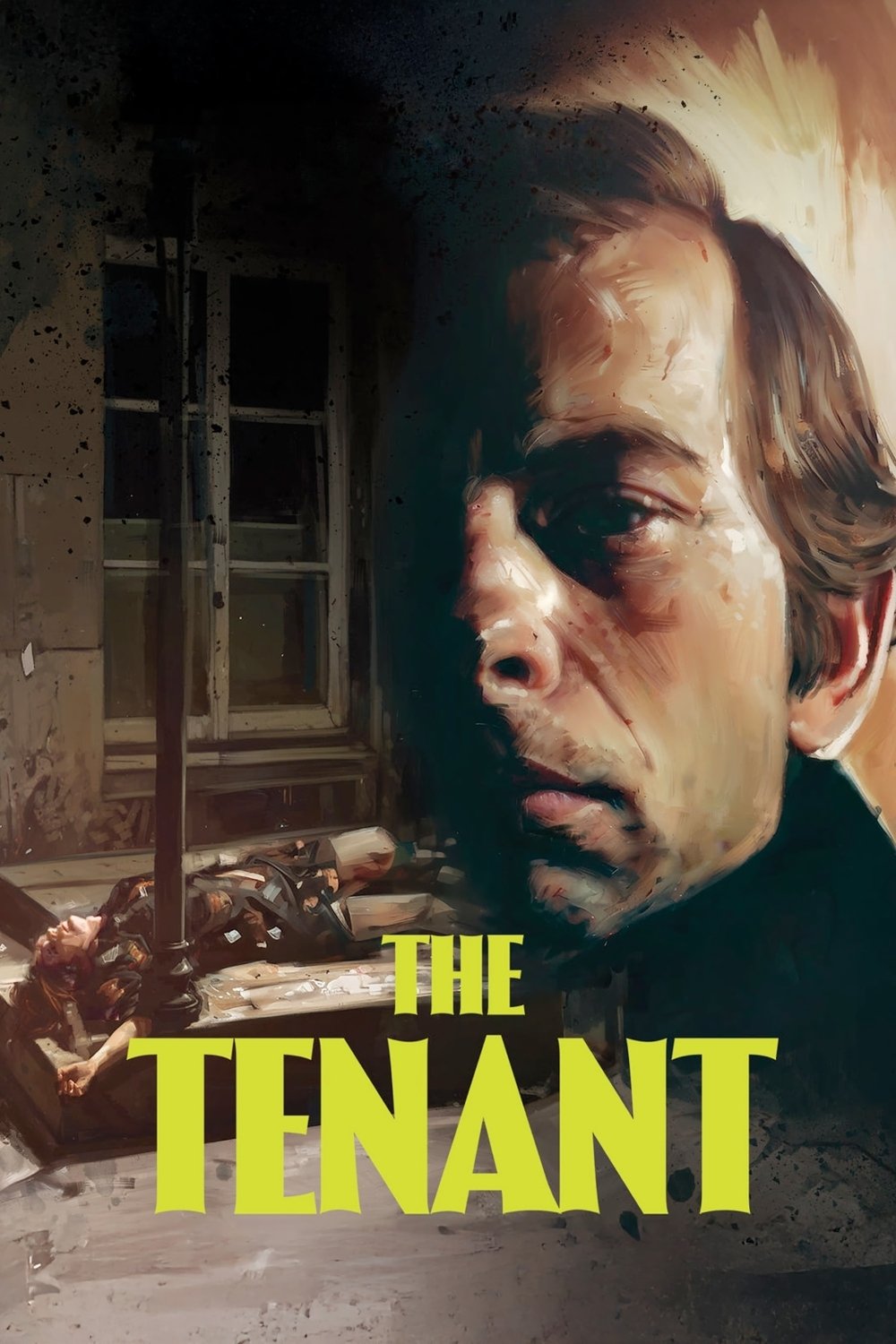
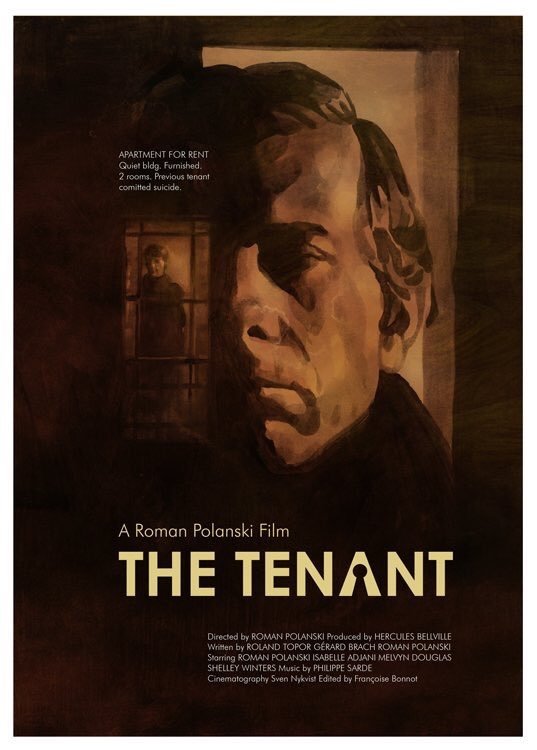
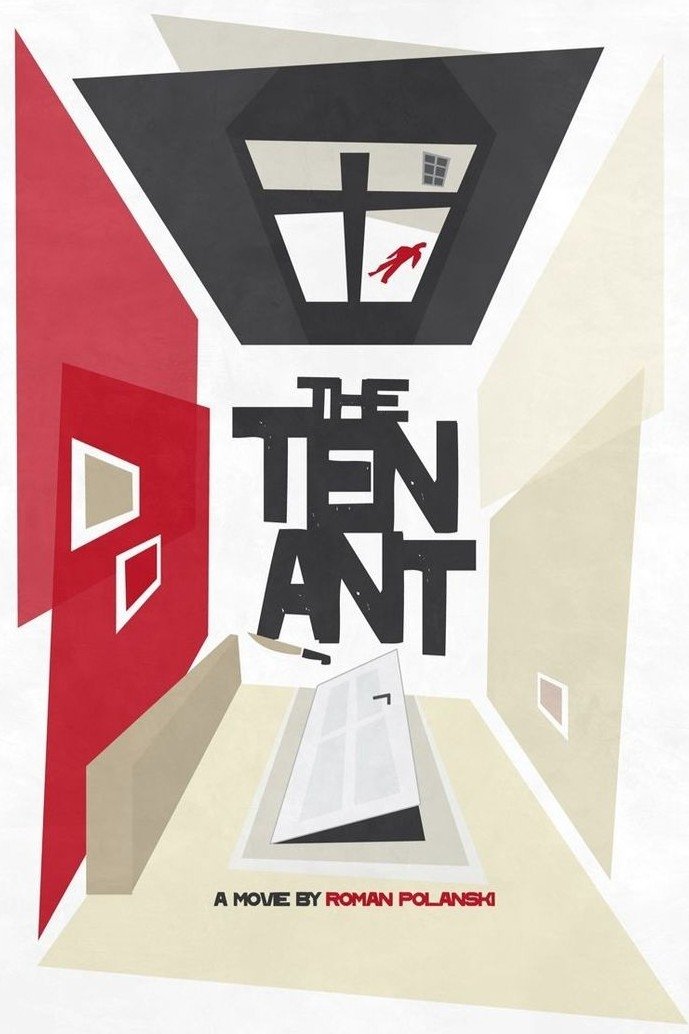
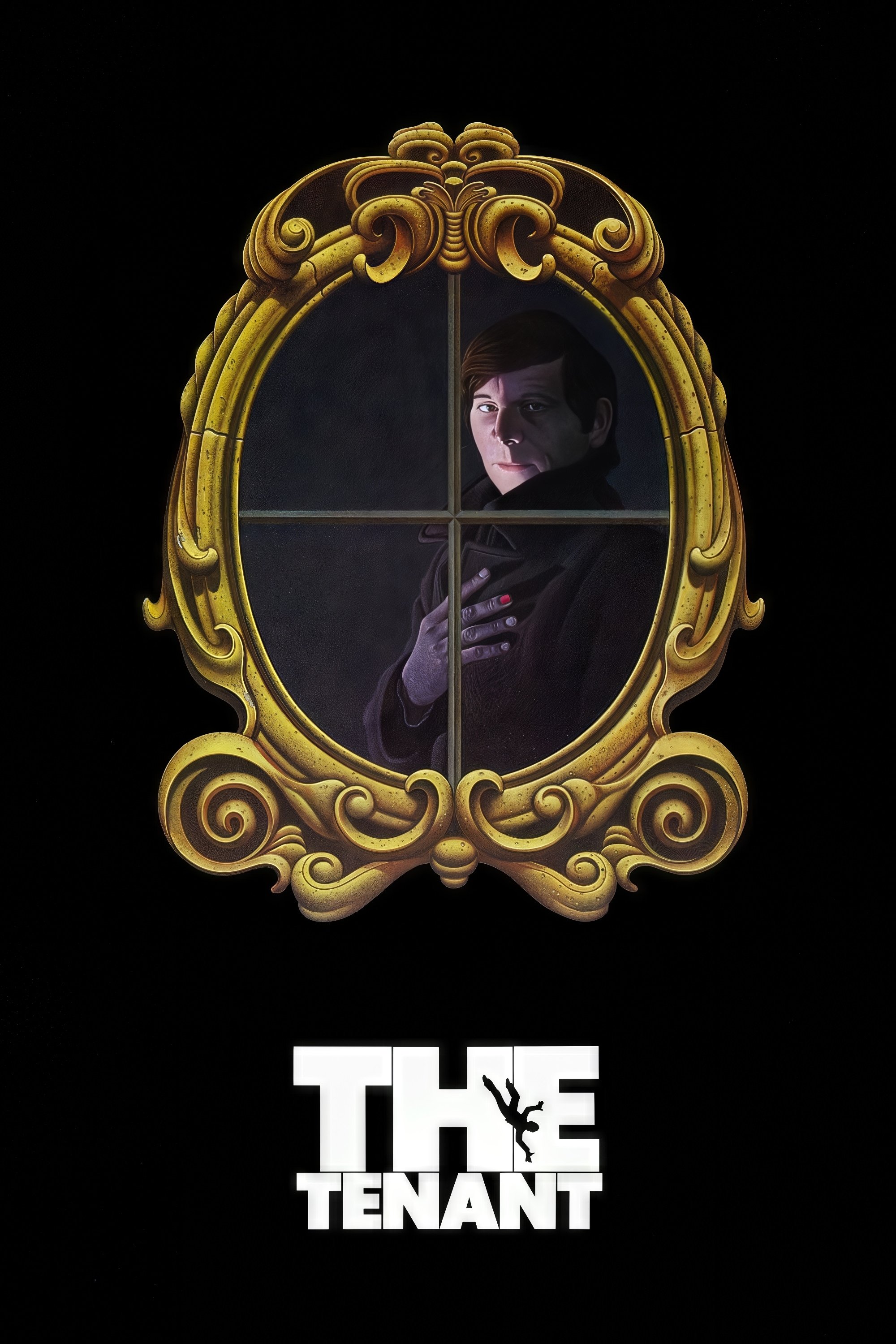
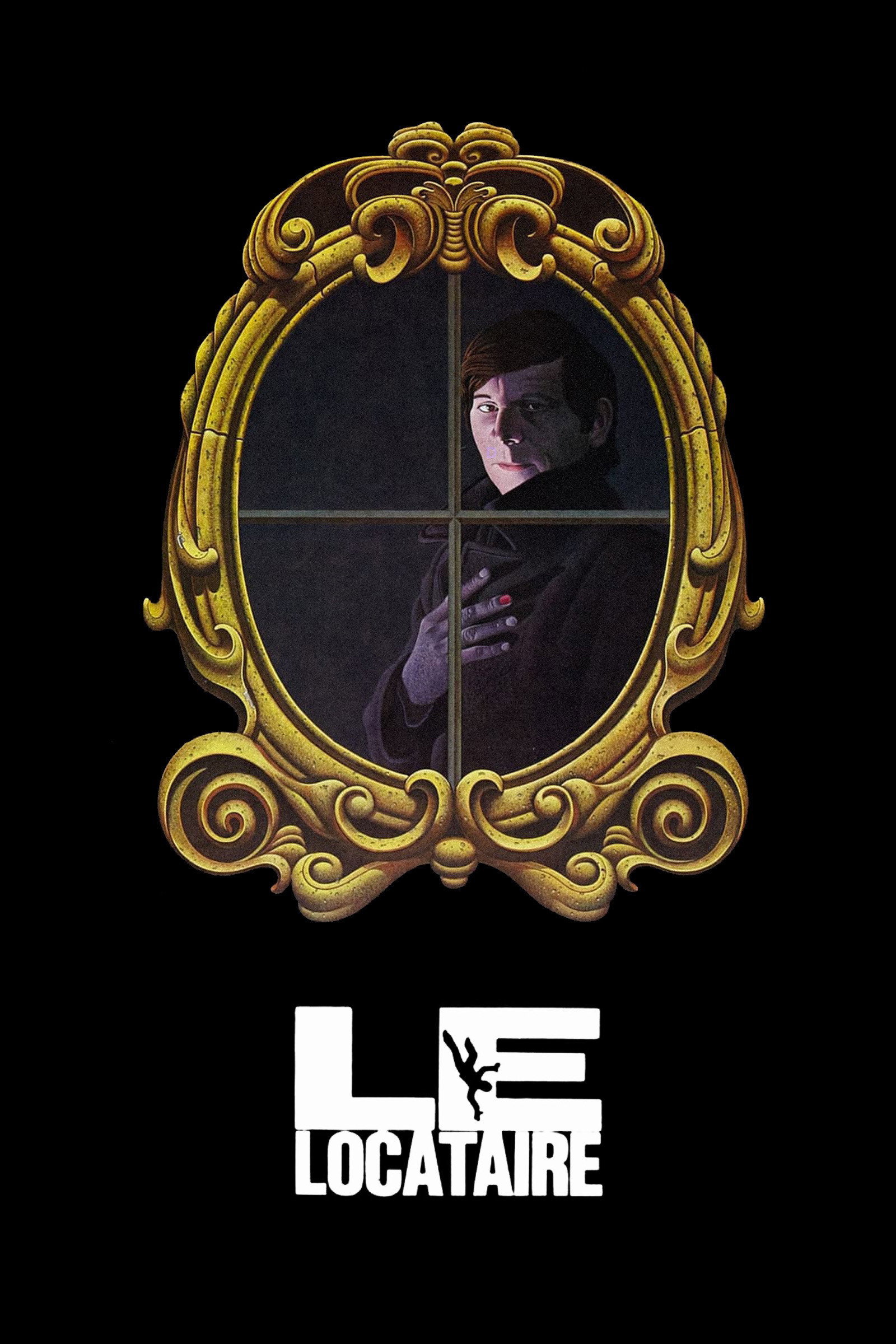
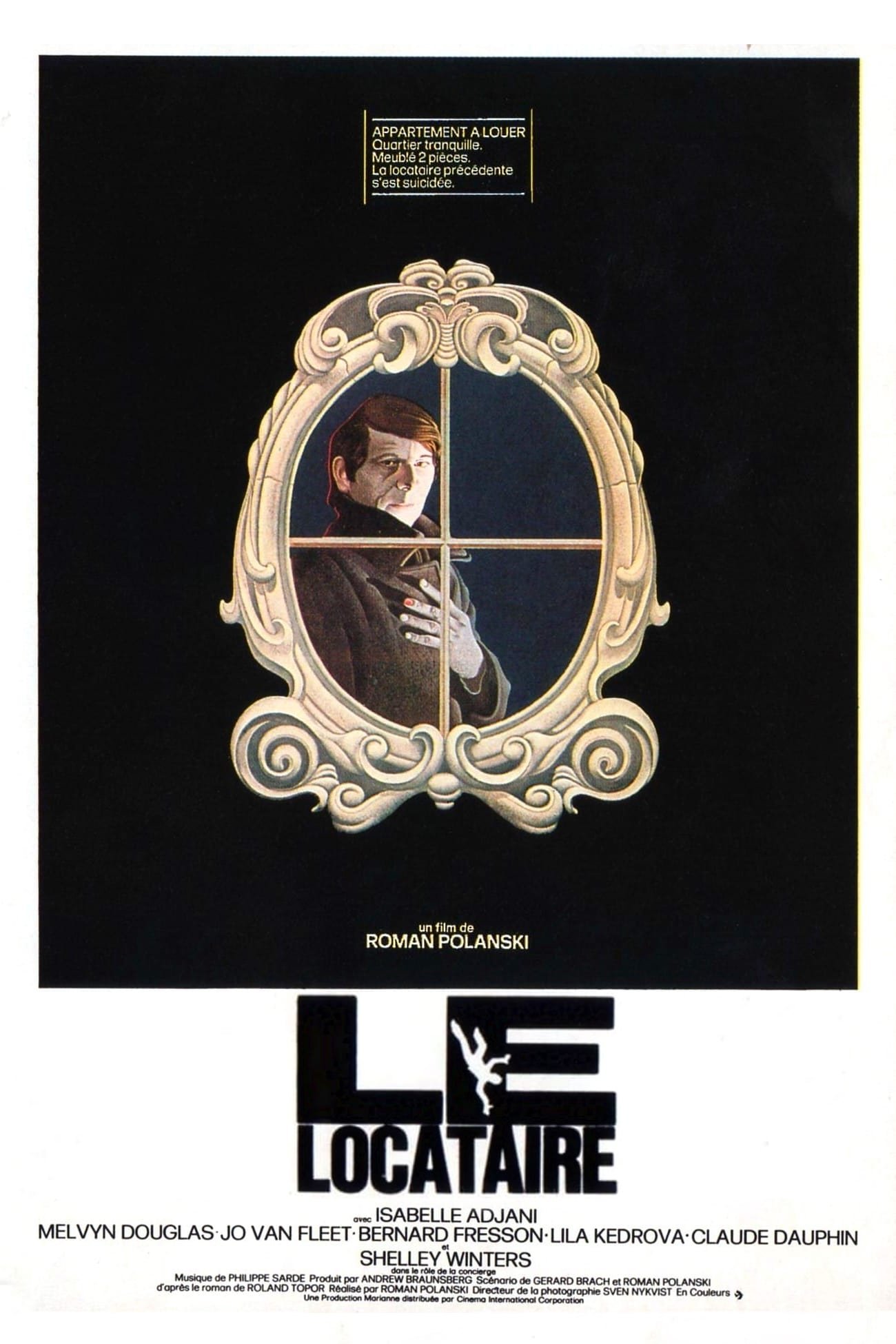
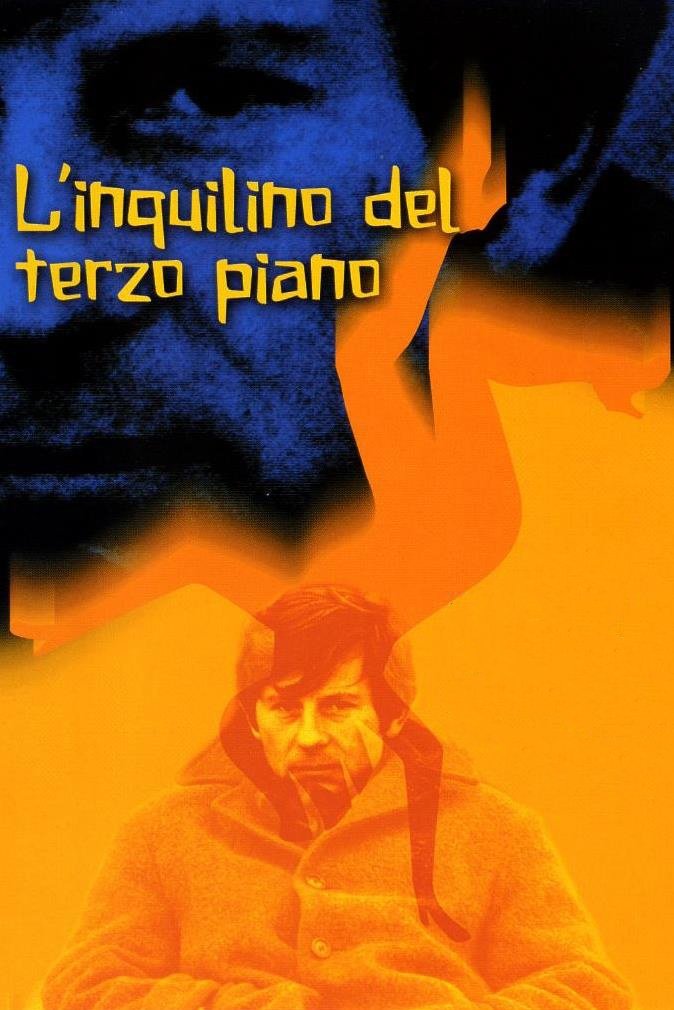
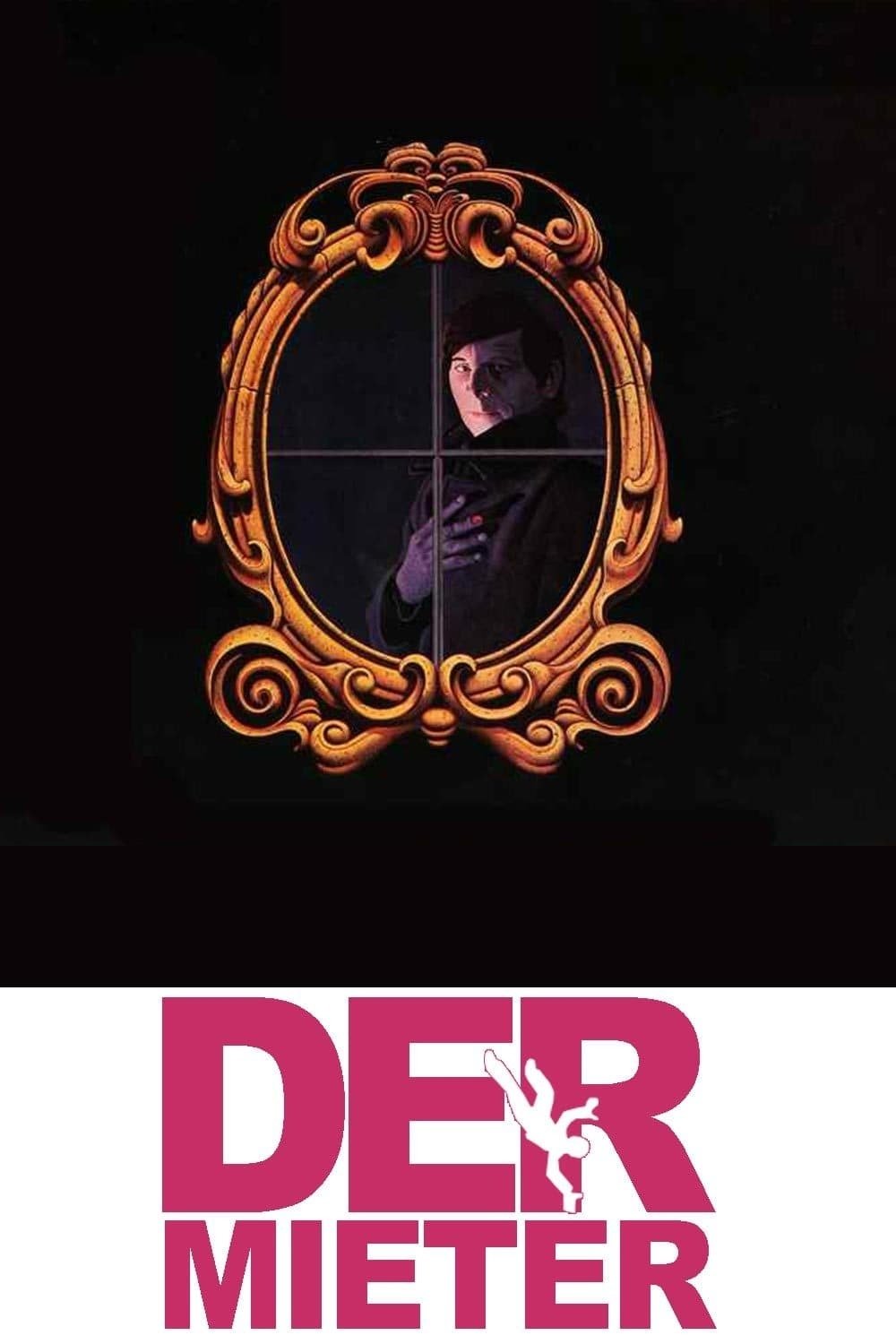
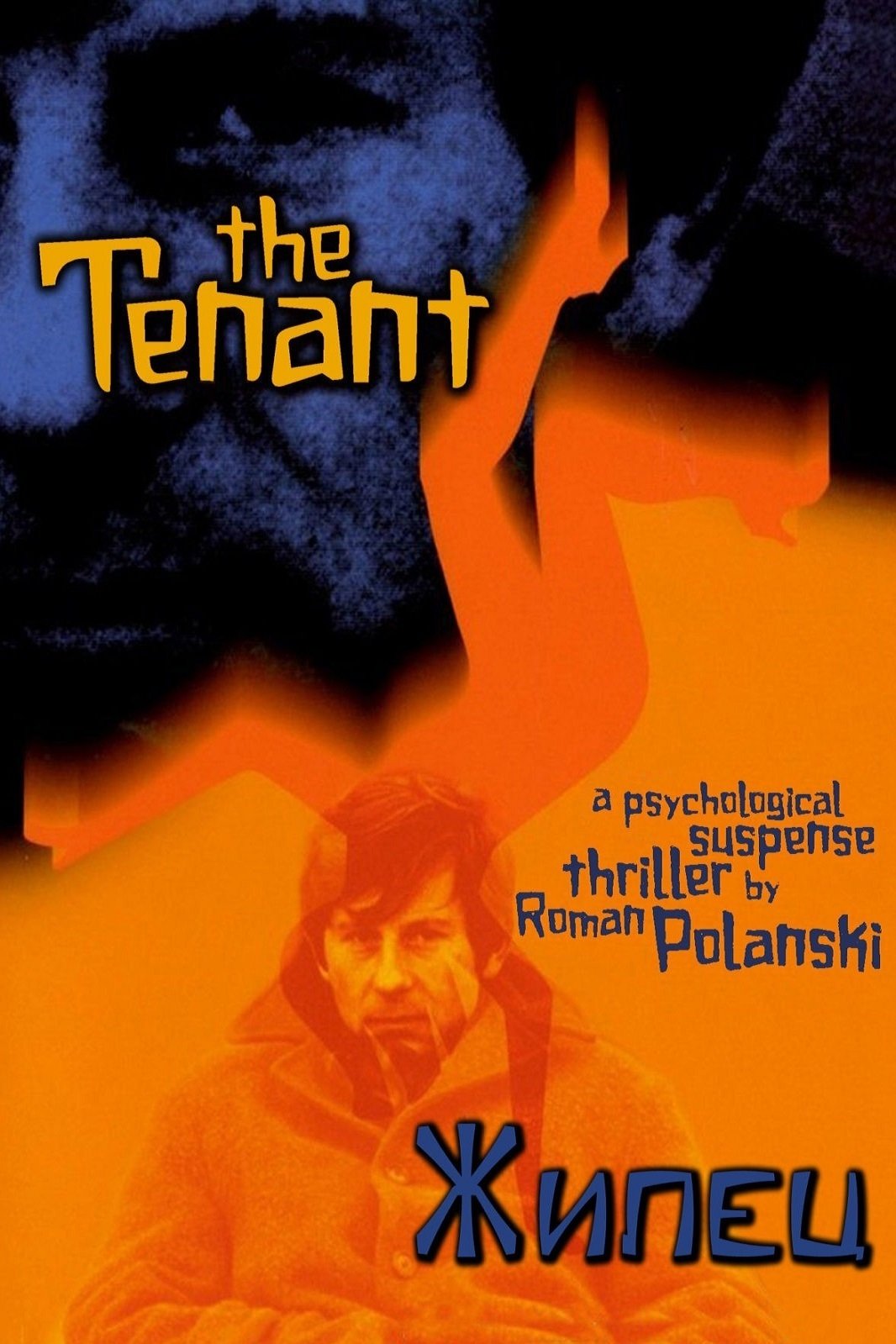
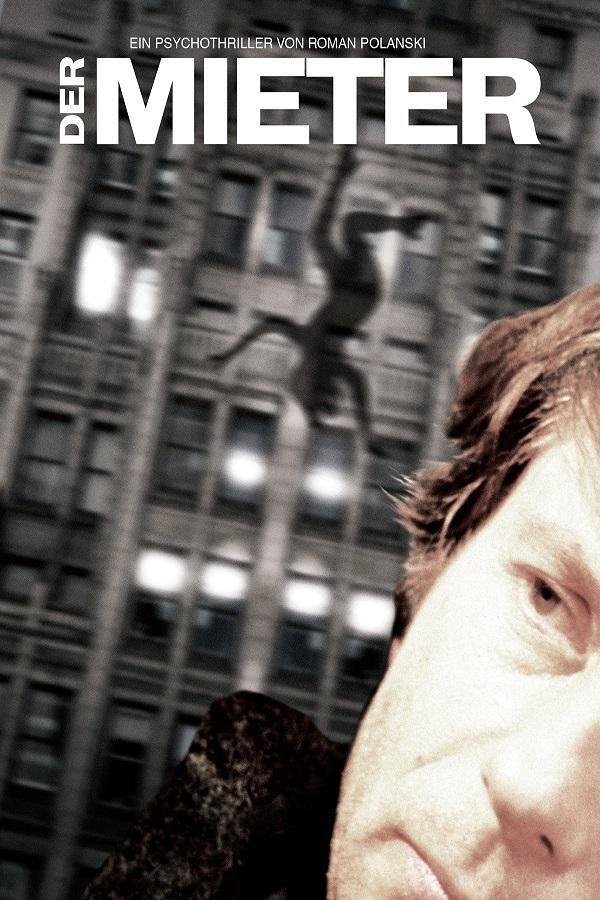
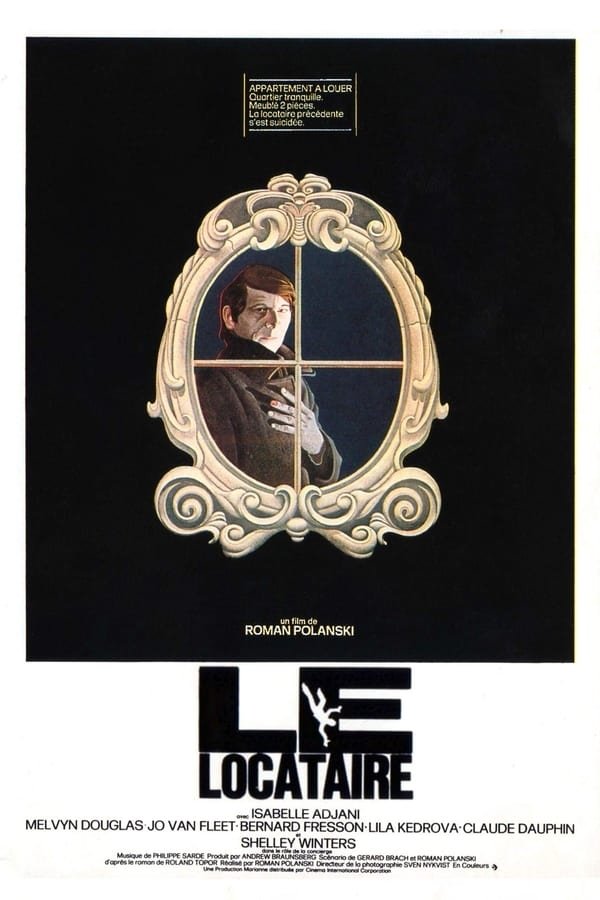
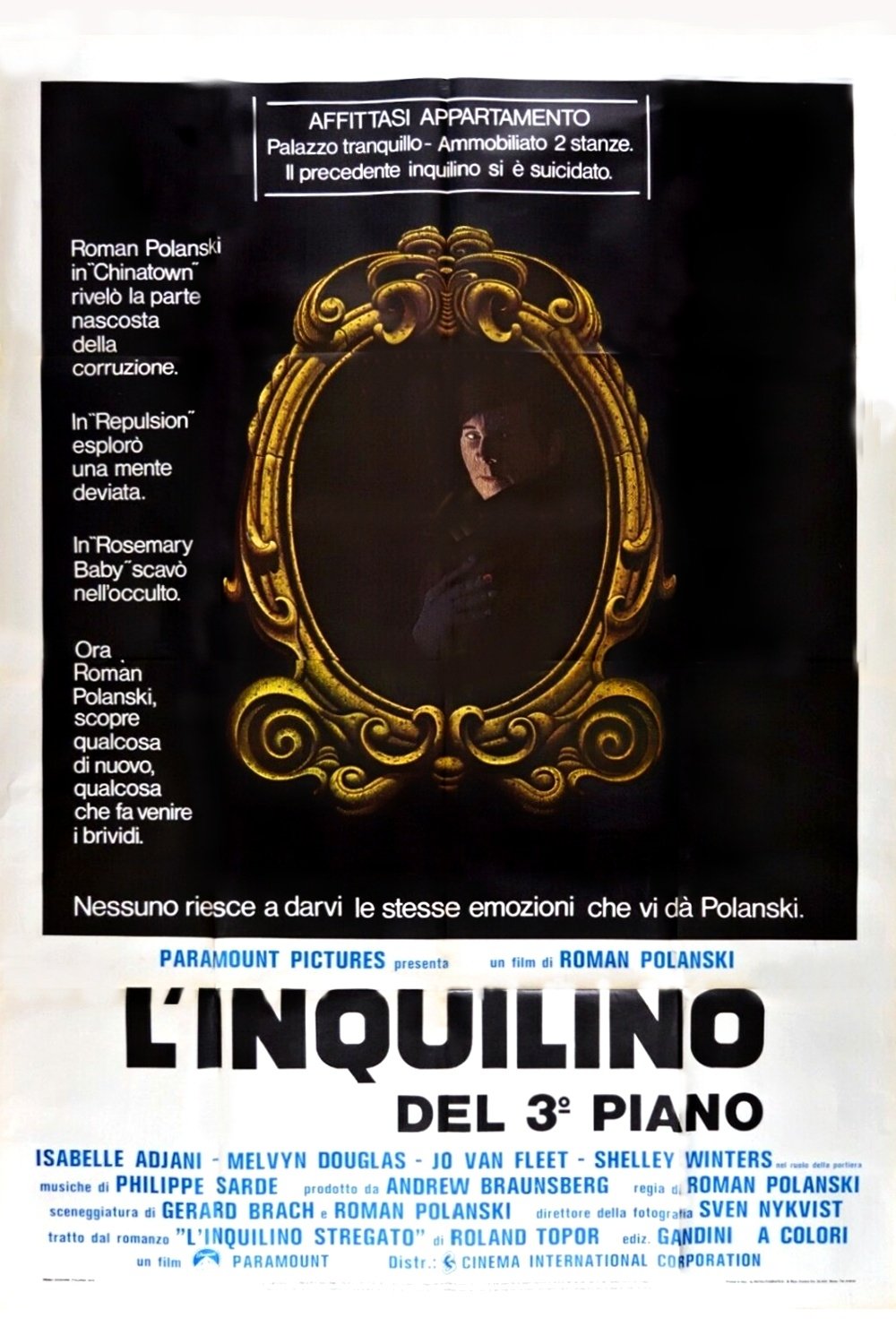
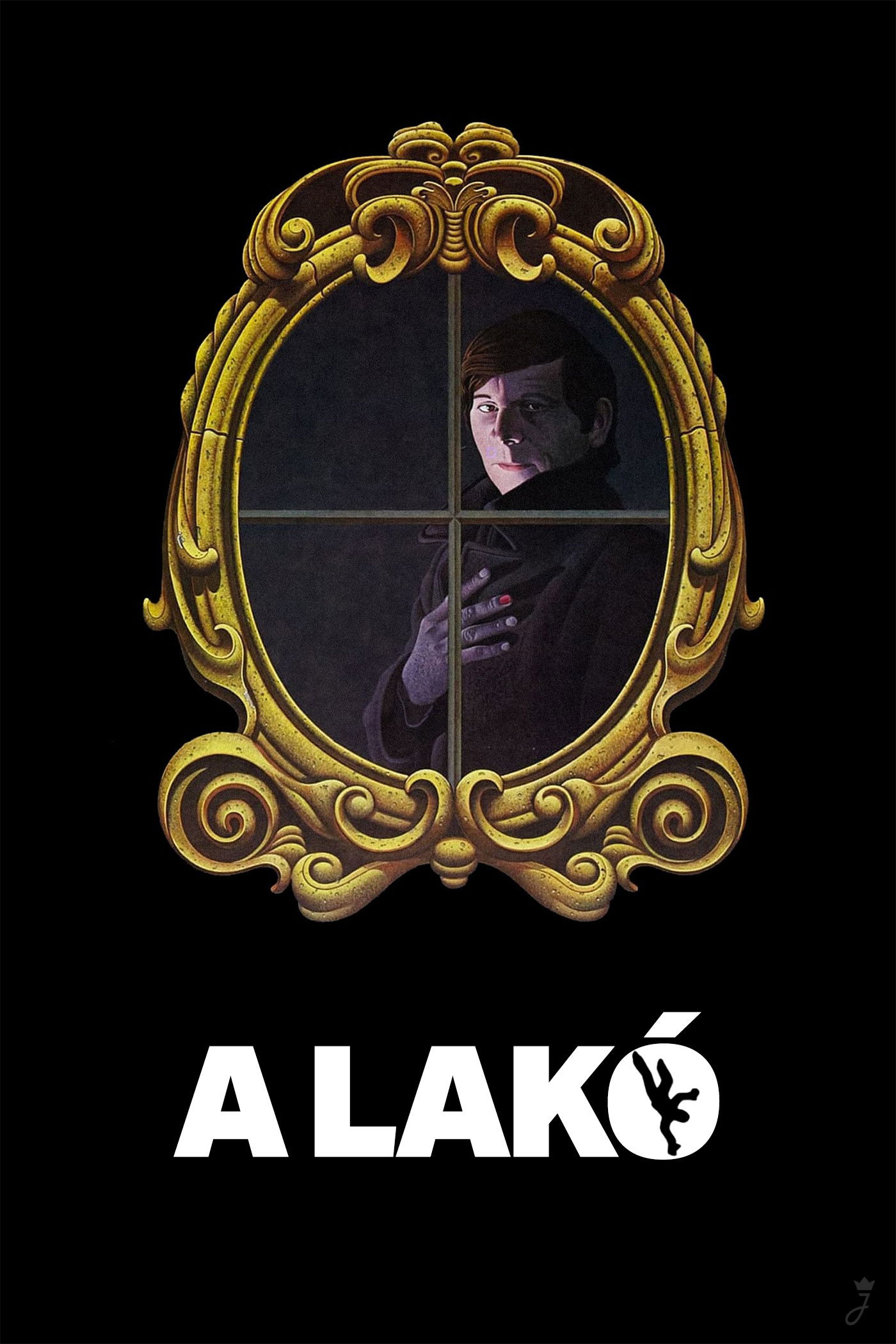
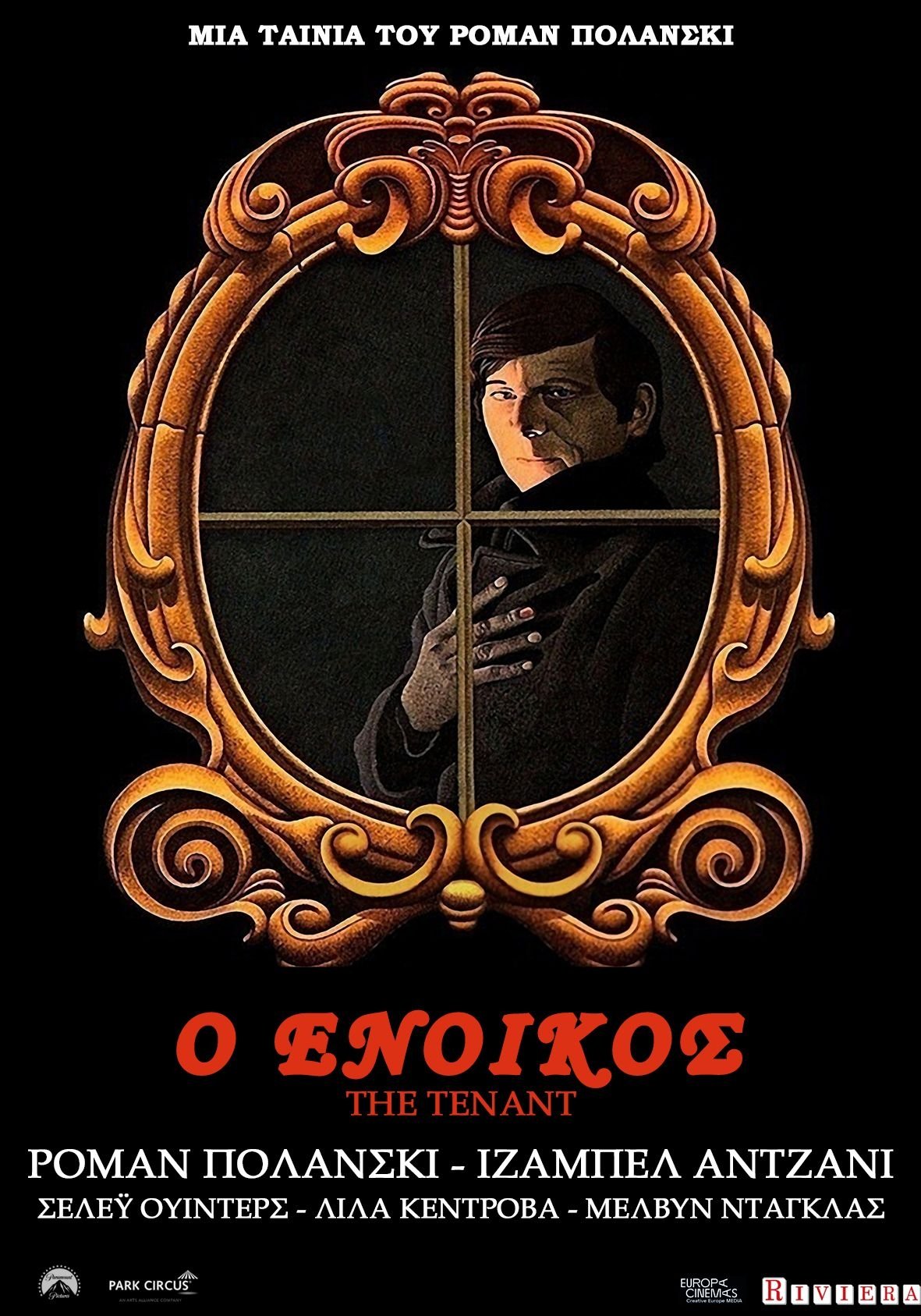
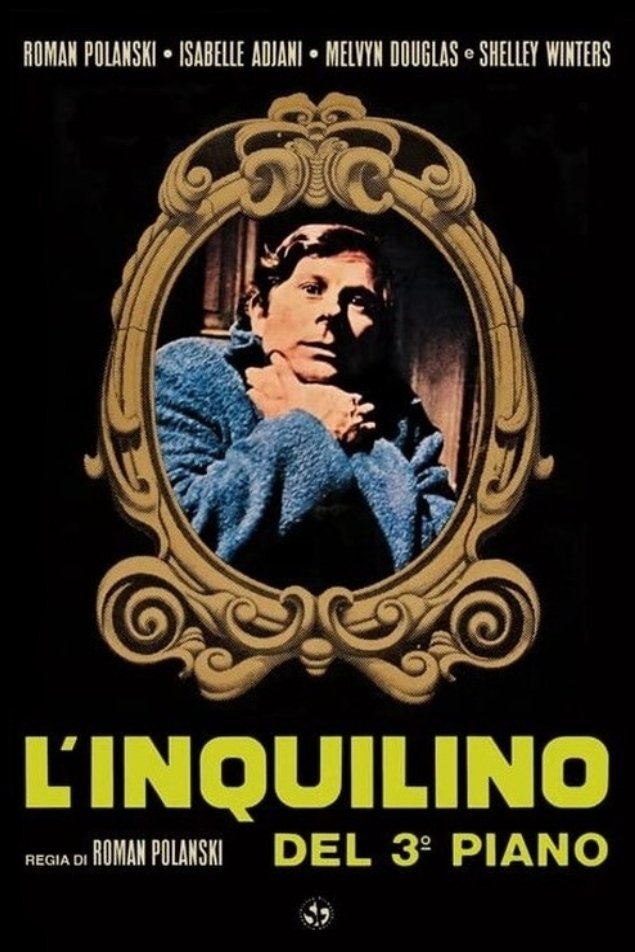
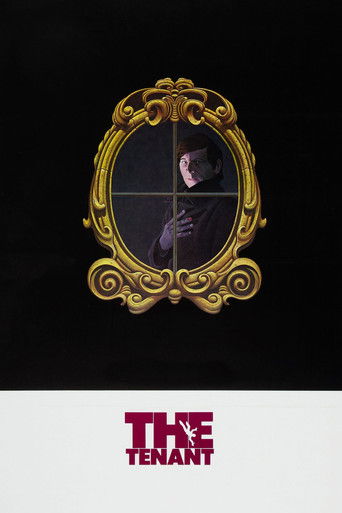
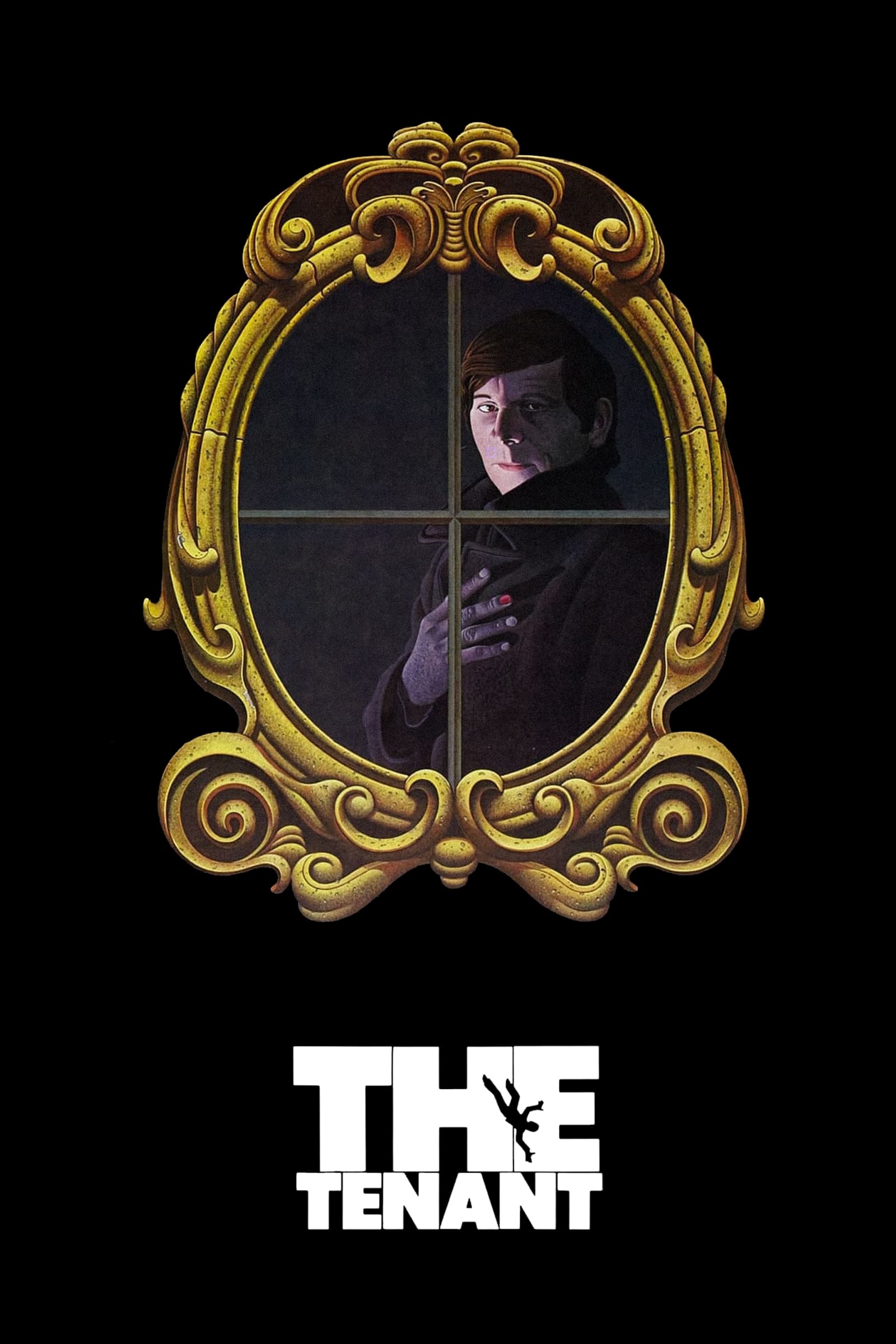
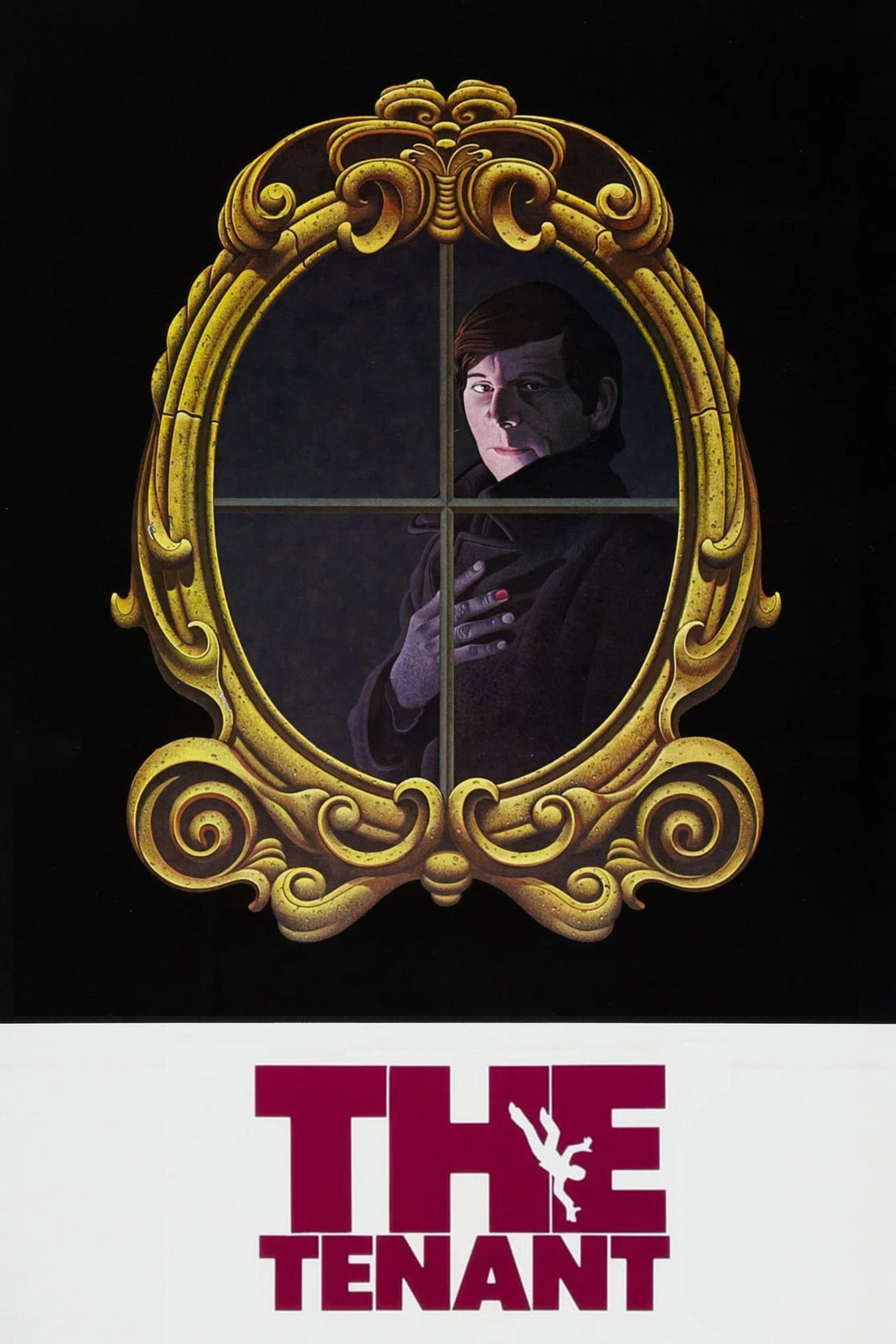
The Tenant (1976) poster
Director
Production Company
Marianne Productions
Plot

A quiet and inconspicuous man rents an apartment in France where the previous tenant committed suicide, and begins to suspect his landlord and neighbors are trying to subtly change him into the last tenant so that he too will kill himself.

Alternative Titles
El inquilino (Argentina) — Spanish Наемателят (Bulgaria) — Bulgarian O Inquilino (Brazil) — Portuguese 怪房客 (China) — Chinese Nájemník (Czechia) — Czech Der Mieter (Germany) El quimèric inquilí (Spain) — Catalan El quimérico inquilino (Spain)
Show all 25 alternative titles Ο Ενοικος (Greece) — Greek Stanar (Croatia) — Croatian A lakó (Hungary) — Hungarian הדייר (Israel) — Hebrew L'inquilino del terzo piano (Italy) テナント 恐怖を借りた男 (Japan) — Japanese 테넌트 (South Korea) Nuomininkas (Lithuania) — Lithuanian El inqulino (Mexico) — Spanish Leieboeren (Norway) Lokator (Poland) — Polish O Inquilino (Portugal) — Portuguese Станар (Serbia) — Serbian Жилец (Russia) Hyresgästen (Sweden) Kiracı (Türkiye) — Turkish Орендар (Ukraine) — Ukrainian

Trailers & Videos

4 videos

Film Guide

Roman Polanski’s 1976 psychological horror adapts Roland Topor’s novel into a nightmare of urban persecution, unstable identity and architectural paranoia, distinguished by Sven Nykvist’s photography and Philippe Sarde’s glass-harmonica score.

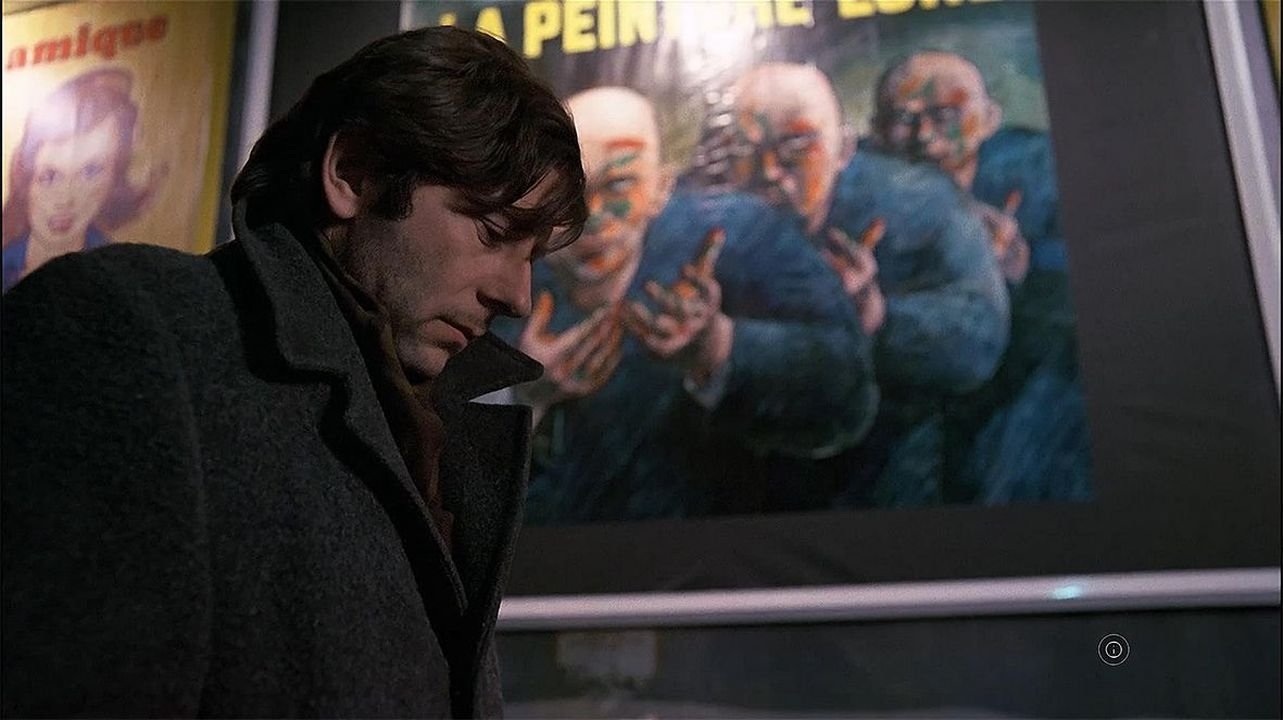
The Tenant (Le Locataire, 1976) is a French psychological horror film directed by Roman Polanski from a screenplay written with Gérard Brach, adapted from Roland Topor’s novel Le Locataire chimérique (1964). Polanski portrays Trelkovsky, a Polish-born office clerk living in Paris who rents an apartment whose previous occupant, Simone Choule, attempted suicide by jumping from its window. His growing awareness of the deceased woman’s habits, combined with hostility from the other residents, develops into a disturbing conviction that his neighbors intend to destroy his identity. The film transforms ordinary apartment life into a nightmare of surveillance, humiliation and bodily estrangement.

Produced by Andrew Braunsberg for Marianne Productions and distributed internationally by Paramount Pictures, The Tenant was photographed by Sven Nykvist and edited by Françoise Bonnot. Its elaborate apartment set, designed by Pierre Guffroy, allowed Polanski to develop unusually mobile camera movements through a building whose physical arrangement becomes increasingly threatening. Philippe Sarde’s score employs the unusual timbre of the glass harmonica to accompany the protagonist’s psychological disintegration. Presented in competition at the Cannes Film Festival in May 1976, the film initially divided critics but subsequently acquired a prominent position within the history of urban paranoia and psychological horror.

Literary Origins & Development

The film originated from Le Locataire chimérique, a novel published by Roland Topor in 1964. Topor was a French artist and writer associated with surrealist and macabre imagery, whose work frequently examined bodily vulnerability and the instability of personal identity. His novel follows a tenant whose attempts to adapt to an unfamiliar residential community gradually erase his sense of independence. The story attracted Polanski, who had already developed related subjects in Repulsion (1965) and Rosemary’s Baby (1968). In each of those films, an apartment becomes the setting for an escalating conflict between an isolated individual and a surrounding environment whose inhabitants cannot be trusted.

Polanski adapted the novel with Gérard Brach, a frequent collaborator whose previous work with the director included Repulsion, Cul-de-sac (1966) and The Fearless Vampire Killers (1967). The American Film Institute identifies The Tenant as their sixth collaboration. The project was initially developed under the working title The Roomer. Contemporary industry reports indicate that Polanski had been preparing Pirates, a larger production that was subsequently postponed. According to a November 1976 account in the Los Angeles Times, the role eventually played by Isabelle Adjani was rewritten after the actress became available for The Tenant. The change helped establish a relationship between the protagonist and an outsider whose apparent sympathy offers temporary relief from the hostility of his surroundings.

Andrew Braunsberg produced the film through Marianne Productions, with Paramount Pictures involved in its international distribution. Polanski assumed the central role himself, a decision that placed the director’s physical presence at the center of the psychological transformation. The production combined performers associated with French cinema and prominent American character actors. Although the story takes place entirely in Paris, the use of English and French dialogue complicated its original international presentation. The screenplay preserves the novel’s essential uncertainty about whether the threatening events arise from an organized conspiracy, a supernatural influence or the protagonist’s increasingly disturbed perception.
The Apartment & Social Persecution

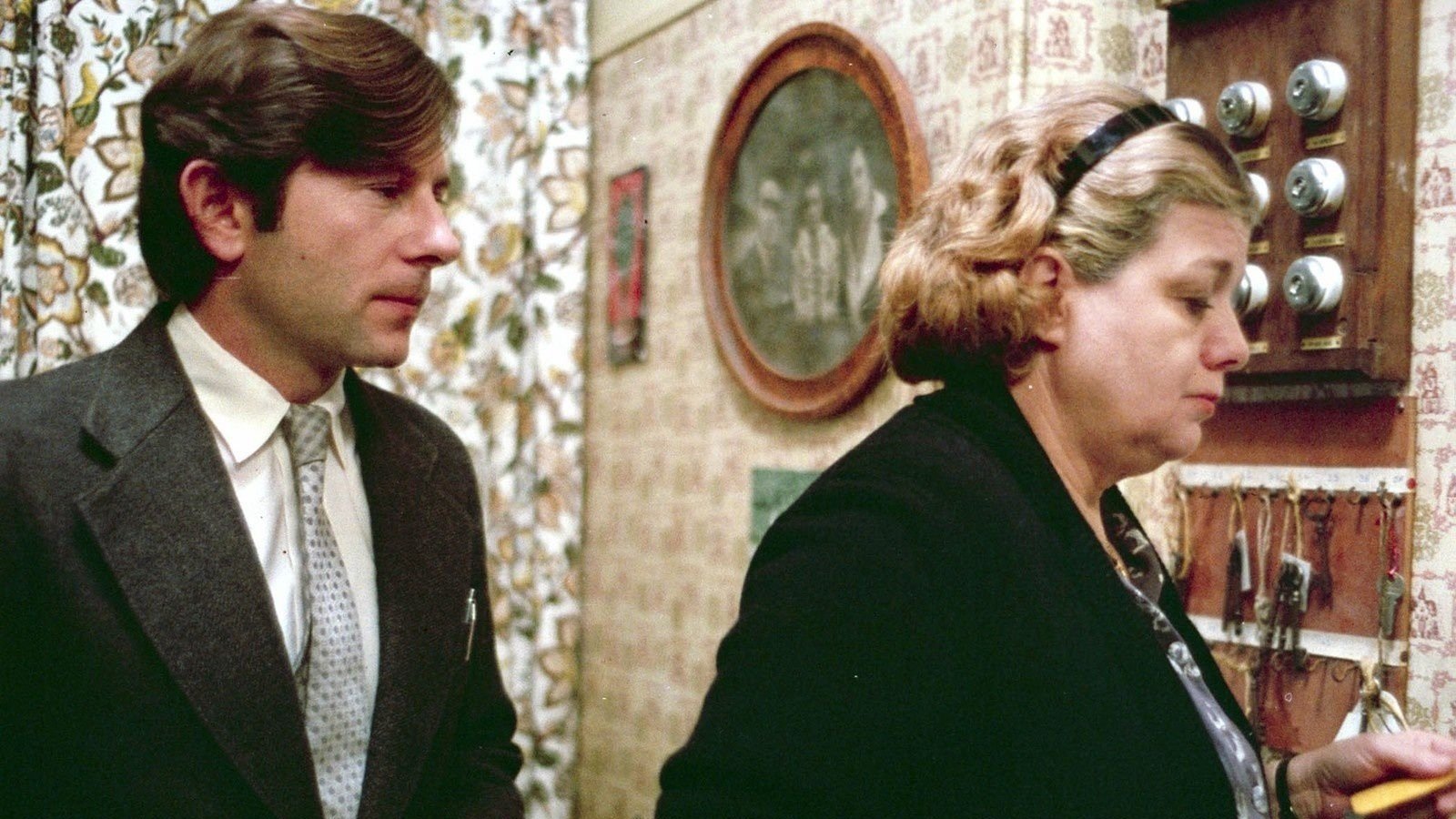
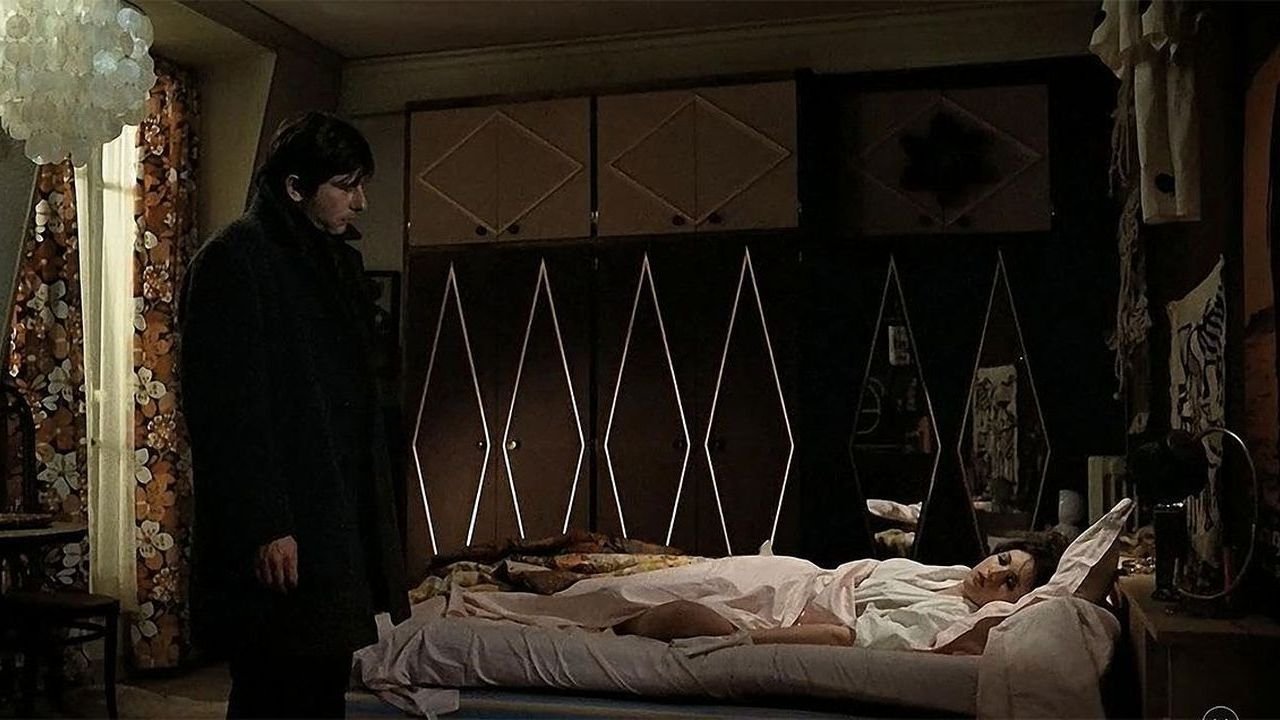
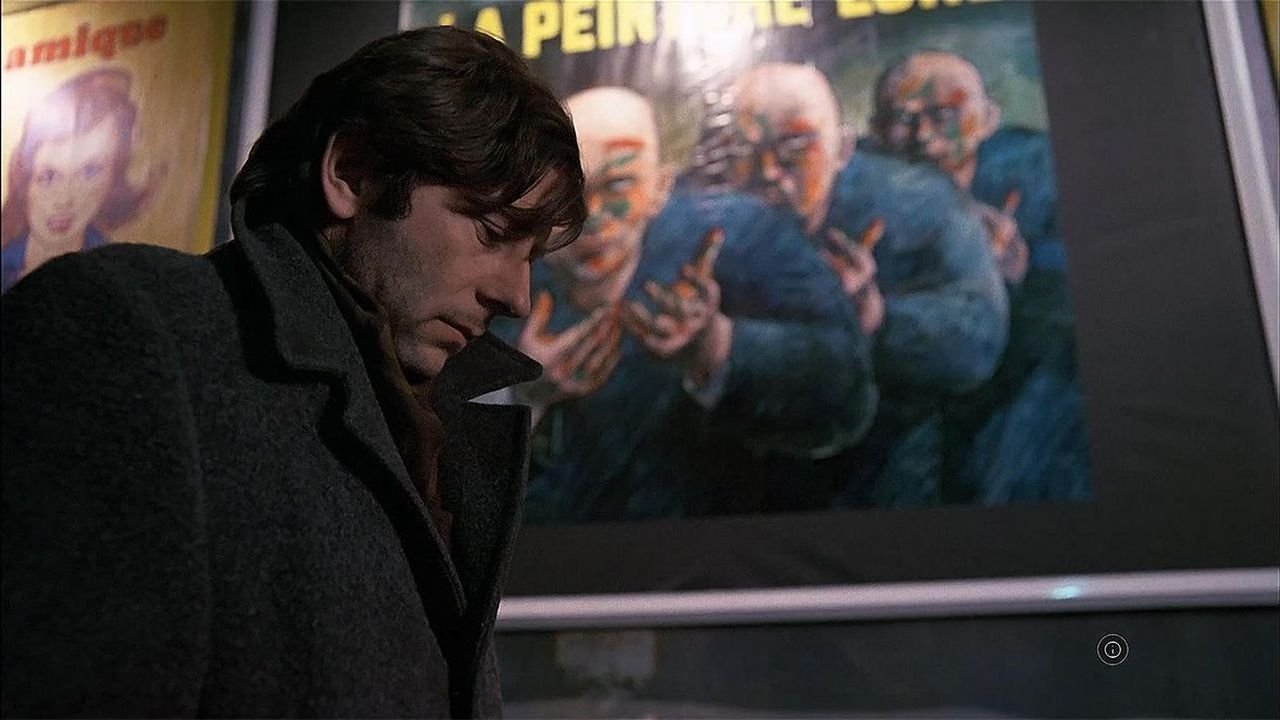
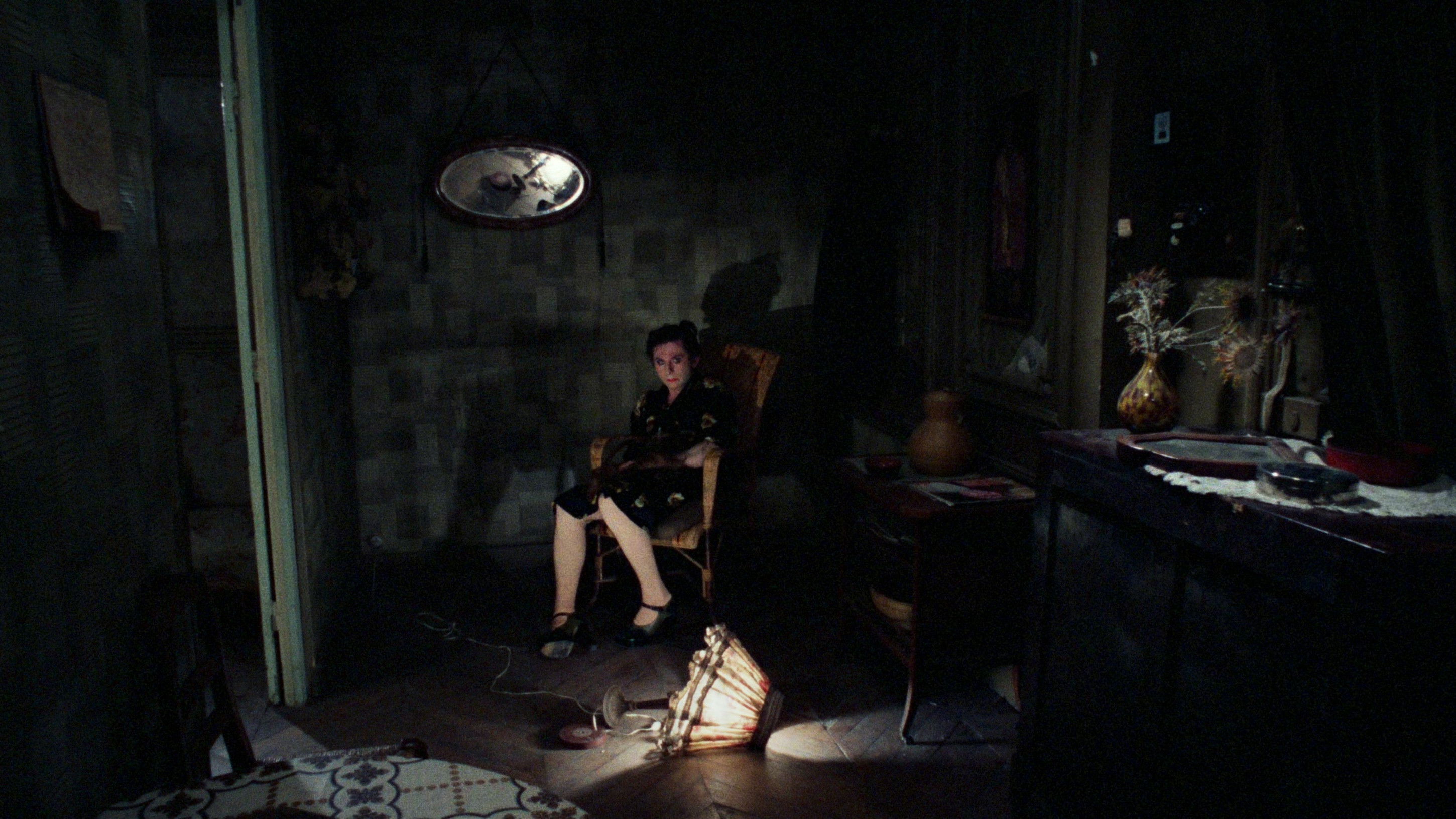
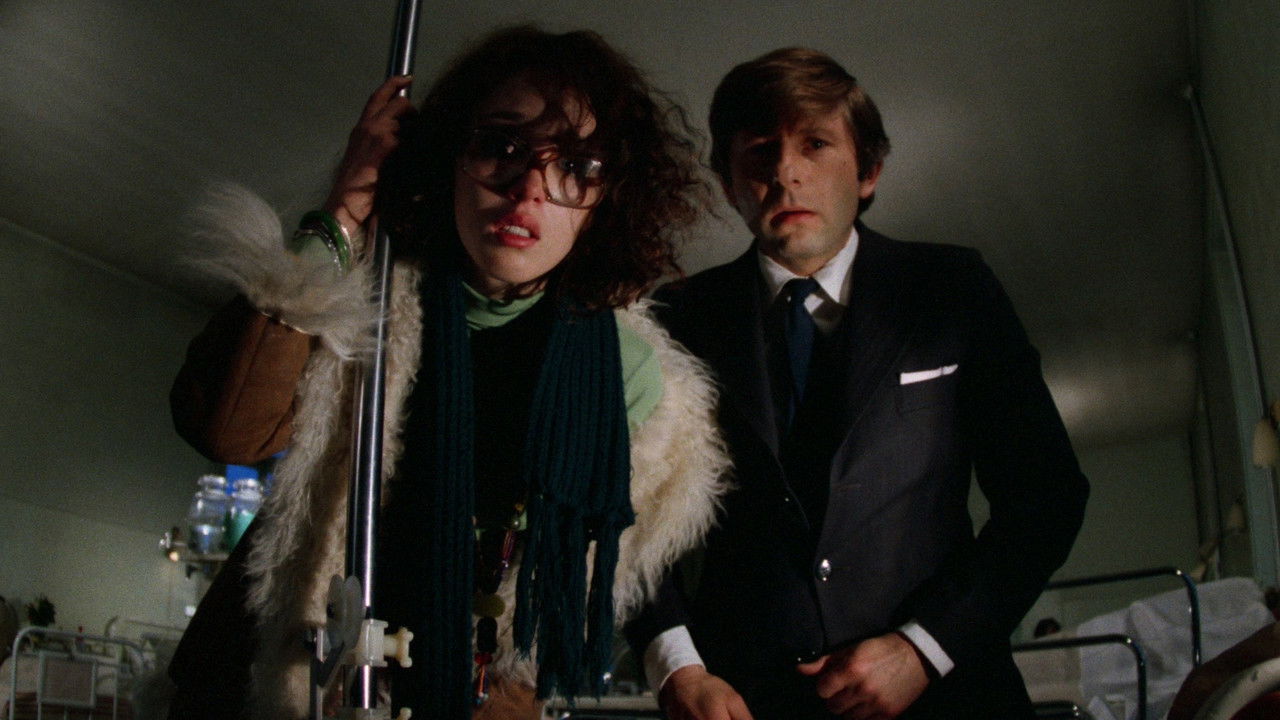
Trelkovsky enters the apartment building as a cautious man seeking ordinary accommodation. The concierge, played by Shelley Winters, introduces him to the residence with undisguised suspicion, while the landlord Monsieur Zy imposes strict expectations concerning visitors and noise. The apartment remains furnished with the possessions of Simone Choule, who has been hospitalized after attempting suicide. Trelkovsky visits her and meets Stella, a young woman acquainted with the injured tenant. Simone’s heavily bandaged appearance and anguished scream make the encounter disturbing before Trelkovsky has any reason to imagine that her fate might become connected to his own.

After Simone dies, the apartment becomes the site of increasingly intrusive disputes. Neighbors complain about ordinary sounds and attempt to regulate Trelkovsky’s behavior. His visitors attract disapproval, and apparently minor domestic disagreements acquire an unusual intensity. Monsieur Zy repeatedly insists upon the importance of respectable conduct, while the concierge and other residents make the building feel hostile to anyone unable to satisfy its expectations. Trelkovsky responds through apology and submission, hoping to preserve his accommodation by avoiding conflict. His efforts become self-defeating because every concession appears to create another opportunity for criticism.

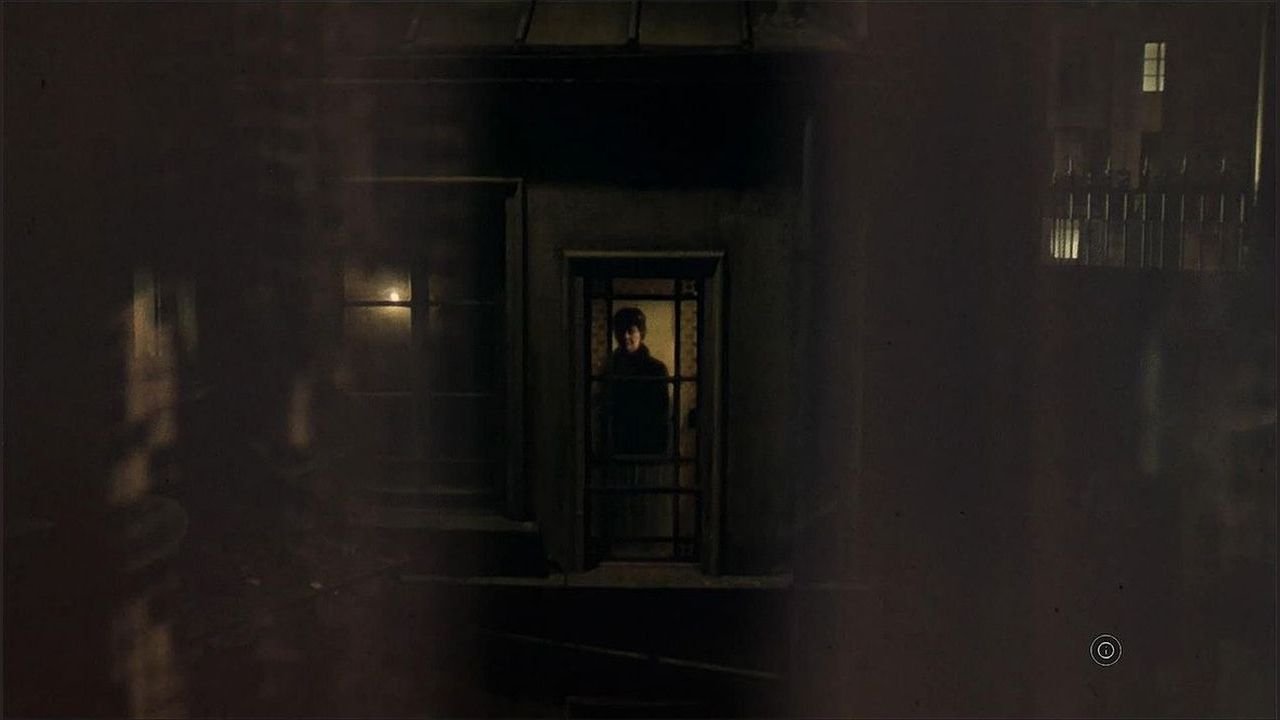
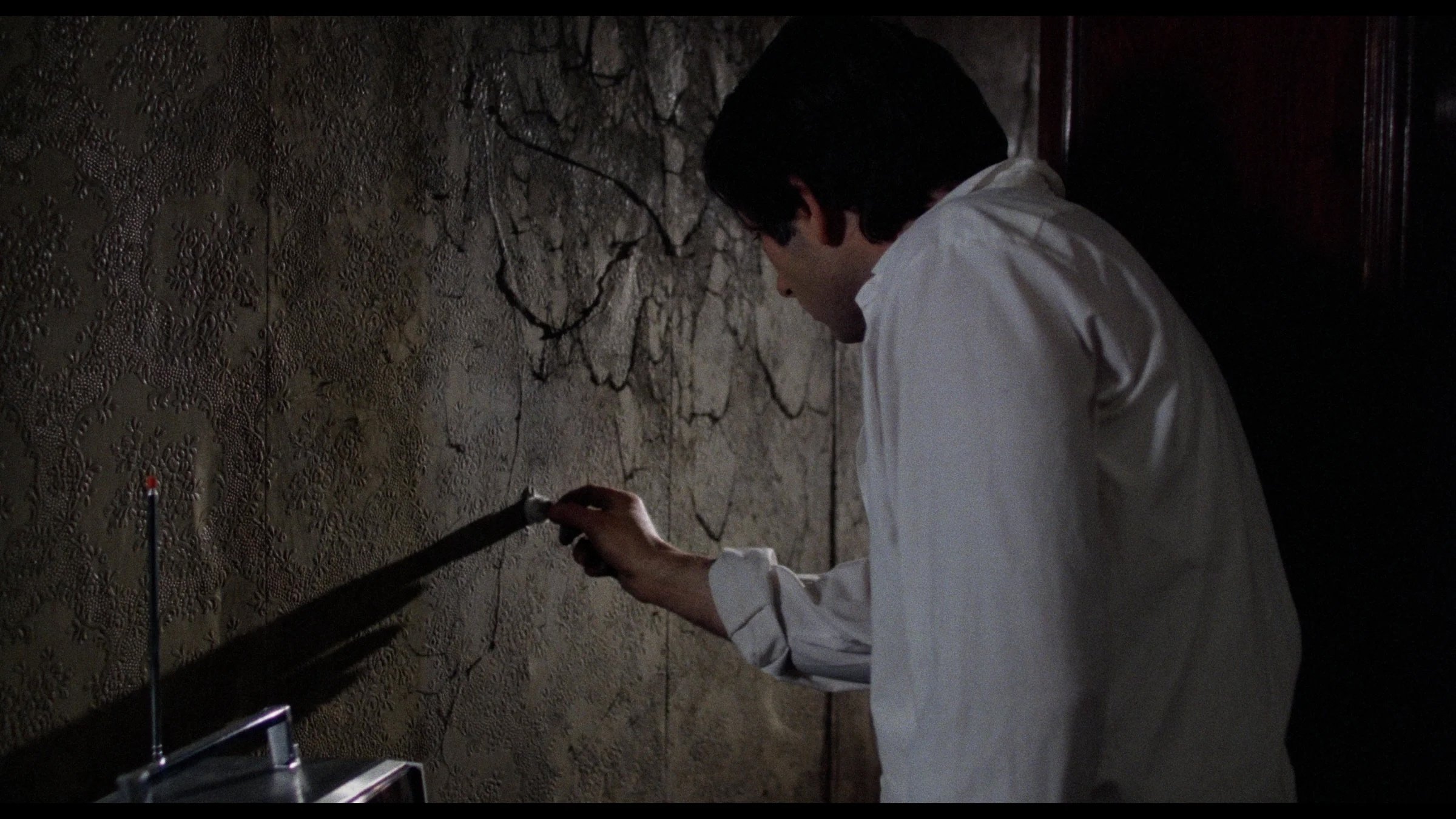
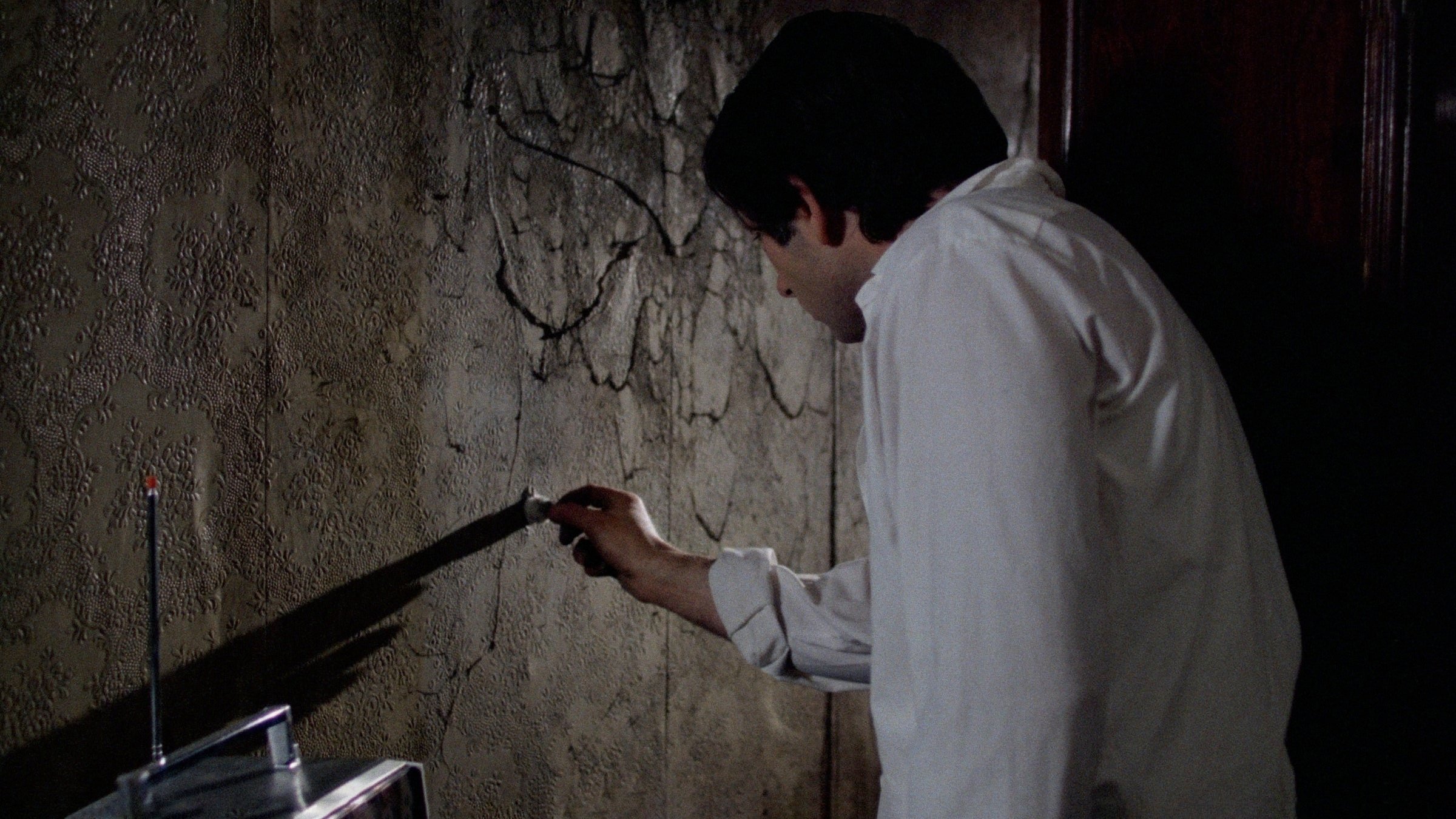
The shared bathroom across the courtyard becomes one of the principal sources of unease. From his window, Trelkovsky observes residents standing motionless in the room, sometimes staring toward his apartment. Their behavior has no apparent practical purpose and gradually suggests that the building is organized around continuous observation. The discovery of a human tooth concealed within the wall adds a physical mystery to the increasingly oppressive domestic environment. Small objects, habitual gestures and ordinary residential spaces accumulate threatening significance. Their importance derives from the protagonist’s attempts to identify a coherent explanation for events that remain uncertain.

Identity & Supernatural Ambiguity

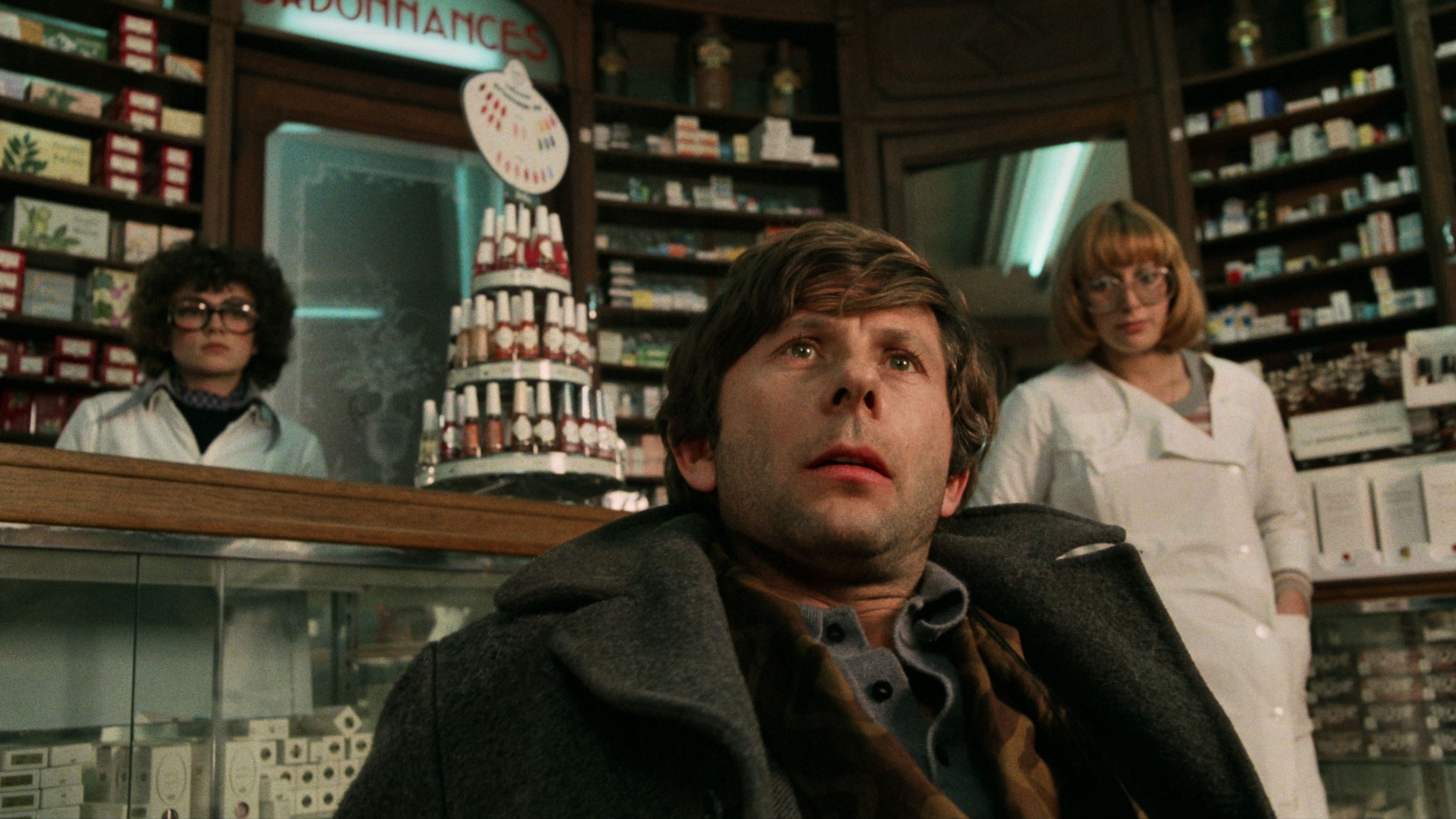
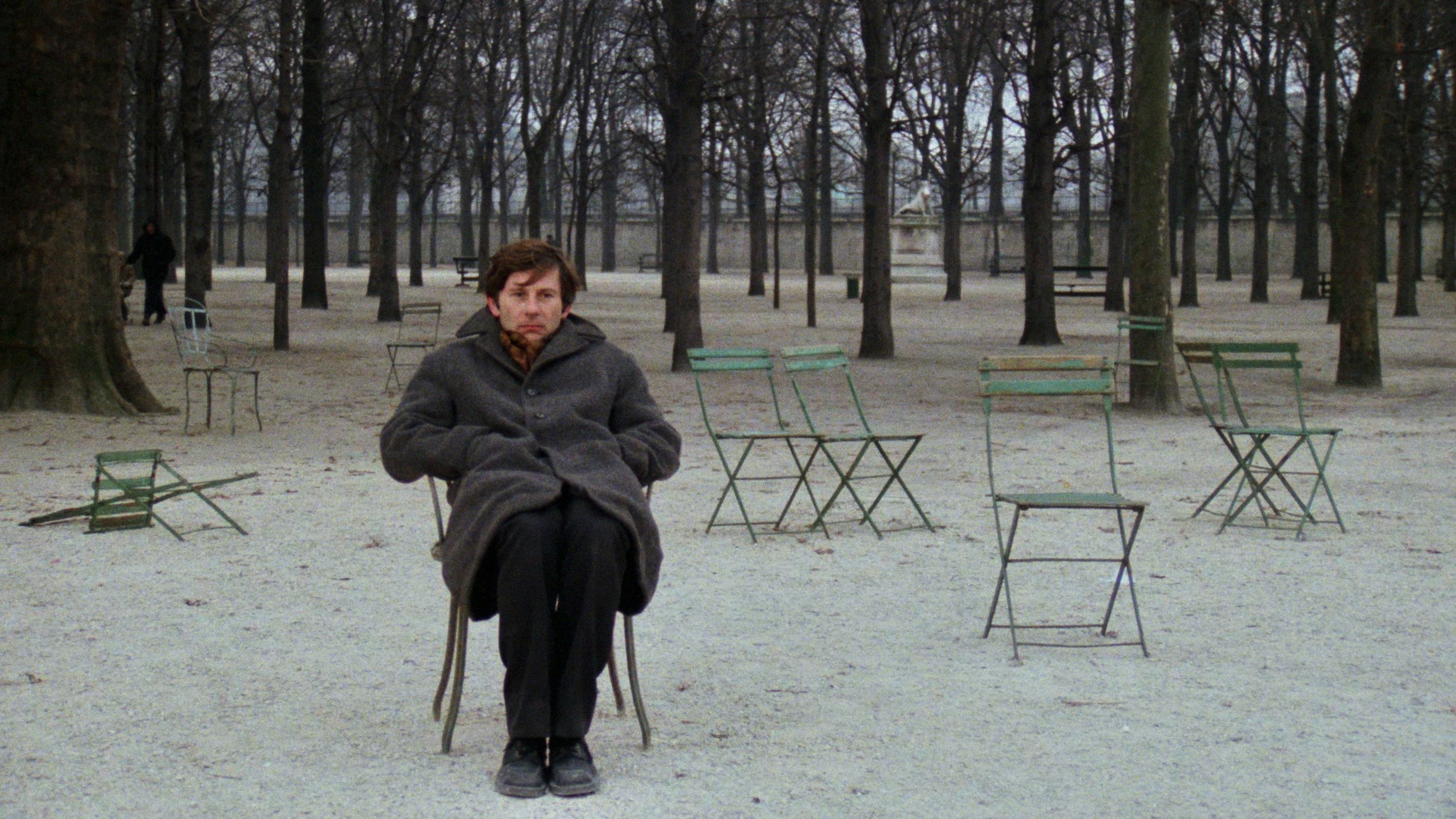
Trelkovsky’s investigation of Simone gradually changes his own behavior. At a neighborhood café, the proprietor remembers her preferences and repeatedly offers him the same drinks and cigarettes. The apparent convenience of following those habits begins to replace the choices that previously distinguished Trelkovsky. Her possessions also remain within the apartment, making her former presence difficult to separate from his developing domestic routine. These details create an unsettling progression in which the protagonist appears to be adopting the habits of a person whose death made his tenancy possible. The process initially concerns ordinary consumer choices before extending toward clothing, physical appearance and identity.

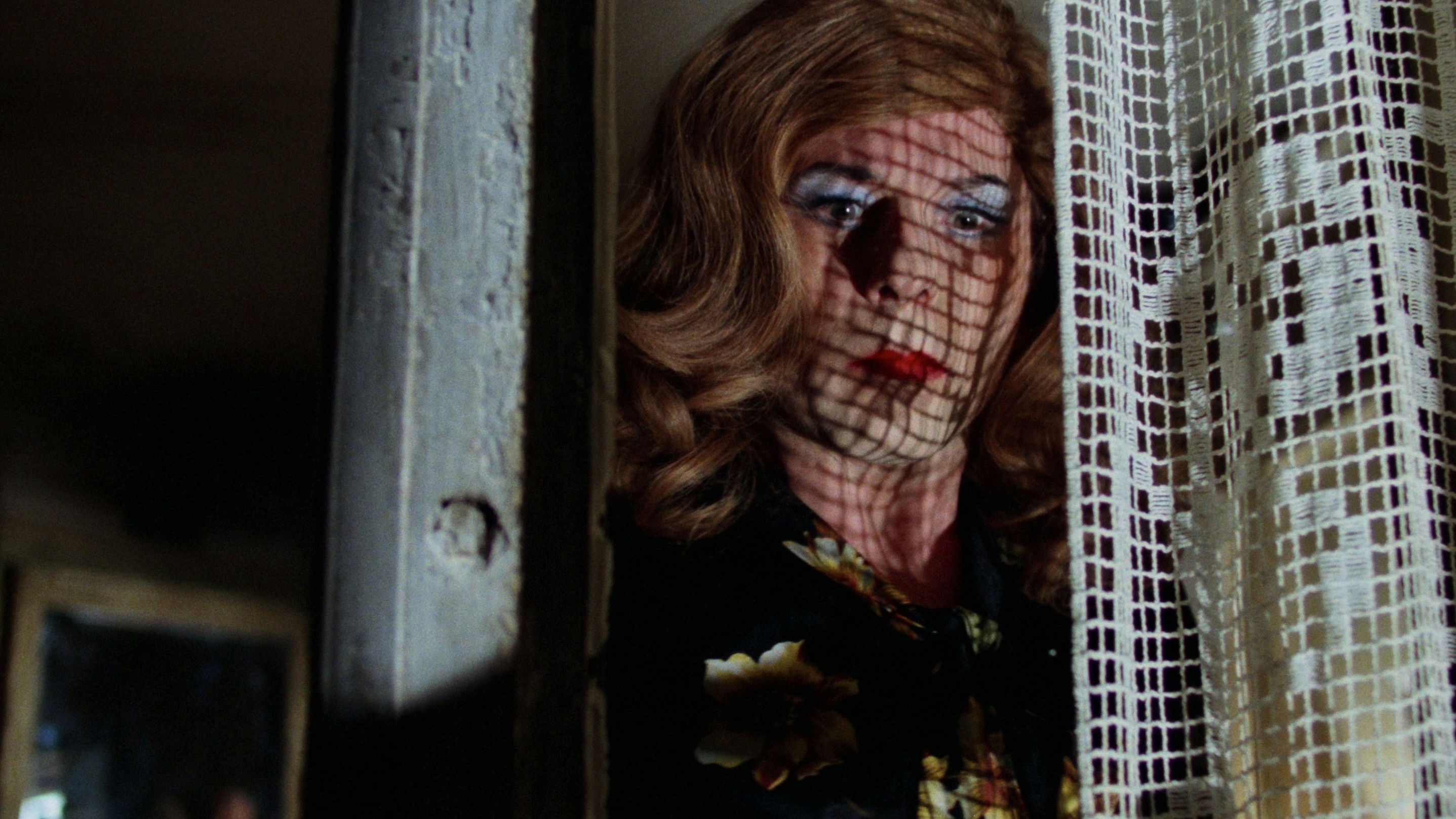
As Trelkovsky’s suspicion intensifies, he becomes convinced that the residents are deliberately transforming him into Simone. He begins wearing her clothes and makeup, while visions of Egyptian hieroglyphs, unfamiliar figures and impossible encounters suggest a breakdown in the relationship between physical surroundings and subjective experience. The bathroom and courtyard become increasingly theatrical spaces in which he encounters distorted versions of himself. These images complicate any straightforward explanation of the haunting. The film presents experiences that appear impossible within ordinary reality, yet remains closely aligned with Trelkovsky’s perspective, withholding sufficient independent evidence to establish a supernatural conspiracy.

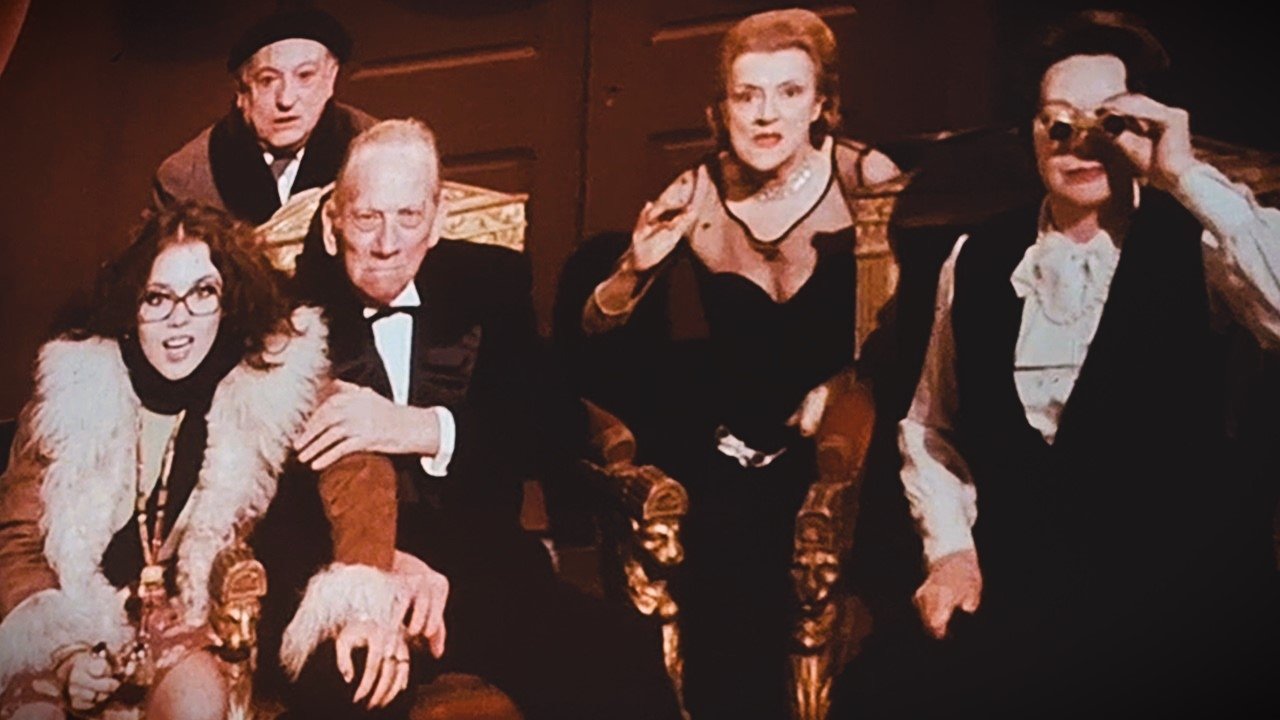
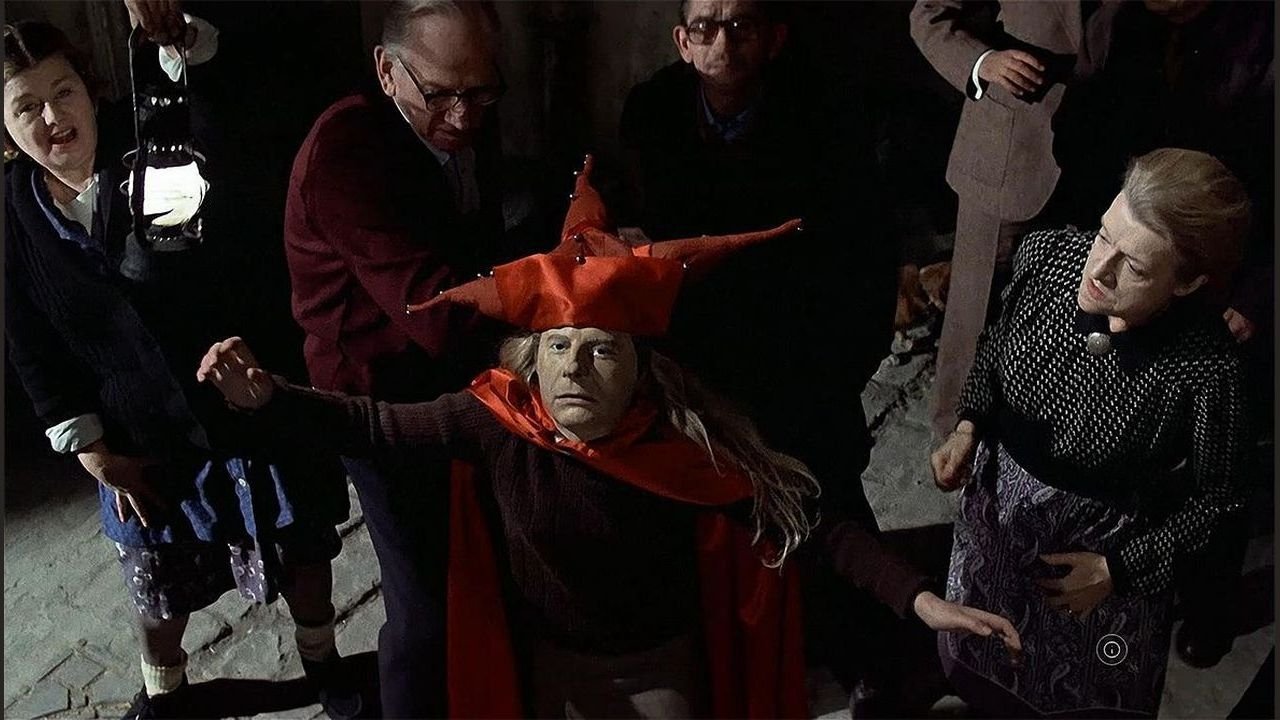
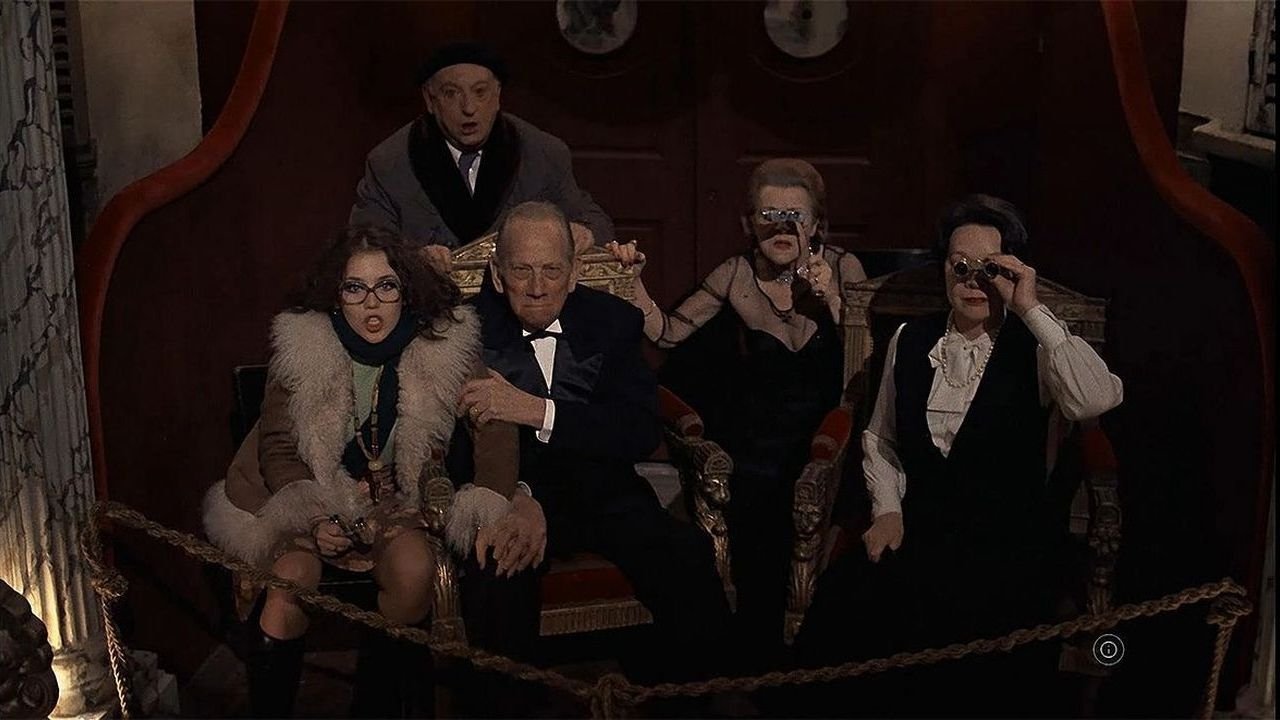
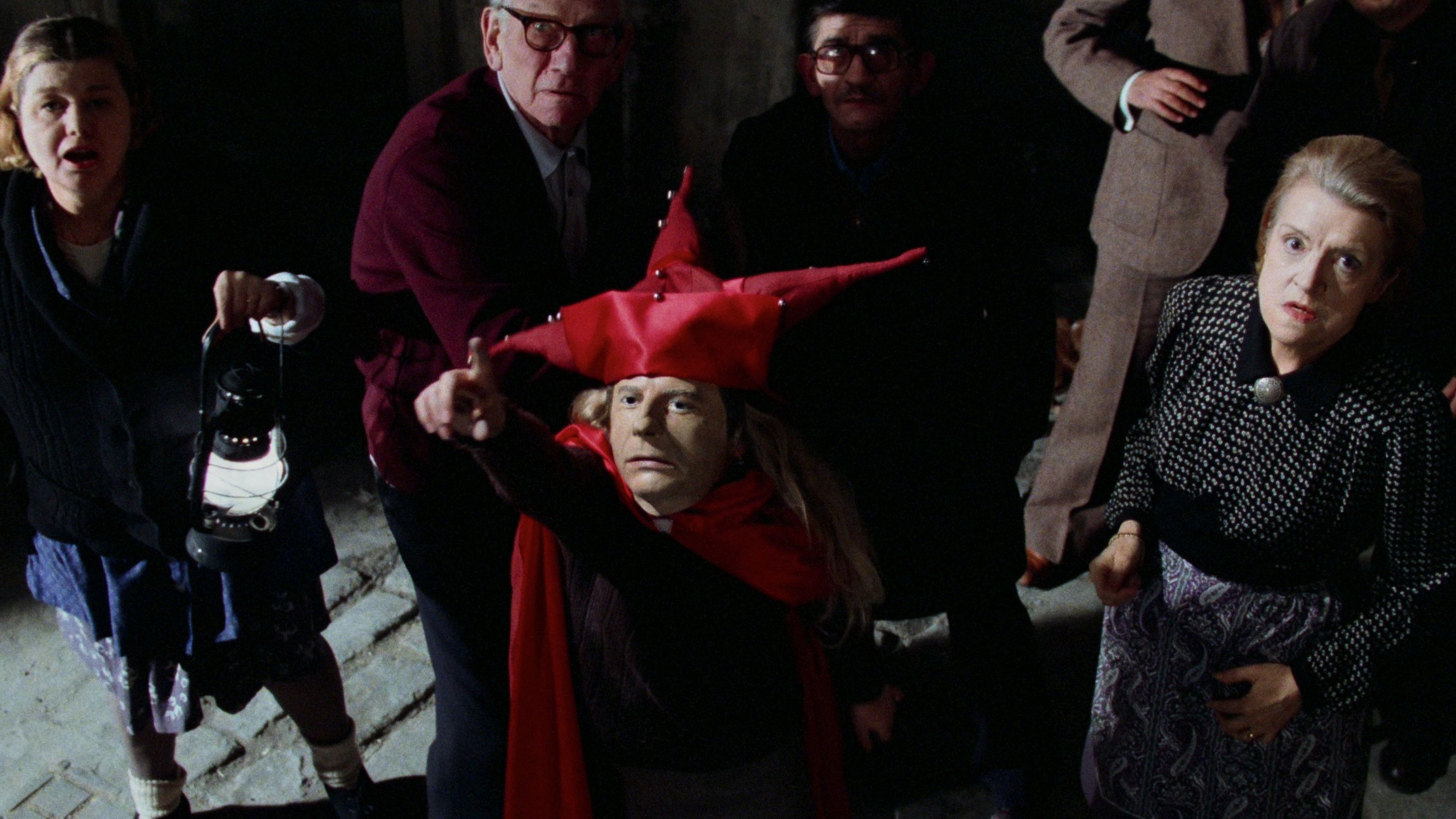
The final sequence makes the transformation physically destructive. Wearing Simone’s clothes, Trelkovsky imagines the residents assembled around the courtyard as spectators awaiting his performance. He throws himself from the apartment window and survives, then returns upstairs to repeat the act. The concluding hospital sequence reproduces his earlier visit to Simone, with the bandaged patient now occupying the position of the protagonist. The ending establishes a circular relationship between the original suicide attempt and Trelkovsky’s fate. Its visual repetition intensifies the identity crisis without conclusively explaining whether the surrounding residents deliberately produced it.

Performances, Isolation & Paranoia

Polanski’s performance emphasizes the vulnerability of a man whose efforts to avoid confrontation gradually deprive him of independence. Trelkovsky initially speaks with excessive politeness and accepts criticism even when he has done little to provoke it. His gestures become increasingly uncertain as the apartment building appears to regulate his behavior. The character’s Polish background also distinguishes him from the community whose acceptance he seeks. The film repeatedly draws attention to his position as an outsider, allowing questions of nationality and belonging to influence the atmosphere of suspicion without reducing the story to a single political explanation.

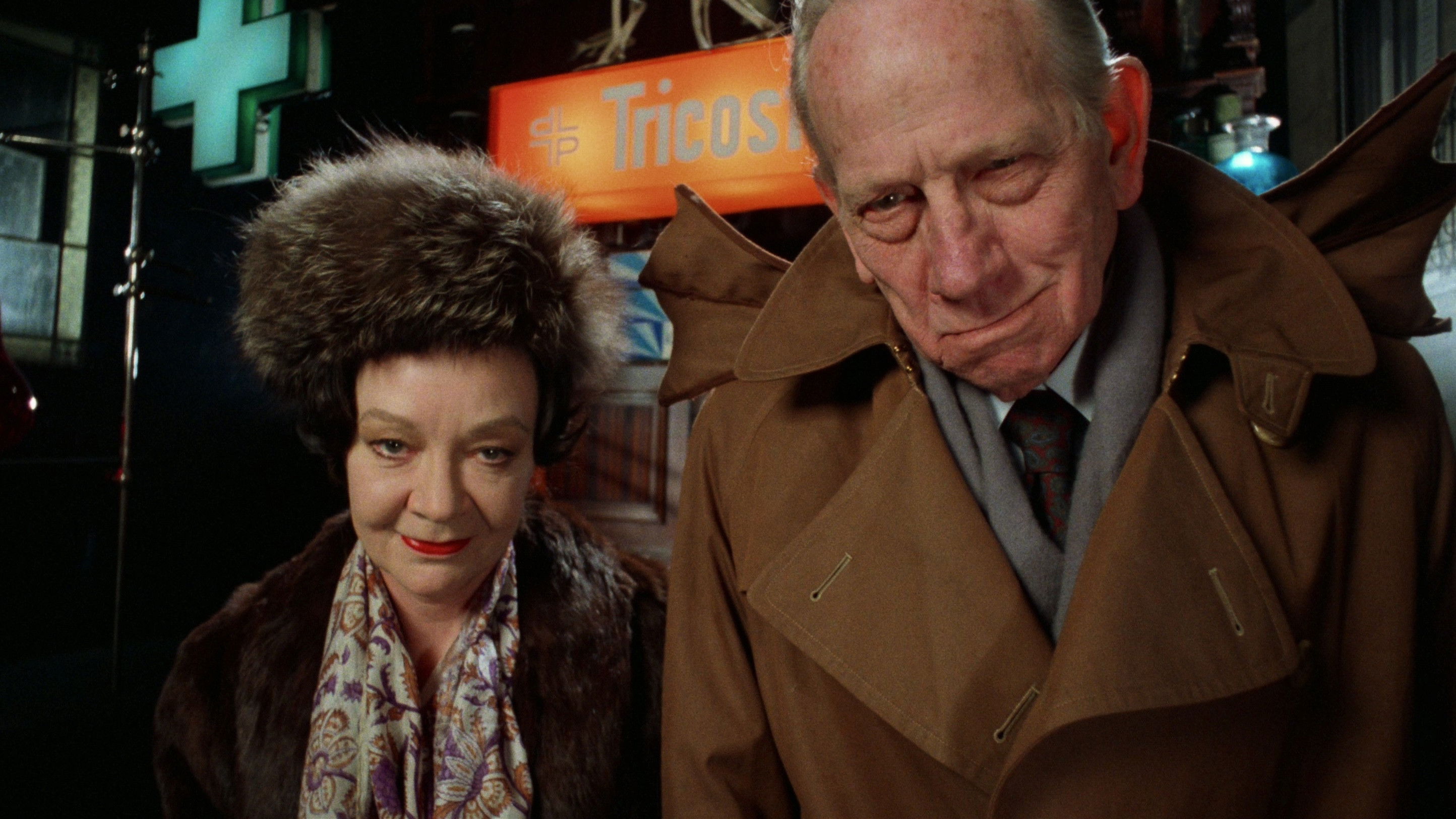
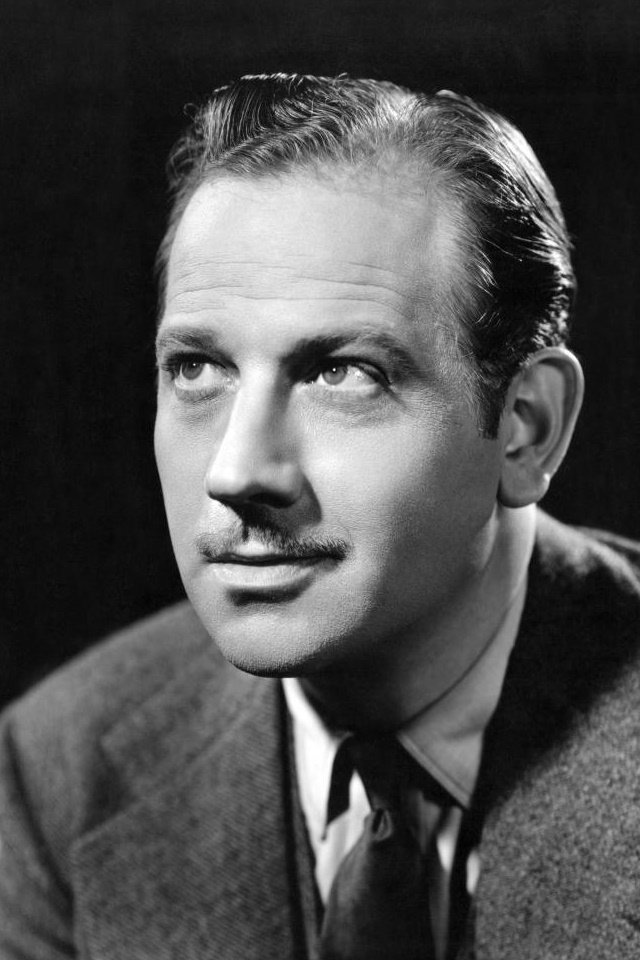
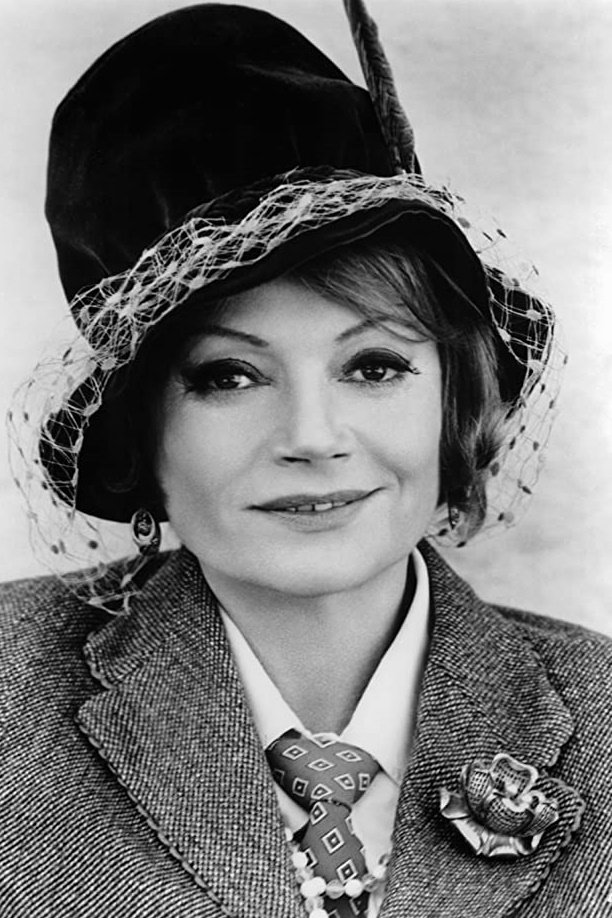
Melvyn Douglas portrays Monsieur Zy with controlled authority, making the landlord’s apparently reasonable demands increasingly threatening. Shelley Winters gives the concierge a more openly confrontational presence, while Jo Van Fleet’s Madame Dioz contributes to the sense that private conduct is being monitored throughout the residence. These performances remain grounded in recognizable forms of social hostility even as the protagonist’s experiences become fantastic. Their threatening qualities do not require overt supernatural behavior. The residents’ ability to question, accuse and humiliate Trelkovsky establishes the coercive environment from which his more elaborate fears develop.

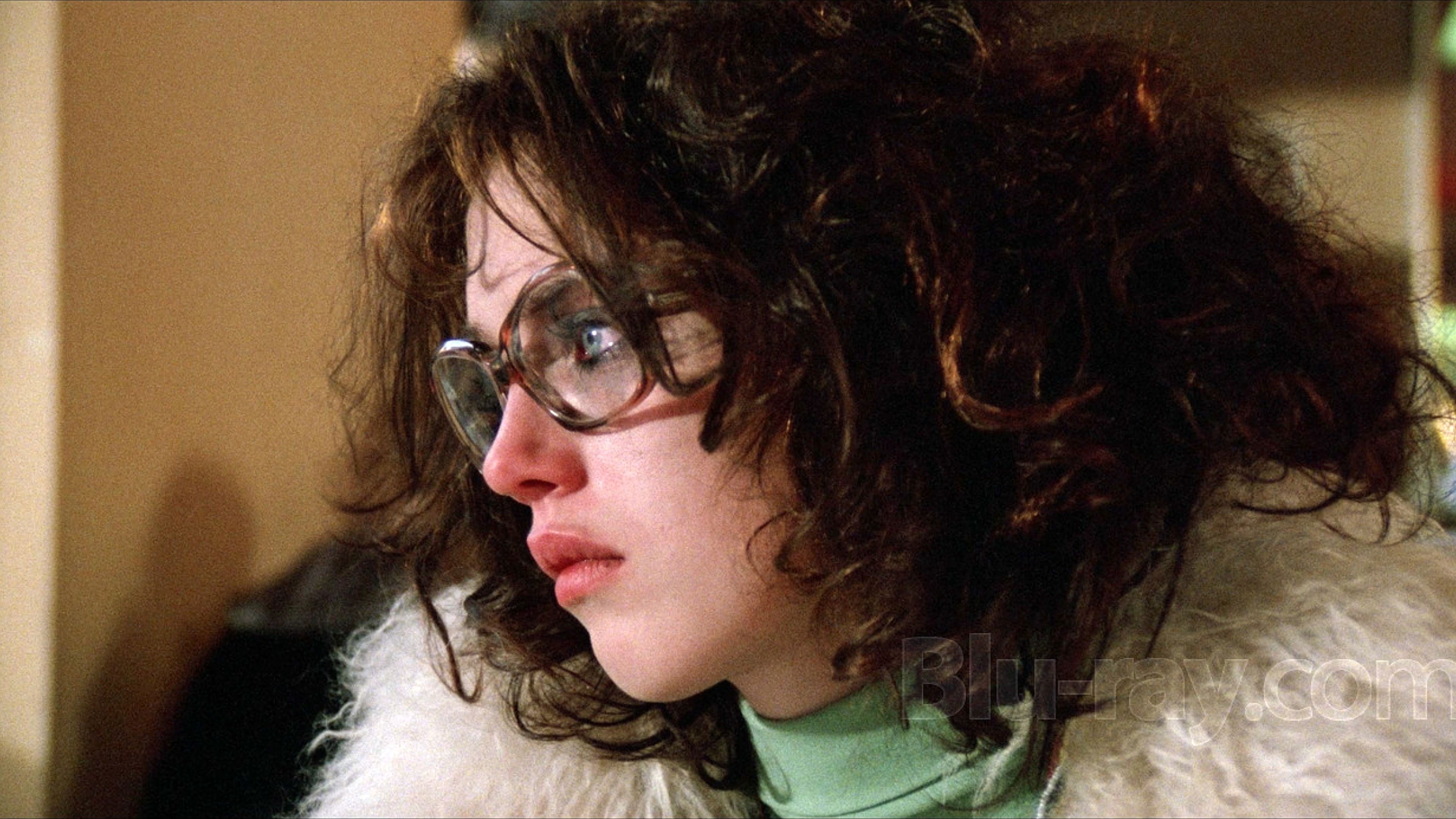
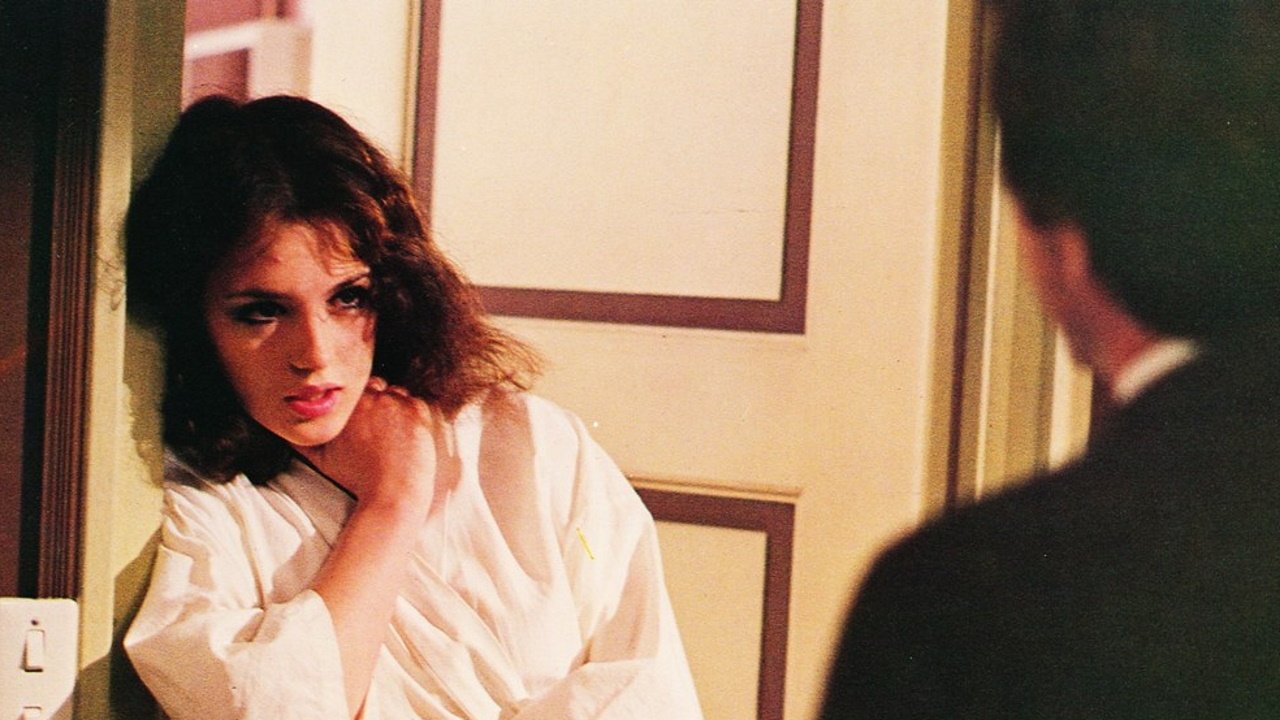
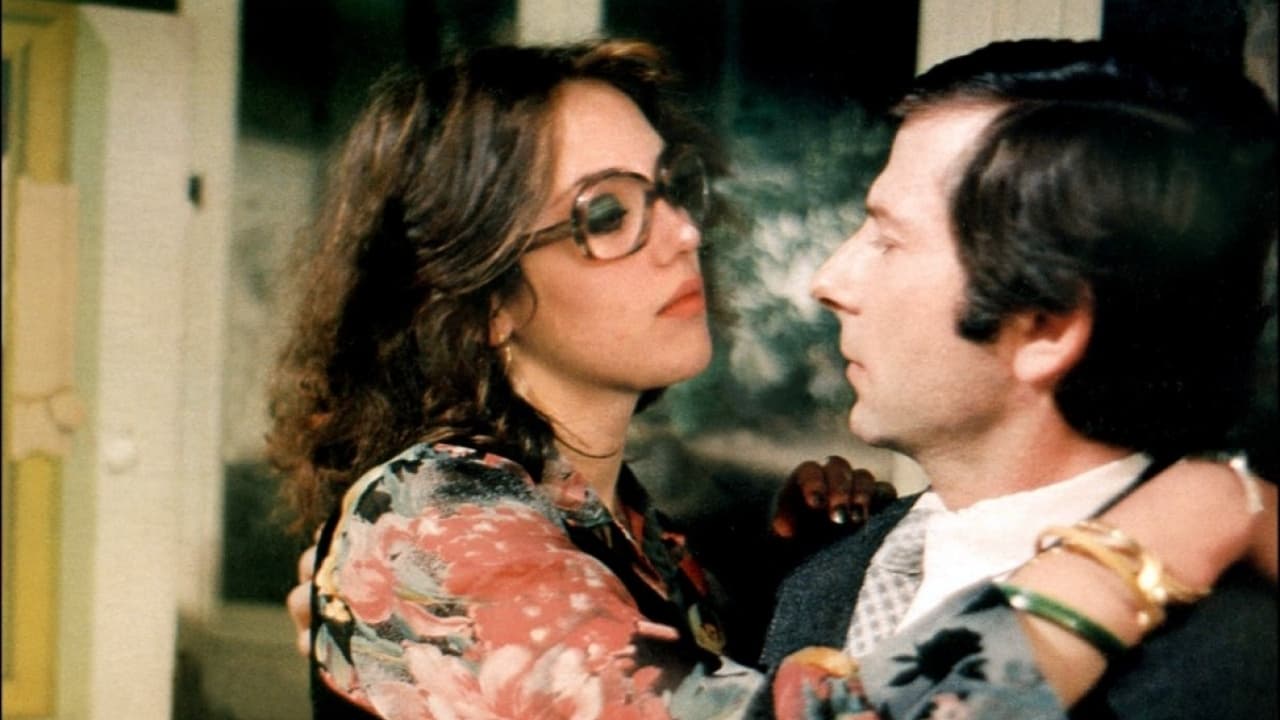
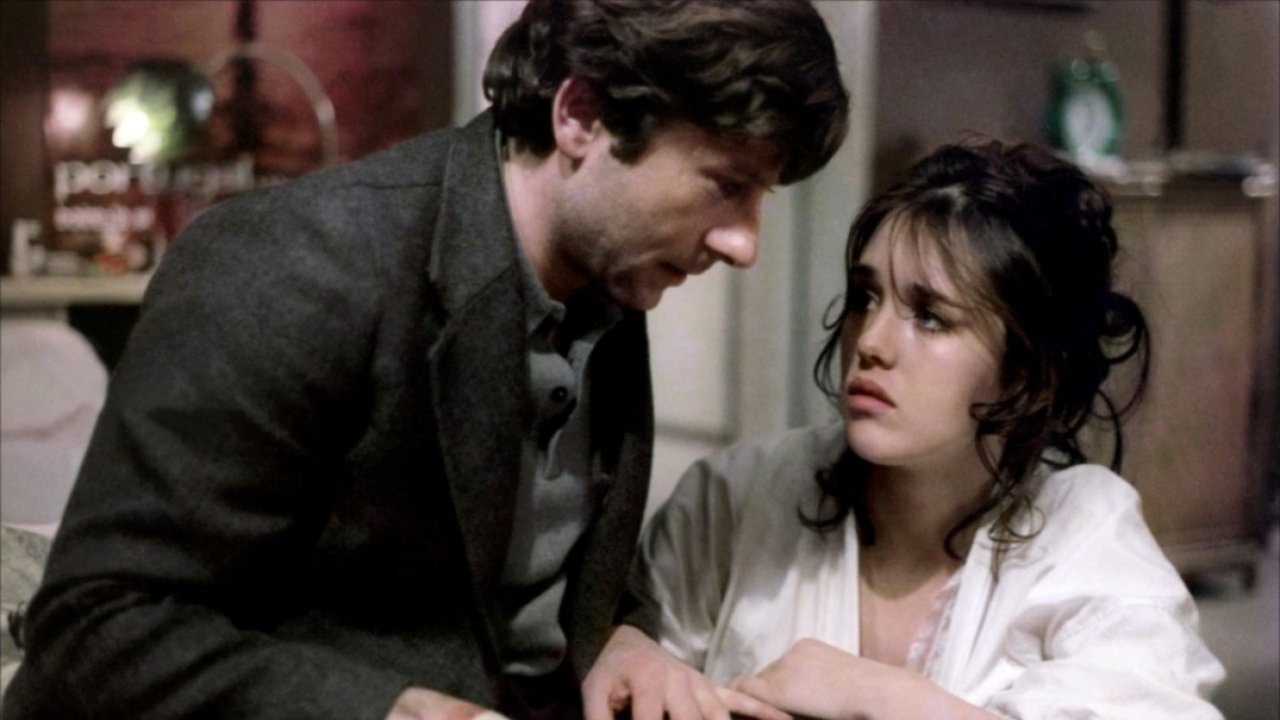
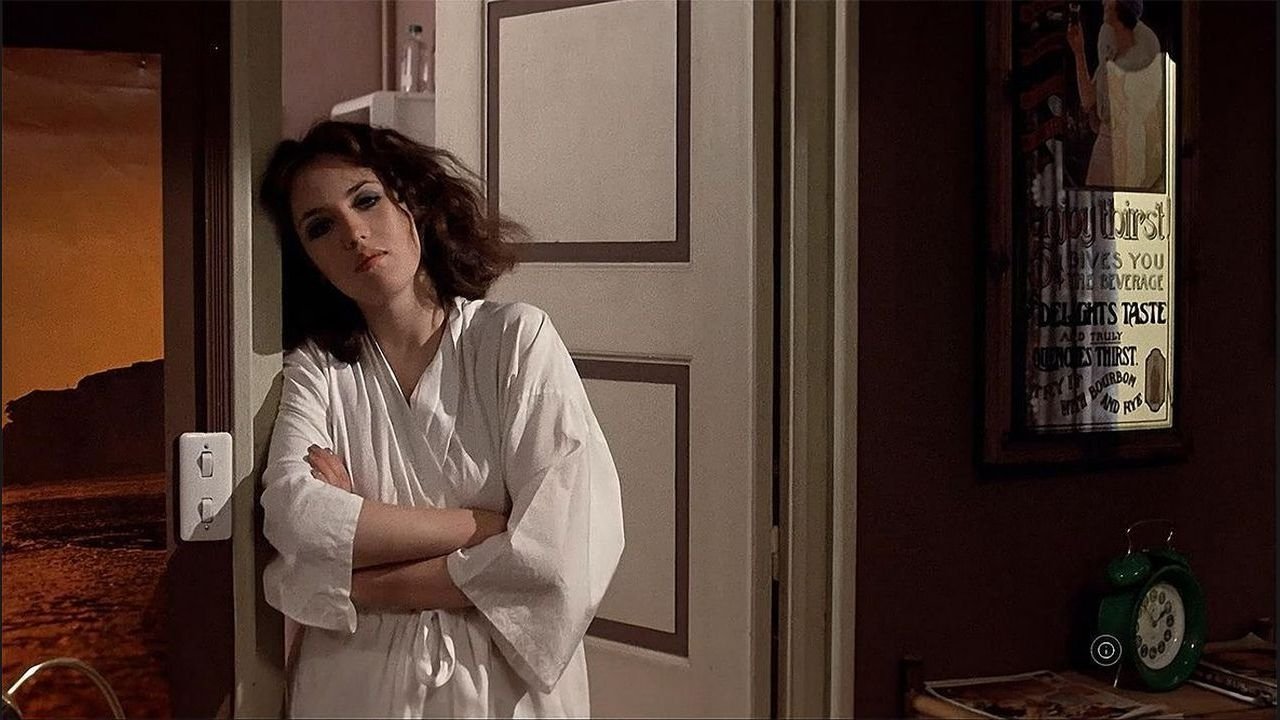
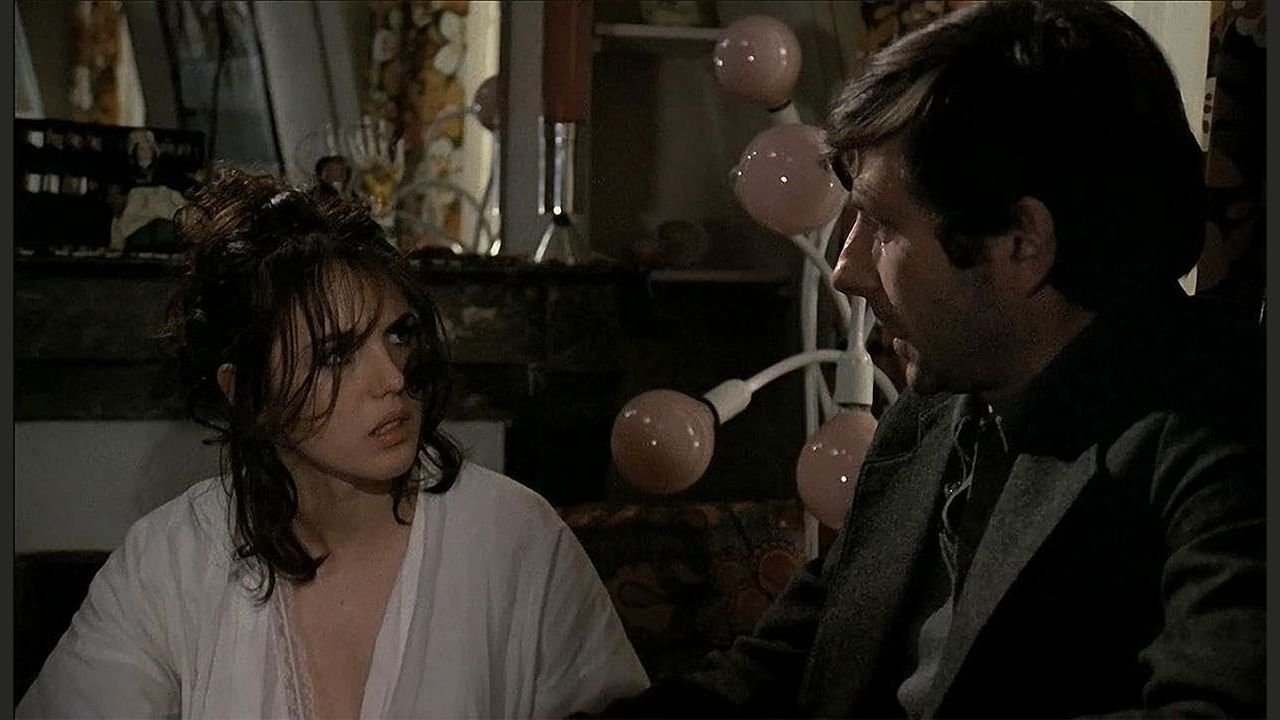
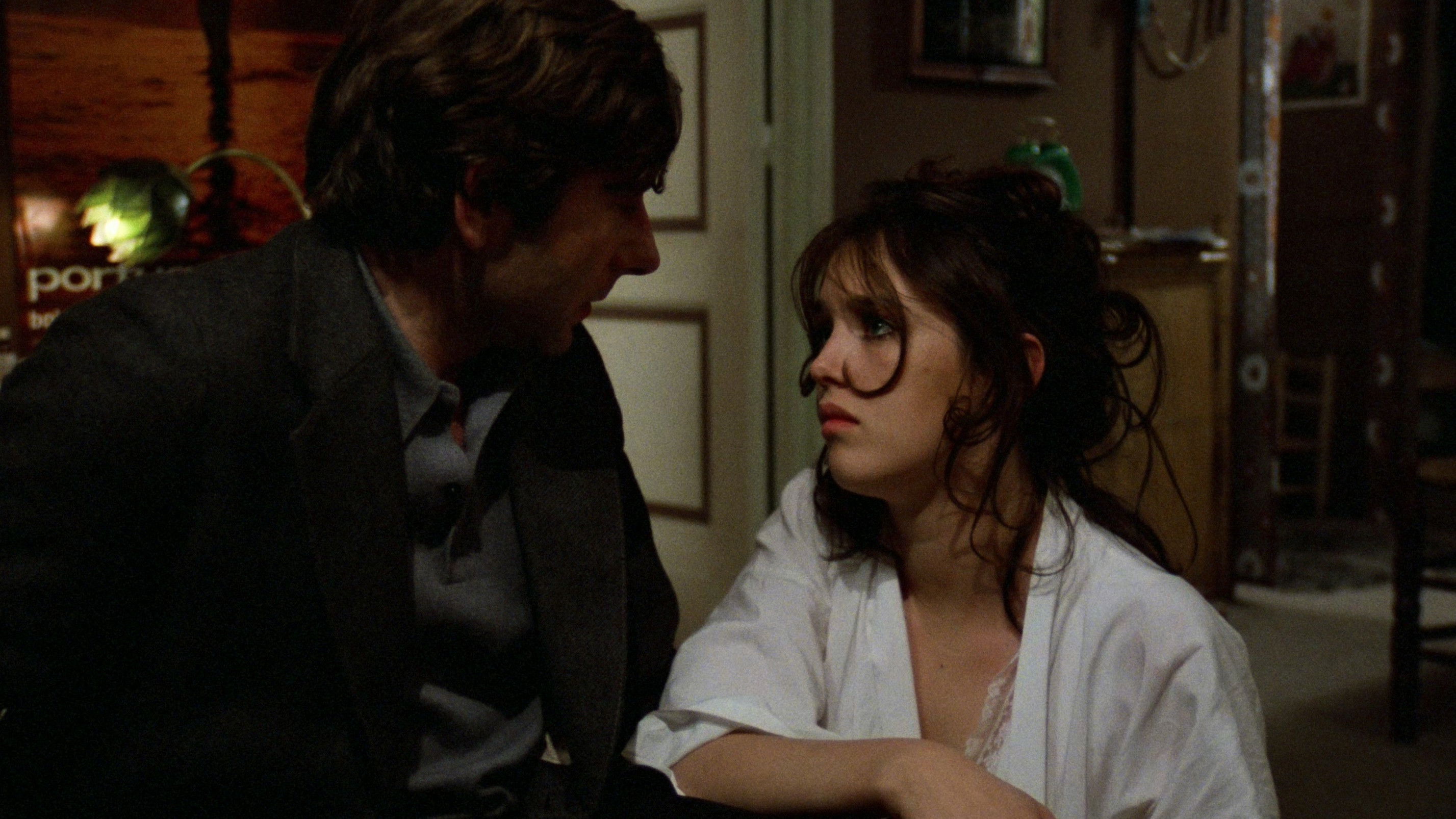
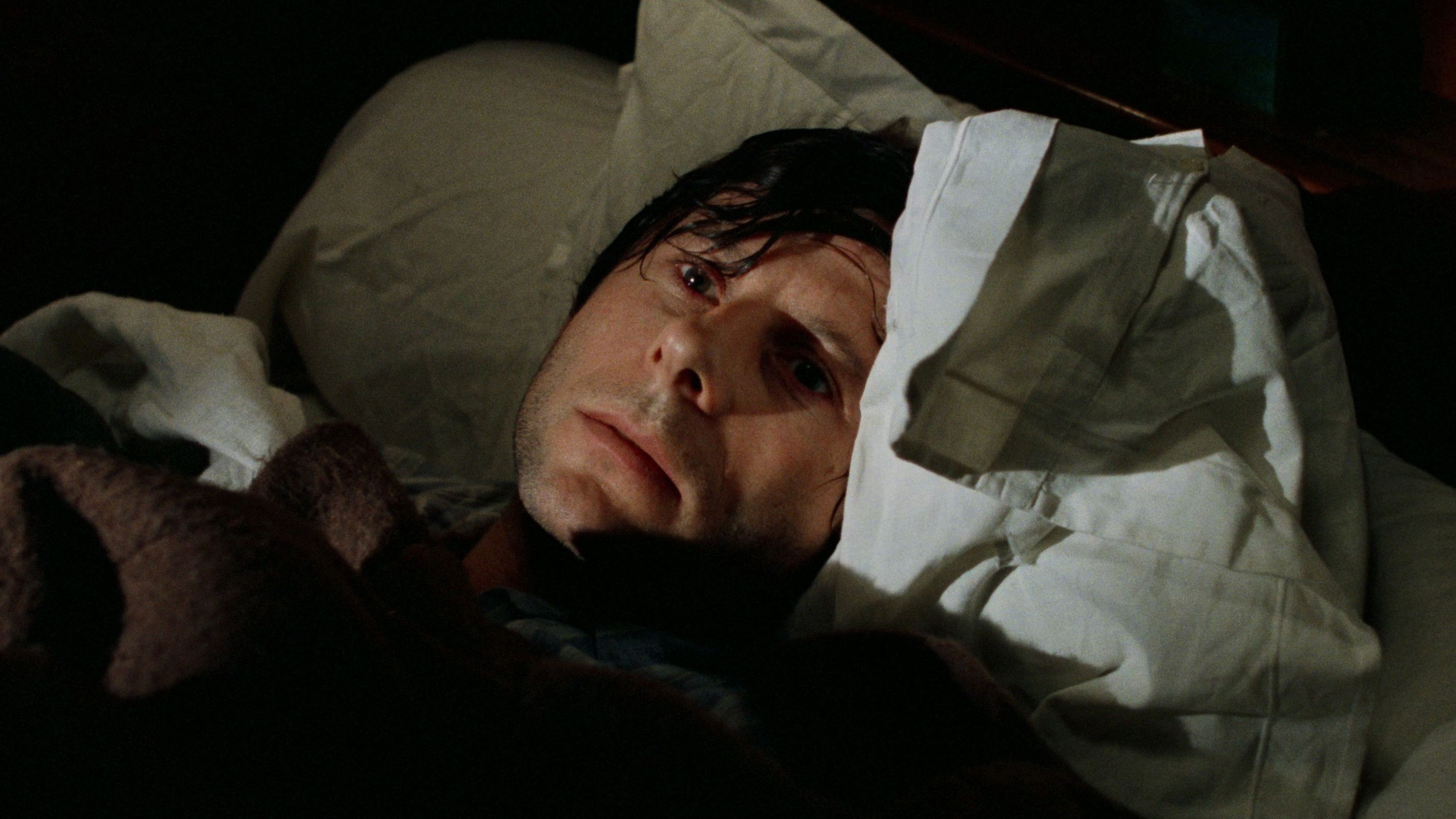
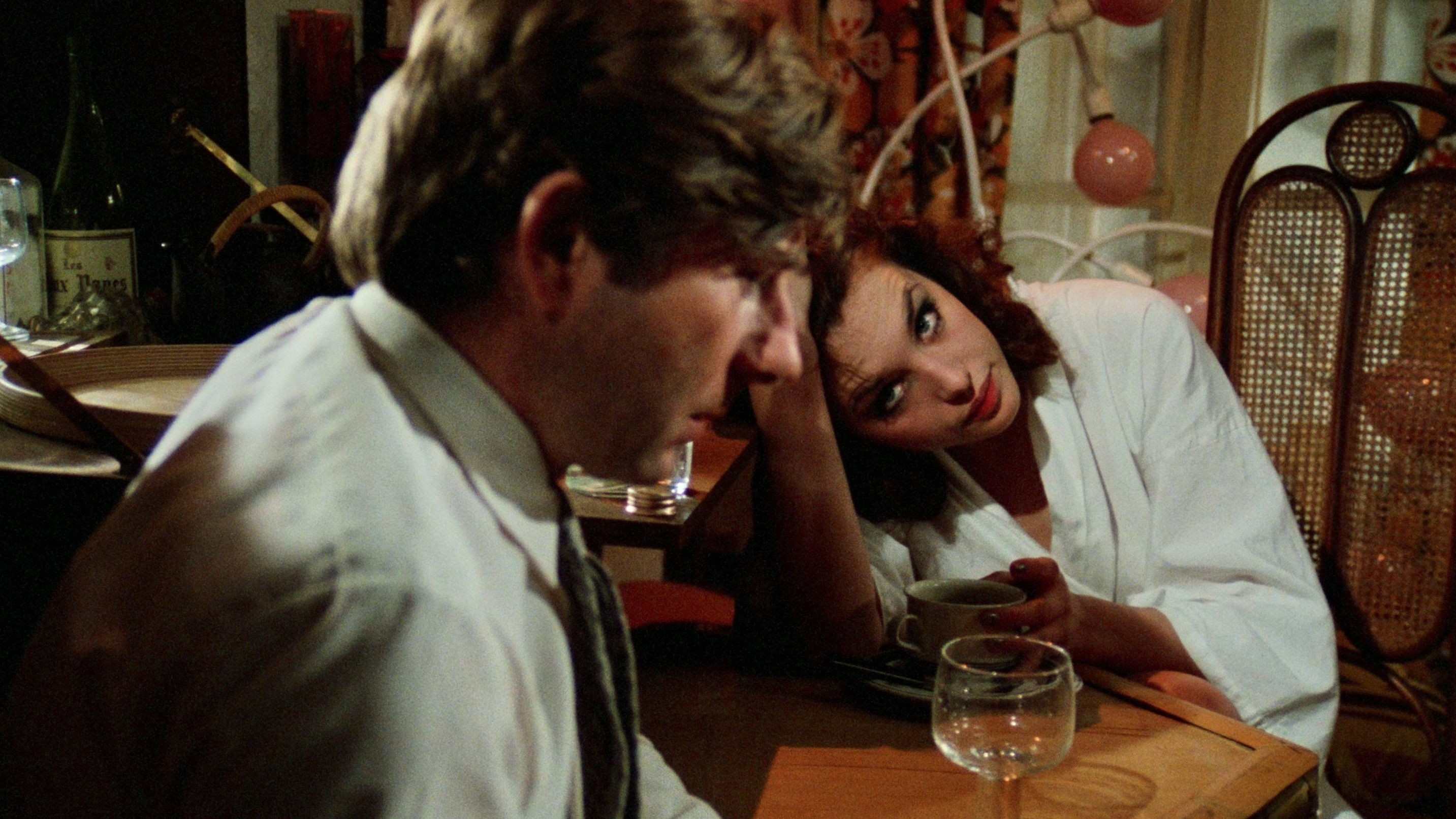
Isabelle Adjani’s Stella provides an important contrast to the residential community. She initially treats Trelkovsky with sympathy and allows him to participate in a different social environment. Her relationship with Simone also connects her to the previous occupant’s unexplained suffering. As Trelkovsky becomes more suspicious, however, even Stella’s assistance appears compromised. He begins interpreting unrelated actions as evidence of an organized conspiracy. The deterioration of this relationship demonstrates how his inability to trust others extends beyond the building itself. The film’s psychological horror depends upon the disappearance of any dependable person capable of confirming or challenging his perceptions.

Production, Cinematography & the Louma Crane

Principal photography began on 14 November 1975 and continued until March 1976, with the production taking place in Paris. Polanski combined actual city locations with an elaborate reconstruction of the principal apartment building. In a 2016 conversation presented by the Cinémathèque française, he explained that a five-story set had been constructed at the Éclair studios in Épinay-sur-Seine, extending from the concierge’s lodge to the apartments above. The arrangement allowed the director to control camera movement, lighting and the relationship between windows and the central courtyard. The building’s architecture became an essential part of the film’s ability to create psychological uncertainty.

Sven Nykvist photographed the film in Eastmancolor using Panavision equipment. His cinematography exploits the relationship between confined rooms and the open vertical space of the courtyard. The film’s opening movement introduces the building through a camera that travels independently of the characters, observing windows and passages before the narrative has established who occupies them. The production made pioneering use of the Louma remote-controlled camera crane, allowing complex movements within the large constructed environment. Paul Schrader subsequently identified the opening sequence in Film Comment as an important early example of the equipment’s expressive possibilities.

Production designer Pierre Guffroy developed environments that preserve the recognizable details of Parisian residential life while enabling increasingly impossible visual events. The staircases, corridors, apartment interiors and shared bathroom form a spatial system through which Trelkovsky must repeatedly move. Françoise Bonnot’s editing supports the progression from ordinary encounters to hallucinated transformations, preserving uncertainty about the relationship between separate images. Optical effects credited to Jean Fouchet contribute to the more overtly fantastic moments. These technical departments worked within a production that generally relies upon architectural organization and the actor’s reactions rather than frequent displays of elaborate supernatural effects.

Philippe Sarde, Music & Sound Design

Philippe Sarde composed the original score, developing a musical language closely associated with Trelkovsky’s psychological condition. In a 2025 interview with Jean-Christophe Manuceau, the composer recalled searching for an appropriate instrumental idea while spending time with Polanski during production. The decisive inspiration emerged when the director produced a musical tone by moving his finger around the rim of a drinking glass. Sarde connected the sound of glass to the protagonist’s violent passage through a glass awning and selected the glass harmonica as an important element of the score. The instrument’s unusual timbre gives the music an unstable quality suited to the character’s increasingly uncertain perception.
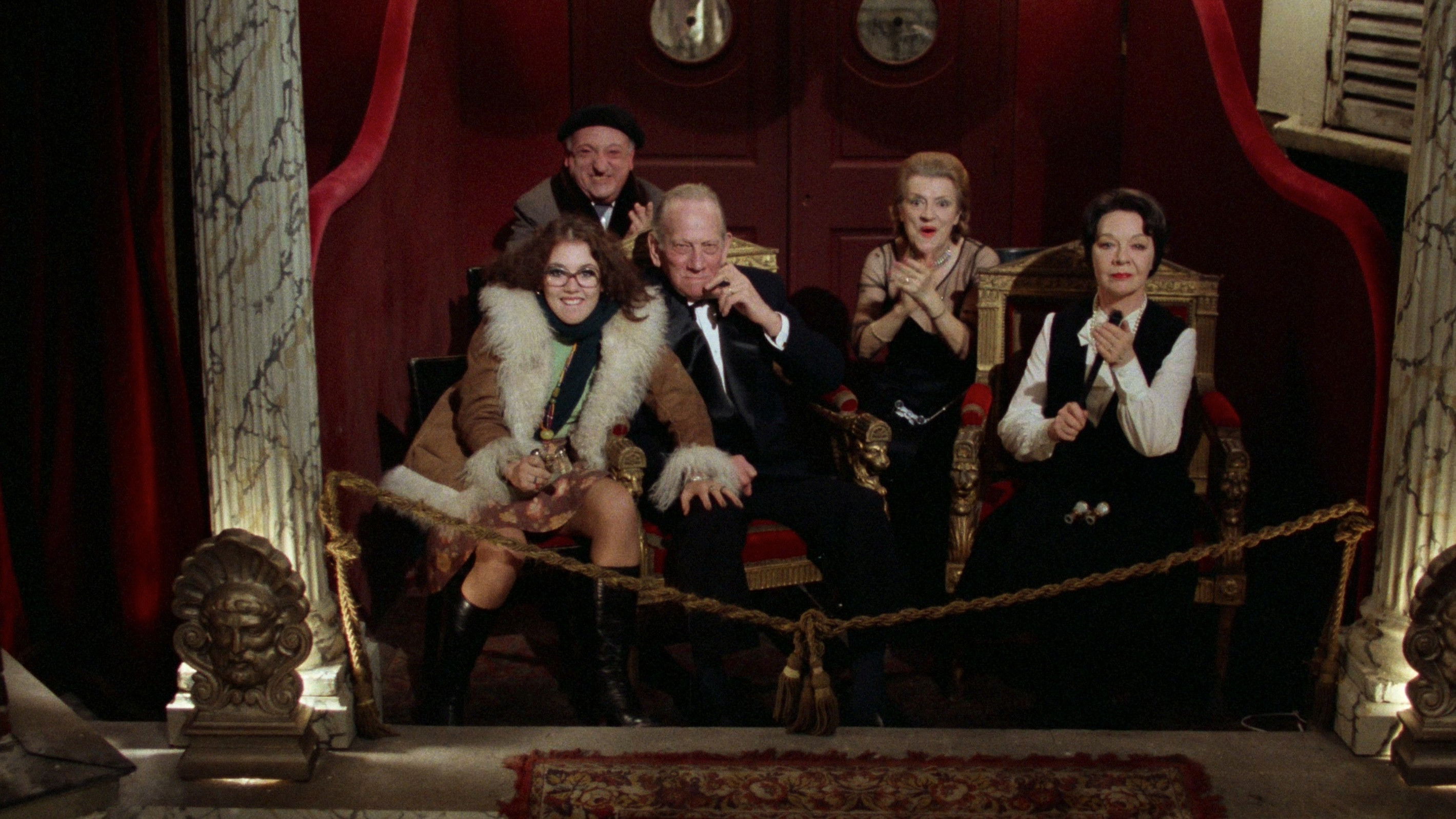
Sarde explained that his principal concern was to express the protagonist’s internal condition rather than merely reproduce the threatening atmosphere of the images. The score therefore includes passages whose delicate or apparently intimate character contrasts with the hostility of the apartment building. This approach gives the film an emotional dimension that remains distinct from the more aggressive behavior of its residents. The use of an unusual instrumental sound also establishes a connection between the physical environment and the music without requiring the screenplay to provide an explanation for the association.

The environmental soundtrack is equally important to the construction of suspense. Complaints about noise, footsteps, voices and disturbances beyond the walls make Trelkovsky increasingly conscious of sounds he cannot control. Ordinary domestic activity becomes evidence that another resident might be listening or preparing to intervene. Jean-Pierre Ruh received the principal sound-mixing credit, while Michèle Boehm worked on sound editing. Their contributions give the building an acoustic identity that persists even when the camera remains inside a single room. The distinction between an actual disturbance and a sound interpreted through fear becomes progressively less reliable as Trelkovsky’s isolation increases.

Cannes, Critical Reception & Restoration

The Tenant was selected for the main competition at the 1976 Cannes Film Festival. Its festival reception was divided, with contemporary industry reporting noting dissatisfaction among some spectators. The American Film Institute records that a Variety review published on 2 June praised aspects of the atmosphere and performances while questioning the balance between humor and suspense. Reporting from The Hollywood Reporter also described an unenthusiastic response during the festival. The film’s French theatrical release followed on 26 May 1976, while Paramount opened it in New York on 20 June and Los Angeles on 25 June. The American version received an R classification.
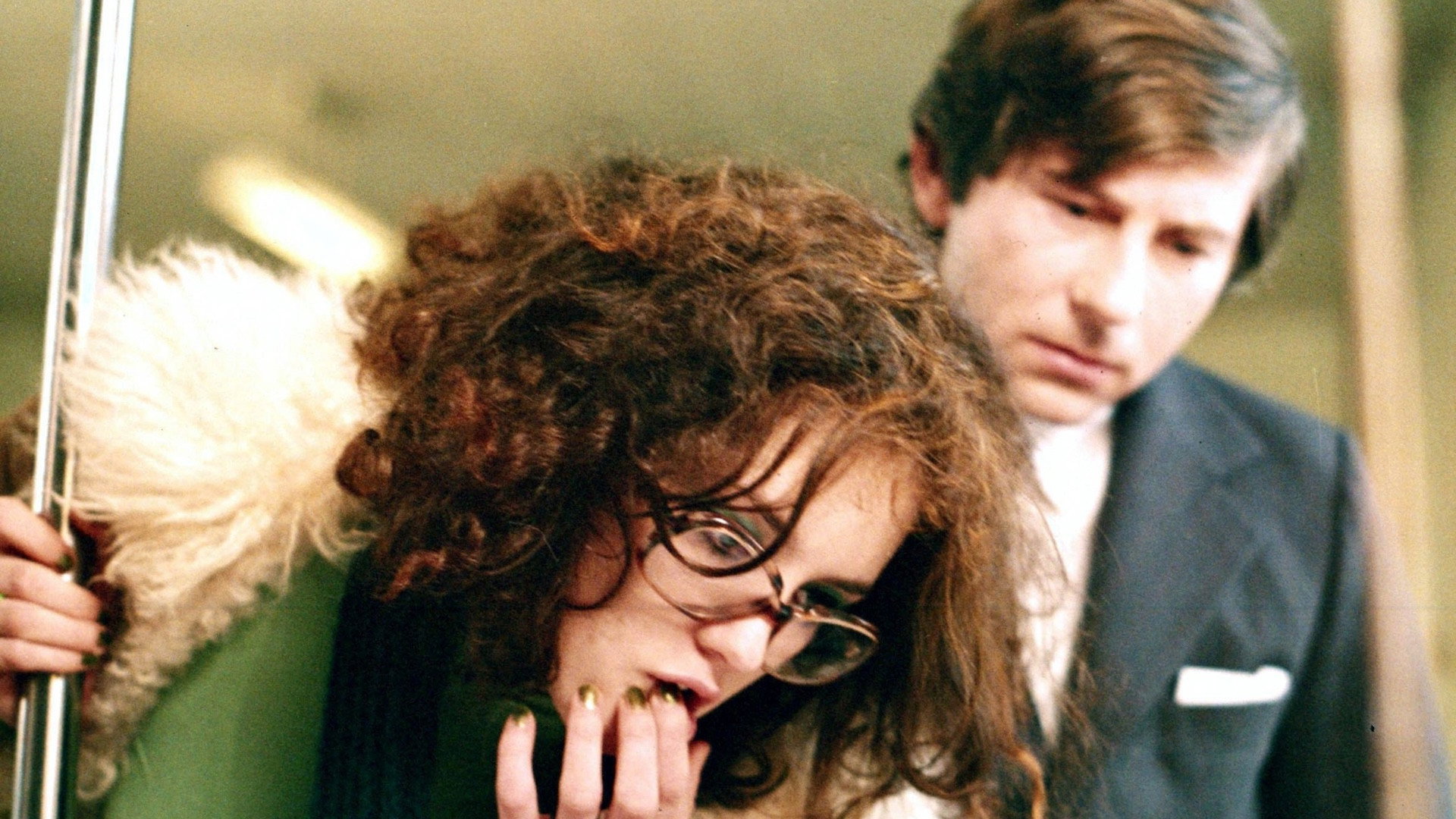
Critical opinions differed considerably. Roger Ebert’s September 1976 review rejected the film’s narrative development and considered its ending ineffective, while other reviewers responded more favorably to its visual construction and atmosphere. Vincent Canby praised the principal performances, and later criticism increasingly examined the relationship between the apartment’s physical organization and Trelkovsky’s disappearance as an independent identity. The film became associated with Repulsion and Rosemary’s Baby as part of an informal cycle concerned with psychological horror in domestic spaces. These films differ in narrative circumstances, but all three use apartment buildings and uncertain relationships with neighbors to expose the vulnerability of characters whose perception becomes progressively unreliable.

The Tenant continued to circulate through repertory screenings and home-video releases, allowing later audiences to reconsider a production whose original reception had been inconsistent. The Museum of Modern Art presented the film in its 2024 Paramount retrospective, emphasizing its treatment of mistrust, the pressure of social conformity and the protagonist’s position as an outsider. The film also received a new 4K restoration from its original 35mm camera negative, released by Vinegar Syndrome in 2024. The edition preserves the original English-language mono soundtrack and includes interviews with Polanski, members of the camera department and participants in the production.
The restoration also documents the physical construction of the film through discussions of camera operation, continuity and location work. Its contemporary reputation rests especially upon the sustained ambiguity between persecution and psychological disintegration. The film’s unusual combination of Gothic imagery, dark humor and ordinary residential hostility helped distinguish it from supernatural horror built around an identifiable monster. Its place within Polanski’s filmography is closely associated with the way an apparently practical decision to rent an apartment becomes an investigation into the possibility that personal identity can be destroyed by the social environment surrounding it.
References

  1. American Film InstituteThe Tenant (1976) — AFI Catalog

    Archival production history documenting the screenplay, casting, 1975–1976 photography, technical credits, American theatrical openings and contemporary critical responses at Cannes.

  2. La Cinémathèque françaiseConversation avec Roman Polanski

    Firsthand testimony from Polanski concerning the five-story apartment set constructed at Épinay-sur-Seine, the Paris location photography, Pierre Guffroy’s design and the innovative use of the Louma camera crane.

  3. Jean-Christophe ManuceauEntretien avec Philippe Sarde : J’ai toujours cherché à donner plus que ce qu’on attendait de moi

    Original 2025 interview with Philippe Sarde describing how Polanski inspired the use of the glass harmonica and explaining the score’s emphasis on Trelkovsky’s psychological experience.

  4. Festival de CannesLe Locataire — Official Selection 1976

    Official festival archive confirming the film’s participation in the 1976 main competition, principal cast, screenwriters, Sven Nykvist’s photography and Philippe Sarde’s score.

Cast

View Full Cast & Crew →

Release & Distribution

Production Companies (1)

  • Marianne Productions FR

Distributors (1)

  • Paramount Pictures US

Release History (28)

Release DateTerritoryRelease TypeFormatDistributorCertificationNotes
1976-05-24 France Premiere — — — Cannes Film Festival
1976-05-26 France Theatrical — — —
1976-06-11 Canada Theatrical — — —
1976-06-11 Türkiye Theatrical — — —
1976-06-11 United States Theatrical — — R
1976-08-20 Brazil Theatrical — — 18 IMDB
1976-10-08 Germany Theatrical — — — West Germany
1976-10-08 Finland Theatrical — — —
1976-11-07 Italy Theatrical — — —
1976-11-11 Netherlands Theatrical — — —
1977-03-14 Sweden Theatrical — — 15
1977-03-25 Ireland Theatrical — — —
1977-04-16 Spain Theatrical — — —
1977-05-02 Denmark Theatrical — — —
1977-08-18 Iceland Theatrical — — —
1977-08-18 Uruguay Theatrical — — —
1977-09-08 Portugal Theatrical — — —
1977-10-01 Poland Theatrical — — —
1977-10-06 Belgium Limited Theatrical — — 18 Gent
1986-10-21 Japan Physical — — —
1996-01-19 Switzerland Theatrical — — —
2003-04-12 Netherlands Physical DVD — 12 DVD
2003-12-11 Greece Physical DVD — — DVD
2004-03-08 United Kingdom Physical DVD — 18 DVD
2016-07-03 Poland TV — — —
2019-03-01 Germany Physical DVD — 16 DVD-Veröffentlichung
2022-09-28 Israel Physical DVD — — DVD
2025-08-14 Greece Theatrical — — — Re-Release
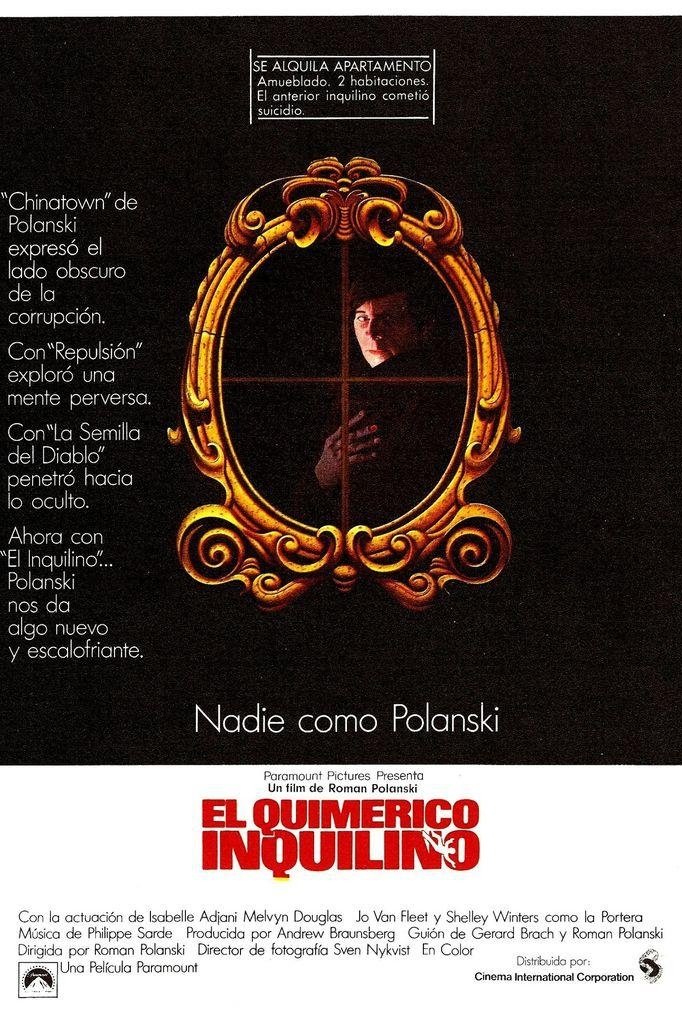
Apartment for rent: Quiet building. Furnished. 2 rooms. Previous tenant committed suicide.