

Origins and Screenplay Development
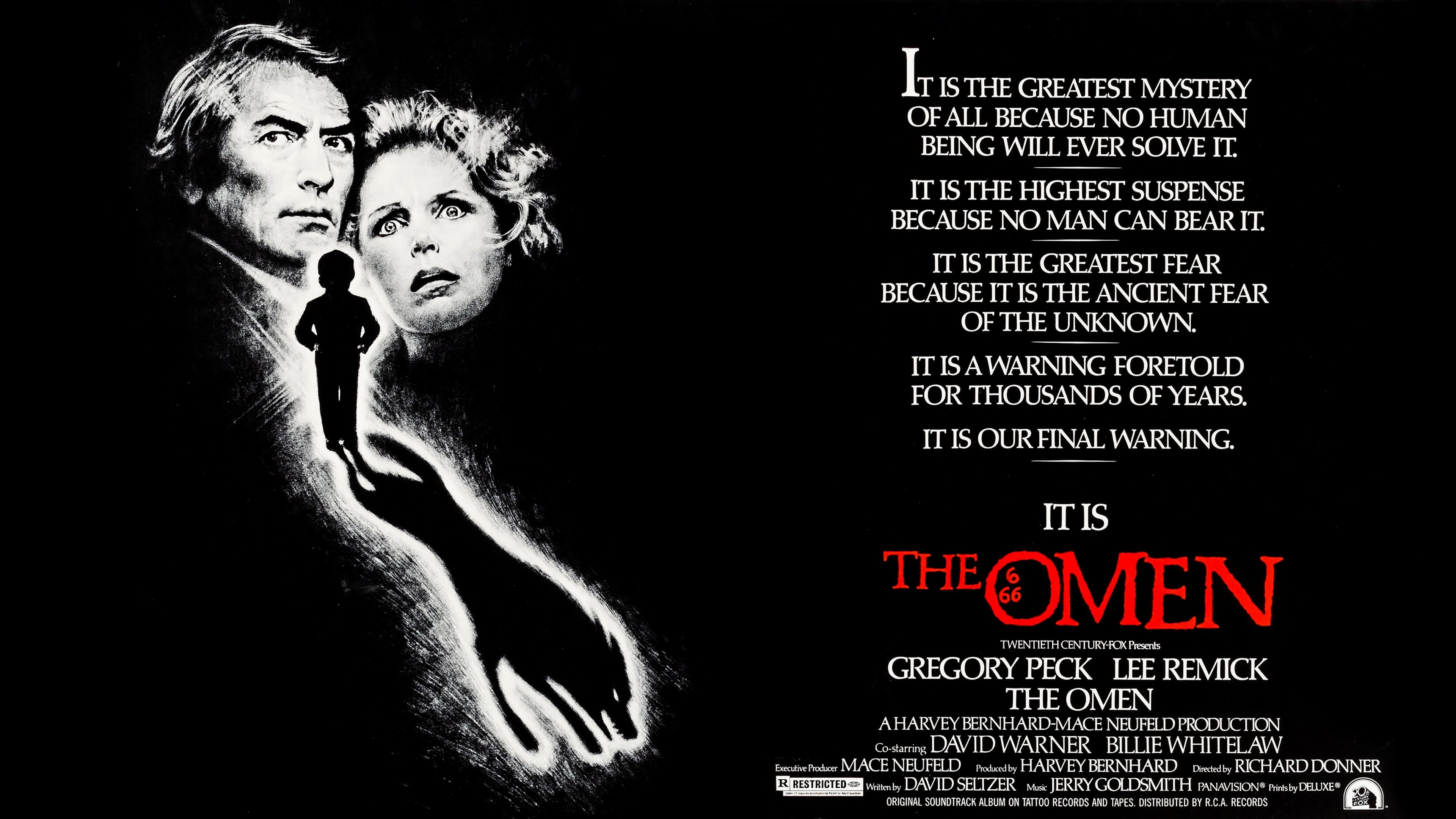
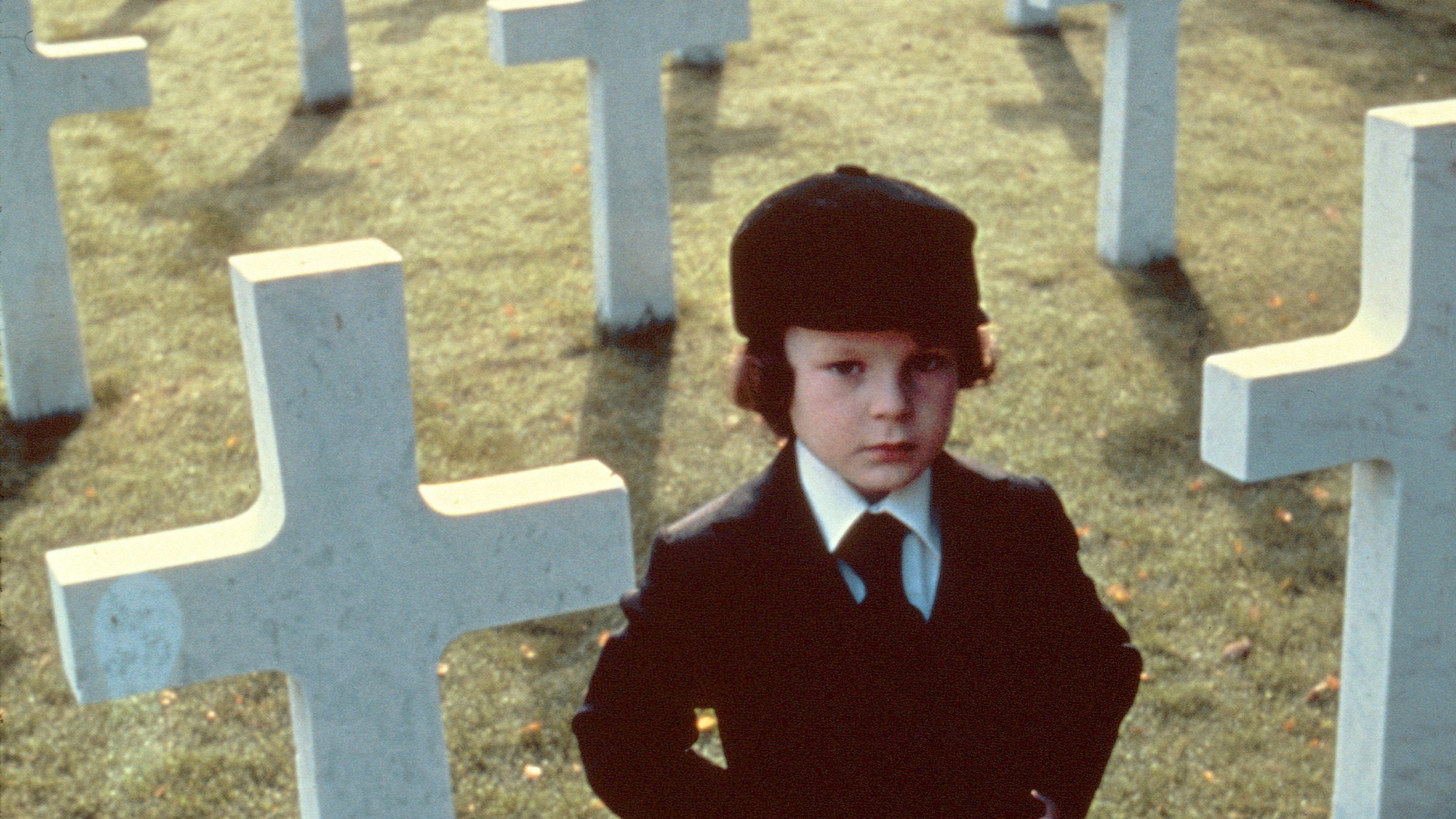
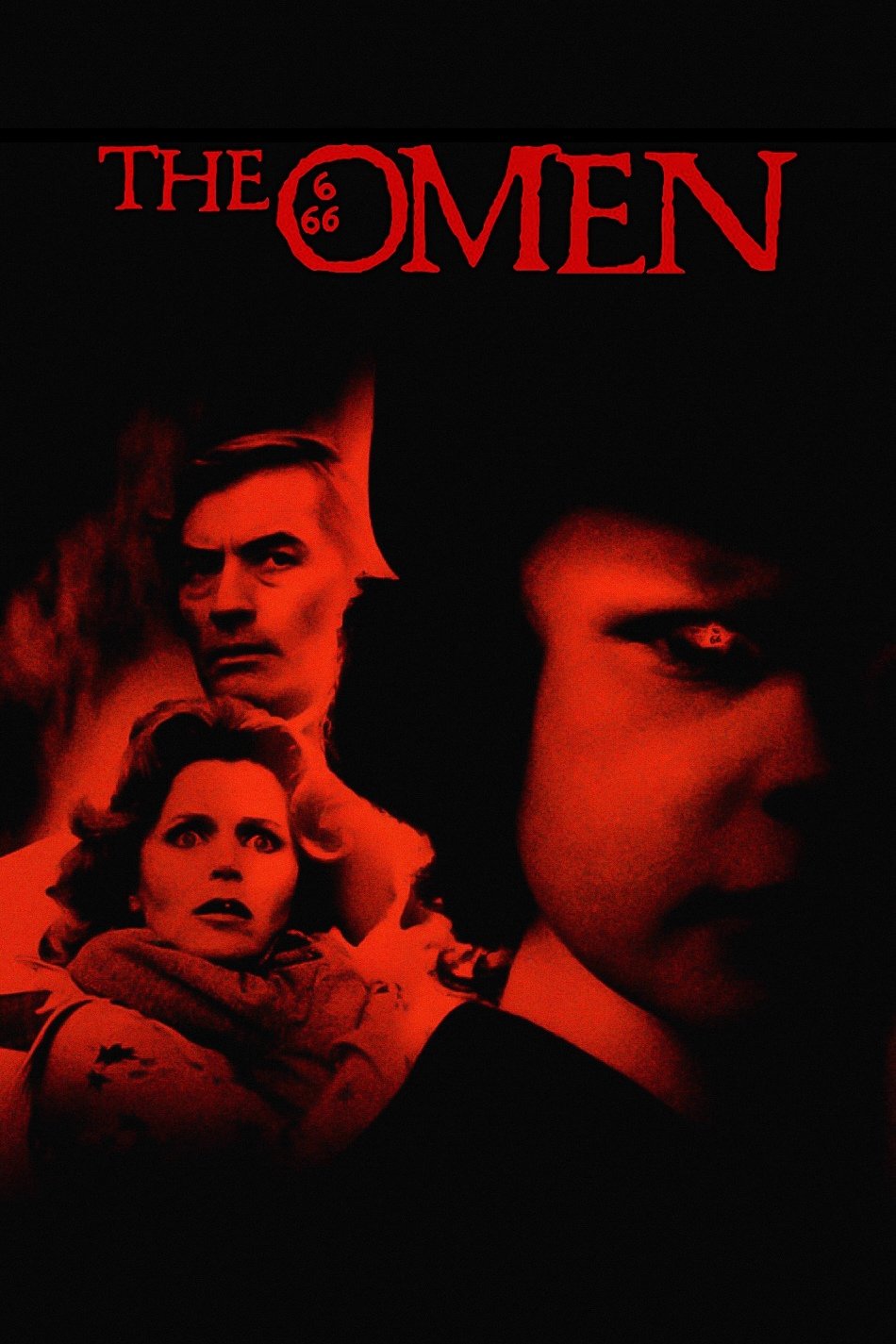
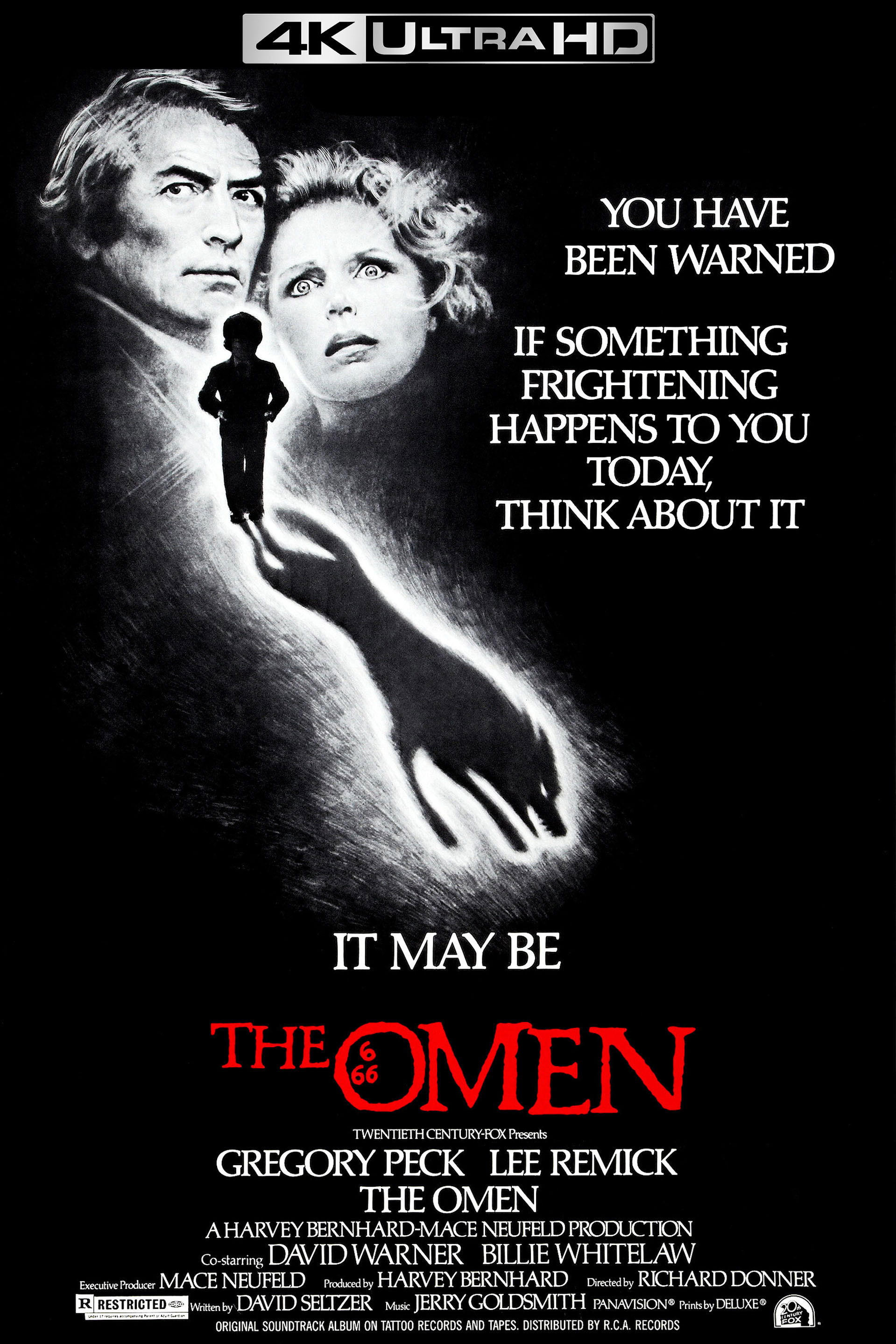
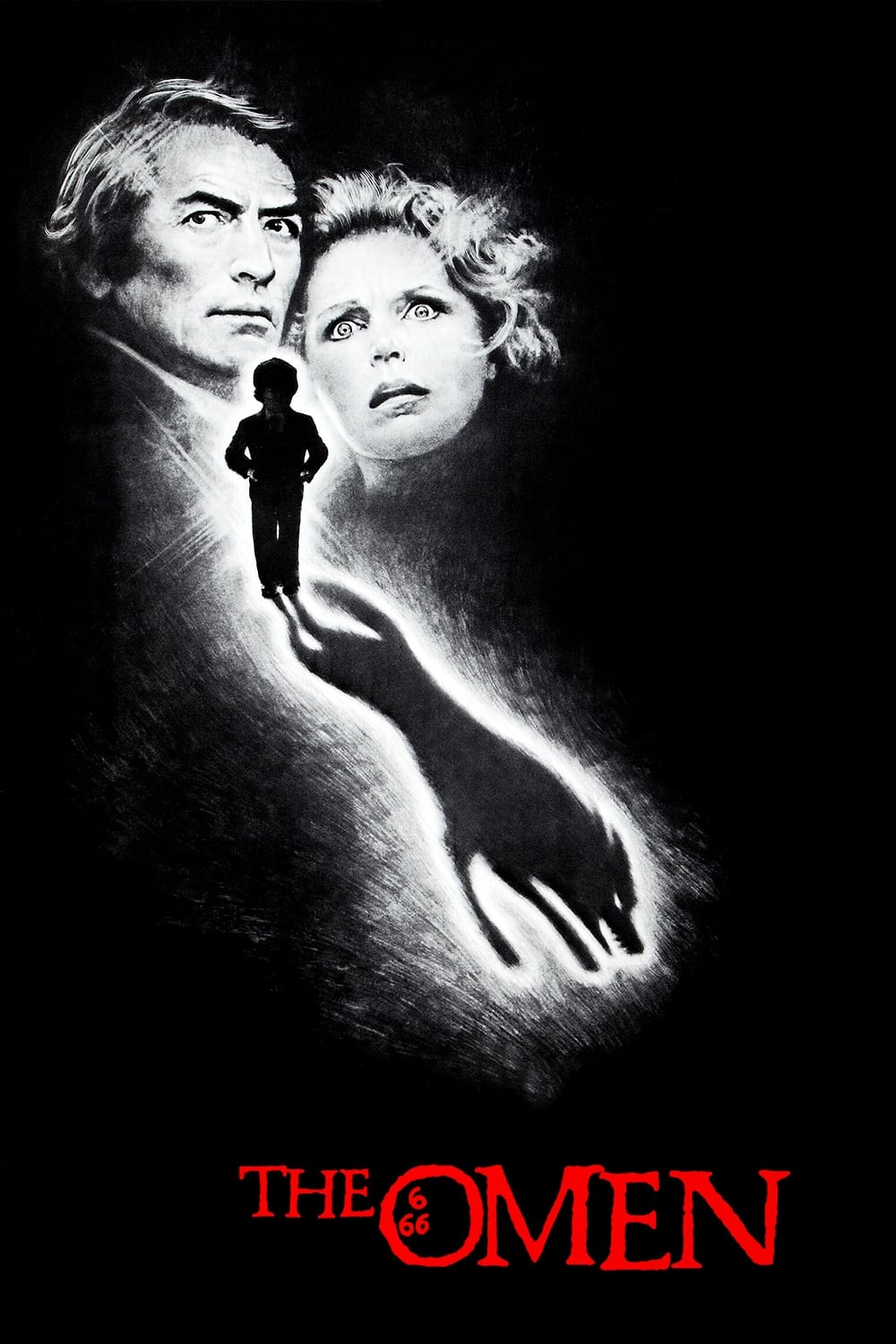
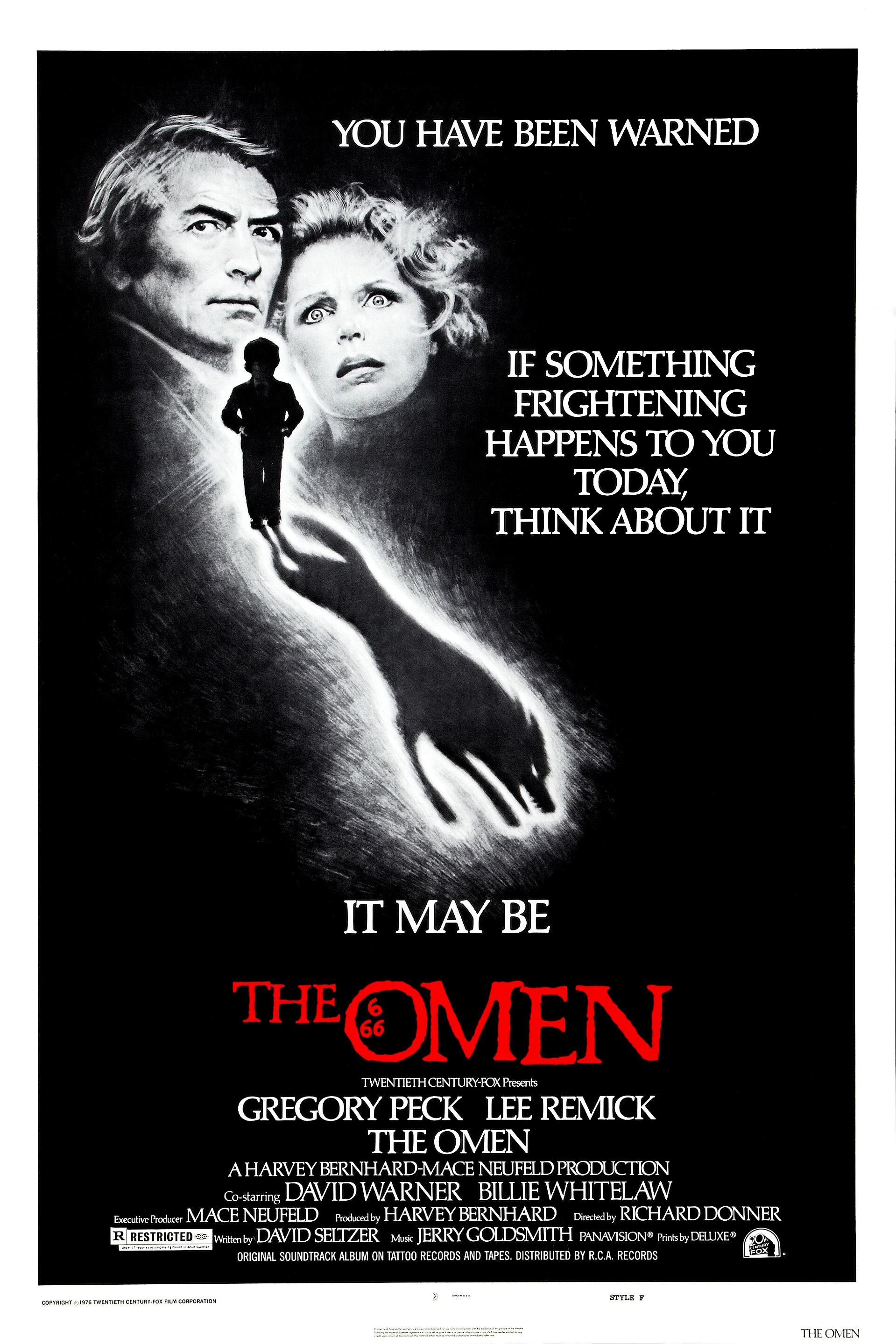
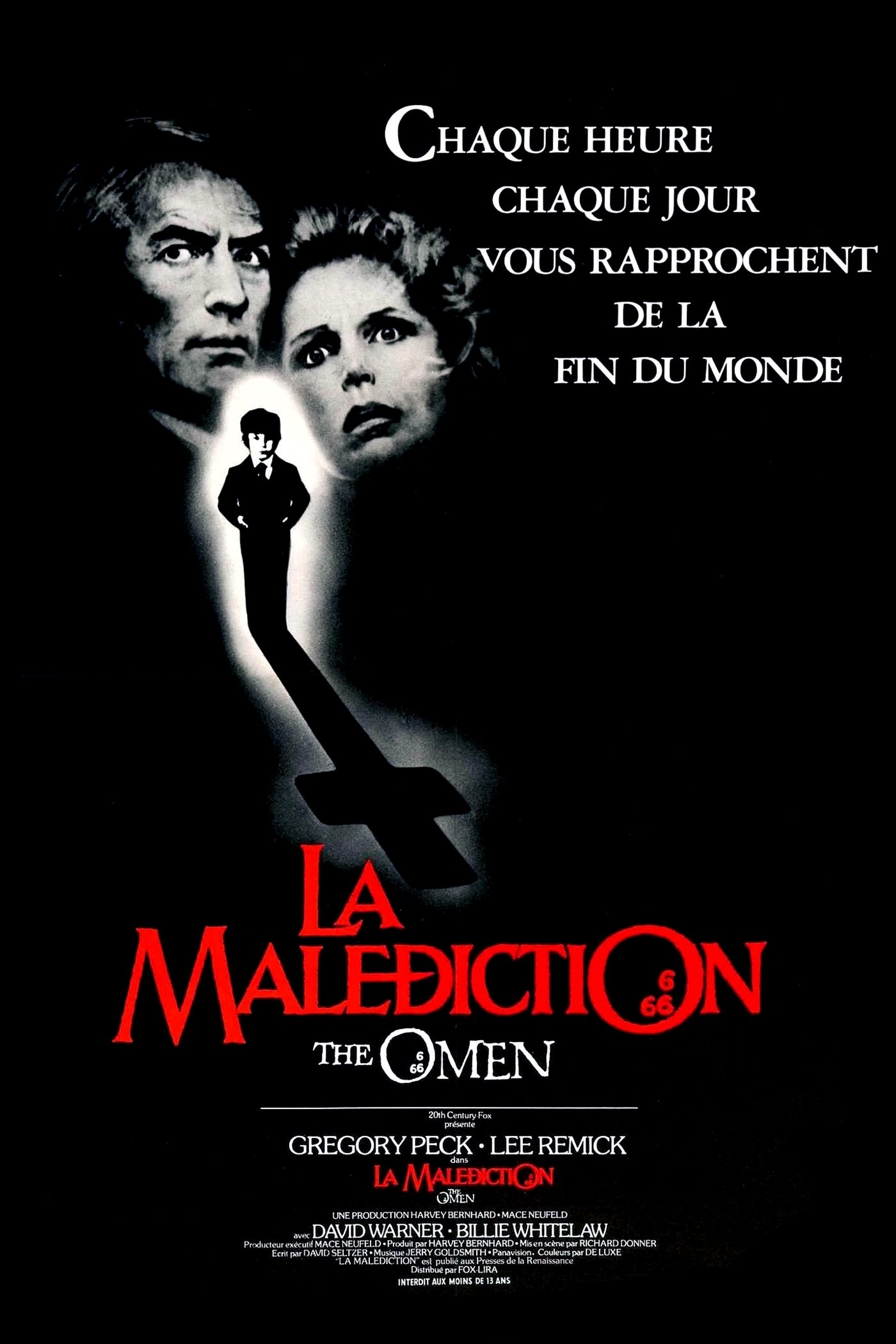
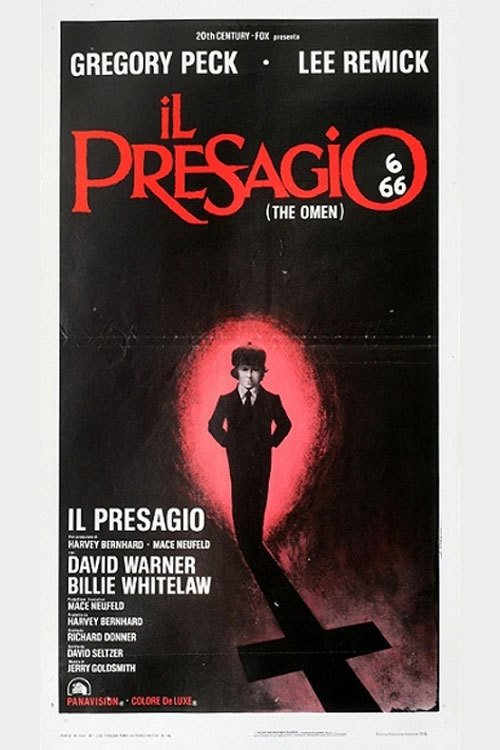
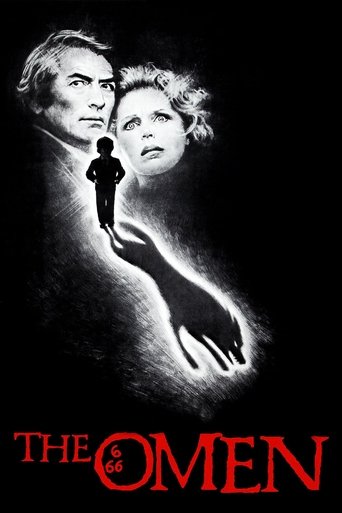
The project originated with producer Harvey Bernhard, whose interest in the Antichrist developed after a conversation about biblical prophecy with a religious acquaintance. Bernhard subsequently worked on the concept with screenwriter David Seltzer, who received sole onscreen writing credit. According to contemporary accounts preserved by the American Film Institute, Seltzer approached the assignment primarily as commercial screenwriting work and did not share the religious convictions underlying the premise. The screenplay spent time at Warner Bros. before Alan Ladd Jr. brought the project to Twentieth Century-Fox. During development, titles considered included The Anti-Christ and Birthmark, both of which reveal the early emphasis on the identity of the supposedly innocent child.
Richard Donner arrived at the project after extensive work in American television, having directed episodes of established dramatic and crime series. His response to Seltzer’s screenplay influenced the eventual treatment of the supernatural material. Donner asked the writer to reduce explicit demonic manifestations and concentrate on events that could initially be understood through ordinary circumstances. This decision preserved uncertainty about the relationship between Damien and the disasters surrounding him. The director approached the material through the disintegration of a family, making Robert Thorn’s increasingly desperate behavior central to the narrative. The supernatural revelations acquire their force because they threaten parental loyalty and demand an action that would otherwise be morally indefensible.
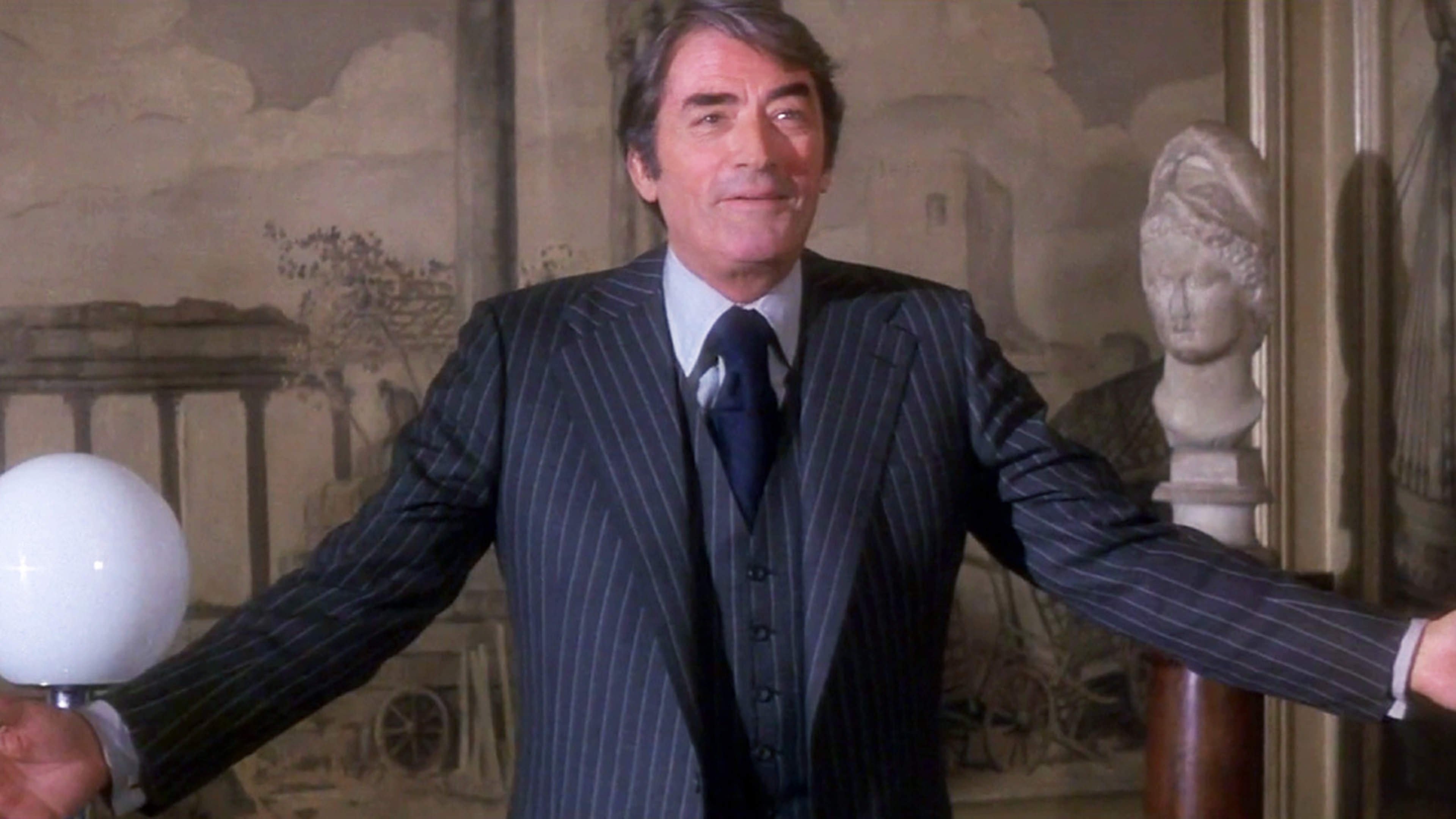
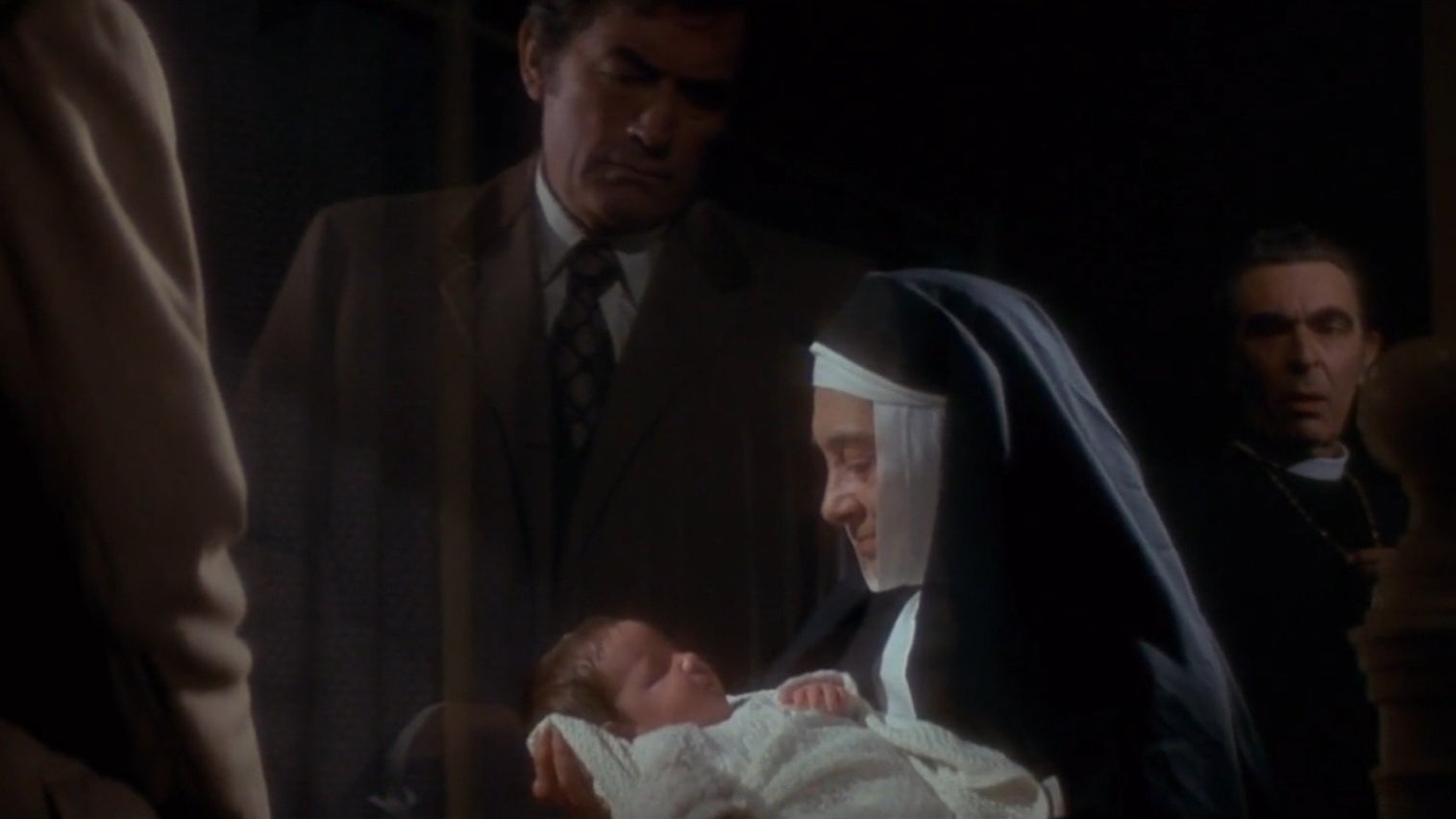
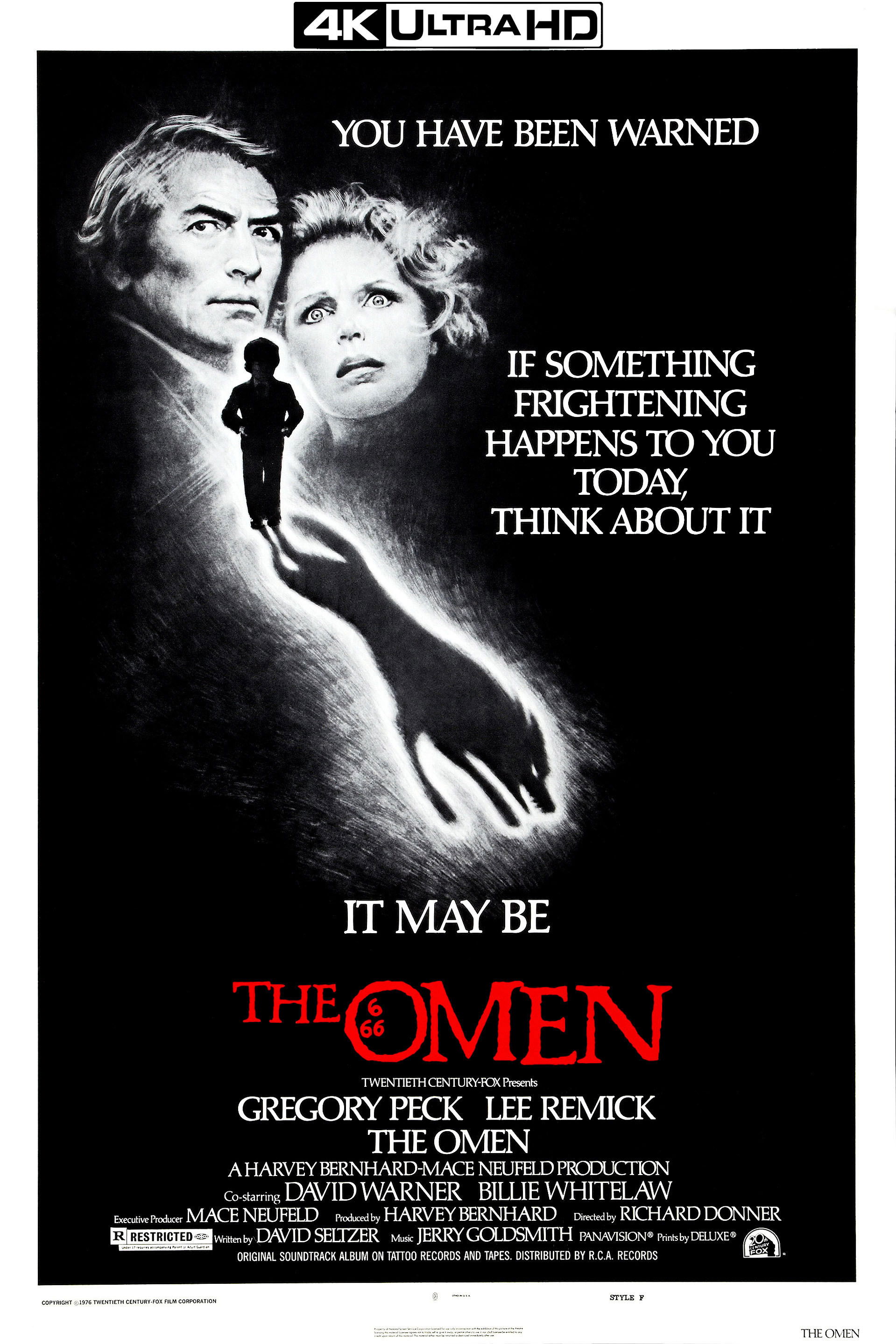
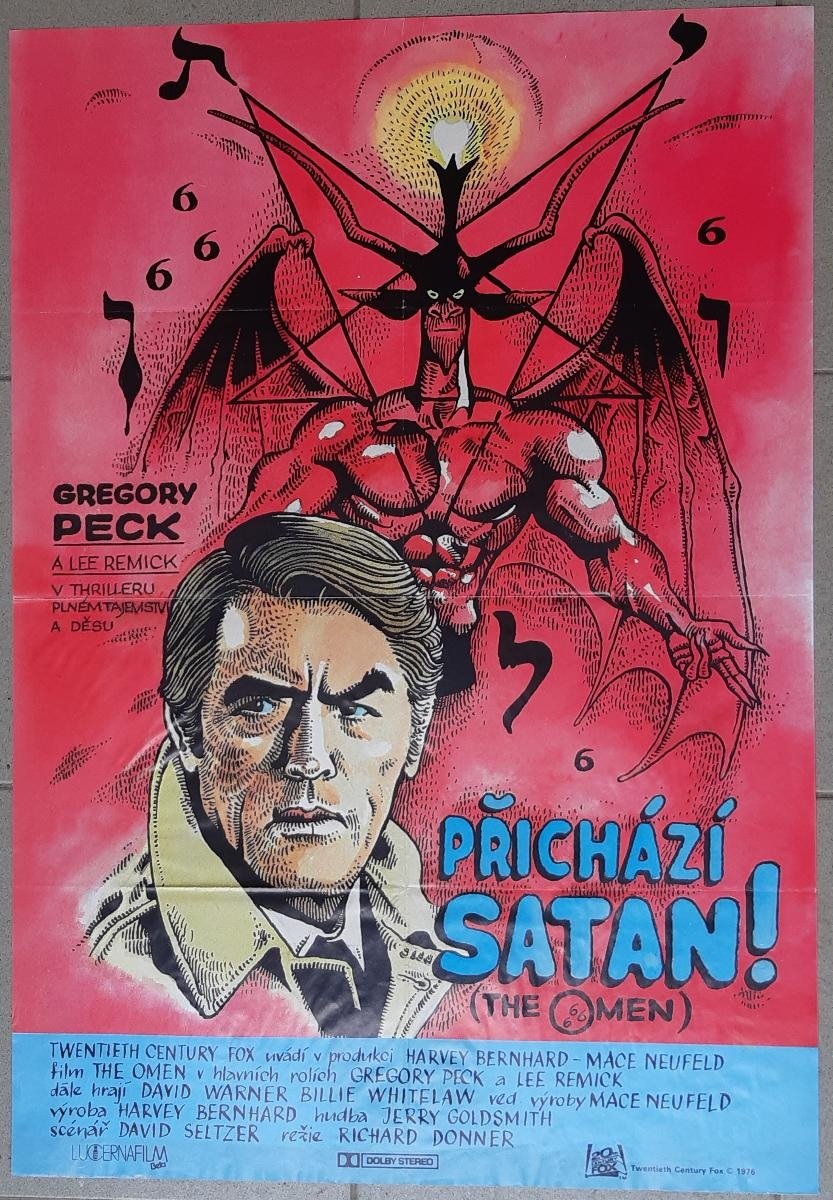
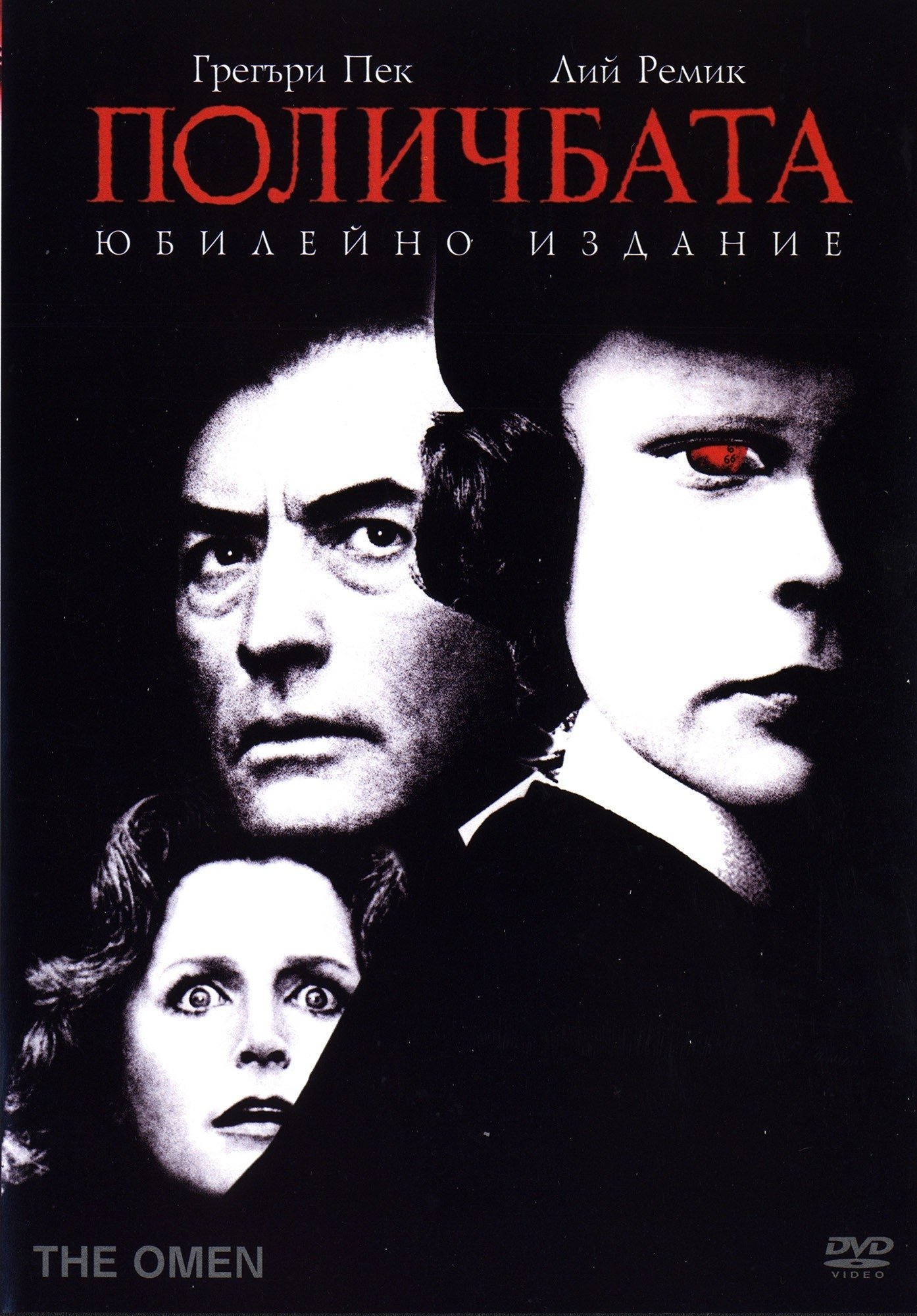
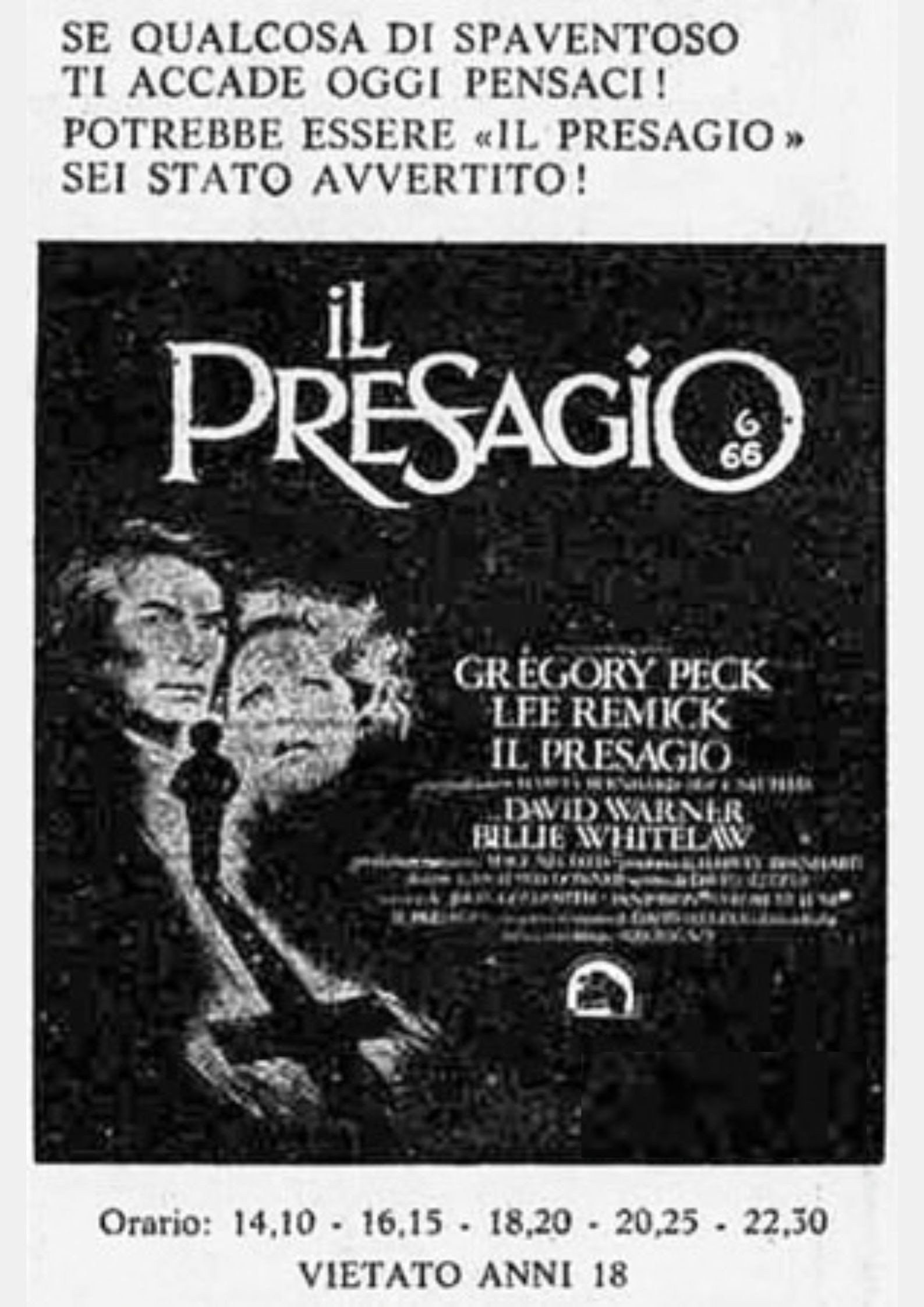
The casting of Gregory Peck strengthened this approach. His established screen persona carried associations of moral authority and paternal responsibility, making his eventual confrontation with Damien particularly troubling. The AFI records contemporary concerns that audiences might resist seeing Peck portray a father capable of killing a child. Turner Classic Movies also documents the personal significance of the role for Peck following the death of his son Jonathan, and reports that the actor accepted a reduced initial salary in exchange for a percentage of the film’s receipts. These circumstances contributed to a production in which emotional credibility was considered essential to sustaining the extraordinary premise.