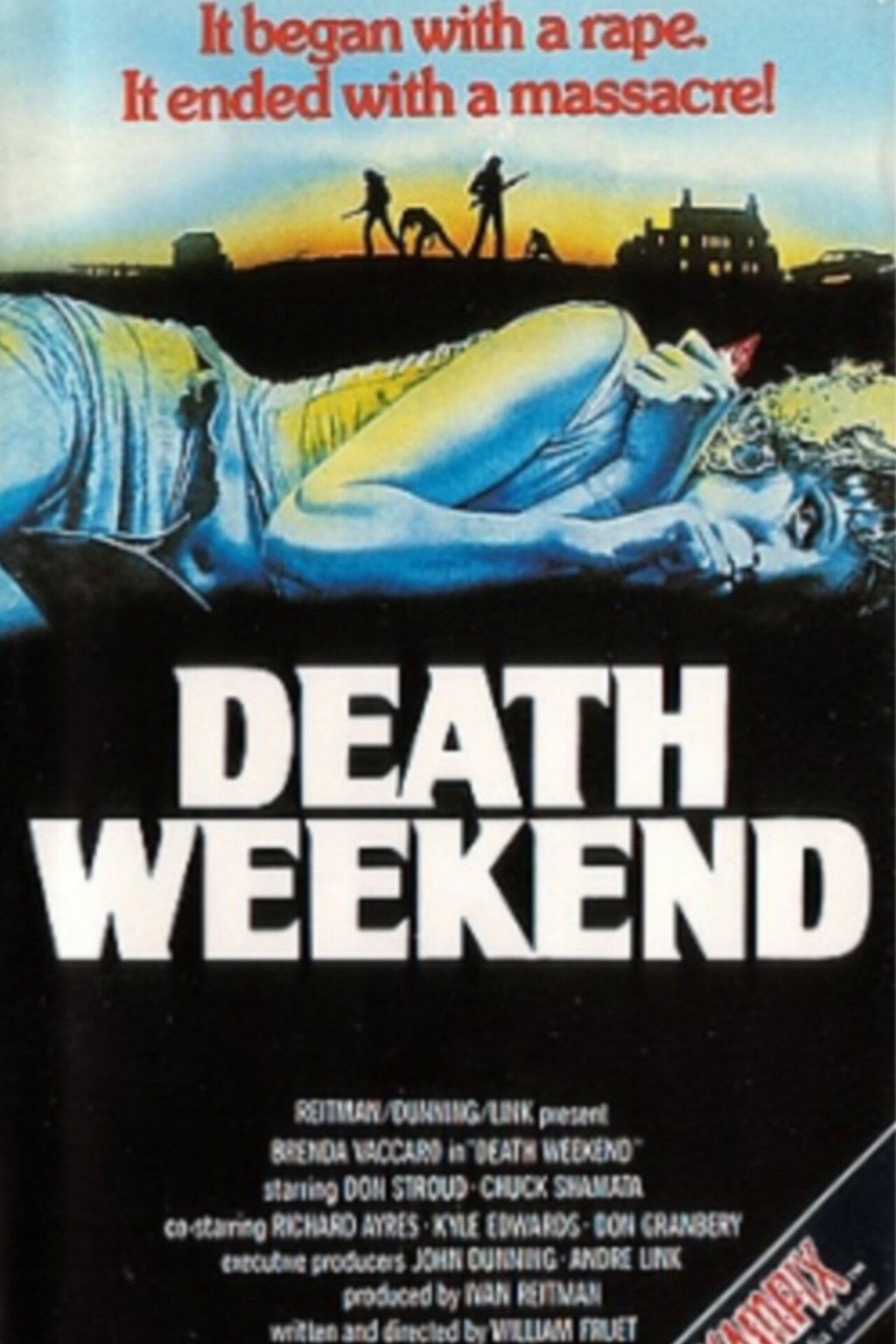
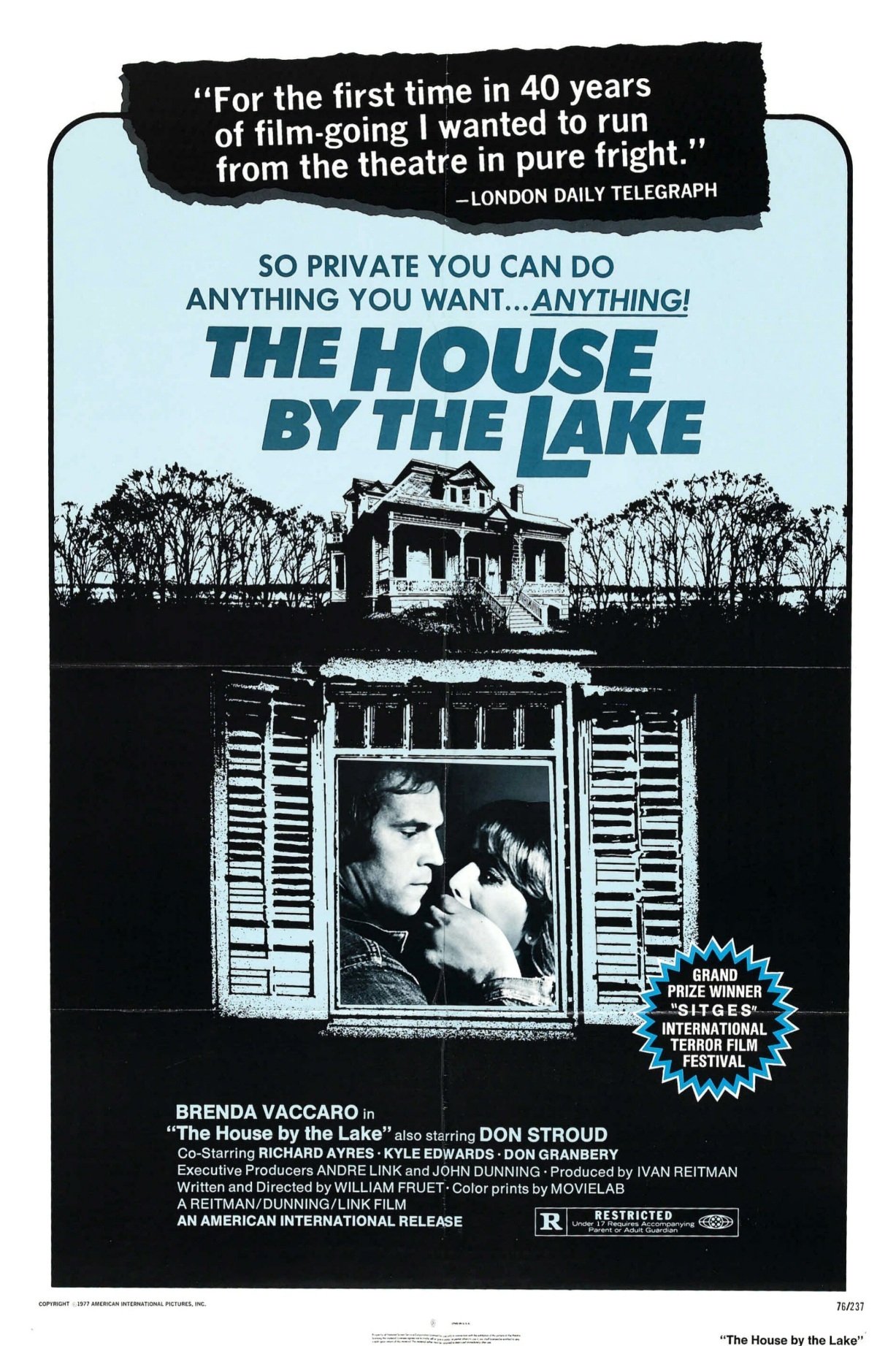
The House by the Lake (1976)

CA
HORROR FILM Thriller
UK censorship history Section 3 · Supplementary list
Runtime
87 min
Release
September 17, 1976
Budget
$500,000
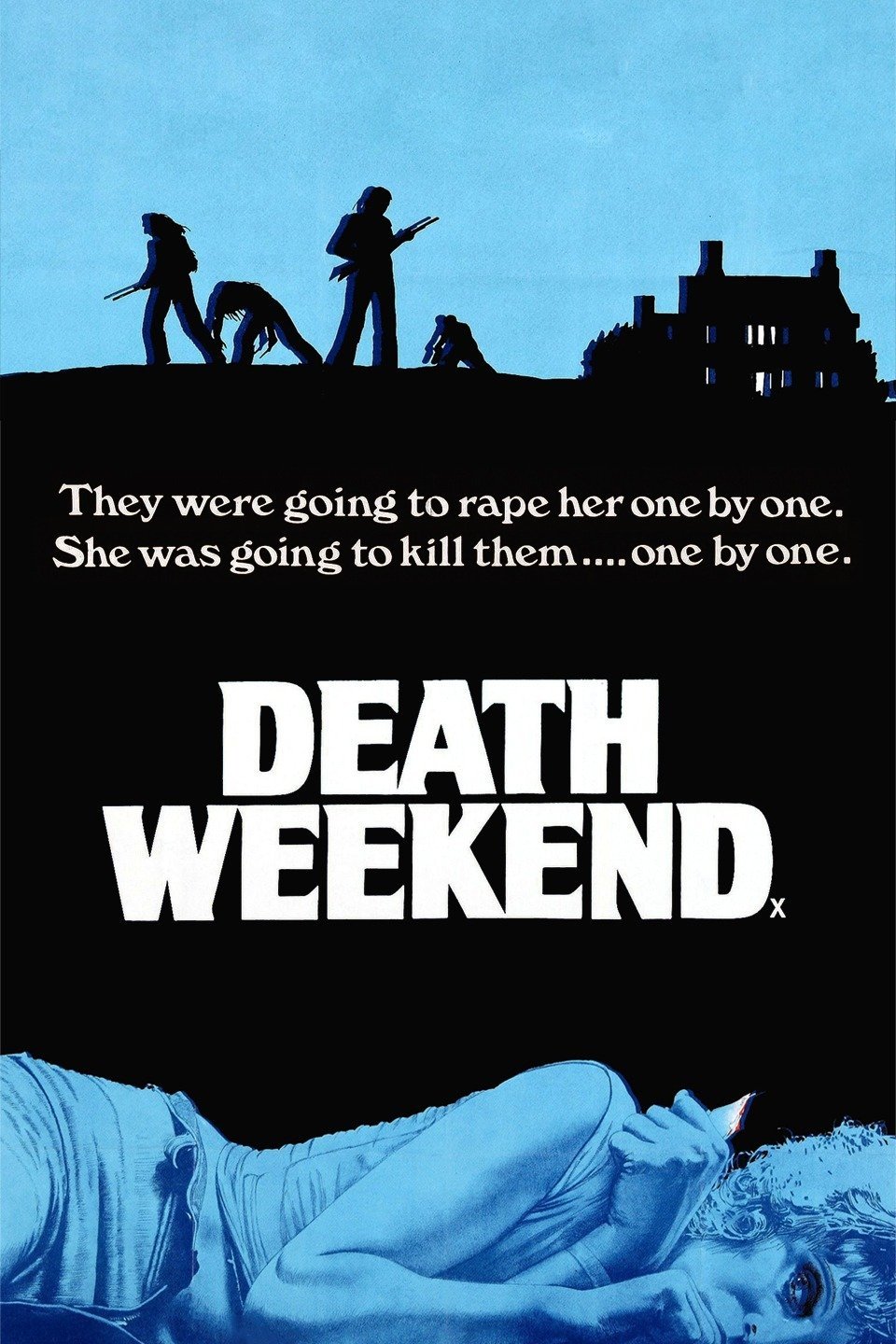
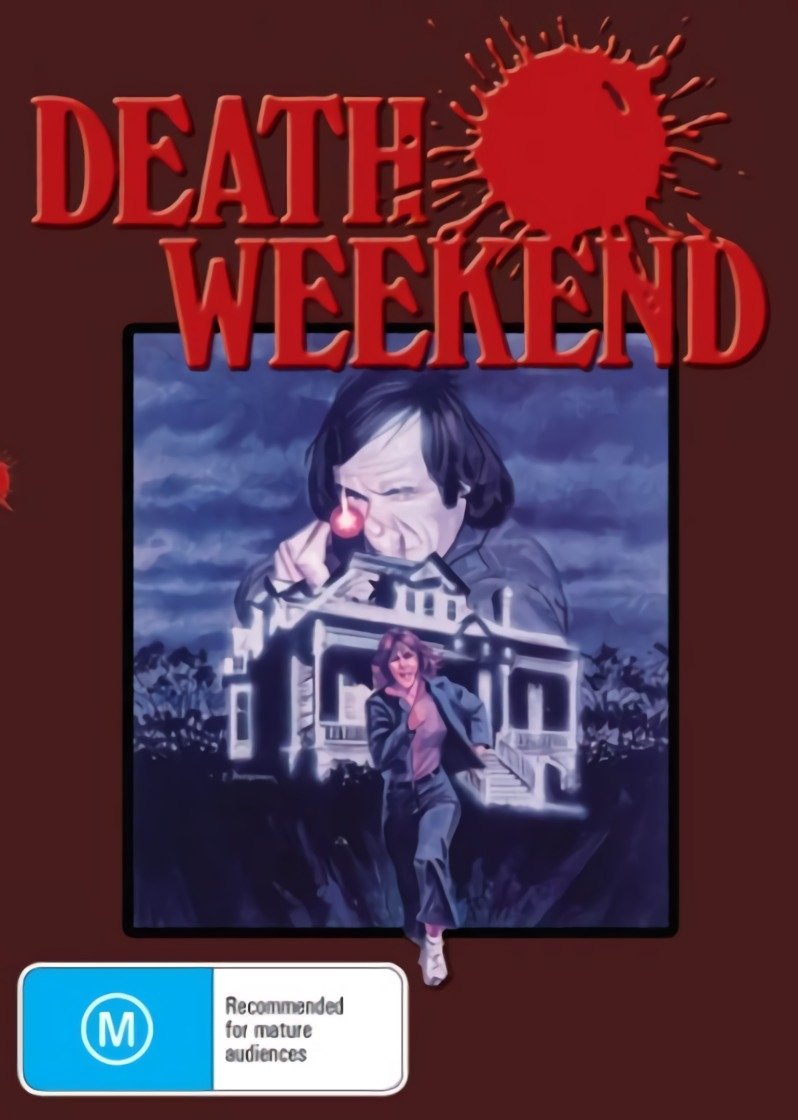
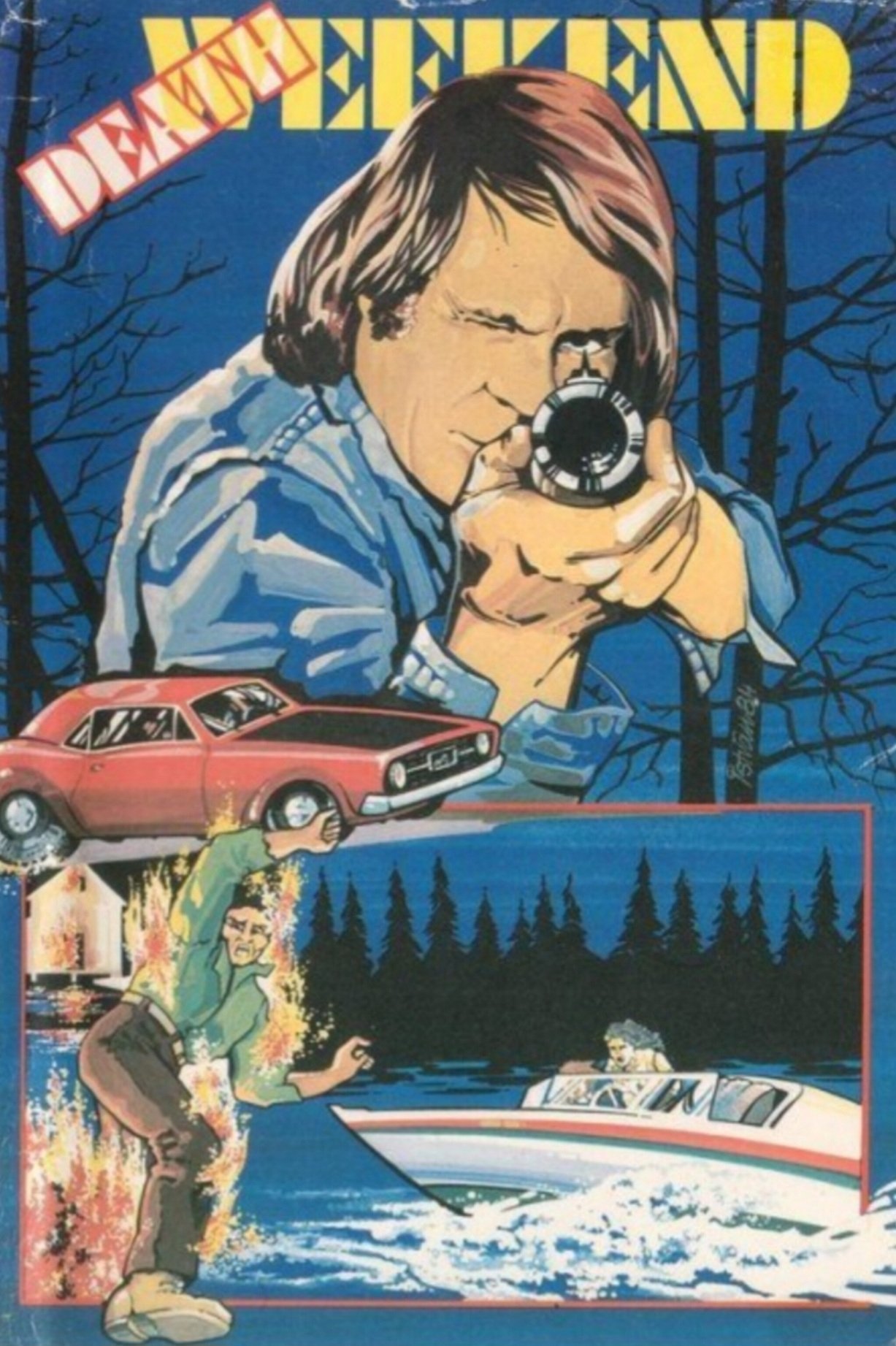
The House by the Lake (1976) poster
Director
Production Companies
American International Pictures , Quadrant Films , Canadian Film Development Corporation , DAL Arts , Famous Players
Plot

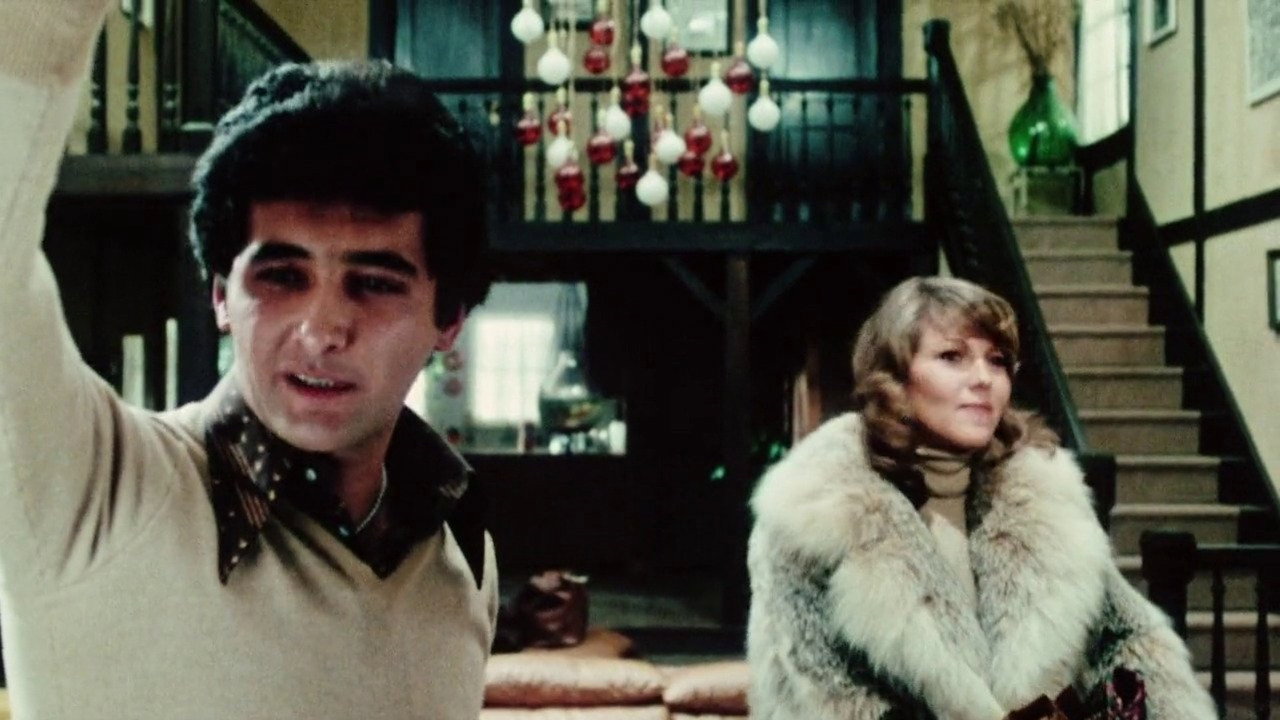
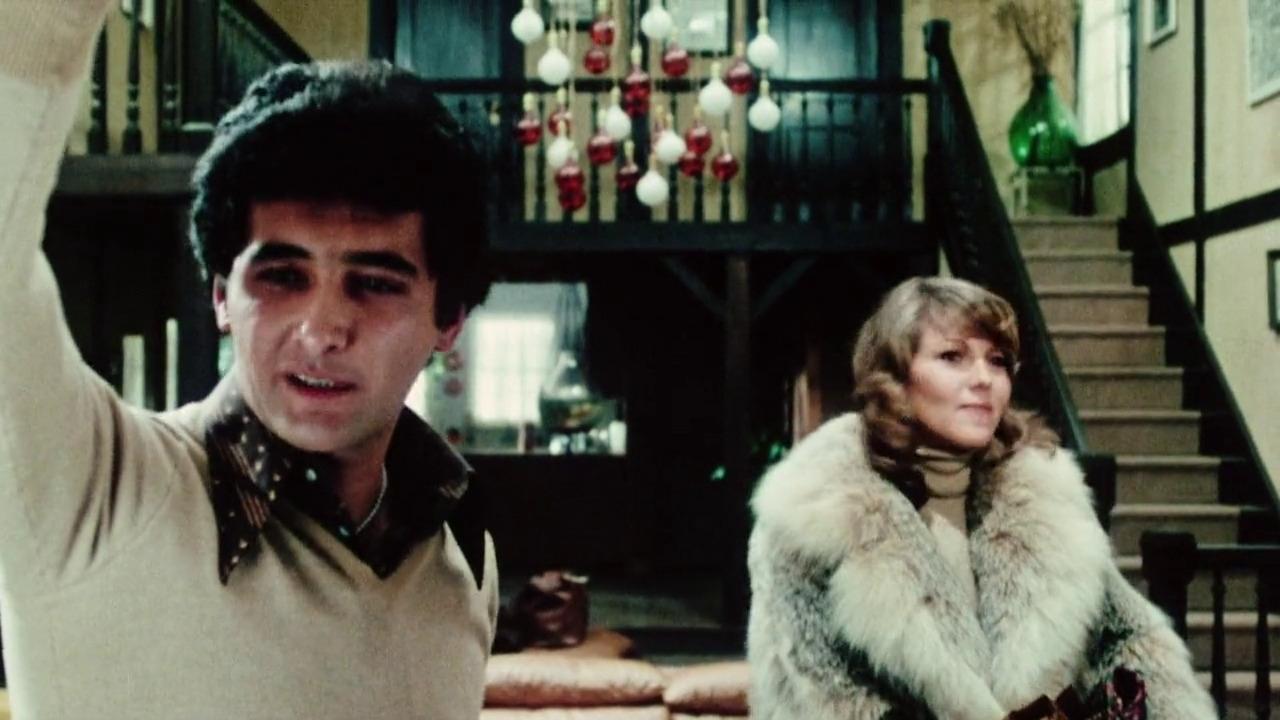
Harry is a rich dentist who often brings women up to his rural lakehouse. One weekend, he invites Diane, a former fashion model. On their way to the house, Diane runs a gang of thugs off the road. Humiliated, the thugs track down the couple for revenge.

Alternative Titles
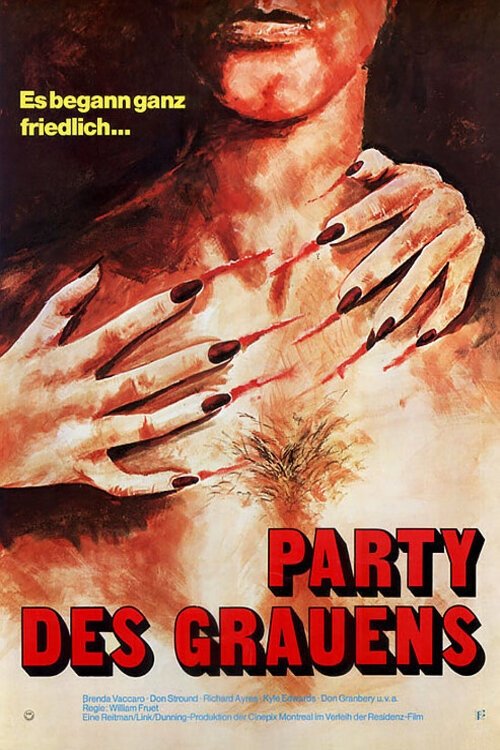
Fim de Semana Mortal (Brazil) — Portuguese 死亡周末 (China) — Chinese Bluthunde (Germany) Party des Grauens (Germany) — German Fin de semana sangriento (Spain) — Spanish Week-end sauvage (France) 死亡週末 (Hong Kong SAR China) — Chinese Un violento week-end di terrore (Italy) — Italian
Show all 9 alternative titles 주말의 터미네이터 (South Korea) — Korean

Trailers & Videos

1 video

Film Guide & Analysis

William Fruet transforms a lakeside retreat into a Canadian survival thriller about masculine aggression, exploitation finance and a woman forced to fight her way out.

The House by the Lake (1976), released in Canada as Death Weekend, belongs to the violent rural thrillers that helped establish a commercially minded Canadian horror cinema during the 1970s. William Fruet turns a weekend retreat into an ordeal of intimidation, sexual assault and desperate resistance. Its central figure, Diane, is a model whose skill with cars initially provokes a gang of men and whose resourcefulness later becomes essential to her survival. The film draws its terror from recognizable conduct: wounded pride, coercion, and the abuse of power inside an isolated home.

The picture occupies an unusually well documented place in Canadian exploitation history. Fruet later discussed its origins and difficult production with researcher Xavier Mendik, while scholar Paul Corupe devoted a substantial study to its treatment of masculinity and class. These accounts clarify why an apparently conventional home-invasion story warrants closer attention. The film came from a director associated with serious national drama, worked within an emerging genre-financing system, and exposed tensions between middle-class respectability and rural resentment. Its brutality remains contentious, but the historical questions surrounding that brutality are unusually concrete.

An Older Screenplay and a New Direction

Fruet had made his name as the screenwriter of Goin' Down the Road and as the director of Wedding in White, a drama already concerned with male authority and the consequences of sexual violence. In his later conversation with Mendik, he recalled that recognition for Wedding in White did not lead to straightforward financing for another comparable project. The commercial opportunities opening around horror offered an alternative. He returned to a screenplay he had put aside, revised it rapidly, and brought it to Cinépix, an established collaborator.

According to Fruet's retrospective account, the script had existed before Sam Peckinpah's Straw Dogs reached cinemas. Perceiving similarities, he suspended work and later reshaped the material while preserving a woman who would endure an extreme attack without outside rescue. This is a more precise production history than describing Death Weekend as a straightforward imitation of contemporary American revenge pictures. Comparable films provided a recognizable commercial setting, but the director maintained that his principal interest lay in allowing a female protagonist to act decisively under circumstances usually assigned to men.

One incident behind the opening came from Fruet's memory of driving through rural Alberta with a friend. Occupants of another car harassed them, throwing bottles and making escape difficult on deserted roads. His friend eventually outdrove the aggressors. Fruet said he adapted this frightening encounter by placing a woman behind the wheel. The anecdote concerns the origin of a dramatic situation, rather than evidence that the film reenacts a documented home invasion or actual murder case. Distinguishing those claims matters when reconstructing how personal experience entered an exploitation screenplay.
Cinépix, Finance and the Difficult Shoot

Death Weekend emerged from the activities of Cinépix, the Montreal company associated with producers John Dunning and André Link. Its development intersected with the expansion of government-supported filmmaking and investment incentives that made genre projects attractive in Canada. Fruet recalled the importance of such financial arrangements for directors unable to obtain backing by conventional means. He also stressed an immediate practical motivation: a horror thriller offered work after the difficulties of financing realist drama. That account locates the film within an industry transition without reducing every creative decision to an investment scheme.

Ivan Reitman's contribution was substantial. Asked about his relationship with Dunning, Fruet emphasized that Reitman was the producer working alongside him on the set. He also remembered Jean LaFleur's editing with admiration and described Don Carmody's contribution in production management. These recollections illuminate the organization of the shoot more effectively than a recital of credits. The film required collaborators capable of managing scenes of confinement and physical conflict, then assembling them into an escalating passage from social discomfort to outright terror.

Fruet's account of working with Brenda Vaccaro was less celebratory. In the interview he described tension following her recent Academy Award nomination and said that a double was used for portions of the filming. These are the director's memories, recorded decades afterward, and should not be confused with an independently established account of the actress's intentions. He credited Reitman with helping negotiate practical difficulties. Whatever the friction on set, Vaccaro's portrayal gives Diane an unmistakable physical presence, which becomes especially important once the narrative ceases to offer safety through conventional male protection.

Masculinity, Class and the Destruction of Property

The confrontation begins as a humiliating traffic encounter. Diane proves a more capable driver than the men who challenge her, and their response turns a fleeting public slight into a sustained campaign of retaliation. Lep, played by Don Stroud, commands the gang through displays of aggression and an insistence on masculine authority. Corupe's study reads this behavior in relation to recurring frustrated male figures in Canadian cinema. Through that lens, the villains' fury expresses a fear of diminished status, intensified when a woman openly defeats them in an activity they regard as their preserve.

Harry, the wealthy professional who invites Diane to the lake house, supplies a second model of entitlement. The promised social gathering proves deceptive, leaving her alone with a host who assumes that his property and position give him control over her. His apparent refinement provides little moral security. When the intruders arrive, they attack both their captives and the material signs of his comfort. Furniture, vehicles and domestic order become targets. The assault on possessions places class resentment beside the overt sexual threat, complicating an easy division between civilized urbanity and uncivilized outsiders.

This overlap also prevents Harry from functioning as a reassuring protector. He has arranged the circumstances of Diane's isolation for his own purposes, then finds his authority dismantled by the invaders. Corupe links such men to an earlier tradition of Canadian screen characters whose frustration and insecurity become sources of harm. The comparison is interpretive, but it identifies a pattern visible in the drama: different forms of masculine control fail, while the woman positioned as an object of desire must make consequential decisions for herself.

Diane and the Mechanics of Survival

Diane's first advantage is competence established before the invasion. Her knowledge of driving and machinery gives the opening confrontation a specific cause, while also introducing skills that later become useful. The film does not rely on a sudden transformation from helpless victim to implausible warrior. She observes the behavior of her attackers, recognizes shifts in their confidence, and exploits opportunities created by their arrogance. Such choices turn survival into a sequence of practical judgments under pressure. Her resistance gains force because the story repeatedly shows how little dependable help is available around her.

The treatment of sexual violence remains difficult. Fruet told Mendik that he sought to concentrate on consequences and faces, rather than present assault as spectacle. That statement records his intention, not a final verdict on how the scenes affect viewers. The narrative nevertheless subjects Diane to prolonged degradation, and the relationship between sensationalism and sympathy cannot be settled by the filmmaker's explanation alone. Her later killings can be understood as escape tactics within an immediate threat; treating them only as gratifying revenge risks overlooking how relentlessly the script restricts her alternatives.

The ending is significant because the heroine's physical victory does not erase the ordeal. Its exhausted aftermath resists the uncomplicated restoration of order that a conventional action thriller might provide. Diane has survived by adopting methods of violence associated with her aggressors, an unsettling cost that remains visible after the gang has been defeated. Vaccaro's performance remains central to the film's significance because Diane is neither passively resigned nor invulnerable to shock. Her resilience is inseparable from the distress registered throughout the ordeal, leaving viewers to consider how the picture frames her suffering.

The Lake House and Rural Terror

The setting begins as a promise of leisure and privacy. Harry's retreat separates its occupants from the obligations and scrutiny of city life, but that separation quickly becomes a liability. Roads and stretches of countryside make movement possible while offering few witnesses or reliable exits. The lakeside property therefore changes meaning as the plot develops. Its comfortable rooms first expose the falseness of Harry's invitation; later, walls, windows and adjacent outbuildings help shape a siege in which the intruders can move with impunity.

Fruet's account of the rural figures behind the gang complicates the landscape's apparent neutrality. Speaking retrospectively, he described people he had met in the countryside and acknowledged drawing on their behavior for his characters. These memories explain part of his source material without validating the caricature of rural residents as inherently criminal. The picture uses familiar exploitation contrasts between cultivated property owners and men associated with deprivation, alcohol and aggression. Its social tension arises from the contact between those groups, although the narrative's severe violence can overwhelm the distinctions it begins by sketching.

The horror depends heavily on reversals of scale. A house designed for pleasure becomes a trap; a private weekend expands into a conflict with an entire surrounding landscape. Movement between interior confinement and exposed outdoor spaces prevents the pursuit from settling into one visual pattern. The attackers occupy places that initially appear useful for refuge, while Diane is forced to improvise with whatever the terrain and property provide. This handling of ordinary space gives the story its menace without requiring a supernatural explanation or an elaborate mythology of evil.

Release, Controversy and Critical Afterlife

The film reached Canadian audiences under the title Death Weekend in 1976. Its American circulation adopted the alternative title, foregrounding the isolated property and aligning the thriller with contemporary rural exploitation. These titles refer to the same production; their different associations matter when tracing reviews and later discussions. The original should not acquire a 1977 production date because American theatrical listings use that year. Distribution territories and retrospective cataloguing account for part of the discrepancy.

Fruet recalled an especially hostile domestic response to the picture after the praise earned by Wedding in White. Reviewers questioned his decision to turn toward lurid material, and he remembered accusations about the film's attitude to women. Such memories should be understood as retrospective testimony, although Corupe independently describes a broader critical unease with Canadian filmmakers pursuing apparently foreign commercial formulas. The objection was partly aesthetic and partly national: public support for a violent exploitation feature provoked different expectations from those surrounding a realist drama made to articulate Canadian experience.

Subsequent scholarship has treated that supposed division as less stable. Corupe's chapter in The Canadian Horror Film places Death Weekend within a lineage of insecure, aggressive men and observes continuities with Fruet's earlier social concerns. Mendik's interview, meanwhile, preserves a filmmaker's explanation of the production pressures and gender choices behind the finished work. Its continuing critical interest does not establish that the picture directly inspired a later cycle. Its importance rests on what it reveals about Canadian genre filmmaking, the uses of public support for exploitation and the disputed ethics of depicting violence against women.

References

  1. Research Catalogue / Birmingham City University The Quiet Revolution - Shocking Canadian Cinema of the Seventies: An Interview with William Fruet

    Xavier Mendik presents an extended firsthand interview discussing the screenplay, an Alberta road incident, Cinépix, Ivan Reitman, the shoot, the portrayal of rape and original critical controversy. The HTML research page links to the complete interview.

  2. JSTOR / University of Toronto Press (Who's in the) Driver's Seat: The Canadian Brute Unleashed in Death Weekend

    Paul Corupe analyzes class, male insecurity, national cinema and revenge-horror conventions in a book chapter devoted specifically to the film (The Canadian Horror Film, 2015).

Cast

View Full Cast & Crew →

Release & Distribution

Production Companies (5)

  • American International Pictures US
  • Canadian Film Development Corporation CA
  • DAL Arts
  • Famous Players CA
  • Quadrant Films CA

Distributors (1)

  • American International Pictures US

Release History (4)

Release DateTerritoryRelease TypeFormatDistributorCertificationNotes
1976-09-17 Canada Theatrical — — —
1976-11-28 United Kingdom Theatrical — — —
1977-01-17 Japan Theatrical — — —
1977-03-04 United States Theatrical — — R

Awards & Festivals

2 entries
YearFestival / AwardEntrySectionCategoryResultPremiere
—Sitges Film Festival AwardsawardSitges Film Festival Best Actress awardwon
—Sitges Film Festival AwardsawardSitges Film Festival Best Screenplay awardwon
They were going to rape her one by one. She was going to kill them....one by one.