Development and Independent Production
Sole developed the project after seeing Don't Look Now, whose impact he acknowledged in a 2018 interview. Raised Catholic, he was struck by the language of the Mass and by the possibility of a violent crime occurring while worshippers received communion. He wrote the screenplay with Rosemary Ritvo, locating the mystery in a close-knit community whose religious habits shaped everyday life. His background in art and interior design proved significant for a production that depended on what he could find and organize locally. The project began shooting in the summer of 1975, long before its later titles made it familiar to horror audiences outside New Jersey.
Paterson supplied locations with a specificity unusual for an independently financed genre picture. The American Film Institute identifies the Rogers Locomotive building, the police station and Westside Park among the places used, with additional photography in Newark and Morris Township. Sole later recalled personally selecting many of the locations and costumes. According to filmmaker Dante Tomaselli, whose father supplied communion clothing from a family business, relatives also participated in the production. The local contribution helped give the church ceremonies and domestic scenes their material detail. Contemporary reports disagree markedly on the budget, so a single precise figure cannot safely describe what the picture cost.
Catholic Ritual, Family Conflict and Accusation
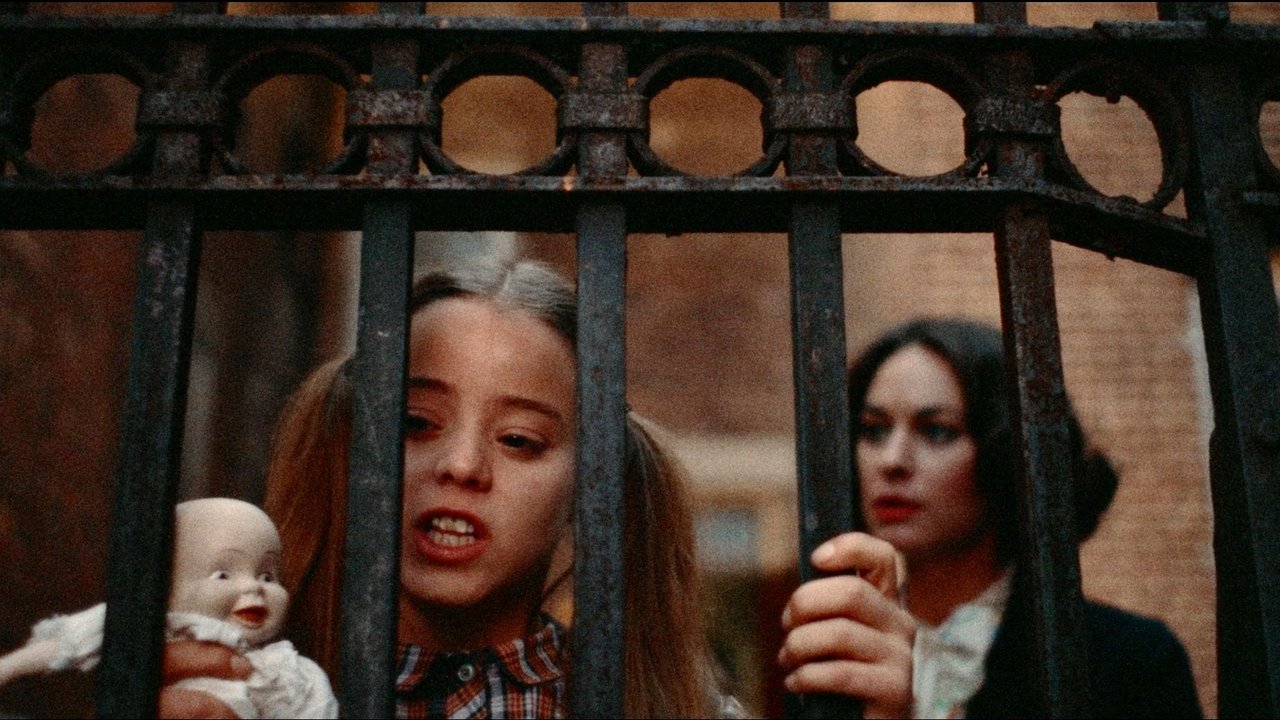
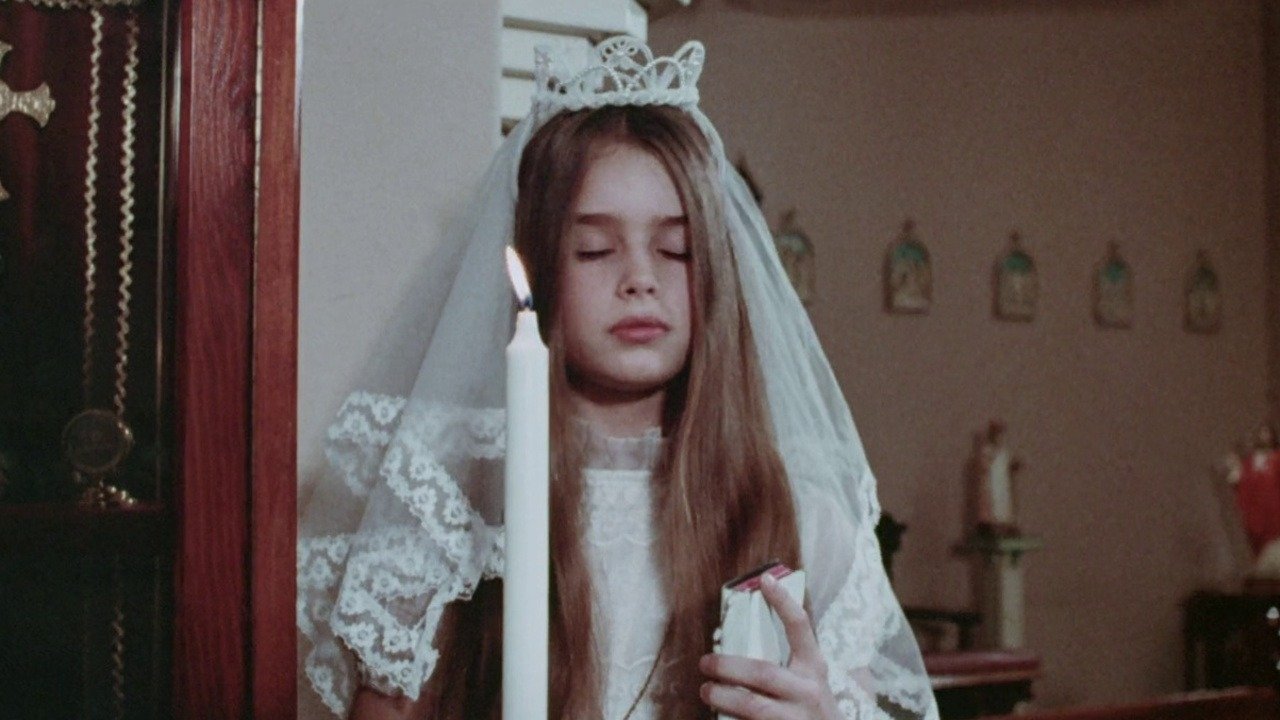
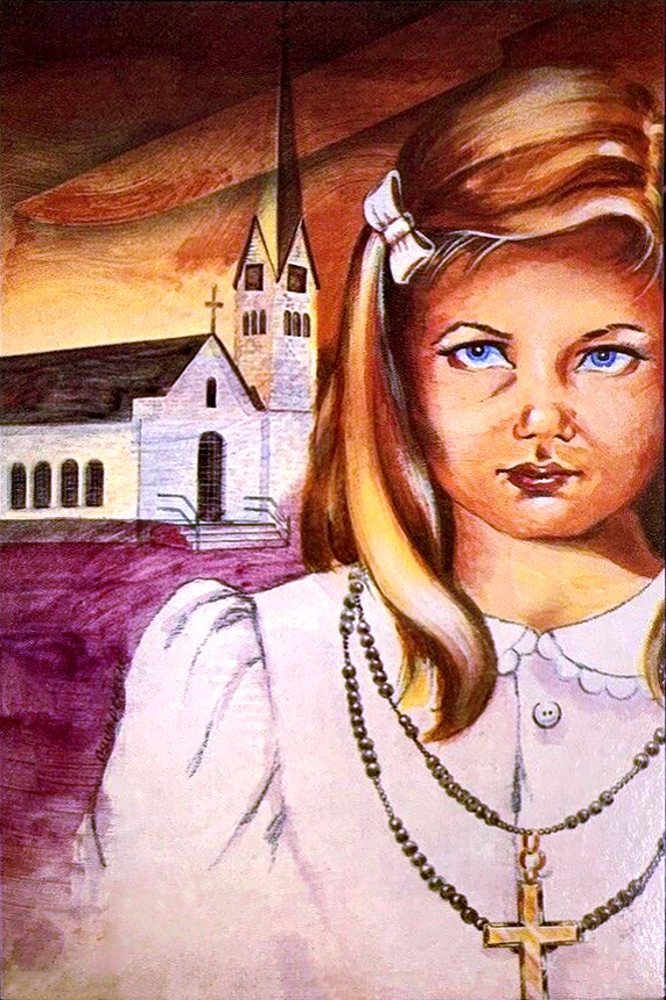
The setting is 1961, before the reforms of the Second Vatican Council. Religious ceremony occupies a central place in the family's social world, determining expectations about marriage, obedience and respectable conduct. Catherine Spages is separated from the girls' father, Dominick, and her relationships are judged by relatives who treat the household's difficulties as evidence of moral failure. Karen receives affection and public attention as she approaches first communion; her older sister Alice appears rebellious, resentful and eager to disrupt the proceedings. These contrasts are deliberately conspicuous. Once Karen is murdered, adults begin interpreting ordinary childhood hostility as possible evidence of homicidal intent.
Sole makes that suspicion especially troubling because the adults are so confident in their judgments. Catherine's sister Annie voices harsh opinions, the police pursue explanations under intense pressure and the clergy remain entangled in the family's private conflicts. Alice's unpleasant behavior encourages the audience to suspect her, even when the evidence is uncertain. The film exposes the risk of treating a difficult child as a convenient culprit, while the eventual motive reveals how religious ideas about sin can be commandeered into a personal justification for murder. The ceremonial setting is essential to the story's cruelty: words and gestures associated with forgiveness coexist with punishment, exclusion and rage.
Architecture, Costume and Visual Dread
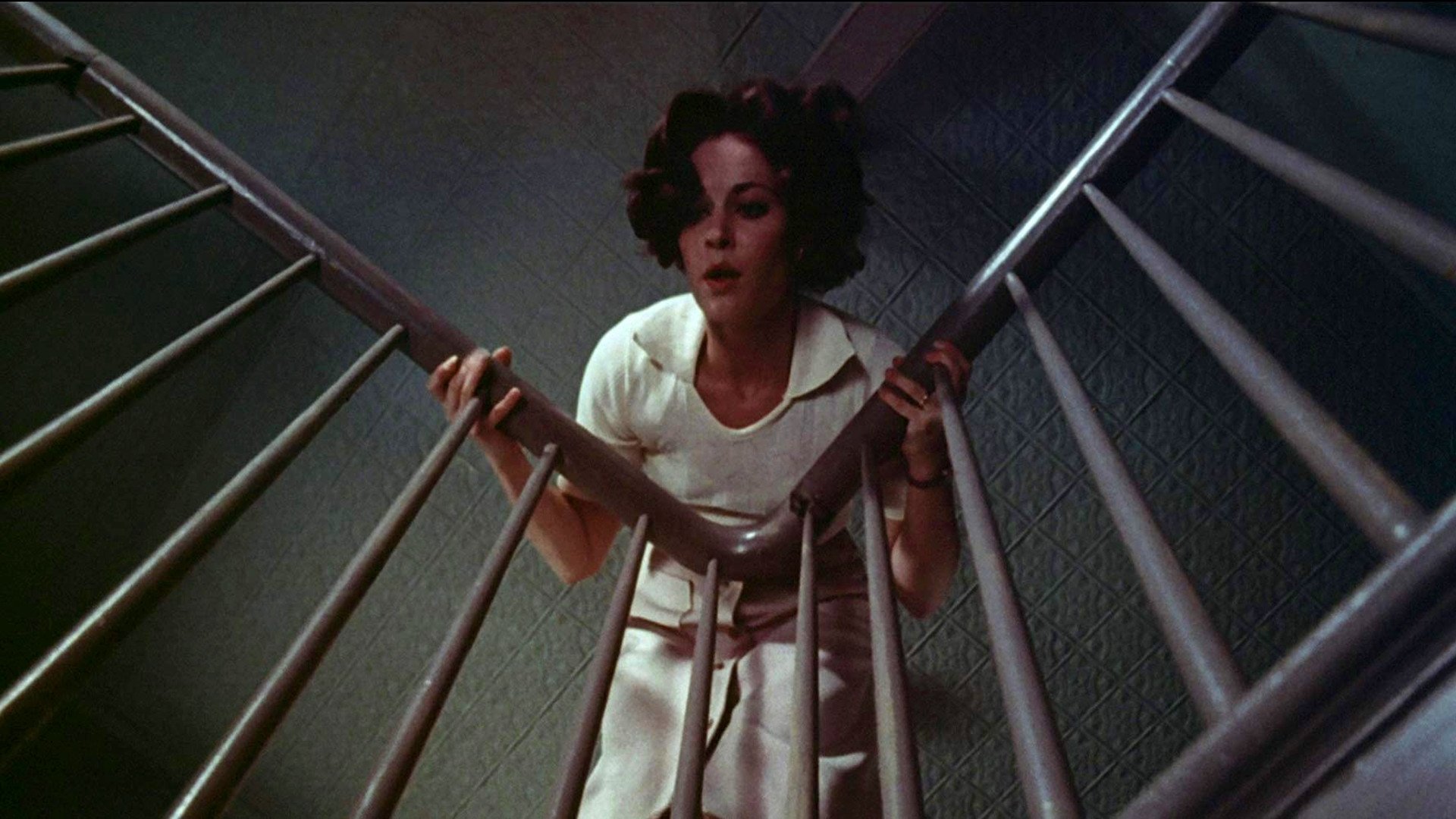
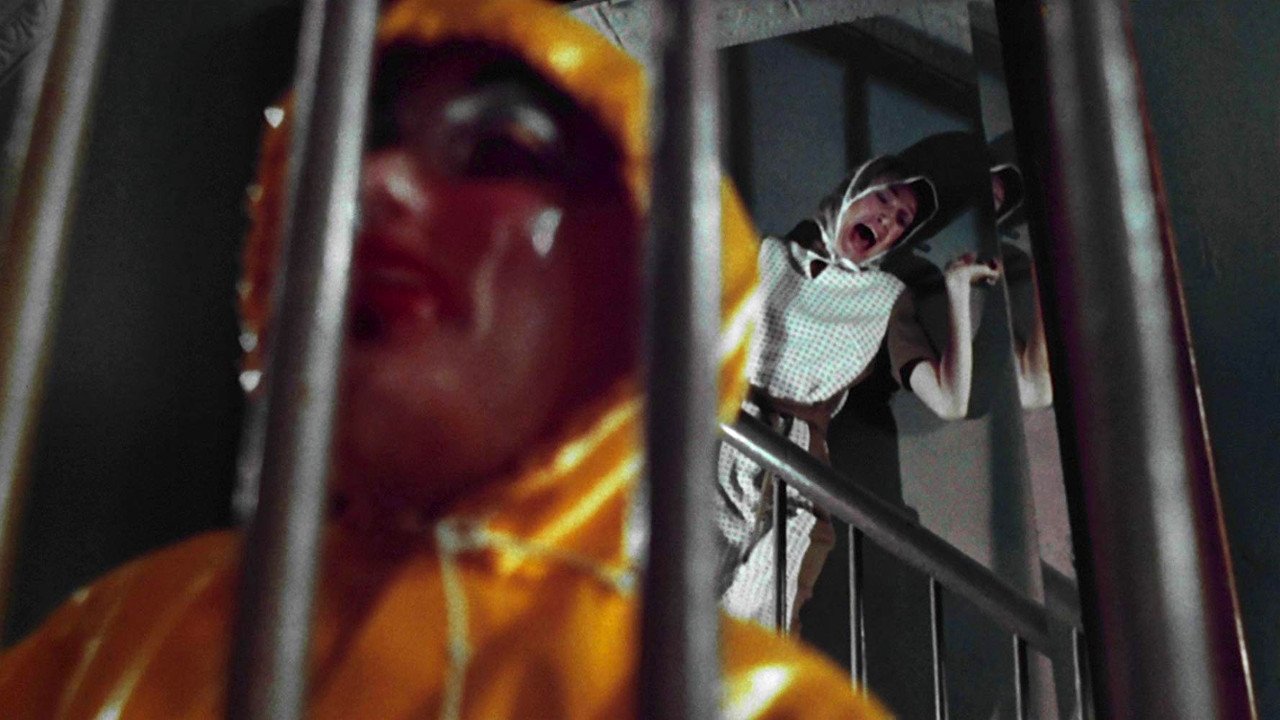
The visual design builds anxiety from the close proximity of bodies and rooms. Church passages, domestic corridors and communal staircases limit movement, allowing neighbors to overhear arguments while remaining unable to prevent violence. Critic Chuck Bowen has noted the oppressive framing of the church and the angular green stairwell, whose tight compositions deny characters any reassuring sense of space. The locations are frequently cluttered with religious objects, furnishings and the evidence of ordinary family life. This material density reflects Sole's approach to design, turning familiar settings into environments that seem to store grievances. The city becomes recognizable through its worn surfaces and particular buildings rather than anonymous establishing views.
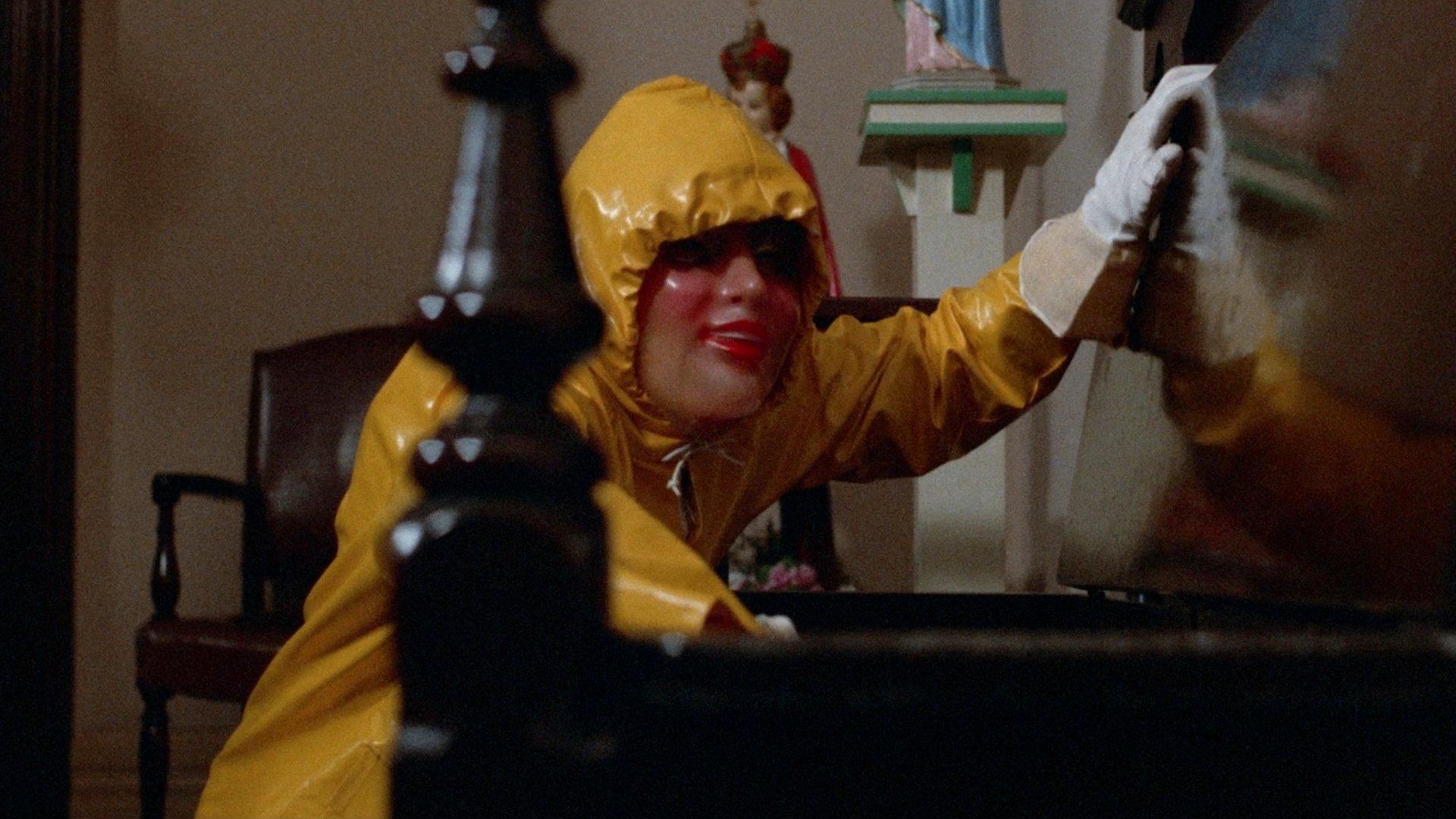
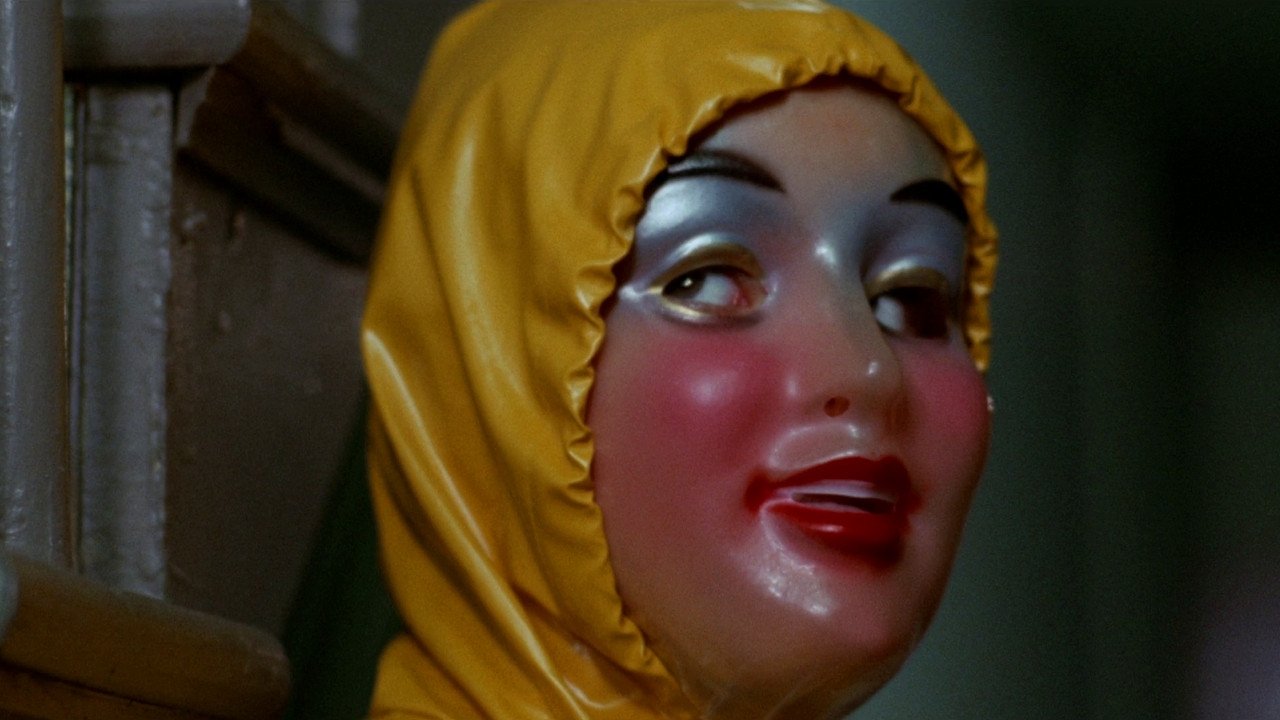
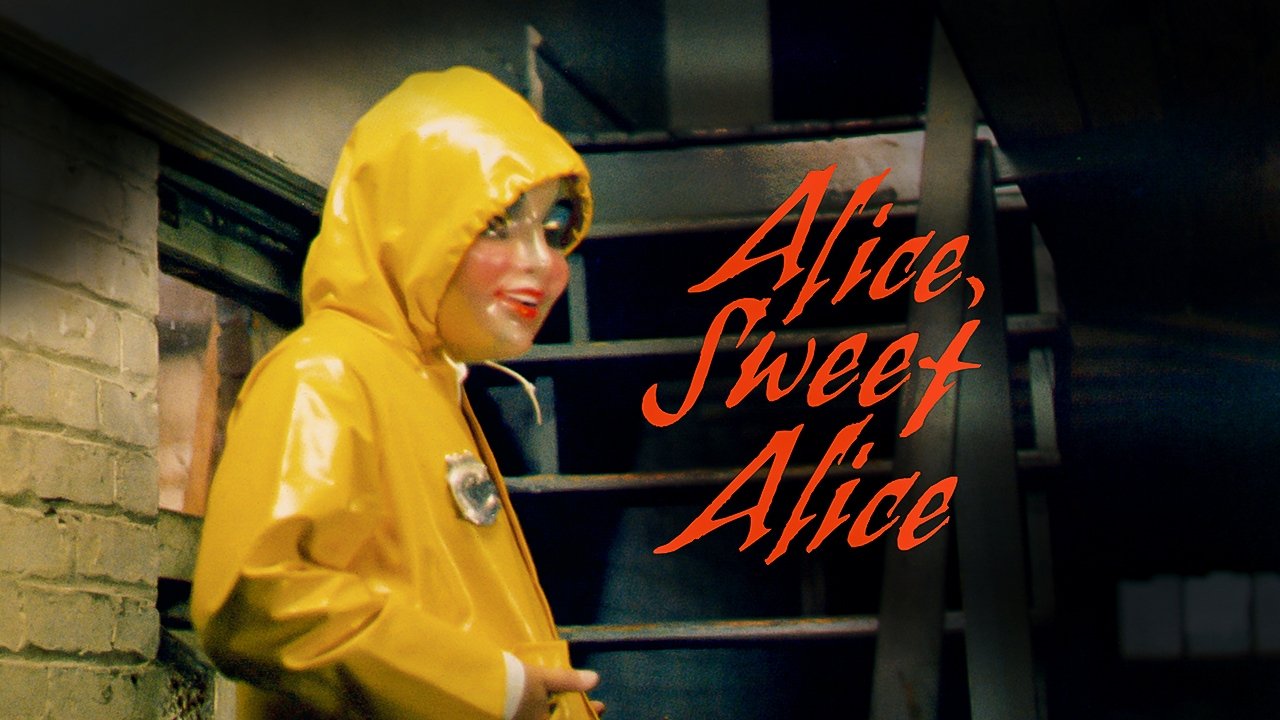
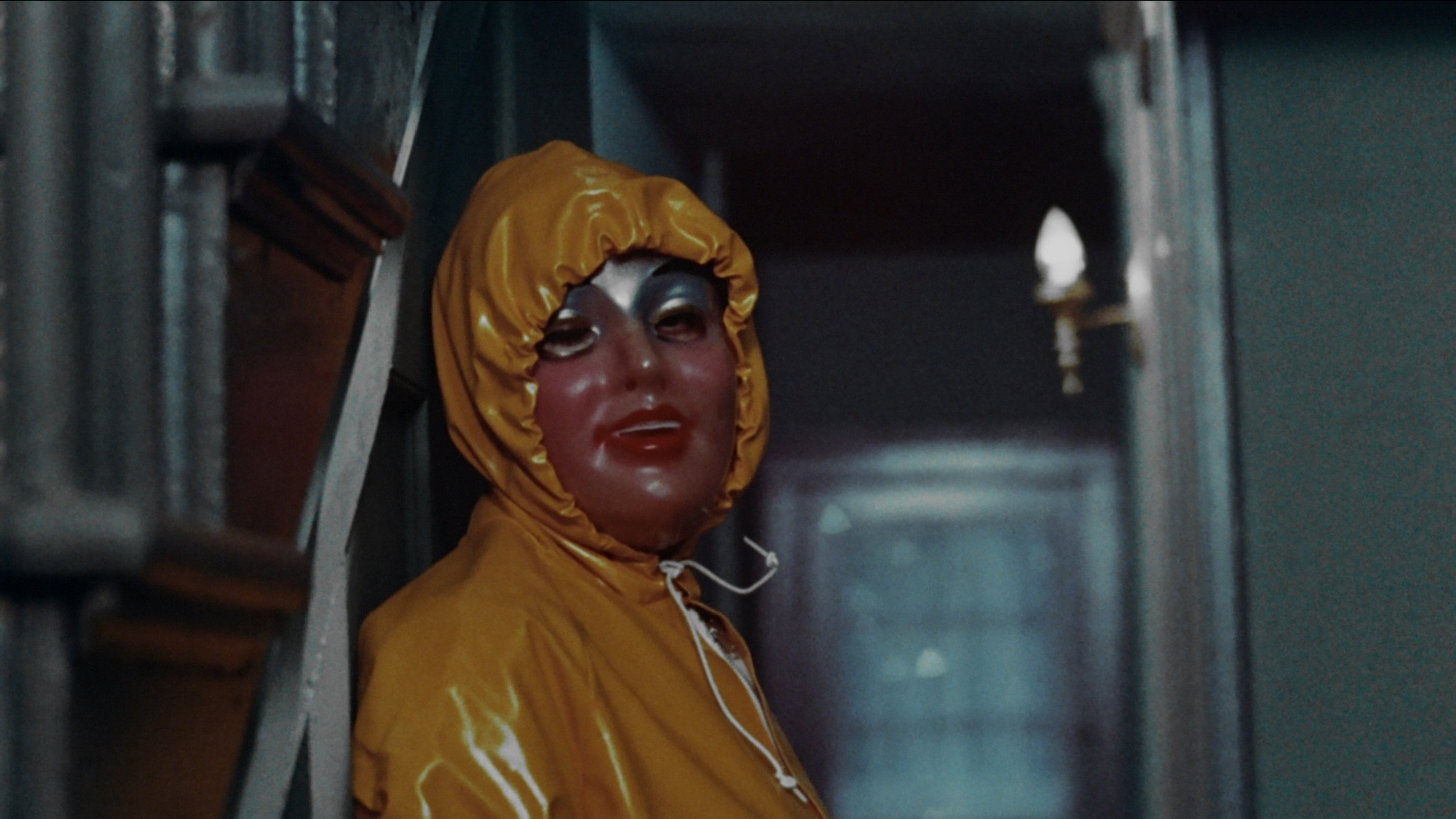
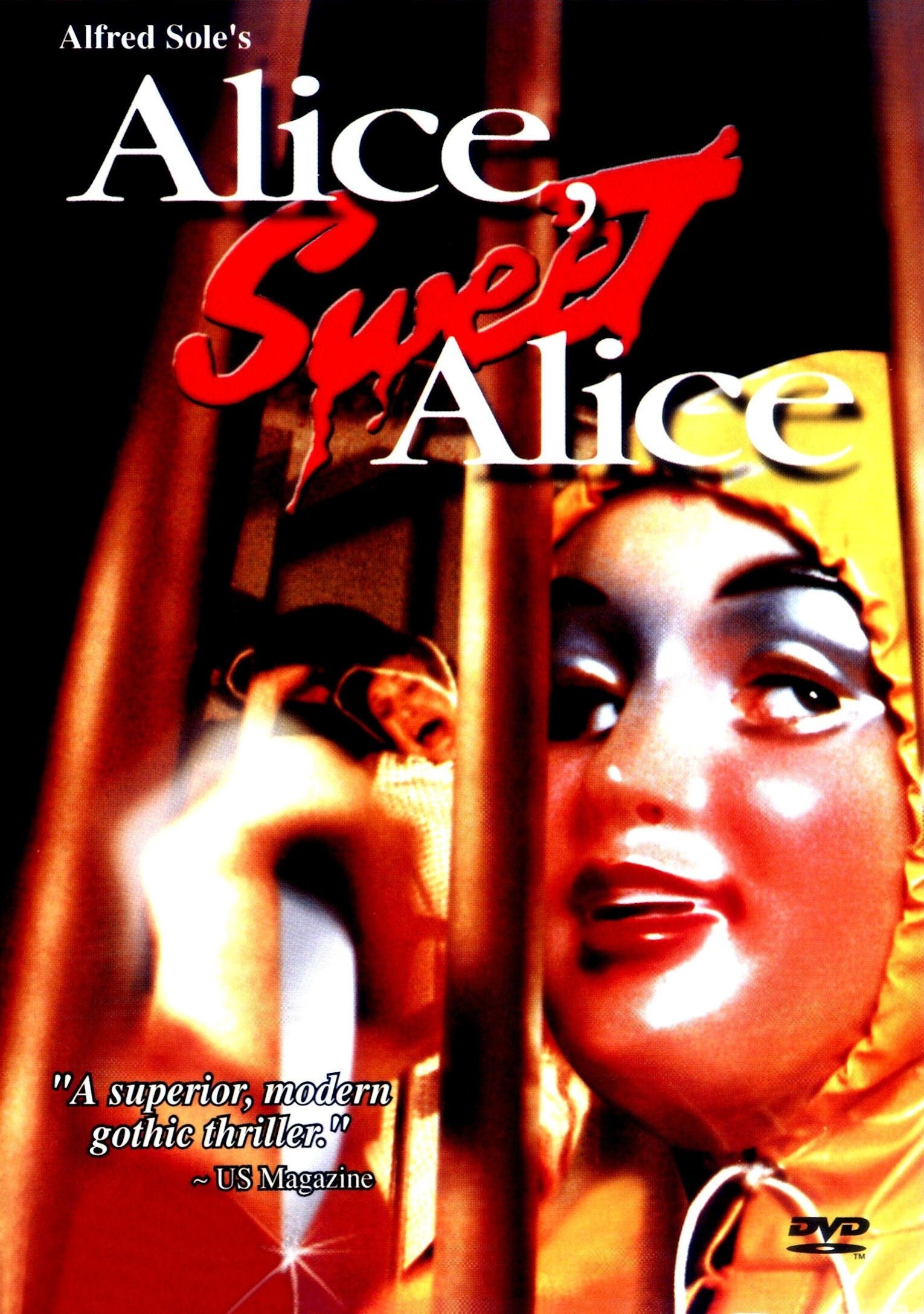
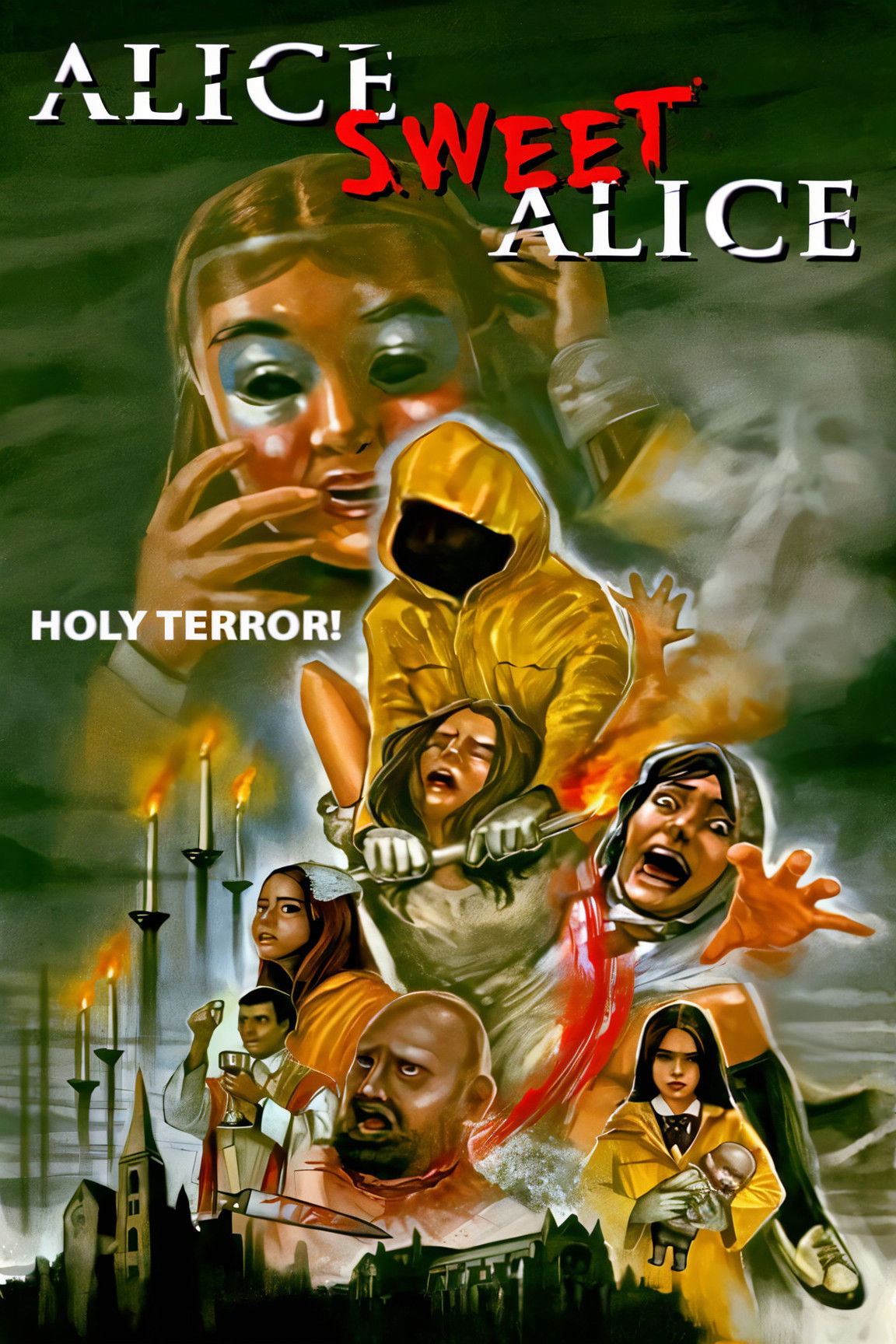
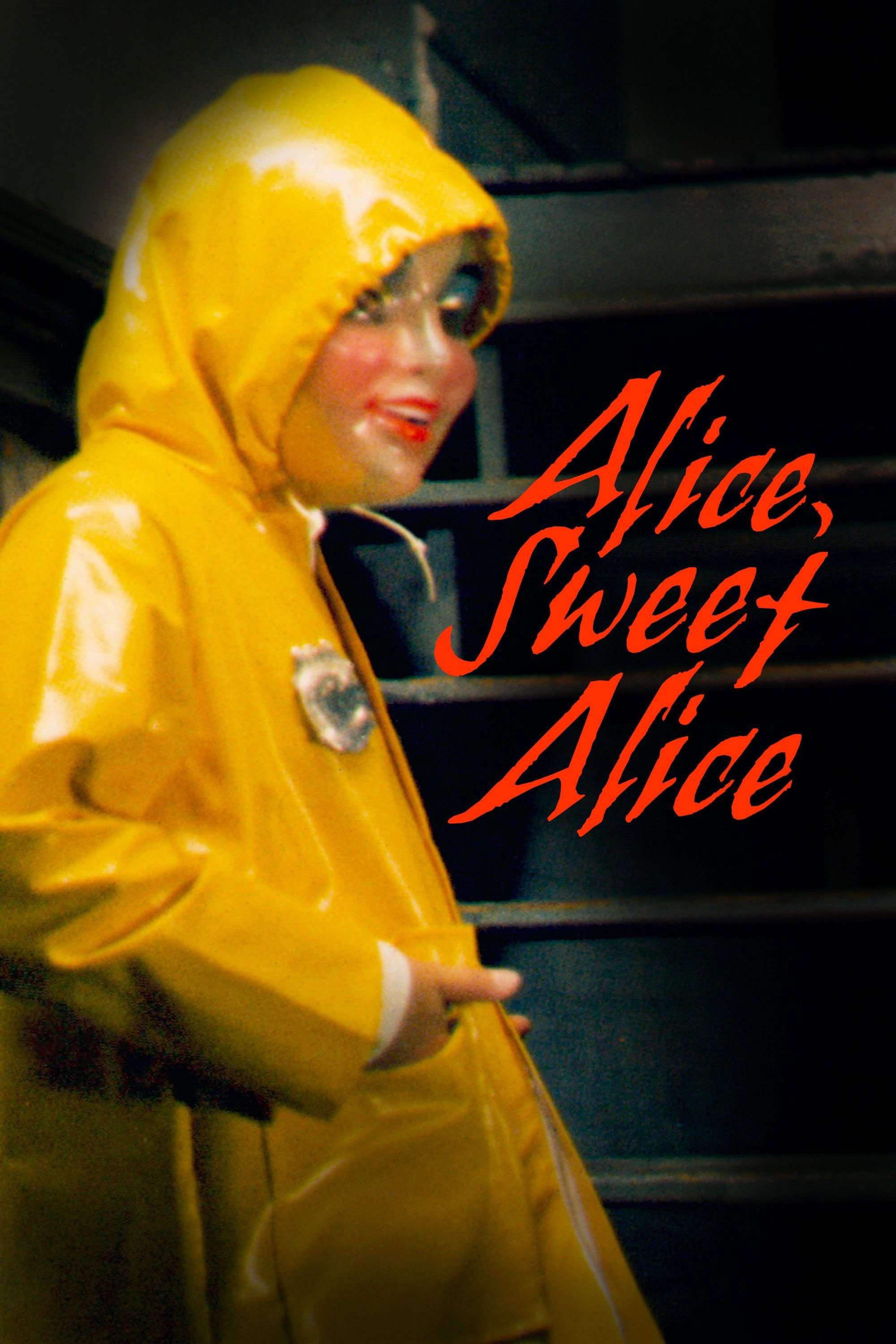
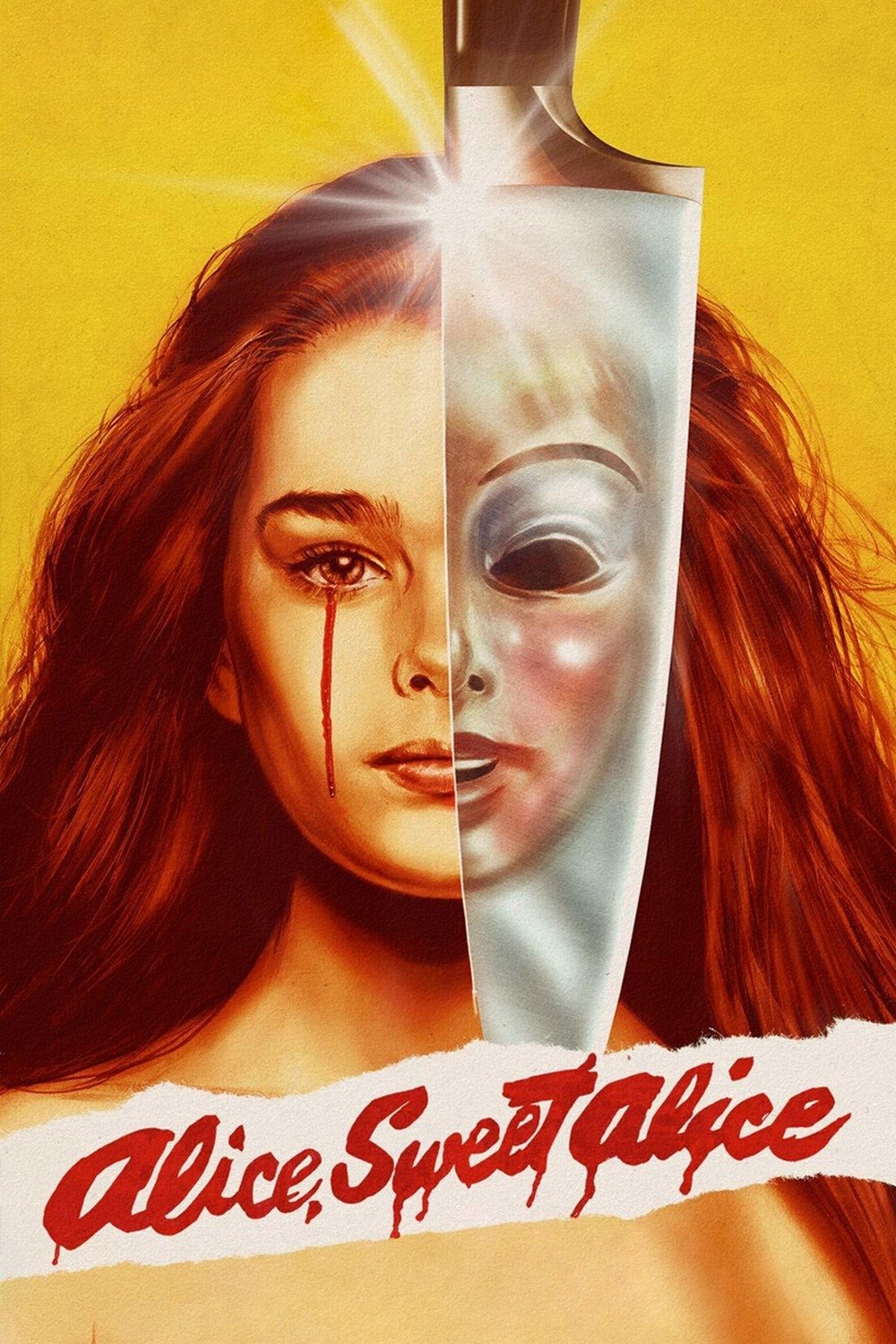
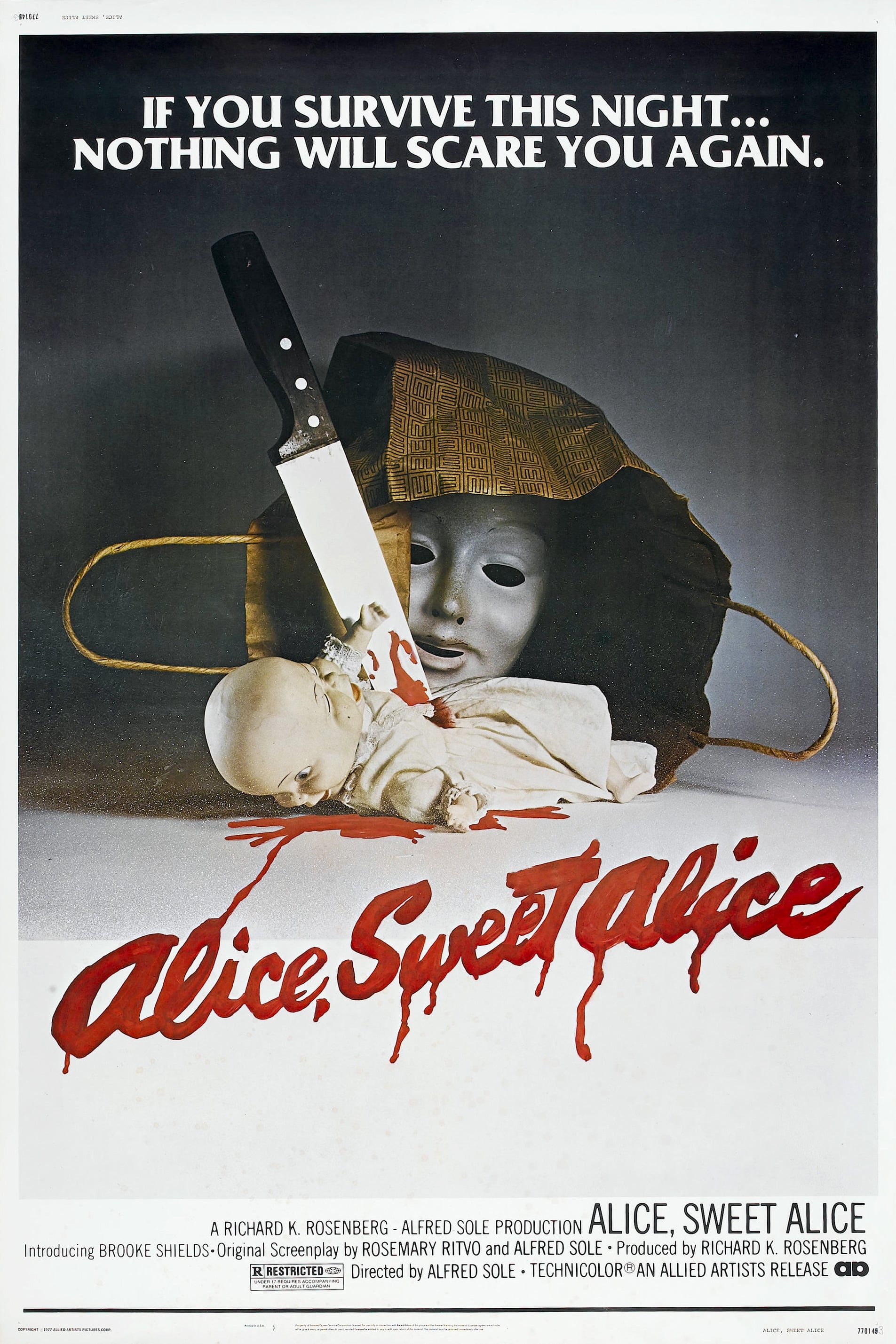
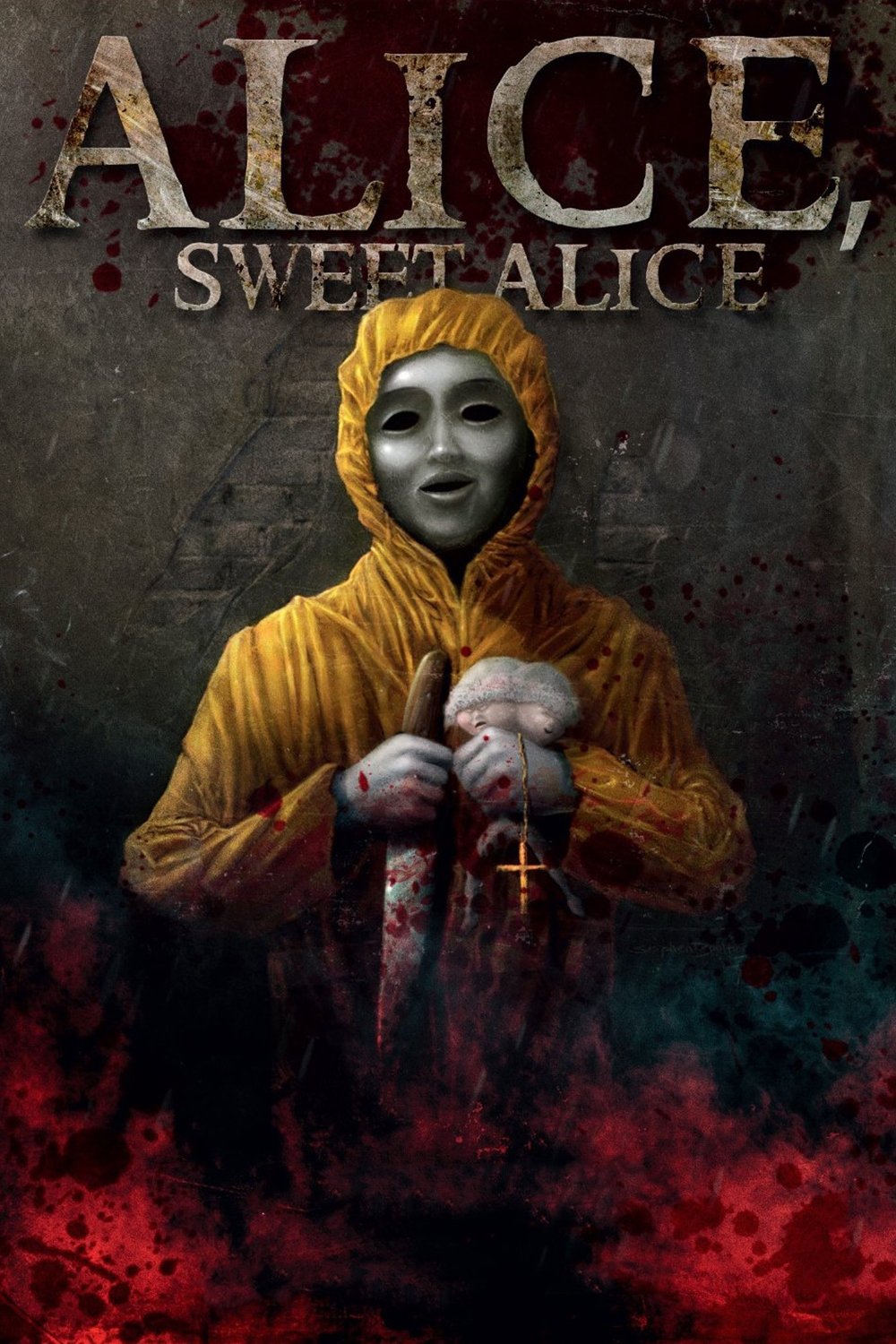
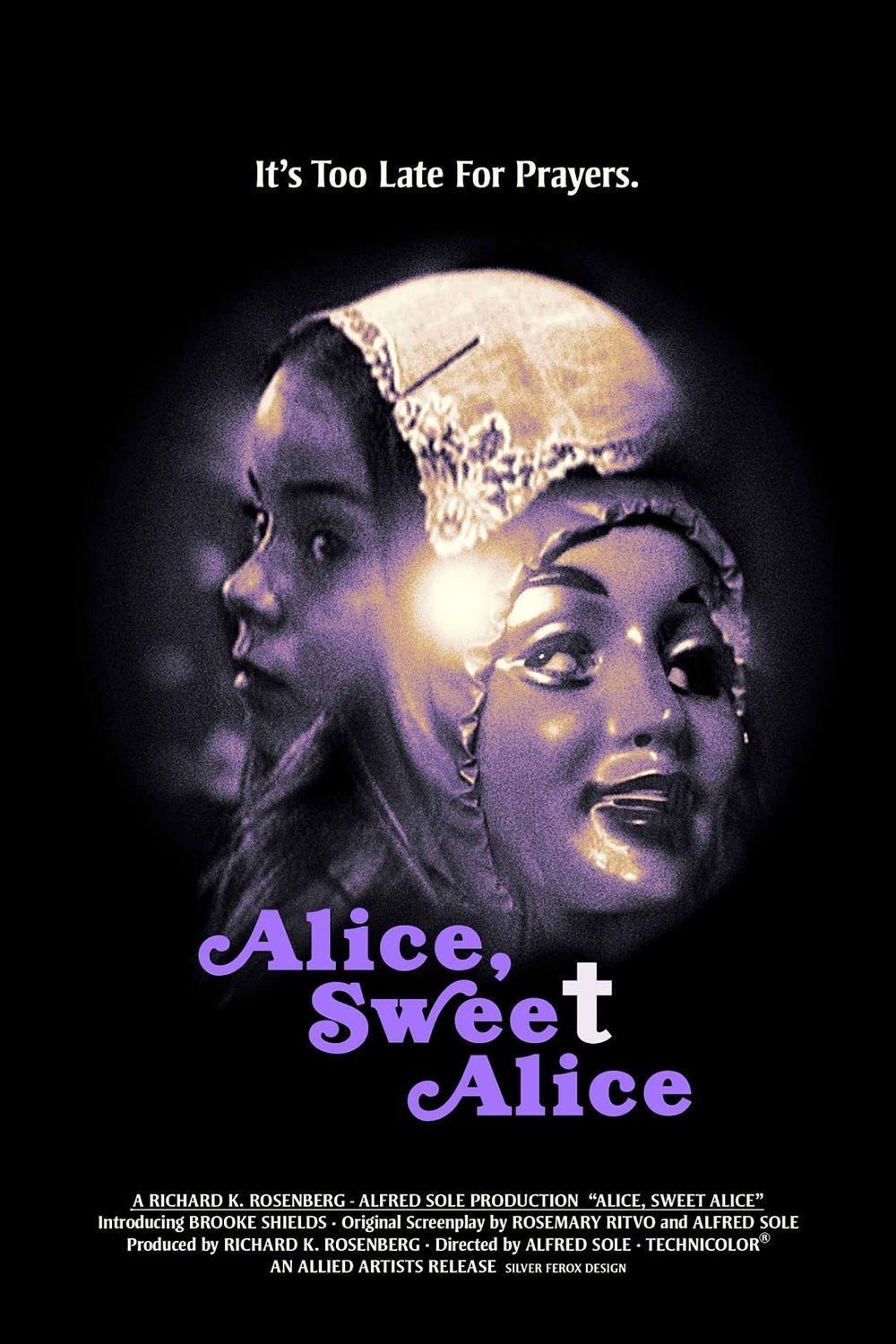
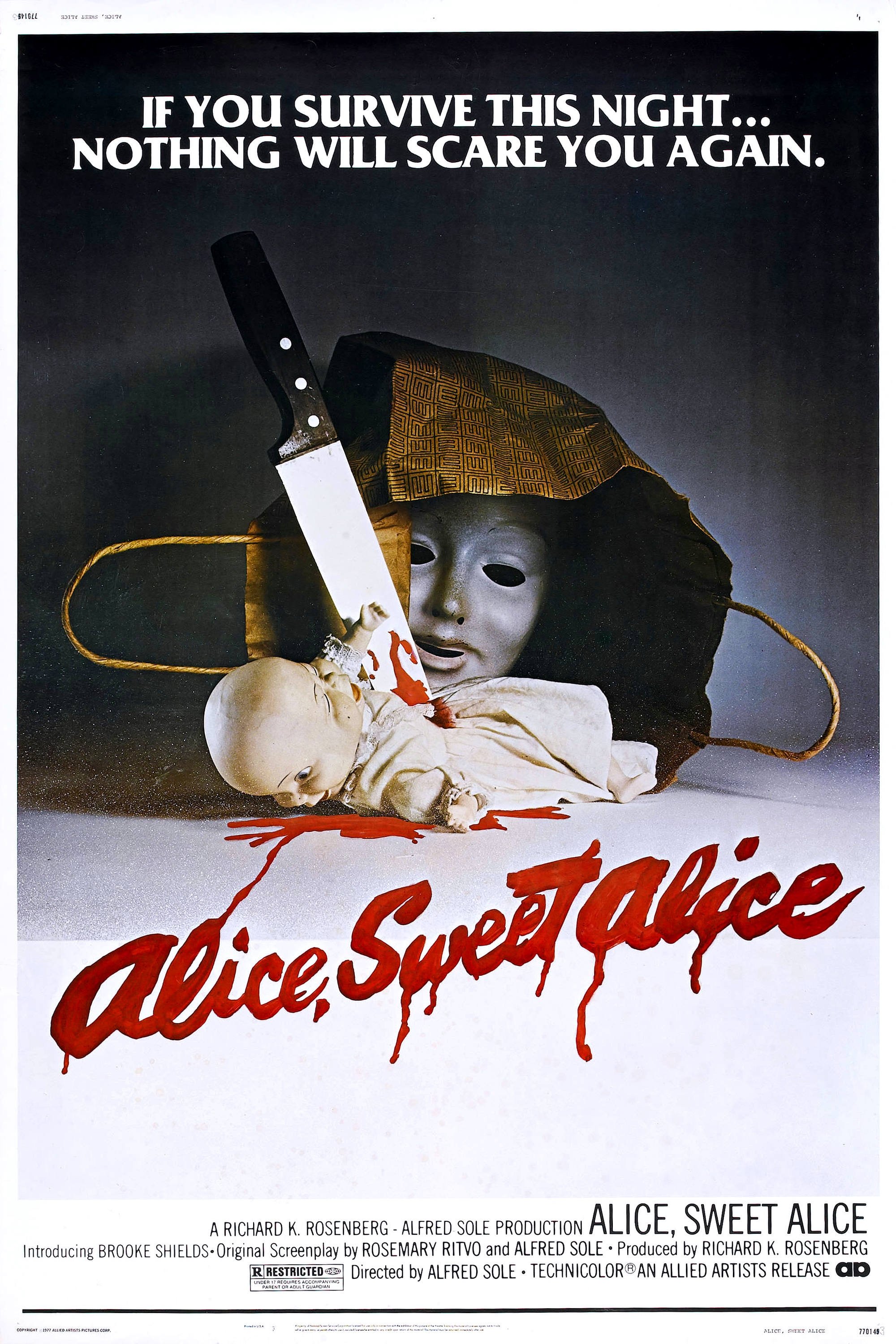
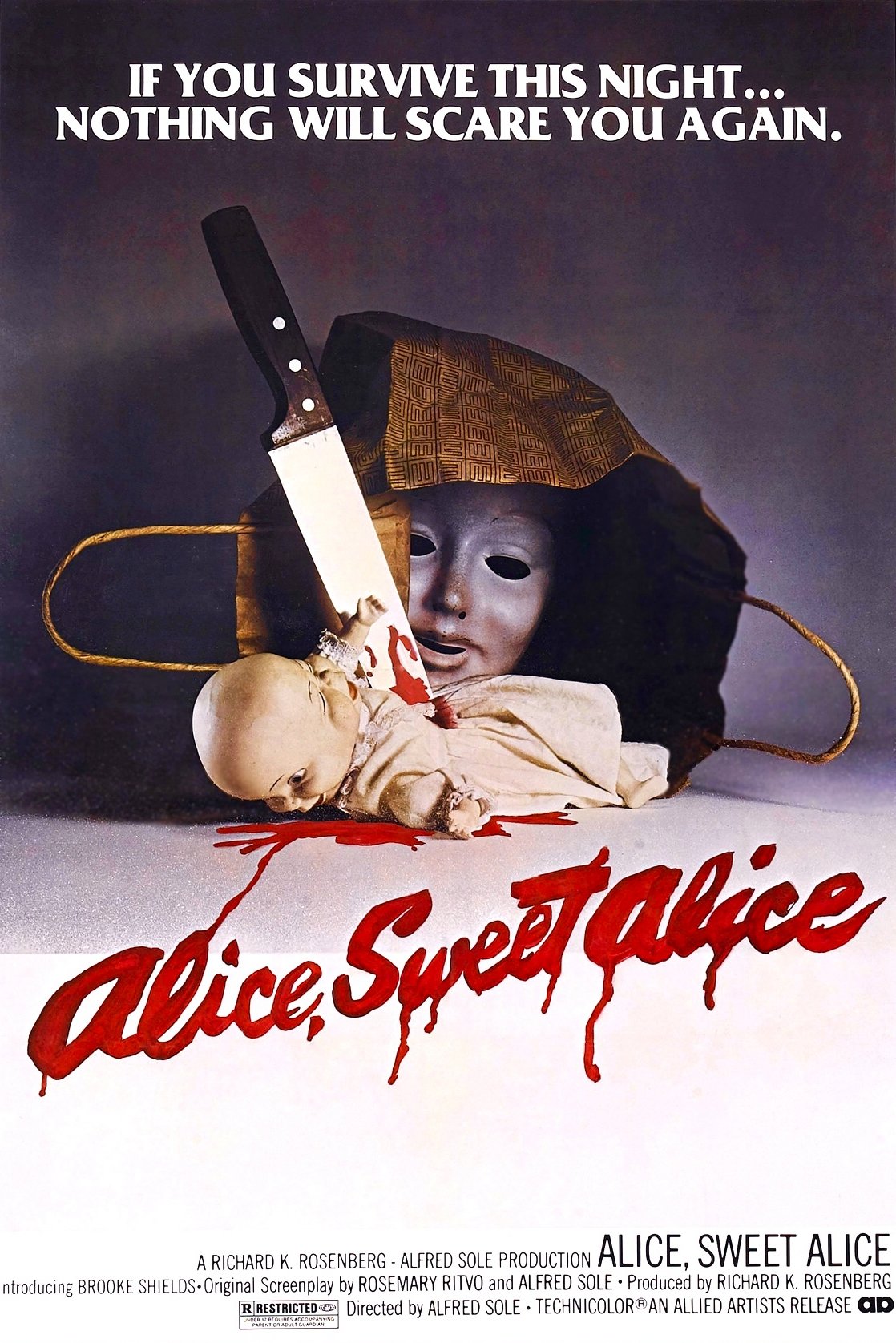
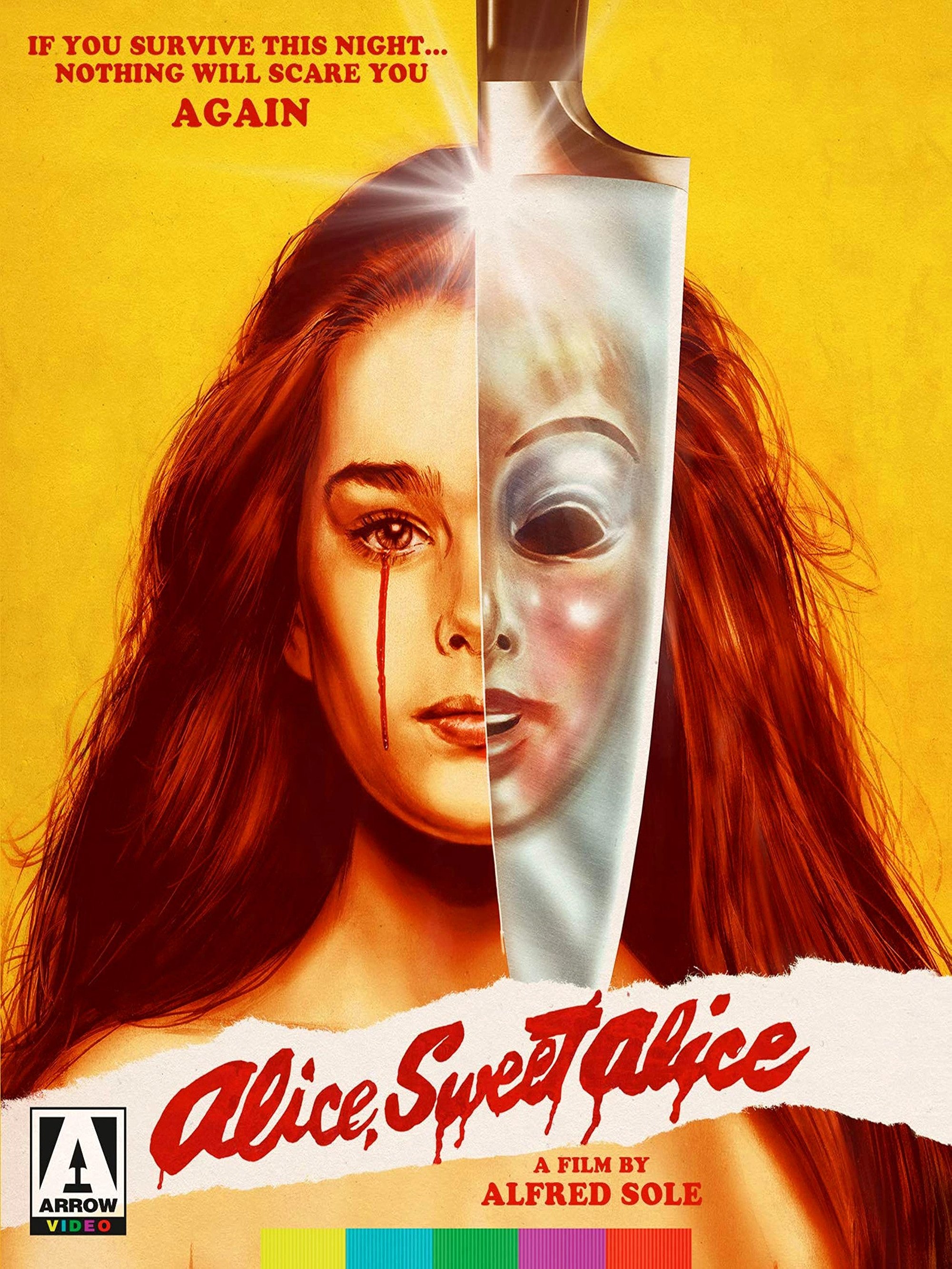
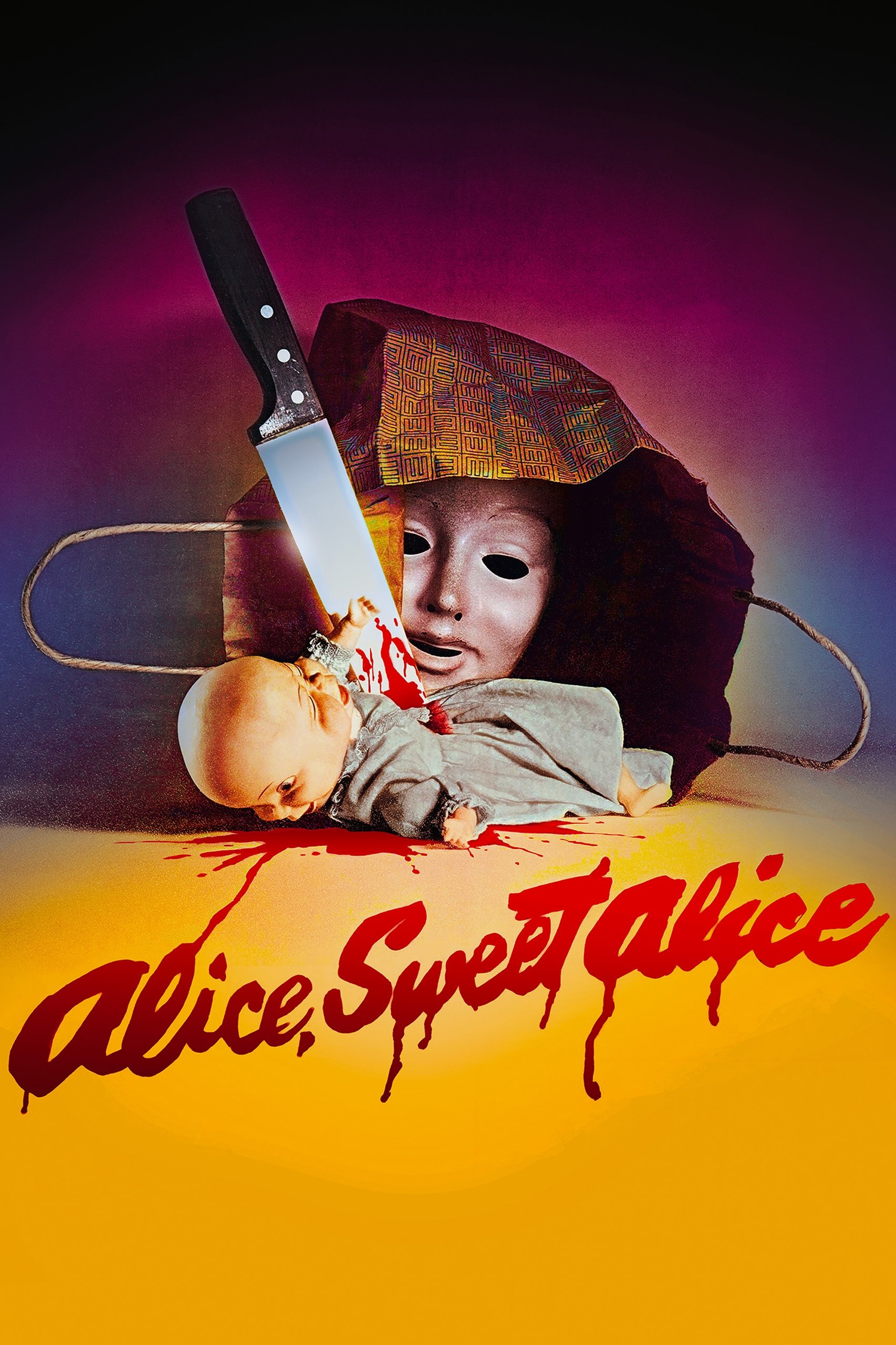
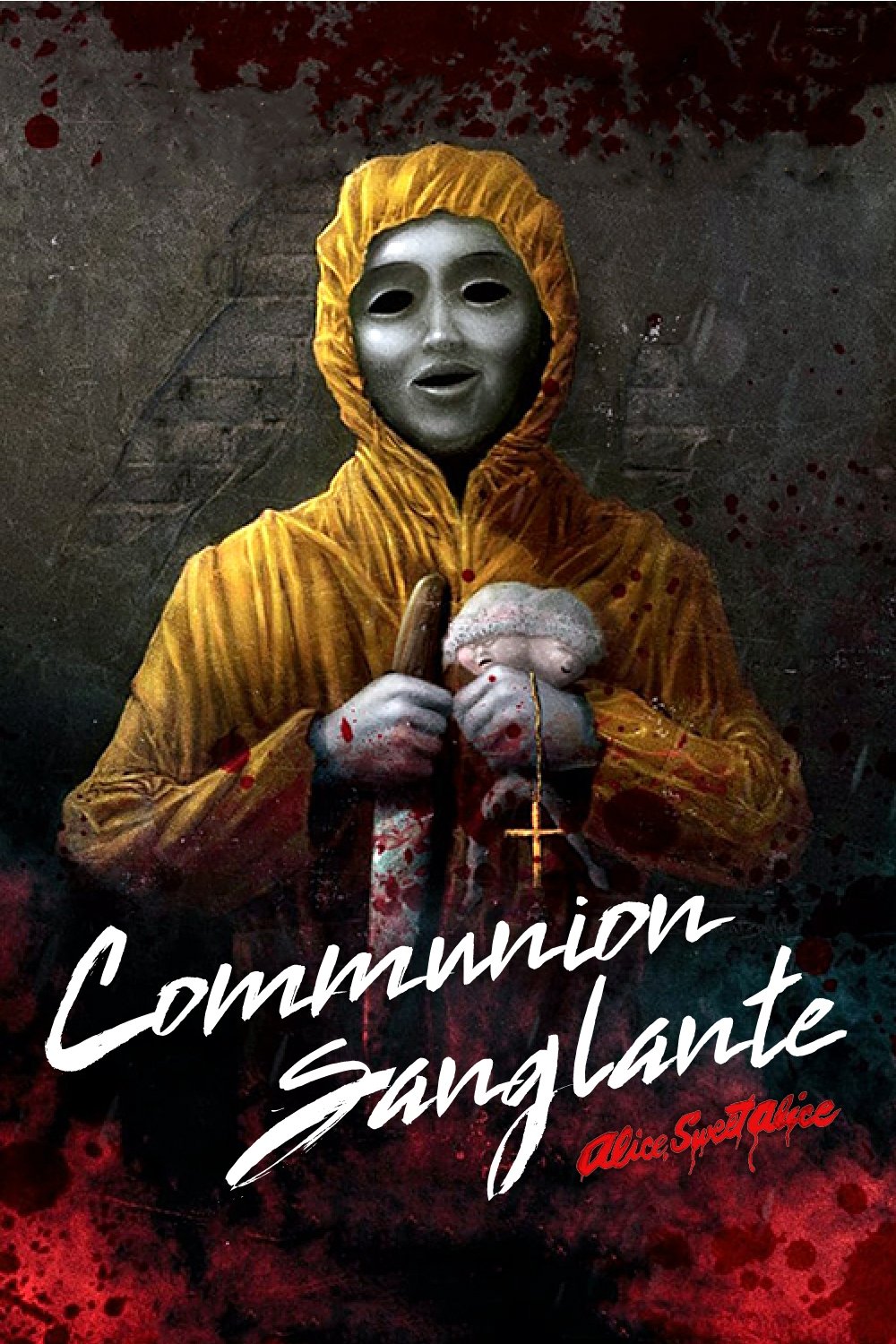
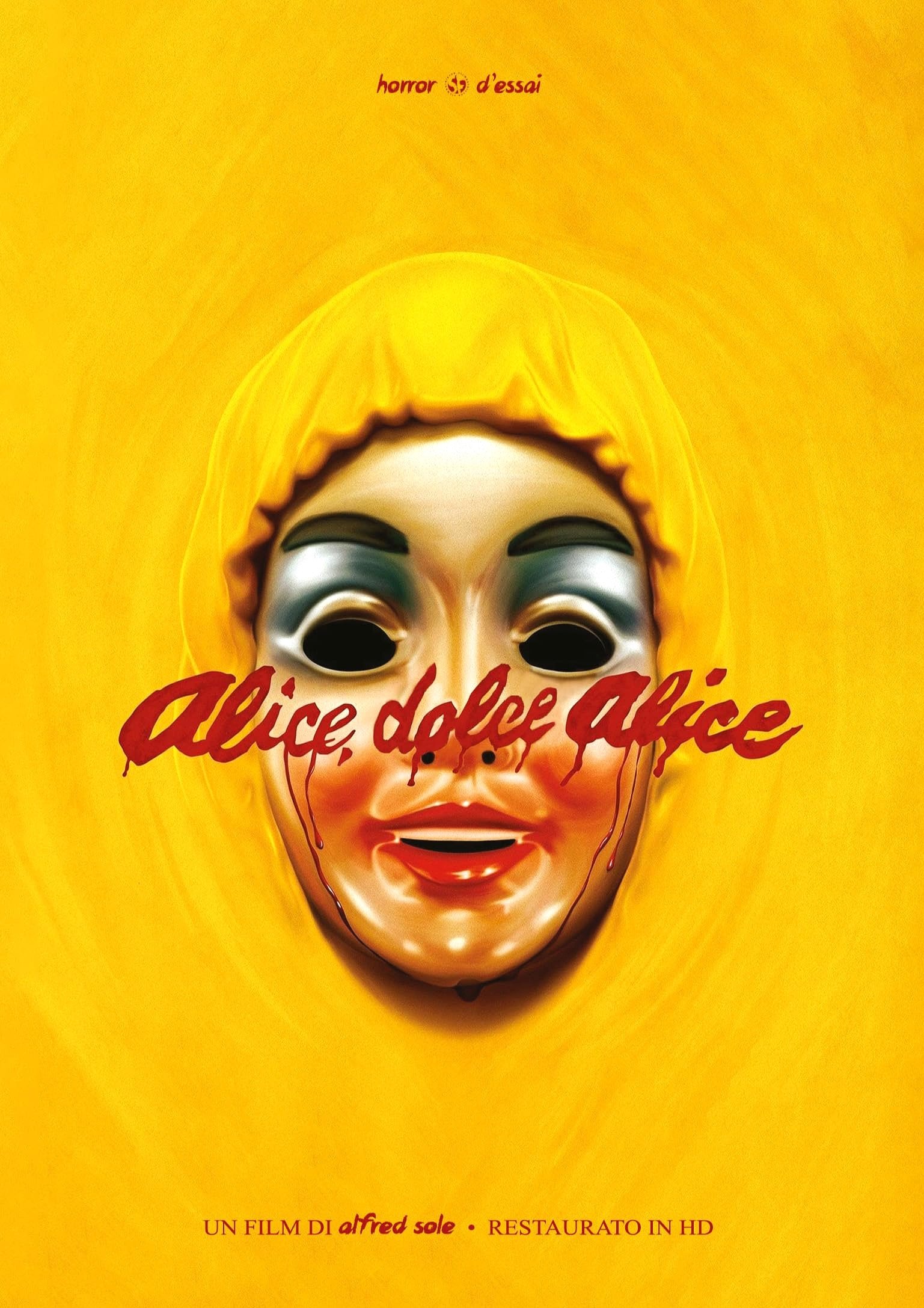
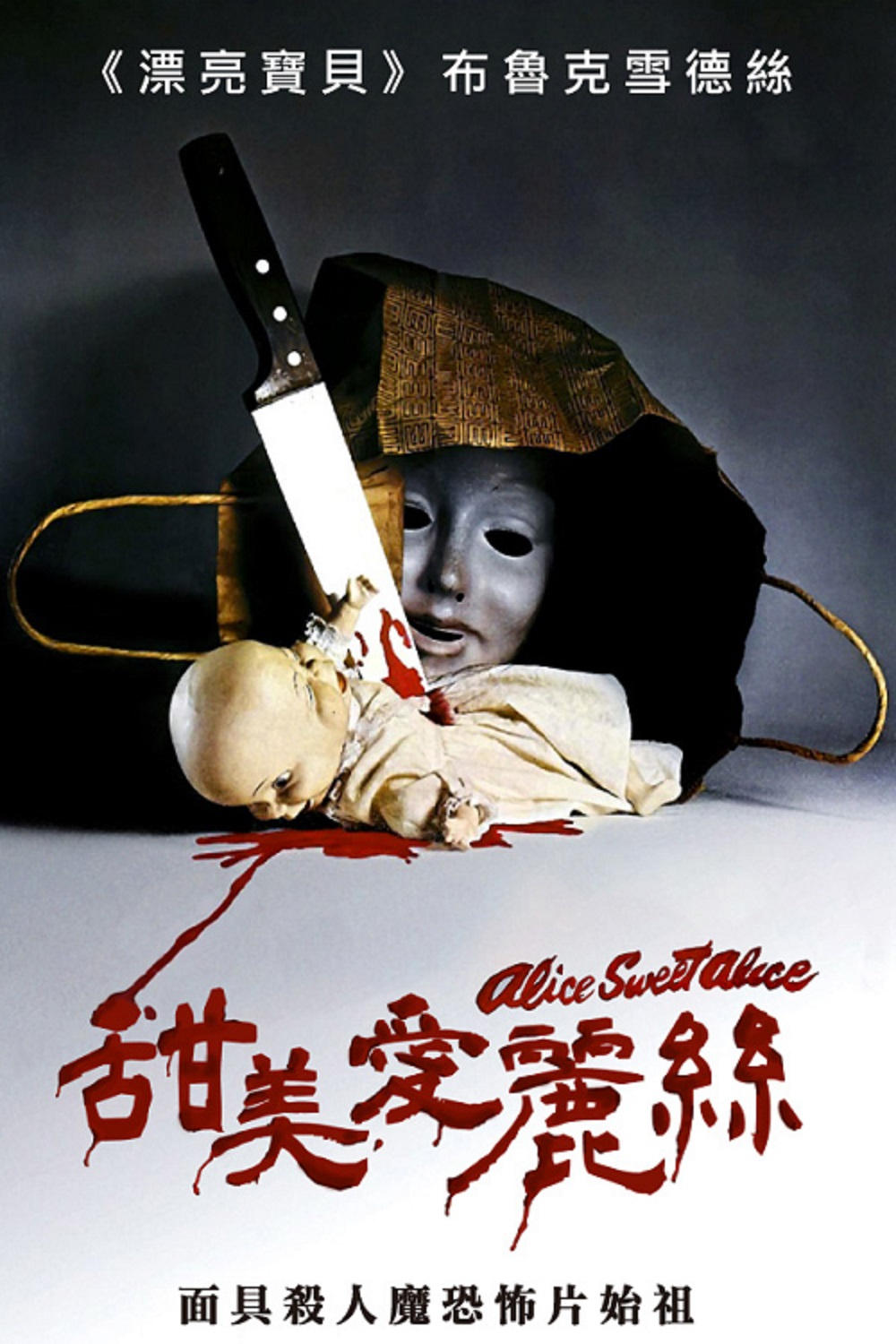
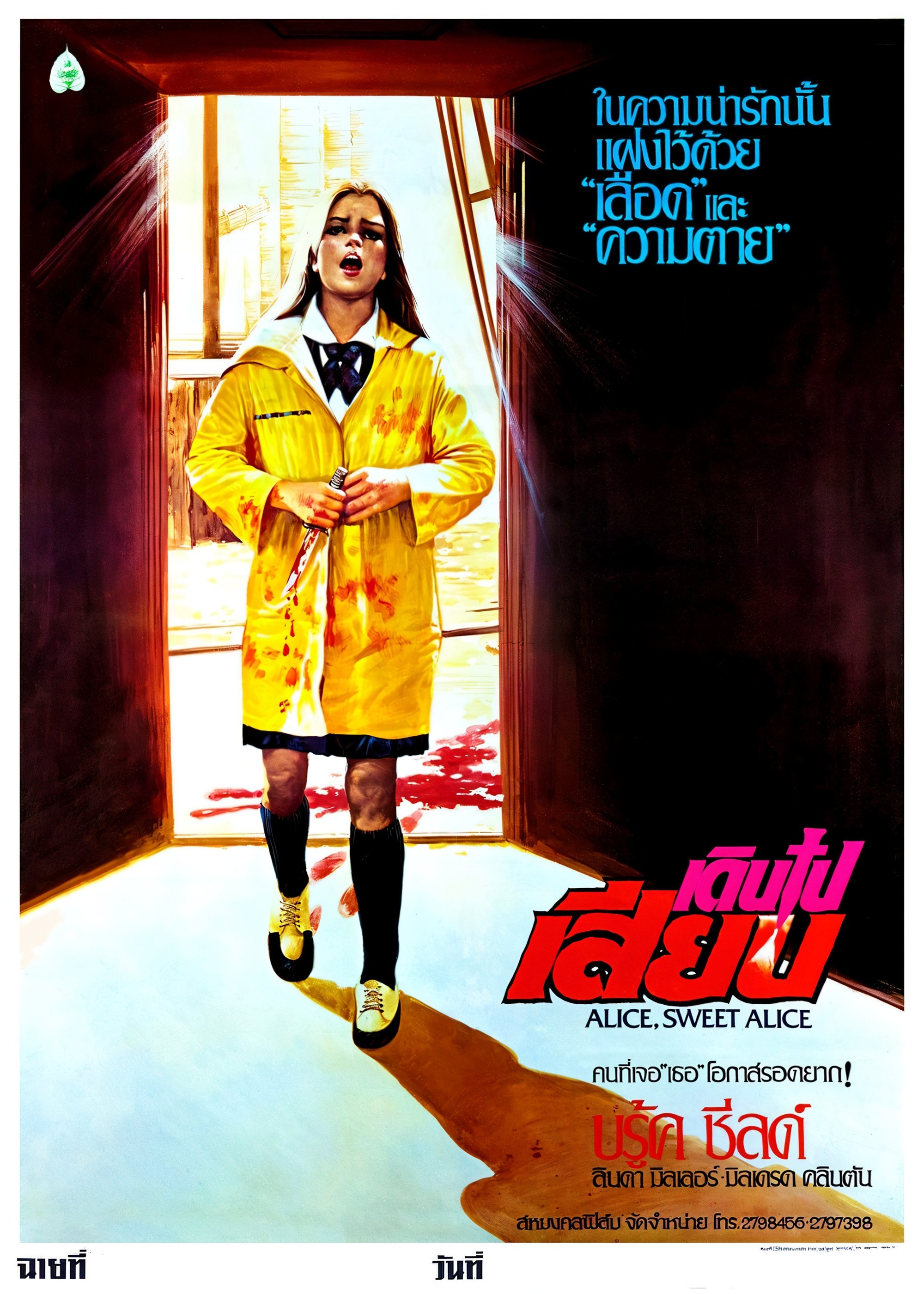
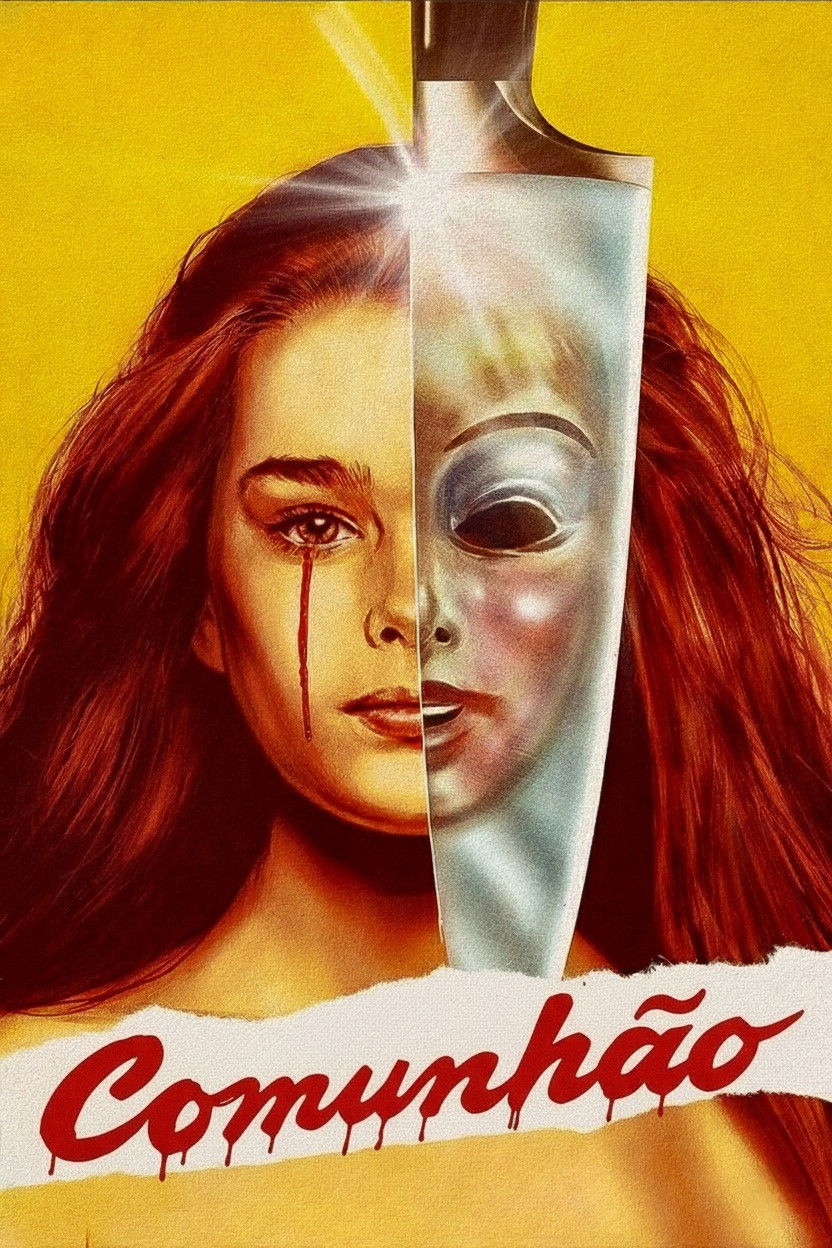
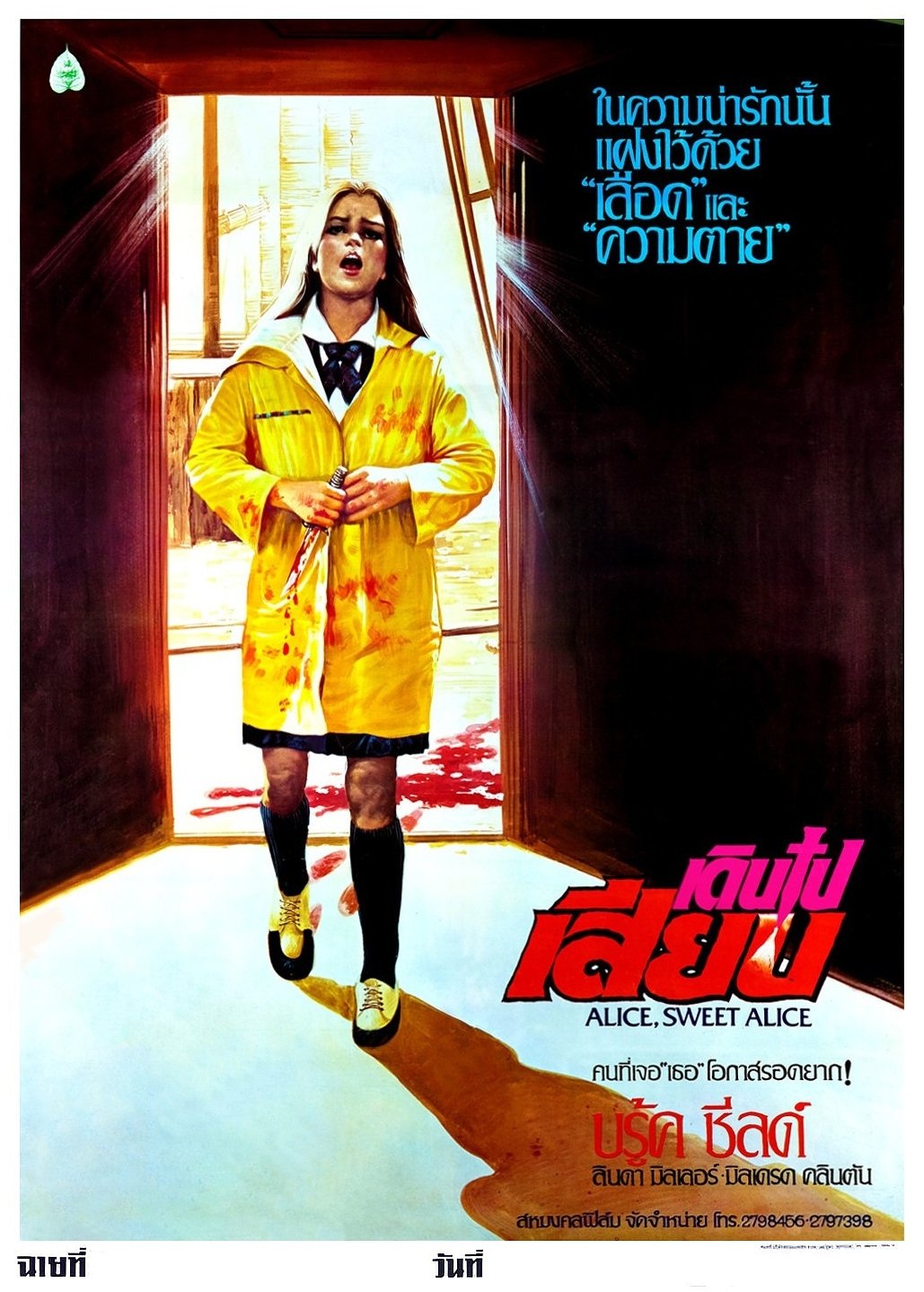
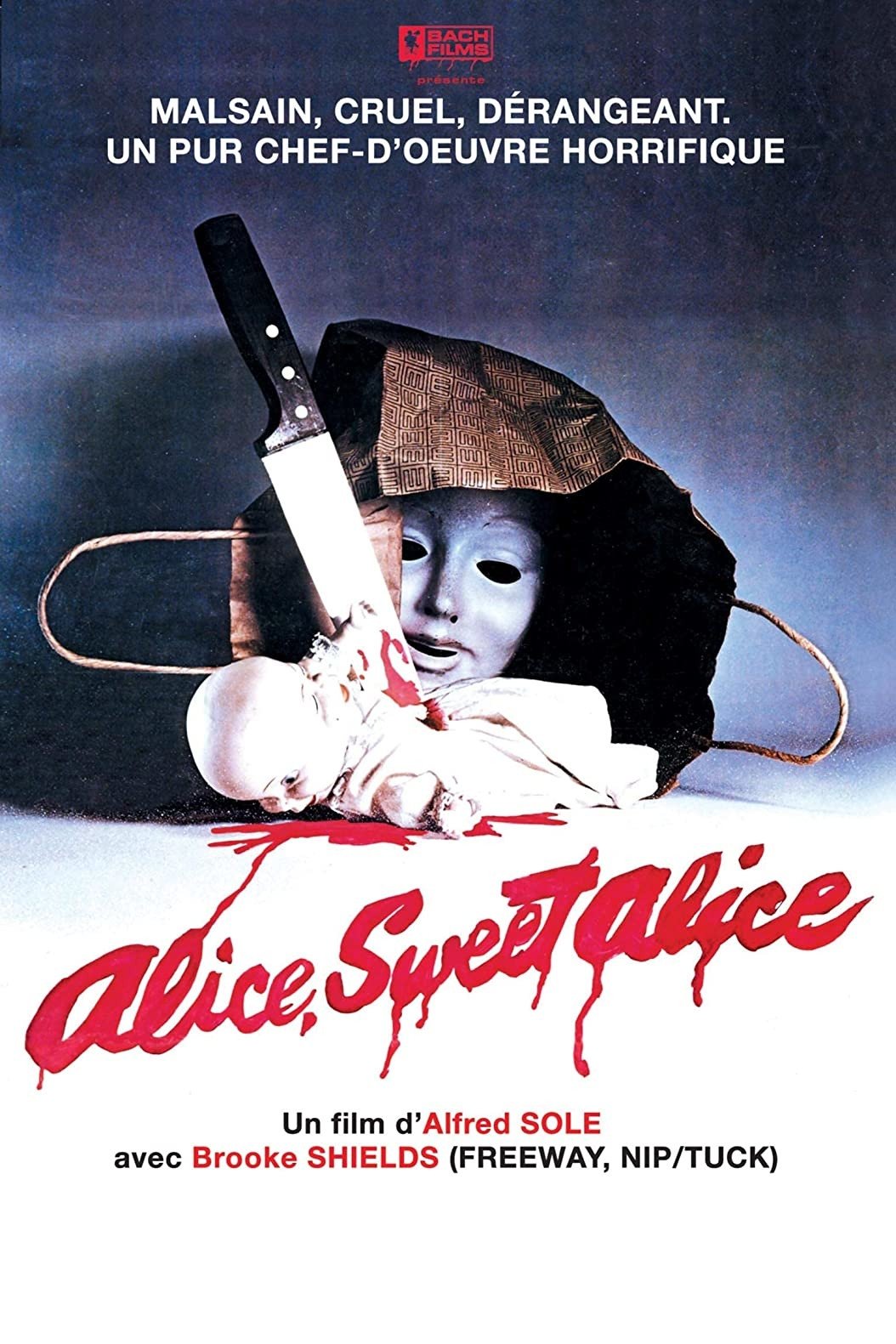
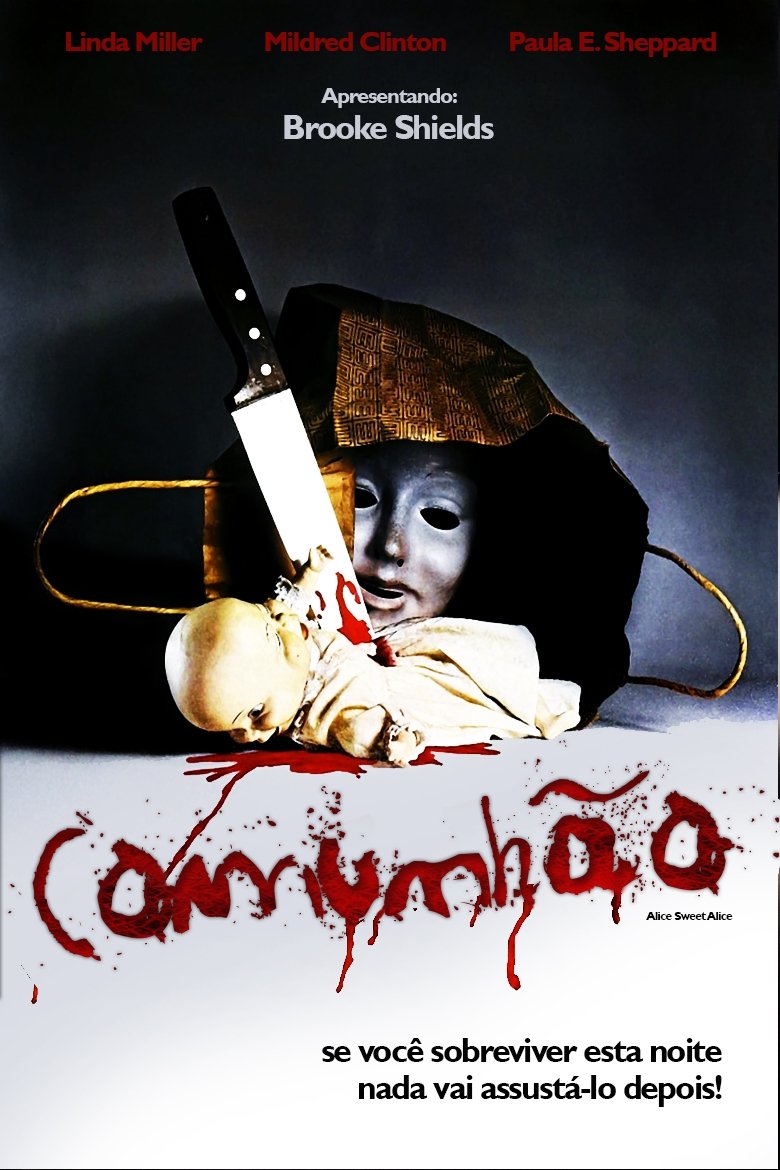
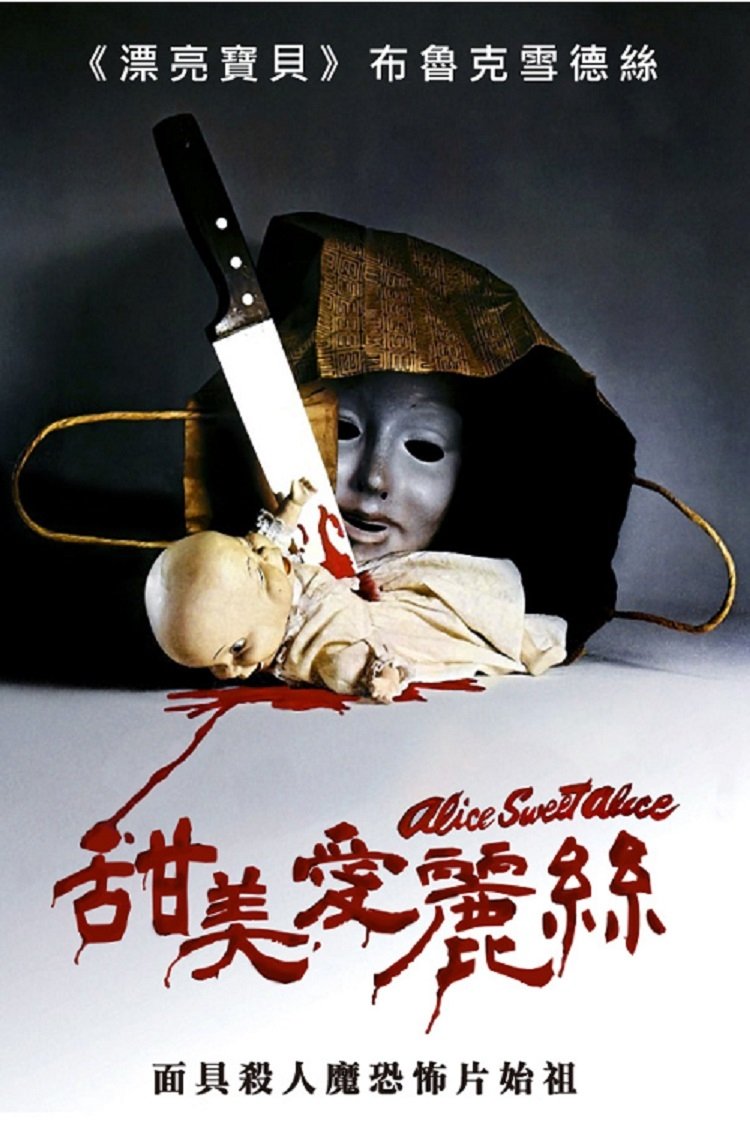
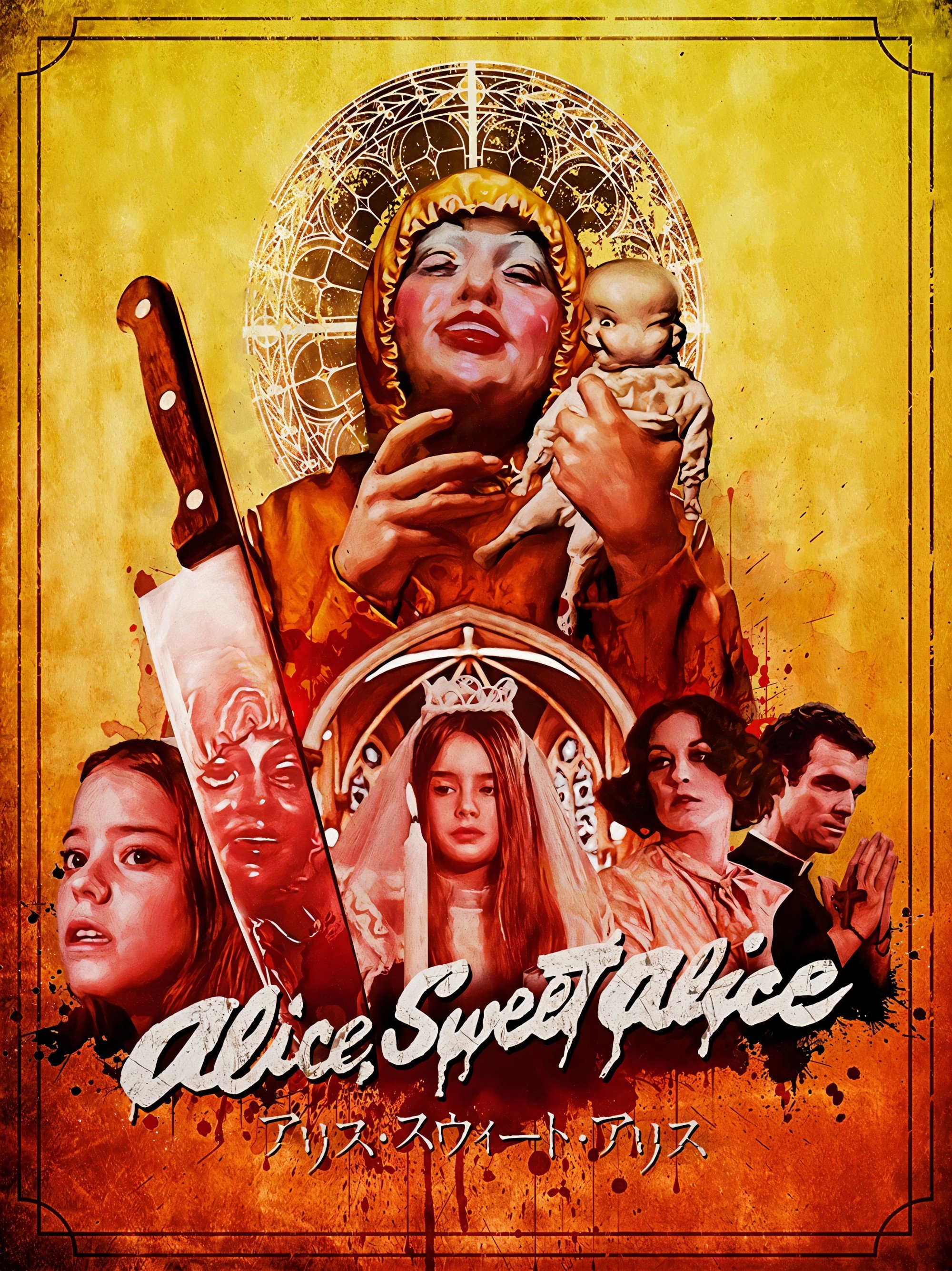
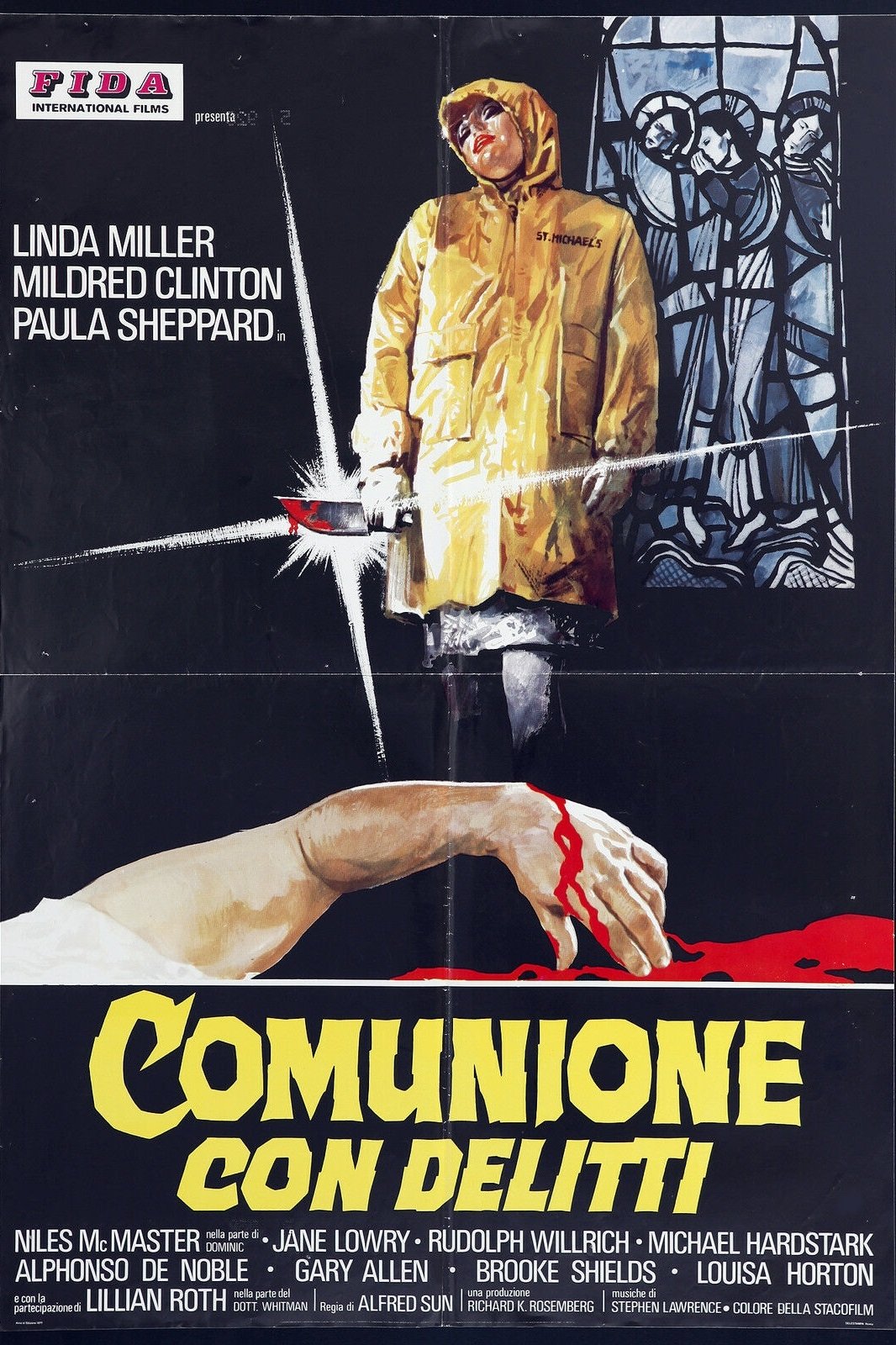
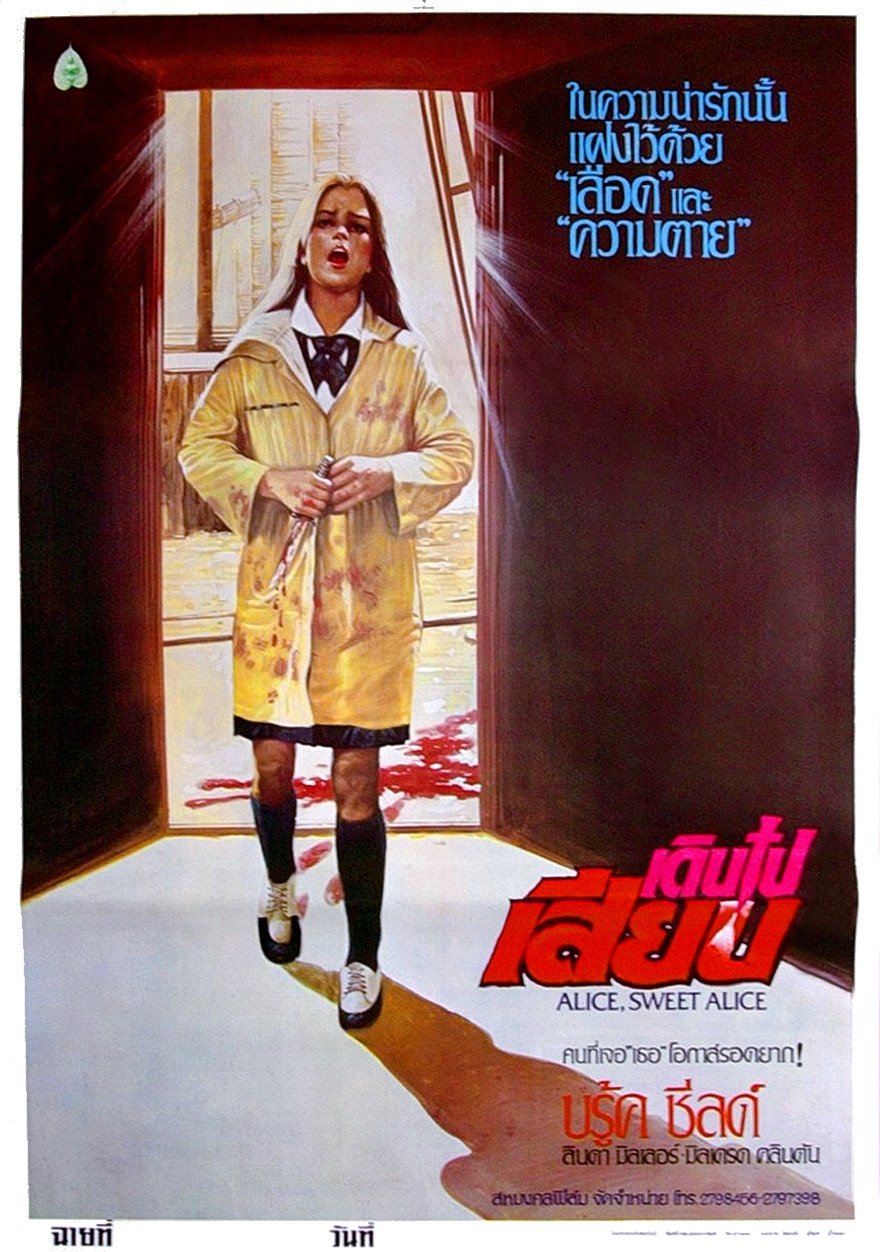
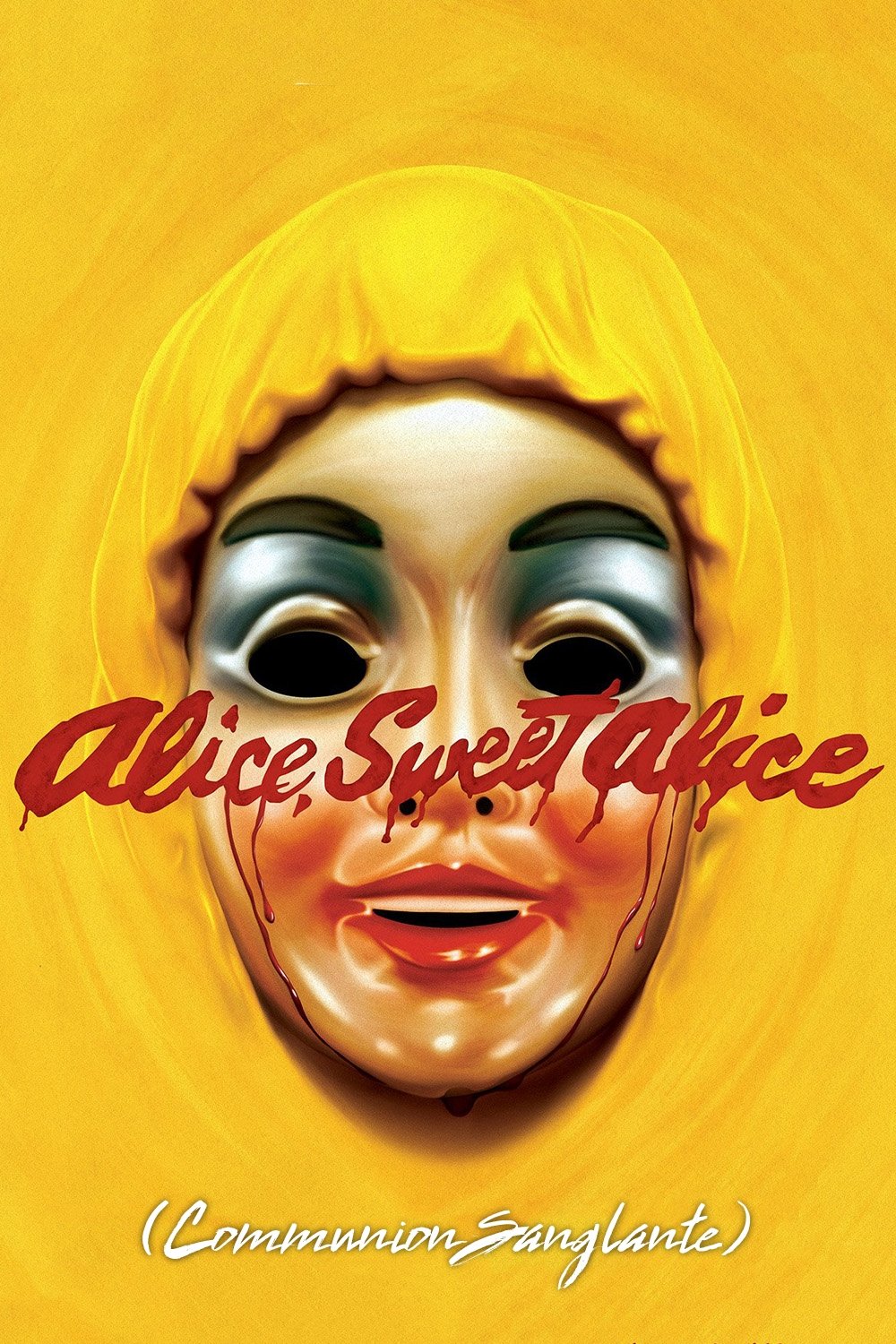
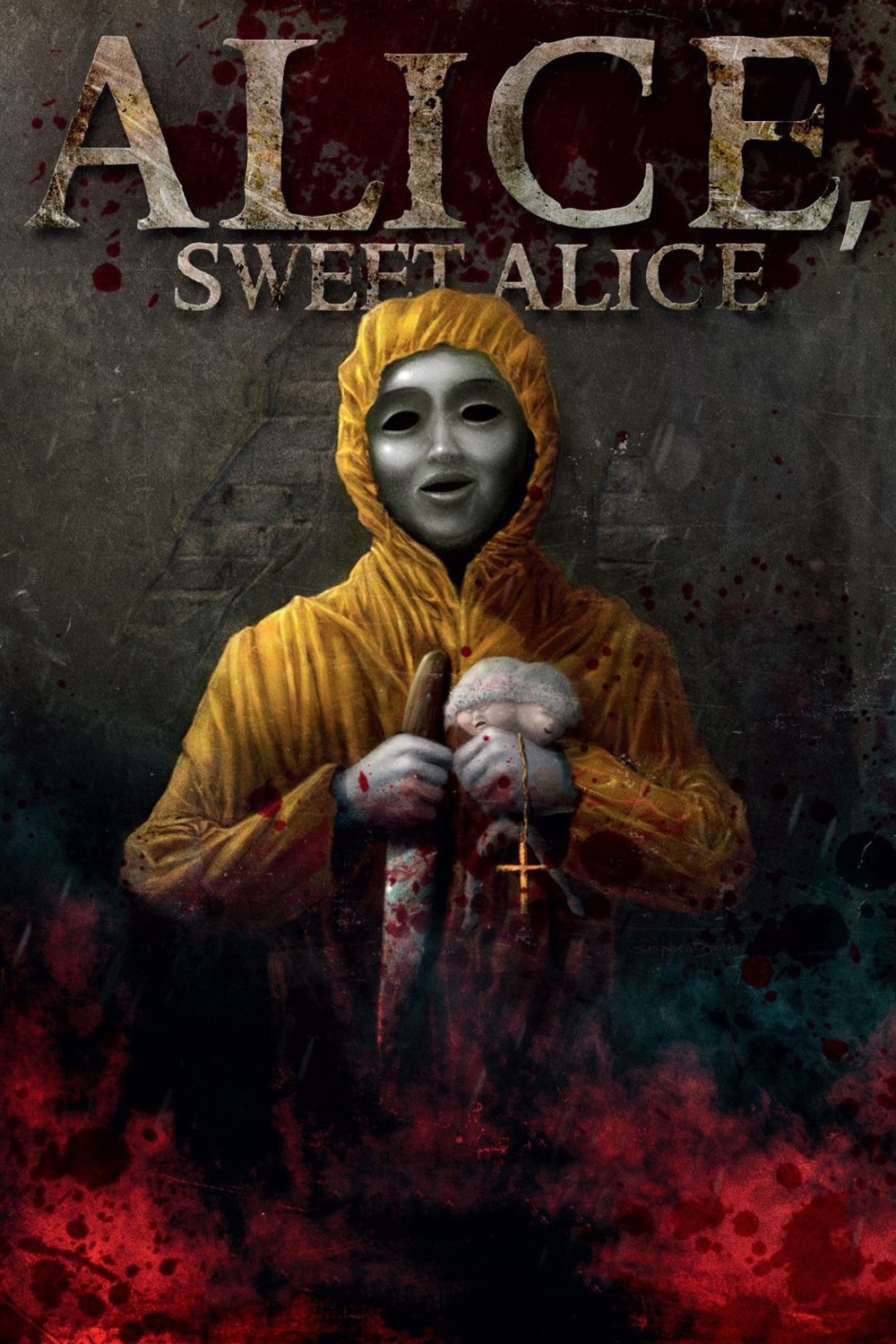
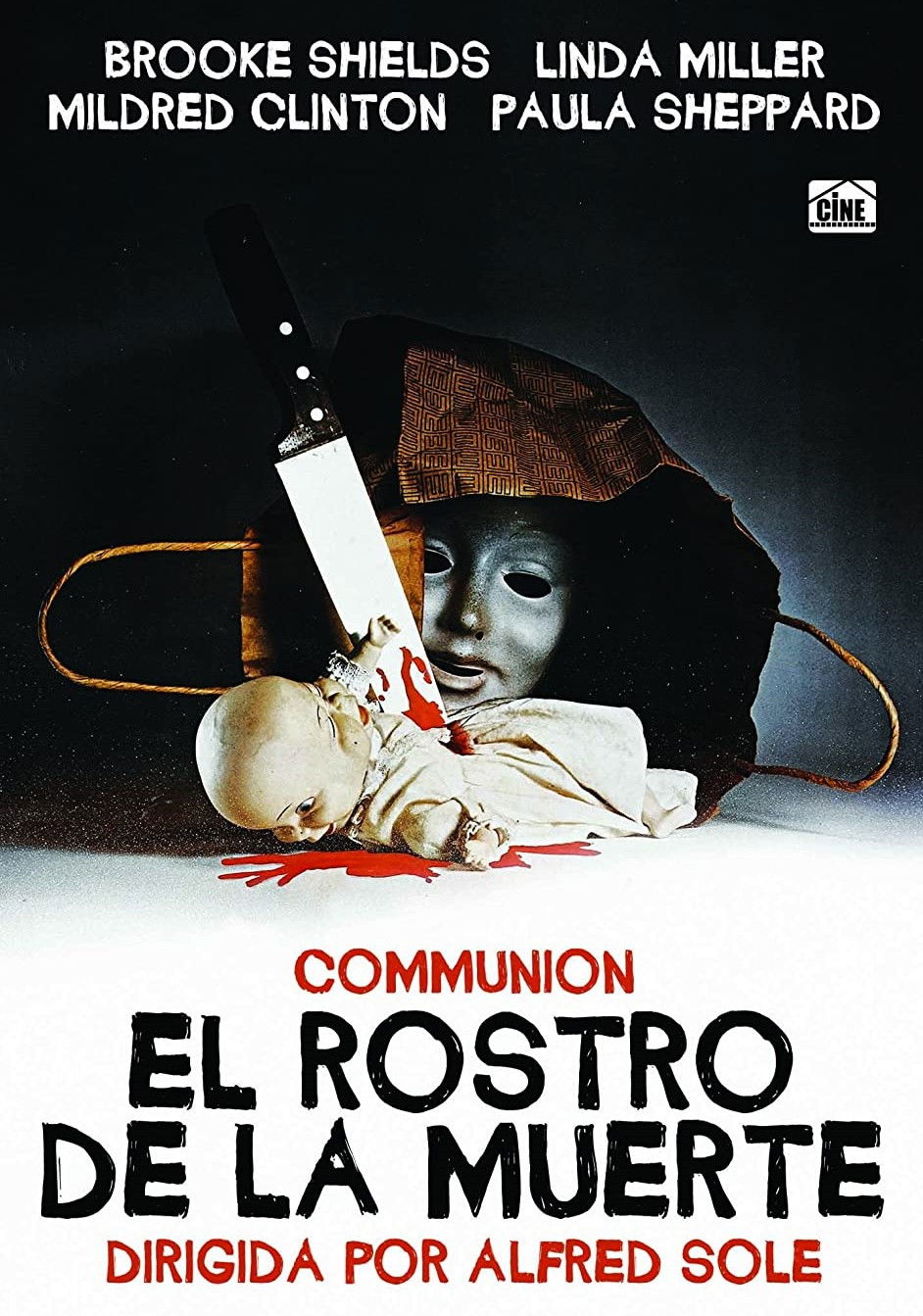
Costume supplies the murderer with an immediately legible silhouette: a bright raincoat conceals the body, while a translucent mask transforms a fixed painted expression into something disturbingly lifelike. Sole explicitly identified Don't Look Now as an inspiration, and Tomaselli recalled that the director acquired the distinctive mask himself. The disguise matters to the mystery because it can be associated with Alice before anyone establishes who occupies it during a particular attack. The face suggests both childish play and adult masquerade, helping the picture blur the boundary between an immature prank and an act of calculated violence. Its effectiveness depends on concealment, framing and the viewer's readiness to assign guilt.
Violence, Suspense and the Giallo Connection
The killing during Karen's first communion is staged inside a place designed for public protection. Sole separates the child's immediate danger from the continuing ceremony, allowing ordinary sounds and movements to underscore the failure of everyone nearby to recognize what is happening. A later assault on Annie in a stairwell uses confined space and a reflected image to make escape seem increasingly difficult. The production does not depend on an uninterrupted display of gore; pursuit, discovery and the fear of a repeated attack organize its most effective passages. Horror emerges from the knowledge that community life continues only a short distance from the victim.
Its masked figure, misleading clues and abrupt changes of suspicion invite comparison with Italian giallo cinema. That connection is useful as a description of form, although the film's precise debts should be separated from claims that it directly influenced later American slashers. Sole cited the work of Hitchcock and Roeg in explaining his approach to suspense, and the results combine detective inquiry with family melodrama. Stephen Lawrence's score adds a mournful, unsettling sound to scenes otherwise grounded in recognizable daily spaces. In a later assessment of the restored film, Bowen emphasized how the mono soundtrack preserves environmental noises and gives the music room to shape the atmosphere.
Communion, Theatrical Distribution and Later Versions
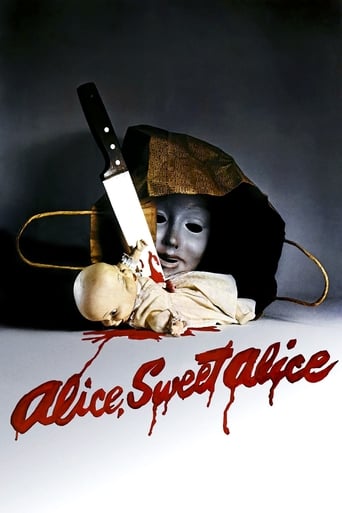
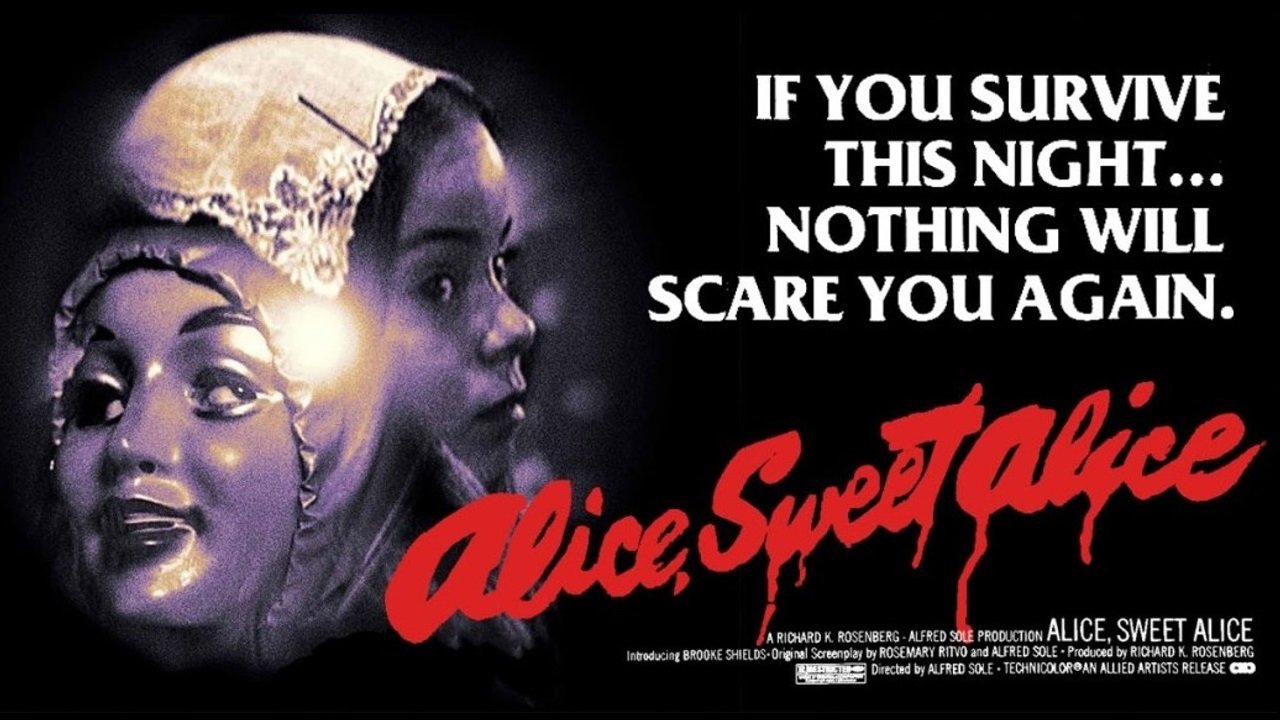
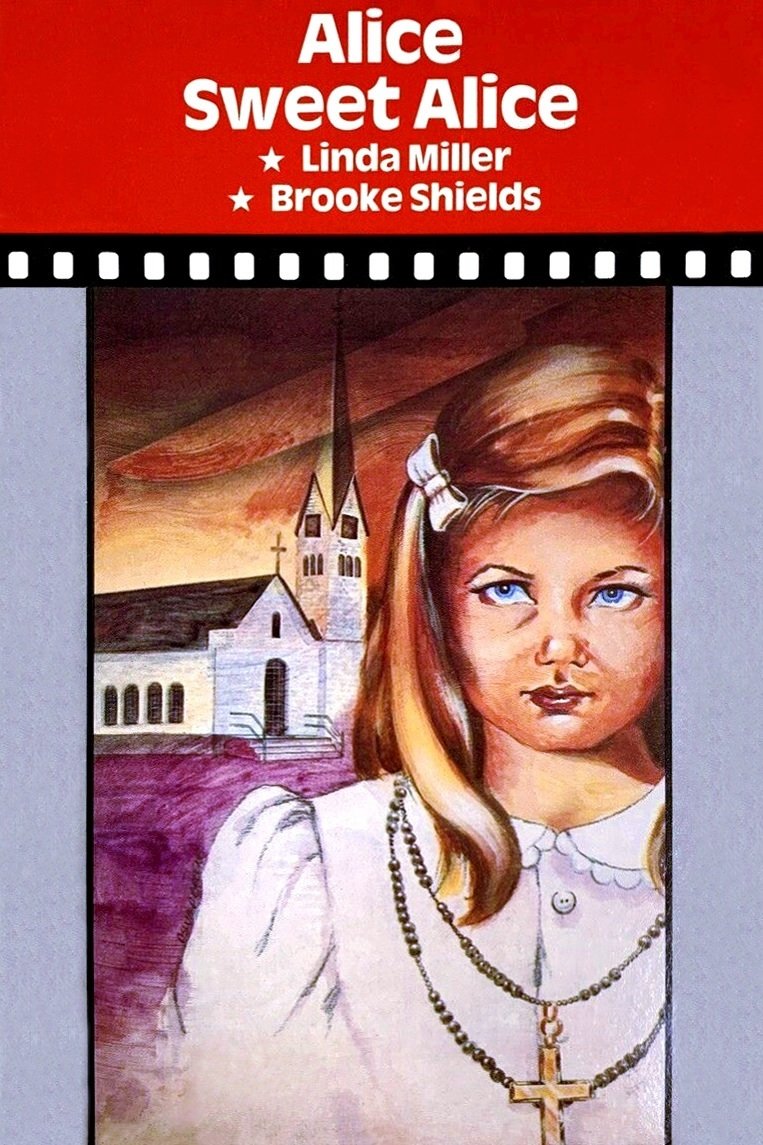
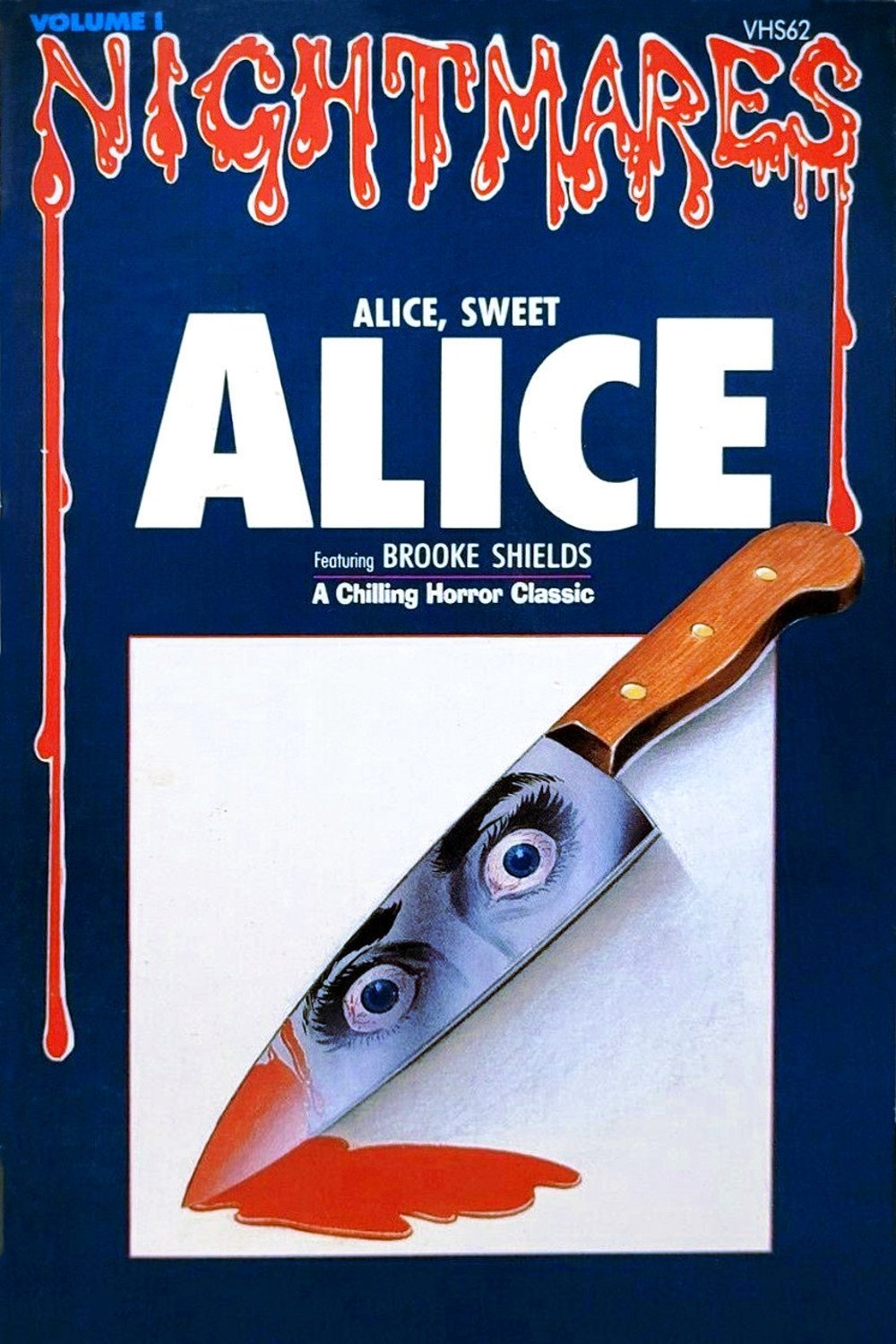
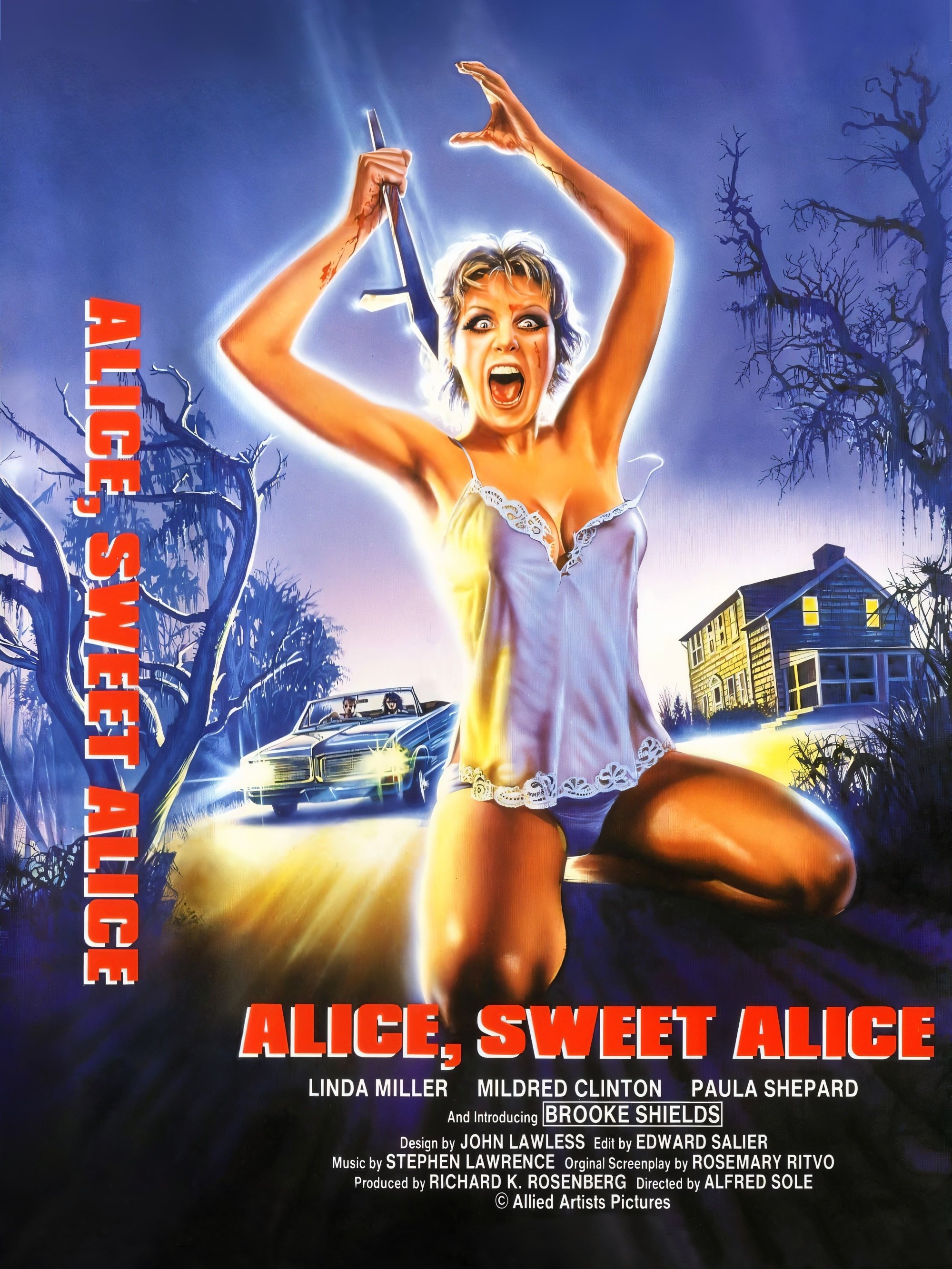
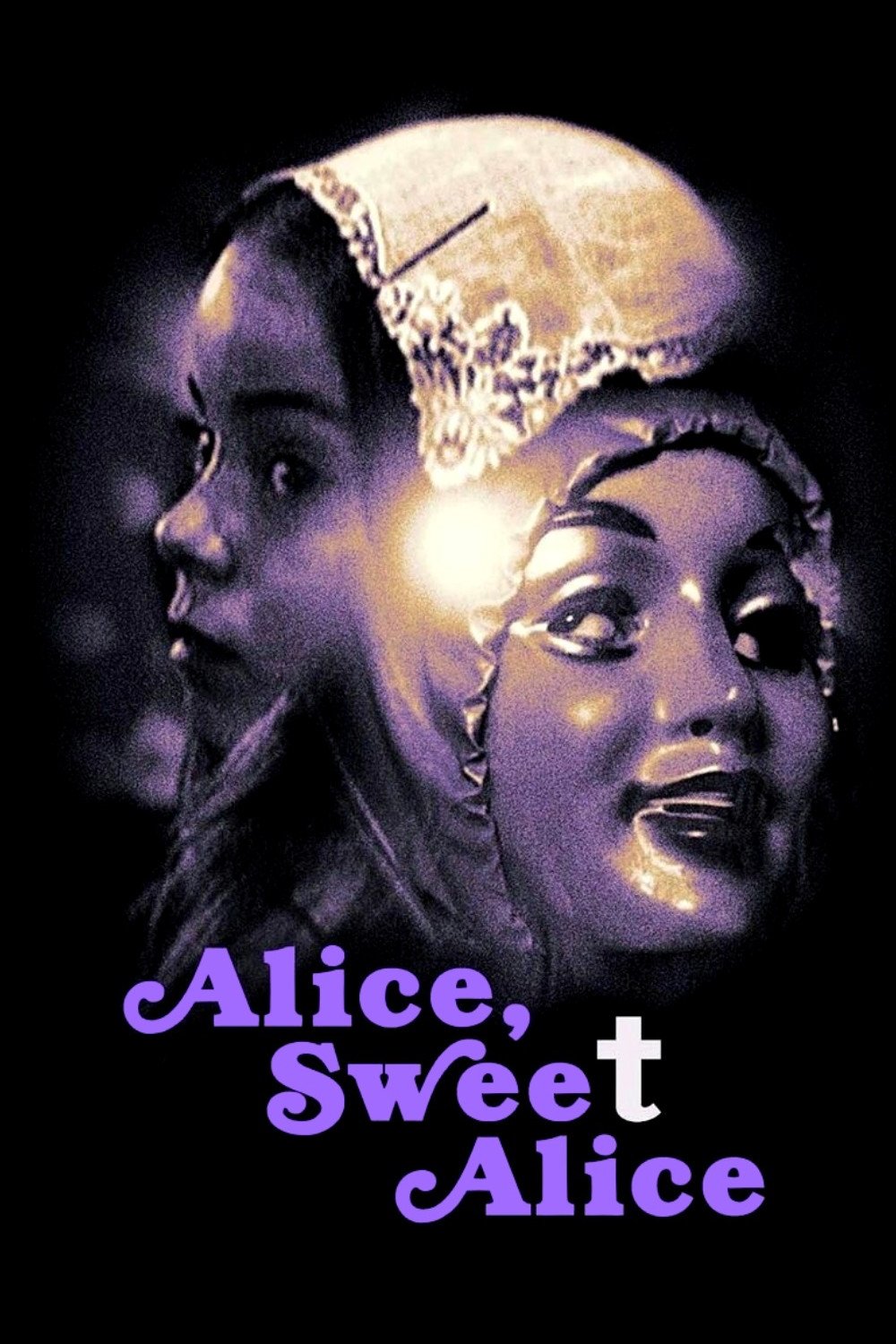
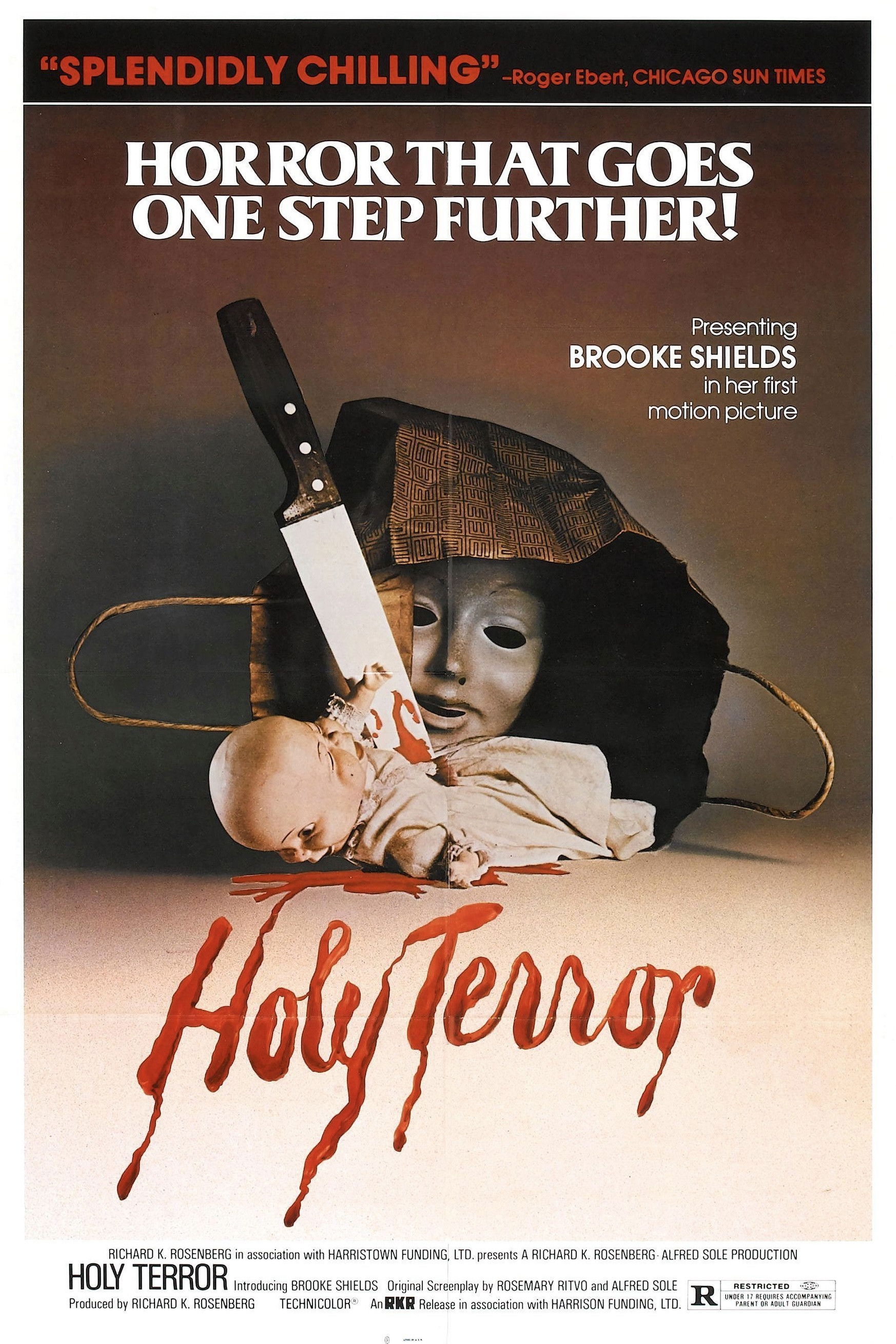
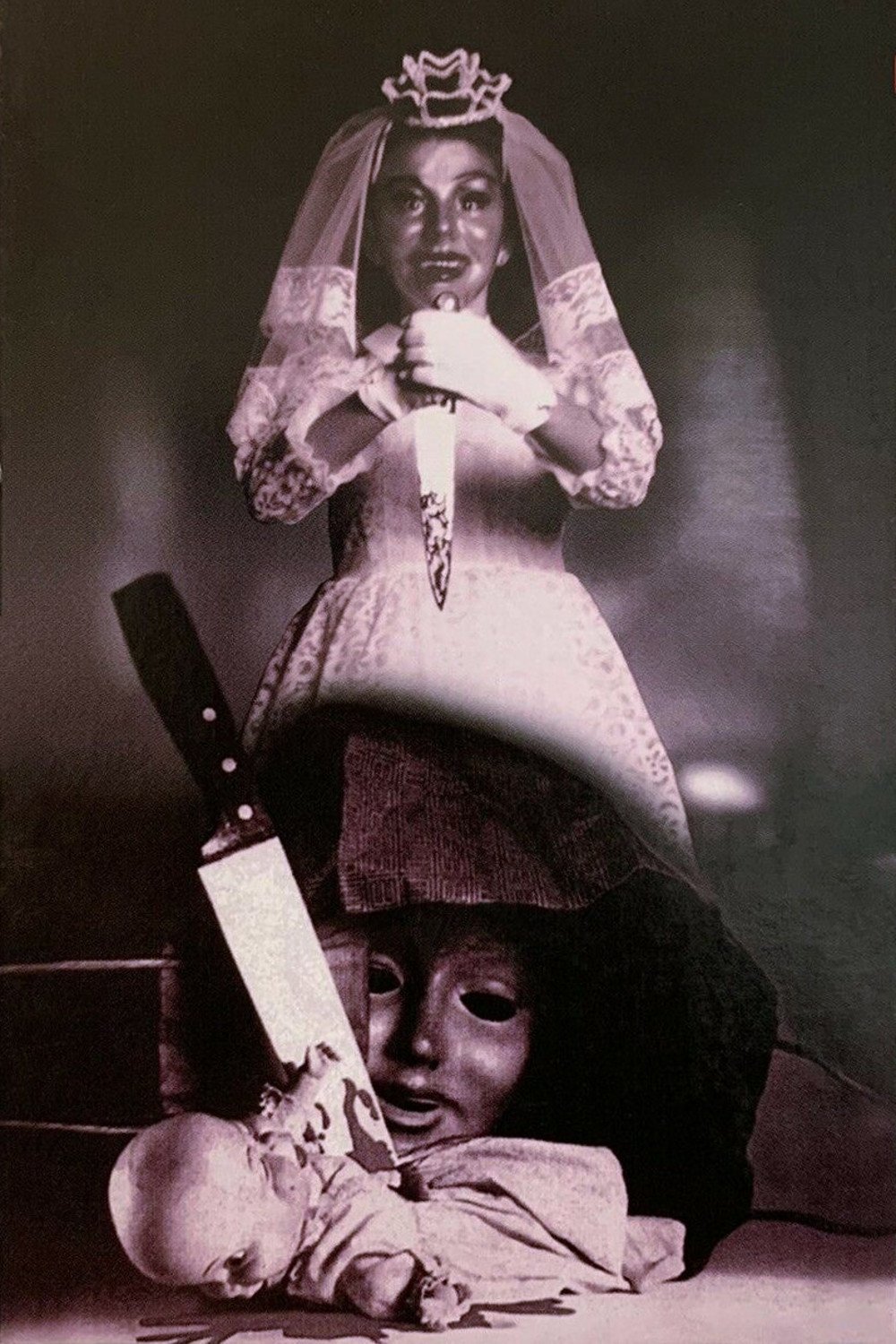
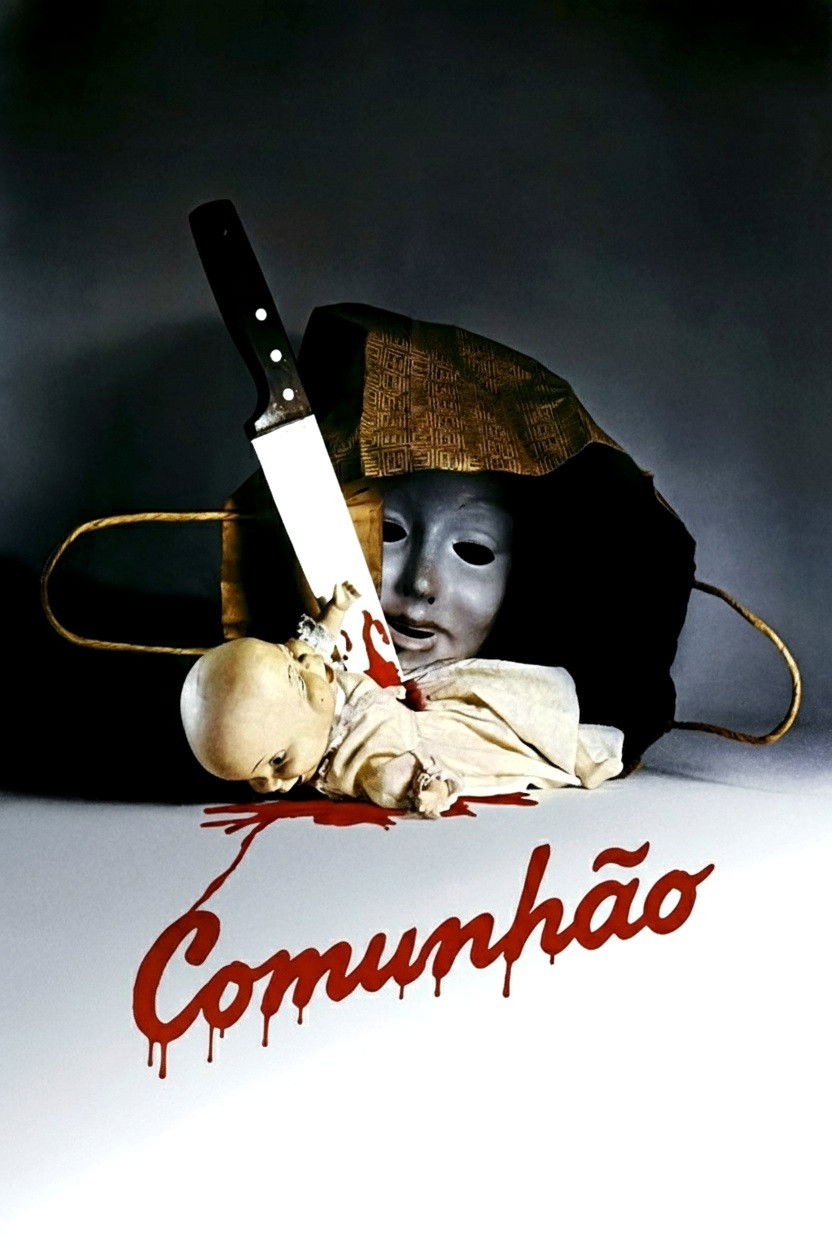
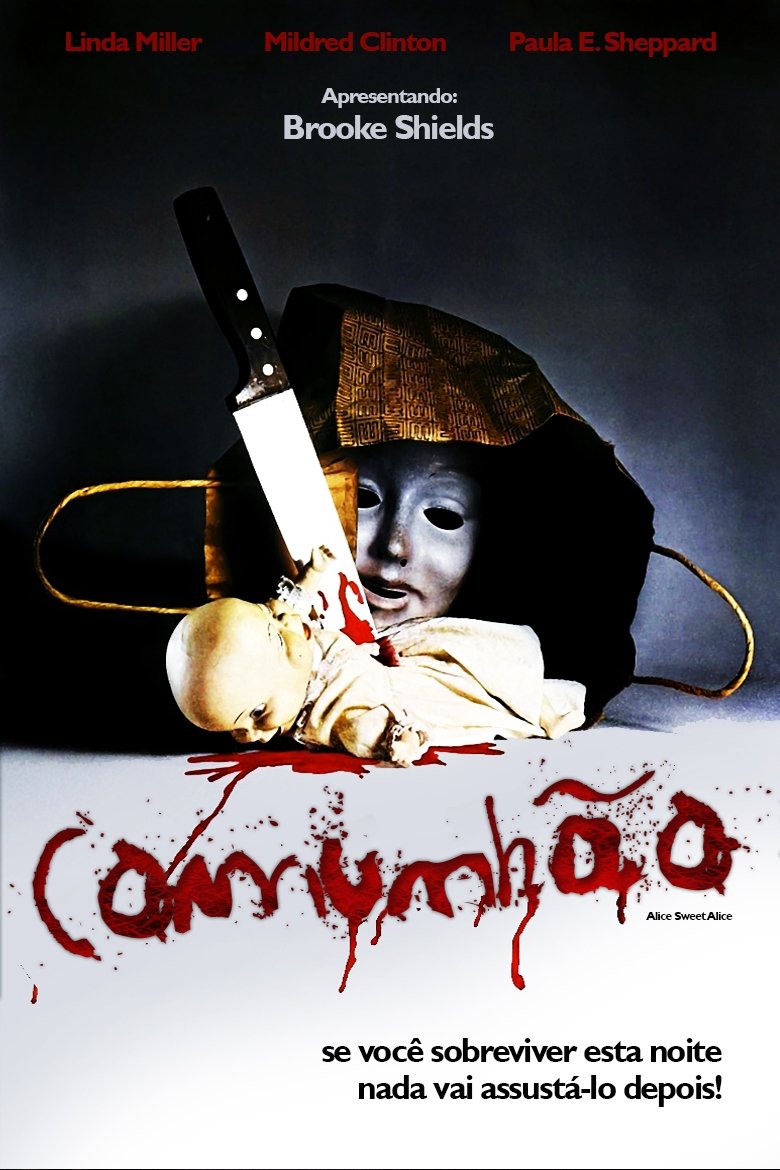
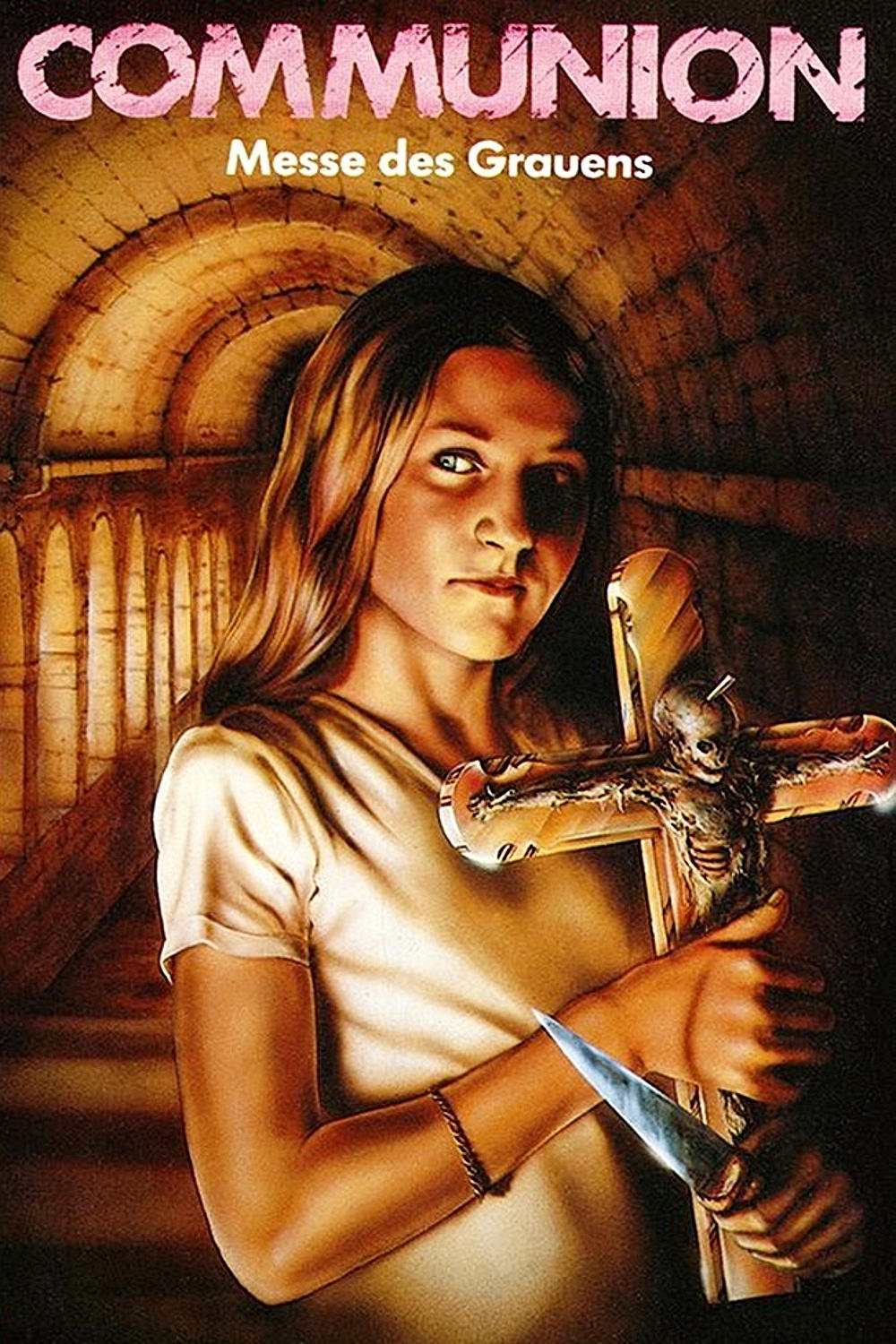
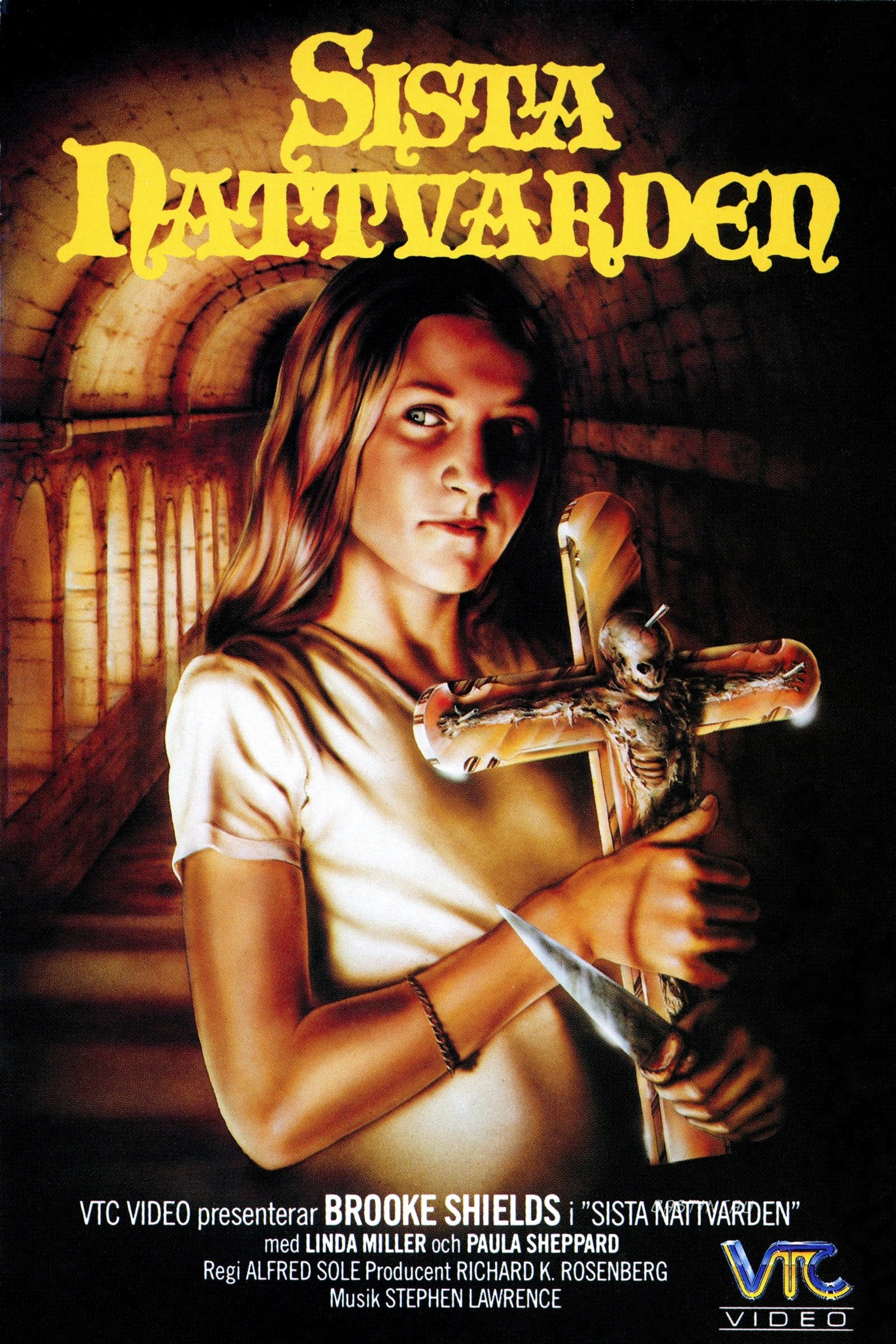
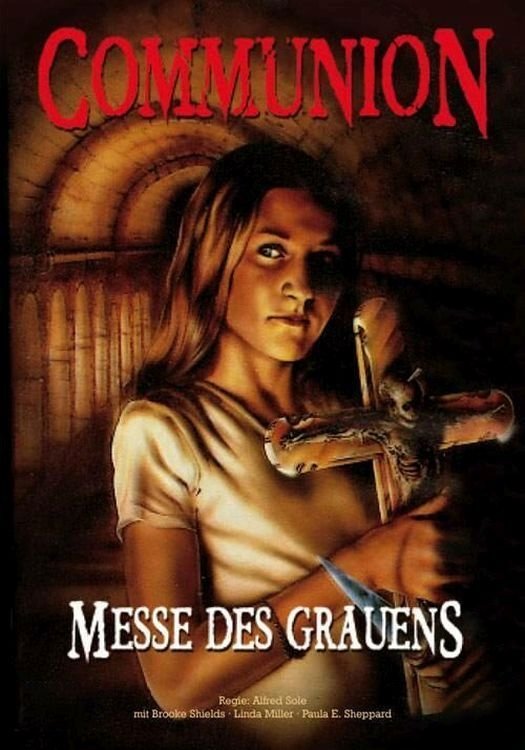
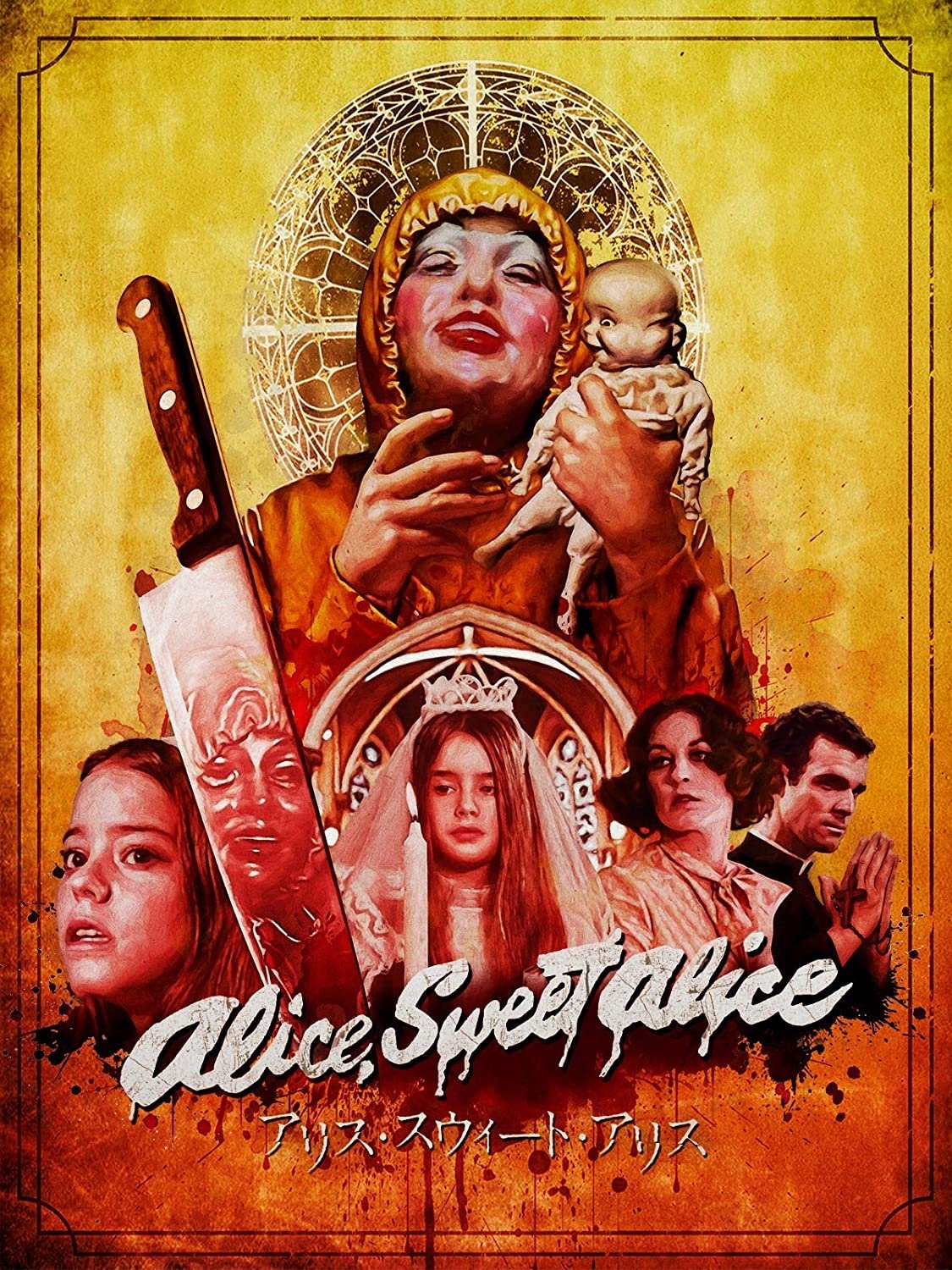
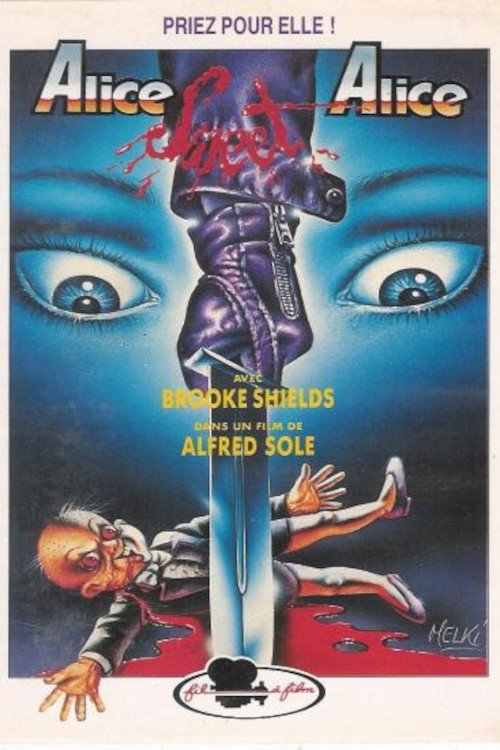
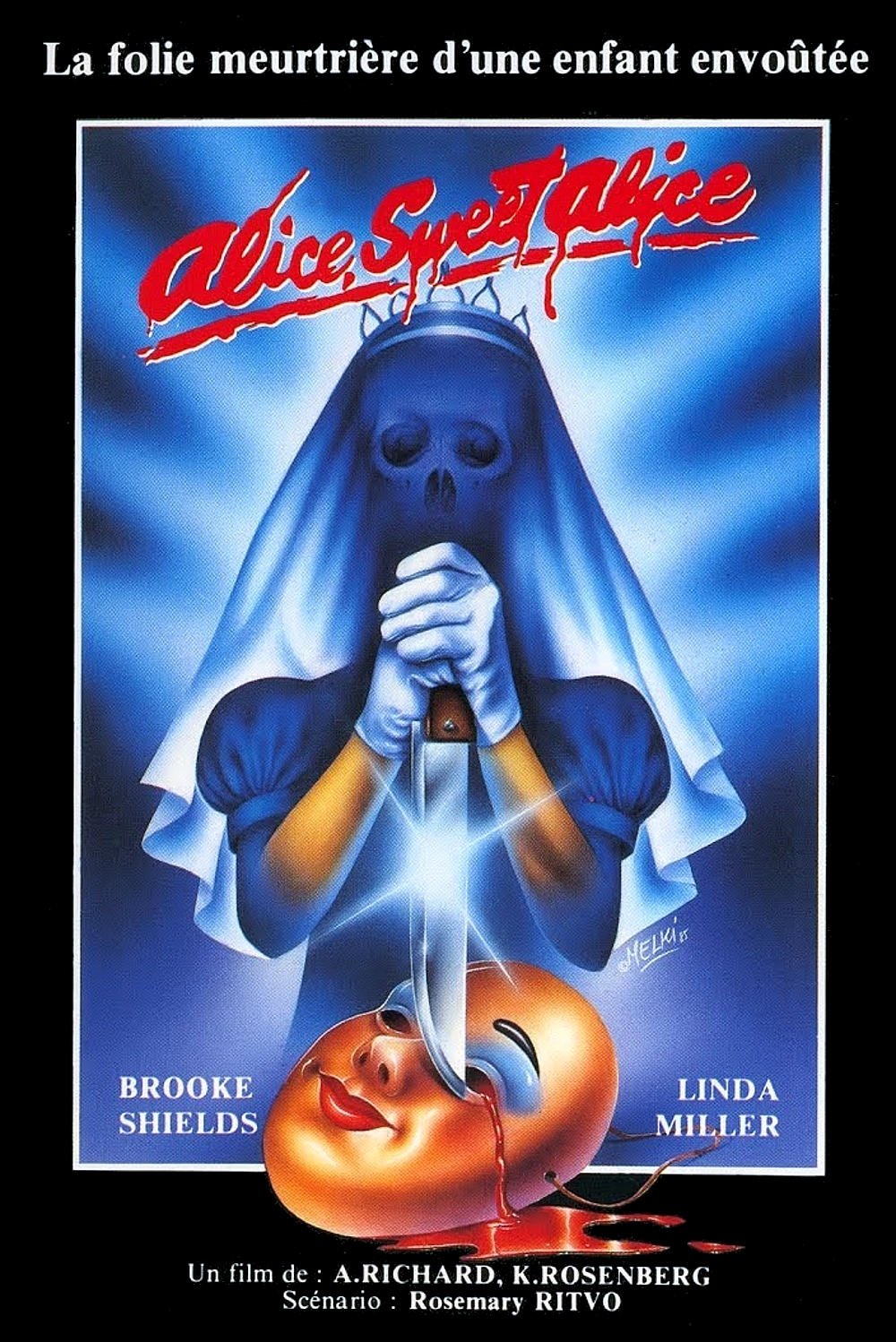
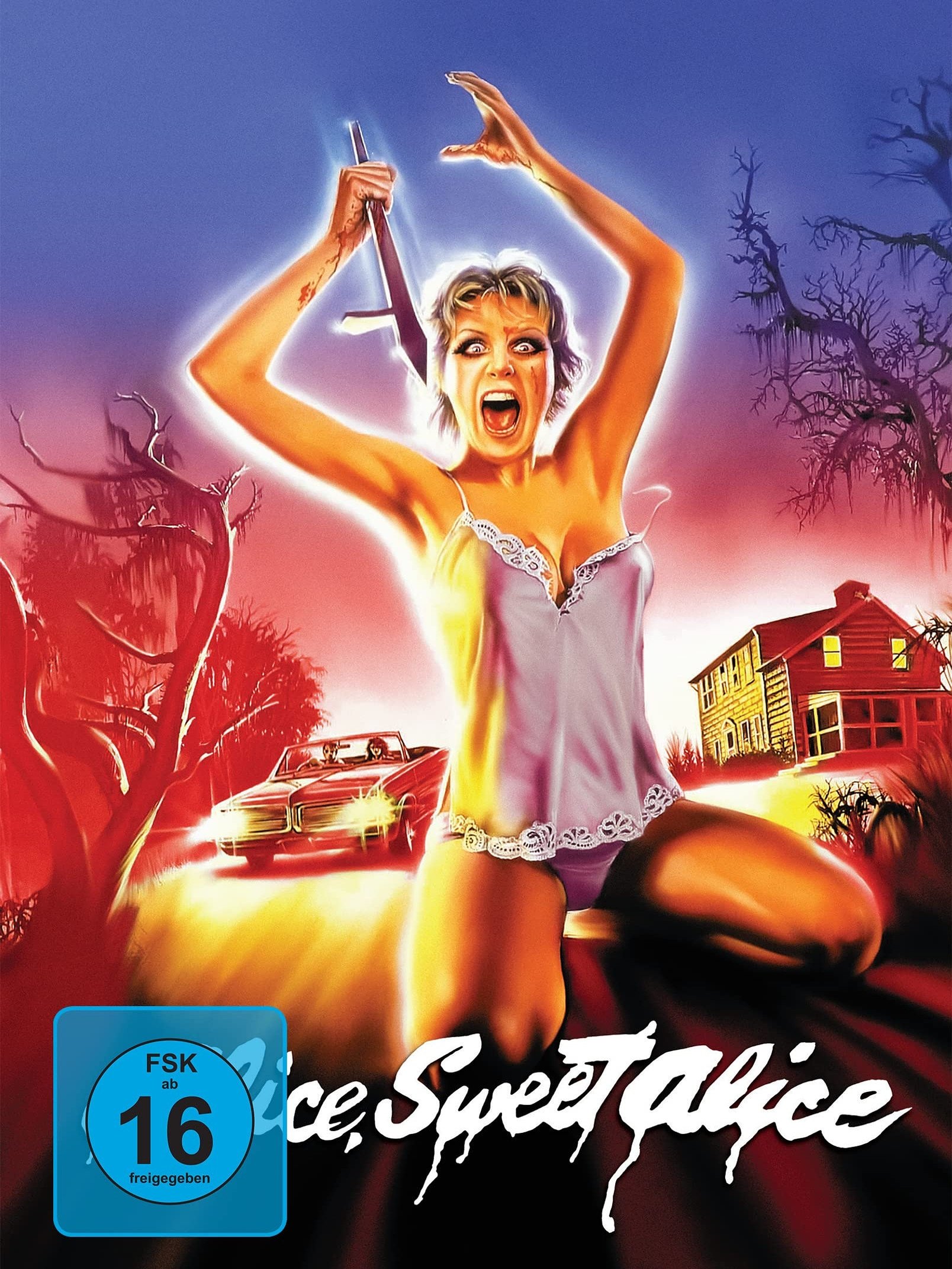
The original title, Communion, accompanied festival screenings during 1976, including an appearance at Chicago's international festival. The AFI's examination of contemporary trade reporting shows that Columbia Pictures was initially associated with the release before Allied Artists acquired United States and Canadian distribution rights. American advertisements subsequently used Alice, Sweet Alice, with a documented opening across multiple theaters in November 1977. Dates in catalogues sometimes differ because festival exhibition, regional engagements and the wider theatrical rollout have been combined. The first Los Angeles theatrical engagement documented by the AFI occurred in May 1978. These are distinct events, and the 1976 dating reflects the film's early exhibition history rather than that later national release.
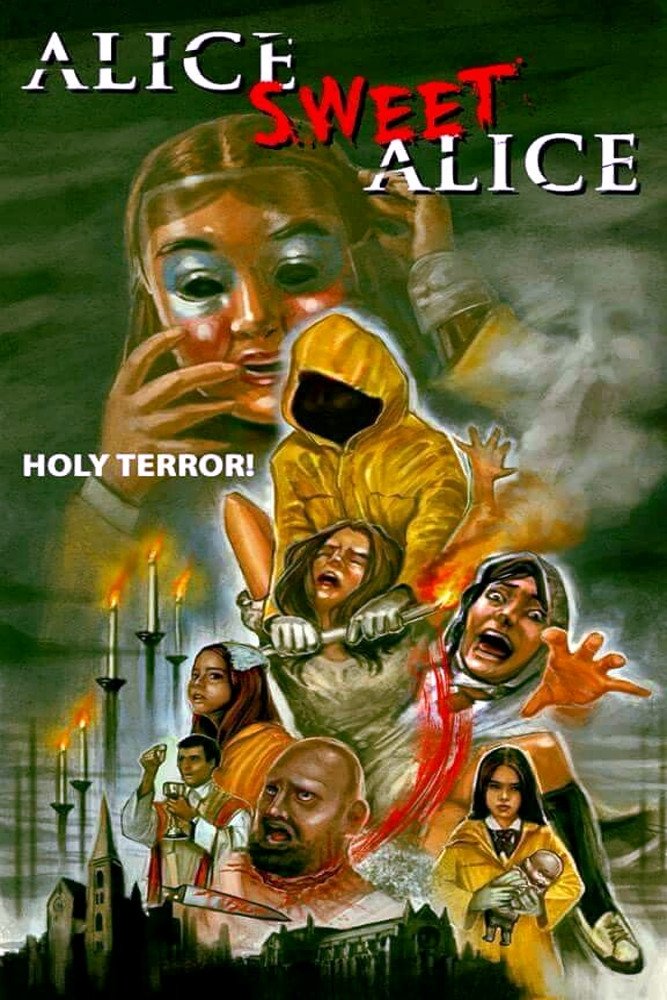
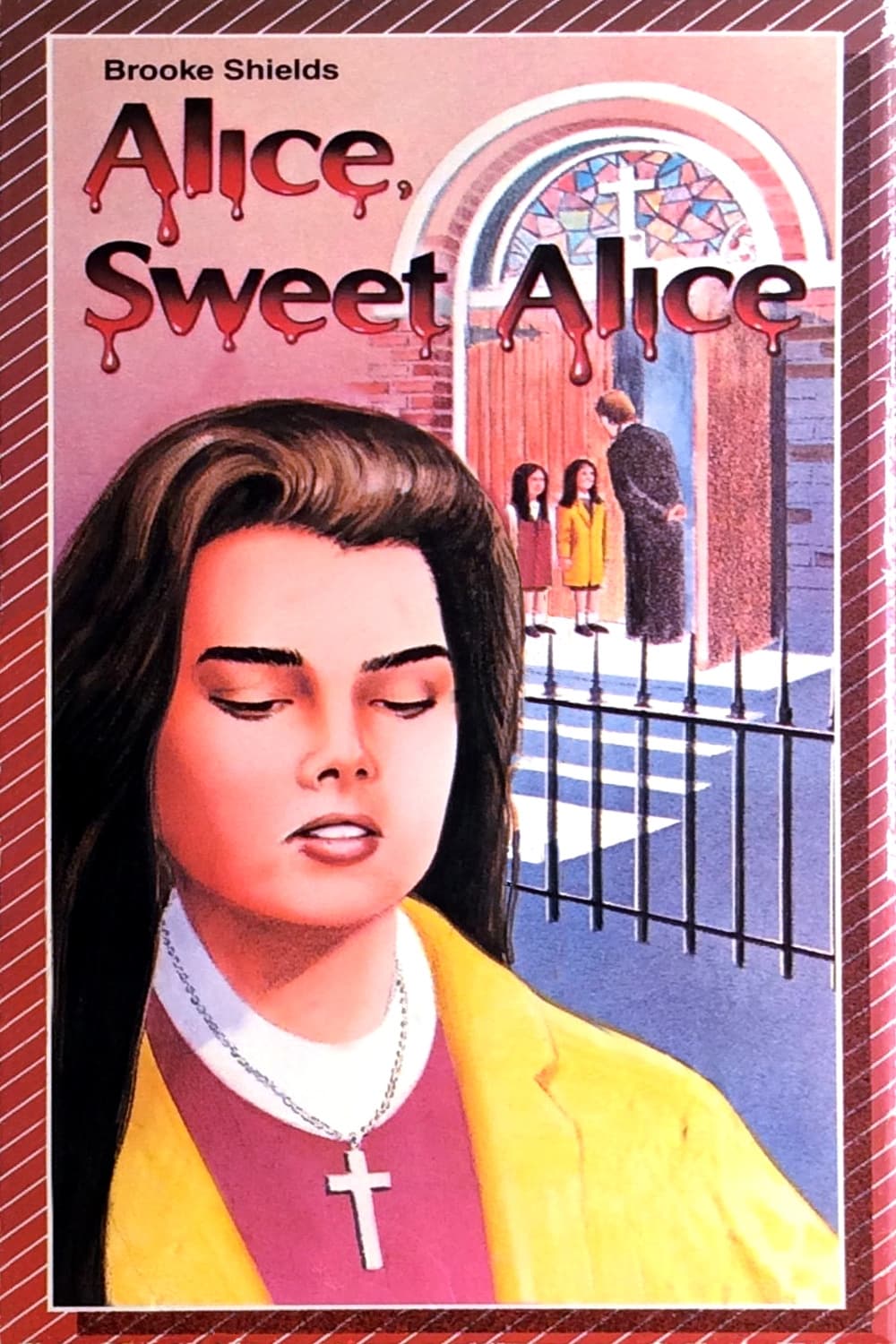
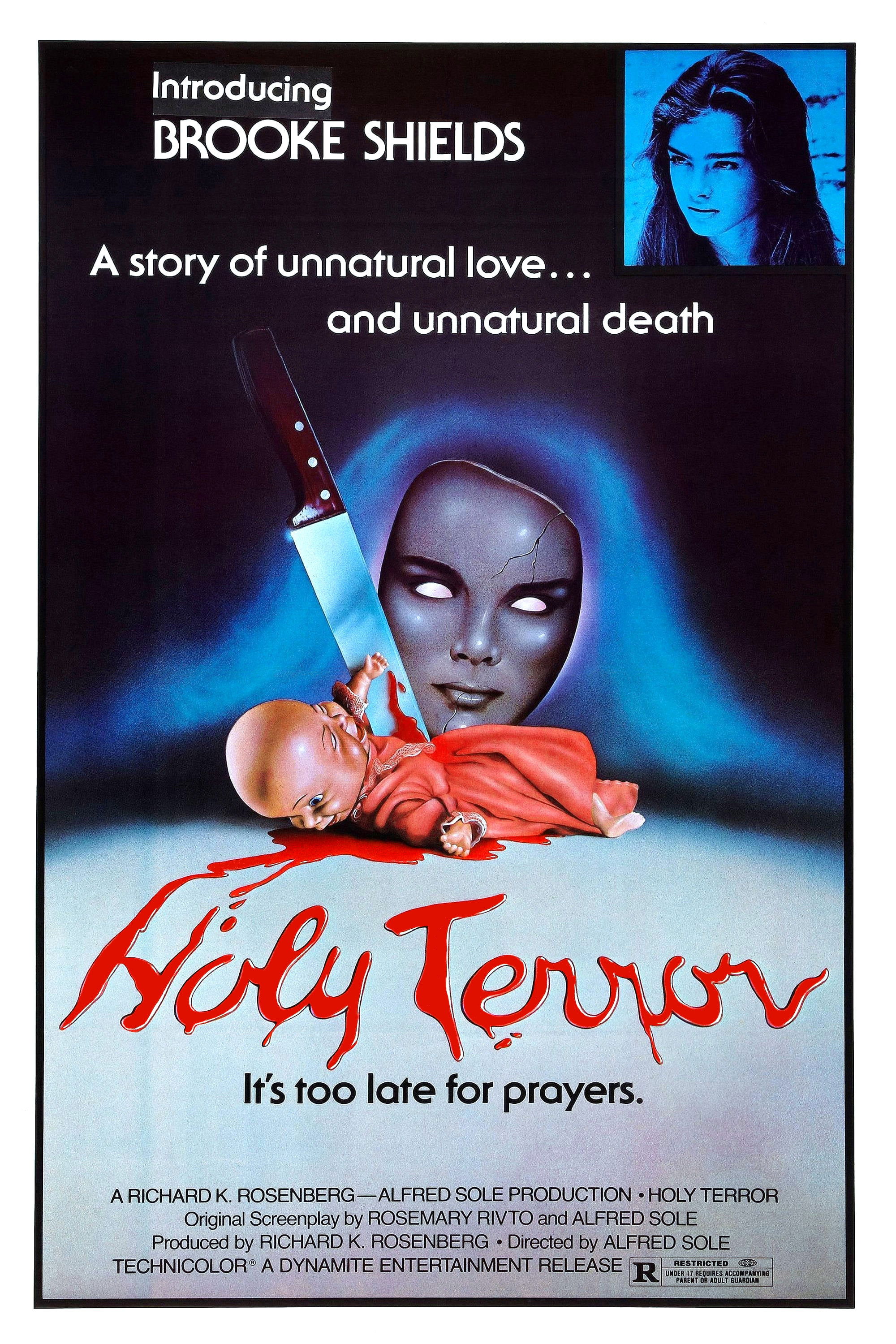
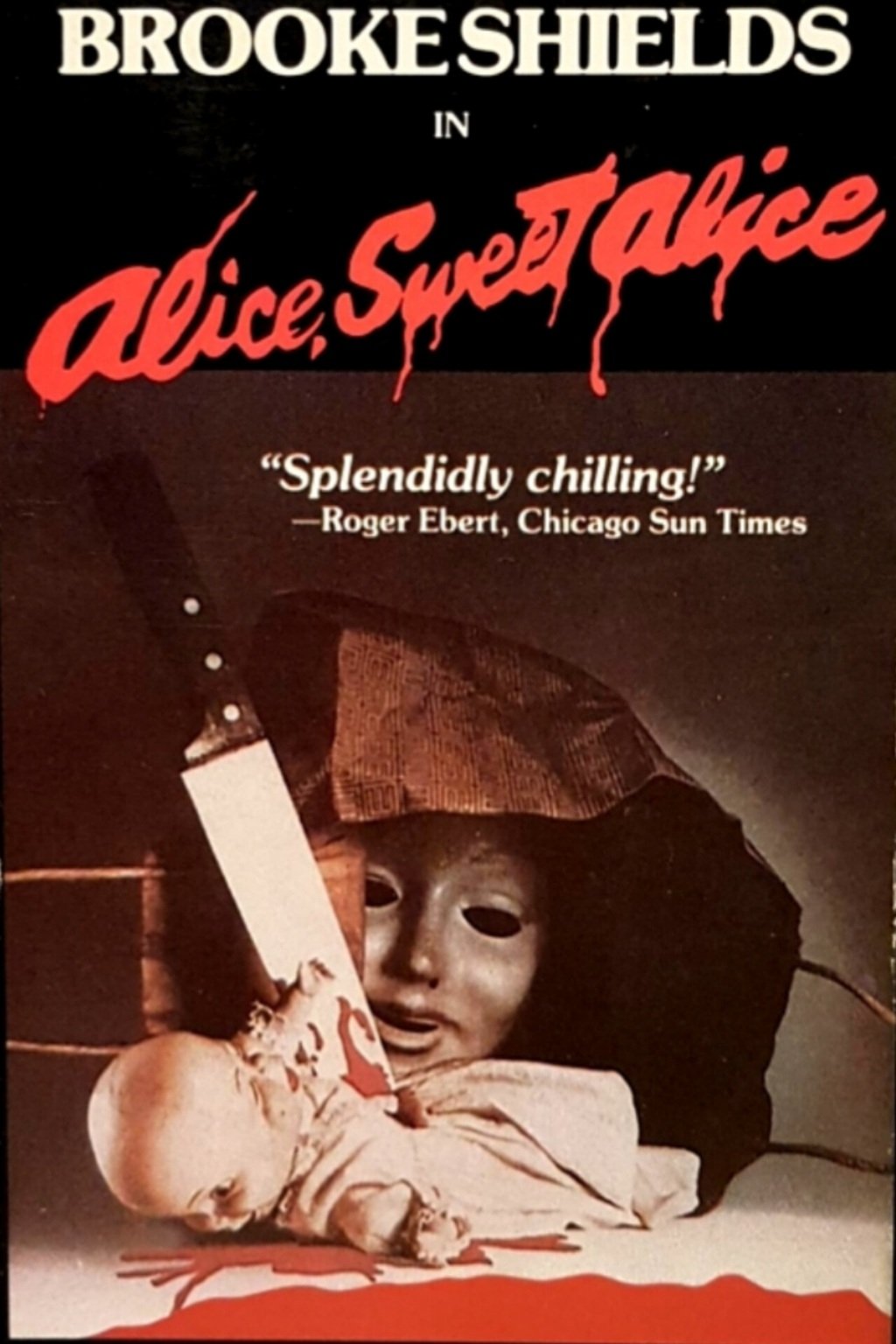
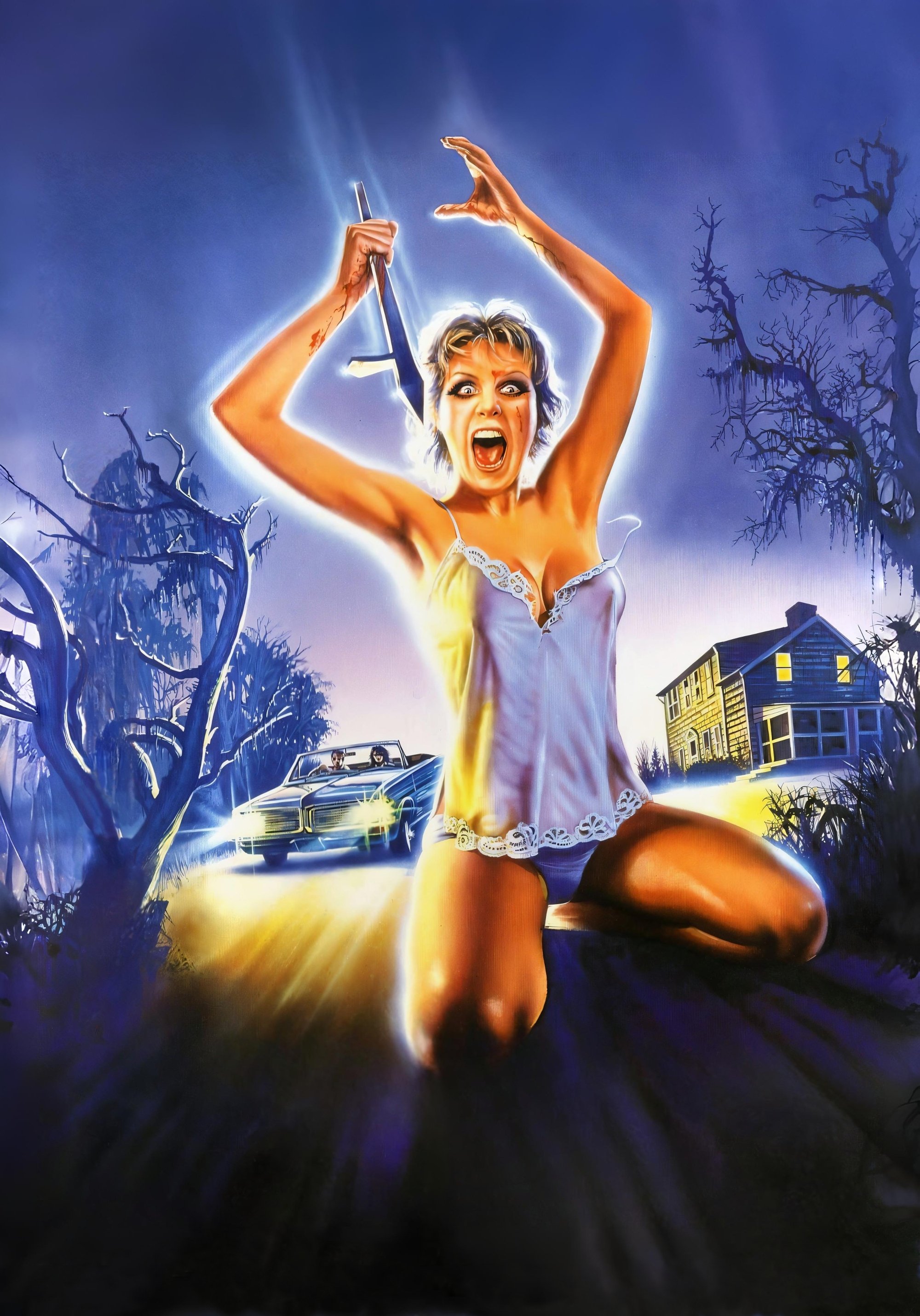
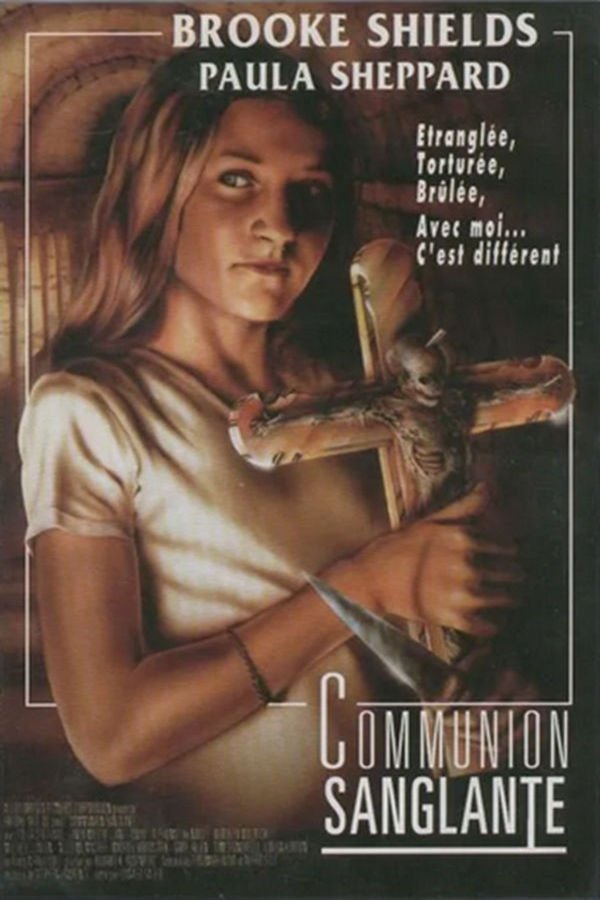
The distributors returned to the picture in 1981 as Holy Terror, promoting Shields after she became a better-known performer. Her part as Karen ends early in the story, so a campaign built around her image risked promising a different film. The AFI records objections from Shields and her representatives and an agreement requiring significant changes to that promotion. Subsequent circulation was further complicated by copyright problems and inconsistent video presentations. Decades later, restoration work made the differences easier to study: the 2025 4K edition sourced from the original camera negative offers Communion, Alice, Sweet Alice and Holy Terror as distinct viewing versions. Their availability should not be mistaken for evidence that every circulated cut represents Sole's preferred assembly.
Reception, Rediscovery and Historical Position
The contemporary critical record is less uniform than the film's later cult reputation might suggest. The AFI traces reviews and release reports through the late 1970s, while Richard Harland Smith's historical account for Turner Classic Movies describes a difficult distribution history that obscured the film's identity. Vincent Canby reviewed the 1981 Holy Terror release for The New York Times, providing a separate critical moment from its initial theatrical circulation. The film's mixture of grotesque behavior, religious anxiety and sudden brutality made it challenging to market as a straightforward thriller. Brooke Shields's rising visibility supplied a recognizable promotional name but could also distract from the ensemble and the mystery that dominates the running time.
Its standing developed through repeated home-video exposure, specialist writing and renewed access to better film elements. Smith situated it between Black Christmas and Halloween in a history of masked-killer cinema; that chronological comparison is stronger than asserting a direct creative influence unsupported by filmmakers' testimony. Writing in 2025, Bowen examined the movie as a study of institutional blindness and compared the restored images with earlier, murkier editions. The clearer presentation draws attention to the relationship between color, cramped architecture and bodily vulnerability. Alice, Sweet Alice remains historically valuable for the way regional independent filmmaking brought religious social life into sustained contact with giallo-like suspense, without yielding the story's uneasy family psychology to an impersonal killing pattern.