Development and the Malaysian Shoot
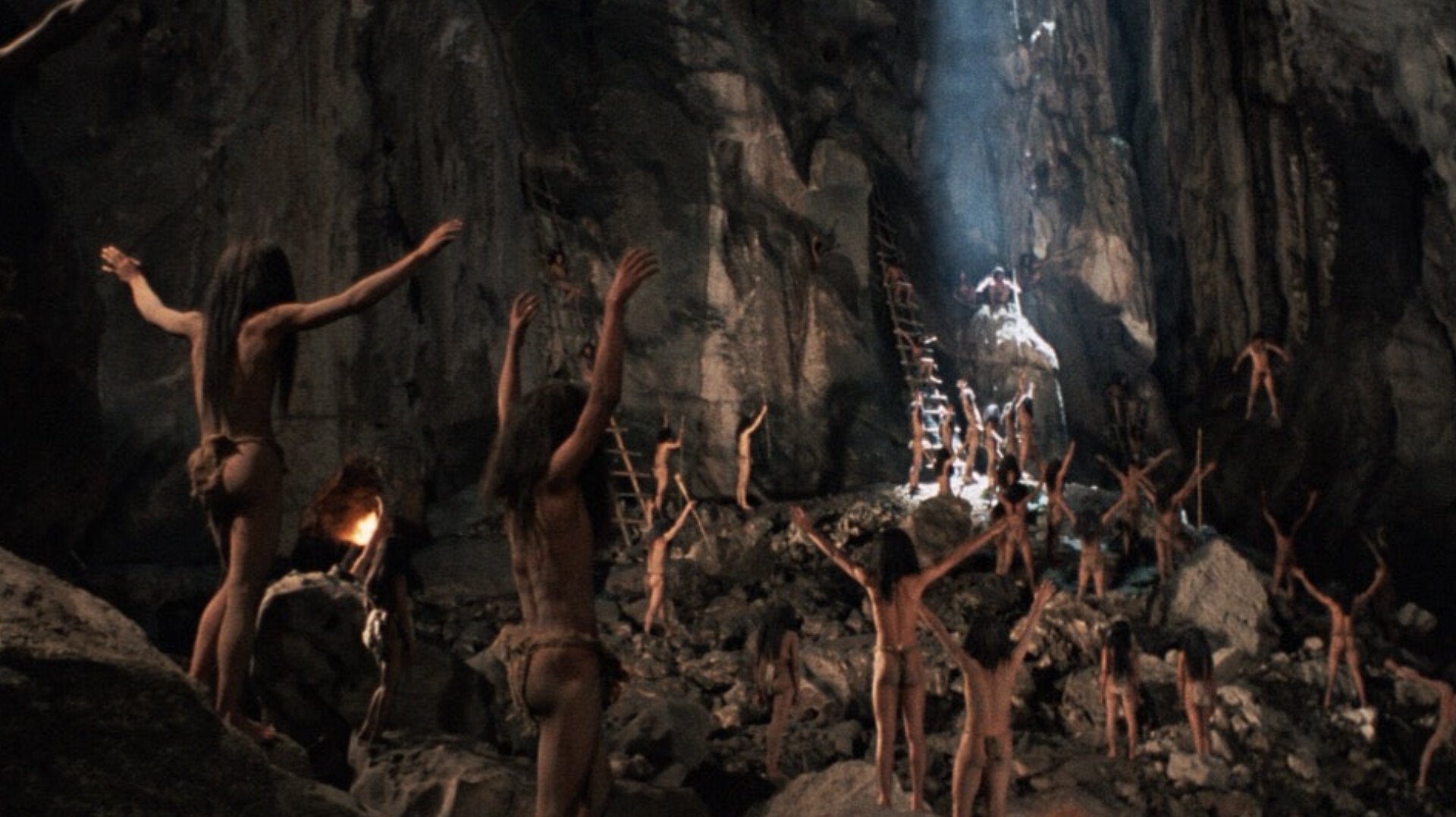
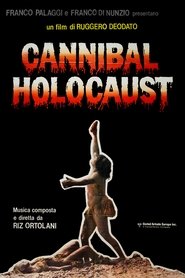
Producer Giorgio Carlo Rossi wanted a film about cannibalism, according to Deodato's statement published by the Venice Film Festival. The director described encountering photographs of Indigenous people in National Geographic and using their compositions as visual inspiration. In a later interview he recalled travelling to Malaysia with assistant director Stefano Rolla to assess prospective locations. These retrospective memories make clear his fascination with tropical settings, but they cannot establish that the magazine's cultural descriptions were accurate. The resulting screenplay places an expedition in the Philippine region of Mindanao. That story setting should be distinguished from the Malaysian locations where the production team worked.
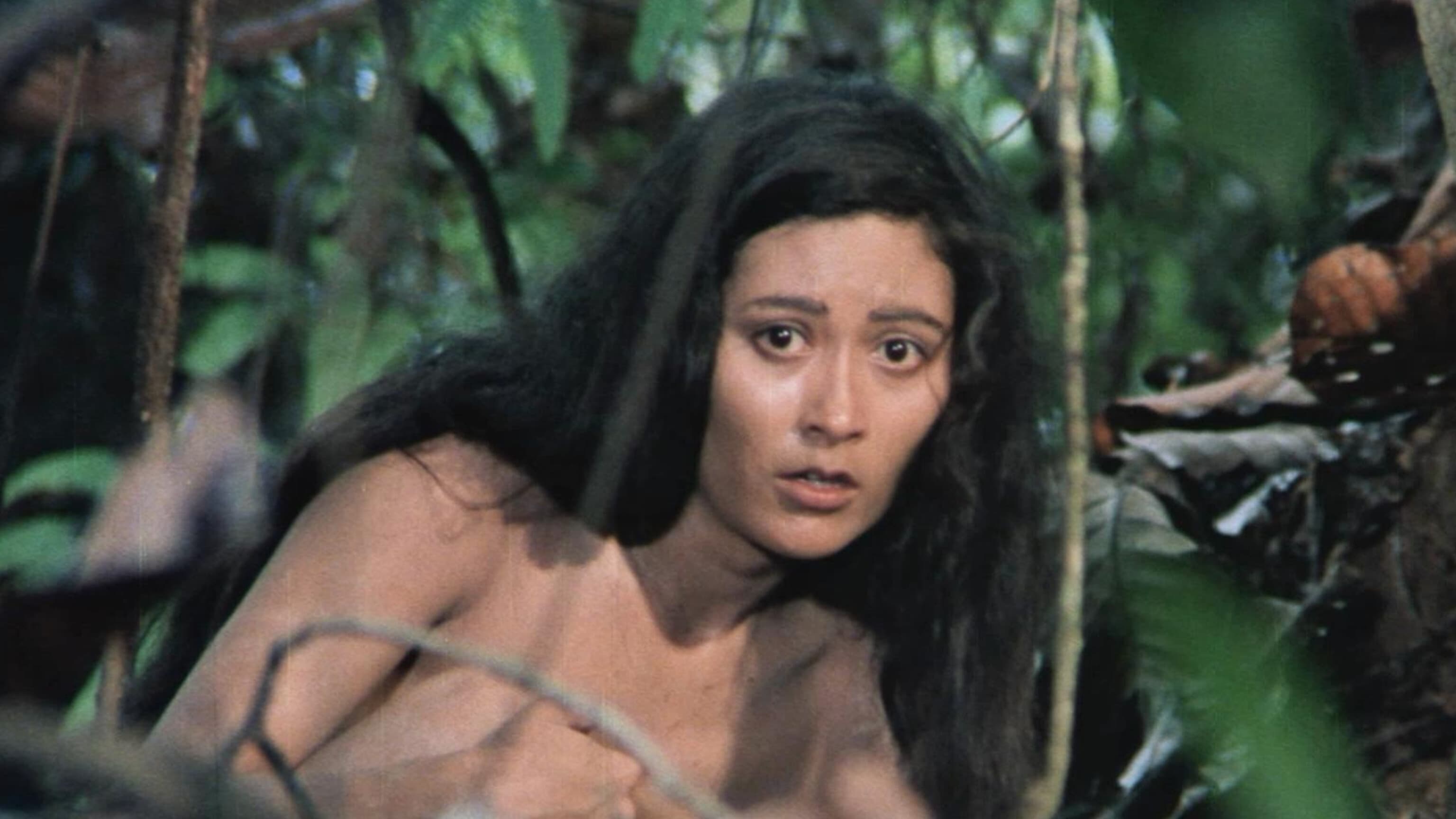
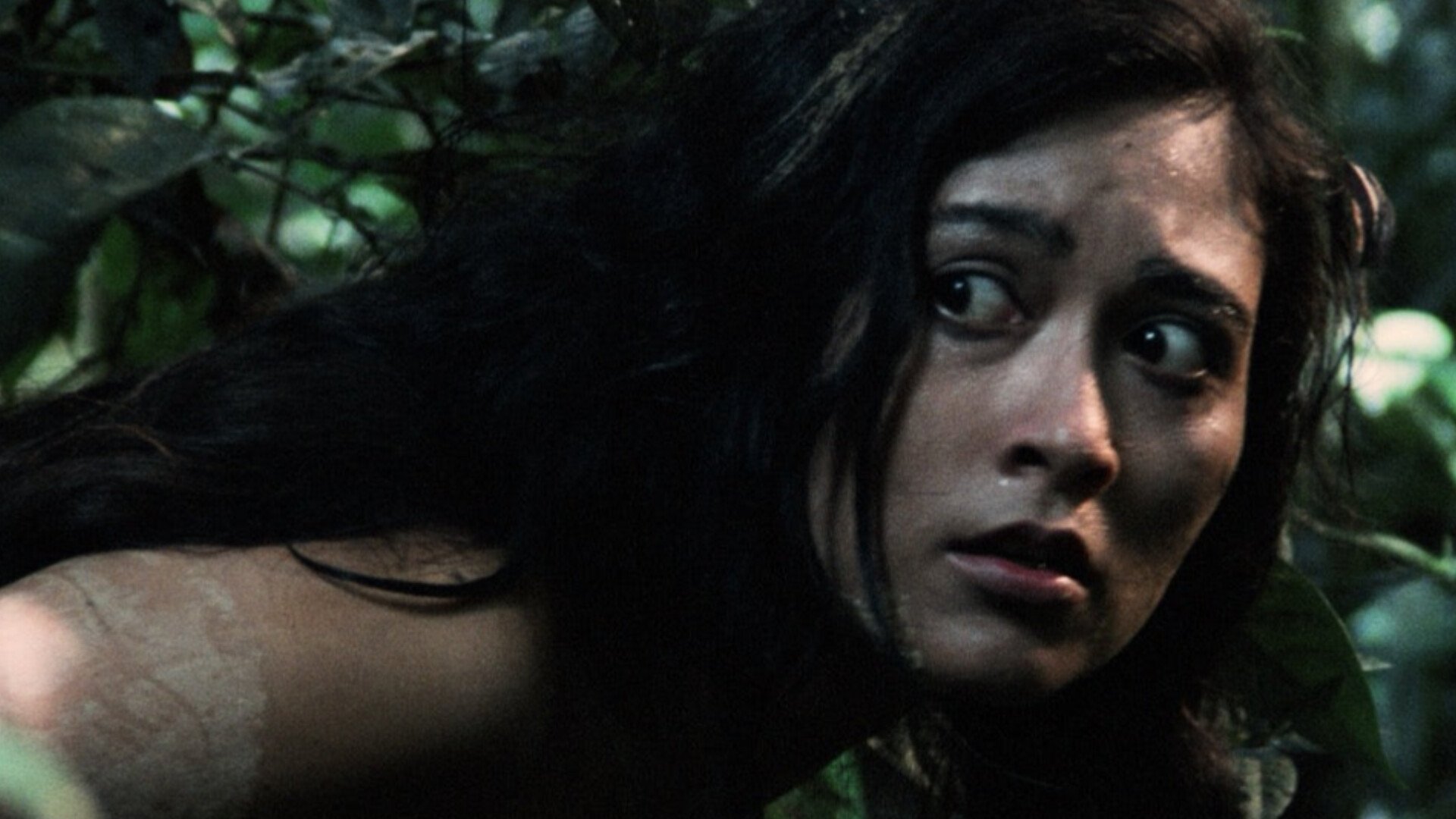
Deodato remembered the shoot as exceptionally strenuous. He contrasted its approximately eight weeks of photography with the substantially shorter schedule he later recalled for Cannibal Holocaust. Reaching remote sites involved transporting people and equipment through humid terrain without the aerial camera technology available to contemporary productions. The director's recollections emphasize the effort needed even for apparently simple movements through vegetation. Such difficulties matter to the finished work because the forest is a material obstacle for the actors, who repeatedly climb, wade and negotiate irregular ground. No precise production budget is included here because the available detailed testimony does not securely establish one.
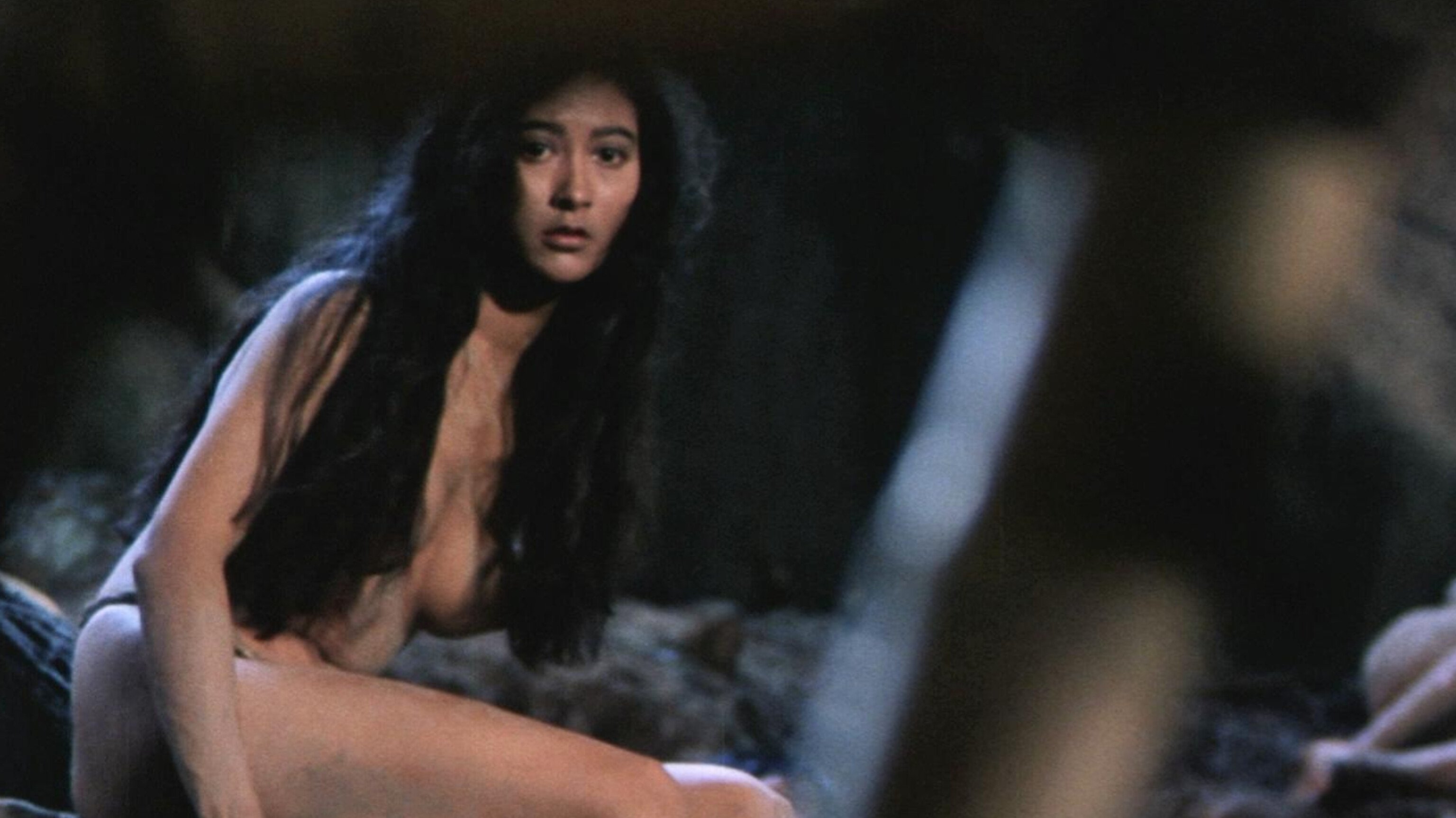
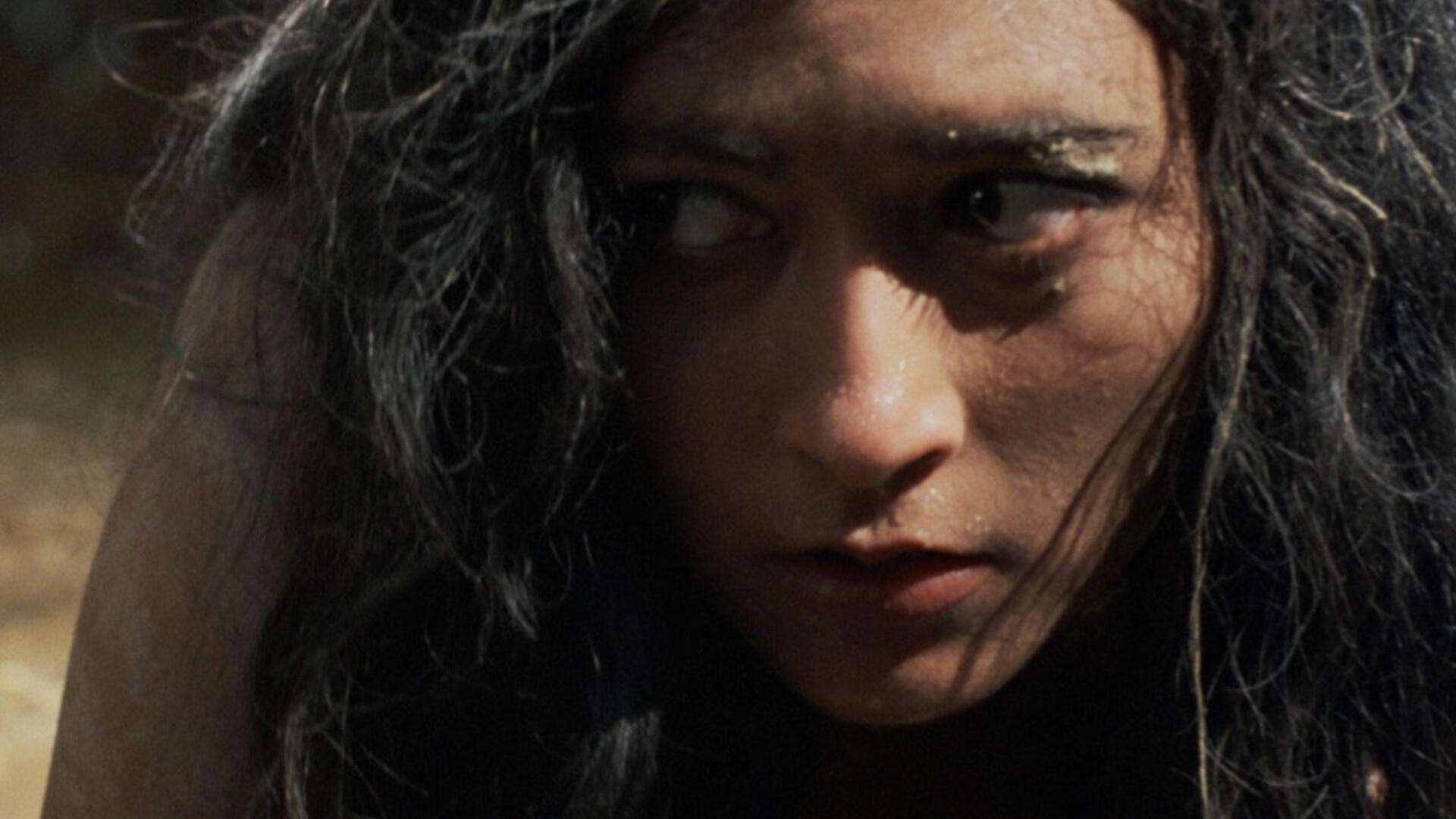
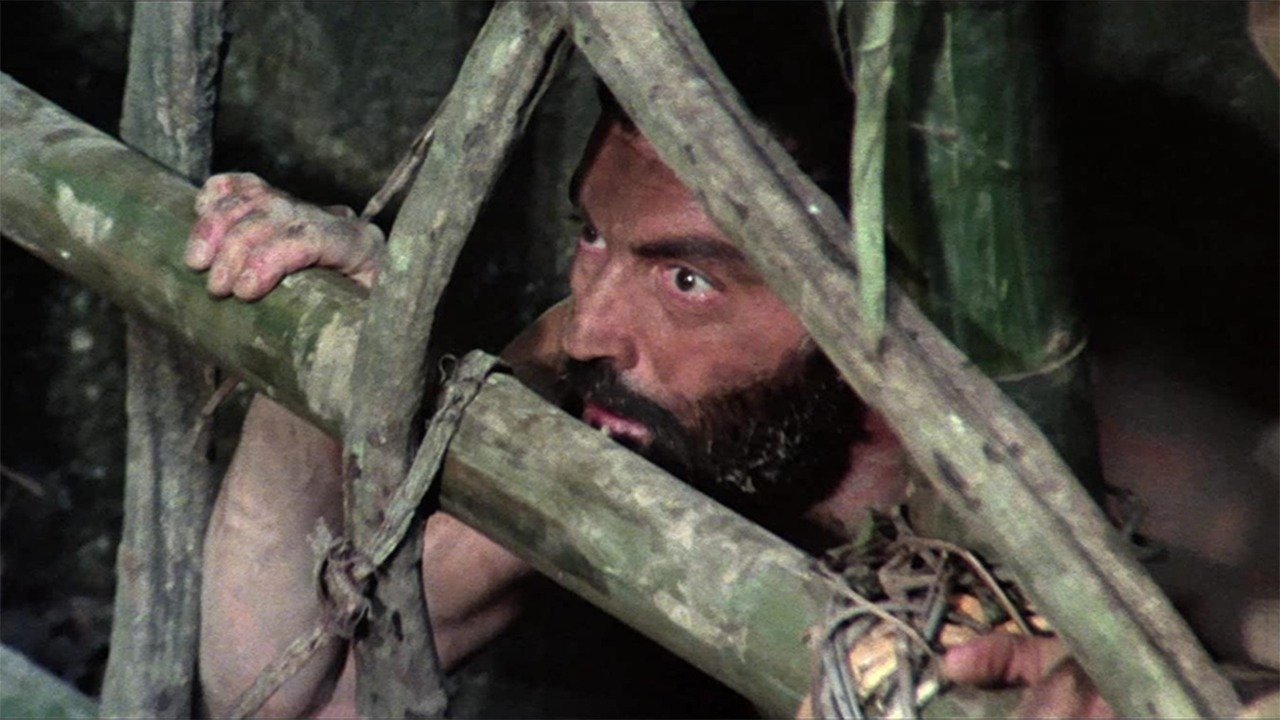
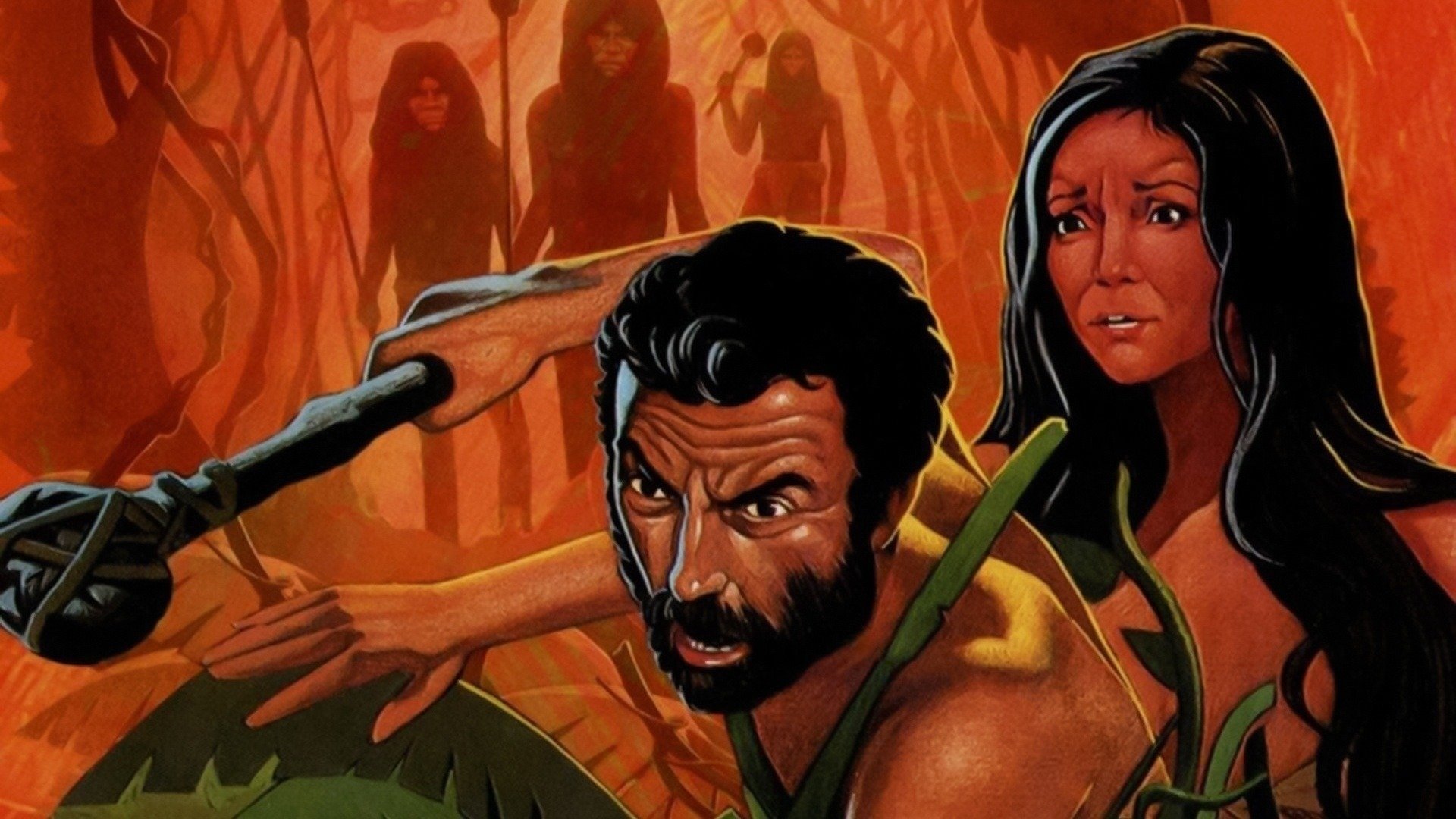
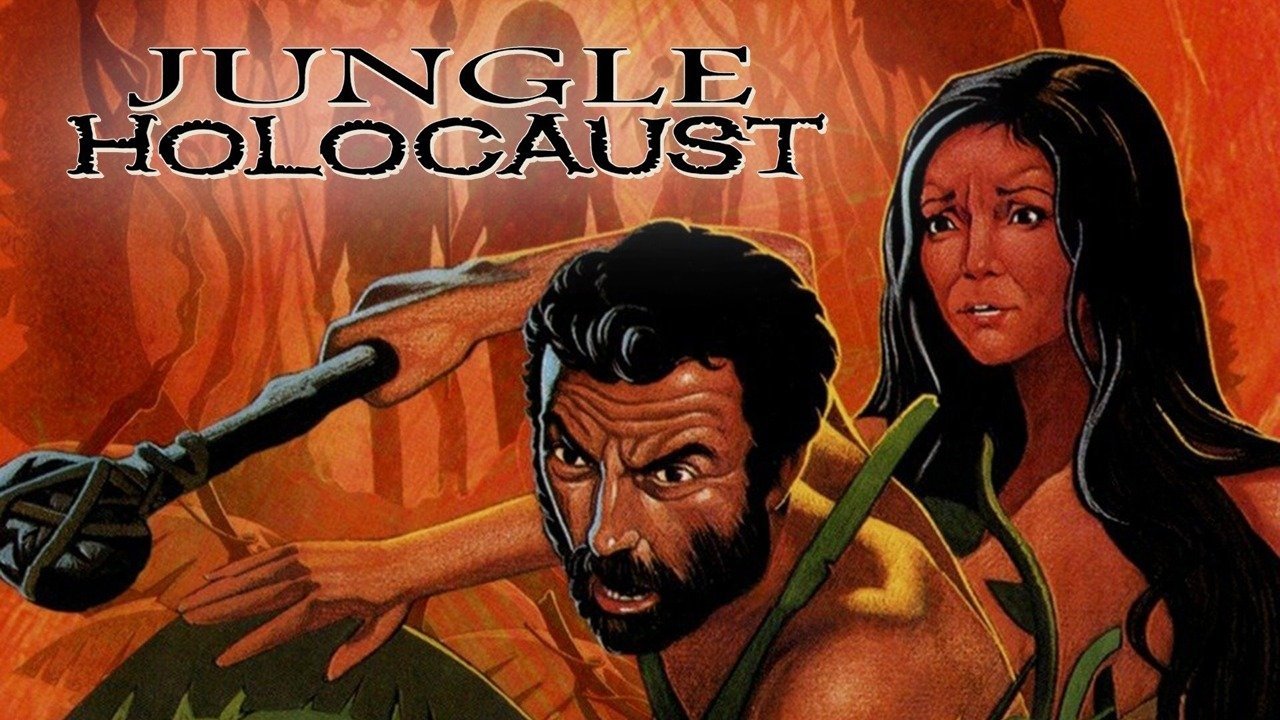
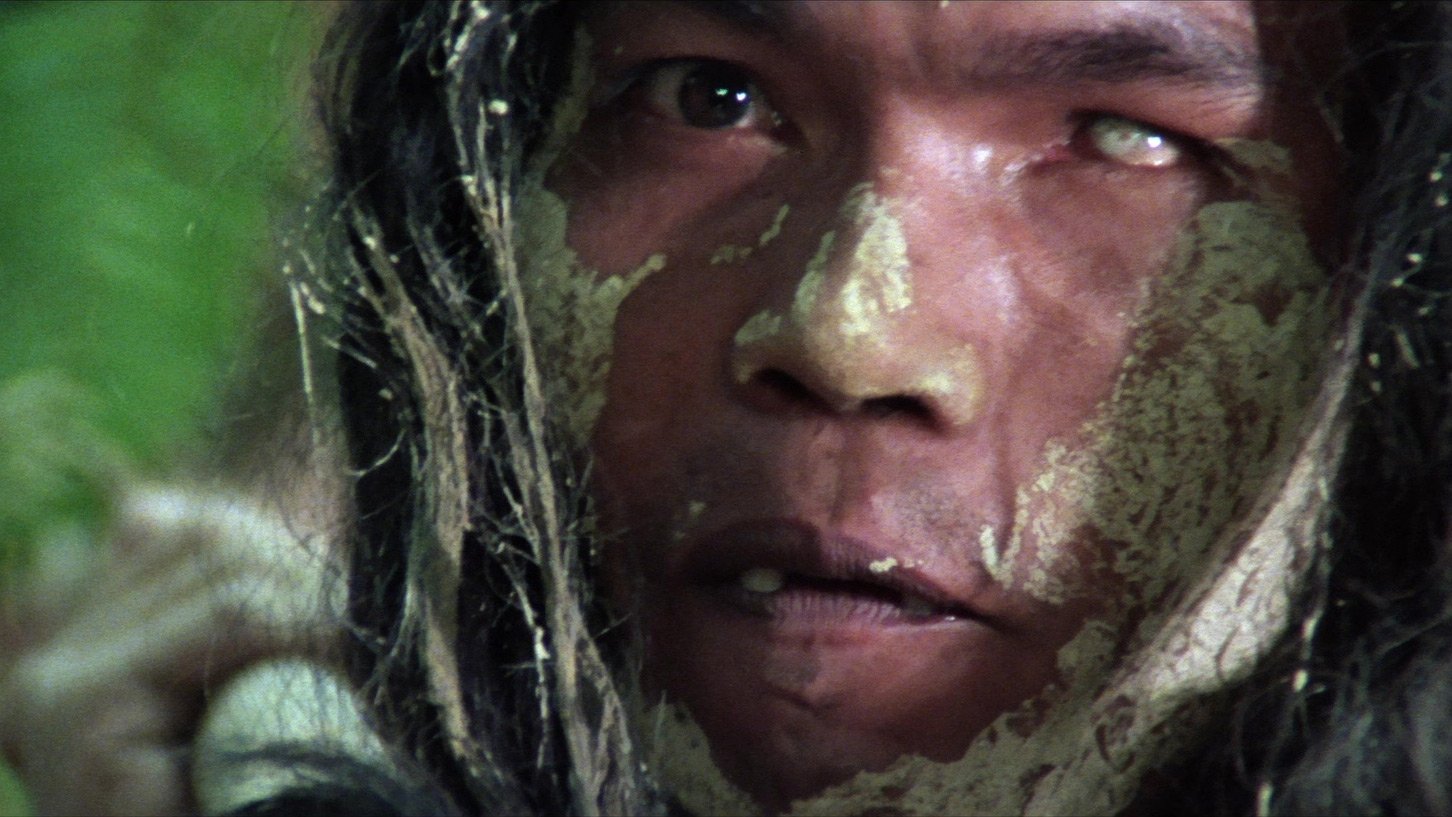
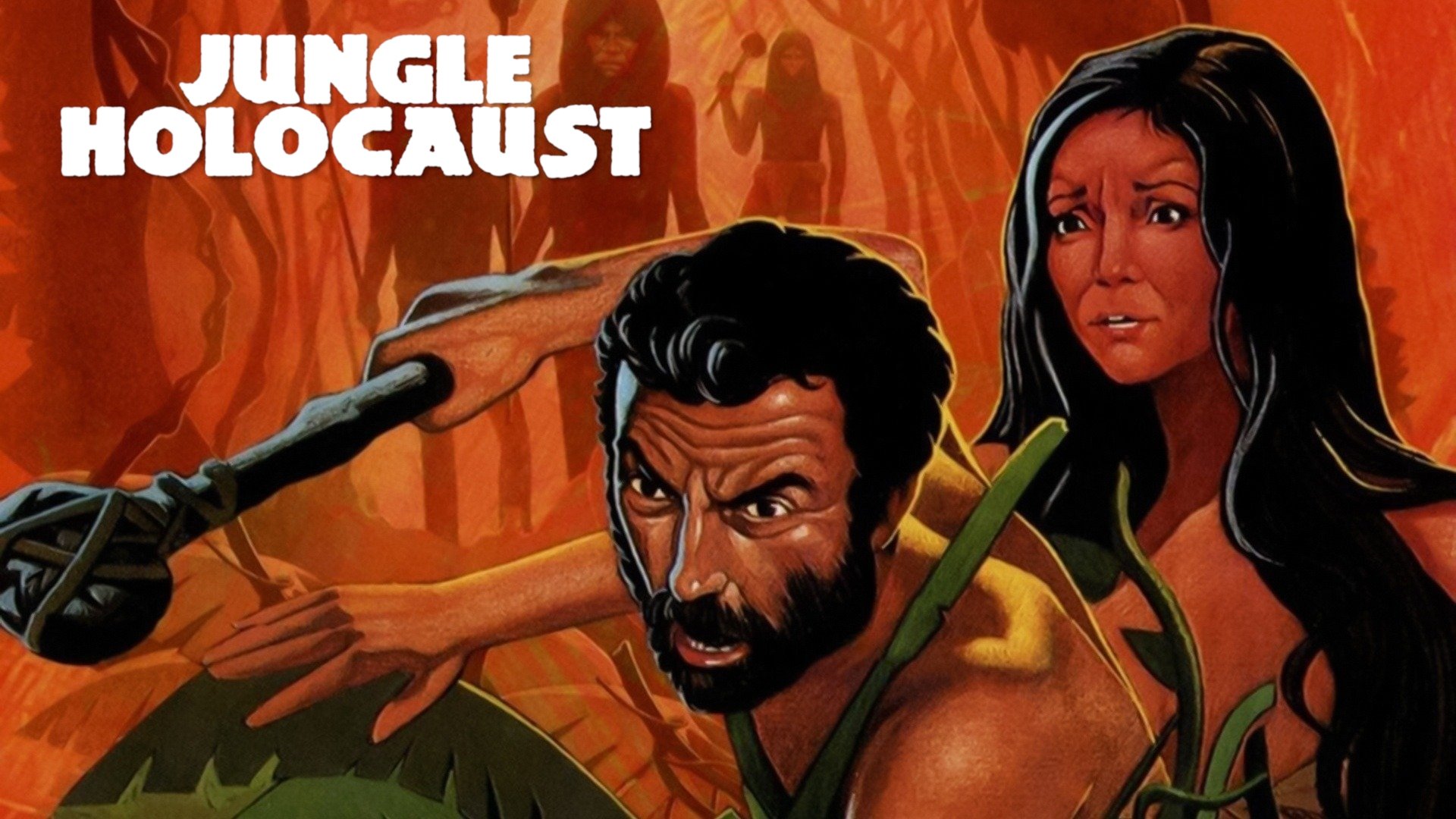
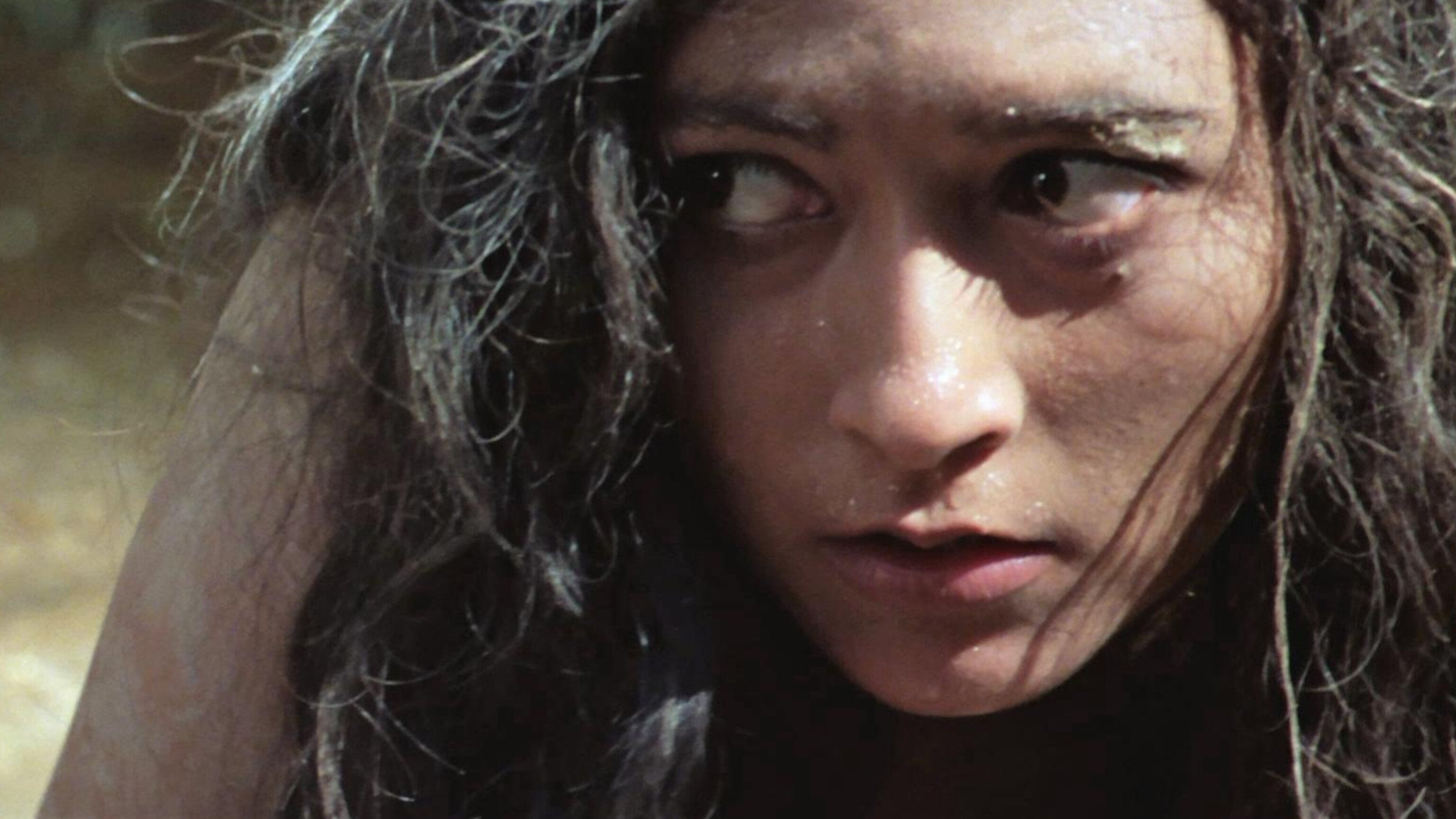
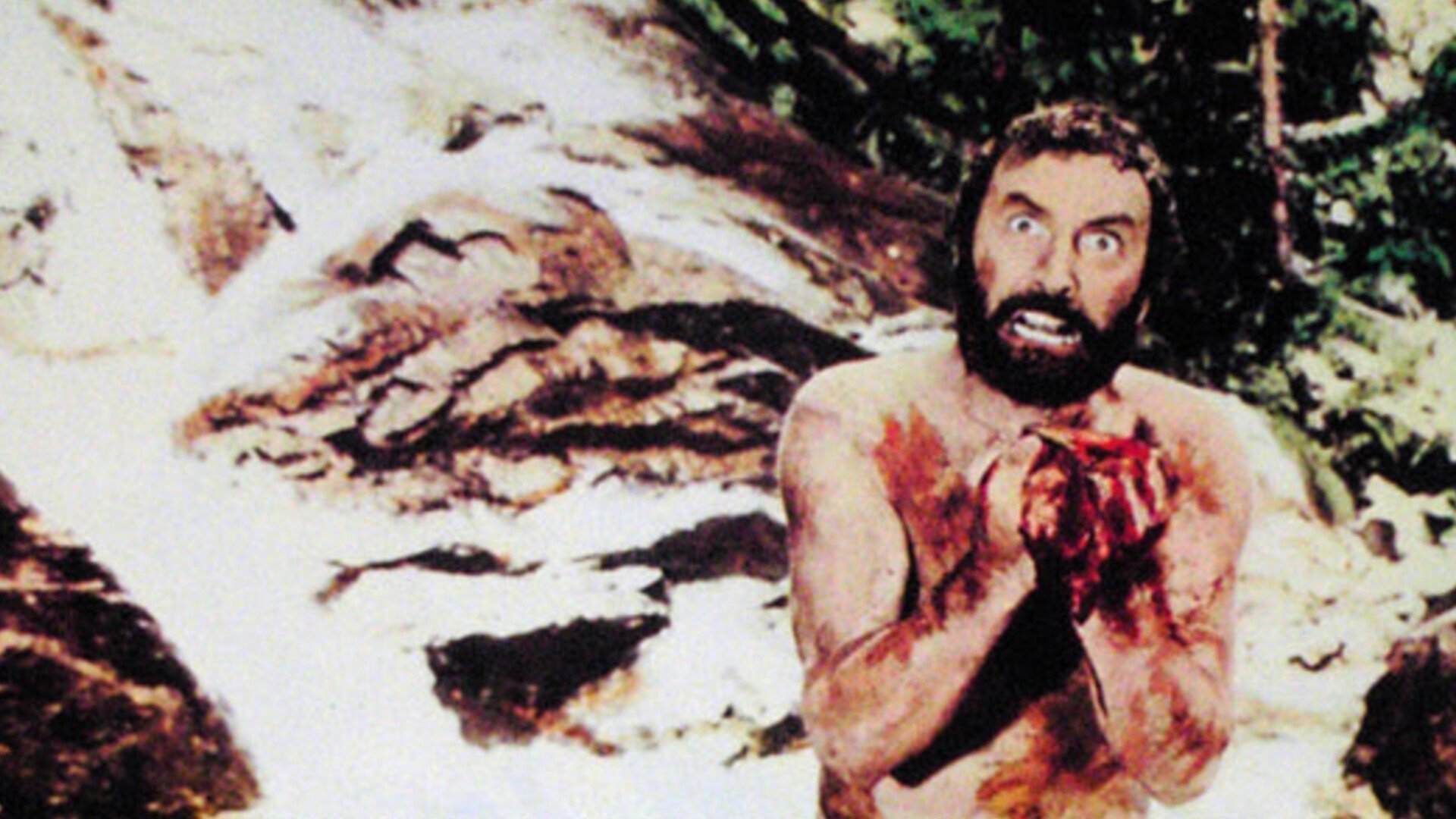
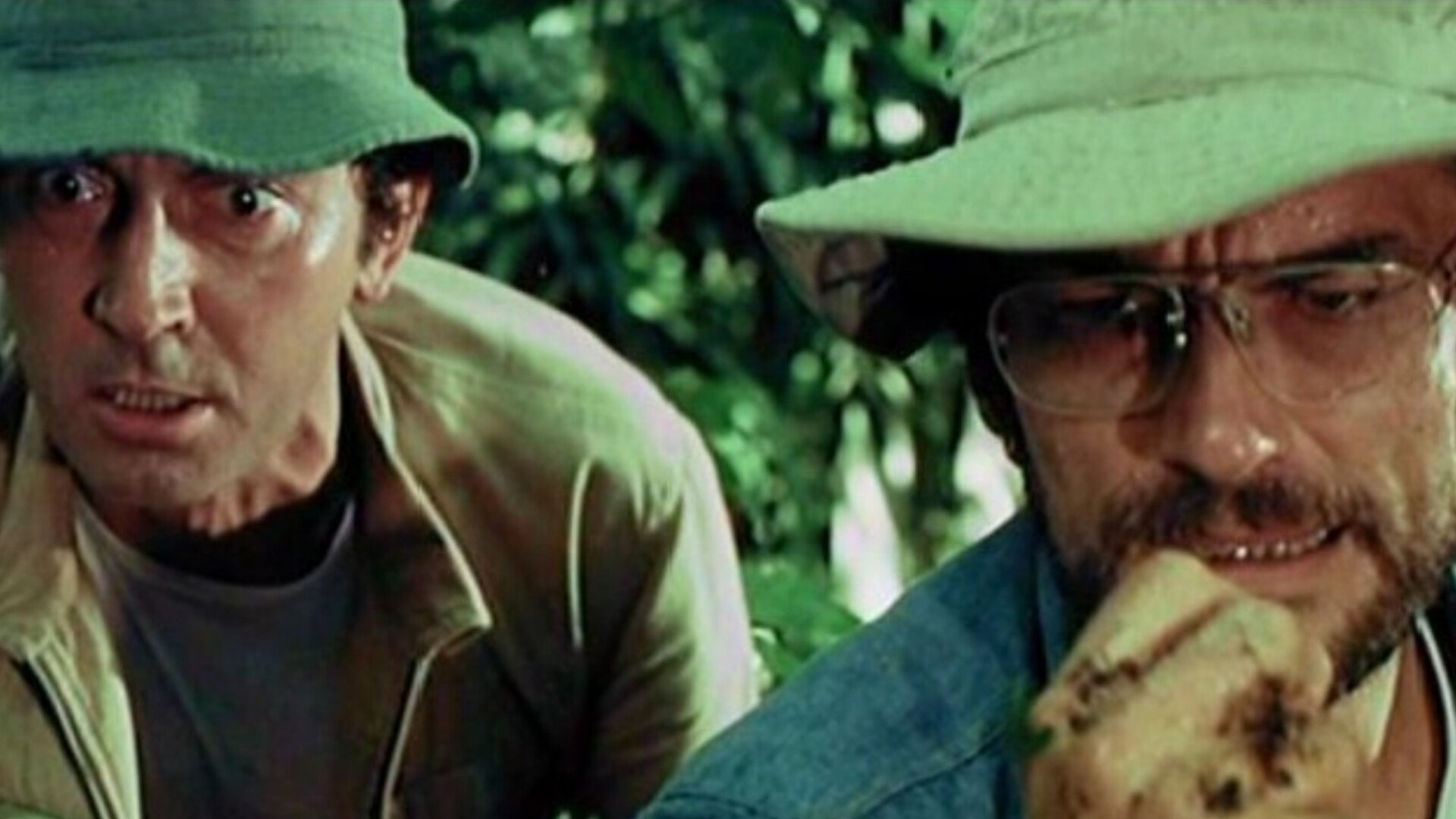
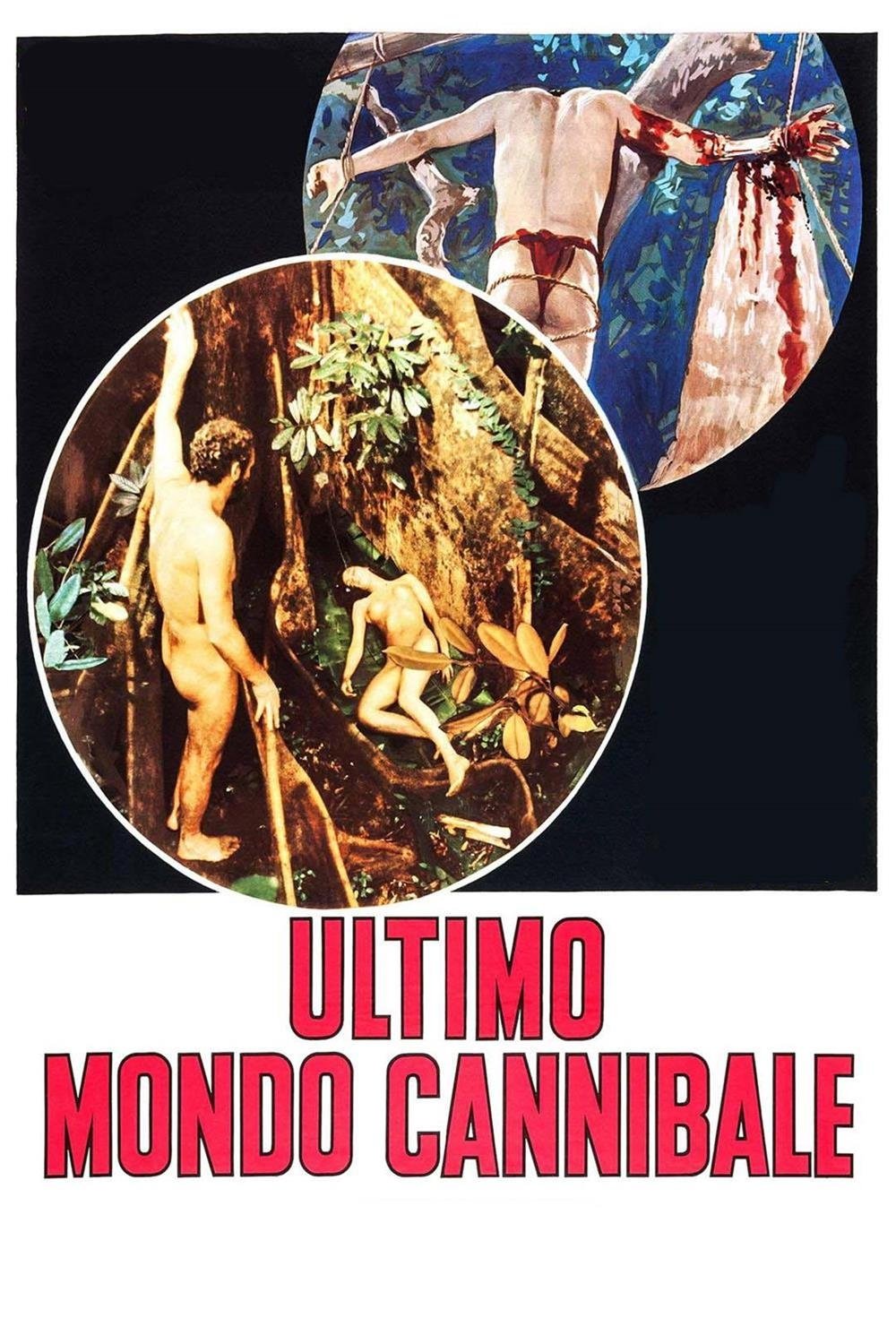
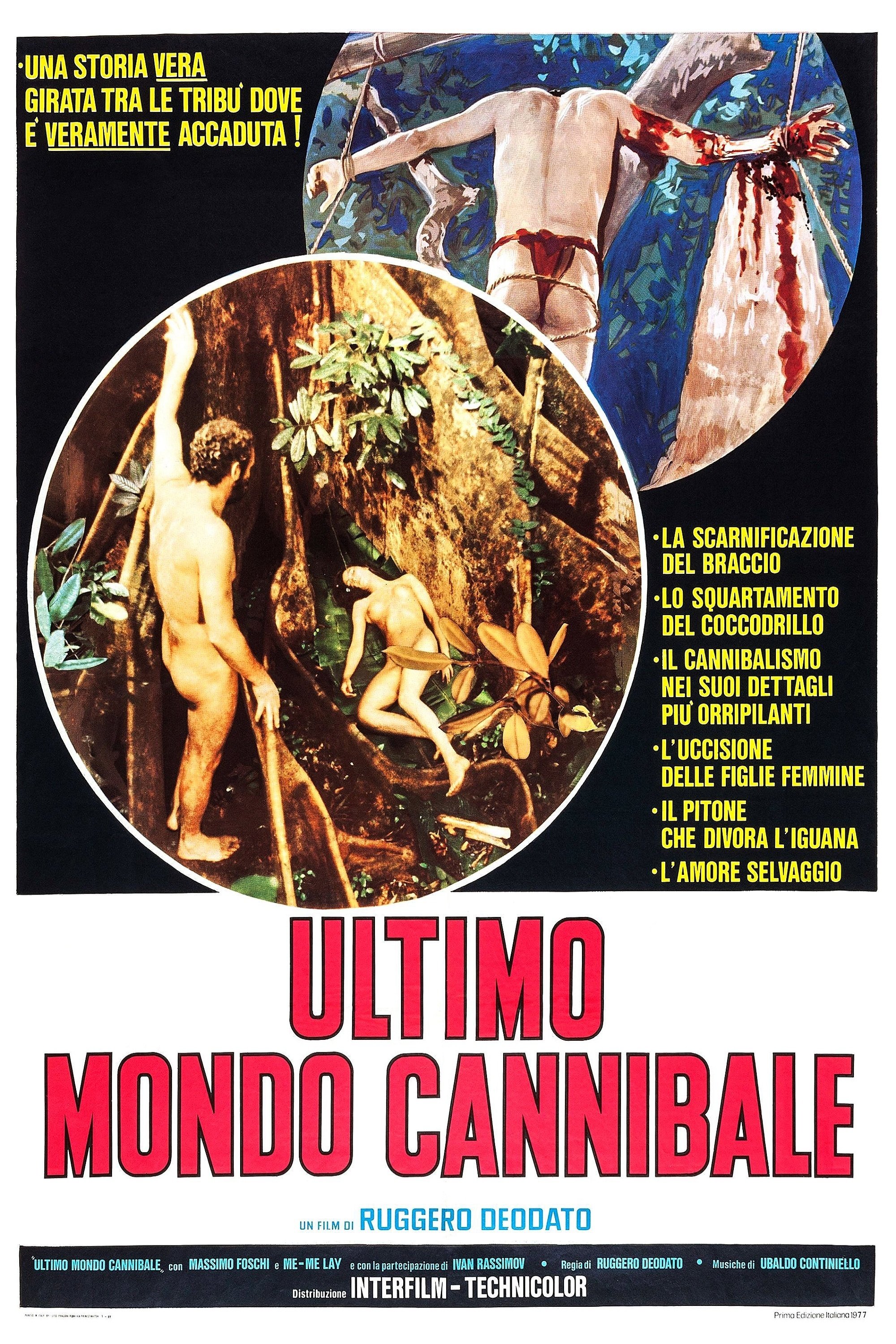
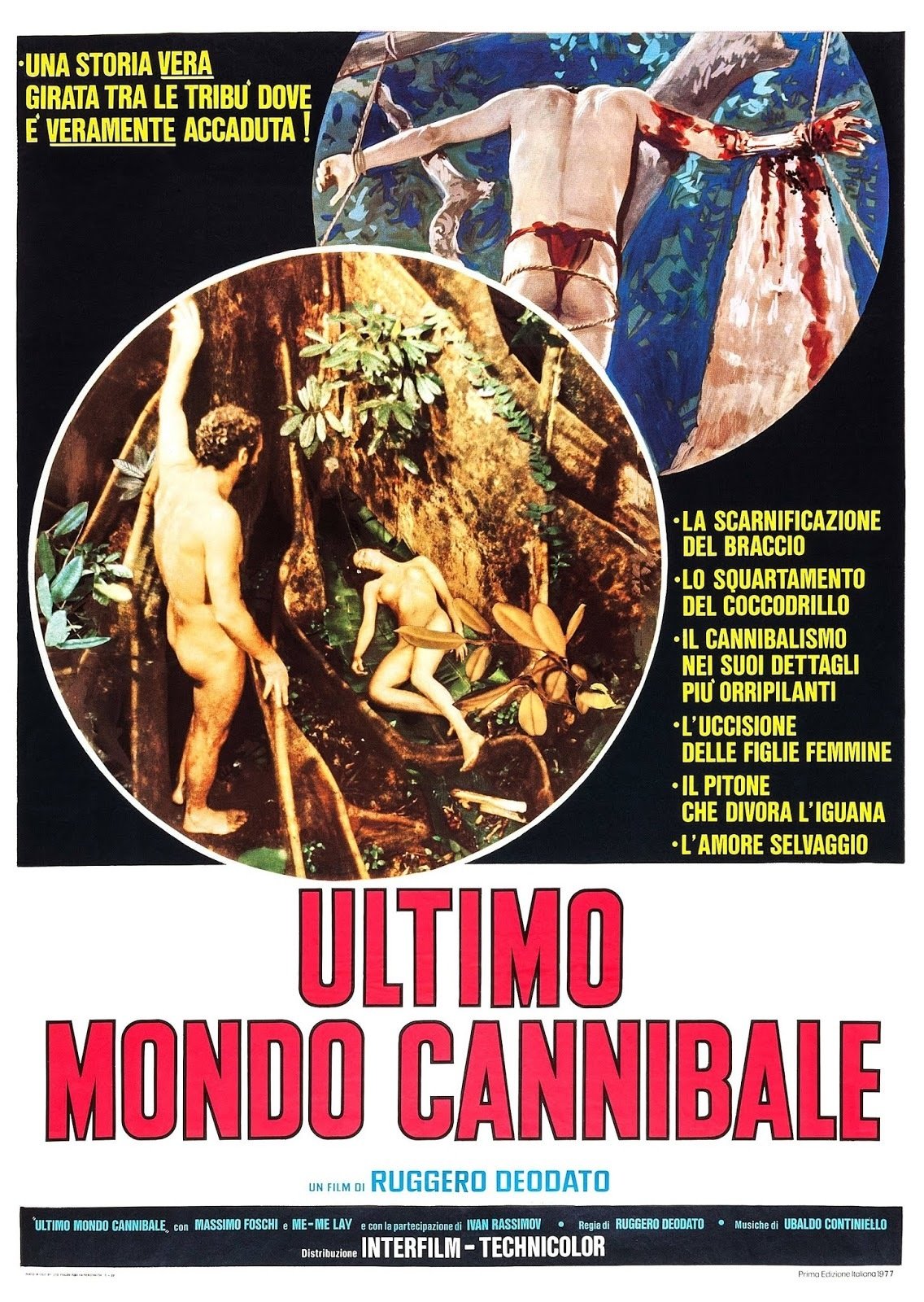
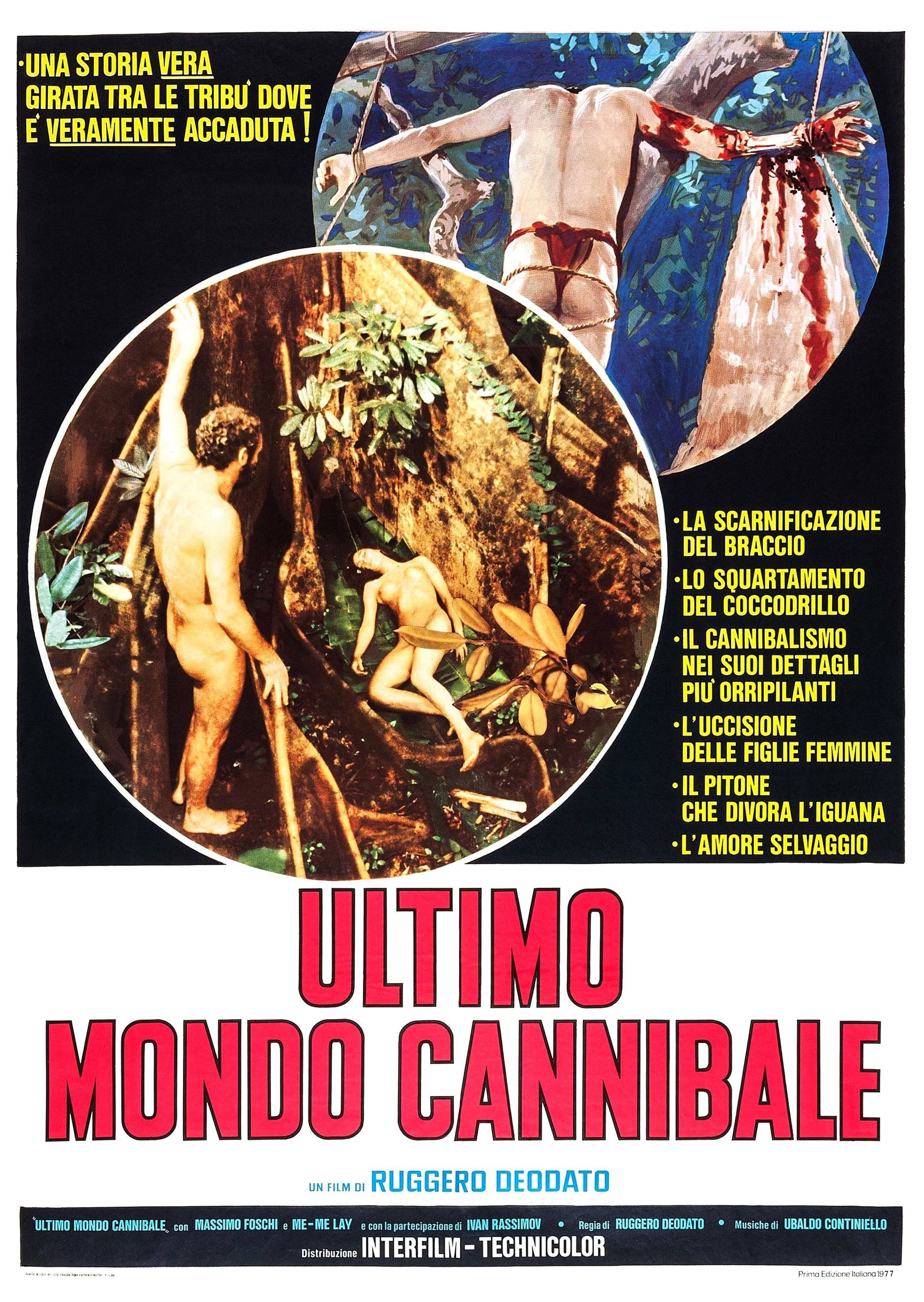
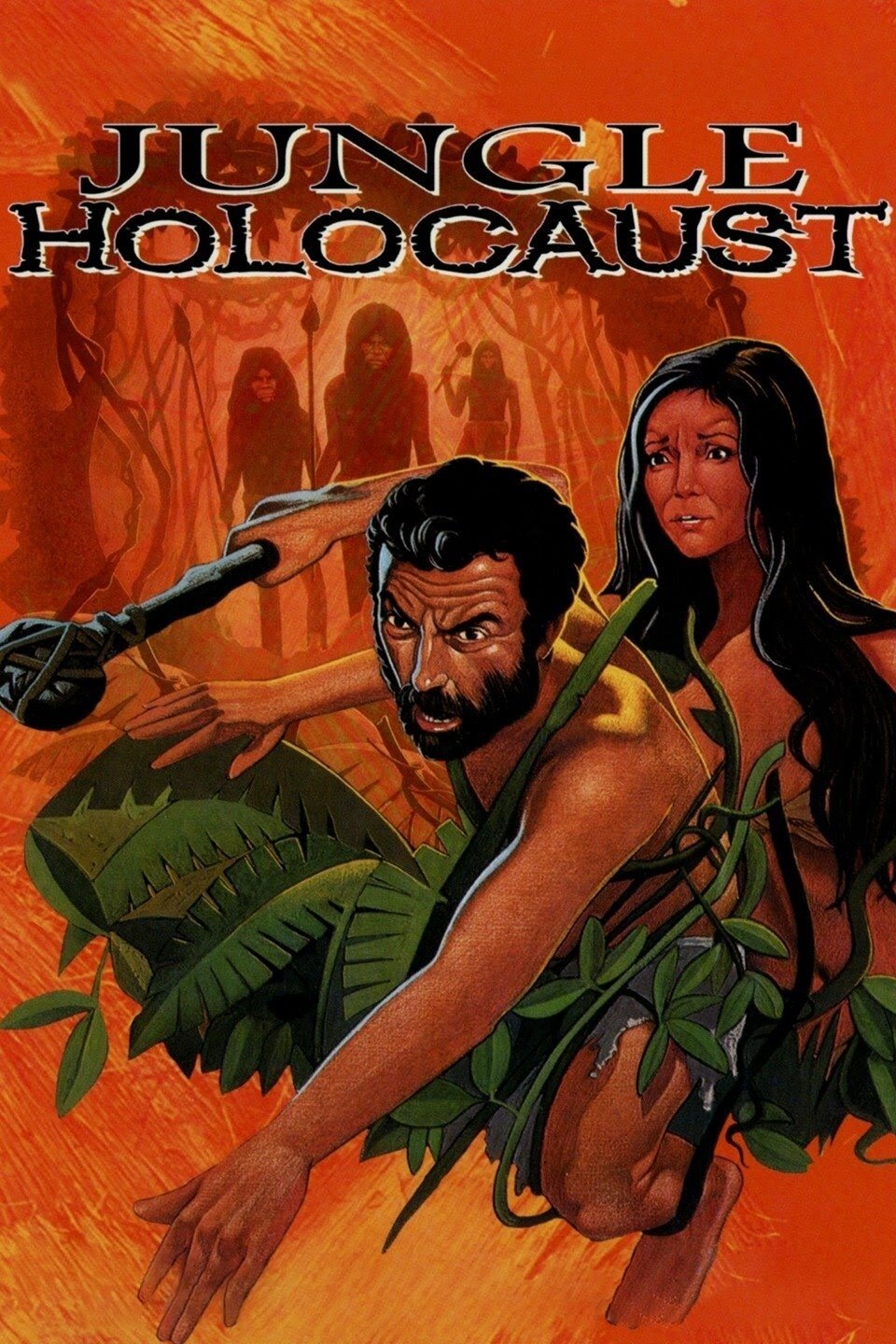
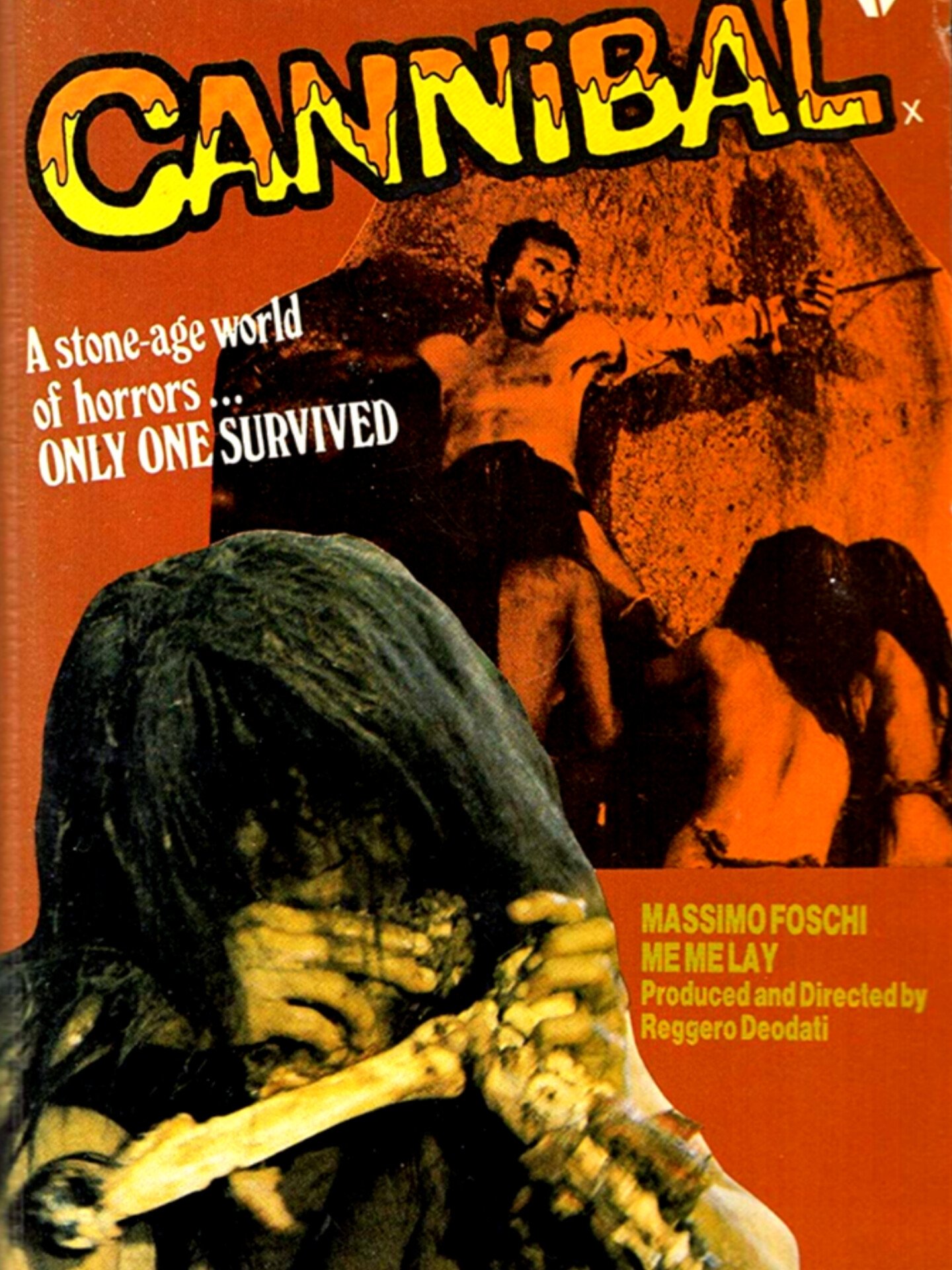
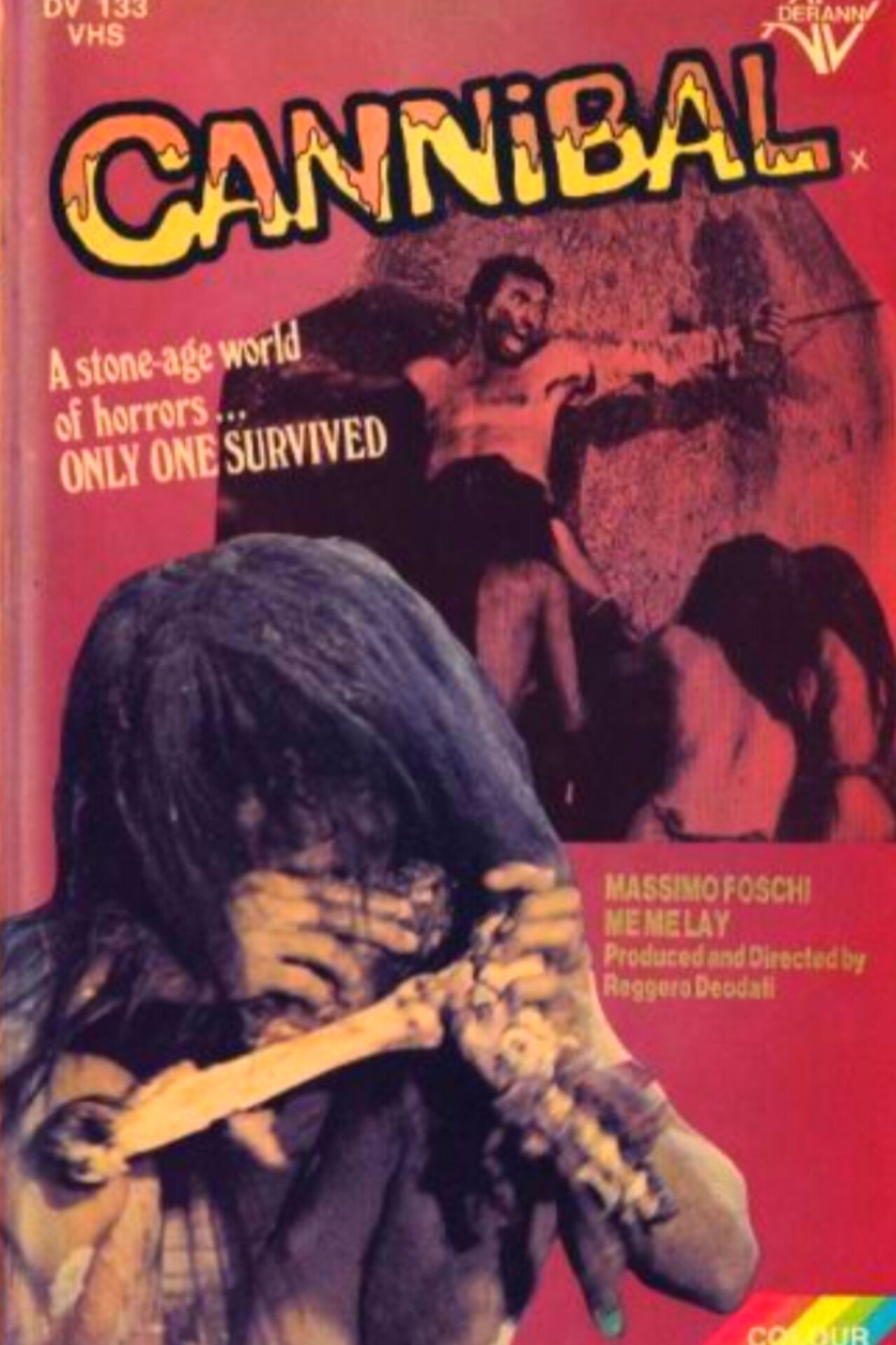
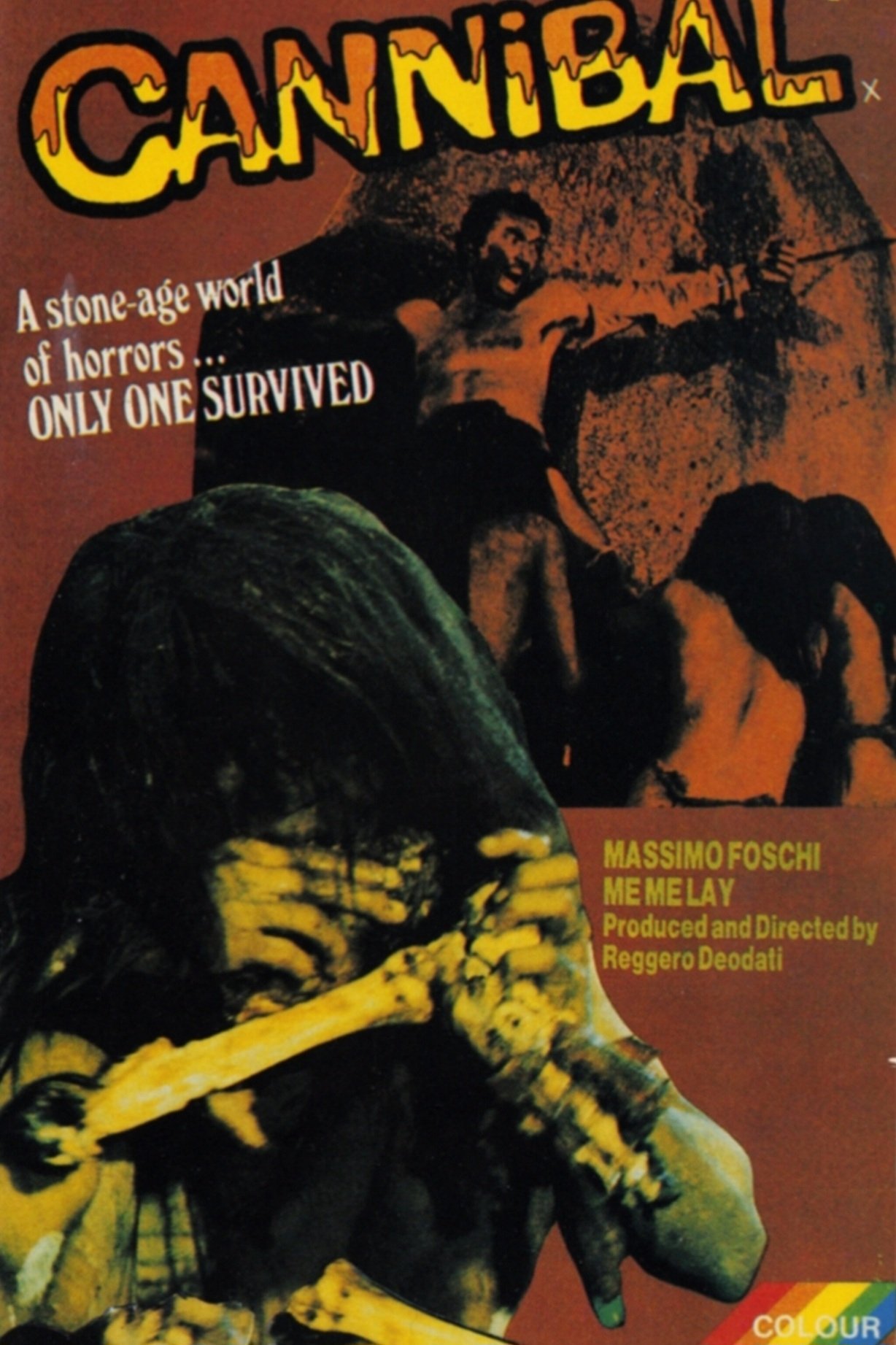
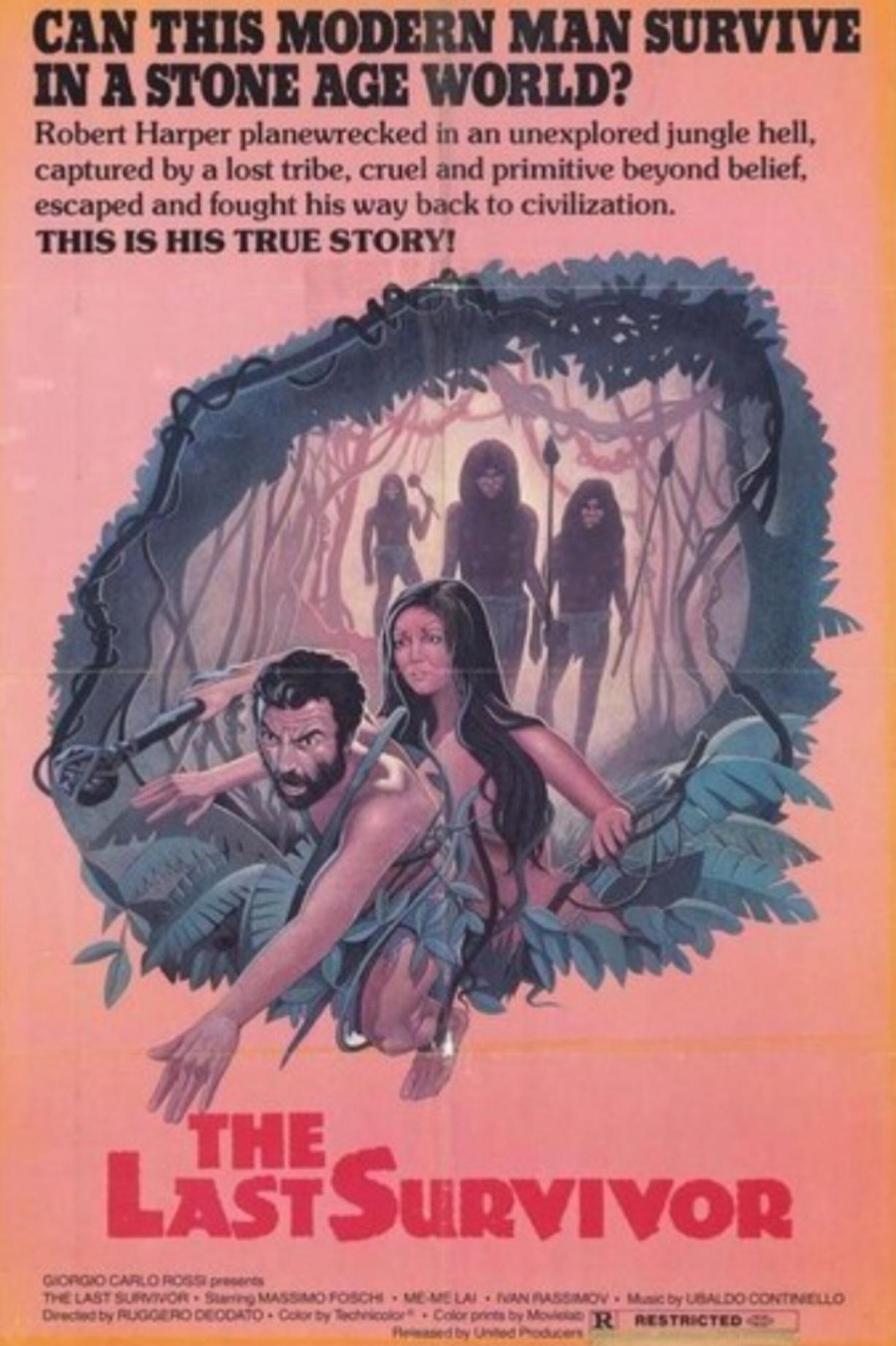
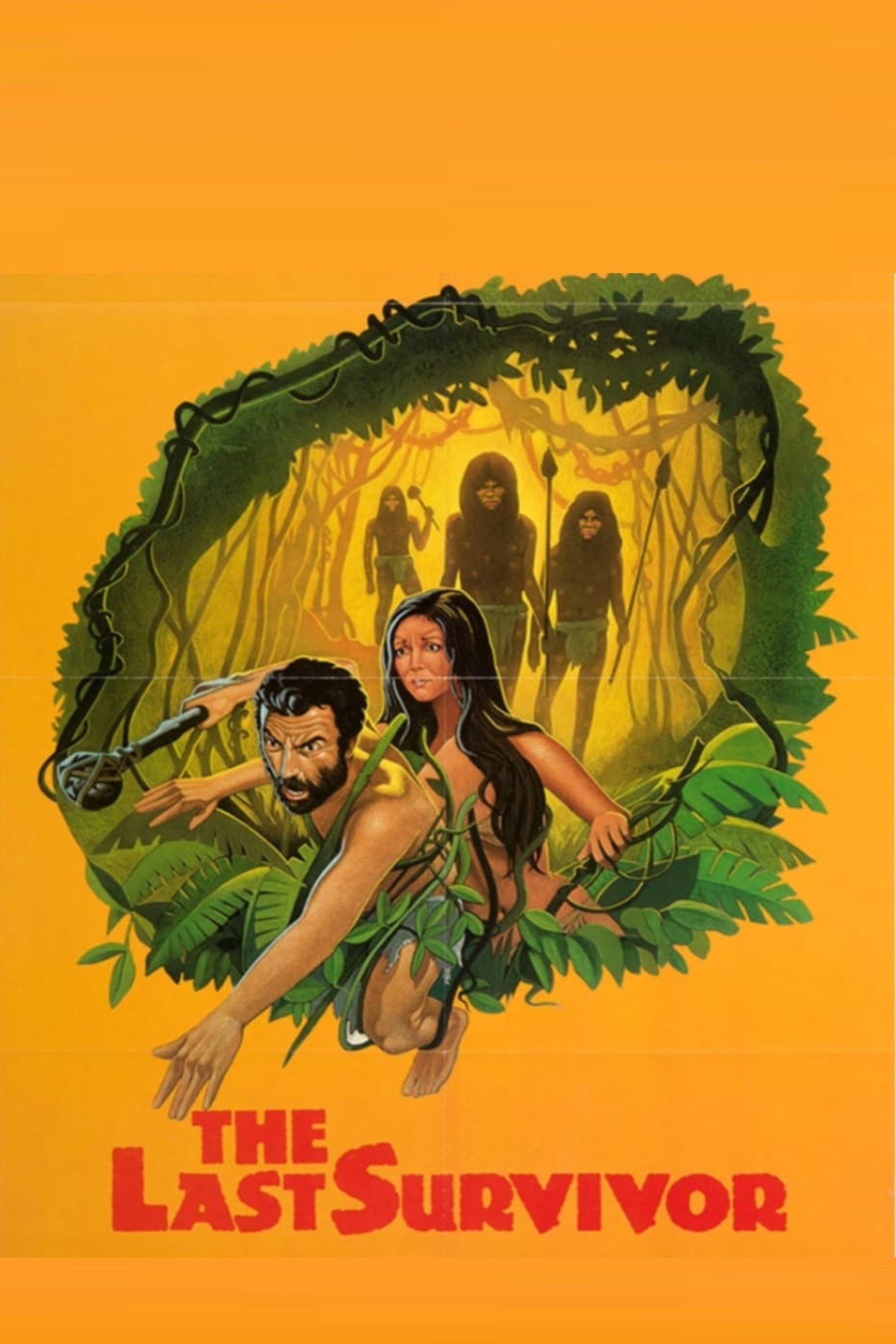
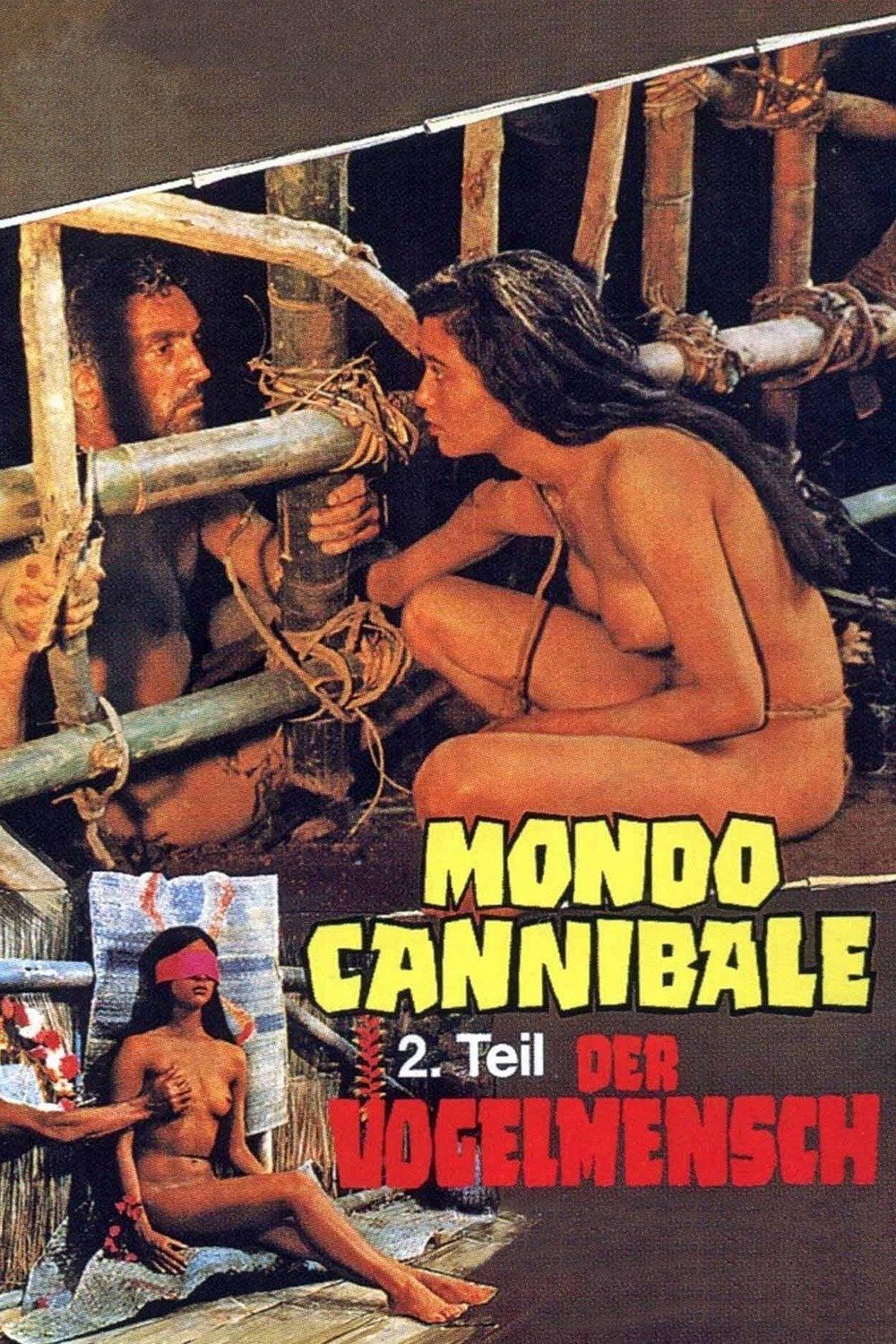
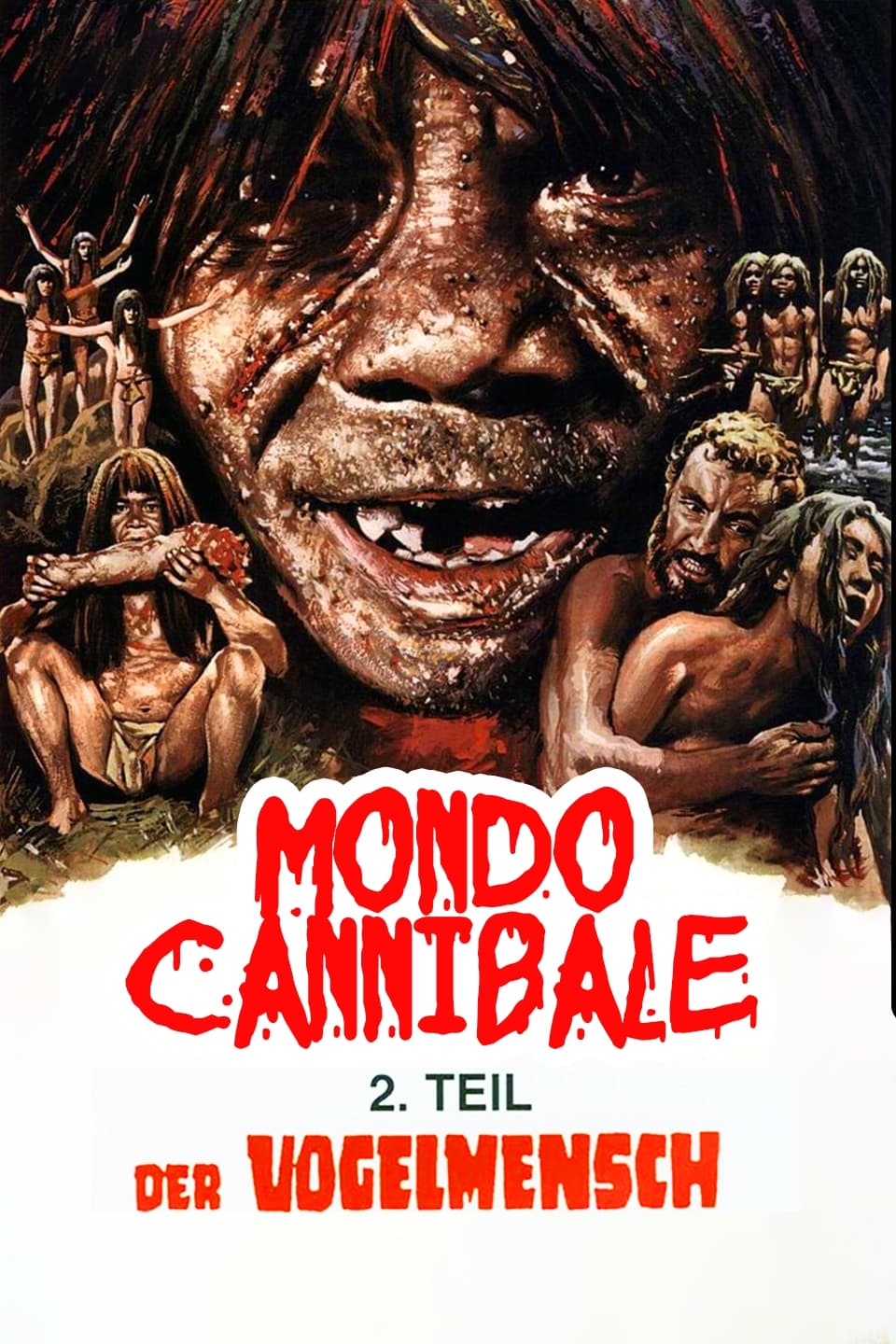
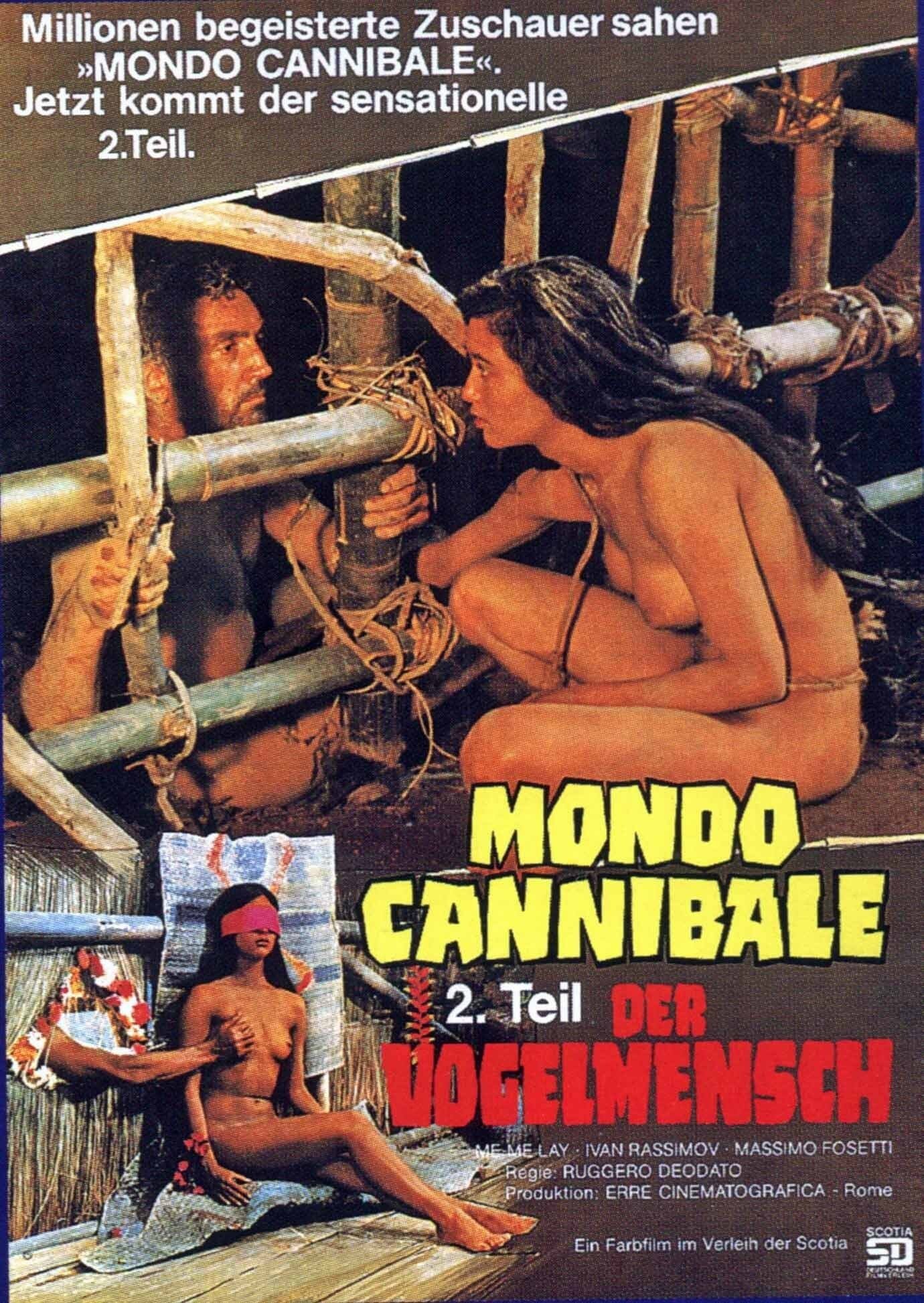
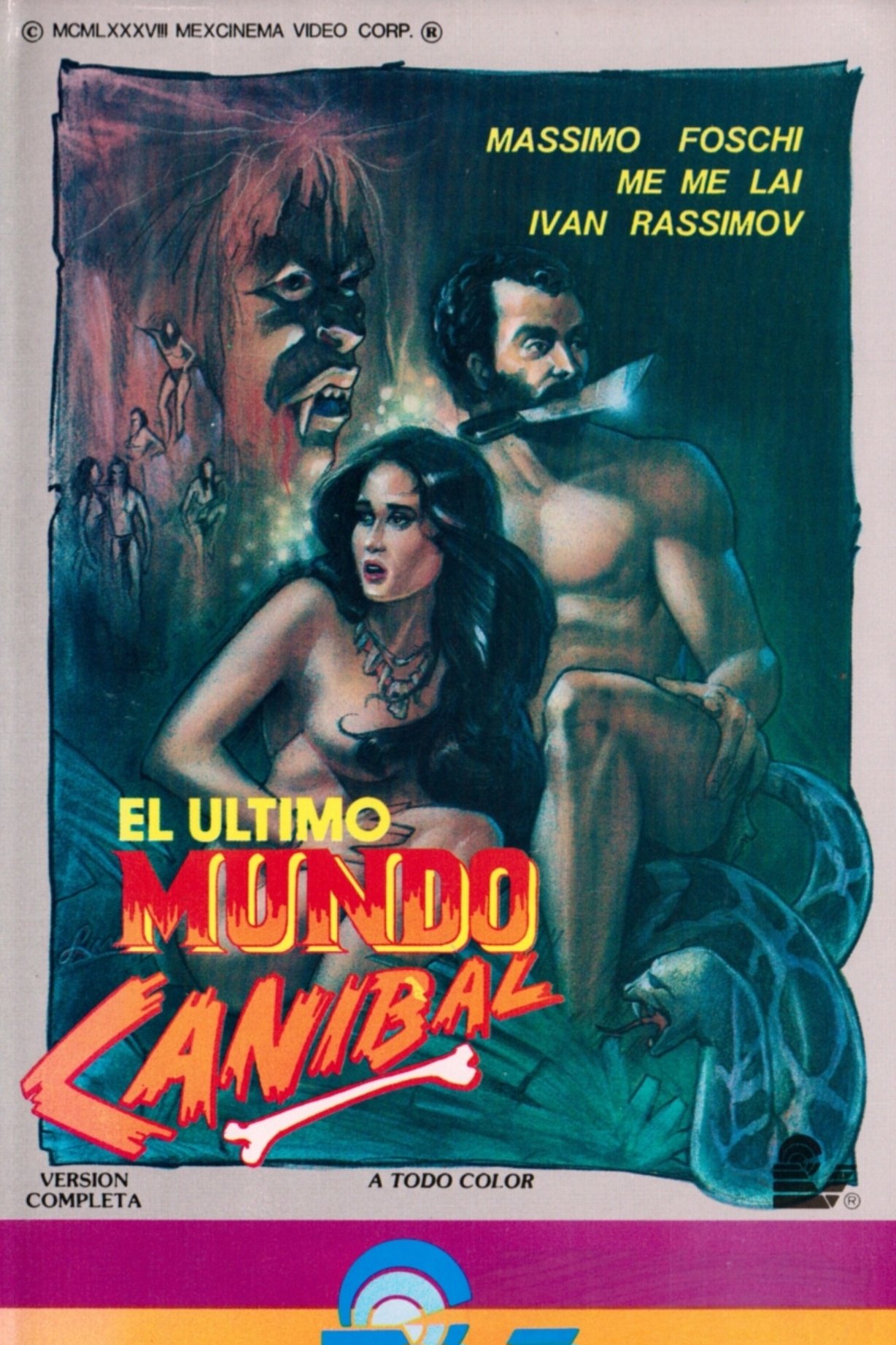
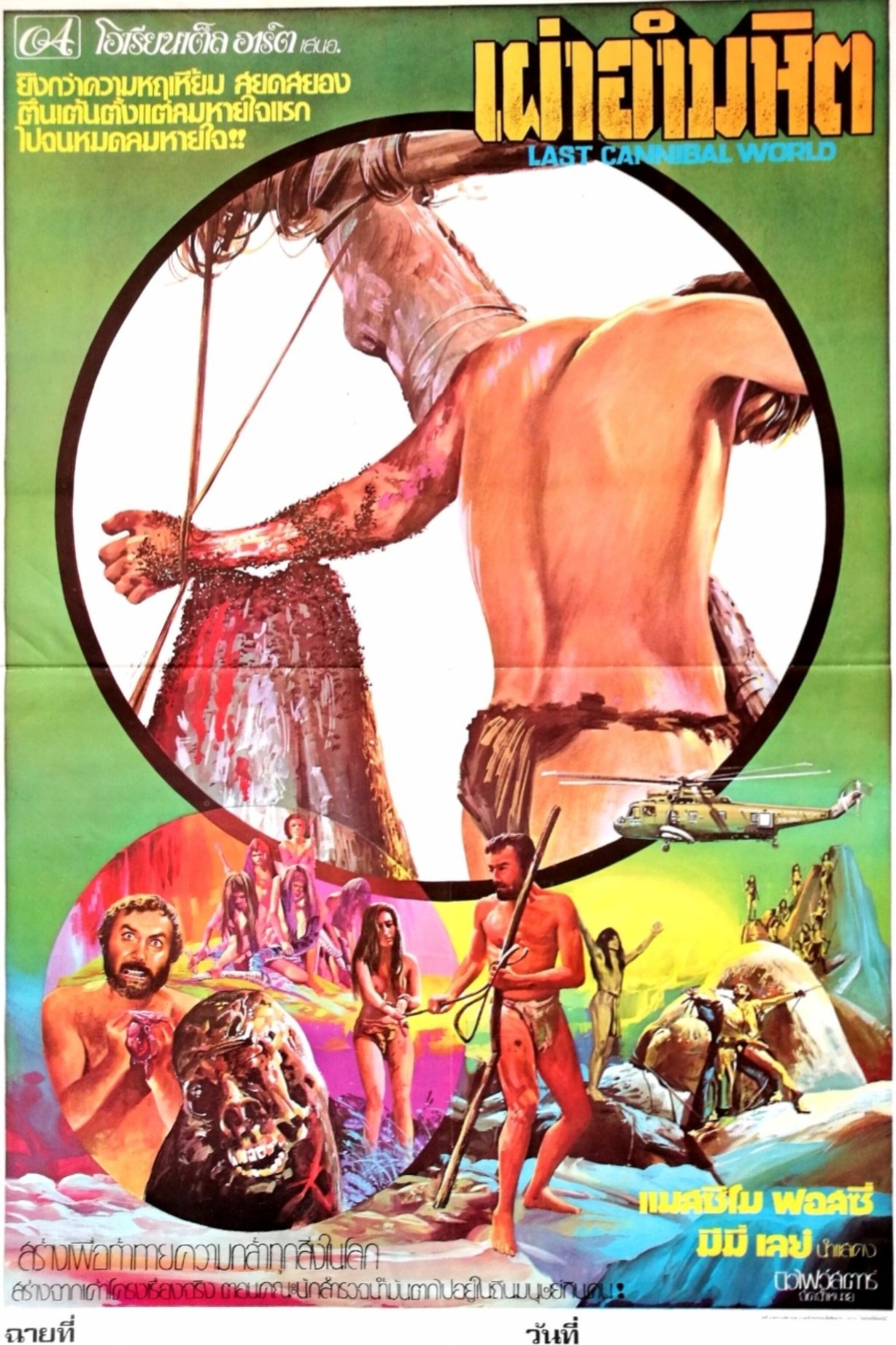
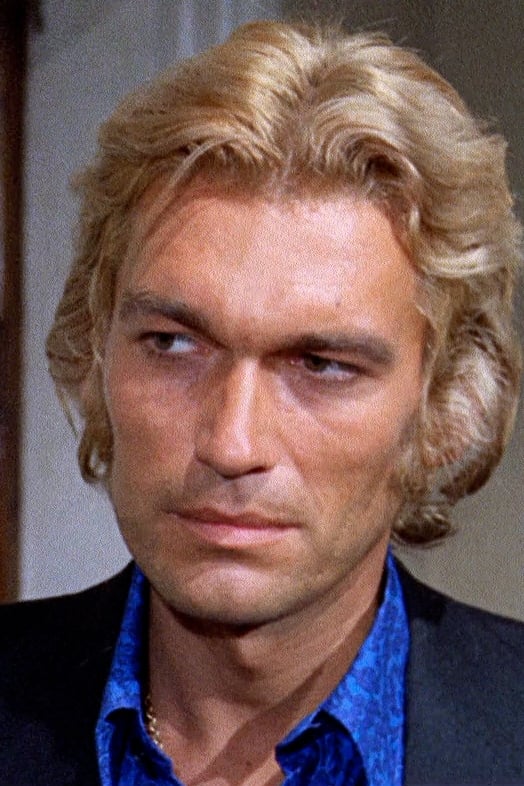
The film was made by Erre Cinematografica, and its creative development passed through several writers, including Renzo Genta, Gianfranco Clerici and Tito Carpi. Massimo Foschi plays the increasingly desperate Robert Harper, while Ivan Rassimov's Rolf supplies a contrasting character who initially approaches the expedition with greater caution. Me Me Lai appears as Pulan, whose relationship with Robert becomes decisive to his escape. The overlapping personnel and jungle premise place the production in the developing Italian cannibal-film cycle, although its narrative concentrates more tightly on one captive's changing conduct than on a succession of separate expeditions.