Halloween II (2009)

US
HORROR FILM
SUBGENRES HALLOWEEN SLASHER
4.3/10 3 votes
Runtime
105 min
Release
August 28, 2009
Budget
$10,000,000
Revenue
$39,421,467
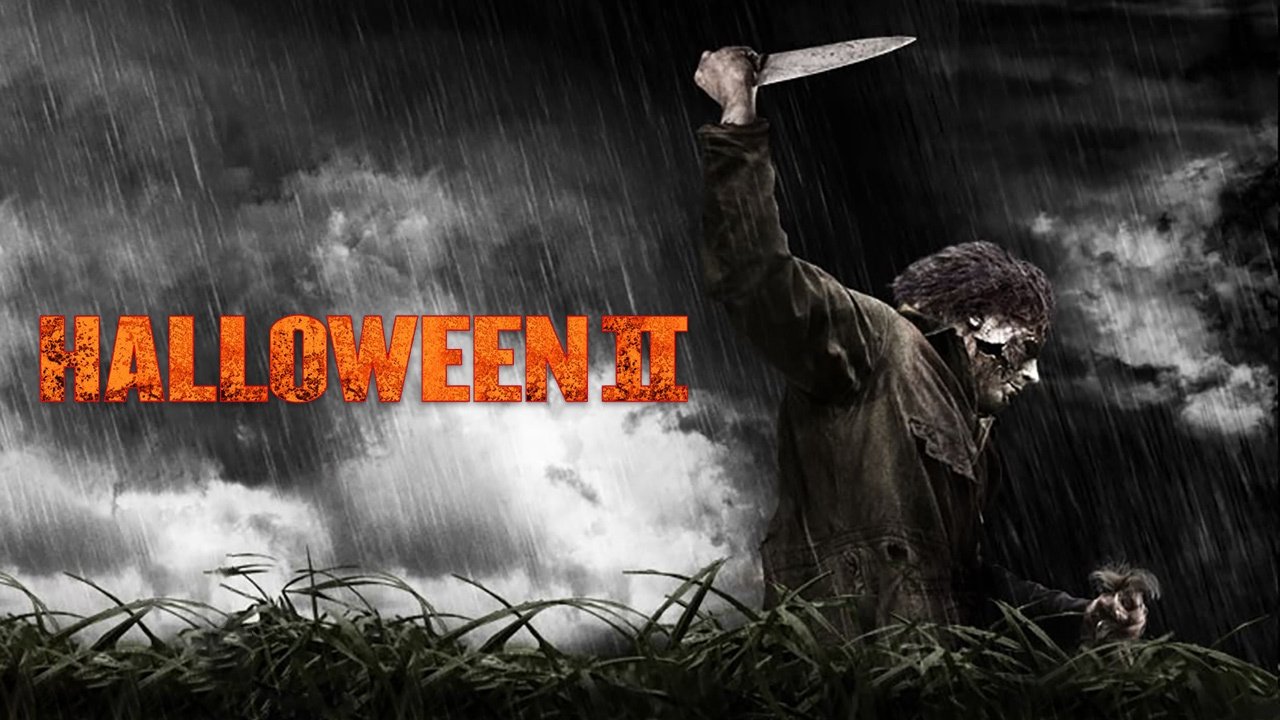
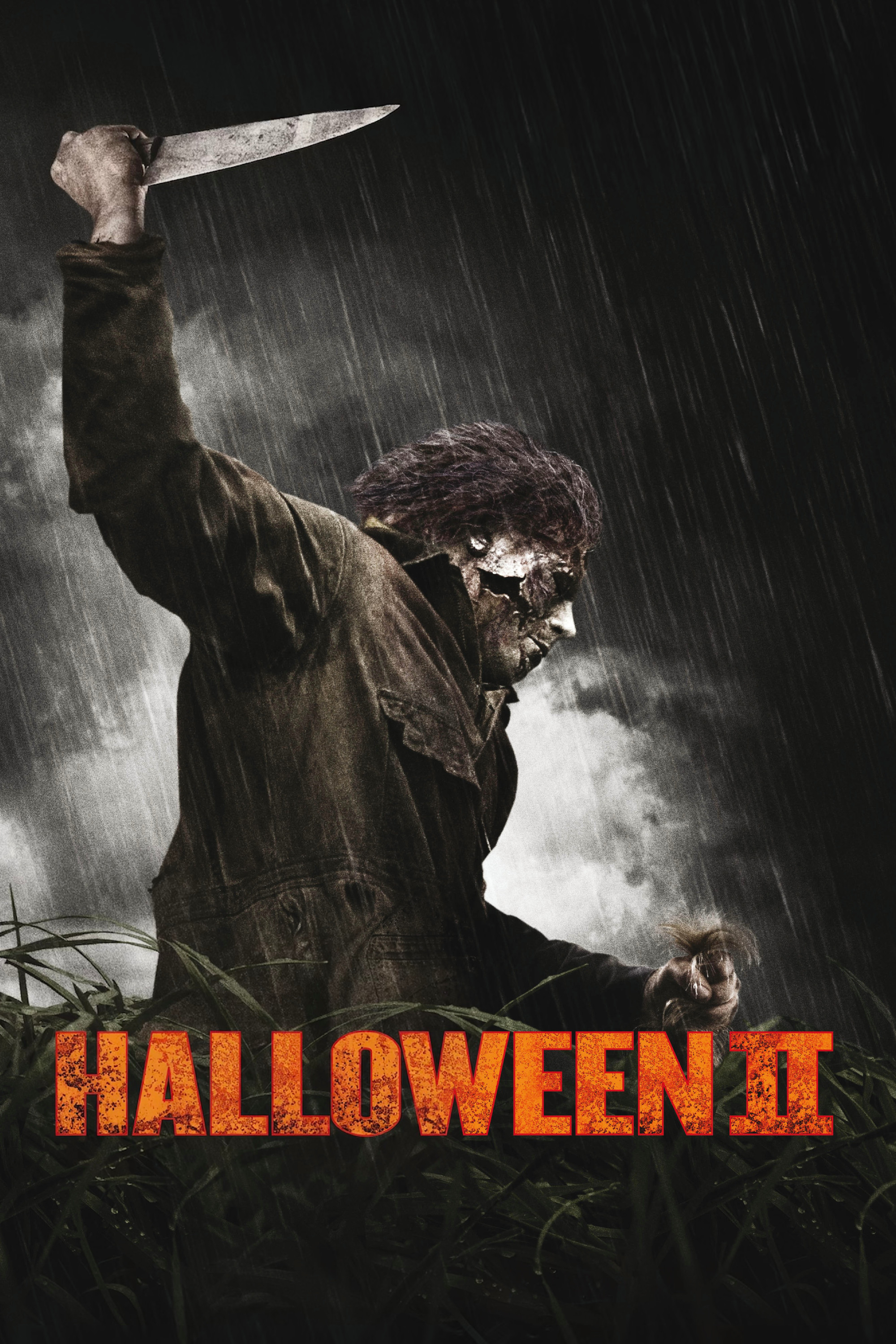
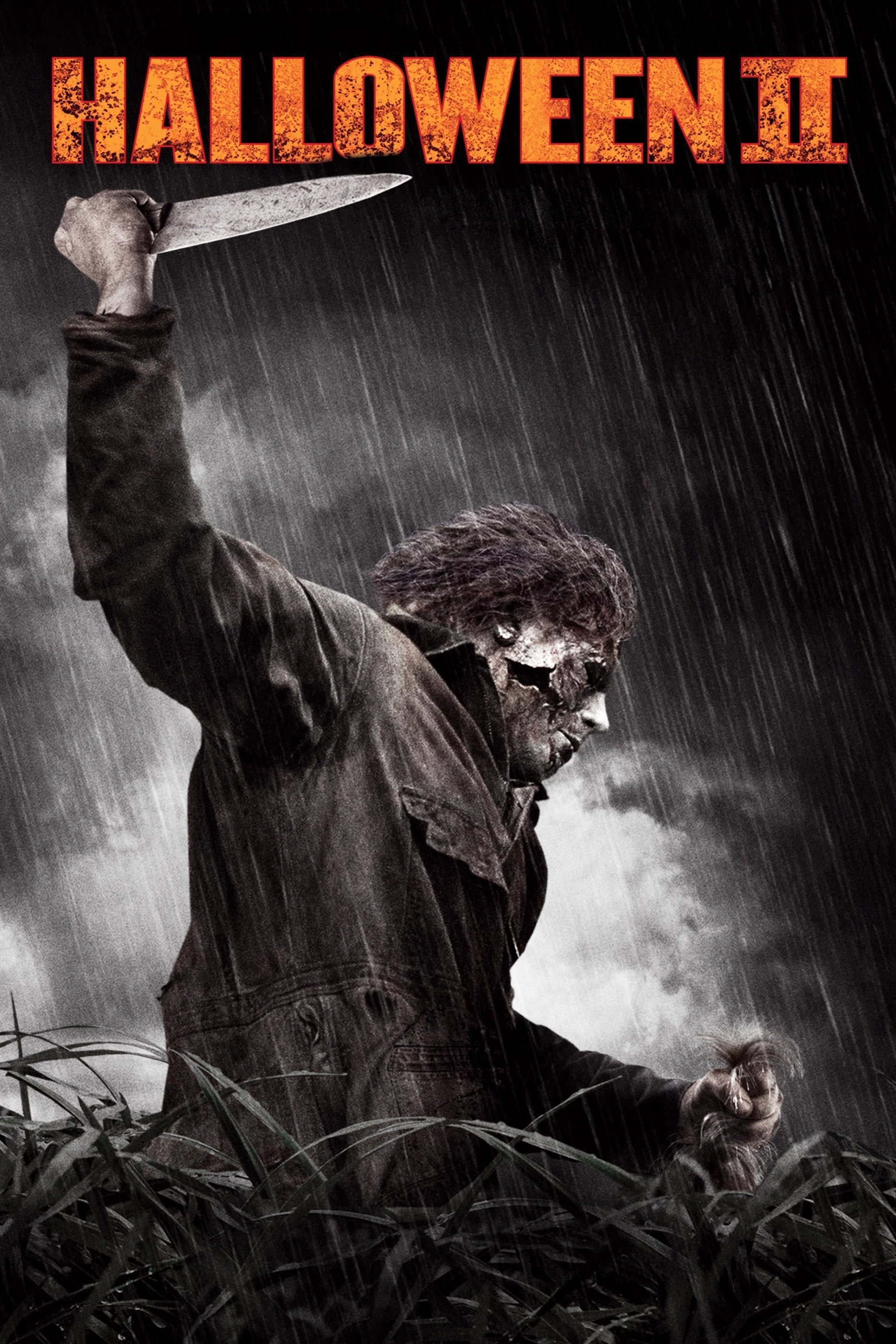
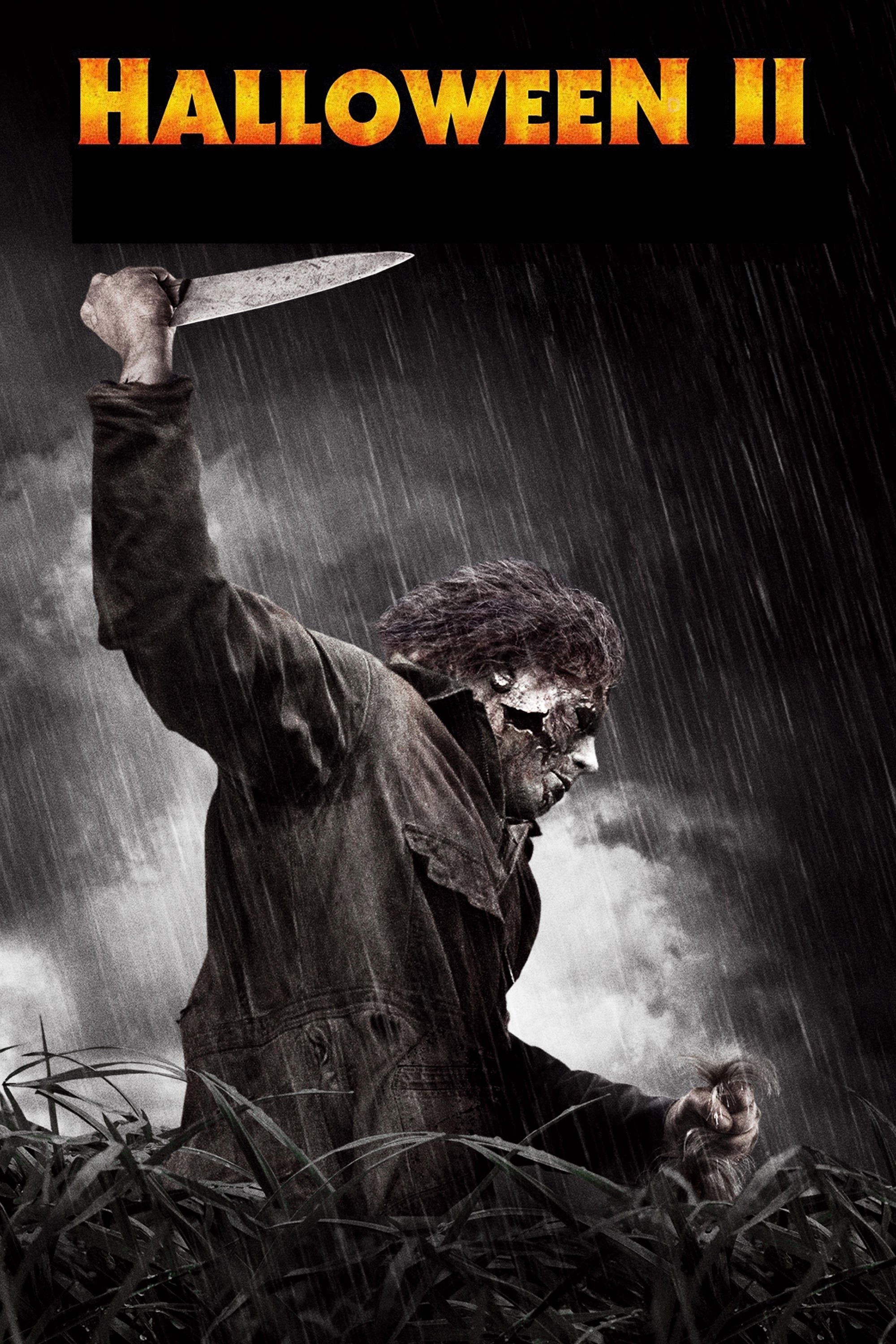
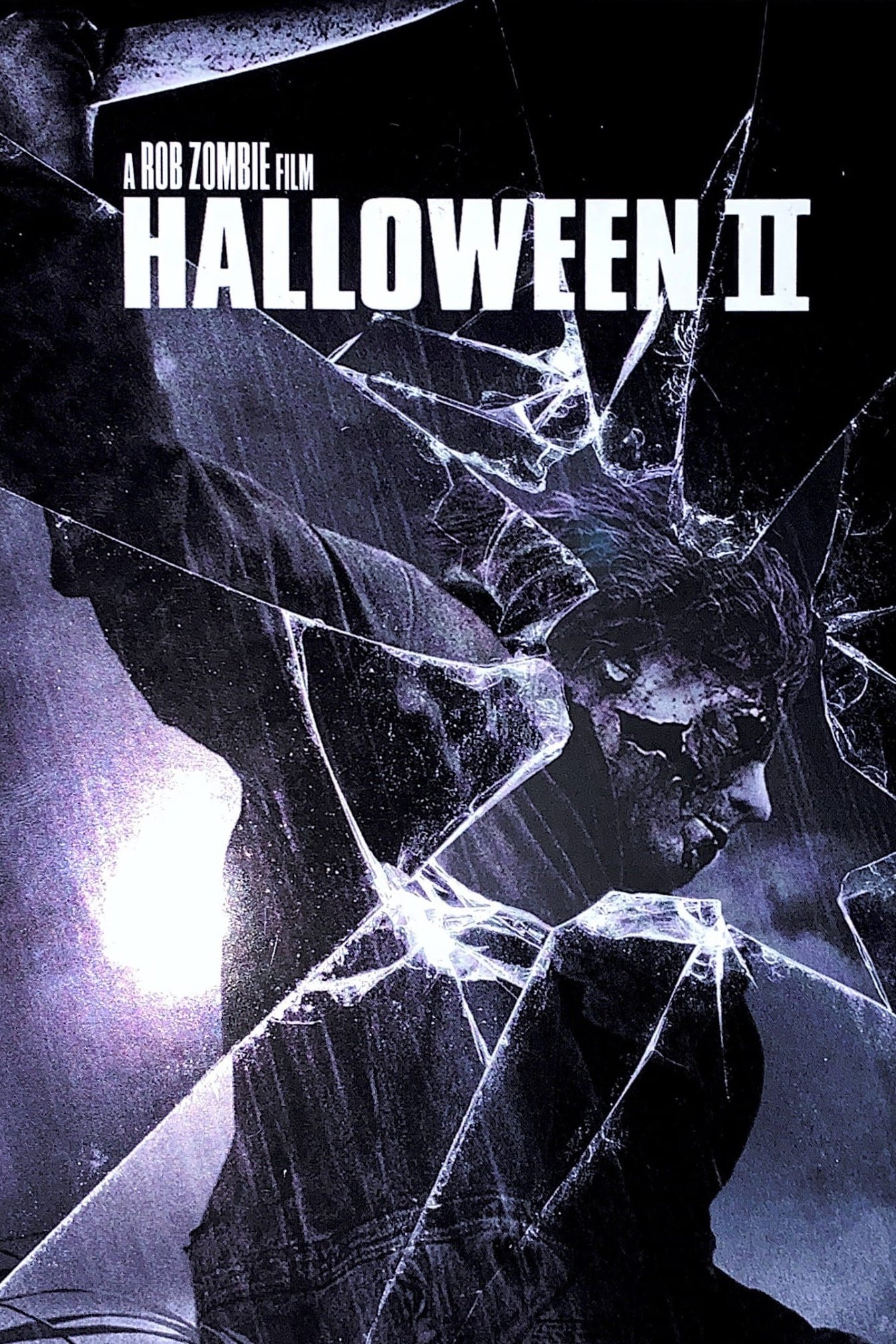
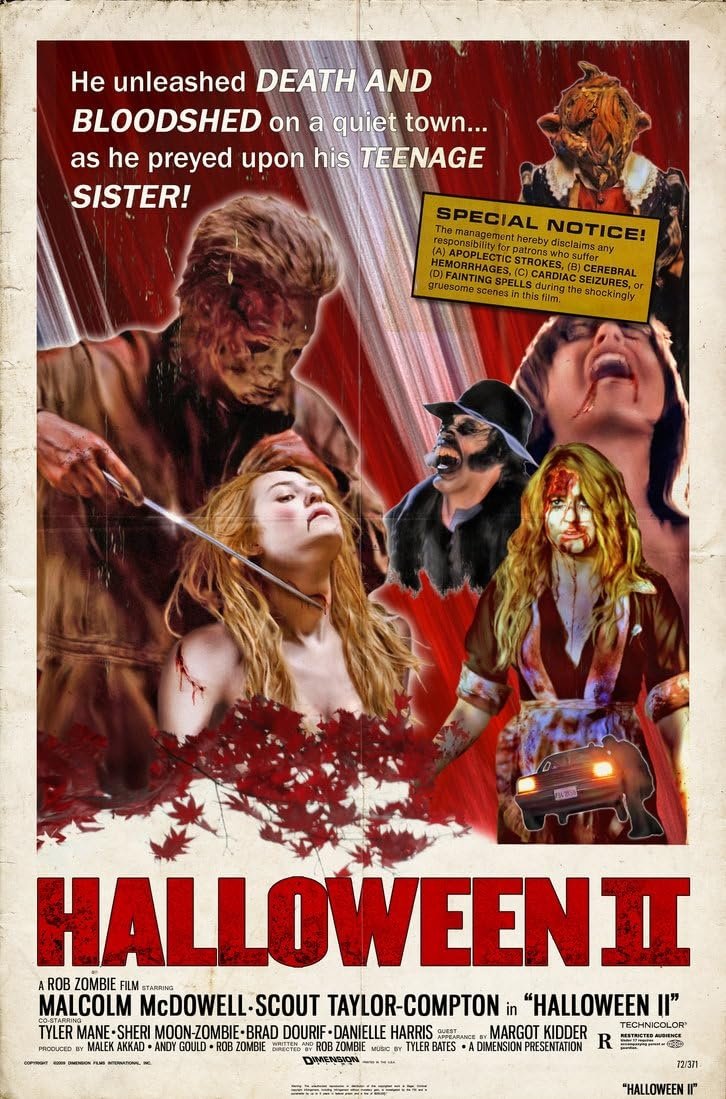
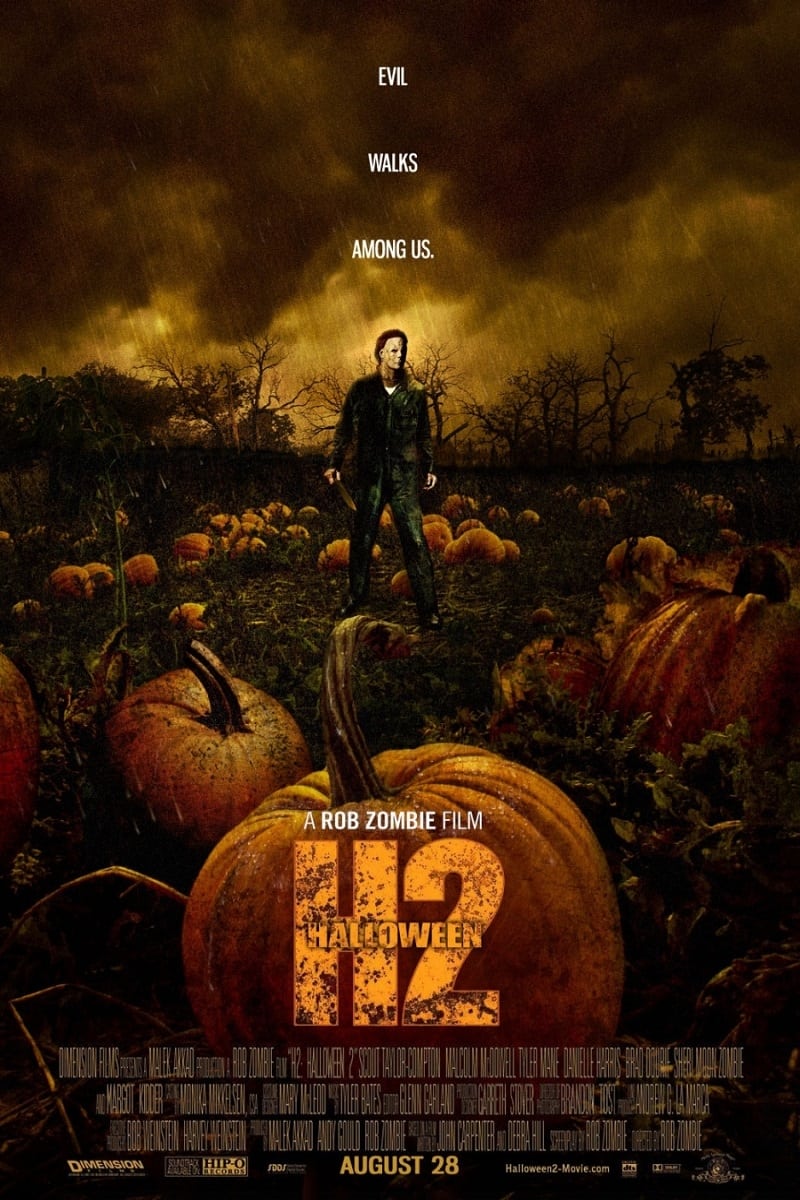
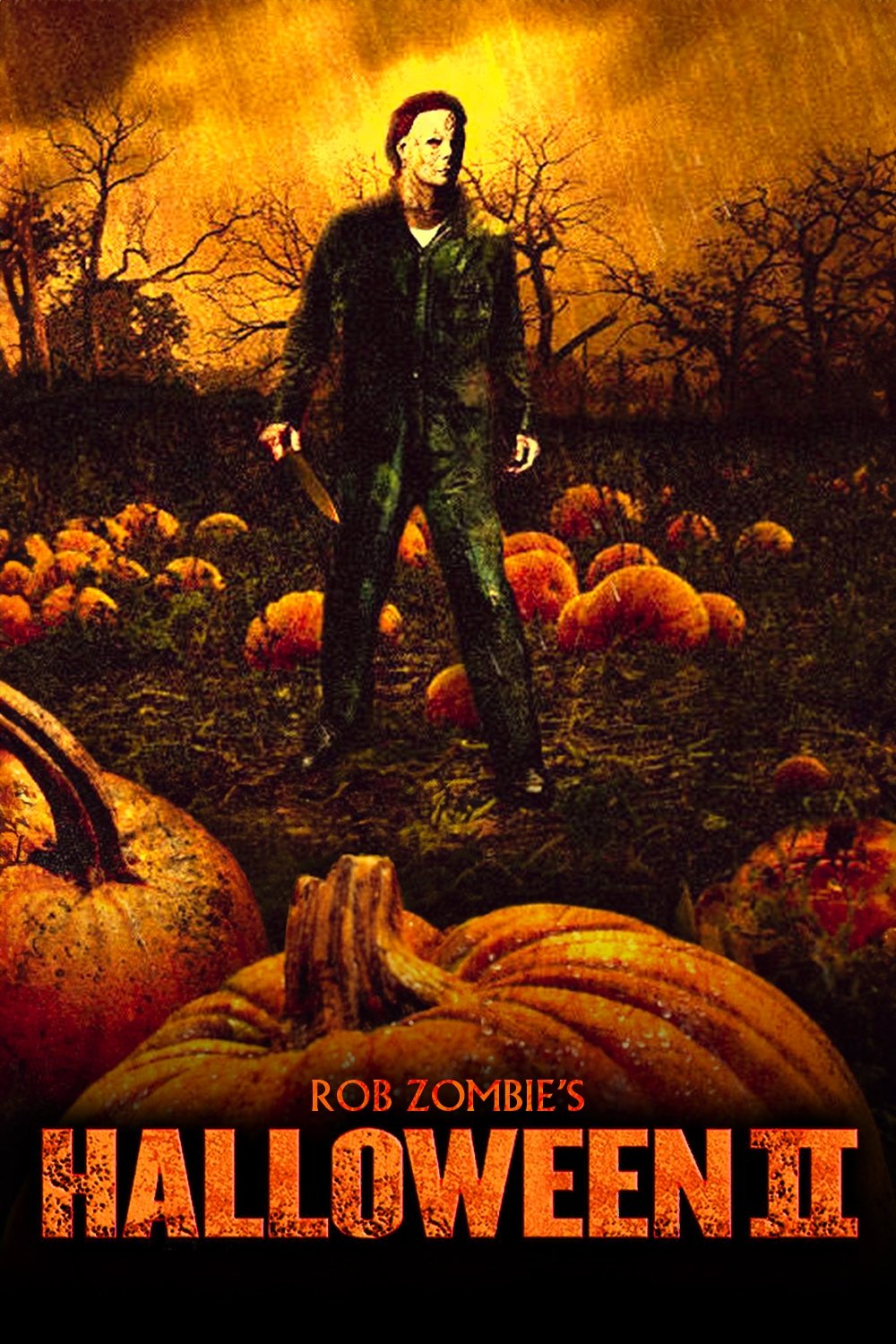
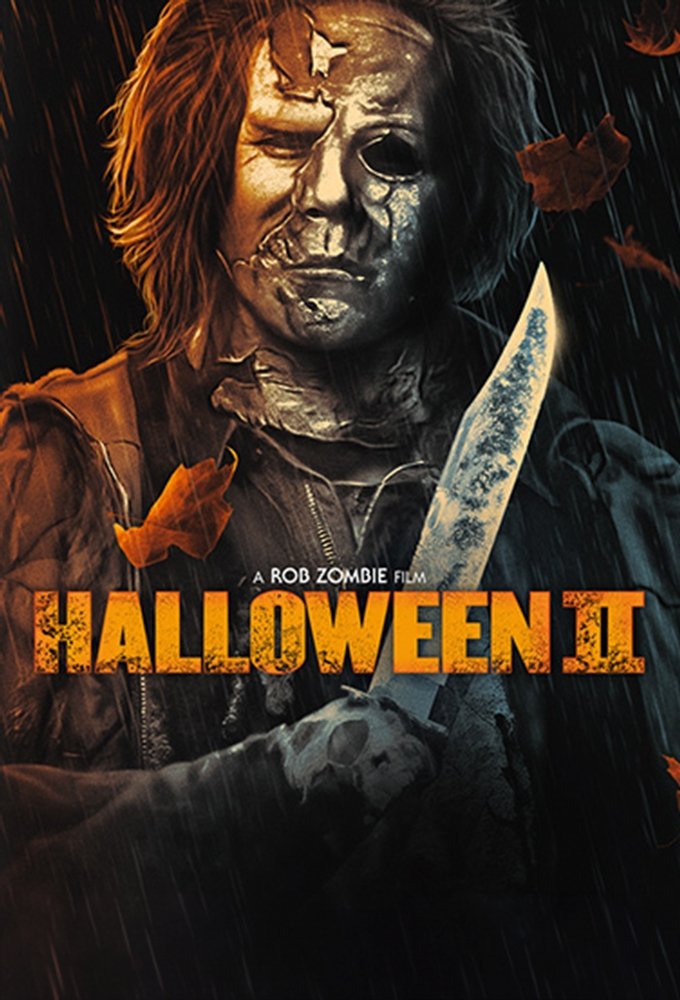
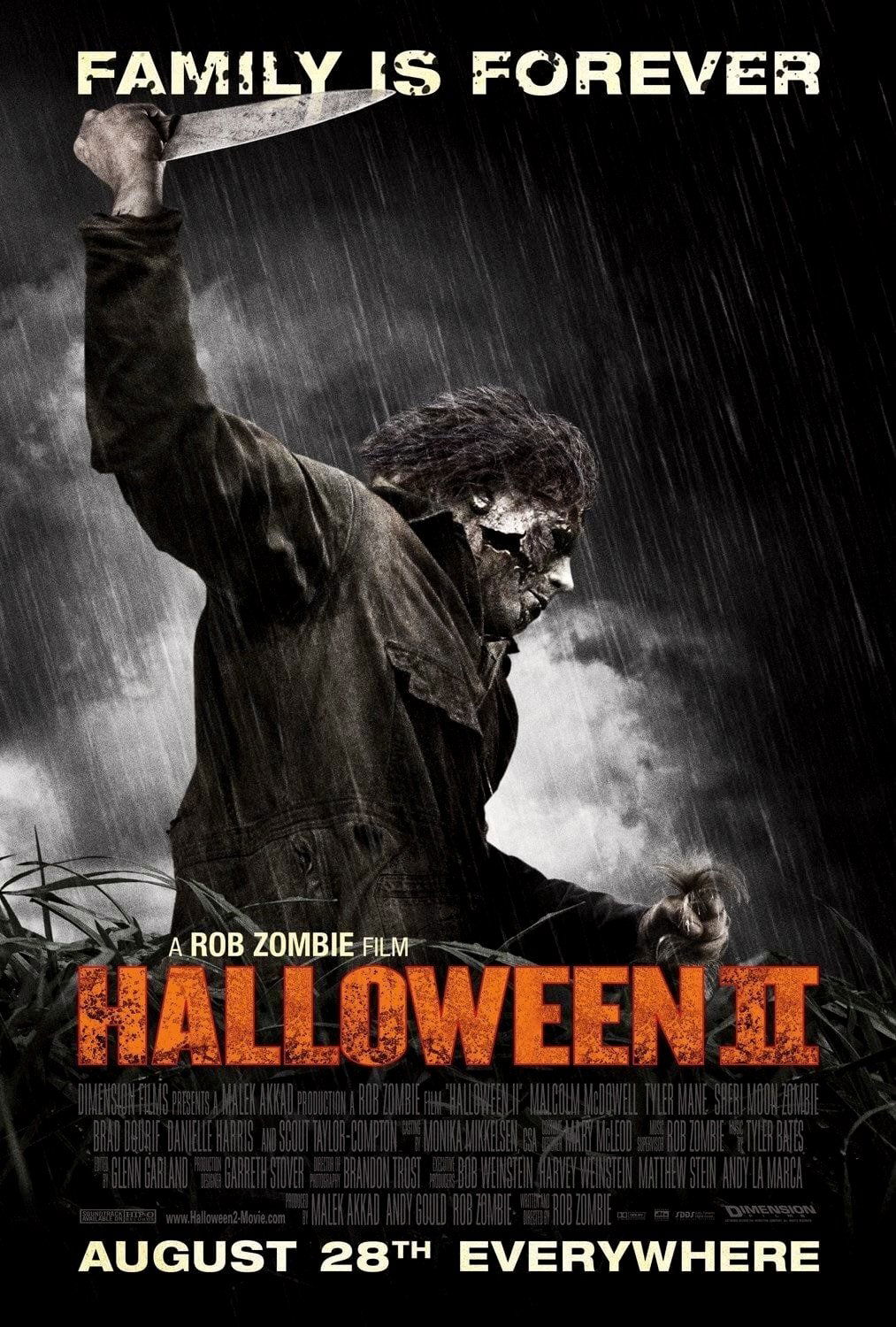
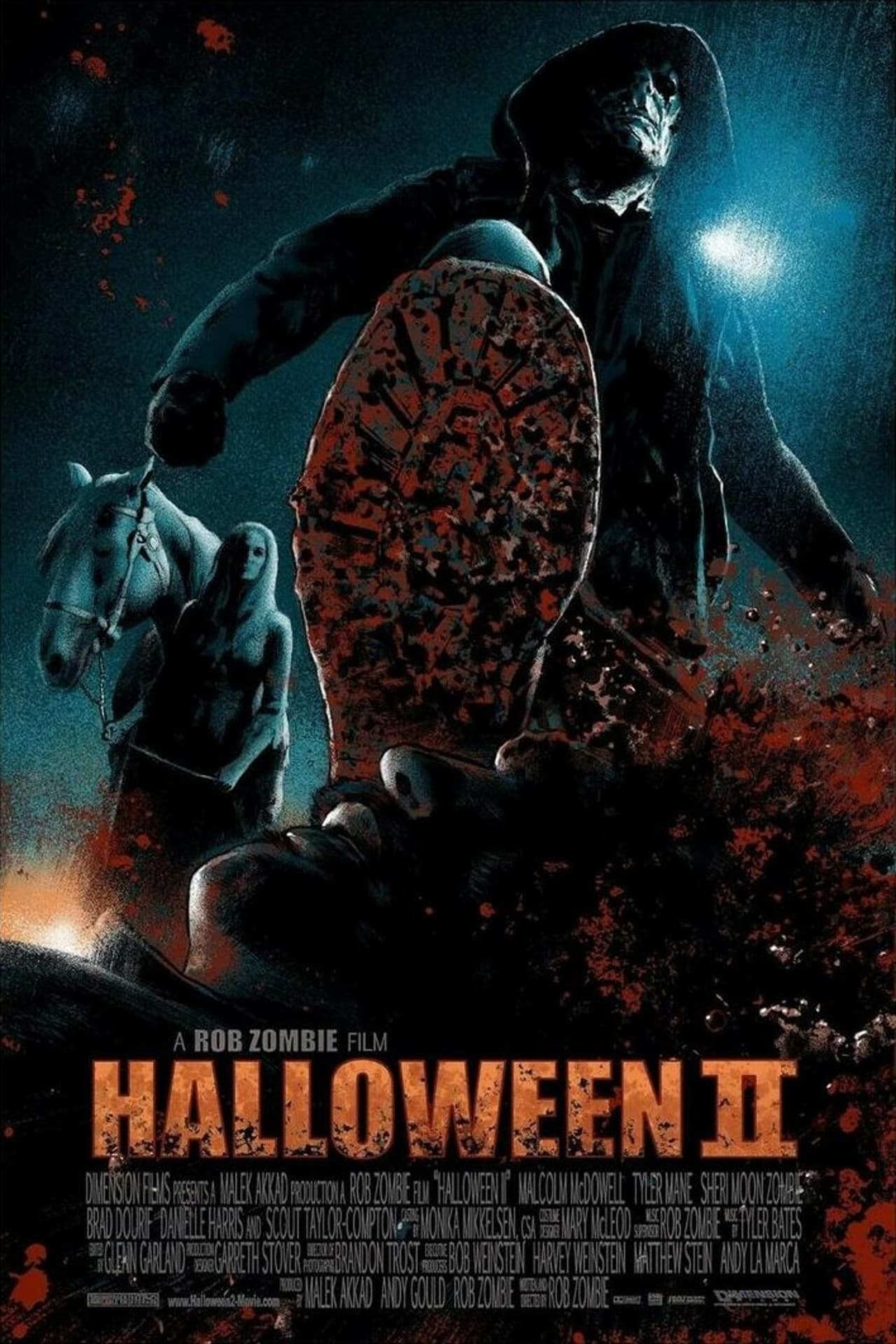
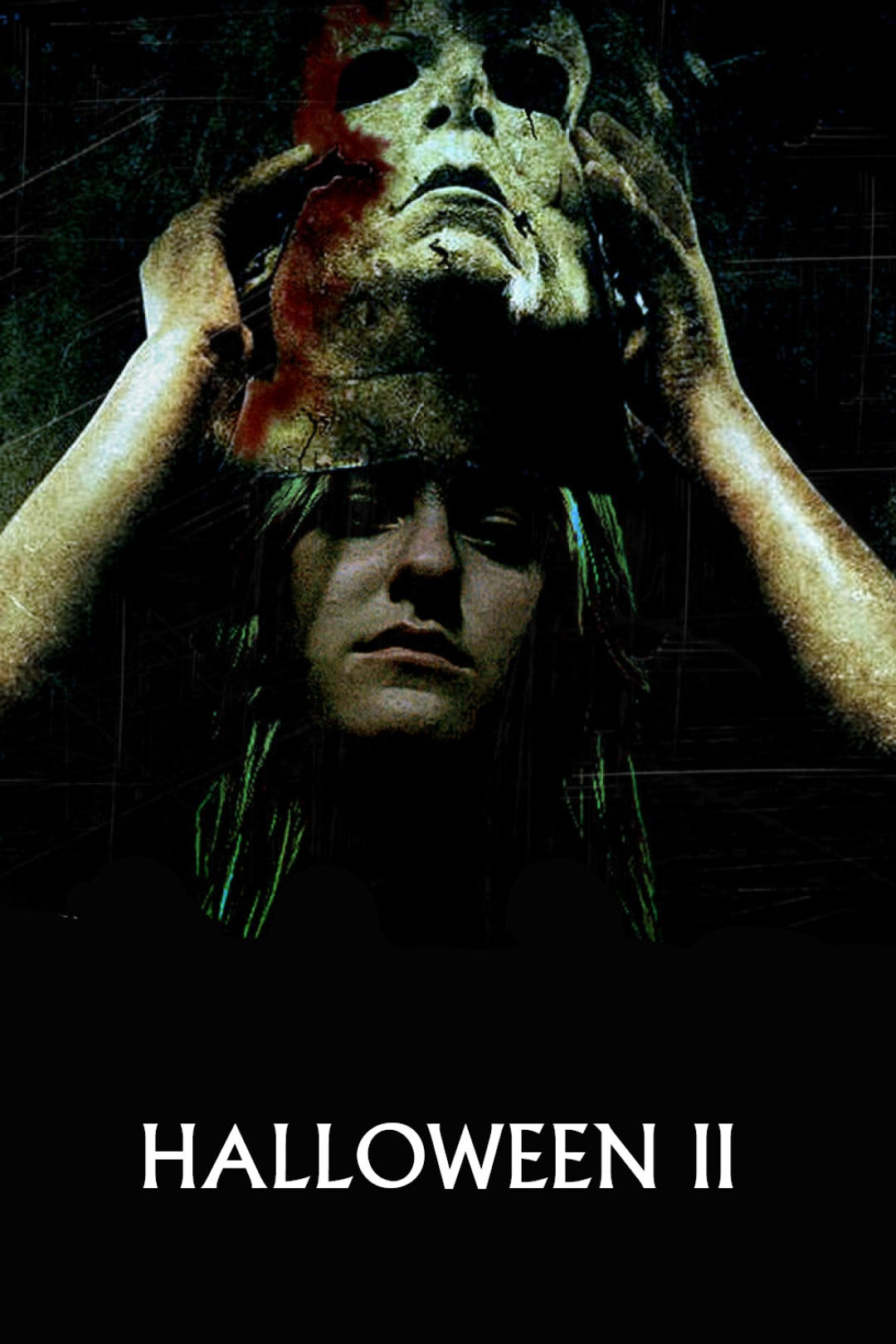
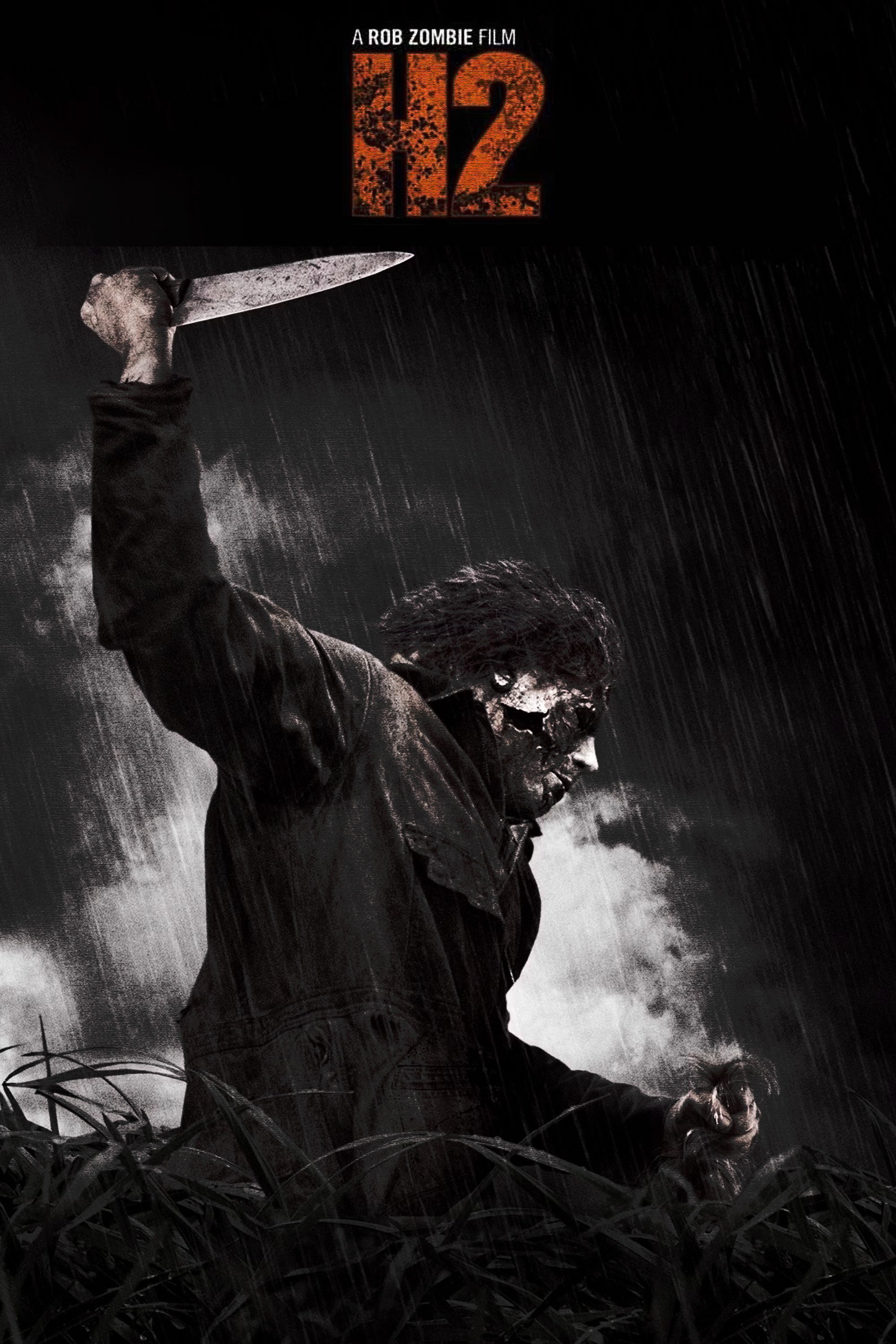
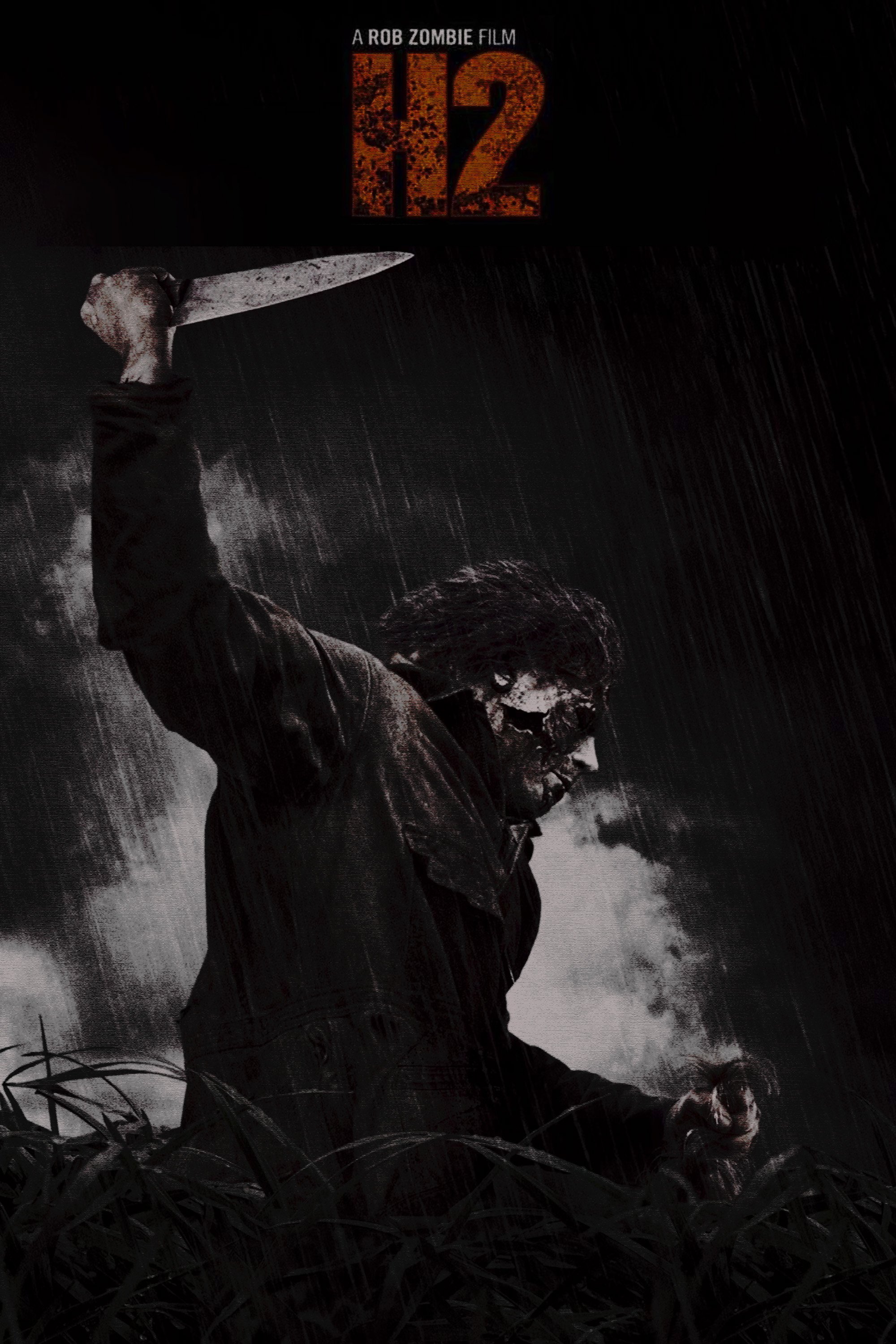
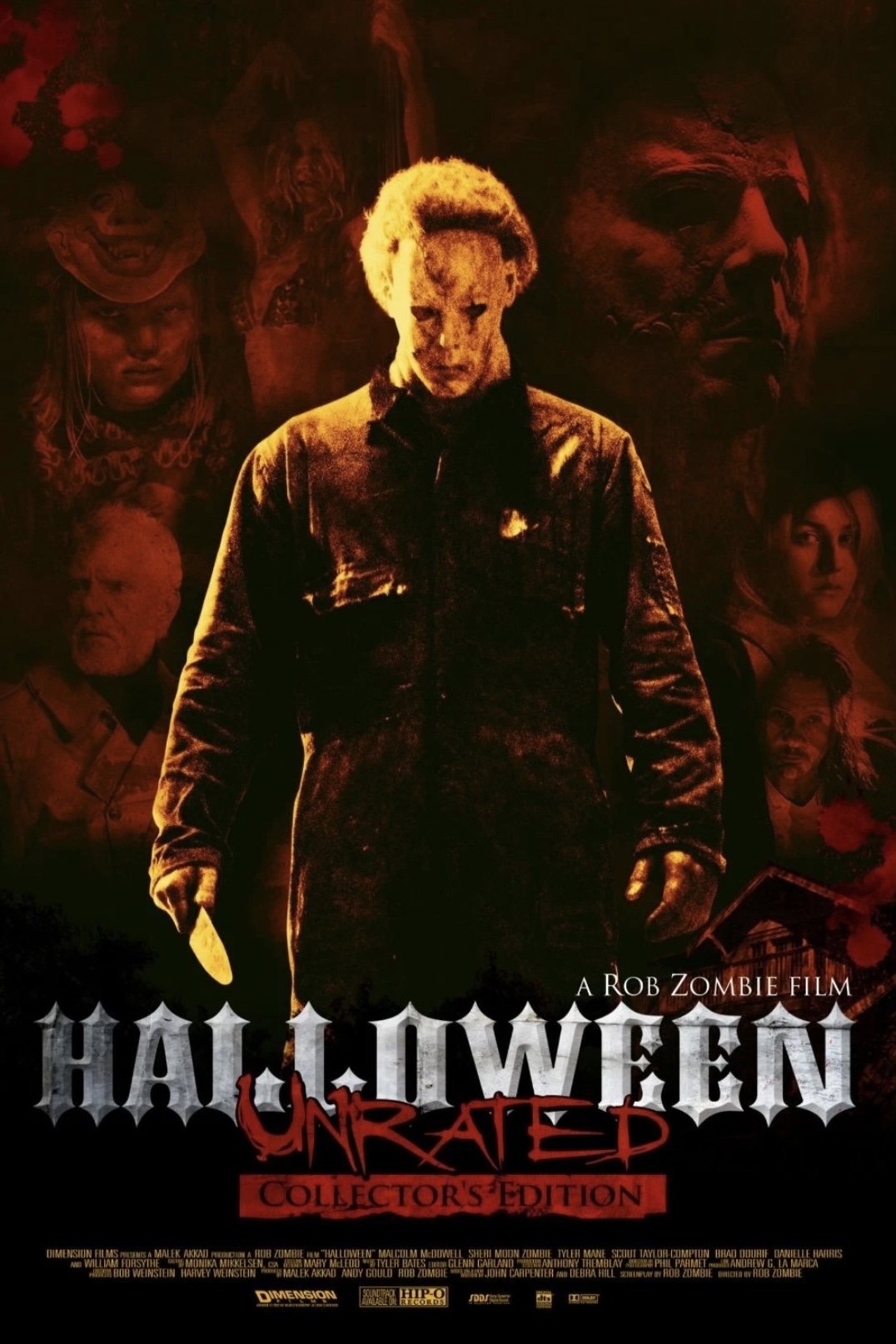
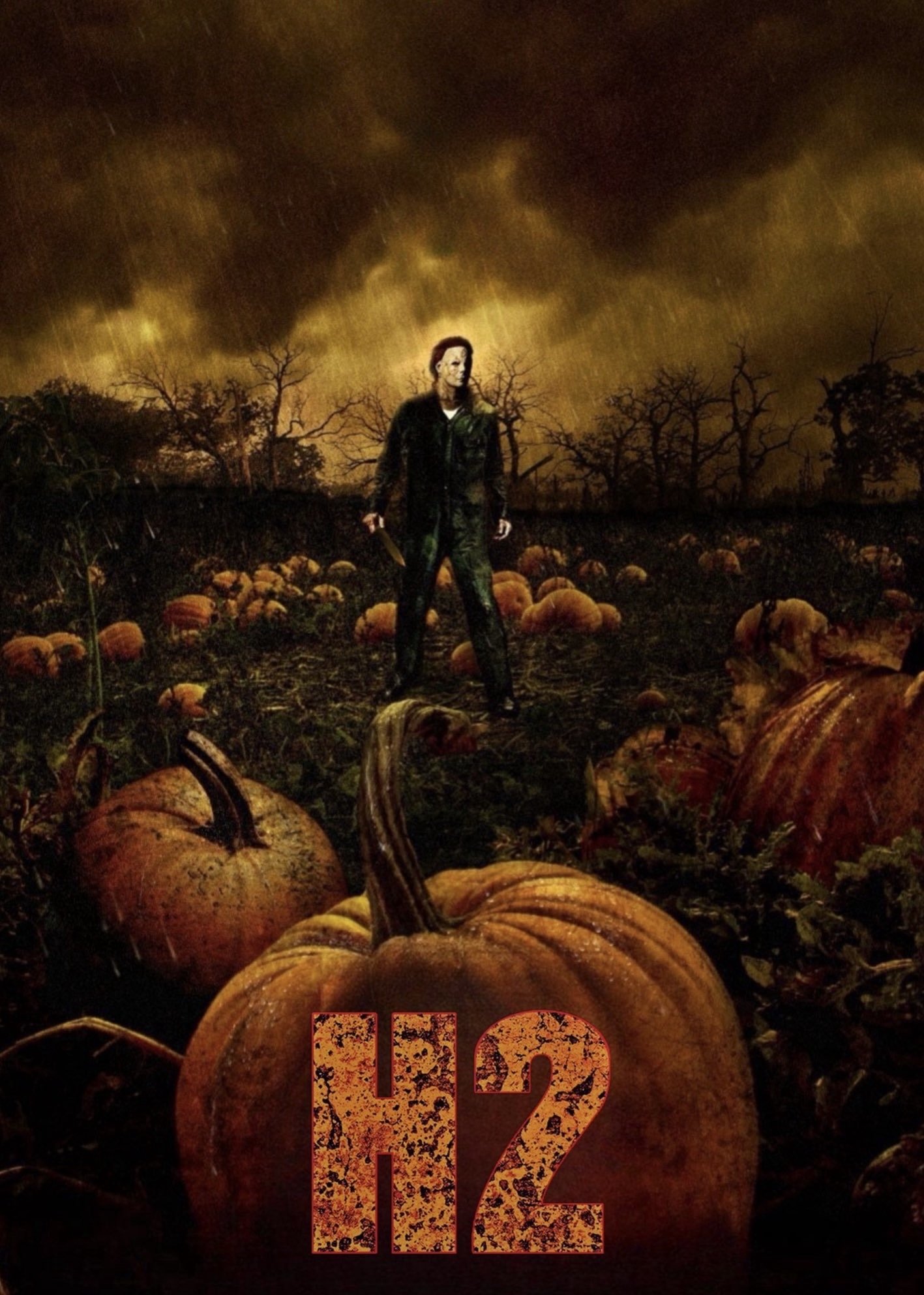
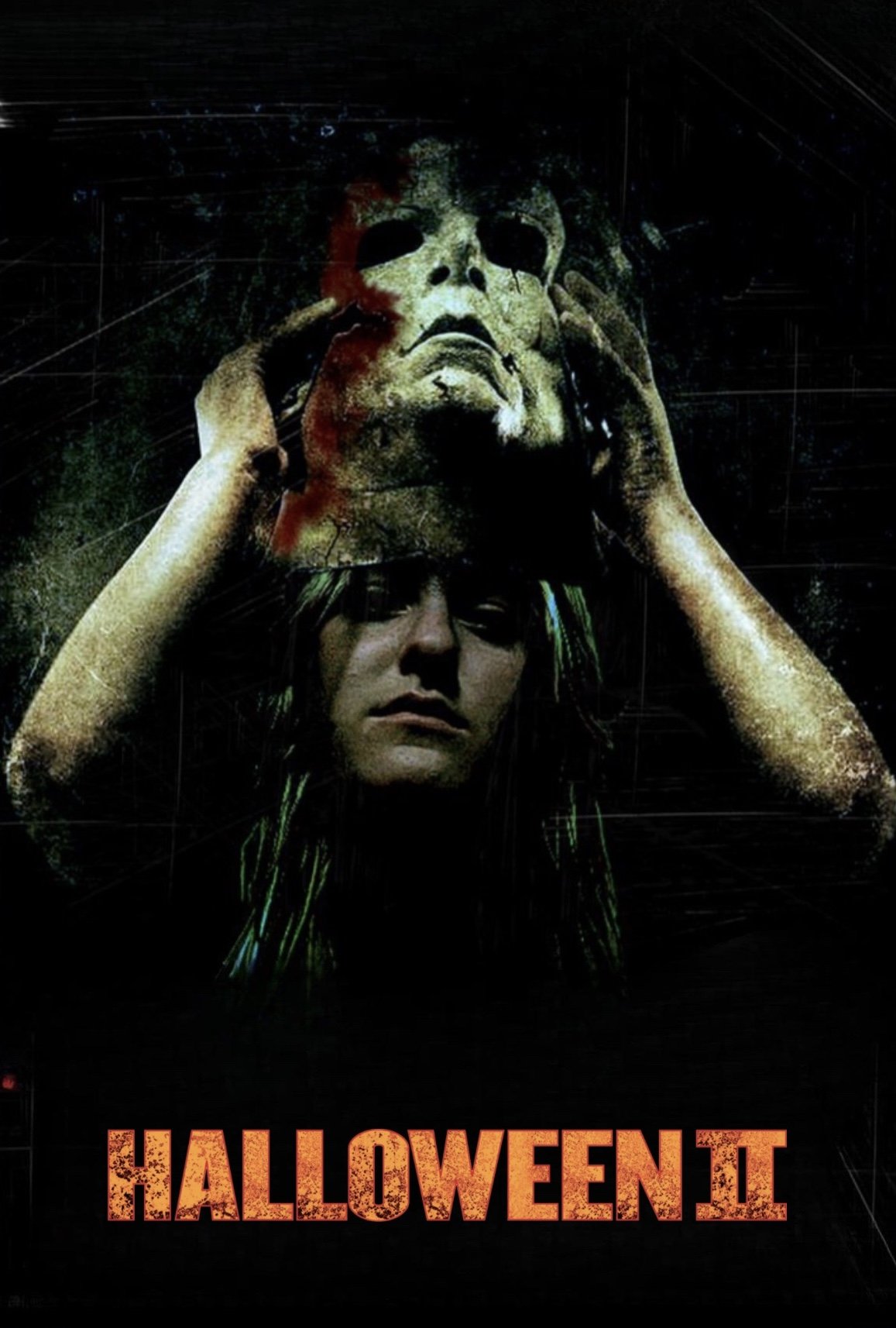
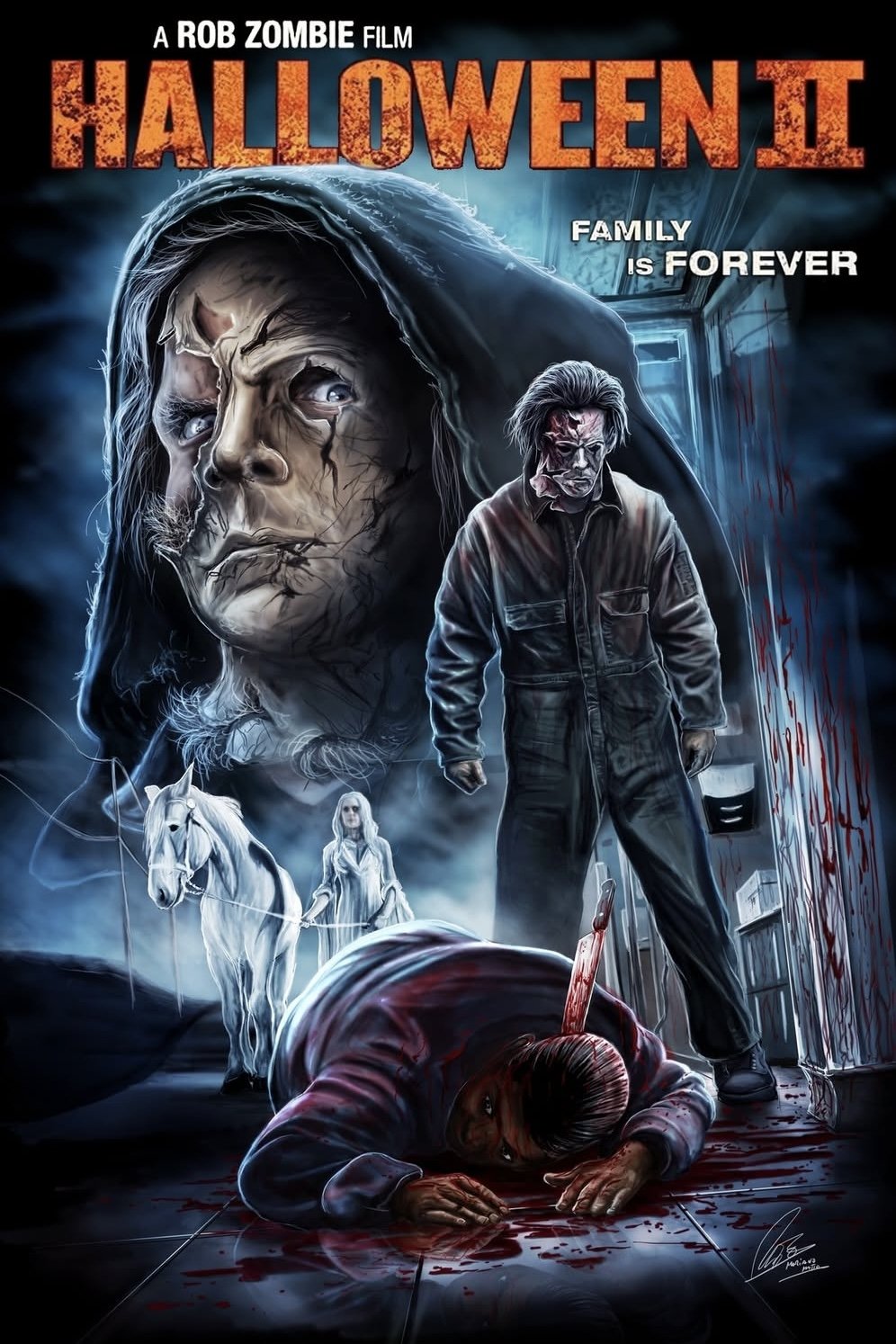
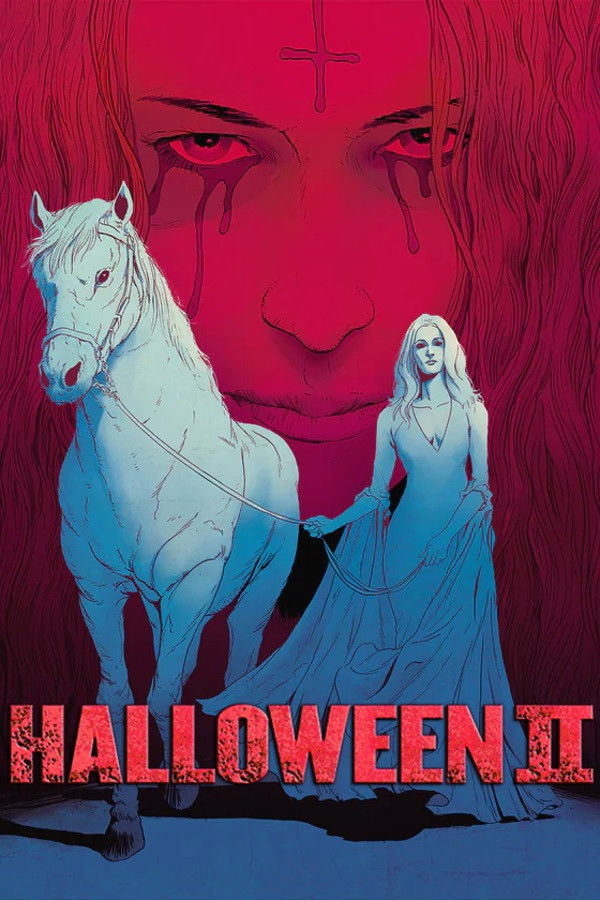
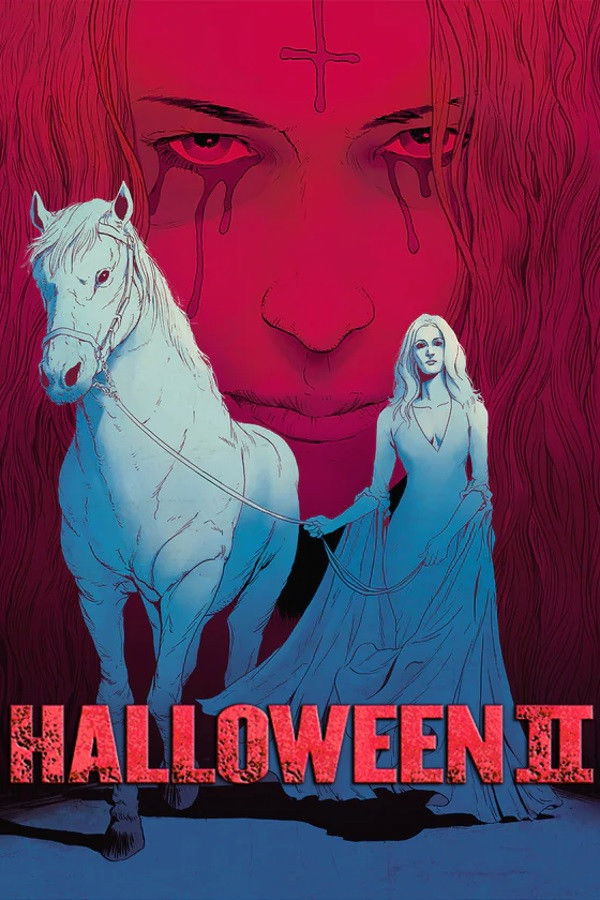
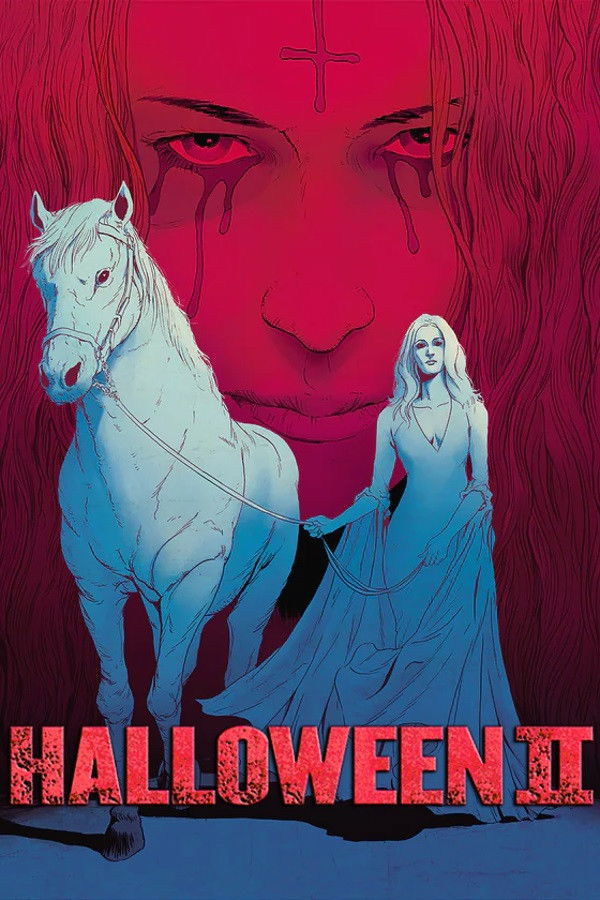
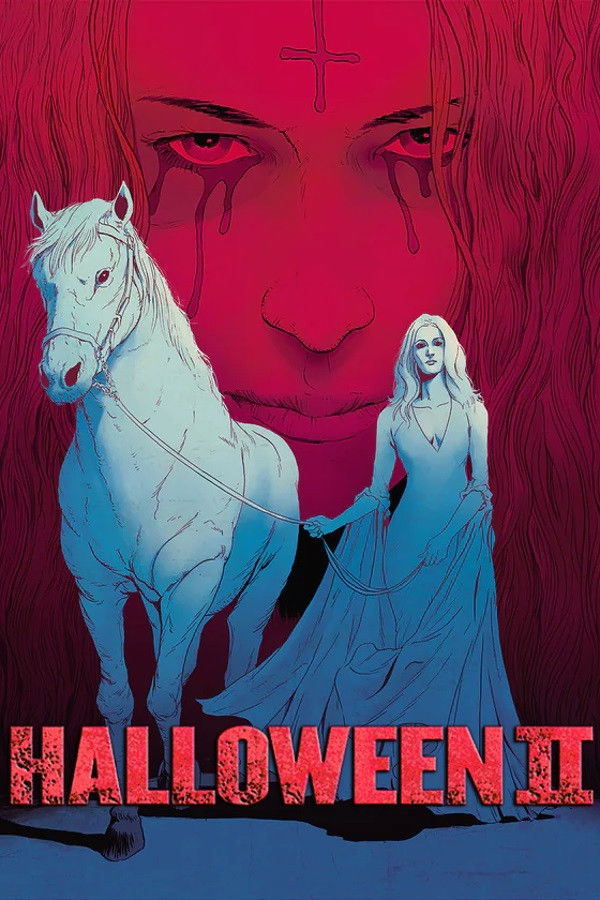
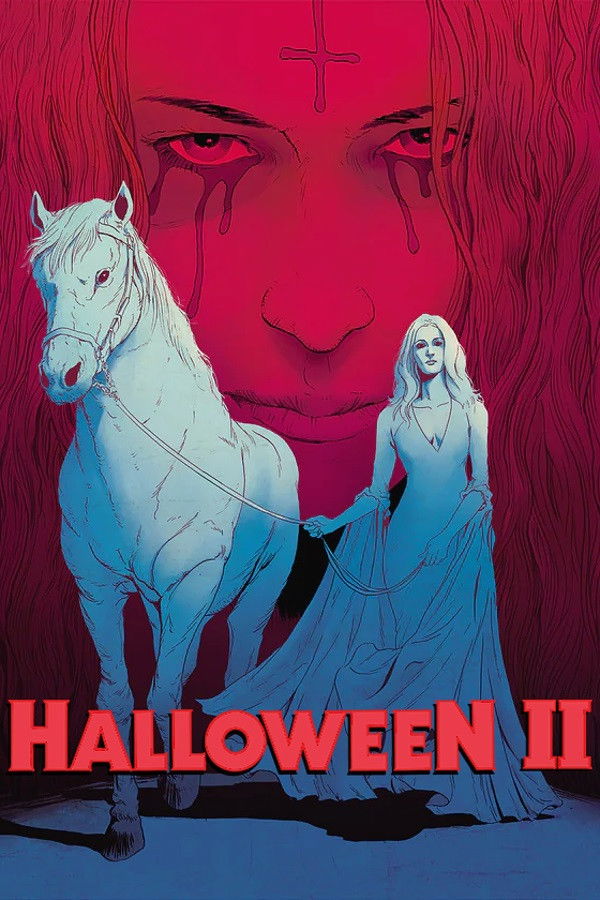
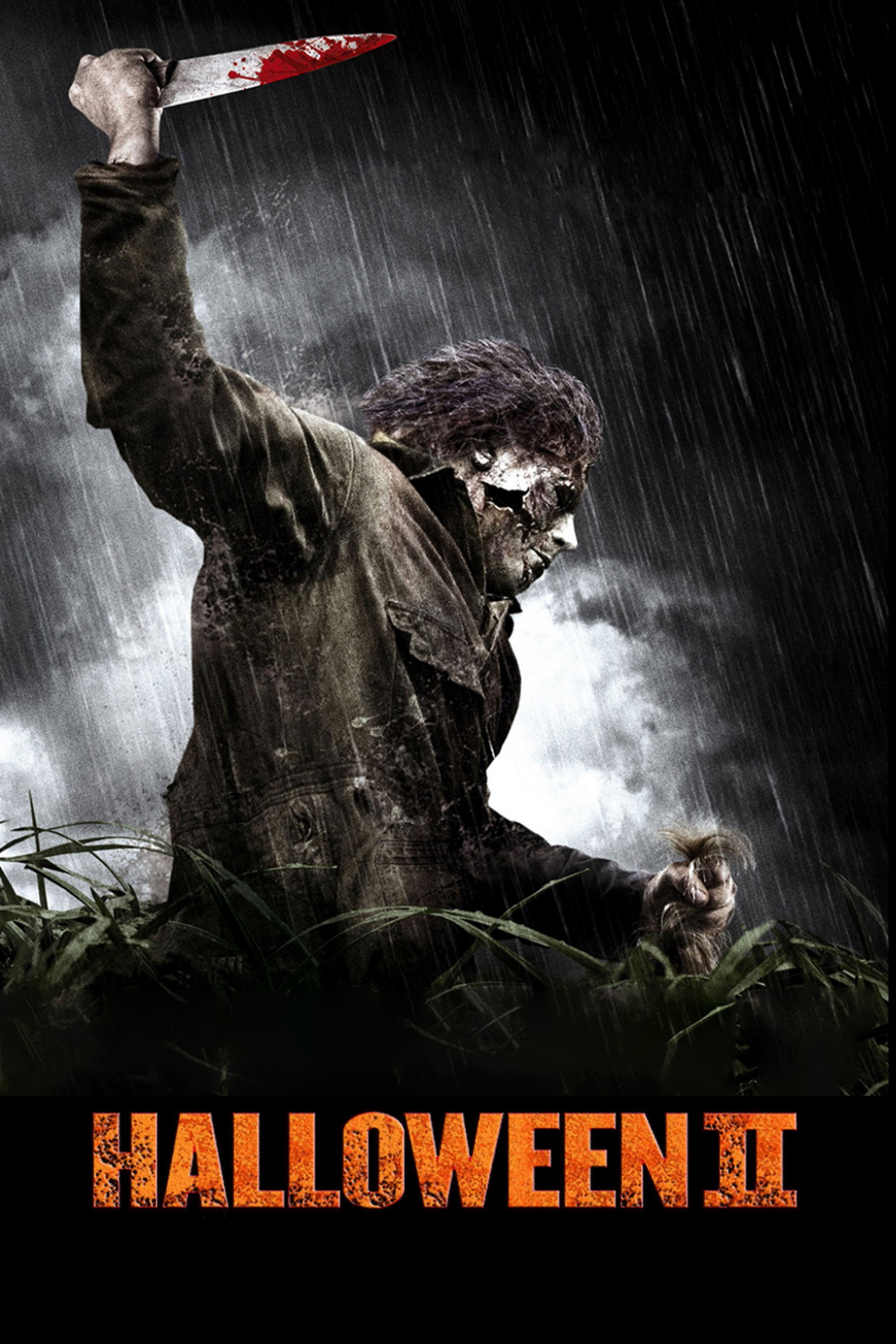
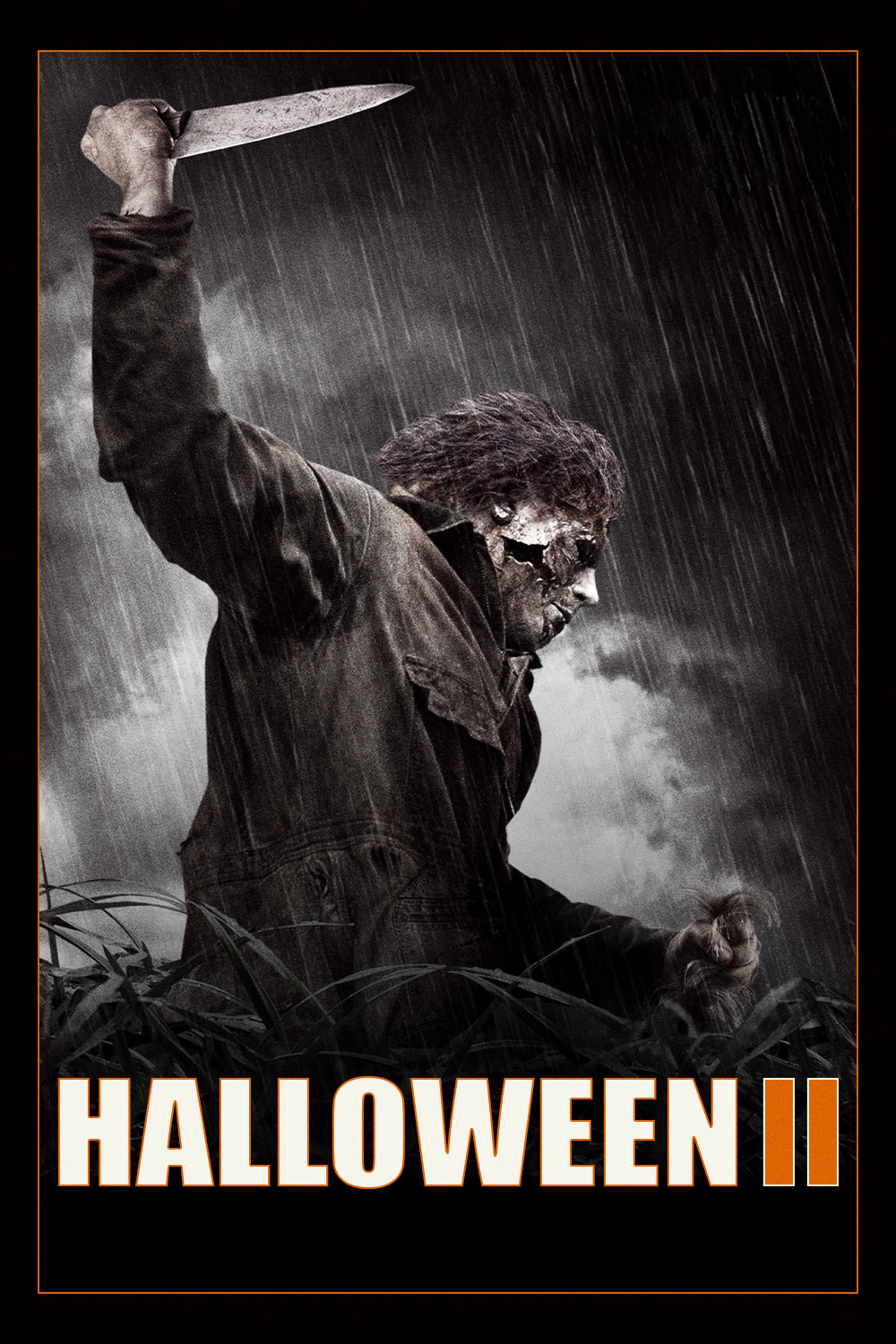
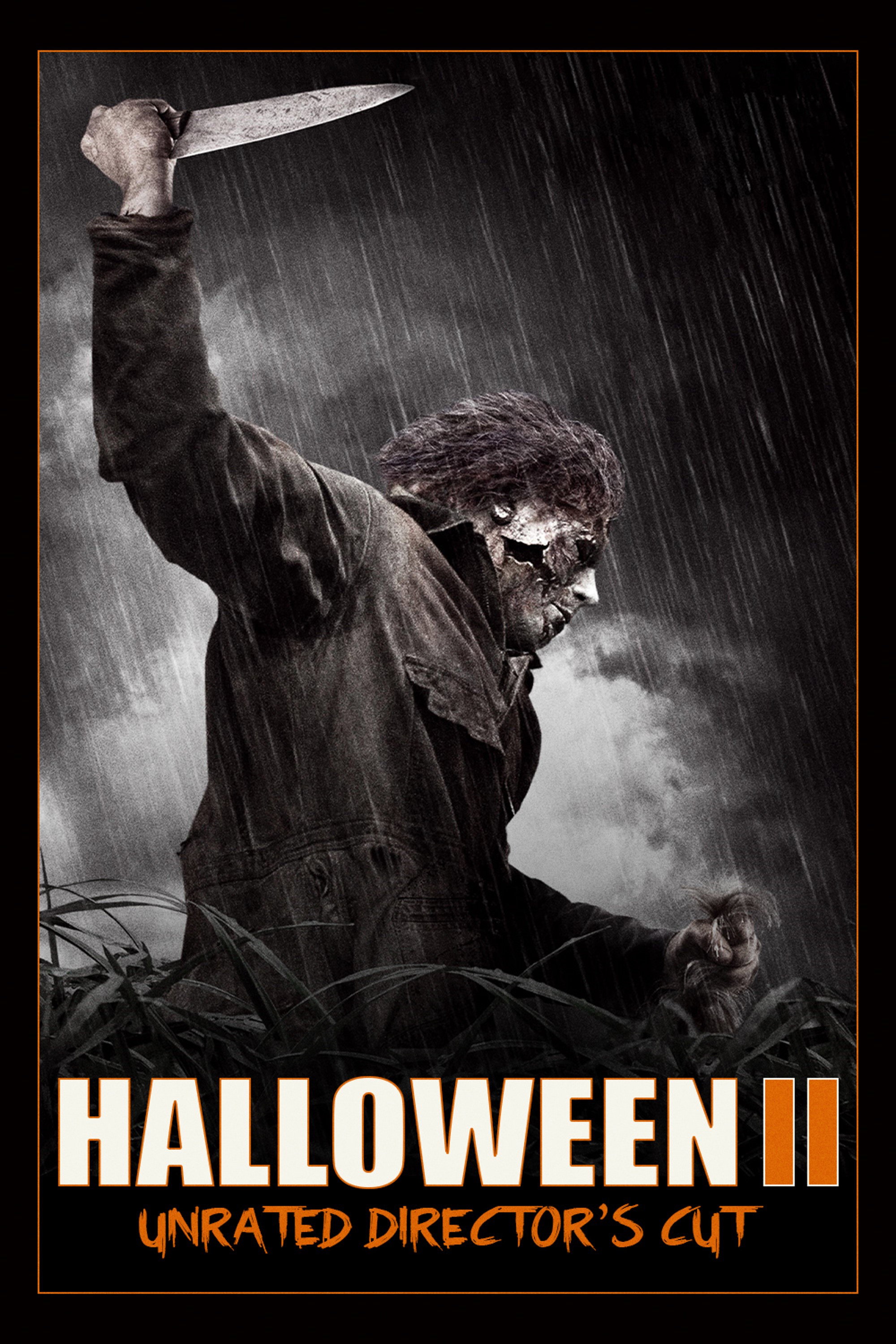
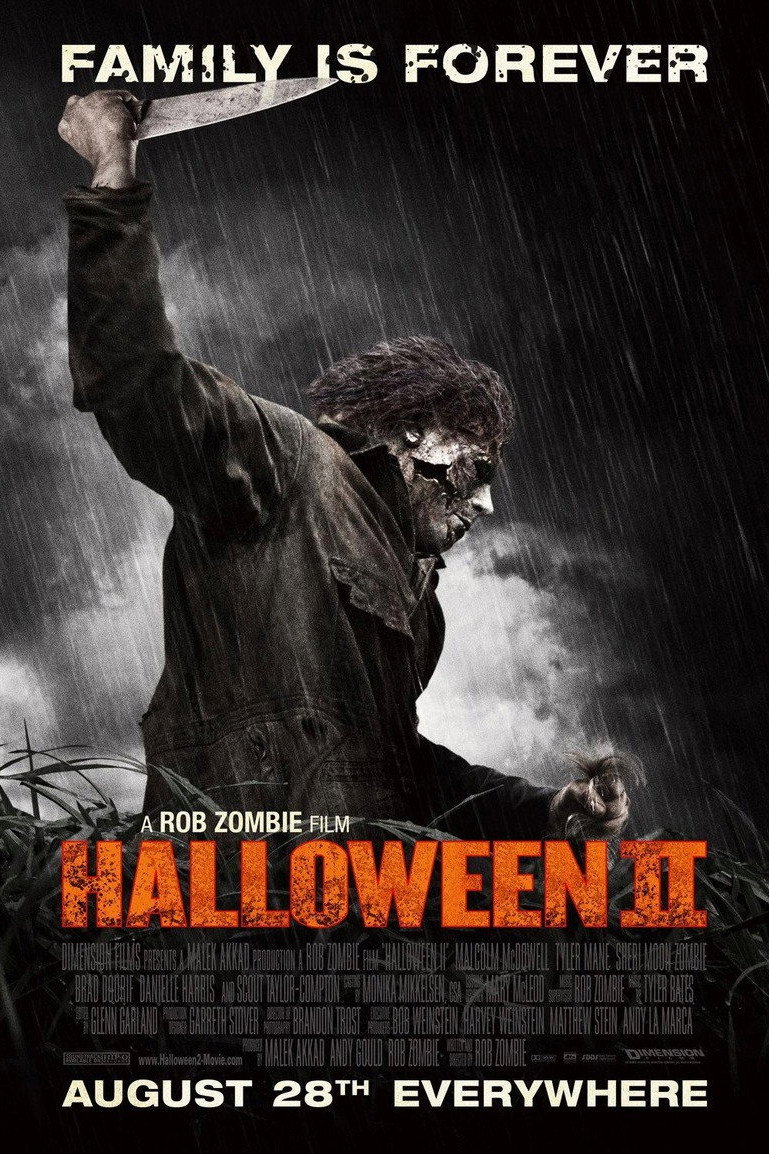
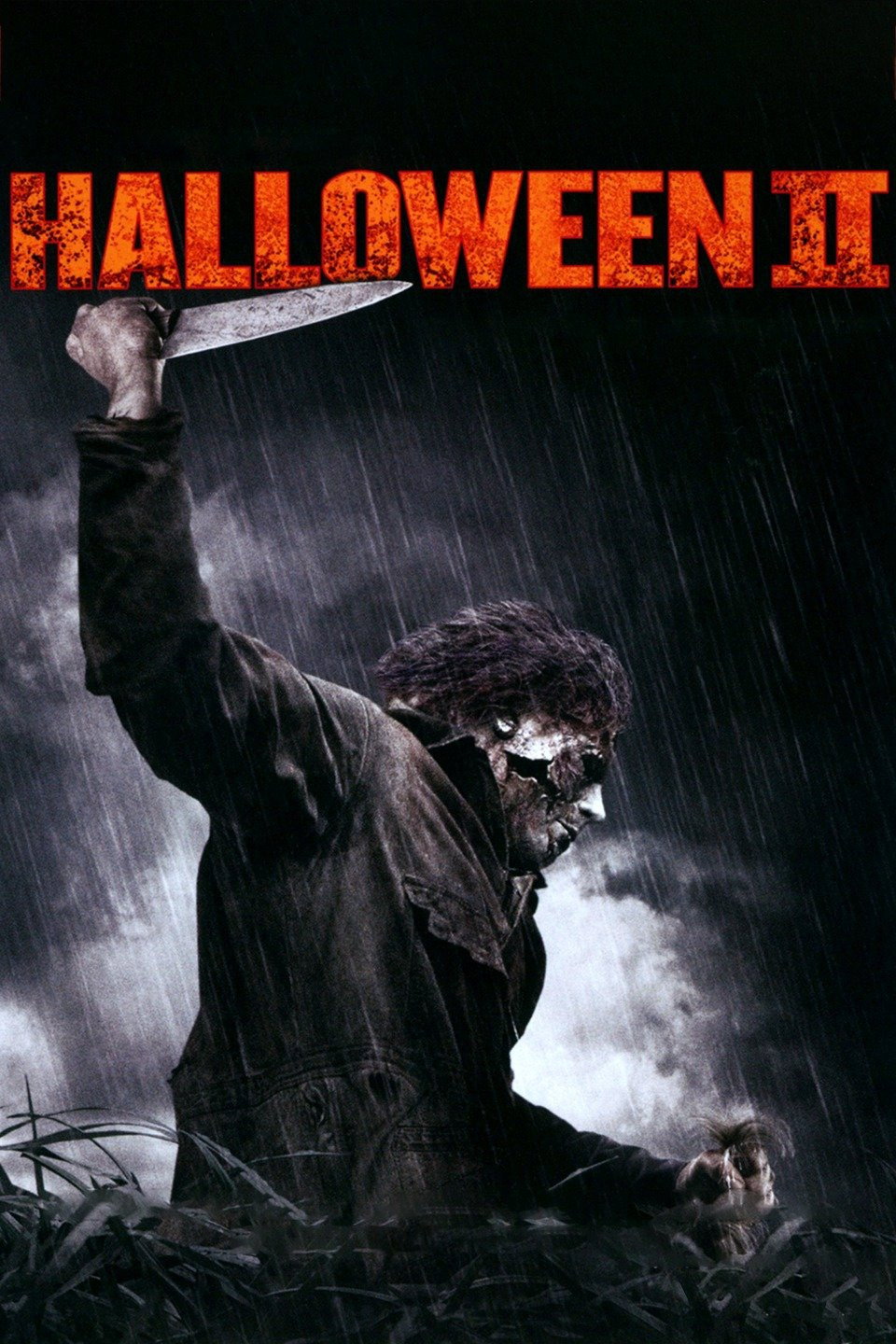
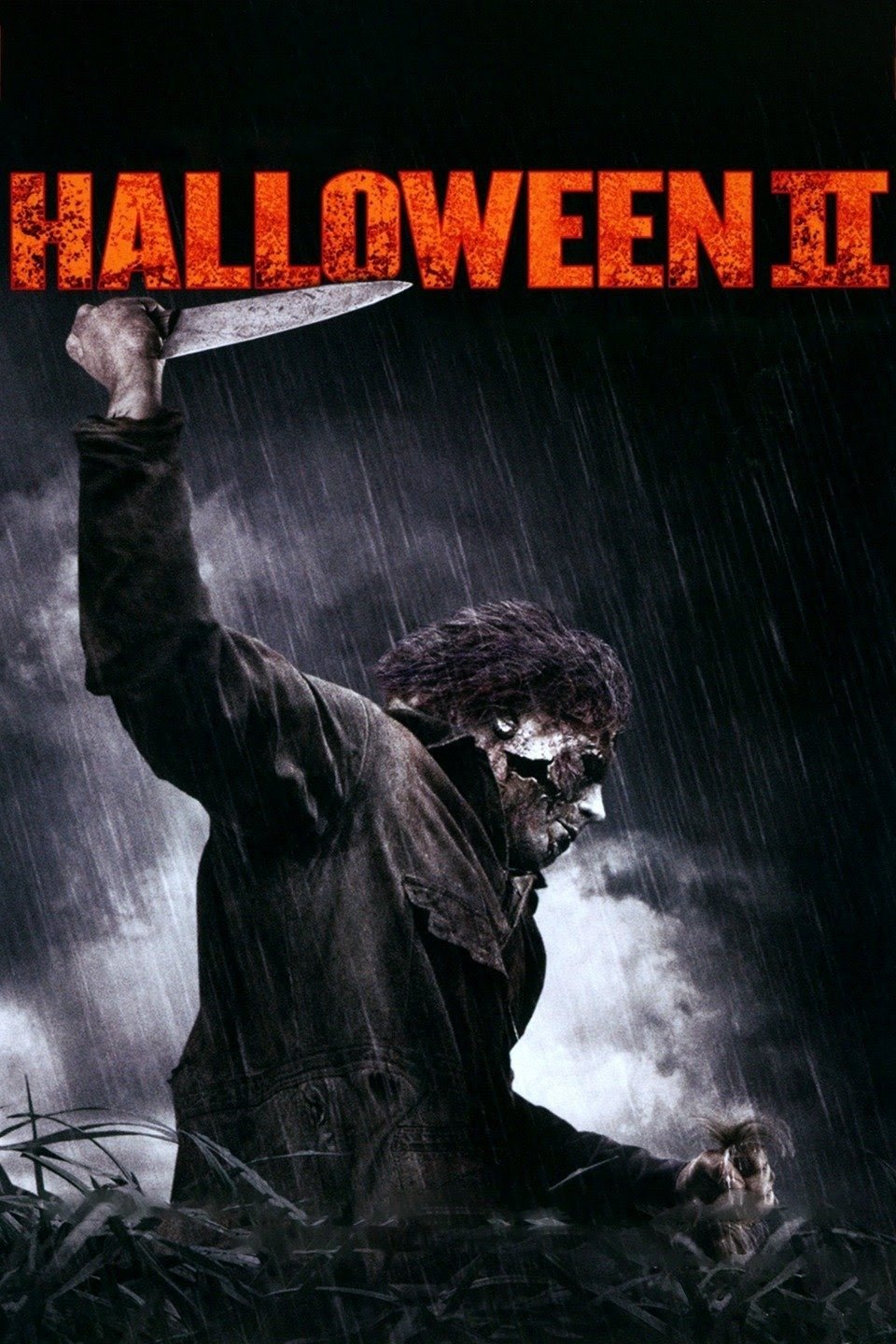
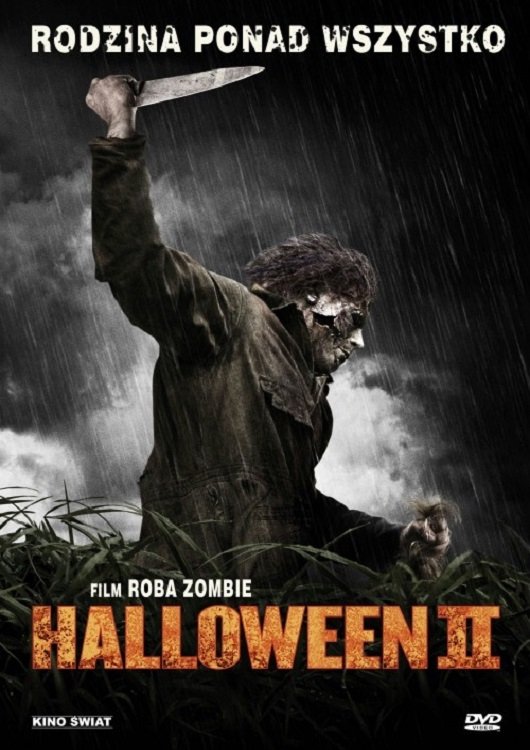
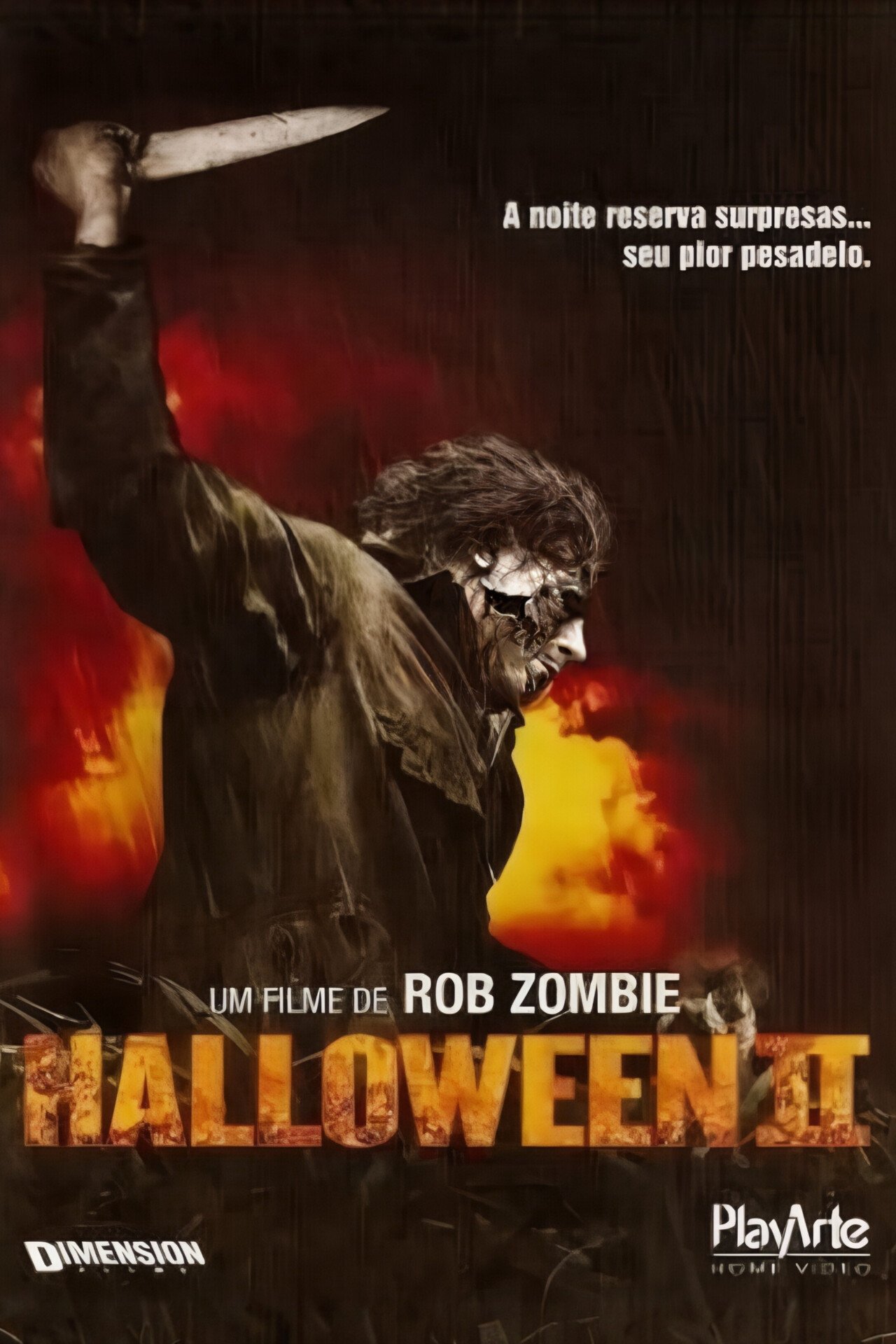
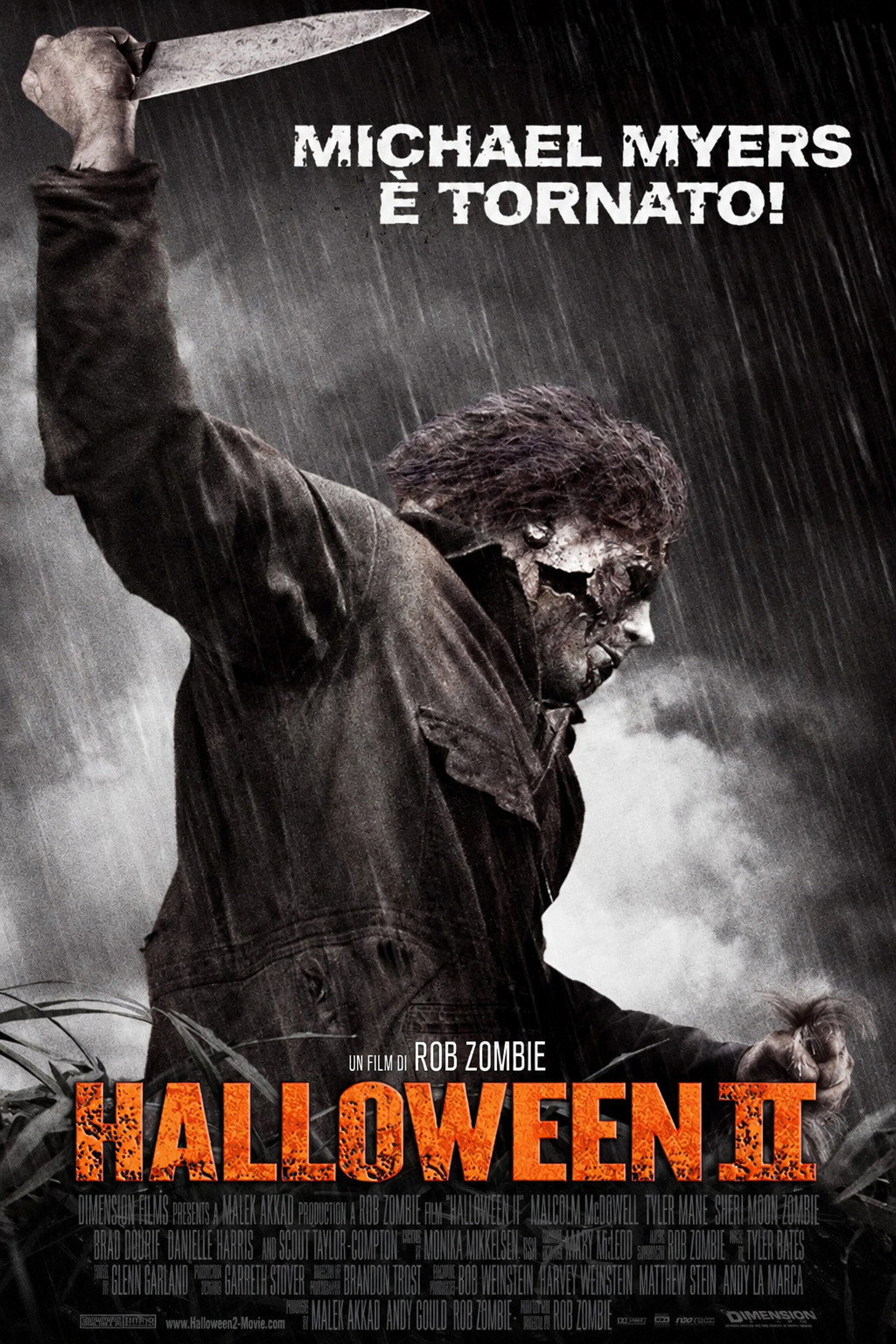
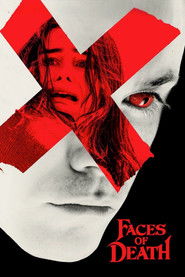
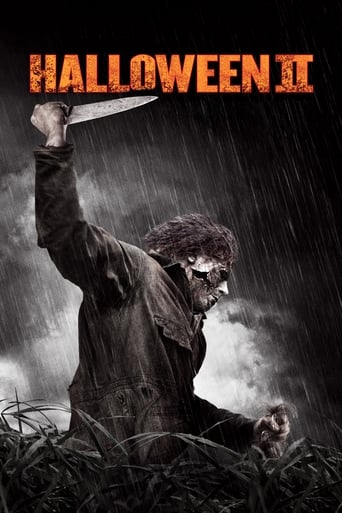
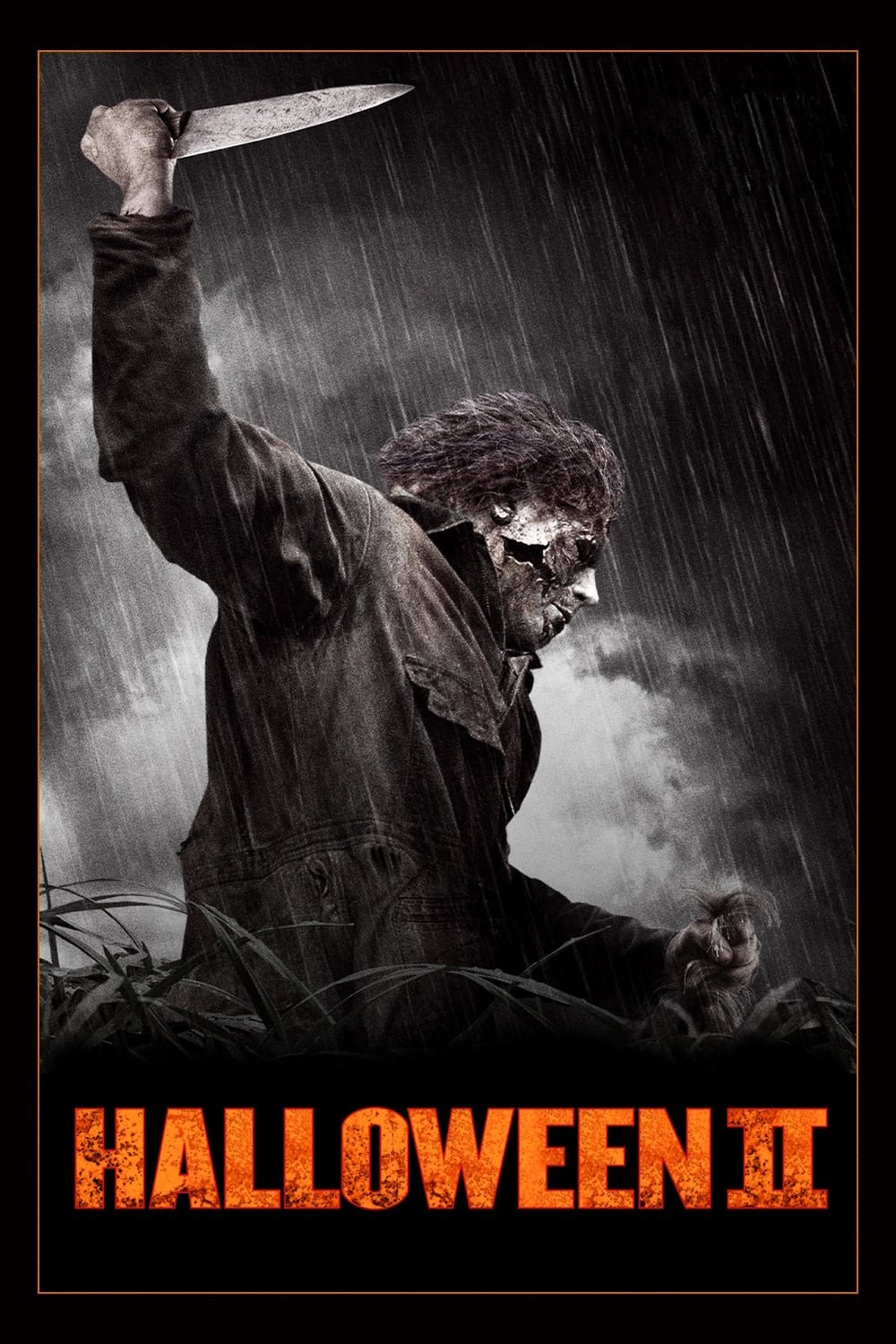
Halloween II (2009) poster
Director
Writer
Production Companies
Dimension Films , Spectacle Entertainment Group , Trancas International Films
Plot

In the aftermath of Michael Myers's attacks, Laurie Strode lives with the Brackett family and struggles with trauma, nightmares and disturbing visions. Michael, whose fate remains uncertain to the people of Haddonfield, moves toward another encounter with her, driven by his own visions of their mother. Meanwhile, Dr. Samuel Loomis turns the killings into material for a new book. Rob Zombie's sequel follows the characters of his 2007 remake and develops a darker, psychologically unstable version of their story.

Alternative Titles
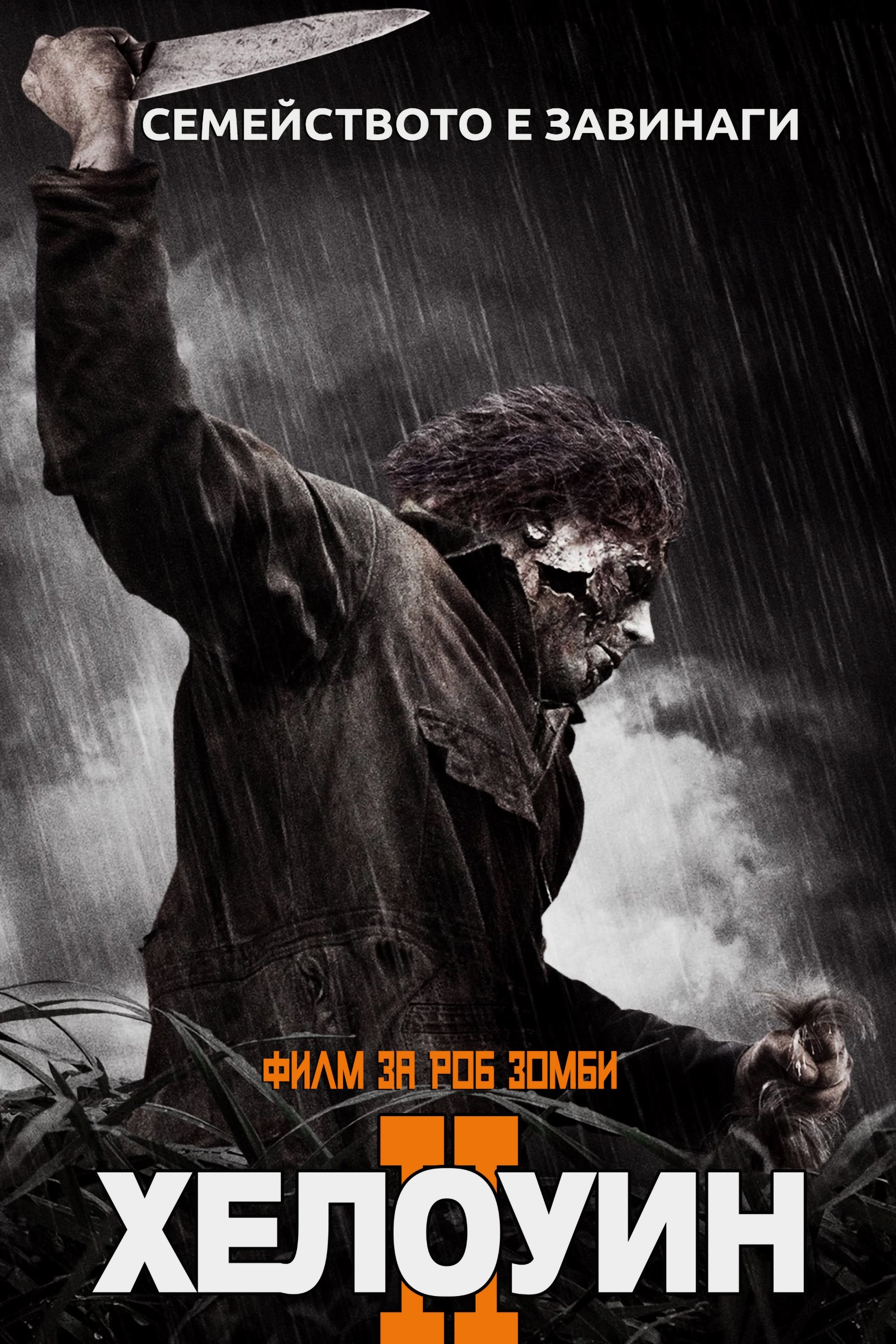
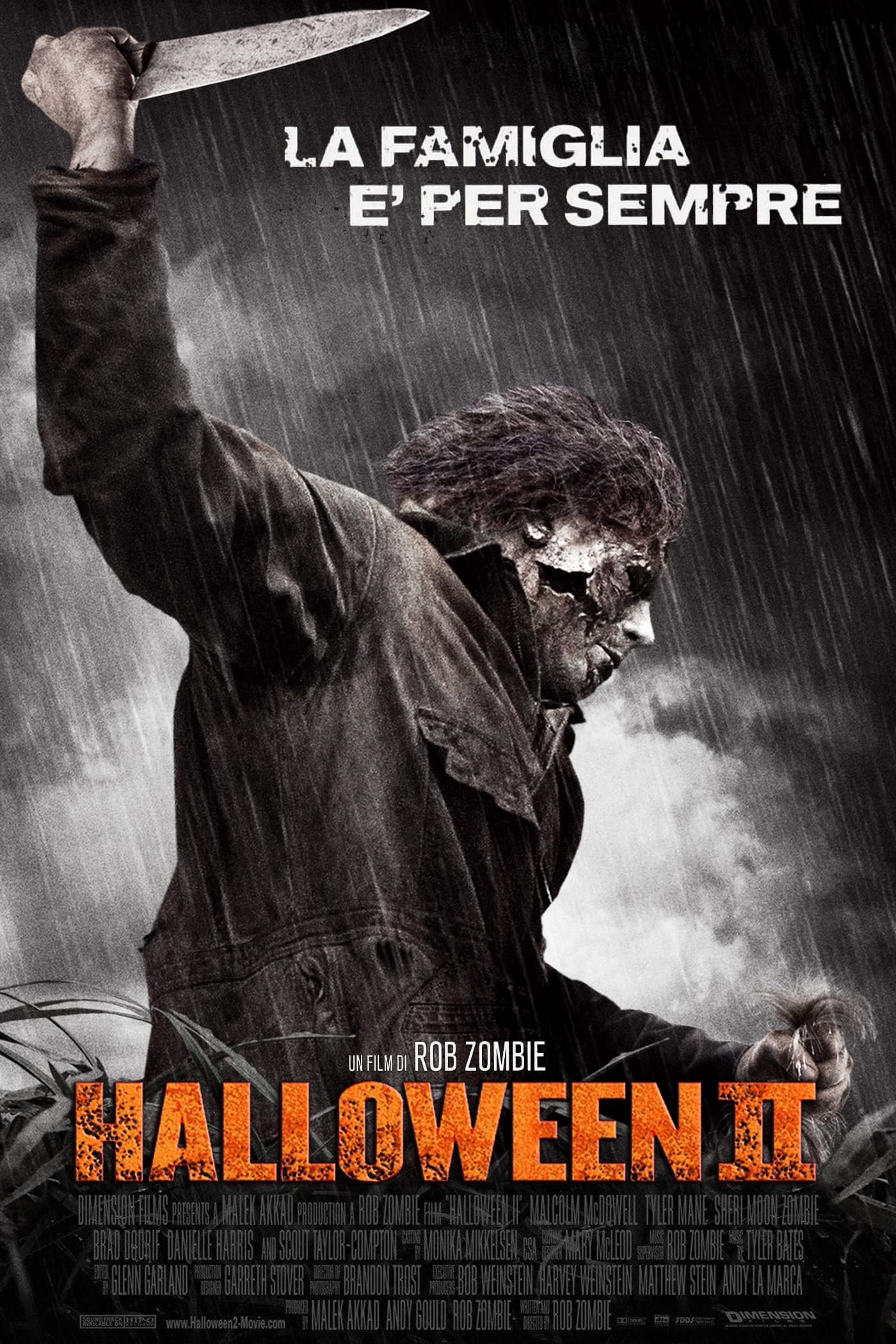
Hellouin 2 (Azerbaijan) — Azerbaijani Хелоуин 2 (Bulgaria) — Bulgarian H2: Halloween 2 (Brazil) — Portuguese Rob Zombie's Halloween II (China) 万圣节10 (China) 新万圣节 2 (China) 新万圣节2 (China) — Chinese 新捉鬼节2 (China)
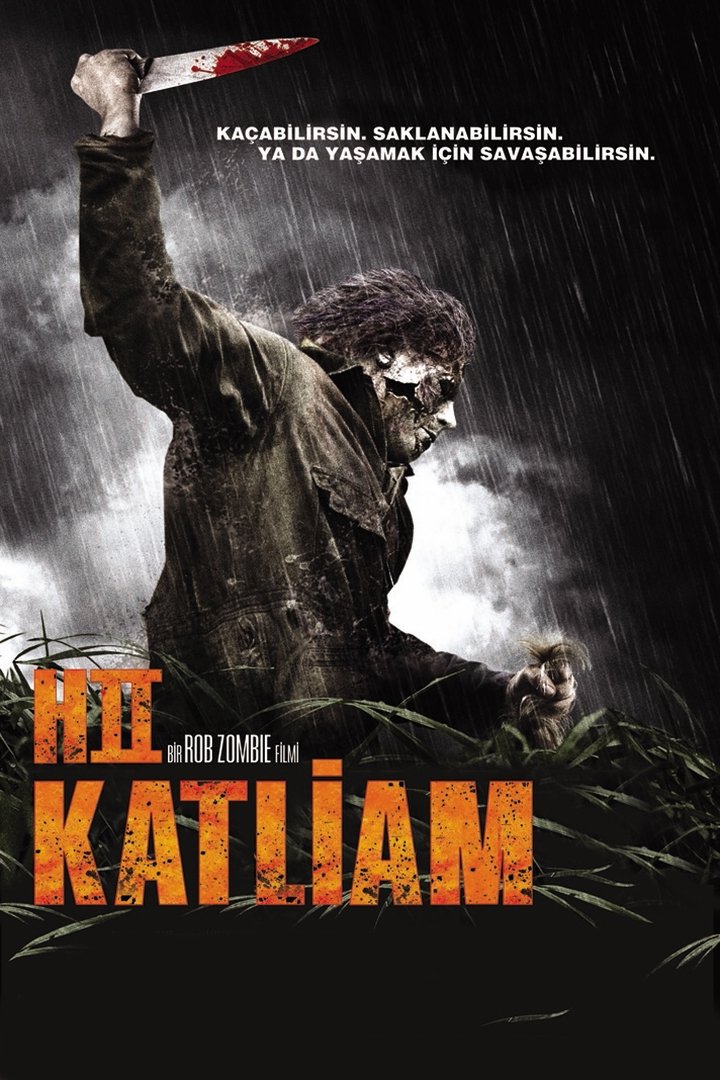
Show all 29 alternative titles 新月光光心慌慌2 (China) Halloween 2 (France) Halloween II: Η Νύχτα με τις Μάσκες (Greece) — Greek 月光光心慌慌之大小通殺 (Hong Kong SAR China) — Chinese Noć vještica 2 (Croatia) — Croatian האלווין 2 (2009) (Israel) ליל המסיכות 2 (Israel) ליל המסכות 2 (Israel) — Hebrew ハロウィン II (Japan) — Japanese H2: 어느 살인마의 가족 이야기 (South Korea) — Korean Halloween II (H2) (Mexico) — Spanish Хэллоуин 2 (Russia) — Russian Halloween 2 (Sweden) — Swedish Halloween 10 (Slovakia) — Slovak ฮัลโลวีน 2 โหดกว่าผี อำมหิตกว่าปีศาจ (Thailand) — Thai HII: Katliam (Türkiye) — Turkish 血染萬聖節 (Taiwan) — Chinese Хеллоуїн 2 (Ukraine) — Ukrainian Halloween 10 (United States) Halloween II (Unrated) (United States) Rob Zombie's Halloween II (United States) — promotional title

Trailers & Videos

10 videos

Film Guide & Analysis

Rob Zombie reshapes the slasher sequel around Laurie Strode, family trauma, Super 16mm horror and two contrasting cuts.

Halloween II (2009) follows Rob Zombie's reinvention of Michael Myers into territory that its 2007 predecessor could only begin to explore. Working again as writer and director, Zombie leaves behind the obligation to reconstruct John Carpenter's original story and concentrates on people whose lives have been dismantled by the Haddonfield murders. Laurie Strode, played by Scout Taylor-Compton, no longer occupies the secure position of the resourceful slasher heroine. Her anger, troubled sleep and damaged relationships become central to a film that presents survival as a fragile and unstable condition.

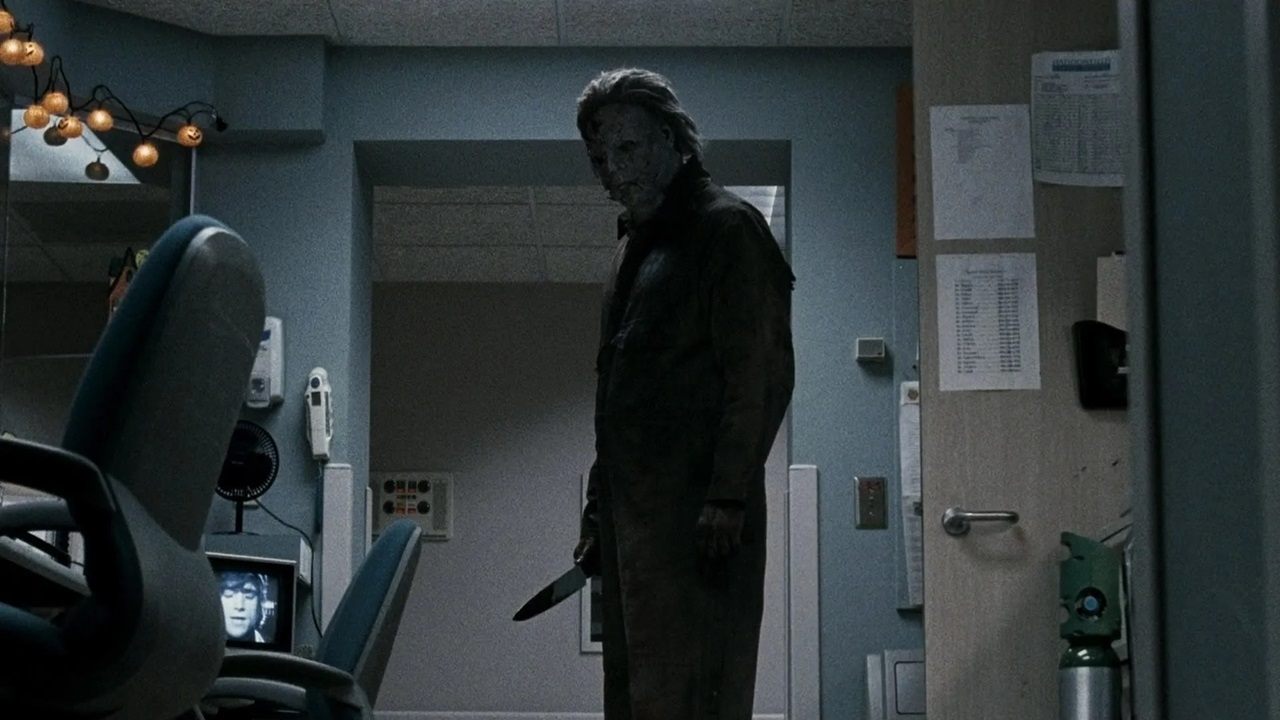
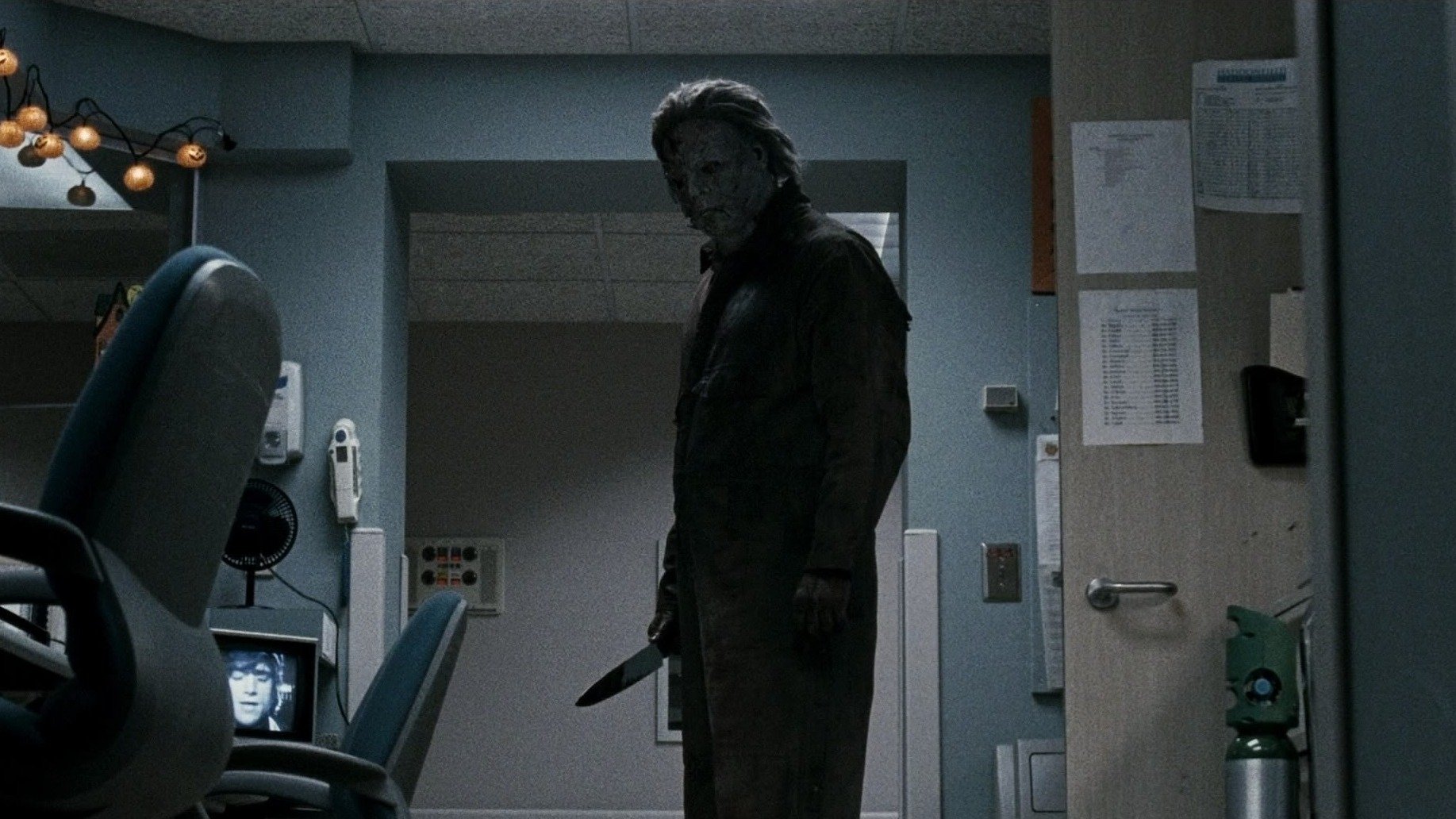
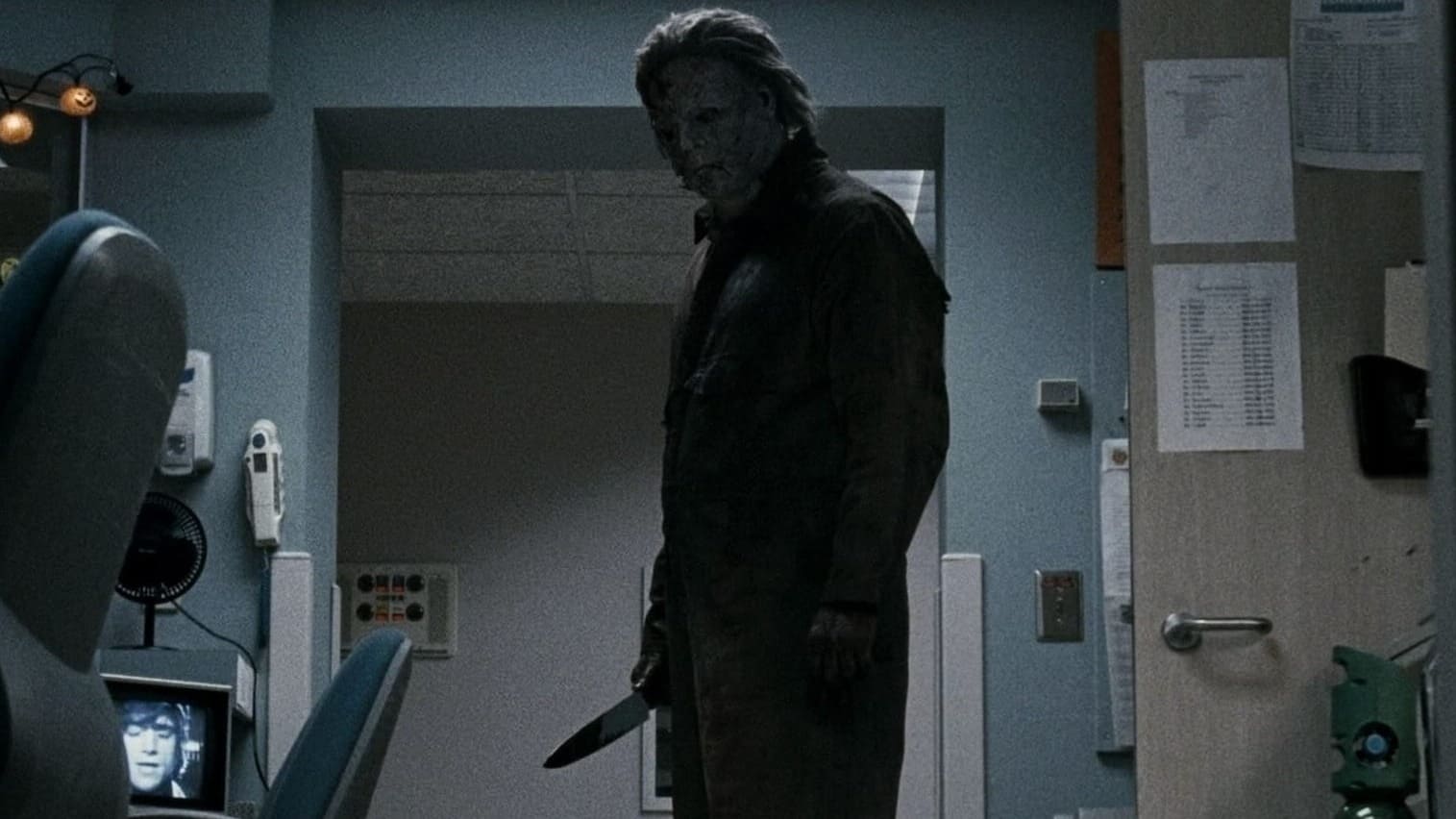
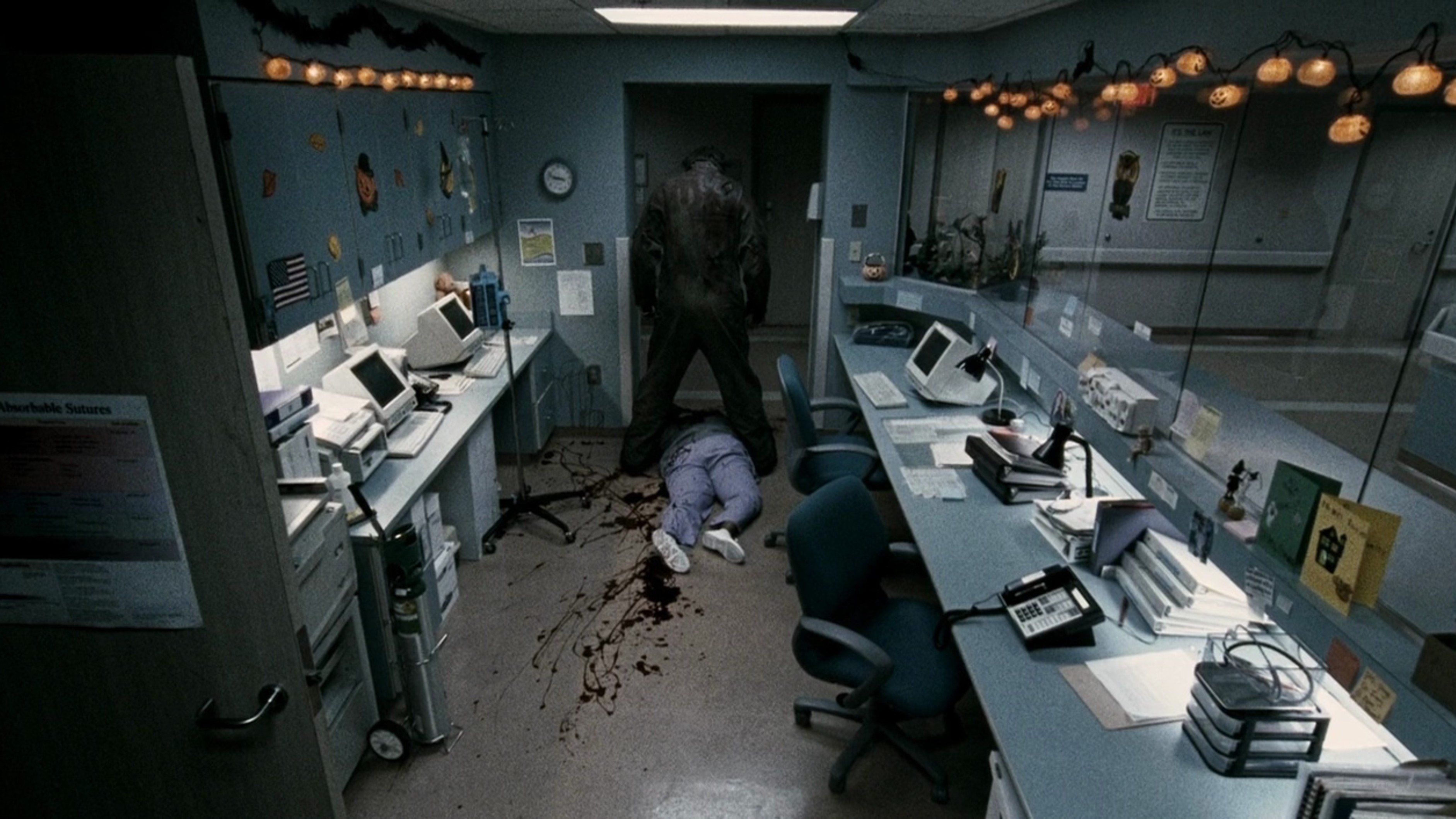
The sequel is also among the franchise's most radical visual departures. Grainy Super 16mm photography, a scarred and frequently unmasked Michael Myers, and visions of his dead mother pull the material toward a rough psychological nightmare. The opening hospital sequence acknowledges the 1981 Halloween II before yielding to Zombie's own narrative. Its two substantially different cuts complicate interpretation: the theatrical version and the director's cut make distinct choices about Laurie's deterioration and the fate of the main characters.

Development: Returning to a Different Haddonfield

The project initially moved forward without Zombie. Producer Malek Akkad recalled that other writers had drafted a more conventional continuation and that the team had considered Alexandre Bustillo and Julien Maury, the filmmakers behind Inside. Akkad's comments from the Georgia set indicate that the producers eventually preferred to bring back the director who had already established a particular version of the Myers family. That decision matters because the first remake supplied a detailed childhood history and domestic environment. A replacement filmmaker would have inherited those elements without necessarily sharing their author's interests.

Zombie later explained that he had been exhausted by Halloween and had rejected another sequel. With time away from the production, however, he grew protective of his treatment of the characters and reconsidered. The key creative opportunity was freedom from the narrative architecture of the 1978 original. Instead of repeating Rick Rosenthal's 1981 sequel, he could build a new aftermath for the same names and relationships. His retrospective interviews emphasize the survivor's changed behavior and Michael's private mental world as the two strands that persuaded him the material could support another film.

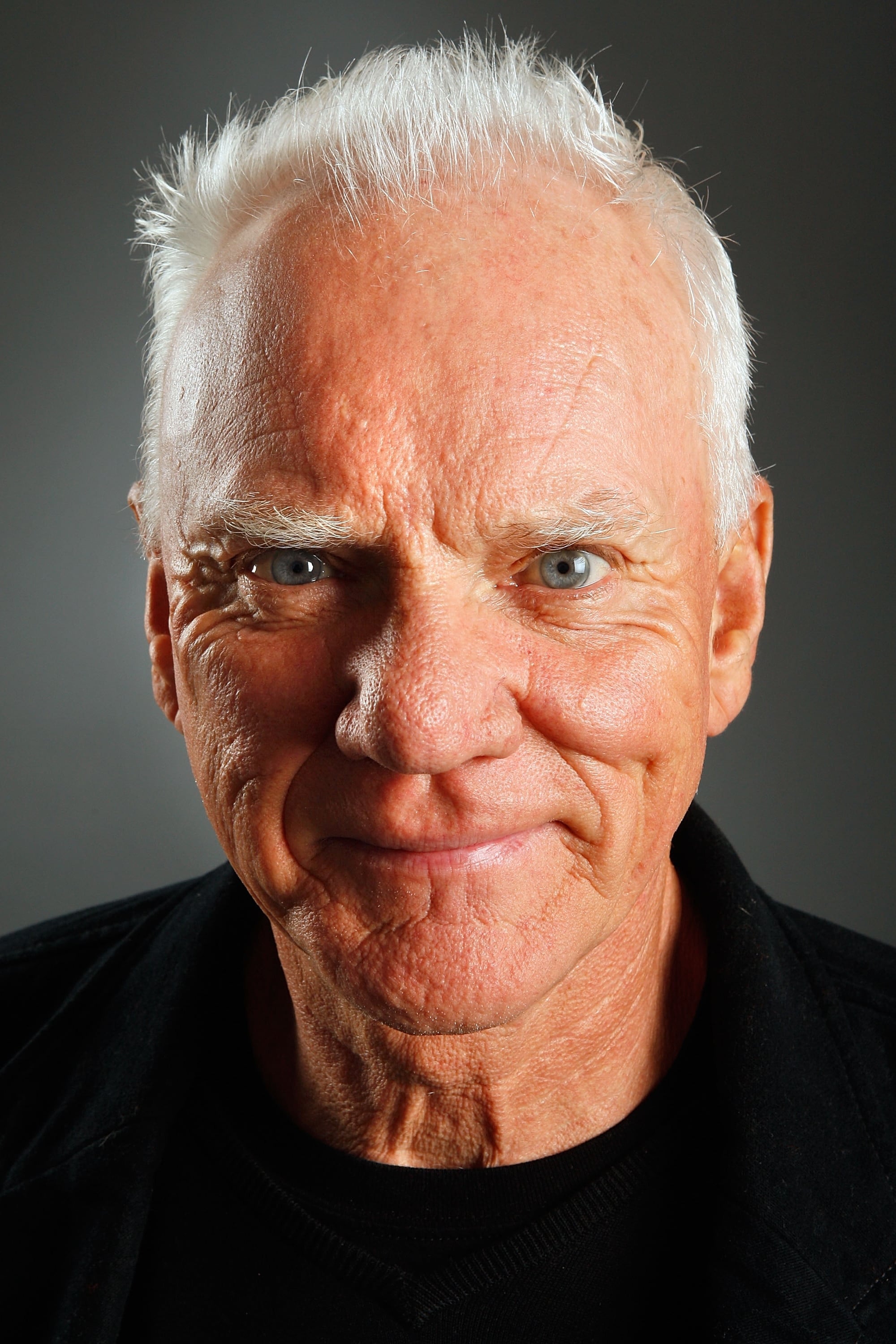
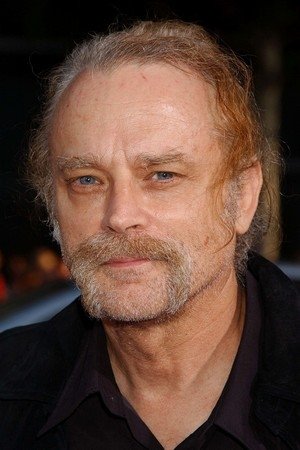
The return of performers from the 2007 production also gave the sequel an unusual continuity of faces. Tyler Mane again provides Michael with imposing physical weight, while Brad Dourif, Danielle Harris and Malcolm McDowell develop roles whose responses to the earlier violence are very different. Shooting moved to Georgia, allowing the production to establish a Haddonfield of roadside businesses, rural approaches and worn domestic spaces. Those locations suit an abrasive film that places everyday poverty and disorder close to its supernatural-looking images, even when the story never establishes a supernatural explanation for Michael.

Laurie, Annie and the Cost of Survival

Laurie's condition organizes the film's emotional material. She now lives under Sheriff Lee Brackett's protection, alongside his daughter Annie, who also survived Michael's attacks. Their shared history does not give them identical ways of coping. Laurie is volatile and increasingly alienated, while Annie attempts to maintain a household where the previous massacre remains an unavoidable presence. Scenes of quarrels and ordinary routines therefore carry a pressure different from that of an impending attack. The people involved have already experienced the violence that a conventional slasher usually reserves for its final act.
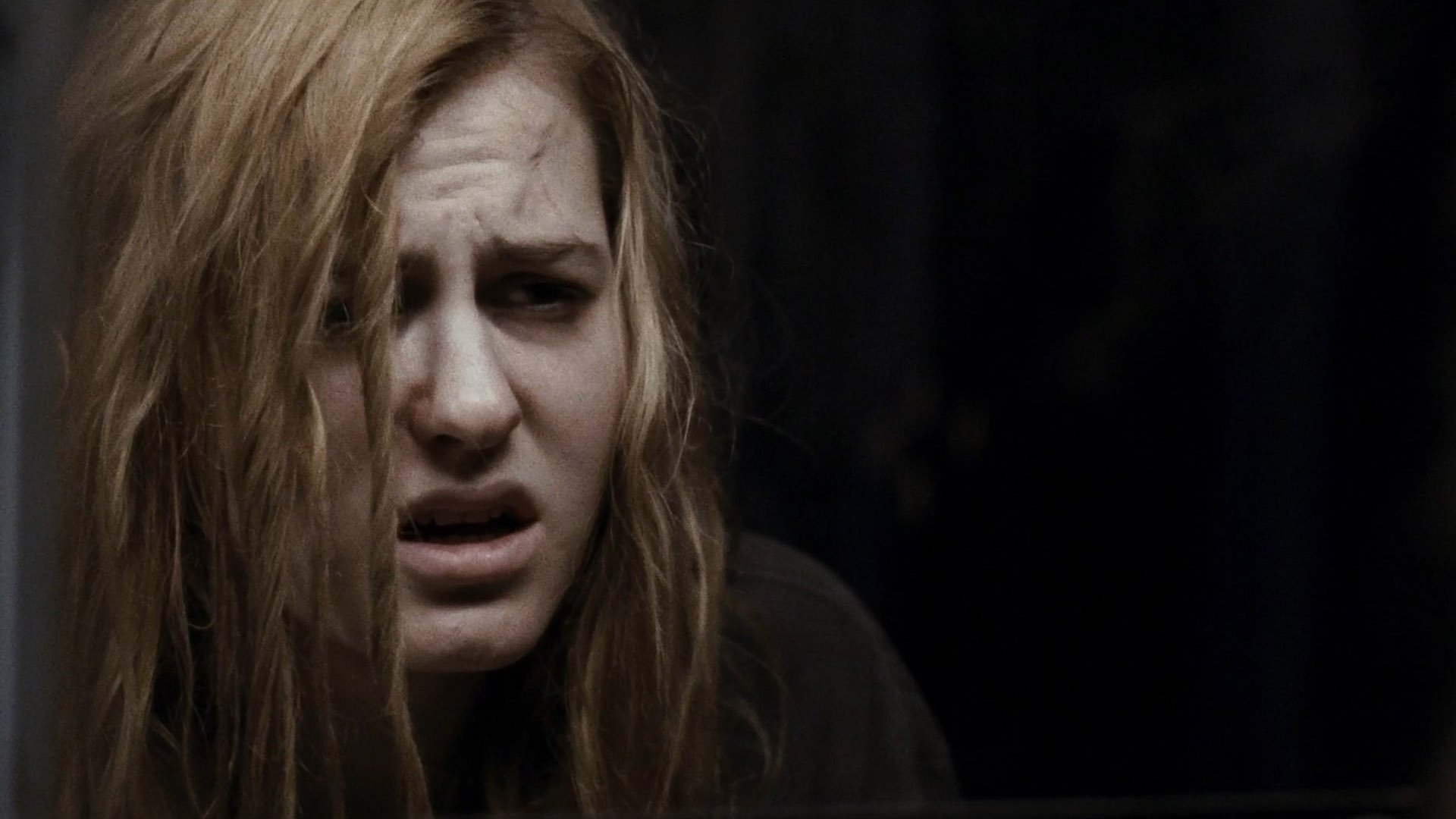
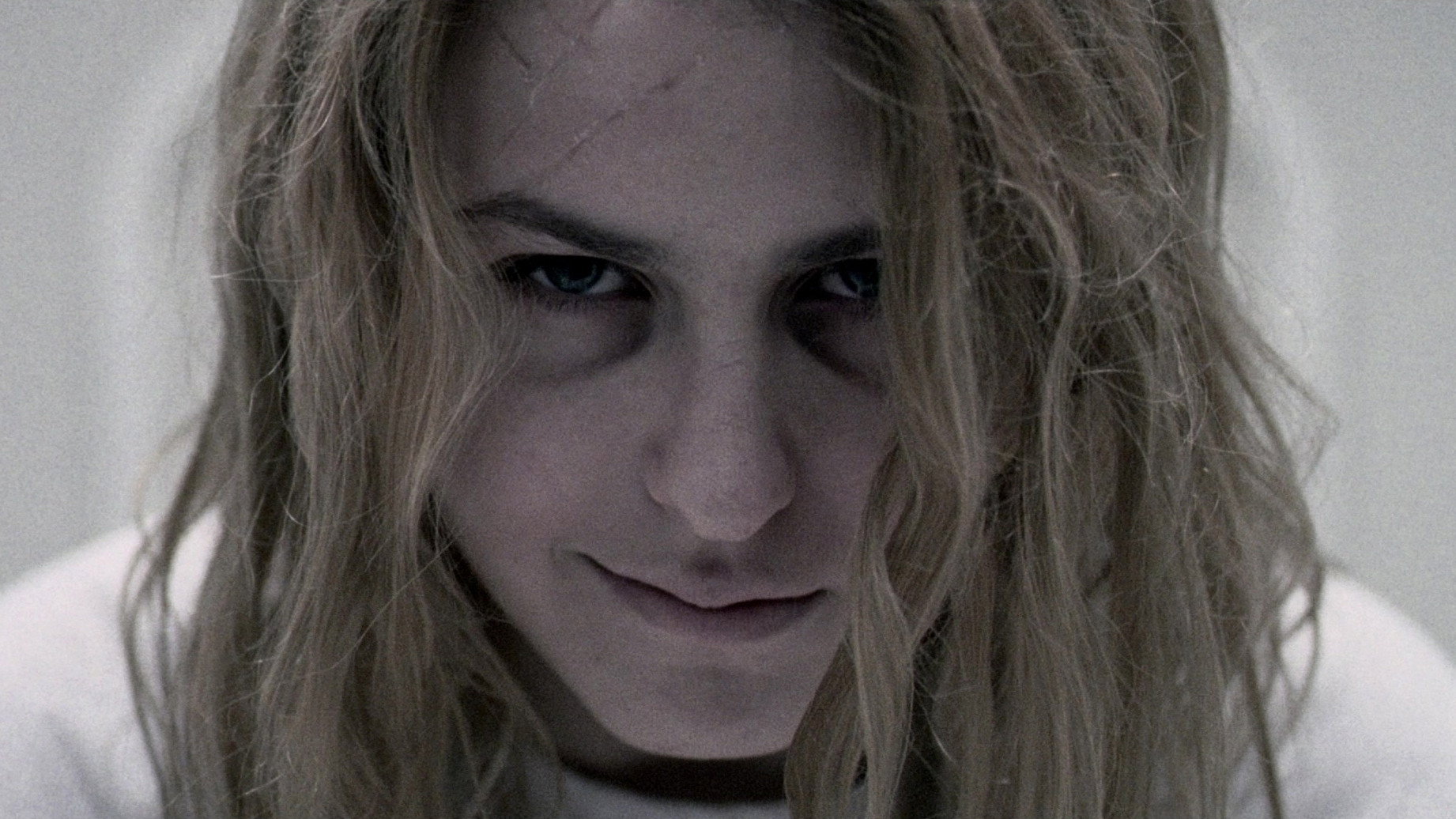
Zombie described his approach as an attempt to imagine what might happen after a young person's family and social life had been destroyed. His statements are evidence of his artistic intention, not clinical proof that trauma must produce Laurie's particular behavior. The writing gives her a confrontational style and a difficult relationship with treatment, while dreams and intrusive images press against the boundary between waking life and private terror. Scout Taylor-Compton plays Laurie as someone whose efforts to regain control frequently injure the people trying to help her. The portrayal can be abrasive, an intentional challenge to the comforting idea of the innocent survivor.

The film gives Annie's father a corresponding burden. Brackett has offered refuge to Laurie, yet his protection cannot undo what happened to his daughter. Dourif's response to Annie's later fate interrupts the forward movement of the killings with an extended recognition of personal loss. Zombie singled out this performance in a 2013 interview, arguing that the grief of those left behind was essential to the picture. Such moments explain why the sequel's most important dramatic relationships are often between survivors and their caretakers, even while Michael remains the engine of the horror.

Michael Myers, Deborah and the White Horse

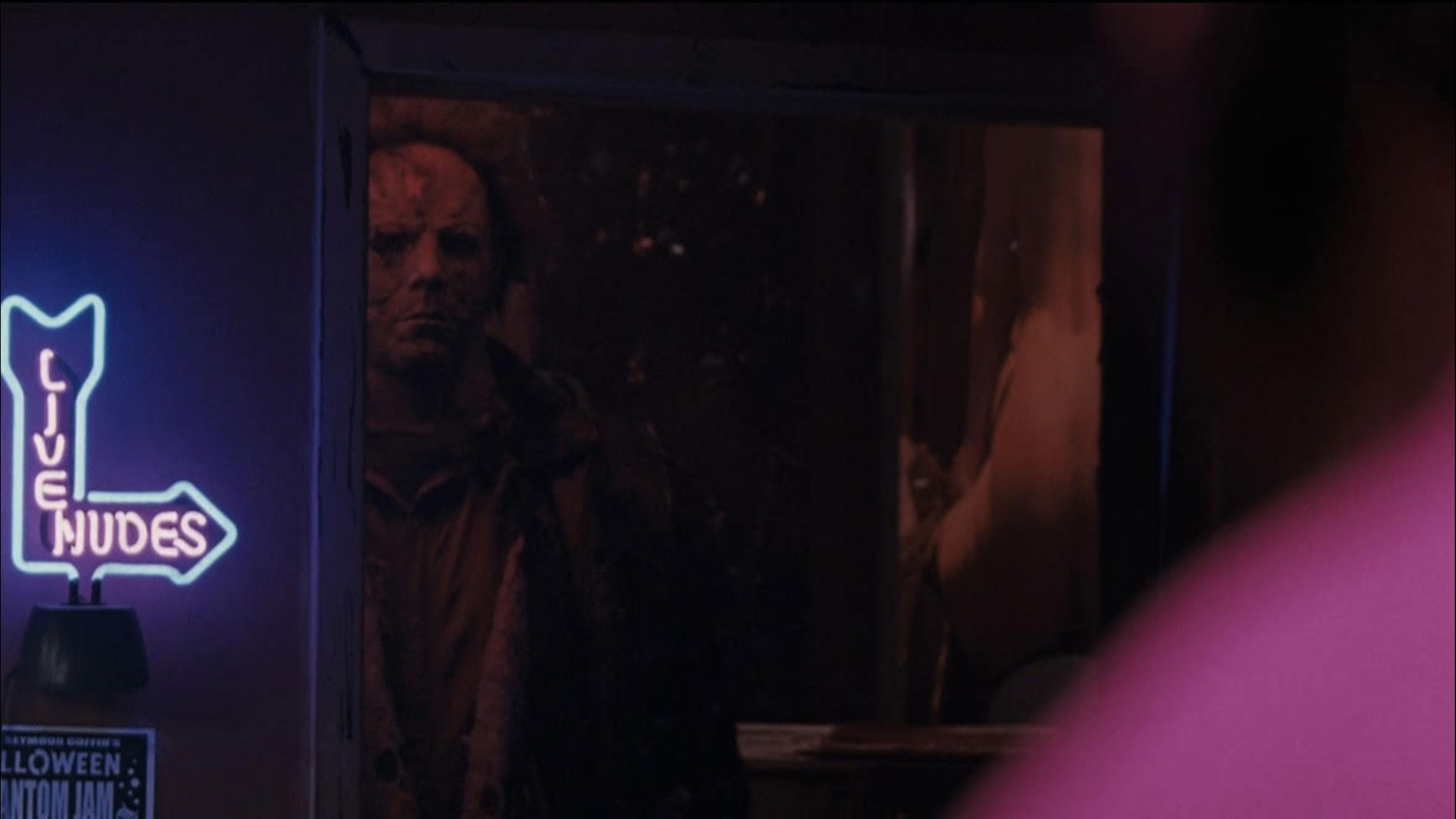
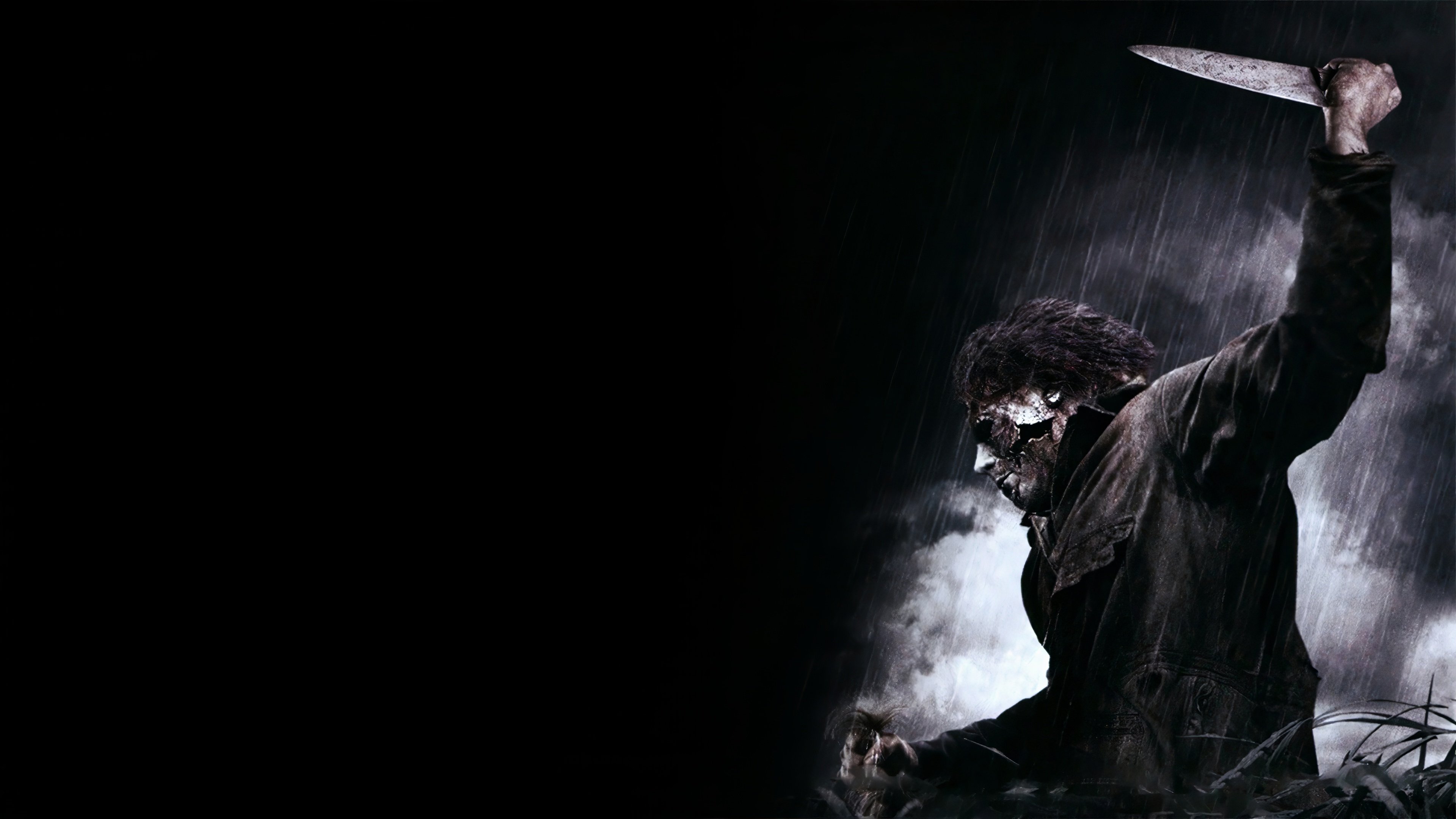
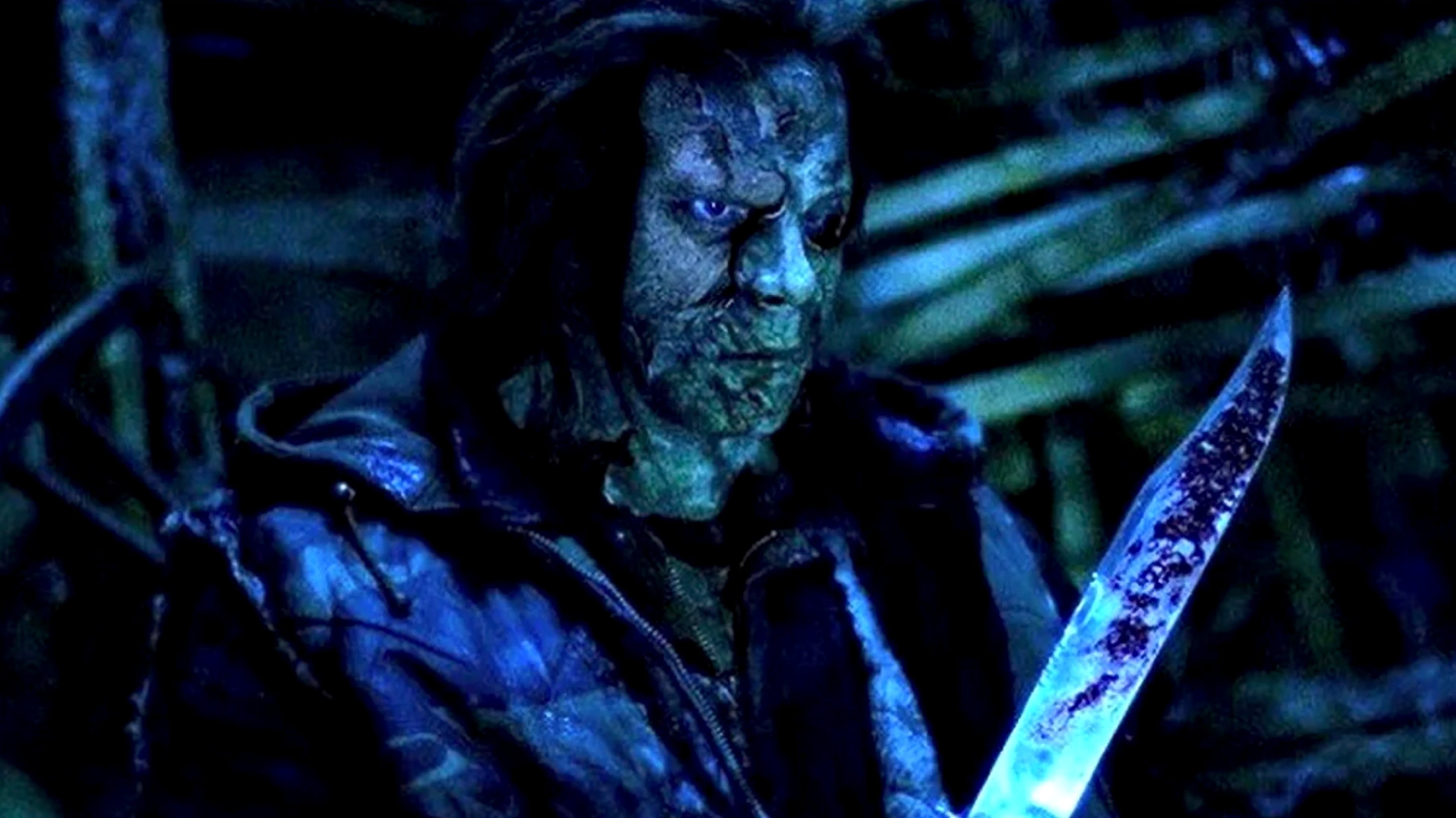
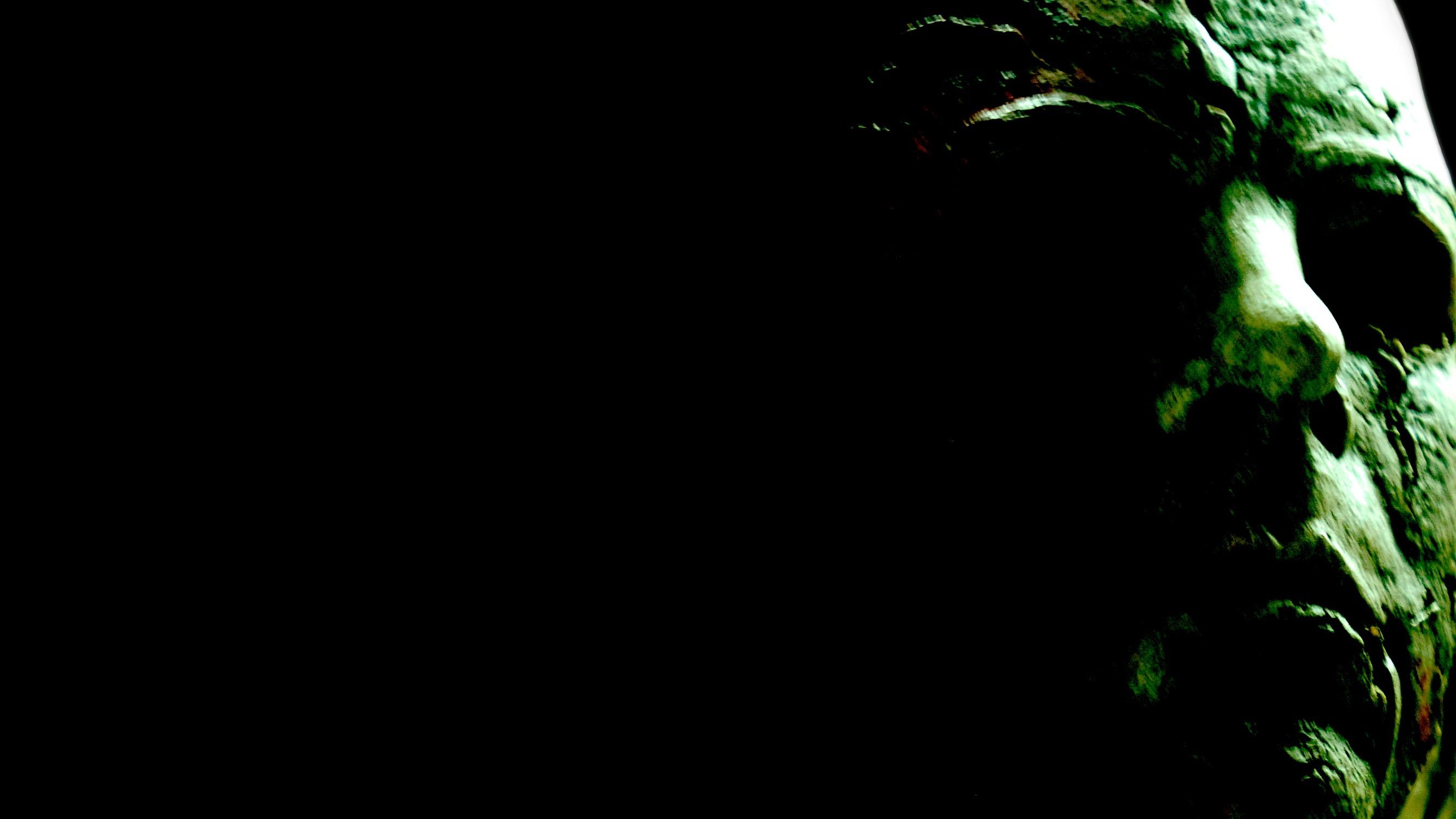
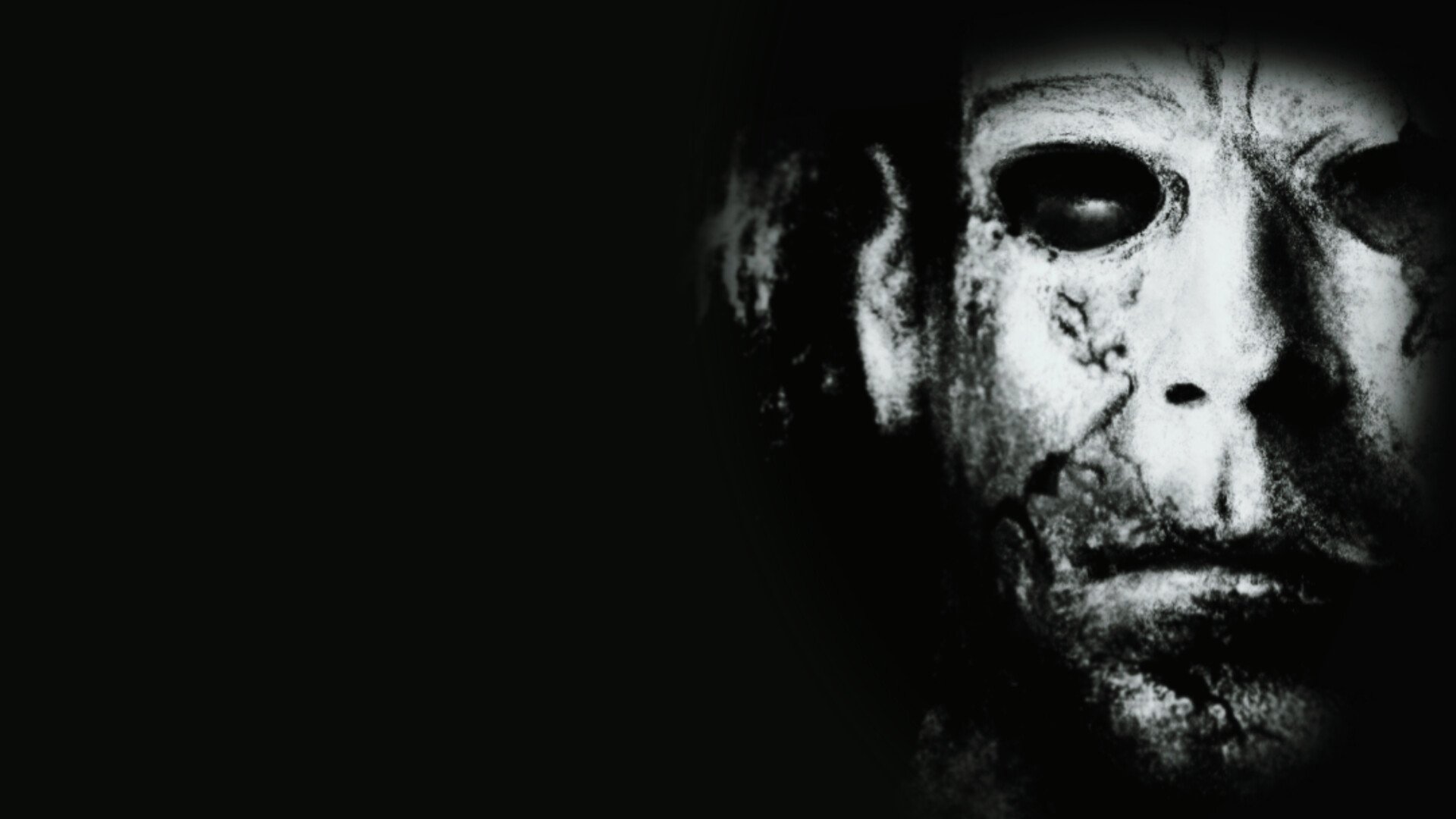
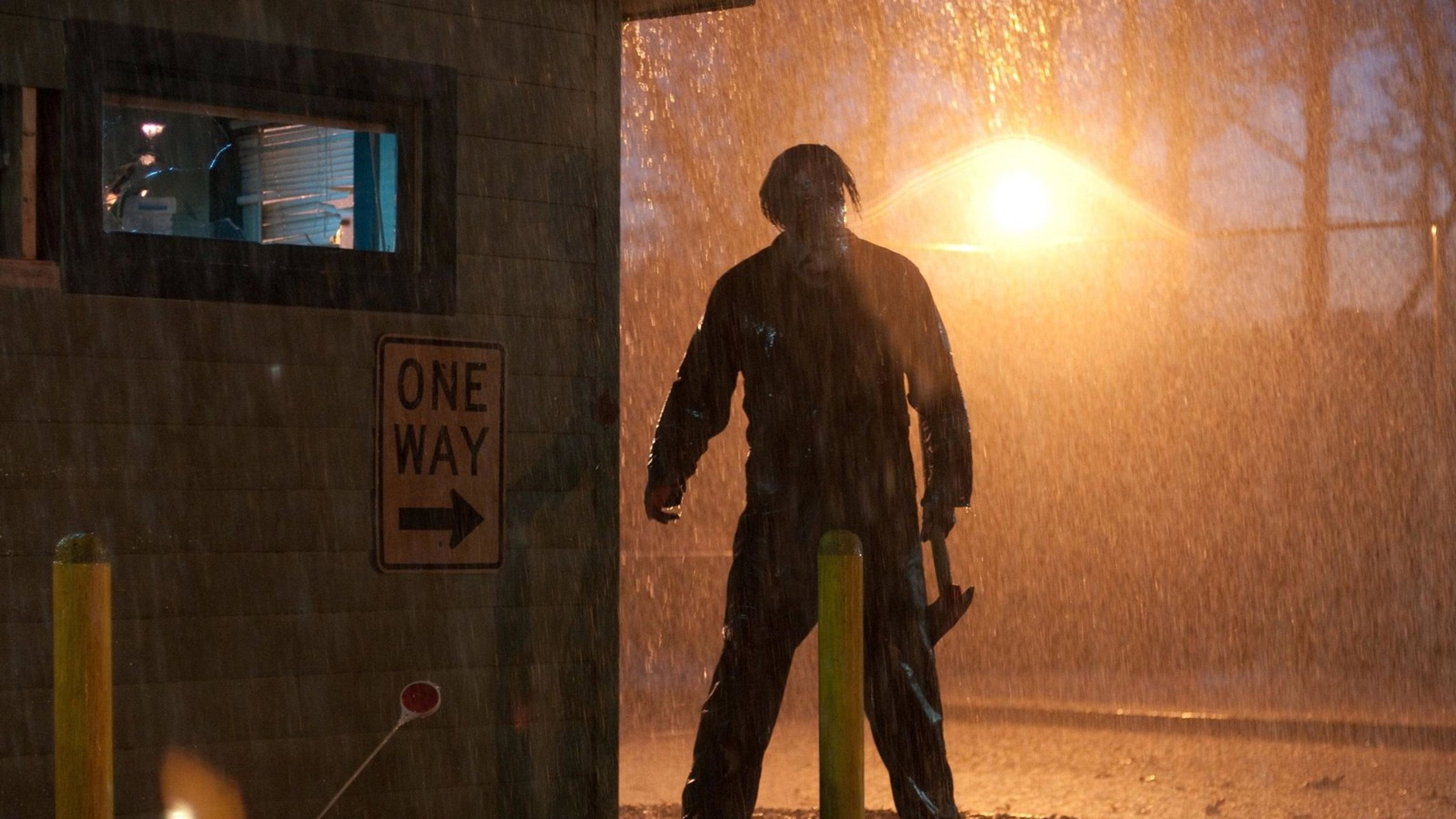
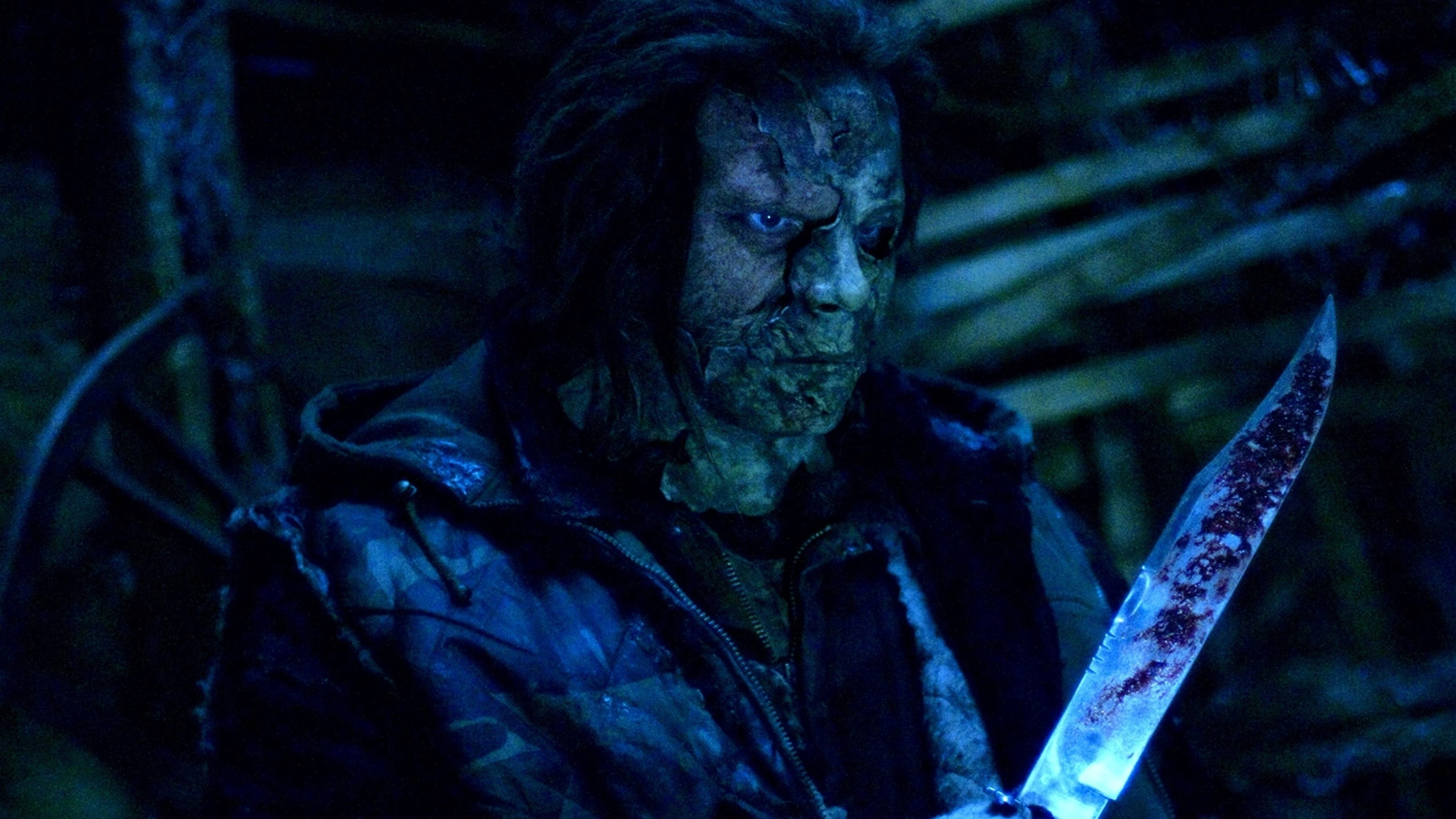
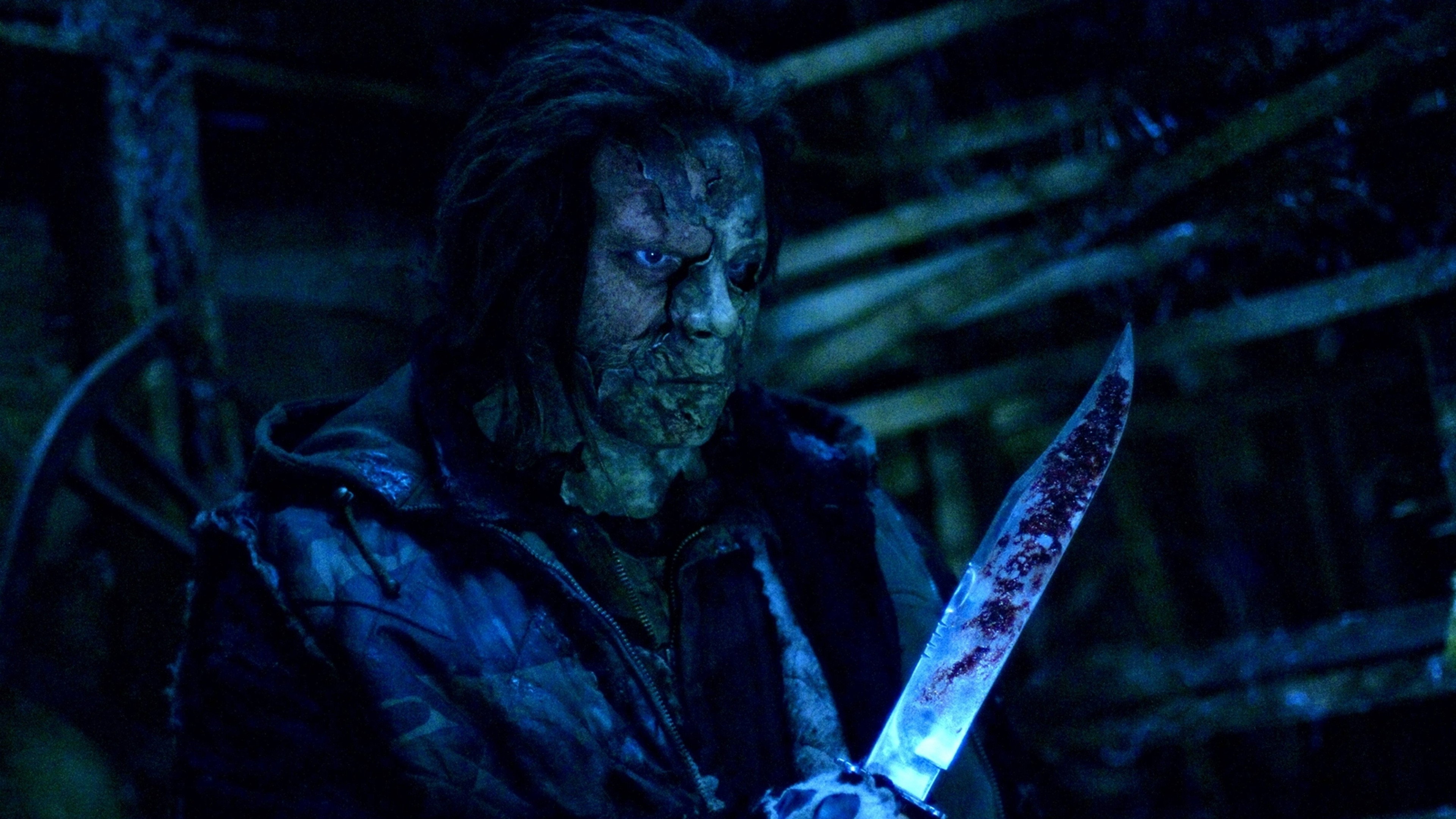
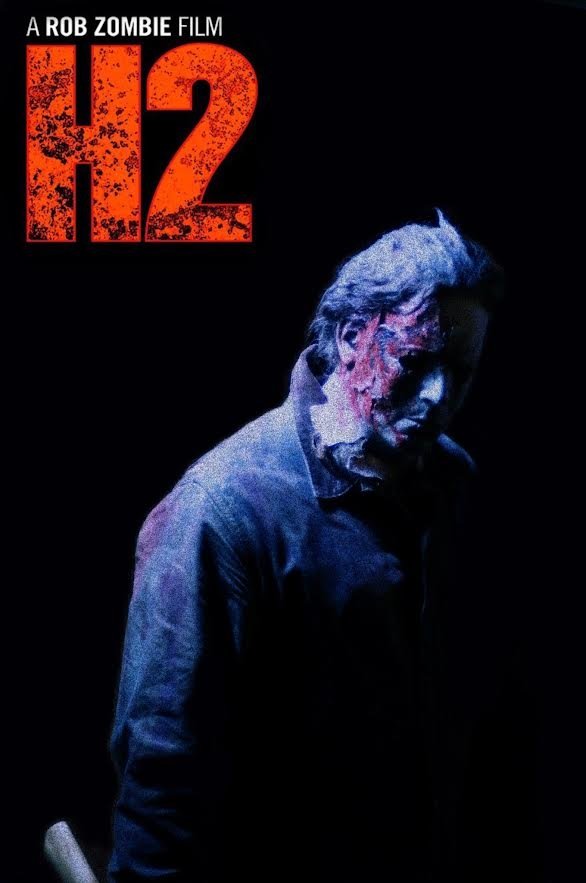
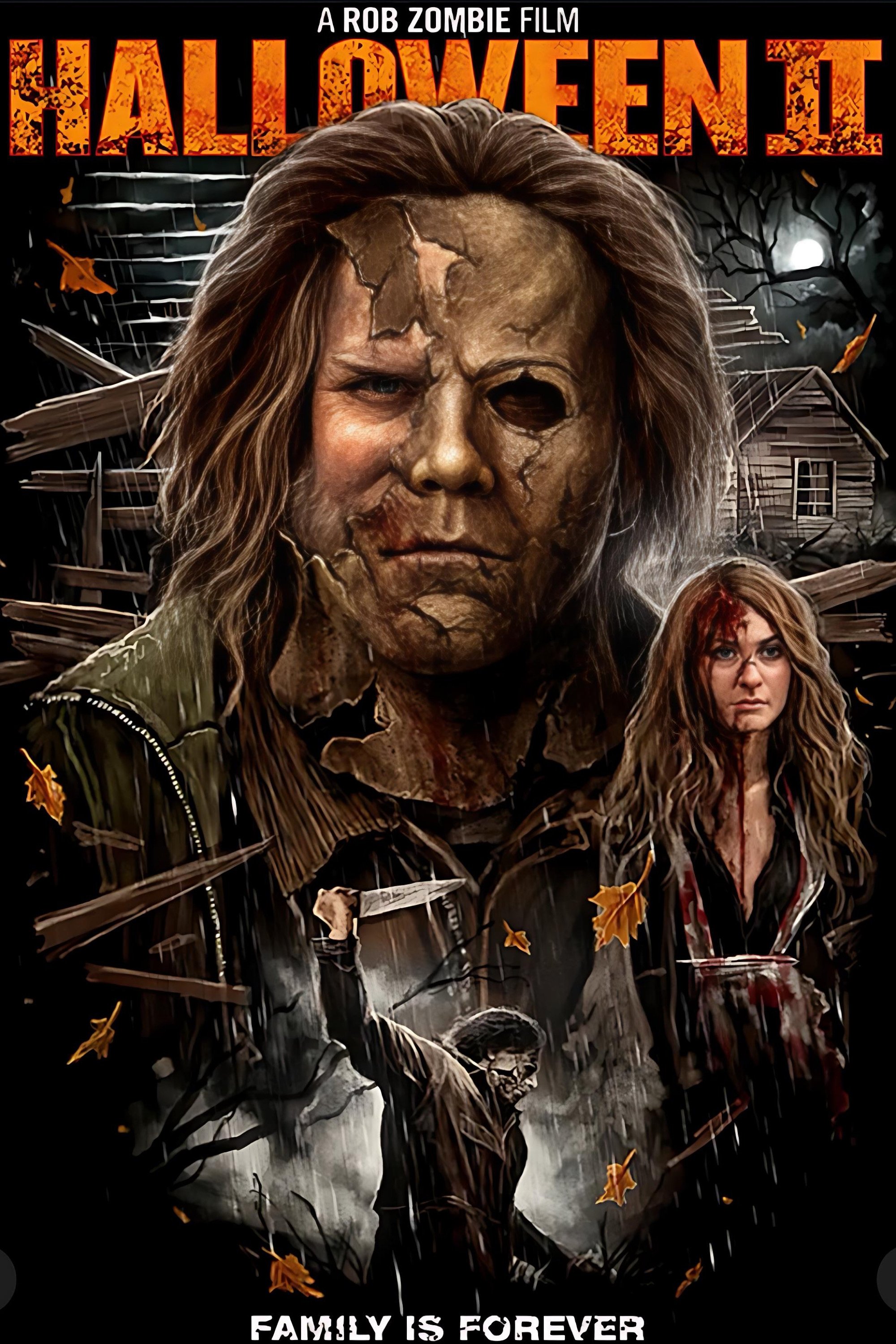
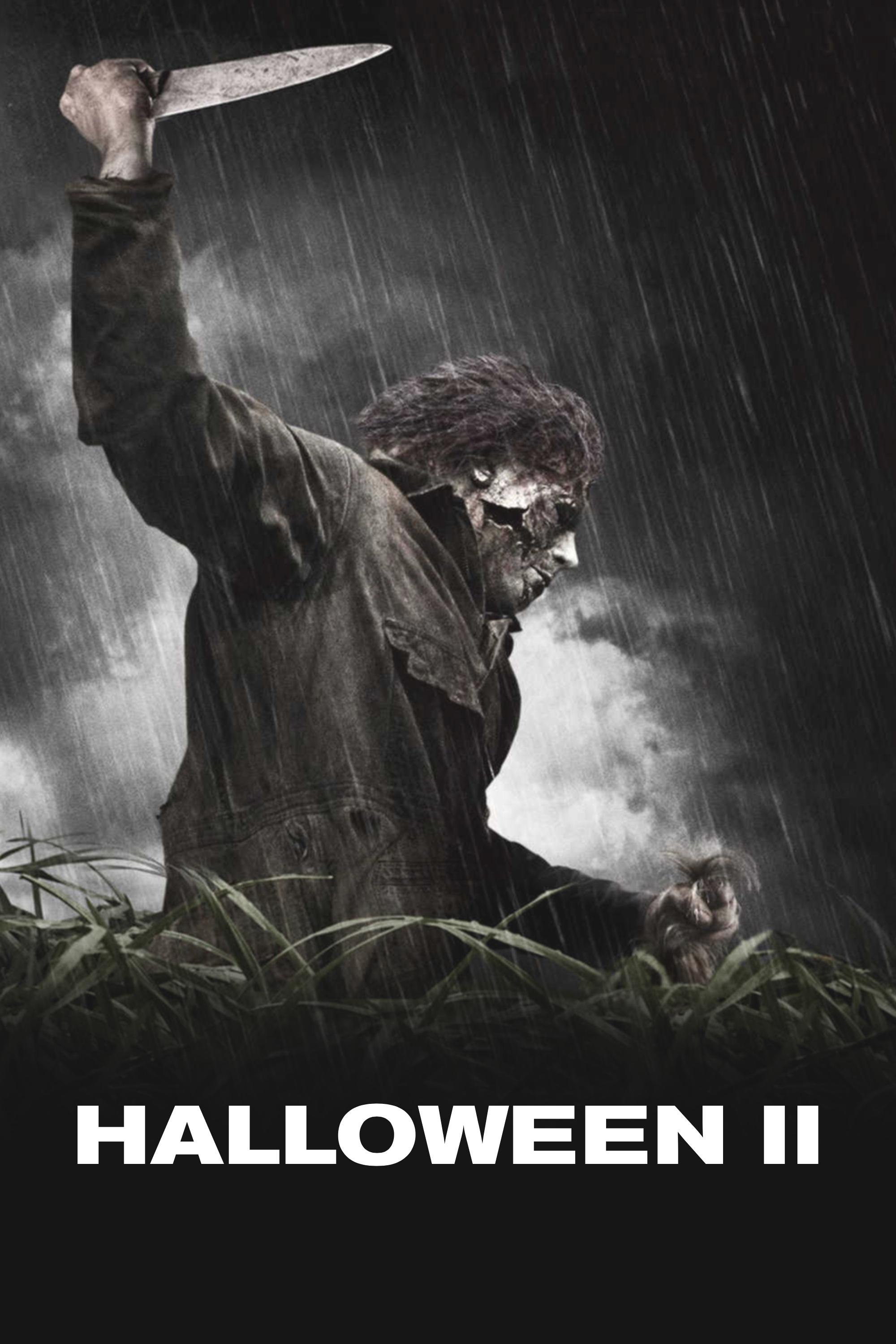
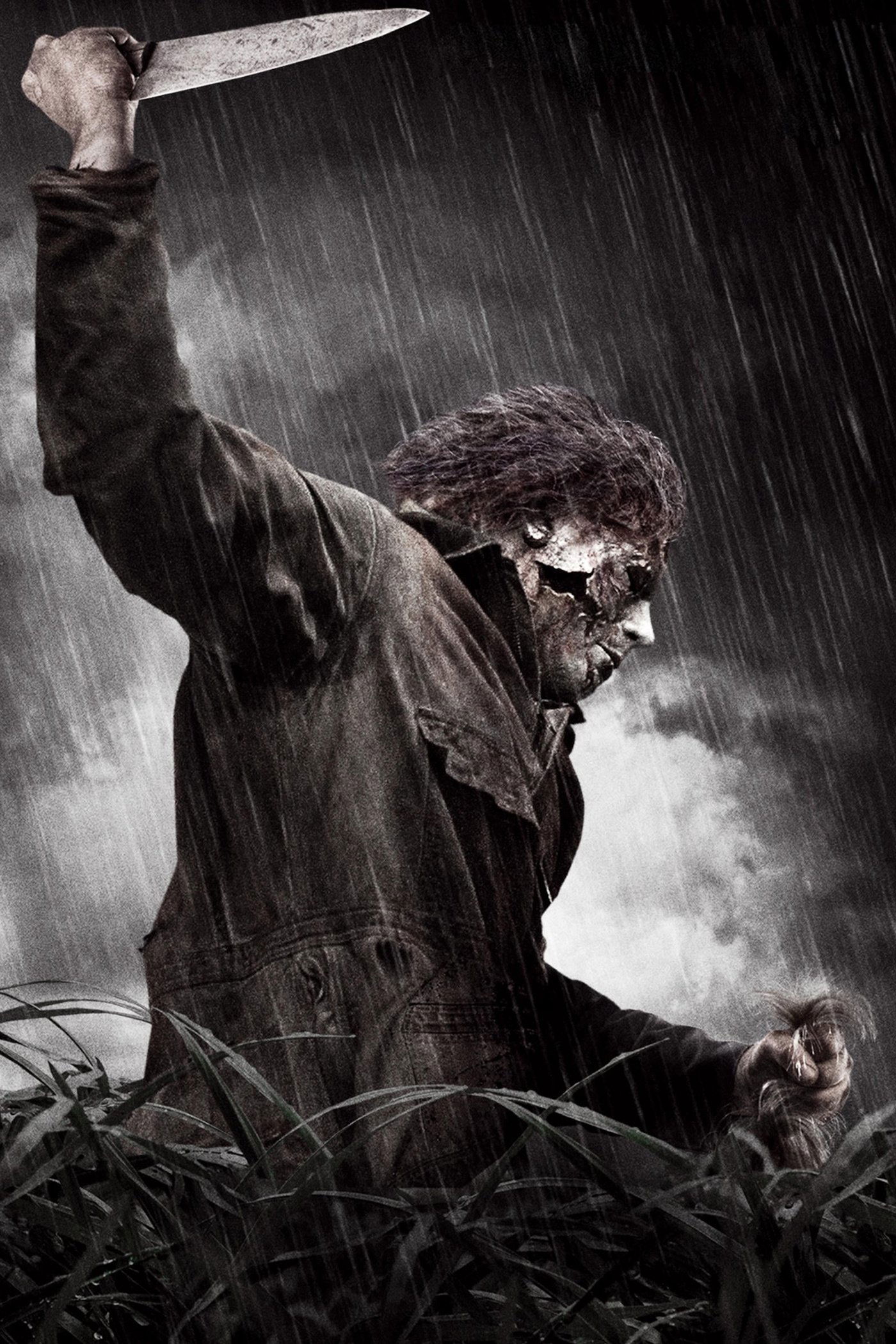
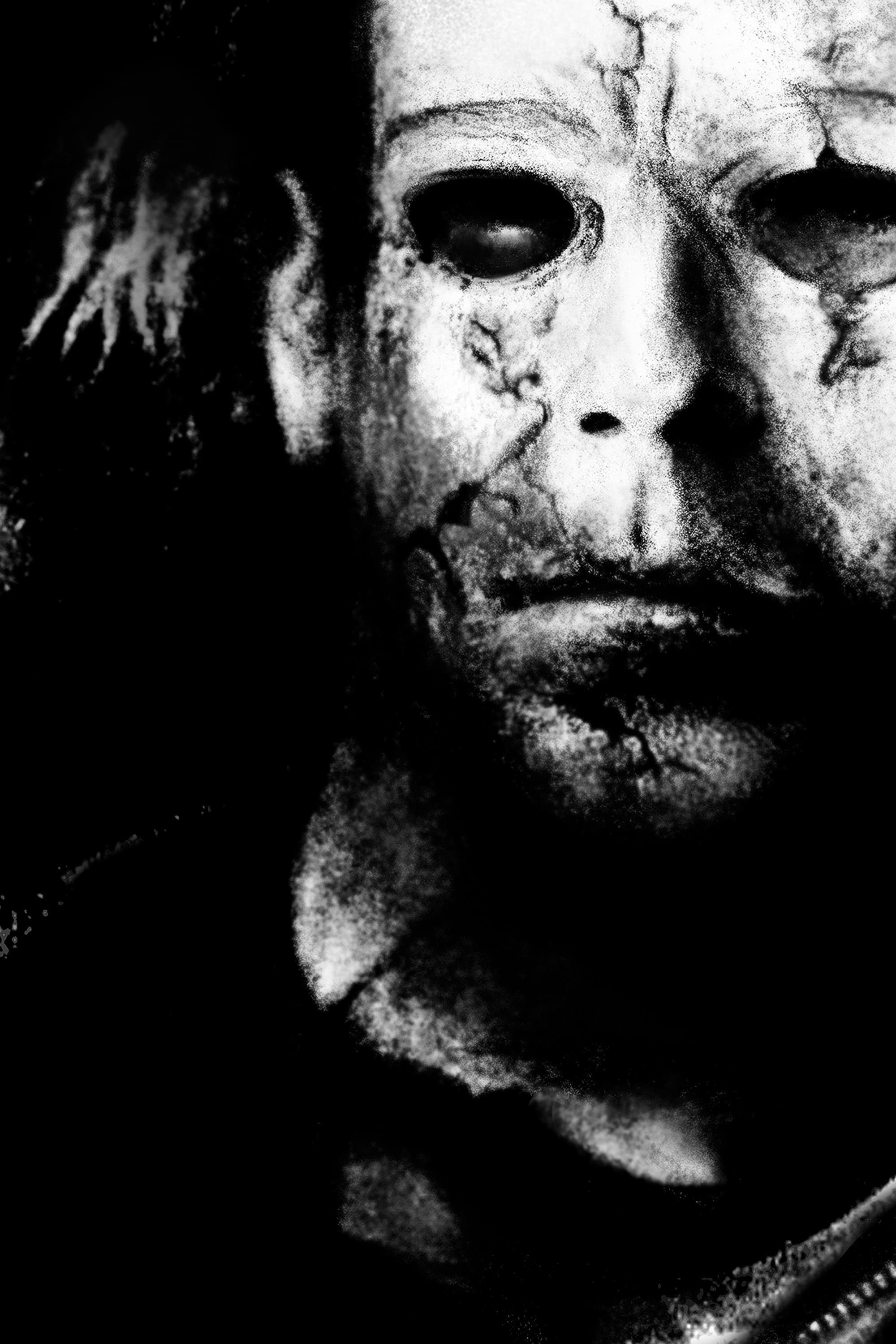
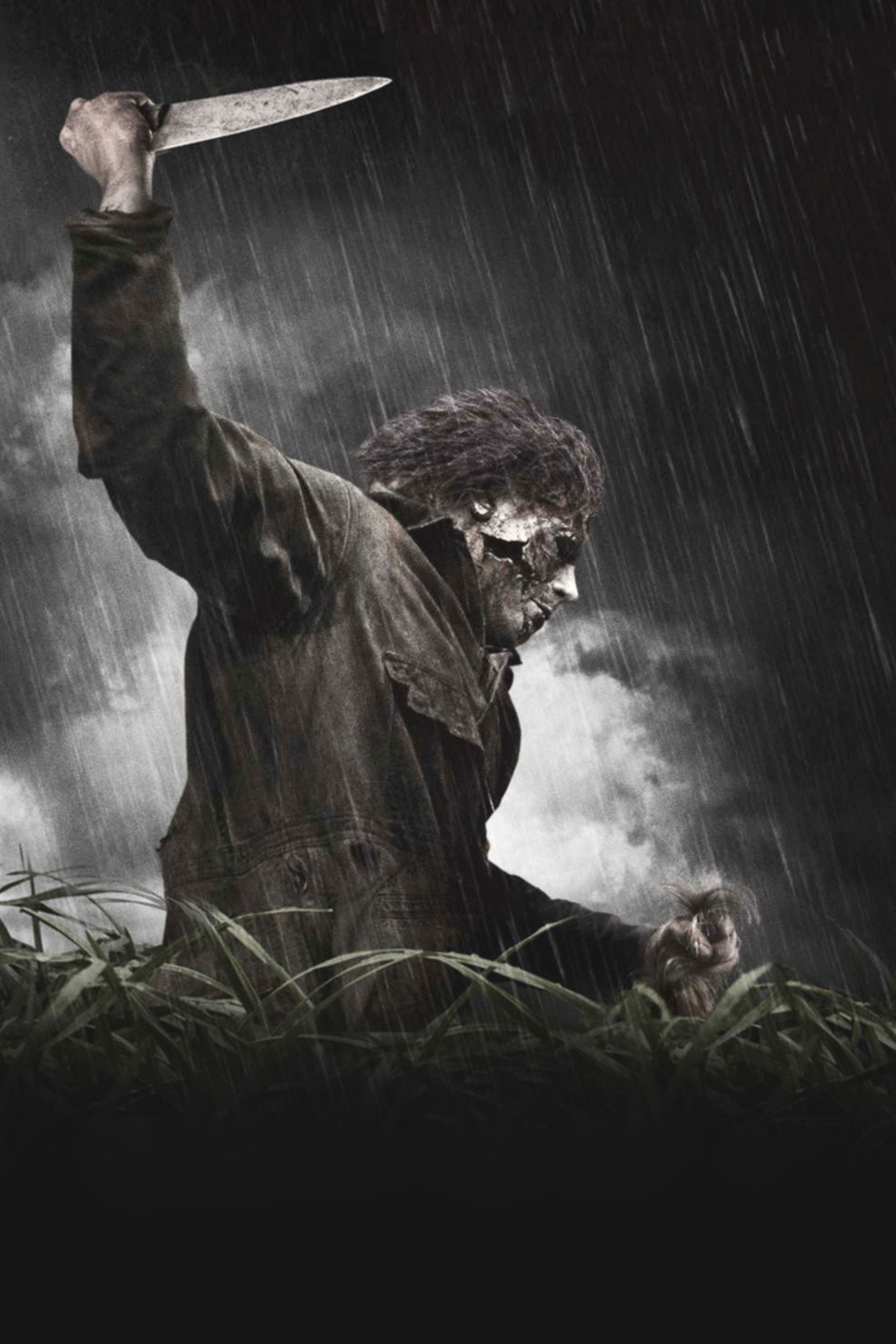
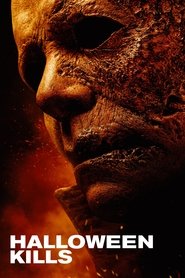
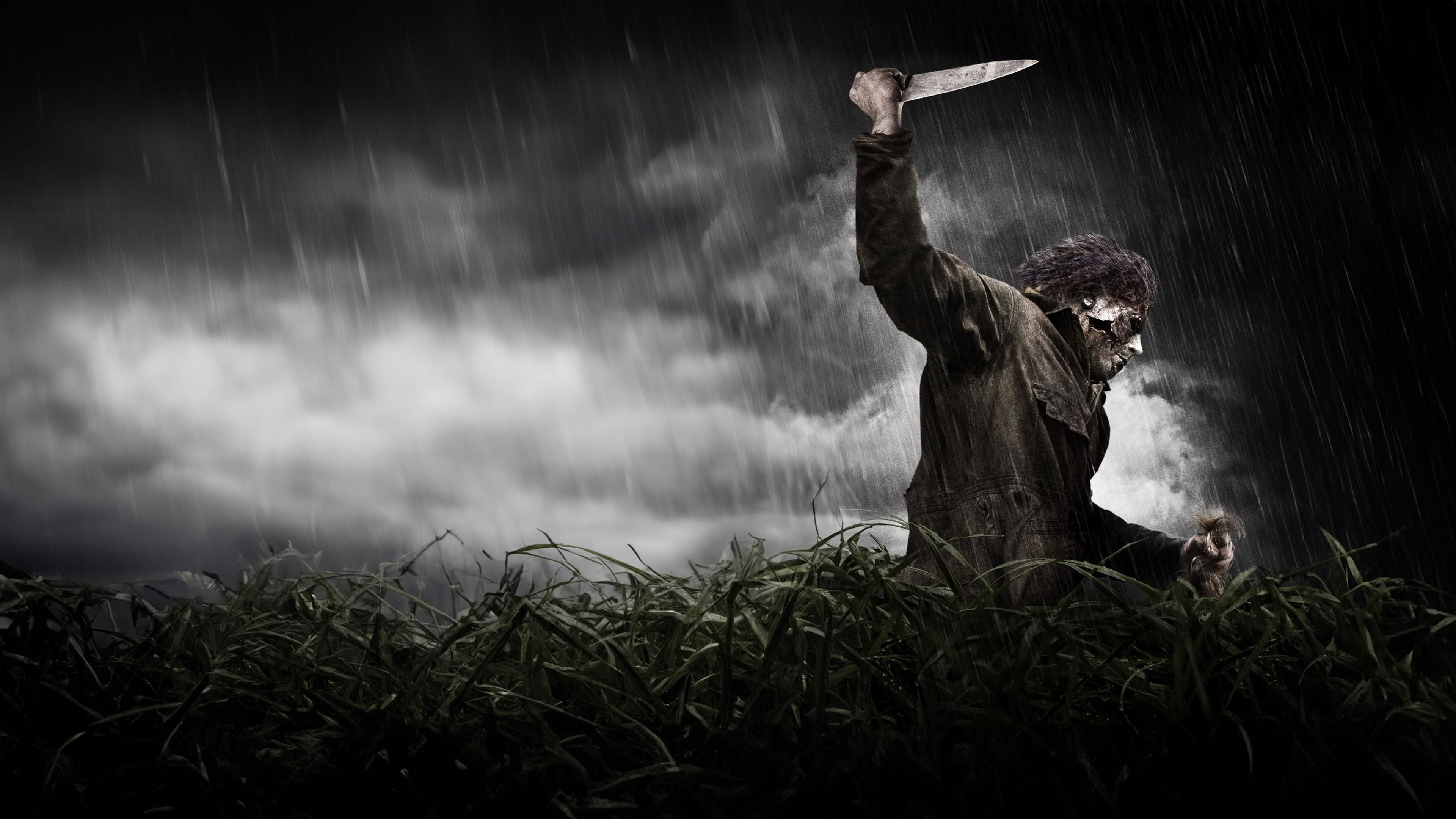
Michael's appearance departs sharply from the fixed silhouette that has made him recognizable throughout the franchise. His clothes are weathered, his mask is damaged, and sections of the film allow his face to remain visible. Tyler Mane's imposing body makes encounters feel like brutal collisions with a human figure, even when Michael survives attacks that strain ordinary plausibility. This visual decision reduces the mask's function as a constant emblem and makes its occasional reappearance more conspicuous. It also distances Zombie's character from the abstract, watchful presence emphasized in Carpenter's original.
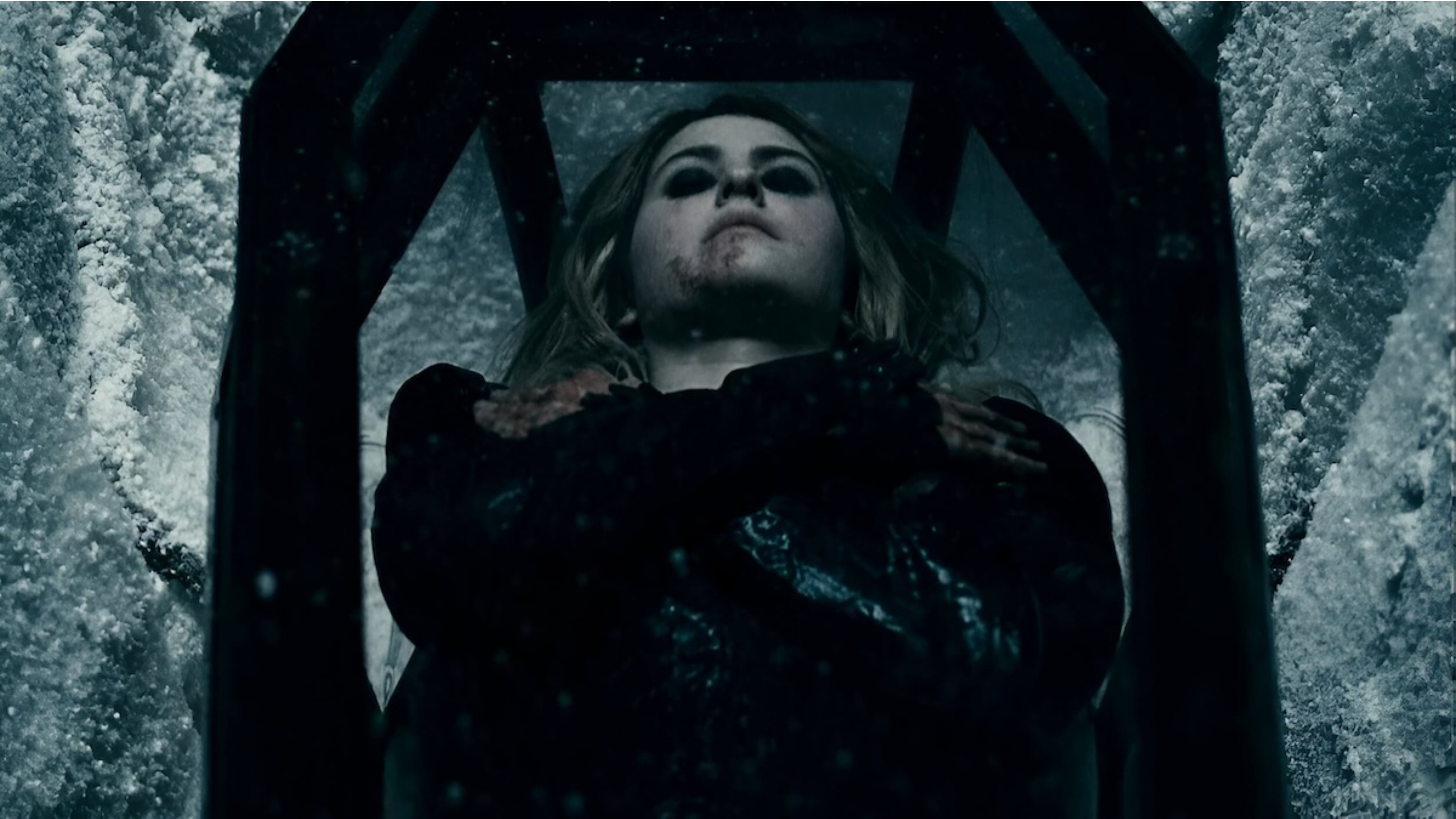
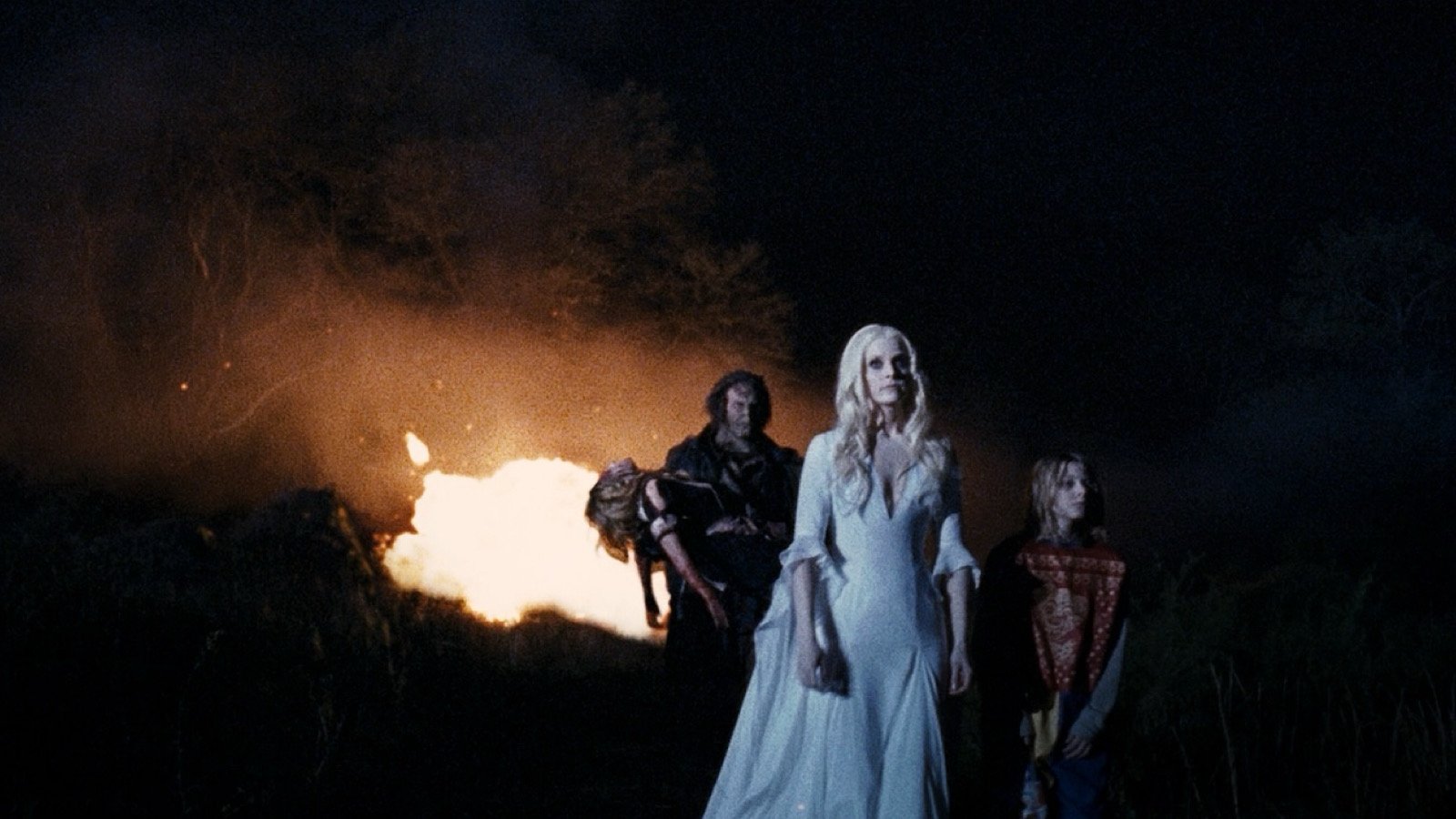
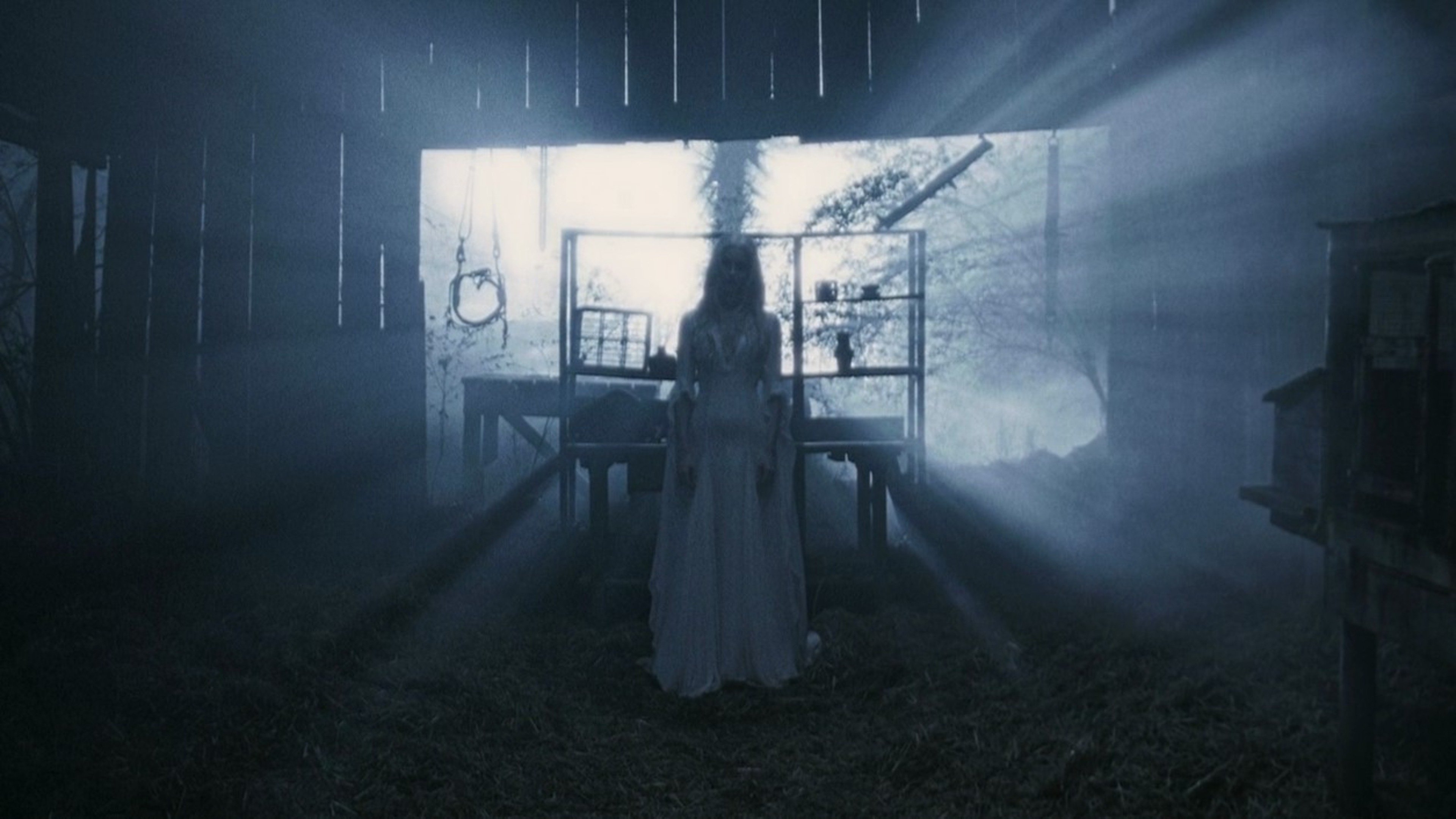
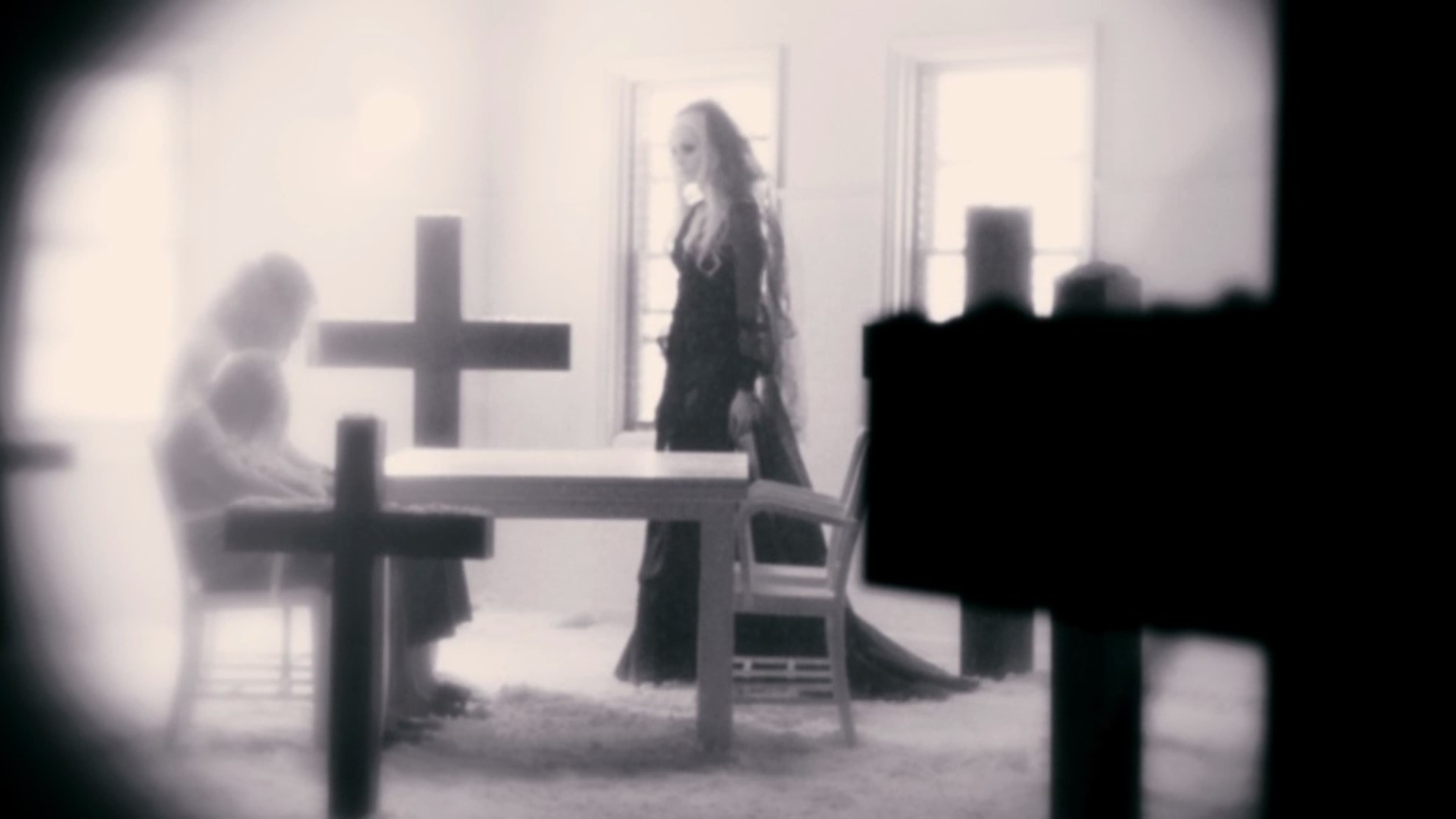
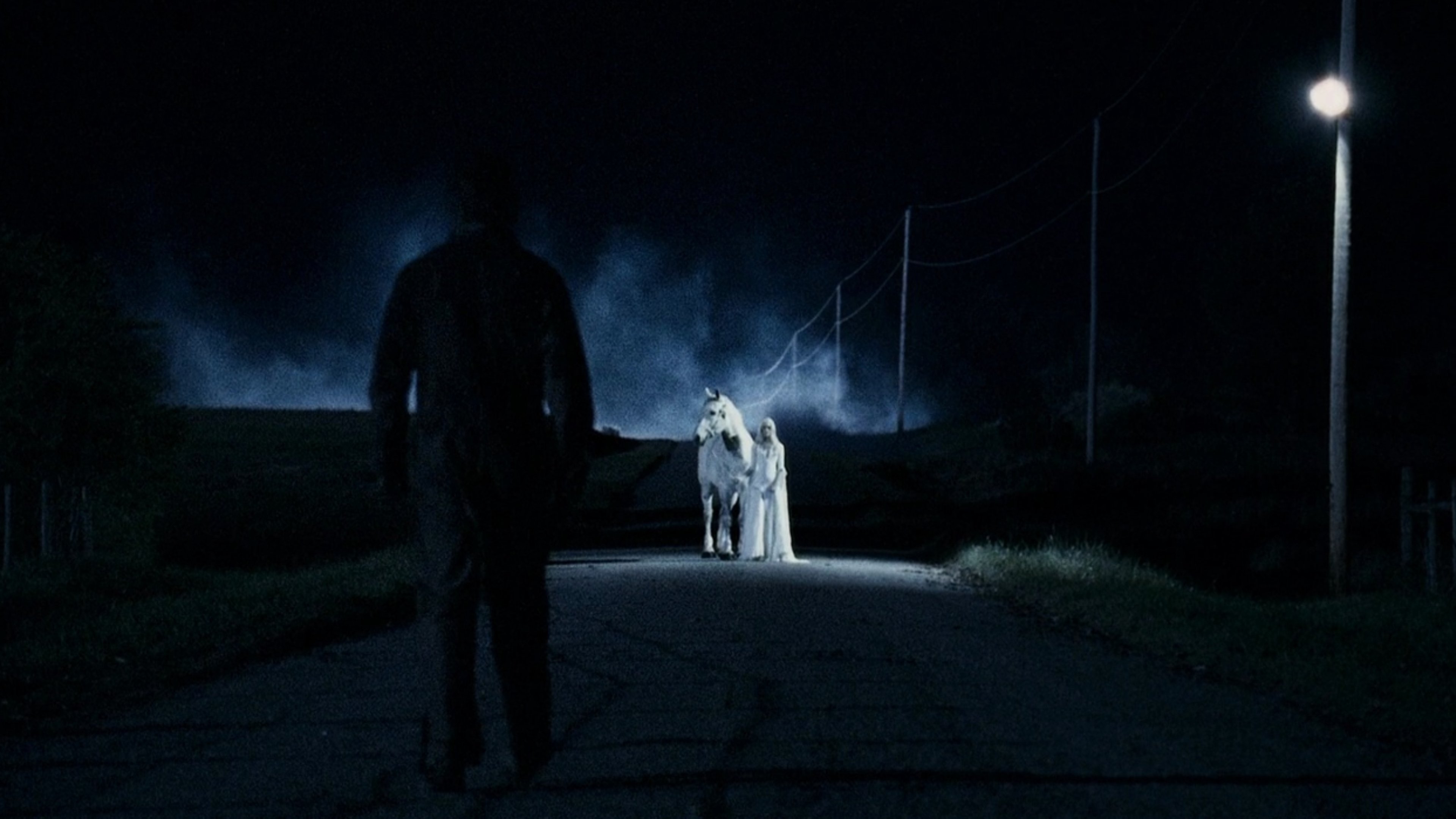
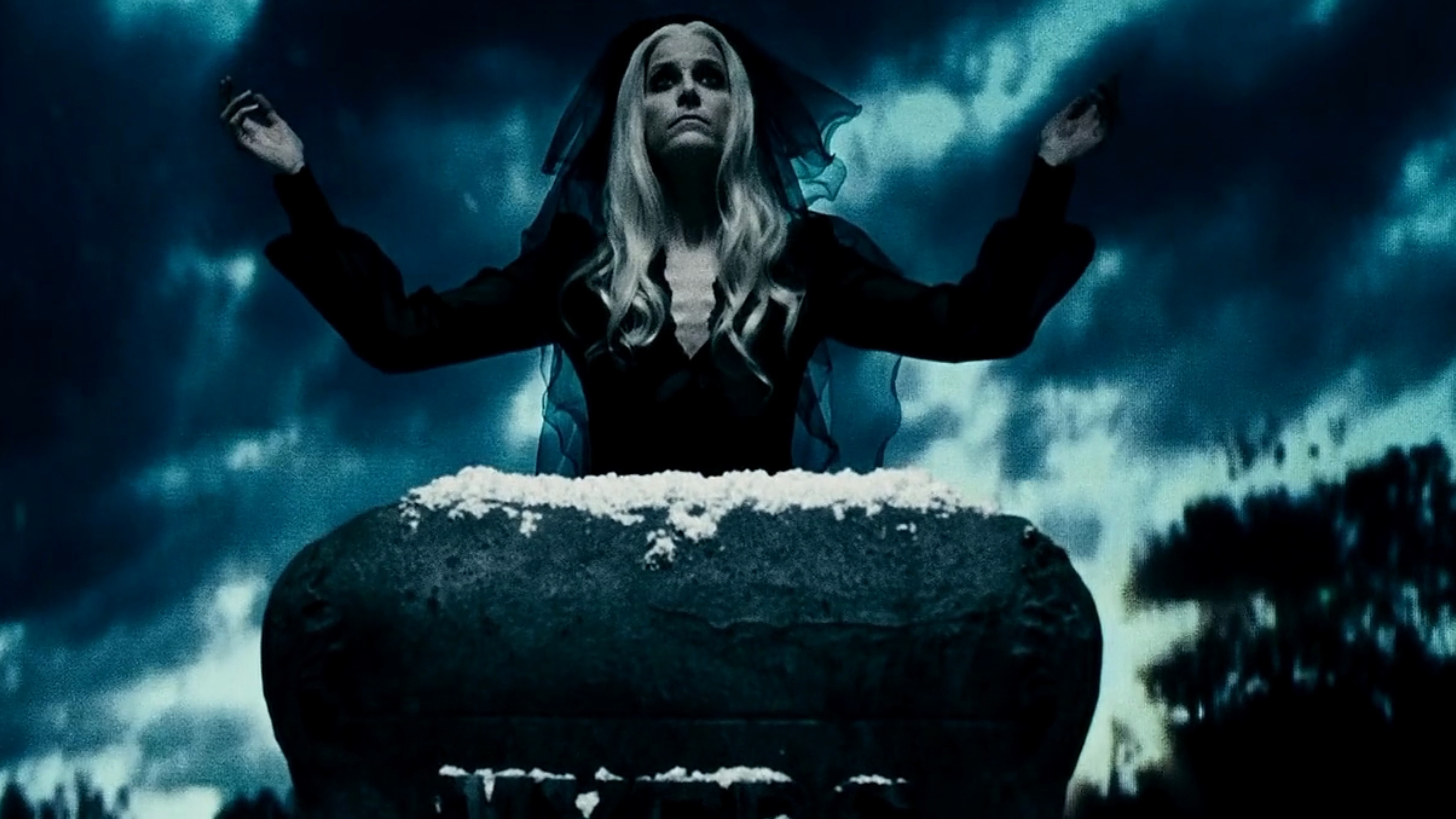
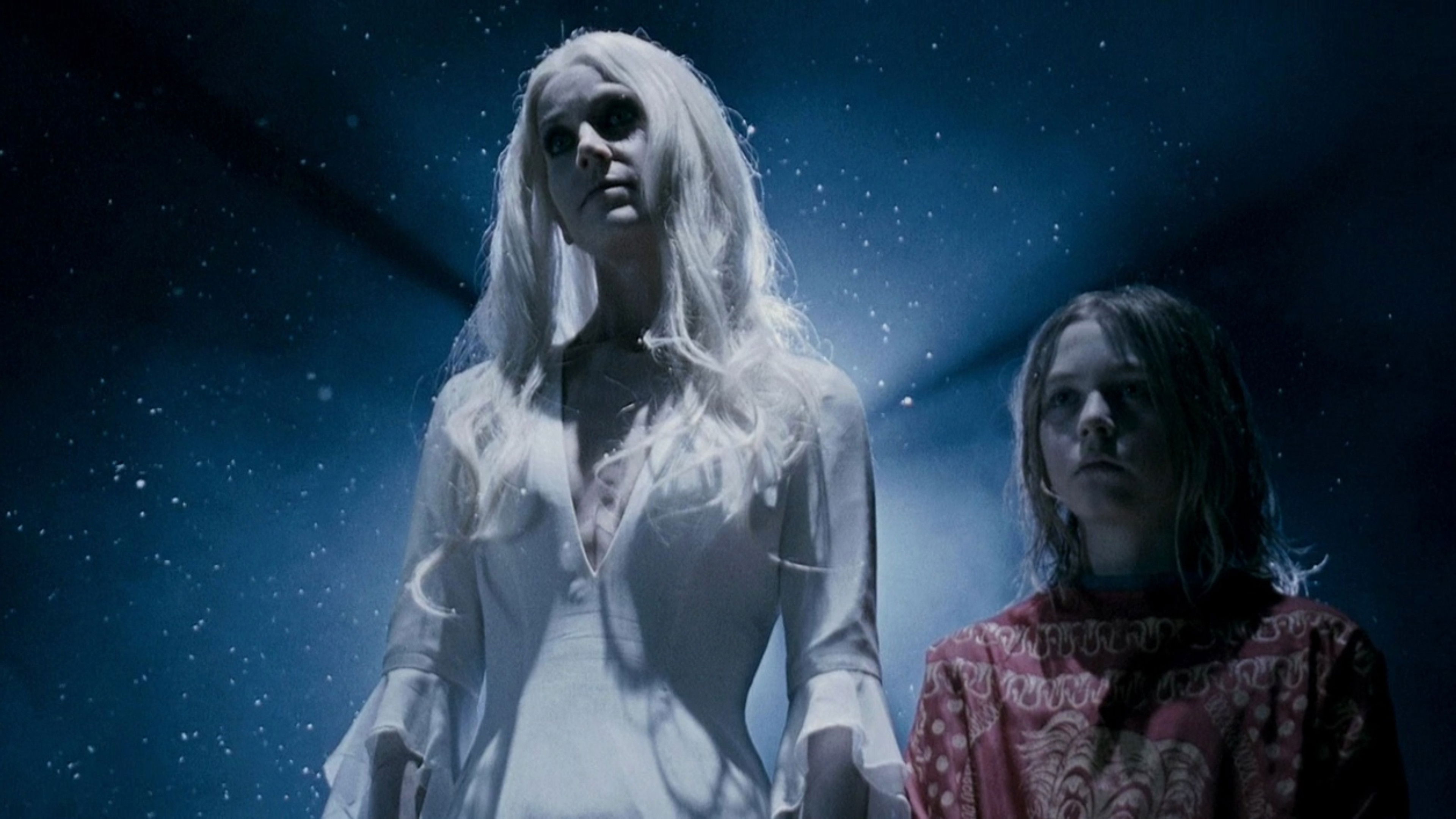
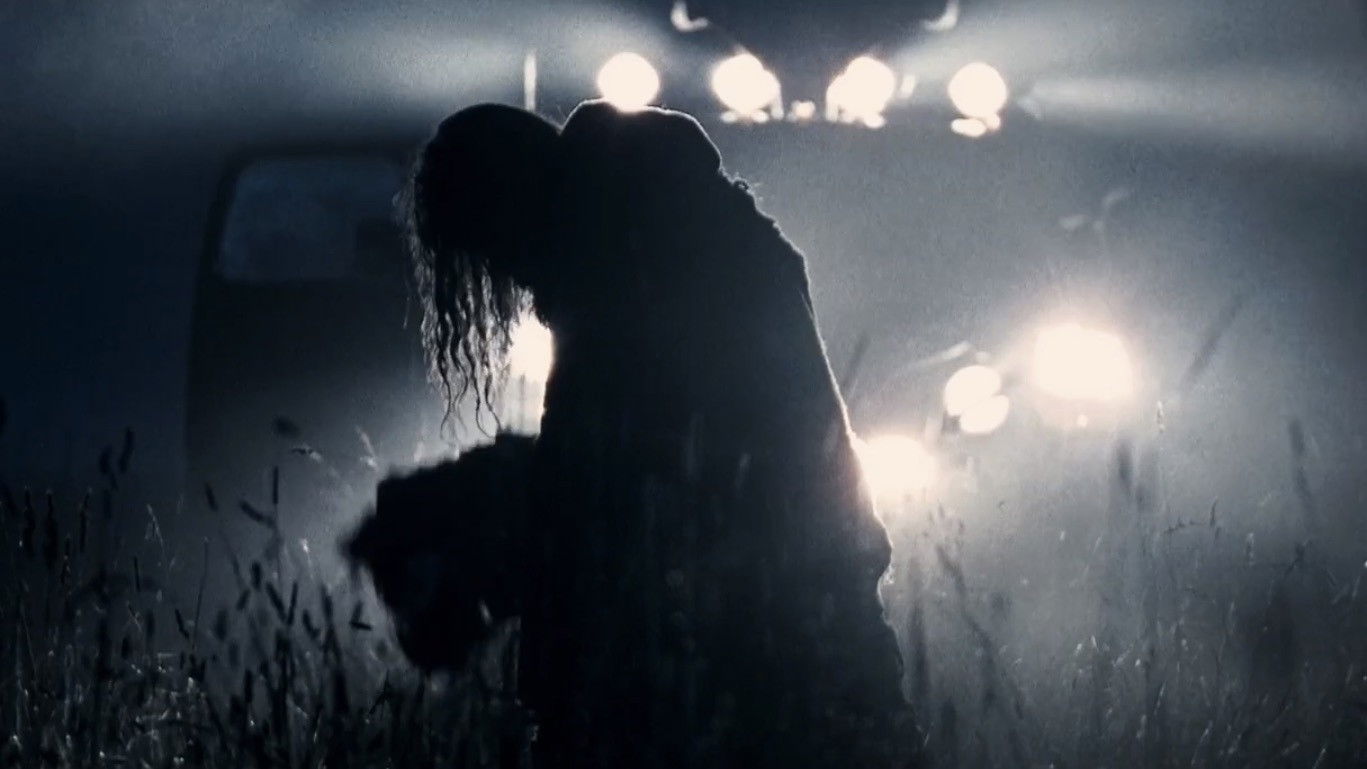
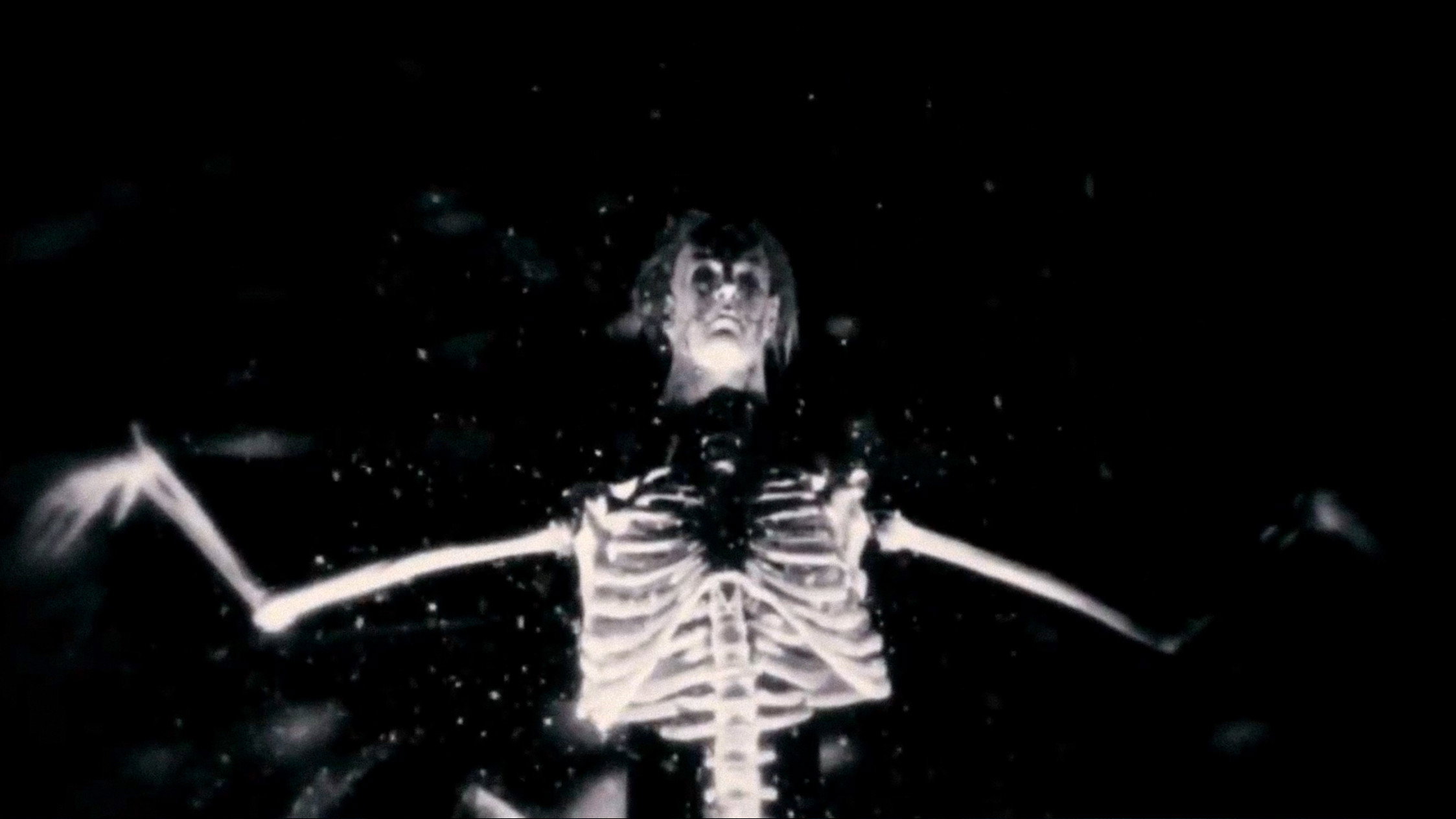
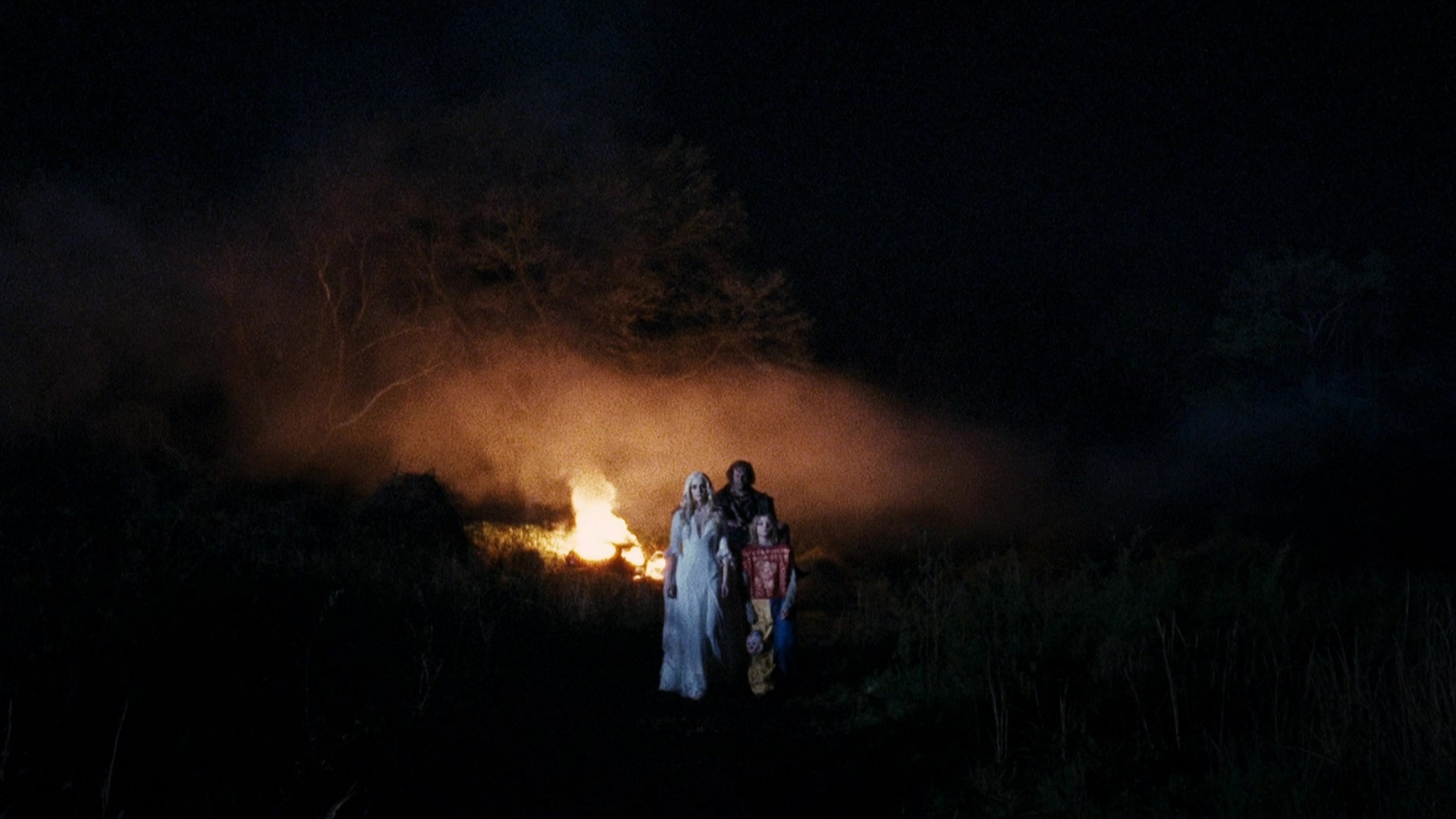
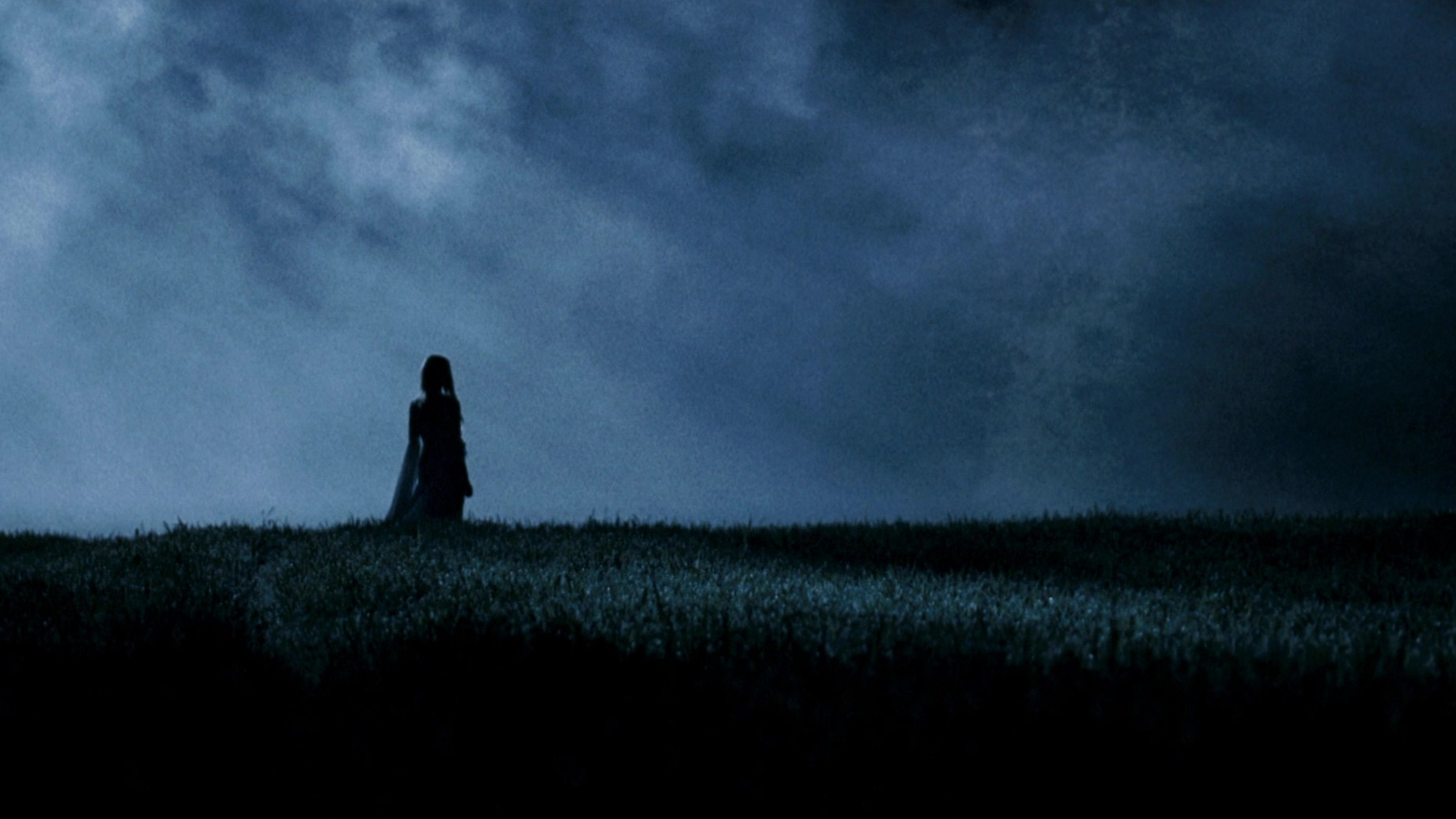
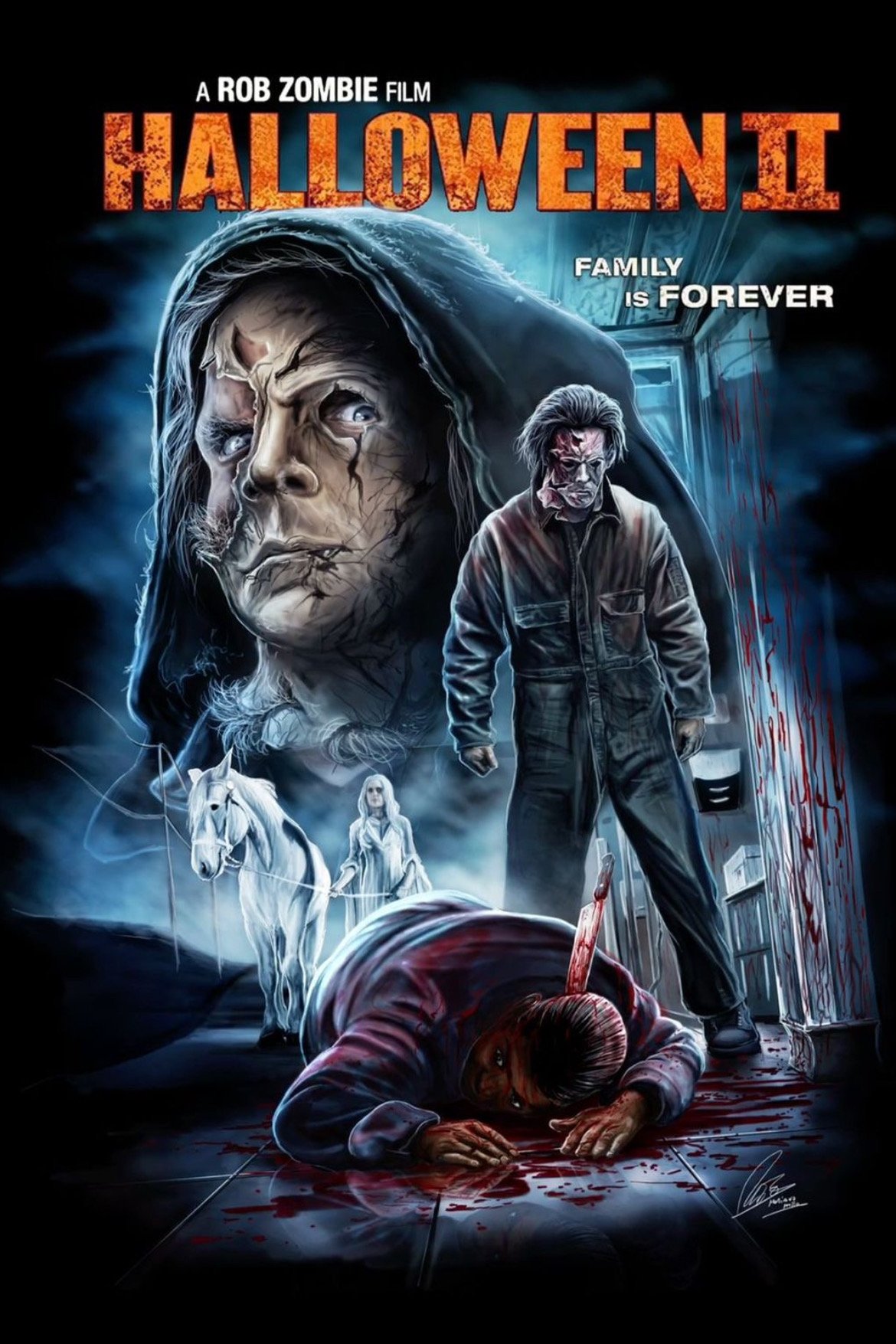
The recurring image of Deborah Myers, played by Sheri Moon Zombie, introduces another register. She appears beside a white horse, sometimes accompanied by a younger Michael, as a vision tied to the murderer's imagined family reunion. The film offers this imagery as part of its subjective horror. It would be misleading to treat the horse as proof of a literal supernatural force or to assign the visions a single fixed psychological meaning. Their primary dramatic role is to give visual shape to the destructive family bond that Michael believes he must restore.
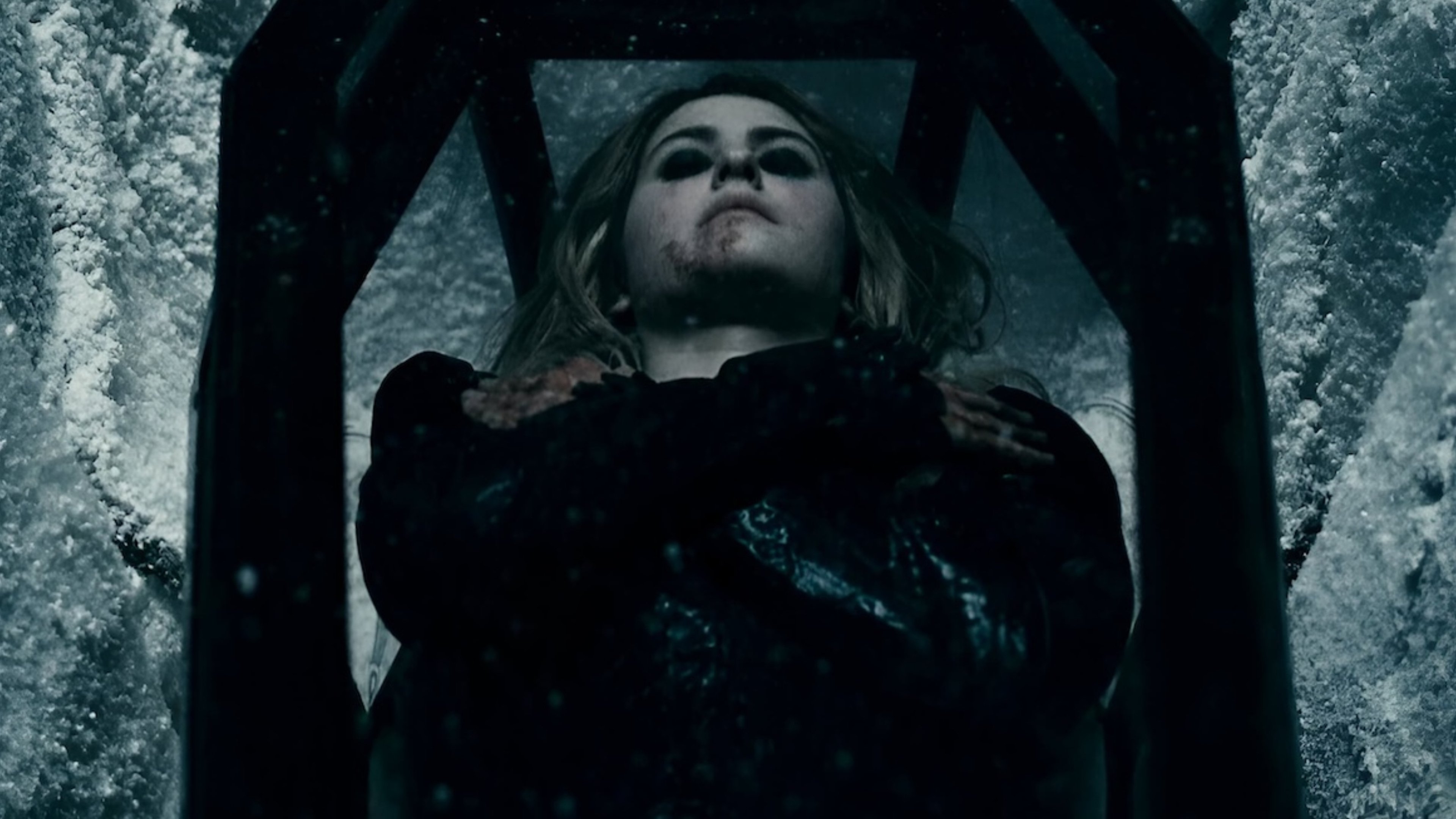
Laurie's own hallucination-like experiences extend that motif beyond Michael's perspective. The camera repeatedly grants images the intensity of immediate events before their status becomes uncertain. By letting disturbed perception enter the visible world, Zombie complicates the usual slasher division between an endangered heroine and an unknowable attacker. The siblings are linked by the trauma of their shared family history, though their actions and moral responsibility are clearly different. This connection is especially forceful in the director's cut, which allows their contrasting journeys to approach a grim shared endpoint.

Super 16mm Photography and Physical Horror

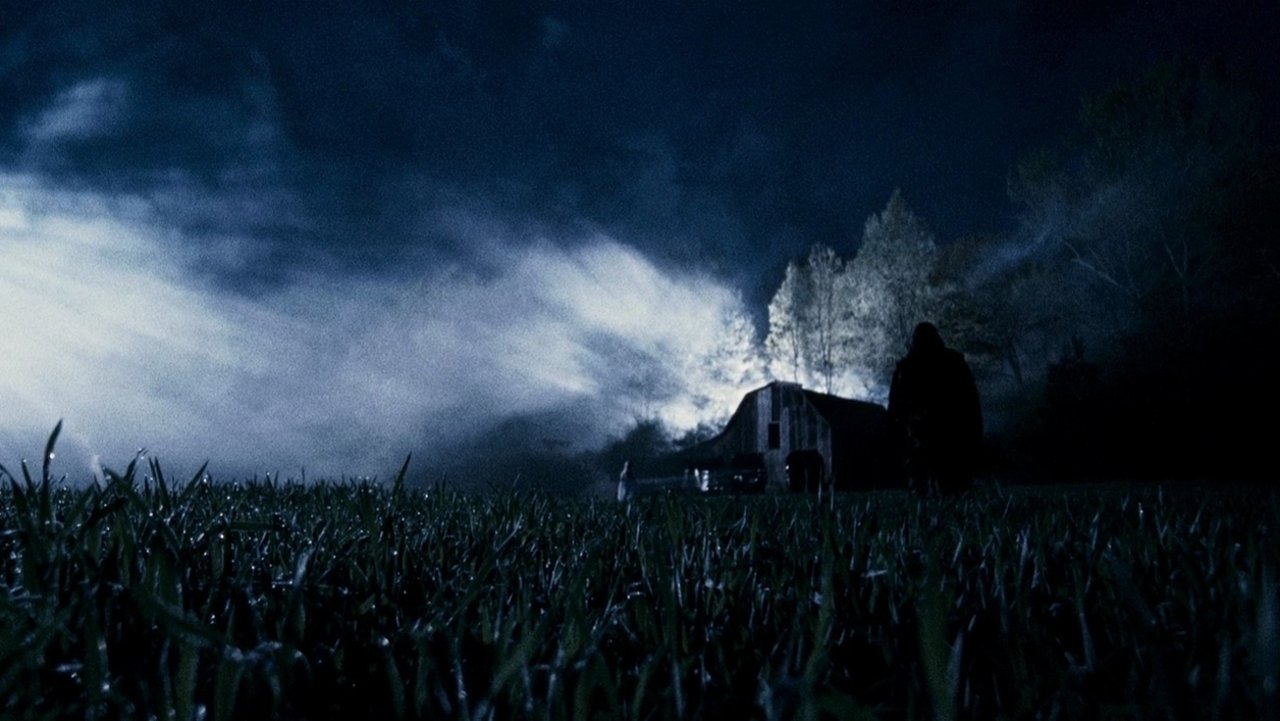
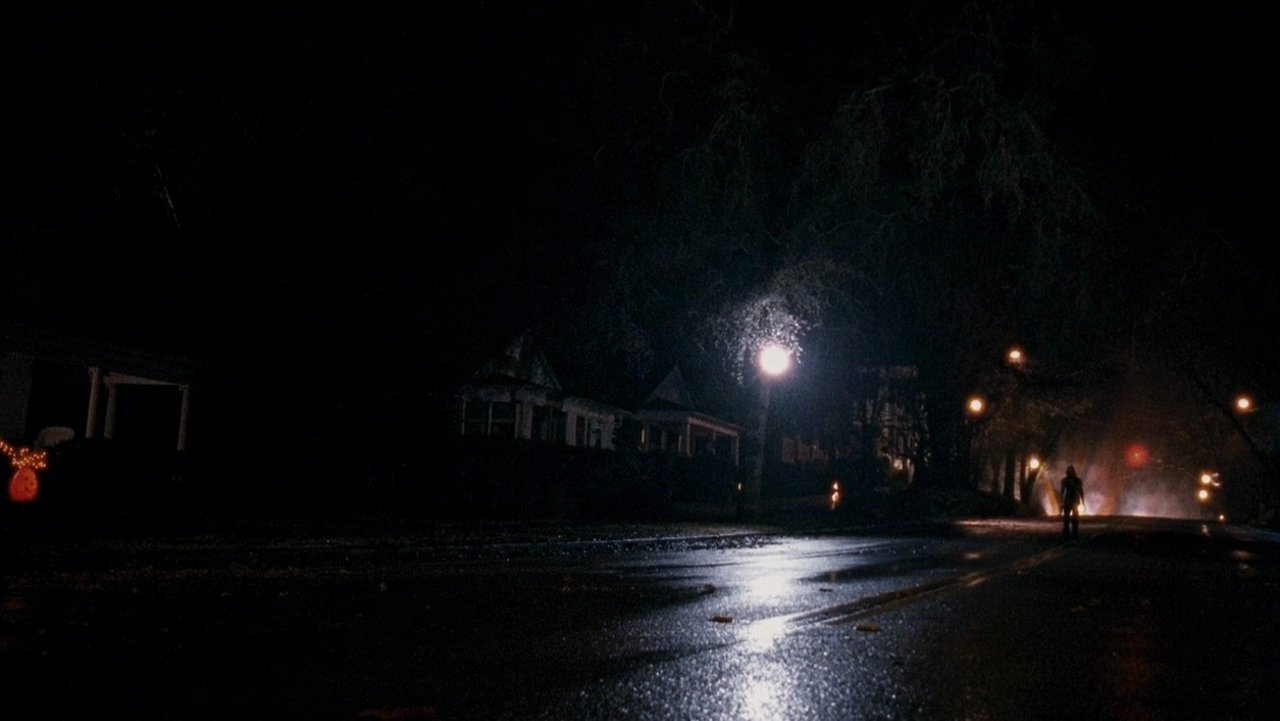
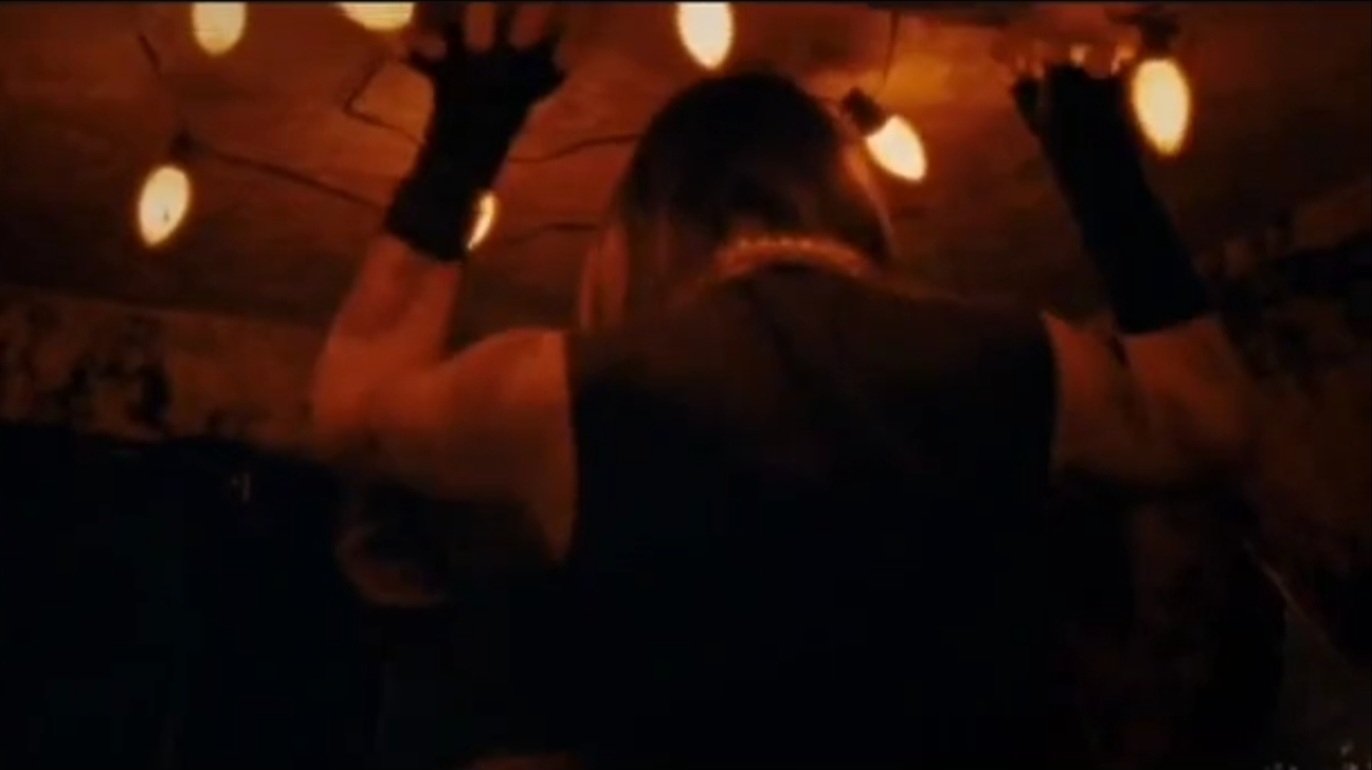
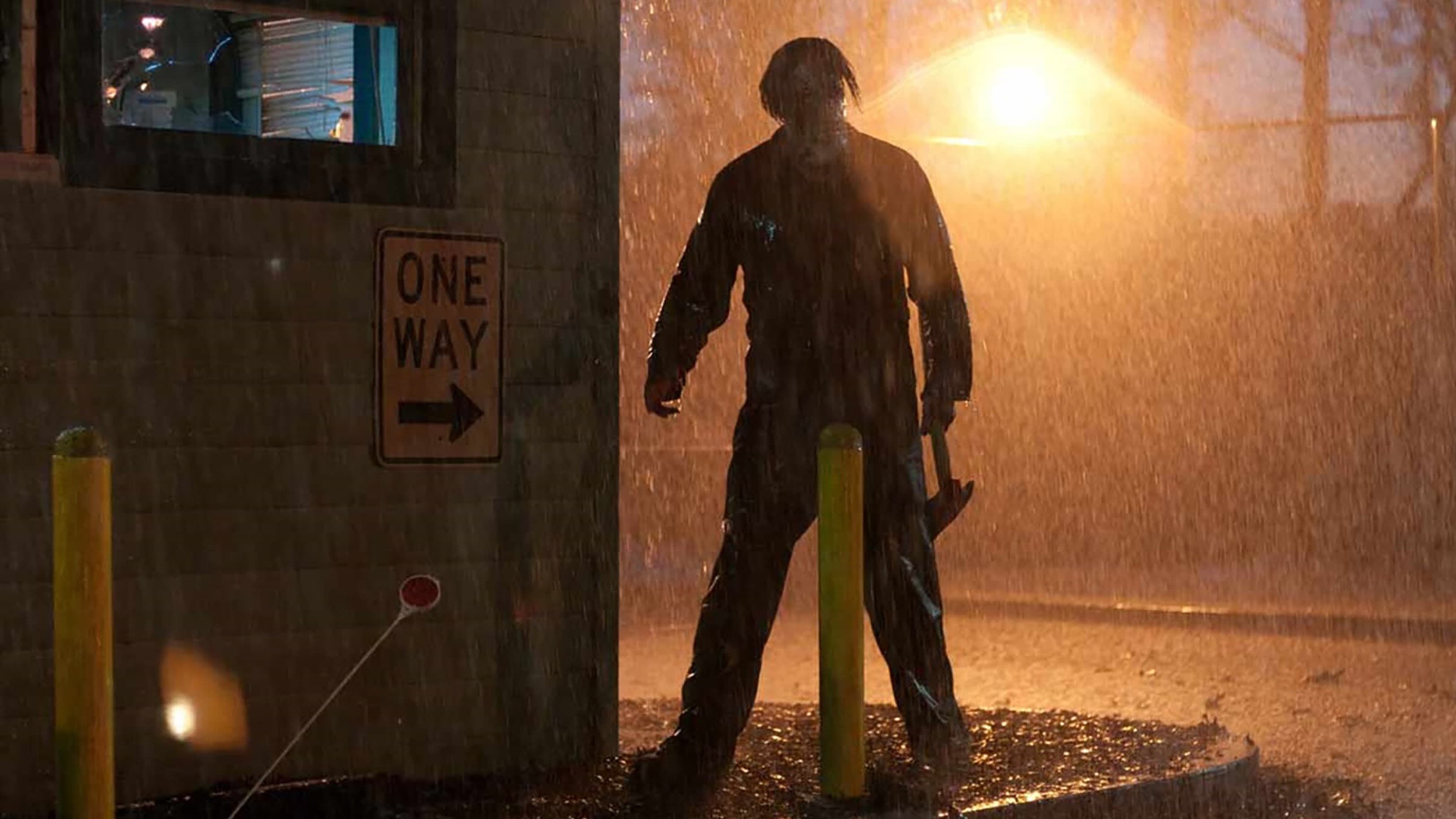
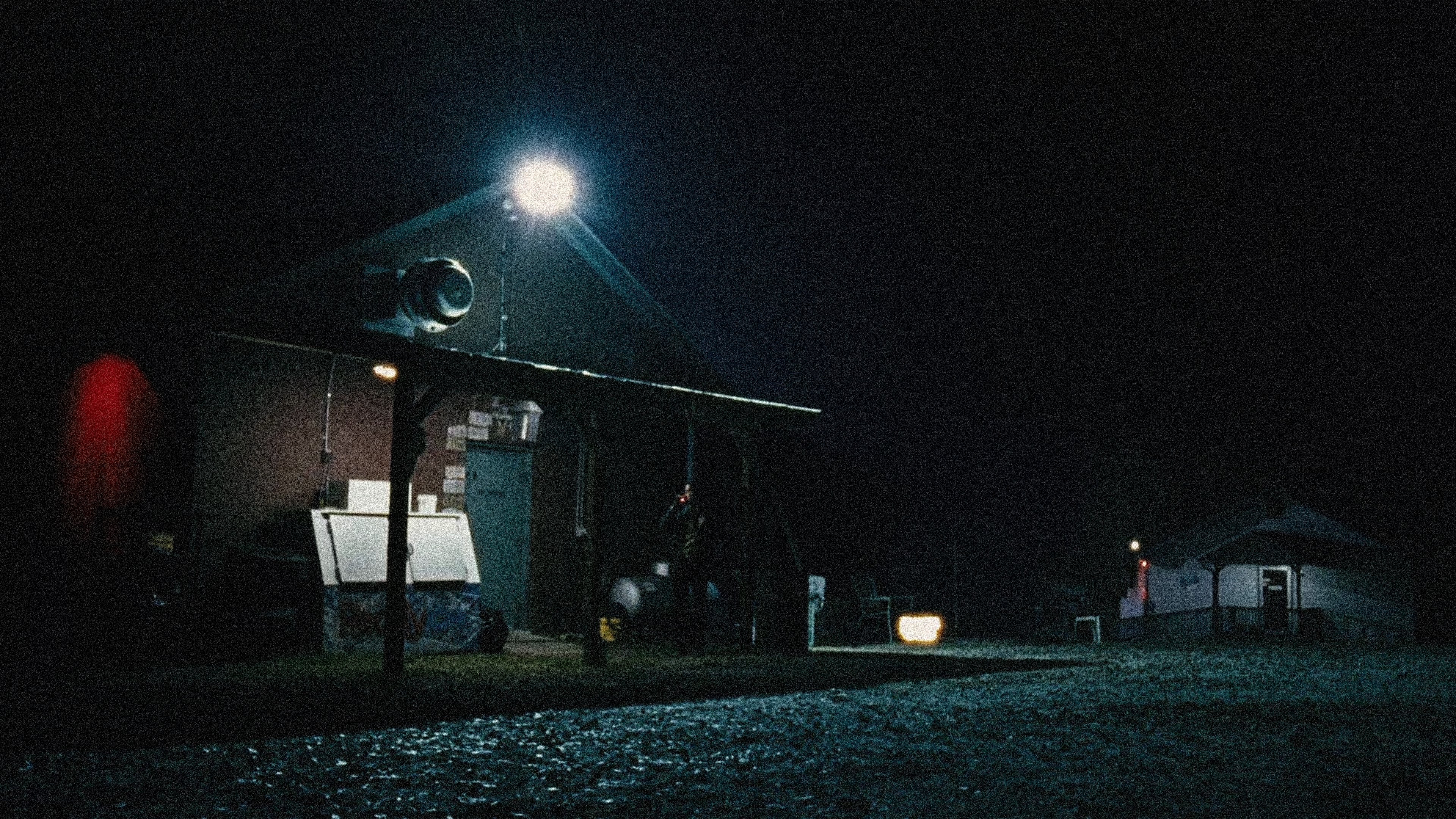
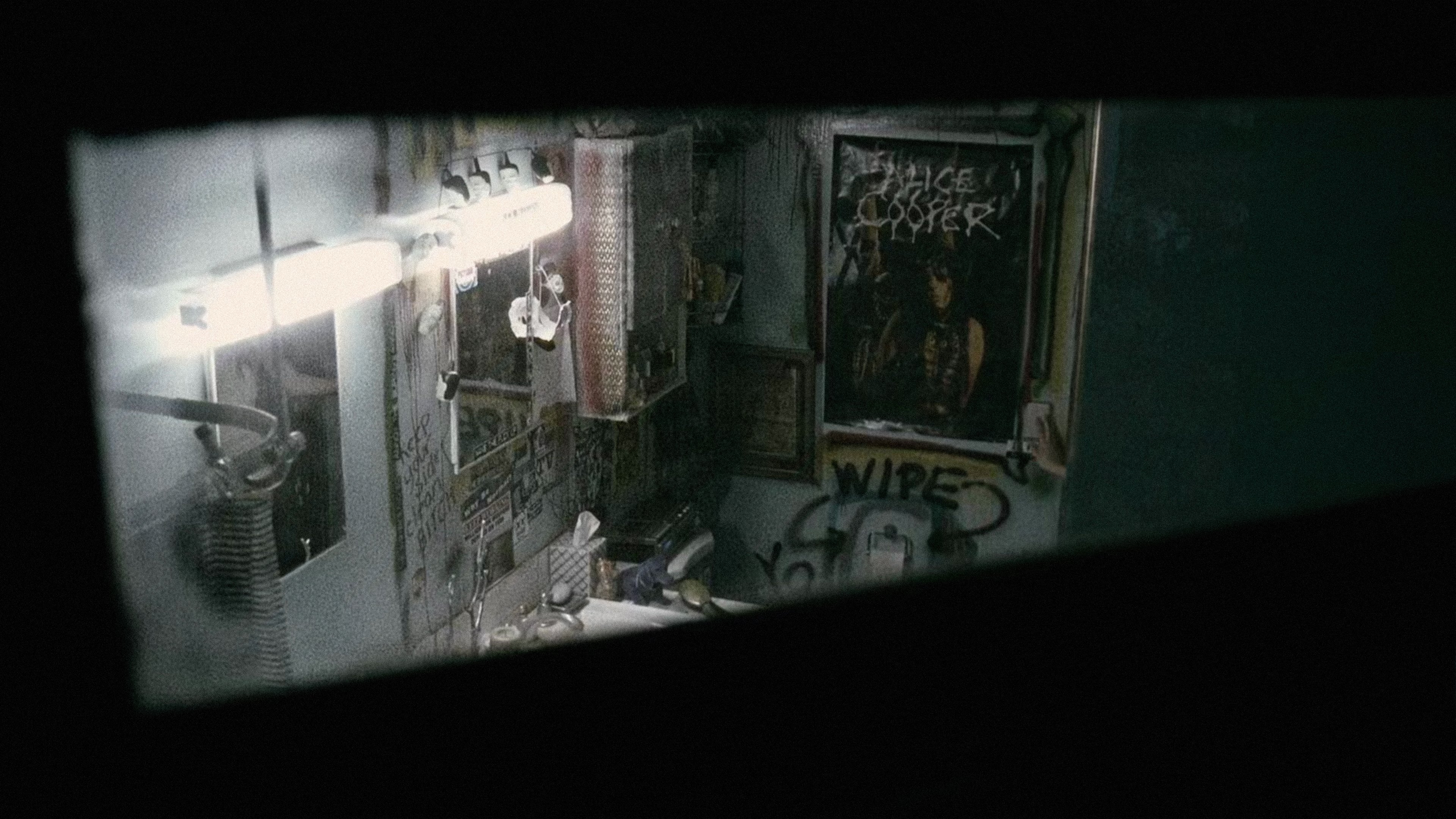
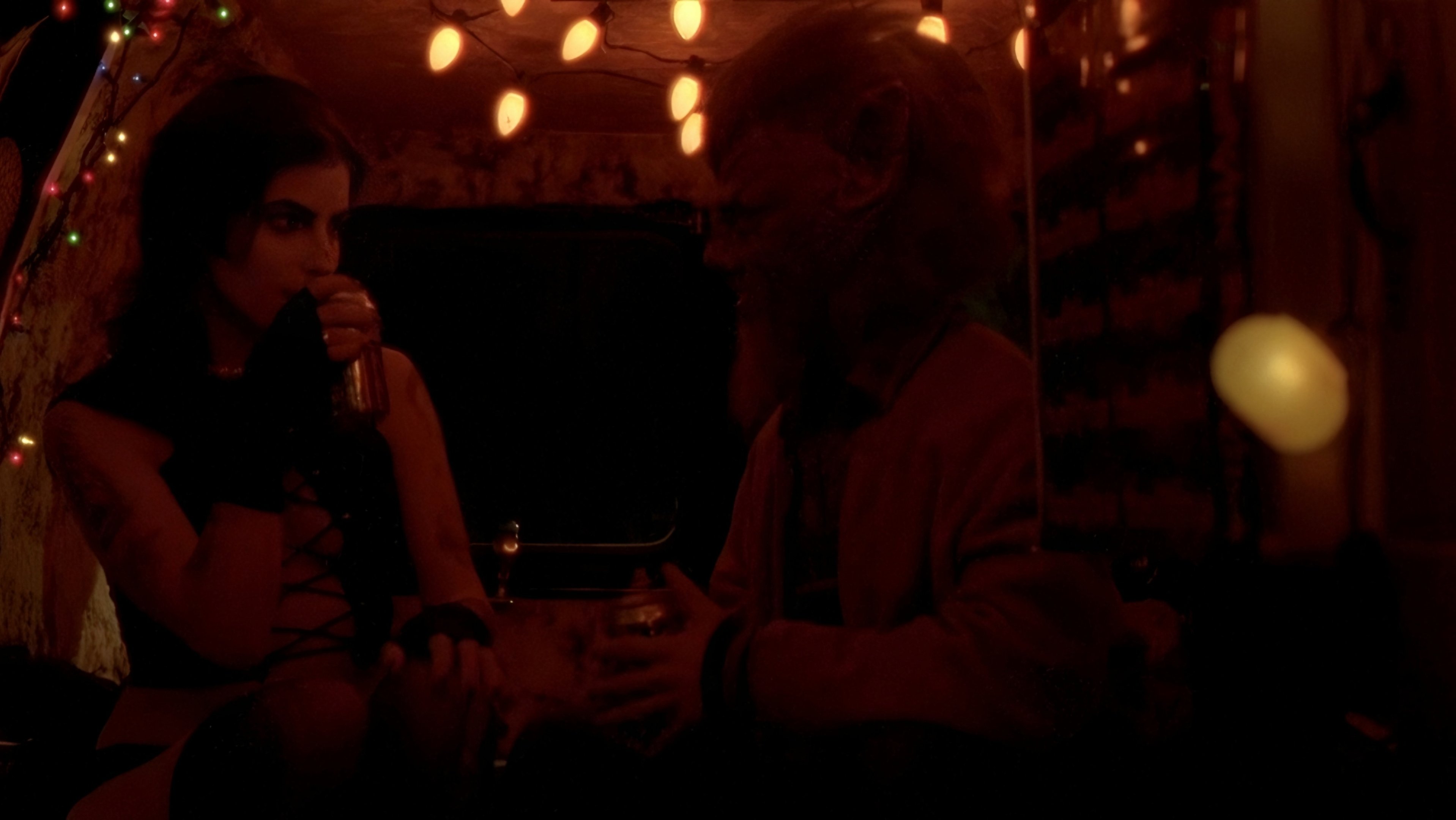
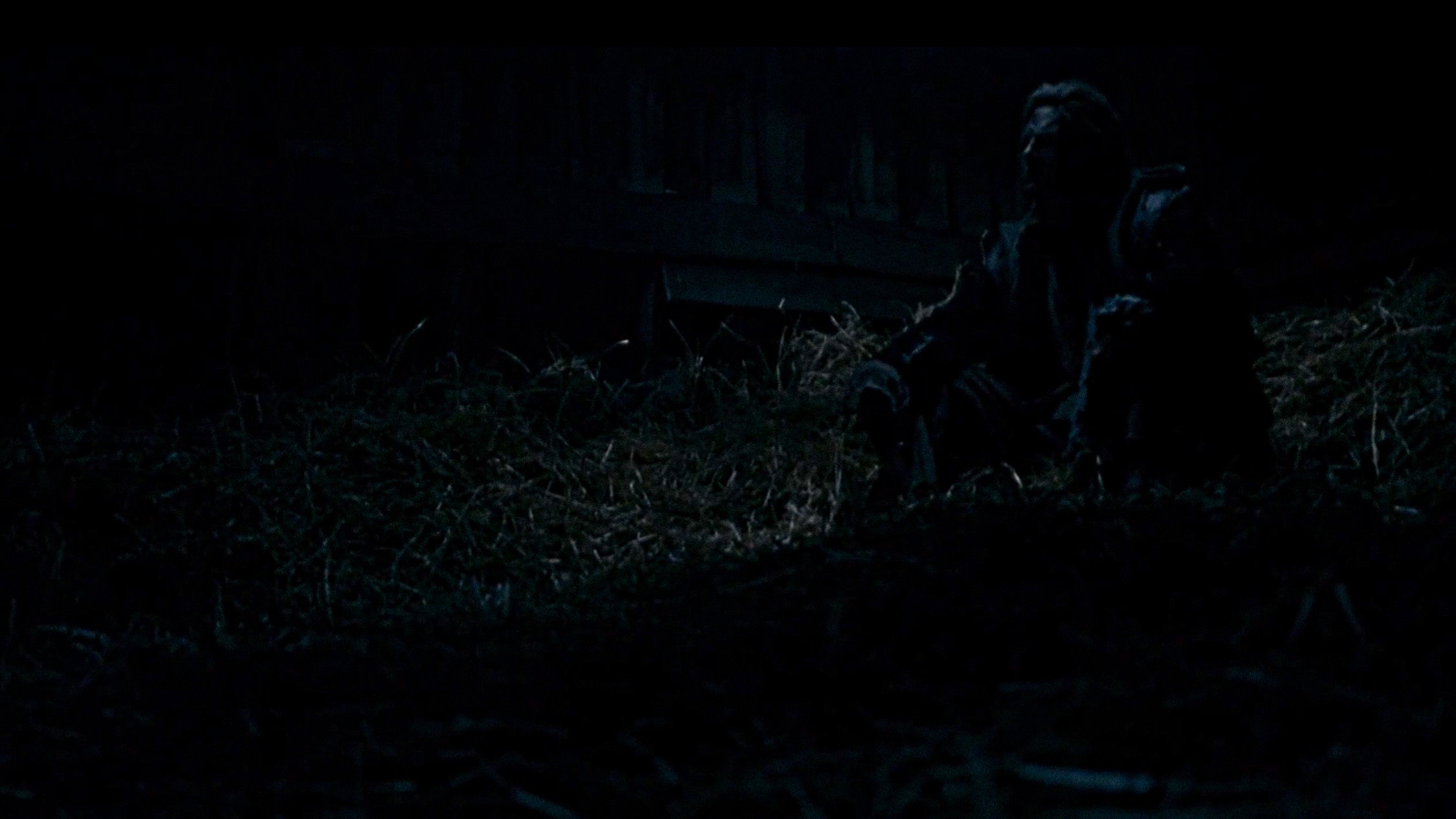
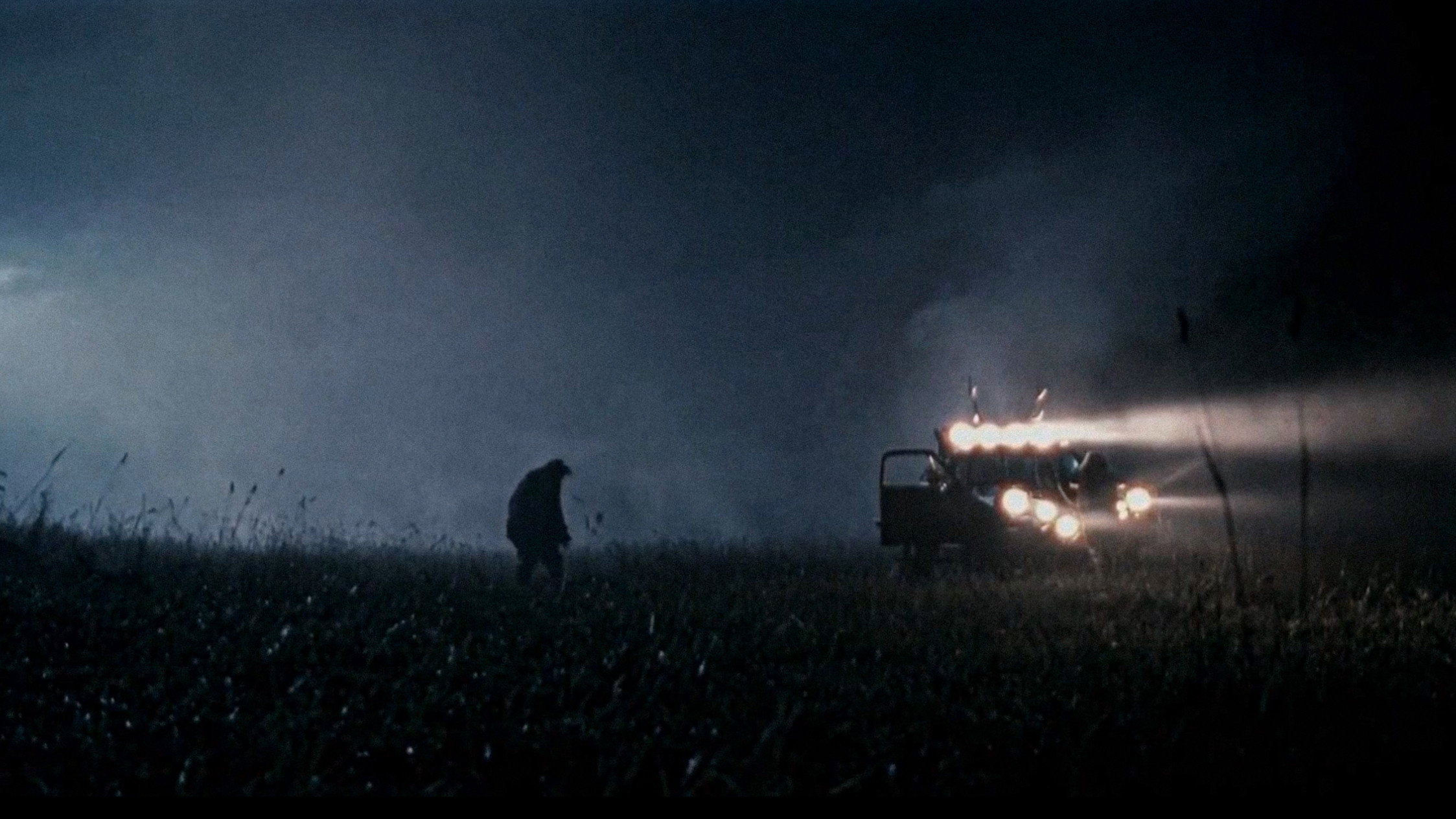
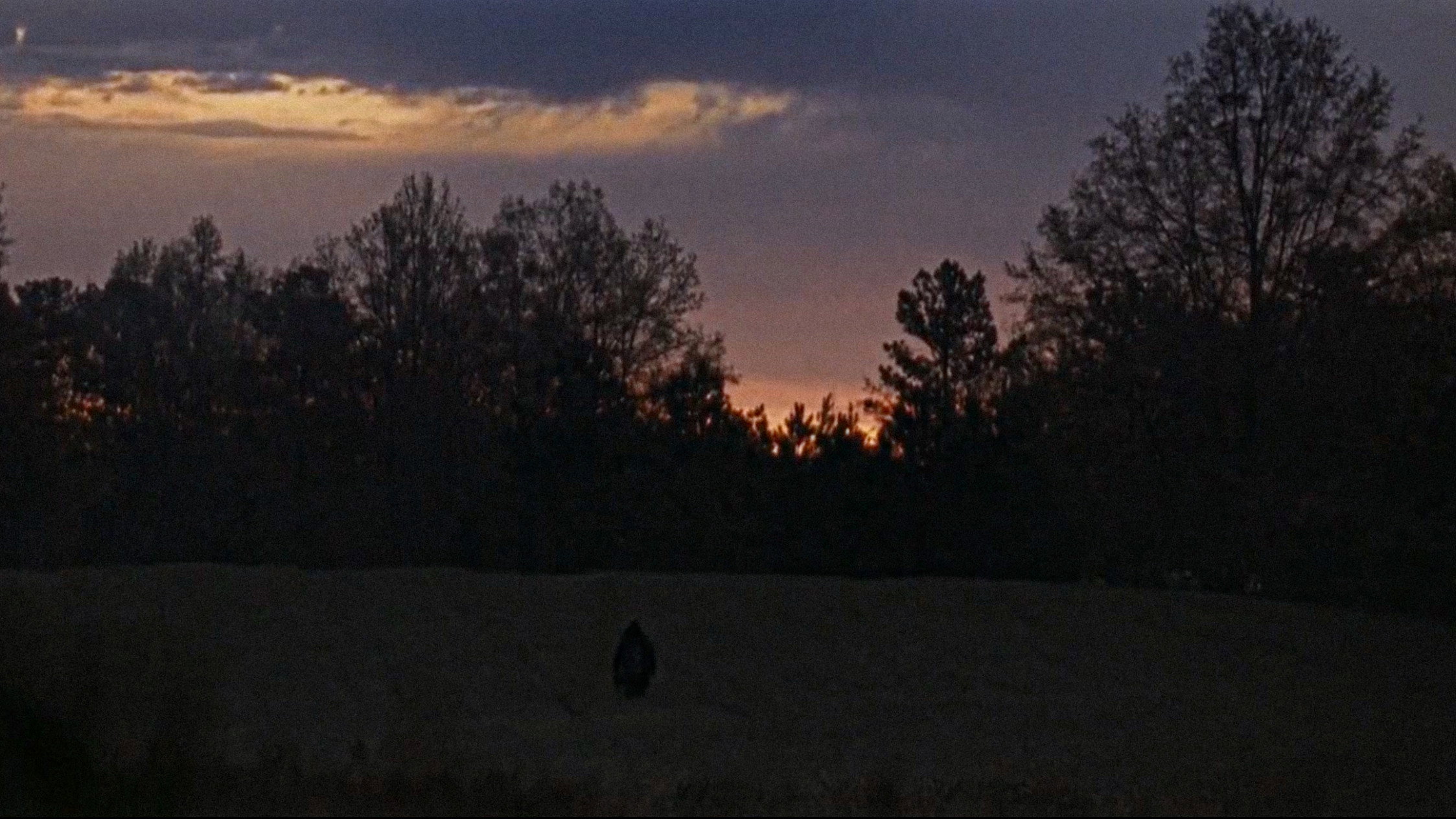
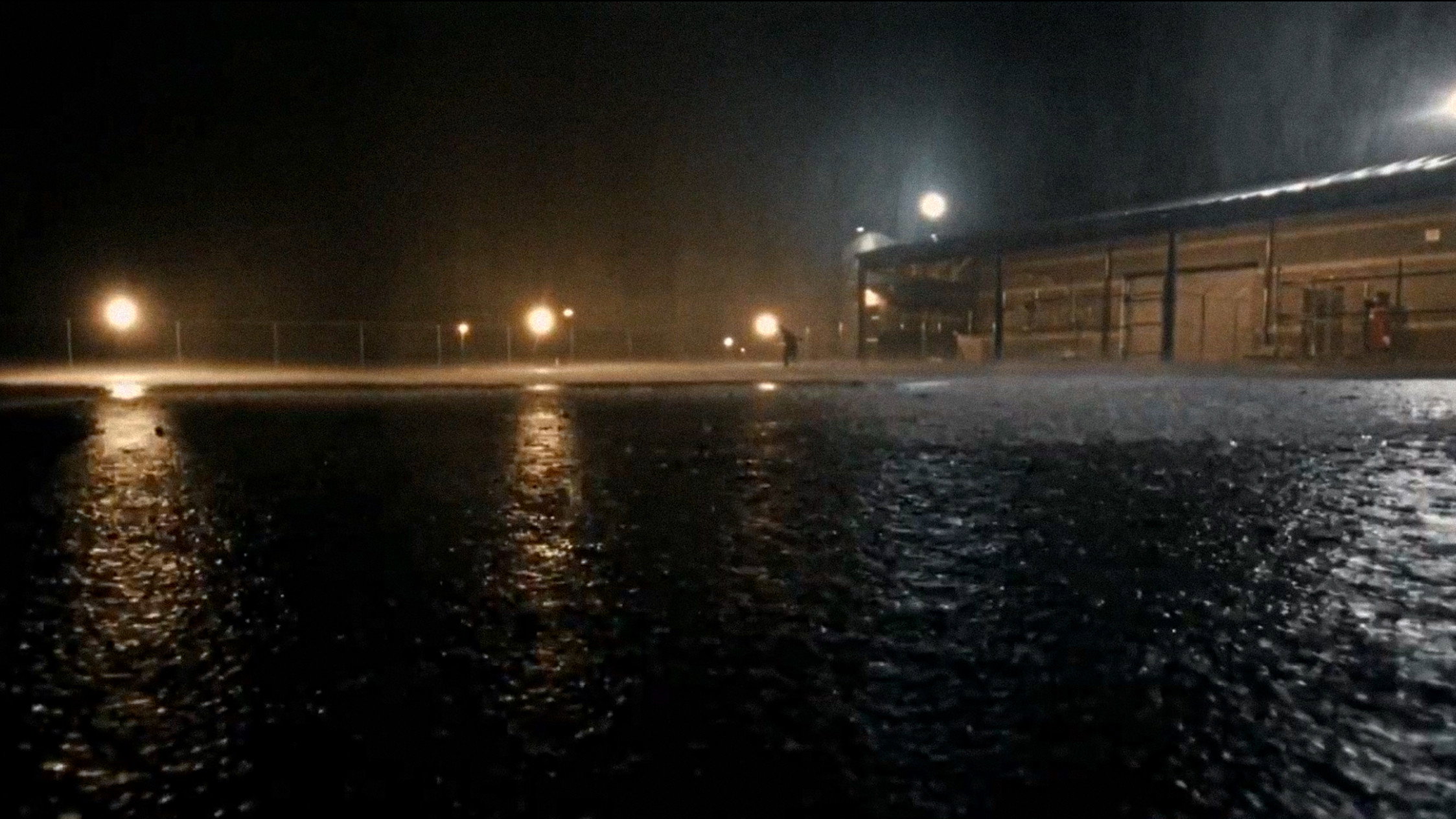
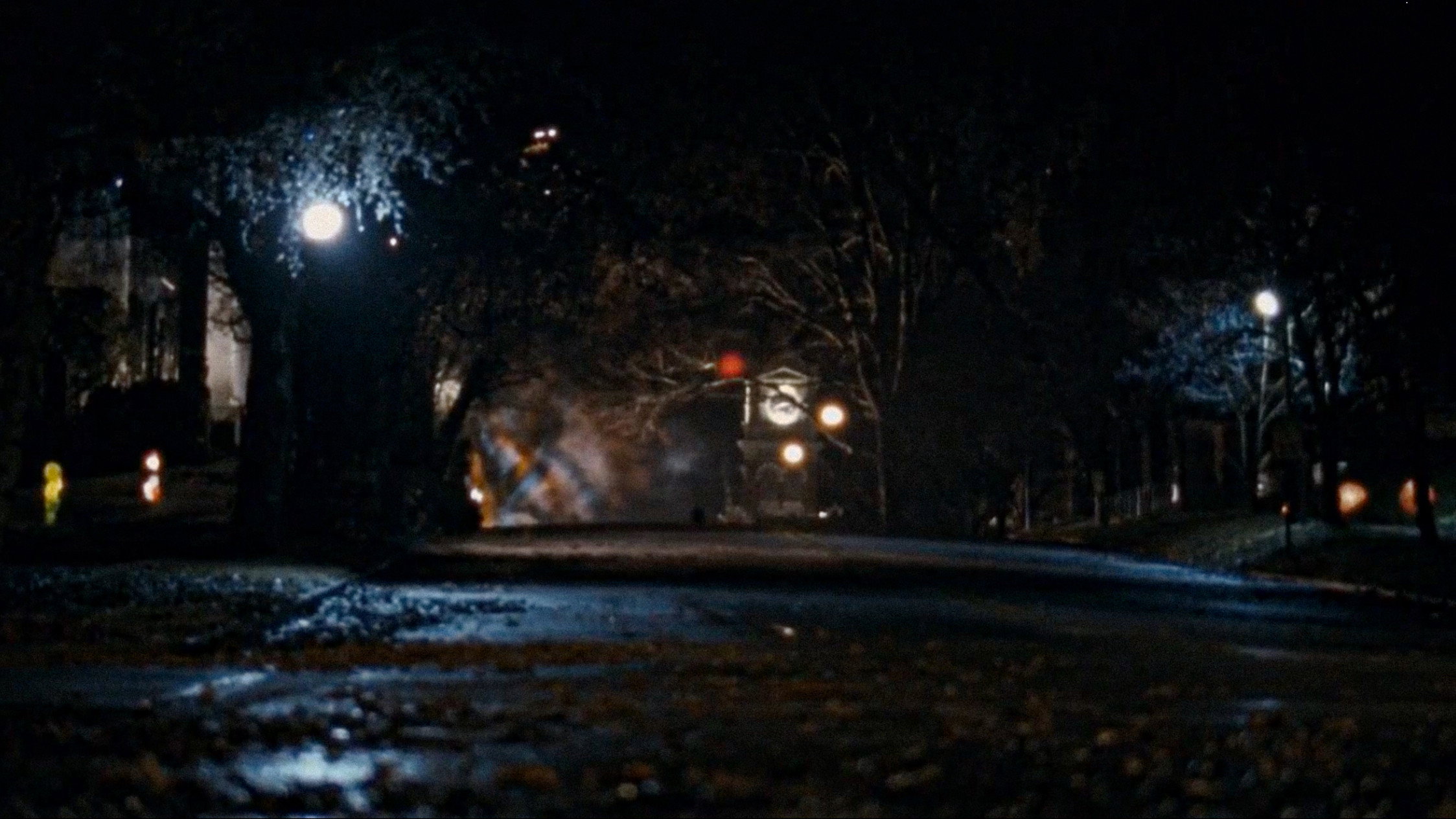
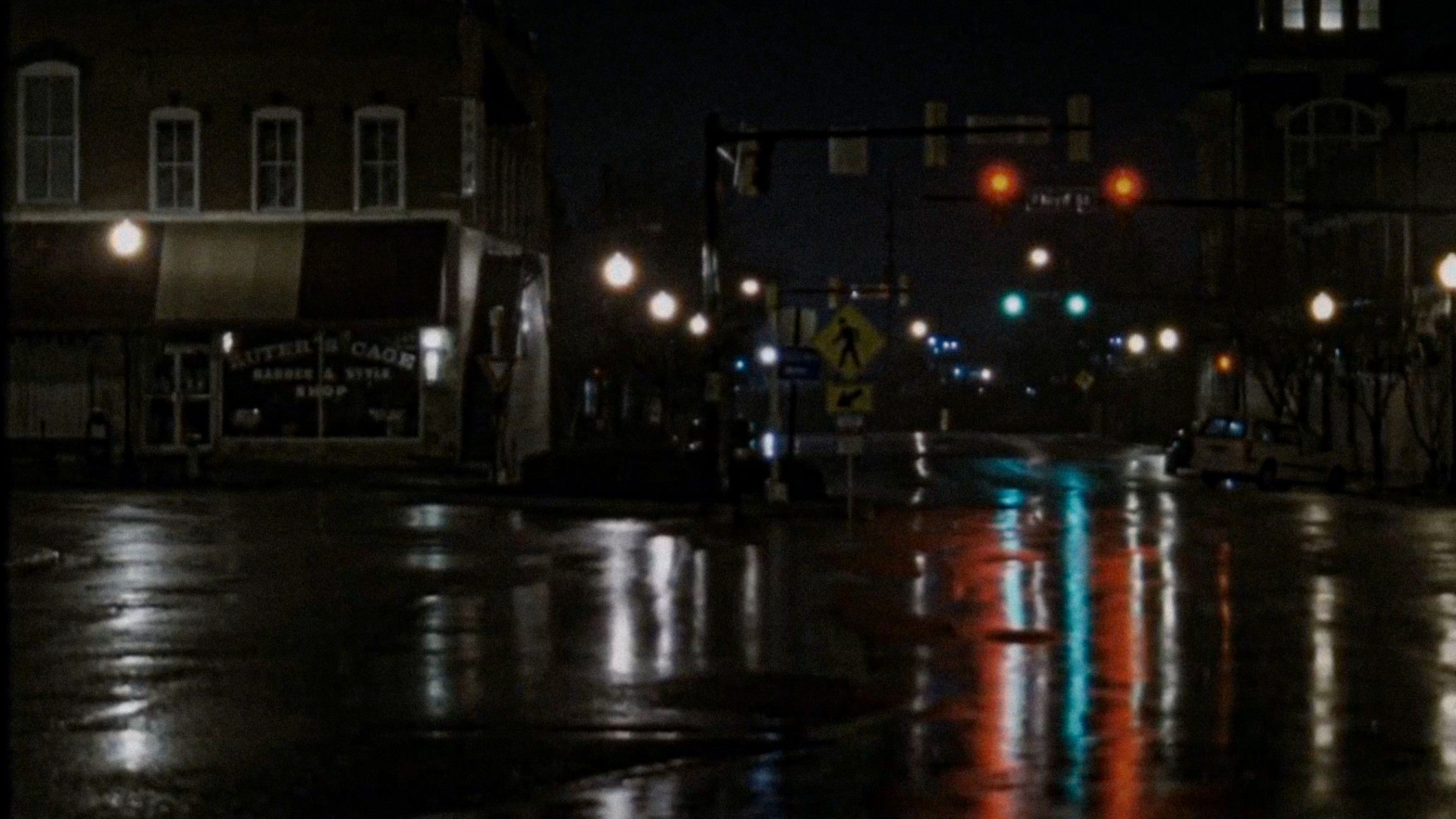
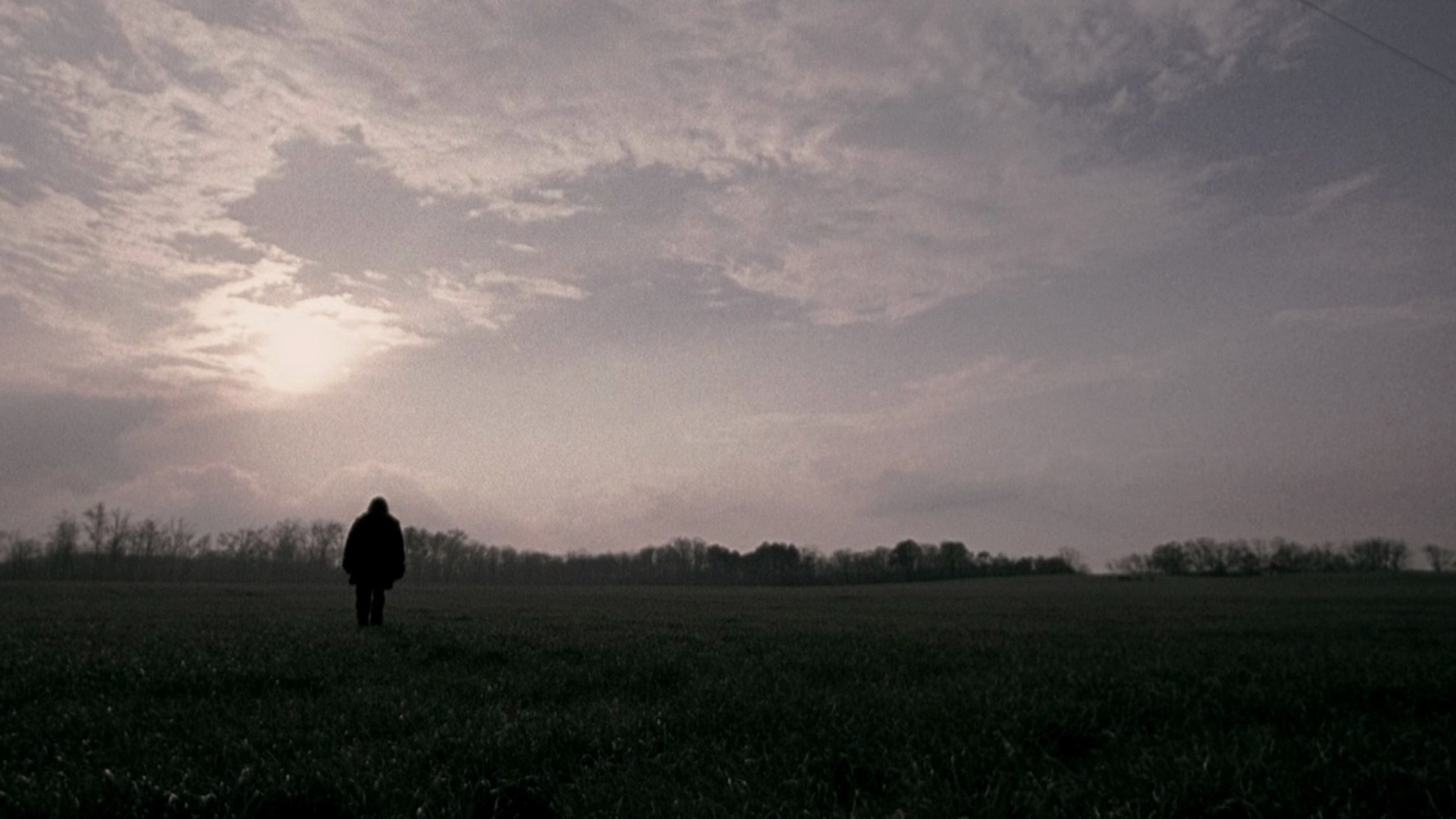
Cinematographer Brandon Trost's use of Super 16mm is fundamental to the sequel's look. The format produces visible grain that becomes particularly forceful in low light, and the film often lets faces or surroundings disappear into heavy shadow. Screen Slate's later analysis identifies the texture as a deliberate alternative to the cleaner appearance expected of many contemporary studio releases. In the nighttime exteriors, grain and limited illumination create uncertainty about depth and movement. The image can seem unstable before Michael has entered the frame, making darkness an active part of the threat.

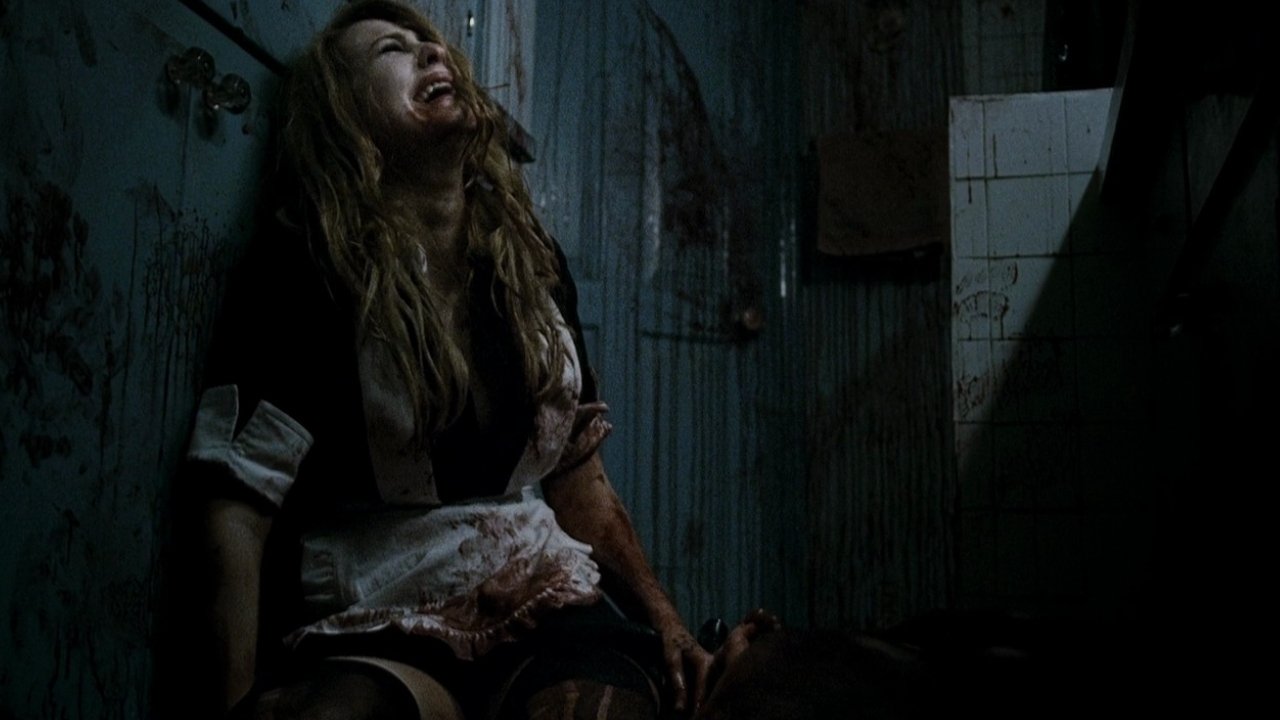
Handheld framing, close physical distances and desaturated surroundings also change how the violence is perceived. Sudden movements can be difficult to separate from the bodies involved, while the aftermath may remain visible long enough for the injury to feel consequential. The film's practical-looking wounds and repeated blows place pressure on the spectator without requiring a neat rhythm of suspense followed by relief. This approach was divisive on release, partly because it leaves little room for the playful timing associated with more self-aware slasher films of the preceding decade.

The near-documentary roughness is periodically interrupted by the polished whiteness of Deborah's appearances and the unnerving ceremonial quality of the horse imagery. Those shifts of visual register can leave a deliberately fractured impression. They also establish a contrast between Michael's filthy physical progress through the landscape and the idealized vision supposedly directing him. The production's formal experiment is therefore inseparable from its treatment of the killer: material grime surrounds a fantasy of purification, making the violence appear simultaneously immediate and trapped within a private mythology.

Theatrical Version and Director's Cut

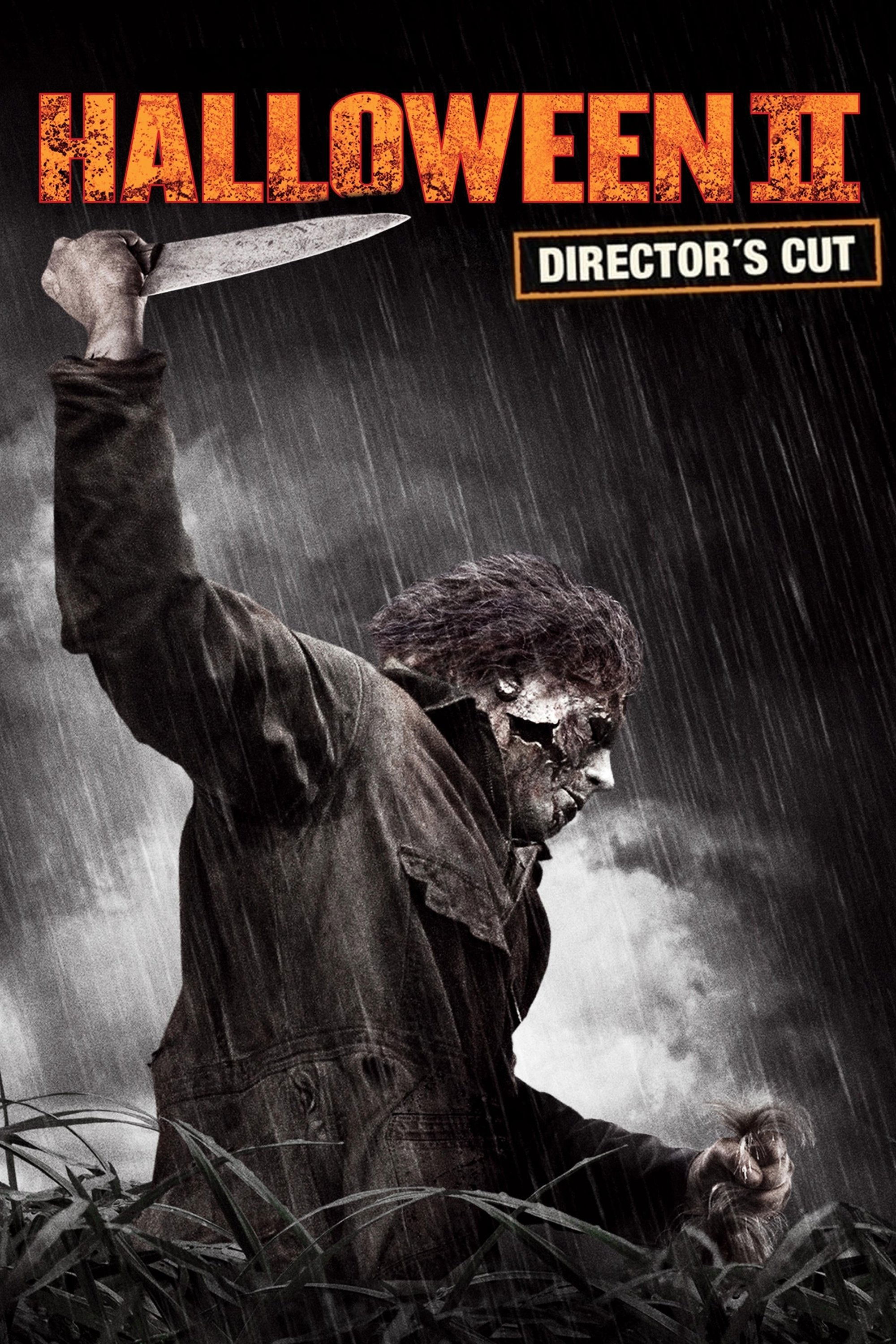
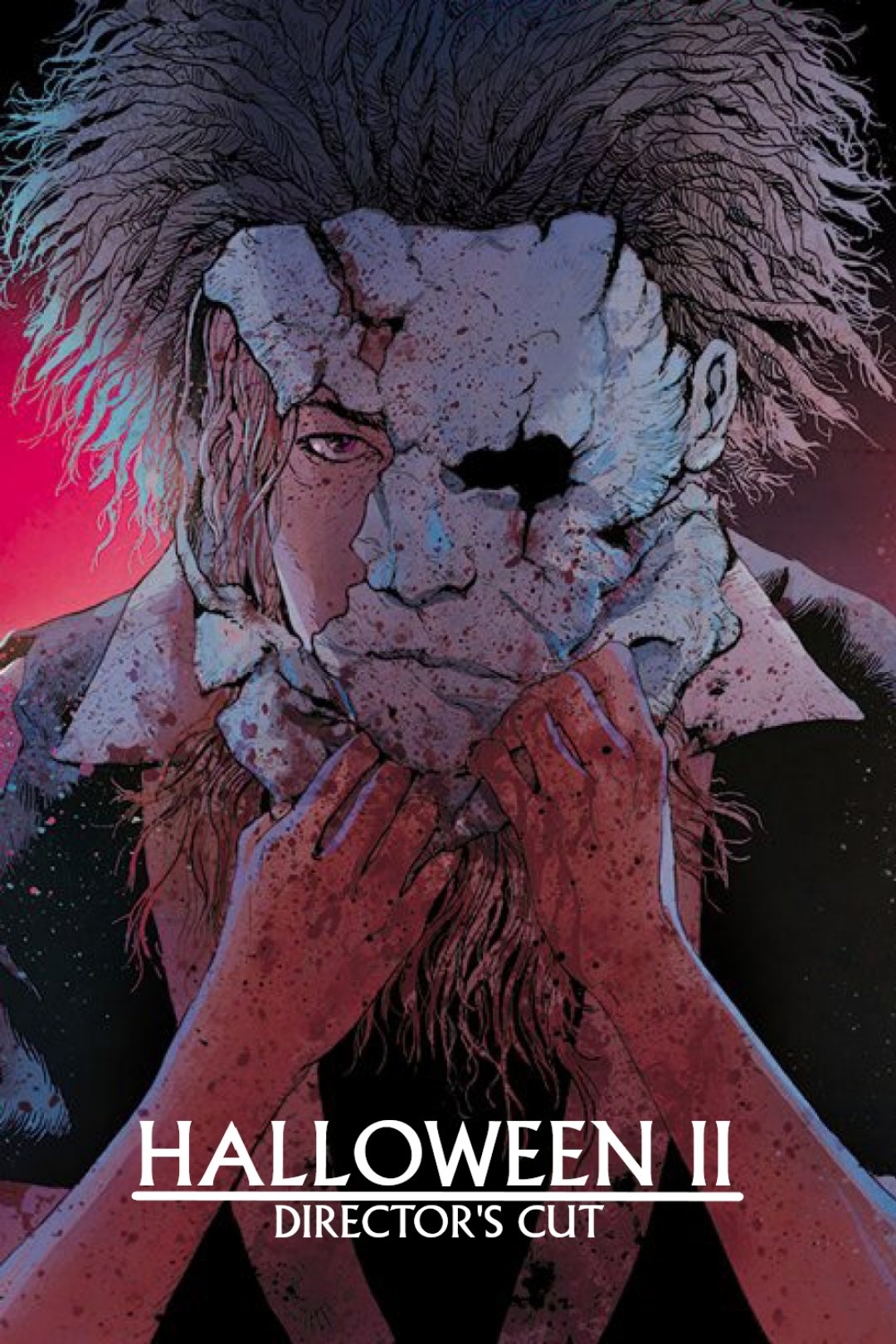
The theatrical release arrived in the United States on August 28, 2009. Zombie subsequently completed a different version for home viewing, and his public remarks identify Laurie's characterization as one of the fundamental changes. In the cinema cut she struggles to regain a measure of stability before becoming increasingly overwhelmed. The director's cut presents her as severely damaged much earlier, with stronger antagonism toward Annie and more time devoted to her distress. These changes alter the emotional rhythm of the entire film; extra material cannot be understood simply as a larger number of violent shots.

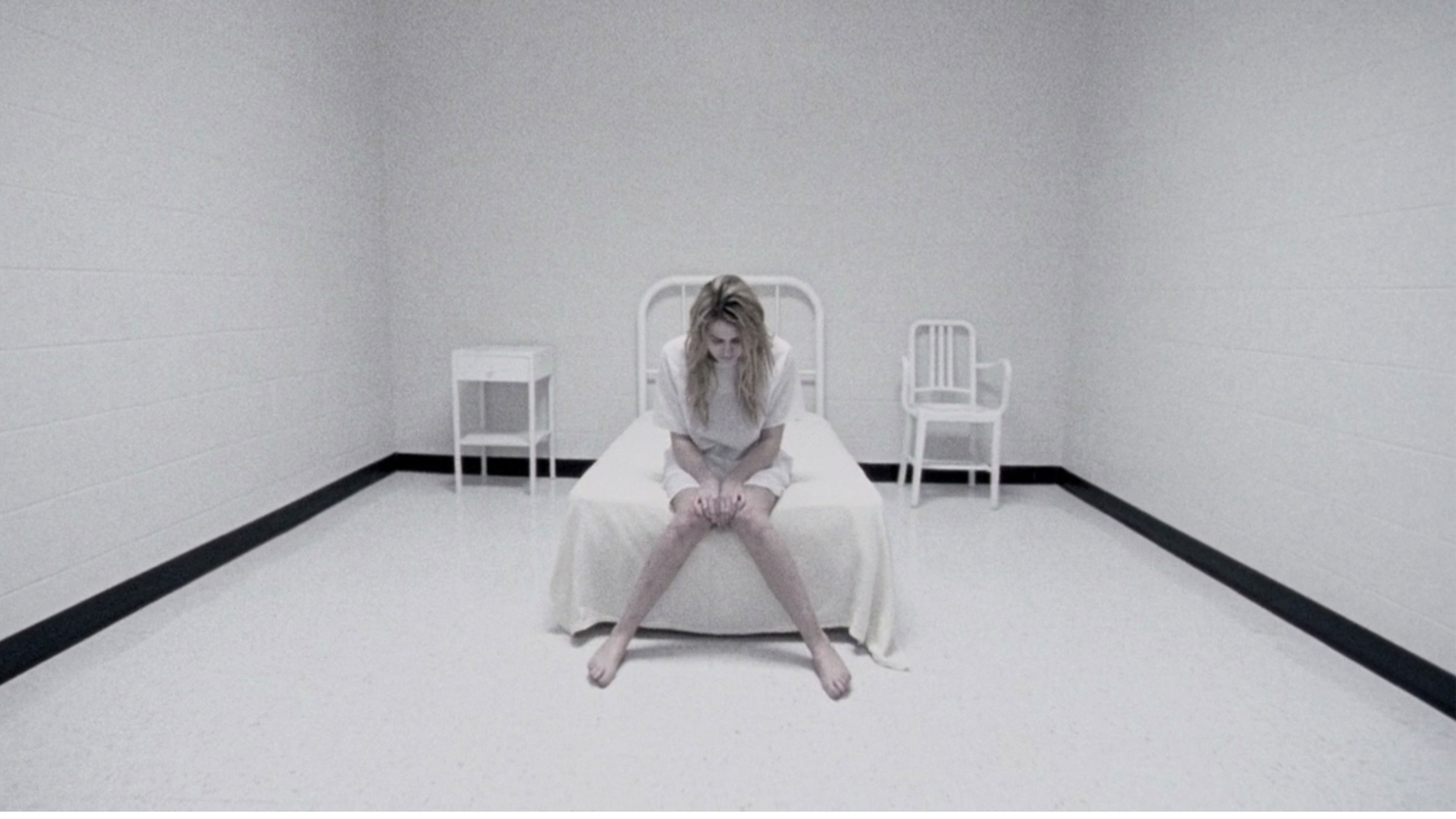
The two versions also diverge at the climax. The director's cut gives Michael a more explicit final confrontation with Loomis and follows the confrontation with police gunfire that also threatens Laurie. The theatrical ending arranges the characters' fates differently, leaving a separate emphasis on Laurie's apparent mental collapse. The final institutional imagery is consequently open to different readings depending on which cut precedes it. Discussions of the ending must identify the version and keep their competing events separate.

The distinction is significant for an assessment of Zombie's aims. His retrospective account places unusual weight on characters carrying injuries beyond the moment of the attack. The longer version more insistently follows that conception, making the social damage around Laurie harder to escape. Yet the theatrical cut is also a genuine historical object: it is the film contemporary audiences and reviewers first encountered. Considering both makes visible the tension between a commercially released slasher and a director's harsher idea of the same aftermath.

Release, Reception and Franchise Position

Contemporary reviews often found the film's violence exhausting. Robert Abele's Los Angeles Times review, published just after the August 2009 opening, criticized the repeated brutality, the white-horse visions and the treatment of Loomis. Keith Uhlich's Time Out review also questioned the psychiatrist subplot, while recognizing Taylor-Compton's commitment and the attempt to portray the damage inflicted by violence. These responses are useful evidence of the initial critical climate. They should not be flattened into a claim that every reviewer objected to the film for the same reasons.

Later writing has produced a more divided picture. Justin LaLiberty's 2020 Screen Slate essay treats the film's Super 16mm darkness and emphasis on survivor's guilt as evidence of an unusually personal intervention in a long-running horror series. That reading differs strongly from the contemporary negative reviews, although it does not erase them. The disagreement concerns the film's basic method: one critic sees senseless excess where another sees an attempt to register the lasting consequences of a familiar genre spectacle.

Halloween II remains distinct within the franchise because it follows Zombie's independent continuity, separate from the sequels developed from the 1978 original. The brief hospital opening is a deliberate point of contact with the earlier Halloween II, after which the 2009 film moves toward hallucination, familial obsession and the corrosive effects of survival. Its place in horror history rests on this conspicuous formal and thematic divergence, alongside the two released edits that continue to shape its reception. The sequel demonstrates how radically the same recognizable slasher characters can change when a filmmaker alters the story's point of view.

References

  1. ComingSoon / Ryan Turek Set Interview: Halloween 2's Malek Akkad (2009)

    Original on-set interview with producer Malek Akkad about rejected sequel scripts, bringing Zombie back, Georgia production and the decision to depart from established franchise conventions.

  2. ComingSoon / Matt Risnes Tracing Rob Zombie's Decade Spent Doing the Devil's Work: Halloween II (2013)

    In-depth interview in which Zombie discusses returning to the sequel, writing Laurie's changed behavior, visualizing Michael's mental world and staging grief through the Brackett family.

  3. Screen Slate / Justin LaLiberty Halloween II (2009) (2020)

    Substantive critical reassessment centered on Super 16mm cinematography, low-light imagery, the hospital opening and the film's depiction of survivor's guilt.

  4. The Directors Series Rob Zombie's Halloween II (2009) (2016)

    Detailed study of Zombie's direction, Brandon Trost's visual approach, the damaged Myers mask, symbolic imagery and the film's competing tonal registers.

  5. Los Angeles Times / Robert Abele Halloween II (August 31, 2009)

    Original contemporary theatrical review recording objections to the film's excessive violence, treatment of Loomis and imagery of Deborah Myers.

Connections

Cast

View Full Cast & Crew →

Release & Distribution

Production Companies (3)

  • Dimension Films US
  • Spectacle Entertainment Group US
  • Trancas International Films US

Distributors (2)

  • Budapest Film HU
  • Sony Pictures US

Release History (15)

Release DateTerritoryRelease TypeFormatDistributorCertificationNotes
2009-08-24 United States Premiere — — R Hollywood, California
2009-08-28 Canada Theatrical — — R
2009-08-28 United States Theatrical — — R
2009-10-09 United Kingdom Theatrical — — 18
2009-10-09 Ireland Digital — — 18
2009-10-16 Italy Theatrical — — —
2009-10-22 Netherlands Theatrical — — 16
2009-10-23 Taiwan Theatrical — — 限制級
2010-02-24 Netherlands Physical DVD — 16 DVD
2010-03-04 Australia Physical DVD — R 18+ DVD
2010-03-26 Brazil Theatrical — — 18
2010-03-31 France Physical — — 12
2010-03-31 Portugal Theatrical — — M/18
2010-10-08 Germany Theatrical — — 18
2012-10-16 Netherlands Physical Blu-ray — 16 Blu-ray
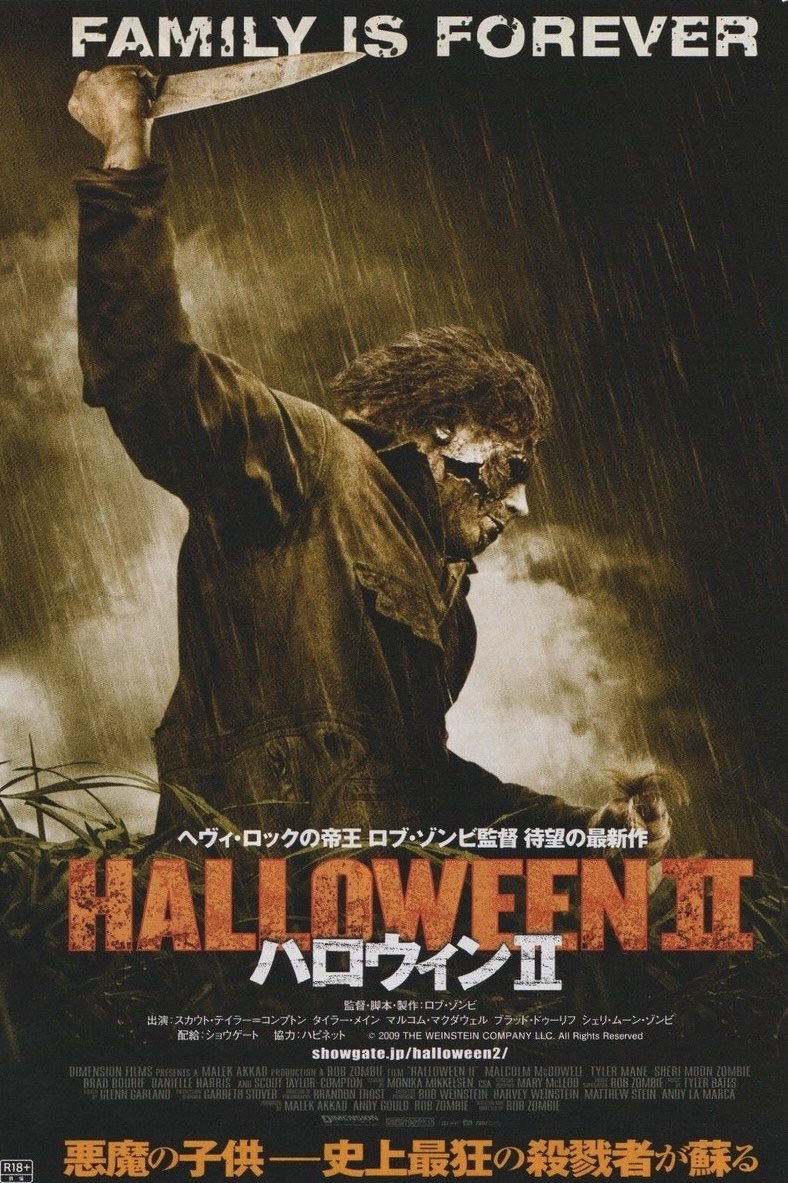
Family is forever.