Marijan Vajda, Production and Release Dating
Vajda had worked extensively in Yugoslav documentary and commercial production before relocating his career to German-language cinema. Film historian Nenad Polimac traces that background through short films, inexpensive features and later exploitation assignments. He identifies Mosquito as the director's most ambitious late project, produced by Monarex and Manfred Dome within a Swiss-German arrangement. The same historical research establishes that Vajda signed the direction with his own name and used Mario d'Alcala as a screenwriting pseudonym. Confusion in some film databases between him and his son, also a filmmaker, makes this distinction important.
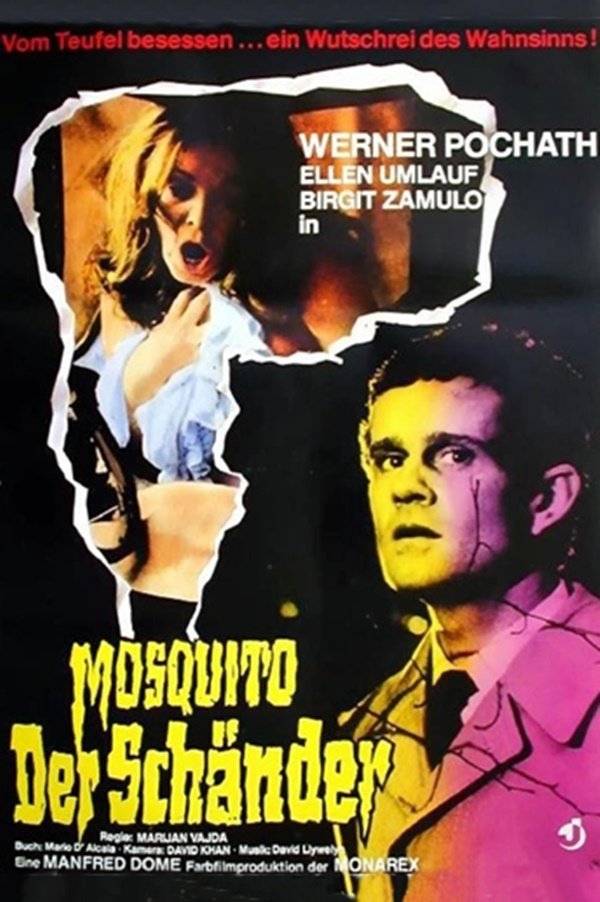
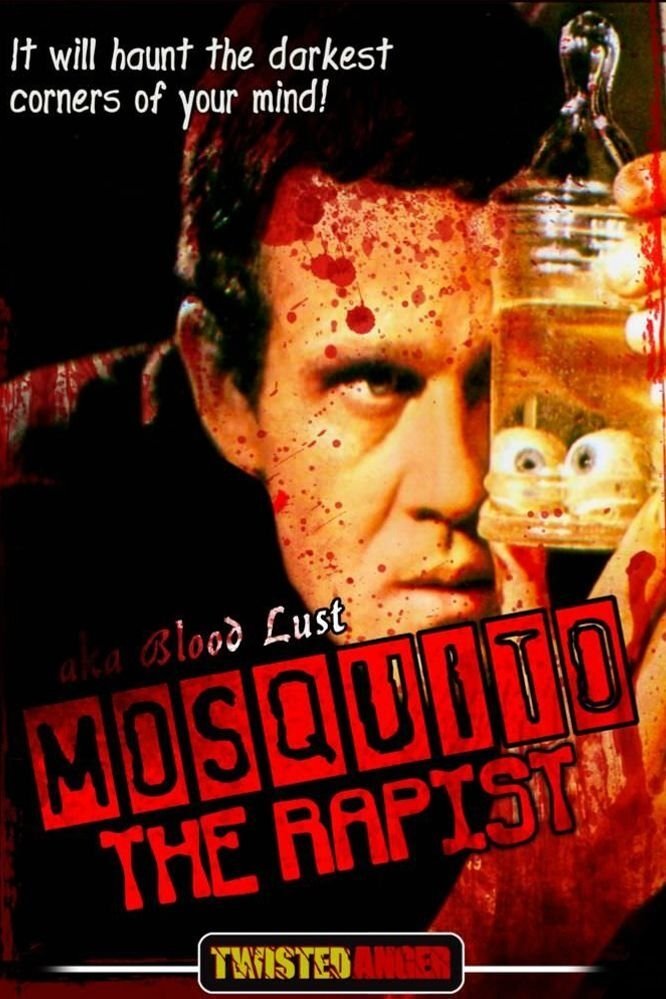
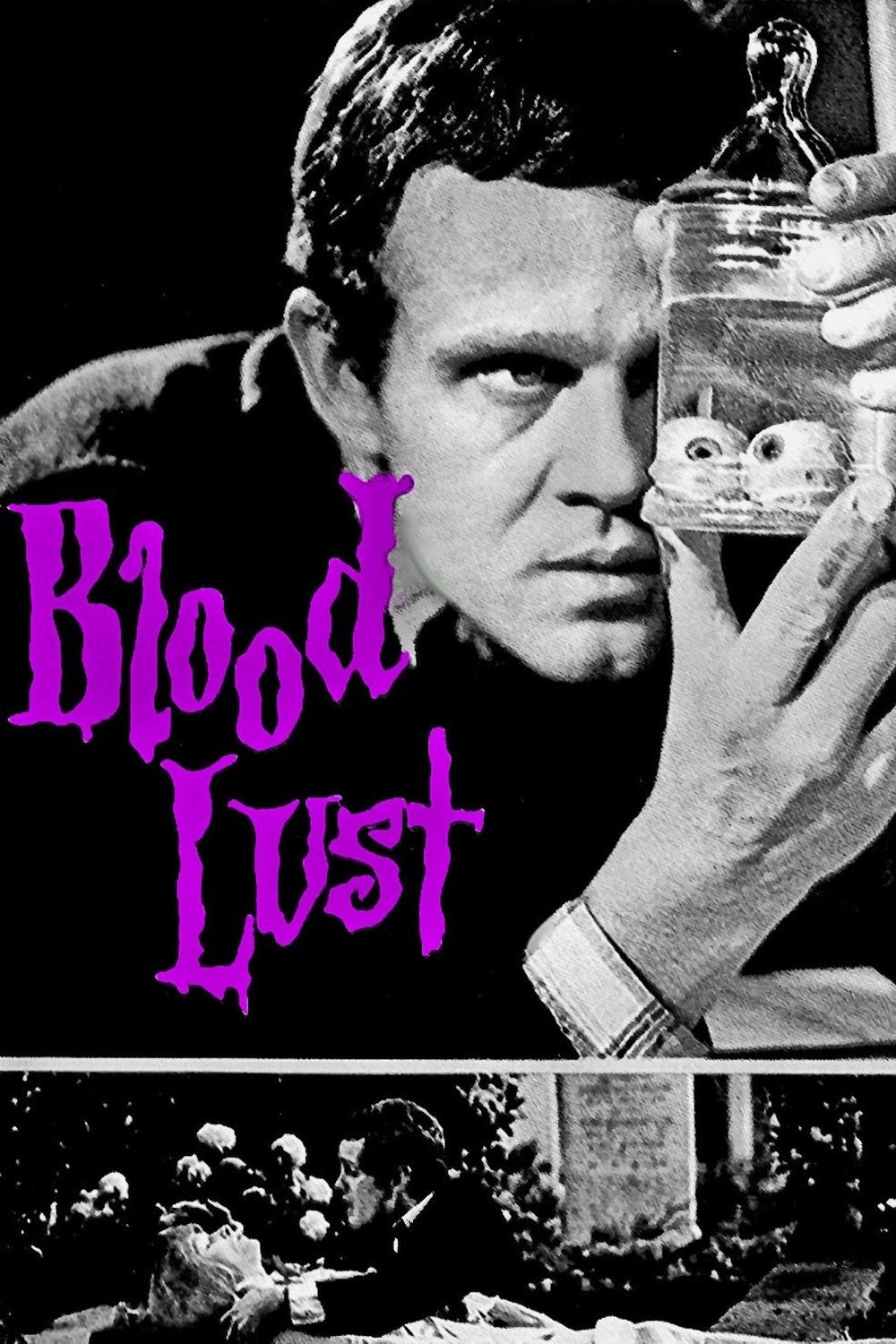
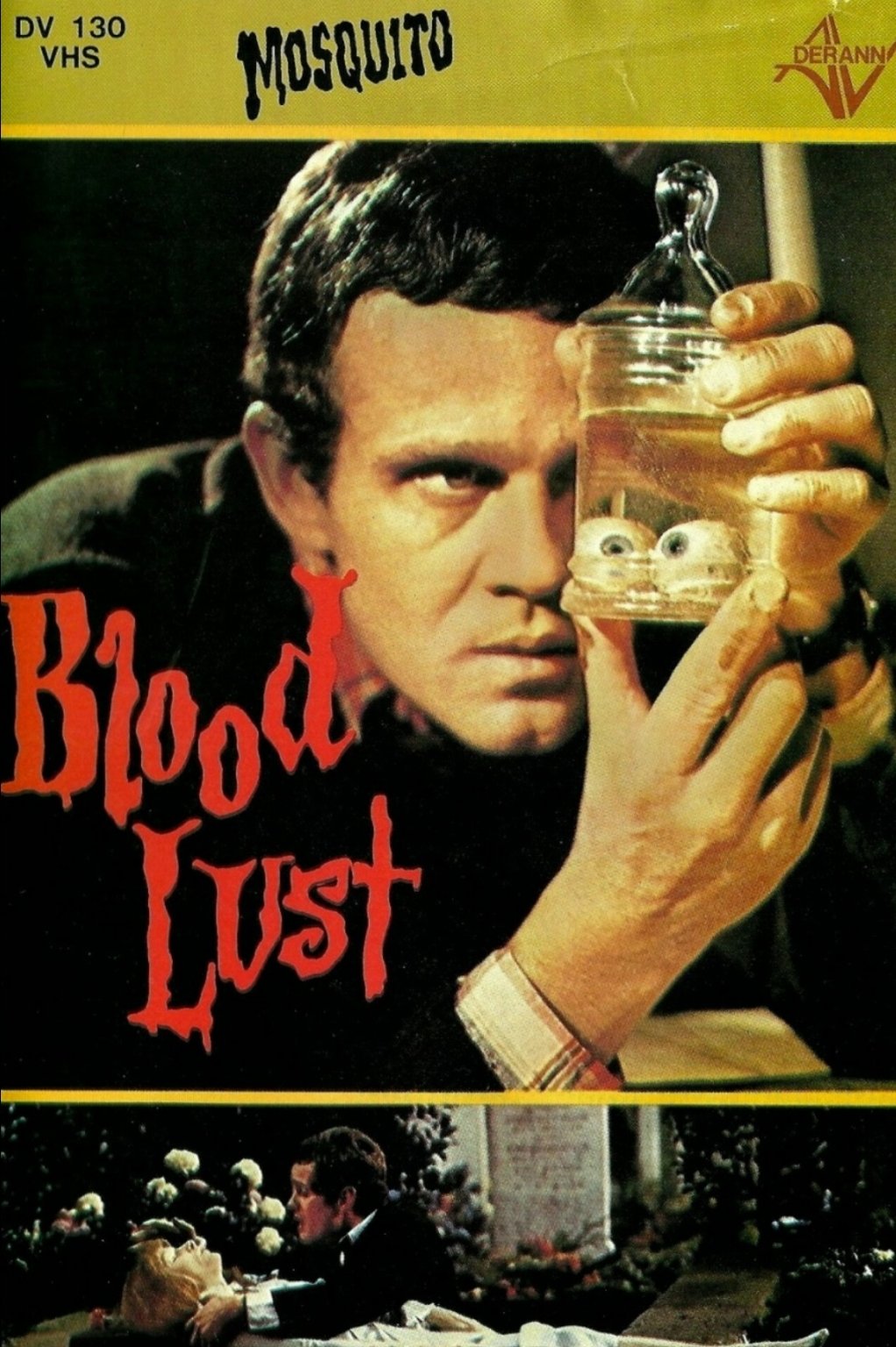
Polimac dates the production to 1976, a year also used by the German film reference service Filmdienst and by contemporary scholarship. The German theatrical release followed on 18 March 1977, accounting for the differing dates found in film references. International circulation introduced Bloodlust, Blood Lust, Mosquito the Defiler and other titles that rearranged the emphasis from corpse violation to vampirism or sexual violence. Their existence does not demonstrate different underlying films.
The production's economical methods are visible in the dependence on apartments, streets, offices and mortuary interiors. Polimac describes a director trained to work quickly under financial limitations while retaining control over disturbing material. No trustworthy source consulted provides a full shooting schedule or an independently verified budget, and neither can be reconstructed from the film's rough texture. The limited resources nevertheless leave considerable space for the lead performance and for images that interrupt routine activity with sudden physical disgust.
Kuno Hofmann and the Fictional Crime Story
The narrative draws on the real criminal case of Kuno Hofmann, frequently labeled the Vampire of Nuremberg in contemporary and retrospective accounts. Horror historian Kevin Lyons and German-studies scholar Jürgen Schacherl both connect Vajda's picture to his crimes. The film borrows elements of grave intrusion, bodily mutilation and blood consumption, while treating them through a fictional character whose life can be organized for dramatic purposes. Its violent childhood flashbacks belong to that fictional construction; they should not automatically be accepted as a complete clinical history of Hofmann.
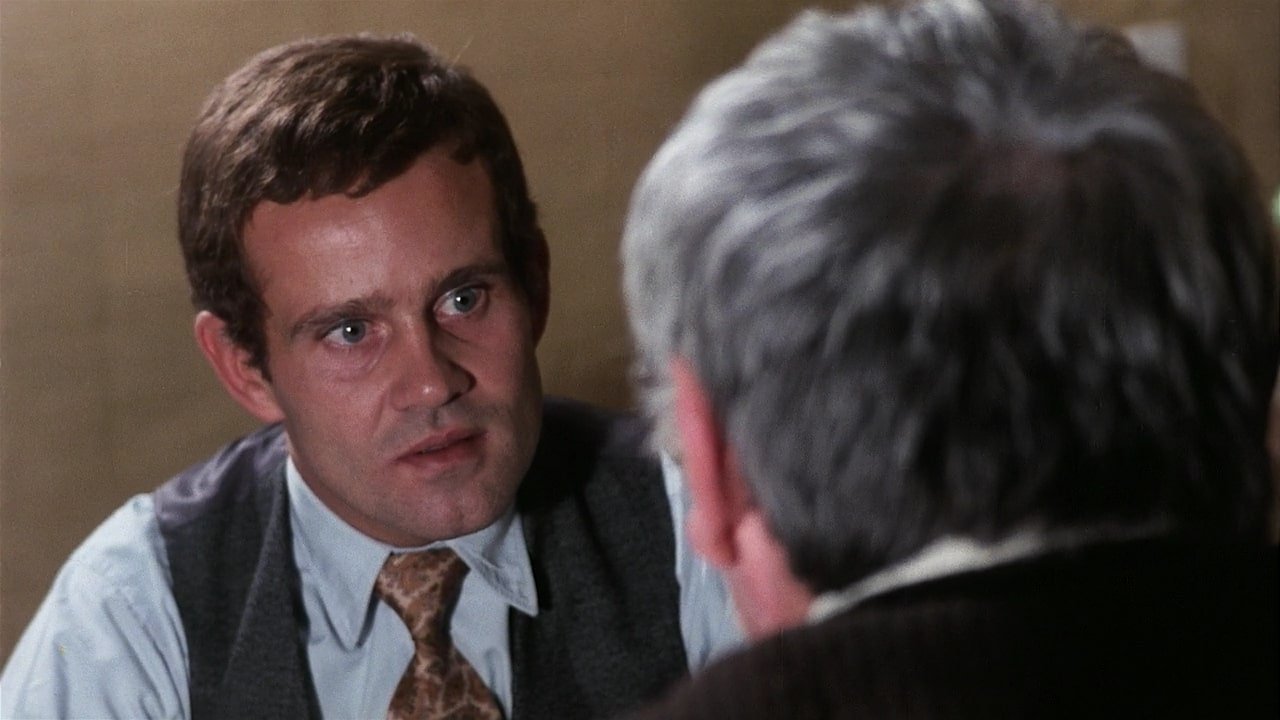
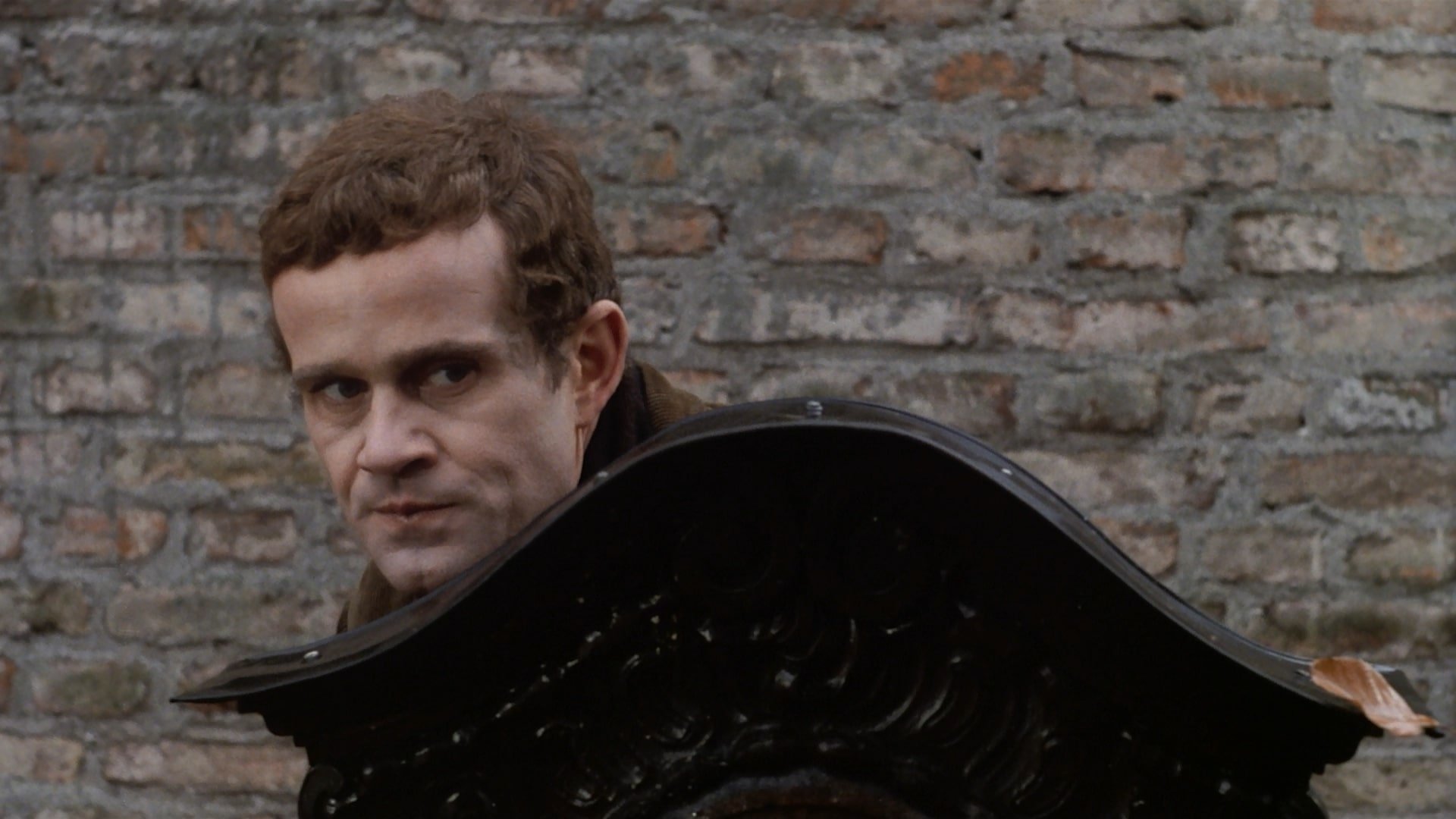
The protagonist works as an accountant and attracts little attention until his unexplained absences and private conduct begin to matter. His childhood is shown through episodes of paternal violence and abuse directed at his sister. Those scenes attempt to provide a background for his isolation and fixation on objects associated with family life. This is the screenplay's account of one disturbed character, not evidence that deafness, communication disability or childhood trauma in themselves lead to violent offending. The story also avoids making its central figure an investigator's puzzle solved through police procedure.
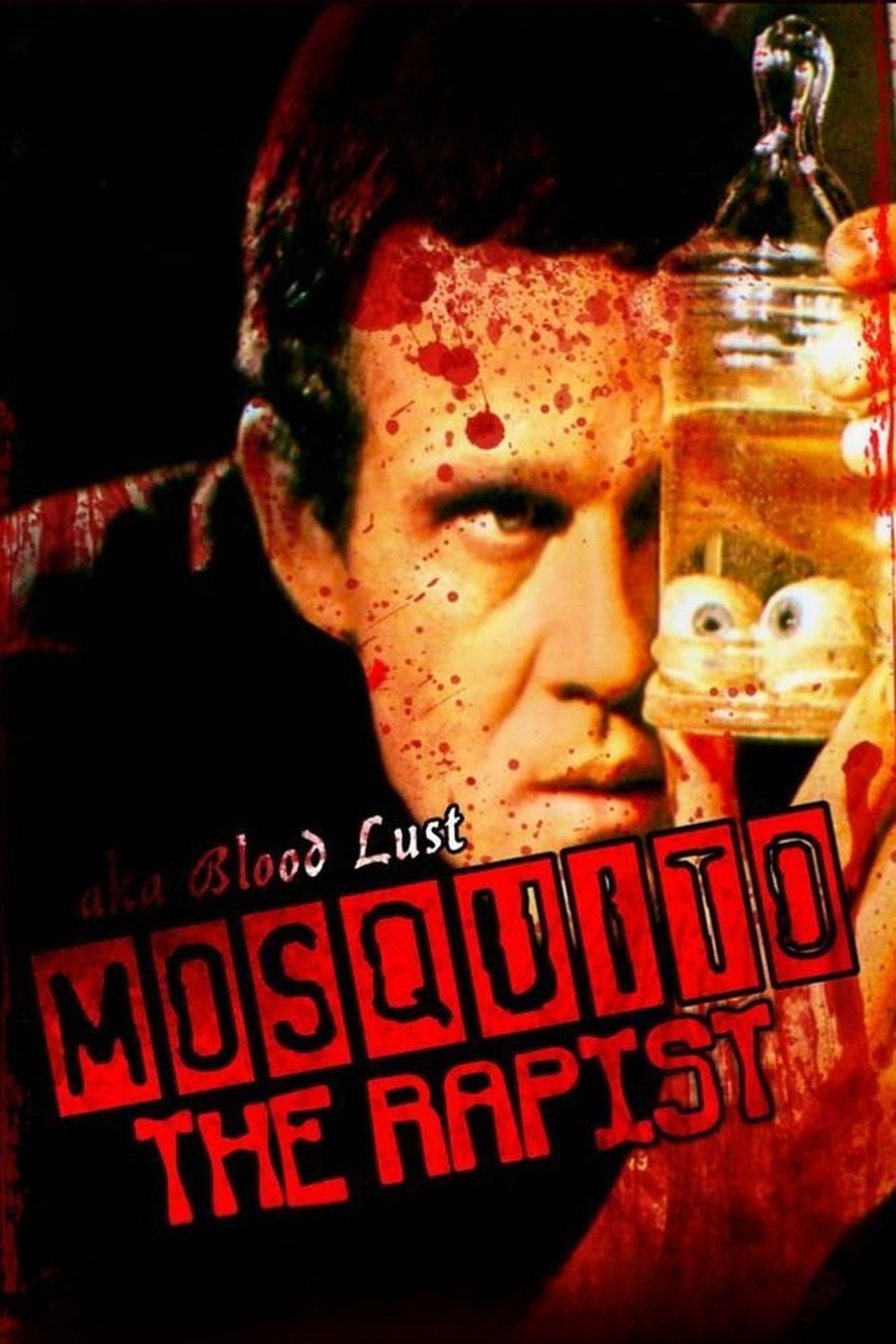
The historical case gives the picture a claim to notoriety, but the cinema of exploitation changes its emphasis. Promotional names evoke a sexual predator, whereas the action concentrates on the extraction of blood and the violation of bodies after death. Lyons notes the discrepancy between the English title and what the camera actually depicts. Separating the real crime, the dramatic interpretation and the publicity language prevents the guide from endorsing an inaccurate account of either the murderer or the film.
Dolls, Neighbors and the Isolation of the Protagonist
In his rented room the man keeps numerous dolls and photographs that give the interior the appearance of a private childhood museum. He damages substitutes for human bodies before extending his conduct to real remains. Red liquids, including ink and food products, appear during the development of his fixation. These objects give the picture a recurring visual vocabulary without supplying a scientific diagnosis of his behavior. The fragile figures also connect his adult solitude to the abusive memories presented earlier.
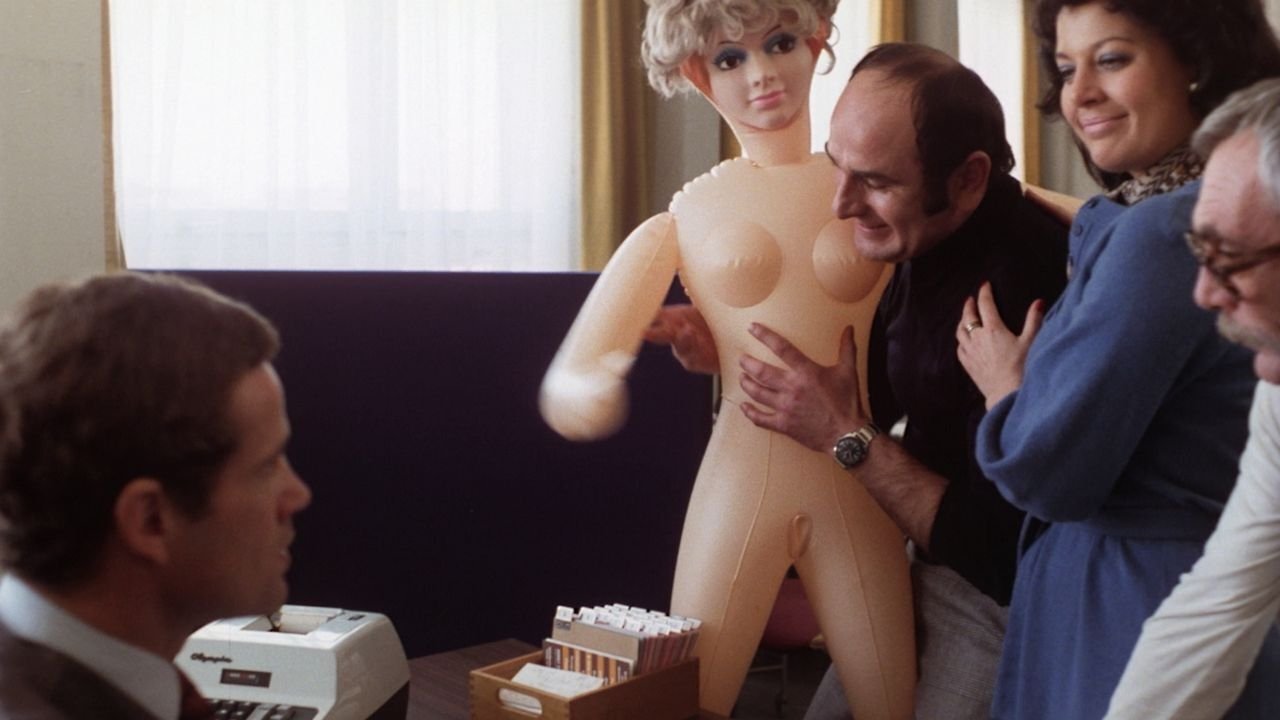
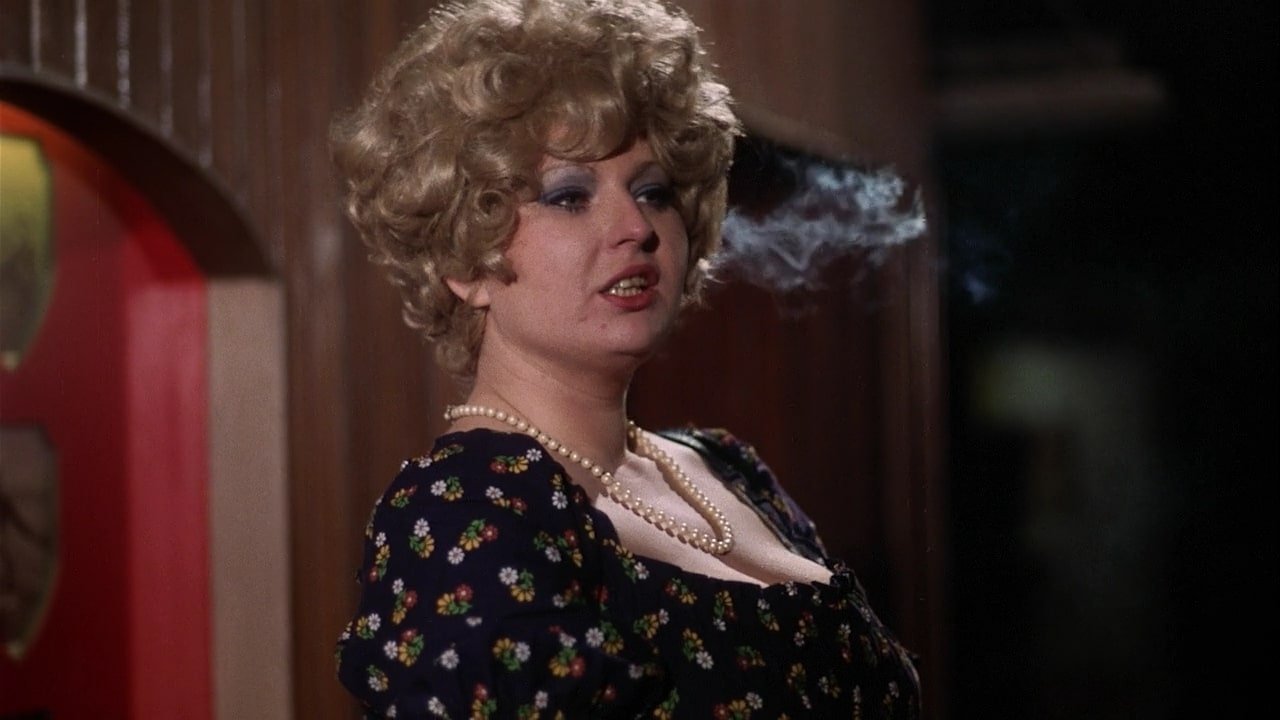
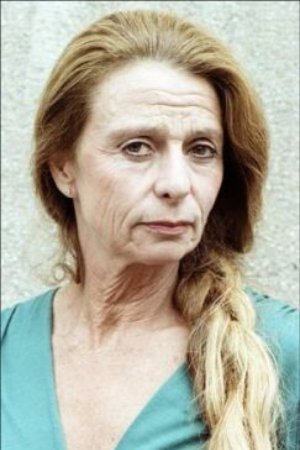
At work, colleagues mock him and treat an inability to speak as proof that he cannot understand their insults. Encounters with sex workers produce further humiliation. Their presentation belongs to the film's abrasive exploitation style, especially when scenes of sexual activity interrupt the protagonist's otherwise repetitive routine. Ellen Umlauf plays an older neighbor who offers a degree of ordinary kindness; Birgit Zamulo appears as her daughter, whose eccentric behavior and affection for play briefly allow the man to imagine companionship. The film keeps their interactions awkward, uncertain and vulnerable to sudden catastrophe.
The daughter's death after an incident on a roof changes his access to the living people around him. Images of dancing and imagined affection return as an alternative to the degradation visible elsewhere. The character's fantasies supply moments of emotional proximity without excusing his desecration of bodies or subsequent murders. Much of the horror comes from how little his acquaintances know about the actions taking place within the same neighborhood. The story never needs an isolated castle or abandoned farmhouse to establish a concealed world of violence.
Mortuary Intrusions and Practical Horror
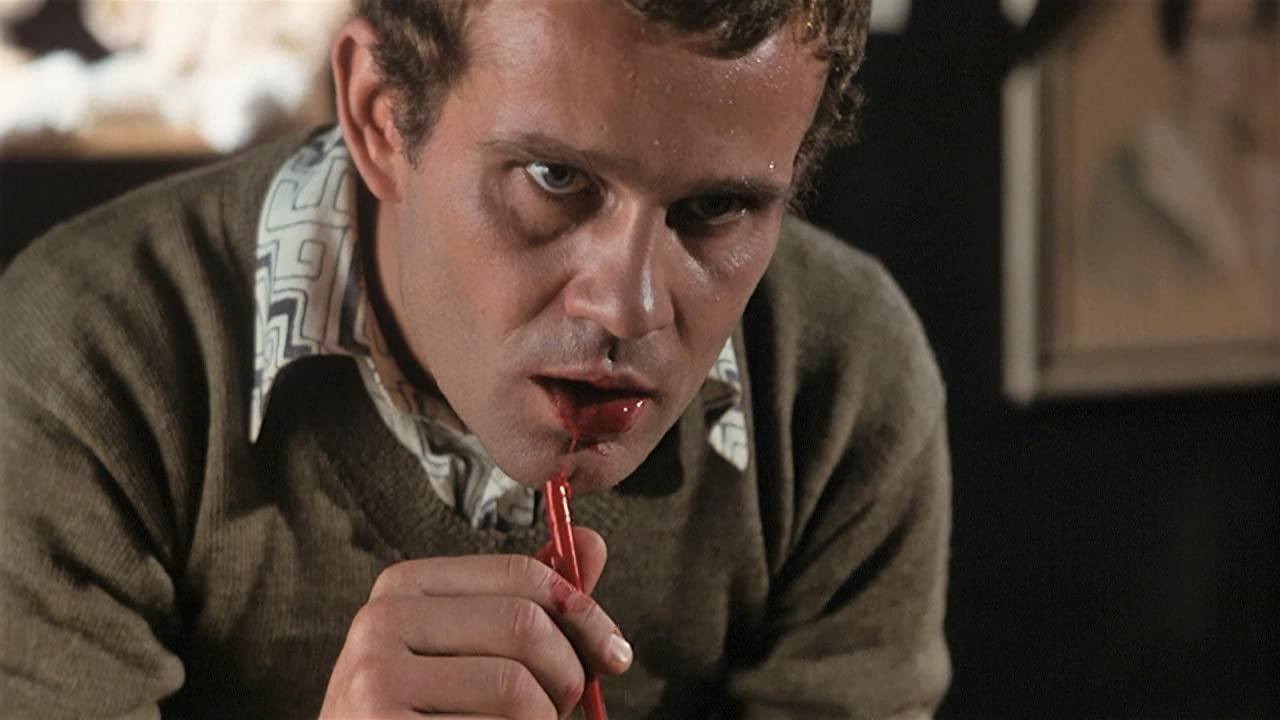
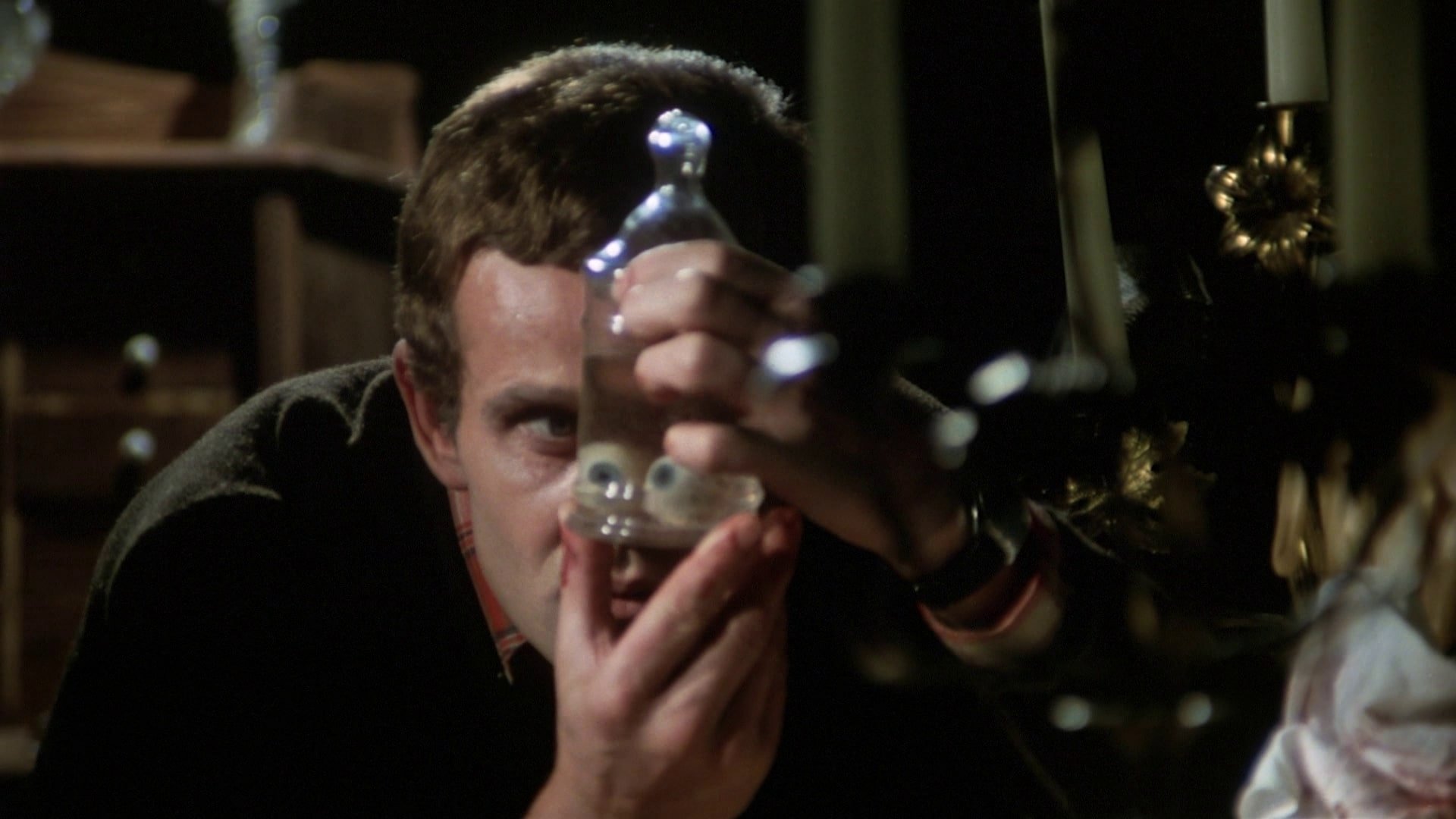
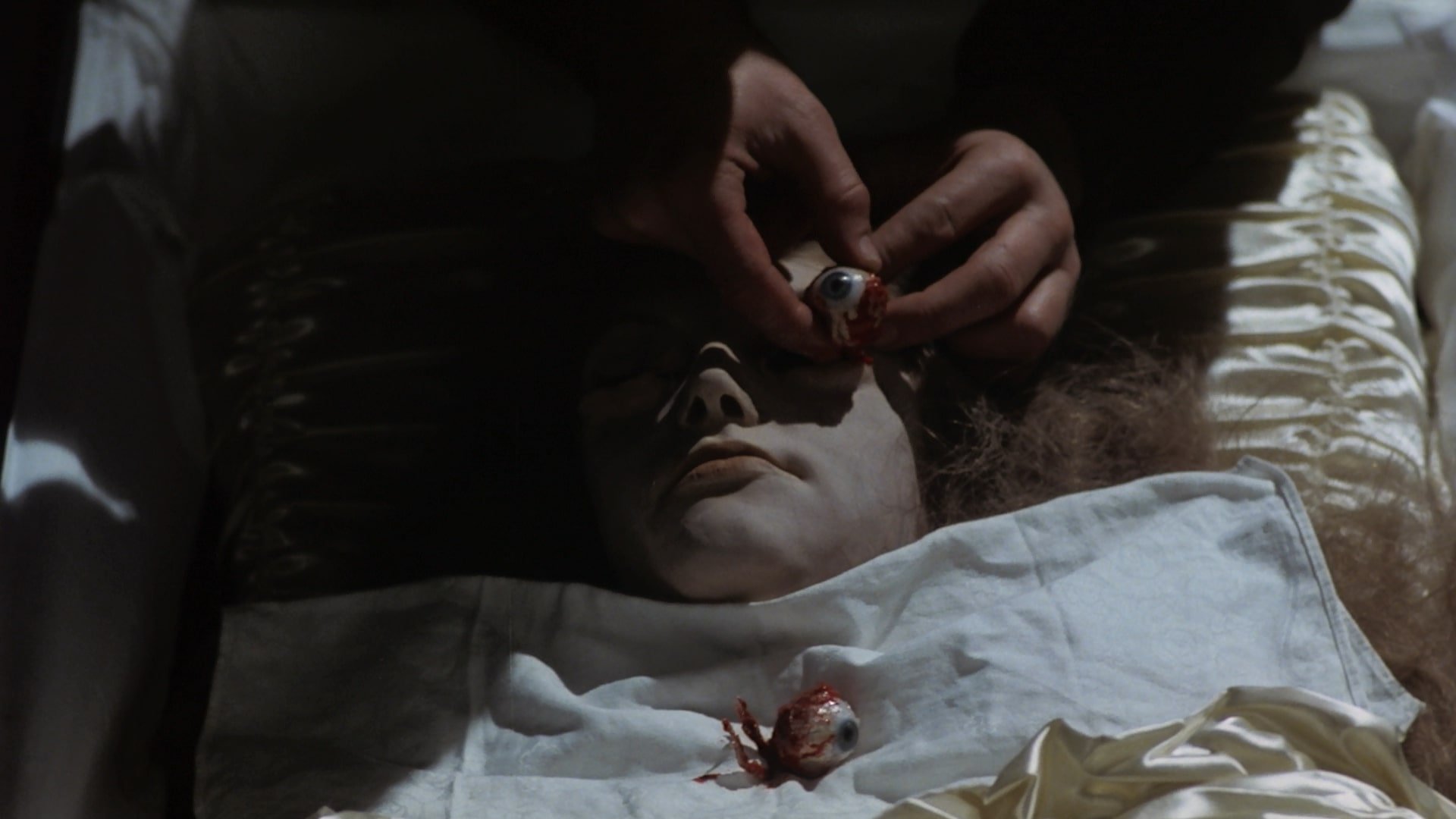
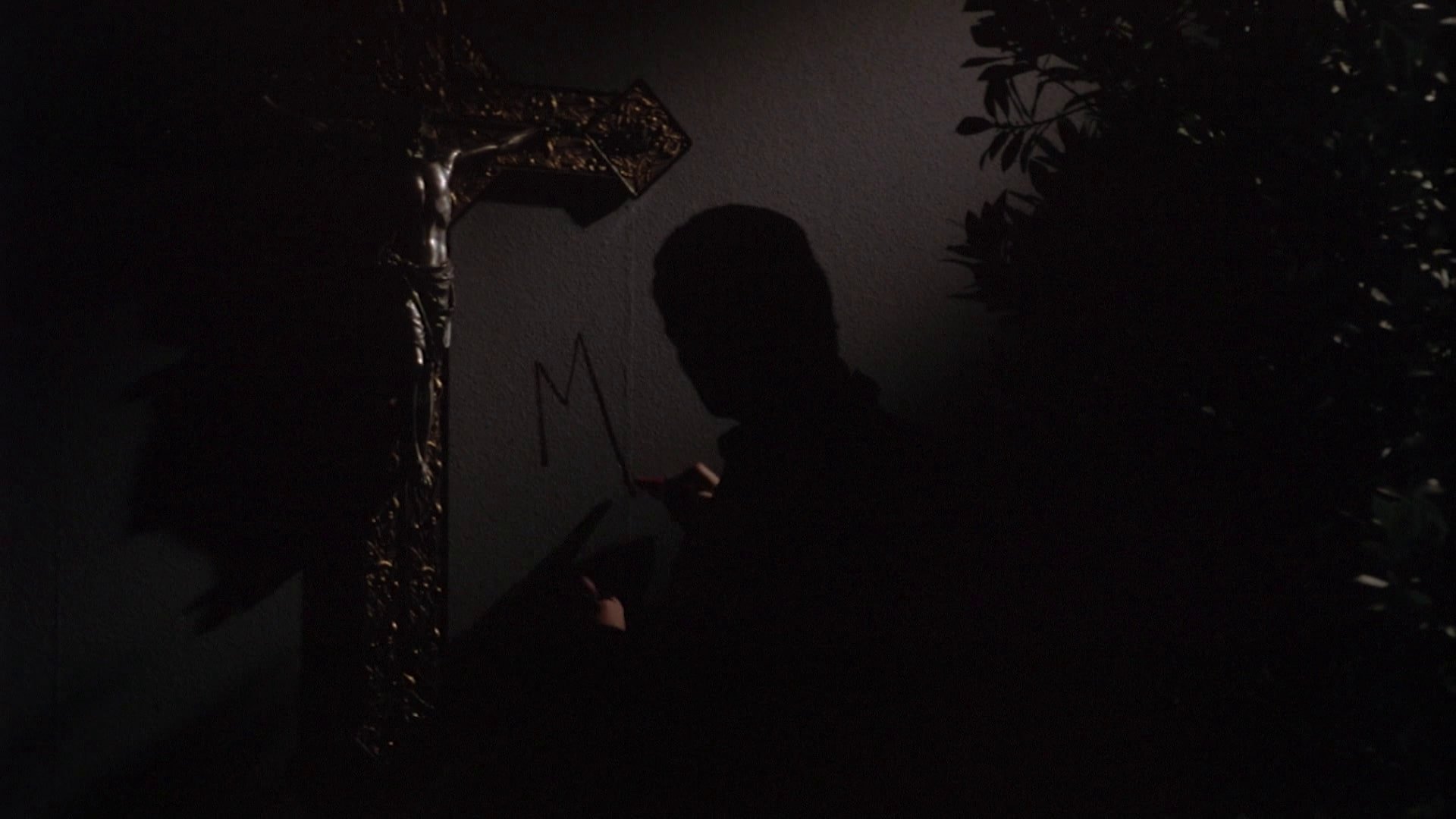
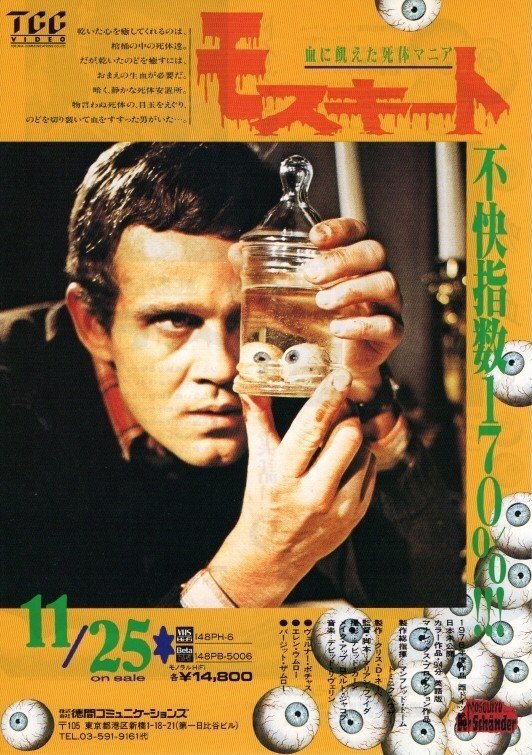
The mortuary sequences are the film's most explicit material. The man enters rooms containing bodies awaiting burial, opens wounds and takes trophies from the dead. One especially conspicuous scene involves removing a corpse's eyes. Another shows him drawing blood through a specially adapted glass tube, an object that makes the name Mosquito literal without introducing a supernatural vampire. The preparation and repetition of these actions give the attacks a ritual quality. They are staged in places normally meant to preserve dignity after death, bringing the threat into a recognizable public institution.
The violence is accomplished through low-budget makeup and physical props. Lyons considers the simulated corpses unevenly convincing, though he finds that the oppressive setting gives the crude effects some force. Their limitations are visible in close views, where materials must stand in for damaged flesh. Yet the script uses these sequences as more than isolated shocks: each visit indicates that the worker's secret acts are becoming harder to contain. The transition from mutilating the dead to harming the living is therefore a progression within the story's actions.
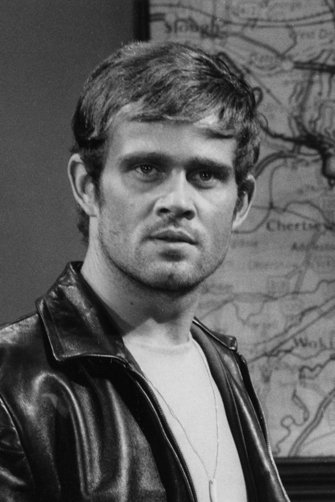
The explicit imagery also explains the film's difficult place between crime melodrama and horror. Pochath's character has no occult powers, and the bodies do not return to life. The fear comes from a human intruder who can enter rooms maintained for the deceased and leave them altered. By keeping the instruments small and the locations ordinary, Vajda makes violation appear possible within an urban system that depends on locks, keys and professional trust. The physical detail remains disturbing even when the makeup's artifice is apparent.
Reception, British Video History and Later Context
The theatrical and video histories contain conflicting dates and runtimes. German sources commonly identify the production as 1976, whereas the German release is listed in 1977; circulating editions use several English names. The picture's association with Britain's Section 3 video-nasty seizures belongs to the early home-video controversy. A Section 3 seizure was a distinct legal process from a successful obscenity prosecution, so the label should not be used as proof of a conviction or of an enduring ban. Without a complete official comparison of surviving versions, differences in advertised runtimes cannot reliably establish individual cuts.
Later appraisals have been more attentive to the film's formal qualities than its most lurid posters suggested. Nenad Polimac argues that Vajda achieved a claustrophobic and uncomfortable world under restrictive conditions. Lyons instead stresses the tension between a morbid atmosphere and effects or tonal passages that may appear ungainly. These judgments need not be reconciled into a single verdict. They establish how a production once marketed through extreme acts can sustain discussions of visual composition, performance and the relationship between fact-based crime stories and exploitation cinema.
Schacherl includes the film in a study of German-language screen serial killers, placing it alongside work by Gerald Kargl and Jörg Buttgereit while acknowledging its comparatively limited critical attention. That contextual placement is better documented than sweeping claims that Mosquito single-handedly invented later necrophilia horror. Its significance lies in making mortuary violation the central horrific activity and permitting a perpetrator's daily isolation to structure the narrative. The film preserves a distinct place among European crime-derived horror features made before the better-known extreme productions of the following decade.