Cinevid Productions
, Pressman Film
, Troma Entertainment
Plot
A toy factory worker, mentally scarred as a child upon learning Santa Claus is not real, suffers a nervous breakdown after being belittled at work, and embarks on a Yuletide killing spree.
Alternative Titles
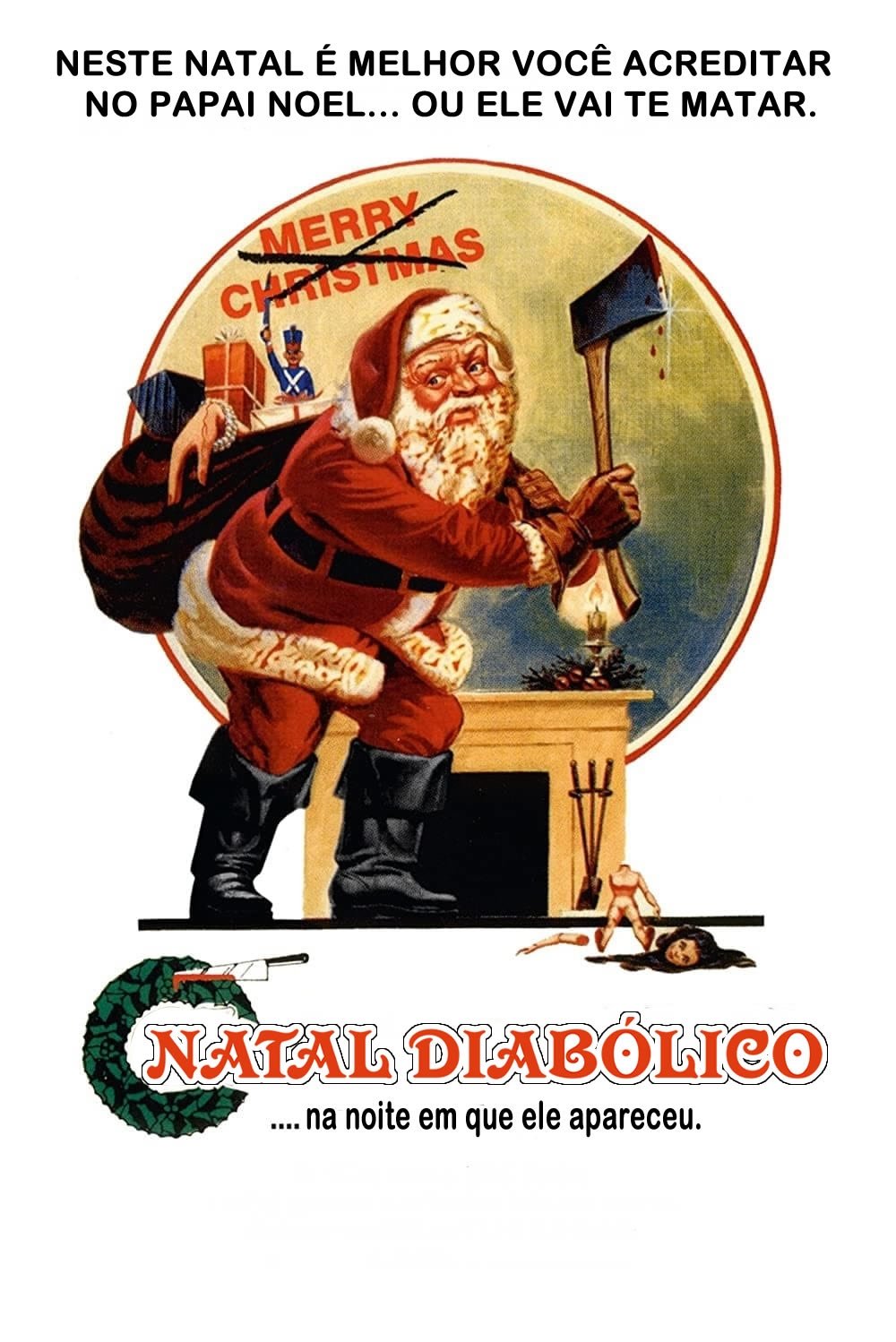
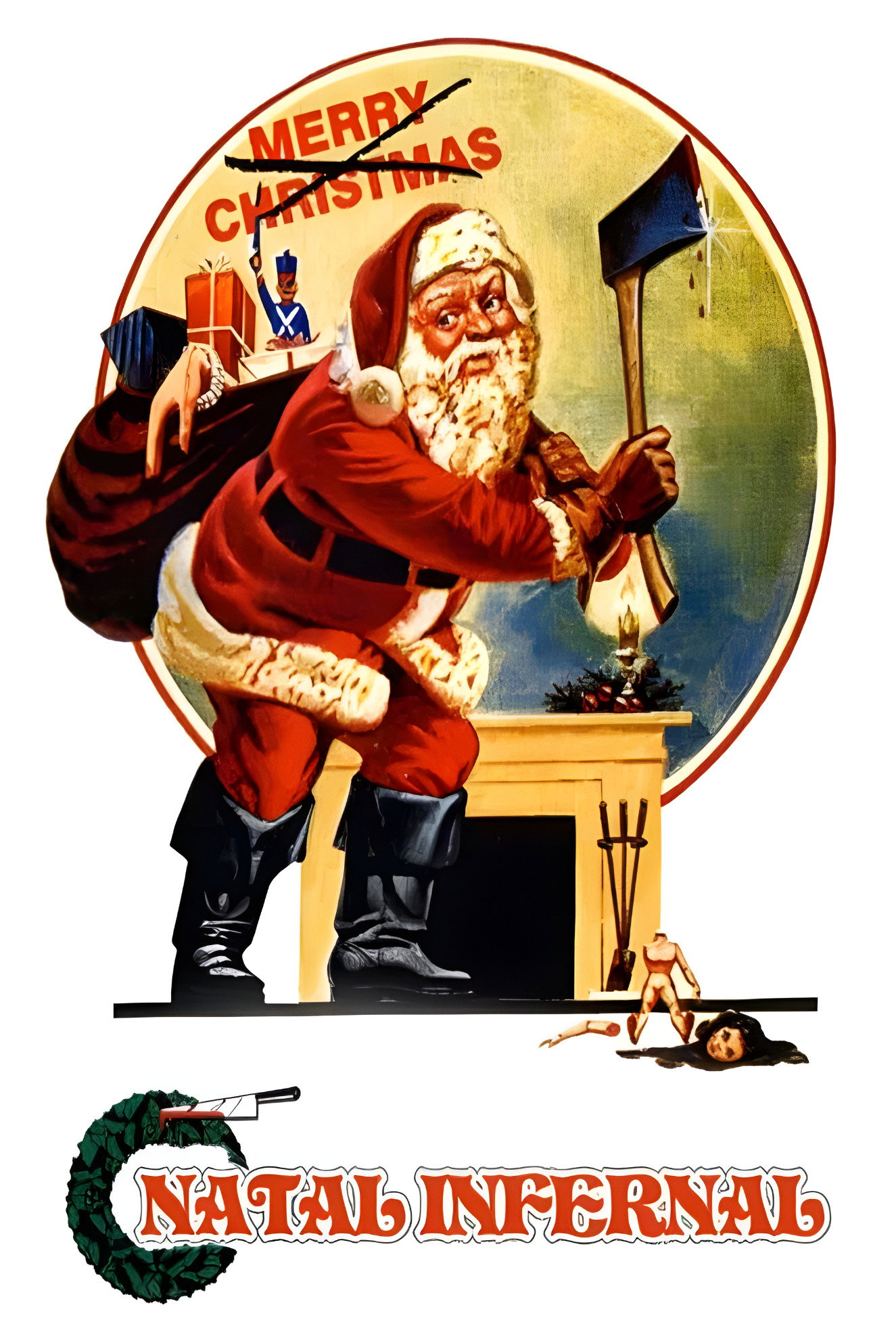
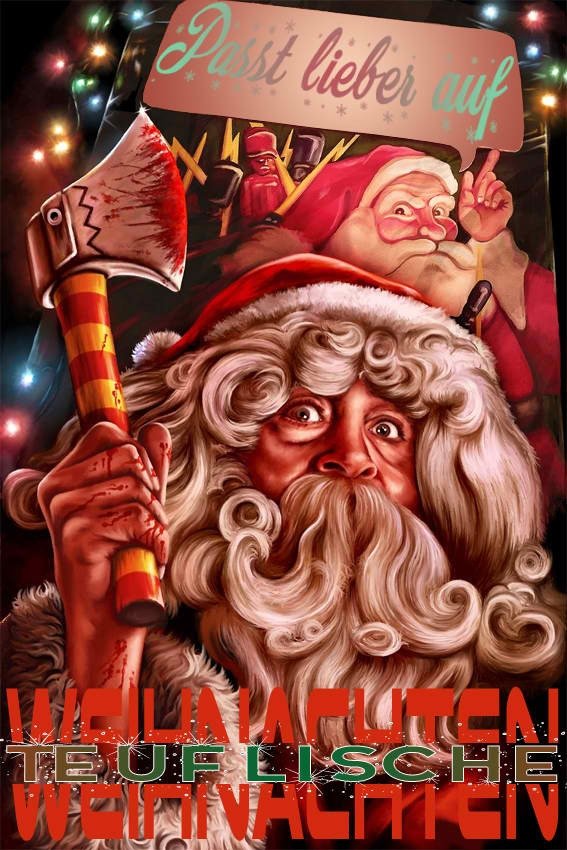
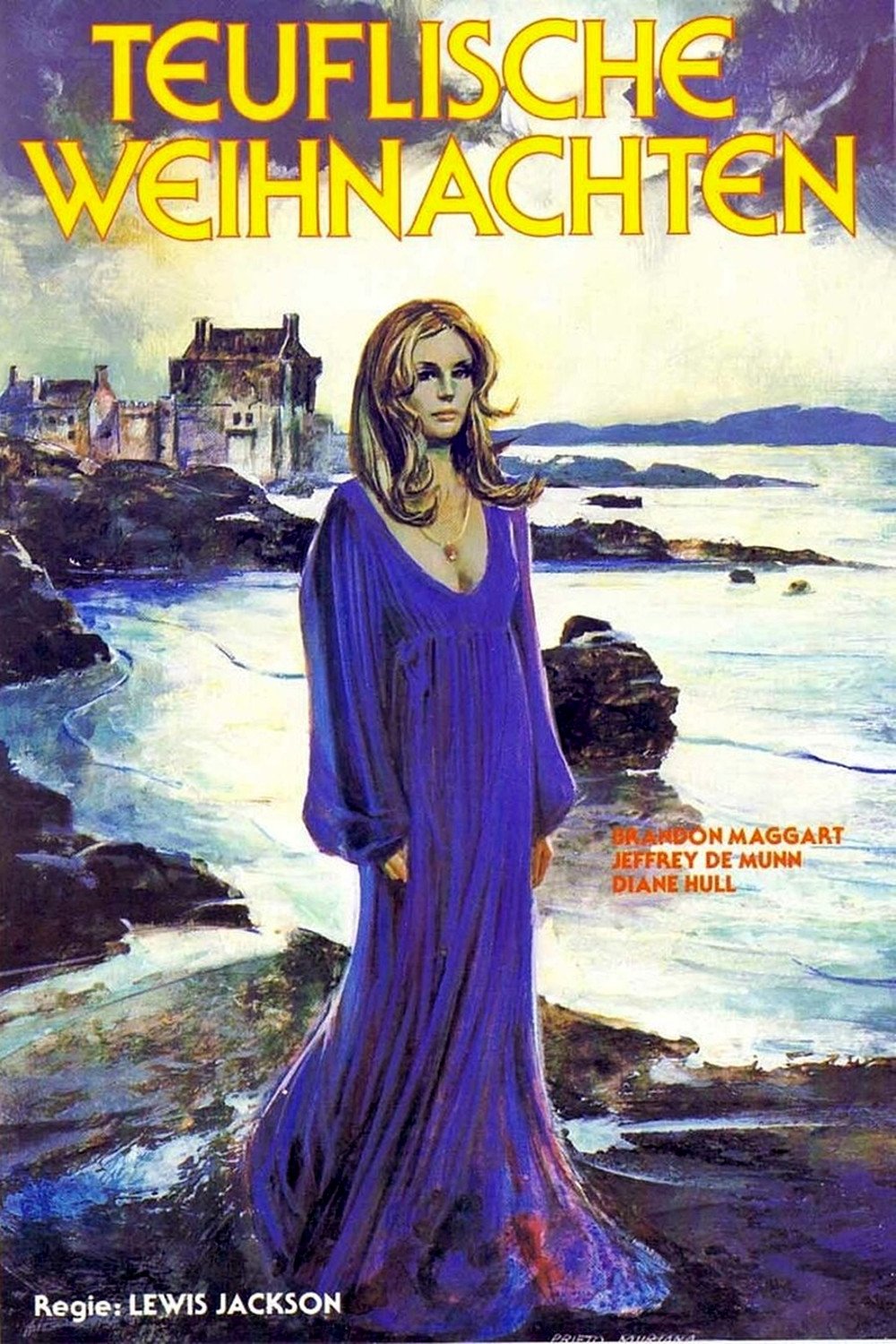
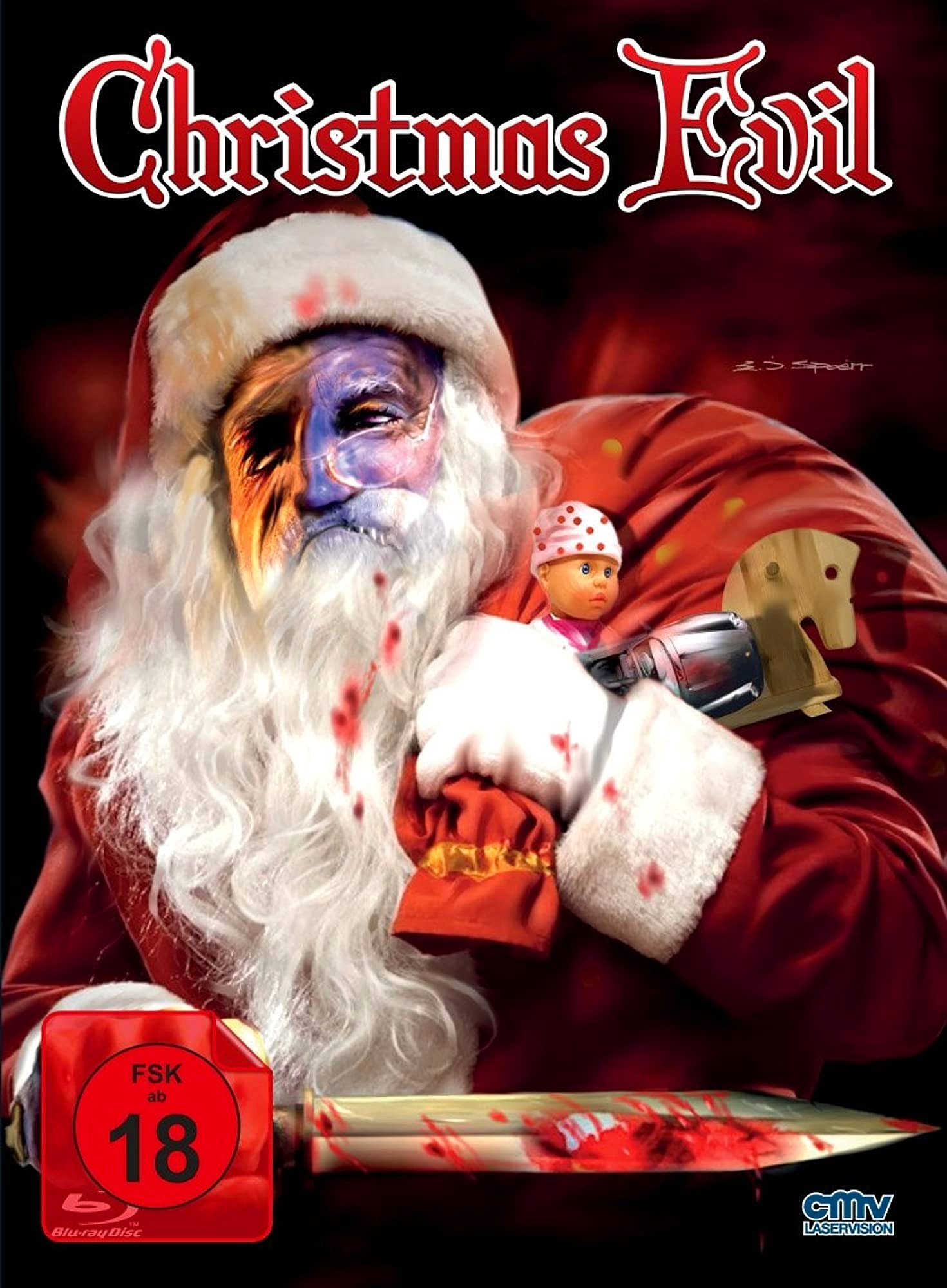
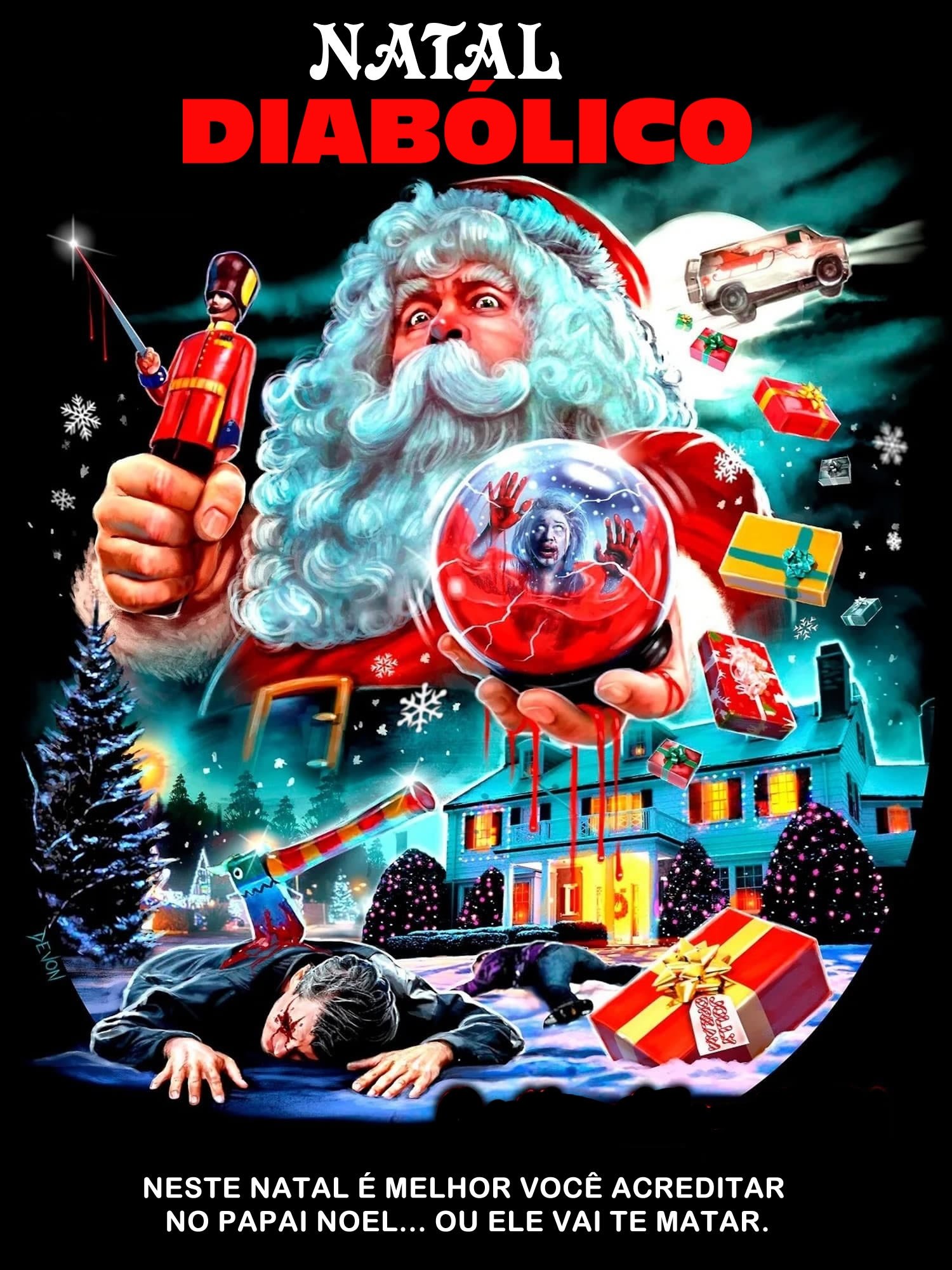
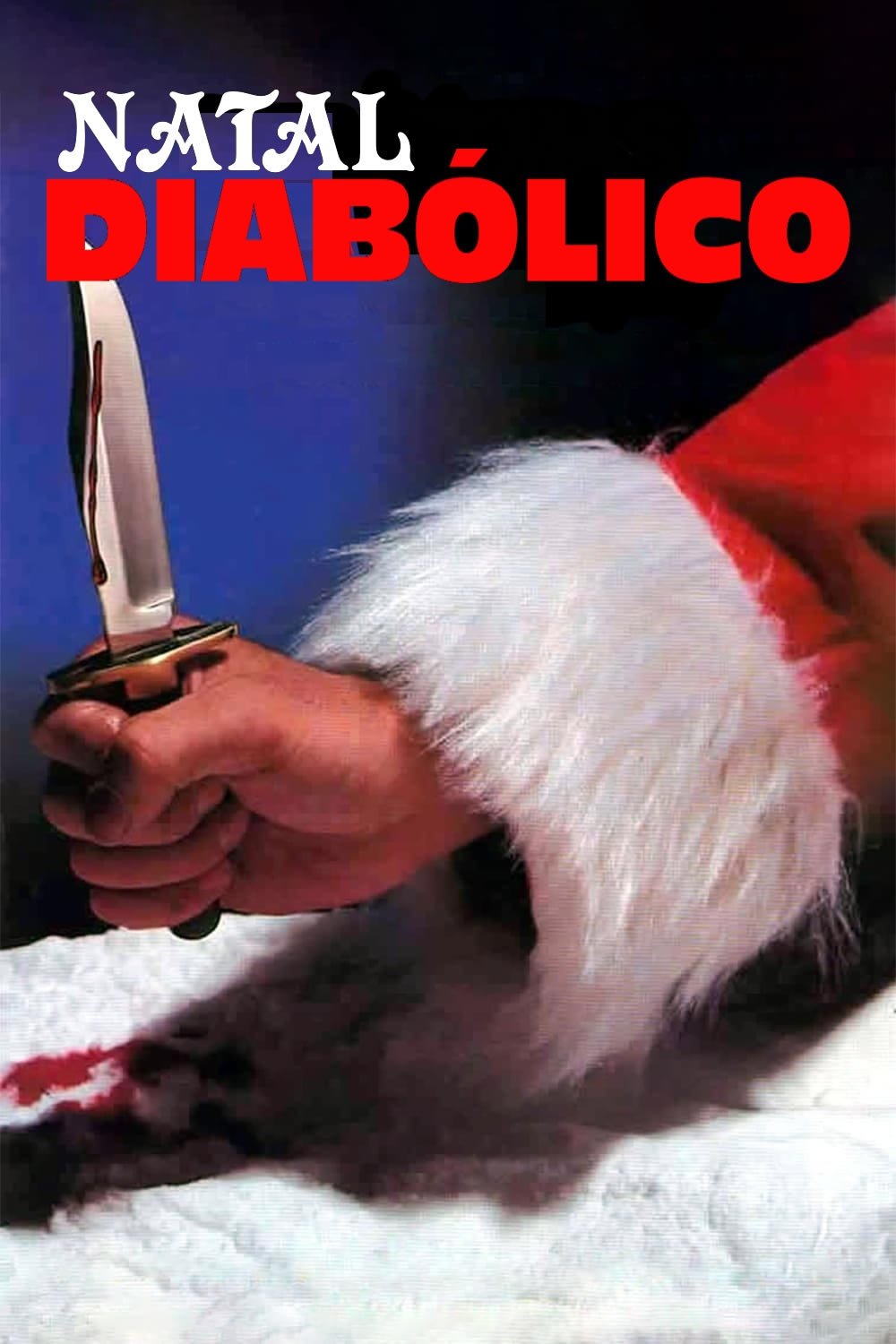
Коледно зло (Bulgaria) — BulgarianNatal Diabólico (Brazil) — Portuguese圣诞恶魔 (China) — ChineseVánoční zlo (Czechia) — CzechBöse Weihnacht (Germany) — alternative titleTeuflische Weihnachten (Germany) — GermanNavidades infernales (Spain) — Spanish聖誕惡魔 (Hong Kong SAR China) — ChineseShow all 17 alternative titlesChristmas Evil - Un Natale macchiato di sangue (Italy) — Italian유 베터 왓치 아웃 (South Korea) — KoreanNavidades infernales (Mexico) — SpanishXmas Evil (Netherlands) — VHSNatal Infernal (Portugal) — PortugueseТы лучше смотри в оба (Russia) — RussianSanta (United States) — Working TitleTerror in Toyland (United States) You Better Watch Out (United States) — Director's Cut
Lewis Jackson's disturbing Christmas character study explores workplace hypocrisy, moral obsession, expressive winter imagery and a difficult distribution history.
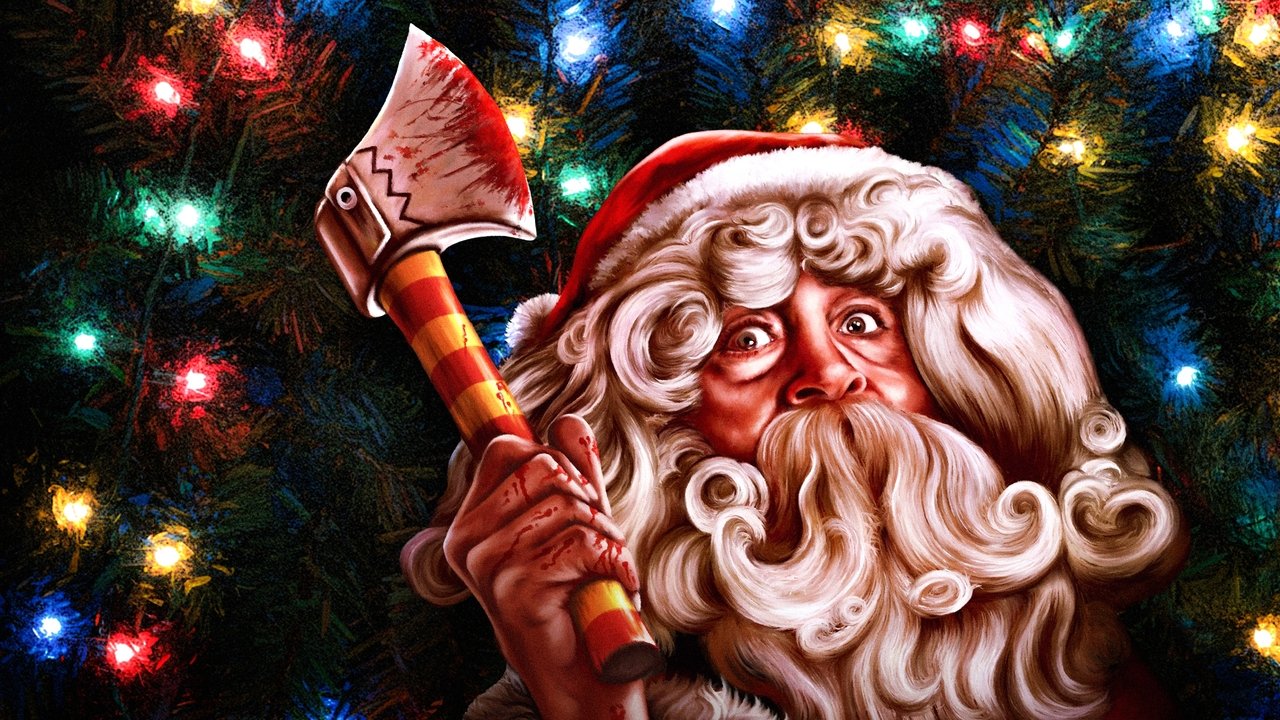
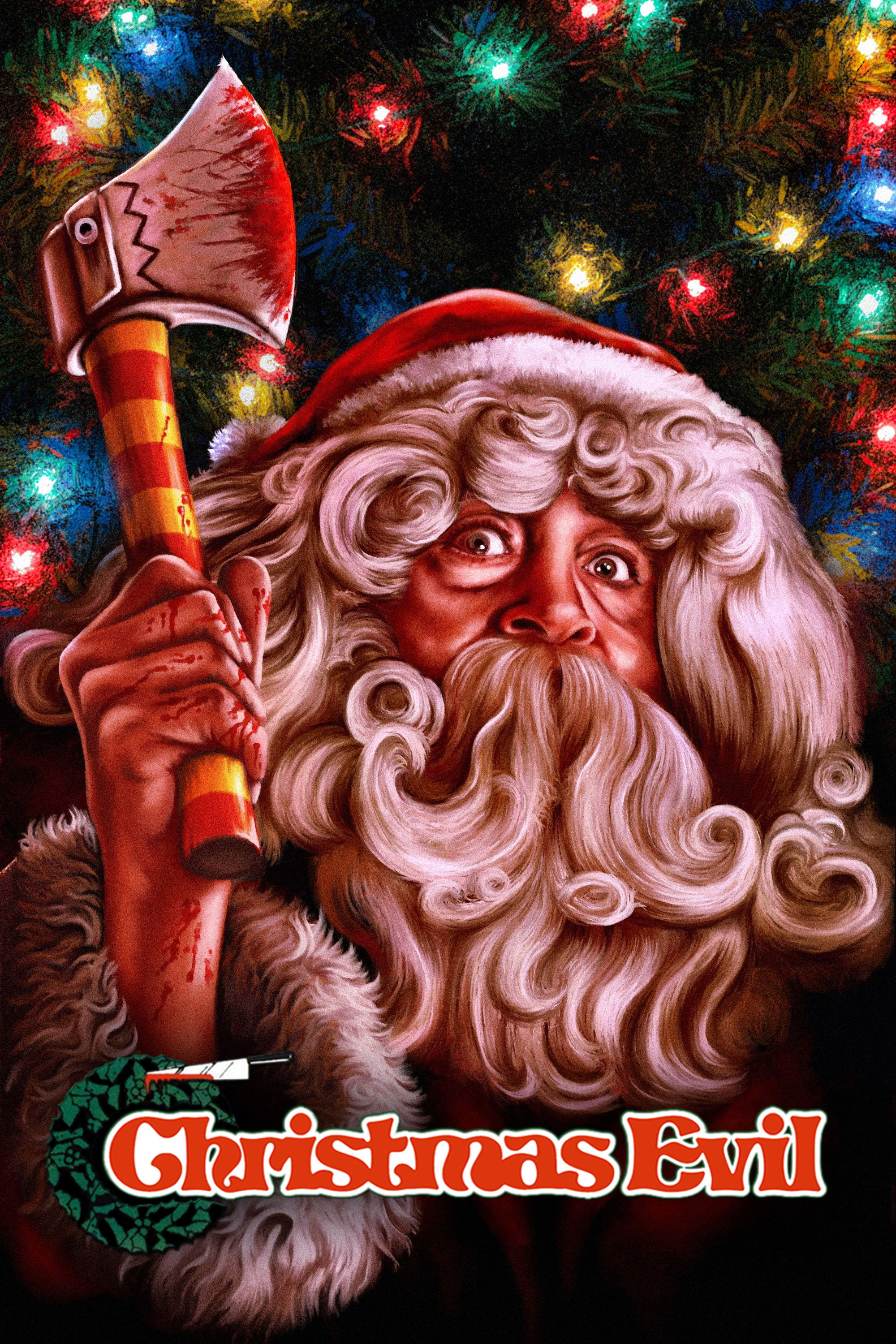
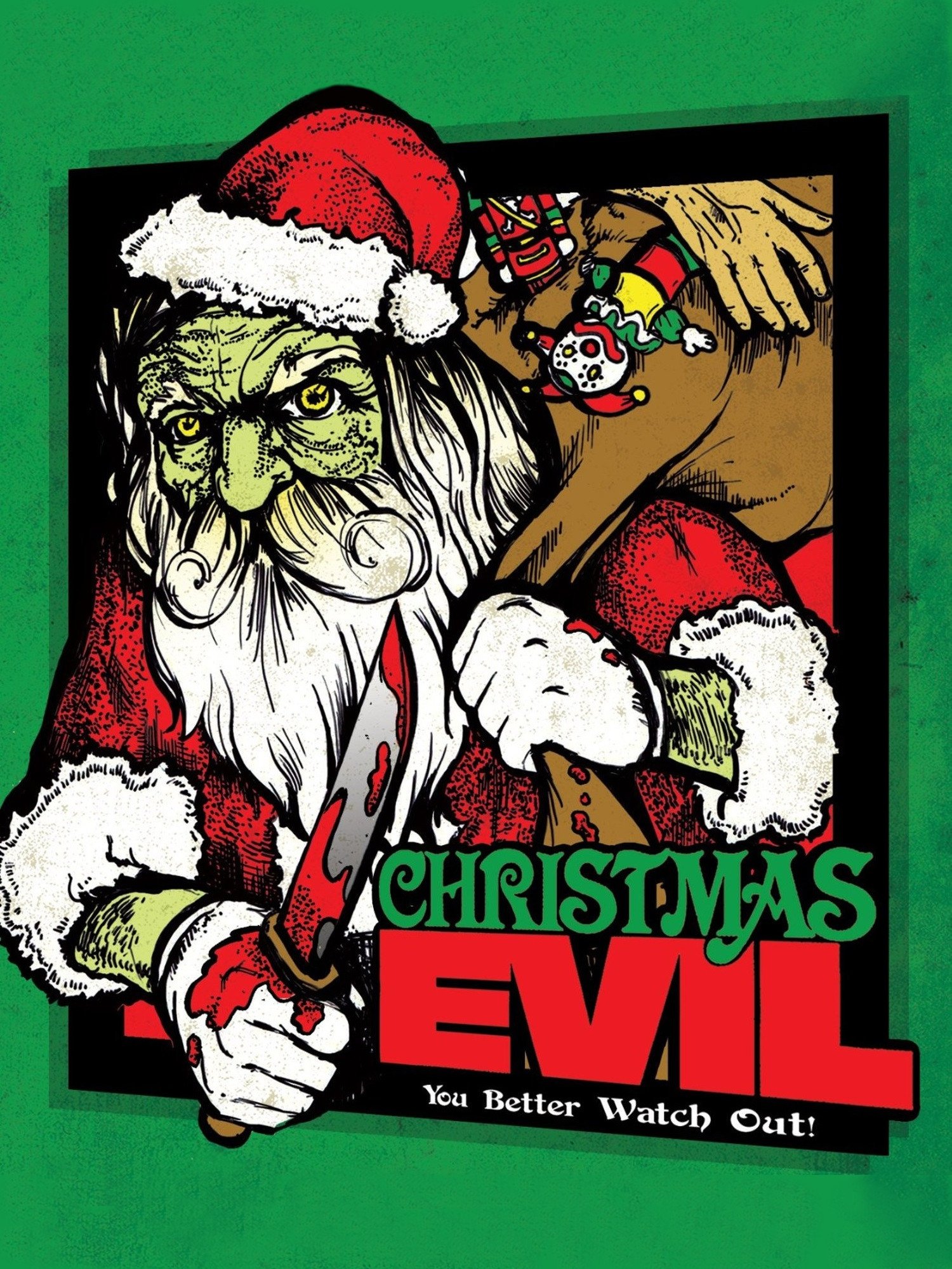
Christmas Evil (1980), Lewis Jackson's independently produced horror film, emerged during the first commercial surge of American holiday horror. Its Santa-clad murderer appears to fit the newly profitable slasher formula, yet the film devotes unusual attention to the man's work, family and increasingly unstable sense of moral duty. Harry Stadling believes Christmas should guarantee generosity and protect children from adult selfishness. The contradiction between that belief and the behavior he encounters gradually turns his charitable intentions into something dangerous. Lewis Jackson's independent feature therefore approaches seasonal terror through a disturbed character whose violence grows out of an obsessive attempt to enforce an ideal.
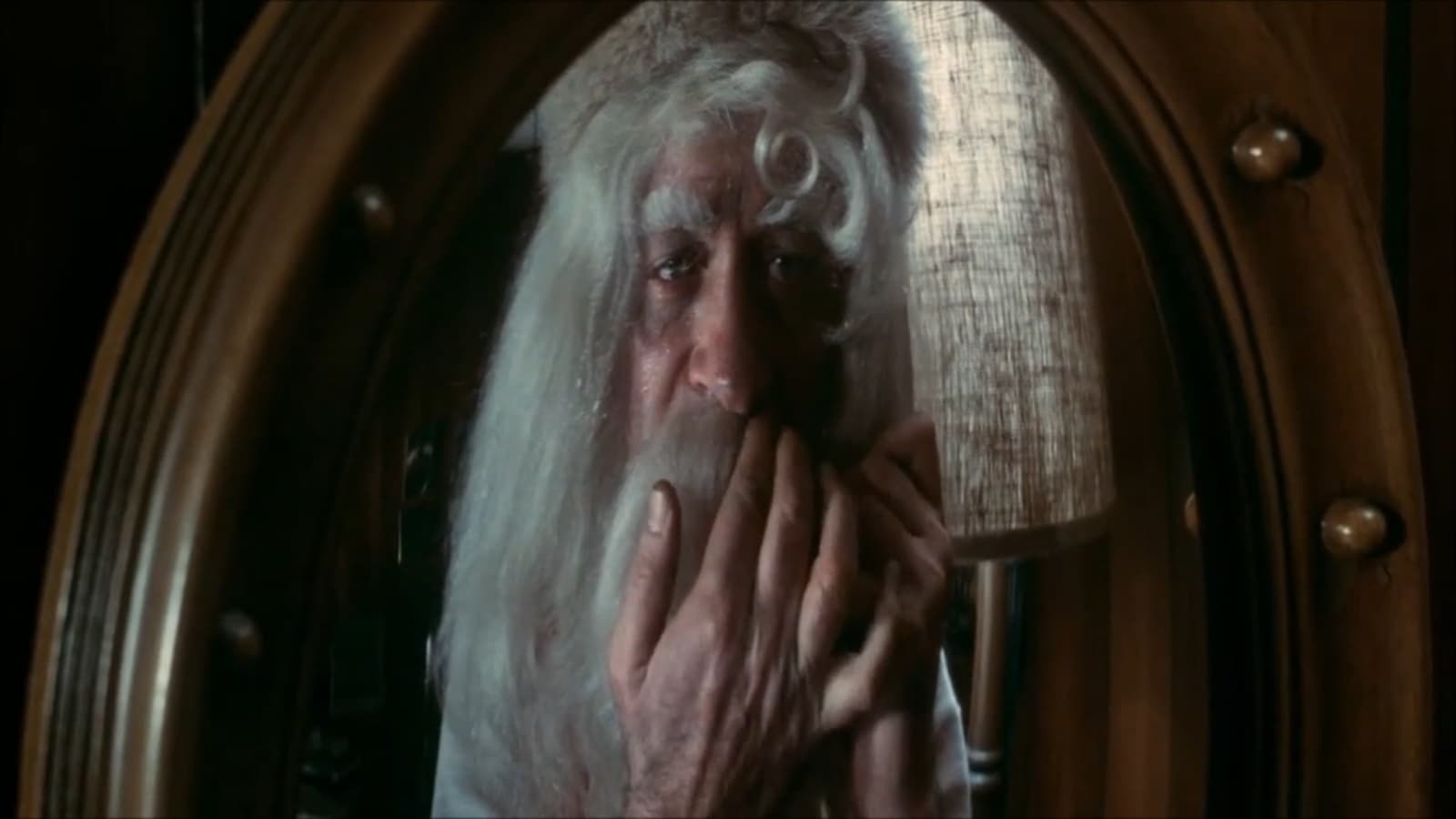
Brandon Maggart's performance places the viewer close to Harry without endorsing his actions. A toy factory becomes a site of humiliation and commercial dishonesty, while suburban streets take on the appearance of a private territory to be watched and judged. Jackson spent years revising the screenplay and later described a difficult release that separated the picture from his preferred title. Its subsequent reputation owes much to revival screenings and the advocacy of John Waters. The production's history makes it an instructive example of how an independently conceived psychological horror film could be marketed and received through the expectations of the early slasher cycle.
Development and the Long Road to Production
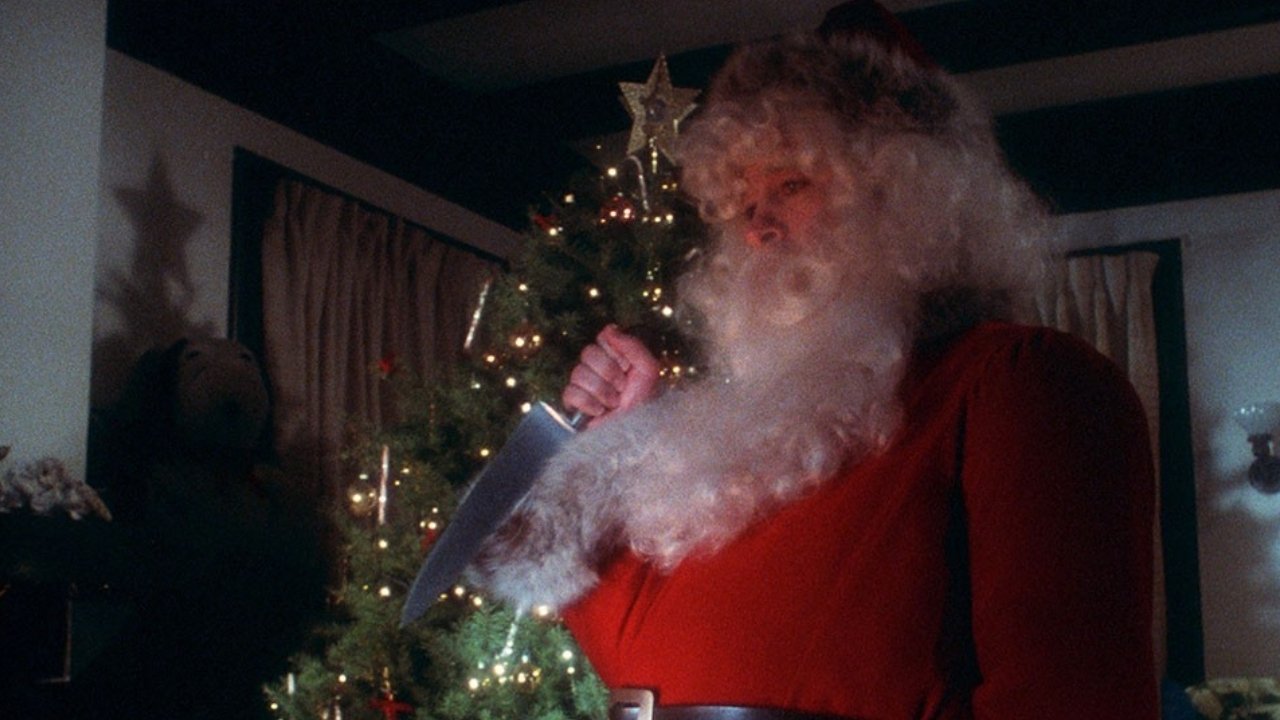
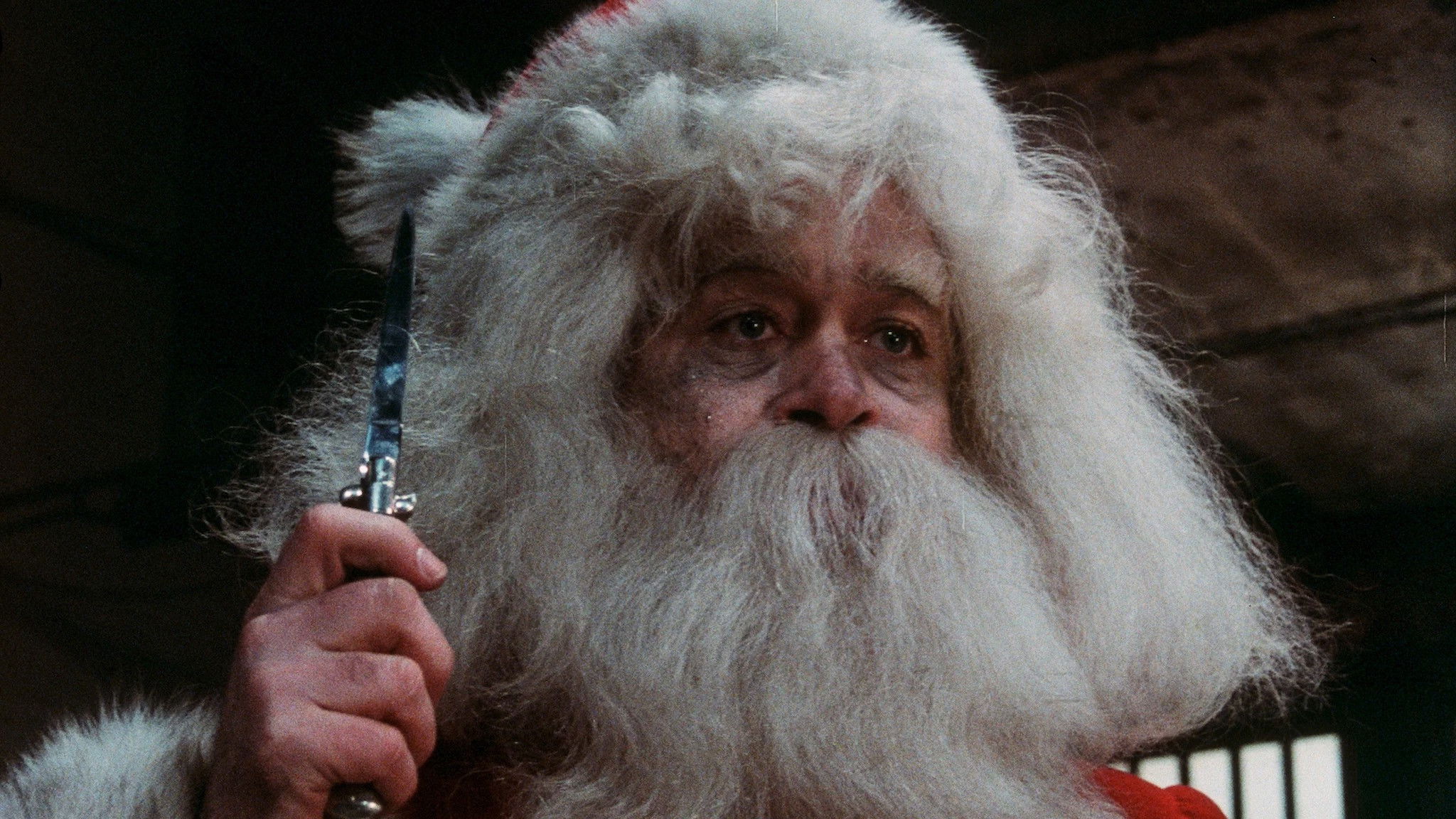
Jackson dated the original idea to an image of Santa Claus carrying a knife that came to him around Christmas 1970. He developed an early screenplay in the following years, abandoned it and returned to the project with substantial revisions during the middle of the decade. One version ended with Harry pursued in Central Park under helicopter searchlights; that expansive conclusion was later discarded. The writer recalled another decisive rewrite after his girlfriend encouraged him to revisit the script in late 1978. The resulting production plan reduced expensive crowd material, and financing was secured in 1979. These stages help explain why a film associated with the 1980 slasher boom had an earlier creative history.
According to Jackson, the commercial success of Halloween made investors receptive to a story about a seasonal killer even though he intended a different kind of movie. He cited Fritz Lang, Alfred Hitchcock, Douglas Sirk and Rainer Werner Fassbinder among his interests, identifying melodrama and European film traditions alongside suspense cinema. The casting also changed close to photography. George Dzundza was originally considered for Harry but departed after disagreements about the character. Maggart impressed the director with a screen test that used physical movement to suggest the burden of a Santa sack. Jackson associated that expressive approach with the actor's musical-comedy and theatrical background.
Harry Stadling, Childhood Belief and Performance
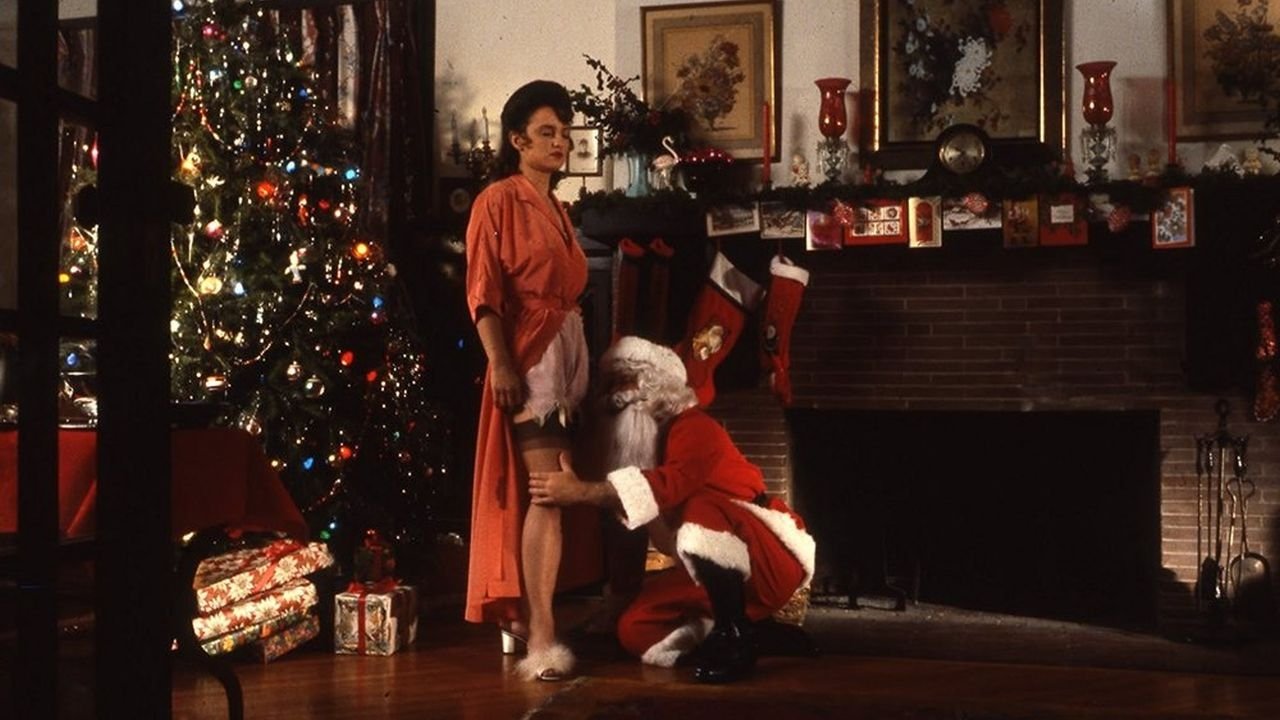
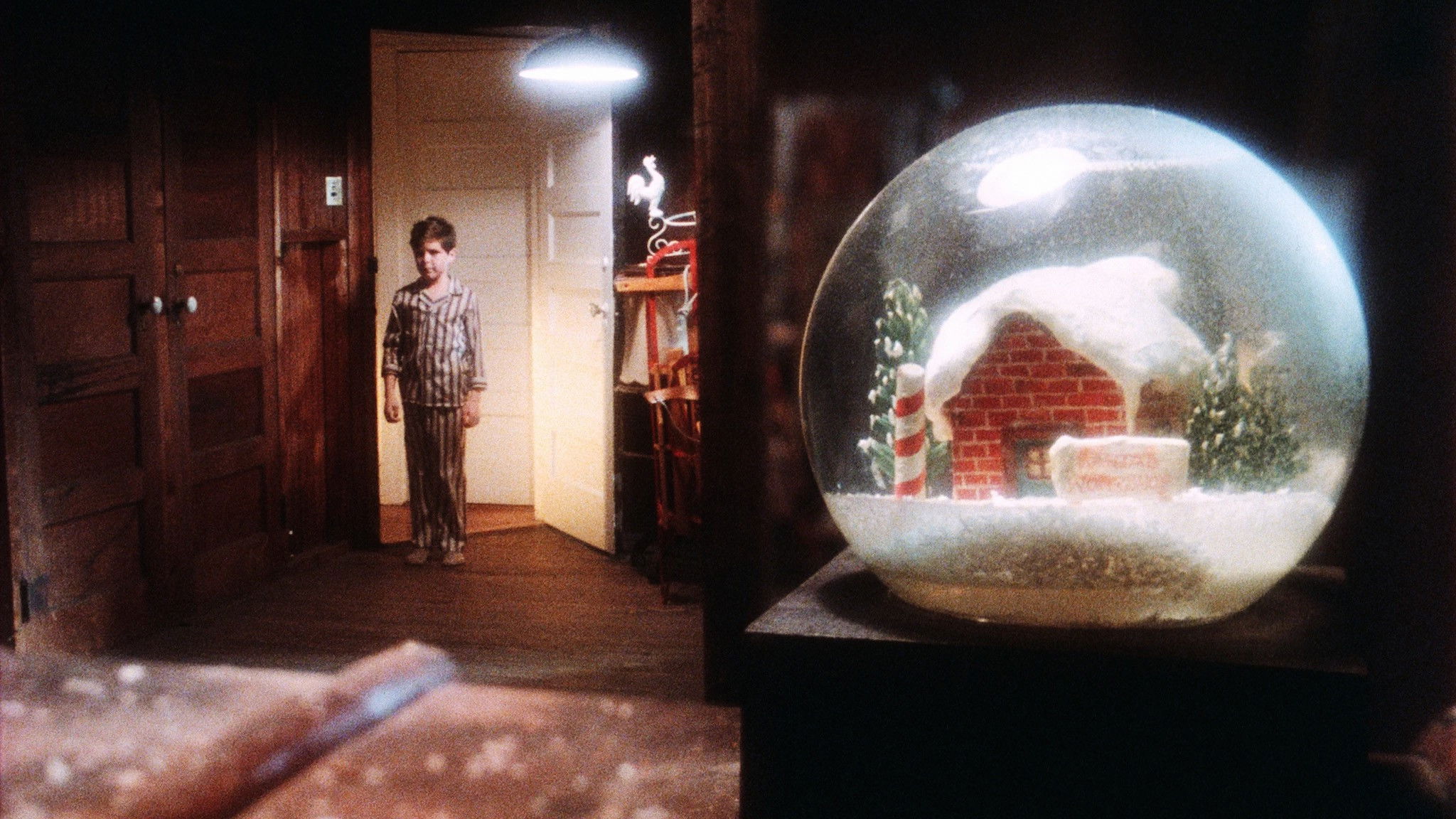
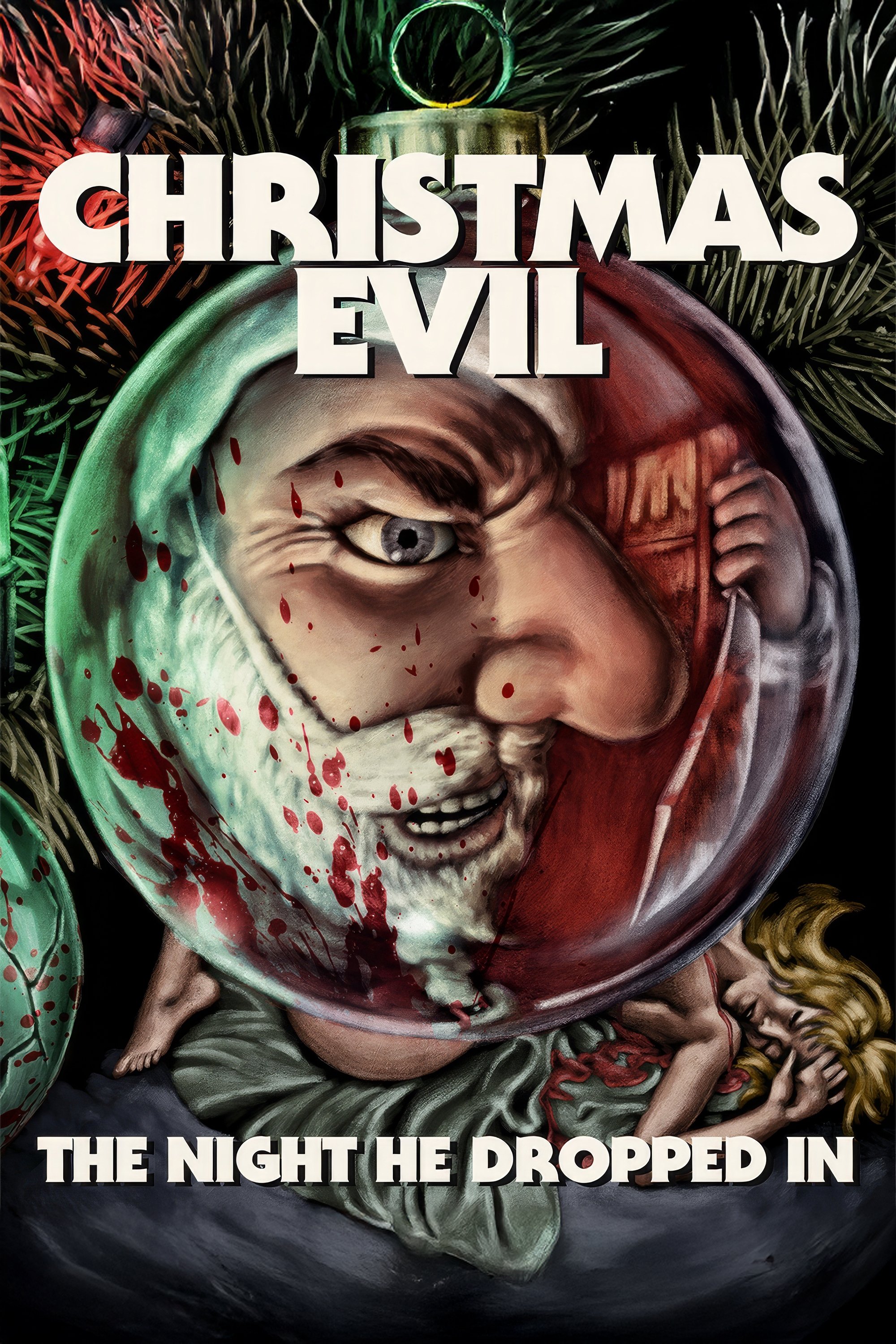
The opening childhood episode establishes an unstable connection between belief and betrayal. Harry watches a visitor dressed as Santa and later encounters an intimate scene involving his mother, an experience that the adult character cannot absorb into his idealized understanding of Christmas. The broken snow globe makes his reaction visible through an object associated with a protected miniature world. Years later, he lives among decorations and carefully maintains records of the neighborhood children, dividing them into the deserving and the disobedient. This private surveillance is troubling long before the first homicide. The film gives the audience access to Harry's reasoning while allowing his apparently benevolent project to become increasingly coercive.
Maggart's performance supplies much of that change through posture and expression. Harry can behave gently when presenting toys, then become furious at a casual insult or an act he considers dishonest. His brother Philip, played by Jeffrey DeMunn, recognizes that the attachment to Santa has displaced ordinary adult relationships, but their encounters reveal how difficult communication has become. Jackson has said he sought images capable of conveying emotion without explanatory dialogue. The result invites sympathy for Harry's isolation while keeping his judgments under scrutiny. Psychological distress is part of the characterization; the film does not offer a clinical account that would justify treating the character as a representative of any diagnosis.
The Toy Factory and the Economics of Giving
The Jolly Dream factory gives Harry's obsession a material setting. He cares about the quality of the toys and the children who will receive them, whereas the company's management treats seasonal generosity as a public-relations opportunity. The announcement of a charitable donation becomes especially bitter because the people responsible show little interest in making the gifts meaningful. Coworkers exploit Harry's willingness to help, and his reassignment away from the assembly line further distances him from the work he values. By placing these incidents before the killings, the screenplay establishes a grievance that is rooted in the everyday organization of labor rather than in an arbitrary list of prospective victims.
Jackson explicitly linked the story to political questions about power and the working class in later interviews. That account of authorial intention corresponds to the contrast visible on screen between the company's publicity and the actual treatment of employees. Harry responds by imagining that Santa can correct what ordinary institutions tolerate. He delivers gifts to children whose circumstances concern him, but his punishments are governed by private assumptions about guilt. The film's tension lies in this appropriation of Christmas morality: a demand for genuine care becomes an authority claimed by a single man who can no longer accept dissent. His acts of charity cannot be separated from the danger of his self-appointed mission.
Winter Locations and Visual Construction
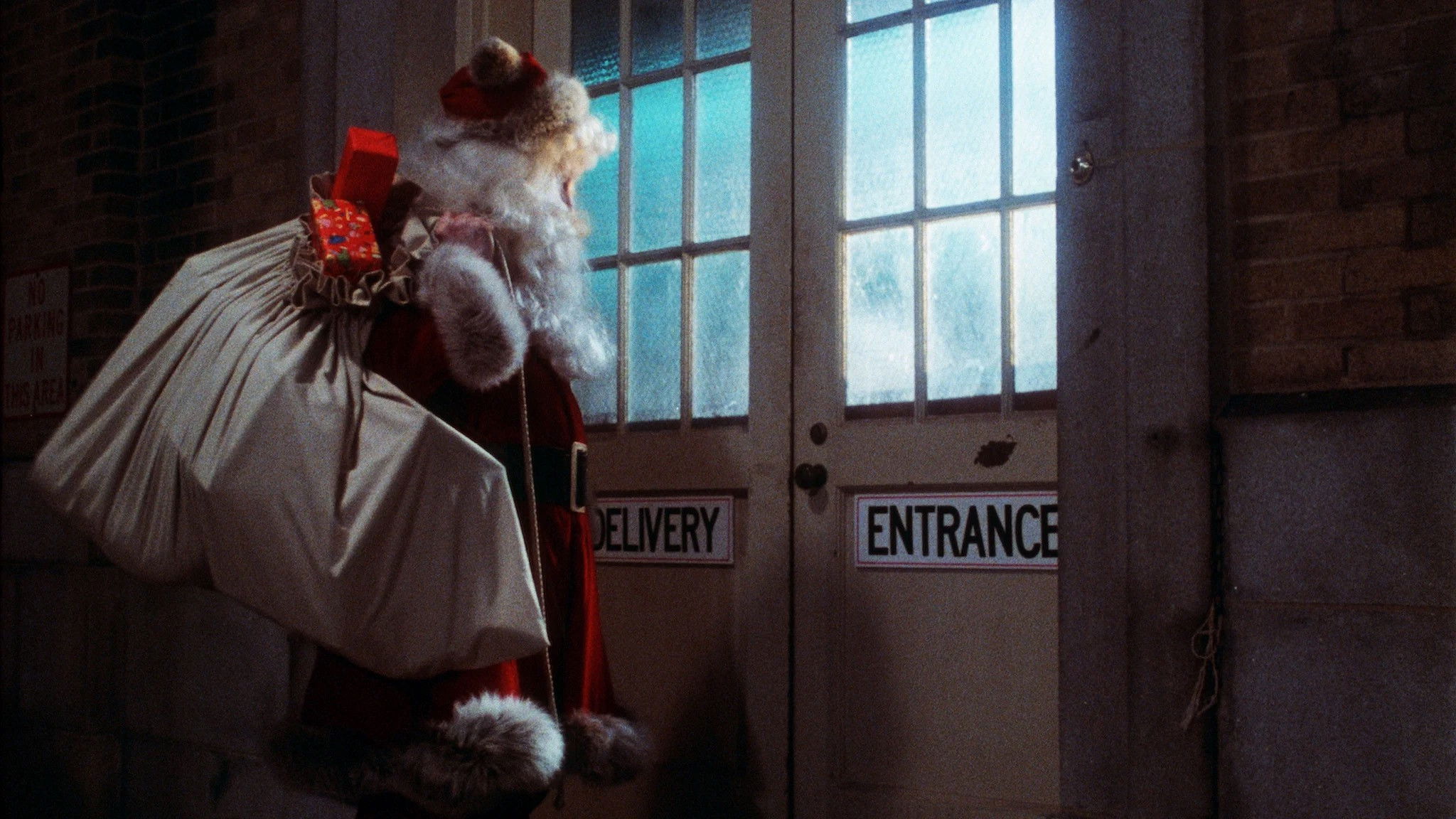
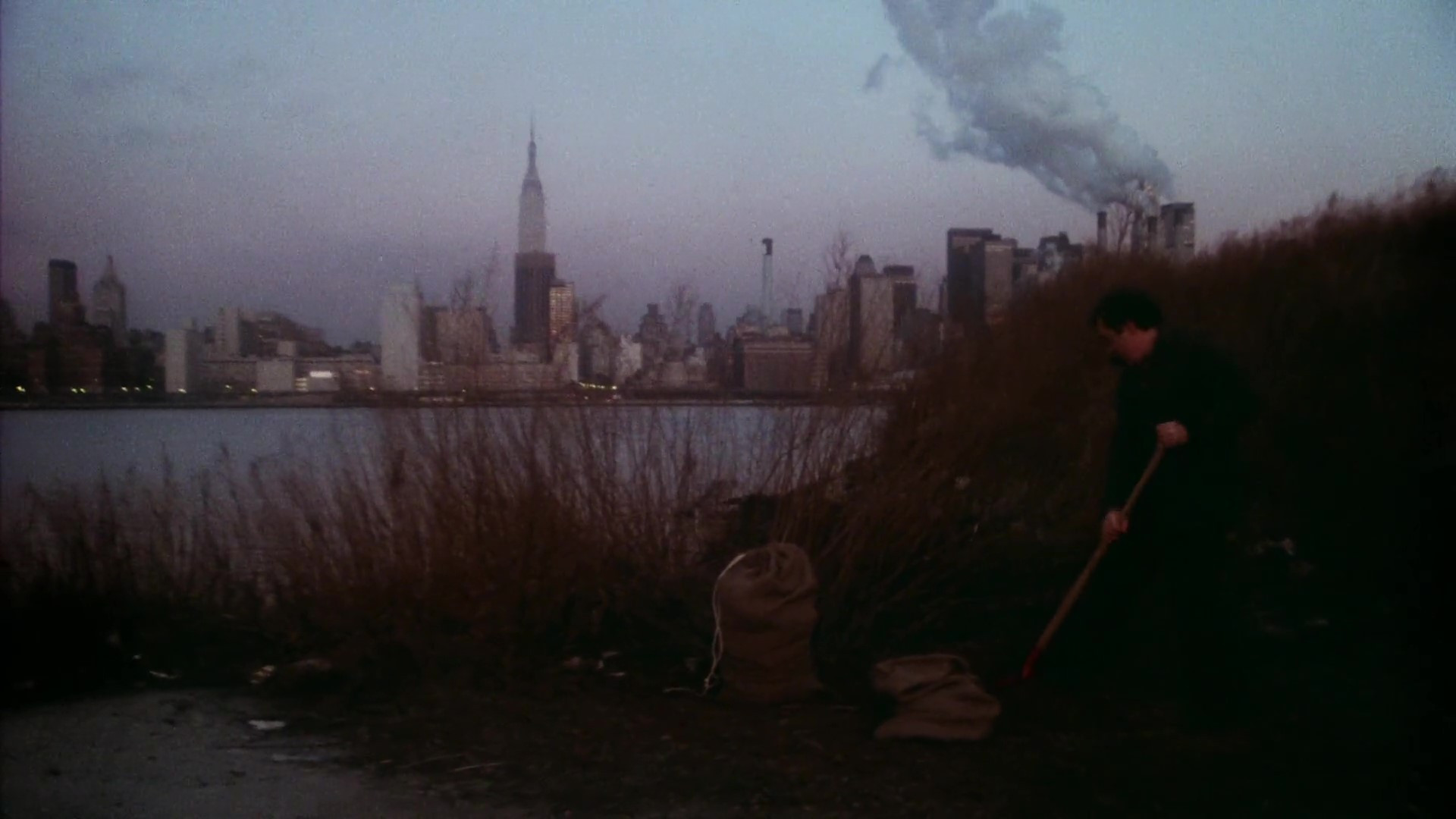
Jackson worked with cinematographer Ricardo Aronovich on a carefully planned visual approach. A later account for Turner Classic Movies describes storyboards prepared for every scene and filming undertaken largely in New Jersey. Domestic interiors are filled with festive objects, while streets and industrial spaces retain a comparatively ordinary appearance. The contrast is important to the horror: Christmas imagery occupies locations where employment frustrations and family tensions continue unchanged. Harry's apartment, covered in accumulated ornaments, functions as a physical record of the ideal he refuses to relinquish. Jackson recalled collecting unusual Santa decorations for roughly a decade before incorporating them into the set.
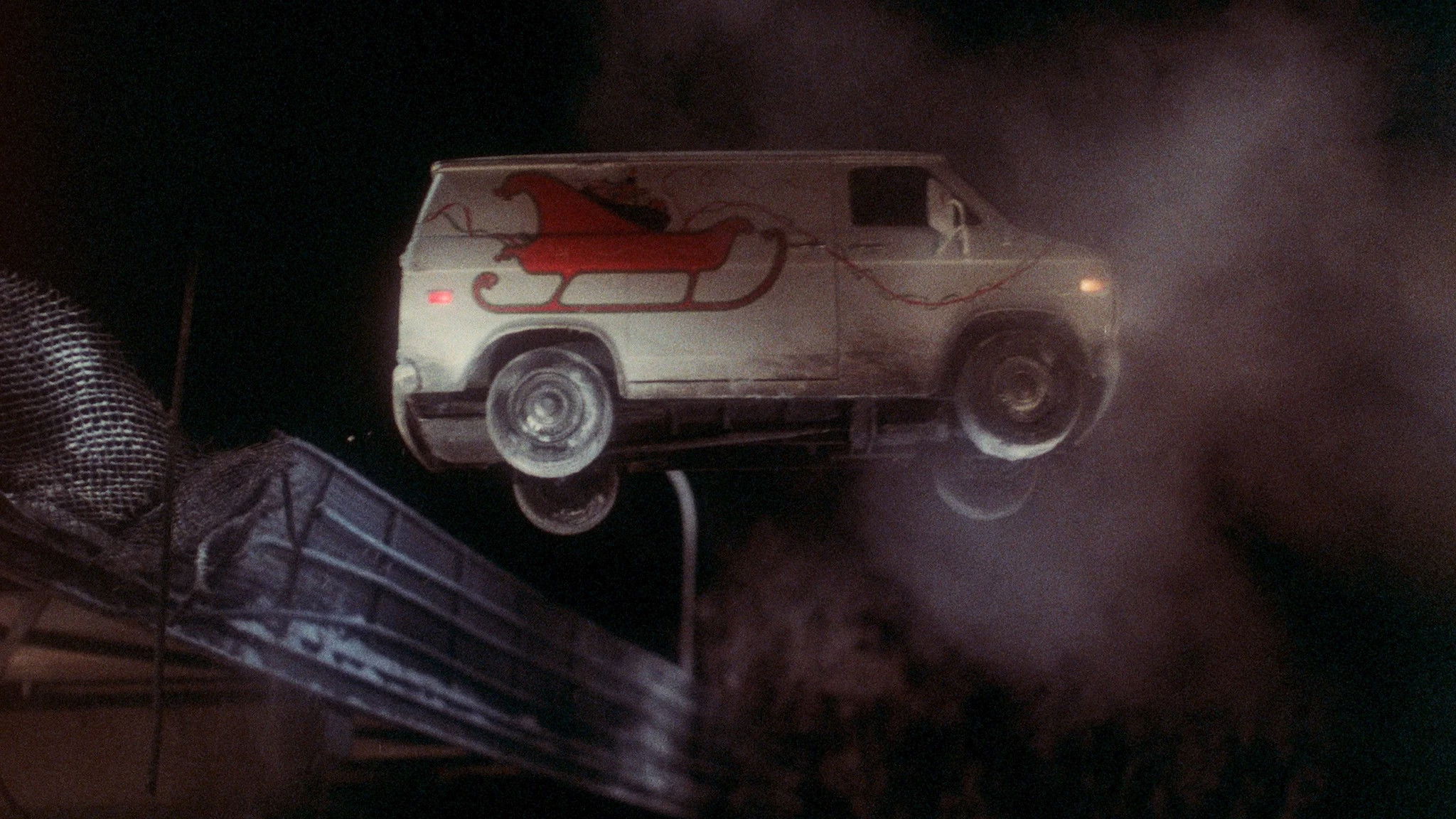
The winter weather was real, although some of the snow was improvised. Jackson explained that the production used pieces of plastic bags blown by large fans because conventional effects equipment was too expensive. He also recalled punishingly cold night shoots that made the performers' breath visible. These conditions give the nighttime exteriors a distinct physical character. Near the climax, the apparent flight of Harry's decorated vehicle introduces an image that deliberately breaks with that realism. The director said the effect was achieved for far less than an expensive proposal he had received, and he described the flight as Harry's imagined escape after a crash. The film itself preserves the spectacle long enough to sustain an alternative, fantastic response.
Santa Claus, Violence and Unstable Sympathy
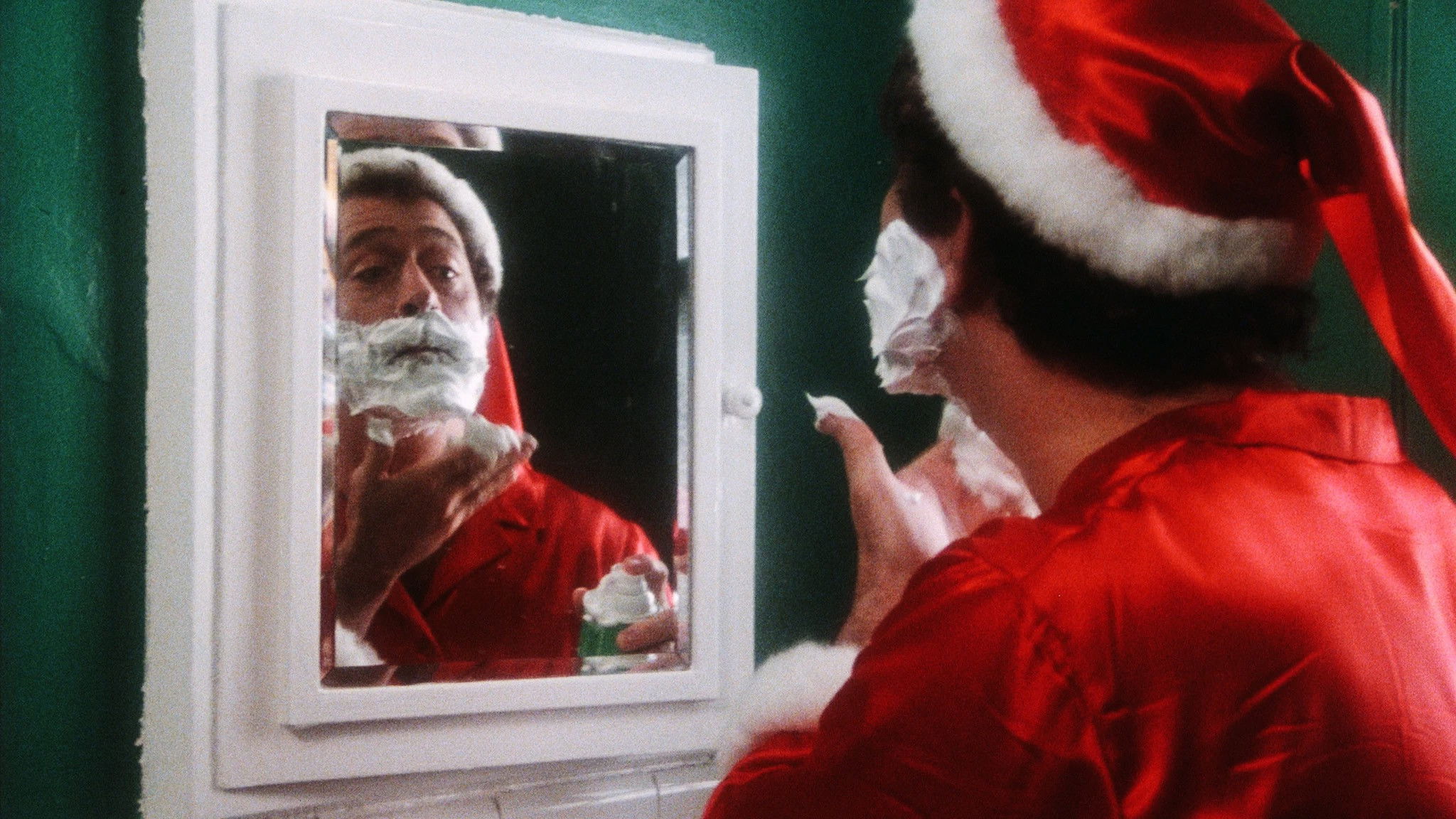
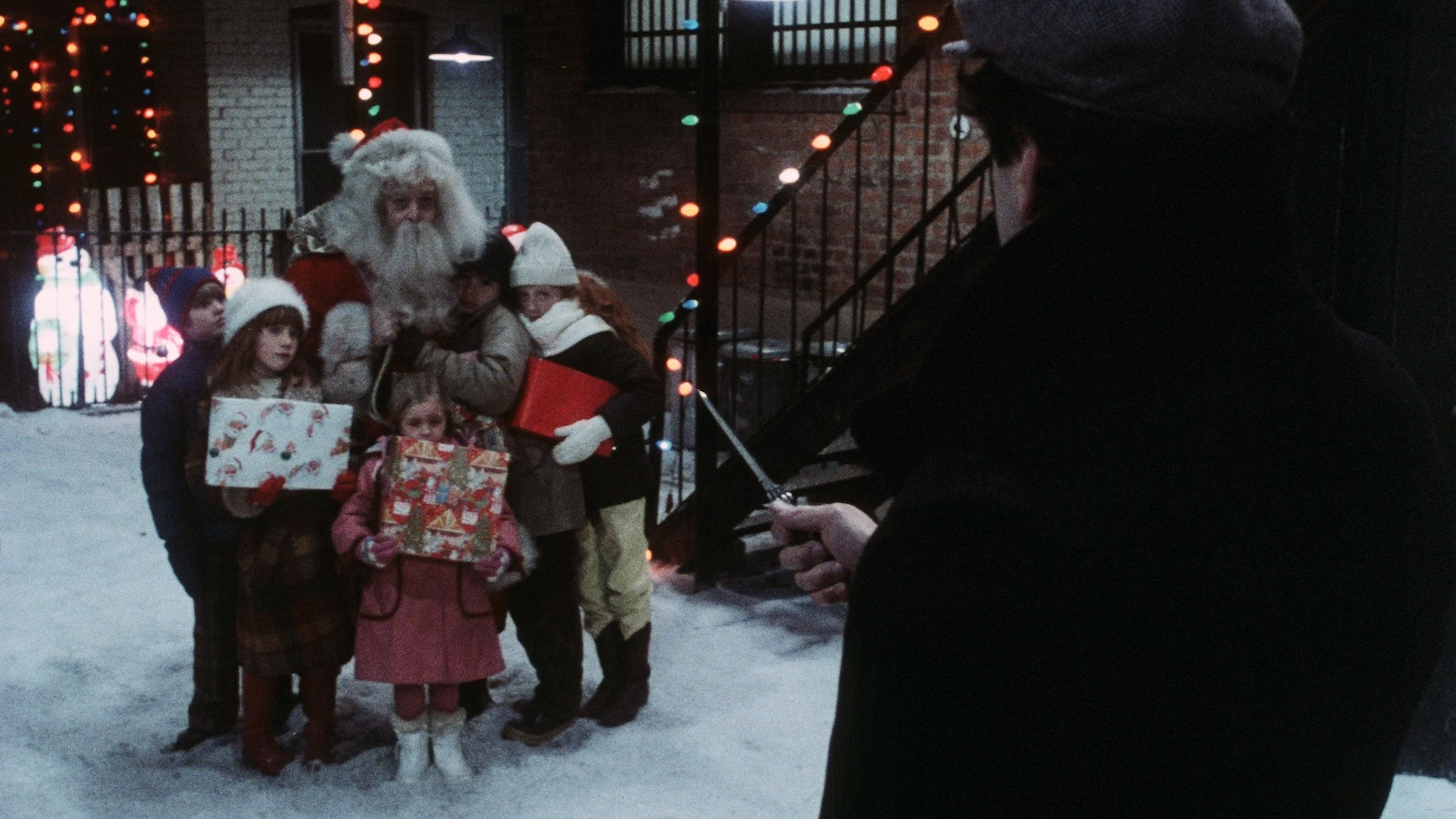
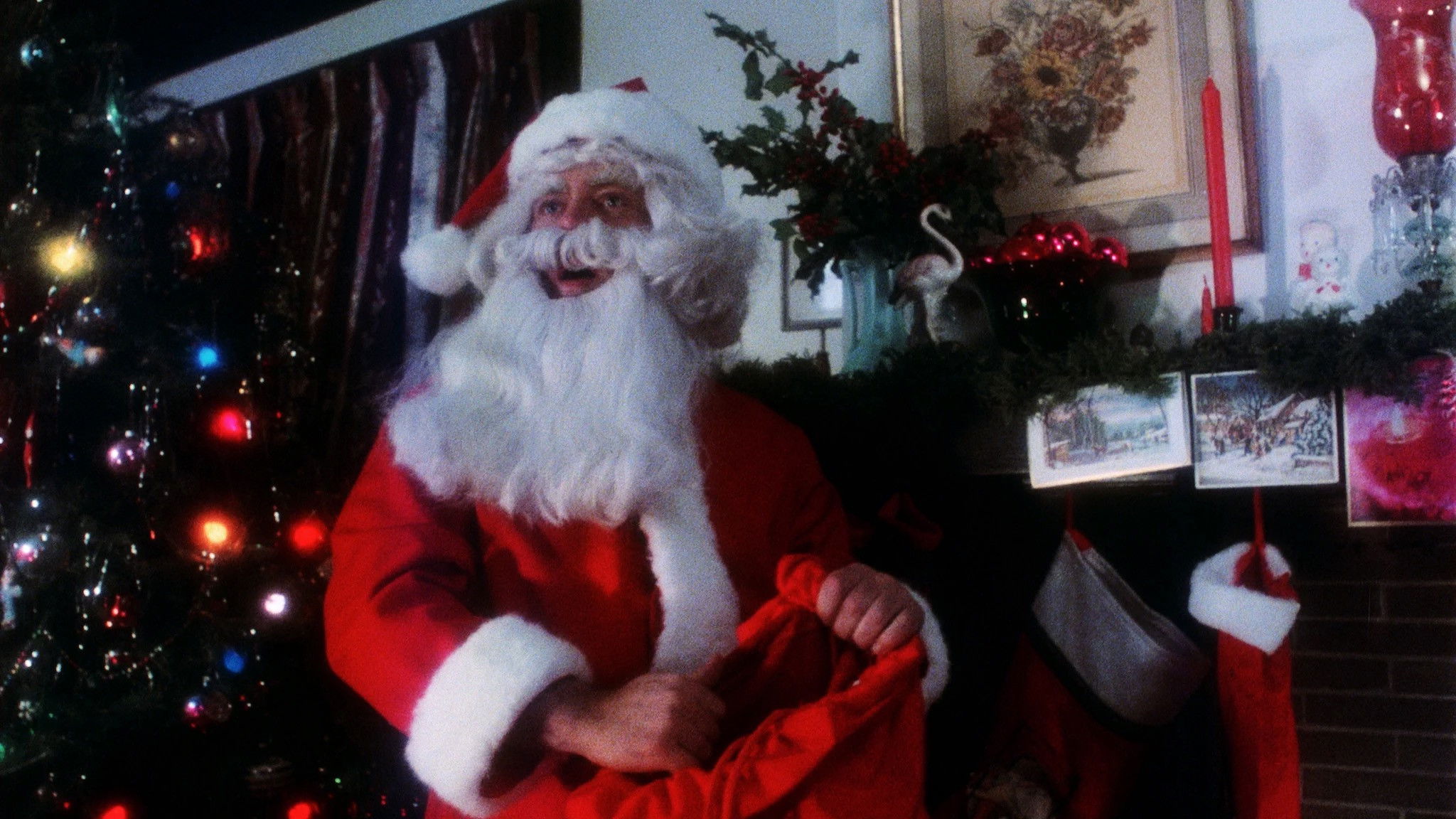
The red costume carries contradictory associations throughout the picture. It promises a safe figure who recognizes children's needs, yet it also allows Harry to move publicly behind an assumed identity. A community celebration briefly accepts him as the genuine visitor he wishes to become, giving the audience an interval of social warmth before his behavior grows more menacing. Unlike many films built around a masked killer, Christmas Evil follows its central figure for extended periods when no immediate victim is present. Preparations, deliveries and awkward encounters matter to the escalation. The murderer emerges from that accumulation of actions, and the intermittent violence shocks partly because the story has established a more patient rhythm.
One of the most revealing set pieces concerns Harry's failed attempt to enter a house through its chimney. His costume promises supernatural competence, but the physical space refuses to accommodate the fantasy. The sequence is uncomfortable and absurd because the camera allows his struggle to continue beyond the point at which the disguise appears convincing. Elsewhere a line of arrested Santas converts police procedure into a grotesque visual joke. Such incidents prevent the movie from settling into straightforward menace. Jackson's stated dislike of formulaic slasher violence is consistent with this emphasis on embarrassment, social confrontation and unstable identification. The killings remain consequential, even when the presentation encourages recognition of the protagonist's damaged expectations.
The Release History and Cult Rediscovery
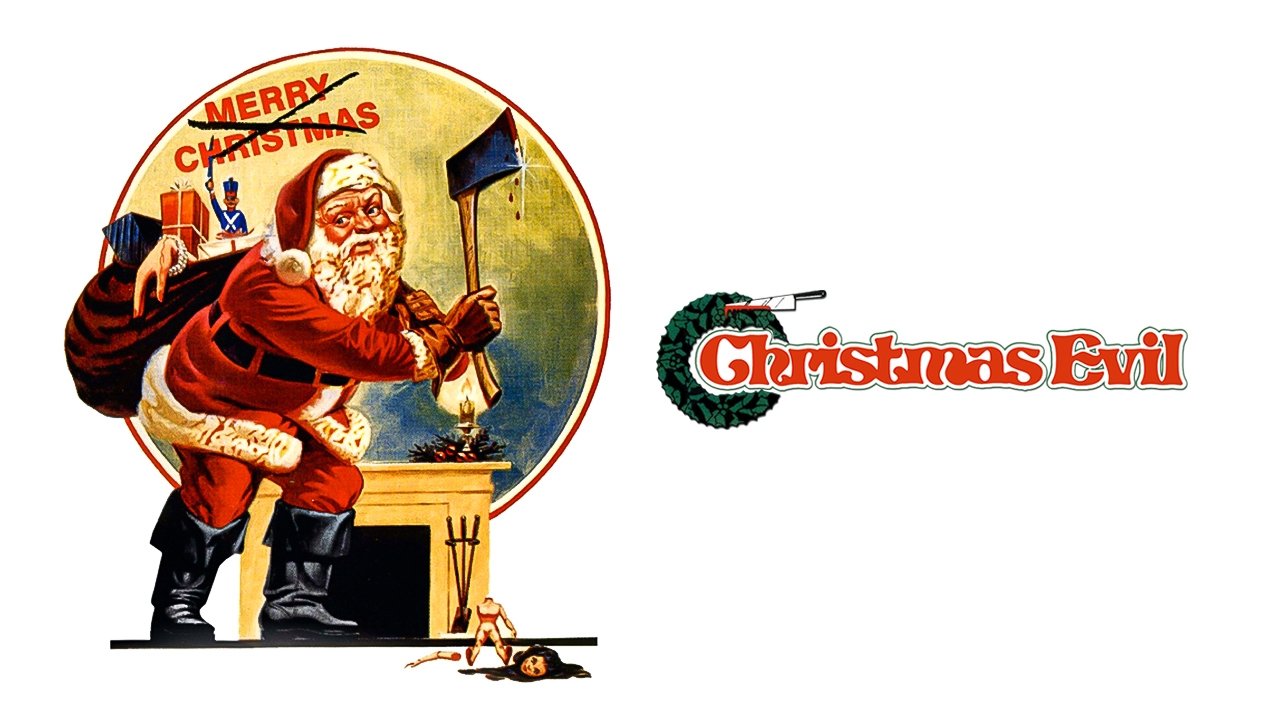
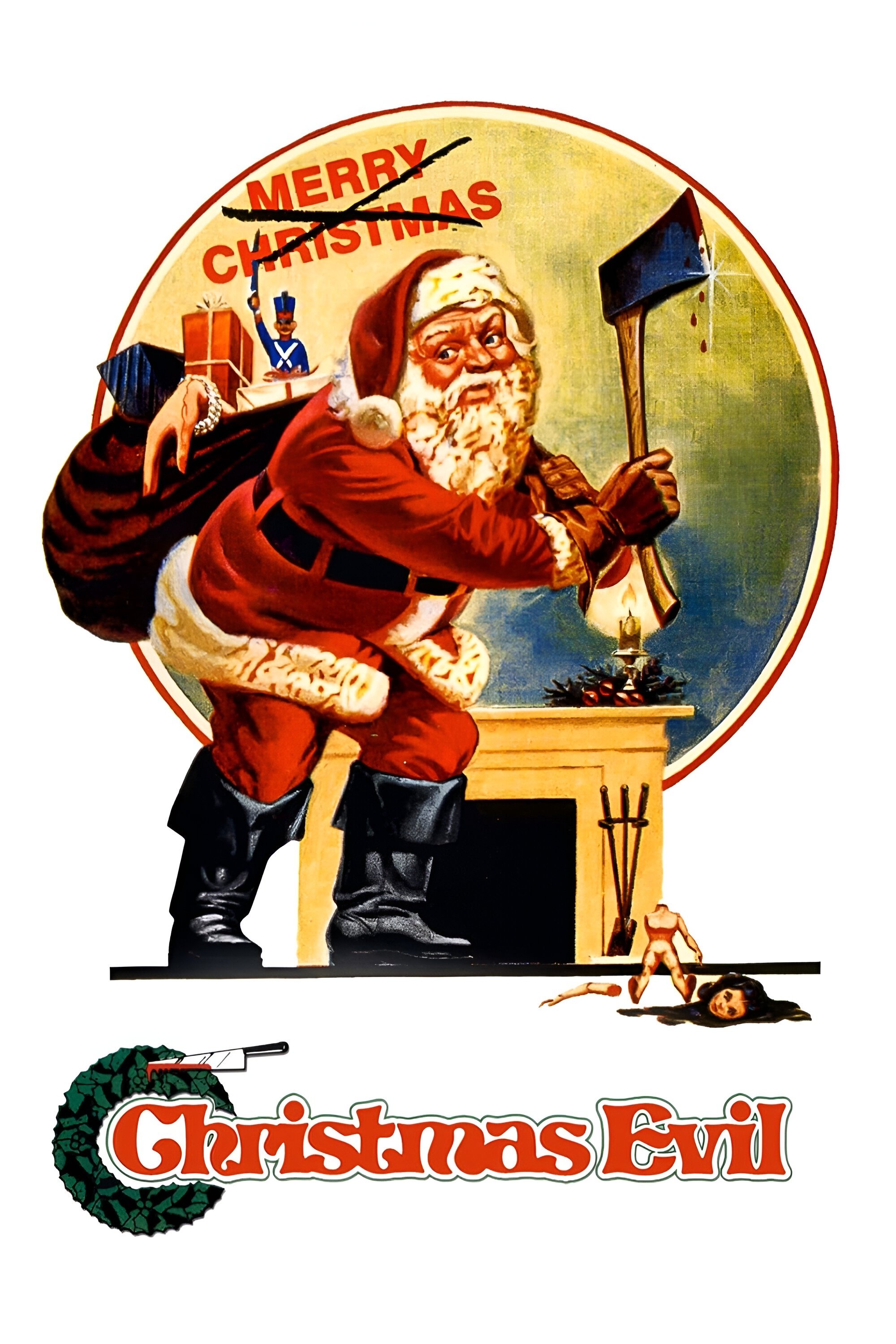
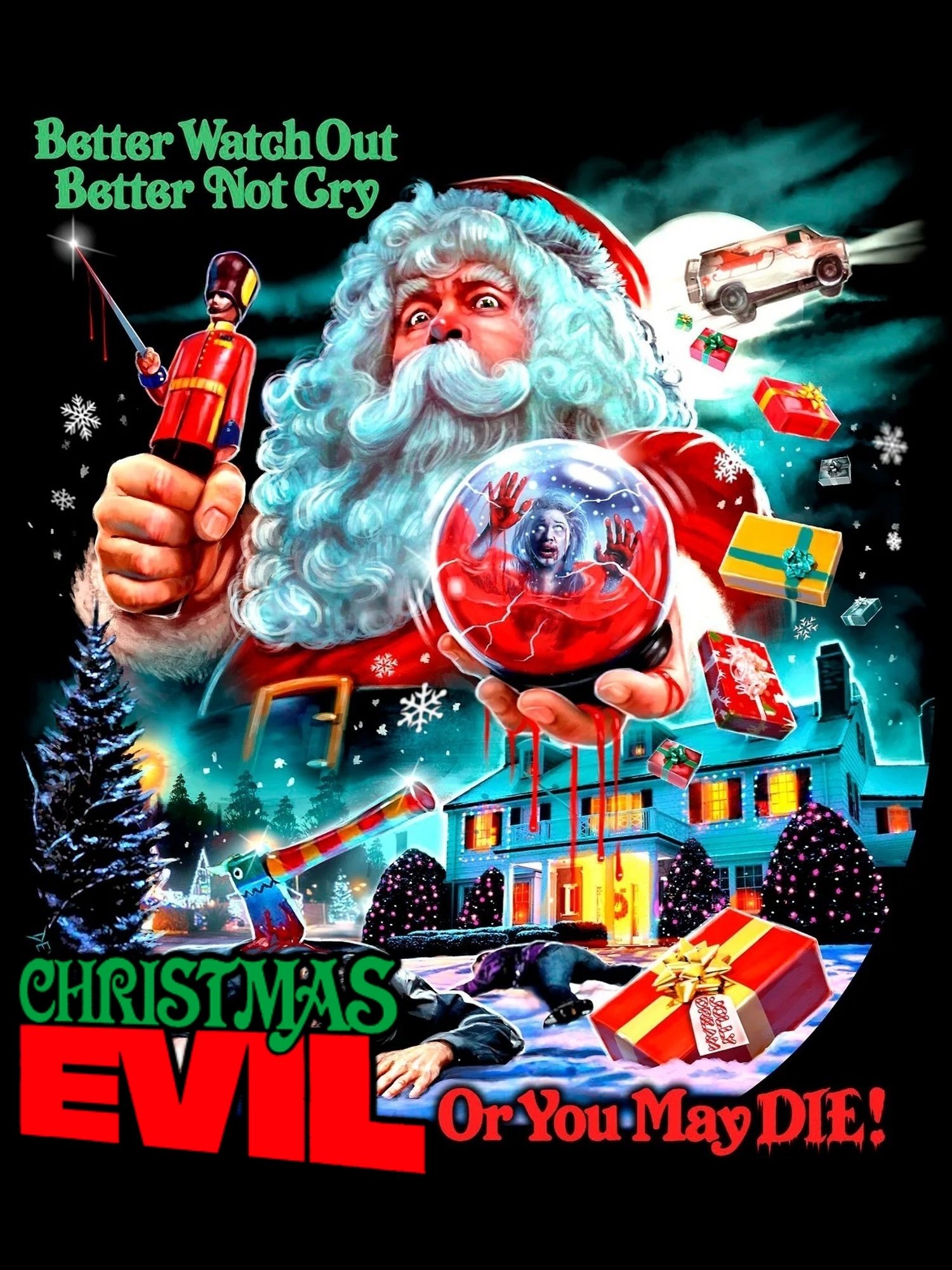
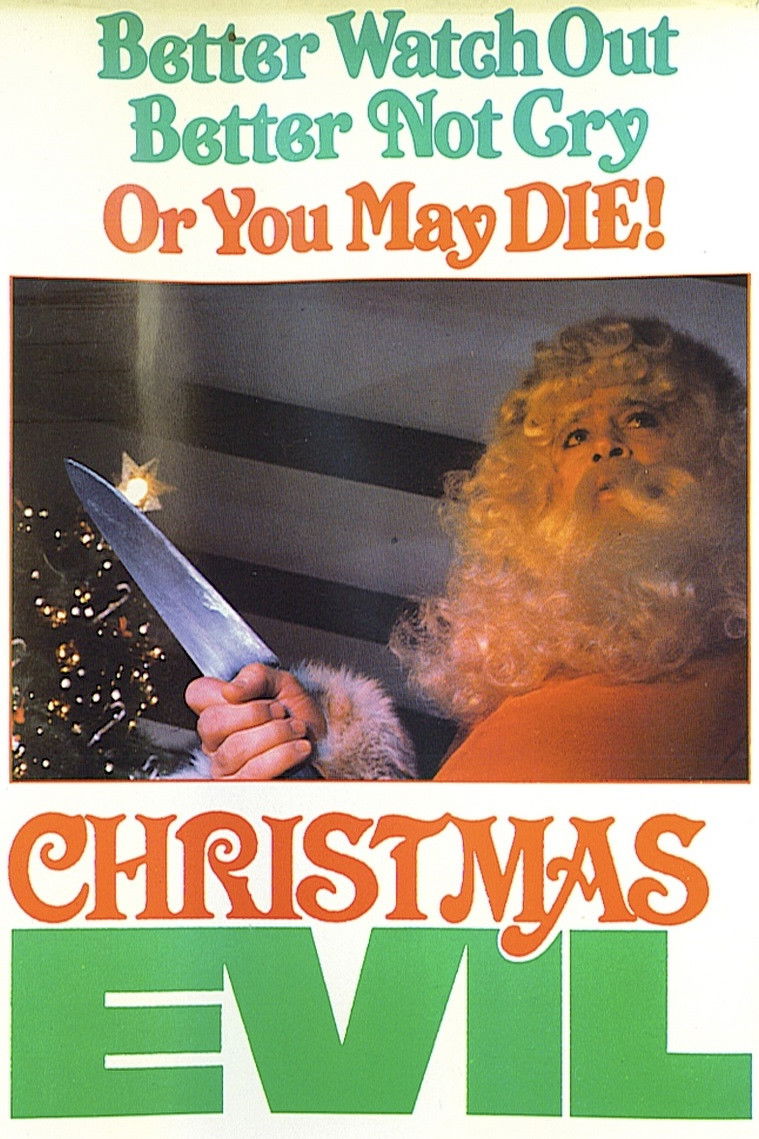
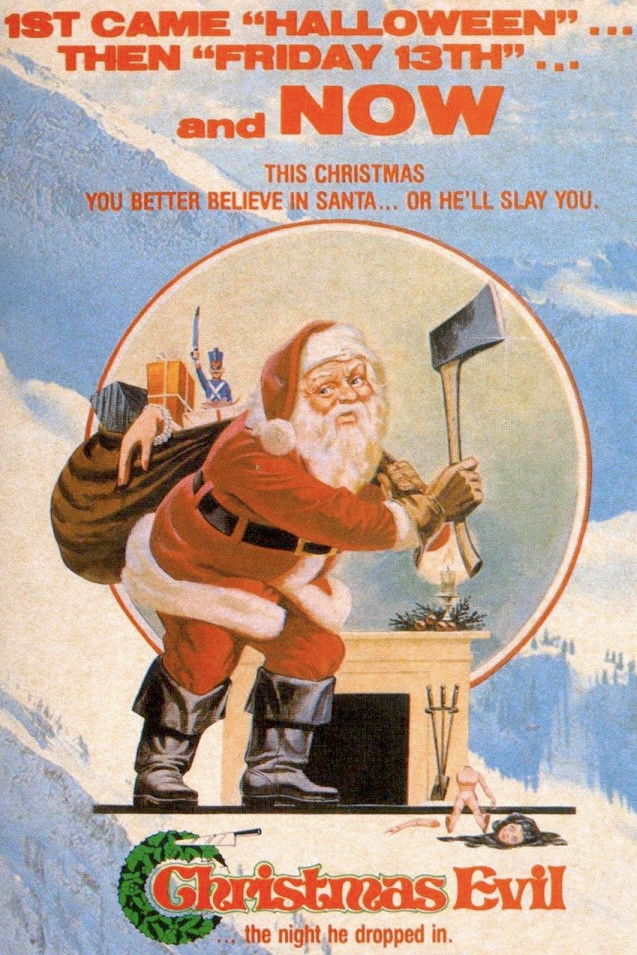
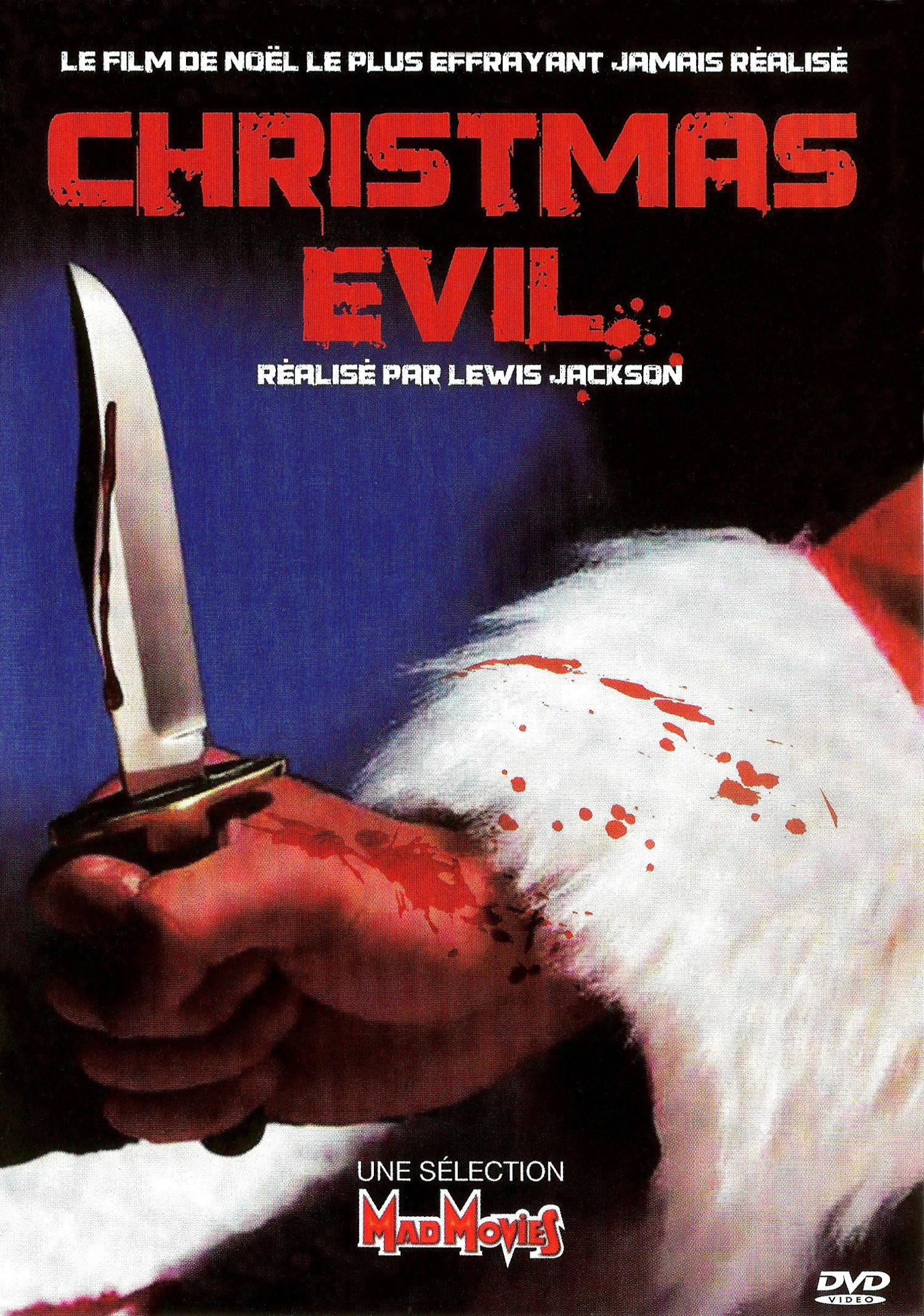
Jackson originally titled the film You Better Watch Out. His retrospective account describes a proposed distribution agreement collapsing amid a producer's financial difficulties, followed by irregular theatrical handling and a change to Christmas Evil without his consent. Because the director reconstructed these events years later, the details are best understood as his testimony rather than a complete record of every booking or contractual transfer. He remembered hostile responses at some early screenings, including an audience that rejected the surreal ending. The film's initial marketing encouraged viewers to anticipate a conventional killer-in-costume attraction, an expectation sharply at odds with its long passages of character study.
The later history was shaped by repeated home-video circulation and the director's efforts to regain control of the work. Jackson recalled taking action against unauthorized editions around 2004 and restoring the original title to his preferred presentation. John Waters became a significant advocate, writing about the movie and including screenings in programs associated with his exhibitions. Waters also publicly named it as a favorite Christmas film, bringing attention to an audience beyond horror collectors. Turner Classic Movies published a substantial reassessment in 2011 that emphasized the visual construction and criticism of commercial Christmas culture. These identifiable acts of rediscovery support its cult reputation without requiring unsupported claims about box-office success or direct influence on later holiday slashers.