

Development & Screenplay
Chris Columbus originally wrote Gremlins as a speculative screenplay intended to demonstrate his abilities as a writer. Its premise attracted the attention of Steven Spielberg, who had recently produced Poltergeist (1982) and was interested in developing another horror-oriented project. Spielberg approached Joe Dante, whose previous features included Piranha (1978) and The Howling (1981). Dante’s experience with horror, comedy and low-budget production made him a suitable choice for a story requiring creatures whose behavior would alternate between frightening violence and absurd mischief. Michael Finnell, who had worked with Dante on earlier projects, became producer.
The original screenplay was considerably more violent than the completed film. In a 2024 oral history published by The Ringer, Finnell recalled a proposed scene involving partially eaten customers inside a fast-food restaurant. Earlier drafts also placed younger children at the center of the narrative and included the deaths of characters who survive in the released version. The production team revised the material to make it suitable for a wider theatrical audience and to accommodate the practical limitations of creature effects. These changes increased the importance of the human relationships and introduced more opportunities for humor.
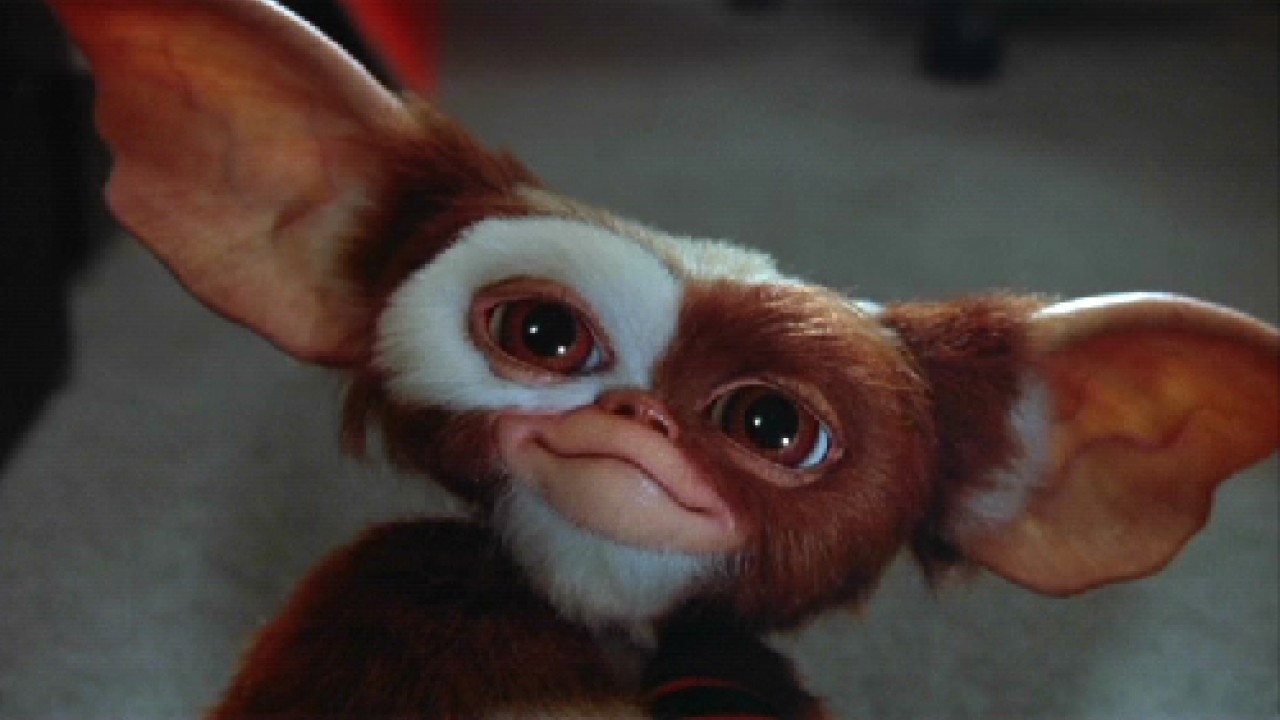
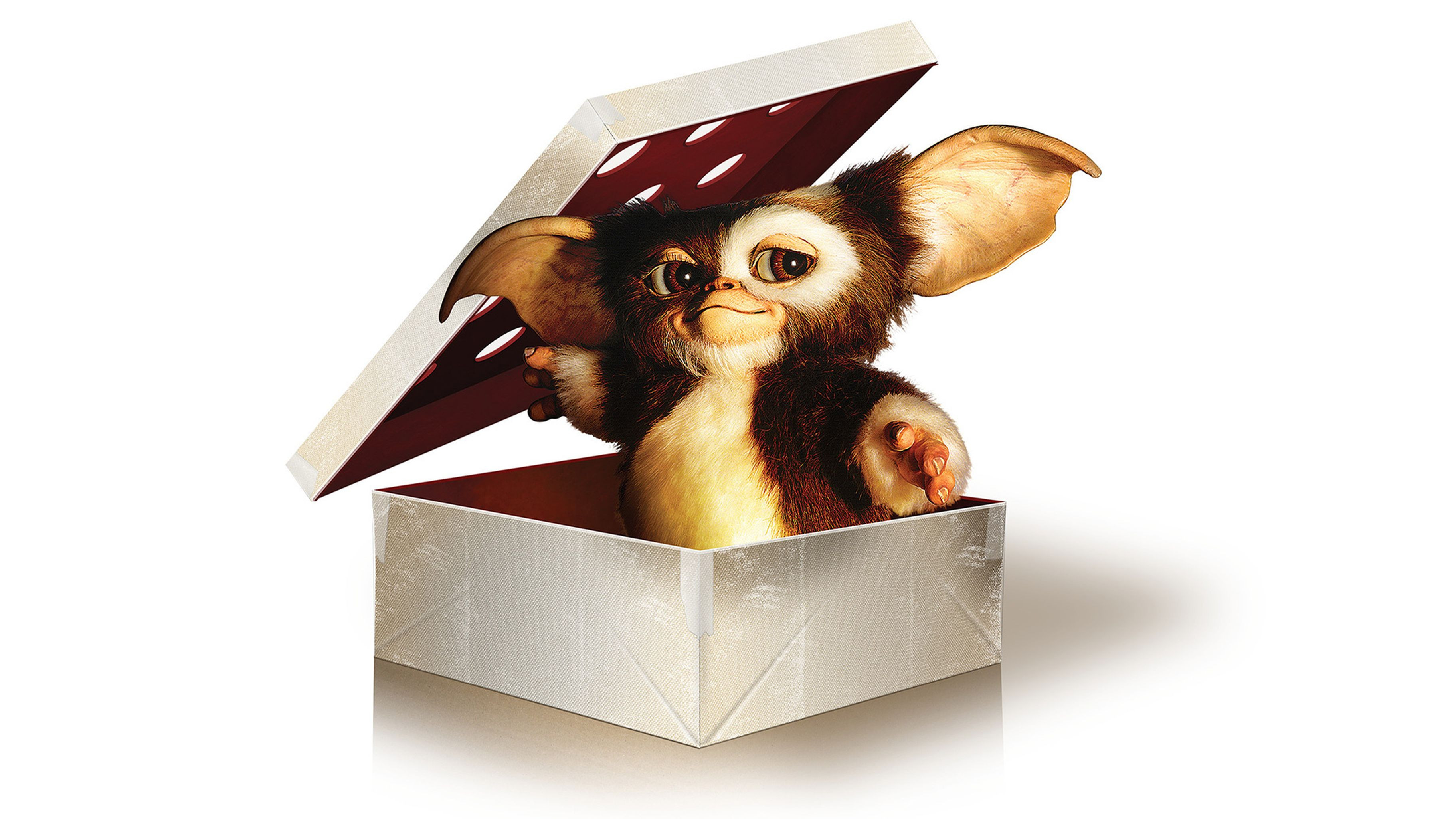
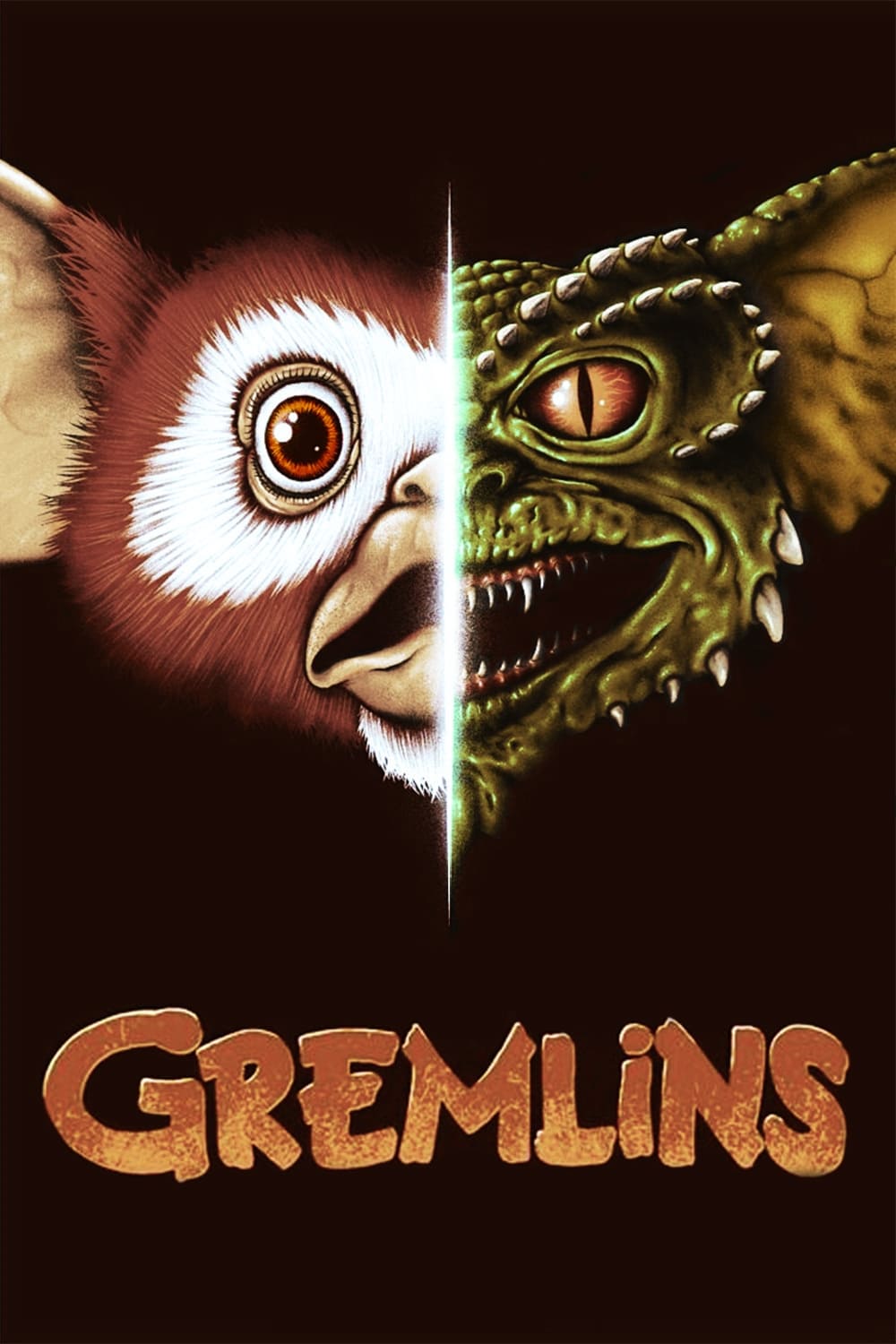
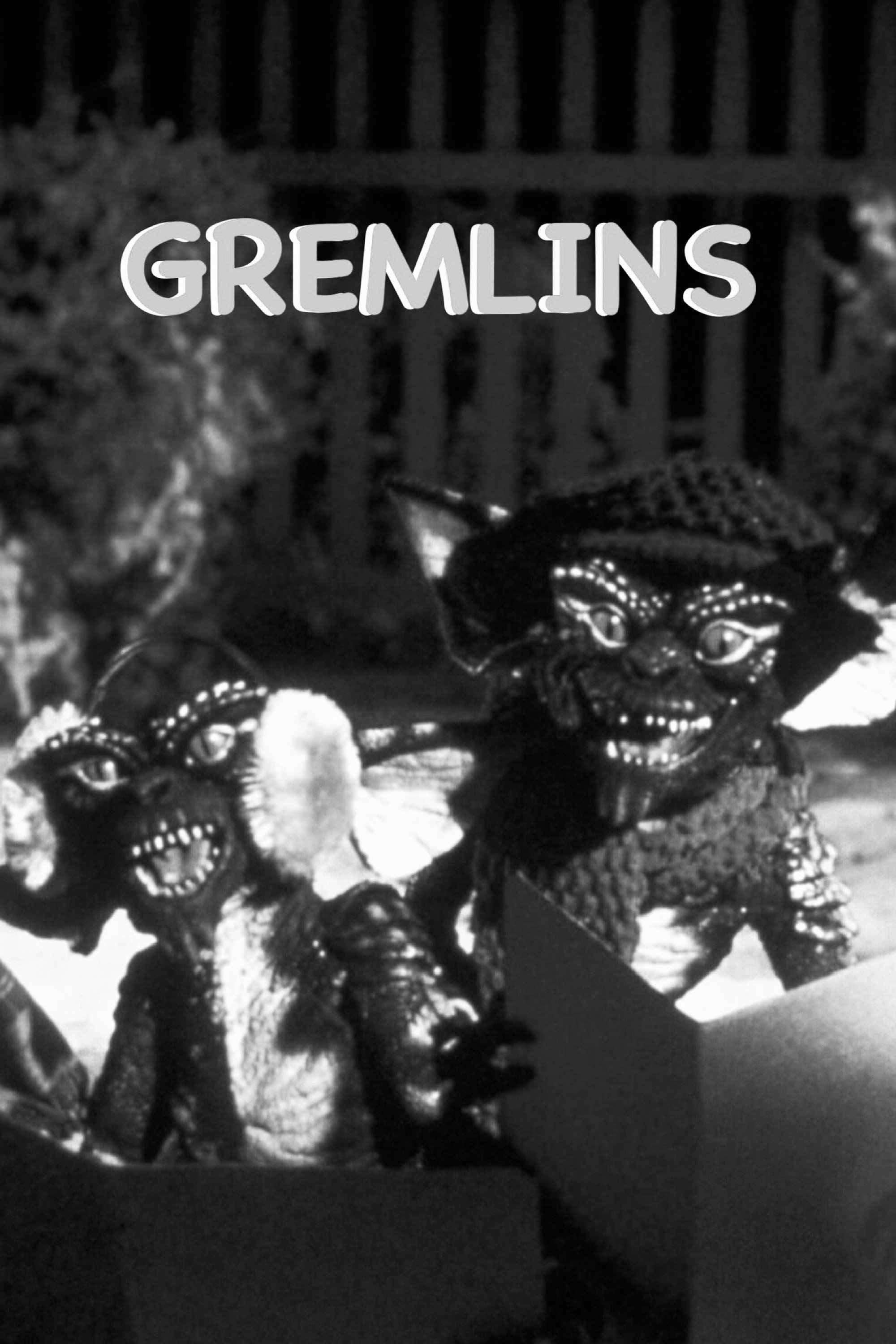
One of the most consequential revisions involved Gizmo. In the original version, the friendly mogwai was intended to transform into Stripe, the principal antagonist. Spielberg proposed retaining Gizmo as a separate character throughout the film, allowing him to remain Billy’s companion and participate in the confrontation with the other creatures. Dante and Walas later explained that the change dramatically increased the technical demands of the project. The original puppet had been designed for comparatively limited appearances and could barely walk. Additional versions were required for close-ups and specialized actions, while the screenplay was modified to accommodate his restricted mobility.