Black Christmas (2019)

US
Runtime
92 min
Release
December 11, 2019
Budget
$5,000,000
Revenue
$18,529,730
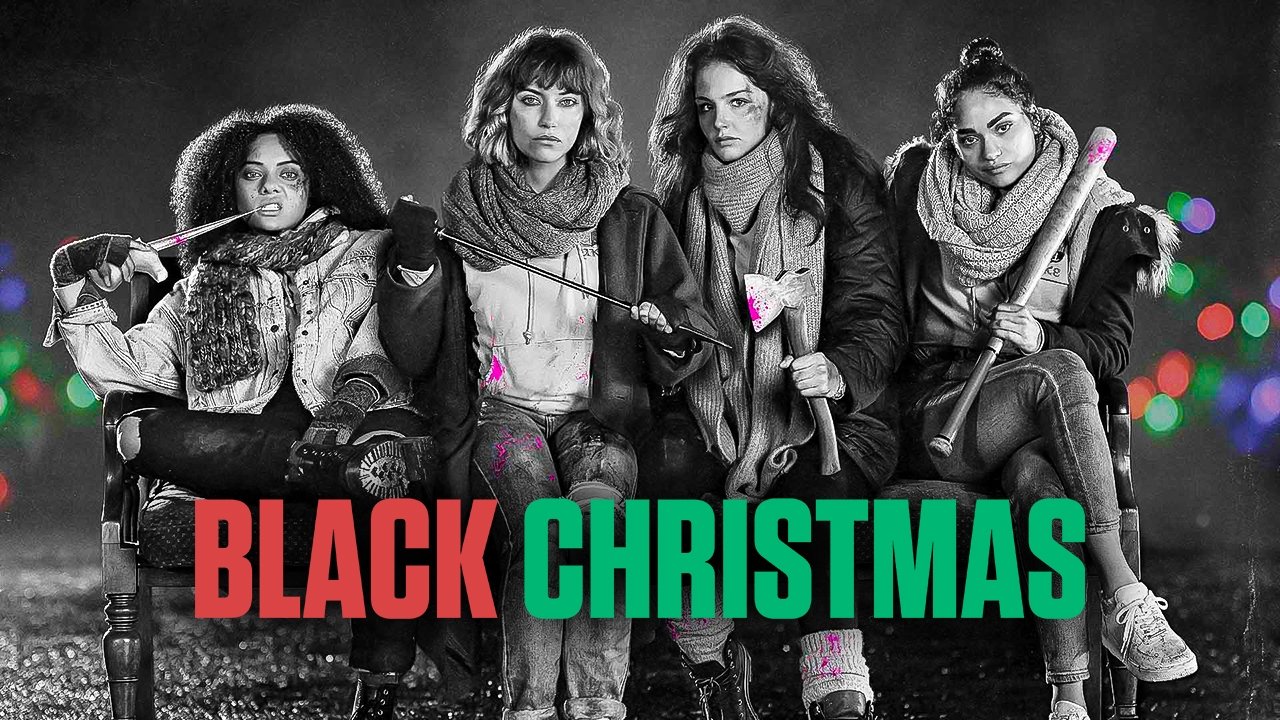
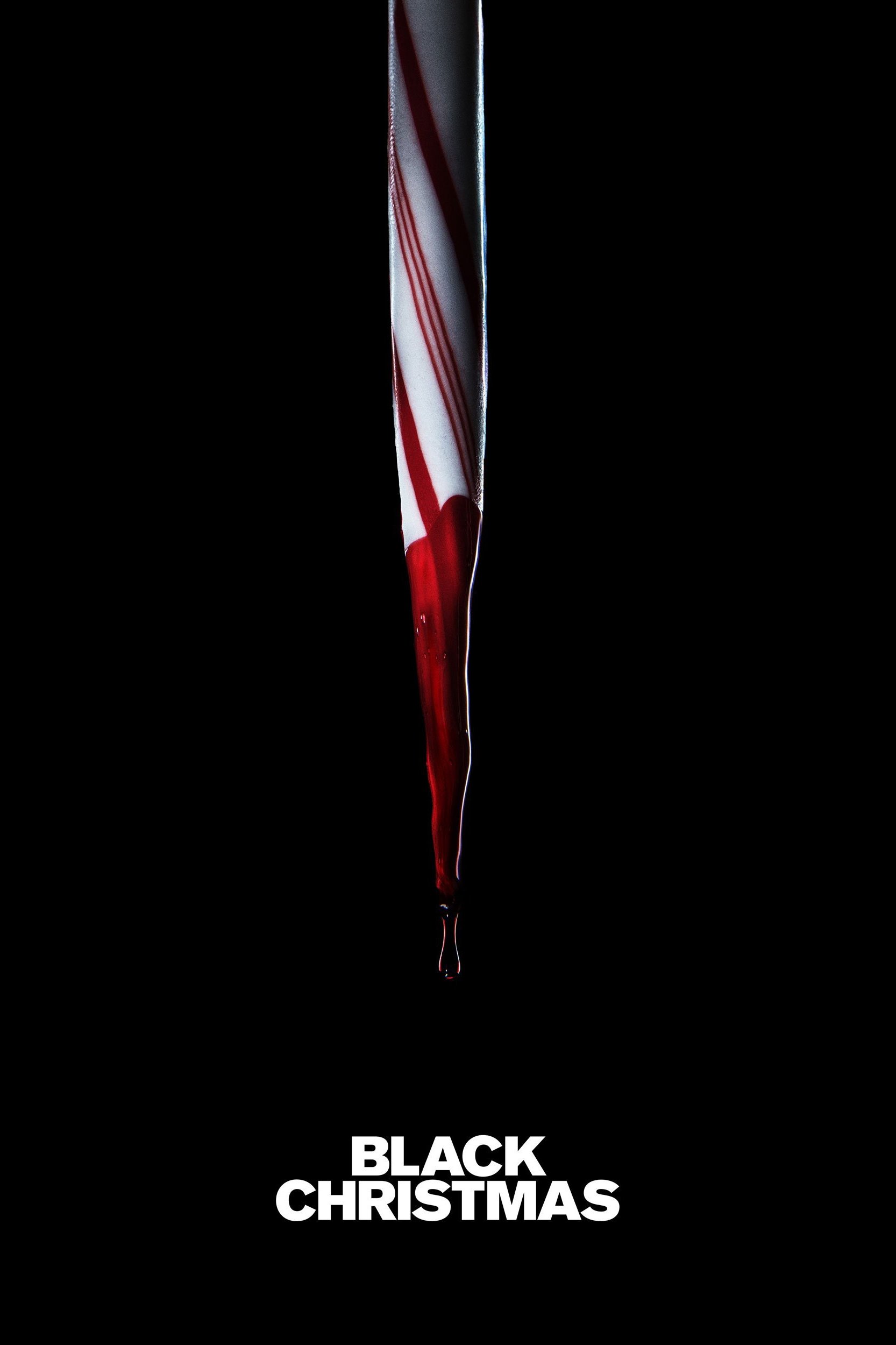
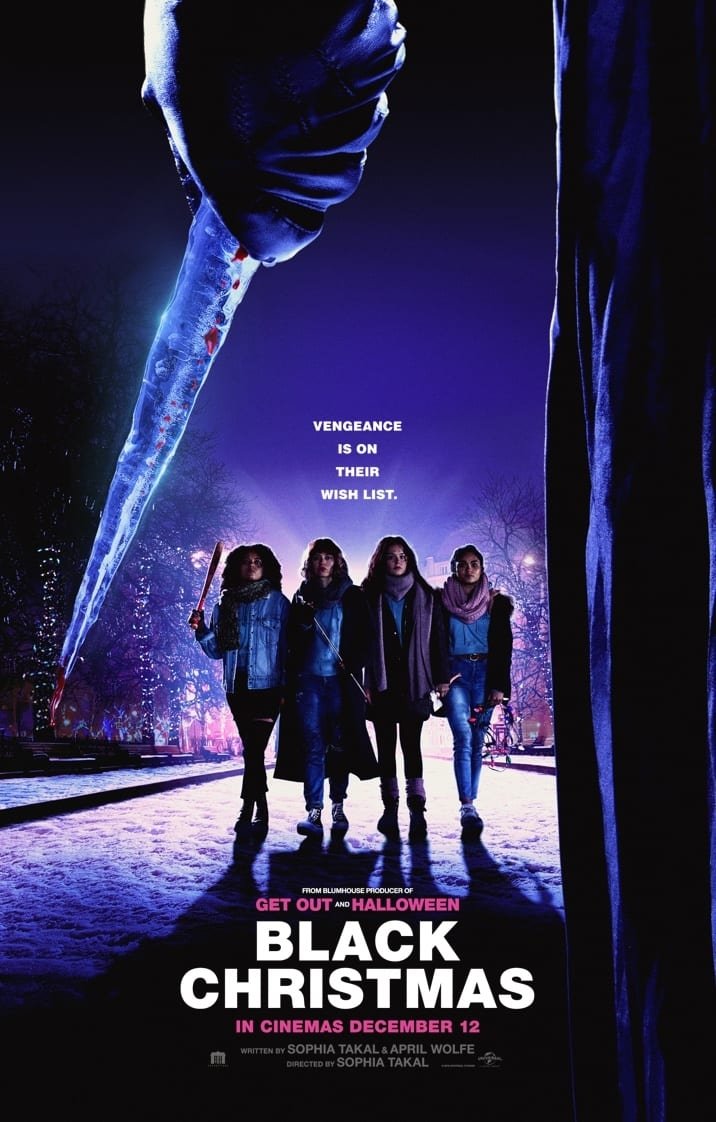
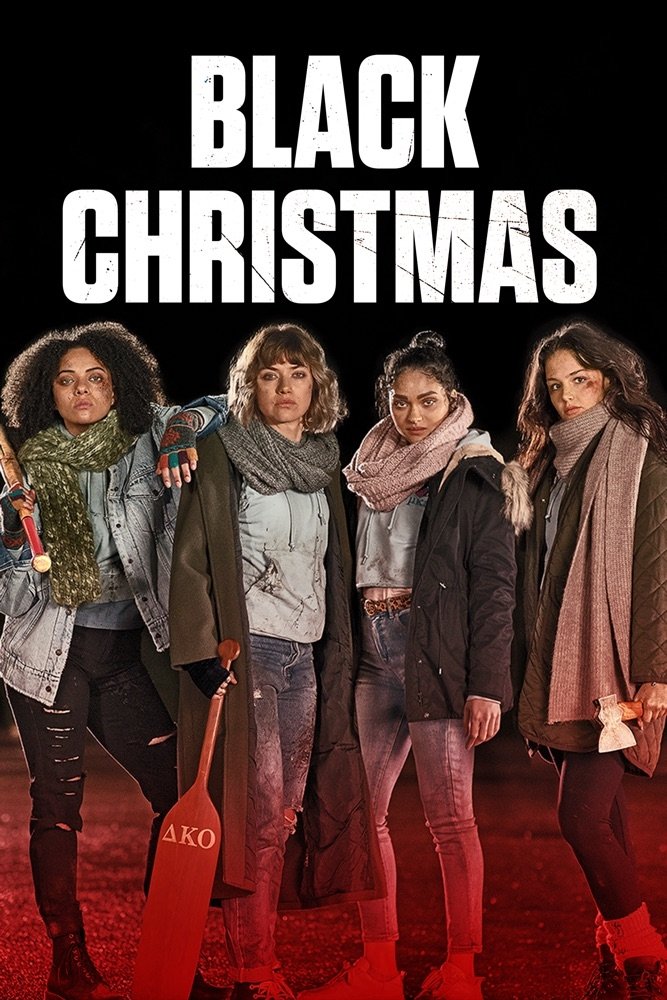
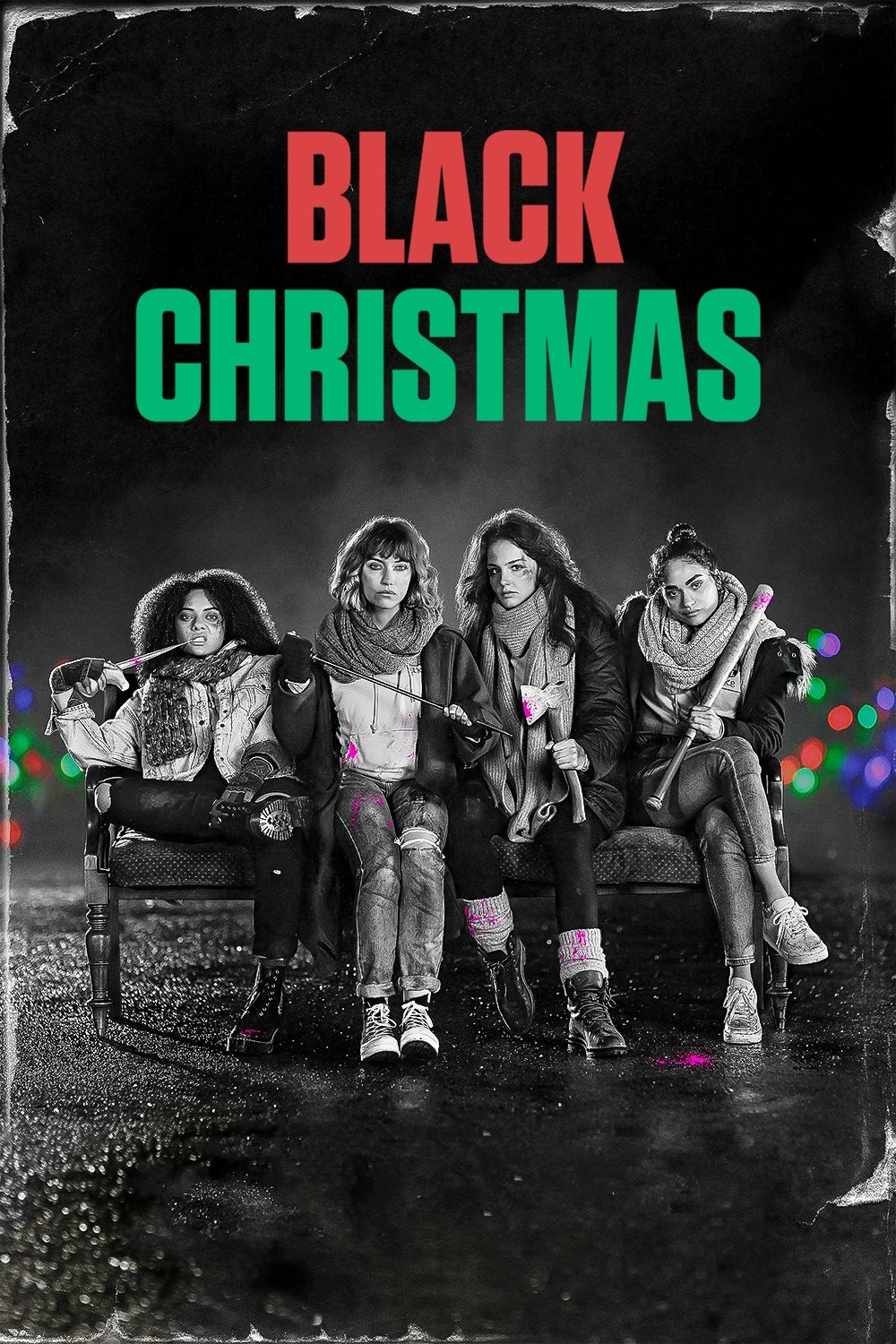
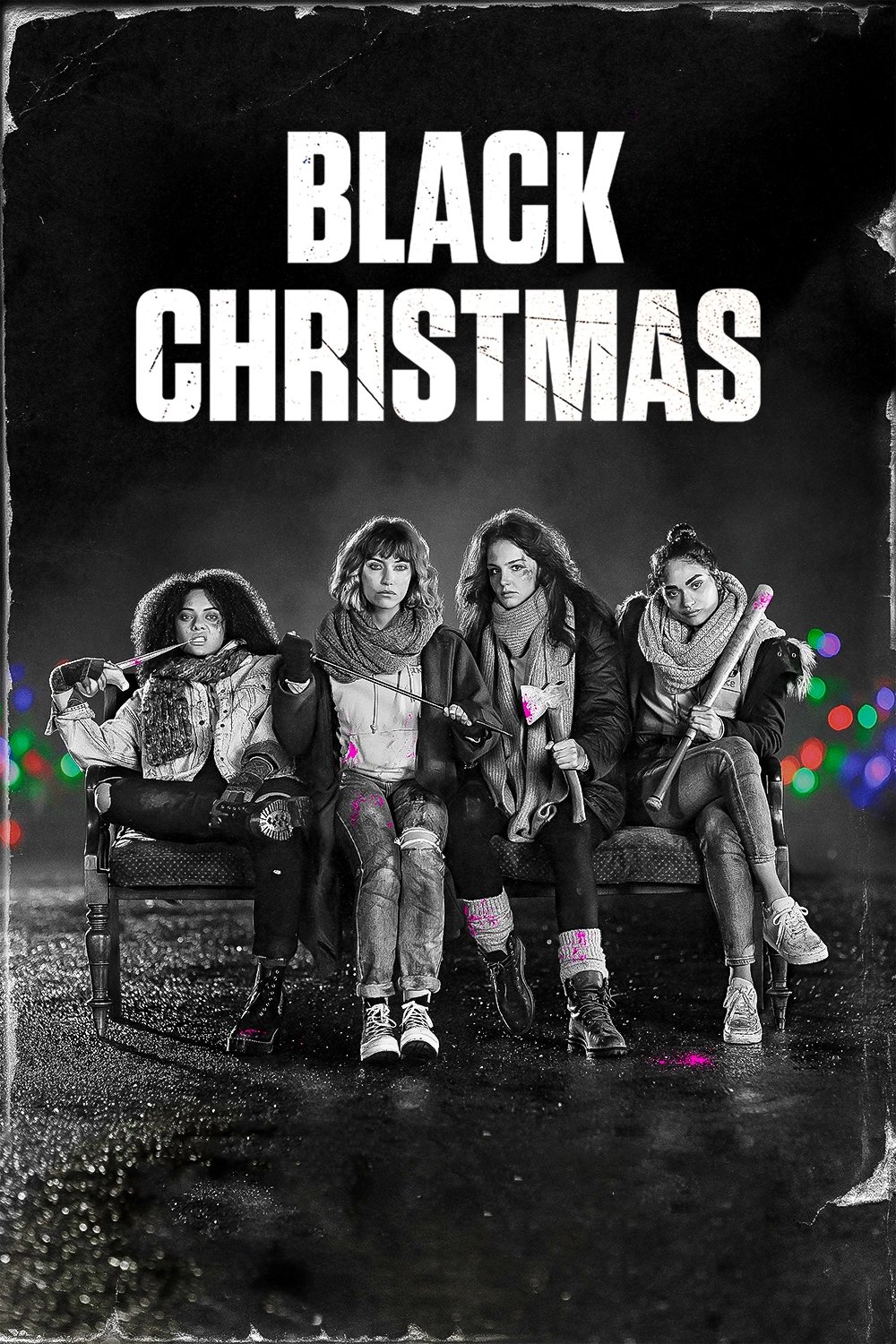
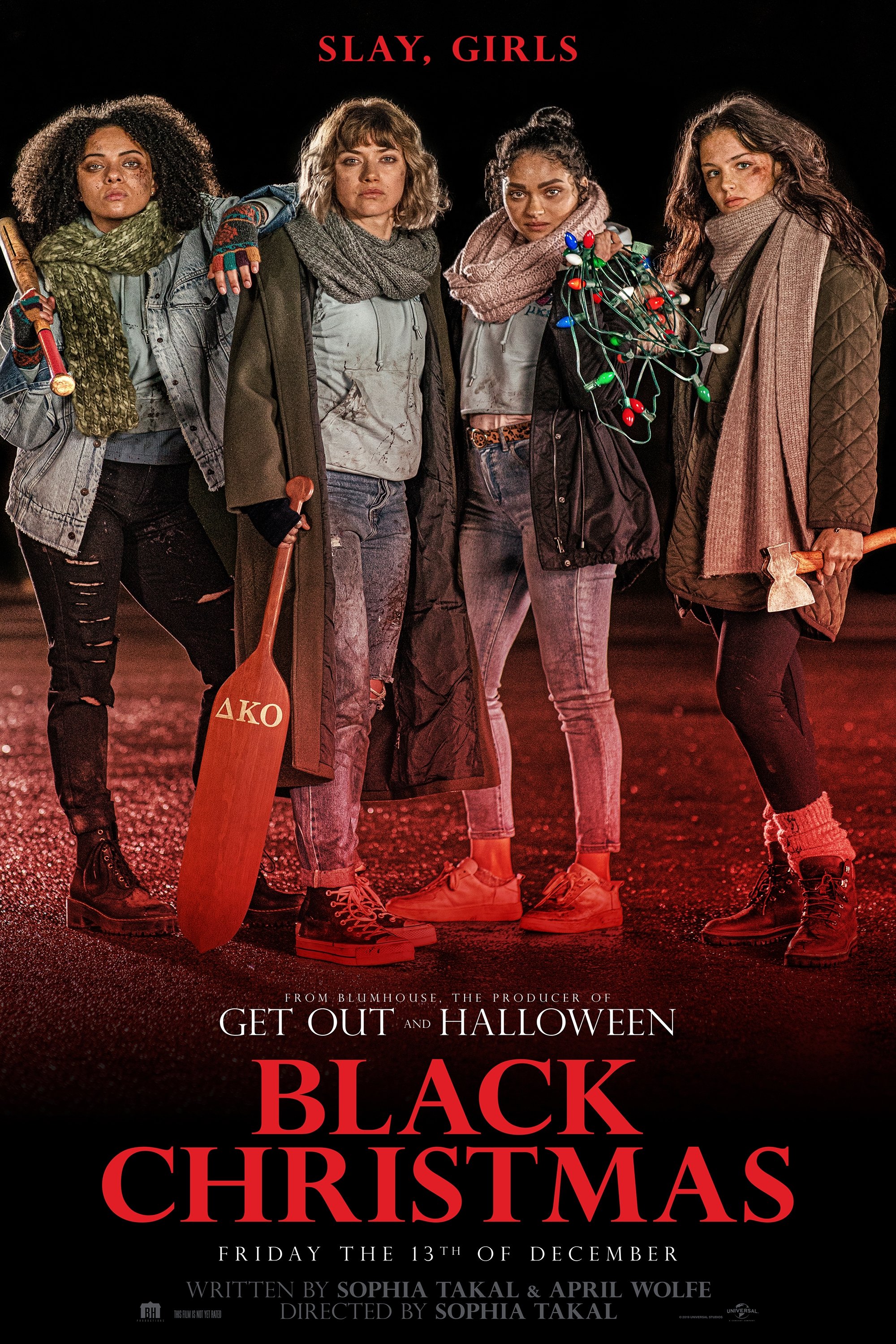
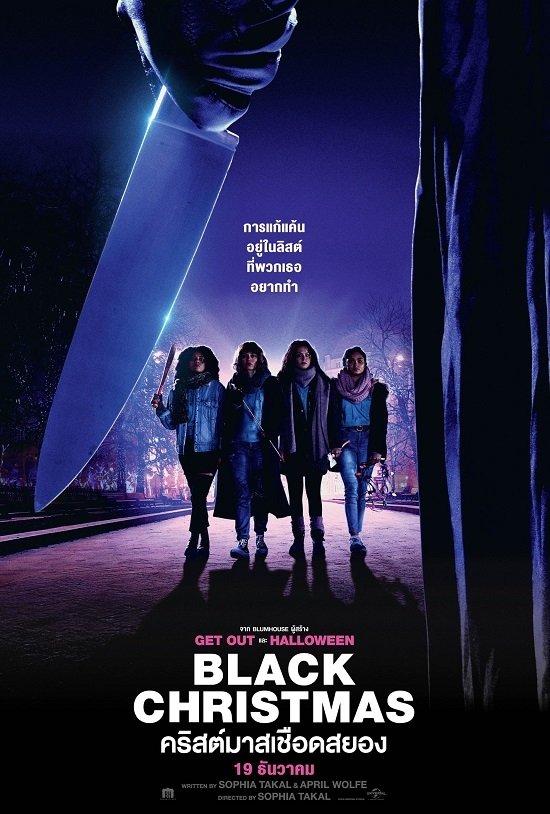
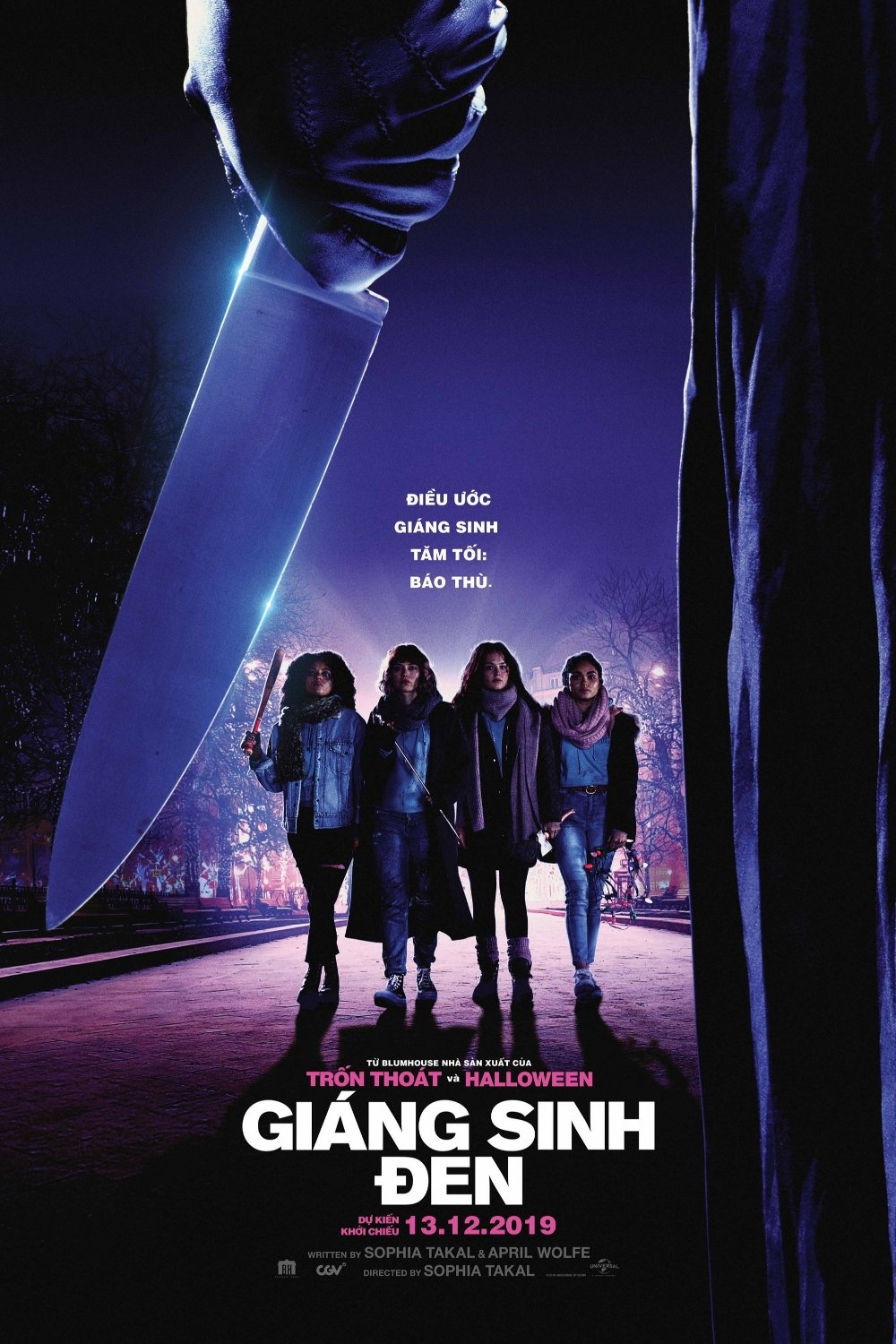
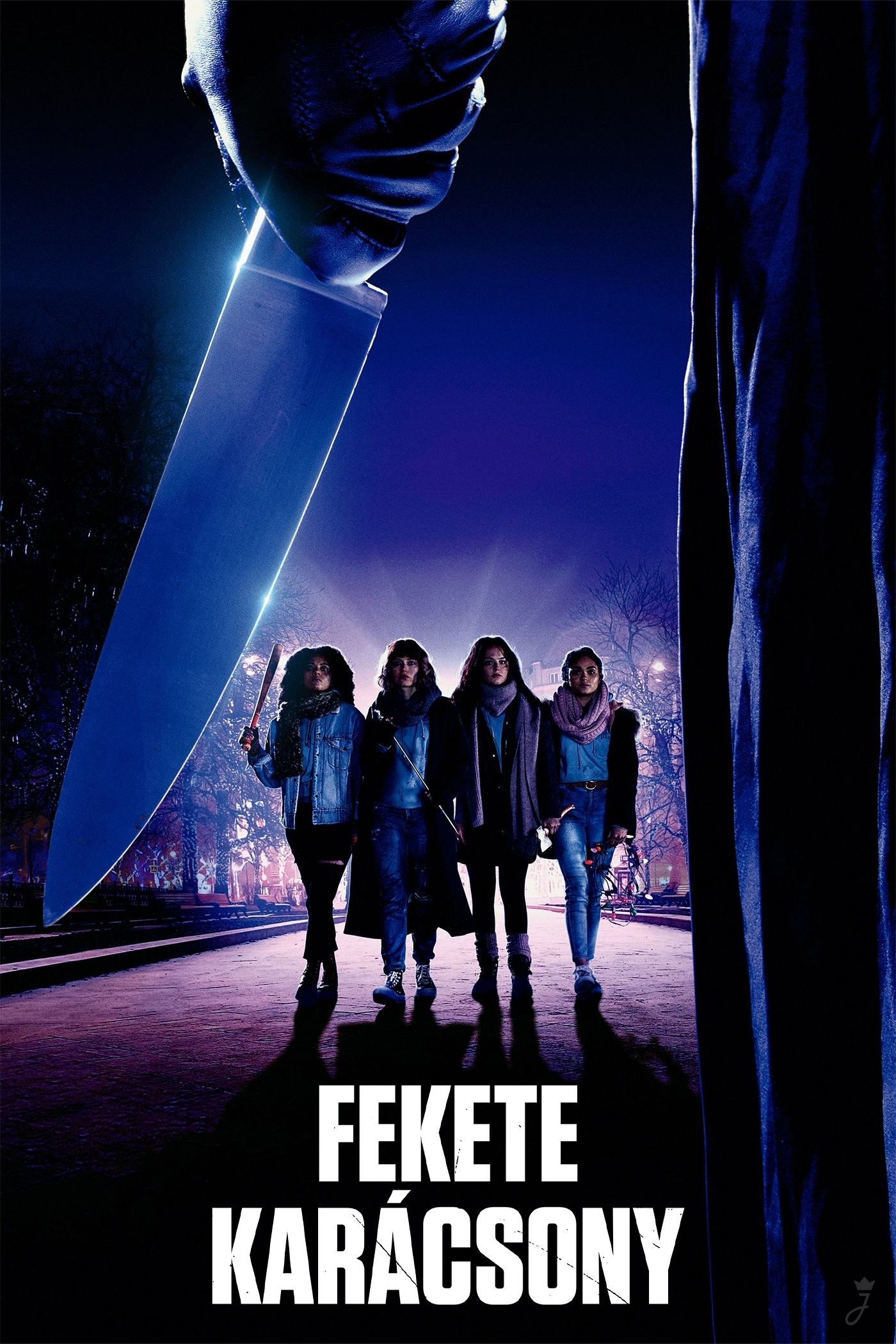
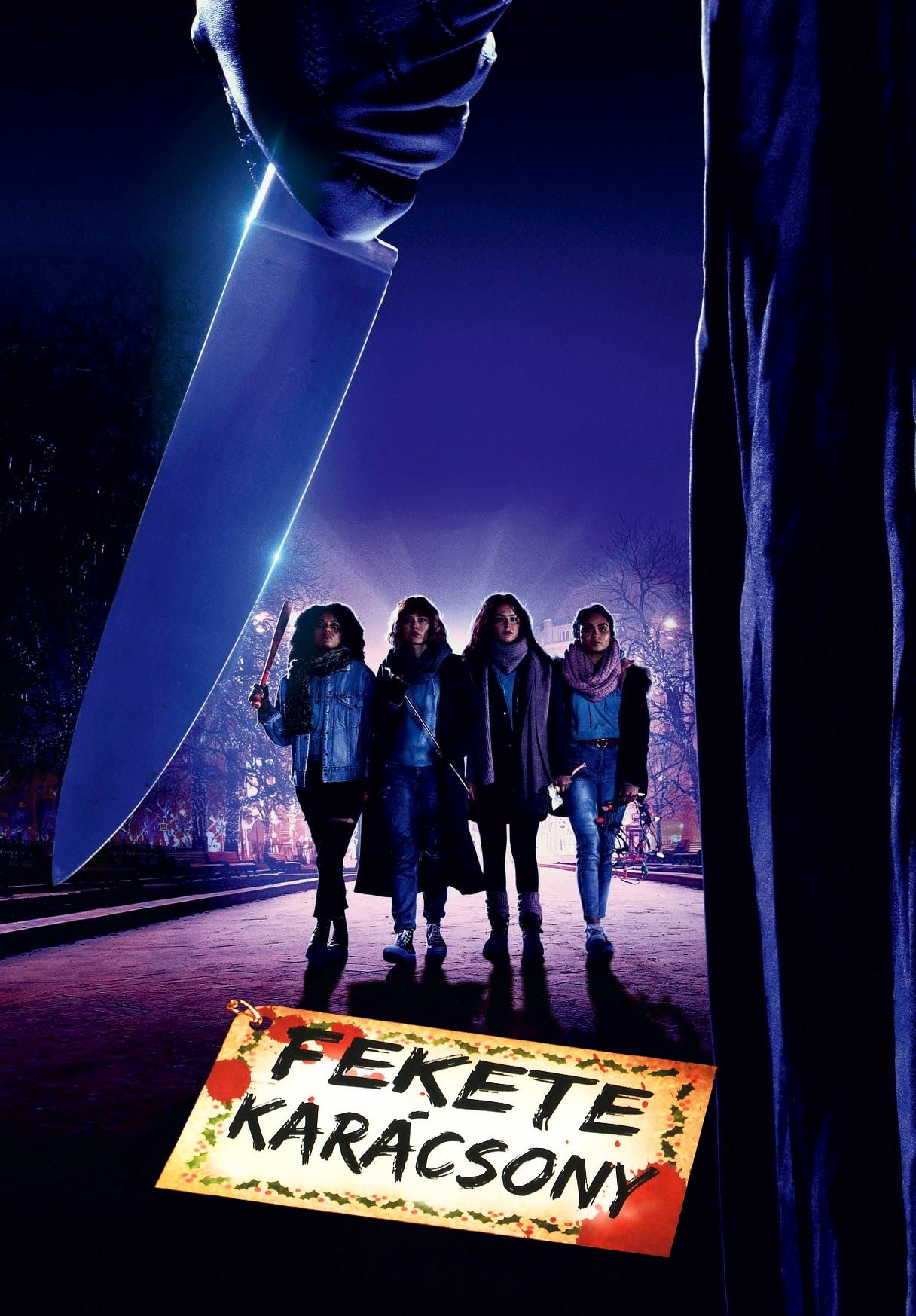
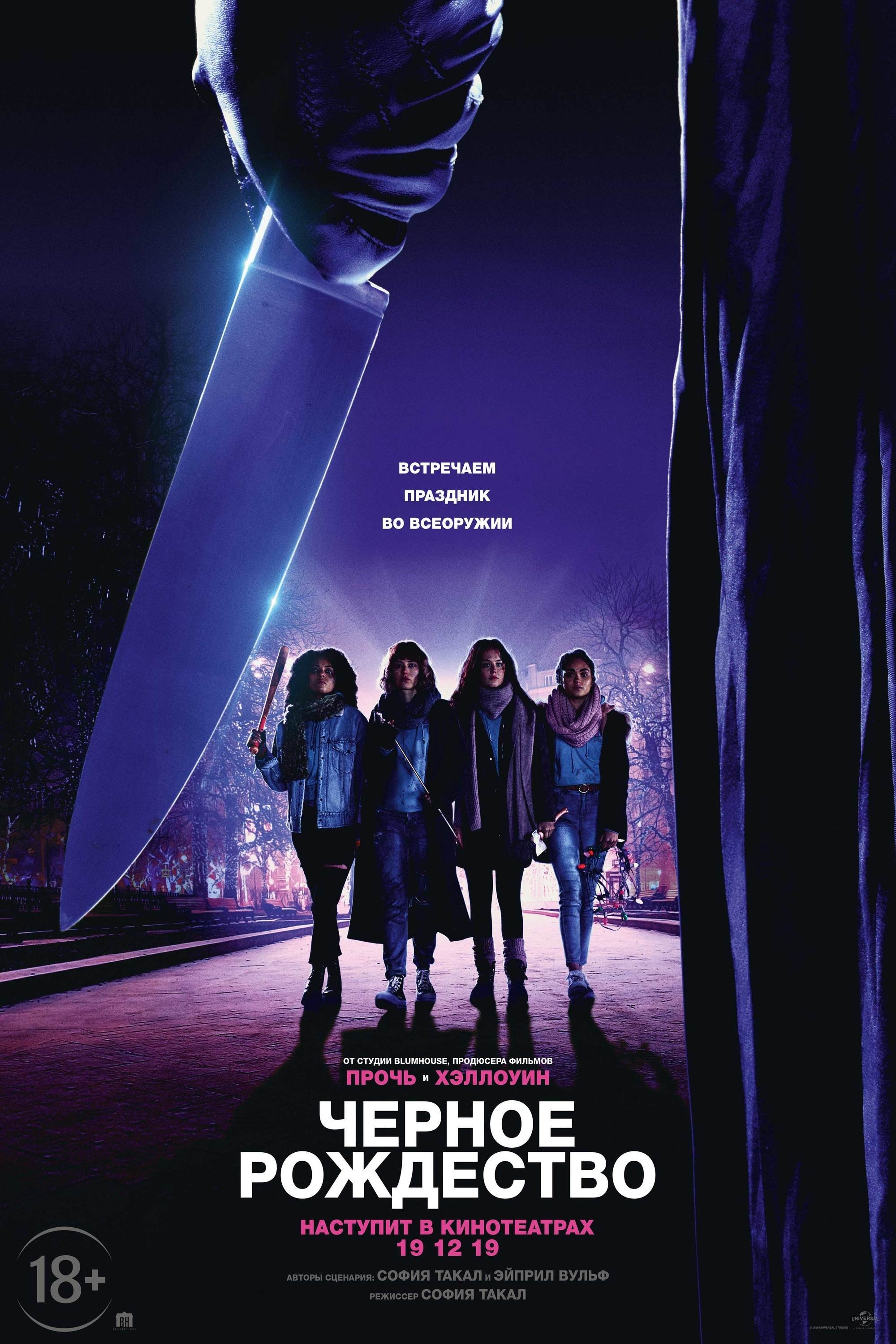
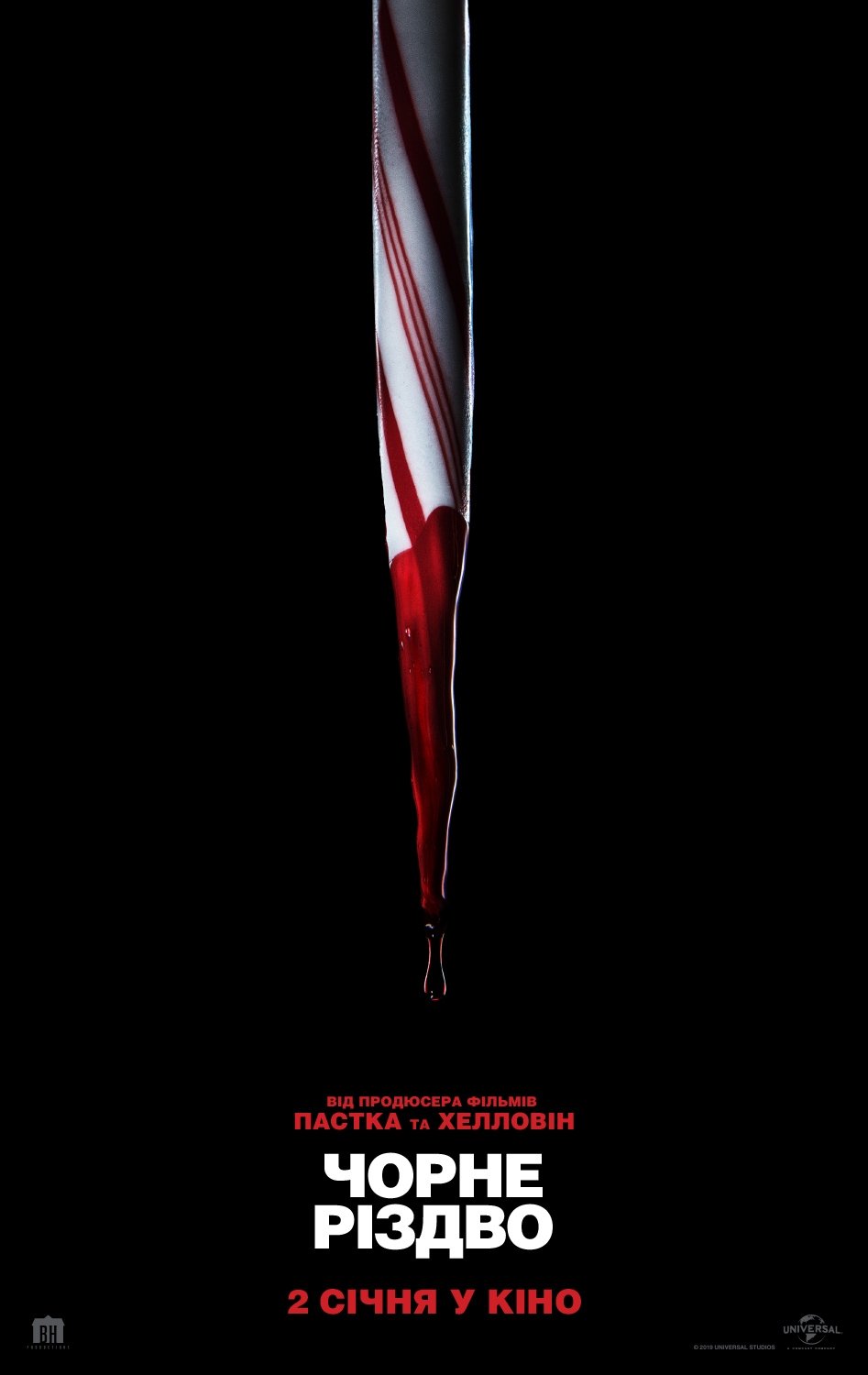
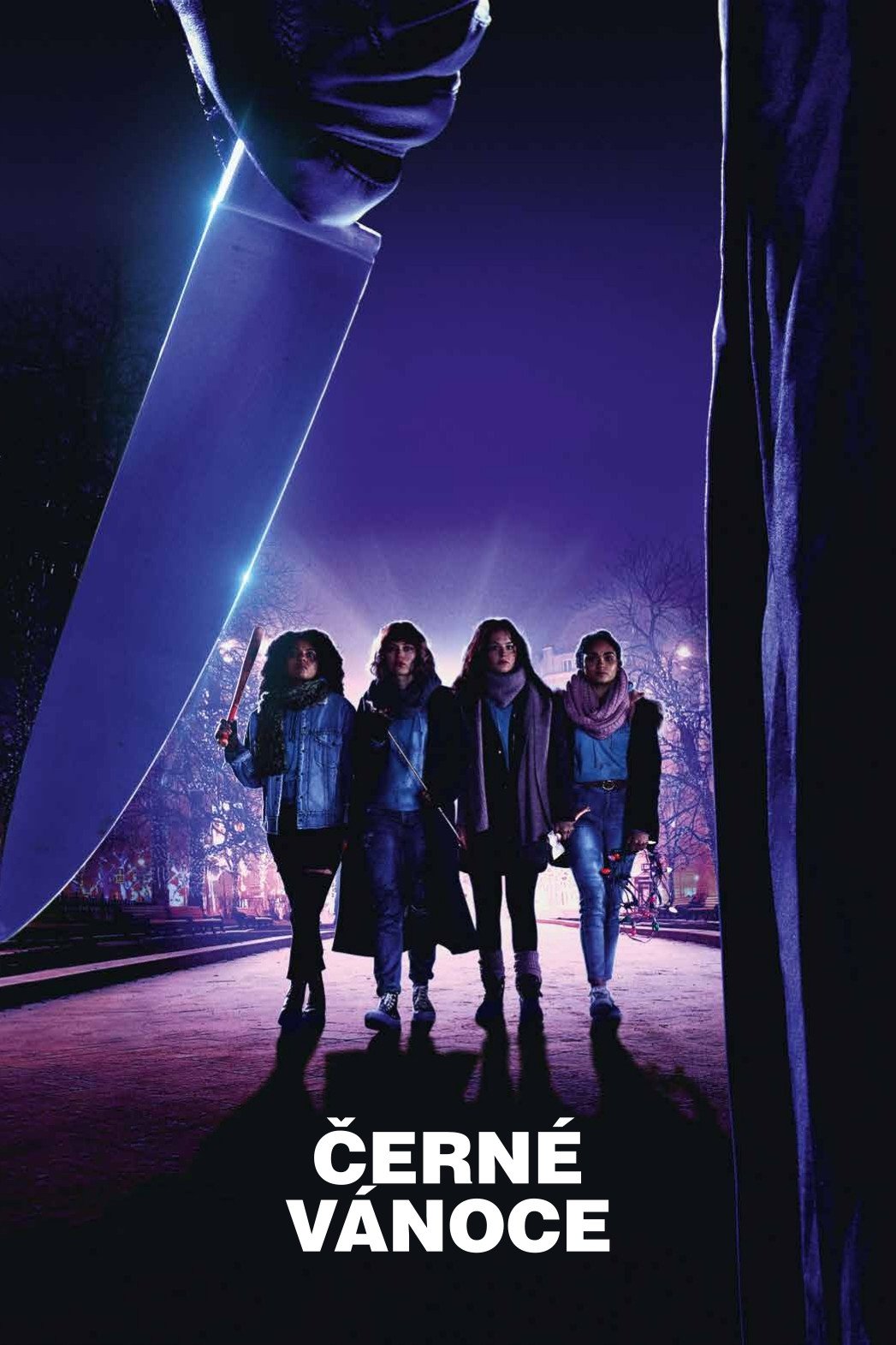
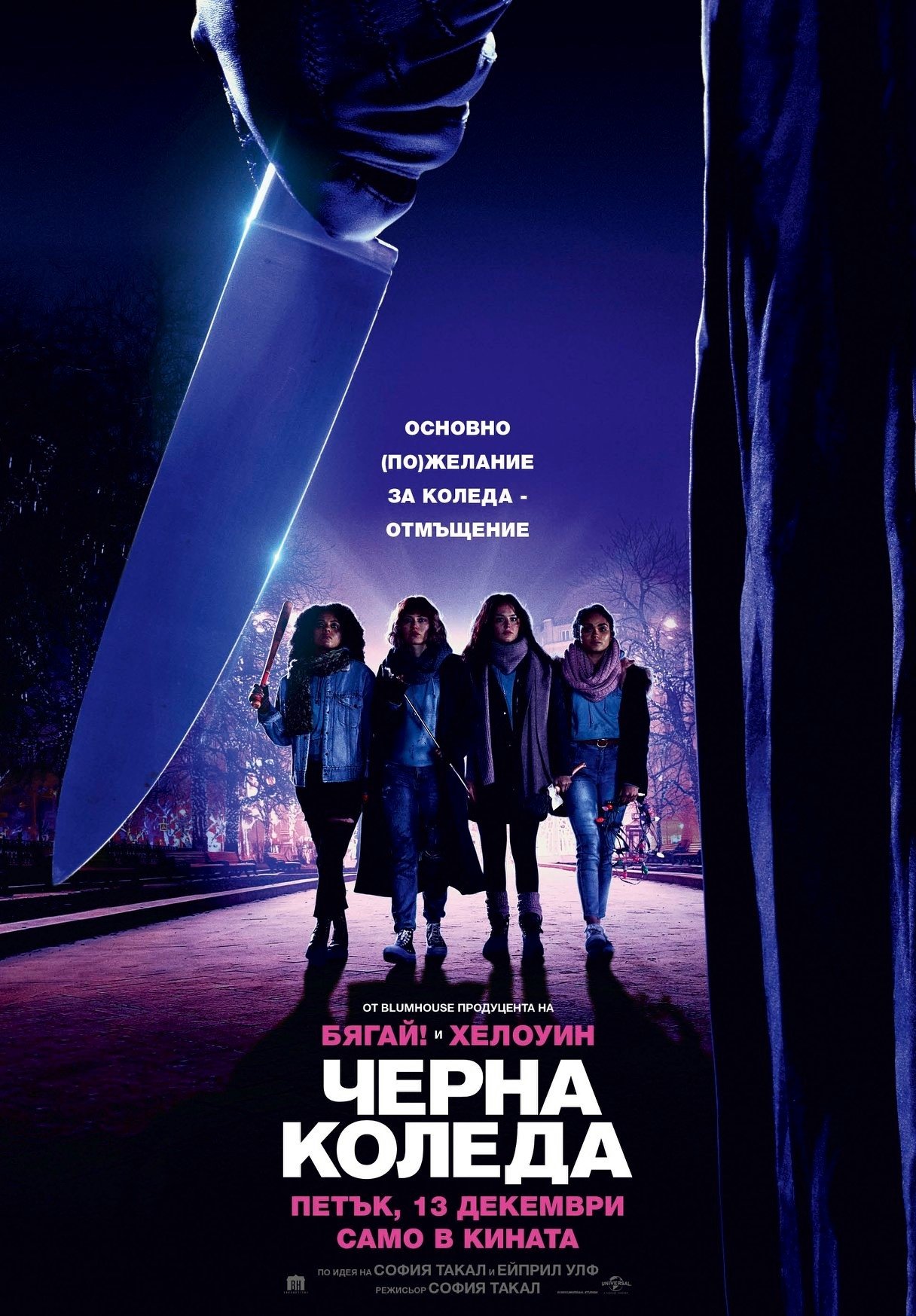
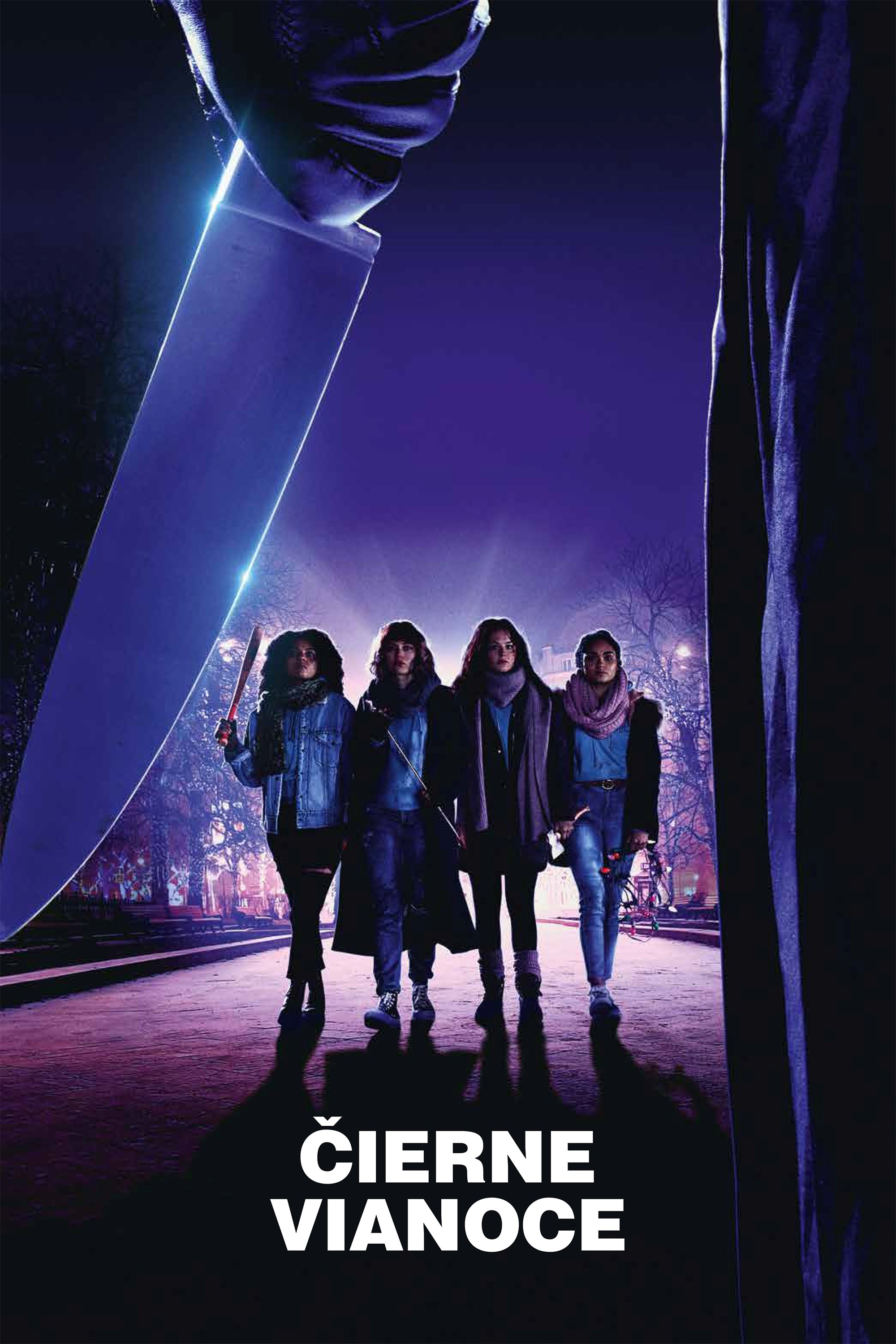
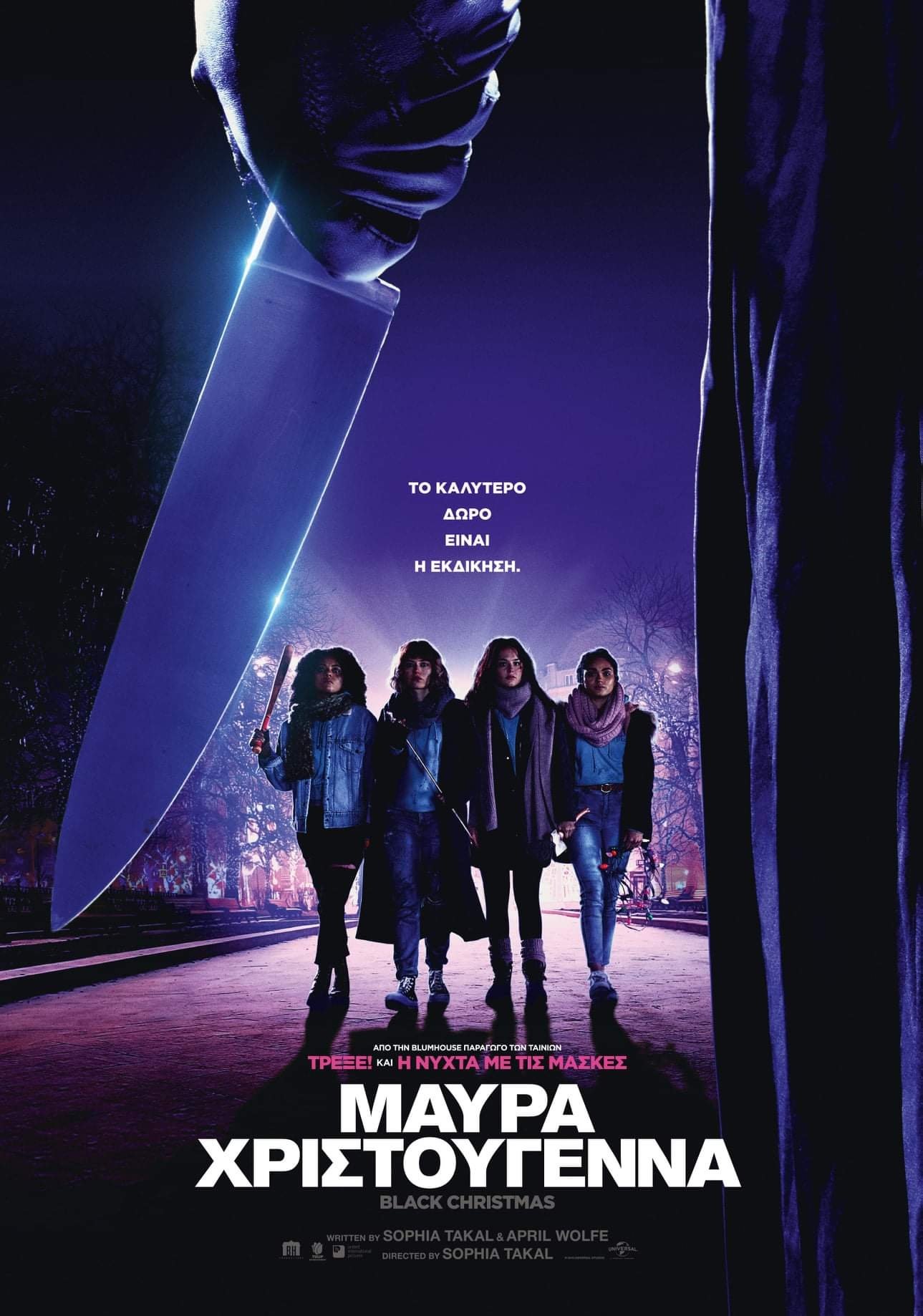
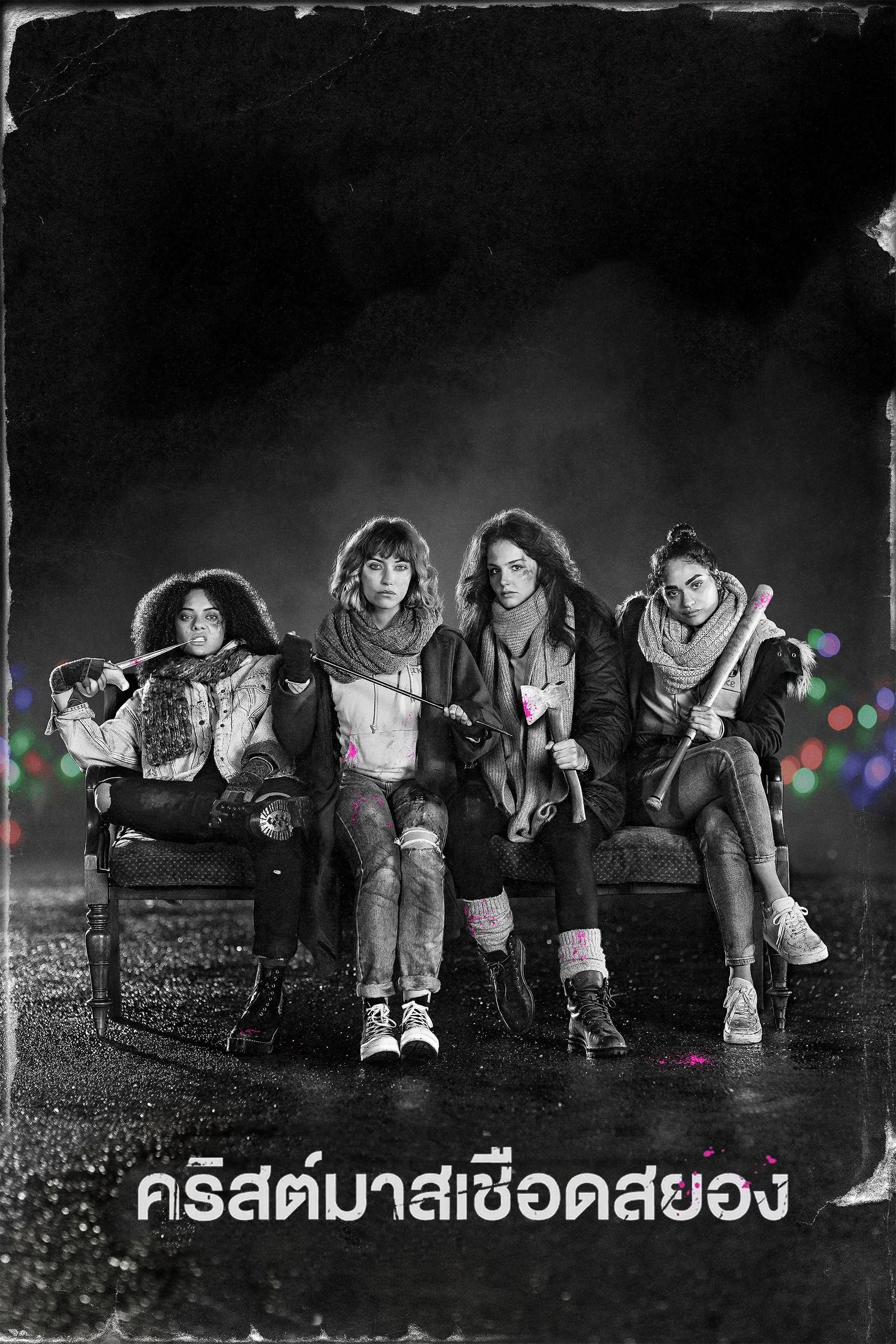
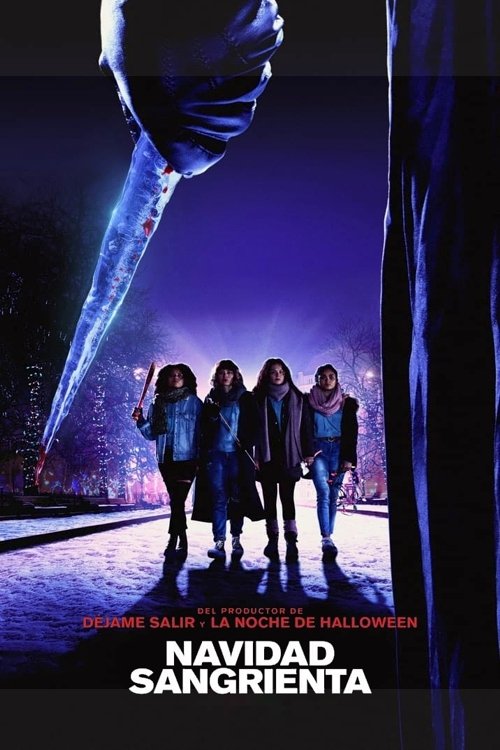
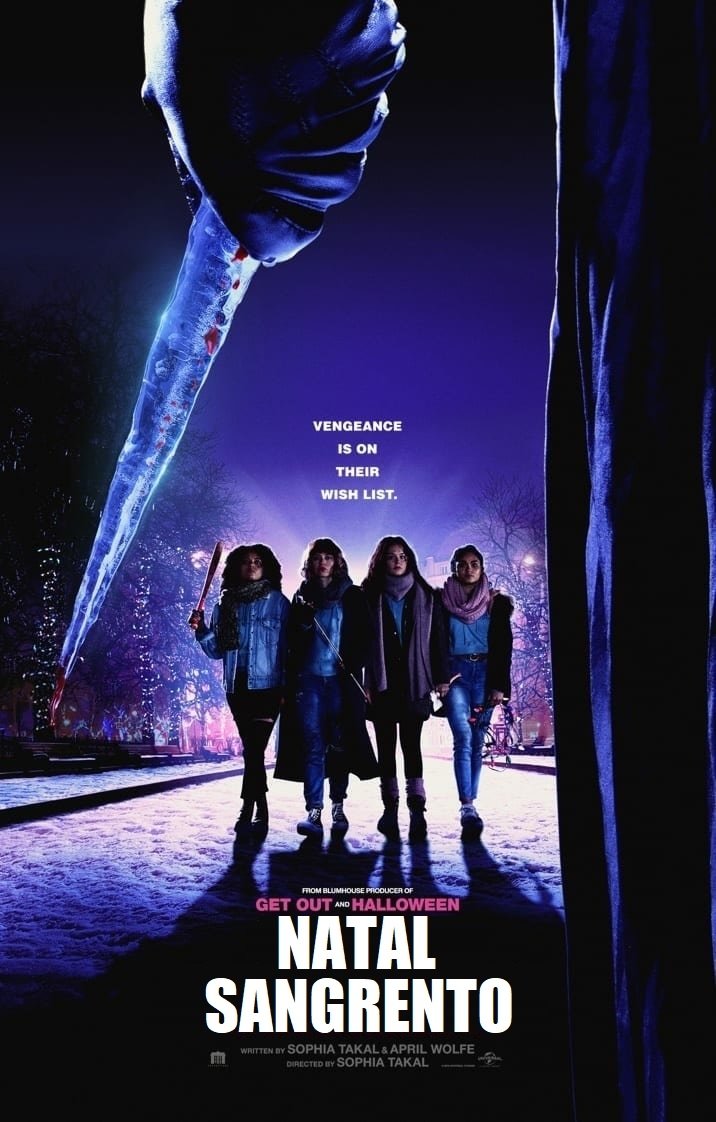
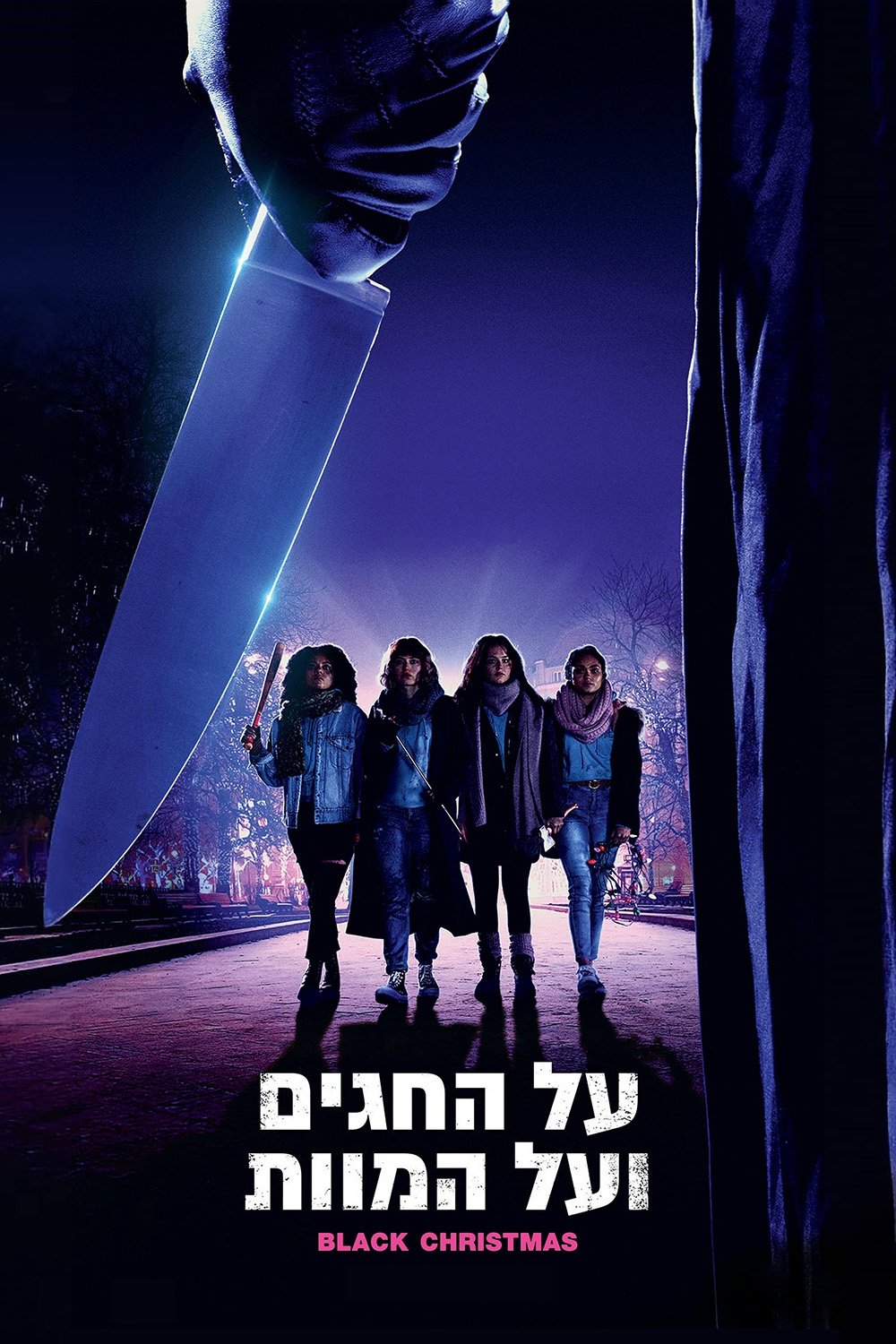
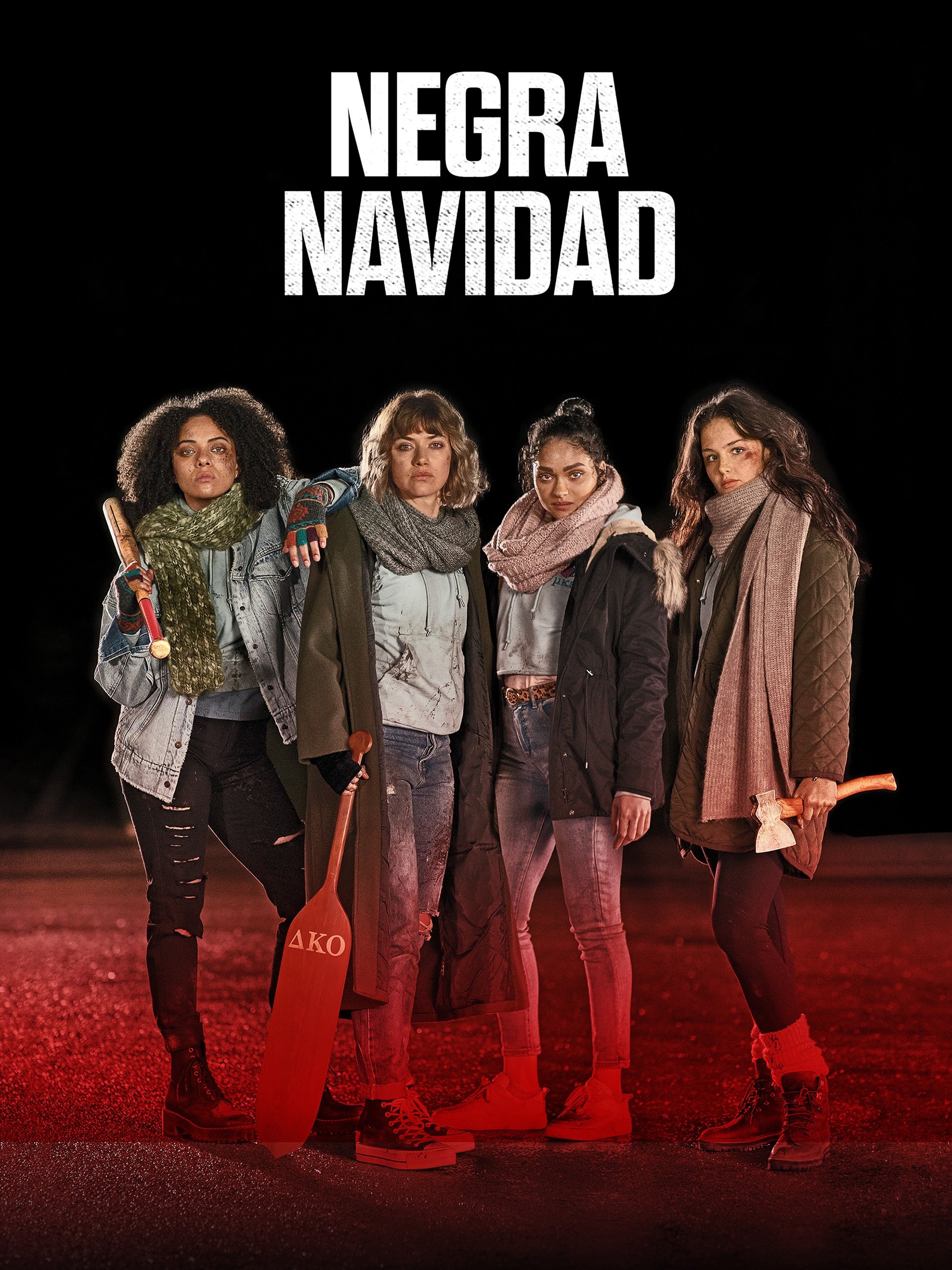
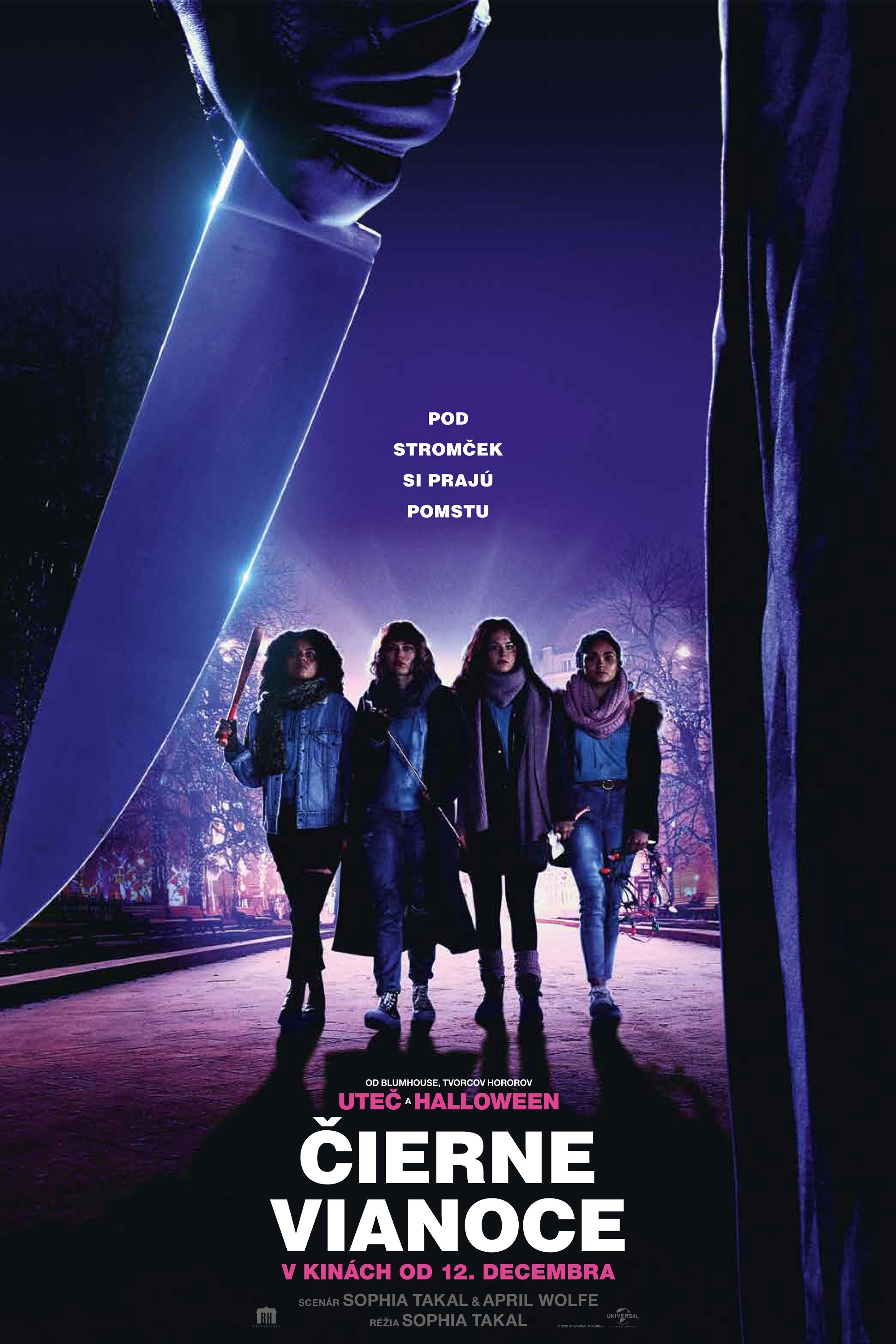
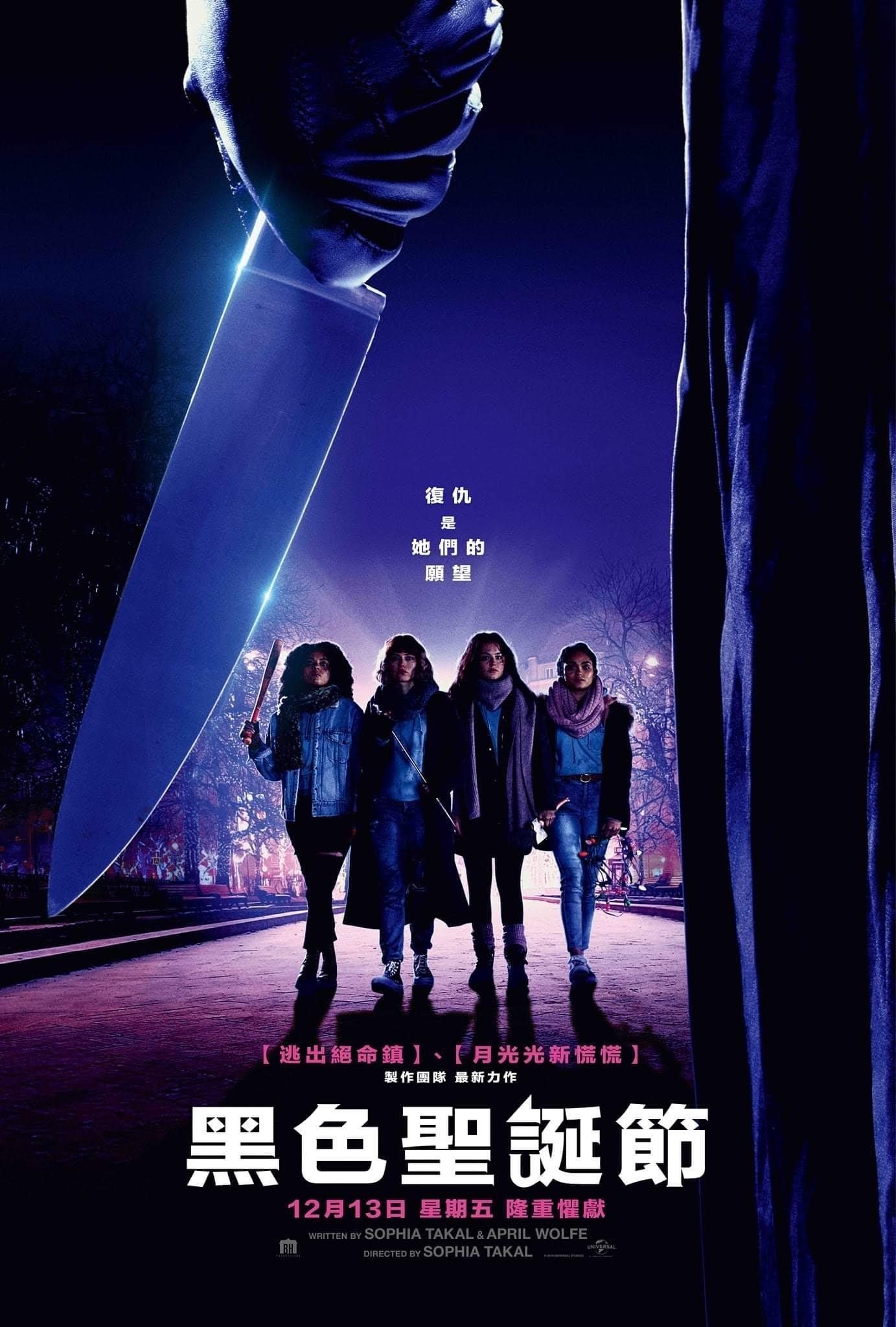
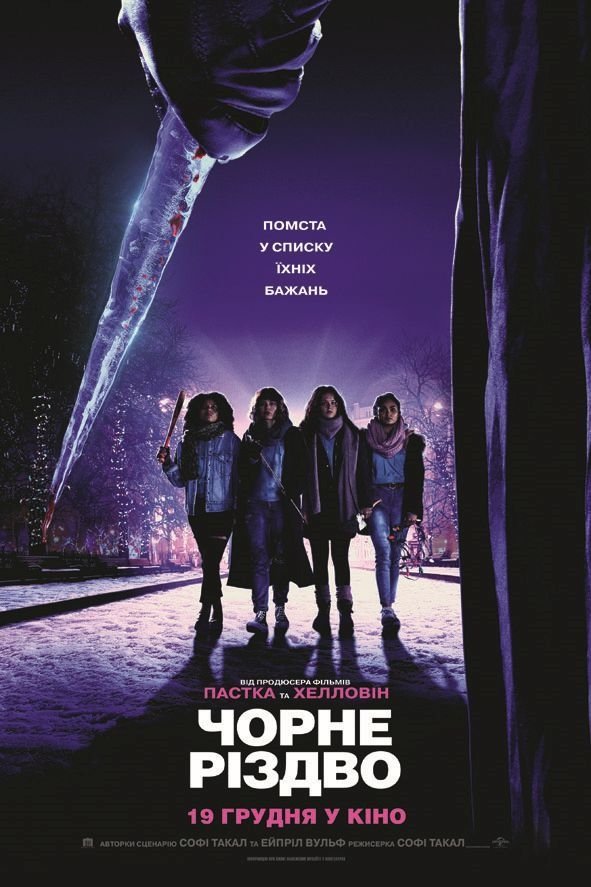
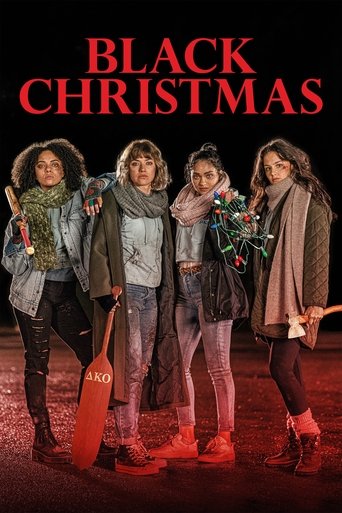
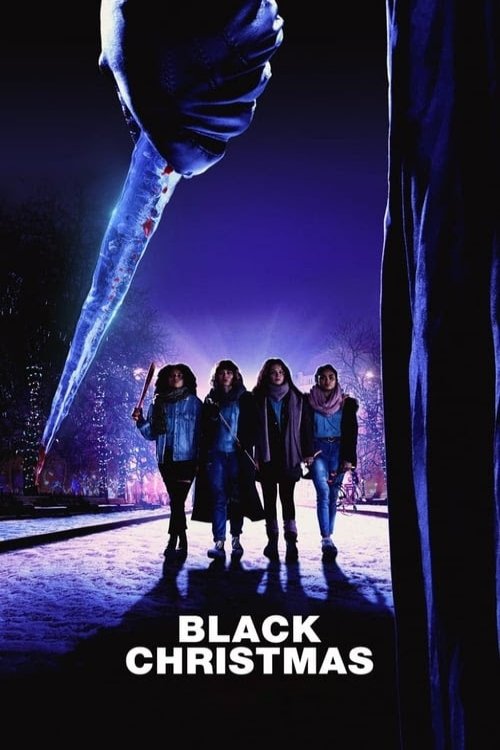
Black Christmas (2019) poster
Director
Production Companies
Universal Pictures , Blumhouse Productions , Divide / Conquer
Plot

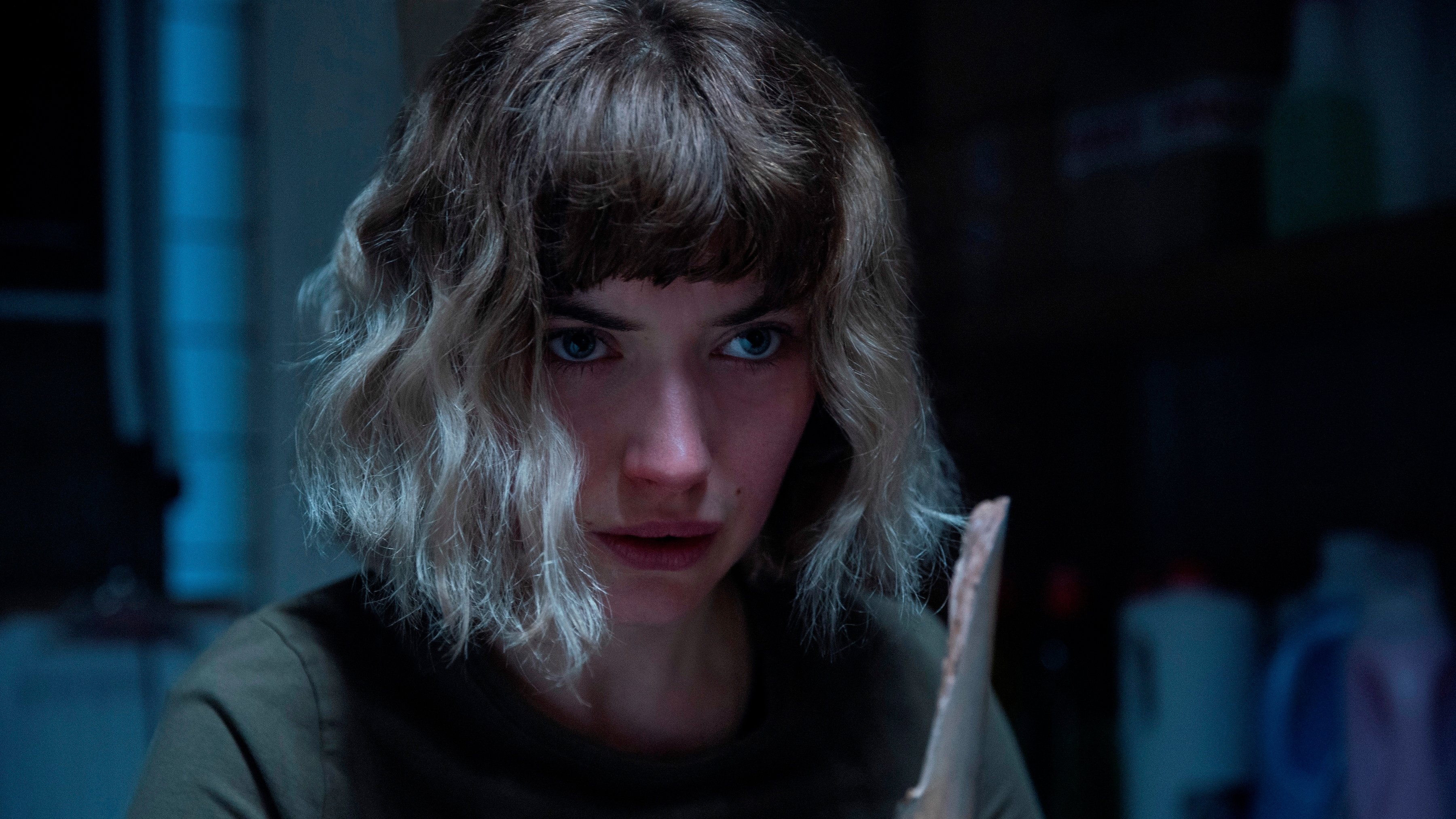
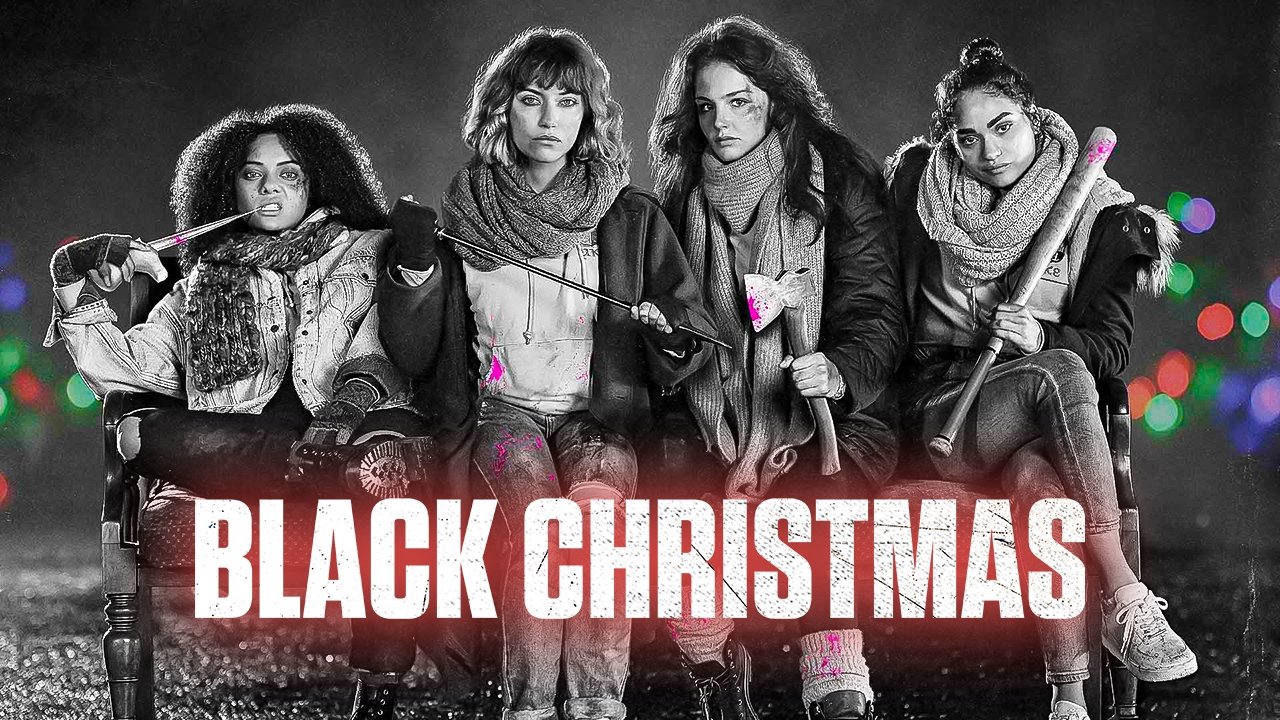
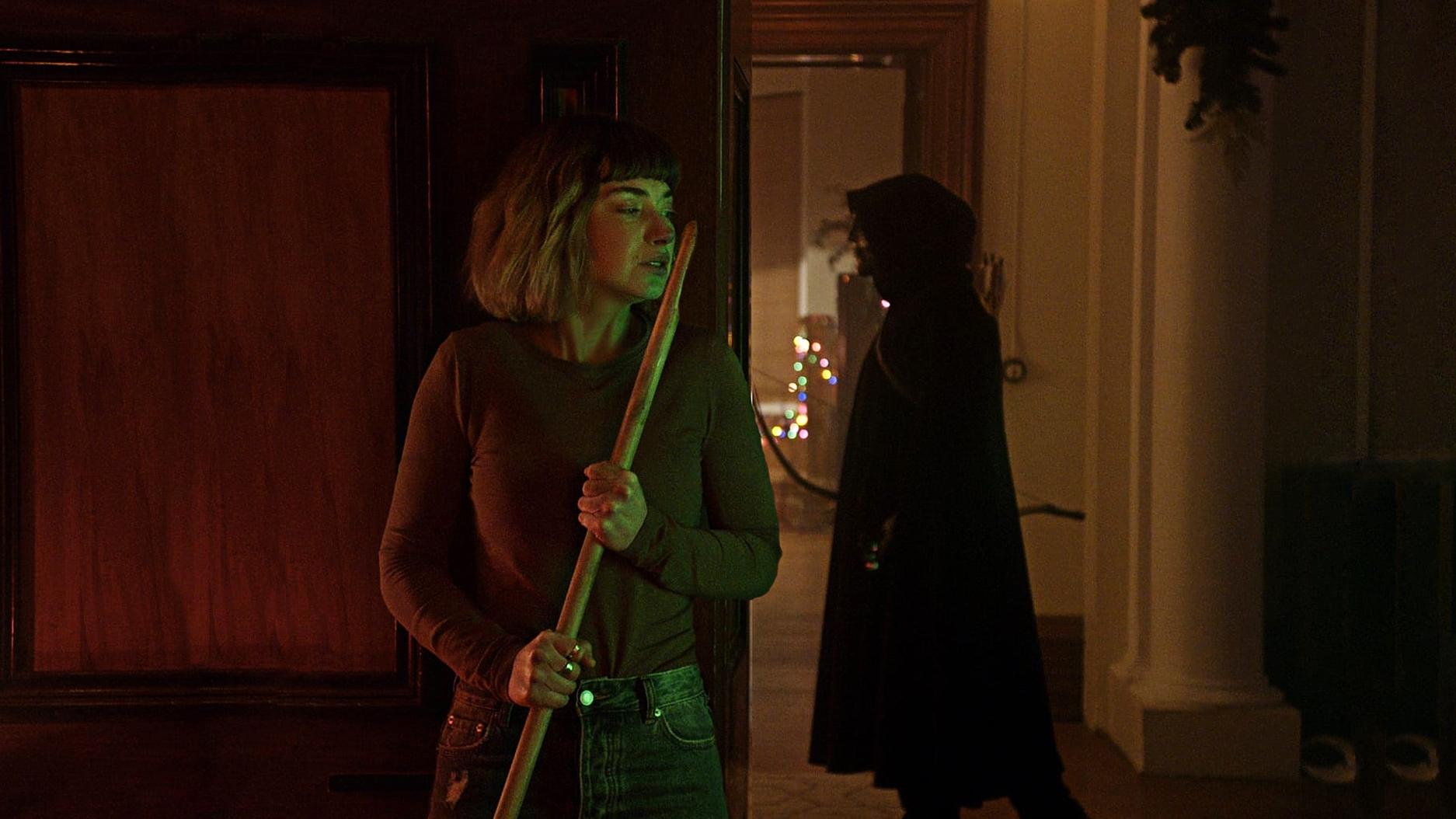
Hawthorne College is winding down for the holidays, yet one by one, sorority girls are being picked off. Riley Stone, a girl dealing with her own trauma, begins to notice and tries to save her friends before they too are picked off.

Alternative Titles
عيد الميلاد الأسود (AE) — translation:ar Черна Коледа (BG) — translation:bg Natal Sangrento (BR) — translation:pt Noël tragique (CA) 黑色圣诞节 (CN) — translation:zh Černé Vánoce (CZ) — translation:cs Navidad sangrienta (ES) — translation:es Μαύρα Χριστούγεννα (GR) — translation:el
Show all 28 alternative titles 聖誕大凶日 (HK) — translation:zh Fekete karácsony (HU) — translation:hu על החגים ועל המוות (IL) — translation:he ब्लैक क्रिसमस (IN) — translation:hi ブラック・クリスマス (JP) — translation:ja 블랙 크리스마스 (KR) — translation:ko Melnie Ziemassvētki (LV) — translation:lv Negra Navidad (MX) — translation:es Czarne święta (PL) — translation:pl Natal Sangrento (PT) — translation:pt Црни Божић (RS) — translation:sr Черное Рождество (RU) — translation:ru عيد الميلاد الأسود (SA) — translation:ar 黑色圣诞节 (SG) — translation:zh Čierne Vianoce (SK) — translation:sk คริสต์มาสเชือดสยอง (TH) — translation:th Kara Noel (TR) — translation:tr 黑色聖誕節 (TW) — translation:zh Чорне Різдво (UA) — translation:uk Giáng Sinh Đen (VN) — translation:vi

Trailers & Videos

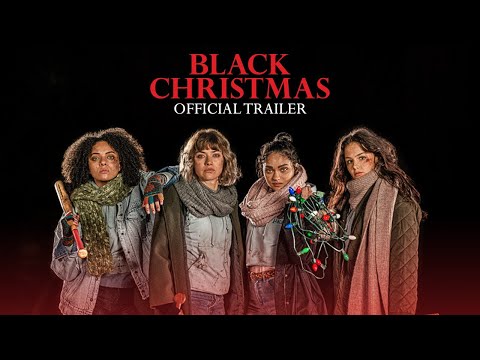
4 videos

Film Guide

Sophia Takal’s 2019 reinterpretation of Black Christmas examines sexual violence, campus misogyny and collective resistance through a supernatural slasher narrative produced by Blumhouse.

Black Christmas (2019) is an American-New Zealand horror film directed by Sophia Takal and written by Takal and April Wolfe. Produced by Blumhouse and distributed by Universal Pictures, it reimagines Bob Clark’s influential 1974 Canadian slasher through the experiences of women confronting sexual violence and institutional hostility on a college campus. The story follows Riley Stone, a student recovering from an assault, as members of her sorority begin disappearing during the Christmas holidays. The investigation eventually exposes a conspiracy connected to the institution’s history and the supernatural power associated with its founder.

The film departs substantially from the narrative and psychological structure of the original Black Christmas. Its killers operate within an organized system, and the surviving women become active participants in the final confrontation. Takal and Wolfe developed the screenplay during the cultural debates surrounding the #MeToo movement, using the slasher format to examine the consequences of sexual assault and the protection afforded to abusive men. Its deliberately restricted violence, PG-13 classification and explicit political themes attracted contrasting responses from contemporary critics.

Development & Screenplay

Blumhouse approached Sophia Takal about directing a new Black Christmas early in 2019, following her work on New Year, New You, an installment of the company’s Into the Dark series. The project had an unusually compressed schedule: the producers possessed the remake rights but had no completed screenplay, and Universal intended to release the film in December. Takal later told Filmmaker Magazine that writing, production and distribution were accomplished within approximately nine months. She initially developed a darker story involving an incel and a school shooting, followed by a draft closer to the original slasher structure.

Neither approach satisfied her creative intentions. Takal subsequently invited screenwriter and film critic April Wolfe to collaborate. Wolfe introduced the supernatural development that became central to the final act, connecting the masked attackers to a persistent institutional force. The writers also retained the original film’s interest in women whose lives extend beyond their function as potential victims. In interviews, both emphasized their admiration for Clark’s film while explaining that they preferred a reinterpretation to a close reproduction of its plot. Their screenplay developed around contemporary campus culture, conflicting attitudes toward sexual assault and the possibility of organized resistance.

Characters & Supernatural Conspiracy

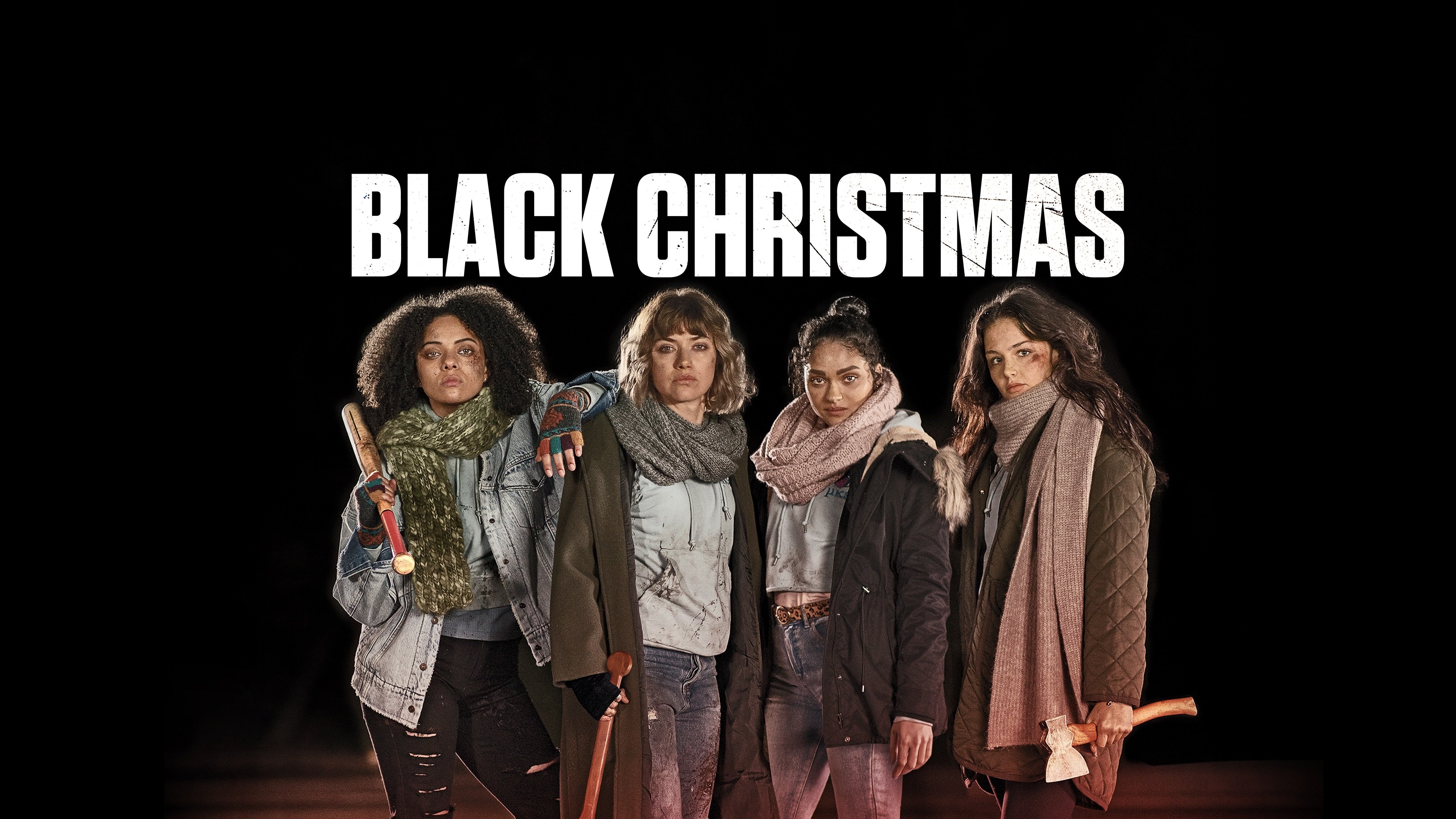
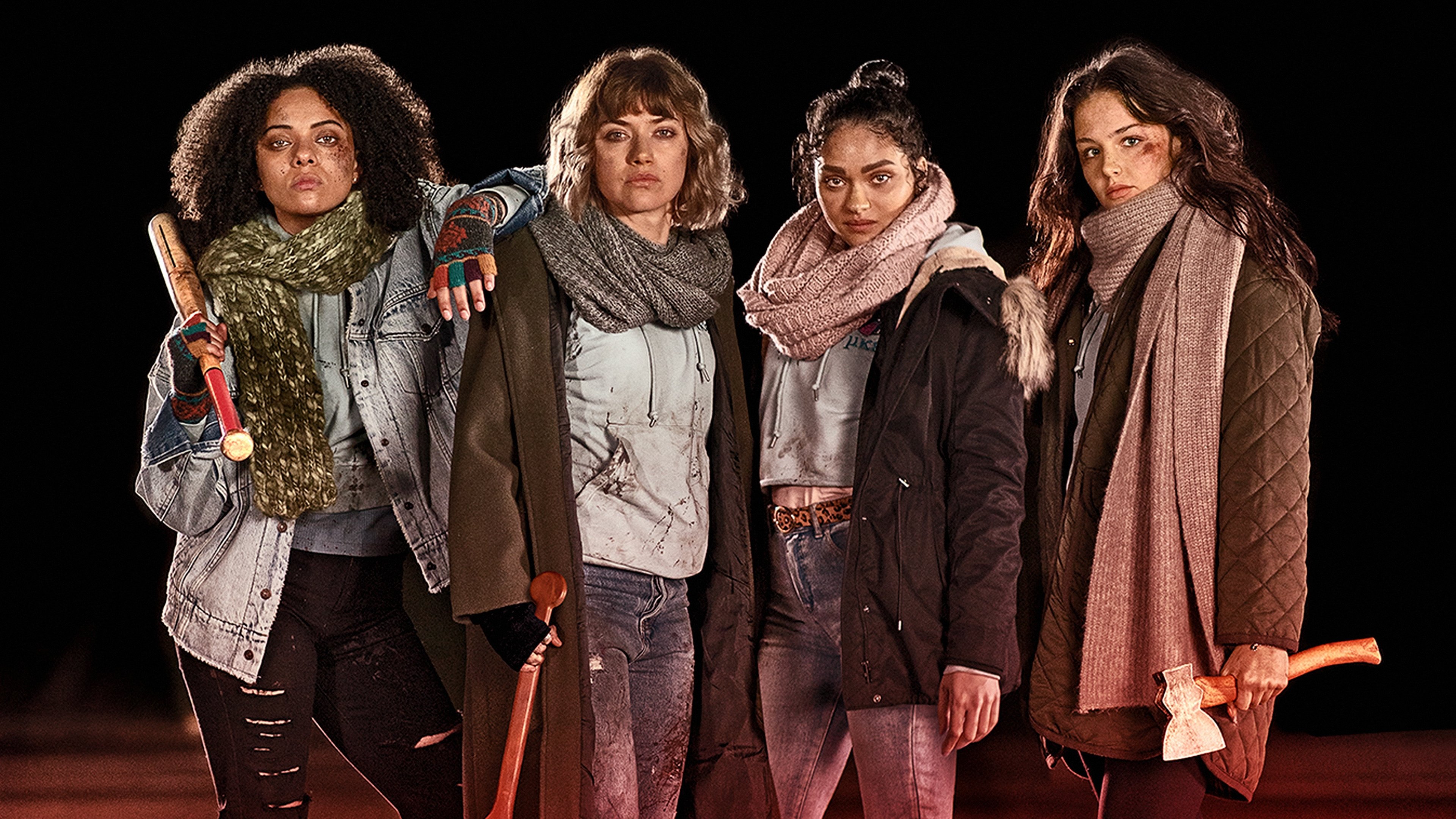
Riley Stone, played by Imogen Poots, belongs to the Mu Kappa Epsilon sorority at the fictional Hawthorne College. Her relationship with the institution has been damaged by an earlier sexual assault involving fraternity member Brian Huntley. The hostility she encounters when discussing the incident establishes the environment in which the subsequent murders occur. Kris, played by Aleyse Shannon, takes a more confrontational position toward institutional sexism, while their friends Marty and Jesse approach campus life through different personal priorities. The disagreements among the women give their eventual cooperation a specific dramatic context.

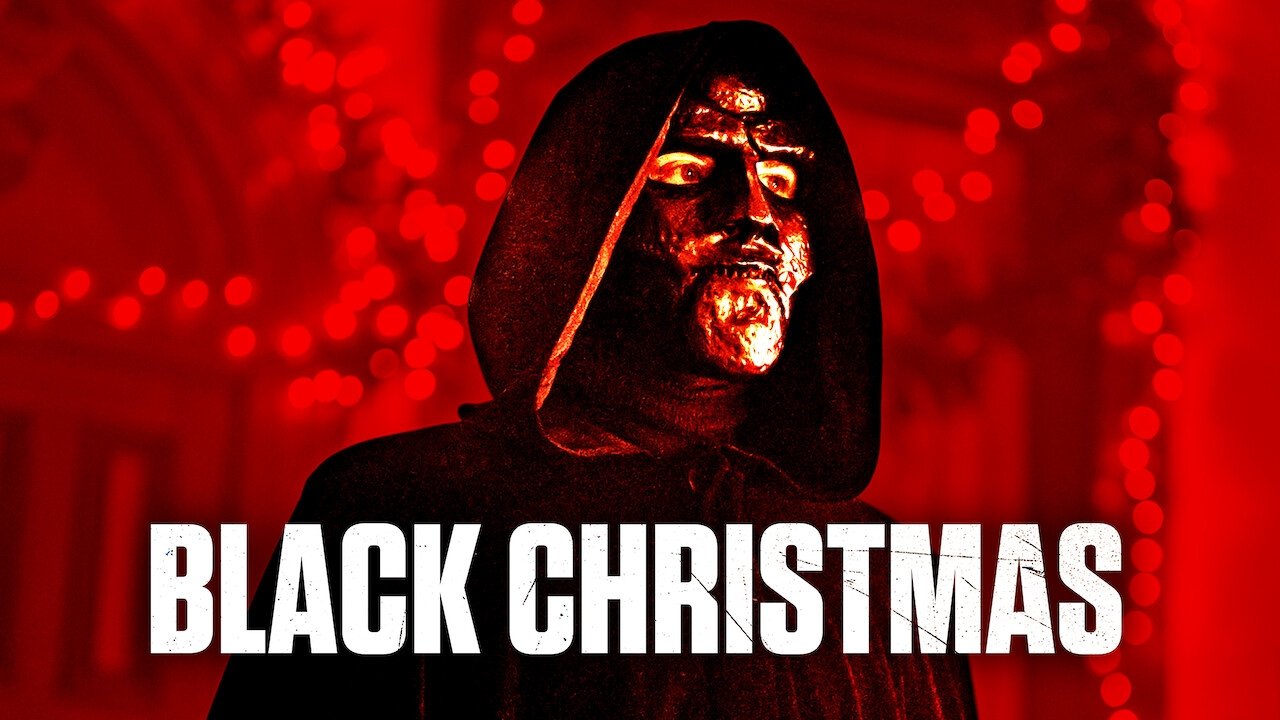
The mysterious attackers are associated with a conspiracy surrounding the college’s founder, Calvin Hawthorne. A supernatural substance connected with his legacy becomes an instrument through which male students participate in violence against women. Takal identified this development as Wolfe’s contribution to the screenplay and explained its connection to the idea of misogyny surviving repeated attempts to challenge it. The supernatural mechanism converts institutional hostility into a literal horror threat. Unlike the unidentified murderer of the 1974 film, the antagonists belong to a wider organization whose power depends upon the continuation of an established hierarchy.

Production & Photography

Principal photography took place in New Zealand during the Southern Hemisphere winter of 2019. The production used locations around Dunedin, including the University of Otago, whose Gothic Revival architecture provided the appearance of an older American college. Takal explained that the location was selected partly because the compressed production schedule required winter scenery during the Northern Hemisphere summer. The historic campus buildings supplied an imposing visual environment for scenes involving the college’s traditions and its institutional history. Other locations were required beyond Dunedin to complete the fictional campus environment.

Mark Schwartzbard photographed the film after previously collaborating with Takal on Always Shine (2016). The director regarded their established working relationship as particularly valuable because most of the larger production crew had been assembled independently of her earlier filmmaking partnerships. The principal actresses arrived before shooting to develop their characters through improvisations concerning events preceding the screenplay. Takal explained that these exercises helped establish shared memories and physical familiarity among the performers. Stunt coordinator Jon Costelloe subsequently supervised the action material, including confrontations in which the women fight their masked attackers.

PG-13 Classification & the Treatment of Violence

The production was designed to obtain a PG-13 classification from the Motion Picture Association. Takal wanted younger audiences, particularly teenage girls, to have access to a film addressing sexual assault without treating violence against women as an attraction in itself. She cited the original Black Christmas as an example of horror in which murders could be frightening without requiring prolonged displays of bodily damage. The 2019 film consequently places considerable emphasis on anticipation, pursuit and the reactions of endangered characters. Several attacks are presented through restricted visibility or interrupted action rather than extended graphic effects.

The classification nevertheless required negotiations during post-production. Takal recalled that the filmmakers removed or obscured material involving both dialogue and violence. One example concerned an arrow injury whose aftermath could not be shown as originally photographed, while a sexually explicit line spoken by Kris was altered for the final release. The director insisted that the treatment of Riley’s assault remain central to the story. These decisions distinguish the finished theatrical version from a hypothetical unrestricted cut: the available production testimony documents individual changes made for the rating, but does not establish the existence of a completed alternative R-rated edition.

Release, Box Office & Reception

Universal Pictures released Black Christmas widely in the United States on 13 December 2019, following theatrical openings in several international territories earlier that week. The production budget was reported at approximately $5 million. Its North American opening weekend generated $4,240,245, with the eventual domestic theatrical gross reaching $10,429,730. Reported worldwide theatrical receipts amounted to approximately $18.53 million. Those figures describe box-office revenue before the distribution of proceeds and associated expenses, and cannot independently establish the profitability of the production.

Contemporary criticism was divided over the directness of the screenplay and the effectiveness of its horror. Kimber Myers, writing in the Los Angeles Times in December 2019, welcomed the film’s reversal of established slasher conventions while criticizing the limited development of some supporting characters. Joshua Rothkopf, reviewing it for Time Out, considered its treatment of sexual assault insufficiently integrated with suspense and objected to the heavy emphasis on its political argument. The disagreement reflected different assessments of the relationship between the film’s explicit thematic intentions and its dramatic execution. Black Christmas remains a distinct reinterpretation within the series because of its supernatural conspiracy, comparatively restrained depiction of violence and emphasis on collective female resistance.
References

  1. Filmmaker Magazine All These Other Misogynists Waiting to Pounce: Sophia Takal on Black Christmas

    Detailed original interview examining the screenplay revisions, supernatural ending, accelerated production schedule, New Zealand locations, cinematography and PG-13 negotiations.

  2. Los Angeles Times How Black Christmas Became a Slasher Movie for the #MeToo Era

    Original interviews with Sophia Takal, April Wolfe and Imogen Poots concerning the adaptation, sexual assault, character development, representation and classification decisions.

  3. ShockYa Interview: Sophia Takal and April Wolfe Talk Black Christmas

    Direct December 2019 interviews documenting the writing partnership, casting, rehearsal improvisations, stunt coordination and production experience in New Zealand.

  4. Los Angeles Times Black Christmas Decks the Patriarchy and Slashes Expectations with Glee

    Kimber Myers’s contemporary review assessing the film’s reversal of slasher conventions, restrained violence, performances and political themes.

  5. Time Out Black Christmas

    Joshua Rothkopf’s contemporary December 2019 review questioning the relationship between the film’s political argument, supernatural developments and effectiveness as horror.

Connections

Cast

View Full Cast & Crew →

Release & Distribution

Production Companies (3)

  • Blumhouse Productions US
  • Divide / Conquer US
  • Universal Pictures US

Distributors (1)

  • UIP-Dunafilm HU

Release History (17)

Release DateTerritoryRelease TypeFormatDistributorCertificationNotes
2019-12-11 FR theatrical — — 12
2019-12-11 RO theatrical — — 15
2019-12-12 DE theatrical — — 16
2019-12-12 GR theatrical — — K18
2019-12-12 HU digital — — 16
2019-12-12 IE digital — — 15
2019-12-12 IL theatrical — — 14
2019-12-12 SK theatrical — — 15
2019-12-13 PL digital — — 16
2019-12-13 US theatrical — — PG-13
2019-12-13 VN theatrical — — —
2019-12-19 KZ theatrical — — —
2020-01-21 KR digital — — 15
2020-04-23 DE physical DVD, Blu-ray — 16 Blu-ray & DVD
2020-05-27 FR digital — — 12 VOD
2020-06-10 FR physical DVD, Blu-ray — 12 DVD & Blu-Ray
2025-01-02 SK tv — — 18 JOJ
Slay, girls.