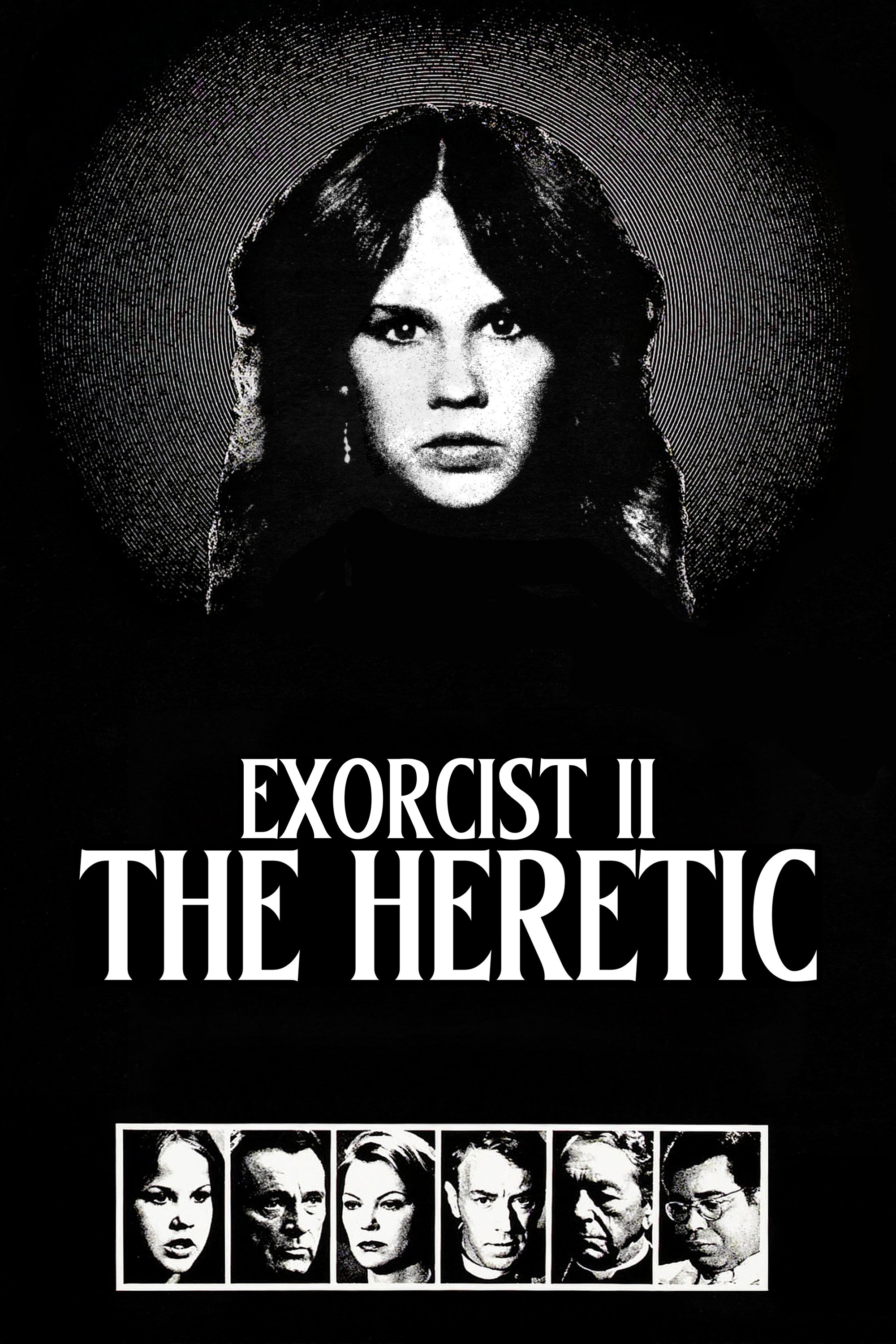
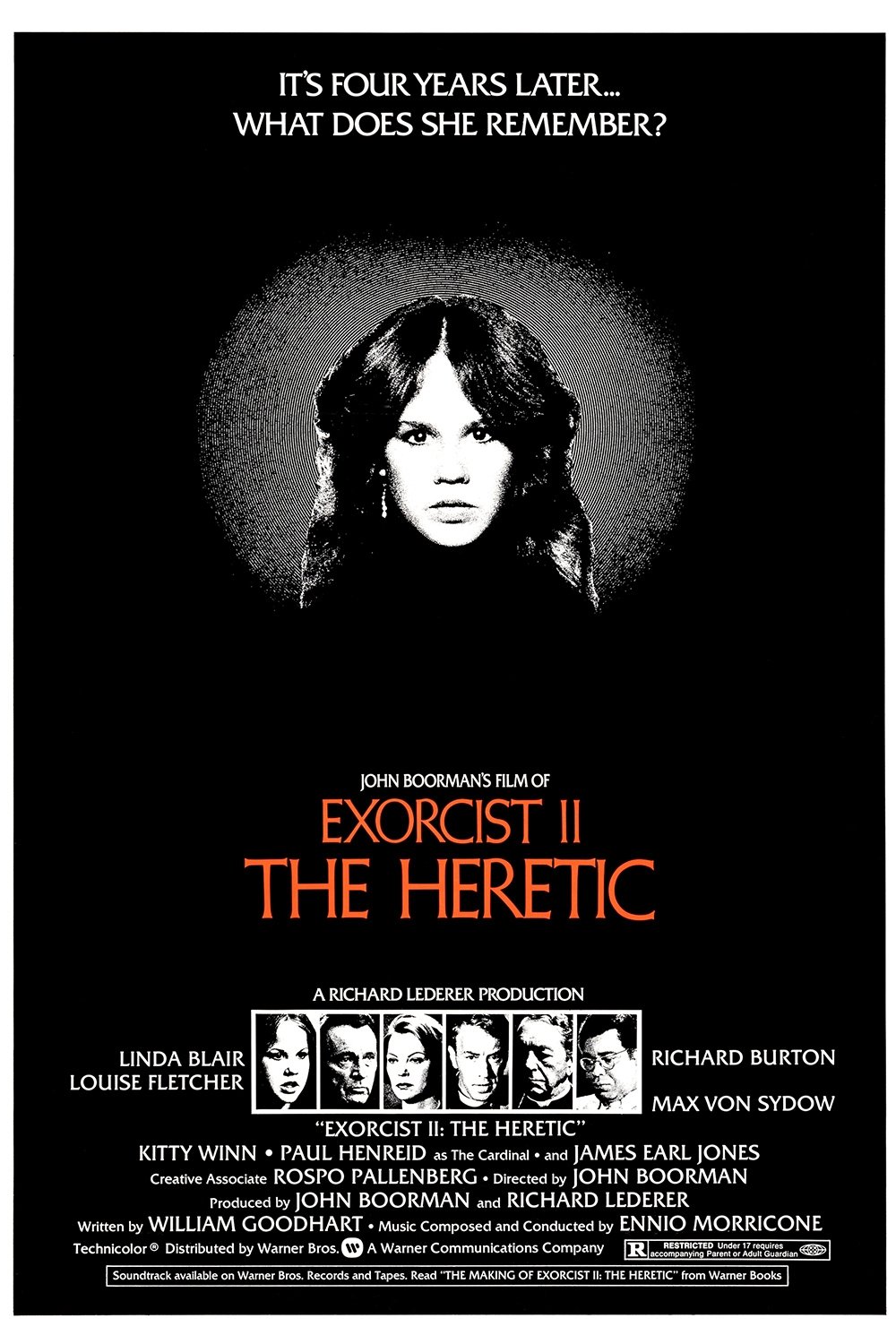
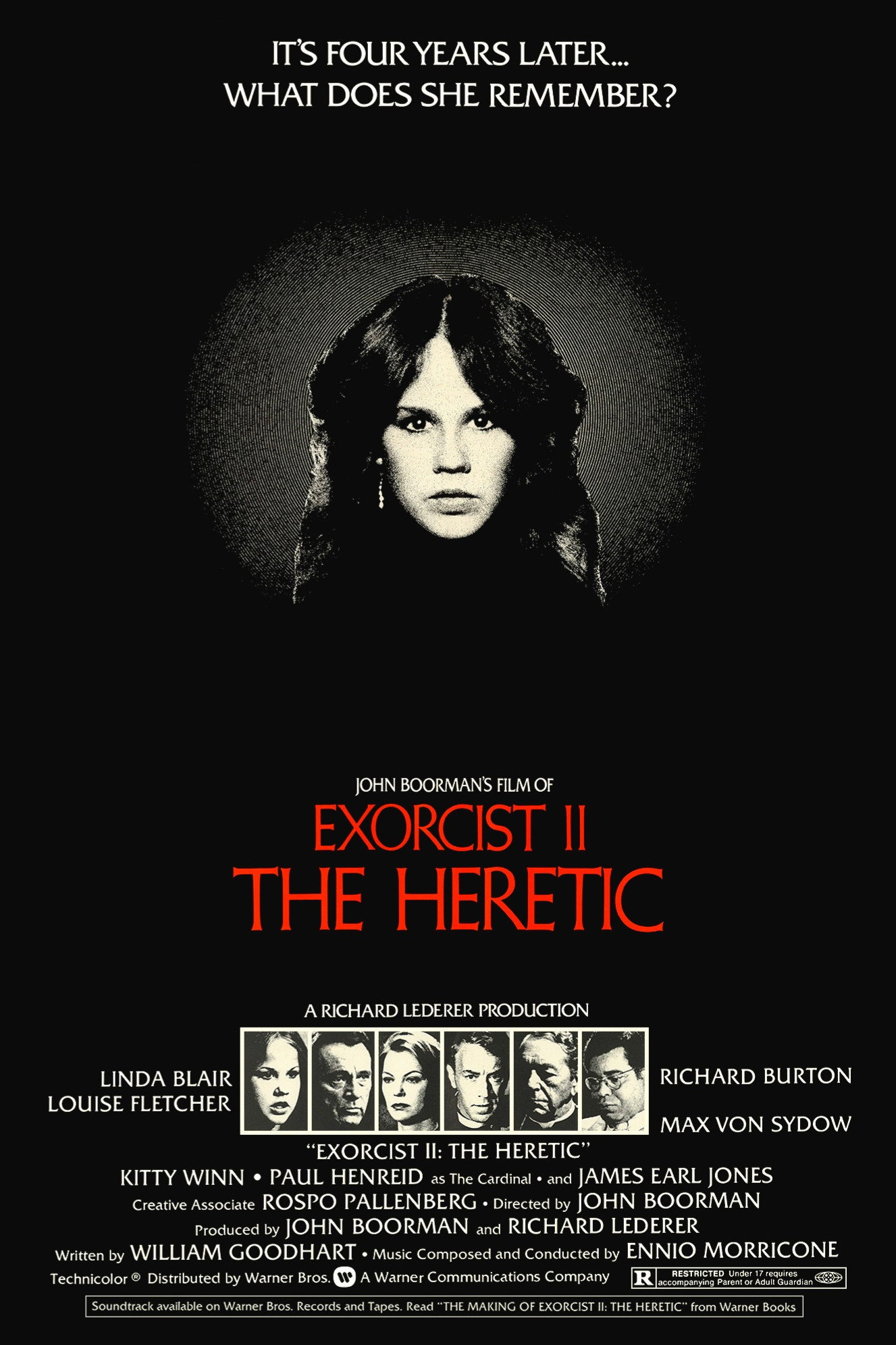
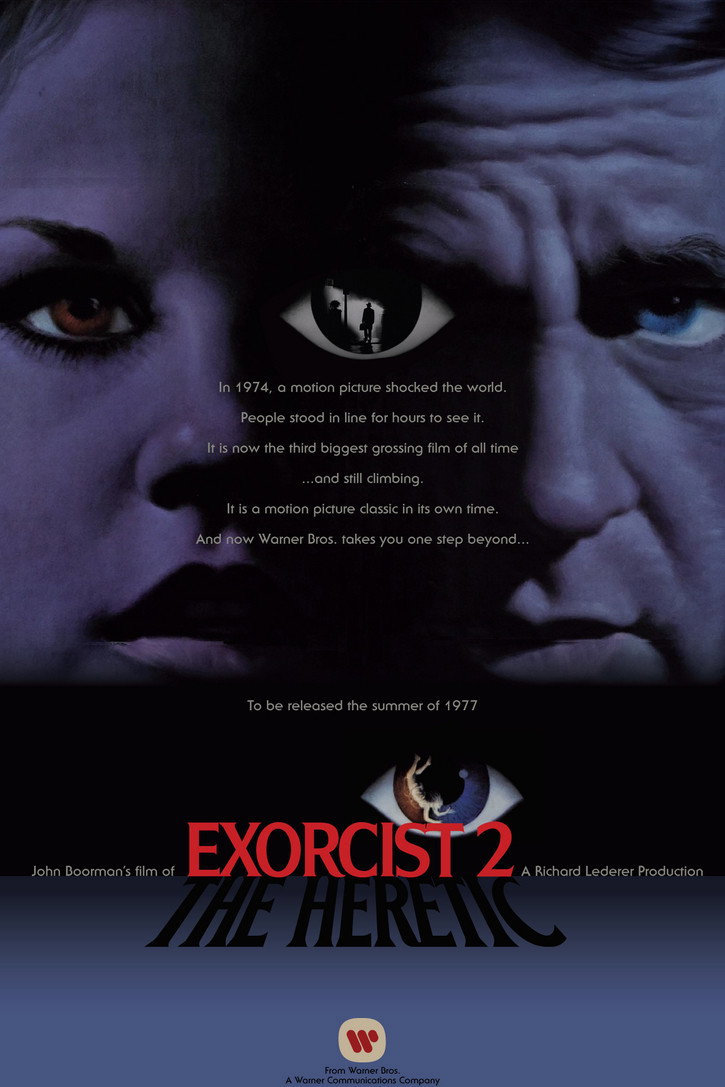
Development and John Boorman’s Approach to the Sequel
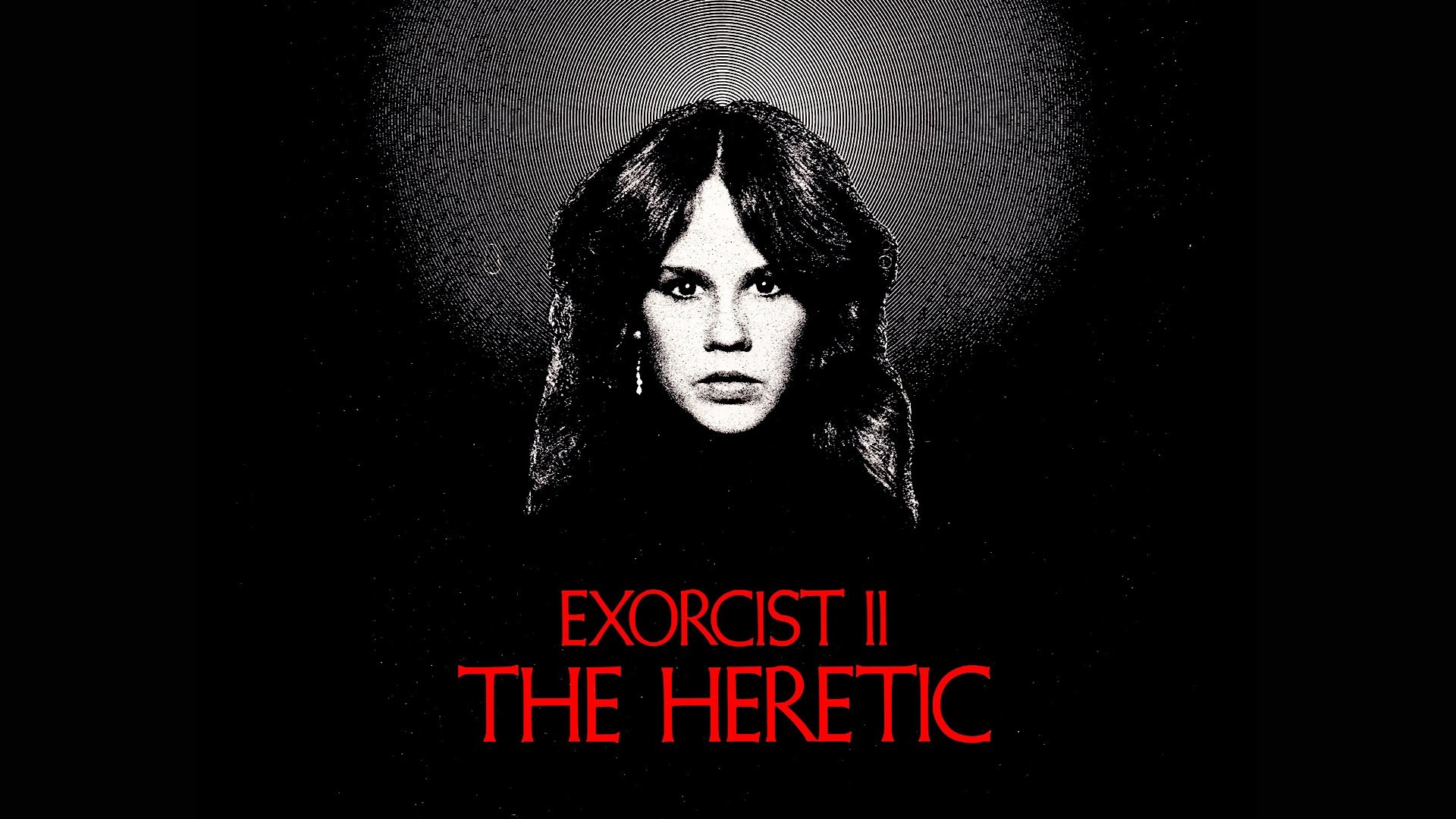
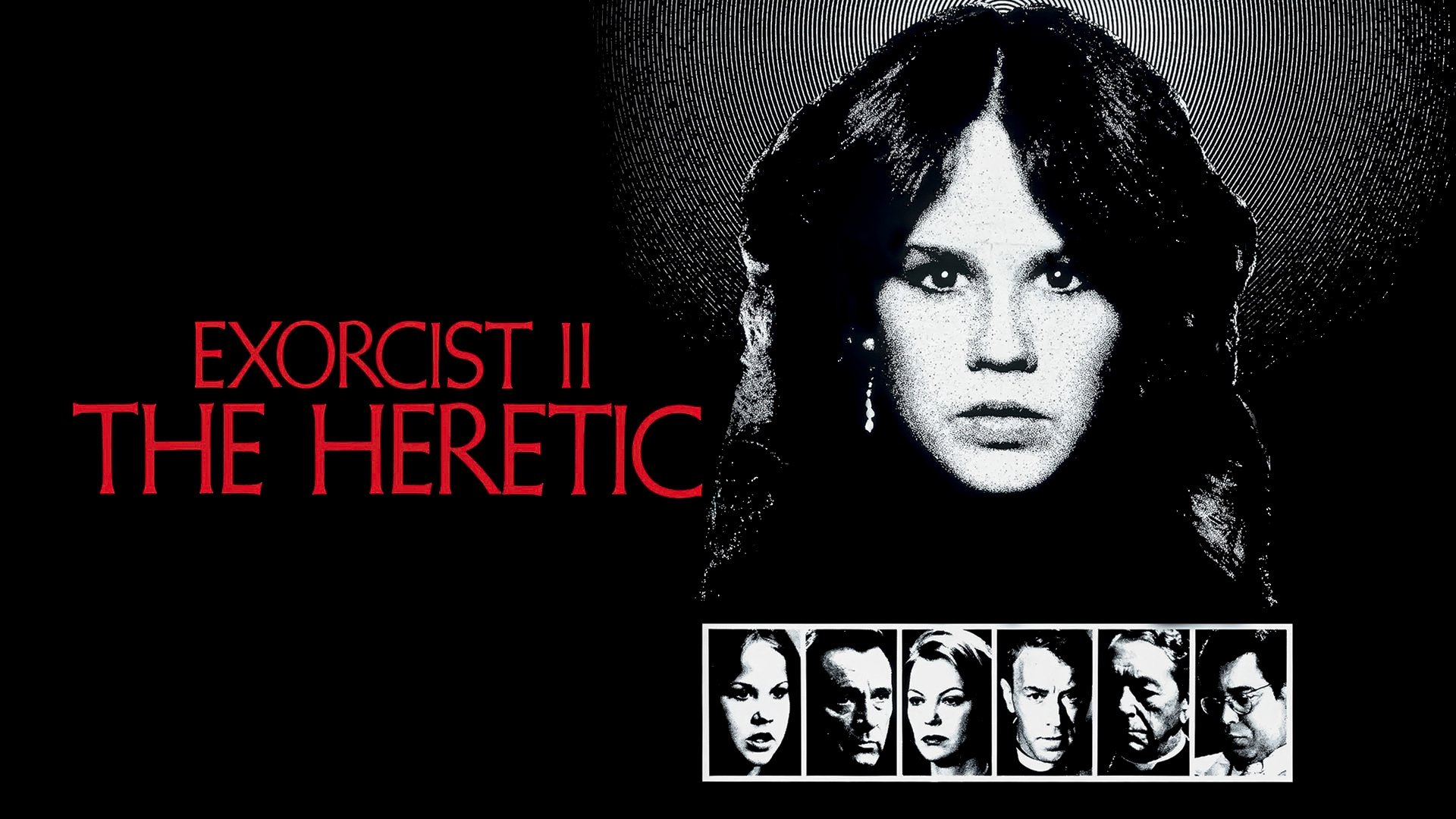
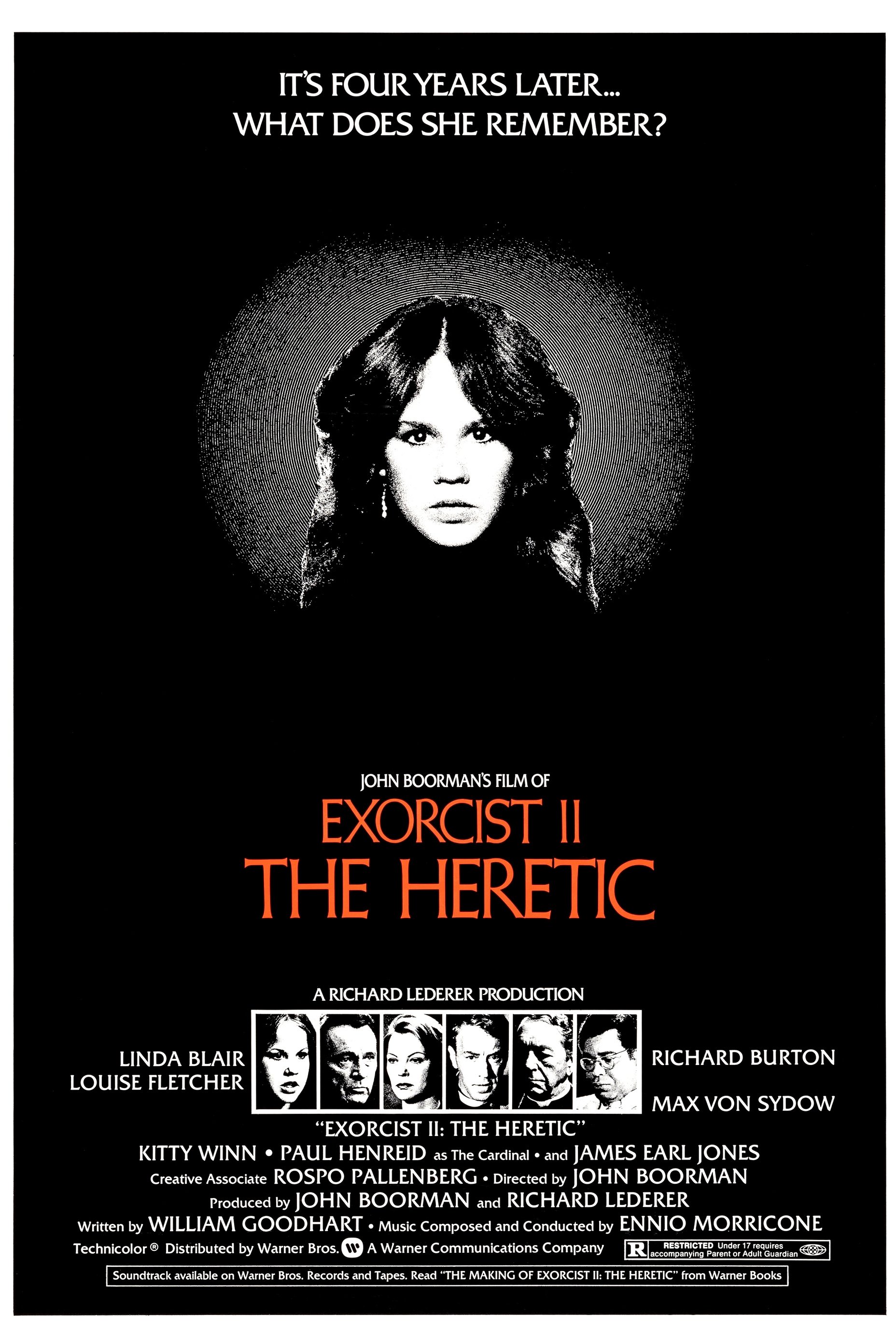
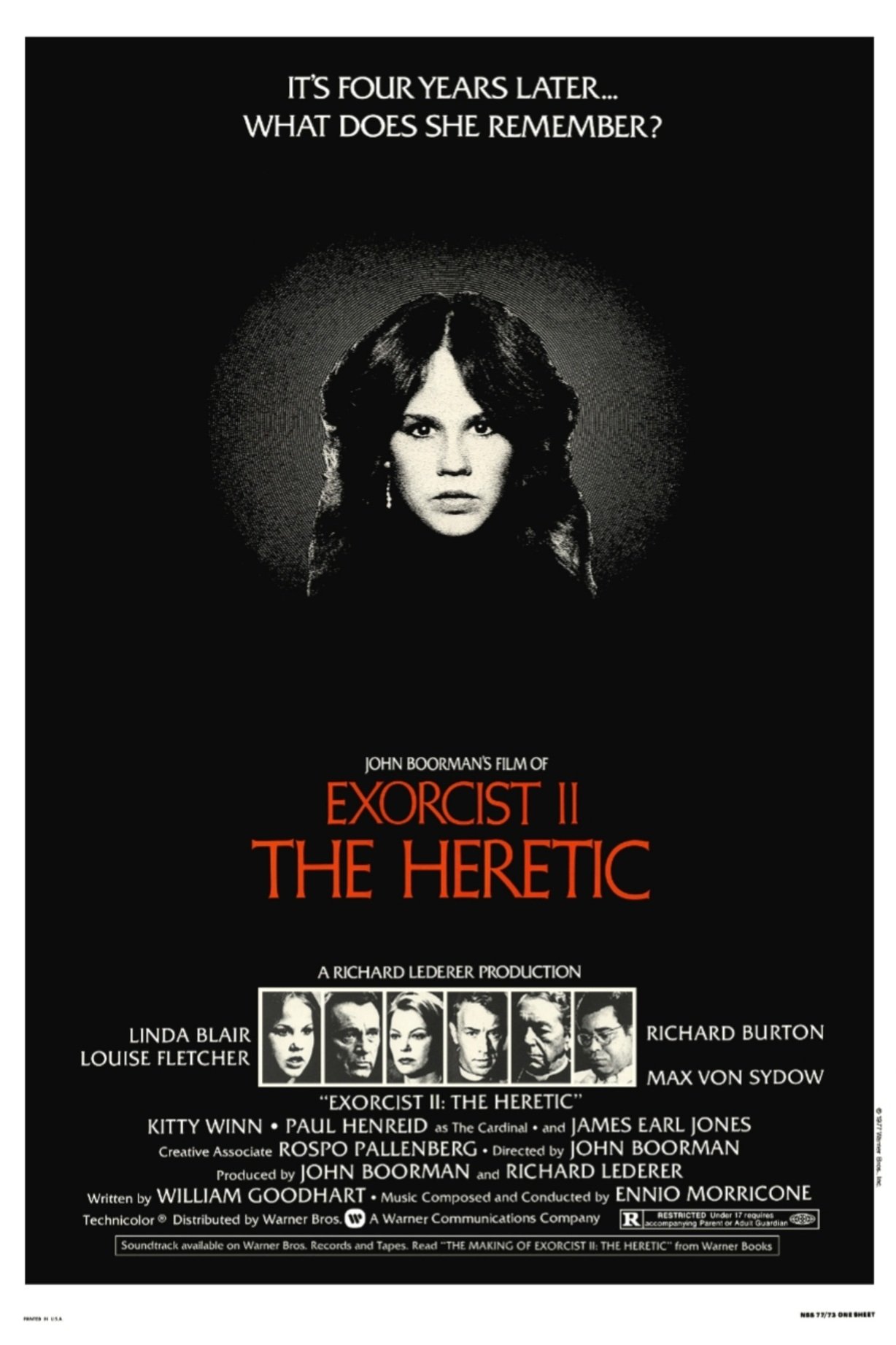
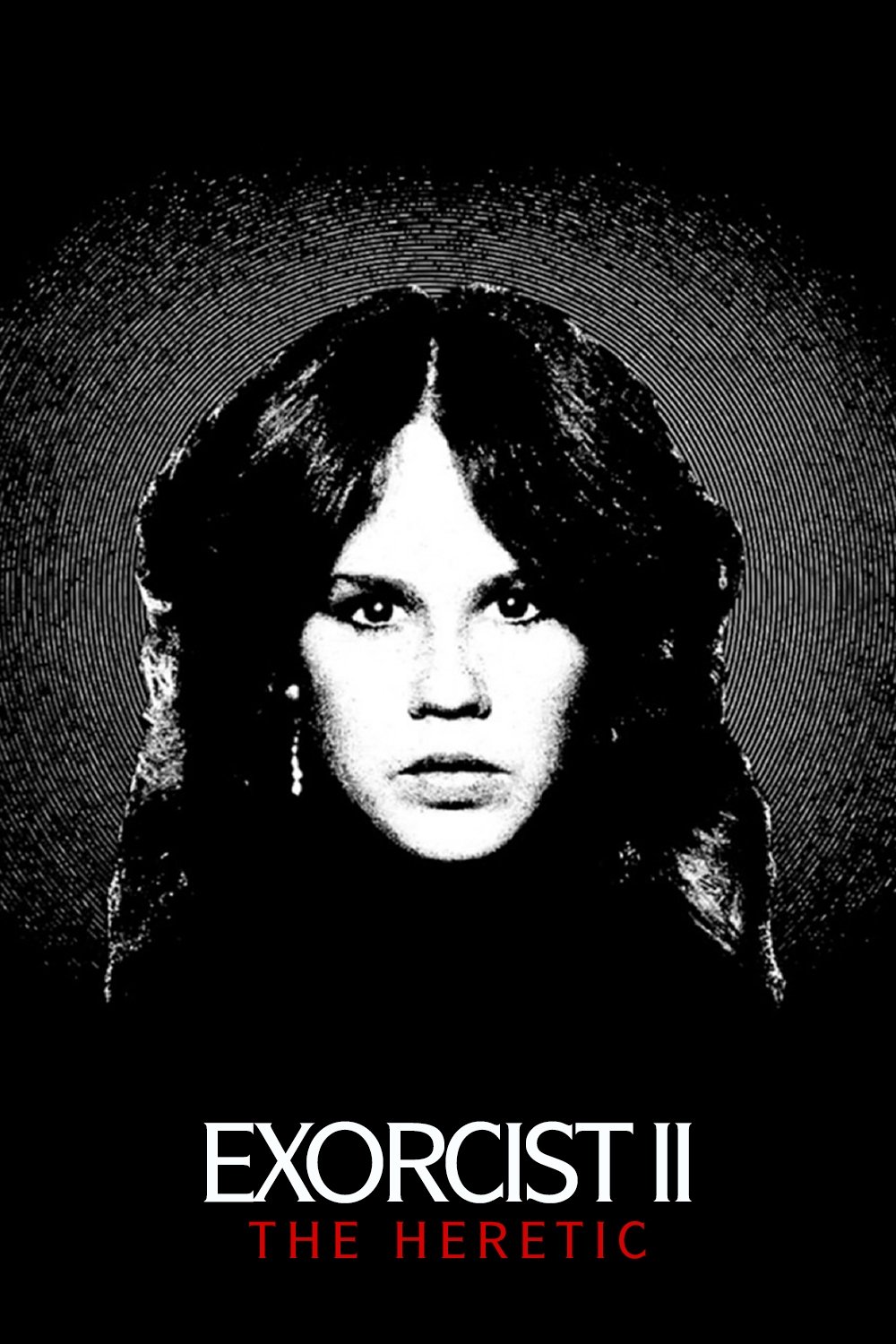
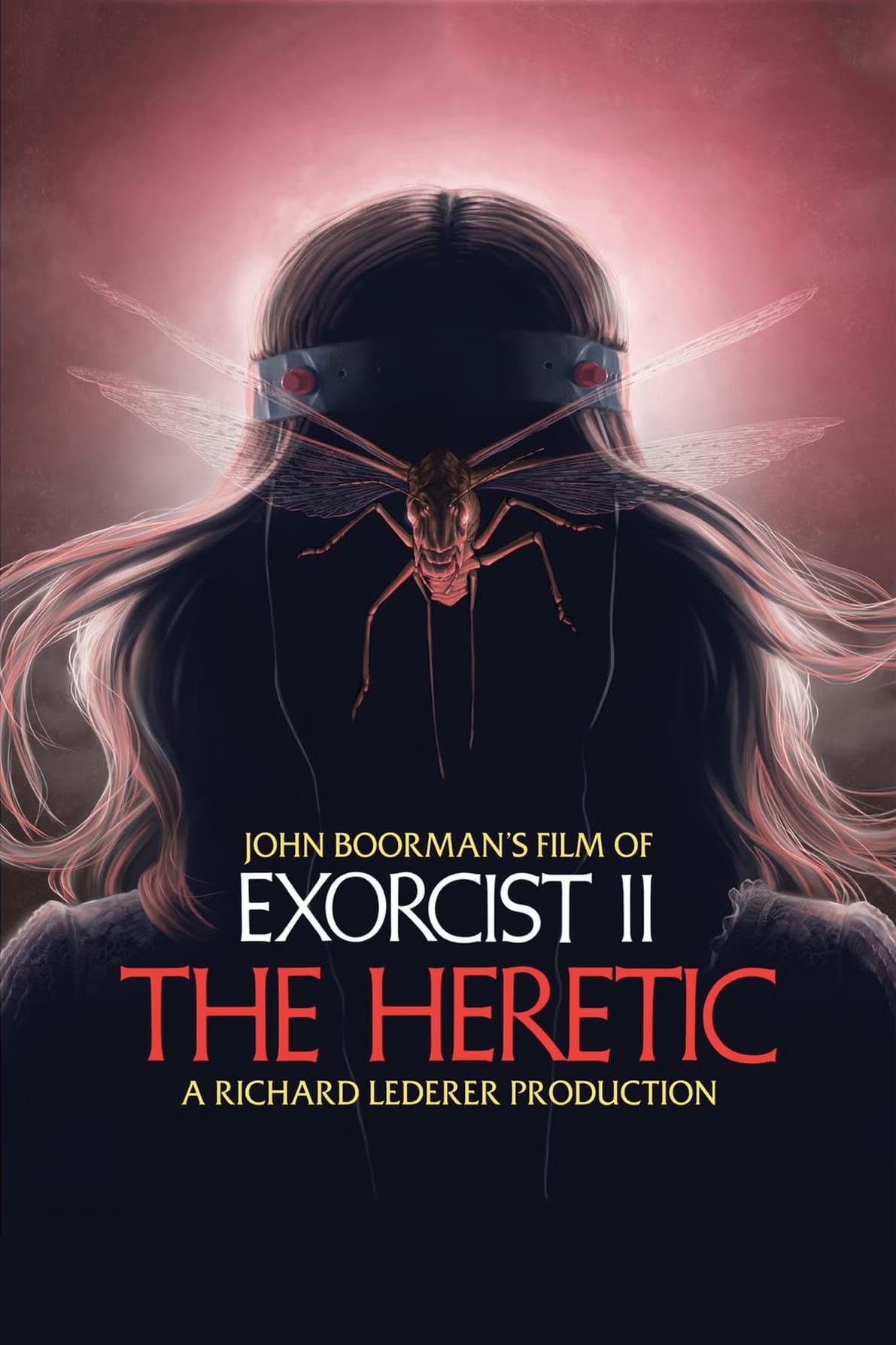
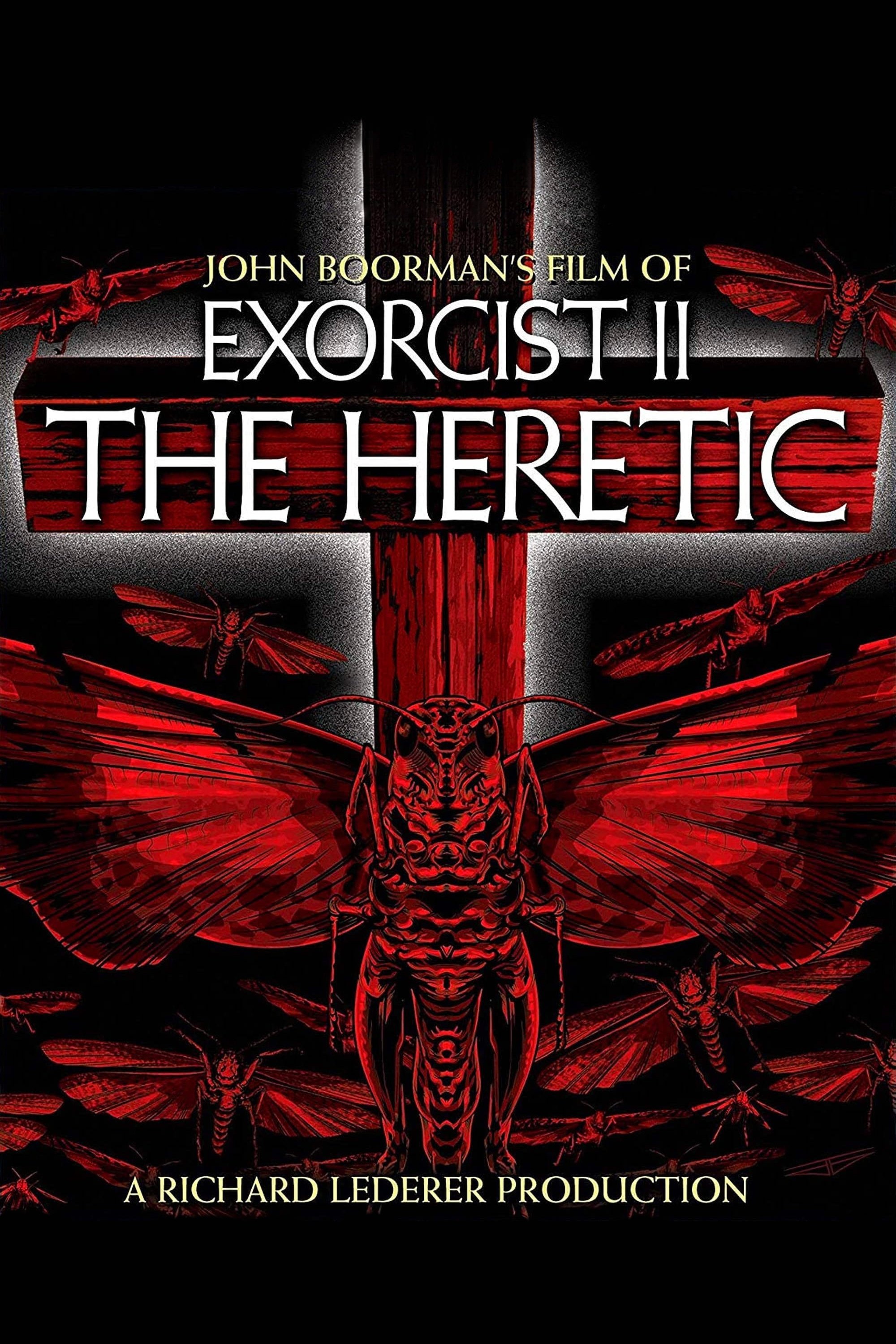
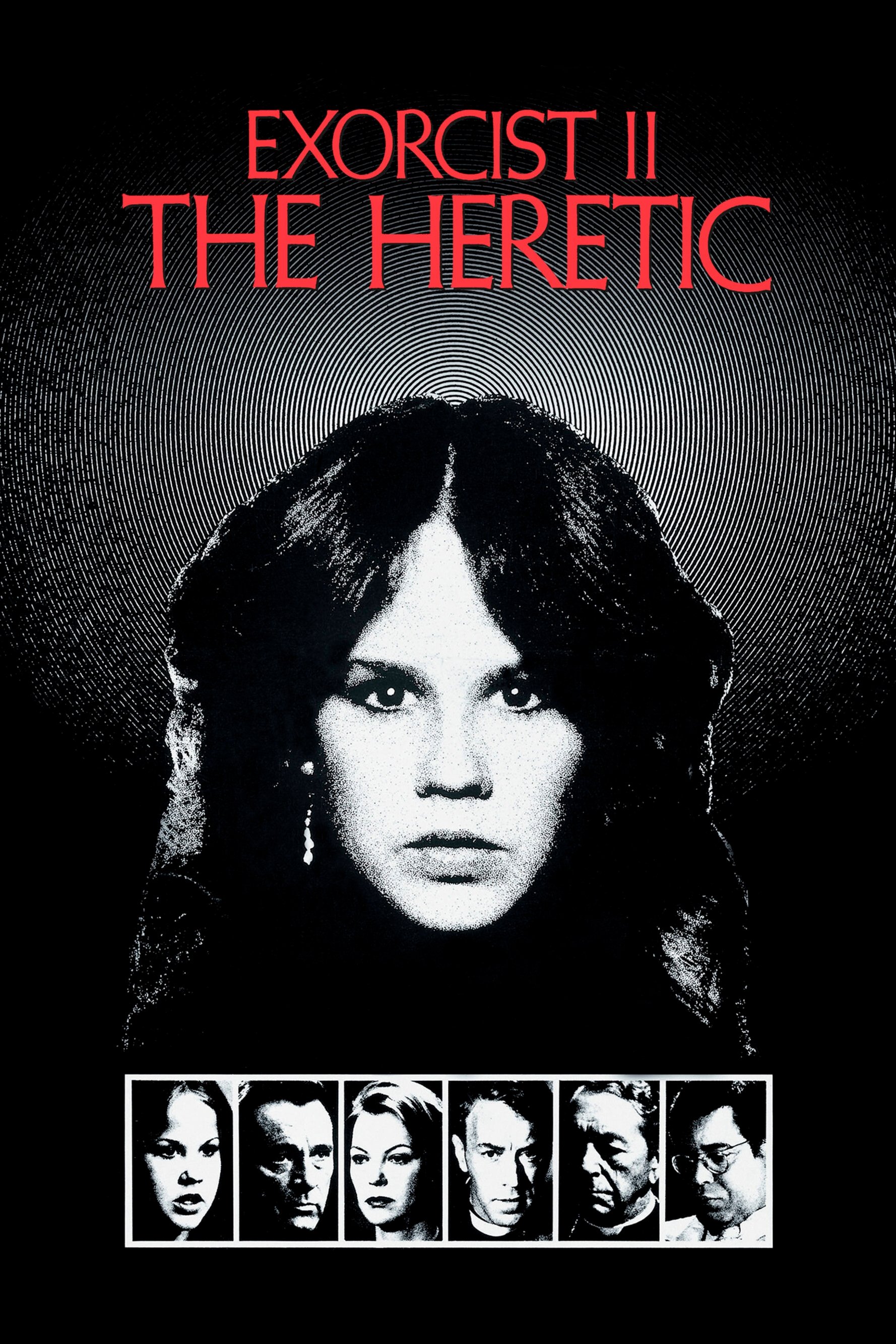
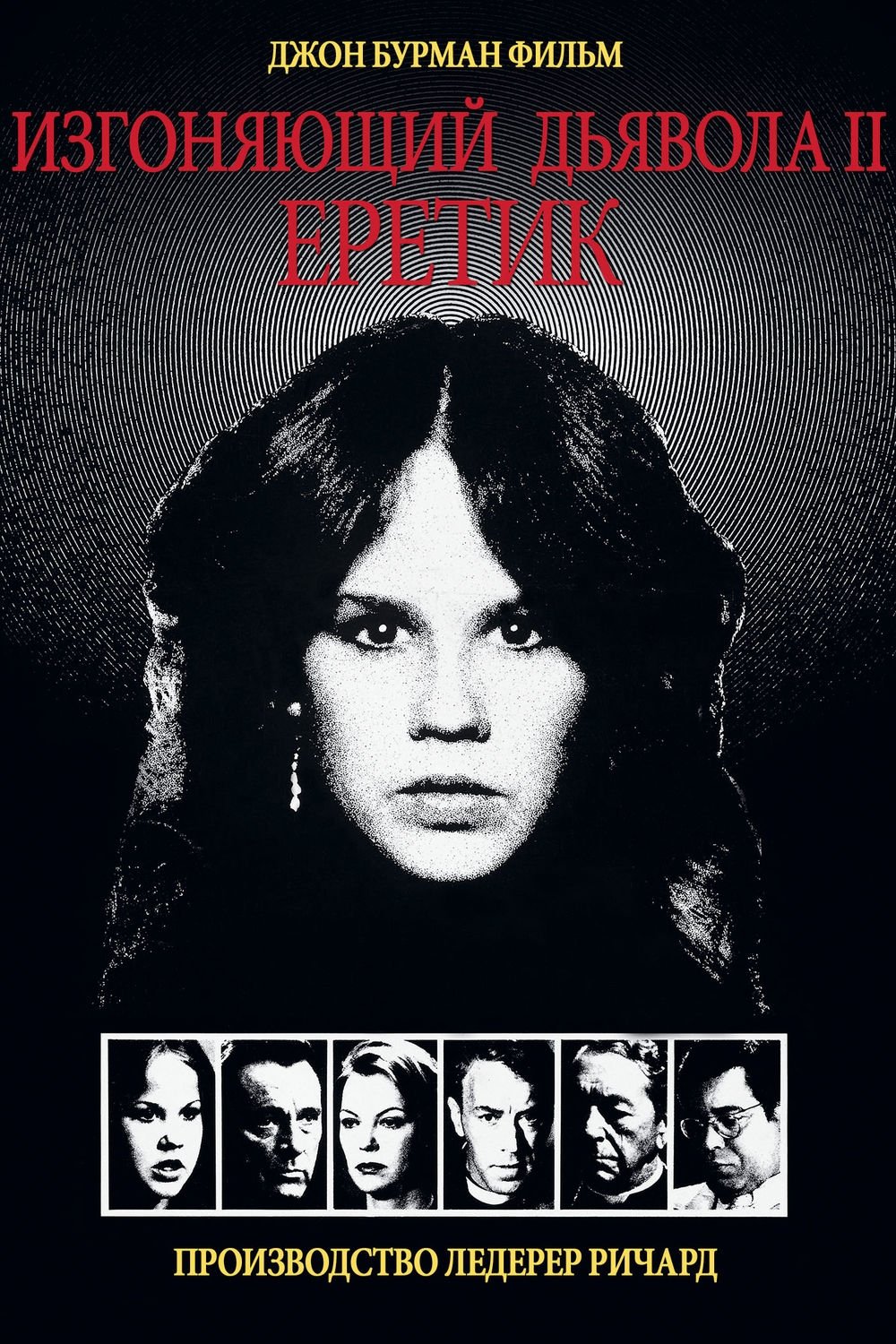
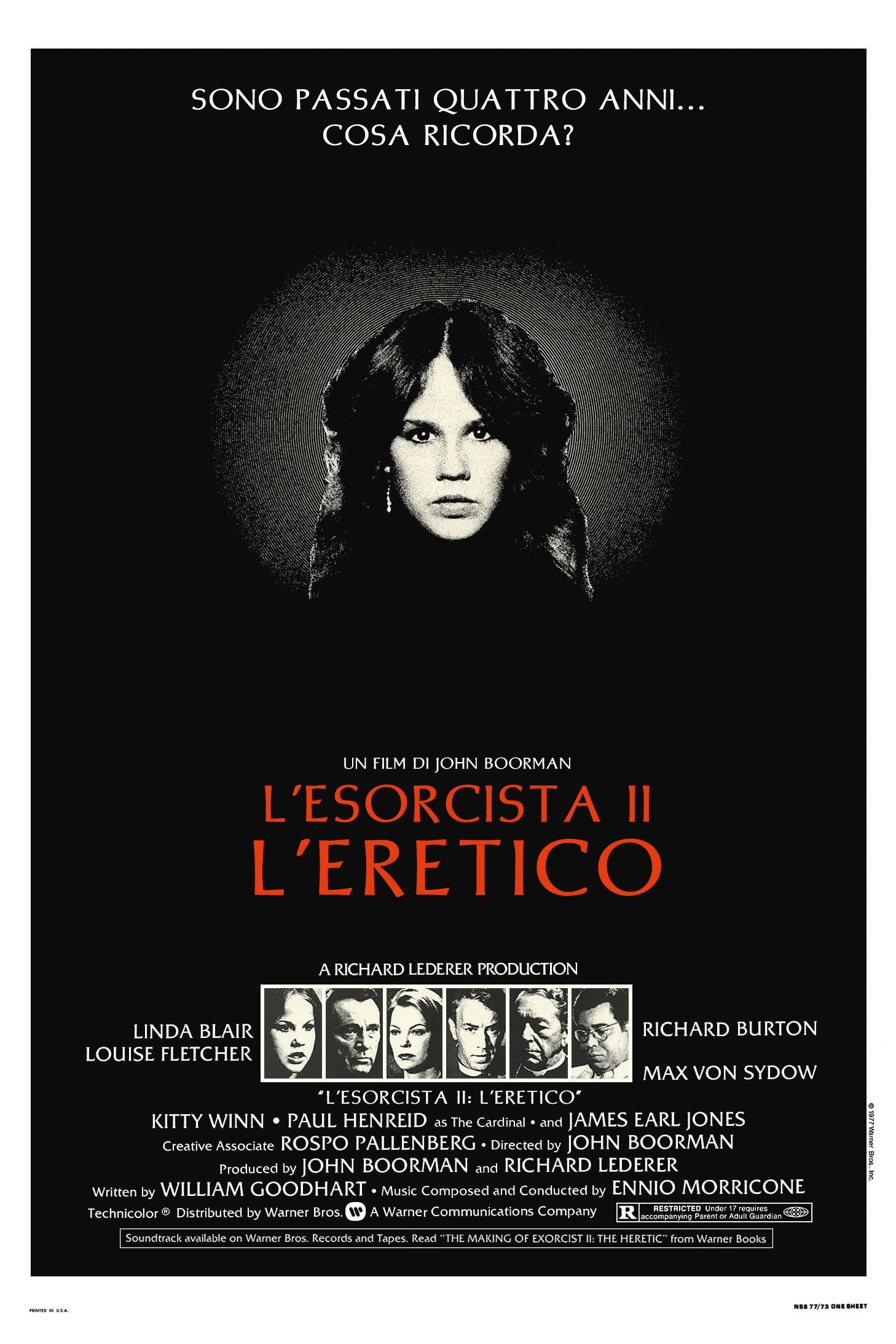
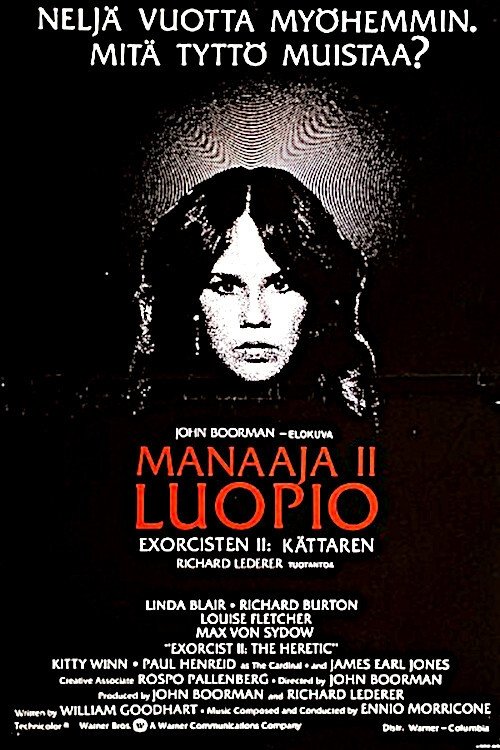
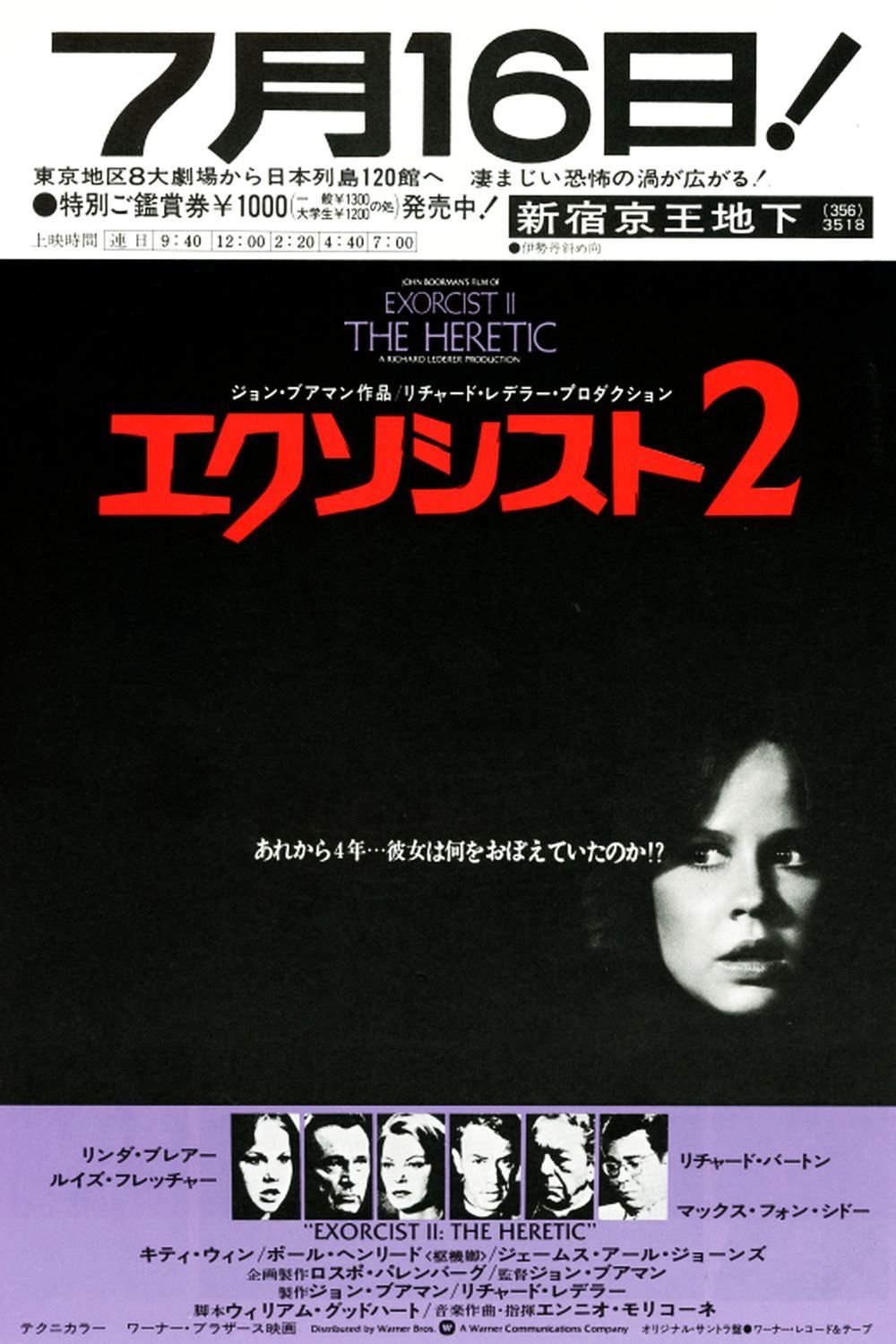
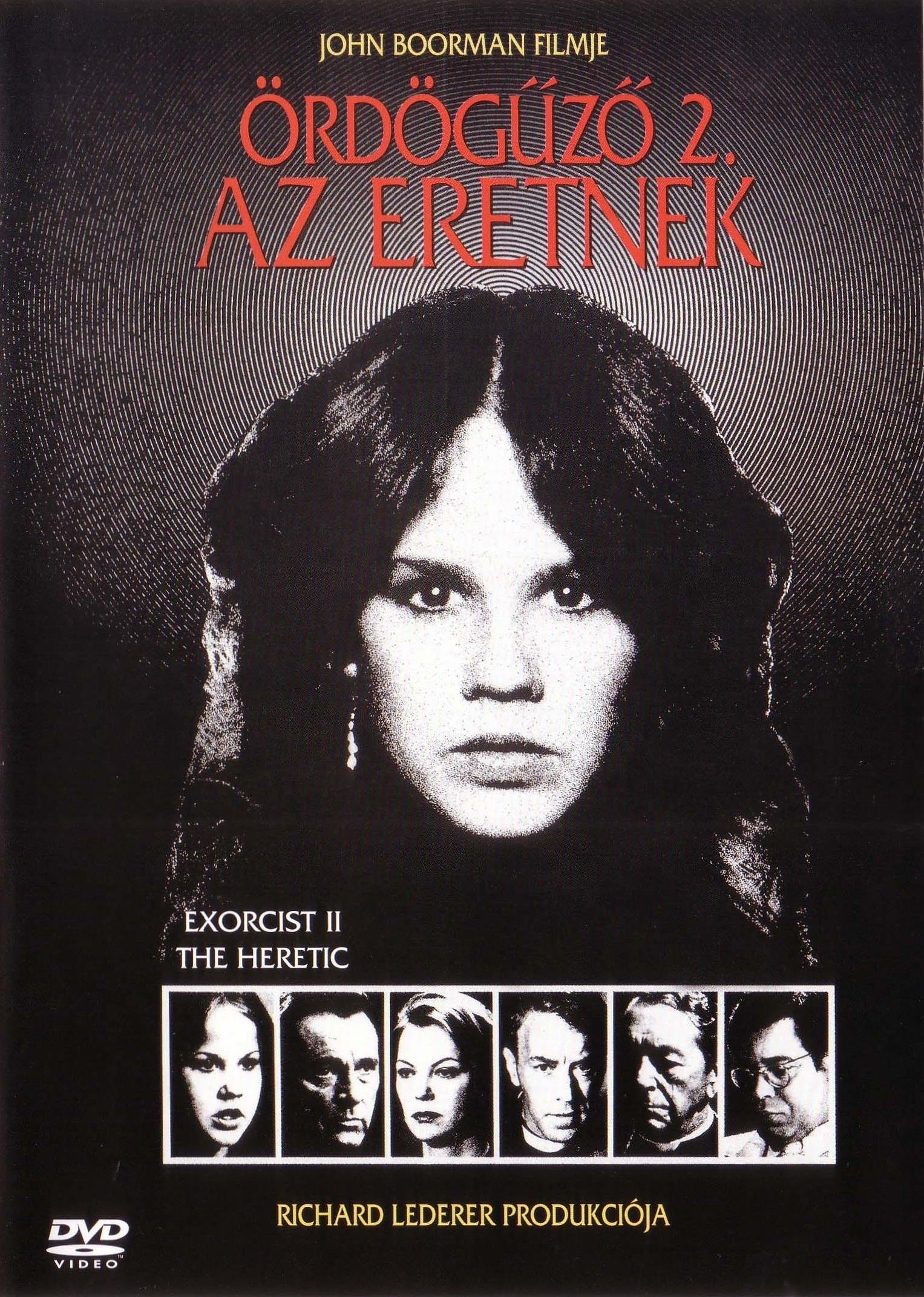
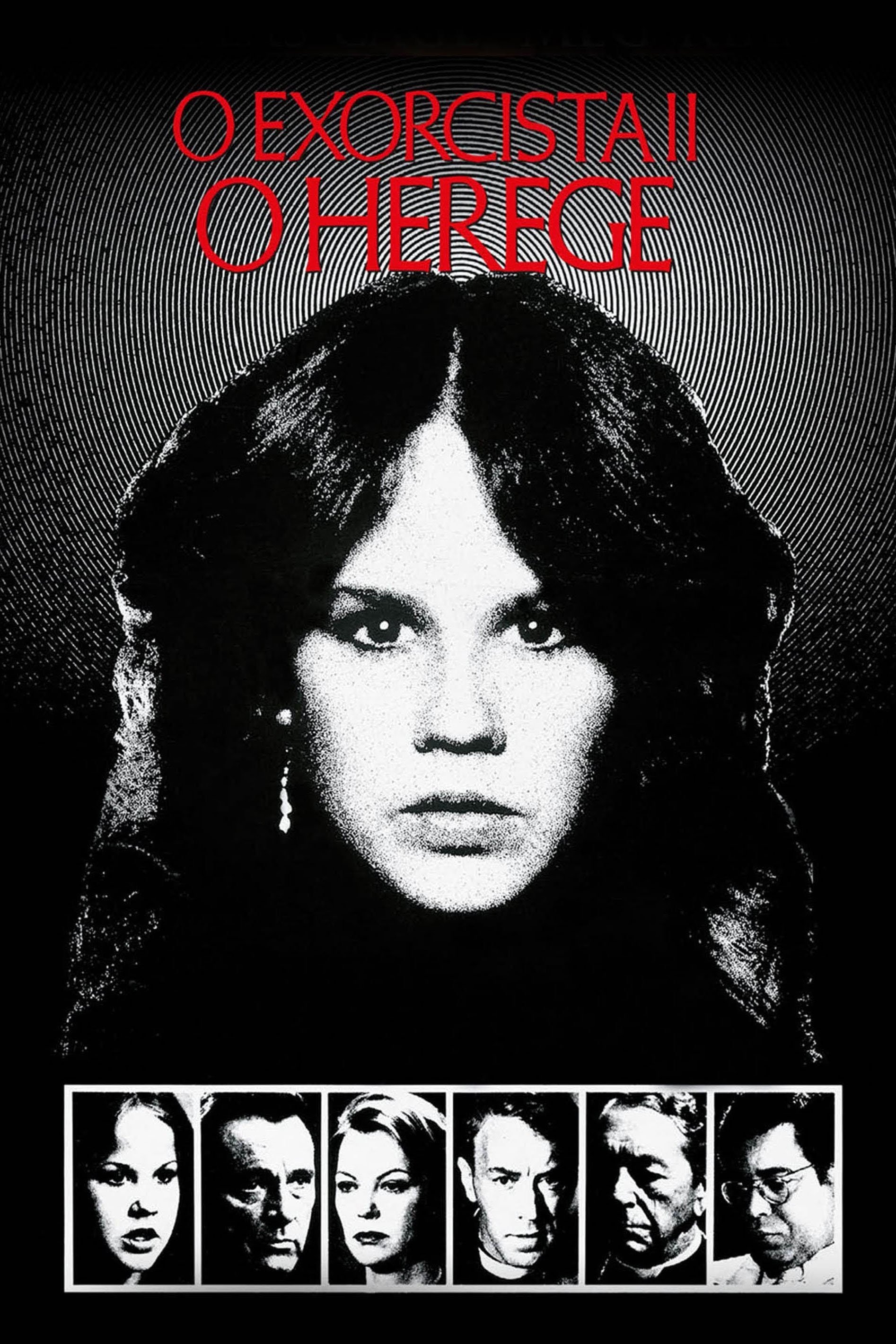
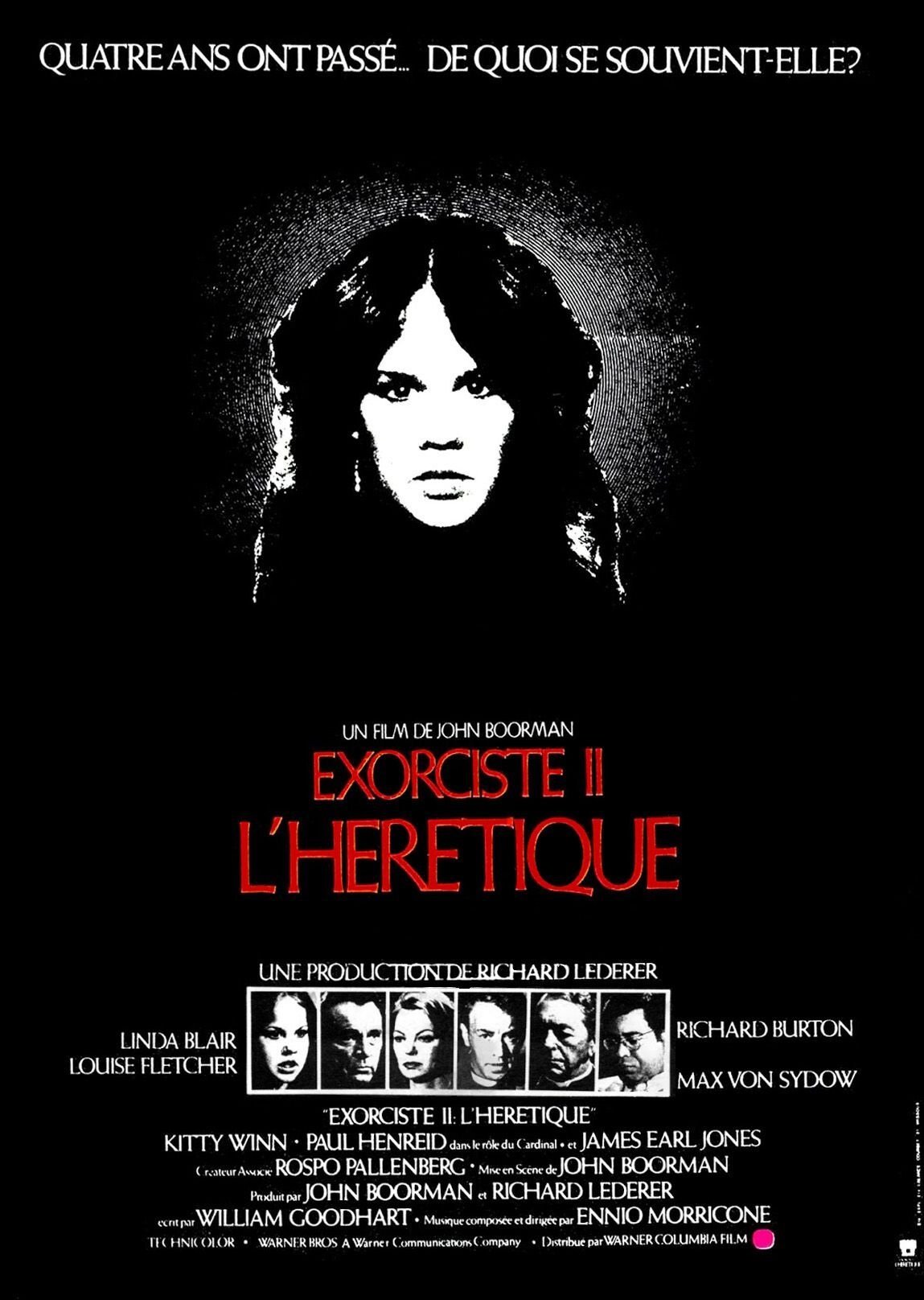
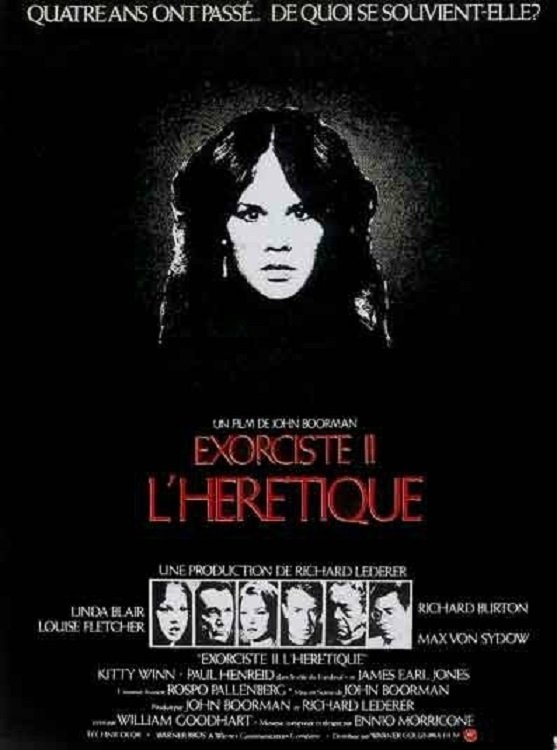
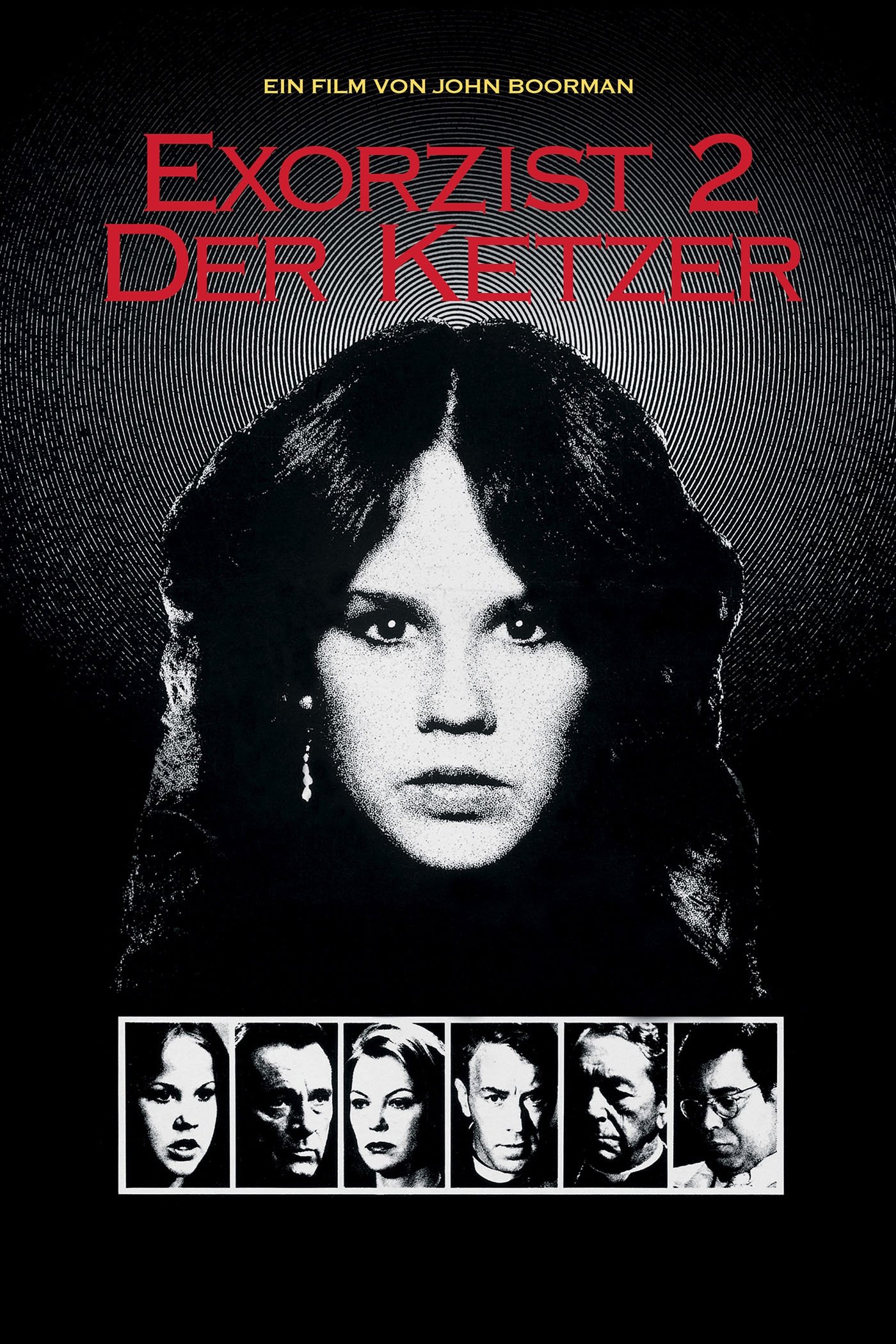
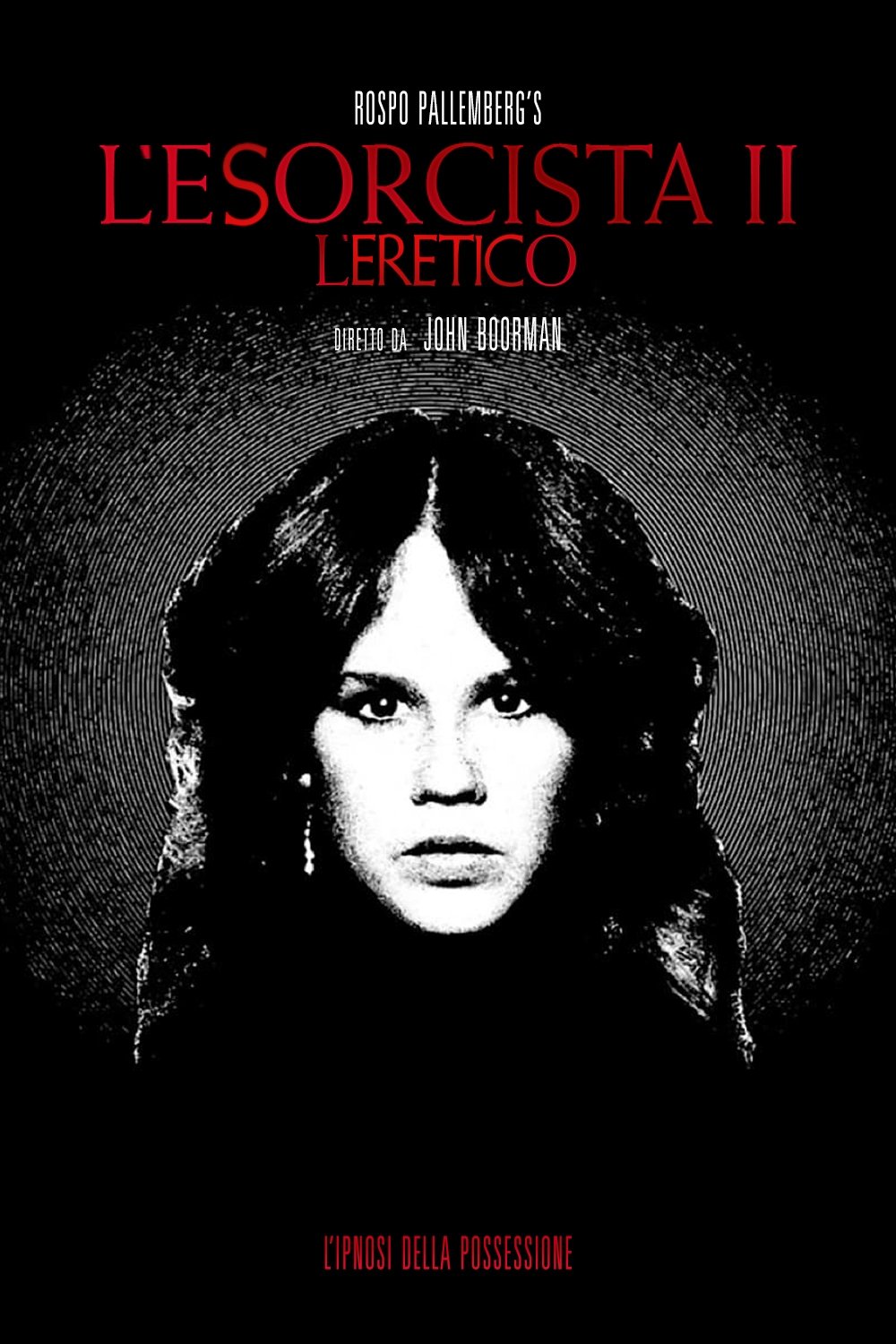
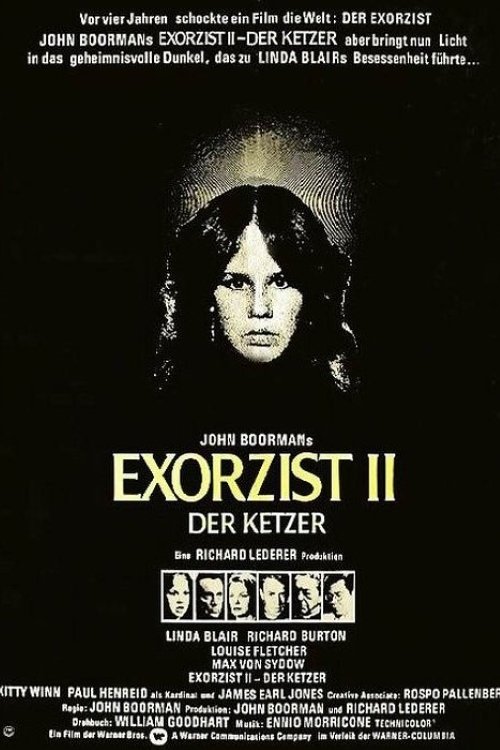
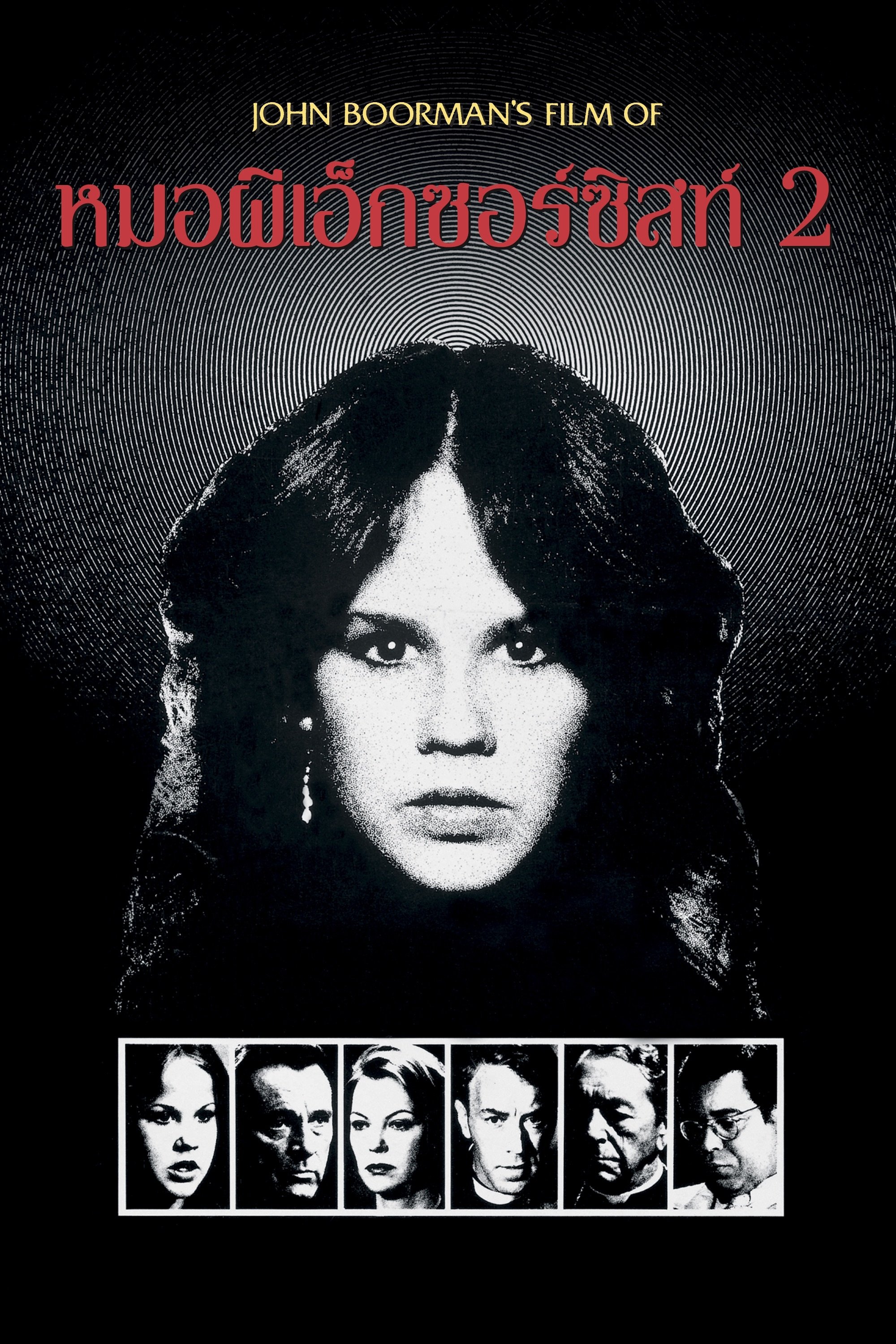
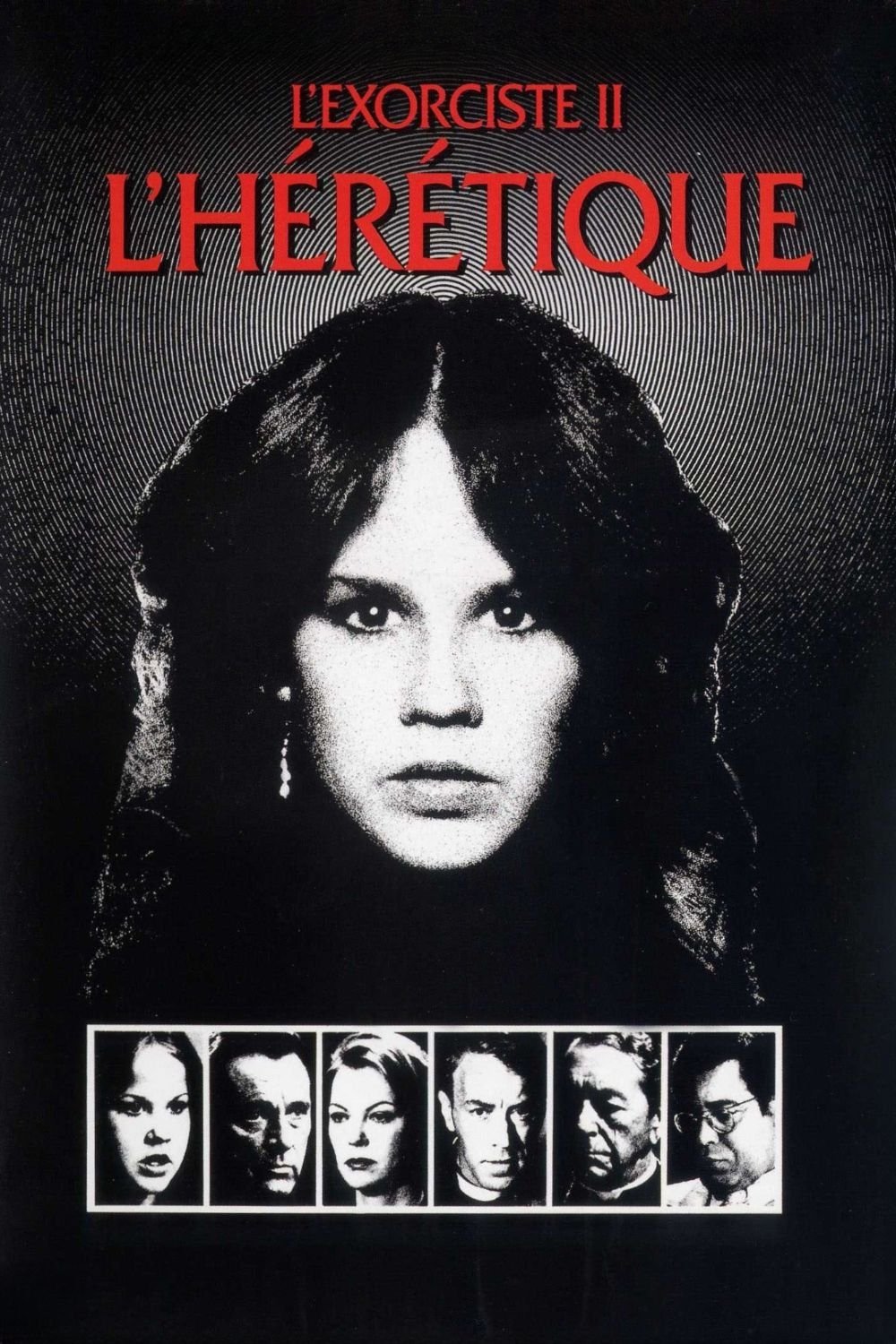
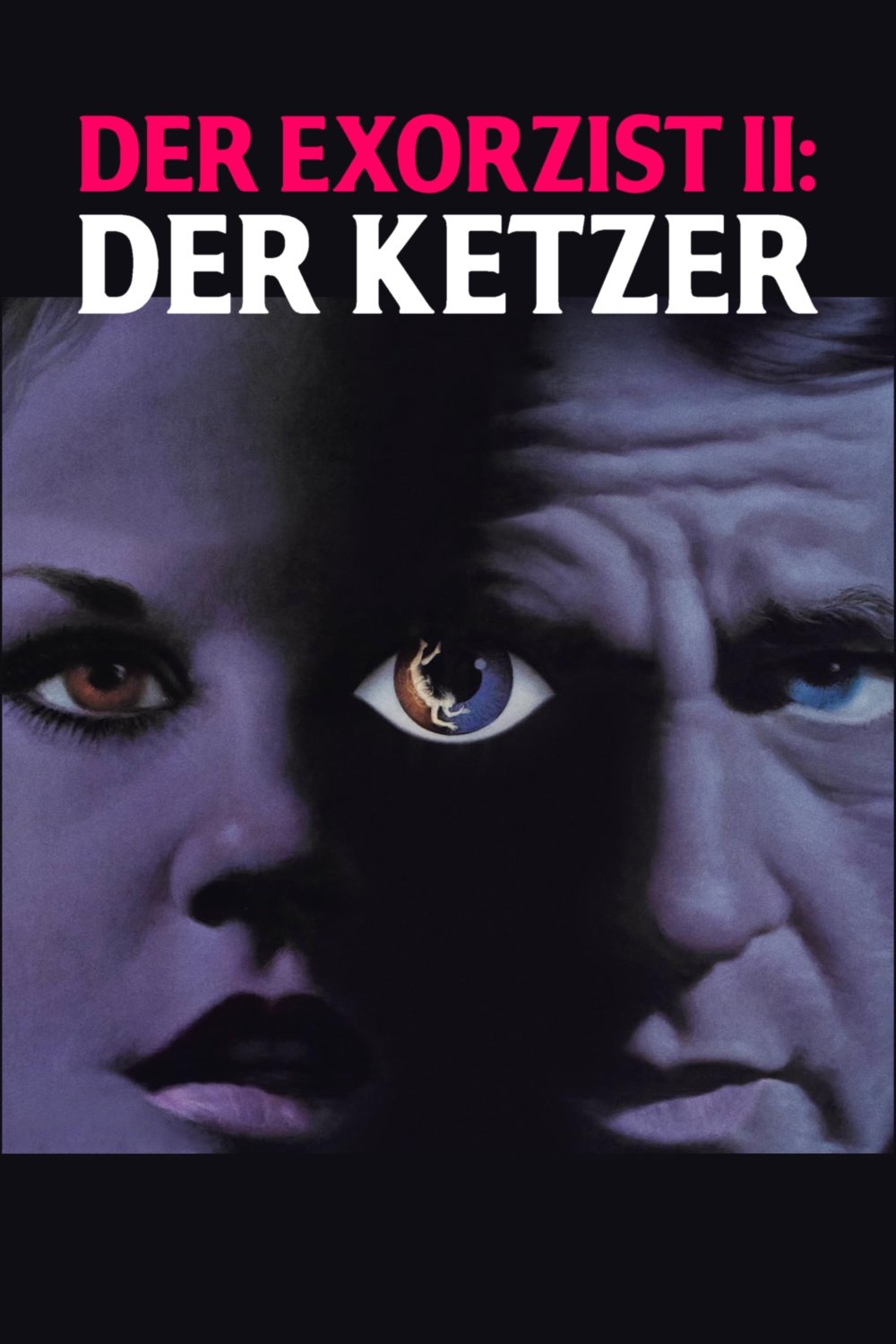
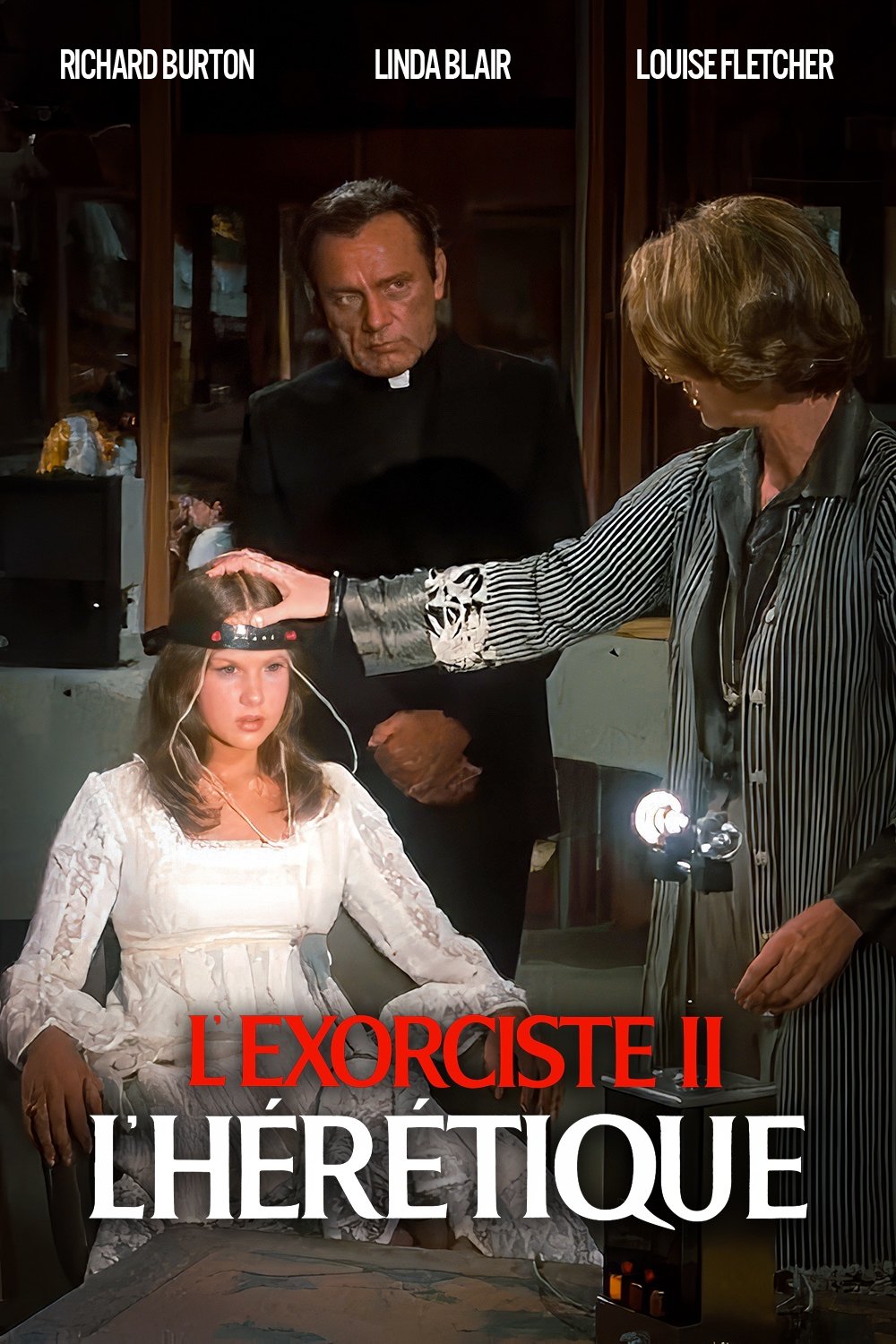
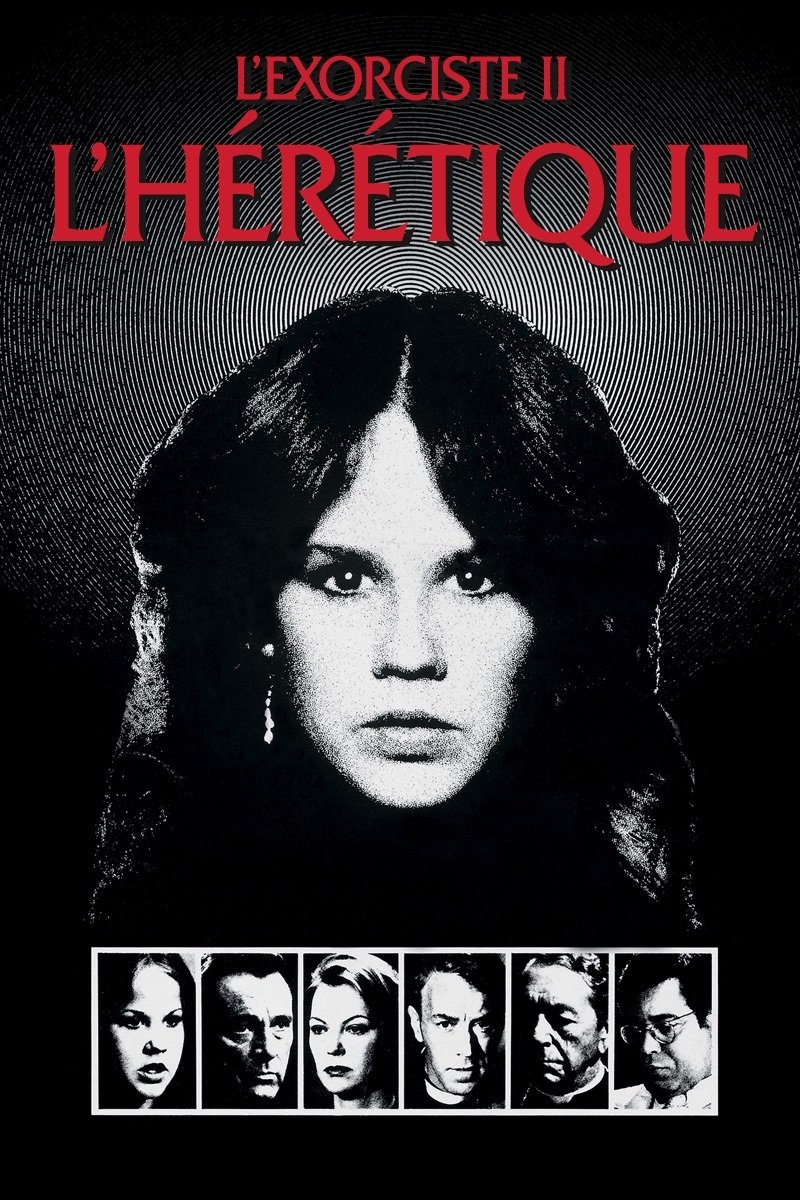
Warner Bros. began developing a continuation of The Exorcist after the extraordinary commercial performance of William Friedkin’s 1973 film. Neither Friedkin nor novelist and screenwriter William Peter Blatty returned in a creative capacity. Early reports from 1974 and 1975 described changing arrangements for the sequel, initially involving editor Sam O’Steen as prospective director. Playwright William Goodhart developed the screenplay, while several working titles circulated before Warner settled on Exorcist II: The Heretic. The studio initially anticipated a relatively economical continuation of its established property, but the project became progressively more ambitious as its creative direction changed.
John Boorman was announced as director in November 1975. He had previously been offered the opportunity to direct the original The Exorcist but had declined, regarding its approach to possession as excessively disturbing. His own films, including Deliverance (1972) and Zardoz (1974), demonstrated an interest in psychological conflict, mythology and unusual visual environments. In an October 1976 interview reported by the American Film Institute, Boorman described the sequel as a story concerned with spiritual evolution. He wanted to explore the possibility that human beings might develop abilities capable of resisting destructive forces. This conception differed substantially from the theological and psychological confrontation that had defined Friedkin’s film.
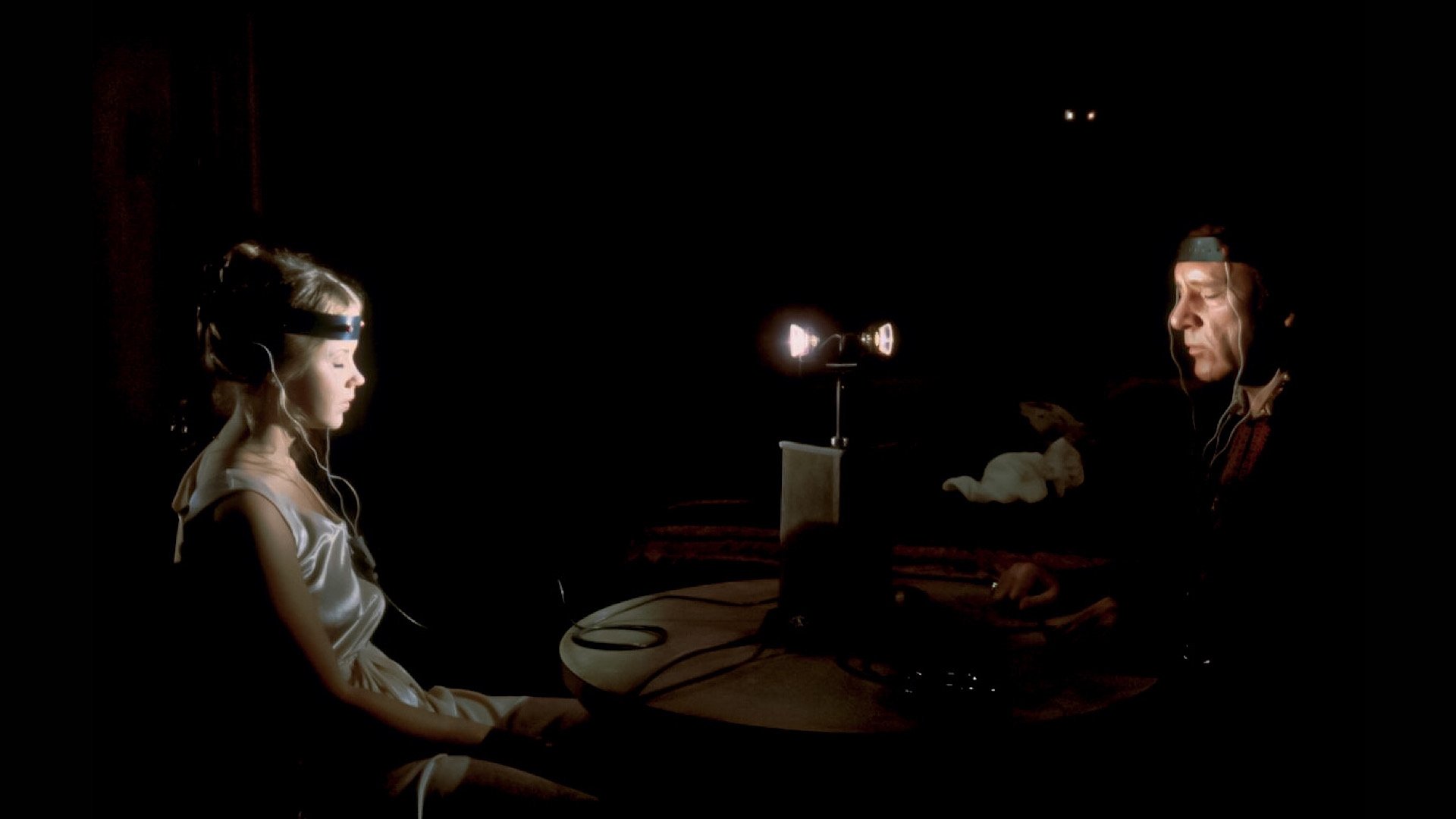
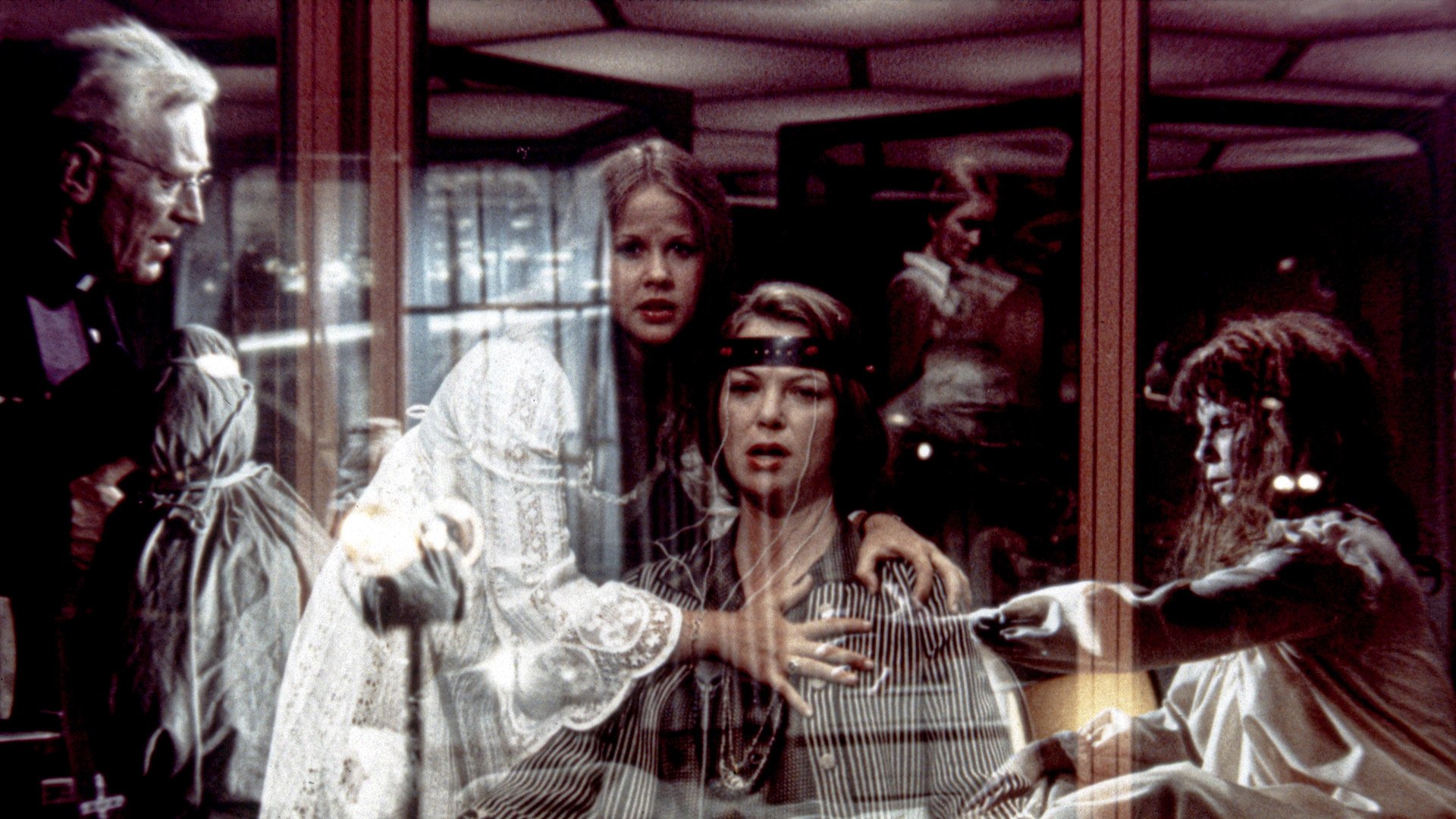
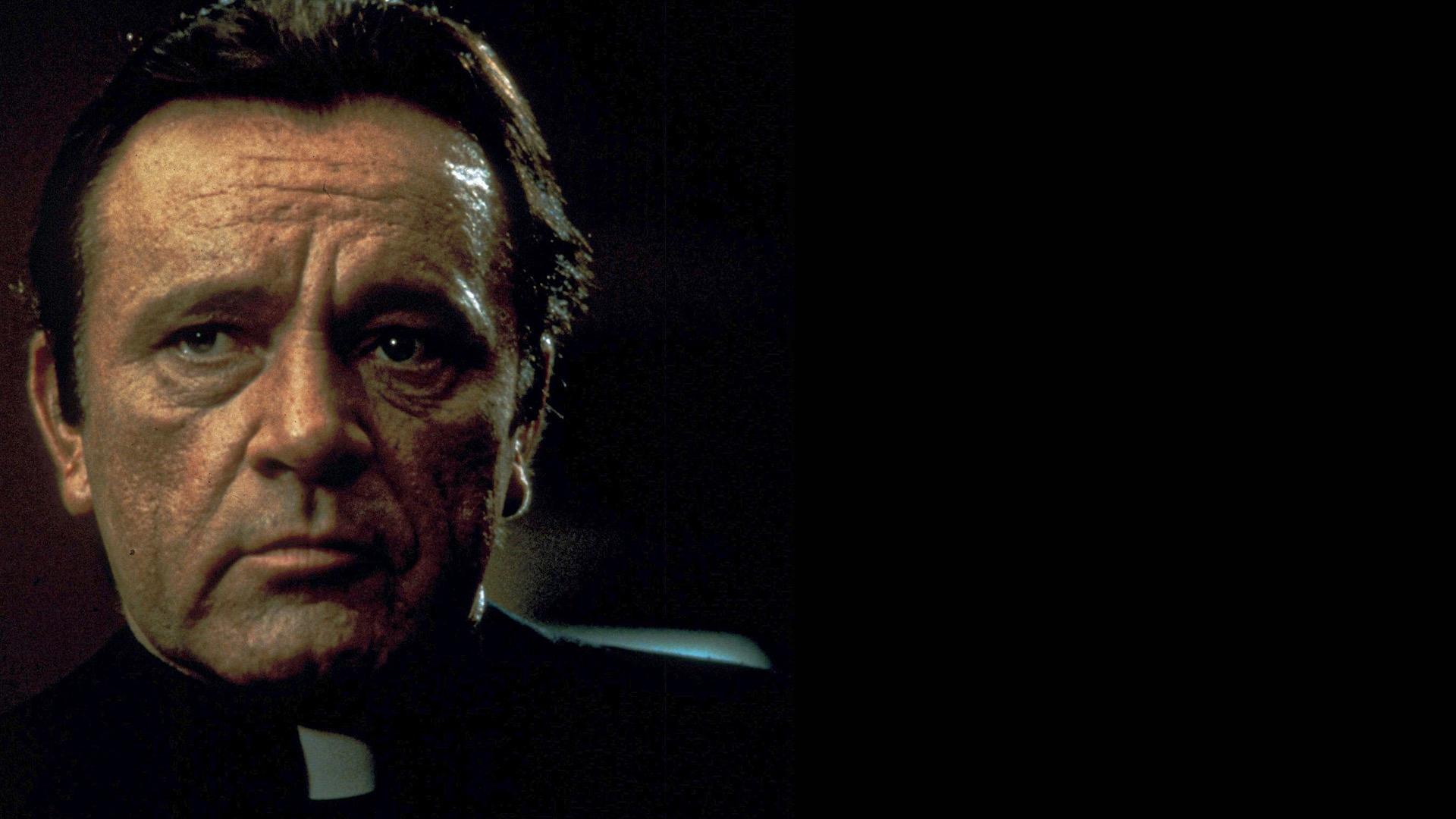
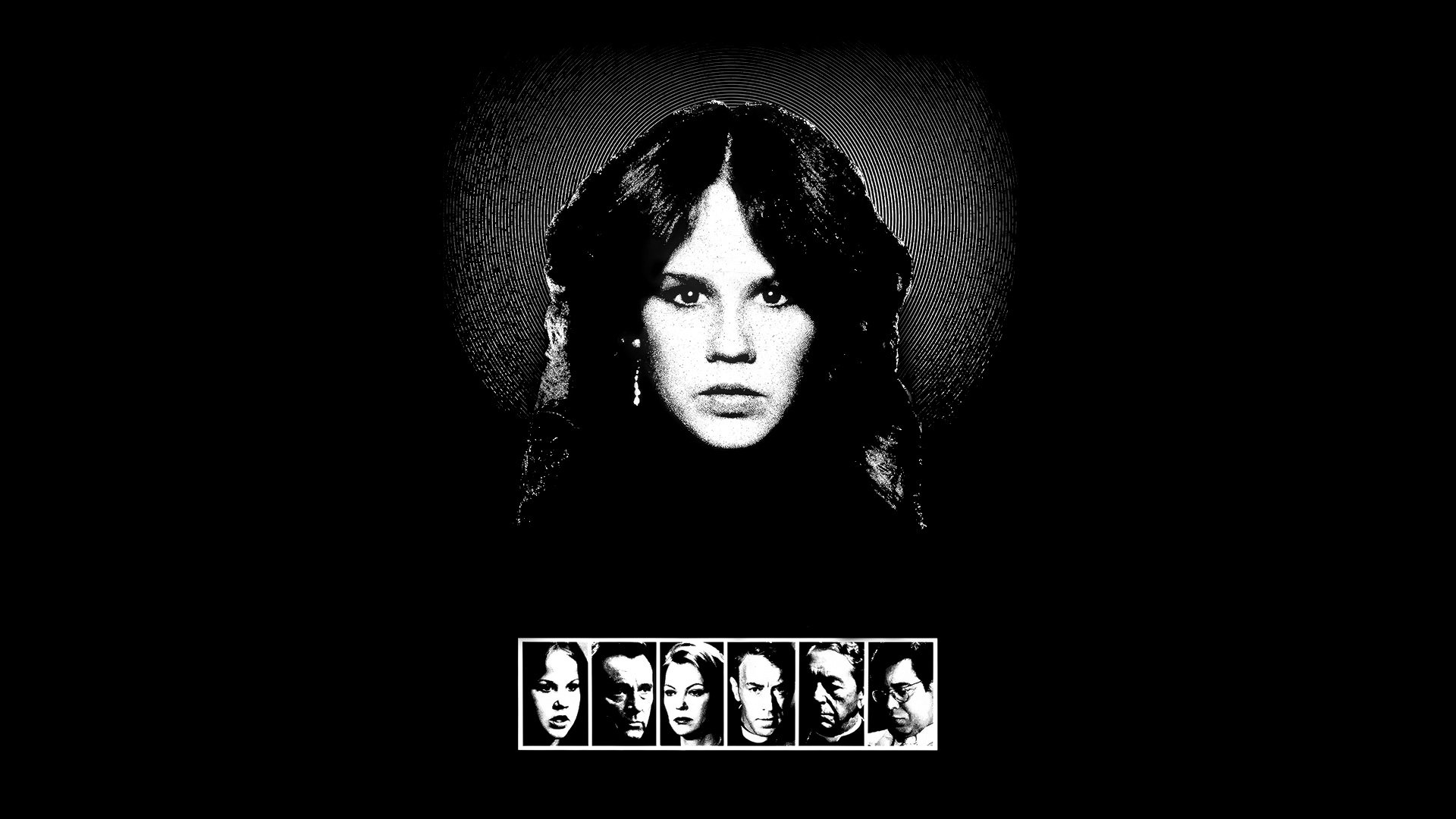
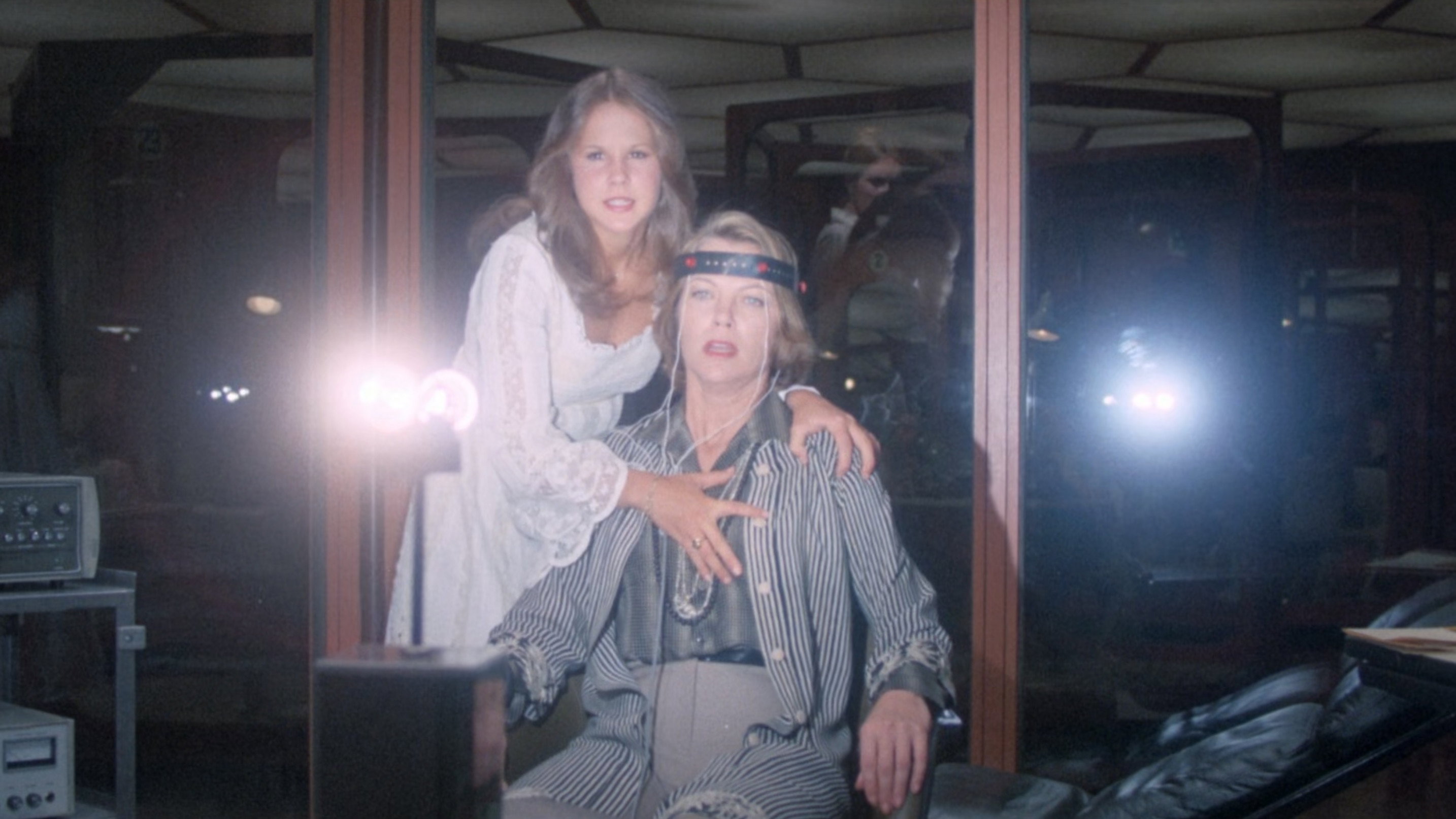
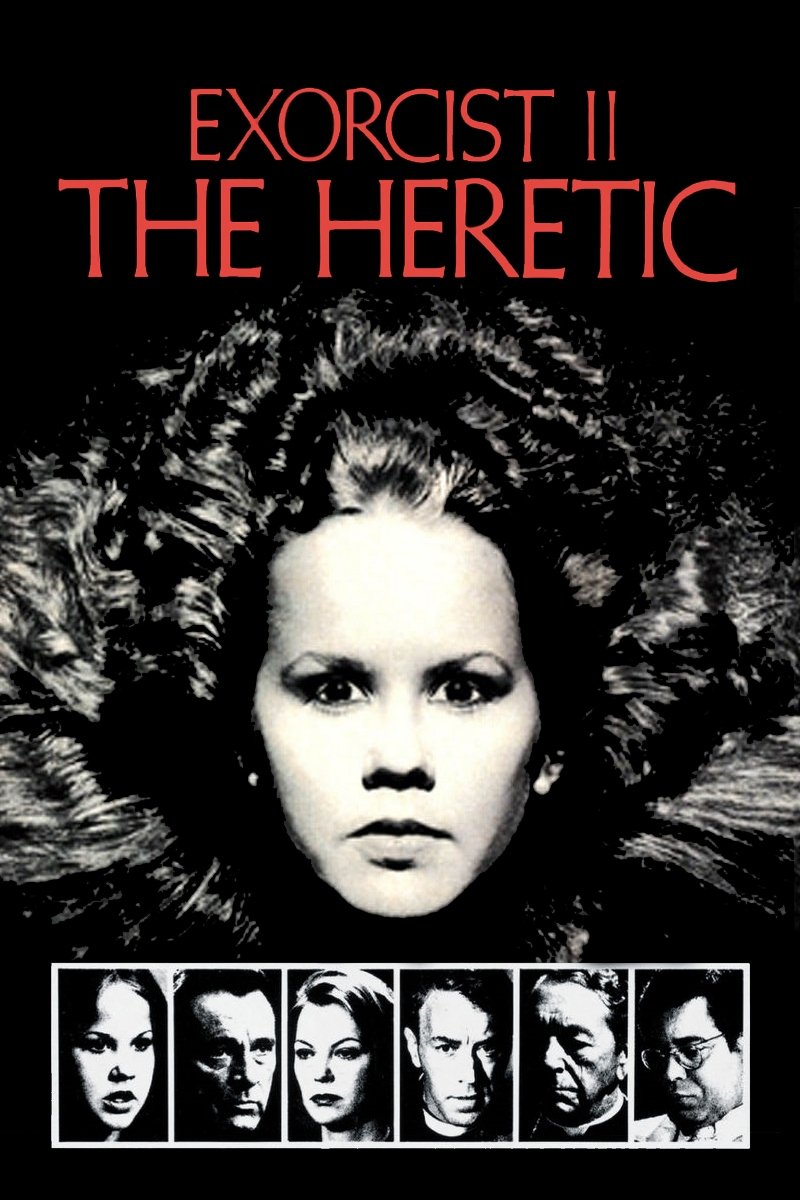
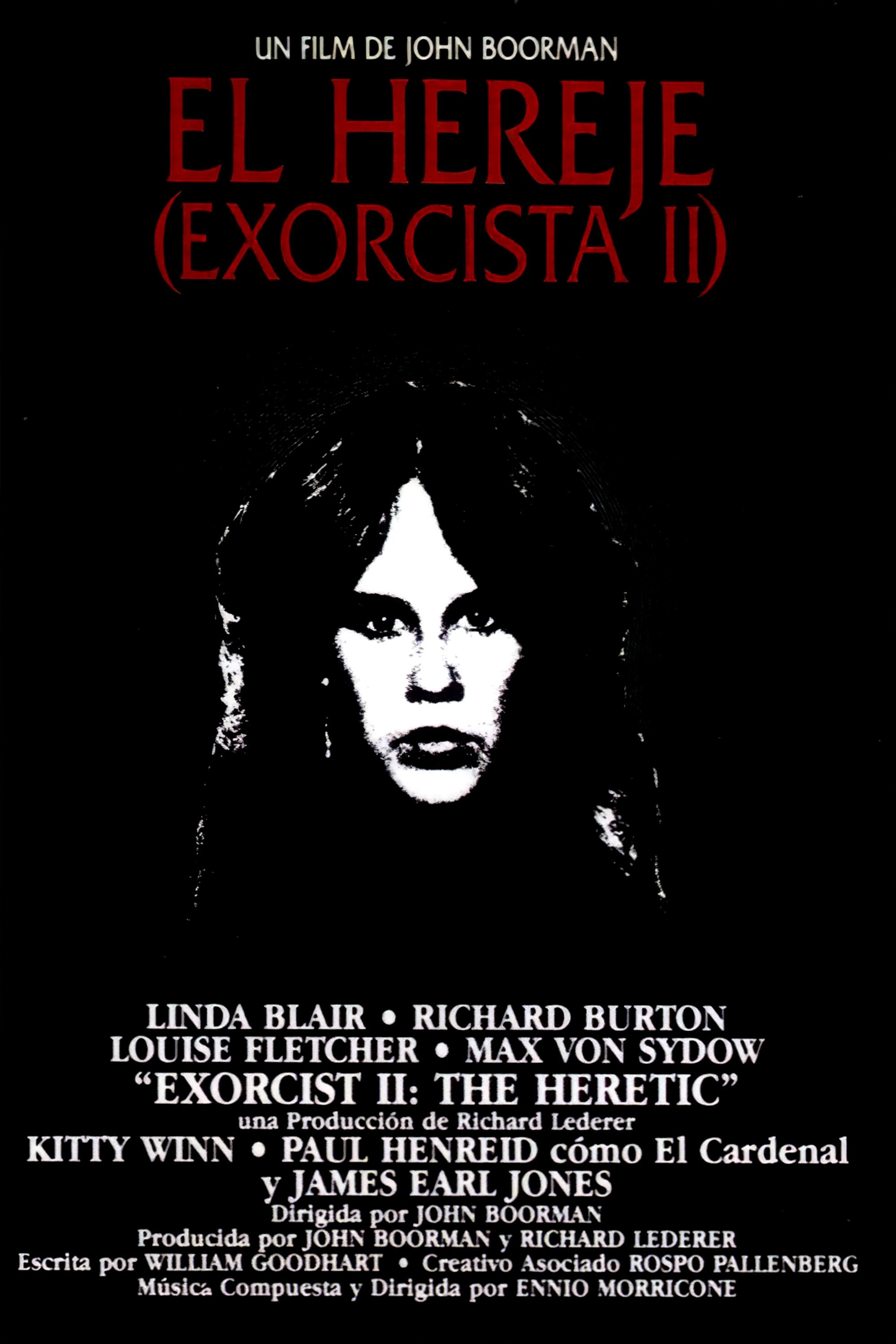
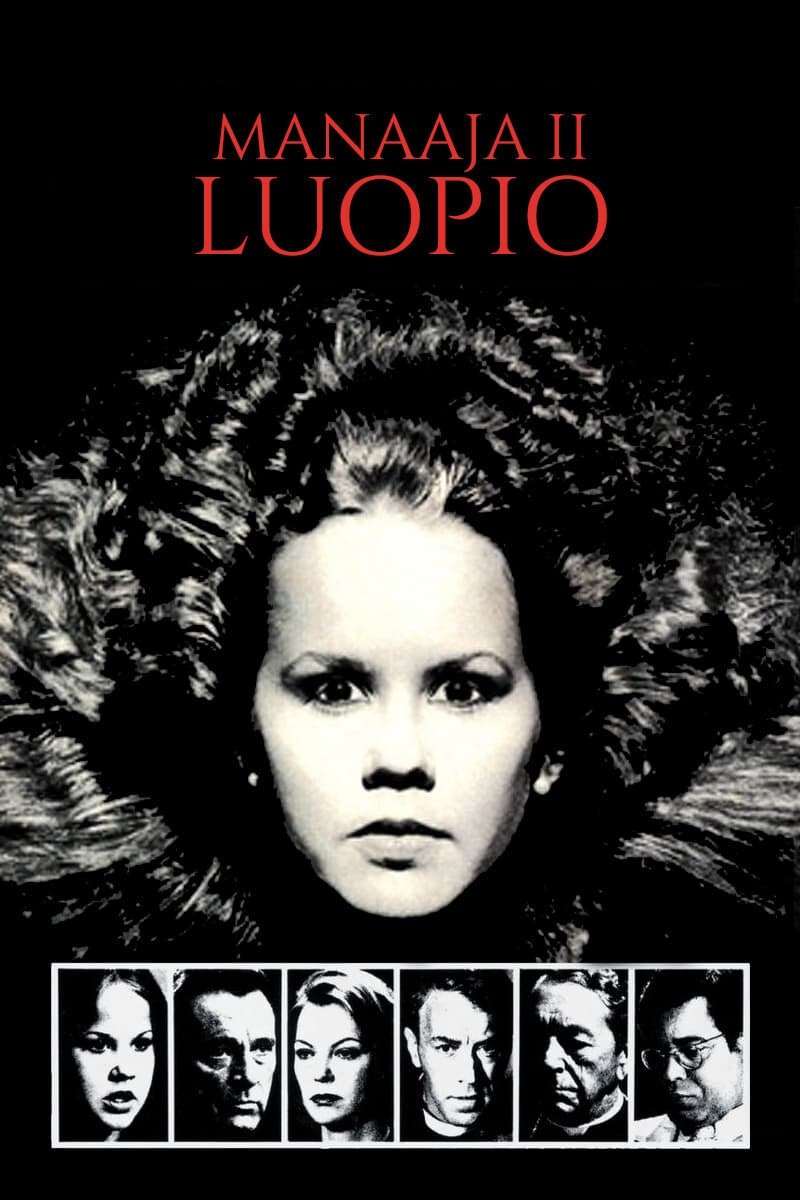
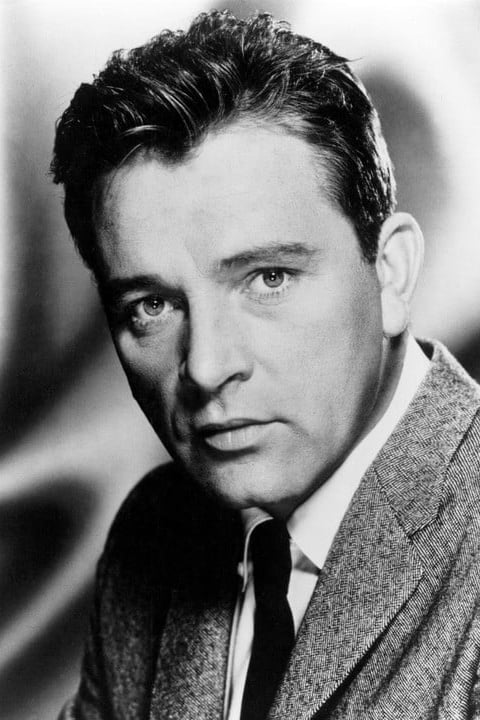
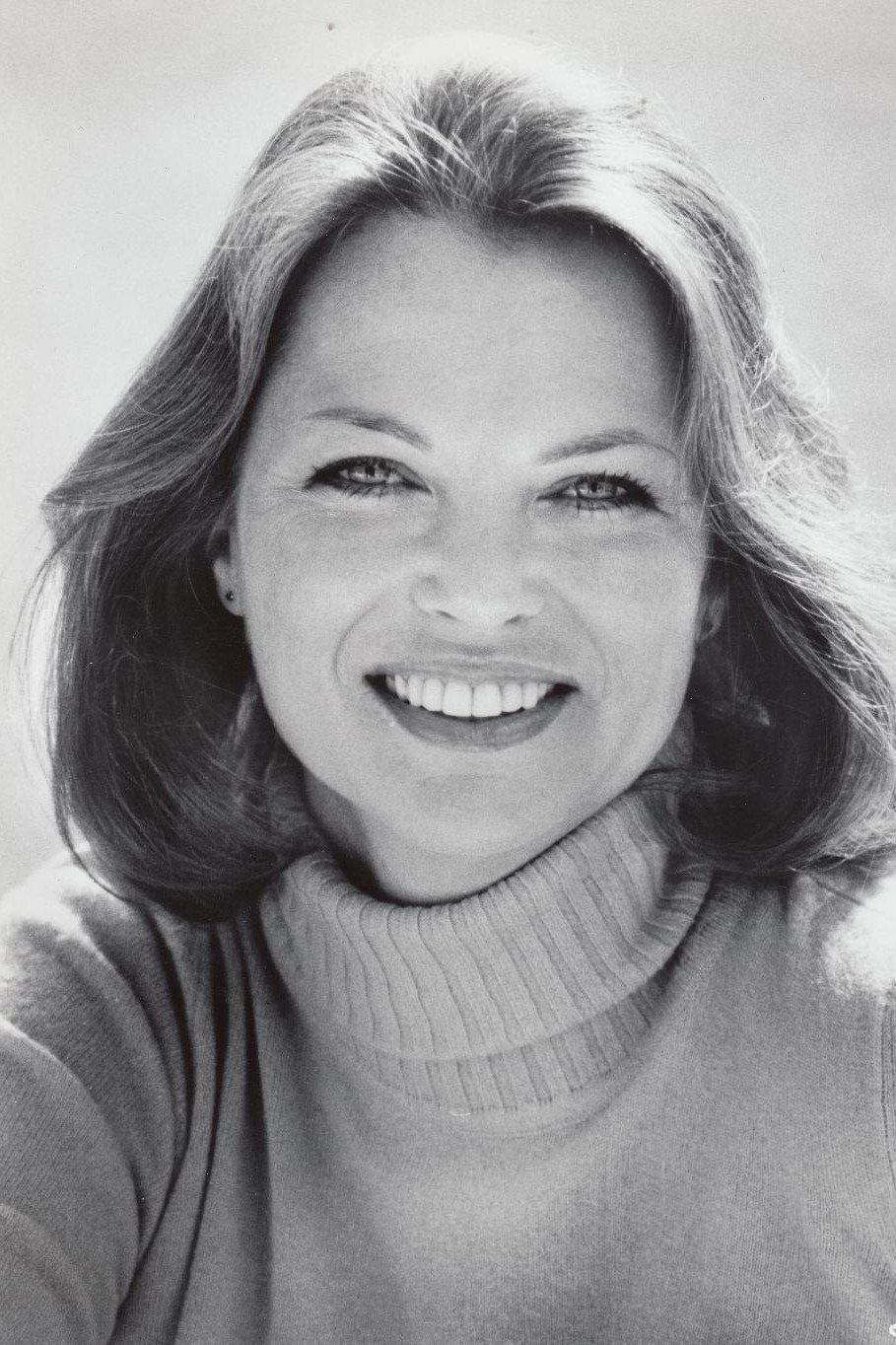
Goodhart retained the principal screenplay credit, while Boorman’s collaborator Rospo Pallenberg participated extensively in the development of the filmed material. The production also underwent significant casting changes. Jon Voight was initially attached to play Father Lamont, before Richard Burton replaced him in April 1976. Louise Fletcher assumed the role of psychiatrist Dr. Gene Tuskin, which had originally been conceived for a male performer. Ellen Burstyn did not return as Regan’s mother, Chris MacNeil, leaving Kitty Winn’s Sharon Spencer to provide continuity with the earlier film. These changes helped transform the project into a story built around Lamont’s spiritual inquiry and Regan’s possible role in a larger conflict.