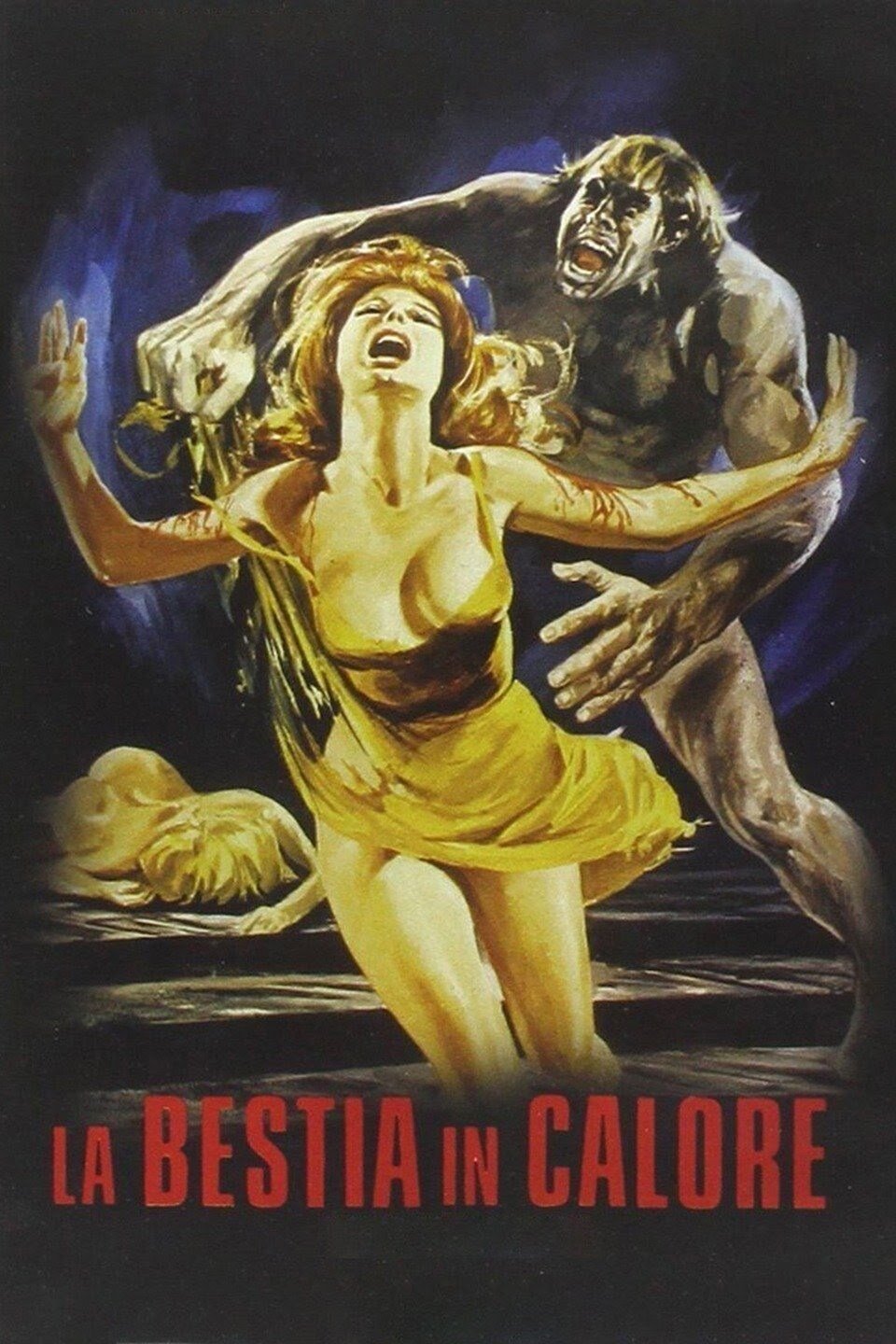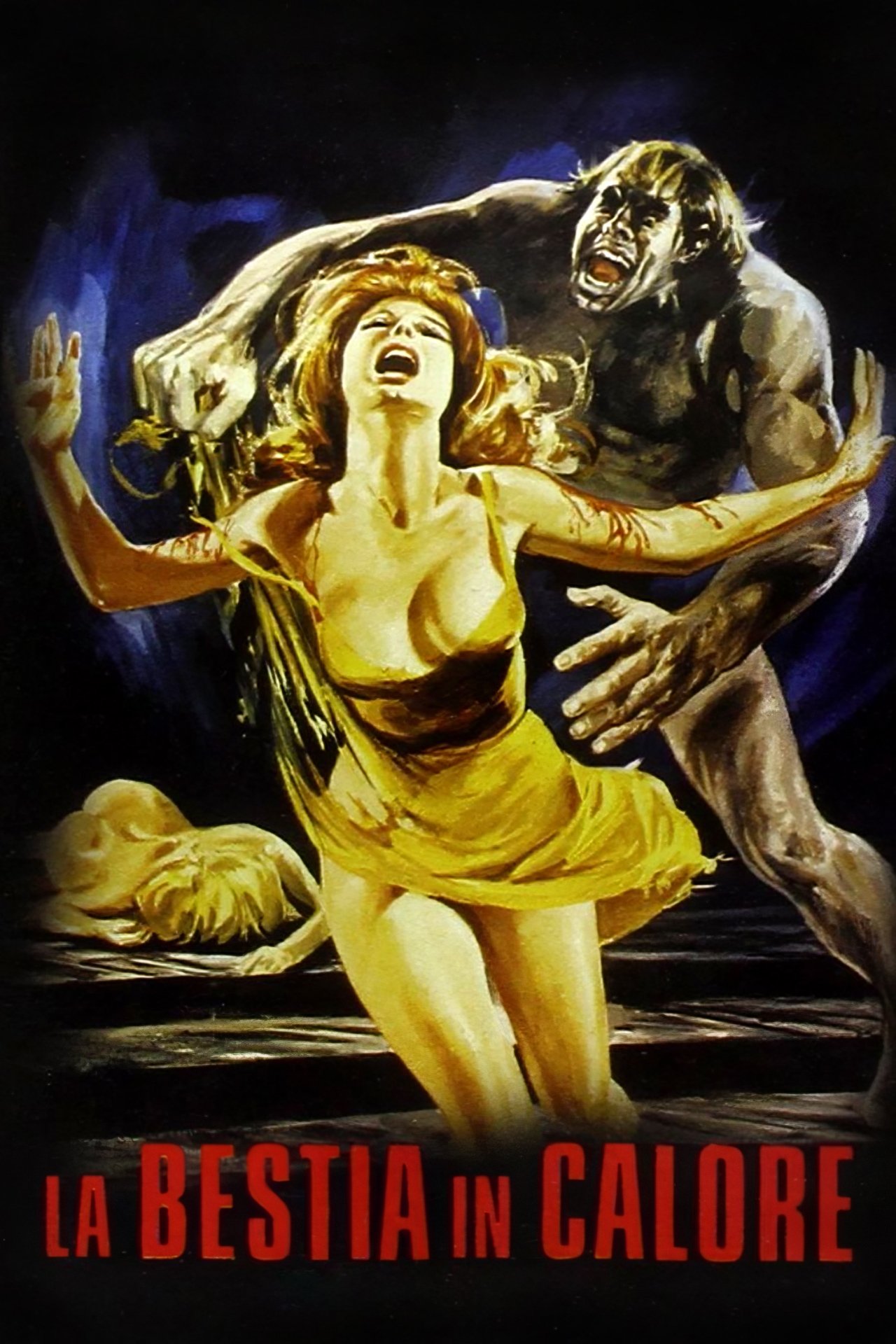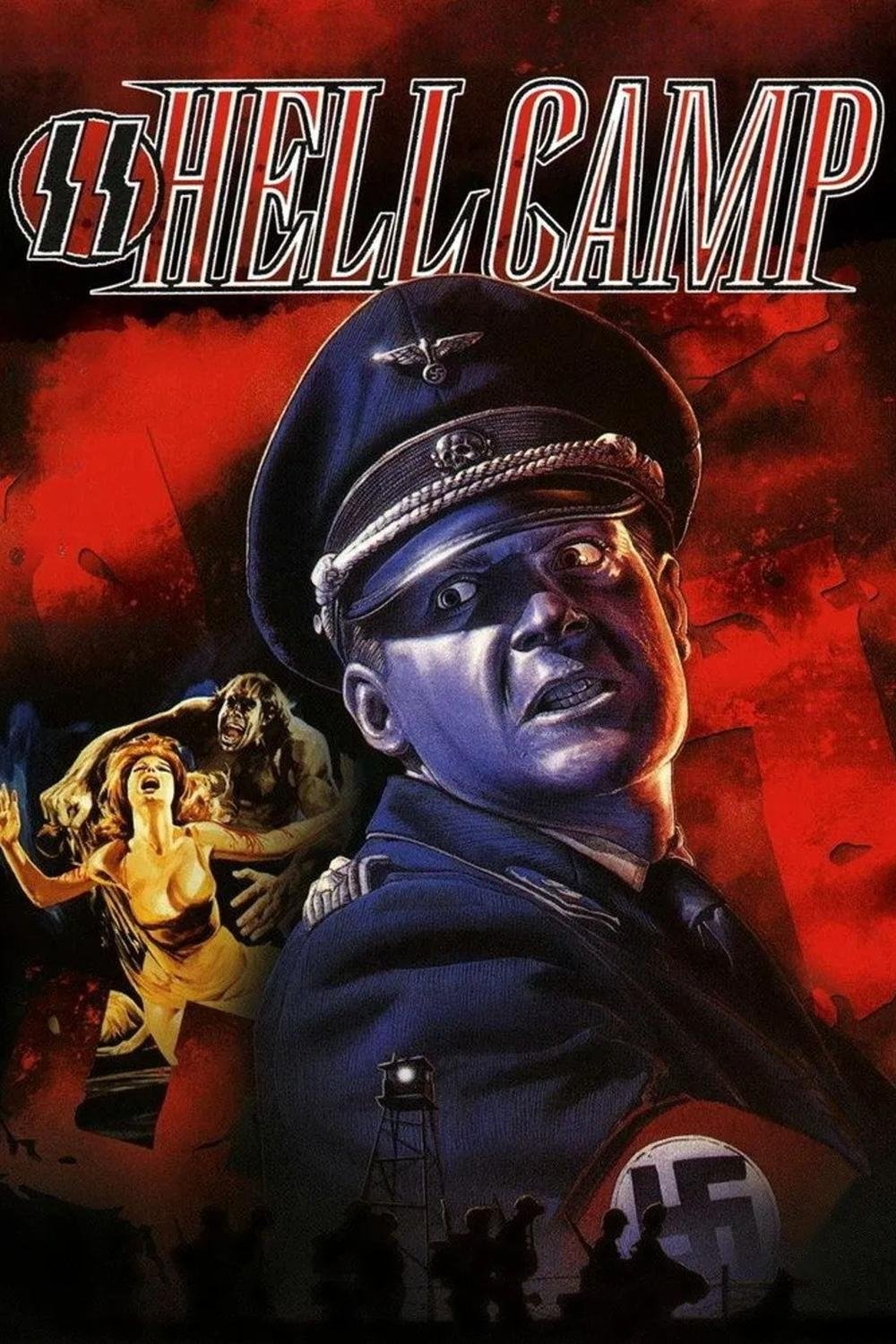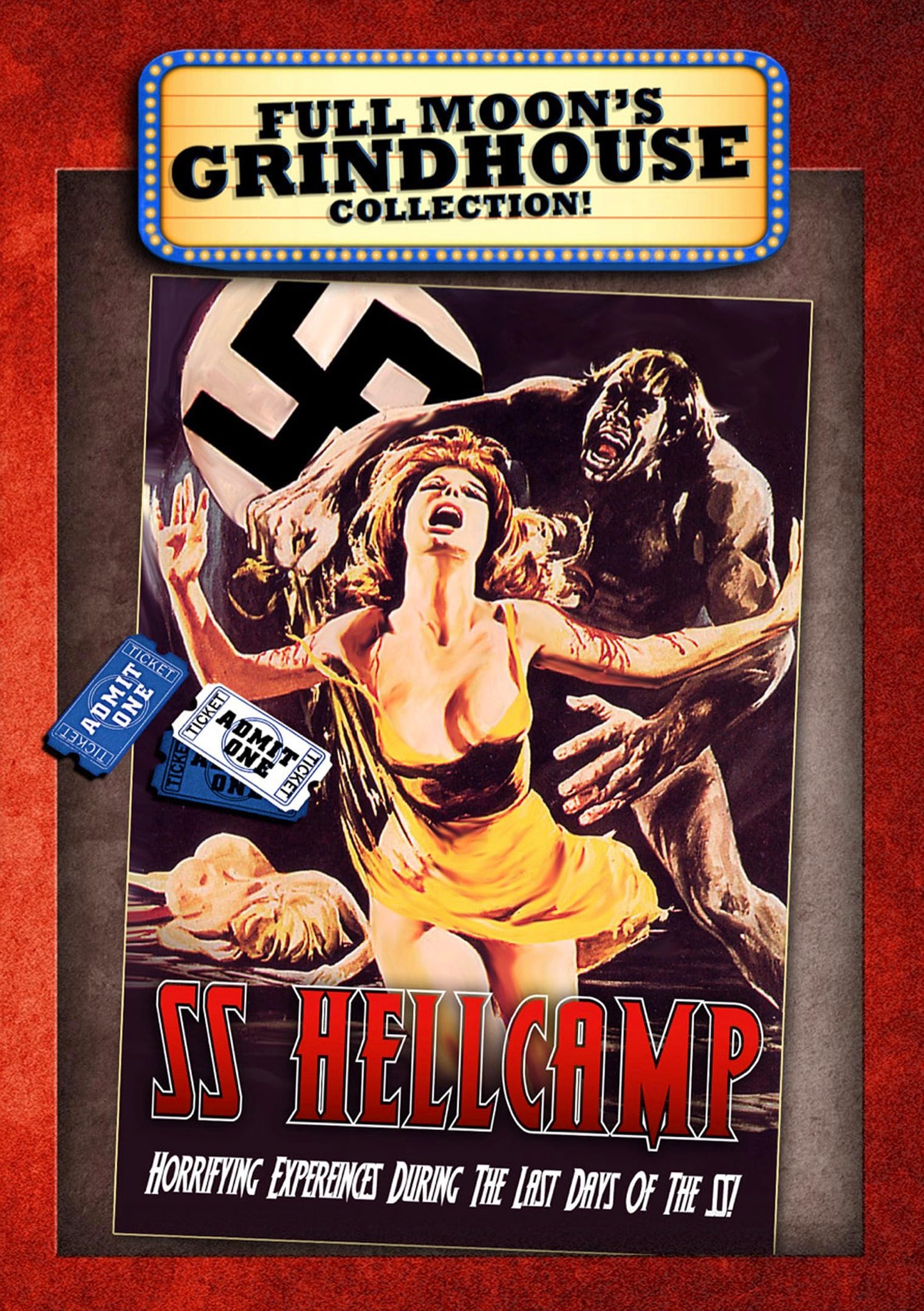


Production and the Reuse of Earlier War Films
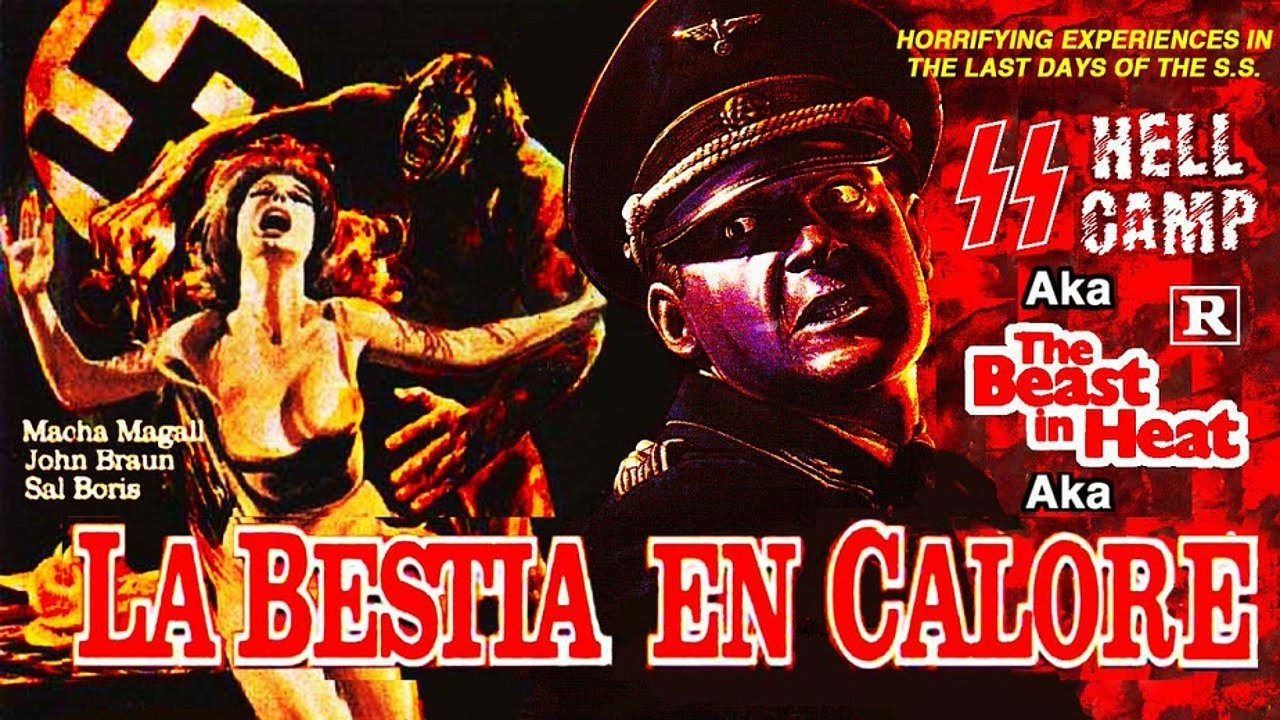
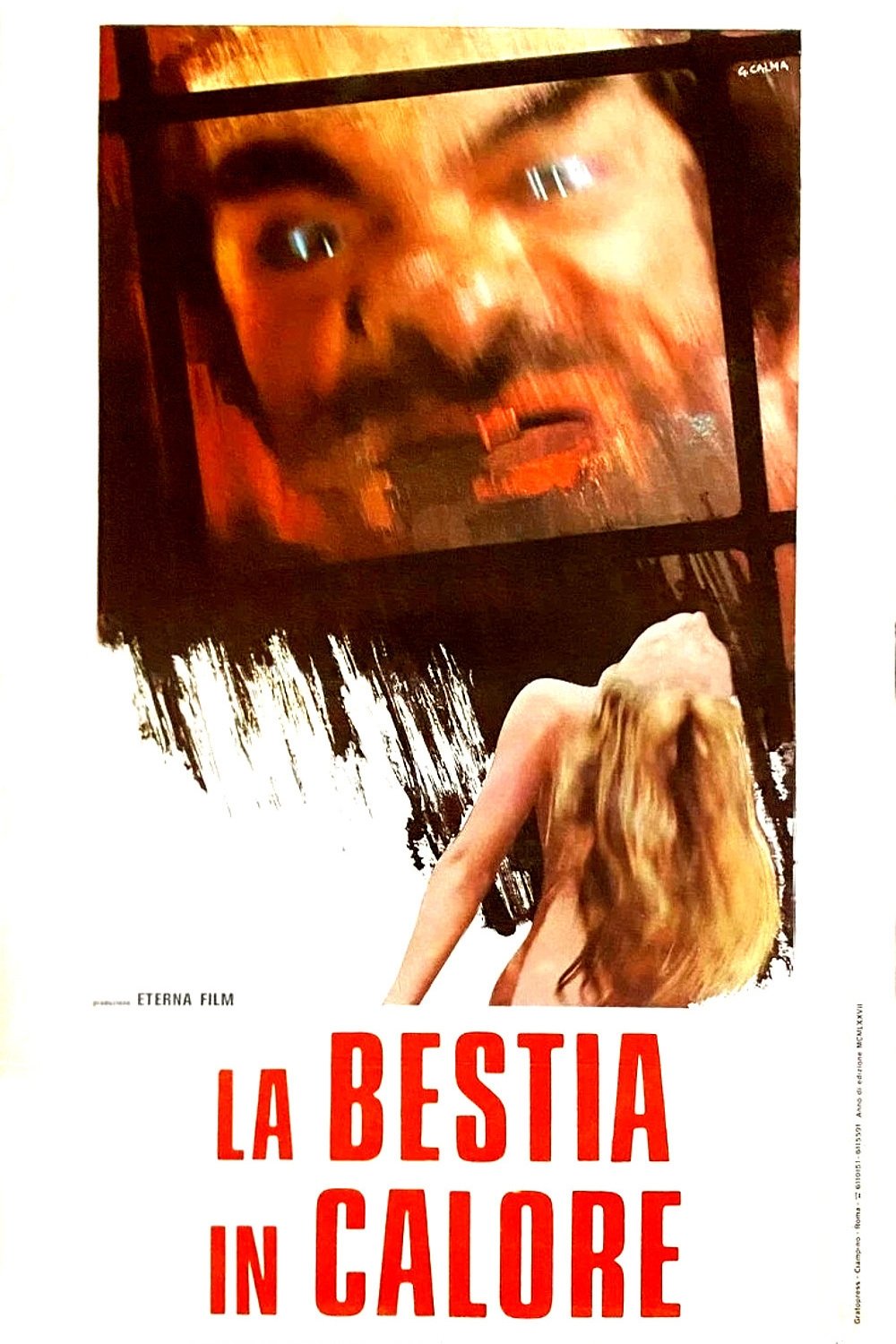
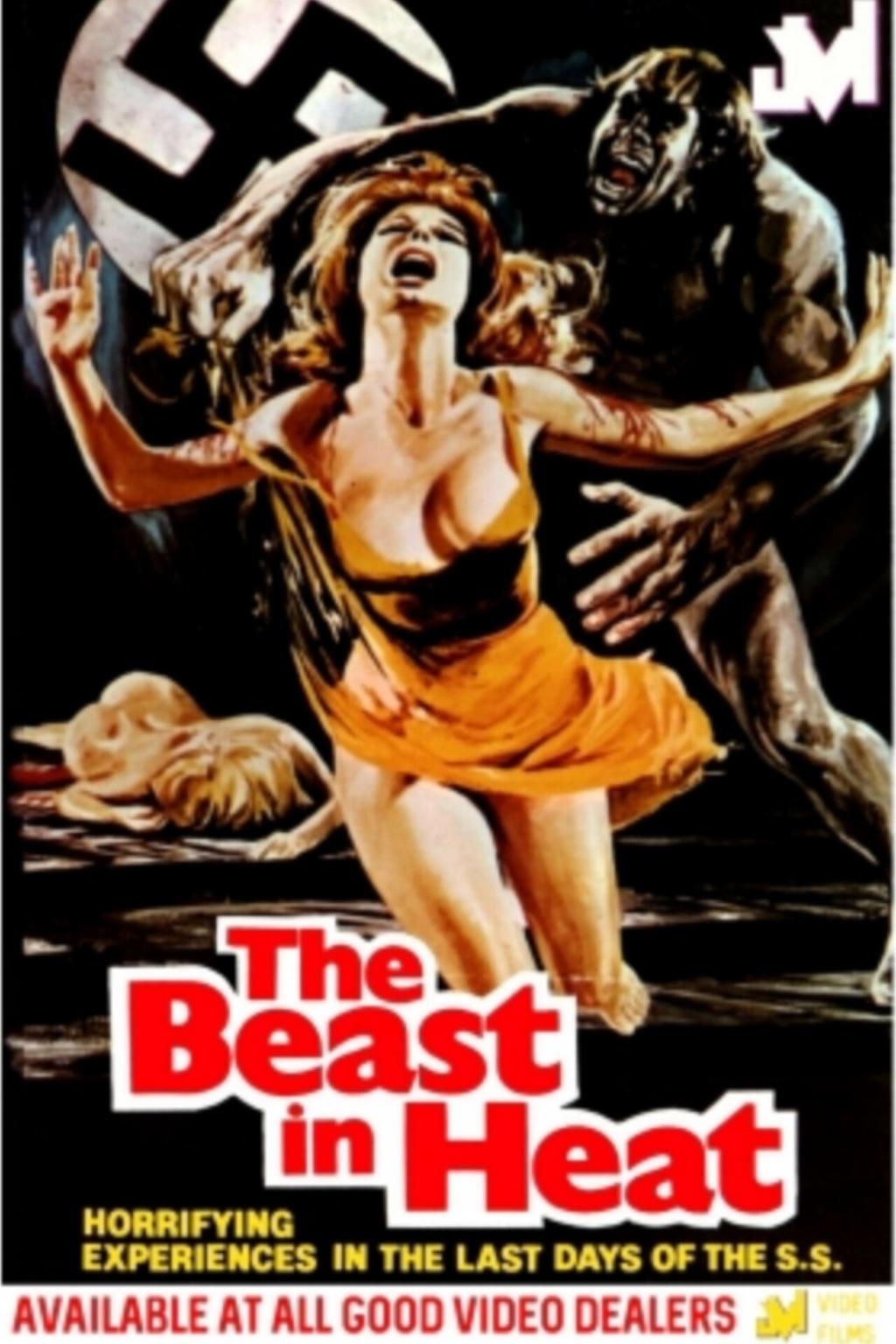
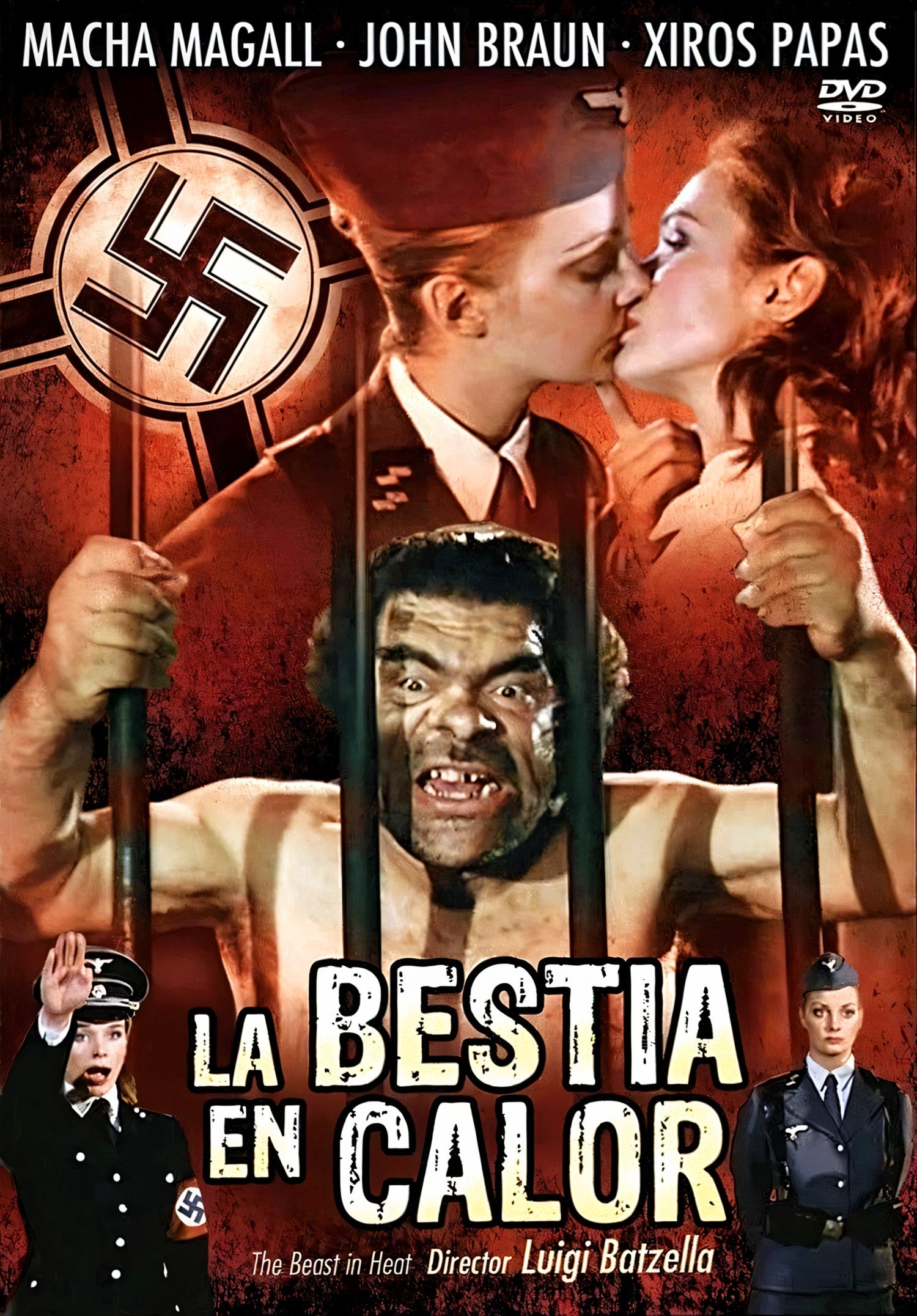
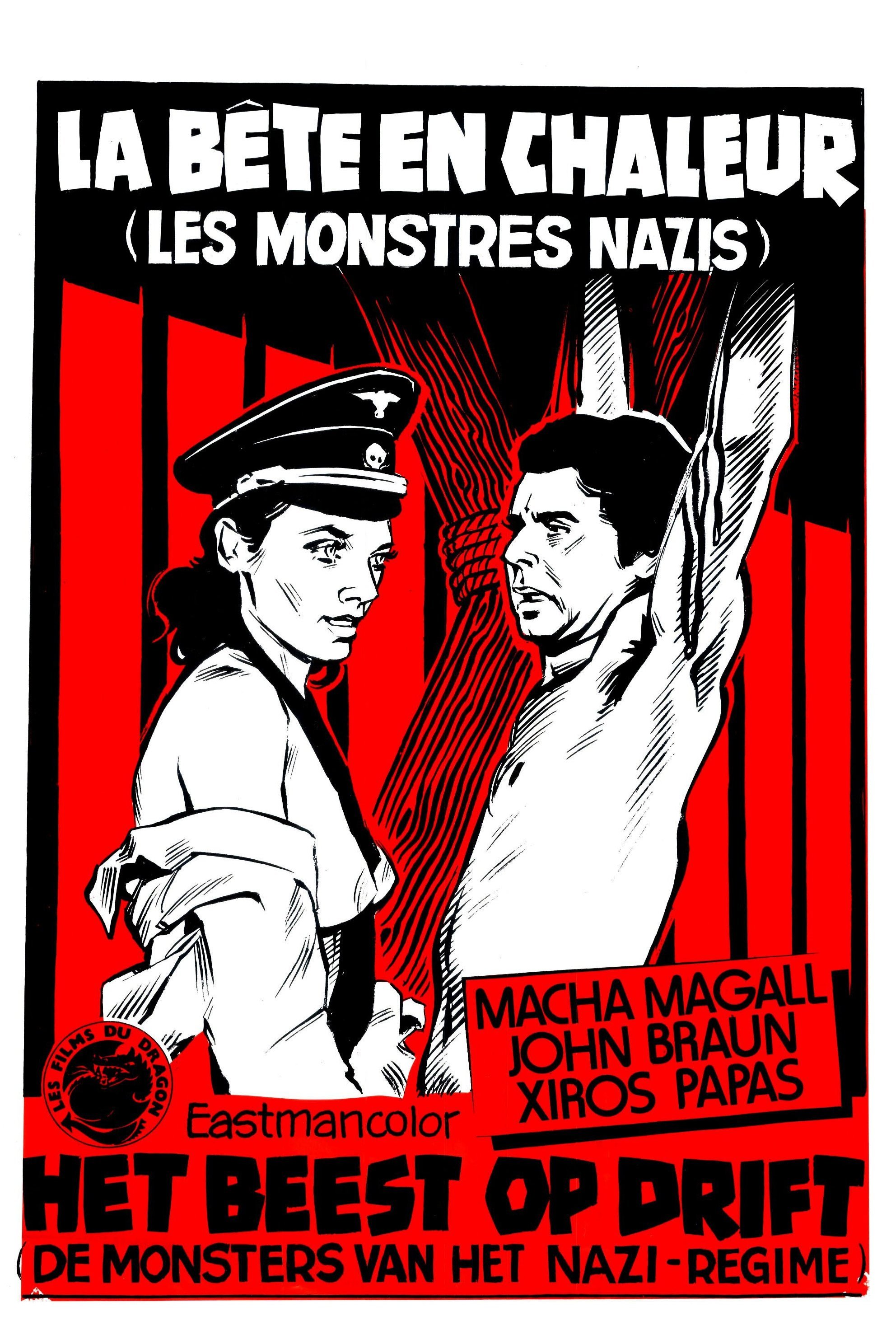
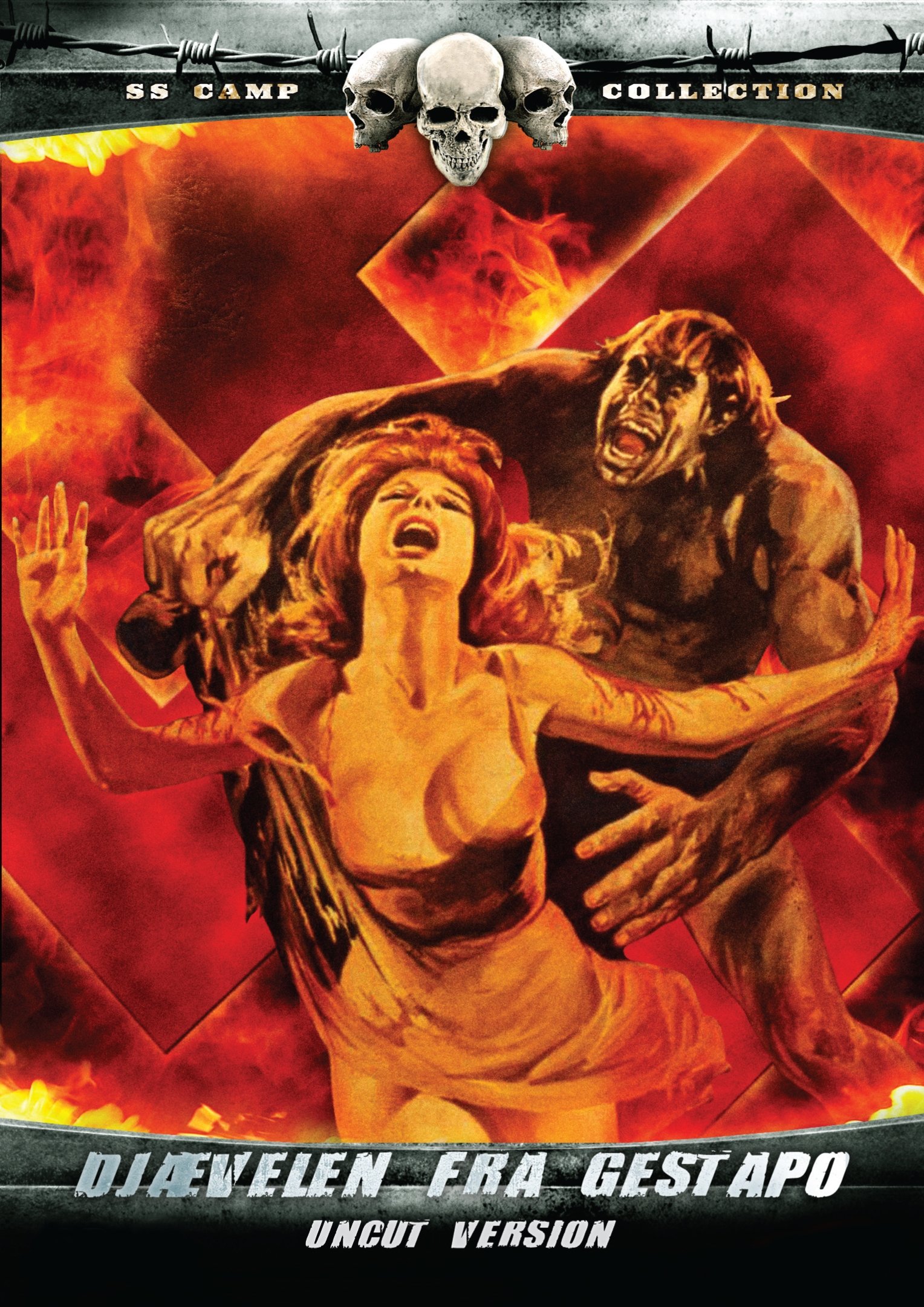
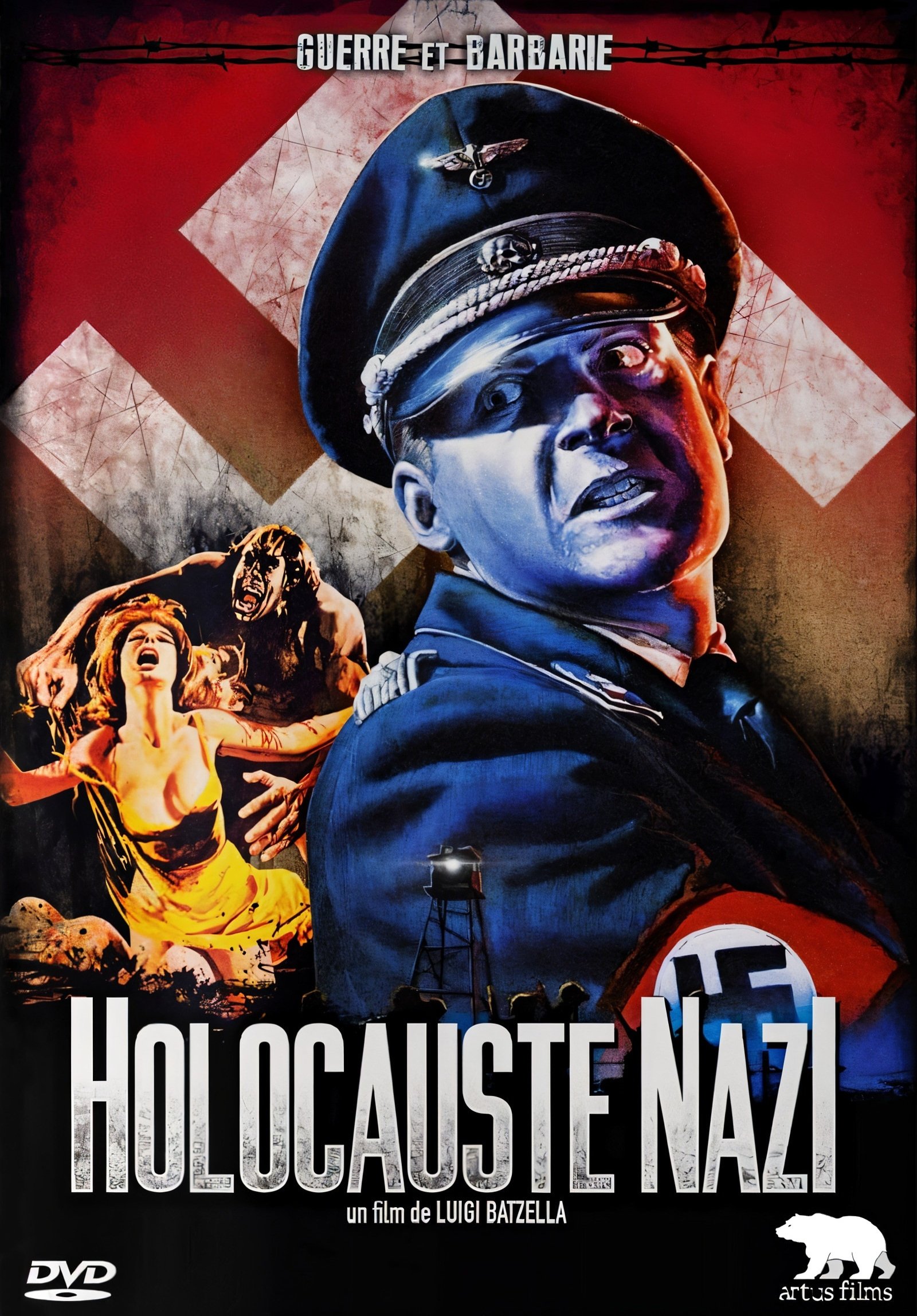
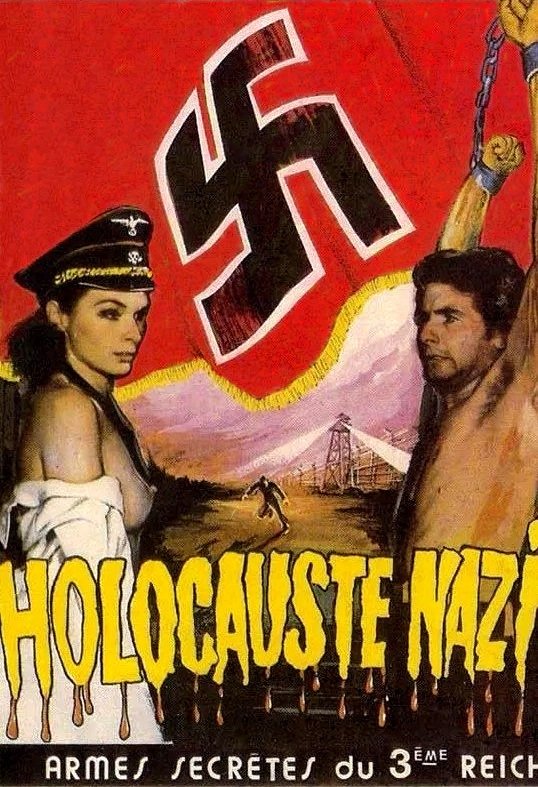
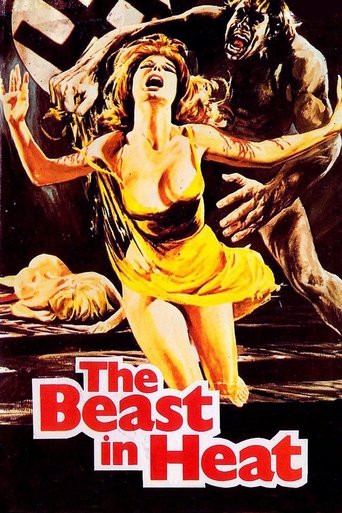
Luigi Batzella developed The Beast in Heat within the Italian low-budget production industry, where filmmakers frequently worked across several commercial genres and used different professional names for international distribution. His earlier credits included war adventures and supernatural horror, notably The Devil's Wedding Night (1973) and Nude for Satan (1974). The Beast in Heat was produced by Eterna Film, with Xiro Papas identified as producer in the historical documentation collected by the Enciclopedia del Cinema in Piemonte. The Italian production records identify Batzella as responsible for the original story and principal screenplay, with Lorenzo Artale also credited for writing. Ugo Brunelli handled cinematography, while Giuliano Sorgini provided the music.
The production relied heavily on material already photographed for earlier films. Batzella reused sequences from Quando suona la campana, a war film made in 1970 whose partisan narrative provided much of the military action incorporated into the later production. Film historian Marco Giusti documented the relationship between the two films in his study Stracult, identifying their shared exterior combat material. The earlier footage includes performers such as Brad Harris, Alfredo Rizzo and Brigitte Skay, whose appearances became part of the newly assembled narrative. Severin Films has also identified material from another earlier war production. The available evidence does not establish an exact percentage of the completed running time taken from each source.
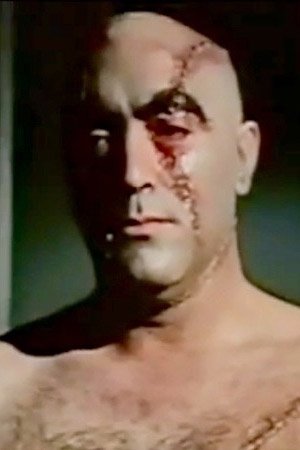
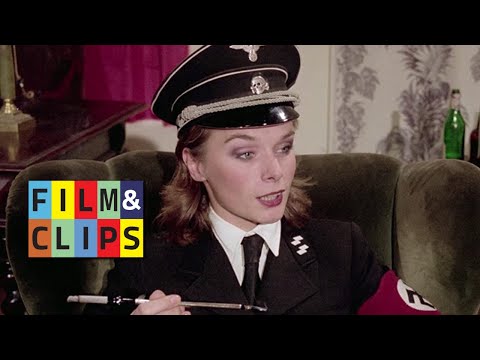
The resulting film combines scenes of partisan resistance with new material involving Dr. Ellen Kratsch and the creature she has developed. The contrast between the two production stages is visible in changes of photographic texture, staging and the organization of the action. Rather than recreating all the military material, Batzella used existing sequences to provide a wartime framework around comparatively inexpensive laboratory scenes. This method was not unique to Italian exploitation cinema, but its unusually conspicuous application helps explain the film's disjointed structure. The production also used several pseudonyms: the Enciclopedia del Cinema in Piemonte records Ivan Kathansky as Batzella's directing credit and Paolo Solvay as his editing credit. These names refer to the same filmmaker, not to separate directors.