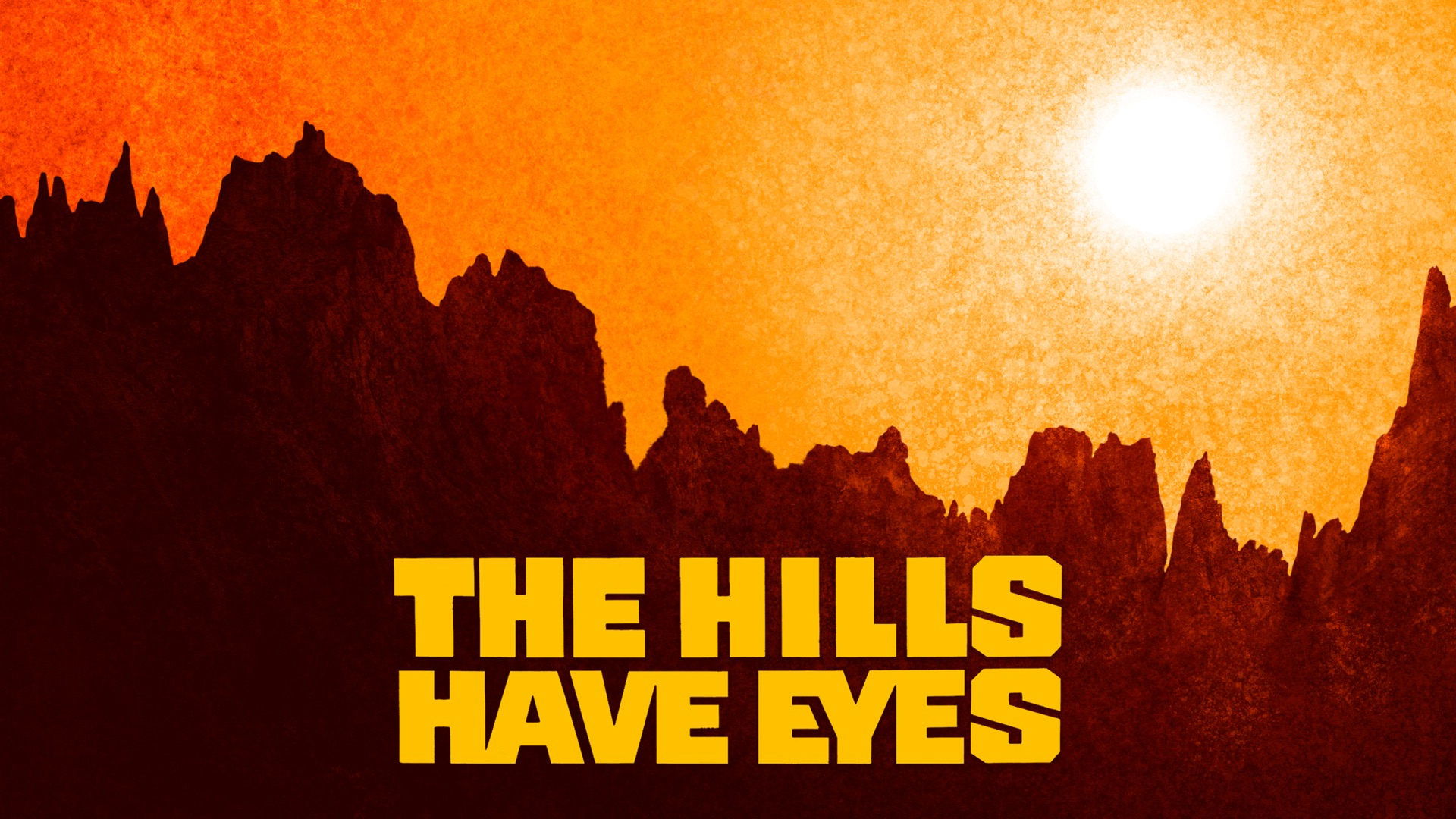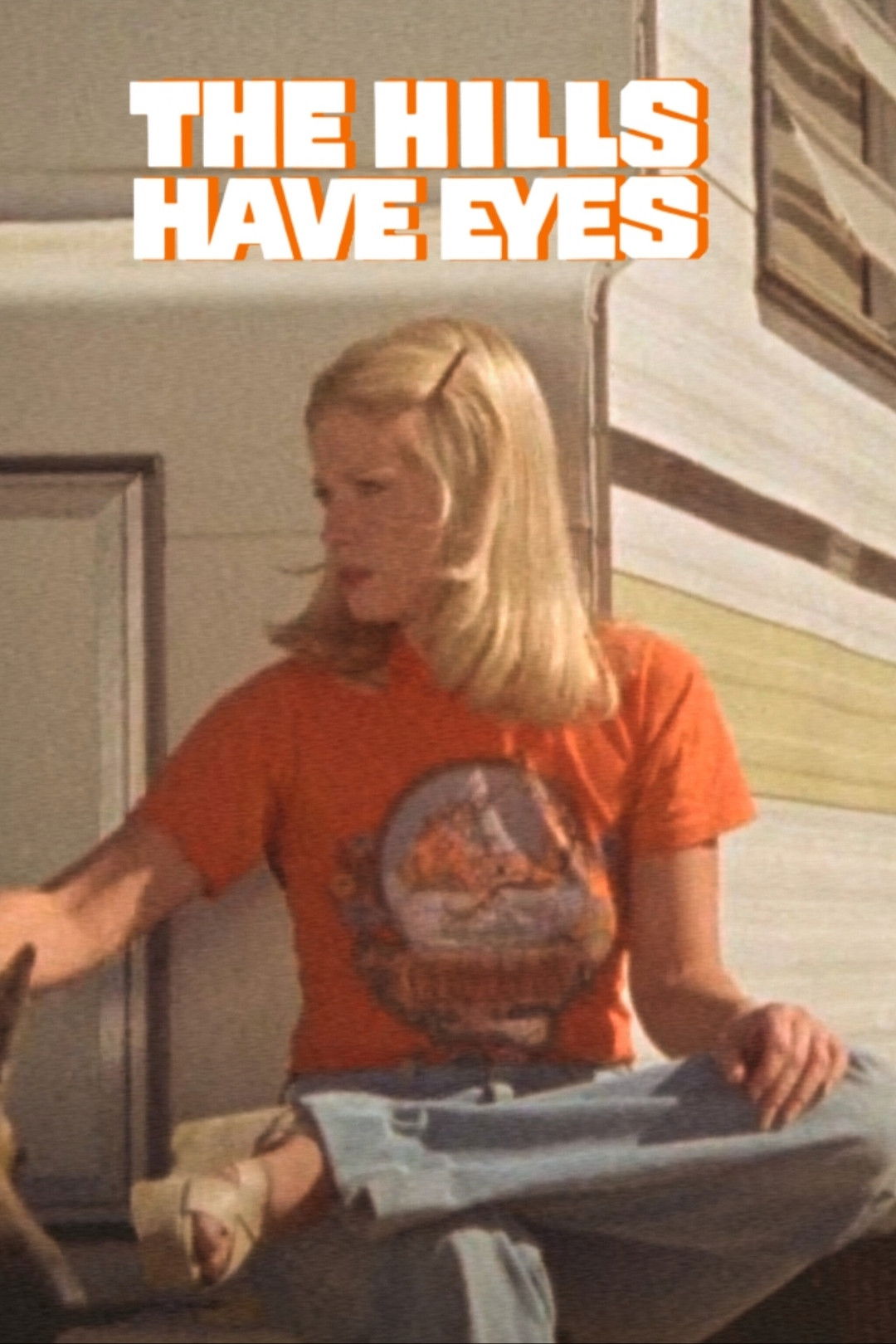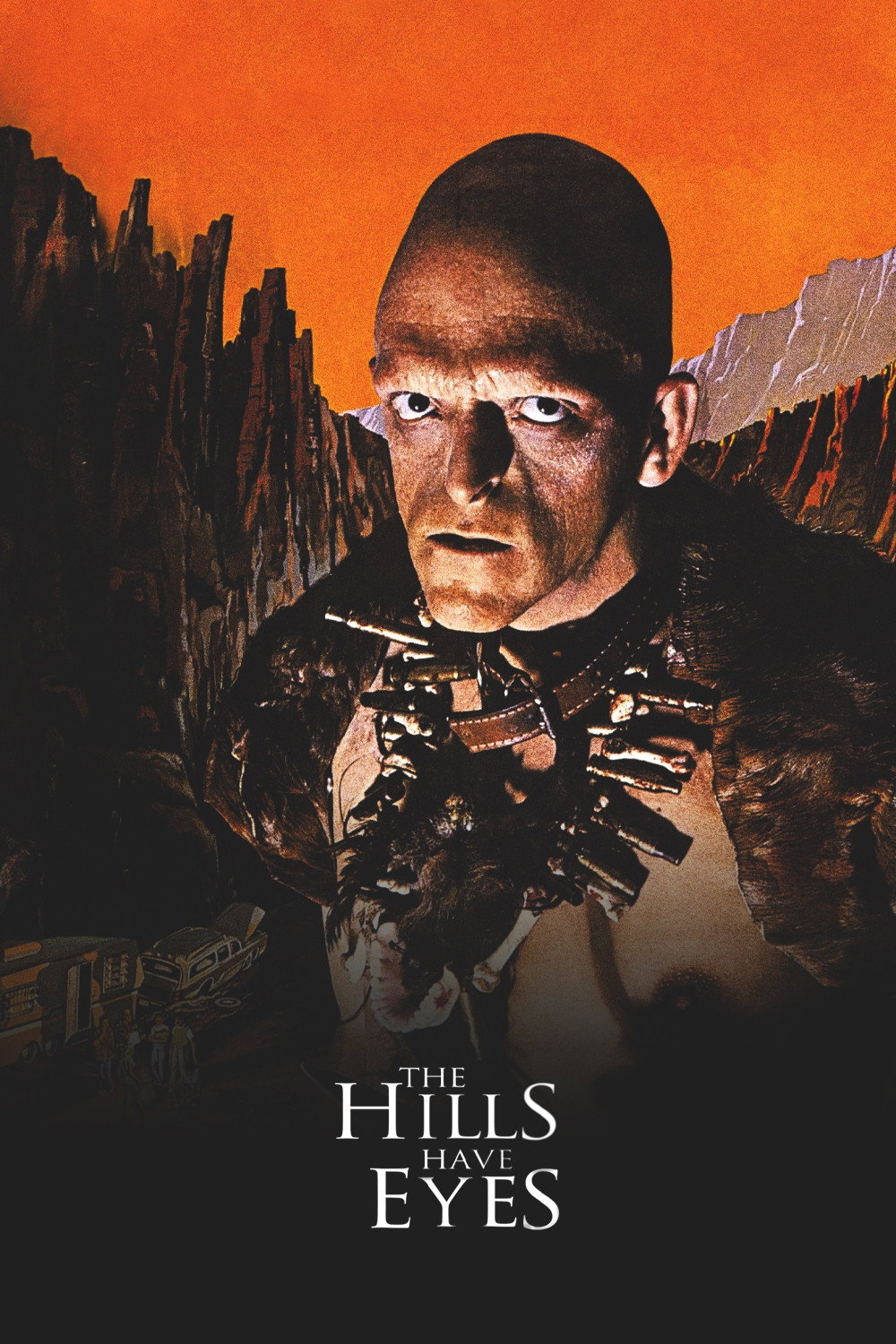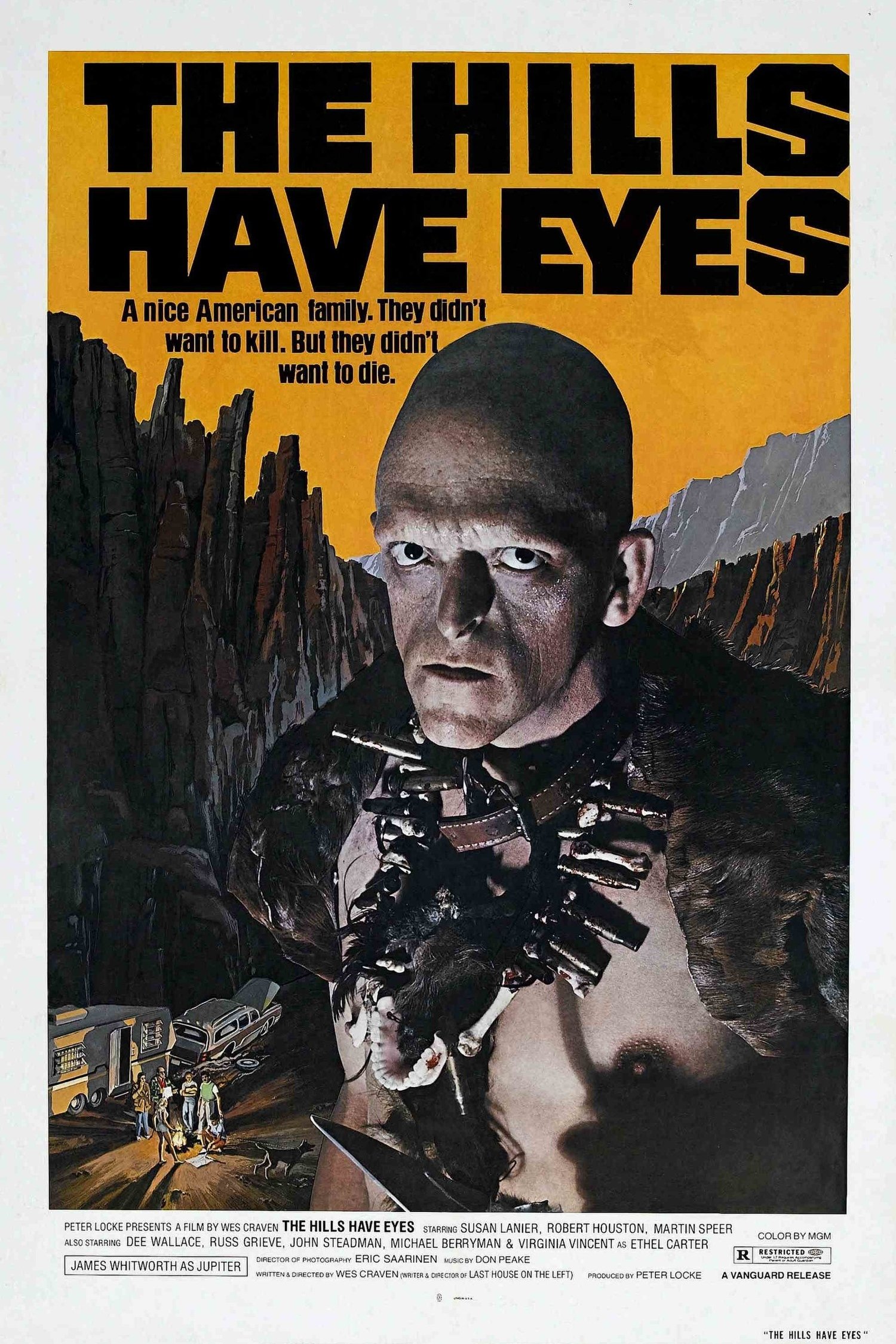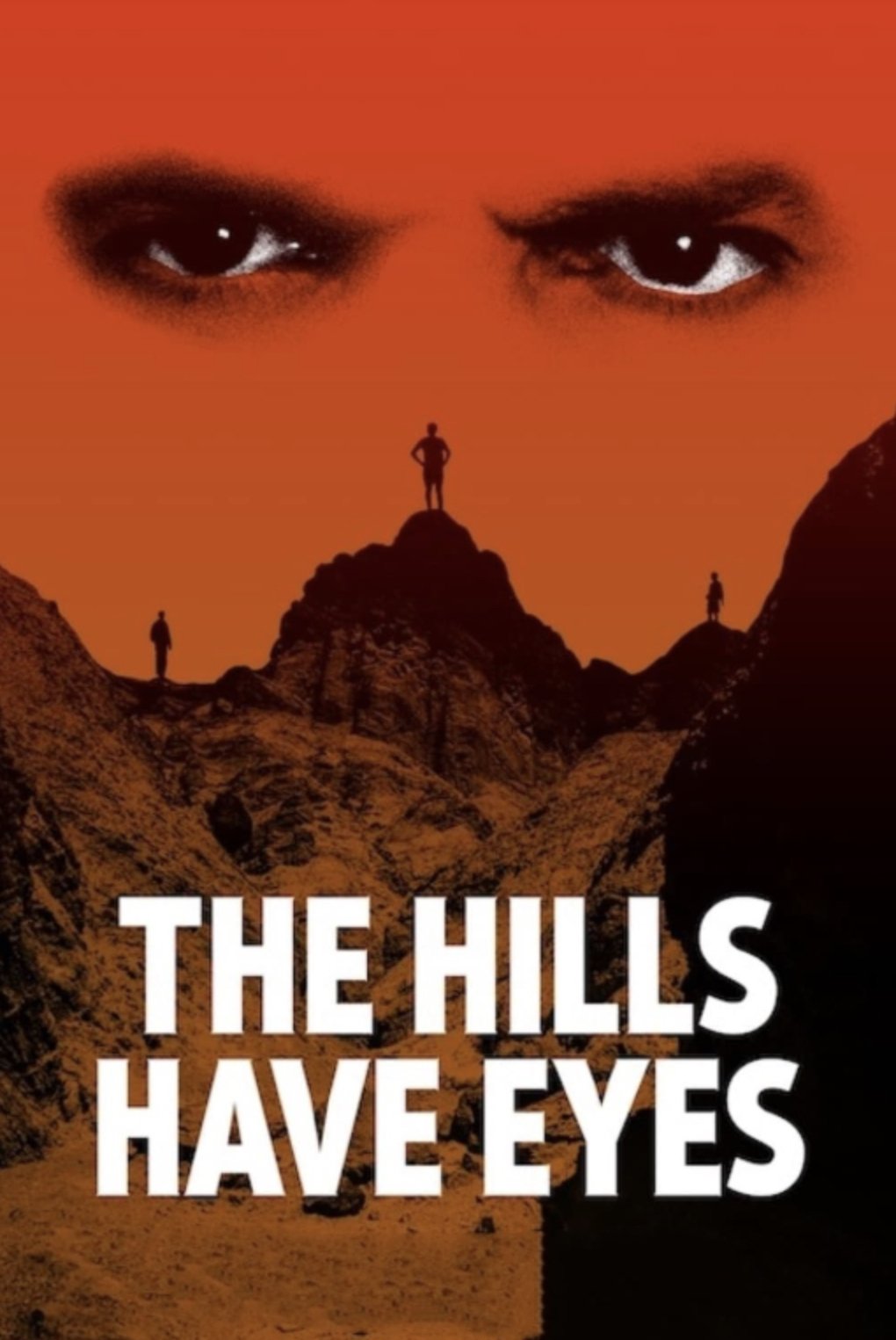
The Hills Have Eyes (1977)

US
UK censorship history Section 3 · Supplementary list
4.4/10 5 votes
Runtime
90 min
Release
July 22, 1977
Budget
$350,000
Revenue
$25,000,000
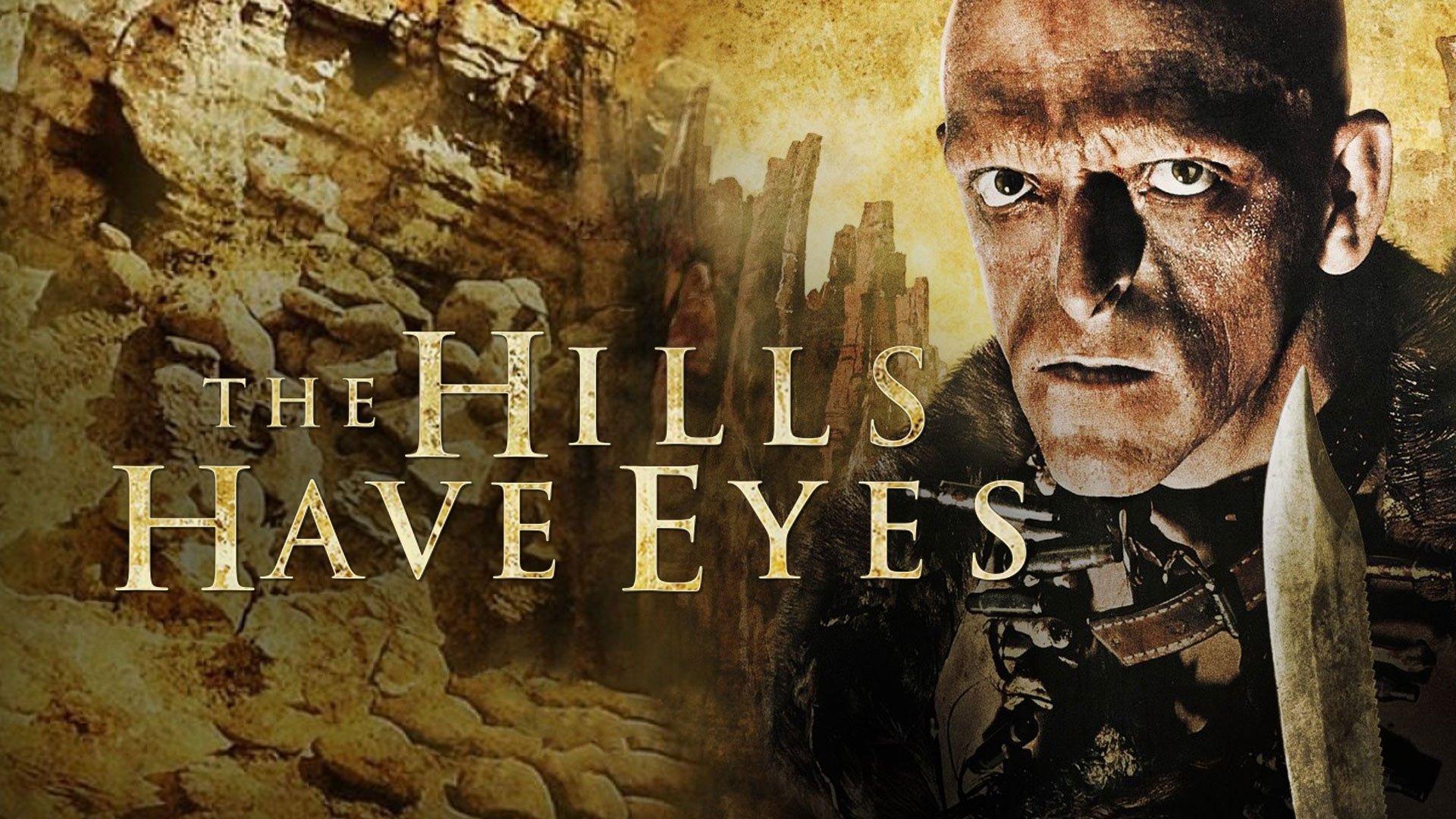
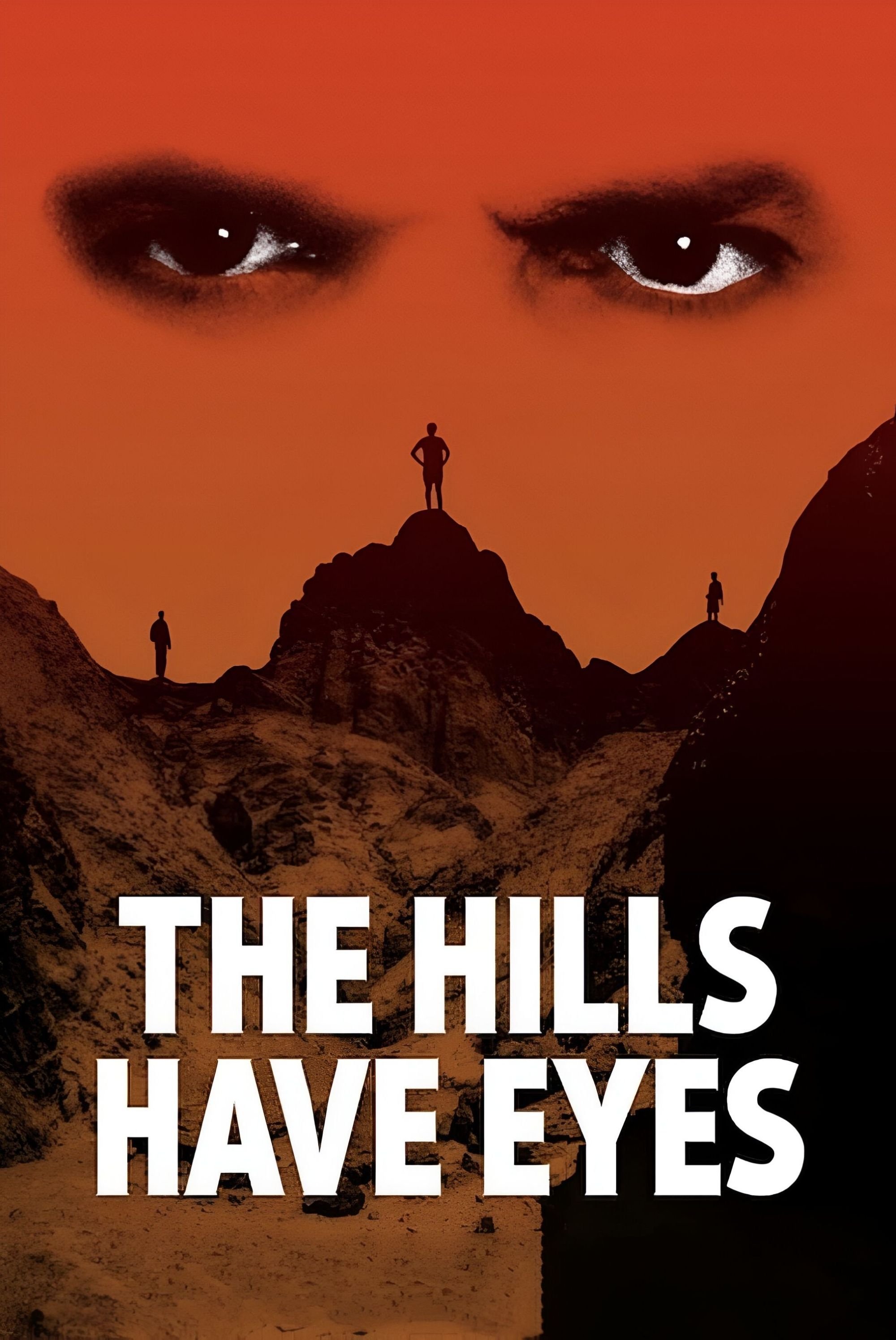
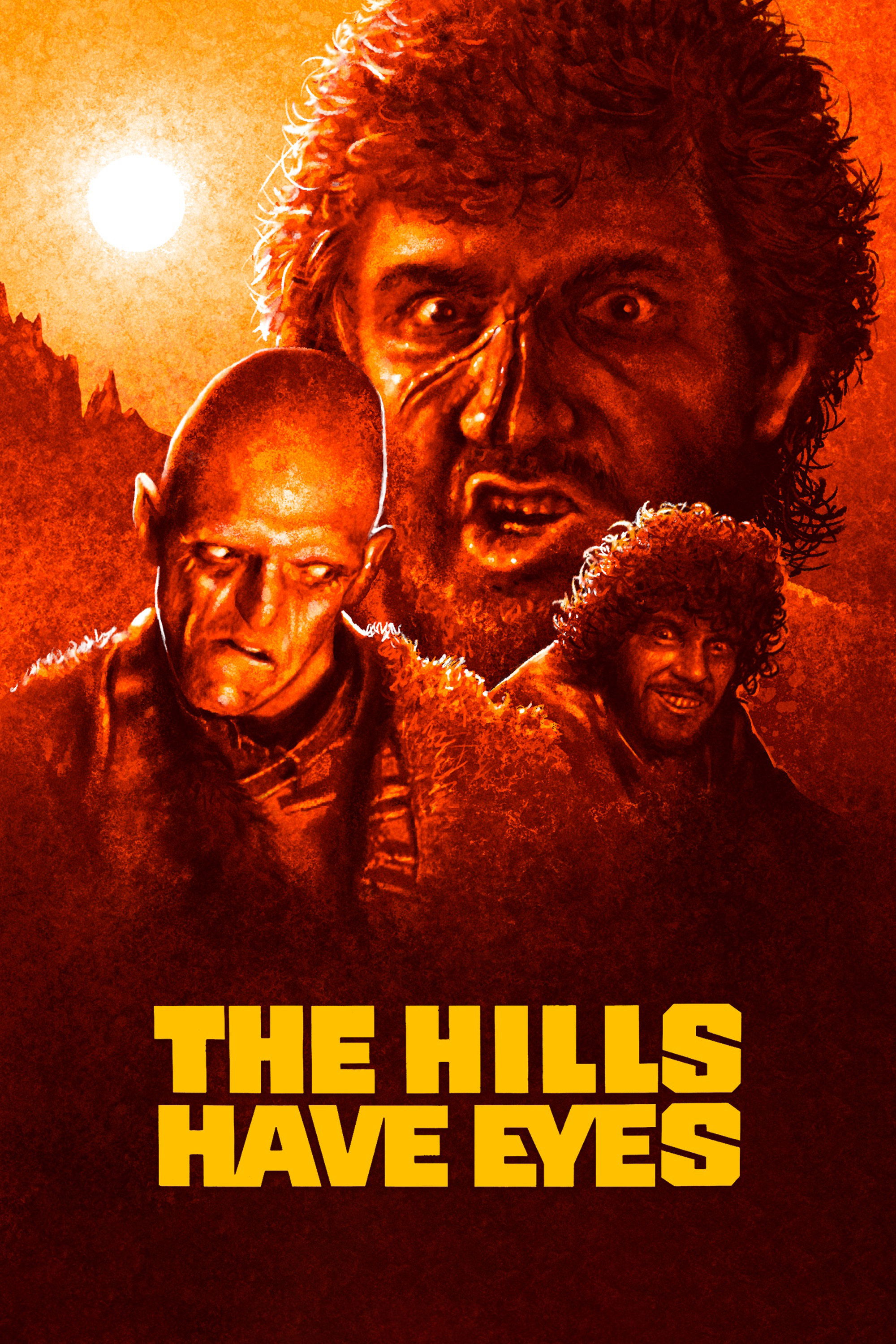
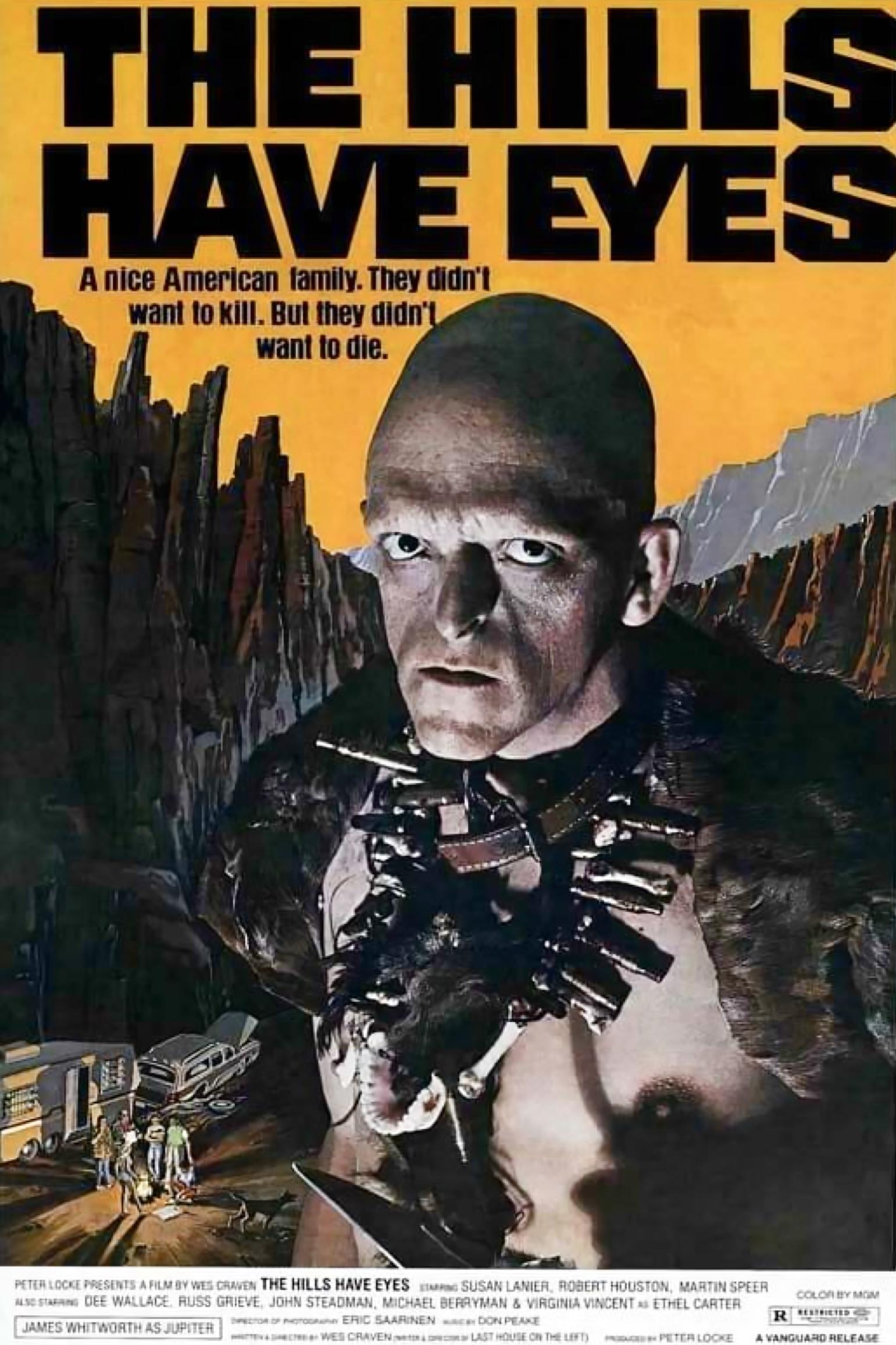
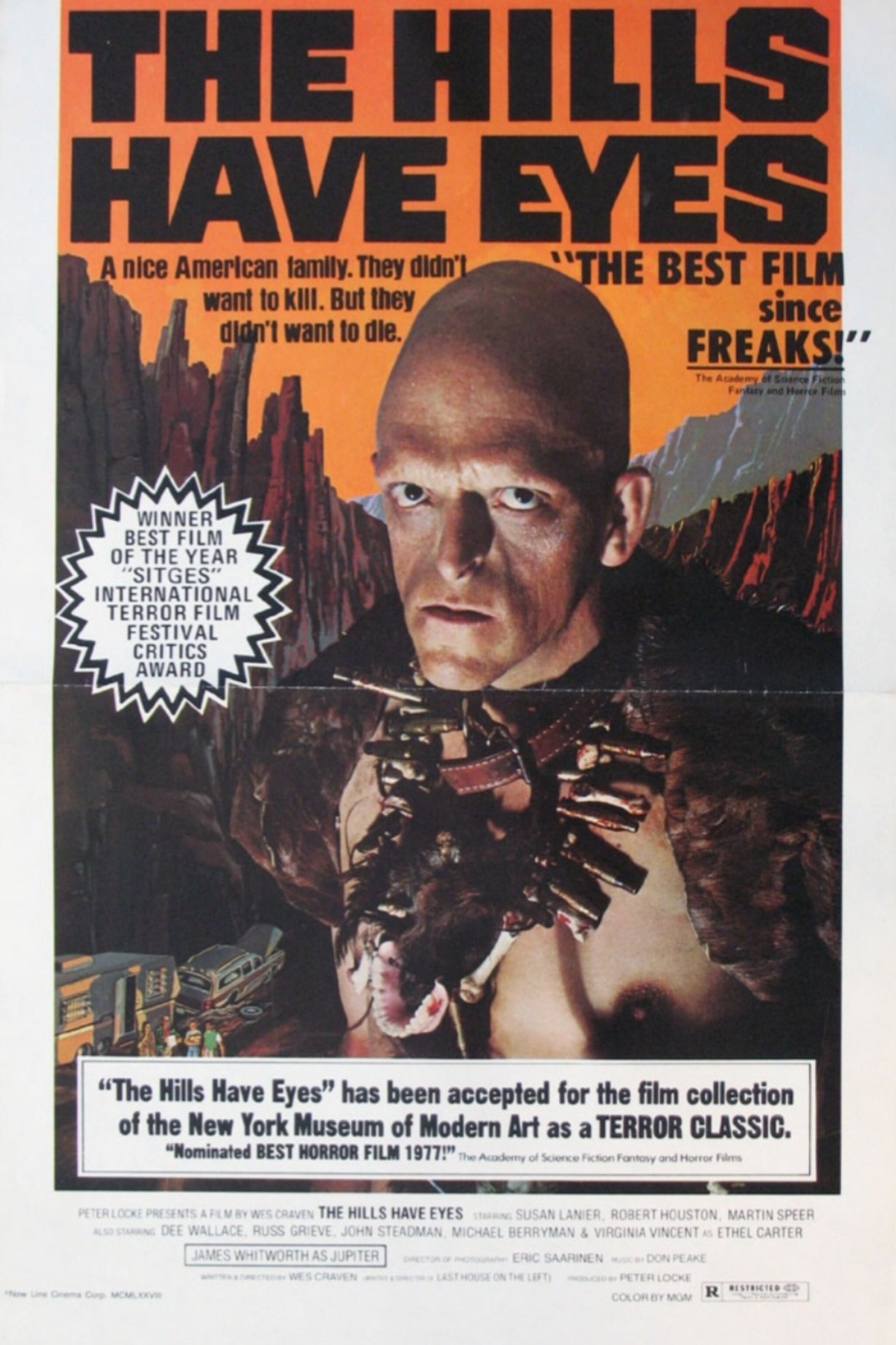
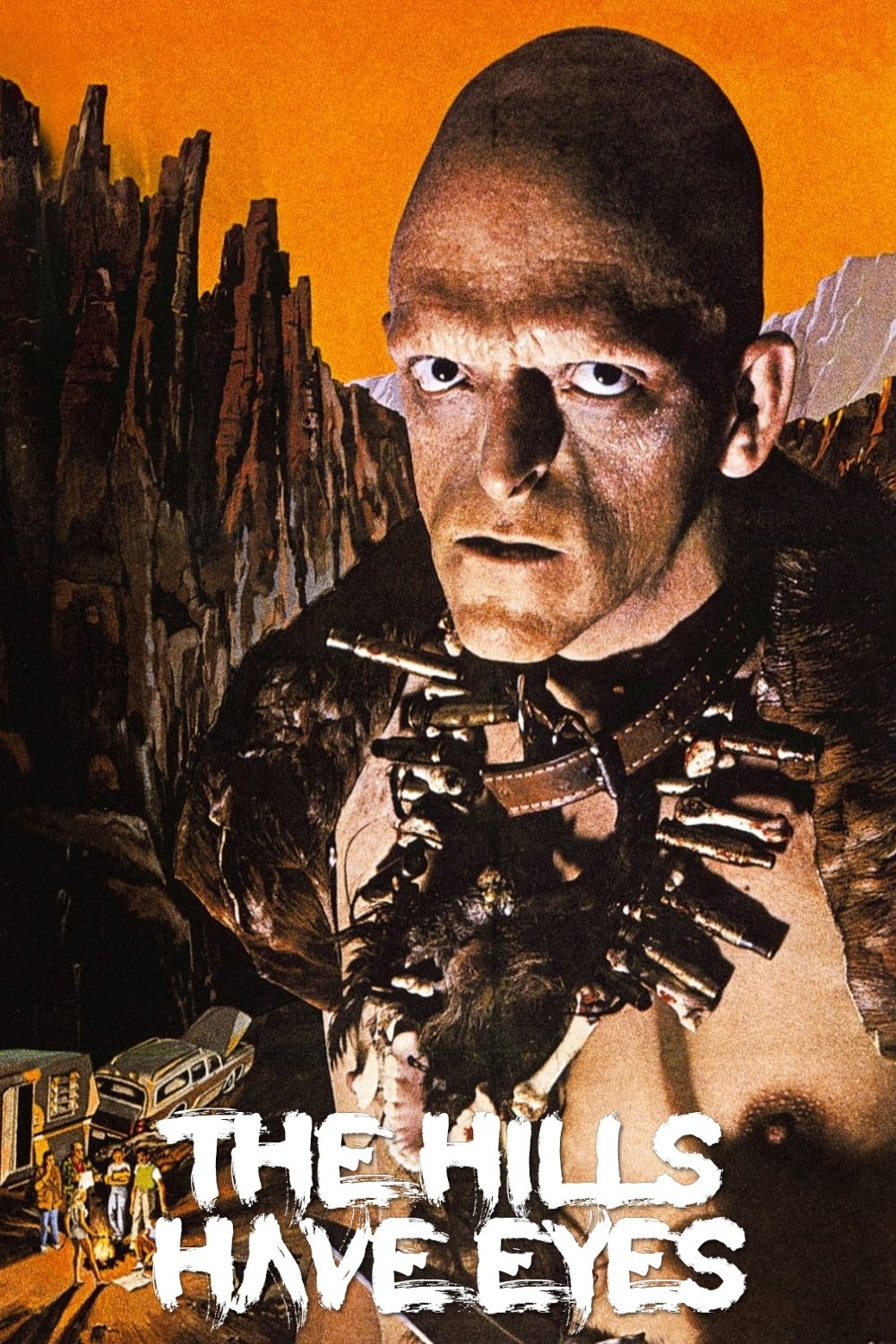
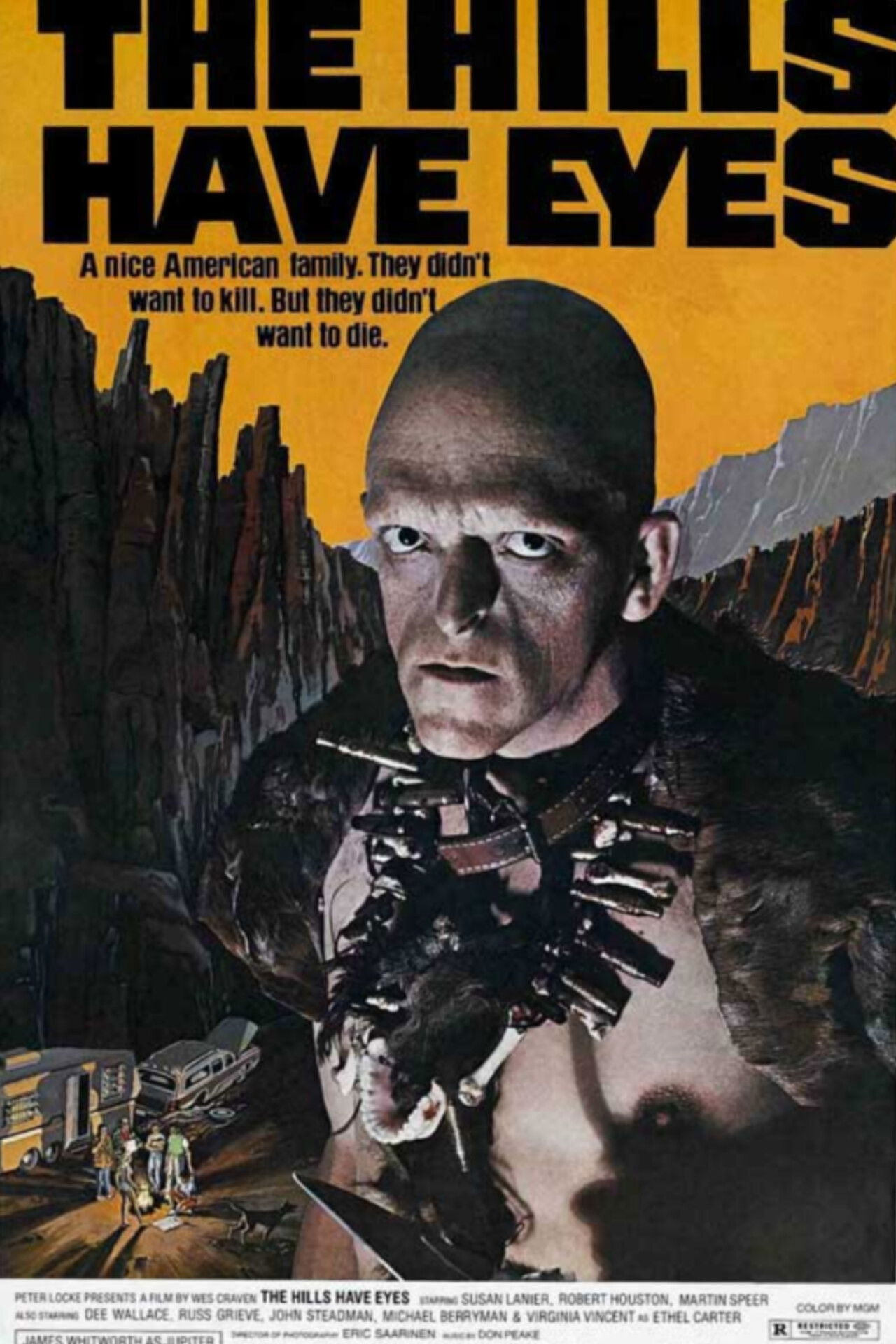
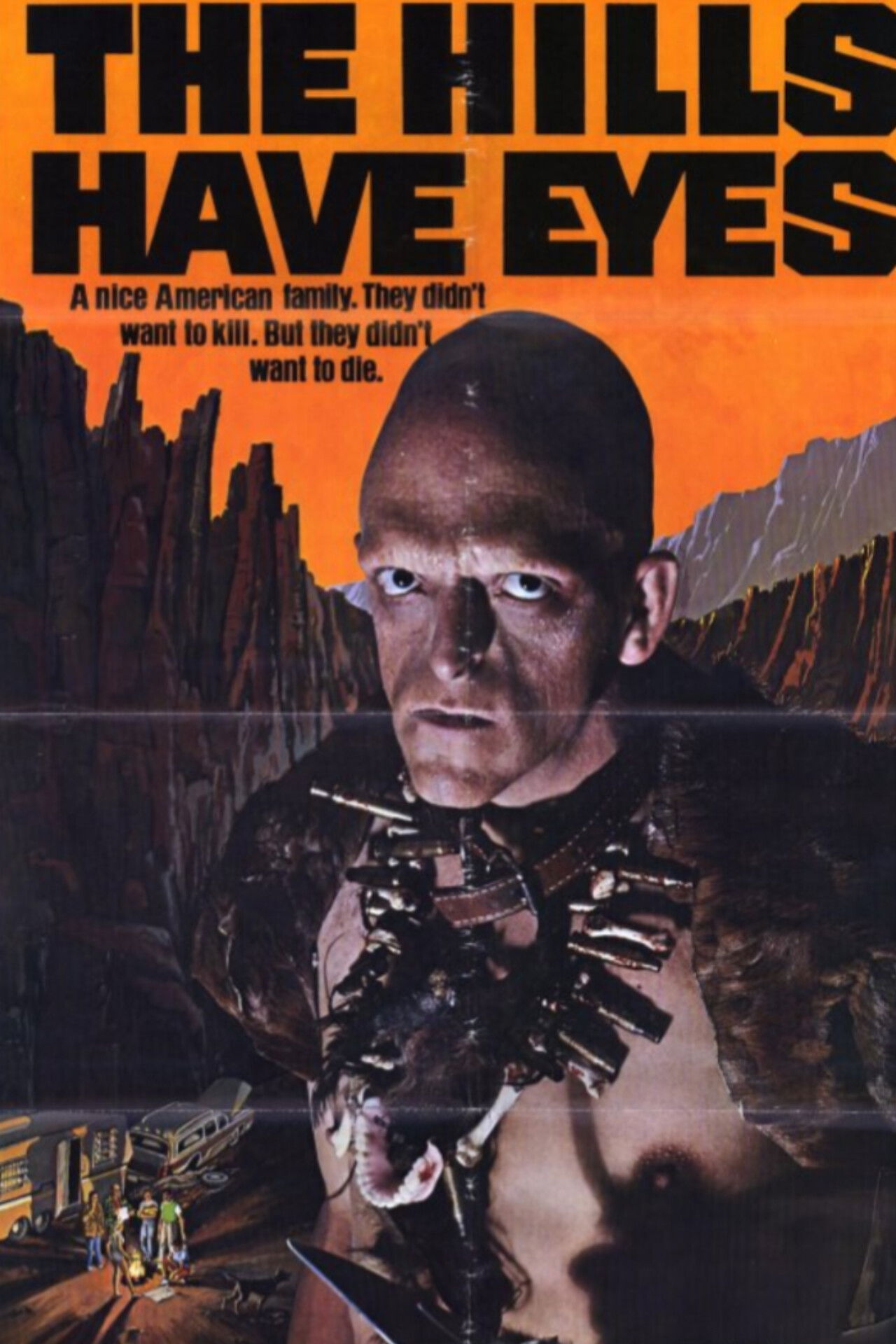
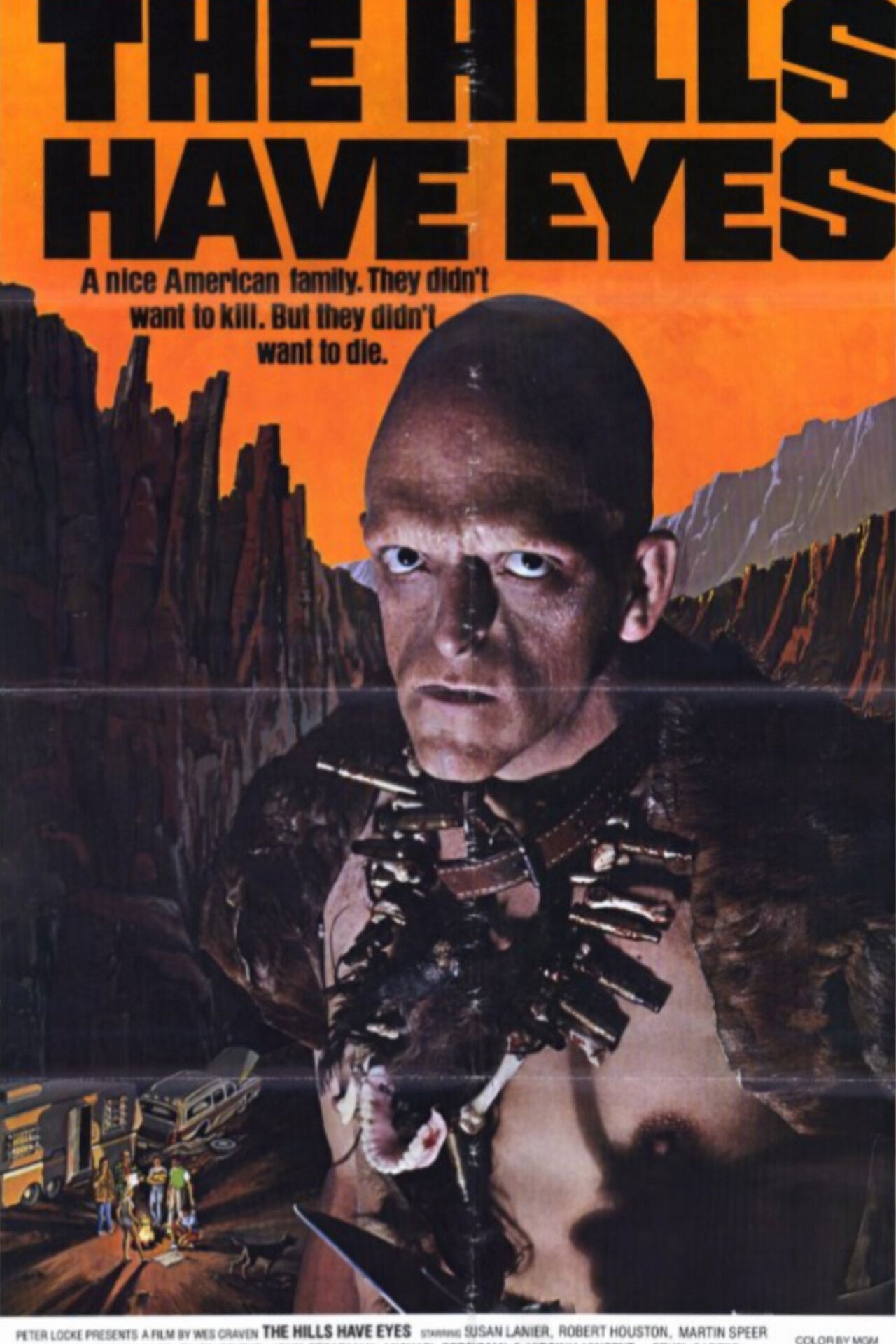
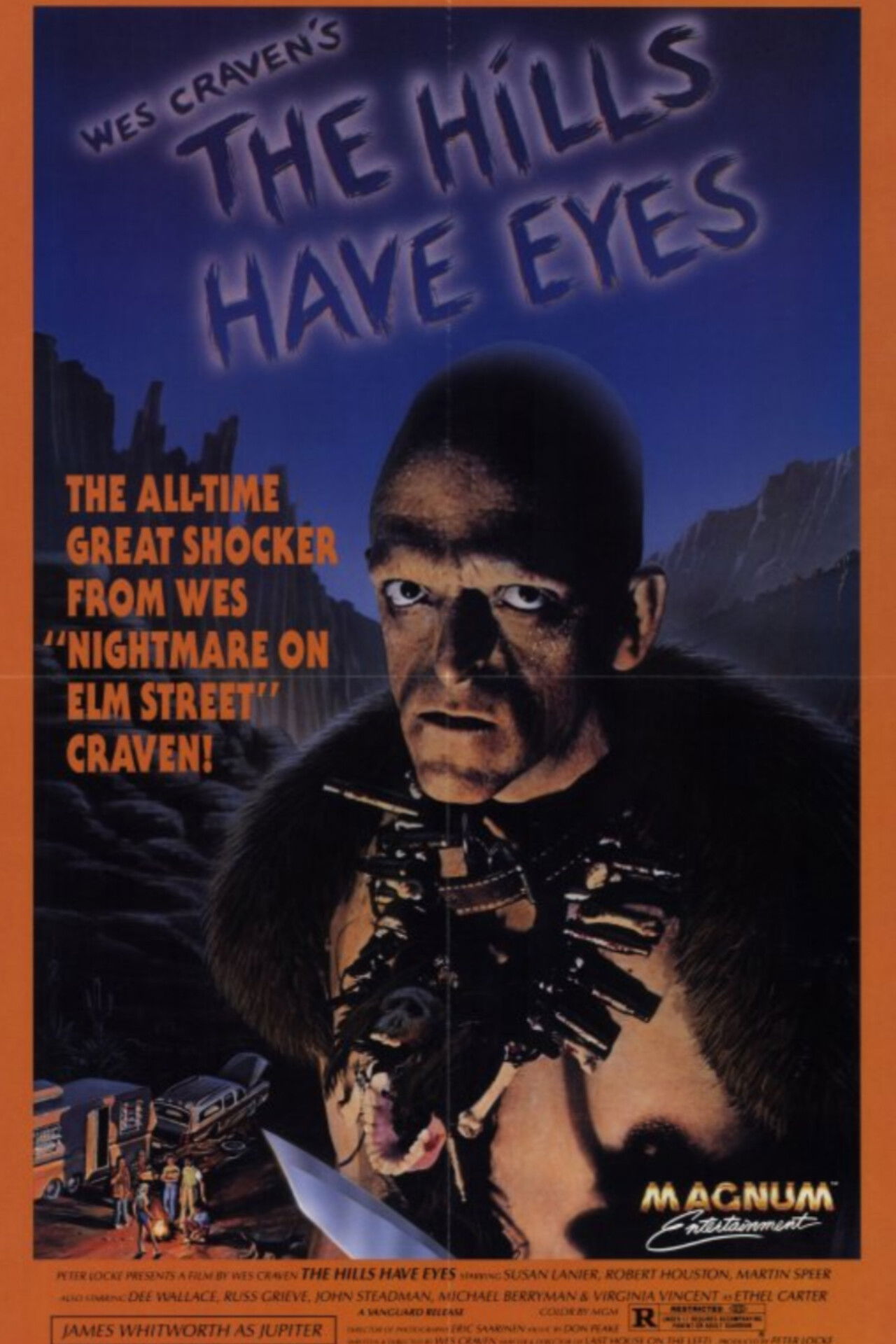
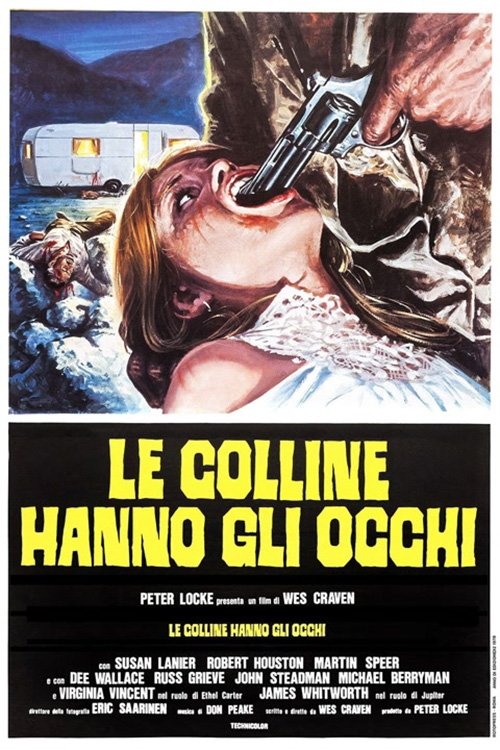
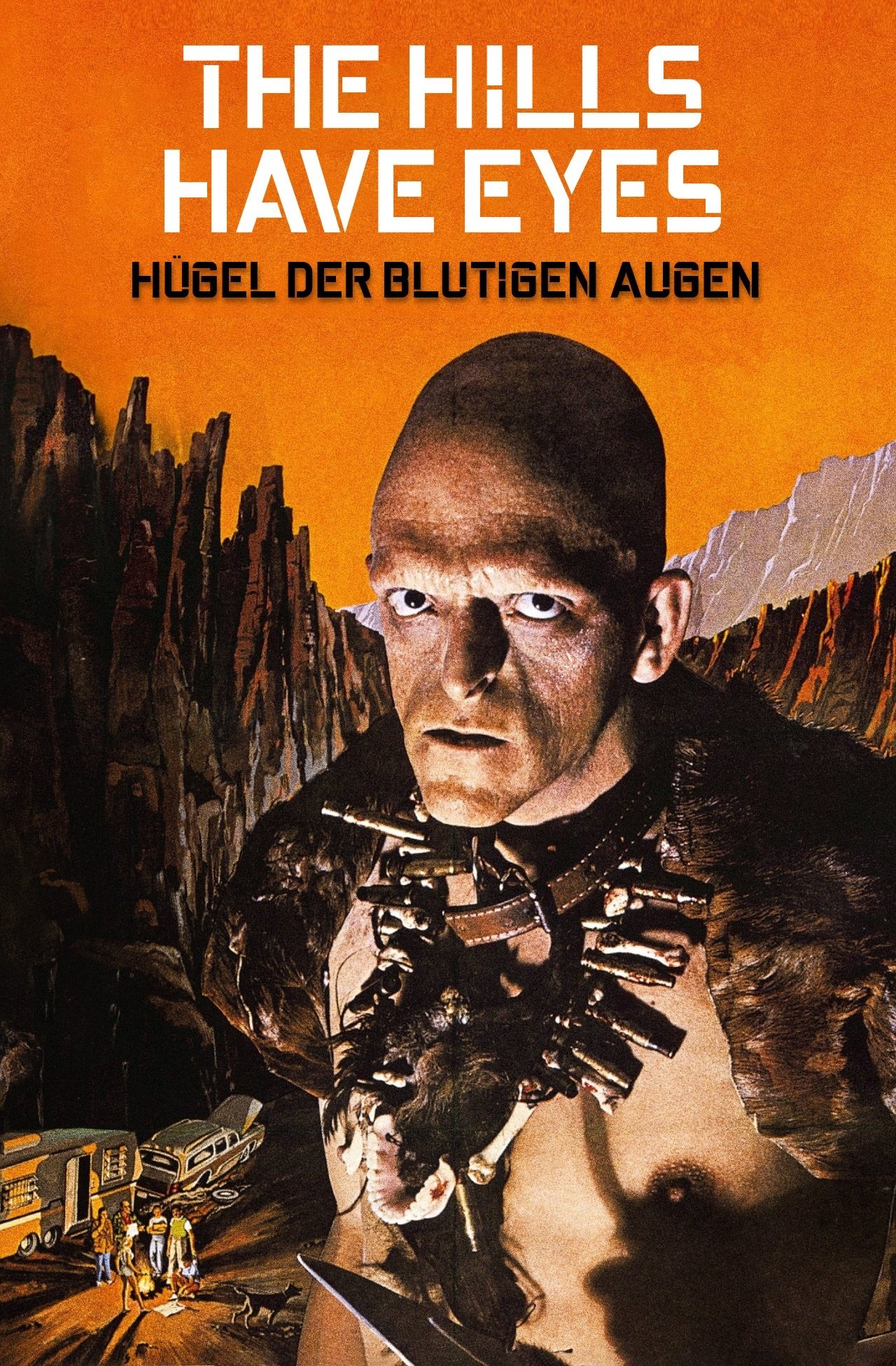
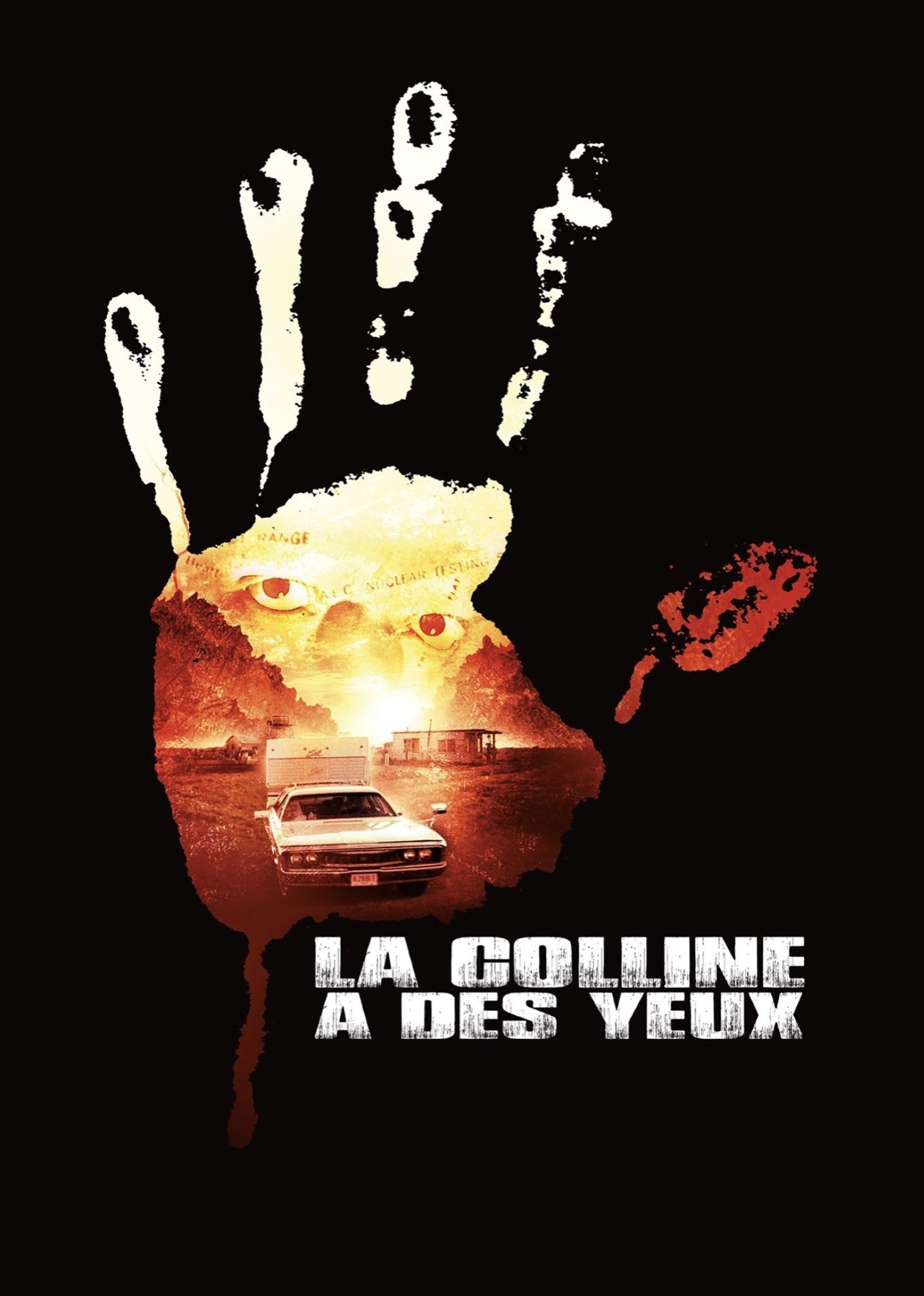
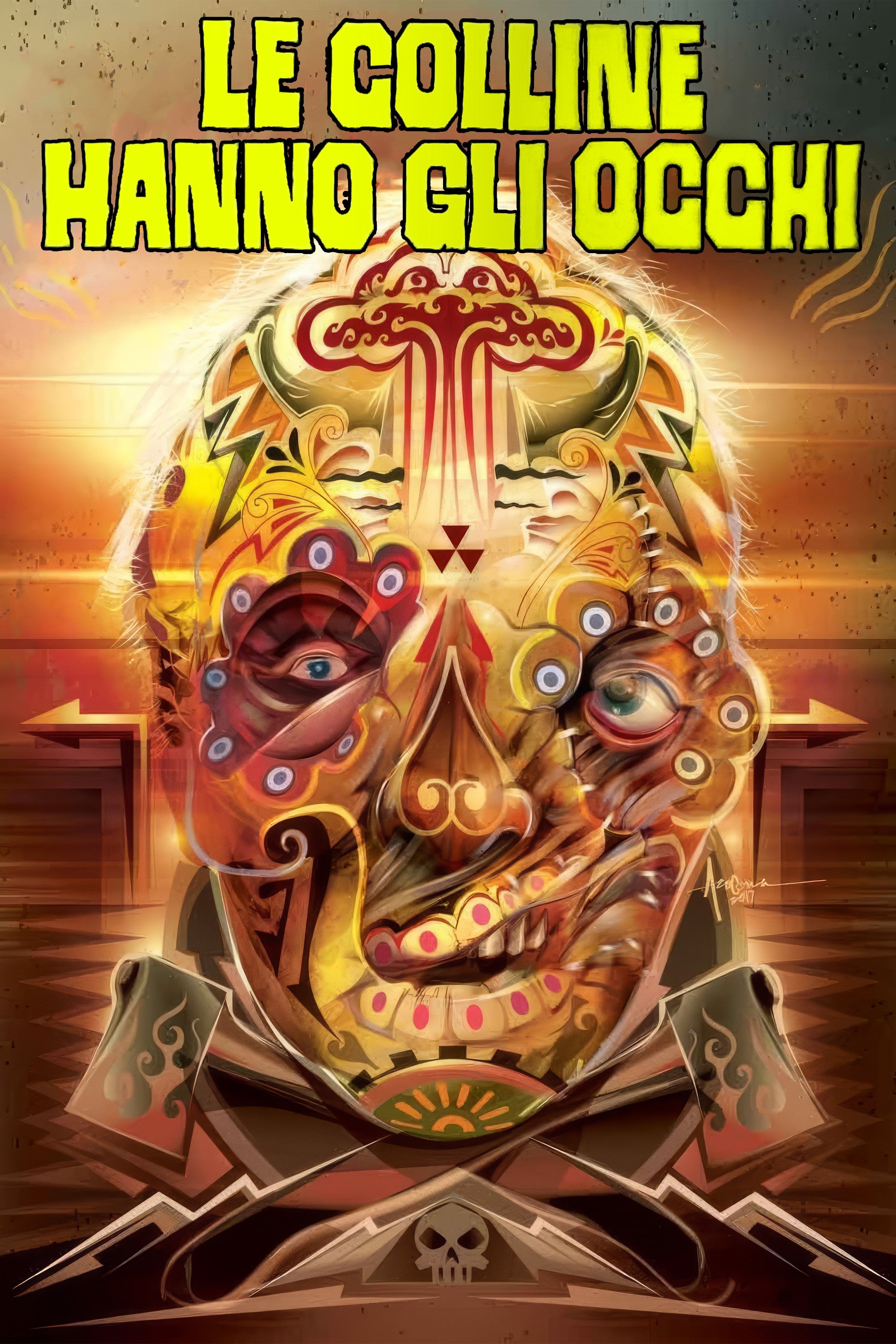
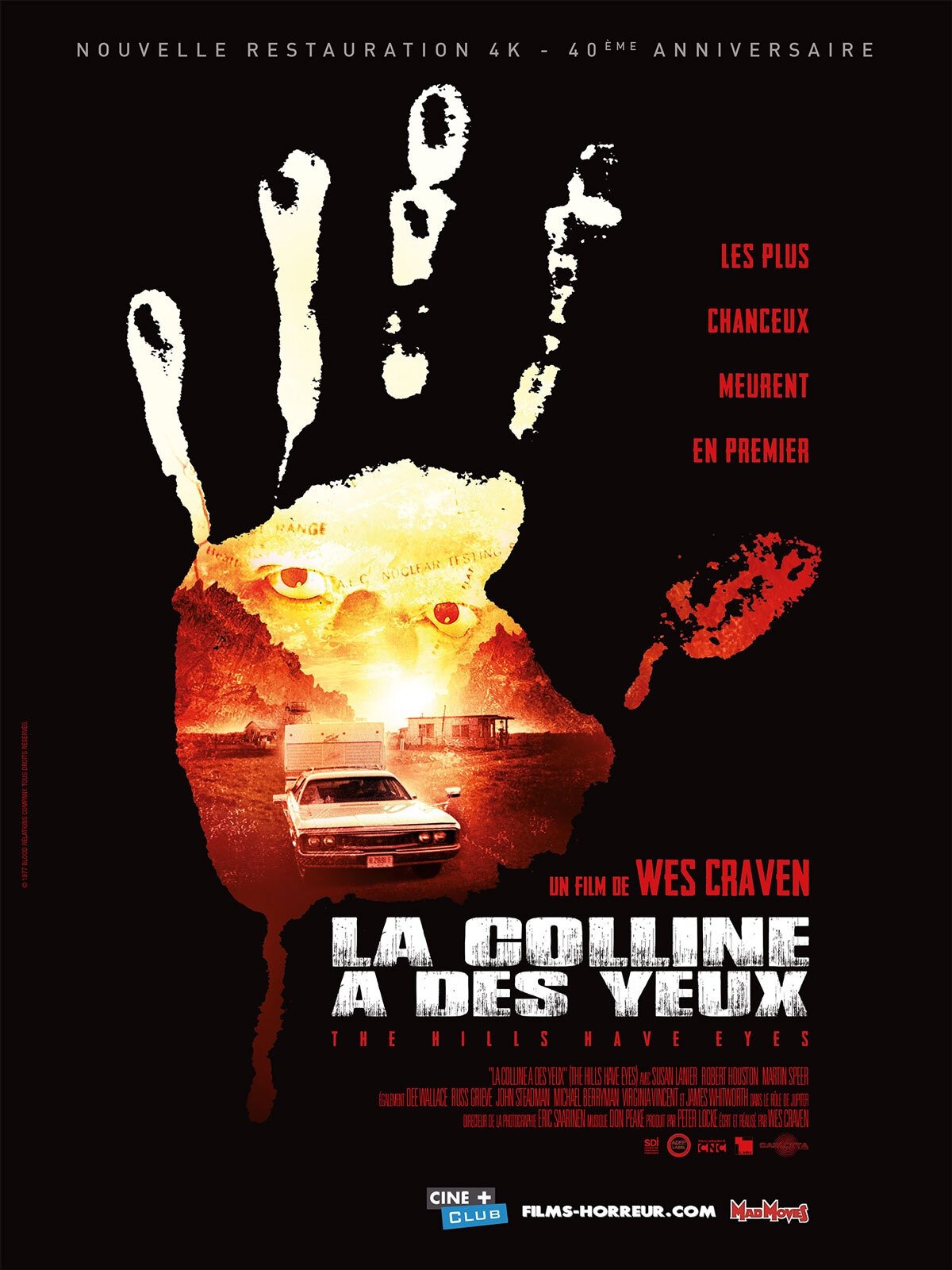
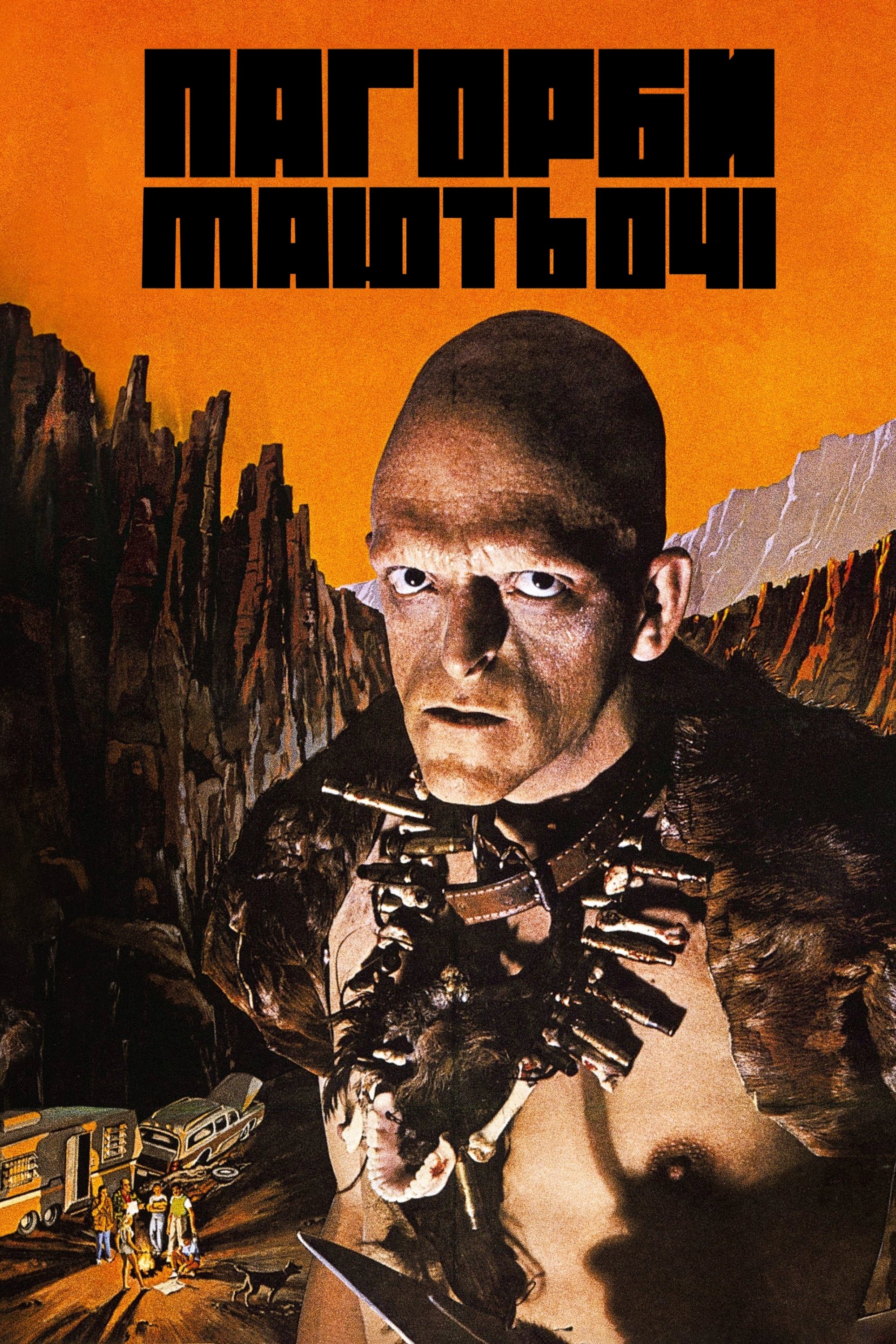
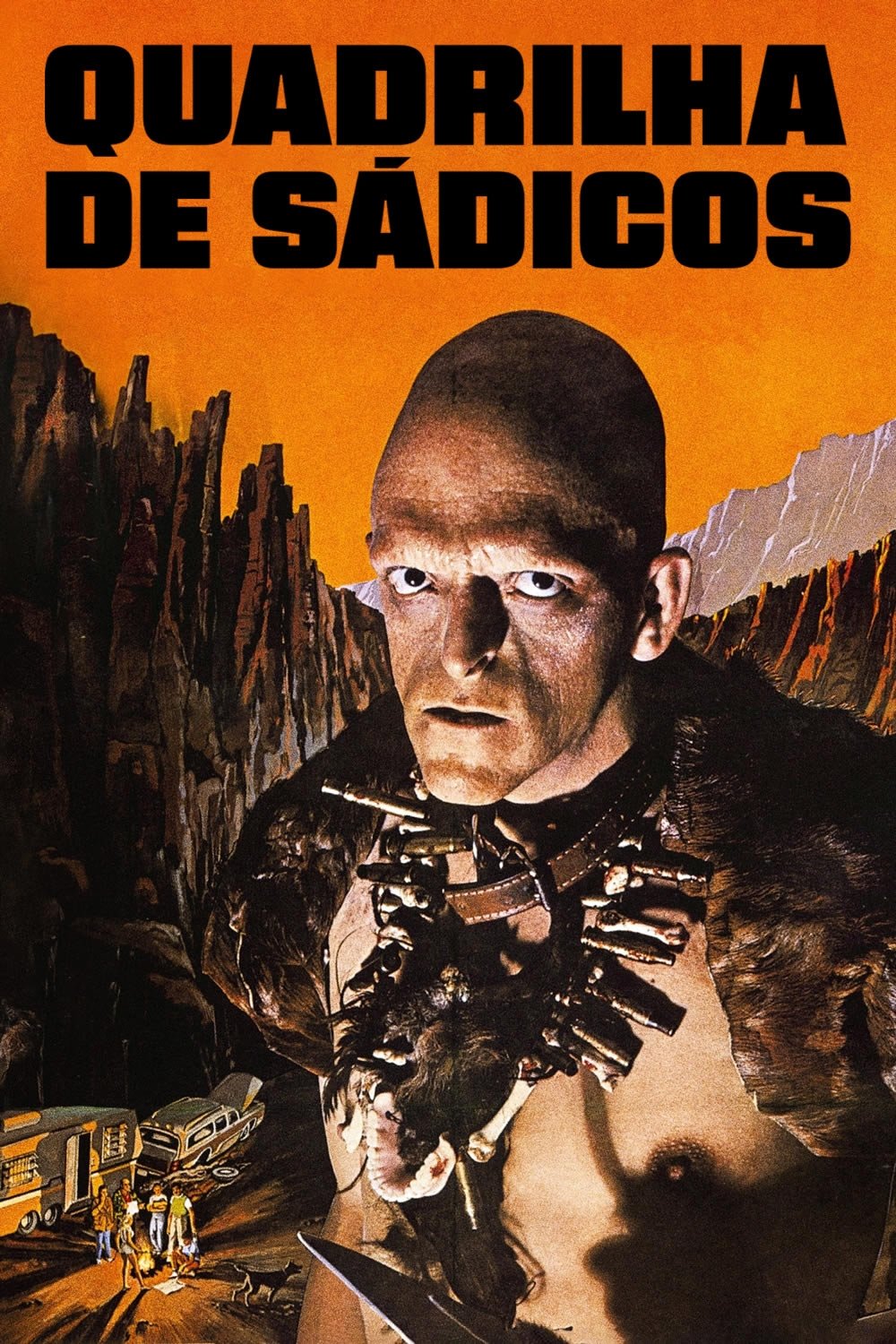
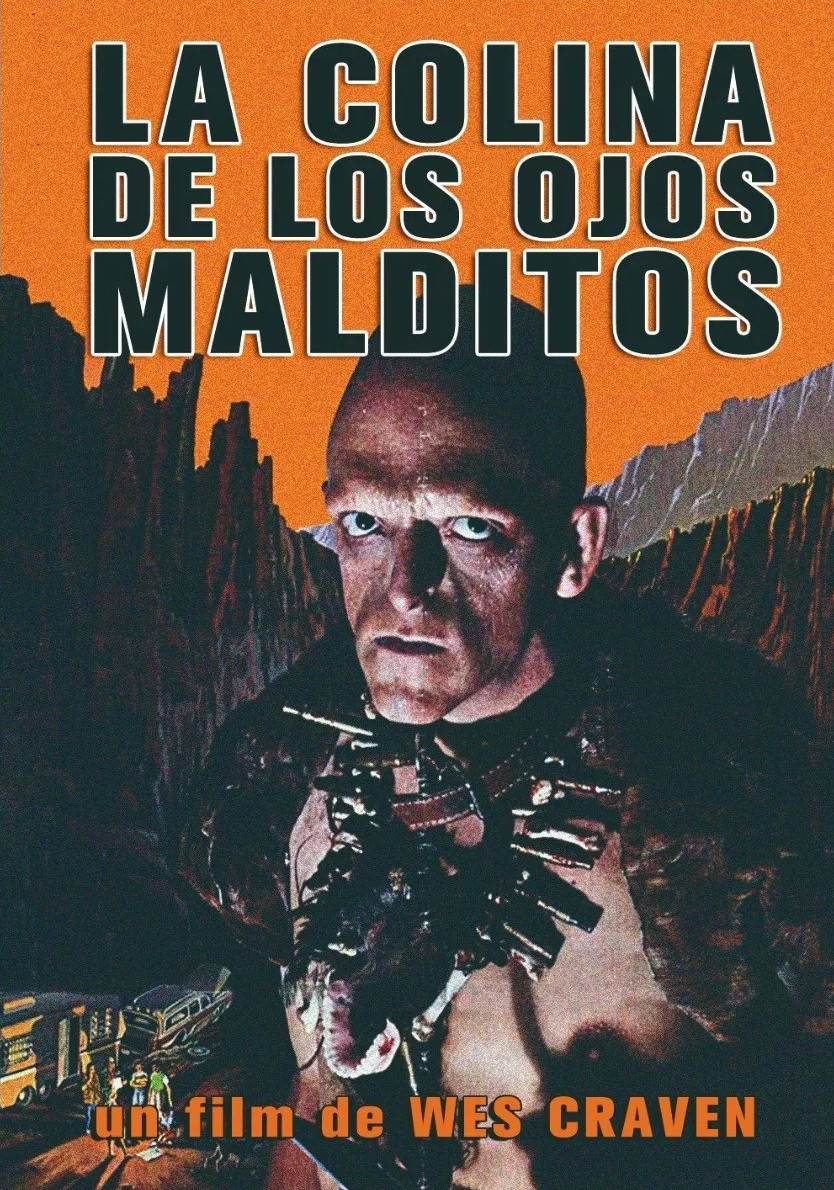
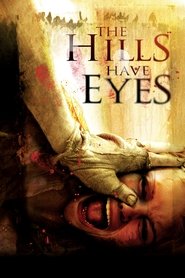
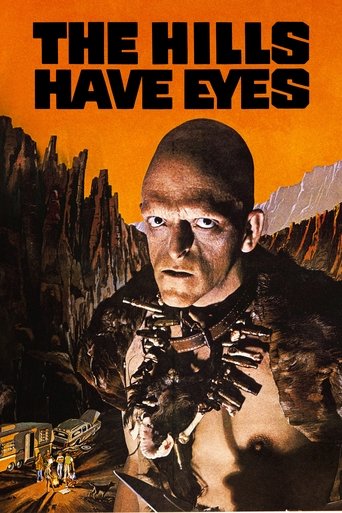
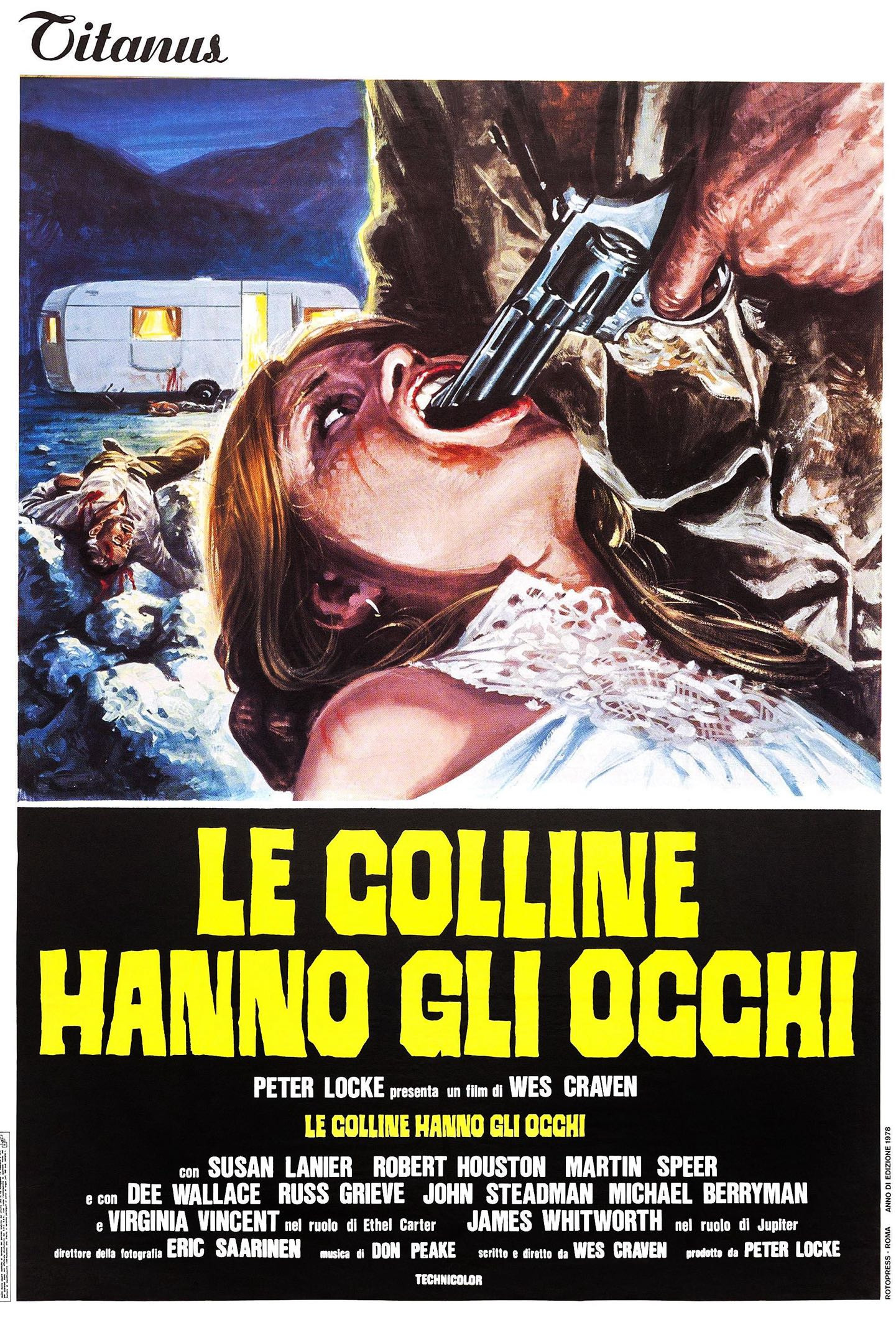
The Hills Have Eyes (1977) poster
Director
Writer
Production Company
Blood Relations Co.
Plot

Taking an ill-advised detour en-route to California, the Carter family soon run into trouble when their RV breaks down in the middle of the desert. Stranded, they find themselves at the mercy of monstrous cannibals lurking in the surrounding hills.

Alternative Titles
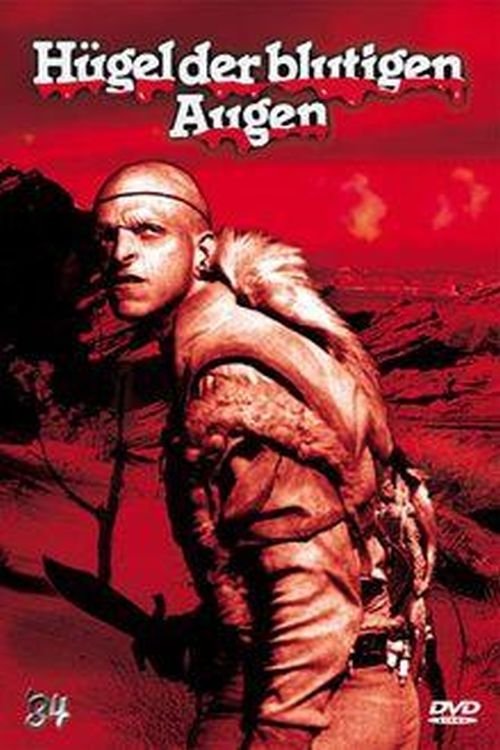
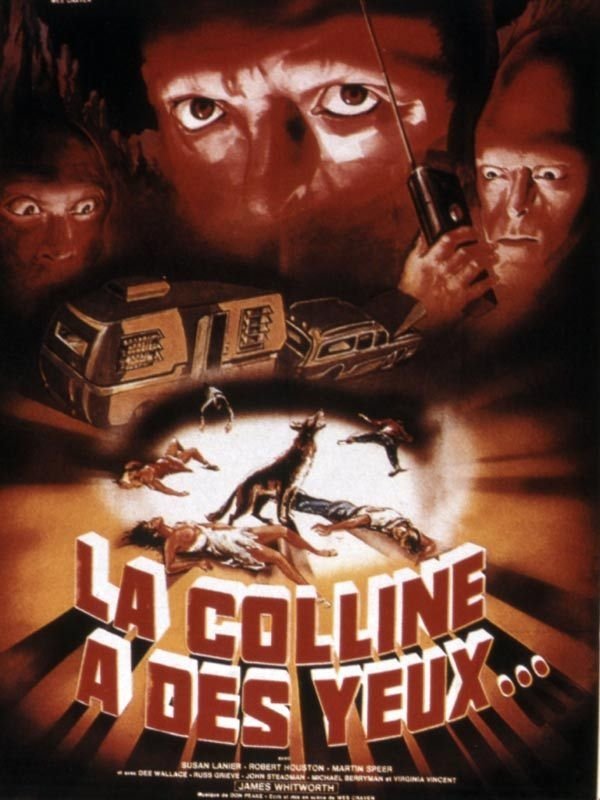
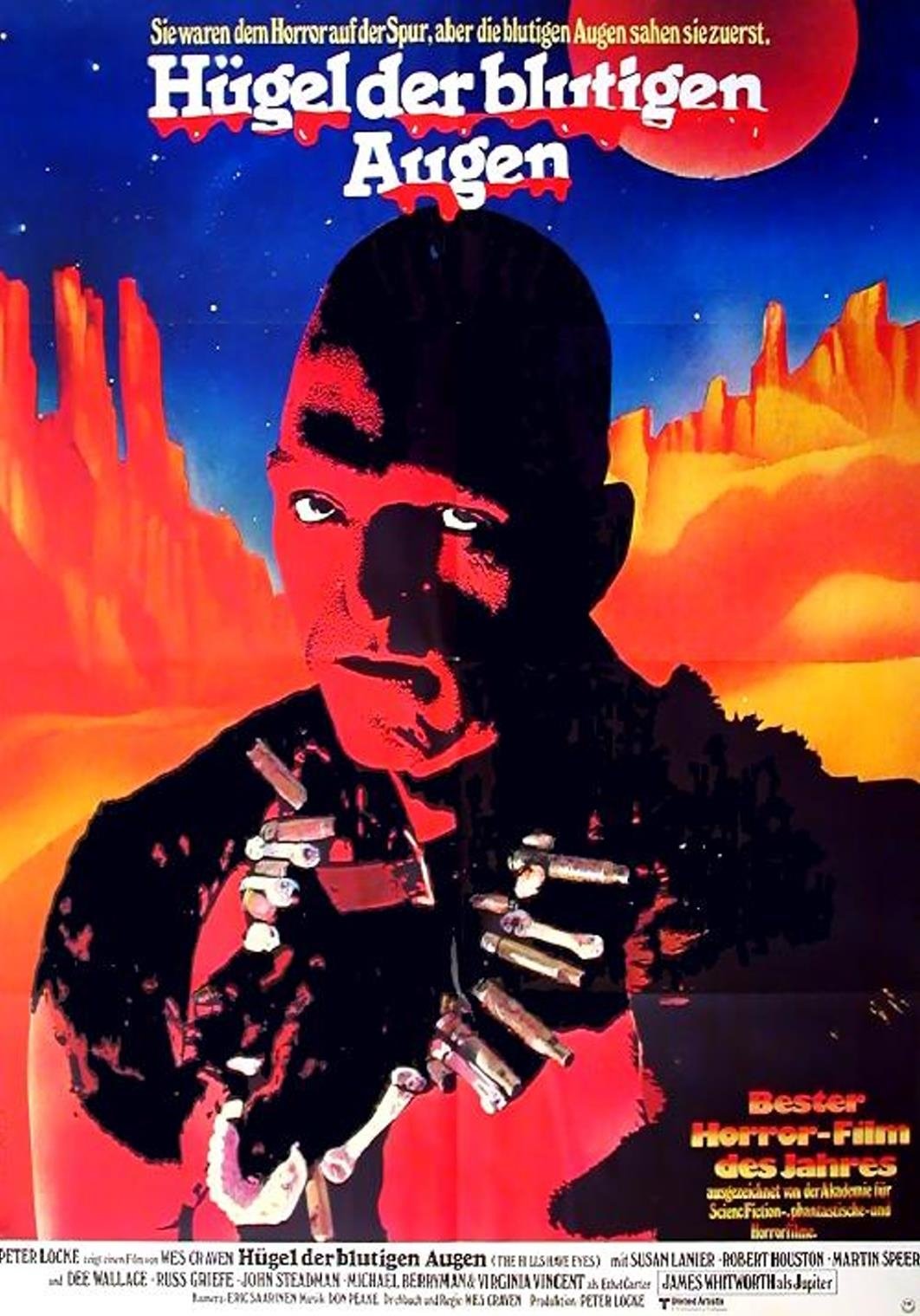
Təpənin Gözləri (AZ) Quadrilha de Sádicos (BR) Le visage de la peur (CA) — translation:fr 隔山有眼 (CN) Hory mají oči (CZ) — translation:cs Hügel der blutigen Augen (DE) — translation:de Slagterbanden (DK) — translation:da Els turons tenen ulls (ES) — translation:ca
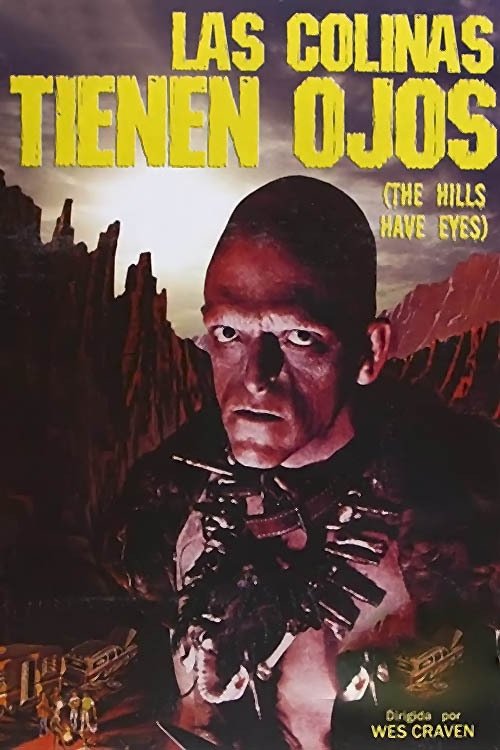
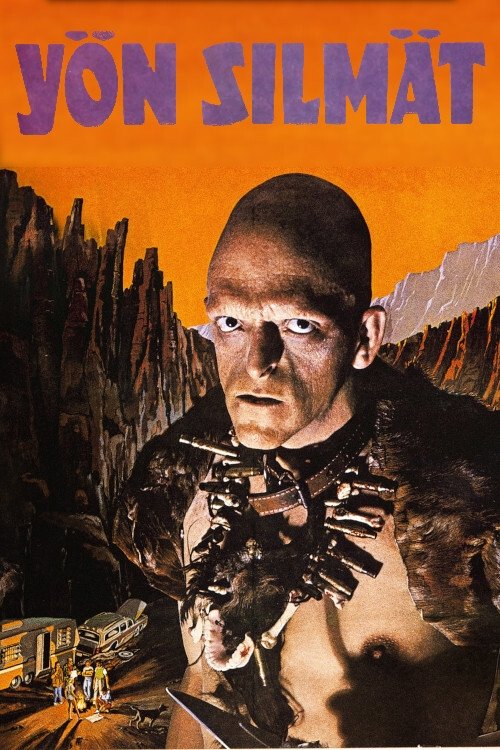
Show all 30 alternative titles Las colinas tienen ojos (ES) — translation:es Yön silmät (FI) — translation:fi La colline a des yeux (FR) — translation:fr Αίμα στους Λόφους (GR) — translation:el 殺人唔眨眼 (HK) — translation:zh Sziklák szeme (HU) — translation:hu גבעות הפחד (IL) — translation:he גבעת הפחד (IL) Le colline hanno gli occhi (IT) — translation:it サランドラ (JP) — translation:ja 공포의 휴가길 (KR) — translation:ko Ir kalnai turi akis (LT) — translation:lt La colina de los ojos malditos (MX) — translation:es Wzgórza mają oczy (PL) — translation:pl Os Olhos da Montanha (PT) — translation:pt У холмов есть глаза (RU) — translation:ru التلال لها عيون (SA) — translation:ar Ögon i natten (SE) — translation:sv 隔山有眼 (SG) — translation:zh Tepenin Gözleri (TR) — translation:tr Пагорби мають очі (UA) — translation:uk Blood Relations: The Sun Wars (US) — working title

Trailers & Videos

3 videos

Film Guide

Wes Craven turns the Mojave Desert, two opposing families and increasingly primitive violence into a defining American horror film about how quickly civilisation can collapse.

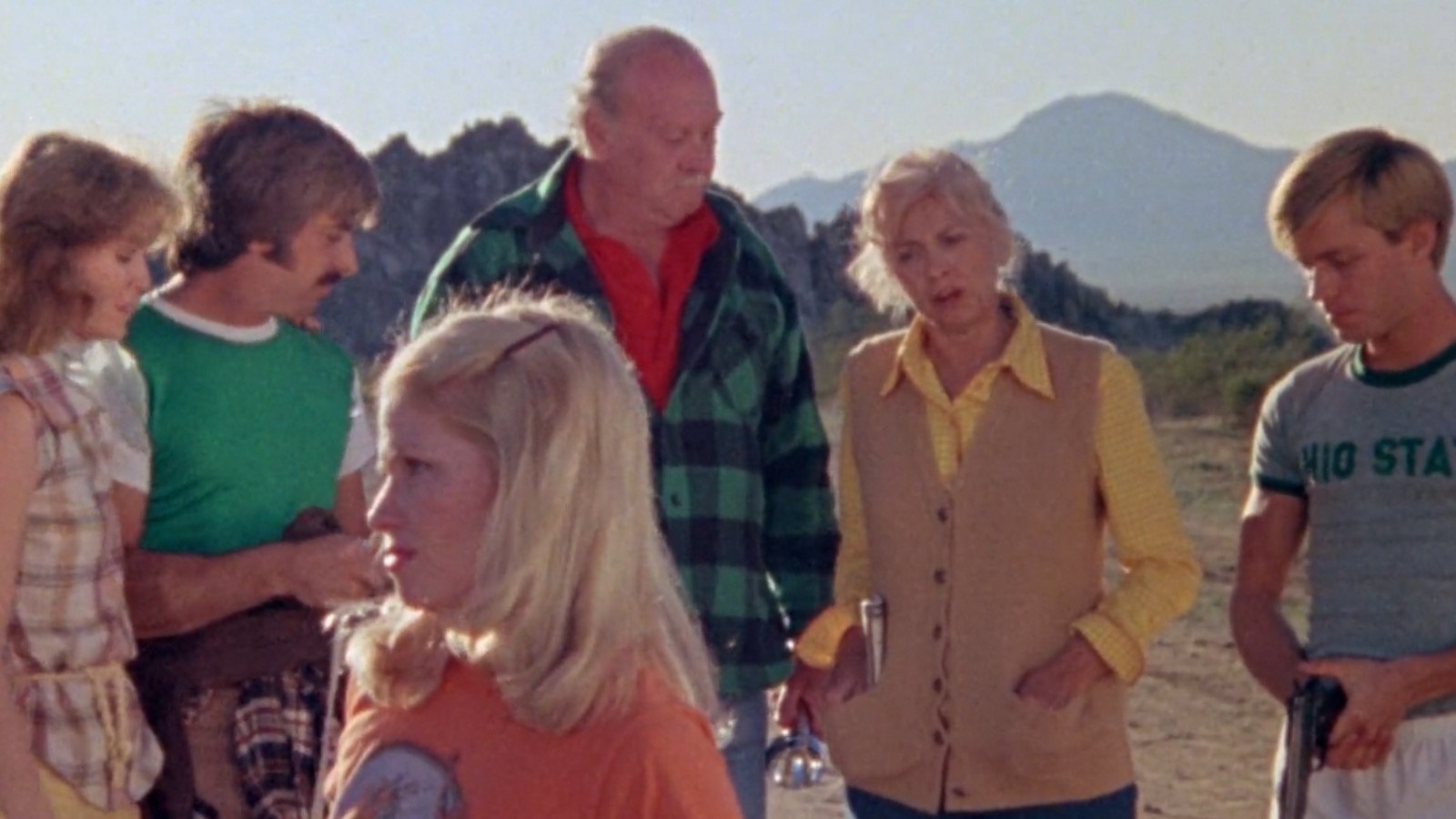
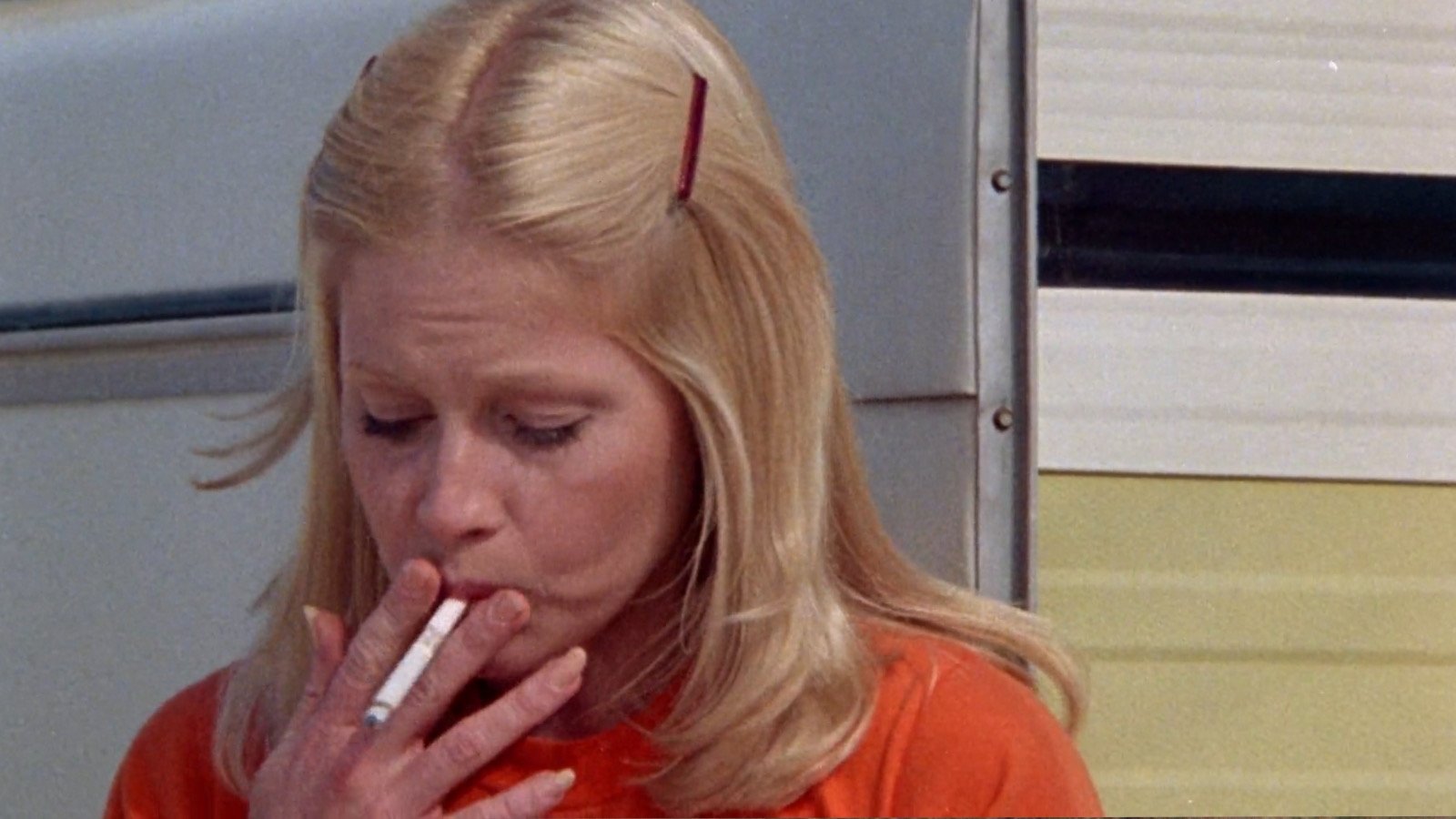
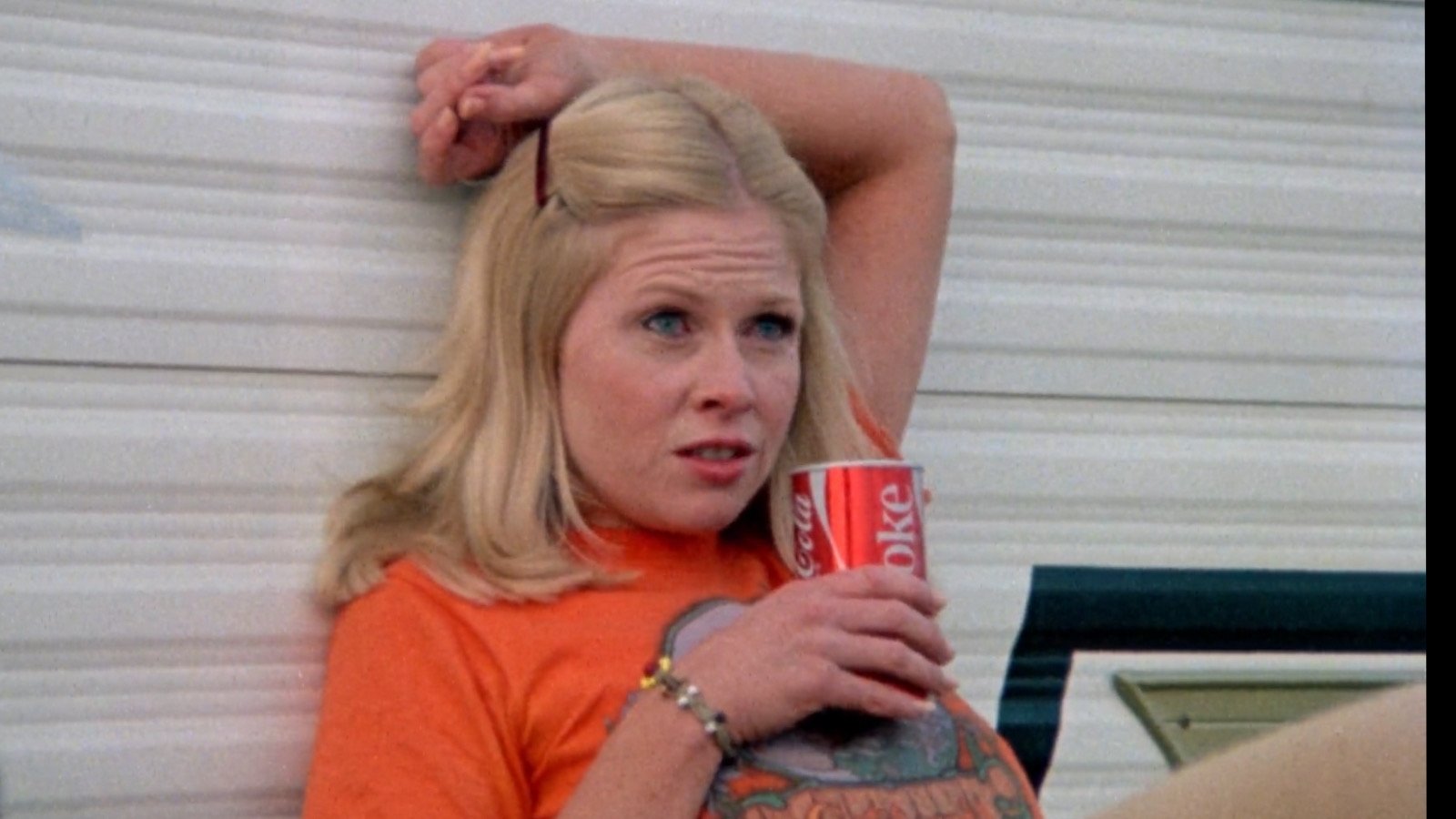
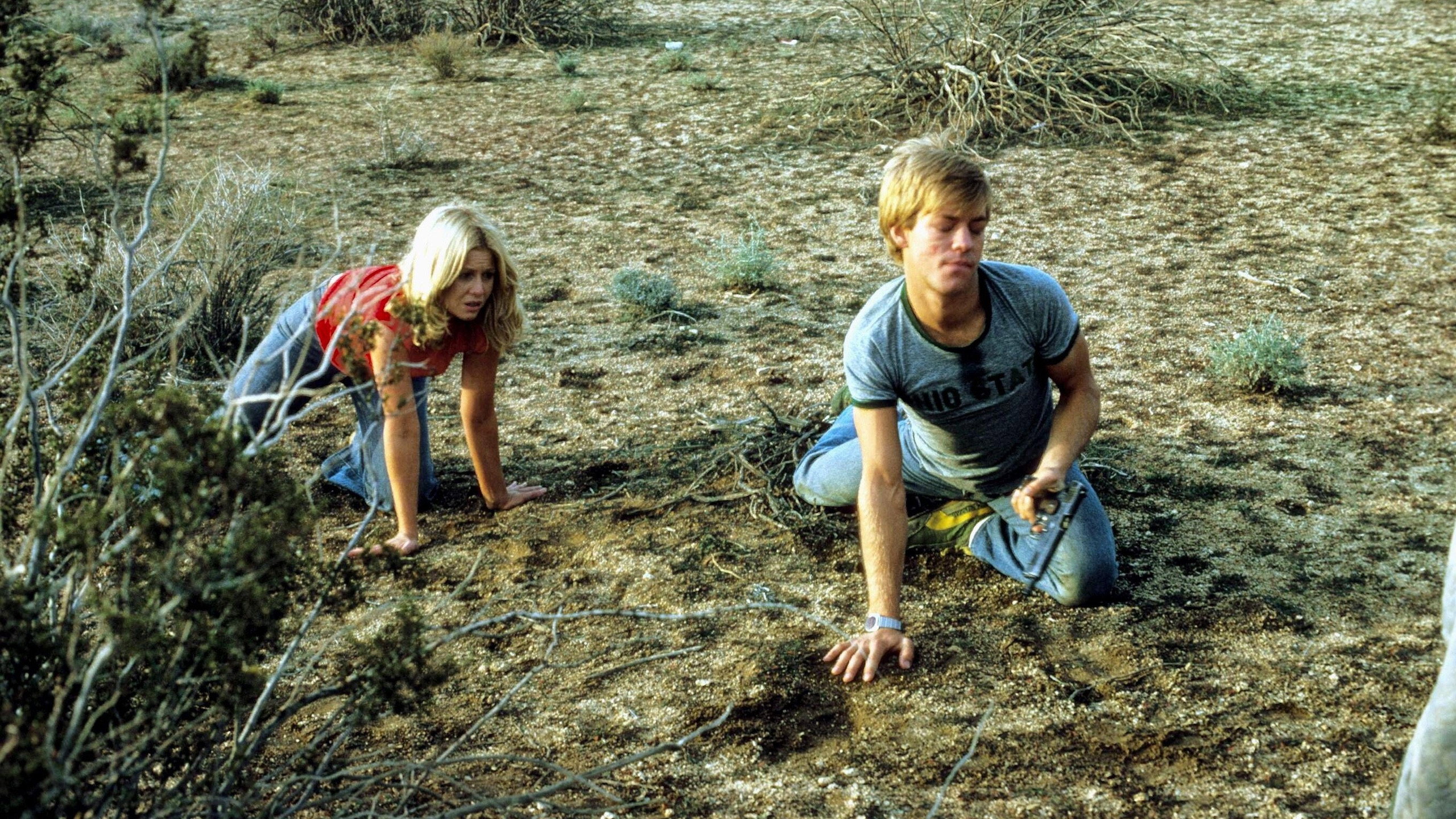
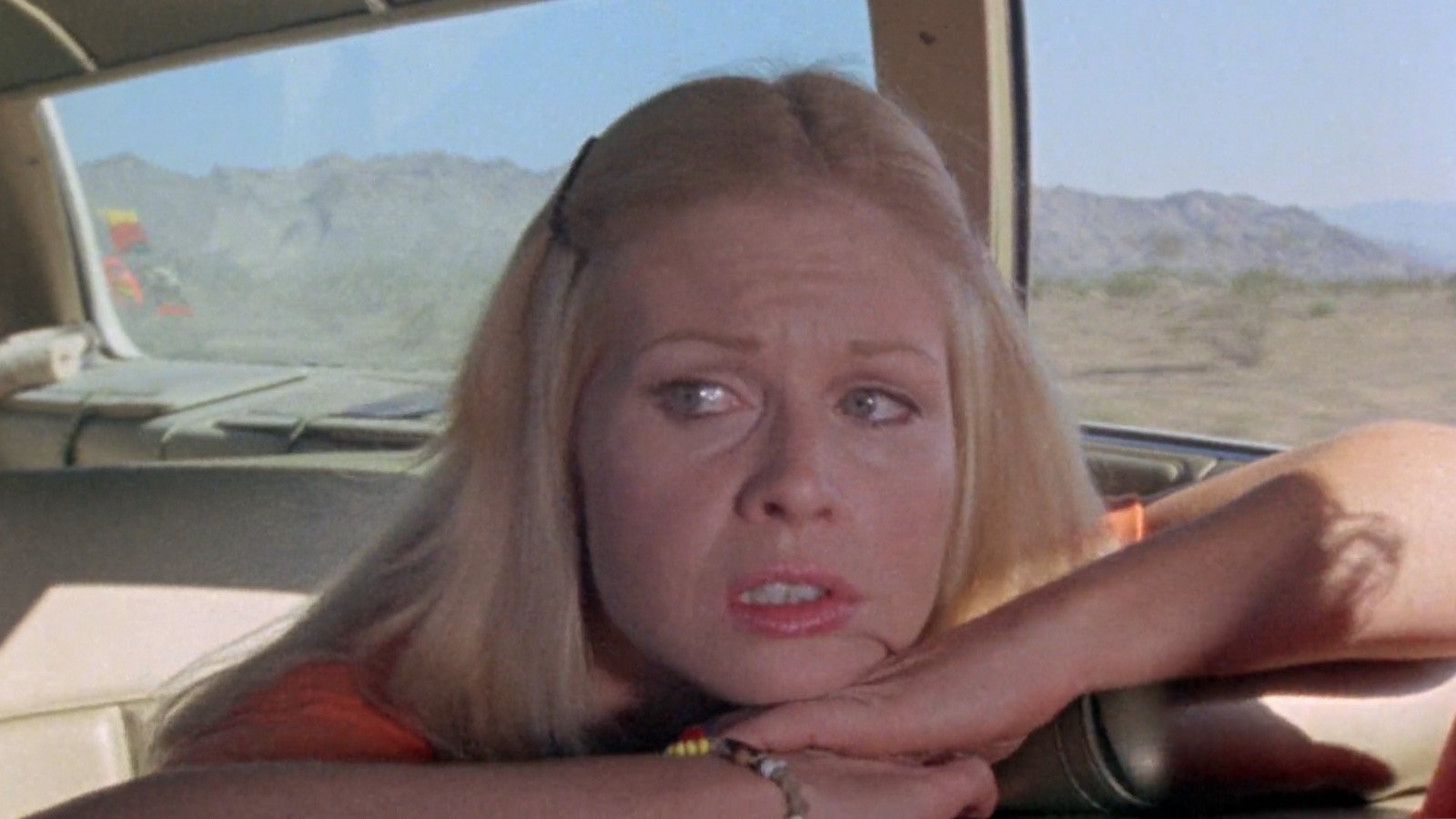
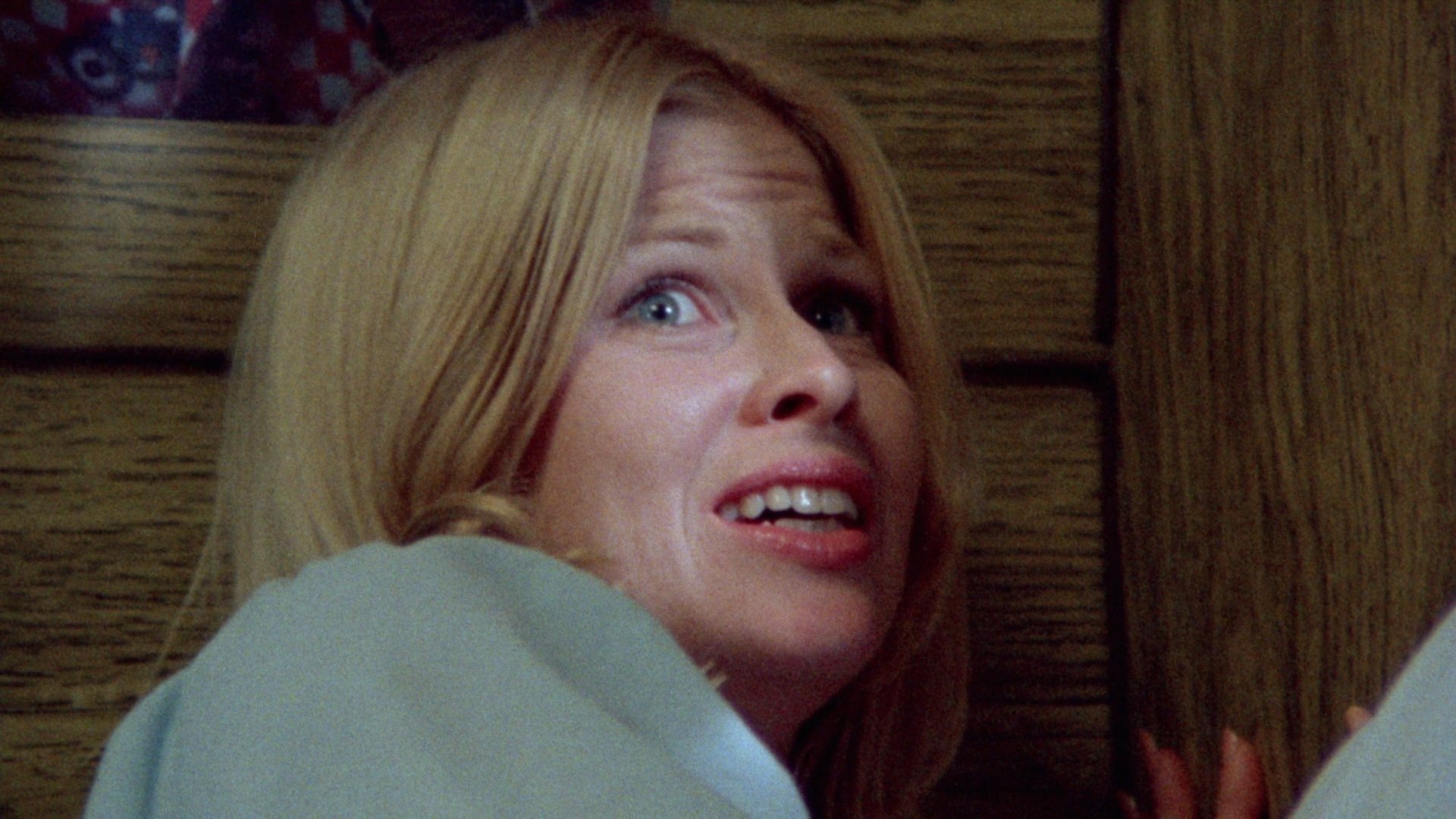
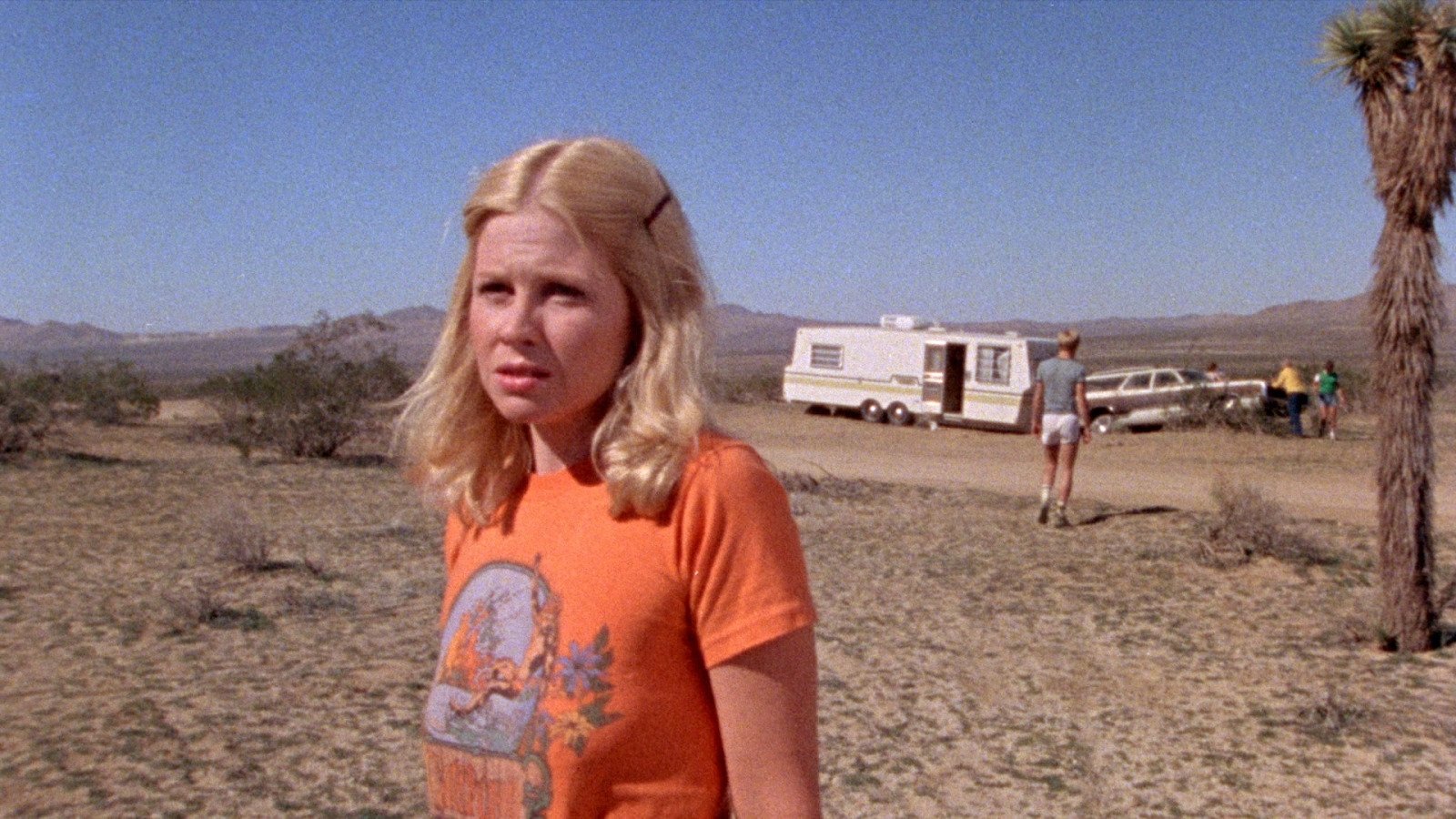
The Hills Have Eyes is a 1977 American horror film written, directed and edited by Wes Craven. The Carter family is crossing the American Southwest with a trailer when an ill-advised detour leaves them stranded in an isolated desert area. What first appears to be an accident becomes a siege when they discover that the surrounding hills are occupied by another family, led by Papa Jupiter, that survives through theft, violence and cannibalism. The confrontation progressively strips the Carters of the security associated with home, religion, property and conventional social behaviour.

Made independently in the Mojave Desert only a few years after The Last House on the Left, the film develops one of Craven's central ideas: supposedly civilised people and their apparent opposites may be separated by far less than either group believes. The Carters initially regard themselves as an ordinary American family threatened by savages, yet survival gradually requires traps, animal aggression and direct killing. Shot with rough small-format immediacy and driven by Don Peake's experimental score, The Hills Have Eyes became both a profitable independent horror film and one of the defining works of Craven's early career.

Blood Relations, Sawney Bean & the Two Families

Craven's original 1976 screenplay carried the title Blood Relations: The Sun Wars, and AFI records that this early version was initially set in New Jersey rather than the desert environment of the finished film. The project emerged after The Last House on the Left, when Craven found that producers remained considerably more interested in financing another horror film than the non-horror projects he wanted to make. Producer Peter Locke encouraged him to develop material that could again work within the independent exploitation market, but Craven wanted the new film to have a more consciously constructed thematic structure.

A major source came from the legend of Sawney Bean, the supposedly historical leader of a Scottish clan said to have lived outside conventional society, murdered travellers and survived through cannibalism. Craven was less interested in whether every detail of the legend was historically reliable than in its moral reversal. He later explained that what fascinated him was the brutality used by organised society when the clan was finally captured. The cannibals were described as savage, yet their execution by the supposedly civilised authorities was itself extraordinarily violent.

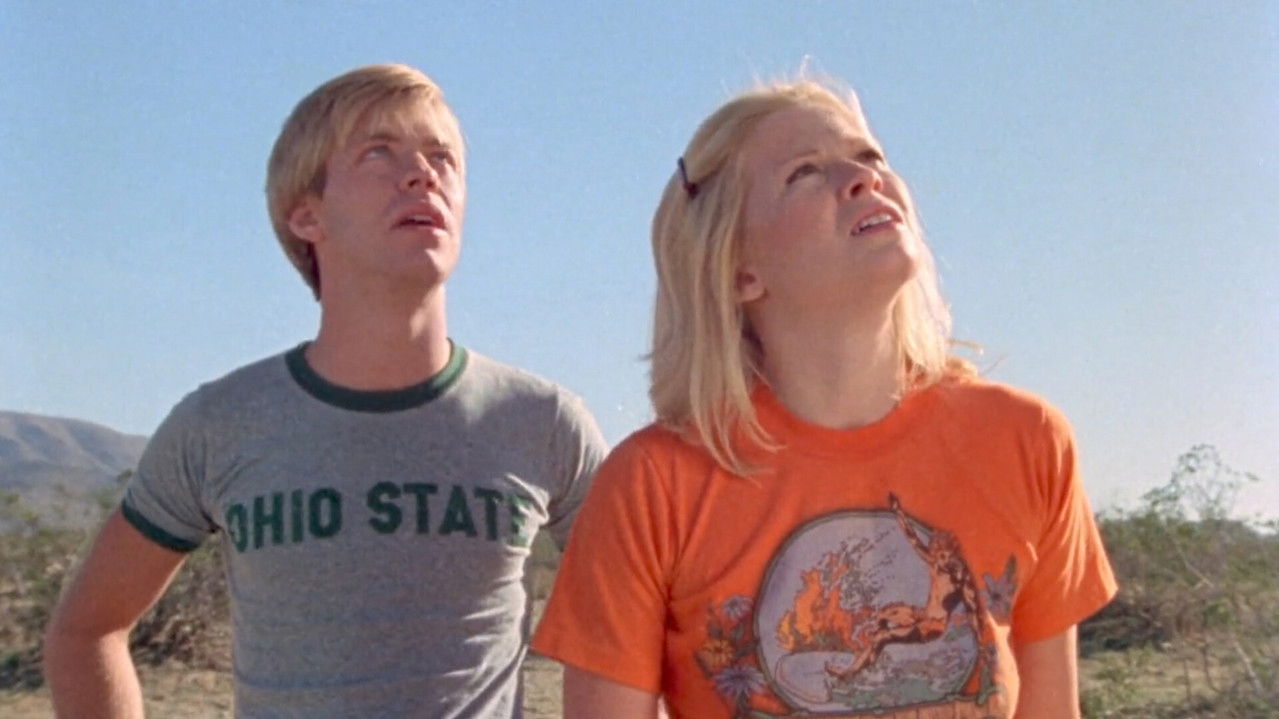
That opposition became the foundation of The Hills Have Eyes. Craven constructed two families rather than a simple group of heroes and monsters. The Carters possess a trailer, weapons, religious beliefs and the language of respectable American normality; Papa Jupiter's clan occupies the hills and exists outside those institutions. As the siege continues, however, the distinction becomes increasingly unstable. Craven deliberately pushes the Carters toward the same brutal logic they condemn in their attackers, turning survival into a process through which civilisation and savagery begin to resemble one another.
Peter Locke, the Mojave Desert & Independent Production

Principal photography began in California's Mojave Desert on 18 October 1976. Contemporary reporting preserved by AFI gives a broader and more reliable budget range than the single low figures frequently repeated in later accounts: producer Peter Locke said the production cost fell somewhere between approximately $350,000 and less than $700,000. Even at the upper end, the resources remained extremely limited for a feature requiring vehicles, desert action, night photography, animals and an extended siege involving two large groups of characters.

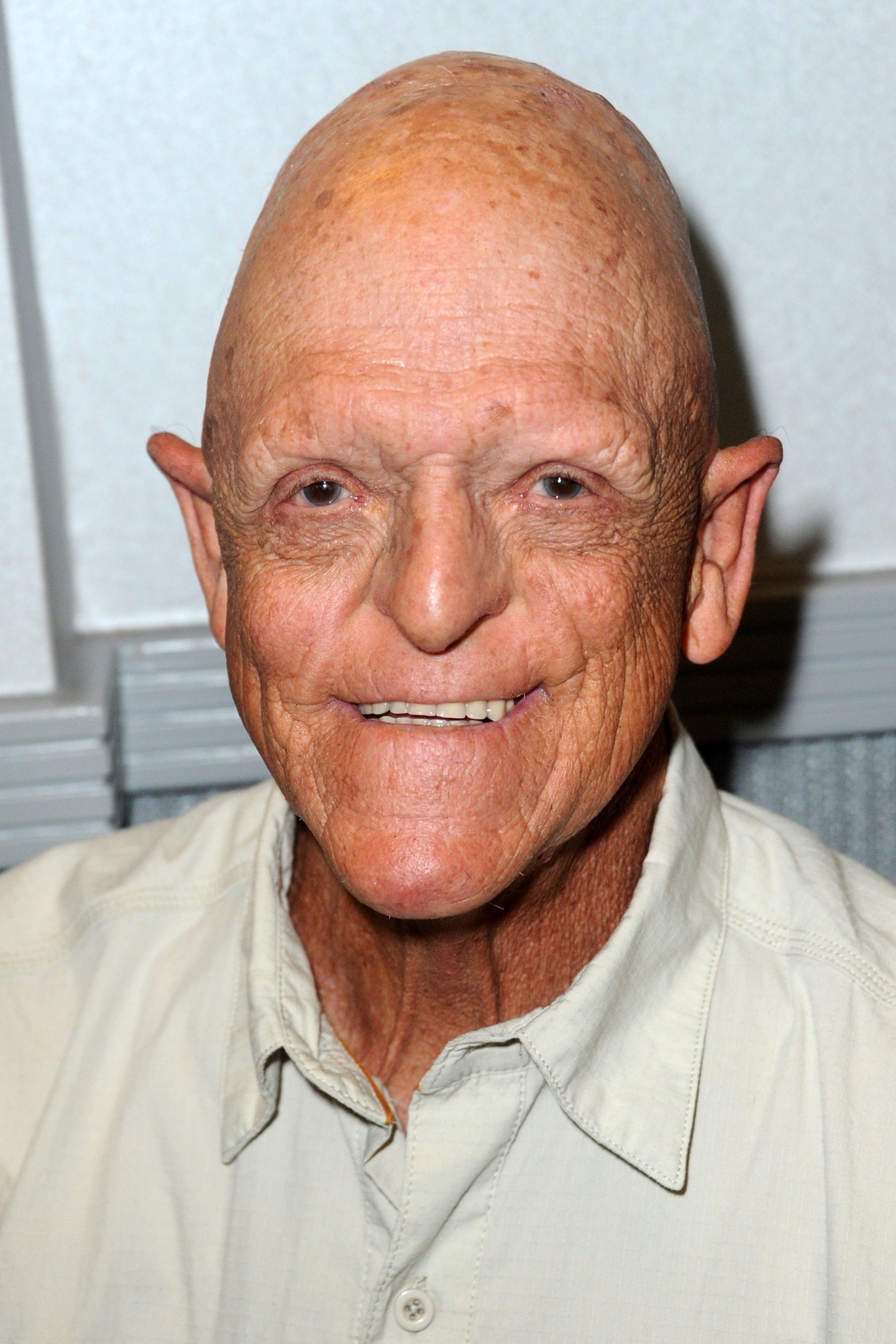
The landscape consequently became one of the film's principal production assets. Rocky hills, empty roads and exposed desert required little construction yet immediately isolated the Carters from the social structures on which they normally depend. The same terrain created difficult working conditions. Performers had to climb and run across uneven ground while scenes moved between exposed daylight and cold desert nights. For Michael Berryman, who was born with hypohidrotic ectodermal dysplasia and has limited ability to perspire, extended work in severe heat required particular care.

Locke's involvement went beyond financing. He created Vanguard Releasing to distribute the film and, according to AFI, also appeared under the name Arthur King as Mercury. The production's economic limitations encouraged this kind of overlap between roles, but they also preserved a degree of independence. Craven did not have a studio infrastructure smoothing the material into conventional form. The result retains the unstable energy of a production solving practical problems directly in the desert, where the physical environment is never far removed from the violence being staged inside it.

Eric Saarinen, 16mm & a Landscape That Watches

Director of photography Eric Saarinen photographed the film on 16mm, later enlarged for 35mm theatrical presentation. The smaller format contributes to the coarse texture that became inseparable from the film's identity. The photography allows rock, dirt, hard sunlight and deep shadow to retain an abrasive quality. Modern restorations consequently reveal substantial grain rather than attempting to make the image resemble a cleaner contemporary production.

Craven repeatedly uses the landscape as a system of observation. The title is almost literal: hills, ridges and rocky openings function like concealed viewing positions from which the Carter family can be watched without seeing who is watching them. Wide exterior compositions may contain very little visible action while still suggesting that danger occupies the surrounding terrain. The desert therefore performs the same suspense function that suburban windows and empty streets would later serve in films such as Halloween: apparently open space can contain hidden human threat.

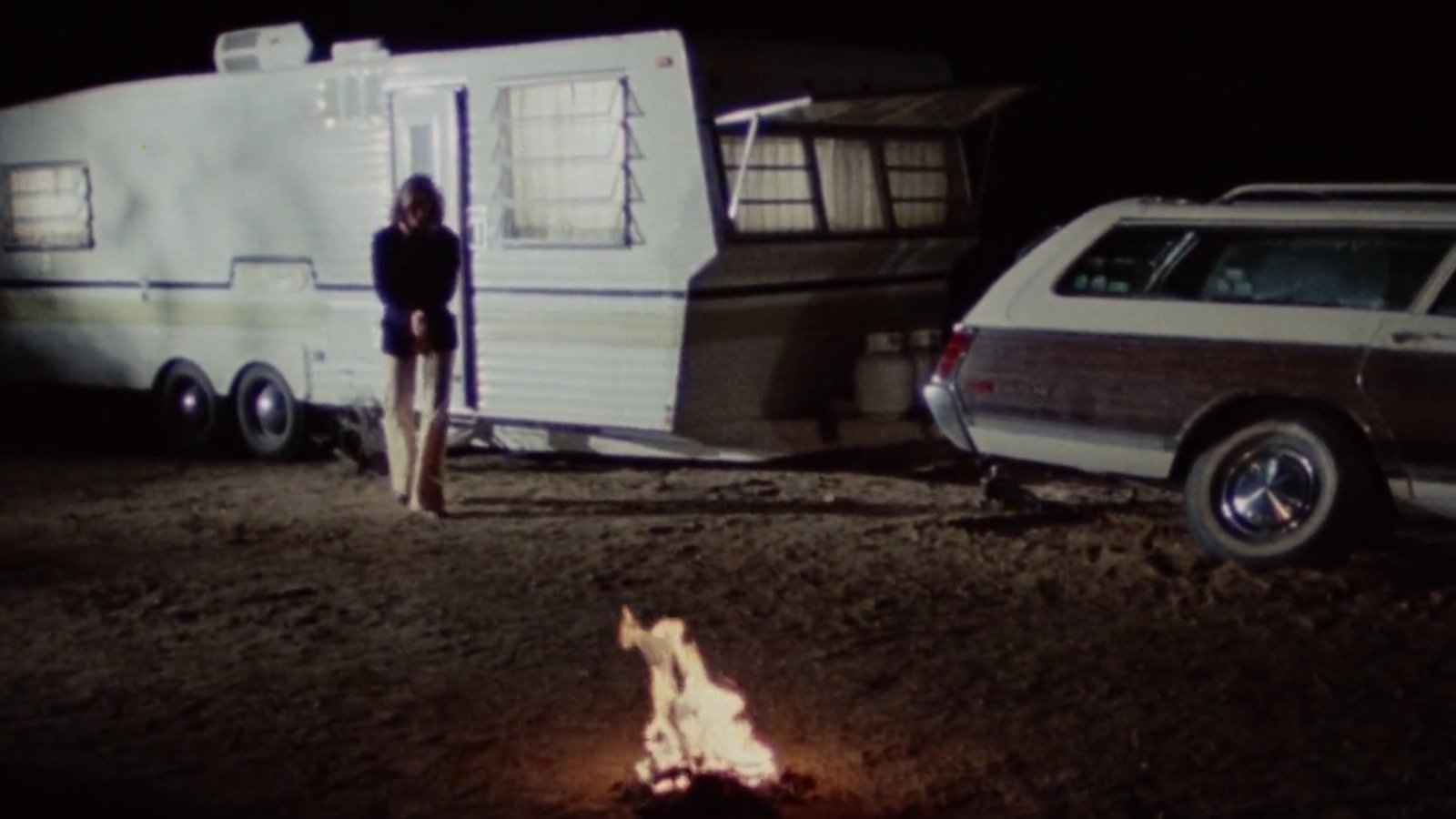
Night reverses that relationship. The Carters can no longer rely on visibility, while the hill family understands the terrain intimately. Fires, vehicle lights and the trailer create isolated pockets of illumination surrounded by darkness, making the family's attempt to maintain a domestic space increasingly fragile. Saarinen's photography does not separate beautiful landscape from horror location; the same rocks that establish geographical scale also provide concealment, escape routes and tactical advantage. Geography becomes part of the conflict rather than merely the background against which it occurs.

Robert Burns, Pluto & the Physical World of the Hill Family

Art director Robert Burns had previously created the physical environment of The Texas Chain Saw Massacre, and his presence creates a material connection between two of the most important independent American horror films of the decade. AFI credits Burns as art director on The Hills Have Eyes, while production accounts describe animal remains, skins and rough found materials being incorporated into the hill family's environment. The resulting spaces appear accumulated rather than designed, as though the clan has constructed its existence from whatever travellers and the desert have provided.

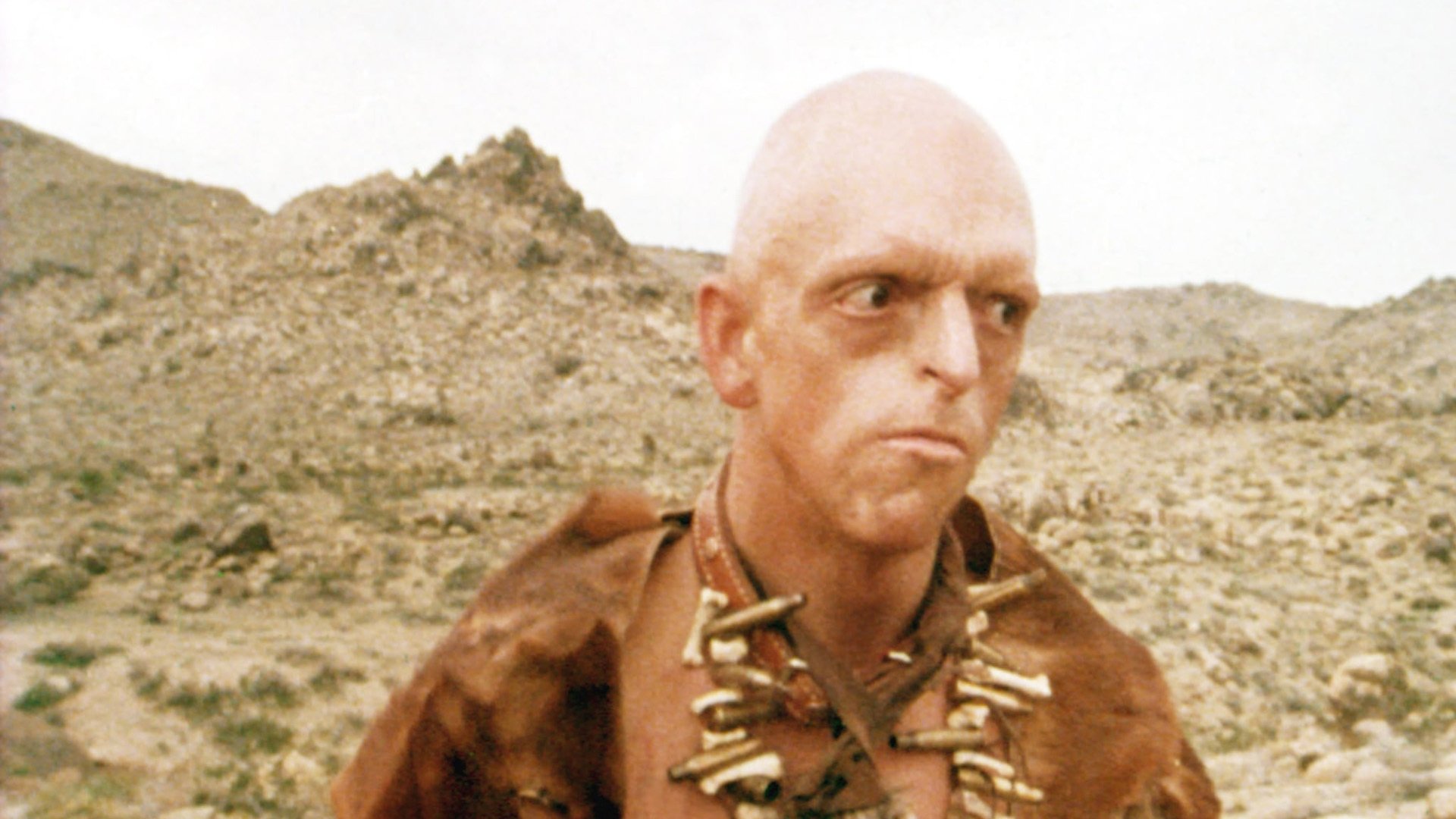
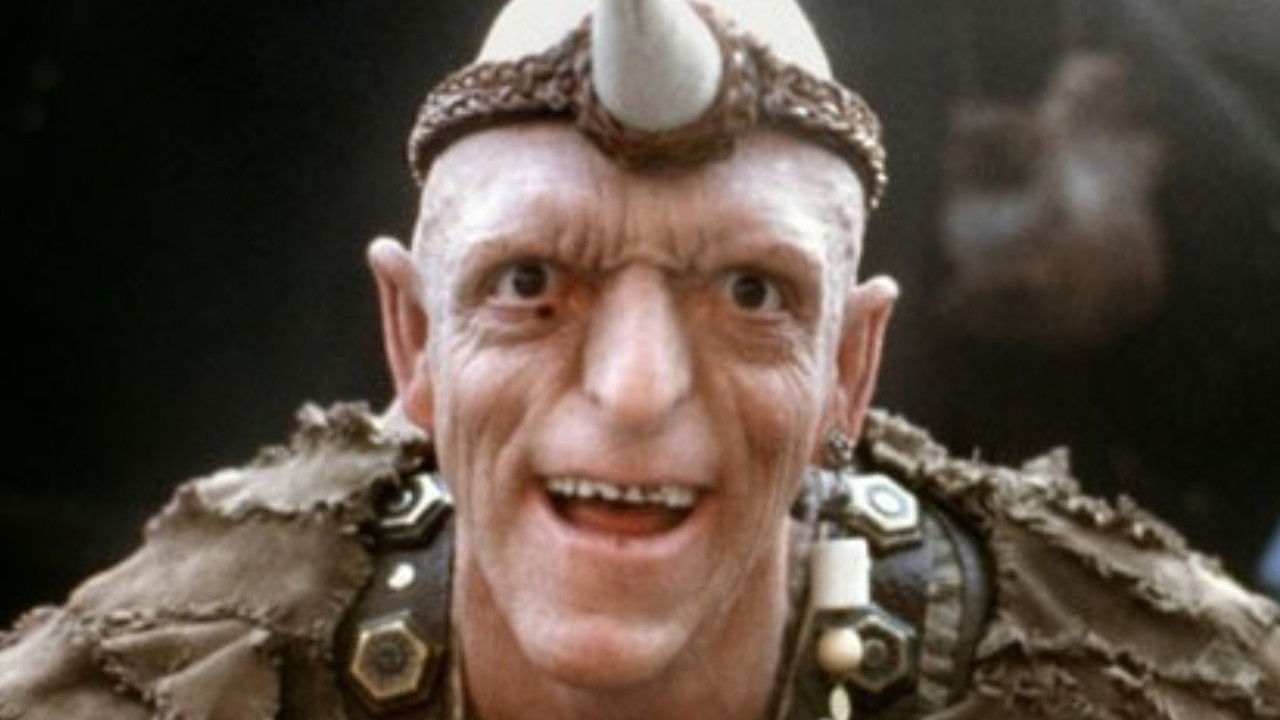
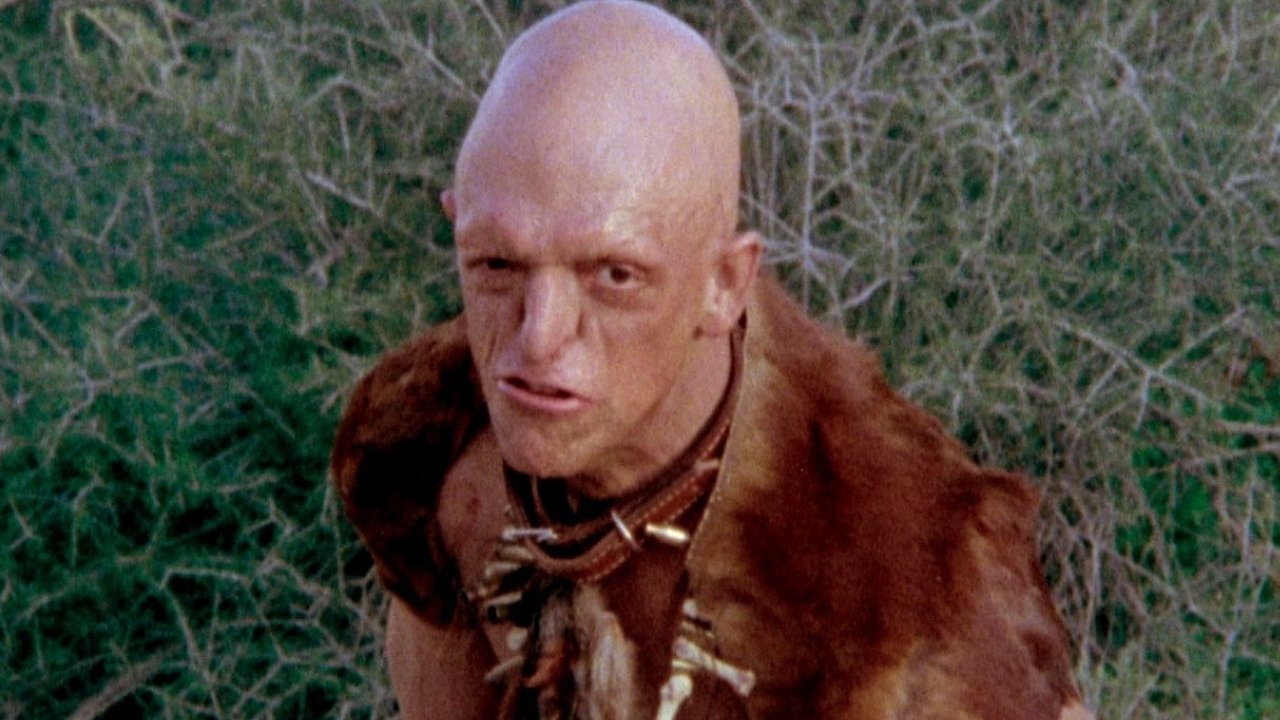
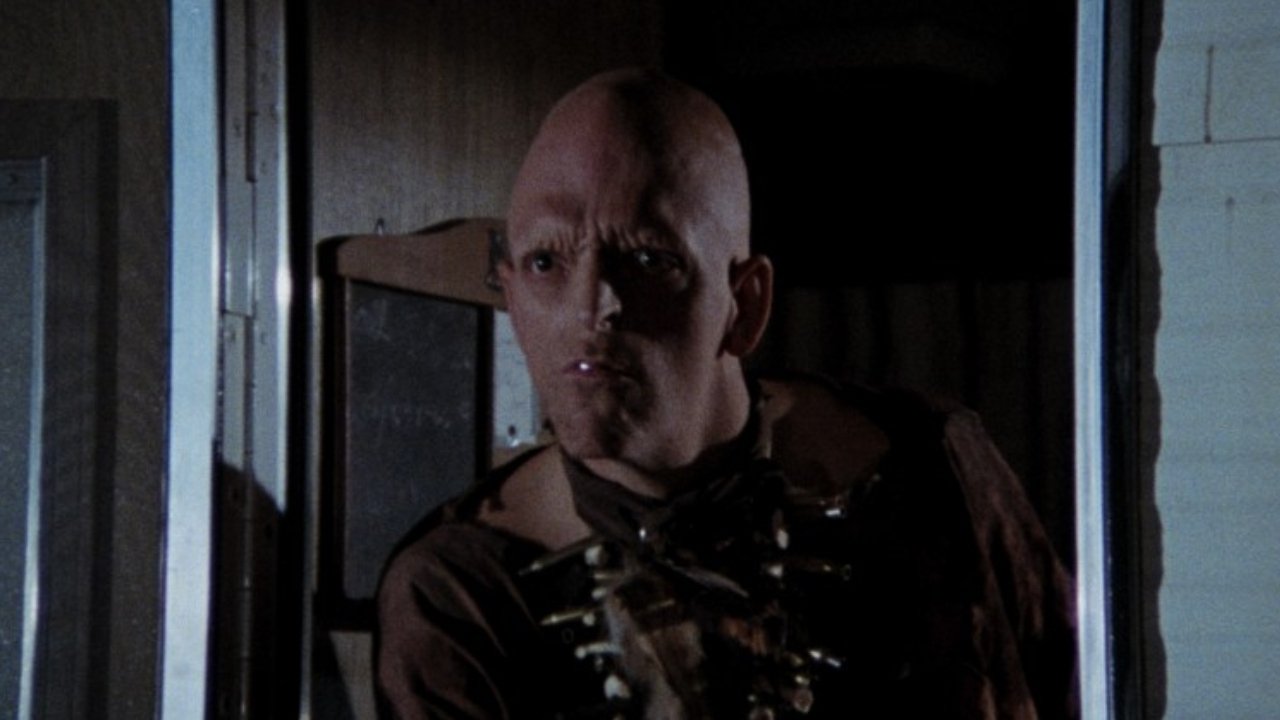
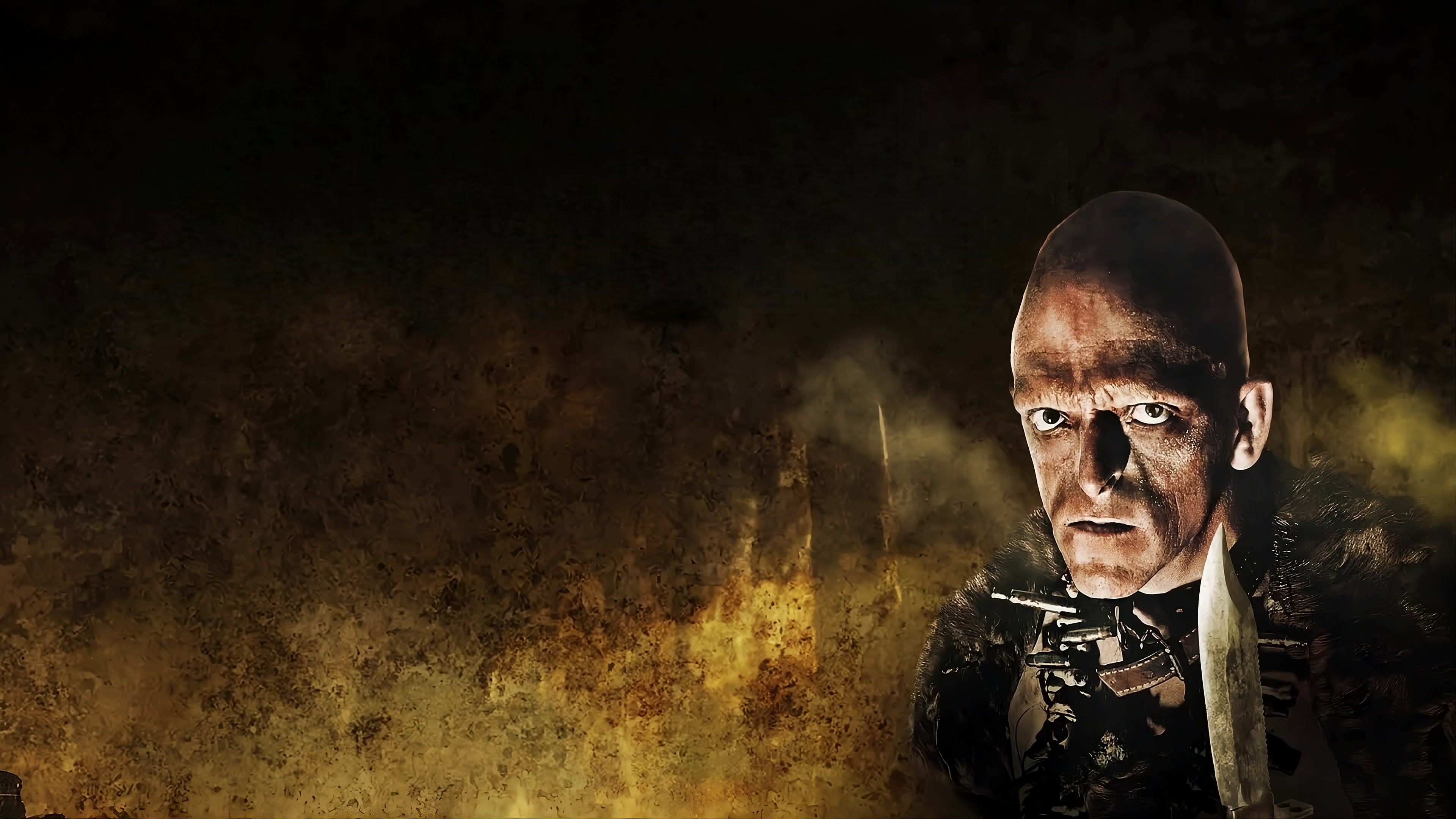
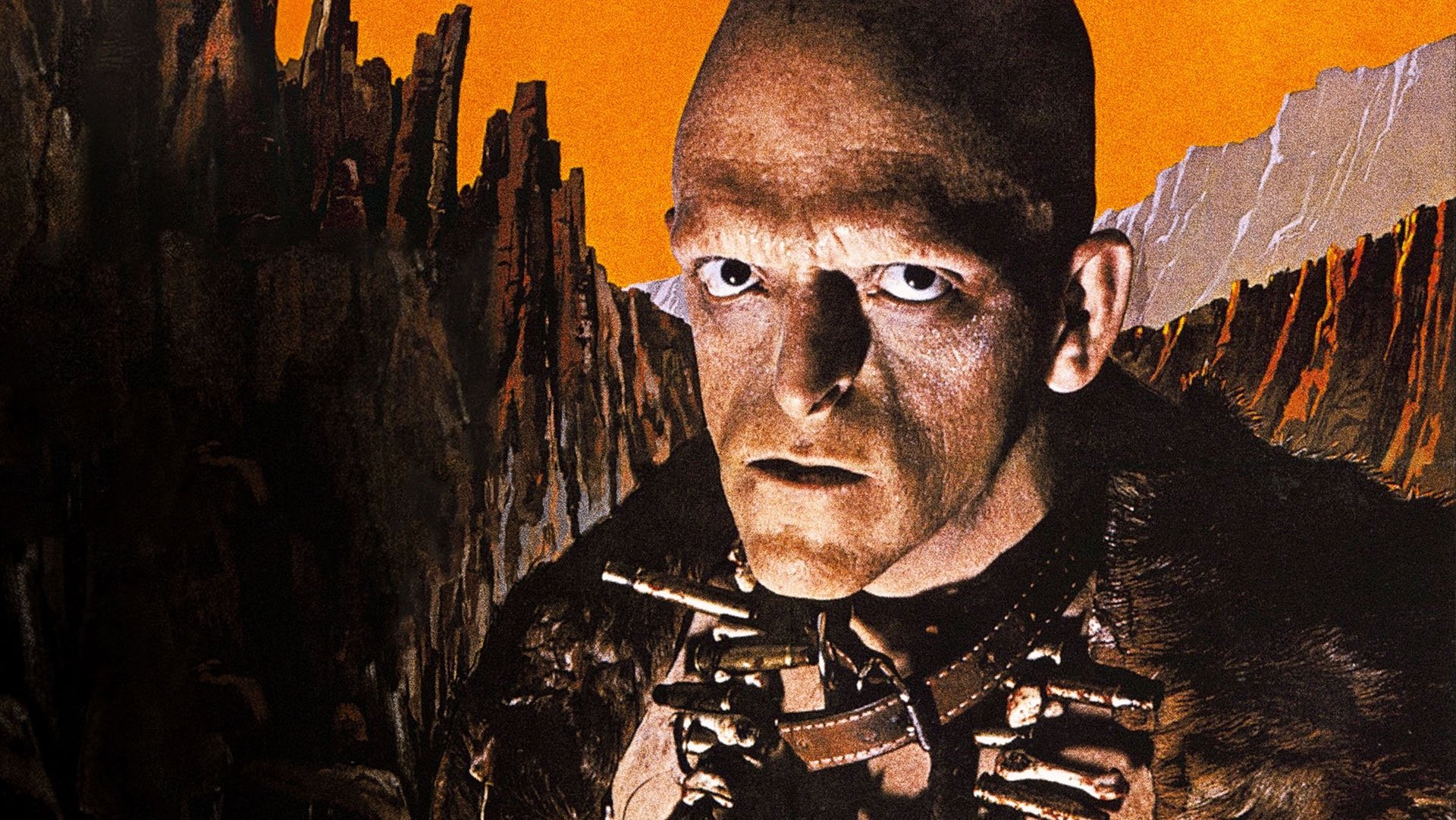
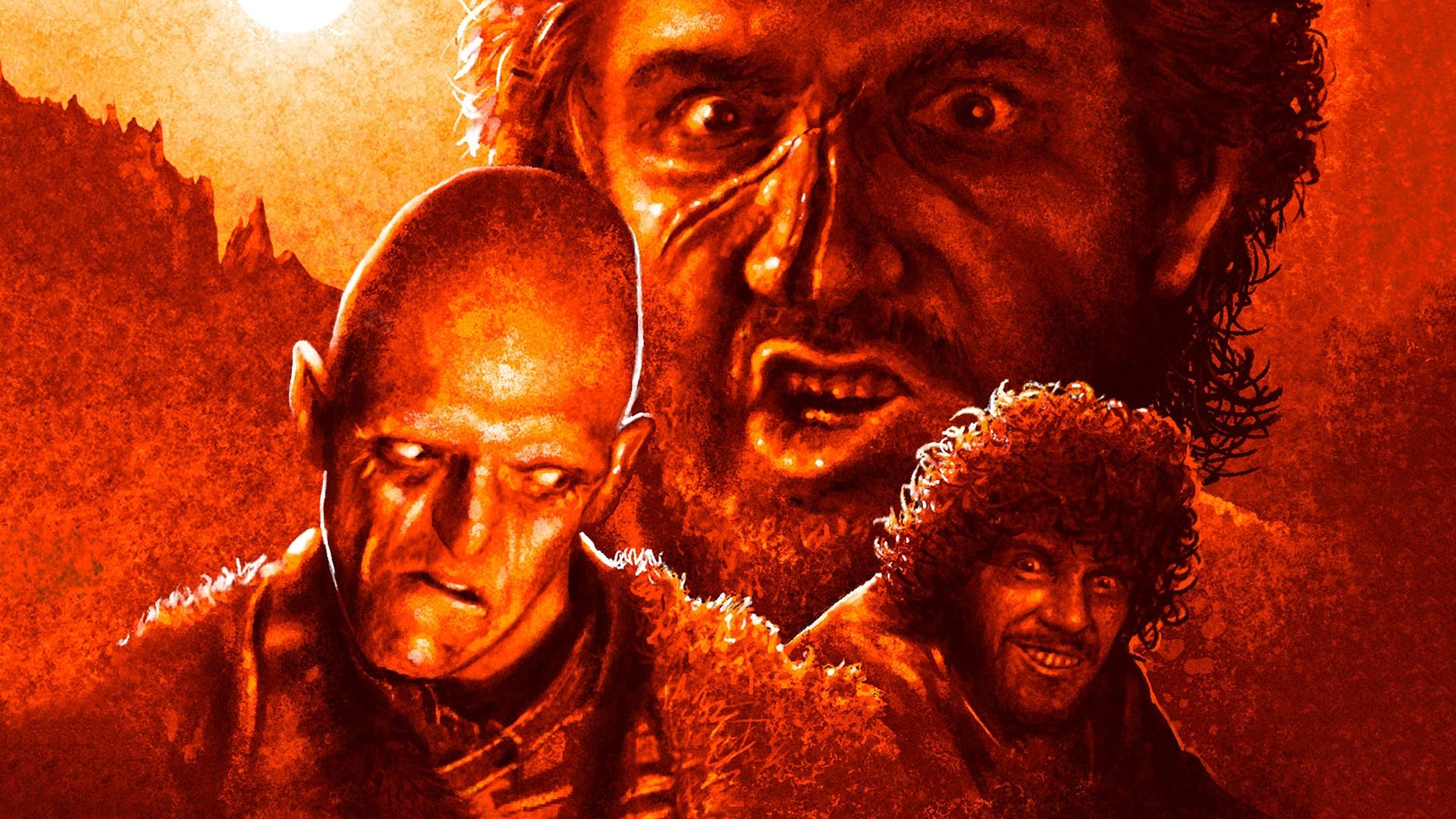
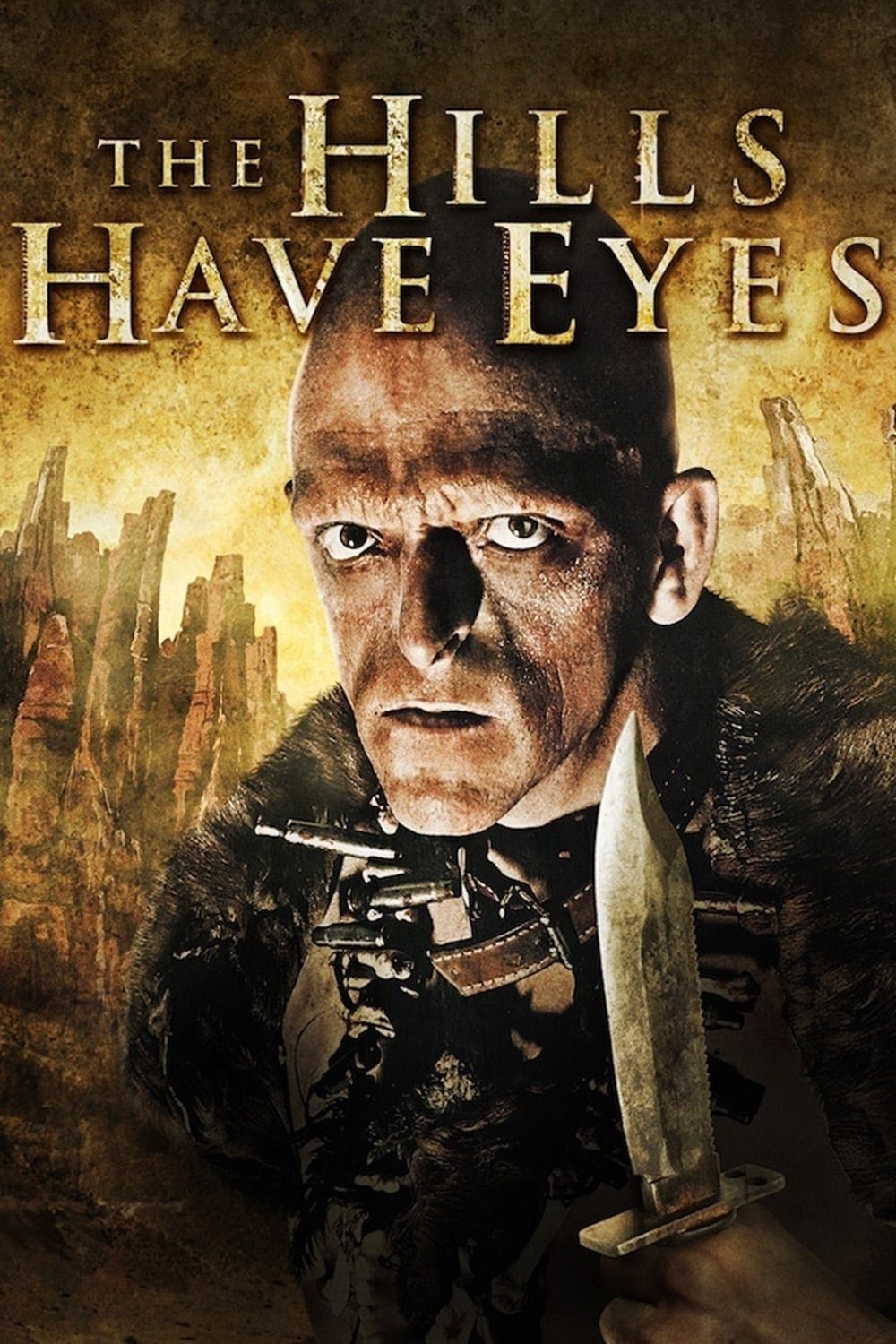
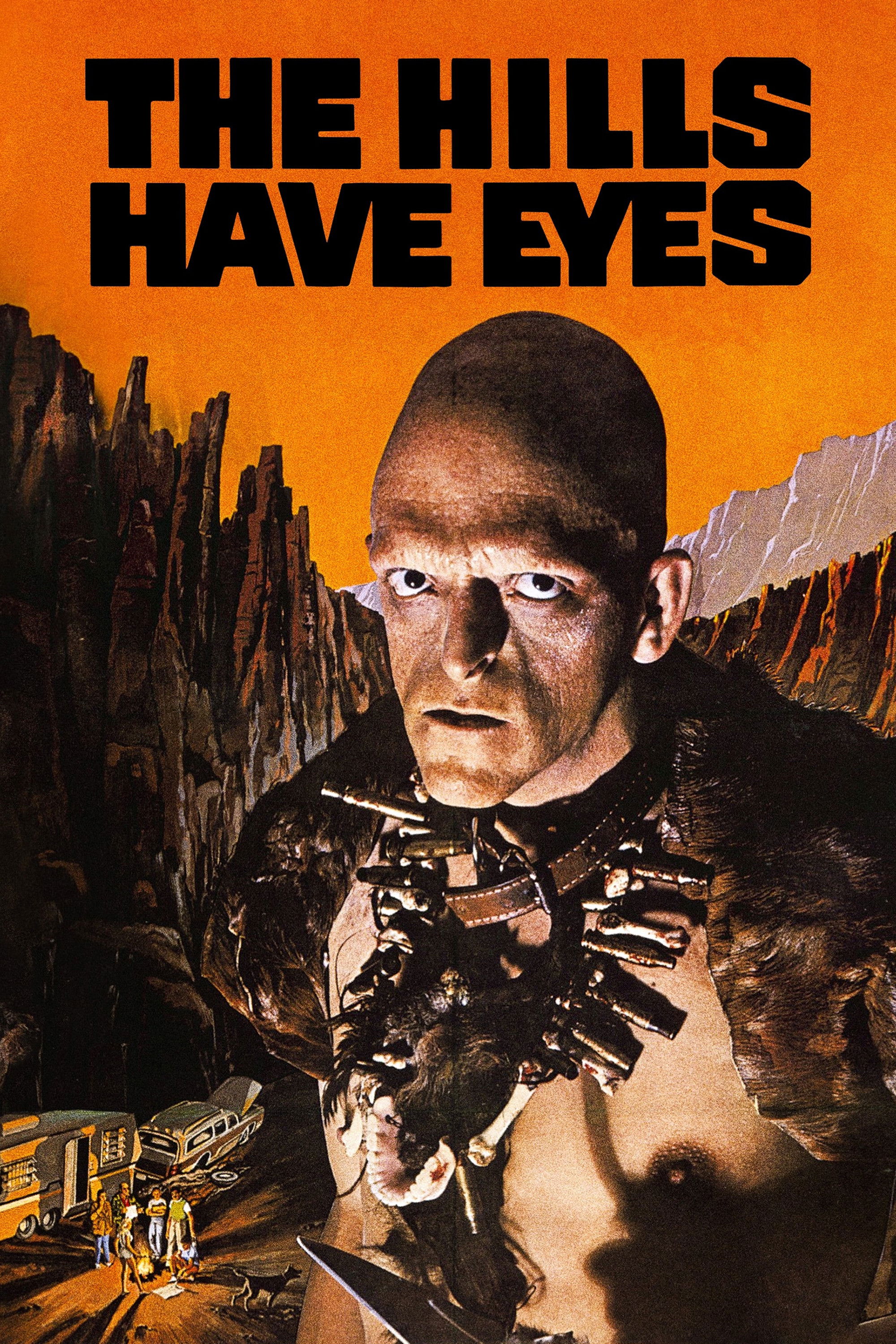
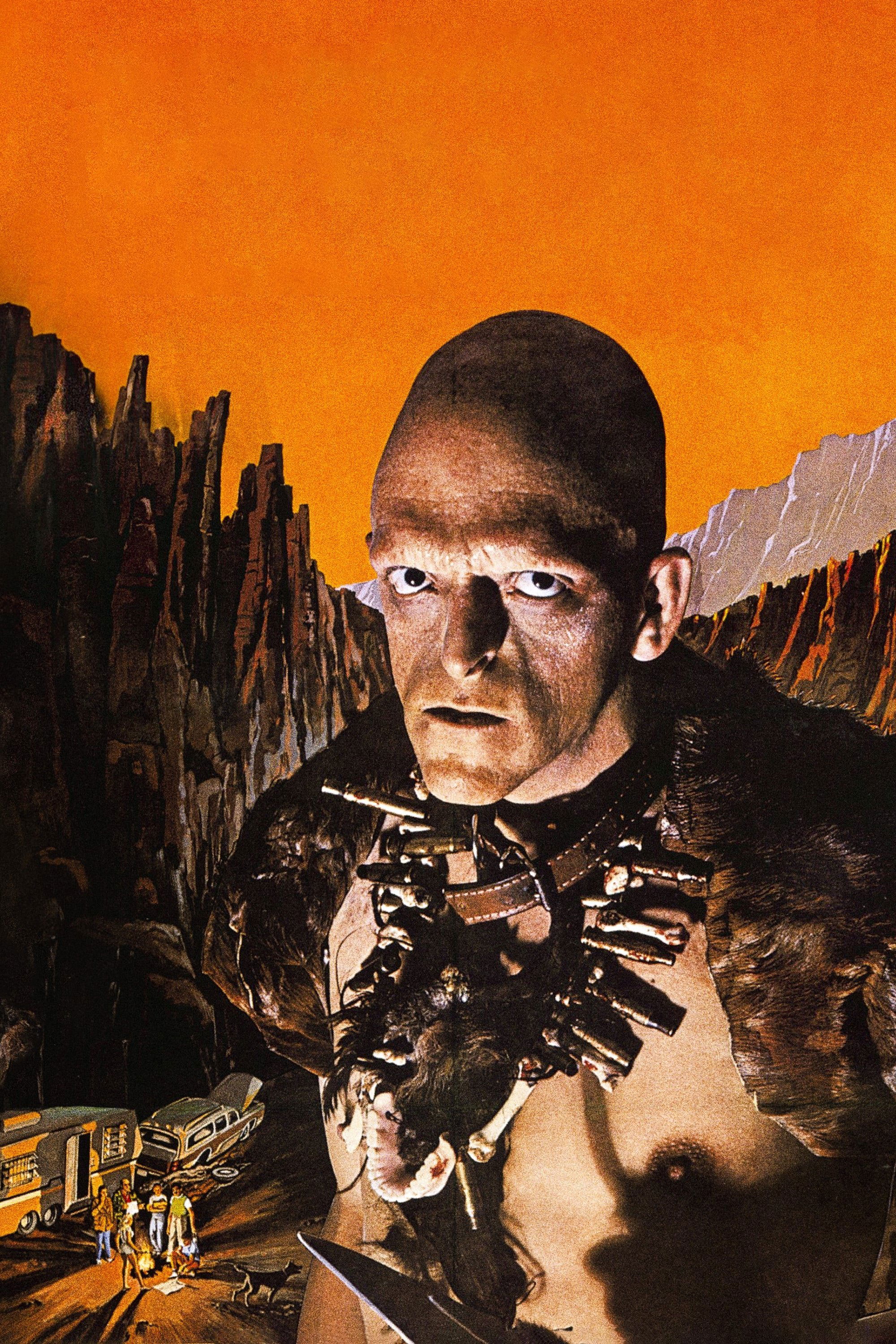
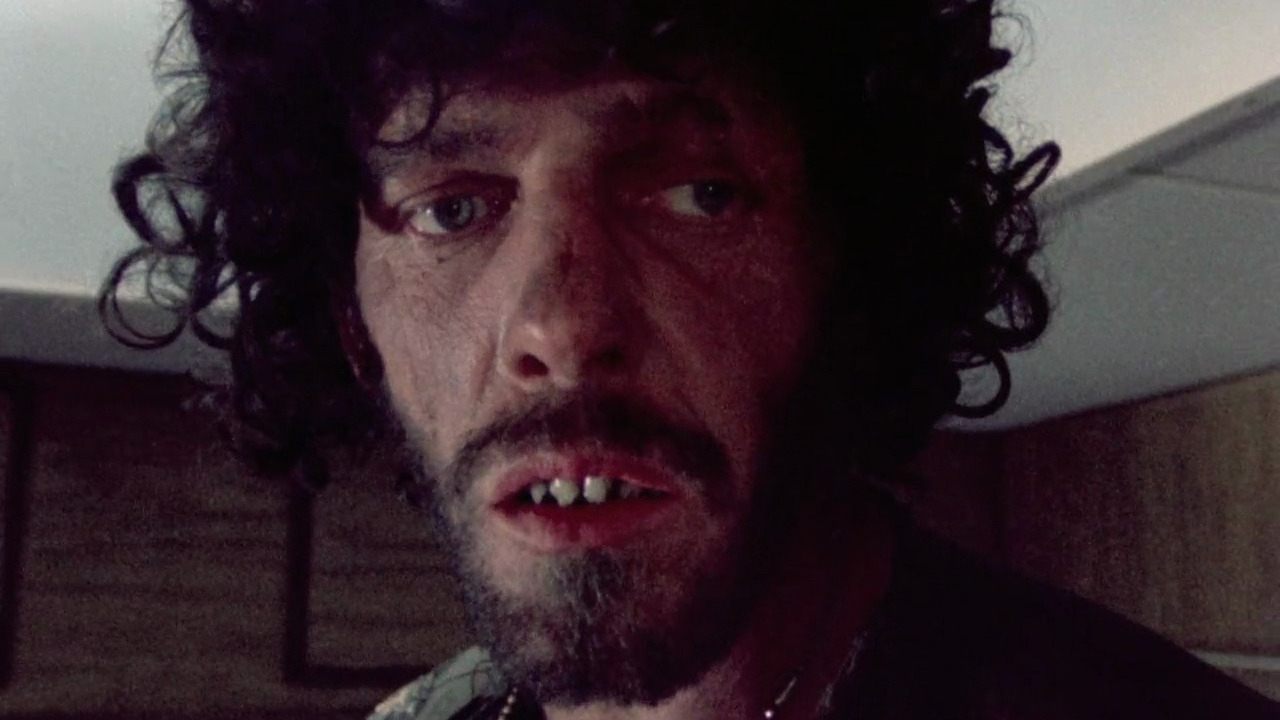
Michael Berryman's Pluto became the film's most immediately recognisable figure, but Craven does not hide him behind a conventional monster mask. Berryman's distinctive appearance allows Pluto to remain visibly human while still producing an image unlike the ordinary faces surrounding the Carter family. That decision matters thematically. The hill people are not supernatural creatures, and the film does not require radiation, mutation or an external scientific explanation for their existence. Those elements would become far more explicit in the 2006 remake, not in Craven's original.

The same physical directness governs much of the violence. The production relies on practical props, animal material, weapons, fire and performers interacting with the actual landscape rather than elaborate optical spectacle. Even the two dogs, Beauty and Beast, become significant participants in the conflict. Beast eventually operates almost as another member of the Carter family, hunting the attackers with a brutality that mirrors what the humans are beginning to learn. The film repeatedly collapses boundaries between human, animal, civilised and feral behaviour until those categories no longer provide reliable moral protection.

The Trailer Attack & the Collapse of Domestic Safety

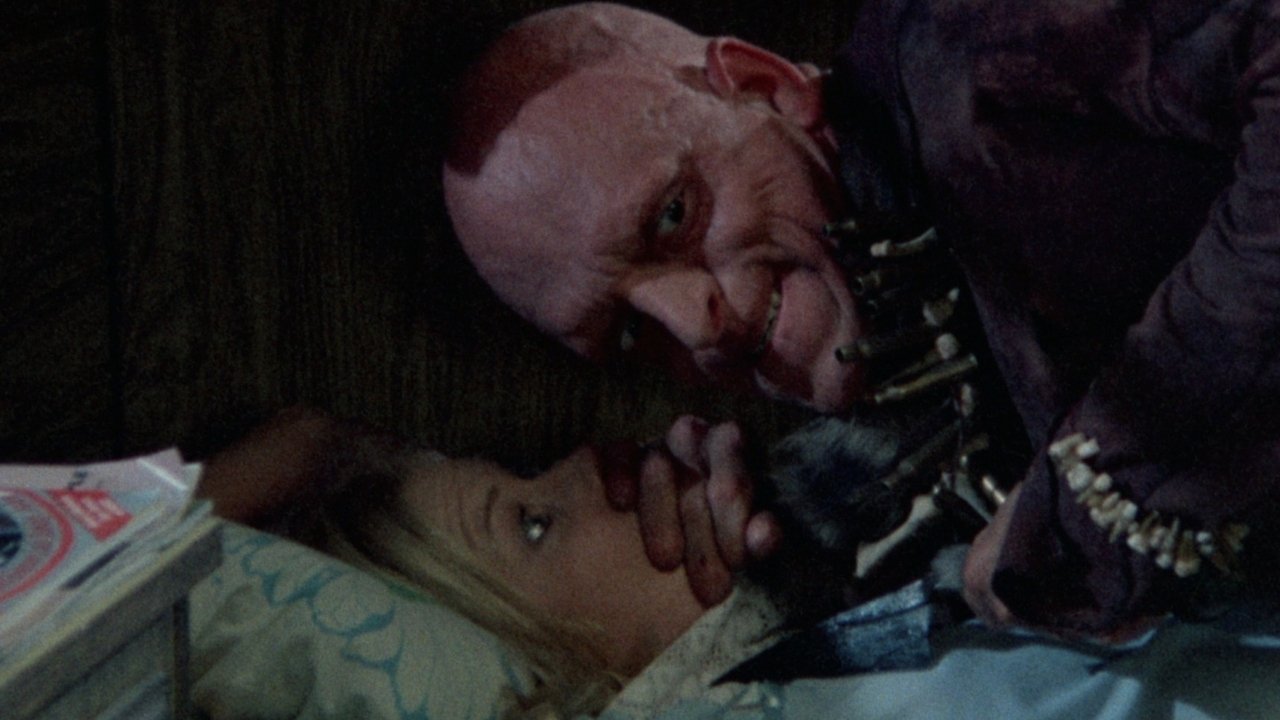
The assault on the Carter trailer is the film's structural centre because it destroys the remaining assumption that the vehicle can function as a temporary home. Before the attack, the family may be stranded, but the trailer still contains food, beds, possessions, children and familiar domestic order. Papa Jupiter's clan understands that destroying this centre is more effective than simply attacking isolated individuals. Bob is used as a burning diversion while Mars and Pluto enter the trailer, transforming the family's safest interior into the site of its most intimate violence.

Craven stages several forms of violation almost simultaneously. Brenda is assaulted, Ethel and Lynne are shot, the baby is taken and the surviving family members are scattered between conflicting emergencies. The sequence does not function like a conventional murder set piece in which one victim is isolated from the group. Instead the entire family structure is attacked at once. Parenthood, sexuality, property and physical safety collapse within minutes, leaving the survivors without the roles through which they understood themselves before entering the desert.

The ensuing conflict extends beyond revenge for individual deaths. Bobby, Brenda and Doug begin reorganising themselves according to the conditions imposed by the hill family. Traps replace ordinary defence, Beast becomes a hunter and Doug enters the enemy's territory carrying little of the social identity with which he began the film. Craven ends the theatrical version at the moment when Doug's violence against Mars reaches its most uncontrolled point. The abrupt freeze and red image refuse the reassuring distance of an epilogue: survival has been achieved, but the survivor has been transformed by the method required to achieve it.

Don Peake, the Blaster Beam & a Sparse Experimental Score

Don Peake approached the film by deliberately avoiding the kind of continuous melodic scoring that could have romanticised the desert. In his own later account, the brutality of the material led him toward a sparse combination of acoustic instruments and experimental electronics. That mixture allows the music to feel partly environmental. Sustained metallic sounds, percussion and synthetic textures can resemble wind, mechanical vibration or something travelling through the landscape rather than a conventional orchestra commenting safely from outside the action.

One of Peake's most unusual instruments was the Blaster Beam, a long aluminium channel strung with a single metal wire. Craig Huxley produced extended glissandi by moving steel along the string, creating low, unstable tones that suited the film's open desert spaces. Peake also had bone necklaces used by the characters brought from the production to the recording stage and gave them to percussionists as shakers. The soundtrack therefore incorporated physical objects associated directly with the hill family into the music accompanying them.

Peake recalled that the score was recorded live without overdubs, preserving a rough immediacy consistent with the production itself. The original tapes subsequently disappeared for many years before being recovered from his storage, treated and transferred into Pro Tools. Their later release made the score available independently from the film and documented how specifically its sounds had been constructed. The music extends the film's central environment: metallic vibration, bones, percussion and electronic noise turn the desert into something that seems to possess its own hostile acoustic language.

R Rating, Independent Distribution & Different Endings

AFI records the completed film as an 89-minute R-rated release. Craven and Locke also discussed having to reduce violence after an initial response from the American ratings system threatened a more restrictive classification. Precise claims about every removed shot vary across later accounts, so the surviving R-rated theatrical version is the safest point of reference. What is clear is that the production's commercial prospects depended heavily on remaining accessible to the drive-in and independent theatrical market rather than being confined to an adults-only circuit.

Vanguard Releasing distributed the picture independently. AFI records an early Tucson engagement in June 1977 and reports that the film had already earned approximately $2 million by October. When it opened across sixty Los Angeles theatres, it took roughly $250,000 during its first two weeks. Those contemporary figures demonstrate substantial profitability without relying on the much larger lifetime grosses quoted inconsistently by later sources. Locke also invested heavily in saturation advertising, reportedly planning a promotional campaign costing several times the production budget itself.
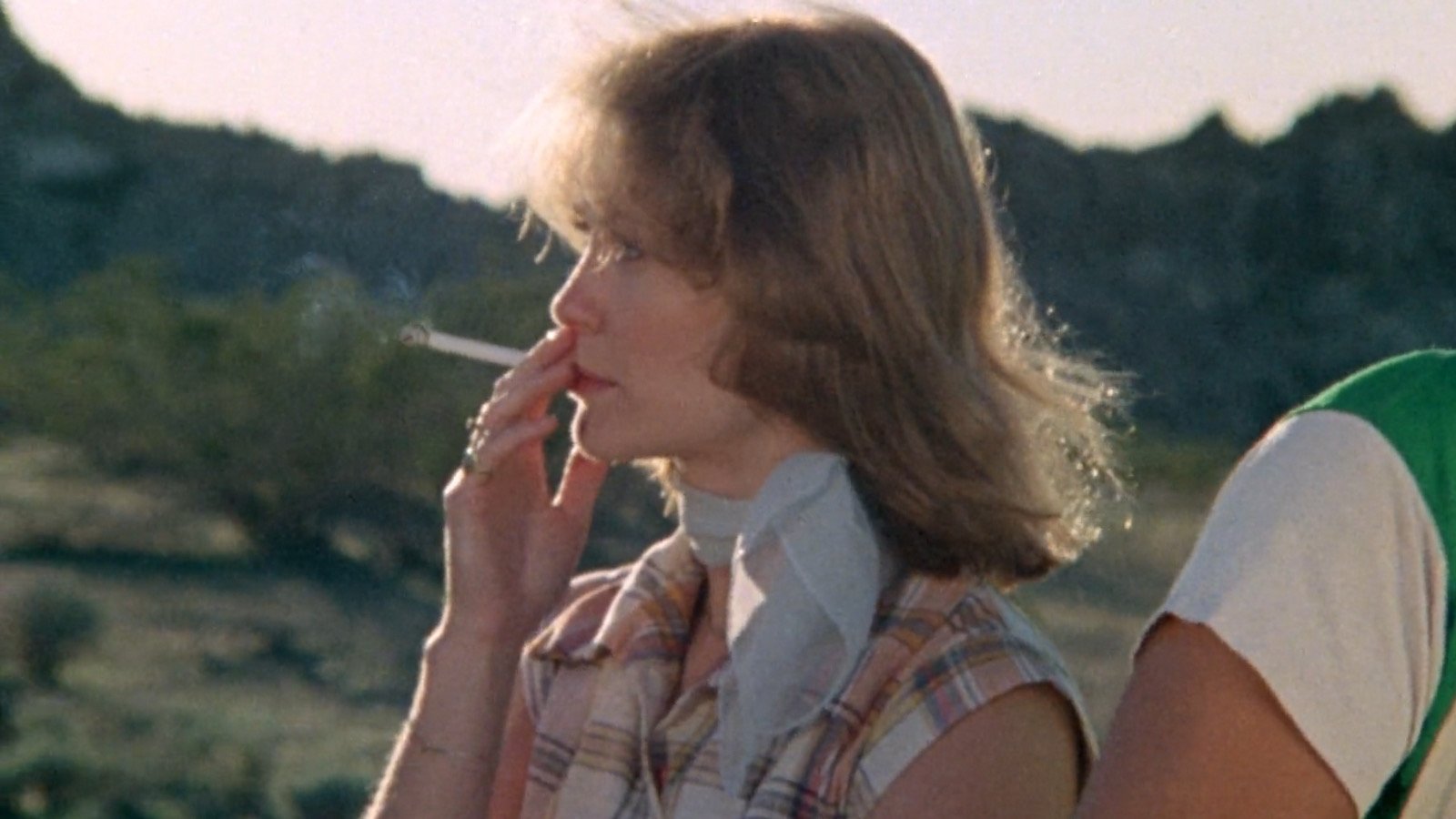
The film additionally survives with an alternate ending. The familiar theatrical conclusion cuts abruptly after Doug kills Mars, ending on violent emotional intensity rather than family reconciliation. An alternate arrangement extends the aftermath and allows Ruby to accompany Doug and the rescued baby back toward the other survivors, producing a noticeably more reassuring final movement. Arrow's restored editions preserve both endings. Britain also imposed cuts during the film's original 1978 cinema classification, while later home-video classification eventually restored material, making the history of The Hills Have Eyes inseparable from the changing standards through which its violence circulated.

Commercial Success, Restoration & Legacy

The film's success established that The Last House on the Left had not been an isolated accident in Craven's career. He could again transform a limited independent production into horror whose violence carried an argument about the society surrounding it. Contemporary marketing sometimes pushed that prestige aggressively. AFI records that advertisements claimed the Museum of Modern Art had accepted the film into its permanent collection as a “Terror Classic”; in reality, MoMA had acquired it for its study collection, and a curator objected to the more prestigious wording used in the campaign.
Craven returned to the material with The Hills Have Eyes Part II in 1985. Decades later, contractual rights to his earlier films returned to Craven and his collaborators, making possible the 2006 remake directed by Alexandre Aja. That version retained the basic collision between travelling family and desert clan while making nuclear testing and mutation explicit elements of the mythology. The contrast demonstrates how much the original leaves unresolved. Craven's hill family does not require a scientific origin because its thematic purpose comes from its relationship with the Carters rather than from explaining why its members look or behave differently.

Modern preservation has reinforced the film's position within 1970s American horror. Arrow created a 4K restoration from surviving original film elements under Peter Locke's supervision and preserves the original mono soundtrack, alternate ending, production material and extensive testimony from Craven, Saarinen, Peake and members of the cast. The restoration does not remove the roughness produced by its low-budget origins; it makes that roughness more visible. Alongside Night of the Living Dead and The Texas Chain Saw Massacre, The Hills Have Eyes remains a major example of American horror turning economic limitation, physical location and social anxiety into a visual language that larger productions could imitate but rarely reproduce exactly.

Connections

Cast

View Full Cast & Crew →

Release & Distribution

Production Companies (1)

  • Blood Relations Co. US

Release History (20)

Release DateTerritoryRelease TypeFormatDistributorCertificationNotes
1977-06-15 US premiere — — R Tucson, Arizona
1977-07-22 US theatrical — — R
1977-12-01 AU theatrical — — RC
1978-05-23 IT theatrical — — —
1978-12-01 AU theatrical — — R 18+
1979-02-22 GB theatrical — — — Rated X, cut version
1979-03-16 UY theatrical — — —
1979-05-25 DK physical — — 15
1979-06-01 DE theatrical — — 18
1979-06-20 FR theatrical — — 16
1979-07-12 NL theatrical — — —
1979-12-26 ES theatrical — — 18 Clasificada S
1980-02-25 BR theatrical — — 18
1981-06-12 PT theatrical — — —
1984-08-25 JP theatrical — — —
1984-10-04 AR theatrical — — —
1987-12-03 GB physical VHS — 18 VHS, cut version
2002-12-28 NL tv — — 16 Net 5
2005-08-26 AU physical DVD — R 18+ DVD
2006-06-01 NL physical DVD — 16 DVD
The lucky ones died first...