Development and the Canadian-French Production
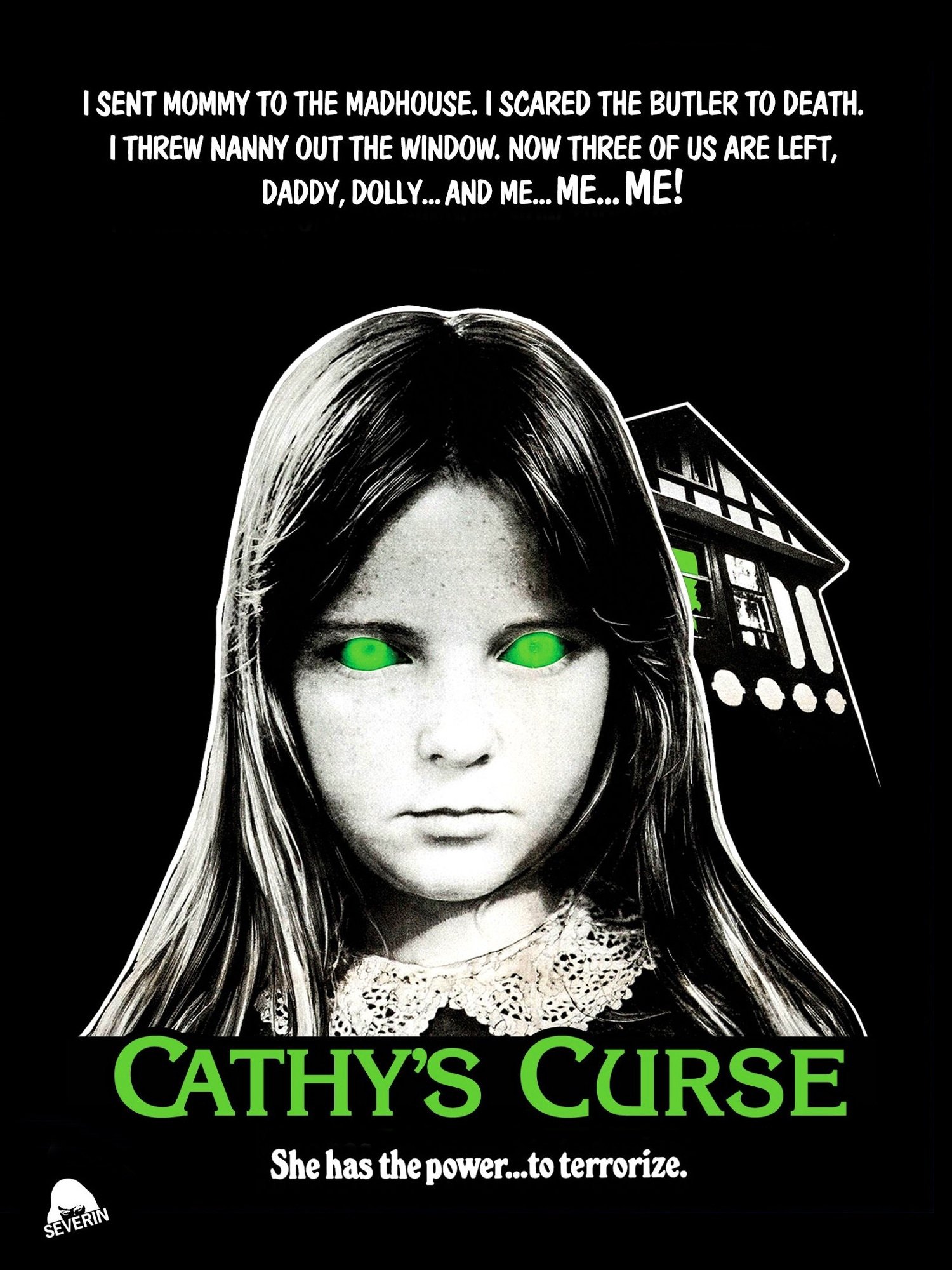
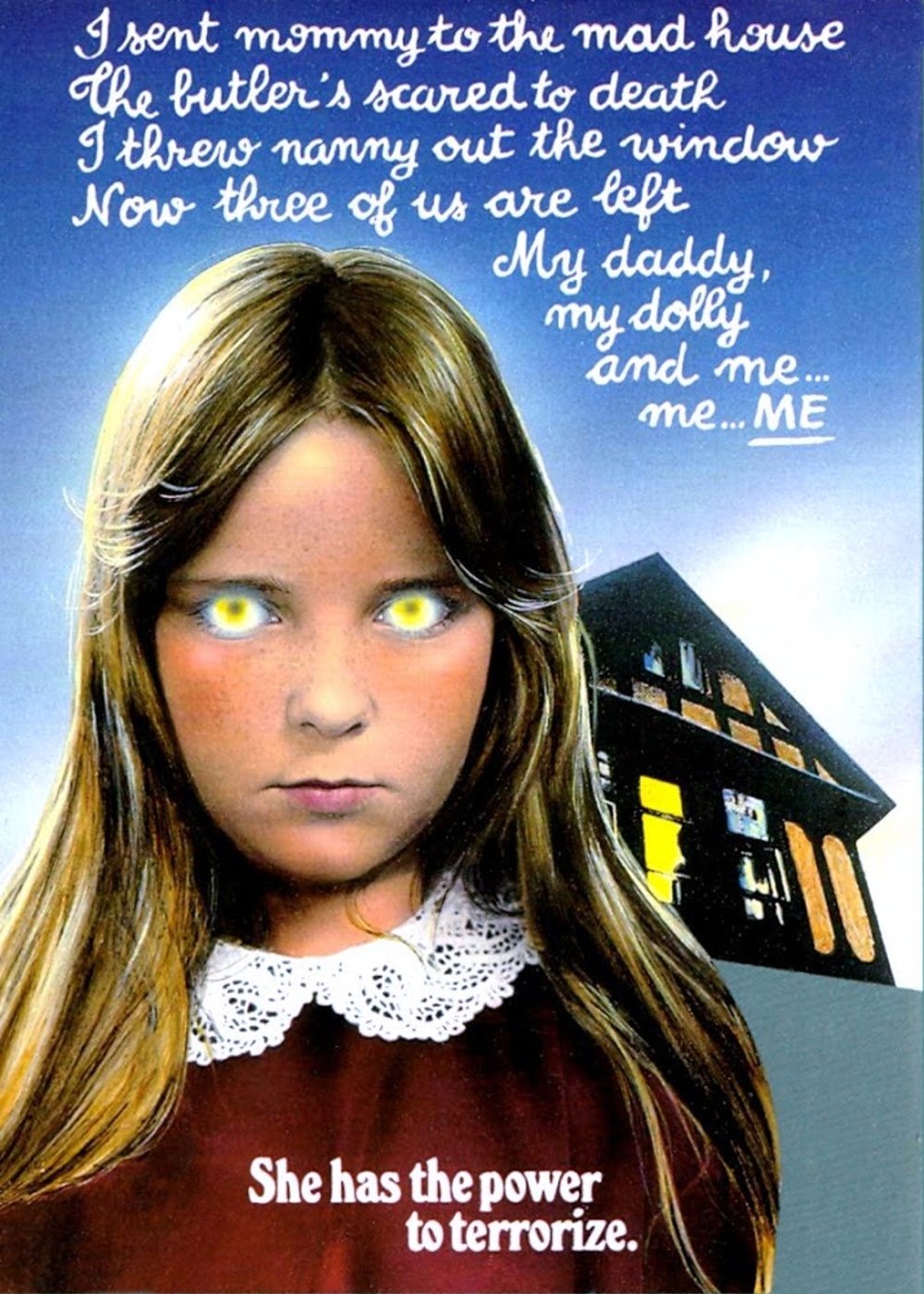
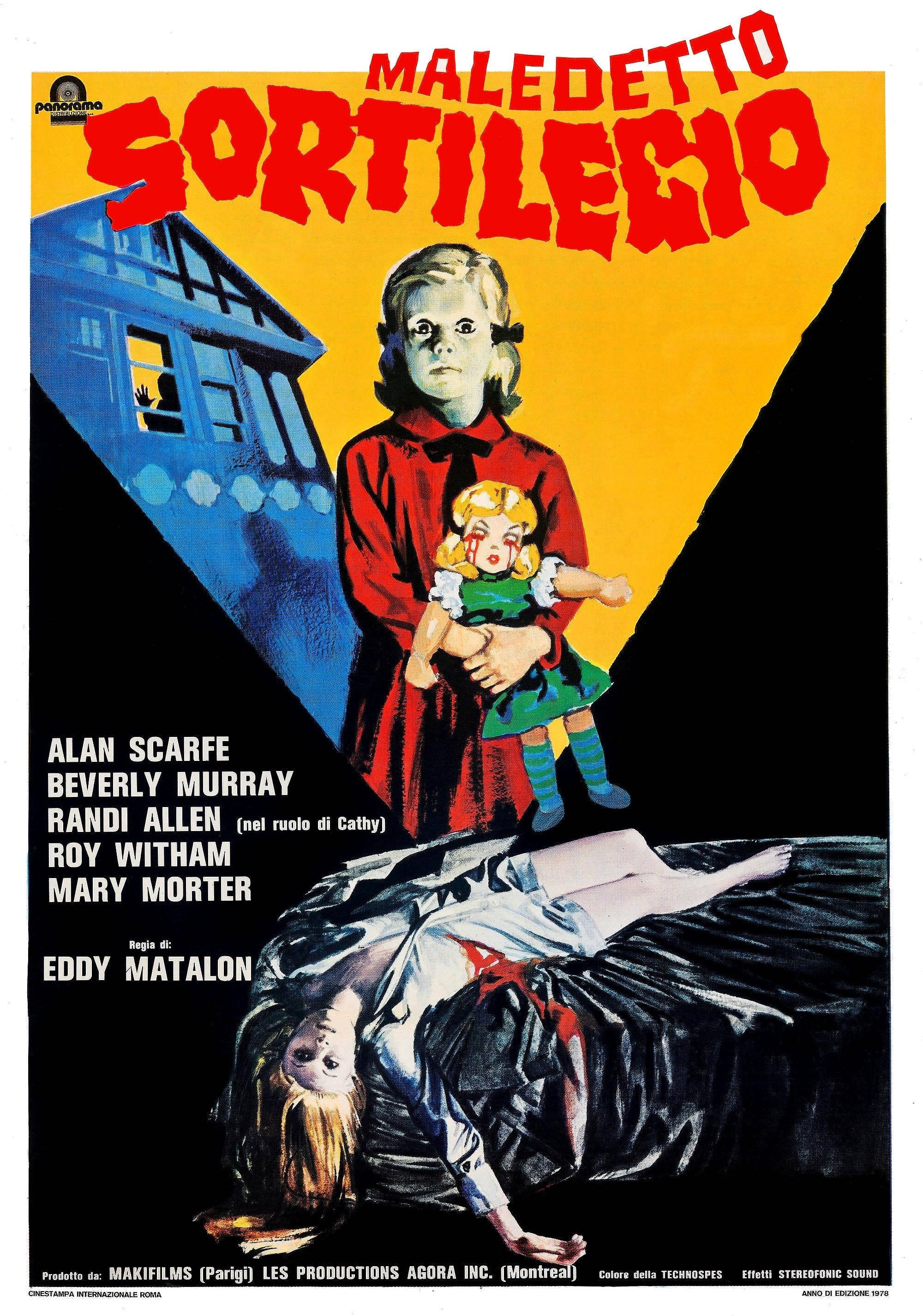
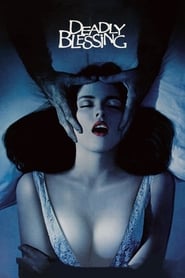
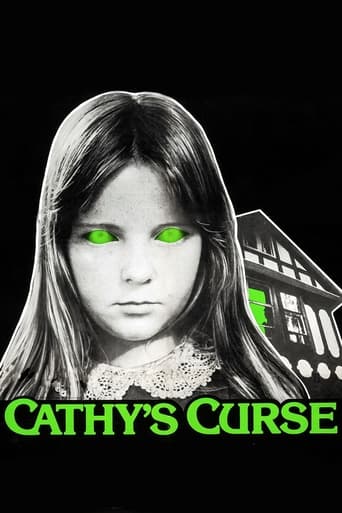
The screenplay carries the names of Eddy Matalon, Myra Clément and Alain Sens-Cazenave. In a 2017 interview with Brian Collins, Matalon claimed that he had written the story himself, that Sens-Cazenave received a credit because he had served as an assistant and that Clément's contribution was translation. These are the director's retrospective claims, not an independently established breakdown of the work performed by each credited writer. The completed film was made as a Canada-France venture, with Matalon directing and working in Montreal.
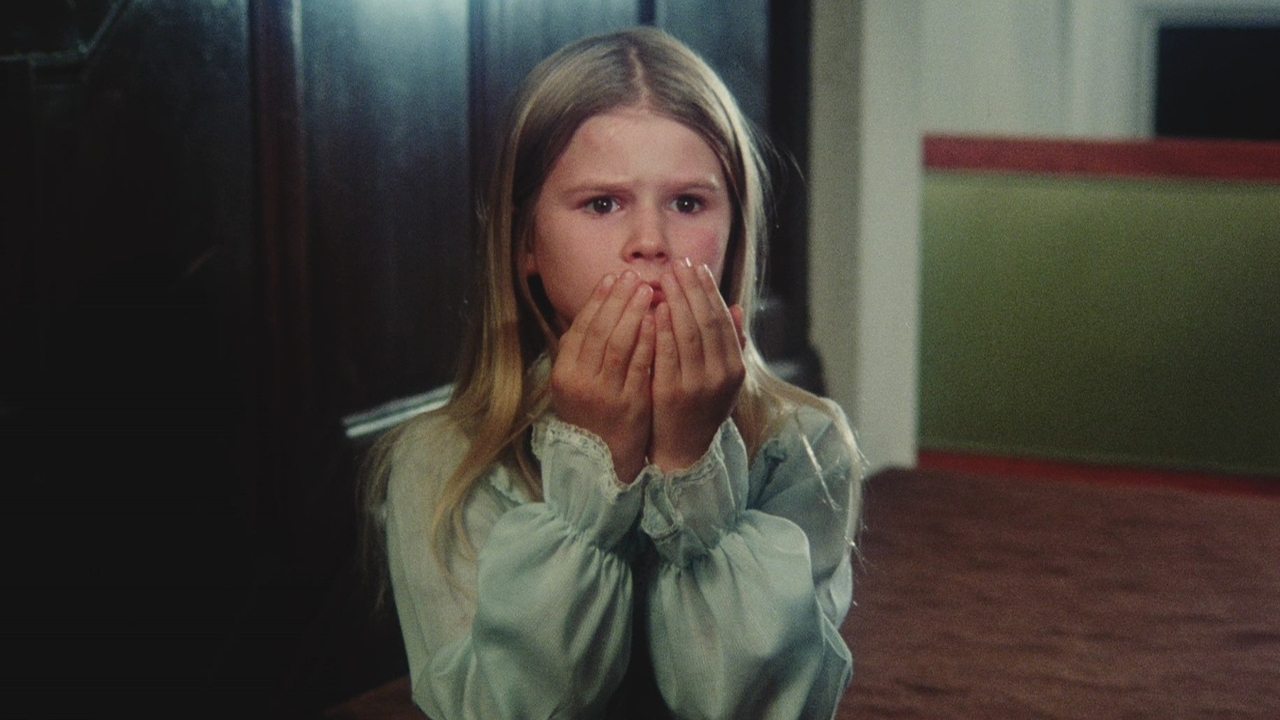
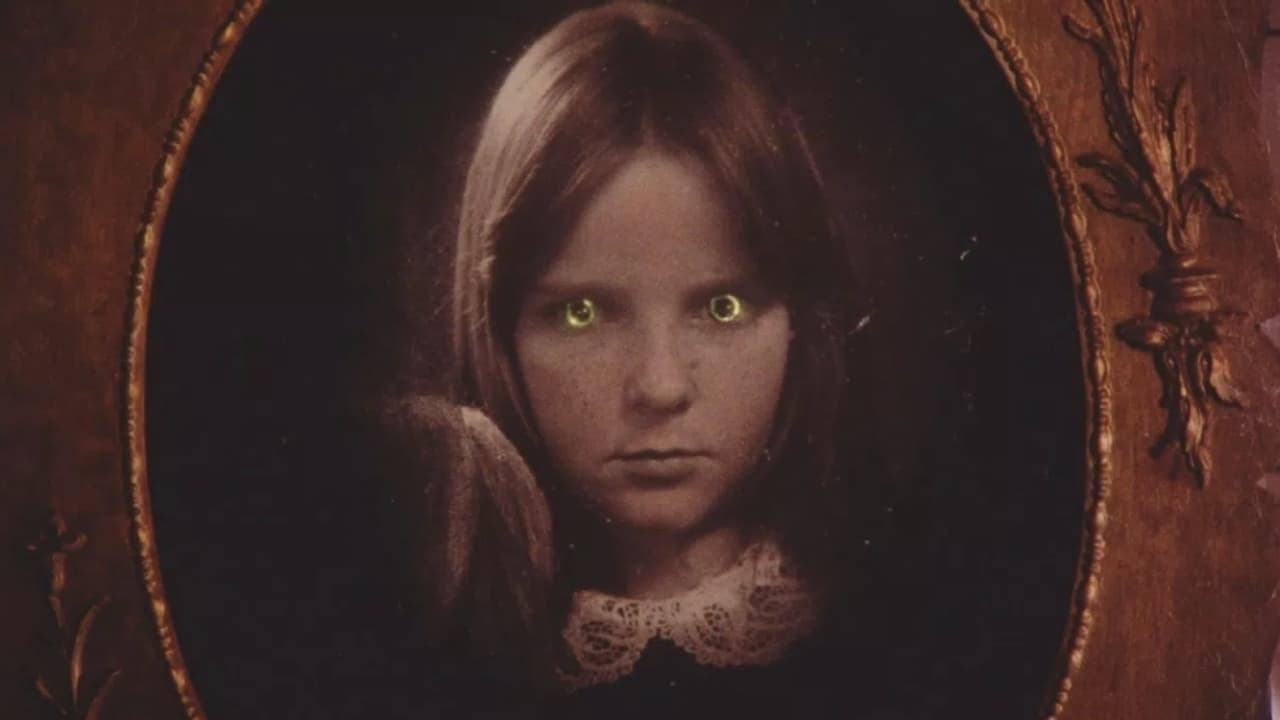
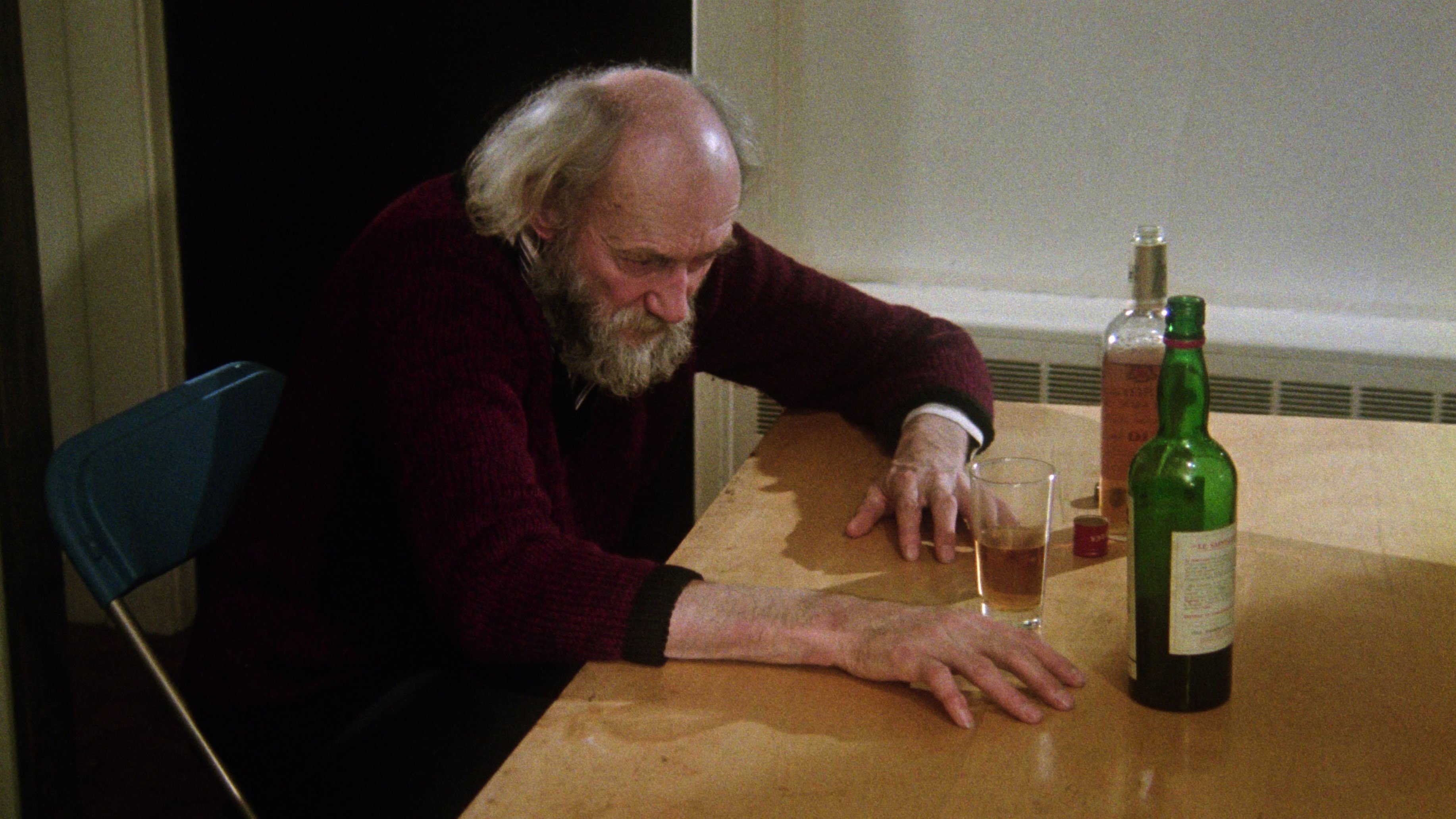
Matalon also recalled that the project was arranged through Canadian tax-shelter financing and approved late in the year, with production required to finish before Christmas. The compressed timetable is supported by later accounts of the film's special-edition interviews, although the precise audited budget is not securely established in the accessible production record. The location work and occupied interiors consequently became important practical resources. Rather than constructing an elaborate supernatural world, the film turns a familiar residential property into a place where virtually any room can become dangerous.
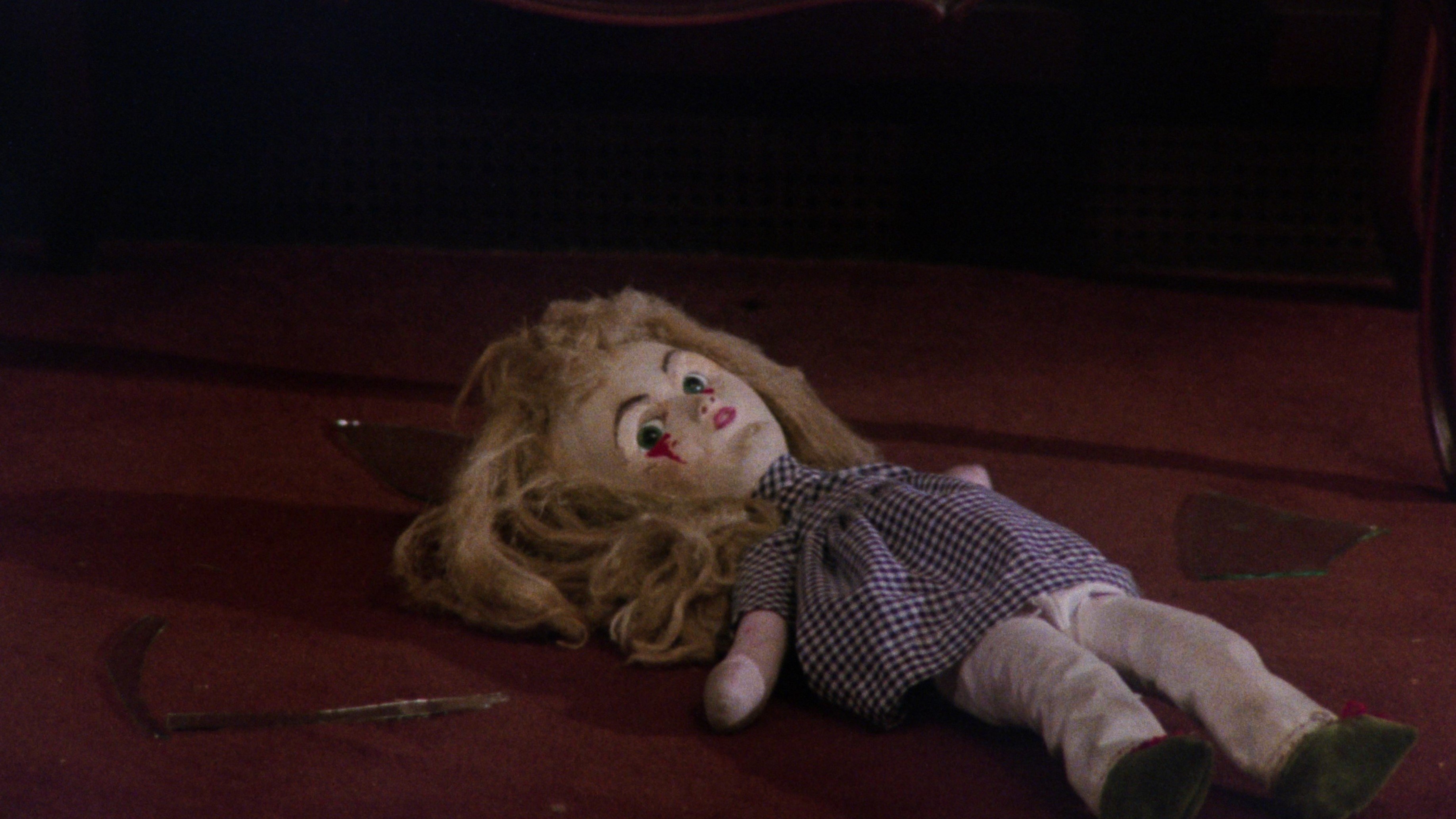
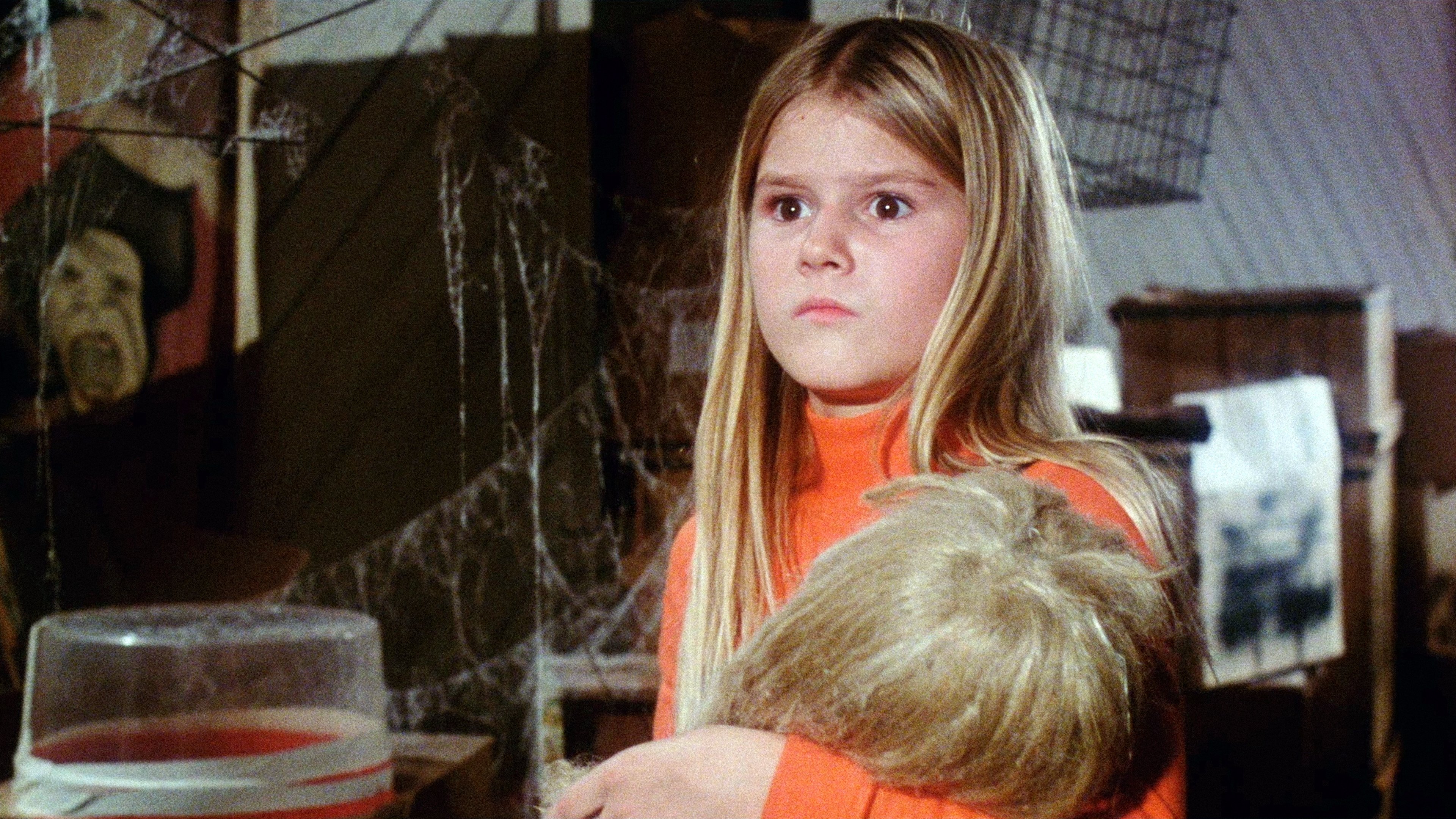
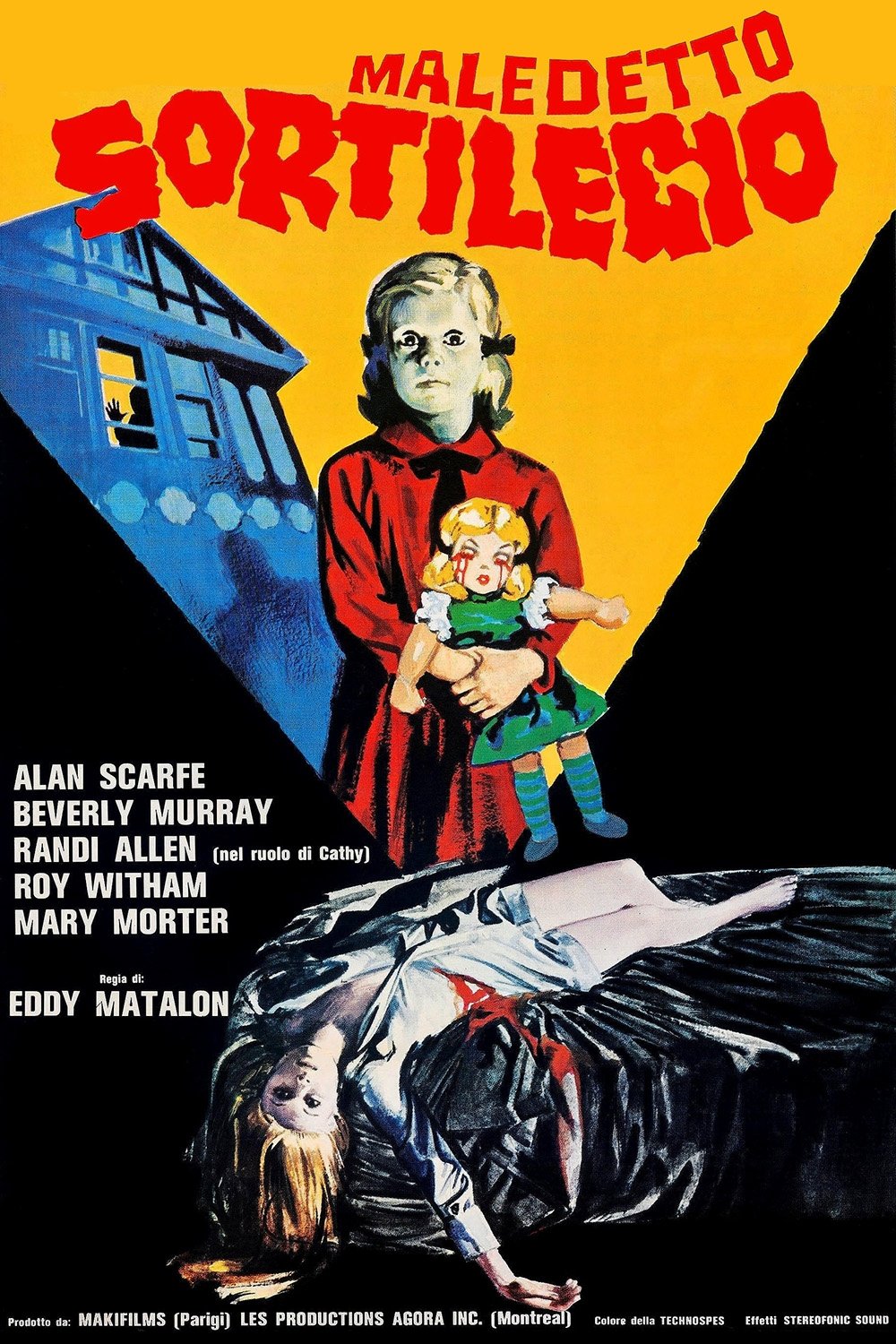
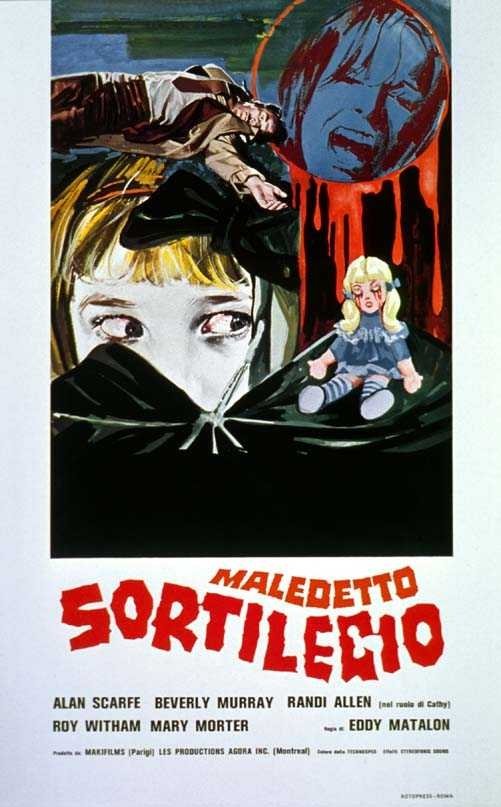
The production combined an international crew with Canadian performers. Jean-Jacques Tarbès photographed the film, while Didier Vasseur provided the music. Matalon's recollections emphasize the need for speed and inexpensive tricks, including a doll adapted by the Canadian art department from an existing toy. These details give a more reliable picture of the production than unsupported claims about specific effects budgets or large-scale studio resources.