

Production & Development
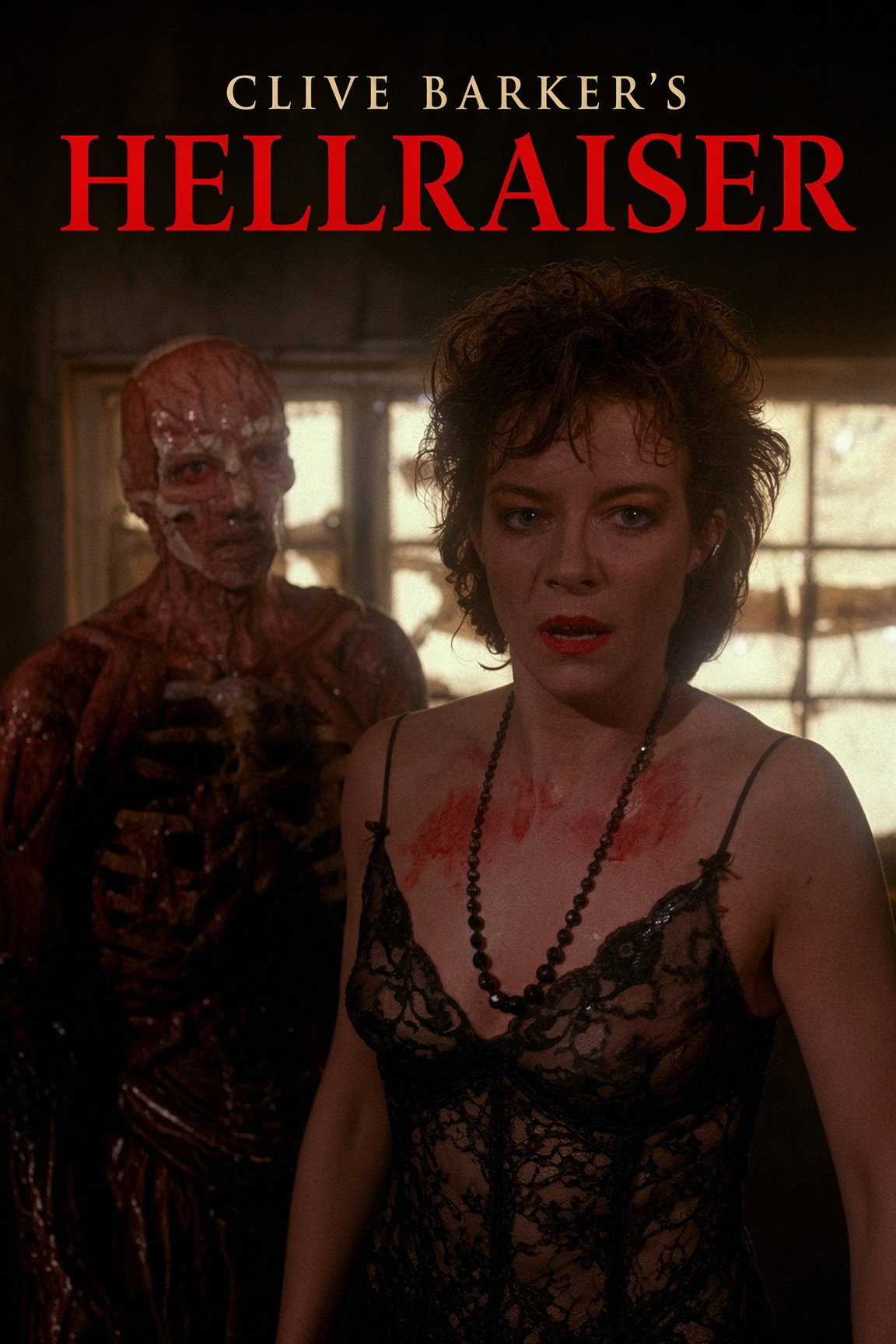
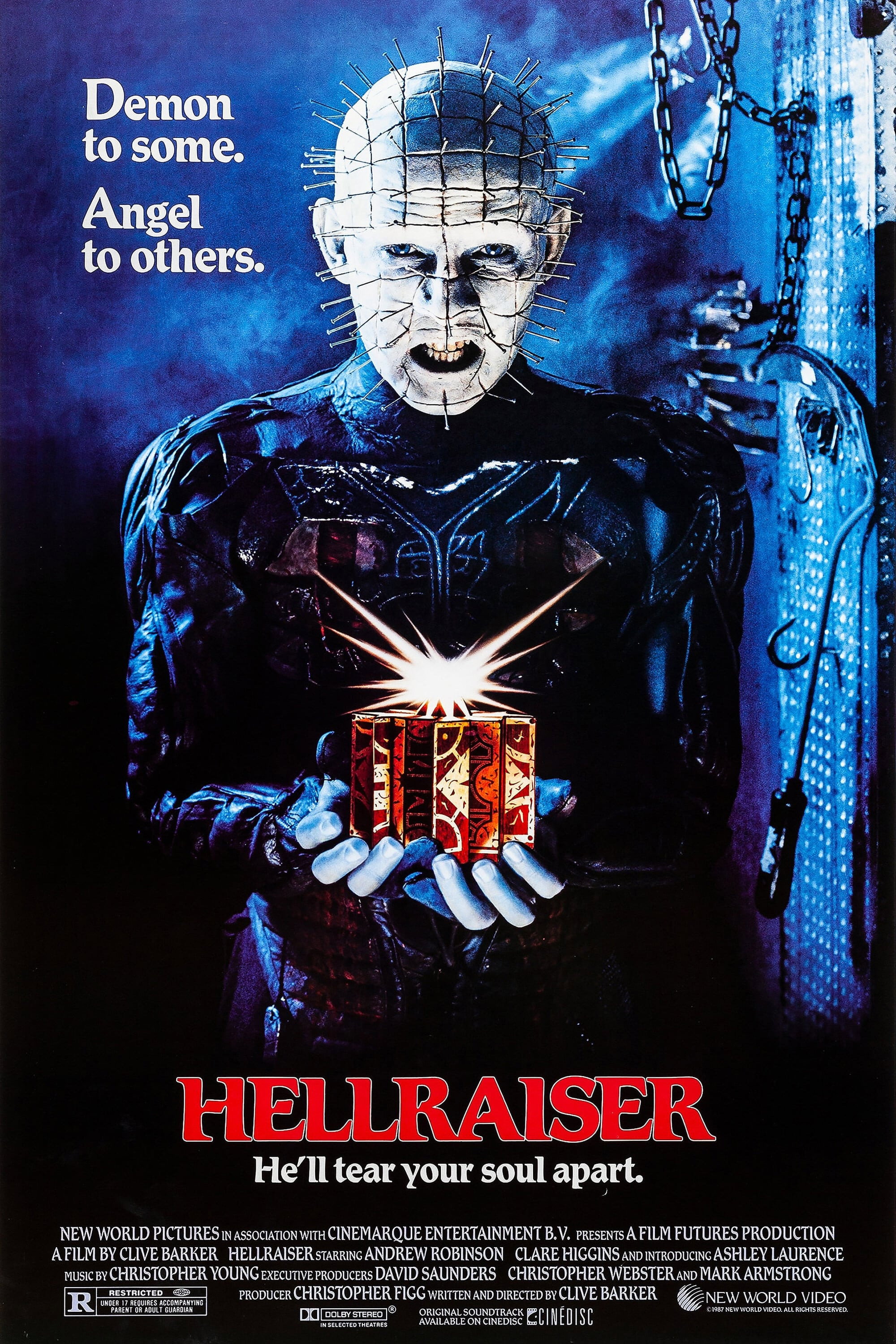
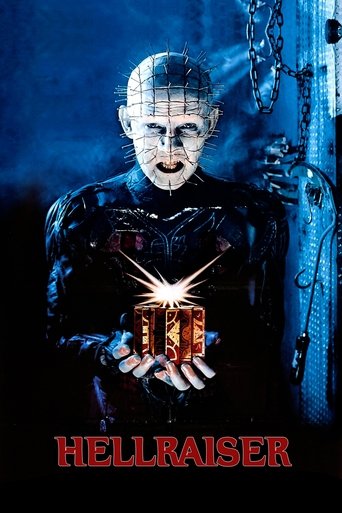
Barker moved toward directing after being dissatisfied with earlier screen adaptations of his material, particularly Underworld and Rawhead Rex. Working with producer Christopher Figg, he searched for a project that could be made cheaply enough for a first-time filmmaker to control. Barker later recalled asking Figg how little a debut feature could cost while still attracting financing. The answer was under a million dollars. The Hellbound Heart, largely confined to a house and built around a small group of characters, offered exactly that scale. New World Pictures eventually agreed to finance the film for approximately $900,000, initially expecting it to have value primarily as a video release.
Production took place in London in 1986, with much of the central action filmed in a real North London house and interiors also constructed at the Production Village. Barker entered the shoot with extensive theatrical experience but almost none on a professional film set. He later joked that he tried to borrow a book on directing immediately before filming but found it unavailable. The surrounding crew therefore became especially important. Cinematographer Robin Vidgeon, editor Richard Marden, production designer Mike Buchanan and effects designer Bob Keen helped translate Barker's imagery into practical filmmaking while he learned the mechanics of directing during the shoot.
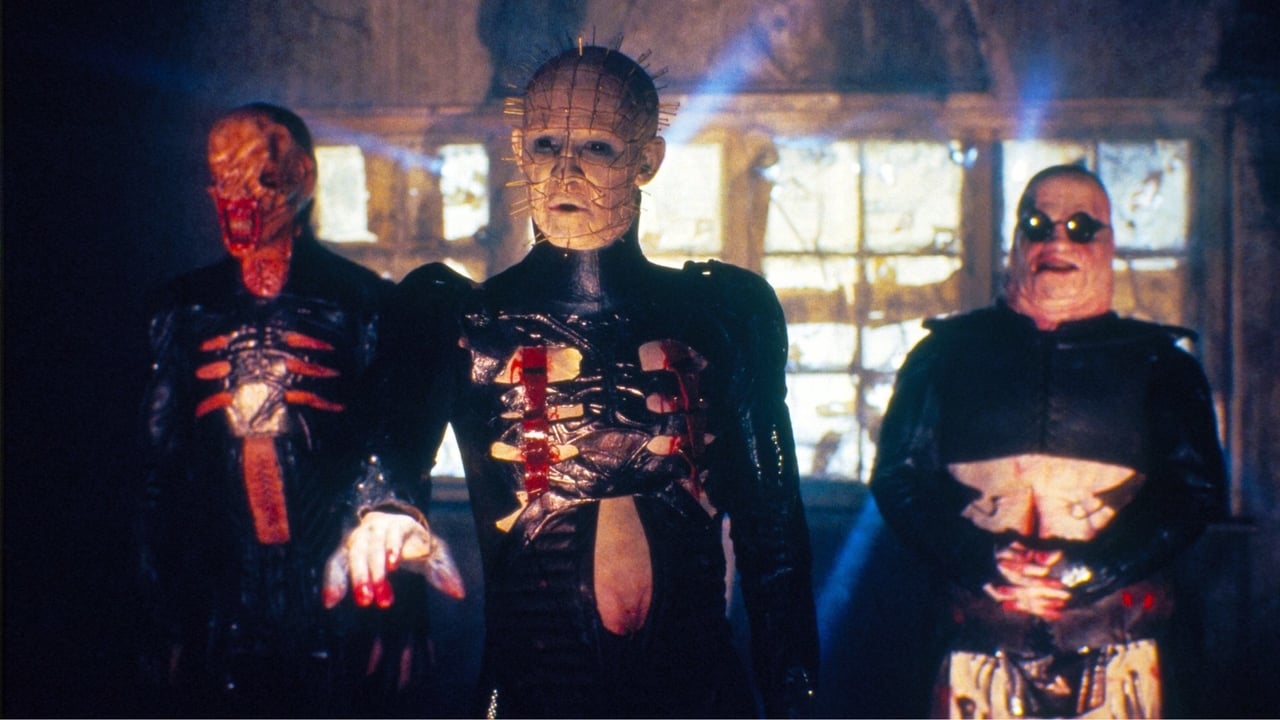
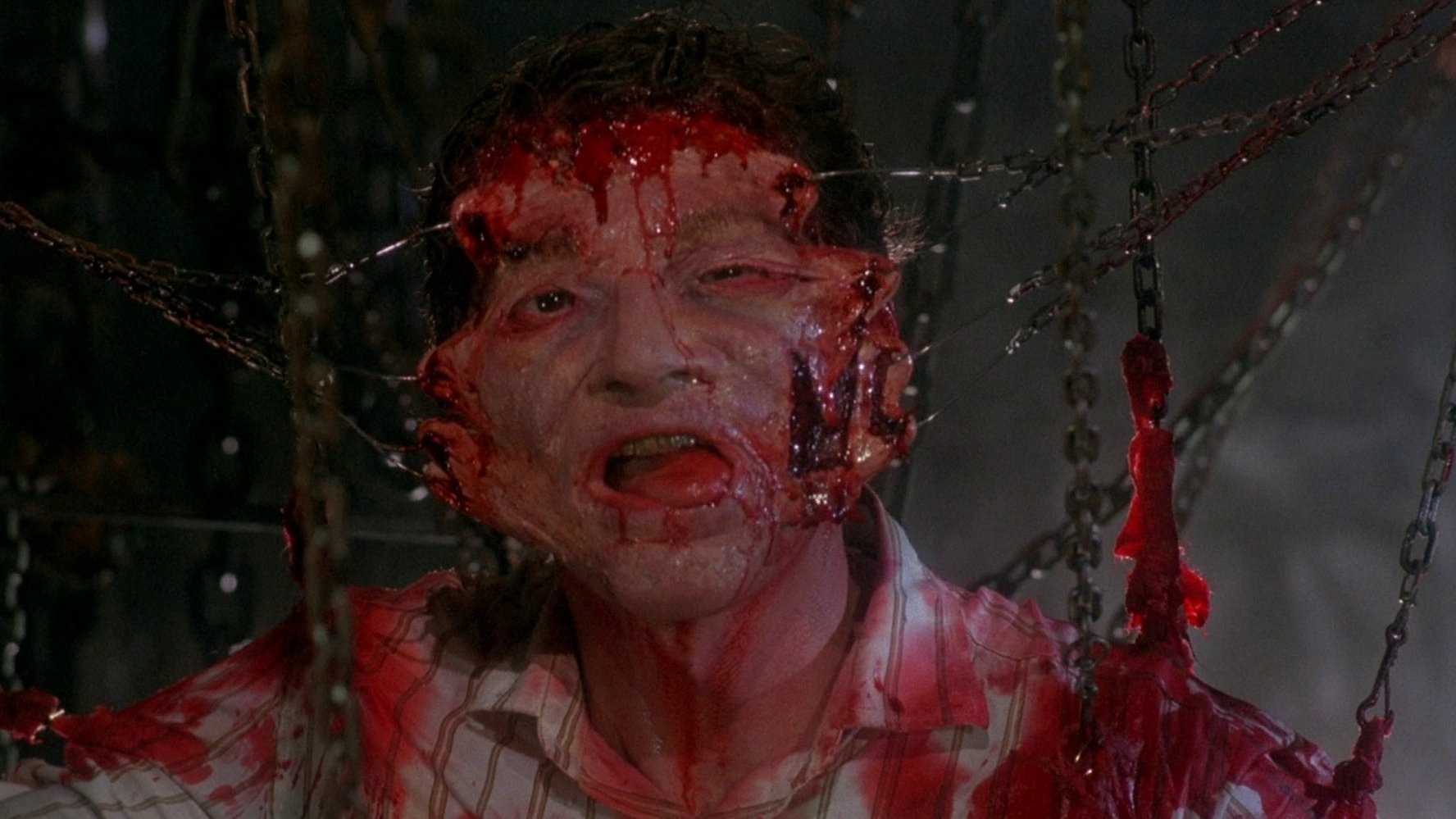
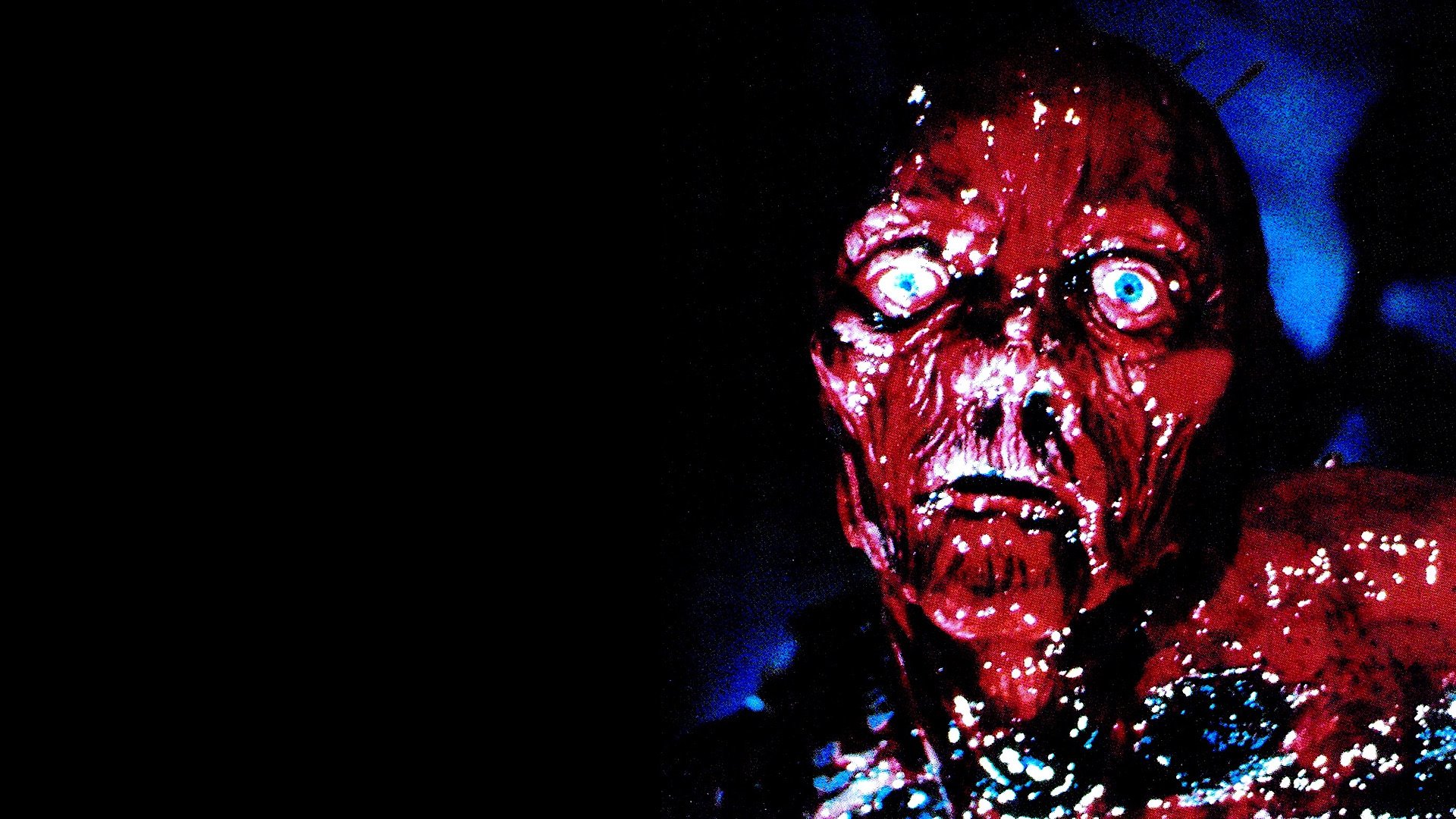
New World's attitude changed after executives saw the material being produced. Additional resources were authorized for effects work, including a substantial reconstruction of Frank's resurrection sequence. The company also pushed the film toward a less specifically British identity, requiring some voices to be redubbed and the setting to become ambiguously transatlantic. Barker disliked that compromise, and traces of London remain visible beneath the Americanized surface. Even so, the relatively small investment gave him unusual freedom over the film's central imagery, sexuality and monsters.