Independent Production and the Apartment Setting
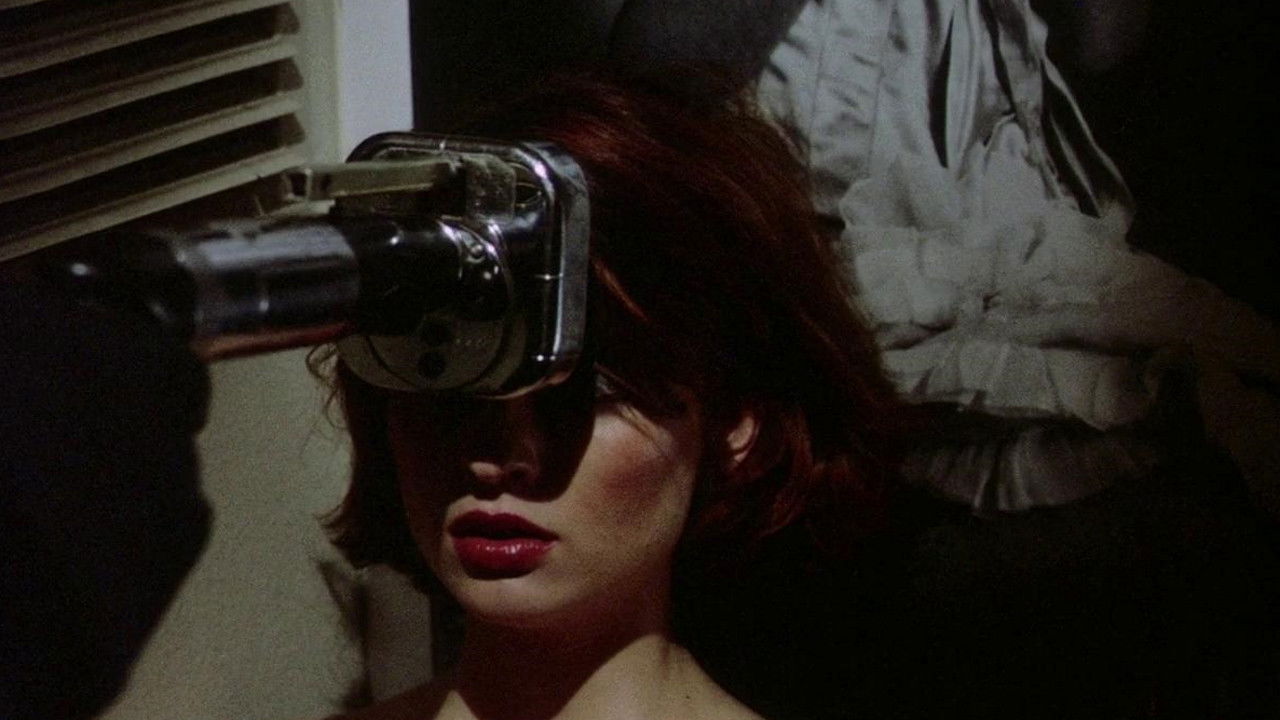
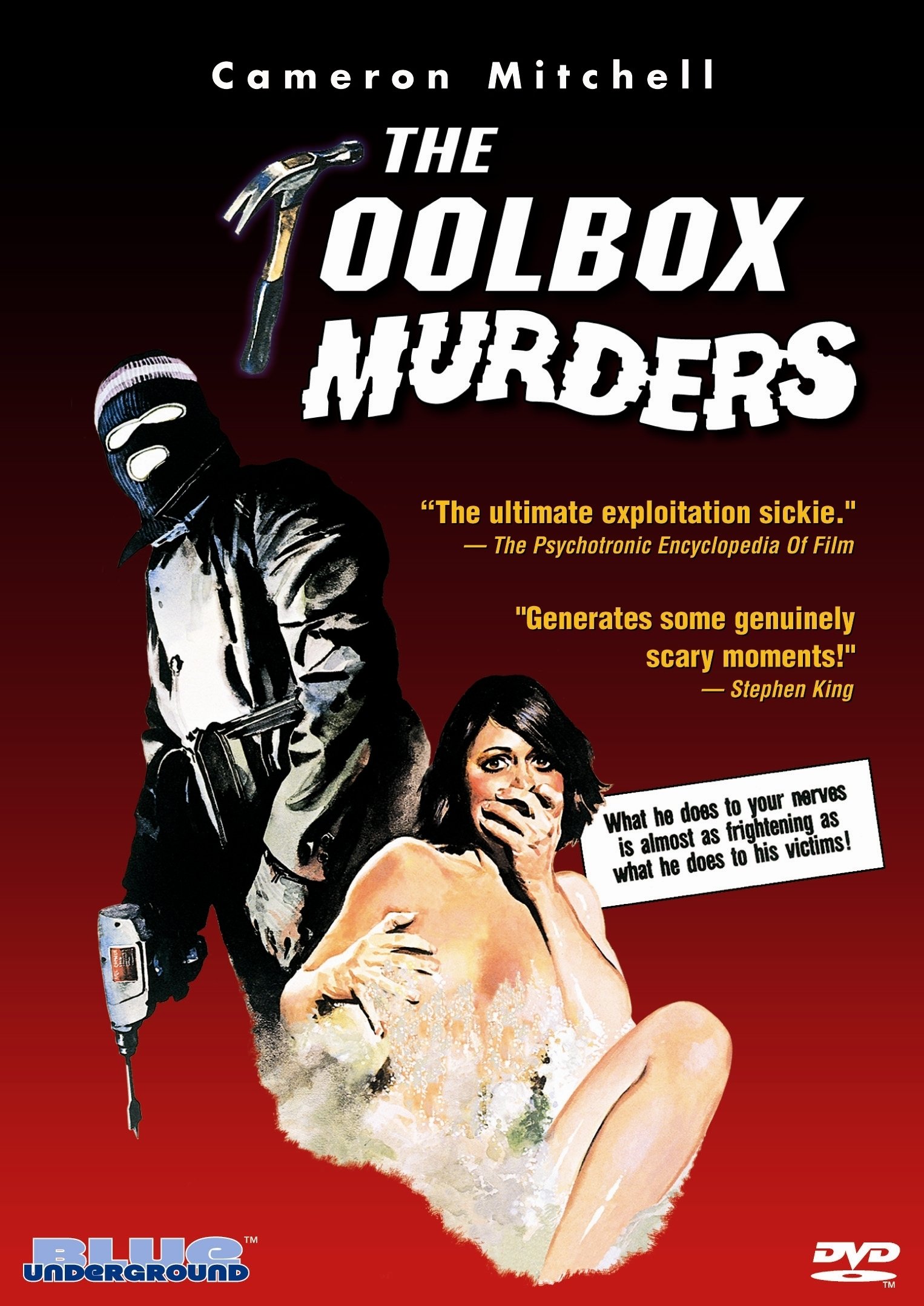
The feature was produced by Tony DiDio and distributed in the United States by Cal-Am Productions, outside the major-studio pattern that governed most widely released American films. Donnelly, whose directing work was largely associated with television, used the apartment complex as the story's principal arena. Cinematographer Gary Graver filmed rooms, corridors and stairwells in which the killer's presumed access to the building is especially threatening. Keys, maintenance requests and the ordinary movement of residents make a familiar residential environment vulnerable to intrusion. The confined geography also permits rapid movement between apparent safety and danger without sending the narrative to an isolated wilderness or holiday destination.
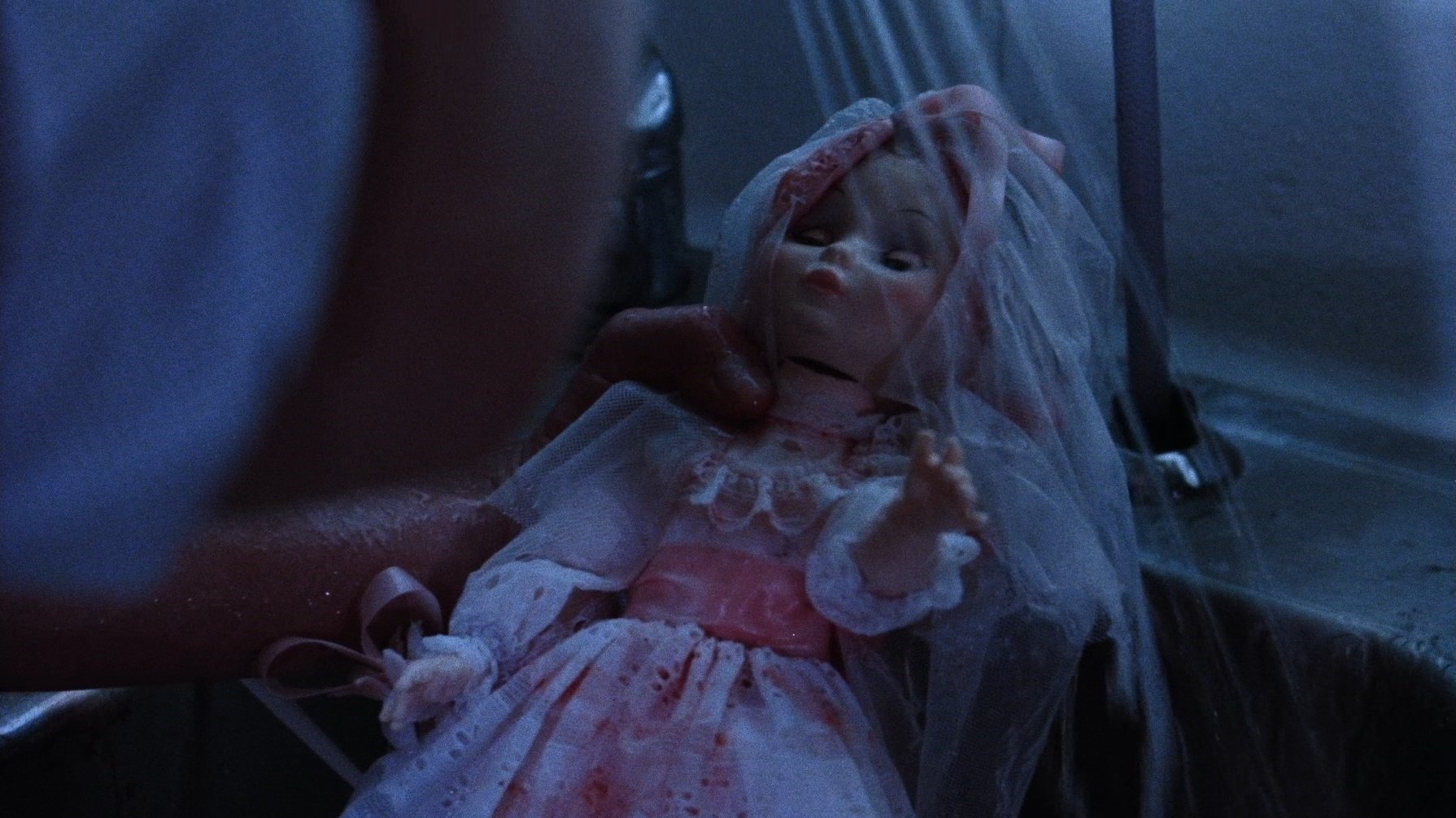
The building becomes more than an efficient collection of murder locations. In the initial attacks, a tenant calls upon the person expected to repair her surroundings, creating an opportunity for the attacker to enter private space. Later, the landlord's position gives him access to information about residents and authority over their homes. This connection between property management and concealed predation helps the screenplay maintain suspicion as the emphasis moves away from immediate physical violence. The contrast is visible in the imagery as well: domestic appliances and household implements remain recognizable objects while the killer's use of them transforms their everyday purpose.
From Stalk-and-Kill Horror to Captivity Drama
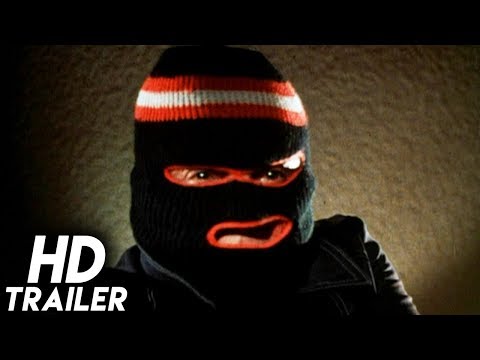
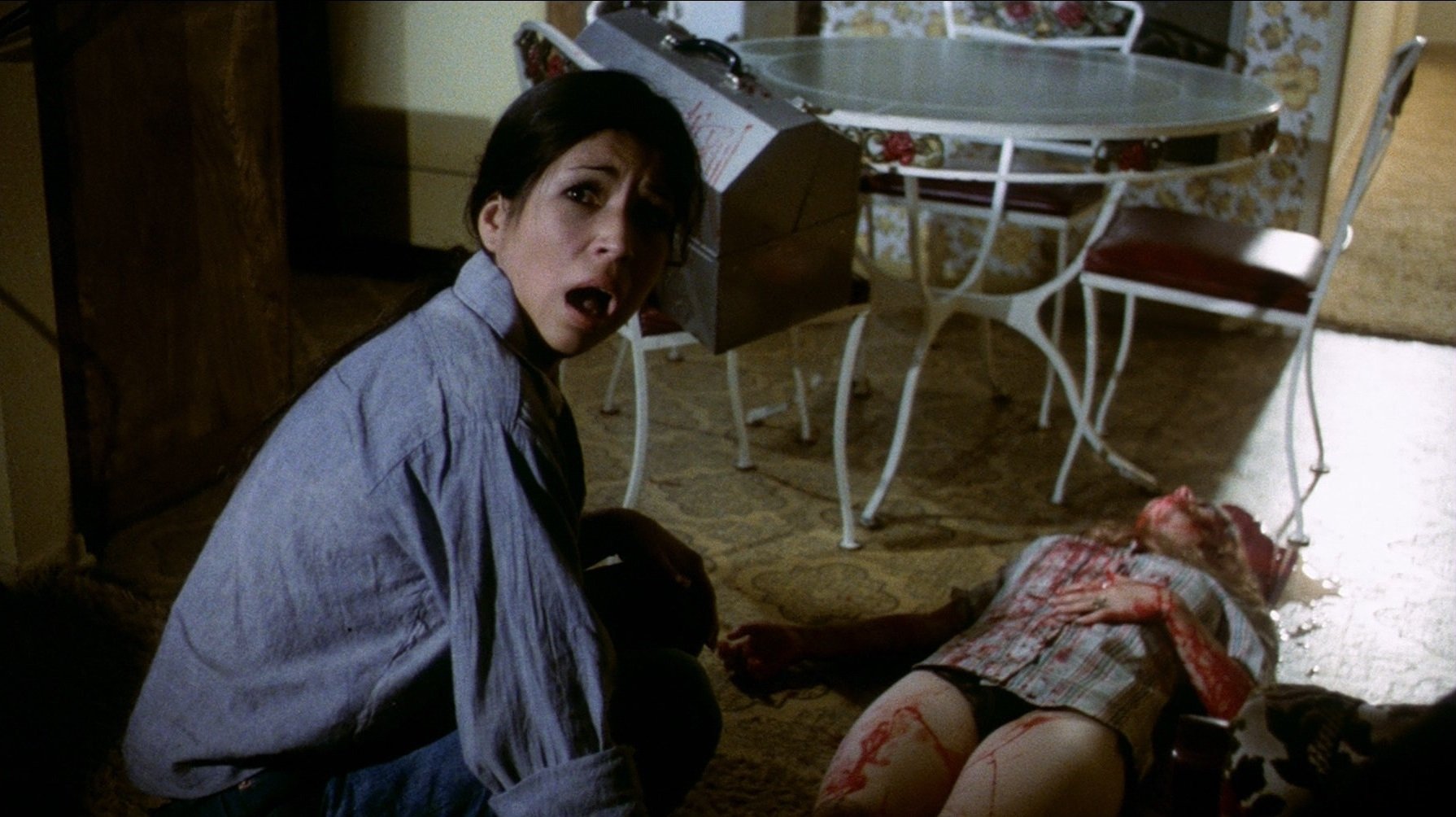
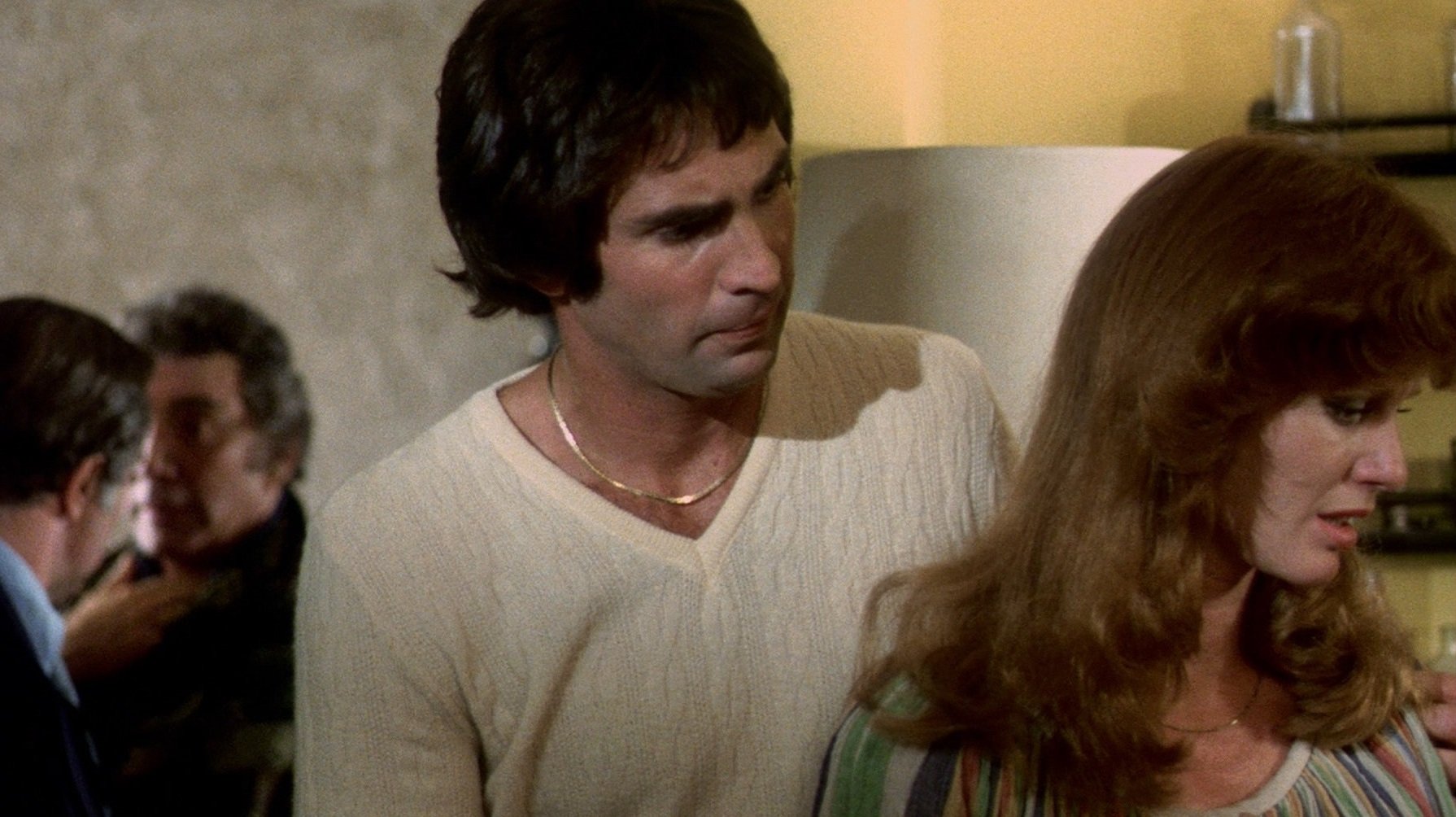
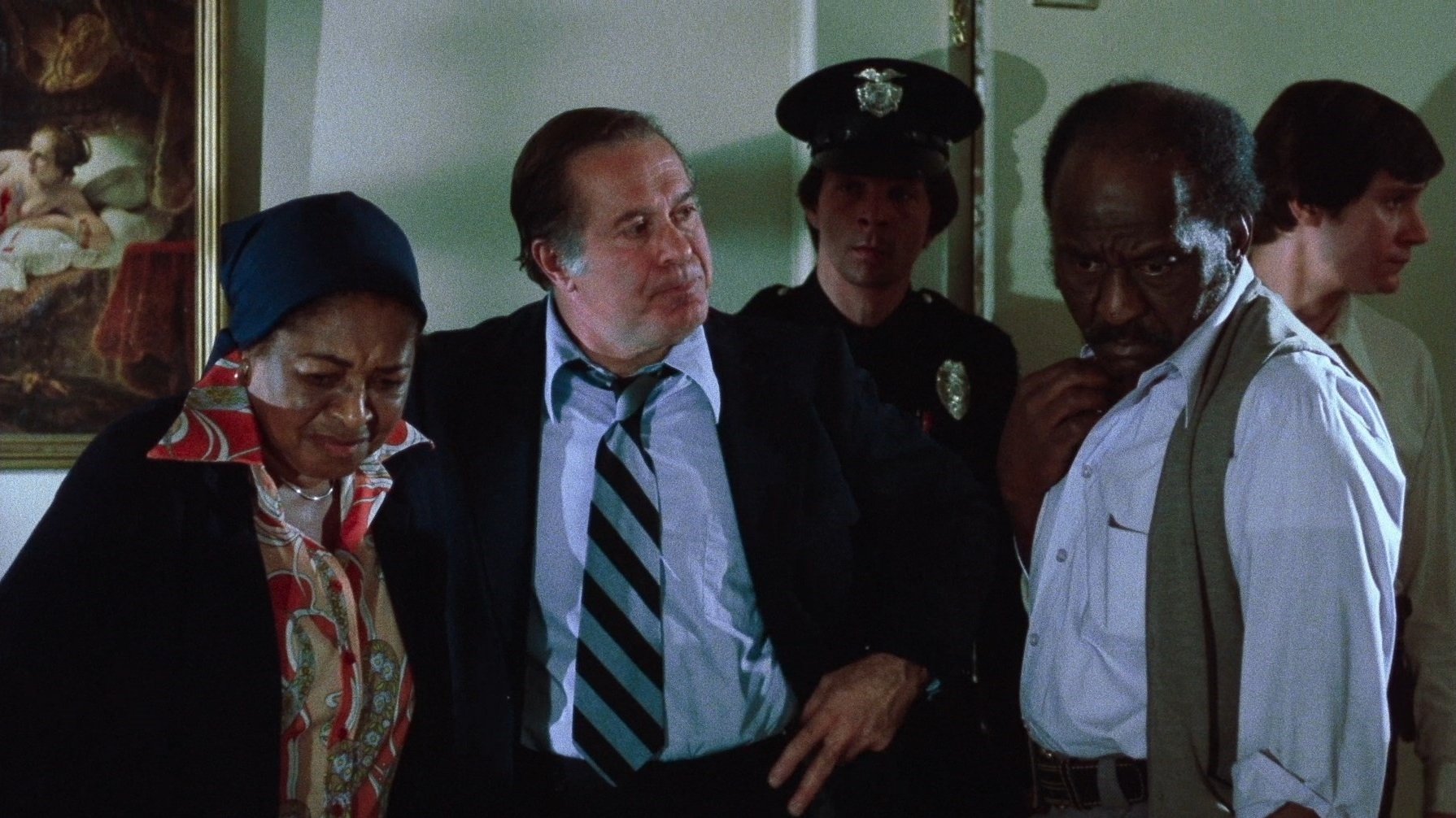
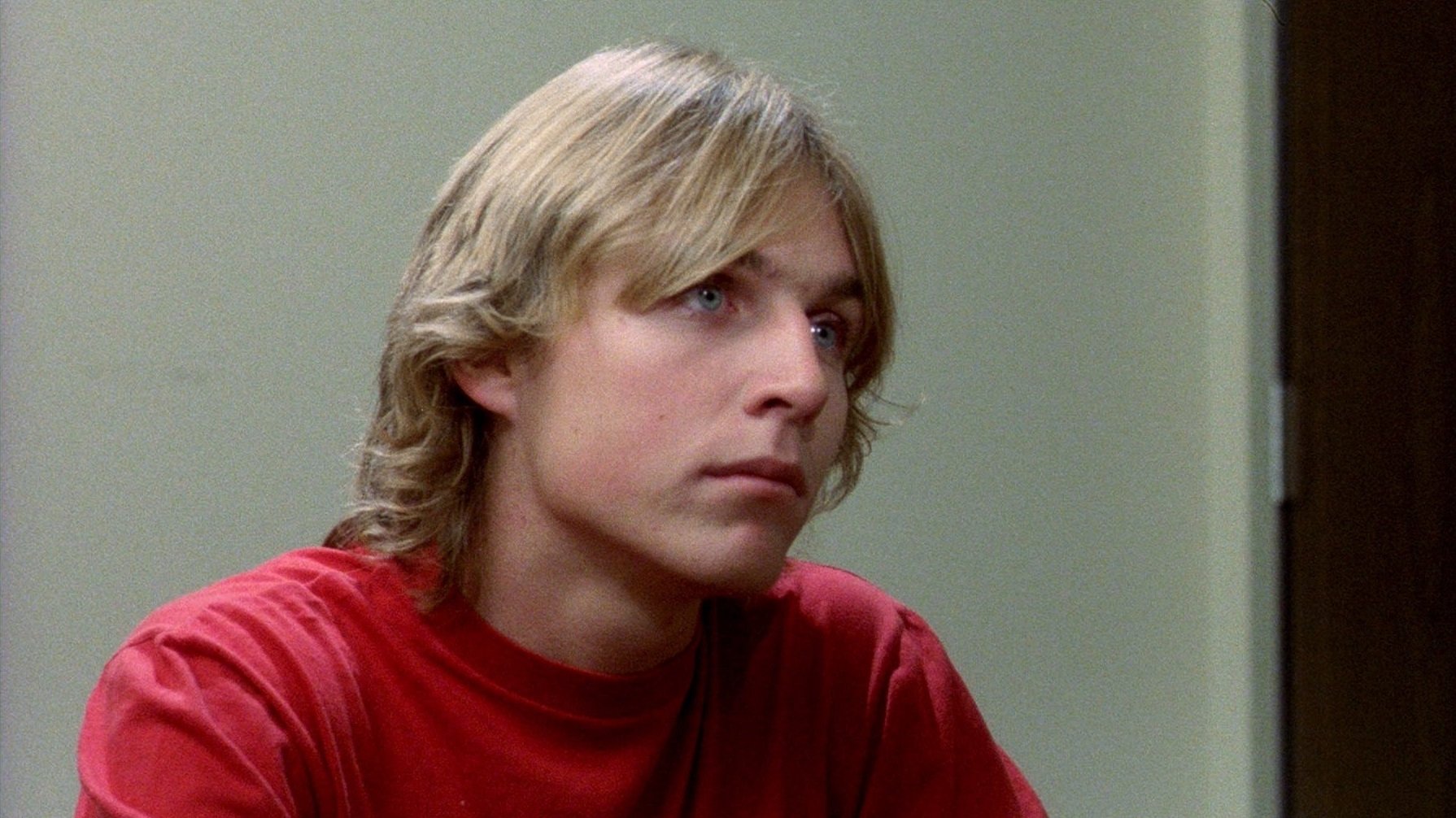
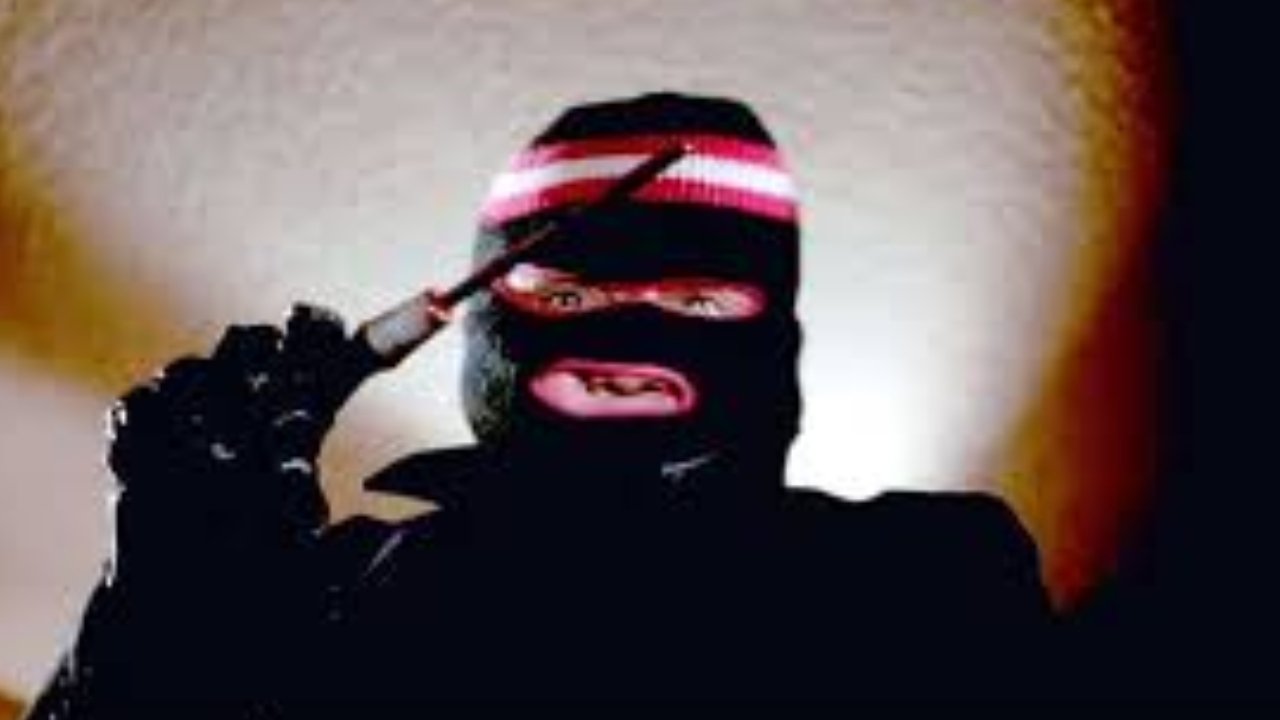
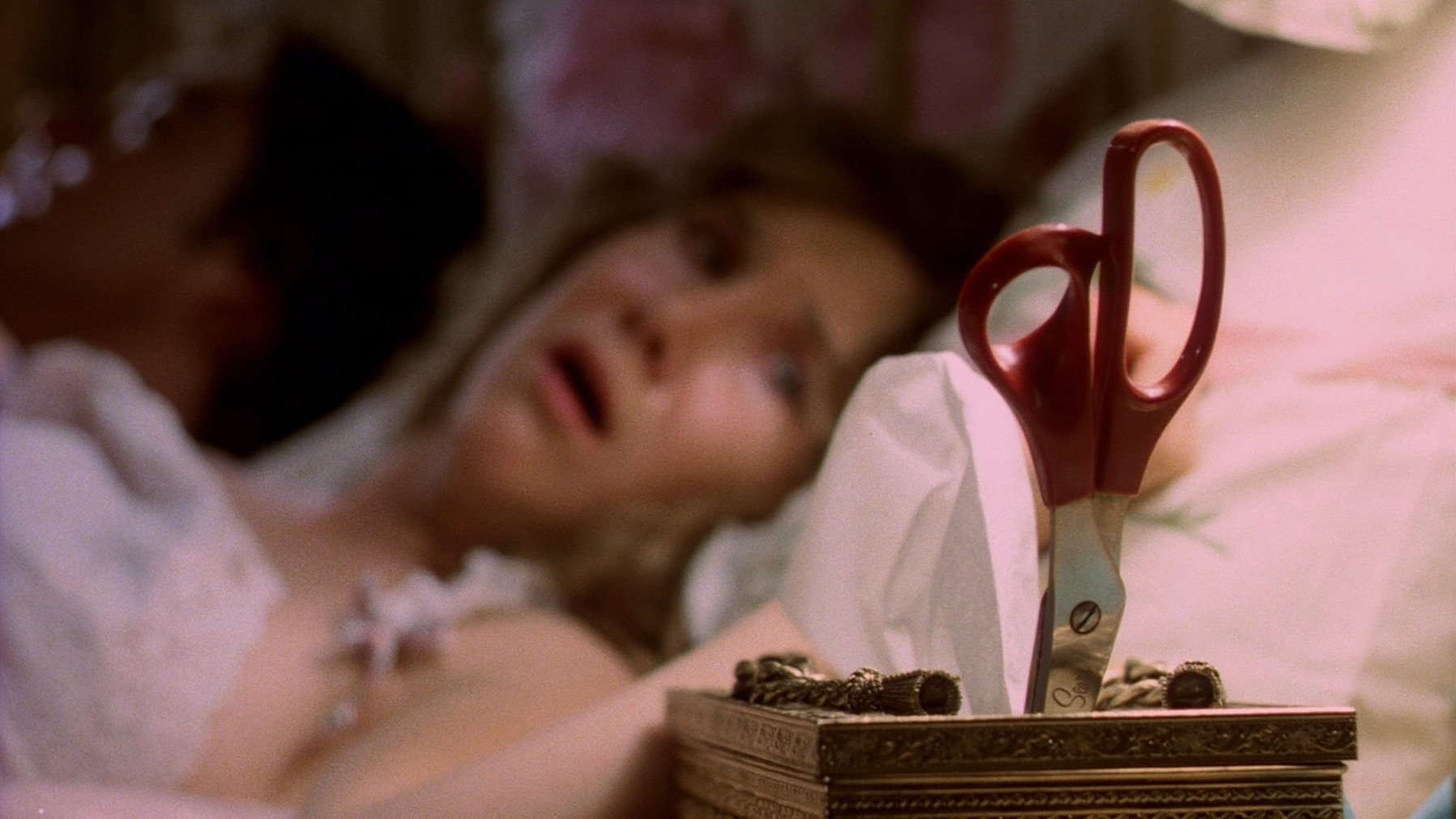
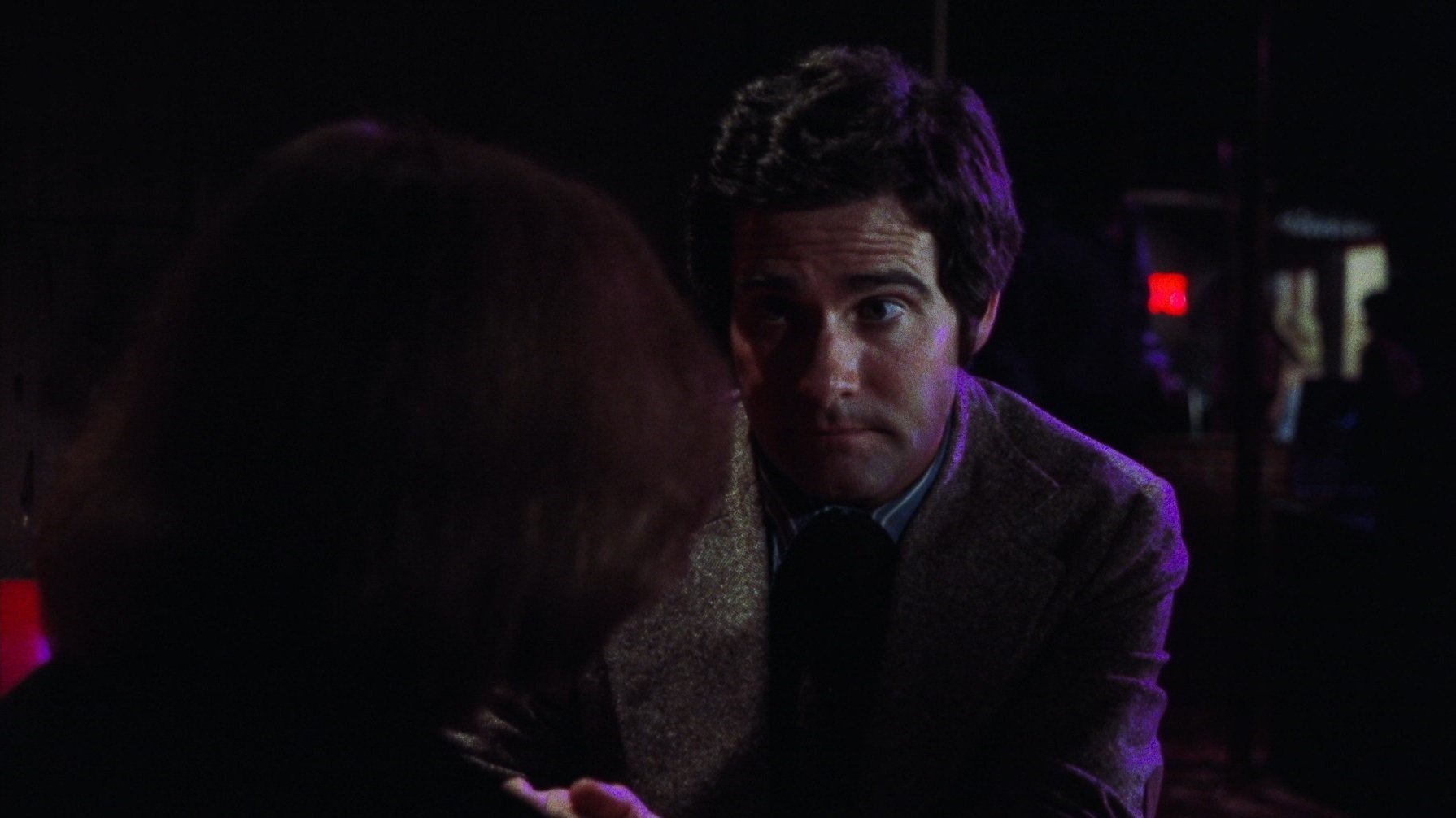
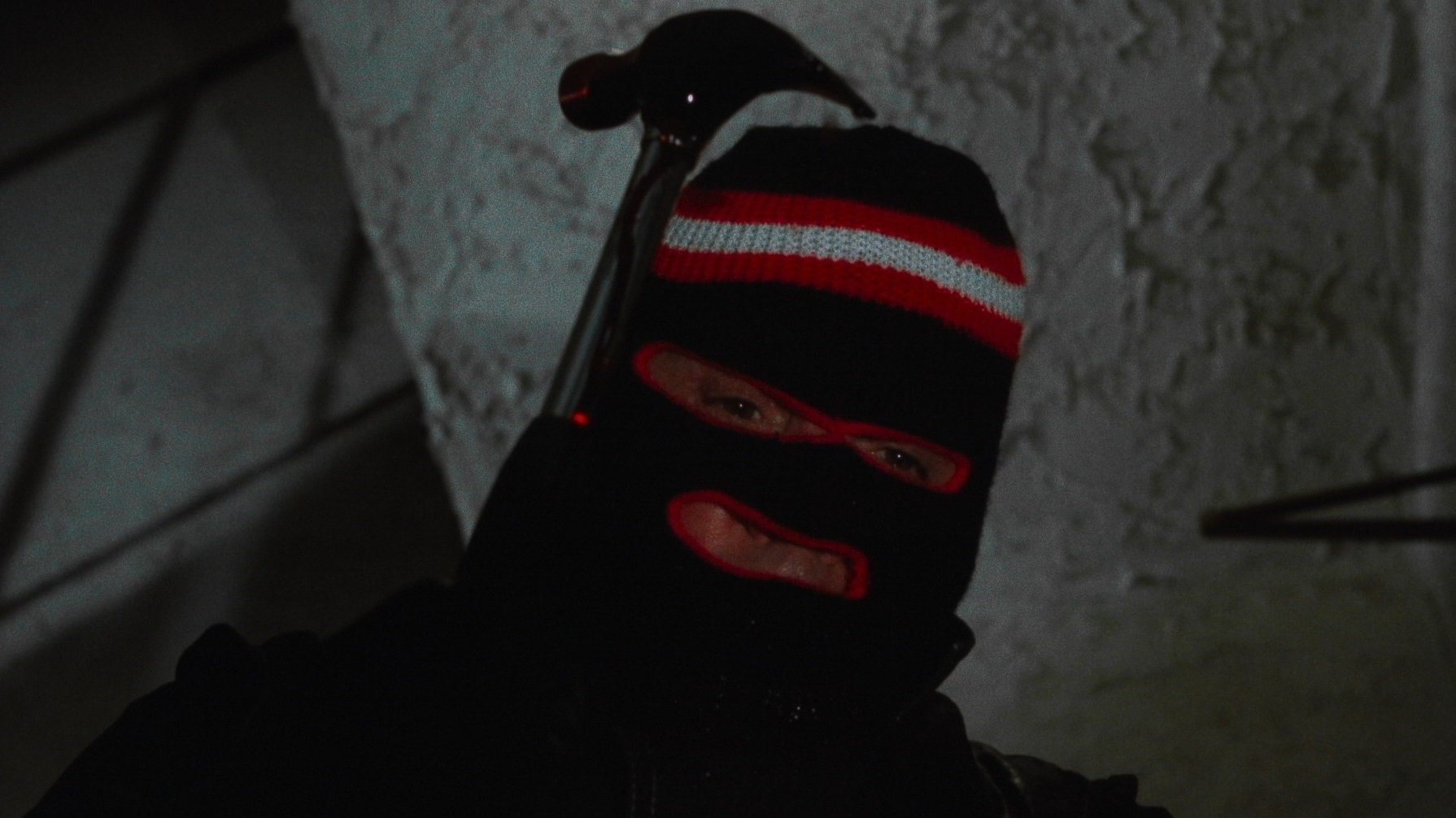
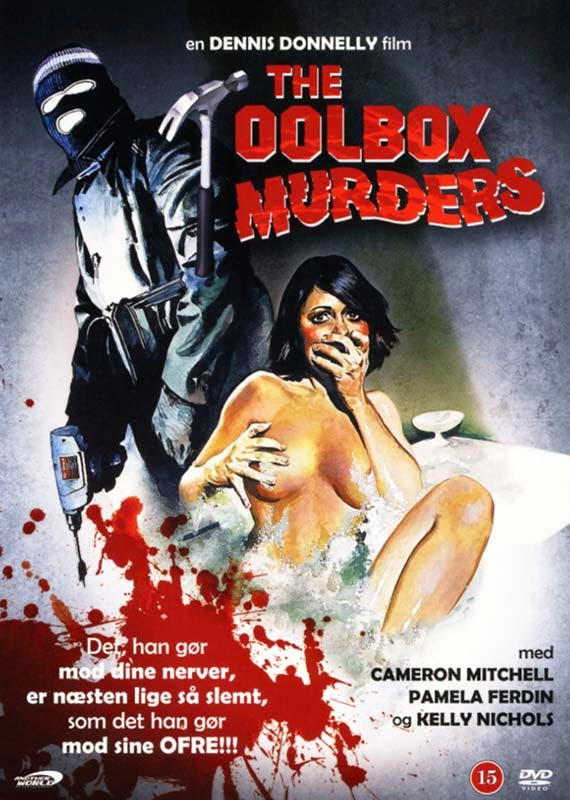
The structure begins with several murders before the audience has developed much attachment to the victims. These episodes foreground the ski mask and the contents of the toolbox, giving each weapon its own disturbing significance. The film subsequently introduces Laurie Ballard and makes her disappearance the source of narrative urgency. Her brother pursues leads independently, while police officers repeatedly question the behavior and sexual histories of women living in the building. Instead of building steadily toward another sequence of anonymous attacks, the screenplay redirects attention to Laurie's survival and the relationships of the people nearest her.
Film scholar Wickham Clayton has examined this uneven structure in detail. He observes that the attack sequences are concentrated near the beginning and that the masked murderer's identity is disclosed around the middle of the film. The police investigation continues without providing the discoveries usually expected of a crime narrative. Such choices leave the audience with relatively little conventional mystery to solve during the later passages. Clayton treats this discontinuity as a crucial part of the viewing experience, particularly once the picture's closing claim of factual inspiration encourages spectators to reinterpret its apparent inconsistencies as the irregularities of real life.
Violence, Voyeurism and the Killer's Method
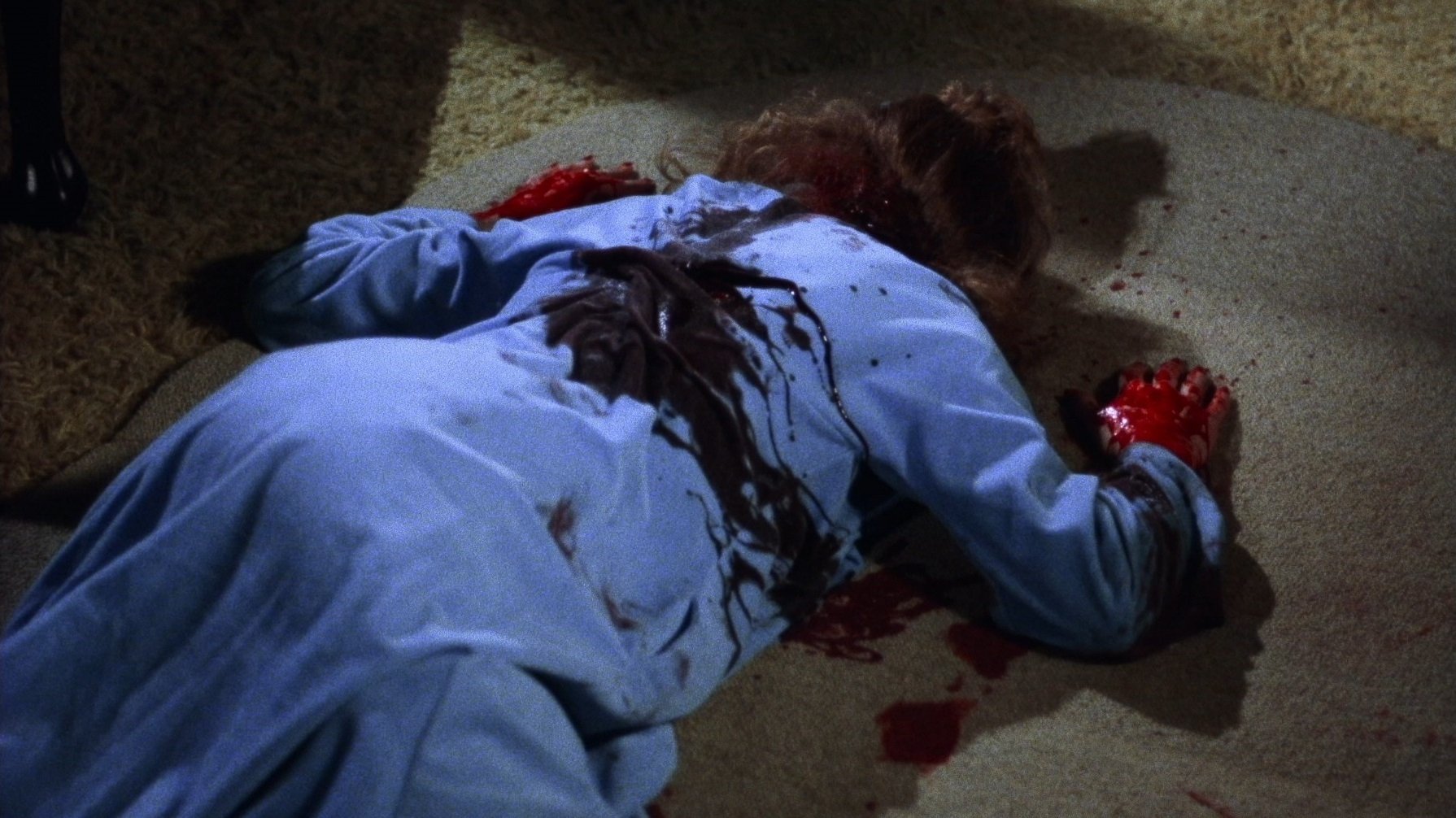
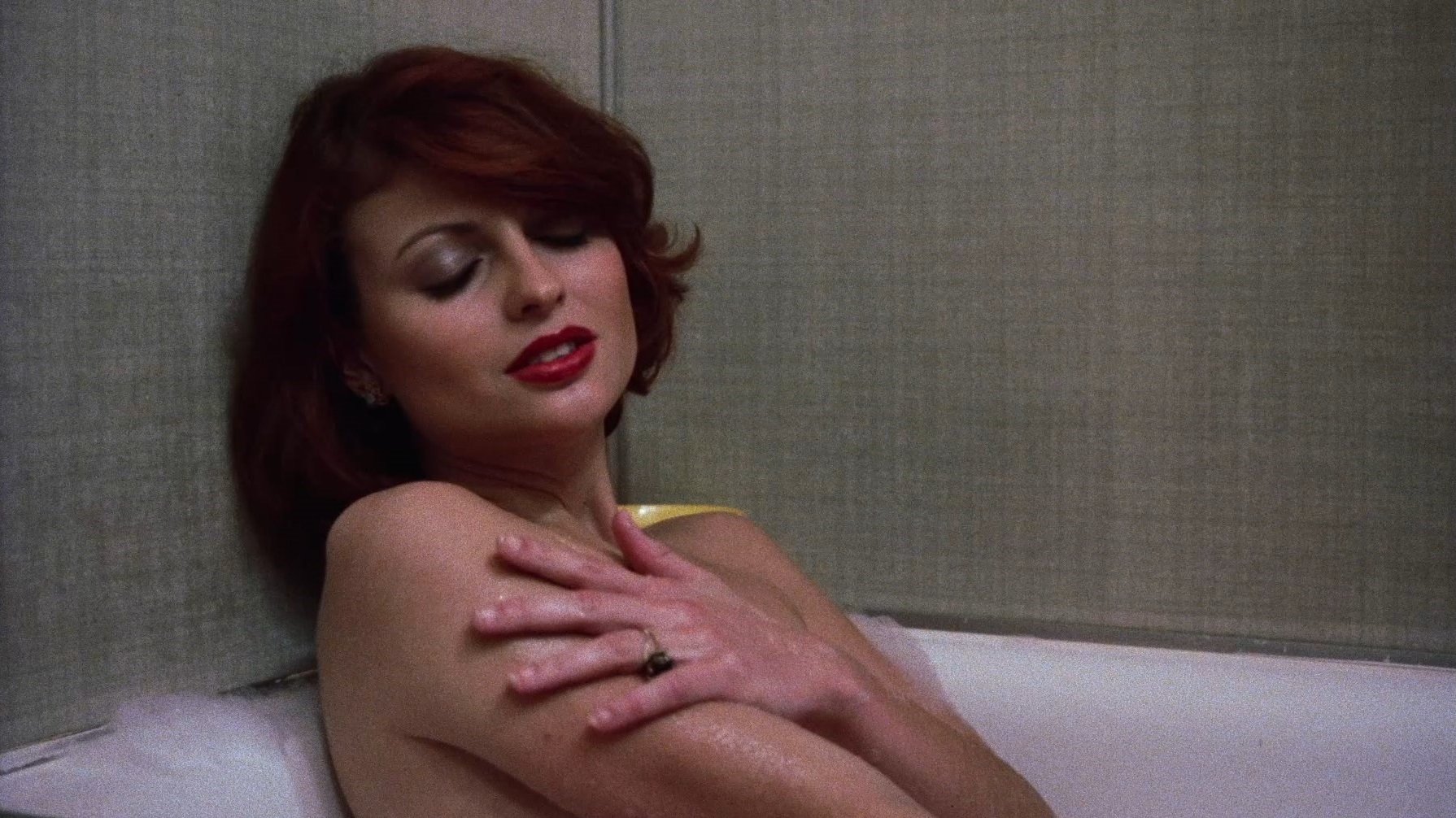
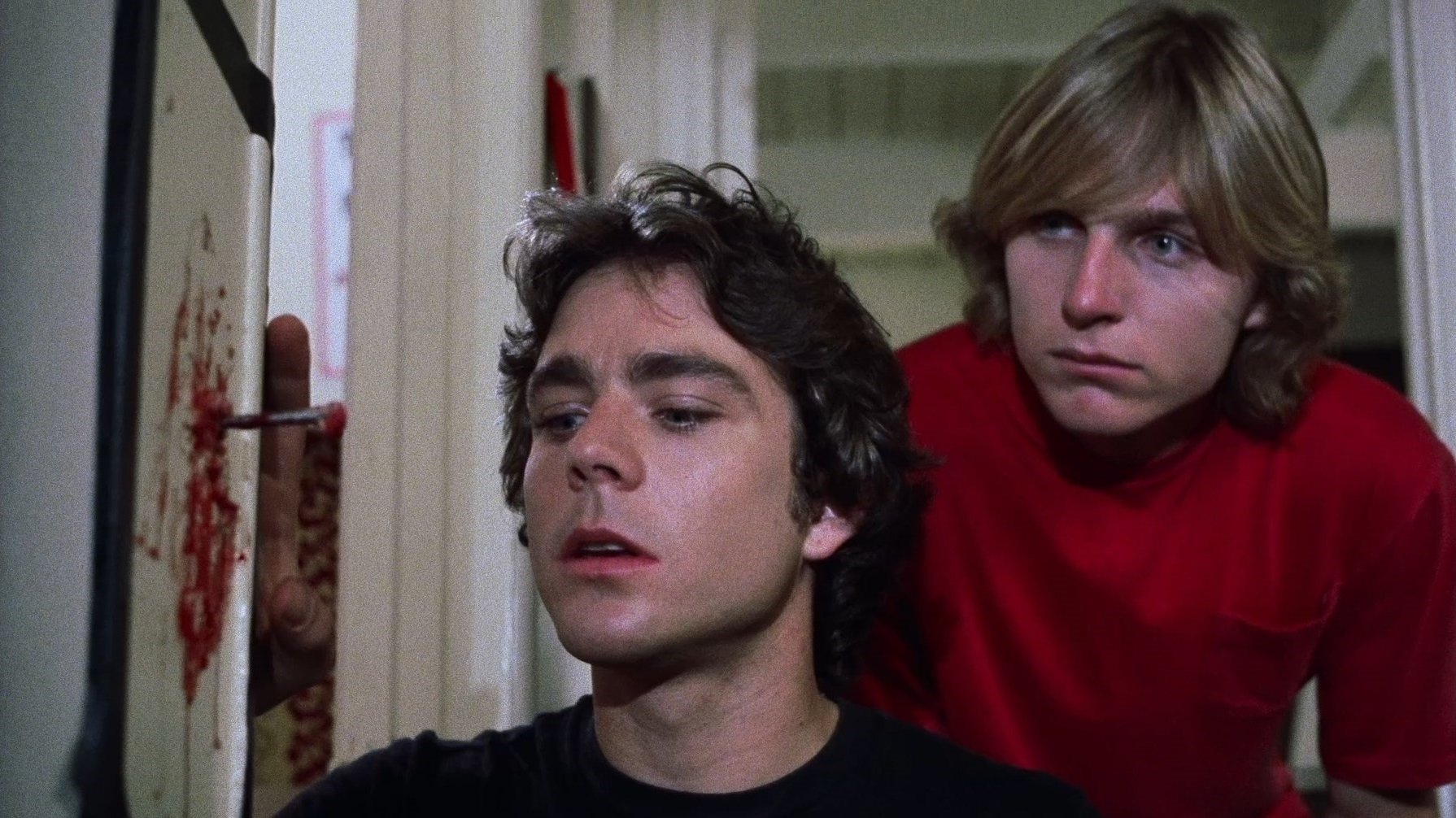
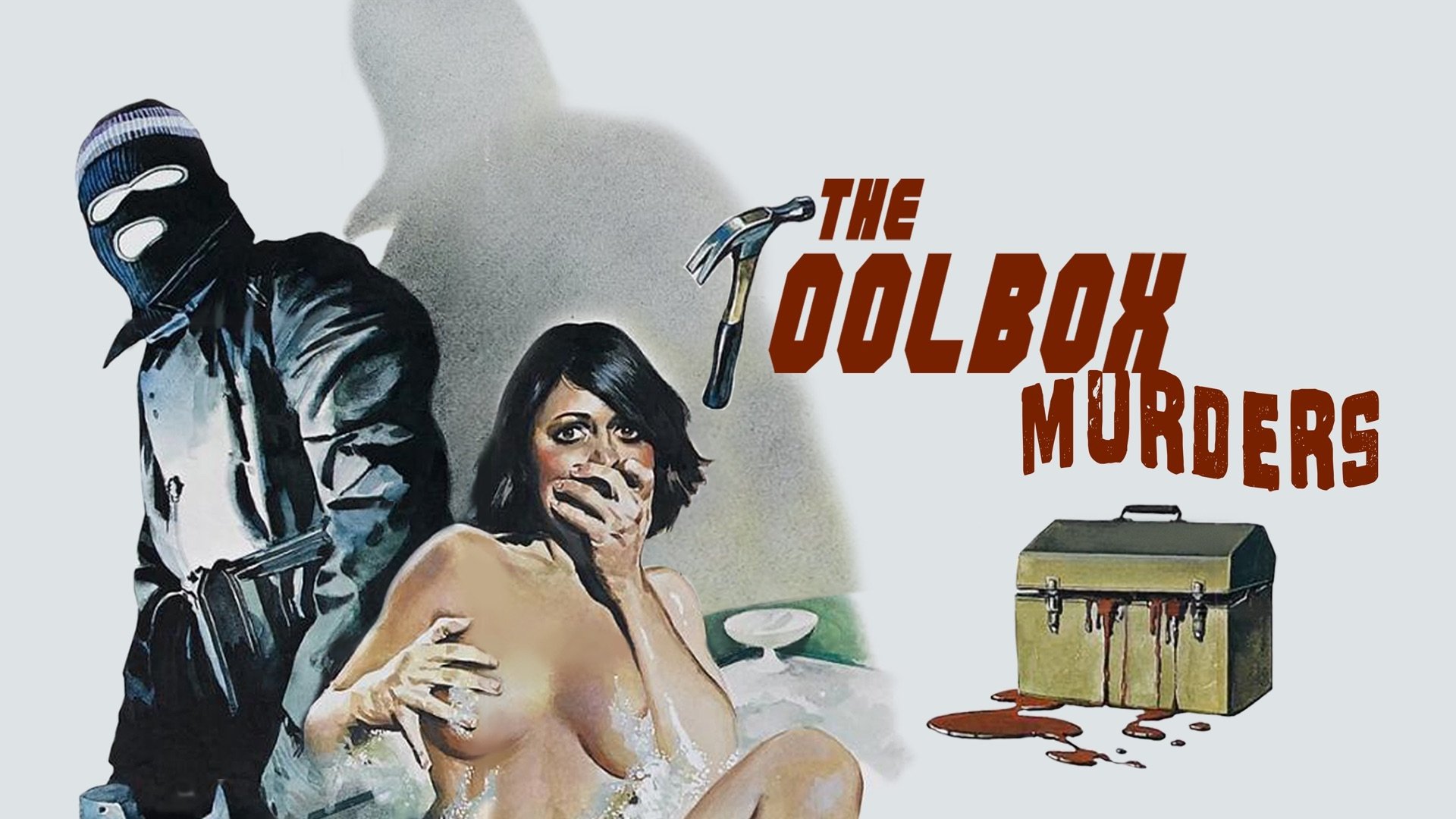
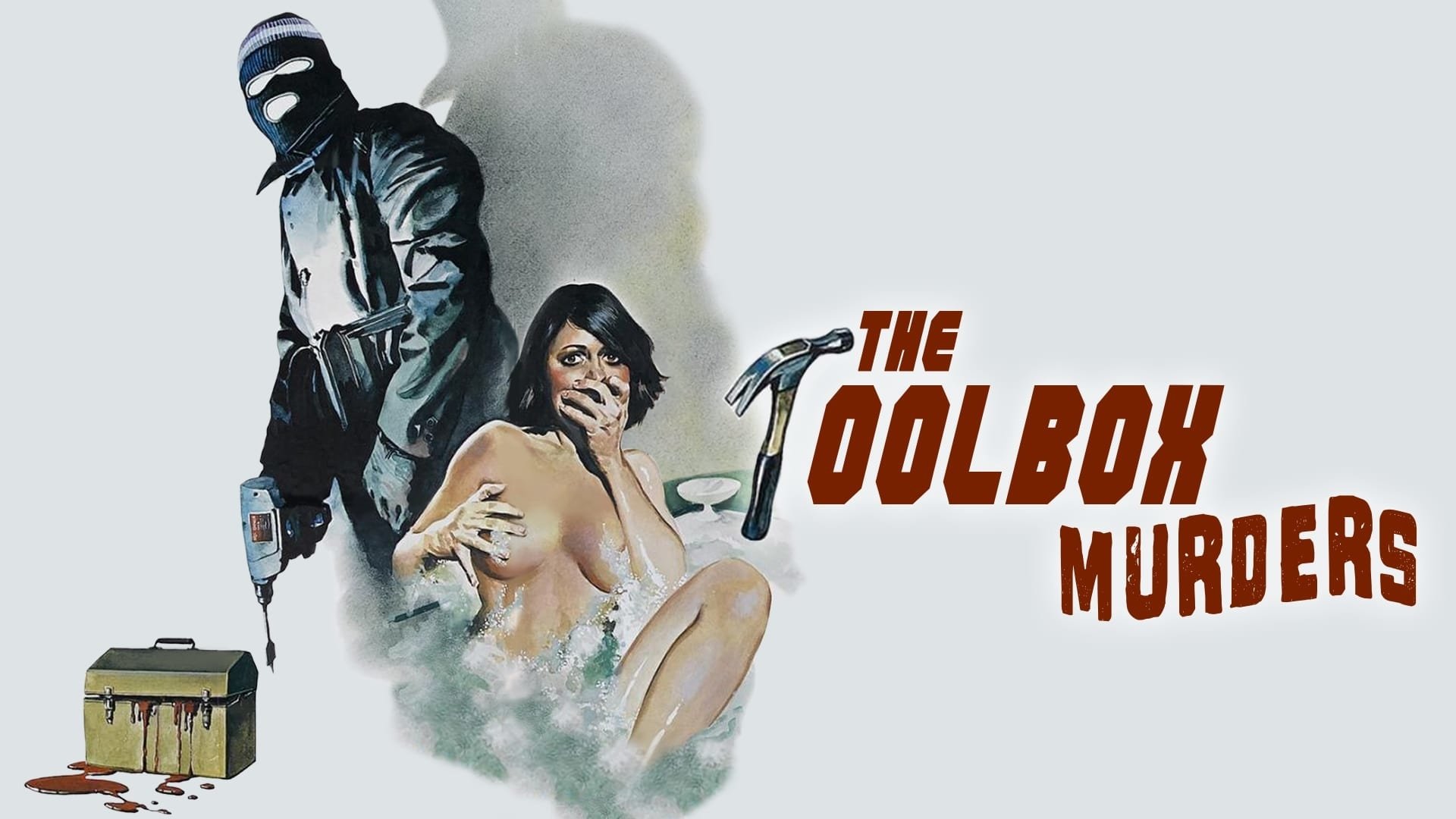
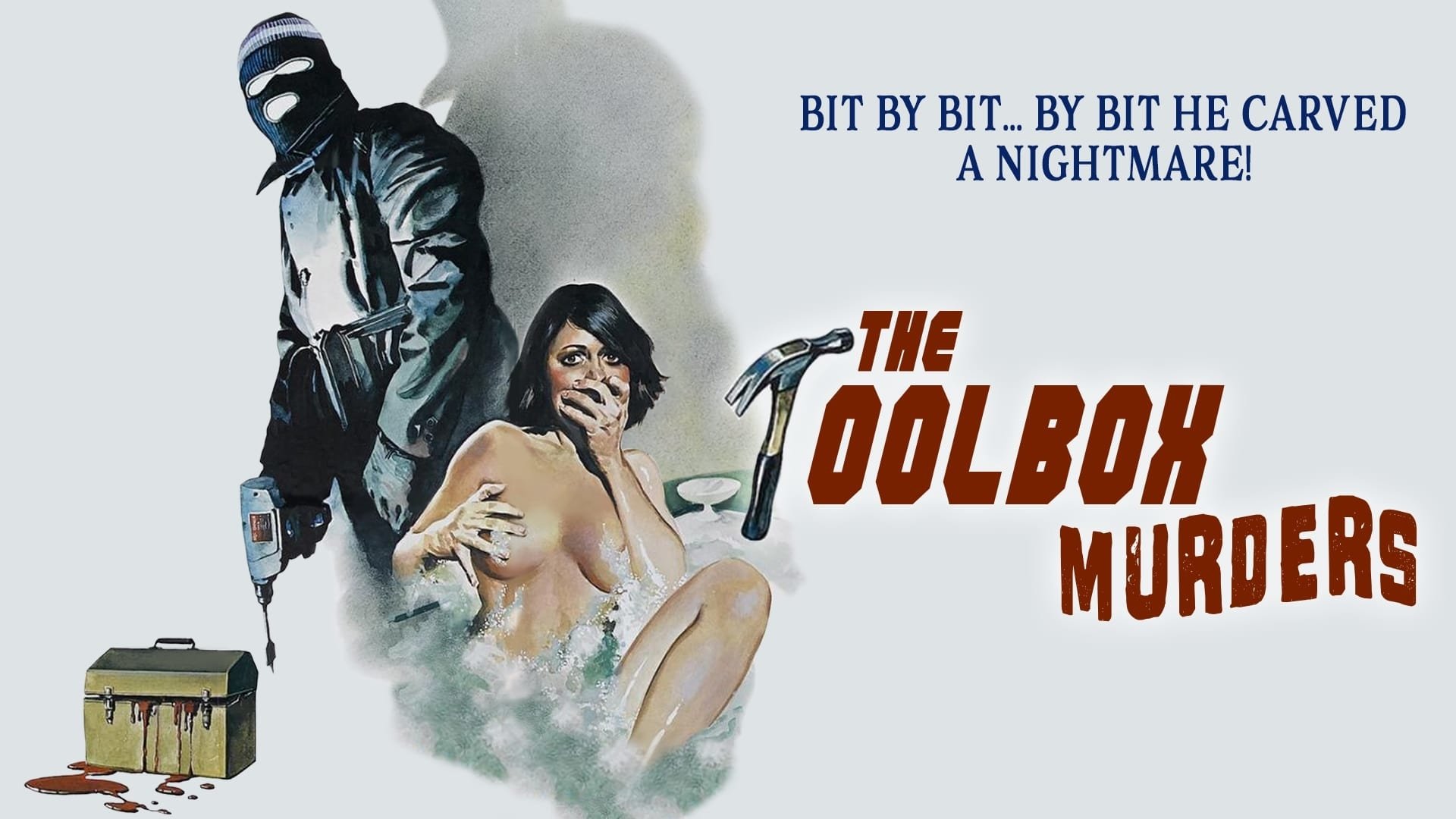
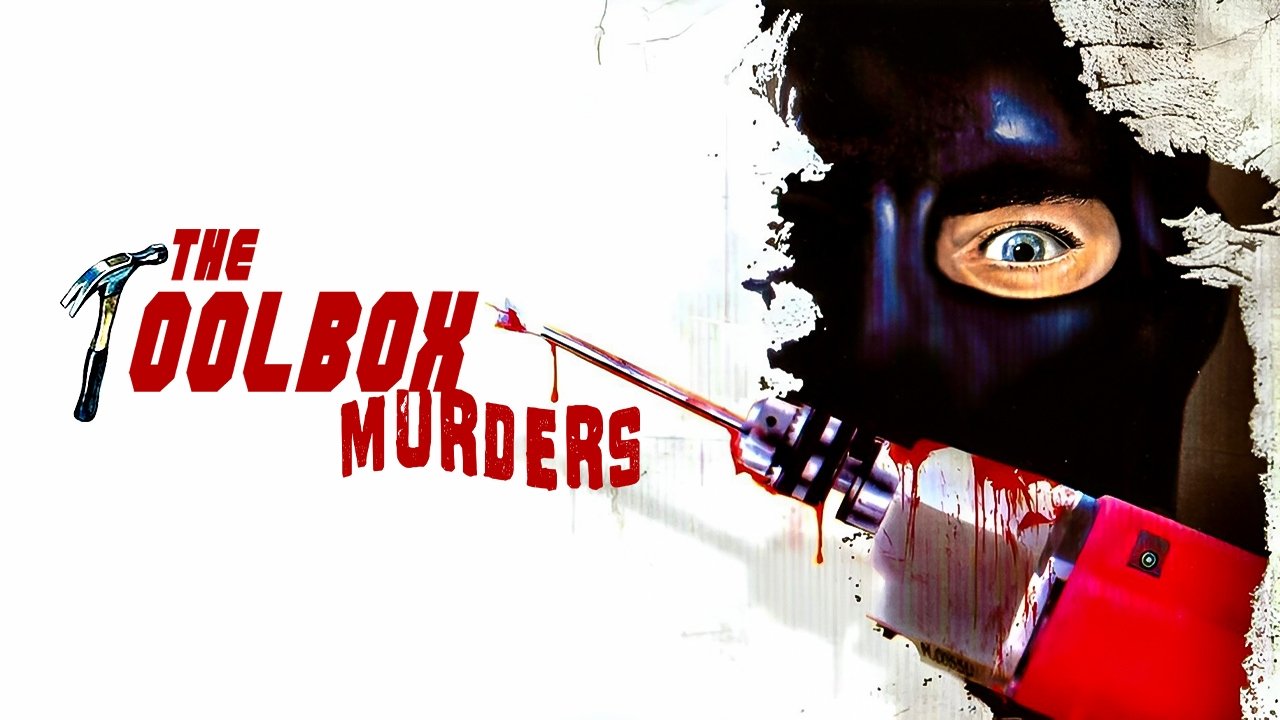
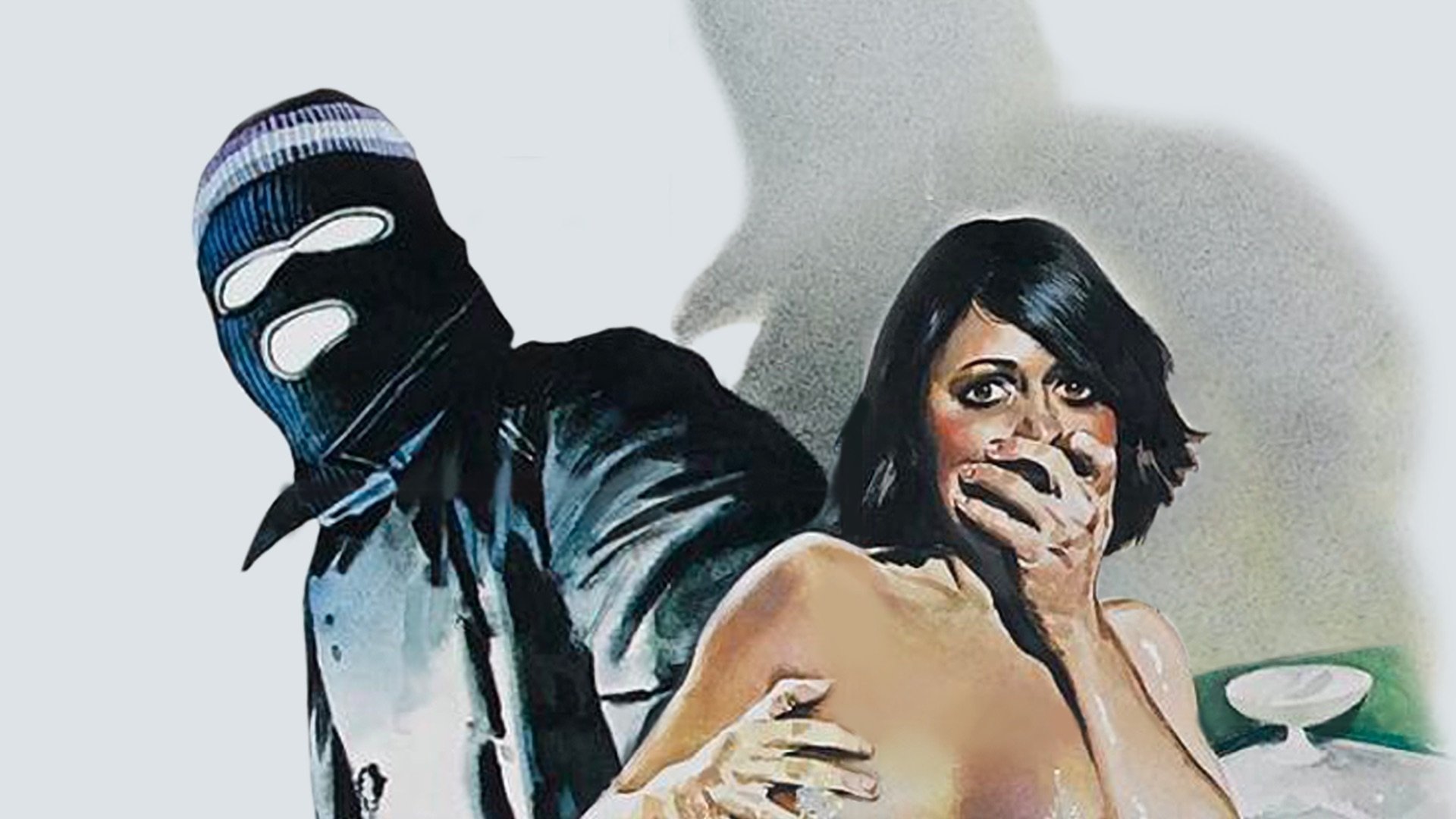
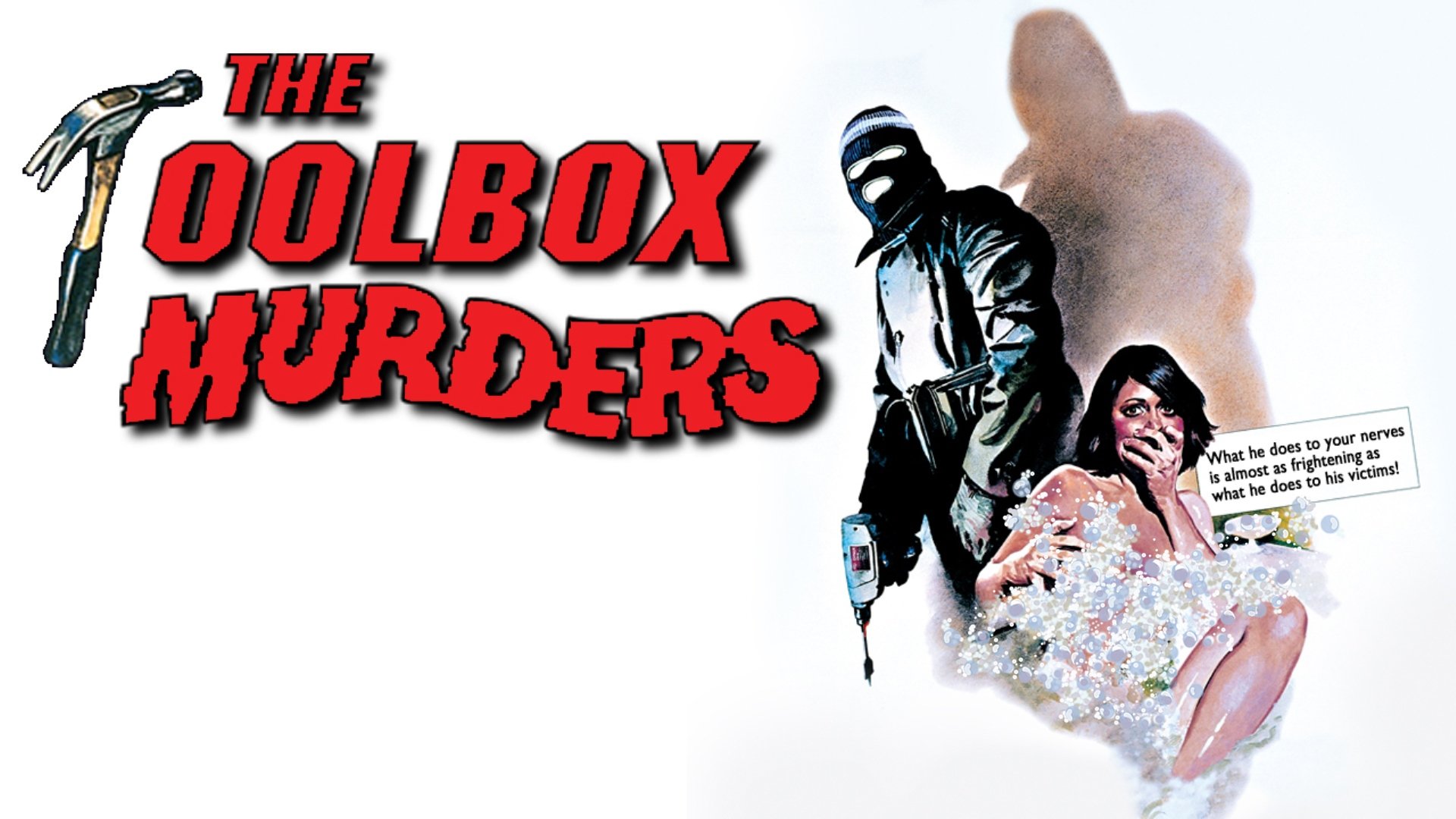
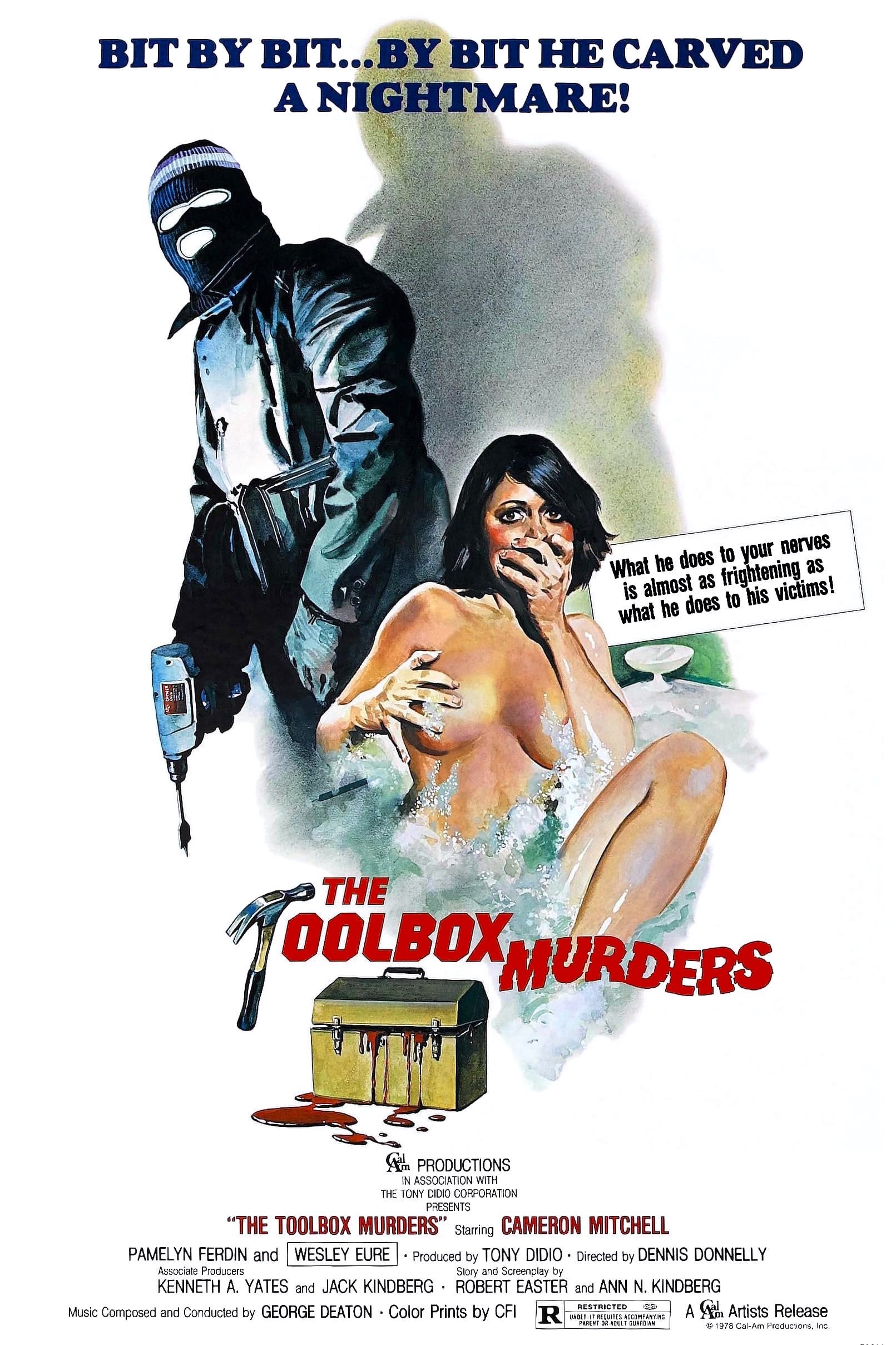
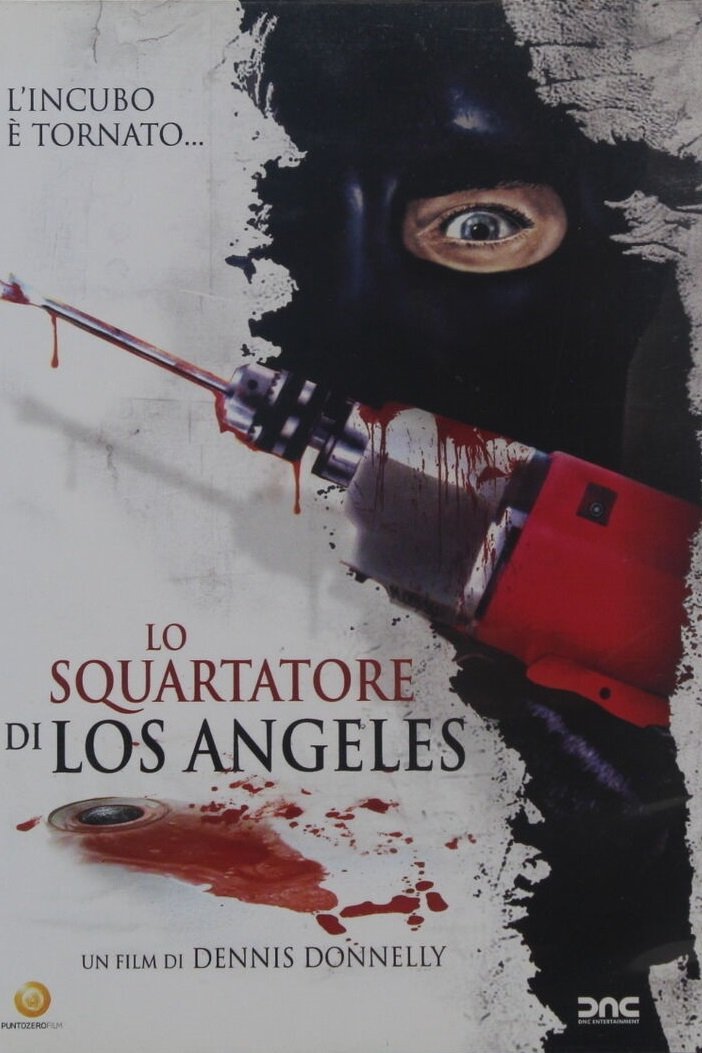
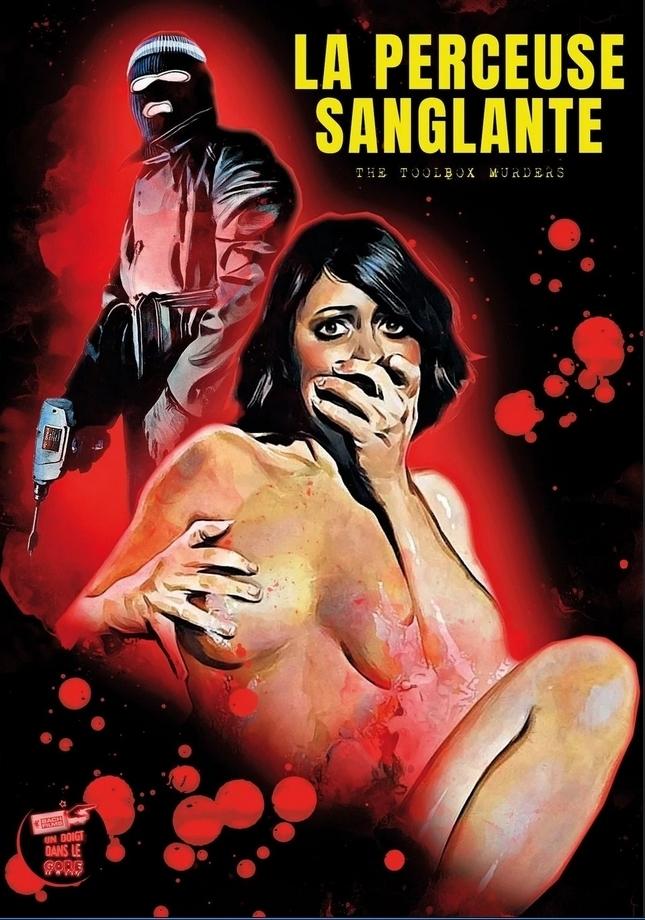
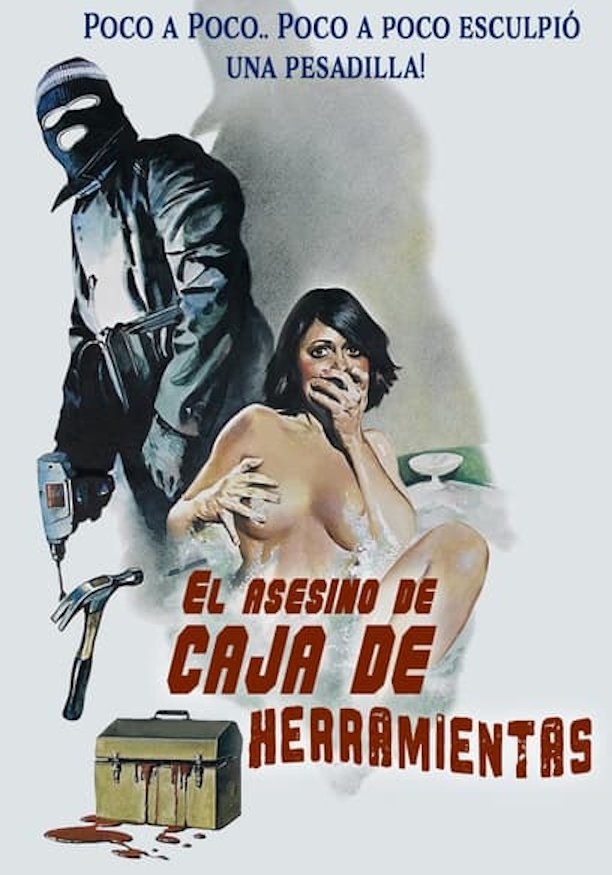
The attacks derive their impact from the substitution of work implements for the customary knife. A drill, hammer, screwdriver and nail gun carry associations with household repair, but the film presents them as instruments capable of inflicting unmistakably bodily injury. The nail-gun sequence is particularly important to its reputation. A woman is observed while bathing, pursued through her apartment and eventually killed after a disturbing interruption in which the intruder briefly appears to comfort her. The scene prolongs her exposure and terror, making its combination of nudity and violent threat essential to the exploitation strategy.
The treatment of sexuality becomes more complicated once the killer explains his conduct. He condemns women for behavior he considers impure, while his earlier surveillance reveals an evident fascination with the same acts. Clayton identifies the tension between the perpetrator's moral language and the camera's interest in vulnerable bodies as one of the film's central ideological contradictions. The police investigation adds another layer: repeated assumptions about the victims' sexual lives prevent officers from noticing more useful evidence. This is a defensible reading of what appears on screen, rather than proof that every viewer or member of the production understood the material in the same way.
Religious Fanaticism and the Captive Daughter
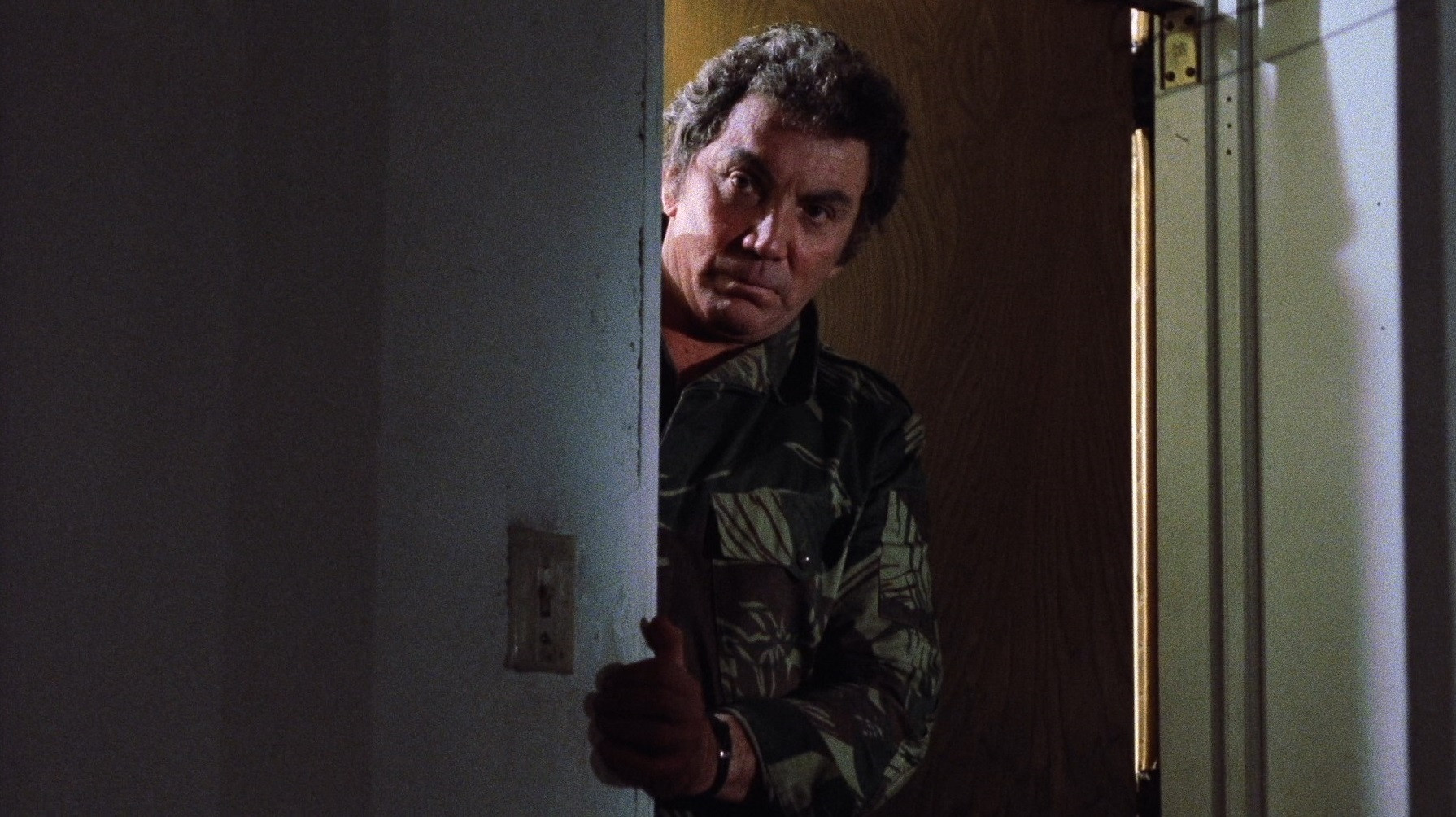
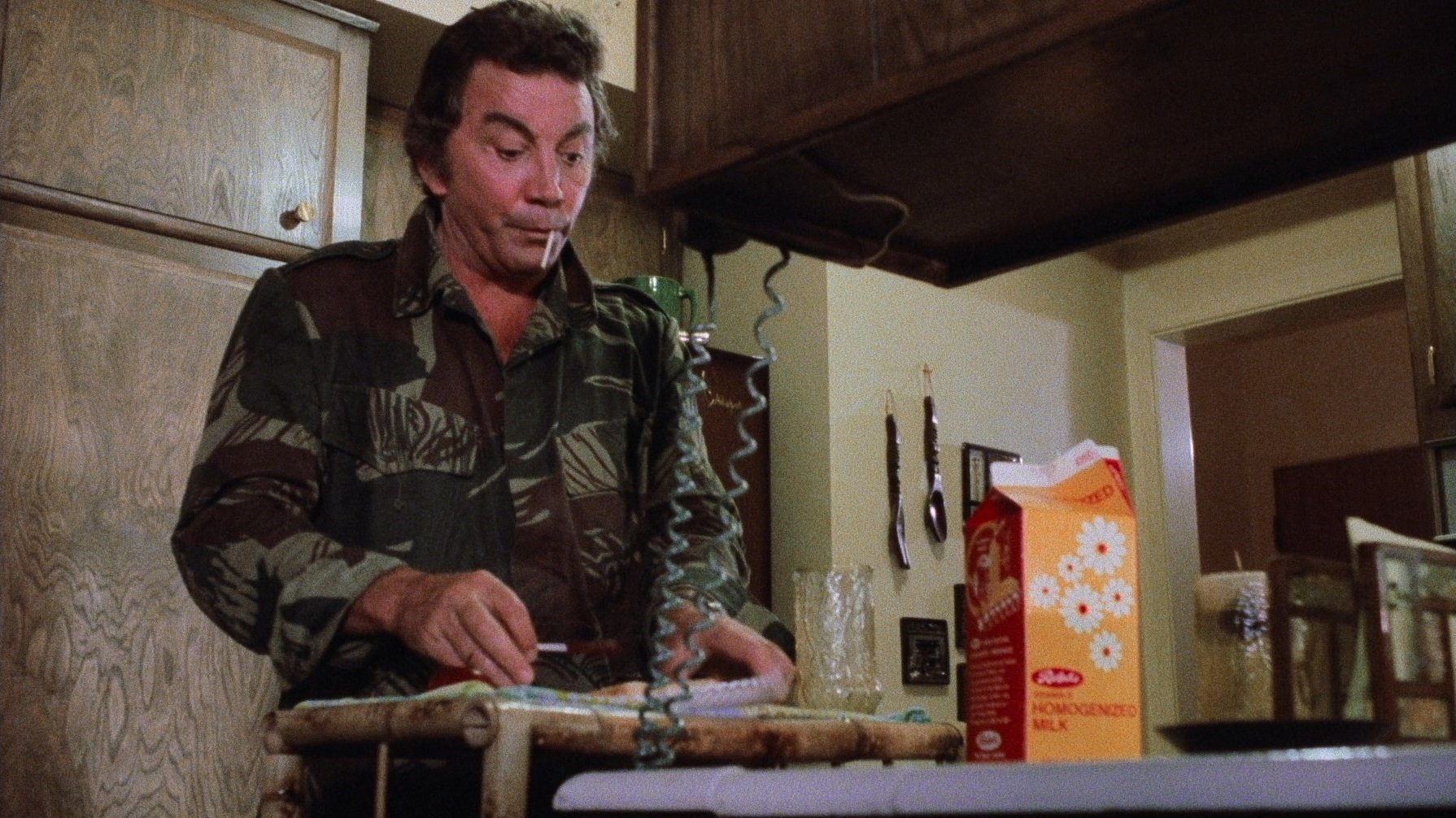
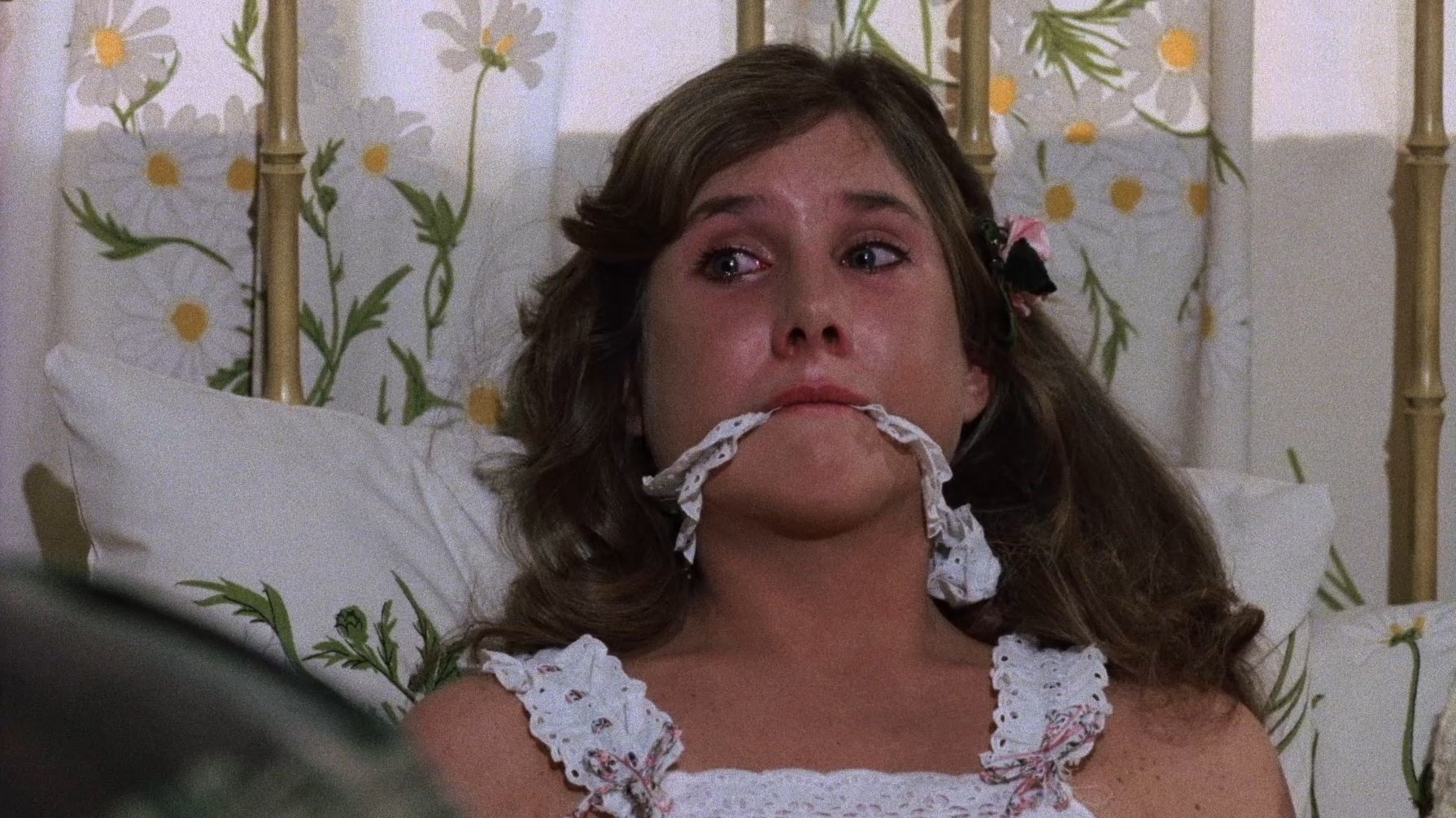
Vance Kingsley's explanation for the murders involves the death of his daughter and his belief that women's sexuality has corrupted the world around him. Religious preaching heard during the opening journey anticipates the accusations he later directs at the people he attacks. His treatment of Laurie exposes a further contradiction: he wants to preserve an idealized image of innocence while imprisoning an actual person. The captivity scenes therefore redirect the horror from unfamiliar weapons toward the power of a grieving adult who refuses to recognize the independence of the young woman before him.
Cameron Mitchell's portrayal allows passages of distress to coexist with the character's cruelty, but that distress does not absolve his actions. The final confrontation introduces another male figure whose treatment of Laurie makes the supposed distinction between protection and exploitation increasingly unstable. The climax includes sexual assault and violence whose aftermath differs sharply from the spectacle of the early murders. Clayton's analysis emphasizes that the film condemns the predatory attitudes expressed by its male antagonists even while its preceding scenes invite spectators to look at women's bodies. This tension is better understood as a feature of its conflicted design than as a simple, consistent moral argument.
The Claim to a True Story
At the conclusion, a text card asserts that the events took place in 1967 and gives specific later developments in the lives of the surviving characters. The statement places names inside quotation marks and locates the imagined people in the San Fernando Valley. Such precision creates the appearance of a concealed but recoverable criminal case. The American trailer complicated that apparent chronology by placing the supposed events in July 1977, a full decade later than the year supplied by the film itself. The competing dates demonstrate why advertising statements should be treated as claims made by the production, not as independent documentation of a crime.
In his study published in Transatlantica, Clayton reports that no historical record has been established for events corresponding to the film's story. He also explains the unusual narrative effect of placing this assertion after the action has concluded. Viewers who have followed disconnected murders, ineffective police work and a sudden shift toward captivity are invited to retrospectively interpret those elements as the unavoidable messiness of an actual case. Exploitation therefore operates through a purportedly authentic framework as well as through the explicit imagery. The distinction between the film's assertion and verifiable history is essential when discussing its supposed real-life origins.
Distribution, British Censorship and Afterlife
The AFI Catalog records a gross of $512,000 from ninety theaters in several American metropolitan markets by July 1978, citing a contemporary Hollywood Reporter item. That figure covers the documented engagements and should not be mistaken for a complete lifetime box-office total. Los Angeles exhibition was scheduled for November 1, 1978, and the film was selected for the Sitges fantastic-film festival the following year. These records illustrate regional circulation before the picture acquired much of its later notoriety through videotape and discussions of screen violence. They also provide firmer evidence than any single unsourced national release date.
In Britain the BBFC classified a cut theatrical version on November 21, 1979, followed by another version requiring alterations for home entertainment on February 24, 2000. Its September 1, 2017 home-video classification carries no cuts notation. The running times on these records differ, but timing alone cannot establish the exact quantity of deleted footage across film and video formats. The picture appeared among titles associated with the Director of Public Prosecutions' changing video nasty list; that involvement should not be confused with proof of a successful obscenity prosecution. These classifications document decisions on specific submitted versions; they do not establish a continuous prohibition extending to the present.