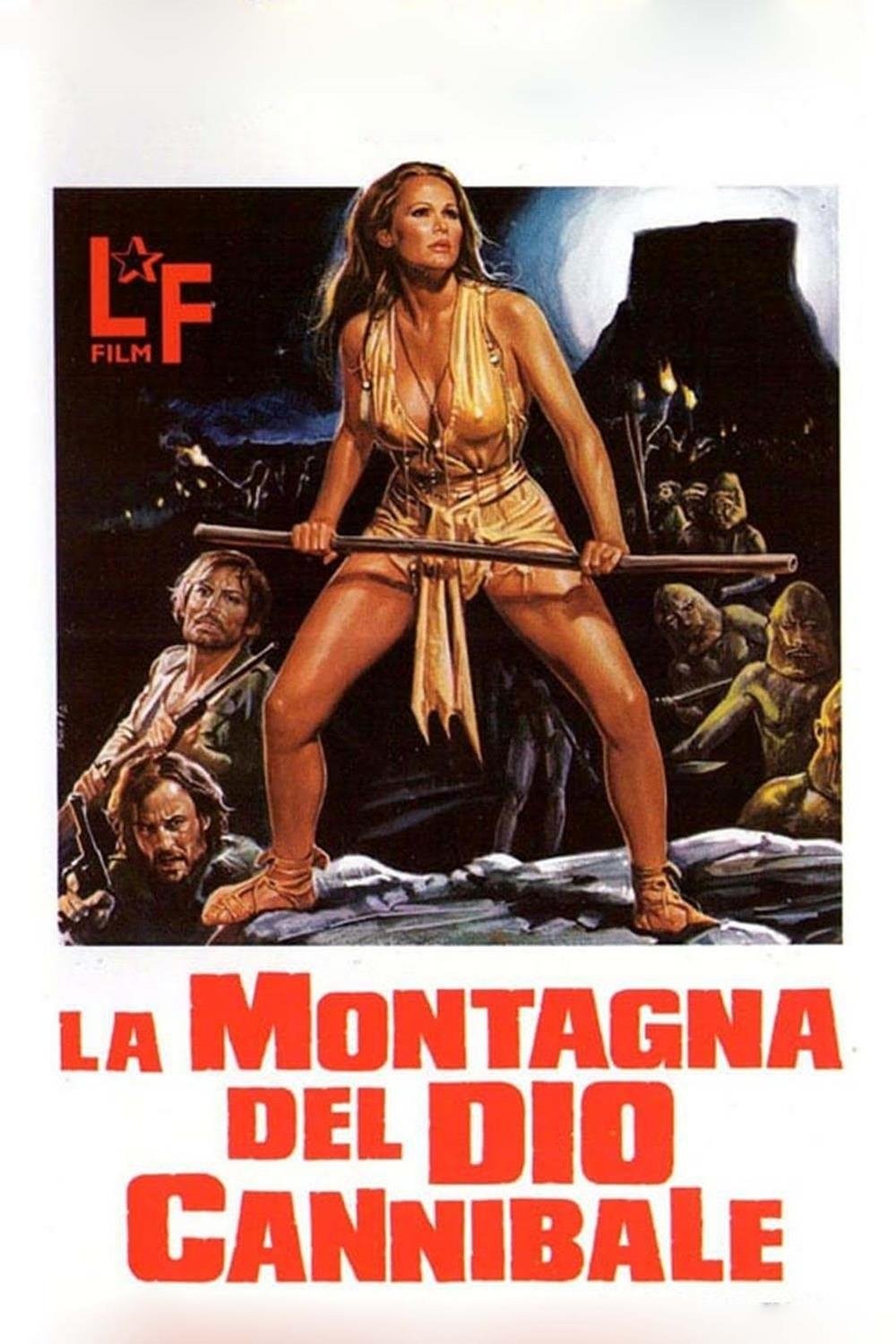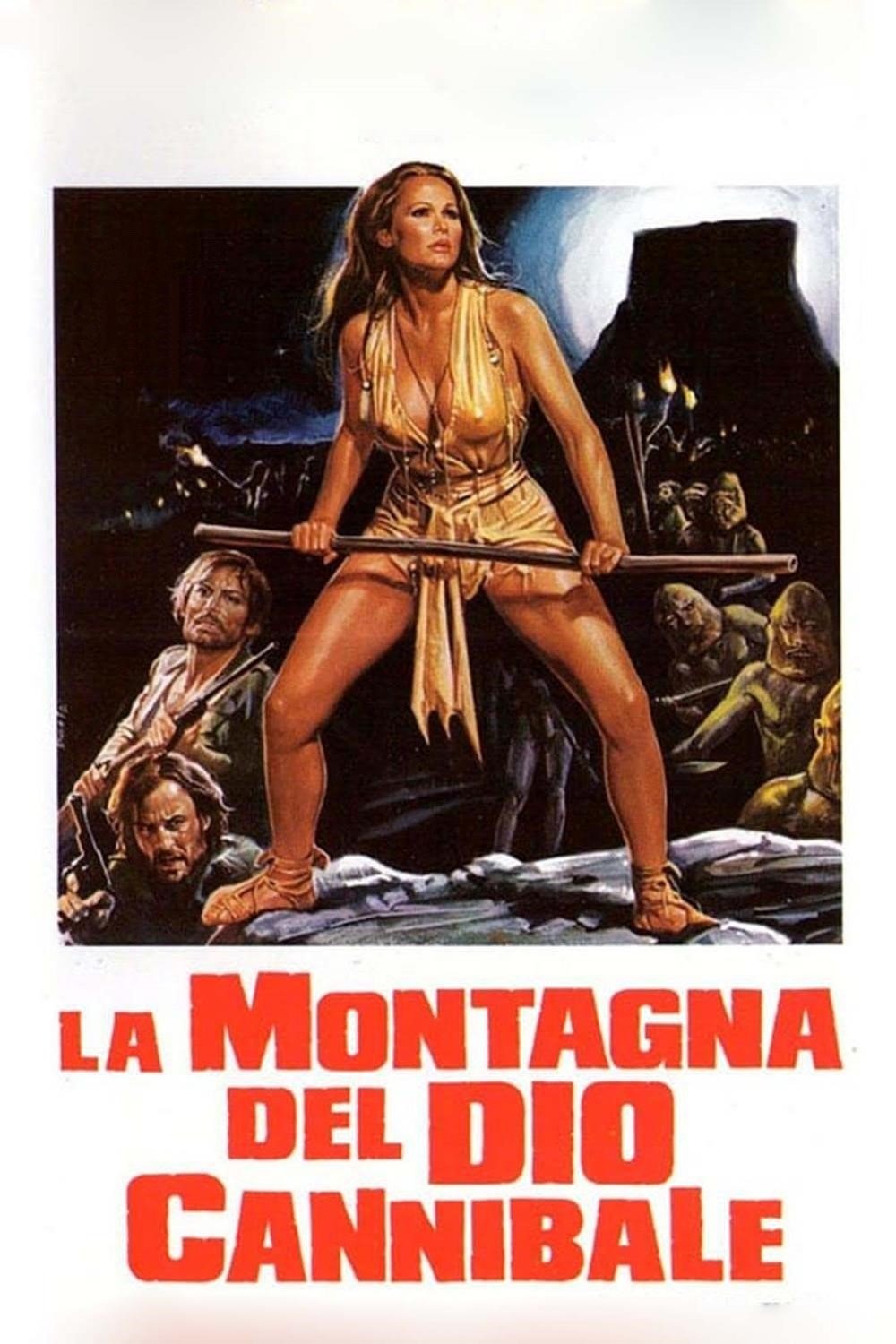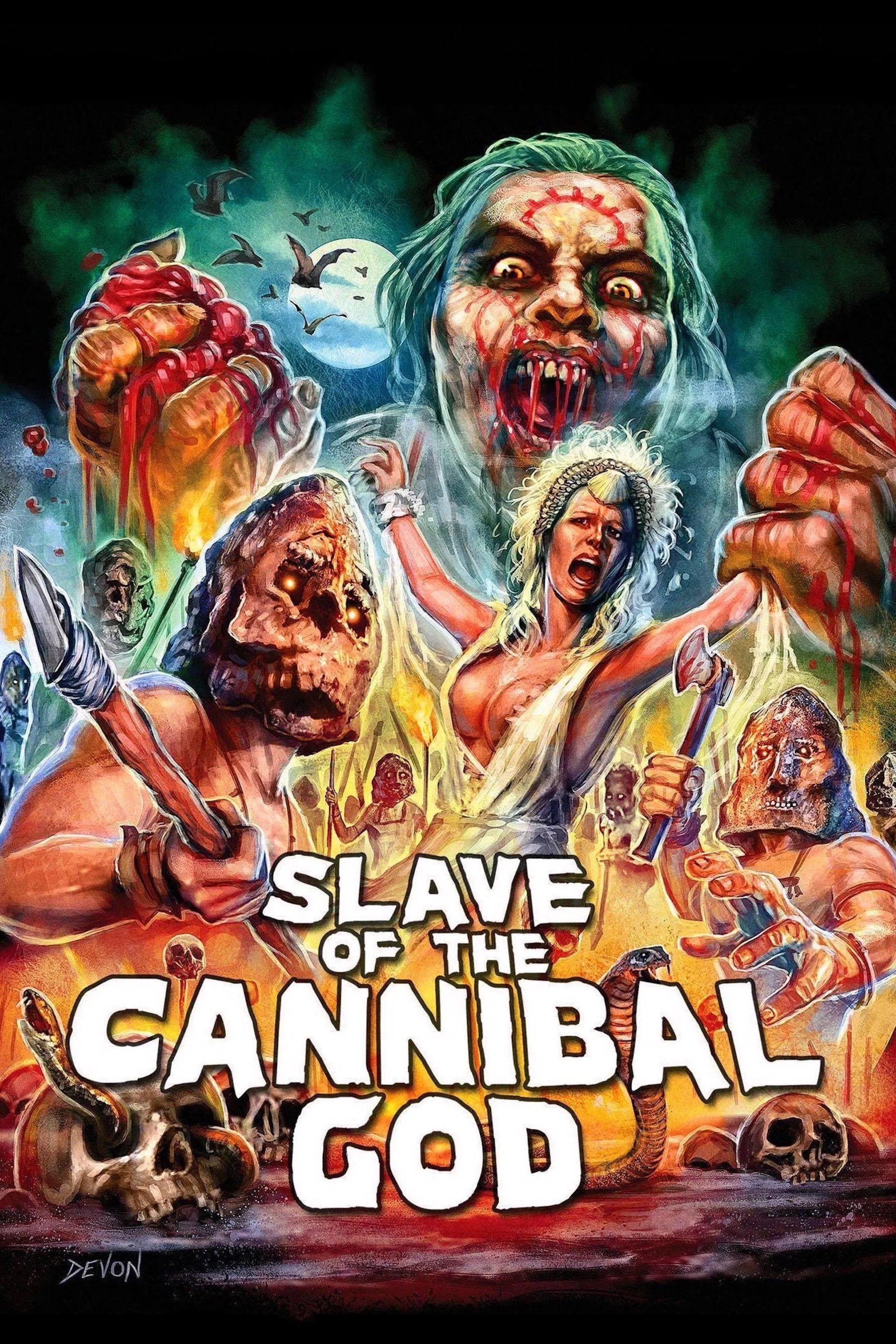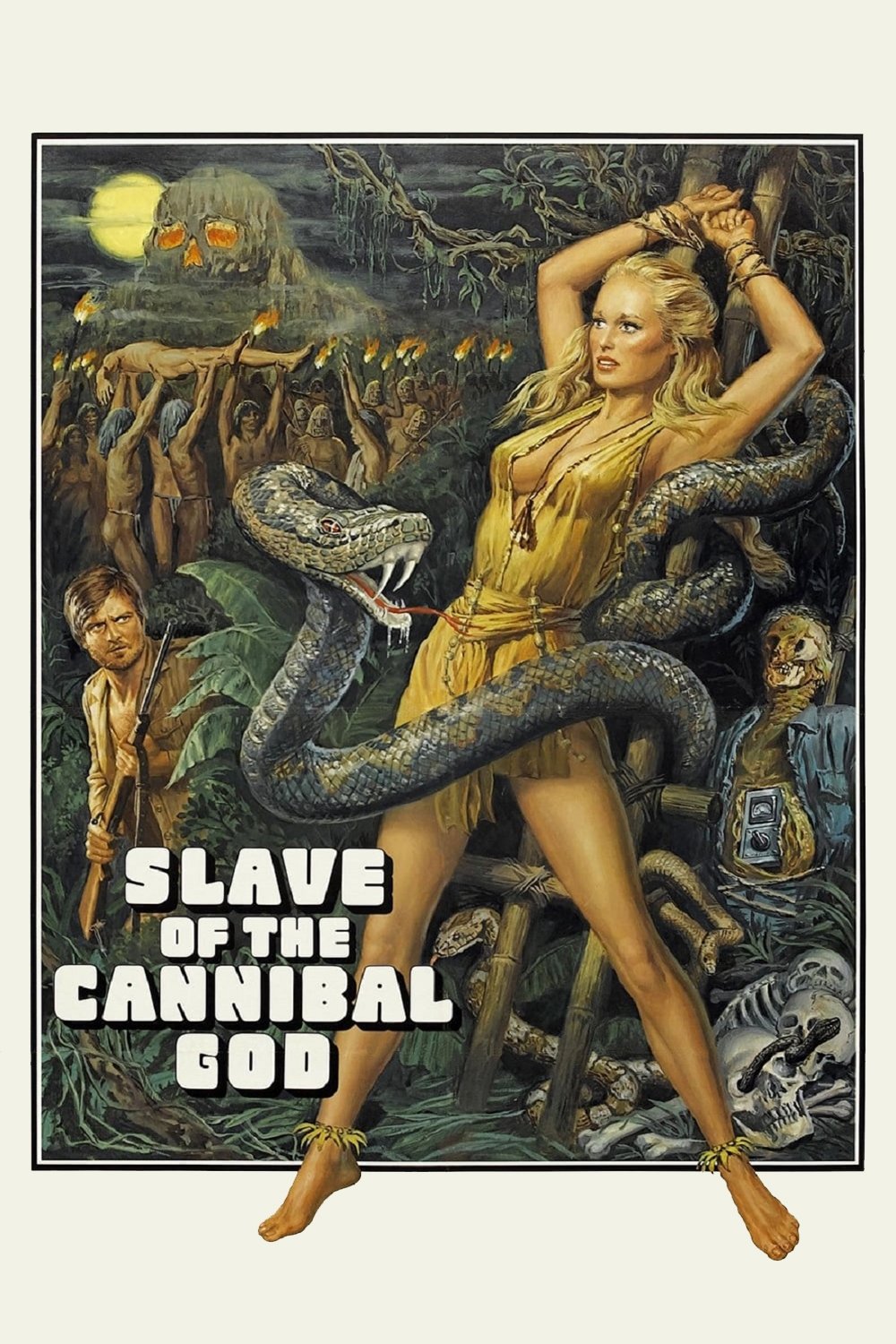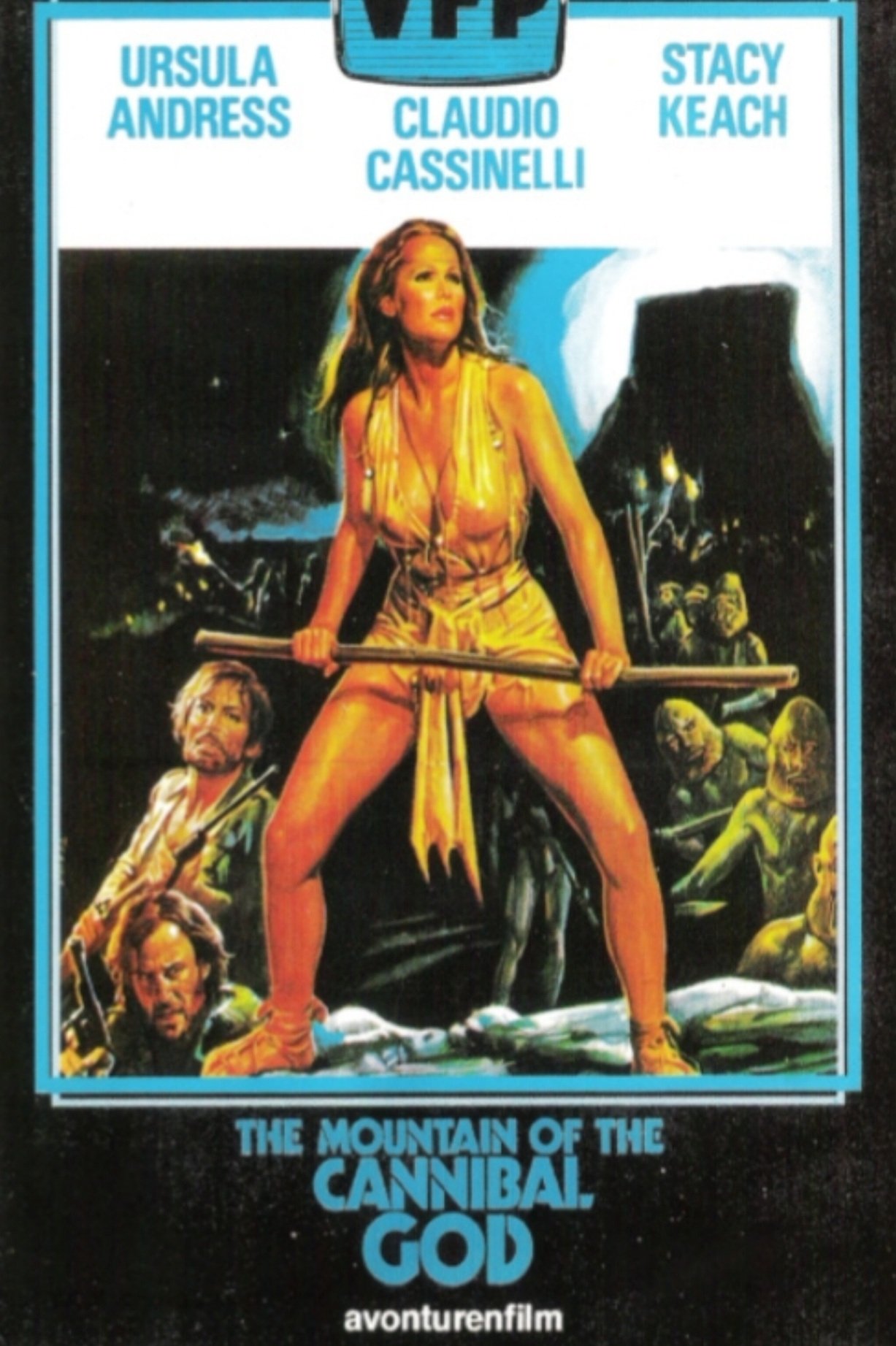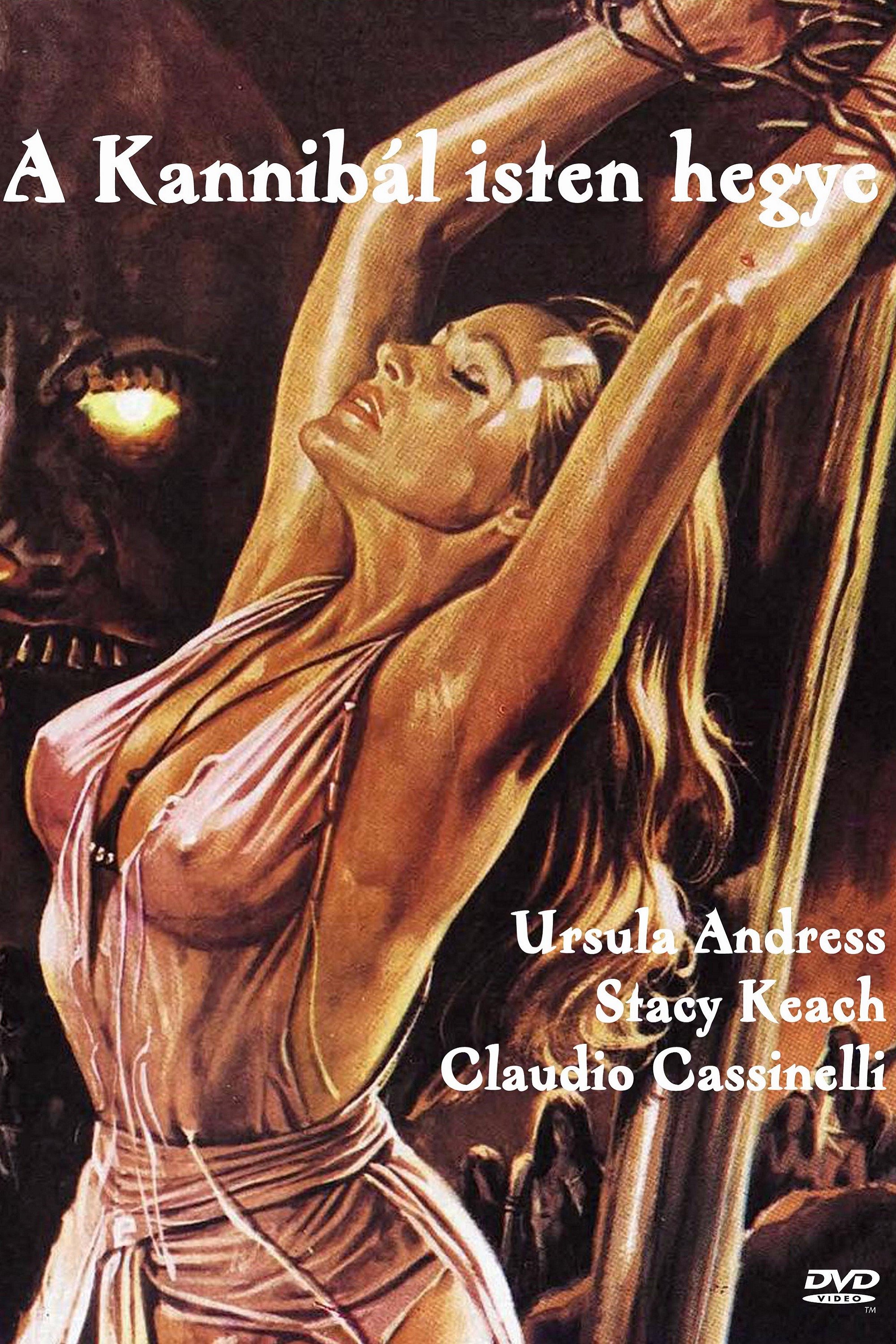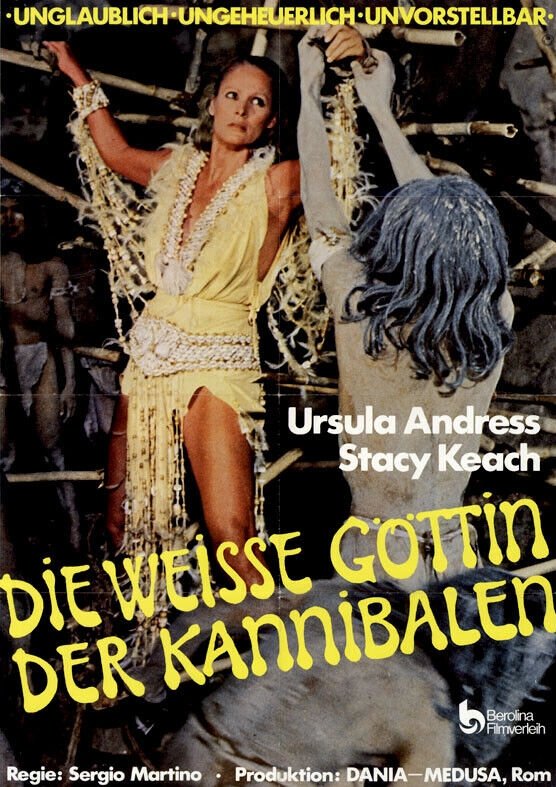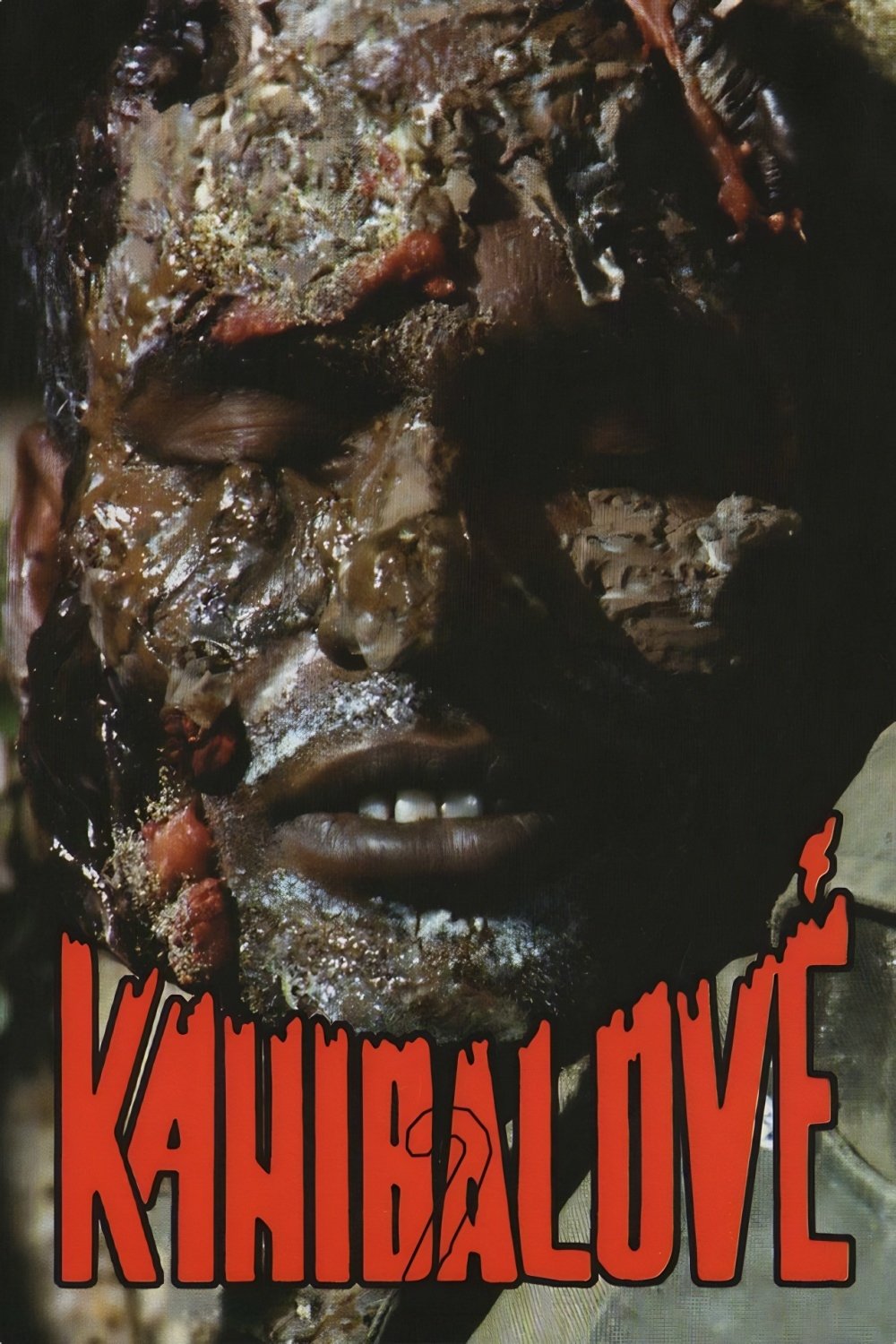
Slave of the Cannibal God (1978)

IT
HORROR FILM Adventure
SUBGENRES CANNIBAL
UK censorship history DPP · Withdrawn / unsuccessful
Runtime
102 min
Release
July 12, 1978
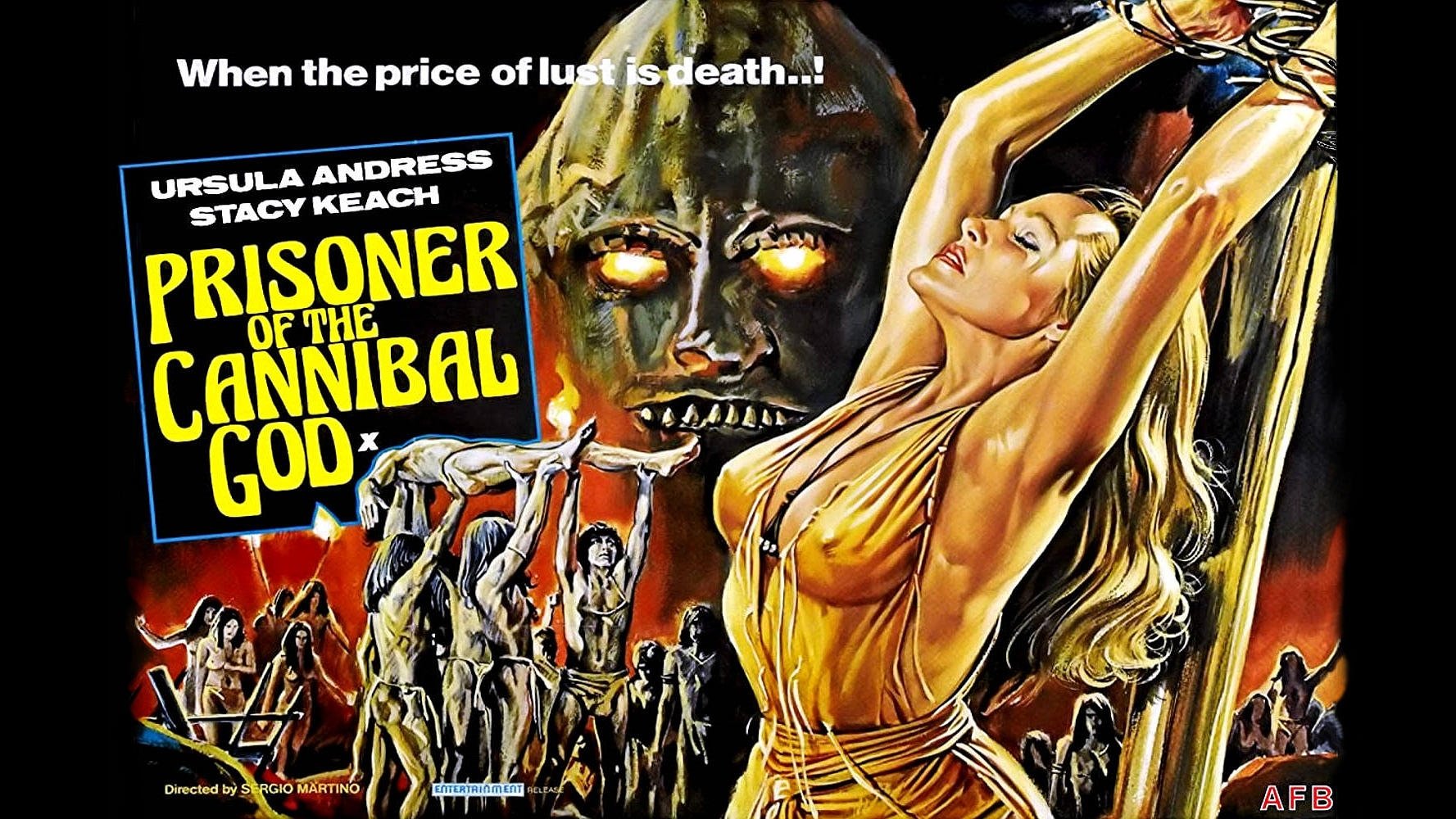
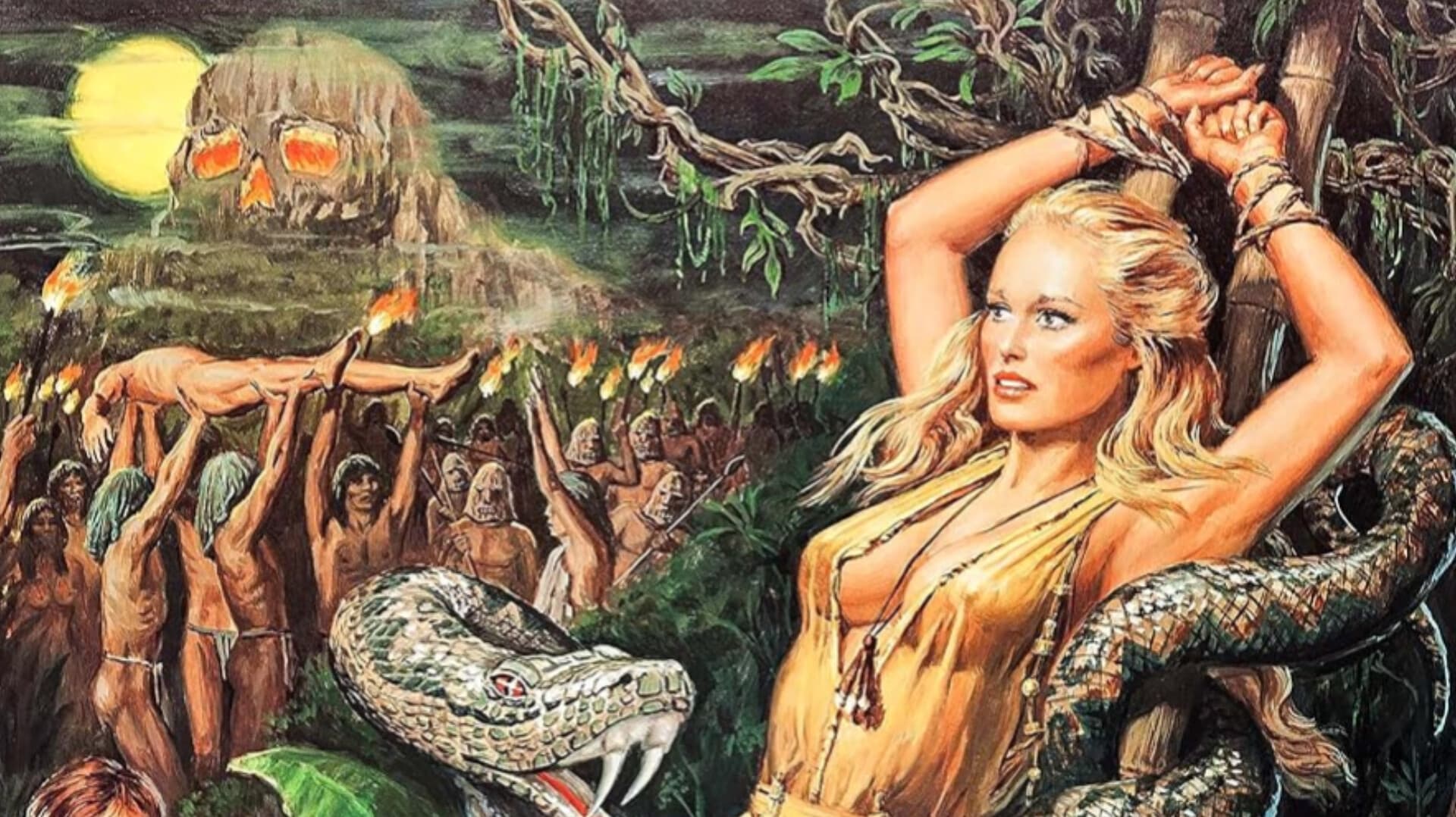
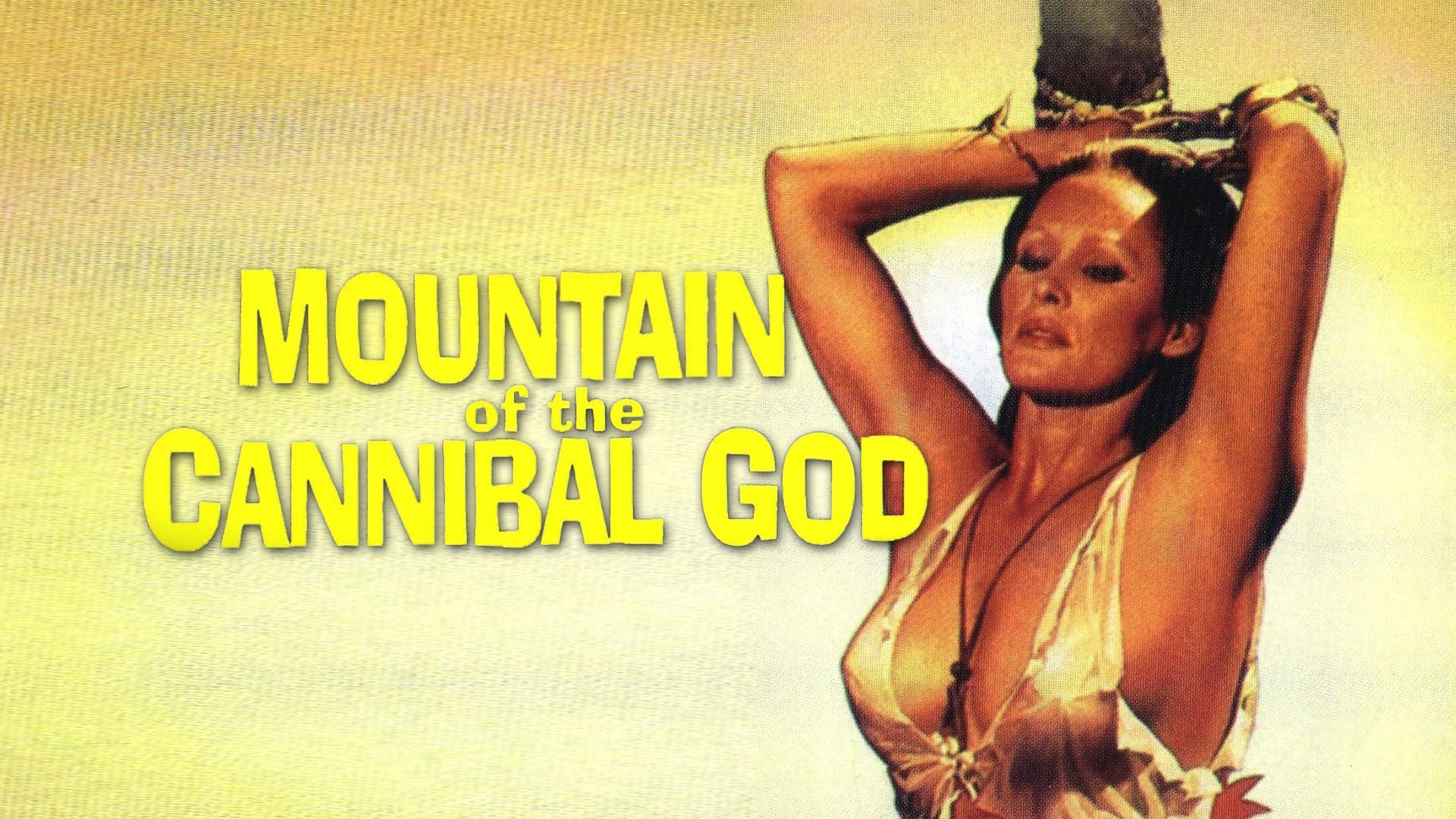
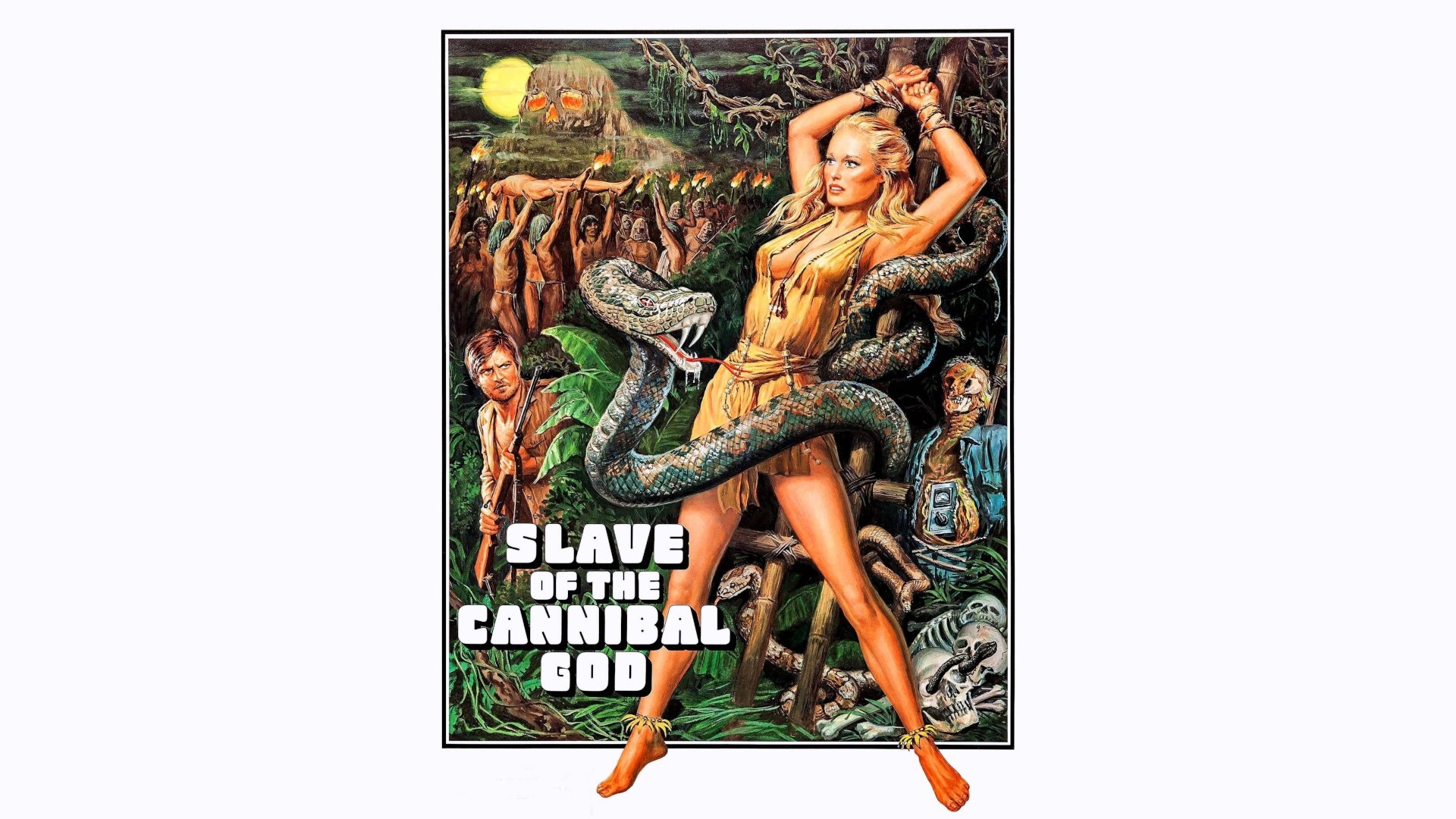
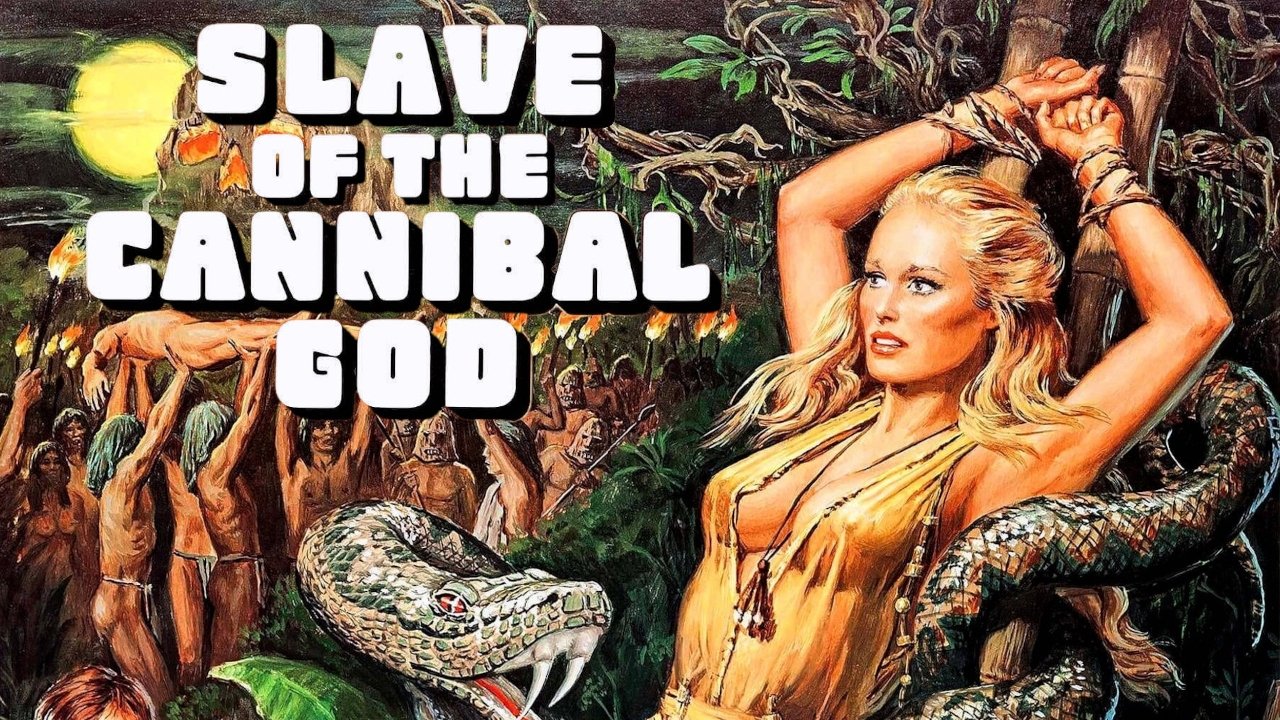
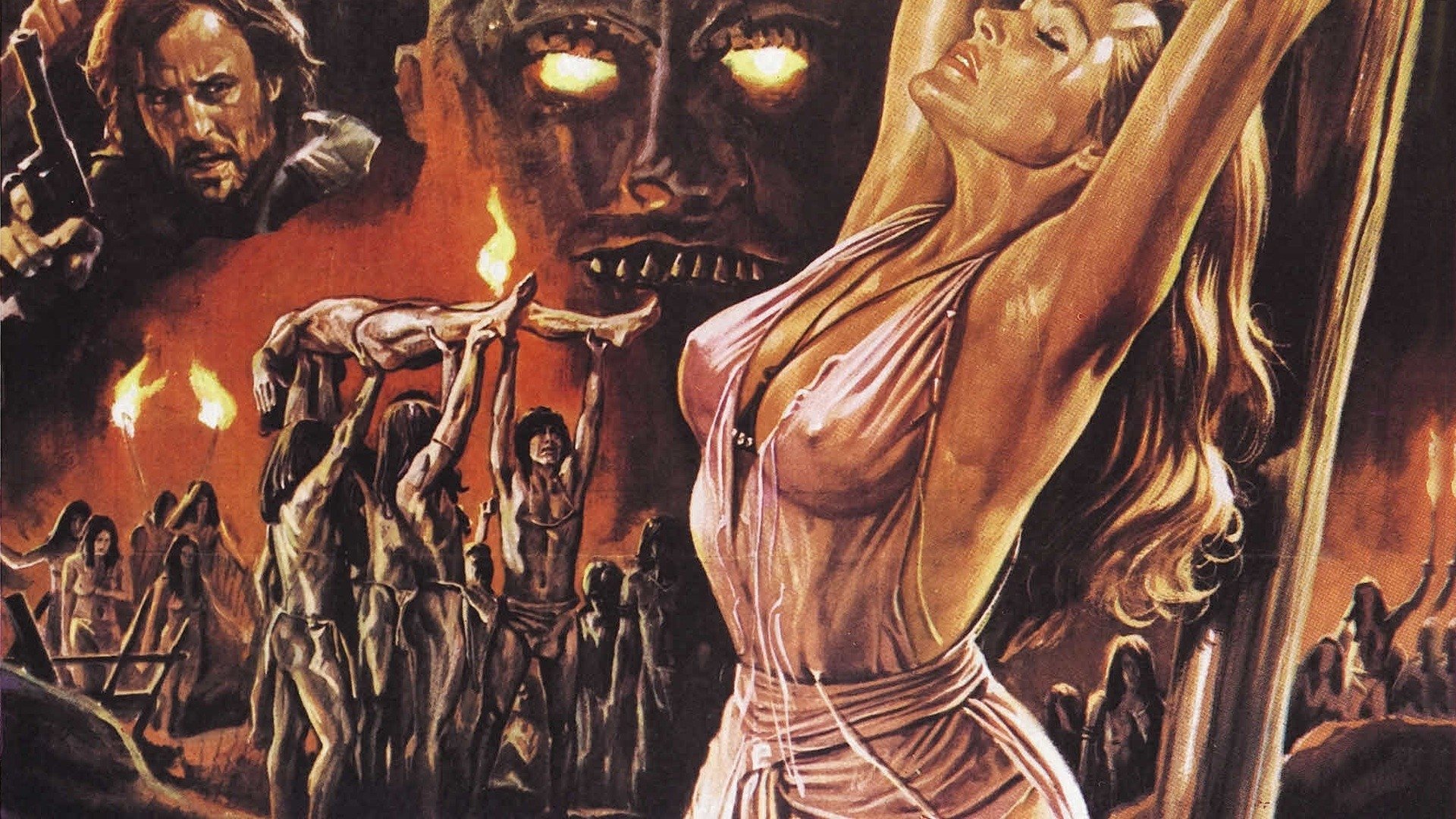
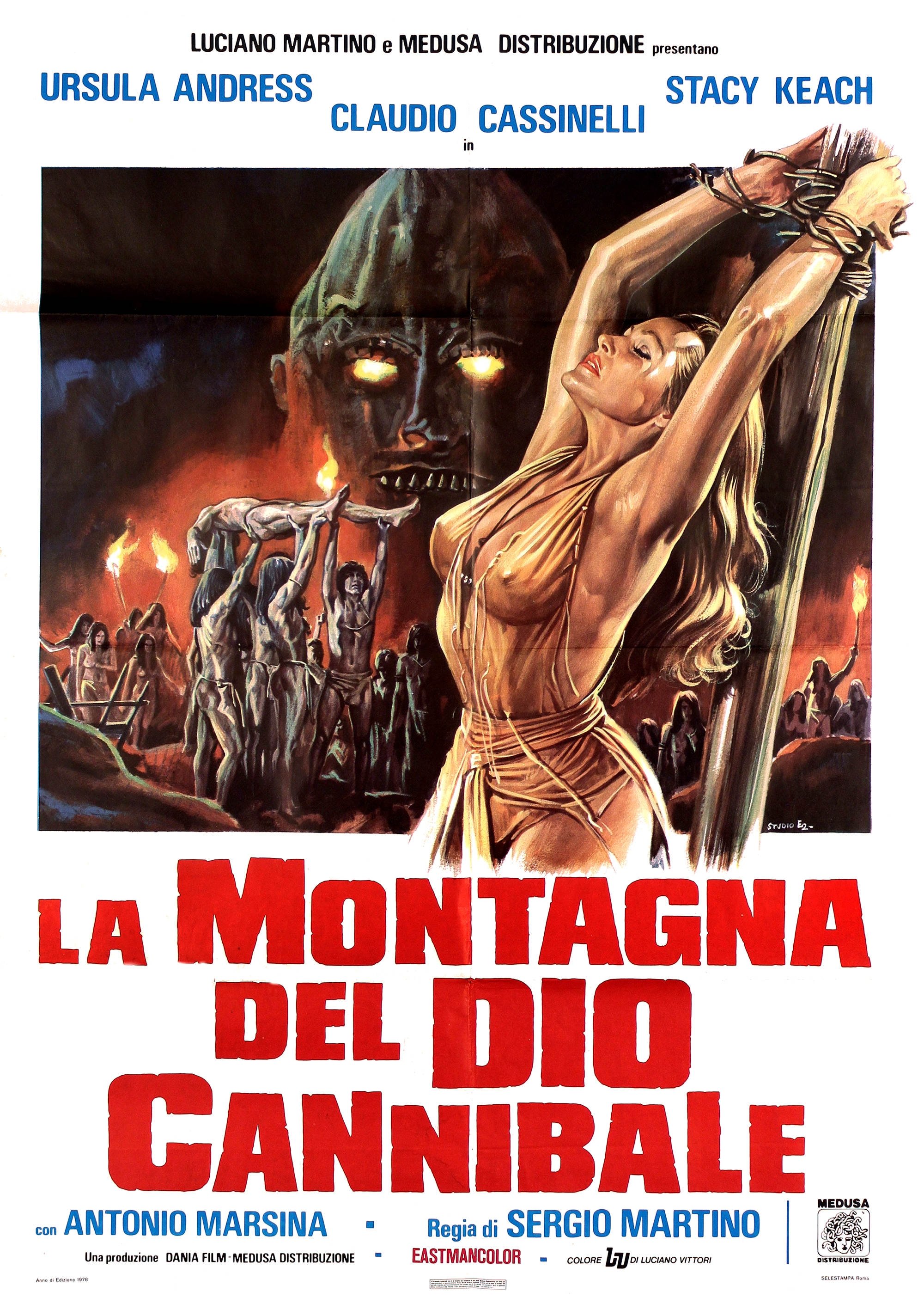
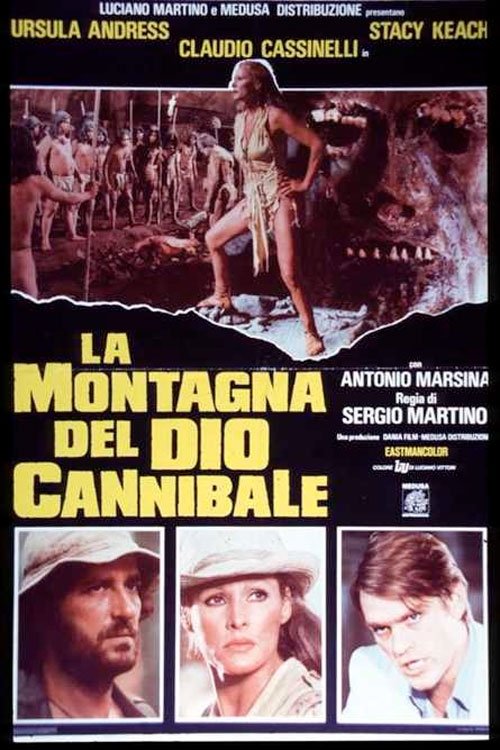
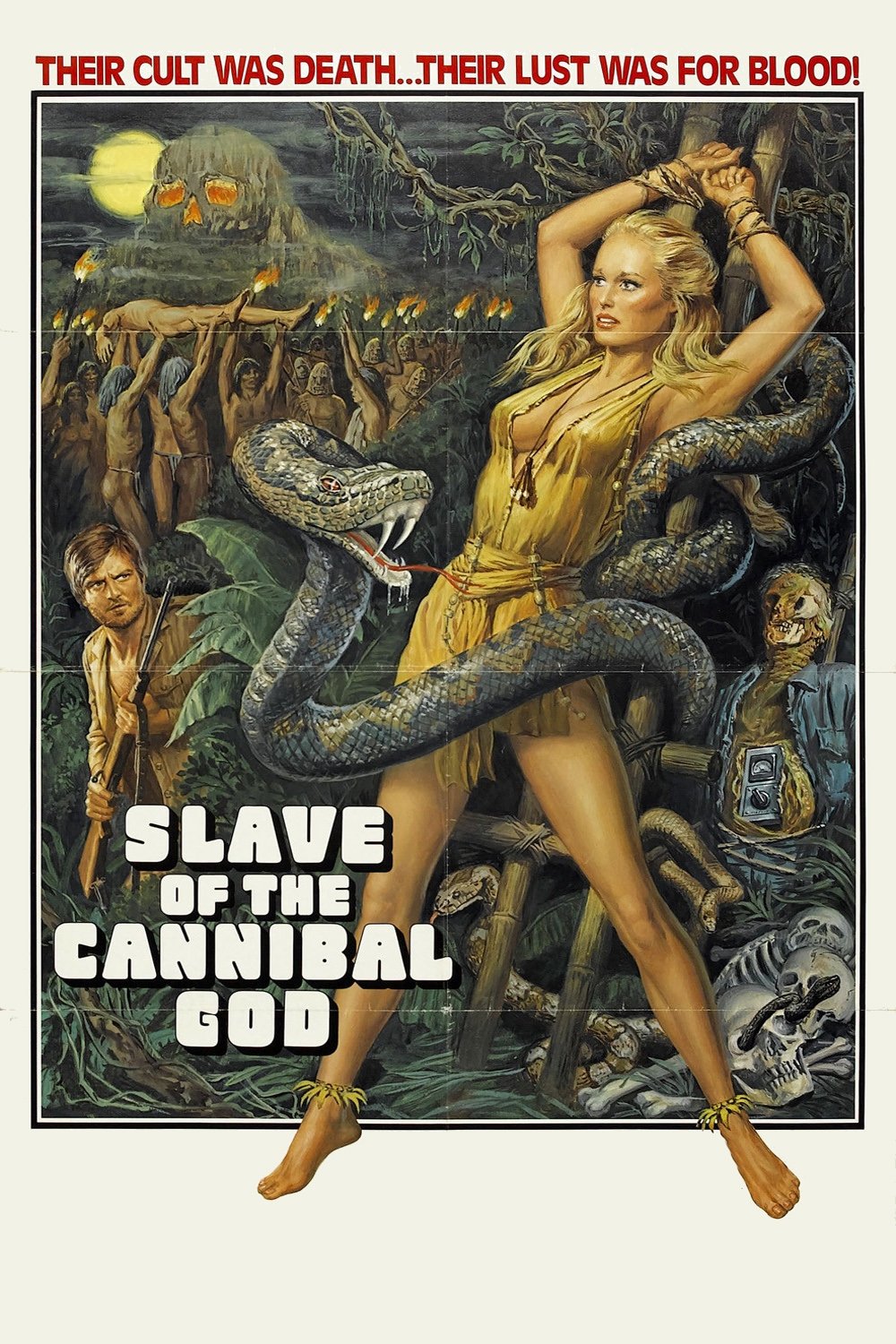
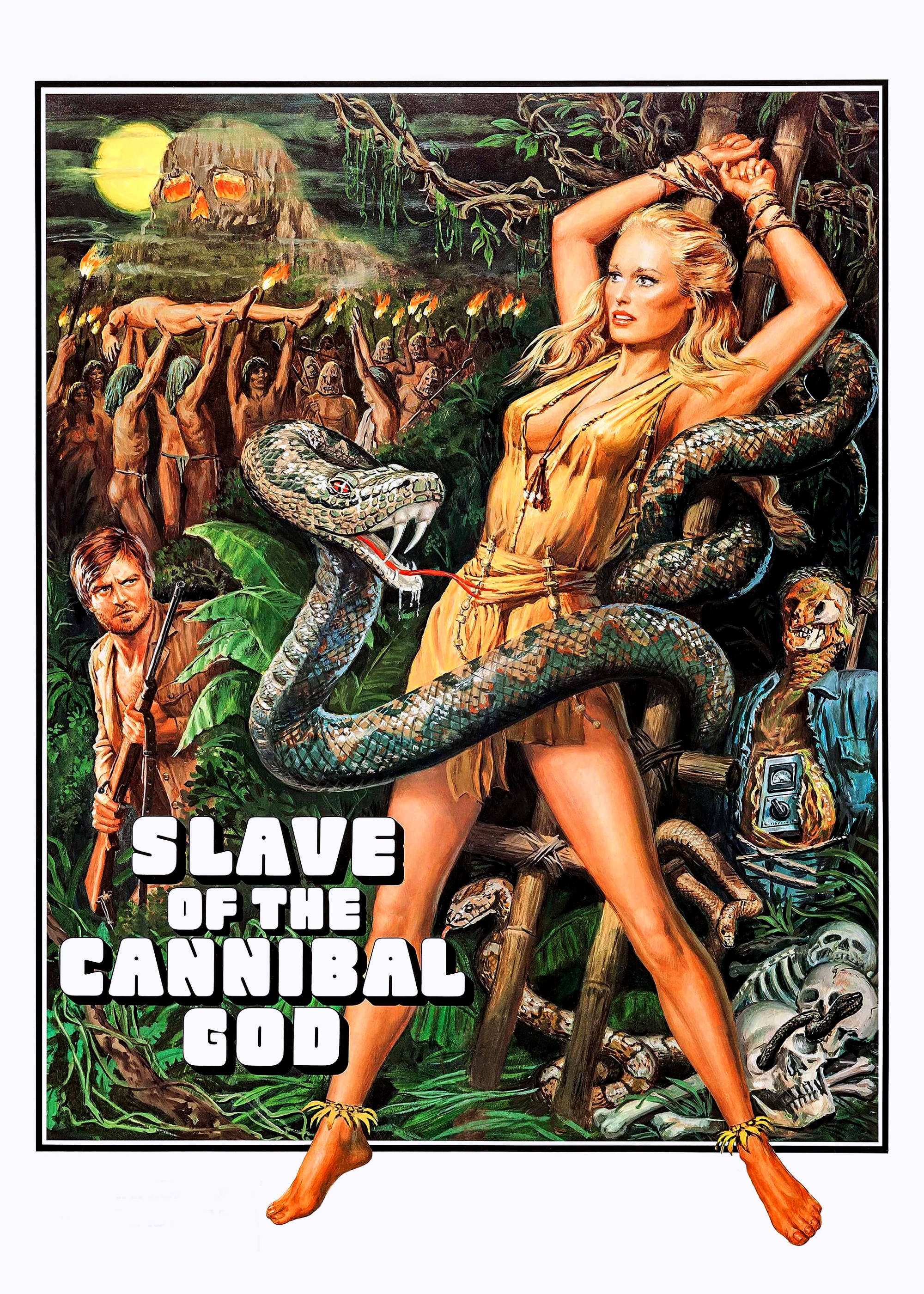
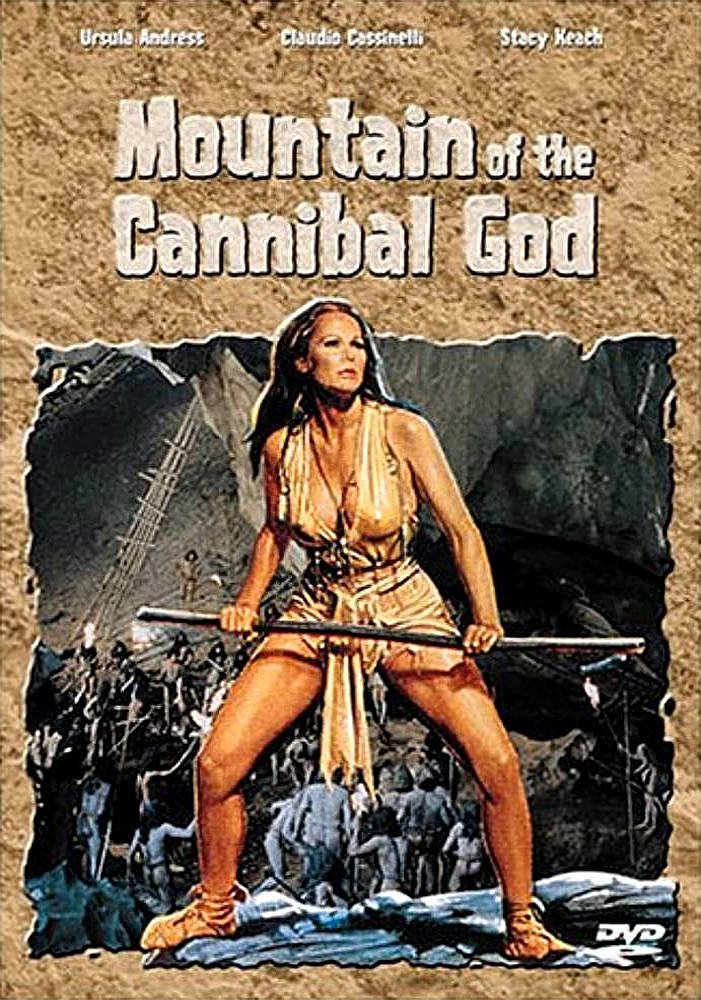
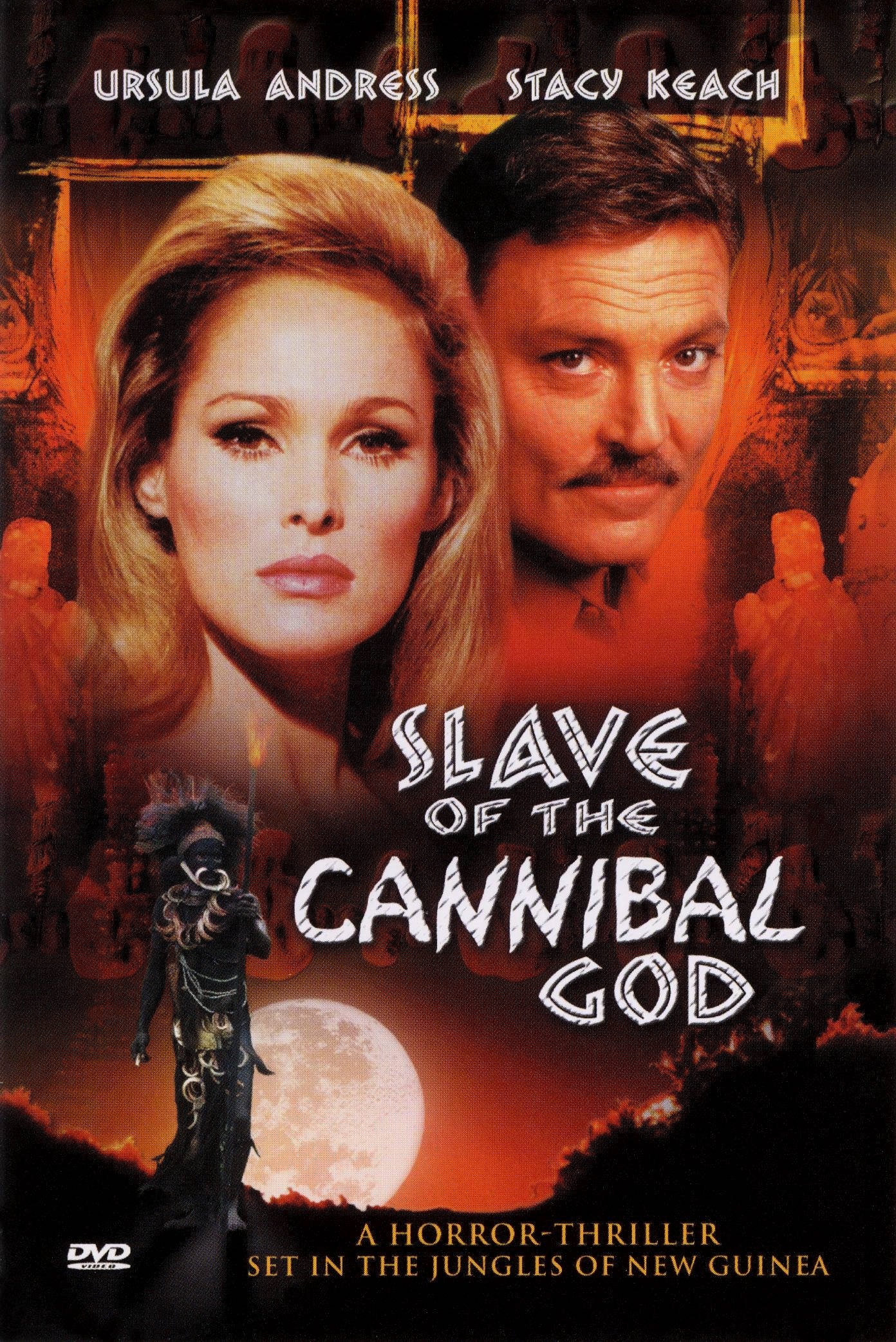
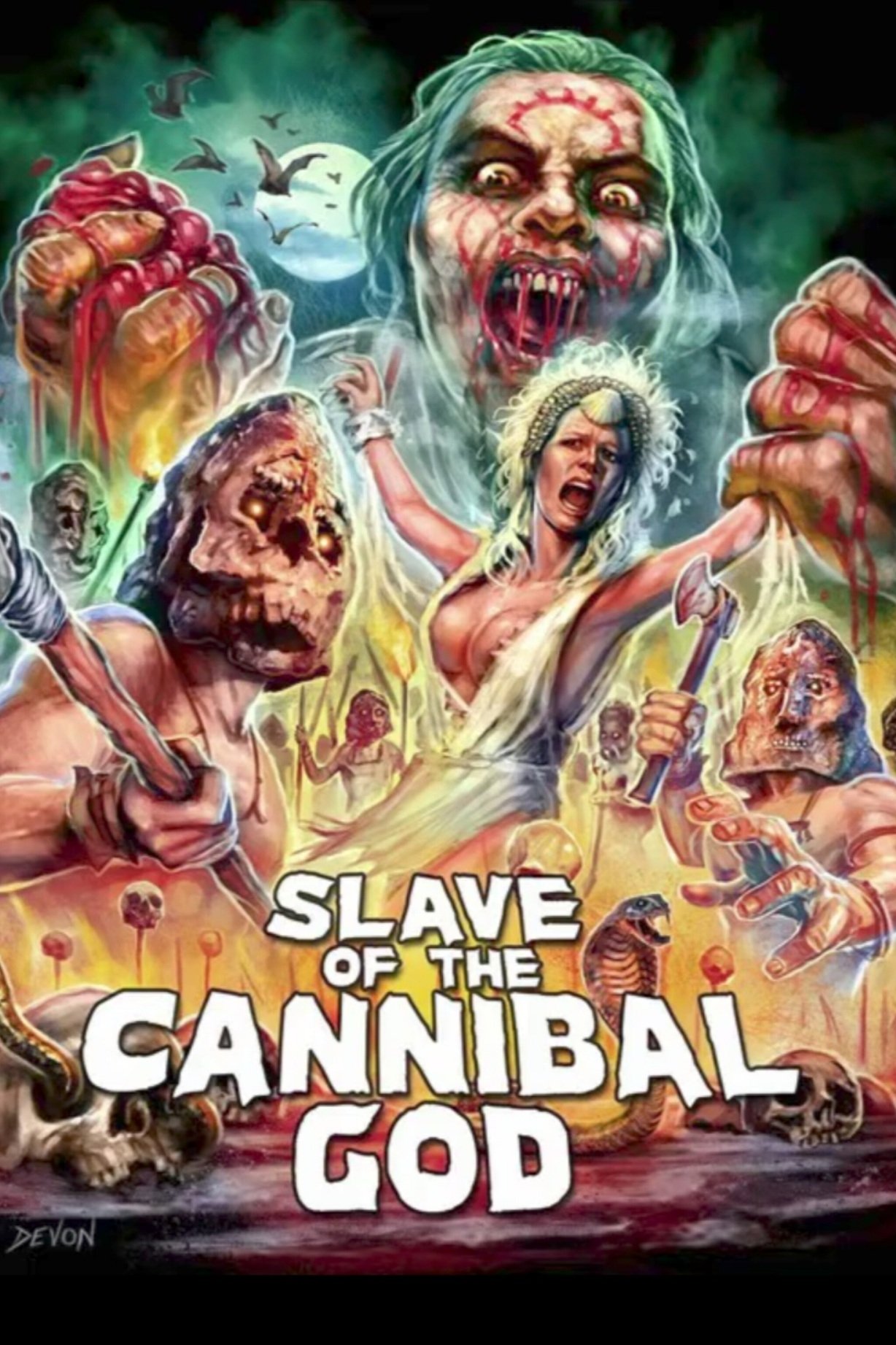
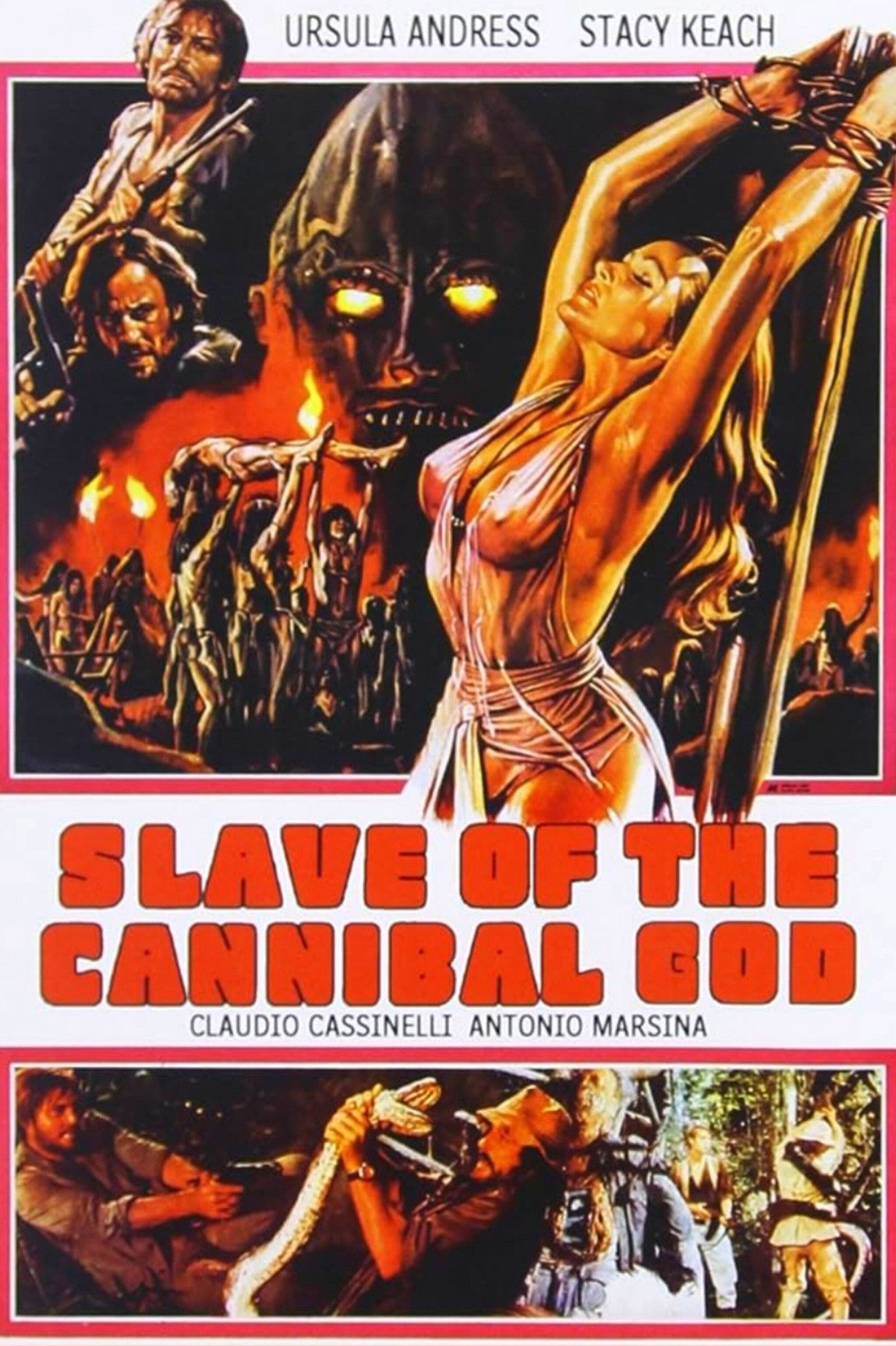
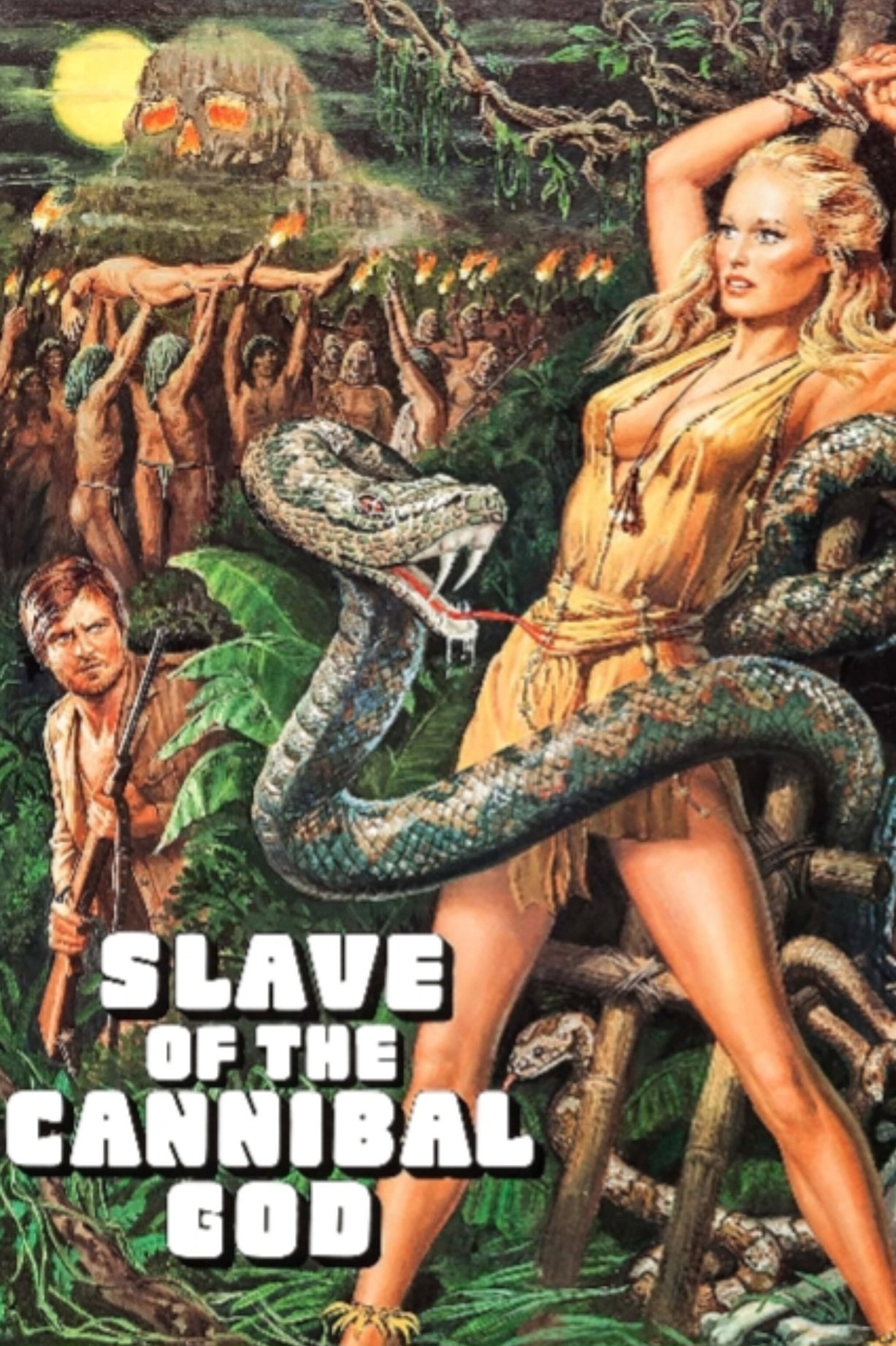
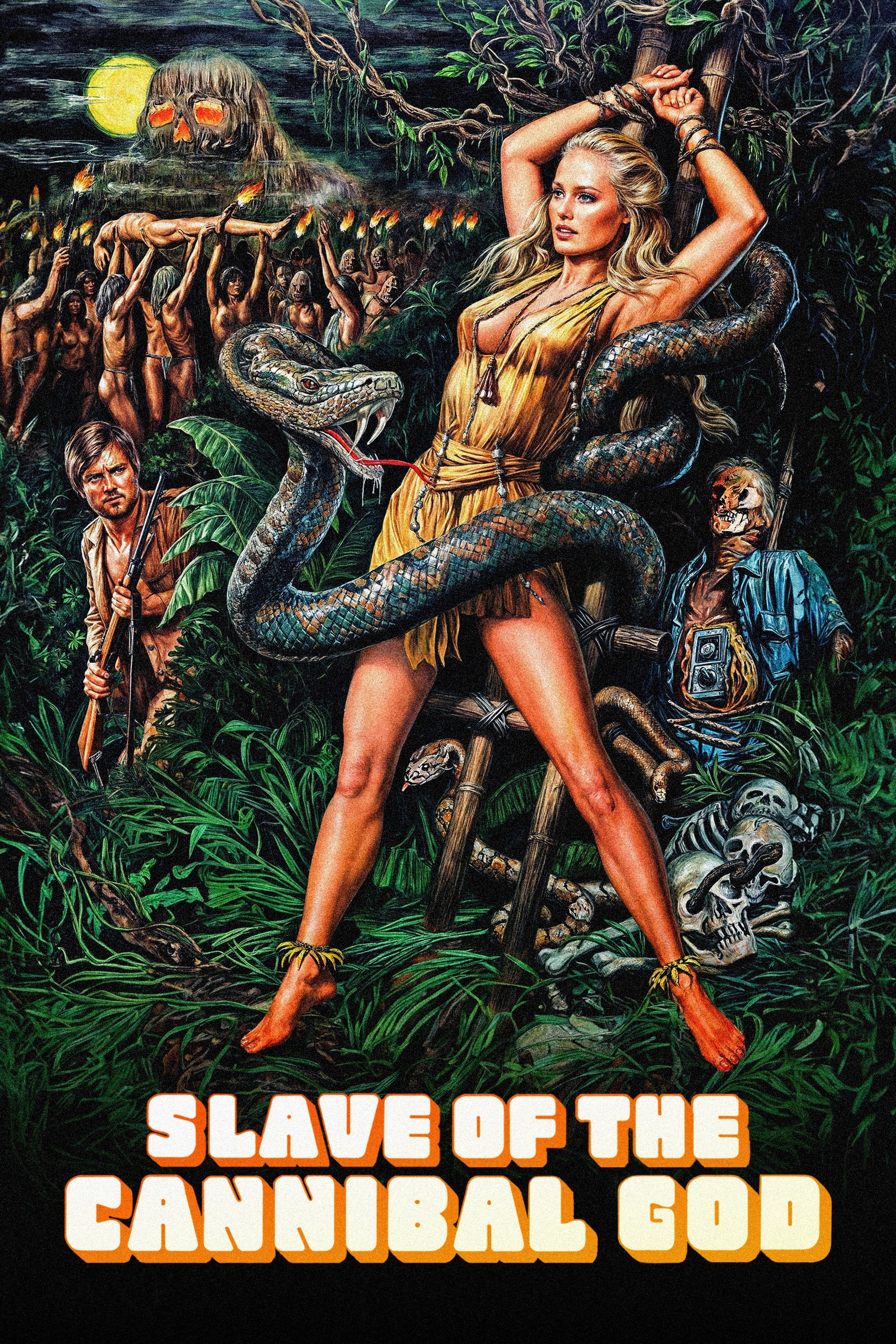
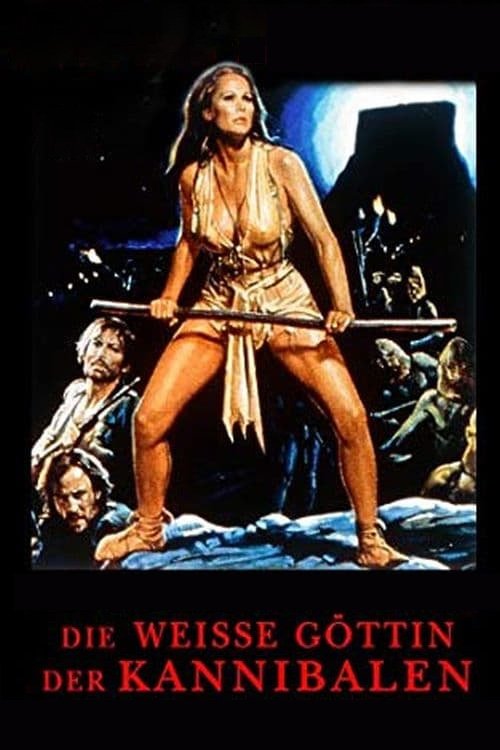
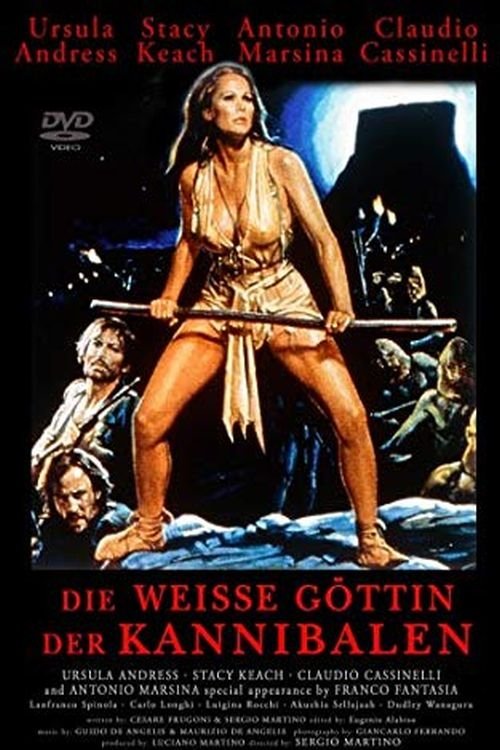
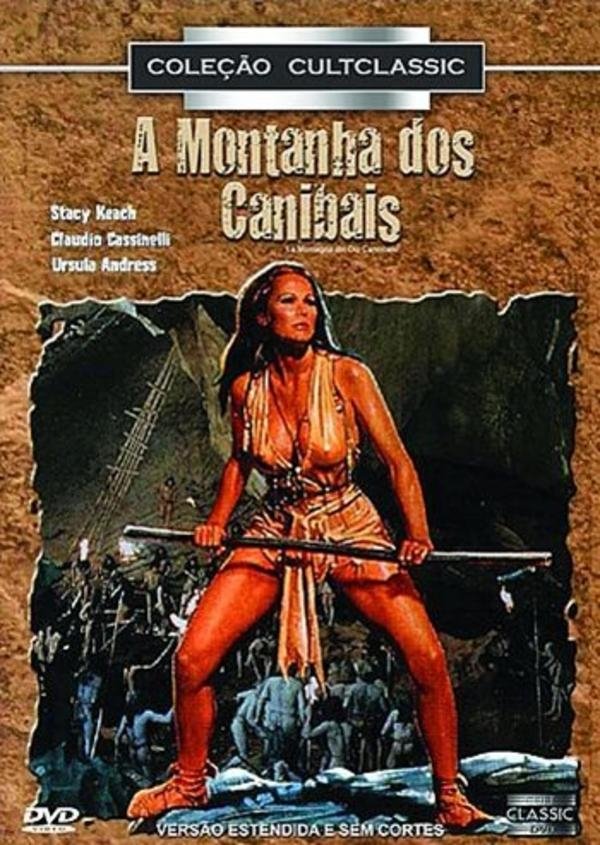
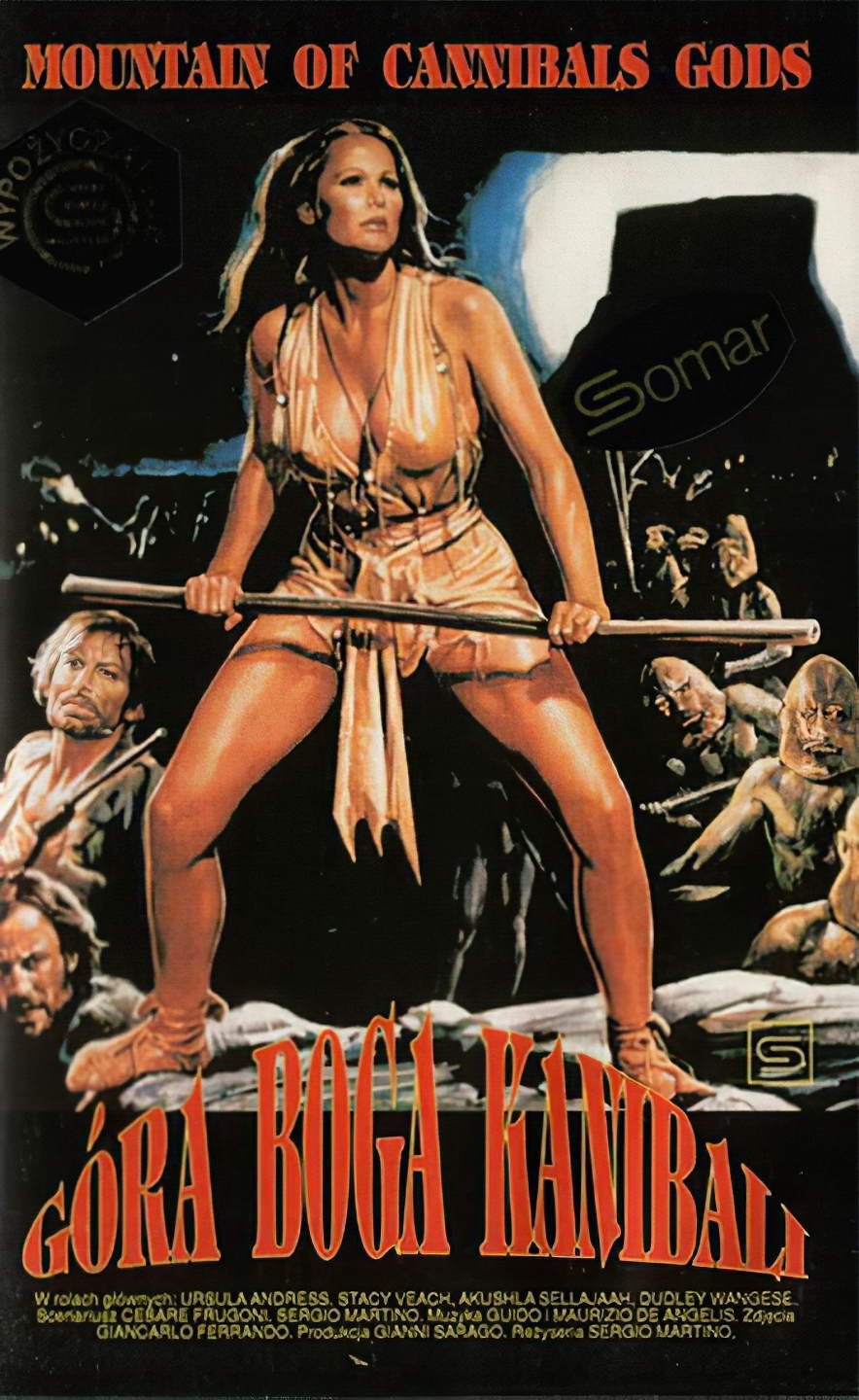
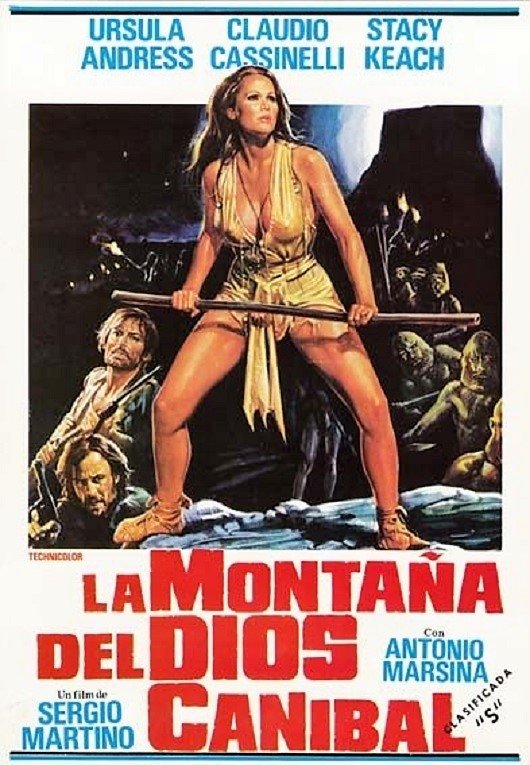
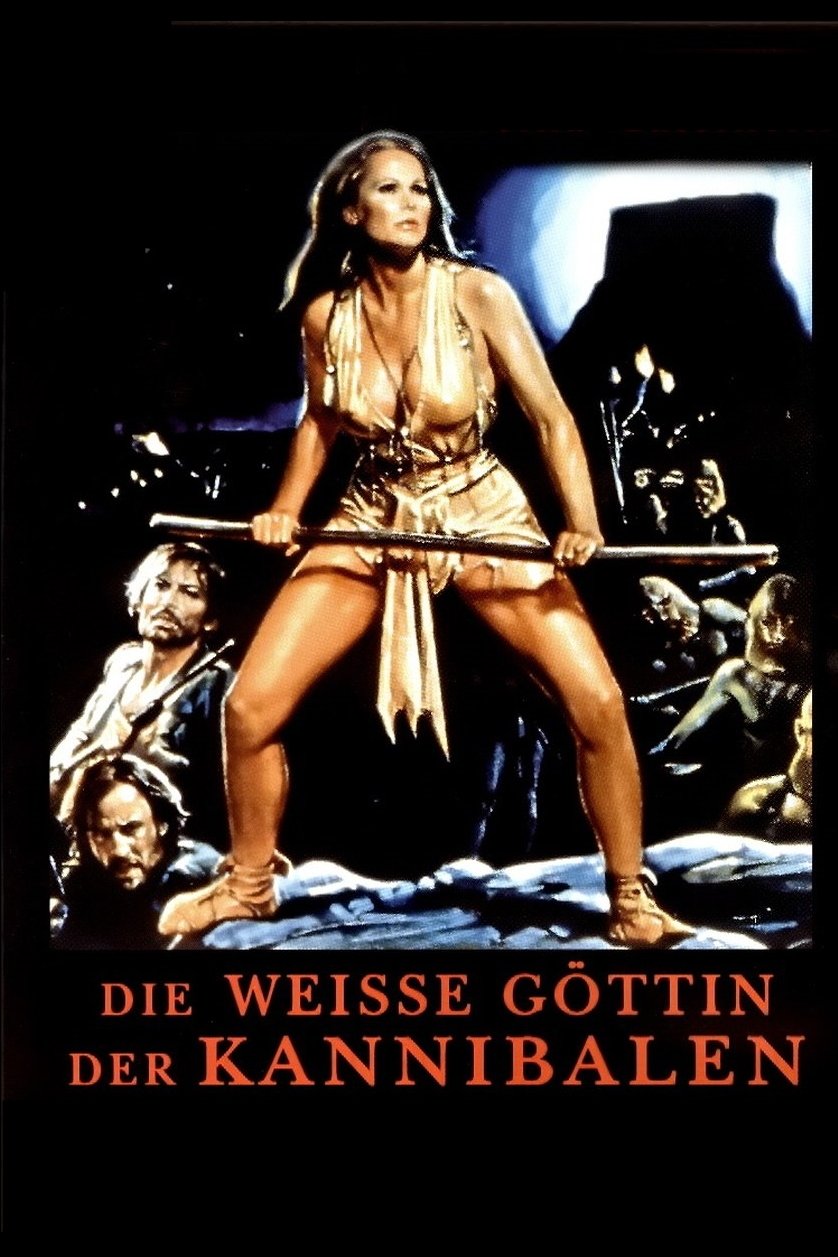
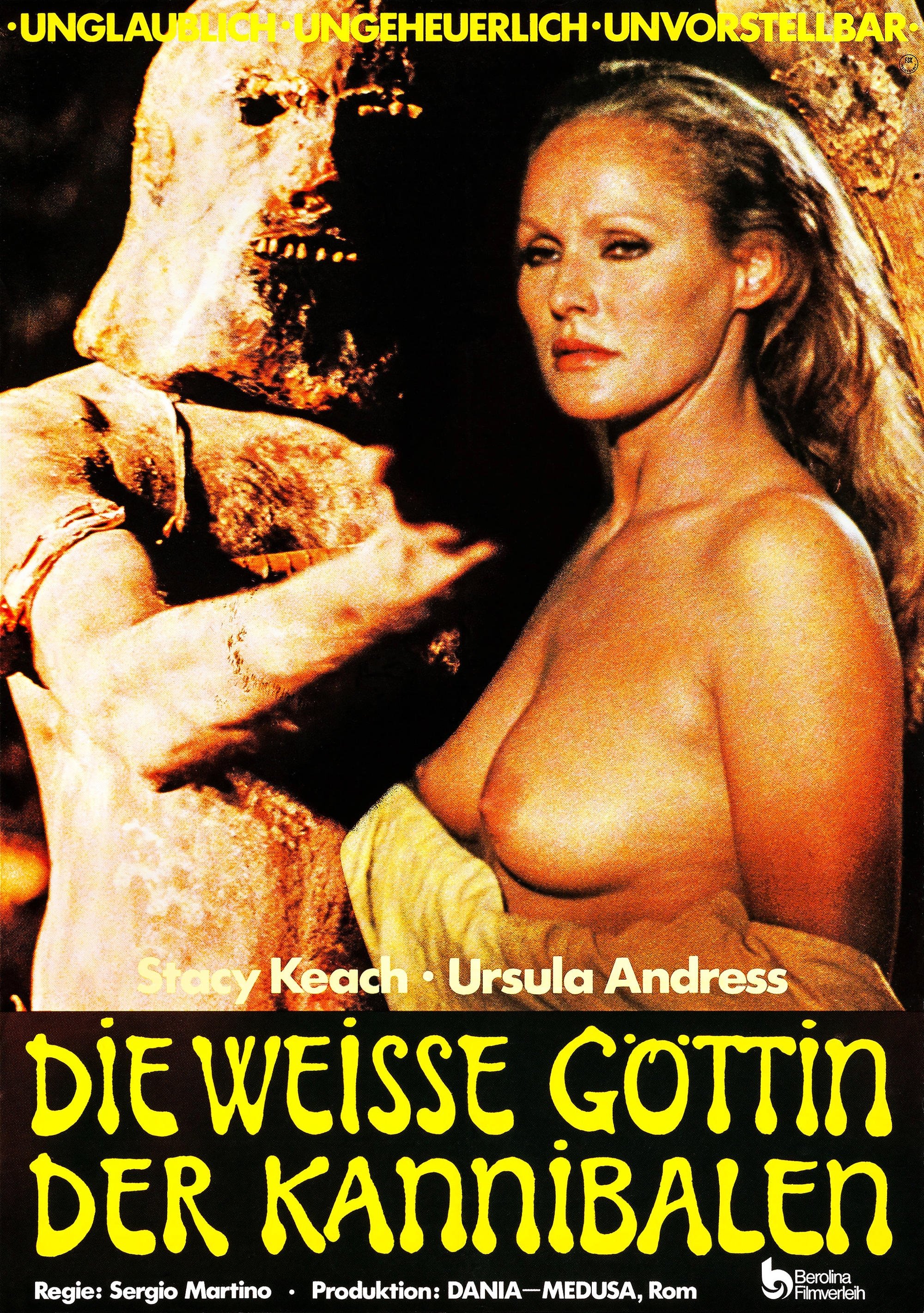
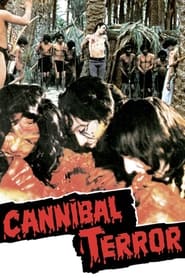
Slave of the Cannibal God (1978) poster
Director
Production Companies
Dania Film , Medusa Distribuzione
Plot

A woman and her brother fly to New Guinea to look for a lost expedition, led by her husband, which has vanished in the great jungle.

Alternative Titles
El dios de los caníbales (Argentina) De blanke Godin von de Kannibalen (Belgium) — Dutch title (theatrical title) Планината на Бога на канибалите (Bulgaria) Планината на Канибалския Бог (Bulgaria) — Bulgarian A Montanha dos Canibais (Brazil) — Portuguese Busca sem Fim (Brazil) Montagne du dieu cannibale (Canada) — French 食人神之山 (China) — Chinese
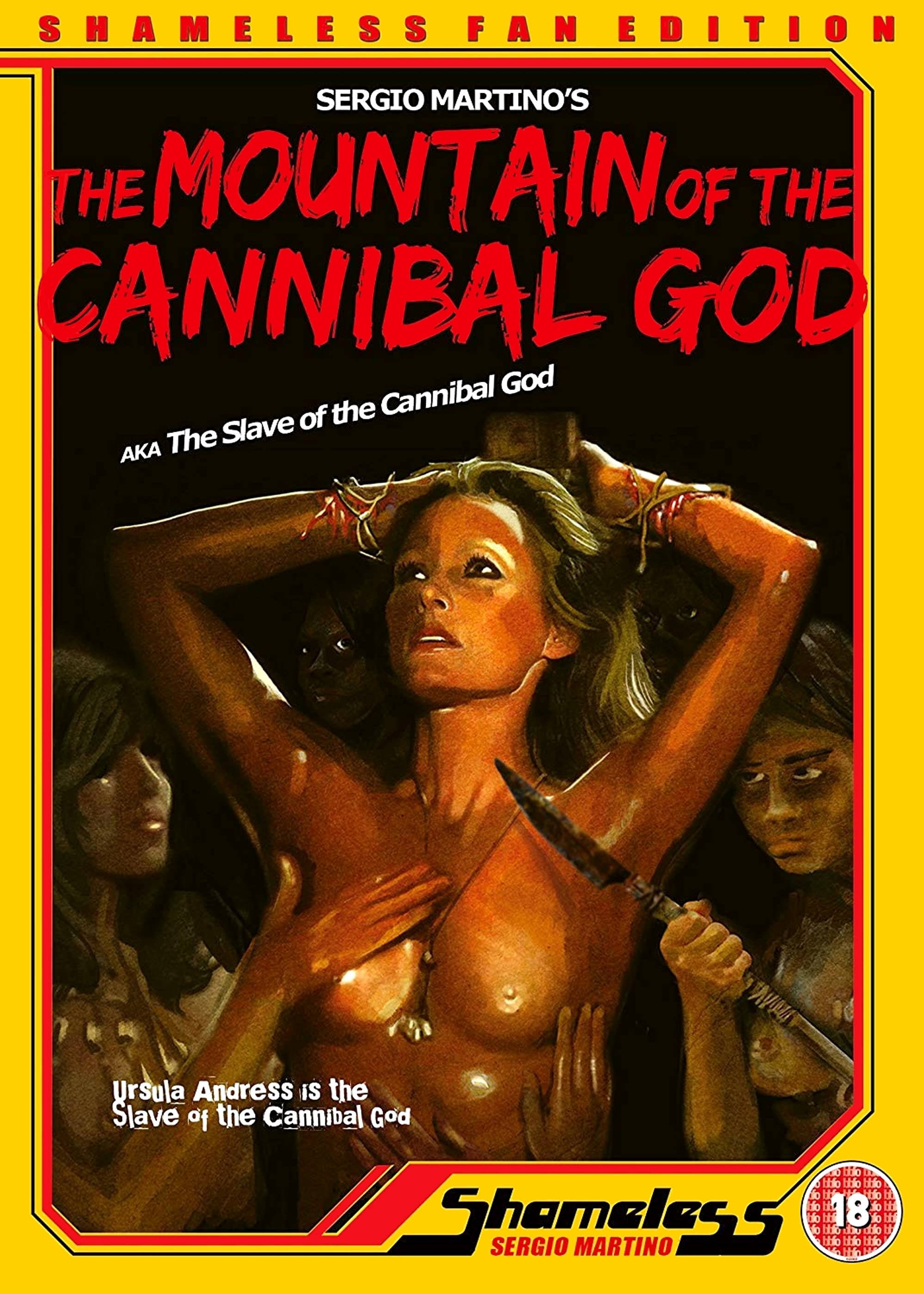
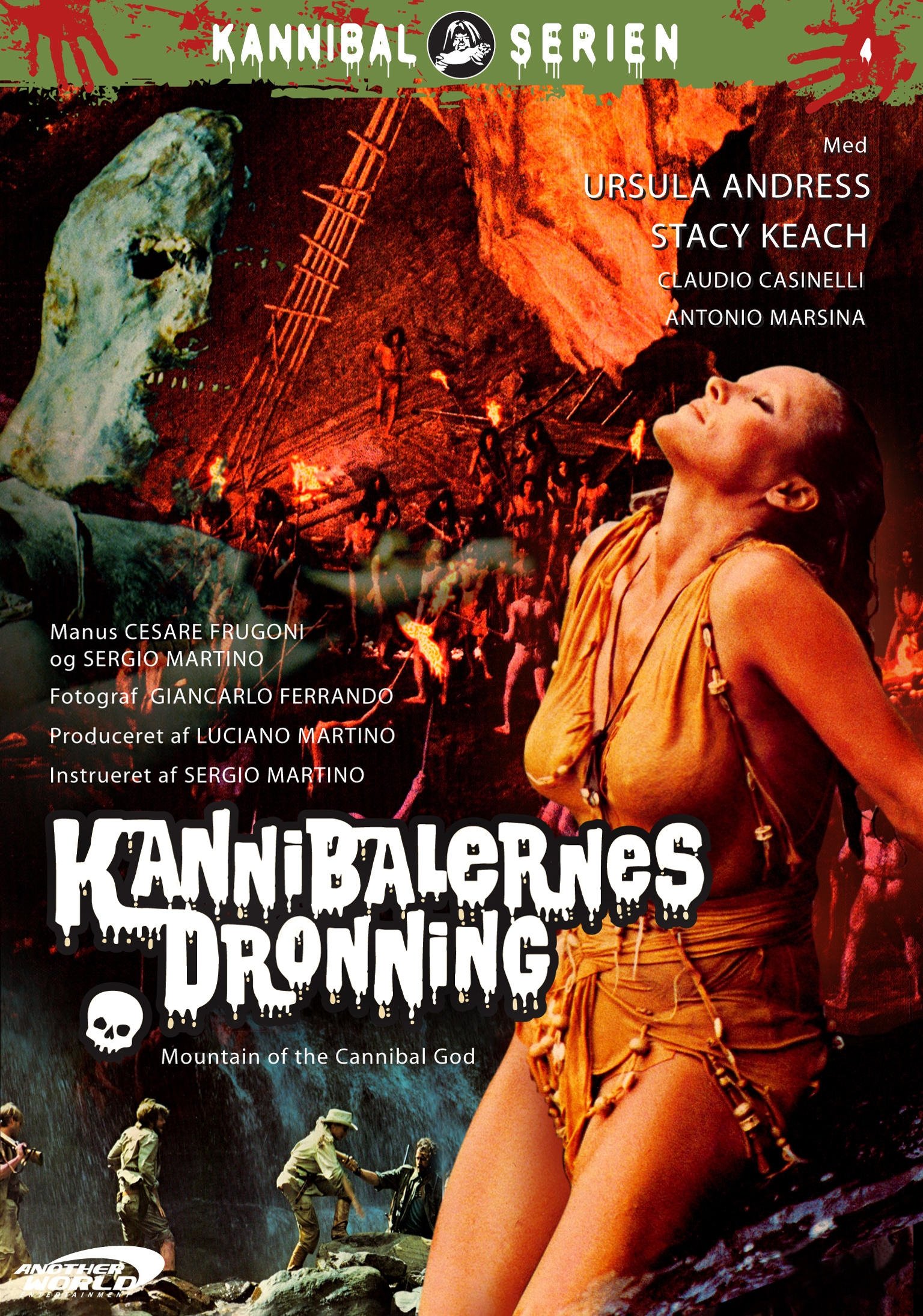
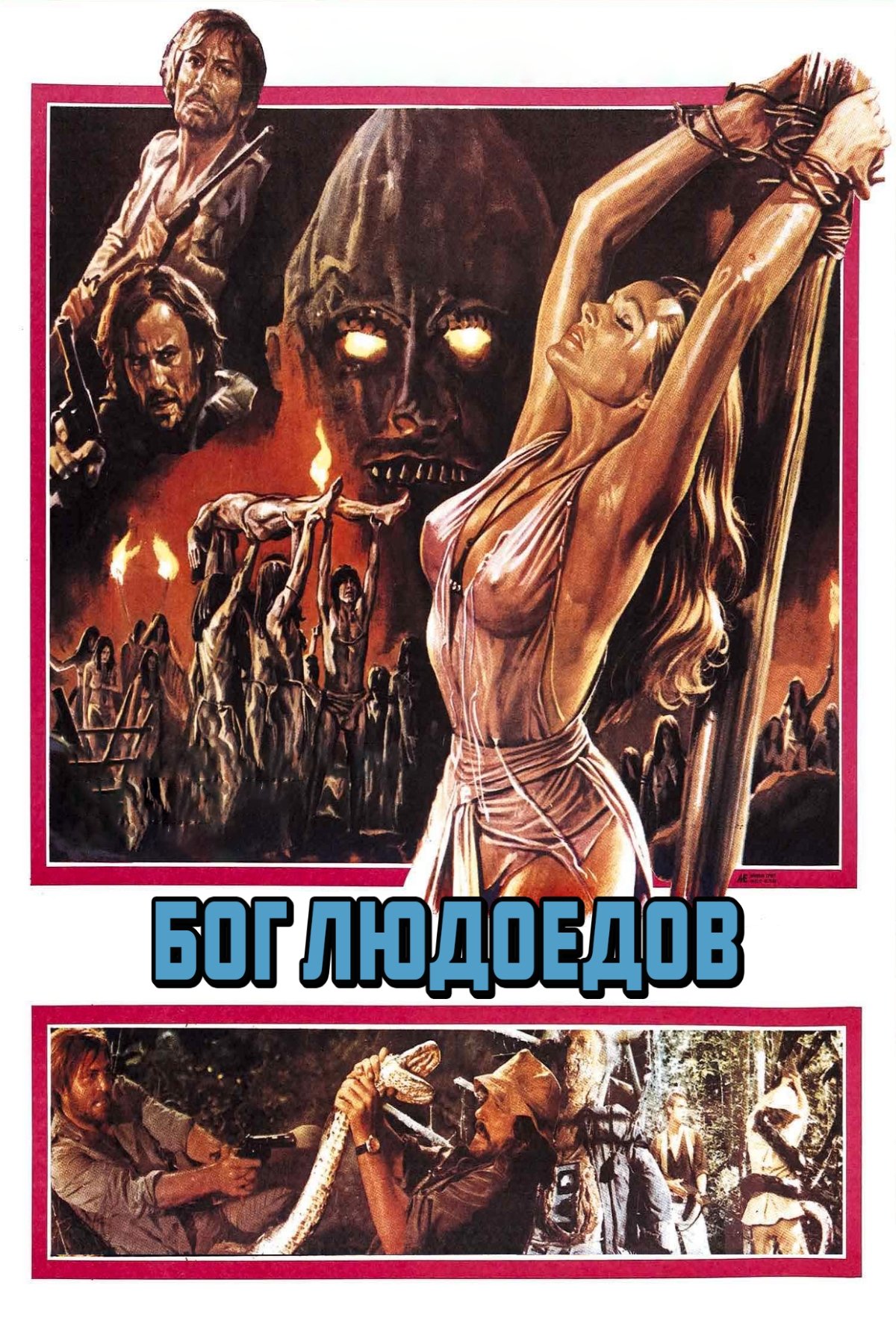
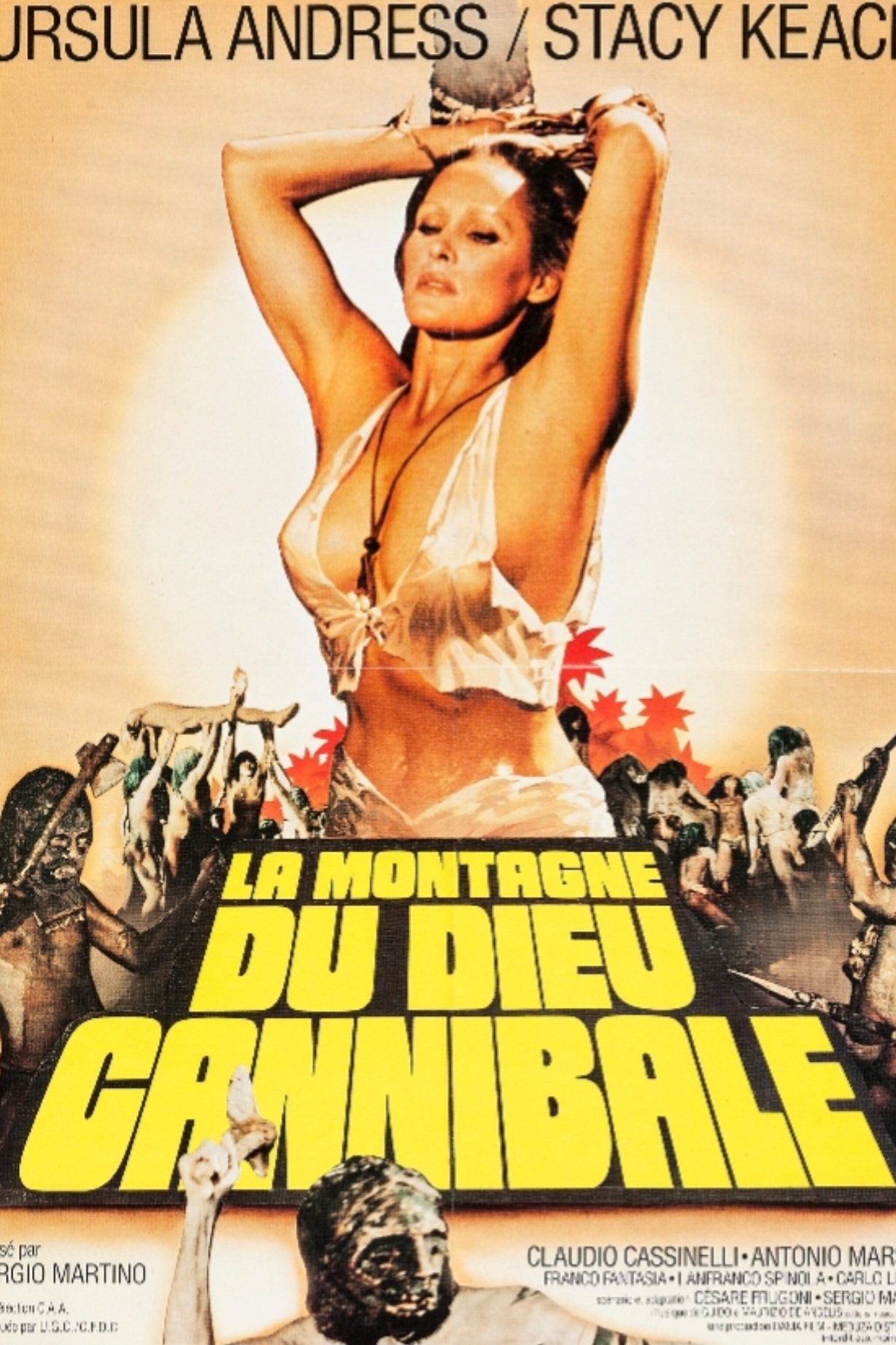
Show all 40 alternative titles El dios de los caníbales (Colombia) Kanibalové 2 (Czechia) — Czech Die weiße Göttin der Kannibalen (Germany) — German Kannibalernes dronning (Denmark) — DVD title Mysteriet i junglens dyb (Denmark) La montaña del dios caníbal (Spain) — Spanish Viidakon julma salaisuus (Finland) La Montagne du dieu cannibale (France) — French Primitive Desires (United Kingdom) — alternative title Prisoner of the Cannibal God (United Kingdom) Το Βουνό των Καννίβαλων (Greece) — Greek 食人神之山 (Hong Kong SAR China) — Chinese A Kannibál isten hegye (Hungary) — Hungarian Rakshasa Kona (India) — Telugu title (dubbed version) Farar az djazireh adamkharan (Iran) The Mountain of the Cannibal God (Japan) — English title (video box title) ホウリー・マウンテンの秘宝/密林美女の謝肉祭 (Japan) Svētā Marabata kalna noslēpumi (Latvia) — Latvian La mujer caníbal (Mexico) — Home Video Title Jakten på fjellets hemmelighet (Norway) — Home Video Title El dios de los caníbales (Peru) Mountain of the Cannibals (Philippines) — English title Góra boga kanibali (Poland) — Polish A Montanha do Deus Canibal (Portugal) Бог людоедов (Russia) — Russian Bergets grymma hemlighet (Sweden) Jakten på bergets hemlighet (Sweden) — Home Video Title Гора бога людоедов (Russia) Lanetliler Dağı (Türkiye) — Turkish Yamyam Tanrısı Dağı (Türkiye) 食人山歷險記 (Taiwan) Mountain of the Cannibal God (United States) — DVD box title

Trailers & Videos

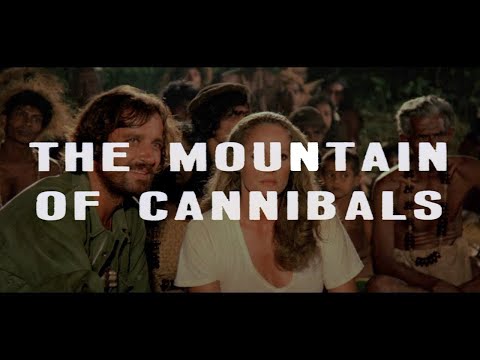
2 videos

Film Guide & Analysis

Sergio Martino combines a forbidden-mountain expedition, ritual cannibal horror, real animal cruelty and a complex censorship history.

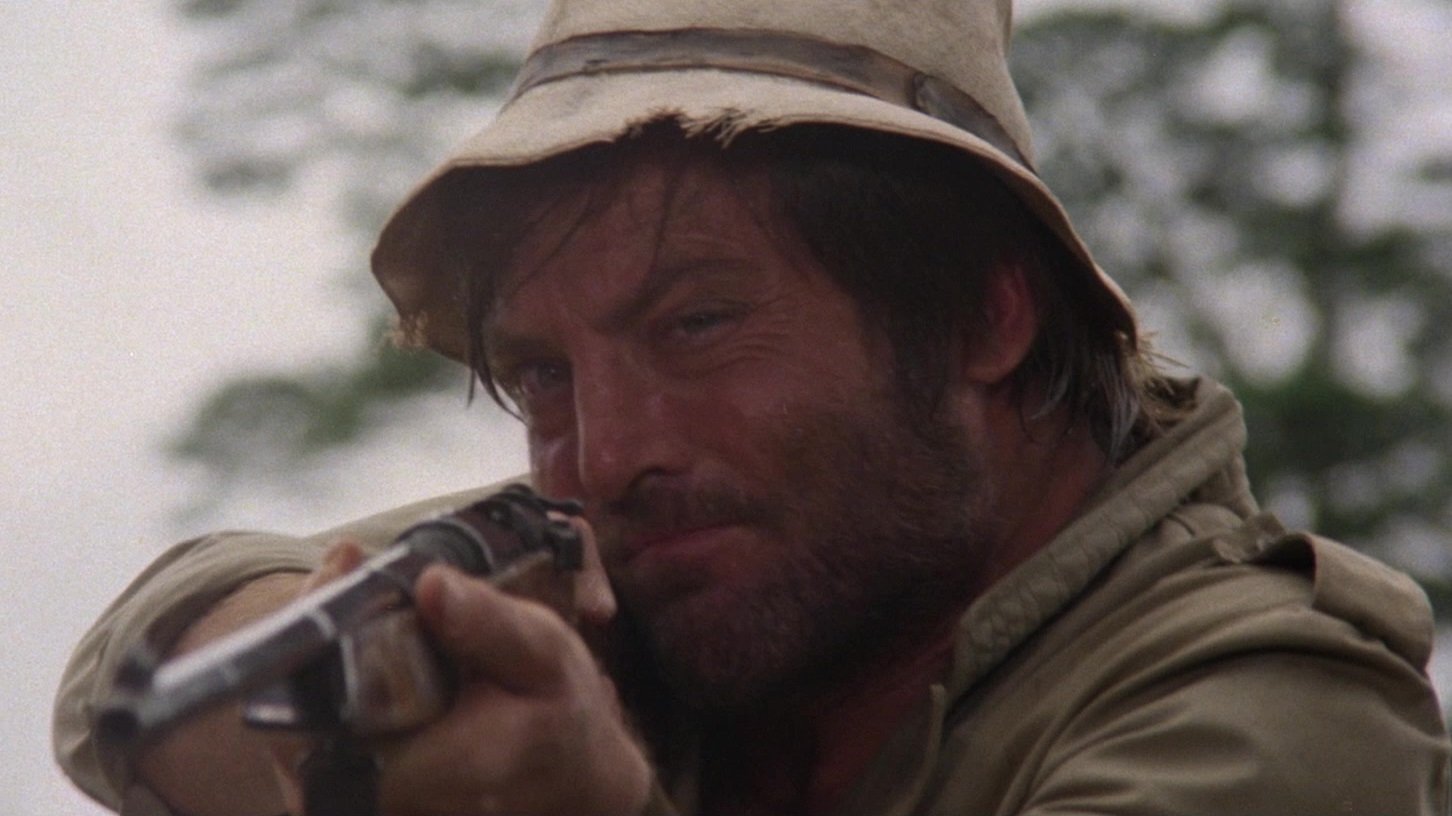
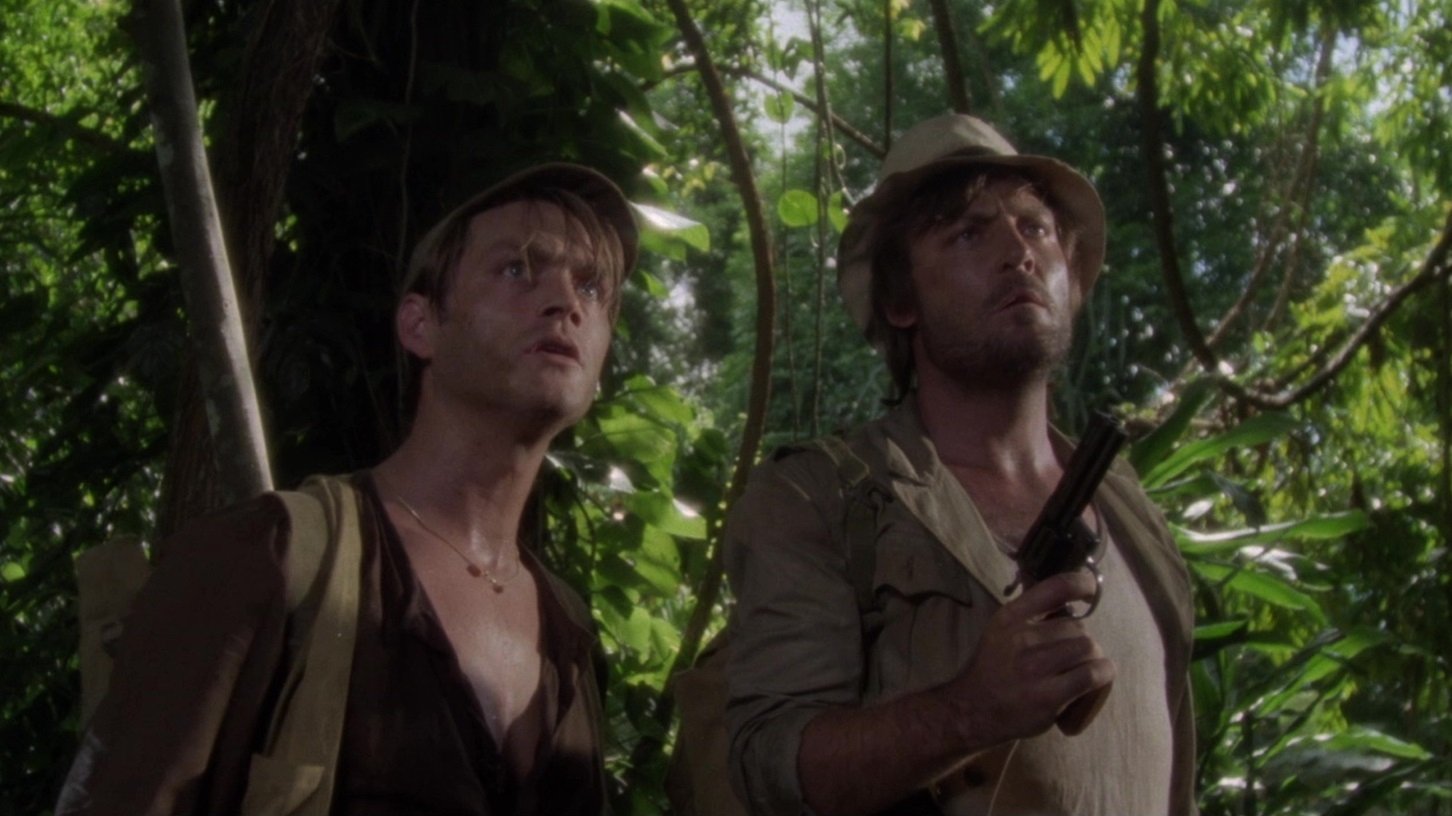
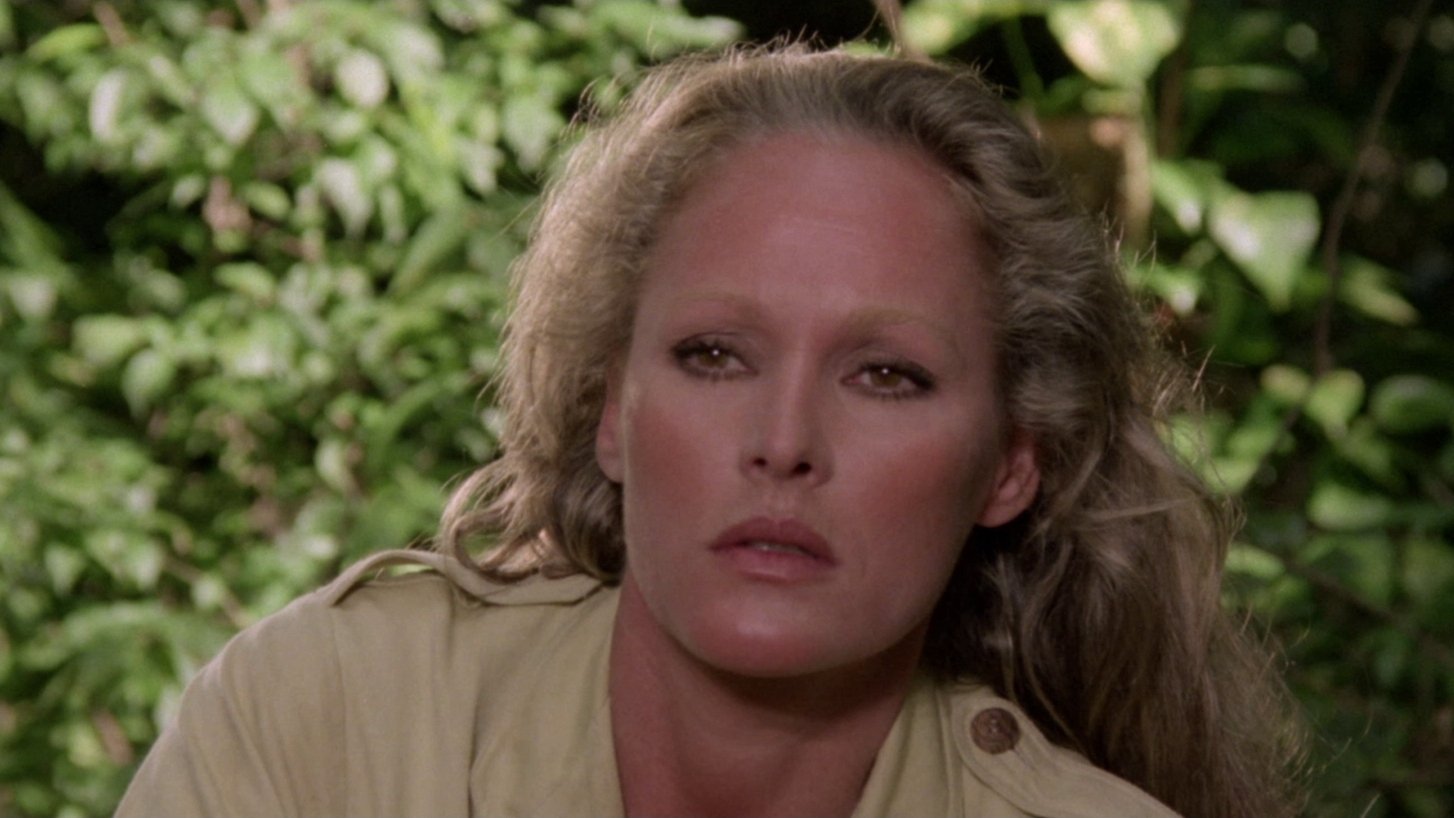
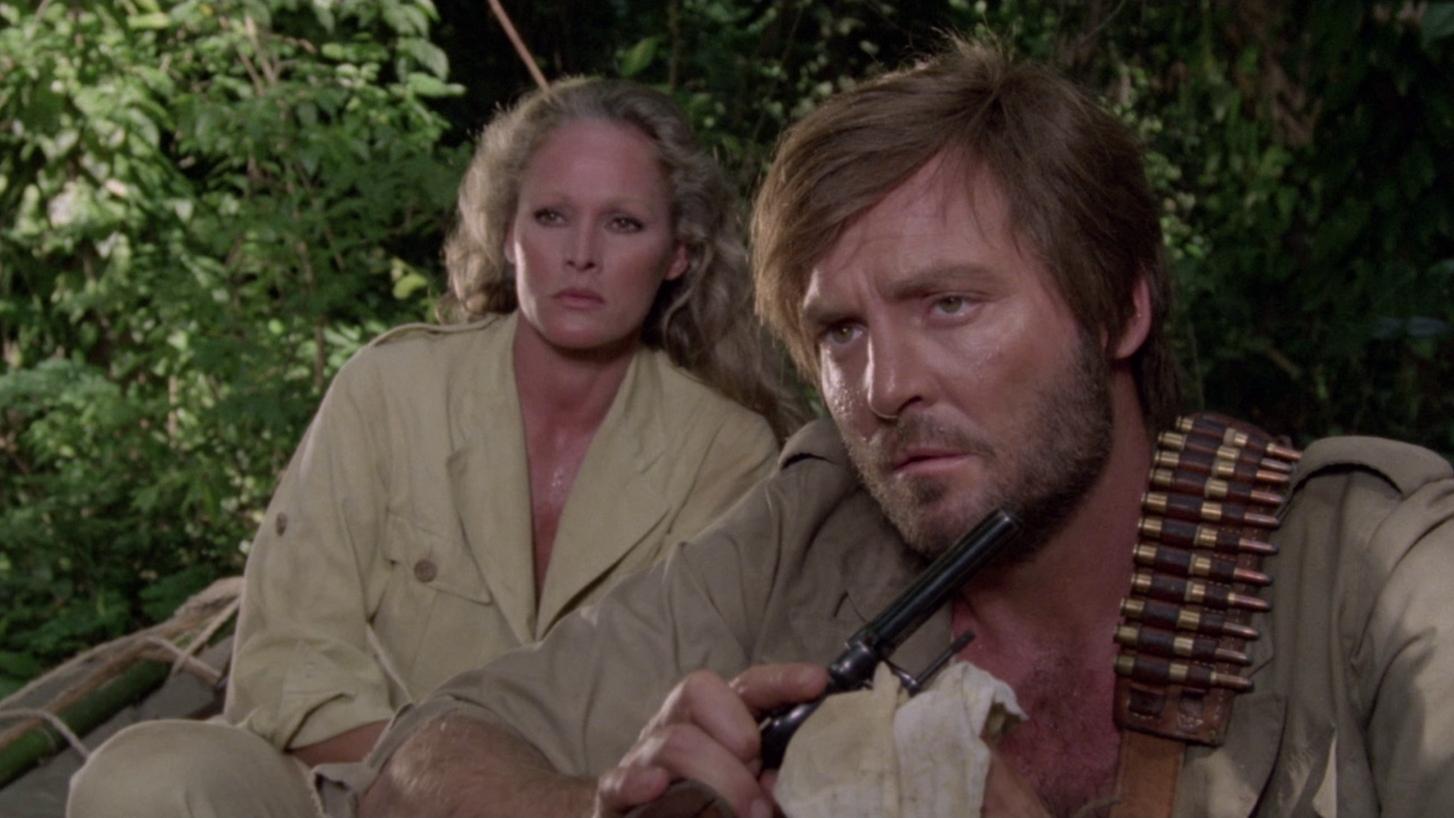
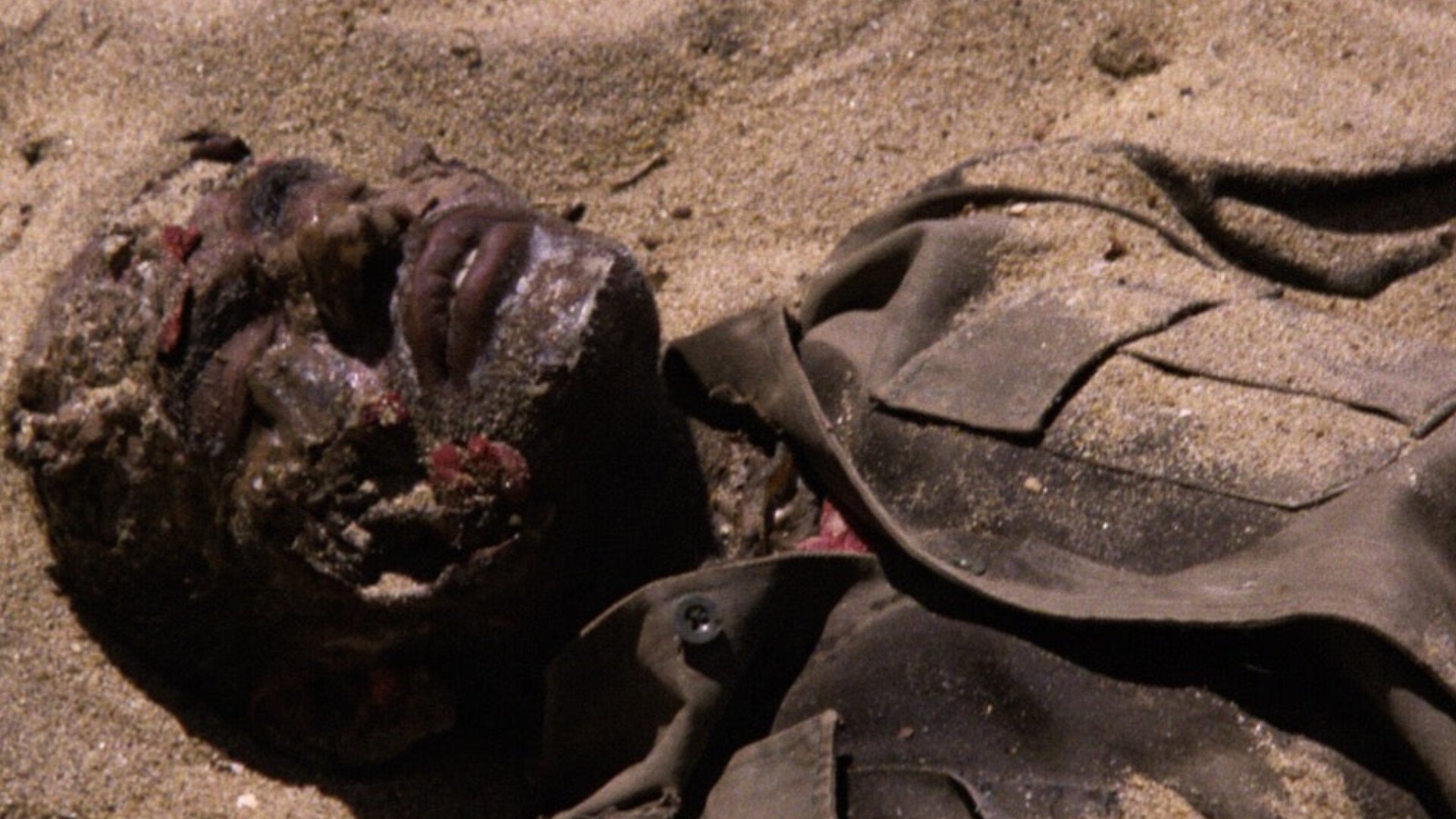
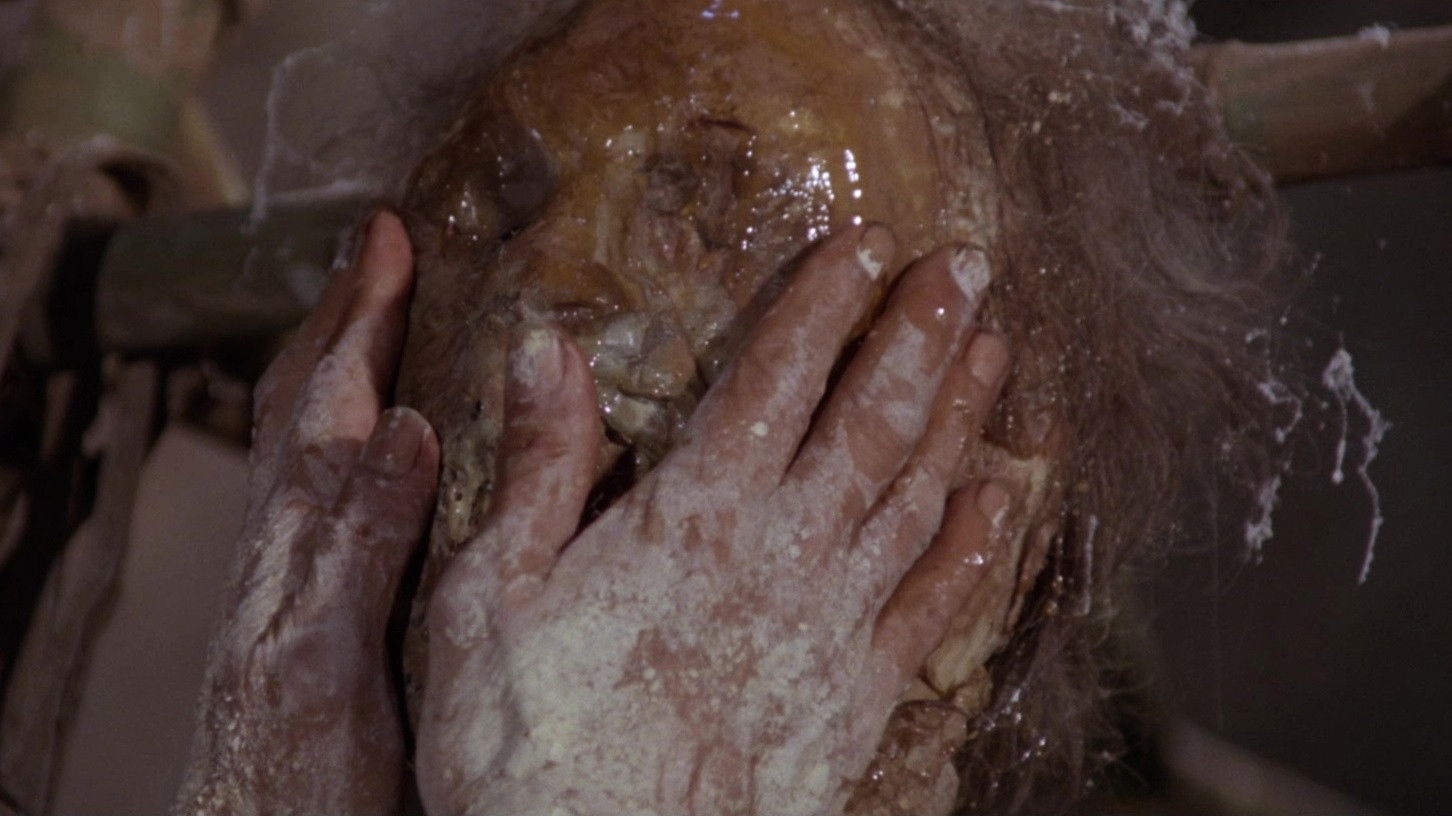
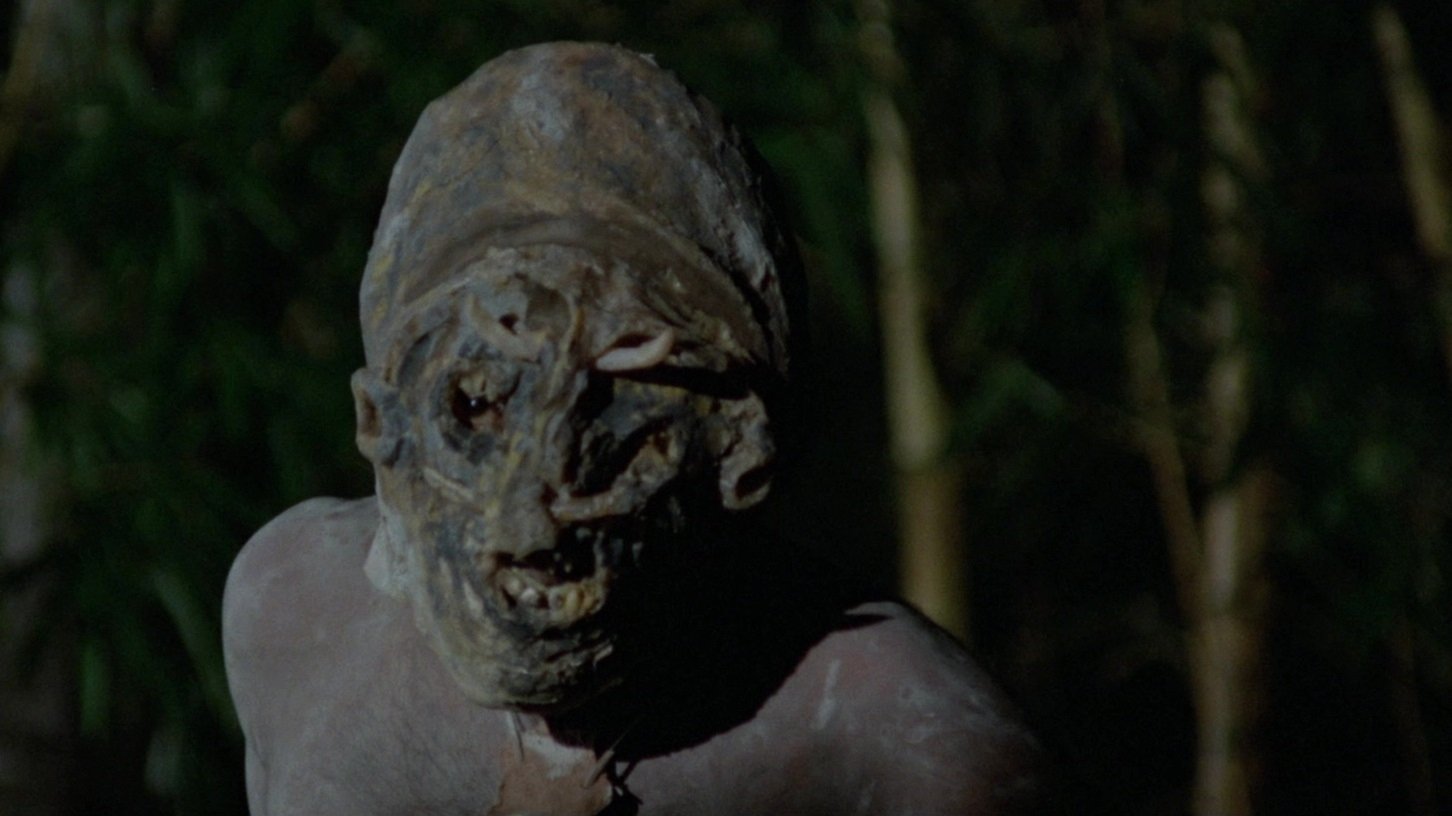
Slave of the Cannibal God (1978), released in Italy as La montagna del dio cannibale, combines an expedition adventure with the ritual violence and sensationalized imagery of Italian cannibal horror. Sergio Martino sends Susan Stevenson into a fictional New Guinea wilderness to find her missing anthropologist husband. The journey leads through dangerous rivers and mountain paths to a community that has transformed the dead explorer into a sacred figure. A supposedly scientific object, his still-operating Geiger counter, becomes the basis of a supernatural belief. That collision between technology, bodily decay and invented ritual supplies the film with its defining horror image.

Martino and Cesare Frugoni developed the story within the international exploitation industry, while production in Sri Lanka gave the fictional journey unusually extensive natural scenery. The film is inseparable from a disturbing ethical issue: real animal suffering was photographed alongside staged attacks on human characters. Its British theatrical and video versions underwent substantial interventions, particularly to those animal scenes. Italian censorship records and retrospective interviews permit a more precise history than its reputation as a video nasty alone.

Production and the Cannibal Cycle

Martino has recalled developing the project with Cesare Frugoni around a woman searching for her missing husband in a tropical region. In testimony reproduced by Italy's Centro Sperimentale di Cinematografia, he connected the idea to a search narrative associated with The Snows of Kilimanjaro, adapted for an adventure driven by increasingly hostile territory. Medusa accepted the proposal. The premise accommodated familiar attractions of the growing cannibal cycle while giving the principal character a continuing objective beyond witnessing a series of violent rituals. Susan's expedition supplies the narrative thread that connects hazardous travel to the final discoveries inside a mountain sanctuary.

The story belongs to a phase of European horror in which adventure filmmaking, mondo-style displays of danger and simulated human mutilation overlapped. Martino had already worked extensively across Italian thrillers and adventure productions, and this project offered substantial landscapes and internationally recognizable performers. Its principal cast included Ursula Andress, Stacy Keach and Claudio Cassinelli. The expedition structure postpones the confrontation with the cannibal community.

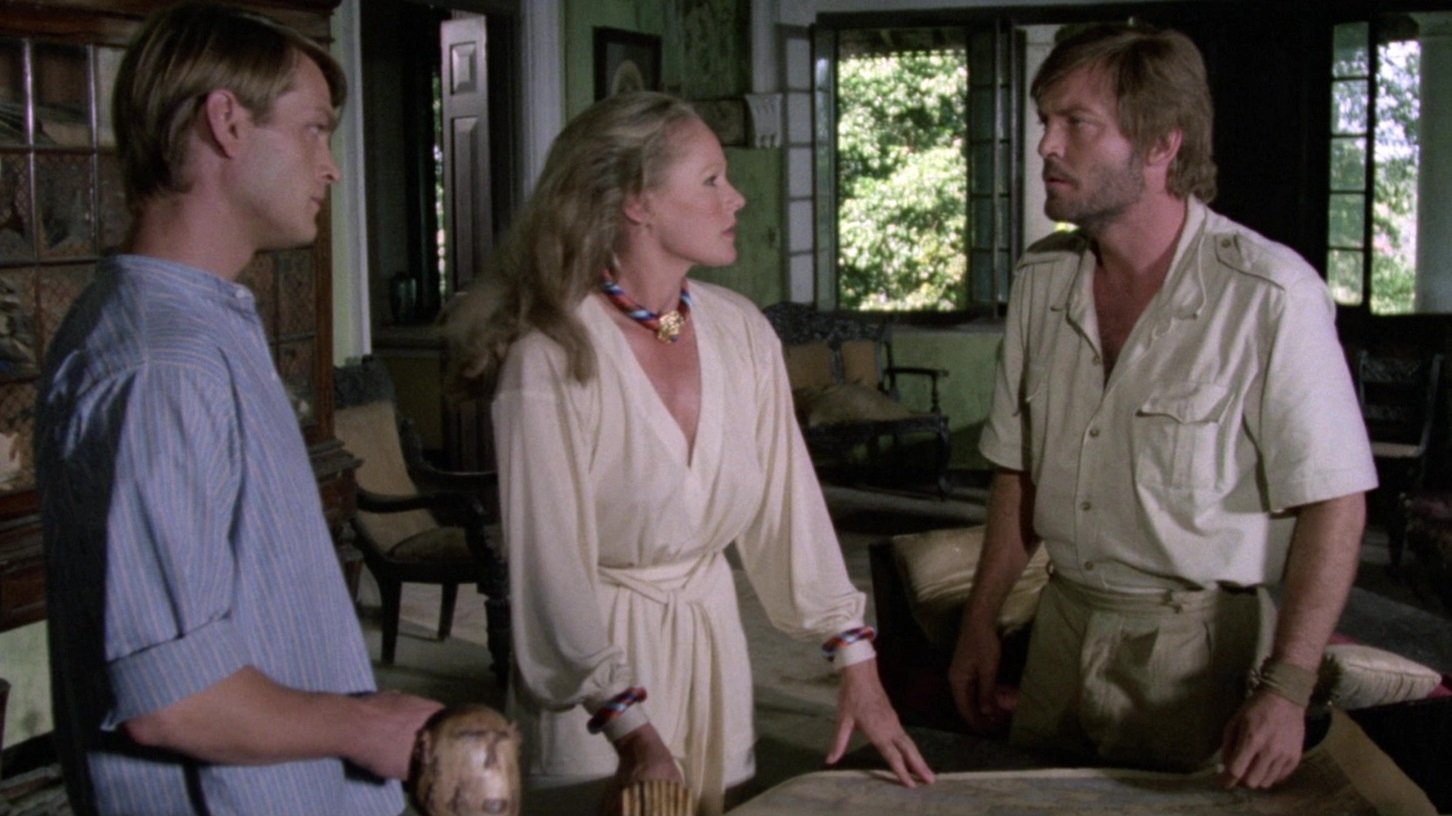
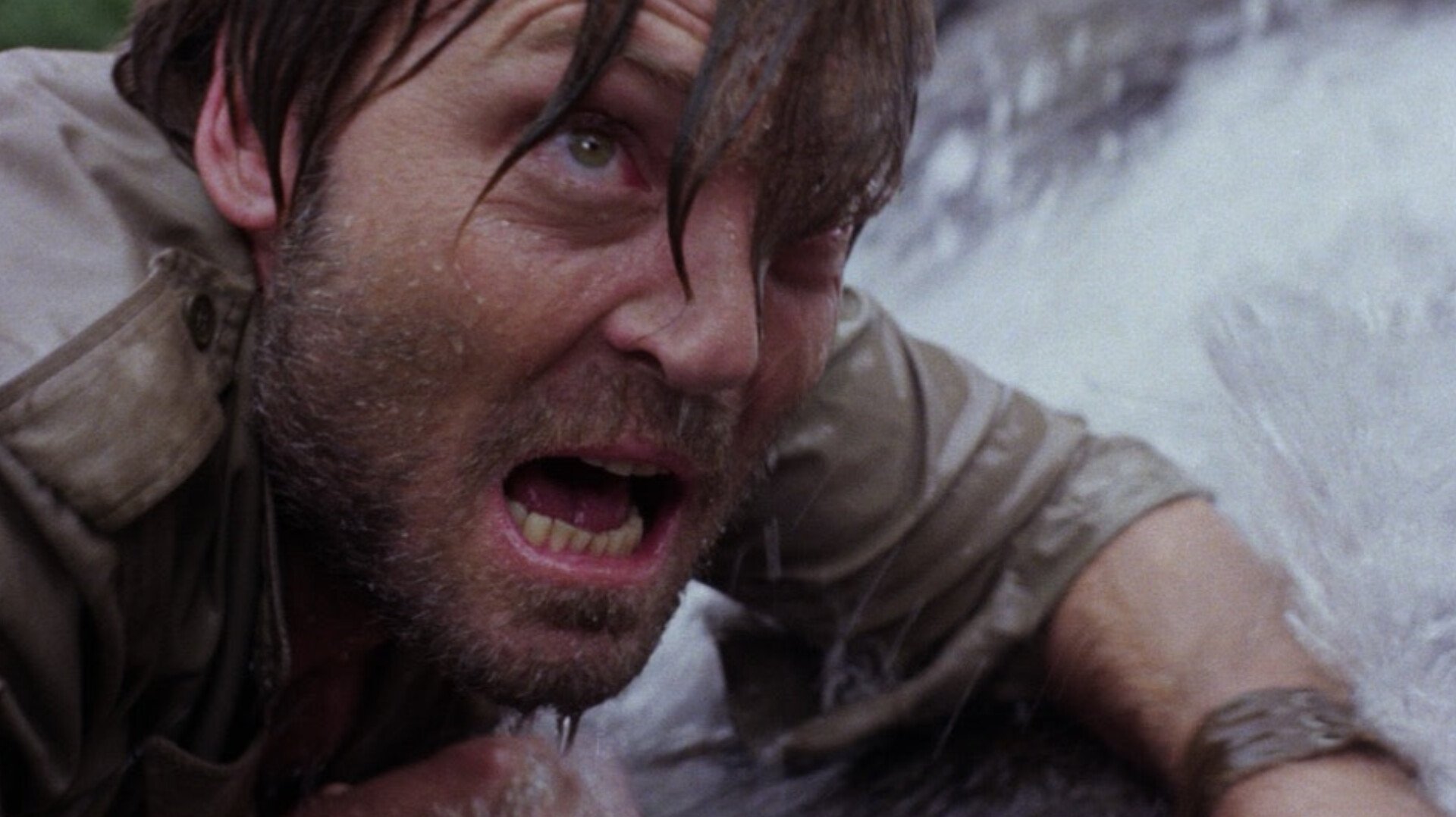
The search party's apparent unity conceals opposing motives. Susan and her brother Arthur seek information about uranium deposits, while Professor Edward Foster brings his own history with the region and its inhabitants. Their diverging interests undermine the initial rescue mission and leave Manolo increasingly isolated as a comparatively practical guide. This change in motivation gives the final discovery a further dimension: the expedition's search for knowledge and wealth has exposed its members to a community whose sacred beliefs they barely understand. The film builds toward that reversal through mistrust within the group as well as threats encountered in the landscape.

Sri Lanka as Fictional New Guinea

The action is set in New Guinea, but Martino used Sri Lanka to create its rivers, forests and mountainous territory. In a later interview he recalled photographing important jungle material around the botanical garden at Kandy, where vegetation could suggest an expansive tropical wilderness under manageable production conditions. Other passages demanded difficult movement through rugged terrain. His recollection of the cave sequence stresses humid conditions aggravated by powerful film lights and an exhausting climb to the location. These contrasting circumstances matter to the film's appearance: some views have the clarity of carefully arranged botanical scenery, while others concentrate on narrow paths, running water and crowded spaces.

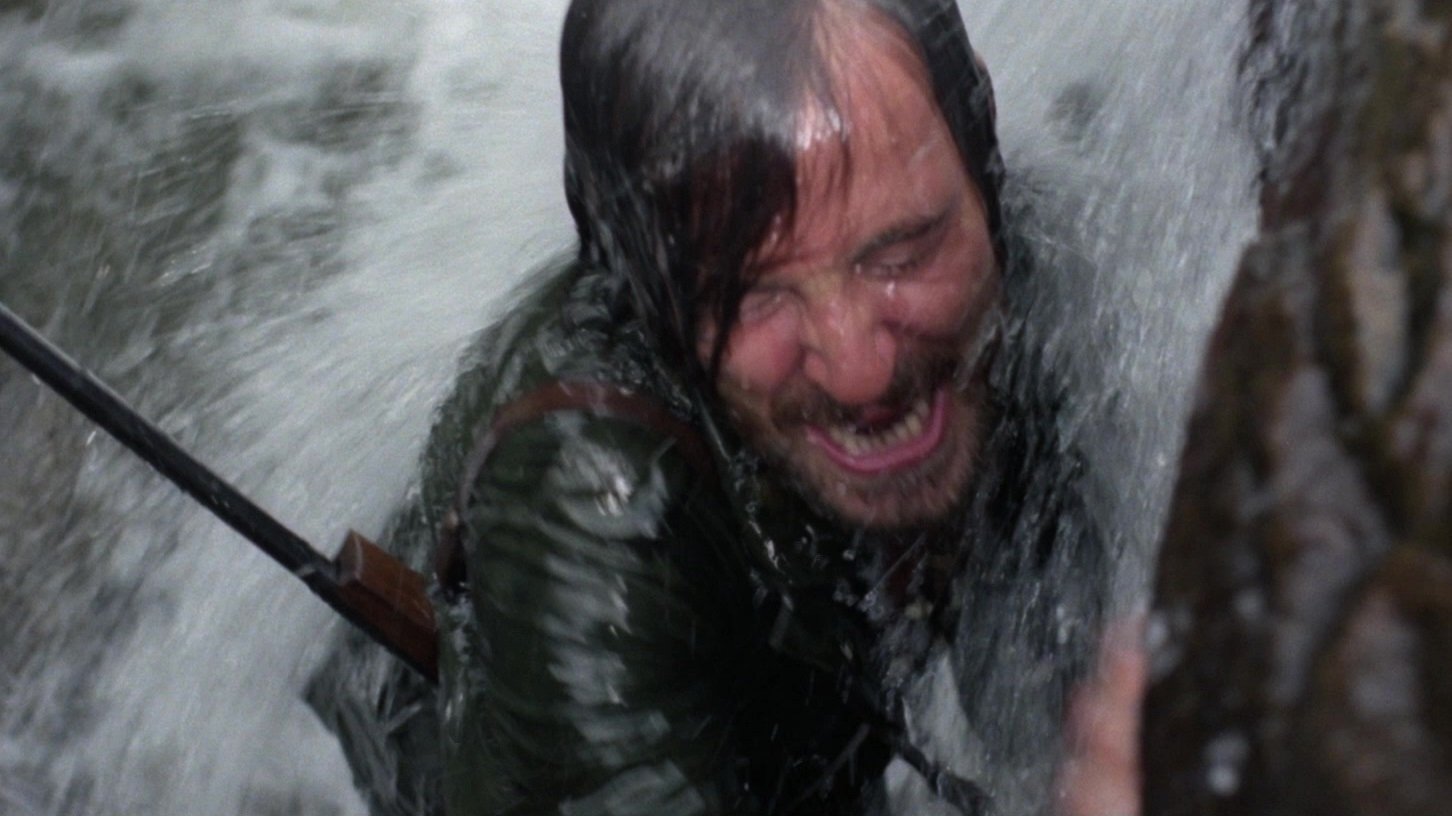
Giancarlo Ferrando's photography gives the expedition a credible physical scale. Figures are repeatedly dwarfed by vegetation, rivers and stone, with routes that become progressively less secure. The landscape is treated as an obstacle the travelers have to cross, and moments of stillness allow animal threats to interrupt their progress suddenly. A waterfall and the approaches to the mountain divide the party and prepare the move into an enclosed ritual environment. The transition from open terrain to the dark gathering place intensifies the sense that an organized threat has replaced the accidental hazards encountered along the journey.
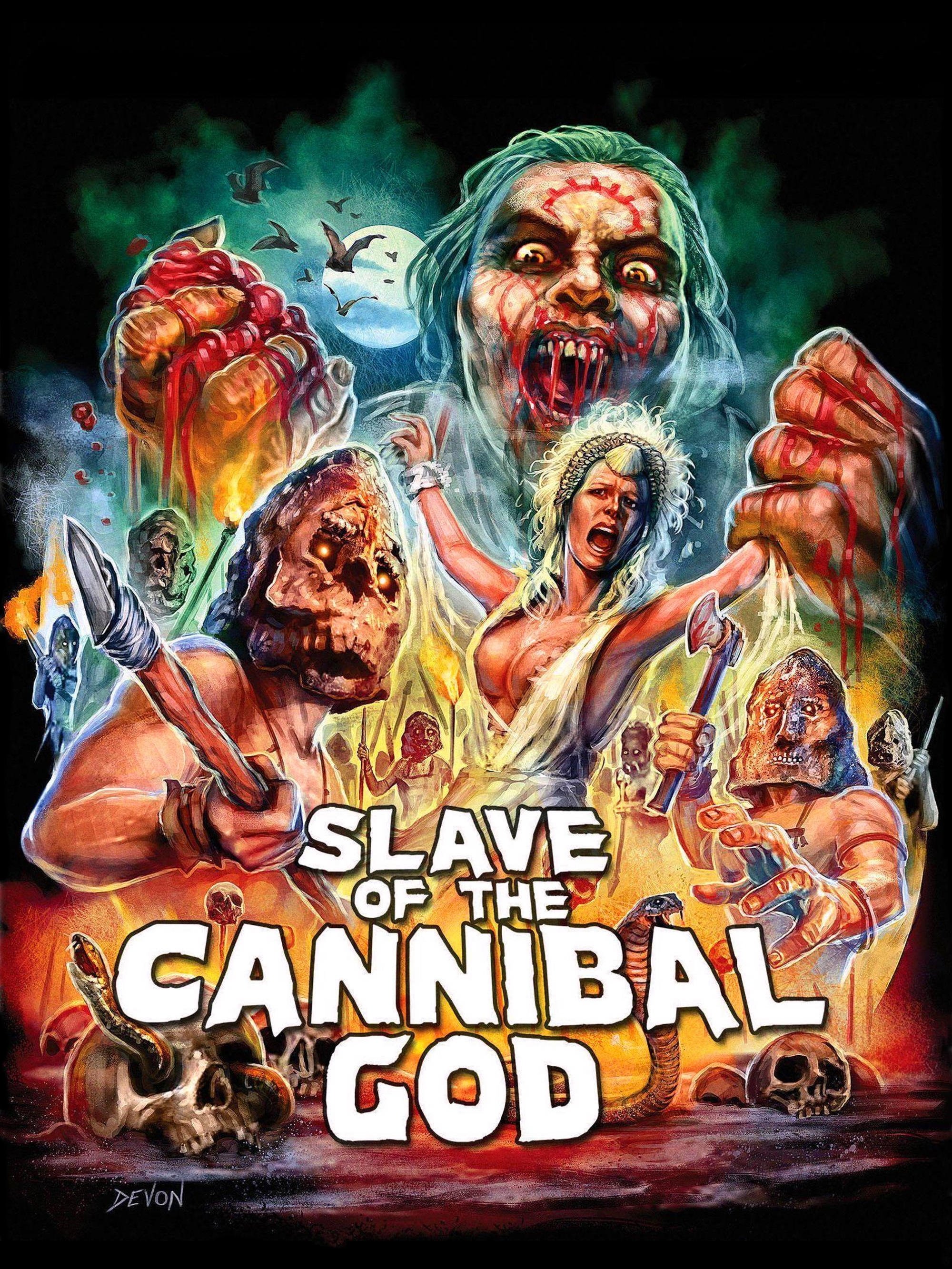
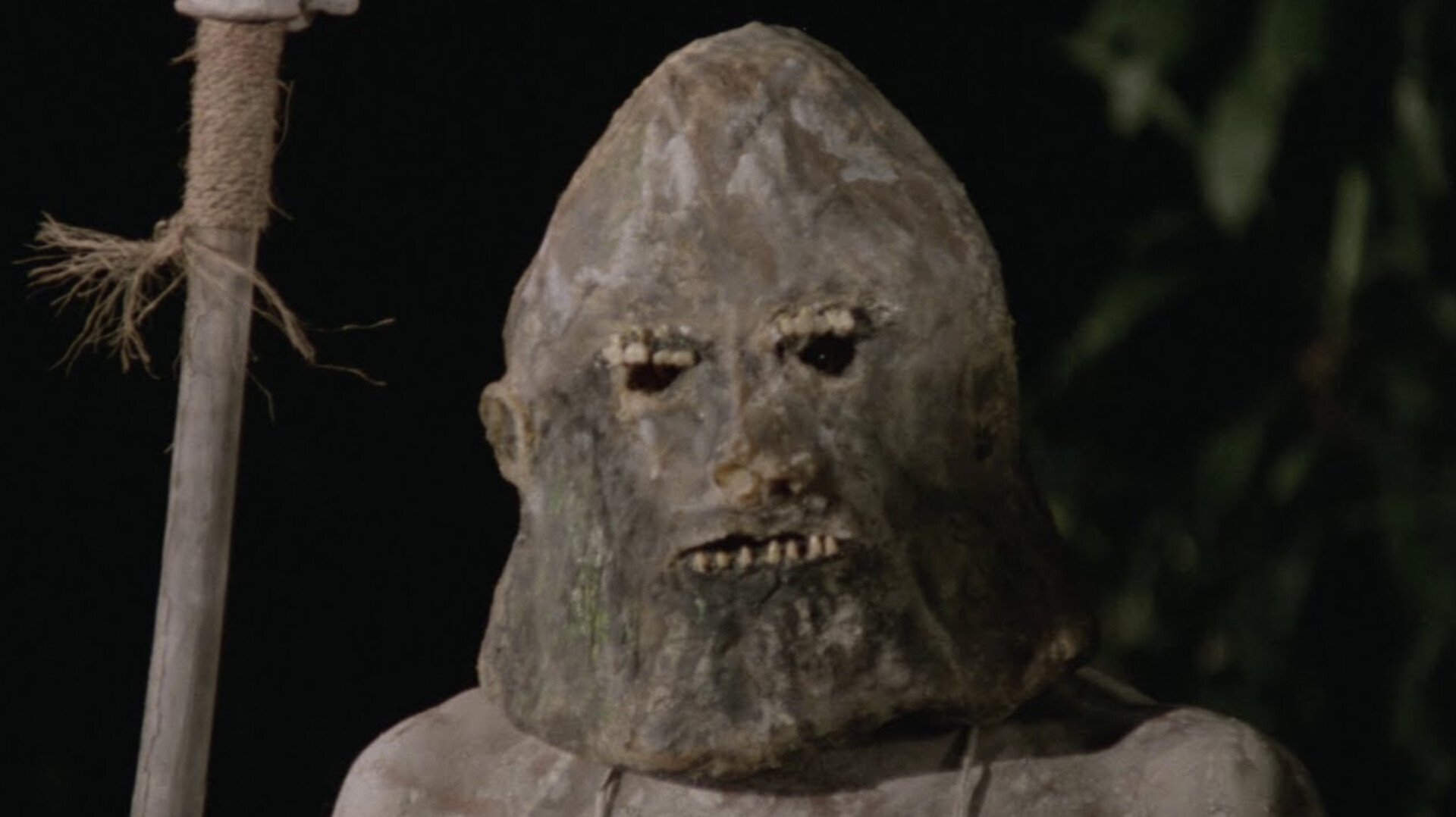
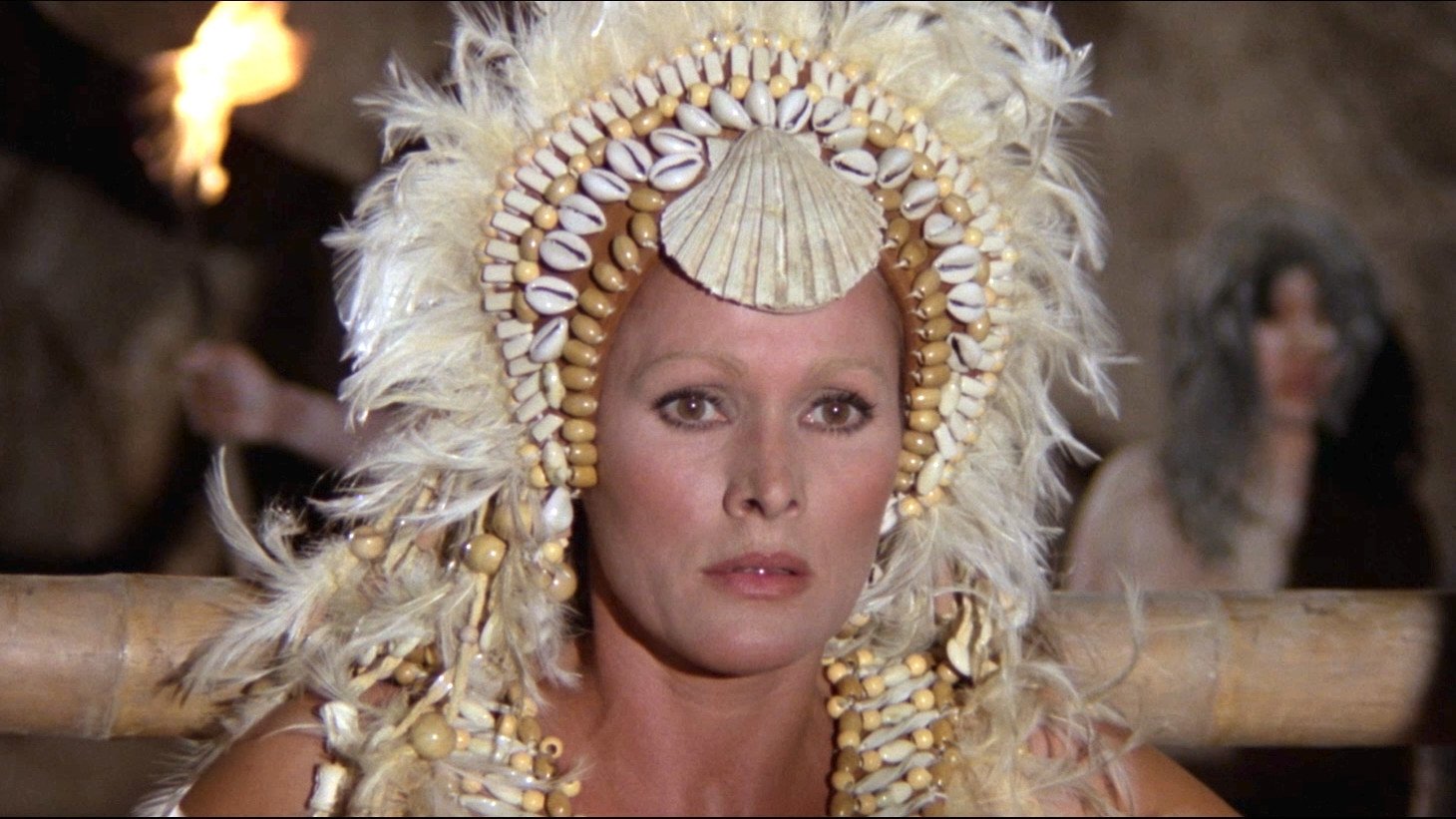
These locations do not provide evidence about the people or customs of Papua New Guinea. The film invents a community and uses the language of taboo, savagery and forbidden territory inherited from European colonial adventure fiction. Costumes, painted bodies and ritual imagery function as exploitation devices. Their relation to the actual culture of Sri Lanka, where the production worked, is equally fictional. Keeping that distinction clear is essential when discussing the film's visual achievement: its landscapes were real, while the society placed within them was a cinematic construction intended to frighten outside audiences.

The Expedition, Greed and the Cannibal God

Susan's missing husband supplies the expedition's stated purpose, but the revelation of hidden commercial interests changes how earlier conversations are understood. Her pursuit of mineral wealth complicates the assumption that she has entered the jungle solely out of devotion. The Geiger counter eventually links that desire to the community's veneration of the dead explorer. Its repetitive ticking is interpreted as a persistent heartbeat, transforming an instrument for detecting radiation into proof of continuing life. The premise makes misunderstanding an active force within the horror: a modern object becomes inseparable from a sacred corpse.

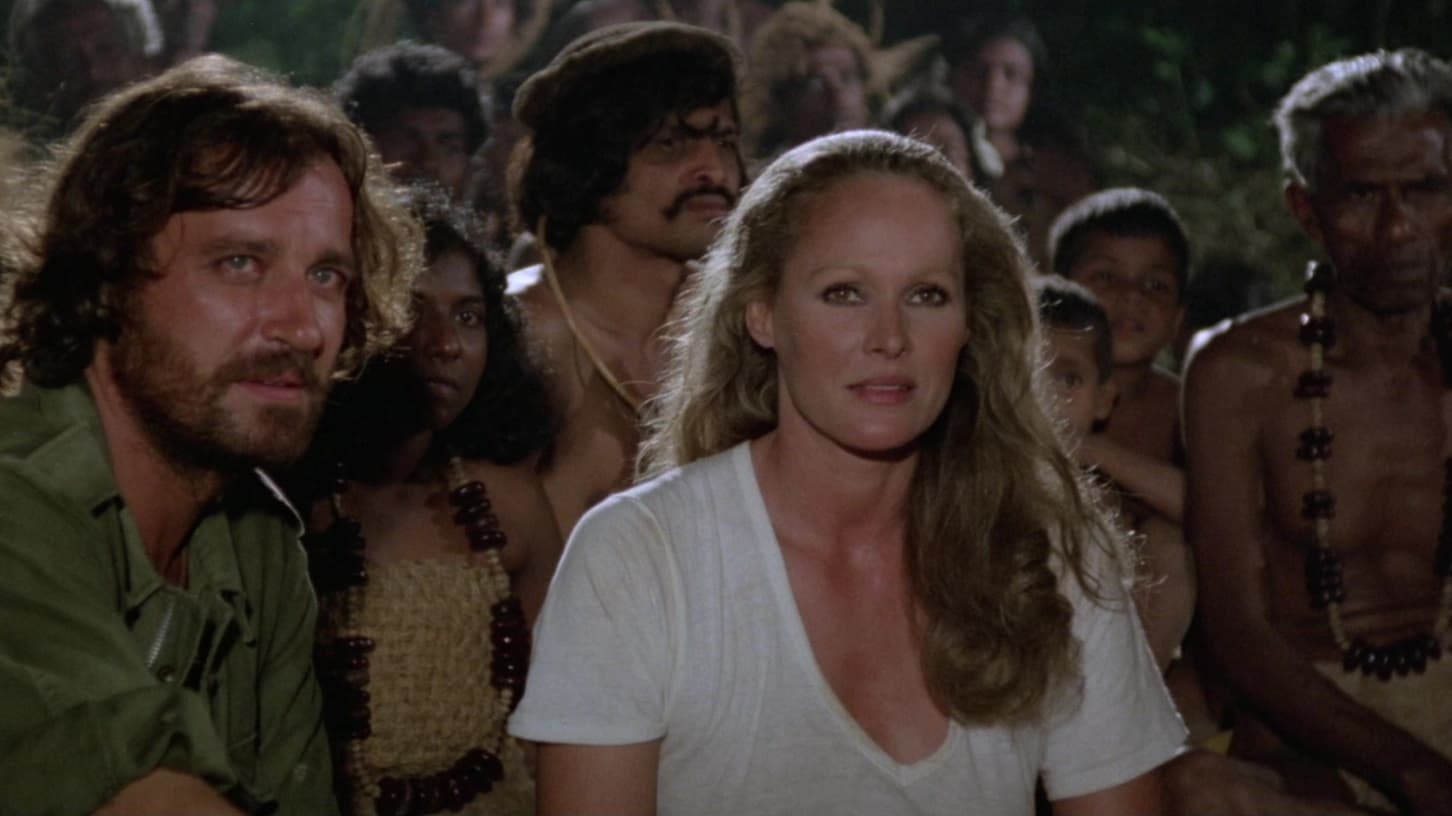
By the time the surviving travelers reach the mountain, the danger is no longer limited to animals or unknown terrain. Human captivity subjects them to an elaborate hierarchy in which their bodies can be used in punishment and ceremonial display. The community's treatment of Susan depends on its interpretation of the dead man's status, making an apparent form of protection another kind of imprisonment. Her vulnerability is heightened by the disappearance or death of companions and by the uncertainty surrounding Manolo's fate. The story turns the goal of recovering a missing person into confrontation with the physical remains of that person.

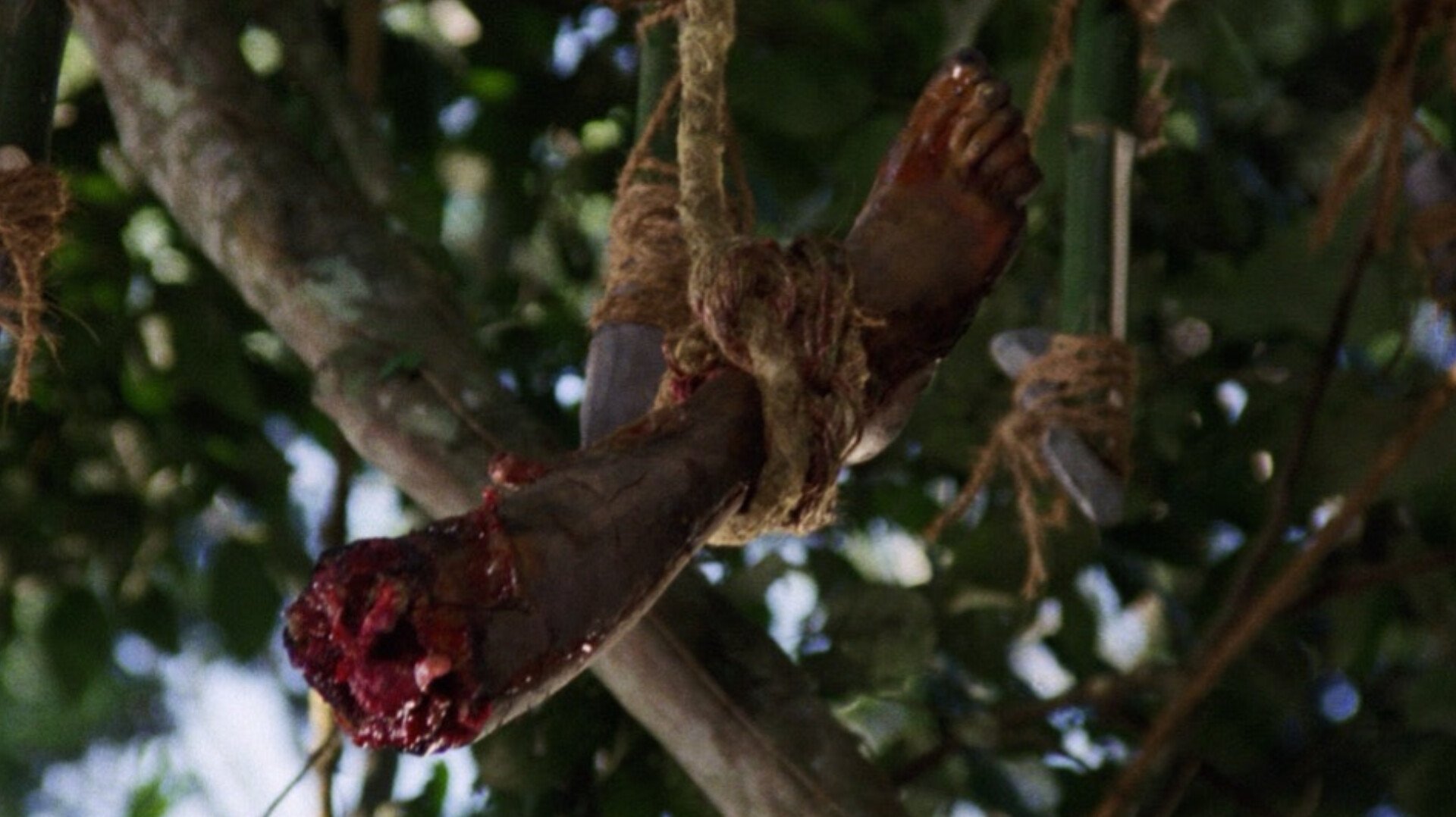
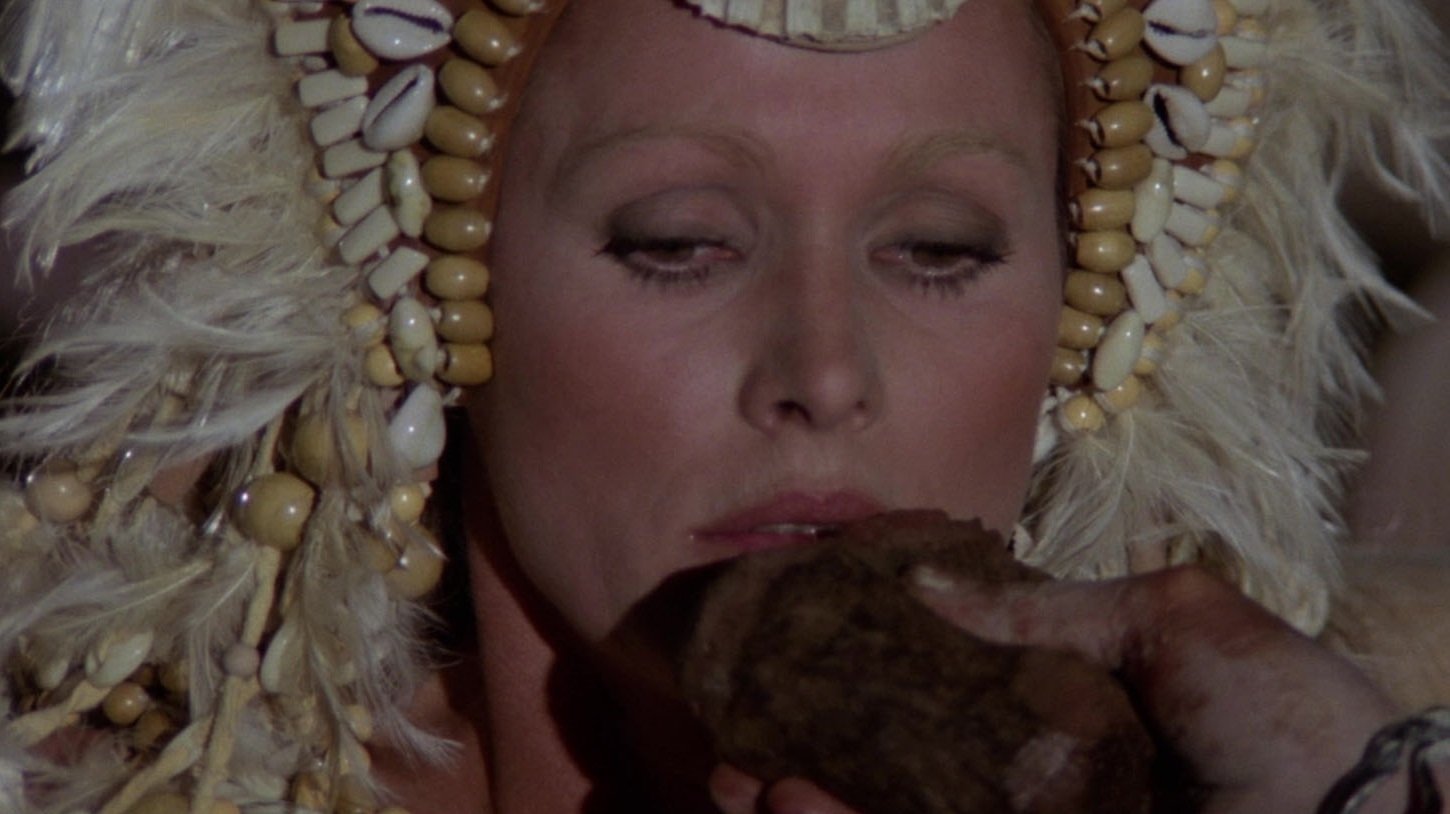
Cannibalism is staged as a collective ritual with dismemberment, the presentation of human flesh and acts of coercive sexual aggression. These sequences rely on spectacle and on the assumption that a fictional group can be defined almost entirely through cruelty. The film supplies no basis for treating these invented practices as ethnographic fact. Its horror instead comes from placing recognizable outsiders under the control of people whose rules they cannot challenge. The resulting images belong to the sensational vocabulary of 1970s Italian exploitation and need to be read in relation to that genre, including its dehumanizing portrayal of non-European communities.

Animal Cruelty and Practical Violence

Animal violence remains the most contentious part of the film's physical horror. Images include a python killing a monkey and confrontations involving other animals. These events are materially distinct from human wounds created with makeup, editing or other practical illusions. Real animal suffering enters a fictional story as evidence of a supposedly unforgiving jungle, allowing the filmmakers to borrow the appearance of documentary authenticity. The footage helped define the film's notoriety, but ethical criticism does not depend on the level of gore shown elsewhere. The central issue is what actually happened to animals while the images were obtained.

In a 2019 interview with Cineuropa, Martino discussed the monkey and python incident directly. He said the intended shot involved an animal approaching danger, described the outcome as occurring suddenly and acknowledged why the arrangement attracted criticism. That is a participant's retrospective account of a disputed event, not independent proof that the animals were safe or that the filmed encounter was accidental. His explanation must be kept separate from the images themselves and from the later judgments of classification bodies. The disagreement also reveals how creators of the cannibal cycle have attempted to interpret practices that are now scrutinized through a different ethical framework.

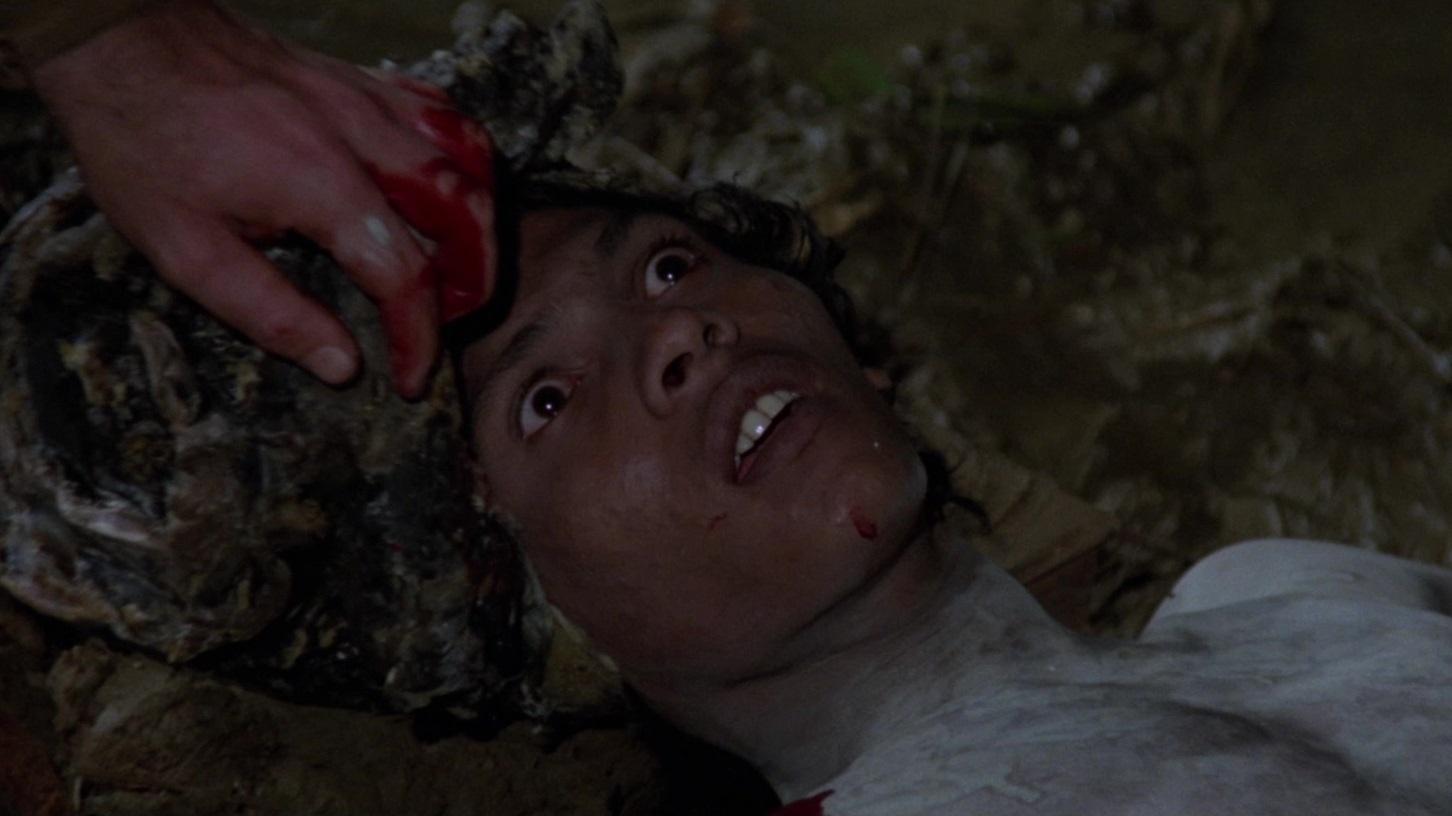
The human violence has its own construction. Attacks in the jungle are interrupted by shots of weapons, struggling actors and the aftermath of mutilation; the mountain scenes concentrate threatening gestures around confined victims. The film's most extreme staged moments include bodily punishment and injury presented as public ritual. Their framing draws attention to the vulnerability of the captives, while the animal material supplies a different, uncontrolled kind of shock. Treating the two sources of imagery as equivalent practical effects would obscure an important distinction between cinematic illusion and recorded suffering.

Italian and British Censorship

The surviving Italian documentation establishes two distinct decisions. The CHANGES archive at the University of Milan records an application on 13 June 1978 and a decision dated 21 June, granting clearance subject to a prohibition on viewers under fourteen. The commission explicitly referred to particularly disturbing sequences and erotic material. The archival summary does not establish that every later international print retained the identical footage. A second file concerns a submission made on 20 January 1993 for television-related reclassification. On 12 February the revised version was approved without an age restriction, a ruling that must not be confused with the original theatrical certificate.

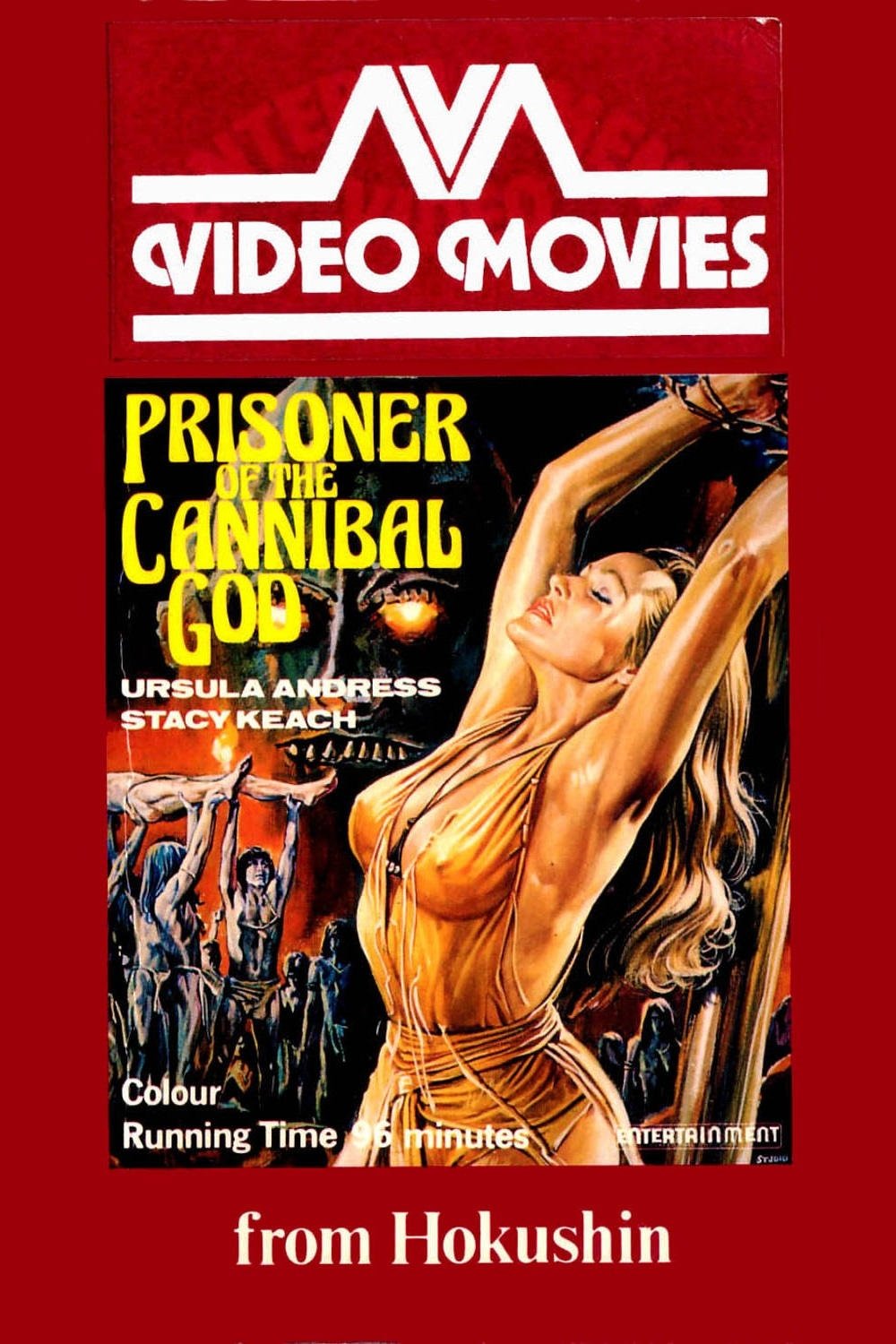
Britain produced another set of versions. Specialist censorship chronology records an X-rated theatrical release in 1978 after cuts to animal-cruelty footage. An early videocassette, issued as Prisoner of the Cannibal God, subsequently entered the changing Director of Public Prosecutions list in November 1983 and was removed in May 1985. Presence on the list does not demonstrate a successful obscenity prosecution. The record is particularly important because the phrase video nasty is often applied to the film without specifying which version was available to British audiences or what legal outcome followed the police listing.

Later classifications continued to distinguish animal cruelty from other adult content. A 2001 home-video submission received cuts, recorded by specialist version research as approximately two minutes and six seconds; a longer version presented in 2018 still required removals of animal footage. The different running times also reflect variations in editing and transfer speed, so they cannot be translated directly into a single inventory of missing dramatic scenes. The chronology shows continued restrictions on footage involving animals even when stronger fictional sexual and physical violence could be passed for adult viewing.

Versions and Place in Cannibal Horror

The Italian cinema industry archive identifies the 1978 film under its original title and credits Martino and Frugoni as writers. A contemporary official registration documents the original Italian release during August. Other territories used titles emphasizing captivity or the forbidden mountain, altering the balance between adventure and shock in their advertising. The resulting variation in names is one reason why accounts of release and censorship sometimes appear inconsistent. Claims of an entirely definitive international version should be treated cautiously unless they specify the source element, territory and editing history.

Within Italian cannibal cinema, Martino's film occupies a place between the earlier captivity adventures and the harsher shock productions that followed. Its expedition narrative grants unusual prominence to landscape, shifting loyalties and the discovery of a sacred corpse. The most graphic material arrives late in the journey, concentrated in the mountain community following a long expedition. The film therefore offers a useful example of how European exploitation combined a comparatively traditional adventure plot with images calculated to test the limits of theatrical distribution and later home-video censorship.

References

  1. Centro Sperimentale di Cinematografia Omaggio a Sergio Martino: La montagna del dio cannibale

    Retrospective direct testimony on the story developed with Cesare Frugoni, the search-adventure premise and production context.

  2. Cineuropa Sergio Martino - Director

    2019 original interview discussing the controversy around the python and monkey sequence and the director's retrospective account.

  3. CHANGES - University of Milan La montagna del dio cannibale - Fascicolo 72052

    Original June 1978 Italian censorship file documenting the conditional clearance and under-14 restriction.

  4. CHANGES - University of Milan La montagna del dio cannibale - Fascicolo 87775

    Primary documentation of the 1993 television-related resubmission approved without an age restriction.

  5. Melon Farmers Mountain of the Cannibal God - British Versions and Censorship

    Specialist chronology of the cut theatrical edition, early VHS, DPP-list history and later animal-cruelty cuts.

Cast

View Full Cast & Crew →

Release & Distribution

Production Companies (2)

  • Dania Film IT
  • Medusa Distribuzione IT

Distributors (1)

  • New Line Cinema US

Release History (11)

Release DateTerritoryRelease TypeFormatDistributorCertificationNotes
1978-07-12 France Theatrical — — TP
1978-08-10 Italy Theatrical — — —
1979-03-19 Türkiye Theatrical — — —
1979-04-01 Australia Physical — — RC
1980-05-01 Australia Theatrical — — R 18+
1980-11-01 United Kingdom Physical VHS — — VHS
1989-07-12 France TV — — 18 (English)
1989-10-26 United States TV — — NC-17
1989-11-02 United States TV — — NC-17
2009-07-12 France Digital — — 18
2009-07-16 United States Physical — — R (US theatres)
THEIR CULT WAS DEATH... THEIR LUST WAS FOR BLOOD!