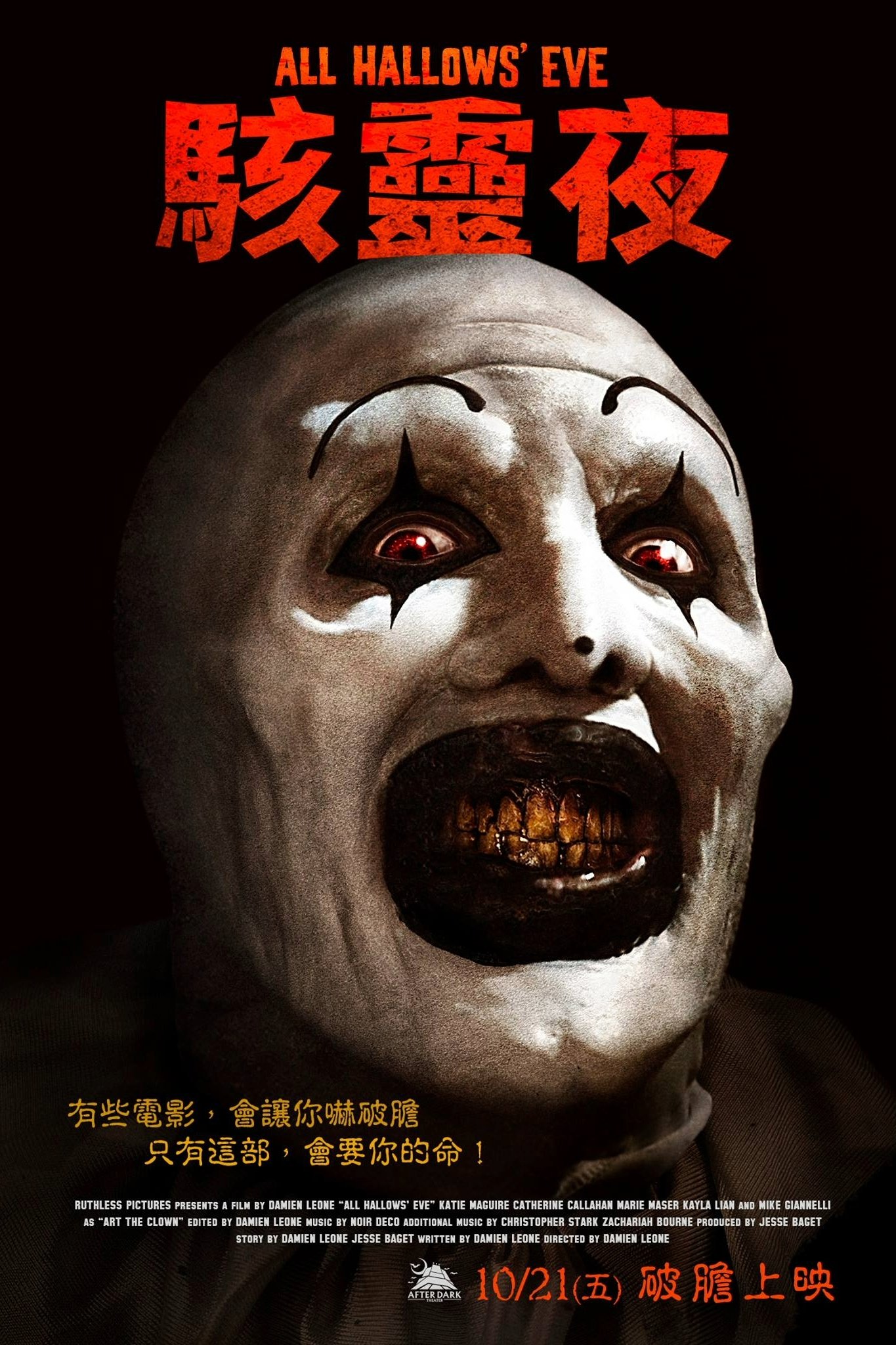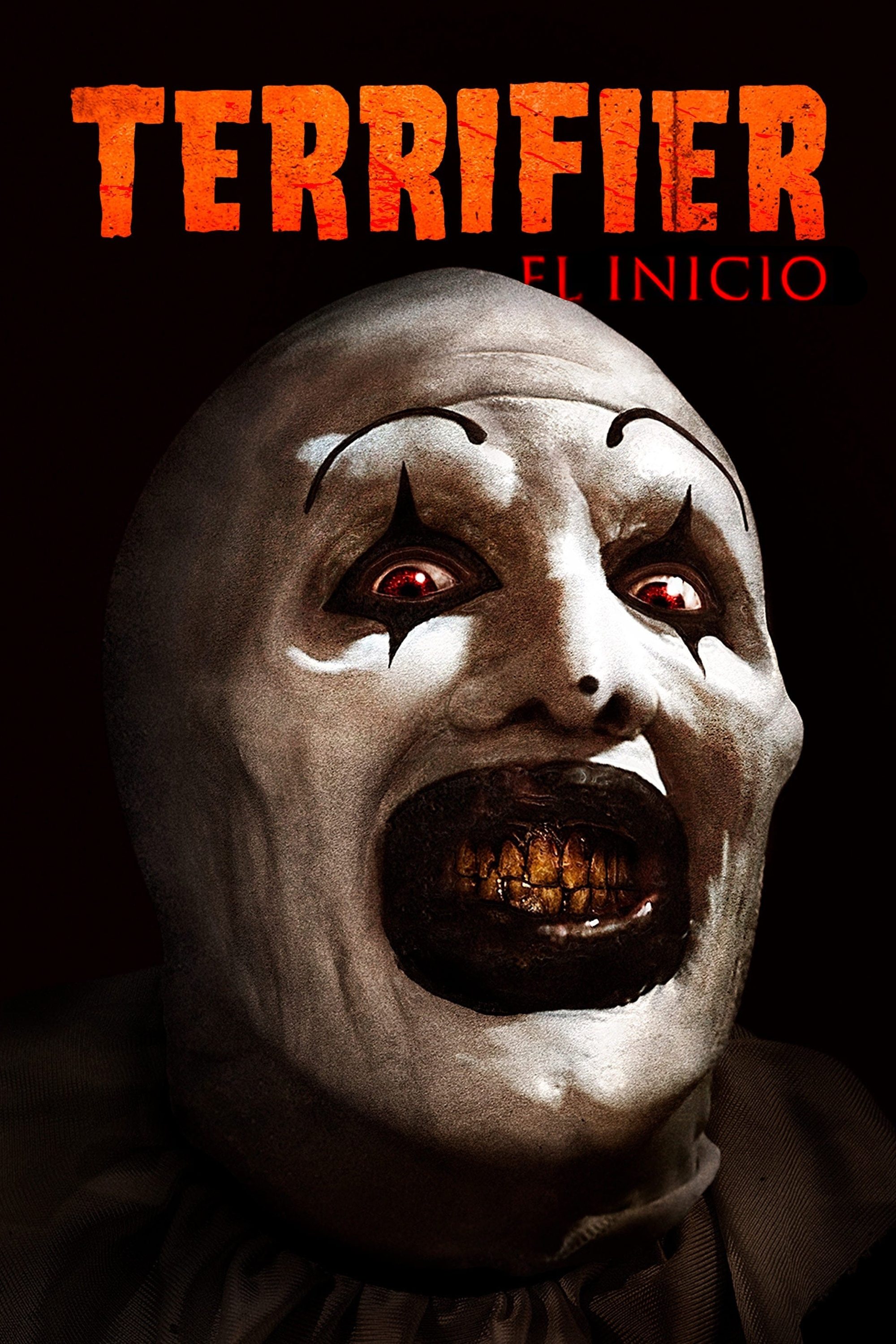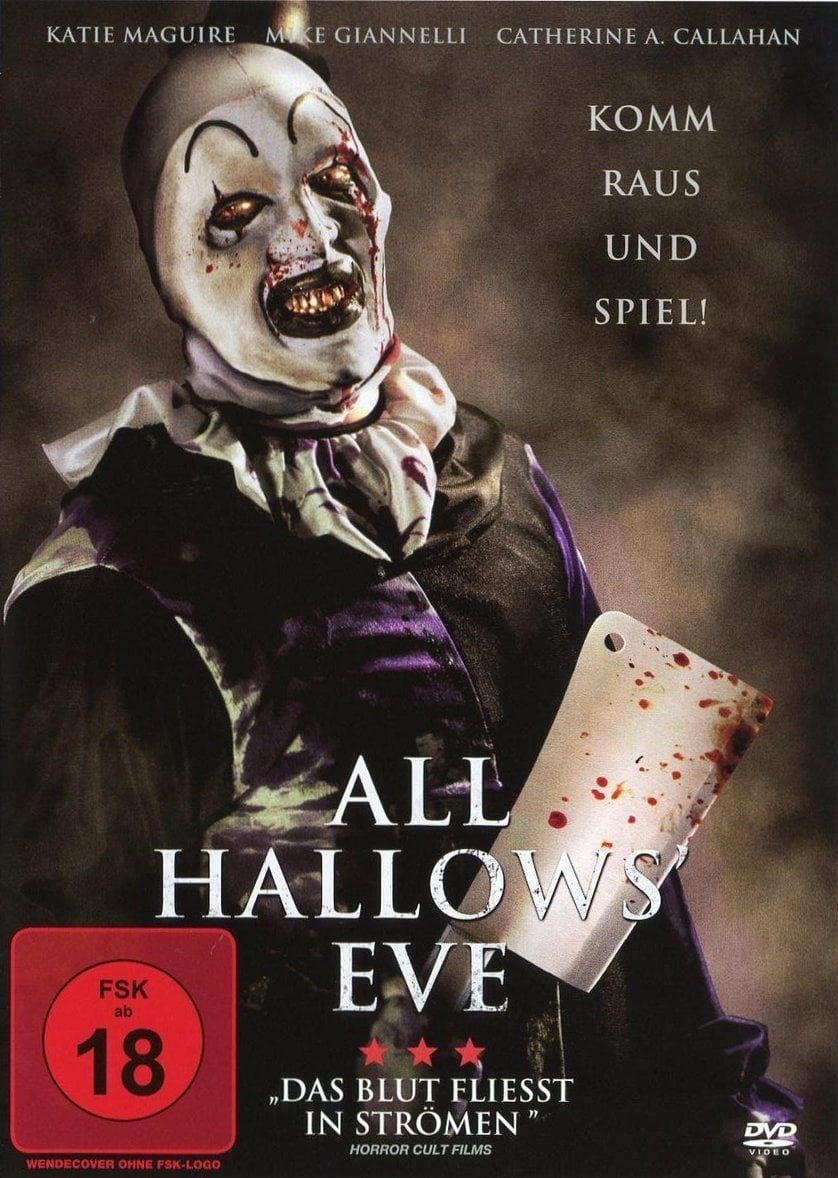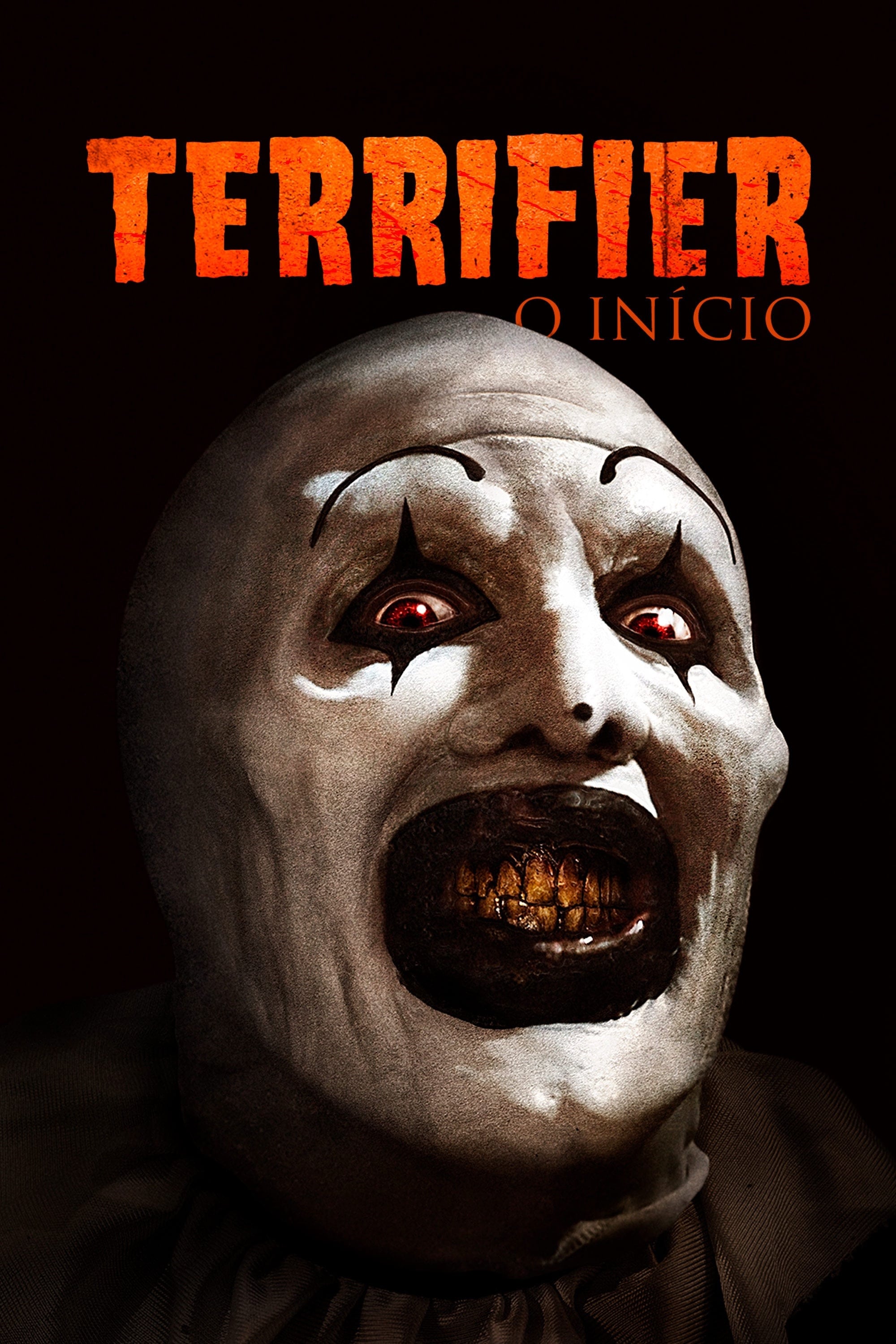
All Hallows' Eve (2013)

US
HORROR FILM
6.3/10 4 votes
Runtime
82 min
Release
October 29, 2013
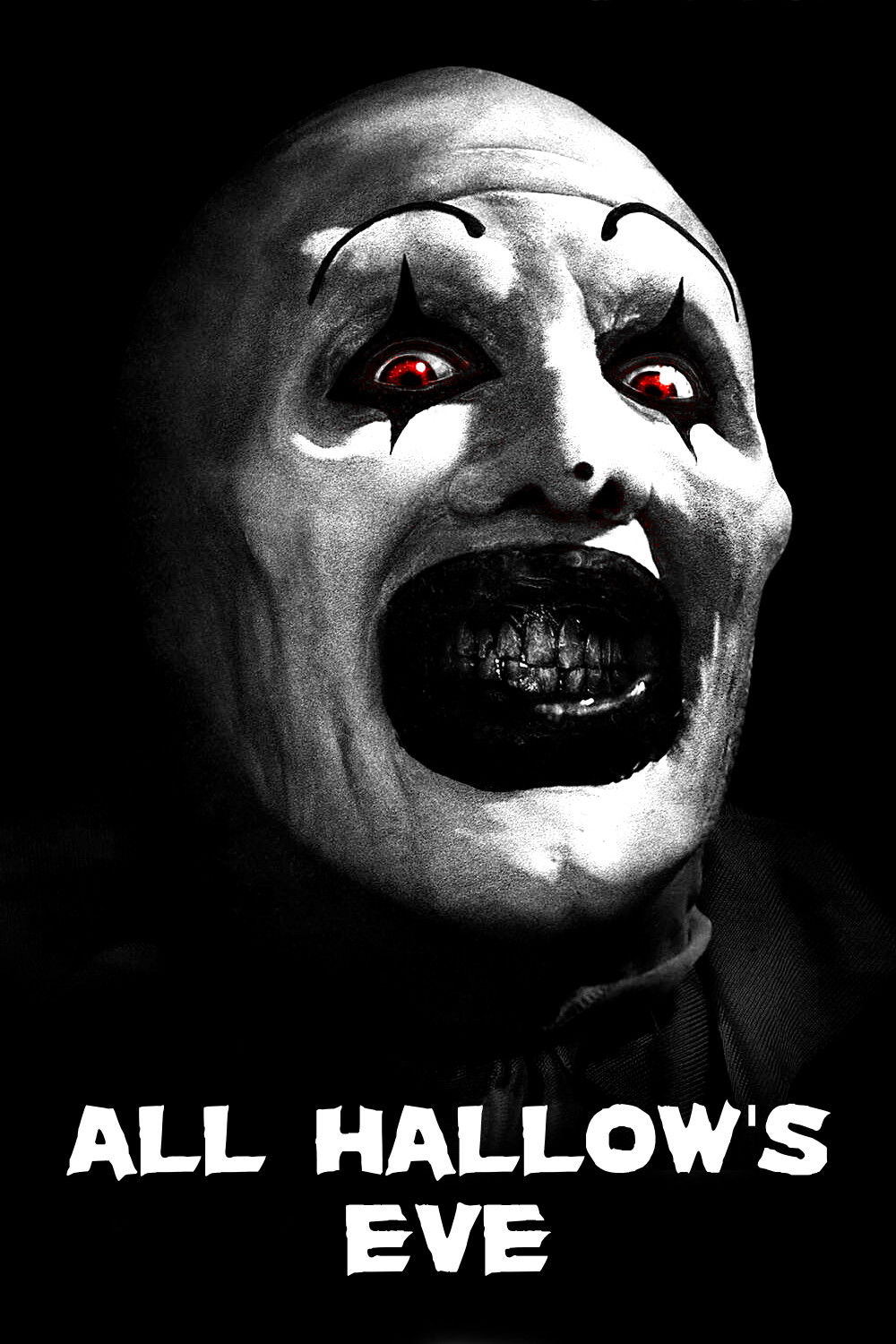
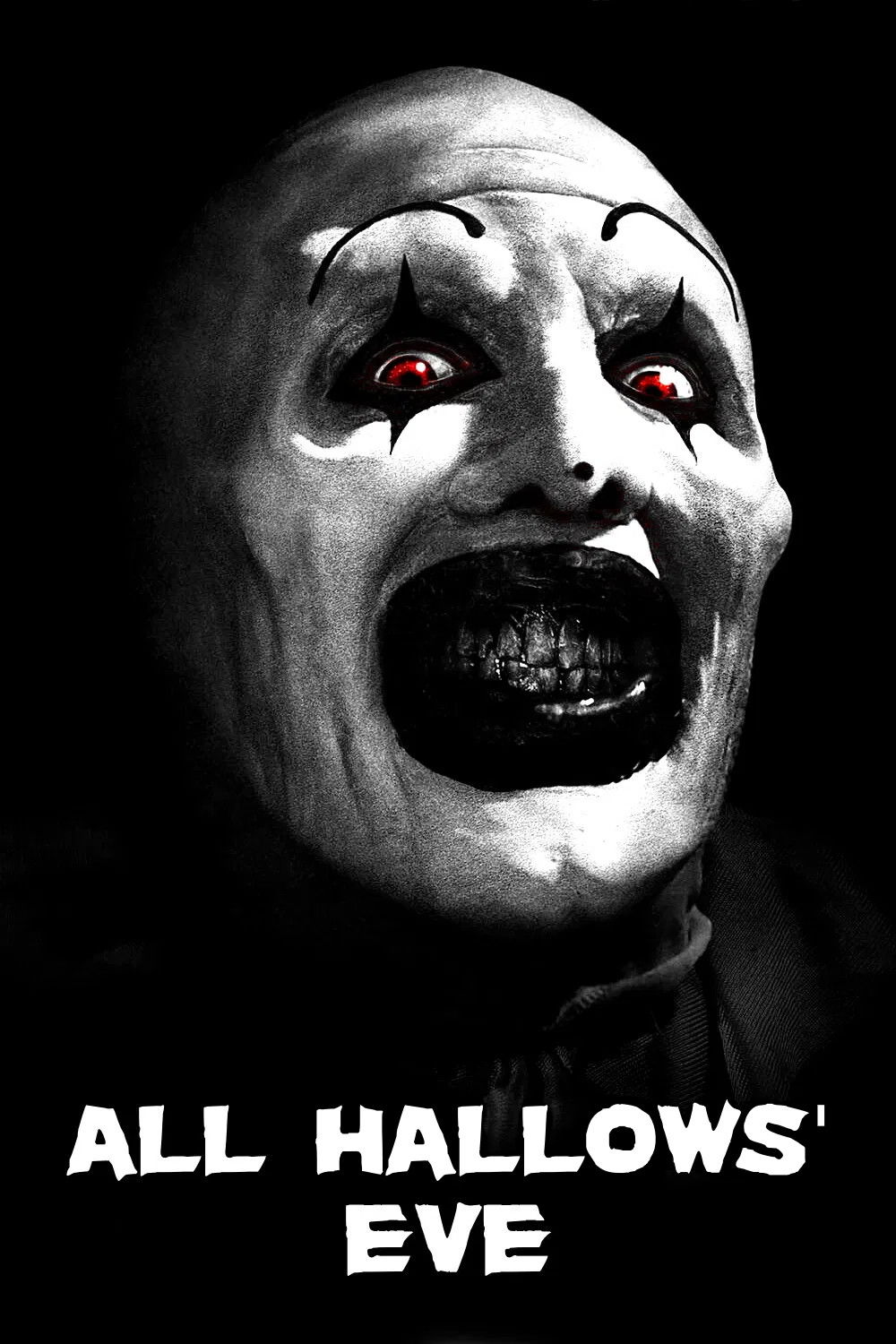
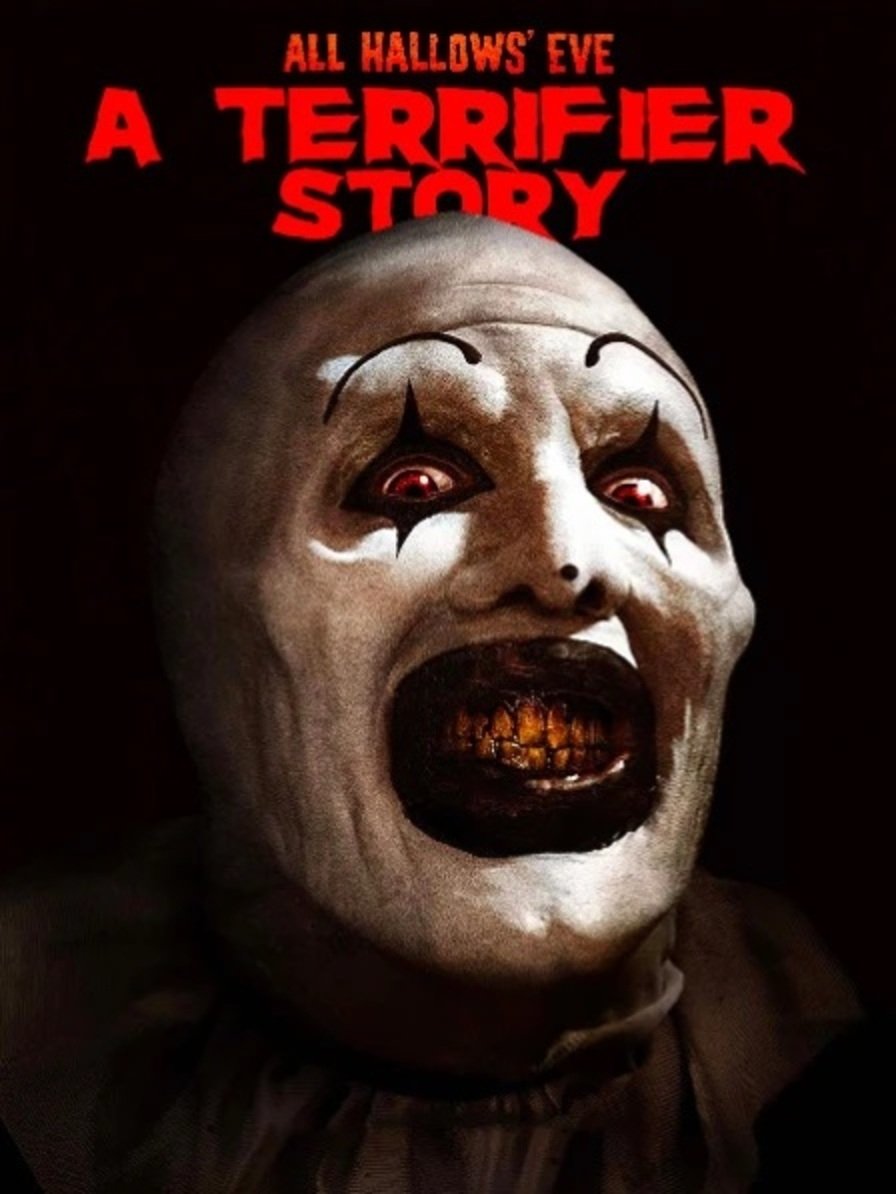
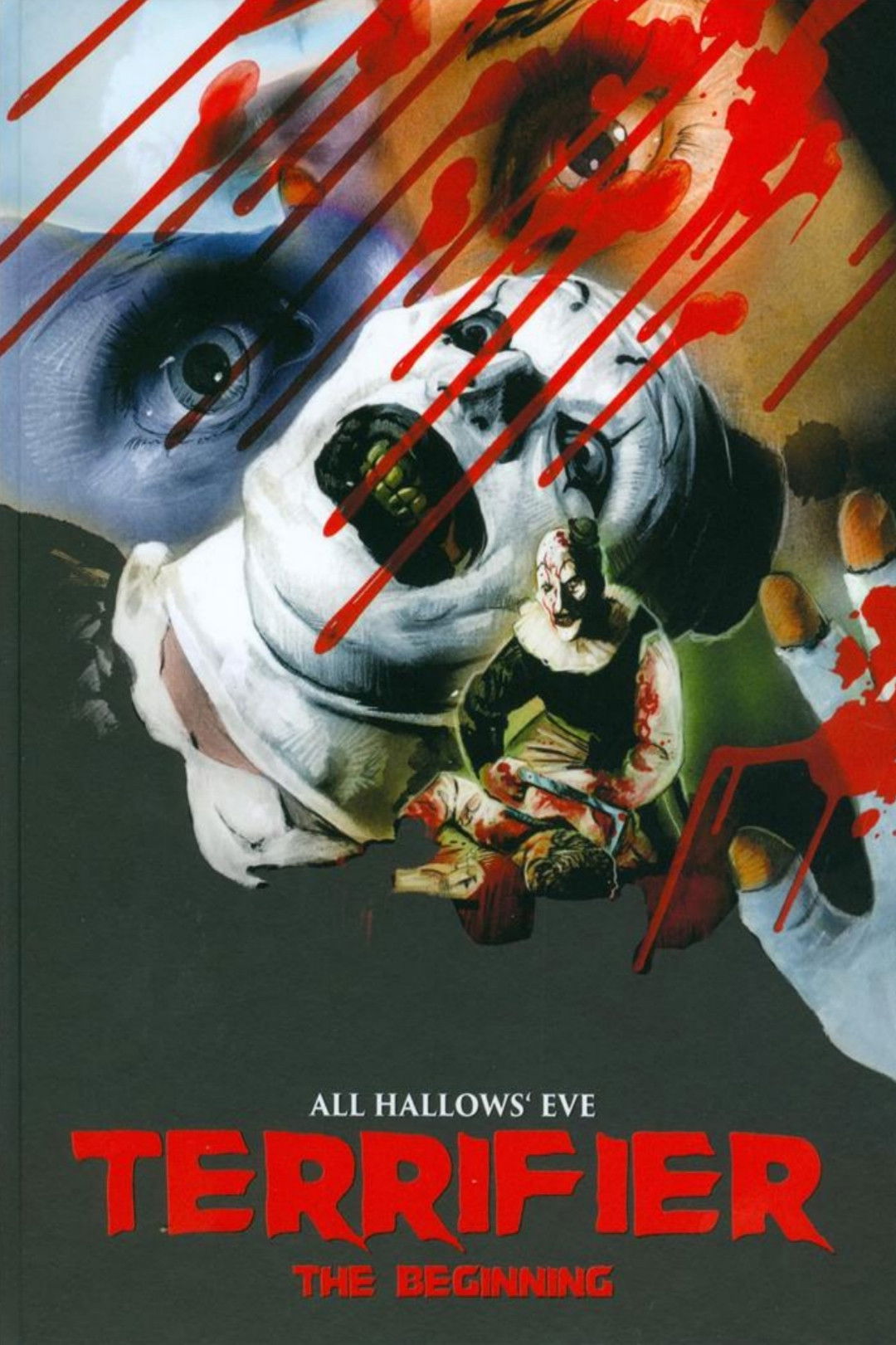
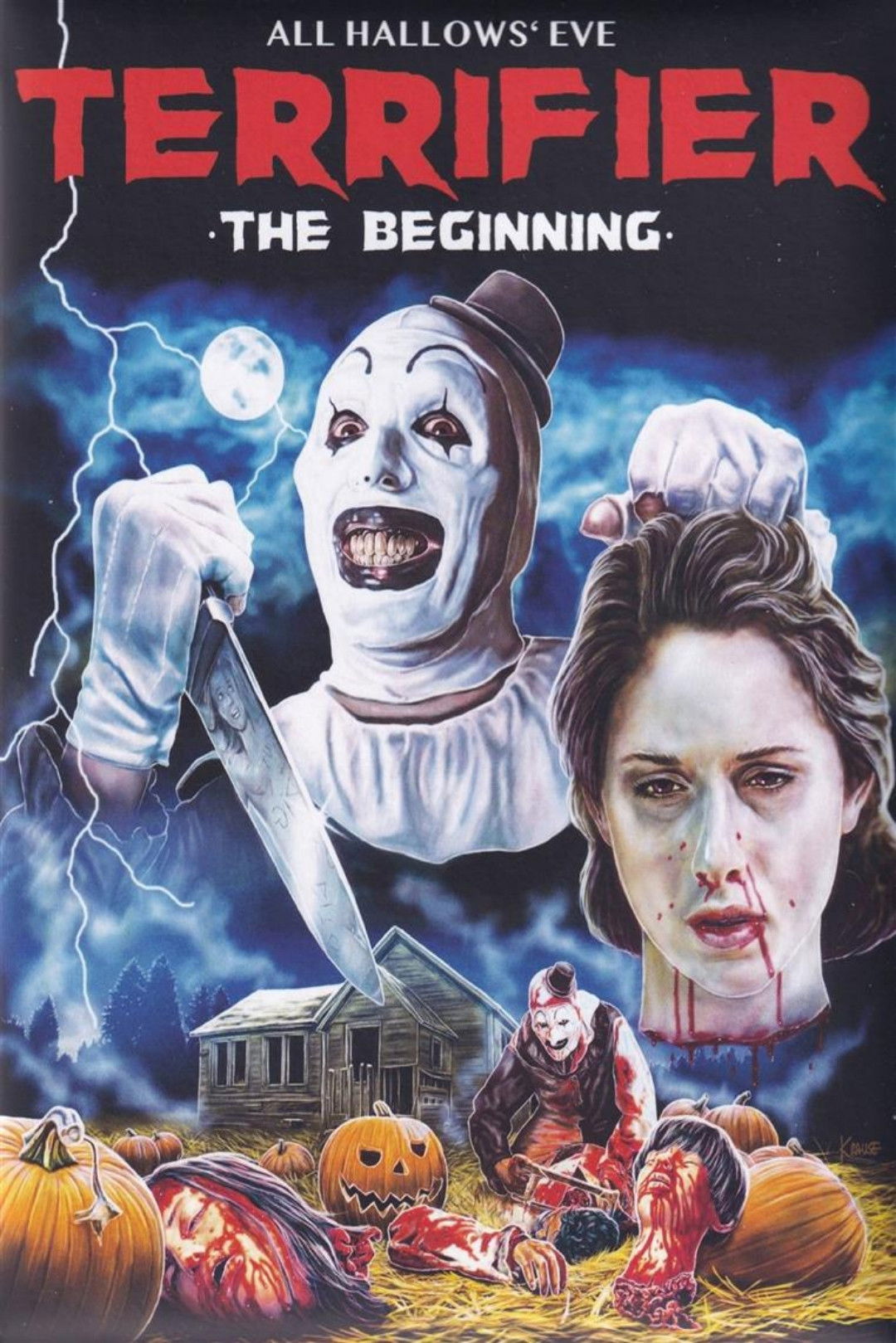
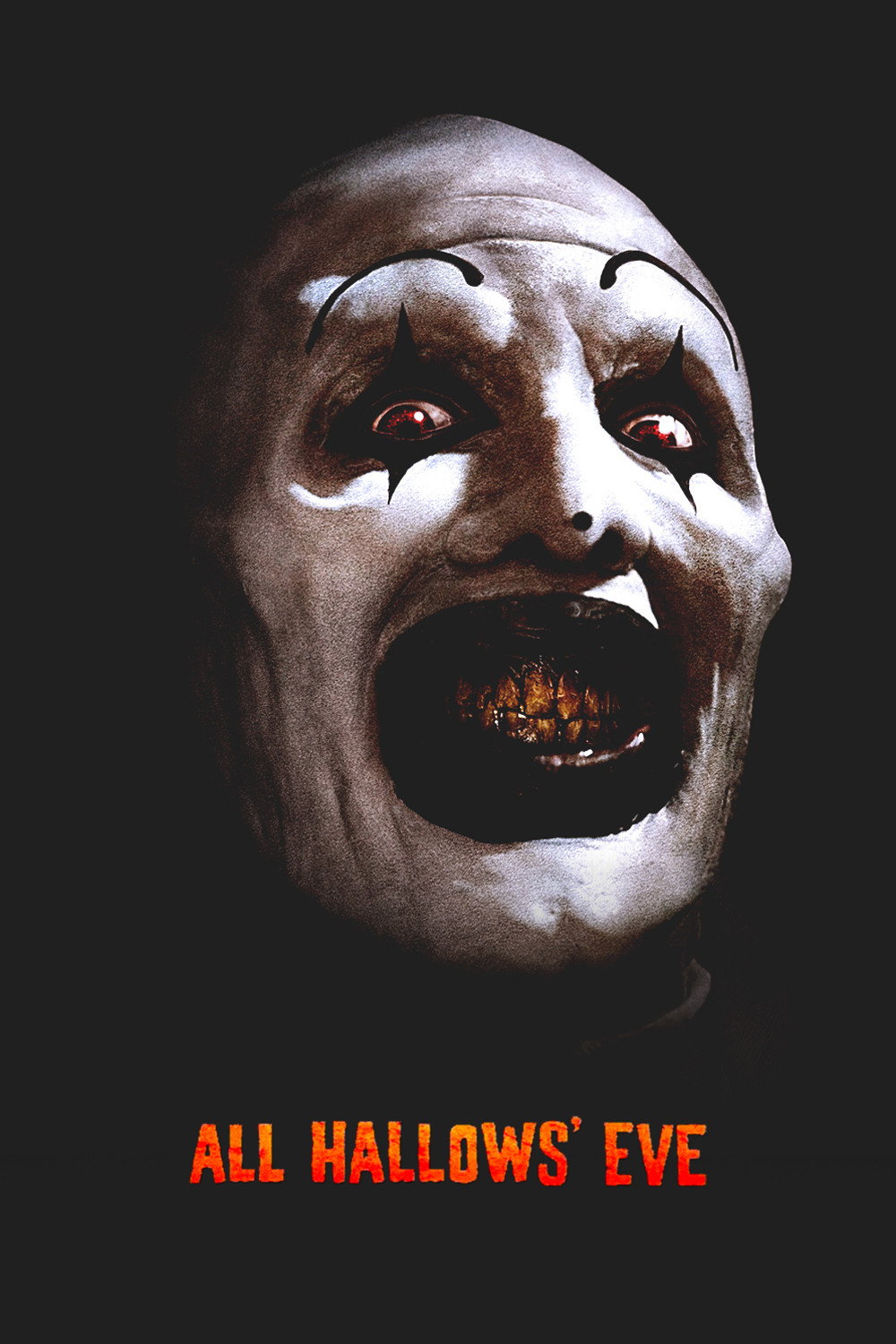
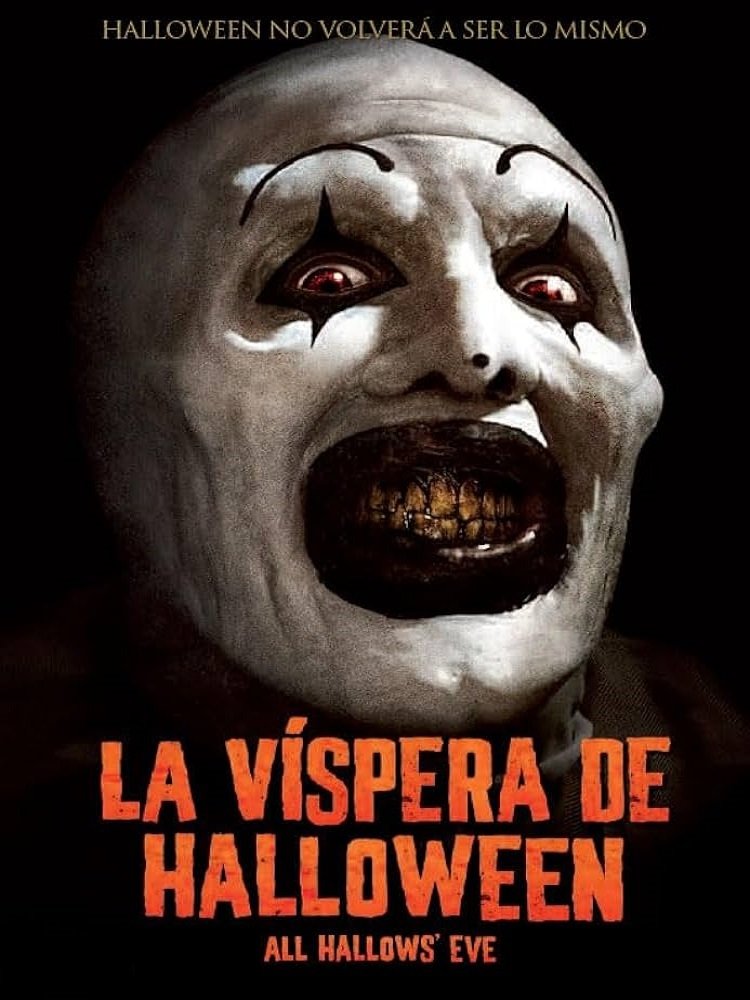
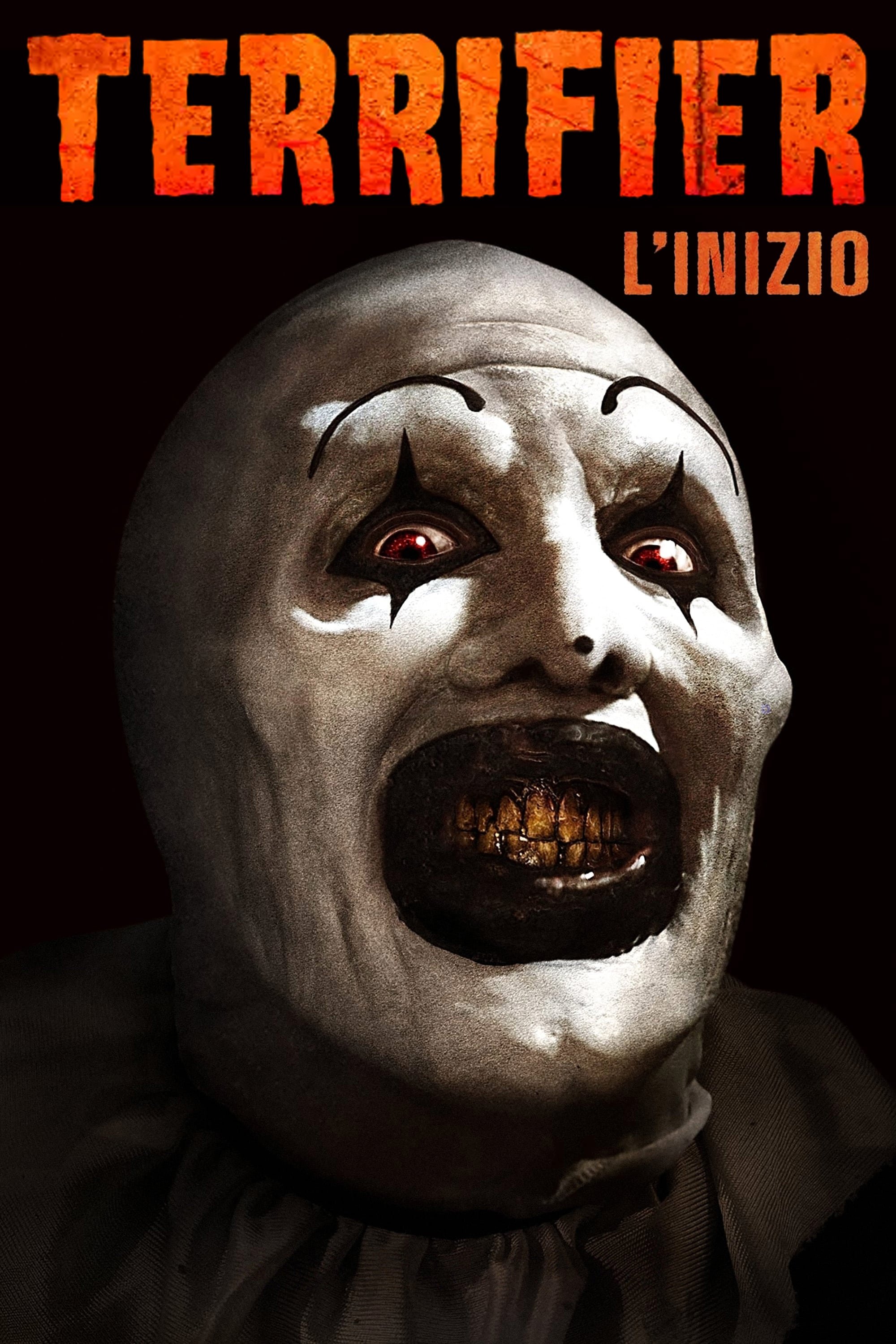
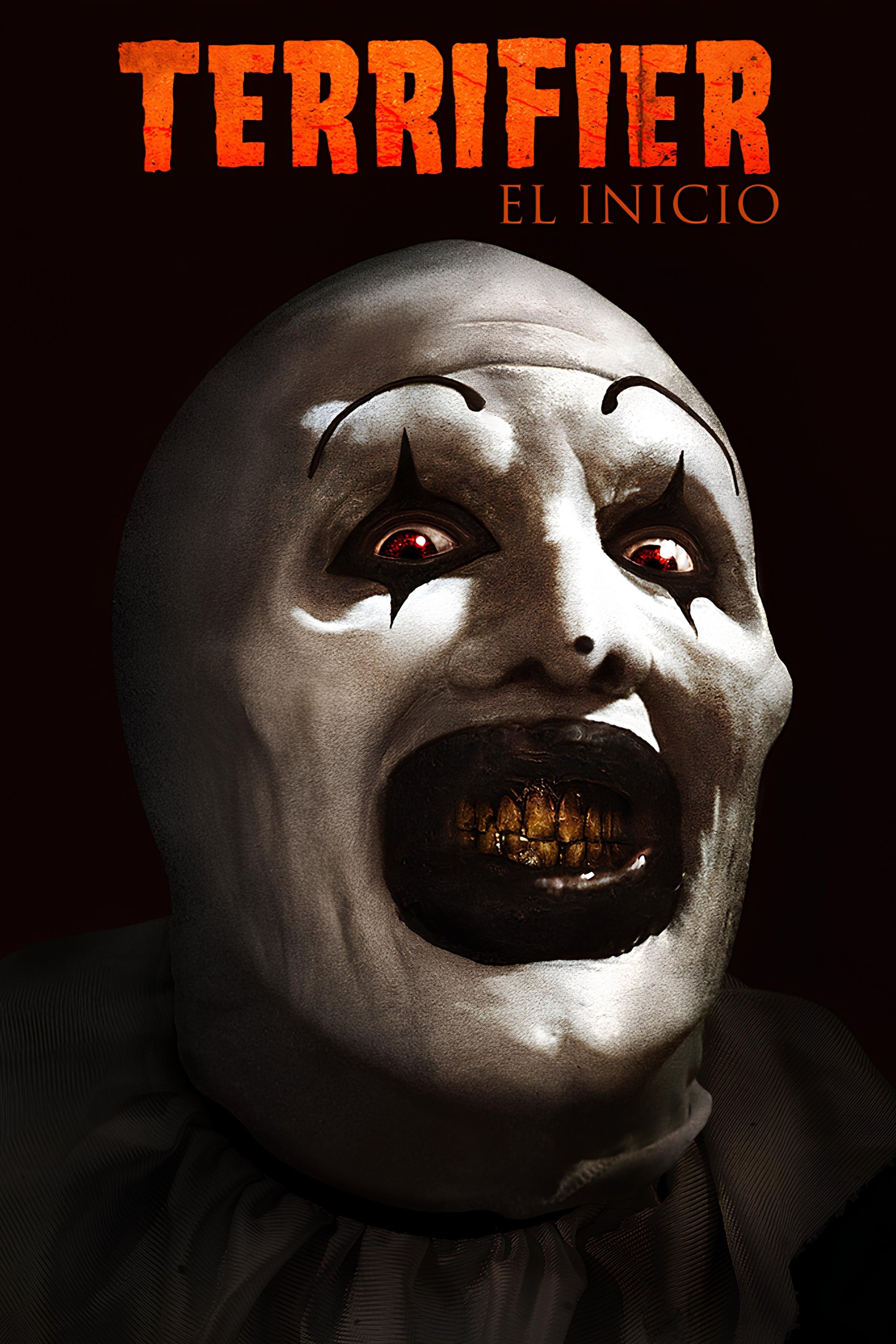
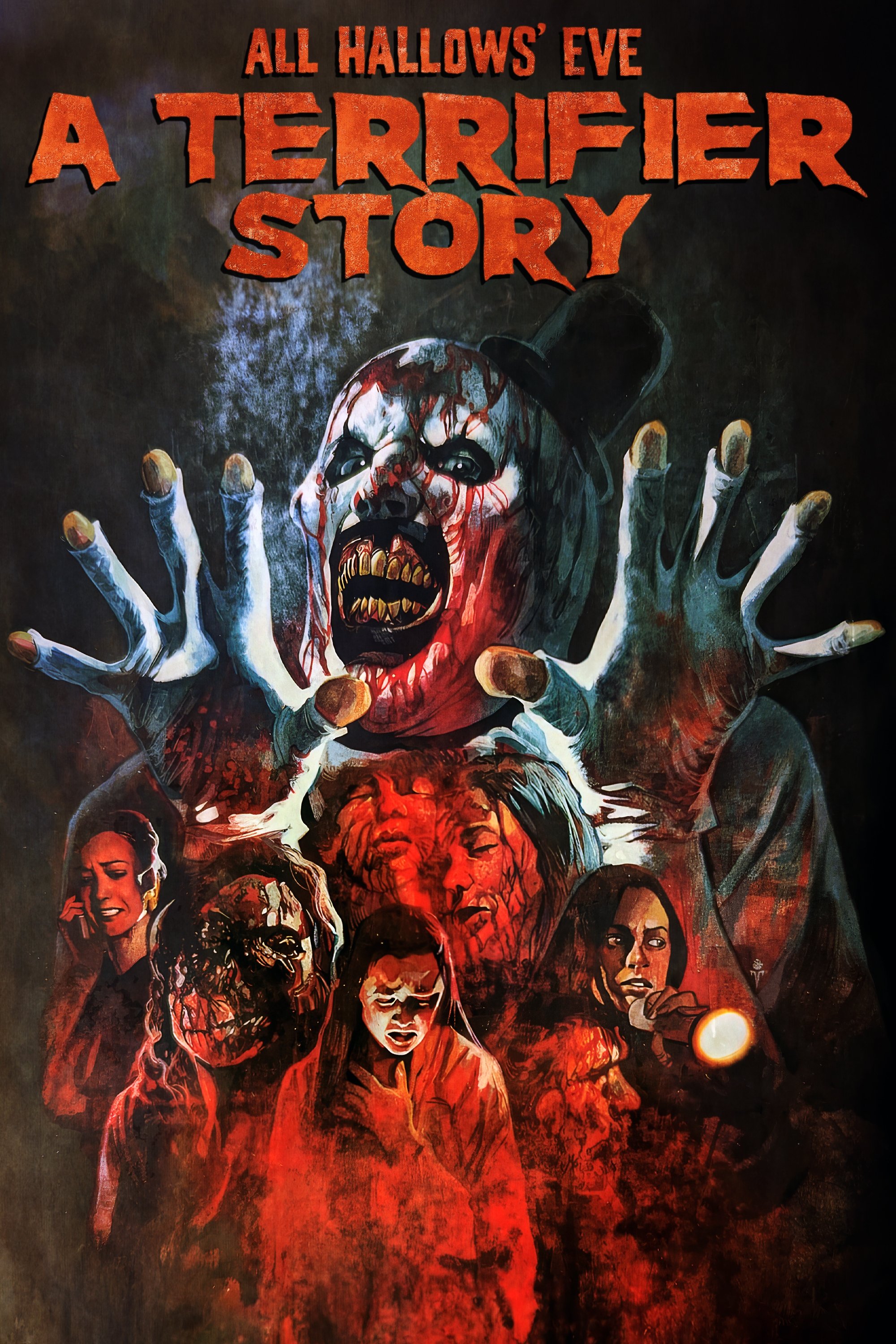
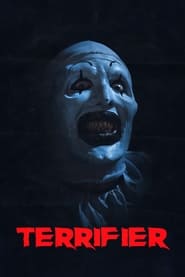
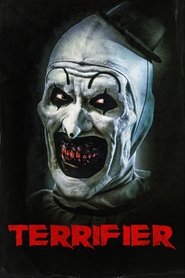
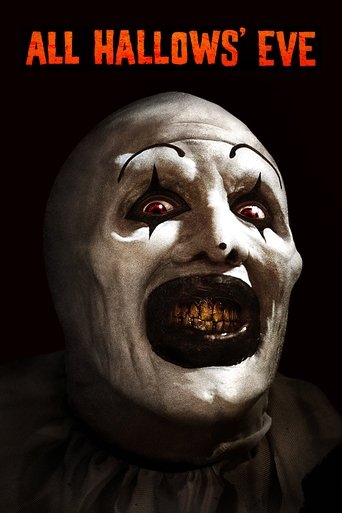
All Hallows' Eve (2013) poster
Director
Production Company
Ruthless Pictures
Plot

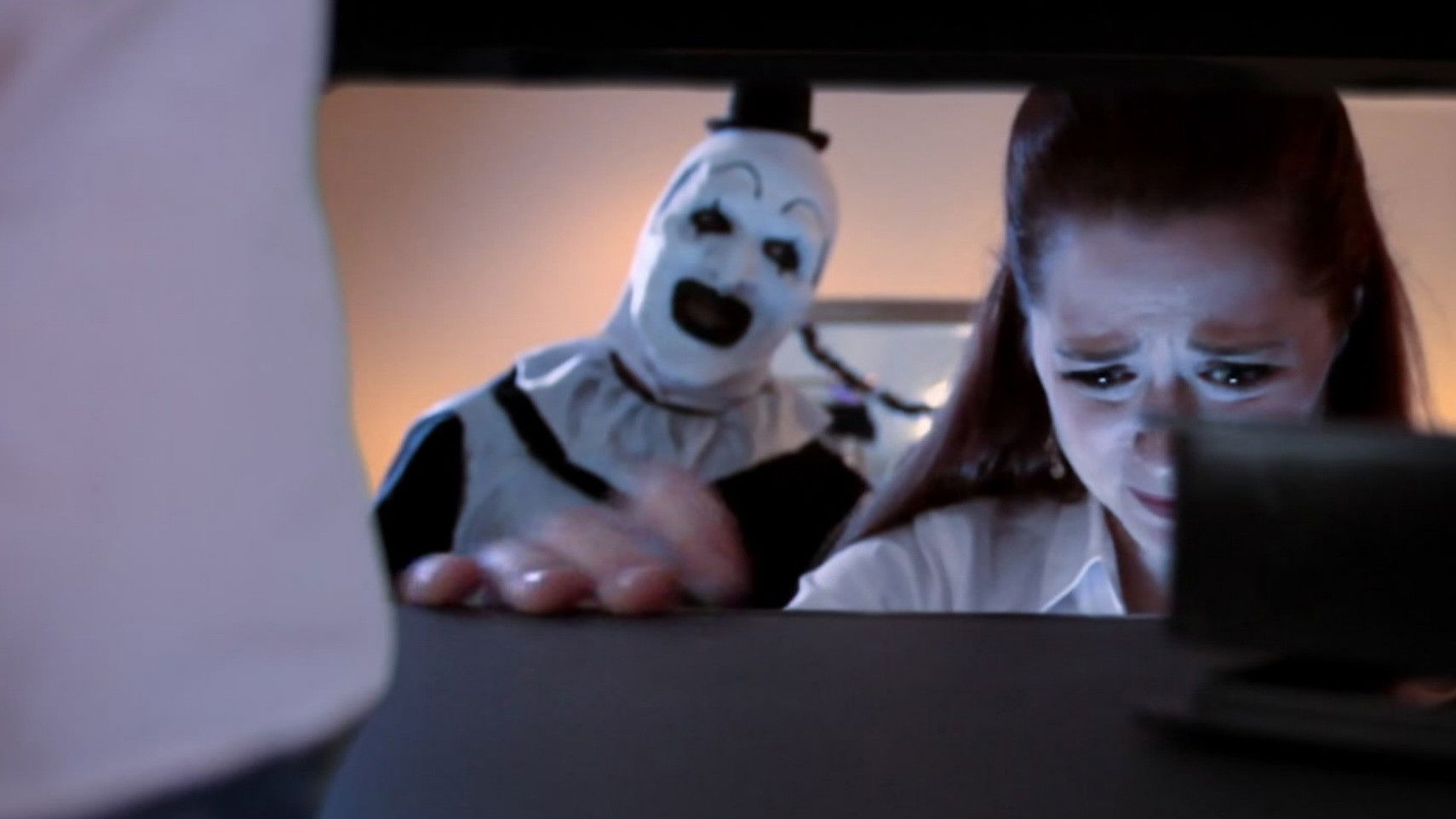
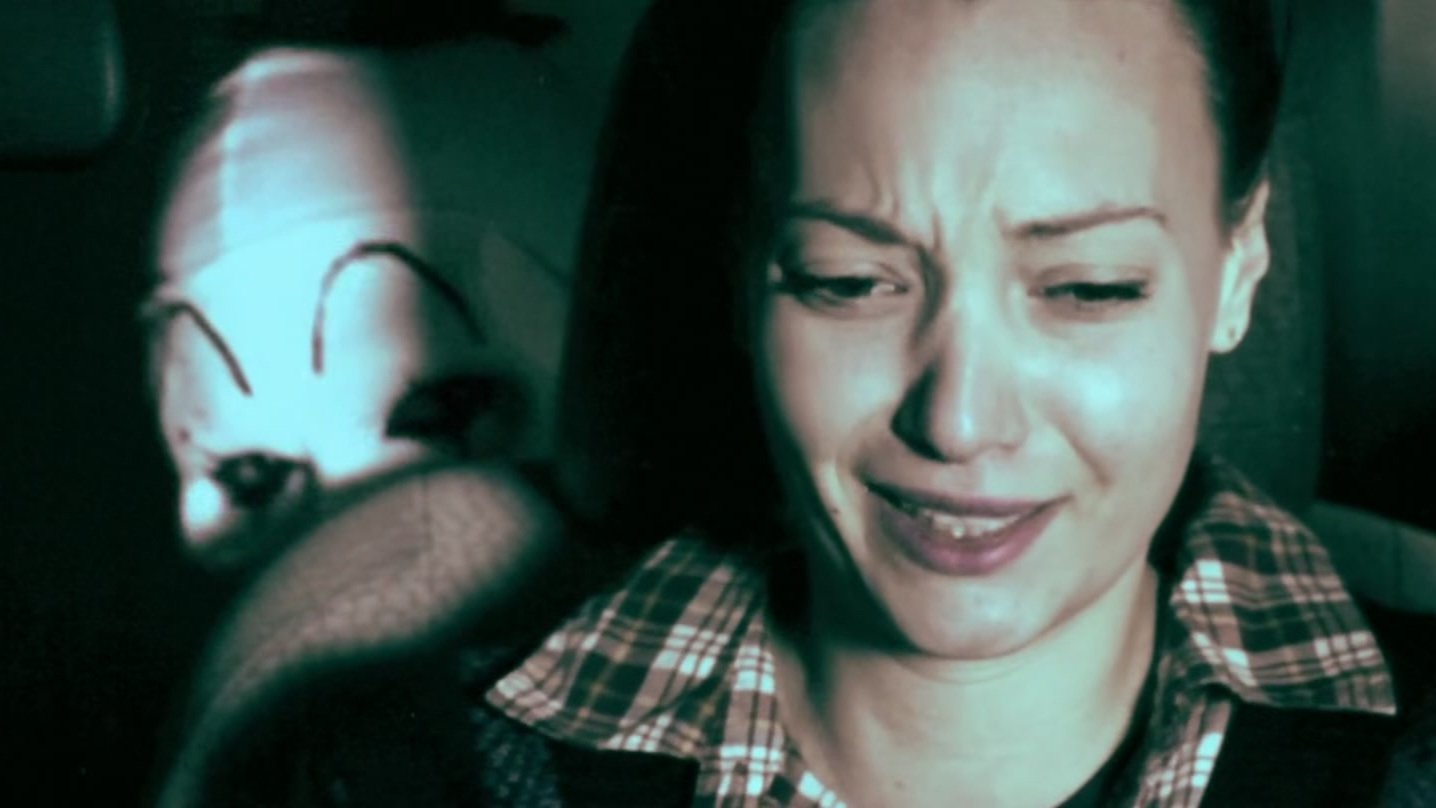
While watching two children on Halloween night, a babysitter finds an old VHS tape in the kids' trick or treat bag. The tape features three tales of terror, all linked together by a murderous clown. As the night goes on strange things begin to occur in the house. It isn't long before the babysitter learns the horrifying truth... the maniacal clown is slowly working his way into her reality.

Alternative Titles
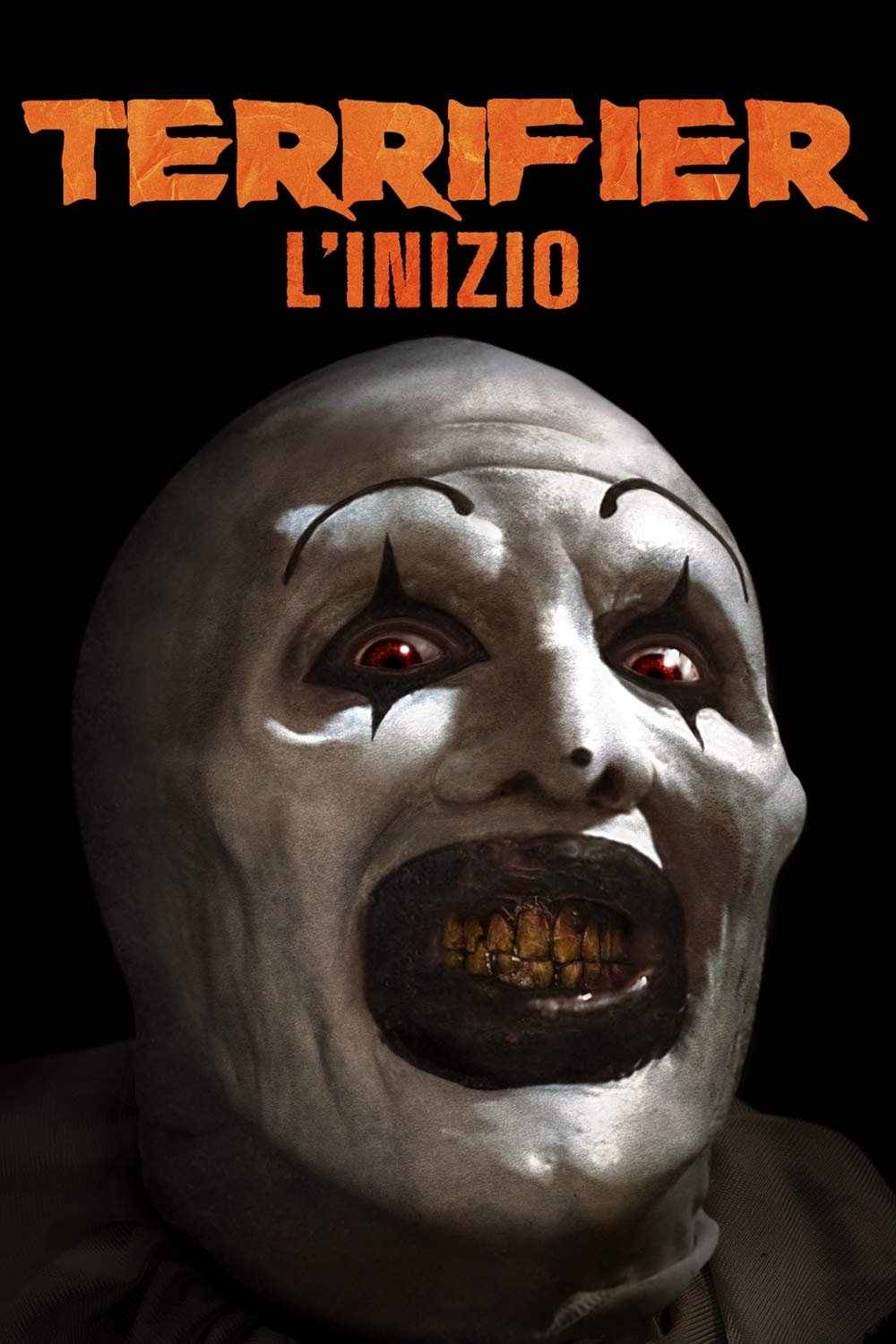
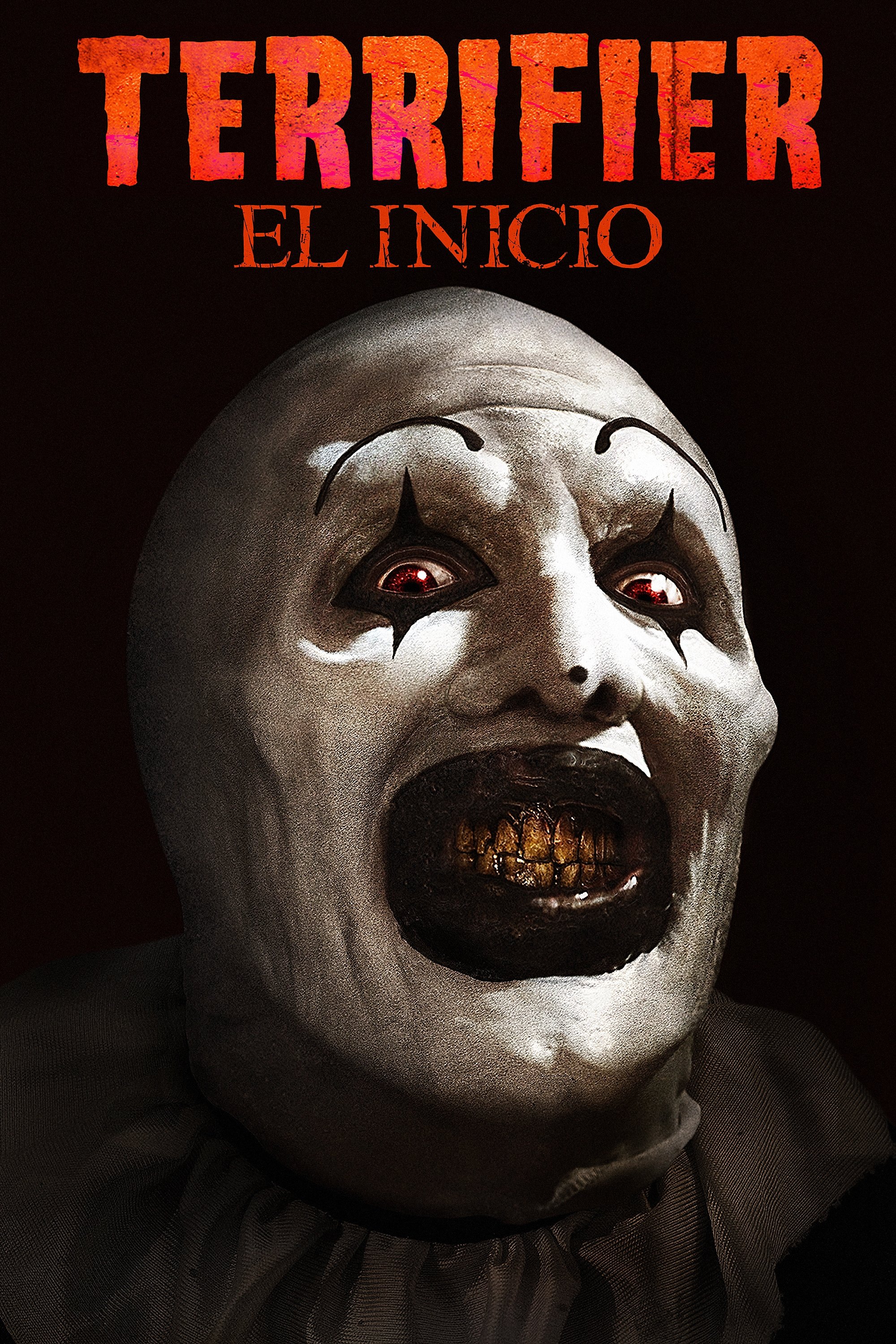
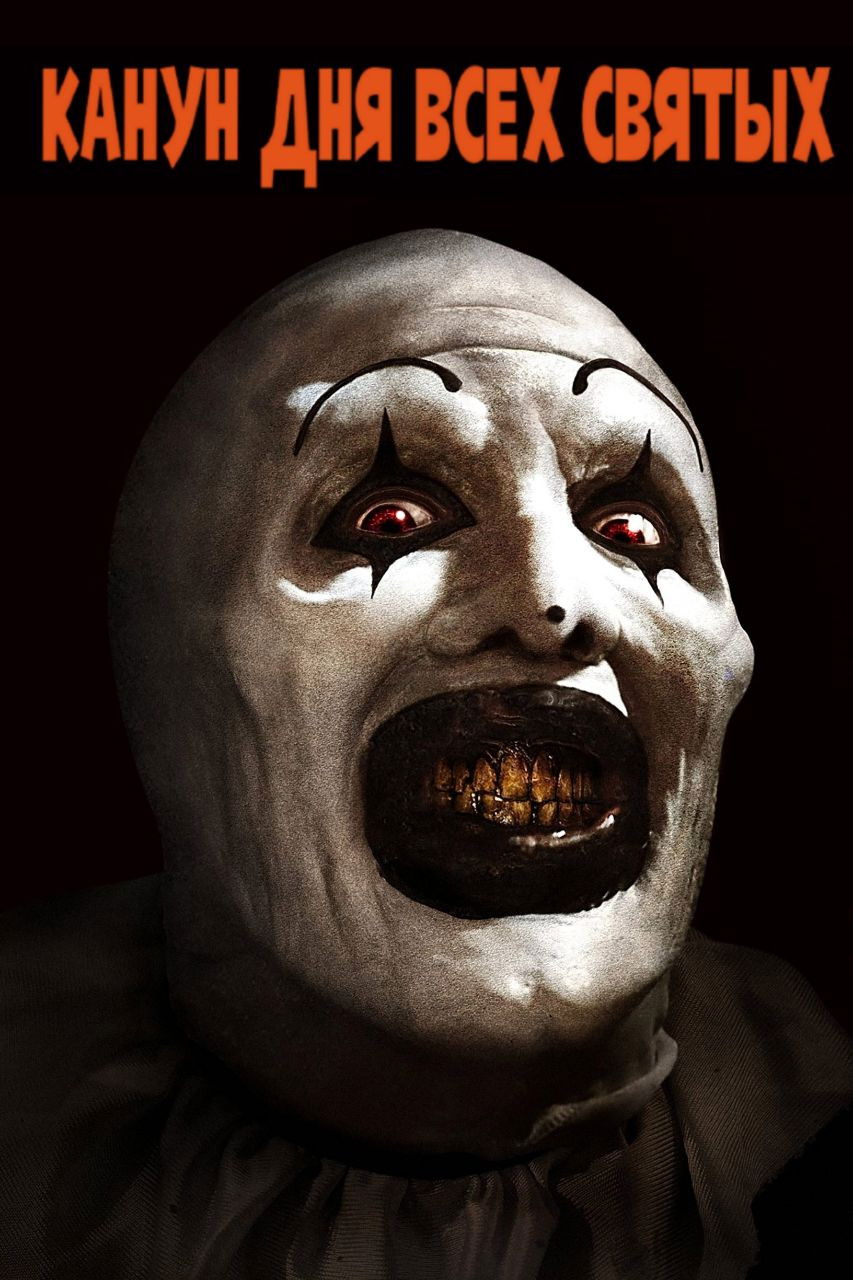
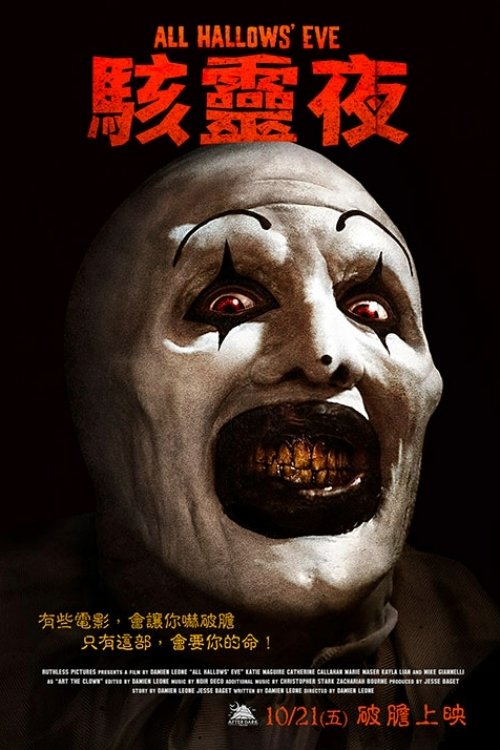
В нощта на Хелоуин (Bulgaria) — Bulgarian Terrifier: O Início (Brazil) — Portuguese Terrifier: El inicio (Chile) 万圣节前夜 (China) — Chinese All Hallows' Eve - Komm raus und spiel! (Germany) Terrifier - The Beginning (Germany) — Home Video Title La víspera de Halloween (Spain) All Hallows' Eve - A Terrifier Story (France) — alternative title
Show all 22 alternative titles 駭靈夜 (Hong Kong SAR China) — Chinese All Hallows Eve (Hungary) — Hungarian כל ליל הקדושים (Israel) — Hebrew شب قدیسین (Iran) Terrifier - L'inizio (Italy) — Italian テリファー0 (Japan) — Japanese テリファーZERO (Japan) 할로윈: 살인영상 (South Korea) — Korean Terrifier: El inicio (Mexico) — Spanish All Hallow's Eve (Netherlands) — Dutch Cukierek albo Psikus (Poland) — Polish Канун Дня всех святых (Russia) — Russian ليلة جميع القديسين (Saudi Arabia) — Arabic 駭靈夜 (Taiwan) — Chinese

Trailers & Videos

1 video

Film Guide & Analysis

Damien Leone’s first horror anthology feature: the origins of Art the Clown, its assembled short films, practical effects, original home-video release and contemporary reception.

All Hallows’ Eve (2013) is an American independent horror anthology written, directed and edited by Damien Leone. Built around two previously completed short films and newly produced connecting material, it brought Art the Clown into a feature-length release before the character became the central antagonist of the Terrifier series. The film combines demonic horror, an extraterrestrial home invasion and a sustained slasher pursuit within a Halloween-night framing story. Its uneven visual textures reflect the different origins of its constituent episodes, while its deliberately grotesque effects reveal Leone’s background in practical makeup and creature fabrication.

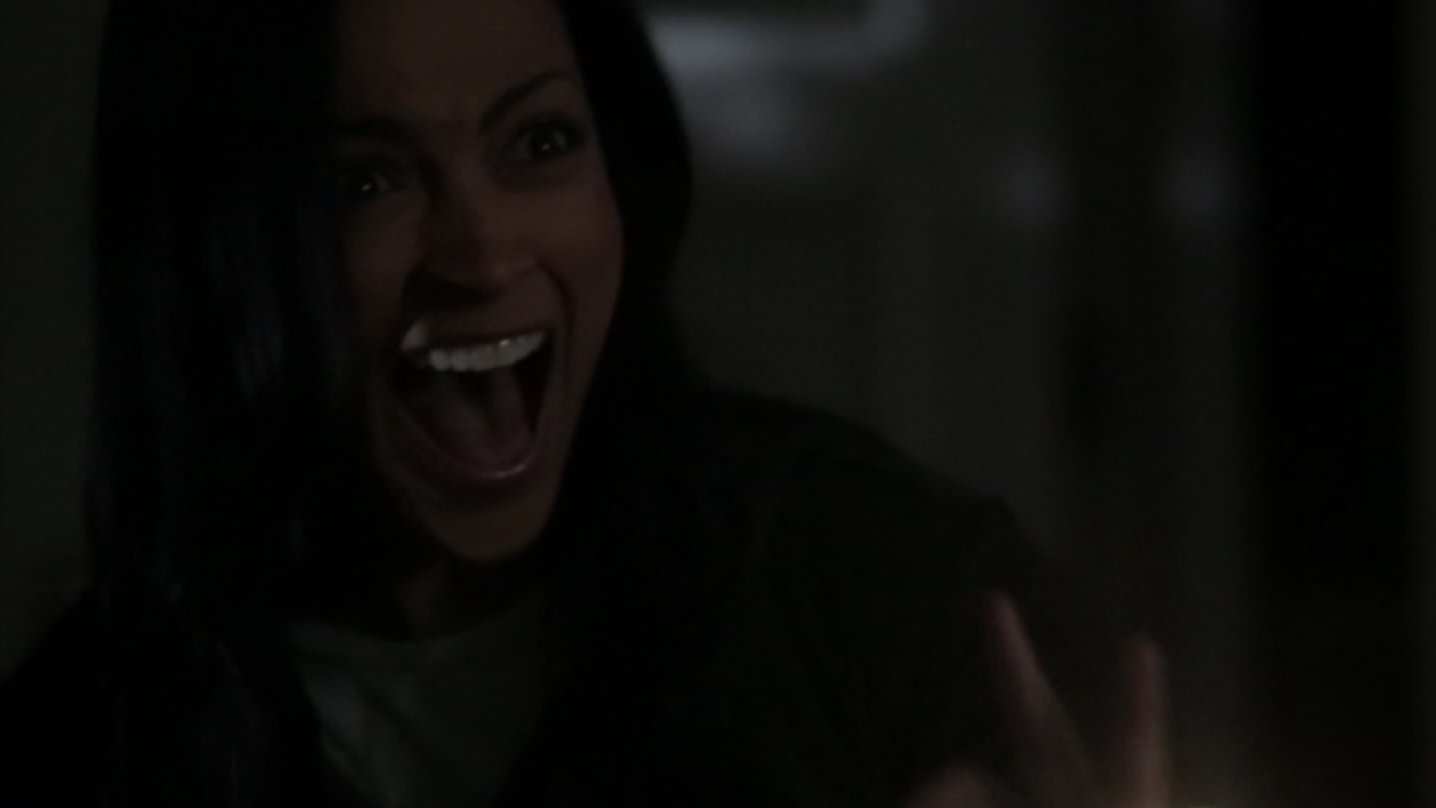
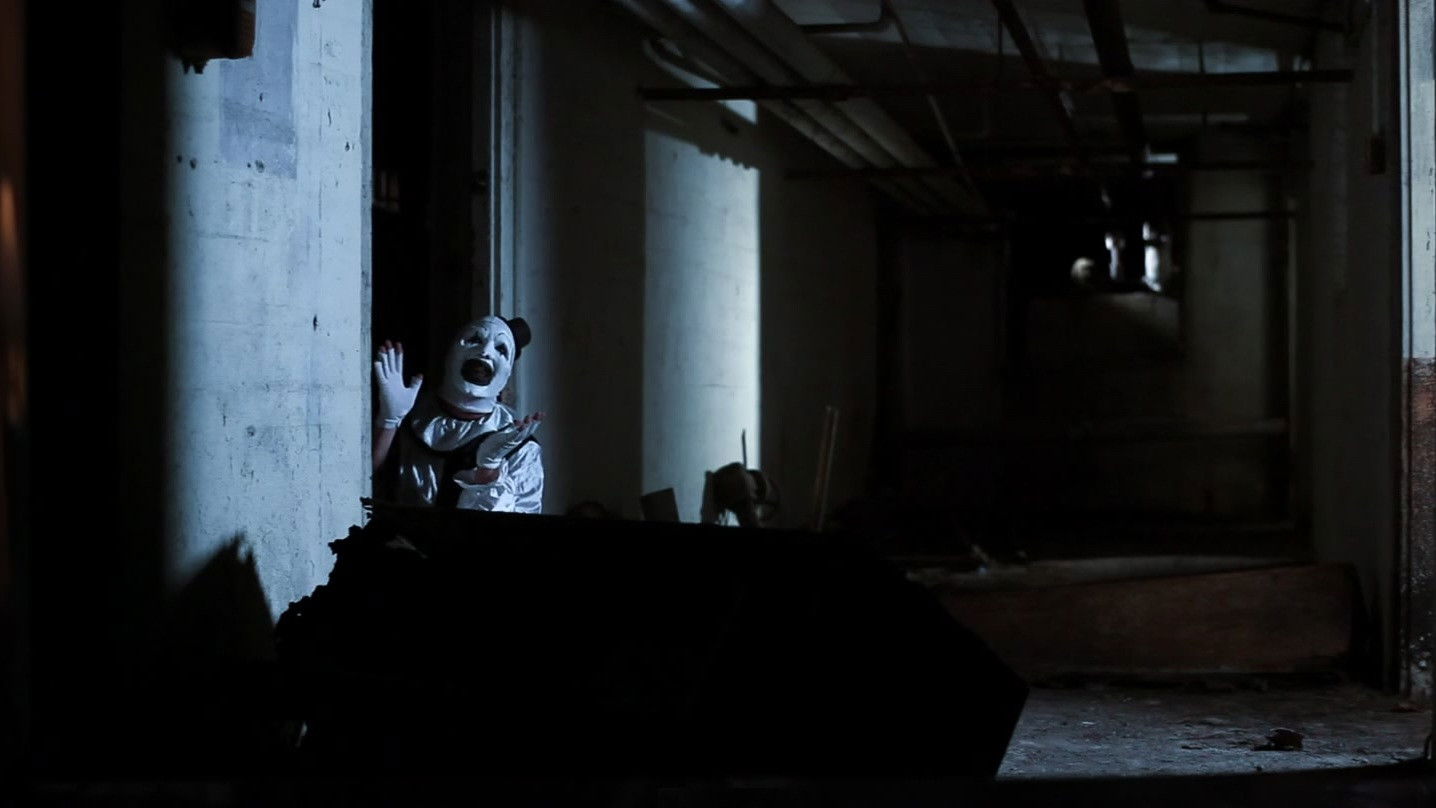
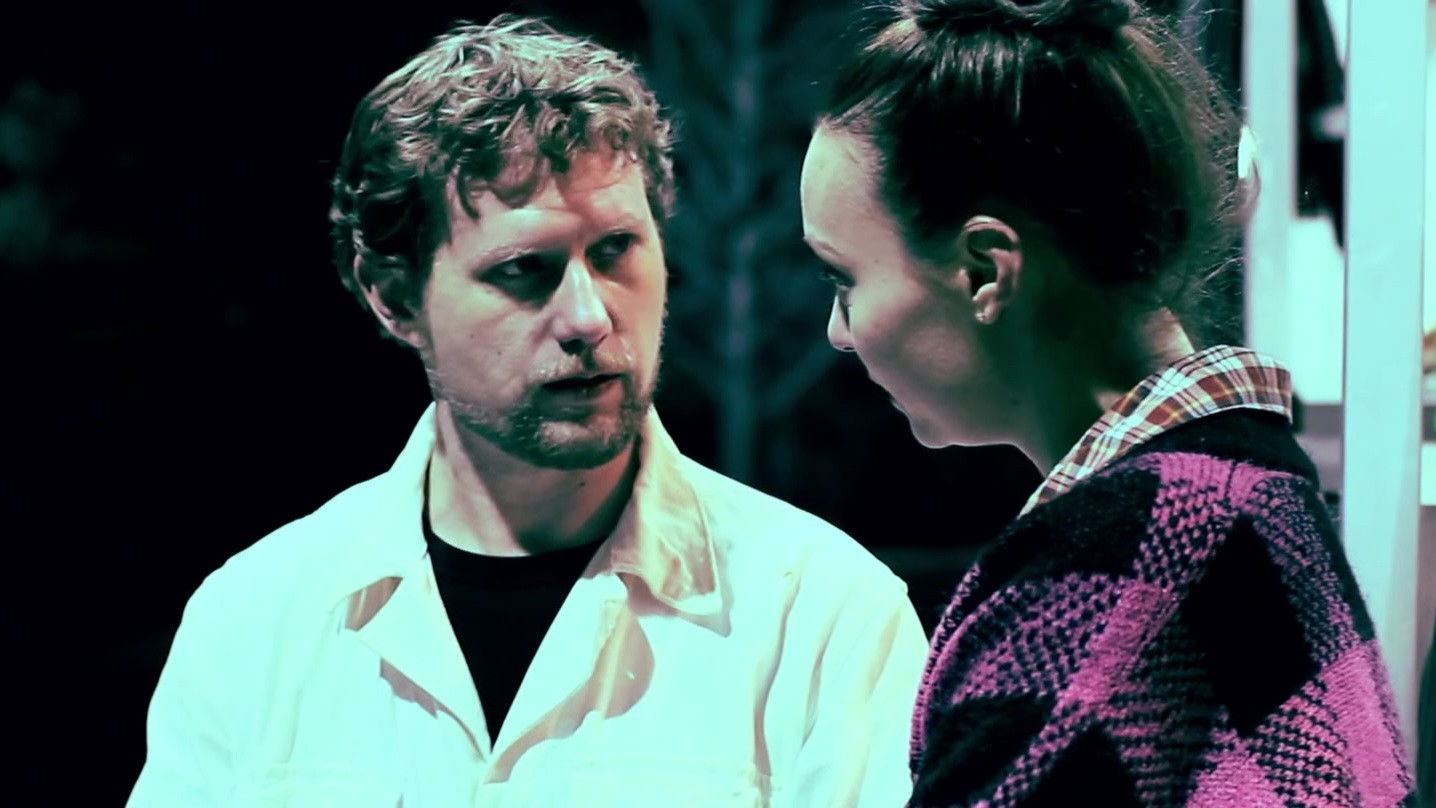
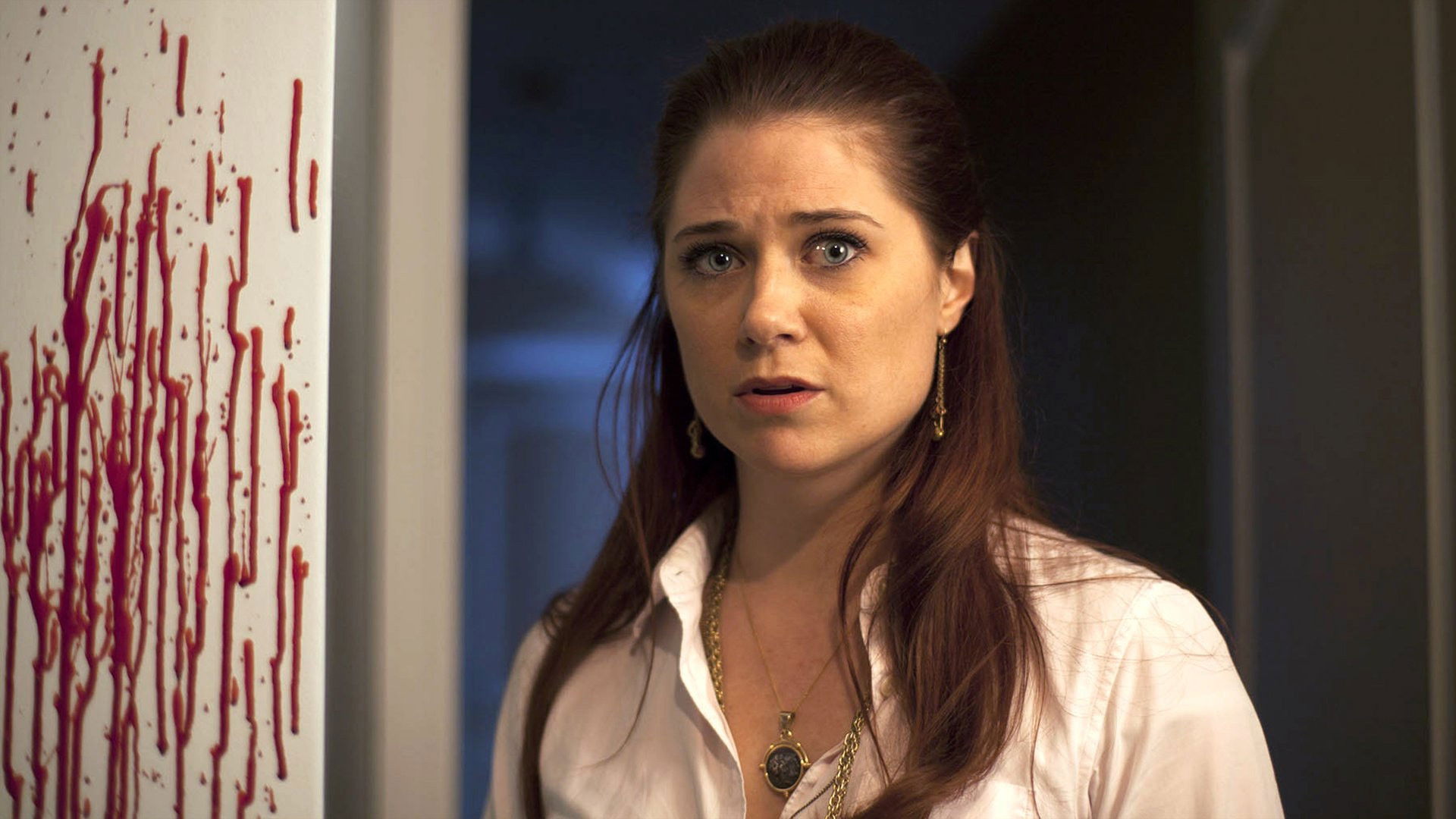
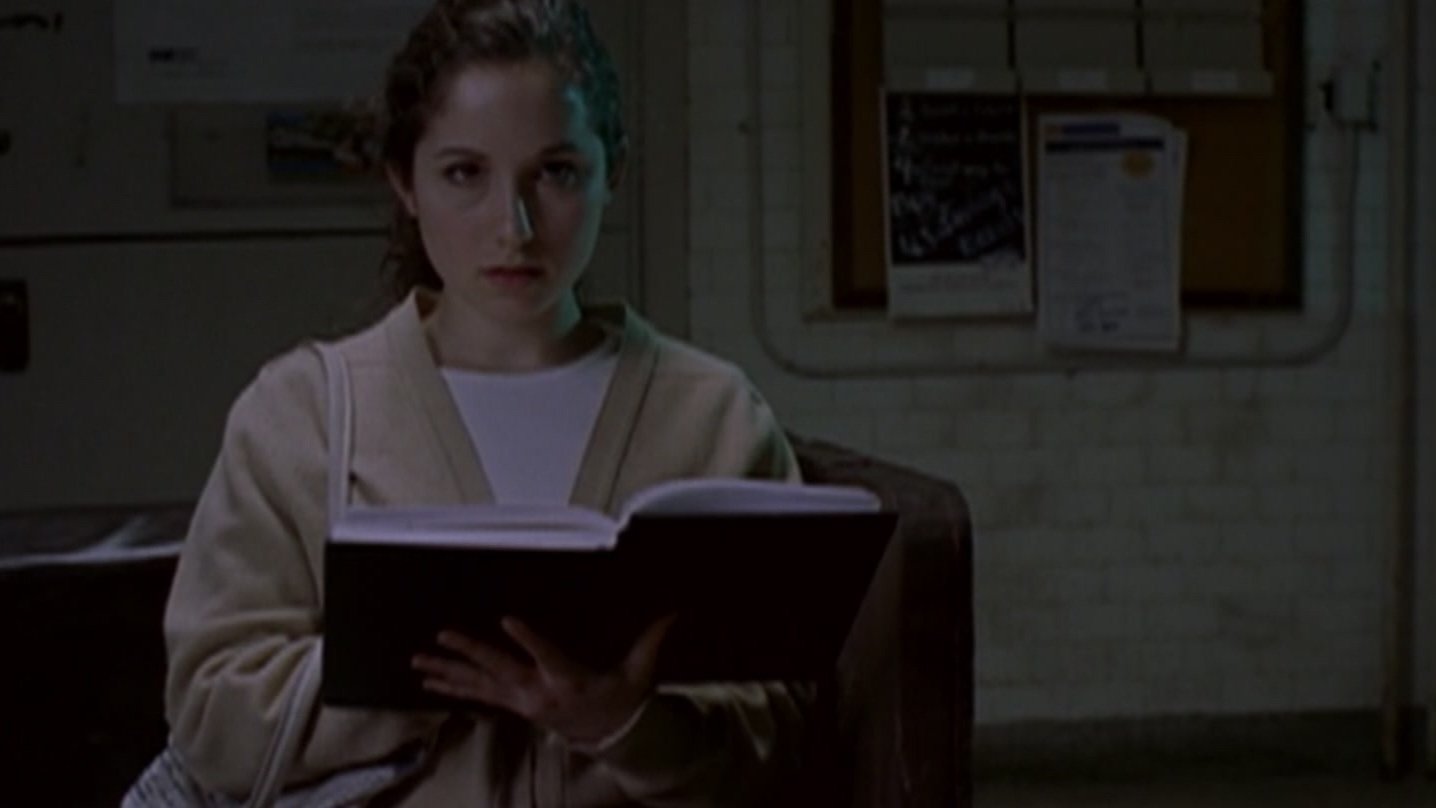
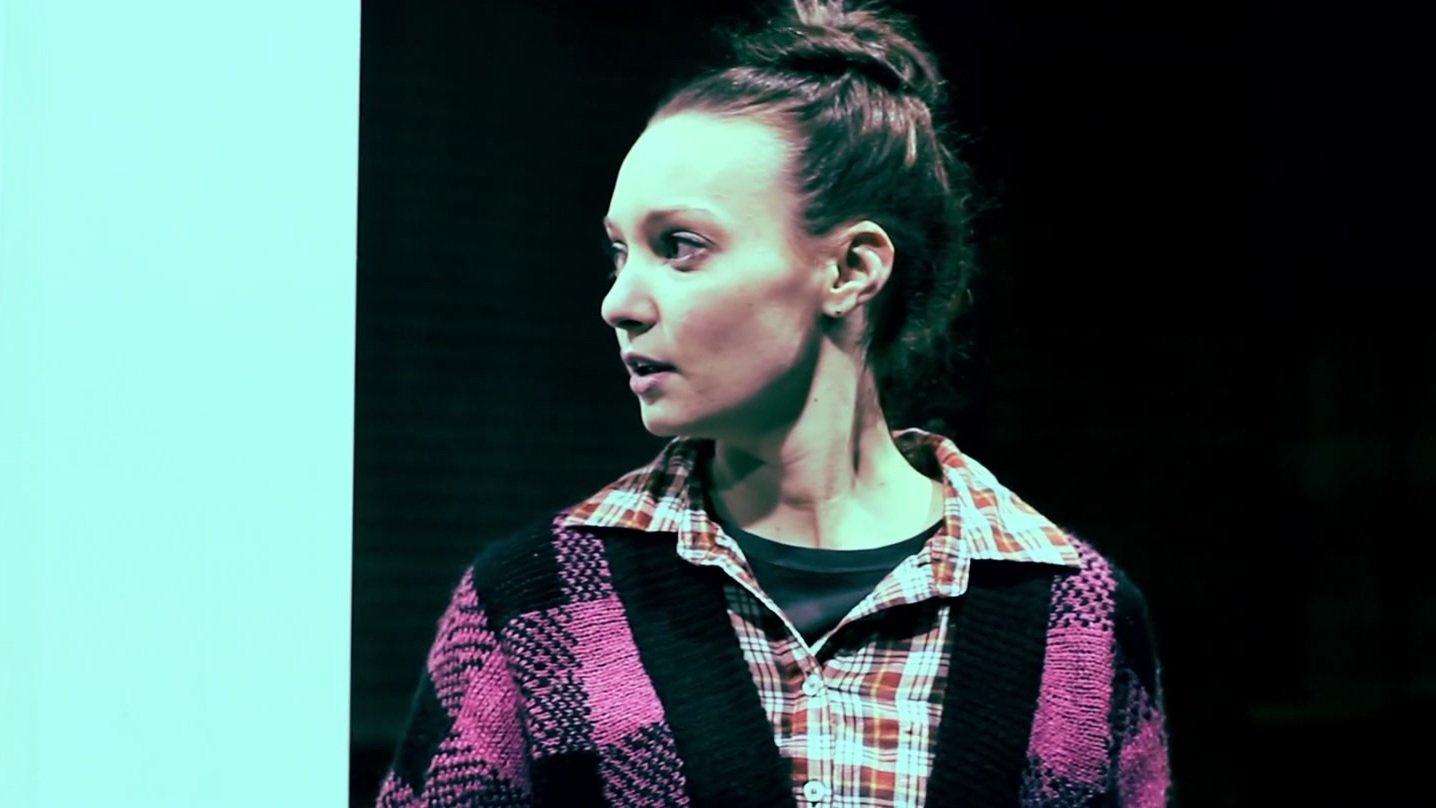
Katie Maguire plays Sarah, a babysitter whose charges discover an unidentified VHS cassette among their Halloween candy. The recording contains three disturbing stories, connected loosely by the appearance of a silent clown portrayed by Mike Giannelli. As Sarah continues watching, the boundaries between the recorded images and her surroundings begin to collapse. Produced by Ruthless Pictures and released directly to home video in October 2013, the feature emerged from an unusual process of assembling independent work into a commercially distributable film. Its subsequent importance lies principally in preserving the early development of Art and introducing his distinctive appearance and behaviour to a wider audience.

Development: From Two Short Films to a Feature

All Hallows’ Eve originated from material Leone had created before securing a feature-film opportunity. The earliest component was The 9th Circle, filmed in 2006 and subsequently circulated as a short. Art appeared briefly as an accomplice in an abduction that led into a story involving an underground satanic cult. Leone later explained that the character’s limited appearance suggested possibilities that the original narrative had not explored. He developed those possibilities in Terrifier, a short completed in 2011 that made the clown the principal antagonist and concentrated on his pursuit of a young woman. The two productions were conceived separately and developed under different practical circumstances.

Producer Jesse Baget encountered the shorts through YouTube and contacted Leone about incorporating them into a Halloween anthology. The initial proposal involved contributions from different filmmakers. Leone persuaded Baget to let him direct the additional material himself, allowing the project to retain a single creative authority despite its composite origins. In a 2013 interview with Dread Central, Leone explained that the intended purpose was to bring Terrifier to DVD and give Art greater exposure. He still hoped to make a separate feature devoted to the character. The anthology arrangement therefore arose from a distribution opportunity rather than from an earlier plan to create three interrelated stories.

The schedule imposed serious constraints. Leone recalled having approximately three months to write, cast, shoot and finish the additional material for a Halloween release. The work included finding locations, assembling a crew and constructing effects while preparing the entire film for delivery. Some previously discarded footage from The 9th Circle was restored for the feature. In particular, Leone reinstated material involving additional captive women that he had removed while editing the original short because the expanded narrative no longer seemed manageable. The anthology provided an opportunity to use those performances, although the restored scenes also reinforced the difference in scale between the early supernatural episode and the later slasher material.

The Videotape Framework and Three Horror Stories

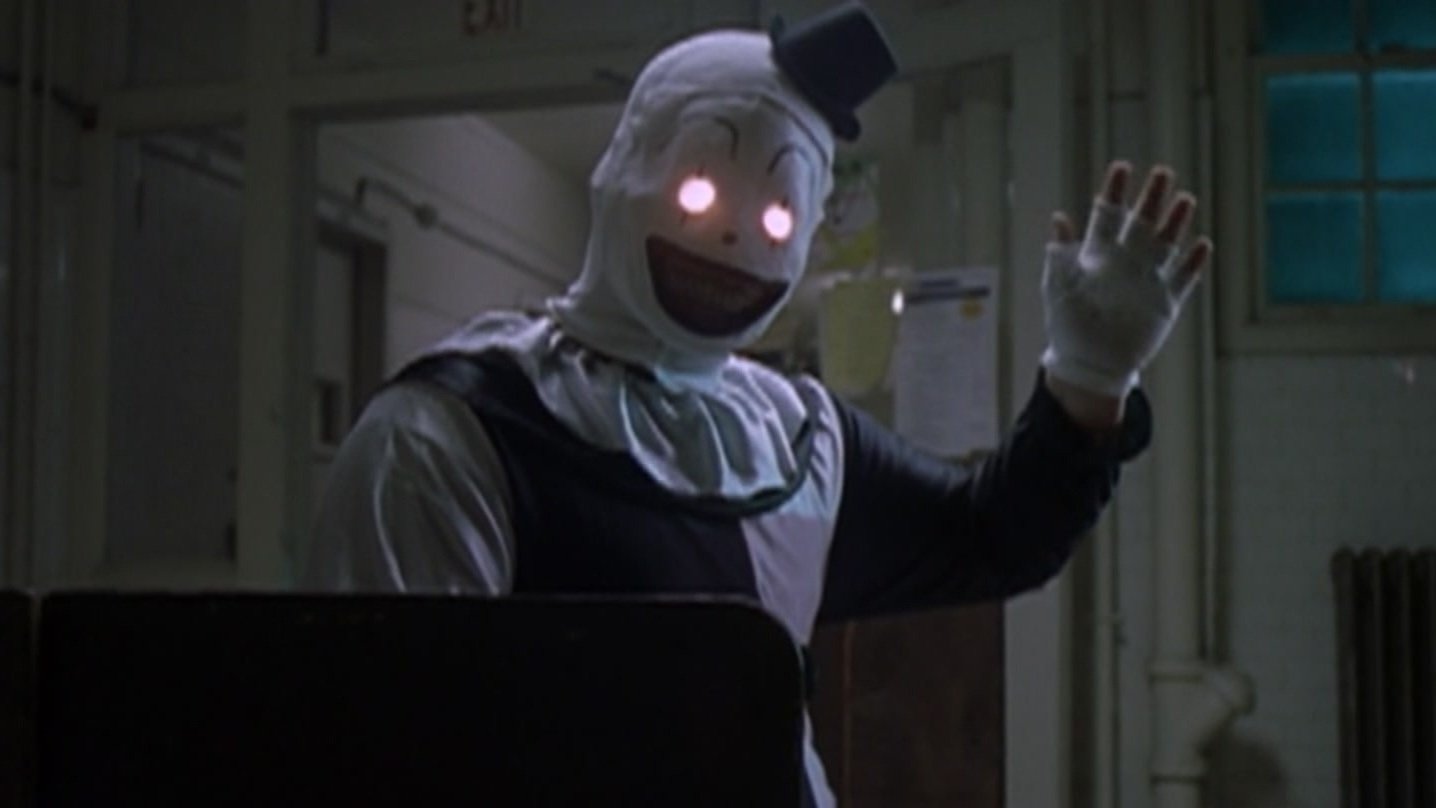
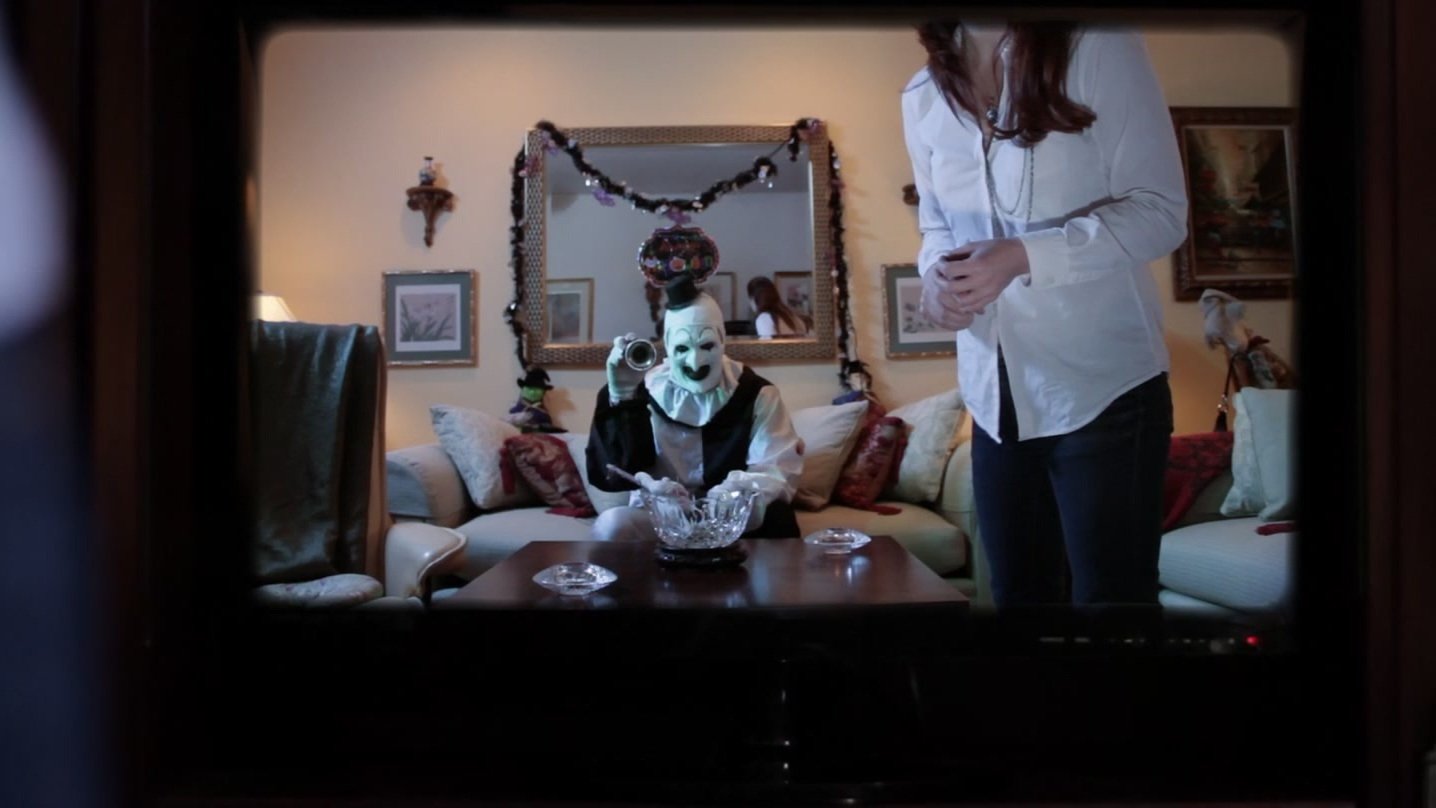
The framing narrative follows Sarah as she supervises Timmy and Tia on Halloween night. An unmarked videotape discovered among the children’s trick-or-treating possessions provides the means of introducing the separate stories. Sarah initially allows them to watch the recording, but its disturbing contents lead her to stop the screening. She subsequently resumes watching alone. The videotape places the characters in the position of spectators while allowing Leone to interrupt each episode with developments inside the house. Its physical presence also recalls the domestic circulation of horror through VHS, an important part of the genre’s viewing culture during the 1980s and 1990s.
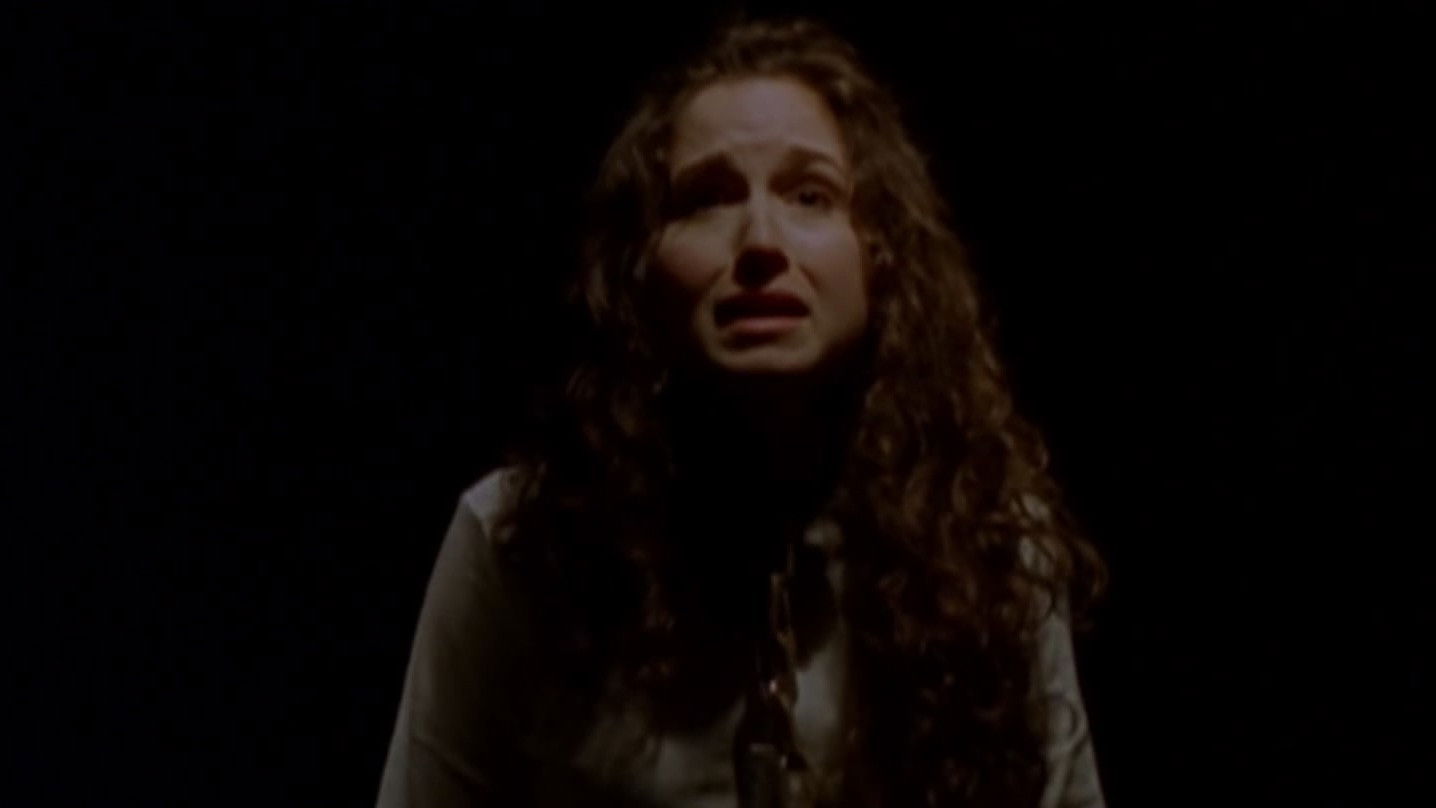
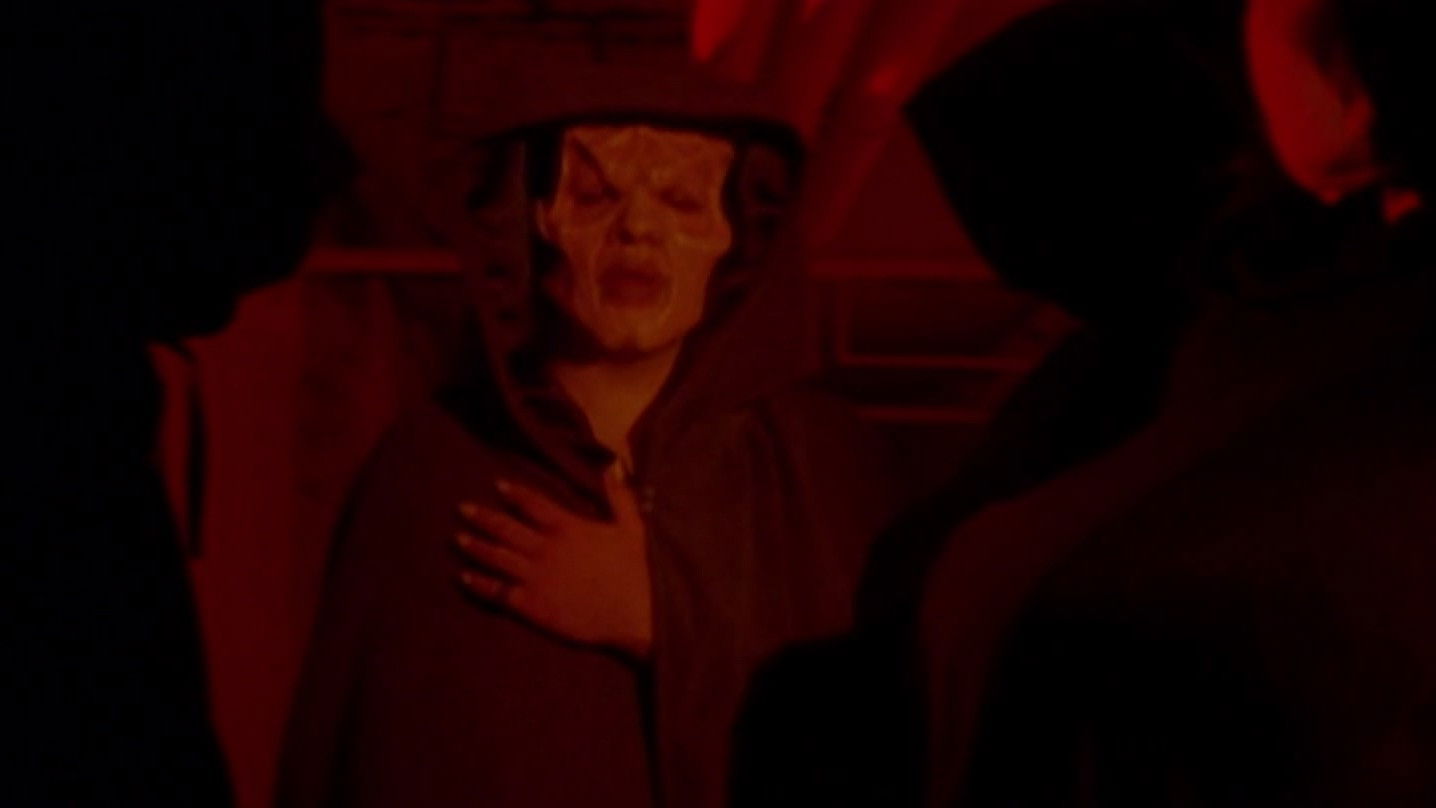
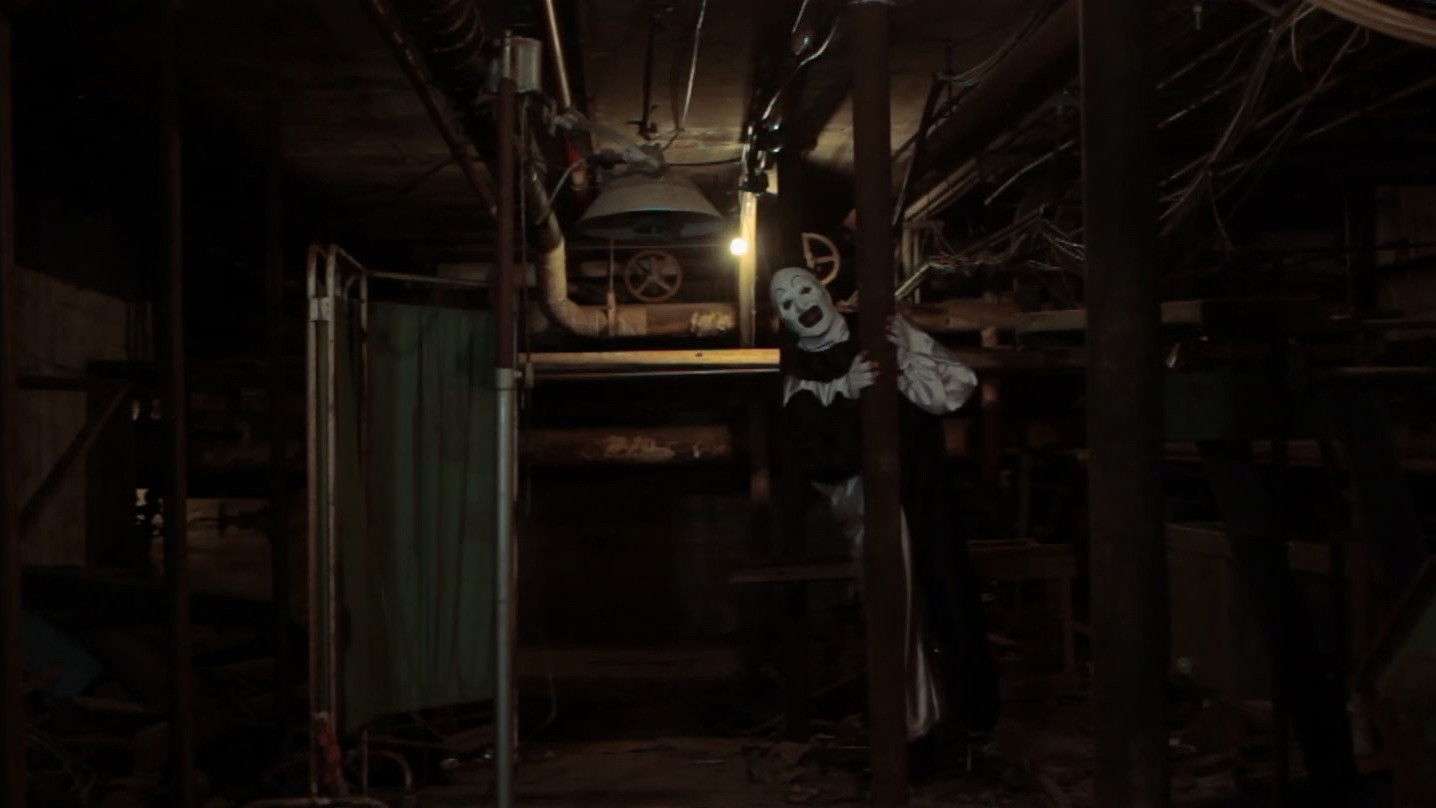
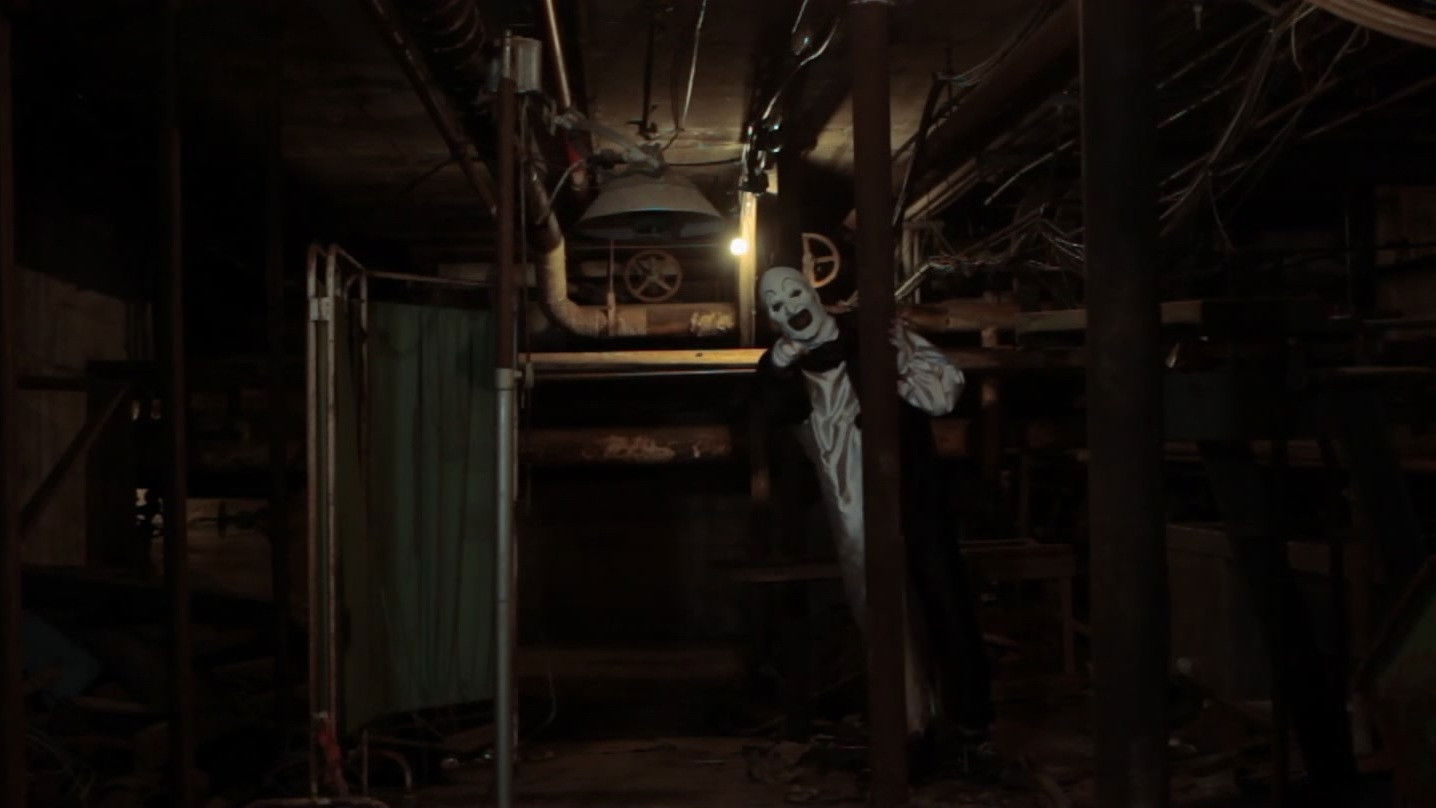
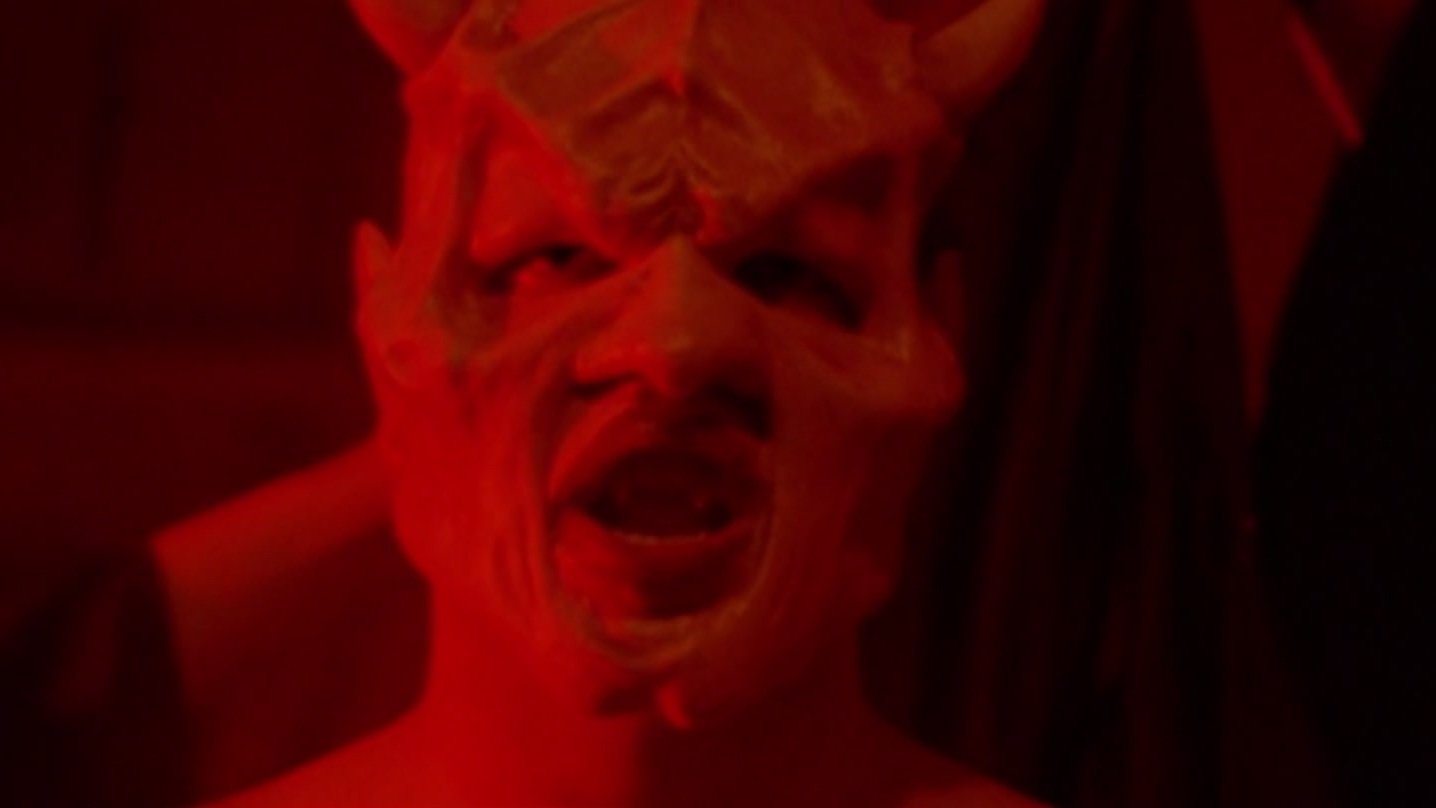
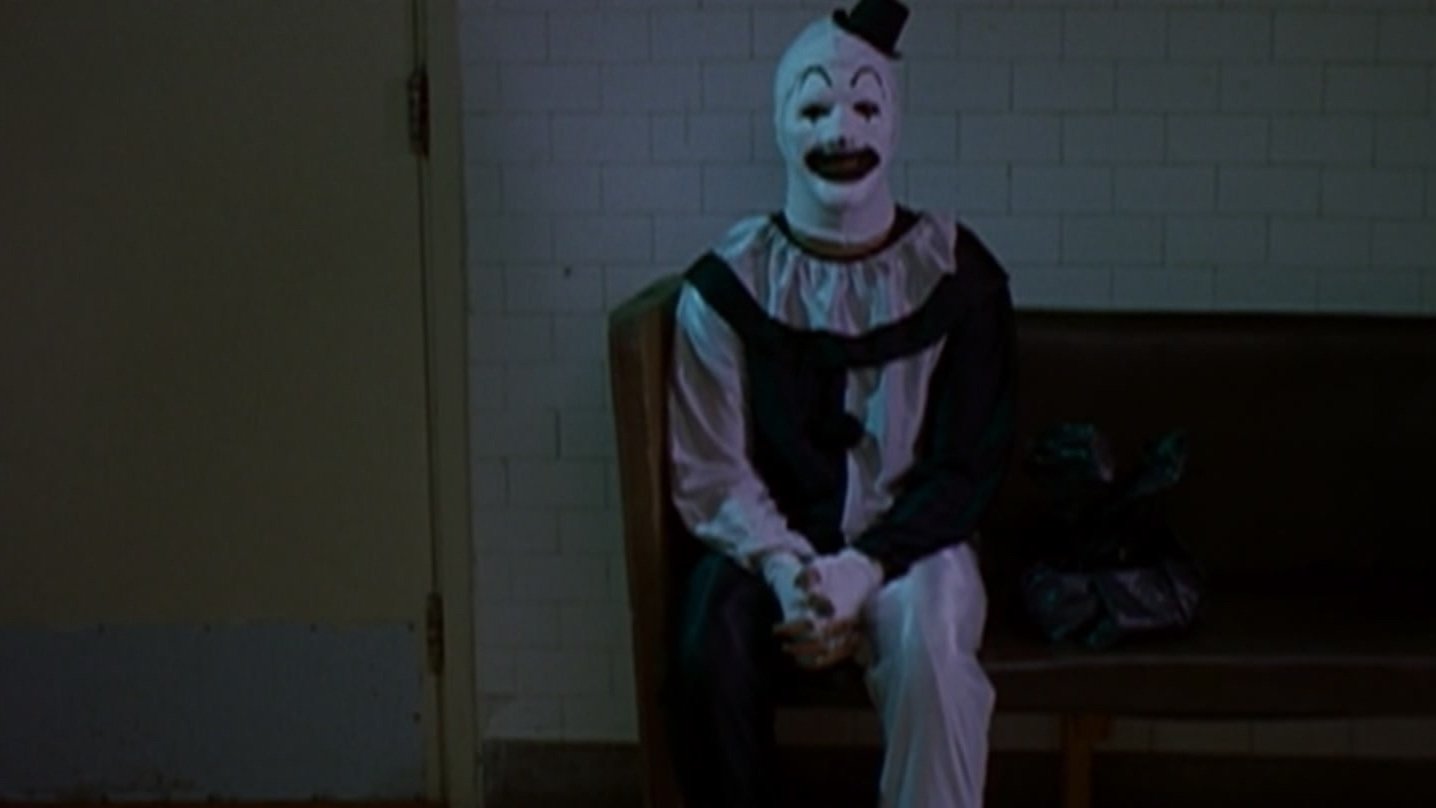
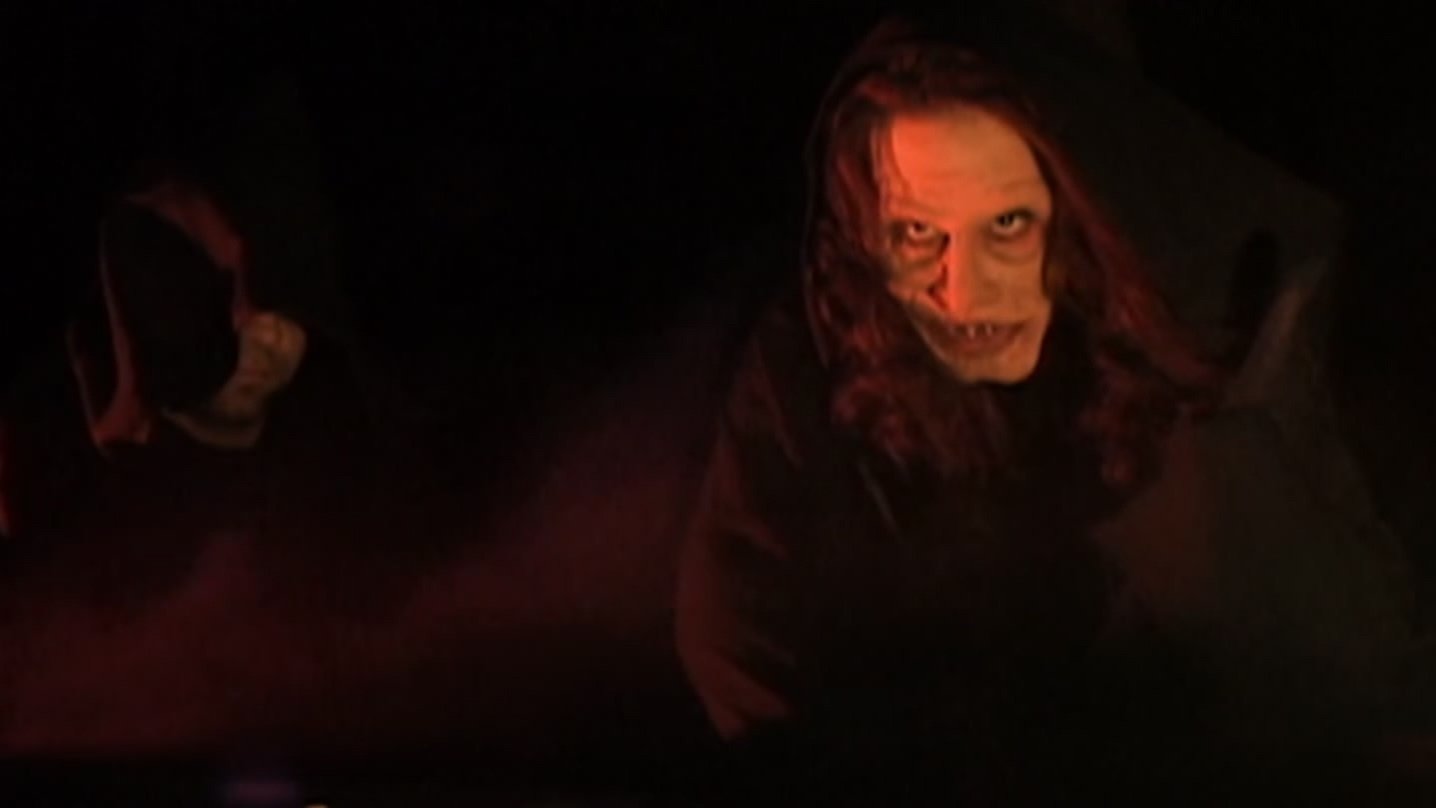
The opening episode follows a woman abducted by Art at a railway station and transported into a subterranean environment inhabited by grotesque demonic figures. Once she awakens, the narrative shifts from an encounter with a sinister clown to captivity and occult violence. The story retains the independent short’s emphasis on the discovery of a hidden supernatural world. Its satanic imagery gives Art a different narrative position from the autonomous killer he would become in Terrifier. The restored footage involving additional prisoners broadens the sense of an organized ritual environment, although the sequence continues to function primarily through disturbing encounters and escalating danger.

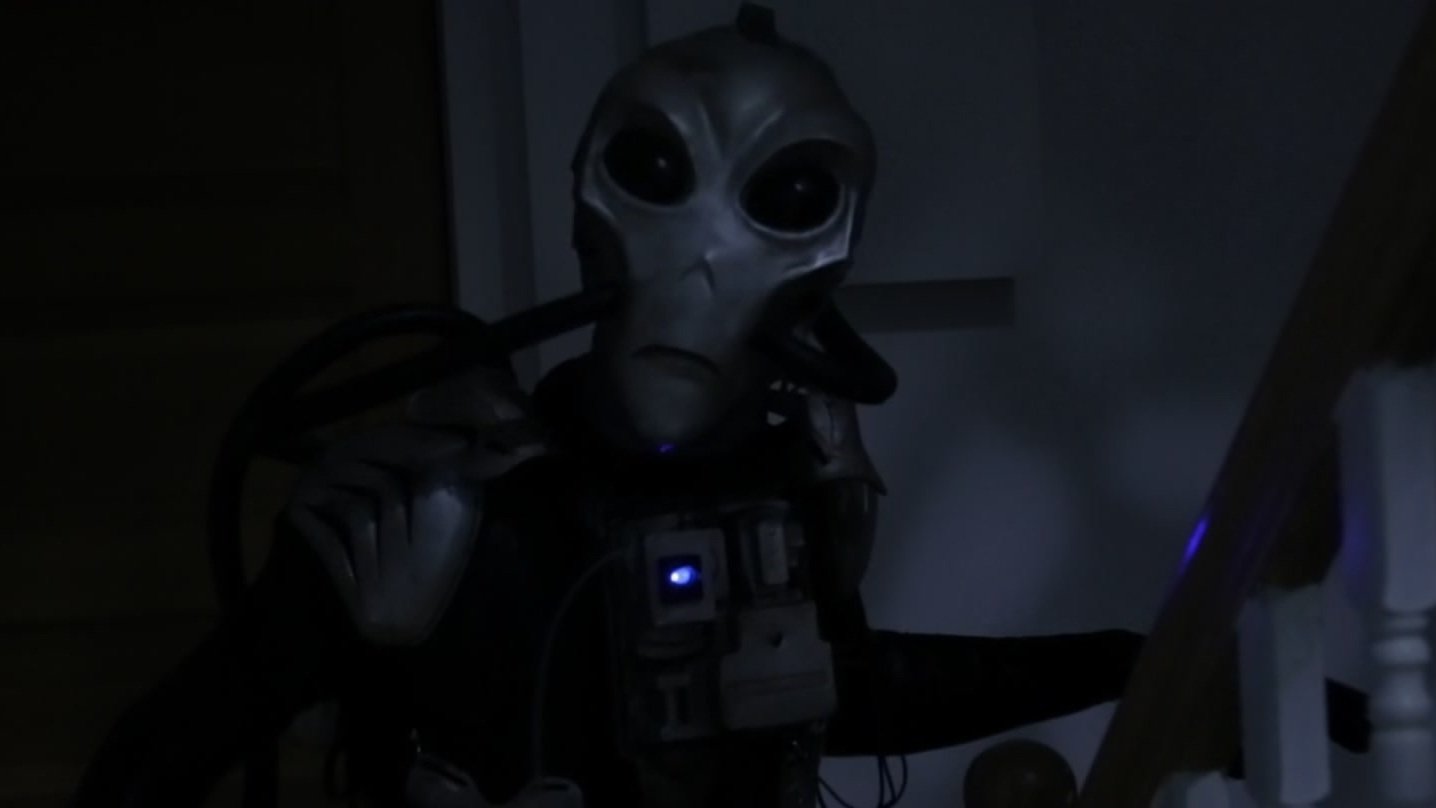
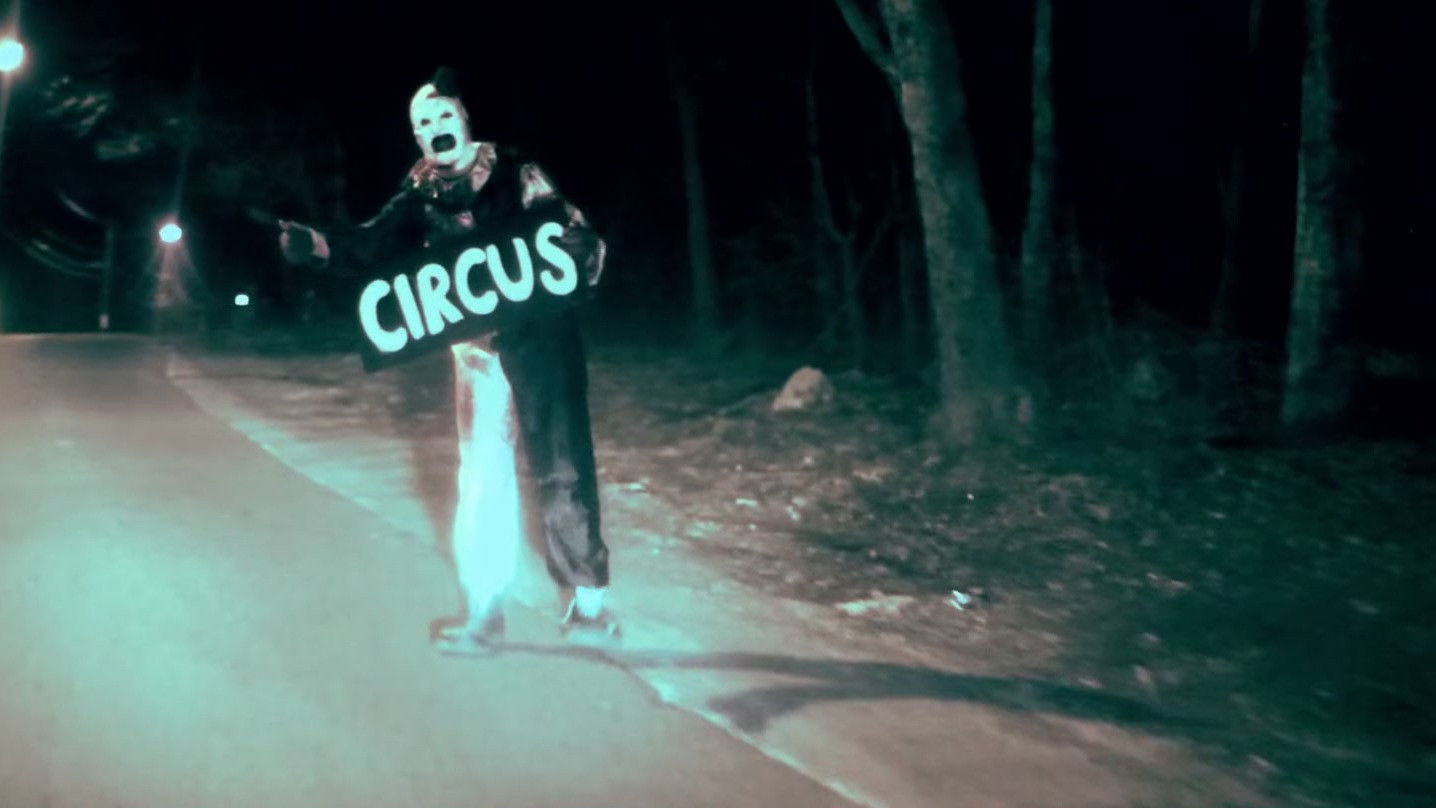
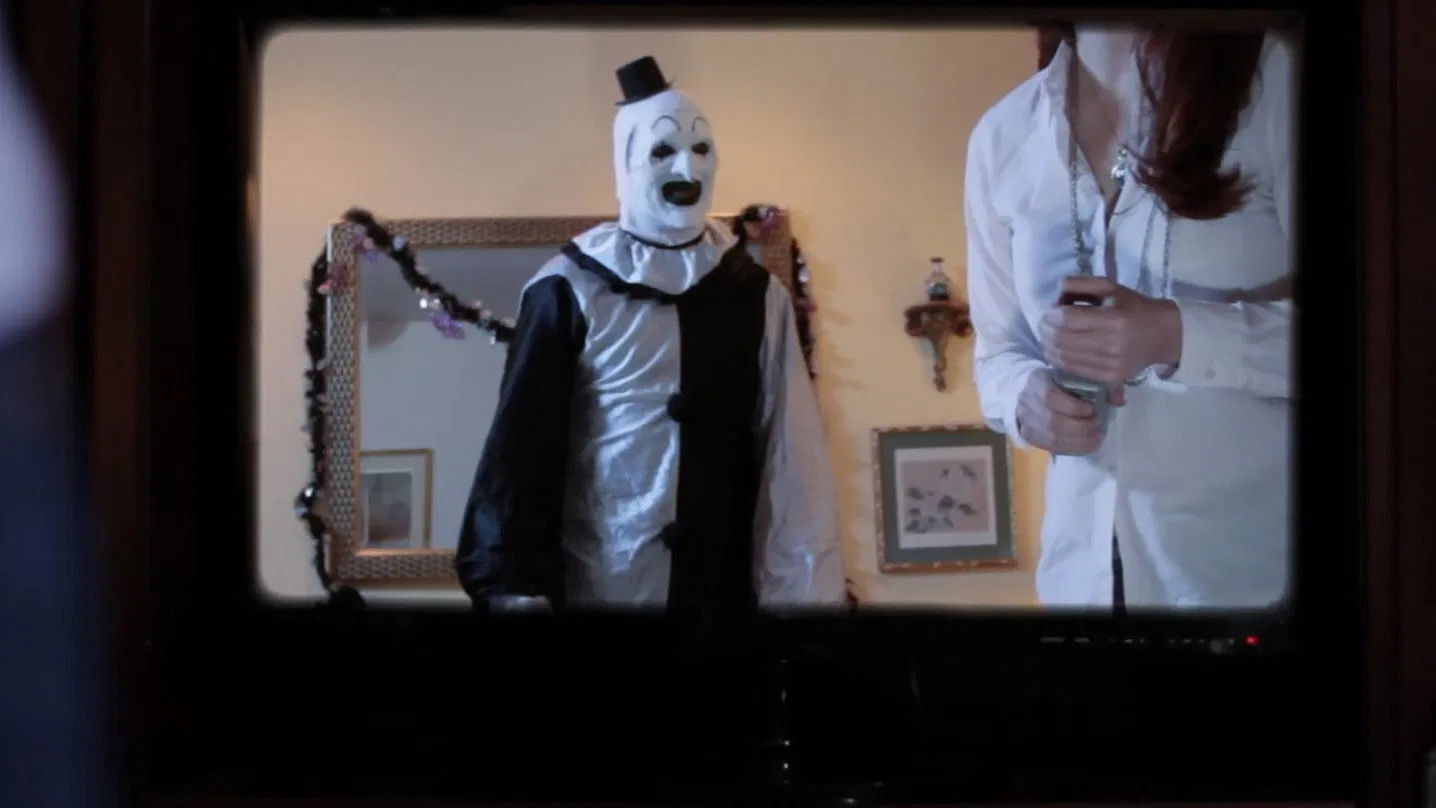
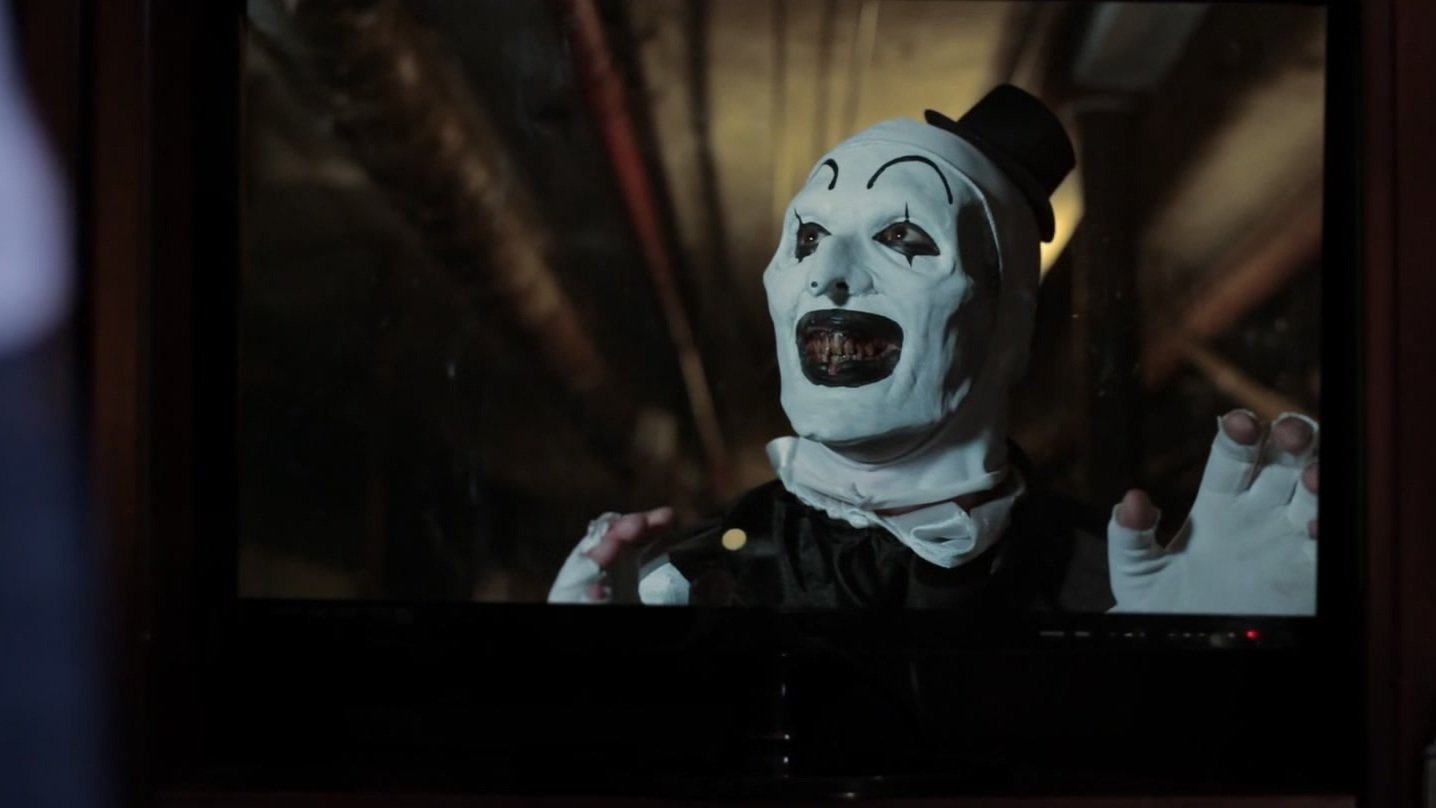
The newly filmed middle story concerns Caroline, played by Catherine A. Callahan, who experiences an extraterrestrial intrusion while alone in an isolated house. Its threat differs considerably from the occult imagery of the opening story and the violence of the final episode. Art appears indirectly through an image on the wall rather than occupying the centre of the action. Leone later explained that he had considered adding another substantial Art sequence but feared it would diminish the effect of the concluding short. The last recording, Terrifier, restores the clown to the foreground in a roadside pursuit marked by sadistic violence. Its conclusion leads back into Sarah’s home, where the recorded threat acquires an increasingly immediate presence.

Photography, Makeup, and Practical Horror

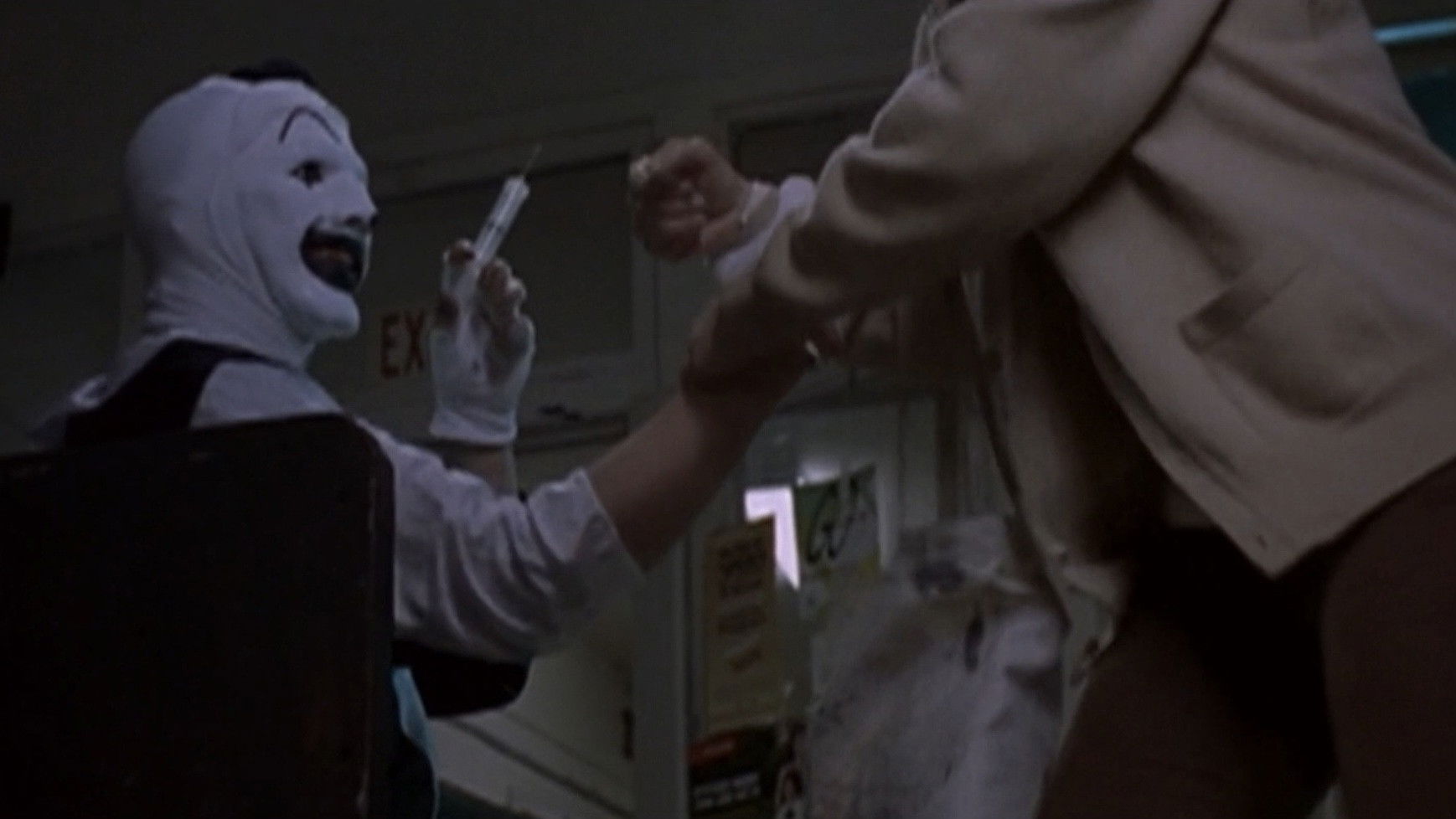
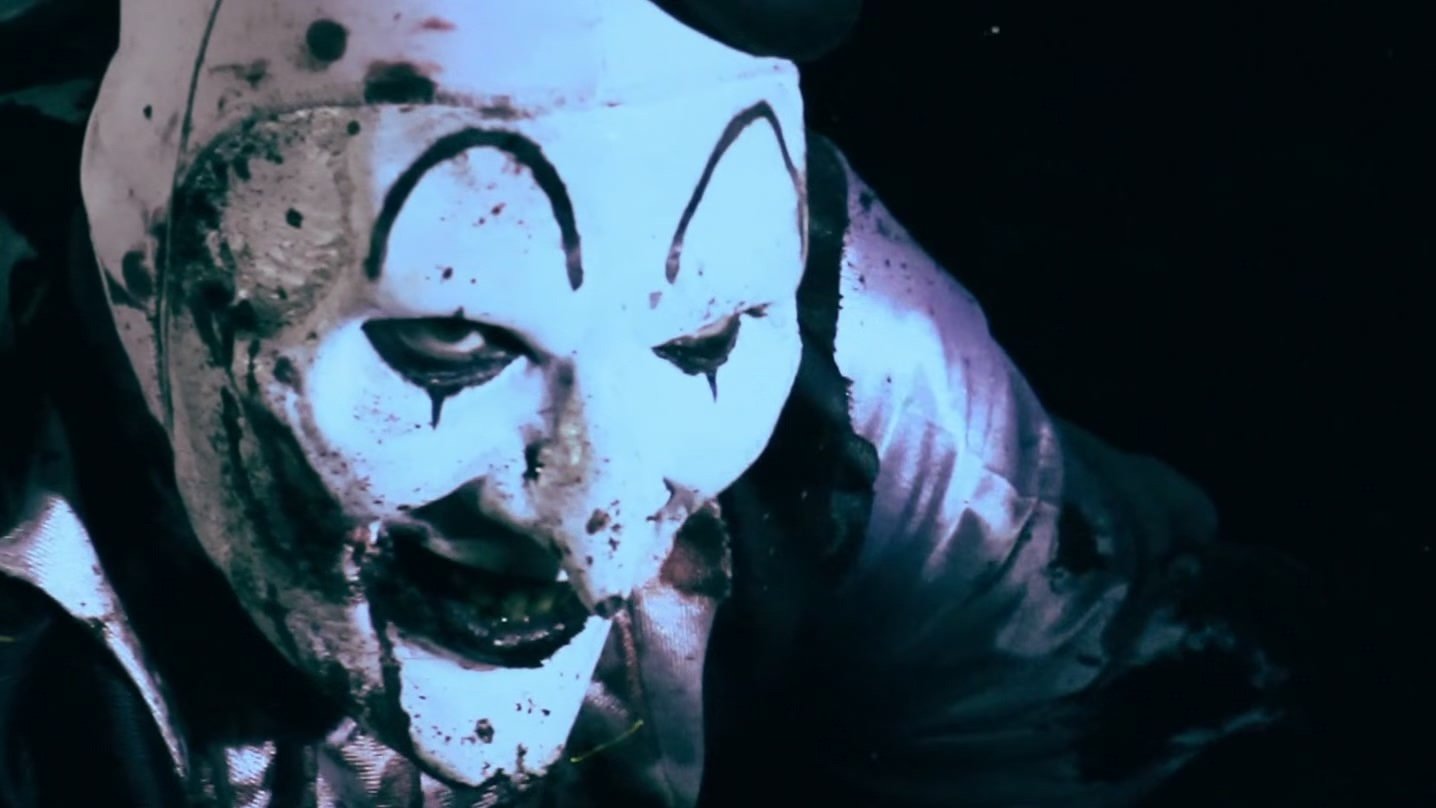
The film’s visual differences are directly connected to its production history. Leone confirmed that The 9th Circle was photographed on 35 mm, while the remaining material was filmed primarily with Canon 5D cameras, with some additional 7D photography. Multiple cinematographers contributed across the different production periods. The director maintained creative control over the appearance of the images but did not attempt to disguise every difference between the segments. Terrifier uses a deliberately distressed grindhouse treatment, with a worn image texture that separates it from the cleaner appearance of the surrounding footage. These changes make the anthology’s assembled origins visible within the finished film.

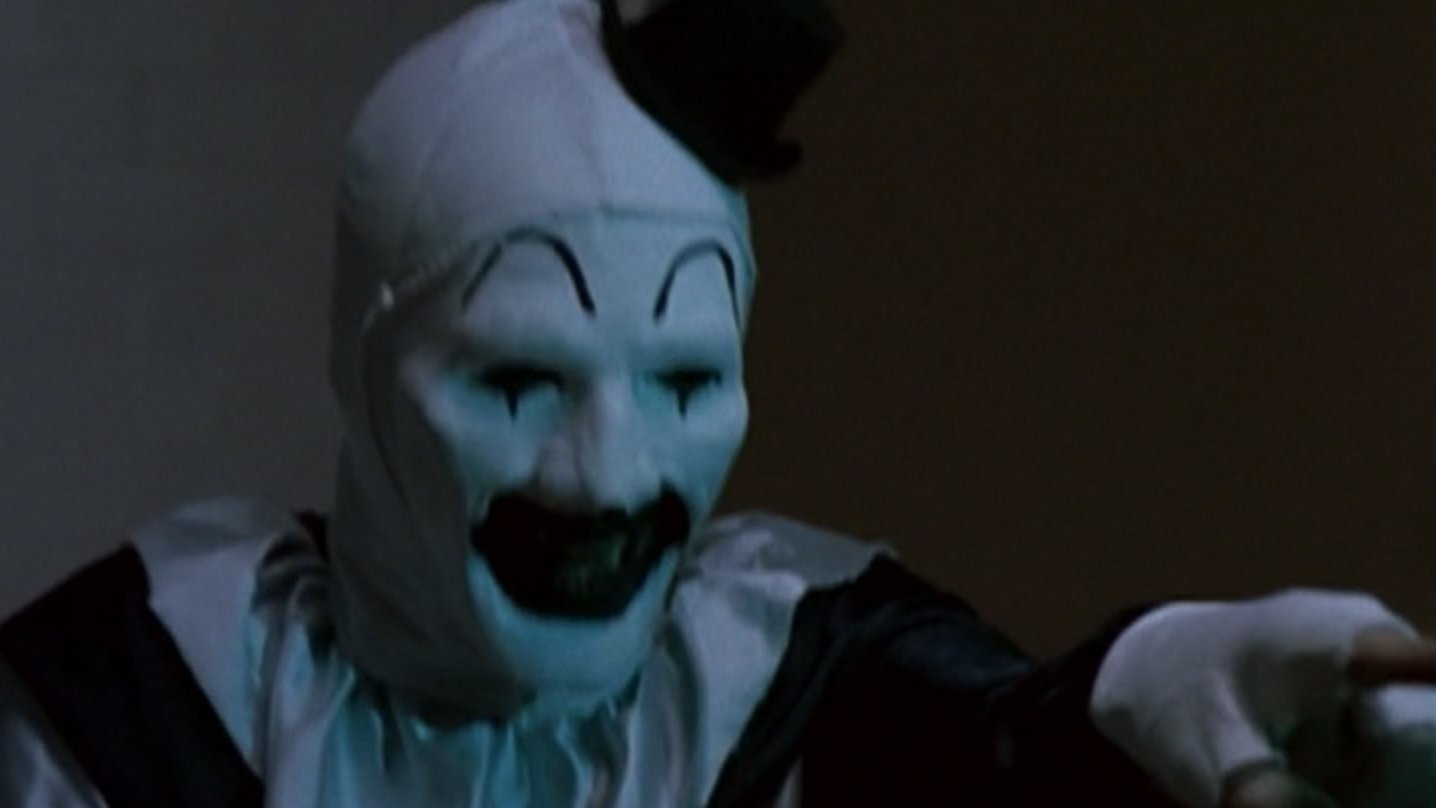
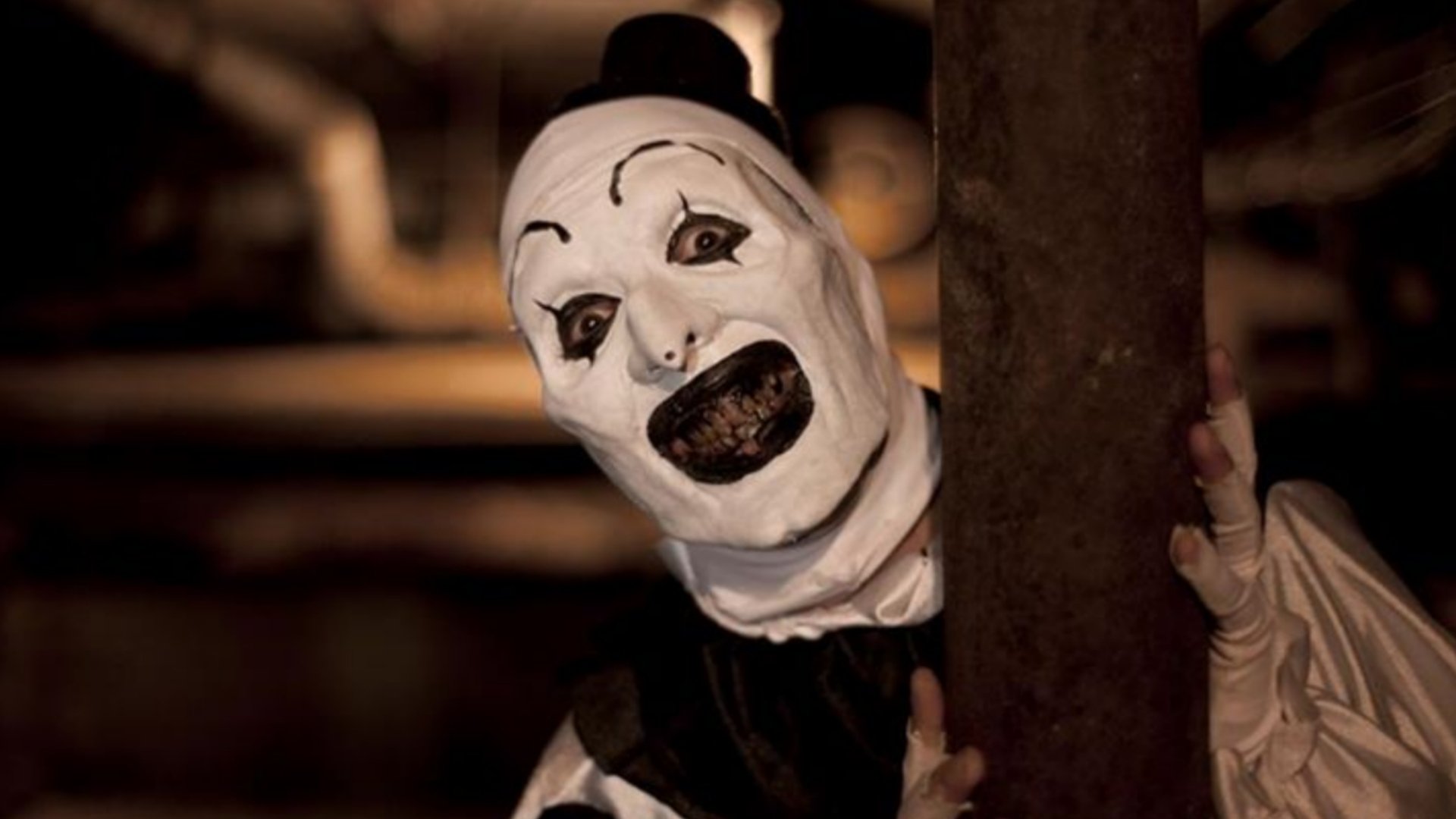
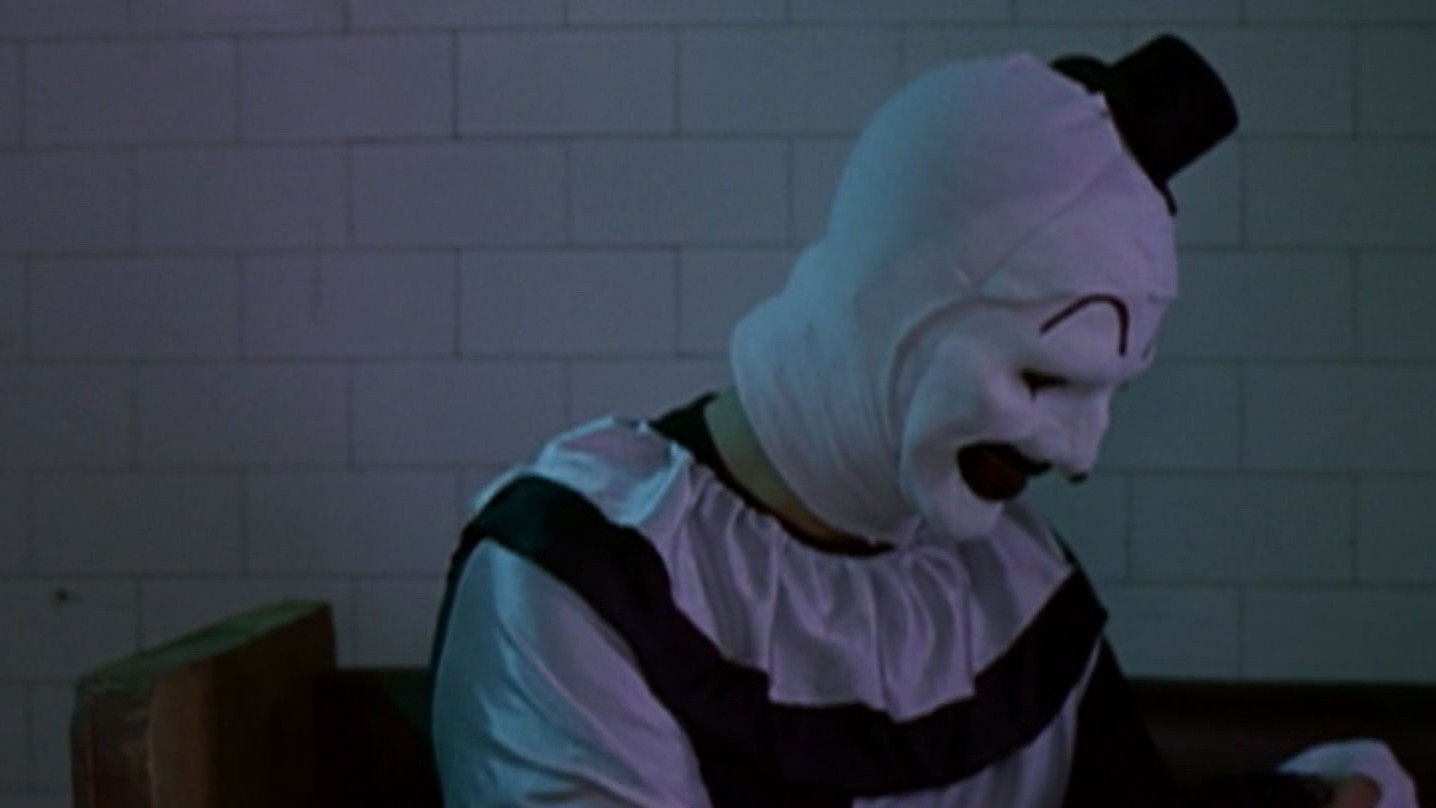
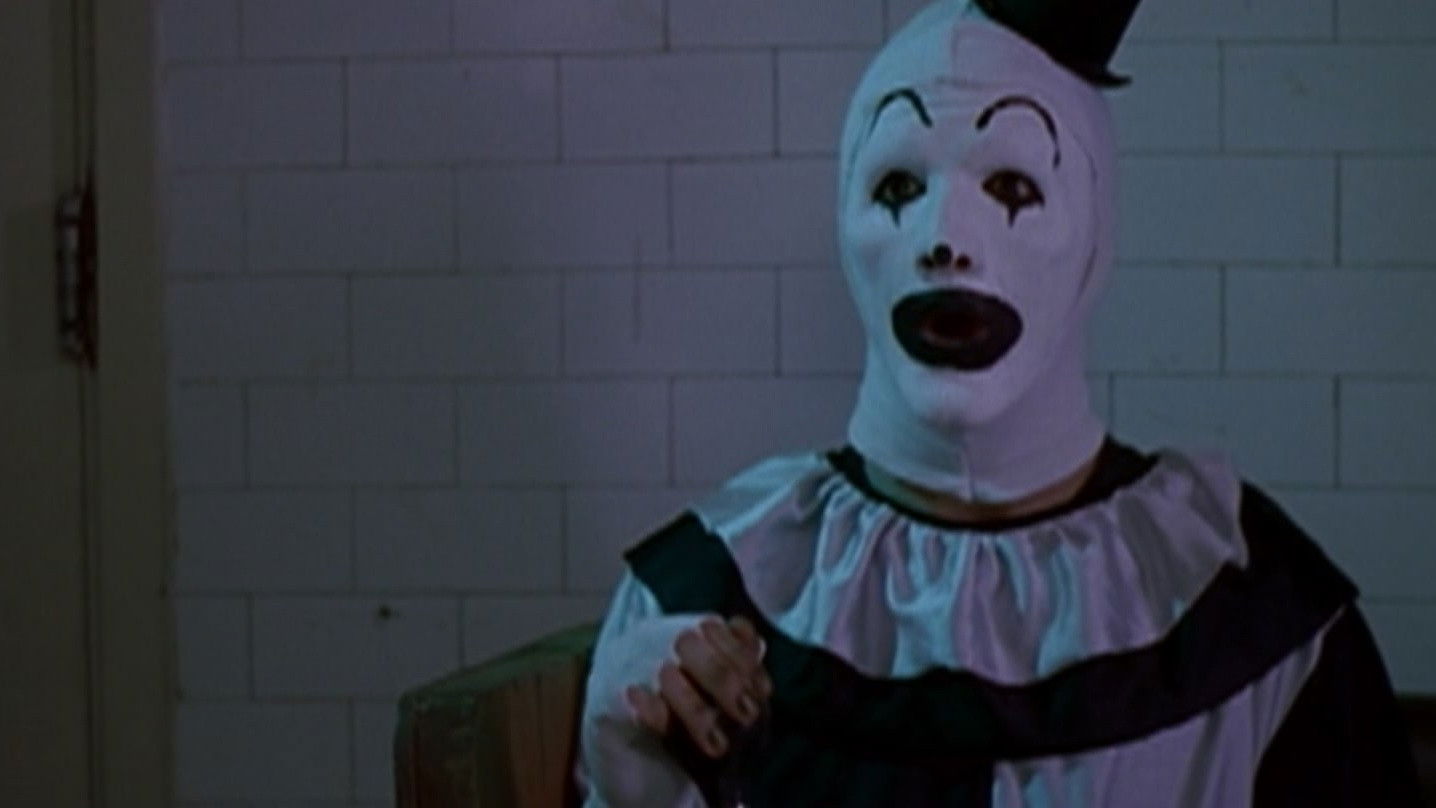
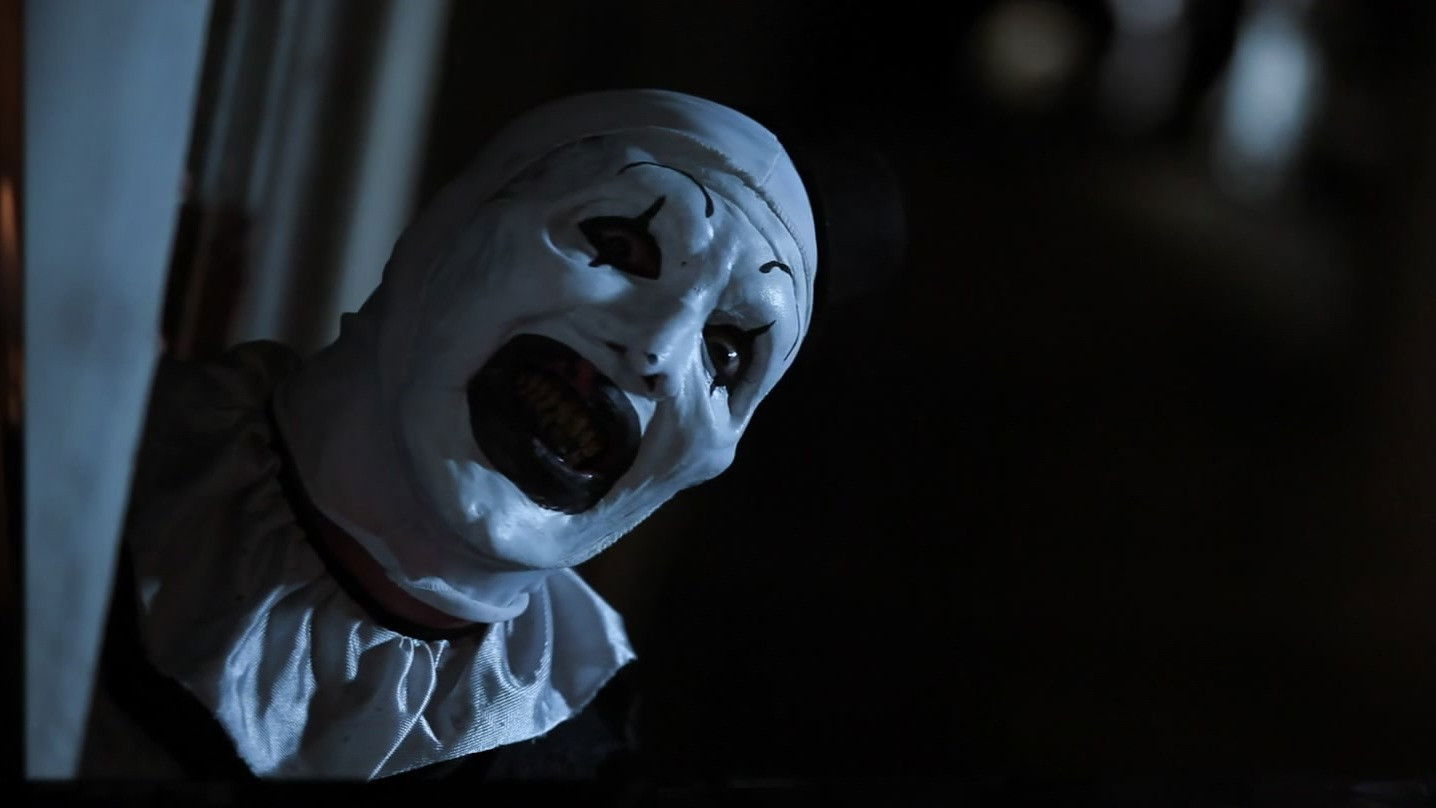
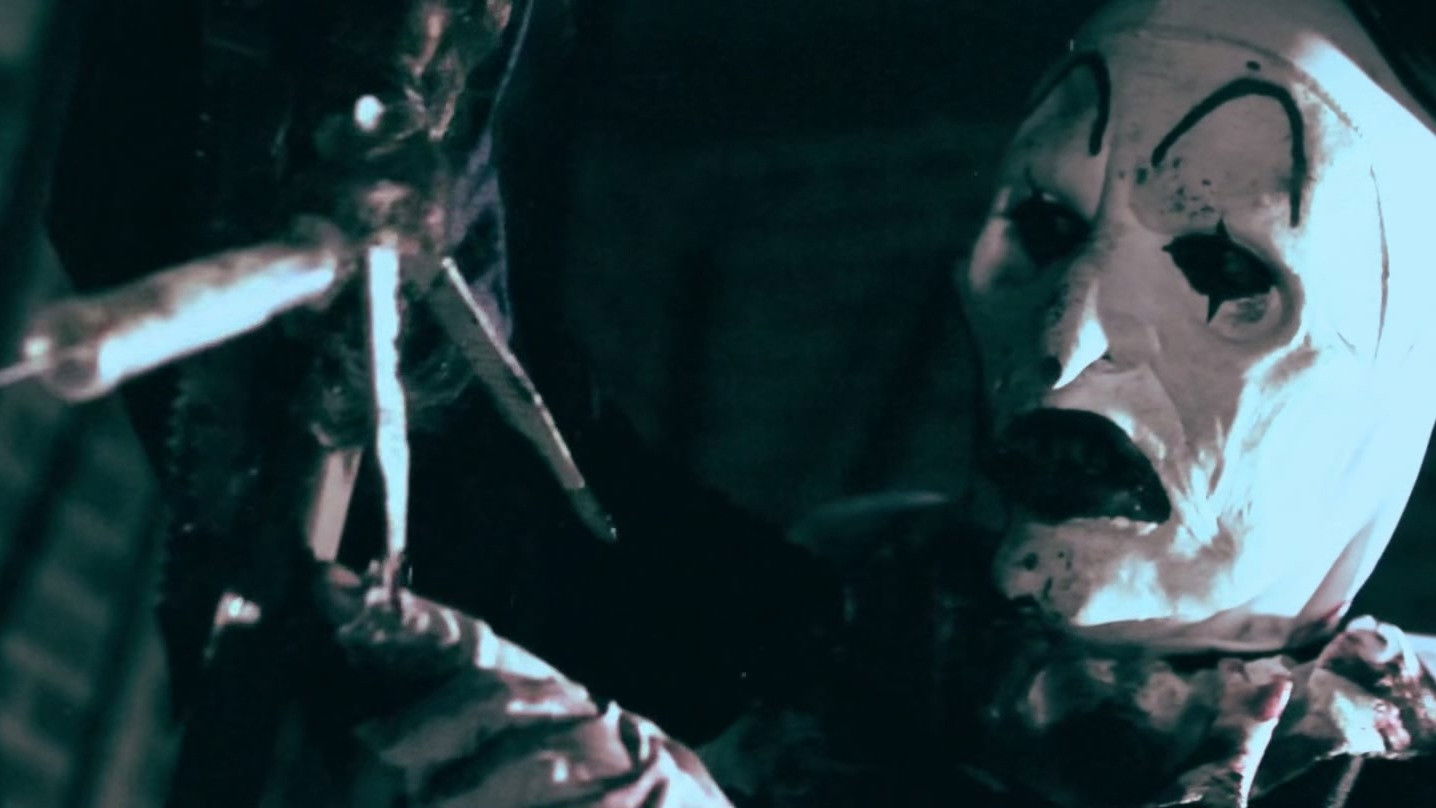
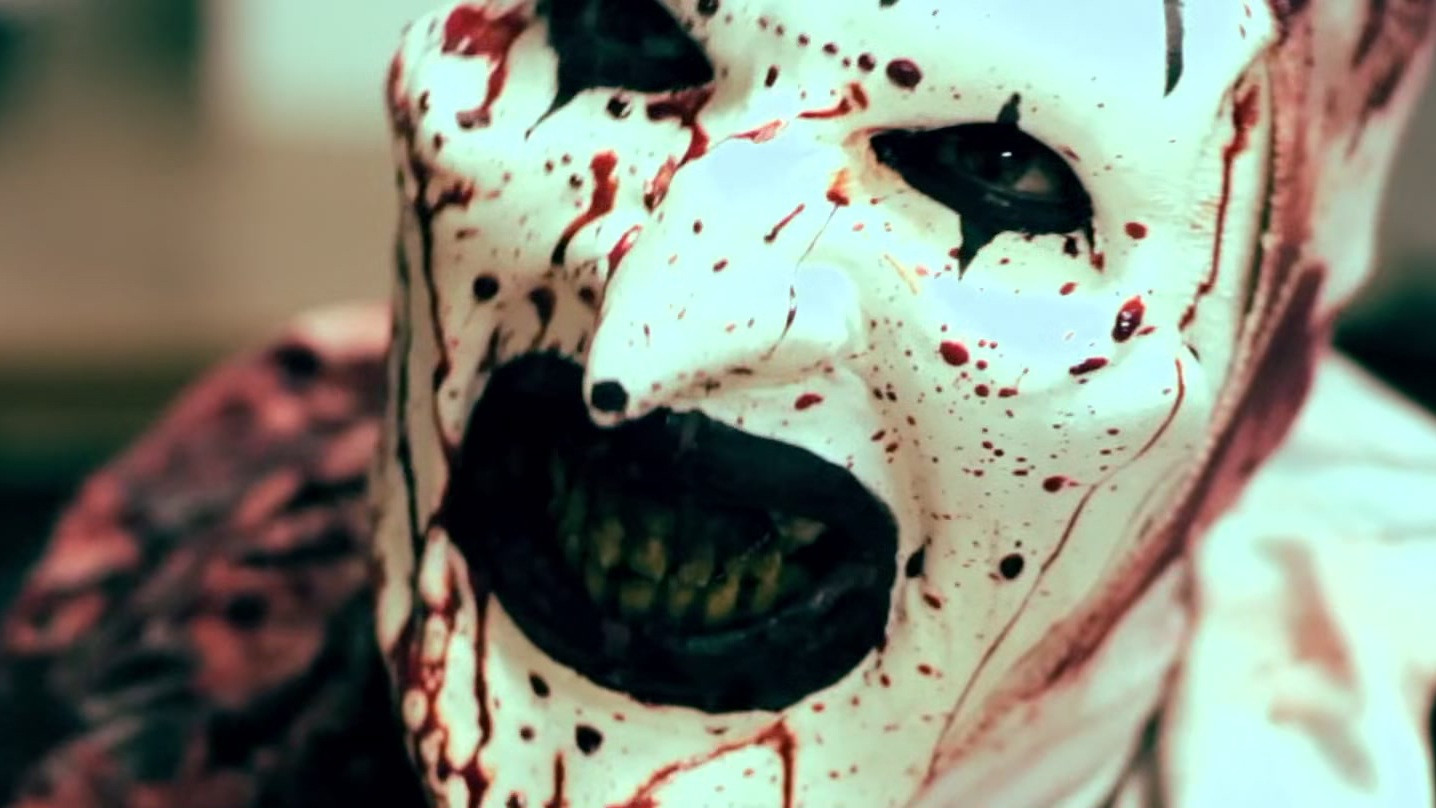
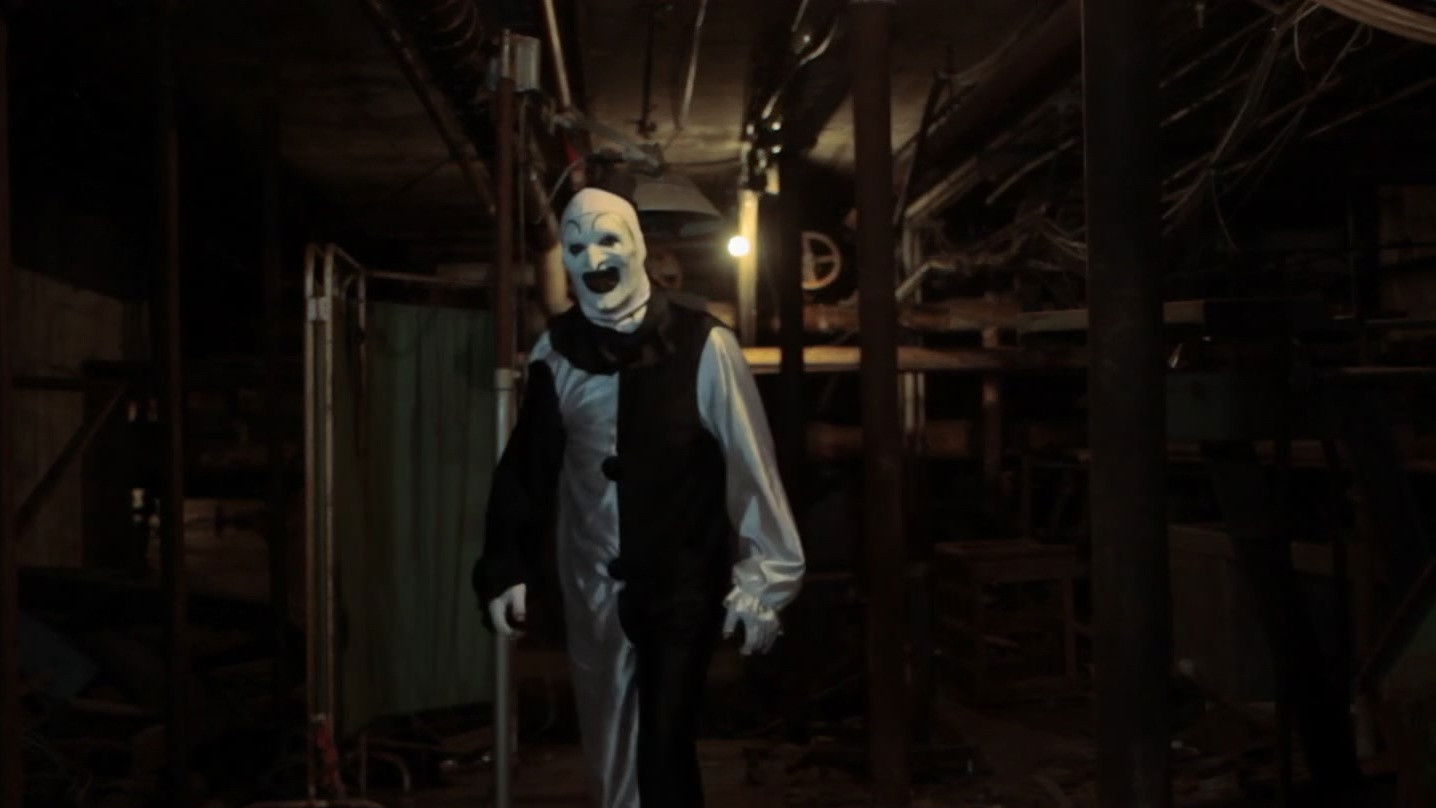
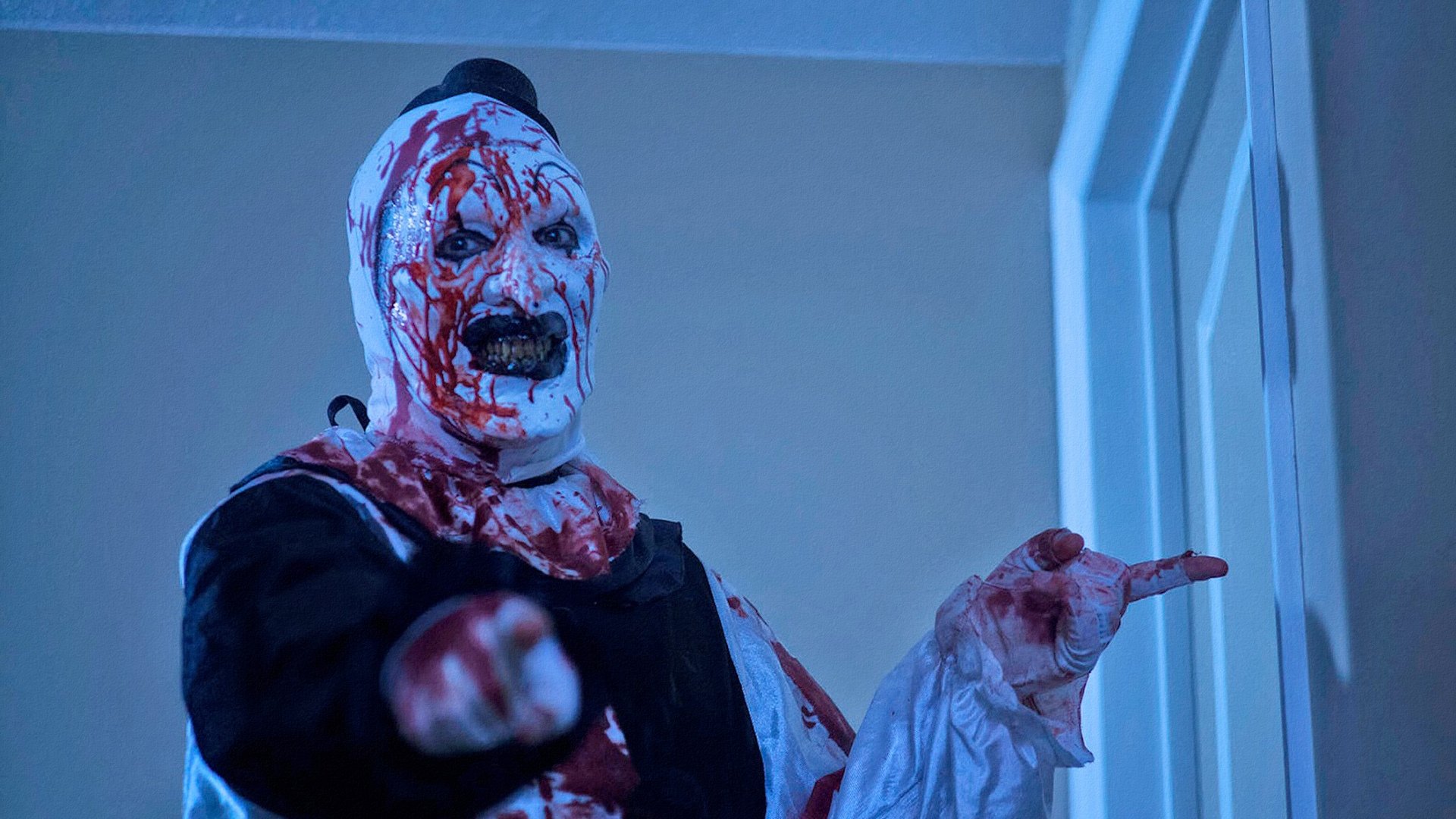
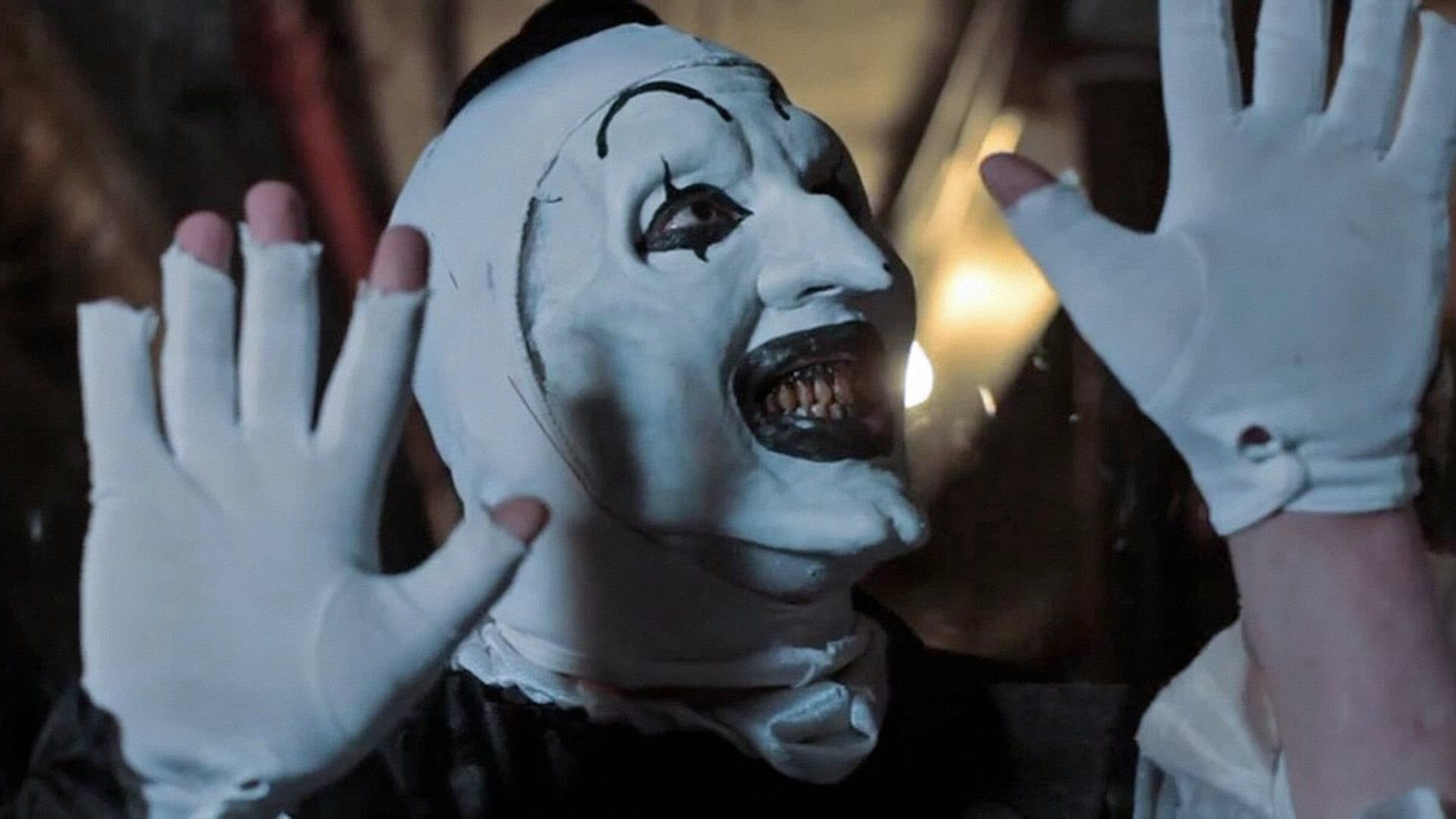
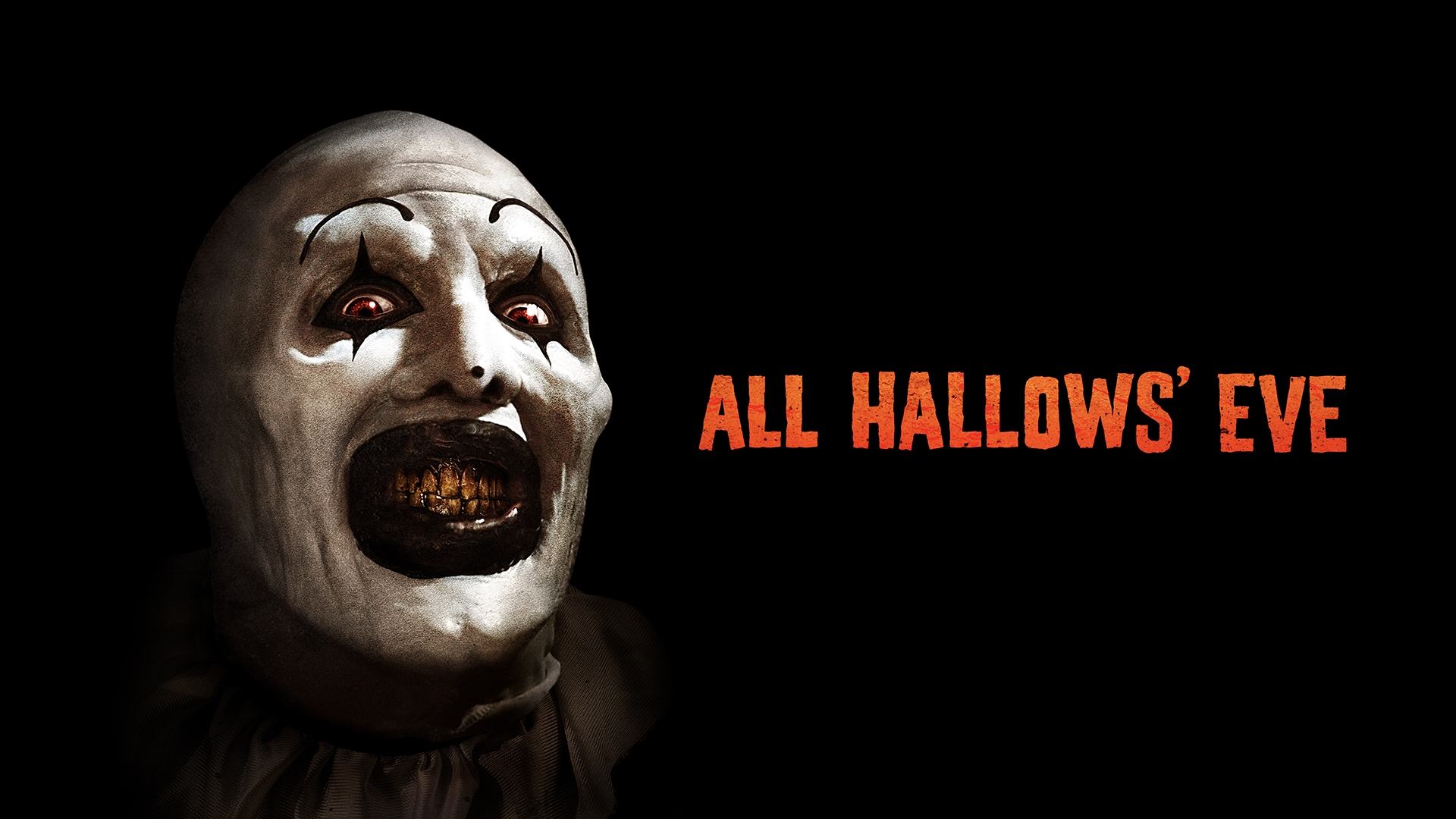
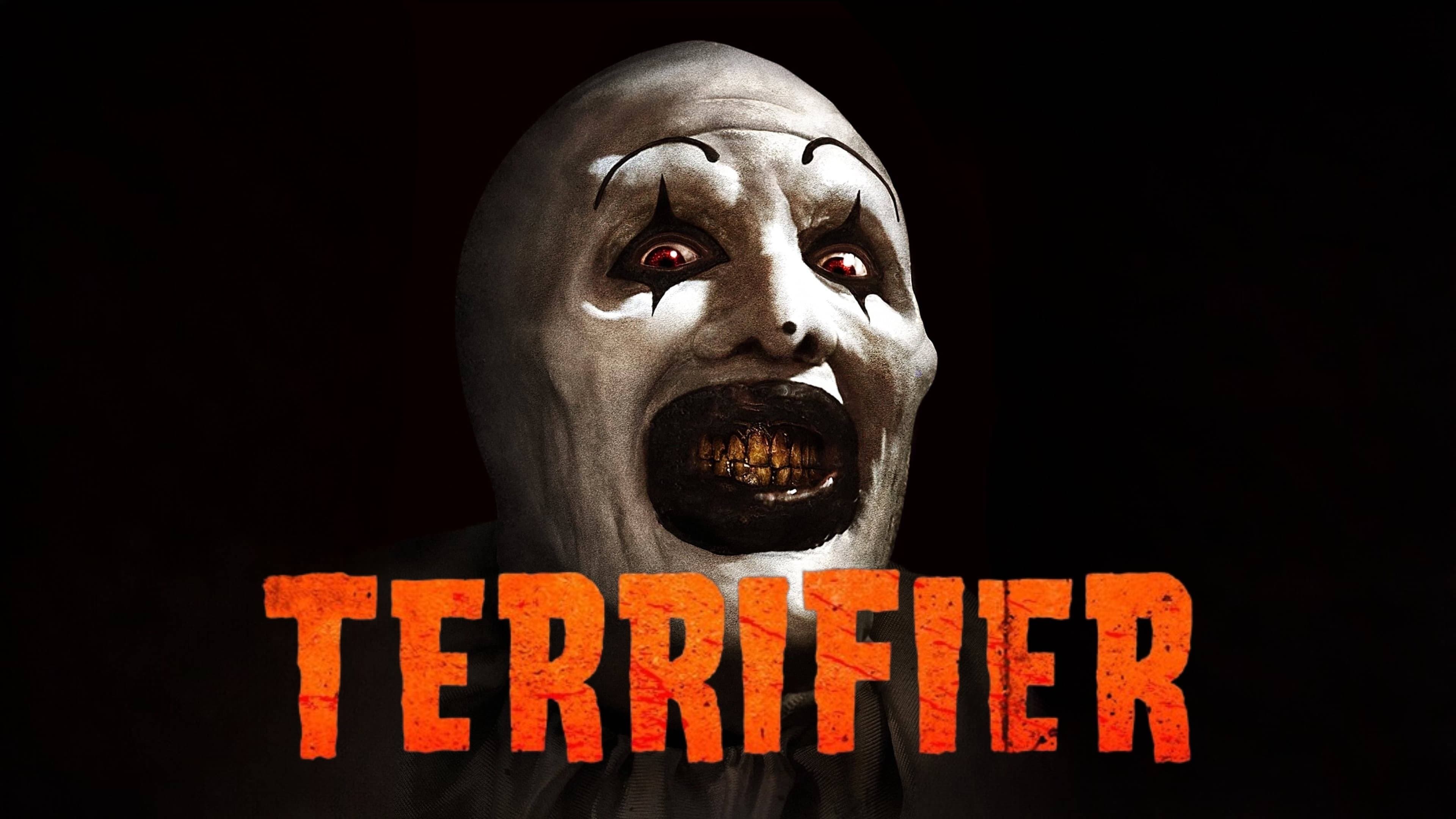
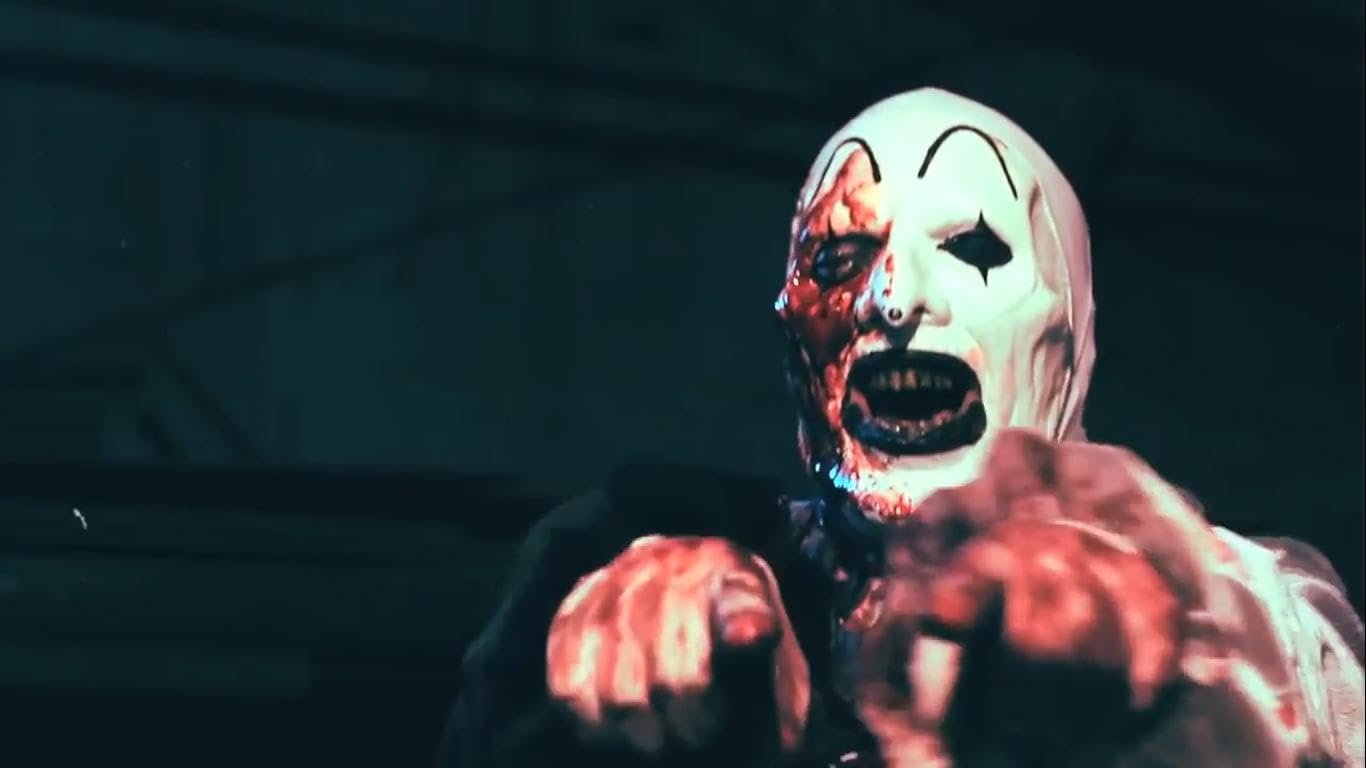
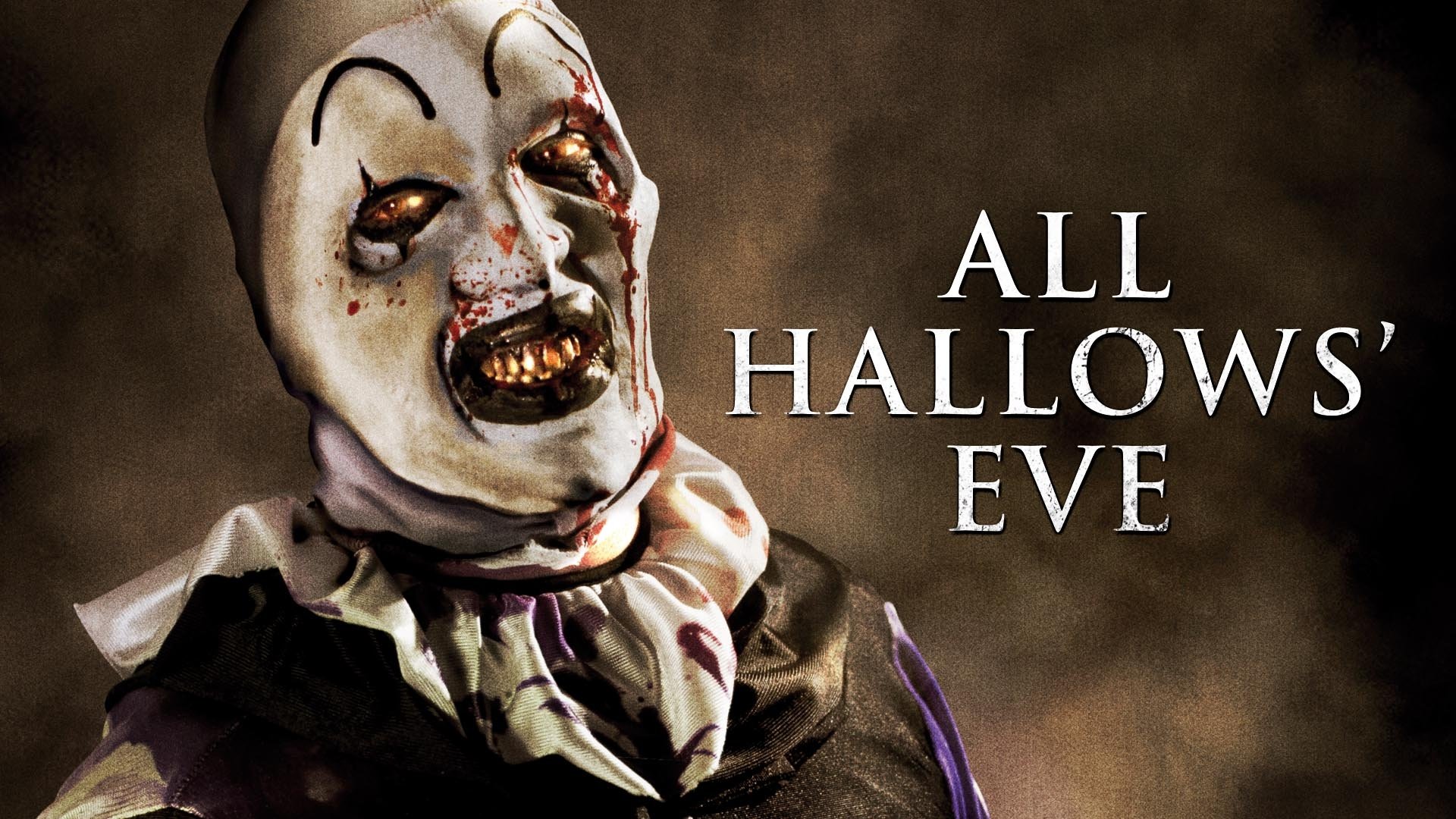
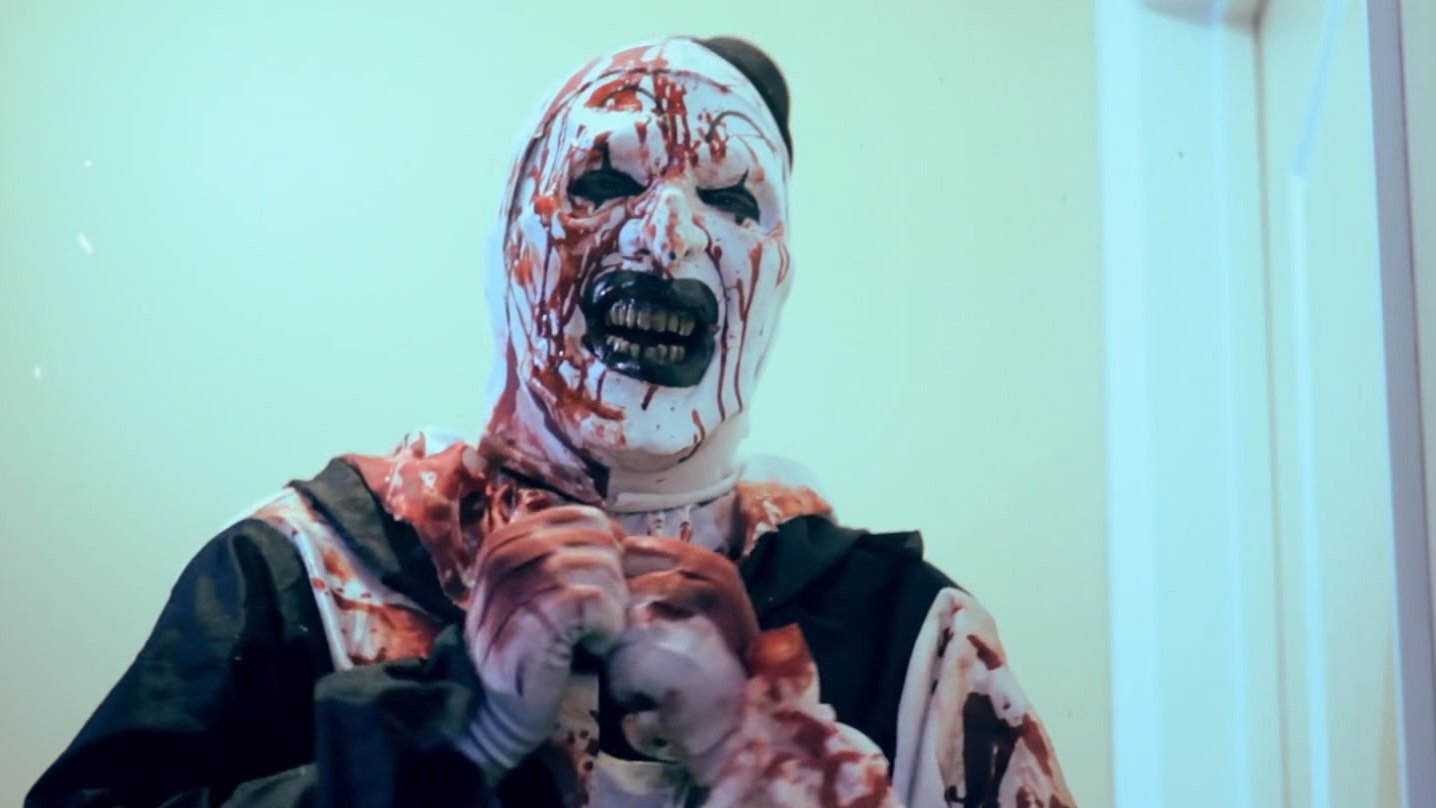
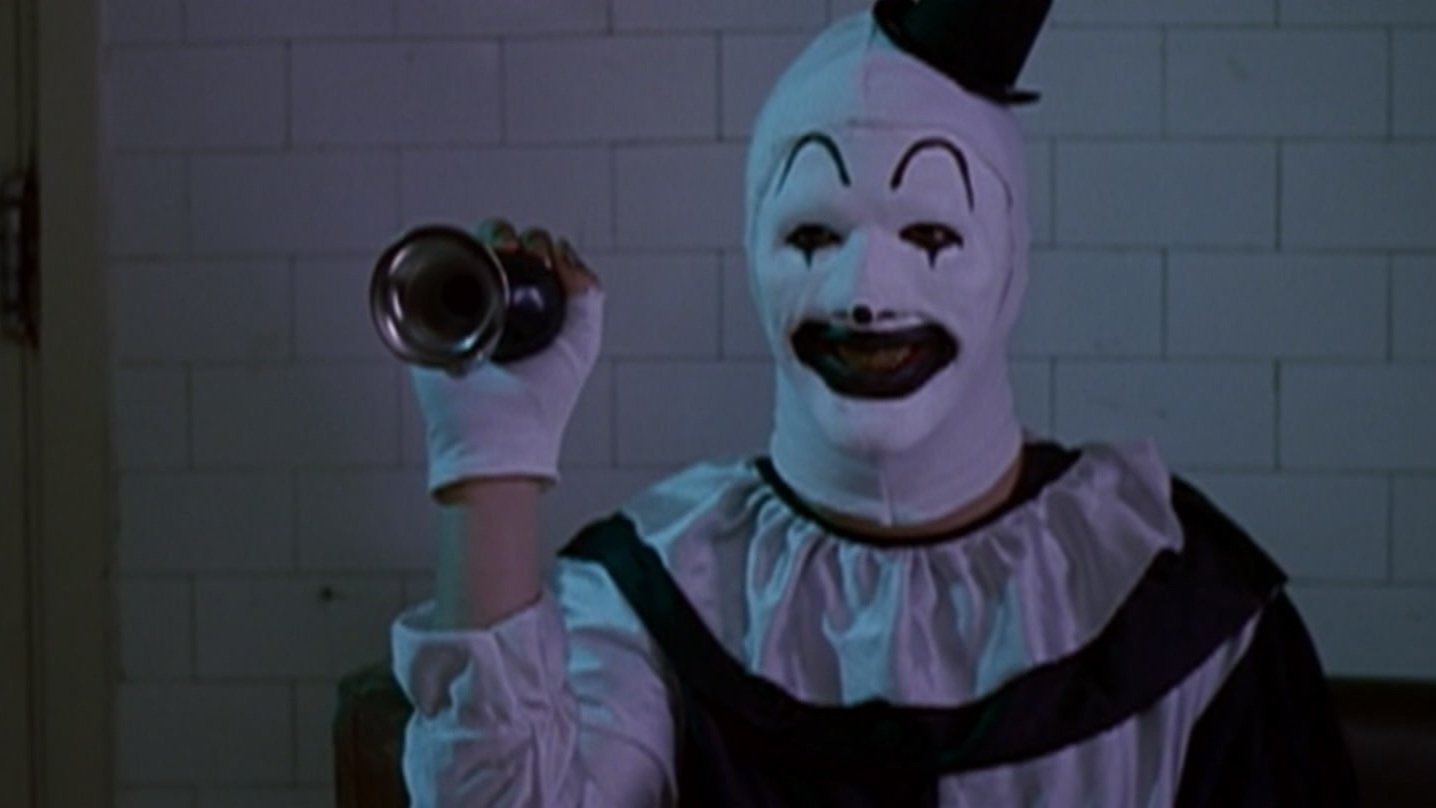
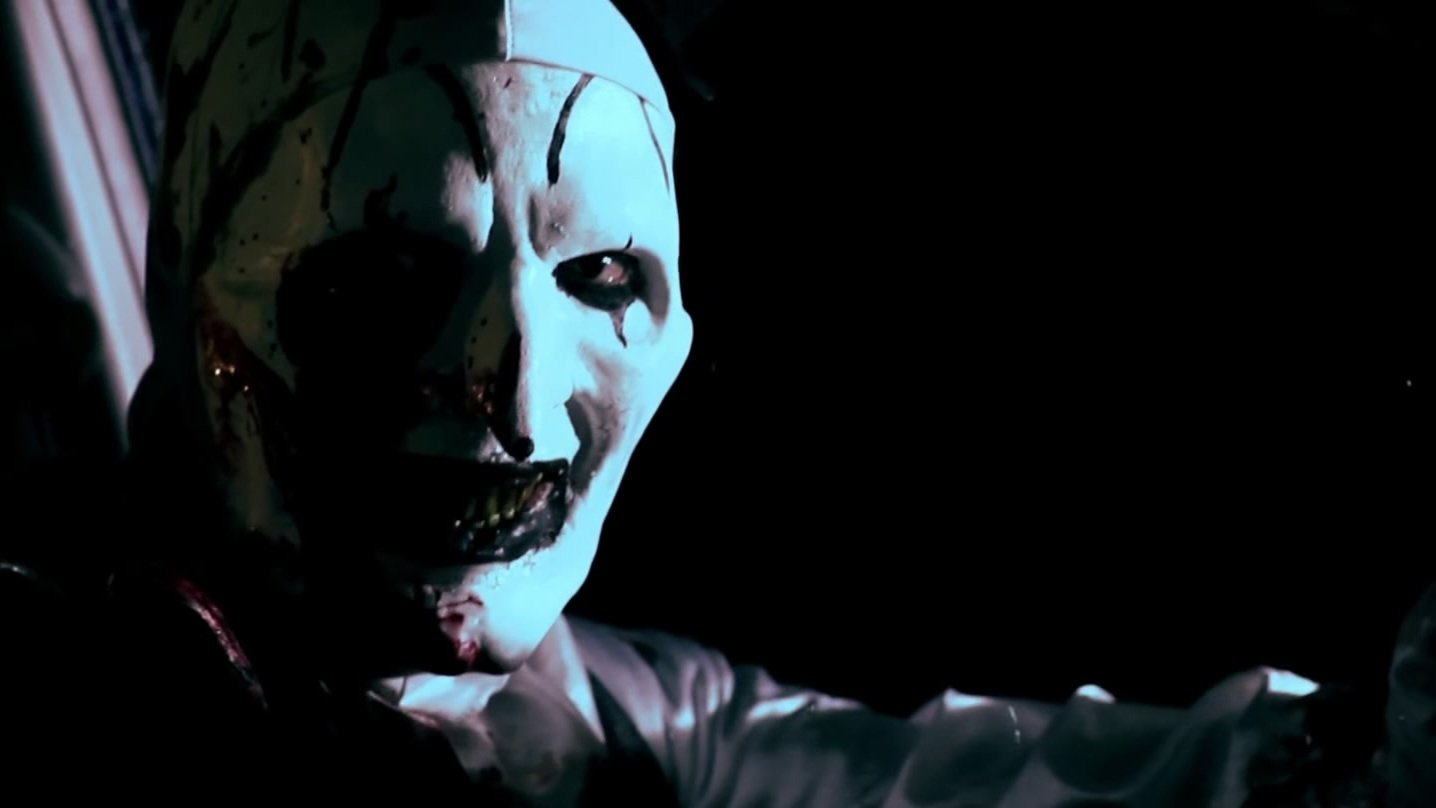
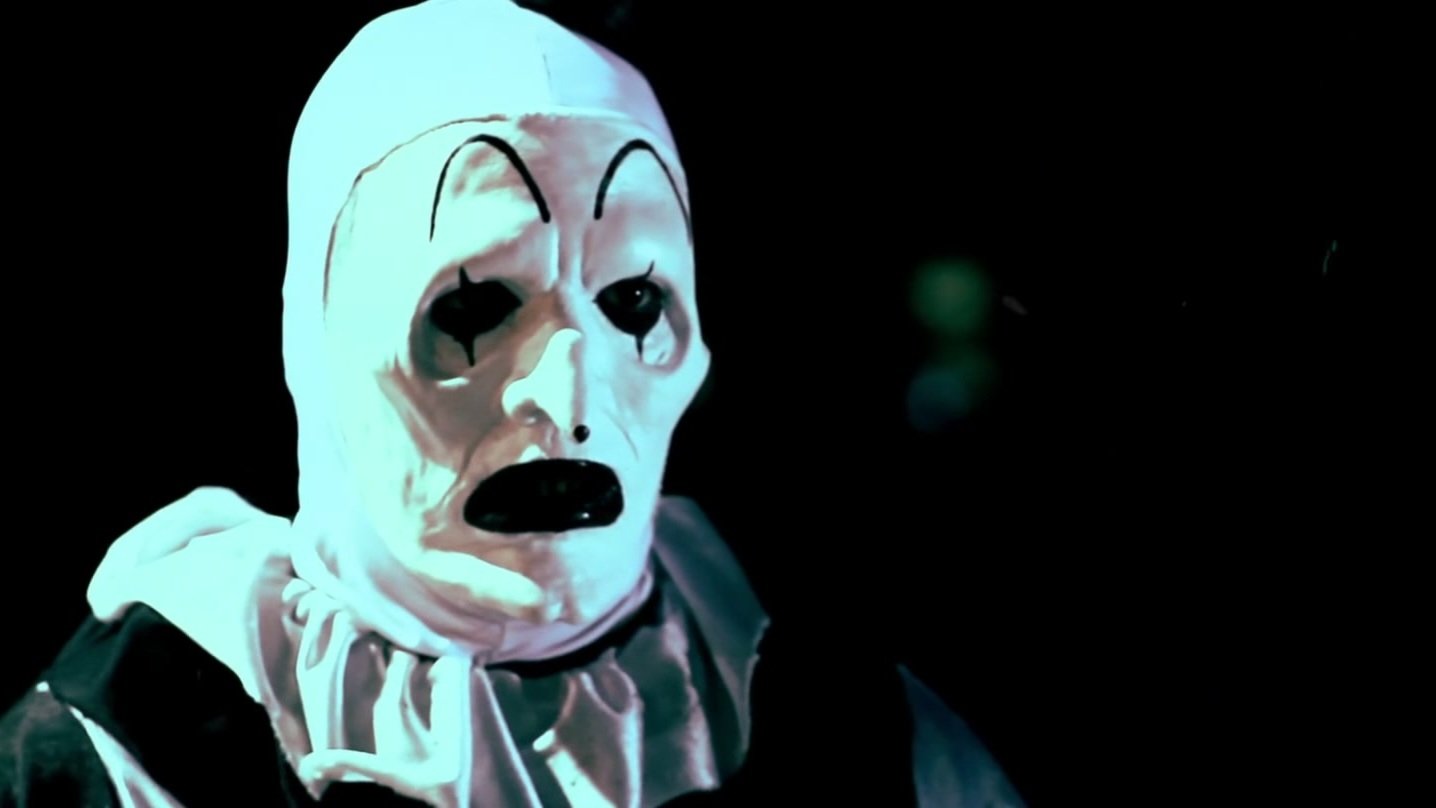
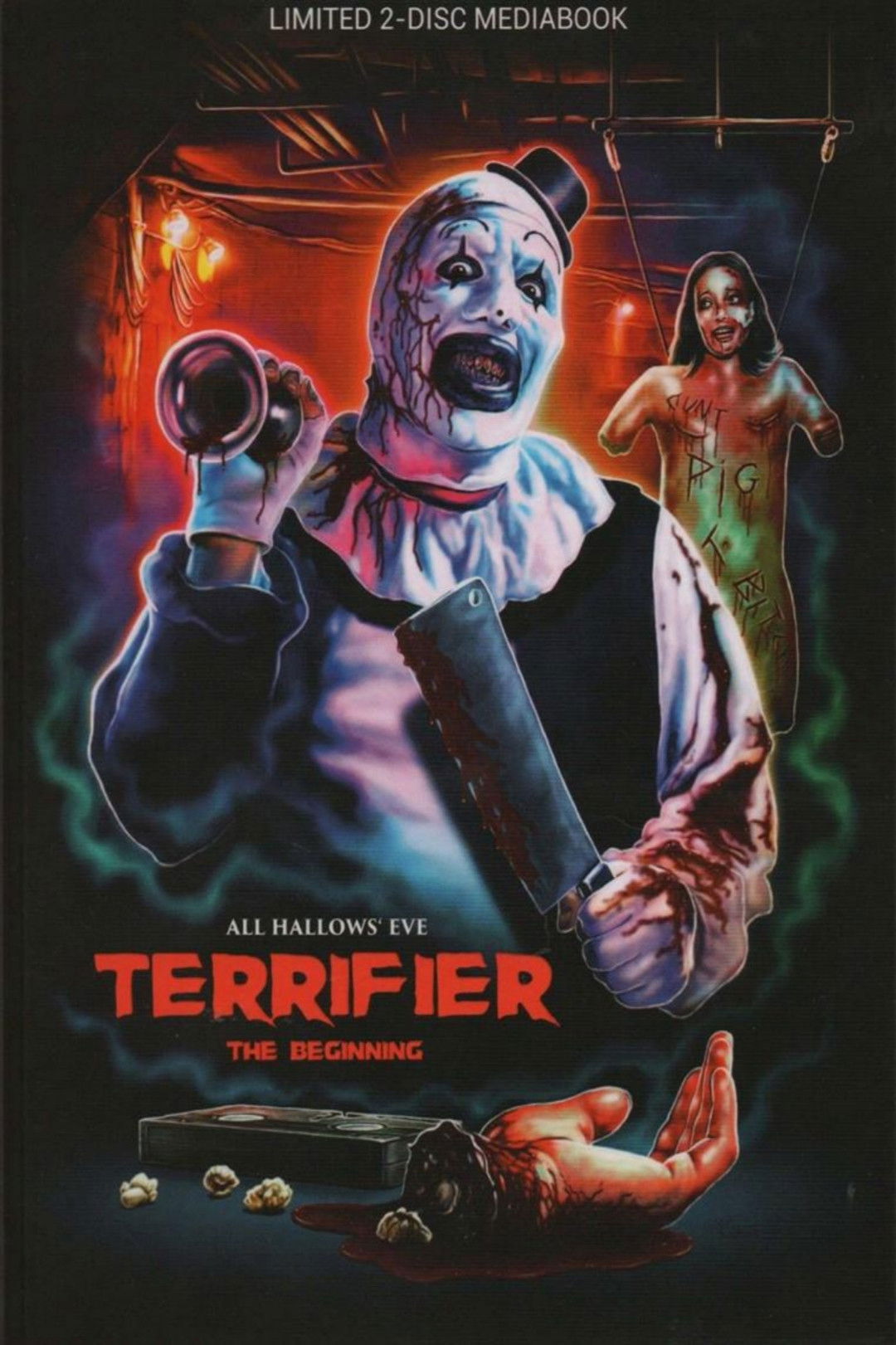
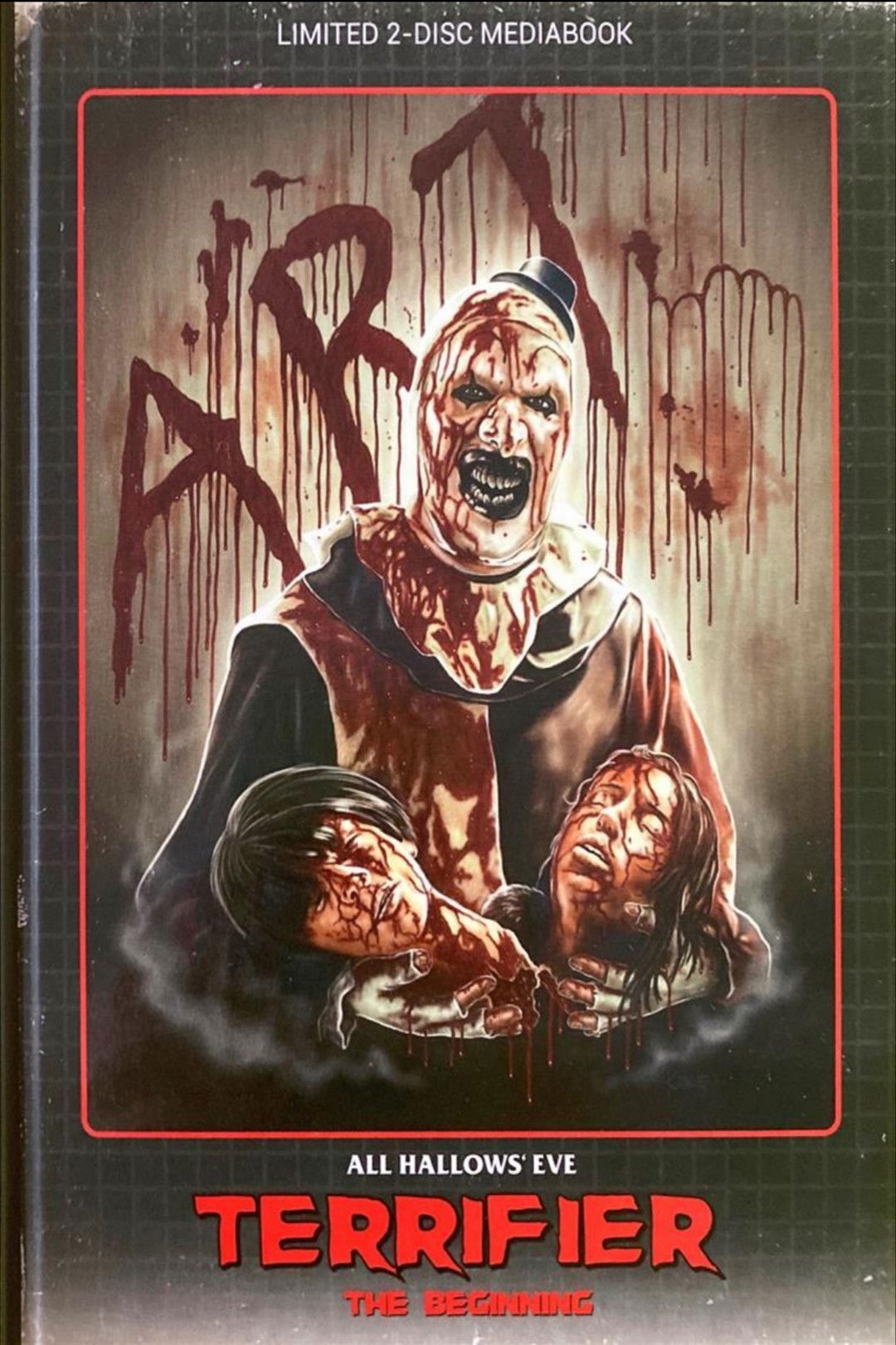
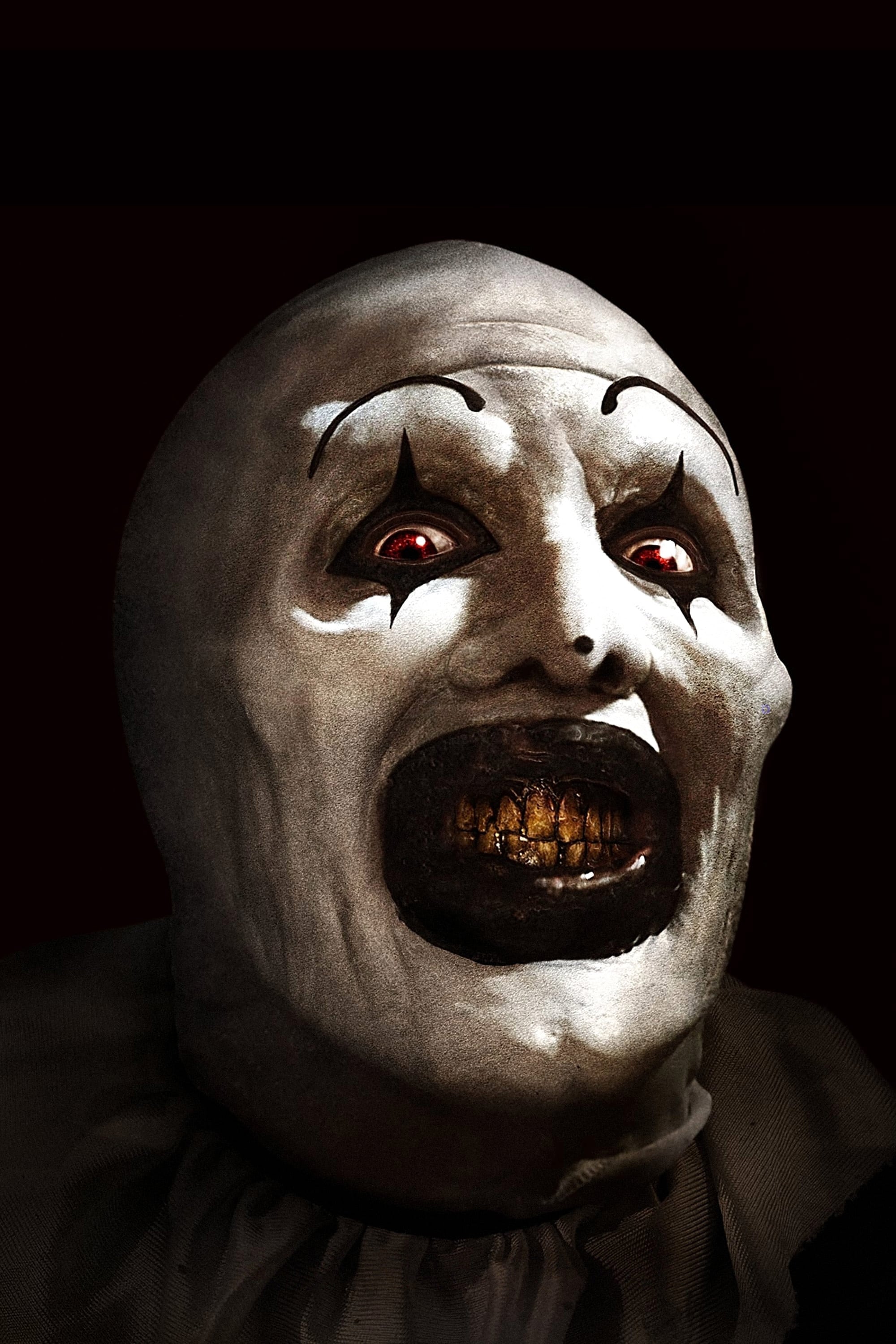
Art’s appearance developed through Leone’s own sculptural work. For The 9th Circle, he took a life cast of Mike Giannelli and added exaggerated facial features, including a pointed nose and chin. When making Terrifier, he redesigned the prosthetic face to appear more gaunt and corpse-like, intensifying the facial contours and adding deteriorated-looking dentures. The black-and-white costume and absence of dialogue were established elements of the character. Leone associated the effectiveness of clown imagery with exaggerated expressions and unpredictability, especially when combined with pale makeup. Giannelli’s silent performance relies on facial movement and physical behaviour to move between apparent playfulness and deliberate cruelty.

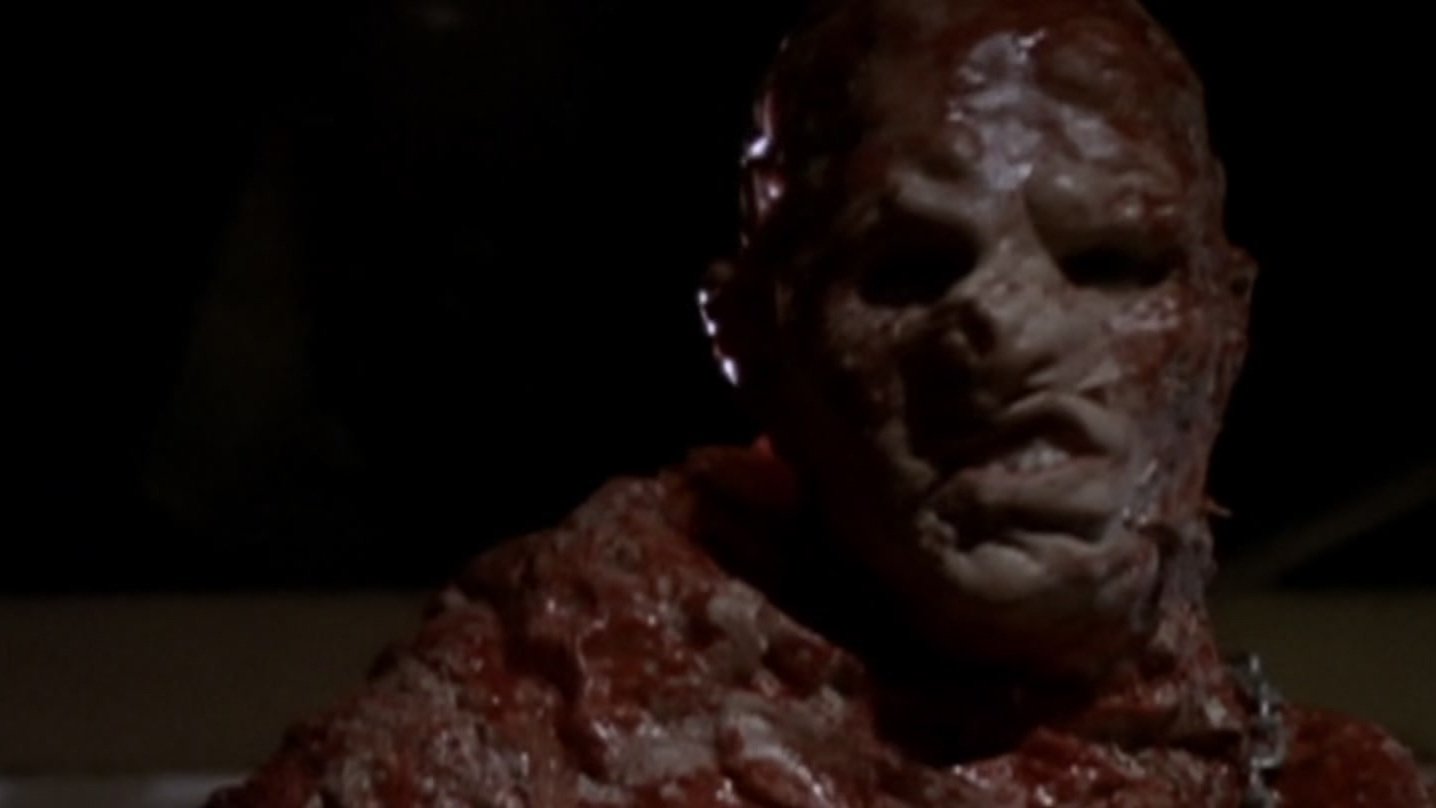
The production also reflects Leone’s experience as a special-effects makeup artist and prop maker. His interest in the field developed through the work of Tom Savini, whose practical techniques had strongly influenced his early experiments with latex and theatrical blood. In All Hallows’ Eve, fabricated injuries and grotesque creature designs contribute directly to the confrontational nature of the horror. The middle episode presented a different technical problem. Leone originally constructed an alien puppet, hoping to avoid the appearance of a performer inside a costume. The mechanism proved impractical under the production deadline, and Brandon deSpain ultimately performed the creature in a suit. Leone subsequently acknowledged his dissatisfaction with the episode’s hurried execution.

Home Video Release and Contemporary Reception

RLJ/Image Entertainment scheduled All Hallows’ Eve for American DVD and video-on-demand release on October 29, 2013, immediately before Halloween. The film was promoted through its malevolent clown, the mysterious videotape and the connection between three disturbing stories. Its original domestic distribution was a home-video launch, rather than the kind of nationwide theatrical engagement later associated with the Terrifier franchise. Contemporary reports and interviews consistently identified the release as a means of giving Leone’s independent shorts broader circulation. The production’s limited resources and compressed timetable remained visible in its presentation, particularly in the differences between newly photographed scenes and footage created several years earlier.

Critical responses from 2013 acknowledged the effectiveness of Art while disagreeing about the anthology as a complete film. Brad McHargue’s October review for Dread Central awarded it three and a half stars out of five. He praised Giannelli’s performance and Leone’s effects work but regarded the relationship between the stories as insufficiently developed. The middle episode was a particular weakness in his assessment, since Art’s presence amounted largely to a passing visual reference. He nevertheless considered the framing material effective in establishing the threat beyond the videotape. His review also identified the sharper grindhouse appearance of Terrifier as a significant visual contrast with the other segments.

Michael Juvinall’s November review for Horror Society took a more favourable position, awarding four out of five and emphasizing the film’s Halloween atmosphere, practical makeup and silent clown performance. He likewise considered the final story stronger than the earlier episodes and observed that their narratives were only loosely connected. These assessments illustrate the principal division in the initial reception: enthusiasm for the villain and the effects existed alongside reservations about the coherence of the anthology. The surviving contemporary reviews provide evidence of reactions within specialist horror criticism, without establishing either a broad critical consensus or a measurable theatrical audience response.

Art the Clown and the Path to Terrifier

All Hallows’ Eve occupies a particular position in the development of Art because it contains material from different stages of the character’s creation. In The 9th Circle, he serves a larger supernatural threat. In the Terrifier short, he operates as an independent slasher whose enjoyment of intimidation becomes central to the violence. The newly filmed framing story extends that progression by suggesting that the clown can cross the boundary between a recording and the world of its viewers. These appearances do not establish a single fully explained mythology. They document the character’s changing dramatic function as Leone experimented with different forms of horror.

Leone later expressed dissatisfaction with the anthology’s compromises. During a 2016 interview with Modern Horrors, he explained that the existing shorts had dictated much of the structure and that the new material was created to complete a feature-length release. He considered Art’s limited screen time a weakness and wanted the character to sustain an entire film. That ambition eventually produced the separate Terrifier feature, with David Howard Thornton assuming the role previously played by Giannelli. All Hallows’ Eve therefore remains a distinct anthology production within the character’s screen history. Its significance is supported by the documented path from independent shorts to home-video distribution and, subsequently, to a dedicated slasher feature.

References

  1. Daily Dead Q&A with All Hallows’ Eve Director Damien Leone

    Jonathan James’s 2013 interview documenting the origins of Art, the creation of the anthology, its production deadline, makeup design and problems with the alien effects.

  2. Dread Central Filmmaker Damien Leone Talks All Hallows’ Eve and More

    A December 2013 interview covering the film’s financing opportunity, cinematography, original 35 mm footage, restored scenes and practical-effects influences.

  3. Modern Horrors Q&A: Damien Leone Talks All Hallows’ Eve Spin Off TERRIFIER

    A 2016 interview in which Leone explains the anthology’s construction from existing shorts, the newly written segments and his intentions for a standalone Art the Clown feature.

  4. Dread Central All Hallows’ Eve (DVD)

    Brad McHargue’s contemporary October 2013 review examining the three episodes, their inconsistent visual presentation, the framing story and Mike Giannelli’s performance.

  5. Horror Society All Hallow’s Eve (2013) Review

    Michael Juvinall’s November 2013 review discussing the anthology structure, practical effects, characterization and relative effectiveness of the three episodes.

Connections

Cast

View Full Cast & Crew →

Release & Distribution

Production Companies (1)

  • Ruthless Pictures

Distributors (1)

  • RLJE Films US

Release History (11)

Release DateTerritoryRelease TypeFormatDistributorCertificationNotes
2013-10-29 Brazil Theatrical — — 18
2013-10-29 United States Theatrical — — R
2014-09-26 Germany Physical — — 18
2014-10-27 United Kingdom Theatrical — — 18
2014-10-27 Ireland Digital — — 18
2022-12-15 Australia Digital — — R 18+
2022-12-15 Australia Physical DVD — R 18+ DVD
2023-05-24 France Physical Blu-ray — — Blu-ray
2023-09-14 Italy Physical DVD, Blu-ray — 18+ DVD / Blu-ray
2023-10-22 Italy Digital — — 18+
2025-01-31 New Zealand Physical DVD — R18 DVD
Come Out and Play.