Jack Weis's 1978 New Orleans exploitation horror: regional filmmaking, the influence of Blood Feast, disco music, practical gore, British video nasties and the preservation of surviving film materials.
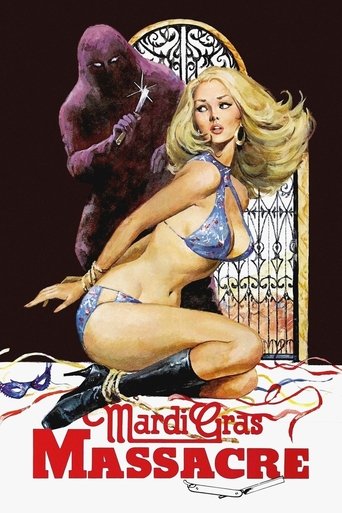
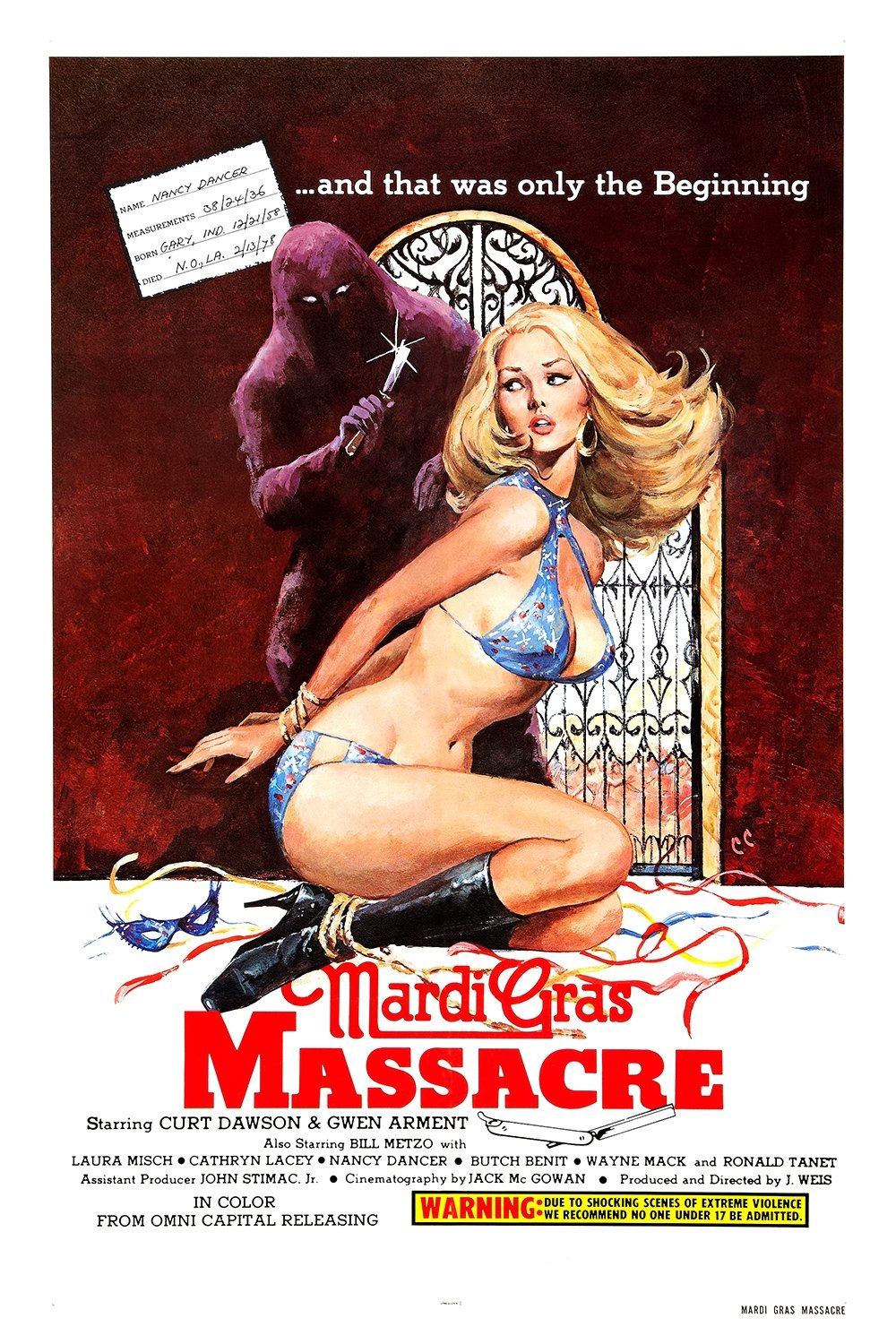
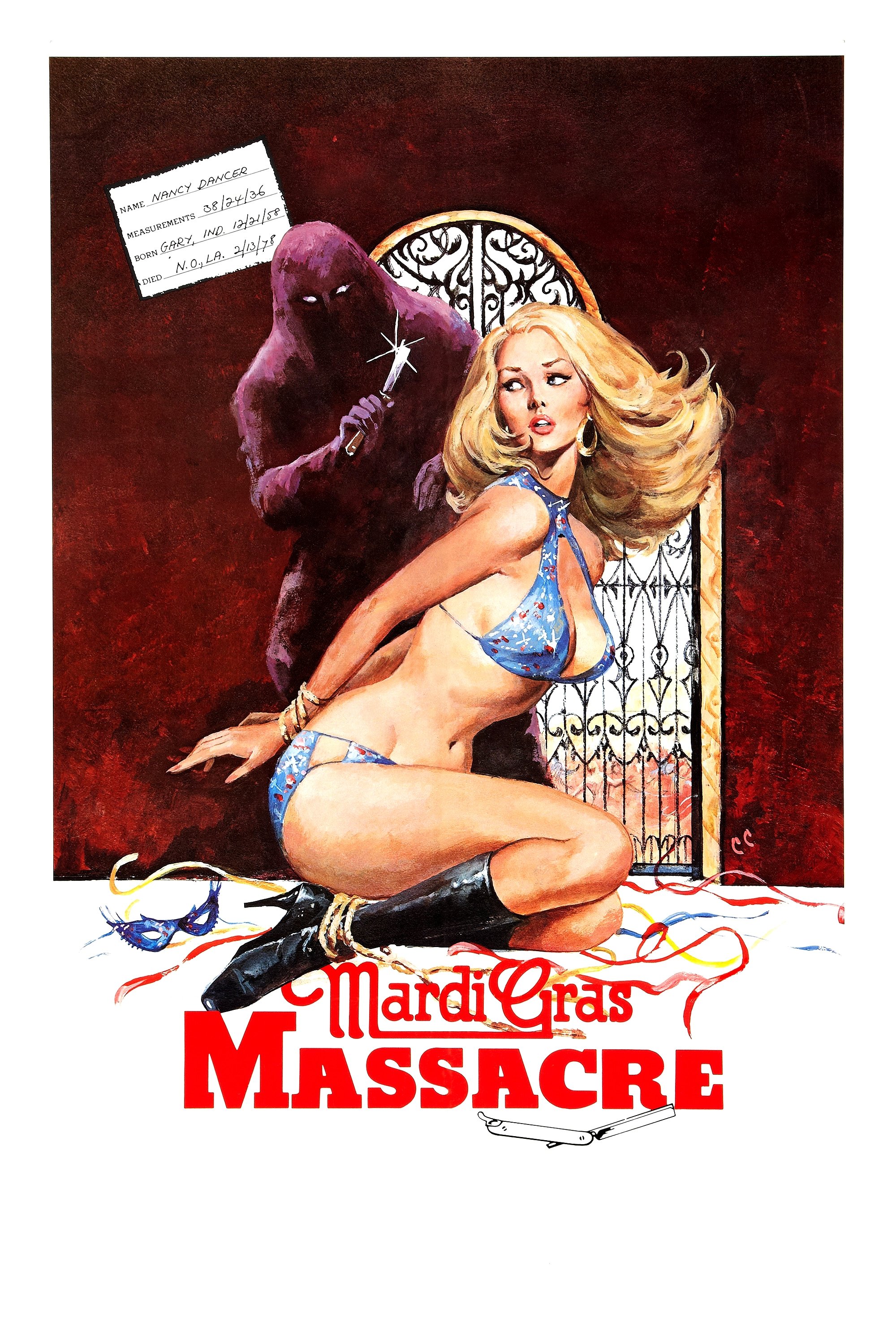
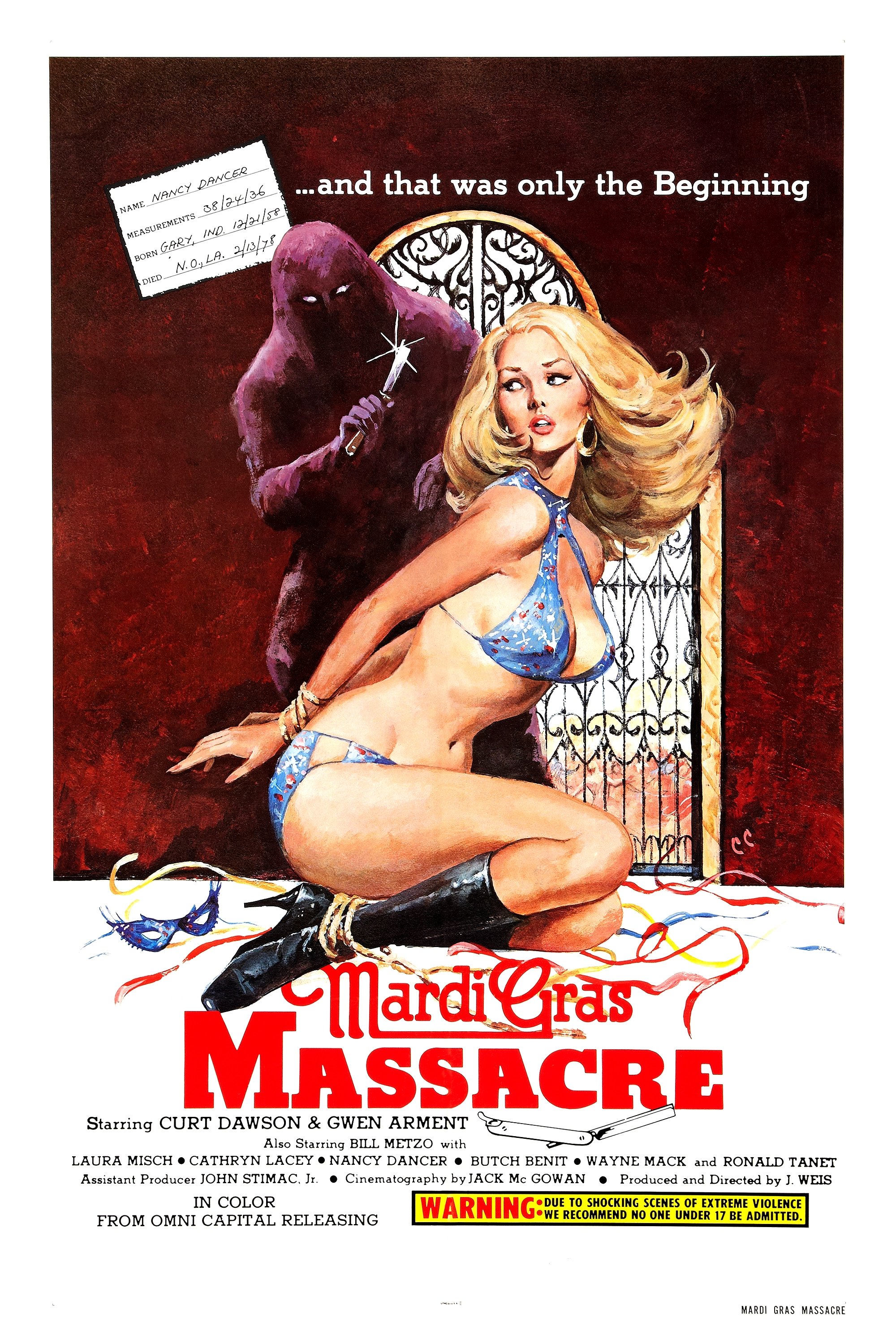
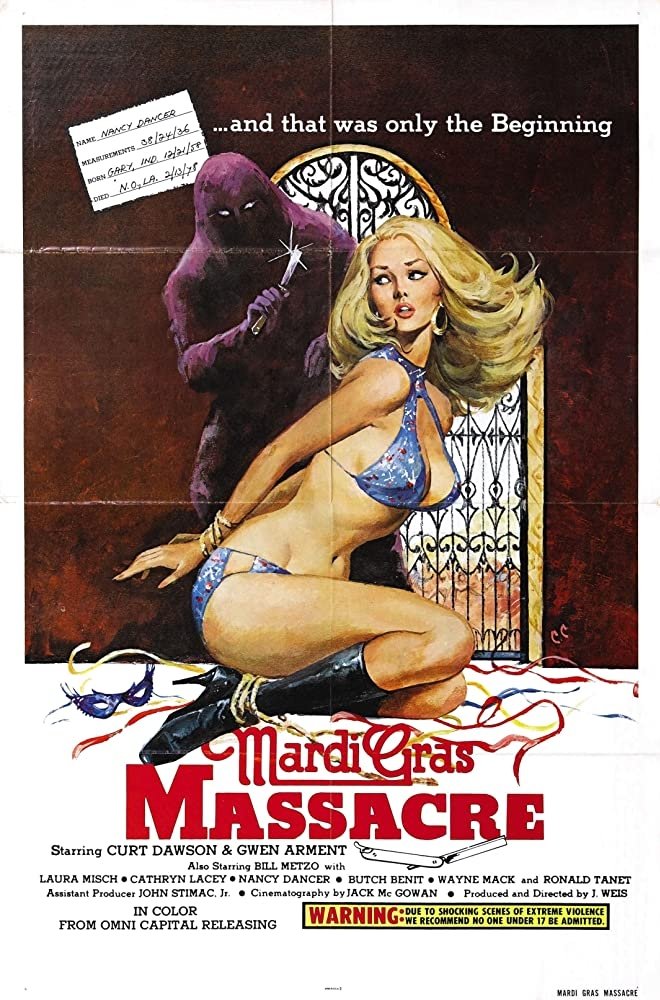
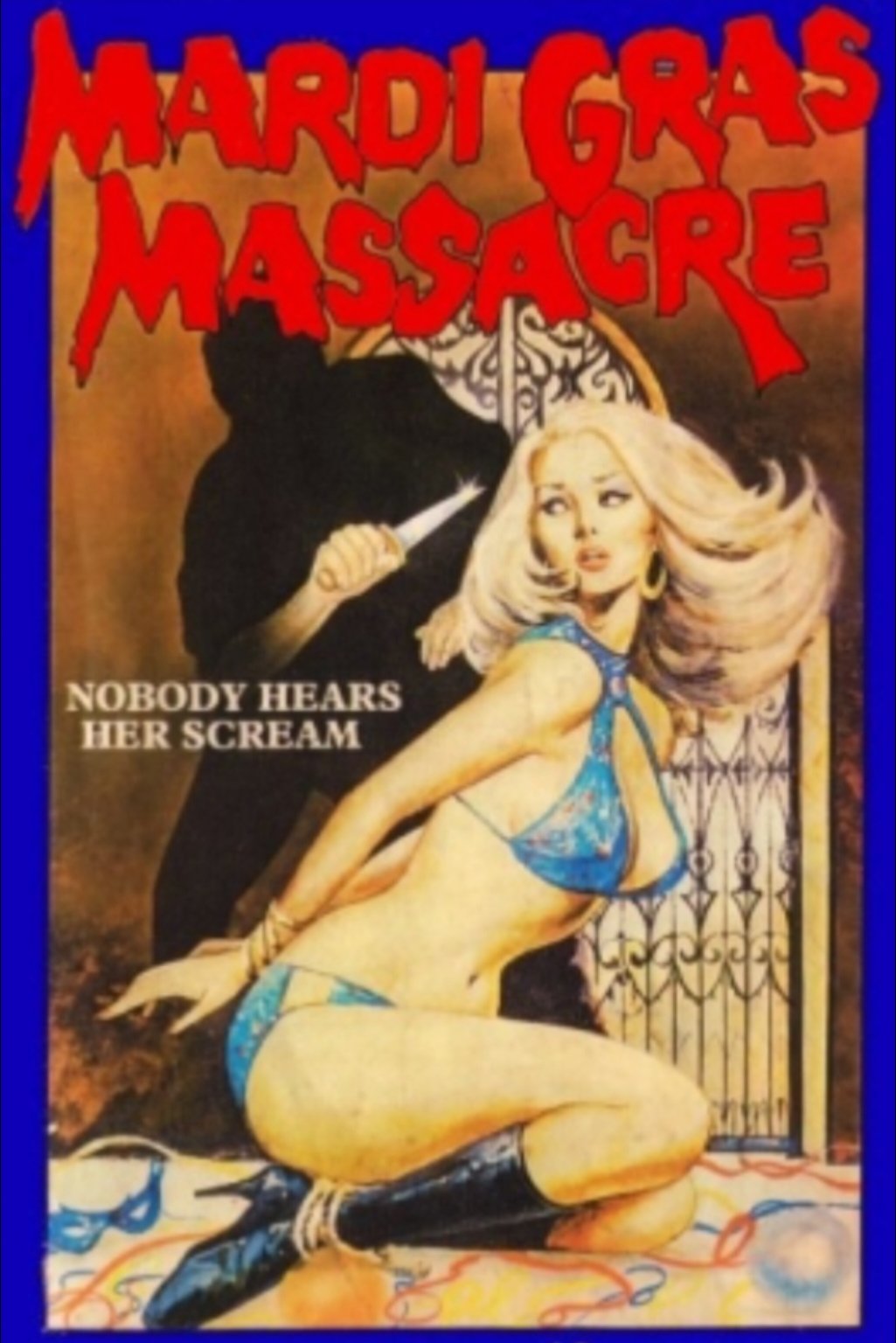
Mardi Gras Massacre (1978) is an American independent horror film written, produced and directed by Jack Weis, a filmmaker associated with the regional exploitation industry of New Orleans. Combining ritual murder, explicit practical gore and the atmosphere of the city's nightlife, it belongs to the American splatter tradition established by Herschell Gordon Lewis during the 1960s. Its closest cinematic predecessor is Blood Feast (1963), whose combination of ceremonial violence and police investigation provides an unmistakable structural model. Weis relocated that formula to Louisiana and incorporated contemporary disco music, adult entertainment venues and footage of the city's Carnival celebrations.
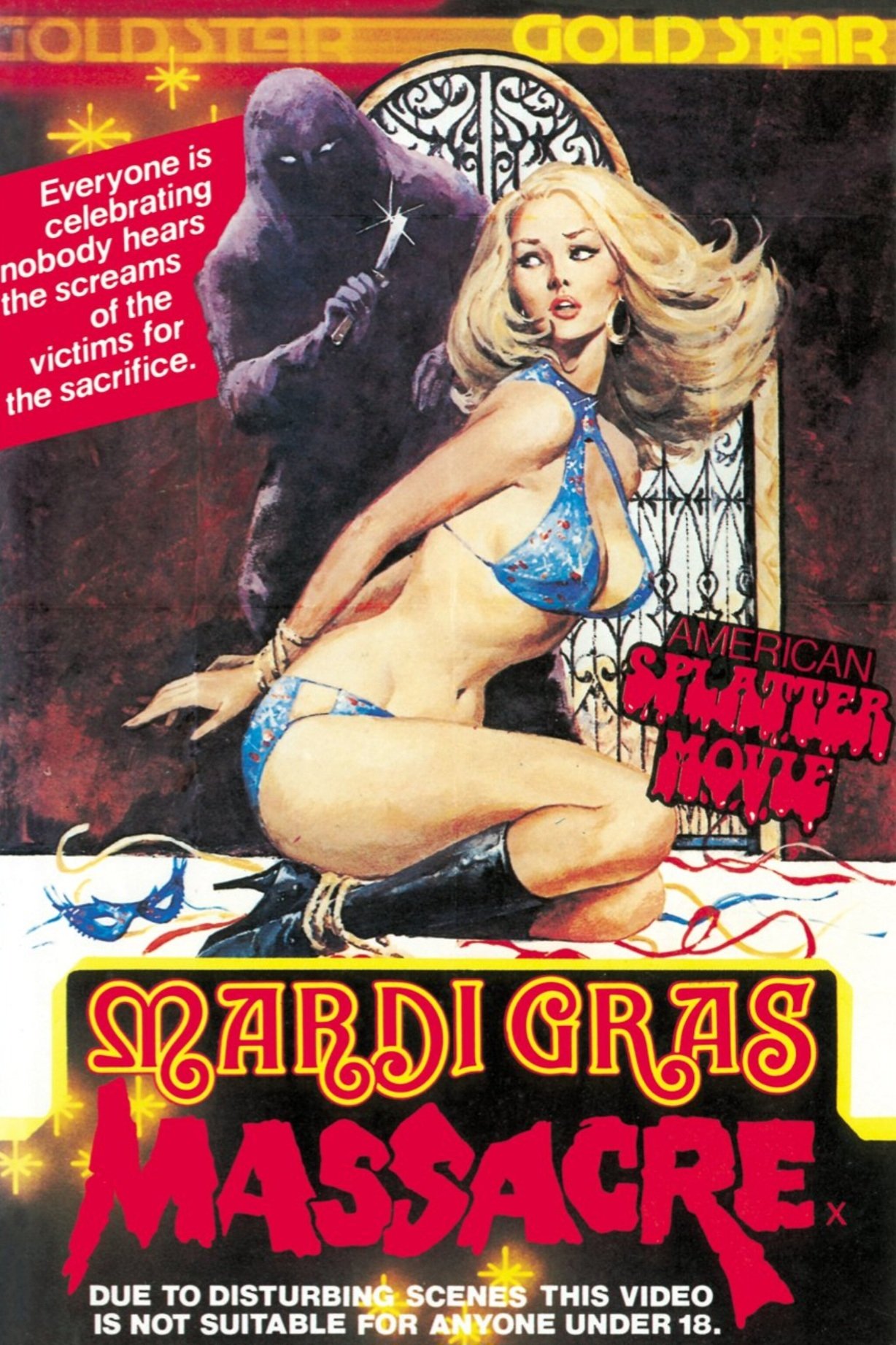
The film acquired a second identity through its circulation on British videocassette and subsequent inclusion in the Director of Public Prosecutions video nasties campaign. Its historical interest lies primarily in its regional production character, its relationship with earlier exploitation cinema and the survival of a low-budget American horror film whose photographic materials required later reconstruction. Its British classification history also demonstrates the changing regulatory treatment of graphic horror: after the obscenity controversy of the 1980s, the film received an 18 classification without recorded cuts in March 2022.
Jack Weis and New Orleans Regional Exploitation Cinema
Jack Weis worked within the independent filmmaking environment of Louisiana, producing pictures outside the established Hollywood studio system. His filmography includes Quadroon (1971), Crypt of Dark Secrets (1976) and Mardi Gras Massacre, productions associated with the commercial possibilities of regional filmmaking during the 1970s. The latter was assembled around New Orleans performers, recognizable city locations and the methods of low-budget exploitation production. Weis combined writing, directing and producing responsibilities, while the surviving credits also associate him with the cinematography alongside Jack McGowan and Don Piel. The available records do not establish a reliable production budget or a detailed shooting schedule.
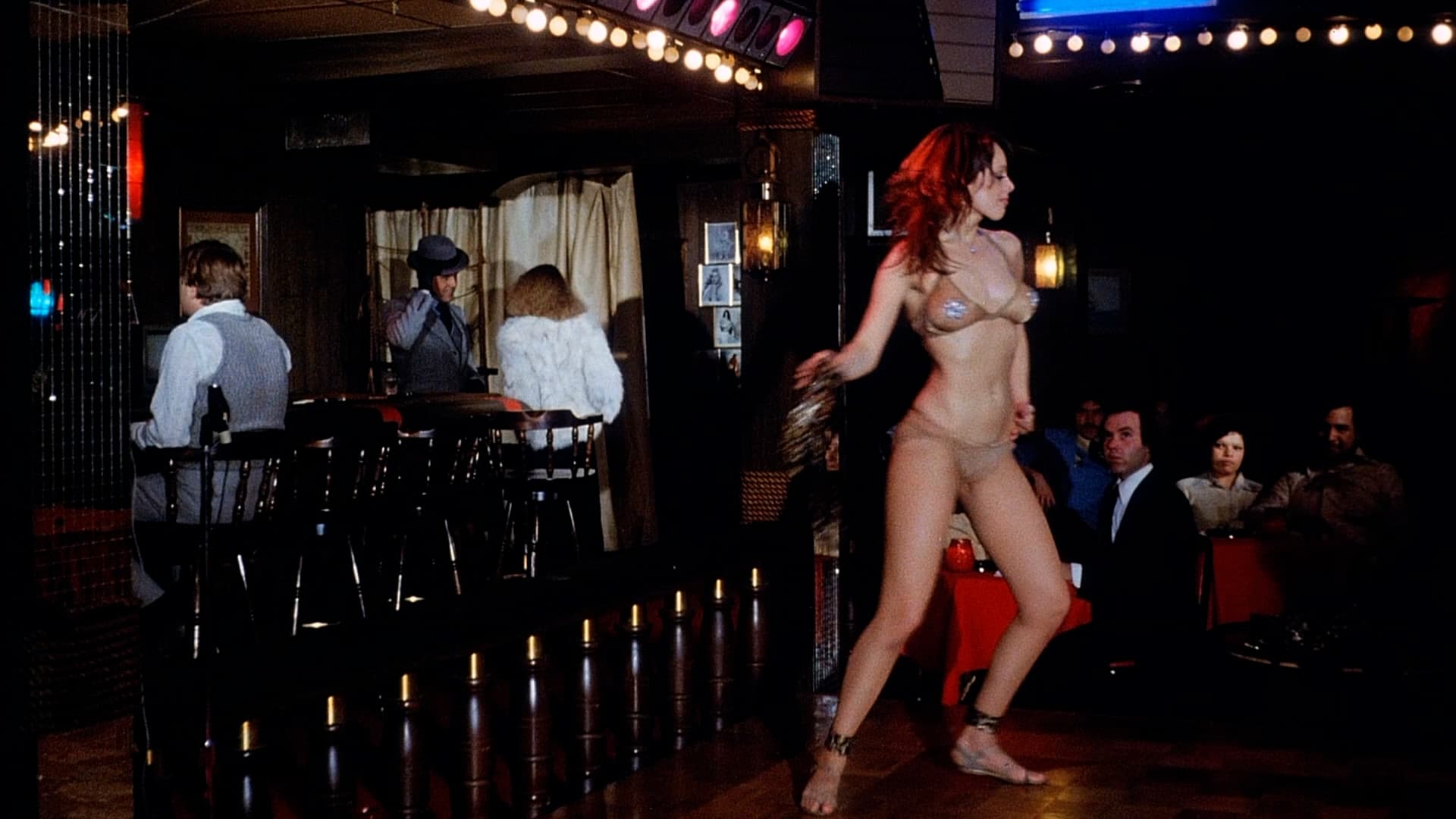
The location photography is particularly valuable because it preserves a recognizable view of New Orleans during the late 1970s. Jackson Square, the surrounding streets and the city's nightlife establishments appear alongside footage of Carnival crowds. These environments distinguish the film from exploitation productions constructed mainly around anonymous interiors. The street photography also records bystanders reacting to the presence of the camera, a detail visible in the Carnival material. William Metzo later discussed the New Orleans filming in an interview recorded for the film's home-video release. His testimony confirms the importance of the local environment, although no complete publicly accessible production history has established the circumstances of every location sequence.
Blood Feast, Ritual Murder and the Splatter Tradition
The relationship between Mardi Gras Massacre and Herschell Gordon Lewis's Blood Feast is unusually direct. Both productions organize their horror around a murderer who interprets ritual sacrifice as a religious obligation, repeated acts of mutilation and a police investigation that provides a secondary narrative framework. Weis adopts this recognizable combination without providing evidence of an authorized remake arrangement. The similarity was identified in later genre criticism, including writing published by Mondo Digital and Daily Grindhouse. It is therefore appropriate to describe the film as a conspicuous reworking of the earlier splatter formula rather than as a formally documented remake.
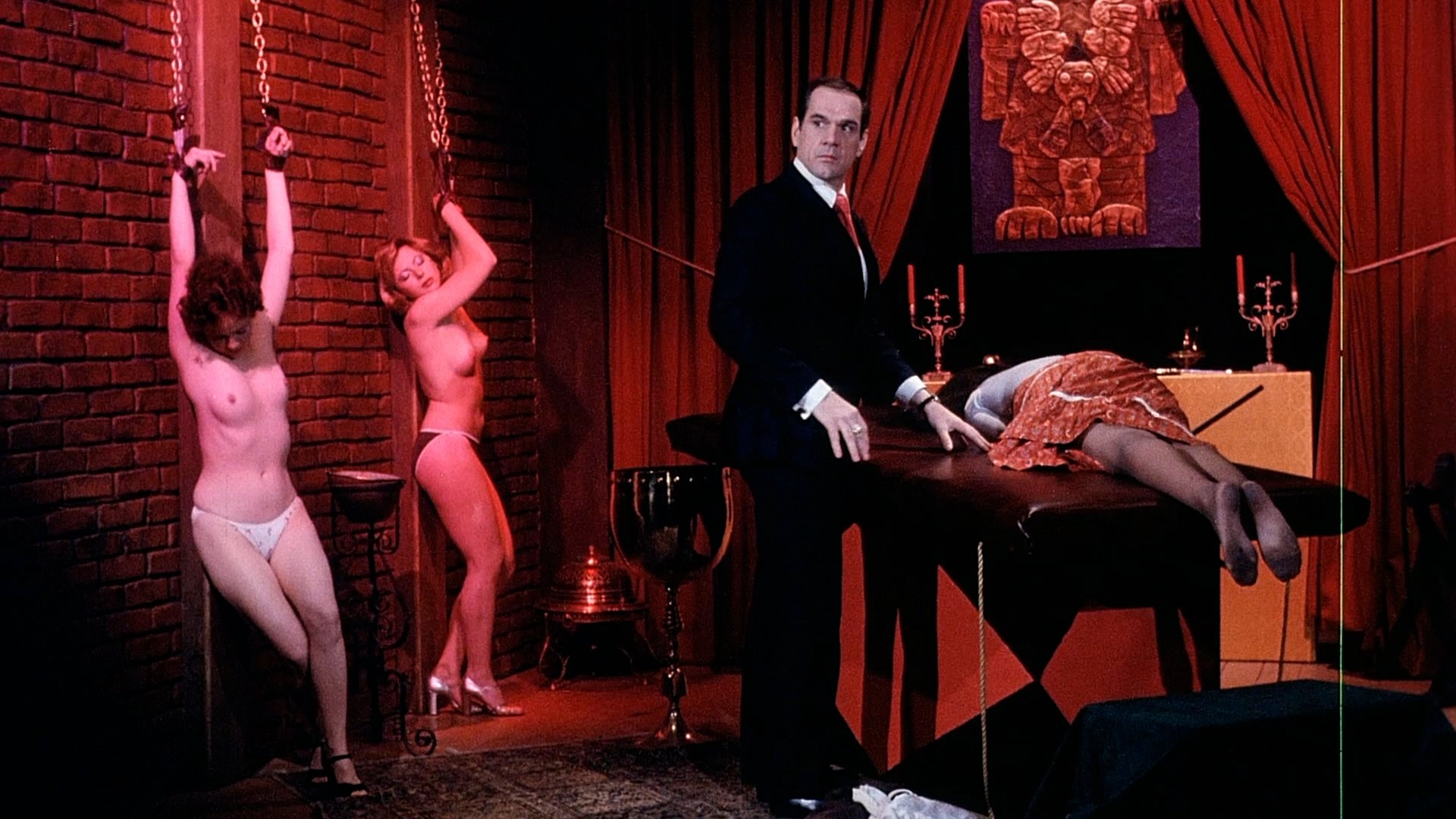
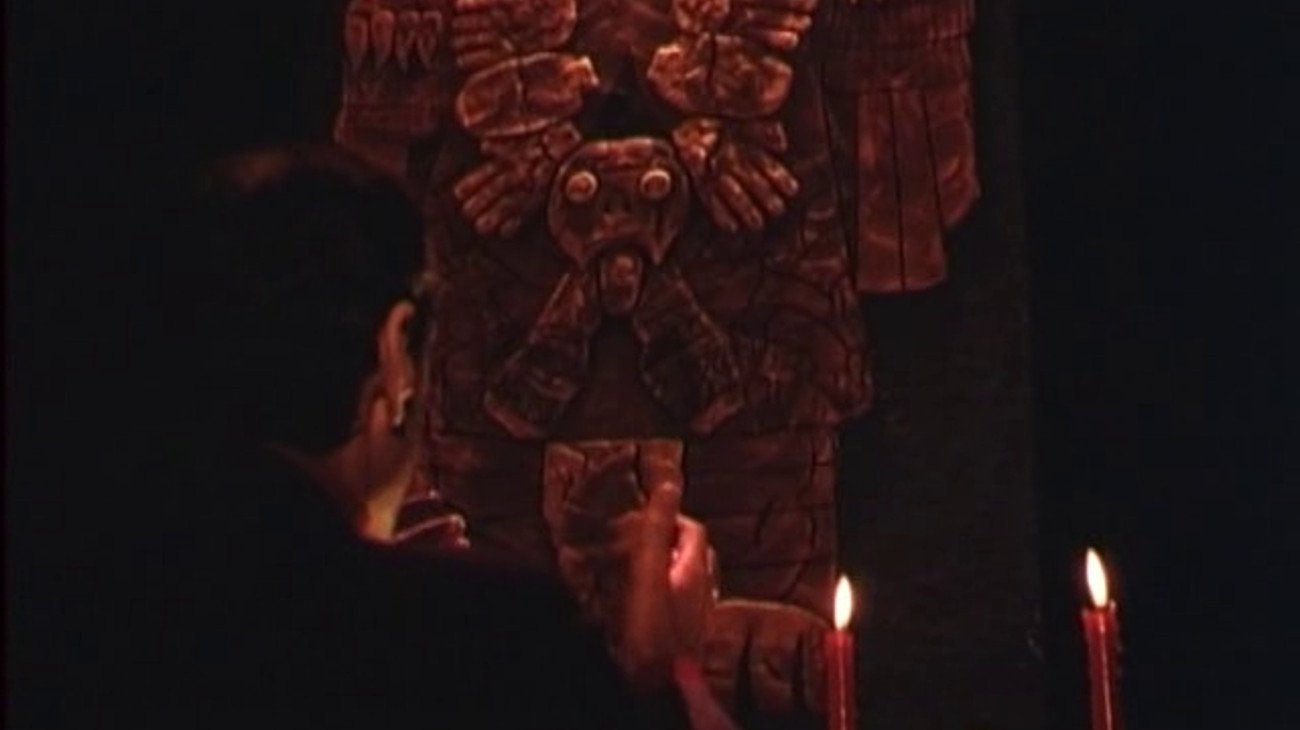
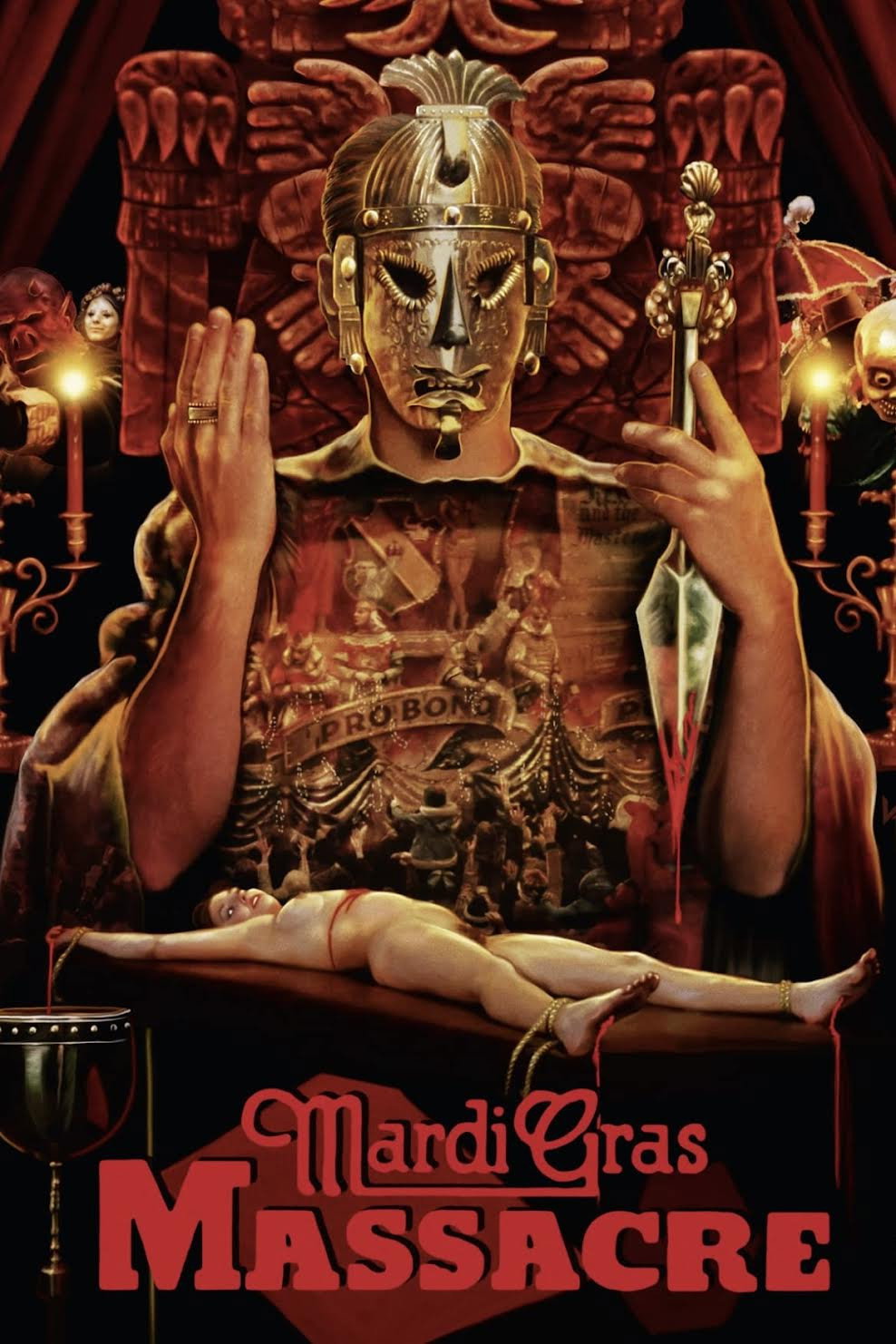
The ceremonial murders also reveal the film's relationship with the roughie tradition of sexualized exploitation. Nudity, physical restraint and anatomical violence are repeatedly combined within the same staged environment. The invocation of an ancient deity supplies a fictional justification for the killings, but the film does not offer a reliable representation of historical Mesoamerican religious practices. Its use of supposed ancient ritual belongs to exploitation fantasy. The repetition of similar sacrificial scenes becomes a defining structural characteristic, with changes in performers and bodily effects occurring within an otherwise familiar arrangement. This emphasis on repeated graphic spectacle places the film closer to earlier splatter attractions than to the suspense-oriented slasher productions that became commercially prominent after Halloween.
New Orleans Nightlife, Disco Music and Practical Gore
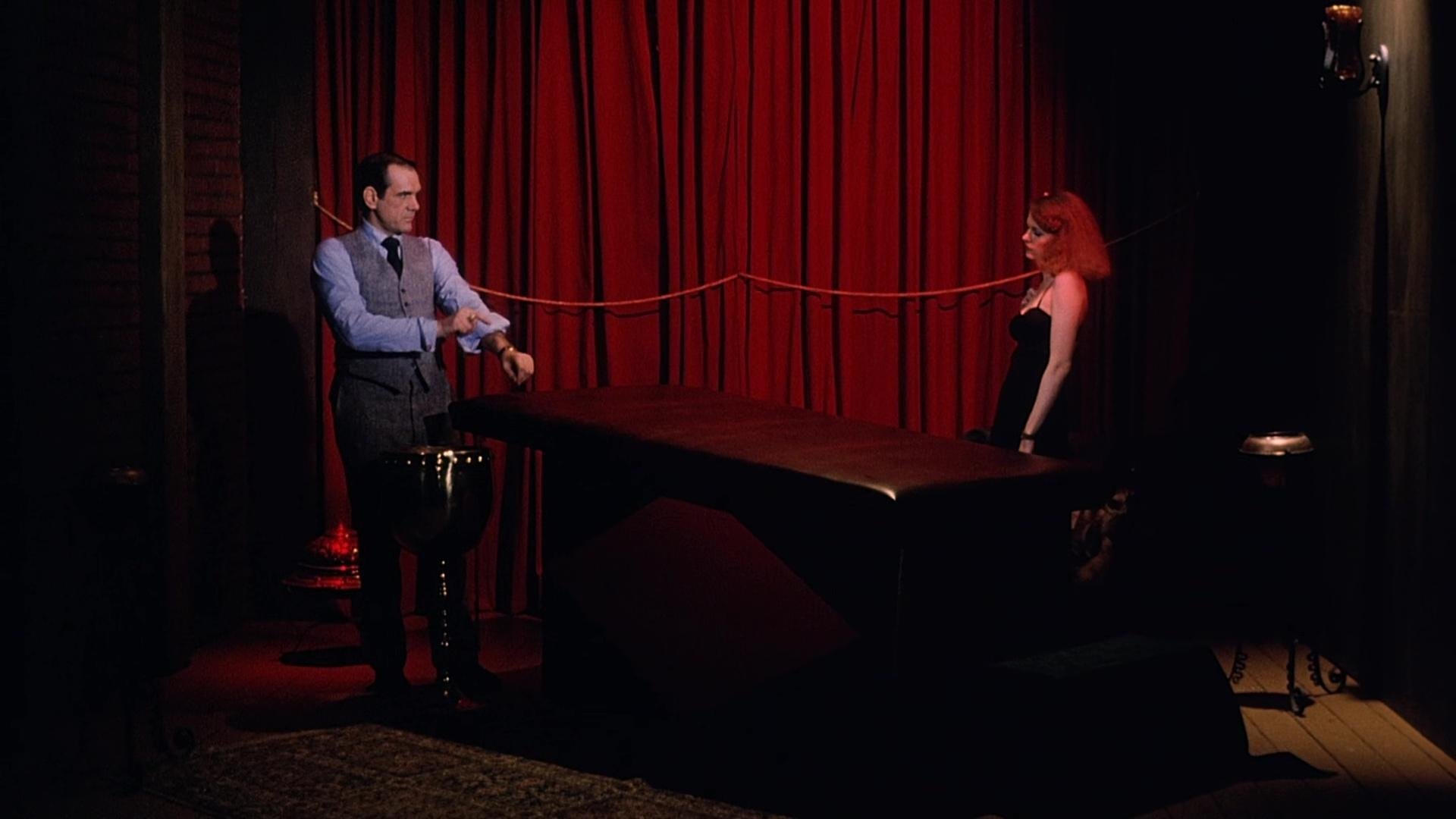
The photographic presentation combines relatively static dialogue scenes with New Orleans exteriors, dance floors and more closely controlled interiors used for the ceremonial violence. The contrast gives the film two distinct visual environments: recognizable public spaces and a private room organized around a prominently displayed sacrificial altar. The latter employs red drapery, theatrical lighting and repeated compositions emphasizing the immobilized human body. The practical effects include simulated wounds, artificial torsos and removable anatomical material. Michael Nahay is credited with special effects, although detailed contemporary documentation of the construction techniques and individual appliances has not been established.
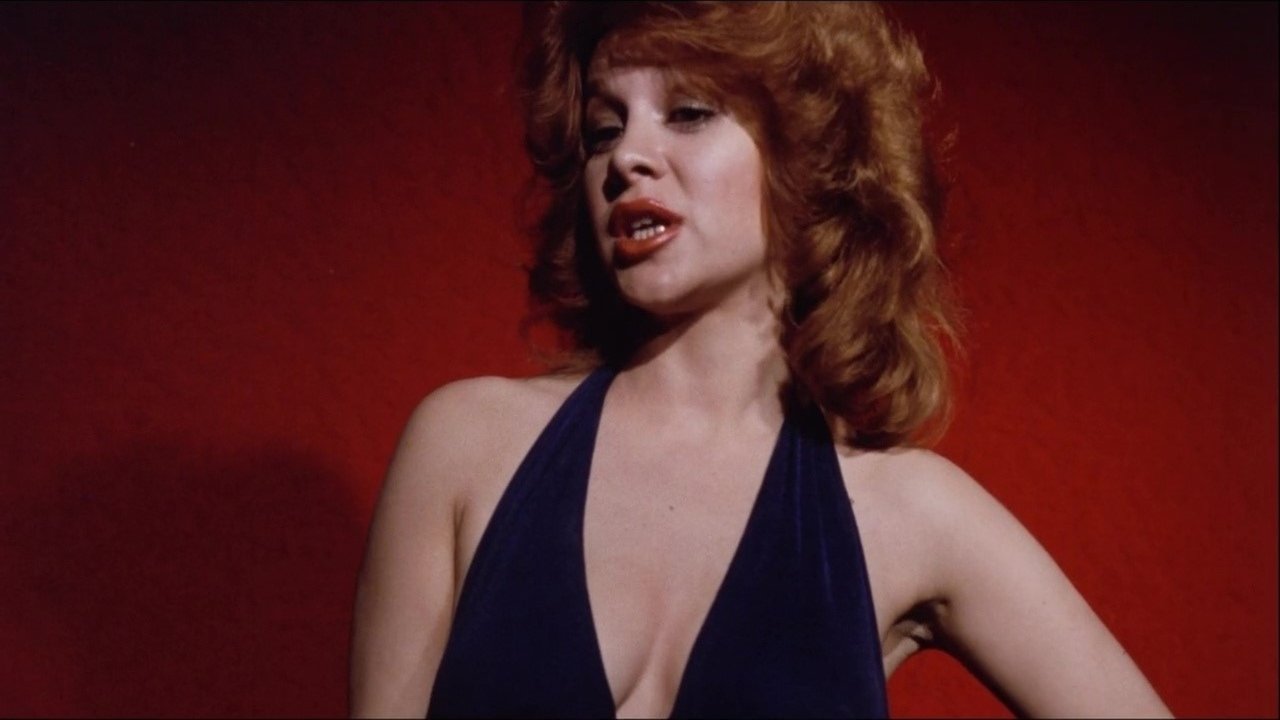
Music is another identifiable component of the production. Dennis Coffey and Mike Theodore are credited with the soundtrack, which features prominent disco and funk elements consistent with the late-1970s setting. Musical passages accompany the nightlife photography and provide a conspicuous contrast with the sequences of ritual violence. The combination has been noted in later critical writing as one of the film's most distinctive characteristics. Coffey and Theodore brought established experience in popular music, but the available evidence does not support a detailed reconstruction of their recording sessions or the precise circumstances under which individual compositions were selected. The soundtrack can be assessed through its documented contributors and its audible relationship with the images.
Exploitation Distribution, Video Nasties and Film Preservation
Mardi Gras Massacre is conventionally dated to 1978, although its American theatrical circulation extended beyond the period immediately following production. Published filmographies and surviving distribution accounts identify later engagements, including circulation in 1983. The exact relationship between reported early screenings and subsequent commercial bookings is not sufficiently documented to establish a complete release chronology. Its reputation in Britain developed through the videocassette market, where the film became one of the titles associated with successful prosecutions under the Obscene Publications Act. These proceedings formed part of the Director of Public Prosecutions video nasties campaign and should be distinguished from formal film-classification decisions.
The British Board of Film Classification eventually examined a 96-minute version submitted by 88 Films for physical media and streaming. On March 31, 2022, it received an 18 classification, with sexualized violence identified as the principal content concern and no compulsory cuts recorded. The film had also undergone several stages of home-video preservation. A Code Red DVD relied on an existing video master, followed by a high-definition presentation in 2016. A subsequent 2K reconstruction drew upon surviving film elements associated with the production's post-Hurricane Katrina preservation history. The available release documentation identifies these different technical generations, but does not provide a sufficiently detailed archival inventory to reconstruct the condition and provenance of every original film element.