Meir Zarchi and the Real-Life Origins of Day of the Woman
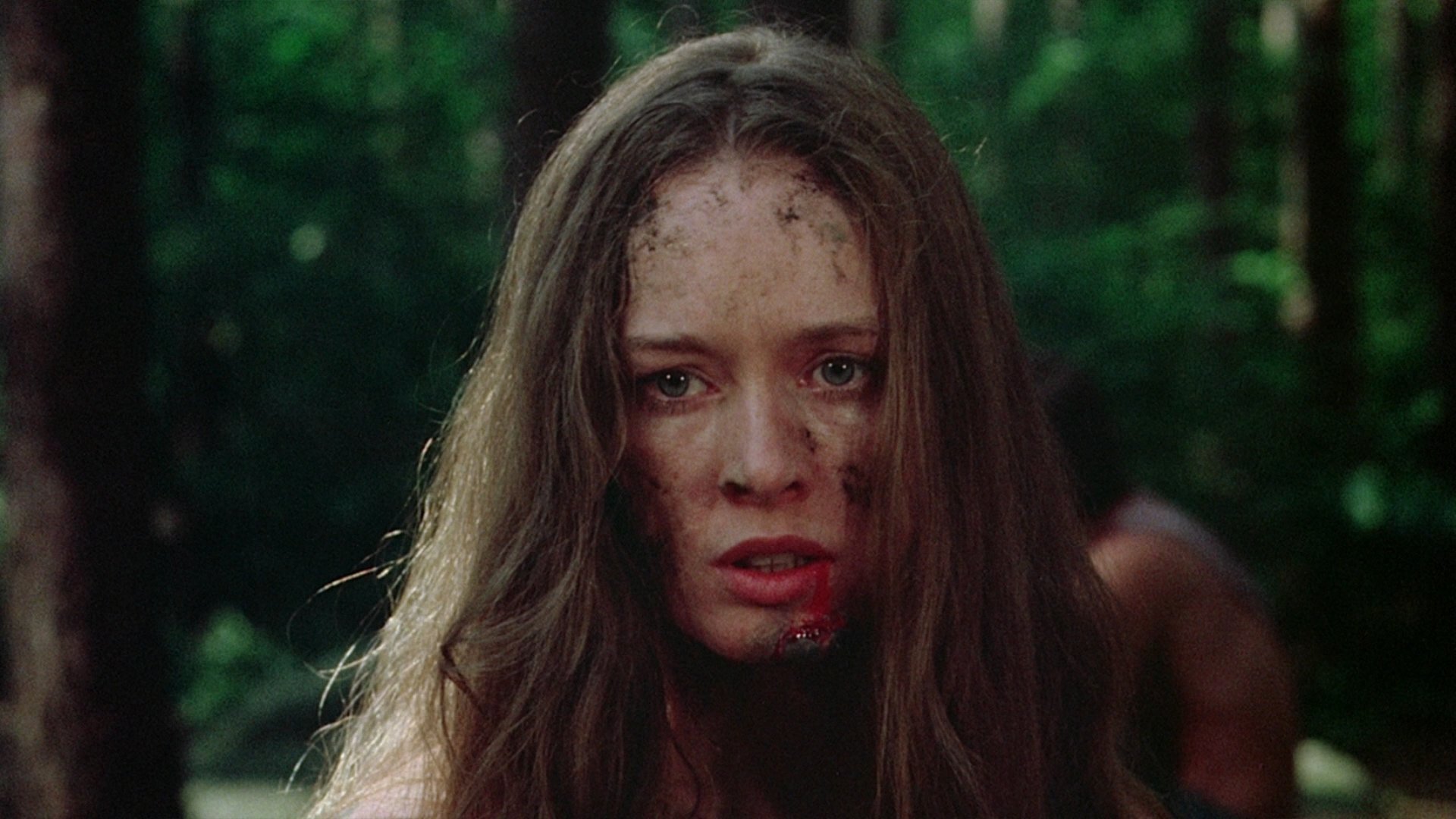
Meir Zarchi traced the origin of the screenplay to an experience during the 1970s, when he encountered a young woman who had been severely beaten and sexually assaulted in a New York park. He recalled discovering her covered in blood and mud and attempting to help her obtain assistance. The experience remained significant to him long after the production was completed. In a 2010 interview with Russell Cook for CineVue, Zarchi described the encounter as the principal reason he wanted to depict the brutality of rape without conventional cinematic restraint. His account provides a direct explanation of his stated intentions, although the events are known primarily through his retrospective testimony rather than independently reproduced police documentation.
The filmmaker also described his dissatisfaction with the response of the authorities when the woman reported the assault. Subsequent accounts of the production associate this experience with his decision to construct a story in which institutional protection is effectively absent. The theme therefore emerged from Zarchi's anger at the treatment of a victim as well as the original attack. He argued that the desire for retaliation represented an understandable human response to extreme violence. His position helps explain the screenplay's emphasis on personal retribution, but it remains the director's own explanation of his work and should not be confused with an endorsement of extrajudicial violence by the film's later critics or researchers.
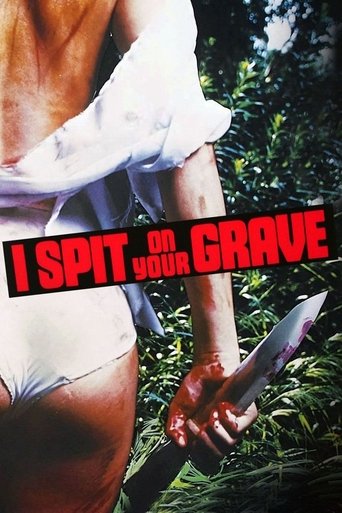
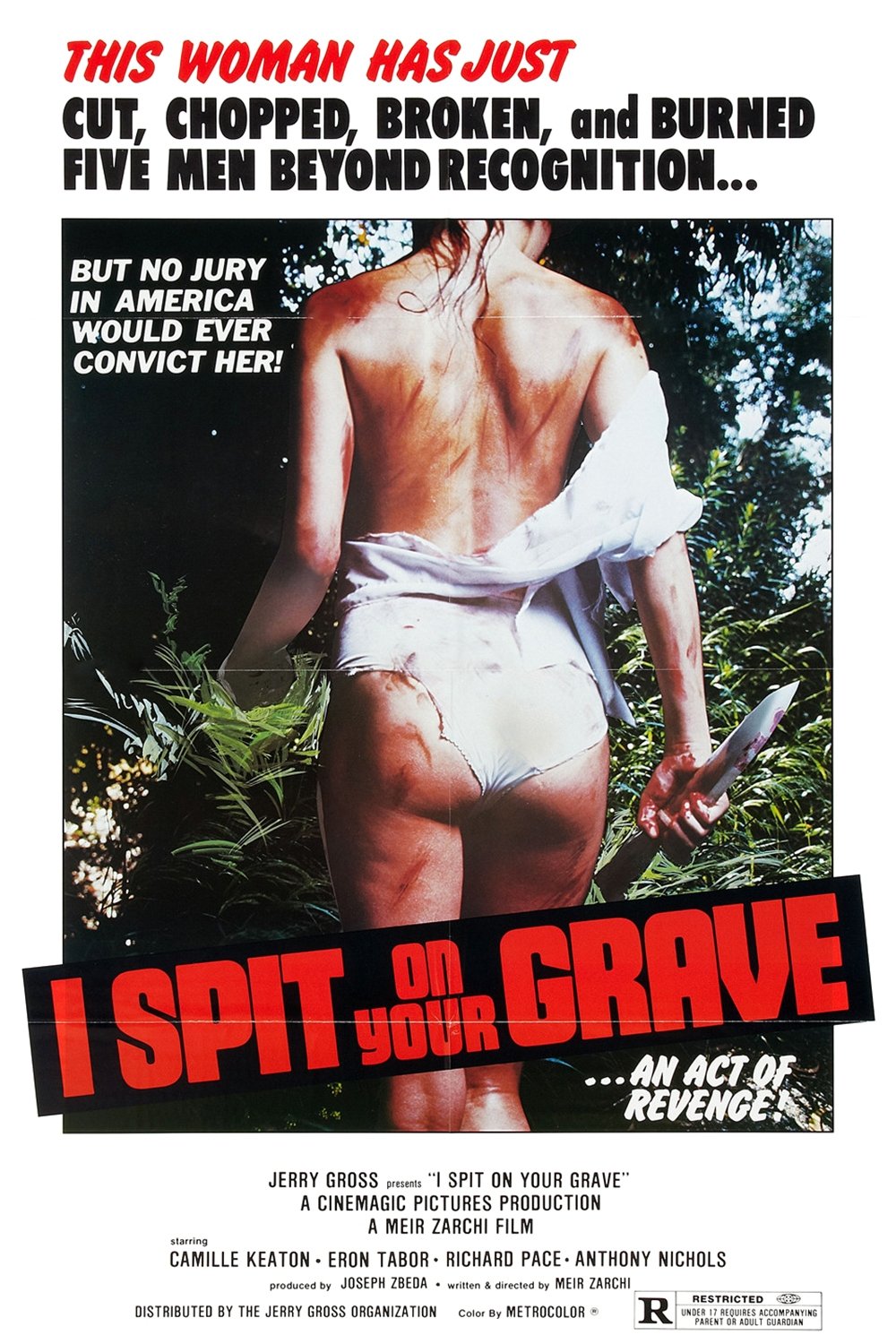
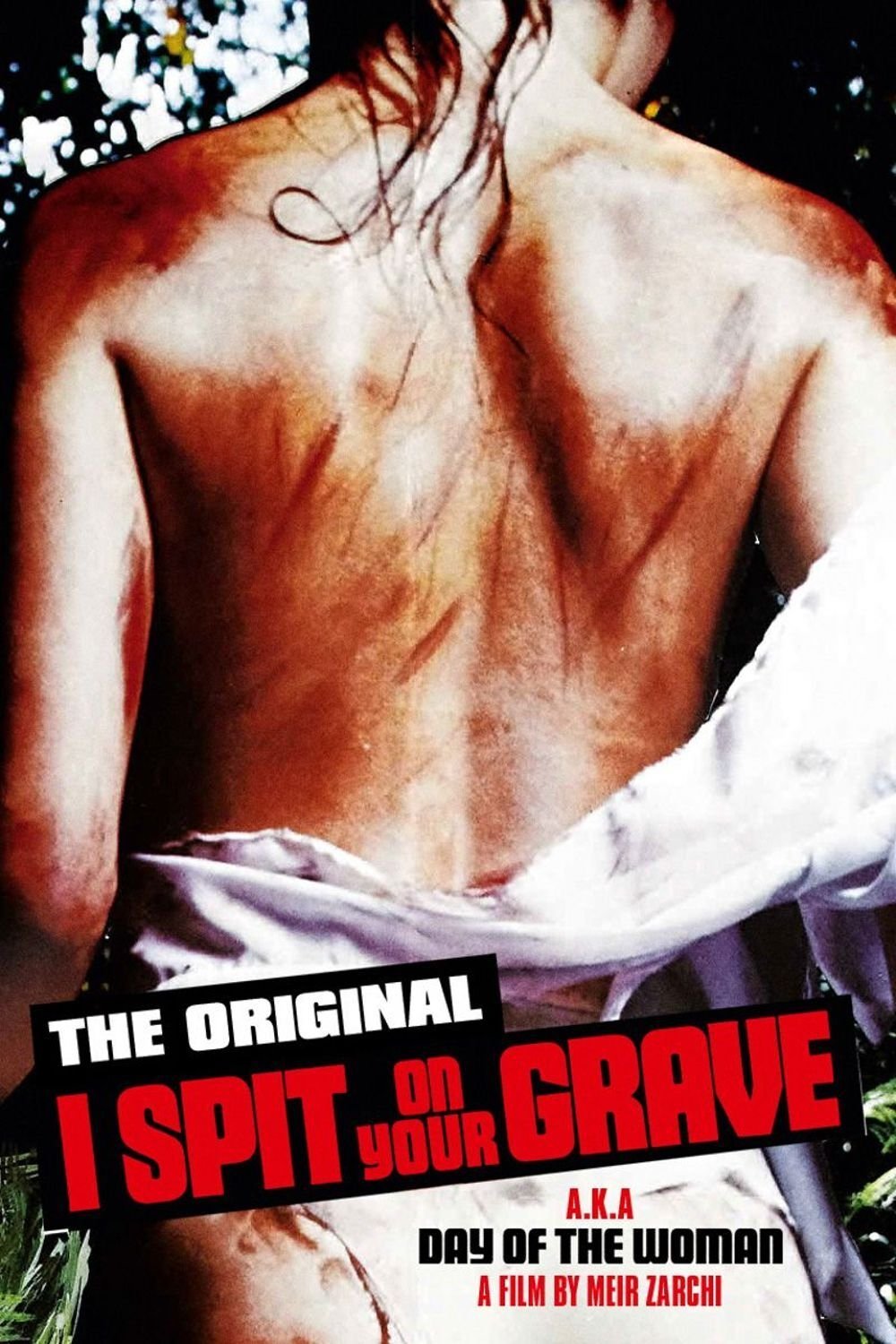
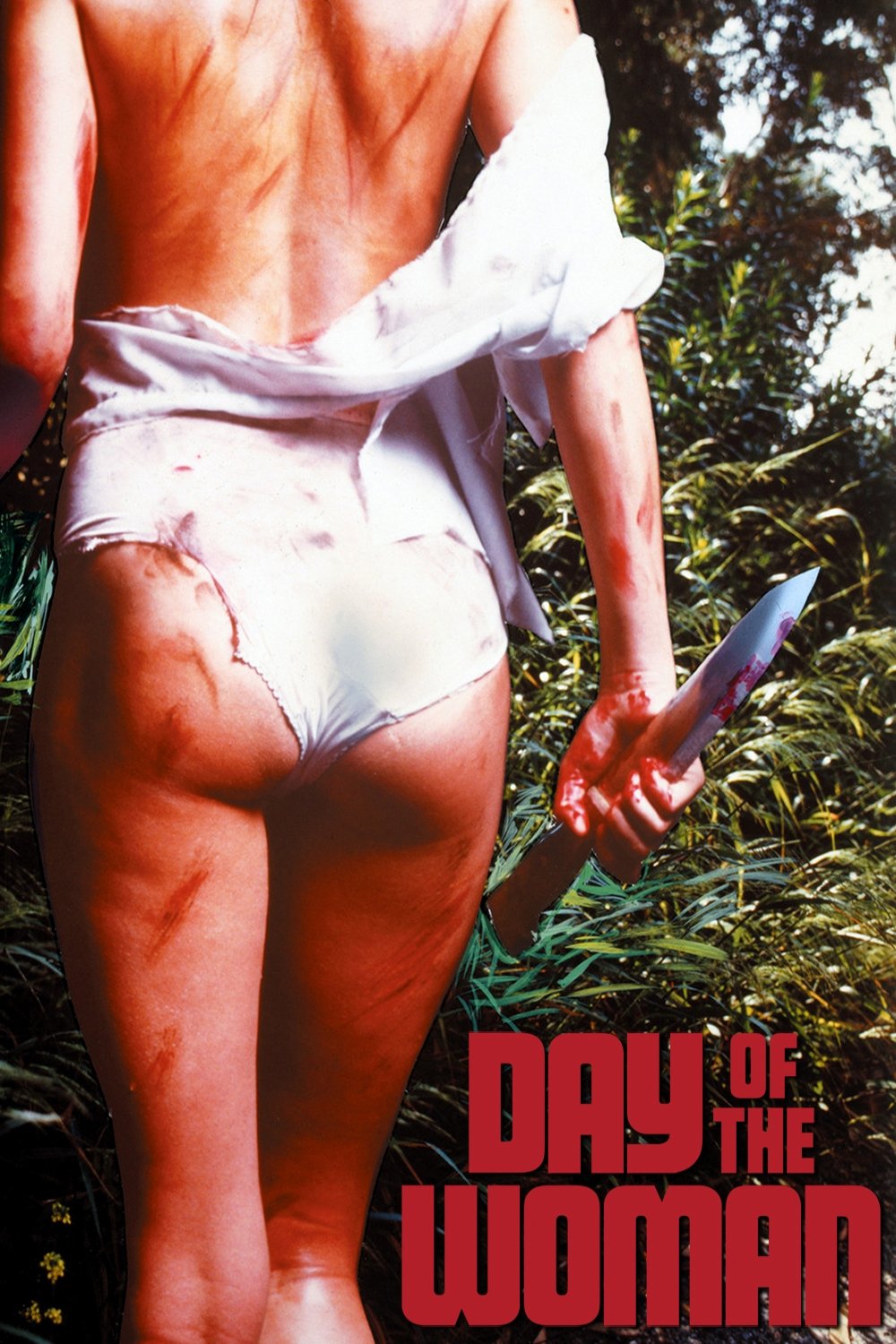
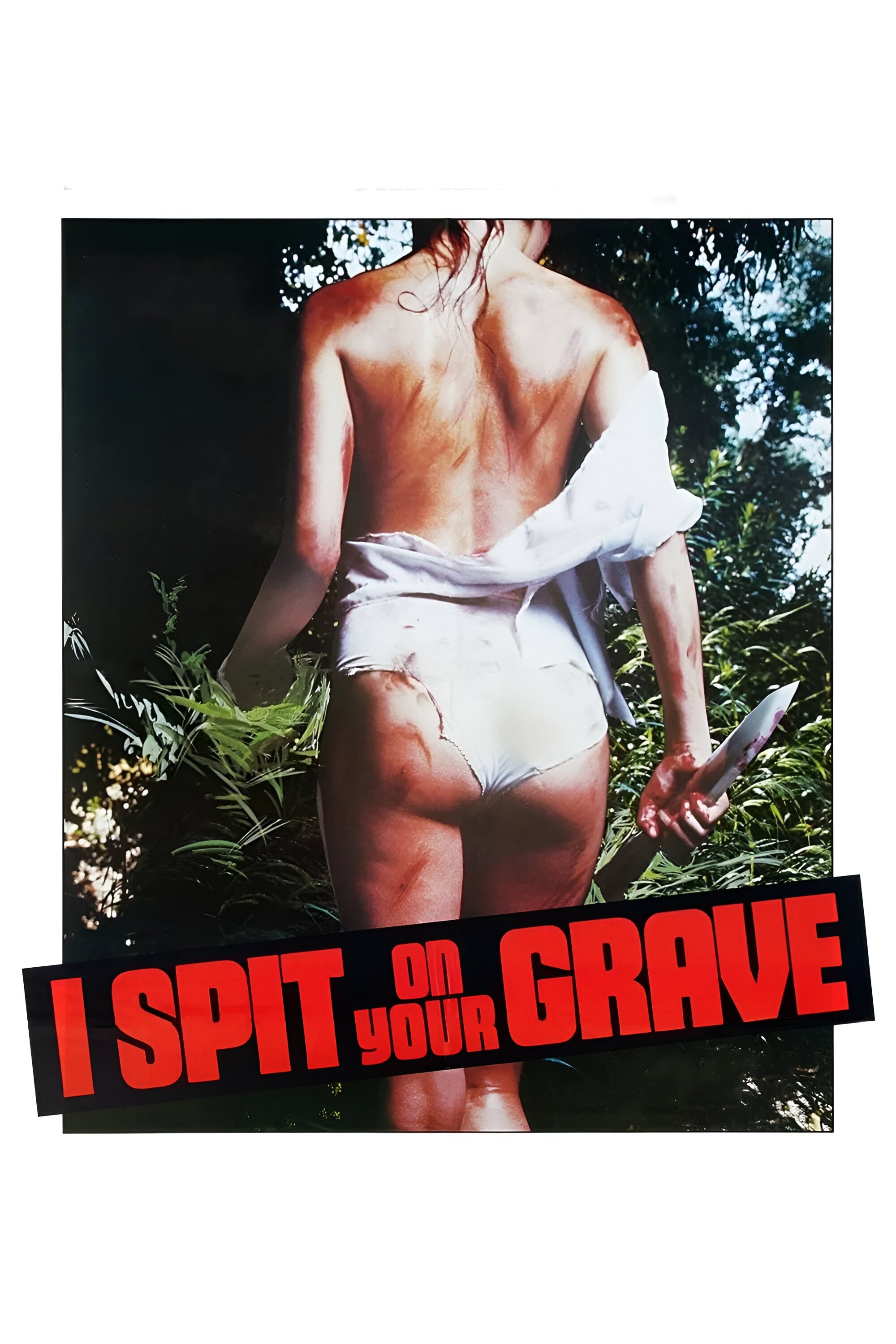
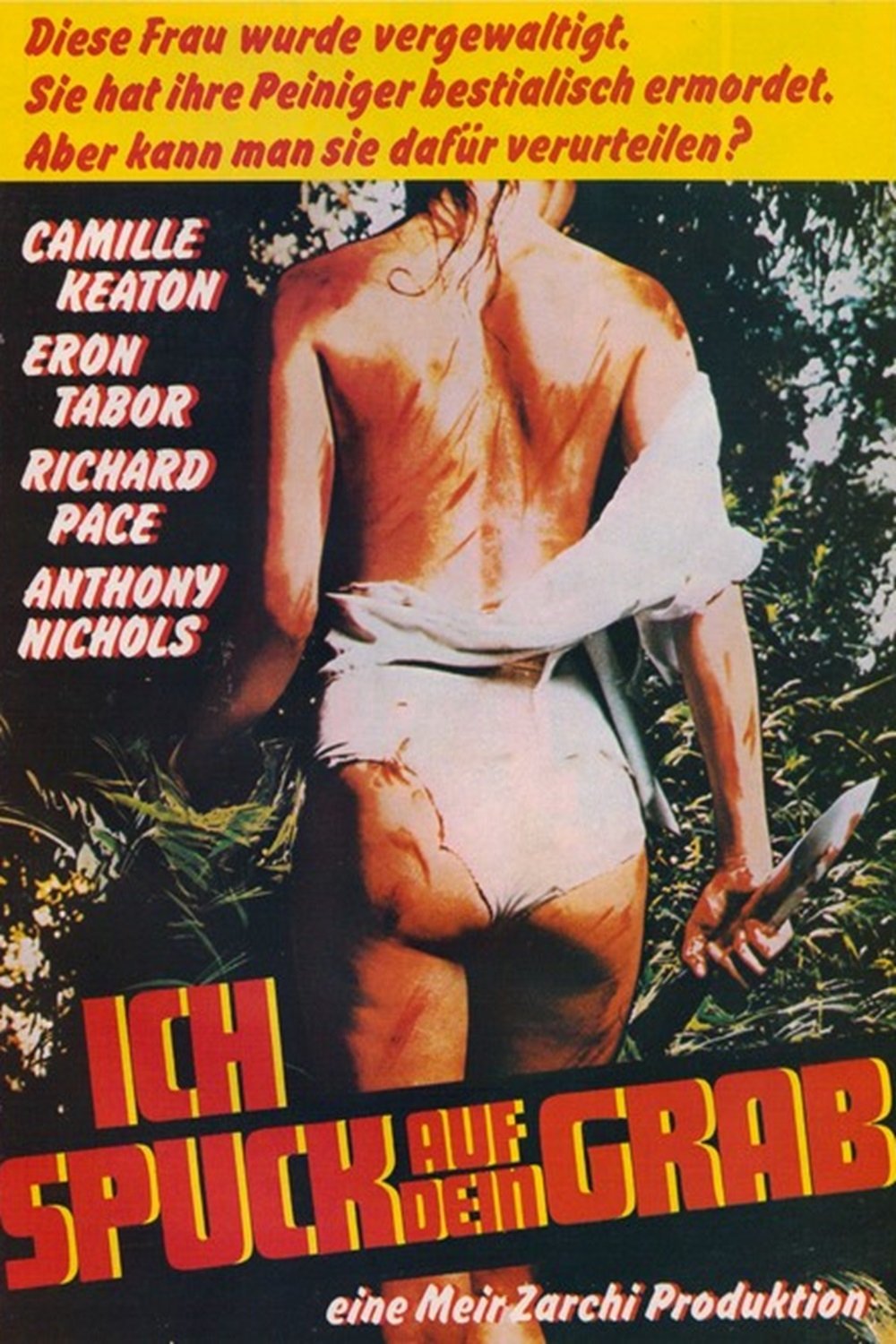
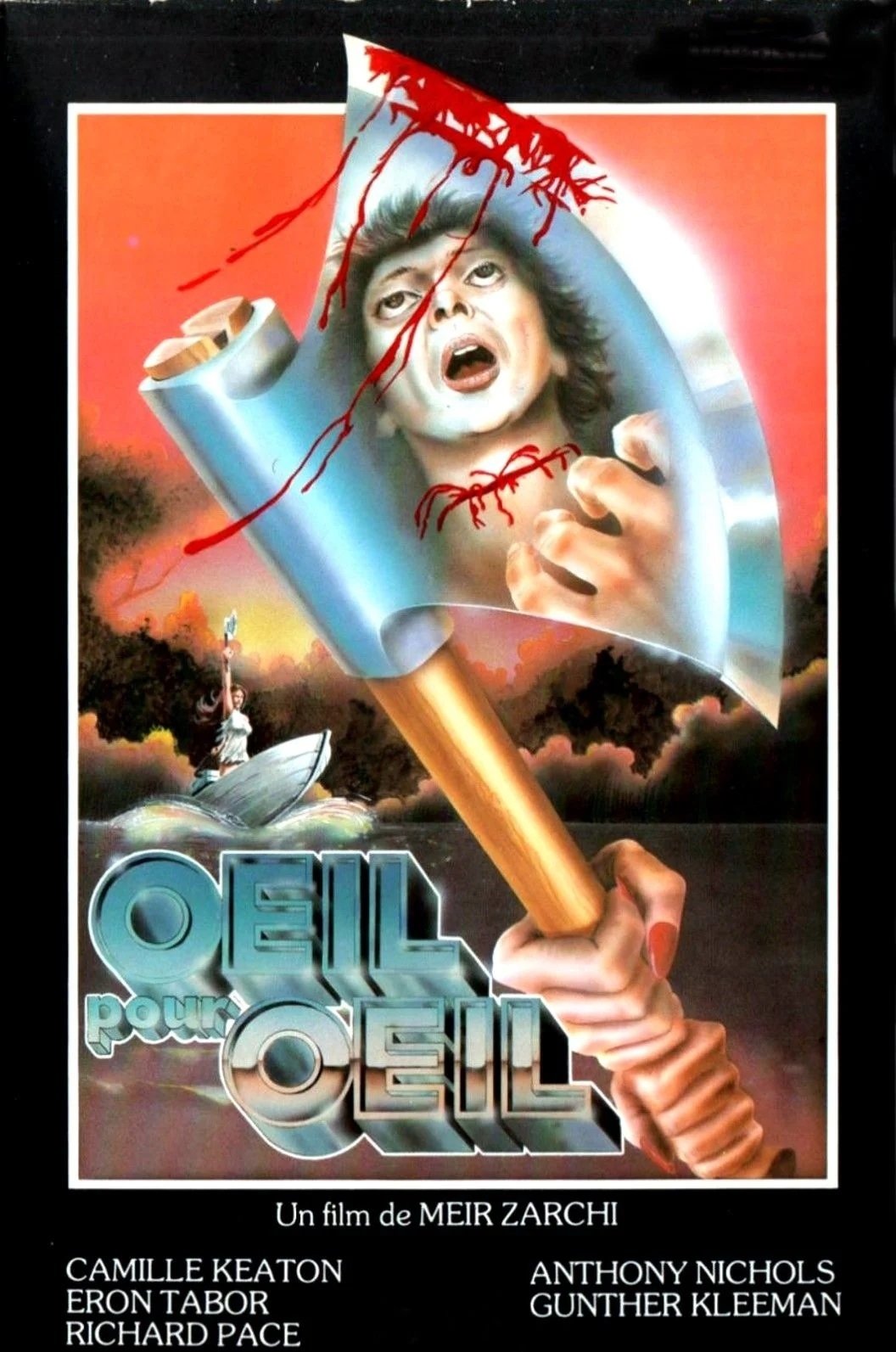
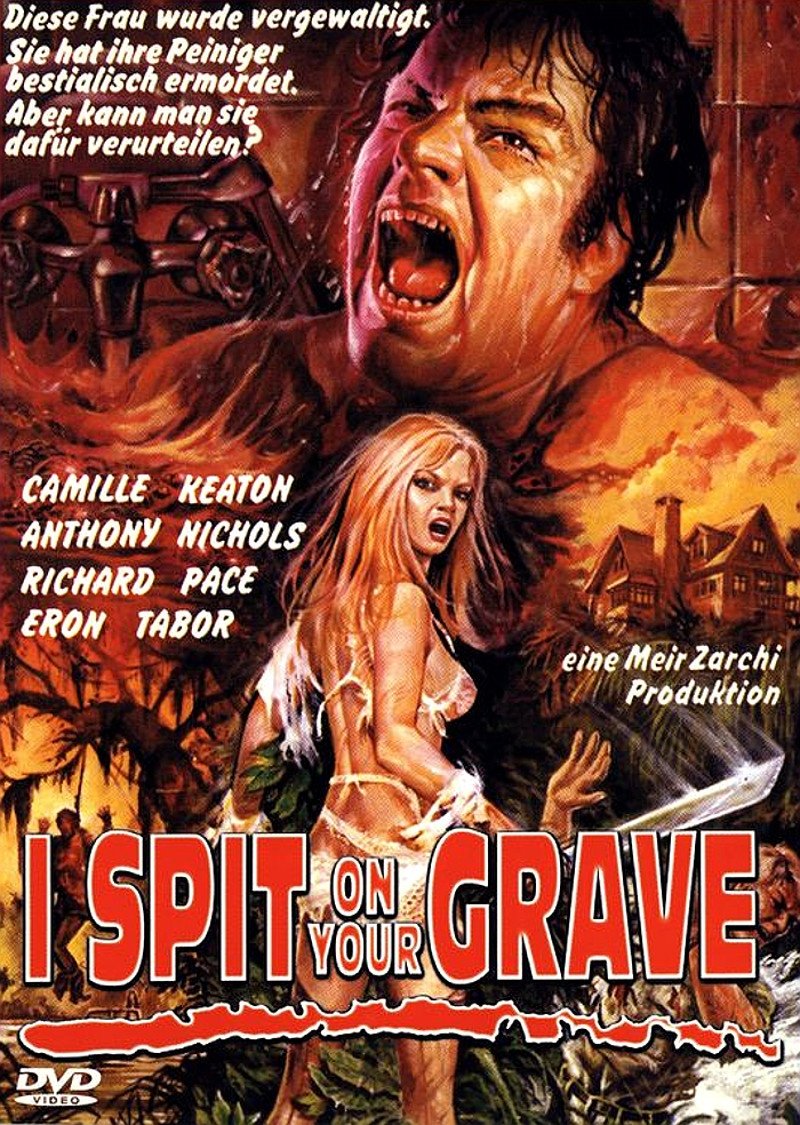
The original title, Day of the Woman, expressed a different emphasis from the name eventually associated with the film internationally. It drew attention to Jennifer Hills as the central figure, whereas I Spit on Your Grave foregrounded confrontation and revenge. The distinction became important in subsequent academic analysis because the two titles encourage different expectations before the film begins. In her study of the work, Shelley O'Brien argues that the original title more clearly communicates the centrality of Jennifer's experience. The change also illustrates how the marketing of an independently produced exploitation film could redirect public attention toward its most sensational elements, even when the filmmaker described the project in terms of a more personal motivation.
Independent Production, Connecticut Locations and Camille Keaton
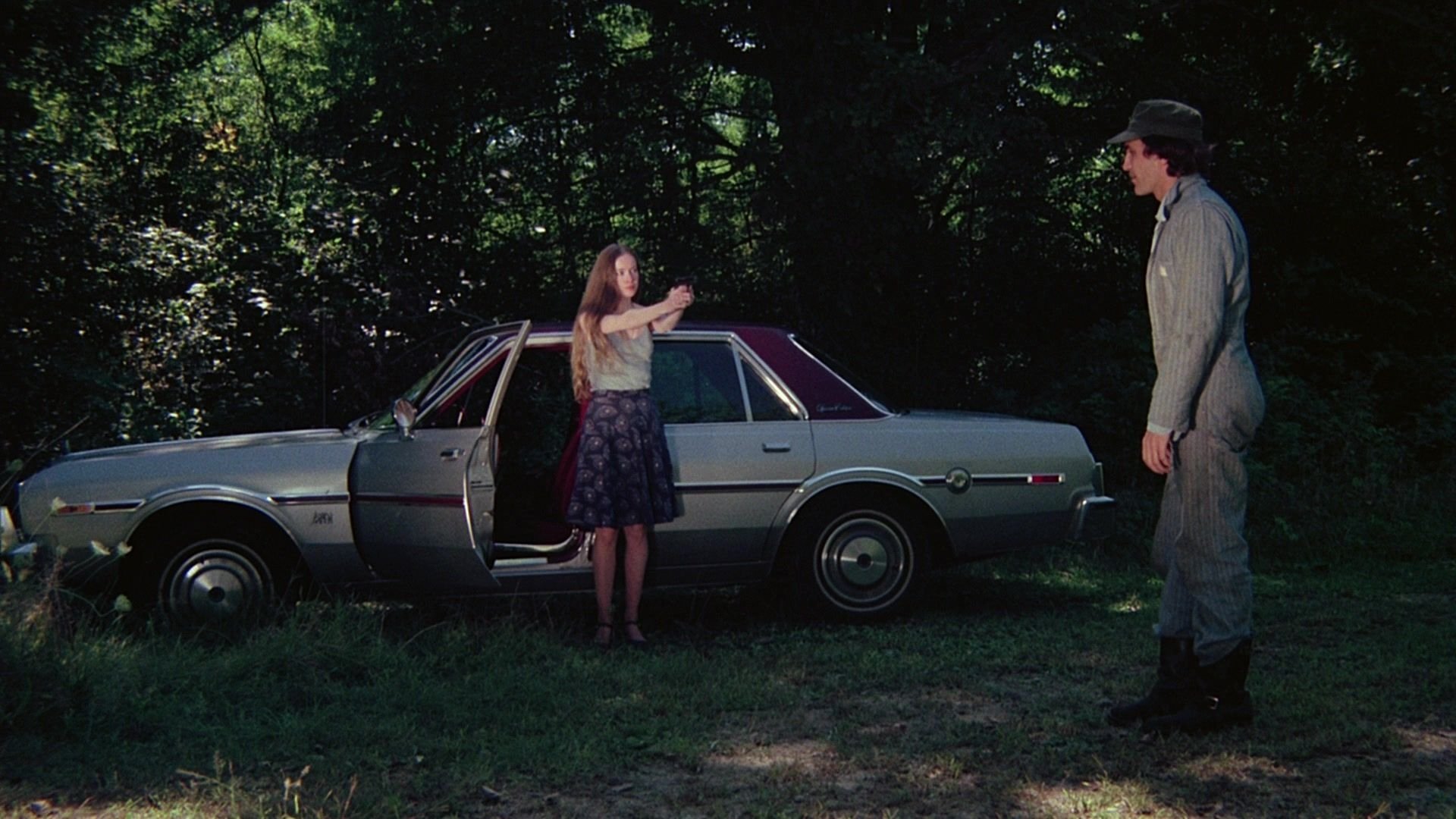
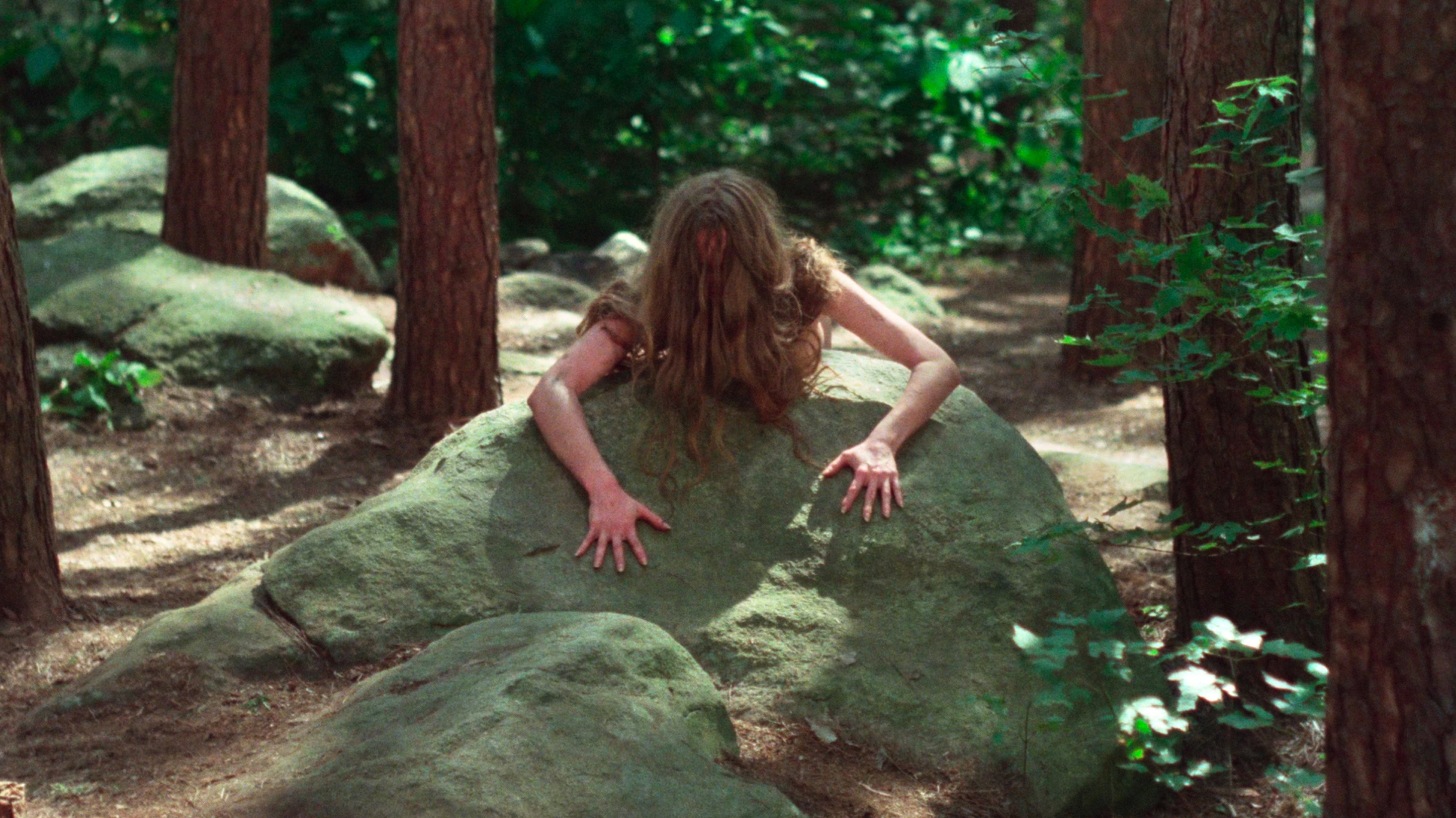
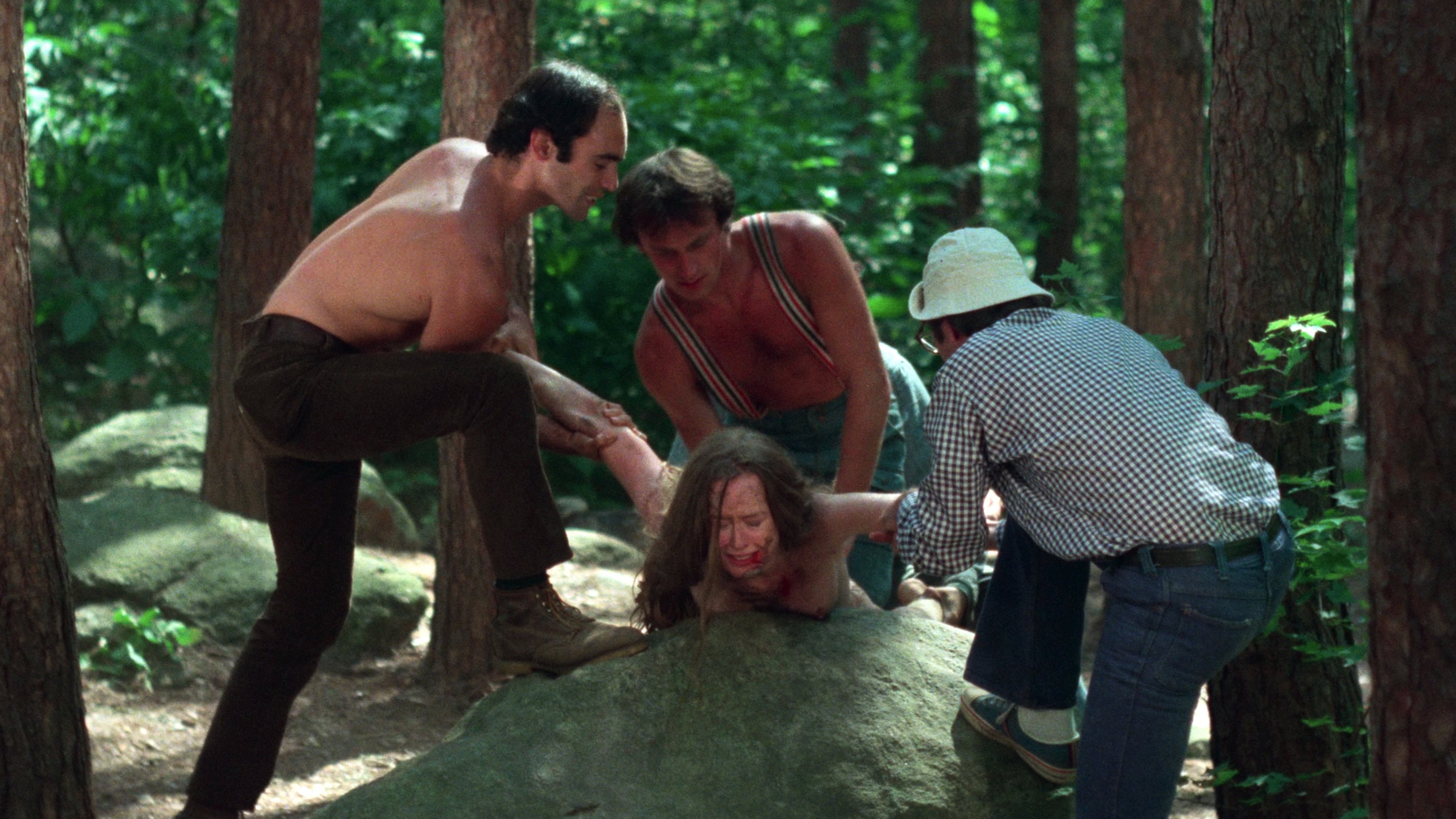
The film was made through an independent production arrangement rather than a major Hollywood studio. Zarchi brought previous experience in filmmaking services and post-production to the project, having operated a production business in the Times Square area of New York. In a later interview with Gavin Schmitt, he described that business as supplying production and post-production services for commercials, documentaries and feature films. The location work was organized around rural Connecticut, with wooded areas and a riverside property providing the principal environment. These surroundings were essential to the production because the screenplay depended upon the isolation of its central character and the separation between urban professional life and an unfamiliar rural community.
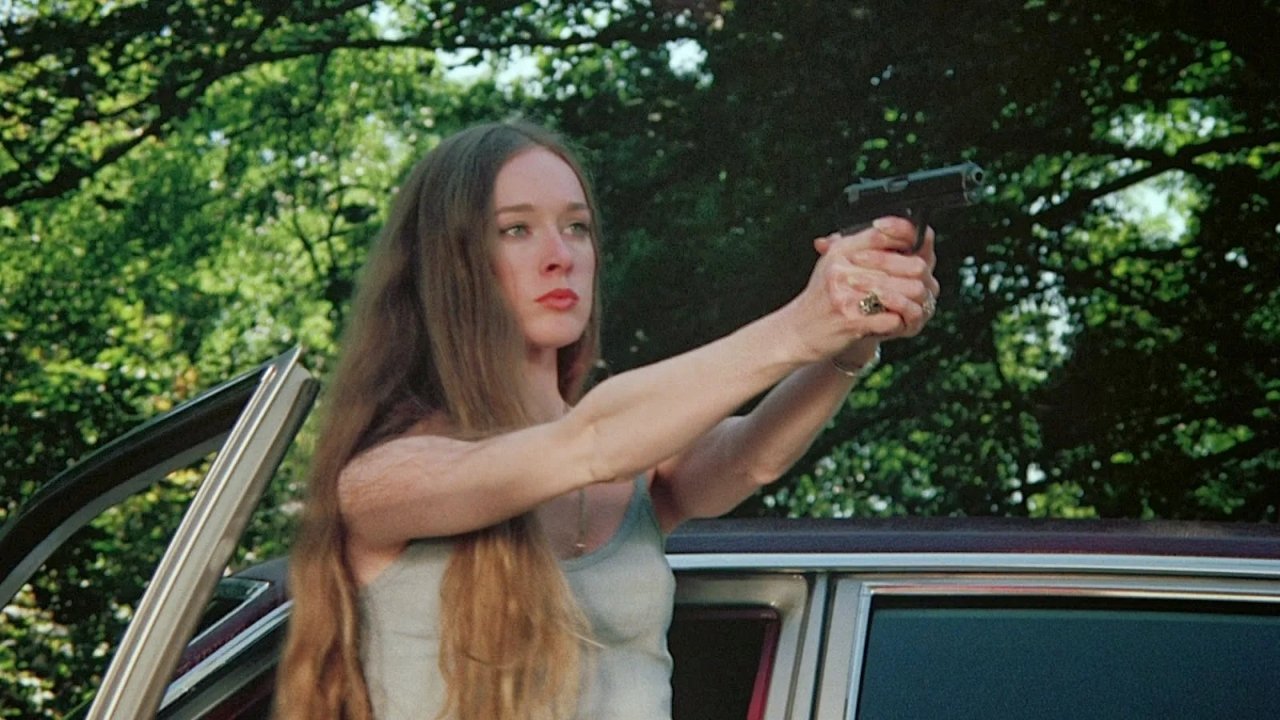
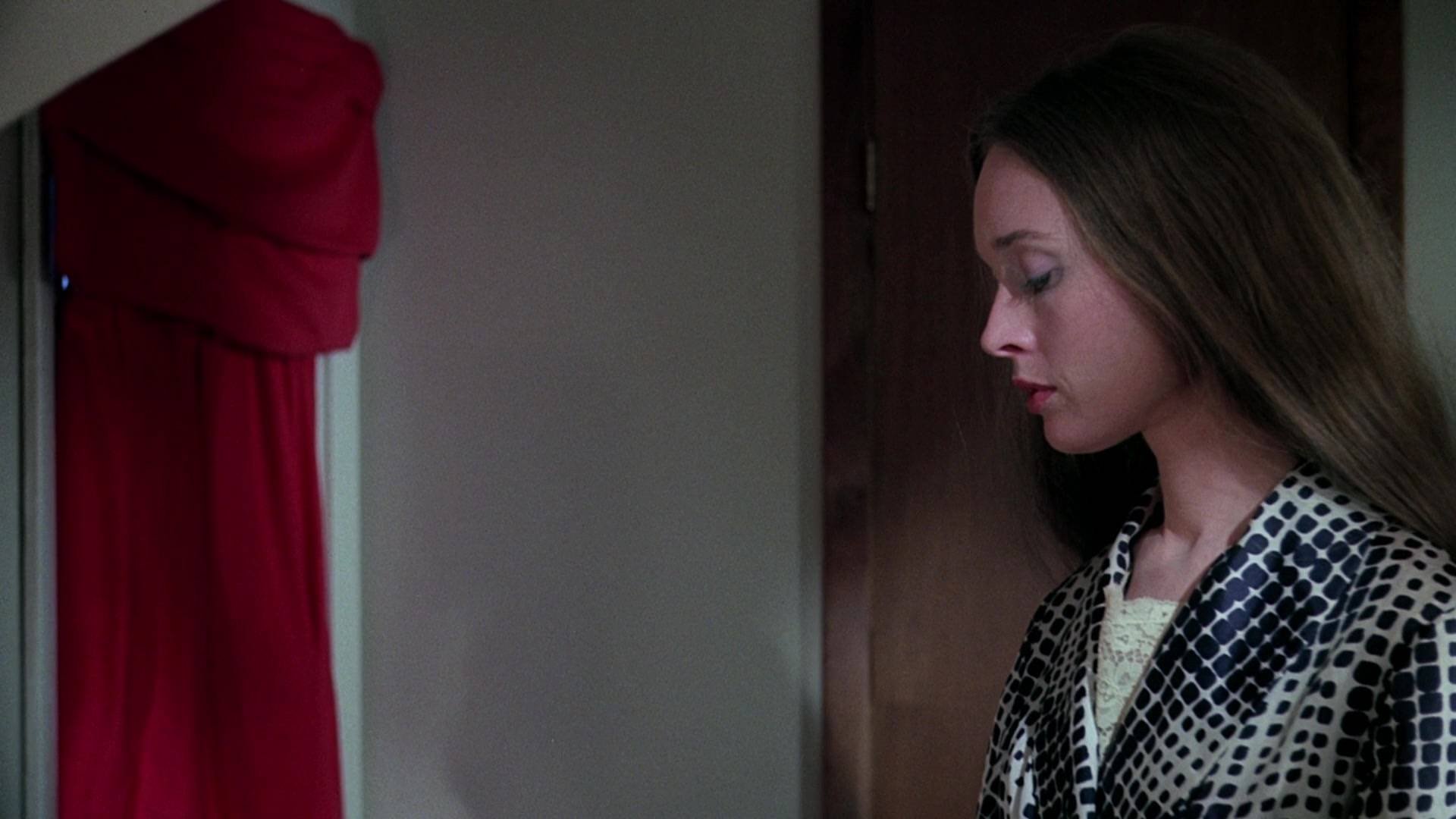
Camille Keaton brought previous international film experience to the leading role. She had appeared in the Italian thriller What Have You Done to Solange? (1972), establishing an association with European genre cinema before her collaboration with Zarchi. Her performance as Jennifer Hills demanded a sustained physical commitment, particularly during the extended outdoor sequences involving injury, exposure and movement through difficult terrain. Zarchi later recalled practical problems during the woodland filming, including extensive insect bites suffered by Keaton. He stated that the production temporarily interrupted her work while the symptoms were treated. These recollections provide specific evidence about the physical conditions of filming, although they do not establish the full shooting schedule or independently verify every account of the production's difficulties.
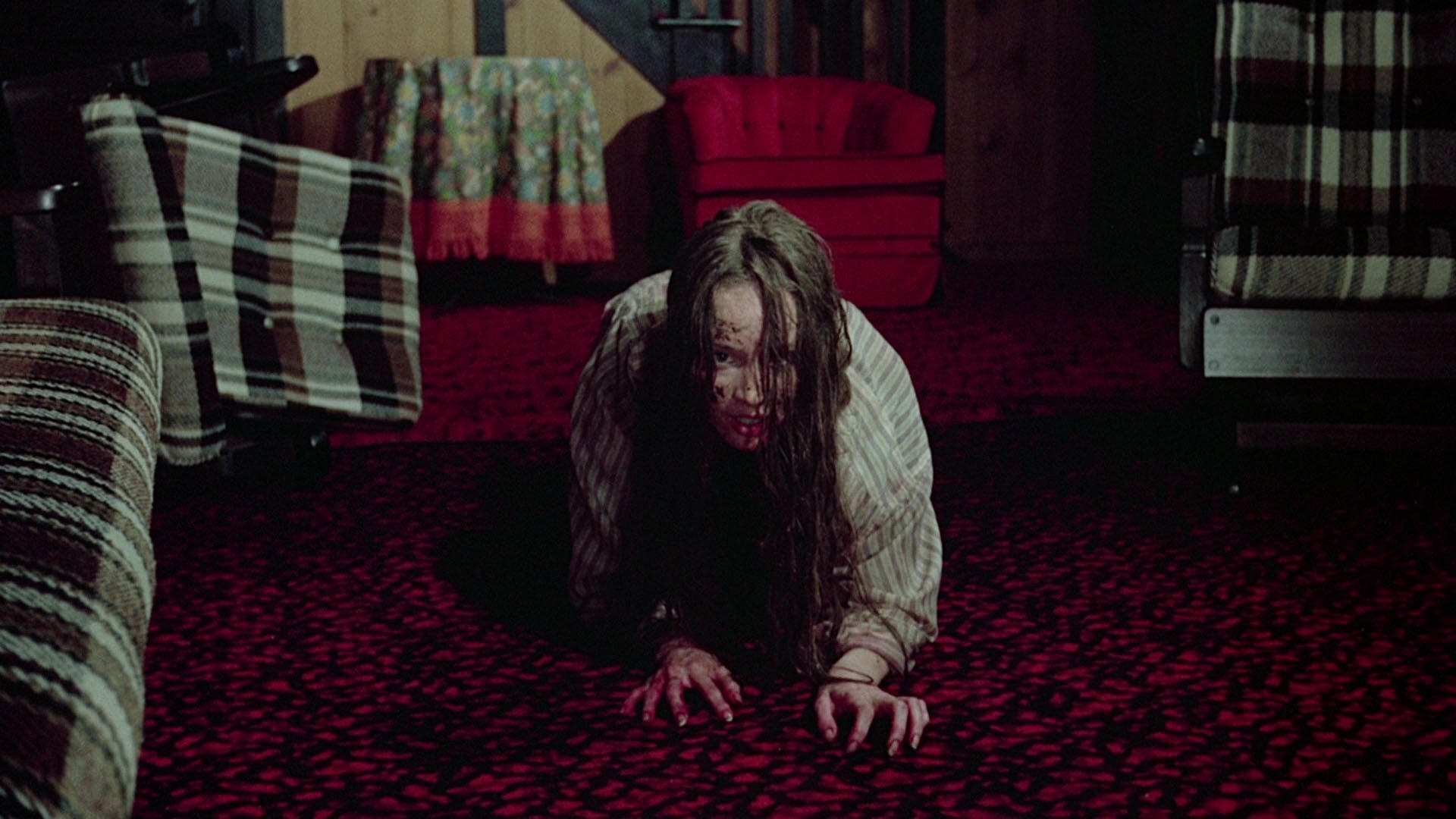
Keaton's performance became central to the way the completed film was discussed. Zarchi's direction repeatedly requires the actress to communicate exhaustion, fear and changes in determination through physical behavior rather than explanatory dialogue. Her character also occupies a substantially different position from the women in some earlier American revenge films, where retaliation is carried out by relatives or male protectors. The production places the responsibility for survival and subsequent action upon the assaulted woman herself. This choice became particularly significant in later debates over the film's representation of female agency. The available accounts establish the demanding nature of the performance, but claims about its psychological effects upon Keaton should not be made without direct testimony.
Rape-and-Revenge Cinema, Female Agency and Feminist Interpretation
The film occupies an important position in the development of rape-and-revenge cinema, although it did not invent the narrative structure. Earlier works such as Sam Peckinpah's Straw Dogs (1971), Wes Craven's The Last House on the Left (1972) and Lamont Johnson's Lipstick (1976) had already associated sexual violence with subsequent retaliation. Shelley O'Brien distinguishes Zarchi's film from several of these predecessors through its concentration on the assaulted woman as the person who carries out revenge. The absence of a male relative assuming that role alters the structure of identification and places questions of female agency at the center of the work. The distinction concerns narrative organization and its possible meanings rather than a claim that the film originated every convention later associated with the subgenre.
Carol J. Clover examined the film in her influential study Men, Women, and Chain Saws, particularly in the discussion of rape-and-revenge narratives. Her approach considers the relationship between the viewer, the victim and the eventual transformation of the victim into an active avenger. O'Brien later challenged aspects of the distinction between passive victimhood and active retaliation, arguing that Jennifer resists her attackers throughout the assault and does not suddenly acquire agency only after the violence has ended. The disagreement provides a specific example of how feminist film analysis can produce different readings of the same material. It also illustrates the limitations of reducing the film to a simple progression from victimization to empowerment.
The rape-and-revenge structure raises questions about whether the retaliatory material compensates for, justifies or critically exposes the earlier sexual violence. O'Brien reads the later actions as part of Jennifer's attempt to regain control over her physical and psychological existence. Other interpretations question whether a commercial film that devotes so much attention to sexual assault can escape the exploitation of its subject, regardless of the narrative outcome. Neither position can be established by the ending alone. The film repeatedly places the audience in a situation where violent retaliation is presented as emotionally comprehensible, while the earlier representation of abuse remains a source of ethical disagreement. The continuing debate concerns the interaction of those two elements rather than the existence of revenge as an isolated theme.
From Day of the Woman to I Spit on Your Grave: Marketing and Critical Hostility
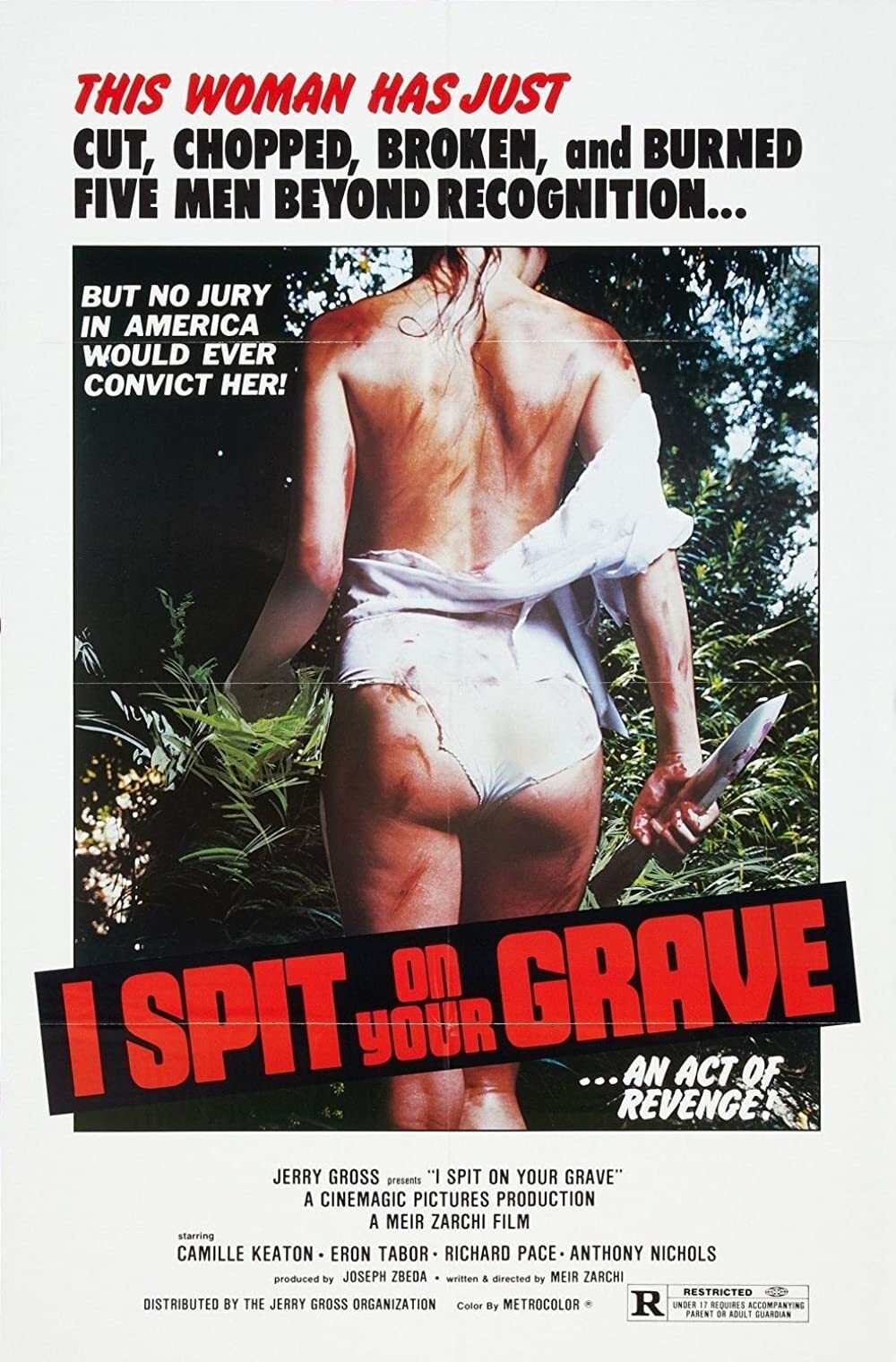
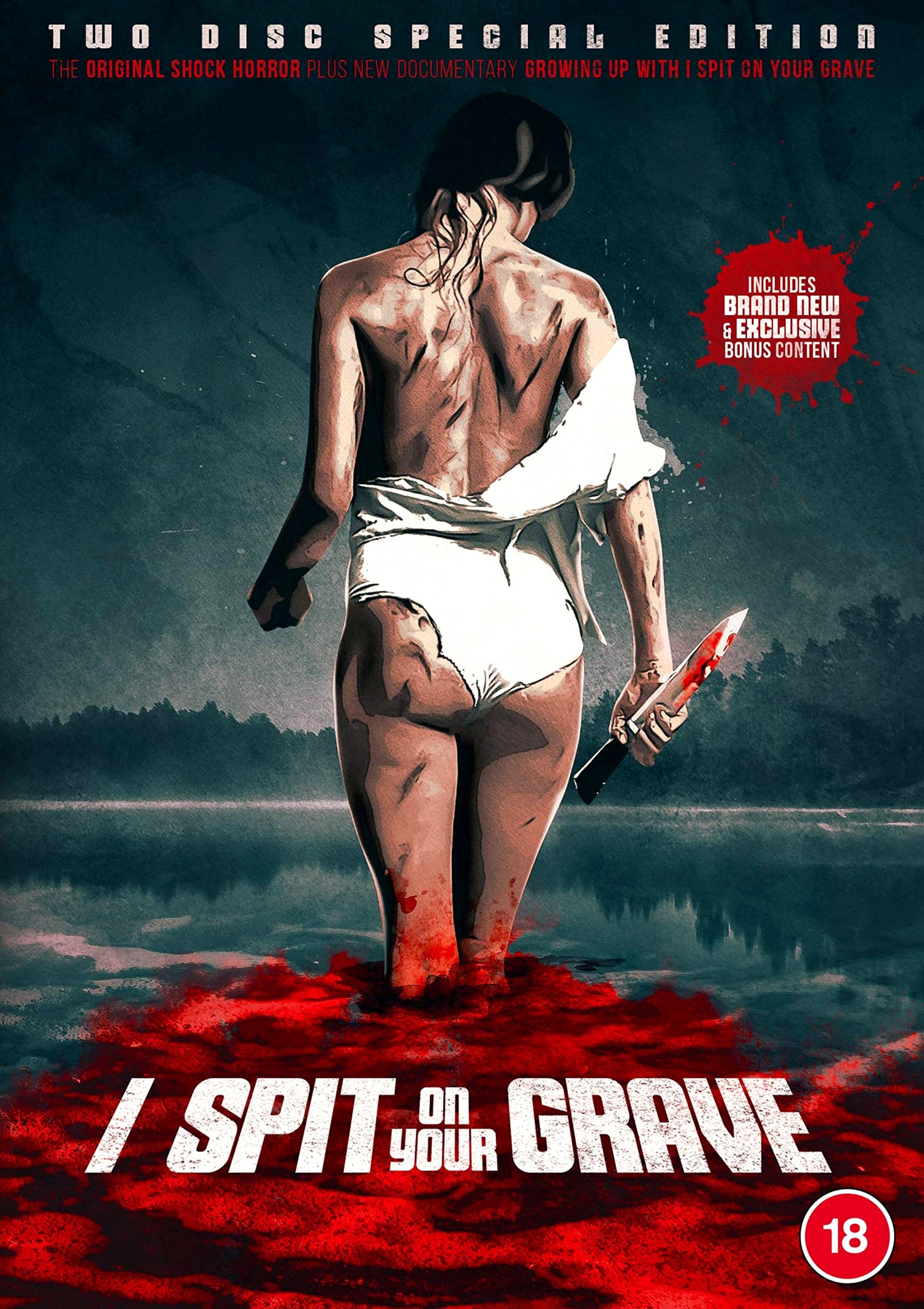
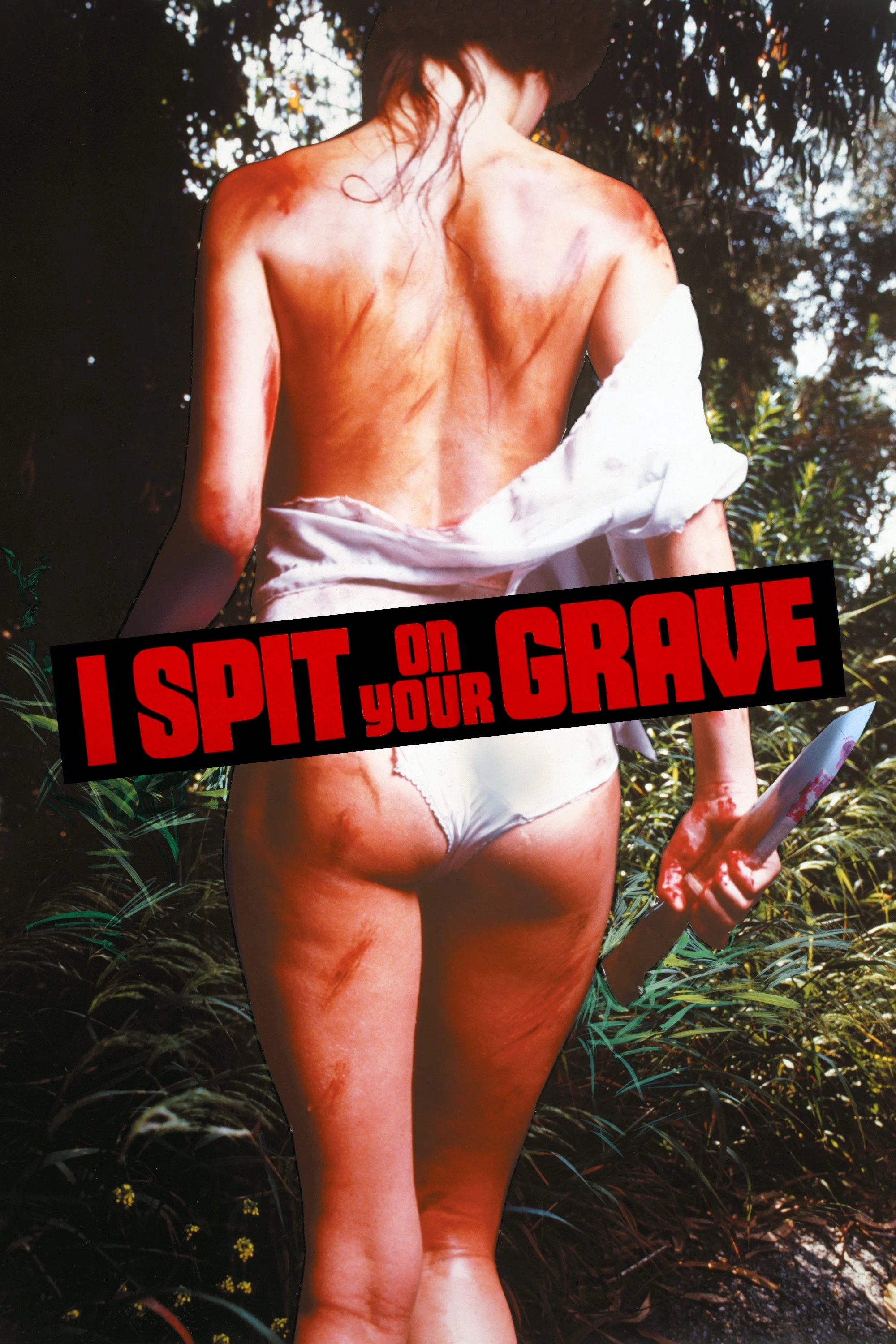
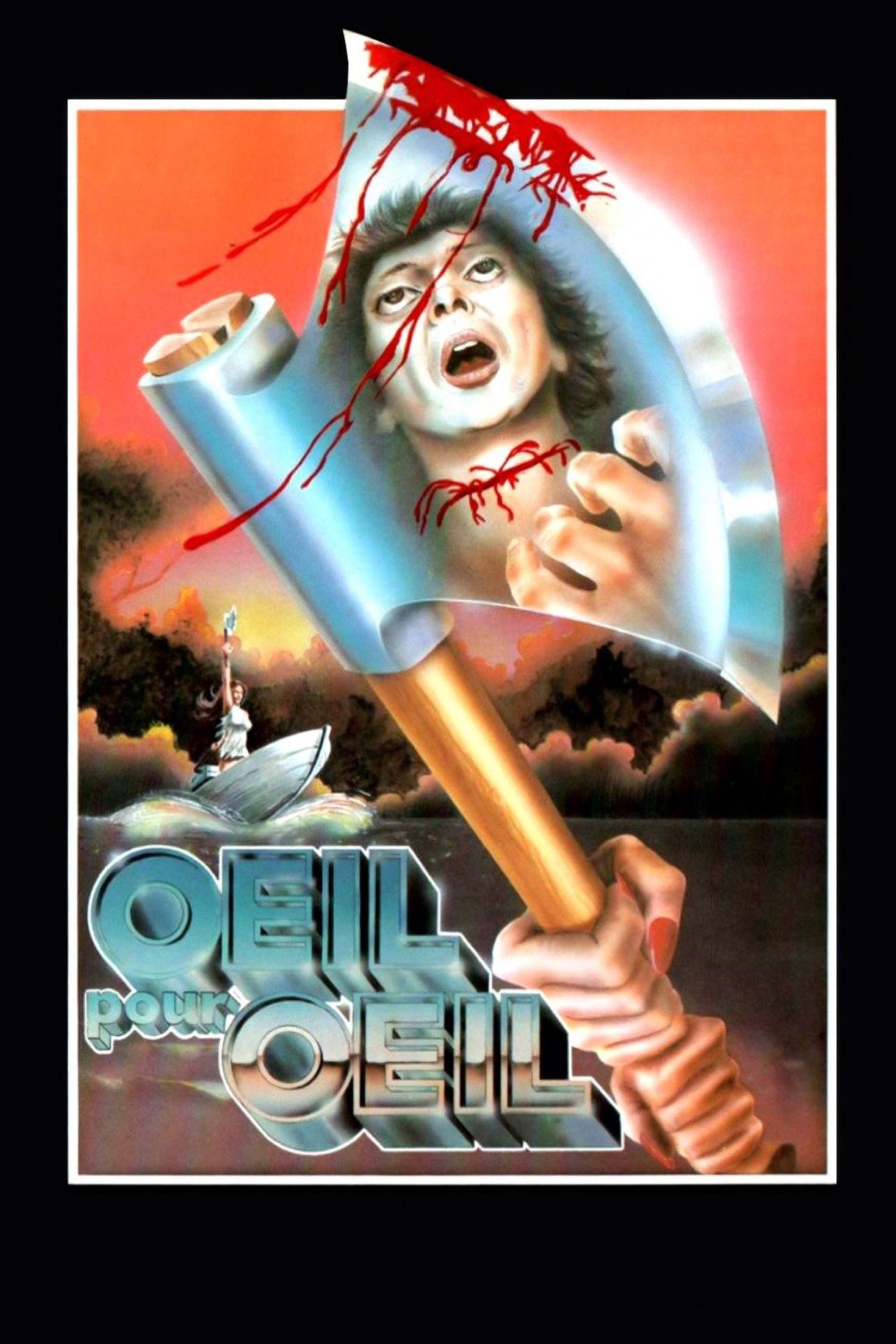
The film initially circulated under the title Day of the Woman before acquiring the far more confrontational identity I Spit on Your Grave. Its subsequent distribution became closely associated with exploitation advertising that emphasized shock, revenge and sexual violence. The distinction between the original presentation and later marketing is important because the title and promotional materials contributed substantially to public expectations. The film entered American commercial circulation during the late 1970s, but its most extensively documented contemporary critical controversy developed during subsequent theatrical engagements. Without reliable market-specific release documentation, those different phases should not be compressed into a single universal release date.
Roger Ebert published an exceptionally hostile review in the Chicago Sun-Times on July 16, 1980. His criticism condemned both the film's methods and the responses of spectators he observed at the screening. He argued that the violence was presented without sufficient artistic purpose and regarded the viewing experience as deeply disturbing. The review became one of the most frequently reproduced examples of critical opposition to exploitation cinema. Ebert's account is valuable as contemporary evidence of reception, but his judgments about the motivations of individual audience members remain personal observations rather than independently established facts about the film's entire audience.
Zarchi addressed Ebert's criticism directly in his 2010 interview with CineVue. He maintained that the severity of the response had inadvertently helped publicize the film and contributed to its continuing visibility. His remarks illustrate the unusual relationship between condemnation and commercial notoriety in exploitation distribution. Martin Barker has separately discussed the hostility surrounding the film during the early video nasties controversy, arguing that some public descriptions misrepresented its presentation of sexual violence. Such retrospective defenses do not invalidate the contemporary objections, but they show that the film's critical history consists of more than a single reaction. Its reputation developed through competing assessments of the same images, changing regulatory conditions and the subsequent circulation of home-video editions.
The Video Nasties Controversy and British Classification History
I Spit on Your Grave became one of the most prominent titles associated with the British video nasties controversy of the early 1980s. The British Board of Film Classification states that the film was never submitted for British theatrical classification, an important correction to accounts describing an original BBFC cinema ban. Its notoriety arose principally through videocassette distribution and repeated prosecutions under the Obscene Publications Act 1959. At the time, the availability of material on home video exposed differences between theatrical classification and the regulation of recorded works. The film's place within the Director of Public Prosecutions campaign must therefore be distinguished from the formal classification decisions that followed under later video legislation.
The first formal BBFC home-entertainment submission took place in 2001. The Board required seven minutes and two seconds of cuts before granting an 18 classification. The modifications concentrated on sexual violence and representations of female nudity that the examiners considered exploitative or potentially eroticizing. The decision did not require the wholesale removal of the revenge material. According to the BBFC's published case study, the Board considered it possible to reduce the elements judged harmful while preserving the basic structure of the film. The resulting edition was therefore a substantially altered presentation, and its certificate should not be interpreted as approval of the original uncut version.
A later reconsideration produced a different assessment of some of the previously removed footage. During the review begun in 2010, the Board concluded that certain cuts had reduced the horror of the assaults themselves, removing material that emphasized the suffering of the victim rather than sexualizing her. Some of that footage was consequently reinstated, while material considered to emphasize nudity or the enjoyment of the attackers remained subject to restriction. The BBFC identifies two minutes and fifty-four seconds of cuts in the revised decision. The change demonstrates that classification involved judgments about framing and dramatic emphasis, rather than the mere presence or absence of sexual violence.
The uncut film was examined again in 2020, when the BBFC continued to require alterations to sexual violence. In 2022, a further uncut submission was considered for advice. The distributor accepted the advised modifications and submitted a pre-cut master for formal classification. That edition received an 18 certificate without additional compulsory cuts at the final submission stage. This does not establish that the original completely unaltered version had received British approval. The distinction between a pre-cut version passed without further intervention and a genuinely uncut master is essential to the film's censorship history. The published BBFC case study is particularly valuable because it explains the reasons for successive decisions rather than simply listing certificates and running times.
Academic Reassessment, Later Adaptations and the Film's Historical Position
The film's reputation gradually became a subject of sustained academic investigation. Shelley O'Brien's study, presented at the 2015 Reflections on Revenge conference, situates it within the development of rape-and-revenge cinema and examines the ways in which camera position, editing and narrative organization influence the viewer's response. David Maguire subsequently devoted an entire volume to the film in the Cultographies series, published by Wallflower Press in 2018. His research addressed the social conditions of its release, the disputes surrounding sexual violence, its transformation into a recognizable cult property and the proliferation of subsequent versions. The existence of these studies documents the film's importance as an object of historical and critical research, independently of judgments about its artistic quality.
In a substantial Cine-Excess discussion, Martin Barker examined Maguire's research while reconsidering his own involvement in the British video nasties debate. Barker recalled challenging contemporary claims about what the film depicted, particularly descriptions suggesting that Jennifer consented to or enjoyed the assaults. His account provides direct evidence of the disagreements that developed around the film during the early 1980s. Barker also questioned the difficulties involved in defending an exploitation work without fully addressing the assumptions of its critics. The discussion demonstrates how the historical interpretation of I Spit on Your Grave remains shaped by conflicts over representation, censorship and the responsibilities of spectators and commentators.
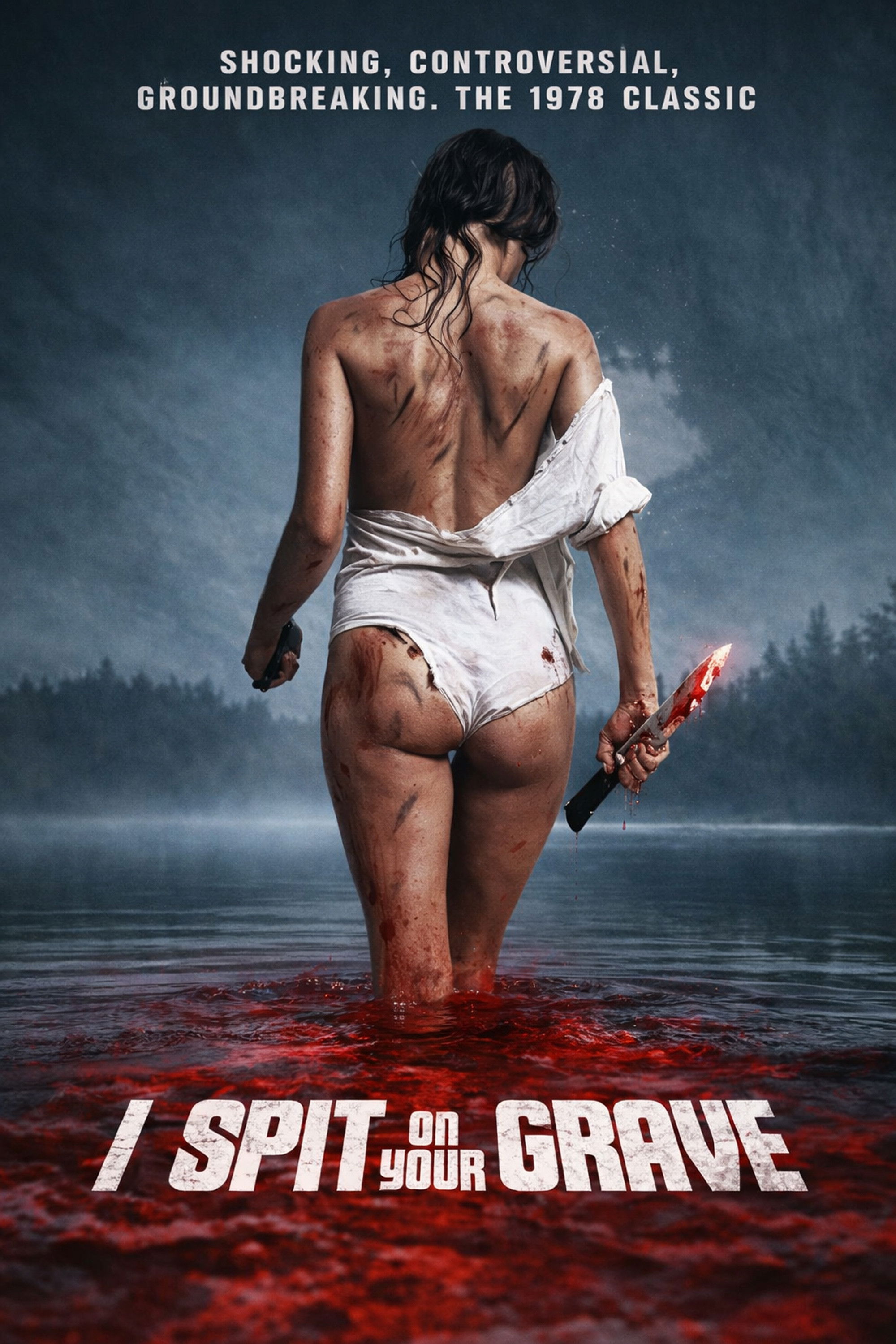
The film also generated a series of later adaptations and continuations. Steven R. Monroe directed the 2010 remake, featuring Sarah Butler as Jennifer Hills, and that production was followed by I Spit on Your Grave 2 (2013) and I Spit on Your Grave III: Vengeance Is Mine (2015). Zarchi returned to directing for I Spit on Your Grave: Deja Vu (2019), a direct continuation of the original story that reunited him with Camille Keaton. The film's independent history was also examined in the documentary Growing Up with I Spit on Your Grave (2019), directed by Terry Zarchi. These productions demonstrate the commercial and cultural persistence of the original, although their existence does not establish that its particular treatment of sexual violence was universally accepted or directly responsible for every subsequent rape-and-revenge film.