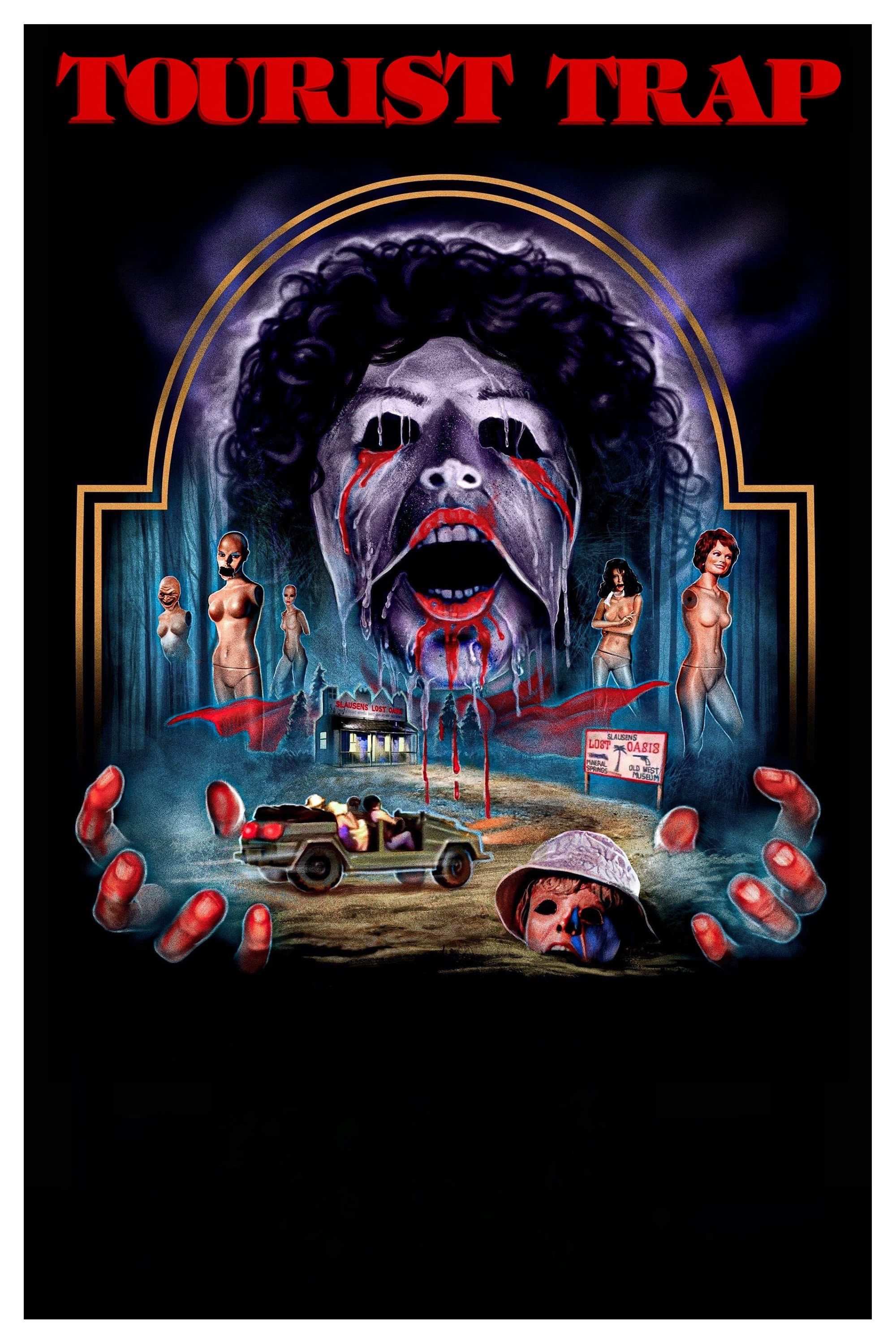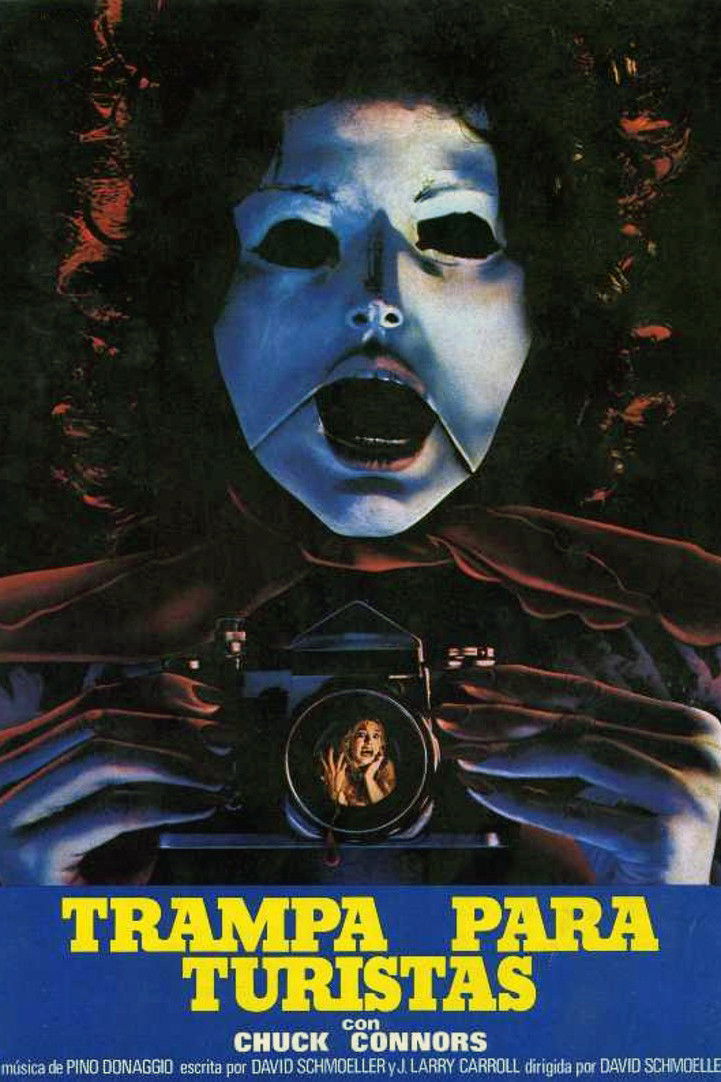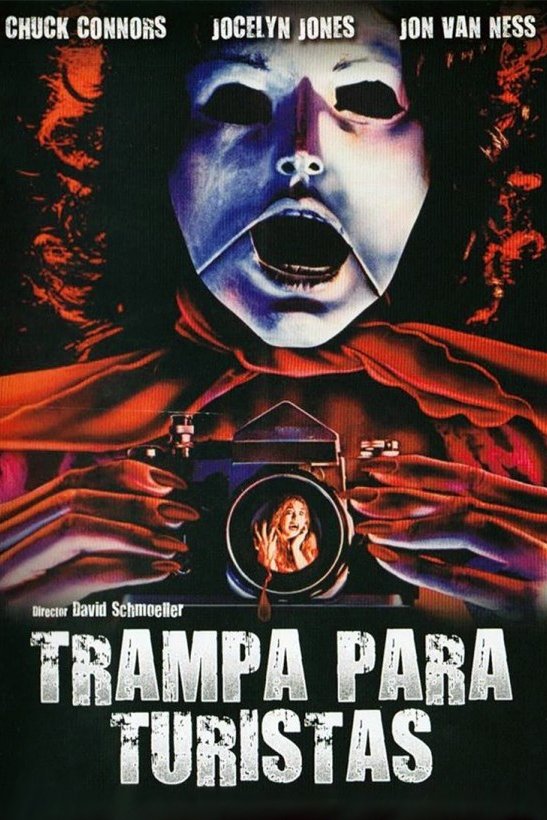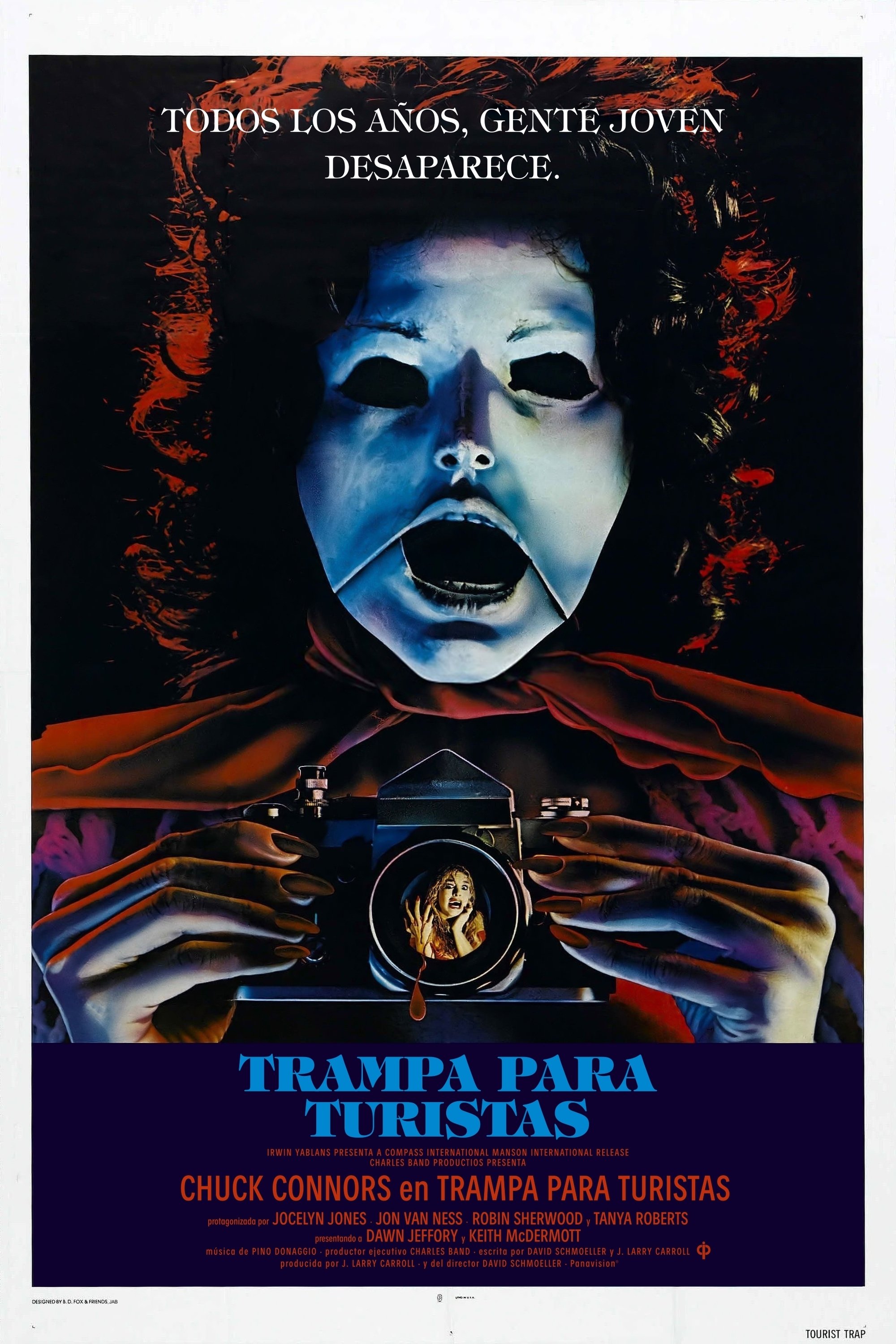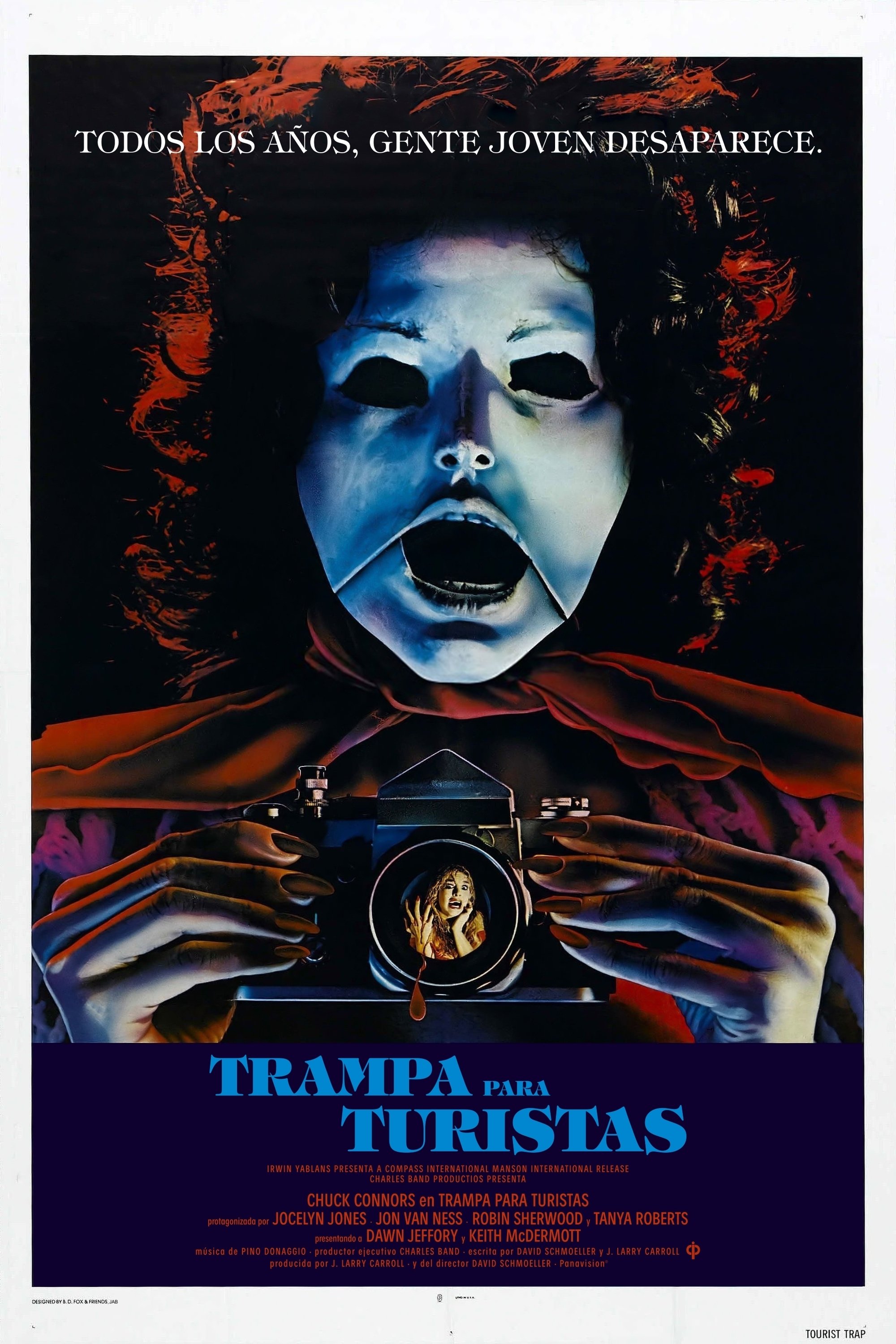
Tourist Trap (1979)

US
HORROR FILM Fantasy
SUBGENRES EVIL DOLL SLASHER
6.7/10 3 votes
Runtime
89 min
Release
March 14, 1979
Budget
$800,000
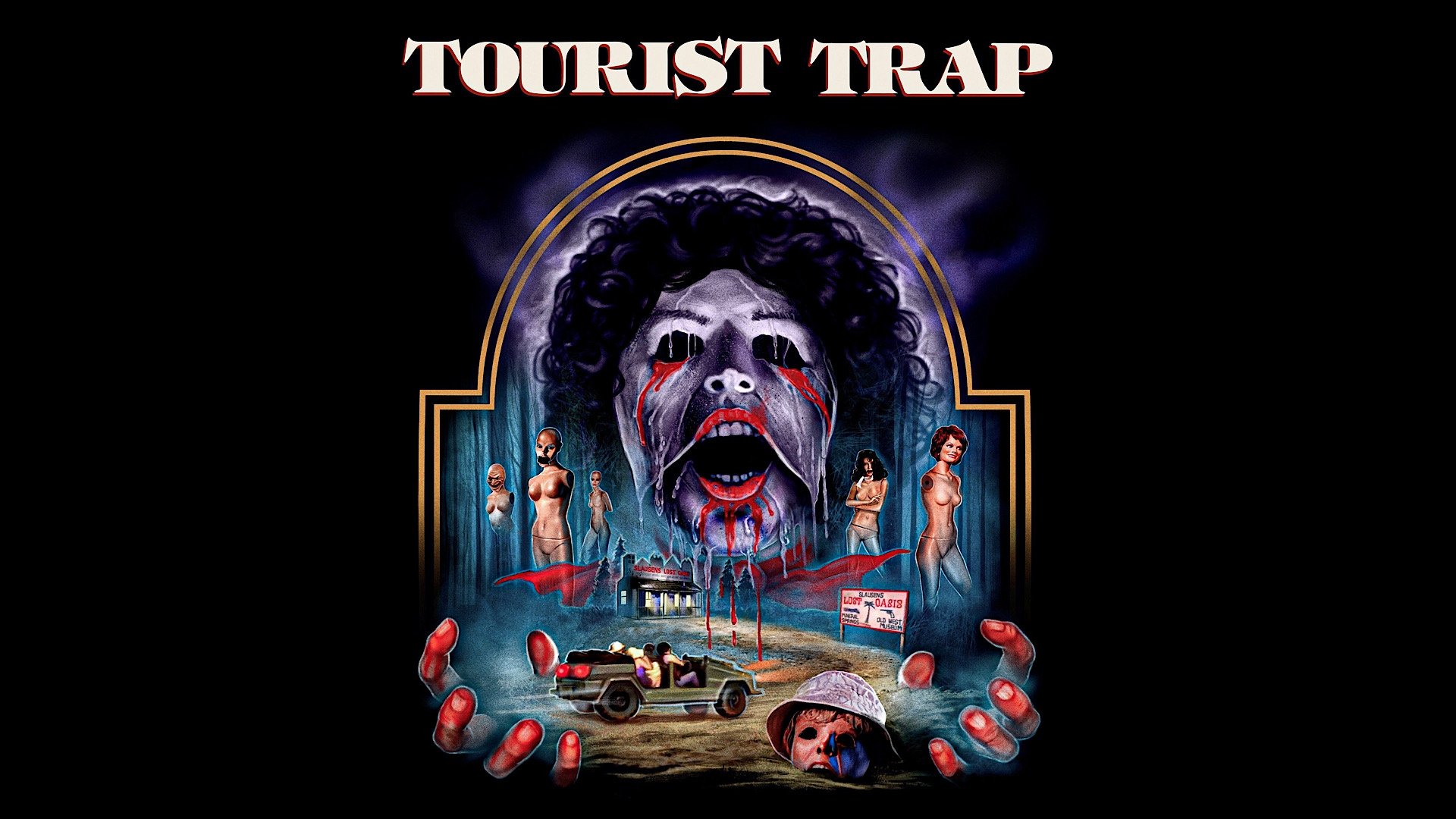
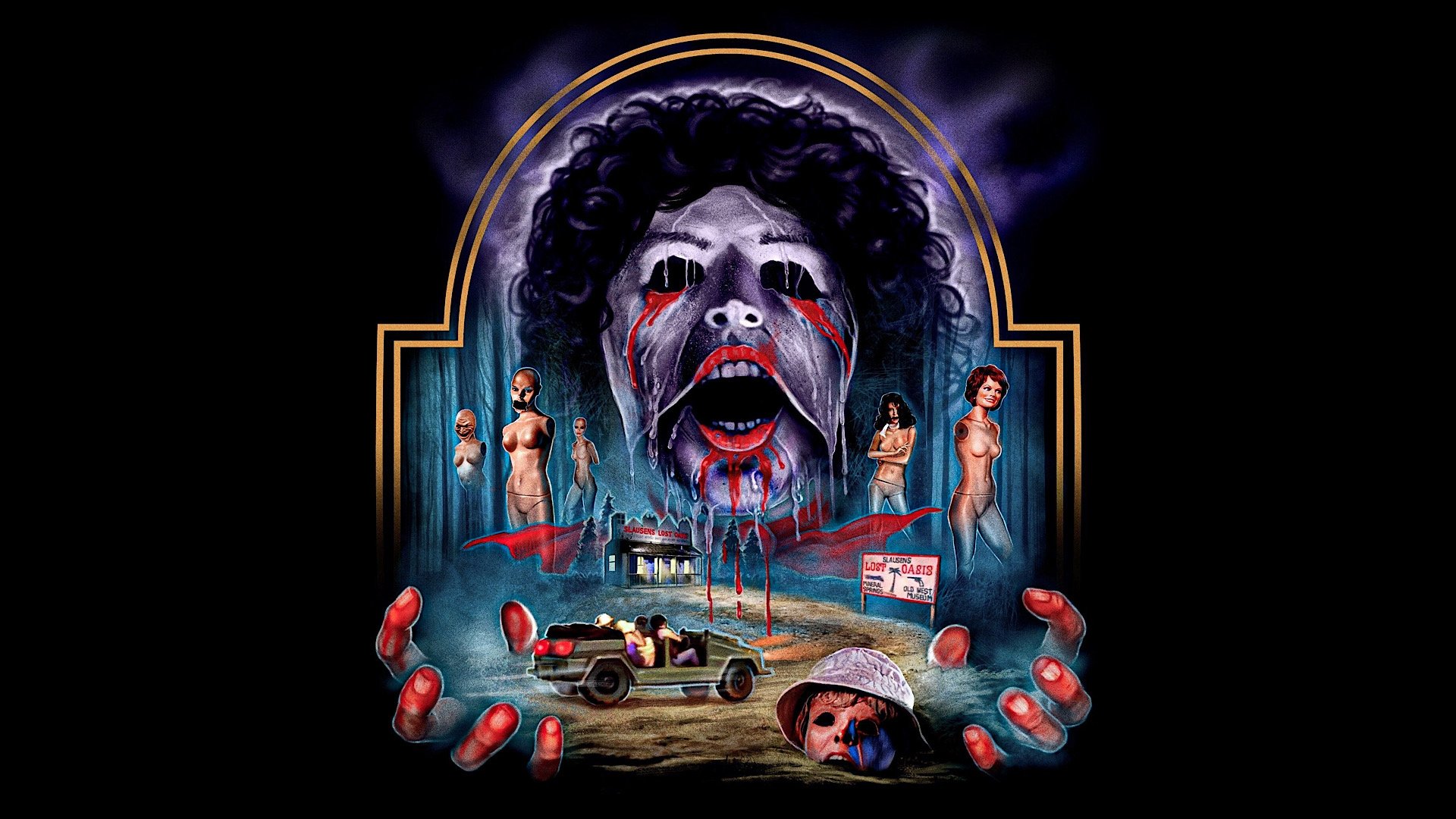
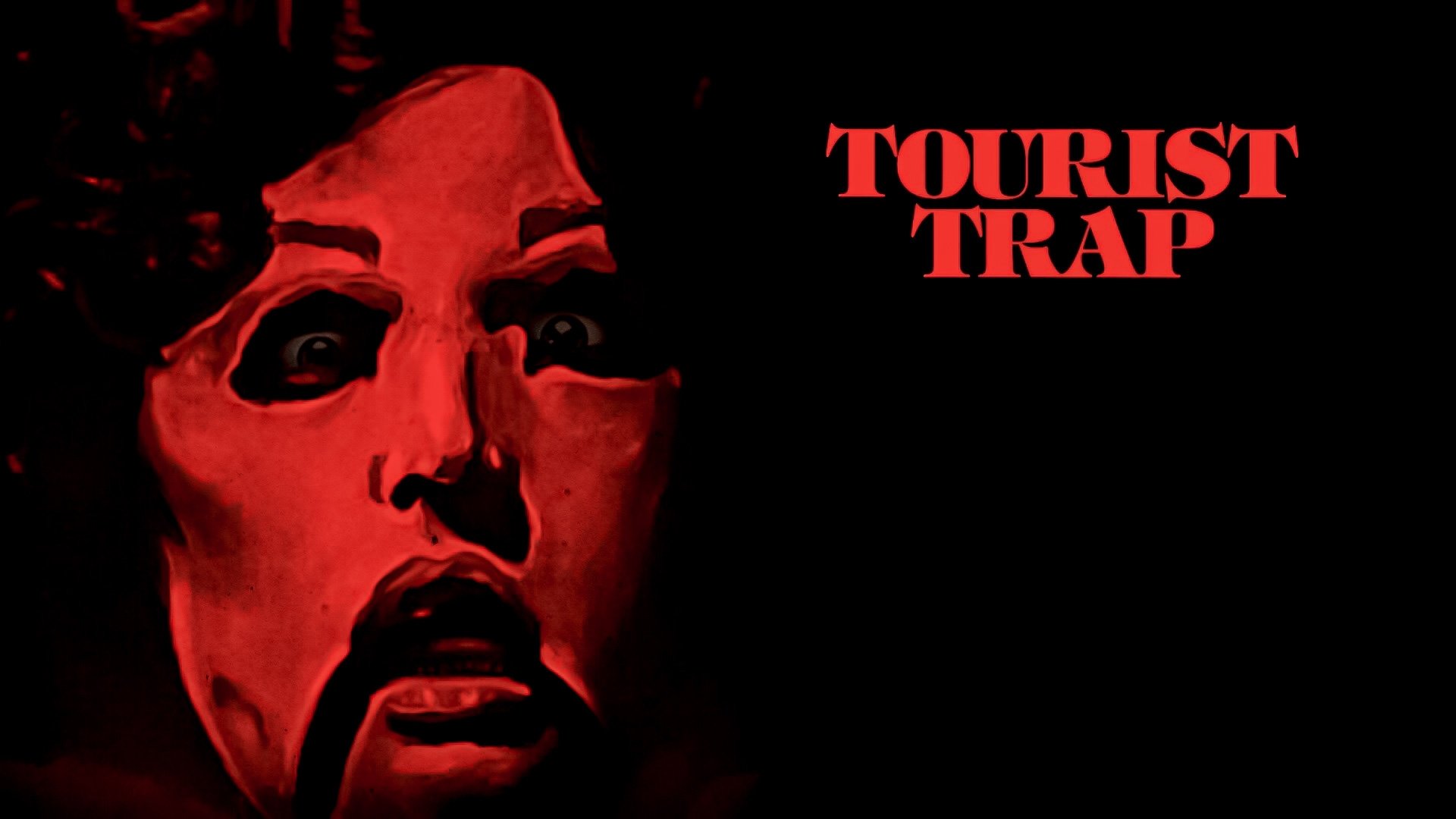
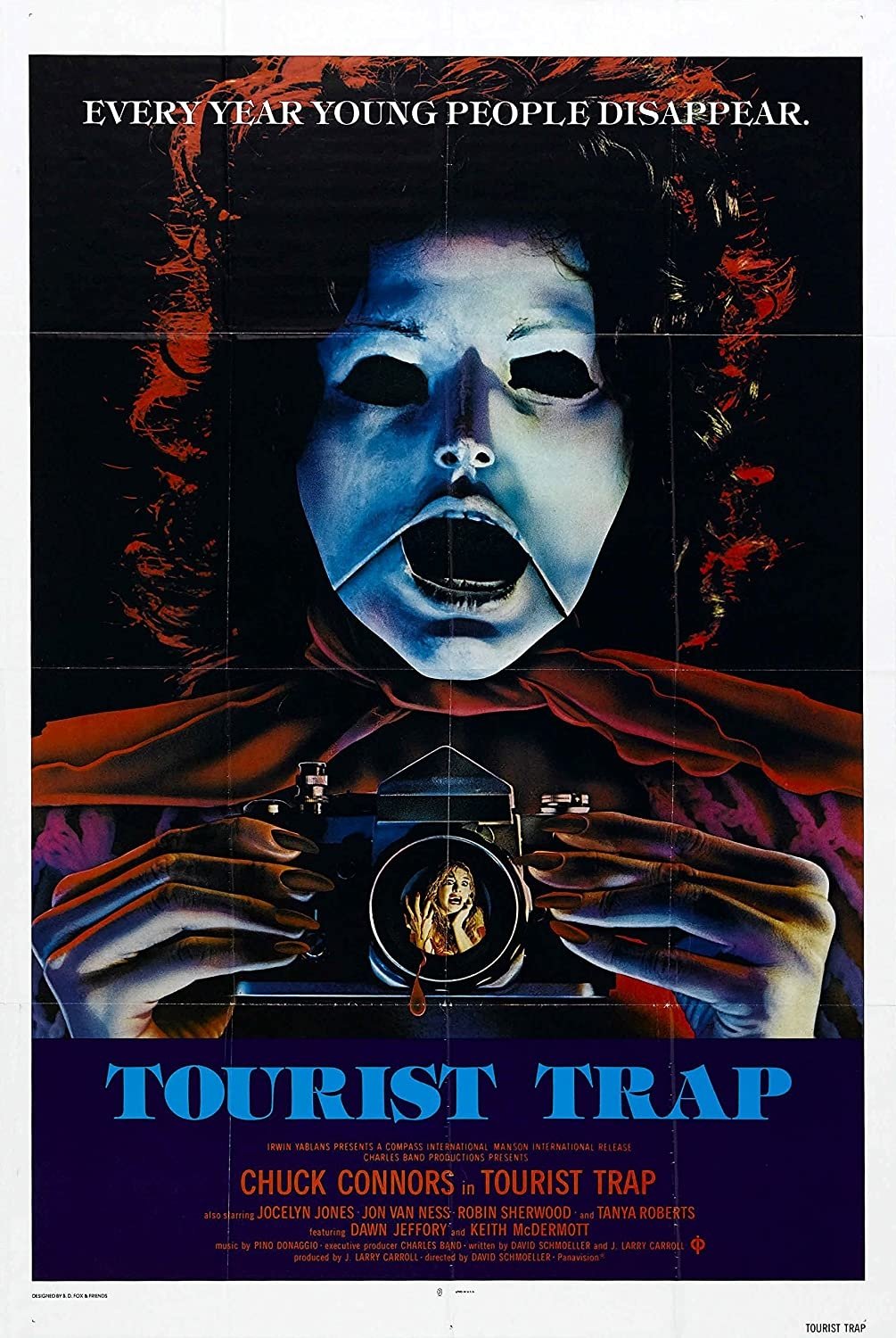
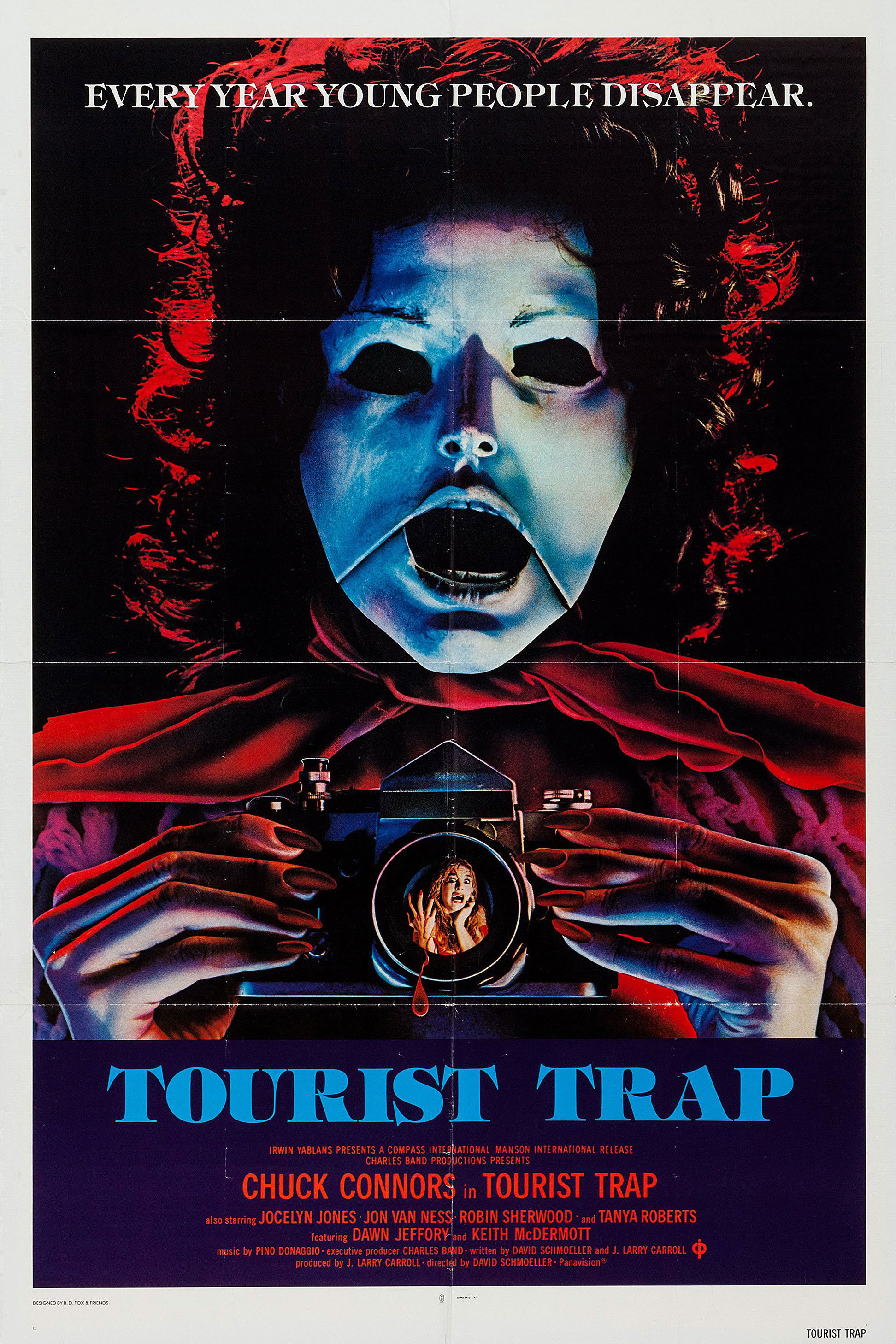
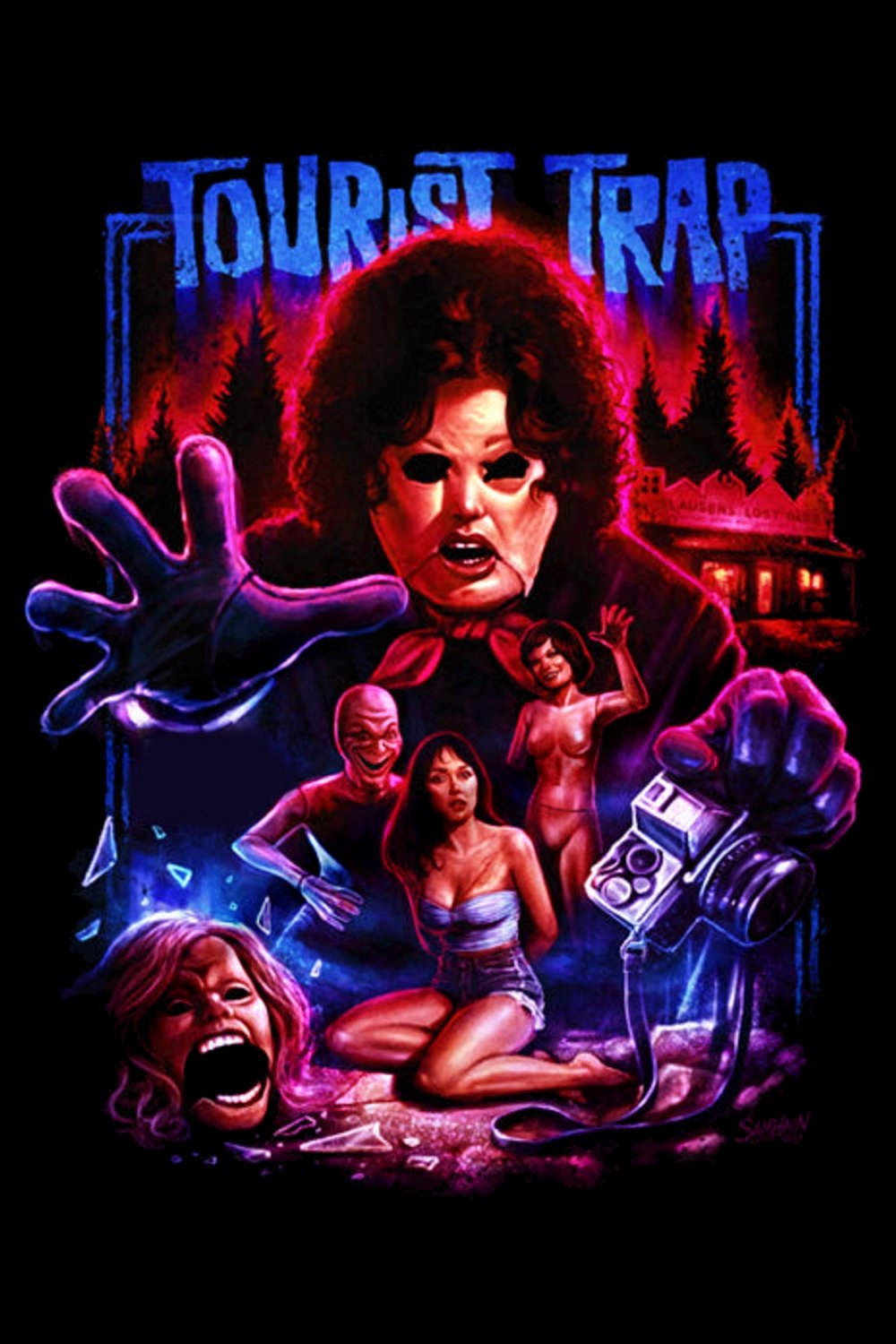
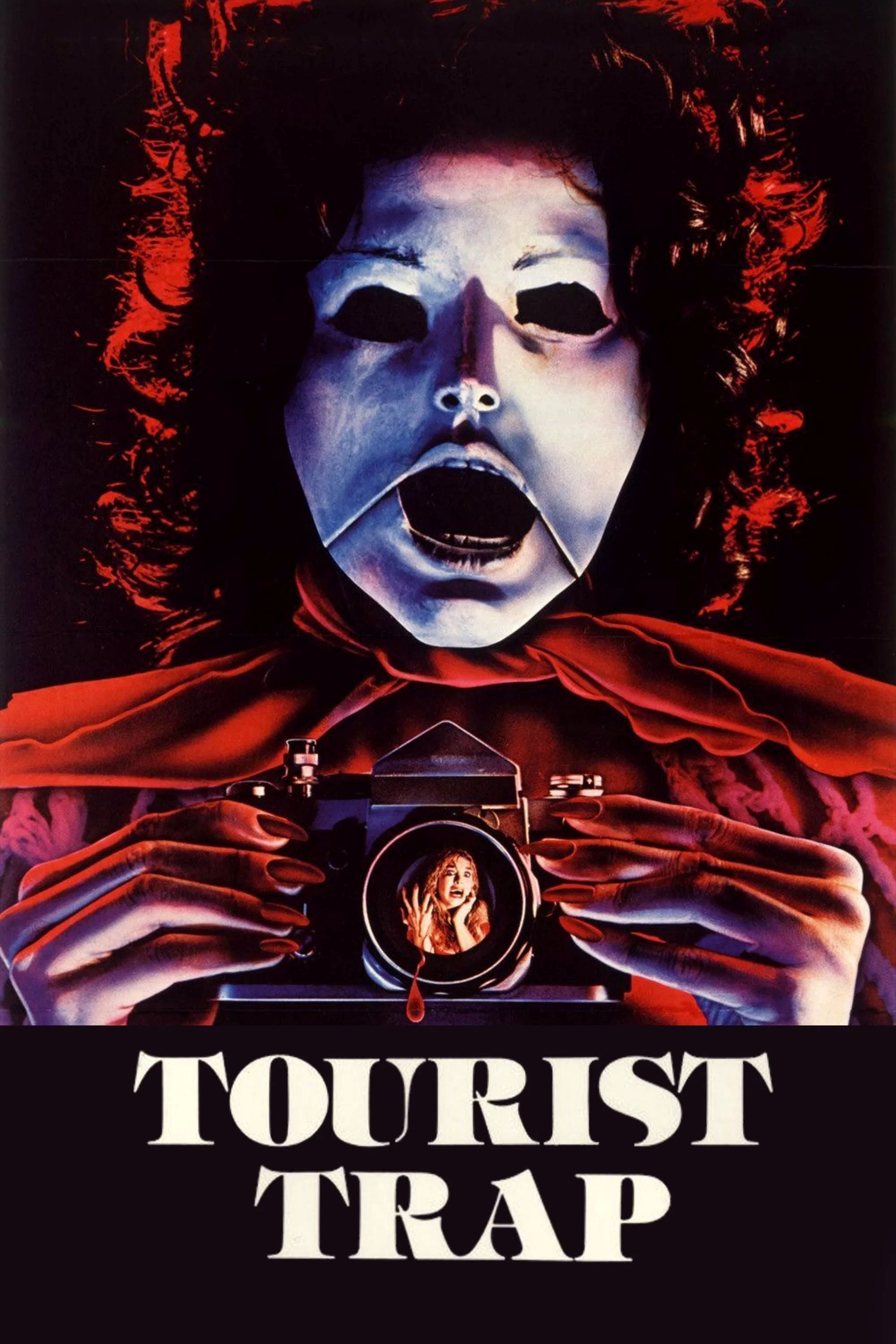
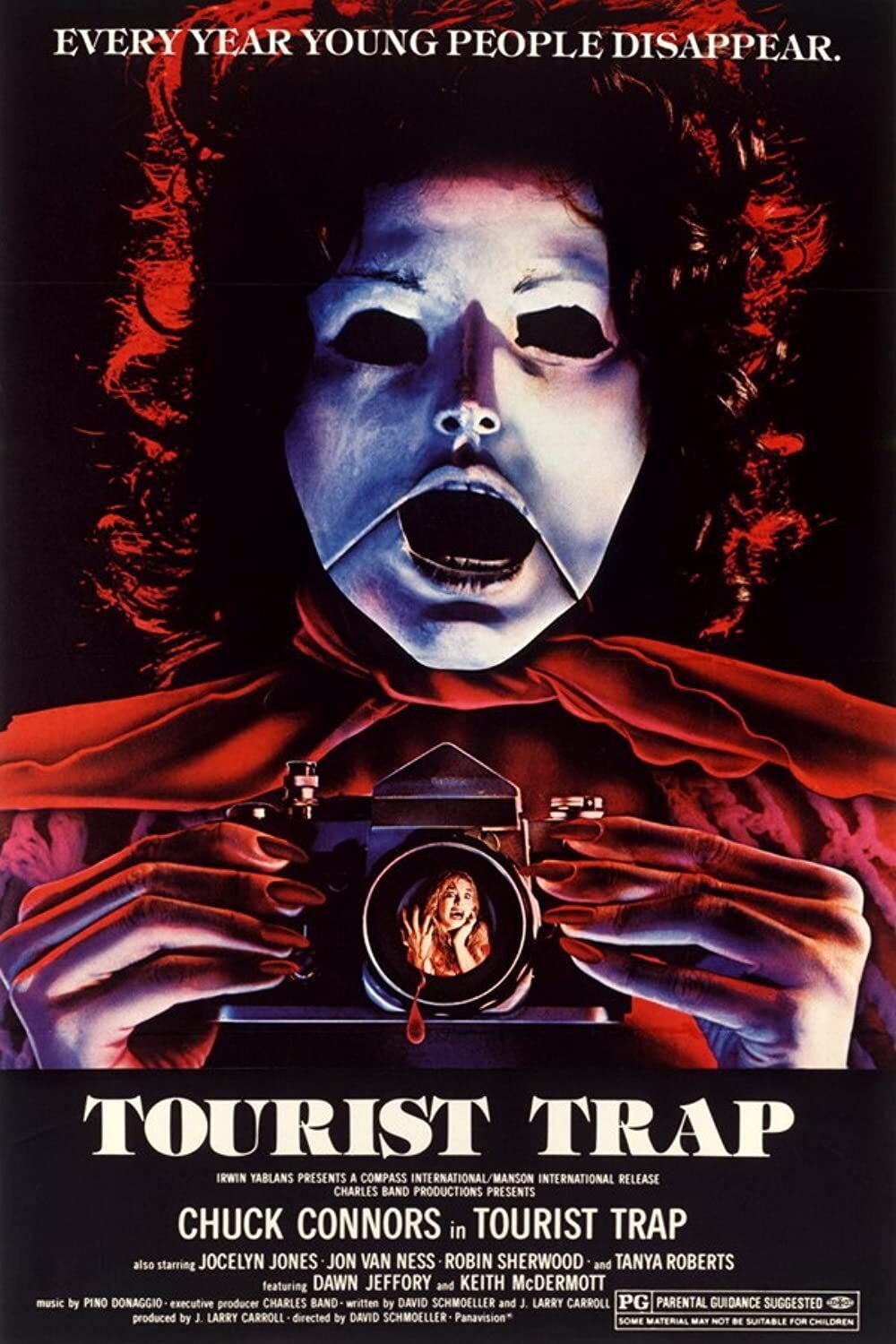
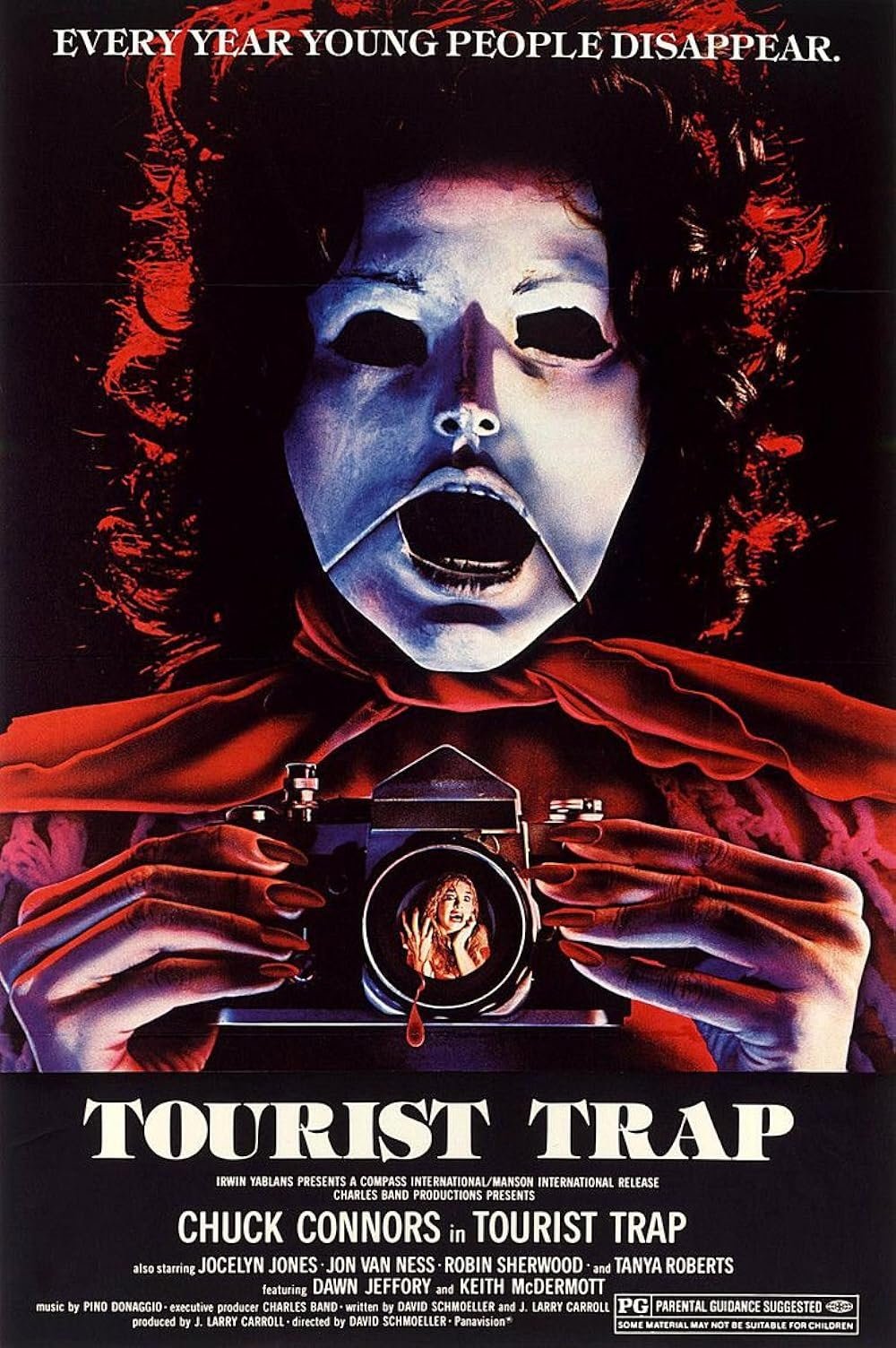
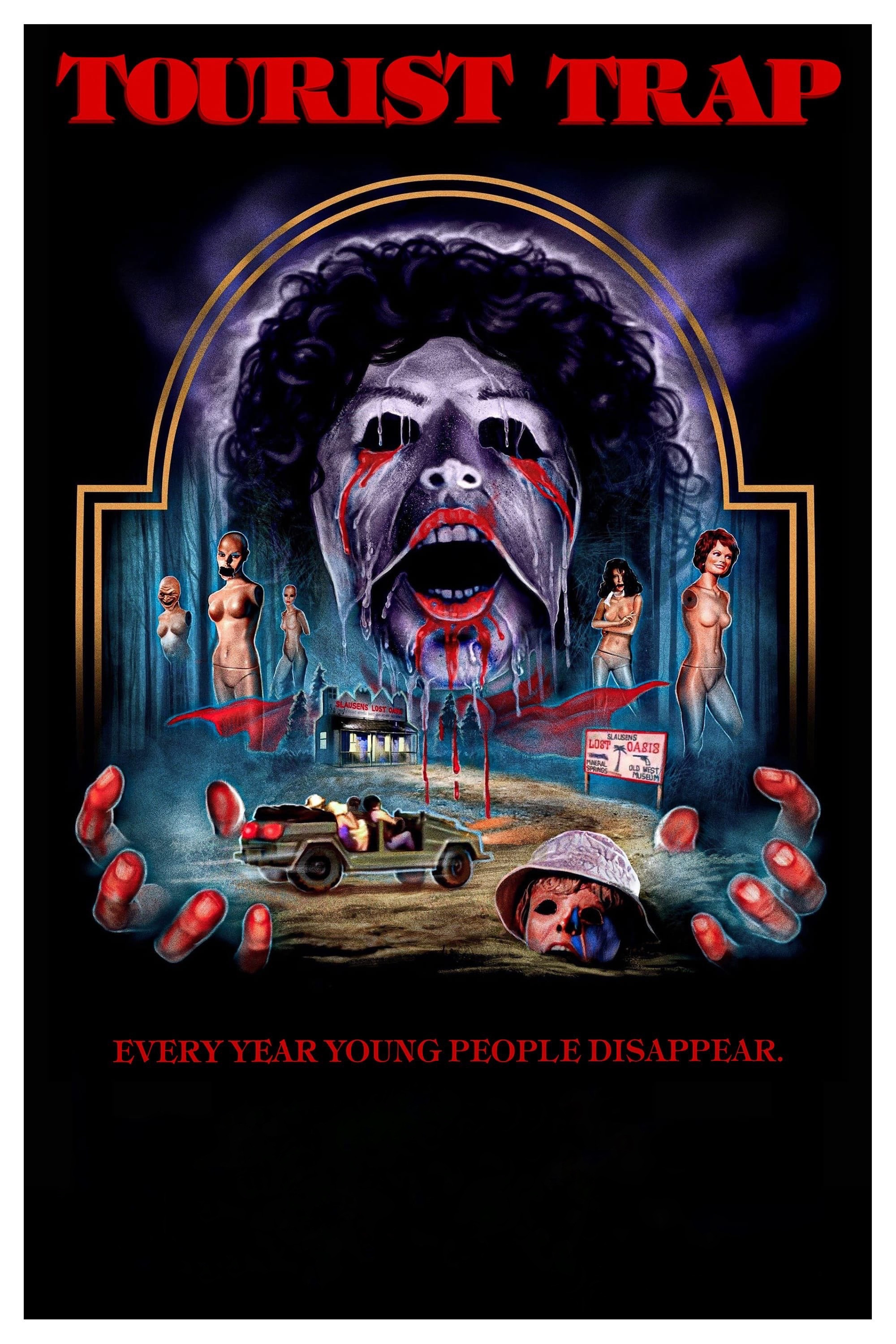
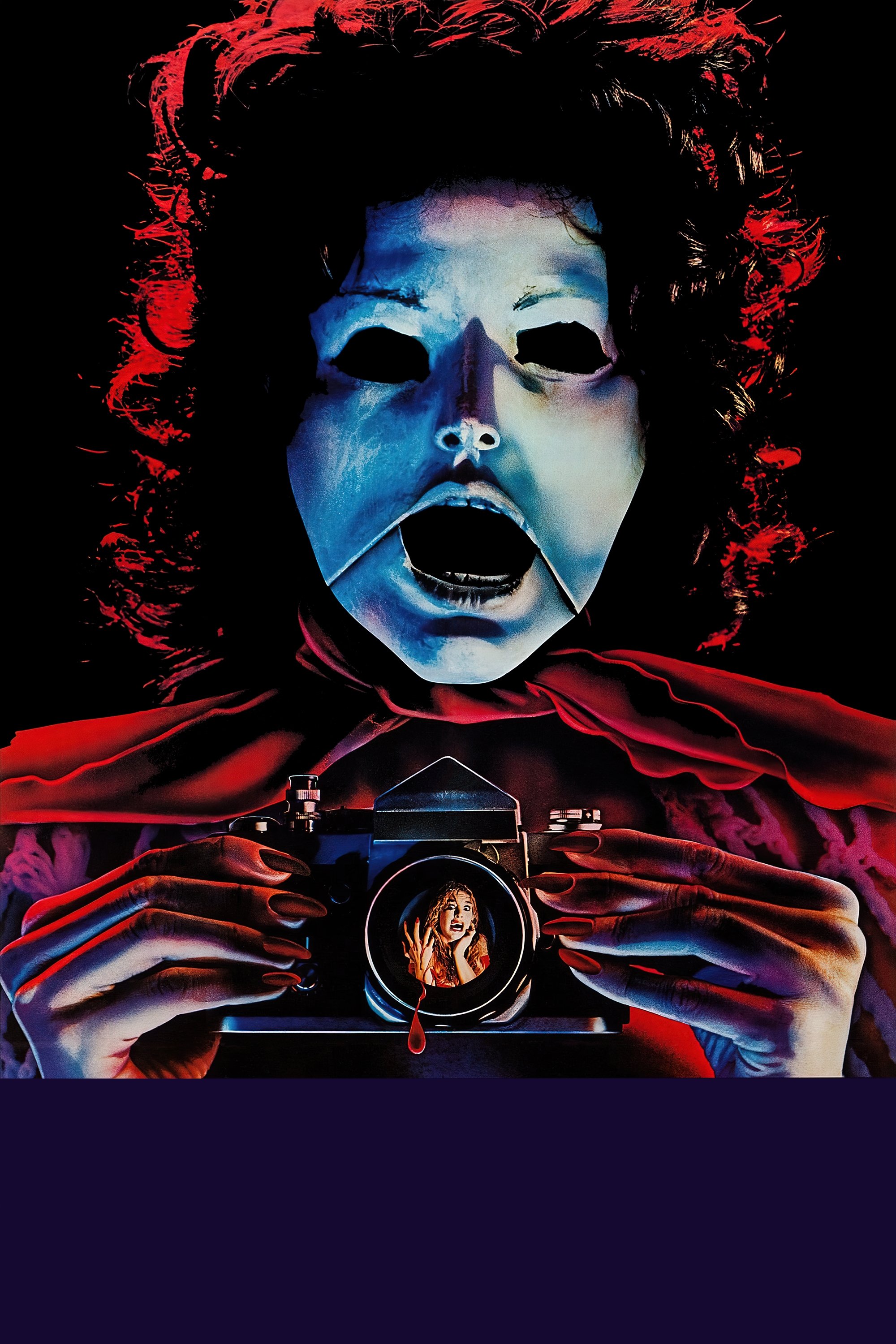
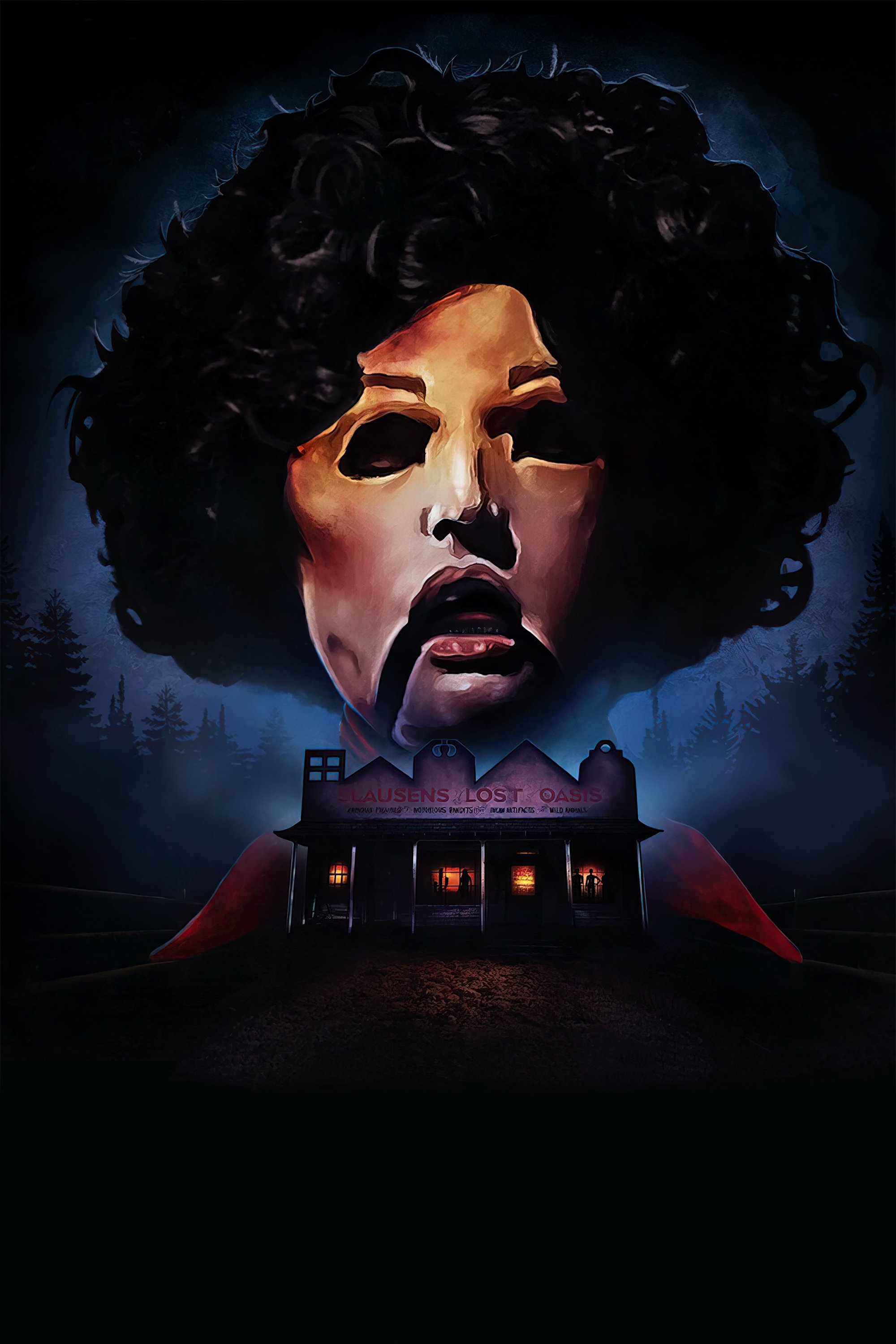
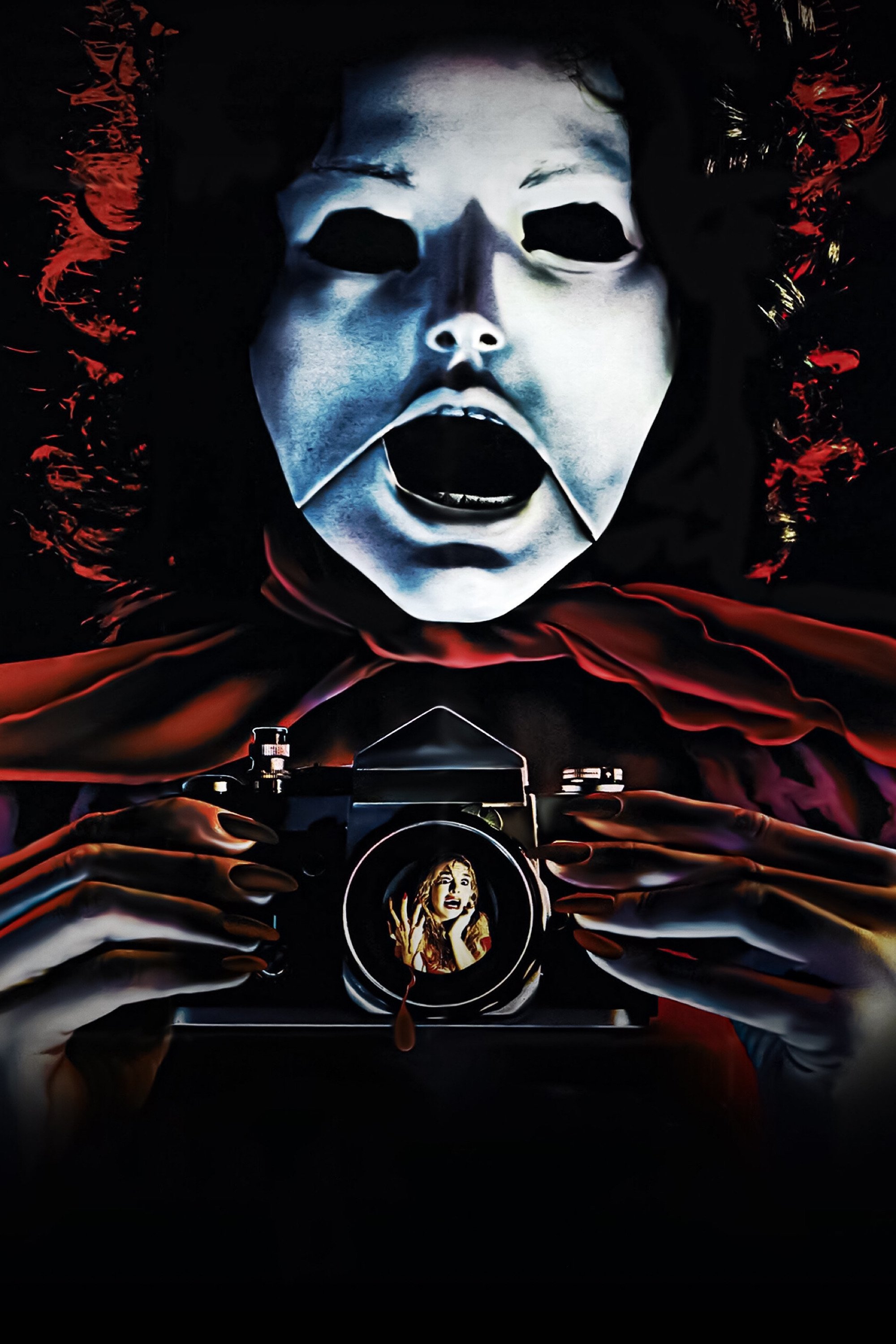
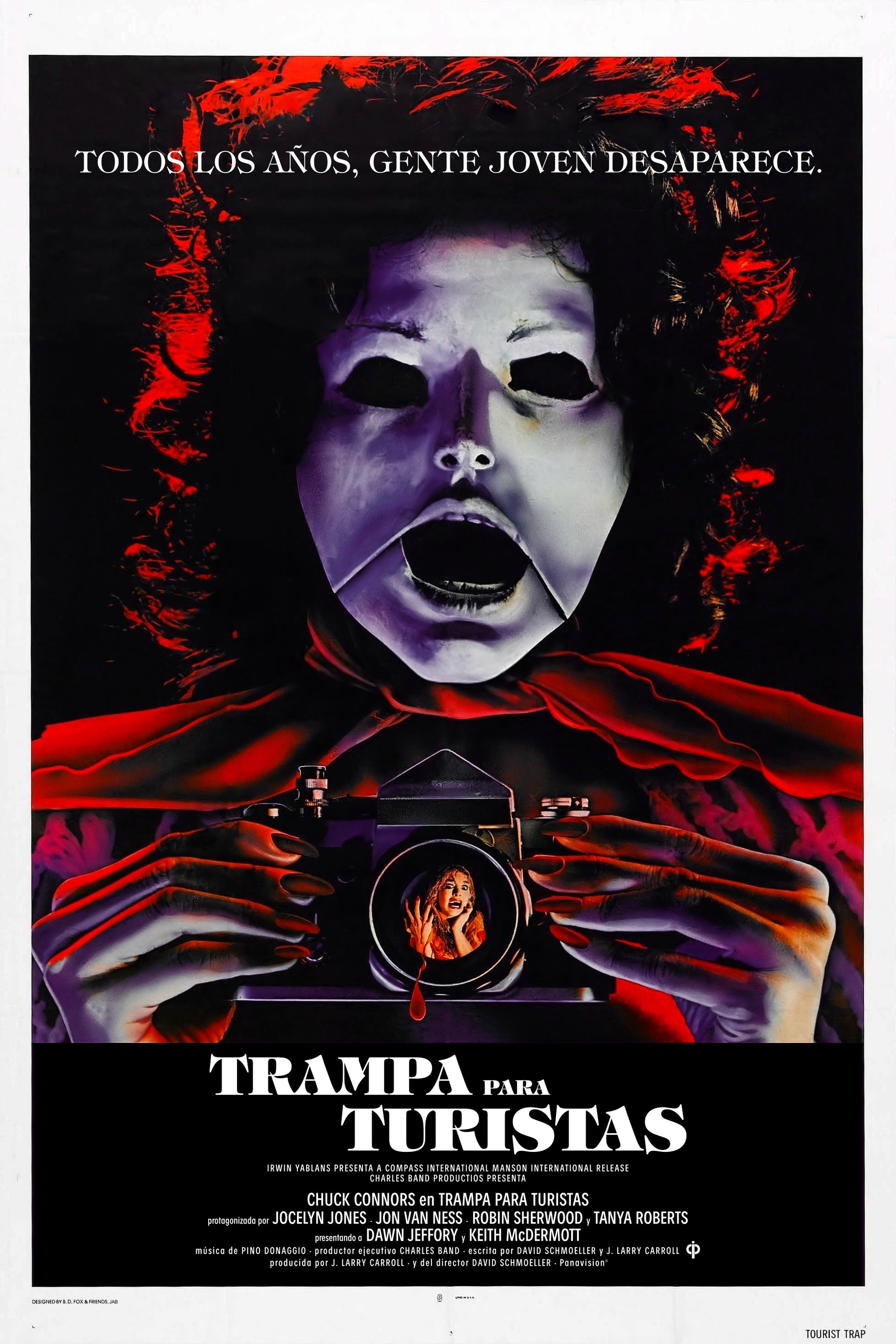
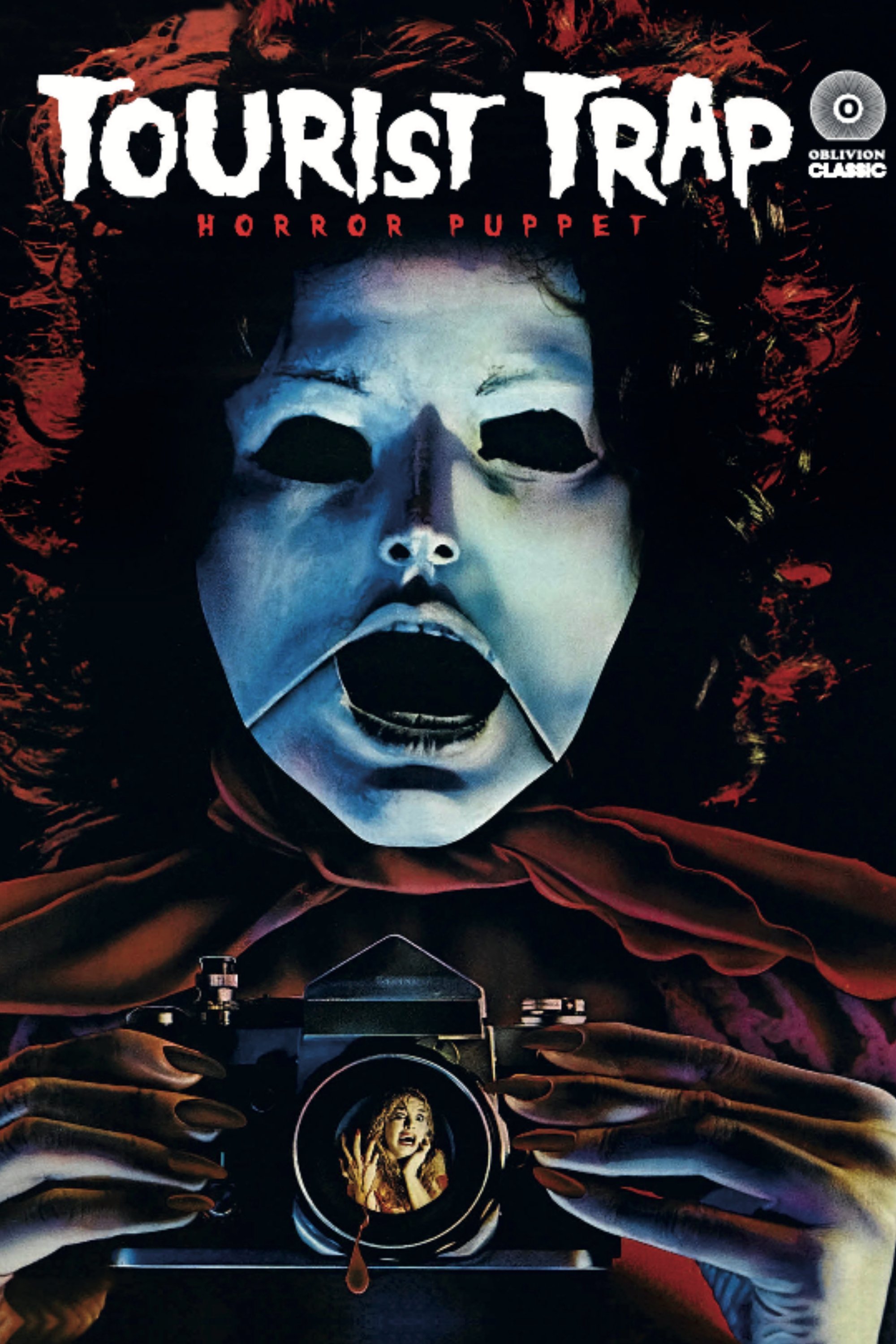
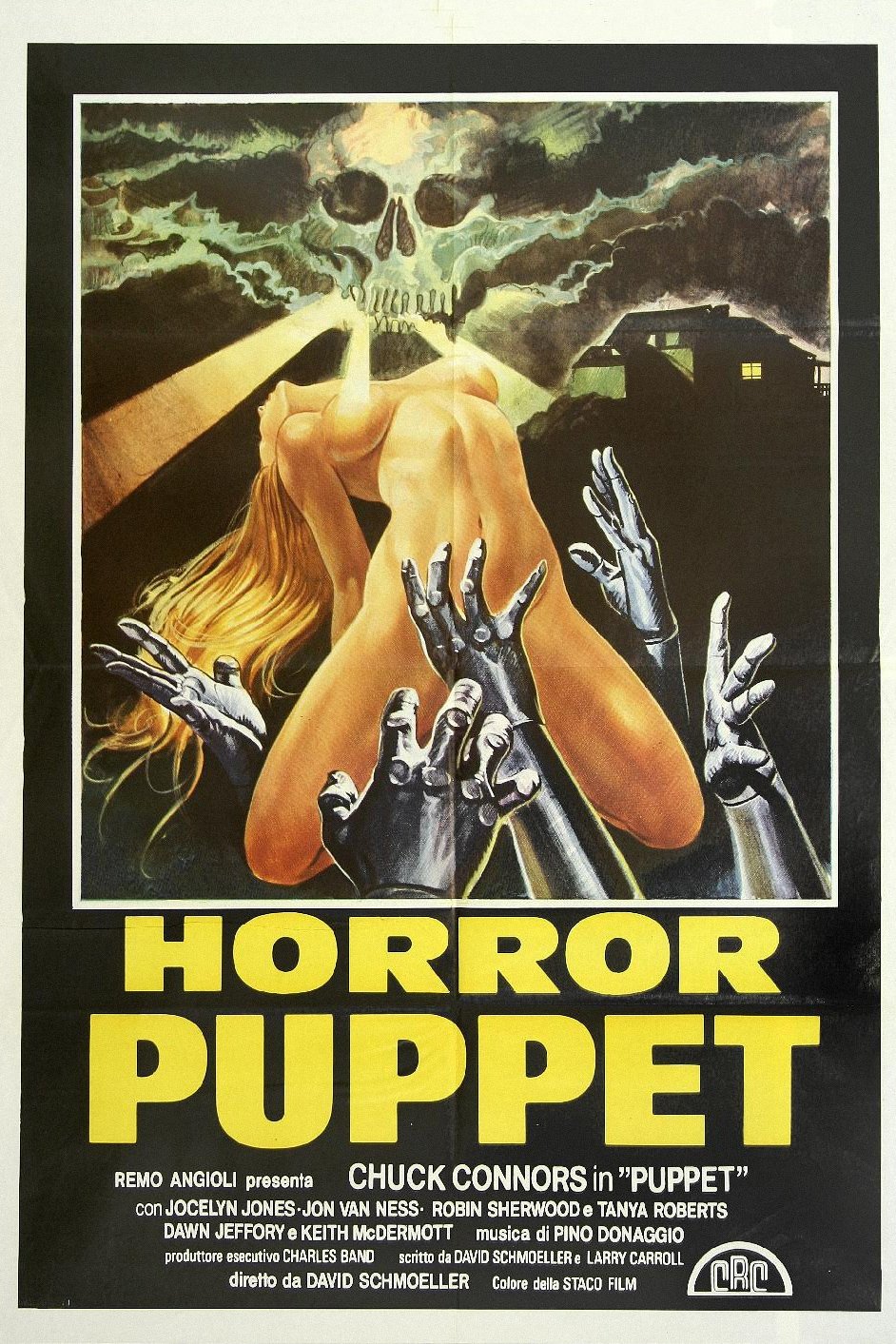
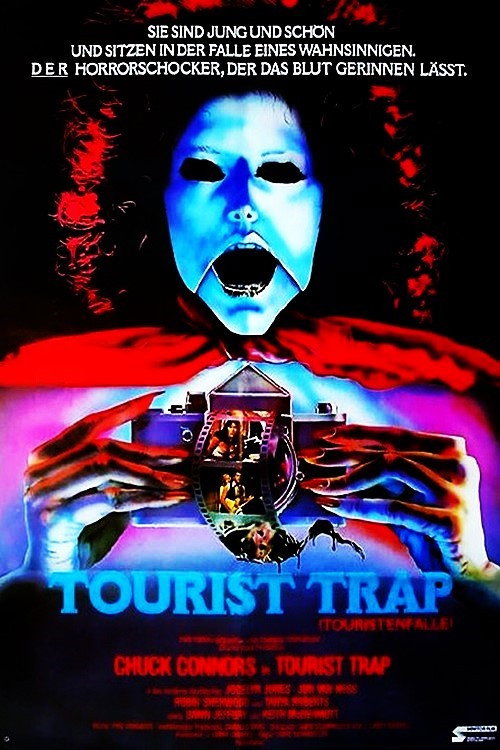
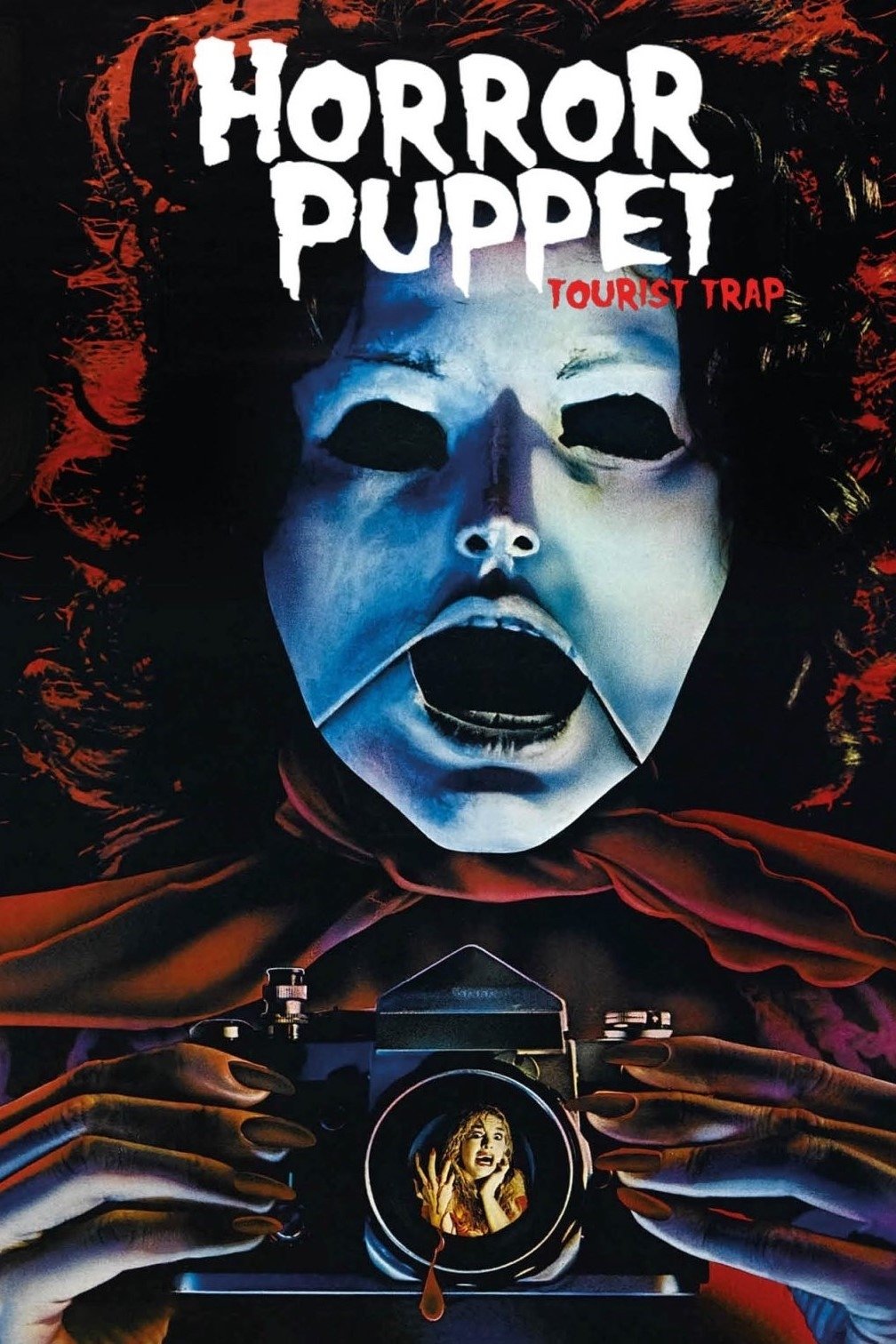
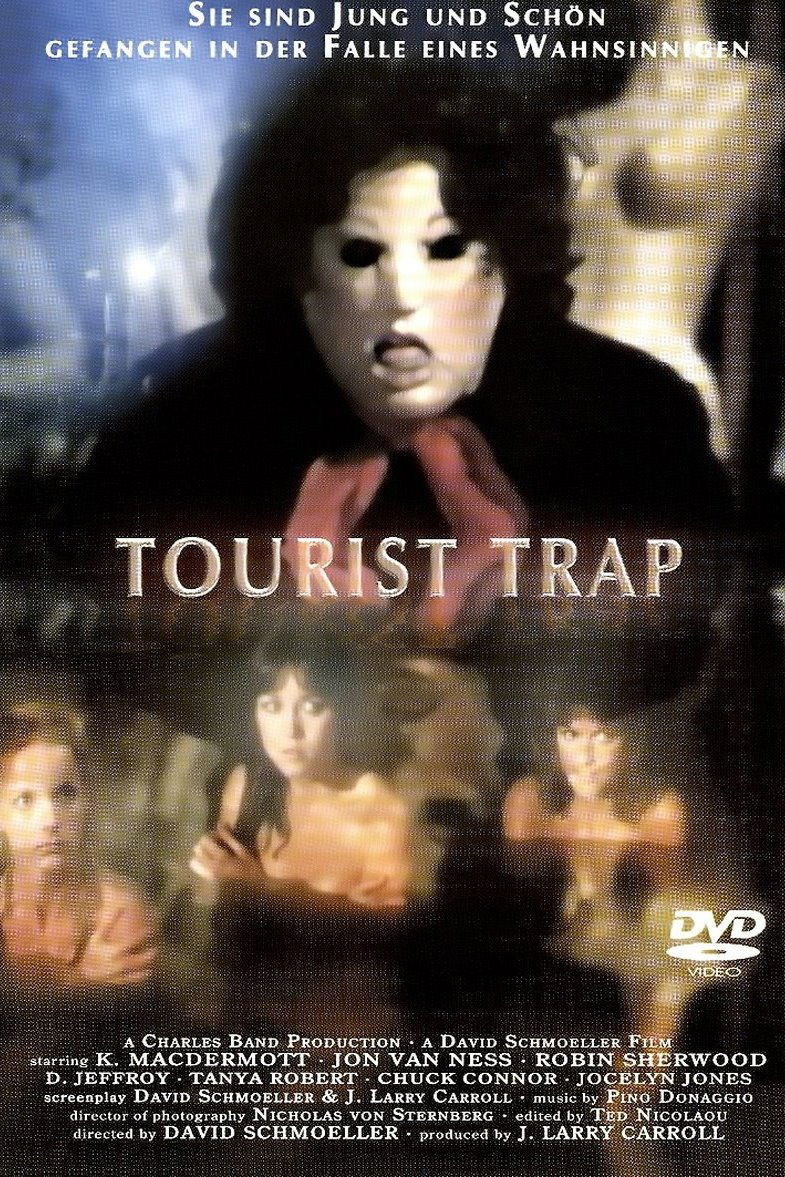
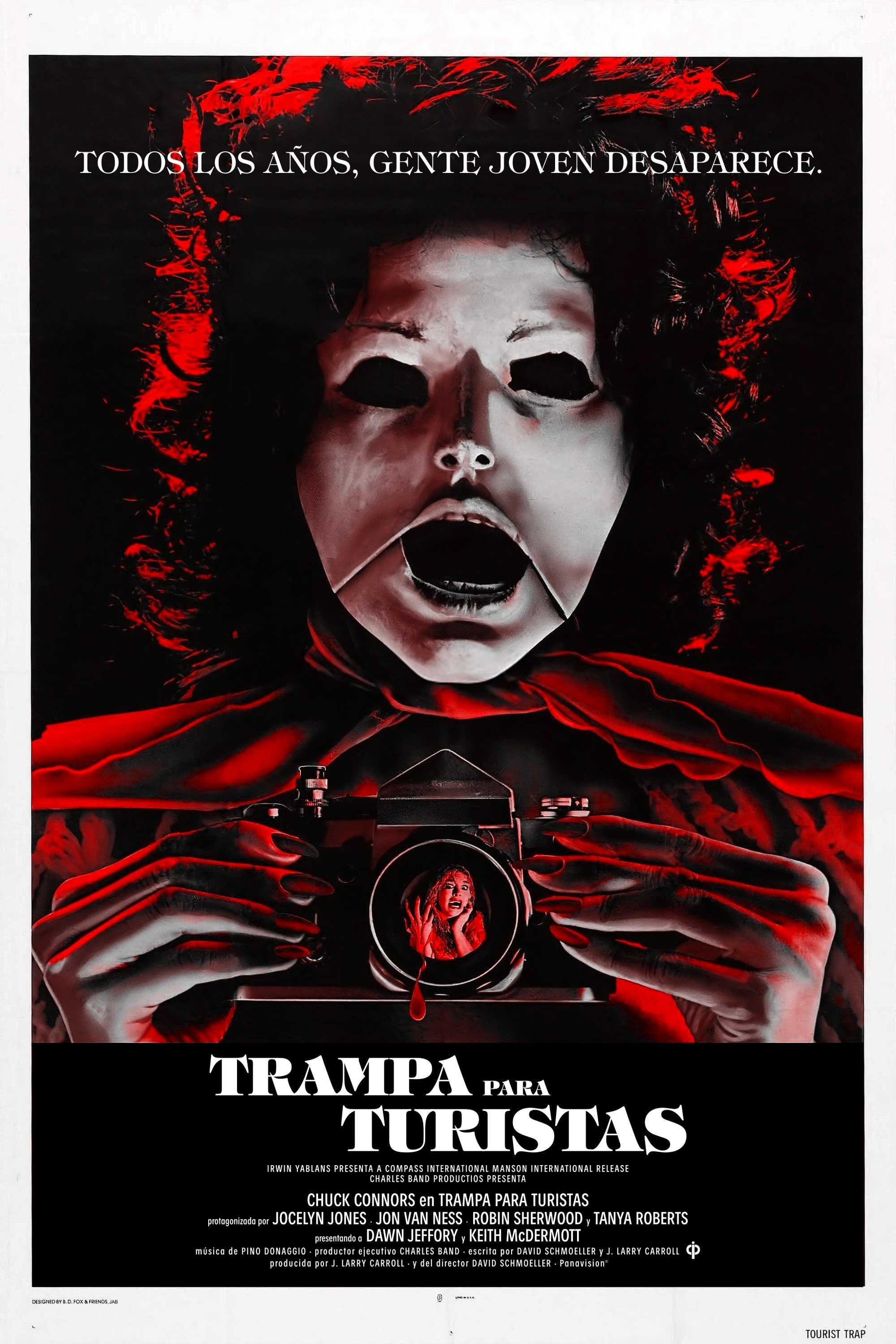
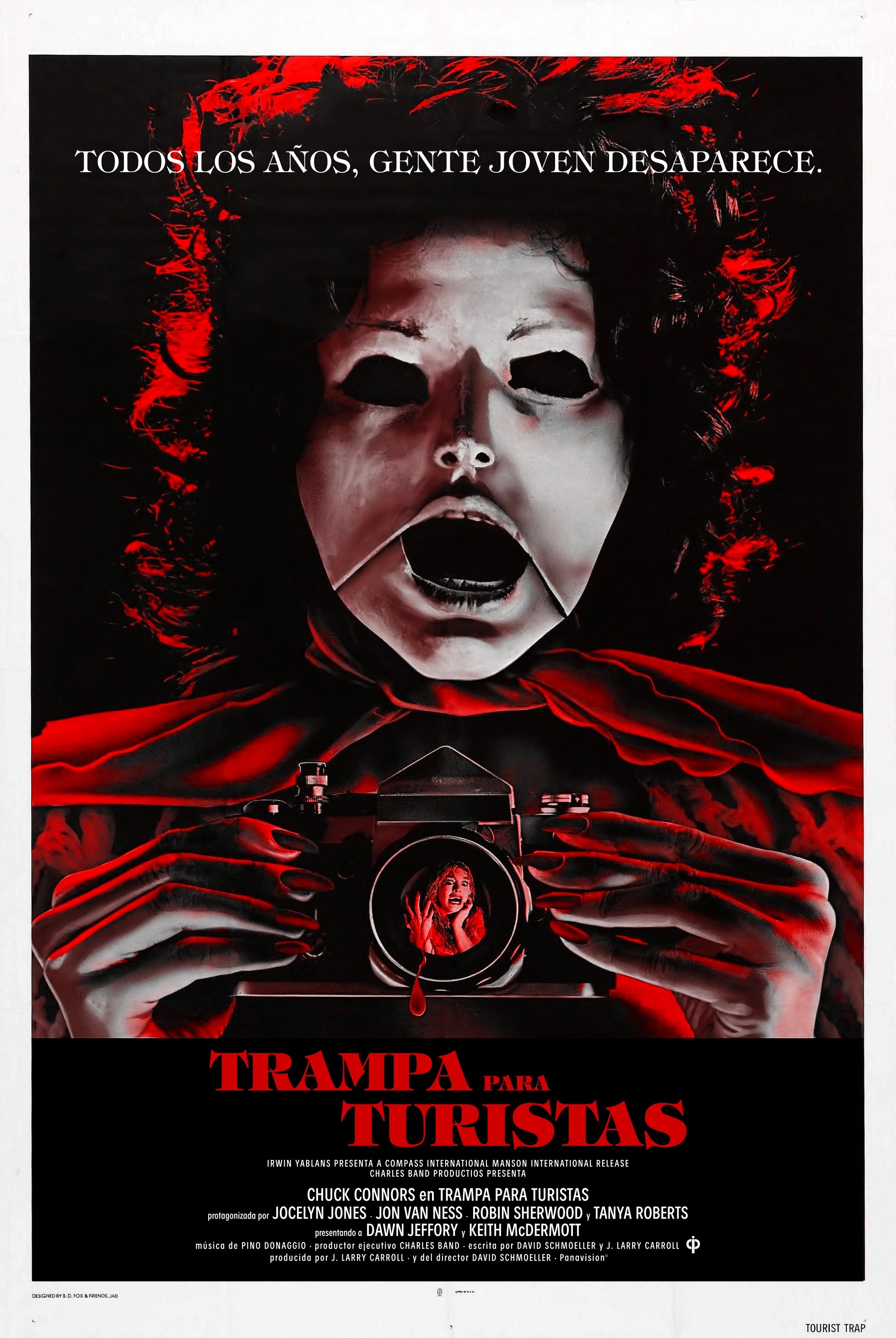
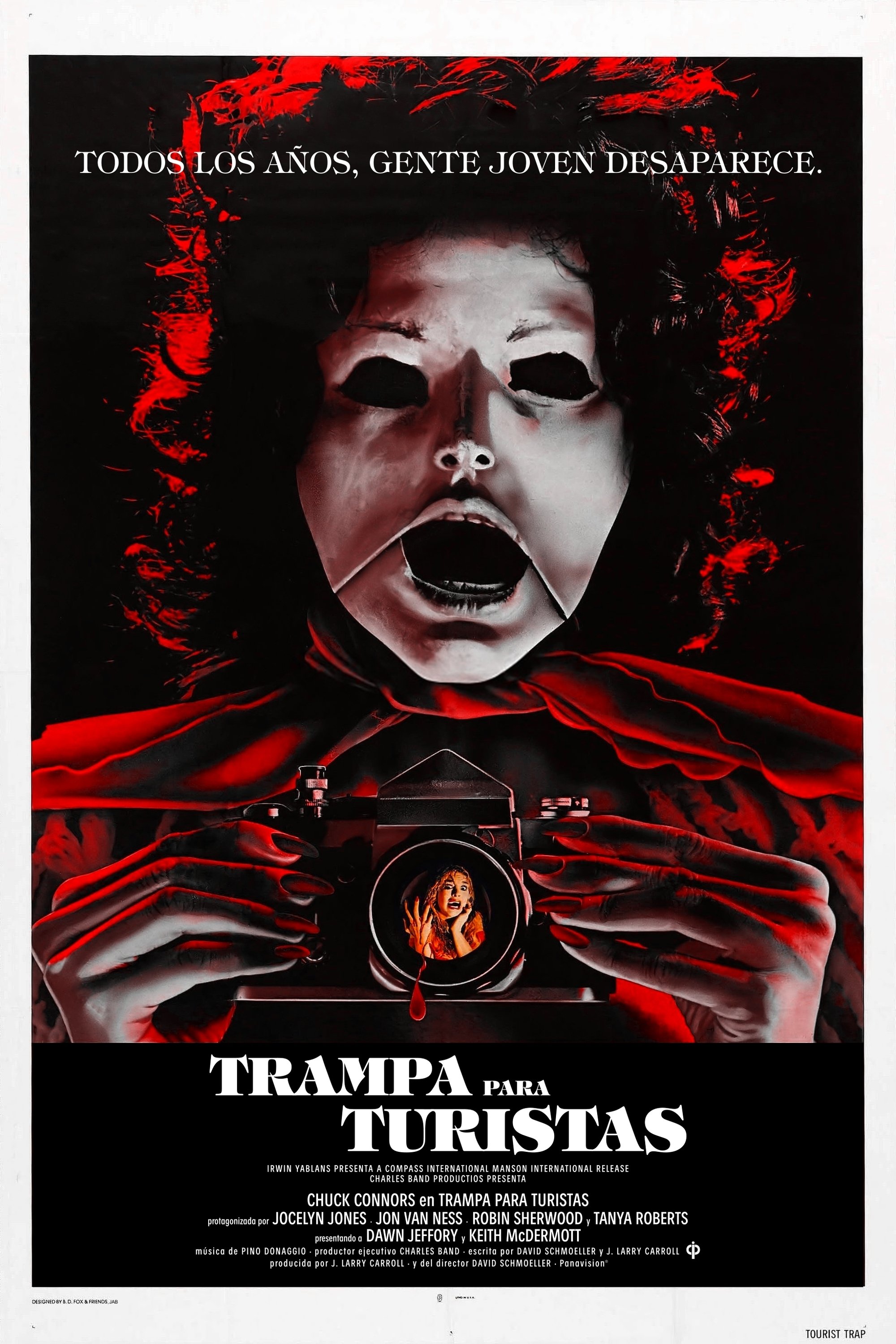
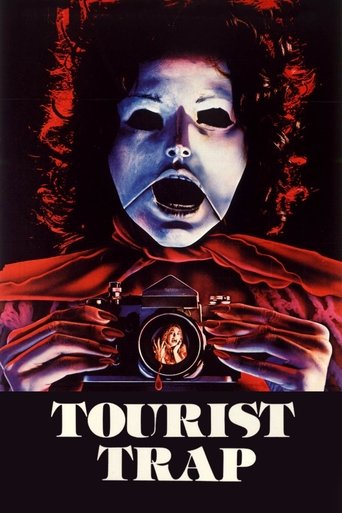
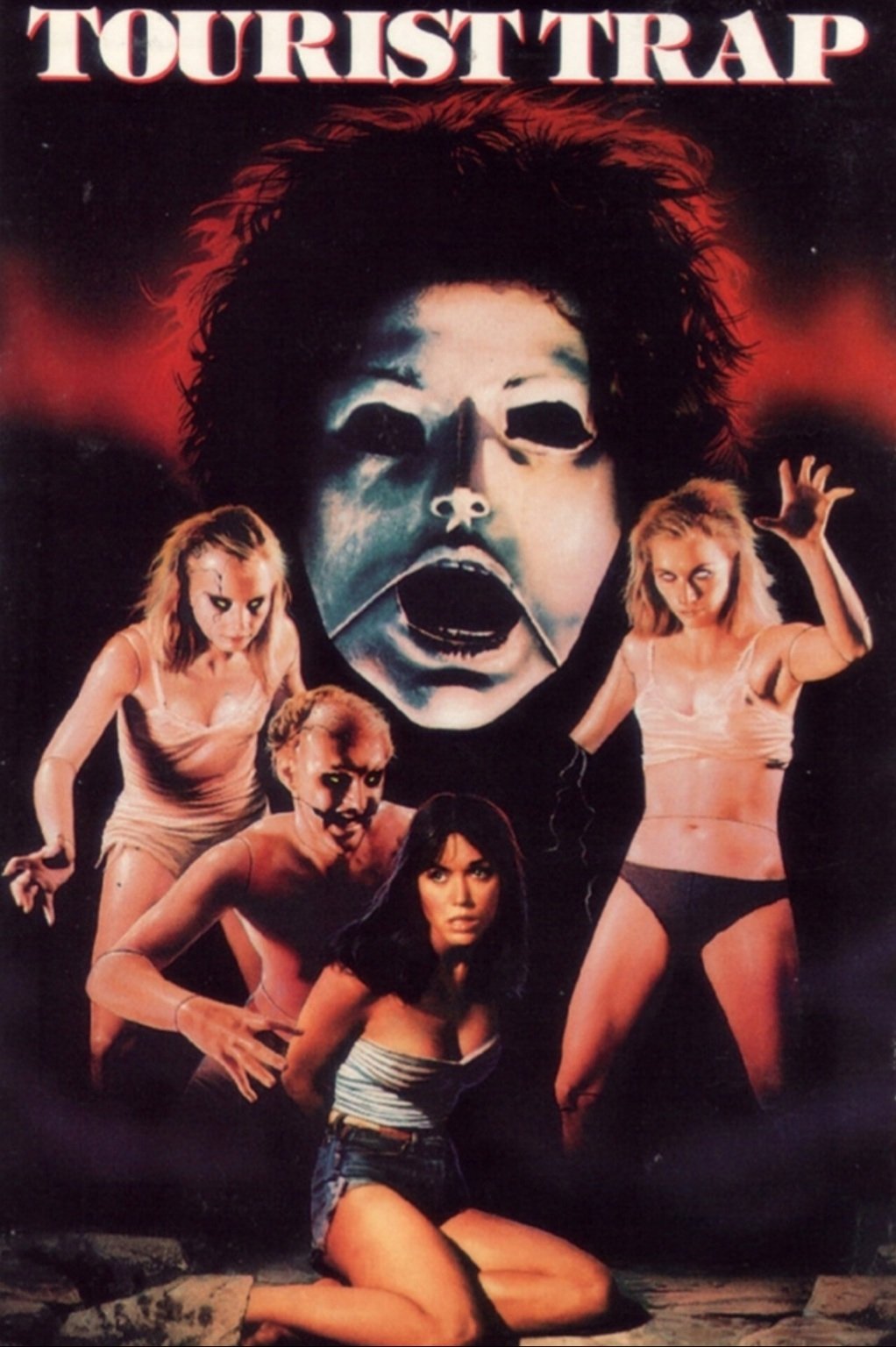
Tourist Trap (1979) poster
Production Companies
Charles Band Productions , Compass International Pictures
Plot

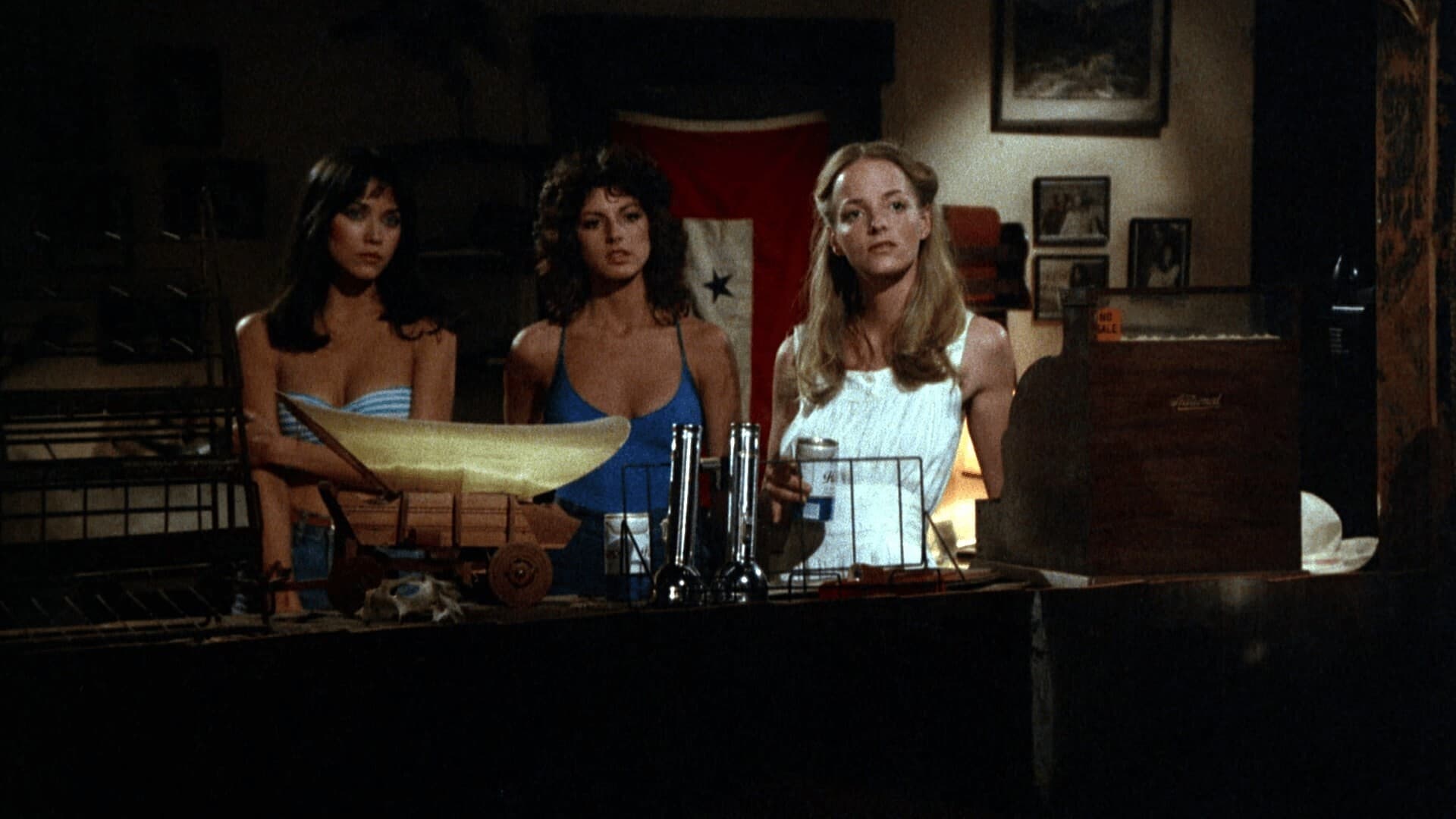
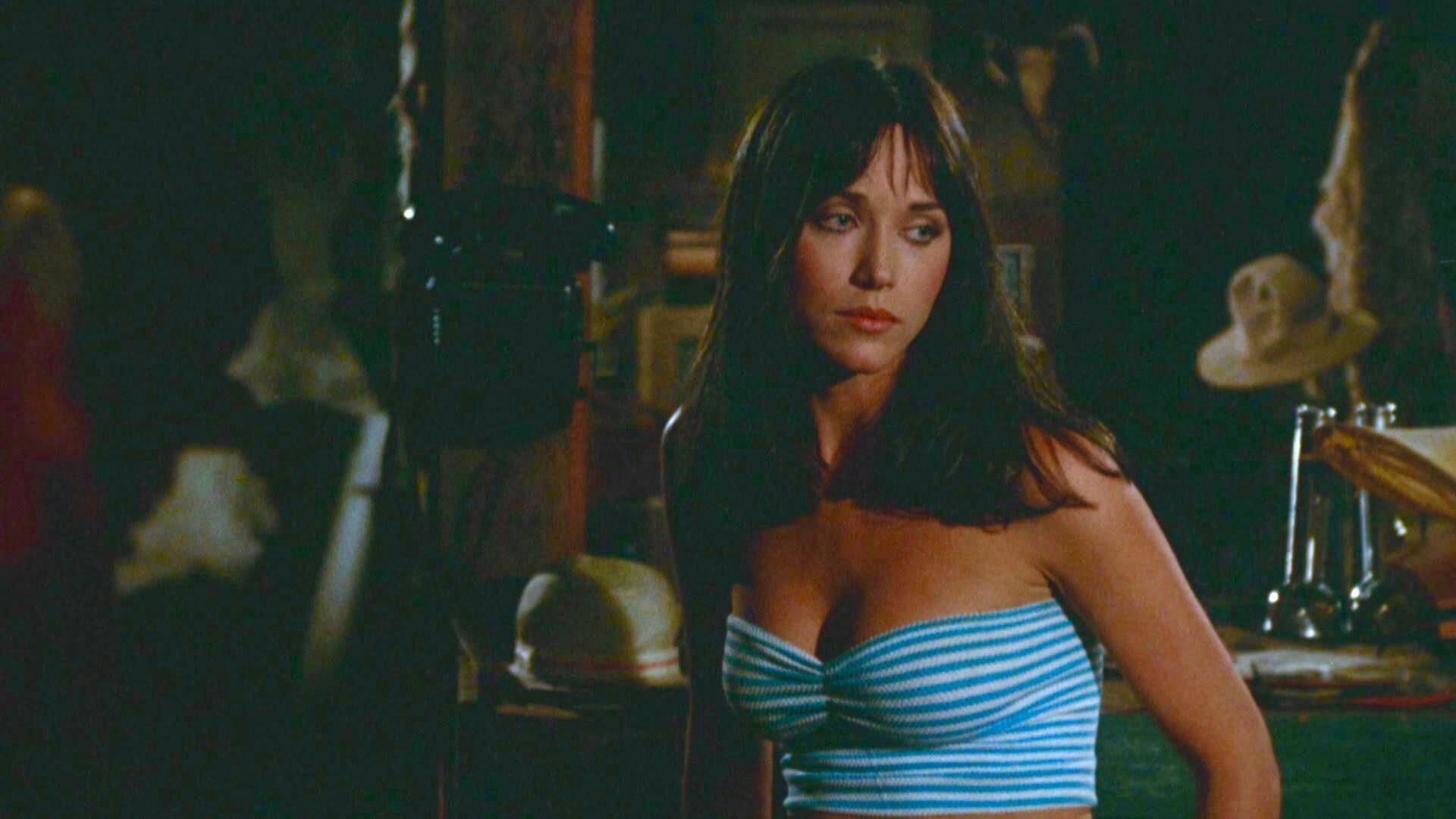
After their car breaks down, a group of young travelers find themselves stranded at a roadside museum run by the enigmatic Mr. Slausen and populated by his collection of life-like wax mannequins.

Alternative Titles
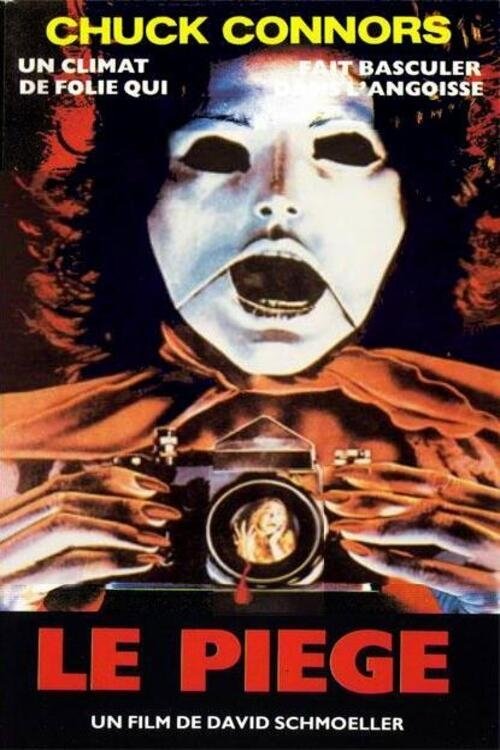
Armadilha para Turistas (Brazil) Le motel de la terreur (Canada) 吓破胆 (China) — Chinese 旅行陷阱 (China) — 恐怖/悬疑/惊悚 阴魂不散 (China) — 恐怖/悬疑/惊悚 Past na turisty (Czechia) — Czech Tourist Trap - Die Touristenfalle (Germany) — German Dødens mannequiner (Denmark) — Danish
Show all 24 alternative titles Trampa para turistas (Spain) Kuoleman mannekiinit (Finland) Le piège (France) Nightmare of Terror (United Kingdom) 嚇破膽 (Hong Kong SAR China) — Chinese Horror puppet (Italy) Puppet (Italy) — Advertising Title 투어리스트 트랩 (South Korea) — Korean Pulapka na turystow (Poland) Pułapka na Turystów (Poland) — Polish Turystyczna pułapka (Poland) A Ratoeira (Portugal) Ловушка для туристов (Russia) Путешествие в Ад (Russia) — Russian Dödens mannekänger (Sweden) มันอยู่ในหุ่น (Thailand) — Thai

Trailers & Videos

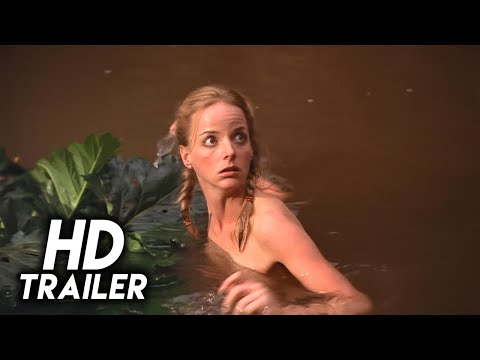
4 videos

Film Guide & Analysis

David Schmoeller's 1979 cult horror: its student-film origins, Robert A. Burns's animated mannequins, Pino Donaggio's score, theatrical reception and uncut editions.

Tourist Trap (1979) is an American supernatural horror film directed by David Schmoeller in his feature debut, starring Chuck Connors, Jocelyn Jones and Tanya Roberts. Released near the end of the 1970s horror boom, it combines the isolated-location structure of contemporary backwoods horror with animated mannequins, telekinetic phenomena and a psychologically disturbed antagonist. Its distinctive identity developed from Schmoeller's earlier experiments with artificial human figures and from the production design of Robert A. Burns, whose practical effects made ordinary display mannequins central instruments of terror. The result occupies an unusual position between the emerging slasher film and the more surreal traditions of supernatural horror.

The film was produced through Charles Band Productions and photographed in Los Angeles during a 24-day shoot in 1978. Its production brought together technicians experienced in low-budget genre cinema, while Italian composer Pino Donaggio supplied an orchestral score recorded in Rome. Although its initial critical reception was mixed, Tourist Trap received a notable endorsement from Stephen King in his 1981 study Danse Macabre and developed a sustained reputation among horror enthusiasts. Its production history is particularly well documented through contemporary trade reporting, the American Film Institute and retrospective interviews with Schmoeller, which explain the origins of its mannequins, the involvement of Charles Band and the practical limitations of the shoot.

Origins, the Student Film and the Screenplay

David Schmoeller developed Tourist Trap after studying filmmaking at the University of Texas at Austin. During his graduate years, Tobe Hooper was completing The Texas Chain Saw Massacre (1974), whose independent production and commercial success provided a practical model for an aspiring filmmaker. Schmoeller and J. Larry Carroll, who had worked in editing on Hooper's film, conceived a horror feature that could establish Schmoeller as a director. Their screenplay borrowed the structural principle of young travelers entering an isolated environment where they encounter a dangerous stranger. Schmoeller also acknowledged Psycho (1960) as an influence on the apparently harmless figure concealing a murderous identity.

The film's most unusual element originated elsewhere. In interviews, Schmoeller traced his fascination with mannequins to an encounter with artificial figures displayed in a J. C. Penney store during the late 1960s. He was particularly disturbed by a collection whose faces became progressively less detailed, from recognizably human infant figures to featureless adult forms. That experience inspired his student short The Spider Will Kill You, involving a blind man whose relationship with mannequins creates uncertainty between human beings and artificial substitutes. Tourist Trap retained the interest in animated figures and disturbed perception while developing a separate narrative. The earlier short provided a creative antecedent to the feature, which developed its own screenplay.

Charles Band introduced another decisive element after receiving the completed script. According to Schmoeller, Band suggested giving the antagonist telekinetic powers, an idea the director initially resisted because he had conceived the story primarily in psychological terms. The change supplied a possible explanation for the movement of objects and mannequins while introducing a supernatural dimension beyond the original concept. Schmoeller deliberately left the origins and extent of those powers unexplained. He later distinguished the museum's mechanical historical figures from manifestations that audiences might interpret as supernatural. This combination of psychological disturbance, machinery and telekinesis became essential to the film's particular form of horror.
Production, Locations and Filming

Principal photography was scheduled to begin on March 27, 1978, with production taking place over approximately 24 days. Contemporary reports collected by the American Film Institute identify Los Angeles-area locations and soundstages at Ramparts Studio as the main filming environments. One important location was an abandoned building at 5255 Hollywood Boulevard that was scheduled for demolition. Schmoeller discovered the property and arranged for its destruction to be postponed, allowing five days of interior photography. According to a contemporary Daily Variety report, using the existing building saved an estimated $30,000 in set construction and soundstage expenses. The arrangement illustrates how the production depended on adapting available spaces to its requirements.

The production budget is reported inconsistently. The AFI cites a contemporary figure of $800,000, while Schmoeller recalled in a later interview that the budget increased from approximately $300,000 to $350,000 after the addition of Pino Donaggio's score. These accounts may reflect different financial definitions or stages of expenditure, but the surviving information does not establish a reconciliation. Schmoeller's testimony also describes Charles Band as a producer who generally allowed him considerable freedom during filming. That arrangement was significant for a first-time feature director attempting sequences involving elaborate sets, artificial figures and effects within a compressed production schedule.

Chuck Connors brought an established screen identity to the role of Mr. Slausen after a long career in television and film. Schmoeller later recalled that Connors saw the production as an opportunity to develop a new career in horror, drawing inspiration from established genre performers such as Vincent Price. The director also described learning from Connors's experience on set, particularly his willingness to suggest variations in performance. This collaboration mattered to a film whose antagonist must alternate between apparently reassuring hospitality and disturbing theatricality. Its unusual performance style is integrated into scenes involving artificial companions, masks and changes in identity, while the younger ensemble occupies the more conventional position of threatened travelers.
Mannequins, Production Design and Practical Effects

Production designer Robert A. Burns was central to the physical realization of Tourist Trap. Burns had previously worked on The Texas Chain Saw Massacre and The Hills Have Eyes (1977), developing a reputation for constructing convincing horror environments from inexpensive and unconventional materials. Schmoeller credited Carroll with bringing Burns into the production and recalled the designer's particular talent for locating usable objects at minimal expense. Burns reportedly discovered a warehouse containing unwanted mannequins that could be acquired at very low cost. This acquisition made it possible to populate the film's interiors with a far larger number of artificial figures than the available budget might otherwise have permitted.

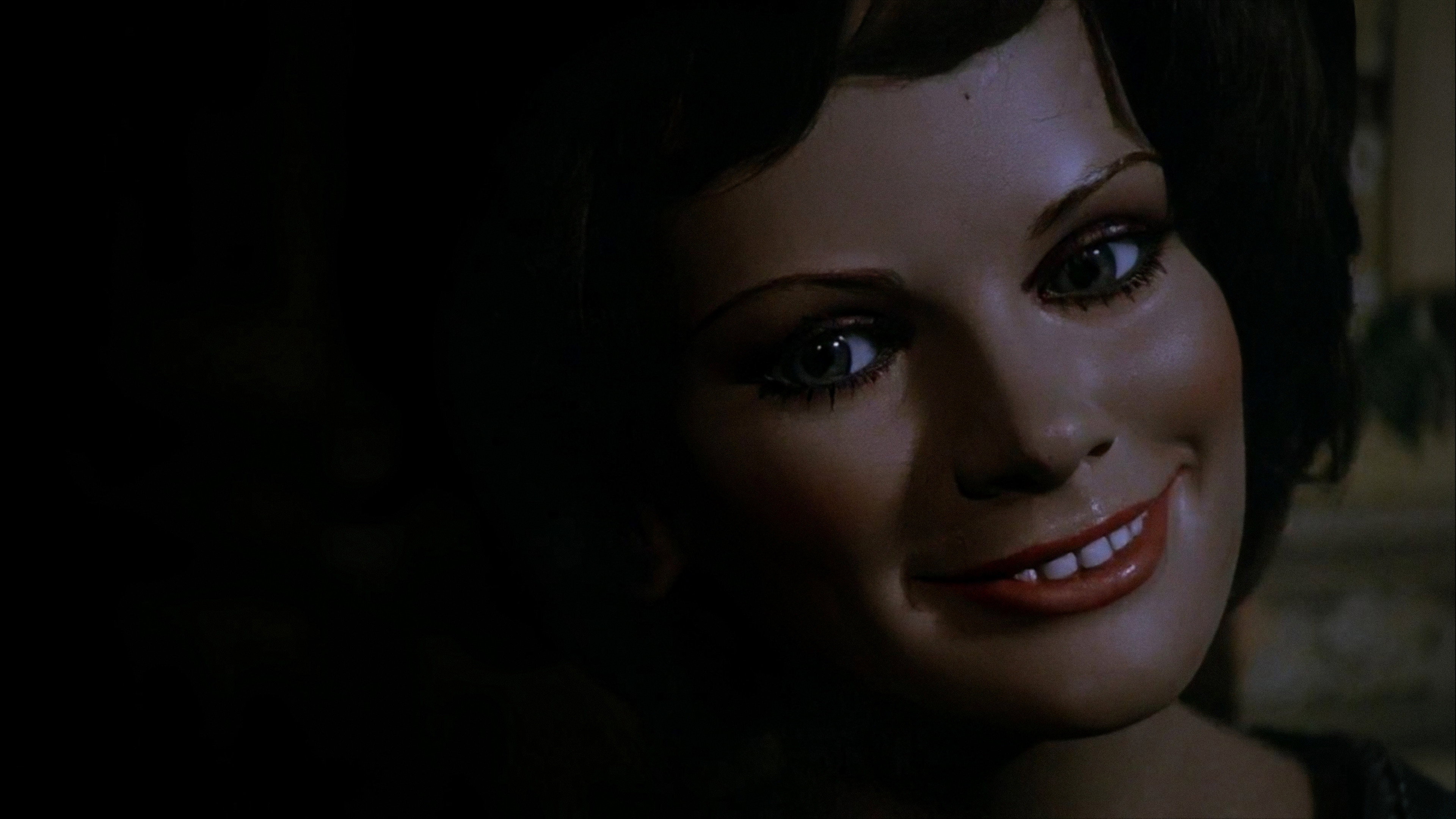
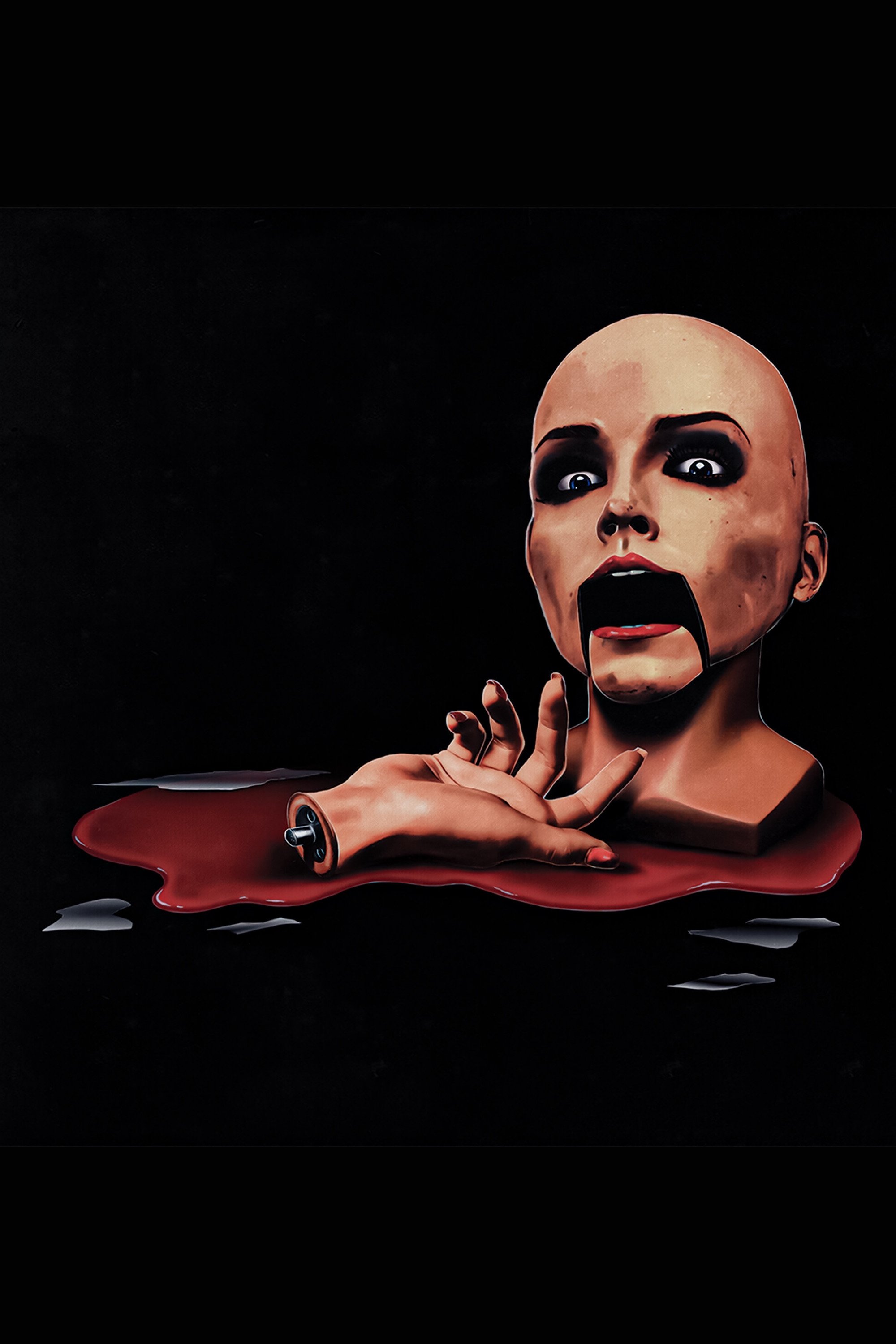
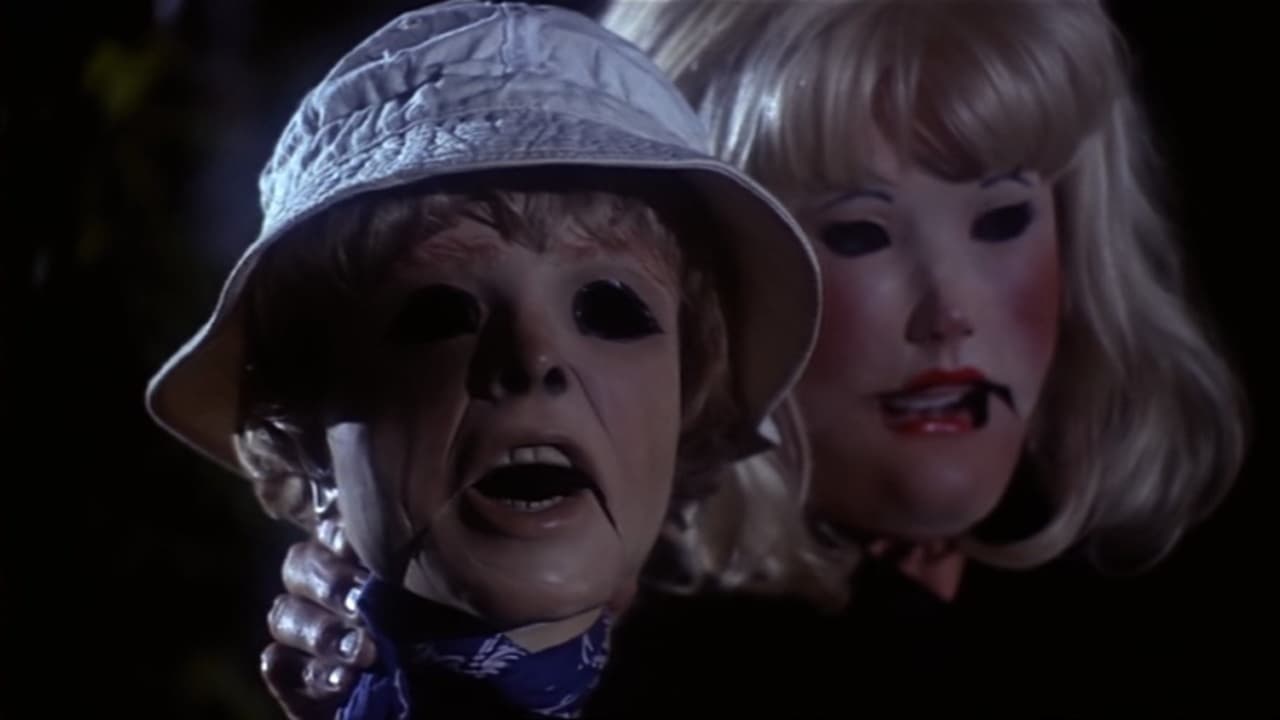
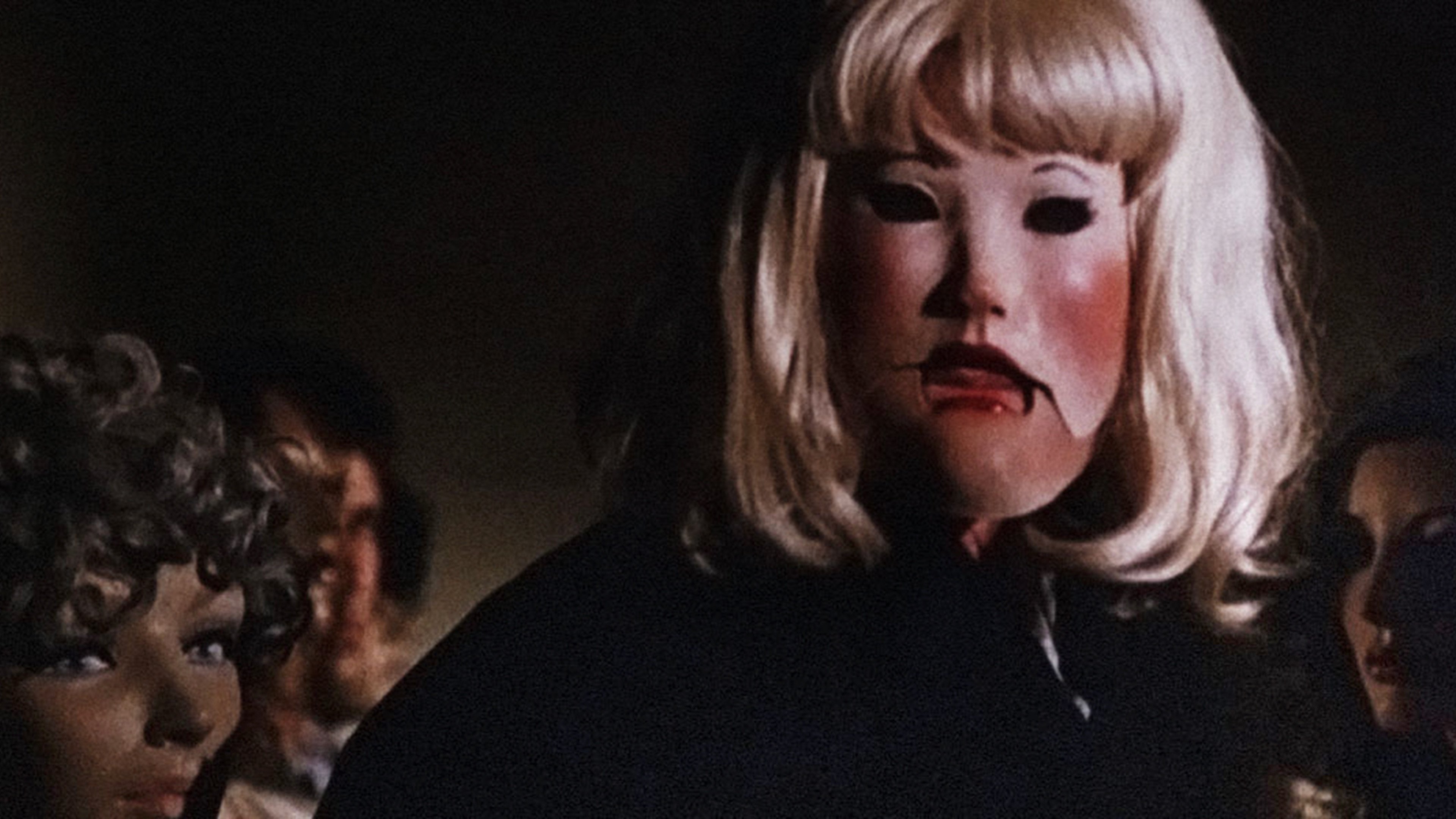
Burns also modified the mannequins to create specific physical effects. In a 2012 interview published by Kitley's Krypt, Schmoeller recalled alterations including mouths that could open, movable eyes and detachable limbs. These modifications gave the figures a range of threatening movements while retaining the recognizable appearance of ordinary commercial display objects. The director distinguished Burns's work from the rubber mask used in the film, which he attributed to another technician without identifying that person. Schmoeller also recalled circulating written instructions to the artists responsible for the mannequins, establishing that their appearance and behavior were subject to deliberate visual planning rather than being determined entirely by the available props.

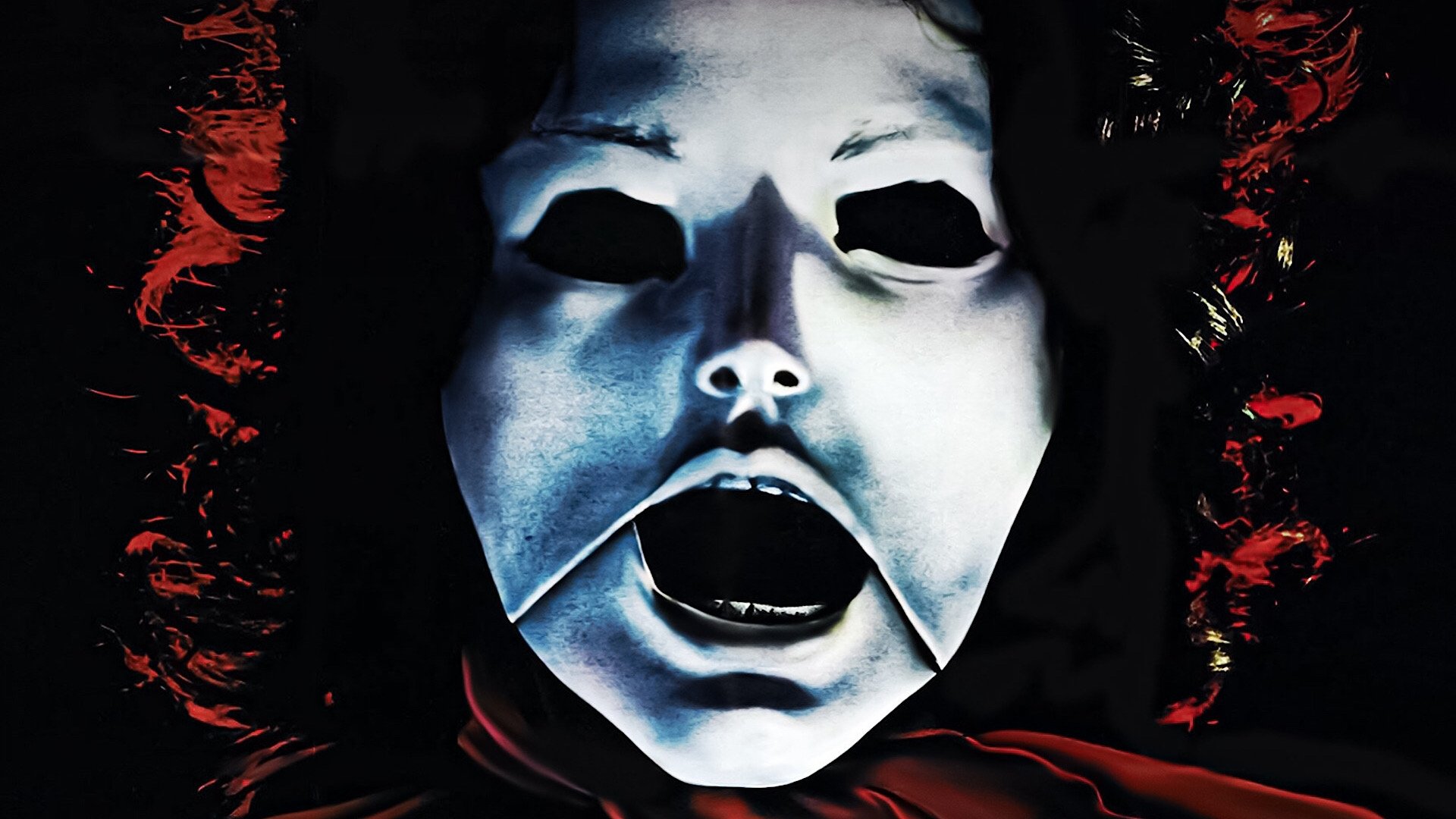
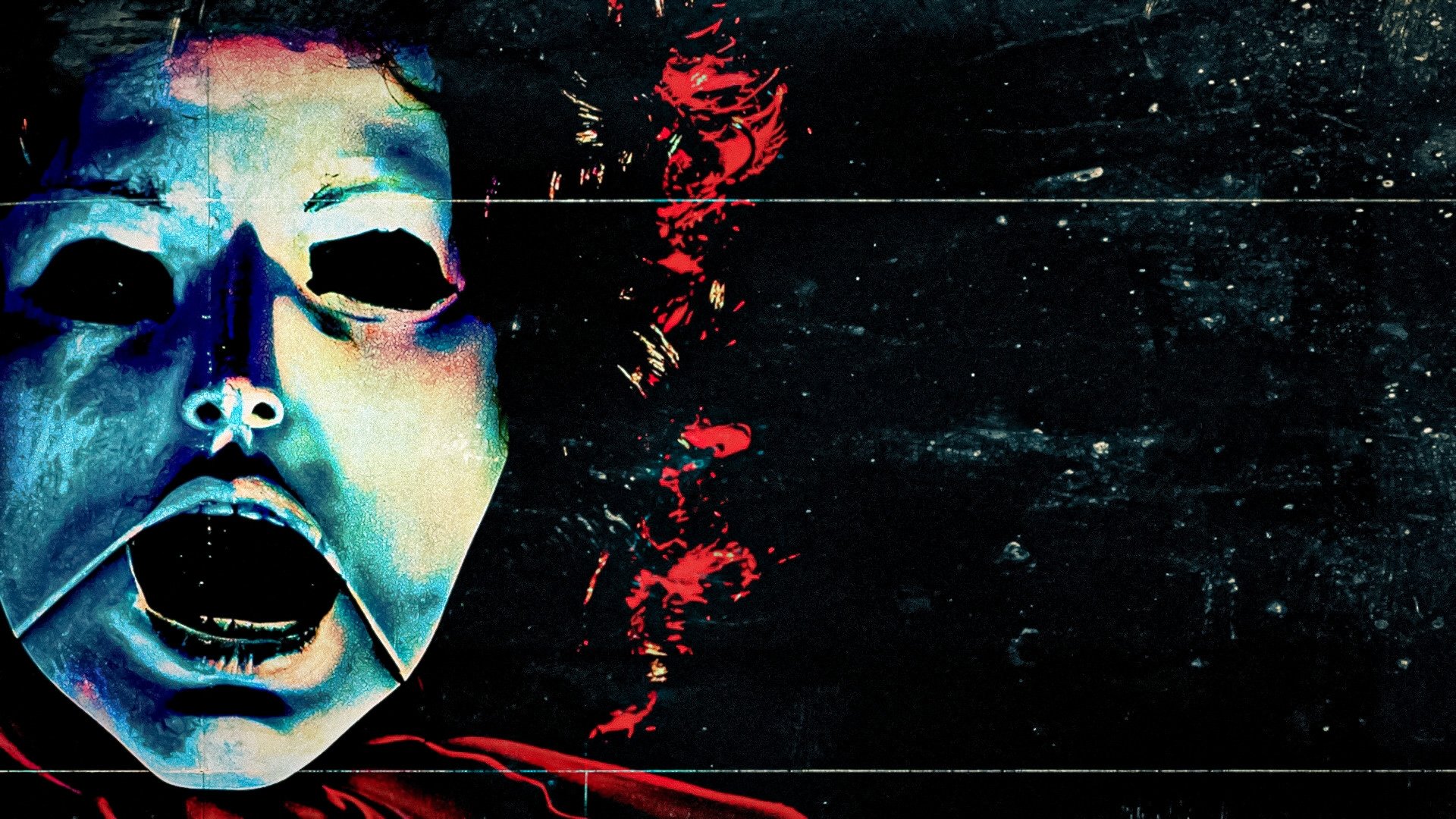
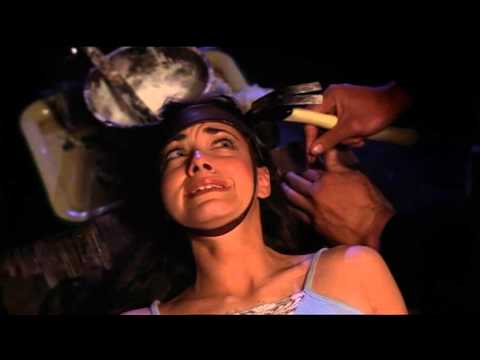
The effects are closely connected to the film's treatment of the human body. Mannequin heads and faces can appear almost human until movement reveals their artificial construction, while masks and imitation bodies repeatedly complicate the identification of living characters. One of the film's most disturbing sequences involves a woman being restrained while a substance is applied to her face, turning the process of creating a human likeness into an act of violence. Elsewhere, moving objects and disembodied mannequin parts expand the threat beyond an attacker's immediate physical reach. The production combines these effects with performance and editing rather than relying principally on explicit gore, making the artificial human figure its most characteristic horror image.

Pino Donaggio and the Musical Score

Pino Donaggio became involved through an unusual personal connection. Schmoeller was asked by Joe Dante to act as an interpreter while Donaggio was working on Piranha (1978), since the Italian composer did not speak English and both men could communicate in Spanish. After the musical spotting process for Dante's film, Schmoeller approached Donaggio about scoring Tourist Trap. The composer viewed the film and agreed to participate. Charles Band, who spoke Italian, was subsequently able to communicate directly with Donaggio. According to Schmoeller, Band arranged an additional $50,000 to cover the composer's fee and an orchestral recording made in Rome.

Donaggio's music contributes to the unusual tonal balance of the picture. Orchestral suspense passages accompany the threatening movement of objects and the approach of the killer, while more playful musical figures complement the eccentricity of Slausen and his mechanical attractions. The contrast is especially relevant to a film in which theatrical displays and disturbing violence occupy the same environment. Schmoeller later emphasized how much he learned from the composer during their collaboration. Their working relationship continued with Crawlspace (1986), giving the Tourist Trap score additional significance within the director's subsequent horror career. The surviving interviews document the recording location and circumstances of Donaggio's appointment without establishing detailed instrumentation or individual session personnel.

Theatrical Release, Classification and Home-Video Versions

Tourist Trap opened in Los Angeles on March 14, 1979, with American distribution by Compass International Pictures. The film received a PG classification in the United States, an unusually permissive rating for a horror production containing sustained menace, attacks involving sharp objects and disturbing imagery. Its violence frequently depends on anticipation, artificial faces and the suggestion of physical transformation, features that allow it to remain unsettling without extensive graphic bloodshed. The original British classification record documents a cinema version running approximately 90 minutes, classified on January 29, 1979. These records identify separate certification and release events rather than establishing that every territory received an identical print.

The subsequent home-video history introduced further complications. Full Moon's 2014 Blu-ray used an abbreviated presentation running approximately 85 minutes, omitting material present in longer editions. Reports comparing the releases indicate that the missing passages primarily involved narrative material rather than extensive gore footage. Full Moon later issued an edition advertised as uncut in 2020, restoring approximately five minutes and returning the film to a running time close to 90 minutes. The British Board of Film Classification also records a 2025 home-entertainment presentation running 89 minutes and 33 seconds. These differences concern specific releases and transfers; their existence alone does not establish formally designated alternative director's cuts. The history demonstrates the importance of identifying the edition when comparing the film's narrative continuity and presentation.

Contemporary Reception and Historical Position

The initial American critical response was mixed and frequently distinguished the film's effects from its screenplay. According to the American Film Institute's historical research, reviews in the Los Angeles Times on March 14, 1979, and Variety on March 21 acknowledged the effectiveness of some special effects while criticizing the narrative as slow or insufficiently original. A June review in Boxoffice also compared the Slausen character to Norman Bates in Psycho. These contemporary responses indicate that the film's connection to established American horror formulas was immediately apparent to critics, even when individual sequences attracted favorable comment.

A contrasting assessment appeared in Stephen King's Danse Macabre (1981). King singled out Tourist Trap as a worthwhile discovery among lower-budget horror films and specifically recognized the unsettling effect of its animated wax figures. That early endorsement preceded the sustained attention the film later received through specialist horror writing and home-video circulation. Retrospective discussions have increasingly considered its mixture of slasher conventions, psychological horror and supernatural manifestations as central to its individuality. These assessments should be understood as part of the film's critical afterlife rather than evidence that it was universally admired upon release.

Tourist Trap also holds a defined place within Schmoeller's career. Its emphasis on threatening artificial figures preceded his direction of Puppet Master (1989), another horror production built around animated objects, although that later project developed under different creative and production circumstances. The earlier film remains particularly useful for examining the working methods of independent American horror in the late 1970s: the reuse of inexpensive locations, the construction and modification of physical props, the influence of commercially successful genre models and the contribution of an internationally established film composer. Its distinctive production decisions are documented in sufficient detail to separate the circumstances of its creation from the reputation it acquired afterward.

References

  1. American Film Institute Tourist Trap — AFI Catalog of Feature Films

    Archival production history based on contemporary Hollywood Reporter, Daily Variety and film-review sources, documenting filming locations, the production schedule, budget reporting, theatrical release and early critical reception.

  2. Kitley's Krypt Interview: David Schmoeller

    Original interview discussing the student-film origins, collaboration with Chuck Connors, Robert A. Burns's practical mannequin modifications and the acquisition of props for Tourist Trap.

  3. The End of Summer An Interview with David Schmoeller — Part 2: Tourist Trap

    Extended first-hand interview examining the film's origins, influences, Charles Band's suggestion of telekinesis, and the circumstances and financing of Pino Donaggio's orchestral score.

Cast

View Full Cast & Crew →

Release & Distribution

Production Companies (2)

  • Charles Band Productions
  • Compass International Pictures US

Distributors (1)

  • Compass International Pictures US

Release History (7)

Release DateTerritoryRelease TypeFormatDistributorCertificationNotes
1979-01-25 France Premiere — — — Avoriaz Fantastic Film Festival
1979-03-14 United States Limited Theatrical — — PG Los Angeles
1979-03-16 United States Theatrical — — PG
1979-05-12 Japan Theatrical — — —
1980-11-21 Germany Theatrical — — 18
1982-12-10 Portugal Theatrical — — —
2023-07-25 Italy Physical — — —
Every year young people disappear.